Month: July 2024

  • Understand How The Rhytidectomy Market Is Poised To Grow Through 2024-2033

    Understand How The Rhytidectomy Market Is Poised To Grow Through 2024-2033

    The Business Research Company’s global market reports are now updated with the latest market sizing information for the year 2024 and forecasted to 2033

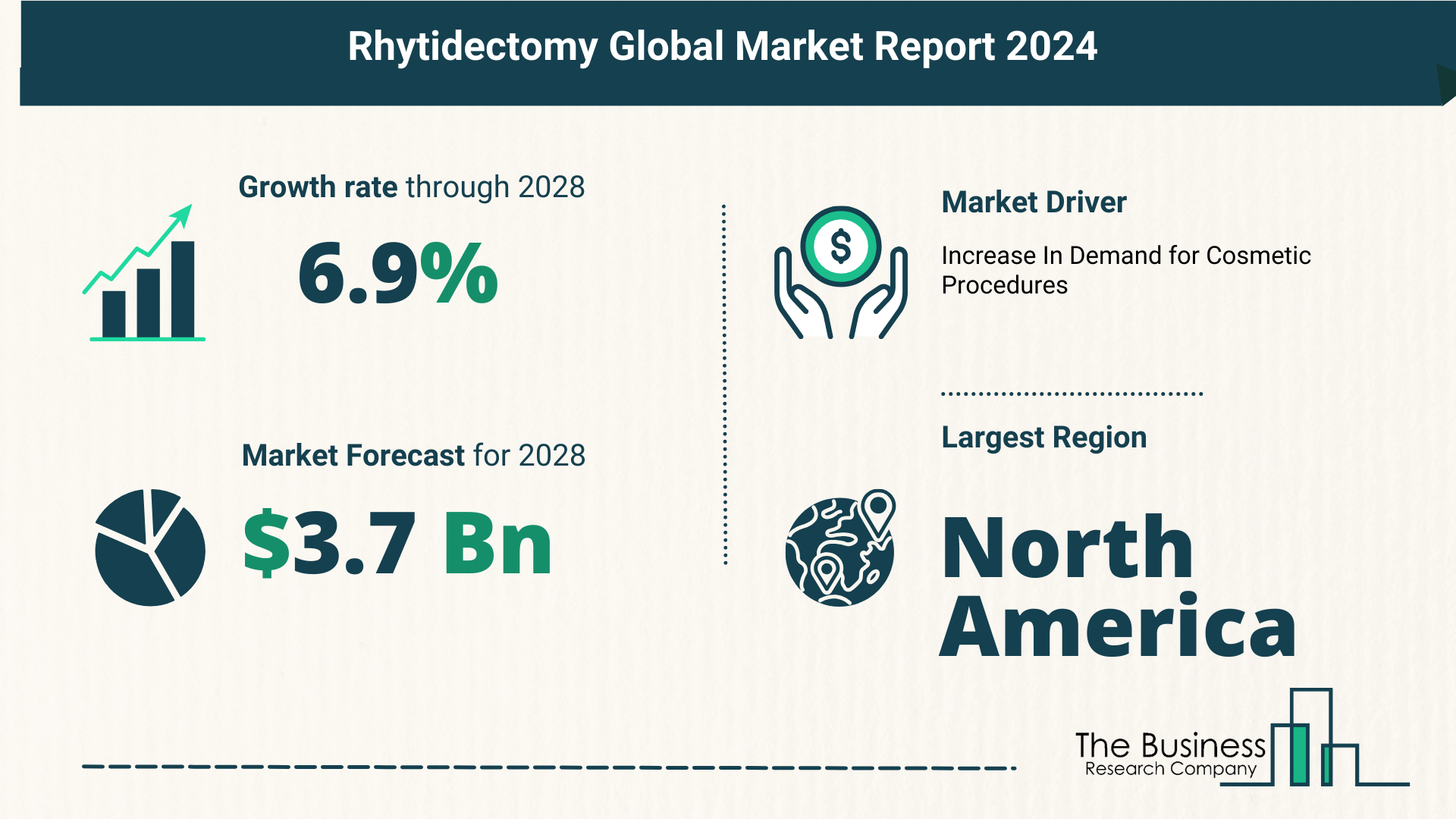
    As per The Business Research Company’s Rhytidectomy Global Market Report 2024, the rhytidectomy market is expected to show significant growth in the forecast period.

    The rhytidectomy market has witnessed robust growth recently, driven by increasing consumer demand for cosmetic procedures. This includes both surgical and nonsurgical treatments aimed at enhancing appearance and boosting confidence. Rhytidectomy, commonly known as a facelift, addresses visible signs of aging on the face and neck, making it a popular choice among individuals seeking aesthetic enhancements.

    • Surge in Cosmetic Procedures: The market benefits from a significant rise in cosmetic surgeries and treatments, reflecting a cultural shift towards beauty enhancement.
    • Notable Surge in Procedures: The American Academy of Facial Plastic and Reconstructive Surgery reported a 40% increase in facial plastic surgeries in 2021 compared to 2020, indicating growing interest and acceptance of cosmetic interventions.
    • Market Growth Drivers: Factors such as enhanced accessibility, economic conditions, and advancements in safety have further propelled market expansion.

    Technological Innovations Driving Rhytidectomy Market Growth

    Technological advancements play a pivotal role in shaping the rhytidectomy market landscape, with companies continuously introducing innovative products and techniques to meet evolving consumer expectations.

    • Cutting-Edge Technologies: Companies like BTL Aesthetics are pioneering non-invasive treatments using high-intensity focused electromagnetic (HIFEM) technology. These innovations aim to rejuvenate facial muscles, reduce wrinkles, and improve skin elasticity without surgery.
    • Market Competitiveness: Technological innovations are crucial for companies to maintain competitiveness and cater to the increasing demand for minimally invasive procedures.
    • Consumer Preference: Innovations like Emface demonstrate a shift towards non-surgical alternatives that deliver effective results with minimal downtime, appealing to a broader demographic.

    View More On The Rhytidectomy Market Report 2024 – https://www.thebusinessresearchcompany.com/report/rhytidectomy-global-market-report

    Strategic Acquisitions and Market Segmentation

    Recent strategic moves within the industry underscore efforts to expand market presence and enhance service offerings through acquisitions and targeted segmentation strategies.

    • Strategic Acquisition: Athenix’s acquisition of Marina Plastic Surgery and MedSpa highlights efforts to consolidate expertise and broaden service capabilities in the plastic surgery sector, including rhytidectomy procedures.
    • Market Segmentation: The rhytidectomy market is segmented based on procedure types such as traditional facelifts, SMAS facelifts, and mini facelifts, catering to diverse patient needs and preferences.
    • Regional Insights: North America leads the market currently, while Asia-Pacific emerges as a rapidly growing region, driven by increasing disposable incomes and a burgeoning interest in aesthetic enhancements.

    Conclusion

    The rhytidectomy market is poised for continued growth, driven by technological advancements, rising consumer demand for cosmetic procedures, and strategic industry initiatives. Innovations in non-invasive treatments and strategic expansions through acquisitions are reshaping the landscape, offering promising opportunities for market players to capitalize on evolving trends and consumer preferences. As the market continues to evolve, adapting to technological innovations and consumer trends will be critical for sustained growth and competitiveness.

    This blog provides insights into the dynamics shaping the rhytidectomy market, highlighting key growth drivers, technological innovations, and strategic developments driving industry expansion.

    Request A Sample Of The Global Rhytidectomy Market Report 2024:
    https://www.thebusinessresearchcompany.com/sample_request?id=10608&type=smp
  • Global Proton Therapy Systems Market Analysis: Estimated Market Size And Growth Rate

    Global Proton Therapy Systems Market Analysis: Estimated Market Size And Growth Rate

    The Business Research Company’s global market reports are now updated with the latest market sizing information for the year 2024 and forecasted to 2033

    Market Growth and Forecast

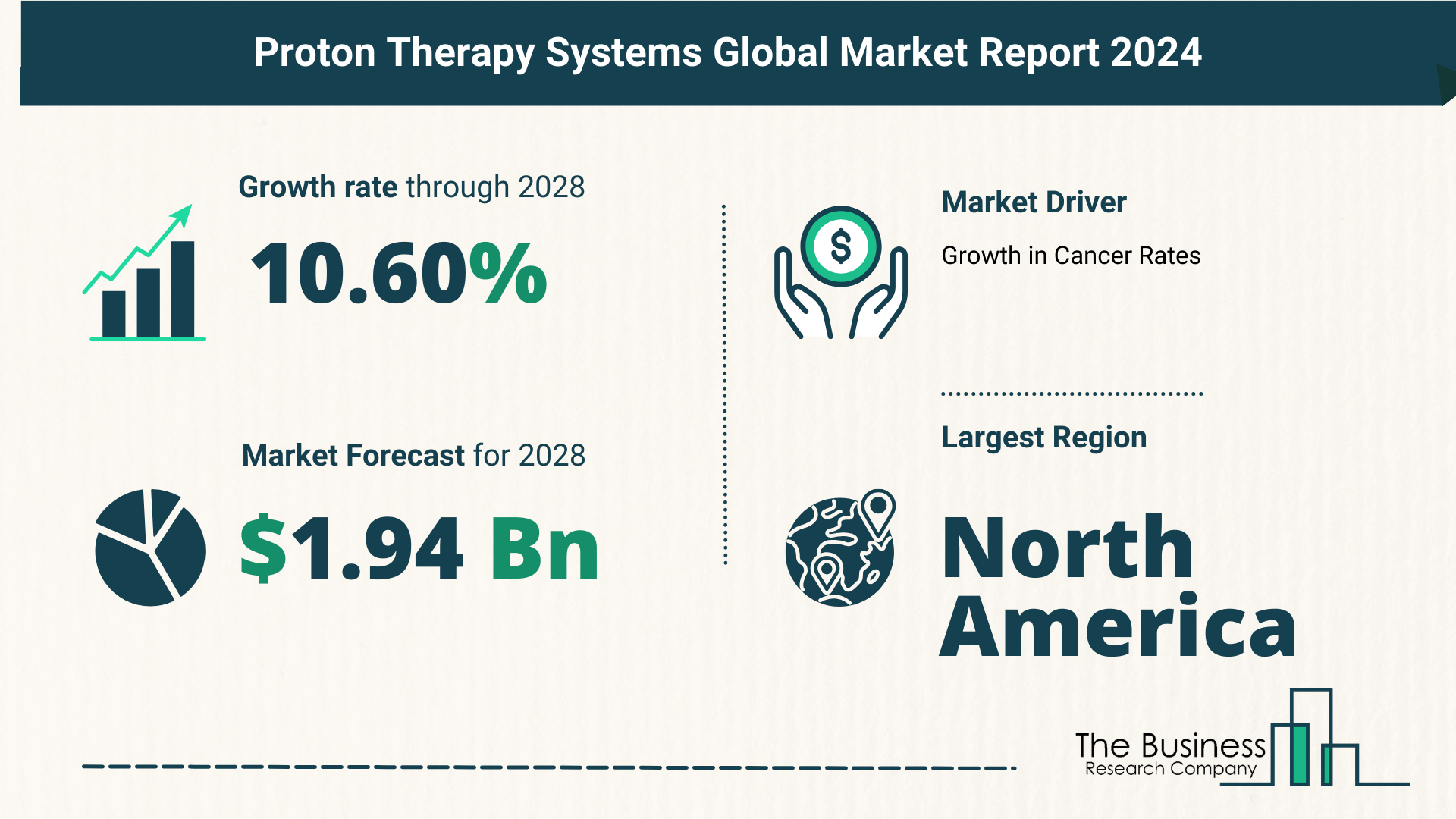
    The proton therapy systems market has shown significant growth, with a rise from $1.17 billion in 2023 to $1.29 billion in 2024, marking a robust CAGR of 10.5%. Looking ahead, the market is projected to reach $1.94 billion by 2028, growing at a CAGR of 10.6%. Factors driving this growth include:

    • Increasing cancer incidence
    • Rising healthcare expenditure
    • Demand for non-invasive treatment options
    • Expansion of healthcare infrastructure

    Harnessing Proton Therapy Systems In Response To Growing Cancer Rates

    The prevalence of cancer continues to increase globally, fueled by factors such as aging populations and lifestyle changes. Proton therapy systems offer precise tumor targeting with minimal damage to healthy tissue, improving treatment outcomes and reducing side effects. The market growth is directly influenced by the rising cancer burden, highlighting the critical role of proton therapy in modern oncology.

    View More On The Proton Therapy Systems Market Report 2024 – https://www.thebusinessresearchcompany.com/report/proton-therapy-systems-global-market-report

    Major Players in the Proton Therapy Systems Market

    Notable companies driving innovation in proton therapy include:

    • Mitsubishi Electric Corporation
    • Toshiba Corporation
    • Siemens Healthineers
    • Koninklijke Philips N.V.
    • GE Healthcare

    Revolutionizing Proton Therapy With Compact And Accessible Systems

    Companies are focusing on developing compact, self-shielded proton accelerators to overcome installation challenges and enhance safety. For instance, Mevion Medical Systems’ MEVION S250-FIT system supports existing LINAC vaults, integrating advanced technologies like ARC therapy to broaden treatment accessibility.

    Siemens Healthineers Expands Cancer Treatment Capabilities

    Siemens Healthineers’ acquisition of Varian Medical Systems underscores its commitment to advancing cancer treatment technologies. This strategic move aims to bolster its position in healthcare and accelerate innovations in proton therapy and radiation oncology.

    Market Segmentation and Regional Insights

    • Segmentation:
      • Type:Robotized Positioning Table, Integrated CT Scanner, Integrated PET Scanner
      • Setup Type:Single Room, Multi Room
      • Application:Brain and CNS Cancer, Head and Neck Cancer, Prostate Cancer, Breast Cancer, Lung Cancer, GI Cancer, Others
      • End-User:Hospitals, Proton Therapy Centers, Others
    • Regional Insights:North America led the market in 2023, while Asia-Pacific is anticipated to exhibit the fastest growth during the forecast period. This growth is attributed to increasing healthcare investments and rising cancer prevalence in these regions.

    Conclusion

    The proton therapy systems market is poised for substantial growth driven by technological advancements, expanding treatment applications, and strategic acquisitions. As cancer rates continue to rise globally, the demand for precise and effective treatment options like proton therapy will likely continue to grow, shaping the future landscape of oncological care.

    Request A Sample Of The Global Proton Therapy Systems Market Report 2024:
    https://www.thebusinessresearchcompany.com/sample_request?id=15251&type=smp

  • What Is The Forecast Growth Rate For The Pharmacy Automation Market?

    What Is The Forecast Growth Rate For The Pharmacy Automation Market?

    The Business Research Company’s market reports offer an in-depth analysis on the market’s growth potential, major drivers, key trends and more.

    The pharmacy automation market has experienced significant growth in recent years, driven by several key factors.

    • Historic Growth and Market Size
      • The market size grew from $6.58 billion in 2023 to $7.32 billion in 2024, with a CAGR of 11.2%.
      • Factors contributing to historic growth: shortage of skilled pharmacy staff, stringent regulations, need to reduce medication errors, enhanced data management, and patient demand for faster service.
    • Forecasted Growth and Trends
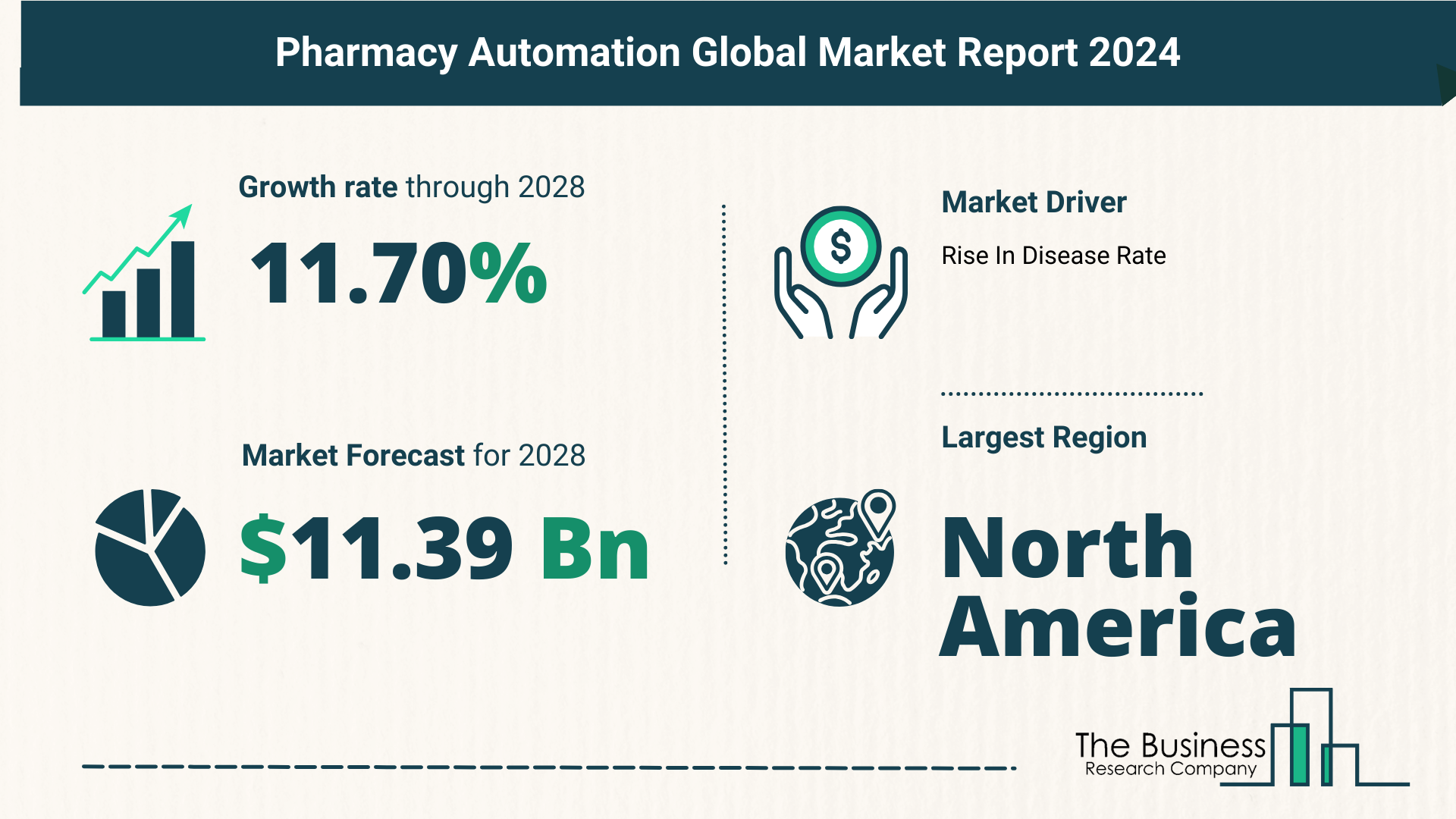
      • Expected to reach $11.39 billion by 2028, growing at a CAGR of 11.7%.
      • Forecasted drivers: aging populations, growth of retail pharmacy chains, focus on patient experience, rising labor costs, and integration with EHR systems.
      • Major trends: AI-powered systems, telepharmacy solutions, robotics, centralized prescription processing, and blockchain adoption.

    Read More On The Pharmacy Automation Market Report 2024 – https://www.thebusinessresearchcompany.com/report/pharmacy-automation-global-market-report

    Rise In Disease Rate Is Anticipated To Fuel The Expansion Of The Pharmacy Automation Market

    The surge in disease rates globally is expected to drive further growth in the pharmacy automation market.

    • Impact of Disease Rates
      • Factors contributing: increasing population, travel, climate change, pollution, and new infectious agents.
      • Pharmacy automation’s role: enhances accuracy and efficiency in medication dispensing and management.
      • Example: US projected to see a significant increase in chronic conditions among older adults by 2050.

    Major Companies and Innovations

    Leading companies and innovations are shaping the pharmacy automation landscape.

    • Key Players
      • Major companies include Mckesson Corporation, AmerisourceBergen Corporation, Baxter International Inc., and more.
      • Focus on expanding product portfolios and innovation in automated drug dispensing systems.
    • Innovative Solutions
      • Example: JVM Co. Ltd.’s MENITH, a robotic arm-based automated dispensing machine, improves dispensing speed and accuracy.
      • Advanced systems aim to reduce medical errors and optimize pharmacy workflows.

    Strategic Acquisitions and Market Segmentation

    Strategic moves and market segmentation play crucial roles in market expansion.

    • Strategic Acquisition
      • Example: Becton, Dickinson, and Company’s acquisition of Parata Systems enhances automation solutions.
      • Focus on addressing pharmacy challenges and enhancing clinical efficiencies.
    • Market Segmentation
      • Segmented by product (dispensing systems, packaging machines), application (drug dispensing, inventory management), and end-user (inpatient pharmacies, retail pharmacies).

    Regional Insights

    Regional dynamics highlight growth disparities and opportunities.

    • Regional Insights
      • North America led the market in 2023; Asia-Pacific expected to grow fastest.
      • Regional growth driven by healthcare infrastructure development and increasing healthcare spending.

    In conclusion, the pharmacy automation market is poised for substantial growth driven by technological advancements, rising healthcare demands, and strategic industry moves. As the healthcare landscape evolves, pharmacy automation will continue to play a pivotal role in enhancing patient care and operational efficiencies across global healthcare systems.

    Request for A Sample Of The Global Pharmacy Automation Market Report:
    https://www.thebusinessresearchcompany.com/sample_request?id=15234&type=smp

  • Overview Of The Pet Mobility Aids Market 2024-2033: Growth And Major Players Analysis

    Overview Of The Pet Mobility Aids Market 2024-2033: Growth And Major Players Analysis

    The Business Research Company’s global market reports are now updated with the latest market sizing information for the year 2024 and forecasted to 2033

    Market Growth Overview

    • Current Market Size: The pet mobility aids market has surged from $1.88 billion in 2023 to $2.04 billion in 2024, with a CAGR of 8.6%.
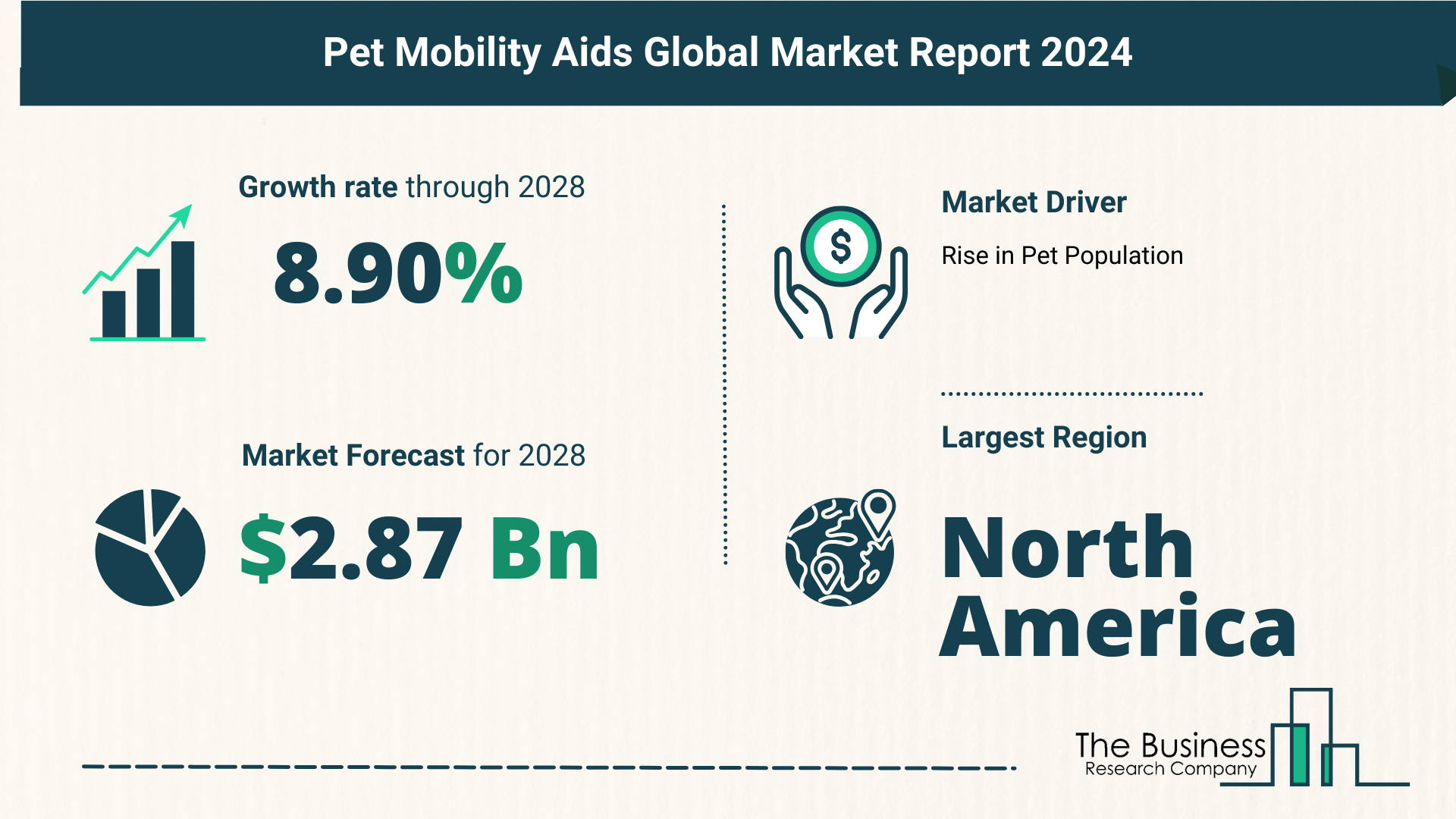
    • Future Projections: Anticipated to reach $2.87 billion by 2028, growing at a CAGR of 8.9%.

    Driving Forces Behind Market Growth

    The expansion in the pet mobility aids market can be attributed to several key factors:

    • Advancements in Veterinary Medicine: Improvements in treatments and therapies for pets.
    • Aging Pet Population: Increased need for mobility support among older pets.
    • Rising Pet Ownership: Growing number of pets leading to higher demand for pet care products.
    • Increased Awareness: Greater focus on pet health and well-being.
    • Expansion of Pet Insurance Coverage: More comprehensive support for pet healthcare expenses.

    Trends Shaping the Future

    In the forecast period, significant trends are influencing market dynamics:

    • Integration of Smart Technology: Incorporation of IoT and smart devices in pet mobility aids.
    • Demand for Sustainable Solutions: Rise in eco-friendly and sustainable mobility products.
    • Customization for Different Breeds: Tailored solutions for diverse pet sizes and breeds.
    • Expansion of Rental Services: Increasing availability of rental options for pet mobility aids.
    • Emergence of 3D Printing: Adoption of 3D printing for customized pet devices.

    View More On The Pet Mobility Aids Market Report 2024 – https://www.thebusinessresearchcompany.com/report/pet-mobility-aids-global-market-report

    Impact of Rising Pet Population

    The growing number of pets globally is a major catalyst for market growth:

    • Increased Adoption Rates: Surge in pet adoptions, particularly in North America.
    • Enhanced Emotional Support: Pets contribute positively to emotional well-being.
    • Media Influence: Popularization of pet ownership through media and social channels.

    Innovations Driving Market Leaders

    Companies like Walkin’ Pets and Paw Prosper are spearheading innovation in pet mobility aids:

    • Custom Stifle Braces: Walkin’ Pets introduces specialized braces for knee injuries, enhancing mobility and comfort.
    • Strategic Acquisitions: Paw Prosper’s acquisition of K9 Carts expands its product portfolio, strengthening market presence.

    Market Segmentation

    The pet mobility aids market is segmented by product, pet type, distribution channel, and end-user:

    • Products: Wheelchairs, splints, slings, ramps, prosthetics, and other specialized aids.
    • Pet Types: Mainly catering to dogs and cats, with solutions emerging for other pet species.
    • Distribution Channels: Retail stores, e-commerce platforms, and veterinary clinics.
    • End Users: Individual pet owners, veterinary clinics, and pet care facilities.

    Regional Insights

    • North America Dominance: Leading region in 2023, fueled by high pet ownership rates and advanced veterinary care facilities.

    Conclusion

    The pet mobility aids market is poised for substantial growth, driven by technological advancements, demographic shifts in pet ownership, and increasing awareness of pet health needs. As innovations continue to unfold and market players expand their offerings, the future looks promising for enhancing the mobility and quality of life for pets worldwide.

    Request A Sample Of The Global Pet Mobility Aids Market Report 2024:
    https://www.thebusinessresearchcompany.com/sample_request?id=15233&type=smp

  • Key Trends And Drivers In The Drugs for Immunotherapy Market 2024

    Key Trends And Drivers In The Drugs for Immunotherapy Market 2024

    The Business Research Company’s market reports offer an in-depth analysis on the market’s growth potential, major drivers, key trends and more.

    The drugs for immunotherapy market has experienced significant growth in recent years, driven by various factors contributing to its expansion and future projections.

    • Market Size and Growth Trends
      • The market size was $255.14 billion in 2023 and is expected to reach $281.43 billion in 2024, growing at a CAGR of 10.3%.
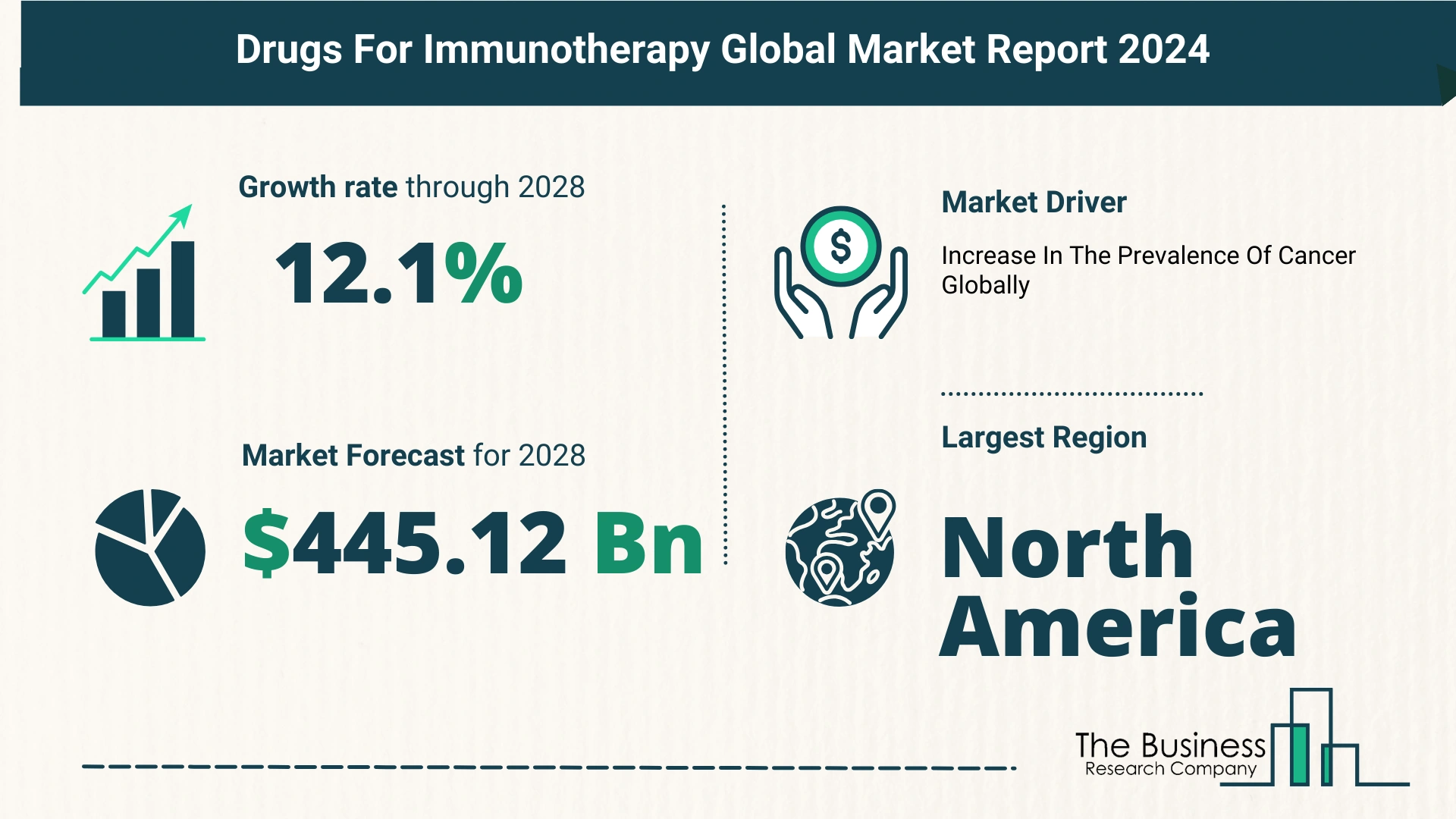
      • By 2028, it is forecasted to grow to $445.12 billion at a CAGR of 12.1%.

    Drivers of Market Growth

    Rising Incidences of Cancer

    The global increase in cancer cases is a primary driver for the drugs for immunotherapy market, influenced by lifestyle factors and aging populations.

    • Obesity, smoking, alcohol consumption, and poor diet contribute to cancer incidences.
    • Predictions suggest a significant rise in cancer cases globally, further boosting demand for immunotherapy drugs.

    Read More On The Drugs for Immunotherapy Market Report 2024 – https://www.thebusinessresearchcompany.com/report/drugs-for-immunotherapy-global-market-report

    Innovations in Immunotherapy

    Major companies are advancing therapies to cater to evolving healthcare needs, focusing on targeted treatments like immune checkpoint inhibitors.

    • Innovations such as Keytruda (pembrolizumab) from Merck & Co., Inc. highlight significant advancements in cancer treatment.
    • FDA-approved therapies like Keytruda expand treatment options and improve patient outcomes.

    Strategic Acquisitions and Expansions

    Key acquisitions by major pharmaceutical firms, such as Pfizer Inc.’s acquisition of Trillium Therapeutics, bolster market competitiveness and portfolio diversification.

    • Pfizer Inc.’s acquisition enhances its oncology offerings, particularly in immuno-therapeutics for hematological malignancies.

    Market Segmentation

    The drugs for immunotherapy market is segmented by type, therapy area, and end user to cater to diverse medical needs and treatment preferences.

    • By Type: Monoclonal Antibodies, Interferons, Interleukins, Vaccines, Checkpoint Inhibitors, Other Types
    • By Therapy Area: Cancer, Autoimmune & Inflammatory Diseases, Infectious Diseases, Other Therapy Areas
    • By End User: Hospitals & Clinics, Ambulatory Surgical Centers, Other End Users

    Regional Insights

    North America led the market in 2023, with the Middle East anticipated as the fastest-growing region during the forecast period.

    • North America: Significant market presence due to advanced healthcare infrastructure and high investment in research.
    • Middle East: Rapid growth expected, driven by increasing healthcare expenditures and rising cancer incidences.

    Conclusion

    The drugs for immunotherapy market is poised for substantial growth, propelled by rising cancer rates, innovative treatment solutions, strategic acquisitions, and expanding global healthcare access. With ongoing advancements in immunology and personalized medicine, the future promises continued evolution and improvement in patient care and outcomes.

    Request for A Sample Of The Global Drugs for Immunotherapy Market Report:
    https://www.thebusinessresearchcompany.com/sample_request?id=2559&type=smp

  • Global Diagnostic Enzyme Market Key Insights 2024-2033

    Global Diagnostic Enzyme Market Key Insights 2024-2033

    The Business Research Company’s global market reports are now updated with the latest market sizing information for the year 2024 and forecasted to 2033

    According to The Business Research Company’s Diagnostic Enzyme Global Market Report 2024, the diagnostic enzyme market is expected to show promising growth in the forecast period.

    Market Growth and Projections

    • The diagnostic enzyme market has shown robust growth, reaching $4.02 billion in 2023 and projected to grow to $4.25 billion in 2024, with a CAGR of 5.7%.
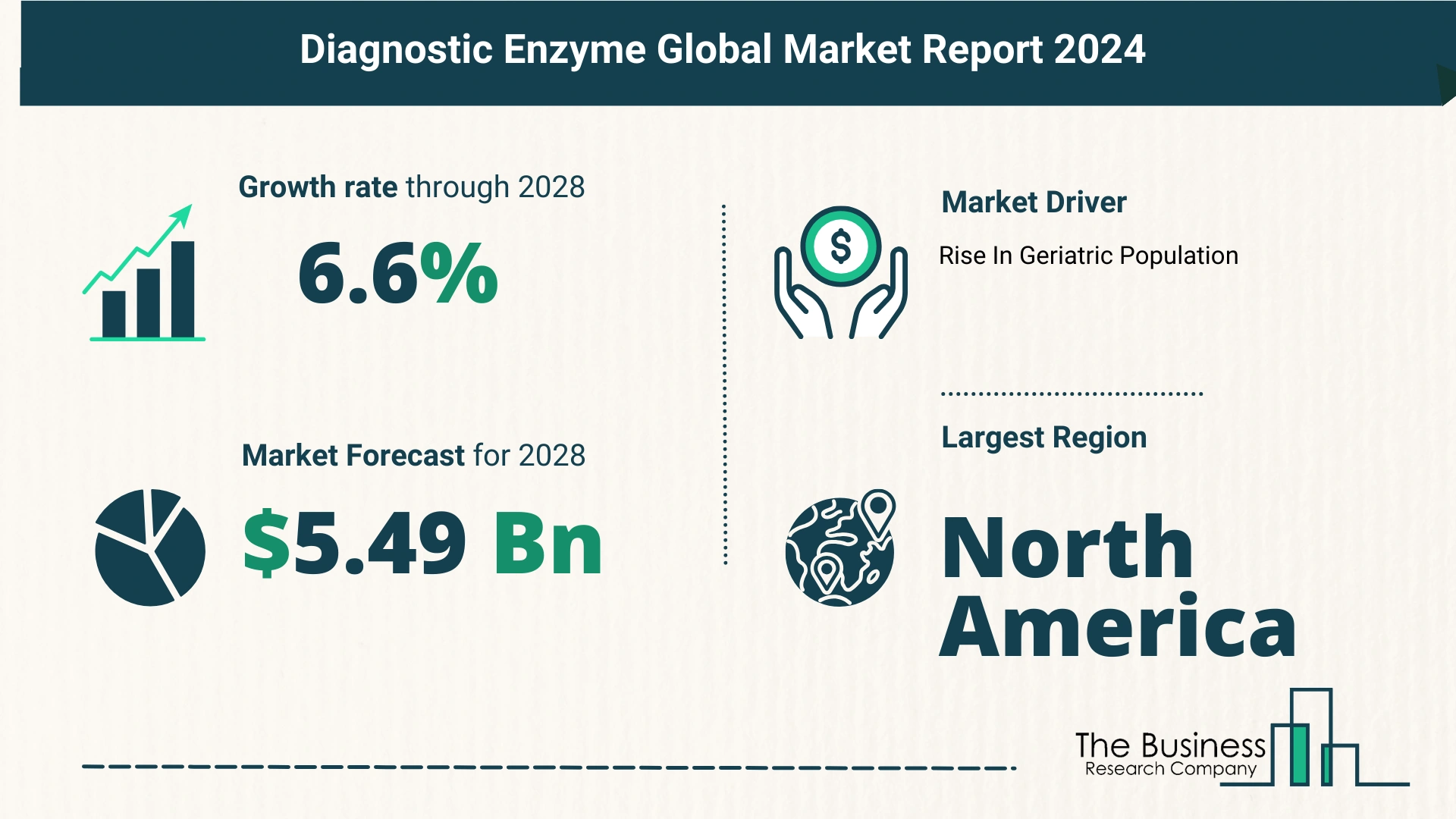
    • Expected growth to $5.49 billion by 2028, at a CAGR of 6.6%, driven by increasing healthcare spending and government initiatives.

    Factors Driving Market Growth

    • Prevalence of Chronic Diseases: Rising incidence contributes to demand for diagnostic enzymes.
    • Geriatric Population: Increasing elderly demographics require more diagnostic enzyme applications.
    • Awareness and Preventive Healthcare: Growing emphasis on early diagnosis boosts market demand.

    View More On The Diagnostic Enzyme Market Report 2024 – https://www.thebusinessresearchcompany.com/report/diagnostic-enzymes-global-market-report

    Rise In Geriatric Population For Diagnostic Enzymes Market

    • The aging global population, expected to double by 2050, fuels demand for diagnostic enzymes.
    • Elderly individuals are more susceptible to chronic diseases requiring diagnostic enzyme testing.

    Key Players in the Market

    • Major companies include Sanofi S.A., Roche Holding AG, Thermo Fisher Scientific Inc., and more.
    • Diverse product offerings and strategic expansions characterize market leadership.

    Technology-Enabled Service Innovation In Diagnostic Enzyme Market

    • Innovative Solutions: Companies integrate machine learning for enzyme discovery and optimization.
    • Ginkgo Enzyme Services: Launched by Ginkgo Bioworks, enhances enzyme production efficiency.

    Case Study: Qiagen Acquires Blirt S.A

    • QIAGEN’s acquisition of BLIRT S.A enhances its molecular testing capabilities and market presence.
    • Strategic move strengthens QIAGEN’s position in molecular diagnostics and sample technologies.

    Market Segmentation and Regional Insights

    • By Product Type: Carbohydrases, Polymerases And Nucleases, Protease, Others.
    • By Source: Animals, Microorganisms, Plants.
    • By Application: Biocatalysts, Diagnostics, Pharmaceuticals, Research & Biotechnology.

    Regional Dynamics

    • North America: Largest market in 2023, driven by technological advancements.
    • Middle East: Fastest-growing region, reflecting increasing healthcare investments.

    Conclusion

    The diagnostic enzyme market is poised for substantial growth driven by technological advancements, demographic shifts, and expanding healthcare infrastructure. Companies are innovating to meet evolving market demands, enhancing diagnostic capabilities across global regions. As the market evolves, strategic partnerships and technological integrations will continue to shape its trajectory, ensuring sustained growth and innovation in diagnostic enzyme applications.

    Request A Sample Of The Global Diagnostic Enzyme Market Report 2024:
    https://www.thebusinessresearchcompany.com/sample_request?id=3394&type=smp

  • Global Conjugated Monoclonal Antibodies Market Overview 2024: Size, Drivers, And Trends

    Global Conjugated Monoclonal Antibodies Market Overview 2024: Size, Drivers, And Trends

    The Business Research Company’s global market reports provide comprehensive analysis on the various markets in 27 industries across 60 geographies.

     Market Overview and Growth Trends

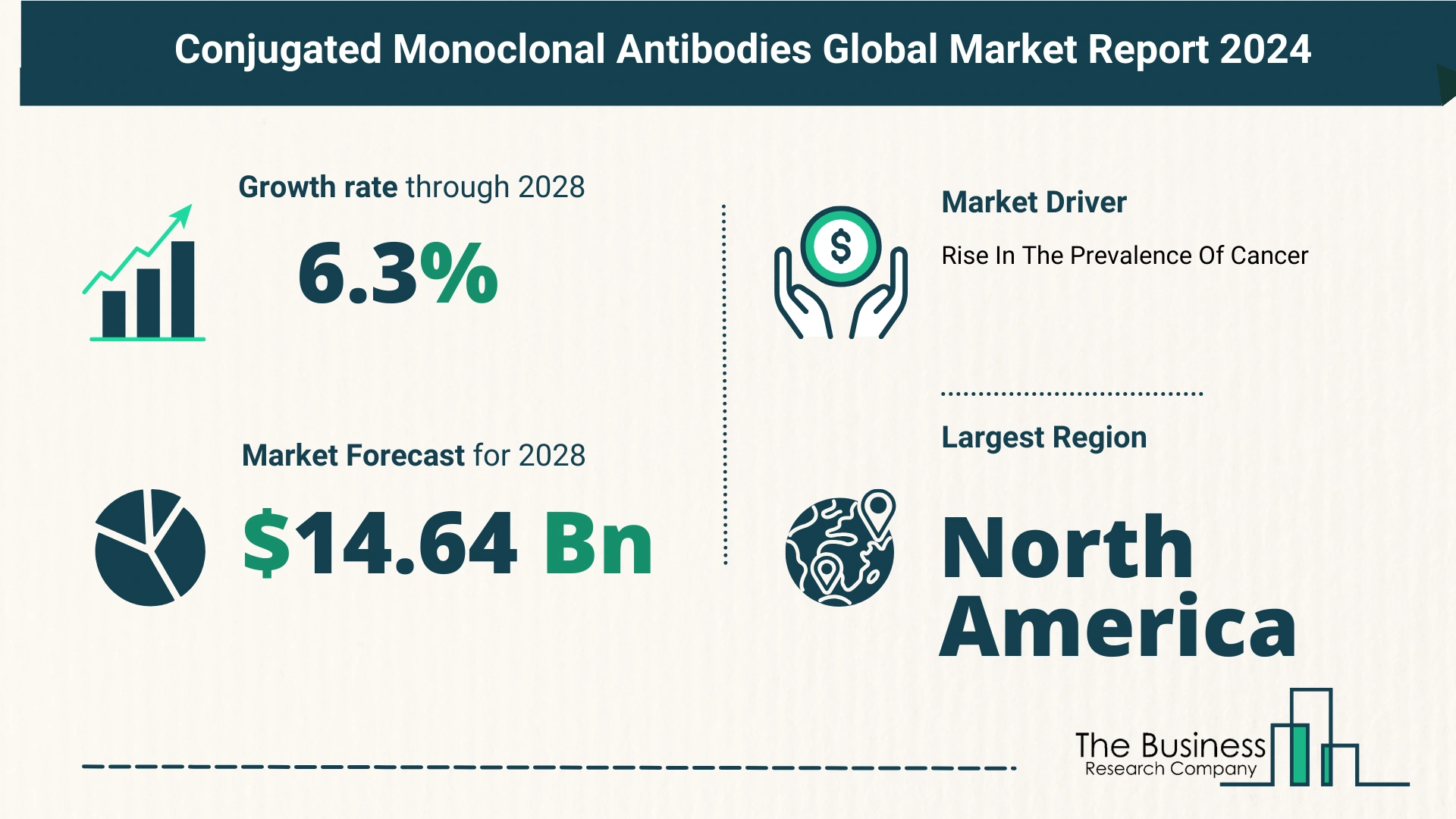
    • The conjugated monoclonal antibodies market has shown robust growth, increasing from $10.9 billion in 2023 to $11.48 billion in 2024, with a CAGR of 5.3%.
    • Forecasted to reach $14.64 billion by 2028, growing at a CAGR of 6.3%.
    • Factors driving historic and forecasted growth include rising cancer prevalence, expanding private healthcare, government support, and increased patient populations.

    Major Growth Drivers

    • Therapeutic Potential: Antibody-drug conjugates (ADCs) are increasingly used in cancer treatment due to their targeted delivery and efficacy.
    • Market Expansion: Growing demand for minimally invasive procedures and expanding healthcare access are boosting market growth.
    • Technological Advancements: Advances in drug delivery systems and next-generation conjugates are significant trends shaping the market.
    • Patient-Centric Care: Shift towards personalized medicine and biomarker-driven development are enhancing treatment outcomes.

    View More On The Conjugated Monoclonal Antibodies Market Report 2024 – https://www.thebusinessresearchcompany.com/report/conjugated-monoclonal-antibodie-global-market-report

    Strategic Partnerships Fueling Innovation

    • Collaborative Efforts: Companies like Pfizer, Roche, and Bristol-Myers Squibb are forming strategic partnerships to advance ADC therapies.
    • Example: BeiGene Ltd. and Duality Biologics partnered to develop ADC therapies for solid tumors, leveraging combined strengths.

    Lonza Group AG’s Acquisition Strategy

    • Acquisition of Synaffix BV: Lonza Group AG acquired Synaffix BV to bolster its ADC capabilities and expand its portfolio, aiming to accelerate ADC therapy development.

    Market Segmentation

    The conjugated monoclonal antibodies market is segmented based on:

    1. Drugs: Adcetris, Kadcyla
    2. Technology: Cleavable Linker, Non-cleavable Linker
    3. Application: Blood Cancer, Breast Cancer, Ovarian Cancer, Lung Cancer, Brain Tumor, Other Applications

    Regional Insights

    • North America: Largest market in 2023, driven by advanced healthcare infrastructure and early adoption of new therapies.
    • Middle East: Expected to exhibit the fastest growth, supported by increasing healthcare investments and rising cancer incidences.

    Conclusion

    The conjugated monoclonal antibodies market is poised for substantial growth, driven by technological advancements, strategic collaborations, and increasing healthcare access globally. As companies continue to innovate and expand their capabilities, the market is set to witness transformative developments in cancer treatment and beyond.

    Request A Sample Of The Global Conjugated Monoclonal Antibodies Market Report 2024:
    https://www.thebusinessresearchcompany.com/sample_request?id=3424&type=smp

  • How Is The Patient Referral Tracking Systems Market Expected To Grow Through 2024-2033

    How Is The Patient Referral Tracking Systems Market Expected To Grow Through 2024-2033

    The Business Research Company’s global market reports are now updated with the latest market sizing information for the year 2024 and forecasted to 2033

    According to The Business Research Company’s Patient Referral Tracking Systems Global Market Report 2024, the patient referral tracking systems market is expected to show promising growth in the forecast period.

    Electronic Health Record Adoption Fueling Growth In Patient Referral Tracking Systems Market
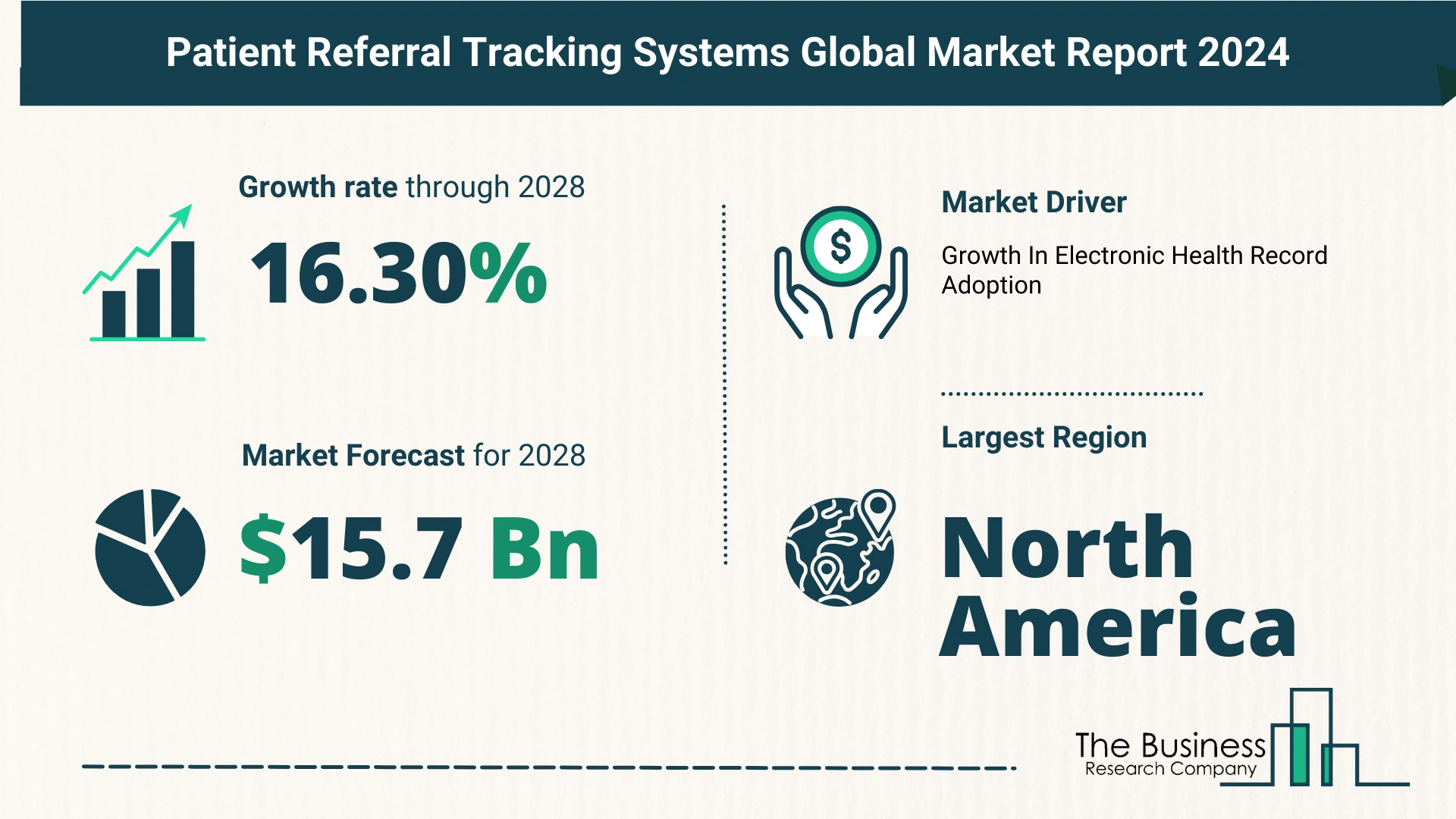
    The patient referral tracking system market has experienced rapid growth in recent years, driven by increasing adoption of electronic health records (EHRs) across healthcare settings. EHRs serve as digital repositories of patient health information, facilitating secure access and sharing among healthcare providers. This adoption trend is pivotal in enhancing healthcare efficiency, patient safety, and care coordination. Notably, nearly all non-federal acute care hospitals and a significant majority of office-based physicians in the United States have adopted certified EHRs, marking substantial growth from previous years.

    Major Companies and Market Overview
    Major players in the patient referral tracking systems market include UnitedHealth Group, McKesson Corporation, IBM, Oracle, Medtronic, GE Healthcare, Cerner Corporation, and others. These companies drive innovation through advanced technology solutions aimed at optimizing patient referrals and enhancing healthcare delivery.

    View More On The Patient Referral Tracking Systems Market Report 2024 – https://www.thebusinessresearchcompany.com/report/patient-referral-tracking-systems-global-market-report

    Centralized Referral Management Solutions Revolutionizing Home-Based Care
    Recent developments in centralized referral management solutions, such as enterprise referral managers, are transforming efficiency and coordination within healthcare environments. These solutions offer benefits like reduced referral leakage, shorter lead times, automated reminders, and secure patient data exchange. For example, WellSky’s enterprise referral manager aims to streamline referral, intake, and customer relationship management processes in home health and hospice care, enhancing staff efficiency and patient care transitions.

    AristaMD Expands Patient Referral Management Capabilities Through Preferral Acquisition
    AristaMD’s acquisition of Preferral in January 2022 exemplifies strategic expansion in patient referral management. This acquisition integrates Preferral’s platform with AristaMD’s eConsult solutions, promising streamlined referral processes and improved specialty care access. Preferral’s expertise in online referral management complements AristaMD’s commitment to enhancing patient outcomes through efficient healthcare workflows.

    Market Segmentation and Growth Outlook
    The patient referral tracking systems market is segmented by type (inbound, outbound), deployment mode (cloud-based, on-premise), and end-users (healthcare providers, payers, patients, and others). North America emerged as the largest market region in 2023, reflecting significant adoption and investment in healthcare technology solutions.

    Forecasted Growth and Trends
    Looking ahead, the patient referral tracking system market is poised for continued expansion, projected to reach $15.7 billion by 2028 with a CAGR of 16.3%. Key trends driving this growth include the adoption of AI-driven referral optimization, expansion of virtual care platforms, emphasis on patient engagement, integration with population health management strategies, and advancements in data analytics and reporting capabilities.

    In conclusion, the patient referral tracking systems market is witnessing robust growth fueled by technological advancements and increasing healthcare digitization. As industry leaders innovate to meet evolving healthcare demands, the integration of EHRs and advanced referral management solutions will play a pivotal role in enhancing care coordination, efficiency, and patient outcomes globally.

    Request A Sample Of The Global Patient Referral Tracking Systems Market Report 2024:
    https://www.thebusinessresearchcompany.com/sample_request?id=15231&type=smp

  • Future Growth Forecast For The Orthopedic Support Systems Global Market 2024-2033

    Future Growth Forecast For The Orthopedic Support Systems Global Market 2024-2033

    The Business Research Company’s global market reports provide comprehensive analysis on the various markets in 27 industries across 60 geographies.

    The orthopedic support systems market has experienced robust growth recently and is poised for further expansion.

    Market Size and Growth

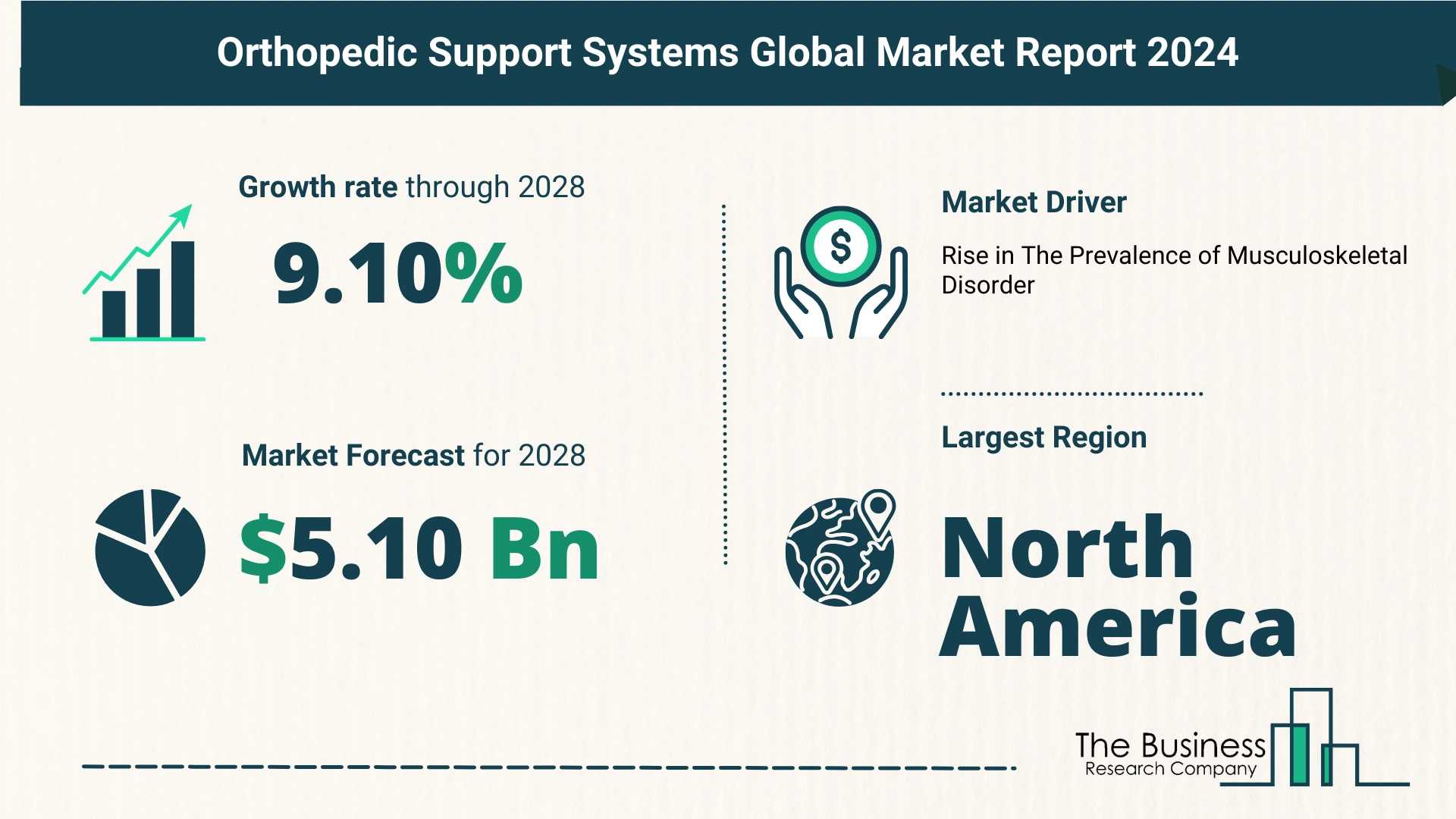
    • The market size grew from $3.31 billion in 2023 to $3.60 billion in 2024, with a CAGR of 8.9%.
    • Expected to reach $5.10 billion by 2028, growing at a CAGR of 9.1%.

    Drivers of Growth

    • Advances in material science and surgical techniques.
    • Increasing sports injuries and aging population.
    • Rising patient awareness and education.

    Forecasted Trends

    • Wearable Technology Integration: Innovations in wearable devices for monitoring and treatment.
    • Minimally Invasive Techniques: Shift towards less invasive orthopedic procedures.
    • Telehealth and Remote Monitoring: Utilization of technology for remote patient management.
    • Orthopedic Rehabilitation Robotics: Integration of robotics in rehabilitation processes.
    • Value-Based Care Models: Focus on outcomes and cost-effectiveness.

    View More On The Orthopedic Support Systems Market Report 2024 – https://www.thebusinessresearchcompany.com/report/orthopedic-support-systems-global-market-report

    Musculoskeletal Disorder Prevalence Driving Market Growth
    Musculoskeletal disorders (MSDs) are becoming more prevalent, bolstering the demand for orthopedic support systems. Factors contributing to this rise include aging populations, sedentary lifestyles, and occupational hazards. Orthopedic supports play a crucial role in managing these conditions, aiding healing, preventing injuries, and improving functional outcomes.

    Key Players and Innovations
    Major companies are at the forefront of innovation in the orthopedic support systems market, introducing advanced products to meet growing demand.

    • Companies: Johnson & Johnson, Medtronic plc, Zimmer Biomet Holdings, and more.
    • Innovations: Products like the VRTX spinal support system from Aspen Medical Products, designed for emergency spinal treatment, illustrate the industry’s focus on enhancing patient care and outcomes.

    Strategic Acquisitions and Market Segmentation
    Strategic acquisitions, such as OrthoPediatrics Corp.’s acquisition of MD Orthopaedics Inc., highlight efforts to strengthen market presence and expand product portfolios, especially in pediatric orthopedics.

    Market Segmentation
    The market is segmented based on products, patient demographics, and applications.

    • Products: Braces and support, splints, bandages, and sleeves.
    • Patients: Adult and pediatric.
    • Applications: Upper and lower body extremities.

    Regional Insights
    North America currently dominates the orthopedic support systems market, while Asia-Pacific shows promising growth potential, expected to be the fastest-growing region.

    Conclusion
    The orthopedic support systems market is witnessing significant growth driven by technological advancements, rising chronic conditions, and expanding healthcare accessibility through telehealth. Innovations in product development and strategic expansions are set to further propel market expansion, catering to the increasing demand for effective orthopedic solutions globally.

    Request A Sample Of The Global Orthopedic Support Systems Market Report 2024:
    https://www.thebusinessresearchcompany.com/sample_request?id=15229&type=smp

  • 5 Key Insights On The Oral Hygiene Market 2024

    5 Key Insights On The Oral Hygiene Market 2024

    The Business Research Company’s global market reports are now updated with the latest market sizing information for the year 2024 and forecasted to 2033

    As per The Business Research Company’s Oral Hygiene Global Market Report 2024, the oral hygiene market is expected to show significant growth in the forecast period.

    Market Size and Growth Trends

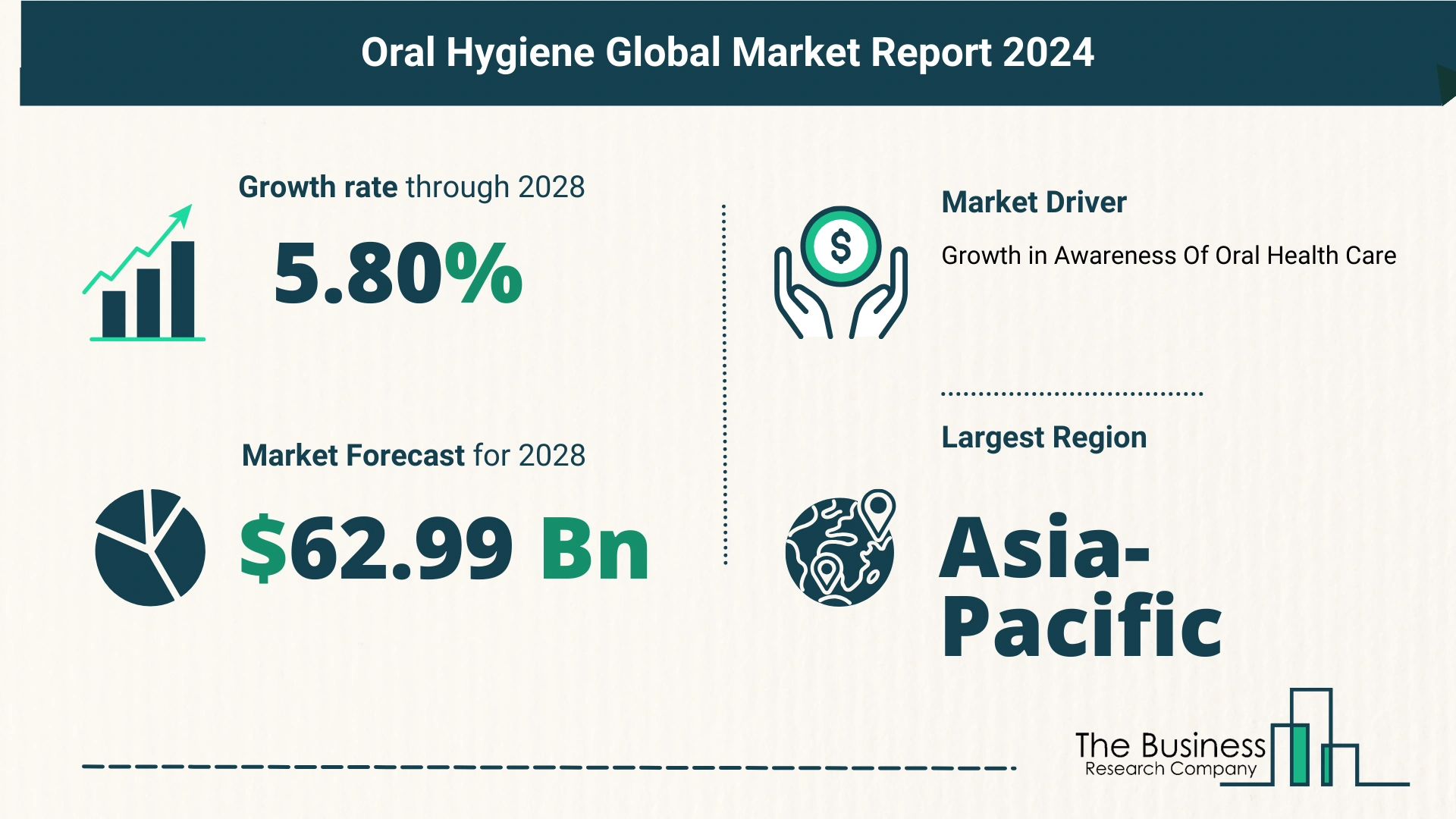
    • The oral hygiene market has shown robust growth, reaching $47.55 billion in 2023 and is projected to hit $50.14 billion in 2024, growing at a CAGR of 5.4%.
    • Forecasted to grow to $62.99 billion by 2028, with a CAGR of 5.8%.
    • Drivers include rising awareness of oral health, technological advancements, increasing disposable incomes, and expanded access to dental services.

    Major Trends Shaping the Future

    • Demand for Natural Products: Surge in consumer preference for natural and sustainable oral care products.
    • Advanced Technologies: Adoption of smart, software-enabled toothbrushes and innovative dental care technologies.
    • Product Diversification: Introduction of specialized products like probiotics and herbal extracts.
    • Digital Health Solutions: Growth of e-commerce platforms and digital health solutions in oral care.

    View More On The Oral Hygiene Market Report 2024 – https://www.thebusinessresearchcompany.com/report/oral-hygiene-global-market-report

    Growing Awareness of Oral Health Care Is Driving Market Expansion
    The emphasis on oral health care is growing due to its role in preventing dental diseases and enhancing overall well-being. Increased awareness translates into higher adoption rates of oral hygiene products, driving market growth significantly. For instance, national dental expenditures in the US surged from $146 billion in 2020 to $162 billion in 2021, reflecting increased spending on oral health care.

    Key Players in the Market
    Major companies driving innovation and market growth include:

    • The Procter & Gamble Company
    • Johnson & Johnson
    • Unilever PLC
    • GlaxoSmithKline plc
    • Colgate-Palmolive Company
    • Philips NV
    • Church & Dwight Co. Inc.
    • Dentsply Sirona Inc.
    • Patanjali Ayurved Limited
    • Sunstar Suisse SA
    • Ivoclar Vivadent AG
    • Ranir LLC

    Technological Advancements in Oral Hygiene Products
    Innovations such as smart toothbrushes are revolutionizing oral care:

    • Burst Oral Care: Launched Pro Sonic and Curve Sonic Toothbrushes with advanced features like smart sensors, software-enabled brushing feedback, and extended battery life, catering to diverse consumer needs and preferences.

    Strategic Acquisitions Driving Market Growth

    • Sunstar’s Acquisition of Playbrush: The acquisition of UK-based Playbrush enhances Sunstar’s digital health portfolio, integrating smart toothbrush technology aimed at children, thereby expanding its market reach and product offerings.

    Market Segmentation
    The oral hygiene market is segmented based on:

    1. Product Types: Toothpaste, Toothbrushes, Mouthwash, Dental Accessories, Denture Products, Dental Prosthesis Cleaning Solutions.
    2. Distribution Channels: Supermarkets, Pharmacies, Online Stores, Convenience Stores.
    3. Applications: Adults, Kids, Infants.

    Regional Insights

    • Asia-Pacific: Dominated the market in 2023, driven by population growth and increasing disposable incomes.
    • Europe: Expected to witness the fastest growth, fueled by rising health consciousness and technological advancements in dental care.

    In conclusion, the oral hygiene market is poised for substantial growth driven by technological innovations, increasing consumer awareness, and strategic market expansions. Companies are focusing on product diversification and digital integration to meet evolving consumer demands and capitalize on emerging opportunities in the global oral care landscape.

    Request A Sample Of The Global Oral Hygiene Market Report 2024:
    https://www.thebusinessresearchcompany.com/sample_request?id=15228&type=smp