Month: July 2024

  • Whole Slide Imaging Market Growth Analysis Till 2033 By The Business Research Company

    Whole Slide Imaging Market Growth Analysis Till 2033 By The Business Research Company

    The Business Research Company’s market reports offer an in-depth analysis on the market’s growth potential, major drivers, key trends and more.

    The whole slide imaging (WSI) market has experienced substantial growth in recent years, driven by advancements in digital pathology and increasing demands for accurate diagnostics. This blog explores the current market trends, drivers, and future projections for WSI.

    Market Overview

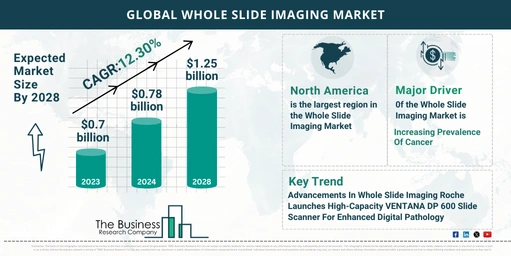
    • 2023 Market Size: $0.70 billion
    • 2024 Market Size: $0.79 billion
    • CAGR (2023-2024): 12.1%

    The whole slide imaging market is set for continued expansion. The growth from $0.70 billion in 2023 to $0.79 billion in 2024 reflects a robust compound annual growth rate (CAGR) of 12.1%. This growth is fueled by several factors, including the rising prevalence of cancer, increased adoption of digital pathology, and government support.

    Future Projections

    • 2028 Market Size: $1.25 billion
    • CAGR (2024-2028): 12.3%

    The market is expected to reach $1.25 billion by 2028, with a CAGR of 12.3%. This forecast growth is attributed to:

    • Rising chronic disease prevalence
    • Increased adoption of cloud-based solutions
    • Demand for quicker diagnostic results
    • Growing popularity of virtual slides
    • Significant research in drug development

    Key Trends Driving Market Growth

    1. Integration with AI: Artificial intelligence is becoming crucial in enhancing the accuracy and efficiency of whole slide imaging, contributing to better diagnostic outcomes.
    2. Digital Pathology Adoption: There is a growing shift towards digital pathology, with more institutions adopting WSI for its benefits in accuracy and accessibility.
    3. Technological Innovations: Advances in technology are leading to more efficient and high-resolution imaging solutions.
    4. Strategic Partnerships: Collaborations and partnerships among major companies are fostering market expansion and innovation.

    Read More On The Whole Slide Imaging Market Report 2024 – https://www.thebusinessresearchcompany.com/report/whole-slide-imaging-global-market-report

    Impact of Cancer Prevalence

    The increasing prevalence of cancer significantly drives the demand for whole slide imaging. Cancer, characterized by uncontrolled cell growth, affects millions globally and requires precise diagnostic tools. Whole slide imaging enhances cancer diagnosis and treatment by providing detailed digital representations of tissue samples. This capability improves diagnostic accuracy and treatment planning, contributing to better patient outcomes.

    • 2022 New Cancer Cases: 20 million
    • Expected 2050 Cases: 35 million

    According to the American Society of Clinical Oncology, the prevalence of cancer is rising, which fuels the need for advanced diagnostic tools like whole slide imaging.

    Major Companies in the Market

    The whole slide imaging market features several leading players:

    • General Electric Company
    • F. Hoffmann-La Roche AG
    • Koninklijke Philips N.V.
    • Olympus Corporation
    • Nikon Corporation
    • PerkinElmer Inc.
    • Beckman Coulter Inc.
    • Leica Biosystems GmbH
    • Hamamatsu Photonics KK
    • Sectra AB
    • PathAI
    • OptraSCAN
    • Paige.AI
    • Indica Labs

    These companies are at the forefront of market innovation and development, providing high-capacity slide scanners and other advanced technologies.

    Recent Developments

    1. Roche’s High-Capacity VENTANA DP 600:
      • Launch Date: June 2022
      • Features: High-resolution digital imaging of stained tissue samples, aiding in cancer diagnosis and personalized treatment.
    2. Exor NV’s Acquisition of Royal Philips NV:
      • Date: August 2023
      • Investment: €2.6 billion ($2.8 billion)
      • Objective: To support Philips’ healthcare technology strategy, including whole slide imaging advancements.

    Market Segmentation

    • By Type: Hardware, Software, Services
    • By Application: Telepathology, Cytopathology, Immunohistochemistry, Hematopathology
    • By End User: Academic Institutes, Research, Other End Users

    Regional Insights

    • North America: Largest market in 2023
    • Asia-Pacific: Expected to be the fastest-growing region in the forecast period

    In summary, the whole slide imaging market is set for continued growth driven by technological advancements, increasing cancer prevalence, and expanding applications in digital pathology. The future looks promising with significant innovations and strategic developments shaping the market landscape.

    Request for A Sample Of The Global Whole Slide Imaging Market Report:
    https://www.thebusinessresearchcompany.com/sample_request?id=16214&type=smp
  • Growth Trajectory Of The Virtual Reality (VR) In Medical Simulation Market 2024-2033

    Growth Trajectory Of The Virtual Reality (VR) In Medical Simulation Market 2024-2033

    The Business Research Company’s global market reports are now updated with the latest market sizing information for the year 2024 and forecasted to 2033

    Market Overview

    The virtual reality (VR) in medical simulation market has seen remarkable growth in recent years, driven by advancements in technology and increasing demand for immersive training solutions.

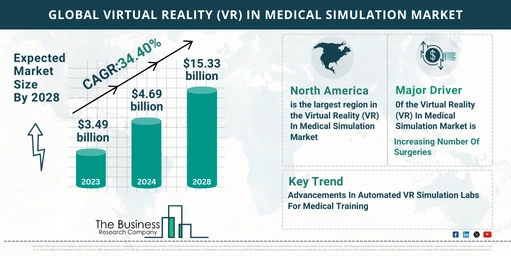
    • 2023 Market Size: $3.50 billion
    • 2024 Market Size: $4.70 billion
    • 2024 Growth Rate: 34.3% CAGR
    • 2028 Market Size: $15.33 billion
    • 2028 Growth Rate: 34.4% CAGR

    Key Drivers of Growth

    The impressive growth of VR in medical simulation can be attributed to several factors:

    • Enhanced Training Applications: VR provides realistic and immersive training environments for medical professionals.
    • Increased Demand for Patient Safety: VR simulations help in minimizing errors and improving patient outcomes.
    • Rising Healthcare Costs: VR offers cost-effective training solutions compared to traditional methods.
    • Regulatory Compliance: VR aids in meeting stringent regulatory standards for medical training.

    Future Growth Drivers

    Looking ahead, the VR in medical simulation market is expected to continue its rapid expansion due to:

    • AI Integration: Advanced AI technologies are being incorporated for adaptive learning and personalized training.
    • Remote Training Solutions: Increased focus on remote and virtual training methods, especially in light of recent global trends.
    • Expansion of Telemedicine: Growth in telemedicine is driving the need for advanced VR training tools.
    • Personalized Learning Experiences: Growing demand for tailored educational experiences in medical training.
    • Regulatory Support: Continued support for innovative training methods by regulatory bodies.

    View More On The Virtual Reality (VR) In Medical Simulation Market Report 2024 – https://www.thebusinessresearchcompany.com/report/virtual-reality-vr-in-medical-simulation-global-market-report

    Rising Number of Surgeries Boosting VR Demand

    The increasing number of surgeries is a significant factor driving the VR in medical simulation market:

    • Surgical Trends: Surgeons are performing more procedures due to advancements in medical technology and techniques.
    • Immersive Training: VR provides realistic simulations of complex surgical scenarios, enhancing the training of medical professionals.
    • Surgeon Training: For instance, in January 2023, the International Society of Aesthetic Plastic Surgery reported a 19.3% increase in total medical procedures, with surgical procedures rising by 18.5% compared to 2020.

    Major Companies Leading the Market

    Several prominent companies are shaping the VR in medical simulation market with innovative solutions:

    • Qualcomm Technologies Inc.
    • Siemens Healthineers AG
    • CAE Healthcare Inc.
    • Brainlab AG
    • Surgical Science Sweden AB
    • Osso VR Inc.
    • Mentice AB
    • Augmedics
    • VirtaMed AG
    • Health Scholars Inc.
    • AppliedVR Inc.

    Advancements in Automated VR Simulation Labs

    Innovative developments in automated VR simulation labs are enhancing medical training:

    • Advanced Facilities: Automated labs replicate surgical environments, providing realistic simulations for medical professionals.
    • New Launches: For example, MediSim VR launched an advanced automated VR simulation lab at Puducherry Institute of Medical Sciences in May 2022. This facility integrates AI-powered tools to enhance competency assessment and training.

    Strategic Acquisitions Expanding Capabilities

    Strategic acquisitions are also expanding capabilities in the VR market:

    • Labster’s Acquisition:

      In October 2021, Labster acquired UbiSim Inc., expanding its nursing education portfolio and enhancing access to high-quality virtual labs.

    Market Segmentation

    The VR in medical simulation market is segmented into:

    1. By Age Group:
      • Adult
      • Children
      • Infant
    2. By Application:
      • Medical Education
      • Diagnostics
      • Pain Management
      • Mental Illness Treatment
      • Physical Fitness and Therapy
      • Surgery
      • Human Simulation Techniques
      • Dentistry
      • Nursing
    3. By End-User:
      • Hospitals
      • Physician Clinics
      • Ambulatory Surgical Centers
      • Medical Institutes
      • Research Laboratories
      • Pharmaceutical Industry

    Regional Insights

    • North America: Led the market in 2023 due to advanced healthcare infrastructure and high adoption rates.
    • Asia-Pacific: Expected to be the fastest-growing region due to increasing investments in healthcare and technological advancements.

    Conclusion

    The VR in medical simulation market is experiencing exponential growth driven by technological advancements, increasing surgical procedures, and a shift towards more immersive and effective training solutions. As the market continues to evolve, advancements in AI, remote training, and strategic acquisitions will further drive growth and innovation, providing valuable tools for medical professionals and improving patient care globally.

    Request A Sample Of The Global Virtual Reality (VR) In Medical Simulation Market Report 2024:
    https://www.thebusinessresearchcompany.com/sample_request?id=16211&type=smp

  • Key Insights On The Veterinary Rehabilitation Services Market 2024 – Size, Driver, And Major Players

    Key Insights On The Veterinary Rehabilitation Services Market 2024 – Size, Driver, And Major Players

    The Business Research Company’s global market reports are now updated with the latest market sizing information for the year 2024 and forecasted to 2033

    As per The Business Research Company’s Veterinary Rehabilitation Services Global Market Report 2024, the veterinary rehabilitation services market is expected to show significant growth in the forecast period.

    The veterinary rehabilitation services market has experienced rapid growth in recent years and is poised for continued expansion. This blog explores the current state of the market, future projections, and key trends shaping the industry.

    Market Overview

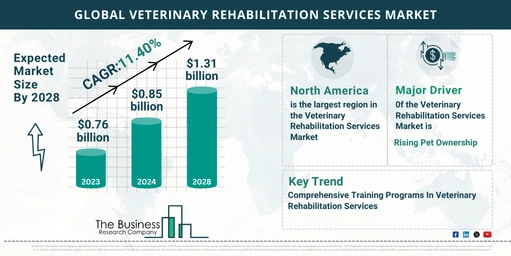
    • Current Market Size: $0.77 billion in 2023
    • Short-term Growth: Expected to reach $0.85 billion in 2024
    • CAGR (2023-2024): 11.0%

    Recent growth is driven by an increasing demand for veterinary rehabilitation services, rising prevalence of musculoskeletal disorders, heightened awareness of physical rehabilitation, and a growing number of specialized rehabilitation centers.

    Future Projections

    • Projected Market Size (2028): $1.31 billion
    • Long-term Growth: CAGR of 11.4% from 2024 to 2028

    The forecasted growth is attributed to several factors:

    • Pet Humanization: Increased focus on treating pets like family members.
    • Animal Welfare: Rising awareness and emphasis on animal health.
    • Rehabilitation Awareness: Growing recognition of the benefits of rehabilitation services.
    • Urbanization: Rapid urbanization leads to higher pet ownership and demand for services.

    Key Trends in Veterinary Rehabilitation

    Advancements in Medical Technologies

    • Non-Invasive Treatments: Adoption of drug-free, non-invasive methods.
    • Pharmaceutical Microparticles: Technology for precise drug delivery and treatment.
    • Comprehensive Services: Integration of various rehabilitation modalities for holistic care.

    View More On The Veterinary Rehabilitation Services Market Report 2024 – https://www.thebusinessresearchcompany.com/report/veterinary-rehabilitation-services-global-market-report

    Collaborations and Partnerships

    • Innovative Programs: Development of new programs and solutions through industry collaborations.

    Impact of Rising Pet Ownership

    Increasing pet ownership is a major driver for the veterinary rehabilitation services market. Key points include:

    • Changing Attitudes: Pets are increasingly seen as family members.
    • Awareness and Benefits: Greater awareness of the health benefits of pets.
    • Pet-Friendly Services: Expanded availability of pet-friendly housing and services.

    For instance, in June 2021, the percentage of U.S. households owning pets rose to 70%, and in 2023–2024, 66% of American households had pets. This rise in pet ownership boosts the demand for veterinary rehabilitation services.

    Innovations in Veterinary Rehabilitation

    Comprehensive Training Programs

    • Vetoquinol SA’s VeRBS Program: Launched in July 2022, this program provides a comprehensive solution for veterinary clinics, including on-site training, hands-on labs, and business planning services. The goal is to enhance clinic services and improve pet recovery outcomes.

    Rarebreed Veterinary Partners’ Acquisition

    • Expansion Through Acquisition: In July 2022, Rarebreed Veterinary Partners acquired Vet’s Best Friend. This acquisition aims to enhance comprehensive care offerings by leveraging Vet’s Best Friend’s expertise in rehabilitation services.

    Market Segmentation

    The veterinary rehabilitation services market is segmented as follows:

    1. By Type:
      • Manual Therapy
      • Hydrotherapy
      • Hot and Cold Therapies
      • Electro Therapies
      • Other Types
    2. By Indication:
      • Post-Surgery
      • Traumatic Injuries
      • Acute and Chronic Diseases
      • Developmental Abnormalities
      • Other Indications
    3. By End-User:
      • Veterinary Rehab Centers and Hospitals
      • Rescue and Shelter Homes
      • Rehab Sanctuaries
      • Other End-Users

    Regional Insights

    • North America: The largest market region in 2023.
    • Asia-Pacific: Expected to be the fastest-growing region during the forecast period.

    Conclusion

    The veterinary rehabilitation services market is expanding rapidly due to increased pet ownership, advancements in technology, and a growing focus on comprehensive animal care. With innovative solutions and significant industry developments, the market is set for continued growth and evolution in the coming years.

    Request A Sample Of The Global Veterinary Rehabilitation Services Market Report 2024:
    https://www.thebusinessresearchcompany.com/sample_request?id=16209&type=smp

  • Overview Of The Sequencing Reagents Market 2024-2033: Growth And Major Players Analysis

    Overview Of The Sequencing Reagents Market 2024-2033: Growth And Major Players Analysis

    The Business Research Company’s global market reports are now updated with the latest market sizing information for the year 2024 and forecasted to 2033


    The sequencing reagents market has experienced rapid growth and shows promising expansion prospects in the coming years. Here’s a detailed look at the current trends and future outlook.

    Market Overview and Growth Trends

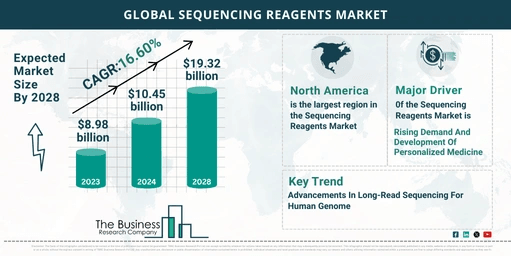
    • Current Market Size: The sequencing reagents market was valued at $8.99 billion in 2023.
    • Short-Term Growth: It is projected to reach $10.45 billion by 2024, with a compound annual growth rate (CAGR) of 16.3%.
    • Long-Term Forecast: By 2028, the market is expected to grow to $19.32 billion, with a CAGR of 16.6%.

    Key Drivers of Growth

    • Adoption in Drug Discovery and Development: Sequencing technologies are increasingly used in drug discovery, enhancing research efficiency and accuracy.
    • Government Initiatives: Various governments are promoting genomics research through funding and policy support.
    • Clinical Diagnostics: Rising applications in clinical diagnostics are fueling market growth.
    • Genetic Disorders: Increasing prevalence of genetic disorders drives demand for sequencing reagents.
    • Precision Medicine: The emergence of precision medicine initiatives contributes significantly to market expansion.

    View More On The Sequencing Reagents Market Report 2024 – https://www.thebusinessresearchcompany.com/report/sequencing-reagents-global-market-report

    Factors Influencing Future Growth

    • Cancer Genomics and Precision Oncology: Growth in cancer genomics research and precision oncology is expected to drive demand.
    • Bioinformatics Tools: Advancements in bioinformatics tools for data analysis are supporting market expansion.
    • Investment in Genomics Research: Rising investments in genomics research and healthcare infrastructure are key growth factors.
    • Personalized Medicine: The growing demand for personalized medicine is a major driver.
    • Agriculture and Livestock: Expanding applications of sequencing in agriculture and livestock are adding to market growth.

    Major Trends in Sequencing Reagents

    • Portable and Benchtop Sequencing Platforms: Development of new, user-friendly sequencing platforms is a notable trend.
    • Integration with Omics Technologies: Combining sequencing with other omics technologies for comprehensive analysis.
    • Novel Reagents for Epigenetic Analysis: Innovation in reagents for epigenetic research is advancing.
    • Technological Advancements: Continuous improvements in sequencing technologies are enhancing market offerings.
    • Research and Development: Increased investment in R&D for novel sequencing technologies and reagents.

    Impact of Personalized Medicine

    • Role in Market Growth: The demand for personalized medicine is a significant growth driver. Sequencing reagents are essential for tailoring treatments based on individual genetic profiles.
    • FDA Approvals: Personalized medicines made up one-third of new FDA drug approvals in 2023, reflecting their growing importance.
    • Increased Treatments for Rare Diseases: There was a notable increase in FDA-approved personalized treatments for rare diseases from six in 2022 to 16 in 2023.

    Key Market Players

    • Major Companies: Leading firms in the market include F. Hoffmann-La Roche AG, Thermo Fisher Scientific Inc., Agilent Technologies Inc., Illumina Inc., Bio-Rad Laboratories Inc., and many others.
    • Innovations: Companies are focusing on developing advanced technologies, such as Illumina’s Complete Long Read technology for comprehensive genomic analysis.

    Noteworthy Acquisitions

    • QIAGEN and Verogen: In January 2023, QIAGEN N.V. acquired Verogen for $150 million, expanding its next-generation sequencing capabilities and product offerings.

    Market Segmentation

    • By Type: Includes Library Kits, Template Kits, Control Kits, Sequencing Kits, and Other Types.
    • By Technology: Encompasses Sanger Sequencing, Next Generation Sequencing, and Third Generation Sequencing.
    • By Application: Covers Oncology, Reproductive Health, Clinical Investigation, Agrigenomics, Forensics, and Other Applications.
    • By Industry Verticals: Research Institutes, Hospitals and Clinics, Pharmaceutical and Biotechnology Companies, and Other Verticals.

    Regional Insights

    • North America: The largest market region in 2023.
    • Asia-Pacific: Expected to be the fastest-growing region during the forecast period.

    The sequencing reagents market is set for robust growth, driven by advancements in technology, increased research investments, and the expanding role of personalized medicine. The combination of these factors positions the market for continued expansion and innovation in the coming years.

    Request A Sample Of The Global Sequencing Reagents Market Report 2024:
    https://www.thebusinessresearchcompany.com/sample_request?id=16184&type=smp

  • What Is The Forecast Growth Rate For The Sinusitis Treatment Market?

    What Is The Forecast Growth Rate For The Sinusitis Treatment Market?

    The Business Research Company’s market reports offer an in-depth analysis on the market’s growth potential, major drivers, key trends and more.

    Market Overview

    The sinusitis treatment market has witnessed significant growth in recent years and is projected to continue its upward trajectory.

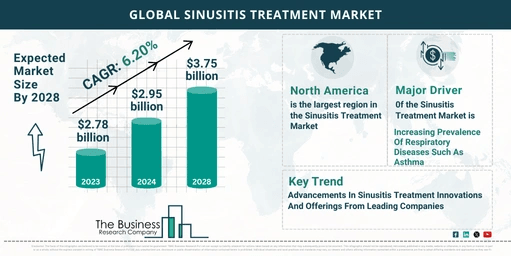
    • 2023 Market Size: $2.78 billion
    • 2024 Market Size: $2.95 billion
    • 2024 Growth Rate: 6.1% CAGR
    • 2028 Market Size: $3.76 billion
    • 2028 Growth Rate: 6.2% CAGR

    Key Drivers of Growth

    The growth of the sinusitis treatment market can be attributed to several factors:

    • Increased Demand for Diagnostic Tests: Enhanced awareness and advancements in diagnostic technologies.
    • Rise in Generic Drug Use: Cost-effective treatments contributing to market expansion.
    • Health Awareness: Increased public knowledge leading to early diagnosis and treatment.
    • Improved Intra-Nasal Drug Delivery: Innovations in drug delivery methods enhancing treatment efficacy.
    • Government Support: Initiatives and funding for healthcare programs and research.

    Read More On The Sinusitis Treatment Market Report 2024 – https://www.thebusinessresearchcompany.com/report/sinusitis-treatment-global-market-report

    Forecasted Trends

    The market is expected to continue its growth trajectory due to:

    • Rising Prevalence of Sinusitis: Higher incidence rates driving demand for treatments.
    • Growing Geriatric Population: Older adults are more susceptible to sinusitis.
    • Increasing Healthcare Expenditure: More spending on healthcare services and treatments.
    • Rising Allergies Prevalence: Allergies often exacerbate sinusitis conditions.
    • Technological Advancements: Innovations in surgical techniques and drug delivery systems.

    Impact of Asthma on Sinusitis Treatment

    The rising prevalence of asthma is influencing the sinusitis treatment market positively:

    • Asthma Connection: Asthma exacerbates sinusitis by increasing inflammation and blockages.
    • Increased Asthma Cases: The number of asthma-related hospital admissions has surged, notably among children.
    • Market Impact: Higher asthma rates drive the demand for effective sinusitis treatments to manage symptoms and prevent secondary infections.

    Major Companies and Innovations

    Leading companies in the sinusitis treatment market are focusing on innovative solutions:

    • New Drug Developments:Introduction of advanced steroid nasal sprays, such as Optinose Inc.’s XHANCE, designed to enhance efficacy and minimize side effects.
    • Strategic Acquisitions:Medtronic’s acquisition of Intersect ENT for $1.1 billion to expand its product portfolio and improve sinus treatment outcomes.

    Market Segmentation

    The sinusitis treatment market is segmented as follows:

    1. By Treatment:
      • Analgesics
      • Antibiotics
      • Antihistamines
      • Surgery
      • Corticosteroids
      • Sulfonamides
      • Quinolones
    2. By Disease Type:
      • Acute Sinusitis
      • Sub-Acute Sinusitis
      • Chronic Sinusitis
    3. By Route of Administration:
      • Topical
      • Nasal
      • Oral
      • Injectable
    4. By Distribution Channel:
      • Online Pharmacies
      • Retail Pharmacies
      • Hospital Pharmacies

    Regional Insights

    • North America:Led the market in 2023 due to high healthcare expenditure and advanced medical infrastructure.
    • Asia-Pacific:Expected to be the fastest-growing region due to increasing healthcare investments and rising patient populations.

    Conclusion

    The sinusitis treatment market is poised for continued growth driven by advancements in treatment technologies, increasing awareness, and rising respiratory conditions like asthma. Companies are focusing on innovative drug delivery systems and strategic acquisitions to enhance treatment options. The market’s future looks promising with ongoing research and development contributing to improved patient outcomes and expanded treatment possibilities.

    Request for A Sample Of The Global Sinusitis Treatment Market Report:
    https://www.thebusinessresearchcompany.com/sample_request?id=16192&type=smp

  • Global Vasopressin Market Key Insights 2024-2033

    Global Vasopressin Market Key Insights 2024-2033

    The Business Research Company’s global market reports are now updated with the latest market sizing information for the year 2024 and forecasted to 2033

    According to The Business Research Company’s Vasopressin Global Market Report 2024, the vasopressin market is expected to show promising growth in the forecast period.

    The vasopressin market is on a growth trajectory, driven by various factors including advancements in medication delivery and increasing prevalence of chronic diseases. Here’s a detailed look at the market’s current state and future prospects.

    Market Overview and Growth Trends

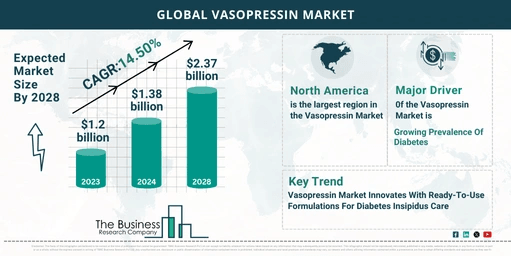
    • Current Market Size: The vasopressin market was valued at $1.21 billion in 2023.
    • Short-Term Growth: It is projected to grow to $1.38 billion in 2024, with a compound annual growth rate (CAGR) of 14.2%.
    • Long-Term Forecast: By 2028, the market is expected to reach $2.37 billion, driven by a CAGR of 14.5%.

    Key Growth Drivers

    • Senior Population Increase: The rising senior population has contributed to the growth of the vasopressin market, as older individuals are more susceptible to conditions requiring vasopressin treatment.
    • Healthcare Infrastructure Development: Improved hospital and healthcare facilities have expanded access to vasopressin treatments.
    • Autonomic Dysreflexia Prevalence: Increased prevalence of autonomic dysreflexia, a condition often seen in individuals with spinal cord injuries, has spurred market demand.
    • Chronic Disease Prevalence: A high prevalence of chronic diseases necessitates the use of vasopressin for effective management.
    • Medical Professional Awareness: Growing awareness among healthcare professionals about vasopressin’s benefits has enhanced its adoption.

    Factors Influencing Future Growth

    • Diabetes Insipidus: An increase in diabetes insipidus cases is expected to drive market growth, as vasopressin is crucial for managing this condition.
    • Medication Delivery Systems: Advances in medication delivery systems are improving the effectiveness and convenience of vasopressin administration.
    • Research and Development: Ongoing R&D initiatives are leading to new innovations and improving existing treatments.
    • Awareness and Diagnosis: Enhanced knowledge and diagnostic capabilities are increasing awareness and early diagnosis of conditions treatable with vasopressin.

    View More On The Vasopressin Market Report 2024 – https://www.thebusinessresearchcompany.com/report/vasopressin-global-market-report

    Major Trends in the Market

    • Technological Developments: Innovations in manufacturing technologies are enhancing the efficiency and quality of vasopressin products.
    • Formulation Innovations: New formulations and delivery techniques are being developed to improve patient outcomes.
    • Personalized Treatment Approaches: The shift towards personalized and multimodal treatment approaches is influencing market dynamics.
    • Health and Wellness Focus: An increasing emphasis on health and wellness is contributing to market growth.
    • Customization and Personalization: The trend towards personalized medicine is driving the demand for customized vasopressin treatments.

    Impact of Rising Diabetes Cases

    • Diabetes Prevalence: The prevalence of diabetes is a significant factor driving vasopressin market growth. Diabetes impacts a large segment of the population and is associated with conditions like diabetes insipidus.
    • Market Implications: According to the International Diabetes Federation, diabetes cases are projected to increase significantly, with an estimated 643 million adults affected by 2030. This growing prevalence is expected to drive demand for vasopressin as a key treatment option.

    Innovations in Vasopressin Products

    • Ready-to-Use Formulations: Major companies are developing ready-to-use (RTU) formulations to enhance convenience and precision. For example, Endo International plc launched VASOSTRICT in a 100 mL RTU pre-mix bottle, offering improved safety and inventory management.
    • Advantages: This RTU formulation provides a two-year shelf life, with up to 12 months at room temperature, reducing preparation errors and improving patient safety.

    Notable Market Moves

    • Fresenius Kabi and Ivenix Inc.: In May 2022, Fresenius Kabi acquired Ivenix Inc. for $240 million. This acquisition strengthens Fresenius Kabi’s presence in the U.S. infusion therapy market and enhances their capabilities in providing vasopressin injections.

    Market Segmentation

    • By Product Type: Includes Intravenous Injection, Intramuscular Injection, and Subcutaneous Injection.
    • By Application: Covers Anti-Diuretic Hormone Deficiency, Vasodilatory Shock, Gastrointestinal Bleeding, and Ventricular Tachycardia and Fibrillation.
    • By End-User: Hospitals, Clinics, and Other End Users.

    Regional Insights

    • North America: The largest market region in 2023.
    • Future Growth: Other regions are expected to see significant growth as the global demand for vasopressin continues to rise.

    The vasopressin market is poised for substantial growth, driven by advancements in treatment options, increased awareness of diabetes, and a rising senior population. The ongoing innovations and expanding applications in healthcare underscore a promising future for this critical pharmaceutical sector.

    Request A Sample Of The Global Vasopressin Market Report 2024:
    https://www.thebusinessresearchcompany.com/sample_request?id=16207&type=smp

  • Comprehensive Analysis On Size, Share, And Drivers Of The Veterinary Autoimmune Disease Therapeutics Market

    Comprehensive Analysis On Size, Share, And Drivers Of The Veterinary Autoimmune Disease Therapeutics Market

    The Business Research Company’s global market reports provide comprehensive analysis on the various markets in 27 industries across 60 geographies.

    The veterinary autoimmune disease therapeutics market has shown robust growth in recent years and is poised for continued expansion. This blog provides an overview of the current market trends, key drivers, and major players shaping this dynamic sector.

    Market Overview and Projections

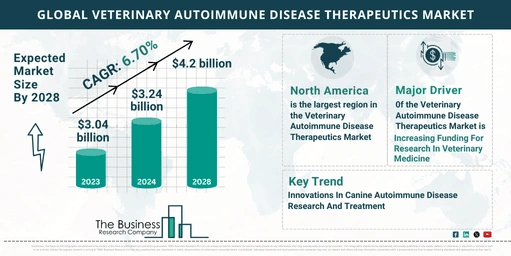
    • Current Market Size: Valued at $3.05 billion in 2023.
    • Short-Term Forecast: Expected to grow to $3.25 billion in 2024, reflecting a compound annual growth rate (CAGR) of 6.5%.
    • Long-Term Forecast: Projected to reach $4.20 billion by 2028, with a CAGR of 6.7%.

    Growth Drivers:

    • Advances in Biotechnology: Innovations in biotechnology are accelerating market growth.
    • Increased Investment: Growing investment in veterinary healthcare is enhancing therapeutic options.
    • Rising Pet Insurance: Higher adoption of pet insurance is supporting market expansion.

    Factors Fueling Future Growth

    1. Advancements in Biotechnology
      • Novel Therapeutics: Development of new drugs and treatments enhances disease management.
      • Personalized Medicine: Tailored treatments based on individual animal needs.
    2. Growing Investment in Veterinary Healthcare
      • Increased Funding: More resources are allocated to research and development.
      • Enhanced Diagnostic Methods: Improved technologies for better disease detection.
    3. Rising Pet Insurance Adoption
      • Coverage Expansion: Broader insurance options for pets support treatment affordability.

    View More On The Veterinary Autoimmune Disease Therapeutics Market Report 2024 – https://www.thebusinessresearchcompany.com/report/veterinary-autoimmune-disease-therapeutics-global-market-report

    Increased Funding Boosts Veterinary Research

    • Research Support: Funding for veterinary medicine is increasing due to rising zoonotic diseases and a growing pet industry.
    • Example: In August 2024, the National Institute of Food and Agriculture announced a $3.2 million investment through the Veterinary Service Grants Program to support rural food animal veterinary medicine.

    Impact on Market:

    • Disease Mechanisms: Research helps in understanding and managing autoimmune diseases.
    • Enhanced Treatments: Funding facilitates the development of innovative diagnostic tools and treatment options.

    Innovations in Autoimmune Disease Research and Treatment

    1. Research Projects
      • ImmunoRegistry: Launched by Royal Veterinary College in November 2021, this project collects real-time data on autoimmune diseases in dogs.
      • Focus: Includes diseases such as immune-mediated hemolytic anemia (IMHA) and immune thrombocytopenia (ITP).
    2. Therapeutic Advancements
      • Improved Treatments: Research leads to more effective and targeted therapeutic options for autoimmune diseases.

    Strategic Moves by Major Companies

    • Merck & Co. Inc.: Acquired Pandion Therapeutics Inc. in February 2021, aiming to develop novel therapies for autoimmune diseases.
    • Focus: Pandion’s innovative approach complements Merck’s research in advancing treatment options.

    Market Segmentation

    1. By Therapy Type:
      • Corticosteroids
      • Azathioprine
      • Cyclosporine
      • Mycophenolate
      • Leflunomide
      • Cyclophosphamide
    2. By Animal Type:
      • Companion Animals
      • Livestock Animals
      • Other Animals
    3. By Disease:
      • Hypothyroidism
      • Pemphigus Disease
      • Canine Lupus
      • Autoimmune Hemolytic Anemia
      • Bullous Pemphigoid
    4. By Distribution Channel:
      • Veterinary Hospitals
      • Veterinary Clinics

    Regional Insights

    • North America: Dominated the market in 2023, with significant market share due to advanced healthcare infrastructure.
    • Emerging Markets: Other regions are expected to grow, driven by increasing pet ownership and healthcare advancements.

    Conclusion

    The veterinary autoimmune disease therapeutics market is experiencing strong growth driven by advances in biotechnology, increased investment, and rising pet insurance adoption. Ongoing research and innovations are improving treatment options and outcomes for pets suffering from autoimmune diseases. As the market evolves, stakeholders should stay informed about emerging trends and regional developments to capitalize on opportunities in this expanding sector.

    Request A Sample Of The Global Veterinary Autoimmune Disease Therapeutics Market Report 2024:
    https://www.thebusinessresearchcompany.com/sample_request?id=16208&type=smp

  • Future Growth Forecast For The Red Biotechnology Global Market 2024-2033

    Future Growth Forecast For The Red Biotechnology Global Market 2024-2033

    The Business Research Company’s global market reports provide comprehensive analysis on the various markets in 27 industries across 60 geographies.

    The red biotechnology market has experienced significant growth in recent years and is projected to continue expanding rapidly. This blog delves into the key drivers, trends, and players shaping the future of this dynamic sector.

    Market Growth and Projections

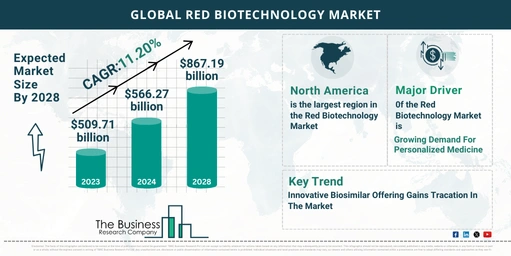
    • Current Market Size: The red biotechnology market was valued at $509.71 billion in 2023.
    • Short-Term Forecast: Expected to grow to $566.28 billion in 2024, reflecting a compound annual growth rate (CAGR) of 11.1%.
    • Long-Term Forecast: Projected to reach $867.20 billion by 2028, with a CAGR of 11.2%.

    Key Drivers of Growth:

    • Advancements in Genetic Engineering and Stem Cell Research: Innovations in these areas are driving market expansion.
    • Increase in Biotech Startups and Funding: Growing investment and supportive regulatory frameworks are bolstering the sector.

    View More On The Red Biotechnology Market Report 2024 – https://www.thebusinessresearchcompany.com/report/red-biotechnology-global-market-report

    Factors Driving Future Growth

    1. Expansion of Personalized Medicine
      • Personalized Medicine: Tailors treatments to individual genetic profiles, enhancing efficacy and minimizing side effects.
      • Increased Demand: Driven by advancements in genomics and regulatory support.
      • Example: In 2023, the FDA approved 16 new personalized therapies for rare diseases.
    2. Aging Population and Healthcare Infrastructure
      • Aging Demographics: The growing elderly population demands more advanced treatments.
      • Investment in R&D: Increased funding for research and digital health integration supports market growth.
    3. Emerging Trends
      • Biologics and Biosimilars: Expansion of these products offers new treatment options.
      • Machine Learning Integration: Enhances research capabilities and therapeutic development.
      • Microbiome-Based Therapies: Developing as a novel treatment avenue.
      • Focus on Rare Diseases: Increased efforts in treating rare and orphan diseases.

    Major Market Players
    Key companies driving the red biotechnology market include:

    • Pfizer Inc.
    • F. Hoffmann-La Roche AG
    • Bayer AG
    • Bristol-Myers Squibb Company
    • GSK plc.
    • Takeda Pharmaceutical Company Limited
    • Eli Lilly and Company
    • Gilead Sciences
    • Amgen Inc.
    • Moderna Inc.
    • Regeneron Pharmaceuticals Inc.

    Innovative Developments:

    • Biosimilars: Companies are focusing on developing these affordable alternatives. For example, Amgen’s Riabni, a biosimilar to Rituxan, was approved by the FDA for rheumatoid arthritis treatment in June 2022.

    Strategic Moves and Acquisitions

    • Ipsen Biopharmaceuticals: Acquired Albireo Pharma in March 2023 to enhance its Rare Disease portfolio. Albireo specializes in novel bile acid modulators for rare liver diseases.

    Market Segmentation

    1. By Product:
      • Monoclonal Antibodies
      • Polyclonal Antibodies
      • Recombinant Proteins
      • Vaccines
      • Cell-Based Immunotherapy Products
      • Gene Therapy Products
      • Cell Therapy Products
      • Tissue-Engineered Products
    2. By Application:
      • Drug Discovery and Development
      • Animal Biotechnology
      • Environmental Biotechnology
      • Medical Biotechnology
      • Industrial Biotechnology
      • Agricultural Biotechnology
    3. By End-User:
      • Biopharmaceutical Industry
      • Contract Manufacturing Organizations (CMO) and Contract Research Organizations (CRO)
      • Research Institutes

    Regional Insights

    • North America: Held the largest market share in 2023.
    • Asia-Pacific: Expected to be the fastest-growing region during the forecast period, driven by increasing investments and expanding healthcare infrastructure.

    Conclusion
    The red biotechnology market is poised for substantial growth driven by advancements in personalized medicine, increasing investment in research and development, and an aging population. With major players innovating in biosimilars and strategic acquisitions enhancing their portfolios, the market is set for a dynamic future. As the sector evolves, stakeholders should stay informed about emerging trends and regional developments to leverage opportunities in this rapidly expanding field.

    Request A Sample Of The Global Red Biotechnology Market Report 2024:
    https://www.thebusinessresearchcompany.com/sample_request?id=16173&type=smp

  • How Is The Ranibizumab Market Expected To Grow Through 2024-2033

    How Is The Ranibizumab Market Expected To Grow Through 2024-2033

    The Business Research Company’s global market reports are now updated with the latest market sizing information for the year 2024 and forecasted to 2033

    According to The Business Research Company’s Ranibizumab Global Market Report 2024, the ranibizumab market is expected to show promising growth in the forecast period.

    The ranibizumab market has experienced steady growth in recent years and is poised for further expansion. Here’s an overview of the market trends, drivers, and key players shaping its future.

    Market Growth Overview

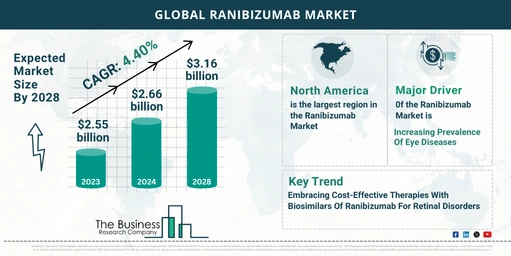
    • Current Market Size: The ranibizumab market was valued at $2.55 billion in 2023.
    • 2024 Projections: Expected to grow to $2.66 billion, reflecting a compound annual growth rate (CAGR) of 4.3%.
    • Future Outlook: Anticipated to reach $3.16 billion by 2028, with a CAGR of 4.4%.

    Factors Driving Market Growth

    • Expansion of Clinical Trials: Increased clinical trials in emerging markets are contributing to market growth.
    • Rising Prevalence of AMD: The growing incidence of age-related macular degeneration (AMD) is driving demand for ranibizumab.
    • Awareness and Government Initiatives: Enhanced awareness about retinal diseases and supportive government funding and initiatives are boosting the market.
    • High Incidence of Diabetic Retinopathy: With rising cases of diabetic retinopathy, the need for effective treatments like ranibizumab is increasing.
    • Healthcare Expenditure: Growing healthcare spending is also a significant factor in the market’s expansion.

    View More On The Ranibizumab Market Report 2024 – https://www.thebusinessresearchcompany.com/report/ranibizumab-global-market-report

    Future Growth Drivers

    • Ongoing Research and Development: Continued R&D efforts are expected to foster growth.
    • Introduction of Biosimilars: The launch of biosimilars is providing cost-effective alternatives, stimulating market growth.
    • Combination Therapies: Increased focus on combination therapies is expected to drive demand.
    • Teleophthalmology and Expanded Indications: Growth in teleophthalmology and the widening indications for ranibizumab will contribute to market expansion.
    • Favorable Reimbursement Policies: Improved reimbursement policies are likely to support market growth.

    Major Trends in the Forecast Period

    • Advancements in Biotechnology: Innovations in biotechnology are set to enhance treatment options.
    • Technological Innovations in Drug Delivery: Advances in drug delivery systems are expected to improve treatment efficacy.
    • Shift Towards Personalized Medicine: A growing emphasis on personalized medicine is likely to drive market growth.
    • Use of Artificial Intelligence: The increasing application of AI in ophthalmology is transforming the landscape.
    • Development of Longer-Acting Formulations: The development of longer-acting formulations will provide patients with more effective treatment options.
    • Patient-Centric Care Models: A rise in patient-centric care models is expected to influence market dynamics positively.

    Impact of Global Eye Disease Rise

    • Increasing Prevalence: The global rise in eye diseases, driven by aging populations and lifestyle changes, is a key market driver.
    • Projected Vision Loss: According to the International Agency for the Prevention of Blindness (IAPB), vision loss is projected to increase significantly by 2050, driving demand for treatments like ranibizumab.
    • Conditions Treated: Ranibizumab is used for treating AMD, diabetic retinopathy, and other retinal disorders, addressing the growing need for effective therapies.

    Key Market Players

    • Leading Companies: Major players in the ranibizumab market include F. Hoffmann-La Roche AG, Bayer AG, Novartis AG, Teva Pharmaceutical Industries Ltd, Regeneron Pharmaceuticals Inc., Biogen Inc., and others.
    • Biosimilar Initiatives: Companies like Formycon AG and Bioeq AG have launched biosimilars, such as FYB201, offering affordable alternatives to the original ranibizumab.

    Strategic Acquisitions

    • Sandoz and Coherus BioSciences: In March 2024, Sandoz acquired Coherus BioSciences’ CIMERLI business to enhance its biosimilar offerings in ophthalmology, highlighting the strategic moves within the market.

    Market Segmentation

    • By Product: Includes Single Use Prefilled Syringe and Single Use Glass Vial.
    • By Application: Covers Wet Age Related Macular Degeneration (AMD), Diabetic Retinopathy (DR), Diabetic Macular Edema (DME), Myopic Choroidal Neovascularization (MCNV), and Retinal Vein Occlusion (RVO).
    • By Distribution Channel: Includes Hospital Pharmacies, Online Pharmacies, and Other Distribution Channels.

    Regional Insights

    • North America: Dominated the ranibizumab market in 2023 and continues to be a key region for market expansion.

    The ranibizumab market is set for continued growth, driven by increasing eye disease prevalence, advancements in technology, and the introduction of cost-effective biosimilars. Major companies are adapting to these trends, positioning themselves for future success in this evolving market.

    Request A Sample Of The Global Ranibizumab Market Report 2024:
    https://www.thebusinessresearchcompany.com/sample_request?id=16172&type=smp

  • 5 Key Insights On The Protein Chip Market 2024

    5 Key Insights On The Protein Chip Market 2024

    The Business Research Company’s global market reports are now updated with the latest market sizing information for the year 2024 and forecasted to 2033

    As per The Business Research Company’s Protein Chip Global Market Report 2024, the protein chip market is expected to show significant growth in the forecast period.

    The protein chip market has witnessed robust growth in recent years, with substantial expansion anticipated in the coming years. This blog delves into the key trends, drivers, and future outlook of the protein chip industry.

    Market Overview

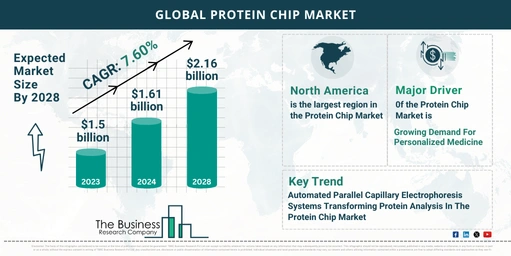
    • Current Market Size: $1.50 billion in 2023
    • Short-term Growth: Expected to reach $1.61 billion in 2024
    • CAGR (2023-2024): 7.5%

    Recent growth is fueled by advancements in proteomics research, increasing cancer rates, technological innovations, expanding clinical diagnostics applications, and a heightened focus on biomarker discovery and high-throughput protein analysis.

    Future Projections

    • Projected Market Size (2028): $2.16 billion
    • Long-term Growth: CAGR of 7.6% from 2024 to 2028

    Future growth drivers include rising demand for personalized medicine, next-generation protein chip technologies, integration with omics technologies, adoption in emerging markets, and a shift towards digital health and wearable devices. Major trends expected in this period are:

    • Miniaturization and Multiplexing: Enhanced efficiency and functionality.
    • AI and Machine Learning Integration: Improved data analysis and interpretation.
    • Point-of-Care Testing (POCT): Increased accessibility and rapid results.
    • Expansion into New Disease Areas: Broader application across various health conditions.
    • Customization and Personalization: Tailoring solutions to specific patient needs.

    View More On The Protein Chip Market Report 2024 – https://www.thebusinessresearchcompany.com/report/protein-chip-global-market-report

    Impact of Personalized Medicine
    The growing demand for personalized medicine significantly impacts the protein chip market. Personalized medicine tailors treatments to individual patient profiles, leveraging advancements in ‘omics’ technology and genetic data. Key impacts include:

    • Enhanced Proteomic Analysis: Protein chips facilitate comprehensive analysis, leading to better biomarker discovery and drug development.
    • Support for Personalized Therapeutics: Tailored treatment strategies and improved understanding of drug responses.
    • Market Examples: As of October 2022, over 75,000 genetic testing products and 300 personalized medicines are available for various diseases, with 12 new customized medications approved in 2022 alone.

    Innovations in Protein Chip Technology
    Automated Parallel Capillary Electrophoresis Systems
    Innovations such as automated parallel capillary electrophoresis systems are revolutionizing protein analysis. For instance:

    • Agilent Technologies’ ProteoAnalyzer: Launched in January 2024, this device offers advanced algorithms for precise protein identification and characterization. It features enhanced data visualization tools and seamless integration with existing workflows, boosting efficiency and productivity in proteomics research.

    Market Dynamics and Company Activities
    Spectrum Solutions LLC’s Acquisition
    In March 2023, Spectrum Solutions LLC acquired MDx Lab Alimetrix and Microarrays Inc., expanding its diagnostics portfolio. This acquisition strengthens Spectrum’s market position and enhances its capabilities in laboratory products and testing.

    Market Segmentation
    The protein chip market is segmented as follows:

    1. By Product:
      • Lab-On-Chip
      • Integrated System
      • Arrays
      • Microarrays System
    2. By Technology:
      • Analytical Microarrays
      • Functional Protein Microarrays
      • Reverse Phase Protein Microarrays
    3. By Application:
      • Diagnostics
      • Proteomics
      • Antibody Characterization
    4. By End User:
      • Hospitals and Clinics
      • Academic and Research Institutes
      • Diagnostic Laboratories
      • Pharmaceutical and Biotechnology Companies

    Regional Insights

    • North America: The largest market region in 2023.
    • Asia-Pacific: Expected to be the fastest-growing region in the forecast period.

    Conclusion
    The protein chip market is set for continued growth, driven by technological advancements, personalized medicine, and expanding applications. With significant developments in technology and increasing demand for customized healthcare solutions, the industry is poised for a dynamic future.

    Request A Sample Of The Global Protein Chip Market Report 2024:
    https://www.thebusinessresearchcompany.com/sample_request?id=16163&type=smp