Month: August 2024

  • Key Trends And Drivers In The Zoonotic Disease Treatment Market 2024

    Key Trends And Drivers In The Zoonotic Disease Treatment Market 2024

    The Business Research Company’s market reports offer an in-depth analysis on the market’s growth potential, major drivers, key trends and more.

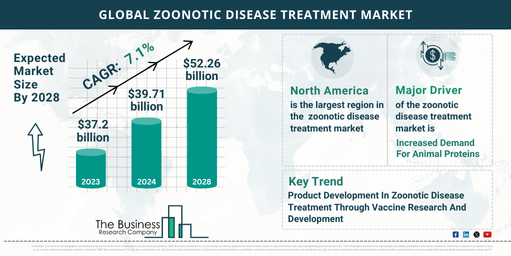
    The zoonotic disease treatment market has shown remarkable growth in recent years. From a size of $37.20 billion in 2023, it is projected to expand to $39.71 billion by 2024, reflecting a compound annual growth rate (CAGR) of 6.7%. This growth can be attributed to several factors:

    • Emergence of Major Zoonotic Outbreaks: Increased disease outbreaks in animals impacting human health.
    • Urbanization and Habitat Encroachment: Expansion into wildlife habitats increasing the risk of zoonotic diseases.
    • One Health Approach: Emphasis on integrating human, animal, and environmental health strategies.
    • Increased Surveillance and Reporting: Enhanced monitoring and data collection.
    • Globalization and Increased Travel: Higher mobility contributing to disease spread.
    • Public Awareness and Education: Greater knowledge about zoonotic diseases improving prevention and treatment efforts.

    Future Growth Projections

    Looking ahead, the zoonotic disease treatment market is expected to grow significantly, reaching $52.26 billion by 2028 at a CAGR of 7.1%. The anticipated growth can be attributed to:

    • Climate Change and Environmental Factors: Altered disease patterns due to shifting climates.
    • Government and International Funding: Increased financial support for disease management.
    • Advancements in Medical Technology: Innovations improving treatment efficacy.
    • Regulatory Support and Streamlined Approvals: Faster drug development and approval processes.
    • Collaborative Research and Development: Partnerships enhancing disease research and solutions.

    Read More On The Zoonotic Disease Treatment Market Report 2024 – https://www.thebusinessresearchcompany.com/report/zoonotic-disease-treatment-global-market-report

    Key Trends Shaping the Market

    Several trends are expected to influence the market:

    • Broad-Spectrum Antivirals: Development of drugs targeting multiple viruses.
    • Strengthening Global Health Infrastructure: Improved health systems to handle zoonotic diseases.
    • Advances in Diagnostic Technology: Enhanced tools for early and accurate disease detection.
    • Growth in Vaccine Development Platforms: Increased focus on vaccine research and production.
    • Focus on Preventive Measures: Emphasis on prevention to reduce disease incidence.

    Increased Demand for Animal Proteins

    The rising demand for animal proteins is a significant driver of market growth. Key factors include:

    • Global Population Growth: More people requiring protein sources.
    • Higher Income Levels and Urbanization: Increased access to animal-based foods.
    • Nutritional Awareness: Recognition of the health benefits of animal proteins.

    For instance, global meat protein consumption is expected to rise by 14% by 2030, with significant increases in beef, pork, poultry, and sheep meat. This growth in animal protein consumption drives the need for effective zoonotic disease treatments to manage and prevent diseases transmitted from animals to humans.

    Major Companies and Innovations

    Several leading companies are advancing the field with innovative solutions:

    • Pfizer Inc., Johnson & Johnson Services Inc., Merck & Co. Inc., Bayer AG among others are major players.
    • Product Development: Companies like Pfizer have introduced the TICOVAC vaccine for tick-borne encephalitis, providing critical preventive measures against zoonotic diseases.

    Strategic Acquisitions

    • Ceva Santé Animale’s Acquisition of Artemis Technologies Inc.: This move enhances Ceva’s rabies vaccine portfolio and strengthens its presence in North America, reflecting strategic growth and market expansion.

    Market Segmentation

    The zoonotic disease treatment market is segmented into various categories:

    • By Disease Type: Rabies, Tuberculosis, Malaria, Leishmaniasis, Ebola Virus Disease, Other Diseases.
    • By Drug Class: Anti-Fungal, Anti-Bacterial, Antibiotics, Other Drug Classes.
    • By Causative Agent: Bacteria, Virus, Nematode, Rodents, Ticks, Other Agents.
    • By Route of Administration: Oral, Topical, Other Routes.
    • By Distribution Channel: Hospital Pharmacy, Retail Pharmacy, Online Pharmacy, Other Channels.

    Regional Insights

    • North America: Dominated the market in 2023.
    • Asia-Pacific: Expected to be the fastest-growing region due to increasing healthcare investments and rising disease prevalence.

    Conclusion

    The zoonotic disease treatment market is poised for robust growth driven by various factors including increasing demand for animal proteins, technological advancements, and strategic market expansions. As global health infrastructure strengthens and new treatments emerge, the market will continue to evolve to meet the challenges posed by zoonotic diseases.

    Request for A Sample Of The Global Zoonotic Disease Treatment Market Report:
    https://www.thebusinessresearchcompany.com/sample_request?id=15965&type=smp
  • Understand How The Wound Contact Layer Dressing Market Is Poised To Grow Through 2024-2033

    Understand How The Wound Contact Layer Dressing Market Is Poised To Grow Through 2024-2033

    The Business Research Company’s global market reports are now updated with the latest market sizing information for the year 2024 and forecasted to 2033

    As per The Business Research Company’s Wound Contact Layer Dressing Global Market Report 2024, the wound contact layer dressing market is expected to show significant growth in the forecast period.

    The wound contact layer dressing market has experienced rapid expansion in recent years and is set to continue growing. This blog explores the market dynamics, including current trends, drivers of growth, and future prospects.

    Current Market Overview

    Growth Trajectory

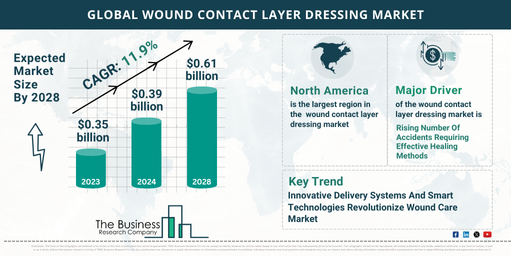
    • 2023: Market size was $0.35 billion.
    • 2024: Expected to reach $0.39 billion.
    • CAGR: 11.8% during this period.

    Key Growth Drivers

    • Aging Population: An increasing number of elderly individuals requiring wound care.
    • Awareness and Expenditure: Rising awareness about wound care products and increased healthcare spending.
    • Home Healthcare Services: Growth in services provided at home.
    • Regulatory Approvals: More products gaining regulatory approvals and market entry.
    • Diabetes and Obesity: Increased incidence contributing to higher demand for wound care solutions.

    Future Market Prospects

    Projected Growth

    • 2028: Market size anticipated to reach $0.62 billion.
    • CAGR: 11.9% from 2024 to 2028.

    View More On The Wound Contact Layer Dressing Market Report 2024 – https://www.thebusinessresearchcompany.com/report/wound-contact-layer-dressing-global-market-report

    Forecast Drivers

    • Chronic Wounds: Increasing prevalence of chronic wounds requiring advanced care.
    • Geriatric Population: Growing number of elderly individuals needing specialized wound care.
    • Advanced Wound Care Awareness: Rising understanding and use of advanced wound care solutions.
    • Healthcare Infrastructure: Expansion and improvement of healthcare facilities.

    Trends to Watch

    • Advanced Materials: Development of new, more effective materials.
    • Biodegradable Solutions: Emphasis on environmentally friendly and sustainable products.
    • Customization: Increased focus on tailored wound care solutions.
    • Smart Technology: Integration of smart technologies for better wound management.
    • Chronic Wounds Focus: Greater attention on addressing chronic wounds.

    Accident-Driven Market Growth

    Impact of Accidents

    • Increased Incidents: Higher accident rates due to vehicle usage, distracted driving, and insufficient safety measures.
    • Demand for Dressings: Increased need for effective wound care products to manage injuries from accidents.

    Statistics

    • 2022: 2.8 million nonfatal workplace injuries and illnesses reported, a 7.5% increase from 2021.
    • Injury Increase: 4.5% rise in injuries and 26.1% rise in illnesses.

    Innovative Developments

    Smart Technologies and Delivery Systems

    • Dynamic Exudate Removal: Advanced technologies like dynamic exudate removal are enhancing wound care outcomes.
    • Example: Medela’s Invia integrated wound dressing launched in August 2023, featuring a three-layer fluid handling pad and Quick-Connector.

    Strategic Moves in the Market

    Essity’s Acquisition

    • December 2021: Essity AB acquired Hydrofera LLC for $116 million.
    • Purpose: To strengthen its advanced wound care portfolio and market position.

    Market Segmentation

    By Type

    • Silver, Silicone, Honey, Other Types

    By Product

    • Antimicrobial, Non-Antimicrobial

    By Application

    • Hospital, Clinic, Homecare, Other Applications

    Regional Insights

    • 2023: North America was the largest market.
    • Forecast: Asia-Pacific is expected to be the fastest-growing region.

    The wound contact layer dressing market is on a strong growth trajectory, driven by technological advancements, increasing healthcare needs, and strategic market expansions. The focus on innovation and addressing chronic wounds will be crucial for market participants aiming to capture future opportunities.

    Request A Sample Of The Global Wound Contact Layer Dressing Market Report 2024:
    https://www.thebusinessresearchcompany.com/sample_request?id=15964&type=smp

  • What’s The Growth Forecast For Wound Care Centers Market Through 2024-2033?

    What’s The Growth Forecast For Wound Care Centers Market Through 2024-2033?

    The Business Research Company’s global market reports provide comprehensive analysis on the various markets in 27 industries across 60 geographies. 

    Overview

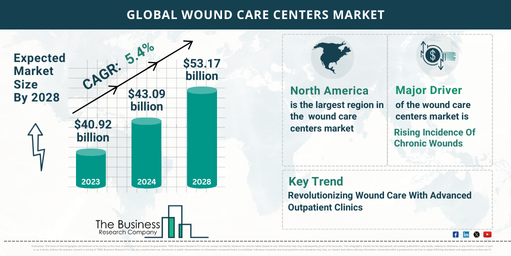
    The wound care centers market has experienced robust growth in recent years. From a market size of $40.92 billion in 2023, it is projected to grow to $43.09 billion in 2024, reflecting a compound annual growth rate (CAGR) of 5.3%. This upward trajectory is expected to continue, with the market anticipated to reach $53.18 billion by 2028, driven by a slightly higher CAGR of 5.4%.

    Factors Driving Market Growth

    • Increased Focus on Quality of Life: Improved quality of life for patients with chronic wounds is a significant driver.
    • Economic Burden of Chronic Wounds: The financial strain caused by chronic wounds propels the demand for specialized care.
    • Professional Training and Certification: Enhanced training and certification in wound care improve treatment outcomes.
    • Multidisciplinary Care Approach: A comprehensive approach to wound care, involving various healthcare professionals, is contributing to market growth.
    • Patient Advocacy and Support Groups: Support from advocacy groups is raising awareness and improving access to care.

    Future Growth Drivers

    • Rising Demand for Remote Monitoring: Technology-driven remote monitoring is expected to enhance patient care and support market growth.
    • Collaborative Care Models: Integration of collaborative care models in wound management is gaining traction.
    • Advanced Diagnostics: Innovations in diagnostics are expected to improve wound assessment and treatment.
    • Patient-Centric Care: A shift towards patient-centered care is anticipated to drive growth.
    • Focus on Preventive Care: Emphasis on preventing wound complications is shaping the future of wound care.

    View More On The Wound Care Centers Market Report 2024 – https://www.thebusinessresearchcompany.com/report/wound-care-centers-global-market-report

    Major Trends

    • Healthcare Policy and Reimbursement: Changes in policy and reimbursement practices are influencing the wound care market.
    • Public and Professional Education: Increased education for both the public and professionals is improving wound care practices.
    • 3D Printing Technology: Adoption of 3D printing technology for wound care solutions is becoming more common.
    • Integrated Healthcare Systems: The integration of healthcare systems is enhancing wound care management.
    • Sustainability and Innovation: Focus on sustainable practices and innovative solutions is driving the market forward.

    Rising Incidence of Chronic Wounds

    • Prevalence of Chronic Wounds: Chronic wounds, defined as those not healing within the expected timeframe, are becoming more common.
    • Impact of Diabetes and Obesity: The increasing prevalence of diabetes and obesity impairs healing processes, leading to a higher incidence of chronic wounds.
    • Psychosocial Support: Specialized centers provide both advanced treatments and psychosocial support to help patients manage the emotional aspects of their condition.
    • Current Statistics: As of July 2023, approximately 6.7 million people in the US are affected by chronic wounds, with an anticipated 2% annual increase over the next decade.

    Innovations in Wound Care

    • Advanced Outpatient Clinics: Companies are establishing specialized outpatient wound care clinics to handle complex cases more effectively.
    • Case Example: Jovive Health’s launch of outpatient clinics in Mission Viejo and Loma Linda, CA, features advanced wound assessment technologies and personalized treatment plans.

    Strategic Acquisitions

    • Personic Healthcare Expansion: In October 2023, Personic Healthcare acquired American Wound Care for $2 million, aiming to expand its range of services and expertise in wound management.

    Market Segmentation

    • By Type: Hospitals, Clinics
    • By Wound Type: Acute Wound, Chronic Wound
    • By Procedure: Debridement, Negative Pressure Wound Therapy, Compression Therapy, Hyperbaric Oxygen Therapy, Specialized Dressings, Infection Control

    Regional Insights

    • North America: The largest market in 2023.
    • Asia-Pacific: Expected to be the fastest-growing region in the forecast period.

    Conclusion

    The wound care centers market is set for significant growth, driven by factors such as increased demand for specialized care, technological advancements, and strategic industry developments. As the market evolves, continued focus on innovation and patient-centered care will be crucial in meeting the needs of those affected by chronic wounds.

    Request A Sample Of The Global Wound Care Centers Market Report 2024:
    https://www.thebusinessresearchcompany.com/sample_request?id=15963&type=smp

  • 5 Key Insights On The Veterinary Renal Disease Market 2024

    5 Key Insights On The Veterinary Renal Disease Market 2024

    The Business Research Company’s global market reports are now updated with the latest market sizing information for the year 2024 and forecasted to 2033

    As per The Business Research Company’s Veterinary Renal Disease Global Market Report 2024, the veterinary renal disease market is expected to show significant growth in the forecast period.

    The veterinary renal disease market has experienced substantial growth recently and is poised for further expansion. This blog explores the key drivers, emerging trends, and future outlook for the market, highlighting the impact of increasing pet ownership, advancements in veterinary medicine, and strategic corporate developments.

    Market Growth Overview

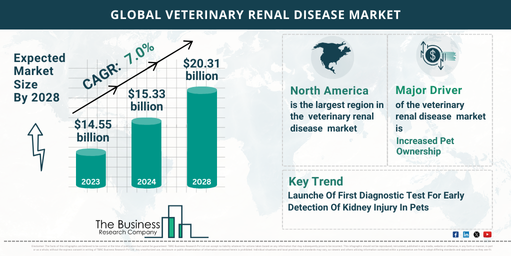
    • Current Market Size: The veterinary renal disease market was valued at $14.55 billion in 2023.
    • Short-Term Growth: It is projected to grow to $15.33 billion in 2024, reflecting a compound annual growth rate (CAGR) of 6.8%.
    • Long-Term Projections: By 2028, the market is expected to reach $20.36 billion, with a CAGR of 7%.

    Key Drivers:

    • Disease Awareness Initiatives: Increased efforts to educate pet owners about renal diseases.
    • Natural and Organic Pet Food: A shift towards healthier pet diets.
    • Rising Pet Ownership: Higher global rates of pet ownership.
    • Regulatory Changes: New regulations in veterinary pharmaceuticals.
    • Pet Health Awareness: Growing focus on overall pet health and nutrition.

    View More On The Veterinary Renal Disease Market Report 2024 – https://www.thebusinessresearchcompany.com/report/veterinary-renal-disease-global-market-report

    Increasing Pet Ownership Fuels Market Expansion

    • Impact of Pet Ownership: The surge in pet ownership significantly drives market growth, as more pets mean a higher incidence of renal diseases.
    • Disease Impact: Veterinary renal diseases, such as chronic kidney disease (CKD), affect kidney function in pets, causing symptoms like increased thirst and weight loss.
    • Pet Population: As reported by Cooper Pet Care, Europe saw an increase in pet population to approximately 145 million in 2022, including 66 million dogs and 79 million cats.

    Growth Factors:

    • Longer Pet Lifespans: Pets are living longer, increasing the incidence of chronic diseases.
    • Environmental and Dietary Factors: Exposure to toxins and dietary factors contribute to renal diseases.
    • Genetic Predispositions: Some pets are more prone to kidney issues due to genetics.

    Advancements in Diagnosis and Treatment

    • New Diagnostic Tools: IDEXX Laboratories launched the IDEXX Cystatin B Test in June 2023. This test detects kidney injury before noticeable symptoms arise, allowing for early intervention and better outcomes.
    • Technological Integration: The test will be included in panels used during millions of patient visits annually, enhancing diagnostic accuracy.

    Innovation Focus:

    • Early Detection: New tests aim to identify subtle changes in kidney function or structure.
    • Treatment Improvements: Enhanced treatment options for managing symptoms and slowing disease progression.

    Strategic Corporate Developments

    • Dechra Pharmaceuticals Acquisition: In July 2022, Dechra Pharmaceuticals acquired Piedmont Animal Health for $210 million. This acquisition strengthens Dechra’s product development capabilities and expands its portfolio in veterinary renal disease treatments.

    Strategic Moves:

    • Enhanced Product Pipeline: The acquisition accelerates innovation in veterinary renal disease treatments.
    • Market Positioning: Strengthens Dechra’s presence in the veterinary market.

    Market Segmentation and Regional Insights

    • By Type: Diagnosis, Treatment
    • By Animal Type: Canine, Feline, Bovine, Equine, Other
    • By Indication: Renal Failure, Chronic Kidney Disease (CKD), Renal Cystitis, Kidney Stones, Nephritis, Other
    • By Route of Administration: Injectable, Oral
    • By Distribution Channel: Pharmacies, Pet Specialty Stores, E-commerce, Other

    Regional Insights:

    • North America: The largest market in 2023.
    • Asia-Pacific: Expected to be the fastest-growing region in the forecast period.

    The veterinary renal disease market is set for robust growth, driven by increasing pet ownership, advancements in diagnostic and treatment technologies, and strategic corporate expansions. As the industry evolves, emerging trends and innovations will continue to shape the future of veterinary care.

    Request A Sample Of The Global Veterinary Renal Disease Market Report 2024:
    https://www.thebusinessresearchcompany.com/sample_request?id=15957&type=smp

  • Top 5 Insights From The Adeno-Associated Viral Vectors Market Report 2024

    Top 5 Insights From The Adeno-Associated Viral Vectors Market Report 2024

    The Business Research Company’s global market reports are now updated with the latest market sizing information for the year 2024 and forecasted to 2033

    According to The Business Research Company’s Adeno-Associated Viral Vectors Global Market Report 2024, the adeno-associated viral vectors market is expected to show promising growth in the forecast period.

    The adeno-associated viral vectors (AAV) market has experienced substantial growth in recent years and is poised for continued expansion. This blog provides an overview of the market’s growth trajectory, key drivers, and future trends.

    Market Growth and Forecast

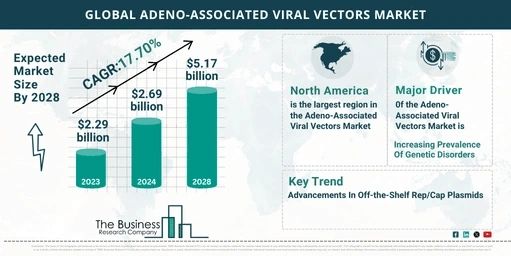
    • Current Market Size: The adeno-associated viral vectors market was valued at $2.29 billion in 2023.
    • Short-Term Growth: Expected to reach $2.69 billion in 2024, reflecting a robust compound annual growth rate (CAGR) of 17.6%.
    • Long-Term Outlook: Projected to grow to $5.17 billion by 2028, with a CAGR of 17.7%.

    Key Growth Drivers

    1. Vaccine Development and Clinical Trials
      • Increased investment in vaccine development and expansion of clinical trials have bolstered market growth.
      • Public awareness and advocacy have also contributed to the rising demand for AAV vectors.
    2. Therapeutic Applications
      • The market is driven by the expanding use of AAV vectors in gene therapy for genetic and neurological disorders.
      • Regulatory approvals and cost reductions in production are enhancing market growth.

    View More On The Adeno-Associated Viral Vectors Market Report 2024 – https://www.thebusinessresearchcompany.com/report/adeno-associated-viral-vectors-global-market-report

    Major Trends Shaping the Market

    1. Advancements in Gene Therapy
      • Innovations in gene therapy and scalable manufacturing processes are transforming treatment options.
      • Ongoing technological advancements are expected to drive future market growth.
    2. Technological Innovations
      • New developments in AAV vector technology are enhancing their efficacy and application scope.
    3. Collaborations and Investments
      • Increased collaborations and investments are accelerating research and development efforts in the field.

    Rising Prevalence of Genetic Disorders

    • Genetic Disorders: The growing prevalence of genetic disorders is a significant factor driving market growth.
    • Statistics: According to the World Health Organization, congenital diseases result in approximately 240,000 infant deaths annually, with an additional 170,000 child deaths between ages 1 month and 5 years.
    • AAV Applications: AAV vectors are critical in gene therapy for treating conditions like muscular dystrophy and cystic fibrosis.

    Key Players and Industry Developments

    1. Major Companies
      • Pfizer Inc., Astellas Pharma, Biogen Inc., and Charles River Laboratories International Inc., among others, are prominent players in the market.
      • These companies are investing in advancing AAV technologies and expanding their product offerings.
    2. Recent Developments
      • Charles River Laboratories: Acquired Vigene Biosciences Inc. in June 2021 for $292.5 million, enhancing their capabilities in cell and gene therapy.
      • Off-the-Shelf Rep/Cap Plasmids: Charles River introduced off-the-shelf replication-capsid plasmids in January 2024, streamlining AAV-based gene therapy initiatives and reducing manufacturing efforts.

    Market Segmentation

    1. By Type of Therapy
      • Gene Augmentation
      • Immunotherapy
      • Other Types of Therapies
    2. By Gene Delivery Method
      • Ex Vivo
      • In Vivo
    3. By Target Therapeutic Area
      • Genetic Disorders
      • Neurological Disorders
      • Hematological Disorders
      • Infectious Diseases
      • Metabolic Disorders
      • Ophthalmic Disorders
      • Muscle Disorders
    4. By Scale of Operation
      • Preclinical
      • Clinical
      • Commercial
    5. By Application Area
      • Gene Therapy
      • Cell Therapy
      • Vaccines

    Regional Insights

    • North America: The largest market for adeno-associated viral vectors in 2023.
    • Asia-Pacific: Expected to be the fastest-growing region in the forecast period, driven by increasing investments and rising healthcare infrastructure.

    Conclusion

    The adeno-associated viral vectors market is set for significant growth due to advancements in gene therapy, rising prevalence of genetic disorders, and increased regulatory support. Major players are focusing on innovative solutions and strategic acquisitions to strengthen their market position, while emerging trends and regional developments will shape the future landscape of the industry.

    Request A Sample Of The Global Adeno-Associated Viral Vectors Market Report 2024:
    https://www.thebusinessresearchcompany.com/sample_request?id=15969&type=smp

  • Alcohol Excipients Market Growth Analysis Till 2033 By The Business Research Company

    Alcohol Excipients Market Growth Analysis Till 2033 By The Business Research Company

    The Business Research Company’s market reports offer an in-depth analysis on the market’s growth potential, major drivers, key trends and more.


    The alcohol excipients market is on a strong growth trajectory, driven by increasing consumer preferences, advancements in pharmaceutical formulations, and rising drug consumption. This blog delves into the current market dynamics, future outlook, and key trends shaping the industry.

    Current Market Overview

    • Market Growth:
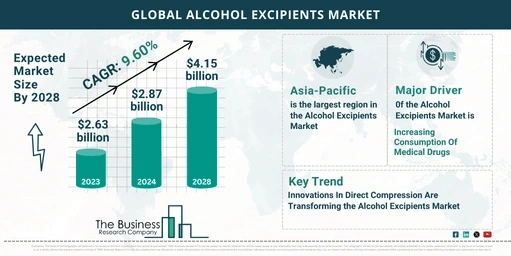
      • 2023: $2.63 billion
      • 2024: $2.88 billion (CAGR of 9.4%)
    • Historical Drivers:
      • Increased preference for self-medication
      • Rising global healthcare spending
      • Growth in personalized medicine and biologics
      • Heightened consumer awareness of health and wellness

    Read More On The Alcohol Excipients Market Report 2024 – https://www.thebusinessresearchcompany.com/report/alcohol-excipients-global-market-report

    Future Growth Prospects

    • Market Forecast:
      • 2028: $4.16 billion (CAGR of 9.6%)
    • Future Drivers:
      • Increasing prevalence of chronic diseases
      • Rising investments in pharmaceutical R&D
      • Focus on patient-centric formulations and personalized medicine
      • Growing elderly population
      • Increased consumption of medical drugs
    • Key Trends:
      • Natural and plant-based alcohol excipients
      • Technological advancements in excipients
      • Controlled-release formulations
      • Multifunctional excipients
      • Progress in personalized medicine

    Rising Drug Consumption Fuels Market Growth

    • Growth Influence:
      • Increased consumption of medical drugs propels the market
      • Alcohol excipients enhance drug solubility, stability, and palatability
    • Statistics:
      • December 2022: Sales of patented medications in Canada reached $18.4 billion, a 5.7% increase from the previous year
    • Impact:
      • Alcohol excipients ensure effective and well-received medicinal medications
      • Growth in drug consumption is a key driver for the alcohol excipients market

    Innovations in Direct Compression

    • Technological Advancements:
      • Direct compression technology transforms tablet manufacturing
      • Enhances efficiency by compressing powders directly into tablets without granulation
    • Example:
      • November 2022: Roquette Frères launched PEARLITOL CR-H, a novel excipient combining hydroxypropyl methylcellulose (HPMC) and mannitol
      • Streamlines manufacturing processes and supports controlled-release medications

    Strategic Acquisition by Aceto Corporation

    • Notable Acquisition:
      • April 2021: Aceto Corporation acquired A&C Limited
      • Expands manufacturing and packaging capabilities in the biopharmaceutical sector
      • Enhances product offerings and customer support in drug development
    • A&C Limited:
      • Canada-based excipient manufacturer providing alcohol excipients

    Market Segmentation

    • By Type:
      • Sorbitol
      • Mannitol
      • Propylene Glycol
      • Glycerin
      • Other Types
    • By Application:
      • Pharmaceutical
      • Personal Care
      • Cosmetics
      • Other Applications
    • By Distribution Channel:
      • Direct Tender
      • Retail Sales
      • Other Distribution Channels

    Regional Insights

    • Current Leading Region: Asia-Pacific

    The alcohol excipients market is set for robust growth, driven by rising drug consumption, innovative technologies, and strategic industry developments. As the market evolves, stakeholders must adapt to emerging trends and leverage new opportunities to stay competitive.

    Request for A Sample Of The Global Alcohol Excipients Market Report:
    https://www.thebusinessresearchcompany.com/sample_request?id=15975&type=smp

  • Veterinary Rapid Test Global Market Outlook 2024-2033: Size And Growth Rate Analysis

    Veterinary Rapid Test Global Market Outlook 2024-2033: Size And Growth Rate Analysis

    The Business Research Company’s global market reports provide comprehensive analysis on the various markets in 27 industries across 60 geographies.

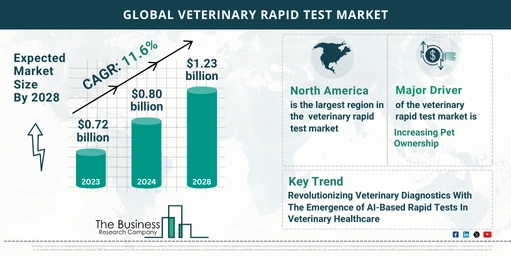
    The veterinary rapid test market is experiencing rapid expansion, driven by various factors including increased pet ownership and advancements in diagnostic technologies. This blog explores the current market landscape, future growth prospects, and key trends shaping the industry.

    Current Market Overview

    • Market Growth:
      • 2023: $0.72 billion
      • 2024: $0.80 billion (CAGR of 11.3%)
    • Historical Drivers:
      • Increased adoption of veterinary rapid tests
      • Growing demand for quick diagnostic solutions
      • Rise in pet insurance uptake
      • Increased consumption of animal-based proteins
      • More veterinarians and veterinary visits

    Future Growth Prospects

    • Market Forecast:
      • 2028: $1.24 billion (CAGR of 11.6%)
    • Future Drivers:
      • Rising pet ownership and consumer awareness
      • Growth in industrialized livestock production
      • Increasing prevalence of zoonotic diseases
      • Enhanced diagnostic testing of livestock
    • Key Trends:
      • Innovation in veterinary diagnostic products
      • Advancements in biotechnology
      • Demand for accurate and quick diagnostic solutions
      • Technological advancements in diagnostic tools

    View More On The Veterinary Rapid Test Market Report 2024 – https://www.thebusinessresearchcompany.com/report/veterinary-rapid-test-global-market-report

    Impact of Rising Pet Ownership

    • Growth Influence:
      • Increasing pet ownership enhances market growth
      • More households are taking responsibility for pets’ health
      • Proactive healthcare management through rapid tests improves pet health
    • Statistics:
      • 2021-2022: 67% of U.S. households owned pets
      • 2023-2024: 66% of U.S. households owned pets, equating to 86.9 million households

    Innovative AI-Based Rapid Tests

    • Technological Advancements:
      • AI-based rapid tests are revolutionizing veterinary diagnostics
      • Provide accurate, efficient, and on-site diagnostic solutions
    • Example:
      • November 2023: Micron Agritech launched an AI-powered rapid test for liver fluke in livestock
      • Allows on-site testing using smartphones

    Strategic Acquisitions

    • Notable Acquisition:
      • June 2022: Zoetis Inc. acquired Basepaws
      • Focuses on expanding into at-home genetic testing for pets
      • Basepaws offers rapid veterinary tests and genetic screening

    Market Segmentation

    • By Product:
      • Rapid Test Kits
      • Rapid Test Readers
    • By Animal Type:
      • Companion Animals
      • Production Animals
    • By Technology:
      • Immunoassays
      • Polymerase Chain Reaction (PCR)
    • By Application:
      • Viral Diseases
      • Bacterial Diseases
      • Parasitic Diseases
      • Allergies
      • Other Applications
    • By End-User:
      • Veterinary Hospitals and Clinics
      • Homecare Settings
      • Other End Users

    Regional Insights

    • Current Leading Region: North America
    • Fastest-Growing Region: Asia-Pacific

    The veterinary rapid test market is on a robust growth trajectory, fueled by technological advancements and increasing demand for pet health diagnostics. As the market evolves, stakeholders must stay abreast of innovations and shifts to leverage emerging opportunities effectively.

    Request A Sample Of The Global Veterinary Rapid Test Market Report 2024:
    https://www.thebusinessresearchcompany.com/sample_request?id=15956&type=smp

  • How Is The Veterinary Orthopedic Medicine Market Expected To Grow Through 2024-2033

    How Is The Veterinary Orthopedic Medicine Market Expected To Grow Through 2024-2033

    The Business Research Company’s global market reports are now updated with the latest market sizing information for the year 2024 and forecasted to 2033

    According to The Business Research Company’s Veterinary Orthopedic Medicine Global Market Report 2024, the veterinary orthopedic medicine market is expected to show promising growth in the forecast period.

    The veterinary orthopedic medicine market has seen significant growth in recent years and is poised for further expansion. Here’s an overview of the market trends, drivers, and future projections.

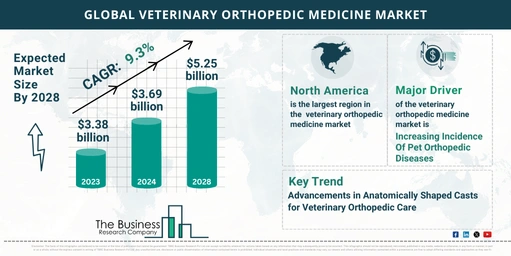
    Market Growth and Projections

    • Current Market Size: The market reached $3.38 billion in 2023.
    • 2024 Forecast: Expected to grow to $3.69 billion, with a compound annual growth rate (CAGR) of 9.0%.
    • Future Outlook: Anticipated to expand to $5.26 billion by 2028, reflecting a CAGR of 9.3%.

    Key Growth Drivers:

    • Regenerative Medicine: Innovations in regenerative treatments are enhancing therapeutic options.
    • Telemedicine Integration: The adoption of telemedicine is improving access to veterinary care.
    • Specialist Growth: An increasing number of veterinary orthopedic specialists is boosting market growth.
    • Visco-supplementation Adoption: The rising use of visco-supplementation products is supporting market expansion.
    • Animal Health Awareness: Greater awareness about pet health is driving demand.

    View More On The Veterinary Orthopedic Medicine Market Report 2024 – https://www.thebusinessresearchcompany.com/report/veterinary-orthopedic-medicine-global-market-report

    Factors Influencing Market Expansion
    Rising Incidence of Pet Orthopedic Diseases

    • Disease Prevalence: Conditions like osteoarthritis are increasingly common in pets, with significant impacts on their quality of life.
    • Contributing Factors: Breed predispositions, obesity, and environmental factors such as poor diet and exercise contribute to rising disease rates.
    • Market Impact: Increased prevalence drives demand for veterinary orthopedic treatments to manage pain and restore mobility.

    Advancements in Orthopedic Care

    • Innovative Solutions: Companies are developing anatomically shaped casts designed to enhance comfort and healing for pets.
    • Example: In November 2021, OrthoPets Veterinary launched biodegradable anatomically shaped casts, improving care standards by reducing pressure sores and offering better support for fractures.

    Major Players and Acquisitions
    Leading Companies

    • Key Market Players: AmerisourceBergen Corporation, Johnson & Johnson, Zoetis Inc., Elanco Animal Health, Integra Lifesciences, and others.
    • Recent Developments: In December 2021, Movora acquired IMEX Veterinary Inc., expanding its portfolio in veterinary orthopedic products.

    Market Segmentation

    • By Product: Biologics, viscosupplements, Pharmaceuticals.
    • By Animal Type: Canine, Feline, Equine, Cattle, Swine, Other.
    • By Application: Osteoarthritis, Degenerative Joint Disease, Joint Inflammation or Pain, Other.
    • By End-use: Veterinary Hospitals, Veterinary Clinics, Other End Users.

    Regional Insights

    • North America: Dominated the market in 2023, with strong growth expected to continue in the region.

    Conclusion
    The veterinary orthopedic medicine market is set for robust growth driven by advancements in treatment technologies, rising disease prevalence, and increasing pet ownership. With a focus on innovation and an expanding range of products and services, the market presents significant opportunities for growth and development in the coming years.

    Request A Sample Of The Global Veterinary Orthopedic Medicine Market Report 2024:
    https://www.thebusinessresearchcompany.com/sample_request?id=15955&type=smp

  • Veterinary Excipients Market Report 2024: Market Size, Drivers, And Trends

    Veterinary Excipients Market Report 2024: Market Size, Drivers, And Trends

    The Business Research Company’s global market reports are now updated with the latest market sizing information for the year 2024 and forecasted to 2033

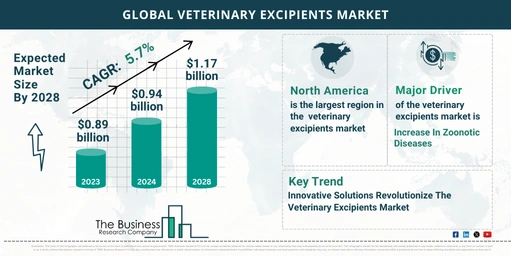
    Strong Recent Growth
    The veterinary excipients market has experienced robust growth in recent years. The market size is set to increase from $0.89 billion in 2023 to $0.94 billion in 2024, reflecting a compound annual growth rate (CAGR) of 5.4%. This growth can be attributed to:

    • Increased Pet Ownership: More people are owning pets, leading to higher demand for veterinary products.
    • Advancements in Veterinary Medicine: Technological improvements enhance the quality and range of veterinary treatments.
    • Rising Demand for Animal Protein: Increased consumption of animal protein fuels the need for effective animal health solutions.
    • Increased Pet Healthcare Expenditure: Growing spending on pet health drives demand for advanced veterinary products.
    • Expansion of Animal Healthcare Infrastructure: More facilities and resources dedicated to animal health boost the market.

    Future Growth Projections
    Looking ahead, the veterinary excipients market is expected to grow to $1.18 billion by 2028, with a CAGR of 5.7%. Key drivers for this growth include:

    • Increased Focus on Animal Welfare: Rising awareness and concern for animal well-being propel market expansion.
    • Rise in Pet Insurance Coverage: More pet owners are investing in insurance, increasing demand for veterinary care.
    • Growing Prevalence of Zoonotic Diseases: Increased incidence of diseases that spread from animals to humans fuels market growth.
    • Expansion of Veterinary Pharmaceuticals: Growth in the veterinary pharmaceuticals sector boosts demand for excipients.
    • Emergence of Novel Excipients: Innovative excipients cater to new veterinary applications and needs.

    View More On The Veterinary Excipients Market Report 2024 – https://www.thebusinessresearchcompany.com/report/veterinary-excipients-global-market-report

    Major Trends in the Market
    Several significant trends are shaping the veterinary excipients market:

    • Personalized Medicine for Animals: Tailoring treatments to individual animal needs enhances efficacy.
    • Adoption of Natural and Organic Excipients: Growing preference for natural ingredients drives innovation in excipients.
    • Integration of Digital Health Solutions: Digital technologies are being incorporated into veterinary care.
    • Innovation in Veterinary Health: Ongoing advancements lead to more effective and safer veterinary products.
    • Technological Advancements: New technologies improve the formulation and effectiveness of veterinary medications.

    Impact of Zoonotic Diseases
    Zoonotic diseases, which can be transmitted from animals to humans, are a major factor driving market growth. Factors contributing to the rise of zoonotic diseases include:

    • Habitat Encroachment: Increased human activity in wildlife areas.
    • Climate Change: Altered weather patterns affect disease spread.
    • Intensive Farming: High-density farming conditions increase disease risk.
    • Wildlife Trade and Deforestation: Disruption of natural habitats promotes disease transmission.
    • Poor Sanitation and Ecosystem Changes: These factors exacerbate the spread of diseases.

    For example, a significant increase in West Nile virus infections in 2022 highlighted the need for effective veterinary solutions. Veterinary excipients play a crucial role in ensuring the stability and efficacy of medications used to combat these diseases.

    Innovative Solutions Revolutionizing the Market
    Major companies are driving innovation in the veterinary excipients market with new products:

    • VitiPure Excipients: Clariant introduced VitiPure excipients in October 2023, designed for enhanced stability and solubility of APIs. These include high-purity excipients like VitiPure O 80 Superior, known for its minimal impurities and suitability for delicate formulations such as mRNA vaccines.

    Key Acquisitions and Market Expansion

    • Domes Pharma Group and SentrX Animal Care: In August 2023, Domes Pharma Group acquired SentrX Animal Care Inc., expanding its portfolio in veterinary ophthalmology and strengthening its presence in North America. This acquisition illustrates the strategic moves companies are making to enhance their market position and capabilities.

    Market Segmentation
    The veterinary excipients market is segmented into:

    • Chemical Groups: Polymers, Alcohols, Lipids, Mineral Salts, Other Chemical Groups
    • Animal Types: Companion Animals, Production Animals
    • Functionality: Fillers, Binders, Disintegrants, Glidants, Lubricants, Bulking Agents, Buffering Agents, Tonicity Adjusting Agents, Preservatives, Other Functionalities
    • Applications: Biologics, Pharmaceuticals, Medicated Feed Additives

    Regional Insights

    • North America: Was the largest market region in 2023.
    • Asia-Pacific: Expected to be the fastest-growing region in the forecast period.

    As the veterinary excipients market continues to evolve, it will be driven by innovations, increasing focus on animal health, and the growing need for effective solutions in veterinary care.

    Request A Sample Of The Global Veterinary Excipients Market Report 2024:
    https://www.thebusinessresearchcompany.com/sample_request?id=15954&type=smp

  • Growth Trajectory Of The Allogeneic Cell Therapy Market 2024-2033

    Growth Trajectory Of The Allogeneic Cell Therapy Market 2024-2033

    The Business Research Company’s global market reports are now updated with the latest market sizing information for the year 2024 and forecasted to 2033

    The allogeneic cell therapy market is experiencing rapid growth, driven by increased demand for advanced medical treatments and technological innovations. Here’s an overview of the current market trends, major players, and future outlook.

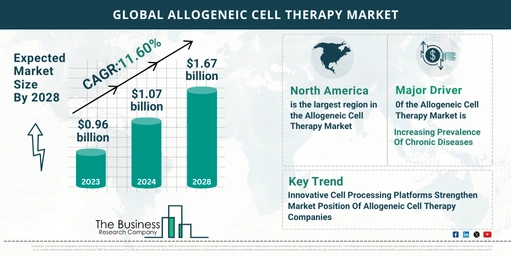
    Market Overview and Growth

    • Current Market Size: The allogeneic cell therapy market was valued at $0.97 billion in 2023.
    • Short-Term Forecast: Expected to grow to $1.08 billion in 2024, with a compound annual growth rate (CAGR) of 11.3%.
    • Long-Term Forecast: Projected to reach $1.67 billion by 2028, driven by a CAGR of 11.6%.

    Drivers of Growth:

    • Increased Demand: Rising need for advanced treatments and novel therapies.
    • Clinical Trials: Growing number of clinical trials and increasing patient populations.
    • Income Levels: Higher income levels contribute to greater healthcare expenditure.

    Factors Influencing Growth

    • Tailored Treatments: Enhanced focus on personalized donor cell selection and genetic modifications.
    • Population Growth: Increasing global population and burden of chronic diseases.
    • Collaborations: Growing number of collaborations for biosimilar development and novel therapies.

    View More On The Allogeneic Cell Therapy Market Report 2024 – https://www.thebusinessresearchcompany.com/report/allogeneic-cell-therapy-global-market-report

    Impact of Chronic Diseases

    • Prevalence: Chronic diseases are on the rise due to lifestyle changes, environmental factors, and genetic predispositions.
    • Therapeutic Potential: Allogeneic cell therapy offers significant promise for treating chronic illnesses by repairing or replacing dysfunctional cells with healthy donor cells.
    • Future Projections: By 2050, the number of people over 50 suffering from chronic illnesses in the US is expected to nearly double, reaching 142.66 million.

    Major Players and Innovations

    Key Companies:

    • Novartis AG
    • Bristol Myers Squibb Company
    • Takeda Pharmaceutical Company Limited
    • Bluebird Bio Inc.
    • Poseida Therapeutics Inc.
    • Fate Therapeutics Inc.
    • Fortress Biotech Inc.
    • Sorrento Therapeutics Inc.
    • Eureka Therapeutics Inc.
    • Juno Therapeutics Inc.

    Recent Developments:

    • Innovative Platforms: Companies are developing advanced cell processing platforms. For instance, Getinge’s partnership with CellRev led to the launch of Livit ACE, a cutting-edge platform for continuous cell processing. This platform features advanced automation and bioprocessing technologies that improve efficiency and scalability in cell production.
    • Strategic Acquisitions: In November 2021, Takeda acquired GammaDelta Therapeutics to enhance its cell therapy and immuno-oncology capabilities, focusing on gamma-delta T cell therapies.

    Market Segmentation

    • By Type:
      • Stem Cell Therapies
      • Non-Stem Cell Therapies
    • By Therapeutic Area:
      • Hematological Disorders
      • Dermatological Disorders
      • Other Therapeutic Areas
    • By End User:
      • Hospitals
      • Specialty Clinics
      • Research Organizations

    Regional Insights

    • North America: Largest market in 2023 due to advanced healthcare infrastructure and high adoption rates.
    • Asia-Pacific: Expected to be the fastest-growing region in the forecast period, driven by increasing healthcare investments and expanding patient populations.

    Conclusion

    The allogeneic cell therapy market is poised for significant growth, fueled by advancements in technology, rising chronic disease prevalence, and increased demand for innovative treatments. With major companies investing in new platforms and strategic acquisitions, the market is set to expand rapidly, offering promising opportunities for both existing players and new entrants.

    Request A Sample Of The Global Allogeneic Cell Therapy Market Report 2024:
    https://www.thebusinessresearchcompany.com/sample_request?id=15976&type=smp