Month: September 2024

  • Bioelectric Medicine Global Market Outlook 2024-2033: Size And Growth Rate Analysis

    Bioelectric Medicine Global Market Outlook 2024-2033: Size And Growth Rate Analysis

    The Business Research Company’s global market reports provide comprehensive analysis on the various markets in 27 industries across 60 geographies.


    The bioelectric medicine market has been expanding rapidly, with substantial growth observed in recent years. As healthcare continues to evolve, bioelectric medicine is gaining traction due to its innovative approach to treatment and management of various conditions.

    Current Market Overview

    • Market Size Growth: The bioelectric medicine market is expected to grow from $22.68 billion in 2023 to $24.69 billion in 2024 at a compound annual growth rate (CAGR) of 8.9%.
    • Drivers of Growth:
      • Increasing geriatric population
      • Higher disposable incomes
      • Rising demand for add-on therapies
      • Prevalence of neurological disorders
      • Demand for cutting-edge therapeutics

    Future Market Projections

    • Forecasted Growth: The market is projected to grow to $35.00 billion by 2028, with a CAGR of 9.1%.
    • Key Growth Factors:
      • Growing demand for non-invasive treatments
      • Increased healthcare spending
      • Rising prevalence of chronic diseases
      • Higher awareness of healthcare innovations
      • Expanding patient population

    View More On The Bioelectric Medicine Market Report 2024 – https://www.thebusinessresearchcompany.com/report/bioelectric-medicine-global-market-report

    Rising Healthcare Expenditure Driving Growth

    • Increased Healthcare Spending: Rising healthcare expenditures are significantly boosting the bioelectric medicine market. With more funds allocated to healthcare, there is greater investment in research and development of bioelectric therapies.
    • Example: In 2022, the UK’s healthcare expenditure reached approximately $354.88 billion, a 0.7% increase from 2021. This surge in spending highlights the importance of investing in innovative medical solutions.

    Leading Companies in the Market

    • Major Players: Key companies in the bioelectric medicine market include Abbott Laboratories, Medtronic PLC, Koninklijke Philips N.V., Boston Scientific Corporation, and Cochlear Ltd., among others.
    • Market Influence: These companies are driving market growth through innovative product development and strategic acquisitions.

    Technological Advancements Boosting Market Expansion

    • Deep Brain Stimulation Therapy: Technological advancements in bioelectric medicine, particularly in software-enabled general wellness medicine, are propelling market growth.
    • Case Study: In July 2023, Boston Scientific Corporation’s Vercise Neural Navigator 5 Software received FDA approval. This software enhances deep brain stimulation (DBS) therapy by integrating imaging data with stimulation parameters for precise targeting and programming, improving patient outcomes.

    Strategic Acquisitions and Market Expansion

    • ZOLL Medical Corporation’s Acquisition: In April 2021, ZOLL Medical Corporation acquired Respicardia Inc., a company specializing in bioelectric medicine. This acquisition aims to enhance ZOLL’s critical care portfolio and improve patient outcomes in treating sleep-disordered breathing.
    • Impact of Acquisitions: Such strategic moves strengthen market positions and expand the capabilities of companies within the bioelectric medicine industry.

    Market Segmentation

    • Types of Devices:
      • Implantable Electroceutical Devices
      • Non-Invasive Electroceutical Devices
    • Product Categories:
      • Implantable Cardioverter-Defibrillators
      • Cardiac Pacemakers
      • Cochlear Implants
      • Spinal Cord Stimulators
      • Deep Brain Stimulators
      • Transcutaneous Electrical Nerve Stimulators (TENS)
      • Sacral Nerve Stimulators
      • Vagus Nerve Stimulators
    • Applications:
      • Arrhythmia
      • Pain Management
      • Sensorineural Hearing Loss
      • Parkinson’s Disease
      • Tremor
      • Depression
      • Treatment-Resistant Depression
      • Epilepsy
    • End Use:
      • Hospitals
      • Other End Uses

    Regional Insights

    • Current Market Leader: North America was the largest region in the bioelectric medicine market in 2023, driven by high healthcare spending and advanced medical infrastructure.
    • Fastest-Growing Region: Asia-Pacific is expected to be the fastest-growing region in the forecast period, fueled by increasing healthcare investments and a growing patient population.

    Conclusion

    The bioelectric medicine market is poised for significant growth, driven by rising healthcare expenditure, technological advancements, and increasing demand for innovative therapies. As the industry continues to evolve, companies are leveraging strategic acquisitions and technological advancements to gain a competitive edge and meet the growing needs of the global healthcare market.

    Request A Sample Of The Global Bioelectric Medicine Market Report 2024:
    https://www.thebusinessresearchcompany.com/sample_request?id=15523&type=smp

  • Biobetters Global Market Outlook 2024-2033: Size And Growth Rate Analysis

    Biobetters Global Market Outlook 2024-2033: Size And Growth Rate Analysis

    The Business Research Company’s global market reports provide comprehensive analysis on the various markets in 27 industries across 60 geographies.

    The biobetters market has been experiencing significant growth and is poised to expand further in the coming years. Here’s a closer look at what’s driving this market, the trends shaping its future, and the role of chronic diseases and technological innovations in its evolution.

    Market Growth Overview

    • Current Market Size: The biobetters market size was $60.73 billion in 2023.
    • Short-Term Growth: Expected to grow to $67.81 billion in 2024, reflecting a compound annual growth rate (CAGR) of 11.7%.
    • Long-Term Forecast: Anticipated to reach $105.94 billion by 2028, with a CAGR of 11.8%.

    Factors Driving Market Expansion

    • Increased Disease Understanding: Advances in understanding disease mechanisms have improved the development and application of biobetters.
    • Technological Innovations: Enhanced manufacturing technologies and innovations in drug delivery are contributing to the market’s growth.
    • Healthcare Spending: Growing healthcare expenditure globally supports the adoption of advanced therapies like biobetters.
    • Protein Engineering Advancements: These advancements lead to improved therapeutic efficacy, boosting demand for biobetters.

    View More On The Biobetters Market Report 2024 – https://www.thebusinessresearchcompany.com/report/biobetters-global-market-report

    Future Trends in the Biobetters Market

    • Biotechnology Advancements: New technologies in biotechnology are driving the development of more effective and safer biobetters.
    • Personalized Medicine: There is a growing emphasis on personalized medicine, which aligns well with the capabilities of biobetters to provide targeted therapies.
    • Regulatory Support: Favorable regulatory landscapes are facilitating faster approvals and market entry for biobetters.
    • R&D Investments: Increased investments in research and development are leading to innovative biobetter products and expanding the market pipeline.

    The Impact of Chronic Kidney Disease on the Biobetters Market

    • Rising Prevalence: The increasing incidence of chronic kidney disease (CKD) is expected to drive the biobetters market. Factors contributing to CKD include aging populations, diabetes, hypertension, poor diets, and environmental factors.
    • Biobetter Applications: Biobetters offer enhanced efficacy, reduced side effects, better dosing regimens, and improved stability, making them ideal for managing CKD.
    • Significant Impact: According to the Australian Institute of Health and Welfare, chronic kidney disease accounted for 12% of total mortality in Australia in 2021, highlighting the need for effective treatments like biobetters.

    Innovations in Subcutaneous Biobetters

    • Convenience and Efficiency: Companies are focusing on developing biobetters for subcutaneous administration to improve patient convenience and therapeutic outcomes while reducing healthcare costs.
    • Case Study – Celltrion’s Remsima SC: In May 2023, Celltrion received approval for Remsima SC, a subcutaneous version of infliximab biosimilar. This innovation enhances treatment for inflammatory bowel diseases and exemplifies the trend towards more patient-friendly biobetters.

    Market Segmentation

    • By Drug Class: Includes Erythropoietin Biobetters, G-CSF Bioreactors, Interferon Biobetters, Insulin Biobetters, Monoclonal Antibodies Biobetters, Antihemophilic Factors, and other classes.
    • By Route of Administration: Covers oral, subcutaneous, inhaled, intravenous, and other routes.
    • By Disease Indication: Addresses diabetes, cancer, renal disease, neurodegenerative diseases, genetic disorders like hemophilia, and other conditions.
    • By Distribution Channel: Marketed through hospital pharmacies, retail pharmacies, and online pharmacies.

    Regional Insights

    • Largest Market: North America was the largest region in the biobetters market in 2023, driven by advanced healthcare infrastructure and high R&D investments.
    • Fastest-Growing Region: Asia-Pacific is expected to be the fastest-growing region during the forecast period, attributed to expanding healthcare access and increasing prevalence of chronic diseases.

    The biobetters market is rapidly evolving, driven by technological advancements, increased focus on chronic disease management, and innovations in drug delivery methods. As this market continues to grow, it presents numerous opportunities for companies to innovate and improve patient outcomes globally.

    Request A Sample Of The Global Biobetters Market Report 2024:
    https://www.thebusinessresearchcompany.com/sample_request?id=15522&type=smp

  • How Is The Assisted Living Technologies Market Expected To Grow Through 2024-2033

    How Is The Assisted Living Technologies Market Expected To Grow Through 2024-2033

    The Business Research Company’s global market reports are now updated with the latest market sizing information for the year 2024 and forecasted to 2033

    According to The Business Research Company’s Assisted Living Technologies Global Market Report 2024, the assisted living technologies market is expected to show promising growth in the forecast period.

    The assisted living technology market is experiencing significant growth driven by various factors such as aging populations, increased prevalence of chronic diseases, and advancements in smart home integration. This blog explores the current market landscape, future growth projections, major trends, and key players in the assisted living technology sector.

    Rapid Market Growth and Key Drivers

    • Current Market Size: The assisted living technology market has seen rapid growth, increasing from $6.73 billion in 2023 to $7.82 billion in 2024, at a compound annual growth rate (CAGR) of 16.1%.
    • Historic Growth Factors: This growth is fueled by several factors, including the aging population, rising healthcare costs, better internet connectivity, growing awareness of home healthcare benefits, and supportive government policies.
    • Future Projections: The market is expected to continue its upward trajectory, reaching $14.4 billion by 2028, with a CAGR of 16.5% from 2024 to 2028.

    Increasing Demand for Personalized Senior Care

    • Personalized Senior Care: There is a growing demand for personalized care services that cater to the unique needs of the elderly population.
    • Remote Monitoring: Assisted living technologies enable remote monitoring of seniors’ health parameters, such as vital signs and medication adherence, which improves health outcomes.
    • Market Growth: The increasing elderly population and their demand for quality care are driving the growth of the assisted living technology market. For example, in Australia, the number of people aged 65 and over living in permanent residential aged care increased by 3.1% over the past five years.

    View More On The Assisted Living Technologies Market Report 2024 – https://www.thebusinessresearchcompany.com/report/assisted-living-technologies-global-market-report

    Major Trends Shaping the Market

    • AI Integration: There is a rising trend of integrating artificial intelligence (AI) into assisted living technologies to provide more personalized care.
    • IoT Devices: The use of Internet of Things (IoT) devices for real-time health monitoring is expanding, enabling continuous patient monitoring.
    • Telehealth Services: The growth of telehealth services is contributing to the market, providing remote access to healthcare professionals and services.
    • Wearable Health Tech: Advancements in wearable technology are allowing for constant monitoring of health metrics, enhancing patient care.
    • Voice-Activated Assistants: Development in voice-activated assistants is improving accessibility and ease of use for seniors.
    • Enhanced Cybersecurity: With the increasing reliance on digital health solutions, there is a growing emphasis on enhancing cybersecurity measures to protect sensitive patient data.

    Innovations in Remote Patient Monitoring

    • Multi-Sensor Platforms: Companies are developing multi-sensor remote patient monitoring platforms to improve patient care. These platforms allow healthcare providers to closely monitor patients’ health and manage chronic conditions more effectively.
    • Case Example: Blue Spark Technologies launched VitalTraq, a multi-sensor remote patient monitoring platform, in January 2024. This platform uses contactless technology to measure vital signs through a facial scan, combined with a wearable temperature sensor, providing a comprehensive remote monitoring solution.

    Strategic Acquisitions and Market Expansion

    • Legrand’s Acquisition of Enovation: In April 2024, Legrand acquired Enovation to strengthen its position in the assisted living technology market. This acquisition enhances Legrand’s product portfolio and provides access to innovative solutions in connected health and assisted living technologies.
    • Market Impact: The acquisition bolsters Legrand’s leadership in Europe and positions it for further advancements in the market.

    Market Segmentation and Regional Insights

    • By Component: The market is segmented into hardware, software and apps, and services.
    • By Facility Type: Segments include adult family homes, community-based residential facilities, and residential care apartment complexes.
    • By End-User: End-users include assisted living facilities, nursing homes, rehabilitation centers, home care settings, hospices, and others.
    • Regional Dominance: North America was the largest region in the assisted living technologies market in 2023, driven by advanced healthcare infrastructure and high adoption rates of new technologies.

    The assisted living technology market is poised for continued growth, driven by increasing demand for personalized care, technological advancements, and strategic market expansions. With the aging population and the rising prevalence of chronic diseases, the need for innovative assisted living solutions is more critical than ever.

    Request A Sample Of The Global Assisted Living Technologies Market Report 2024:
    https://www.thebusinessresearchcompany.com/sample_request?id=15515&type=smp

  • Key Trends And Drivers In The Anthrax Vaccine Market 2024

    Key Trends And Drivers In The Anthrax Vaccine Market 2024

    The Business Research Company’s market reports offer an in-depth analysis on the market’s growth potential, major drivers, key trends and more.

    The anthrax vaccine market has experienced steady growth in recent years, driven by various global factors and strategic initiatives. With a continued focus on innovation and preparedness, the market is expected to expand further in the coming years.

    Current Market Size and Growth

    • Market Overview: The anthrax vaccine market size is projected to grow from $10.74 billion in 2023 to $11.27 billion in 2024, reflecting a compound annual growth rate (CAGR) of 4.9%.
    • Historical Growth Drivers:
      • Concerns over biological warfare
      • Increased demand from military sectors
      • Anthrax outbreaks and public health preparedness
      • Government-led biodefense programs

    Future Market Projections

    • Expected Growth: The market is anticipated to reach $13.80 billion by 2028, growing at a CAGR of 5.2%.
    • Key Drivers for Future Growth:
      • Ongoing global security challenges and emerging threats
      • Government procurement initiatives
      • Enhanced pandemic preparedness efforts

    Read More On The Anthrax Vaccine Market Report 2024 – https://www.thebusinessresearchcompany.com/report/anthrax-vaccine-global-market-report

    Rising Infectious Diseases Driving Market Growth

    • Impact of Infectious Diseases: The rising prevalence of infectious diseases is a significant factor propelling the anthrax vaccine market.
    • Factors Contributing to Disease Spread:
      • Demographic changes and urbanization
      • Environmental shifts and changes in land use
      • Evolving human behaviors
    • Significance of Vaccines: The anthrax vaccine, primarily used to protect against anthrax, is being explored for its potential in preventing other infectious diseases due to its immunogenic properties.
    • Example: According to the Council on Foreign Relations, zoonotic diseases account for up to 75% of newly discovered infectious diseases and 60% of recognized infectious diseases. These diseases cause 2.7 million fatalities and 2.5 billion disease episodes annually, highlighting the need for effective vaccines.

    Innovations and FDA Approvals

    • Focus on Innovation: Companies in the anthrax vaccine market are dedicated to developing innovative products and securing FDA approvals to ensure vaccine safety and efficacy.
    • Importance of FDA Approval: FDA approval signifies rigorous testing and validation, ensuring vaccines are safe for public use.
    • Recent Developments: In July 2023, Emergent BioSolutions Inc. received FDA approval for CYFENDUS (Anthrax Vaccine Adsorbed, Adjuvanted), highlighting advancements in vaccine development and safety.
    • Ongoing Efforts: There is a strong focus on developing safer and more effective adjuvants to improve vaccine efficiency and reduce reactogenicity-related issues.

    Collaborative Research Efforts

    • Strategic Partnerships: Collaborative research and development efforts are crucial for advancing vaccine technologies and expanding market reach.
    • Key Collaboration: In October 2022, the Biomedical Advanced Research and Development Authority (BARDA) partnered with ICON plc and Rho Federal Systems Division Inc. to conduct a clinical trial evaluating the anthrax vaccine AV7909.
    • Collaboration Focus: The trial aims to assess the immunogenicity kinetics of AV7909, which combines the FDA-licensed anthrax vaccine BioThrax with an immune system stimulant.

    Market Segmentation

    • By Vaccine Type:
      • Cell-Free Protective Antigen (PA) Vaccine
      • Live Attenuated Vaccine
    • By Application Type:
      • Animal Use
      • Human Use
    • By Distribution Channel:
      • Hospitals
      • Pharmacies
      • Other Distribution Channels

    Regional Insights

    • Largest Market: North America was the leading region in the anthrax vaccine market in 2023, driven by significant government initiatives and advanced healthcare infrastructure.
    • Fastest-Growing Region: Asia-Pacific is expected to be the fastest-growing region during the forecast period, supported by increasing government investment in biodefense and public health preparedness.

    Conclusion

    The anthrax vaccine market is poised for steady growth, fueled by ongoing innovation, strategic collaborations, and a global focus on health security. As the market continues to evolve, stakeholders can expect new opportunities and challenges, driven by technological advancements and the need for comprehensive infectious disease prevention strategies.

    Request for A Sample Of The Global Anthrax Vaccine Market Report:
    https://www.thebusinessresearchcompany.com/sample_request?id=15511&type=smp

  • Key Trends And Drivers In The Animal Model Market 2024

    Key Trends And Drivers In The Animal Model Market 2024

    The Business Research Company’s market reports offer an in-depth analysis on the market’s growth potential, major drivers, key trends and more.

    Market Overview

    The animal model market has seen robust growth in recent years. It is projected to expand from $1.76 billion in 2023 to $1.92 billion in 2024, reflecting a compound annual growth rate (CAGR) of 8.7%. This growth is driven by several factors, including the increasing adoption of animal models for biomedical research, heightened investments in drug development, and the rising focus on precision medicine.

    Current Market Dynamics

    • Growth Factors:
      • Biomedical Research:Animal models play a crucial role in advancing biomedical research, helping in drug efficacy and safety evaluations.
      • Drug Development:Significant investments and expenditure in drug discovery are fueling the market.
      • Precision Medicine:The demand for personalized medicine is increasing the use of animal models in research.

    Future Market Projections

    The animal model market is expected to grow to $2.69 billion by 2028, with a CAGR of 8.9%. Key drivers for this future growth include:

    • Genetic Engineering:Advancements in genetic modification are enhancing the capabilities and applications of animal models.
    • Chronic Diseases:The rising prevalence of chronic conditions is increasing the need for effective treatments and vaccines.
    • Personalized Medicine:The growing demand for personalized treatments is driving the use of humanized animal models.

    Read More On The Animal Model Market Report 2024 – https://www.thebusinessresearchcompany.com/report/animal-model-global-market-report

    Pharmaceutical R&D Driving Growth

    • Investment Surge: Rising investments in pharmaceutical research and development are significantly impacting the animal model market. For example, in Europe, pharmaceutical R&D spending increased by 7.82% from 2020 to 2022.
    • Importance of Animal Models: These models are essential for predicting drug responses and studying disease mechanisms, which accelerates the development of new therapies.

    Innovative Developments: Triple-Immunodeficient Mice

    • Technological Advancements: Companies are focusing on developing advanced animal models, such as triple-immunodeficient mice, to improve research outcomes.
    • Case Study: Charles River Laboratories launched NCG mice in January 2024. These mice, which lack functional T, B, and NK cells, are crucial for studying complex diseases and testing new treatments.

    Notable Market Players

    • Key Companies:Major players in the animal model market include Eurofins Scientific SE, Charles River Laboratories, Pharmaron Beijing Co Ltd, and others. These companies are at the forefront of developing innovative animal models and expanding market capabilities.

    Strategic Acquisitions

    • Jackson Laboratory Acquisition:In October 2021, Jackson Laboratory acquired Charles River Laboratories Japan’s Research Models & Services business for $70.9 million. This acquisition enhances Jackson Laboratory’s research capabilities and expands access to advanced animal models in Japan.

    Market Segmentation

    • By Animal Type:Mice, Rats, Guinea Pigs, Rabbits, Hamsters, Others
    • By Technology:CRISPR, Embryonic Stem Cell Injection, Nuclear Transfer, Other Technologies
    • By Application:Drug Discovery and Development, Basic Research, Other Applications
    • By End User:Research Institutes, Educational Institutes, Pharmaceutical Companies, Contract Research Organizations

    Regional Insights

    • Current Leading Region: North America remains the largest market for animal models.
    • Future Growth: Asia-Pacific is expected to experience the fastest growth during the forecast period due to increasing investments and research activities in the region.

    Conclusion

    The animal model market is poised for continued strong growth, driven by advancements in technology, increased investment in research, and the rising need for personalized medicine. As the market evolves, innovative products and strategic acquisitions will play crucial roles in shaping its future.

    Request for A Sample Of The Global Animal Model Market Report:
    https://www.thebusinessresearchcompany.com/sample_request?id=15510&type=smp

  • Angioplasty Balloons Market Report 2024: Market Size, Drivers, And Trends

    Angioplasty Balloons Market Report 2024: Market Size, Drivers, And Trends

    The Business Research Company’s global market reports are now updated with the latest market sizing information for the year 2024 and forecasted to 2033

    Market Overview

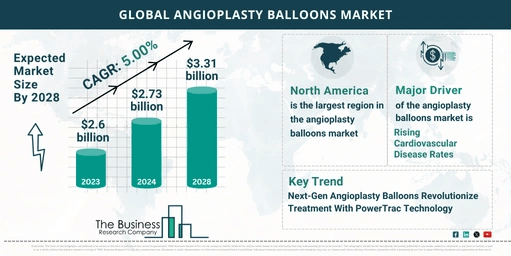
    The angioplasty balloons market has exhibited consistent growth in recent years. The market size grew from $2.6 billion in 2023 to $2.73 billion in 2024, marking a compound annual growth rate (CAGR) of 4.9%. This growth is driven by several factors including increased clinical trials, decreased regulatory hurdles, more physician training programs, broader reimbursement coverage, and enhanced patient awareness and education.

    Looking ahead, the market is projected to reach $3.31 billion by 2028, with a CAGR of 5%. This forecasted growth is supported by an aging population, rising prevalence of cardiovascular diseases, expanding healthcare infrastructure in emerging markets, greater adoption of minimally invasive procedures, and increased demand for interventional cardiology.

    View More On The Angioplasty Balloons Market Report 2024 – https://www.thebusinessresearchcompany.com/report/angioplasty-balloons-global-market-report

    Factors Driving Market Growth

    1. Rising Cardiovascular Disease Rates
      • Prevalence Increase:Cardiovascular diseases are on the rise due to sedentary lifestyles, unhealthy diets, obesity, and aging populations.
      • Treatment Needs:Angioplasty balloons are crucial for widening narrowed or blocked blood vessels to restore blood flow and reduce complications like heart attacks or strokes.
      • Statistics:According to the CDC, coronary heart disease in U.S. adults increased slightly from 4.6% in 2020 to 4.9% in 2021, highlighting a growing need for angioplasty interventions.
    2. Technological Advancements
      • PowerTrac Technology:Companies are developing advanced angioplasty balloons with PowerTrac technology to enhance tracking and pushability through complex vessel anatomies.
      • Notable Launch:In July 2021, Medtronic introduced the Prevail drug-coated balloon (DCB) catheter in Europe, which uses PowerTrac technology to provide superior deliverability and pushability. This technology also allows for effective treatment of various vascular conditions without the need for permanent implants.
    3. Strategic Acquisitions
      • Johnson & Johnson and Abiomed Inc.:In December 2022, Johnson & Johnson acquired Abiomed for $16.6 billion. This acquisition aims to expand J&J’s medtech portfolio and advance heart recovery solutions. Abiomed’s SupraCor Balloon Catheter is used in angioplasty procedures and adds significant value to J&J’s offerings.

    Market Segmentation

    1. By Product Type:
      • Normal Balloons
      • Scoring Balloons
      • Drug-Eluting Balloons
      • Cutting Balloons
    2. By Material:
      • Non-Compliant
      • Semi-Compliant
    3. By Application:
      • Coronary Angioplasty
      • Peripheral Angioplasty
    4. By End User:
      • Hospitals
      • Specialty Clinics
      • Catheterization Laboratories
      • Ambulatory Surgical Centers
      • Other End Users

    Regional Insights

    • North America:The largest market in 2023, driven by advanced healthcare infrastructure and high adoption rates of angioplasty procedures.
    • Asia-Pacific:Expected to be the fastest-growing region during the forecast period, due to increasing healthcare investments, rising prevalence of cardiovascular diseases, and growing demand for advanced medical technologies.

    Conclusion

    The angioplasty balloons market is set to experience steady growth, fueled by advancements in technology, rising cardiovascular disease rates, and strategic industry moves. As the market evolves, the focus on innovative treatment approaches and expanding healthcare access will drive further developments and opportunities within the industry.

    Request A Sample Of The Global Angioplasty Balloons Market Report 2024:
    https://www.thebusinessresearchcompany.com/sample_request?id=15509&type=smp

  • Aluminum Die Casting Market Report 2024: Market Size, Drivers, And Trends

    Aluminum Die Casting Market Report 2024: Market Size, Drivers, And Trends

    The Business Research Company’s global market reports are now updated with the latest market sizing information for the year 2024 and forecasted to 2033

    The aluminum die casting market has demonstrated impressive growth in recent years, driven by technological advancements and increasing demand across various sectors. With a forecasted robust growth trajectory, this industry is set to continue evolving and expanding.

    Market Overview

    • Current Market Size: The aluminum die casting market is projected to grow from $56.48 billion in 2023 to $60.92 billion in 2024, achieving a compound annual growth rate (CAGR) of 7.9%.
    • Key Growth Drivers:
      • Increased penetration of die-casting parts
      • Rising vehicle sales and demand for passenger cars
      • Expansion of industrialization and urbanization

    Future Growth Projections

    • Forecasted Market Size: By 2028, the market is expected to reach $83.24 billion, with a CAGR of 8.1%.
    • Factors Influencing Growth:
      • Growing demand for electric vehicles (EVs)
      • Increased urbanization
      • Expansion in the consumer electronics industry
      • Rising need for lightweight, high-strength castings
      • Growing renewable energy initiatives

    View More On The Aluminum Die Casting Market Report 2024 – https://www.thebusinessresearchcompany.com/report/aluminum-die-casting-global-market-report

    Increasing Demand for Automobiles

    • Automobile Sector Impact: The rise in automobile demand significantly boosts the aluminum die casting market. Factors such as shifting mobility preferences, low interest rates, and vehicle replacement trends contribute to this growth.
    • Market Contribution: Aluminum die casting enables the production of lighter, stronger, and more fuel-efficient vehicles, meeting performance and safety standards.
    • Example: According to the International Trade Administration, approximately 26 million automobiles were sold in 2021, marking a 7.1% increase from 2020. This increase underscores the growing market for aluminum die casting.

    Strategic Partnerships and Innovations

    • Collaborative Efforts: Companies are forming strategic partnerships to drive innovation and growth. These collaborations are crucial for developing advanced aluminum die casting solutions across various industries.
    • Case Study: In May 2022, GF Casting Solutions and Bocar Group entered into a partnership to leverage their expertise in aluminum die casting. This collaboration focuses on producing lightweight components for the mobility and energy sectors, enhancing the market’s sustainability and technological capabilities.

    Vertical Integration and Acquisitions

    • Weber Holding’s Acquisition: In April 2021, Weber Holding GmbH acquired Schweizer Group Global GmbH. This acquisition aims to enhance vertical integration within the automotive industry by incorporating advanced aluminum die casting services.
    • Impact: The acquisition strengthens Weber Holding’s position in the market, enabling more comprehensive solutions in powertrain component machining and assembly.

    Market Segmentation

    • Casting Processes:
      • High Pressure Die Casting
      • Low Pressure Die Casting
      • Vacuum Die Casting
      • Gravity Die Casting
      • Squeeze Die Casting
    • Chamber Processes:
      • Hot Chamber Aluminum Die Casting
      • Cold Chamber Aluminum Die Casting
    • End Users:
      • Automotive Components
      • Pumps and Valves
      • Industrial Components
      • Engineering Components
      • Construction
      • Packaging
      • Other End Users

    Regional Insights

    • Leading Region: Asia-Pacific was the largest market for aluminum die casting in 2023, driven by its extensive industrial base and rapid urbanization.
    • Fastest-Growing Region: North America is anticipated to be the fastest-growing region in the forecast period, fueled by increasing technological advancements and automotive demand.

    Conclusion

    The aluminum die casting market is on a strong growth trajectory, supported by technological advancements, strategic partnerships, and rising demand across various sectors. As the industry continues to evolve, stakeholders are likely to see significant opportunities in both traditional and emerging markets, driving further innovation and expansion in this dynamic field.

    Request A Sample Of The Global Aluminum Die Casting Market Report 2024:
    https://www.thebusinessresearchcompany.com/sample_request?id=15508&type=smp

  • Alexipharmic Drugs Market Report 2024: Market Size, Drivers, And Trends

    Alexipharmic Drugs Market Report 2024: Market Size, Drivers, And Trends

    The Business Research Company’s global market reports are now updated with the latest market sizing information for the year 2024 and forecasted to 2033

    • Market Size and Growth: The alexipharmic drugs market has been expanding significantly. In 2023, the market size was valued at $2.90 billion, and it is projected to reach $3.05 billion in 2024, growing at a compound annual growth rate (CAGR) of 5.4%.
    • Factors Driving Growth: Key drivers of this growth include the increased prevalence of poisoning cases worldwide, regulatory approvals for new antidote formulations, heightened awareness about poison management, and advancements in emergency medical services and poison control centers. Additionally, there has been a notable development of novel antidote delivery systems.

    Future Outlook and Trends

    • Continued Market Expansion: The market size is expected to grow to $3.80 billion by 2028, with a CAGR of 5.6%. This growth is attributed to several factors, such as the rising incidence of drug overdoses and substance abuse, expanding applications of antidotes across various medical specialties, and increased demand for fast-acting and potent antidote formulations.
    • Emerging Trends: Future trends include personalized antidote therapies tailored to individual patient needs, integration of digital health technologies in poison management, use of nanotechnology in antidote formulation and delivery, a focus on eco-friendly manufacturing practices, and the expansion of telemedicine services for poison consultation and management.

    View More On The Alexipharmic Drugs Market Report 2024 – https://www.thebusinessresearchcompany.com/report/alexipharmic-drugs-global-market-report

    Impact of Rising Drug Overdose Rates

    • Increasing Drug Overdose Deaths: The rise in the death rate due to drug overdoses is a significant factor driving the alexipharmic drugs market. Overdoses often occur due to the consumption of substances beyond the body’s tolerance level, leading to adverse effects or death.
    • Role of Alexipharmic Drugs: Alexipharmic drugs are essential in minimizing fatalities by counteracting the toxic effects of drugs during overdoses. For example, in England and Wales, drug poisoning deaths increased to 4,907 in 2022, highlighting the urgent need for effective antidote solutions.

    Innovations in Antidote Solutions

    • Over-the-Counter (OTC) Opioid Reversal Medication: Companies are focusing on innovative solutions to gain a competitive edge in the market. For instance, Emergent BioSolutions introduced the first OTC opioid overdose reversal medication, NARCAN Naloxone HCl Nasal Spray 4 mg, in August 2023.
    • Increased Accessibility: This product provides a convenient, easy-to-use option for reversing opioid effects, including those of fentanyl, expanding access to naloxone and reducing stigma associated with opioid emergencies. This development empowers more individuals to respond effectively in emergencies, contributing to saving lives.

    Strategic Acquisitions Enhancing Market Presence

    • SERB Pharmaceuticals and BTG Specialty Pharmaceuticals: In March 2021, SERB Pharmaceuticals acquired BTG Specialty Pharmaceuticals for $0.8 billion. This acquisition created a global leader in critical care medicines, enhancing the availability of life-saving antidotes and addressing unmet medical needs in the alexipharmic drugs market.
    • Strengthening the Portfolio: This strategic move has expanded the company’s portfolio, enabling it to offer a wider range of critical care solutions and solidifying its presence in the global market.

    Market Segmentation

    • Types of Antidotes: The alexipharmic drugs market is segmented by type into chemical, physical, and pharmacological antidotes.
    • Routes of Administration: The market is also divided by route of administration, including oral, topical, injectable, and other methods.
    • Applications: Applications include opioid overdose, alcohol overdose, cyanide poisoning, lead poisoning, benzodiazepine overdose, and other uses.
    • End Uses: The market serves various end users such as hospitals, homecare settings, specialty clinics, and other facilities.

    Regional Insights

    • North America: North America was the largest region in the alexipharmic drugs market in 2023, driven by a well-established healthcare system and high awareness of poison management.
    • Asia-Pacific: The Asia-Pacific region is expected to be the fastest-growing market during the forecast period, spurred by rising awa

    Request A Sample Of The Global Alexipharmic Drugs Market Report 2024:
    https://www.thebusinessresearchcompany.com/sample_request?id=15507&type=smp

  • Understand How The Acoustic Neuroma Market Is Poised To Grow Through 2024-2033

    Understand How The Acoustic Neuroma Market Is Poised To Grow Through 2024-2033

    The Business Research Company’s global market reports are now updated with the latest market sizing information for the year 2024 and forecasted to 2033

    As per The Business Research Company’s Acoustic Neuroma Global Market Report 2024, the acoustic neuroma market is expected to show significant growth in the forecast period.

    The acoustic neuroma market has experienced significant growth in recent years. It is expected to expand from $1.70 billion in 2023 to $1.83 billion in 2024, representing a compound annual growth rate (CAGR) of 7.9%.

    • Growth Drivers:
      • Advancements in imaging technologies
      • Surgical innovations
      • Increased awareness and screening programs
      • Economic factors and regulatory approvals

    Future Growth Projections

    Looking forward, the acoustic neuroma market is anticipated to continue its strong growth trajectory, reaching $2.52 billion by 2028, with a CAGR of 8.2%.

    • Growth Contributors:
      • Technological advancements in treatment and diagnostics
      • Personalized medicine approaches
      • Rising healthcare spending and improved infrastructure
      • Increased patient preferences and demands

    Trends Shaping the Market

    Several major trends are expected to influence the acoustic neuroma market during the forecast period.

    • Key Trends:
      • Increasing incidence rates of acoustic neuroma
      • Technological innovations and advancements in treatment modalities
      • Expansion of market opportunities globally
      • Collaborative research initiatives

    Healthcare Investments Fuel Market Growth

    The rising investment in the healthcare sector is a crucial factor driving the acoustic neuroma market. As global health challenges increase and new technologies emerge, the demand for innovative diagnostics and treatments for acoustic neuroma grows.

    • Impact of Investments:
      • Support for research and development in diagnostics and treatments
      • Enhanced patient outcomes and quality of life
      • Growing focus on healthcare innovation and technology

    Example:
    In December 2023, the Centers for Medicare & Medicaid Services (CMS) reported a 4.1% increase in healthcare spending in the U.S., reaching a total of $4.5 trillion. This substantial investment highlights the expanding market opportunities for acoustic neuroma treatments.

    Major Companies in the Acoustic Neuroma Market

    Several key players dominate the acoustic neuroma market, contributing to its growth through innovative products and services.

    • Leading Companies:
      • Pfizer Inc.
      • Hoffmann-La Roche AG
      • General Electric Company
      • Medtronic plc
      • Siemens Healthineers
      • Elekta AB
      • Cochlear Limited
      • Brainlab AG

    View More On The Acoustic Neuroma Market Report 2024 – https://www.thebusinessresearchcompany.com/report/acoustic-neuroma-global-market-report

    Innovative Radiosurgery Methods for Acoustic Neuroma

    Companies in the acoustic neuroma market are focusing on developing advanced treatment options, such as radiosurgery, to improve patient outcomes.

    • Radiosurgery Benefits:
      • Precise delivery of radiation to target tumors
      • Minimization of damage to surrounding healthy tissue
      • Advanced features for personalized and patient-friendly treatments

    Example:
    In May 2022, Elekta launched the Elekta Esprit, an advanced stereotactic radiosurgery system. This device allows for highly precise treatment of brain tumors and other conditions, enhancing both patient comfort and treatment efficacy.

    Strategic Acquisitions in the Market

    Strategic acquisitions are playing a vital role in expanding the capabilities and reach of companies within the acoustic neuroma market.

    • Notable Acquisition:
      • In March 2021, Fujifilm Corporation acquired Hitachi Ltd.’s diagnostic imaging business for $1.14 billion, significantly enhancing its medical systems offerings.

    Market Segmentation

    The acoustic neuroma market is segmented by type, treatment, diagnosis, and end-user.

    • Type:
      • Unilateral Vestibular Schwannomas
      • Bilateral Vestibular Schwannomas
    • Treatment Type:
      • Drugs
      • Anticonvulsants
      • Radiation Therapy
      • Proton Therapy
      • Stereotactic Radiosurgery
    • Diagnosis Type:
      • Magnetic Resonance Imaging (MRI)
      • Computed Tomography Scan (CT-SCAN)
      • Hearing Tests
    • End User:
      • Hospitals
      • Clinics
      • Surgical Centers

    Regional Insights

    In 2023, North America was the largest region in the acoustic neuroma market, with Asia-Pacific expected to be the fastest-growing region in the forecast period.

    • Key Regions:
      • North America (largest market)
      • Asia-Pacific (fastest-growing region)

    Conclusion

    The acoustic neuroma market is poised for robust growth, driven by technological advancements, increased healthcare investments, and rising patient demands. With ongoing innovations and strategic expansions, the market is set to provide improved diagnostic and treatment options, enhancing patient care worldwide.

    Request A Sample Of The Global Acoustic Neuroma Market Report 2024:
    https://www.thebusinessresearchcompany.com/sample_request?id=15502&type=smp

  • Key Trends And Drivers In The 3D Printed Wearables Market 2024

    Key Trends And Drivers In The 3D Printed Wearables Market 2024

    The Business Research Company’s market reports offer an in-depth analysis on the market’s growth potential, major drivers, key trends and more.

    Market Overview

    The 3D printed wearables market has experienced robust growth in recent years. The market size increased from $3.76 billion in 2023 to $4.07 billion in 2024, at a compound annual growth rate (CAGR) of 8.4%. This growth has been driven by several factors, including:

    • Increased demand for quality healthcare services.
    • Higher investment in the 3D printing industry.
    • Development of wearable robotics.
    • Adoption in the fashion industry.
    • Use in sports performance enhancements.

    Looking forward, the market is projected to reach $5.68 billion by 2028, with a CAGR of 8.7%. This sustained growth can be attributed to a growing demand for personalization, a rising prevalence of chronic conditions and diabetes, an increasing focus on eco-friendly products, and heightened awareness of preventive healthcare.

    Read More On The 3D Printed Wearables Market Report 2024 – https://www.thebusinessresearchcompany.com/report/3d-printed-wearables-global-market-report

    Key Drivers of Market Growth

    1. Impact of Diabetes Prevalence
      • Rising Cases:The prevalence of diabetes is increasing due to an aging population, genetic factors, and lifestyle changes, contributing to the demand for 3D printed wearables.
      • Wearable Technology:3D printed wearables for diabetes management include custom-designed devices that monitor blood glucose levels, deliver insulin, and provide real-time health data.
      • Growing Numbers:The International Diabetes Federation reported that the number of adults with diabetes was 537 million in 2021 and is projected to rise to 783 million by 2045, driving market growth.
    2. Technological Innovations
      • Advanced 3D Printing Techniques:Companies are leveraging cutting-edge technologies like Multi-Jet Fusion (MJF) to produce faster and more cost-effective 3D printed wearables.
      • Innovative Products:For example, SEVENFRIDAY AG launched the FREE-D watch in March 2022, a 3D-printed wearable watch utilizing MJF technology and sustainable materials. This product highlights the industry’s move towards combining technology with sustainability and style.
    3. Strategic Acquisitions
      • Meta’s Acquisition of Luxexcel:In February 2021, Meta Inc. acquired Luxexcel to enhance its augmented reality (AR) devices, aligning with its Metaverse vision. Luxexcel specializes in 3D-printed ophthalmic lenses, and this acquisition is set to improve the design and functionality of Meta’s AR gadgets.

    Market Segmentation

    1. By Product Type:
      • Orthopedic Implants
      • Prosthetics
      • Smart Watches
      • Surgical Instruments
      • Fitness Trackers
    2. By Sales Channel:
      • Online Retail
      • Offline Retail
      • Direct Sales
      • Healthcare Providers
      • Customization Platforms
    3. By End User:
      • Pharma and Biotech Companies
      • Hospitals
      • Academic Institutes
      • Other End Users

    Regional Insights

    • North America:This region was the largest market for 3D printed wearables in 2023, driven by advanced healthcare infrastructure, high adoption rates, and ongoing technological innovations.
    • Asia-Pacific:Expected to be the fastest-growing region during the forecast period, fueled by increasing healthcare investments, a growing diabetic population, and rising demand for personalized and preventive healthcare solutions.

    Conclusion

    The 3D printed wearables market is poised for continued growth, supported by rising diabetes prevalence, technological advancements, and strategic industry acquisitions. With increasing demand for personalized, sustainable, and innovative healthcare solutions, the market is set to expand further, presenting new opportunities for companies and consumers alike.

    Request for A Sample Of The Global 3D Printed Wearables Market Report:
    https://www.thebusinessresearchcompany.com/sample_request?id=15501&type=smp