Month: September 2024

  • 5 Takeaways From The Temperature Modulation Devices Market Overview 2024

    5 Takeaways From The Temperature Modulation Devices Market Overview 2024

    The Business Research Company’s global market reports are now updated with the latest market sizing information for the year 2024 and forecasted to 2033

    According to The Business Research Company’s Temperature Modulation Devices Global Market Report 2023, the temperature modulation devices market is expected to show promising growth in the forecast period.

    Market Overview

    • Current Market Size: The temperature modulation devices market has experienced significant growth, with its size increasing from $2.92 billion in 2023 to $3.19 billion in 2024. This growth reflects a compound annual growth rate (CAGR) of 9.5%.
    • Future Projections: The market is anticipated to expand further to $4.61 billion by 2028, maintaining a CAGR of 9.6%.

    Growth Drivers

    • Industrialization and Healthcare Demands: Rising industrialization and increasing demands in healthcare have fueled market growth.
    • Agricultural and Scientific Needs: Growing needs in agriculture and scientific research, alongside environmental concerns, have further contributed to market expansion.

    View More On The Temperature Modulation Devices Market Report 2024 –
    https://www.thebusinessresearchcompany.com/report/temperature-modulation-devices-global-market-report

    Future Growth Factors

    • Urbanization and Climate Change: Expanding urbanization and the impacts of climate change are expected to drive market growth.
    • Energy Efficiency and Digitalization: There is a rising demand for energy-efficient solutions and advancements in digitalization and IoT integration.
    • Healthcare Innovations: Ongoing innovations in healthcare and pharmaceuticals are also propelling market growth.

    Key Market Trends

    • Smart and Connected Systems: The integration of smart systems and connectivity is becoming a major trend.
    • Renewable Energy Integration: The adoption of renewable energy sources is influencing market developments.
    • Precision Temperature Control: There is a growing focus on precision in temperature control.
    • Modular Designs: Modular and scalable designs are increasingly popular.
    • Predictive Maintenance: Enhanced predictive maintenance solutions are being developed.

    Impact of Surgical Procedures

    • Surge in Procedures: The increasing number of surgical procedures is a significant driver for the temperature modulation devices market.
    • Healthcare Access: Improved access to healthcare services has led to more surgical interventions.
    • Patient Safety: Temperature modulation devices are essential in maintaining optimal body temperature during surgeries, preventing complications like hypothermia and hyperthermia.
    • Notable Increase: A report by the British Association of Aesthetic Plastic Surgeons highlighted a 102% increase in cosmetic surgical procedures from 2021 to 2022.

    Technological Advancements

    • Advanced Controllers: Companies are developing advanced temperature controllers with unique features.
    • Waveform Digitization: Technologies like waveform digitization are enhancing precision in temperature control.
    • Case Study: In March 2024, Omron Corporation introduced the OMRON NX-HTC, featuring waveform digitization for precise temperature monitoring and control. This technology supports a wide temperature range and improves operational efficiency.

    Recent Acquisitions

    • Haemonetics and Attune Medical: In April 2024, Haemonetics Corporation acquired Attune Medical for $160 million. This acquisition integrates Attune’s ensoETM proactive esophageal cooling device into Haemonetics’ portfolio, enhancing their temperature regulation offerings and patient care solutions.

    Market Segmentation

    • By Product: Includes portable blood or IV fluid warmers, conductive and convective patient warming systems, conductive patient cooling systems, and other products.
    • By Application: Encompasses perioperative care, acute care, coronary care, newborn care, and other applications.
    • By End Use: Targets hospitals, diagnostic laboratories, ambulatory surgical centers, and other end users.

    Regional Insights

    • North America: Dominated the market in 2023 due to advanced healthcare infrastructure and technology adoption.
    • Asia-Pacific: Expected to be the fastest-growing region, driven by increasing healthcare investments and rising demand for temperature modulation devices.

    Conclusion
    The temperature modulation devices market is set for continued strong growth, driven by advancements in technology, increasing surgical procedures, and evolving healthcare needs. With ongoing innovations and strategic acquisitions, the market is poised to meet the rising demands for precision and efficiency in temperature control across various applications.

    Request A Sample Of The Global Temperature Modulation Devices Market Report 2024:
    https://www.thebusinessresearchcompany.com/sample_request?id=15681&type=smp

  • Tacrolimus Market Forecast 2024: Forecast Market Size, Drivers And Key Segments

    Tacrolimus Market Forecast 2024: Forecast Market Size, Drivers And Key Segments

    The Business Research Company’s global market reports are now updated with the latest market sizing information for the year 2024 and forecasted to 2033

    Market Overview

    • Current Market Size: The tacrolimus market has expanded from $6.2 billion in 2023 to $6.59 billion in 2024, reflecting a compound annual growth rate (CAGR) of 6.3%.
    • Future Projections: The market is expected to reach $8.47 billion by 2028, with a CAGR of 6.5%.

    Growth Drivers

    • Organ Transplantation: Increasing rates of organ transplants are a major driver. Tacrolimus is crucial in preventing organ rejection by inhibiting T-cell activation. In 2024, organ transplants in the US totaled 46,632, marking significant growth from previous years.
    • Therapeutic Applications: Expanded uses of tacrolimus in dermatology and autoimmune diseases are contributing to market growth.
    • Regulatory Approvals: New approvals for tacrolimus-based treatments and formulations are enhancing market prospects.
    • R&D Investment: Increased investment in research and development is driving innovations in tacrolimus therapies.
    • Healthcare Infrastructure: Expanding healthcare facilities, especially in emerging markets, support market growth.

    View More On The Tacrolimus Market Report 2024 –
    https://www.thebusinessresearchcompany.com/report/tacrolimus-global-market-report

    Trends for the Forecast Period

    • Personalized Medicine: There is a growing emphasis on personalized medicine approaches for optimized treatment regimens.
    • Drug Delivery Advancements: Innovations in drug delivery systems are improving the efficacy of tacrolimus treatments.
    • Emerging Markets: Rising demand in emerging markets is fueling market expansion.
    • Pharmacogenomics: Integration of pharmacogenomics is enhancing dosage accuracy and treatment outcomes.
    • Bioequivalence Studies: Increasing focus on bioequivalence studies to ensure drug efficacy and safety.

    Key Developments

    • Tacrolimus Ointment: Companies are advancing tacrolimus ointments for dermatological conditions. In August 2023, Glenmark Pharmaceuticals received FDA approval for Tacrolimus Ointment 0.03%, a generic version of Protopic Ointment 0.03%, for treating atopic dermatitis.
    • Partnerships: In January 2022, Aequus Pharmaceuticals partnered with Sandoz Inc. to enhance the availability of tacrolimus in Canada, ensuring continued access to affordable treatment options.

    Major Companies

    • Key players in the tacrolimus market include Sinopharm Chuankang Pharmaceutical, F. Hoffmann-La Roche AG, Abbott Laboratories, Novartis AG, Viatris Inc., and Astellas Pharma Inc., among others.

    Market Segmentation

    • By Product Type: Includes tacrolimus capsules and tablets, ointments, injections, and granules.
    • By Application: Encompasses immunosuppression, dermatitis, and other applications.
    • By End User: Organ transplant centers, hospitals, clinics, and other end users.

    Regional Insights

    • North America: Remains the largest market due to advanced healthcare infrastructure and high adoption rates of tacrolimus treatments.
    • Future Growth: Continued growth in North America is expected, with increasing adoption of advanced tacrolimus therapies.

    Conclusion
    The tacrolimus market is experiencing steady growth driven by advancements in transplantation medicine, expanding therapeutic applications, and ongoing regulatory approvals. With the rise in organ transplant procedures and innovations in drug delivery, the market is well-positioned for continued expansion, particularly in emerging markets and through personalized medicine approaches.

    Request A Sample Of The Global Tacrolimus Market Report 2024:
    https://www.thebusinessresearchcompany.com/sample_request?id=15679&type=smp

  • Global Cancer Supportive Care Drugs Market Analysis: Estimated Market Size And Growth Rate

    Global Cancer Supportive Care Drugs Market Analysis: Estimated Market Size And Growth Rate

    The Business Research Company’s global market reports are now updated with the latest market sizing information for the year 2024 and forecasted to 2033

    The cancer supportive care drugs market has shown steady growth, expanding from $19.93 billion in 2023 to $20.83 billion in 2024 at a compound annual growth rate (CAGR) of 4.5%.

    • Key Growth Drivers:
      • Increasing geriatric population
      • Rising prevalence of chemotherapy
      • Growing demand for antiemetics
      • Preference for online pharmacies and drug stores
      • Awareness of supportive care and palliative care

    Forecasted Expansion Through 2028
    Looking ahead, the cancer supportive care drugs market is projected to grow to $24.97 billion by 2028, with a slightly higher CAGR of 4.6%.

    • Future Growth Drivers:
      • Rising awareness about cancer treatment side effects
      • Increase in breast cancer cases among females
      • Availability of specific medication plans
      • Demand for online doctor consultations
      • Enhanced supply chains in the pharmaceutical sector
      • Growing population of cancer survivors

    View More On The Cancer Supportive Care Drugs Market Report 2024 – https://www.thebusinessresearchcompany.com/report/cancer-supportive-care-drugs-global-market-report

    Advancements and Trends in the Market
    The forecast period is expected to bring about significant advancements and trends that will shape the market.

    • Key Trends:
      • Advancements in targeted therapies
      • Integration of biobehavioral interventions
      • Implementation of survivorship care plans
      • Nutritional support integration
      • Enhanced pain management strategies
      • Use of symptom monitoring platforms

    Rising Cancer Survival Rates Drive Market Growth
    The rising cancer survival rates are a significant factor driving the cancer supportive care drugs market.

    • Survival Rate Factors:
      • Early detection and advanced treatments
      • Access to quality healthcare
      • Patient’s overall health, cancer type, and stage
      • Socioeconomic factors
    • Impact on the Market:
      • Supportive care drugs manage side effects, improving patient tolerance to treatments
      • Increased survival rates lead to a growing demand for supportive care drugs

    Major Players in the Market
    Leading pharmaceutical companies are playing a crucial role in driving the market forward.

    • Key Companies:
      • Pfizer Inc., Johnson & Johnson, Merck, AbbVie Inc., Bayer AG, Sanofi SA
      • Bristol Myers Squibb Company, AstraZeneca plc, Novartis AG, F Hoffmann-La Roche Ltd.
      • Takeda Pharmaceutical Company Limited, GlaxoSmithKline plc, Eli Lilly and Company

    Development of Combination Therapies
    The development of combination therapies is a significant trend among major companies in the cancer support care drugs market.

    • Combination Therapy Example:
      • In November 2023, Merck received FDA approval for KEYTRUDA in combination with gemcitabine and cisplatin for treating biliary tract cancer (BTC)
      • The therapy showed promising results, improving overall survival rates

    Strategic Acquisitions Enhance Market Capabilities
    Strategic acquisitions are enabling companies to expand their capabilities in the cancer supportive care drugs market.

    • Notable Acquisition:
      • In March 2024, Johnson & Johnson acquired Ambrx Biopharma Inc. for $2 billion
      • This acquisition bolsters Johnson & Johnson’s oncology portfolio, particularly in prostate cancer research

    Market Segmentation and Regional Insights
    The cancer supportive care drugs market is segmented by type, application, and distribution channel.

    • Segmentation Overview:
    • Type: Erythropoiesis Stimulating Agents, Granulocyte Colony Stimulating Factors, Antiemetics, Bisphosphonates, Opioids, NSAIDs
    • Application: Breast Cancer, Lung Cancer, Colorectal Cancer, Prostate Cancer, Liver Cancer, Stomach Cancer
    • Distribution Channels: Hospital Pharmacies, Retail Pharmacies, Online Pharmacies, Specialty Clinics
    • Regional Insights:
    • North America was the largest region in the market in 2023
    • Asia-Pacific is expected to be the fastest-growing region in the forecast period

    Conclusion
    The cancer supportive care drugs market is on a path of steady growth, driven by a combination of increasing cancer survival rates, advancements in treatment options, and strategic initiatives by major pharmaceutical companies. With continued innovation and expansion into emerging regions, the market is poised for significant development in the coming years.

    Request A Sample Of The Global Cancer Supportive Care Drugs Market Report 2024:
    https://www.thebusinessresearchcompany.com/sample_request?id=15749&type=smp

  • Assisted Living Facility And Neurorehabilitation Market Forecast 2024: Forecast Market Size, Drivers And Key Segments

    Assisted Living Facility And Neurorehabilitation Market Forecast 2024: Forecast Market Size, Drivers And Key Segments

    The Business Research Company’s global market reports are now updated with the latest market sizing information for the year 2024 and forecasted to 2033

    The assisted living facility and neurorehabilitation market has experienced significant growth in recent years and is poised for continued expansion. This blog delves into the factors driving this growth, emerging trends, and key players shaping the industry.

    Market Overview and Growth Projections

    • Current Market Size and Growth Rate
      • In 2023, the market size for assisted living facilities and neurorehabilitation was valued at $44.19 billion.
      • It is projected to grow to $47.63 billion by 2024, reflecting a compound annual growth rate (CAGR) of 7.8%.
    • Future Projections
      • By 2028, the market is expected to reach $64.73 billion.
      • This growth will occur at a CAGR of 8%, indicating a robust and accelerating expansion.

    Drivers of Growth

    • Aging Population
      • The increasing geriatric population demands enhanced care services.
      • An aging demographic fuels the need for more neurorehabilitation centers and assisted living facilities.
    • Rise in Traumatic Brain Injury (TBI) Survivors
      • There is a growing number of survivors requiring specialized care and rehabilitation.
    • Continuing-Care Retirement Communities
      • These communities are gaining popularity, contributing to market growth.

    View More On The Assisted Living Facility And Neurorehabilitation Market Report 2024 –
    https://www.thebusinessresearchcompany.com/report/assisted-living-facility-and-neurorehabilitation-global-market-report

    Trends Influencing the Market

    • Technological Advancements
      • Adoption of advanced medical technology, including computer-aided and robotic devices, is transforming care.
      • Smart peripheral devices, such as the Izar by MindMaze, are making significant impacts by enhancing rehabilitation outcomes.
    • Personalized Senior Care
      • There is a rising demand for personalized care services tailored to individual needs.
      • Integration of assisted living and neurorehabilitation services helps meet these personalized needs effectively.

    Major Companies and Innovations

    • Key Players
      • Prominent companies include Community Health Systems Inc., Sevita Health, and Brookdale Senior Living.
      • These organizations are integral in providing comprehensive care and advancing market services.
    • Innovations in Care
      • MindMaze’s Izar, a smart peripheral device, exemplifies technological progress with its advanced capabilities for treating impaired hand functions.

    Market Segmentation

    • By Type
      • Women
      • Men
    • By Age
      • Less Than 65
      • 65-74
      • 75-84
      • More Than 85
    • By Application
      • Hospitals
      • Clinics
      • Personal Care
      • Other Applications

    Regional Insights

    • North America
      • Held the largest market share in 2023 due to its advanced healthcare infrastructure and significant demand.
    • Asia-Pacific
      • Expected to be the fastest-growing region, driven by increasing healthcare investments and expanding elderly populations.

    Strategic Developments

    • Recent Acquisitions
      • BrightSpring Health Services’ acquisition of Pate Rehabilitation in 2021 enhances its neurorehabilitation services, extending its reach in the Dallas-Fort Worth area and beyond.

    Conclusion
    The assisted living facility and neurorehabilitation market is on a strong growth trajectory, fueled by an aging population, technological advancements, and increasing demand for personalized care. As the industry continues to evolve, both established companies and new entrants will play crucial roles in shaping the future of senior care and rehabilitation.

    Request A Sample Of The Global Assisted Living Facility And Neurorehabilitation Market Report 2024:
    https://www.thebusinessresearchcompany.com/sample_request?id=15726&type=smp

  • Understand How The Atherectomy Devices Market Is Poised To Grow Through 2024-2033

    Understand How The Atherectomy Devices Market Is Poised To Grow Through 2024-2033

    The Business Research Company’s global market reports are now updated with the latest market sizing information for the year 2024 and forecasted to 2033

    Introduction
    The atherectomy devices market has experienced robust growth in recent years and is set to continue its upward trajectory. With a strong compound annual growth rate (CAGR) and increased market size projections, this sector is on a path of significant expansion. Let’s dive into the key factors driving this growth and what the future holds for atherectomy devices.

    Market Growth Overview

    • Current Market Size: The atherectomy devices market was valued at $0.85 billion in 2023.
    • Short-Term Growth: Expected to grow to $0.93 billion in 2024, reflecting a CAGR of 9.2%.
    • Long-Term Projections: Forecasted to reach $1.33 billion by 2028, with a CAGR of 9.5%.

    This growth is fueled by increased cardiovascular conditions, an aging population, rising obesity rates, and greater awareness of minimally invasive procedures. The market’s upward trajectory is supported by ongoing investments in cardiovascular research and healthcare infrastructure.

    Factors Driving Market Expansion

    1. Prevalence of Cardiovascular Conditions:
      • Rising rates of coronary artery disease (CAD) due to lifestyle changes and aging.
      • CAD results from plaque buildup in coronary arteries, leading to reduced blood flow to the heart.
    2. Aging Population:
      • Increased elderly demographics are more prone to cardiovascular diseases, driving demand for atherectomy devices.
    3. Rising Obesity Rates:
      • Obesity is a major risk factor for cardiovascular conditions, contributing to the increased use of atherectomy devices.
    4. Increased Funding and Research:
      • More investment in cardiovascular health and research improves treatment options and awareness.
    5. Minimally Invasive Procedures:
      • Growing preference for minimally invasive options enhances market growth.

    View More On The Atherectomy Devices Market Report 2024 – https://www.thebusinessresearchcompany.com/report/atherectomy-devices-global-market-report

    Future Market Trends

    • Innovations in Devices:
      • Continuous advancements in atherectomy technologies, including the development of novel devices.
    • Integration of Advanced Technologies:
      • Use of advanced imaging and robotic systems for improved precision and patient outcomes.
    • Emphasis on Patient-Centric Care:
      • Shift towards personalized and patient-centered treatment approaches.
    • Real-Time Data and Analytics:
      • Application of machine learning and real-time data analytics to enhance procedural efficiency and outcomes.

    Key Market Segments

    1. By Product:
      • Rotational Atherectomy Devices
      • Orbital Atherectomy Devices
      • Directional Atherectomy Devices
      • Other Products
    2. By Application:
      • Peripheral Vascular Applications
      • Cardiovascular Applications
      • Neurovascular Applications
    3. By End User:
      • Hospitals and Surgical Centers
      • Ambulatory Care Centers
      • Other End Users

    Regional Insights

    • North America: Dominated the market in 2023 due to advanced healthcare infrastructure and high disease prevalence.
    • Asia-Pacific: Expected to be the fastest-growing region, driven by increasing healthcare investments and rising incidence of cardiovascular diseases.

    Noteworthy Developments

    • Innovation by Cardio Flow:
      • Launch of FreedomFlow, an orbital atherectomy peripheral platform, featuring advanced plaque removal mechanisms.
    • Abbott’s Strategic Acquisition:
      • In April 2023, Abbott Laboratories acquired Cardiovascular Systems Inc., enhancing its vascular portfolio and expanding its market presence.

    Conclusion
    The atherectomy devices market is poised for substantial growth driven by increasing cardiovascular conditions, technological advancements, and a shift towards minimally invasive procedures. As the market continues to evolve, innovations and strategic investments will play a crucial role in shaping its future trajectory. With a focus on improving patient care and outcomes, the atherectomy devices sector is set to make a significant impact on the healthcare landscape.

    Request A Sample Of The Global Atherectomy Devices Market Report 2024:
    https://www.thebusinessresearchcompany.com/sample_request?id=15728&type=smp

  • Global Chemotherapy At Home Services Market Analysis 2024: Size, Share, And Key Trends

    Global Chemotherapy At Home Services Market Analysis 2024: Size, Share, And Key Trends

    The Business Research Company’s global market reports are now updated with the latest market sizing information for the year 2024 and forecasted to 2033

    The chemotherapy at-home services market is experiencing significant growth, driven by various factors and promising trends. As healthcare evolves, the demand for home-based chemotherapy services is on the rise, providing patients with greater convenience and quality of life. This blog explores the current market dynamics, future growth prospects, and innovative trends shaping the industry.

    Market Growth and Forecast

    • Current Market Size: The chemotherapy at-home services market was valued at $1.58 billion in 2023.
    • Short-Term Growth: Expected to reach $1.75 billion by 2024, with a compound annual growth rate (CAGR) of 11%.
    • Long-Term Projection: The market is anticipated to grow to $2.68 billion by 2028, at a CAGR of 11.2%.

    Key Drivers:

    • Increased cancer incidence and patient preference for home care.
    • Constraints in hospital capacity and enhanced home healthcare infrastructure.
    • Supportive government policies.

    View More On The Chemotherapy At Home Services Market Report 2024 – https://www.thebusinessresearchcompany.com/report/chemotherapy-at-home-services-global-market-report

    Factors Fueling Market Expansion

    • Rising Cancer Rates: The growing prevalence of cancer drives the demand for at-home chemotherapy services. As the number of cancer cases increases, patients seek convenient home-based treatment options.
    • Healthcare Costs and Aging Population: Escalating healthcare costs and an aging population are contributing to the expansion of home healthcare services.
    • Patient-Centric Care: There is a growing emphasis on patient-centered care, reducing hospital stays, and managing chronic diseases effectively.

    Innovative Trends in Chemotherapy At-Home Services

    • Integration of Technology: The use of AI, machine learning, and wearable health technology is transforming home-based chemotherapy services.
    • Personalized Medicine: Tailoring treatments to individual patient needs is becoming more prevalent.
    • Specialty Home Infusion Services: Growth in specialized services for home infusion therapy is improving patient care and outcomes.
    • Collaborative Healthcare Models: Enhanced coordination among healthcare providers ensures comprehensive care for patients receiving treatment at home.

    Impact of Increased Cancer Incidence

    • Prevalence Statistics: In 2021, the American Cancer Society reported 1.9 million new cancer cases and 608,570 cancer deaths in the U.S., up from previous years.
    • Home-Based Services: Chemotherapy at home provides patients with a more comfortable and flexible treatment environment, enhancing their quality of life.

    Major Players in the Market
    Key companies driving the chemotherapy at-home services market include:

    • CVS Health Corporation
    • Optum Inc.
    • Fresenius Kabi
    • Medtronic plc
    • Amgen

    These companies are innovating to offer high-quality, safe, and convenient chemotherapy services at home.

    Recent Developments

    • Jivika Healthcare’s ChemoAtHome: Launched in September 2022, this service provides at-home chemotherapy with hospital-like setups, cost savings, and additional support such as video consultations and home-delivered medicines.
    • Walgreens’ Acquisition of CareCentrix: In August 2022, Walgreens acquired a majority stake in CareCentrix, expanding its home healthcare offerings and enhancing coordinated care services.

    Market Segmentation
    The chemotherapy at-home services market is segmented as follows:

    • By Product: Chemotherapy Drugs, Chemotherapy Infusion Pumps
    • By Administration: Oral, Intravenous
    • By Application: Breast Cancer, Blood Cancer, Ovarian Cancer, Colorectal Cancer

    Regional Insights:

    • North America: Largest market region in 2023.
    • Asia-Pacific: Expected to be the fastest-growing region in the forecast period.

    Conclusion
    The chemotherapy at-home services market is on an upward trajectory, fueled by increasing cancer rates, technological advancements, and a shift towards patient-centric care. As the market evolves, innovative services and strategic acquisitions will play a crucial role in shaping the future of home-based chemotherapy, ultimately enhancing patient experiences and outcomes.

    Request A Sample Of The Global Chemotherapy At Home Services Market Report 2024:
    https://www.thebusinessresearchcompany.com/sample_request?id=15762&type=smp

  • Global Cell Therapy Human Raw Materials Market Report 2024 – Top Market Trends And Opportunities

    Global Cell Therapy Human Raw Materials Market Report 2024 – Top Market Trends And Opportunities

    The Business Research Company’s market reports offer an in-depth analysis on the market’s growth potential, major drivers, key trends and more.

    The cell therapy human raw materials market has seen significant growth, driven by various factors including the increasing prevalence of chronic diseases, rising geriatric population, and high demand for regenerative medicines. This trend is expected to continue in the coming years.

    • 2023 to 2024 Market Expansion: The market size grew from $2.34 billion in 2023 to $2.81 billion in 2024, reflecting a CAGR of 20.1%.
    • Forecast for 2028: By 2028, the market is projected to reach $5.86 billion, maintaining a strong CAGR of 20.2%.

    Key Drivers of Market Growth
    Several factors contribute to the rapid expansion of the cell therapy human raw materials market.

    • Increasing Prevalence of Chronic Diseases: A rise in chronic health conditions such as cancer and diabetes necessitates advanced therapeutic solutions.
    • Rising Geriatric Population: An aging population fuels demand for treatments that can address age-related conditions.
    • High Demand for Regenerative Medicines: Advances in regenerative medicine offer promising solutions for tissue and organ repair.
    • Governmental Funding and Support: Increased investment in healthcare research and development propels market growth.
    • Growing Healthcare Expenditure: Rising healthcare spending globally supports the adoption of cutting-edge therapies.

    Rising Adoption of Regenerative Medicine
    Regenerative medicine is a key driver for the cell therapy human raw materials market, leveraging the body’s regenerative capabilities to treat various conditions.

    • Cell-Based Therapies: The use of stem cells and tissue engineering to repair and regenerate damaged tissues is gaining traction.
    • Standardized Treatments: Human raw materials are essential for creating reliable and effective cell-based therapies.
    • Global Growth: The number of cell, gene, and tissue-engineering therapeutic developers grew by 101% from Q1 2022 to Q1 2023.

    Read More On The Cell Therapy Human Raw Materials Market Report 2024 – https://www.thebusinessresearchcompany.com/report/cell-therapy-human-raw-materials-global-market-report

    Major Players in the Market
    Key companies are driving innovation and growth in the cell therapy human raw materials market.

    • Thermo Fisher Scientific Inc.: Expanded its market reach through the acquisition of PeproTech Inc.
    • Danaher Corporation: Leading in biotechnology solutions.
    • Merck KGaA and GE Healthcare: Major contributors to the global biopharmaceutical sector.
    • Lonza Group Ltd.: Innovating in cell culture mediums.

    Technological Advancements and Trends
    The market is witnessing several technological advancements that are set to shape its future.

    • Adoption of Allogeneic Therapies: These therapies use donor cells, which can be standardized for broader applications.
    • Integration of Artificial Intelligence: AI is being integrated into therapeutic development, enhancing precision and efficiency.
    • Off-the-Shelf Cell Therapies: Ready-made cell therapies are becoming more common, increasing accessibility.
    • 3D Bioprinting Technology: Revolutionizing the creation of complex tissue structures.
    • Development of Hybrid Cell Therapies: Combining different cell types for more effective treatments.

    Chemically Defined Mediums for Accelerated Development
    Leading companies are focusing on developing chemically defined cell culture mediums to advance cell therapy development.

    • TheraPEAK T-VIVO Cell Culture Medium: Launched by Lonza Group AG in May 2023, this medium is serum-free and animal component-free, supporting safe and consistent cell therapy manufacturing.
    • Regulatory Compliance: The emphasis on chemically defined formulations enhances safety and regulatory compliance.

    Thermo Fisher’s Strategic Acquisition of PeproTech
    Thermo Fisher Scientific’s acquisition of PeproTech Inc. for $1.85 billion in January 2022 has significantly impacted the market.

    • Enhanced Product Offerings: The acquisition expands Thermo Fisher’s recombinant protein portfolio.
    • Market Position: Strengthens its position in the biosciences sector, influencing the cell therapy human raw materials market.

    Market Segmentation and Regional Growth
    The cell therapy human raw materials market is segmented by product, type of cell therapy, and end-use.

    • By Product: Includes cell culture media, sera, supplements, reagents, buffers, and other raw materials.
    • By Type of Cell Therapy: Encompasses dendritic cell therapy, NK cell therapy, stem cell therapy, and T-cell therapy.
    • By End-Use: Serves biopharmaceutical and pharmaceutical companies, CROs, CMOs, and academic institutions.
    • Regional Insights: North America was the largest market in 2023, while Asia-Pacific is expected to be the fastest-growing region in the forecast period.

    Conclusion
    The cell therapy human raw materials market is poised for significant growth, driven by advancements in regenerative medicine, favorable regulatory frameworks, and technological innovations. With major companies leading the charge, the market is set to expand rapidly in the coming years, offering promising opportunities for stakeholders across the healthcare sector.

    Request for A Sample Of The Global Cell Therapy Human Raw Materials Market Report:
    https://www.thebusinessresearchcompany.com/sample_request?id=15759&type=smp

  • Growth Trajectory Of The Cell Signaling Market 2024-2033

    Growth Trajectory Of The Cell Signaling Market 2024-2033

    The Business Research Company’s global market reports are now updated with the latest market sizing information for the year 2024 and forecasted to 2033

    A Strong Market Growth Trajectory

    • The cell signaling market has experienced robust growth, expanding from $4.25 billion in 2023 to $4.59 billion in 2024.
    • The market’s compound annual growth rate (CAGR) stands at 8.1%, fueled by advancements in the pharmaceutical and biotechnology industries.
    • Factors like the aging population, the rise of regenerative medicine, personalized medicine initiatives, and the increasing burden of chronic diseases are major growth contributors.

    Future Outlook: A Promising Growth Forecast

    • The cell signaling market is projected to grow further, reaching $6.32 billion by 2028.
    • A CAGR of 8.3% is expected, driven by the growing adoption of precision medicine and increasing research funding.
    • Government support and the rise in endocrine-related conditions are also key drivers.
    • The forecast period is set to witness technological advancements, including the integration of machine learning, artificial intelligence, and bioprinting technology in cell signaling analysis.

    View More On The Cell Signaling Market Report 2024 – https://www.thebusinessresearchcompany.com/report/cell-signaling-global-market-report

    Chronic Diseases: A Catalyst for Market Expansion

    • The rising prevalence of chronic diseases significantly contributes to the cell signaling market’s growth.
    • Chronic diseases, characterized by their long-lasting nature, require ongoing management and treatment.
    • The aging population and unhealthy lifestyles are leading to an increase in chronic conditions, highlighting the importance of cell signaling research in diagnosing and treating these diseases.
    • The number of people aged 50 and older with at least one chronic illness is expected to nearly double by 2050, underscoring the market’s growth potential.

    Major Players in the Cell Signaling Market

    • Leading companies in the market include Johnson & Johnson, Pfizer Inc., Bayer AG, and Bristol-Myers Squibb Company.
    • Other notable players are Thermo Fisher Scientific Inc., Novartis AG, GlaxoSmithKline plc, and Merck KGaA.
    • These companies are actively involved in innovative research and development to maintain their market position.

    Technological Advancements Driving Innovation

    • Innovation in cell signaling is driven by advancements in Immunohistochemistry (IHC) technology.
    • Companies like Cell Signaling Technology (CST) are developing new IHC assays, such as the SignalStar Multiplex IHC technology, which allows for high-sensitivity and specificity in detecting multiple targets within tissue samples.
    • This technology is particularly useful for spatial biology research, enabling the detection of up to eight proteins in a single tissue sample.

    Strategic Acquisitions Strengthening Market Positions

    • Strategic acquisitions are a common trend, with companies aiming to enhance their portfolios and pipelines.
    • For example, Merck’s acquisition of Acceleron Pharma Inc. in November 2021 aimed to strengthen its cardiovascular portfolio by leveraging Acceleron’s innovative research in proteins.

    Market Segmentation and Regional Insights

    • The cell signaling market is segmented by product, signaling type, pathway, technology, and application.
    • Products are divided into consumables and instruments, while signaling types include endocrine, paracrine, autocrine, and synaptic signaling.
    • The market is also segmented by pathways such as Akt, AMPK, and ErbB/HER signaling pathways.
    • Technologies like microscopy, Western blotting, and mass spectrometry are key in cell signaling research.
    • North America was the largest region in the market in 2023, but Asia-Pacific is expected to be the fastest-growing region during the forecast period.

    Conclusion

    • The cell signaling market is on a strong growth trajectory, with significant opportunities for expansion.
    • The rise of chronic diseases, technological advancements, and strategic acquisitions are key factors driving this growth.
    • As the market continues to evolve, it will play a crucial role in advancing medical research and improving healthcare outcomes.

    Request A Sample Of The Global Cell Signaling Market Report 2024:
    https://www.thebusinessresearchcompany.com/sample_request?id=15758&type=smp

  • Global Cell Free DNA (cfDNA) Testing Market Key Insights 2024-2033

    Global Cell Free DNA (cfDNA) Testing Market Key Insights 2024-2033

    The Business Research Company’s global market reports are now updated with the latest market sizing information for the year 2024 and forecasted to 2033

    Introduction: A Rapidly Growing Sector
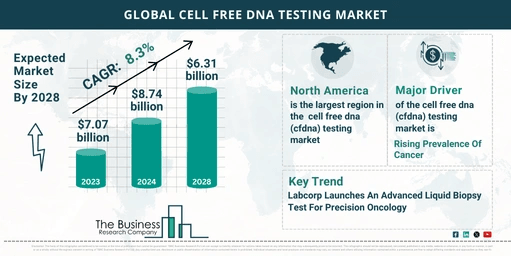
    The cell-free DNA (cfDNA) testing market is experiencing remarkable growth, driven by advancements in technology and increasing medical applications. The market size surged from $7.07 billion in 2023 to $8.74 billion in 2024, reflecting a robust compound annual growth rate (CAGR) of 23.6%. This growth trajectory highlights the expanding role of cfDNA testing in modern healthcare.

    Key Drivers of Growth

    • Increased Adoption in Prenatal Care: cfDNA testing has become a critical tool in prenatal care, providing early detection of genetic disorders with minimal risk to the mother and fetus.
    • Advancements in cfDNA Analysis: Enhanced analytical techniques are broadening the scope of cfDNA testing, making it applicable across various medical fields.
    • Regulatory Approvals: Growing approvals from regulatory bodies have facilitated the wider use of cfDNA tests, ensuring their reliability and efficacy.

    Future Market Projections
    The cfDNA testing market is projected to grow to $20.63 billion by 2028, with a CAGR of 23.9%. This continued expansion is fueled by several factors:

    • Personalized Medicine: The shift towards personalized medicine emphasizes the need for precise diagnostic tools like cfDNA testing.
    • Healthcare Infrastructure: Improvements in healthcare infrastructure are supporting the adoption of advanced diagnostic technologies.
    • Aging Population and Cancer Incidence: The growing aging population and rising cancer rates are increasing the demand for early and accurate diagnostic methods.

    View More On The Cell Free DNA (cfDNA) Testing Market Report 2024 – https://www.thebusinessresearchcompany.com/report/cell-free-dna-cfdna-testing-global-market-report

    Trends Shaping the Market

    • Liquid Biopsy Technologies: Adoption of liquid biopsy techniques is enhancing the sensitivity and specificity of cancer detection.
    • Next-Generation Sequencing (NGS): Advancements in NGS technology are enabling more detailed genetic analysis.
    • AI and Machine Learning: Integration of AI and machine learning is improving data interpretation and diagnostic accuracy.
    • Point-of-Care Testing: Development of point-of-care cfDNA tests offers convenience and rapid results.
    • Cloud-Based Platforms: Implementation of cloud-based platforms for data storage and analysis is facilitating better data management and accessibility.

    The Impact of Rising Cancer Prevalence
    The increasing prevalence of cancer is a significant driver of cfDNA testing market growth. cfDNA tests can detect genetic mutations associated with cancer at an early stage, often before symptoms appear. This early detection allows for timely intervention and improved patient outcomes.

    • Cancer Statistics: According to the World Health Organization (WHO), the number of new cancer cases is expected to rise from 20 million in 2022 to over 35 million by 2050.
    • Early Intervention: cfDNA testing aids in identifying cancer in its initial stages, enhancing treatment efficacy and survival rates.

    Innovations by Major Companies
    Labcorp Launches Advanced Liquid Biopsy Test

    • Product Launch: In May 2023, Laboratory Corporation of America Holdings (Labcorp) introduced Labcorp Plasma Focus, a liquid biopsy test designed for patients with advanced or metastatic solid tumors.
    • Benefits: This test, which requires only a standard blood draw, enhances precision oncology by identifying actionable biomarkers across various cancers.

    LabCorp Enhances Capabilities Through Acquisition

    • Strategic Acquisition: In February 2022, Labcorp acquired Personal Genome Diagnostics Inc., a leader in precision oncology diagnostics.
    • Objective: The acquisition aims to advance Labcorp’s liquid biopsy capabilities and expand its genomic profiling tools for cancer.

    Market Segmentation
    The cfDNA testing market is segmented into:

    1. By Product:
      • Donor-Derived Cell-Free DNA
      • Circulating Cell-Free Tumor DNA
      • Cell-Free Fetal DNA
    2. By Platforms:
      • Next Generation Sequencing (NGS)
      • rPCR and Multiplexed PCR
      • qPCR and dPCR
      • Other Platforms
    3. By Application:
      • Oncology
      • Non-Invasive Prenatal Testing (NIPT)
      • Gynecology
      • Transplantation
      • Other Applications

    Regional Insights

    • North America: Held the largest share of the cfDNA testing market in 2023.
    • Asia-Pacific: Expected to be the fastest-growing region due to increasing healthcare investments and rising awareness.

    Conclusion
    The cell-free DNA testing market is on a dynamic growth path, driven by technological innovations, increasing cancer prevalence, and a shift towards personalized medicine. With ongoing advancements and a broadening application scope, cfDNA testing is set to play an increasingly vital role in modern healthcare.

    Request A Sample Of The Global Cell Free DNA (cfDNA) Testing Market Report 2024:
    https://www.thebusinessresearchcompany.com/sample_request?id=15757&type=smp

  • Cell Culture Media Storage Containers Global Market Outlook 2024-2033: Size And Growth Rate Analysis

    Cell Culture Media Storage Containers Global Market Outlook 2024-2033: Size And Growth Rate Analysis

    The Business Research Company’s global market reports provide comprehensive analysis on the various markets in 27 industries across 60 geographies.

    Introduction
    The cell culture media storage containers market has experienced substantial growth recently, driven by advancements in life sciences and increasing demand for personalized medicine. From $2.18 billion in 2023, the market is set to expand to $2.51 billion in 2024, with a robust compound annual growth rate (CAGR) of 15.1%. This trend reflects a broader shift in the biopharmaceutical and biotechnology sectors.

    Historical Growth Factors

    • Increased Research Activities: Surge in life sciences research has fueled demand for cell culture media storage solutions.
    • Rise in Cell-Based Therapies: Growth in cell-based therapies has heightened the need for efficient storage containers.
    • Personalized Medicine: Advances in genomics and precision healthcare technologies have pushed the demand for customized storage solutions.
    • Biopharmaceutical and Biotechnology Expansion: The overall growth in these sectors has contributed significantly to market expansion.

    View More On The Cell Culture Media Storage Containers Market Report 2024 – https://www.thebusinessresearchcompany.com/report/cell-culture-media-storage-containers-global-market-report

    Future Market Projections

    • Rapid Growth Expected: The market is forecasted to reach $4.44 billion by 2028, with a CAGR of 15.3%.
    • Key Drivers:
      • Regenerative Medicine: Expansion in regenerative medicine applications is boosting demand.
      • Emerging Technologies: New cell therapy technologies are contributing to market growth.
      • 3D Cell Culture Systems: Growing use of 3D cell cultures requires advanced storage solutions.
      • Automated Processes: Adoption of automated cell culture processes enhances efficiency.
      • Cell-Based Assays: Increased focus on these assays drives the need for reliable storage containers.

    Trends Shaping the Market

    • Single-Use Systems: Adoption of single-use systems is increasing due to their convenience and cost-effectiveness.
    • Eco-Friendly Packaging: Development of sustainable and eco-friendly packaging options is on the rise.
    • Smart Technology Integration: Advanced monitoring and control through smart technology are becoming standard.
    • Customization and Modular Designs: Flexible and modular designs cater to varied storage needs.
    • Traceability and Quality Assurance: Emphasis on ensuring traceability and high quality in storage solutions.

    Impact of Personalized Medicine

    • Tailored Treatments: Personalized medicine focuses on customizing treatments based on individual patient characteristics, leading to a higher demand for specialized storage solutions.
    • Patient-Specific Therapies: The production of personalized therapies relies on maintaining and preserving cell cultures accurately.
    • Regulatory Approvals: Recent approvals of personalized treatments, such as the 16 new therapies approved by the FDA in February 2024, highlight the growing importance of cell culture media storage.

    Innovations Driving the Industry

    • Single-Use Bioprocess Containers: Companies like Single Use Support GmbH are pioneering innovations with products like the IRIS single-use bioprocess containers, designed for reliable storage and handling of biopharmaceutical substances.
    • Customizable Solutions: These innovations offer robust and customizable storage options, enhancing the efficiency of drug substance management.

    Strategic Developments

    • Sartorius and CellGenix Acquisition: Sartorius AG’s acquisition of a 51% stake in CellGenix GmbH in July 2021 strengthens its portfolio, particularly in cell and gene therapies. CellGenix’s expertise in GMP-quality cell culture components complements Sartorius’s offerings, enhancing market positioning.

    Market Segmentation

    • By Product:
      • Storage Bag
      • Storage Bottle
      • Storage Bin and Drum
      • Other Products
    • By Application:
      • Biopharmaceutical Production
      • Tissue Engineering
      • Diagnostic
      • Regenerative Medicine
    • By End Use:
      • Pharmaceutical and Biotechnology Companies
      • Contract Research Organizations and Contract Manufacturing Organizations
      • Academic and Research Institutes

    Regional Insights

    • North America: Dominated the market in 2023, reflecting its strong presence in life sciences and biopharmaceutical industries.
    • Asia-Pacific: Expected to be the fastest-growing region, driven by increasing research activities and expanding biotechnology sectors.

    Conclusion
    The cell culture media storage containers market is poised for substantial growth, driven by technological advancements, increasing demand for personalized medicine, and innovations in storage solutions. As the industry evolves, key trends and strategic developments will continue to shape the market’s trajectory, offering exciting opportunities for stakeholders across the globe.

    Request A Sample Of The Global Cell Culture Media Storage Containers Market Report 2024:
    https://www.thebusinessresearchcompany.com/sample_request?id=15756&type=smp