Year: 2024

  • 5 Key Insights On The Neuronavigation Systems Market 2024

    5 Key Insights On The Neuronavigation Systems Market 2024

    The Business Research Company’s global market reports are now updated with the latest market sizing information for the year 2024 and forecasted to 2033

    As per The Business Research Company’s Neuronavigation Systems Global Market Report 2024, the neuronavigation systems market is expected to show significant growth in the forecast period.

    • Steady Growth: The neuronavigation systems market has seen impressive growth recently, expanding from $2.12 billion in 2023 to $2.33 billion in 2024 at a 9.5% CAGR.
    • Key Drivers: Increased safety and accuracy in neurosurgery, a rising demand for these systems, a growing prevalence of neurological diseases, and longer life expectancies are driving this growth.

    Future Market Forecast

    • Continued Expansion: By 2028, the market is projected to reach $3.38 billion, growing at a 9.8% CAGR.
    • Growth Factors: Rising incidences of neurological disorders such as cancer, increased healthcare spending, and the demand for precise systems contribute to this expansion.
    • Technological Trends: The future will see a surge in computer-assisted technologies, AR, AI, ML, electromagnetic technologies, and robotics, enhancing the accuracy and efficiency of neurosurgery.

    View More On The Neuronavigation Systems Market Report 2024 – https://www.thebusinessresearchcompany.com/report/neuronavigation-systems-global-market-report

    Driving Factor: Neurological Disorders

    • Increasing Prevalence: Neurological disorders, such as brain tumors and epilepsy, are on the rise due to aging populations, environmental factors, and improved diagnostics.
    • Precision Surgery: Neuronavigation systems provide real-time brain imaging, helping surgeons enhance surgical outcomes. These systems are crucial for handling the growing burden of neurological conditions, which currently affect over 3 billion people globally.

    Major Industry Players

    • Top Companies: Key players in the market include Medtronic PLC, Stryker Corporation, Zimmer Biomet, and Brainlab AG.
    • Focus on Innovation: These companies are committed to enhancing neurosurgical precision, leveraging cutting-edge technologies like AI, AR, and advanced robotics.

    Noteworthy Innovations

    • Medtronic’s NeuroSmart MER System: Launched in April 2024, this portable system enhances deep brain stimulation (DBS) procedures for Parkinson’s disease. It records neural activity and ensures precise electrode placement, improving patient outcomes and symptom relief.

    Industry Mergers and Acquisitions

    • Bruker Corporation’s Acquisition of Inscopix: In November 2022, Bruker acquired Inscopix to advance neurotherapeutics. This acquisition boosts research on brain function and supports the development of advanced treatments for neurological conditions.

    Regional Insights

    • North America Leads: In 2023, North America was the largest region in the neuronavigation systems market.
    • Asia-Pacific Growth: The Asia-Pacific region is expected to be the fastest-growing market, driven by increased healthcare expenditure and a rising number of neurological cases.

    Conclusion

    Neuronavigation systems are essential for the future of neurosurgery, driven by rising neurological disorder cases and technological advancements. Major players are investing in innovative solutions that promise greater precision and better patient outcomes. The market is set to expand, particularly in fast-growing regions like Asia-Pacific, with companies continuously seeking to develop more effective neurotherapeutic solutions.

    Request A Sample Of The Global Neuronavigation Systems Market Report 2024:
    https://www.thebusinessresearchcompany.com/sample_request?id=18412&type=smp

  • Growth Trajectory Of The Medical Device Contract Research Organization Market 2024-2033

    Growth Trajectory Of The Medical Device Contract Research Organization Market 2024-2033

    The Business Research Company’s global market reports are now updated with the latest market sizing information for the year 2024 and forecasted to 2033

    The medical device contract research organization (CRO) market has experienced significant expansion in recent years, driven by the growing demand for healthcare solutions and the shift towards outsourcing research. Let’s dive into the factors behind this growth and the future of the market.

    Rapid Growth in the Medical Device CRO Market

    • The market grew from $6.02 billion in 2023 to $6.74 billion in 2024, marking a compound annual growth rate (CAGR) of 12.1%.
    • Rising demand for healthcare and diagnostic devices, as well as support diagnostic devices, has been a key factor.
    • Outsourcing research and trials have become a popular trend as companies look to reduce internal costs and streamline processes.

    Forecast for Continued Expansion

    • By 2028, the market is projected to reach $10.68 billion, growing at a CAGR of 12.2%.
    • This future growth is expected to be driven by stricter regulatory requirements, increasing demand for personalized medicine, and the growing complexity of clinical trials.
    • Key trends include the integration of artificial intelligence, decentralized trials, and the development of patient-friendly and miniature medical devices.

    View More On The Medical Device Contract Research Organization Market Report 2024 – https://www.thebusinessresearchcompany.com/report/medical-device-contract-research-organization-global-market-report

    Rising Clinical Trials Propel Market Growth

    • The increasing number of clinical trials is a primary driver of the medical device CRO market.
    • Clinical trials, essential for assessing the safety and effectiveness of medical treatments, are on the rise due to advancements in medical technology and the growing prevalence of chronic diseases.
    • In the UK alone, industry-initiated clinical trials grew by 4.3% from 2021 to 2022, emphasizing the role of CROs in navigating the complexities of these trials.

    Major Players in the Medical Device CRO Market

    • The medical device CRO market is highly competitive, with key players including Laboratory Corporation of America Holdings, ICON Public Limited Company, and Eurofins Scientific Societas Europaea.
    • Other significant companies include Pharmaceutical Product Development LLC, WuXi AppTec Co. Ltd., and Syneos Health Inc., among others.

    Innovative Solutions Streamlining Clinical Trials

    • Companies are focusing on comprehensive CRO services to streamline regulatory compliance and improve efficiency in clinical trials.
    • These services include trial design, patient recruitment, data analysis, and post-market surveillance.
    • For instance, Lindus Health Limited introduced an all-in-one medical device CRO offering, combining traditional services with virtual/hybrid trial capabilities.

    Mergers and Acquisitions Strengthen Market Players

    • In January 2021, NAMSA LLC expanded its capabilities by acquiring Syntactx LLC, enhancing its end-to-end development solutions.
    • Such acquisitions enable CROs to increase their expertise and offer more comprehensive services to medical device companies.

    Regional Outlook: North America Leads, Asia-Pacific Grows Fastest

    • North America was the largest market in 2023, driven by the region’s advanced healthcare infrastructure and regulatory landscape.
    • However, Asia-Pacific is expected to be the fastest-growing region in the forecast period, thanks to rising healthcare investments and a favorable regulatory environment. 

    Request A Sample Of The Global Medical Device Contract Research Organization Market Report 2024:
    https://www.thebusinessresearchcompany.com/sample_request?id=18406&type=smp

  • 5 Key Insights On The Mastopexy Market 2024

    5 Key Insights On The Mastopexy Market 2024

    The Business Research Company’s global market reports are now updated with the latest market sizing information for the year 2024 and forecasted to 2033

    As per The Business Research Company’s Mastopexy Global Market Report 2024, the mastopexy market is expected to show significant growth in the forecast period.

    The mastopexy market has experienced strong growth in recent years, driven by several key factors. In 2023, the market reached $2.22 billion and is expected to grow to $2.36 billion by 2024, reflecting a compound annual growth rate (CAGR) of 6.2%. Factors contributing to this growth include:

    • Increasing social acceptance of cosmetic procedures
    • Rising number of bariatric surgeries
    • Adoption of virtual consultations and telemedicine
    • Establishment of specialized cosmetic surgery centers
    • Shift towards patient-centered care models in cosmetic surgery

    Forecasted Market Expansion

    The market is expected to continue its upward trajectory, reaching $3.02 billion by 2028 with a CAGR of 6.3%. Key drivers of this growth include:

    • Enhanced pre-operative counseling and post-operative care
    • Increased focus on overall health and self-care
    • Advancements in anesthesia techniques
    • Growing aging population
    • Rising disposable incomes

    Significant trends shaping this forecast period include advancements in implant technology, scar management techniques, surgical education, and regenerative medicine.

    View More On The Mastopexy Market Report 2024 – https://www.thebusinessresearchcompany.com/report/mastopexy-global-market-report

    Key Market Driver: Rising Female Geriatric Population

    One of the most significant drivers of the mastopexy market is the increasing female geriatric population. As life expectancy rises and healthcare improves, more women over the age of 65 are considering breast lift surgery to address age-related changes in breast contour. For example, in the U.S., the percentage of women aged 65 and older grew from 18.1% in 2021 to 19.1% in 2023, further boosting the demand for mastopexy procedures.

    Market Leaders and Innovations

    Several major companies are leading the mastopexy market, including AbbVie Inc., Hologic Inc., Spire Healthcare Group, and Cynosure Inc. These companies are continually innovating to stay competitive, particularly in the area of nipple reconstruction. A notable development is GC Aesthetics’ introduction of the FixNip NRI in 2024, a biocompatible nipple implant designed to improve breast reconstruction outcomes with minimal incisions.

    Mergers and Acquisitions Driving Innovation

    Mergers and acquisitions are playing a key role in the advancement of surgical technologies. For instance, in July 2021, Becton, Dickinson, and Company (BD) acquired Tepha Inc., a company specializing in implants for mastopexy. This acquisition positions BD as a leader in surgical mesh innovations and expands its ability to offer advanced solutions for physicians and patients.

    Market Segmentation and Regional Outlook

    The mastopexy market is segmented by procedure type, including Benelli Lift, Crescent Breast Lift, Lollipop Lift, and Anchor Breast Lift, and by tissue incision type (skin, adipose, and glandular). End-use segments include hospitals and specialty clinics. North America was the largest regional market in 2023, while the Asia-Pacific region is expected to experience the fastest growth in the coming years.

    Request A Sample Of The Global Mastopexy Market Report 2024:
    https://www.thebusinessresearchcompany.com/sample_request?id=18405&type=smp

  • Top 5 Insights From The Liraglutide And Semaglutide Market Report 2024

    Top 5 Insights From The Liraglutide And Semaglutide Market Report 2024

    The Business Research Company’s global market reports are now updated with the latest market sizing information for the year 2024 and forecasted to 2033

    According to The Business Research Company’s Liraglutide And Semaglutide Global Market Report 2024, the liraglutide and semaglutide market is expected to show promising growth in the forecast period.

    • Significant Growth: The liraglutide and semaglutide market has grown rapidly, increasing from $13.65 billion in 2023 to $15.19 billion in 2024 at a CAGR of 11.3%.
    • Key Drivers: The rise is driven by an increasing prevalence of diabetes, obesity-related diseases, investment in clinical trials, and growing demand for convenient diabetes treatments.

    Market Growth Forecast

    • Future Projections: The market is projected to reach $23.54 billion by 2028, with an 11.6% CAGR.
    • Growth Factors: Factors like rising adoption of GLP-1 receptor agonists, increased healthcare spending, and growing elderly populations are expected to fuel this growth.
    • Key Trends: Trends shaping the market include digital health platforms, personalized dosing, advanced drug delivery methods, biosimilar developments, and AI integration in treatment decisions.

    View More On The Liraglutide And Semaglutide Market Report 2024 – https://www.thebusinessresearchcompany.com/report/liraglutide-and-semaglutide-global-market-report

    Key Market Driver: Rising Diabetic Population

    • Diabetes Epidemic: The increasing number of diabetic patients is a major growth driver for the market. Diabetes, caused by sedentary lifestyles, poor diets, and genetics, affects millions globally.
    • Liraglutide and Semaglutide Role: These drugs are essential for managing blood glucose levels, reducing diabetes complications, and improving patient outcomes. The International Diabetes Federation reports that diabetes cases could rise to 643 million by 2030 and 783 million by 2045.

    Major Market Players

    • Leading Companies: Key players include Pfizer, Merck & Co., Eli Lilly, Novo Nordisk, and AstraZeneca.
    • Focus on Innovation: These companies are actively developing new products, enhancing drug accessibility, and improving treatment outcomes for diabetic patients.

    Industry Innovations: Anti-Diabetic Biosimilars

    • Cost-Effective Solutions: Biosimilars, which are near-identical copies of original biologic drugs, are gaining popularity for treating diabetes. They offer similar benefits but at reduced costs.
    • Glenmark’s Liraglutide Biosimilar: In January 2024, Glenmark Pharmaceuticals launched a liraglutide biosimilar in India, reducing therapy costs by 70%, thus making treatment more affordable and accessible to diabetic patients.

    Market Merger and Acquisition

    • Biocon-Juno Partnership: In October 2023, Biocon partnered with Juno Pharmaceuticals to bring liraglutide to the market. This partnership aims to improve the availability of innovative treatments for Type 2 diabetes and obesity through affordable biosimilars.

    Regional Outlook

    • North American Dominance: In 2023, North America was the largest region in the liraglutide and semaglutide market.
    • Asia-Pacific Growth: Asia-Pacific is expected to see the fastest growth during the forecast period due to increasing healthcare investments and rising diabetes prevalence.

    Conclusion

    The liraglutide and semaglutide market is on a steady growth trajectory, driven by the rising number of diabetic patients, technological advancements, and increasing demand for cost-effective treatment options. Major players continue to innovate and expand, making diabetes care more accessible worldwide. The future looks promising as new biosimilars and advanced therapies reshape the landscape of diabetes treatment.

    Request A Sample Of The Global Liraglutide And Semaglutide Market Report 2024:
    https://www.thebusinessresearchcompany.com/sample_request?id=18400&type=smp

  • Top 5 Insights From The Intravascular Ultrasound Market Report 2024

    Top 5 Insights From The Intravascular Ultrasound Market Report 2024

    The Business Research Company’s global market reports are now updated with the latest market sizing information for the year 2024 and forecasted to 2033

    According to The Business Research Company’s Intravascular Ultrasound Global Market Report 2024, the intravascular ultrasound market is expected to show promising growth in the forecast period.

    The intravascular ultrasound (IVUS) market has shown robust growth in recent years. In 2023, it was valued at $2.28 billion and is expected to reach $2.49 billion in 2024, reflecting a compound annual growth rate (CAGR) of 8.9%. Key drivers for this growth include:

    • Increasing prevalence of cardiovascular diseases (CVDs)
    • Rising demand for minimally invasive procedures
    • Growing geriatric population
    • Expansion of healthcare infrastructure
    • Increasing healthcare expenditure

    Future Growth of the Intravascular Ultrasound Market

    The market is expected to maintain strong growth, projected to reach $3.52 billion by 2028 at a CAGR of 9.1%. Contributing factors include:

    • Increased adoption of IVUS in coronary interventions
    • Rising awareness of early diagnosis and treatment of heart diseases
    • Development of high-definition IVUS catheters
    • Growth in research and development activities in medical imaging
    • Higher prevalence of diabetes, which increases cardiovascular risks

    View More On The Intravascular Ultrasound Market Report 2024 – https://www.thebusinessresearchcompany.com/report/intravascular-ultrasound-global-market-report

    Trends Shaping the Future of IVUS Technology

    Several key trends are expected to influence the market during the forecast period:

    • Growing use of AI and machine learning algorithms for more accurate diagnoses
    • Development of portable and miniaturized IVUS devices
    • Implementation of 3D IVUS imaging for enhanced visualization of blood vessels
    • Real-time feedback systems and advancements in image resolution to improve diagnostic accuracy

    Rising Cardiovascular Disease Prevalence Driving Market Expansion

    The increasing prevalence of cardiovascular diseases (CVDs) is a major factor propelling the growth of the IVUS market. Key contributing factors to the rise in CVD cases include:

    • Lack of physical activity
    • Unhealthy diet, smoking, and alcohol consumption
    • Chronic stress

    IVUS plays a critical role in diagnosing and managing CVDs by providing detailed images of blood vessels, particularly coronary arteries. For example, in the UK, deaths from coronary heart disease rose from 64,170 in 2020 to 65,579 in 2021, highlighting the growing need for advanced diagnostic tools like IVUS.

    Key Players in the Intravascular Ultrasound Market

    Several prominent companies are driving innovation and competition in the IVUS market, including:

    • Abbott Laboratories
    • Medtronic plc
    • Siemens Healthcare GmbH
    • GE Healthcare Technologies Inc.
    • Boston Scientific Corporation These companies are investing heavily in R&D, with a focus on technological advancements that improve patient outcomes.

    Technological Advancements in Intravascular Ultrasound

    Technological innovation is a major trend in the IVUS market. Companies are focusing on enhancing diagnostic capabilities through advanced tools like Sonic Lumen Tomography (SLT). SLT technology provides high-resolution, cross-sectional images of blood vessels, aiding in better decision-making during cardiovascular procedures. For example, Provisio Medical Inc. launched its Provisio SLT IVUS system in May 2024, improving data acquisition while reducing contrast media use and radiation exposure.

    Mergers and Acquisitions Expanding Market Reach

    Mergers and acquisitions are further driving growth in the IVUS market. In March 2024, Titan Medical Inc. merged with Conavi Medical to create a leading company specializing in hybrid intravascular imaging. This merger will combine resources and expertise, aiming to accelerate commercialization and global deployment of advanced imaging technologies.

    Regional Outlook for the IVUS Market

    In 2023, North America dominated the intravascular ultrasound market, driven by high healthcare spending and advanced medical infrastructure. However, the Asia-Pacific region is expected to experience the fastest growth in the coming years, owing to increasing healthcare investments and expanding access to advanced medical technologies.

    The intravascular ultrasound market is poised for significant growth, driven by technological advancements, rising CVD cases, and increased global demand for minimally invasive diagnostic tools.

    Request A Sample Of The Global Intravascular Ultrasound Market Report 2024:
    https://www.thebusinessresearchcompany.com/sample_request?id=18395&type=smp

  • Top 5 Insights From The Histone Deacetylase (HDAC) Inhibitors Market Report 2024

    Top 5 Insights From The Histone Deacetylase (HDAC) Inhibitors Market Report 2024

    The Business Research Company’s global market reports are now updated with the latest market sizing information for the year 2024 and forecasted to 2033

    According to The Business Research Company’s Histone Deacetylase (HDAC) Inhibitors Global Market Report 2024, the histone deacetylase (HDAC) inhibitors market is expected to show promising growth in the forecast period.

    Market Growth Overview

    • The histone deacetylase (HDAC) inhibitors market has experienced significant growth in recent years, increasing from $1.15 billion in 2023 to $1.23 billion in 2024 at a compound annual growth rate (CAGR) of 7.3%.
    • Factors contributing to this growth include increased funding for epigenetic research, the rise of drug-resistant cancers, growing healthcare expenditure, and the expanding use of HDAC inhibitors in veterinary medicine.

    Future Growth Forecast

    • The market is projected to reach $1.65 billion by 2028, growing at a CAGR of 7.6%.
    • Key drivers for this growth include the rising prevalence of neurodegenerative disorders, growing awareness about cancer, increased investment in drug development, and the rising adoption of personalized medicine.
    • Technological advancements, synergies with cancer immunotherapy, and the integration of bioinformatics will also contribute to market expansion.

    Rising Neurodegenerative Disorders Driving Market Growth

    • Neurodegenerative disorders like Alzheimer’s are expected to drive the growth of HDAC inhibitors, as these conditions are linked to the progressive degeneration of neurons in the brain and spinal cord.
    • HDAC inhibitors show promise in modulating gene expression and providing neuroprotective effects, which are beneficial for conditions like Alzheimer’s, where memory loss and cognitive decline are prominent.
    • According to the National Institutes of Health (NIH), 6.2 million older Americans currently live with Alzheimer’s, a number expected to rise to 13.8 million by 2060, underscoring the growing demand for HDAC-based treatments.

    View More On The Histone Deacetylase (HDAC) Inhibitors Market Report 2024 – https://www.thebusinessresearchcompany.com/report/histone-deacetylase-hdac-inhibitors-global-market-report

    Major Players in the Global HDAC Inhibitors Market

    • Key players in the market include Bristol-Myers Squibb, Novartis AG, Merck KGaA, and Pharmacyclics LLC, among others.
    • These companies are driving innovation and research, with a focus on cancer treatments and expanding the therapeutic applications of HDAC inhibitors.

    Technological Innovation in Cancer Treatment

    • Companies are increasingly focusing on developing HDAC inhibitors for cancer treatment, as these inhibitors have the potential to disrupt aberrant gene expression associated with cancer progression.
    • In September 2023, Shuttle Pharmaceuticals was awarded new patents for HDAC inhibitors targeting specific enzymes implicated in cancer, aiming to enhance treatment efficacy while minimizing side effects.

    Mergers and Acquisitions Shaping the Market

    • Strategic mergers and acquisitions are playing a significant role in expanding product portfolios in the HDAC inhibitors market. For example, in October 2021, Abcam plc acquired BioVision Inc. for $340 million, strengthening its position in the life sciences sector.
    • This acquisition is expected to expand Abcam’s range of research reagents and tools, including those targeting HDAC enzymes.

    Segmentation of the HDAC Inhibitors Market

    • The market is segmented by class (Class I, II, III, and IV HDACs), route of administration (oral and parenteral), and application (oncology, neurology, and other applications).
    • The end users of HDAC inhibitors include hospitals, academic and research institutes, and pharmaceutical companies.

    Regional Outlook

    • North America was the largest region in the HDAC inhibitors market in 2023, driven by advanced healthcare infrastructure and significant investment in research.
    • Asia-Pacific is expected to be the fastest-growing region during the forecast period, fueled by increasing healthcare investments and a growing focus on epigenetic therapies.

    Conclusion: A Promising Future for HDAC Inhibitors

    • The histone deacetylase (HDAC) inhibitors market is poised for continued growth, driven by increasing demand for innovative cancer treatments and neurodegenerative disorder therapies.
    • With rising investments in drug development, personalized medicine, and bioinformatics, the market is set to offer exciting opportunities for both established pharmaceutical companies and emerging biotech firms.

    Request A Sample Of The Global Histone Deacetylase (HDAC) Inhibitors Market Report 2024:
    https://www.thebusinessresearchcompany.com/sample_request?id=18386&type=smp

  • Understand How The Digital Pharmacy Market Is Poised To Grow Through 2024-2033

    Understand How The Digital Pharmacy Market Is Poised To Grow Through 2024-2033

    The Business Research Company’s global market reports are now updated with the latest market sizing information for the year 2024 and forecasted to 2033

    As per The Business Research Company’s Digital Pharmacy Global Market Report 2024, the digital pharmacy market is expected to show significant growth in the forecast period.

    Market Overview

    • The digital pharmacy market has grown significantly, increasing from $116.60 billion in 2023 to $139.91 billion in 2024, with a compound annual growth rate (CAGR) of 20.0%.
    • This growth has been fueled by factors like the increasing penetration of internet users, growing life science research, rising demand for remote consultations, expanded diagnostic offerings, and the proliferation of illegal online pharmacies.

    Forecast for Future Growth

    • The digital pharmacy market is expected to reach $292.29 billion by 2028, growing at a CAGR of 20.2%.
    • Key factors driving future growth include rising demand for over-the-counter (OTC) products, the increasing prominence of online drug procurement, adoption of automation, growing consumer preference for online pharmacies, and the rise of chronic conditions that require continuous medication management.

    E-Commerce Driving Market Expansion

    • The rise of e-commerce in healthcare is a critical driver for the digital pharmacy market, as it offers convenience, accessibility, and enhanced patient engagement.
    • Digital pharmacies enhance healthcare e-commerce by providing easy access to a wide range of medications, personalized care, cost savings, and integration with telemedicine services.
    • For instance, in 2022, the Australian Digital Health Agency reported that over 118.2 million telehealth services were delivered to 18 million patients, showcasing the growing adoption of digital healthcare solutions.

    View More On The Digital Pharmacy Market Report 2024 – https://www.thebusinessresearchcompany.com/report/digital-pharmacy-global-market-report

    Key Market Players

    • Leading companies in the digital pharmacy market include Walmart Inc., Amazon.com Inc., MetLife Inc., Omnicell Inc., Hims & Hers Health Inc., Tata 1MG Technologies Pvt Ltd., Ro, and Pharmacy2U Ltd.
    • These players are innovating with new technologies and expanding their service offerings to meet the growing demand for digital healthcare.

    Innovation in Digital Pharmacy Platforms

    • Companies are focusing on user-friendly digital pharmacy platforms, allowing patients to manage prescriptions, order medications, and access healthcare information more efficiently.
    • In November 2023, Pure Health launched “Dawak,” an online digital pharmacy platform in the UAE, streamlining medication access with features such as easy prescription management, medication refills, and home delivery options. The platform also promotes medication adherence with individually sealed sachets sorted by date and time.

    Mergers and Acquisitions Boost Market Position

    • Mergers and acquisitions are shaping the digital pharmacy landscape. In April 2023, Phlo, a UK-based digital pharmacy, acquired Truepill, a US-based digital health solutions provider. This acquisition strengthened Phlo’s position as a leader in business-to-business pharmacy services in the UK, expanding its reach and capabilities in digital healthcare.

    Market Segmentation

    • The digital pharmacy market is segmented by:
      • Product: Medicines and Treatments, Personal Care Products, Vitamins and Supplements
      • Drug Type: Prescription Medicines, Over-The-Counter (OTC) Products
      • Business Model: Captive, Franchise, Aggregator
      • Platform: App-Based, Web-Based
      • Application: Urban Areas, Rural Areas

    Regional Outlook

    • North America was the largest region in the digital pharmacy market in 2023, driven by advanced healthcare infrastructure and high internet penetration.
    • Asia-Pacific is projected to be the fastest-growing region in the forecast period due to increasing internet accessibility, rising healthcare expenditure, and a growing aging population.

    Conclusion: The Future of Digital Pharmacies

    • The digital pharmacy market is set for exponential growth, driven by the rise of e-commerce, advancements in healthcare technology, and increasing demand for remote healthcare solutions.
    • Innovations in user-friendly platforms, strategic mergers, and expanding global reach position digital pharmacies as a key player in the future of healthcare delivery.

    Request A Sample Of The Global Digital Pharmacy Market Report 2024:
    https://www.thebusinessresearchcompany.com/sample_request?id=18334&type=smp

  • Key Trends And Drivers In The Diagnostic Electrocardiograph Market 2024

    Key Trends And Drivers In The Diagnostic Electrocardiograph Market 2024

    The Business Research Company’s market reports offer an in-depth analysis on the market’s growth potential, major drivers, key trends and more.

    The diagnostic electrocardiograph market has experienced significant growth in recent years. The market grew from $7.59 billion in 2023 and is expected to reach $8.12 billion in 2024, with a compound annual growth rate (CAGR) of 7%. This growth has been driven by:

    • The aging global population
    • Rising incidence of cardiovascular diseases (CVDs)
    • Increased global healthcare spending
    • Growing awareness and screening programs for cardiovascular health
    • Regulatory support for early diagnosis and treatment of cardiac conditions

    Market Growth Forecast

    Looking ahead, the diagnostic electrocardiograph market is expected to continue its growth, reaching $10.66 billion by 2028, with a CAGR of 7.1%. Factors driving this future growth include:

    • Expanding healthcare infrastructure in emerging markets
    • Increasing investments in healthcare systems
    • Rising awareness among consumers about proactive health management
    • Growing geriatric population
    • Regulatory initiatives promoting early diagnosis

    Trends that will shape the market include AI integration in diagnostic devices, portable and wireless ECG technologies, adoption of telehealth, advancements in wearable ECG technology, and the rise of personalized medicine.

    Read More On The Diagnostic Electrocardiograph Market Report 2024 – https://www.thebusinessresearchcompany.com/report/diagnostic-electrocardiograph-global-market-report

    Impact of Heart Disorder Prevalence on Market Growth

    The rising prevalence of heart disorders globally is a significant driver of the diagnostic electrocardiograph market. Heart disorders, such as arrhythmias, heart attacks, and heart failure, are increasing due to factors such as:

    • Sedentary lifestyles
    • Unhealthy diets
    • Aging populations
    • Rising obesity and hypertension rates

    Diagnostic ECG systems play a crucial role in early detection and management of these conditions. For instance, the American Heart Association reported a slight increase in cardiovascular-related deaths in 2024, reaching 931,578 deaths in the US, up from 928,741 the previous year. As heart conditions continue to rise, the demand for diagnostic ECG solutions will grow.

    Key Players in the Global Diagnostic Electrocardiograph Market

    Several major companies are leading the diagnostic electrocardiograph market, including:

    • Koninklijke Philips N.V.
    • GE Healthcare Inc.
    • Mindray Medical International Limited
    • Nihon Kohden Corporation
    • OSI Systems Inc.
    • Schiller AG

    These companies are focusing on innovation and expansion through mergers and acquisitions to meet the growing demand for diagnostic ECG solutions.

    AI-Powered Solutions in the Diagnostic ECG Market

    Artificial intelligence (AI) is transforming the diagnostic ECG market by enhancing the accuracy and efficiency of cardiac diagnosis. Major companies are introducing AI-powered ECG systems that provide advanced diagnostic capabilities. For example, AliveCor launched its KAI 12L AI technology in June 2024, which can detect critical cardiac conditions using a simplified leadset. The Kardia 12L ECG System is the world’s first handheld 12-lead ECG device powered by AI, making it a groundbreaking tool for healthcare providers.

    Mergers and Acquisitions: Inuvi Health Expands Diagnostics

    Mergers and acquisitions are shaping the diagnostic ECG market by expanding the capabilities of key players. In July 2023, Inuvi Health Ltd. acquired Express Diagnostics, a company specializing in diagnostic testing solutions, including electrocardiographs. This acquisition allows Inuvi to broaden its diagnostic services and reach a larger client base, strengthening its position in the market.

    Market Segmentation

    The diagnostic electrocardiograph market is segmented by product, lead type, and end-user:

    1. By Product and Service: Resting ECG, Stress ECG Devices, Holter Monitors, Implantable Loop Recorders, Event Monitors, Mobile Cardiac Telemetry (MCT) Devices, Smart ECG Monitors
    2. By Lead Type: 12 Lead, 5 Lead, 3 Lead, Other Lead Types
    3. By End-User: Hospitals, Clinics and Cardiac Centers, Ambulatory Surgical Centers, Other End Users

    Regional Outlook

    In 2023, North America was the largest region in the diagnostic electrocardiograph market, driven by high healthcare spending and advanced technology adoption. However, Asia-Pacific is expected to be the fastest-growing region during the forecast period, thanks to increasing healthcare investments, growing awareness of cardiovascular health, and rising geriatric populations.

    The diagnostic electrocardiograph market is set to expand rapidly due to the increasing prevalence of cardiovascular conditions and the continuous advancements in ECG technology. With the integration of AI, wearable devices, and personalized medicine, the market will play a critical role in improving cardiac care globally.

    Request for A Sample Of The Global Diagnostic Electrocardiograph Market Report:
    https://www.thebusinessresearchcompany.com/sample_request?id=18333&type=smp

  • Key Trends And Drivers In The Dental Tourism Market 2024   

    Key Trends And Drivers In The Dental Tourism Market 2024  

    The Business Research Company’s market reports offer an in-depth analysis on the market’s growth potential, major drivers, key trends and more.

    Current Market Dynamics

    The dental tourism market has experienced significant growth in recent years. It is projected to expand from $5.79 billion in 2023 to $6.49 billion in 2024, marking a compound annual growth rate (CAGR) of 12.1%.
    Factors driving this growth include:

    • Rising dental care costs in developed countries
    • Increased awareness of affordable treatment options abroad
    • Growing internet accessibility
    • Surge in medical tourism
    • Expanding number of dental clinics worldwide

    Forecasted Growth to 2028

    The dental tourism market is expected to continue its upward trajectory, reaching $10.35 billion by 2028 with a CAGR of 12.4%.
    Key growth drivers for the forecast period include:

    • Expanding global middle-class seeking cost-effective dental care
    • Growing acceptance of international accreditation standards
    • Increased prevalence of dental insurance
    • Rising number of qualified dental professionals
    • Enhanced collaborations between dental professionals and tourism agencies
      Major trends to watch include:
    • Adoption of tele-dentistry for remote consultations
    • Development of digital platforms for booking and reviewing services
    • Emergence of technologically sophisticated dental clinics
    • Integration of eco-friendly practices in dental tourism

    Impact of Rising Oral Diseases

    The increasing prevalence of oral diseases is a significant driver of the dental tourism market.
    Key insights include:

    • Oral diseases include dental caries, periodontal diseases, and oral cancer
    • Contributing factors include poor oral hygiene, unhealthy diets, and inadequate local dental care
    • Dental tourism offers access to affordable, high-quality treatments, improving oral health for those who might otherwise lack such opportunities
    • According to WHO, nearly 3.5 billion people suffer from oral diseases globally, highlighting a large potential market

    View More On The Digital Pharmacy Market Report 2024 –
    https://www.thebusinessresearchcompany.com/report/dental-tourism-global-market-report

    Major Players in the Dental Tourism Market

    Several key companies dominate the dental tourism sector, providing a range of high-quality dental services to international patients.
    Notable players include:

    • Aetna Inc.
    • Apollo Hospitals Enterprise Ltd.
    • Fortis Healthcare Limited
    • KPJ Healthcare Berhad
    • Bangkok International Dental Center (BIDC)
      These companies are expanding their services to attract and accommodate international patients seeking dental care.

    Innovations in Dental Tourism

    Advancements in dental tourism are enhancing the quality and accessibility of care for patients.
    Recent developments include:

    • Introduction of state-of-the-art clinics and equipment
    • Innovations such as digital smile design and laser dentistry
    • Example: In October 2022, MOS Dental in Bangkok unveiled its 28th clinic, featuring advanced technologies to improve patient care

    Market Mergers and Acquisitions

    Strategic mergers and acquisitions are shaping the dental tourism landscape.
    For instance:

    • In May 2022, EC Healthcare acquired Mobile Medical International Holdings Limited for $5.28 million
    • This acquisition expands EC Healthcare’s market presence with additional health screening centers in Hong Kong

    Market Segmentation

    The dental tourism market is segmented into various categories:

    • By Services: Dental Implants, Periodontics, Endodontics, Dental Prosthetics, Orthodontics, Pedodontics, Oral Surgery, Dental Cosmetics, Dental Consultation
    • By Providers: Hospital Chains, Multi-Specialty Clinics, Independent Clinics
    • By End-User: Senior Citizens, Education Travelers, Business Travelers, Family Travelers, Other End-Users

    Regional Outlook

    Regional dynamics reveal varying growth patterns:

    • Asia-Pacific: The largest region in 2023, known for its cost-effective dental care options
    • Europe: Expected to be the fastest-growing region in the forecast period due to increasing medical tourism and enhanced dental care standards

    Request for A Sample Of The Global Dental Tourism Market Report:
    https://www.thebusinessresearchcompany.com/sample_request?id=18331&type=smp

  • Key Trends And Drivers In The C-X-C Chemokine Receptor 4 (CXCR4) Antagonists Market 2024

    Key Trends And Drivers In The C-X-C Chemokine Receptor 4 (CXCR4) Antagonists Market 2024

    The Business Research Company’s market reports offer an in-depth analysis on the market’s growth potential, major drivers, key trends and more.

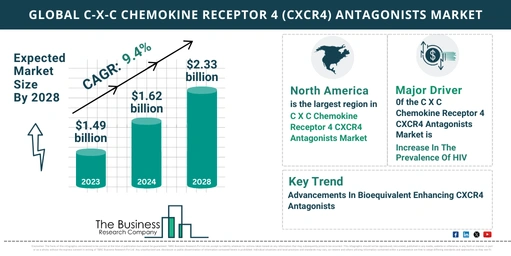
    The C-X-C chemokine receptor 4 (CXCR4) antagonist market has shown robust growth in recent years. In 2023, the market was valued at $1.49 billion and is projected to increase to $1.62 billion in 2024, reflecting a compound annual growth rate (CAGR) of 9.3%. Key drivers behind this growth include:

    • Increased transparency in clinical trial data
    • Patient-centric healthcare policies
    • Rising prevalence of chemotherapy resistance
    • Emphasis on patient-centered care and access
    • Growing preference for targeted therapies

    Market Growth Forecast

    The CXCR4 antagonist market is expected to continue expanding, reaching $2.33 billion by 2028, with a CAGR of 9.4%. The anticipated growth is attributed to several factors:

    • Expanding applications in HIV/AIDS treatment
    • Increased demand for stem cell mobilization
    • Potential applications in autoimmune diseases
    • Growth in biobanking initiatives
    • Integration of artificial intelligence (AI) in drug discovery

    Major trends to watch include:

    • Focus on orphan drug development
    • Development of combination therapies
    • Adoption of precision oncology approaches
    • Expanding clinical trials for novel therapies
    • Advancements in drug delivery technologies

    Read More On The C-X-C Chemokine Receptor 4 (CXCR4) Antagonists Market Report 2024 – https://www.thebusinessresearchcompany.com/report/c-x-c-chemokine-receptor-4-cxcr4-antagonists-global-market-report

    Impact of HIV Prevalence on Market Growth

    The rising prevalence of human immunodeficiency virus (HIV) is a significant driver for the CXCR4 antagonist market. HIV weakens the immune system by targeting CD4 (T) cells and can lead to AIDS if untreated. The increasing prevalence is due to:

    • Low awareness
    • Limited healthcare access
    • Higher transmission rates
    • Inadequate prevention measures

    CXCR4 antagonists block the CXCR4 receptor, preventing HIV from infecting immune cells, thereby controlling the virus and enhancing immune response. According to UNAIDS, in 2022, there were 39 million HIV-positive individuals globally, with 1.3 million new infections. This growing prevalence drives demand for CXCR4 antagonists.

    Major Players in the Market

    Key companies in the CXCR4 antagonist market include:

    • Pfizer Inc.
    • F. Hoffmann-La Roche Ltd.
    • Sanofi
    • Bristol-Myers Squibb Company
    • AstraZeneca plc
    • GlaxoSmithKline
    • Eli Lilly and Company
    • Amgen Inc.
    • Takeda Chemical Industries Ltd.
    • Kyowa Kirin Co. Ltd.

    These companies are actively involved in developing and commercializing CXCR4 antagonists, driving innovation and market expansion.

    Trend: Advancements in Bioequivalent CXCR4 Antagonists

    A notable trend in the market is the development of bioequivalents to enhance treatment options. Bioequivalents offer similar bioavailability as existing drugs under similar conditions. For instance, in May 2024, Gland Pharma received FDA approval for Plerixafor Injection, which is bioequivalent to the reference drug MOZOBIL. This drug helps mobilize stem cells for transplantation in patients with non-Hodgkin’s lymphoma and multiple myeloma.

    Merger and Acquisition: Pantherx and X4 Pharmaceuticals Partnership

    In April 2024, PANTHERx, a US-based specialty pharmacy, partnered with X4 Pharmaceuticals Inc. to distribute XOLREMDI (mavorixafor). This oral CXCR4 antagonist is the first FDA-approved therapy for WHIM syndrome, affecting patients with warts, hypogammaglobulinemia, infections, and myelokathexis. This partnership enhances distribution and expands treatment options for rare diseases.

    Market Segmentation

    The CXCR4 antagonist market is segmented as follows:

    1. By Type: BL-8040, GMI-1359, Plerixafor (AMD3100), Balixafortide (POL6326), USL311, Burixafor (GPC-100), Other Types
    2. By Route of Administration: Oral, Injectable
    3. By Product Pipeline: Approved, Clinical Trials, Pre-Clinical
    4. By Application: Cancer, HIV, Chronic Inflammatory Disease, Stem Cell Mobilization, Immune and Autoimmune Diseases
    5. By Distribution Channel: Hospital Pharmacies, Retail Pharmacies, Online Pharmacies

    Regional Outlook

    North America was the largest region in the CXCR4 antagonist market in 2023. However, the market is expected to grow rapidly in other regions, including Asia-Pacific, Western Europe, Eastern Europe, South America, the Middle East, and Africa, due to increasing healthcare investments and expanding access to treatments.

    Request for A Sample Of The Global C-X-C Chemokine Receptor 4 (CXCR4) Antagonists Market Report:
    https://www.thebusinessresearchcompany.com/sample_request?id=18329&type=smp