Year: 2024

  • Key Trends And Drivers In The Anthrax Vaccine Market 2024

    Key Trends And Drivers In The Anthrax Vaccine Market 2024

    The Business Research Company’s market reports offer an in-depth analysis on the market’s growth potential, major drivers, key trends and more.

    The anthrax vaccine market has experienced steady growth in recent years, driven by various global factors and strategic initiatives. With a continued focus on innovation and preparedness, the market is expected to expand further in the coming years.

    Current Market Size and Growth

    • Market Overview: The anthrax vaccine market size is projected to grow from $10.74 billion in 2023 to $11.27 billion in 2024, reflecting a compound annual growth rate (CAGR) of 4.9%.
    • Historical Growth Drivers:
      • Concerns over biological warfare
      • Increased demand from military sectors
      • Anthrax outbreaks and public health preparedness
      • Government-led biodefense programs

    Future Market Projections

    • Expected Growth: The market is anticipated to reach $13.80 billion by 2028, growing at a CAGR of 5.2%.
    • Key Drivers for Future Growth:
      • Ongoing global security challenges and emerging threats
      • Government procurement initiatives
      • Enhanced pandemic preparedness efforts

    Read More On The Anthrax Vaccine Market Report 2024 – https://www.thebusinessresearchcompany.com/report/anthrax-vaccine-global-market-report

    Rising Infectious Diseases Driving Market Growth

    • Impact of Infectious Diseases: The rising prevalence of infectious diseases is a significant factor propelling the anthrax vaccine market.
    • Factors Contributing to Disease Spread:
      • Demographic changes and urbanization
      • Environmental shifts and changes in land use
      • Evolving human behaviors
    • Significance of Vaccines: The anthrax vaccine, primarily used to protect against anthrax, is being explored for its potential in preventing other infectious diseases due to its immunogenic properties.
    • Example: According to the Council on Foreign Relations, zoonotic diseases account for up to 75% of newly discovered infectious diseases and 60% of recognized infectious diseases. These diseases cause 2.7 million fatalities and 2.5 billion disease episodes annually, highlighting the need for effective vaccines.

    Innovations and FDA Approvals

    • Focus on Innovation: Companies in the anthrax vaccine market are dedicated to developing innovative products and securing FDA approvals to ensure vaccine safety and efficacy.
    • Importance of FDA Approval: FDA approval signifies rigorous testing and validation, ensuring vaccines are safe for public use.
    • Recent Developments: In July 2023, Emergent BioSolutions Inc. received FDA approval for CYFENDUS (Anthrax Vaccine Adsorbed, Adjuvanted), highlighting advancements in vaccine development and safety.
    • Ongoing Efforts: There is a strong focus on developing safer and more effective adjuvants to improve vaccine efficiency and reduce reactogenicity-related issues.

    Collaborative Research Efforts

    • Strategic Partnerships: Collaborative research and development efforts are crucial for advancing vaccine technologies and expanding market reach.
    • Key Collaboration: In October 2022, the Biomedical Advanced Research and Development Authority (BARDA) partnered with ICON plc and Rho Federal Systems Division Inc. to conduct a clinical trial evaluating the anthrax vaccine AV7909.
    • Collaboration Focus: The trial aims to assess the immunogenicity kinetics of AV7909, which combines the FDA-licensed anthrax vaccine BioThrax with an immune system stimulant.

    Market Segmentation

    • By Vaccine Type:
      • Cell-Free Protective Antigen (PA) Vaccine
      • Live Attenuated Vaccine
    • By Application Type:
      • Animal Use
      • Human Use
    • By Distribution Channel:
      • Hospitals
      • Pharmacies
      • Other Distribution Channels

    Regional Insights

    • Largest Market: North America was the leading region in the anthrax vaccine market in 2023, driven by significant government initiatives and advanced healthcare infrastructure.
    • Fastest-Growing Region: Asia-Pacific is expected to be the fastest-growing region during the forecast period, supported by increasing government investment in biodefense and public health preparedness.

    Conclusion

    The anthrax vaccine market is poised for steady growth, fueled by ongoing innovation, strategic collaborations, and a global focus on health security. As the market continues to evolve, stakeholders can expect new opportunities and challenges, driven by technological advancements and the need for comprehensive infectious disease prevention strategies.

    Request for A Sample Of The Global Anthrax Vaccine Market Report:
    https://www.thebusinessresearchcompany.com/sample_request?id=15511&type=smp

  • Key Trends And Drivers In The Animal Model Market 2024

    Key Trends And Drivers In The Animal Model Market 2024

    The Business Research Company’s market reports offer an in-depth analysis on the market’s growth potential, major drivers, key trends and more.

    Market Overview

    The animal model market has seen robust growth in recent years. It is projected to expand from $1.76 billion in 2023 to $1.92 billion in 2024, reflecting a compound annual growth rate (CAGR) of 8.7%. This growth is driven by several factors, including the increasing adoption of animal models for biomedical research, heightened investments in drug development, and the rising focus on precision medicine.

    Current Market Dynamics

    • Growth Factors:
      • Biomedical Research:Animal models play a crucial role in advancing biomedical research, helping in drug efficacy and safety evaluations.
      • Drug Development:Significant investments and expenditure in drug discovery are fueling the market.
      • Precision Medicine:The demand for personalized medicine is increasing the use of animal models in research.

    Future Market Projections

    The animal model market is expected to grow to $2.69 billion by 2028, with a CAGR of 8.9%. Key drivers for this future growth include:

    • Genetic Engineering:Advancements in genetic modification are enhancing the capabilities and applications of animal models.
    • Chronic Diseases:The rising prevalence of chronic conditions is increasing the need for effective treatments and vaccines.
    • Personalized Medicine:The growing demand for personalized treatments is driving the use of humanized animal models.

    Read More On The Animal Model Market Report 2024 – https://www.thebusinessresearchcompany.com/report/animal-model-global-market-report

    Pharmaceutical R&D Driving Growth

    • Investment Surge: Rising investments in pharmaceutical research and development are significantly impacting the animal model market. For example, in Europe, pharmaceutical R&D spending increased by 7.82% from 2020 to 2022.
    • Importance of Animal Models: These models are essential for predicting drug responses and studying disease mechanisms, which accelerates the development of new therapies.

    Innovative Developments: Triple-Immunodeficient Mice

    • Technological Advancements: Companies are focusing on developing advanced animal models, such as triple-immunodeficient mice, to improve research outcomes.
    • Case Study: Charles River Laboratories launched NCG mice in January 2024. These mice, which lack functional T, B, and NK cells, are crucial for studying complex diseases and testing new treatments.

    Notable Market Players

    • Key Companies:Major players in the animal model market include Eurofins Scientific SE, Charles River Laboratories, Pharmaron Beijing Co Ltd, and others. These companies are at the forefront of developing innovative animal models and expanding market capabilities.

    Strategic Acquisitions

    • Jackson Laboratory Acquisition:In October 2021, Jackson Laboratory acquired Charles River Laboratories Japan’s Research Models & Services business for $70.9 million. This acquisition enhances Jackson Laboratory’s research capabilities and expands access to advanced animal models in Japan.

    Market Segmentation

    • By Animal Type:Mice, Rats, Guinea Pigs, Rabbits, Hamsters, Others
    • By Technology:CRISPR, Embryonic Stem Cell Injection, Nuclear Transfer, Other Technologies
    • By Application:Drug Discovery and Development, Basic Research, Other Applications
    • By End User:Research Institutes, Educational Institutes, Pharmaceutical Companies, Contract Research Organizations

    Regional Insights

    • Current Leading Region: North America remains the largest market for animal models.
    • Future Growth: Asia-Pacific is expected to experience the fastest growth during the forecast period due to increasing investments and research activities in the region.

    Conclusion

    The animal model market is poised for continued strong growth, driven by advancements in technology, increased investment in research, and the rising need for personalized medicine. As the market evolves, innovative products and strategic acquisitions will play crucial roles in shaping its future.

    Request for A Sample Of The Global Animal Model Market Report:
    https://www.thebusinessresearchcompany.com/sample_request?id=15510&type=smp

  • Angioplasty Balloons Market Report 2024: Market Size, Drivers, And Trends

    Angioplasty Balloons Market Report 2024: Market Size, Drivers, And Trends

    The Business Research Company’s global market reports are now updated with the latest market sizing information for the year 2024 and forecasted to 2033

    Market Overview

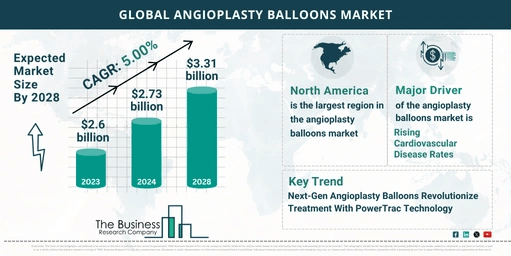
    The angioplasty balloons market has exhibited consistent growth in recent years. The market size grew from $2.6 billion in 2023 to $2.73 billion in 2024, marking a compound annual growth rate (CAGR) of 4.9%. This growth is driven by several factors including increased clinical trials, decreased regulatory hurdles, more physician training programs, broader reimbursement coverage, and enhanced patient awareness and education.

    Looking ahead, the market is projected to reach $3.31 billion by 2028, with a CAGR of 5%. This forecasted growth is supported by an aging population, rising prevalence of cardiovascular diseases, expanding healthcare infrastructure in emerging markets, greater adoption of minimally invasive procedures, and increased demand for interventional cardiology.

    View More On The Angioplasty Balloons Market Report 2024 – https://www.thebusinessresearchcompany.com/report/angioplasty-balloons-global-market-report

    Factors Driving Market Growth

    1. Rising Cardiovascular Disease Rates
      • Prevalence Increase:Cardiovascular diseases are on the rise due to sedentary lifestyles, unhealthy diets, obesity, and aging populations.
      • Treatment Needs:Angioplasty balloons are crucial for widening narrowed or blocked blood vessels to restore blood flow and reduce complications like heart attacks or strokes.
      • Statistics:According to the CDC, coronary heart disease in U.S. adults increased slightly from 4.6% in 2020 to 4.9% in 2021, highlighting a growing need for angioplasty interventions.
    2. Technological Advancements
      • PowerTrac Technology:Companies are developing advanced angioplasty balloons with PowerTrac technology to enhance tracking and pushability through complex vessel anatomies.
      • Notable Launch:In July 2021, Medtronic introduced the Prevail drug-coated balloon (DCB) catheter in Europe, which uses PowerTrac technology to provide superior deliverability and pushability. This technology also allows for effective treatment of various vascular conditions without the need for permanent implants.
    3. Strategic Acquisitions
      • Johnson & Johnson and Abiomed Inc.:In December 2022, Johnson & Johnson acquired Abiomed for $16.6 billion. This acquisition aims to expand J&J’s medtech portfolio and advance heart recovery solutions. Abiomed’s SupraCor Balloon Catheter is used in angioplasty procedures and adds significant value to J&J’s offerings.

    Market Segmentation

    1. By Product Type:
      • Normal Balloons
      • Scoring Balloons
      • Drug-Eluting Balloons
      • Cutting Balloons
    2. By Material:
      • Non-Compliant
      • Semi-Compliant
    3. By Application:
      • Coronary Angioplasty
      • Peripheral Angioplasty
    4. By End User:
      • Hospitals
      • Specialty Clinics
      • Catheterization Laboratories
      • Ambulatory Surgical Centers
      • Other End Users

    Regional Insights

    • North America:The largest market in 2023, driven by advanced healthcare infrastructure and high adoption rates of angioplasty procedures.
    • Asia-Pacific:Expected to be the fastest-growing region during the forecast period, due to increasing healthcare investments, rising prevalence of cardiovascular diseases, and growing demand for advanced medical technologies.

    Conclusion

    The angioplasty balloons market is set to experience steady growth, fueled by advancements in technology, rising cardiovascular disease rates, and strategic industry moves. As the market evolves, the focus on innovative treatment approaches and expanding healthcare access will drive further developments and opportunities within the industry.

    Request A Sample Of The Global Angioplasty Balloons Market Report 2024:
    https://www.thebusinessresearchcompany.com/sample_request?id=15509&type=smp

  • Aluminum Die Casting Market Report 2024: Market Size, Drivers, And Trends

    Aluminum Die Casting Market Report 2024: Market Size, Drivers, And Trends

    The Business Research Company’s global market reports are now updated with the latest market sizing information for the year 2024 and forecasted to 2033

    The aluminum die casting market has demonstrated impressive growth in recent years, driven by technological advancements and increasing demand across various sectors. With a forecasted robust growth trajectory, this industry is set to continue evolving and expanding.

    Market Overview

    • Current Market Size: The aluminum die casting market is projected to grow from $56.48 billion in 2023 to $60.92 billion in 2024, achieving a compound annual growth rate (CAGR) of 7.9%.
    • Key Growth Drivers:
      • Increased penetration of die-casting parts
      • Rising vehicle sales and demand for passenger cars
      • Expansion of industrialization and urbanization

    Future Growth Projections

    • Forecasted Market Size: By 2028, the market is expected to reach $83.24 billion, with a CAGR of 8.1%.
    • Factors Influencing Growth:
      • Growing demand for electric vehicles (EVs)
      • Increased urbanization
      • Expansion in the consumer electronics industry
      • Rising need for lightweight, high-strength castings
      • Growing renewable energy initiatives

    View More On The Aluminum Die Casting Market Report 2024 – https://www.thebusinessresearchcompany.com/report/aluminum-die-casting-global-market-report

    Increasing Demand for Automobiles

    • Automobile Sector Impact: The rise in automobile demand significantly boosts the aluminum die casting market. Factors such as shifting mobility preferences, low interest rates, and vehicle replacement trends contribute to this growth.
    • Market Contribution: Aluminum die casting enables the production of lighter, stronger, and more fuel-efficient vehicles, meeting performance and safety standards.
    • Example: According to the International Trade Administration, approximately 26 million automobiles were sold in 2021, marking a 7.1% increase from 2020. This increase underscores the growing market for aluminum die casting.

    Strategic Partnerships and Innovations

    • Collaborative Efforts: Companies are forming strategic partnerships to drive innovation and growth. These collaborations are crucial for developing advanced aluminum die casting solutions across various industries.
    • Case Study: In May 2022, GF Casting Solutions and Bocar Group entered into a partnership to leverage their expertise in aluminum die casting. This collaboration focuses on producing lightweight components for the mobility and energy sectors, enhancing the market’s sustainability and technological capabilities.

    Vertical Integration and Acquisitions

    • Weber Holding’s Acquisition: In April 2021, Weber Holding GmbH acquired Schweizer Group Global GmbH. This acquisition aims to enhance vertical integration within the automotive industry by incorporating advanced aluminum die casting services.
    • Impact: The acquisition strengthens Weber Holding’s position in the market, enabling more comprehensive solutions in powertrain component machining and assembly.

    Market Segmentation

    • Casting Processes:
      • High Pressure Die Casting
      • Low Pressure Die Casting
      • Vacuum Die Casting
      • Gravity Die Casting
      • Squeeze Die Casting
    • Chamber Processes:
      • Hot Chamber Aluminum Die Casting
      • Cold Chamber Aluminum Die Casting
    • End Users:
      • Automotive Components
      • Pumps and Valves
      • Industrial Components
      • Engineering Components
      • Construction
      • Packaging
      • Other End Users

    Regional Insights

    • Leading Region: Asia-Pacific was the largest market for aluminum die casting in 2023, driven by its extensive industrial base and rapid urbanization.
    • Fastest-Growing Region: North America is anticipated to be the fastest-growing region in the forecast period, fueled by increasing technological advancements and automotive demand.

    Conclusion

    The aluminum die casting market is on a strong growth trajectory, supported by technological advancements, strategic partnerships, and rising demand across various sectors. As the industry continues to evolve, stakeholders are likely to see significant opportunities in both traditional and emerging markets, driving further innovation and expansion in this dynamic field.

    Request A Sample Of The Global Aluminum Die Casting Market Report 2024:
    https://www.thebusinessresearchcompany.com/sample_request?id=15508&type=smp

  • Alexipharmic Drugs Market Report 2024: Market Size, Drivers, And Trends

    Alexipharmic Drugs Market Report 2024: Market Size, Drivers, And Trends

    The Business Research Company’s global market reports are now updated with the latest market sizing information for the year 2024 and forecasted to 2033

    • Market Size and Growth: The alexipharmic drugs market has been expanding significantly. In 2023, the market size was valued at $2.90 billion, and it is projected to reach $3.05 billion in 2024, growing at a compound annual growth rate (CAGR) of 5.4%.
    • Factors Driving Growth: Key drivers of this growth include the increased prevalence of poisoning cases worldwide, regulatory approvals for new antidote formulations, heightened awareness about poison management, and advancements in emergency medical services and poison control centers. Additionally, there has been a notable development of novel antidote delivery systems.

    Future Outlook and Trends

    • Continued Market Expansion: The market size is expected to grow to $3.80 billion by 2028, with a CAGR of 5.6%. This growth is attributed to several factors, such as the rising incidence of drug overdoses and substance abuse, expanding applications of antidotes across various medical specialties, and increased demand for fast-acting and potent antidote formulations.
    • Emerging Trends: Future trends include personalized antidote therapies tailored to individual patient needs, integration of digital health technologies in poison management, use of nanotechnology in antidote formulation and delivery, a focus on eco-friendly manufacturing practices, and the expansion of telemedicine services for poison consultation and management.

    View More On The Alexipharmic Drugs Market Report 2024 – https://www.thebusinessresearchcompany.com/report/alexipharmic-drugs-global-market-report

    Impact of Rising Drug Overdose Rates

    • Increasing Drug Overdose Deaths: The rise in the death rate due to drug overdoses is a significant factor driving the alexipharmic drugs market. Overdoses often occur due to the consumption of substances beyond the body’s tolerance level, leading to adverse effects or death.
    • Role of Alexipharmic Drugs: Alexipharmic drugs are essential in minimizing fatalities by counteracting the toxic effects of drugs during overdoses. For example, in England and Wales, drug poisoning deaths increased to 4,907 in 2022, highlighting the urgent need for effective antidote solutions.

    Innovations in Antidote Solutions

    • Over-the-Counter (OTC) Opioid Reversal Medication: Companies are focusing on innovative solutions to gain a competitive edge in the market. For instance, Emergent BioSolutions introduced the first OTC opioid overdose reversal medication, NARCAN Naloxone HCl Nasal Spray 4 mg, in August 2023.
    • Increased Accessibility: This product provides a convenient, easy-to-use option for reversing opioid effects, including those of fentanyl, expanding access to naloxone and reducing stigma associated with opioid emergencies. This development empowers more individuals to respond effectively in emergencies, contributing to saving lives.

    Strategic Acquisitions Enhancing Market Presence

    • SERB Pharmaceuticals and BTG Specialty Pharmaceuticals: In March 2021, SERB Pharmaceuticals acquired BTG Specialty Pharmaceuticals for $0.8 billion. This acquisition created a global leader in critical care medicines, enhancing the availability of life-saving antidotes and addressing unmet medical needs in the alexipharmic drugs market.
    • Strengthening the Portfolio: This strategic move has expanded the company’s portfolio, enabling it to offer a wider range of critical care solutions and solidifying its presence in the global market.

    Market Segmentation

    • Types of Antidotes: The alexipharmic drugs market is segmented by type into chemical, physical, and pharmacological antidotes.
    • Routes of Administration: The market is also divided by route of administration, including oral, topical, injectable, and other methods.
    • Applications: Applications include opioid overdose, alcohol overdose, cyanide poisoning, lead poisoning, benzodiazepine overdose, and other uses.
    • End Uses: The market serves various end users such as hospitals, homecare settings, specialty clinics, and other facilities.

    Regional Insights

    • North America: North America was the largest region in the alexipharmic drugs market in 2023, driven by a well-established healthcare system and high awareness of poison management.
    • Asia-Pacific: The Asia-Pacific region is expected to be the fastest-growing market during the forecast period, spurred by rising awa

    Request A Sample Of The Global Alexipharmic Drugs Market Report 2024:
    https://www.thebusinessresearchcompany.com/sample_request?id=15507&type=smp

  • Understand How The Acoustic Neuroma Market Is Poised To Grow Through 2024-2033

    Understand How The Acoustic Neuroma Market Is Poised To Grow Through 2024-2033

    The Business Research Company’s global market reports are now updated with the latest market sizing information for the year 2024 and forecasted to 2033

    As per The Business Research Company’s Acoustic Neuroma Global Market Report 2024, the acoustic neuroma market is expected to show significant growth in the forecast period.

    The acoustic neuroma market has experienced significant growth in recent years. It is expected to expand from $1.70 billion in 2023 to $1.83 billion in 2024, representing a compound annual growth rate (CAGR) of 7.9%.

    • Growth Drivers:
      • Advancements in imaging technologies
      • Surgical innovations
      • Increased awareness and screening programs
      • Economic factors and regulatory approvals

    Future Growth Projections

    Looking forward, the acoustic neuroma market is anticipated to continue its strong growth trajectory, reaching $2.52 billion by 2028, with a CAGR of 8.2%.

    • Growth Contributors:
      • Technological advancements in treatment and diagnostics
      • Personalized medicine approaches
      • Rising healthcare spending and improved infrastructure
      • Increased patient preferences and demands

    Trends Shaping the Market

    Several major trends are expected to influence the acoustic neuroma market during the forecast period.

    • Key Trends:
      • Increasing incidence rates of acoustic neuroma
      • Technological innovations and advancements in treatment modalities
      • Expansion of market opportunities globally
      • Collaborative research initiatives

    Healthcare Investments Fuel Market Growth

    The rising investment in the healthcare sector is a crucial factor driving the acoustic neuroma market. As global health challenges increase and new technologies emerge, the demand for innovative diagnostics and treatments for acoustic neuroma grows.

    • Impact of Investments:
      • Support for research and development in diagnostics and treatments
      • Enhanced patient outcomes and quality of life
      • Growing focus on healthcare innovation and technology

    Example:
    In December 2023, the Centers for Medicare & Medicaid Services (CMS) reported a 4.1% increase in healthcare spending in the U.S., reaching a total of $4.5 trillion. This substantial investment highlights the expanding market opportunities for acoustic neuroma treatments.

    Major Companies in the Acoustic Neuroma Market

    Several key players dominate the acoustic neuroma market, contributing to its growth through innovative products and services.

    • Leading Companies:
      • Pfizer Inc.
      • Hoffmann-La Roche AG
      • General Electric Company
      • Medtronic plc
      • Siemens Healthineers
      • Elekta AB
      • Cochlear Limited
      • Brainlab AG

    View More On The Acoustic Neuroma Market Report 2024 – https://www.thebusinessresearchcompany.com/report/acoustic-neuroma-global-market-report

    Innovative Radiosurgery Methods for Acoustic Neuroma

    Companies in the acoustic neuroma market are focusing on developing advanced treatment options, such as radiosurgery, to improve patient outcomes.

    • Radiosurgery Benefits:
      • Precise delivery of radiation to target tumors
      • Minimization of damage to surrounding healthy tissue
      • Advanced features for personalized and patient-friendly treatments

    Example:
    In May 2022, Elekta launched the Elekta Esprit, an advanced stereotactic radiosurgery system. This device allows for highly precise treatment of brain tumors and other conditions, enhancing both patient comfort and treatment efficacy.

    Strategic Acquisitions in the Market

    Strategic acquisitions are playing a vital role in expanding the capabilities and reach of companies within the acoustic neuroma market.

    • Notable Acquisition:
      • In March 2021, Fujifilm Corporation acquired Hitachi Ltd.’s diagnostic imaging business for $1.14 billion, significantly enhancing its medical systems offerings.

    Market Segmentation

    The acoustic neuroma market is segmented by type, treatment, diagnosis, and end-user.

    • Type:
      • Unilateral Vestibular Schwannomas
      • Bilateral Vestibular Schwannomas
    • Treatment Type:
      • Drugs
      • Anticonvulsants
      • Radiation Therapy
      • Proton Therapy
      • Stereotactic Radiosurgery
    • Diagnosis Type:
      • Magnetic Resonance Imaging (MRI)
      • Computed Tomography Scan (CT-SCAN)
      • Hearing Tests
    • End User:
      • Hospitals
      • Clinics
      • Surgical Centers

    Regional Insights

    In 2023, North America was the largest region in the acoustic neuroma market, with Asia-Pacific expected to be the fastest-growing region in the forecast period.

    • Key Regions:
      • North America (largest market)
      • Asia-Pacific (fastest-growing region)

    Conclusion

    The acoustic neuroma market is poised for robust growth, driven by technological advancements, increased healthcare investments, and rising patient demands. With ongoing innovations and strategic expansions, the market is set to provide improved diagnostic and treatment options, enhancing patient care worldwide.

    Request A Sample Of The Global Acoustic Neuroma Market Report 2024:
    https://www.thebusinessresearchcompany.com/sample_request?id=15502&type=smp

  • Key Trends And Drivers In The 3D Printed Wearables Market 2024

    Key Trends And Drivers In The 3D Printed Wearables Market 2024

    The Business Research Company’s market reports offer an in-depth analysis on the market’s growth potential, major drivers, key trends and more.

    Market Overview

    The 3D printed wearables market has experienced robust growth in recent years. The market size increased from $3.76 billion in 2023 to $4.07 billion in 2024, at a compound annual growth rate (CAGR) of 8.4%. This growth has been driven by several factors, including:

    • Increased demand for quality healthcare services.
    • Higher investment in the 3D printing industry.
    • Development of wearable robotics.
    • Adoption in the fashion industry.
    • Use in sports performance enhancements.

    Looking forward, the market is projected to reach $5.68 billion by 2028, with a CAGR of 8.7%. This sustained growth can be attributed to a growing demand for personalization, a rising prevalence of chronic conditions and diabetes, an increasing focus on eco-friendly products, and heightened awareness of preventive healthcare.

    Read More On The 3D Printed Wearables Market Report 2024 – https://www.thebusinessresearchcompany.com/report/3d-printed-wearables-global-market-report

    Key Drivers of Market Growth

    1. Impact of Diabetes Prevalence
      • Rising Cases:The prevalence of diabetes is increasing due to an aging population, genetic factors, and lifestyle changes, contributing to the demand for 3D printed wearables.
      • Wearable Technology:3D printed wearables for diabetes management include custom-designed devices that monitor blood glucose levels, deliver insulin, and provide real-time health data.
      • Growing Numbers:The International Diabetes Federation reported that the number of adults with diabetes was 537 million in 2021 and is projected to rise to 783 million by 2045, driving market growth.
    2. Technological Innovations
      • Advanced 3D Printing Techniques:Companies are leveraging cutting-edge technologies like Multi-Jet Fusion (MJF) to produce faster and more cost-effective 3D printed wearables.
      • Innovative Products:For example, SEVENFRIDAY AG launched the FREE-D watch in March 2022, a 3D-printed wearable watch utilizing MJF technology and sustainable materials. This product highlights the industry’s move towards combining technology with sustainability and style.
    3. Strategic Acquisitions
      • Meta’s Acquisition of Luxexcel:In February 2021, Meta Inc. acquired Luxexcel to enhance its augmented reality (AR) devices, aligning with its Metaverse vision. Luxexcel specializes in 3D-printed ophthalmic lenses, and this acquisition is set to improve the design and functionality of Meta’s AR gadgets.

    Market Segmentation

    1. By Product Type:
      • Orthopedic Implants
      • Prosthetics
      • Smart Watches
      • Surgical Instruments
      • Fitness Trackers
    2. By Sales Channel:
      • Online Retail
      • Offline Retail
      • Direct Sales
      • Healthcare Providers
      • Customization Platforms
    3. By End User:
      • Pharma and Biotech Companies
      • Hospitals
      • Academic Institutes
      • Other End Users

    Regional Insights

    • North America:This region was the largest market for 3D printed wearables in 2023, driven by advanced healthcare infrastructure, high adoption rates, and ongoing technological innovations.
    • Asia-Pacific:Expected to be the fastest-growing region during the forecast period, fueled by increasing healthcare investments, a growing diabetic population, and rising demand for personalized and preventive healthcare solutions.

    Conclusion

    The 3D printed wearables market is poised for continued growth, supported by rising diabetes prevalence, technological advancements, and strategic industry acquisitions. With increasing demand for personalized, sustainable, and innovative healthcare solutions, the market is set to expand further, presenting new opportunities for companies and consumers alike.

    Request for A Sample Of The Global 3D Printed Wearables Market Report:
    https://www.thebusinessresearchcompany.com/sample_request?id=15501&type=smp

  • How Is The Benzodiazepine Drugs Market Expected To Grow Through 2024-2033

    How Is The Benzodiazepine Drugs Market Expected To Grow Through 2024-2033

    The Business Research Company’s global market reports are now updated with the latest market sizing information for the year 2024 and forecasted to 2033

    According to The Business Research Company’s Benzodiazepine Drugs Global Market Report 2024, the benzodiazepine drugs market is expected to show promising growth in the forecast period.

    The benzodiazepine drugs market has witnessed robust growth in recent years. This growth is driven by several key factors, including an increase in anxiety disorders and heightened awareness of mental health. Let’s explore the current trends, market dynamics, and future projections for the benzodiazepine drugs market.

    Current Market Overview

    • Strong Market Growth:The benzodiazepine drugs market grew from $3.31 billion in 2023 to $3.53 billion in 2024, with a compound annual growth rate (CAGR) of 6.6%.
    • Drivers of Growth:This growth can be attributed to:
      • Rising prevalence of anxiety disorders.
      • Increased awareness about mental health issues.
      • Growing geriatric population.
      • Higher prescription rates.
      • Favorable reimbursement policies.

    View More On The Benzodiazepine Drugs Market Report 2024 – https://www.thebusinessresearchcompany.com/report/benzodiazepine-drugs-global-market-report

    Future Market Projections

    • Continued Expansion:The market is expected to reach $4.59 billion by 2028, expanding at a CAGR of 6.8%.
    • Factors Influencing Growth:
      • Shift Towards Non-Pharmacological Therapies: There is a growing consumer preference for treatments that minimize the risk of dependency.
      • Focus on Reducing Abuse Potential: Emphasis on safer formulations and controlled usage to prevent misuse.
      • Demand for Long-Acting Benzodiazepines: Increasing use of formulations that offer prolonged effects for better management of symptoms.
      • Expanded Indications: Benzodiazepines are being utilized for a wider range of conditions, broadening their market scope.
      • Personalized Medicine: A tailored approach to therapy is becoming more prominent, enhancing treatment efficacy.

    Emerging Trends in the Benzodiazepine Market

    • Combination Therapies: There is a rising trend of using benzodiazepines in combination with other treatments to enhance therapeutic outcomes.
    • Innovative Delivery Methods: Development of sublingual and transdermal benzodiazepine formulations for ease of administration and improved patient compliance.
    • Technological Advancements:
      • Biofeedback and Neurofeedback Techniques:These are being increasingly utilized alongside benzodiazepine therapy to manage anxiety and other mental health conditions.
      • Artificial Intelligence in Predictive Modeling:AI is being adopted to predict treatment outcomes and optimize therapy plans for anxiety disorders.

    Growing Cases of Mental Illness Driving Market Demand

    • Mental Health Concerns:The rising incidence of mental illnesses is a major factor driving the demand for benzodiazepine drugs.
      • Impact on Daily Life:Mental illnesses can significantly impair daily functioning, creating a need for effective management options.
      • Contributing Factors:Societal stress, lifestyle changes, genetic predisposition, and limited access to mental health services contribute to the rise in mental health issues.
    • Benzodiazepines’ Role:These drugs provide quick relief for symptoms of anxiety and panic, making them a critical tool in managing acute mental health crises.
      • Statistics Highlighting Need:For example, in March 2023, there were an estimated 14.1 million adults in the U.S. with serious mental illness, representing 5.5% of the adult population.

    Innovations in Drug Delivery: Prefilled Syringes

    • Advanced Solutions:Companies are focusing on innovative drug delivery systems, such as prefilled syringes, to enhance patient safety and dosing accuracy.
      • Recent Developments:In May 2024, Hikma Pharmaceuticals launched Midazolam Injection, USP, available in prefilled syringes. This innovation provides precise dosing, multiple administration routes, and addresses safety concerns.
      • Impact on Market:Such advancements improve patient care, expand market reach, and ensure compliance with regulatory standards.

    Strategic Acquisitions Strengthening Market Position

    • Eagle Pharmaceuticals’ Acquisition:In June 2023, Eagle Pharmaceuticals acquired Acacia Pharma Group for $0.102 billion, enhancing its portfolio in the benzodiazepine market.
      • Expansion Benefits:This acquisition strengthens Eagle Pharmaceuticals’ presence in acute care, oncology, and procedural sedation, highlighting the strategic importance of benzodiazepines in diverse therapeutic areas.

    Market Segmentation and Regional Insights

    • Product Segmentation:The market includes various benzodiazepines such as Alprazolam, Diazepam, Lorazepam, Clonazepam, Temazepam, and others.
    • Routes of Administration:Options include oral, parenteral, and other routes.
    • Applications:Benzodiazepines are used for anxiety disorders, seizures, insomnia, alcohol withdrawal, and more.
    • End Users:Hospitals, homecare settings, specialty clinics, and other healthcare facilities.
    • Regional Insights:North America led the market in 2023, while Asia-Pacific is projected to be the fastest-growing region in the coming years.

    The benzodiazepine drugs market continues to evolve, driven by advancements in drug delivery, strategic acquisitions, and the growing need for mental health treatments. With ongoing innovations and a strong focus on patient safety, the market is poised for substantial growth in the coming years.

    Request A Sample Of The Global Benzodiazepine Drugs Market Report 2024:
    https://www.thebusinessresearchcompany.com/sample_request?id=15519&type=smp

  • What’s The Growth Forecast For Interstitial Cystitis Drugs Market Through 2024-2033?

    What’s The Growth Forecast For Interstitial Cystitis Drugs Market Through 2024-2033?

    The Business Research Company’s global market reports provide comprehensive analysis on the various markets in 27 industries across 60 geographies.

    The interstitial cystitis drugs market has experienced robust growth in recent years, driven by increased disease awareness, improved diagnostics, and significant investments from the pharmaceutical industry. This blog explores the market’s recent growth, future prospects, key trends, and factors driving this expansion.

    Current Market Growth and Forecast

    • 2023-2024 Growth: The interstitial cystitis drugs market is expected to grow from $1.28 billion in 2023 to $1.36 billion in 2024, reflecting a compound annual growth rate (CAGR) of 6.5%.
      • Key Drivers: Increased disease awareness, improved diagnostic techniques, pharmaceutical industry investments, and rising healthcare expenditures have contributed to this growth.
    • 2024-2028 Projections: The market is projected to reach $1.67 billion by 2028, with a CAGR of 5.3%.
      • Growth Factors: The market growth in the forecast period is supported by the growing emphasis on rare diseases, expanding biopharmaceutical innovation, regulatory support for orphan drugs, and increasing global disease burden.

    Impact of Chronic Diseases on Market Growth

    • Chronic Disease Incidence: The rising incidence of chronic diseases significantly impacts the interstitial cystitis drug market. Chronic conditions often require long-term management, and interstitial cystitis drugs are vital in treating urinary tract infections (UTIs) associated with these diseases.
      • Market Influence: Cystitis drugs are essential in treating UTIs by eliminating the underlying infection, alleviating symptoms like painful and frequent urination, and urgency.
      • Statistics: In 2023, the National Institute of Health reported that UTIs were responsible for over 1 million emergency department visits in the US, making them the seventh most common reason for such visits.

    View More On The Interstitial Cystitis Drugs Market Report 2024 – https://www.thebusinessresearchcompany.com/report/interstitial-cystitis-drugs-global-market-report

    Major Players and Their Strategies

    • Leading Companies: The interstitial cystitis drugs market includes significant players like Pfizer Inc., Johnson & Johnson, Merck & Co. Inc., AbbVie Inc., Bayer AG, Novartis AG, and Sanofi SA, among others.
      • Strategic Focus: These companies are focusing on developing new treatment options to maintain a competitive edge. This includes standard and experimental treatments currently being tested in clinical trials.
    • Innovative Treatments: For instance, in April 2021, Kyorin Pharmaceutical Co. Ltd. launched Zymso Intravesical Solution 50%, a new treatment for interstitial cystitis that has shown significant efficacy in clinical trials.

    Acquisitions and Expansions

    • Imbrium Therapeutics Acquisition: In August 2021, Imbrium Therapeutics L.P. acquired the rights to develop and commercialize IMB-150 from PureTech Health for $6 million.
      • Product Portfolio Expansion: This acquisition allows Imbrium Therapeutics to expand its product portfolio with non-opioid treatments for interstitial cystitis, leveraging PureTech’s Alivio technology platform.

    Key Market Segments

    • By Drugs: The market is segmented into Pentosan Polysulfate Sodium, Dimethyl Sulfoxide, and other drugs.
    • By Type: There are two main types of treatments: Oral Therapy and Intravesical Therapy.
    • By Distribution Channel: The drugs are distributed through Hospital Pharmacies, Retail Pharmacies, and Online Pharmacies.

    Regional Insights

    • North America: In 2023, North America was the largest market for interstitial cystitis drugs, driven by advanced healthcare infrastructure and high awareness levels.
    • Asia-Pacific: The Asia-Pacific region is expected to be the fastest-growing market during the forecast period due to increasing healthcare access and growing awareness of interstitial cystitis.

    Emerging Trends and Future Outlook

    • Targeted Therapies and Patient-Centric Approaches: The market is seeing a shift towards patient-centric healthcare, with a focus on personalized medicine and targeted therapies that cater to specific patient needs.
    • Collaborative Research Initiatives: Continued collaborative research efforts are driving advancements in diagnostic techniques and the development of new biomarkers, further boosting the market’s growth.

    The interstitial cystitis drugs market is poised for substantial growth, driven by a combination of technological advancements, increasing disease awareness, and strategic initiatives by major companies. With ongoing innovation and a focus on patient-centric care, the market is set to offer enhanced treatment options for patients worldwide.

    Request A Sample Of The Global Interstitial Cystitis Drugs Market Report 2024:
    https://www.thebusinessresearchcompany.com/sample_request?id=13461&type=smp

  • Growth Trajectory Of The Intermittent Pneumatic Compression (IPC) Devices Market 2024-2033

    Growth Trajectory Of The Intermittent Pneumatic Compression (IPC) Devices Market 2024-2033

    The Business Research Company’s global market reports are now updated with the latest market sizing information for the year 2024 and forecasted to 2033

    Market Overview

    The intermittent pneumatic compression (IPC) devices market has seen significant growth in recent years. The market size increased from $1.31 billion in 2023 to $1.44 billion in 2024, reflecting a compound annual growth rate (CAGR) of 10.0%. This growth can be attributed to several key factors:

    • Improved understanding of diseases and conditions that benefit from IPC use.
    • Increased awareness and diagnosis of conditions requiring IPC therapy.
    • Changing healthcare policies that support the adoption of IPC devices.
    • Collaborations in clinical trials that have validated IPC device efficacy.
    • Supportive patient advocacy and physician education programs.

    Looking ahead, the IPC devices market is projected to grow to $2.01 billion by 2028 at a CAGR of 8.6%. This growth will be driven by a larger patient pool, a greater focus on improving patient quality of life, expanded research collaborations, global health initiatives, and increased access to healthcare.

    View More On The Intermittent Pneumatic Compression (IPC) Devices Market Report 2024 – https://www.thebusinessresearchcompany.com/report/intermittent-pneumatic-compression-ipc-devices-global-market-report

    Key Drivers of Market Growth

    1. Rising Incidence of Spinal Cord Injuries
      • Increased Cases: The number of spinal cord injuries is rising, significantly contributing to the demand for IPC devices. Spinal cord injuries often lead to paralysis and sensory impairment, necessitating effective management strategies.
      • Role of IPC Devices: These devices are critical in spinal cord injury management to prevent deep vein thrombosis (DVT) by promoting blood circulation through sequential compression of the lower limbs.
      • Statistics: According to the National Spinal Cord Injury Statistical Center, approximately 18,000 new spinal cord injury cases are reported annually in the United States. The growing patient population drives the demand for IPC devices, boosting market growth.
    2. Innovations in Wearable IPC Devices
      • Focus on Wearable Technology: Leading companies are developing wearable IPC devices to enhance mobility and patient compliance, thereby gaining a competitive edge.
      • Example of Innovation: In March 2022, Fist Assist Devices LLC launched the Fist Assist Model FA-1, a wearable IPC device designed to promote vein dilation before surgery. This device is the first of its kind for presurgical vein dilation, enhancing blood flow and reducing the risk of user error through automation.
    3. Strategic Acquisitions in the Market
      • Expanding Product Portfolios: Companies are strengthening their market position through strategic acquisitions to enhance their product offerings.
      • Case in Point: Direct Healthcare Group Ltd. acquired Talley Group Ltd. in March 2021, expanding its portfolio of products for patients with reduced mobility. This acquisition is expected to enhance Direct Healthcare Group’s solutions for managing DVT and other conditions that benefit from IPC therapy.

    Market Segmentation

    1. By Type:
      • Deep Vein Thrombosis (DVT)
      • Pulmonary Embolism (PE)
    2. By Distribution Channel:
      • Clinics
      • Pharmacies
      • Online Channels
      • Other Offline Channels
    3. By Application:
      • Home Use
      • Hospital

    Regional Insights

    • North America: In 2023, North America was the largest market for IPC devices, driven by advanced healthcare infrastructure, a high prevalence of conditions requiring IPC therapy, and strong healthcare policies supporting innovation and device adoption.

    Conclusion

    The intermittent pneumatic compression (IPC) devices market is poised for continued growth due to rising incidences of spinal cord injuries, innovative wearable technologies, and strategic acquisitions. As the market expands, focusing on personalized medicine approaches and developing new therapies will be crucial to meeting patient needs and improving outcomes. With increasing awareness and access to healthcare, the IPC devices market will likely see sustained growth in the coming years.

    Request A Sample Of The Global Intermittent Pneumatic Compression (IPC) Devices Market Report 2024:
    https://www.thebusinessresearchcompany.com/sample_request?id=13460&type=smp