Year: 2024

  • Microbiology And Bacterial Culture For Industrial Testing Market Growth Analysis Till 2033 By The Business Research Company

    Microbiology And Bacterial Culture For Industrial Testing Market Growth Analysis Till 2033 By The Business Research Company

    The Business Research Company’s market reports offer an in-depth analysis on the market’s growth potential, major drivers, key trends and more.

    The microbiology and bacterial culture for industrial testing market has seen impressive growth in recent years, with projections indicating continued expansion. From the current market size to the factors driving growth, here’s a comprehensive look at this thriving industry.

    Market Overview: Strong Growth in 2023 and Beyond

    • 2023 Market Size: $6.02 billion
    • 2024 Market Size Projection: $6.68 billion (CAGR of 10.9%)
    • 2028 Market Size Projection: $10.21 billion (CAGR of 11.2%)

    Key Drivers of Historic Growth (2023-2024)

    • Demand for Personalized Medicine: Increased focus on personalized treatment approaches fuels the need for advanced microbiological testing.
    • Pandemic Preparedness: Global efforts to combat pandemics have highlighted the importance of rapid and accurate testing.
    • Healthcare-associated infections (HAIs): Growing awareness of HAIs drives demand for bacterial culture testing.
    • Rising Foodborne Illnesses: Increased incidence of foodborne diseases requires rigorous testing and quality control.
    • Emerging Markets & Industrialization: Expansion into new markets and industrial growth contributes to market expansion.

    Read More On The Microbiology And Bacterial Culture For Industrial Testing Market Report 2024 – https://www.thebusinessresearchcompany.com/report/microbiology-and-bacterial-culture-for-industrial-testing-global-market-report

    Forecast Period Growth (2024-2028)

    • Increasing Incidence of Foodborne Illnesses: A critical driver as the global food supply chain becomes more complex.
    • Regulatory Compliance: Stricter regulations push industries to adopt advanced testing methods.
    • Globalization of Food Supply Chains: Cross-border food trade necessitates stringent safety measures.
    • Growing Pharmaceutical Industry: Expansion in pharmaceuticals boosts demand for precise microbial testing.
    • Environmental Monitoring & Water Quality Testing: Growing concerns over environmental health drive the need for robust testing solutions.

    Major Market Trends

    • Technological Advancements: Innovations in testing technologies enhance efficiency and accuracy.
    • Increasing Investments in R&D: Companies are investing heavily in research to develop better testing methods.
    • Advanced Analytical Techniques: New techniques allow for more precise identification of microorganisms.
    • Automation and Robotics: Automation streamlines testing processes, reducing human error and increasing throughput.
    • Integration of Data Analytics: Data analytics tools provide deeper insights and help in predictive modeling.

    Rising Foodborne Diseases: A Major Growth Driver

    • Foodborne Disease Impact: Consumption of contaminated food leads to serious health risks, necessitating effective testing.
    • Key Factors:
      • Changes in food production and distribution
      • Globalization of food supply chains
      • Inadequate food safety measures
      • Climate change impacts on food production
      • Rising consumption of high-risk foods
    • Example: In 2022, England and Wales reported 167 cases of listeriosis, up from 160 cases in 2021, highlighting the need for rigorous testing.

    Advancements in Culture Media Products

    • Focus on Innovation: Companies are developing advanced dehydrated and prepared culture media to improve microbial growth and detection.
    • Example: In June 2022, Gold Standard Diagnostics introduced the BACGro Culture Media product line, adhering to international standards and catering to various testing needs.

    Strategic Acquisitions: Expanding Capabilities

    • Notable Acquisition: In April 2022, DCN Dx acquired Biomed Diagnostics Inc., enhancing its capabilities in point-of-care diagnostic tests.
    • Impact: The integration of Biomed’s solutions into DCN Dx’s core business exemplifies the ongoing consolidation in the industry.

    Market Segmentation

    • By Consumable:
      • Media
      • Reagents
      • Sera
    • By Application:
      • Food and Water Testing
      • Bioenergy and Agricultural Research
      • Other Applications
    • By End User:
      • Industrial Laboratories
      • Research Laboratories
      • Food Testing Laboratories
      • Diagnostic Laboratories
      • Other End Users

    Regional Insights

    • North America: The largest market in 2023, driven by advanced healthcare infrastructure and stringent regulatory frameworks.

    Conclusion: A Promising Future

    The microbiology and bacterial culture for industrial testing market is poised for significant growth, driven by increasing food safety concerns, regulatory pressures, and technological advancements. As companies continue to innovate and expand, this market will remain a critical component of global health and safety efforts.

    Request for A Sample Of The Global Microbiology And Bacterial Culture For Industrial Testing Market Report:
    https://www.thebusinessresearchcompany.com/sample_request?id=15607&type=smp

  • Microbial Identification Market Report 2024: Market Size, Drivers, And Trends

    Microbial Identification Market Report 2024: Market Size, Drivers, And Trends

    The Business Research Company’s global market reports are now updated with the latest market sizing information for the year 2024 and forecasted to 2033

    The microbial identification market is experiencing rapid growth, fueled by various factors and technological advancements. This blog explores the current state of the market, its future prospects, and key trends driving its expansion.

    Market Overview

    Recent Growth:

    • Market Size in 2023: $4.82 billion
    • Expected Market Size in 2024: $5.57 billion
    • CAGR: 15.4% from 2023 to 2024
    • Key Growth Drivers:
      • Government initiatives and funding
      • Growing FDA approvals
      • Increased health awareness

    Future Projections:

    • Market Size in 2028: $9.92 billion
    • CAGR: 15.5% from 2024 to 2028
    • Key Growth Drivers:
      • Rising food safety concerns
      • Increased incidence of infectious diseases
      • Growing frequency of pandemics

    The Burden of Infectious Diseases

    Health and Socioeconomic Impacts:

    • Infectious Diseases: Caused by bacteria, viruses, fungi, and other pathogens.
    • Contributing Factors: Climate change, environmental disruption, antimicrobial resistance, weakened immune systems.
    • Significance of Microbial Identification:
      • Accurate diagnosis
      • Targeted treatment
      • Disease surveillance
      • Outbreak control
      • Antimicrobial stewardship
    • Example:In England, new HIV diagnoses increased by 22% from 2021 to 2022, highlighting the growing need for advanced microbial identification.

    View More On The Microbial Identification Market Report 2024 – https://www.thebusinessresearchcompany.com/report/microbial-identification-global-market-report

    Key Players in the Market

    Major Companies:

    • Merck & Co. Inc.
    • Sanofi S.A.
    • Thermo Fisher Scientific Inc.
    • Danaher Corporation
    • Siemens Healthineers
    • Becton, Dickinson and Company
    • Avantor Inc.
    • Eurofins Scientific Corporation
    • Beckman Coulter Inc.
    • Wickham Micro Limited
    • Bruker Corporation
    • BioMerieux S.A.
    • Biolog Inc.
    • Liofilchem S.r.l
    • Shimadzu Corporation
    • Scenker Biological Technology Co. Ltd

    Advancements in Mass Spectrum Technology

    Revolutionizing Microbial Identification:

    • Mass Spectrum Technology: Enhances accuracy and speed in identifying microorganisms.
    • Applications: Clinical diagnostics, environmental monitoring, food safety.
    • Benefits: Quick and reliable identification, cost-effective alternative to traditional methods.
    • Example: Bruker’s MS-based rapid microbial identification kit, launched in January 2021, represents a significant advancement in clinical microbiology, enabling faster and more efficient analysis.

    Strategic Acquisitions

    Expanding Capabilities:

    • Bruker’s Acquisition of MERLIN Inc.:
      • Purpose: Expand Bruker’s antibiotic resistance testing capabilities.
      • Focus: High-value scientific instruments and innovative solutions.
      • MERLIN Inc.: Specializes in microbial identification products.

    Market Segmentation

    Products and Services:

    • Instruments
    • Consumables
    • Services

    Methods:

    • Phenotypic Methods
    • Proteotypic Methods
    • Genotypic Methods

    Applications:

    • Diagnostic Application
    • Environmental Application
    • Food and Beverages Testing
    • Pharmaceutical Application
    • Other Applications

    End Users:

    • Pharmaceutical and Biotechnology Industry
    • Food and Beverage Industry
    • Water and Environment Industry
    • Independent Research Laboratories
    • Diagnostic Laboratories
    • Hospitals
    • Other End Users

    Regional Insights

    Current Leader:

    • North America:Largest region in the microbial identification market in 2023.

    Emerging Market:

    • Asia-Pacific:Expected to be the fastest-growing region during the forecast period.

    The microbial identification market is on a remarkable growth trajectory, driven by technological innovations and an increasing focus on health and safety. As the industry continues to evolve, it will play a crucial role in addressing global challenges related to infectious diseases and food safety.

    Request A Sample Of The Global Microbial Identification Market Report 2024:
    https://www.thebusinessresearchcompany.com/sample_request?id=15606&type=smp

  • 5 Takeaways From The Melatonin Supplements Market Overview 2024

    5 Takeaways From The Melatonin Supplements Market Overview 2024

    The Business Research Company’s global market reports are now updated with the latest market sizing information for the year 2024 and forecasted to 2033

    Introduction

    The melatonin supplements market has experienced significant growth in recent years, driven by a variety of factors, including the rising prevalence of sleep disorders and the shift towards natural remedies. As of 2023, the market size stood at $2.07 billion and is projected to grow to $2.37 billion in 2024, marking a compound annual growth rate (CAGR) of 14.5%. This trend is expected to continue, with the market anticipated to reach $4.10 billion by 2028, maintaining a CAGR of 14.7%.

    Factors Driving Growth in 2023-2024

    • Increasing Incidence of Sleep Disorders:
      • Lifestyle changes, increased screen time, poor sleep hygiene, and aging populations have led to a rise in sleep disorders.
      • Melatonin supplements help regulate sleep patterns, especially for those with circadian rhythm disorders or jet lag.
    • Advances in Manufacturing Processes:
      • Improved production techniques have enabled the development of higher-quality melatonin supplements, enhancing their effectiveness.
    • Shift Towards Natural Remedies:
      • Growing consumer preference for natural and herbal solutions has boosted the demand for melatonin as a safer alternative to synthetic sleep aids.
    • Expansion of Distribution Channels:
      • Broadened access through supermarkets, drug stores, and online retail has made melatonin supplements more accessible to consumers globally.

    Forecasted Growth Trends (2024-2028)

    • Growth in E-Commerce Platforms:
      • The rise of online shopping has significantly contributed to the global reach and accessibility of melatonin supplements.
    • Regulatory Support and Favorable Policies:
      • Anticipated regulatory approvals and supportive policies are likely to encourage the development and distribution of melatonin products.
    • Expanding Product Offerings:
      • Companies are diversifying their product lines, incorporating melatonin into various formats like gummies and liquids to cater to different consumer preferences.
    • Technological Advancements:
      • Innovations in delivery methods and technology are enhancing the efficacy and safety of melatonin supplements.
    • Integration with Wellness Routines:
      • Melatonin supplements are increasingly being integrated into broader wellness routines, appealing to health-conscious consumers.

    View More On The Melatonin Supplements Market Report 2024 – https://www.thebusinessresearchcompany.com/report/melatonin-supplements-global-market-report

    Rising Sleep Disorders Drive Melatonin Supplements Growth

    • Prevalence of Sleep Disorders:
      • An increase in sleep disorders is a key driver for the melatonin supplements market. For example, in 2022, 22.3% of individuals aged 12 to 24 in the Netherlands reported sleeping difficulties, up from 19.4% in 2021.
    • Impact on the Market:
      • The growing demand for solutions to sleep-related issues has led to a surge in melatonin supplement sales, as they help regulate sleep patterns and improve overall sleep quality.

    Product Innovation: The Rise of Sleep Aid Gummies

    • Focus on Innovation:
      • Companies are focusing on creating new, appealing products like sleep aid gummies to attract more consumers.
    • Natrol Sleep+ Launch:
      • In April 2021, Natrol LLC introduced Natrol Sleep+, a line of gummies combining melatonin with other ingredients to support sleep, immune health, and overall calmness.
    • Consumer Appeal:
      • These gummies are non-GMO, vegetarian-friendly, and free from synthetic additives, making them an attractive option for health-conscious consumers.

    Expanding Global Market Access: EQL Pharma AB’s Collaboration with Adalvo Inc.

    • Strategic Partnerships:
      • In May 2023, Adalvo Inc. partnered with EQL Pharma AB to distribute Mellozzan, a melatonin-based sleep aid for children, across 89 countries.
    • Market Expansion:
      • This partnership exemplifies how companies are leveraging collaborations to expand their market reach and tap into new geographical regions.

    Conclusion

    The melatonin supplements market is poised for continued growth, driven by rising sleep disorders, technological advancements, and innovative product offerings. With favorable regulatory environments and the expansion of global market access, the industry is set to flourish in the coming years, providing consumers with an array of effective and natural sleep solutions.

    Request A Sample Of The Global Melatonin Supplements Market Report 2024:
    https://www.thebusinessresearchcompany.com/sample_request?id=15605&type=smp

  • Medical Device Security Global Market Outlook 2024-2033: Size And Growth Rate Analysis

    Medical Device Security Global Market Outlook 2024-2033: Size And Growth Rate Analysis

    The Business Research Company’s global market reports provide comprehensive analysis on the various markets in 27 industries across 60 geographies.

    The medical device security market is witnessing significant growth, driven by various factors, including rising cybersecurity threats and an increasing reliance on connected devices. In this blog post, we will explore the current state of the market, the impact of rising cyber-attacks on healthcare, and key innovations shaping the future of medical device security.

    Market Overview: Strong Growth Trajectory

    • Current Market Size: The medical device security market is valued at $6.28 billion in 2023.
    • Projected Growth: Expected to reach $6.81 billion in 2024, with a CAGR of 8.5%.
    • Long-Term Forecast: Anticipated growth to $9.54 billion by 2028, reflecting a CAGR of 8.8%.

    Key Growth Drivers

    • Rising Cybersecurity Threats: Increased malicious activities targeting healthcare.
    • Proliferation of Connected Devices: More medical devices are being connected to networks.
    • High-Profile Security Breaches: Growing incidents of data breaches highlighting vulnerabilities.
    • Shift Towards Value-Based Care: Emphasis on outcomes-based healthcare delivery.
    • Increased Interconnectivity: Greater integration among healthcare devices and systems.

    View More On The Medical Device Security Market Report 2024 – https://www.thebusinessresearchcompany.com/report/medical-device-security-global-market-report

    Impact of Rising Cyber-Attacks on Healthcare

    The healthcare sector is increasingly targeted by cybercriminals, leading to a surge in demand for medical device security solutions.

    • Nature of Cyber-Attacks: Malicious activities disrupt services and compromise sensitive data.
    • Investment in Security: Organizations are investing in cybersecurity infrastructure and staff training.
    • Regular Risk Assessments: Continuous evaluation of security measures is essential.
    • Collaboration: Sharing threat intelligence within the industry to enhance security measures.

    Statistics Highlighting the Crisis

    • In October 2023, the U.S. Department of Health and Human Services reported nearly two healthcare data breaches involving 500 or more records per day.
    • This resulted in an average daily breach of over 364,000 healthcare records.

    Major Players in the Medical Device Security Market

    Several key companies are shaping the medical device security landscape by offering innovative solutions and services:

    • General Electric Company
    • IBM Corporation
    • Cisco Systems Inc.
    • Koninklijke Philips N.V.
    • Palo Alto Networks
    • Fortinet Inc.
    • McAfee LLC

    Notable Trends and Innovations

    • Zero-Trust Security Solutions: Companies are focusing on comprehensive zero-trust security measures that verify every user and device.
    • AI and Machine Learning: Integration of advanced technologies to enhance security and automate responses.

    Innovative Zero-Trust Solutions Transforming the Landscape

    Zero-trust security solutions are becoming vital in securing medical devices.

    • Definition of Zero Trust: Every user and device is verified, regardless of location or previous trust levels.
    • Palo Alto Networks Initiative: Launched Medical IoT Security in December 2022, aimed at protecting connected medical devices.
    • Capabilities:
      • Automated security responses.
      • Creation of device rules using machine learning.
      • Enhanced understanding of device vulnerabilities.

    Strategic Acquisitions Shaping the Market

    In 2022, Claroty Ltd. made a strategic move by acquiring Medigate, enhancing its cybersecurity portfolio.

    • Purpose of Acquisition: To bolster cybersecurity for the extended Internet of Things (XIoT), focusing on healthcare.
    • Medigate’s Role: Provides a platform for managing medical device security, ensuring safety across interconnected assets.

    Market Segmentation

    The medical device security market is segmented into various categories, allowing for targeted solutions:

    1. By Component: Solutions and Services
    2. By Security Type: Endpoint, Network, Application, Cloud, and Other Security Types
    3. By Deployment Mode: On-Premise and Cloud-Based
    4. By End User: Healthcare Institutions, Medical Device Manufacturers, and Other End Users

    Regional Insights

    • North America: The largest market for medical device security in 2023.
    • Asia-Pacific: Expected to be the fastest-growing region during the forecast period, driven by increasing healthcare investments and the adoption of connected medical devices.

    Conclusion

    The medical device security market is poised for strong growth, fueled by rising cybersecurity threats and increasing reliance on connected devices. As healthcare organizations invest in innovative security solutions, the focus will remain on safeguarding sensitive data and ensuring the integrity of medical devices. With the continued evolution of technology and collaboration among industry players, the future of medical device security looks promising. 

    Request A Sample Of The Global Medical Device Security Market Report 2024:
    https://www.thebusinessresearchcompany.com/sample_request?id=15604&type=smp

  • How Is The Holter Monitor Market Expected To Grow Through 2024-2033

    How Is The Holter Monitor Market Expected To Grow Through 2024-2033

    The Business Research Company’s global market reports are now updated with the latest market sizing information for the year 2024 and forecasted to 2033

    Overview of Market Growth

    • Current Market Size: The Holter monitor market was valued at $0.93 billion in 2023.
    • Short-Term Growth: Expected to reach $1.02 billion in 2024, growing at a 9.5% CAGR.
    • Long-Term Forecast: Predicted to expand to $1.48 billion by 2028, with a 9.7% CAGR.

    The market has seen robust growth due to increasing adoption of remote monitoring solutions and a heightened focus on cardiac health.

    Key Drivers of Growth

    • Emergence of Remote Monitoring: Enhanced remote patient monitoring solutions are a major growth factor.
    • Elderly Population: Rising adoption among the elderly due to higher cardiac issues.
    • Healthcare Expenditure: Global increase in healthcare spending contributes to market expansion.
    • Evolving Guidelines: Continuous cardiac monitoring is increasingly recommended.
    • Early Detection: Growing emphasis on detecting cardiac abnormalities early.

    View More On The Holter Monitor Market Report 2024 – https://www.thebusinessresearchcompany.com/report/holter-monitor-global-market-report

    Future Market Trends

    • Telemedicine Expansion: Growth in remote healthcare services will drive demand.
    • Aging Population: Increased longevity and age-related health issues bolster market growth.
    • Cardiovascular Disease Prevalence: Rising rates of cardiovascular diseases boost the need for monitoring.
    • Technological Advancements: Innovations in data analytics and AI enhance monitoring capabilities.
    • Personalized Medicine: Rising interest in tailored healthcare solutions fuels demand.

    Innovations and Technological Advancements

    • Wireless and Patch-Style Monitors: Increased adoption of convenient and non-intrusive monitoring devices.
    • Ambulatory ECG Monitoring: Expansion of services that allow for continuous heart rhythm monitoring outside clinical settings.
    • Home-Based Programs: Growth of at-home cardiac monitoring solutions.
    • Compact Devices: Development of smaller, user-friendly devices to enhance patient experience.
    • Telemedicine Integration: Seamless integration with telehealth platforms for remote care.

    Impact of Cardiovascular Disease Surge

    • Rising Incidence: Sedentary lifestyles, unhealthy diets, and obesity contribute to higher cardiovascular disease rates.
    • Holter Monitors: Essential for continuous heart rhythm monitoring, aiding in the diagnosis and management of conditions like arrhythmias and ischemic events.
    • CDC Statistics: The number of heart disease-related deaths in the US increased from 690,882 in 2020 to 695,000 in 2021, highlighting the urgent need for effective monitoring solutions.

    Leading Companies in the Market

    • Major Players: Koninklijke Philips N.V., GE HealthCare Technologies, Baxter Laboratories Inc., and others.
    • Technological Focus: Companies are developing advanced Holter monitors with high-quality ECG recording capabilities, such as Norav Medical’s NR-314P device.

    Strategic Acquisitions and Partnerships

    • Philips and BioTelemetry: In February 2021, Philips acquired BioTelemetry Inc. for $2.8 billion to enhance its cardiac care and remote monitoring services. This acquisition strengthens Philips’ position in the remote monitoring market and broadens its cardiac care offerings.

    Market Segmentation

    • By Product Type: Wired and Wireless.
    • By Channel Type: 3 Channel, 12 Channel, and Other Channel Types.
    • By Monitoring Capacity: Up to 7 Days, Above 7 Days.
    • By End User: Hospitals, Specialty Cardiac Centers, and Other End Users.

    Regional Insights

    • North America: The largest market in 2023, reflecting the high demand for advanced cardiac monitoring solutions in the region.

    Conclusion
    The Holter monitor market is on a strong growth trajectory, driven by technological advancements, increasing healthcare expenditure, and a growing focus on remote and continuous cardiac monitoring. As the market evolves, key trends such as the rise of telemedicine and innovations in monitoring devices will continue to shape its future.

    Request A Sample Of The Global Holter Monitor Market Report 2024:
    https://www.thebusinessresearchcompany.com/sample_request?id=15584&type=smp

  • Global Hemoglobinopathies Treatment Market Overview 2024: Size, Drivers, And Trends

    Global Hemoglobinopathies Treatment Market Overview 2024: Size, Drivers, And Trends

    The Business Research Company’s global market reports provide comprehensive analysis on the various markets in 27 industries across 60 geographies.

    Overview of Market Growth
    The hemoglobinopathies treatment market has demonstrated significant growth recently, reflecting advances in medical science and patient care.

    • Market Size Growth: From $8.2 billion in 2023, the market is projected to reach $9.01 billion in 2024, driven by a compound annual growth rate (CAGR) of 9.9%.
    • Historical Drivers: This expansion can be attributed to scientific discoveries, medical advances, patient advocacy, increased public health awareness, international collaboration, and research consortia.

    Future Projections and Drivers
    Looking ahead, the market is expected to experience even more rapid growth, with projections indicating a rise to $13.2 billion by 2028 at a CAGR of 10%.

    • Forecast Drivers: Key factors include a growing emphasis on personalized medicine, regulatory support for rare diseases, implementation of prenatal screening programs, and expanded adoption of disease-modifying therapies.
    • Emerging Trends: The forecast period will likely see novel drug therapies, cellular therapies, advancements in precision therapeutics, and improved diagnostic tools.

    View More On The Hemoglobinopathies Treatment Market Report 2024 – https://www.thebusinessresearchcompany.com/report/hemoglobinopathies-treatment-global-market-report

    Genetic Inheritance and Market Growth
    Genetic inheritance plays a crucial role in driving the growth of the hemoglobinopathies treatment market.

    • Role of Genetic Inheritance: This process, where traits are passed from parents to offspring through DNA, has gained significance due to advancements in genetic research and technology.
    • Impact on Treatment: Improved understanding of genetic factors has led to better-targeted therapies, personalized medicine, and drug development. For example, Gene People estimates that 1 in every 25 children has a genetic condition, underscoring the importance of genetic research in treatment development.

    Innovations in Cell-Based Gene Therapies
    Cell-based gene therapies are emerging as a promising avenue for treating hemoglobinopathies.

    • Recent Developments: Companies are working on therapies that could potentially cure genetic defects. For instance, Vertex Pharmaceuticals launched Casgevy in December 2023, a CRISPR/Cas9-based therapy for sickle cell disease (SCD) and transfusion-dependent beta thalassemia.
    • Therapy Details: Casgevy involves editing a patient’s stem cells to increase fetal hemoglobin production, aiming to reduce symptoms and complications associated with SCD.

    Pfizer’s Strategic Acquisition
    In a notable strategic move, Pfizer Inc. acquired Global Blood Therapeutics Inc. in October 2022 for $5.4 billion.

    • Acquisition Objectives: The acquisition aims to enhance Pfizer’s pipeline and portfolio for rare hematology, particularly in treating SCD. This move is expected to improve Pfizer’s capabilities in serving the SCD patient community.

    Market Segmentation
    The hemoglobinopathies treatment market is segmented into various categories:

    • By Treatment: Stem Cell Therapy, Blood Transfusion
    • By Application: Thalassemia, Sickle Cell Anemia
    • By Distribution Channel: Hospital Pharmacy, Online Providers, Drug Stores, and Retail Pharmacy

    Regional Insights

    • Current Leader: North America was the largest region in the hemoglobinopathies treatment market in 2023.
    • Future Growth: The Asia-Pacific region is anticipated to be the fastest-growing market segment in the forecast period.

    Conclusion
    The hemoglobinopathies treatment market is on a robust growth trajectory, fueled by technological advancements, increased genetic research, and strategic industry developments. As personalized medicine and innovative therapies continue to evolve, the market is set to provide enhanced treatment options and improved outcomes for patients worldwide.

    Request A Sample Of The Global Hemoglobinopathies Treatment Market Report 2024:
    https://www.thebusinessresearchcompany.com/sample_request?id=15583&type=smp

  • 5 Key Insights On The Hematocrit Test Devices Market 2024

    5 Key Insights On The Hematocrit Test Devices Market 2024

    The Business Research Company’s global market reports are now updated with the latest market sizing information for the year 2024 and forecasted to 2033

    Market Overview and Growth

    • Current Market Size: The hematocrit test devices market was valued at $4.35 billion in 2023.
    • Projected Growth: Expected to reach $4.63 billion in 2024, with a compound annual growth rate (CAGR) of 6.4%.
    • Historic Growth Drivers:
      • Increased awareness of anemia and nutritional deficiencies.
      • Rising incidence of chronic illnesses.
      • Surge in government funding and population growth.

    Future Growth Projections

    • Forecasted Market Size: Anticipated to grow to $5.98 billion by 2028.
    • Future CAGR: Expected to maintain a CAGR of 6.6%.
    • Key Growth Factors:
      • Rising prevalence of anemia and blood disorders.
      • Increasing geriatric population and focus on health.
      • Expanding need for cardiovascular diagnostic tools.

    View More On The Hematocrit Test Devices Market Report 2024 – https://www.thebusinessresearchcompany.com/report/hematocrit-test-devices-global-market-report

    Impact of Blood Disorders

    • Prevalence of Blood Disorders:
      • Growing due to genetic factors, environmental pollution, and lifestyle changes.
      • Blood disorders impact components like red blood cells, white blood cells, and platelets.
    • Market Implications:
      • Hematocrit test devices are crucial for measuring red blood cell volume in whole blood.
      • Example: In January 2024, the American Cancer Society projected around 62,770 new leukemia cases in the U.S., boosting demand for hematocrit testing.

    Major Market Players

    • Leading Companies:
      • F. Hoffmann-La Roche Ltd.
      • Merck & Co. Inc.
      • Thermo Fisher Scientific Inc.
      • Abbott Laboratories
      • Siemens Healthcare GmbH
    • Innovative Developments: Companies are introducing advanced solutions and technologies, such as complete blood count (CBC) hematology analyzers.

    Innovative Products in the Market

    • CBC Hematology Analyzers:
      • Functionality: Measure and analyze red and white blood cells, and platelets.
      • Example: Mindray Medical’s BC-700 Series, featuring advanced SF Cube 3D technology for precise analysis.
    • Technological Advancements:
      • Integration of fluorescence and bi-angular laser scatter for detailed cell analysis.

    Strategic Moves and Acquisitions

    • Mars Incorporated and Heska Corporation:
      • Acquisition: Mars acquired Heska Corporation in June 2023 for $1.3 billion.
      • Impact: Expansion of Mars Petcare’s diagnostic capabilities and enhanced global pet healthcare solutions.

    Market Segmentation

    • By Product:
      • Hematocrit Test Meter
      • Hematocrit Test Analyzer
      • Reagents and Consumables
    • By Application:
      • Anemia
      • Polycythemia Vera
      • Congenital Heart Diseases
      • Other Applications
    • By End-User:
      • Hospitals and Ambulatory Surgical Centers
      • Clinics
      • Diagnostic and Pathology Labs
      • Other End-Users

    Regional Insights

    • Current Leader: North America was the largest market in 2023.
    • Future Growth: Asia-Pacific is anticipated to be the fastest-growing region in the forecast period.

    Conclusion
    The hematocrit test devices market is experiencing robust growth driven by increasing awareness of blood disorders, technological advancements, and strategic acquisitions. With a forecasted rise in market size and the introduction of innovative products, the industry is set for a promising future

    Request A Sample Of The Global Hematocrit Test Devices Market Report 2024:
    https://www.thebusinessresearchcompany.com/sample_request?id=15582&type=smp

  • What Is The Forecast Growth Rate For The Guillain-Barre Syndrome Drugs Market?

    What Is The Forecast Growth Rate For The Guillain-Barre Syndrome Drugs Market?

    The Business Research Company’s market reports offer an in-depth analysis on the market’s growth potential, major drivers, key trends and more.

    Rapid Market Expansion in Recent Years

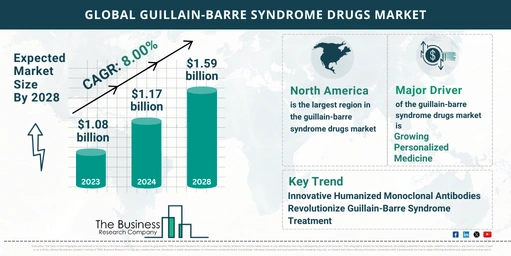
    • Market Growth: The Guillain-Barre Syndrome (GBS) drugs market has experienced significant growth, increasing from $1.08 billion in 2023 to $1.17 billion in 2024, with a compound annual growth rate (CAGR) of 7.8%.
    • Contributing Factors: This growth can be attributed to advancements in research and development, governmental support, and a heightened focus on neurology and autoimmune diseases.
    • Healthcare Demand: The rise in demand for hospital and clinic services has further driven the market’s expansion.

    Future Market Projections

    • Forecasted Growth: The GBS drugs market is expected to continue its strong upward trajectory, reaching $1.59 billion by 2028 at a CAGR of 8.0%.
    • Drivers of Growth: Key factors include an increasing incidence of GBS, a growing geriatric population, and rising demand for oral and parenteral medications.
    • Pharmacy Impact: The growing role of hospital and retail pharmacies will play a crucial part in this expansion.

    Read More On The Guillain-Barre Syndrome Drugs Market Report 2024 – https://www.thebusinessresearchcompany.com/report/guillain-barre-syndrome-drugs-global-market-report

    Personalized Medicine: A Key Growth Driver

    • Tailored Treatments: Personalized medicine, which tailors treatments based on individual characteristics such as genetics, is becoming increasingly important in GBS treatment.
    • Regulatory Support: Regulatory bodies are recognizing the potential of personalized therapies, as seen in the FDA’s approval of 16 novel personalized therapies for rare diseases in 2023.
    • Improved Outcomes: By tailoring treatments to individual patient profiles, personalized medicine aims to enhance therapeutic outcomes and reduce adverse effects.

    Innovations in Humanized Monoclonal Antibodies

    • Advanced Therapies: Leading pharmaceutical companies are developing humanized monoclonal antibodies to revolutionize GBS treatment.
    • Targeted Treatment: These antibodies target specific components of the immune system involved in GBS, offering more precise and effective therapies.
    • Recent Developments: Annexon Inc.’s ANX005, a humanized monoclonal antibody, has received orphan drug designation from both the EMA and FDA. The drug shows promise in reducing inflammation and nerve damage in GBS patients.

    Strategic Acquisitions Bolster Market Position

    • Grifols SA Acquisition: In 2022, Grifols SA acquired Biotest AG for $1.17 billion, a strategic move to expand its plasma supply and strengthen its market presence.
    • Global Reach: This acquisition enhances Grifols’ operations in Europe, the Middle East, and Africa, and supports the global availability of plasma-derived therapies.
    • Collaborative Efforts: The partnership between Grifols and Biotest aims to advance the treatment options for GBS and improve patient outcomes.

    Market Segmentation and Regional Growth

    • Drug Class Segmentation: The market is segmented into immunoglobulins (IVIG), corticosteroids, and plasma exchange.
    • Treatment Type: It includes first-line treatments and adjunctive or supportive treatments.
    • Regional Insights: North America was the largest region in the GBS drugs market in 2023, with Asia-Pacific expected to be the fastest-growing region during the forecast period.

    Conclusion
    The Guillain-Barre Syndrome drugs market is set for continued growth, driven by advancements in personalized medicine, innovative therapies like humanized monoclonal antibodies, and strategic acquisitions. With a strong focus on improving patient outcomes and expanding treatment options, the market will likely see significant developments in the coming years.

    Request for A Sample Of The Global Guillain-Barre Syndrome Drugs Market Report:
    https://www.thebusinessresearchcompany.com/sample_request?id=15581&type=smp

  • Overview Of The Graft Versus Host Disease (GVHD) Treatment Market 2024-2033: Growth And Major Players Analysis

    Overview Of The Graft Versus Host Disease (GVHD) Treatment Market 2024-2033: Growth And Major Players Analysis

    The Business Research Company’s global market reports are now updated with the latest market sizing information for the year 2024 and forecasted to 2033

    The graft versus host disease (GVHD) market has shown remarkable growth recently and is expected to continue its upward trajectory. Here’s an in-depth look at the factors driving this growth and what the future holds for this critical treatment sector.

    Current Market Overview

    • Market Size and Growth:
      • The GVHD market size surged from $2.65 billion in 2023 to $2.85 billion in 2024.
      • This growth represents a compound annual growth rate (CAGR) of 7.5%.
    • Factors Driving Growth:
      • Increase in allogeneic transplantations.
      • Rising incidence of acute GVHD and chronic GVHD.
      • Growth in hematopoietic stem cell treatments and bone marrow transplants.
      • Advancements in technology and an expanding patient population.

    Future Market Projections

    • Expected Growth:
      • The GVHD market is projected to reach $3.82 billion by 2028.
      • This reflects a CAGR of 7.6% over the forecast period.
    • Drivers of Future Growth:
      • Continued increase in allogeneic transplantations and GVHD cases.
      • Advances in technology and treatment methods.
      • Rise in demand for bone marrow transplants and effective management of chronic GVHD.
    • Key Trends:
      • Partnerships, investments, product approvals, and customizations will shape the market.

    View More On The Graft Versus Host Disease (GVHD) Treatment Market Report 2024 – https://www.thebusinessresearchcompany.com/report/graft-versus-host-disease-gvhd-treatment-global-market-report

    Hematological Disorders and Market Impact

    • Role of Hematological Disorders:
      • Blood disorders such as leukemia, lymphoma, and myeloma are significant contributors to GVHD market growth.
      • These conditions are becoming more prevalent due to unhealthy lifestyles and environmental factors.
    • Market Implications:
      • Treatments developed for GVHD offer new avenues for managing hematological disorders.
      • Example: In 2023, the Leukemia & Lymphoma Society reported an estimated 57,380 deaths from blood cancers in the US, highlighting the critical need for effective treatments.

    Major Companies and Innovations

    • Leading Companies:
      • Key players include Pfizer, Johnson & Johnson, Roche, Merck, Sanofi, Novartis, Bristol Myers Squibb, and others.
    • Innovative Developments:
      • Advanced Drug Development:
        • Companies are developing new drugs and seeking approvals to stay competitive.
        • Example: In March 2023, Incyte’s ruxolitinib extended-release tablets were approved for treating specific types of GVHD.
      • Strategic Acquisitions:
        • In September 2021, Sanofi acquired Kadmon for $1.9 billion, enhancing its transplant portfolio with Rezurock (belumosudil) for chronic GVHD.

    Market Segmentation

    • By Product Type:
      • Corticosteroids, Monoclonal Antibodies, Immunosuppressants, Others.
    • By Disease Type:
      • Acute GVHD, Prophylaxis GVHD, Chronic GVHD.
    • By End User:
      • Hospitals, Retail Pharmacies, Online Pharmacies.

    Regional Insights

    • Current Leader:
      • North America was the largest market region in 2023.
    • Future Outlook:
      • Asia-Pacific is anticipated to be the fastest-growing region during the forecast period.

    Conclusion
    The GVHD market is poised for robust growth driven by increasing transplantations, rising incidence of GVHD, and continuous technological advancements. With key players pushing innovation and strategic acquisitions strengthening market portfolios, the future of GVHD treatment looks promising. As the demand for effective treatments grows, stakeholders must stay abreast of market trends to leverage opportunities and address the evolving needs of patients worldwide.

    Request A Sample Of The Global Graft Versus Host Disease (GVHD) Treatment Market Report 2024:
    https://www.thebusinessresearchcompany.com/sample_request?id=15579&type=smp

  • What Is The Forecast Growth Rate For The Geriatric Care Services Market?

    What Is The Forecast Growth Rate For The Geriatric Care Services Market?

    The Business Research Company’s market reports offer an in-depth analysis on the market’s growth potential, major drivers, key trends and more.

    The geriatric care services market has been experiencing significant growth and is projected to continue this trend in the coming years. As the global population ages, the demand for specialized care services tailored to older adults is increasing. This blog explores the current landscape and future outlook of the geriatric care services market, highlighting key drivers, trends, and major players.

    Strong Growth in Recent Years

    • Current Market Size and Growth: The geriatric care services market grew from $1,007.33 billion in 2023 to $1,076.85 billion in 2024. This represents a robust compound annual growth rate (CAGR) of 6.9%.
    • Historical Drivers: The growth can be attributed to several factors:
      • Rising prevalence of chronic health conditions
      • Increase in government initiatives
      • Expanding geriatric population
      • Increased incidence of obesity

    Future Projections and Trends

    • Expected Market Size: The market is anticipated to reach $1,479.04 billion by 2028, with a projected CAGR of 7.1%.
    • Forecast Drivers:
      • Increase in medical facilities
      • Rising cases of dementia
      • Growing demand for personalized and home-based care services
      • Enhanced palliative and hospice care options
    • Major Trends:
      • Innovations in medical technology and healthcare delivery
      • Remote consultations and monitoring
      • Advancements in artificial intelligence (AI) for wearable devices
      • Strategic partnerships and product developments

    Read More On The Geriatric Care Services Market Report 2024 – https://www.thebusinessresearchcompany.com/report/geriatric-care-services-global-market-report

    Growing Prevalence of Chronic Diseases

    • Impact on Market Growth: Chronic diseases are a major factor driving the expansion of geriatric care services. These long-term conditions often require continuous management and tailored care.
    • Statistics and Projections:
      • By 2050, the number of people aged 50 and older with at least one chronic illness is expected to nearly double to 142.66 million.
      • Multimorbidity cases are anticipated to grow by 91.16% by 2050.
    • Importance of Geriatric Care: Geriatric care services are crucial for improving the quality of life for seniors with chronic conditions through comprehensive, patient-centered care.

    Technological Innovations in Geriatric Care

    • AI-Driven Assistants: Companies are increasingly integrating AI technology to enhance elder care. For example:
      • IvedaCare: Launched in November 2022 by Iveda Solutions, this AI-driven assistant provides enhanced safety and security for elderly care through predictive software and sensors.
    • Benefits:
      • Reduces false alarms
      • Allows for non-intrusive monitoring
      • Supports caregivers with intelligent decision-making

    Strategic Acquisitions and Market Dynamics

    • Honor Technology Inc.’s Acquisition: In August 2021, Honor Technology Inc. acquired Home Instead Inc. This move is expected to enhance the quality and efficiency of care services by combining the strengths of both companies.
    • Market Segmentation:
      • By Type: Homecare, healthcare, institutional care centers, non-medical health care, and more.
      • By Age Group: 65 to 70 years, 70 to 75 years, 75 to 80 years, and more than 80 years.
      • By Application: Respiratory diseases, diabetes, osteoporosis, and other conditions.
      • By End User: Institutional care services, nursing homes, rehabilitation centers, hospitals.

    Regional Insights

    • Current Leaders: North America was the largest market for geriatric care services in 2023.
    • Future Growth: Asia-Pacific is expected to be the fastest-growing region in the forecast period due to its expanding elderly population and increasing healthcare infrastructure.

    Request for A Sample Of The Global Geriatric Care Services Market Report:
    https://www.thebusinessresearchcompany.com/sample_request?id=15577&type=smp