Year: 2024

  • Key Trends And Drivers In The Medical Device Outsourcing Market 2024

    Key Trends And Drivers In The Medical Device Outsourcing Market 2024

    The Business Research Company’s market reports offer an in-depth analysis on the market’s growth potential, major drivers, key trends and more.

    The medical device outsourcing market has witnessed remarkable growth in recent years and shows no signs of slowing down. Here’s a closer look at the trends, drivers, and projections shaping this dynamic industry.

    Recent Market Growth

    • Market Size and CAGR: The market grew from $131.07 billion in 2023 to $148.57 billion in 2024, reflecting a compound annual growth rate (CAGR) of 13.4%.
    • Key Drivers: This growth is driven by several factors:
      • Increasing complexity in medical devices
      • Cost-effective manufacturing solutions
      • Focus on core competencies
      • Globalization of markets
      • Rise in contract research and development (R&D)

    Future Market Projections

    • Expected Growth: The market is projected to reach $252.96 billion by 2028, with a CAGR of 14.2%.
    • Growth Factors:
      • Focus on core competencies
      • Shortened time-to-market demands
      • Cost-efficiency in production
      • Demand for scalability and flexibility
      • Growing complexity of medical devices

    Read More On The Medical Device Outsourcing Market Report 2024 – https://www.thebusinessresearchcompany.com/report/medical-device-outsourcing-global-market-report

    • Major Trends:
      • Customization and personalization
      • Risk mitigation and compliance
      • Growing demand for remote monitoring devices
      • Increased emphasis on data security
      • Innovation in wearable medical devices

    Drivers of Market Expansion
    Surge in Chronic Diseases

    • Impact of Chronic Diseases: The prevalence of chronic diseases is a significant driver for the medical device outsourcing market.
      • Chronic diseases require ongoing medical attention and often limit daily activities.
      • Rising chronic disease rates increase demand for new medical products with shorter launch times.
    • Statistics: According to the UN Chronicle, the global burden of chronic diseases is expected to reach about 56% by 2030, further driving market growth.

    Key Market Players

    • Major Companies:
      • Cardinal Health Inc.
      • Flex Ltd.
      • TE Connectivity Ltd.
      • Laboratory Corporation of America Holdings
      • IQVIA
      • Sanmina Corporation
      • ICON PLC
      • Celestica Inc.
      • Eurofins Scientific SE
      • WuXi AppTec Inc.
      • And many others

    Strategic Partnerships and Collaborations

    • Industry Trend: Partnerships and collaborations are increasingly popular as companies seek enhanced solutions.
      • Labcorp and Toxikon Corporation: In December 2021, Labcorp acquired Toxikon Corporation, expanding its full-service drug development and medical device solutions.
      • Medical Device, Inc. and NextPhase Medical Devices LLC: In July 2023, Medical Device, Inc. acquired NextPhase, doubling its size and strengthening its global position.

    Integer Holdings Expands Through Acquisition

    • Acquisition of Oscor Inc.: In December 2021, Integer Holdings acquired Oscor Inc. for $220 million.
      • This acquisition expands Integer’s product offerings in steerable sheaths and cardiac and neurostimulation leads.
      • It also adds low-cost manufacturing capacity, supporting future growth.

    Market Segmentation

    • By Product:
      • Finished Goods
      • Electronics
      • Raw Materials
    • By Device Type:
      • Class I Devices
      • Class II Devices
      • Class III Devices
    • By Services:
      • Quality Assurance
      • Regulatory Affair Services
      • Product Design Development
      • Product Testing and Sterilization
      • Product Implementation
      • Product Upgrade
      • Product Maintenance
      • Contract Manufacturing
    • By Application:
      • Drug Delivery
      • Dental
      • Diabetes Care
      • Cardiology
      • Other Applications

    Regional Insights

    • Largest Market: North America was the largest region in the medical device outsourcing market in 2023.
    • Fastest Growing Region: Asia-Pacific is expected to be the fastest-growing region during the forecast period.

    The medical device outsourcing market is poised for significant growth, driven by increasing demand for innovative and cost-effective solutions, strategic collaborations, and the rising prevalence of chronic diseases. This sector’s evolution reflects broader trends in healthcare and technology, promising a dynamic and rapidly expanding future.

    Request for A Sample Of The Global Medical Device Outsourcing Market Report:
    https://www.thebusinessresearchcompany.com/sample_request?id=6033&type=smp

  • Growth Trajectory Of The Medical Coding Market 2024-2033

    Growth Trajectory Of The Medical Coding Market 2024-2033

    The Business Research Company’s global market reports are now updated with the latest market sizing information for the year 2024 and forecasted to 2033

    Strong Growth in Recent Years

    • Market Size Increase: The medical coding market has experienced robust growth, expanding from $16.72 billion in 2023 to $18.19 billion in 2024.
    • Annual Growth Rate: This growth represents a compound annual growth rate (CAGR) of 8.8%.
    • Key Drivers:
      • Growth in the healthcare industry.
      • Introduction of ICD and CPT coding systems.
      • Shift towards electronic health records (EHRs).
      • Regulatory compliance requirements.
      • Increased specialization in healthcare.

    Future Projections and Trends

    • Market Size in 2028: The market is expected to reach $26.04 billion by 2028.
    • Future CAGR: Projected to grow at a CAGR of 9.4%.
    • Contributing Factors:
      • Workforce training and development.
      • Expansion of the global healthcare market.
      • Ongoing regulatory changes and compliance needs.
      • Growth of telehealth and remote medicine.
      • Transition to value-based care models.

    Major Trends Shaping the Future

    • Education and Training Programs: Increasing focus on specialized training for medical coders.
    • Remote Work and Outsourcing: More companies are adopting remote work models and outsourcing coding tasks.
    • EHR Integration and Interoperability: Enhanced integration of EHR systems to streamline data sharing and improve efficiency.
    • Demand for Specialty-Specific Coding: Growing need for coders with expertise in specific medical fields.
    • Emphasis on Accuracy and Quality: Greater focus on precise and high-quality coding to improve patient care and reimbursement accuracy.

    Importance of a Universal Language in Medical Coding

    • Streamlining Data and Billing: Universal medical codes simplify the organization of medical records and billing processes.
    • Efficiency and Accuracy: Codes help maintain organized medical data, ensuring accurate billing and easy tracking of patient health.
    • ICD and CPT Systems: Widely used systems like the ICD by the WHO and CPT by the AMA play a crucial role.
    • Recent Updates: The 2023 CPT code set introduced new, removed, and modified codes to better serve the medical community.

    View More On The Medical Coding Market Report 2024 –
    https://www.thebusinessresearchcompany.com/report/medical-coding-global-market-report

    Key Players in the Market

    • Major Companies:
      • 3M Company
      • Advanced Medical Coding Services
      • AcerHealth Inc.
      • Aveanna Healthcare LLC
      • AthenaHealth
      • AAPC (American Association of Professional Coders)
      • Codemasters Inc.
      • EqualizeRCM Services
      • Alpha Coding Experts LLC

    AI Adoption in Medical Coding

    • Enhancing Accuracy and Efficiency: AI streamlines medical billing workflows, improving accuracy and reducing coding fatigue.
    • Autonomous Coding Platforms: Examples include Maverick Medical AI, which launched a platform to optimize revenue cycle management and enhance reimbursement processes.
    • Integration with Machine Learning: AI systems analyze clinical notes and generate reimbursement codes quickly and accurately.

    Strategic Acquisitions and Technology Integration

    • AGS Health and EZDI Inc: In 2021, AGS Health acquired EZDI Inc, integrating AI-based technology to enhance revenue cycle management.
    • Benefits of AI Integration: Predictive coding and improved documentation accuracy lead to better outcomes and efficiency.

    Regional Market Insights

    • North America: The largest region in the medical coding market as of 2023.
    • Asia-Pacific: Expected to be the fastest-growing region during the forecast period, driven by expanding healthcare infrastructure and increasing adoption of advanced coding systems.

    Conclusion
    The medical coding market is on a strong growth trajectory, fueled by advancements in technology, regulatory changes, and the increasing complexity of healthcare data. As the industry continues to evolve, the adoption of AI and specialized training programs will play a pivotal role in shaping the future of medical coding, ensuring accuracy, efficiency, and better patient care outcomes.

    Request A Sample Of The Global Medical Coding Market Report 2024:
    https://www.thebusinessresearchcompany.com/sample_request?id=6070&type=smp

  • 5 Takeaways From The Mechanical Ventilator Market Overview 2024

    5 Takeaways From The Mechanical Ventilator Market Overview 2024

    The Business Research Company’s global market reports are now updated with the latest market sizing information for the year 2024 and forecasted to 2033

    According to The Business Research Company’s Mechanical Ventilator Global Market Report 2024, the mechanical ventilator market is expected to show promising growth in the forecast period.

    The mechanical ventilator market has witnessed remarkable growth in recent years, and this trend is expected to continue. Understanding the factors driving this expansion and the future direction of the market is crucial for stakeholders and industry participants.

    Current Market Size and Growth Projections

    • 2023-2024 Growth: The market is projected to grow from $7.79 billion in 2023 to $8.83 billion in 2024, achieving a compound annual growth rate (CAGR) of 13.3%.
    • 2028 Forecast: By 2028, the market size is expected to reach $15.13 billion, with a CAGR of 14.4%.

    Factors Driving Historic Growth
    Emergency Preparedness Initiatives

    • Preparedness for medical emergencies has led to increased investment in mechanical ventilators.

    Research and Development Initiatives

    • Continuous innovation and development in medical technology have propelled market growth.

    Medical Advancements and Critical Care Needs

    • Advancements in medical care and the growing need for critical care have driven demand.

    Epidemics and Pandemics

    • Global health crises like COVID-19 have highlighted the importance of having sufficient ventilator supplies.

    Aging Population and Chronic Respiratory Diseases

    • An aging global population and rising incidence of chronic respiratory conditions have contributed to increased demand.

    View More On The Mechanical Ventilator Market Report 2024 – https://www.thebusinessresearchcompany.com/report/mechanical-ventilator-global-market-report

    Future Growth Drivers
    Global Health Emergencies and Pandemics

    • Ongoing and future health emergencies will continue to drive market growth.

    Emergency Response Preparedness

    • Governments and healthcare organizations are focusing on enhancing emergency response capabilities.

    Regulatory Standards and Government Initiatives

    • Adherence to regulatory standards and government investments in healthcare infrastructure are pivotal.

    Healthcare Infrastructure Development

    • Significant investments in healthcare infrastructure, such as India’s $6.8 billion program, will boost market growth.

    Technological Trends

    • Focus on energy efficiency, integration with wearable technology, wireless connectivity, remote monitoring, AI and machine learning incorporation, and modular, customizable systems.

    Improving Healthcare Infrastructure

    • Infrastructure as a Foundation: A strong healthcare infrastructure is essential for planning and delivering public health improvements.
    • COVID-19 Impact: The pandemic has underscored the need for readiness and enhanced healthcare facilities.
    • Hospital Capacity: Hospitals are expanding their ventilator capacity to meet emergency demands.
    • Government Investments: For example, India’s program to boost health infrastructure highlights the importance of preparedness.

    Key Players in the Market
    Major companies operating in the mechanical ventilator market include:

    • Air Liquide
    • Medtronic PLC
    • Becton Corporation
    • Koninklijke Philips N.V.
    • GE Healthcare
    • Atos Medical
    • Smiths Medical
    • Bio-Med Devices Inc.
    • ResMed
    • Hill-Rom Holdings Inc.
    • Getinge
    • Dräger
    • And many more.

    Shift Towards Automation

    • Product Innovation: Companies are focusing on automating mechanical ventilators to reduce workload and improve efficiency.
    • Example: OES Medical’s Gemini-G100, launched in January 2022, is designed to operate with electric power, minimizing demand on hospital oxygen supplies.

    Recent Acquisition: Medline International B.V. and Teleflex Incorporated

    • Acquisition Details: In May 2021, Medline acquired selected respiratory assets from Teleflex for $286 million.
    • Strategic Goal: This acquisition aims to strengthen Medline’s position in the global non-invasive ventilator market and expand its international presence.

    Market Segmentation
    The mechanical ventilator market is segmented by:

    1. Type: Adult, Pediatric, Neonatal/Infant Ventilators
    2. Mobility: Intensive Care, High-End ICU, Mid-End ICU, Basic ICU, Portable Ventilators
    3. Mode of Ventilation: Invasive, Non-Invasive Ventilation
    4. End-User: Hospitals and Clinics, Home Care, Ambulatory Care Centers, Emergency Medical Services, Other End-Users

    Regional Insights

    • North America: The largest region in the mechanical ventilator market in 2023, with significant contributions to global market growth.

    Conclusion
    The mechanical ventilator market is poised for substantial growth, driven by technological advancements, government initiatives, and a global focus on healthcare preparedness. Stakeholders must stay informed about market trends and innovations to capitalize on emerging opportunities.

    Request A Sample Of The Global Mechanical Ventilator Market Report 2024:
    https://www.thebusinessresearchcompany.com/sample_request?id=6400&type=smp

  • Comprehensive Analysis On Size, Share, And Drivers Of The Macular Degeneration Treatment Market

    Comprehensive Analysis On Size, Share, And Drivers Of The Macular Degeneration Treatment Market

    The Business Research Company’s global market reports provide comprehensive analysis on the various markets in 27 industries across 60 geographies.

    The macular degeneration treatment market has seen remarkable growth in recent years and is poised for continued expansion. This article delves into the factors driving this growth, current trends, and future projections.

    Rapid Market Growth

    • Market Size and Growth Rate:
      • The market grew from $9.74 billion in 2023 to $10.99 billion in 2024.
      • This growth represents a compound annual growth rate (CAGR) of 12.8%.
    • Contributing Factors:
      • Aging Population: Increasing elderly population susceptible to macular degeneration.
      • Lifestyle Changes: Rising cases due to lifestyle factors like smoking and poor diet.
      • Limited Treatment Options: Demand for new and effective treatments.
      • Rising Awareness: Greater awareness leading to early diagnosis and treatment.
      • Healthcare Infrastructure Development: Enhanced healthcare facilities supporting treatment accessibility.

    View More On The Macular Degeneration Treatment Market Report 2024 – https://www.thebusinessresearchcompany.com/report/macular-degeneration-treatment-global-market-report

    Future Market Projections

    • Expected Market Size:
      • Projected to reach $16.99 billion by 2028.
      • Forecast CAGR of 11.5%.
    • Growth Drivers:
      • Advancements in Research: New treatments and technologies being developed.
      • Increased Healthcare Expenditure: Higher spending on healthcare globally.
      • Rising Incidence Rates: Growing number of macular degeneration cases.
      • Personalized Medicine Approaches: Tailored treatments improving efficacy.
      • Global Vision Health Initiatives: Worldwide efforts to combat vision loss.

    Major Trends in the Forecast Period

    • Focus on Neuroprotection and Regeneration Therapies: Developing treatments that protect and regenerate retinal cells.
    • Expansion of Telemedicine and Remote Monitoring: Leveraging technology for better patient management.
    • Personalized Medicine Approaches: Customized treatments based on genetic and lifestyle factors.
    • Investigation of Stem Cell Therapies: Researching stem cell applications for vision restoration.
    • Patient-Focused Initiatives for Awareness and Education: Educating patients on disease management and prevention.

    Growing Retinal Disorder Incidence Propels Market Growth

    • Increasing Burden of Retinal Disorders:
      • Retinal disorders leading to vision impairment and blindness are on the rise.
      • The American Academy of Ophthalmology projects that by 2050, 7.32 million Americans will have primary open-angle glaucoma.
    • Demographic Impact:
      • Highest incidence among populations aged 70 to 79 years, women, and Hispanics.

    Key Players in the Market

    • Major Companies:
      • Pfizer Inc., F. Hoffmann-La Roche Ltd., Allergan Inc., Bayer AG, Novartis AG, GlaxoSmithKline PLC, Regeneron Pharmaceuticals Inc., among others.

    Advancements in Therapies

    • Gene Therapy Innovations:
      • Genentech’s Susvimo, approved by the FDA in 2021, offers a new treatment for wet age-related macular degeneration (AMD).
      • Susvimo requires fewer treatments per year compared to traditional therapies.

    Notable Acquisitions

    • Novartis Acquires Arctos Medical:
      • In September 2021, Novartis acquired Arctos Medical to enhance its vision loss solutions.
      • This acquisition leverages optogenetics for developing effective therapeutics.

    Market Segmentation

    • By Stage of Disease:
      • Early-Stage AMD, Intermediate AMD, Late-Stage AMD
    • By End User:
      • Ambulatory Surgical Centers, Ophthalmic Clinics, Hospitals
    • By Route of Administration:
      • Oral, Injectable, Other Routes
    • By Types:
      • Wet Macular Degeneration, Dry Macular Degeneration

    Regional Insights

    • North America:
      • Largest region in the market in 2023.
    • Asia-Pacific:
      • Expected to be the fastest-growing region during the forecast period.

    The macular degeneration treatment market is on a robust growth trajectory, driven by technological advancements, increasing healthcare expenditure, and a growing elderly population. With continued innovation and investment, the future looks promising for advancements in managing and treating macular degeneration.

    Request A Sample Of The Global Macular Degeneration Treatment Market Report 2024:
    https://www.thebusinessresearchcompany.com/sample_request?id=5799&type=smp

  • Intraocular Lens Market Growth Analysis Till 2033 By The Business Research Company

    Intraocular Lens Market Growth Analysis Till 2033 By The Business Research Company

    The Business Research Company’s market reports offer an in-depth analysis on the market’s growth potential, major drivers, key trends and more.

    The increasing prevalence of eye diseases is a significant driver for the growth of the intraocular lens market. Diseases like macular degeneration, glaucoma, and cataracts result in vision impairment, propelling the need for intraocular lenses.

    • Over two million individuals in the UK are at risk of visual loss due to glaucoma, indicating a substantial demand for vision correction solutions.
    • Rising cases of ocular hypertension and glaucoma highlight the necessity for effective treatments, including intraocular lens implants.
    • Market growth is fueled by the imperative need to address vision impairments caused by prevalent eye diseases.

    Major Players Driving Market Innovation

    Leading companies in the intraocular lens market are innovating to introduce cutting-edge products, including small-aperture intraocular lenses, aimed at enhancing visual outcomes and gaining competitive advantages.

    • Small-aperture intraocular lenses are designed with a unique center aperture to improve visual acuity post-cataract surgery or refractive lens exchange.
    • AcuFocus Inc. received FDA approval for its IC-8 Apthera IOL, offering extended depth of focus and addressing presbyopia symptoms.
    • Innovative lens designs like the Apthera IOL demonstrate the industry’s commitment to improving vision outcomes for patients undergoing cataract therapy.

    Read More On The Intraocular Lens Market Report 2024 – https://www.thebusinessresearchcompany.com/report/intraocular-lens-global-market-report

    Rayner’s Strategic Acquisition Expands Global Reach

    Rayner, a prominent player in the intraocular lens market, executed a strategic acquisition to bolster its global presence and product portfolio.

    • The acquisition of Surgicon Healthcare Pvt Limited enables Rayner to tap into the Indian market, providing a wider range of ophthalmic products to surgeons and patients.
    • Surgicon Healthcare Pvt Limited’s expertise in manufacturing intraocular lenses complements Rayner’s capabilities, facilitating seamless integration and market expansion.
    • This strategic move underscores Rayner’s commitment to catering to diverse market needs and solidifying its position as a key player in the intraocular lens segment.

    Market Segmentation and Regional Outlook

    The intraocular lens market is segmented based on type, material, and end-user, reflecting the diverse needs and preferences of stakeholders.

    1. Type: Monofocal Intraocular Lens, Multifocal Intraocular Lens, Toric Intraocular Lens, Accommodating Intraocular Lens.
    2. Material: Polymethylmethacrylate (PMMA), Silicone, Hydrophobic Acrylic.
    3. End User: Hospitals, Ambulatory Surgery Centers, Ophthalmology Clinics, Eye Research Institutes.

    Regional Dynamics:

    • North America: Emerged as the largest region in the intraocular lens market in 2023.
    • Asia-Pacific: Expected to witness the fastest growth in the forecast period, driven by factors like expanding cataract surgery rates and a growing aging population.

    Future Outlook

    The intraocular lens market is poised for substantial growth in the coming years, driven by evolving demographics, technological advancements, and increasing awareness about eye health.

    • The market is projected to reach $7.94 billion by 2028, with a compound annual growth rate (CAGR) of 10.0%.
    • Emerging trends such as the rise in cataract surgeries, adoption of minimally invasive procedures, and demand for enhanced visual outcomes will shape the market landscape.
    • Regulatory changes and approvals, coupled with evolving surgical techniques, will further propel market expansion, offering new opportunities for industry players.

    In conclusion, the intraocular lens market’s remarkable growth trajectory underscores its pivotal role in addressing vision impairments caused by prevalent eye diseases. With continued innovation and strategic initiatives, stakeholders are well-positioned to capitalize on emerging opportunities and cater to evolving consumer needs in the dynamic healthcare landscape.

    Request for A Sample Of The Global Intraocular Lens Market Report:
    https://www.thebusinessresearchcompany.com/sample_request?id=5731&type=smp

  • Implantable Loop Recorders Market Forecast 2024: Forecast Market Size, Drivers And Key Segments

    Implantable Loop Recorders Market Forecast 2024: Forecast Market Size, Drivers And Key Segments

    The Business Research Company’s global market reports are now updated with the latest market sizing information for the year 2024 and forecasted to 2033

    The Surge in Cardiac Disorders:

    • Cardiac disorders encompass a range of conditions affecting the heart and blood vessels.
    • The global rise in cardiac disorders, as per CDC estimates, is a significant driver for the implantable loop recorder market.
    • In 2021 alone, coronary heart disease claimed the lives of 375,476 individuals, emphasizing the critical need for advanced monitoring and treatment.

    Innovative Products Drive Growth In The Implantable Loop Recorder Market

    Embracing Innovation:

    • Product innovation emerges as a prominent trend, fueling market growth.
    • Leading companies are focusing on developing advanced features to fortify their market presence.
    • Example: BIOTRONIK SE & Co. KG introduced BIOMONITOR IV, integrating SmartECG technology with AI for enhanced cardiac arrhythmia monitoring.

    View More On The Implantable Loop Recorders Market Report 2024 – https://www.thebusinessresearchcompany.com/report/implantable-loop-recorders-global-market-report

    Royal Philips Enhances Position In Implantable Loop Recorder Market With BioTelemetry Acquisition

    Strategic Acquisition:

    • Royal Philips’ acquisition of BioTelemetry, Inc. in February 2021 underscores its commitment to market leadership.
    • The undisclosed deal aims to bolster Philips’ presence in the implantable loop recorder sector.
    • BioTelemetry Inc., known for remote cardiac diagnostics, aligns with Philips’ vision of integrated healthcare solutions.

    Segmentation Insights and Regional Dynamics

    Market Segmentation:

    1. By Product: Manual, Automatic
    2. By Application: Atrial fibrillation, Cardiac Arrhythmia, Cardiac Syncope
    3. By End Users: Hospitals, Cardiac Centers and Clinics, Ambulatory Surgical Centers

    Regional Outlook:

    • North America led the market in 2023, driven by advanced healthcare infrastructure and high awareness.
    • Asia-Pacific is poised to witness the fastest growth, attributed to increasing healthcare expenditure and rising prevalence of cardiac disorders.

    Key Players Driving Market Dynamics

    Dominant Market Players:

    • General Electric Company
    • EBR Systems Inc.
    • Abbott Laboratories
    • Medtronic PLC
    • Koninklijke Philips N.V.

    Notable Developments:

    • Introduction of advanced monitoring solutions by major players.
    • Example: GE Healthcare’s focus on remote patient monitoring and telemedicine integration.

    Future Projections and Market Opportunities

    Projected Growth:

    • The market is forecasted to reach $3 billion by 2028, with a CAGR of 14.7%.
    • Factors contributing to this growth include the increasing prevalence of atrial fibrillation and the rising geriatric population.

    Emerging Trends:

    • Technological advancements such as AI integration and remote monitoring.
    • Expanded applications catering to diverse patient needs.

    Conclusion

    The implantable loop recorder market is witnessing unprecedented growth, driven by a confluence of factors including rising cardiac disorders, technological innovations, and strategic acquisitions. With a robust outlook for the future and a landscape ripe for innovation, key players are poised to capitalize on emerging opportunities and shape the future of cardiac monitoring and treatment.

    Request A Sample Of The Global Implantable Loop Recorders Market Report 2024:
    https://www.thebusinessresearchcompany.com/sample_request?id=8737&type=smp

  • How Is The Implantable Biomaterials Market Expected To Grow Through 2024-2033

    How Is The Implantable Biomaterials Market Expected To Grow Through 2024-2033

    The Business Research Company’s global market reports are now updated with the latest market sizing information for the year 2024 and forecasted to 2033

    According to The Business Research Company’s Implantable Biomaterials Global Market Report 2024, the implantable biomaterials market is expected to show promising growth in the forecast period.

    The implantable biomaterials market size has grown rapidly in recent years, reaching $127.97 billion in 2023 and expected to grow to $144.1 billion in 2024. The compound annual growth rate (CAGR) stands at an impressive 12.6%.

    • Factors Contributing to Growth
      • Clinical success and patient outcomes
      • Progress in tissue engineering
      • Advancements in surface modification techniques
      • Regulatory milestones
      • Introduction of biodegradable materials

    Projected Growth and Key Trends

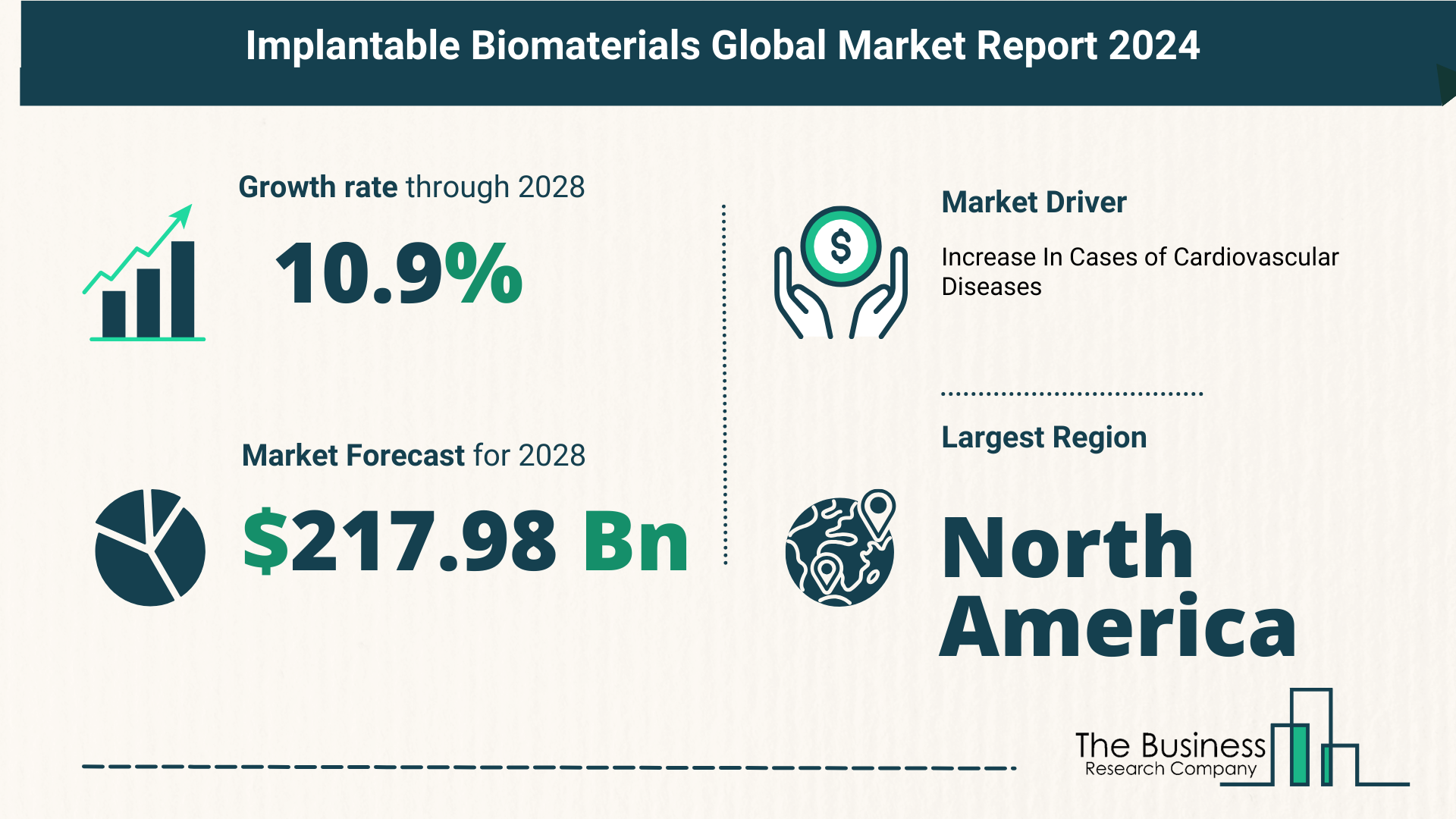
    Expectations for the market indicate further expansion, with a forecasted size of $217.98 billion in 2028, boasting a CAGR of 10.9%. Notable trends shaping this growth include the emergence of bioactive and bioresorbable materials, smart biomaterials, and hybrid composites.

    • Forecasted Trends
      • Drug-eluting implants
      • Advancements in biocompatibility
      • Emphasis on 3D printing and customization
      • Focus on regenerative medicine
      • Integration of nanotechnology

    View More On The Implantable Biomaterials Market Report 2024 – https://www.thebusinessresearchcompany.com/report/implantable-biomaterials-global-market-report

    Cardiovascular Diseases Fueling Demand

    The surge in cardiovascular disease cases is a significant driver of the implantable biomaterials market. These conditions necessitate innovative biomaterials for treatment and management, amplifying demand for such materials.

    • Impact of Cardiovascular Diseases
      • Increased demand for implantable biomaterials
      • Role of biomaterials in repairing damaged cardiovascular tissues
      • Statistical insights into cardiovascular disease prevalence

    Innovation Revolutionizing the Market

    Major players are channeling efforts into developing cutting-edge technologies and products for orthopedic surgical applications, leveraging biomaterial technology to enhance patient outcomes.

    • Example of Innovative Technology
      • Introduction of CITREGEN by Acuitive Technologies Inc.
      • Unique properties and applications of CITREGEN in orthopedic surgeries

    Integer Holdings Corp. Expands Portfolio

    Integer Holdings Corporation’s acquisition of Connemara Biomedical Holdings Teoranta underscores the growing importance of biomaterial technology in medical device companies’ strategies.

    • Acquisition Impact
      • Strengthening of Integer Holdings Corp.’s biomaterial technology portfolio
      • Expansion of market reach and growth opportunities

    Market Segmentation

    The implantable biomaterials market is segmented based on material, application, and end-user, providing a comprehensive view of its diverse landscape.

    • Segmentation Overview
      • By Material: Metallic, Ceramic, Polymers, Natural
      • By Application: Dental, Cardiovascular, Ophthalmology, Orthopedic, Others
      • By End-user: Hospitals, Ambulatory Surgical Centers, Specialty Clinics

    Regional Dominance of North America

    In 2023, North America emerged as the largest region in the implantable biomaterials market, showcasing the region’s pivotal role in driving market growth.

    As the demand for implantable biomaterials continues to soar, fueled by technological advancements and the increasing prevalence of chronic diseases, the market’s trajectory remains poised for significant expansion. With innovation at its core and a focus on addressing critical medical needs, the future of implantable biomaterials presents promising opportunities for both companies and patients alike.

    Request A Sample Of The Global Implantable Biomaterials Market Report 2024:
    https://www.thebusinessresearchcompany.com/sample_request?id=3274&type=smp

  • Comprehensive Analysis On Size, Share, And Drivers Of The Immunosuppressants Market

    Comprehensive Analysis On Size, Share, And Drivers Of The Immunosuppressants Market

    The Business Research Company’s global market reports provide comprehensive analysis on the various markets in 27 industries across 60 geographies.

    The immunosuppressants market has witnessed rapid growth in recent years, with significant projections for the future. In 2023, it amounted to $25.94 billion and is expected to reach $29.72 billion by 2024, boasting a Compound Annual Growth Rate (CAGR) of 14.6%. This expansion is attributed to various factors, including advancements in transplant medicine, drug innovation, regulatory approvals, and increased transplant surgeries.

    Future Projections and Growth Drivers

    1. Forecasted Growth: The market is anticipated to further escalate, reaching $48.88 billion by 2028, with a CAGR of 13.2%.
    2. Factors Driving Growth: Targeted therapies, precision medicine, biologics and biosimilars advancements, immunotherapy combinations, gene therapy, and drug delivery innovations are key contributors to this growth.

    Impact of Rising Autoimmune Disease Cases

    1. Increasing Prevalence: Autoimmune diseases are becoming more prevalent, contributing to the demand for immunosuppressants.
    2. Elderly Population: With a growing elderly population globally, diseases like rheumatoid arthritis are becoming more common. For instance, in the US alone, the number of adults diagnosed with arthritis is projected to reach 78 million by 2040.

    View More On The Immunosuppressants Market Report 2024 – https://www.thebusinessresearchcompany.com/report/immunosuppressant-global-market-report

    Innovative Therapies Leading the Market

    1. Focus on Innovation: Major companies are prioritizing the development of innovative drugs to address various conditions.
    2. Example of Prograf: Astellas Pharma Inc.’s Prograf, a calcineurin inhibitor, received FDA approval for preventing organ rejection in lung transplant patients, marking a significant advancement in immunosuppressant therapy.

    Amgen’s Strategic Acquisition

    1. Expanding Portfolio: Amgen Inc.’s acquisition of ChemoCentryx Inc. for $3.7 billion in October 2022 expands its inflammation and nephrology drug portfolio.
    2. Therapeutic Candidates: This acquisition provides Amgen with three therapeutic candidates targeting chemoattractant receptors and additional inflammatory conditions.

    Segmentation of the Immunosuppressants Market

    1. By Drug Class: The market is segmented into corticosteroids, monoclonal antibodies (mAbs), calcineurin inhibitors, mTOR inhibitors, anti-proliferative agents, and other drug classes.
    2. By Indication: Segments include organ transplantation, autoimmune disorders, and non-autoimmune inflammatory diseases.
    3. By Distribution Channel: Market distribution channels comprise hospital pharmacies, retail pharmacies, and online pharmacies.

    Regional Dominance

    1. North America: In 2023, North America emerged as the largest region in the immunosuppressants market, indicating significant market presence and growth opportunities.

    In conclusion, the immunosuppressants market is witnessing remarkable growth driven by factors such as advancements in therapy, rising autoimmune diseases, and strategic industry moves. With innovations in drug development and a focus on precision medicine, the market is poised for substantial expansion in the coming years.

    Request A Sample Of The Global Immunosuppressants Market Report 2024:
    https://www.thebusinessresearchcompany.com/sample_request?id=3467&type=smp

  • Understand How The Hydrocephalus Market Is Poised To Grow Through 2024-2033

    Understand How The Hydrocephalus Market Is Poised To Grow Through 2024-2033

    The Business Research Company’s global market reports are now updated with the latest market sizing information for the year 2024 and forecasted to 2033

    As per The Business Research Company’s Hydrocephalus Global Market Report 2024, the hydrocephalus market is expected to show significant growth in the forecast period.

    The hydrocephalus market has witnessed robust growth in recent years, and the trend is poised to continue, fueled by various factors. Here’s a closer look:

    • Growing Prevalence of Hydrocephalus: The increasing incidence of hydrocephalus, a condition characterized by the accumulation of cerebrospinal fluid in the brain cavities, is a significant driver.
    • Global Prevalence Statistics: Reports indicate a global prevalence of around 85 per 100,000 people, with notable variations across age groups.
    • Market Size Projection: The market is projected to grow from $3.46 billion in 2023 to $3.63 billion in 2024, with a compound annual growth rate (CAGR) of 5.1%.

    Innovations In Hydrocephalus Treatment For Non-Invasive Reflow System Mini

    Companies in the hydrocephalus market are innovating to introduce non-invasive treatment options, enhancing patient care and market competitiveness:

    • Non-Invasive Medical Devices: Innovations include non-invasive medical devices that eliminate the need for skin penetration or tissue removal.
    • ReFlow System Mini: An example is the ReFlow System Mini by Anuncia Medical, Inc., approved by the FDA for managing hydrocephalus and other CSF abnormalities.
    • Enhanced Patient Care: These devices offer non-invasive ventricular catheter flushing to maintain CSF flow, improving patient outcomes and convenience.

    View More On The Hydrocephalus Market Report 2024 – https://www.thebusinessresearchcompany.com/report/hydrocephalus-global-market-report

    ICU Medical Inc. Strengthens Global Presence With Strategic Acquisition Of Smiths Medical, Inc.

    Strategic acquisitions play a vital role in shaping the competitive landscape of the hydrocephalus market:

    • Acquisition of Smiths Medical, Inc.: In January 2022, ICU Medical Inc. acquired Smiths Medical, Inc., bolstering its global footprint and product portfolio.
    • Synergistic Advantages: The acquisition creates a scalable worldwide presence, strengthening the medical supply chain and fostering growth opportunities.
    • Focus on Clinical Care Models: The move aligns with evolving clinical care models, emphasizing stability and adaptability in the healthcare sector.

    Market Segmentation and Regional Insights

    Understanding the market segmentation provides valuable insights into the dynamics driving the hydrocephalus market:

    • Segmentation Overview: The market is segmented by type, age group, diagnostics, and end user, catering to diverse patient needs and preferences.
    • Regional Analysis: North America emerged as the largest region in the hydrocephalus market in 2023, reflecting the region’s robust healthcare infrastructure and research initiatives.

    Future Outlook and Growth Prospects

    Looking ahead, the hydrocephalus market is poised for continued expansion, driven by several key factors:

    • Forecasted Growth: Market size is expected to reach $4.44 billion by 2028, with a CAGR of 5.1%, fueled by advancements in neuroendoscopy and regulatory support for medical devices.
    • Major Trends: Emerging trends include a focus on pediatric neurology, technological innovations in shunt systems, and advancements in surgical techniques, promising a dynamic and evolving landscape.

    In conclusion, the hydrocephalus market is witnessing significant growth propelled by rising prevalence, technological advancements, and strategic initiatives. As companies continue to innovate and collaborate, the future holds promising prospects for enhancing patient care and addressing the unmet needs of individuals affected by hydrocephalus.

    Request A Sample Of The Global Hydrocephalus Market Report 2024:
    https://www.thebusinessresearchcompany.com/sample_request?id=6259&type=smp

  • Hospital-Acquired Infection Control Market Forecast Until 2033 – Estimated Market Size And Growth Rate

    Hospital-Acquired Infection Control Market Forecast Until 2033 – Estimated Market Size And Growth Rate

    The Business Research Company’s market reports offer an in-depth analysis on the market’s growth potential, major drivers, key trends and more.

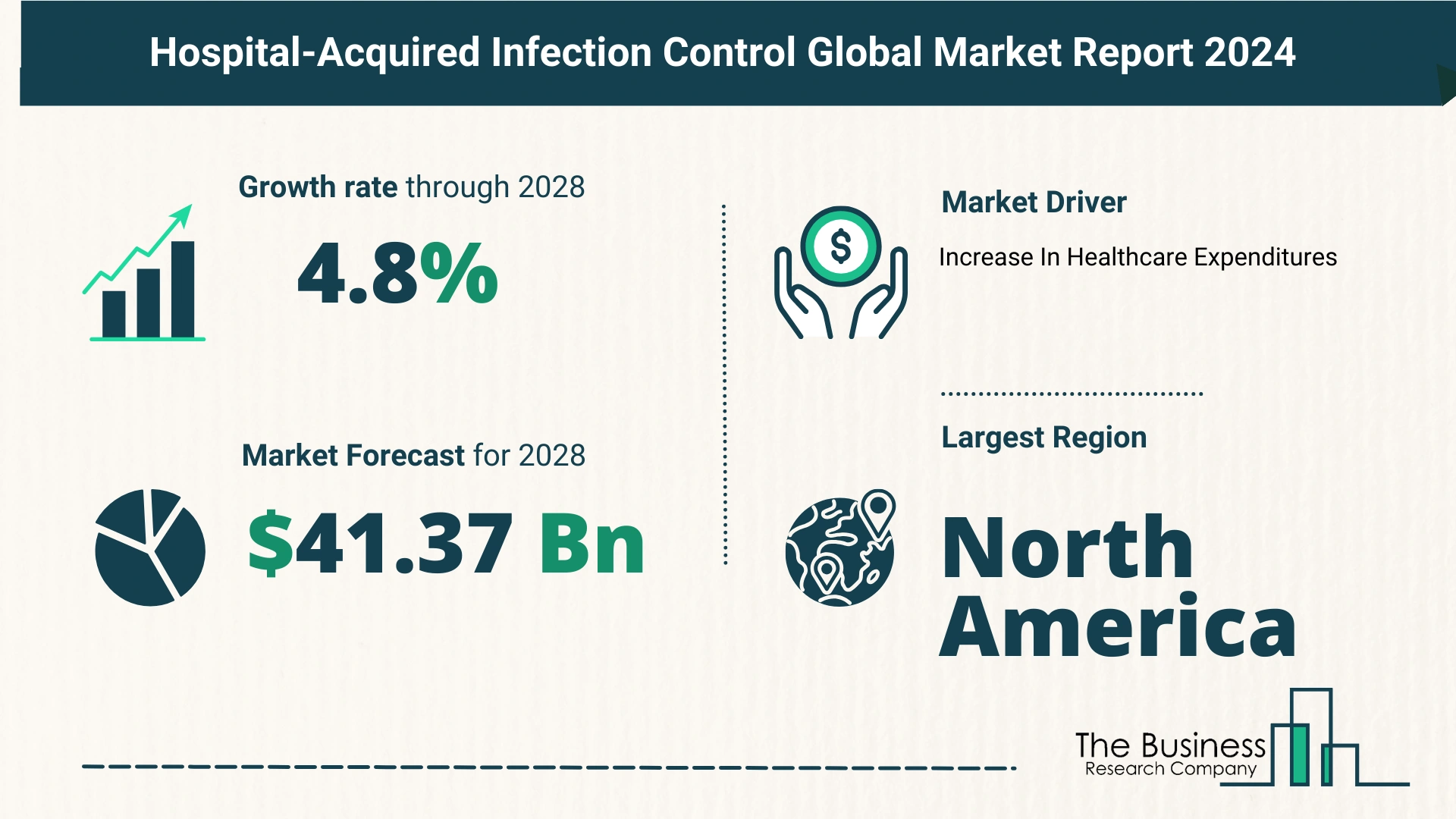
    The hospital-acquired infection control market is witnessing steady growth, primarily fueled by increasing healthcare expenditures worldwide.

    • Hospitals are allocating additional resources for advanced infection prevention technologies.
    • Rising healthcare spending, as evidenced by statistics from the UK, drives investment in preventive care and innovative solutions.
    • The market is poised to benefit from heightened focus on infection control measures, supported by increased financial allocations.

    Technology’s Pivotal Role in Market Advancement
    Technological advancements play a pivotal role in shaping the hospital-acquired infection control market landscape.

    • Major companies are leveraging technology to develop innovative solutions for infection prevention.
    • Machine learning and whole genome sequencing enable rapid detection of infectious disease outbreaks in healthcare settings.
    • Technological interventions enhance surveillance capabilities and facilitate early detection and containment of hospital-acquired infections.

    Read More On The Hospital-Acquired Infection Control Market Report 2024 – https://www.thebusinessresearchcompany.com/report/hospital-acquired-infection-control-global-market-report

    Steris Corporation’s Strategic Acquisition
    Steris Corporation’s acquisition of Cantel Medical underscores the market’s dynamic nature and strategic consolidations within the industry.

    • The acquisition expands Steris’s product portfolio and global reach, strengthening its position in infection prevention.
    • Cantel Medical’s expertise in manufacturing infection prevention products complements Steris’s capabilities, fostering innovation and market growth.
    • Strategic mergers and acquisitions contribute to market expansion and offer comprehensive solutions to healthcare facilities.

    Market Segmentation and Regional Outlook
    The hospital-acquired infection control market is segmented based on product, technology, diseases, application, and end-user, reflecting the diverse needs of healthcare facilities.

    1. Product: Sterilizers, Disinfectors, Endoscope Reprocessors, Microbial Testing Instruments, Consumables, Disinfectants, Infection Prevention and Surveillance Software, Other Products.
    2. Technology: Phenotypic Methods, Genotypic Methods.
    3. Diseases: Hospital Acquired Pneumonia, Bloodstream Infections, Surgical Site Infections, Gastrointestinal Infections, Urinary Tract Infection, Other Diseases.
    4. Application: Disease Testing, Drug-Resistance Testing.
    5. End User: Hospitals, ICUs, Ambulatory Surgical, Diagnostic Centers, Nursing Homes, Maternity Centers, Other End Users.

    Regional Dynamics:

    • North America: Emerged as the largest region in the hospital-acquired infection control market in 2023.
    • Asia-Pacific: Expected to witness the fastest growth in the forecast period, driven by increasing healthcare investments and rising awareness about infection prevention.

    Future Outlook
    The hospital-acquired infection control market is poised for steady growth in the coming years, driven by technological advancements, strategic partnerships, and increasing emphasis on infection prevention.

    • The market is projected to reach $41.37 billion by 2028, with a compound annual growth rate (CAGR) of 4.8%.
    • Adoption of real-time location systems (RTLS), integration of artificial intelligence (AI), and emphasis on staff training will shape market trends.
    • Continued investments in pandemic preparedness and antimicrobial stewardship programs will further propel market expansion, offering new opportunities for industry players.

    In conclusion, the hospital-acquired infection control market’s growth trajectory reflects the industry’s commitment to enhancing patient safety and reducing healthcare-associated infections. With evolving technologies and strategic initiatives, stakeholders are well-positioned to address the complex challenges of infection prevention and contribute to improving healthcare outcomes globally.

    Request for A Sample Of The Global Hospital-Acquired Infection Control Market Report:
    https://www.thebusinessresearchcompany.com/sample_request?id=7694&type=smp