Year: 2024

  • Key Trends And Drivers In The Small Molecule Injectable Drugs Market 2024

    Key Trends And Drivers In The Small Molecule Injectable Drugs Market 2024

    The Business Research Company’s market reports offer an in-depth analysis on the market’s growth potential, major drivers, key trends and more.

    The small molecule injectable drugs market is experiencing significant expansion. This article delves into the key drivers, trends, and future projections of this booming market.

    Market Growth Overview

    • Current Size and Growth Rate: The market size grew from $195.14 billion in 2023 to $220.85 billion in 2024, a CAGR of 12.5%.
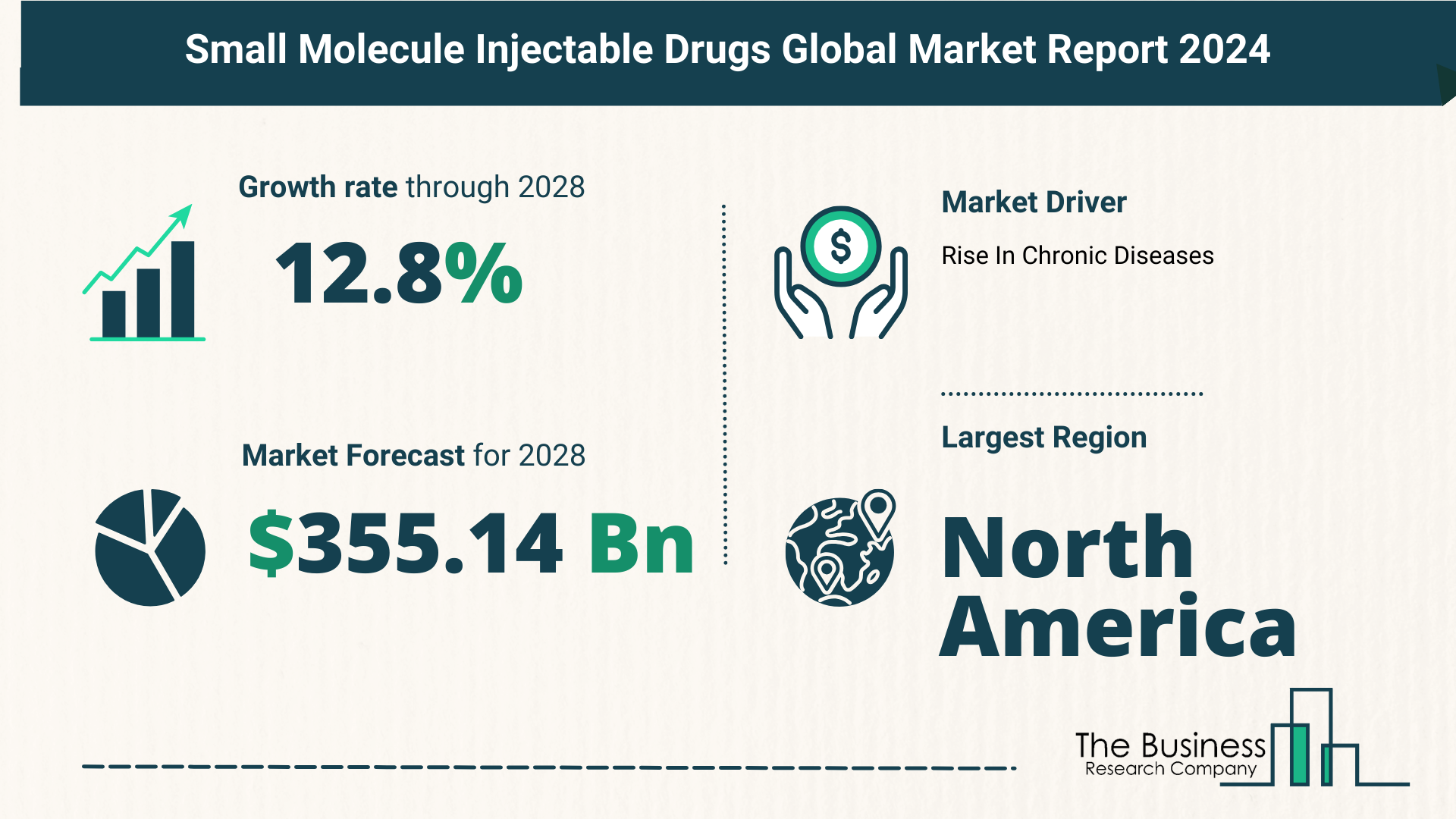
    • Future Projections: Expected to reach $355.14 billion by 2028, with a CAGR of 12.8%.

    Drivers of Historic Growth

    Rising Chronic Diseases

    • Prevalence: Increased due to sedentary lifestyles, unhealthy diets, tobacco use, and stress.
    • Impact: Chronic conditions like obesity, diabetes, cardiovascular diseases, and cancers necessitate effective treatments.
    • Role of Injectables: Provide targeted therapy, improved compliance, disease modification, and combination therapy options.

    Aging Population

    • Demographic Shift: An increasing elderly population drives demand for chronic disease management.
    • Healthcare Needs: Older adults often require complex medication regimens, including injectables.

    Government Initiatives and Healthcare Expenditure

    • Support: Policies and funding aimed at improving healthcare infrastructure.
    • Impact: Encourages innovation and accessibility in the injectable drugs sector.

    Manufacturing Advances

    • Technological Improvements: Enhanced production processes ensure higher quality and more efficient drug manufacturing.

    Future Growth Drivers

    Personalized Healthcare

    • Customization: Tailoring treatments to individual genetic profiles and disease states.
    • Benefit: Improved efficacy and reduced side effects.

    Digital Health Integration

    • Technology: Use of digital tools for better patient monitoring and drug delivery.
    • Outcome: Enhanced treatment adherence and outcomes.

    Supply Chain Optimization

    • Efficiency: Streamlined logistics and supply chains reduce costs and improve drug availability.
    • Impact: Ensures timely delivery of injectables, crucial for patient care.

    Real-World Evidence Utilization

    • Data: Leveraging patient data to inform treatment decisions and improve drug development.
    • Benefit: Accelerates innovation and regulatory approvals.

    Shift Towards Outpatient Care

    • Trend: Increasing preference for treatments outside hospital settings.
    • Implication: Boosts demand for injectables suitable for outpatient and home care use.

    Read More On The Small Molecule Injectable Drugs Market Report 2024 – https://www.thebusinessresearchcompany.com/report/small-molecule-injectable-drugs-global-market-report

    Emerging Trends

    Advancements in Drug Delivery Systems

    • Innovation: New technologies for more effective and patient-friendly delivery of injectables.
    • Example: Microparticle technology for enhancing solubility of active pharmaceutical ingredients.

    Technological Advancements

    • R&D Focus: Emphasis on developing novel drug formulations and delivery mechanisms.
    • Impact: Faster drug development and approval processes.

    Research and Development

    • Investment: Significant funds directed towards discovering new therapies and improving existing ones.
    • Outcome: Continuous pipeline of innovative injectable drugs.

    Fast-Track Approvals

    • Regulatory Changes: Streamlined approval processes for new drug formulations.
    • Benefit: Quicker market access for cutting-edge therapies.

    Market Segmentation

    1. By Drug Class: Includes antibiotics, analgesics, chemotherapy, antivirals, anticoagulants, skeletal muscle relaxants, anticonvulsants, and others.
    2. By Indication: Covers pain management, oncology, infectious diseases, cardiovascular diseases, CNS diseases, and other indications.
    3. By Mode of Delivery: Comprises IV sets, intravenous injections, infusion pumps, intramuscular injections, and subcutaneous injections.
    4. By End User: Encompasses hospitals, ambulatory clinics, outpatient facilities, infusion therapy centers, home care, and other end users.

    Geographic Insights

    • North America: The largest region in 2023, driven by advanced healthcare infrastructure and high healthcare spending.
    • Europe: Projected to be the fastest-growing region, with increasing investments in healthcare and aging population.

    Case Studies and Company Highlights

    Ardena’s Acquisition of Idifarma

    • Acquisition: In September 2021, Ardena acquired Idifarma to enhance its integrated services.
    • Goal: To meet chemical, pharmaceutical, and bio-analytical needs throughout the clinical supply chain.

    Innovations by Major Companies

    • Evonik Industries: Launched EUDRATEC SoluFlow in March 2022 to address solubility challenges in oral drug products.
    • Key Players: Pfizer Inc., Johnson & Johnson, F. Hoffmann-La Roche, Merck & Co., and others are driving innovation and growth in the market.

    Conclusion

    The small molecule injectable drugs market is set for robust growth, fueled by rising chronic diseases, technological advancements, and a shift towards personalized and outpatient care. Continuous innovation and strategic acquisitions will further bolster the market’s expansion.

    Request for A Sample Of The Global Small Molecule Injectable Drugs Market Report:
    https://www.thebusinessresearchcompany.com/sample_request?id=14998&type=smp

  • Robotic Surgery Services Market Forecast Until 2033 – Estimated Market Size And Growth Rate

    Robotic Surgery Services Market Forecast Until 2033 – Estimated Market Size And Growth Rate

    The Business Research Company’s market reports offer an in-depth analysis on the market’s growth potential, major drivers, key trends and more.

    Current Market Scenario

    • Impressive Growth: The robotic surgery services market has experienced significant expansion, reaching $1.01 billion in 2023.
    • Steady Progress: Expected growth to $1.19 billion in 2024 at a compound annual growth rate (CAGR) of 17.8%.
    • Contributing Factors: Increased usage of surgical robots, expanding healthcare facilities, favorable government regulations, heightened healthcare spending, and a rapidly growing elderly population have fueled this growth.

    Future Projections

    • Continued Expansion: Forecasts suggest robust growth, with the market poised to reach $2.04 billion by 2028, growing at a CAGR of 14.4%.
    • Driving Forces: Anticipated factors include a surge in product launches, rising demand for minimally invasive surgeries, the prevalence of chronic diseases, and increased healthcare expenditure.
    • Emerging Trends: Notable trends in the forecast period encompass the integration of in-vivo robots, advancements in technology, heightened merger and acquisition activities, utilization of nanobots, and the integration of artificial intelligence in robotic surgery services.

    Read More On The Robotic Surgery Services Market Report 2024 – https://www.thebusinessresearchcompany.com/report/robotic-surgery-services-global-market-report

    Hospital Investment Spurs Growth

    • Purchasing Power: Hospitals and ambulatory care services are investing in the latest technologies to provide advanced care and gain a competitive edge.
    • Case Study: Intuitive Surgical’s da Vinci Surgical Systems witnessed a substantial increase in surgical procedures, showcasing the demand for advanced robotic solutions.
    • Key Players: Major companies driving growth include Tenet Healthcare Corporation, HCA Healthcare, Inc., and Apollo Hospitals Enterprise Ltd., among others.

    Technological Advancements

    • Innovation Drive: Leading companies are focusing on product innovation, exemplified by the Da Vinci Xi Robotic Surgical System.
    • Effective Solutions: The Da Vinci Xi system offers a minimally invasive alternative to open surgery and laparoscopy, with enhanced visualization and dexterity.
    • Market Impact: Innovations like these are reshaping the landscape of robotic surgery services, offering more precise and efficient solutions.

    Medtronic PLC. Expands Portfolio

    • Strategic Acquisition: In February 2022, Medtronic PLC. acquired Digital Surgery, augmenting its robotic-assisted surgery platform.
    • Digital Surgery’s Expertise: The UK-based company specializes in digital education, training, and surgical AI, enriching Medtronic’s offerings.

    Market Segmentation

    • Component Breakdown: The market is segmented into systems, accessories, and services.
    • Application Spectrum: Applications range from general surgery to neurosurgery and other specialized areas.
    • End-Use Analysis: Hospitals and ambulatory surgery centers (ASCs) form the primary end-users of robotic surgery services.

    Regional Insights

    • Dominant Region: North America emerged as the largest market for robotic surgery services in 2023, reflecting the region’s advanced healthcare infrastructure and technological adoption.

    In conclusion, the robotic surgery services market is witnessing a remarkable surge, driven by technological advancements, increased healthcare investments, and evolving consumer preferences. With innovative solutions and strategic expansions, the market is poised for continued growth, offering promising prospects for both providers and patients alike.

    Request for A Sample Of The Global Robotic Surgery Services Market Report:
    https://www.thebusinessresearchcompany.com/sample_request?id=3168&type=smp

  • Key Takeaways From The Global Robotic Surgery Devices Market Forecast 2024

    Key Takeaways From The Global Robotic Surgery Devices Market Forecast 2024

    The Business Research Company’s global market reports are now updated with the latest market sizing information for the year 2024 and forecasted to 2033

    As per The Business Research Company’s Robotic Surgery Devices Global Market Report 2024, the robotic surgery devices market is expected to show significant growth in the forecast period.

    Introduction:

    The robotic surgery devices market has witnessed exponential growth in recent years, with substantial projections for the future. Analyzing its trajectory sheds light on the factors propelling this expansion.

    Market Growth Overview:

    • The market size surged from $6.84 billion in 2023 to $7.81 billion in 2024, with a CAGR of 14.0%.
    • Forecasts predict further growth, reaching $13.37 billion by 2028, at a CAGR of 14.4%.
    • Key drivers include increasing product launches, minimally invasive surgeries, prevalence of chronic diseases, and rising healthcare expenditure.

    Factors Driving Growth:

    • Rise in demand for minimally invasive surgery
    • Integration of imaging and catheter technologies
    • Reduction in patient hospital length of stay (LOS), pain, and complications
    • Surge in robotic surgery procedures for various specialties
    • Adoption of robotic surgery devices by hospitals for cost-effective procedures

    Market Players and Innovations:

    • Notable companies include Tenet Healthcare Corporation, HCA Healthcare, Inc., Intuitive Surgical, and Medtronic PLC.
    • Innovations like R-One+ by Robocath are revolutionizing heart surgery with enhanced precision and safety.
    • SS Innovations International’s acquisition of Avra Medical Robotics expands its surgical robotic systems portfolio.

    View More On The Robotic Surgery Devices Market Report 2024 – https://www.thebusinessresearchcompany.com/report/robotic-surgery-devices-global-market-report

    Market Segmentation:

    1. By Product:
      • Robotic systems
      • Instruments & Accessories
      • Services
    2. By Application:
      • General Surgery
      • Urological Surgery
      • Gynecological Surgery
      • Orthopedics Surgery
      • Neurosurgery
      • Other Applications
    3. By End-Use:
      • Hospitals
      • Ambulatory Surgery Centers (ASCs)

    Regional Perspective:

    • North America led the market in 2023, indicating the region’s significant contribution to the industry’s growth.

    Future Trends:

    • In-vivo robots in surgery services
    • Development of new technologies
    • Increase in merger and acquisition activities
    • Integration of nanobots in surgery services
    • Utilization of artificial intelligence in robotic surgery services

    Conclusion:

    The robotic surgery devices market’s rapid expansion reflects the healthcare industry’s commitment to innovation and improved patient outcomes. With technological advancements and strategic partnerships, this dynamic sector is poised for continued growth and transformation.

    Request A Sample Of The Global Robotic Surgery Devices Market Report 2024:
    https://www.thebusinessresearchcompany.com/sample_request?id=2482&type=smp

  • Overview Of The RNA Sequencing Services Market 2024-2033: Growth And Major Players Analysis

    Overview Of The RNA Sequencing Services Market 2024-2033: Growth And Major Players Analysis

    The Business Research Company’s global market reports are now updated with the latest market sizing information for the year 2024 and forecasted to 2033

    Market Overview

    The RNA sequencing services market has experienced significant growth in recent years. From $3.22 billion in 2023, it is projected to reach $3.58 billion in 2024, marking an impressive compound annual growth rate (CAGR) of 11.1%. The growth drivers include:

    • Increasing demand for personalized medicine
    • Advancements in bioinformatics tools
    • Rising focus on drug discovery and development
    • Adoption of RNA sequencing in agricultural research
    • Expanding clinical diagnostics applications

    Future Growth Projections

    The market is set to expand further, with an expected value of $5.51 billion by 2028, growing at a CAGR of 11.4%. Key factors contributing to this growth are:

    • Emergence of single-cell RNA sequencing technologies
    • Integration of AI and machine learning in data analysis
    • Research in non-coding RNA biomarkers
    • Transcriptomic analysis in immunotherapy research
    • Academic and industry collaborations in genomic studies

    View More On The RNA Sequencing Services Market Report 2024 – https://www.thebusinessresearchcompany.com/report/rna-sequencing-services-global-market-report

    Personalized Medicine Drives RNA Sequencing Market Growth

    Benefits of Personalized Medicine

    Personalized medicine tailors treatments to individual characteristics, optimizing effectiveness and minimizing adverse effects. Its rising demand is due to:

    • Advancements in genomics
    • Increasing disease complexity
    • Regulatory support

    Role of RNA Sequencing

    RNA sequencing plays a crucial role by:

    • Identifying disease subtypes
    • Discovering biomarkers
    • Predicting therapy responses
    • Tracking disease progression and treatment outcomes

    FDA Approvals Highlight Growth

    The FDA approved 16 novel personalized therapies in 2023, up from six in 2022. These include treatments for rare diseases and several cancer drugs, underscoring the growing importance of RNA sequencing in personalized medicine.

    Major Companies in the RNA Sequencing Market

    Key players in the market include:

    • Thermo Fisher Scientific Inc.
    • Illumina Inc.
    • Qiagen NV
    • BGI Genomics Co. Ltd.
    • Novogene Co. Ltd.
    • Genewiz Inc.
    • CD Genomics
    • Lexogen GmbH
    • Active Motif Inc.

    These companies are focusing on innovation and expanding their services to meet the growing demand for RNA sequencing.

    Empowering Precision Medicine With Next-Generation Assays

    Innovation in Assays

    Companies are developing advanced assays to enhance data accuracy and efficiency. For instance:

    • Tempus xR: In June 2023, Tempus introduced the Tempus xR assay, a comprehensive RNA sequencing tool designed for solid tumors, offering detailed analysis of clinically significant gene fusions and altered splicing.

    Parse Biosciences Enhances Single-Cell RNA Sequencing

    Acquisition of Biomage Ltd.

    In January 2024, Parse Biosciences acquired Biomage Ltd., a UK-based RNA sequencing data analysis company. This acquisition aims to:

    • Improve single-cell RNA sequencing data analysis
    • Provide deeper insights and reduce analysis time in genomic research and precision medicine

    Market Segmentation

    The RNA sequencing services market is segmented into:

    By Type

    • Ribosomal RNA (rRNA)
    • Transfer RNA (tRNA)
    • Long non-coding RNA (lncRNA)

    By Sequencing Method

    • Next Generation Sequencing Methods
    • Other Sequencing Methods

    By Application Area

    • Research Purposes
    • Diagnostic Purposes

    By End Users

    • Academic and Government Institutes and Research Centers
    • Hospitals and Clinics
    • Pharmaceutical and Biotechnology Companies
    • Other End Users

    Regional Insights

    • North America: Largest market in 2023
    • Asia-Pacific: Expected to be the fastest-growing region during the forecast period

    Conclusion

    The RNA sequencing services market is on a robust growth trajectory, driven by advancements in personalized medicine, bioinformatics, and new sequencing technologies. Major companies are innovating to meet the increasing demand, making this an exciting space to watch in the coming years.

    Request A Sample Of The Global RNA Sequencing Services Market Report 2024:
    https://www.thebusinessresearchcompany.com/sample_request?id=14991&type=smp

  • Key Insights On The Rituximab Biosimilars Market 2024 – Size, Driver, And Major Players

    Key Insights On The Rituximab Biosimilars Market 2024 – Size, Driver, And Major Players

    The Business Research Company’s global market reports are now updated with the latest market sizing information for the year 2024 and forecasted to 2033

    As per The Business Research Company’s Rituximab Biosimilars Global Market Report 2024, the rituximab biosimilars market is expected to show significant growth in the forecast period.

    The rituximab biosimilars market has seen significant expansion in recent years, driven by various factors such as government initiatives, increased healthcare expenditure, and advancements in biopharmaceutical research. This blog delves into the key drivers, trends, and future projections for this rapidly growing market.

    Market Growth Overview

    Historic Growth (2023-2024)

    • Market Size Increase: From $2.66 billion in 2023 to $3.02 billion in 2024
    • CAGR: 13.3%
    • Key Drivers:
      • Government initiatives
      • Increased healthcare expenditure
      • Enhanced biopharmaceutical R&D
      • Cost-effectiveness of biosimilars
      • Growth in emerging markets

    Forecasted Growth (2024-2028)

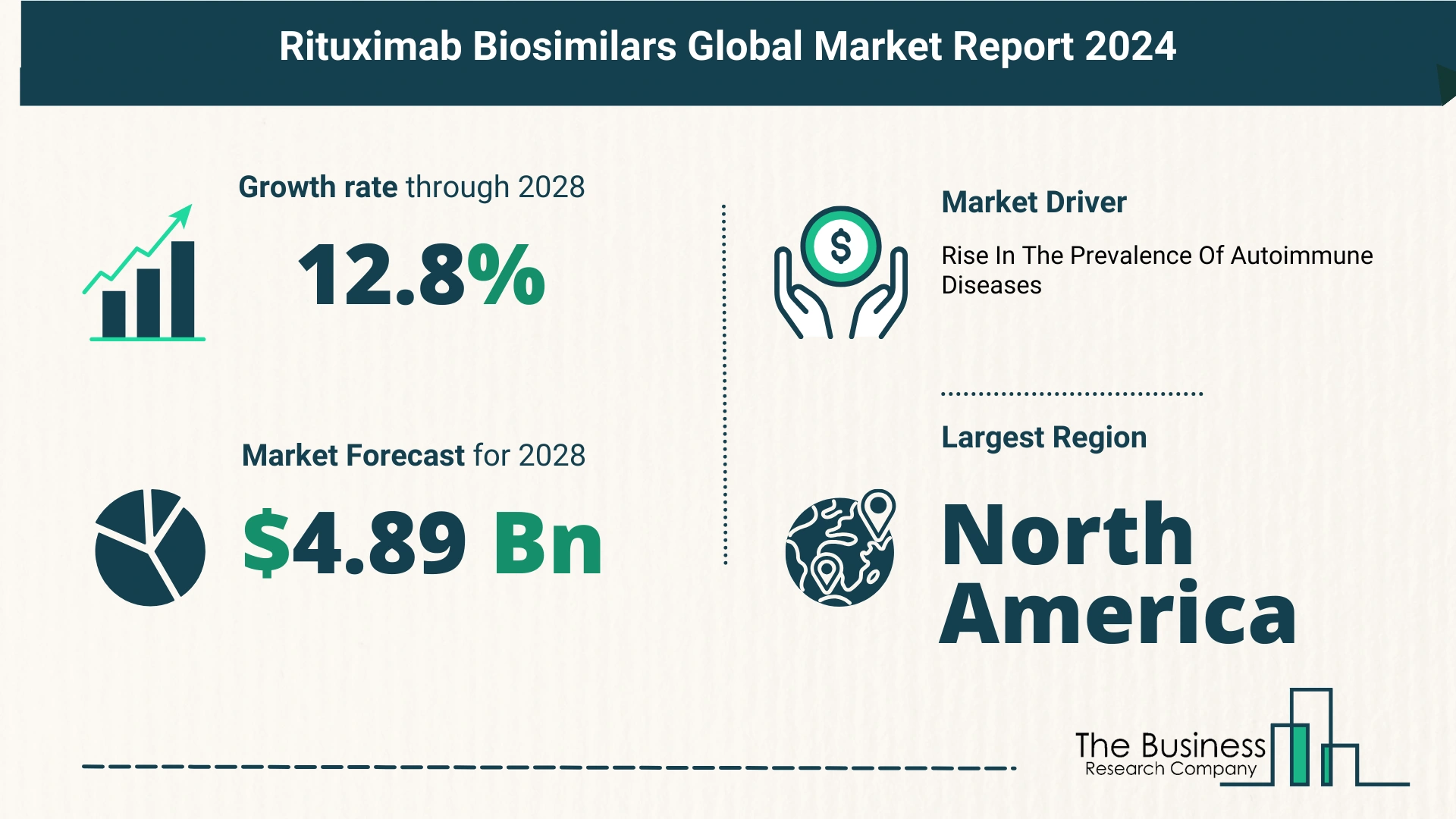
    • Projected Market Size: $4.89 billion by 2028
    • CAGR: 12.8%
    • Key Drivers:
      • Aging population
      • Improved healthcare access
      • Rising prevalence of chronic diseases

    View More On The Rituximab Biosimilars Market Report 2024 – https://www.thebusinessresearchcompany.com/report/rituximab-biosimilar-global-market-report

    Key Trends in the Rituximab Biosimilars Market

    Revised FDA Regulations

    • Impact: Facilitates biosimilar drug development
    • Outcome: Easier market entry for new biosimilars

    Strategic Partnerships and Collaborations

    • Purpose: To expand R&D activities and enhance drug development
    • Examples: Alliances between major pharmaceutical companies and biotech firms

    Extensive R&D Investment

    • Focus: Development of effective and innovative biosimilars
    • Result: Higher quality and more diverse treatment options

    Rising Non-Hodgkin’s Lymphoma Cases

    Contribution to Market Growth

    • NHL Prevalence: Major driver for rituximab biosimilars demand
    • Statistics: NHL is the most common cancer in the USA, with approximately 81,560 new cases expected in 2021
    • Impact: Increased diagnosis leads to higher demand for effective treatments

    Major Market Players

    • Companies: Teva/Cellitron, Novartis AG, Pfizer, BIOCAD, Shanghai Henlius Biotech Inc., Sandoz, and others
    • Focus: FDA-approved biosimilars for competitive advantage

    FDA-Approved Rituximab Biosimilars

    Competitive Edge

    • Notable Approval: Amgen’s RIABNI (rituximab-arrx) in June 2022
    • Uses: Approved for multiple indications, including Non-Hodgkin’s Lymphoma (NHL), Chronic Lymphocytic Leukemia (CLL), and rheumatoid arthritis (RA)

    Market Segmentation

    By Route of Administration

    • Categories: Subcutaneous, Intravenous, Molecular Type

    By Application

    • Uses: Non-Hodgkin’s Lymphoma, Chronic Lymphocytic Leukemia, Rheumatoid Arthritis, Other Applications

    By Distribution Channel

    • Channels: Hospital Pharmacy, Retail Pharmacy, Mail Order

    Regional Insights

    Largest Market in 2023

    • Region: North America

    Fastest-Growing Region

    • Region: Middle East (forecast period)

    Conclusion

    The rituximab biosimilars market is on a robust growth trajectory, bolstered by increased healthcare expenditure, strategic industry collaborations, and a rising prevalence of chronic diseases. With significant investments in R&D and favorable regulatory environments, the market is set to expand rapidly, providing more affordable and effective treatment options for patients worldwide.

    Request A Sample Of The Global Rituximab Biosimilars Market Report 2024:
    https://www.thebusinessresearchcompany.com/sample_request?id=3430&type=smp

  • What’s The Growth Forecast For Research Antibodies and Reagents Market Through 2024-2033?

    What’s The Growth Forecast For Research Antibodies and Reagents Market Through 2024-2033?

    The Business Research Company’s global market reports provide comprehensive analysis on the various markets in 27 industries across 60 geographies.

    Rapid Market Growth

    • Current Market Size: $15.19 billion in 2023
    • Projected Growth (2024): $16.44 billion
    • CAGR (2023-2024): 8.2%
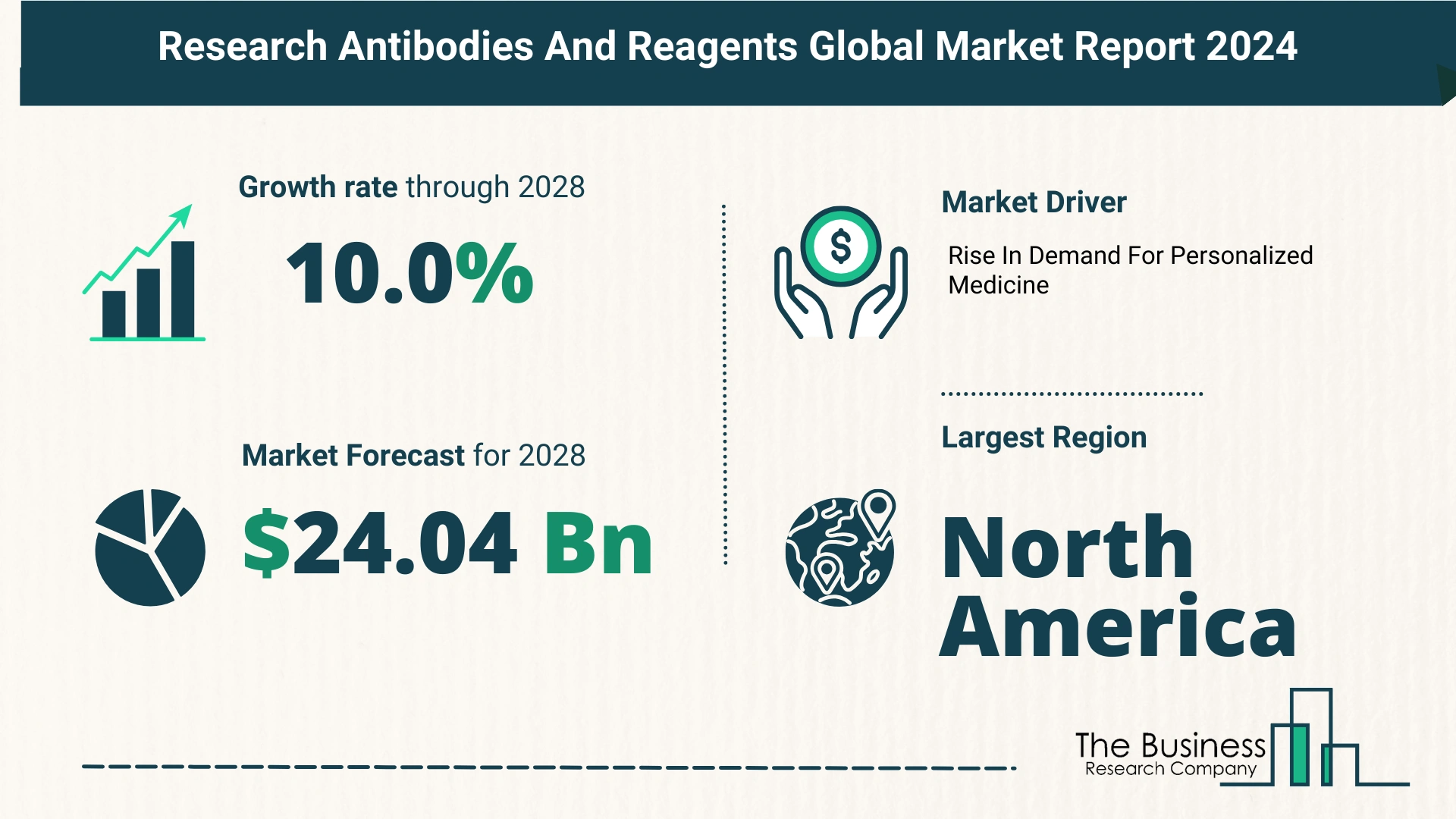
    • Future Market Size (2028): $24.04 billion
    • CAGR (2024-2028): 10.0%

    Drivers of Historical Growth

    • Increased Pharmaceutical R&D Expenditure: Significant investments fueling innovations.
    • Growing Geriatric Population: Higher demand for medical research and healthcare.
    • Increased Healthcare Expenditure: More funds allocated to healthcare improvements.
    • Government Research Funding: Boosting research capabilities.
    • Expansion of Healthcare Facilities: More facilities requiring advanced research tools.

    View More On The Research Antibodies and Reagents Market Report 2024 – https://www.thebusinessresearchcompany.com/report/research-antibodie-and-reagent-global-market-report

    Future Growth Catalysts

    • Rising Geriatric Population: Continuous increase in older adults needing medical research.
    • Prevalence of Cancer and Chronic Diseases: Surge in research for treatment and cures.
    • Increased R&D Spending: Ongoing investments in medical and health research.
    • Higher Healthcare Expenditure: Further financial support for healthcare advancements.
    • Financing for Proteomics Ventures: New funding opportunities in protein studies.
    • Customized Medicine Demand: Growing need for personalized healthcare solutions.
    • Emergence of Infectious Diseases: New challenges driving research requirements.

    Market Trends

    • Nanotechnology: Using nanotech to identify low-abundant molecules.
    • Innovative Technological Products: Launching new products to boost sales and profitability.
    • Advanced Antibody Purification: Focus on improved purification technologies.
    • Mergers and Acquisitions: Companies combining forces to enhance research capabilities.
    • Investing in R&D Labs: Continuous investment in research and development initiatives.

    Investment in R&D

    • Importance of R&D: Essential for understanding biological processes and disease causes.
    • Example Investment: In April 2021, pharmaceutical companies invested $83 billion globally in R&D.
    • Impact on Market: Increased R&D investment drives demand for antibodies and reagents.

    Key Market Players

    • Major Companies: Thermo Fisher Scientific Inc., Abcam PLC, Cell Signaling Technology, Inc., Merck KGaA, Santa Cruz Biotechnology, Inc., and more.
    • Strategic Moves: Companies are focusing on enhancing their market position through innovation and strategic acquisitions.

    Technological Advancements in Purification

    • Purification Challenges: Irreproducible antibodies and reagents affecting research outcomes.
    • Technological Solutions: New products like the SARS-CoV-2 Neutralisation Assay Development Kit from Native Antigen Company.

    Notable Acquisition

    • Rockland Immunochemicals, Inc. Acquisition: Acquired Antibodies-Online GmbH in February 2022.
    • Acquisition Benefits: Enhanced capabilities and customer experience through combined expertise and resources.

    Market Segmentation

    1. By Technology:
      • Western Blot
      • Immunofluorescence
      • Immunohistochemistry
      • Flow Cytometry
      • Enzyme-Linked Immunosorbent Assay (ELISA)
      • Others
    2. By Application:
      • Proteomics
      • Genomics
      • Other Applications
    3. By End User:
      • Pharmaceutical & Biotechnology Industry
      • Academic & Research Institutes
      • Contract Research Organizations (CROs)

    Regional Insights

    • Leading Region: North America was the largest market in 2023, driven by advanced healthcare infrastructure and significant R&D investments.

    Request A Sample Of The Global Research Antibodies and Reagents Market Report 2024:
    https://www.thebusinessresearchcompany.com/sample_request?id=3418&type=smp

  • Top 5 Insights From The Rehabilitation Products Market Report 2024

    Top 5 Insights From The Rehabilitation Products Market Report 2024

    The Business Research Company’s global market reports are now updated with the latest market sizing information for the year 2024 and forecasted to 2033

    According to The Business Research Company’s Rehabilitation Products Global Market Report 2024, the rehabilitation products market is expected to show promising growth in the forecast period.

    The rehabilitation products market has experienced robust growth in recent years and shows promising potential for continued expansion. This blog delves into the market’s current state, future prospects, key drivers, and notable trends transforming the industry.

    Market Growth and Projections
    Current Market Size and Growth Rate

    • 2023 Market Size: $13.05 billion
    • 2024 Projected Size: $13.92 billion
    • CAGR (2023-2024): 6.6%

    The rehabilitation products market has seen significant growth, driven by various factors including the rising prevalence of chronic diseases, an aging global population, and increased healthcare spending.

    Future Market Projections

    • 2028 Projected Size: $18.12 billion
    • CAGR (2024-2028): 6.8%

    The market is expected to maintain strong growth, supported by government initiatives, the rise of home-based rehabilitation, and the expansion of healthcare infrastructure in emerging markets.

    Key Growth Drivers
    Increasing Prevalence of Chronic Diseases and Disabilities

    • Chronic conditions such as diabetes, cardiovascular diseases, and musculoskeletal disorders are on the rise.
    • Increased awareness and demand for rehabilitation services to manage these conditions.

    View More On The Rehabilitation Products Market Report 2024 – https://www.thebusinessresearchcompany.com/report/rehabilitation-products-global-market-report

    Aging Population

    • Geriatric Population Growth: From 58 million in 2022 to 82 million by 2050 in the US.
    • Proportion of Population: Expected to increase from 17% to 23%.

    The growing number of older adults necessitates rehabilitation products to enhance mobility and independence.

    Rising Healthcare Expenditure

    • Governments and private sectors are investing more in healthcare, expanding access to rehabilitation services.
    • Increased insurance coverage for rehabilitation services supports market growth.

    Future Trends
    Adoption of Telerehabilitation Solutions

    • Telehealth technologies are becoming integral to providing remote rehabilitation services.
    • Increased accessibility and convenience for patients.

    Integration of AI and VR

    • AI and VR technologies are enhancing therapy outcomes and patient engagement.
    • Examples include Penumbra Inc.’s REAL y-Series, offering immersive VR-based rehabilitation.

    Focus on Mobility and Accessibility

    • Development of user-friendly, accessible rehabilitation products.
    • Emphasis on design innovations to improve usability for all patients.

    Sustainable and Eco-Friendly Solutions

    • Growing trend towards environmentally friendly rehabilitation products.
    • Companies are focusing on sustainable manufacturing practices.

    Geriatric Population Surge Fuels Market Growth
    Specific Needs of the Elderly

    • Rehabilitation products such as walking aids and mobility scooters are essential for older adults.
    • These products promote functional independence and overall well-being.

    Population Statistics

    • Population Reference Bureau: Projected significant increase in the elderly population in the US.
    • This demographic shift is a major driver of market demand.

    Major Companies and Innovations
    Leading Companies

    • Medline Industries Inc.
    • Stryker Corporation
    • Zimmer Biomet Holdings
    • Smith & Nephew plc
    • Ottobock SE & Co. KGaA

    These companies are at the forefront of market innovation, continuously developing new products and technologies.

    Innovative Solutions

    • Penumbra Inc.: Launched the REAL y-Series VR platform for rehabilitation.
    • Bioventus Inc.: Acquired Bioness Inc. to enhance its product portfolio in neuromodulation and rehabilitation devices.

    Market Segmentation
    By Product Type

    • Medical Bed
    • Mobility Scooter
    • Walker
    • Cane
    • Patient Lift
    • Sling
    • Other Product Types

    By Application

    • Physical Rehabilitation and Training
    • Strength, Endurance, and Pain Reduction
    • Occupational Rehabilitation and Training

    By End User

    • Physiotherapists
    • Orthopedists
    • Rehab Centers
    • Occupational Therapists
    • Speech Therapists
    • Other End Users

    Regional Insights
    North America

    • Largest Region in 2023: Dominates the market due to advanced healthcare infrastructure and high healthcare expenditure.

    Asia-Pacific

    • Fastest-Growing Region: Expected to lead market growth during the forecast period, driven by expanding healthcare infrastructure and rising demand for rehabilitation services.

    Conclusion
    The rehabilitation products market is set for significant growth, driven by demographic shifts, technological advancements, and increased healthcare investment. Companies in this space are innovating rapidly, ensuring that the market not only meets current demands but also anticipates future needs. As the global population ages and healthcare continues to evolve, the rehabilitation products market will remain a crucial segment of the healthcare industry.

    Request A Sample Of The Global Rehabilitation Products Market Report 2024:
    https://www.thebusinessresearchcompany.com/sample_request?id=14986&type=smp

  • Real Time Health Monitoring Devices Global Market Outlook 2024-2033: Size And Growth Rate Analysis

    Real Time Health Monitoring Devices Global Market Outlook 2024-2033: Size And Growth Rate Analysis

    The Business Research Company’s global market reports provide comprehensive analysis on the various markets in 27 industries across 60 geographies.

    The real-time health monitoring devices market has experienced exponential growth in recent years, driven by a variety of factors including increased awareness of preventive healthcare and technological advancements.

    Market Size and Growth Rates

    • 2023 Market Size: $10.36 billion
    • 2024 Projection: $12.69 billion (CAGR of 22.5%)
    • 2028 Projection: $28.79 billion (CAGR of 22.7%)

    The growth trajectory from 2023 to 2028 indicates a robust demand and continuous innovation in this sector.

    Drivers of Historic Growth

    • Preventive Healthcare Awareness: Increased understanding of the benefits of early health intervention.
    • Aging Populations: Older populations are more prone to chronic conditions requiring constant monitoring.
    • AI and Machine Learning Integration: Enhanced data analytics and predictive capabilities.
    • Personalized Medicine: Shift towards customized healthcare solutions.
    • Regulatory Initiatives: Policies supporting the adoption of health monitoring technologies.

    View More On The Real Time Health Monitoring Devices Market Report 2024 – https://www.thebusinessresearchcompany.com/report/real-time-health-monitoring-devices-global-market-report

    Forecast Period Growth Catalysts

    • Technological Advancements: Innovations in sensing and connectivity technologies.
    • Remote Patient Monitoring: Rising need for home-based healthcare solutions.
    • Prevalence of Chronic Diseases: Increasing incidence of long-term health conditions.
    • Wearable Device Adoption: Growing consumer interest in health wearables.
    • Predictive Analytics: Use of AI for forecasting health trends.
    • Healthcare Infrastructure Expansion: Improved access to advanced health monitoring systems.

    Major Market Trends

    • AI and Machine Learning: Deeper integration for enhanced predictive healthcare.
    • Wearable Devices Surge: Increased demand for smart health gadgets.
    • Remote Monitoring Solutions: Growth in home-based patient monitoring systems.
    • Telemedicine Platforms: Expansion of virtual healthcare services.
    • Health Tech and Fitness Partnerships: Collaborations to integrate health monitoring into everyday fitness.
    • Data Security and Privacy: Focus on safeguarding patient information.

    Impact of Chronic Diseases

    The rise in chronic diseases significantly impacts the market for real-time health monitoring devices.

    • Chronic Disease Management: Continuous monitoring systems aid in managing long-term conditions.
    • Aging Population: Higher rates of chronic illnesses such as heart disease and diabetes.
    • Projected Increase: By 2050, the number of individuals aged 50+ with at least one chronic illness will nearly double.

    Key Market Players
    Major companies shaping the market include:

    • Apple Inc.
    • Samsung Electronics Co. Ltd.
    • Huawei Technologies Co. Ltd.
    • Abbott Laboratories
    • Xiaomi Corporation
    • Medtronic plc
    • Koninklijke Philips N.V.
    • Stryker Corporation
    • GE Healthcare
    • Omron Corporation
    • Cerner Corporation
    • Garmin Ltd.
    • ResMed Inc.
    • Hill-Rom Holdings Inc.

    Advancements in Technology
    Companies are leveraging advanced technologies to enhance real-time health monitoring.

    • Honeywell’s RTHMS: Launched in April 2023, this system links patients and caregivers, utilizing advanced sensing technology for continuous patient monitoring and efficient data management.

    Strategic Acquisitions
    Significant acquisitions are also shaping the market landscape.

    • Philips Holding USA Inc.: Acquired BioTelemetry Inc. for $2.8 billion in February 2021, enhancing Philips’ patient monitoring capabilities and strengthening its Connected Care segment.

    Market Segmentation
    The real-time health monitoring devices market is segmented by:

    1. Type:
      • Wearable Devices
      • Connected Home Health Medical Devices
    2. Application:
      • Cardiovascular Diseases
      • Diabetes
      • Cancer
      • Hypertension
      • Infections
      • Bronchitis
      • Dehydration
      • Sleep Disorder
      • Weight Management and Fitness Monitoring
      • Other Applications
    3. End User:
      • Hospitals
      • Clinics
      • Ambulatory Surgical Centers
      • Homecare Settings
      • Other End Users

    Regional Insights

    • Largest Market in 2023: North America
    • Fastest Growing Region: Asia-Pacific (forecast period)

    The real-time health monitoring devices market is set for significant growth, driven by technological advancements and an increasing emphasis on remote and preventive healthcare solutions.

    Request A Sample Of The Global Real Time Health Monitoring Devices Market Report 2024:
    https://www.thebusinessresearchcompany.com/sample_request?id=14985&type=smp

  • 5 Takeaways From The Radiopharmaceuticals Market Overview 2024

    5 Takeaways From The Radiopharmaceuticals Market Overview 2024

    The Business Research Company’s global market reports are now updated with the latest market sizing information for the year 2024 and forecasted to 2033

    According to The Business Research Company’s Radiopharmaceuticals Global Market Report 2024, the radiopharmaceuticals market is expected to show promising growth in the forecast period.

    The radiopharmaceuticals market has experienced significant growth recently, driven by various factors in both the historical and forecast periods. This blog will delve into the current market size, future projections, key drivers, trends, and notable company activities shaping this dynamic industry.

    Current Market Size and Growth

    • Steady Growth: The radiopharmaceuticals market size has steadily increased from $6.46 billion in 2023 to $6.77 billion in 2024, reflecting a compound annual growth rate (CAGR) of 4.7%.
    • Historical Growth Factors: Key contributors to this growth include rising healthcare expenditures, government initiatives, convenient treatment options, and lifestyle changes.

    Future Market Projections

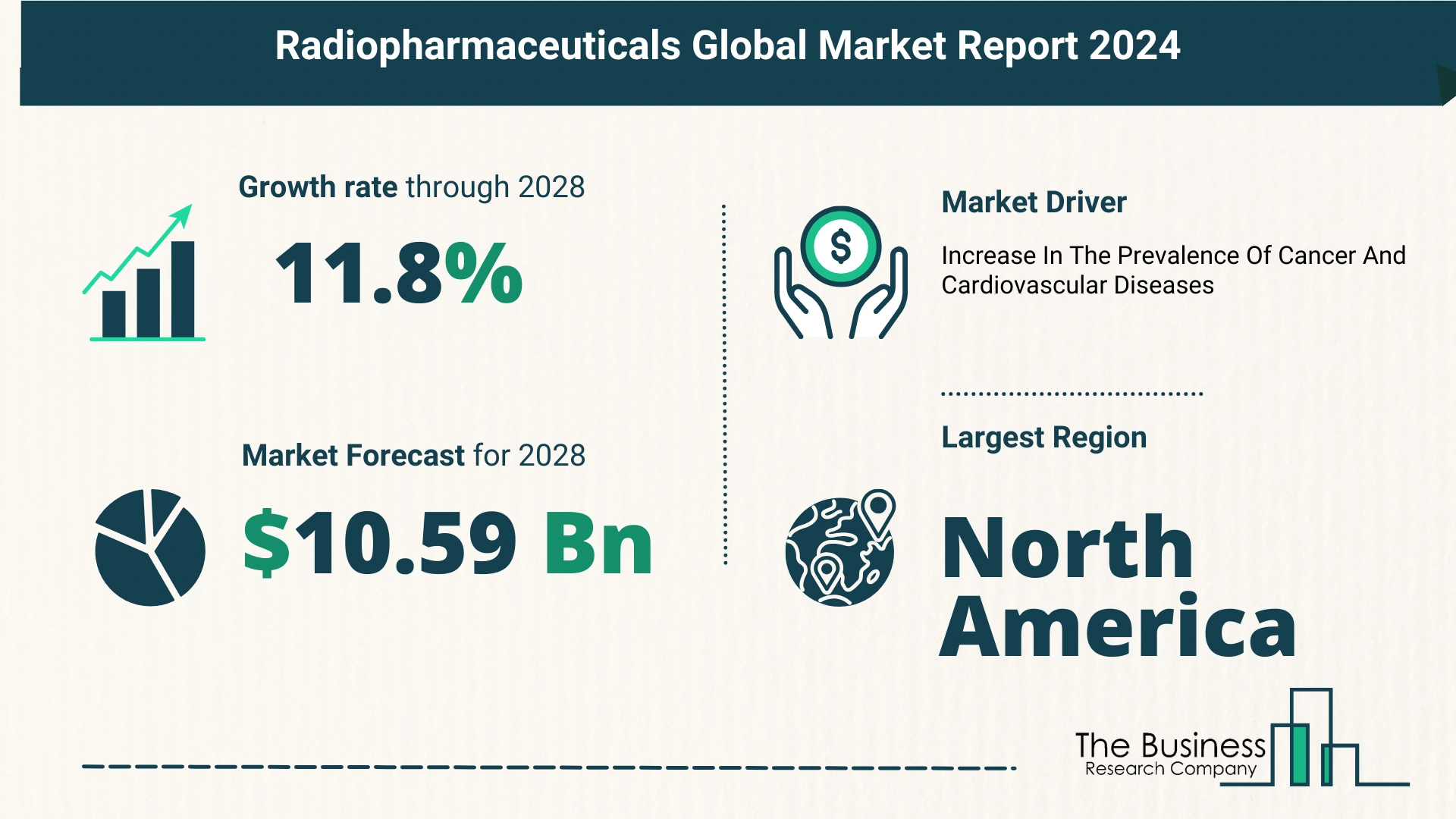
    • Rapid Expansion: The market is projected to grow to $10.59 billion by 2028, with an impressive CAGR of 11.8%.
    • Forecast Period Drivers: Factors driving this rapid growth include an increasing geriatric population, a higher prevalence of cancer and cardiovascular diseases, substantial capital investments, and frequent new product launches.

    View More On The Radiopharmaceuticals Market Report 2024 – https://www.thebusinessresearchcompany.com/report/radiopharmaceutical-global-market-report

    Key Drivers of Market Growth
    Increasing Prevalence of Cancer and Cardiovascular Diseases

    • Rising Demand: The growing incidence of cancer and cardiovascular diseases is a major factor driving the demand for radiopharmaceuticals.
    • Cancer Statistics: Cancer is the second leading cause of death globally, with one in six deaths attributed to it. By 2040, the global cancer burden is expected to rise to 27.5 million active cases and 16.3 million deaths annually.
    • Targeted Therapy: Radiopharmaceuticals offer targeted therapy options, making them a preferred choice for treating these diseases over conventional medicines.

    Strategic Trends in the Radiopharmaceuticals Market
    Collaborations and Acquisitions

    • Boosting Revenues and Quality: Companies are increasingly collaborating to enhance revenues and improve product quality. For example, Curium’s acquisition of IASON in June 2021 expanded its geographic reach and product portfolio in Europe.

    Manufacturing Expansion

    • Meeting Demand: To cater to growing demand, companies are expanding their manufacturing capacities. ITM Isotopen Technologien Munchen AG, for instance, launched a new manufacturing facility to increase the production of high-purity Lutetium-177, used in cancer therapy.

    Technological Investments

    • New Technologies: Investments in new technologies, including AI, are being made to reduce R&D costs and accelerate drug development.
    • In Silico Modeling: Exploring in silico modeling helps in adopting a more rational and scientific approach to drug development.
    • Cardiology Technologies: Companies are also focusing on technologies catering to cardiology to boost revenues and enhance the accuracy of disease-specific diagnoses.

    Major Players in the Radiopharmaceuticals Market

    • Key Companies: Some of the prominent companies in this market include Cardinal Health, Curium Pharma, Siemens Healthineers AG, Novartis AG, General Electric Company (GE), IBA Group, Bayer AG, Lantheus Medical Imaging Inc., and Bracco Imaging S.p.A.

    Market Segmentation

    • By Type: Diagnostic and Therapeutic
    • By Application: Oncology, Cardiology, Gastroenterology, Neuroendocrinology, Musculoskeletal, Respiratory, Nephrology, and Other Applications
    • By End User: Hospitals and Ambulatory Surgical Centers, Diagnostic Centers, Cancer Research Institutes

    Geographic Insights

    • Largest Region: North America was the largest region in the global radiopharmaceuticals market in 2023.
    • Fastest Growing Region: The Middle East is expected to be the fastest-growing region during the forecast period.

    Conclusion
    The radiopharmaceuticals market is poised for substantial growth driven by increasing healthcare needs, technological advancements, and strategic industry initiatives. With a strong foundation and promising future prospects, this market will continue to play a crucial role in modern healthcare.

    Request A Sample Of The Global Radiopharmaceuticals Market Report 2024:
    https://www.thebusinessresearchcompany.com/sample_request?id=3471&type=smp

  • Proteomics Market Report 2024: Market Size, Drivers, And Trends

    Proteomics Market Report 2024: Market Size, Drivers, And Trends

    The Business Research Company’s global market reports are now updated with the latest market sizing information for the year 2024 and forecasted to 2033

    The proteomics market has seen significant growth in recent years, driven by advancements in technology, increased funding, and rising healthcare demands. Here’s an overview of the current market trends and future projections.

    Market Size and Growth

    • 2023 to 2024 Growth: The market grew from $30.84 billion in 2023 to $35.21 billion in 2024, reflecting a robust compound annual growth rate (CAGR) of 14.2%.
    • Future Projections: By 2028, the market is expected to reach $58.61 billion, growing at a CAGR of 13.6%.

    Drivers of Historic Growth

    • Government Funding: Increased government funding for proteomics research has been a major catalyst.
    • Technological Advancements: Innovations in proteomics technology have facilitated better research and development.
    • Healthcare Expenditure: Rising healthcare spending has boosted the demand for proteomics.
    • Healthcare Facilities Expansion: The growth of healthcare infrastructure in emerging markets has supported market expansion.

    Future Growth Factors

    • Financing for Ventures: Increasing investment in proteomics ventures is expected to continue driving growth.
    • Personalized Medicine: The rising need for customized medical treatments is pushing forward research in proteomics.
    • R&D Activities: Expanding research and development efforts are crucial for market growth.
    • Biotech Investments: The COVID-19 pandemic has spurred increased investments in biotech companies.

    View More On The Proteomics Market Report 2024 – https://www.thebusinessresearchcompany.com/report/proteomics-global-market-report

    Major Trends in Proteomics
    Focus Areas

    • Nanotechnology: Emphasis on nanotechnology to identify low-abundant samples.
    • Technological Advancements: Ongoing development of new and advanced technologies.
    • Product Launches: Companies are continuously launching new products to maintain a competitive edge.
    • Artificial Intelligence: Integration of AI for real-time improved imaging.

    Impact of Government Funding
    Government funding plays a pivotal role in the proteomics market, aiding in drug discovery, disease diagnosis, and treatment advancements.

    • Case Study: In May 2022, Proteomics International Laboratories Limited received $400,000 to enhance its PromarkerD test production, demonstrating the positive impact of such funding.

    Key Companies in the Market

    • Major Players: Companies like Danaher Corporation, Thermo Fisher Scientific Inc., and Merck KGaA dominate the market.
    • Product Launch Example: In June 2021, Bruker Corporation launched new ion mobility spectrometry time-of-flight (timsTOF) instruments, enhancing proteomics capabilities.

    Significant Acquisitions
    Acquisitions are a common strategy for expanding market presence and capabilities.

    • Danaher Corporation and Aldevron LLC: In August 2021, Danaher Corporation acquired Aldevron LLC, strengthening its position in genomic medicine and supporting the development of therapies and vaccines.

    Market Segmentation
    The proteomics market is segmented based on various components, instruments, and types of services.

    • By Component: Reagents, Instruments, Software.
    • By Instrument: Protein Microarrays, Spectroscopy, X-ray Crystallography, Chromatography, Electrophoresis, Surface Plasmon Resonance, Protein Fractionation.
    • By Type: Core Instrument Services, Proteomic Analytical Services.

    Regional Insights
    North America was the largest region in the proteomics market in 2023, highlighting the region’s advanced research infrastructure and significant investment in biotech and healthcare sectors.

    Conclusion
    The proteomics market is on a dynamic growth trajectory, driven by technological advancements, increased funding, and rising healthcare needs. With ongoing innovations and strategic investments, the future of proteomics looks promising, paving the way for significant breakthroughs in personalized medicine and biotechnology.

    Request A Sample Of The Global Proteomics Market Report 2024:
    https://www.thebusinessresearchcompany.com/sample_request?id=2828&type=smp