Year: 2024

  • Key Takeaways From The Global Left Ventricular Assist Devices Market Forecast 2024

    Key Takeaways From The Global Left Ventricular Assist Devices Market Forecast 2024

    The Business Research Company’s global market reports are now updated with the latest market sizing information for the year 2024 and forecasted to 2033

    As per The Business Research Company’s Left Ventricular Assist Devices Global Market Report 2024, the left ventricular assist devices market is expected to show significant growth in the forecast period.

    Introduction: Unveiling the Momentum Behind LVAD Market Growth

    • Strong growth trends: From $1.5 billion in 2023 to $1.64 billion in 2024.
    • Compound annual growth rate (CAGR) of 9.9%.
    • Key drivers of historic growth: Post-market surveillance, reduction in device size, increased awareness, and adoption in bridge therapy.

    Anticipated Trends Fueling Future Growth

    Elevated Cardiovascular Disease Rates Drive Market Expansion

    • Impact of rising prevalence of cardiovascular diseases.
    • Significance of LVADs in advanced heart failure cases.
    • Statistics: Cardiovascular disease deaths projected to rise to over 22.2 million by 2030.

    View More On The Left Ventricular Assist Devices Market Report 2024 – https://www.thebusinessresearchcompany.com/report/left-ventricular-assist-devices-global-market-report

    Technological Advancements Propel Market Momentum

    • Adoption of cutting-edge technologies.
    • Example: CorWave SA’s membrane pump technology.
    • Importance of mimicking natural heart functions for improved outcomes.

    Strategic Acquisitions Enhance Market Presence

    • Johnson & Johnson’s acquisition of Abiomed Inc.
    • Focus on expanding presence in cardiovascular markets.
    • Importance of acquisitions in diversifying medtech portfolios.

    Market Segmentation and Regional Insights

    Segmentation of LVAD Market

    1. By Type: Transcutaneous LVADs, Implantable LVADs.
    2. By Type of Flow: Pulsatile, Non-Pulsatile.
    3. By Application: Bridge-to-Recovery (BTR), Bridge-to-Transplant (BTT), Destination Therapy, Bridge-to-Candidacy (BTC).
    4. By End-user: Cardiology Centers, Hospitals.

    Regional Dynamics

    • North America: Dominant region in 2023.
    • Emerging growth opportunities in other regions.

    Conclusion: Navigating the Future of LVAD Market

    The LVAD market is witnessing robust growth, driven by the increasing prevalence of cardiovascular diseases and technological advancements. As cardiovascular diseases continue to pose significant health challenges globally, the demand for advanced treatment options like LVADs remains high. Technological innovations, exemplified by CorWave SA’s membrane pump technology, play a crucial role in improving patient outcomes and enhancing the functionality of LVADs. Strategic acquisitions, such as Johnson & Johnson’s acquisition of Abiomed Inc., further strengthen market players’ positions and foster innovation. With a focus on patient-centric therapies and expanding market approvals, the LVAD market is poised for continued growth. As regions like North America maintain their dominance, collaboration and investment in research and development will drive further advancements in LVAD technology, ultimately benefiting patients worldwide.

    Request A Sample Of The Global Left Ventricular Assist Devices Market Report 2024:
    https://www.thebusinessresearchcompany.com/sample_request?id=12042&type=smp
  • What’s The Growth Forecast For Late Stage Chronic Kidney Disease Drugs Market Through 2024-2033?

    What’s The Growth Forecast For Late Stage Chronic Kidney Disease Drugs Market Through 2024-2033?

    The Business Research Company’s global market reports provide comprehensive analysis on the various markets in 27 industries across 60 geographies.

    Introduction:

    The late-stage chronic kidney disease (CKD) drugs market has witnessed rapid expansion, driven by factors such as advancements in diagnostic capabilities, an aging population, and increased prevalence of predisposing conditions like diabetes and hypertension. This growth trajectory is expected to persist, fueled by rising healthcare expenditure and a shift towards precision medicine approaches.

    Surging Prevalence of Chronic Kidney Diseases Sparks Growth:

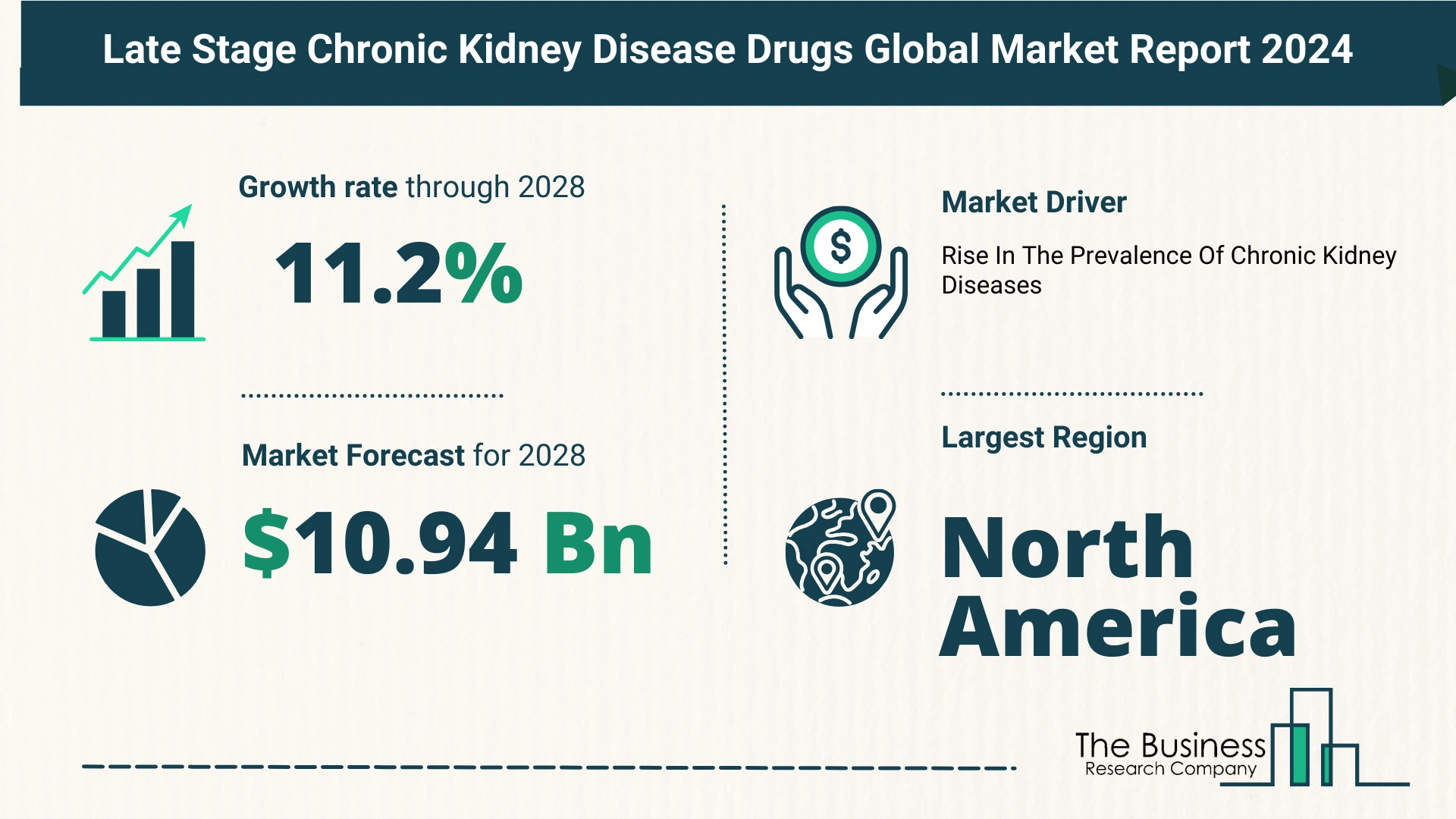
    • The prevalence of chronic kidney diseases is on the rise globally, necessitating effective treatment options.
    • Late-stage CKD drugs play a crucial role in managing symptoms, controlling blood pressure, and slowing disease progression.
    • Statistics from the Centers for Disease Control and Prevention highlight the substantial burden of kidney disease, particularly among specific age groups in the US.

    Product Innovation in Late-Stage Chronic Kidney Disease Drug Market:

    • Innovation drives competitiveness in the late-stage CKD drugs market, leading to the development of novel treatment options.
    • Bayer’s launch of Kerendia (finerenone) in India exemplifies advancements in non-steroidal, selective mineralocorticoid receptor antagonists for type two diabetes and chronic renal disease.

    View More On The Late Stage Chronic Kidney Disease Drugs Market Report 2024 – https://www.thebusinessresearchcompany.com/report/late-stage-chronic-kidney-disease-drugs-global-market-report

    AstraZeneca Expands Cardiorenal Pipeline with CinCor Pharma Inc. Acquisition:

    • Strategic acquisitions bolster companies’ capabilities in addressing complex disease conditions.
    • AstraZeneca’s acquisition of CinCor Pharma Inc. enhances its cardiorenal pipeline with baxdrostat (CIN-107), an aldosterone synthase inhibitor for chronic kidney disorders.

    Segmentation of the Late-Stage Chronic Kidney Disease Drugs Market: The market is segmented based on:

    1. Product Type: Calcimimetics, Vitamin D, Sterols, Potassium Binders, Calcium-Based Phosphate Binders.
    2. Indication Type: Late-Stage CKD Induced Hyperparathyroidism, Hyperphosphatemia, Hyperkalemia.
    3. Distribution Channel: Hospital Pharmacies, Online Pharmacies, Retail Pharmacies.

    Regional Insights:

    • North America emerged as the largest region in the late-stage chronic kidney disease drugs market in 2023, driven by advanced healthcare infrastructure.
    • The region’s leadership underscores the importance of effective treatment strategies for managing CKD complications.

    Future Outlook and Trends:

    • The late-stage CKD drugs market is forecasted to reach $10.94 billion by 2028, driven by global initiatives for kidney disease awareness and precision medicine adoption.
    • Major trends include expansion of regenerative medicine therapies, integration of telemedicine services, and emphasis on early intervention strategies.

    Conclusion: The late-stage chronic kidney disease drugs market is witnessing robust growth, propelled by innovation, strategic acquisitions, and a growing understanding of disease mechanisms. With a focus on precision medicine and patient-centered care, stakeholders aim to address the evolving needs of individuals affected by late-stage CKD, offering hope for improved outcomes and quality of life.

    Request A Sample Of The Global Late Stage Chronic Kidney Disease Drugs Market Report 2024:
    https://www.thebusinessresearchcompany.com/sample_request?id=12196&type=smp

  • Top 5 Insights From The Large Volume Parenteral (LVP) Market Report 2024

    Top 5 Insights From The Large Volume Parenteral (LVP) Market Report 2024

    The Business Research Company’s global market reports are now updated with the latest market sizing information for the year 2024 and forecasted to 2033

    According to The Business Research Company’s Large Volume Parenteral (LVP) Global Market Report 2024, the large volume parenteral (LVP) market is expected to show promising growth in the forecast period.

    Market Overview

    The large volume parenteral (LVP) market has experienced robust growth in recent years, with promising projections for the future. From a valuation of $11.42 billion in 2023, it is expected to reach $12.44 billion in 2024, showcasing a Compound Annual Growth Rate (CAGR) of 9.0%.

    Factors Driving Growth

    • Increasing prevalence of chronic diseases
    • Growth in the aging population
    • Rising demand for sterile pharmaceuticals
    • Expansion of healthcare infrastructure
    • Development of regulatory frameworks for pharmaceuticals

    Projected Growth

    Strong growth is anticipated in the coming years, with the market expected to expand to $17.35 billion by 2028, driven by factors such as growing demand for biologics and biosimilars, rising healthcare expenditure, and the globalization of pharmaceutical supply chains.

    View More On The Large Volume Parenteral (LVP) Market Report 2024 – https://www.thebusinessresearchcompany.com/report/large-volume-parenteral-lvp-global-market-report

    Key Trends in the Forecast Period

    • Technological advancements in manufacturing processes
    • Integration of advanced technologies in pharmaceutical production
    • Implementation of single-use technologies
    • Development of high-concentration formulations
    • Rise in 3D printing applications for pharmaceuticals

    Large-Volume Parenteral Market Thrives on the Surge in Chronic Diseases

    The growing prevalence of chronic diseases serves as a significant driver for market expansion. With chronic illnesses on the rise globally, there’s an increasing demand for efficient parenteral administration of pharmaceuticals to manage these conditions effectively.

    Key Statistics:

    • Projected 99.5% surge in individuals aged 50 years and older with at least one chronic illness in the US by 2050

    Strategic Acquisitions Shape Market Growth

    Product innovation emerges as a key trend, with major players focusing on creating innovative solutions to meet evolving market needs. Strategic acquisitions, such as Fresenius Kabi’s acquisition of Ivenix Inc., bolster market presence and enhance product portfolios.

    Recent Developments:

    • Launch of sterile and ready-to-use 100-ml type I molded glass vials by SGD Pharma SA
    • Fresenius Kabi’s acquisition of Ivenix Inc., strengthening its position in the US market and expanding access to infusion systems

    Market Segmentation

    The large volume parenteral (LVP) market is segmented based on type, volume, application, and end-users, providing insights into diverse product offerings and consumer preferences.

    Segmentation:

    1. By Type:
      • Soft Bag LVP
      • Plastic Bag LVP
      • Glass Bottle LVP
    2. By Volume:
      • 100 ML – 250 ML
      • 250 ML – 500 ML
      • 500 ML – 1000 ML
      • 1000 ML – 2000 ML
      • 2000 And More
    3. By Application:
      • Basic Infusion
      • Therapeutics Infusion
      • Nutritious Infusion
    4. By End-User:
      • Hospital
      • Medical Centers
      • Other End Users

    Regional Outlook

    While North America leads the large volume parenteral (LVP) market, Asia-Pacific emerges as the fastest-growing region, driven by expanding healthcare infrastructures and increasing focus on advanced pharmaceutical solutions.

    In conclusion, the large volume parenteral (LVP) market demonstrates promising growth prospects, fueled by factors such as the rising prevalence of chronic diseases and technological advancements in pharmaceutical manufacturing. With a focus on innovation and strategic acquisitions, market players aim to address evolving healthcare needs and enhance patient outcomes worldwide.

    Request A Sample Of The Global Large Volume Parenteral (LVP) Market Report 2024:
    https://www.thebusinessresearchcompany.com/sample_request?id=12195&type=smp

  • Overview Of The Kidney Disease Market 2024-2033: Growth And Major Players Analysis

    Overview Of The Kidney Disease Market 2024-2033: Growth And Major Players Analysis

    The Business Research Company’s global market reports are now updated with the latest market sizing information for the year 2024 and forecasted to 2033

    Introduction:

    The kidney disease market has experienced significant growth in recent years, fueled by various factors such as rising chronic health conditions, an aging population, and increased awareness. This trend is poised to continue, driven by advancements in treatment modalities and evolving healthcare policies.

    Surging Incidence of Kidney Diseases Fuels Market Growth:

    • Kidney diseases affect millions globally, leading to increased demand for medications and treatments.
    • Chronic kidney disease (CKD) prevalence is projected to rise, emphasizing the need for effective management strategies.
    • Organizations like Kidney Research UK highlight the substantial burden of kidney diseases, indicating a growing patient population.

    The Rise of AI Integration in Healthcare with Carenostics Leading the Way:

    • Integration of AI-driven tools is revolutionizing kidney disease management.
    • Carenostics’ AI solutions leverage electronic health record (EHR) data for early CKD detection, enabling proactive patient care.
    • Such innovations empower healthcare providers to identify high-risk patients and tailor interventions accordingly.

    View More On The Kidney Disease Market Report 2024 – https://www.thebusinessresearchcompany.com/report/kidney-disease-global-market-report

    Acquisition of Cincor Pharma Inc. Expands Cardiorenal Portfolio for AstraZeneca:

    • Strategic acquisitions enhance companies’ capabilities in addressing kidney disease complexities.
    • AstraZeneca’s acquisition of CinCor Pharma Inc. expands its cardiorenal portfolio with baxdrostat (CIN-107), a promising compound for hypertension management in CKD patients.
    • This acquisition reflects a growing focus on comprehensive treatment approaches for kidney-related conditions.

    Segmentation of the Kidney Disease Market: The kidney disease market is segmented based on:

    1. Treatment: Medication, Dialysis, Surgery, and Other Treatments.
    2. Indication: Acute Kidney Injury, Chronic Kidney Disease, End-Stage Renal Disease, and Other Indications.
    3. Route of Administration: Oral, Parenteral.
    4. End-User: Hospitals, Diagnostic Laboratories, and Other End-Users.

    Regional Insights:

    • North America emerged as the largest region in the kidney disease market in 2023, driven by advanced healthcare infrastructure.
    • Europe is expected to witness rapid growth, attributed to increasing healthcare investments and a growing patient population.

    Future Outlook and Trends:

    • The kidney disease market is forecasted to reach $136.97 billion by 2028, propelled by global infectious disease management and precision medicine approaches.
    • Major trends include the integration of telemedicine for kidney care, emphasis on preventive nephrology, and the development of regenerative therapies.
    • Dietary modifications and nutrition interventions are gaining traction as complementary strategies in kidney disease management.

    Conclusion: The kidney disease market continues to evolve, driven by technological advancements, strategic acquisitions, and a growing understanding of disease mechanisms. With a focus on innovation and personalized care, stakeholders aim to address the complex needs of patients affected by kidney-related conditions, fostering improved outcomes and quality of life.

    Request A Sample Of The Global Kidney Disease Market Report 2024:
    https://www.thebusinessresearchcompany.com/sample_request?id=11938&type=smp

  • What Is The Forecast Growth Rate For The Kidney Dialysis Market?

    What Is The Forecast Growth Rate For The Kidney Dialysis Market?

    The Business Research Company’s market reports offer an in-depth analysis on the market’s growth potential, major drivers, key trends and more.

    Understanding Market Dynamics

    • The kidney dialysis market has experienced significant growth, with a rise from $79.66 billion in 2023 to $85.09 billion in 2024, showcasing a robust CAGR of 6.8%.
    • Historic growth drivers include increased prevalence of chronic kidney disease (CKD), advancements in medical research, expanded access to healthcare, and improvements in dialysis technology.

    Forecasting Future Growth

    • Strong growth prospects are anticipated, with the market expected to reach $112.5 billion in 2028, boasting a CAGR of 7.2%.
    • Growth in the forecast period will be driven by the adoption of value-based healthcare models, emphasis on chronic disease management, and the rising trend of patient-centric care.

    Read More On The Kidney Dialysis Market Report 2024 – https://www.thebusinessresearchcompany.com/report/kidney-dialysis-global-market-report

    Rising Prevalence of Chronic Kidney Diseases

    • The surge in chronic kidney diseases globally is a significant driver of market expansion.
    • Chronic kidney disease (CKD) affects millions worldwide, necessitating the use of dialysis for those whose kidneys can no longer function effectively.
    • The prevalence of CKD is projected to rise further, highlighting the critical role of dialysis in managing this condition.

    Technological Advancements Propel Market Growth

    • Technological innovation is a prominent trend shaping the kidney dialysis market.
    • Companies are leveraging advanced technologies to enhance patient outcomes and streamline treatment processes.
    • Example: Baxter International Inc.’s Sharesource Analytics 1.0 improves patient outcomes and reduces nurse workload through next-generation digital health solutions.

    Strategic Acquisitions Drive Market Expansion

    • Strategic acquisitions play a crucial role in market expansion and global presence.
    • M42.’s acquisition of Diaverum AB provides a platform for delivering innovative solutions and expands access to kidney dialysis services worldwide.
    • Collaborations and acquisitions strengthen companies’ capabilities and market reach.

    Market Segmentation Insights

    • The market is segmented based on dialysis type, products and services, and end-users.
    • Dialysis types include hemodialysis and peritoneal dialysis.
    • Products and services encompass equipment, consumables, dialysis drugs, and services.
    • End-users comprise home care, dialysis centers and hospitals, and other healthcare facilities.

    Regional Dominance and Growth Prospects

    • North America led the kidney dialysis market in 2023, while Europe is expected to witness the fastest growth in the forecast period.
    • Emerging regions present untapped opportunities for market expansion and investment.

    Conclusion: Driving Innovation and Access

    • The kidney dialysis market is poised for substantial growth driven by technological advancements, rising CKD prevalence, and strategic initiatives.
    • Continued focus on innovation and patient-centric care will be pivotal for market players to stay competitive.
    • Market segmentation enables tailored approaches to meet diverse patient needs and preferences.
    • As regions like Europe demonstrate rapid growth, companies must adapt strategies to capitalize on emerging opportunities and expand global presence.

    Request for A Sample Of The Global Kidney Dialysis Market Report:
    https://www.thebusinessresearchcompany.com/sample_request?id=11936&type=smp

  • What’s The Growth Forecast For Kidney Cancer Diagnostics And Therapeutics Market Through 2024-2033?

    What’s The Growth Forecast For Kidney Cancer Diagnostics And Therapeutics Market Through 2024-2033?

    The Business Research Company’s global market reports provide comprehensive analysis on the various markets in 27 industries across 60 geographies.

    The kidney cancer diagnostics and therapeutics market have witnessed significant growth owing to the escalating prevalence of kidney cancer worldwide.

    • Market Growth and Projections: The market size is expected to increase from $3.85 billion in 2023 to $4.08 billion in 2024, with a CAGR of 5.8%. By 2028, it is forecasted to reach $5.19 billion, with a CAGR of 6.2%.
    • Prevalence of Kidney Cancer: Kidney cancer, characterized by abnormal cell growth in the kidneys, affects a substantial number of individuals globally, necessitating advanced diagnostics and therapeutics.
    • Market Drivers: Factors such as increased research, surgical innovations, and genetic discoveries have contributed to the growth of this market.
    • Beneficial Impacts: Diagnostic tools aid in early detection, accurate diagnosis, personalized treatment selection, and monitoring of kidney cancer, improving patient outcomes significantly.

    View More On The Kidney Cancer Diagnostics And Therapeutics Market Report 2024 – https://www.thebusinessresearchcompany.com/report/kidney-cancer-diagnostics-and-therapeutics-global-market-report

    Product Approvals Enhance Growth Prospects In The Kidney Cancer Diagnostics And Therapeutics Market
    Product approvals represent a significant trend in the kidney cancer diagnostics and therapeutics market, facilitating the introduction of innovative solutions.

    • Strategic Developments: Major players like Merck & Co., Inc. have obtained approvals for groundbreaking products like KEYTRUDA (pembrolizumab) for treating renal cell carcinoma (RCC), significantly advancing treatment options for patients.
    • Innovative Therapies: Immunotherapies like KEYTRUDA offer novel approaches to kidney cancer treatment by targeting specific proteins, enhancing immune responses against cancer cells.
    • Impact on Patient Outcomes: Approved products not only improve survival rates but also alleviate symptoms and enhance overall quality of life for kidney cancer patients.

    Illumina Inc. Acquires Grail To Propel Multi-Cancer Early-Detection Test Development
    Strategic acquisitions are shaping the future of kidney cancer diagnostics, driving innovation and expanding access to life-saving technologies.

    • Acquisition Dynamics: Illumina Inc.’s acquisition of GRAIL aims to accelerate the development and commercialization of multi-cancer early-detection tests, including those for kidney cancer.
    • Early Detection Initiatives: GRAIL’s expertise in diagnostic services enhances the capabilities for early detection of kidney cancer, offering opportunities for timely interventions and improved patient outcomes.
    • Technological Advancements: Multi-cancer early-detection tests provide a comprehensive approach to cancer screening, enabling healthcare providers to identify kidney cancer and other malignancies at early stages for more effective treatment.

    Market Segmentation and Regional Outlook
    The kidney cancer diagnostics and therapeutics market is segmented based on cancer type, component, diagnostics, therapy, and end-users, with distinct regional trends driving growth.

    • Segmentation Overview: The market encompasses various cancer types, including clear cell RCC, papillary RCC, and chromophobe RCC, along with diagnostic and therapeutic components such as drugs, biopsies, and targeted therapies.
    • Regional Dynamics: North America leads the market, with Asia-Pacific expected to exhibit the fastest growth, driven by increasing healthcare investments and rising awareness about kidney cancer.
    • Future Opportunities: Expanding access to advanced diagnostics and therapeutics in emerging markets presents opportunities for market players to address unmet medical needs and improve patient care.

    In conclusion, the kidney cancer diagnostics and therapeutics market are poised for substantial growth driven by the rising prevalence of kidney cancer and advancements in diagnostic technologies and treatment modalities. Strategic initiatives such as product approvals and acquisitions further accelerate innovation, offering hope for improved outcomes and better quality of life for kidney cancer patients globally. As research continues to drive progress in understanding the disease and developing targeted therapies, the future holds promise for more effective and personalized approaches to managing kidney cancer.

    Request A Sample Of The Global Kidney Cancer Diagnostics And Therapeutics Market Report 2024:
    https://www.thebusinessresearchcompany.com/sample_request?id=11937&type=smp

  • 5 Key Insights On The Irritable Bowel Syndrome (IBS) Treatment Market 2024

    5 Key Insights On The Irritable Bowel Syndrome (IBS) Treatment Market 2024

    The Business Research Company’s global market reports are now updated with the latest market sizing information for the year 2024 and forecasted to 2033

    As per The Business Research Company’s Irritable Bowel Syndrome (IBS) Treatment Global Market Report 2024, the irritable bowel syndrome (IBS) treatment market is expected to show significant growth in the forecast period.

    Introduction: Understanding the Growth of the IBS Treatment Market

    • Steady growth: From $2.5 billion in 2023 to $2.77 billion in 2024.
    • Compound annual growth rate (CAGR) of 10.8%.
    • Key drivers of historic growth: Increasing prevalence of IBS, rising awareness, lifestyle factors, and supportive healthcare policies.

    Anticipated Trends Shaping Future Growth
    Rising Prevalence of IBS Propels Market Expansion

    • Impact of poor lifestyle choices and stress on IBS prevalence.
    • Role of treatment in managing symptoms and improving quality of life.
    • Statistics: 5–10% global population affected by IBS; 25-45 million in the US.

    View More On The Irritable Bowel Syndrome (IBS) Treatment Market Report 2024 – https://www.thebusinessresearchcompany.com/report/irritable-bowel-syndrome-ibs-treatment-global-market-report

    Product Innovation Fuels Market Momentum

    • Embracing innovative treatment solutions.
    • Example: Ardelyx’s IBSRELA, a first-in-class treatment for IBS-C.
    • Significance of novel mechanisms in addressing IBS symptoms.

    Strategic Acquisitions Strengthen Market Presence

    • Roche’s acquisition of Telavant Holdings.
    • Expansion into novel IBS treatment development.
    • Importance of acquisitions in enhancing market offerings.

    Market Segmentation and Regional Insights
    Segmentation of IBS Treatment Market

    1. By Drug Type: Lubiprostone, Linaclotide, Eluxadoline, Rifaximin, Alosetron, Other Drugs.
    2. By Indication: IBS With Constipation, IBS With Diarrhea, IBS With Alternating Constipation And Diarrhea.
    3. By Distribution Channel: Hospital Pharmacies, Online Pharmacies, Retail Pharmacies.
    4. By End-Users: Hospitals, Clinics, Homecare Settings.

    Regional Dynamics

    • North America: Dominant region in 2023.
    • Europe: Expected to witness the fastest growth in the forecast period.

    Conclusion: Navigating the Future of IBS Treatment
    The IBS treatment market is experiencing rapid growth, driven by increasing prevalence and advancements in treatment options. As lifestyle factors and stress levels continue to contribute to IBS incidence, the demand for effective treatments remains high. Product innovation, exemplified by Ardelyx’s IBSRELA, and strategic acquisitions, such as Roche’s acquisition of Telavant Holdings, play pivotal roles in expanding market offerings and addressing unmet patient needs. With a focus on patient-centric healthcare models and technological advancements, the IBS treatment market is poised for significant growth in the coming years. As regions like Europe emerge as key growth markets, collaborations and investments in research and development will further propel the market forward, ultimately improving outcomes for individuals living with IBS.

    Request A Sample Of The Global Irritable Bowel Syndrome (IBS) Treatment Market Report 2024:
    https://www.thebusinessresearchcompany.com/sample_request?id=11978&type=smp

  • Hospital Emergency Department Market Forecast 2024: Forecast Market Size, Drivers And Key Segments

    Hospital Emergency Department Market Forecast 2024: Forecast Market Size, Drivers And Key Segments

    The Business Research Company’s global market reports are now updated with the latest market sizing information for the year 2024 and forecasted to 2033

    • Rising Demand: The surge in hospital emergency department visits drives market growth.
    • Emergency Department Role: These facilities provide prompt outpatient services for urgent medical needs.
    • Statistical Insights: California Health and Human Services Agency reports a notable increase in ED admissions.
    • Key Players: Major companies such as Merck & Co. Inc., Thermo Fisher Scientific Inc., and Mayo Clinic Hospital contribute to the market.

    View More On The Hospital Emergency Department Market Report 2024 – https://www.thebusinessresearchcompany.com/report/hospital-emergency-department-global-market-report

    Hospital Emergency Department Market Embracing Technological Advancements For Enhanced Patient Care

    • Technological Integration: Adoption of advanced technologies enhances patient care.
    • Case Study: Shannon Health implements RI Triage, a clinical decision support platform, to streamline ED operations.
    • Strategic Acquisition: Beckman Coulter Diagnostics’ acquisition of StoCastic, LLC expands its Clinical Decision Support solutions portfolio.

    Market Segmentation

    • Connectivity: Segmented into wired and wireless connectivity.
    • Health Conditions: Covers various conditions including cardiac, neurologic, traumatic, gastrointestinal, infectious, psychiatric, and others.
    • Applications: Includes remote medicine management, medical assistance, connected imaging, electronic health record, and more.
    • End Users: Hospitals, ambulatory surgical centers (ASCs), and other end-users are part of the segmentation strategy.

    Regional Analysis

    • Dominance of North America: North America led the hospital emergency department market in 2023.
    • Market Size Projections: Market size is projected to grow from $135.48 billion in 2023 to $143.57 billion in 2024.

    Future Growth Prospects

    • Projected Growth: Expected market size of $175.58 billion by 2028, with a CAGR of 5.2%.
    • Contributing Factors: Population health management, prevalence of chronic diseases, expansion of EMS, AI integration, and global health threat preparedness are expected to fuel growth.
    • Key Trends: Public-private partnerships, telemedicine innovations, medical technology advancements, ED design innovations, and wearable health technologies utilization are anticipated trends.

    Conclusion

    The hospital emergency department market exhibits robust growth, attributed to factors such as increasing patient visits, technological advancements, and strategic market segmentation. As the healthcare landscape evolves, the integration of AI, telemedicine, and wearable technologies is poised to revolutionize patient care in emergency settings. With proactive strategies and investments in innovative solutions, stakeholders can capitalize on the market’s promising trajectory and address the evolving healthcare needs of communities w

    Request A Sample Of The Global Hospital Emergency Department Market Report 2024:
    https://www.thebusinessresearchcompany.com/sample_request?id=11999&type=smp

  • Top 5 Insights From The Human Liver Model Market Report 2024

    Top 5 Insights From The Human Liver Model Market Report 2024

    The Business Research Company’s global market reports are now updated with the latest market sizing information for the year 2024 and forecasted to 2033

    According to The Business Research Company’s Human Liver Model Global Market Report 2024, the human liver model market is expected to show promising growth in the forecast period.

    The human liver model market has experienced significant growth in recent years, with projections indicating continued expansion. Understanding the driving forces behind this growth is crucial for stakeholders in the field. Key factors contributing to this growth include:

    1. Drug Development Needs
    • Demand for effective drug development tools fuels the adoption of human liver models.
    • Human liver models offer a closer representation of human physiology, enhancing drug testing accuracy.
    1. Advancements in Biotechnology
    • Technological advancements enable the development of sophisticated liver models.
    • Innovative approaches improve the functionality and relevance of these models for research and testing purposes.
    1. Alternatives to Animal Testing
    • Ethical and regulatory considerations drive the search for alternatives to traditional animal testing methods.
    • Human liver models provide a more humane and clinically relevant approach to drug testing.
    1. Rising Incidence of Liver Diseases
    • The increasing prevalence of liver diseases worldwide underscores the need for better research tools.
    • Human liver models offer insights into disease mechanisms and facilitate the development of targeted therapies.

    View More On The Human Liver Model Market Report 2024 – https://www.thebusinessresearchcompany.com/report/human-liver-model-global-market-report

    Rising Incidence Of Liver Disease Drives Growth In The Human Liver Model Market

    Understanding the Impact of Liver Disease on Market Dynamics

    The rising incidence of liver disease serves as a significant driver for the expansion of the human liver model market. Key points to consider include:

    1. Emerging Area of Research
    • Human liver models contribute to a better understanding of liver diseases and their underlying mechanisms.
    • Researchers leverage these models to explore disease progression and test potential treatments.
    1. Statistical Insights
    • Statistical data highlights the prevalence of liver cancer, indicating the urgent need for advanced research tools.
    • Insights from organizations like Cancer Australia underscore the significance of addressing liver disease.

    Product Innovation In The Human Liver Model Market

    The Role of Innovation in Market Advancement

    Product innovation plays a crucial role in shaping the trajectory of the human liver model market. Notable developments in this area include:

    1. Innovative Solutions
    • Companies focus on developing novel liver models to meet evolving research needs.
    • Solutions like TruVivo offer enhanced capabilities for drug development and testing.
    1. Strategic Acquisitions
    • Acquisitions, such as BICO’s acquisition of HUREL Corporation, bolster companies’ liver model portfolios.
    • Expansion strategies contribute to market competitiveness and product diversity.

    Segmentation of the Human Liver Model Market

    Understanding Market Dynamics Through Segmentation

    The human liver model market exhibits diverse characteristics, as highlighted by its segmentation:

    1. Product Segmentation
    • Liver organoids, liver-on-a-chip, 2D models, animal models, and 3D bioprinting cater to varied research needs.
    • Each product category offers unique advantages and applications in drug discovery and educational settings.
    1. Application Diversity
    • Human liver models find applications in drug discovery, education, and other research areas.
    • Versatile applications drive demand across diverse end-user segments.
    1. Regional Insights
    • North America emerges as a key region for the human liver model market, reflecting the region’s robust research infrastructure and industry presence.

    Conclusion

    The human liver model market’s rapid growth trajectory reflects the convergence of various factors, including technological innovation, rising disease prevalence, and evolving research needs. As stakeholders continue to invest in advanced solutions and explore new applications, the market is poised for further expansion, offering promising opportunities for innovation and collaboration in the biomedical field.

    Request A Sample Of The Global Human Liver Model Market Report 2024:

    https://www.thebusinessresearchcompany.com/sample_request?id=12244&type=smp

  • Comprehensive Analysis On Size, Share, And Drivers Of The Human Papillomavirus (HPV) Vaccine Market

    Comprehensive Analysis On Size, Share, And Drivers Of The Human Papillomavirus (HPV) Vaccine Market

    The Business Research Company’s global market reports provide comprehensive analysis on the various markets in 27 industries across 60 geographies.

    Introduction: The human papillomavirus (HPV) vaccine market has witnessed remarkable growth in recent years, fueled by various factors including initial vaccine development, medical guidelines, government-sponsored campaigns, and enhanced accessibility. This growth trajectory is set to continue in the forecast period, driven by additional factors such as health equity initiatives and pharmaceutical industry investments.

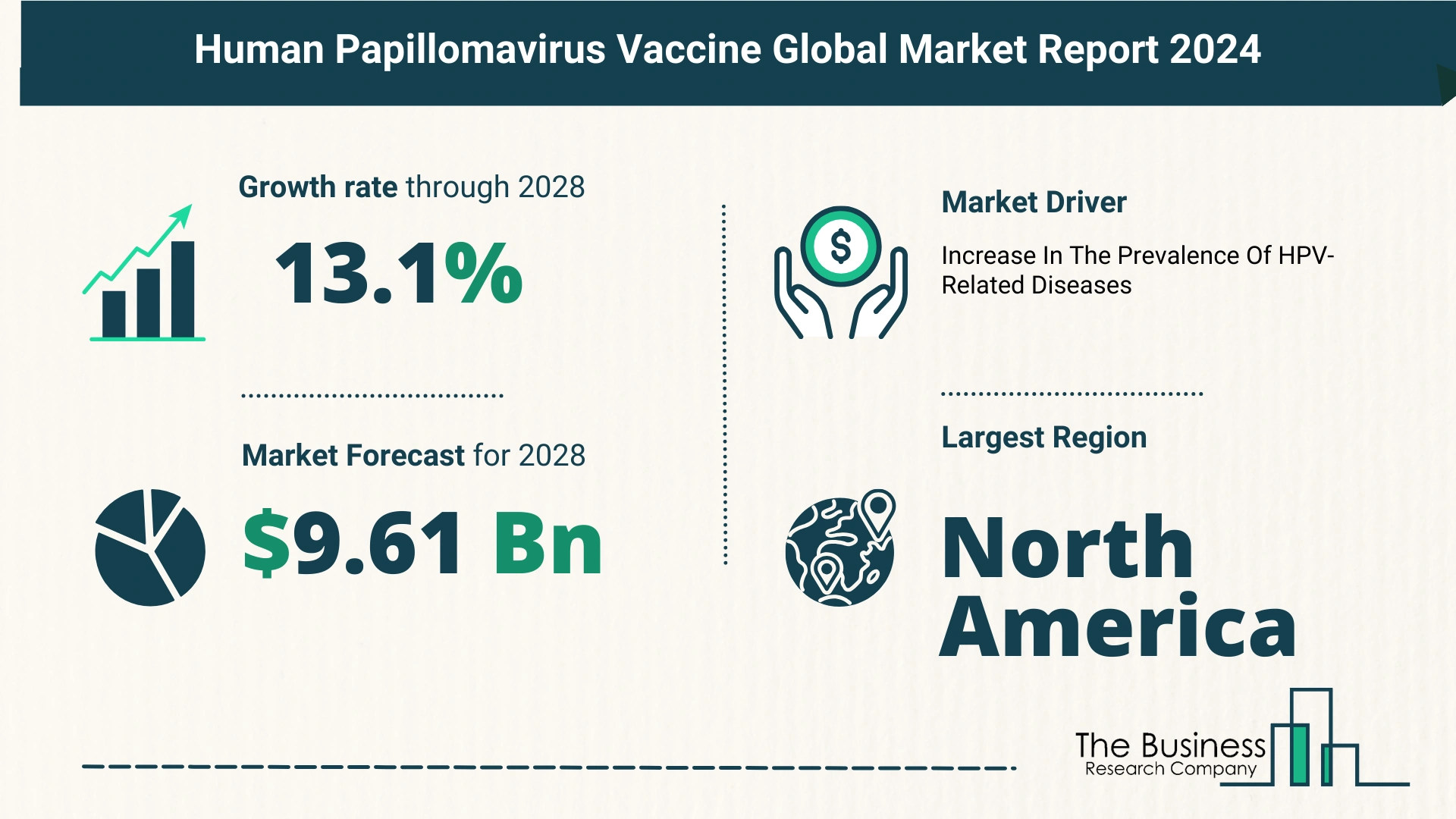
    Rising Prevalence of HPV-Related Diseases Sparks Surge in Market Growth:

    • HPV-related diseases, including cervical cancer, are driving the demand for HPV vaccines.
    • Increased prevalence of HPV-related diseases, as evidenced by statistics from the National Cancer Institute, contributes significantly to market growth.
    • Key players in the HPV vaccine market include Johnson & Johnson Co, Merck & Co Inc., Novartis AG, and others.

    View More On The Human Papillomavirus (HPV) Vaccine Market Report 2024 – https://www.thebusinessresearchcompany.com/report/human-papillomavirus-hpv-vaccine-global-market-report

    Transforming the Landscape of HPV Vaccines With Cervavac by Serum Institute of India:

    • Product innovation is a crucial trend shaping the HPV vaccine market.
    • Serum Institute of India’s launch of Cervavac, the first quadrivalent HPV vaccine developed entirely by Indian scientists, marks a significant milestone.
    • The vaccine aims to provide affordable and accessible protection against cervical cancer for girls aged 9 to 14.

    Biocon Biologics Ltd. and Serum Institute of India Merger:

    • The merger between Biocon Biologics Ltd. and Serum Institute of India promises a strategic alliance for revenue streams and antibody development.
    • This partnership is expected to yield innovative solutions targeting infectious diseases such as Dengue and HIV.

    Segmentation of the HPV Vaccine Market: The HPV vaccine market is segmented based on various factors:

    1. By Type: Tetravalent, Nonavalent, Bivalent
    2. By Disease Indication: Cervical Cancer, Anal Cancer, and others.
    3. By Distribution Channel: Hospital and Retail Pharmacies, Government Suppliers, and others.
    4. By Industry Vertical: Public and Private Alliance, Government Entities, Physicians, and other industries.

    Regional Insights:

    • North America emerged as the largest region in the HPV vaccine market in 2023.
    • The region’s leadership underscores the importance of vaccination efforts and healthcare infrastructure.

    Future Outlook and Trends:

    • The HPV vaccine market is projected to grow substantially, reaching $9.61 billion by 2028.
    • Major trends in the forecast period include innovation in adjuvant technology, targeted vaccination strategies, and integration with cancer screening programs.
    • Efforts to address health equity and vaccine accessibility will further drive market growth.

    Conclusion: The human papillomavirus (HPV) vaccine market is witnessing unprecedented growth, driven by a combination of factors such as rising disease prevalence, product innovations, and strategic partnerships. With continued advancements and a focus on inclusivity, the market is poised to address significant public health challenges associated with HPV-related diseases.

    Request A Sample Of The Global Human Papillomavirus (HPV) Vaccine Market Report 2024:

    https://www.thebusinessresearchcompany.com/sample_request?id=12040&type=smp