Year: 2024

  • Key Insights On The Cell Surface Marker Detection Market 2024 – Size, Driver, And Major Players

    Key Insights On The Cell Surface Marker Detection Market 2024 – Size, Driver, And Major Players

    The Business Research Company’s global market reports are now updated with the latest market sizing information for the year 2024 and forecasted to 2033

    As per The Business Research Company’s Cell Surface Marker Detection Global Market Report 2024, the cell surface marker detection market is expected to show significant growth in the forecast period.

    The cell surface marker detection market has experienced robust growth, escalating from $5.52 billion in 2023 to $6.06 billion in 2024, boasting a substantial CAGR of 9.8%. The historical period’s success can be attributed to the expansion in biomedical research, the evolution of high-content screening, increased prevalence of chronic diseases, and a notable shift towards immunotherapy.

    Anticipating Future Momentum
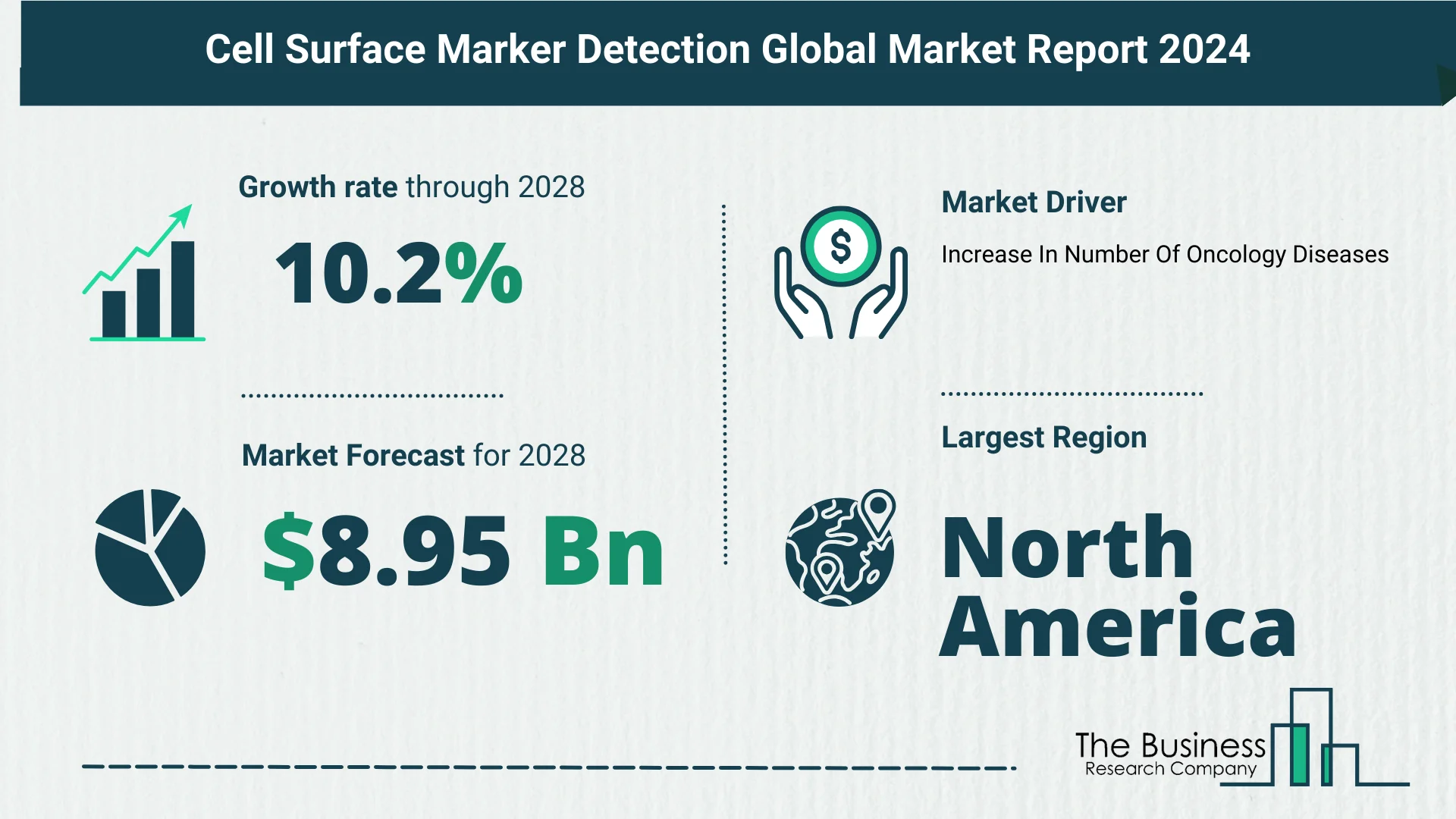
    Projections indicate an even more rapid growth trajectory for the cell surface marker detection market, reaching $8.95 billion in 2028, with a formidable CAGR of 10.2%. The forthcoming surge is attributed to factors such as market expansion in emerging economies, a burgeoning biopharmaceutical sector, adoption of single-cell analysis, a rise in chronic and infectious diseases, and increased funding for life sciences research.

    Drivers of Past Success and Future Growth
    Historic Growth Factors:

    • Expansion in biomedical research
    • Evolution of high-content screening
    • Increased prevalence of chronic diseases
    • Shift towards immunotherapy

    Anticipated Growth Drivers:

    • Market expansion in emerging economies
    • Expanding biopharmaceutical sector
    • Adoption of single-cell analysis
    • Rise in chronic and infectious diseases
    • Increasing funding for life sciences research

    The Chronic Disease Nexus
    Rising Incidence Of Chronic Diseases Fuels Growth
    The escalating prevalence of chronic diseases is poised to be a significant catalyst for the cell surface marker detection market’s future growth. Chronic diseases, characterized by long-term progression, require sophisticated diagnostic and monitoring tools. Cell surface marker detection plays a pivotal role in offering targeted and personalized approaches to patient care, enhancing the efficacy of therapeutic interventions.

    • According to the World Health Organization (September 2022):
      • 41 million deaths globally annually
      • 74% attributed to non-communicable diseases (NCDs) or chronic diseases
      • Breakdown includes 17.9 million deaths from cardiovascular diseases, 9.3 million deaths from cancer, 4.1 million deaths from chronic respiratory diseases, and 2.0 million deaths from diabetes.

    View More On The Cell Surface Marker Detection Market Report 2024 – https://www.thebusinessresearchcompany.com/report/cell-surface-marker-detection-global-market-report

    Innovations Driving Market Leadership
    Leadership in Analysis Systems
    Major companies shaping the cell surface marker detection market landscape include Thermo Fisher Scientific Inc., Beckman Coulter Inc., and Bio-Rad Laboratories Inc. These industry giants are focusing on innovation, evident in the introduction of advanced analysis systems.

    CytoSMART Technologies’ Stride in Imaging Analysis
    In April 2022, CytoSMART Technologies BV launched CytoSMART Omni FL, an advanced fluorescence live-cell imaging analysis system. This system, equipped with a high-resolution CMOS camera capturing images at 30 frames per second, finds applications in stem cell biology, immuno-oncology, virology, toxicology, and neurology.

    Strategic Acquisitions for Portfolio Enhancement
    DiaSorin’s Strategic Move
    In July 2021, DiaSorin S.p.A acquired Luminex Corporation for USD 1.8 billion. This strategic move provides DiaSorin access to Luminex’s multiplexing technology, enhancing its diagnostic portfolio and solidifying its position in the United States.

    Segmentation Insights
    Product Segmentation:

    1. Flow Cytometry
    2. Hematology Analyzers
    3. Reagents and Kits

    Application Segmentation:

    1. Disease Diagnosis
    2. Diseases Identification
    3. Research for Drug Discovery
    4. Cytological Academic Research

    End-User Segmentation:

    1. Pharmaceutical and Biotechnology Companies
    2. Hospitals and Clinical Testing Laboratories
    3. Academic and Research Institutes
    4. Other End Users

    Regional Dynamics
    North America took the lead in the cell surface marker detection market in 2023, with Asia-Pacific anticipated to emerge as the fastest-growing region in the forecast period.

    Conclusion: Navigating Growth Horizons
    As the cell surface marker detection market charts its course, driven by advancements in biotechnology, product innovations, and technological advancements in flow cytometry, stakeholders should prepare for a future marked by innovation and sustained expansion. The convergence of cutting-edge technologies and a focus on addressing the rising incidence of chronic diseases positions the market on an upward trajectory, showcasing its pivotal role in the life sciences landscape.

    Request A Sample Of The Global Cell Surface Marker Detection Market Report 2024:
    https://www.thebusinessresearchcompany.com/sample_request?id=8619&type=smp

  • Future Growth Forecast For The Cell Harvesting Global Market 2024-2033

    Future Growth Forecast For The Cell Harvesting Global Market 2024-2033

    The Business Research Company’s global market reports provide comprehensive analysis on the various markets in 27 industries across 60 geographies.

    The cell harvesting market has experienced robust growth in recent years, witnessing an increase from $10.07 billion in 2023 to a projected $10.77 billion in 2024, marking a Compound Annual Growth Rate (CAGR) of 7.0%. This growth is attributed to factors such as the prevalence of chronic diseases, escalating investments in research and development, and the expanding applications of cell harvesting in regenerative medicine.

    Future Outlook: Anticipating Strong Growth
    The trajectory of growth for the cell harvesting market is expected to continue its upward climb, reaching an estimated $14.09 billion in 2028, maintaining a steady CAGR of 7.0%. The drivers for this anticipated growth include the increasing incidence of diseases, trends in an aging population, the broadening scope of applications in therapeutics, and strategic collaborations within the industry.

    Chronic Diseases as Catalysts for Market Expansion
    Elevated Incidence Of Chronic Diseases Fuels Growth
    The prevalence of chronic diseases is anticipated to be a significant driver for the cell harvesting market. Chronic diseases, persisting for a year or longer, necessitate ongoing medical care, impacting daily activities. The rising number of chronic diseases demands extensive research to discover novel treatments, driving the need for cell-harvesting procedures in drug development. For example, the American Cancer Society projects 1.9 million new cancer cases and 609,360 cancer-related deaths in the US in 2022 alone. This surge in chronic diseases underscores the critical role of cell harvesting in advancing medical treatments.

    Dominant Players in the Market Landscape
    Major companies shaping the cell harvesting market include PerkinElmer Inc., Connectorate AG, Sartorius AG, Terumo Corporation, and others. This competitive landscape highlights the presence of key players both nationally and internationally, emphasizing the diversity and vitality of the market.

    View More On The Cell Harvesting Market Report 2024 – https://www.thebusinessresearchcompany.com/report/cell-harvesting-global-market-report

    Technological Innovation as a Cornerstone
    Innovative Technological Advancements Propel Growth
    Technological advancements stand out as a key trend driving growth in the cell harvesting market. Market leaders are investing in innovative technologies to maintain their competitive edge. Thermo Fisher Scientific Inc., for instance, introduced the DynaSpin Single-Use Centrifuge System in September 2022, designed to provide a single-use solution for extensive cell culture collection and centrifugation for cell harvesting. This technology not only enhances sustainability but also reduces overall production costs, showcasing the potential of technology to revolutionize the cell harvesting process.

    Strategic Acquisition Fuels Expansion
    In July 2021, Sartorius, a Germany-based life science company, acquired Xell AG, a cell culture specialist. This strategic move aimed to broaden Sartorius’s range of media products, with a focus on specialized media for viral vector production and media analytics. The acquisition also accelerated the expansion of Sartorius’s production network in this rapidly evolving sector, underlining the importance of strategic collaborations in the industry.

    Market Segmentation for Precision
    The cell harvesting market is segmented based on various criteria:

    1. By Type:
      • Manual Cell Harvesters
      • Automated Cell Harvesters
    2. By Distribution Channel:
      • Retail
      • Direct Tenders
    3. By End-Users:
      • Biotechnology and Biopharmaceutical Companies
      • Research Institute
      • Other End-Users

    Regional Dynamics
    In 2023, North America dominated the cell harvesting market, holding the largest market share. This regional prominence is indicative of the region’s active participation and leadership in advancing cell harvesting technologies.

    Conclusion: Navigating the Future of Cell Harvesting
    As the cell harvesting market continues its upward trajectory, driven by factors such as the prevalence of chronic diseases and technological advancements, stakeholders must stay attuned to emerging trends. The convergence of innovation, strategic collaborations, and a dynamic regulatory landscape signals a promising future for the cell harvesting market, one that holds immense potential for advancing healthcare and therapeutic solutions.

    Request A Sample Of The Global Cell Harvesting Market Report 2024:
    https://www.thebusinessresearchcompany.com/sample_request?id=8761&type=smp

  • Future Growth Forecast For The Carrier Screening Global Market 2024-2033

    Future Growth Forecast For The Carrier Screening Global Market 2024-2033

    The Business Research Company’s global market reports provide comprehensive analysis on the various markets in 27 industries across 60 geographies.

    The carrier screening market has witnessed rapid growth in recent years, and the trajectory is set to continue. In 2023, the market size reached $2.31 billion, and it is projected to grow to $2.7 billion in 2024 at a remarkable CAGR of 16.8%. Looking ahead, the forecast indicates even more substantial growth, reaching $4.91 billion by 2028 with a CAGR of 16.1%. This growth is attributed to various factors, including precision medicine advancements, expanded panel offerings, consumer genomics, government and insurance support, and advancements in genetic technologies.

    Fetal Chromosomal Abnormalities Driving Market Growth

    • Fetal Chromosomal Abnormalities:The rise in fetal chromosomal abnormalities and genetic disorders is a key driver for the carrier screening market.
    • Global Impact:According to the World Health Organization, birth defects cause significant newborn mortality, with 240,000 deaths in the first 28 days of life each year.
    • Down Syndrome Prevalence:Down syndrome, a common chromosomal disorder, affects 1 in 1,000 to 1 in 1,100 live births worldwide, highlighting the global impact of chromosomal abnormalities.

    Market Players and Competition

    Major companies contributing to the carrier screening market’s growth include Invitae Corporation, BGI Genomics Co. Ltd., Centogene NV, Illumina Inc., Myriad Genetics Inc., Quest Diagnostics Inc., and others. These companies play a crucial role in advancing genetic testing and diagnostics.

    View More On The Carrier Screening Market Report 2024 – https://www.thebusinessresearchcompany.com/report/carrier-screening-global-market-report

    Advancing Genetic Testing Through Comprehensive Carrier Screening Panel

    • Product Development Focus:Key market players emphasize product development, particularly carrier screening panels, to maintain market leadership.
    • Fulgent Genetics’ Offering:Fulgent Genetics introduced the Beacon787 expanded carrier screening panel, covering 787 genes linked to various genetic conditions. The panel aligns with ACMG guidelines, promoting comprehensive screening for pregnant individuals and those planning pregnancies.

    Strategic Acquisition By Sema4 OpCo Inc

    • Sema4’s Acquisition:Sema4 OpCo Inc. acquired GeneDx LLC for $623 million in May 2022.
    • Strategic Impact:This acquisition positions Sema4 as a prominent genomic testing company in the U.S., enhancing its health information database for improved patient care and therapeutic research.

    Market Segmentation

    The carrier screening market is segmented based on:

    1. Type:Expanded Carrier Screening, Targeted Disease Carrier Screening
    2. Medical Condition:Pulmonary Conditions, Hematological Conditions, Neurological Conditions, Other Medical Conditions
    3. Technology:DNA Sequencing, Polymerase Chain Reaction, Microarrays, Other Technologies
    4. End User:Hospitals, Reference Laboratories, Physician Offices and Clinics, Other End Users

    Regional Trends

    • North America Dominance:North America emerged as the largest region in the carrier screening market in 2023.
    • Asia-Pacific Growth:Asia-Pacific is anticipated to be the fastest-growing region during the forecast period.

    Future Trends and Outlook

    • Advancements in Genetic Technologies:Continuous advancements in genetic technologies will shape the carrier screening landscape.
    • Integration with Prenatal Testing:Integration with prenatal testing is a major trend, offering a more comprehensive approach to genetic screening.
    • Rise in Personalized Medicine:The focus on personalized medicine continues to influence carrier screening practices.
    • Counseling and Education Services:Increasing emphasis on counseling and education services for individuals undergoing carrier screening.
    • Ethical and Legal Considerations:Ethical and legal considerations become crucial as carrier screening becomes more widespread.

    Conclusion

    The carrier screening market’s substantial growth is propelled by the increasing incidence of fetal chromosomal abnormalities and the commitment of key market players to advance genetic testing. As advancements in genetic technologies, strategic acquisitions, and a focus on comprehensive screening panels continue, the carrier screening market is poised for transformative growth. Looking ahead, the integration of carrier screening with prenatal testing, personalized medicine, and ethical considerations will be pivotal in shaping the future landscape of genetic testing and diagnostics.

    Request A Sample Of The Global Carrier Screening Market Report 2024:
    https://www.thebusinessresearchcompany.com/sample_request?id=7952&type=smp

  • Comprehensive Analysis On Size, Share, And Drivers Of The Buccal Drug Delivery System Market

    Comprehensive Analysis On Size, Share, And Drivers Of The Buccal Drug Delivery System Market

    The Business Research Company’s global market reports provide comprehensive analysis on the various markets in 27 industries across 60 geographies.

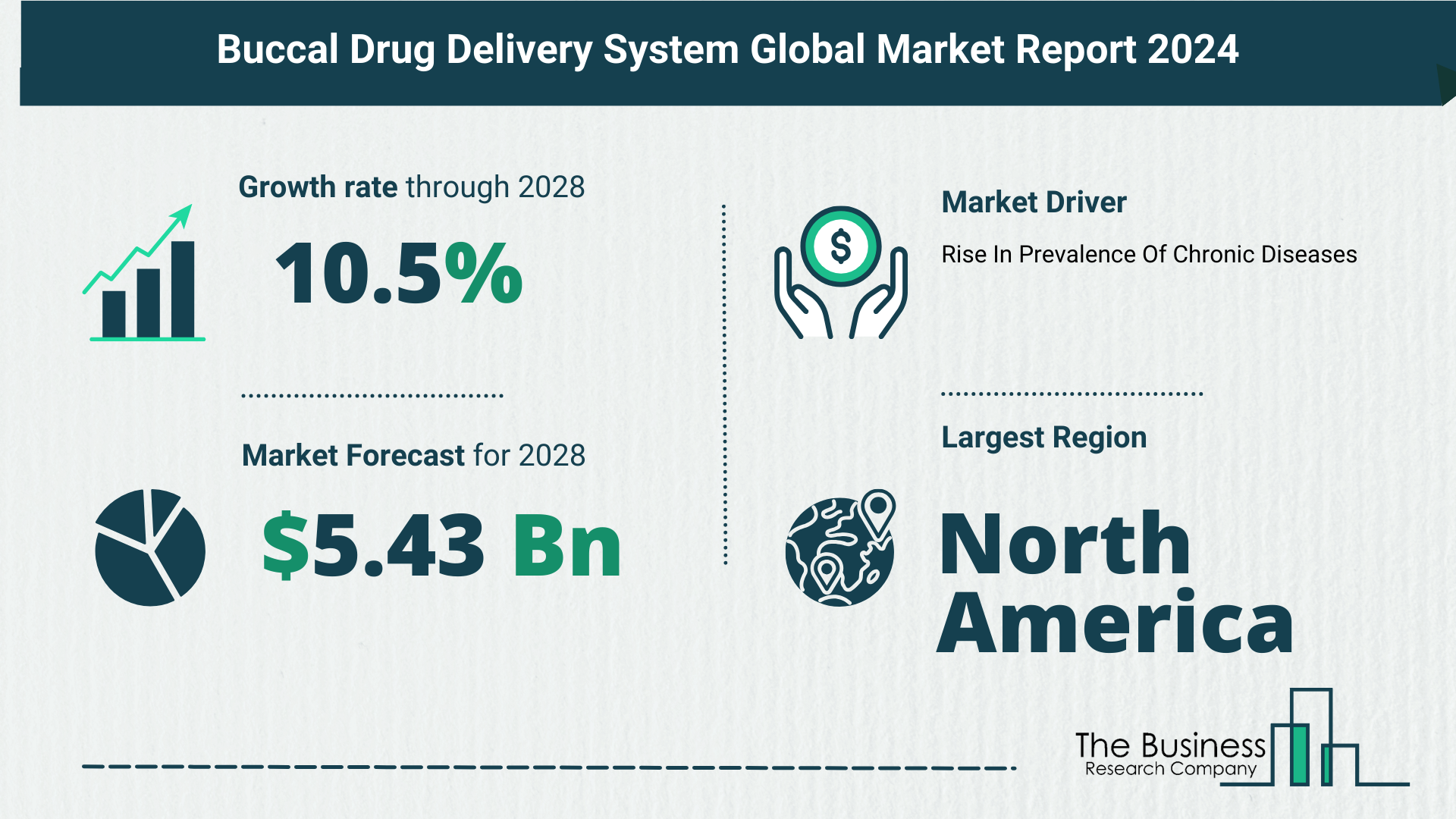
     The buccal drug delivery system market has experienced rapid growth in recent years, with the market size reaching $3.28 billion in 2023 and projected to grow to $3.64 billion in 2024, showcasing a noteworthy CAGR of 11.0%. Looking ahead, the forecast indicates continued expansion, with an estimated market size of $5.43 billion by 2028 and a CAGR of 10.5%. Factors contributing to this growth include patient-centric drug delivery, an aging population, demand for targeted therapies, regulatory support, and investments in research and development.

    Rising Chronic Diseases Propel Market Growth

    • Prevalence of Chronic Diseases: The buccal drug delivery systems market is driven by the increasing prevalence of chronic diseases such as cancer, heart disease, stroke, diabetes, and arthritis.
    • Non-Communicable Diseases Impact: According to the World Health Organization, 74% of the 41 million deaths caused by non-communicable diseases annually are attributed to chronic diseases.
    • Continuous Nutrition and Care: Chronic diseases require continuous nutrition and medical care, making buccal drug delivery systems an effective solution.

    Key Market Players

    Major companies contributing to the buccal drug delivery system market include Teva Pharmaceuticals Industries Ltd., Pfizer Incorporated, GlaxoSmithKline Public Limited Company, Catalent Inc., and many others. These companies play a crucial role in advancing drug delivery innovations and addressing various disease-specific applications.

    Increasing Focus On Product Launches

    • Product Innovation: Major companies focus on launching new products to enhance their market presence.
    • Melatonin Oral Spray: Arlak Biotech launched a melatonin oral spray in February 2023, offering an easy and effective solution for improving sleep quality. The spray’s oral absorption provides a quick and simple approach to addressing sleep-related issues.

    View More On The Buccal Drug Delivery System Market Report 2024 – https://www.thebusinessresearchcompany.com/report/buccal-drug-delivery-system-global-market-report

    Strategic Acquisition By DifGen Pharmaceuticals

    • Acquisition Move: In April 2023, DifGen Pharmaceuticals LLC acquired Aveva Drug Delivery Services Inc.
    • Enhanced Capabilities: This strategic acquisition aims to enhance DifGen’s research and development capabilities and strengthen its supply chain for complex dosage forms, focusing on buccal drug delivery systems.

    Market Segmentation

    The buccal drug delivery system market is segmented based on:

    1. Type: Sublingual, Buccal Tablets and Lozenges, Oral Sprays
    2. Application: Pain Management, Smoking Cessation, Angina Pectoris
    3. End-User: Hospitals, Ambulatory Centers, Other End-Users

    Regional Trends

    • North America Dominance: North America emerged as the largest region in the buccal drug delivery systems market in 2023.

    Future Trends and Outlook

    • Patient Convenience and Compliance:Future trends in the buccal drug delivery system market include a strong focus on patient convenience and compliance.
    • Advancements in Drug Formulations: Continuous advancements in drug formulations contribute to the market’s growth.
    • Rise in Chronic Diseases: The increasing incidence of chronic diseases continues to be a driving factor for the market.
    • Pediatric and Geriatric Care: Specialized drug delivery systems for pediatric and geriatric populations are gaining prominence.
    • Enhanced Bioavailability: Strategies to enhance drug bioavailability contribute to the effectiveness of buccal drug delivery systems.

    Conclusion
    The buccal drug delivery system market’s rapid growth is intricately linked to addressing the challenges posed by chronic diseases and the commitment of key players to innovation. As the market continues to evolve, a focus on patient-centric solutions, advancements in drug formulations, and specialized care for different age groups will shape the future of buccal drug delivery systems. With a significant market size and a trajectory of continuous growth, the buccal drug delivery system market remains a crucial player in the pharmaceutical industry.

    Request A Sample Of The Global Buccal Drug Delivery System Market Report 2024:
    https://www.thebusinessresearchcompany.com/sample_request?id=8290&type=smp

  • Overview Of The Brain Health Supplements Market 2024-2033: Growth And Major Players Analysis

    Overview Of The Brain Health Supplements Market 2024-2033: Growth And Major Players Analysis

    The Business Research Company’s global market reports are now updated with the latest market sizing information for the year 2024 and forecasted to 2033

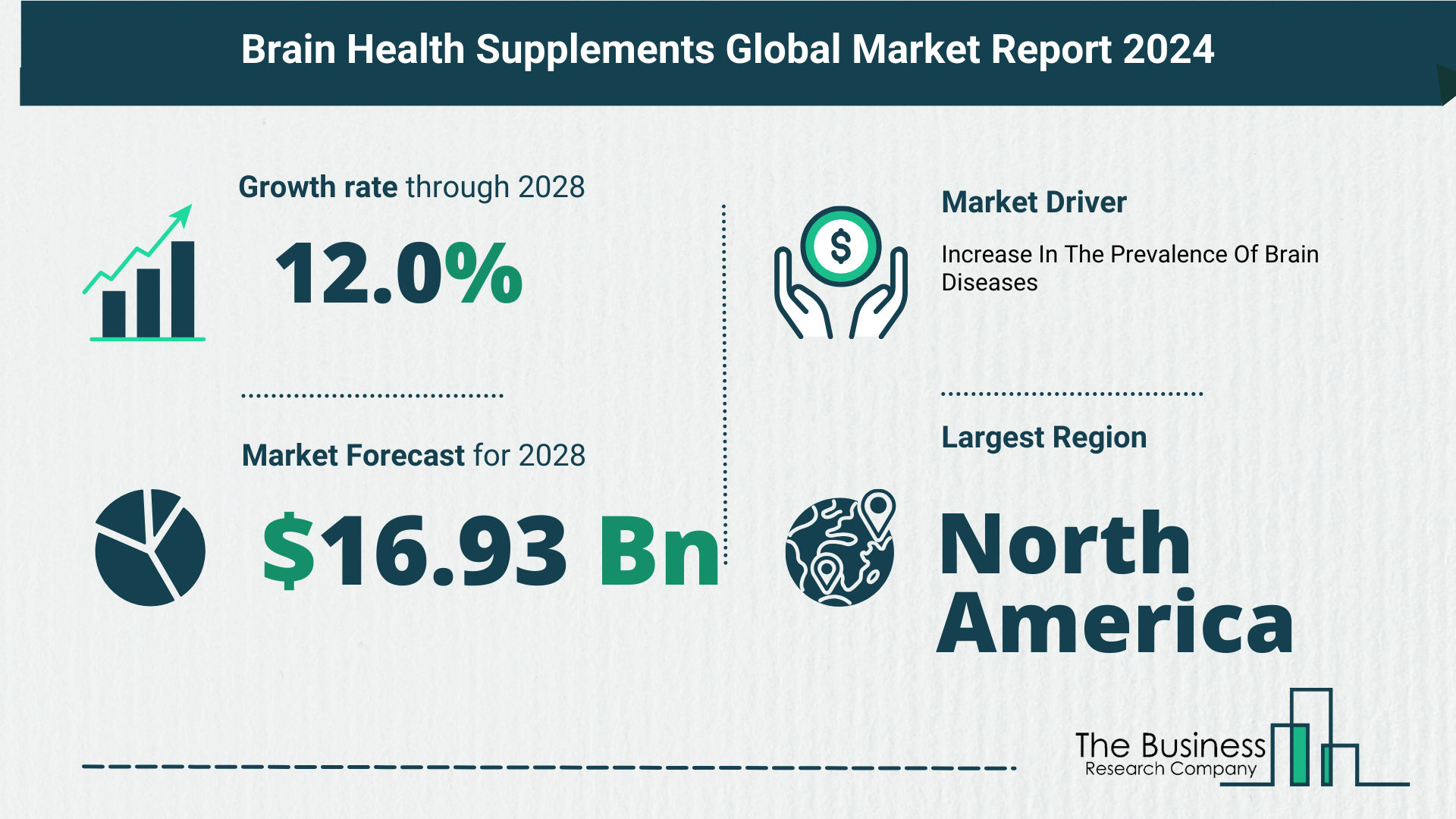
    The brain health supplements market has witnessed rapid growth, soaring from $9.63 billion in 2023 to an estimated $10.77 billion in 2024, showcasing a notable compound annual growth rate (CAGR) of 11.8%. This surge is attributed to various factors such as e-commerce expansion, personalized nutrition trends, and the pressing concerns arising from digital overload and increased screen time. Looking ahead, the market is poised for even more robust growth, projected to reach $16.93 billion by 2028 at a CAGR of 12.0%.

    Rising Prevalence of Brain Diseases Fuels Market Growth

    The Impact of Brain Diseases

    The escalating prevalence of brain diseases is a driving force behind the growth of the brain health supplements market. Brain diseases, characterized as disorders affecting the brain, have prompted a surge in the demand for supplements. Nutrient supplementation, including long-chain polyunsaturated fatty acids and essential vitamins, has shown promise in reducing inflammation and enhancing antioxidative defense. For instance, Alzheimer’s disease, a prevalent brain disorder, is expected to see approximately 500k new cases annually in the United States by 2022, emphasizing the urgent need for brain health supplements.

    Major Players in the Market

    Key companies making significant contributions to the brain health supplements market include Accelerated Intelligence Inc., Aurobindo Pharma Limited, Nutra-Champs Inc., and Life Extension Foundation Buyers Club Inc., among others. These companies play a pivotal role in developing and providing innovative solutions to address the rising prevalence of brain diseases.

    View More On The Brain Health Supplements Market Report 2024 – https://www.thebusinessresearchcompany.com/report/brain-health-supplements-global-market-report

    Product Innovation as a Key Trend

    Embracing Product Innovation

    A notable trend within the brain health supplements market is the emphasis on product innovation. Leading companies are investing in research and development to introduce cutting-edge products. For instance, Cosmos Holdings launched Brainlit, an advanced formula designed to maintain and enhance brain function. This supplement includes high-quality ingredients like Ginkgo biloba, glutamine, L-tyrosine, and essential vitamins and minerals crucial for optimal brain function.

    Addressing Diverse Needs

    Innovation in product formulations allows companies to cater to diverse consumer needs, from memory enhancement to anxiety relief. The Brainlit supplement stands as an example of addressing various aspects of brain health, targeting conditions such as Alzheimer’s disease, Parkinson’s disease, depression, and anxiety.

    Strategic Acquisitions Shaping Market Dynamics

    Havn Life Sciences’ Acquisition of Bennett’s Choice

    In September 2021, HAVN Life Sciences made a strategic move by acquiring Bennett’s Choice, a Canada-based supplement development company. This acquisition enriches HAVN Life Sciences’ portfolio with a unique collection of patented formulas, contributing to the expansion of their line of natural health products. The move aligns with the company’s commitment to offering a diverse range of supplements to meet evolving consumer preferences.

    Market Segmentation for Precision

    The brain health supplements market is segmented based on product types, supplement forms, distribution channels, and applications. This segmentation allows for a precise understanding of the market dynamics, addressing the varied needs of consumers across different categories.

    Regional Dynamics and Future Trends

    North America Leading, Asia-Pacific Rising

    North America dominated the brain health supplements market in 2023. However, the Asia-Pacific region is anticipated to be the fastest-growing market during the forecast period. This shift in dynamics reflects the increasing awareness and adoption of brain health supplements in diverse global regions.

    Anticipated Trends in the Forecast Period

    As we move forward, several trends are anticipated to shape the brain health supplements market. These include celebrity endorsements and influencer marketing, regulatory support, and safety standards. Additionally, personalized nutrition trends, clinical research, and evolving consumer preferences will play pivotal roles in defining the market’s future landscape.

    Conclusion

    The brain health supplements market is experiencing substantial growth, fueled by the rising prevalence of brain diseases and a focus on product innovation. Major players, through strategic acquisitions and a commitment to research, are contributing to the development of diverse and effective supplements. As the market continues to evolve, addressing the unique needs of consumers and staying abreast of emerging trends will be critical for sustained success in the dynamic world of brain health supplements.

    Request A Sample Of The Global Brain Health Supplements Market Report 2024:
    https://www.thebusinessresearchcompany.com/sample_request?id=8282&type=smp

  • Global Bone And Joint Health Supplements Market Key Insights 2024-2033

    Global Bone And Joint Health Supplements Market Key Insights 2024-2033

    The Business Research Company’s global market reports are now updated with the latest market sizing information for the year 2024 and forecasted to 2033

    According to The Business Research Company’s Bone And Joint Health Supplements Global Market Report 2024, the bone and joint health supplements market is expected to show promising growth in the forecast period.

    The bone and joint health supplements market has witnessed robust growth, surging from $12.9 billion in 2023 to $14.06 billion in 2024, exhibiting a commendable CAGR of 9.0%. This remarkable growth in recent years is attributed to factors such as stringent quality assurance and safety standards, increased retail accessibility, medical recommendations, and effective consumer education initiatives.

    Anticipating Strong Momentum Ahead

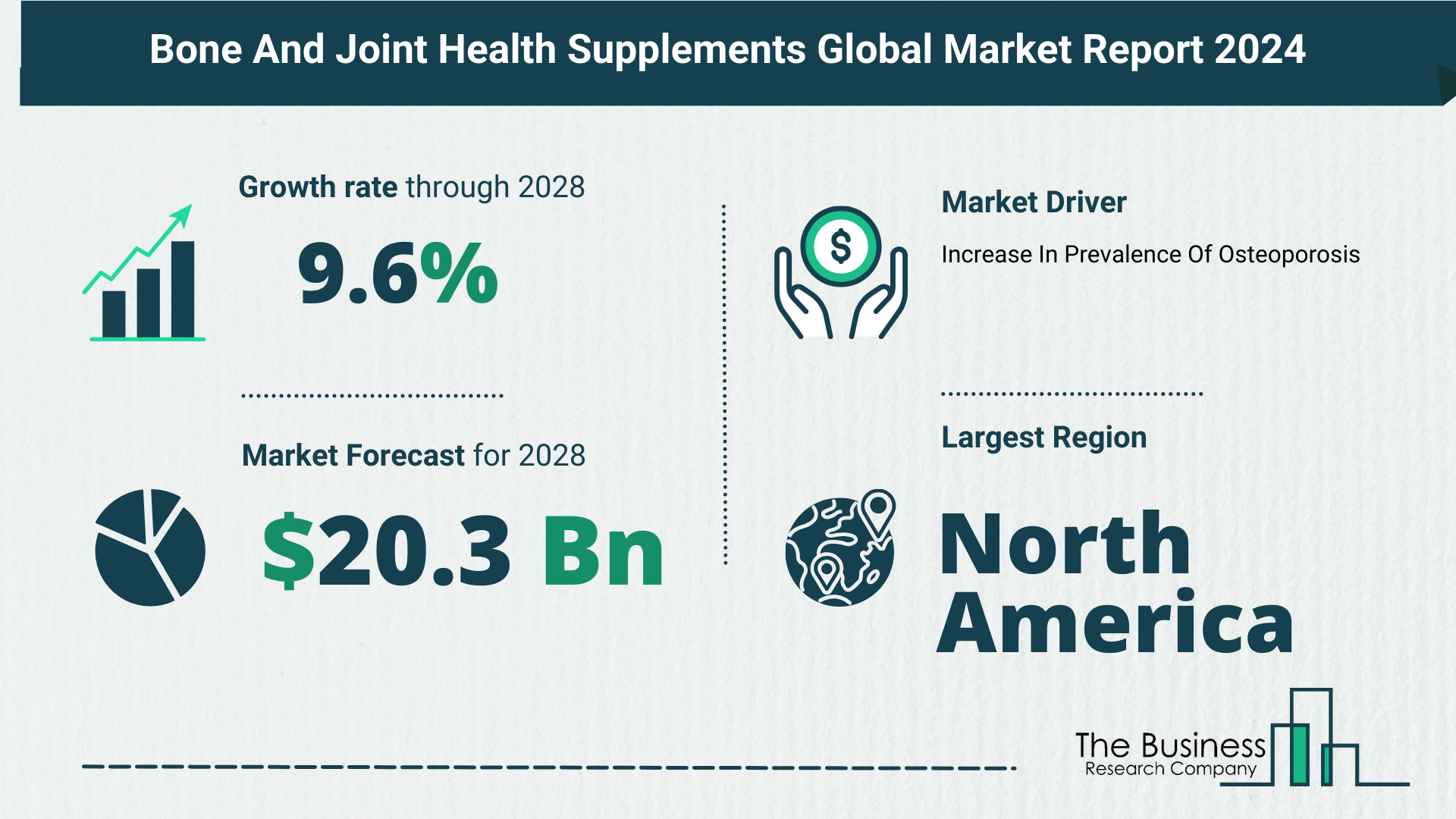
    Projections for the future indicate sustained growth, with the market size expected to reach $20.3 billion in 2028, maintaining a robust CAGR of 9.6%. The anticipated growth in the forecast period can be attributed to escalating healthcare cost concerns, a pronounced focus on natural and organic ingredients, medical endorsements, burgeoning fitness and wellness trends, and an increasing demand for customized supplement solutions. Key trends in the forecast period include innovation in formulations, the influence of sports and fitness trends, and a continued focus on medical recommendations and endorsements.

    Rising Osteoporosis Prevalence: A Driving Force

    Osteoporosis and Market Expansion:

    The increasing prevalence of osteoporosis is poised to be a significant driver propelling the growth of the bone and joint health supplements market. Osteoporosis, characterized by weakened bones, is a condition where low calcium intake significantly contributes to its development.

    • According to Amgen (May 2022):
      • Osteoporosis causes approximately 1.5 million fractures in the United States annually
      • Resulting in $19 billion in associated costs
      • Anticipated 68% increase in fractures from 2018 to 2040

    Market Leaders in Osteoporosis Management:

    • Nature’s Bounty Incorporated
    • The Procter & Gamble Company
    • Amway Corporation
    • Pfizer Incorporated
    • Glanbia PLC

    View More On The Bone And Joint Health Supplements Market Report 2024 – https://www.thebusinessresearchcompany.com/report/bone-and-joint-health-supplements-global-market-report

    Transformative Product Developments: A Key Trend

    Innovation in Product Offerings:

    Product innovation has emerged as a key trend in the bone and joint health supplements market. Companies are focusing on developing new and creative products to maintain their market positions.

    Example of Innovation: The Nature’s Bounty Co. (November 2021):

    • Launch of a jellybean vitamin line
    • Fruit-flavored, vegetarian jellybean vitamins without gelatin or artificial sweeteners
    • Designed to promote various elements of wellness, offering vital vitamins and nutrients

    Strategic Acquisition and Portfolio Expansion:

    Nestlé Health Science’s Move (August 2021):

    • Acquisition of Bountiful Company’s core brands
    • Undisclosed amount
    • Bountiful Company is a US-based joint care supplement brand

    Segmentation Insights: A Holistic View

    Types of Supplements:

    1. Vitamin D
    2. Vitamin K
    3. Calcium
    4. Collagen
    5. Omega-3 Fatty Acids
    6. Glucosamine-Chondroitin
    7. Other Types

    Forms of Supplements:

    1. Tablets
    2. Capsules
    3. Liquid
    4. Powder
    5. Other Forms

    Applications:

    1. Dietary Supplements
    2. Functional Foods and Beverages
    3. Other Application Types

    Distribution Channels:

    1. Supermarkets/Hypermarkets
    2. Pharmacies
    3. Health Stores
    4. Convenience Stores
    5. Internet Retailing
    6. Other Distribution Channels

    Regional Dynamics: North America Leading the Way

    North America emerged as the largest region in the bone and joint health supplements market in 2023, showcasing its substantial contribution to the industry. However, the Asia-Pacific region is expected to be the fastest-growing in the forecast period, indicating a global shift in market dynamics.

    Conclusion: Paving the Path to Optimal Bone and Joint Health

    As the bone and joint health supplements market continues its upward trajectory, driven by factors ranging from rising health concerns to innovative product formulations, stakeholders must stay attuned to evolving consumer preferences and industry trends. With the convergence of medical endorsements, strategic acquisitions, and a growing awareness of the importance of bone and joint health, the market is poised for sustained expansion, promising a future marked by fortified wellness and a robust supplement landscape.

    Request A Sample Of The Global Bone And Joint Health Supplements Market Report 2024:
    https://www.thebusinessresearchcompany.com/sample_request?id=8182&type=smp

  • What’s The Growth Forecast For Biotechnology Reagents Market Through 2024-2033?

    What’s The Growth Forecast For Biotechnology Reagents Market Through 2024-2033?

    The Business Research Company’s global market reports provide comprehensive analysis on the various markets in 27 industries across 60 geographies.

     The biotechnology reagents market has experienced remarkable growth, evolving from $78.82 billion in 2023 to an anticipated $86.17 billion in 2024, showcasing a substantial Compound Annual Growth Rate (CAGR) of 9.3%. This surge is attributed to the rise in biopharmaceutical development, expansion of genomics and proteomics research, drug discovery and development, increased life sciences research funding, and a global focus on precision medicine.

    Future Outlook: Robust Growth Anticipated

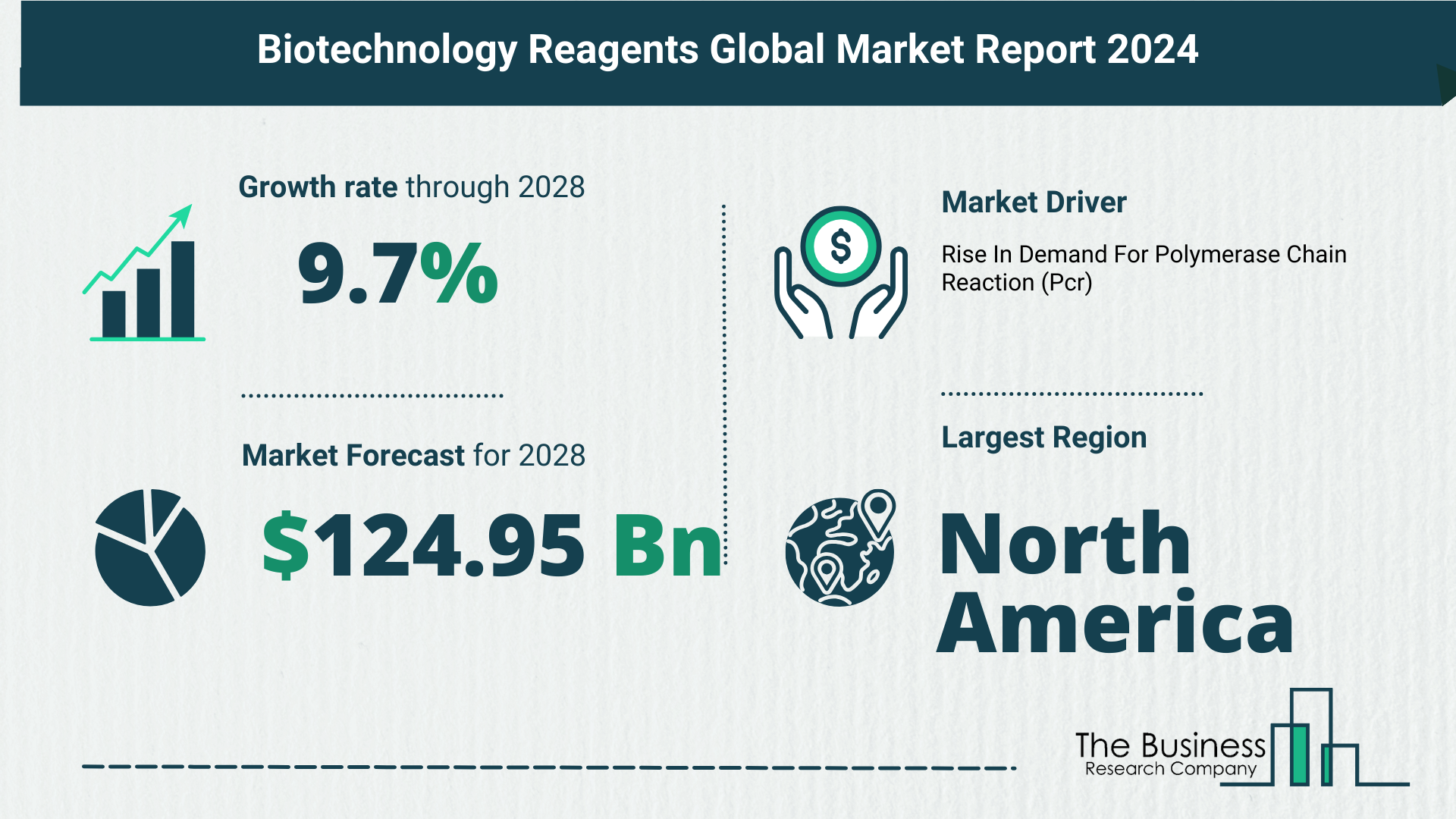
    The growth momentum is set to continue in the biotechnology reagents market, with an estimated value of $124.95 billion by 2028, maintaining a strong CAGR of 9.7%. Factors contributing to this growth include single-cell analysis techniques, expansion of synthetic biology, the rising importance of glycomics, increased applications in cell culture, and the growth of biobanking and biorepository. Additionally, the market is expected to respond dynamically to global health crises, emphasizing the pivotal role of biotechnology in healthcare.

    Chronic Diseases and the Role of Biotechnology Reagents

    Addressing the Challenge of Chronic Diseases

    The increasing prevalence of chronic diseases is poised to drive the growth of the biotechnology reagents market. Chronic diseases, often necessitating a combination of individual responsibility, healthcare interventions, and societal measures, present a significant health challenge. Biotechnology reagents function as specialized tools enabling scientists to study and find solutions for chronic diseases. These tools play a crucial role in understanding disease mechanisms, creating diagnostic tests, and developing potential treatments. As the number of people aged 50 and older with at least one chronic condition is expected to double by 2050, the demand for effective biotechnology tools becomes increasingly vital.

    Key Players Shaping the Landscape

    Major companies contributing to the growth of the biotechnology reagents market include Life Technologies Corporation, Abbott Laboratories, Abcam PLC, Agilent Technologies Inc., and others. This diverse landscape underscores the industry’s collaborative efforts on a global scale.

    View More On The Biotechnology Reagents Market Report 2024 – https://www.thebusinessresearchcompany.com/report/biotechnology-reagents-global-market-report

    Trends Driving Innovation in Biotechnology Reagents

    Product Innovation: Paving the Way Forward

    Product innovation stands out as a key trend in the biotechnology reagent market, with major companies focusing on developing cutting-edge solutions. For instance, Bio-Techne launched two new RNAscope in situ Hybridization Probes, Kappa and Lambda, as analyte-specific reagents (ASRs). This innovation marks a significant advancement in the detection of immunoglobulin kappa and lambda light chains mRNA, showcasing the industry’s commitment to research and clinical diagnostics.

    Strategic Acquisition for Growth

    In April 2022, Meridian Bioscience strengthened its recombinant capabilities by acquiring Euprotein Inc., a US-based biotechnology company specializing in the development and manufacturing of bioresearch reagents. This strategic move is expected to enhance Meridian Bioscience’s pipeline of novel immunological tools, emphasizing the importance of strategic acquisitions for industry growth.

    Market Segmentation for Precision

    The biotechnology reagents market is segmented based on various criteria:

    1. By Type:
      • Life Science Reagents
      • Analytical Reagents
      • Other Reagents
    2. By Applications:
      • Protein Synthesis and Purification
      • Gene Expression
      • DNA and RNA Analysis
      • Drug Testing
    3. By End-Users:
      • Biotech Companies
      • Research Institutes
      • Pharmaceuticals
      • Diagnostic Centers
      • Academic Institutes
      • Other End-Users

    Regional Dynamics
    In 2023, North America took the lead in the biotechnology reagents market, holding the largest market share. However, the forecast period suggests that Asia-Pacific is positioned to be the fastest-growing region, highlighting the global expansion of the industry.

    Conclusion: Paving the Way for Biotechnological Advancements

    As the biotechnology reagents market continues to grow, driven by innovation, technological advances, and a focus on addressing health challenges, stakeholders need to stay attuned to evolving trends. The dynamic landscape, characterized by product innovation, strategic acquisitions, and a growing emphasis on quality control and standardization, positions biotechnology reagents as instrumental tools in advancing biotechnological research globally.

    Request A Sample Of The Global Biotechnology Reagents Market Report 2024:
    https://www.thebusinessresearchcompany.com/sample_request?id=7963&type=smp

  • How Is The Biomedical Textiles Market Expected To Grow Through 2024-2033

    How Is The Biomedical Textiles Market Expected To Grow Through 2024-2033

    The Business Research Company’s global market reports are now updated with the latest market sizing information for the year 2024 and forecasted to 2033

    According to The Business Research Company’s Biomedical Textiles Global Market Report 2024, the biomedical textiles market is expected to show promising growth in the forecast period.

    The biomedical textiles market has witnessed robust growth in recent years, reaching $15.63 billion in 2023 and projected to hit $16.74 billion in 2024, marking a commendable compound annual growth rate (CAGR) of 7.1%. The surge is attributed to various factors, including the prioritization of infection control, global health emergencies, a focus on regenerative medicine, and the prevalence of chronic diseases.

    Anticipating Strong Growth Ahead

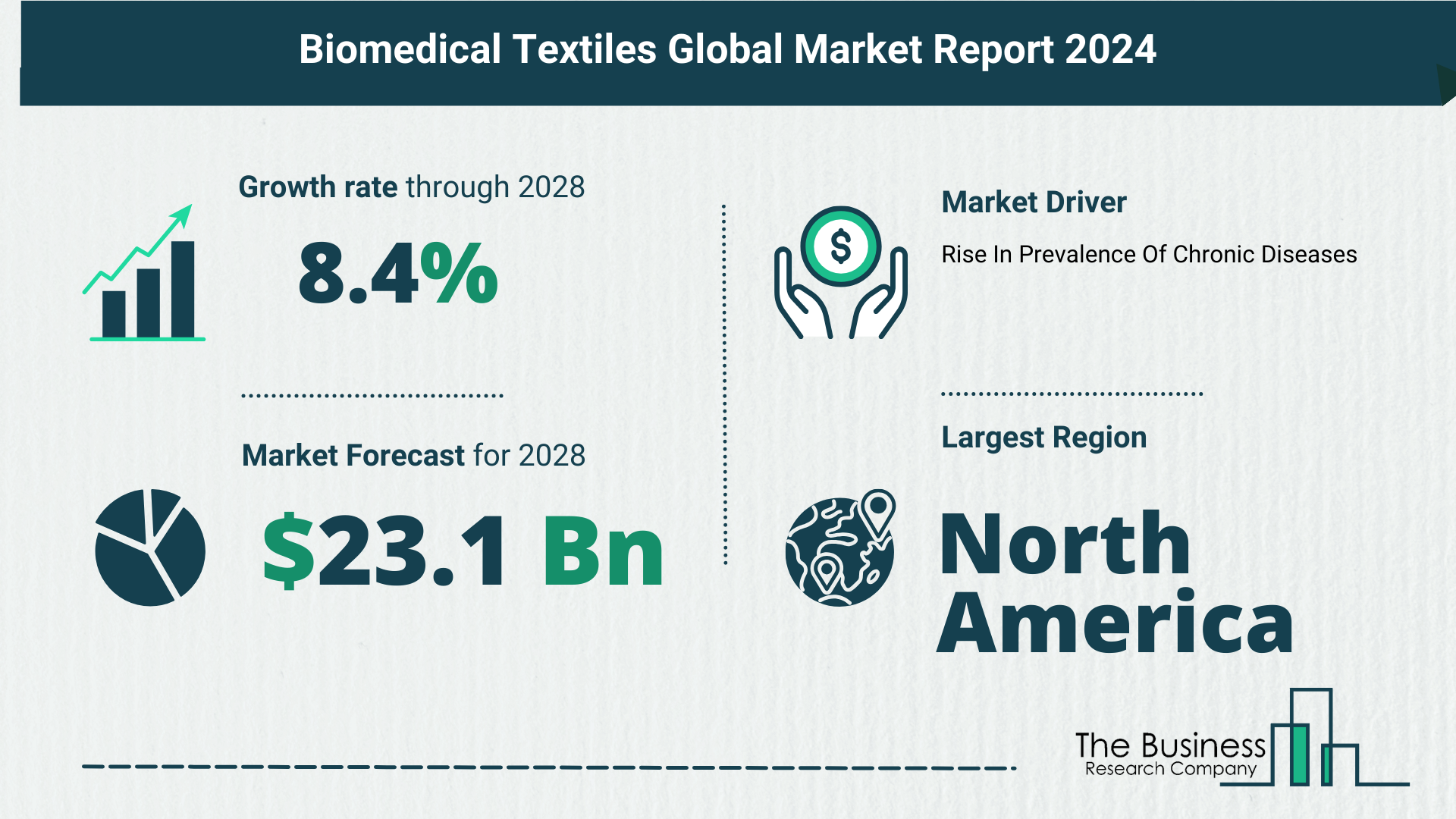
    The outlook remains promising for the biomedical textiles market, with an expected surge to $23.1 billion in 2028 at a CAGR of 8.4%. This growth is fueled by evolving consumer health and wellness trends, global health preparedness, military and defense applications, personalized medicine needs, and the growing prominence of telemedicine and wearable health technologies. Notable trends in the forecast period encompass advancements in medical technology, research collaborations, and a rising wave of sustainable textiles.

    Chronic Diseases Propel Biomedical Textiles Market

    1. Rising Prevalence Of Chronic Diseases Drives Biomedical Textiles Market
    • Chronic diseases, requiring prolonged medical attention, are a key driver for the biomedical textiles market.
    • Biomedical textiles find application in surgeries related to chronic diseases for wound closure and prevention.
    • The Alliance for Aging Research predicts a 42% increase in chronic disease cases, reaching 230.7 million people globally by 2030.
    • The surge in chronic diseases underscores the pivotal role of biomedical textiles in medical interventions.

    View More On The Biomedical Textiles Market Report 2024 – https://www.thebusinessresearchcompany.com/report/biomedical-textiles-global-market-report

    Major Market Players and Collaborative Innovations

    1. Nufabrx And Enventys Partners Collaborate To Introduce HealthWear Smart-Textile Platform In Biomedical Textiles Market
    • Collaboration is a significant trend among major companies to introduce smart textile platforms.
    • Nufabrx and Enventys Partners teamed up to launch HealthWear, integrating medicine, wellness, and health benefits into clothing.
    • HealthWear’s proprietary smart-textile platform ensures the administration of therapeutic care even after multiple wears, uses, and laundries.
    1. Integer Expands Capabilities Acquisition Of Aran Biomedical
    • In April 2022, Integer acquired Aran Biomedical for $131 million, expanding its capabilities in medical device outsourcing.
    • The acquisition combines Aran Biomedical’s expertise in biomaterial-focused medical implant products with Integer’s production scale and delivery methods.
    • This strategic move strengthens Integer’s position in serving customers with advanced technological developments.

    Market Segmentation and Regional Dynamics

    1. Market Segmentation
    • By Product Type: Non-Implantable, Implantable
    • By Fabric: Non-Woven Biomedical Textiles, Woven Biomedical Textiles, Knitted Biomedical Textiles
    • By Fiber Type: Non-Biodegradable, Biodegradable
    • By Applications: Ophthalmology, Neurology, Cardiology, Dentistry, Orthopedics, General Surgery And Treatment, Other Applications
    • By End Users: Hospitals, Ambulatory Centers, Clinics, Community Healthcare, Other End Users
    • A comprehensive segmentation provides insights into the diverse applications and materials driving market growth.
    1. Regional Dominance
    • North America held the largest share in the biomedical textiles market in 2023, showcasing a robust market presence.
    • Asia-Pacific is anticipated to emerge as the fastest-growing region in the forecast period, underlining the global reach and potential of the biomedical textiles market.

    Conclusion

    In conclusion, the biomedical textiles market stands at the intersection of healthcare innovation and technological advancements. The industry’s growth is propelled by an increased focus on chronic diseases, collaborative efforts among major players, and the integration of smart-textile platforms. As the market continues to evolve, biomedical textiles are not just materials but essential contributors to the transformative landscape of modern healthcare. The outlook remains promising, driven by a commitment to research, technological advancements, and a shared goal of enhancing patient outcomes globally.

    Request A Sample Of The Global Biomedical Textiles Market Report 2024:
    https://www.thebusinessresearchcompany.com/sample_request?id=8243&type=smp

  • Global Biologics Contract Development Market Analysis: Estimated Market Size And Growth Rate

    Global Biologics Contract Development Market Analysis: Estimated Market Size And Growth Rate

    The Business Research Company’s global market reports are now updated with the latest market sizing information for the year 2024 and forecasted to 2033

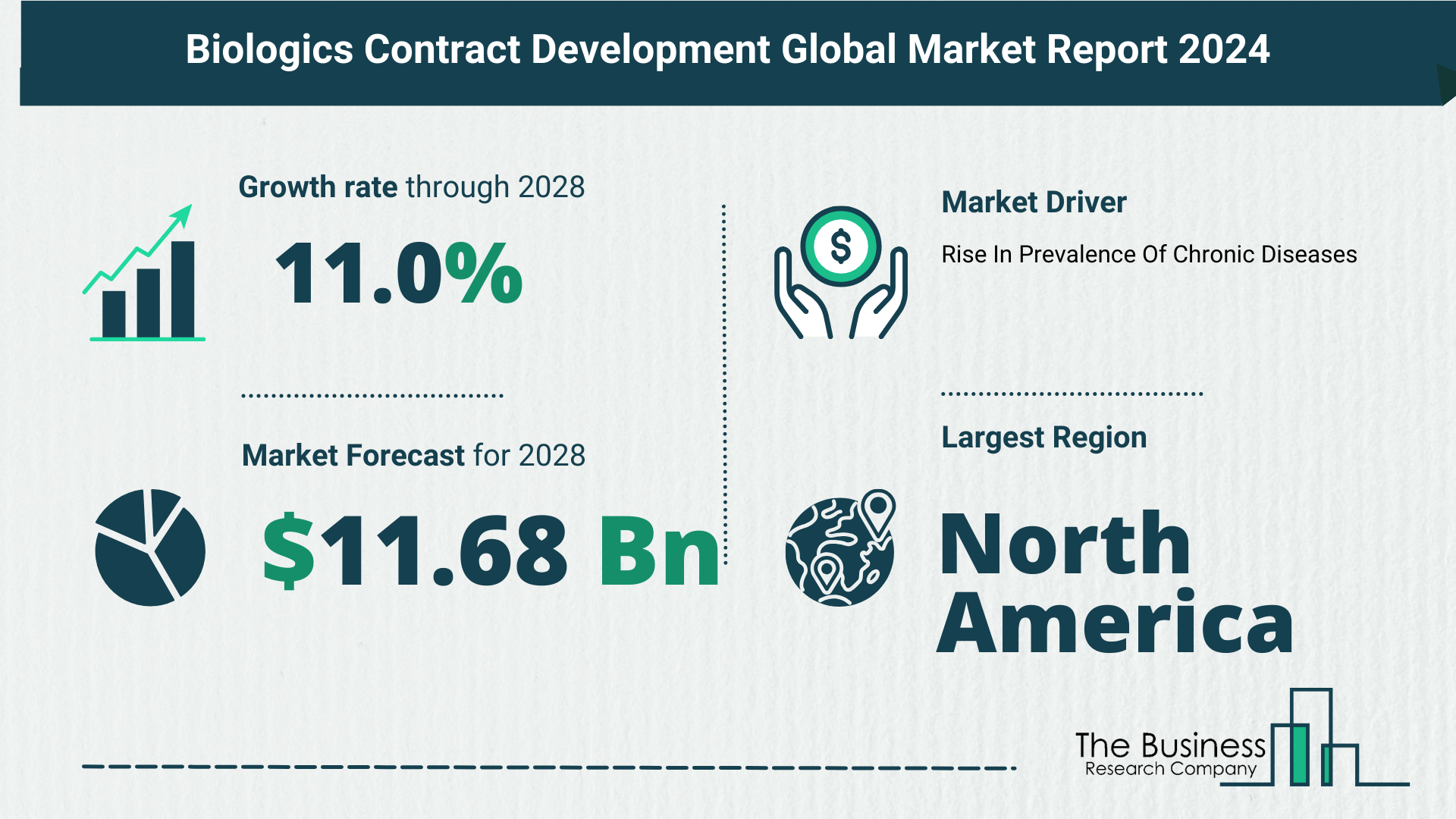
    The biologics contract development market has witnessed rapid growth, with the market size reaching $6.94 billion in 2023 and projected to grow to $7.7 billion in 2024, showcasing a notable CAGR of 11.0%. Looking ahead, the forecast indicates continued expansion, reaching $11.68 billion by 2028 with a CAGR of 11.0%. Key drivers of historic growth include the rise in the biologics market, increased focus on biopharmaceuticals, the complexity of biologics, patent expirations, and cost efficiency.

    Increasing Investment in Biopharmaceuticals

    • Biopharmaceutical Demand: The growth of the biologics contract development market is fueled by the increasing demand for biopharmaceuticals, such as monoclonal antibodies, recombinant proteins, and gene therapies.
    • Outsourcing Dynamics: Companies are outsourcing development activities to meet market demands, leading to substantial growth.
    • Strategic Investment Example: FUJIFILM Corporation invested $2 billion in creating a new large-scale cell culture production site in the U.S. in January 2021, accelerating its biopharmaceutical contract development and manufacturing business.

    Key Market Players

    Major companies contributing to the biologics contract development market include WuXi Biologics, Abzena Ltd., Fujifilm Diosynth Biotechnologies, KBI Biopharma, and many others. These companies play a pivotal role in advancing the capabilities and services within the market.

    Innovative Technological Integration Elevates Market Dynamics

    • Lonza’s BYlok Platform: Lonza, a Switzerland-based company, launched the bYlok technology platform in January 2022, setting a new standard for designing and manufacturing bispecific antibodies.
      • Key Features: Solves light-heavy chain mispairing issue, high yields (>95% accuracy), maintains a mAb-like format.
      • Accessibility: Pharma and biotech companies can access the platform through a simple research license.
    • Recipharm’s Strategic Acquisition: In February 2022, Recipharm, a Sweden-based organization, strategically acquired Vibalogics and Arranta Bio.
      • Strategic Impact: Strengthens Recipharm’s presence in advanced therapy medicinal products and expands virotherapy manufacturing capabilities in the U.S.
      • Acquired Companies: Vibalogics (Germany) and Arranta Bio (U.S.) are contract development and manufacturing organizations.

    Market Segmentation

    The biologics contract development market is segmented based on:

    1. Source: Microbial, Mammalian, Others Sources
    2. Indication: Oncology, Immunological disorders, Cardiovascular disorders, Hematological disorders, Others Indications
    3. Product Service: Cell Line Development, Process Development, Others Product Services

    Regional Trends

    • North America Dominance: North America emerged as the largest region in the biologics contract development market in 2023.
    • Asia-Pacific Growth: Asia-Pacific is expected to be the fastest-growing region in the forecast period.

    View More On The Biologics Contract Development Market Report 2024 – https://www.thebusinessresearchcompany.com/report/biologics-contract-development-global-market-report

    Future Trends and Outlook

    • Digitalization and Data Analytics: The forecast period will see rapid growth driven by digitalization, data analytics, and a focus on precision medicine and personalized therapies.
    • Regenerative Medicine: A notable trend includes a focus on regenerative medicine, aligning with the growing demand for advanced therapeutic solutions.
    • Risk Mitigation Strategies: Companies are adopting risk mitigation strategies to navigate the complexities associated with biologics development.
    • Global Collaborations: Increasing global collaborations are expected to shape the market dynamics, fostering innovation and knowledge exchange.
    • Technological Integration: Advanced technologies, including digital solutions and data analytics, will continue to be integrated to enhance biologics contract development capabilities.

    Conclusion
    The biologics contract development market’s significant growth is intricately linked to the increasing investment in biopharmaceuticals and the integration of innovative technologies by major players. As the market continues to evolve, digitalization, data analytics, and a focus on precision medicine will play pivotal roles in shaping the future of biologics contract development. With a strong market size and diverse trends, the biologics contract development market remains at the forefront of driving advancements in the biopharmaceutical industry.

    Request A Sample Of The Global Biologics Contract Development Market Report 2024:
    https://www.thebusinessresearchcompany.com/sample_request?id=8219&type=smp

  • 5 Key Insights On The Bio-Implants Market 2024

    5 Key Insights On The Bio-Implants Market 2024

    The Business Research Company’s global market reports are now updated with the latest market sizing information for the year 2024 and forecasted to 2033

    As per The Business Research Company’s Bio-Implants Global Market Report 2024, the bio-implants market is expected to show significant growth in the forecast period.

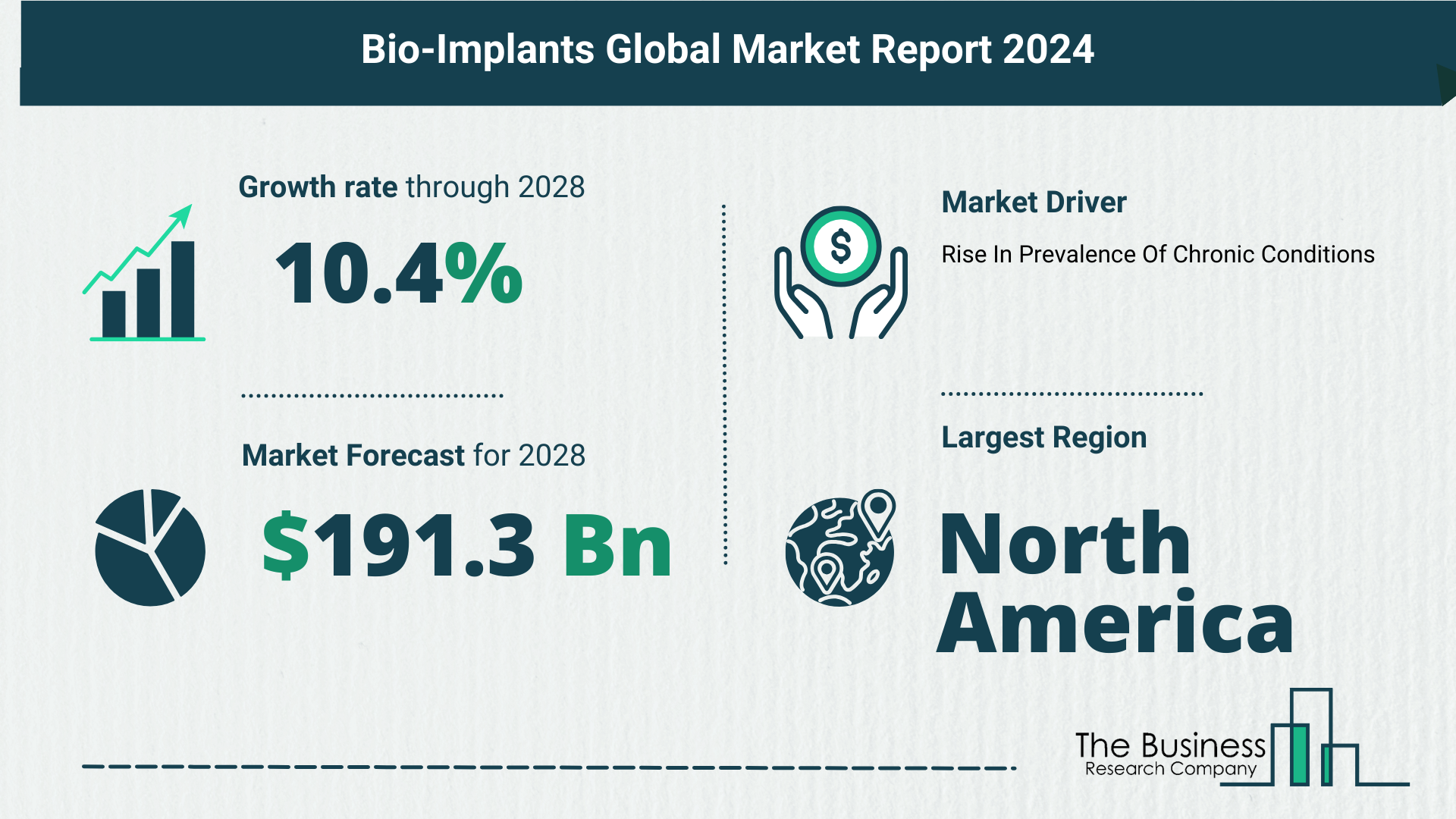
    The bio-implants market has witnessed substantial growth, surging from $116.28 billion in 2023 to an estimated $128.77 billion in 2024, showcasing an impressive compound annual growth rate (CAGR) of 10.7%. This expansion is attributed to factors like the aging population, increased prevalence of chronic diseases, a surge in surgical procedures, enhanced life expectancy, and robust regulatory support and standards. Looking ahead, the market is poised for accelerated growth, projected to reach $191.3 billion by 2028 at a CAGR of 10.4%.

    Rising Prevalence of Chronic Conditions Boosts Growth

    Impact of Chronic Conditions

    The bio-implant market is expected to witness a substantial boost due to the rising prevalence of chronic conditions such as cardiovascular diseases and arthritis. Chronic diseases, persisting for a year or longer, necessitate continuous medical care and impact daily activities. Bio-implants play a crucial role in managing and monitoring chronic conditions, contributing to reducing the mortality rate associated with these diseases. The World Health Organization reports that approximately 71% of global deaths, totaling 41 million annually, are attributed to chronic diseases, underscoring the critical role of bio-implants in healthcare.

    Key Market Players

    Major companies driving the bio-implants market include industry giants like Medtronic PLC, Stryker Corporation, Johnson & Johnson, and Zimmer Biomet Holdings Inc. These companies are at the forefront of developing cutting-edge bio-implant technologies to address the growing healthcare challenges posed by chronic conditions.

    View More On The Bio-Implants Market Report 2024 – https://www.thebusinessresearchcompany.com/report/bio-implants-global-market-report

    Innovative Biomaterial Technology and 3D Printing Revolutionize the Market

    Technical Innovations and Key Trends

    The bio-implants market is experiencing a transformative shift driven by technical innovations. Notably, the focus is on the development of innovative biomaterial technology, leveraging advanced techniques such as 3D printing for bio-implant systems. 3D printing facilitates the creation of 3D structures functioning as tissues, using cells and biomaterials, a departure from traditional metals and polymers. Evonik Industries AG’s launch of the VESTAKEEP iC4800 3DF PEEK filament, based on 3D-printing technology, exemplifies the sector’s commitment to groundbreaking biomaterial advancements.

    Strategic Acquisition Enhancing Portfolio

    In a strategic move, CONMED Corporation, a prominent medical technology company, acquired Biorez Inc., a US-based medical device start-up, in August 2022. This acquisition enables CONMED to expand its sports medicine portfolio, exemplifying the industry’s commitment to growth and diversification through strategic partnerships.

    Market Segmentation and Future Trends

    Segmentation for Precision

    The bio-implants market is segmented based on types, materials, origin, and end-users. This meticulous segmentation allows for a nuanced understanding of the market dynamics, catering to diverse needs in the ever-evolving healthcare landscape. Segments include cardiovascular implants, dental implants, spinal bio-implants, orthopedic implants, ophthalmic implants, and others.

    Anticipated Trends in the Forecast Period

    The forecast period is marked by several anticipated trends, including the rise of customized and personalized implants, biodegradable and bioresorbable implants, advancements in biomaterials, regenerative medicine and tissue engineering, and the integration of smart implants and wearable technologies. These trends collectively indicate a future where bio-implants are increasingly tailored to individual needs and leverage cutting-edge technologies for enhanced patient outcomes.

    Regional Dynamics and Future Growth

    North America Leads, Asia-Pacific Emerges Fastest Growing

    In 2023, North America led the bio-implants market, reflecting the region’s robust healthcare infrastructure and technological adoption. However, the fastest-growing region in the forecast period is anticipated to be Asia-Pacific. This shift underscores the global nature of the bio-implants market, with diverse regions experiencing varying rates of growth and adoption.

    Conclusion

    The bio-implants market is evolving rapidly, driven by factors such as the increasing prevalence of chronic conditions and groundbreaking technical innovations. Major players, through strategic acquisitions and a commitment to research and development, are pioneering the transformation of healthcare through bio-implants. As the market continues to grow, addressing individualized healthcare needs and staying at the forefront of emerging trends will be essential for sustained success in this dynamic and vital sector.

    Request A Sample Of The Global Bio-Implants Market Report 2024:
    https://www.thebusinessresearchcompany.com/sample_request?id=8203&type=smp