Year: 2024

  • Overview Of The Blood Group Typing Market 2024-2033: Growth And Major Players Analysis

    Overview Of The Blood Group Typing Market 2024-2033: Growth And Major Players Analysis

    The Business Research Company’s global market reports are now updated with the latest market sizing information for the year 2024 and forecasted to 2033

    The blood group typing market has experienced significant growth in recent years, with the market size expanding from $2.76 billion in 2023 to $3.15 billion in 2024, representing a remarkable Compound Annual Growth Rate (CAGR) of 14.1%. Looking ahead, the market is poised to continue its upward trajectory, reaching $5.18 billion in 2028, fueled by a CAGR of 13.3%. This growth is attributed to various factors, including the increasing demand for blood products, a rise in chronic diseases, and enhanced healthcare spending.

    Factors Driving Growth in Historic Period

    • Expansion in blood donation drives
    • Aging population
    • Rise in healthcare infrastructure development
    • Increase in clinical trials

    Factors Fueling Forecasted Growth

    • Rising demand for blood and blood-related products
    • Growing prevalence of chronic diseases
    • Increase in road accidents
    • Surge in healthcare spending

    Addressing Infectious Diseases

    One major driver of the blood group typing market is the escalating prevalence of infectious diseases. These disorders, caused by various organisms such as bacteria, viruses, fungi, or parasites, have witnessed a surge globally. Blood group typing plays a crucial role in analyzing specific antibodies against infectious agents, aiding in effective treatment and preventing further transmission. For instance, the World Health Organization reported a significant number of deaths due to tuberculosis and malaria in recent years, highlighting the urgent need for efficient blood typing methods.

    Key Players in the Blood Group Typing Market

    Major companies dominating the blood group typing market include Grifols S.A., Bio-Rad Laboratories Inc., Immucor Inc., Ortho-Clinical Diagnostics Inc., and others. These companies contribute significantly to market growth through their innovative products and solutions.

    View More On The Blood Group Typing Market Report 2024 – https://www.thebusinessresearchcompany.com/report/blood-group-typing-global-market-report

    Innovations Transforming the Market

    ABO and RhD Solid-Phase Blood Grouping Kits

    • Major companies focus on innovative products like ABO and RhD Solid-Phase Blood Grouping Kits.
    • These kits detect ABO blood type system A/B antigen and Rh blood group system D antigen using solid-phase technology.
    • lnTec PRODUCTS, INC. launched the Notice-2nd Generation ABO and RhD Solid-Phase Blood Grouping Kit in February 2022, offering improved features such as affordability, speed, and ease of use.

    Strategic Acquisitions

    In March 2023, Werfen, S.A., a Spain-based company, acquired Immucor Inc. for approximately US$2 billion. This strategic move enhanced Werfen’s position in the specialized diagnostics market, strengthening its diagnostic solutions for hospitals and clinical laboratories.

    Market Segmentation

    The blood group typing market is segmented based on:

    1. Test Type:
      • Antibody Screening
      • Cross-Matching Tests
      • ABO Tests
      • Antigen Typing
      • HLA Typing
    2. Product:
      • Instruments
      • Reagents and Kits
    3. Techniques:
      • Serology Tests
      • Molecular Tests
    4. End User:
      • Hospital-Based Laboratories
      • Independent Laboratories and Blood Banks

    Regional Analysis

    • North America held the largest share in the blood group typing market in 2023.
    • Asia-Pacific is anticipated to be the fastest-growing region in the forecast period, indicating significant opportunities for market expansion.

    In conclusion, the blood group typing market is on an upward trajectory, driven by factors such as increasing demand for blood-related products, the prevalence of infectious diseases, and technological innovations. As the market continues to evolve, it presents lucrative opportunities for both established players and new entrants aiming to contribute to the advancement of healthcare diagnostics.

    Request A Sample Of The Global Blood Group Typing Market Report 2024:
    https://www.thebusinessresearchcompany.com/sample_request?id=4092&type=smp

  • Key Trends And Drivers In The Body Fat Reduction Market 2024

    Key Trends And Drivers In The Body Fat Reduction Market 2024

    The Business Research Company’s market reports offer an in-depth analysis on the market’s growth potential, major drivers, key trends and more.

    The body fat reduction market has witnessed robust growth in recent years, with the market size increasing from $11.84 billion in 2023 to $12.96 billion in 2024 at a Compound Annual Growth Rate (CAGR) of 9.5%. This expansion is attributed to several factors, including concerns about obesity, the fitness and wellness industry’s growth, the medical tourism sector’s expansion, and increased healthcare spending.

    Future Projections: A Promising Outlook

    The positive trajectory is expected to continue in the coming years, projecting a market size of $18.87 billion in 2028 at a CAGR of 9.8%. Key drivers for this forecasted growth include rising disposable income, evolving cultural norms and beauty standards, increased adoption of minimally invasive procedures, and growing healthcare infrastructure. Notable trends in the forecast period include targeted fat reduction, integration of AI and personalization, combination therapies, sustainable practices, and strategic partnerships.

    The Obesity Epidemic: Catalyst for Market Surge

    – Global Obesity Tripled Since 1975

    The escalating obesity rates globally, with a threefold increase since 1975 according to WHO, have become a significant driver for the body fat reduction market. In the USA, 16 states reported obesity rates of 35% or higher in 2021. This alarming rise in the obese population is a primary factor fueling the demand for body fat reduction solutions.

    – Leading Players in the Market

    Major companies capitalizing on this surge include AbbVie Inc., Apollo Hospitals Enterprise Limited, Cutera Inc., and others. These companies are at the forefront, addressing the growing demand for effective body fat reduction solutions.

    Read More On The Body Fat Reduction Market Report 2024 – https://www.thebusinessresearchcompany.com/report/body-fat-reduction-global-market-report

    Innovative Solutions: Paving the Way Forward

    – AirSculpt Smooth Gen Cellulite Removal Technology

    Major players are investing in cutting-edge technologies to meet evolving consumer needs. For instance, AirSculpt Technologies introduced AirSculpt Smooth Gen, an FDA-cleared, non-surgical, one-time treatment designed for cellulite removal. This innovation offers a needle-free, scalpel-free, and suture-free procedure with quick recovery, aligning with the modern consumer’s preferences.

    – Xponential Fitness Acquisition: Boosting Functional Training

    In 2021, Xponential Fitness expanded its portfolio by acquiring Body Fit Training (BFT), a fitness franchise based in Australia. This strategic move allows Xponential Fitness to enhance its functional training and strength-based offerings, aligning with the demand for effective fat reduction solutions.

    Market Segmentation: Understanding the Dynamics

    – Segments in Focus

    The body fat reduction market is segmented based on procedures (surgical and non-surgical), gender (male and female), and service providers (medical spas, hospitals, clinics). This segmentation provides a comprehensive understanding of the market dynamics, catering to diverse consumer needs.

    – Regional Insights

    In 2023, North America dominated the body fat reduction market, while Asia-Pacific is anticipated to be the fastest-growing region in the forecast period. This geographical shift underscores the global nature of the industry, with emerging markets gaining prominence.

    Conclusion: Navigating the Path Ahead

    The body fat reduction market is experiencing a transformative phase, driven by the obesity epidemic, technological innovations, and strategic business moves. As the market continues to expand, both consumers and industry players must stay attuned to evolving trends and advancements, ensuring a healthier and more aesthetically conscious future.

    Request for A Sample Of The Global Body Fat Reduction Market Report:
    https://www.thebusinessresearchcompany.com/sample_request?id=5661&type=smp

  • Understand How The Bone Densitometer Market Is Poised To Grow Through 2024-2033

    Understand How The Bone Densitometer Market Is Poised To Grow Through 2024-2033

    The Business Research Company’s global market reports are now updated with the latest market sizing information for the year 2024 and forecasted to 2033

    As per The Business Research Company’s Bone Densitometer Global Market Report 2024, the bone densitometer market is expected to show significant growth in the forecast period.

    The bone densitometer market has experienced robust growth in recent years, with the market size set to reach $1.38 billion in 2024, marking an impressive Compound Annual Growth Rate (CAGR) of 9.1%. Looking forward, the market is poised for continued expansion, reaching a projected $2 billion by 2028, driven by various factors including rising awareness about bone health and technological advancements.

    Key Drivers of Market Growth

    • Aging Population
    • Rise in Awareness about Bone Health
    • Increased Healthcare Infrastructure
    • Economic Growth

    Demographic Shifts Fueling Growth

    Impact of Aging Population on the Bone Densitometer Market

    The escalating global aging population is a significant factor propelling the bone densitometer market forward. With the proportion of elderly individuals increasing, there is a higher likelihood of osteoporosis development, necessitating early identification and preventive measures. Bone densitometry plays a pivotal role in the diagnosis and therapy of osteoporosis in older individuals, contributing to improved patient outcomes and reduced healthcare expenditures.

    • Australian Aging Population Example
      • In Australia, the percentage of individuals aged 65 and beyond increased from 4.6% in 1922 to 16.2% in 2021.
      • This exemplifies the global trend of an aging population driving the demand for bone densitometry.

    Major Players Shaping the Landscape

    Leading companies in the bone densitometer market include Diagnostic Medical Systems SA, GE Healthcare Technologies Inc., Hologic Inc., and others. These industry leaders are instrumental in developing cutting-edge technologies to meet the increasing demands for bone health assessment.

    View More On The Bone Densitometer Market Report 2024 – https://www.thebusinessresearchcompany.com/report/bone-densitometer-global-market-report

    Strategic Investments Drive Innovation

    Zürcher Kantonalbank Investment in MEDIMAPS GROUP

    Major companies in the bone densitometer market are strategically investing to drive innovation. Zürcher Kantonalbank’s $20 million investment in Medimaps Group, a Swiss imaging software provider specializing in bone health evaluation, is a noteworthy example. This investment aims to enhance bone health evaluation through the development and launch of proprietary AI apps for global use.

    • Medimaps Group’s Funding Usage
      • The $20 million funding is directed towards the development and launch of AI apps for bone health evaluation.
      • This strategic move aligns with the growing trend of AI integration in bone densitometry.

    Collaboration for Enhanced Osteoporosis Care

    Newman Regional Health and Hologic Collaboration

    In April 2022, Newman Regional Health collaborated with Hologic to incorporate the Horizon DXA bone densitometry system. This collaboration allowed Newman Regional Health to enhance its male and female health and wellbeing offerings. Hologic’s Horizon DXA system, known for its advanced diagnostic tools, facilitates early detection and treatment of osteoporosis.

    • Horizon DXA System’s Advantages
      • Offers excellent image quality.
      • Enhances diagnostic capabilities for early osteoporosis detection and treatment.

    Market Segmentation: Understanding the Dynamics

    Segmentation Overview

    The bone densitometer market is segmented based on type, application, and end-user categories. Key segments include DXA Systems, Peripheral Bone Densitometers, Radiographic Absorptiometry Scanners, and Quantitative Ultrasound Scanners. Applications range from osteoporosis diagnosis to body composition measurement, catering to various healthcare needs. End-users include hospitals, clinics, diagnostic and imaging centers, and other healthcare providers.

    Geographical Landscape: North America Leading, Asia-Pacific Rising

    North America took the lead in the bone densitometer market in 2023, while Asia-Pacific is expected to emerge as the fastest-growing region in the forecast period. This global distribution signifies a shift in healthcare dynamics, with regions like Asia-Pacific playing a pivotal role in shaping the market landscape.

    Conclusion: A Bright Future Ahead

    The bone densitometer market’s remarkable growth trajectory is a testament to the increasing emphasis on bone health and technological advancements in healthcare. With strategic investments, collaborations, and a focus on innovative solutions, major players are contributing to the evolution of bone densitometry. As the market continues to expand, it holds the promise of delivering improved diagnostic tools and preventive measures for individuals worldwide, reinforcing the significance of bone health in overall well-being.

    Request A Sample Of The Global Bone Densitometer Market Report 2024:
    https://www.thebusinessresearchcompany.com/sample_request?id=6681&type=smp

  • Future Growth Forecast For The Bone Growth Stimulator Global Market 2024-2033

    Future Growth Forecast For The Bone Growth Stimulator Global Market 2024-2033

    The Business Research Company’s global market reports provide comprehensive analysis on the various markets in 27 industries across 60 geographies.

    The bone growth stimulator market has experienced rapid growth, evolving from $1.53 billion in 2023 to a projected $1.69 billion in 2024, showcasing a substantial compound annual growth rate (CAGR) of 10.8%. This surge is attributed to a multitude of factors, including an aging population, increased prevalence of orthopedic conditions, rising awareness of non-invasive treatments, expanded healthcare access, favorable reimbursement policies, a surge in demand for minimally invasive solutions, and an increased prevalence of orthopedic surgeries.

    Future Projections and Market Dynamics

    • Continued Growth Trajectory:
      • Anticipated growth to $2.45 billion by 2028 at a CAGR of 9.7%.
      • Factors include enhanced public awareness, regenerative medicine adoption, healthcare infrastructure investments, expanding applications and indications, and supportive healthcare policies.
    • Major Trends:
      • Adoption of regenerative medicine.
      • Utilization of 3D printing technology.
      • Integration of wireless and IoT technologies for remote patient monitoring.
      • Patient-centric care.
      • Increasing utilization of telemedicine.

    View More On The Bone Growth Stimulator Market Report 2024 – https://www.thebusinessresearchcompany.com/report/bone-growth-stimulator-global-market-report

    Fueling Market Expansion

    • The Role Of Increasing Bone Fractures:
      • A significant driver of market growth.
      • Bones weaken with age, dietary habits, and chronic disorders.
      • Overuse or repetitive motions can lead to bone fractures.
      • Osteoporosis causes 1.5 million fractures annually in the U.S.
      • Predicted 68% increase in osteoporotic fractures from 2018 to 2040.
    • Key Players Shaping the Market:
      • Arthrex Inc.
      • DJO Global Inc.
      • Stryker Corporation
      • Bioventus LLC
      • Zimmer Biomet Holdings Inc.
    • Innovative Product Approvals:
      • Patent approval for ActaStim-S Spine Fusion Bone Growth Stimulator system.
      • Non-invasive equipment stimulating bone repair and fusion post-spinal fusion surgery.
      • FDA-approved with cordless design and user-friendly mobile app.
      • Theragen’s ActaStim-S – a revolutionary spine fusion stimulator with a U.S. patent.

    Bioventus Expands Its Portfolio

    • Acquisition of Bioness Inc.:
      • In March 2021, Bioventus acquired Bioness Inc. for $45 million upfront, potentially reaching $65 million.
      • Bioventus gains Bioness’ entire product portfolio, including bone healing and osteoarthritis treatment solutions.
      • The acquisition positions Bioventus as an innovator in active healing technologies.

    Market Segmentation and Regional Dynamics

    • Market Segmentation:
      1. Type:Bone Growth Stimulation Devices, Bone Morphogenetic Proteins (BMP), Platelet-Rich Plasma (PRP) Therapy
      2. Type Of Use:Implantable Device, External Device
      3. Application:Fractures, Spinal Fusion, Osteogenesis, Arthrodesis Treatment, Spondylolisthesis
      4. End User:Hospitals & ASCs, Specialty Clinics, Home Care
    • Regional Dominance:
      • North America led the market in 2023.
      • Asia-Pacific expected to be the fastest-growing region in the forecast period.

    Conclusion

    The bone growth stimulator market is riding a wave of growth, propelled by factors like an aging population, increased awareness, and innovative technologies. As the market continues to expand, major players are introducing groundbreaking solutions, emphasizing patient-centric care, and capitalizing on advancements in regenerative medicine. With the projections pointing towards a substantial market size by 2028, the bone growth stimulator landscape is not just witnessing growth but also reshaping the future of orthopedic care.

    Request A Sample Of The Global Bone Growth Stimulator Market Report 2024:
    https://www.thebusinessresearchcompany.com/sample_request?id=6885&type=smp

  • Global Brain Computer Interface Market Key Insights 2024-2033

    Global Brain Computer Interface Market Key Insights 2024-2033

    The Business Research Company’s global market reports are now updated with the latest market sizing information for the year 2024 and forecasted to 2033

    According to The Business Research Company’s Brain Computer Interface Global Market Report 2024, the brain computer interface market is expected to show promising growth in the forecast period.

    The brain-computer interface (BCI) market has undergone a remarkable transformation, witnessing rapid growth from $1.76 billion in 2023 to $2.04 billion in 2024, boasting a compound annual growth rate (CAGR) of 15.9%. This surge can be attributed to the increasing demand for assistive technologies, applications in healthcare and rehabilitation, gaming and entertainment advancements, government support, and enhanced signal processing and machine learning algorithms.

    Future Projections

    1. Continued Growth:The BCI market is poised for further expansion, with a projected size of $3.56 billion in 2028, driven by a CAGR of 15.0%.
    2. Investment and Innovation:Future growth is fueled by increasing investment in BCI startups, innovative applications in education and skill enhancement, enhanced data privacy measures, regulatory developments, and growing interest in human augmentation and AI augmentation.
    3. Dominant Trends:Anticipated trends in the forecast period include the integration of BCIs and artificial intelligence, miniaturization of wearable BCIs, brain-to-cloud connectivity, considerations of neuroethics and data privacy, and the use of BCIs in education.

    Elderly Population Boosting BCI Adoption

    1. Global Geriatric Population:The surge in the aging global population is a key catalyst for the expansion of BCIs.
    2. Applications in Aging Population:BCIs play a crucial role in training motor and cognitive abilities, controlling home appliances, communication, and even enhancing physical strength in the elderly.
    3. WHO Statistics:The World Health Organization reports that the global population aged 60 and over is expected to reach 1.4 billion by 2030, emphasizing the significant impact of an aging population on the demand for BCIs.

    View More On The Brain Computer Interface Market Report 2024 – https://www.thebusinessresearchcompany.com/report/brain-computer-interface-global-market-report

    Innovations Shaping the Industry

    1. Holographic BCIs:Major companies are driving market revenues through the development of innovative systems, such as holographic BCIs.
    2. MicroCloud Hologram:In January 2023, MicroCloud Hologram launched a holographic BCI data acquisition system, creating a platform based on holographic AR for more natural human-computer interaction.
    3. Strategic Acquisitions:Blackrock Neurotech’s acquisition of MindX in May 2022 is a testament to the industry’s commitment to expanding neurocomputing technology for improved patient interaction.

    Market Segmentation and Dominance

    1. Segmentation Overview:The BCI market is segmented by type, component, application, and end-user.
    2. Market Leaders:Key players in the industry include Natus Medical Incorporated, NextMind SAS, Compumedics Neuroscan, Brain Products GmbH, and others.
    3. Regional Dynamics:North America emerged as the largest region in the BCI market in 2023, with Asia-Pacific expected to be the fastest-growing region in the forecast period.

    Conclusion: Bridging Minds and Technology

    The rapid evolution of the brain-computer interface market signifies a transformative era in neurotechnology. With the convergence of innovation, increased investment, and a growing aging population, BCIs are not only becoming integral to healthcare but are also carving a niche in education, entertainment, and human augmentation. As we navigate this neurotech revolution, the fusion of minds and technology holds the key to unlocking new dimensions in human-computer interaction and improving the quality of life for individuals across diverse demographics.

    Request A Sample Of The Global Brain Computer Interface Market Report 2024:
    https://www.thebusinessresearchcompany.com/sample_request?id=7785&type=smp

  • Global Brain Monitoring Market Analysis: Estimated Market Size And Growth Rate

    Global Brain Monitoring Market Analysis: Estimated Market Size And Growth Rate

    The Business Research Company’s global market reports are now updated with the latest market sizing information for the year 2024 and forecasted to 2033

    The brain monitoring market has witnessed a surge in recent years, with its size projected to leap from $7.49 billion in 2023 to $8.26 billion in 2024, reflecting a notable Compound Annual Growth Rate (CAGR) of 10.2%. This growth in the historic period is attributed to various factors such as the increased prevalence of neurological disorders, rising demand for real-time brain monitoring in surgical and critical care settings, and the expansion of the aging population.

    Factors Driving Historic Growth

    • Increased prevalence of neurological disorders
    • Demand for real-time brain monitoring in critical care settings
    • Growth in research on brain-computer interfaces (BCIs) and neurofeedback
    • Expansion of the aging population
    • Increased adoption of brain monitoring in sports optimization

    Factors Propelling Forecasted Growth

    • Development of more affordable and accessible brain monitoring devices
    • Increased application of brain monitoring in mental health and psychiatric care
    • Expansion of neurocritical care units and stroke centers
    • Regulatory support for approval and use of brain monitoring technologies
    • Growing pediatric neurology and neonatal brain monitoring

    Embracing Future Trends

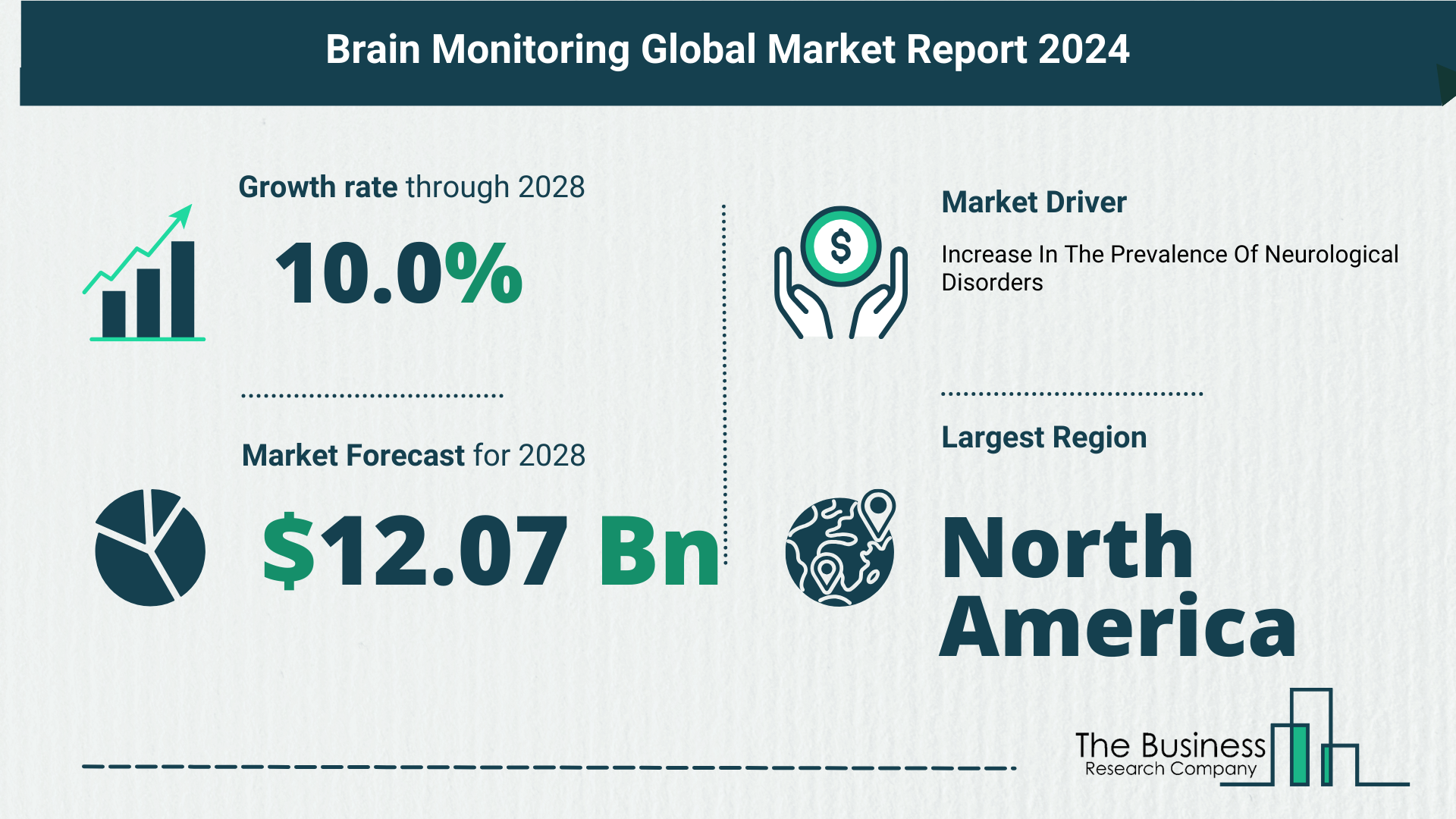
    The upcoming years promise a robust growth trajectory for the brain monitoring market, reaching an impressive $12.07 billion in 2028, fueled by a steady CAGR of 10.0%. Key trends in the forecast period include neuroinformatics and data integration, neurofeedback and brain training, brain-computer interface (BCI) integration, blockchain for data security, and brain monitoring in space exploration.

    Government-Led Initiatives as Catalysts

    Government initiatives aimed at advancing next-generation invasive devices are expected to propel the growth of the brain monitoring market. These initiatives, involving specific actions, programs, or policies, play a pivotal role in driving innovation and addressing critical issues. In 2023, the National Institutes of Health (NIH) issued a funding opportunity announcement (FOA) to encourage early-stage clinical studies for next-generation invasive devices, underscoring the commitment to fostering advancements in the field.

    Key Players Shaping the Landscape

    Major companies contributing significantly to the brain monitoring market include Natus Medical Inc., Nihon Kohden Corporation, Philips Healthcare NV, GE Healthcare Technologies Inc., and a myriad of others. These industry leaders are driving innovation and market growth through their diverse product offerings and strategic initiatives.

    View More On The Brain Monitoring Market Report 2024 – https://www.thebusinessresearchcompany.com/report/brain-monitoring-global-market-report

    Innovations Redefining Competition

    Neurosteer EEG Brain Monitoring Platform

    • Neurosteer introduces a single-channel EEG brain monitoring platform approved by the FDA.
    • The platform includes technical status indicators about the recording, enhancing efficiency in clinical trials for neurodegenerative disorders.

    Mergers for Market Expansion

    Brain Scientific Inc. and Piezo Motion Corp. Merger

    • Brain Scientific Inc., a neurology-focused medical device company, merges with Piezo Motion Corp.
    • The merger expands market reach and boosts the capacity to launch disruptive products.

    Market Segmentation

    The brain monitoring market is segmented based on:

    1. Product:
      • Magnetoencephalograph
      • Electroencephalograph
      • Cerebral Oximeters
      • Functional Magnetic Resonance Imaging (fMRI)
      • Intracranial Pressure Monitoring Devices
      • Other Product Types
    2. Procedure:
      • Invasive
      • Non-invasive
    3. Application:
      • Parkinson’s Disease
      • Traumatic Brain Injury
      • Epilepsy
      • Dementia
      • Sleep Disorders
      • Other Applications
    4. End User:
      • Hospitals and Clinics
      • Neurology Centers
      • Ambulatory Surgery Centers
      • Diagnostic Centers
      • Other End Users

    Regional Dynamics

    • North America took the lead as the largest region in the brain monitoring market in 2023.
    • Asia-Pacific is poised to emerge as the fastest-growing region in the forecast period, opening new avenues for market expansion.

    In conclusion, the brain monitoring market’s impressive growth trajectory is underpinned by a convergence of factors, including technological innovations, government-led initiatives, and strategic collaborations. As the market continues to evolve, it presents a landscape ripe for advancements, shaping the future of neurological diagnostics and care.

    Request A Sample Of The Global Brain Monitoring Market Report 2024:
    https://www.thebusinessresearchcompany.com/sample_request?id=6587&type=smp

  • What Is The Forecast Growth Rate For The Care Management Solutions Market?

    What Is The Forecast Growth Rate For The Care Management Solutions Market?

    The Business Research Company’s market reports offer an in-depth analysis on the market’s growth potential, major drivers, key trends and more.

    The care management solutions market has witnessed rapid growth, soaring from $16.88 billion in 2023 to a projected $19.77 billion in 2024, boasting a commendable compound annual growth rate (CAGR) of 17.1%. This upward trajectory is attributed to several key factors in the historic period, such as the aging population, increased prevalence of chronic diseases, adoption of electronic health records (EHR), a focus on population health management, and the drive towards healthcare data interoperability.

    Anticipating Future Heights
    The growth story continues in the forecast period, with the market expected to burgeon to $35.7 billion in 2028 at a CAGR of 15.9%. What fuels this growth? The forecasted surge is underpinned by an increased emphasis on healthcare data security, the rising use of remote patient monitoring technologies, widespread adoption of mobile health apps, expanding care management solutions in emerging healthcare markets, and a growing spotlight on preventive care.

    Driving Forces of Growth
    Telemedicine Services as Growth Catalysts
    Telemedicine services emerge as a crucial driver for the care management solutions market’s expansion. The remote delivery of healthcare services through telecommunications technology, including the Internet and video conferencing tools, has become increasingly prevalent. Integrating care management solutions into telehealth platforms ensures consistent and comprehensive care, irrespective of the patient’s location. Recent data from the Centers for Disease Control and Prevention reveals a significant 37.0% of adults utilizing telemedicine services in 2021, underlining the profound impact of this trend.

    Key Players Shaping the Landscape
    Major companies dominating the care management solutions market include stalwarts like EXL Service Holdings Ltd., Allscripts Healthcare Solutions Inc., and International Business Machines Corporation. This landscape also features innovators such as ZeOmega Inc. and Health Catalyst Inc. The market is characterized by a diverse range of players, each contributing to the sector’s growth and evolution.

    Read More On The Care Management Solutions Market Report 2024 – https://www.thebusinessresearchcompany.com/report/care-management-solutions-global-market-report

    Innovative Cloud-Based Care Management Platforms
    To cater to a larger customer base and increase revenue, major companies are investing in cloud-based care management platforms. Somnoware Healthcare Systems, for instance, launched its Care Management platform in March 2023. This cloud-based solution consolidates patient therapy data, automates interventions, and simplifies the clinical triage process, providing a comprehensive tool for healthcare management.

    Strategic Acquisitions: Philips and Capsule Technologies
    The strategic acquisition of Capsule Technologies Inc. by Royal Philips in January 2021 for $635 million exemplifies the industry’s dynamism. Philips aimed to enhance its patient care management offering through Capsule’s vendor-neutral medical device integration, clinical surveillance, and patient monitoring solutions. Such acquisitions underline the sector’s focus on collaboration and integration to fortify its offerings.

    Segmentation and Regional Dynamics
    Segmentation for Precision
    The care management solutions market is intricately segmented based on components (software, services), delivery modes (on-premise, cloud-based), applications (disease management, case management, utilization management), and end-users (hospitals and clinics, accountable care organizations, health insurance providers, and other end-users). This segmentation enables a more nuanced understanding of the market dynamics.

    Regional Dynamics: North America Leading, Asia-Pacific Surging
    In 2023, North America dominated the care management solutions market, and the baton is expected to pass to Asia-Pacific as the fastest-growing region in the forecast period. This shift highlights the global nature of the market and the varying pace of adoption in different regions.

    Conclusion: Navigating the Future of Care Management Solutions
    In conclusion, the care management solutions market is witnessing an era of unprecedented growth. Factors such as the integration of AI, sustainability practices, and collaboration for community health integration are set to shape the sector’s future. As technology continues to evolve, the care management solutions market remains at the forefront of healthcare innovation, ensuring a more connected, efficient, and patient-centric approach to healthcare management.

    Request for A Sample Of The Global Care Management Solutions Market Report:
    https://www.thebusinessresearchcompany.com/sample_request?id=7264&type=smp

  • Growth Trajectory Of The Cardiovascular And Soft Tissue Repair Patches Market 2024-2033

    Growth Trajectory Of The Cardiovascular And Soft Tissue Repair Patches Market 2024-2033

    The Business Research Company’s global market reports are now updated with the latest market sizing information for the year 2024 and forecasted to 2033

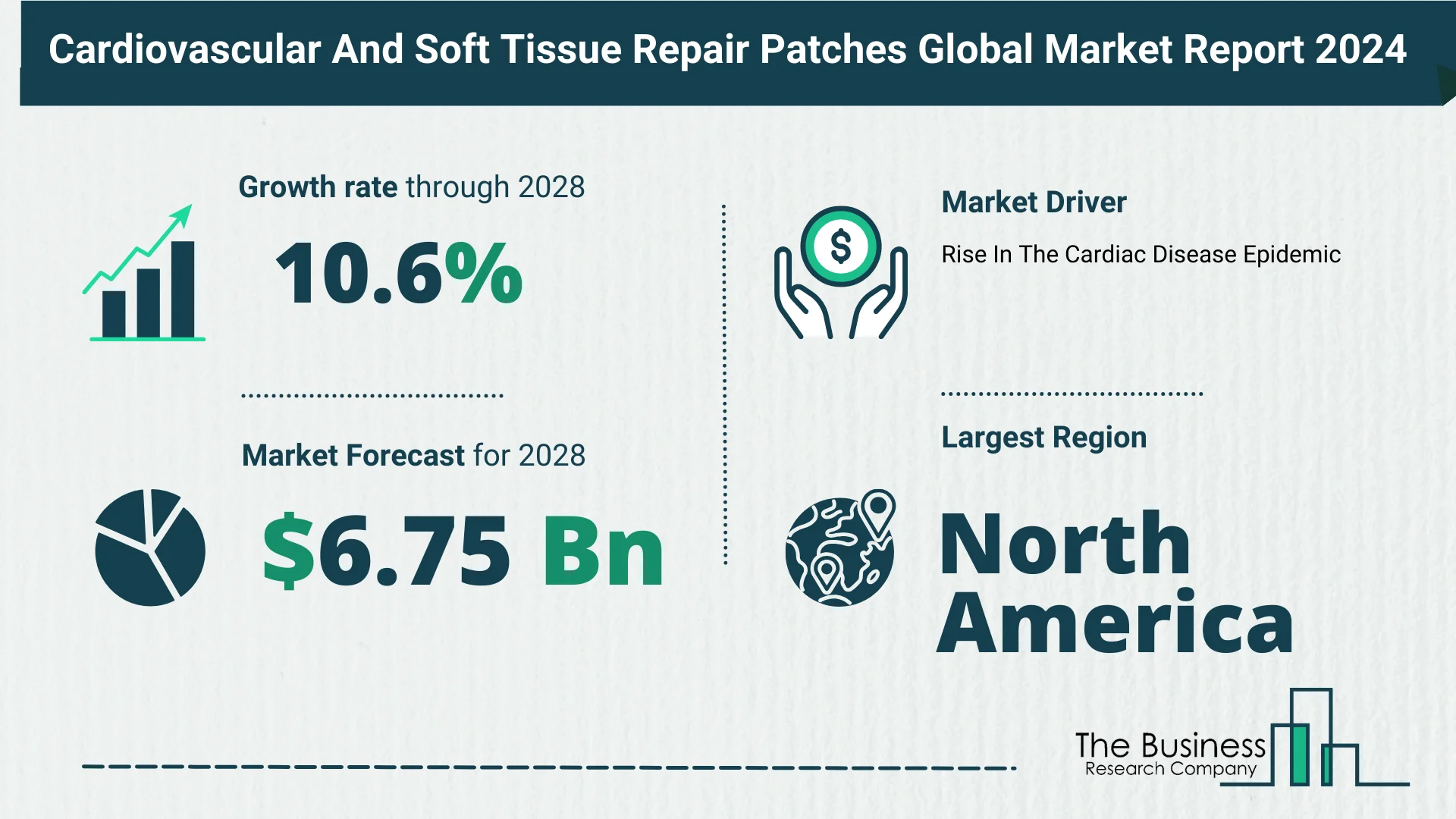
    The cardiovascular and soft tissue repair patches market has witnessed remarkable growth, with a surge from $4.03 billion in 2023 to $4.51 billion in 2024, boasting a compound annual growth rate (CAGR) of 11.9%. Looking ahead, the market is poised for even more significant expansion, with a projected value of $6.75 billion in 2028, at a CAGR of 10.6%. This growth is fueled by various factors, including evolving demographics, technological advancements, and a spike in chronic diseases.

    Driving Forces in the Historic Period

    • Aging population
    • Rise in chronic diseases
    • Awareness and early detection
    • Healthcare infrastructure growth
    • High demand for hernia repairs

    Future Catalysts for Growth

    • Minimally invasive procedures
    • Enhanced diagnostic tools
    • Increasing demand for personalized medicine
    • Rising research and development activities

    Cardiac Disease Epidemic: A Market Catalyst
    The escalating prevalence of cardiac diseases stands out as a primary driver for the cardiovascular and soft tissue repair patches market. Lifestyle factors such as smoking and alcohol consumption contribute to the demand for patches in cardiac disease treatment. Alarming statistics from the World Health Organization highlight cardiovascular diseases (CVDs) as the leading cause of global mortality, claiming an estimated 17.9 million lives annually. In the United States alone, heart disease, the leading cause of death, took nearly 697,000 lives in 2020. The demand for cardiac patches is set to grow in response to this epidemic.

    Key Statistics

    • CVDs claim 17.9 million lives annually globally.
    • Heart disease is the leading cause of death in the United States.

    Market Players

    • B Braun
    • Baxter International Inc.
    • CorMatrix Cardiovascular Inc.
    • Cryolife Inc.
    • Edwards Lifesciences Corporation
    • LeMaitre Vascular Inc.
    • And more

    View More On The Cardiovascular And Soft Tissue Repair Patches Market Report 2024 – https://www.thebusinessresearchcompany.com/report/cardiovascular-and-soft-tissue-repair-patches-global-market-report

    Innovative Products Steer Market Transformation
    Major companies in the cardiovascular and soft tissue repair patches market are revolutionizing the landscape with innovative products. A standout example is the introduction of the single-use heart patch. Mawi, a US-based medical device company, unveiled the Mawi Heart Patch in October 2022—a two-lead cardiac monitor offering real-time heart health tracking. This breakthrough device can be applied in-clinic or at home, worn for up to seven days, enhancing practicality in heart monitoring. Innovations like these have the potential to improve patient outcomes significantly.

    Example of Innovation

    • Mawi Heart Patch: Real-time cardiac monitoring for up to seven days

    Strategic Acquisitions Fortify Market Position
    In July 2021, Becton, Dickinson, and Company made a strategic move by acquiring Tepha Inc., a USA-based medical device company specializing in bioabsorbable polymer technology. This acquisition enhances Becton, Dickinson’s surgical mesh and soft tissue repair product portfolio, incorporating resorbable poly technology. The expansion also extends the company’s business operations across the USA, strengthening its presence in the market.

    Acquisition Details

    • Becton, Dickinson acquired Tepha Inc. in July 2021.

    Market Segmentation for Targeted Solutions
    Understanding the diverse needs of healthcare, the cardiovascular and soft tissue repair patches market is segmented based on raw materials, products, applications, and end-users. This segmentation allows for tailored solutions addressing specific challenges and requirements.

    Segmentation Highlights

    1. Raw Materials:
      • ePTFE
      • Biomaterial and Tissue-Engineered Material
      • Other Raw Materials
    2. Product:
      • Synthetic Patch
      • Biologic Patch
    3. Application:
      • Cardiac Repair
      • Atrial Septal Defect
      • Common Atrium
      • Defects Of The Endocardial Cushion
      • Ventricular Septal Defect
      • Tetralogy Of Fallot
      • Right Ventricular Outflow Tract Reconstruction
      • Suture Bleeding
      • Vascular Repair And Reconstruction
      • Transposition Of The Great Vessels
    4. End User:
      • Hospitals
      • Ambulatory Surgical Centers
      • Specialty Clinics

    Regional Dynamics
    In 2023, North America emerged as the largest region in the cardiovascular and soft tissue repair patches market. Looking forward, Asia-Pacific is anticipated to witness the fastest growth in the forecast period, emphasizing the global nature of the market’s evolution.

    In conclusion, the cardiovascular and soft tissue repair patches market is poised for continued growth, driven by factors such as the cardiac disease epidemic, technological innovations, and strategic acquisitions. As the market expands, it promises not only financial gains for industry players but also transformative advancements in healthcare, ultimately benefiting patients worldwide.

    Request A Sample Of The Global Cardiovascular And Soft Tissue Repair Patches Market Report 2024:
    https://www.thebusinessresearchcompany.com/sample_request?id=7764&type=smp

  • Top 5 Insights From The Cardiac Valve Market Report 2024

    Top 5 Insights From The Cardiac Valve Market Report 2024

    The Business Research Company’s global market reports are now updated with the latest market sizing information for the year 2024 and forecasted to 2033

    According to The Business Research Company’s Cardiac Valve Global Market Report 2024, the cardiac valve market is expected to show promising growth in the forecast period.

    Current Scenario and Growth Projections
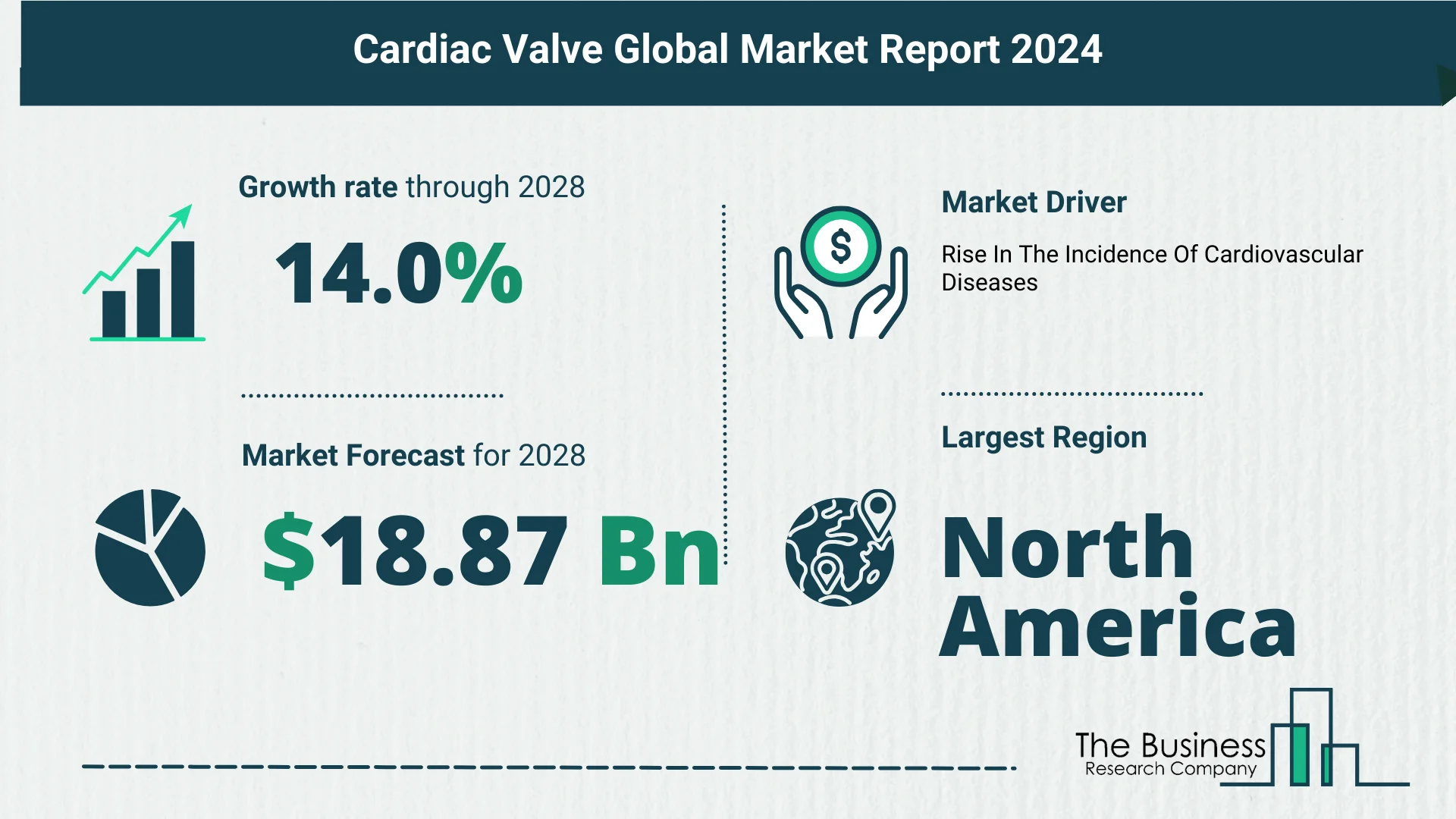
    The cardiac valve market has witnessed remarkable growth in recent years, with the market size surging from $9.68 billion in 2023 to $11.17 billion in 2024, showcasing a compound annual growth rate (CAGR) of 15.3%. The forecast predicts a continued upward trajectory, reaching $18.87 billion in 2028 at a CAGR of 14.0%.

    1.  Factors Driving Growth in the Historic Period
    • Aging Population and Valvular Heart Disease
    • Increased Prevalence of Risk Factors (Obesity and Hypertension)
    • Improved Diagnostic Technologies
    • Awareness Campaigns on Heart Health
    • Development of Minimally Invasive Procedures
    1.  Forecasted Growth Drivers
    • Demand for Bioengineered and Tissue-Engineered Heart Valves
    • Aging Global Population
    • Telemedicine for Valve Patients
    • Advanced Surgical Techniques and Robotics
    • Adoption of 3D Printing for Personalized Valve Manufacturing
    1. Major Trends Shaping the Forecast Period
    • Advancements in Valve Replacement and Repair Techniques
    • Integration of Artificial Intelligence (AI) in Detection and Treatment
    • Adoption of 3D Printing for Personalized Manufacturing
    • Enhanced Surgical Techniques and Robotics-Assisted Procedures

    Addressing the Growing Burden of Heart-Related Ailments
    The increasing incidence of cardiovascular diseases is a key driver for the expansion of the cardiac valve market. Factors such as smoking, obesity, and a sedentary lifestyle contribute to a rise in heart-related ailments, necessitating the use of cardiac valves for treatment.

    In September 2023, the World Health Organization reported 41 million deaths annually due to non-communicable diseases, with 74% attributed to chronic diseases. Cardiovascular diseases accounted for 17.9 million deaths, highlighting the pressing need for effective cardiac valve solutions. Major companies contributing to this market include LivaNova PLC, Abbott Laboratories, and Edwards Lifesciences Corporation.

    View More On The Cardiac Valve Market Report 2024 – https://www.thebusinessresearchcompany.com/report/cardiac-valve-global-market-report

    Next-Generation Tavi Systems Redefining The Cardiac Valve Market
    Leading companies in the cardiac valve market are investing in innovative products, particularly next-generation transcatheter aortic valve implantation (TAVI) systems. These advancements aim to drive revenues and offer intelligent design advantages for improved patient outcomes.

    For example, Abbott launched the Navitor TAVI system in December 2022, catering to patients with severe native aortic stenosis at high or extreme risk for open-heart surgery. This system boasts features like smart PVL-sealing NaviSeal Cuff, accurate placement, low gradients, and excellent access, showcasing a commitment to superior outcomes across various anatomies.

    Venus MedTech’s Strategic Expansion With The Acquisition Of Cardiovalve Ltd.
    In January 2022, Venus Medtech, a China-based company specializing in structural heart disease treatment, acquired Cardiovalve Ltd. This strategic move positions Venus Medtech as a comprehensive platform for treating mitral and tricuspid regurgitation. Cardiovalve Ltd., based in Israel, focuses on developing a transfemoral mitral valve replacement system.

    Segmenting the Market for a Holistic Understanding
    The cardiac valve market is segmented based on various criteria, providing a comprehensive perspective for stakeholders:

    1. By Type:
      • Tissue Heart Valves
      • Transcatheter Heart Valves
      • Mechanical Heart Valves
      • Other Types
    2. By Position:
      • Aortic Valve
      • Mitral Valve
      • Other Positions
    3. By Treatment:
      • Cardiac Valve Repair
      • Cardiac Valve Replacement
    4. By End-Users:
      • Hospital And Clinics
      • Specialty Centers
      • Cardiac Research Institute
      • Other End Users

    Regional Dynamics
    In 2023, North America emerged as the largest region in the cardiac valve market, while Asia-Pacific is anticipated to be the fastest-growing region in the forecast period, further emphasizing the global nature of this expanding market.

    In conclusion, the cardiac valve market is poised for significant growth, driven by a combination of demographic shifts, technological advancements, and innovative solutions. The continuous evolution of next-generation technologies and strategic acquisitions positions the industry to address the evolving landscape of heart-related ailments effectively.

    Request A Sample Of The Global Cardiac Valve Market Report 2024:
    https://www.thebusinessresearchcompany.com/sample_request?id=7753&type=smp

  • Cardiac Pacemakers Global Market Outlook 2024-2033: Size And Growth Rate Analysis

    Cardiac Pacemakers Global Market Outlook 2024-2033: Size And Growth Rate Analysis

    The Business Research Company’s global market reports provide comprehensive analysis on the various markets in 27 industries across 60 geographies.

    Overview of the Cardiac Pacemakers Market Growth
    The cardiac pacemakers market has witnessed robust growth, reaching $4.58 billion in 2023 and projected to grow further to $4.86 billion in 2024 at a CAGR of 6.1%. The driving factors include:

    • Aging population and increased prevalence of cardiovascular diseases.
    • Growing awareness of arrhythmias and the demand for effective treatment.
    • Investments in R&D for pacemaker innovation.
    • Evolving healthcare infrastructure and improved access to medical devices.
    • Regulatory approvals for novel pacemaker features and technologies.

    Future Projections and Key Growth Drivers
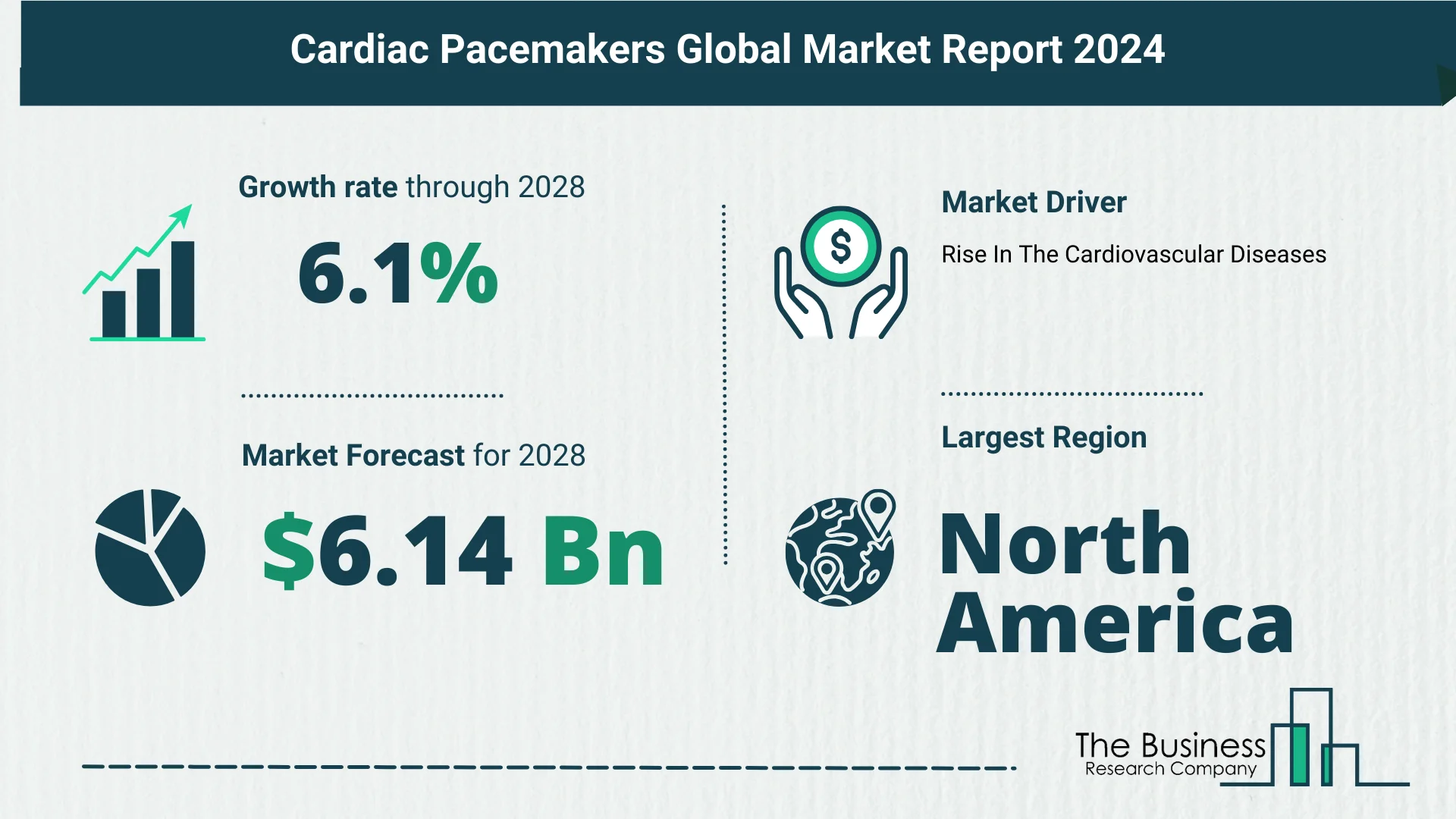
    Anticipated growth in the market is set to continue, reaching $6.14 billion in 2028 at the same CAGR of 6.1%. Key factors contributing to this growth include:

    • Focus on lead durability and reduction of complications.
    • Integration of remote programming and telehealth services.
    • Expansion of emerging markets and increased healthcare expenditure.
    • Enhanced battery technologies for longer pacemaker lifespans.
    • Regulatory support for expedited pacemaker approvals.

    View More On The Cardiac Pacemakers Market Report 2024 – https://www.thebusinessresearchcompany.com/report/cardiac-pacemakers-global-market-report

    Emerging Trends in Cardiac Pacemakers Market
    Several notable trends are expected to shape the landscape of cardiac pacemakers in the forecast period:

    • Electrophysiology advancements for precision implantation.
    • Integration of pacemaker data into electronic health records (EHRs).
    • Utilization of artificial intelligence for predictive pacemaker maintenance.
    • Ongoing advancements in pacemaker technology, including miniaturization.
    • Embracing telemedicine and remote monitoring for patient care.

    Government-Led Initiatives Fueling Market Growth
    Government initiatives play a pivotal role in propelling the cardiac pacemaker market forward. In 2022, the UK government allocated £260 million (US $270.65 million) to boost healthcare research and manufacturing. This investment supports NHS-led health research into diagnostics and treatment, contributing to the growth of the cardiac pacemaker market.

    Major Players and Market Dynamics
    The major players contributing to the cardiac pacemakers market include:

    • Medtronic PLC
    • Lepu Medical Technology Co.
    • Abbott Inc.
    • Biotronik SE & Co. KG
    • Boston Scientific Corporation

    Market dynamics are influenced by innovations and collaborations, reflecting the industry’s commitment to advancing cardiac care.

    Revolutionizing Cardiac Care with Micra AV Pacemaker Series
    Major companies are focusing on innovative products, such as the Micra AV (CNT) series, to drive market revenues. Medtronic’s Micra AV, launched in June 2021, is the world’s smallest pacemaker. Notably, it can sense atrial activity without a lead or device in the upper heart chamber, enhancing heart efficiency and reducing heart failure risks.

    Synergy of Innovations: Medtronic’s Collaboration with Orchestra BioMed
    In July 2022, Orchestra BioMed collaborated with Medtronic to develop BackBeat Cardiac Neuromodulation Therapy (CNT) for hypertension in individuals requiring a cardiac pacemaker. This collaboration exemplifies the industry’s commitment to advancing therapeutic solutions.

    Market Segmentation and Regional Dynamics
    The cardiac pacemakers market is segmented based on:

    • Type: Implantable, External
    • Technology: Biventricular, Single Chambered, Dual Chambered
    • Application: Arrhythmias, Heart Blockage, Atrial Fibrillation, etc.
    • End User: Clinics and Hospitals, Ambulatory Surgical Centers, Cardiac Care Centers

    In 2023, North America dominated the market, with Asia-Pacific expected to be the fastest-growing region in the forecast period.

    Conclusion: Shaping the Future of Cardiac Health
    The cardiac pacemakers market is on an upward trajectory, driven by technological advancements, collaborations, and supportive government initiatives. As major players continue to innovate and expand, the industry is poised to play a crucial role in shaping the future of cardiac health, offering advanced solutions and improved patient outcomes.

    Request A Sample Of The Global Cardiac Pacemakers Market Report 2024:
    https://www.thebusinessresearchcompany.com/sample_request?id=7507&type=smp