Month: March 2025

  • Dysautonomia (Autonomic Dysfunction) Growth Forecast 2025-2034: Trends, Opportunities, and Key Insights You Need to Know

    Dysautonomia (Autonomic Dysfunction) Growth Forecast 2025-2034: Trends, Opportunities, and Key Insights You Need to Know

    Updated 2025 Market Reports Released: Trends, Forecasts to 2034 – Early Purchase Your Competitive Edge Today!

    What is the Predicted CAGR for the Dysautonomia (Autonomic Dysfunction) Market Over the Forecast Period of 2025 to 2034?

    In recent times, the market size for dysautonomia, also known as autonomic dysfunction, has seen a swift expansion. It is projected to increase from $2.62 billion in 2024 to $2.92 billion in 2025, experiencing a compound annual growth rate (CAGR) of 11.8%. This growth over the historical period can be linked to a rise in the instance of autonomic disorders, greater awareness about dysautonomia, an increase in health care spending, the growth of research in the field of neurodegenerative diseases, and amplified government support for uncommon diseases.

    We anticipate substantial expansion in the dysautonomia (autonomic dysfunction) market in the forthcoming years, with an estimated growth to $4.53 billion in 2029, reflecting a compound annual growth rate (CAGR) of 11.5%. Factors contributing to this projected surge during the forecast period encompass the burgeoning personalization of medicine, escalating clinical trials for innovative therapies, government’s amplified funding towards research on rare diseases, the rise of telemedicine and remote monitoring mechanisms, and enhanced accessibility to orphan drugs. Prominent trends observed for the upcoming period include the assimilation of artificial intelligence into diagnostics, produce targeted treatments, employing wearable devices for autonomic monitoring, advancements in gene therapies, and the introduction of innovative patient-centred treatment methodologies.

    What Combination of Drivers Is Leading to Accelerated Growth in the Dysautonomia (Autonomic Dysfunction) Market?

    The escalating rates of persistent illnesses are anticipated to fuel the expansion of the dysautonomia (autonomic dysfunction) market. Chronic disease, a health issue that ensues for more than three months, is seeing an increase due to factors like the growing instances of multiple chronic disorders being diagnosed simultaneously. Dysautonomia (autonomic dysfunction) significantly impacts chronic conditions by interfering with the body’s regulation of vital functions such as heart rate, blood pressure, and digestion, amplifying symptoms and complicating treatment. For instance, National Health Service data from October 2023 saw type 1 diabetes cases in England rise from 261,710 in 2020-21 to 270,935 in 2021-22, a yearly increase of 3.5%. Therefore, the escalating rates of persistent illnesses are leading to the growth of the dysautonomia (autonomic dysfunction) market. The Expansion Of The Market Fuelled By Rising Autoimmune And Neurological Disorders

    Request Your Free Dysautonomia (Autonomic Dysfunction) Market Report Sample Now!

    https://www.thebusinessresearchcompany.com/sample.aspx?id=21177&type=smp

    Who are the key firms paving the way for growth in the Dysautonomia (Autonomic Dysfunction) market?

    Major companies operating in the dysautonomia (autonomic dysfunction) market are Teva Pharmaceutical Industries Ltd., H. Lundbeck A/S, Aurobindo Pharma Limited, Hikma Pharmaceuticals PLC, Cadila Healthcare Limited (Zydus Cadila), Lupin Limited, Nemours Children’s Health Delaware, Alnylam Pharmaceuticals Inc., Biohaven Pharmaceuticals Holding Company Ltd., Aurora Health Care Inc., Camber Pharmaceuticals Inc., Theravance Biopharma Inc., Tocris Bioscience, Celltex Therapeutics Corporation, DyAnsys Inc., Axplora Inc., MODAG GmbH, Inhibikase Therapeutics Inc., Mylan Pharmaceuticals Private Limited, Chelsea Therapeutics International Ltd.

    What Key Trends Are Currently Impacting the Dysautonomia (Autonomic Dysfunction) Market’s Development?

    Leading businesses in the dysautonomia industry are prioritizing the advancement of gene therapy methods, such as recombinant adeno-associated virus (rAAV), to boost the transfer of therapeutic genes to the intended cells, with the goal of improving treatment results for patients with different types of dysautonomia. Modified viruses like rAAV are used in gene therapy to safely transport genetic material into cells. For example, in January 2025, US biotech firm Tikun Therapeutics Inc. garnered FDA approval for Orphan Drug and Rare Pediatric Disease Designations for rAAV2-U1a-hELP1, a gene therapy designed to treat optic neuropathy in familial dysautonomia, and BPN-36964, a small molecule splicing modulator engineered for systemic FD treatment. These trailblazing therapies focus on treating the genetic roots of FD, providing potential long-term advantages compared to symptomatic treatment.

    Pre-order Your Report for Quick and Easy Delivery!

    https://www.thebusinessresearchcompany.com/report/dysautonomia-autonomic-dysfunction-global-market-report

    Which Segments Play a Crucial Role in the Expansion of the Dysautonomia (Autonomic Dysfunction) Market?

    The dysautonomia (autonomic dysfunction) market covered in this report is segmented –

    1) By Type: Neurogenic Orthostatic Hypotension (NOH), Postural Orthostatic Tachycardia Syndrome (POTS), Multiple System Atrophy (MSA), Pure Autonomic Failure (PAF), Other Types

    2) By Tests: Cardiovagal and Vasomotor Function Tests, Thermoregulatory Sweat Test (TST), Sympathetic Skin Response (SSR), Quantitative Sudomotor Axon Reflex Test, Other Tests

    3) By Treatment: Physical Therapy, Exercise Therapy, Counseling, Other Treatments

    4) By Distribution Channel: Hospital Pharmacy, Online Pharmacy, Retail Pharmacy

    5) By End User: Hospitals, Clinics, Diagnostic Centers, Research Institutes

    Subsegments:

    1) By Neurogenic Orthostatic Hypotension (NOH): Primary NOH, Secondary NOH (due to Parkinson’s Disease, Diabetes, etc.), Pharmacological Management of NOH, Non-Pharmacological Interventions

    2) By Postural Orthostatic Tachycardia Syndrome (POTS): Hyperadrenergic POTS, Hypovolemic POTS, Neuropathic POTS, Autoimmune POTS, Treatment With Beta-Blockers, Fludrocortisone, And Salt Supplements

    3) By Multiple System Atrophy (MSA): MSA-P (Parkinsonism), MSA-C (Cerebellar), MSA-A (Autonomic), Disease-Modifying and Symptomatic Treatment

    4) By Pure Autonomic Failure (PAF): Idiopathic PAF, Secondary PAF (due to neurodegenerative diseases), Autonomic Supportive Treatments

    5) By Other Types: Familial Dysautonomia (FD), Diabetic Autonomic Neuropathy, Horner’s Syndrome, Autoimmune Autonomic Ganglionopathy, Chronic Fatigue Syndrome-related Dysautonomia

    Which Geographical Regions Are Pioneering Growth in the Dysautonomia (Autonomic Dysfunction) Market?

    North America was the largest region in the dysautonomia (autonomic dysfunction) market in 2024. Asia-Pacific is expected to be the fastest-growing region in the forecast period. The regions covered in the dysautonomia (autonomic dysfunction) market report are Asia-Pacific, Western Europe, Eastern Europe, North America, South America, Middle East, Africa.

    How Do Experts Define the Scope of the Dysautonomia (Autonomic Dysfunction) Market?

    Dysautonomia, or autonomic dysfunction, refers to a condition where the autonomic nervous system (ANS) does not function properly, affecting involuntary bodily functions such as heart rate, blood pressure, digestion, and temperature regulation. It can result from various causes, including genetic factors, injuries, or underlying health conditions, leading to symptoms like dizziness, fainting, and irregular heartbeat.

    Browse Through More Similar Reports By The Business Research Company:

    IVF Services Global Market Report 2025

    https://www.thebusinessresearchcompany.com/report/ivf-services-global-market-report

    Donor Egg In Vitro Fertilization (IVF) Services Global Market Report 2025

    https://www.thebusinessresearchcompany.com/report/donor-egg-in-vitro-fertilization-ivf-services-global-market-report

    Chronic Cough Global Market Report 2025

    https://thebusinessresearchcompany.com/report/chronic-cough-global-market-report

    About The Business Research Company:

    With over 15000+ reports from 27 industries covering 60+ geographies, The Business Research Company has built a reputation for offering comprehensive, data-rich research and insights. Armed with 1,500,000 datasets, the optimistic contribution of in-depth secondary research, and unique insights from industry leaders, you can get the information you need to stay ahead in the game.

    Contact us at:

    The Business Research Company: https://www.thebusinessresearchcompany.com/

    Americas +1 3156230293

    Asia +44 2071930708

    Europe +44 2071930708

    Email us at info@tbrc.info

    Follow us on:

    LinkedIn: https://in.linkedin.com/company/the-business-research-company

    YouTube: https://www.youtube.com/channel/UC24_fI0rV8cR5DxlCpgmyFQ

    Global Market Model: https://www.thebusinessresearchcompany.com/global-market-model

    Found this article helpful? Share it on:

  • The Road Ahead for the Addison’s Disease Market: Key Growth Trends and Opportunities to Watch

    The Road Ahead for the Addison’s Disease Market: Key Growth Trends and Opportunities to Watch

    Updated 2025 Market Reports Released: Trends, Forecasts to 2034 – Early Purchase Your Competitive Edge Today!

    What CAGR is Anticipated for the Addison’s Disease Market During the Forecast Period, and Why?

    The marketplace for Addison’s disease has experienced rapid expansion in the past few years. Projected growth is from $2.05 billion in 2024 to $2.25 billion in 2025 with a compound annual growth rate (CAGR) of 10.0%. This historical development can be traced back to escalating global incidences of Addison’s disease, enhanced understanding concerning adrenal insufficiency, increased investment in healthcare, a growing number of reported autoimmune diseases, and an expanding elderly population.

    In the coming years, the Addison’s disease market is anticipated to witness robust growth, reaching $3.26 billion by 2029 at a Compound Annual Growth Rate (CAGR) of 9.7%. The projected growth over the forecast period can be attributed to the growing demand for sophisticated therapeutics, an increased emphasis on early detection, a surge in congenital adrenal hyperplasia incidences, the expansion of telemedicine services, and an escalating number of adrenal tuberculosis cases. Significant trends for the forecast period involve improvements in laboratory testing techniques, progresses in hormone replacement therapies, enhancements in imaging technology, the emergence of extended-release injectible formulations, and the incorporation of artificial intelligence in diagnosis tools.

    How Are Key Drivers in the Industry Acting as Catalysts for the Growth of the Addison’s Disease Market?

    The increasing occurrence of autoimmune diseases is anticipated to fuel the progression of the Addison’s disease market. Autoimmune diseases result when the immune system mistakenly targets the body’s own healthy tissues, causing inflammation and damage. Factors such as genetic predisposition, environmental aspects like pollutants, dietary alterations, and lifestyle changes including stress and insufficient physical activity all play a role in the escalating occurrence of autoimmune diseases. The rise in autoimmune diseases heightens the possibility of their co-occurrence with Addison’s disease, given that many patients acquire additional autoimmune conditions. For example, Versorgungsatlas.de, an organization based in Germany, reported in November 2024 that in the year 2022, out of 73,241,305 insured individuals, 6,304,340 were identified to have at least one autoimmune disease – a raw prevalence rate of 8.61%. This falls within the bounds and exceeds previously speculated estimates of 3% to 9%. As a result, the increasing occurrence of autoimmune diseases is spurring the expansion of the Addison’s disease market.

    Request Your Free Addison’s Disease Market Report Sample Now!

    https://www.thebusinessresearchcompany.com/sample.aspx?id=21084&type=smp

    Which Companies Are Poised to Shape the Future of the Addison’s Disease Market?

    Major companies operating in the addison’s disease market are Pfizer Inc., Roche Holding AG, Merck & Co. Inc., Bayer AG, Bristol-Myers Squibb Company, Novartis AG, Takeda Pharmaceutical Company Limited, GlaxoSmithKline plc, Amgen Inc., Teva Pharmaceutical Industries Ltd., Boehringer Ingelheim International GmbH, Sandoz, Ipsen S.A., Neurocrine Biosciences Inc., Recipharm AB, Accord Healthcare, Eton Pharmaceuticals, DuoCort Pharma, Diurnal Group plc, Roxane Laboratories Inc.

    What Are the Latest Innovations and Trends Influencing the Addison’s Disease Market?

    Leading firms in the Addison’s disease market are prioritizing innovative solutions like regenerative treatments to improve patient care, augment treatment alternatives and possibly lower long-term reliance on hormone replacement therapies by triggering the body’s innate adrenal functionality. Regenerative treatments encompass medical methods that aim to replace or regenerate human cells, tissues, or organs to reinstate normal functioning and facilitate healing in situations of injury, disease, or deterioration. For example, in July 2024, Eton Pharmaceuticals, Inc., an American publicly traded pharmaceutical company that concentrates on the development and commercialization of novel therapies for unusual diseases, revealed the FDA’s approval of its New Drug Application (NDA) for ET-400, a unique formulation of hydrocortisone oral solution. Compared to other forms that may need cooling, ET-400 is simpler to maintain and transfer. The liquid presentation caters to the requirements of young patients who may struggle with swallowing conventional tablets and enables accurate dosing.

    Pre-order Your Report for Quick and Easy Delivery!

    https://www.thebusinessresearchcompany.com/report/addisons-disease-global-market-report

    Which Industry Segments Are Leading the Development and Expansion of the Addison’s Disease Market?

    The addison’s disease market covered in this report is segmented –

    1) By Type: Primary Adrenal Insufficiency, Secondary Adrenal Insufficiency, Tertiary Adrenal Insufficiency

    2) By Drug Class: Oral Corticosteroid, Hydrocortisone, Fludrocortisone, Corticosteroid Injections

    3) By Diagnosis: Laboratory Testing, Imaging Testing

    4) By End-User: Hospitals And Clinics, Diagnostic Laboratories, Other End Users

    Subsegments:

    1) By Primary Adrenal Insufficiency: Autoimmune Addison’s Disease, Infectious Addison’s Disease, Other causes of primary adrenal insufficiency

    2) By Secondary Adrenal Insufficiency: Pituitary gland dysfunction, Hypothalamic dysfunction

    3) By Tertiary Adrenal Insufficiency: Hypothalamic or pituitary suppression due to long-term steroid use, Other causes of tertiary adrenal insufficiency

    What Regions Are Contributing Significantly to the Growth of the Addison’s Disease Market?

    North America was the largest region in the addison’s disease market in 2024. Asia-Pacific is expected to be the fastest-growing region in the forecast period. The regions covered in the addison’s disease market report are Asia-Pacific, Western Europe, Eastern Europe, North America, South America, Middle East, Africa.

    How Is the Scope and Reach of the Addison’s Disease Market Defined?

    Addison’s disease is a rare disorder where the adrenal glands produce insufficient amounts of cortisol and aldosterone due to damage, caused by an autoimmune response. Symptoms include fatigue, muscle weakness, weight loss, low mood, and skin changes. Lifelong hormone replacement therapy is required to manage the condition and prevent severe complications such as adrenal crisis.

    Browse Through More Similar Reports By The Business Research Company:

    Fibromyalgia Treatment Global Market Report 2025

    https://www.thebusinessresearchcompany.com/report/fibromyalgia-treatment-global-market-report

    Pharyngitis Treatment Global Market Report 2025

    https://www.thebusinessresearchcompany.com/report/pharyngitis-treatment-global-market-report

    Bleeding Disorders Treatment Global Market Report 2025

    https://thebusinessresearchcompany.com/report/bleeding-disorders-treatment-global-market-report

    About The Business Research Company:

    With over 15000+ reports from 27 industries covering 60+ geographies, The Business Research Company has built a reputation for offering comprehensive, data-rich research and insights. Armed with 1,500,000 datasets, the optimistic contribution of in-depth secondary research, and unique insights from industry leaders, you can get the information you need to stay ahead in the game.

    Contact us at:

    The Business Research Company: https://www.thebusinessresearchcompany.com/

    Americas +1 3156230293

    Asia +44 2071930708

    Europe +44 2071930708

    Email us at info@tbrc.info

    Follow us on:

    LinkedIn: https://in.linkedin.com/company/the-business-research-company

    YouTube: https://www.youtube.com/channel/UC24_fI0rV8cR5DxlCpgmyFQ

    Global Market Model: https://www.thebusinessresearchcompany.com/global-market-model

    Found this article helpful? Share it on:
  • Exploring Key Insights of the Dry Age Related Macular Degeneration (AMD) Market: Growth Prospects, Emerging Trends, and Opportunities

    Exploring Key Insights of the Dry Age Related Macular Degeneration (AMD) Market: Growth Prospects, Emerging Trends, and Opportunities

    Updated 2025 Market Reports Released: Trends, Forecasts to 2034 – Early Purchase Your Competitive Edge Today!

    How Rapidly is the Dry Age Related Macular Degeneration (AMD) Market Expected to Expand Between 2025 and 2034 Based on Current Trends?

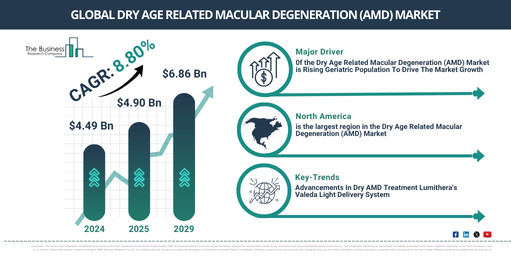
    The market size for dry age-related macular degeneration (AMD) has seen robust growth in the recent past. The market, which is expected to be $4.49 billion in 2024, is projected to increase to $4.90 billion in 2025, representing a compound annual growth rate (CAGR) of 9.1%. The substantial growth during the historical period is tied to factors such as an increasing elderly population, a higher incidence of chronic illnesses, a heightened awareness about eye health, an uptick in clinical trials centered on dry AMD, and a rising demand for minimally invasive procedures.

    In the coming years, the dry age related macular degeneration (AMD) market is projected to witness considerable growth, culminating in a worth of $6.86 billion in 2029 with a compound annual growth rate of 8.8%. This increase during the forecasting period is due to several factors such as the advent of innovative therapies, increased expenditure in healthcare, higher usage of laser photocoagulation therapy, progressions in genetic study and the rising emphasis on tailor-made medication. The forecast period will also see trends like advancements in diagnostic technology, wider adoption of teleophthalmology, technical advancements in treatment, product approvals and the introduction of new products.

    Which Drivers Are Expected to Have the Greatest Impact on the Dry Age Related Macular Degeneration (AMD) Market’s Growth?

    The anticipated expansion of the dry age-related macular degeneration (AMD) market is closely tied to the rising number of elderly people in society. Generally, the geriatric population encapsulates those who are 65 years and over. This demographic is expanding as a result of multiple nascent factors such as enhanced medical technology, improved management of long-term illnesses, increased longevity, and advancements in elderly care. The dry AMD market benefits this ageing population by featuring precise treatment plans and management strategies, designed to mitigate the disease’s progression, protect vision and enhance life quality for older adults with this disease. For example, as documented by the National Council on Aging, an American organisation, in 2022, approximately 57.8 million seniors aged 65 and older were living in the US, making up 17.3% of the country’s entire population. This shows an increase from 16.9% in 2021. As a result, the burgeoning geriatric population is poised to fuel the expansion of the dry age-related macular degeneration (AMD) market.

    Explore Comprehensive Insights Into The Global Dry Age Related Macular Degeneration (AMD) Market With A Free Sample Report:

    https://www.thebusinessresearchcompany.com/sample.aspx?id=21176&type=smp

    Which key players are shaping the future of the Dry Age Related Macular Degeneration (AMD) market?

    Major companies operating in the dry age related macular degeneration (AMD) market are F Hoffmann-La Roche Ltd., Novartis AG, Bayer AG, Amgen Inc., Biogen Inc., Astellas Pharma Inc., Bausch Health Companies Inc., Lupin Ltd., Santen Pharmaceuticals Inc., Biocon Ltd., Alimera Sciences Inc., Apellis Pharmaceuticals Inc., Belite Bio Inc., Axol Bioscience Ltd., Alkeus Pharmaceuticals Inc., Kubota Holdings Co., Ribomic Inc., Eyestem Research Pvt. Ltd., LumiThera Inc., Adverum Biotechnologies Inc.

    How Are the Latest Trends Influencing the Growth of the Dry Age Related Macular Degeneration (AMD) Market?

    Leading companies in the dry age-related macular degeneration (AMD) market are focusing on the creation of innovative technology and treatments such as light delivery systems, to target and stimulate retinal cells, potentially reducing the progression of the disease. Light delivery systems are technologies engineered to convey light for therapeutic uses, especially in medical treatments. For example, in January 2024, LumiThera Inc., a medical device company based in the US, introduced photobiomodulation (PBM) for dry age-related macular degeneration (AMD) using the Valeda Light Delivery System. This marks the first therapy authorized by the FDA to treat vision loss in patients with dry AMD, a condition that presently has restricted treatment choices. LumiThera initiated the EUROLIGHT registry study to compile long-term patient outcome data following treatment with the Valeda system. The Valeda system leverages a multi-wavelength light delivery method using three specific wavelengths (590 nm, 660 nm, and 850 nm). This non-intrusive treatment can be delivered through an open or closed eyelid and generally necessitates nine sessions over a span of three to four weeks.

    Secure Your Global Dry Age Related Macular Degeneration (AMD) Market Report Now for Fast and Efficient Delivery!

    https://www.thebusinessresearchcompany.com/report/dry-age-related-macular-degeneration-amd-global-market-report

    What Are the Major Segments of the Dry Age Related Macular Degeneration (AMD) Market and Their Role in Driving Growth?

    The dry age related macular degeneration (AMD) market covered in this report is segmented –

    1) By Stages: Early Age-Related Macular Degeneration, Intermediate Age-Related Macular Degeneration, Late Age-Related Macular Degeneration

    2) By Age Group: Above 75 Years, Above 60 Years, Above 40 Years

    3) By Route Of Administration: Oral, Injectables

    4) By End Users: Hospitals And Clinics, Diagnostic Centers, Academic And Research Institutes

    Subsegments:

    1) By Early Age-Related Macular Degeneration: Drusen Accumulation, Retinal Pigment Epithelium Changes

    2) By Intermediate Age-Related Macular Degeneration: Larger Drusen Deposits, Increased Pigmentary Abnormalities

    3) By Late Age-Related Macular Degeneration: Geographic Atrophy, Central Vision Loss

    What Regions Are At the Forefront of Dry Age Related Macular Degeneration (AMD) Market Expansion?

    North America was the largest region in the dry age-related macular degeneration (AMD) market in 2024. The regions covered in the dry age related macular degeneration (AMD) market report are Asia-Pacific, Western Europe, Eastern Europe, North America, South America, Middle East, Africa.

    How Can We Define the Dry Age Related Macular Degeneration (AMD) Market and Its Key Components?

    Dry age related macular degeneration (AMD) refers to a progressive eye condition characterized by the gradual deterioration of the macula, the central part of the retina, leading to blurred central vision. They are used for managing and slowing the progression of the disease through treatments like vitamins, nutritional supplements, and emerging pharmaceutical therapies.

    Browse Through More Similar Reports By The Business Research Company:

    Hyperuricemia Drugs Global Market Report 2025

    https://www.thebusinessresearchcompany.com/report/hyperuricemia-drugs-global-market-report

    Gout Therapeutics Global Market Report 2025

    https://www.thebusinessresearchcompany.com/report/gout-therapeutics-global-market-report

    Smart Insulin Pens Global Market Report 2025

    https://thebusinessresearchcompany.com/report/smart-insulin-pens-global-market-report

    About The Business Research Company:

    With over 15000+ reports from 27 industries covering 60+ geographies, The Business Research Company has built a reputation for offering comprehensive, data-rich research and insights. Armed with 1,500,000 datasets, the optimistic contribution of in-depth secondary research, and unique insights from industry leaders, you can get the information you need to stay ahead in the game.

    Contact us at:

    The Business Research Company: https://www.thebusinessresearchcompany.com/

    Americas +1 3156230293

    Asia +44 2071930708

    Europe +44 2071930708

    Email us at info@tbrc.info

    Follow us on:

    LinkedIn: https://in.linkedin.com/company/the-business-research-company

    YouTube: https://www.youtube.com/channel/UC24_fI0rV8cR5DxlCpgmyFQ

    Global Market Model: https://www.thebusinessresearchcompany.com/global-market-model

    Found this article helpful? Share it on:

  • Comprehensive Analysis of the Dravet Syndrome Market 2025-2034: Growth Rates, Trends, and Future Opportunities

    Comprehensive Analysis of the Dravet Syndrome Market 2025-2034: Growth Rates, Trends, and Future Opportunities

    Updated 2025 Market Reports Released: Trends, Forecasts to 2034 – Early Purchase Your Competitive Edge Today!

    What is the Projected Compound Annual Growth Rate (CAGR) of the Dravet Syndrome Market from 2025 to 2034, and What Factors Influence It?

    In recent times, the Dravet syndrome market has seen impressive growth. The market value is predicted to rise from $0.37 billion in 2024 to $0.40 billion in 2025, growing at a compound annual growth rate (CAGR) of 9.0%. The remarkable growth observed in the historical period can be credited to factors such as the rising prevalence of Dravet syndrome, improved diagnosis rates resulting from enhanced screening methods, expanded funding for epilepsy research, regulatory encouragements for orphan drugs, and increased acceptance of treatments based on cannabis.

    Strong expansion is predicted in the Dravet syndrome market size in the approaching years, eventually reaching $0.56 billion by 2029 with a compound annual growth rate (CAGR) of 8.7%. Factors contributing to the forecasted growth include an expansion in insurance coverage for rare diseases, intensifying efforts in patient advocacy, enhanced accessibility of genetic testing, increased government backing for the treatment of rare diseases, and a rise in specialty neurology clinics. Significant trends moving forward include progress in gene therapy for the control of seizures, a rise in the application of AI for preliminary diagnoses, the advancement of precision medicine for individual treatment, new developments in drug delivery systems for managing epilepsy, and the proliferation of telehealth for monitoring patients remotely.

    What Strategic Factors Are Influencing the Accelerated Growth of the Dravet Syndrome Market?

    The escalating incidence of neurological disorders is anticipated to spur the development of the dravet syndrome market in the future. These disorders encompass a wide array of conditions impacting the brain, spinal cord, and nervous system, causing deficits in movement, cognition, sensation, among other bodily functions. The surge in neurological disorders can be attributed to factors like aging populations, lifestyle modifications, environmental influences, enhanced diagnostics, and an upward trend in neuroinfections and autoimmune diseases. Dravet syndrome facilitates a deeper understanding of these disorders by propelling research focused on genetic mutations, brain hyperexcitability, and specific therapies that could potentially assist a wider range of neurological conditions. For example, as reported by the European Brain Council, a Belgium’s non-profit body, in April 2022, over 600 neurological diseases and almost 300 psychiatric conditions torment millions worldwide, including 65 million individuals grappling with epilepsy. In Europe, dementia affects 10.5 million people, with predictions pointing towards a leap to 18.7 million by 2050. Consequently, the escalating incidence of neurological disorders is buoying the expansion of the dravet syndrome market.

    Get Your Free Sample of the Global Dravet Syndrome Market Report Now!

    https://www.thebusinessresearchcompany.com/sample.aspx?id=21175&type=smp

    Who Are the Leading Players Fueling Growth in the Dravet Syndrome Market?

    Major companies operating in the dravet syndrome market are Takeda Pharmaceutical Company Limited, Biogen Inc., UCB S.A., Eisai Co. Ltd., Jazz Pharmaceuticals plc, H. Lundbeck A/S, BioMarin Pharmaceutical Inc., PTC Therapeutics Inc., Supernus Pharmaceuticals Inc., Zogenix Inc., Biocodex S.A., Encoded Therapeutics Inc., Marinus Pharmaceuticals Inc., Arvelle Therapeutics GmbH, Stoke Therapeutics Inc., Longboard Pharmaceuticals Inc., Xenon Pharmaceuticals Inc., Aeovian Pharmaceuticals Inc., GW Pharmaceuticals plc, Ovid Therapeutics Inc.

    What Are the Emerging Trends Shaping the Future of the Dravet Syndrome Market?

    Leading firms in the Dravet syndrome market are putting their attention on advancements in precision medicine, such as RNA-based therapies, in order to create specified treatments that target genetic mutations linked with Dravet syndrome with the aim of enhancing efficacy and minimizing side effects. RNA-based treatment options utilize RNA molecules to alter gene expression or protein production, thereby assisting the treatment of genetic conditions by addressing their root causes at a molecular level. For example, Stoke Therapeutics Inc., a biotech firm in the United States, gained approval from the U.S. Food and Drug Administration (FDA) in December 2024. The approval is for their treatment, zorevunersen for Dravet syndrome, devised to escalate the expression of the SCN1A gene, commonly mutated in Dravet syndrome patients. The treatment therefore tackles the underlying genetic flaw rather than just symptom management. This therapy uses RNA-based precision medicine with the intent to restore correct neuronal function, potentially decreasing the frequency of seizures and improving cognitive outcomes.

    Get Instant Access to the Global Dravet Syndrome Market Report with Swift Delivery!

    https://www.thebusinessresearchcompany.com/report/dravet-syndrome-global-market-report

    Which Segments Play a Crucial Role in the Expansion of the Dravet Syndrome Market?

    The dravet syndrome market covered in this report is segmented –

    1) By Treatment And Management: Seizure Medications, Ketogenic Diet, Vagus Nerve Stimulation, Other Treatments And Management

    2) By Diagnosis: Magnetic Resonance Imaging Testing, Electroencephalography Testing, Sodium Voltage-Gated Channel Alpha Subunit 1 Testing, Other Diagnosis

    3) By Route Of Administration: Parenteral Route, Oral Route, Other Routes Of Administration

    4) By End-user: Pharmaceutical Companies, Hospitals, Diagnostic Laboratories, Academic And Research Institutes, Other End-users

    Subsegments:

    1) By Seizure Medications: Anticonvulsants, Benzodiazepines, Levetiracetam, Cannabidiol (CBD) based medications, Topiramate, Lamotrigine

    2) By Ketogenic Diet: Standard Ketogenic Diet (SKD), Modified Atkins Diet (MAD), Low Glycemic Index Treatment (LGIT), MCT (Medium Chain Triglyceride) Diet

    3) By Vagus Nerve Stimulation: Implantable Vagus Nerve Stimulator (VNS), Non-invasive Vagus Nerve Stimulation (NIVNS), Adjunct Therapy With VNS For Seizure Control

    4) By Other Treatments and Management: Physical and Occupational Therapy, Speech Therapy, Epilepsy Surgery, Cognitive Behavioral Therapy (CBT), Genetic Counseling And Support

    Which Regions Are Driving Growth in the Dravet Syndrome Market?

    North America was the largest region in the dravet syndrome market in 2024. Asia-Pacific is expected to be the fastest-growing region in the forecast period. The regions covered in the dravet syndrome market report are Asia-Pacific, Western Europe, Eastern Europe, North America, South America, Middle East, Africa.

    What Are the Defining Features of the Dravet Syndrome Market?

    Dravet syndrome refers to a rare and severe form of epilepsy that begins in infancy, characterized by prolonged and frequent seizures that are often resistant to treatment. It is used for studying genetic mutations in the SCN1A gene and developing targeted therapies to manage seizure activity and improve patient outcomes.

    Browse Through More Similar Reports By The Business Research Company:

    Cell and Gene Therapy Manufacturing Services Global Market Report 2025

    https://www.thebusinessresearchcompany.com/report/cell-and-gene-therapy-manufacturing-services-global-market-report

    Cell And Gene Therapy Supply Chain/Logistics Global Market Report 2025

    https://www.thebusinessresearchcompany.com/report/cell-and-gene-therapy-supply-chain-or-logistics-global-market-report

    Global Biosimilar Hormones Global Market Report 2025

    https://thebusinessresearchcompany.com/report/biosimilar-hormone-global-market-report

    About The Business Research Company:

    With over 15000+ reports from 27 industries covering 60+ geographies, The Business Research Company has built a reputation for offering comprehensive, data-rich research and insights. Armed with 1,500,000 datasets, the optimistic contribution of in-depth secondary research, and unique insights from industry leaders, you can get the information you need to stay ahead in the game.

    Contact us at:

    The Business Research Company: https://www.thebusinessresearchcompany.com/

    Americas +1 3156230293

    Asia +44 2071930708

    Europe +44 2071930708

    Email us at info@tbrc.info

    Follow us on:

    LinkedIn: https://in.linkedin.com/company/the-business-research-company

    YouTube: https://www.youtube.com/channel/UC24_fI0rV8cR5DxlCpgmyFQ

    Global Market Model: https://www.thebusinessresearchcompany.com/global-market-model

    Found this article helpful? Share it on:

  • Donepezil Market Analysis: Key Insights on Growth Rates, Trends, and Major Opportunities

    Donepezil Market Analysis: Key Insights on Growth Rates, Trends, and Major Opportunities

    Updated 2025 Market Reports Released: Trends, Forecasts to 2034 – Early Purchase Your Competitive Edge Today!

    What CAGR Will the Donepezil Market Achieve During 2025–2034, and What Does It Indicate?

    In recent times, the donepezil market has experienced robust growth. The market size is projected to escalate from $1.00 billion in 2024 to $1.05 billion in 2025, marking a compound annual growth rate (CAGR) of 5.1%. The growth observed in the historic period can be ascribed to factors such as the rising incidence of Alzheimer’s disease, an increasing geriatric population, an upward trend in government expenditures and initiatives, heightened awareness about neurodegenerative disorders, and an increased demand for superior quality nucleic acid samples.

    The market for donepezil is anticipated to consistently expand in the upcoming years. The growth will lead to a market worth of $1.27 billion by 2029, boasting a compound annual growth rate (CAGR) of 4.9%. The growth during the projected period can be credited to the surge in healthcare spending, heightened emphasis on early Alzheimer’s detection, rising demand for combination treatments, increased healthcare infrastructure investments, and enhanced awareness about neurodegenerative ailments. Key trends anticipated during the forecast period include advancements in drug formulation and delivery techniques, technological progression, the introduction of new dosage forms and formulations, approval of donepezil’s generic versions, and state-of-the-art research facilities.

    What Market Dynamics Are Playing a Key Role in Accelerating the Growth of the Donepezil Market?

    The growing number of Alzheimer’s disease cases is predicted to fuel the expansion of the donepezil market in the near future. Alzheimer’s disease, a developmental neurological illness, leads to the degeneration and death of brain cells, resulting in memory loss, cognitive decline, and behavioral changes. The increase in Alzheimer’s disease is due to factors such as the aging demographic, population boom, lifestyle-related elements, increase in chronic illnesses, genetic influences, and environmental exposers. Donepezil offers an efficient symptomatic treatment for Alzheimer’s disease by improving cognitive abilities and day-to-day functioning through its effect on acetylcholine levels in the brain. For example, a report by the Alzheimer’s Association, a US-based nonprofit dedicated to Alzheimer’s care, support, and research, released in May 2024, showed an increase in the number of Americans aged 65 and over diagnosed with Alzheimer’s dementia; the figure increased from 6.5 million in 2022 to an estimated 6.9 million in 2024. Consequently, the escalating prevalence of Alzheimer’s disease is stimulating the growth of the donepezil market.

    Request Your Free Donepezil Market Report Sample Now!

    https://www.thebusinessresearchcompany.com/sample.aspx?id=21174&type=smp

    Who Are the Key Firms Paving the Way for Growth in the Donepezil Market?

    Major companies operating in the donepezil market are AbbVie Inc., Pfizer Inc., Teva Pharmaceutical Inc., Intas Pharmaceuticals Ltd., Mylan NV, Sandoz Group AG, Hetero Drugs Ltd., Sun Pharmaceutical Inc., Eisai Co. Ltd., Cipla Ltd., Dr Reddy’s Laboratories, Apotex Inc., H Lundbeck A/S, Zydus Cadila, Amneal Pharmaceuticals LLC, Torrent Pharmaceuticals Ltd, Alkem Laboratories Ltd., Jubilant Pharmova Ltd., Wockhardt Ltd., Luoxin Pharmaceuticals Group

    What Are the Most Influential Trends Currently Shaping the Donepezil Market?

    Significant players in the donepezil market are honing their strategies around the creation of new, advanced technologies, including the donepezil system. Their aim is to increase patient compliance and boost treatment effectiveness via innovative methodologies such as extended-release. Donepezil is linked to a pharmacological system or mechanism of action that largely treats Alzheimer’s disease and other types of dementia. An example of this is when Corium Innovation Inc., a biopharmaceutical company based in the USA, unveiled a donepezil transdermal system (Adlarity) in October 2022. This was created to help patients with mild, moderate, or severe Alzheimer disease (AD) dementia. This innovative transdermal formulation of donepezil administers the drug directly through the skin, avoiding the digestive system entirely. This innovative method substantially diminishes the chance of gastrointestinal side effects and provides a handy method of administration for both Alzheimer’s patients and their caregivers.

    Pre-order Your Report for Quick and Easy Delivery!

    https://www.thebusinessresearchcompany.com/report/donepezil-global-market-report

    What Are the Major Segments of the Donepezil Market and Their Role in Driving Growth?

    The donepezil market covered in this report is segmented –

    1) By Type: 5mg, 10mg, 23mg

    2) By Route Of Administration: Oral, Transdermal

    3) By Application: Hospitals, Clinics, Drugstore

    Subsegments:

    1) By 5mg: Immediate-Release 5mg, Orally Disintegrating 5mg

    2) By 10mg: Immediate-Release 10mg, Orally Disintegrating 10mg

    3) By 23mg: Extended-Release 23mg, Film-Coated 23mg

    Which Regions Are Essential for the Growth of the Donepezil Market?

    North America was the largest region in the donepezil market in 2024. Asia-Pacific is expected to be the fastest-growing region in the forecast period. The regions covered in the donepezil market report are Asia-Pacific, Western Europe, Eastern Europe, North America, South America, Middle East, Africa.

    How Is the Scope and Reach of the Donepezil Market Defined?

    Donepezil refers to a medication used to treat symptoms of Alzheimer’s disease by inhibiting the breakdown of acetylcholine, a neurotransmitter important for memory and cognition. It works as a cholinesterase inhibitor, improving cognitive function and slowing the progression of symptoms in patients with mild to moderate Alzheimer’s disease.

    Browse Through More Similar Reports By The Business Research Company:

    Crohn’S Disease CD Treatment Global Market Report 2025

    https://www.thebusinessresearchcompany.com/report/crohns-disease-cd-treatment-global-market-report

    Gastroesophageal Reflux Disease (GERD) Global Market Report 2025

    https://www.thebusinessresearchcompany.com/report/gastroesophageal-reflux-disease-gerd-global-market-report

    Gene Therapy Global Market Report 2025

    https://thebusinessresearchcompany.com/report/genes-therapy-global-market-report

    About The Business Research Company:

    With over 15000+ reports from 27 industries covering 60+ geographies, The Business Research Company has built a reputation for offering comprehensive, data-rich research and insights. Armed with 1,500,000 datasets, the optimistic contribution of in-depth secondary research, and unique insights from industry leaders, you can get the information you need to stay ahead in the game.

    Contact us at:

    The Business Research Company: https://www.thebusinessresearchcompany.com/

    Americas +1 3156230293

    Asia +44 2071930708

    Europe +44 2071930708

    Email us at info@tbrc.info

    Follow us on:

    LinkedIn: https://in.linkedin.com/company/the-business-research-company

    YouTube: https://www.youtube.com/channel/UC24_fI0rV8cR5DxlCpgmyFQ

    Global Market Model: https://www.thebusinessresearchcompany.com/global-market-model

    Found this article helpful? Share it on:
  • Future Outlook of the DNA And Gene Cloning Services Market: Growth, Trends, and Emerging Opportunities Explored

    Future Outlook of the DNA And Gene Cloning Services Market: Growth, Trends, and Emerging Opportunities Explored

    Updated 2025 Market Reports Released: Trends, Forecasts to 2034 – Early Purchase Your Competitive Edge Today!

    What is the Expected Growth Rate of the DNA And Gene Cloning Services Market Based on Industry Projections?

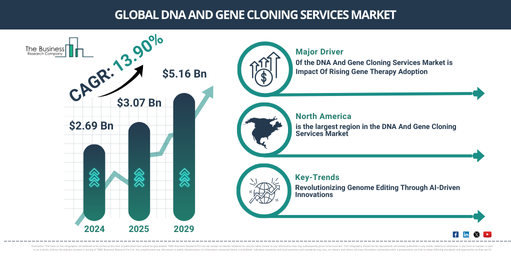
    The market size for DNA and gene cloning services has undergone rapid expansion lately. Projections show that it will increase from $2.69 billion in 2024 to $3.07 billion in 2025, signalling a compound annual growth rate (CAGR) of 14.2%. Factors such as increased demand for personalized medicine, escalated investment in biopharmaceutical research, a higher incidence of genetic disorders, a broader range of applications in the agriculture and biotechnology fields, and favorable government financial support for genomic research can be credited for the growth seen in the historical period.

    In the coming years, the market for DNA and gene cloning services is set to experience significant growth, reaching a value of $5.16 billion by 2029, expanding at a compound annual growth rate (CAGR) of 13.9%. This robust growth in the predicted period can be linked to the rising demand for personalized medicine, the increased use in gene therapy, the surge in investments in biopharmaceutical R&D, the broadened application of synthetic biology, pro-biotechnology government regulations and funding, and the increasing presence of genetic disorders. Dominant trends expected within the forecast period consist of enhanced precision in CRISPR-Cas9, affordable next-generation sequencing, automated cloning mechanisms, high-volume screening techniques, breakthroughs in synthetic biology, AI-powered gene assessments, and better therapeutic application vector design.

    How Are the key drivers expanding the growth of the DNA And Gene Cloning Services Market?

    The progression of the DNA and gene cloning services market is anticipated to be propelled by the growing prevalence of gene therapy. This treatment approach modifies an individual’s genes to prevent or cure diseases, which includes substituting faulty genes, turning off detrimental ones, or incorporating new ones to fight diseases. The surge in gene therapy is stimulated by its capability to remedy formerly untreatable genetic diseases, enhancements in biotechnology, and escalating awareness amongst medical professionals and patients. DNA and gene cloning services are pivotal for gene therapy as they enable the creation of tailored genetic modifications to address genetic diseases. For example, in April 2024, the American Society of Gene & Cell Therapy, a non-profit medical and scientific organization located in the US, reported a 10% increase in the number of phase III gene therapy clinical trials in the fourth quarter, indicating the first quarterly surge since the third quarter of 2022. Hence, the expanding influence of gene therapy is a key driver for the DNA and gene cloning services market.

    Explore Comprehensive Insights Into The Global DNA And Gene Cloning Services Market With A Free Sample Report:

    https://www.thebusinessresearchcompany.com/sample.aspx?id=21173&type=smp

    What Companies Are At the Forefront of Innovation in the DNA And Gene Cloning Services Market?

    Major companies operating in the DNA and gene cloning services market are Merck KGaA, Thermo Fisher Scientific Inc., Danaher Corporation, Eurofins Scientific, Agilent Technologies Inc., Lonza Group, Sartorius AG, Charles River Laboratories, Bio-Rad Laboratories Inc., Bio-Techne, Curia Global Inc., Integrated DNA Technologies Inc., GenScript Biotech Corporation, Takara Bio Inc., Syngene International Limited, Twist Bioscience, New England Biolabs Inc., Origene Technologies Inc., MedGenome, Sino Biological, Genewiz Inc., Creative Biogene, Addgene.

    How Are Emerging Trends in Consumer Behavior Affecting the DNA And Gene Cloning Services Market?

    Major firms in the DNA and gene cloning services sector are prioritizing technology advancements like AI-based gene editors to improve precision, cut down on production time, and simplify processes for personalized genetic changes and therapeutic uses. An AI-generated gene editor is a gene modification tool or system formulated, fine-tuned, or amplified with artificial intelligence. For example, in April 2024, Profluent, an American biotech research firm, introduced OpenCRISPR-1, a gene editor created with AI. This exemplifies precise genome editing with tailorable CRISPR-like proteins produced by large language models, considerably broadening the scope of CRISPR capabilities and transforming genetic science.

    Secure Your Global DNA And Gene Cloning Services Market Report Now for Fast and Efficient Delivery!

    https://www.thebusinessresearchcompany.com/report/dna-and-gene-cloning-services-global-market-report

    Which Key Segments Define the Structure of the DNA And Gene Cloning Services Market and Their Growth Potential?

    The DNA and gene cloning services market covered in this report is segmented –

    1) By Type Of Gene: Standard Gene, Complex Gene, Other Types Of Genes

    2) By Service Type: Gene Synthesis, Custom Cloning, Subcloning, Other Service Types

    3) By Application: DNA Sequencing, Mutagenesis, Genotyping, Other Applications

    4) By End-User Industry: Academic And Research And Development (RAndD), Pharmaceutical And Biotechnology Companies, Other End User Industries

    Subsegments:

    1) By Standard Gene: Cloning Of Protein-coding Genes, Non-coding Genes

    2) By Complex Gene: Multi-exon Genes, Genes With Alternative Splicing, Large Or Multi-structural Genes

    3) By Other Types Of Genes: Synthetic Genes, Viral Genes, Genomic DNA Cloning

    What Regions Are Propelling Growth in the DNA And Gene Cloning Services Industry?

    North America was the largest region in the DNA and gene cloning services market in 2024. Asia-Pacific is expected to be the fastest-growing region in the forecast period. The regions covered in the DNA and gene cloning services market report are Asia-Pacific, Western Europe, Eastern Europe, North America, South America, Middle East, Africa.

    What Does the Definition of the DNA And Gene Cloning Services Market Include?

    Deoxyribonucleic acid (DNA) and gene cloning services refer to laboratory techniques used to create copies of specific DNA sequences or genes. These services involve inserting a gene of interest into a plasmid vector, which is then introduced into a host organism (such as bacteria) to replicate and produce multiple copies of the gene. This process is essential for various applications in research, medicine, and biotechnology.

    Browse Through More Similar Reports By The Business Research Company:

    Complicated Skin And Skin Structure Infections Drugs Global Market Report 2025

    https://www.thebusinessresearchcompany.com/report/complicated-skin-and-skin-structure-infections-drugs-global-market-report

    Sexually Transmitted Infections Global Market Report 2025

    https://www.thebusinessresearchcompany.com/report/sexually-transmitted-infections-stis-global-market-report

    Anti-Inflammatory Therapeutics Global Market Report 2025

    https://thebusinessresearchcompany.com/report/anti-inflammatory-therapeutics-global-market-report

    About The Business Research Company:

    With over 15000+ reports from 27 industries covering 60+ geographies, The Business Research Company has built a reputation for offering comprehensive, data-rich research and insights. Armed with 1,500,000 datasets, the optimistic contribution of in-depth secondary research, and unique insights from industry leaders, you can get the information you need to stay ahead in the game.

    Contact us at:

    The Business Research Company: https://www.thebusinessresearchcompany.com/

    Americas +1 3156230293

    Asia +44 2071930708

    Europe +44 2071930708

    Email us at info@tbrc.info

    Follow us on:

    LinkedIn: https://in.linkedin.com/company/the-business-research-company

    YouTube: https://www.youtube.com/channel/UC24_fI0rV8cR5DxlCpgmyFQ

    Global Market Model: https://www.thebusinessresearchcompany.com/global-market-model

    Found this article helpful? Share it on:

  • Disseminated Intravascular Coagulation (DIC) Market Trends 2025-2034: Insights into Growth and Strategic Opportunities Ahead

    Disseminated Intravascular Coagulation (DIC) Market Trends 2025-2034: Insights into Growth and Strategic Opportunities Ahead

    Updated 2025 Market Reports Released: Trends, Forecasts to 2034 – Early Purchase Your Competitive Edge Today!

    How Will the Disseminated Intravascular Coagulation (DIC) Market’s Growth Rate Evolve Over the Forecast Period to 2034?

    In recent times, the market size for disseminated intravascular coagulation (DIC) has experienced considerable growth. It is projected to rise from a worth of $0.46 billion in 2024 to reach $0.49 billion in 2025, having a compound annual growth rate (CAGR) of 5.3%. The growth seen in the historical period can be linked to an increased occurrence of sepsis, a rise in trauma cases, a surge in the incidence of cancer, amplified spending in healthcare, improved awareness in healthcare professionals, and an increased adoption of targeted therapies.

    The market for disseminated intravascular coagulation (DIC) is forecasted to experience substantial growth in the upcoming years, expanding to a value of $0.59 billion by 2029 with a compound annual growth rate (CAGR) of 5.0%. This predicted growth throughout the forecast period can be credited to factors such as the rising popularity of targeted therapies, a greater emphasis on early detection of diseases, increased investment in healthcare infrastructure, the broadening scope of clinical research into treatments for coagulopathy, and an increase in understanding of uncommon hematologic disorders. Noteworthy trends projected for this period include advancements in diagnostic tests, the embracing of new anticoagulant treatments, personalized treatment strategies, the use of AI in diagnostic procedures, upgraded patient monitoring technologies, and the progression of targeted therapies.

    Which Macro and Microeconomic Factors Are Accelerating the Growth of the Disseminated Intravascular Coagulation (DIC) Market?

    Anticipated growth in the disseminated intravascular coagulation (DIC) market is predicted to be driven by the rising incidence of cancer. Uncontrolled and abnormal cell growth and proliferation characterize cancer, leading to the invasion and demolition of normal body tissues. The escalation in the number of cancer cases can be attributed to factors such as aging populations, alterations in lifestyle, environmental factors, infections, and genetic susceptibilities. Disseminated intravascular coagulation in cancer patients is caused by the over-activation of the coagulation cascade due to cancerous tumour-associated pro-coagulant substances, which results in extensive clotting and bleeding. As per the National Cancer Institute, a US government agency, they reported approximately 20 million new cancer cases and 9.7 million fatal incidences related to cancer globally in 2022. It is projected that by 2040, these figures could escalate to 29.9 million new cancer cases and 15.3 million death occurrences each year. Therefore, the growth of the disseminated intravascular coagulation (DIC) market is driven by the escalating rate of cancer incidents.

    Get Your Free Sample of the Global Disseminated Intravascular Coagulation (DIC) Market Report Now!

    https://www.thebusinessresearchcompany.com/sample.aspx?id=21172&type=smp

    Who Are the Influential Players Reshaping the Disseminated Intravascular Coagulation (DIC) Market Landscape?

    Major companies operating in the disseminated intravascular coagulation (DIC) market are Nihon Kohden Corporation, Pfizer Inc., Johnson & Johnson, F. Hoffmann-La Roche Ltd., AbbVie Inc., Merck & Co. Inc., Bayer AG, Sanofi S.A., AstraZeneca plc, Abbott Laboratories, Novartis AG, Thermo Fisher Scientific Inc., Fresenius Kabi AG, GlaxoSmithKline plc, Danaher Corporation, Eli Lily and Company, Siemens Healthineers, Teva Pharmaceutical Industries Ltd., Mylan N.V., Grifols S.A., Eisai Co. Ltd., Beckman Coulter Inc., Sysmex Corporation, Bio-Rad Laboratories Inc.

    What New and Evolving Trends Are Having a Lasting Impact on the Disseminated Intravascular Coagulation (DIC) Market?

    Leading corporations in the disseminated intravascular coagulation (DIC) market are concentrating on evolving coagulation diagnostic technology, including next-generation clotting tests. These advancements aim to refine the precision, speed, and simplicity of DIC diagnosis, thereby facilitating quicker therapeutic interventions for better patient outcomes. Next-generation clotting tests are innovative diagnostic tools and methods devised to measure blood coagulation more effectively, rapidly, and thoroughly compared to conventional tests. For example, in June 2022, LumiraDx Limited, a healthcare company based in the UK, broadened its cardiovascular testing range by obtaining CE Mark approvals for its updated D-dimer tests and NT-proBNP. These tests heighten the LumiraDx Platform’s capacity to aid clinicians in the diagnosis of heart failure and the exclusion of venous thromboembolisms at the care point. These enhancements aim to boost early detection and management of cardiovascular and thrombotic conditions, including DIC.

    Get Instant Access to the Global Disseminated Intravascular Coagulation (DIC) Market Report with Swift Delivery!

    https://www.thebusinessresearchcompany.com/report/disseminated-intravascular-coagulation-dic-global-market-report

    Which Key Segments Stand Out in Understanding the Composition of the Disseminated Intravascular Coagulation (DIC) Market?

    The disseminated intravascular coagulation (DIC) market covered in this report is segmented –

    1) By Treatment: Medicines, Transfusions, Surgery, Other Treatments

    2) By Diagnosis: Complete Blood Count With Blood Smear Exam, Partial Thromboplastin Time (PTT), Fibrinogen Blood Test, D-dimer, Other Diagnoses

    3) By Route Of Administration: Oral, Parenteral, Other Routes Of Administration

    4) By Distribution Channel: Hospital Pharmacy, Retail Pharmacy, Online Pharmacy

    5) By End-Users: Hospitals, Specialty Clinics, Homecare, Other End-Users

    Subsegments:

    1) By Medicines: Anticoagulants, Antiplatelet Drugs, Fibrinolytics, Procoagulants, Antithrombin Therapy

    2) By Transfusions: Platelet Transfusion, Fresh Frozen Plasma (FFP), Cryoprecipitate Transfusion, Red Blood Cell Transfusion

    3) By Surgery: Surgical Removal Of Thrombus, Organ Surgery

    4) By Other Treatments: Plasma Exchange, Supportive Care, Steroid Therapy

    Which Geographic Locations Are Critical to the Growth of the Disseminated Intravascular Coagulation (DIC) Market?

    North America was the largest region in the disseminated intravascular coagulation (DIC) market in 2024. The regions covered in the disseminated intravascular coagulation (DIC) market report are Asia-Pacific, Western Europe, Eastern Europe, North America, South America, Middle East, Africa.

    What Are the Key Characteristics That Define the Disseminated Intravascular Coagulation (DIC) Market?

    Disseminated intravascular coagulation (DIC) is a complex, life-threatening condition characterized by excessive blood clotting followed by severe bleeding due to the depletion of clotting factors and platelets. It is triggered by underlying conditions such as sepsis, trauma, malignancies, and obstetric complications.

    Browse Through More Similar Reports By The Business Research Company:

    Severe Acute Respiratory-Syndrome Treatment Global Market Report 2025

    https://www.thebusinessresearchcompany.com/report/severe-acute-respiratory-syndrome-treatment-global-market-report

    Myelodysplastic Syndrome (MDS) Drugs Global Market Report 2025

    https://www.thebusinessresearchcompany.com/report/myelodysplastic-syndrome-mds-drugs-global-market-report

    Hospital-Acquired Infection Control Global Market Report 2025

    https://thebusinessresearchcompany.com/report/hospital-acquired-infection-control-global-market-report

    About The Business Research Company:

    With over 15000+ reports from 27 industries covering 60+ geographies, The Business Research Company has built a reputation for offering comprehensive, data-rich research and insights. Armed with 1,500,000 datasets, the optimistic contribution of in-depth secondary research, and unique insights from industry leaders, you can get the information you need to stay ahead in the game.

    Contact us at:

    The Business Research Company: https://www.thebusinessresearchcompany.com/

    Americas +1 3156230293

    Asia +44 2071930708

    Europe +44 2071930708

    Email us at info@tbrc.info

    Follow us on:

    LinkedIn: https://in.linkedin.com/company/the-business-research-company

    YouTube: https://www.youtube.com/channel/UC24_fI0rV8cR5DxlCpgmyFQ

    Global Market Model: https://www.thebusinessresearchcompany.com/global-market-model

    Found this article helpful? Share it on:

  • In-Depth Insights into the Diagnostic Biomarkers Market: Growth, Trends, and Opportunities for 2025-2034

    In-Depth Insights into the Diagnostic Biomarkers Market: Growth, Trends, and Opportunities for 2025-2034

    Updated 2025 Market Reports Released: Trends, Forecasts to 2034 – Early Purchase Your Competitive Edge Today!

    What Are the Projected Expansion Rates of the Diagnostic Biomarkers Market for the Next Decade?

    The size of the diagnostic biomarkers market has seen a significant increase in the past few years. An expansion from $65.25 billion in 2024 to $75.67 billion in 2025 is anticipated, representing a compound annual growth rate (CAGR) of 16.0%. Factors such as an increase in the occurrence of chronic illnesses, progress in omics technologies, enhanced demand for individually tailored medicine, heightened awareness of initial disease detection, and the rise in non-invasive diagnostic procedures are responsible for the previous period’s growth.

    It is anticipated that the diagnostic biomarkers market will experience a significant expansion in the coming years, reaching a market value of $136.57 billion by 2029 with a compound annual growth rate (CAGR) of 15.9%. Factors contributing to this anticipated growth within the projection period include an increased implementation of liquid biopsy methods, a surge in investment for biomarker study, a heightened focus on precision medicinal practises, and an expansion in its applicability within neurodegenerative disease treatments. Key trends shaping this sector during the forecast period are innovations in artificial intelligence as well as machine learning, the merger of multi-omics strategies, the emergence of point-of-care diagnostic instruments, transition towards digital biomarkers, the rise of wearable health monitoring devices, and a concentrated emphasis on the validation and standardization of biomarkers.

    Which Factors Are Enhancing the Growth of the Diagnostic Biomarkers Market?

    The surge in cancer incidence fuels the expansion of the diagnostic biomarkers market. Factors such as an aging population, changes in lifestyles, environmental exposures, and enhanced diagnostic capacities are propelling the growing incidence of cancer. Diagnostic biomarkers are pivotal in cancer management as they facilitate early detection, accurate diagnosis, and tailored treatment plans, thereby improving patient outcomes. For example, the American Cancer Society, a non-profit cancer advocacy organization based in the US, reported in January 2024 an increase in cancer cases to 2,001,140 from 1,958,310 in 2023, marking a growth of 2.19%. This rising incidence of cancer is stimulating the growth of the diagnostic biomarkers market.

    Request Your Free Diagnostic Biomarkers Market Report Sample Now!

    https://www.thebusinessresearchcompany.com/sample.aspx?id=21171&type=smp

    Which Companies Are Redefining the Future of the Diagnostic Biomarkers Market?

    Major companies operating in the diagnostic biomarkers market are Johnson & Johnson Services Inc., F. Hoffmann-La Roche AG, Thermo Fisher Scientific Inc., Abbott Laboratories, PerkinElmer Inc., Siemens Healthineers AG, Merck KGaA, Agilent Technologies Inc., Charles River Laboratories International Inc., Bio-Rad Laboratories Inc., Bruker Corporation, Qiagen N.V., Myriad Genetics Inc., Meso Scale Diagnostics LLC, EKF Diagnostics Holdings Plc, Sino Biological Inc., Enzo Biochem Inc., Biomarker Technologies Inc., Cisbio Bioassays, Signosis Inc., Epigenomics AG, LifeSign LLC, Banyan Biomarkers Inc., Biosims Technologies SAS

    What Trends Are Poised to Drive the Future Success of the Diagnostic Biomarkers Market?

    Leading firms in the diagnostic biomarkers market are improving patient experience and accessibility by focusing on the development of non-invasive testing methods, such as blood-based biomarker tests. These are diagnostic tools used to detect and manage diseases like Alzheimer’s by analyzing unique biological markers in the blood, with minimal invasiveness. An example of this was when Quanterix Corporation, a life sciences company based in the US, in July 2023, introduced LucentAD. This is a blood-based biomarker test created to help healthcare providers diagnose Alzheimer’s disease in patients showing early signs of cognitive problems. LucentAD measures the plasma concentrations of the 181 residue phosphorylated tau protein (p-Tau 181), a biomarker linked with amyloid pathology in the brain, which is a significant indicator of Alzheimer’s disease. LucentAD offers a more accessible and less invasive diagnostic tool compared to traditional methods such as cerebrospinal fluid analysis or amyloid positron emission tomography, thereby simplifying the assessment procedure for potential Alzheimer’s patients.

    Pre-order Your Report for Quick and Easy Delivery!

    https://www.thebusinessresearchcompany.com/report/diagnostic-biomarkers-global-market-report

    How Are Key Segments Defining the Competitive Landscape of the Diagnostic Biomarkers Market?

    The diagnostic biomarkers market covered in this report is segmented –

    1) By Product: Safety Biomarkers, Efficacy Biomarkers, Validation Biomarkers

    2) By Application: Oncology, Metabolic Disease, Neurological Disease

    3) By End User: Hospitals, Cancer Research Institutes, Diagnostic Labs

    Subsegments:

    1) By Safety Biomarkers: Toxicity Biomarkers, Organ-Specific Safety Biomarkers, Drug-Induced Injury Biomarkers

    2) By Efficacy Biomarkers: Predictive Biomarkers, Prognostic Biomarkers, Pharmacodynamic Biomarkers

    3) By Validation Biomarkers: Genomic Biomarkers, Proteomic Biomarkers, Metabolomic Biomarkers

    What Are the Leading Regions in the Diagnostic Biomarkers Market Expansion?

    North America was the largest region in the diagnostic biomarkers market in 2024. The regions covered in the diagnostic biomarkers market report are Asia-Pacific, Western Europe, Eastern Europe, North America, South America, Middle East, Africa.

    What Are the Core Features That Define the Diagnostic Biomarkers Market?

    A diagnostic biomarker is a biological measure that assists in the diagnosis of a disease, helping to differentiate it from other conditions. It can encompass various findings, including laboratory results, radiological images, genetic markers, and physiological changes, and may also provide insights into disease progression and treatment efficacy.

    Browse Through More Similar Reports By The Business Research Company:

    Breast Cancer Monoclonal Antibodies Global Market Report 2025

    https://www.thebusinessresearchcompany.com/report/breast-cancer-monoclonal-antibodie-global-market-report

    Cancer Biologics Global Market Report 2025

    https://www.thebusinessresearchcompany.com/report/cancer-biologics-global-market-report

    Cell and Gene Therapy Global Market Report 2025

    https://thebusinessresearchcompany.com/report/cell-and-genes-therapy-global-market-report

    About The Business Research Company:

    With over 15000+ reports from 27 industries covering 60+ geographies, The Business Research Company has built a reputation for offering comprehensive, data-rich research and insights. Armed with 1,500,000 datasets, the optimistic contribution of in-depth secondary research, and unique insights from industry leaders, you can get the information you need to stay ahead in the game.

    Contact us at:

    The Business Research Company: https://www.thebusinessresearchcompany.com/

    Americas +1 3156230293

    Asia +44 2071930708

    Europe +44 2071930708

    Email us at info@tbrc.info

    Follow us on:

    LinkedIn: https://in.linkedin.com/company/the-business-research-company

    YouTube: https://www.youtube.com/channel/UC24_fI0rV8cR5DxlCpgmyFQ

    Global Market Model: https://www.thebusinessresearchcompany.com/global-market-model

    Found this article helpful? Share it on:

  • How Will the Diabetic Peripheral Neuropathy Market Grow? Key Trends and Opportunities for 2025 and Beyond

    How Will the Diabetic Peripheral Neuropathy Market Grow? Key Trends and Opportunities for 2025 and Beyond

    Updated 2025 Market Reports Released: Trends, Forecasts to 2034 – Early Purchase Your Competitive Edge Today!

    How Will the Diabetic Peripheral Neuropathy Market Grow Over the Forecast Period Based on Its Expected CAGR?

    The market size of diabetic peripheral neuropathy has seen a robust increase in the past few years. The market is projected to escalate from $3.51 billion in 2024 to $3.84 billion in 2025, reflecting a compound annual growth rate (CAGR) of 9.4%. This upward trend in the past stage can be credited to factors such as the growing elderly population, escalated occurrence of diabetes, surge in healthcare spending, heightened awareness of diabetes-related complications, and advancement in healthcare infrastructure.

    Expectations are high for a robust expansion in the diabetic peripheral neuropathy market in the coming years, with projections pointing to an increase of $5.43 billion by 2029, reflecting a compound annual growth rate (CAGR) of 9.1%. The anticipated growth in the market during the forecast period is linked to a rise in inactive lifestyle patterns, augmented government initiatives and funding, a rising presence of neuropathy risk factors, bettered accuracy in diagnostics, and an expanded focus on early identification and prevention. The forecast period is also expected to see significant trends such as progress in diagnostic technologies, advancements in treatment modalities, increased financial input into research and development, the evolution of minimally invasive procedures, and a heightened emphasis on collaborative research and development.

    What Major Innovations Are Driving the Accelerated Growth of the Diabetic Peripheral Neuropathy Market?

    Growth in the market for diabetic peripheral neuropathy is expected to be driven by the rise in health complications related to obesity. Excessive accumulation of body fat, which is a defining attribute of obesity, can lead to health impairment and an increased predisposition to various chronic conditions. The uptick in health problems associated with obesity can be attributed to heightened awareness, lifestyle modifications, and an emerging demand for preventative and therapeutic solutions, which in turn inflate the demand for healthcare. The role of diabetic peripheral neuropathy in managing obesity is vital, as it offers essential insight into nerve damage engendered by conditions linked to obesity. This facilitates tailored interventions that enhance a patient’s overall wellness and quality of life. For example, the World Health Organization (WHO), a Switzerland-based specialized agency of the United Nations tasked with global public health, reported in March 2024 that in 2022, 43% of adults over the age of 18 were considered overweight, and 16% were diagnosed with obesity. Also, 37 million children under five were overweight. In the 5 to 19 age bracket, more than 390 million children and adolescents were overweight, including 160 million who were obese. This surge in obesity-related health complications is triggering growth in the diabetic peripheral neuropathy market.

    Explore Comprehensive Insights Into The Global Diabetic Peripheral Neuropathy Market With A Free Sample Report:

    https://www.thebusinessresearchcompany.com/sample.aspx?id=21170&type=smp

    Who Are the Dominant Players Expanding Their Reach in the Diabetic Peripheral Neuropathy Market?

    Major companies operating in the diabetic peripheral neuropathy market are Pfizer Inc., Merck & Co. Inc., GlaxoSmithKline plc., Eli Lilly and Company, Astellas Pharma Inc., Biogen Inc., Vertex Pharmaceuticals Incorporated, Sun Pharmaceutical Industries Limited, Lupin Pharmaceuticals Inc., Chemie Grünenthal GmbH, Alkem Laboratories Limited, Acorda Therapeutics Inc., Mitsubishi Tanabe Pharma Corporation, NeuroMetrix Inc., Regenacy Pharmaceuticals Inc., Helixmith Co. Ltd., Aptinyx Inc., WinSanTor Inc., Sonnet BioTherapeutics Holdings Inc., OLYS Pharma Inc.

    What Are the Top Trends Shaping the Evolution of the Diabetic Peripheral Neuropathy Market?

    Leading entities in the diabetic peripheral neuropathy market are shifting their emphasis towards technological advancements such as NaV1.8 pain signal inhibitors. The intention is to provide patients with modern, non-opioid therapies that enhance pain control and overall life quality. A NaV1.8 pain signal inhibitor is a unique medication that obstructs the NaV1.8 sodium channel, a crucial facilitator of pain signals in sensory neurons. It offers respite from acute and neuropathic pain without the need for opioids. For example, Vertex Pharmaceuticals Incorporated, a biotech company from the US, announced progress in its suzetrigine pain program in April 2024. This included the start of a Phase 3 pivotal program for managing pain related to diabetic peripheral neuropathy (DPN). Suzetrigine, a particular NaV1.8 pain signal inhibitor, has displayed encouraging outcomes in prior studies and recently obtained a breakthrough therapy designation for diabetic Peripheral Neuropathy (DPN) pain management from the Food and Drug Administration (FDA), a federal agency in the US.

    Secure Your Global Diabetic Peripheral Neuropathy Market Report Now for Fast and Efficient Delivery!

    https://www.thebusinessresearchcompany.com/report/diabetic-peripheral-neuropathy-global-market-report

    Which Market Segments Are Driving Strategic Growth and Trends in the Diabetic Peripheral Neuropathy Market?

    The diabetic peripheral neuropathy market covered in this report is segmented –

    1) By Disease: Type 2 Diabetic Peripheral Neuropathy, Type 1 Diabetic Peripheral Neuropathy

    2) By Treatment: Pain Management Drugs, Gene Therapies

    3) By Therapy: Antidepressants, Anticonvulsants

    4) By Patient Population: Adult Patients, Geriatric Patients

    Subsegments:

    1) By Type 2 Diabetic Peripheral Neuropathy: Sensory Neuropathy, Motor Neuropathy, Autonomic Neuropathy

    2) By Type 1 Diabetic Peripheral Neuropathy: Distal Symmetric Neuropathy, Mononeuropathy, Polyradiculopathy

    Which Regions Are Setting the Pace for Diabetic Peripheral Neuropathy Market Growth?

    North America was the largest region in the diabetic peripheral neuropathy market in 2024. Asia-Pacific is expected to be the fastest-growing region in the forecast period. The regions covered in the diabetic peripheral neuropathy market report are Asia-Pacific, Western Europe, Eastern Europe, North America, South America, Middle East, Africa.

    How Is the Diabetic Peripheral Neuropathy Market Defined Across Different Regions?

    Diabetic Peripheral Neuropathy (DPN) is a nerve disorder caused by prolonged high blood sugar levels in individuals with diabetes, leading to nerve damage primarily in the legs, feet, arms, and hands. This condition occurs due to long-term high blood sugar levels, which damage the nerves and blood vessels, impairing nerve function and blood flow to the affected areas.

    Browse Through More Similar Reports By The Business Research Company:

    Hormone Therapy Global Market Report 2025

    https://www.thebusinessresearchcompany.com/report/hormone-therapy-global-market-report

    Parathyroid Hormone Global Market Report 2025

    https://www.thebusinessresearchcompany.com/report/parathyroid-hormones-global-market-report

    Global Transdermal Skin Patches Global Market Report 2025

    https://thebusinessresearchcompany.com/report/transdermal-skin-patches-market

    About The Business Research Company:

    With over 15000+ reports from 27 industries covering 60+ geographies, The Business Research Company has built a reputation for offering comprehensive, data-rich research and insights. Armed with 1,500,000 datasets, the optimistic contribution of in-depth secondary research, and unique insights from industry leaders, you can get the information you need to stay ahead in the game.

    Contact us at:

    The Business Research Company: https://www.thebusinessresearchcompany.com/

    Americas +1 3156230293

    Asia +44 2071930708

    Europe +44 2071930708

    Email us at info@tbrc.info

    Follow us on:

    LinkedIn: https://in.linkedin.com/company/the-business-research-company

    YouTube: https://www.youtube.com/channel/UC24_fI0rV8cR5DxlCpgmyFQ

    Global Market Model: https://www.thebusinessresearchcompany.com/global-market-model

    Found this article helpful? Share it on:

  • Diabetic Macular Edema (DME) Market Insights 2025-2034: Growth Dynamics, Trends, and Strategic Opportunities

    Diabetic Macular Edema (DME) Market Insights 2025-2034: Growth Dynamics, Trends, and Strategic Opportunities

    Updated 2025 Market Reports Released: Trends, Forecasts to 2034 – Early Purchase Your Competitive Edge Today!

    What are the Key Projections for the CAGR of the Diabetic Macular Edema (DME) Market From 2025 to 2034?

    The market size for diabetic macular edema (DME) has exhibited consistent expansion over recent years. There is a forecasted climb from $4.67 billion in 2024 to $4.89 billion in 2025, indicating a compound annual growth rate (CAGR) of 4.7%. The past growth has been linked to a higher frequency of diabetes, a rise in edema-related conditions, an increase in occurrences of diabetic eye diseases, a surge in the ageing population, and a growing number of blindness cases.

    The market size for diabetic macular edema (DME) is projected to experience consistent expansion in the upcoming years, reaching $5.82 billion in 2029 with a compound annual growth rate (CAGR) of 4.4%. The predicted growth during the forecast period is due to factors such as enhanced access to healthcare, increased government funding in healthcare, heightened awareness of diabetic-related complications, the rising use of telemedicine for eye care, and the proliferation of dedicated diabetic eye care centers. Key trends anticipated in the forecast period encompass the creation of anti-VEGF therapies, the utilization of corticosteroid implants, strides in drug delivery systems, innovations in retinal laser treatments, AI-driven diagnostic tools, and the implementation of minimally invasive surgical techniques.

    How Are Key Drivers in the Industry Acting as Catalysts for the Growth of the Diabetic Macular Edema (DME) Market?

    The upswing in the incidence of diabetes is anticipated to propel the diabetic macular edema (DME) market’s expansion in the future. The escalating incidence of diabetes can be credited to variables like inactive lifestyles, poor dietary habits, rising obesity figures, growing older populations, and genetic susceptibility. Diabetic macular edema is a result of diabetes impairing retinal blood vessels, leading to a fluid leak into the macula which causes swelling. For instance, in June 2023, a US-based public health research institute, The Institute for Health Metrics and Evaluation, reported that more than half a billion worldwide population were diagnosed with diabetes. This figure is projected to surge, reaching 1.3 billion individuals by 2050. Thus, the rise in the incidence of diabetes is fueling the ascension of the diabetic macular edema (DME) market.

    Get Your Free Sample of the Global Diabetic Macular Edema (DME) Market Report Now!

    https://www.thebusinessresearchcompany.com/sample.aspx?id=21169&type=smp

    What Are the Key Industry Players Leading the Charge in the Diabetic Macular Edema (DME) Market’s Growth?

    Major companies operating in the diabetic macular edema (DME) market are Pfizer Inc., Johnson & Johnson, F. Hoffmann-La Roche AG, Merck & Co. Inc., Bayer AG, Novartis AG, Boehringer Ingelheim International GmbH, Regeneron Pharmaceuticals, Carl Zeiss Meditec AG, Bausch & Lomb, Santen Pharmaceutical Co. Ltd., Carl Zeiss AG, Topcon Corporation, Ypsomed AG, ARKRAY Inc, Hugel Inc., Optos plc, Noven Pharmaceuticals Inc., Alimera Sciences Inc., Allergan plc.

    How Are Market Trends and Shifts Impacting the Growth Trajectory of the Diabetic Macular Edema (DME) Market?

    Leading firms in the market for the treatment of diabetic macular edema (DME) are concentrating on technological breakthroughs, such as enhanced drug therapies, to improve patient management and treatment results. These innovative treatments focus on increasing efficiency, decreasing side effects, and delivering superior patient outcomes, using new technology and research for the effective treatment of complex health disorders. For example, in March 2022, Novartis AG, a pharmaceutical company based in Switzerland, declared that Beovu had been approved by the European Commission for the treatment of visual impairment resulting from diabetic macular edema (DME). The approval was dependent on the findings from Phase III KESTREL and KITE studies that showcased the similar efficacy of Beovu in comparison to aflibercept in improving vision over a year. Notably, more than half of the patients treated with Beovu were able to sustain a 12-week treatment schedule with fewer instances of retinal fluid compared to those treated with aflibercept.

    Get Instant Access to the Global Diabetic Macular Edema (DME) Market Report with Swift Delivery!

    https://www.thebusinessresearchcompany.com/report/diabetic-macular-edema-dme-global-market-report

    Which Growth-Oriented Segments of the Diabetic Macular Edema (DME) Market Are Leading the Industry’s Development?

    The diabetic macular edema (DME) market covered in this report is segmented –

    1) By Treatment: Anti-VEGF Therapy, Corticosteroids, Laser Therapy, Surgical Intervention

    2) By Disease Stage: Early Stage, Moderate Stage, Advanced Stage

    3) By Patient Demographics: Adults, Elderly, Children

    4) By Route Of Administration: Intravitreal Injection, Topical, Systemic

    5) By Distribution Channel: Hospital Pharmacies, Retail Pharmacies, Online Pharmacies

    Subsegments:

    1) By Anti-VEGF Therapy: Monoclonal Antibodies, Recombinant Protein-Based Therapies

    2) By Corticosteroids: Intravitreal Steroid Injections, Injectable Sustained-Release Corticosteroids

    3) By Laser Therapy: Focal Laser Photocoagulation, Panretinal Photocoagulation

    4) By Surgical Intervention: Vitrectomy, Membrane Peeling

    What Regions Are Influencing the Dynamics of the Diabetic Macular Edema (DME) Market?

    North America was the largest region in the diabetic macular edema (DME) market in 2024. Europe is expected to be the fastest-growing region in the forecast period. The regions covered in the diabetic macular edema (DME) market report are Asia-Pacific, Western Europe, Eastern Europe, North America, South America, Middle East, Africa.

    What Key Elements Shape the Definition of the Diabetic Macular Edema (DME) Market?

    Diabetic macular edema (DME) is a complication of diabetes that occurs when fluid accumulates in the macula, the central part of the retina responsible for sharp vision. This swelling is caused by damaged blood vessels leaking fluid and proteins into the retinal tissue, leading to vision impairment or blindness if left untreated. DME is a common cause of vision loss in diabetic patients and is associated with diabetic retinopathy.

    Browse Through More Similar Reports By The Business Research Company:

    Antibody Contract Manufacturing Global Market Report 2025

    https://www.thebusinessresearchcompany.com/report/antibody-contract-manufacturing-global-market-report

    Next-Generation Antibody Therapeutics Global Market Report 2025

    https://www.thebusinessresearchcompany.com/report/next-generation-antibody-therapeutics-global-market-report

    Global Biosimilar Hormones Global Market Report 2025

    https://thebusinessresearchcompany.com/report/biosimilar-hormone-global-market-report

    About The Business Research Company:

    With over 15000+ reports from 27 industries covering 60+ geographies, The Business Research Company has built a reputation for offering comprehensive, data-rich research and insights. Armed with 1,500,000 datasets, the optimistic contribution of in-depth secondary research, and unique insights from industry leaders, you can get the information you need to stay ahead in the game.

    Contact us at:

    The Business Research Company: https://www.thebusinessresearchcompany.com/

    Americas +1 3156230293

    Asia +44 2071930708

    Europe +44 2071930708

    Email us at info@tbrc.info

    Follow us on:

    LinkedIn: https://in.linkedin.com/company/the-business-research-company

    YouTube: https://www.youtube.com/channel/UC24_fI0rV8cR5DxlCpgmyFQ

    Global Market Model: https://www.thebusinessresearchcompany.com/global-market-model

    Found this article helpful? Share it on: