Month: June 2025

  • $6.79 Billion Forecast for Aryl Hydrocarbon Receptor Market by 2029, Backed by Demand and Innovation

    Our market reports now include the latest updates on global tariffs, trade impacts, and evolving supply chain dynamics.

    How Has The Aryl Hydrocarbon Receptor Market Growth Evolved From 2024 To 2025, And What’s Ahead?

    The aryl hydrocarbon receptor market has experienced significant growth in recent years, with projections showing a rise from $4.64 billion in 2024 to $5.01 billion in 2025, reflecting a compound annual growth rate (CAGR) of 8.1%. Key drivers for this growth in the historic period include increased awareness of environmental toxins, heightened research activity in oncology, a spike in autoimmune disease studies, a growing focus on targeted therapies, and wider application in drug development.

    In the coming years, significant expansion is anticipated for the aryl hydrocarbon receptor market. A surge to $6.79 billion is predicted by 2029, with a compound annual growth rate of 7.9%. Factors contributing to this growth during the projected period comprise of escalating investments in precision medicine, increasing demand for immunotherapy, heightened attention to environmental health, more applications for inflammatory diseases, and progressive improvements in drug discovery. Key trends during this period encompass developments in targeted cancer treatments, preference for precision medicine tactics, progress in toxicology research, utilization of AI in drug discovery, and enhancement in treating autoimmune diseases.

    Download a free sample to assess the report’s scope and structure:

    https://www.thebusinessresearchcompany.com/sample.aspx?id=21106&type=smp

    What Are the Core Growth Drivers Propelling the Aryl Hydrocarbon Receptor Market Forward?

    The increasing prevalence of autoimmune diseases and chronic conditions is predicted to stimulate the aryl hydrocarbon receptor market’s expansion. These long-term ailments occur when the immune system doesn’t function correctly, or health issues continue over time. The surge in these diseases and conditions can be attributed to genetic factors, environmental influences, lifestyle choices, gut imbalances, and improved diagnostic methods. Aryl hydrocarbon receptor (AHR) agonists have the ability to control immune responses and inflammation, providing potential treatment advantages in autoimmune and chronic diseases by managing T-cell differentiation and immune cell activity. For example, data from Public Health Scotland, a government agency based in Scotland, reveals that in 2022, the number of newly diagnosed multiple sclerosis (MS) patients rose to 87.2% from 85.7%, with 491 new cases, totaling 6,359 for the year. Consequently, the escalation in autoimmune diseases and chronic conditions is fueling the growth of the aryl hydrocarbon receptor (AHR) agonist market.

    What Segment Types Define the Aryl Hydrocarbon Receptor Market Structure?

    The aryl hydrocarbon receptor market covered in this report is segmented –

    1) By Type: CB-993113, CDR-914K058, Cinnabarinic Acid, Other Types

    2) By Distribution Channel: Direct Sales, Online Platforms, Distributors, Retail Pharmacies, Wholesale Suppliers

    3) By Application: Hepatocellular Carcinoma, Multiple Sclerosis, Obesity, Osteoporosis, Other Applications

    4) By End-User Industry: Pharmaceuticals, Biotechnology, Agriculture, Environmental Consultancy, Research Institutions

    Subsegments:

    1) By CB-993113: Preclinical Stage CB-993113, Clinical Trials of CB-993113, Targeted Applications of CB-993113

    2) By CDR-914K058: Preclinical Development of CDR-914K058, CDR-914K058 in Immunological Disorders, Targeted Therapeutic Areas for CDR-914K058

    3) By Cinnabarinic Acid: Mechanism Of Action Of Cinnabarinic Acid, Cinnabarinic Acid In Inflammatory Conditions, Potential Applications In Neurodegenerative Diseases

    4) By Other Types: Synthetic Aryl Hydrocarbon Receptor Agonists, Natural Aryl Hydrocarbon Receptor Ligands, Novel Aryl Hydrocarbon Receptor Modulators

    Request customized data on this market:

    https://www.thebusinessresearchcompany.com/customise?id=21106&type=smp

    Which Geographic Areas Hold the Strongest Growth Potential in the Aryl Hydrocarbon Receptor Market?

    North America was the largest region in the aryl hydrocarbon receptor market in 2024. Asia-Pacific is expected to be the fastest-growing region in the forecast period. The regions covered in the aryl hydrocarbon receptor market report are Asia-Pacific, Western Europe, Eastern Europe, North America, South America, Middle East, Africa.

    Which Emerging Trends that Are Influencing theAryl Hydrocarbon Receptor Industry Evolution?

    Leading players in the aryl hydrocarbon receptor market are shifting their focus towards the innovation of sophisticated products, such as topical drugs aimed at specific inflammation routes. This shift presents potential cures for auto-immune disorders such as psoriasis and multiple sclerosis, along with other long-lasting inflammatory diseases while concurrently reducing widespread side effects. Topical drugs are medicines that are placed directly on the skin or mucous membranes to manage localized conditions or symptoms. For example, in May 2022, Dermavant Sciences, a US pharmaceutical corporation, secured authorization from the U.S. Food and Drug Administration (FDA) for VTAMA (tapinarof) cream, 1%. This cream provides a unique non-steroidal treatment alternative, introducing a new mechanism of action via its selective aryl hydrocarbon receptor modulation. Made for daily application, this cream offers patients an easy-to-use option. Additionally, it demonstrated a commendable safety record with minimum systemic intake, setting it apart from conventional treatments.

    View the full report here:

    https://www.thebusinessresearchcompany.com/report/aryl-hydrocarbon-receptor-global-market-report

    What Is the Definition of the Aryl Hydrocarbon Receptor Market?

    Aryl hydrocarbon receptor refers to a protein that binds environmental pollutants, such as dioxins, and regulates gene expression involved in immune and inflammatory responses. It is used for modulating various biological processes, including the treatment of autoimmune and inflammatory conditions like psoriasis, through selective activation or inhibition.

    Purchase the full report and get a swift delivery:

    https://www.thebusinessresearchcompany.com/purchaseoptions.aspx?id=21106

    About The Business Research Company:

    With over 15000+ reports from 27 industries covering 60+ geographies, The Business Research Company has built a reputation for offering comprehensive, data-rich research and insights. Armed with 1,500,000 datasets, the optimistic contribution of in-depth secondary research, and unique insights from industry leaders, you can get the information you need to stay ahead in the game.

    Get in touch with us:

    The Business Research Company: https://www.thebusinessresearchcompany.com/

    Americas +1 3156230293

    Asia +44 2071930708

    Europe +44 2071930708

    Email us at info@tbrc.info

    Follow us on:

    LinkedIn: https://in.linkedin.com/company/the-business-research-company

    YouTube: https://www.youtube.com/channel/UC24_fI0rV8cR5DxlCpgmyFQ

    Global Market Model: https://www.thebusinessresearchcompany.com/global-market-model
  • Diabetic Peripheral Neuropathy Market in Focus: Forecasting Growth Drivers, Scaling Potential, and Global Opportunities

    Diabetic Peripheral Neuropathy Market in Focus: Forecasting Growth Drivers, Scaling Potential, and Global Opportunities

    Our market reports now include the latest updates on global tariffs, trade impacts, and evolving supply chain dynamics.

    What Is the Current and Projected Market Size of the Diabetic Peripheral Neuropathy Market Through 2034?

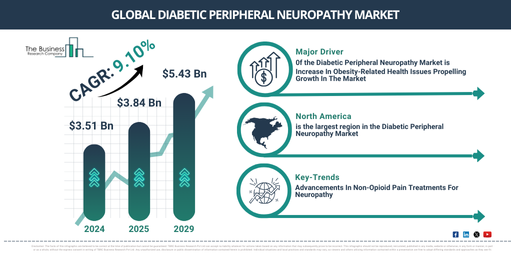
    In recent times, there has been a robust expansion in the market size of diabetic peripheral neuropathy. The market, which currently stands at $3.51 billion in 2024, is poised to escalate to $3.84 billion in 2025, exhibiting a compound annual growth rate (CAGR) of 9.4%. The growth observed in the past is predominantly due to the upsurge in the elderly population, inflating incidences of diabetes, escalating healthcare costs, heightened awareness regarding diabetic complications, and the expansion of healthcare infrastructure.

    Robust expansion is projected for the diabetic peripheral neuropathy market in the coming years, with projections setting its worth at $5.43 billion by 2029, growing at a compound annual growth rate (CAGR) of 9.1%. The growth anticipated in the predicted timeframe can be linked to a rise in sedentary behaviours, enhanced government initiatives and funding, an escalation in neuropathy risk factors, improved diagnostic precision, and amplified support for early detection and prevention. Significant trends within the predicted period comprise advancements in diagnostic technologies, breakthroughs in treatment technologies, greater funding in research and development, creation of less invasive procedures, and a magnified emphasis on cooperative research and development.

    Download a free sample to assess the report’s scope and structure:

    https://www.thebusinessresearchcompany.com/sample.aspx?id=21170&type=smp

    What Are the Core Market Drivers Propelling Growth in the Diabetic Peripheral Neuropathy Industry?

    Anticipated growth in the diabetic peripheral neuropathy market is predicted to be driven by a surge in health problems related to obesity. Characterized by an excessive accumulation of body fat, obesity is a medical condition that can harm health and increase the risk of various chronic diseases. The rise in health problems due to obesity can be attributed to increased awareness, changes in lifestyle, and a growing demand for both preventive and treatment solutions, thereby leading to heightened demand for healthcare. Diabetic peripheral neuropathy aids in managing obesity by providing crucial insights into nerve damage brought about by obesity-related conditions, which helps inform targeted interventions designed to enhance patient well-being and quality of life overall. For example, the World Health Organization (WHO), a Switzerland-based specialized agency of the United Nations charged with global public health, reported in March 2024 that in 2022, 43% of adults over 18 years old were classified as overweight, and 16% were diagnosed as obese. Also, 37 million children under the age of 5 were recorded as overweight, and among those aged 5 to 19, more than 390 million were overweight, including 160 million suffering from obesity. Hence, health problems related to obesity are fueling growth in the diabetic peripheral neuropathy market.

    How Is the Diabetic Peripheral Neuropathy Market Segmented?

    The diabetic peripheral neuropathy market covered in this report is segmented –

    1) By Disease: Type 2 Diabetic Peripheral Neuropathy, Type 1 Diabetic Peripheral Neuropathy

    2) By Treatment: Pain Management Drugs, Gene Therapies

    3) By Therapy: Antidepressants, Anticonvulsants

    4) By Patient Population: Adult Patients, Geriatric Patients

    Subsegments:

    1) By Type 2 Diabetic Peripheral Neuropathy: Sensory Neuropathy, Motor Neuropathy, Autonomic Neuropathy

    2) By Type 1 Diabetic Peripheral Neuropathy: Distal Symmetric Neuropathy, Mononeuropathy, Polyradiculopathy

    Request customized data on this market:

    https://www.thebusinessresearchcompany.com/customise?id=21170&type=smp

    Which Regions Are Driving the Next Phase of the Diabetic Peripheral Neuropathy Market Growth?

    North America was the largest region in the diabetic peripheral neuropathy market in 2024. Asia-Pacific is expected to be the fastest-growing region in the forecast period. The regions covered in the diabetic peripheral neuropathy market report are Asia-Pacific, Western Europe, Eastern Europe, North America, South America, Middle East, Africa.

    What Key Market Trends and Innovations Are Shaping the Future of the Diabetic Peripheral Neuropathy Industry?

    A primary focus for leading companies in the diabetic peripheral neuropathy market is technological innovation, notably the development of NaV1.8 pain signal inhibitors. These provide patients with advanced, non-opioid based methods of pain management and an enhanced quality of life overall. A NaV1.8 pain signal inhibitor works by blocking the NaV1.8 sodium channel, a fundamental player in the transmission of pain signals within sensory neurons, thus ensuring relief from acute and neuropathic pain without the necessity of opioid usage. For example, Vertex Pharmaceuticals Incorporated, a biotech company based in the US, reported progress in their suzetrigine pain program in April 2024. This included the start of a Phase 3 pivotal program to address pain linked to diabetic peripheral neuropathy (DPN). Suzetrigine is a selective NaV1.8 pain signal inhibitor and has demonstrated encouraging results in early research. It was recently awarded a breakthrough therapy designation for diabetic Peripheral Neuropathy (DPN) pain management by the US-based federal agency, the Food and Drug Administration (FDA).

    View the full report here:

    https://www.thebusinessresearchcompany.com/report/diabetic-peripheral-neuropathy-global-market-report

    How Is the Diabetic Peripheral Neuropathy Market Defined and What Are Its Core Parameters?

    Diabetic Peripheral Neuropathy (DPN) is a nerve disorder caused by prolonged high blood sugar levels in individuals with diabetes, leading to nerve damage primarily in the legs, feet, arms, and hands. This condition occurs due to long-term high blood sugar levels, which damage the nerves and blood vessels, impairing nerve function and blood flow to the affected areas.

    Purchase the full report and get a swift delivery:

    https://www.thebusinessresearchcompany.com/purchaseoptions.aspx?id=21170

    About The Business Research Company:

    With over 15000+ reports from 27 industries covering 60+ geographies, The Business Research Company has built a reputation for offering comprehensive, data-rich research and insights. Armed with 1,500,000 datasets, the optimistic contribution of in-depth secondary research, and unique insights from industry leaders, you can get the information you need to stay ahead in the game.

    Get in touch with us:

    The Business Research Company: https://www.thebusinessresearchcompany.com/

    Americas +1 3156230293

    Asia +44 2071930708

    Europe +44 2071930708

    Email us at info@tbrc.info

    Follow us on:

    LinkedIn: https://in.linkedin.com/company/the-business-research-company

    YouTube: https://www.youtube.com/channel/UC24_fI0rV8cR5DxlCpgmyFQ

    Global Market Model: https://www.thebusinessresearchcompany.com/global-market-model
  • Next-Gen Oral Mucositis : Market Forecast, Transformation, and Long-Term Trajectories

    Next-Gen Oral Mucositis : Market Forecast, Transformation, and Long-Term Trajectories

    Our market reports now include the latest updates on global tariffs, trade impacts, and evolving supply chain dynamics.

    #What is the Projected CAGR for the Oral Mucositis Market Size from 2025 to 2034?#_x000D_

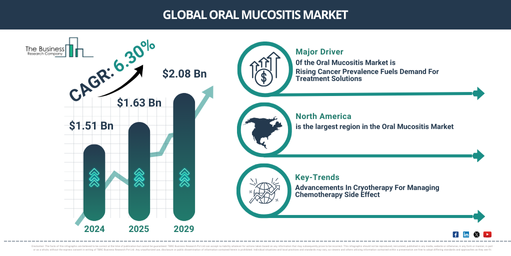
    The market for oral mucositis has experienced a significant upsurge in size in the past few years. The market is set to expand from $1.51 billion in 2024 to $1.63 billion in 2025, showcasing a compound annual growth rate (CAGR) of 8.0%. Factors such as a heightened number of cancer cases, an uptick in chemotherapy and radiation treatments, a surge in oral mucositis awareness, wider implementation of supportive care therapies, a rise in head and neck cancer cases, and increased oncology supportive care research and development have all contributed to the growth during the historic period._x000D_

    _x000D_

    The market for oral mucositis is forecasted to experience robust growth in the coming years, expanding to $2.08 billion by 2029 with a compound annual growth rate (CAGR) of 6.3%. Factors contributing to this anticipated growth include an increase in global instances of cancer, a rising demand for tailor-made medicine, a greater emphasis on palliative care, enhanced patient knowledge and education, and a growing preference for over-the-counter oral care products. Other contributing factors include increased funding by governments and healthcare providers and a growing incidence of radiation and chemotherapy treatments. Key trends expected to impact the market going forward are improvements in low-level laser therapy, the creation of innovative drug delivery systems, the incorporation of digital healthcare technology, the application of artificial intelligence in treatment plans, the development of tissue engineering and regenerative therapies, and advancements in smart mouthwashes and oral care products._x000D_

    _x000D_

    #Download a free sample to assess the report’s scope and structure:#_x000D_

    https://www.thebusinessresearchcompany.com/sample.aspx?id=21237&type=smp_x000D_

    _x000D_

    #Which Major Market Drivers Are Expected to Boost the Growth Potential of the Oral Mucositis Market?#_x000D_

    The escalating incidence of cancer is anticipated to drive the expansion of the oral mucositis market in the future. Characterized by the rampant increase and proliferation of abnormal cells that may invade and annihilate healthy tissues, cancer is a severe disease. The surging number of cancer instances is due to various causes like aging populace, alterations in living practices, exposure to environmental agents, infections, and genetic susceptibility. Oral mucositis therapy is beneficial to cancer patients as it eases pain, minimizes inflammation, averts secondary infections, and accelerates the recovery of oral tissues. All of these contributes to enhancing their comfort, dietary consumption, and overall life quality during chemotherapy or radiation treatment. For example, the National Cancer Institute, a government agency in the US, stated in May 2024, that around 20 million new instances of cancer and 9.7 million cancer-related fatalities had been recorded globally in 2022. Predictions indicate that these figures could surge to 29.9 million new instances and 15.3 million annual deaths by 2040. Consequently, the escalating incidence of cancer is stimulating the growth of the oral mucositis market._x000D_

    _x000D_

    #Which Key Market Segments Comprise the Oral Mucositis Market and Drive Its Revenue Growth?#_x000D_

    The oral mucositis market covered in this report is segmented –_x000D_

    _x000D_

    1) By Indication: Chemotherapy, Radiotherapy, Hematopoietic Stem Cell Transplantation_x000D_

    2) By Product Type: Solid Dosage Form, Liquid Dosage Form_x000D_

    3) By Treatment: Palifermin, Amifostine, Chlorhexidine, Sucralfate, Avasopasem, Dusquetide_x000D_

    4) By Distribution Channel: Hospital Pharmacies, Retail Pharmacies, Online Pharmacies_x000D_

    5) By End User: Hospitals, Dental Clinics, Oncology Hospitals, Research Institutes_x000D_

    _x000D_

    Subsegments:_x000D_

    1) By Chemotherapy: High-Dose Chemotherapy-Induced Oral Mucositis, Standard-Dose Chemotherapy-Induced Oral Mucositis_x000D_

    2) By Radiotherapy: Head And Neck Cancer Radiotherapy-Induced Oral Mucositis, Total Body Irradiation-Induced Oral Mucositis_x000D_

    3) By Hematopoietic Stem Cell Transplantation: Autologous Stem Cell Transplantation-Induced Oral Mucositis, Allogeneic Stem Cell Transplantation-Induced Oral Mucositis_x000D_

    _x000D_

    #Request customized data on this market:#_x000D_

    https://www.thebusinessresearchcompany.com/customise?id=21237&type=smp_x000D_

    _x000D_

    #Which Areas Are Leading Regions in the Oral Mucositis Market Expansion Across the Globe?#_x000D_

    North America was the largest region in the oral mucositis market in 2024. Asia-Pacific is expected to be the fastest-growing region in the forecast period. The regions covered in the oral mucositis market report are Asia-Pacific, Western Europe, Eastern Europe, North America, South America, Middle East, Africa._x000D_

    _x000D_

    #What Are the Key Market Trends in theOral Mucositis Market Over the Coming Years?#_x000D_

    Leading entities in the oral mucositis industry are pivoting towards the creation of revolutionary solutions, including cryotherapy, in an effort to lessen the intensity and occurrence of oral tissue damage through the use of cold treatment. Cryotherapy is a healthcare procedure that employs severe cold to target and eliminate unhealthy or abnormal tissue, and is applied in treating ailments such as tumors, warts, or injuries. For instance, Chemo Mouthpiece LLC, a medical device organization from the United States, made an announcement in February 2024 about the approval of their chemo mouthpiece device by the Food and Drug Administration, a government agency in the US. The chemo mouthpiece device, which is an interior mouth ice pack, employs cryotherapy to the oral region of a patient undergoing chemotherapy. This results in the active management and treatment of oral mucositis, a frequent and agonizing chemotherapy side effect._x000D_

    _x000D_

    #View the full report here:#_x000D_

    https://www.thebusinessresearchcompany.com/report/oral-mucositis-global-market-report_x000D_

    _x000D_

    #How Is the Oral Mucositis Market Conceptually Defined?#_x000D_

    Oral mucositis is a condition characterized by the inflammation and ulceration of the mucous membranes lining the mouth. It is commonly seen as a side effect of cancer treatments particularly chemotherapy and radiation therapy, which damage the rapidly dividing cells of the oral mucosa._x000D_

    _x000D_

    #Purchase the full report and get a swift delivery:#_x000D_

    https://www.thebusinessresearchcompany.com/purchaseoptions.aspx?id=21237_x000D_

    _x000D_

    #About The Business Research Company:#_x000D_

    With over 15000+ reports from 27 industries covering 60+ geographies, The Business Research Company has built a reputation for offering comprehensive, data-rich research and insights. Armed with 1,500,000 datasets, the optimistic contribution of in-depth secondary research, and unique insights from industry leaders, you can get the information you need to stay ahead in the game._x000D_

    _x000D_

    #Get in touch with us:#_x000D_

    The Business Research Company: https://www.thebusinessresearchcompany.com/_x000D_

    Americas +1 3156230293_x000D_

    Asia +44 2071930708_x000D_

    Europe +44 2071930708_x000D_

    Email us at info@tbrc.info_x000D_

    _x000D_

    #Follow us on:#_x000D_

    _x000D_

    LinkedIn: https://in.linkedin.com/company/the-business-research-company_x000D_

    YouTube: https://www.youtube.com/channel/UC24_fI0rV8cR5DxlCpgmyFQ_x000D_

    Global Market Model: https://www.thebusinessresearchcompany.com/global-market-model

  • Global Arthrogryposis Market Projected to Reach $1.22 Billion by 2029 at a CAGR of 5.5%

    Our market reports now include the latest updates on global tariffs, trade impacts, and evolving supply chain dynamics.

    What is the Projected CAGR for the Arthrogryposis Market Size from 2025 to 2034?

    In recent times, there has been significant growth in the arthrogryposis market size. The market, valued at $0.93 billion in 2024 is projected to increase to $0.98 billion in 2025, showing a compound annual growth rate (CAGR) of 5.8%. The growth during the historic period is a result of the increasing cases of osteoarthritis, a rise in sports-related injuries, an acceleration in the aging population, increased prevalence of a sedentary lifestyle, and improved awareness regarding osteoarthritis treatments.

    In the years to come, the arthrogryposis market is projected to experience significant expansion, with an expected valuation of $1.22 billion by 2029 and a compound annual growth rate of 5.5%. This growth trend during the forecasted period can be credited to various factors such as the escalating geriatric population, a surge in the usage of pain relief medications, increasing incidents of sports-related injuries, heightened prevalence of osteoarthritis, and a growing segment of the population who are prone to osteoarthritis. Moreover, advancements in the medical technology space, strides in genetic research, technological progression in treatment methodologies, the evolution of non-invasive treatment approaches, and progress in the realm of biologics and stem cell therapies form the major trends for the forecast period.

    Download a free sample to assess the report’s scope and structure:

    https://www.thebusinessresearchcompany.com/sample.aspx?id=21105&type=smp

    What are the Fundamental Drivers and Innovations Shaping the Arthrogryposis Market?

    The increasing incidence of congenital disorders is projected to fuel advancements in the arthrogryposis market. Congenital disorders can be defined as structural or functional abnormalities that develop during fetal growth and are observable at birth. The escalated frequency of these disorders can be credited to advancements in prenatal diagnostics, exposure to environmental elements, genetic mutations, and lifestyle modifications. Arthrogryposis aids in comprehending congenital disorders by emphasizing the importance of fetal movement, genetic factors, and neuromuscular evolution in musculoskeletal abnormalities. For instance, the World Health Organization reported in February 2023 that every year, roughly 240,000 newborns worldwide fall victim to congenital disorders within their first 28 days of life. Moreover, congenital conditions account for an estimated 170,000 child deaths between the ages of 1 month and 5 years. Subsequently, the growing incidence of congenital disorders is contributing to the growth of the arthrogryposis market. Growth Of Market Influenced By The Surge In Telehealth Services

    How Is the Arthrogryposis Market Segmented?

    The arthrogryposis market covered in this report is segmented –

    1) By Type: Classic Arthrogryposis, Distal Arthrogryposis, Amyoplasia

    2) By Treatment Type: Occupational Therapists, Physical Therapy, Surgery, Imaging Diagnostics, CT Scan

    3) By Patient Age: Children, Adults, Elderly

    4) By Distribution Channel: Hospital Pharmacies, Retail Pharmacies, Online Pharmacies, Other Distribution Channels

    Subsegments:

    1) By Classic Arthrogryposis: Multiple Joint Involvement, Flexion Contractures, Severe Muscle Weakness, Progressive Arthrogryposis, Intellectual Impairment

    2) By Distal Arthrogryposis: Isolated Limb Involvement, Contractures of Hands and Feet, Distal Joint Contractures, Autosomal Dominant Inheritance

    3) By Amyoplasia: Severe Limb Contractures, Muscle Hypotonia (low muscle tone), No Cognitive Impairment, Symmetric Joint Involvement, Lack Of Muscle Development In Affected Limbs

    Request customized data on this market:

    https://www.thebusinessresearchcompany.com/customise?id=21105&type=smp

    Which Regions Are Driving the Next Phase of the Arthrogryposis Market Growth?

    North America was the largest region in the arthrogryposis market in 2024. Asia-Pacific is expected to be the fastest-growing region in the forecast period. The regions covered in the arthrogryposis market report are Asia-Pacific, Western Europe, Eastern Europe, North America, South America, Middle East, Africa.

    What Key Trends Are Shaping the Future of the Arthrogryposis Market?

    Key companies in the arthrogryposis market are investing in the progression of surgical methods like carpal wedge osteotomy, increasing joint flexibility and minimizing contractures, therefore offering patients improved functional results and bettering their life quality. The procedure of carpal wedge osteotomy, involves the removal of a wedge-shaped bone section from the wrist, aiming to rectify joint deformities and enhance hand functionality in patients suffering from arthrogryposis. For example, Akron Children’s Hospital, a pediatric acute care institution based in the US, formulated a novel method in November 2022 that merges carpal wedge osteotomy with flexor-pronator slide, focused on improving joint mobility in patients afflicted by this uncommon condition marked by rigid or contracted joints.

    View the full report here:

    https://www.thebusinessresearchcompany.com/report/arthrogryposis-global-market-report

    How Is the Arthrogryposis Market Defined and What Are Its Core Parameters?

    Arthrogryposis refers to a group of congenital conditions characterized by multiple joint contractures, leading to stiffness and limited movement. It occurs due to reduced fetal movement in the womb, which can result from neurological, muscular, or connective tissue disorders.

    Purchase the full report and get a swift delivery:

    https://www.thebusinessresearchcompany.com/purchaseoptions.aspx?id=21105

    About The Business Research Company:

    With over 15000+ reports from 27 industries covering 60+ geographies, The Business Research Company has built a reputation for offering comprehensive, data-rich research and insights. Armed with 1,500,000 datasets, the optimistic contribution of in-depth secondary research, and unique insights from industry leaders, you can get the information you need to stay ahead in the game.

    Get in touch with us:

    The Business Research Company: https://www.thebusinessresearchcompany.com/

    Americas +1 3156230293

    Asia +44 2071930708

    Europe +44 2071930708

    Email us at info@tbrc.info

    Follow us on:

    LinkedIn: https://in.linkedin.com/company/the-business-research-company

    YouTube: https://www.youtube.com/channel/UC24_fI0rV8cR5DxlCpgmyFQ

    Global Market Model: https://www.thebusinessresearchcompany.com/global-market-model

  • Strong CAGR to Propel in the Diabetic Macular Edema (DME) Market and Beyond upto $5.82 Billion by 2029

    Strong CAGR to Propel in the Diabetic Macular Edema (DME) Market and Beyond upto $5.82 Billion by 2029

    Our market reports now include the latest updates on global tariffs, trade impacts, and evolving supply chain dynamics.

    What is the Anticipated CAGR of the Diabetic Macular Edema (DME) Market, and What Factors Will Drive It?

    The market for diabetic macular edema (DME) has experienced consistent growth in recent years. The market is set to increase from $4.67 billion in 2024 to $4.89 billion in 2025, with a compound annual growth rate (CAGR) of 4.7%. Factors contributing to the growth in the past included an upturn in diabetes cases, a rise in edema-related disorders, an increase in diabetic eye diseases, a boost in the elderly population, and higher instances of blindness.

    Over the next few years, the market for diabetic macular edema (DME) is poised for steady expansion, with projections placing it at $5.82 billion in 2029, boasting a compound annual growth rate (CAGR) of 4.4%. Factors contributing to this predicted growth during the forecast period include improved accessibility to healthcare, increasing governmental healthcare support, growing awareness of diabetic complications, increased reliance on telemedicine for eye care services, and the proliferation of specialized centers offering diabetic eye care. Key trends anticipated during the forecast period encompass the development of anti-VEGF therapies, the use of corticosteroid implants, enhancements in drug delivery systems, innovations in retinal laser procedures, the use of AI in diagnosis tools, and the shift towards minimally invasive surgical procedures.

    Download a free sample to assess the report’s scope and structure:

    https://www.thebusinessresearchcompany.com/sample.aspx?id=21169&type=smp

    Which Primay Drivers Are Accelerating Growth in the Diabetic Macular Edema (DME) Market?

    The expected growth in the diabetic macular edema (DME) market is primarily driven by the escalating incidence of diabetes worldwide. Factors contributing to the surge in diabetes include inactive lifestyles, unhealthy eating habits, increasing rates of obesity, aging populations, and genetic factors. Retinal blood vessels get harmed due to diabetes, causing diabetic macular edema through fluid leakage into the macula causing swelling. The US-based public health research institute, the Institute for Health Metrics and Evaluation, stated in June 2023 that more than half a billion people around the world were suffering from diabetes. This figure is anticipated to more than double, hitting 1.3 billion people by 2050. Hence, the growing occurrence of diabetes is propelling the expansion of the diabetic macular edema (DME) market.

    Which Primary Segments of the Diabetic Macular Edema (DME) Market Are Driving Growth and Industry Transformations?

    The diabetic macular edema (DME) market covered in this report is segmented –

    1) By Treatment: Anti-VEGF Therapy, Corticosteroids, Laser Therapy, Surgical Intervention

    2) By Disease Stage: Early Stage, Moderate Stage, Advanced Stage

    3) By Patient Demographics: Adults, Elderly, Children

    4) By Route Of Administration: Intravitreal Injection, Topical, Systemic

    5) By Distribution Channel: Hospital Pharmacies, Retail Pharmacies, Online Pharmacies

    Subsegments:

    1) By Anti-VEGF Therapy: Monoclonal Antibodies, Recombinant Protein-Based Therapies

    2) By Corticosteroids: Intravitreal Steroid Injections, Injectable Sustained-Release Corticosteroids

    3) By Laser Therapy: Focal Laser Photocoagulation, Panretinal Photocoagulation

    4) By Surgical Intervention: Vitrectomy, Membrane Peeling

    Request customized data on this market:

    https://www.thebusinessresearchcompany.com/customise?id=21169&type=smp

    Which Regions Are Key Players in the Growth of the Which Primay Drivers Are Accelerating Growth in the Diabetic Macular Edema (DME) Market? Market?

    North America was the largest region in the diabetic macular edema (DME) market in 2024. Europe is expected to be the fastest-growing region in the forecast period. The regions covered in the diabetic macular edema (DME) market report are Asia-Pacific, Western Europe, Eastern Europe, North America, South America, Middle East, Africa.

    Which Technological Trends Are Reshaping the Diabetic Macular Edema (DME) Industry Dynamics?

    Significant businesses engaged in the diabetic macular edema (DME) therapy sector are concentrating on progressing technology, such as avant-garde drug treatments, to enhance the management and outcome for patients. These cutting-edge treatments leverage fresh research and novel technologies to better tackle complex health conditions. The therapies aim to boost their efficiency, minimize adverse effects, and deliver superior patient outcomes. For instance, in March 2022, Novartis AG, a pharmaceutical company headquartered in Switzerland, declared that the European Commission approved Beovu for the treatment of visual impairment due to diabetic macular edema (DME). This approval centered on results from Phase III KESTREL and KITE studies, which illustrated how Beovu’s effectiveness matched up with aflibercept in boosting vision over a year. Importantly, the majority of the patients treated with Beovu adhered to a 12-week treatment plan, experiencing fewer incidents of retinal fluid compared to those treated with aflibercept.

    View the full report here:

    https://www.thebusinessresearchcompany.com/report/diabetic-macular-edema-dme-global-market-report

    What Parameters Are Used to Define the Diabetic Macular Edema (DME) Market?

    Diabetic macular edema (DME) is a complication of diabetes that occurs when fluid accumulates in the macula, the central part of the retina responsible for sharp vision. This swelling is caused by damaged blood vessels leaking fluid and proteins into the retinal tissue, leading to vision impairment or blindness if left untreated. DME is a common cause of vision loss in diabetic patients and is associated with diabetic retinopathy.

    Purchase the full report and get a swift delivery:

    https://www.thebusinessresearchcompany.com/purchaseoptions.aspx?id=21169

    About The Business Research Company:

    With over 15000+ reports from 27 industries covering 60+ geographies, The Business Research Company has built a reputation for offering comprehensive, data-rich research and insights. Armed with 1,500,000 datasets, the optimistic contribution of in-depth secondary research, and unique insights from industry leaders, you can get the information you need to stay ahead in the game.

    Get in touch with us:

    The Business Research Company: https://www.thebusinessresearchcompany.com/

    Americas +1 3156230293

    Asia +44 2071930708

    Europe +44 2071930708

    Email us at info@tbrc.info

    Follow us on:

    LinkedIn: https://in.linkedin.com/company/the-business-research-company

    YouTube: https://www.youtube.com/channel/UC24_fI0rV8cR5DxlCpgmyFQ

    Global Market Model: https://www.thebusinessresearchcompany.com/global-market-model
  • Apraxia Market Forecast 2025–2034: Trends Reshaping Demand, Investment, and Innovation

    Apraxia Market Forecast 2025–2034: Trends Reshaping Demand, Investment, and Innovation

    Our market reports now include the latest updates on global tariffs, trade impacts, and evolving supply chain dynamics.

    What Is the Current and Projected Market Size of the Arthralgia Market Through 2034?

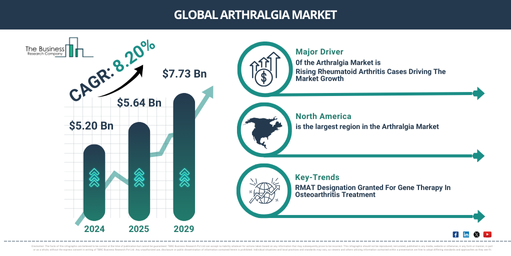
    The market size for arthralgia has seen a robust growth in the past few years. Projected to expand from $5.20 billion in 2024, it is expected to reach $5.64 billion in 2025, with a compound annual growth rate (CAGR) of 8.5%. The historical growth can largely be linked to the surge in autoimmune diseases, rise in associated risk factors, and an upswing in obesity. Furthermore, a rise in the cases of arthralgia and a higher prevalence of joint disorders have also contributed to this growth.

    Significant expansion is projected for the arthralgia market in the years to come, with the value swelling to $7.73 billion in 2029 at a compound annual growth rate (CAGR) of 8.2%. Several factors are driving this growth during the forecast period, such as increased awareness of arthralgia, a growing elderly population, advancements in healthcare infrastructure, and a surge in demand for less invasive procedures. Furthermore, a higher incidence of sports-related injuries also contributes to this growth. Key market trends for this period encompass the incorporation of digital health tools, new treatment modalities, cellular therapies, improvements in medical technology, and a rise in research and development investments.

    Download a free sample to assess the report’s scope and structure:

    https://www.thebusinessresearchcompany.com/sample.aspx?id=21104&type=smp

    What Are the Primary Drivers Supporting the Market Growth of the Arthralgia Market?

    The escalation in rheumatoid arthritis cases is anticipated to foster the arthralgia market’s progress. Rheumatoid arthritis, a chronic autoimmune disease, predominantly affects the joints, inciting inflammation, discomfort, and plausible joint degradation. The surging cases of rheumatoid arthritis are ascribed to aging demographics, genetic susceptibility, lifestyle modifications, and environmental influences such as smoking and contamination. Rheumatoid arthritis (RA) instigates arthralgia through sustained inflammation in the joints, resulting in pain, rigidity, and progressive harm. As an example, Arthritis Australia, a non-profit organization based in Australia, reported in February 2024 that by 2040, arthritis cases in Australia are projected to ascend to 5.39 million from 4.11 million in 2025. This includes an increase in osteoarthritis cases to 3.11 million from 2.35 million and rheumatoid arthritis rising to 748,721. Thus, the growing count of rheumatoid arthritis cases is steering the expansion of the arthralgia market.

    Which Primary Segments of the Arthralgia Market Are Driving Growth and Industry Transformations?

    The arthralgia market covered in this report is segmented –

    1) By Cause: Osteoarthritis, Rheumatoid Arthritis, Gout, Psoriatic Arthritis, Lupus, Injuries, Infections, Other Causes

    2) By Treatment Type: Medications, Therapies, Surgical Interventions, Lifestyle And Home Remedies

    3) By Route Of Administration: Oral, Injectable, Topical, Transdermal

    4) By Distribution Channel: Hospital Pharmacies, Retail Pharmacies, Online Pharmacies

    5) By End User: Hospital, Clinics, Homecare Settings, Rehabilitation Centers

    Subsegments:

    1) By Osteoarthritis: Knee Osteoarthritis, Hip Osteoarthritis, Hand Osteoarthritis, Spine Osteoarthritis, Shoulder Osteoarthritis

    2) By Rheumatoid Arthritis: Seropositive Rheumatoid Arthritis, Seronegative Rheumatoid Arthritis, Juvenile Rheumatoid Arthritis, Early-Onset Rheumatoid Arthritis

    3) By Gout: Primary Gout, Secondary Gout, Gouty Arthritis

    4) By Psoriatic Arthritis: Symmetric Psoriatic Arthritis, Asymmetric Psoriatic Arthritis, Psoriatic Spondylitis, Distal Interphalangeal Predominant Psoriatic Arthritis

    5) By Lupus: Systemic Lupus Erythematosus (SLE), Discoid Lupus Erythematosus, Drug-induced Lupus, Neonatal Lupus

    6) By Injuries: Sports-related Injuries, Trauma and Fractures, Sprains and Strains, Tendon or Ligament Damage

    7) By Infections: Septic Arthritis, Viral Arthritis, Bacterial Infections, Fungal Infections

    8) By Other Causes: Fibromyalgia, Overuse Injuries, Sarcoidosis, Ankylosing Spondylitis, Crystal-induced Arthritis

    Request customized data on this market:

    https://www.thebusinessresearchcompany.com/customise?id=21104&type=smp

    Which Regions Are Key Players in the Growth of the #What Are the Primary Drivers Supporting the Market Growth of the Arthralgia Market?# Market?

    North America was the largest region in the arthralgia market in 2024. The regions covered in the arthralgia market report are Asia-Pacific, Western Europe, Eastern Europe, North America, South America, Middle East, Africa.

    What Are the Most Significant Market Trends in the Arthralgia Market?

    Leading firms in the arthralgia market are concentrating their efforts on creating innovative therapeutic methods, such as gene therapy with RMAT designation, that offer patients extended relief from pain and enhanced joint function. This RMAT-designated gene therapy denotes a healing system that has earned the FDA’s Regenerative Medicine Advanced Therapy (RMAT) approval, promoting the expeditious development and verification of state-of-the-art gene therapies for severe or potentially fatal disorders. For instance, Pacira BioSciences Inc., a pharmaceutical corporation based in the United States, received the Regenerative Medicine Advanced Therapy (RMAT) affirmation for its product PCRX-201 (enekinragene inzadenovec) from the U.S. Food and Drug Administration (FDA) in March 2024. This revolutionary intra-articular gene therapy employs a helper-dependent adenovirus (HDAd) to address knee osteoarthritis, and it’s designed to generate interleukin-1 receptor antagonists (IL-1Ra). Pacira publicly expressed their gratification in acquiring the FDA’s maiden RMAT designation for a gene therapy aimed at osteoarthritis, highlighting the encouraging initial clinical outcomes indicating that PCRX-201 could potentially modify the course of the disease.

    View the full report here:

    https://www.thebusinessresearchcompany.com/report/arthralgia-global-market-report

    What Parameters Are Used to Define the Arthralgia Market?

    Arthralgia refers to pain in one or more joints, often without inflammation, and can result from various causes such as infections, autoimmune diseases, or injury. It is a symptom rather than a condition, typically indicating an underlying health issue affecting the joints.

    Purchase the full report and get a swift delivery:

    https://www.thebusinessresearchcompany.com/purchaseoptions.aspx?id=21104

    About The Business Research Company:

    With over 15000+ reports from 27 industries covering 60+ geographies, The Business Research Company has built a reputation for offering comprehensive, data-rich research and insights. Armed with 1,500,000 datasets, the optimistic contribution of in-depth secondary research, and unique insights from industry leaders, you can get the information you need to stay ahead in the game.

    Get in touch with us:

    The Business Research Company: https://www.thebusinessresearchcompany.com/

    Americas +1 3156230293

    Asia +44 2071930708

    Europe +44 2071930708

    Email us at info@tbrc.info

    Follow us on:

    LinkedIn: https://in.linkedin.com/company/the-business-research-company

    YouTube: https://www.youtube.com/channel/UC24_fI0rV8cR5DxlCpgmyFQ

    Global Market Model: https://www.thebusinessresearchcompany.com/global-market-model

  • Optic Neuropathy Management Market Overview 2025: Competitive Shifts, Forecast Models, and Emerging Opportunities

    Optic Neuropathy Management Market Overview 2025: Competitive Shifts, Forecast Models, and Emerging Opportunities

    Our market reports now include the latest updates on global tariffs, trade impacts, and evolving supply chain dynamics.

    #What Is the Current and Projected Market Size of the Optic Neuropathy Management Market Through 2034?#_x000D_

    In recent times, there’s been a robust growth in the optic neuropathy management market size. The market, which was valued at $3.62 billion in 2024, is predicted to rise to $3.85 billion in 2025, with a compound annual growth rate (CAGR) of 6.2%. The growth in the past period can be traced back to an increase in optic neuropathy cases, greater occurrence of eye injuries, larger investments in eye care services, surge in the demand for specialised eye care services and an uptick in diabetes and other chronic diseases prevalence._x000D_

    _x000D_

    The market for managing optic neuropathy is predicted to experience robust growth in the next several years, with the size ballooning to $4.85 billion by 2029, boasting a compound annual growth rate (CAGR) of 6.0%. The surge during the forecast period is likely due to the rising cases of amebic infections, growth in the senior population, and an increase in the incidence of optic neuritis and glaucoma. The period also expects to see substantial developments such as advancements in medical technology, customized treatments, telemedicine, technological growth in diagnostic methods, healthcare infrastructure improvements in emerging markets, and a push for neuroprotective therapies._x000D_

    _x000D_

    #Download a free sample to assess the report’s scope and structure:#_x000D_

    https://www.thebusinessresearchcompany.com/sample.aspx?id=21236&type=smp_x000D_

    _x000D_

    #What Are the Core Growth Drivers Propelling the Optic Neuropathy Management Market Forward?#_x000D_

    The optic neuropathy management market is predicted to grow due to the increasing incidence of eye disease. An eye disease is a condition that impacts the structure or function of the eyes, leading to vision impairment among other related symptoms. The surge in the number of eye disease cases is primarily due to an aging population, increased screen usage, unhealthy lifestyle habits, and comorbid conditions like diabetes. Optic neuropathy management plays a key role in reducing the incidence of eye disease by preventing additional damage to the optic nerve and maintaining vision. In fact, as per the UK’s Department of Health and Social Care in February 2025, around 2 million individuals in the UK have some level of sight loss, and this figure is projected to rise to 2.7 million by 2030. As such, the increase in eye disease occurrence is fueling the expansion of the optic neuropathy management market._x000D_

    _x000D_

    #What Segment Types Define the Optic Neuropathy Management Market Structure?#_x000D_

    The optic neuropathy management market covered in this report is segmented –_x000D_

    _x000D_

    1) By Treatment Type: Medications, Surgery, Other Treatment Types_x000D_

    2) By Diagnosis: Imaging Tests, Blood Tests, Other Diagnosis_x000D_

    3) By End-User: Hospitals, Specialty Clinics, Ambulatory Surgical Centers, Other End-Users_x000D_

    _x000D_

    Subsegments:_x000D_

    1) By Medications: Corticosteroids, Neuroprotective Agents, Antioxidants, Immunosuppressants, Prostaglandin Analogs_x000D_

    2) By Surgery: Optic Nerve Decompression Surgery, Optic Nerve Transplantation, Retinal Implant Surgery_x000D_

    3) By Other Treatment Types: Low Vision Aids, Stem Cell Therapy, Gene Therapy_x000D_

    _x000D_

    #Request customized data on this market:#_x000D_

    https://www.thebusinessresearchcompany.com/customise?id=21236&type=smp_x000D_

    _x000D_

    #Which Geographic Areas Hold the Strongest Growth Potential in the Optic Neuropathy Management Market?#_x000D_

    North America was the largest region in the optic neuropathy management market in 2024. Asia-Pacific is expected to be the fastest-growing region in the forecast period. The regions covered in the optic neuropathy management market report are Asia-Pacific, Western Europe, Eastern Europe, North America, South America, Middle East, Africa._x000D_

    _x000D_

    #Which Emerging Trends that Are Influencing theOptic Neuropathy Management Industry Evolution?#_x000D_

    Key players in the optic neuropathy management market, such as Horizon Therapeutics, are focused on the creation of novel therapies like monoclonal antibody therapy to gain a competitive edge. These lab-produced proteins mimic the body’s immune response against harmful organisms including bacteria and viruses. In March 2023, the Ireland-based Horizon Therapeutics illustrated the efficacy of their drug, UPLIZNA (inebilizumab), using new MRI analysis findings. Demonstrating a reduction in the formation of non-symptomatic optic nerve lesions in those suffering from neuromyelitis optica spectrum disorder (NMOSD), the analysis underscored Horizon’s dedication to providing pioneering treatments for rare conditions like NMOSD, gout, and thyroid eye disease. UPLIZNA works as a monoclonal antibody by focusing on and removing detrimental B cells, decreasing inflammation, and stopping additional damage to the central nervous system and optic nerves, therefore reducing relapses and helping preserve vision._x000D_

    _x000D_

    #View the full report here:#_x000D_

    https://www.thebusinessresearchcompany.com/report/optic-neuropathy-management-global-market-report_x000D_

    _x000D_

    #What Is the Definition of the Optic Neuropathy Management Market?#_x000D_

    Optic neuropathy management refers to the diagnosis, treatment, and monitoring of optic nerve damage using medications, lifestyle modifications, surgical interventions, and vision rehabilitation to prevent further deterioration and improve visual function._x000D_

    _x000D_

    #Purchase the full report and get a swift delivery:#_x000D_

    https://www.thebusinessresearchcompany.com/purchaseoptions.aspx?id=21236_x000D_

    _x000D_

    #About The Business Research Company:#_x000D_

    With over 15000+ reports from 27 industries covering 60+ geographies, The Business Research Company has built a reputation for offering comprehensive, data-rich research and insights. Armed with 1,500,000 datasets, the optimistic contribution of in-depth secondary research, and unique insights from industry leaders, you can get the information you need to stay ahead in the game._x000D_

    _x000D_

    #Get in touch with us:#_x000D_

    The Business Research Company: https://www.thebusinessresearchcompany.com/_x000D_

    Americas +1 3156230293_x000D_

    Asia +44 2071930708_x000D_

    Europe +44 2071930708_x000D_

    Email us at info@tbrc.info_x000D_

    _x000D_

    #Follow us on:#_x000D_

    _x000D_

    LinkedIn: https://in.linkedin.com/company/the-business-research-company_x000D_

    YouTube: https://www.youtube.com/channel/UC24_fI0rV8cR5DxlCpgmyFQ_x000D_

    Global Market Model: https://www.thebusinessresearchcompany.com/global-market-model

  • Apraxia Market 2025-2034: Key Highlights, Growth Dynamics, and Emerging Trends

    Our market reports now include the latest updates on global tariffs, trade impacts, and evolving supply chain dynamics.

    What is the Anticipated CAGR of the Apraxia Market, and What Factors Will Drive It?

    There has been substantial growth in the apraxia market size in the preceding years. It is set to expand from $2.33 billion in 2024 to $2.49 billion in 2025, with a compound annual growth rate (CAGR) pegged at 6.9%. The growth witnessed in the historic period can be linked to the heightened awareness of apraxia in both children and adults, a surge in the occurrence of neurological disorders, enhancements in access to healthcare and therapies, a boost in funding earmarked for neurological research, as well as the development of speech-language pathology programs.

    The market size of apraxia is anticipated to experience robust growth over the coming years. It’s predicted to expand to $3.22 billion by 2029, with a compound annual growth rate (CAGR) of 6.6%. The surge during the projection period is mainly due to the rising adoption of advanced diagnostic instruments, expansion of teletherapy services, increasing government initiatives for early detection, heightened emphasis on individualized therapy solutions, and wider insurance coverage for therapies. Key trends shaping the forecast period encompass AI-based speech therapy applications, wearable devices for neurostimulation, enhanced diagnostic imaging, tailor-made rehabilitation programs, platforms for teletherapy, brain-computer interfaces, and innovative pharmacological therapies.

    Download a free sample to assess the report’s scope and structure:

    https://www.thebusinessresearchcompany.com/sample.aspx?id=21103&type=smp

    How Are Key Drivers in the Industry Acting as Catalysts for the Growth of the Apraxia Market?

    The escalation in the occurrence of neurological disorders is anticipated to fuel the growth of the apraxia market in the future. These medical conditions, which affect the brain, spinal cord, and nerves, lead to a variety of symptoms including cognitive, motor, sensory, or behavioral complications. The rise in these disorders can be attributed to factors like an aging population, heightened awareness, and shifts in lifestyle. Apraxia plays a crucial role in comprehending neurological disorders since it acts as a vital sign of brain function impairment, particularly regarding planning and coordinating movements. This is critical for the diagnosis and treatment of numerous neurological conditions. For example, as per a report by the European Brain Council, a non-profit based in Belgium, in April 2022, there exist over 600 neurological diseases and almost 300 psychiatric conditions affecting millions across the globe, including 65 million individuals suffering from epilepsy. In Europe alone, 10.5 million individuals are dealing with dementia, and these figures are expected to increase to 18.7 million by 2050. Therefore, the growing occurrence of neurological disorders is stimulating the expansion of the apraxia market.

    Which Segments in the Apraxia Offer the Most Growth?

    The apraxia market covered in this report is segmented –

    1) By Types: Ideomotor Apraxia, Ideational Or Conceptual Apraxia, Buccofacial Or Orofacial Apraxia, Constructional Apraxia, Gait Apraxia, Limb-Kinetic Apraxia, Oculomotor Apraxia, Apraxia Of Speech

    2) By Treatment: Speech Therapy, Occupational Therapy, Physical Therapy, Other Treatments

    3) By Diagnosis: Test To Measure Upper Limb Apraxia, Magnetic Resonance Imaging (MRI), Other Diagnosis

    Subsegments:

    1) By Ideomotor Apraxia: Limb Apraxia, Facial Apraxia, Non-dominant Hand Apraxia

    2) By Ideational Or Conceptual Apraxia: Complex Task Apraxia, Sequential Action Disorder, Apraxia Of Tool Use

    3) By Buccofacial Or Orofacial Apraxia: Lip Movements Apraxia, Tongue And Cheek Apraxia, Swallowing And Mastication Apraxia

    4) By Constructional Apraxia: Drawing Apraxia, Building And Construction Apraxia

    5) By Gait Apraxia: Frontal Gait Apraxia, Parkinsonian Gait Apraxia

    6) By Limb-Kinetic Apraxia: Upper Limb Kinetic Apraxia, Lower Limb Kinetic Apraxia

    7) By Oculomotor Apraxia: Saccadic Eye Movement Apraxia, Smooth Pursuit Apraxia

    8) By Apraxia Of Speech: Verbal Apraxia, Phonemic Apraxia, Apraxia Of Speech With Dysarthria

    Request customized data on this market:

    https://www.thebusinessresearchcompany.com/customise?id=21103&type=smp

    What Are the Fastest-Growing Geographies in the #How Are Key Drivers in the Industry Acting as Catalysts for the Growth of the Apraxia Market?# Market?

    North America was the largest region in the apraxia market in 2024. Asia-Pacific is expected to be the fastest-growing region in the forecast period. The regions covered in the apraxia market report are Asia-Pacific, Western Europe, Eastern Europe, North America, South America, Middle East, Africa.

    What Are the Current Market Growth and Trends in the Apraxia Industry?

    Leading businesses in the apraxia sector are focusing their efforts on forming strategic partnerships to boost their research abilities, augment their treatment methodologies and better patient results. For example, Trios Health, a healthcare firm based in the US, established a partnership with the Department of Speech and Hearing Sciences at Washington State University, also US-based, to kickstart an advanced program known as “Camp I Can Say It!” in July 2024. The program is specifically designed to assist kids aged 5 to 7 facing challenges with childhood apraxia of speech (CAS) and other serious speech impairments. The camp provides speech therapy in both English and Spanish and amalgamates early literacy development for a well-rounded approach towards enhancing communication and academic prowess.

    View the full report here:

    https://www.thebusinessresearchcompany.com/report/apraxia-global-market-report

    What Are the Key Elements That Define the Apraxia Market?

    Apraxia is a neurological disorder that affects purposeful movements despite intact muscle strength, coordination, and comprehension. It results from brain damage, often in motor planning areas like the parietal or frontal lobes. Those affected may struggle with tasks such as waving, tying shoelaces, or speaking.

    Purchase the full report and get a swift delivery:

    https://www.thebusinessresearchcompany.com/purchaseoptions.aspx?id=21103

    About The Business Research Company:

    With over 15000+ reports from 27 industries covering 60+ geographies, The Business Research Company has built a reputation for offering comprehensive, data-rich research and insights. Armed with 1,500,000 datasets, the optimistic contribution of in-depth secondary research, and unique insights from industry leaders, you can get the information you need to stay ahead in the game.

    Get in touch with us:

    The Business Research Company: https://www.thebusinessresearchcompany.com/

    Americas +1 3156230293

    Asia +44 2071930708

    Europe +44 2071930708

    Email us at info@tbrc.info

    Follow us on:

    LinkedIn: https://in.linkedin.com/company/the-business-research-company

    YouTube: https://www.youtube.com/channel/UC24_fI0rV8cR5DxlCpgmyFQ

    Global Market Model: https://www.thebusinessresearchcompany.com/global-market-model
  • From Insight to Impact: Strategic Growth Mapping in the Oncolytic Adenovirus Market

    From Insight to Impact: Strategic Growth Mapping in the Oncolytic Adenovirus Market

    Our market reports now include the latest updates on global tariffs, trade impacts, and evolving supply chain dynamics.

    #What is the Anticipated CAGR of the Oncolytic Adenovirus Market, and What Factors Will Drive It?#_x000D_

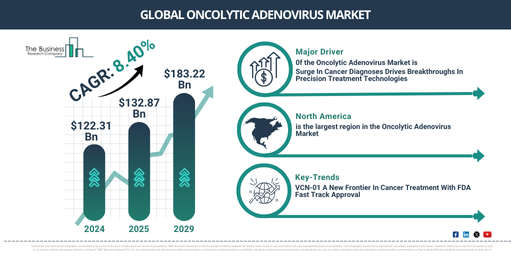
    In recent years, there has been substantial growth in the oncolytic adenovirus market. The market size is projected to escalate from $122.31 billion in 2024 to $132.87 billion in 2025, marking a Compound Annual Growth Rate (CAGR) of 8.6%. Factors contributing to the growth during the historic period include an upsurge in cancer cases, an increased demand for specialized cancer treatments, a surge in R&D funding, enhancement in delivery techniques, and regulatory authorizations._x000D_

    _x000D_

    There is an anticipated robust expansion in the oncolytic adenovirus market in the upcoming years. This market is predicted to reach $183.22 billion by 2029, recording a compound annual growth rate (CAGR) of 8.4%. The impending growth in the forecasted period can be credited to factors such as the rising prevalence and incidence of cancer, the broadening scope of combination therapies, enhancements in regulatory processes and approvals, evolving innovations in virus engineering, and an increase in funding for oncology research. Key trends throughout this period encompass progress in viral engineering techniques, improved drug delivery systems, precision advancements in tumor targeting, enhanced combinations for immunotherapy, and developments in patient monitoring and diagnostics._x000D_

    _x000D_

    #Download a free sample to assess the report’s scope and structure:#_x000D_

    https://www.thebusinessresearchcompany.com/sample.aspx?id=21235&type=smp_x000D_

    _x000D_

    #What are the Fundamental Drivers and Innovations Shaping the Oncolytic Adenovirus Market?#_x000D_

    The escalating cases of cancer are predicted to fuel the expansion of the oncolytic adenovirus market. Characterized by rampant cell growth and its spread to other body parts, cancer’s rising occurrence is influenced by factors such as aging populations, lifestyle habits, environmental factors, genetic susceptibility, and more effective detection methods. Oncolytic adenovirus, which targets and destroys cancer cells selectively, provides a hopeful strategy for addressing the growing prevalence of cancer. For example, in May 2024, the National Cancer Institute (NCI), a US governmental body, released reports indicating nearly 20 million new cancer cases and 9.7 million deaths globally. These figures are expected to climb to 29.9 million cases and 15.3 million deaths by 2040. Furthermore, data from the Australian Bureau of Statistics, an Australia governmental agency, disclosed that 1.8% of Australians were diagnosed with cancer in 2023. The disease affected males (2.1%) more than females (1.6%), particularly in the age group of 75 and above. As a result, the upsurge in cancer cases is propelling growth in the oncolytic adenovirus market._x000D_

    _x000D_

    #How Is the Oncolytic Adenovirus Market Segmented?#_x000D_

    The oncolytic adenovirus market covered in this report is segmented –_x000D_

    _x000D_

    1) By Virus Type: Adenovirus Type 5-Based Oncolytic Viruses, Adenovirus Type 2-Based Oncolytic Viruses, Other Virus Types_x000D_

    2) By Application: Melanoma, Prostate Cancer, Breast Cancer, Ovarian Cancer, Lung Cancer, Other Applications_x000D_

    3) By End-User: Hospitals, Cancer Research Institutes, Biotechnology Companies, Academic And Research Institutes_x000D_

    _x000D_

    Subsegments:_x000D_

    1) By Adenovirus Type 5-Based Oncolytic Viruses: First-generation Adenovirus Type 5-based, Second-generation Adenovirus Type 5-based, Engineered Adenovirus Type 5-based_x000D_

    2) By Adenovirus Type 2-Based Oncolytic Viruses: First-generation Adenovirus Type 2-based, Second-generation Adenovirus Type 2-based, Engineered Adenovirus Type 2-based_x000D_

    3) By Other Virus Types: Modified Adenovirus Strains, Hybrid Adenovirus Types, Chimeric Adenoviruses_x000D_

    _x000D_

    #Request customized data on this market:#_x000D_

    https://www.thebusinessresearchcompany.com/customise?id=21235&type=smp_x000D_

    _x000D_

    #Which Regions Are Driving the Next Phase of the Oncolytic Adenovirus Market Growth?#_x000D_

    North America was the largest region in the oncolytic adenovirus market in 2024. Asia-Pacific is expected to be the fastest-growing region in the forecast period. The regions covered in the oncolytic adenovirus market report are Asia-Pacific, Western Europe, Eastern Europe, North America, South America, Middle East, Africa._x000D_

    _x000D_

    #What Key Trends Are Shaping the Future of the Oncolytic Adenovirus Market?#_x000D_

    Key players in the oncolytic adenovirus market are directing their efforts towards combination therapies such as VCN-01. This therapy fuses oncolytic virotherapy with chemotherapy with the goal of heightening tumor targeting and augmenting therapeutic results. VCN-01 is a specially engineered oncolytic adenovirus which is designed to selectively infiltrate and decimate cancer cells while simultaneously increasing the potency of chemotherapy. For instance, in May 2024, Theriva Biologics, a clinical-stage immuno-oncology company situated in the U.S., declared that the U.S. Food and Drug Administration (FDA) has conferred Fast Track Designation (FTD) on its premier candidate, VCN-01. This designation is pertinent to VCN-01 when used concomitantly with gemcitabine and nab-paclitaxel in the curative regimen of metastatic pancreatic adenocarcinoma. VCN-01 is an oncolytic adenovirus that aims and proliferates within tumor cells, contributing to the disintegration of the tumor stroma, a significant barrier to effective cancer management._x000D_

    _x000D_

    #View the full report here:#_x000D_

    https://www.thebusinessresearchcompany.com/report/oncolytic-adenovirus-global-market-report_x000D_

    _x000D_

    #How Is the Oncolytic Adenovirus Market Defined and What Are Its Core Parameters?#_x000D_

    Oncolytic adenovirus is a genetically modified virus designed to selectively infect and destroy cancer cells while sparing healthy tissue. It replicates within tumor cells, causing them to rupture and release new viral particles, which further attack the cancer. Additionally, it stimulates the immune system to enhance the body’s anti-tumor response._x000D_

    _x000D_

    #Purchase the full report and get a swift delivery:#_x000D_

    https://www.thebusinessresearchcompany.com/purchaseoptions.aspx?id=21235_x000D_

    _x000D_

    #About The Business Research Company:#_x000D_

    With over 15000+ reports from 27 industries covering 60+ geographies, The Business Research Company has built a reputation for offering comprehensive, data-rich research and insights. Armed with 1,500,000 datasets, the optimistic contribution of in-depth secondary research, and unique insights from industry leaders, you can get the information you need to stay ahead in the game._x000D_

    _x000D_

    #Get in touch with us:#_x000D_

    The Business Research Company: https://www.thebusinessresearchcompany.com/_x000D_

    Americas +1 3156230293_x000D_

    Asia +44 2071930708_x000D_

    Europe +44 2071930708_x000D_

    Email us at info@tbrc.info_x000D_

    _x000D_

    #Follow us on:#_x000D_

    _x000D_

    LinkedIn: https://in.linkedin.com/company/the-business-research-company_x000D_

    YouTube: https://www.youtube.com/channel/UC24_fI0rV8cR5DxlCpgmyFQ_x000D_

    Global Market Model: https://www.thebusinessresearchcompany.com/global-market-model
  • Aortic Stenosis Market Trends 2025-2034: Growth, Strategic Insights, and Opportunities Ahead

    Aortic Stenosis Market Trends 2025-2034: Growth, Strategic Insights, and Opportunities Ahead

    Our market reports now include the latest updates on global tariffs, trade impacts, and evolving supply chain dynamics.

    What Are the Key Milestones in the Aortic Stenosis Market’s Growth Trajectory From 2025 To 2034?

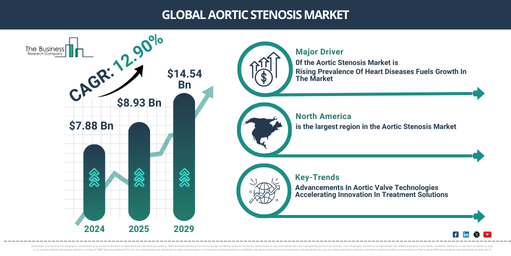
    The sector of aortic stenosis has seen a swift expansion in its market size over the past few years. The growth is expected to rise from $7.88 billion in 2024 to $8.93 billion in 2025, with a compound annual growth rate (CAGR) of 13.3%. The increase during the historical period is due to multiple factors such as an aging population, a higher prevalence of risk-factors, advancements in diagnostic technologies, a heightened awareness of heart diseases and an improved healthcare infrastructure.

    In the next couple of years, a rapid expansion is anticipated in the aortic stenosis market, increasing its size to $14.54 billion by 2029, with a Compound Annual Growth Rate (CAGR) of 12.9%. This growth during the projected period could be because of the growing adoption of minimally invasive methods, an increased elderly population, hike in healthcare investments, improvements in access to healthcare in emerging markets, and enhancements in aortic valve replacement technologies. The upcoming trends for the forecast period are seen to be robotic-assisted surgery, 3D imaging and visualization, innovations in transcatheter aortic valve replacement (tavr), the usage of artificial intelligence in diagnostics, and the advent of biodegradable stents.

    Download a free sample to assess the report’s scope and structure:

    https://www.thebusinessresearchcompany.com/sample.aspx?id=21102&type=smp

    What Are the Major Market Drivers Behind the Rising Adoption of Aortic Stenosis Market?

    The rise in heart disease cases is predicted to fuel the expansion of the aortic stenosis market in the future. Conditions that impact the heart’s structure and functionality are collectively referred to as heart diseases. These health issues could have a detrimental effect on the heart’s blood pumping ability, causing repercussions. Common heart conditions include coronary artery disease (CAD), heart failure, arrhythmias, valvular heart diseases, cardiomyopathies, and others. Aortic stenosis, a condition characterized by a narrowed aortic valve, restricts blood flow from the left ventricle to the aorta. This resistance makes the heart exert more effort, potentially leading to heart failure and other cardiac complications over time. Effective aortic stenosis treatments like valve replacements or TAVIs can enhance heart functionality and lower the risk of major heart disease consequences. For example, in January 2025, the British Heart Foundation reported that nearly 7.6 million people in the UK, including approximately 4 million males and 3.6 million females, are living with heart and circulatory diseases. These health conditions contribute to roughly 27% of all UK deaths, causing over 170,000 deaths annually or about 480 daily deaths. Thus, the increasing occurrence of heart diseases is prompting the growth of the aortic stenosis market.

    Which Key Market Segments Comprise the Aortic Stenosis Market and Drive Its Revenue Growth?

    The aortic stenosis market covered in this report is segmented –

    1) By Type: Congenital Aortic Stenosis, Acquired Aortic Stenosis

    2) By Treatment: Surgical Aortic Valve Replacement, Transcatheter Aortic Valve Replacement, Balloon Aortic Valvuloplasty

    3) By Administration: Oral, Parenteral, Implants

    4) By Distribution Channel: Offline, Online

    5) By End User: Online Pharmacy, Retail Pharmacy, Hospital Pharmacy

    Subsegments:

    1) By Congenital Aortic Stenosis: Neonatal Aortic Stenosis, Infantile Aortic Stenosis, Juvenile Aortic Stenosis

    2) By Acquired Aortic Stenosis: Age-Related Aortic Stenosis, Degenerative Aortic Stenosis, Rheumatic Aortic Stenosis

    Request customized data on this market:

    https://www.thebusinessresearchcompany.com/customise?id=21102&type=smp

    Which Areas Are Leading Regions in the Aortic Stenosis Market Expansion Across the Globe?

    North America was the largest region in the aortic stenosis market in 2024. Asia-Pacific is expected to be the fastest-growing region in the forecast period. The regions covered in the aortic stenosis market report are Asia-Pacific, Western Europe, Eastern Europe, North America, South America, Middle East, Africa.

    What Are the Strategic Trends Steering theAortic Stenosis Market Direction?

    Leading firms in the aortic stenosis market are concentrating on the creation of innovative aortic valve technologies such as the Transcatheter Aortic Valve Implantation (TAVI) systems. These are aimed at enhancing patient results, mitigating procedural dangers, and maximizing overall treatment efficacy for aortic conditions. The TAVI system, a minimally invasive medical device, enables the replacement of a malfunctioning aortic valve without resorting to open-heart surgery. For instance, Abbott Laboratories, a medical device firm based in the US, obtained approval for Navitor, its newest generation TAVI system, from the U.S. Food and Drug Administration (FDA) in January 2023. The Navitor system utilizes the NaviSeal fabric cuff to decrease or eradicate paravalvular leaks. Its design, that includes leaflets within the original valve, is devised to enhance accessibility to coronary arteries for subsequent treatments of coronary artery disease.

    View the full report here:

    https://www.thebusinessresearchcompany.com/report/aortic-stenosis-global-market-report

    How Is the Aortic Stenosis Market Conceptually Defined?

    Aortic stenosis is a condition where the aortic valve in the heart becomes narrowed, restricting blood flow from the left ventricle to the aorta and the rest of the body. It is often caused by age-relate valve calcification, congenital valve defects, or rheumatic fever. Aortic stenosis can lead to serious complications such as heart failure, which can be treated with medication or surgical interventions such as valve replacement.

    Purchase the full report and get a swift delivery:

    https://www.thebusinessresearchcompany.com/purchaseoptions.aspx?id=21102

    About The Business Research Company:

    With over 15000+ reports from 27 industries covering 60+ geographies, The Business Research Company has built a reputation for offering comprehensive, data-rich research and insights. Armed with 1,500,000 datasets, the optimistic contribution of in-depth secondary research, and unique insights from industry leaders, you can get the information you need to stay ahead in the game.

    Get in touch with us:

    The Business Research Company: https://www.thebusinessresearchcompany.com/

    Americas +1 3156230293

    Asia +44 2071930708

    Europe +44 2071930708

    Email us at info@tbrc.info

    Follow us on:

    LinkedIn: https://in.linkedin.com/company/the-business-research-company

    YouTube: https://www.youtube.com/channel/UC24_fI0rV8cR5DxlCpgmyFQ

    Global Market Model: https://www.thebusinessresearchcompany.com/global-market-model