Month: June 2025

  • Market Trends Influencing Strategic Decisions in the Allergic Contact Dermatitis Industry: Advanced Digital Solutions For Managing Allergic Contact Dermatitis

    Market Trends Influencing Strategic Decisions in the Allergic Contact Dermatitis Industry: Advanced Digital Solutions For Managing Allergic Contact Dermatitis

    Our market reports now include the latest updates on global tariffs, trade impacts, and evolving supply chain dynamics.

    What is the Anticipated CAGR of the Allergic Contact Dermatitis Market, and What Factors Will Drive It?

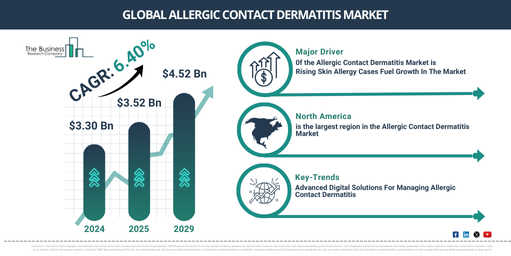
    In recent times, the market size of allergic contact dermatitis has notably escalated. It is projected to surge from $3.30 billion in 2024 to $3.52 billion in 2025, boasting a compound annual growth rate (CAGR) of 6.8%. The historical growth pattern can be linked to several factors, including the rising prevalence of allergic contact dermatitis, heightened awareness of skin conditions, an increase in consumer healthcare expenditure, regulatory shifts and approvals, and an escalating need for allergy testing.

    In the coming years, the allergic contact dermatitis market is anticipated to experience considerable expansion. The market is projected to reach $4.52 billion in 2029, growing at a compound annual growth rate (CAGR) of 6.4%. The surge during the predicted period can be credited to factors such as the rise in the aging population, heightened awareness about skin health, an increased emphasis on preventive strategies, expansion in educational campaigns, and awareness about timely diagnosis and intervention. The forecast period will also see major trends including the emergence of monoclonal antibodies that target inflammatory pathways, advancements in nanotechnology-based creams, exploration of genetic elements for tailored treatment, skin microbiome modulation, and progress in real-time tracking of allergic reactions and triggers.

    Download a free sample to assess the report’s scope and structure:

    https://www.thebusinessresearchcompany.com/sample.aspx?id=21092&type=smp

    What Are the Major Market Drivers Behind the Rising Adoption of Allergic Contact Dermatitis Market?

    The allergic contact dermatitis market is anticipated to expand due to the rising occurrence of skin allergies. These allergies trigger when the immune system excessively responds to allergens, leading to symptoms like redness, swelling, itching, or rashes. Such reactions could be linked to factors including exposure to allergens, immune system irregularities, genetic tendencies, or a compromised skin barrier. Treatments for allergic contact dermatitis help manage skin allergies by calming inflammation, soothing irritation, preventing additional allergic reactions, and facilitating skin recovery. These interventions range from medications, topical corticosteroids, antihistamines, to lifestyle changes aiming to minimize interaction with allergens. Notably, WebMD LLC reported in February 2024 that around 9.2 million children had dealt with skin allergies like eczema or hives in 2022. Hence, the escalating rate of skin allergies stimulates the upward trajectory of the allergic contact dermatitis market. The Evolution Of Healthcare Infrastructure Fuels Market Growth

    Which Key Market Segments Comprise the Allergic Contact Dermatitis Market and Drive Its Revenue Growth?

    The allergic contact dermatitis market covered in this report is segmented –

    1) By Allergen Type: Metals, Chemicals, Latex, Fragrances, Preservatives

    2) By Diagnosis Method: Patch Testing, Clinical Evaluation, Laboratory Tests, Skin Prick Testing

    3) By Treatment Type: Topical Corticosteroids, Immunomodulators, Antihistamines, Oral Corticosteroids

    4) By Severity Level: Mild, Moderate, Severe

    5) By Patient Demographics: Children, Adults, Elderly

    Subsegments:

    1) By Metals: Nickel, Cobalt, Chromium

    2) By Chemicals: Pesticides, Solvents, Cleaning Agents

    3) By Latex: Natural Rubber Latex, Synthetic Latex

    4) By Fragrances: Synthetic Fragrances, Natural Fragrances

    5) By Preservatives: Parabens, Formaldehyde Releasers, Isothiazolinones

    Request customized data on this market:

    https://www.thebusinessresearchcompany.com/customise?id=21092&type=smp

    Which Areas Are Leading Regions in the Allergic Contact Dermatitis Market Expansion Across the Globe?

    North America was the largest region in the allergic contact dermatitis market in 2024. Asia-Pacific is expected to be the fastest-growing region in the forecast period. The regions covered in the allergic contact dermatitis market report are Asia-Pacific, Western Europe, Eastern Europe, North America, South America, Middle East, Africa.

    What Are the Strategic Trends Steering theAllergic Contact Dermatitis Market Direction?

    Leading firms in the allergic contact dermatitis market have directed their focus towards creating innovative, web-based and mobile app resources that enable remote conversations with health specialists. Such digital platforms, accessible through websites and mobile apps, provide comprehensive tools, data, and interactive features to cater to patients’ needs, thereby augmenting their capacity for self-care and consistency in treatment. In a notable example from November 2024, the American Contact Dermatitis Society, a non-profit entity in the U.S committed to the educational, research, and advocacy aspects of dermatitis diagnosis and treatment, unveiled the Contact Allergen Management Program (CAMP) 2.0. This program assists patients in managing allergic contact dermatitis by facilitating the identification of safe products through comprehensive product and allergen descriptions. The platform includes enhancements such as a better provider interface, allergen search, cross-reactor groups, and automated allergen information sheets, among other features. Patients are allowed to recommend products, share their experiences, file reports, and perform instant safety checks by scanning UPC codes. CAMP 2.0 has further broadened its scope to include a clearly highlighted list of unsafe allergens, also documenting the impact of allergic contact dermatitis on the quality of life.

    View the full report here:

    https://www.thebusinessresearchcompany.com/report/allergic-contact-dermatitis-global-market-report

    How Is the Allergic Contact Dermatitis Market Conceptually Defined?

    Allergic contact dermatitis (ACD) is a delayed immune response triggered by skin contact with an allergen, causing inflammation, redness, itching, and blistering. Understanding and diagnosing ACD helps identify and avoid triggers, preventing flare-ups. Awareness enables better symptom management and informed product choices to minimize exposure.

    Purchase the full report and get a swift delivery:

    https://www.thebusinessresearchcompany.com/purchaseoptions.aspx?id=21092

    About The Business Research Company:

    With over 15000+ reports from 27 industries covering 60+ geographies, The Business Research Company has built a reputation for offering comprehensive, data-rich research and insights. Armed with 1,500,000 datasets, the optimistic contribution of in-depth secondary research, and unique insights from industry leaders, you can get the information you need to stay ahead in the game.

    Get in touch with us:

    The Business Research Company: https://www.thebusinessresearchcompany.com/

    Americas +1 3156230293

    Asia +44 2071930708

    Europe +44 2071930708

    Email us at info@tbrc.info

    Follow us on:

    LinkedIn: https://in.linkedin.com/company/the-business-research-company

    YouTube: https://www.youtube.com/channel/UC24_fI0rV8cR5DxlCpgmyFQ

    Global Market Model: https://www.thebusinessresearchcompany.com/global-market-model
  • Myocarditis Disease Market Forecast Reaching $2.07 Billion by 2029 at 6.5% CAGR

    Myocarditis Disease Market Forecast Reaching $2.07 Billion by 2029 at 6.5% CAGR

    Our market reports now include the latest updates on global tariffs, trade impacts, and evolving supply chain dynamics.

    #How Has The Myocarditis Disease Market Growth Evolved From 2024 To 2025, And What’s Ahead?#_x000D_

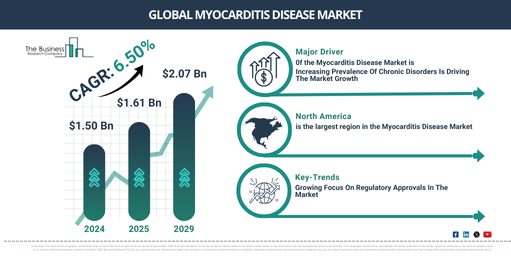
    The market scale of myocarditis disease has seen a phenomenal uptick in the past few years. The growth trajectory projects a rise from $1.50 billion in 2024 to $1.61 billion in 2025, reflecting a CAGR of 6.8%. This considerable increase during the historic period can be traced back to a surge in viral infections, heightened awareness surrounding autoimmune diseases, an escalation in cardiovascular disease cases, improvements in heart inflammation treatments, and an upswing in funding devoted to cardiovascular research._x000D_

    _x000D_

    The market size for myocarditis disease is anticipated to witness robust growth in the coming years, burgeoning to $2.07 billion by 2029 at a compound annual growth rate (CAGR) of 6.5%. The surge in the forecast period can be linked to governmental backing and regulations, the presence of specific therapies, the proliferation of clinical trials, enhancements in health care facilities, and the transformation of treatment guidelines. Dominant trends projected in the forecast period consist of CRISPR-Cas9 technology, three-dimensional printing, predictive analytics powered by artificial intelligence, virtual reality technologies, and wearable electrocardiogram (ECG) devices._x000D_

    _x000D_

    #Download a free sample to assess the report’s scope and structure:#_x000D_

    https://www.thebusinessresearchcompany.com/sample.aspx?id=21227&type=smp_x000D_

    _x000D_

    #Which Major Market Drivers Are Expected to Boost the Growth Potential of the Myocarditis Disease Market?#_x000D_

    The myocarditis disease market is set to expand as chronic disorders become increasingly common. Chronic disorders are long-lasting health issues that usually require continuous medical care, management, or lifestyle alterations. The growing incidence of these diseases is attributed to various factors such as aging populations, inactive lifestyles, poor eating habits, escalating obesity, and greater exposure to environmental pollution. Myocarditis, an inflammation of the heart muscle, adds to the burden of chronic disorders as it can trigger long-term issues like heart failure, arrhythmias, and cardiomyopathy. These complications call for continuous management and can significantly impact cardiovascular health over time. For example, data from the British Heart Foundation, a UK-based cardiovascular research charity, disclosed in September 2024 that approximately 7.6 million people in the UK suffer from heart and circulatory diseases, including roughly 4 million men and 3.6 million women. These diseases account for around 27% of all UK deaths, resulting in more than 170,000 deaths per year, or about 480 deaths every day, which amounts to one death every three minutes. Consequently, the rise in chronic disorders is fueling the growth of the myocarditis disease market._x000D_

    _x000D_

    #Which Key Market Segments Comprise the Myocarditis Disease Market and Drive Its Revenue Growth?#_x000D_

    The myocarditis disease market covered in this report is segmented –_x000D_

    _x000D_

    1) By Type: Acute Myocarditis, Chronic Myocarditis, Lymphocytic Myocarditis_x000D_

    2) By Treatment: Medication, Surgery, Other Treatments_x000D_

    3) By Diagnosis: Blood Tests, Imaging Tests, Cardiac Catheterization, Heart Muscle Biopsy, Others Diagnosis_x000D_

    4) By Distribution Channel: Hospital Pharmacy, Retail Pharmacy, Online Pharmacy, Other Distribution Channels_x000D_

    5) By End-Users: Hospitals, Specialty Clinics, Homecare, Other End-Users_x000D_

    _x000D_

    Subsegments:_x000D_

    1) By Acute Myocarditis: Viral Myocarditis, Bacterial Myocarditis, Fungal Myocarditis_x000D_

    2) By Chronic Myocarditis: Autoimmune Myocarditis, Chronic Active Myocarditis, Chronic Inflammatory Myocarditis_x000D_

    3) By Lymphocytic Myocarditis: Idiopathic Lymphocytic Myocarditis, Drug-Induced Lymphocytic Myocarditis, Lymphocytic Myocarditis Associated with Viral Infections_x000D_

    _x000D_

    #Request customized data on this market:#_x000D_

    https://www.thebusinessresearchcompany.com/customise?id=21227&type=smp_x000D_

    _x000D_

    #Which Areas Are Leading Regions in the Myocarditis Disease Market Expansion Across the Globe?#_x000D_

    North America was the largest region in the myocarditis disease market in 2024. The regions covered in the myocarditis disease market report are Asia-Pacific, Western Europe, Eastern Europe, North America, South America, Middle East, Africa._x000D_

    _x000D_

    #What Are the Key Market Trends in theMyocarditis Disease Market Over the Coming Years?#_x000D_

    Major corporations in the myocarditis disease market are concentrating on acquiring regulatory endorsement for new medications to widen the variety of treatment options and improve patient outcomes. These authorizations are official permissions given by government or regulatory entities, allowing the marketing and public use of drugs, medical tools, or therapies. Take for instance, in May 2022, Cardiol Therapeutics Inc., a pharmaceutical corporation from Canada, disclosed that it has acquired FDA Investigational New Drug (IND) approval for a multicenter Phase II open-label pilot study of CardiolRx for recurrent pericarditis. This examination will be conducted simultaneously with the multinational Phase II test for acute myocarditis, which is set to start soon. Both studies are directed towards the creation of innovative anti-inflammatory remedies for cardiovascular diseases. Moreover, CardiolRx has been bestowed with orphan drug status for both recurrent pericarditis and acute myocarditis, signifying its potential in treating these ailments._x000D_

    _x000D_

    #View the full report here:#_x000D_

    https://www.thebusinessresearchcompany.com/report/myocarditis-disease-global-market-report_x000D_

    _x000D_

    #How Is the Myocarditis Disease Market Conceptually Defined?#_x000D_

    Myocarditis disease refers to a rare condition characterized by inflammation of the heart muscle, known as the myocardium. Myocarditis utilizes various treatment approaches, including medications to reduce inflammation, manage symptoms, and address the underlying cause, such as infections or autoimmune disorders._x000D_

    _x000D_

    #Purchase the full report and get a swift delivery:#_x000D_

    https://www.thebusinessresearchcompany.com/purchaseoptions.aspx?id=21227_x000D_

    _x000D_

    #About The Business Research Company:#_x000D_

    With over 15000+ reports from 27 industries covering 60+ geographies, The Business Research Company has built a reputation for offering comprehensive, data-rich research and insights. Armed with 1,500,000 datasets, the optimistic contribution of in-depth secondary research, and unique insights from industry leaders, you can get the information you need to stay ahead in the game._x000D_

    _x000D_

    #Get in touch with us:#_x000D_

    The Business Research Company: https://www.thebusinessresearchcompany.com/_x000D_

    Americas +1 3156230293_x000D_

    Asia +44 2071930708_x000D_

    Europe +44 2071930708_x000D_

    Email us at info@tbrc.info_x000D_

    _x000D_

    #Follow us on:#_x000D_

    _x000D_

    LinkedIn: https://in.linkedin.com/company/the-business-research-company_x000D_

    YouTube: https://www.youtube.com/channel/UC24_fI0rV8cR5DxlCpgmyFQ_x000D_

    Global Market Model: https://www.thebusinessresearchcompany.com/global-market-model

  • Next-Gen Seizures : Market Forecast, Transformation, and Long-Term Trajectories

    Next-Gen Seizures : Market Forecast, Transformation, and Long-Term Trajectories

    Get 30% off on our Global Market Reports with code ONLINE30 – Hurry, limited time offer!

    What Are the Projected Market Size and Growth Rates for the Seizures Market From 2025 To 2029?

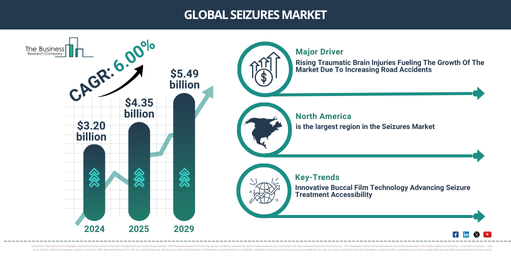
    The market size for seizures has significantly expanded in the past few years. Projected growth is from $3.20 billion in 2024 to $4.35 billion in 2025, indicating a compound annual growth rate (CAGR) of 6.2%. This historical growth can largely be credited to factors such as the growing occurrence of epilepsy and seizure disorders, heightened awareness and diagnosis rates, increased research and development in the area of neurological disorders, a rise in governmental and non-profit epilepsy awareness initiatives, and an increasing elderly population.

    Strong growth is anticipated in the seizures market size over the coming years, with projections suggesting it will reach $5.49 billion in 2029, showcasing a compound annual growth rate (CAGR) of 6.0%. This growth during the forecast period can be credited to various factors such as a growing geriatric population susceptible to neurological disorders, increased research and development funding for seizure therapy, a rise in global healthcare expenditure, heightened demand for epilepsy medicines, and an increase in the number of seizure disorder cases. Upcoming trends for the forecast period include progress in the development of seizure detection and monitoring equipment, improvements affecting drug approvals and reimbursements, advancements in genetic research for bespoke seizure treatments, the incorporation of digital health solutions for off-site seizure supervision, and the evolution of epilepsy medication.

    Download a free sample to assess the report’s scope and structure:

    https://www.thebusinessresearchcompany.com/sample.aspx?id=23511&type=smp

    Which Major Market Drivers Are Expected to Boost the Growth Potential of the Seizures Market?

    The escalating occurrence of traumatic brain injuries (TBI) is anticipated to fuel the expansion of the seizures market in the future. TBI is the injury to the brain caused by an abrupt foreign impact, including a hit, sudden shake, or piercing injury to the head. The increasing instances of TBI are linked to escalating road accidents, where high-speed crashes and inattentive driving result in intense head injuries. Seizures often serve as preliminary signs of traumatic brain injuries, assisting medical professionals in diagnosing and treating the underlying brain damage more effectively. For example, the South Dakota Department of Health (SDDOH) reported in October 2023 that South Dakota had the 9th highest age-adjusted TBI-related death rate in 2022 at 26.4 per 100,000. Additionally, the American Association of Neurological Surgeons projected in April 2024 that anywhere from 1.7 to 3.8 million TBIs occur annually in the US. Therefore, the escalating occurrence of TBI is propelling the growth of the seizures market.

    Which Key Market Segments Comprise the Seizures Market and Drive Its Revenue Growth?

    The seizures market covered in this report is segmented –

    1) By Drug Type: First Generation Anti-Epileptics, Second Generation Anti-Epileptics, Third Generation Anti-Epileptics

    2) By Route Of Administration: Oral, Parenteral, Topical

    3) By Distribution Channel: Hospitals Pharmacies, Independent Pharmacies, Online Pharmacies

    4) By End-User: Hospitals And Clinics, Ambulatory Surgical Centers, Homecare Settings, Other End-Users

    Subsegments:

    1) By First Generation Anti-Epileptics: Phenytoin, Carbamazepine, Valproate, Phenobarbital, Primidone, Ethosuximide

    2) By Second Generation Anti-Epileptics: Lamotrigine, Levetiracetam, Topiramate, Oxcarbazepine, Zonisamide, Gabapentin, Pregabalin

    3) By Third Generation Anti-Epileptics: Lacosamide, Perampanel, Brivaracetam, Eslicarbazepine, Cenobamate

    Request customized data on this market:

    https://www.thebusinessresearchcompany.com/customise?id=23511&type=smp

    Which Areas Are Leading Regions in the Seizures Market Expansion Across the Globe?

    North America was the largest region in the seizures market in 2024. Asia-Pacific is expected to be the fastest-growing region in the forecast period. The regions covered in the seizures market report are Asia-Pacific, Western Europe, Eastern Europe, North America, South America, Middle East, Africa.

    What Are the Key Market Trends in the Seizures Market Over the Coming Years?

    Major corporations involved in the seizures market are advancing their services by innovating new products like buccal film, which enrich treatment ease and patient adherence. The buccal film is a slim dispersive strip that is delivered by positioning it against the internal side of the cheek (buccal mucosa), where the medication directly permeates into the bloodstream. In December 2024, for example, Aquestive Therapeutics Inc., a company specialized in pharmaceuticals based in the U.S., won U.S. Food and Drug Administration (FDA) approval for their exclusive orphan drug, Libervant (diazepam) buccal film, focusing on seizure clusters in toddlers between the ages of two and five. This unique formulation offers an uncomplicated, non-aggressive option to conventional diazepam administration methods, promising quick absorption via the buccal mucosa for a more immediate response. Being the maiden and sole orally used diazepam film authorized for this juvenile age bracket, Libervant is designed to ease caregiver administration and foster patient adherence. This exclusivity in turn fortifies Aquestive’s standing in the development of oral film-based therapies for epilepsy.

    View the full report here:

    https://www.thebusinessresearchcompany.com/report/seizures-global-market-report

    How Is the Seizures Market Conceptually Defined?

    Seizures refer to sudden, uncontrolled electrical activity in the brain that can lead to changes in movement, behavior, sensation, or awareness. They occur due to abnormal neuronal activity and can be triggered by epilepsy, head injuries, infections, or other medical conditions.

    Purchase the full report and get a swift delivery:

    https://www.thebusinessresearchcompany.com/purchaseoptions.aspx?id=23511

    About The Business Research Company:

    With over 15000+ reports from 27 industries covering 60+ geographies, The Business Research Company has built a reputation for offering comprehensive, data-rich research and insights. Armed with 1,500,000 datasets, the optimistic contribution of in-depth secondary research, and unique insights from industry leaders, you can get the information you need to stay ahead in the game.

    Get in touch with us:

    The Business Research Company: https://www.thebusinessresearchcompany.com/

    Americas +1 3156230293

    Asia +44 2071930708

    Europe +44 2071930708

    Email us at info@tbrc.info

    Follow us on:

    LinkedIn: https://in.linkedin.com/company/the-business-research-company

    YouTube: https://www.youtube.com/channel/UC24_fI0rV8cR5DxlCpgmyFQ

    Global Market Model: https://www.thebusinessresearchcompany.com/global-market-model
  • Cutaneous Squamous Cell Carcinoma (CSCC) Market Forecast 2025–2034: Trends Reshaping Demand, Investment, and Innovation

    Cutaneous Squamous Cell Carcinoma (CSCC) Market Forecast 2025–2034: Trends Reshaping Demand, Investment, and Innovation

    Our market reports now include the latest updates on global tariffs, trade impacts, and evolving supply chain dynamics.

    What Is the Estimated Market Size of the Cutaneous T-Cell Lymphoma Market In 2029?

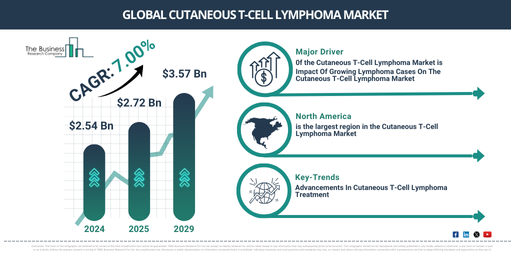
    The market size for cutaneous T-cell lymphoma has seen a significant surge in the past few years. The sector is projected to rise from a worth of $2.54 billion in 2024 to approximately $2.72 billion in 2025, illustrating a compound annual growth rate (CAGR) of 7.4%. The growth observed in the historic period can be traced back to factors such as the rising prevalence of cutaneous T-cell lymphoma, an increased awareness about rare cancers, a burgeoning elderly population, the advent of targeted therapies, and the provision of supportive care.

    Forecasted robust expansion is anticipated in the cutaneous T-cell lymphoma market in the forthcoming years, with projections showing growth to $3.57 billion by 2029. This represents a compound annual growth rate (CAGR) of 7.0%. The predicted growth throughout the forecast period is largely credited to factors such as increased expenditure in the healthcare sector, the prioritization of orphan drug development, advancements in diagnostic methods, escalating initiatives for patient support, and a surge in approvals for combination therapy treatments. Key trends to observe during this period comprise the shift towards personalized medicine, the introduction of biosimilars, an augmentation in clinical trials, amplified collaborations among key players in the market, and increased reliance on telemedicine platforms.

    Download a free sample to assess the report’s scope and structure:

    https://www.thebusinessresearchcompany.com/sample.aspx?id=21164&type=smp

    What Are the Primary Drivers Supporting the Market Growth of the Cutaneous T-Cell Lymphoma Market?

    The surge in lymphoma cases is anticipated to accelerate the expansion of the cutaneous T-cell lymphoma market. Originating from lymphocytes found in the lymphatic system, lymphoma is a cancer variety. Factors contributing to the escalation in lymphoma diagnoses include aging populations, exposure to environmental elements, and inherited tendencies. Cutaneous T-cell lymphoma aids lymphoma patients by delivering specific diagnostic and treatment strategies, primarily when the lymphoma is skin-centric. This differentiates it from other lymphoma types, facilitating targeted treatments. To illustrate, a 2024 article by the American Cancer Society, a non-profit entity from the US committed to eradicating cancer, documented that roughly 553,000 non-Hodgkin lymphoma and 84,000 Hodgkin lymphoma cases were newly diagnosed in 2022, along with 250,000 and 22,000 respective deaths. Non-Hodgkin lymphoma is the tenth most common cancer diagnosis and the eleventh highest in cancer-related global mortality. Hence, the escalating lymphoma cases bolster the development of the cutaneous T-cell lymphoma market.

    Which Primary Segments of the Cutaneous T-Cell Lymphoma Market Are Driving Growth and Industry Transformations?

    The cutaneous T-cell lymphoma market covered in this report is segmented –

    1) By Type: Mycosis Fungoides, Sezary Syndrome

    2) By Treatment: Radiation Therapy, Chemotherapy, Immunotherapy, Targeted Therapy, Other Treatments

    3) By End-User: Hospitals, Diagnostic Centres, Clinics

    Subsegments:

    1) By Mycosis Fungoides: Patch-Stage Mycosis Fungoides, Plaque-Stage Mycosis Fungoides, Tumor-Stage Mycosis Fungoides, Erythrodermic Mycosis Fungoides

    2) By Sezary Syndrome: Classic Sezary Syndrome, Atypical Sezary Syndrome

    Request customized data on this market:

    https://www.thebusinessresearchcompany.com/customise?id=21164&type=smp

    Which Regions Are Key Players in the Growth of the What Are the Primary Drivers Supporting the Market Growth of the Cutaneous T-Cell Lymphoma Market? Market?

    North America was the largest region in the cutaneous T-cell lymphoma market in 2024. Asia-Pacific is expected to be the fastest-growing region in the forecast period. The regions covered in the cutaneous T-cell lymphoma market report are Asia-Pacific, Western Europe, Eastern Europe, North America, South America, Middle East, Africa.

    What Are the Most Significant Market Trends in the Cutaneous T-Cell Lymphoma Market?

    Leading companies in the cutaneous T-cell lymphoma market are directing their efforts towards the development of superior treatments like targeted mechanisms that simultaneously focus on both malignant T-cells and immunosuppressive regulatory T-cells (Tregs). This strategy gives products like LYMPHIR an advantage as they can destroy tumor cells directly and temporarily deplete Tregs, thereby augmenting the body’s immune response against tumors. For example, in August 2024, a pharmaceutical company based in the USA received FDA authorization for the use of LYMPHIR (denileukin diftitox-cxdl), which represents a considerable progression in treating relapsed or refractory cutaneous T-cell lymphoma (CTCL). LYMPHIR’s unique approach sets it apart from other treatments, providing a new therapy alternative for patients with relapsed or refractory cutaneous T-cell lymphoma (CTCL).

    View the full report here:

    https://www.thebusinessresearchcompany.com/report/cutaneous-t-cell-lymphoma-global-market-report

    What Parameters Are Used to Define the Cutaneous T-Cell Lymphoma Market?

    Cutaneous T-cell lymphoma refers to a rare type of cancer that affects the T-cells of the skin, leading to symptoms such as rashes, tumors, and skin lesions. The most common subtypes include mycosis fungoides and Sézary syndrome. Symptoms often include itching, skin thickening, and swollen lymph nodes. While typically slow-growing, advanced cases may spread to other organs.

    Purchase the full report and get a swift delivery:

    https://www.thebusinessresearchcompany.com/purchaseoptions.aspx?id=21164

    About The Business Research Company:

    With over 15000+ reports from 27 industries covering 60+ geographies, The Business Research Company has built a reputation for offering comprehensive, data-rich research and insights. Armed with 1,500,000 datasets, the optimistic contribution of in-depth secondary research, and unique insights from industry leaders, you can get the information you need to stay ahead in the game.

    Get in touch with us:

    The Business Research Company: https://www.thebusinessresearchcompany.com/

    Americas +1 3156230293

    Asia +44 2071930708

    Europe +44 2071930708

    Email us at info@tbrc.info

    Follow us on:

    LinkedIn: https://in.linkedin.com/company/the-business-research-company

    YouTube: https://www.youtube.com/channel/UC24_fI0rV8cR5DxlCpgmyFQ

    Global Market Model: https://www.thebusinessresearchcompany.com/global-market-model
  • $1.76 Billion Forecast for Myelofibrosis (MF) Market by 2029, Backed by Demand and Innovation

    $1.76 Billion Forecast for Myelofibrosis (MF) Market by 2029, Backed by Demand and Innovation

    Our market reports now include the latest updates on global tariffs, trade impacts, and evolving supply chain dynamics.

    #What is the Projected CAGR for the Myelofibrosis (MF) Market Size from 2025 to 2034?#_x000D_

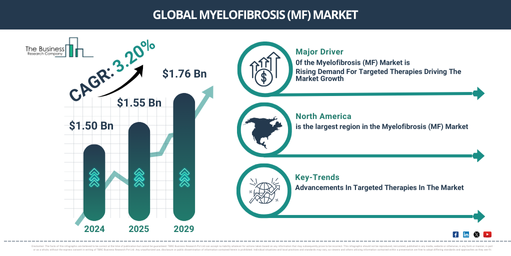
    Over the years, the market size for myelofibrosis (MF) has progressively expanded. The projected growth is from $1.50 billion in 2024 to $1.55 billion in 2025, with a compound annual growth rate (CAGR) of 3.5%. Elements contributing to this growth during the historical period include a higher incidence of myeloproliferative neoplasms, improved awareness and early detection, increased use of JAK inhibitors, broader access to bone marrow transplants, and a rise in regulatory approvals for novel treatments._x000D_

    _x000D_

    In the near future, the myelofibrosis (MF) market is projected to experience consistent growth, reaching $1.76 billion by 2029, with a compound annual growth rate (CAGR) of 3.2%. This growth during the forecast period can be linked to an increased need for personalized treatments, more clinical trials focusing on gene and cell therapies, wider use of combination therapies, comprehensive healthcare coverage for rare diseases, and greater investment in hematology care. Key trends for this period include progress in gene-editing technologies, innovative fibrosis-targeting medications, advancements in next-generation JAK inhibitors, heightened interest in myelofibrosis immunotherapy, and wider application of artificial intelligence in drug development._x000D_

    _x000D_

    #Download a free sample to assess the report’s scope and structure:#_x000D_

    https://www.thebusinessresearchcompany.com/sample.aspx?id=21226&type=smp_x000D_

    _x000D_

    #What Are the Core Growth Drivers Propelling the Myelofibrosis (MF) Market Forward?#_x000D_

    The escalating need for tailored treatment solutions is anticipated to fuel the evolution of the myelofibrosis (MF) market. Tailored therapies are a medical strategy that personalizes healthcare interventions and decisions according to each person’s genetic, environmental, and lifestyle factors. The surging demand for these therapies is powered by advancements in genomics, biotech, and data analytics that support more accurate, efficient, and personalized treatments. Myelofibrosis (MF) offers a crucial foundation for the formulation of tailored therapies by pinpointing essential molecular pathways, such as JAK-STAT signaling. This allows for the creation of precision treatments, like JAK inhibitors (Ruxolitinib, Fedratinib, and Pacritinib), to control symptoms and decelerate disease progression. For example, in April 2024, the American Society of Gene & Cell Therapy, a government organization based in the US, stated that the total count of therapies at all phases of clinical pipeline development has seen growth, with Phase I therapies witnessing the most substantial increase—by 11%—the highest growth rate since Q4 2022. Therefore, the escalating demand for tailored therapies is propelling the growth of the myelofibrosis (MF) market._x000D_

    _x000D_

    #What Segment Types Define the Myelofibrosis (MF) Market Structure?#_x000D_

    The myelofibrosis (MF) market covered in this report is segmented –_x000D_

    _x000D_

    1) By Drug Type: Jak Inhibitor, Immunomodulators, Hydroxyurea, Other Drug Types_x000D_

    2) By Treatment Type: Chemotherapy, Targeted Therapy, Other Treatment Types_x000D_

    3) By Route Of Administration: Oral, Parenteral, Other Routes Of Administration_x000D_

    4) By Distribution Channel: Hospital Pharmacy, Online Pharmacy, Retail Pharmacy_x000D_

    5) By End User: Hospitals, Homecare, Specialty Clinics, Other End Users_x000D_

    _x000D_

    Subsegments:_x000D_

    1) By Jak Inhibitor: Ruxolitinib, Fedratinib, Momelotinib, Itacitinib_x000D_

    2) By Immunomodulators: Thalidomide, Lenalidomide, Pomalidomide_x000D_

    3) By Hydroxyurea: Oral Hydroxyurea, Injectable Hydroxyurea_x000D_

    4) By Other Drug Types: Erythropoiesis-Stimulating Agents (ESAs), Danazol, Monoclonal Antibodies, Chemotherapy Agents_x000D_

    _x000D_

    #Request customized data on this market:#_x000D_

    https://www.thebusinessresearchcompany.com/customise?id=21226&type=smp_x000D_

    _x000D_

    #Which Geographic Areas Hold the Strongest Growth Potential in the Myelofibrosis (MF) Market?#_x000D_

    North America was the largest region in the myelofibrosis (MF) market in 2024. Asia-Pacific is expected to be the fastest-growing region in the forecast period. The regions covered in the myelofibrosis (MF) market report are Asia-Pacific, Western Europe, Eastern Europe, North America, South America, Middle East, Africa._x000D_

    _x000D_

    #Which Emerging Trends that Are Influencing theMyelofibrosis (MF) Industry Evolution?#_x000D_

    Significant players in the myelofibrosis (MF) market are prioritizing the advancement of targeted therapies such as JAK1/JAK2 and ACVR1 inhibitors. Their aim is to increase treatment effectiveness, tackle disease progression, and enhance patient prognosis in MF. JAK1/JAK2 inhibitors operate by targeting the Janus kinase pathway to diminish inflammation and irregular blood cell manufacture in MF, whereas ACVR1 inhibitors obstruct activin receptor-like kinase 2 (ALK2) to control bone marrow fibrosis and the progression of the disease. For example, the UK-based firm GSK plc obtained approval for Ojjaara (momelotinib), an MF treatment, from the US Food and Drug Administration in September 2023. Targeting both JAK1/JAK2 and ACVR1, it’s duel action mechanism helps manage inflammatory pathways while also elevating hemoglobin levels, diminishing the requirement for transfusions. This approval not only broadens the treatment opportunities but also establishes a novel benchmark in the management of MF, especially for patients suffering from anemia – a significant unaddressed need in the disease field._x000D_

    _x000D_

    #View the full report here:#_x000D_

    https://www.thebusinessresearchcompany.com/report/myelofibrosis-mf-global-market-report_x000D_

    _x000D_

    #What Is the Definition of the Myelofibrosis (MF) Market?#_x000D_

    Myelofibrosis (MF) refers to a rare bone marrow disorder characterized by excessive scar tissue formation, which disrupts normal blood cell production. This condition can lead to anemia, an enlarged spleen, and symptoms such as fatigue, night sweats, and bone pain._x000D_

    _x000D_

    #Purchase the full report and get a swift delivery:#_x000D_

    https://www.thebusinessresearchcompany.com/purchaseoptions.aspx?id=21226_x000D_

    _x000D_

    #About The Business Research Company:#_x000D_

    With over 15000+ reports from 27 industries covering 60+ geographies, The Business Research Company has built a reputation for offering comprehensive, data-rich research and insights. Armed with 1,500,000 datasets, the optimistic contribution of in-depth secondary research, and unique insights from industry leaders, you can get the information you need to stay ahead in the game._x000D_

    _x000D_

    #Get in touch with us:#_x000D_

    The Business Research Company: https://www.thebusinessresearchcompany.com/_x000D_

    Americas +1 3156230293_x000D_

    Asia +44 2071930708_x000D_

    Europe +44 2071930708_x000D_

    Email us at info@tbrc.info_x000D_

    _x000D_

    #Follow us on:#_x000D_

    _x000D_

    LinkedIn: https://in.linkedin.com/company/the-business-research-company_x000D_

    YouTube: https://www.youtube.com/channel/UC24_fI0rV8cR5DxlCpgmyFQ_x000D_

    Global Market Model: https://www.thebusinessresearchcompany.com/global-market-model

  • Cutaneous Squamous Cell Carcinoma (CSCC) Market 2025-2034: Key Highlights, Growth Dynamics, and Emerging Trends

    Cutaneous Squamous Cell Carcinoma (CSCC) Market 2025-2034: Key Highlights, Growth Dynamics, and Emerging Trends

    Our market reports now include the latest updates on global tariffs, trade impacts, and evolving supply chain dynamics.

    How Fast Is The Cutaneous Squamous Cell Carcinoma (CSCC) Market Expected to Grow Between 2025 And 2029?

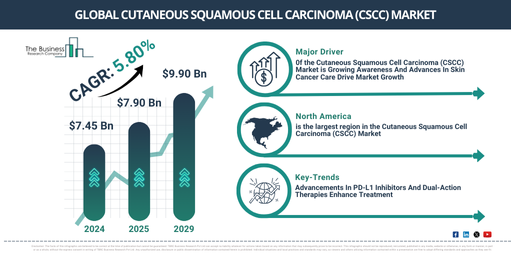
    In previous years, the market size of cutaneous squamous cell carcinoma (cSCC) has seen marked growth and is projected to further increase from $7.45 billion in 2024 to $7.90 billion in 2025, at a compound annual growth rate (CAGR) of 6.1%. This past growth surge in the market can be traced back to several factors, including an expanding elderly population, a rise in non-melanoma skin cancer cases, greater exposure to ultraviolet radiation, enhancements in healthcare infrastructure, and a rising trend in the use of immunotherapy for cancer treatment.

    The market size for cutaneous squamous cell carcinoma (cSCC) is set for a robust expansion in the ensuing years. This growth is anticipated to reach $9.90 billion by 2029 with a compound annual growth rate (CAGR) of 5.8%. This surge during the forecast period is accredited to the growing availability of targeted treatments, an escalated awareness of preventing skin cancer, a broadening scope of medical tourism focusing on cancer therapy, the increasing shift towards minimally invasive surgical procedures, and supportive government schemes focused on cancer care. The forthcoming time period is expected to see trends such as progress in dermatology diagnostics, the emergence of advanced radiotherapy methods, integration of technology in Dermatology, breakthroughs in the immunotherapeutic treatment sector, and forward strides in photodynamic therapy.

    Download a free sample to assess the report’s scope and structure:

    https://www.thebusinessresearchcompany.com/sample.aspx?id=21163&type=smp

    How Are Key Drivers in the Industry Acting as Catalysts for the Growth of the Cutaneous Squamous Cell Carcinoma (CSCC) Market?

    The escalating consciousness around skin cancer is anticipated to drive the expansion of the cutaneous squamous cell carcinoma (cSCC) market in the future. This type of cancer involves an uncommon proliferation of skin cells, often instigated by extreme exposure to UV rays, and its severity can fluctuate from harmless to critically life-threatening. The marked rise in awareness about skin cancer can be attributed to amplified public health movements, bettered access to information, and a surging emphasis on preemptive detection and prevention, thus escalating the demand for diagnostic and treatment procedures. Cutaneous squamous cell carcinoma (cSCC) contributes significantly to the progression of skin cancer care through its role in enabling focused treatments, ameliorating diagnosis, and augmenting patient results, thereby bolstering superior disease management. For example, in January 2024, the American Cancer Society, a non-profit organization in the US striving to eradicate cancer, reported that there were 104,930 cases of skin cancer in 2023, a 3.2% rise from the 108,270 cases recorded in 2022. Therefore, the increasing consciousness about skin cancer will stimulate growth in the cutaneous squamous cell carcinoma (cSCC) market.

    Which Segments in the Cutaneous Squamous Cell Carcinoma (CSCC) Offer the Most Growth?

    The cutaneous squamous cell carcinoma (CSCC) market covered in this report is segmented –

    1) By Treatment: Surgical Treatment, Non-Surgical Treatment

    2) By Diagnosis: Computed Tomography (CT), Magnetic Resonance Imaging (MRI), Biopsy

    3) By Application: Hospitals, Cancer Institutes, Ambulatory Surgical Centers, Other Applications

    Subsegments:

    1) By Surgical Treatment: Excisional Surgery, Mohs Micrographic Surgery, Curettage And Electrodessication

    2) By Non-Surgical Treatment: Radiation Therapy, Cryotherapy, Photodynamic Therapy, Topical Therapies, Systemic Therapies

    Request customized data on this market:

    https://www.thebusinessresearchcompany.com/customise?id=21163&type=smp

    What Are the Fastest-Growing Geographies in the How Are Key Drivers in the Industry Acting as Catalysts for the Growth of the Cutaneous Squamous Cell Carcinoma (CSCC) Market? Market?

    North America was the largest region in the cutaneous squamous cell carcinoma (CSCC) market in 2024. Asia-Pacific is expected to be the fastest-growing region in the forecast period. The regions covered in the cutaneous squamous cell carcinoma (CSCC) market report are Asia-Pacific, Western Europe, Eastern Europe, North America, South America, Middle East, Africa.

    What Are the Current Market Growth and Trends in the Cutaneous Squamous Cell Carcinoma (CSCC) Industry?

    Firms at the forefront of the cutaneous squamous cell carcinoma (cSCC) market are prioritizing innovations in immuno-oncology treatments like PD-L1 inhibitors and targeted therapies with the goal of enhancing patient outcomes and providing efficient ways of managing serious skin cancer. The protein PD-L1, standing for programmed death-ligand 1, plays a role in hampering the immune response by attaching to PD-1 receptors on T-cells, thus enabling cancer cells to avoid immune spotting. In the last month of 2024, for example, American biotech firm Checkpoint Therapeutics Inc. gained FDA clearance for their product Unloxcyt (cosibelimab-ipdl). The novelty of this product is its capacity to obstruct PD-L1, therefore boosting the immune system’s cancer-fighting potential and presenting a safer, yet more effective treatment possibility. Furthermore, its dual action mechanisms present an optimistic method for managing advanced cutaneous squamous cell carcinoma (cSCC). The clearance was given on the basis of the outcomes from the CK-301-101 trial, which exhibited significant objective response rates and sustained responses in patients dealing with advanced cSCC.

    View the full report here:

    https://www.thebusinessresearchcompany.com/report/cutaneous-squamous-cell-carcinoma-cscc-global-market-report

    What Are the Key Elements That Define the Cutaneous Squamous Cell Carcinoma (CSCC) Market?

    Cutaneous squamous cell carcinoma (cSCC) is a type of skin cancer that develops in the squamous cells of the skin’s outer layer. It typically occurs in sun-exposed areas and can range from localized lesions to more aggressive forms that may spread to other parts of the body.

    Purchase the full report and get a swift delivery:

    https://www.thebusinessresearchcompany.com/purchaseoptions.aspx?id=21163

    About The Business Research Company:

    With over 15000+ reports from 27 industries covering 60+ geographies, The Business Research Company has built a reputation for offering comprehensive, data-rich research and insights. Armed with 1,500,000 datasets, the optimistic contribution of in-depth secondary research, and unique insights from industry leaders, you can get the information you need to stay ahead in the game.

    Get in touch with us:

    The Business Research Company: https://www.thebusinessresearchcompany.com/

    Americas +1 3156230293

    Asia +44 2071930708

    Europe +44 2071930708

    Email us at info@tbrc.info

    Follow us on:

    LinkedIn: https://in.linkedin.com/company/the-business-research-company

    YouTube: https://www.youtube.com/channel/UC24_fI0rV8cR5DxlCpgmyFQ

    Global Market Model: https://www.thebusinessresearchcompany.com/global-market-model
  • Global Molluscum Contagiosum (MC) Treatment Market Projected to Reach $3.89 Billion by 2029 at a CAGR of 5.8%

    Global Molluscum Contagiosum (MC) Treatment Market Projected to Reach $3.89 Billion by 2029 at a CAGR of 5.8%

    Our market reports now include the latest updates on global tariffs, trade impacts, and evolving supply chain dynamics.

    #What Is the Current and Projected Market Size of the Molluscum Contagiosum (MC) Treatment Market Through 2034?#_x000D_

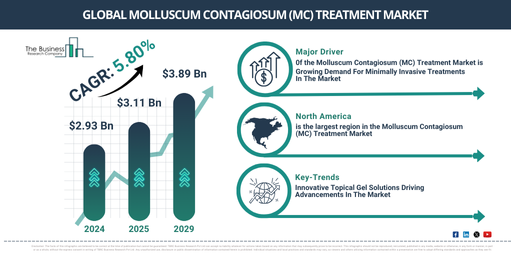
    The market size for treating molluscum contagiosum (MC) has seen robust growth recently. It is projected to increase from $2.93 billion in 2024 to $3.11 billion in 2025, with a compound annual growth rate (CAGR) of 6.2%. The historic period’s growth can be credited to the rising awareness about skin infections and corresponding treatments, a surge in pediatric cases, larger healthcare expenditures, a rise in immunocompromised individuals and augmented financial support from private and governmental entities._x000D_

    _x000D_

    Expectations are high for robust expansion in the molluscum contagiosum (MC) treatment market over the approaching years. The market is projected to inflate to $3.89 billion by 2029, with a compound annual growth rate (CAGR) of 5.8%. This predicted growth during the forecast period can be traced back to factors like a growing preference for non-invasive treatments, escalating instances of skin diseases, a surge in the demand for healthcare, the rising occurrence of chronic diseases, and increased access to sophisticated treatment choices. Key trends for the forecast period encompass a move towards cosmetic treatment, progress in creating topical delivery systems, a transition toward treatments at home, advancements in cryotherapy, and a spotlight on pediatric treatment options._x000D_

    _x000D_

    #Download a free sample to assess the report’s scope and structure:#_x000D_

    https://www.thebusinessresearchcompany.com/sample.aspx?id=21225&type=smp_x000D_

    _x000D_

    #What are the Fundamental Drivers and Innovations Shaping the Molluscum Contagiosum (MC) Treatment Market?#_x000D_

    The molluscum contagiosum treatment market is anticipated to grow due to the increasing desire for minimally invasive procedures. These medical treatments cause less harm to the body, often involving tiny incisions or none at all. They are popular due to their swift recovery times, lower surgical risks, and improved patient results, as compared to conventional methods. Treatments for molluscum contagiosum employ minimally invasive techniques like cryotherapy and laser therapy, leading to effective lesion removal, quicker recovery, and minimal scarring. These methods may require fewer appointments and are particularly effective for treating the large-scale lesions often seen in molluscum contagiosum. The American Academy of Facial Plastic and Reconstructive Surgery, a non-profit organization based in the US, reported in February 2024 that in 2023, 83% of the 35 million medical procedures performed were minimally invasive, with traditional surgical procedures making up the remaining 17%. Consequently, the growth of the molluscum contagiosum treatment market is being facilitated by the surging demand for minimally invasive procedures._x000D_

    _x000D_

    #How Is the Molluscum Contagiosum (MC) Treatment Market Segmented?#_x000D_

    The molluscum contagiosum (MC) treatment market covered in this report is segmented –_x000D_

    _x000D_

    1) By Type: Molluscum Contagiosum Virus (MCV) -1, Molluscum Contagiosum Virus (MCV) -2, Molluscum Contagiosum Virus (MCV) -3, Molluscum Contagiosum Virus (MCV) -4_x000D_

    2) By Treatment Type: Topical Therapy, Immune-Modulators And Procedural Treatments_x000D_

    3) By Route Of Administration: Topical, Oral_x000D_

    4) By End User: Hospitals, Dermatology Clinics, Homecare Settings, Other End Users_x000D_

    _x000D_

    Subsegments:_x000D_

    1) By Molluscum Contagiosum Virus (MCV) -1: Topical Treatments, Cryotherapy, Curettage_x000D_

    2) By Molluscum Contagiosum Virus (MCV) -2: Topical Treatments, Cryotherapy, Curettage_x000D_

    3) By Molluscum Contagiosum Virus (MCV) -3: Topical Treatments, Cryotherapy, Curettage_x000D_

    4) By Molluscum Contagiosum Virus (MCV) -4: Topical Treatments, Cryotherapy, Curettage_x000D_

    _x000D_

    #Request customized data on this market:#_x000D_

    https://www.thebusinessresearchcompany.com/customise?id=21225&type=smp_x000D_

    _x000D_

    #Which Regions Are Driving the Next Phase of the Molluscum Contagiosum (MC) Treatment Market Growth?#_x000D_

    North America was the largest region in the molluscum contagiosum (MC) treatment market in 2024. Asia-Pacific is expected to be the fastest-growing region in the forecast period. The regions covered in the molluscum contagiosum (MC) treatment market report are Asia-Pacific, Western Europe, Eastern Europe, North America, South America, Middle East, Africa._x000D_

    _x000D_

    #What Key Trends Are Shaping the Future of the Molluscum Contagiosum (MC) Treatment Market?#_x000D_

    Major players in the molluscum contagiosum (MC) treatment market are working to create innovative products like topical gels intended to increase effectiveness, deliver non-invasive treatment solutions, and foster better patient compliance. A topical gel, a semi-solid substance designed for application on the skin or mucous membranes, offers localized treatment benefits. To illustrate, in April 2024, Ligand Pharmaceuticals Incorporated, a biopharmaceutical firm headquartered in the US, introduced Pelthos Therapeutics with the aim of bringing the first FDA-approved home treatment for molluscum contagiosum in adults and children above one-year-old, Zelsuvmi (brazier) topical gel, 10.3%, to market. This is a nitric oxide-releasing gel that aims to impede viral replication and promote lesion clearance. Zelsuvmi, providing a non-invasive and painless alternative to traditional procedures like cryotherapy or curettage usually performed at a clinic, is an accessible and practical treatment for patients aged one year and up._x000D_

    _x000D_

    #View the full report here:#_x000D_

    https://www.thebusinessresearchcompany.com/report/molluscum-contagiosum-mc-treatment-global-market-report_x000D_

    _x000D_

    #How Is the Molluscum Contagiosum (MC) Treatment Market Defined and What Are Its Core Parameters?#_x000D_

    Molluscum contagiosum (MC) treatment refers to the medical interventions and methods used to manage and resolve molluscum contagiosum, a viral skin infection caused by a poxvirus. The goal of treatment is to remove the characteristic lesions, prevent further spread of the virus, and alleviate any associated discomfort, although the infection often resolves on its own in healthy individuals._x000D_

    _x000D_

    #Purchase the full report and get a swift delivery:#_x000D_

    https://www.thebusinessresearchcompany.com/purchaseoptions.aspx?id=21225_x000D_

    _x000D_

    #About The Business Research Company:#_x000D_

    With over 15000+ reports from 27 industries covering 60+ geographies, The Business Research Company has built a reputation for offering comprehensive, data-rich research and insights. Armed with 1,500,000 datasets, the optimistic contribution of in-depth secondary research, and unique insights from industry leaders, you can get the information you need to stay ahead in the game._x000D_

    _x000D_

    #Get in touch with us:#_x000D_

    The Business Research Company: https://www.thebusinessresearchcompany.com/_x000D_

    Americas +1 3156230293_x000D_

    Asia +44 2071930708_x000D_

    Europe +44 2071930708_x000D_

    Email us at info@tbrc.info_x000D_

    _x000D_

    #Follow us on:#_x000D_

    _x000D_

    LinkedIn: https://in.linkedin.com/company/the-business-research-company_x000D_

    YouTube: https://www.youtube.com/channel/UC24_fI0rV8cR5DxlCpgmyFQ_x000D_

    Global Market Model: https://www.thebusinessresearchcompany.com/global-market-model

  • Custom Antibody Market Trends 2025-2034: Growth, Strategic Insights, and Opportunities Ahead

    Custom Antibody Market Trends 2025-2034: Growth, Strategic Insights, and Opportunities Ahead

    Our market reports now include the latest updates on global tariffs, trade impacts, and evolving supply chain dynamics.

    What Are the Key Projections for the CAGR of the Custom Antibody Market Size From 2025 to 2034?

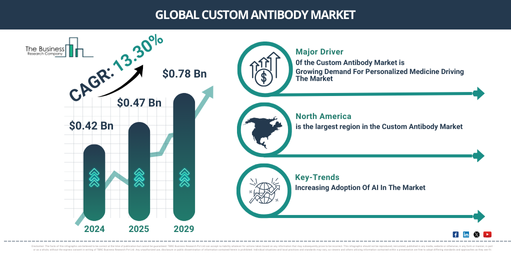
    Significant growth has been noted in the custom antibody market size over the recent years. It is projected to rise from $0.42 billion in 2024 to $0.47 billion in 2025, marking a compound annual growth rate (CAGR) of 13.6%. This remarkable growth during the historic period is the result of factors such as increased demand for custom antibodies, widespread use of precision medicine, escalating incidence of chronic diseases and cancer, an uptick in research and development activities, and a surge in clinical trials.

    The custom antibody market is predicted to witness a significant surge in its size over the coming years, growing to $0.78 billion by 2029 with a 13.3% compound annual growth rate (CAGR). This projected growth during the forecast period can be attributed to various factors like the increased adoption of targeted immunotherapy, expanding investments in the biopharmaceutical sector, the rising prevalence of neurodegenerative disorders, amplified demand for in vitro diagnostics (IVD) applications, as well as increasing expenditure in healthcare. The forecast period is also expected to see key trends such as the rise of personalized medicine, advancements in antibody engineering technology, progress in biotechnology and genetic engineering, widening therapeutic applications, and advancing technology in antibody purification.

    Download a free sample to assess the report’s scope and structure:

    https://www.thebusinessresearchcompany.com/sample.aspx?id=21162&type=smp

    What Are the Major Market Drivers Behind the Rising Adoption of Custom Antibody Market?

    The increasing preference for personalized medical treatments is anticipated to bolster the custom antibody market’s growth in the future. Personalized medicine entails a healthcare strategy that customizes prevention and treatment plans based on a person’s genetics, lifestyle, and environment. This increasing preference for personalized medicine is due to advancements in the field of genomics, broader access to therapies rooted in biomarkers, and growing consumer inclination towards personalized treatment options that enhance effectiveness and minimize negative side effects. Custom antibodies contribute to personalized medicine by offering specific, adapted immune reagents, thereby enhancing the detection of diseases, therapeutic targeting, and identification of biomarkers for tailored treatment plans. To illustrate, in February 2024, the US-based non-profit organization, Personalized Medicine Coalition, reported that the Food and Drug Administration (FDA) approved 16 new personalized treatments in 2023 for those with rare diseases, a significant increase from 6 in 2022. As a result, this swelling demand for personalized medicine is sparking the growth of the custom antibody market.

    Which Key Market Segments Comprise the Custom Antibody Market and Drive Its Revenue Growth?

    The custom antibody market covered in this report is segmented –

    1) By Type: Monoclonal Antibodies, Polyclonal Antibodies, Recombinant Antibodies, Other Types

    2) By Service: Antibody Development, Antibody Production And Purification, Antibody Fragmentation And Labeling

    3) By Source: Mice, Rabbit, Other Sources

    4) By Application: Oncology, Infectious Diseases, Neurology, Stem Cells, Immunology, Cardiovascular Diseases, Other Applications

    5) By End-User: Pharmaceutical And Biotechnology Companies, Academic And Research Institutes, Contract Research Organization, Hospitals And Clinics

    Subsegments:

    1) By Monoclonal Antibodies: Murine Monoclonal Antibodies, Chimeric Monoclonal Antibodies, Humanized Monoclonal Antibodies, Fully Human Monoclonal Antibodies

    2) By Polyclonal Antibodies: Rabbit Polyclonal Antibodies, Goat Polyclonal Antibodies, Sheep Polyclonal Antibodies, Other Animal-Derived Polyclonal Antibodies

    3) By Recombinant Antibodies: Single-Chain Variable Fragment (scFv), Nanobodies, Bispecific Antibodies, Antibody Fragments

    4) By Other Types: Aptamers, Nanobodies (Camelid Antibodies), Hybridomas

    Request customized data on this market:

    https://www.thebusinessresearchcompany.com/customise?id=21162&type=smp

    Which Areas Are Leading Regions in the Custom Antibody Market Expansion Across the Globe?

    North America was the largest region in the custom antibody market in 2024. Asia-Pacific is expected to be the fastest-growing region in the forecast period. The regions covered in the custom antibody market report are Asia-Pacific, Western Europe, Eastern Europe, North America, South America, Middle East, Africa.

    What Are the Strategic Trends Steering theCustom Antibody Market Direction?

    Leading firms in the custom antibody market are concentrating on incorporating cutting-edge technologies like artificial intelligence to advance antibody discovery, refine specificity, and speed up development procedures. Artificial intelligence bolsters custom antibody development by improving antigen choice, forecasting antibody-antigen interaction, and expediting candidate screening using machine learning, resulting in quicker and more cost-efficient biopharmaceutical research. For example, in October 2024, Archon Biosciences Inc., an American biotech firm, was launched with funding of $20 million to create computationally designed antibody cages. These cages help in tailoring existing antibodies for therapeutic use. Archon’s unique technology constructs antibodies into cage structures, allowing changes in their attributes without tampering with their core structures. This advancement attempts to increase antibody affinity for therapeutic targets while curtailing off-target interactions, hence enhancing efficacy and safety.

    View the full report here:

    https://www.thebusinessresearchcompany.com/report/custom-antibody-global-market-report

    How Is the Custom Antibody Market Conceptually Defined?

    A custom antibody is a laboratory-produced antibody specifically designed and generated to target a particular antigen of interest. These antibodies are tailored for research, diagnostic, or therapeutic applications based on the unique needs of scientists or healthcare professionals. Custom antibodies are widely used in biomedical research, diagnostics, and drug development, enabling precise detection and targeting of biomolecules.

    Purchase the full report and get a swift delivery:

    https://www.thebusinessresearchcompany.com/purchaseoptions.aspx?id=21162

    About The Business Research Company:

    With over 15000+ reports from 27 industries covering 60+ geographies, The Business Research Company has built a reputation for offering comprehensive, data-rich research and insights. Armed with 1,500,000 datasets, the optimistic contribution of in-depth secondary research, and unique insights from industry leaders, you can get the information you need to stay ahead in the game.

    Get in touch with us:

    The Business Research Company: https://www.thebusinessresearchcompany.com/

    Americas +1 3156230293

    Asia +44 2071930708

    Europe +44 2071930708

    Email us at info@tbrc.info

    Follow us on:

    LinkedIn: https://in.linkedin.com/company/the-business-research-company

    YouTube: https://www.youtube.com/channel/UC24_fI0rV8cR5DxlCpgmyFQ

    Global Market Model: https://www.thebusinessresearchcompany.com/global-market-model
  • SarcoidosisMarket Overview 2025–2034: CAGR Trends, Long-Term Growth Paths, and Business Implications

    SarcoidosisMarket Overview 2025–2034: CAGR Trends, Long-Term Growth Paths, and Business Implications

    Get 30% off on our Global Market Reports with code ONLINE30 – Hurry, limited time offer!

    What Are the Key Projections for the CAGR of the Sarcoidosis Market Size From 2025 to 2034?

    The market for sarcoidosis has seen rapid expansion in recent years. It is anticipated to increase from a value of $29.75 billion in 2024 to $34.46 billion in 2025, fueling a compound annual growth rate (CAGR) of 15.8%. The significant growth experienced in the past can be linked to the heightened awareness of the condition amongst healthcare professionals, an uptick in the number of sarcoidosis cases in developed countries, a surge in corticosteroid-based treatments serving as the initial course of therapy, an influx of research funding dedicated to rare diseases, and the continuous rise of clinical trials aimed at creating therapies for sarcoidosis.

    The market size for sarcoidosis is projected to experience a significant increase in the forthcoming years, expanding to $61.45 billion by 2029 with a compound annual growth rate (CAGR) of 15.6%. This growth over the prediction period can be associated with the escalating demand for innovative biologic therapies, the surge in the adoption of personalized medical treatments, the rise in funding for gene therapy targeting sarcoidosis, the intensifying concentration on specialized immunotherapy developments, and the growing stockpile of drugs for intractable sarcoidosis cases. Key trends anticipated during the forecast period include progress in biologic therapies, developments in nanotechnology-facilitated drug delivery, regenerative medicine and stem cell therapy, improvements in 3D imaging and radiomics, along with the use of blockchain technology in the management of clinical data.

    Download a free sample to assess the report’s scope and structure:

    https://www.thebusinessresearchcompany.com/sample.aspx?id=23508&type=smp

    What Are the Primary Drivers Supporting the Market Growth of the Sarcoidosis Market?

    The expansion of the sarcoidosis market is anticipated to be driven by a heightened emphasis on personalized medicine. This modern method of medical treatment customizes therapeutic interventions based on each patient’s genetic profile, biomarkers, environmental factors, and lifestyle, guaranteeing more accurate, potent, and specific interventions. Personalized medicine is becoming increasingly popular as it allows for treatments tailored to an individual’s genetic disposition and biological profile, thereby boosting efficacy and minimizing side effects. This method is shaping the future of sarcoidosis treatment by adjusting the therapy according to genetic, biomarker, and clinical profiling, subsequently improving efficacy and reducing side effects. This strategy improves targeted therapy, tackling disease variability and unique patient responses. For example, in February 2024, the Personalized Medicine Coalition, a nonprofit organization based in the US, reported that the U.S. Food and Drug Administration (FDA), a US-based government regulatory agency, gave the green light to 16 new personalized treatments for rare disease patients in 2023. This represents a considerable increase from the six personalized treatments approved in 2022. As such, the growing attention on personalized medicine is propelling the sarcoidosis market’s expansion.

    Which Primary Segments of the Sarcoidosis Market Are Driving Growth and Industry Transformations?

    The sarcoidosis market covered in this report is segmented –

    1) By Type: Pulmonary Sarcoidosis, Ocular Sarcoidosis, Neurosarcoidosis, Cardiac Sarcoidosis, Musculoskeletal Sarcoidosis, Cutaneous Sarcoidosis, Renal Sarcoidosis, Hepatic Sarcoidosis, Sarcoidosis Of The Spleen And Bone Marrow

    2) By Diagnostic Method: Imaging Technique, Biopsy, Blood Tests

    3) By Treatment Type: Corticosteroids, Immunosuppressive Agents, Biologics, Anti-Malarial Drugs

    4) By Route Of Administration: Oral, Parenteral, Other Routes Of Administration

    5) By End Uses: Hospitals And Clinics, Surgical Centers, Diagnostic Centers, Other End Uses

    Subsegments:

    1) By Pulmonary Sarcoidosis: Acute Pulmonary Sarcoidosis, Chronic Pulmonary Sarcoidosis, Fibrotic Pulmonary Sarcoidosis

    2) By Ocular Sarcoidosis: Anterior Uveitis, Posterior Uveitis, Intermediate Uveitis, Panuveitis, Optic Neuropathy

    3) By Neurosarcoidosis: Meningeal Neurosarcoidosis, Cranial Nerve Neurosarcoidosis, Peripheral Neuropathy, Spinal Cord Involvement, Hypothalamic-Pituitary Involvement

    4) By Cardiac Sarcoidosis: Atrioventricular Block, Ventricular Arrhythmias, Heart Failure, Myocarditis, Sudden Cardiac Arrest

    5) By Musculoskeletal Sarcoidosis: Arthritis, Myopathy, Bone Lesions

    6) By Cutaneous Sarcoidosis: Lupus Pernio, Erythema Nodosum, Papular Sarcoidosis, Plaque Sarcoidosis, Subcutaneous Sarcoidosis

    7) By Renal Sarcoidosis: Granulomatous Interstitial Nephritis, Nephrocalcinosis, Hypercalciuria-Induced Kidney Disease

    8) By Hepatic Sarcoidosis: Granulomatous Hepatitis, Portal Hypertension, Hepatic Fibrosis

    9) By Sarcoidosis Of The Spleen And Bone Marrow: Splenomegaly, Pancytopenia, Bone Marrow Granulomas

    Request customized data on this market:

    https://www.thebusinessresearchcompany.com/customise?id=23508&type=smp

    Which Regions Are Key Players in the Growth of the Sarcoidosis Market?

    Europe was the largest region in the sarcoidosis market in 2024. The regions covered in the sarcoidosis market report are Asia-Pacific, Western Europe, Eastern Europe, North America, South America, Middle East, Africa.

    What Are the Most Significant Market Trends in the Sarcoidosis Market?

    Leading firms in the sarcoidosis market are concentrating their efforts on the creation of innovative products such as anti-TNFα monoclonal antibody therapy as a new biologic solution to a pressing medical requirement in the handling of inflammatory diseases. The anti-tumor necrosis factor-alpha (anti-TNFα) monoclonal antibody therapy is a specific immunotherapy that utilises monoclonal antibodies to impede TNFα, an inflammatory cytokine, thereby mitigating inflammation and managing autoimmune diseases. As an example, Xentria, Inc., a clinical-stage biotherapeutics corporation based in the US, made noteworthy progress when its leading candidate, XTMAB-16, was granted Orphan Drug Designation by the European Medicines Agency (EMA) in November 2023. Alongside this, the corporation initiated its international clinical trial for pulmonary sarcoidosis, with the first patient enrolment. XTMAB-16, a monoclonal antibody that targets tumor necrosis factor-alpha (TNFα), is under investigation for its capacity to regulate inflammatory pathways in pulmonary sarcoidosis, offering a targeted substitute to corticosteroid-based therapy. This regulatory endorsement and clinical advancement underscore the intensifying global interest in innovative biologics for rare diseases, thus strengthening Xentria’s dedication to addressing pressing medical needs with ground-breaking treatment alternatives.

    View the full report here:

    https://www.thebusinessresearchcompany.com/report/sarcoidosis-global-market-report

    What Parameters Are Used to Define the Sarcoidosis Market?

    Sarcoidosis is a complex inflammatory disease characterized by the formation of granulomas, small clumps of immune cells that can develop in various organs, most commonly the lungs and lymph nodes, potentially leading to organ dysfunction, respiratory issues, or systemic complications, with its exact cause remaining unknown but suspected to involve an abnormal immune response to environmental or genetic factors.

    Purchase the full report and get a swift delivery:

    https://www.thebusinessresearchcompany.com/purchaseoptions.aspx?id=23508

    About The Business Research Company:

    With over 15000+ reports from 27 industries covering 60+ geographies, The Business Research Company has built a reputation for offering comprehensive, data-rich research and insights. Armed with 1,500,000 datasets, the optimistic contribution of in-depth secondary research, and unique insights from industry leaders, you can get the information you need to stay ahead in the game.

    Get in touch with us:

    The Business Research Company: https://www.thebusinessresearchcompany.com/

    Americas +1 3156230293

    Asia +44 2071930708

    Europe +44 2071930708

    Email us at info@tbrc.info

    Follow us on:

    LinkedIn: https://in.linkedin.com/company/the-business-research-company

    YouTube: https://www.youtube.com/channel/UC24_fI0rV8cR5DxlCpgmyFQ

    Global Market Model: https://www.thebusinessresearchcompany.com/global-market-model
  • Crow’s Feet Market Insights: In-Depth Look at Growth Trends, Market Size, and Opportunities for 2025-2034

    Crow’s Feet Market Insights: In-Depth Look at Growth Trends, Market Size, and Opportunities for 2025-2034

    Our market reports now include the latest updates on global tariffs, trade impacts, and evolving supply chain dynamics.

    How Has The Crow’s Feet Market Growth Evolved From 2024 To 2025, And What’s Ahead?

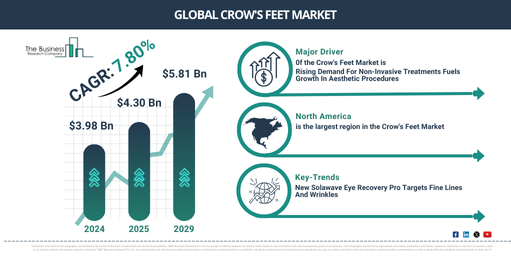
    The market size for crow’s feet has expanded robustly over the past few years. Projected to grow from $3.98 billion in 2024 to $4.30 billion in 2025, it predicts a compound annual growth rate (CAGR) of 8.0%. Factors contributing to this growth during the historic period include the increasing elderly population, heightened awareness around beauty, rising disposable income, the influential role of social media, escalating demand for non-invasive treatments, broader acceptance towards aesthetic procedures, raising awareness about dermatology globally, and a cultural leaning towards maintaining youthfulness.

    In the forthcoming years, the market for crow’s feet is predicted to experience substantial growth, and it is projected to attain a value of $5.81 billion by 2029 with a compound annual growth rate (CAGR) of 7.8%. Numerous factors such as the surge in the use of beauty devices at home, the enhanced embrace of personalized skincare, increasing demand for anti-aging products that are natural and organic, expansion of cosmetic treatment medical tourism, heightened awareness of preventative skincare, the rise in the male skincare market, and escalation in minimally invasive cosmetic treatments can be credited for the growth during the projected period. Key trends to watch in the forecast period comprise AI-assisted skincare analysis, intelligent skincare devices featuring biometric tracking, advanced technology incorporated at-home anti-aging devices, 3D skin imaging for individualized treatments, micro-needling via automated systems, sophisticated laser technologies for skin rejuvenation, ultrasonic and radiofrequency-based wrinkle treatments, nanotechnology for specific delivery of anti-aging components, wearable skin monitoring devices, and pioneering gene and stem cell therapies for skin regeneration.

    Download a free sample to assess the report’s scope and structure:

    https://www.thebusinessresearchcompany.com/sample.aspx?id=21161&type=smp

    What External and Internal Drivers Are Contributing to the Growth of the Crow’s Feet Market?

    Crow’s feet market expansion is likely to be boosted by the rising customer inclination towards non-invasive procedures. Non-invasive treatments are aesthetic processes which enhance skin look without necessitating surgery or extended recovery duration. Factors such as increasing customer interest in quick and effective solutions, technologic progress, shorter recovery period, lesser risk compared to surgical alternatives, affordability and better recognition of beauty treatments are leading to increased use of non-invasive treatments. Non-invasive methods such as botulinum toxin injections, laser resurfacing, microneedling, radiofrequency treatment, chemical peels, and LED light therapies are proven to minimize crow’s feet by relaxing facial muscles, stimulating collagen production, enhancing skin texture, and boosting elasticity, all without surgery. For example, in September 2023, the International Society of Aesthetic Plastic Surgery (ISAPS), an organization based in the US, reported that 9,221,419 Botox procedures were carried out globally in 2022 indicating a 26.1% rise compared to the 7.3 million procedures done in 2021. Hence, the rising consumer preference for non-invasive procedures is fuelling the crow’s feet market’s growth.

    What Segment Types Define the Crow’s Feet Market Structure?

    The crow’s feet market covered in this report is segmented –

    1) By Treatment Type: Topical Creams, Botulinum Toxin (Botox), Chemical Peels, Dermal Fillers, Other Treatment Types

    2) By Application: Hospitals And Clinics, Dermatology Centers, Homecare, Other Applications

    3) By Distribution Channel: Hospital Pharmacy, Retail Pharmacy, Online Pharmacy

    Subsegments:

    1) By Topical Creams: Retinoids, Peptides, Antioxidants, Hyaluronic Acid-based Creams, Alpha Hydroxy Acids (AHAs) And Beta Hydroxy Acids (BHAs)

    2) By Botulinum Toxin (Botox): OnabotulinumtoxinA, AbobotulinumtoxinA (Dysport), IncobotulinumtoxinA (Xeomin), PrabotulinumtoxinA (Jeuveau)

    3) Chemical Peels: Superficial Peels, Medium Peels, Deep Peels

    4) Dermal Fillers: Hyaluronic Acid Fillers, Collagen-based Fillers, Poly-L-Lactic Acid Fillers (Sculptra), Calcium Hydroxylapatite Fillers (Radiesse)

    5) Other Treatment Types: Laser Resurfacing, Microneedling, Radiofrequency Treatments, Ultrasound Therapy (Ultherapy), Surgical Interventions

    Request customized data on this market:

    https://www.thebusinessresearchcompany.com/customise?id=21161&type=smp

    Which Geographic Areas Hold the Strongest Growth Potential in the Crow’s Feet Market?

    North America was the largest region in the crow’s feet market in 2024. Asia-Pacific is expected to be the fastest-growing region in the forecast period. The regions covered in the crow’s feet market report are Asia-Pacific, Western Europe, Eastern Europe, North America, South America, Middle East, Africa.

    What Long-Term Trends Are Transforming the Competitive Landscape of the Crow’s Feet Market?

    Leading businesses in the crow’s feet market are channeling their efforts towards the creation of red and infrared light therapy masks. These skincare devices are non-invasive, efficient, and intended for home usage, for the purpose of reducing eye wrinkles and fine lines. The masks operate by emitting specific light wavelengths that can permeate the skin, which aids in boosting collagen production and reducing signs of aging such as wrinkles, fine lines, and more. As an example, Solawave – a skincare technology company based in the United States, released Eye Recovery Pro in October 2024, integrating a red and infrared light therapy mask. They designed the mask specifically to target early aging signs around the eyes such as wrinkles, crow’s feet, 11s, puffiness, dark circles, eyelid drooping, uneven skin tone, and more. The mask employs a combination of red, deep red, near-infrared, and amber light therapies that, when used consistently for three minutes three times a week, can yield transformative results within just a few weeks.

    View the full report here:

    https://www.thebusinessresearchcompany.com/report/crows-feet-global-market-report

    What Is the Definition of the Crow’s Feet Market?

    Crow’s feet are the fine lines and wrinkles that appear at the outer corners of the eyes, often becoming more prominent with age. They develop due to repeated facial expressions such as smiling and squinting, as well as a natural loss of collagen and skin elasticity. Regular use of anti-aging ingredients such as retinol and hyaluronic acid may also improve skin texture and minimize fine lines over time.

    Purchase the full report and get a swift delivery:

    https://www.thebusinessresearchcompany.com/purchaseoptions.aspx?id=21161

    About The Business Research Company:

    With over 15000+ reports from 27 industries covering 60+ geographies, The Business Research Company has built a reputation for offering comprehensive, data-rich research and insights. Armed with 1,500,000 datasets, the optimistic contribution of in-depth secondary research, and unique insights from industry leaders, you can get the information you need to stay ahead in the game.

    Get in touch with us:

    The Business Research Company: https://www.thebusinessresearchcompany.com/

    Americas +1 3156230293

    Asia +44 2071930708

    Europe +44 2071930708

    Email us at info@tbrc.info

    Follow us on:

    LinkedIn: https://in.linkedin.com/company/the-business-research-company

    YouTube: https://www.youtube.com/channel/UC24_fI0rV8cR5DxlCpgmyFQ

    Global Market Model: https://www.thebusinessresearchcompany.com/global-market-model