Month: June 2025

  • Top Trends Driving Innovation and Change in the Clinical Trial Support Services Market: Patient-Centric Trials Revolutionize Clinical Research

    Top Trends Driving Innovation and Change in the Clinical Trial Support Services Market: Patient-Centric Trials Revolutionize Clinical Research

    Our market reports now include the latest updates on global tariffs, trade impacts, and evolving supply chain dynamics.

    What Are the Key Projections for the CAGR of the Clinical Trial Support Services Market Size From 2025 to 2034?

    The market size for clinical trial support services has seen significant growth in recent times. The projections show an increase from $22.62 billion in 2024 to $24.55 billion in 2025, marking a compound annual growth rate (CAGR) of 8.5%. Factors contributing to this expansion during the historic period include the amplified outsourcing of clinical trials, escalating healthcare spending, growth in the biotechnology and pharmaceutical areas, regulatory modifications and reforms, globalization of clinical trials, a surge in disease prevalence, an increase in funding for clinical research, and the need for swifter drug development.

    Anticipations point towards a significant acceleration in the clinical trial support services market in the coming years, with estimations projecting it to expand to $33.68 billion by 2029, boasting a compound annual growth rate (CAGR) of 10.5%. The projected growth during this period is attributable to factors such as rising demand for customized medical treatments, a growing rate of chronic illnesses, increased spending on research and development, regulatory encouragement for clinical trials, and the broadening scope of outsourcing in clinical trials. Additionally, there is an intensified emphasis on patient-focused trials, growing complexity in clinical trials, and the appearance of new therapeutic domains. Influential trends predicted throughout this period encompass artificial intelligence, machine learning, blockchain technology, data analysis on a large scale, wearable technology, dispersed clinical trials, electronic data acquisition, management systems for clinical trials, patient monitoring from a distance, and virtually conducted clinical trials.

    Download a free sample to assess the report’s scope and structure:

    https://www.thebusinessresearchcompany.com/sample.aspx?id=21151&type=smp

    What External and Internal Drivers Are Contributing to the Growth of the Clinical Trial Support Services Market?

    The advancement of individualized medical treatments appears to be the driving force behind the expanding clinical trial support services market. Personalized medicine focuses on modifying treatments to cater to each patient’s genetic, environmental, and lifestyle elements, with the primary objective of enhancing outcomes and improving healthcare. The shift towards this approach is gaining momentum due to various factors, including genomics advancements, greater access to biomarker-driven diagnostics, enhancement in data analytics technologies, and an increased need for more precise and effective cure therapies. Clinical trial support services play a critical role in the application of personalized medicine by improving patient enrolment, employing biomarker-centric trial structure, and maintaining regulatory adherence. This aids in the creation of targeted therapies customized to an individual’s genetic make-up and disease history. For example, the Personalized Medicine Coalition (PMC), a nonprofit organization in the U.S., reported in February 2024, that there had been a significant rise in new personalized treatments approved by the U.S. Food and Drug Administration (FDA) with 26 approved in 2023, which contrasted greatly with the 12 approved in 2022. As a result, the progression of personalized medicine is reinforcing the growth of the clinical trial support services market.

    What Segment Types Define the Clinical Trial Support Services Market Structure?

    The clinical trial support services market covered in this report is segmented –

    1) By Service: Clinical Trial Site Management, Data Management, Patient Recruitment Management, Administrative Staff, Institutional Review Board (IRB), Other Services

    2) By Phases: Preclinical Studies, Phase I, Phase II, Phase III, Phase IV

    3) By Application: Oncology, Central Nervous System (CNS) And Mental Disorders, Cardiovascular Diseases, Infectious Diseases, Bood Disorders, Other Applications

    Subsegments:

    1) By Clinical Trial Site Management: Site Selection, Site Initiation, Site Monitoring, Site Close-out

    2) By Data Management: Data Collection, Data Validation, Electronic Data Capture (EDC), Statistical Analysis

    3) By Patient Recruitment Management: Patient Screening, Enrollment Strategy, Retention Services

    4) By Administrative Staff: Clinical Research Coordinators, Project Managers, Regulatory Affairs Specialists

    5) By Institutional Review Board (IRB): Ethical Review, Protocol Review, Compliance Monitoring

    6) By Other Services: Regulatory Consulting, Quality Assurance, Medical Writing, Investigator Training

    Request customized data on this market:

    https://www.thebusinessresearchcompany.com/customise?id=21151&type=smp

    Which Geographic Areas Hold the Strongest Growth Potential in the Clinical Trial Support Services Market?

    North America was the largest region in the clinical trial support services market in 2024. Asia-Pacific is expected to be the fastest-growing region in the forecast period. The regions covered in the clinical trial support services market report are Asia-Pacific, Western Europe, Eastern Europe, North America, South America, Middle East, Africa.

    What Long-Term Trends Are Transforming the Competitive Landscape of the Clinical Trial Support Services Market?

    The focus of leading firms in the clinical trial support services market is shifting towards creating patient-centric clinical trials. The objective is to enhance enrollment, bolster retention, reduce the load on participants, and provide a more diverse, inclusive, and beneficial experience for patients. These trials are created with specific attention to patient requirements, preferences, and feedback, in an attempt to enhance accessibility, boost engagement, and escalate satisfaction levels throughout the testing process. A notable example is Leal Health, which is a digital health firm based in the US that prioritizes patients. In March 2023, it introduced a pioneering patient-centric program-level analytics platform. This platform is designed to seamlessly integrate with online clinical trial websites owned by pharmaceutical firms. It aims to facilitate the development and implementation of efficient, patient-centered programs which guarantee the selection of high-quality patient candidates, reduce the time frame for recruiting and offer operational benefits to ensure a superior overall patient experience. The platform is specifically aimed at developing efficient and patient-focused programs that secure high-quality patient candidates for clinical trials.

    View the full report here:

    https://www.thebusinessresearchcompany.com/report/clinical-trial-support-services-global-market-report

    What Is the Definition of the Clinical Trial Support Services Market?

    Clinical trial support services refer to a range of specialized services that assist in the planning, execution, and management of clinical trials, ensuring regulatory compliance, data integrity, patient recruitment, and overall trial efficiency. These services help streamline the drug development process, reduce operational complexities, and enhance the quality and reliability of trial outcomes.

    Purchase the full report and get a swift delivery:

    https://www.thebusinessresearchcompany.com/purchaseoptions.aspx?id=21151

    About The Business Research Company:

    With over 15000+ reports from 27 industries covering 60+ geographies, The Business Research Company has built a reputation for offering comprehensive, data-rich research and insights. Armed with 1,500,000 datasets, the optimistic contribution of in-depth secondary research, and unique insights from industry leaders, you can get the information you need to stay ahead in the game.

    Get in touch with us:

    The Business Research Company: https://www.thebusinessresearchcompany.com/

    Americas +1 3156230293

    Asia +44 2071930708

    Europe +44 2071930708

    Email us at info@tbrc.info

    Follow us on:

    LinkedIn: https://in.linkedin.com/company/the-business-research-company

    YouTube: https://www.youtube.com/channel/UC24_fI0rV8cR5DxlCpgmyFQ

    Global Market Model: https://www.thebusinessresearchcompany.com/global-market-model
  • Emerging Trends Redefining the Chronic Sialorrhea Market Landscape: AstraZeneca’s Evinova Platform Enhances Efficiency And Patient Engagement Through AI Technology

    Our market reports now include the latest updates on global tariffs, trade impacts, and evolving supply chain dynamics.

    How Has The Clinical Trial Software Market Growth Evolved From 2024 To 2025, And What’s Ahead?

    In recent years, the market size for clinical trial software has seen a significant surge. The market, which is projected to expand from $1.16 billion in 2024 to $1.33 billion in 2025, is set to experience a 14.4% compound annual growth rate (CAGR). Factors contributing to this historic growth include rising demand for innovative software, wider acceptance of modern technologies, enhanced digitalization of clinical trials, an uptick in the usage of cloud computing, and a growth in the number of small to mid-size biopharmaceutical firms.

    In the coming years, the clinical trial software market is projected to experience swift expansion. It is expected to reach a worth of $2.25 billion by 2029, growing at a compound annual growth rate (CAGR) of 14.1%. This anticipated growth within the forecast timeframe can be credited to enhancing clinical study undertakings, burgeoning recognition of virtual trials, escalating requirement for patient-focused clinical trial modalities, escalating specialty medicine demand, and rising prevalence of venous conditions. Foreseeable trends in the forecast span include the progression in technology, the role of artificial intelligence (AI), the advent, and technological innovation, integration with real world data sources and machine learning’s gaining prominence.

    Download a free sample to assess the report’s scope and structure:

    https://www.thebusinessresearchcompany.com/sample.aspx?id=21150&type=smp

    What Are the Core Market Drivers Propelling Growth in the Clinical Trial Software Industry?

    It’s anticipated that the clinical trial software market’s rapid growth will be fueled by escalating research and development activities. This involves a structured procedure for discovering, formulating, and testing novel products or technologies, with the goal of innovating and amplifying present solutions or conceiving entirely new ones. Owing to the burgeoning requirement for innovation across all sectors, spurred by technological breakthroughs, stiff market competition, and the demand for long-lasting outcomes, research and development activities are rapidly expanding. Companies are thus pressured to channel more of their resources into cultivating new services, processes, and products. Clinical trial software, which facilitates the organization, execution, and management of clinical trials vital to examining new pharmaceuticals and therapies, is utilized in these research and development endeavors. For example, in April 2024, the UK government reportedly boosted its research and development expenditure from £14.0 ($17.77) billion in 2021 to £15.5 ($19.67) billion in 2022, signifying a 10.5% hike, according to the Office for National Statistics. Therefore, the amplifying research and development initiatives are propelling the clinical trial software market’s expansion.

    How Is the Clinical Trial Software Market Segmented?

    The clinical trial software market covered in this report is segmented –

    1) By Deployment: On-Premises, Web-Based Clinical Trial Software, Cloud-Based Clinical Trial Software, Other Deployments

    2) By Software: Electronic Data Capture (EDC), Electronic Clinical Outcome Assessment (eCOA) Or Electronic Patient-Reported Outcome (ePRO), Electronic Informed Consent

    3) By End-User: Pharmaceutical And Biotechnology Companies, Contract Research Organizations (CROs), Medical Device Manufacturers, Other End-Users

    Subsegments:

    1) By On-Premises: Enterprise Clinical Trial Management Systems, Site-Based Clinical Trial Solutions

    2) By Web-Based Clinical Trial Software: Electronic Data Capture (EDC) Systems, Clinical Trial Management Systems (CTMS), Randomization And Trial Supply Management (RTSM)

    3) By Cloud-Based Clinical Trial Software: Software-as-a-Service (SaaS) Platforms, AI-Powered Clinical Trial Solutions, Remote Monitoring And Decentralized Trial Systems

    4) By Other Deployments: Hybrid Clinical Trial Solutions, Custom-Built Clinical Trial Software

    Request customized data on this market:

    https://www.thebusinessresearchcompany.com/customise?id=21150&type=smp

    Which Regions Are Driving the Next Phase of the Clinical Trial Software Market Growth?

    North America was the largest region in the clinical trial software market in 2024. Europe is expected to be the fastest-growing region in the forecast period. The regions covered in the clinical trial software market report are Asia-Pacific, Western Europe, Eastern Europe, North America, South America, Middle East, Africa.

    What Key Market Trends and Innovations Are Shaping the Future of the Clinical Trial Software Industry?

    Leading corporations in the clinical trial software market are concentrating on ushering in ground-breaking technologies such as unified trial solutions. These aim to amplify data collection and integration, boost patient involvement, simplify trial procedures, cut costs, and hasten the total timeline for drug development. Unified Trial Solution is an all-inclusive digital platform fashioned to optimize and elevate the procedures of clinical trials. For instance, in November 2023, AstraZeneca plc, a pharmaceutical firm based in the UK, launched Evinova to incorporate AI into clinical research. This novel platform comes with standout features like automated patient enrolment, utilizing AI algorithms to promptly pair candidates with trial prerequisites, thereby considerably reducing the time spent on enrollment. It also encompasses predictive modeling tools that scrutinize past and real-time data to predict patient outcomes, thereby refining the structure and performance of trials. Its intuitive interface promotes improved patient engagement by offering digital platforms for dialogue and feedback, enabling participants to easily share their experiences.

    View the full report here:

    https://www.thebusinessresearchcompany.com/report/clinical-trial-software-global-market-report

    How Is the Clinical Trial Software Market Defined and What Are Its Core Parameters?

    Clinical trial software refers to specialized applications that support the planning, execution, and management of clinical trials. It is used for data management, patient recruitment, regulatory compliance, and monitoring trial progress to ensure accuracy and efficiency in the research process.

    Purchase the full report and get a swift delivery:

    https://www.thebusinessresearchcompany.com/purchaseoptions.aspx?id=21150

    About The Business Research Company:

    With over 15000+ reports from 27 industries covering 60+ geographies, The Business Research Company has built a reputation for offering comprehensive, data-rich research and insights. Armed with 1,500,000 datasets, the optimistic contribution of in-depth secondary research, and unique insights from industry leaders, you can get the information you need to stay ahead in the game.

    Get in touch with us:

    The Business Research Company: https://www.thebusinessresearchcompany.com/

    Americas +1 3156230293

    Asia +44 2071930708

    Europe +44 2071930708

    Email us at info@tbrc.info

    Follow us on:

    LinkedIn: https://in.linkedin.com/company/the-business-research-company

    YouTube: https://www.youtube.com/channel/UC24_fI0rV8cR5DxlCpgmyFQ

    Global Market Model: https://www.thebusinessresearchcompany.com/global-market-model

  • Next-Gen Chronic Pruritus Therapeutics : Market Forecast, Transformation, and Long-Term Trajectories

    Next-Gen Chronic Pruritus Therapeutics : Market Forecast, Transformation, and Long-Term Trajectories

    Our market reports now include the latest updates on global tariffs, trade impacts, and evolving supply chain dynamics.

    What is the Anticipated CAGR of the Chronic Pruritus Therapeutics Market, and What Factors Will Drive It?

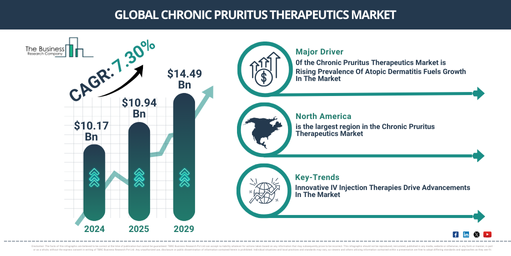
    Over the past few years, the market size for chronic pruritus therapeutics has seen robust growth. It is projected to escalate from $10.17 billion in 2024 to $10.94 billion in 2025, sustaining a compound annual growth rate (CAGR) of 7.6%. This previous period’s growth can be credited to an increasing incidence of chronic pruritus, a rising need for successful treatments, growing regulatory acceptance, a surge in product approvals, and a rise in mergers, collaborations, and acquisitions among industry players.

    The market size for chronic pruritus therapeutics is anticipated to witness considerable expansion in the coming years. The projected growth indicates a likelihood of reaching $14.49 billion by 2029, boasting a compound annual growth rate (CAGR) of 7.3%. The expected growth during this forecast period is linked to increased awareness, a surge in atopic dermatitis, a heightened emphasis on personalized medicine, a rising occurrence of skin disorders, and an expanding patient pool. Notable trends predicted for this forecast period encompass the introduction of unique medicines, the production of ground-breaking biologics and targeted therapies, advancements in technology, the incorporation of improved drug delivery systems, as well as collaborative efforts between pharmaceutical companies and research institutions, and the growth of digital health technologies such as telemedicine.

    Download a free sample to assess the report’s scope and structure:

    https://www.thebusinessresearchcompany.com/sample.aspx?id=21147&type=smp

    Which Major Market Drivers Are Expected to Boost the Growth Potential of the Chronic Pruritus Therapeutics Market?

    The chronic pruritus therapeutics market’s growth is expected to surge forward due to the increasing occurrence of atopic dermatitis. Atopic dermatitis, or AD, is renowned for its chronic inflammation of the skin, with symptoms such as redness, dryness, itching, and irritation, typically affecting those with a family history of allergies, asthma, or hay fever. The heightened presence of atopic dermatitis is linked to a mix of factors such as genetic predisposition, alterations to the environment, lifestyle changes, the hygiene hypothesis, increased exposure to allergens, and imbalances in the skin’s microbiome. Therapies for chronic pruritus provide relief from the relentless itching affiliated with atopic dermatitis by focusing on the inflammatory pathways beneath the surface, limiting skin irritation, and enhancing patient comfort. For example, the International Eczema Council, a nonprofit organization based in the US, reported that in 2022, around 223 million people worldwide (GBD 2022), including 43 million children aged between 1-4, suffered from atopic dermatitis. This underscores the condition’s tremendous early childhood prevalence. Hence, the burgeoning presence of atopic dermatitis is propelling the chronic pruritus therapeutics market’s growth.

    Which Key Market Segments Comprise the Chronic Pruritus Therapeutics Market and Drive Its Revenue Growth?

    The chronic pruritus therapeutics market covered in this report is segmented –

    1) By Product Type: Corticosteroid, Antihistamine, Local Anesthetic, Counterirritant, Immunosuppressant, Calcineurin Inhibitors, Other Product Types

    2) By Disease Type: Atopic Dermatitis, Allergic Contact Dermatitis, Urticaria, Other Disease Types

    3) By Distribution Channel: Hospital Pharmacies, Drug stores And Retail Pharmacies, Online Providers

    Subsegments:

    1) By Corticosteroid: Topical Corticosteroids, Oral Corticosteroids, Injectable Corticosteroids

    2) By Antihistamine: First-Generation Antihistamines, Second-Generation Antihistamines

    3) By Local Anesthetic: Topical Local Anesthetics, Injectable Local Anesthetics

    4) By Counterirritant: Menthol-Based Counterirritants, Camphor-Based Counterirritants

    5) By Immunosuppressant: Systemic Immunosuppressants, Topical Immunosuppressants

    6) By Calcineurin Inhibitors: Tacrolimus-Based Therapy, Pimecrolimus-Based Therapy

    7) By Other Product Types: Biologic Therapies, Emerging Novel Therapies

    Request customized data on this market:

    https://www.thebusinessresearchcompany.com/customise?id=21147&type=smp

    Which Areas Are Leading Regions in the Chronic Pruritus Therapeutics Market Expansion Across the Globe?

    North America was the largest region in the chronic pruritus therapeutics market in 2024. Asia-Pacific is expected to be the fastest-growing region in the forecast period. The regions covered in the chronic pruritus therapeutics market report are Asia-Pacific, Western Europe, Eastern Europe, North America, South America, Middle East, Africa.

    What Are the Key Market Trends in theChronic Pruritus Therapeutics Market Over the Coming Years?

    Leading enterprises within the sector of chronic pruritus therapeutics are concentrating on creating novel formulations, including intravenous (IV) injections, in a bid to boost treatment effectiveness and expedite patient relief. The use of IV injections is beneficial in pruritus treatment as they deliver drugs like antihistamines or corticosteroids instantly into the bloodstream to relieve itching and diminish inflammation. As an exemplification, Cara Therapeutics Inc., a firm situated in the US that produces therapeutics, revealed in September 2023 that its collaborator, Maruishi Pharmaceutical Co. Ltd., a Japanese pharmaceutical firm, obtained the endorsement for the Korsuva IV injection syringe from Japan’s Ministry of Health, Labour and Welfare. This pruritus treatment for hemodialysis patients was given approval based on favorable outcomes from a Phase 3 clinical trial by Maruishi in alliance with Kissei Pharmaceutical Co. Ltd. The treatment demonstrated considerable enhancements in itching scores in comparison to a placebo, and was well-received by patients. The validation also activated a $1.5 million milestone remittance to Korsuva’s creator, Cara Therapeutics, under the stipulations of its licensing contract with Maruishi.

    View the full report here:

    https://www.thebusinessresearchcompany.com/report/chronic-pruritus-therapeutics-global-market-report

    How Is the Chronic Pruritus Therapeutics Market Conceptually Defined?

    Chronic pruritus therapy refers to treatments aimed at managing or alleviating persistent itching (pruritus) that lasts for six weeks or more. Chronic pruritus is managed with a combination of therapies that are tailored to the specific underlying cause, and treatment can be adjusted based on how the patient responds.

    Purchase the full report and get a swift delivery:

    https://www.thebusinessresearchcompany.com/purchaseoptions.aspx?id=21147

    About The Business Research Company:

    With over 15000+ reports from 27 industries covering 60+ geographies, The Business Research Company has built a reputation for offering comprehensive, data-rich research and insights. Armed with 1,500,000 datasets, the optimistic contribution of in-depth secondary research, and unique insights from industry leaders, you can get the information you need to stay ahead in the game.

    Get in touch with us:

    The Business Research Company: https://www.thebusinessresearchcompany.com/

    Americas +1 3156230293

    Asia +44 2071930708

    Europe +44 2071930708

    Email us at info@tbrc.info

    Follow us on:

    LinkedIn: https://in.linkedin.com/company/the-business-research-company

    YouTube: https://www.youtube.com/channel/UC24_fI0rV8cR5DxlCpgmyFQ

    Global Market Model: https://www.thebusinessresearchcompany.com/global-market-model
  • Chronic Pancreatitis (CP) Market Overview 2025: Competitive Shifts, Forecast Models, and Emerging Opportunities

    Chronic Pancreatitis (CP) Market Overview 2025: Competitive Shifts, Forecast Models, and Emerging Opportunities

    Our market reports now include the latest updates on global tariffs, trade impacts, and evolving supply chain dynamics.

    What Are the Key Milestones in the Chronic Pancreatitis (CP) Market’s Growth Trajectory From 2025 To 2034?

    In recent times, the market for Chronic Pancreatitis (CP) has witnessed notable growth. Projected to scale from a valuation of $4.91 billion in 2024 to about $5.25 billion in 2025, it carries an anticipated compound annual growth rate (CAGR) of 6.7%. Drivers for growth in the past period have included increasing levels of alcohol consumption, a higher incidence of smoking, genetic factors and family history, enhanced awareness about pancreatic diseases, a rise in the number of diabetes cases connected to pancreatitis, escalating healthcare expenditure, and improved accessibility to healthcare services.

    In the coming years, the market for chronic pancreatitis (CP) is projected to observe substantial growth, expanding to $6.72 billion in 2029 with a compound annual growth rate (CAGR) of 6.4%. The projected growth during this forecast period can be linked to factors like the growing elderly population, heightened demand for enzyme replacement treatments, increasing comprehension of the importance of early detection, healthcare infrastructure development in up-and-coming markets, and the invention of new therapeutic methods for pain management. Furthermore, rising research and clinical investigations aimed at pancreatitis cure contributes to the growth. Major upcoming trends during the forecast period include incorporation of artificial intelligence in diagnostic imaging, less invasive surgical procedures, wearable devices for ongoing health tracking, advancements in genetic testing through next-generation sequencing, machine learning application for tracking disease progression, and the creation of smart diagnostic instruments.

    Download a free sample to assess the report’s scope and structure:

    https://www.thebusinessresearchcompany.com/sample.aspx?id=21146&type=smp

    What Are the Core Growth Drivers Propelling the Chronic Pancreatitis (CP) Market Forward?

    The chronic pancreatitis market is expected to expand due to the rising prevalence of alcohol consumption. Drinking alcohol involves the consumption of ethanol-based beverages, most often for leisurely, social, or cultural reasons, but can also result in addiction or health risks if indulged in excessively. Multiple factors, including growing social acceptance, urbanization, lifestyle modifications, and stress coping mechanisms, particularly among younger demographics, fuel the rise in alcohol consumption. Chronic pancreatitis is induced by alcohol consumption as it initiates inflammation and harm to the pancreatic cells, resulting in fibrosis, duct obstructions, and long-term malfunctions due to harmful metabolic byproducts. For example, in December 2023, as per data published by Kirin Holdings Company Limited, a Japanese beer and beverage holding firm, the total worldwide beer consumption in 2022 increased by approximately 5.4 million kiloliters (equal to roughly 8.5 billion 633ml bottles) compared to 2021, reaching approximately 192.1 million kiloliters. This 2.9% increase is credited to the mitigation of the impact of COVID-19, totaling to approximately 303.5 billion 633ml bottles. Hence, the rise in alcohol consumption is propelling the growth of the chronic pancreatitis market.

    What Segment Types Define the Chronic Pancreatitis (CP) Market Structure?

    The chronic pancreatitis (CP) market covered in this report is segmented –

    1) By Treatment: Analgesic, Artificial Digestive Enzyme, Protein Supplements, Steroids, Antibiotics, Other Treatments

    2) By Diagnosis: Computed Tomography (CT) Scan, Magnetic Resonance Cholangiopancreatography, Ultrasound Sonography, Other Diagnosis

    3) By Route Of Administration: Oral, Parenteral

    4) By End User: Hospitals, Homecare, Other End Users

    Subsegments:

    1) By Analgesic: Nonsteroidal Anti-Inflammatory Drugs (NSAIDs), Opioids

    2) By Artificial Digestive Enzyme: Pancrelipase, Pancreatin

    3) By Protein Supplements: Branched-Chain Amino Acids (BCAA), Whey Protein

    4) By Steroids: Prednisone, Dexamethasone

    5) By Antibiotics: Ciprofloxacin, Metronidazole

    6) By Other Treatments: Endoscopic Treatment, Surgery

    Request customized data on this market:

    https://www.thebusinessresearchcompany.com/customise?id=21146&type=smp

    Which Geographic Areas Hold the Strongest Growth Potential in the Chronic Pancreatitis (CP) Market?

    North America was the largest region in the chronic pancreatitis (CP) market in 2024. The regions covered in the chronic pancreatitis (cp) market report are Asia-Pacific, Western Europe, Eastern Europe, North America, South America, Middle East, Africa.

    Which Emerging Trends that Are Influencing theChronic Pancreatitis (CP) Industry Evolution?

    Key players in the chronic pancreatitis market are making strides in technological evolution, particularly in enzyme replacement therapy, aimed at managing exocrine pancreatic insufficiency (EPI) related to chronic pancreatitis. This therapy involves the consumption of oral pancreatic enzymes that aid in digestion for patients whose pancreatic functionality is compromised. For example, results were revealed from the Phase 2 SPAN clinical trial by First Wave BioPharma Inc, a US-based clinical-stage biopharmaceutical company, in July 2023. The trial investigated adrulipase, an enhanced enteric microgranule delivery formulation for treating EPI in patients suffering from cystic fibrosis (CF) and chronic pancreatitis. Adrulipase is a recombinant lipase enzyme procured from the Yarrowia lipolytica yeast and is administered as an oral non-systemic biologic capsule. It is designed to disintegrate fat molecules in the EPI patient’s digestive tract, enabling their absorption as nutrients.

    View the full report here:

    https://www.thebusinessresearchcompany.com/report/chronic-pancreatitis-cp-global-market-report

    What Is the Definition of the Chronic Pancreatitis (CP) Market?

    Chronic pancreatitis (CP) is a long-lasting, progressive inflammatory condition of the pancreas that causes permanent damage to its structure and function. The disease is marked by persistent inflammation, fibrosis (scarring), and the eventual deterioration of the pancreas’s ability to produce digestive enzymes and hormones such as insulin.

    Purchase the full report and get a swift delivery:

    https://www.thebusinessresearchcompany.com/purchaseoptions.aspx?id=21146

    About The Business Research Company:

    With over 15000+ reports from 27 industries covering 60+ geographies, The Business Research Company has built a reputation for offering comprehensive, data-rich research and insights. Armed with 1,500,000 datasets, the optimistic contribution of in-depth secondary research, and unique insights from industry leaders, you can get the information you need to stay ahead in the game.

    Get in touch with us:

    The Business Research Company: https://www.thebusinessresearchcompany.com/

    Americas +1 3156230293

    Asia +44 2071930708

    Europe +44 2071930708

    Email us at info@tbrc.info

    Follow us on:

    LinkedIn: https://in.linkedin.com/company/the-business-research-company

    YouTube: https://www.youtube.com/channel/UC24_fI0rV8cR5DxlCpgmyFQ

    Global Market Model: https://www.thebusinessresearchcompany.com/global-market-model
  • Renin-Angiotensin-System (RAS)-Acting Agents Market Trends 2025-2034: Growth, Strategic Insights, and Opportunities Ahead

    Renin-Angiotensin-System (RAS)-Acting Agents Market Trends 2025-2034: Growth, Strategic Insights, and Opportunities Ahead

    Get 30% off on our Global Market Reports with code ONLINE30 – Hurry, limited time offer!

    How Has The Renin-Angiotensin-System (RAS)-Acting Agents Market Growth Evolved From 2024 To 2025, And What’s Ahead?

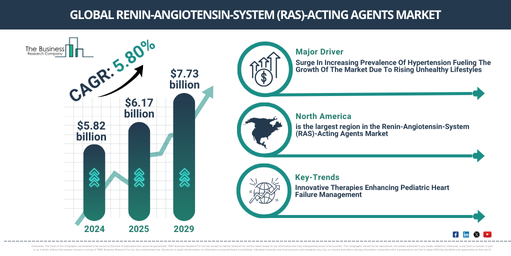
    In recent times, the market size of renin-angiotensin-system (RAS)-acting agents has seen substantial growth. It’s forecasted to escalate from $5.82 billion in 2024 to $6.17 billion in 2025, with a compound annual growth rate (CAGR) of 6.0%. This growth over the historical period is linked to various factors such as the rising cases of hypertension, growing incidences of cardiovascular diseases, an increase in the aging population, greater consciousness regarding the management of blood pressure, robust support from clinical research, and the approval of new drugs by regulatory bodies.

    The market for agents that act on the renin-angiotensin system (RAS) is predicted to experience substantial growth in the upcoming years. Its value is projected to hit $7.73 billion by 2029, with an expected compound annual growth rate (CAGR) of 5.8%. This projected surge over the forecast period can be credited to several factors such as an increased emphasis on personalized treatment, soaring demand for fixed-dose combinations, escalated investment in cardiovascular studies, expanding access to healthcare in emerging economies, and a growing incidence of diseases tied to lifestyle choices. Key trends expected to shape this market during the forecast period include the application of artificial intelligence (AI) in drug discovery, delivery of drugs using nanotechnology, advancements in personalized medicine, using blockchain for secure clinical data sharing, hypertension monitoring through wearable biosensors, and employing digital twin technology for patient simulation.

    Download a free sample to assess the report’s scope and structure:

    https://www.thebusinessresearchcompany.com/sample.aspx?id=23496&type=smp

    What Are the Major Market Drivers Behind the Rising Adoption of Renin-Angiotensin-System (RAS)-Acting Agents Market?

    The escalating occurrence of hypertension is projected to stimulate the expansion of the renin-angiotensin system (RAS)-acting agents market in the future. Hypertension, also known as high blood pressure, signifies a continuous health situation where the pressure against the arterial walls remains excessively high. This occurrence happens primarily due to unhealthy eating habits, especially those involving high salt and processed food consumption that lead to blood pressure surge and cardiovascular system strain. RAS-acting agents play a crucial role in curbing hypertension incidence by controlling blood pressure through the restriction of angiotensin II, a hormone responsible for blood vessel constriction and fluid retention, which in effect facilitates vasodilation and a consequent decrease in blood pressure. For example, in October 2024, data from the Australian Bureau of Statistics, an Australia-based governmental organization, showed that 11.6% (3.0 million) of Australians were experiencing hypertension in 2022, with virtually equal rates of occurrence in males (11.7%) and females (11.6%). Therefore, the escalating occurrence of hypertension is the key factor boosting the growth of the renin-angiotensin system (RAS)-acting agents market.

    Which Key Market Segments Comprise the Renin-Angiotensin-System (RAS)-Acting Agents Market and Drive Its Revenue Growth?

    The renin-angiotensin-system (RAS)-acting agents market covered in this report is segmented –

    1) By Drug Class: Angiotensin-Converting Enzyme (ACE) Inhibitors, Angiotensin II Receptor Blockers (ARBs), Renin Inhibitors, Aldosterone Antagonists, Other Drug Classes

    2) By Indication: Hypertension, Heart Failure, Chronic Kidney Disease, Diabetic Nephropathy, Coronary Artery Disease

    3) By Distribution Channel: Hospital Pharmacies, Retail Pharmacies, Online Pharmacies, Specialty Clinics

    4) By End-User: Hospitals, Research Institutes, Pharmaceutical Companies, Other End-Users

    Subsegments:

    1) By Angiotensin-Converting Enzyme (ACE) Inhibitors: Captopril, Enalapril, Lisinopril, Ramipril, Perindopril

    2) By Angiotensin II Receptor Blockers (ARBs): Losartan, Valsartan, Irbesartan, Olmesartan, Telmisartan

    3) By Renin Inhibitors: Aliskiren

    4) By Aldosterone Antagonists: Spironolactone, Eplerenone

    5) By Other Drug Classes: Dual Angiotensin Receptor-Neprilysin Inhibitors (ARNIs), Endothelin Receptor Antagonists, Vasopeptidase Inhibitors, Mineralocorticoid Receptor Antagonists (MRAs), Angiotensin Receptor Blockers With Neprilysin Inhibitors (ARNBIs)

    Request customized data on this market:

    https://www.thebusinessresearchcompany.com/customise?id=23496&type=smp

    Which Areas Are Leading Regions in the Renin-Angiotensin-System (RAS)-Acting Agents Market Expansion Across the Globe?

    North America was the largest region in the renin-angiotensin-system (RAS)-acting agents market in 2024. Asia-Pacific is expected to be the fastest-growing region in the forecast period. The regions covered in the renin-angiotensin-system (RAS)-acting agents market report are Asia-Pacific, Western Europe, Eastern Europe, North America, South America, Middle East, Africa.

    What Are the Strategic Trends Steering the Renin-Angiotensin-System (RAS)-Acting Agents Market Direction?

    Leading players in the renin-angiotensin system (RAS)-acting agents market are directing their efforts towards the creation of innovative renin-angiotensin system (RAS) inhibitors, such as angiotensin-converting enzyme (ACE) inhibitors. This development is geared towards increasing effectiveness, reducing adverse effects, enhancing patient adherence, and targeting conditions such as hypertension, heart failure, and kidney diseases. ACE inhibitors are drugs that lower blood pressure by preventing the enzyme that transforms angiotensin I into angiotensin II, a compound that constricts blood vessels. For example, Proveca Ltd., a pharmaceutical firm based in the UK, received a grant from the European Commission for pediatric use marketing authorization (PUMA) in November 2023. This grant was for Aqumeldi (enalapril maleate) orodispersible tablets, designed to treat heart failure in children ranging from newborns to those under 18 years. Aqumeldi, an ACE inhibitor, aids child heart failure patients by inhibiting the ACE, blocking the transformation of angiotensin I into angiotensin II, hence broadening blood vessels, improving blood circulation, and lessening the heart’s burden.

    View the full report here:

    https://www.thebusinessresearchcompany.com/report/renin-angiotensin-system-ras-acting-agents-global-market-report

    How Is the Renin-Angiotensin-System (RAS)-Acting Agents Market Conceptually Defined?

    The renin-angiotensin system (RAS)-acting agents are a class of medications that regulate blood pressure, fluid balance, and vascular resistance by targeting various components of the renin-angiotensin system, which plays a crucial role in cardiovascular and renal function. These agents are commonly prescribed to treat conditions like hypertension, heart failure, and chronic kidney disease by either blocking the production of angiotensin II or inhibiting its effects on blood vessels.

    Purchase the full report and get a swift delivery:

    https://www.thebusinessresearchcompany.com/purchaseoptions.aspx?id=23496

    About The Business Research Company:

    With over 15000+ reports from 27 industries covering 60+ geographies, The Business Research Company has built a reputation for offering comprehensive, data-rich research and insights. Armed with 1,500,000 datasets, the optimistic contribution of in-depth secondary research, and unique insights from industry leaders, you can get the information you need to stay ahead in the game.

    Get in touch with us:

    The Business Research Company: https://www.thebusinessresearchcompany.com/

    Americas +1 3156230293

    Asia +44 2071930708

    Europe +44 2071930708

    Email us at info@tbrc.info

    Follow us on:

    LinkedIn: https://in.linkedin.com/company/the-business-research-company

    YouTube: https://www.youtube.com/channel/UC24_fI0rV8cR5DxlCpgmyFQ

    Global Market Model: https://www.thebusinessresearchcompany.com/global-market-model
  • From Insight to Impact: Strategic Growth Mapping in the Chronic Liver Diseases Therapeutics Market

    From Insight to Impact: Strategic Growth Mapping in the Chronic Liver Diseases Therapeutics Market

    Our market reports now include the latest updates on global tariffs, trade impacts, and evolving supply chain dynamics.

    How Has The Chronic Liver Diseases Therapeutics Market Size Shifted, And What Is the Outlook Through 2034?

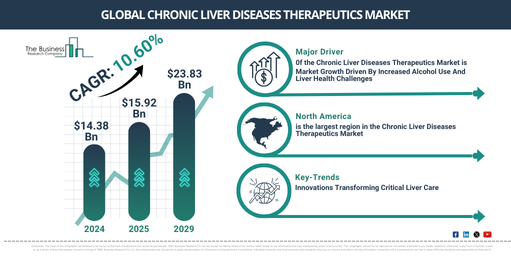
    The market size for therapeutics in chronic liver disease has experienced swift expansion in the past few years. The market, projected to expand from $14.38 billion in 2024 to $15.92 billion in 2025, will do so at a Compound Annual Growth Rate (CAGR) of 10.7%. The surge during the historical period may be due to heightened instances of viral hepatitis, rising obesity levels, an older demographic, increased consciousness about liver health, and improved patient accessibility to treatment.

    The market size for therapeutics in chronic liver disease is projected to experience substantial growth in the coming years, expanding to $23.83 billion in 2029 with a compound annual growth rate (CAGR) of 10.6%. This growth prediction is attributed to an increased attention towards personalized medicine, enhancement of novel therapy pipelines, widespread use of telemedicine and digital health solutions, and a surge in the demand for programs aimed at preventing liver diseases, along with a heightened occurrence of viral hepatitis. Key emerging trends include the utilization of artificial intelligence in diagnostic procedures, the application of biologics and gene therapies, non-intrusive treatment alternatives, combined therapies, and the broadening of patient-centered care models.

    Download a free sample to assess the report’s scope and structure:

    https://www.thebusinessresearchcompany.com/sample.aspx?id=21145&type=smp

    What are the Fundamental Drivers and Innovations Shaping the Chronic Liver Diseases Therapeutics Market?

    The rise in alcohol consumption is anticipated to fuel the expansion of the chronic liver disease therapeutics market. The consumption of alcoholic beverages, which can vary from moderate to excessive, involves the ingestion of ethanol and carries potential health effects. The escalation in alcohol consumption can be attributed to its growing societal acceptance, increased income levels, and enhanced global accessibility. Chronic liver disease therapeutics are used to regulate liver damage brought about by excessive alcohol use, thereby slowing the progression of disease and enhancing liver function. For example, the First Citizens Bank, a US financial establishment, reported in June 2024 that there was a 1.2% rise in direct-to-consumer (DTC) wine case sales in 2023 compared to the previous year. Furthermore, according to a report published by Kirin Holdings Company Limited, a beverage firm based in Japan, in December 2023, approximately 192.1 million kiloliters of beer were consumed in 2022, denoting a 2.9% increase from the previous year. Consequently, the upswing in alcohol consumption is steering the growth of the chronic liver disease therapeutics market.

    How Is the Chronic Liver Diseases Therapeutics Market Segmented?

    The chronic liver diseases therapeutics market covered in this report is segmented –

    1) By Treatment Type: Antiviral Drugs, Immunosuppressants Vaccines, Immunoglobulins, Corticosteroids, Targeted Therapy, Chemotherapy

    2) By Disease Type: Hepatitis, Autoimmune Diseases, Non-Alcoholic Fatty Liver Disease, Cancer, Genetic Disorders

    3) By Application: Hospital Pharmacies, Retail Pharmacies, Online Pharmacies

    Subsegments:

    1) By Antiviral Drugs: Nucleoside Or Nucleotide Analogues, Interferons, Direct-Acting Antivirals

    2) By Immunosuppressants: Calcineurin Inhibitors, mTOR Inhibitors, Purine Synthesis Inhibitors

    3) By Vaccines: Hepatitis A Vaccine, Hepatitis B Vaccine, Combination Hepatitis Vaccines

    4) By Immunoglobulins: Hepatitis B Immune Globulin, Intravenous Immunoglobulin

    5) By Corticosteroids: Prednisolone, Methylprednisolone, Dexamethasone

    6) By Targeted Therapy: Tyrosine Kinase Inhibitors, Monoclonal Antibodies

    7) By Chemotherapy: Systemic Chemotherapy, Transarterial Chemoembolization Agents

    Request customized data on this market:

    https://www.thebusinessresearchcompany.com/customise?id=21145&type=smp

    Which Regions Are Driving the Next Phase of the Chronic Liver Diseases Therapeutics Market Growth?

    North America was the largest region in the chronic liver diseases therapeutics market in 2024. The regions covered in the chronic liver diseases therapeutics market report are Asia-Pacific, Western Europe, Eastern Europe, North America, South America, Middle East, Africa.

    What Key Trends Are Shaping the Future of the Chronic Liver Diseases Therapeutics Market?

    The main players in the therapeutics market for chronic liver diseases are concentrating their efforts on the development of groundbreaking advancements like RNA therapies. These therapies target specific genetic and molecular mechanisms and offer more effective, tailor-made treatment options. RNA therapies are cutting-edge treatment methods that employ RNA molecules to manage gene expression or the production of proteins. They aim to treat or avoid diseases by honing in on specific genetic processes. An example of this occurred in May 2022 when Ochre Bio, a UK-based biotech entity, established its innovative ‘Liver ICU’ research facility at BioLabs@NYULangone in New York City, a hub for biopharma start-ups. This contemporary site utilizes entire human livers kept on perfusion machines to evaluate the efficiency of next-gen RNA therapeutics. The facility uses rejected donor livers for research in an attempt to expedite the drug development process and enhance the accuracy of liver treatment studies by mimicking human physiological conditions.

    View the full report here:

    https://www.thebusinessresearchcompany.com/report/chronic-liver-diseases-therapeutics-global-market-report

    How Is the Chronic Liver Diseases Therapeutics Market Defined and What Are Its Core Parameters?

    Chronic liver disease therapeutics refers to the medical treatments and interventions aimed at managing long-term liver conditions. These therapies focus on slowing disease progression, alleviating symptoms, and improving liver function through medications, lifestyle changes, and, in some cases, advanced procedures.

    Purchase the full report and get a swift delivery:

    https://www.thebusinessresearchcompany.com/purchaseoptions.aspx?id=21145

    About The Business Research Company:

    With over 15000+ reports from 27 industries covering 60+ geographies, The Business Research Company has built a reputation for offering comprehensive, data-rich research and insights. Armed with 1,500,000 datasets, the optimistic contribution of in-depth secondary research, and unique insights from industry leaders, you can get the information you need to stay ahead in the game.

    Get in touch with us:

    The Business Research Company: https://www.thebusinessresearchcompany.com/

    Americas +1 3156230293

    Asia +44 2071930708

    Europe +44 2071930708

    Email us at info@tbrc.info

    Follow us on:

    LinkedIn: https://in.linkedin.com/company/the-business-research-company

    YouTube: https://www.youtube.com/channel/UC24_fI0rV8cR5DxlCpgmyFQ

    Global Market Model: https://www.thebusinessresearchcompany.com/global-market-model
  • Relapsing-Remitting Multiple Sclerosis Market Insights: In-Depth Look at Growth Trends, Market Size, and Opportunities for 2025-2034

    Relapsing-Remitting Multiple Sclerosis Market Insights: In-Depth Look at Growth Trends, Market Size, and Opportunities for 2025-2034

    Get 30% off on our Global Market Reports with code ONLINE30 – Hurry, limited time offer!

    What is the Projected CAGR for the Relapsing-Remitting Multiple Sclerosis Market Size from 2025 to 2034?

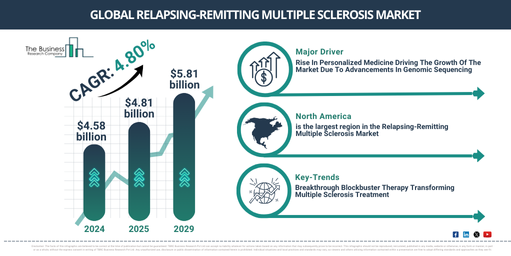
    Recently, the market size for relapsing-remitting multiple sclerosis has witnessed substantial growth. Projected growth suggests an incease from $4.58 billion in 2024 to $4.81 billion in 2025, reflecting a compound annual growth rate (CAGR) of 5.1%. This growth over the historic period has been influenced by factors such as the rising instances of multiple sclerosis, increased awareness and early diagnosis, improved healthcare infrastructure, government’s elevated funding for neurological disorders, and enhanced accessibility to treatment for patients.

    In the coming years, the market size of relapsing-remitting multiple sclerosis is projected to witness robust growth, escalating to $5.81 billion by 2029 with a Compound Annual Growth Rate (CAGR) of 4.8%. The predicted growth can be credited to the increasing adoption of personalized medicine, more emphasis on biomarker research, augmented investments in novel therapeutic methods, the widened application of Artificial Intelligence in disease management, and governmental approval for innovative treatments. Key trends to anticipate in the forecast period encompass the rise of gene and cell therapies, a shift towards oral disease-modifying treatments, enhancements in systems delivering drugs across the blood-brain barrier, improvements in disease-modifying therapies, and advancements in next generation monoclonal antibodies.

    Download a free sample to assess the report’s scope and structure:

    https://www.thebusinessresearchcompany.com/sample.aspx?id=23495&type=smp

    What External and Internal Drivers Are Contributing to the Growth of the Relapsing-Remitting Multiple Sclerosis Market?

    The uptick in personal medicine utilization is projected to catalyze the expansion of the relapsing-remitting multiple sclerosis (RRMS) market. Personalized medicine, designed to fit an individual’s genetic, environmental, and lifestyle factors for improved health outcomes, is on the rise due to advancements in genomic sequencing. Such advancements allow for the pinpointing of genetic variations and biomarkers, resulting in more specific and efficient treatments. RRMS draws attention to the necessity of personalized medicine given the marked difference it can make in managing the variations in disease progression, symptom intensity, and response to treatment, ultimately enhancing patient results. For instance, the Personalized Medicine Coalition, a US-based group promoting personalized medicine, reported that in February 2024, the U.S. Food and Drug Administration green-lighted 16 new personalized treatments for rare disease patients. This is a noticeable increase from the 6 approved in 2022. Thus, the rise in personalized medicine usage is propelling the expansion of the relapsing-remitting multiple sclerosis market.

    What Segment Types Define the Relapsing-Remitting Multiple Sclerosis Market Structure?

    The relapsing-remitting multiple sclerosis market covered in this report is segmented –

    1) By Drug Type: Beta-Interferon, Cladribine, Dimethyl Fumarate, Fingolimod, Ozanimod, Other Drug Types

    2) By Route Of Administration: Subcutaneous, Intravenous

    3) By Treatment: Immunomodulating Drugs, NrF2 Activators, Interferons, Other Treatments

    4) By End-User: Hospitals, Clinics, Other End-Users

    Subsegments:

    1) By Beta-Interferon: Interferon Beta-1a, Interferon Beta-1b

    2) By Cladribine: Oral Cladribine, Injectable Cladribine

    3) By Dimethyl Fumarate: Tecfidera, Vumerity

    4) By Fingolimod: Gilenya Fingolimod, Generic Fingolimod

    5) By Ozanimod: Zeposia

    6) By Other Drug Types: Natalizumab, Alemtuzumab, Ocrelizumab, Siponimod, Teriflunomide

    Request customized data on this market:

    https://www.thebusinessresearchcompany.com/customise?id=23495&type=smp

    Which Geographic Areas Hold the Strongest Growth Potential in the Relapsing-Remitting Multiple Sclerosis Market?

    North America was the largest region in the relapsing-remitting multiple sclerosis market in 2024. Asia-Pacific is expected to be the fastest-growing region in the forecast period. The regions covered in the relapsing-remitting multiple sclerosis market report are Asia-Pacific, Western Europe, Eastern Europe, North America, South America, Middle East, Africa.

    What Long-Term Trends Are Transforming the Competitive Landscape of the Relapsing-Remitting Multiple Sclerosis Market?

    Major players in the relapsing-remitting multiple sclerosis market are striving to create innovative treatment strategies, like breakthrough blockbuster therapy, in order to increase the effectiveness of treatments, enhance patient outcome and set a new standard of care for relapsing-remitting multiple sclerosis (RRMS). Breakthrough blockbuster therapy is an innovative and superior treatment method that considerably improves overall healthcare and is often designed to meet unfulfilled needs or to provide improved results compared to currently available treatments. For example, Roche Products (India) Pvt. Ltd., a prominent pharmaceutical company based in India, introduced Ocrevus (Ocrelizumab), a novel treatment for multiple sclerosis (MS), in February 2024 to expand its neurology portfolio and cater to the unfulfilled healthcare needs of patients in India. Ocrevus aims to target CD20-positive B cells, which have been identified as a contributing factor to MS progression. It works to minimize relapses and retard the progression of disability in affected patients. Moreover, it incorporates a unique mechanism that selectively eliminates B cells, aiding in altering the progression of the disease and enhancing the long-term outcome of patients.

    View the full report here:

    https://www.thebusinessresearchcompany.com/report/relapsing-remitting-multiple-sclerosis-global-market-report

    What Is the Definition of the Relapsing-Remitting Multiple Sclerosis Market?

    Relapsing-remitting multiple sclerosis (RRMS) is a chronic neurological disorder characterized by recurring episodes of symptoms (relapses) followed by periods of partial or complete recovery (remissions). It results from immune system attacks on the myelin sheath, affecting nerve signal transmission in the central nervous system.

    Purchase the full report and get a swift delivery:

    https://www.thebusinessresearchcompany.com/purchaseoptions.aspx?id=23495

    About The Business Research Company:

    With over 15000+ reports from 27 industries covering 60+ geographies, The Business Research Company has built a reputation for offering comprehensive, data-rich research and insights. Armed with 1,500,000 datasets, the optimistic contribution of in-depth secondary research, and unique insights from industry leaders, you can get the information you need to stay ahead in the game.

    Get in touch with us:

    The Business Research Company: https://www.thebusinessresearchcompany.com/

    Americas +1 3156230293

    Asia +44 2071930708

    Europe +44 2071930708

    Email us at info@tbrc.info

    Follow us on:

    LinkedIn: https://in.linkedin.com/company/the-business-research-company

    YouTube: https://www.youtube.com/channel/UC24_fI0rV8cR5DxlCpgmyFQ

    Global Market Model: https://www.thebusinessresearchcompany.com/global-market-model
  • Radiation Oncology Market Outlook 2025–2034: Identifying Growth Drivers, Technology Trends, and Policy Impact

    Radiation Oncology Market Outlook 2025–2034: Identifying Growth Drivers, Technology Trends, and Policy Impact

    Get 30% off on our Global Market Reports with code ONLINE30 – Hurry, limited time offer!

    What Is the Current and Projected Market Size of the Radiation Oncology Market Through 2034?

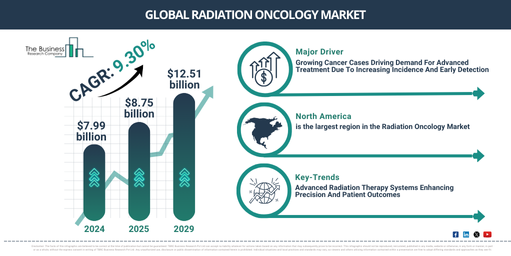
    The size of the radiation oncology market has seen significant growth in the recent past. The market is predicted to expand from $7.99 billion in 2024 to $8.75 billion in 2025, exhibiting a compound annual growth rate (CAGR) of 9.6%. The prior growth rate can be credited to increased instances of cancer, a boost in healthcare expenditures, advancements in healthcare infrastructure, a growing elderly population, and an increase in intricate cancer scenarios.

    The market size of radiation oncology is predicted to witness robust expansion in the upcoming years. By 2029, it is projected to reach $12.51 billion, with a 9.3% Compound Annual Growth Rate (CAGR). The predicted growth during the forecast period is due to factors such as rising demand for precise treatment methods, growth of outpatient cancer centers, enhanced usage of treatment planning software, incremented government initiatives for cancer care, and a developing healthcare infrastructure. Noteworthy trends anticipated during the forecast period encompass individualized treatment plans, high-resolution imaging, AI-enhanced imaging, stereotactic body radiation therapy (SBRT), and advancements in brachytherapy.

    Download a free sample to assess the report’s scope and structure:

    https://www.thebusinessresearchcompany.com/sample.aspx?id=23494&type=smp

    What Are the Core Market Drivers Propelling Growth in the Radiation Oncology Industry?

    The radiation oncology market is expected to expand due to the increasing number of cancer patients. Cancer is a disease marked by the irregular and uncontrolled proliferation and movement of abnormal cells throughout the body. The surge in cancer cases can be largely attributed to the extensive adoption of unhealthy lifestyles that enhance cancer vulnerabilities. Radiation oncology, which uses high-powered radiation to annihilate cancer cells, reduce the size of tumors, alleviate symptoms, and boost the efficiency of surgical and chemotherapy interventions, has seen advancements in technologies that heighten precision and optimized results. As per the UK’s National Health Service, in October 2024, there were 346,217 new cancer cases in 2022, realizing an average of 948 per day, an increase from 329,664 in 2021, symbolizing a 5% hike. Hence, the increasing cancer prevalence drives the radiation oncology market’s growth.

    How Is the Radiation Oncology Market Segmented?

    The radiation oncology market covered in this report is segmented –

    1) By Type: External Beam Radiation Therapy, Internal Beam Radiation Therapy

    2) By Application: Prostate Cancer, Breast Cancer, Lung Cancer, Head And Neck Cancer, Colorectal Cancer, Cervical Cancer, Gynecological Cancer, Other Applications

    3) By End-User: Hospitals, Cancer Research Institutes, Other End-Users

    Subsegments:

    1) By Internal Beam Radiation Therapy, Brachytherapy, Endocavitary Brachytherapy, Interstitial Brachytherapy, Intraluminal Brachytherapy

    2) By External Beam Radiation Therapy, 3D Conformal Radiation Therapy (3DCRT), Intensity-Modulated Radiation Therapy (IMRT), Stereotactic Radiosurgery (SRS), Stereotactic Body Radiation Therapy (SBRT), Image-Guided Radiation Therapy (IGRT)

    Request customized data on this market:

    https://www.thebusinessresearchcompany.com/customise?id=23494&type=smp

    Which Regions Are Driving the Next Phase of the Radiation Oncology Market Growth?

    North America was the largest region in the radiation oncology market in 2024. Asia-Pacific is expected to be the fastest-growing region in the forecast period. The regions covered in the radiation oncology market report are Asia-Pacific, Western Europe, Eastern Europe, North America, South America, Middle East, Africa.

    What Key Market Trends and Innovations Are Shaping the Future of the Radiation Oncology Industry?

    Significant players in the radiation oncology market are concentrating their efforts on creating innovative radiation therapy systems. These systems integrate AI-enabled imaging and adjustive technologies with the goal to amplify treatment precision, minimize adverse effects, and boost patient results across a wide spectrum of cancer therapy applications. AI-driven radiotherapy entails the utilization of artificial intelligence technologies to augment various radiology therapy components, such as treatment planning, imaging, execution, and supervision. For example, in May 2024, Elekta, a medical technology firm based in Sweden, introduced Evo, its latest CT-Linac that boasts high-definition AI-boosted imaging aimed to refine radiation therapy methods. This multi-faceted system provides offline and online adaptive radiation therapy and also enhances the standard image-guided radiation therapy. It offers medical practitioners increased precision and adaptability in customizing treatments on a per-patient basis. The main objective of this innovation is to amplify patient outcomes by maximizing treatment precision and flexibility.

    View the full report here:

    https://www.thebusinessresearchcompany.com/report/radiation-oncology-global-market-report

    How Is the Radiation Oncology Market Defined and What Are Its Core Parameters?

    Radiation oncology refers to a specialized area of medicine where high-energy radiation is used to treat cancer by damaging the deoxyribonucleic acid (DNA) of malignant cells, thereby preventing their growth and spread. This approach utilizes advanced methods to provide precise treatment, focusing on targeting the affected area while minimizing harm to surrounding healthy tissues.

    Purchase the full report and get a swift delivery:

    https://www.thebusinessresearchcompany.com/purchaseoptions.aspx?id=23494

    About The Business Research Company:

    With over 15000+ reports from 27 industries covering 60+ geographies, The Business Research Company has built a reputation for offering comprehensive, data-rich research and insights. Armed with 1,500,000 datasets, the optimistic contribution of in-depth secondary research, and unique insights from industry leaders, you can get the information you need to stay ahead in the game.

    Get in touch with us:

    The Business Research Company: https://www.thebusinessresearchcompany.com/

    Americas +1 3156230293

    Asia +44 2071930708

    Europe +44 2071930708

    Email us at info@tbrc.info

    Follow us on:

    LinkedIn: https://in.linkedin.com/company/the-business-research-company

    YouTube: https://www.youtube.com/channel/UC24_fI0rV8cR5DxlCpgmyFQ

    Global Market Model: https://www.thebusinessresearchcompany.com/global-market-model
  • Zygomatic And Pterygoid Implants Market Outlook 2025: Mapping Growth, Innovation, and Regional Shifts

    Zygomatic And Pterygoid Implants Market Outlook 2025: Mapping Growth, Innovation, and Regional Shifts

    Stay ahead with our updated market reports featuring the latest on tariffs, trade flows, and supply chain transformations.

    How Has The Zygomatic And Pterygoid Implants Market Growth Evolved From 2024 To 2025, And What’s Ahead?

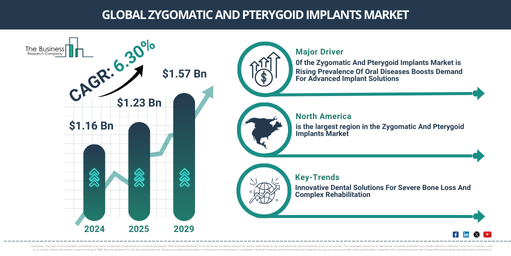
    The size of the zygomatic and pterygoid implants market has witnessed significant growth in recent years. The market is projected to expand from a value of $1.16 billion in 2024 to $1.23 billion in 2025, growing at a compound annual growth rate (CAGR) of 6.5%. Factors contributing to this historical growth include improved patient results, an increased need for advanced dental solutions, a growing elderly population, heightened awareness of oral health, and the rising adoption of novel dental treatments.

    In the coming years, a robust growth is anticipated in the zygomatic and pterygoid implants market, which is predicted to expand to $1.57 billion by 2029 with a compound annual growth rate (CAGR) of 6.3%. The growth during this forecast period can be attributed to the increase in dental healthcare facilities, rise in dental tourism, escalation in disposable income, better diagnostic capabilities, and improved patient education. Some key trends projected for this duration include progress in implant technology, emergence of minimally invasive procedures, technological advancements, collaboration with 3D printing technology, and ground-breaking technological progress.

    Download a free sample to assess the report’s scope and structure:

    https://www.thebusinessresearchcompany.com/sample.aspx?id=21010&type=smp

    What External and Internal Drivers Are Contributing to the Growth of the Zygomatic And Pterygoid Implants Market?

    The escalating incidence of conditions affecting oral health is anticipated to fuel the expansion of the zygomatic and pterygoid implants market. These oral conditions encompass a wide array, including cavities, gum ailments, oral infections, and oral cancer, often attributable to subpar hygiene practices, diet, or pre-existing health complications. The surge in these diseases can be attributed to poor oral hygiene, diets rich in sugar, inadequate availability of dental healthcare, alongside escalating usage of tobacco and alcohol. Zygomatic and pterygoid implants serve as effective tools to tackle oral diseases by offering sturdy support for dental prostheses in patients dealing with severe bone erosion, enhancing overall oral well-being, and restoring function where traditional implants are not applicable. For example, the World Health Organization, an intergovernmental organization from Switzerland, stated in November 2024 that around 3.5 billion individuals across the globe were suffering from oral diseases in 2022, with 75% inhabiting middle-income countries. Approximately 2 billion individuals have dental caries in their permanent teeth while caries in primary teeth affect 514 million children. Hence, the escalating occurrence of oral diseases is driving the growth of the zygomatic and pterygoid implants market.

    What Segment Types Define the Zygomatic And Pterygoid Implants Market Structure?

    The zygomatic and pterygoid implants market covered in this report is segmented –

    1) By Type: Zygomatic Implants, Pterygoid Implants, Combined Implants

    2) By Product Length: Up To 30 Mm, 30–50 Mm, Above 50 Mm

    3) By Application: Maxillary Sinuses, Severe Atrophy Of Maxillary Bone, Other Applications

    4) By End User: Dental Clinics, Hospital Dental Departments, Research Institutions

    Subsegments:

    1) By Zygomatic Implants: Single Zygomatic Implants, Multiple Zygomatic Implants

    2) By Pterygoid Implants: Single Pterygoid Implants, Multiple Pterygoid Implants

    3) By Combined Implants: Zygomatic And Pterygoid Combined Implants, Hybrid Zygomatic And Pterygoid Implant Systems

    Request customized data on this market:

    https://www.thebusinessresearchcompany.com/customise?id=21010&type=smp

    Which Geographic Areas Hold the Strongest Growth Potential in the Zygomatic And Pterygoid Implants Market?

    North America was the largest region in the zygomatic and pterygoid implants market in 2024. Asia-Pacific is expected to be the fastest-growing region in the forecast period. The regions covered in the zygomatic and pterygoid implants market report are Asia-Pacific, Western Europe, Eastern Europe, North America, South America, Middle East, Africa.

    What Long-Term Trends Are Transforming the Competitive Landscape of the Zygomatic And Pterygoid Implants Market?

    Leading businesses within the zygomatic and pterygoid implants market are prioritizing the development of novel solutions such as metal-free implants. This move aims to accommodate patients who are allergic to metals, improve biocompatibility, and enhance the long-term results of treatments. Metal-free implants are medical devices constructed entirely from non-metal materials like ceramics or polymers. These materials are selected for their biocompatibility and their ability to reduce the risk of metal-related allergenic reactions, corrosion, or disruption of medical imaging processes like MRIs. For example, Pure Dental Health, an esteemed dental practice in the United States, introduced its sophisticated All-on-X dental implant system, with zygomatic and pterygoid implants, in December 2024. This system addresses serious bone loss and complicated dental conditions, providing patients with secure, natural-appearing smiles. As a result, patients can regain functionalities and confidence, regardless of the complexity of their dental issues.

    View the full report here:

    https://www.thebusinessresearchcompany.com/report/zygomatic-and-pterygoid-implants-global-market-report

    What Is the Definition of the Zygomatic And Pterygoid Implants Market?

    Zygomatic and pterygoid implants refer to specialized dental implants that are anchored in the zygomatic bone (cheekbone) and pterygoid bone (near the back of the upper jaw), respectively. They are used for patients with severe bone loss in the upper jaw, providing stable support for dental prostheses when traditional implants are not feasible.

    Purchase the full report and get a swift delivery:

    https://www.thebusinessresearchcompany.com/purchaseoptions.aspx?id=21010

    About The Business Research Company:

    With over 15000+ reports from 27 industries covering 60+ geographies, The Business Research Company has built a reputation for offering comprehensive, data-rich research and insights. Armed with 1,500,000 datasets, the optimistic contribution of in-depth secondary research, and unique insights from industry leaders, you can get the information you need to stay ahead in the game.

    Get in touch with us:

    The Business Research Company: https://www.thebusinessresearchcompany.com/

    Americas +1 3156230293

    Asia +44 2071930708

    Europe +44 2071930708

    Email us at info@tbrc.info

    Follow us on:

    LinkedIn: https://in.linkedin.com/company/the-business-research-company

    YouTube: https://www.youtube.com/channel/UC24_fI0rV8cR5DxlCpgmyFQ

    Global Market Model: https://www.thebusinessresearchcompany.com/global-market-model

  • $2.41 Billion Forecast for Wearable Electroencephalogram (EEG) Device Market by 2029, Backed by Demand and Innovation

    $2.41 Billion Forecast for Wearable Electroencephalogram (EEG) Device Market by 2029, Backed by Demand and Innovation

    Stay ahead with our updated market reports featuring the latest on tariffs, trade flows, and supply chain transformations.

    How Has The Wearable Electroencephalogram (EEG) Device Market Size Shifted, And What Is the Outlook Through 2034?

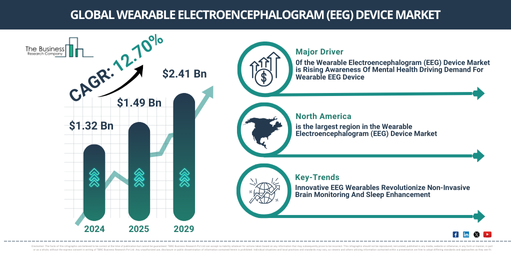
    In recent times, there has been a marked increase in the market size of wearable electroencephalogram (EEG) devices. Forecasts project an increase from $1.32 billion in 2024 to $1.49 billion in 2025, signifying a compound annual growth rate (CAGR) of 13.1%. The historical growth of this sector is linked to heightened awareness of neurological disorders, the escalating demands for custom healthcare, an uptick in the use of neurofeedback therapies, broadly expanding applications in the cognitive and mental health research field, coupled with amplified government investments.

    Anticipated to experience a significant surge in the upcoming years, the market size of the wearable electroencephalogram (EEG) device is projected to expand to $2.41 billion by 2029 with a compound annual growth rate (CAGR) of 12.7%. Factors contributing to the expansion in the forecast period encompass a growing demand for non-invasive methods of monitoring, an increasing rate of mental health disorders, the rise in remote patient monitoring, growing disposal income, and a swelling need for portable brain monitoring solutions. Key trends anticipated during the forecast period consist of the integration of artificial intelligence to improve data interpretation, increased use of EEG technology in mental health and cognitive training applications, development of more compact and comfortable devices, advancements in monitoring brain activity in real time, and an emphasis on data security and privacy features.

    Download a free sample to assess the report’s scope and structure:

    https://www.thebusinessresearchcompany.com/sample.aspx?id=21005&type=smp

    What Are the Core Growth Drivers Propelling the Wearable Electroencephalogram (EEG) Device Market Forward?

    The expansion of the wearable electroencephalogram (EEG) device market is anticipated to be driven by the increasing consciousness about mental health. This growing awareness is fueled by a mix of influences such as enhanced media coverage, educational efforts, mental health organization advocacies, and a greater understanding of mental health’s effect on overall wellness. Wearable EEG devices provide insightful data for customized treatments and support therapies like biofeedback and neurofeedback, all of which help manage and monitor mental health disorders. For instance, a white paper by FAIR Health Inc., a US-based health group, revealed in April 2024 that the percentage of US patients diagnosed with mental health disorders rose from 17.9% in 2022 to 18.9% in 2023. Consequently, the rise in mental health awareness is propelling the growth of the wearable electroencephalogram (EEG) device market.

    What Segment Types Define the Wearable Electroencephalogram (EEG) Device Market Structure?

    The wearable electroencephalogram (EEG) device market covered in this report is segmented –

    1) By Type: Battery; Charge

    2) By Channel Type: 5-Channel Type; 14-Channel Type; 32-Channel Type; Other Channel Types

    3) By Application: Hospitals And Clinics; Neurology Centers; Research And Academics; Other Applications

    Subsegments:

    1) Battery: Rechargeable Battery EEG Devices; Non-Rechargeable Battery EEG Devices; Lithium-Ion Battery EEG Devices

    2) Charge: Wired Charging EEG Devices; Wireless Charging EEG Devices; Quick Charge EEG Devices

    Request customized data on this market:

    https://www.thebusinessresearchcompany.com/customise?id=21005&type=smp

    Which Geographic Areas Hold the Strongest Growth Potential in the Wearable Electroencephalogram (EEG) Device Market?

    North America was the largest region in the wearable electroencephalogram (EEG) device market in 2024. The regions covered in the wearable electroencephalogram (EEG) device market report are Asia-Pacific, Western Europe, Eastern Europe, North America, South America, Middle East, Africa.

    Which Emerging Trends that Are Influencing the Wearable Electroencephalogram (EEG) Device Industry Evolution?

    Big players in the wearable electroencephalogram (EEG) device market are focusing on incorporating monitoring systems for brainwaves, such as acoustic stimulation, to provide non-invasive approaches for brain surveillance. Acoustic stimulation in headphones utilizes sound vibrations or waves to boost therapeutic outcomes, serving as a valuable addition to electrical stimulation for optimized neurological or psychological results. For example, in June 2024, Elemind Technologies, Inc., a firm specializing in neurotechnology from the US, introduced a headband. This sleep-enhancing headband delivers real-time monitoring of brainwaves to boost the quality of sleep, thus aiding users to fall asleep up to 74% faster. The headband leverages AI-based algorithms to provide customized acoustic stimulation, aiding the transition of brainwaves from alertness to sleep. The equipment integrates with a smartphone application, offering a comprehensive analysis of sleep duration, efficiency, and phases. As time passes, the system gradually learns the unique sleep patterns of the user, consistently enhancing its performance.

    View the full report here:

    https://www.thebusinessresearchcompany.com/report/wearable-electroencephalogram-eeg-device-global-market-report

    What Is the Definition of the Wearable Electroencephalogram (EEG) Device Market?

    A wearable electroencephalogram (EEG) device is a portable tool for capturing and recording brain electrical activity. It uses scalp-mounted electrodes to detect brainwave patterns, which are analyzed to assess neurological functions. These devices enable real-time brain activity monitoring, assisting in diagnosing and managing neurological disorders. They offer continuous, natural-setting data, providing a more complete view than traditional clinical EEG systems.

    Purchase the full report and get a swift delivery:

    https://www.thebusinessresearchcompany.com/purchaseoptions.aspx?id=21005

    About The Business Research Company:

    With over 15000+ reports from 27 industries covering 60+ geographies, The Business Research Company has built a reputation for offering comprehensive, data-rich research and insights. Armed with 1,500,000 datasets, the optimistic contribution of in-depth secondary research, and unique insights from industry leaders, you can get the information you need to stay ahead in the game.

    Get in touch with us:

    The Business Research Company: https://www.thebusinessresearchcompany.com/

    Americas +1 3156230293

    Asia +44 2071930708

    Europe +44 2071930708

    Email us at info@tbrc.info

    Follow us on:

    LinkedIn: https://in.linkedin.com/company/the-business-research-company

    YouTube: https://www.youtube.com/channel/UC24_fI0rV8cR5DxlCpgmyFQ

    Global Market Model: https://www.thebusinessresearchcompany.com/global-market-model