Month: June 2025

  • Surgical Clip Market Trends Report 2025 – For Business Development and Strategy Teams

    Surgical Clip Market Trends Report 2025 – For Business Development and Strategy Teams

    Claim your 30% discount on Global Market Reports with code ONLINE30. Limited time only.

    What Is the Forecast for the Surgical Clip Market Growth in 2025?

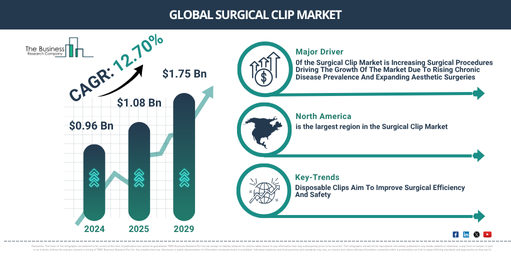
    In the past few years, the market size of the surgical clip has experienced a drastic growth. It’s set to expand from $0.96 billion in 2024 to $1.08 billion in 2025, with a compound annual growth rate (CAGR) of 13.0%. This historical growth stems from the rising incidences of chronic illnesses, advancements in surgical methodologies, heightened consciousness about complications post-surgery, enhanced hospital infrastructure and surgical amenities, and an increased inclination towards using high-tech imagery and visualisation tools.

    What Is the Forecast for the Surgical Clip Market Size Through 2029?

    In the upcoming years, the surgical clip market is predicted to experience a swift expansion. By 2029, it is projected to increase to a value of $1.75 billion at a compound annual growth rate (CAGR) of 12.7%. The upward trend during the forecast period is linked to factors such as increasing surgical procedures, advancement in minimally invasive surgeries (MIS), rise in chronic diseases, the growing number of bariatric and cosmetic surgeries, and amplification in ambulatory surgical centers. Notable trends in this projection period encompass integration with robotic surgical systems, a shift towards bioabsorbable surgical clips, upsurge in demand for laparoscopic clip appliers, and a preference for disposable clips over reusable ones, in addition to the advancement in digital inventory and intelligent surgical kits.

    Download The Free Sample Report Here:

    https://www.thebusinessresearchcompany.com/sample.aspx?id=24717&type=smp

    What are the Key Market Players in Surgical Clip Market and How They’re Evolving?

    Major companies operating in the surgical clip market are Cardinal Health Inc., Johnson & Johnson, 3M Company, Stryker Corporation, Medline Industries Inc., Medtronic plc , Becton, Dickinson and Company, Boston Scientific Corporation, Olympus Corporation, Smith & Nephew plc, Edwards Lifesciences Corporation, Teleflex Incorporated, Karl Storz SE & Co KG, Cook Medical Incorporated, CONMED Corporation, B. Braun Melsungen AG, Ackermann Medical GmbH & Co. KG, LeMaitre Vascular Inc., Scanlan International Inc., Grena Ltd.

    What Are the Primary Growth Drivers in the Surgical Clip Market?

    The surge in surgical procedures is anticipated to stimulate the expansion of the surgical clip market. These procedures, which employ manual or instrument-driven techniques to diagnose, address or rectify diseases, injuries, or anomalies, are witnessing a rise due to the growing incidence of chronic diseases. This results in an increased demand for surgical interventions to manage complications and enhance patients’ life quality. Surgical clips play a crucial role in surgical procedures, offering a quick, dependable, and minimally invasive means to seal or clip blood vessels and tissues. This aids in controlling bleeding, lessening the chance of complications, and decreasing the length of surgeries. For example, the British Association of Aesthetic Plastic Surgeons, a UK-based surgical group, reported in March 2023 that 31,057 cosmetic surgeries were carried out in 2022, denoting a 102% increase from 2021. As a result, the upswing in surgical procedures is fueling the progression of the surgical clip market.

    Request For A Customized Report:

    https://www.thebusinessresearchcompany.com/customise?id=24717&type=smp

    What Are the Leading Segments in the Global Surgical Clip Industry?

    The surgical clip market covered in this report is segmented –

    1) By Type: Hemostatic Clips, Ligating Clips, Biliary Clips, Tissue Clips, Other Types

    2) By Material: Titanium, Tantalum, Stainless Steel, Polymer, Biocompatible

    3) By Application: General Surgery, Cardiac Surgery, Orthopedic Surgery, Gynecological Surgery, Urological Surgery

    4) By End Use: Hospitals, Ambulatory Surgical Centers, Specialty Clinics, Other End Users

    Subsegments:

    1) By Hemostatic Clips: Metal Hemostatic Clips, Absorbable Hemostatic Clips, Ligating Hemostatic Clips

    2) By Ligating Clips: Metal Ligating Clips, Absorbable Ligating Clips, Polymer Ligating Clips

    3) By Biliary Clips: Titanium Biliary Clips, Polymer Biliary Clips, Absorbable Biliary Clips

    4) By Tissue Clips: Metal Tissue Clips, Absorbable Tissue Clips, Self-locking Tissue Clips

    5) By Other Types: Vascular Clips, Endoscopic Clips, Disposable Surgical Clips, Reusable Surgical Clips

    What Are the Key Market Trends in the Surgical Clip Industry?

    Leading firms in the surgical clip industry are directing efforts towards coming up with novel products like single-use hemostasis clips. These are expected to improve surgical procedures, boost patient safety, and result in better clinical outcomes. A single-use hemostasis clip is a one-time-use surgical clip designed to manage bleeding by providing a mechanical clamp to blood vessels or tissue during surgery. For example, Olympus Corporation, a medical technology firm based in Japan, unveiled Retentia HemoClip in March 2025. This new hemostasis clip caters to the needs of GI endoscopists. Features like a shortened tail facilitate the visualization of the target, making the placement of multiple clips a breeze. The sheath markings are useful for insertion/extraction, while the user-friendly handle supports swift, one-step deployment.

    Access The Full Report Here:

    https://www.thebusinessresearchcompany.com/report/surgical-clip-global-market-report

    What Is the Regional Outlook for the Surgical Clip Market?

    North America was the largest region in the surgical clip market in 2024. Asia-Pacific is expected to be the fastest-growing region in the forecast period. The regions covered in the surgical clip market report are Asia-Pacific, Western Europe, Eastern Europe, North America, South America, Middle East, Africa.

    Purchase The Full Report Today:

    https://www.thebusinessresearchcompany.com/purchaseoptions.aspx?id=24717

    This Report Delivers Insight On:

    1. How big is the surgical clip market, and how is it changing globally?

    2. Who are the major companies in the surgical clip market, and how are they performing?

    3. What are the key opportunities and risks in the surgical clip market right now?

    4. Which products or customer segments are growing the most in the surgical clip market?

    5. What factors are helping or slowing down the growth of the surgical clip market?

    About The Business Research Company:

    With over 15000+ reports from 27 industries covering 60+ geographies, The Business Research Company has built a reputation for offering comprehensive, data-rich research and insights. Armed with 1,500,000 datasets, the optimistic contribution of in-depth secondary research, and unique insights from industry leaders, you can get the information you need to stay ahead in the game.

    Get in touch with us:

    The Business Research Company: https://www.thebusinessresearchcompany.com/

    Americas +1 3156230293

    Asia +44 2071930708

    Europe +44 2071930708

    Email us at info@tbrc.info

    Follow us on:

    LinkedIn: https://in.linkedin.com/company/the-business-research-company

    YouTube: https://www.youtube.com/channel/UC24_fI0rV8cR5DxlCpgmyFQ

    Global Market Model: https://www.thebusinessresearchcompany.com/global-market-model
  • Connected Medical Device Market to Reach $101.84 Billion by 2029 | Key Drivers and Future Outlook

    Claim your 30% discount on Global Market Reports with code ONLINE30. Limited time only.

    What Is the Growth Rate of the Connected Medical Device Market?

    The market size for connected medical devices has seen fast-paced growth in the recent past. The value is anticipated to increase from $48.88 billion in 2024 to $56.74 billion in 2025, with a compound annual growth rate (CAGR) of 16.1%. The significant growth during the historical period is credited to the growing incidence of chronic diseases, increasing elderly population worldwide, heightened demand for remote patient monitoring, surging acceptance of wearable health gadgets, and a rise in healthcare spending.

    What Growth Rate Is Forecasted for the Connected Medical Device Market by 2029?

    Anticipations are high for the connected medical device market, as it is slated to experience exponential growth in the coming years. Expected to reach the market size of $101.84 billion by 2029, with a compound annual growth rate (CAGR) of 15.7%, this growth throughout the forecast period can be credited to several factors. These include the growing public awareness on health and fitness, the escalating prevalence of cardiovascular diseases, the mounting demand for instant health data analytics, digital health initiatives by the government, and the proliferation of smartphones. The expected trends for this period encapsulate developments in wireless communication technologies, the integration of artificial intelligence and machine learning into medical devices, the need for affordable healthcare solutions, innovative advancements in sensor technology, along with the emphasis on strengthening data security and privacy measures.

    Download The Free Sample Report Here:

    https://www.thebusinessresearchcompany.com/sample.aspx?id=24510&type=smp

    Which Key Companies Are Shaping the Future of the Connected Medical Device Market?

    Major companies operating in the connected medical device market are Cardinal Health Inc., Johnson And Johnson, Abbott Laboratories Inc., Medtronic plc, F. Hoffmann-La Roche Ltd., Siemens Healthineers AG, Fresenius Medical Care AG And Co. KGaA, Becton, Dickinson and Company, Koninklijke Philips N.V., Stryker Corporation, GE Healthcare Technologies Inc., Boston Scientific Corporation, Baxter International Inc., 3M Health Care, Zimmer Biomet Holdings Inc., Olympus Corporation, Terumo Corporation, Smith And Nephew plc, Garmin Ltd., Resmed Inc., Omron Healthcare Inc., Epitel Inc.

    Which Factors Are Driving Demand in the Connected Medical Device Industry?

    The anticipated surge in telemedicine services is expected to stimulate the growth of the connected medical device industry in the future. Telemedicine refers to the use of technology to deliver healthcare services and consultations remotely, eliminating the need for face-to-face appointments. As it provides easy access to medical care, allowing patients to converse with doctors promptly from their residences, telemedicine’s demand is on the rise, saving time and minimizing travel requirements. The growth in telemedicine services bolsters the need for connected medical devices as they facilitate remote patient monitoring, requiring instant patient data transmission to healthcare professionals, ensuring precise diagnosis and immediate intervention without requiring face-to-face appointments. For instance, a survey conducted by Rock Health, a US-based firm dedicated to digital health and healthcare innovation, between July and August 2022, involving 8,014 participants, revealed that 80% of respondents had used telemedicine at least once during the 2022 survey. This is an 8% increase from 72% in 2021. Hence, the surging telemedicine services are set to propel the growth of the connected medical device industry.

    Request For A Customized Report:

    https://www.thebusinessresearchcompany.com/customise?id=24510&type=smp

    How Is the Connected Medical Device Market Segmented by Several Divisions?

    The connected medical device market covered in this report is segmented –

    1) By Product Type: Wearable Devices, Implantable Devices, Stationary Devices

    2) By Connectivity Technology: Bluetooth, Wi-Fi, Cellular, Other Connectivity Technologies

    3) By Application: Remote Patient Monitoring, Telemedicine, Clinical Decision Support, Chronic Disease Management, Fitness And Wellness, Other Applications

    4) By End-User: Hospitals And Clinics, Home Care Settings, Long-Term Care Facilities, Ambulatory Surgical Centers, Other End-Users

    Subsegments:

    1) By Wearable Devices: Fitness Trackers, Smartwatches, Continuous Glucose Monitors (CGM), Wearable ECG Monitors, Blood Pressure Monitors, Pulse Oximeters, Sleep Trackers

    2) By Implantable Devices: Cardiac Pacemakers, Implantable Cardioverter Defibrillators (ICDs), Neurostimulators, Cochlear Implants, Implantable Glucose Sensors, Drug Delivery Implants

    3) By Stationary Devices: Remote Patient Monitoring Stations, Telehealth Kiosks, Connected Imaging Devices, Connected Ventilators, Connected Dialysis Machines, Connected Infusion Pumps

    What are the Emerging Market Trends Driving the Growth of the Connected Medical Device Industry?

    The focus of leading firms in the connected medical device market is on the creation of advanced solutions such as AI-based platforms. These digital systems, powered by artificial intelligence technologies, analyze data autonomously, make decisions and even carry out tasks with minimal human interference, optimizing user experiences by adjusting to each individual’s behaviors and preferences in real-time. An example of this occurred in October 2023 when US technology company, ZS, introduced ZAIDYN Connected Health solution. This specialized solution gives reliable, AI-driven insights to aid pharmaceutical firms, healthcare providers and payers in identifying and addressing unaddressed medical requirements and improving patient results. It uses its health insight suits to pinpoint care inadequacies and gives personalized suggestions for physicians, patients and manufacturers to boost access and coordination of treatments. Its patient engagement suite works towards apprehending the needs of each patient to provide tailored support and heighten patient program effectiveness. Advanced digital interaction tools are employed by Connected research in order to collect dependable evidence that helps healthcare organizations validate innovations and assist in making strategic decisions.

    Access The Full Report Here:

    https://www.thebusinessresearchcompany.com/report/connected-medical-device-global-market-report

    Which Regions Are Driving Growth in the Connected Medical Device Market?

    North America was the largest region in the connected medical device market in 2024. Asia-Pacific is expected to be the fastest-growing region in the forecast period. The regions covered in the connected medical device market report are Asia-Pacific, Western Europe, Eastern Europe, North America, South America, Middle East, Africa.

    Purchase The Full Report Today:

    https://www.thebusinessresearchcompany.com/purchaseoptions.aspx?id=24510

    This Report Delivers Insight On:

    1. How big is the connected medical device market, and how is it changing globally?

    2. Who are the major companies in the connected medical device market, and how are they performing?

    3. What are the key opportunities and risks in the connected medical device market right now?

    4. Which products or customer segments are growing the most in the connected medical device market?

    5. What factors are helping or slowing down the growth of the connected medical device market?

    About The Business Research Company:

    With over 15000+ reports from 27 industries covering 60+ geographies, The Business Research Company has built a reputation for offering comprehensive, data-rich research and insights. Armed with 1,500,000 datasets, the optimistic contribution of in-depth secondary research, and unique insights from industry leaders, you can get the information you need to stay ahead in the game.

    Get in touch with us:

    The Business Research Company: https://www.thebusinessresearchcompany.com/

    Americas +1 3156230293

    Asia +44 2071930708

    Europe +44 2071930708

    Email us at info@tbrc.info

    Follow us on:

    LinkedIn: https://in.linkedin.com/company/the-business-research-company

    YouTube: https://www.youtube.com/channel/UC24_fI0rV8cR5DxlCpgmyFQ

    Global Market Model: https://www.thebusinessresearchcompany.com/global-market-model
  • Connected Health Personal Medical Devices Market Size to Exceed $80 Billion by 2029 | Growth and Industry Trends

    Claim your 30% discount on Global Market Reports with code ONLINE30. Limited time only.

    How Has the Connected Health Personal Medical Devices Market Grown from 2024 to 2025?

    The market size for personal medical devices related to connected health has experienced swift expansion in the past few years. The ascension from $39.67 billion in 2024 to $45.71 billion in 2025, with a compound annual growth rate (CAGR) of 15.2% is anticipated. The rise in the occurrence of chronic diseases, an increasing number of aging individuals, the proliferation of smartphones, an upsurge in the utilization of health applications, and the need for remote patient monitoring have all served as significant contributors to the growth observed in the historic period.

    What Growth Rate Is Anticipated for the Connected Health Personal Medical Devices Market in the Coming Years?

    Anticipations are high for the rapid augmentation of the connected health personal medical devices market in the forthcoming years. It is estimated to escalate to a whopping $80 billion by 2029, with a compound annual growth rate (CAGR) of 15.0%. This escalating growth during the projected period is largely linked to the surge in telehealth services, the ascent in healthcare costs prompting home-based care, the demand for immediate health-related data, the expansive deployment of the 5G network, regulatory support fostering digital health, and an increased consumer inclination towards wellness tracking. Key trends likely to shape this period include miniaturization of medical devices, bespoke health monitoring, subscription-based health platforms, Artificial Intelligence (AI) driven health analytics, and storage of data in the cloud.

    Download The Free Sample Report Here:

    https://www.thebusinessresearchcompany.com/sample.aspx?id=24509&type=smp

    Who Are the Leading Companies in the Connected Health Personal Medical Devices Market?

    Major companies operating in the connected health personal medical devices market are Johnson & Johnson, F. Hoffmann-La Roche AG, Abbott Laboratories, Medtronic plc, Siemens Healthineers, Stryker Corporation, Becton, Dickinson and Company (BD), GE HealthCare, Philips Healthcare, Omron Healthcare India Private Limited, Zebra Technologies India Private Limited, Masimo Corporation, Oura Health Oy, Whoop Inc., Withings, Eko Health Inc., TytoCare Ltd., AliveCor Inc., DarioHealth Corp., iHealth Labs Inc., Levels Health Inc., Samsung Electronics Co. Ltd., Biostrap, Muse, Aktiia, Ava Science Inc., Bloomlife Inc., Lief Therapeutics, Movano Health, Oxitone Medical Ltd., Qardio Inc.

    What Are the Key Drivers of the Connected Health Personal Medical Devices Market?

    The increase in chronic illnesses is projected to drive the expansion of the connected health personal medical devices industry moving forward. Chronic illnesses are long-lasting health issues that develop gradually, typically necessitating ongoing medical attention. The surge in these illnesses can be partly attributed to sedentary lifestyles, with excessive sitting and lack of exercise leading to ailments such as heart disease and diabetes. Devices for personal connected health are beneficial for chronic disease monitoring as they provide real-time health analysis, making them optimal for handling conditions like diabetes and hypertension at home. They minimize the need for regular clinic visits by offering continuous data and prompt warnings, enhancing patient results and convenience. For instance, in June 2024, the UK’s National Health Service reported that 3,615,330 individuals registered with a general practitioner were diagnosed with non-diabetic hyperglycemia or pre-diabetes (a condition with raised blood sugar levels, not severe enough to be classified as diabetes) in 2023, which was an 18% increase from the 3,065,825 cases in 2022. Therefore, the escalating frequency of chronic diseases is fueling the development of the personal medical devices sector in connected health.

    Request For A Customized Report:

    https://www.thebusinessresearchcompany.com/customise?id=24509&type=smp

    What Are the Key Market Segments in the Connected Health Personal Medical Devices Industry?

    The connected health personal medical devices market covered in this report is segmented –

    1) By Type: Healthcare IT, Health Information Exchange, Healthcare Analytics

    2) By Product: Insulin Pumps, Blood Pressure (BP) Monitors, Portable Global Positioning System (GPS) Personal Emergency Response System (PERS), Glucose Monitor, Personal Pulse Oximeter, Smart Pill Dispenser, Personal Electrocardiogram (ECG)

    3) By Connectivity: Bluetooth, Wi-Fi, Cellular, Other Connectivities

    4) By Application: Chronic Disease Management, Fitness And Wellness, Home Healthcare, Other Applications

    5) By End User: Hospitals, Clinics, Homecare Settings, Other End Users

    Subsegments:

    1) By Healthcare IT: Electronic Health Records (EHR), Telemedicine Solutions, Mobile Health (mHealth) Applications, E-Prescribing Systems

    2) By Health Information Exchange: Directed Exchange, Query-Based Exchange, Consumer-Mediated Exchange, Cloud-Based Health Information Platforms

    3) By Healthcare Analytics: Descriptive Analytics, Predictive Analytics, Prescriptive Analytics, Real-Time Analytics

    What Are the Latest Trends in the Connected Health Personal Medical Devices Market?

    Leading corporations in the market for personal medical devices that are connected health centric are concentrating their efforts on creating cutting-edge items; these include sophisticated at-home diagnostic equipment that enhances preventive healthcare and accessibility for users. Home diagnostic systems are essentially healthcare devices and instruments that equip people with the means to regulate their health status, conduct medical tests, and manage their health conditions without having to step foot in a medical establishment. In January 2023, a notable illustration is the launch of U-Scan by Withings, a health-tech firm located in France. U-Scan is a novel, hands-free, domestic urine analysis system that is meant to be installed within a toilet bowl. It relies on a changeable cartridge capable of conducting daily examinations over a three-month period, evaluating crucial hydration and nutrition markers. This gadget links with a smartphone application, offering users prompt data interpretation and customised healthcare advice. The U-Scan thrives on making habitual health monitoring effortless and non-intrusive, encouraging active management of personal wellness.

    Access The Full Report Here:

    https://www.thebusinessresearchcompany.com/report/connected-health-personal-medical-devices-global-market-report

    What Are the Key Regional Markets in the Connected Health Personal Medical Devices Industry?

    North America was the largest region in the connected health personal medical devices market in 2024. Asia-Pacific is expected to be the fastest-growing region in the forecast period. The regions covered in the connected health personal medical devices market report are Asia-Pacific, Western Europe, Eastern Europe, North America, South America, Middle East, Africa.

    Purchase The Full Report Today:

    https://www.thebusinessresearchcompany.com/purchaseoptions.aspx?id=24509

    This Report Delivers Insight On:

    1. How big is the connected health personal medical devices market, and how is it changing globally?

    2. Who are the major companies in the connected health personal medical devices market, and how are they performing?

    3. What are the key opportunities and risks in the connected health personal medical devices market right now?

    4. Which products or customer segments are growing the most in the connected health personal medical devices market?

    5. What factors are helping or slowing down the growth of the connected health personal medical devices market?

    About The Business Research Company:

    With over 15000+ reports from 27 industries covering 60+ geographies, The Business Research Company has built a reputation for offering comprehensive, data-rich research and insights. Armed with 1,500,000 datasets, the optimistic contribution of in-depth secondary research, and unique insights from industry leaders, you can get the information you need to stay ahead in the game.

    Get in touch with us:

    The Business Research Company: https://www.thebusinessresearchcompany.com/

    Americas +1 3156230293

    Asia +44 2071930708

    Europe +44 2071930708

    Email us at info@tbrc.info

    Follow us on:

    LinkedIn: https://in.linkedin.com/company/the-business-research-company

    YouTube: https://www.youtube.com/channel/UC24_fI0rV8cR5DxlCpgmyFQ

    Global Market Model: https://www.thebusinessresearchcompany.com/global-market-model
  • Computer-Aided Diagnosis Industry Insights 2025 – Market Forecast for Executives and Planners

    Computer-Aided Diagnosis Industry Insights 2025 – Market Forecast for Executives and Planners

    Claim your 30% discount on Global Market Reports with code ONLINE30. Limited time only.

    How Has the Computer-Aided Diagnosis Market Size Changed, over the years?

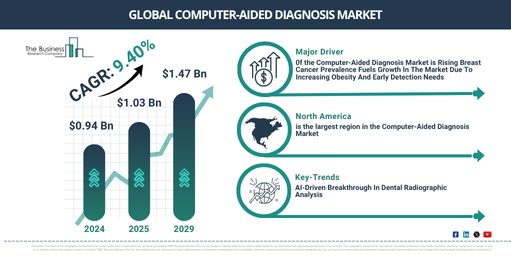
    The market size of computer-aided diagnosis has seen significant growth lately. It’s projected to rise from $0.94 billion in 2024 to $1.03 billion in 2025, showcasing a compound annual growth rate (CAGR) of 9.7%. This surge during the historical period can be credited to heightened awareness among practitioners regarding the advantages of CAD, escalating government efforts promoting digital health, the growing merger of CAD with imaging technologies, an intensified emphasis on personalized and precision medicine, and the increase in healthcare spending.

    How Much Will the Computer-Aided Diagnosis Market Be Worth in 2029?

    Anticipated robust growth is on the horizon for the computer-aided diagnosis market which is projected to expand to $1.47 billion by 2029, growing at a compound annual growth rate (CAGR) of 9.4%. This growth within the forecast period is attributed to various factors including a rise in the application of artificial intelligence and machine learning in the healthcare sector, an increased prevalence of chronic illnesses necessitating early detection, a surge in demand for quicker and more precise diagnostic equipment, augmenting investments in healthcare IT infrastructure, and an aging population with escalating diagnostic needs. The forecast period will also be highly influenced by the emerging trends such as advancements in AI and deep learning algorithm, the emergence of sophisticated imaging techniques, technological advancements in cloud computing for improved data storage and processing, the evolution of real-time diagnostic and decision-making tools, and the creation of multi-modal imaging analysis platforms.

    Download The Free Sample Report Here:

    https://www.thebusinessresearchcompany.com/sample.aspx?id=24508&type=smp

    Which is the Largest Company in the Computer-Aided Diagnosis Market?

    Major companies operating in the computer-aided diagnosis market are Hitachi Ltd, International Business Machines Corporation (IBM), Median Technologies, Siemens Healthineers AG, Fujifilm Holdings Corporation, Koninklijke Philips N.V., GE Healthcare Technologies Inc., Nano-X Imaging Ltd, Hologic Inc., Agfa-Gevaert NV, ESAOTE S.p.A., Samsung Medison, Merge Healthcare Inc., Canon Medical Systems Corporation, iCAD Inc., THERAPIXEL S.A.S., Riverain Technologies LLC, Zebra Medical Vision Ltd, CureMetrix Inc., EDDA Technology Inc.

    What Are the Main Market Drivers in the Computer-Aided Diagnosis Industry?

    The escalating incidence of breast cancer is anticipated to trigger the expansion of the computer-aided diagnosis industry. Breast cancer is a malignant proliferation of atypical cells that start off in the breast tissue, typically in the milk ducts or lobules. The rise in obesity levels amplifies the risk of breast cancer since surplus fat boosts estrogen levels which in turn foster tumor growth. Computer-Aided Diagnosis (CAD) comes into play by enhancing the precision and adeptness of tumor detection in medical imaging, thus assisting radiologists in early and dependable diagnosis. For instance, as per the National Center for Biotechnology Information, a government agency from the US, there will be a surge of over 40% in the yearly count of newly diagnosed breast cancer cases by 2040, amounting to around 3 million. Therefore, it’s the upsurge in the frequency of breast cancer that’s propelling the expansion of the computer-aided diagnosis sector.

    Request For A Customized Report:

    https://www.thebusinessresearchcompany.com/customise?id=24508&type=smp

    How Is the Computer-Aided Diagnosis Market Segments Structured?

    The computer-aided diagnosis market covered in this report is segmented –

    1) By Imging Modalities: Mammography, Nuclear Imaging, Ultrasound Imaging, Magnetic Resonance Imaging, Other Imaging Modalities

    2) By Application: Breast Cancer, Lung Cancer, Prostate Cancer, Alzheimer’s Disease, Diabetic Retinopathy, Other Applications

    3) By End Use: Hospitals, Clinics, Medical Diagnstic Centers, Other End Uses

    Subsegments:

    1) By Mammography: Full-Field Digital Mammography (FFDM), Contrast-Enhanced Mammography, Digital Breast Tomosynthesis (DBT)

    2) By Nuclear Imaging: Positron Emission Tomography (PET), Single-Photon Emission Computed Tomography (SPECT)

    3) By Ultrasound Imaging: 2D Ultrasound, Doppler Ultrasound, 3D Or 4D Ultrasound

    4) By Magnetic Resonance Imaging: Brain Magnetic Resonance Imaging, Cardiac Magnetic Resonance Imaging, Breast Magnetic Resonance Imaging

    5) By Other Imaging Modalities: Computed Tomography (CT), Optical Imaging, X-ray Imaging

    What Strategic Trends Are Transforming the Computer-Aided Diagnosis Market?

    Prominent businesses in the computer-aided diagnosis marketplace are concentrating on creating technologically sophisticated products like AI-enabled computer-aided detection (CADe) software. This move aims to improve diagnostic precision and streamline workflow processes. AI-enabled CADe software uses smart systems that utilize artificial intelligence and machine learning to autonomously detect and emphasize potential irregularities or illnesses in medical images, aiding healthcare professionals in making early and precise diagnoses. For instance, Align Technology Inc., an American manufacturing firm, unveiled an AI-driven software-based computer-aided detection (CADe) tool, named Align X-ray Insights, in March 2025. This software utilizes an automated analysis of 2D dental X-rays to help practitioners diagnose dental and oral diseases. It encourages standardized evaluations, enhanced clinical workflows, and more patient participation. Furthermore, it boosts dental practices by automating radiographic analysis, standardizing diagnostic procedures, streamlining processes, and enhancing patient communication and treatment acceptance.

    Access The Full Report Here:

    https://www.thebusinessresearchcompany.com/report/computer-aided-diagnosis-global-market-report

    Which Global Regions Offer the Highest Growth in the Computer-Aided Diagnosis Market?

    North America was the largest region in the computer-aided diagnosis market in 2024. The regions covered in the computer-aided diagnosis market report are Asia-Pacific, Western Europe, Eastern Europe, North America, South America, Middle East, Africa.

    Purchase The Full Report Today:

    https://www.thebusinessresearchcompany.com/purchaseoptions.aspx?id=24508

    This Report Delivers Insight On:

    1. How big is the computer-aided diagnosis market, and how is it changing globally?

    2. Who are the major companies in the computer-aided diagnosis market, and how are they performing?

    3. What are the key opportunities and risks in the computer-aided diagnosis market right now?

    4. Which products or customer segments are growing the most in the computer-aided diagnosis market?

    5. What factors are helping or slowing down the growth of the computer-aided diagnosis market?

    About The Business Research Company:

    With over 15000+ reports from 27 industries covering 60+ geographies, The Business Research Company has built a reputation for offering comprehensive, data-rich research and insights. Armed with 1,500,000 datasets, the optimistic contribution of in-depth secondary research, and unique insights from industry leaders, you can get the information you need to stay ahead in the game.

    Get in touch with us:

    The Business Research Company: https://www.thebusinessresearchcompany.com/

    Americas +1 3156230293

    Asia +44 2071930708

    Europe +44 2071930708

    Email us at info@tbrc.info

    Follow us on:

    LinkedIn: https://in.linkedin.com/company/the-business-research-company

    YouTube: https://www.youtube.com/channel/UC24_fI0rV8cR5DxlCpgmyFQ

    Global Market Model: https://www.thebusinessresearchcompany.com/global-market-model
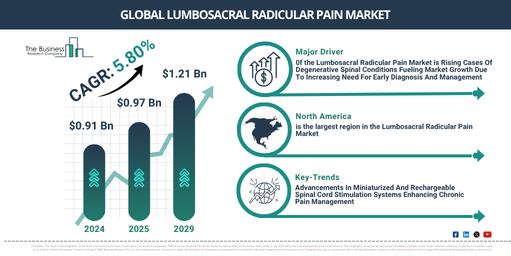
  • Lumbosacral Radicular Pain Management Industry Growth Expected to Reach $1.11 Billion by 2029 at a CAGR of 5.5% | Segmentation and Growth Opportunities

    Lumbosacral Radicular Pain Management Industry Growth Expected to Reach $1.11 Billion by 2029 at a CAGR of 5.5% | Segmentation and Growth Opportunities

    Claim your 30% discount on Global Market Reports with code ONLINE30. Limited time only.

    #What Is the Forecast for the Lumbosacral Radicular Pain Management Market Growth in 2025?#_x000D_

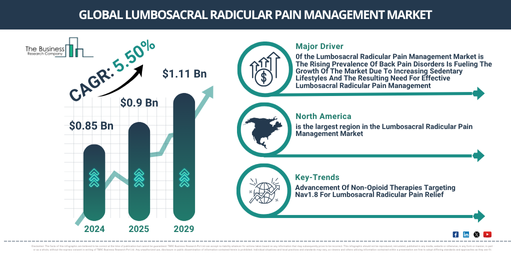
    Recent years have seen substantial growth in the lumbosacral radicular pain management market, with projections showing it expanding from a value of $0.85 billion in 2024 to $0.9 billion in 2025, a compound annual growth rate (CAGR) of 5.8%. The significant growth experienced in the historical period can be traced back to several contributing factors, including a heightened prevalence of lumbar disc herniation, increased consciousness about spinal disorders, a growing number of elderly, advancements in diagnostic imaging technology, and the growing inclination towards non-invasive pain management treatments._x000D_

    _x000D_

    #What Is the Forecast for the Lumbosacral Radicular Pain Management Market Size Through 2029?#_x000D_

    The market size for managing lumbosacral radicular pain is anticipated to undergo substantial growth in the upcoming years, with projections indicating expansion to $1.11 billion by 2029, experiencing a compound annual growth rate (CAGR) of 5.5%. Factors contributing to this growth during the forecast period include the introduction of innovative minimally invasive surgical methods, increased usage of biologic therapies, a heightened emphasis on individualized pain management, more demand for outpatient pain clinics, and the incorporation of digital health and telemedicine into pain control strategies. Also, notable trends expected over the forecast period are advancements in minimally invasive procedures for the spine, improvements in neurostimulation devices, adoption of biologic therapies such as platelet-rich plasma, AI-enabled diagnostics and tailored treatment agendas, and the emergence of new non-opioid analgesics._x000D_

    _x000D_

    #Download The Free Sample Report Here:#_x000D_

    https://www.thebusinessresearchcompany.com/sample.aspx?id=24592&type=smp_x000D_

    _x000D_

    #What are the Key Market Players in Lumbosacral Radicular Pain Management Market and How They’re Evolving?#_x000D_

    Major companies operating in the lumbosacral radicular pain management market are Pfizer Inc., Johnson & Johnson Services Inc., Bayer AG, Sanofi SA, Bristol-Myers Squibb, AstraZeneca plc, Novartis AG, GSK plc, Medtronic plc, Eli Lilly and Company, Amgen Inc, Koninklijke Philips NV, Stryker Corporation, Teva Pharmaceutical Industries Ltd, Boston Scientific Corporation, Dr Reddy’s Laboratories Ltd, NuVasive Inc., Nobel Biocare Holdings AG, Ultradent Products Inc., Nevro Corp., Zynex Inc., Eliem Therapeutics, Vertebral Technologies Inc., Semnur Pharmaceuticals Inc._x000D_

    _x000D_

    #What Are the Primary Growth Drivers in the Lumbosacral Radicular Pain Management Market?#_x000D_

    The escalating occurrence of back pain ailments is anticipated to steer the expansion of the lumbosacral radicular pain management market in the future. Back pain ailments encompass several conditions impacting the spine, muscles, or nerves in the back, leading to discomfort or pain. The escalating occurrence can be ascribed to sedentary lifestyles that lead to weakness in the back muscles, resulting in poor posture and ongoing pain. The goal of lumbosacral radicular pain management is to alleviate nerve root irritation in the lower back, decreasing pain and inflammation. This enhances mobility and life quality. For instance, data from the Australian Institute of Health and Welfare, a government agency based in Australia, reveals that in June 2024, over 52% of all hospitalizations for back issues in 2022 were ascribed to back or spine pain. Lower back pain was responsible for the most significant portion at 27%, succeeded by neck pain at 6.2% and radiculopathy at 6.0%. Furthermore, back issues had escalated to the third leading factor contributing to the overall health burden, representing 4.3% of the total in 2023. Thus, the escalating occurrence of back pain ailments stimulates the expansion of the lumbosacral radicular pain management market._x000D_

    _x000D_

    #Request For A Customized Report:#_x000D_

    https://www.thebusinessresearchcompany.com/customise?id=24592&type=smp_x000D_

    _x000D_

    #What Are the Leading Segments in the Global Lumbosacral Radicular Pain Management Industry?#_x000D_

    The lumbosacral radicular pain management market covered in this report is segmented –_x000D_

    _x000D_

    1) By Medication: Non-Steroidal Anti-Inflammatory Drugs, Opioids, Antidepressants, Anticonvulsants, Steroids_x000D_

    2) By Physical Therapy: Manual Therapy, Exercise Therapy, Electrotherapy, Thermal Therapy, Hydrotherapy_x000D_

    3) By Route Of Administration: Oral, Topical_x000D_

    4) By End-User: Hospital Pharmacy, Retail Pharmacy, Online Pharmacy_x000D_

    _x000D_

    Subsegments:_x000D_

    1) By Non-Steroidal Anti-Inflammatory Drugs: Ibuprofen, Naproxen, Diclofenac, Celecoxib, Etoricoxib_x000D_

    2) By Opioids: Tramadol, Oxycodone, Morphine, Hydrocodone, Fentanyl_x000D_

    3) By Antidepressants: Amitriptyline, Nortriptyline, Duloxetine, Desvenlafaxine, Venlafaxine_x000D_

    4) By Anticonvulsants: Gabapentin, Pregabalin, Carbamazepine, Lamotrigine, Topiramate_x000D_

    5) By Steroids: Dexamethasone, Methylprednisolone, Prednisone, Triamcinolone, Hydrocortison_x000D_

    _x000D_

    #What Are the Key Market Trends in the Lumbosacral Radicular Pain Management Industry?#_x000D_

    Leading organizations in the lumbosacral radicular pain management market are shifting their attention towards the creation of advanced therapeutic options. This includes experimental oral NaV1.8 pain signal inhibitors which act as a non-opioid substitute for enduring pain relief. This investigational oral NaV1.8 pain signal inhibitor is a medication under trial that zeroes in on the NaV1.8 sodium channel, an essential route for the transmission of pain via sensory nerves. For instance, Vertex Pharmaceuticals, a biotech firm based in the US, revealed the outcomes from its Phase 2 study on suzetrigine intended for painful lumbosacral radiculopathy (LSR) in December 2024. The study fulfilled its main goal, exhibiting a statistically significant and clinically relevant decline in pain from the baseline in the suzetrigine group. Suzetrigine was generally well received, with no severe adverse events reported. Vertex intends to tackle the high placebo response in subsequent Phase 3 trials so as to better evaluate the drug’s effectiveness._x000D_

    _x000D_

    #Access The Full Report Here:#_x000D_

    https://www.thebusinessresearchcompany.com/report/lumbosacral-radicular-pain-management-global-market-report_x000D_

    _x000D_

    #What Is the Regional Outlook for the Lumbosacral Radicular Pain Management Market?#_x000D_

    North America was the largest region in the lumbosacral radicular pain management market in 2024. Asia-Pacific is expected to be the fastest-growing region in the forecast period. The regions covered in the lumbosacral radicular pain management market report are Asia-Pacific, Western Europe, Eastern Europe, North America, South America, Middle East, Africa._x000D_

    _x000D_

    #Purchase The Full Report Today:#_x000D_

    https://www.thebusinessresearchcompany.com/purchaseoptions.aspx?id=24592_x000D_

    _x000D_

    #This Report Delivers Insight On: #_x000D_

    1. How big is the lumbosacral radicular pain management market, and how is it changing globally?_x000D_

    2. Who are the major companies in the lumbosacral radicular pain management market, and how are they performing?_x000D_

    3. What are the key opportunities and risks in the lumbosacral radicular pain management market right now?_x000D_

    4. Which products or customer segments are growing the most in the lumbosacral radicular pain management market?_x000D_

    5. What factors are helping or slowing down the growth of the lumbosacral radicular pain management market?_x000D_

    _x000D_

    #About The Business Research Company:#_x000D_

    With over 15000+ reports from 27 industries covering 60+ geographies, The Business Research Company has built a reputation for offering comprehensive, data-rich research and insights. Armed with 1,500,000 datasets, the optimistic contribution of in-depth secondary research, and unique insights from industry leaders, you can get the information you need to stay ahead in the game._x000D_

    _x000D_

    #Get in touch with us:#_x000D_

    The Business Research Company: https://www.thebusinessresearchcompany.com/_x000D_

    Americas +1 3156230293_x000D_

    Asia +44 2071930708_x000D_

    Europe +44 2071930708_x000D_

    Email us at info@tbrc.info_x000D_

    _x000D_

    #Follow us on:#_x000D_

    _x000D_

    LinkedIn: https://in.linkedin.com/company/the-business-research-company_x000D_

    YouTube: https://www.youtube.com/channel/UC24_fI0rV8cR5DxlCpgmyFQ_x000D_

    Global Market Model: https://www.thebusinessresearchcompany.com/global-market-model

  • Computer-Aided Detection Market Trends Report 2025 – For Business Development and Strategy Teams

    Computer-Aided Detection Market Trends Report 2025 – For Business Development and Strategy Teams

    Claim your 30% discount on Global Market Reports with code ONLINE30. Limited time only.

    What Is the Forecast for the Computer-Aided Detection Market Growth in 2025?

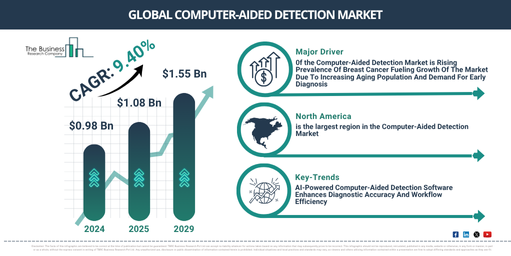
    In the last couple of years, there has been a robust growth in the size of the computer-aided detection market. The market value, which is projected to be $0.98 billion in 2024 will surge to roughly $1.08 billion by 2025, indicating a compound annual growth rate (CAGR) of 9.7%. Several factors accounted for the growth during the historic period such as the rise in cancer cases, increased application of medical imaging methods, a growing deficit of radiologists, government-led screening initiatives, and a heightened interest in early diagnosis.

    What Is the Forecast for the Computer-Aided Detection Market Size Through 2029?

    Anticipations show a robust expansion of the computer-aided detection market in the upcoming years, with a projection to reach $1.55 billion by 2029 at a compound annual growth rate (CAGR) of 9.4%. This expected growth during the prediction period could be due to the expanding elderly population, growing volume of imaging data, increasing telehealth and remote diagnostics services, the escalating importance of precision medicine, and improvements in the healthcare infrastructure. Key trends predicted for this period comprise integration of deeper learning, provision of real-time decision support, adoption of cloud-based CAD platforms, progress in multimodal CAD systems, and the incorporation of natural language processing.

    Download The Free Sample Report Here:

    https://www.thebusinessresearchcompany.com/sample.aspx?id=24507&type=smp

    What are the Key Market Players in Computer-Aided Detection Market and How They’re Evolving?

    Major companies operating in the computer-aided detection market are Hitachi Ltd., International Business Machines Corporation (IBM), Fujifilm Holdings Corporation, Siemens Healthineers AG, Koninklijke Philips N.V., GE Healthcare Technologies Inc., Hologic Inc., Canon Medical Systems Corporation, Agfa-Gevaert NV, Carestream Health Inc., ESAOTE S.p.A., Aidoc Medical Ltd., Median Technologies S.A., iCAD Inc., Riverain Technologies LLC, Nano-X Imaging Ltd., Zebra Medical Vision Ltd., CureMetrix Inc., EDDA Technology Inc., THERAPIXEL S.A.S.

    What Are the Primary Growth Drivers in the Computer-Aided Detection Market?

    The surge in breast cancer incidence is presumed to spur the expansion of the computer-aided detection market. Breast cancer is characterized as a harmful growth originating in the breast cells, generally in the ducts or lobules, and if not identified and treated promptly, it can metastasize to adjacent tissues or other body areas. A notable factor in the rise of breast cancer rates is lifestyle modifications such as increased obesity leading to higher estrogen levels, subsequently promoting cancer development. Computer-aided detection (CAD) augments a breast cancer diagnosis, scrutinizing radiological images to uncover possible irregularities thus enabling a more accurate and earlier detection. It assists radiographers in identifying tumors that might otherwise be missed, thereby enhancing screening accuracy. For example, in October 2024, the American Cancer Society, a US cancer organization, reported that new cases of invasive breast cancer among American women had escalated to roughly 310,720. Similarly, ductal carcinoma in situ (DCIS) diagnoses had risen to 56,500. Moreover, in October 2022, according to the American Cancer Society, an approximate 287,850 new invasive breast cancer cases and 51,400 DCIS cases were identified in women throughout the United States. Hence, the escalating occurrence of breast cancer is propelling the expansion of the computer-aided detection market.

    Request For A Customized Report:

    https://www.thebusinessresearchcompany.com/customise?id=24507&type=smp

    What Are the Leading Segments in the Global Computer-Aided Detection Industry?

    The computer-aided detection market covered in this report is segmented –

    1) By Product: Mammography, Ultrasound Imaging, Magnetic Resonance Imaging, Tomosynthesis, Computed Tomography, Other Products

    2) By Application: Tuberculosis, Breast Cancer, Lung Cancer, Colon Cancer, Prostate Cancer, Liver Cancer, Bone Cancer, Neurological Indications

    3) By End-User: Hospitals, Clinics, Diagnostic Centres, Other End-Users

    Subsegments:

    1) By Mammography: Full-Field Digital Mammography (FFDM), Screen-Film Mammography (SFM), Three-Dimensional (3D) Mammography

    2) By Ultrasound Imaging: Automated Breast Ultrasound (ABUS), Handheld Ultrasound, Doppler Ultrasound, Elastography

    3) By Magnetic Resonance Imaging: Breast Magnetic Resonance Imaging (MRI), Brain Magnetic Resonance Imaging (MRI), Abdominal Magnetic Resonance Imaging (MRI), Musculoskeletal Magnetic Resonance Imaging (MRI)

    4) By Tomosynthesis: Breast Tomosynthesis, Chest Tomosynthesis, Orthopedic Tomosynthesis

    5) By Computed Tomography: Chest Computed Tomography (CT), Abdominal Computed Tomography (CT), Brain Computed Tomography (CT), Cardiac Computed Tomography (CT)

    6) By Other Products: Nuclear Medicine, X-Ray Imaging, Optical Imaging, Thermography

    What Are the Key Market Trends in the Computer-Aided Detection Industry?

    Leading companies in the computer-aided detection market are making strides in creating innovative solutions, which include artificial intelligence (AI)-driven computer-aided detection (CADe) software. These advancements aim to boost diagnostic accuracy, simplify image interpretation, and foster the swift identification of diseases. The AI-powered CADe software utilizes artificial intelligence to scrutinize medical images for any irregularities, thereby increasing diagnostic exactitude and assisting in early discovery of conditions like cancer. For example, in March 2025, Align Technology, Inc., a Switzerland-based digital orthodontics and restorative dentistry company, unveiled Align X-ray Insights for analysing dental radiographs. This solution employs AI to improve dental image analysis for more precise diagnostic results. It enhances workflow productivity by offering real-time findings directly in the existing imaging systems. The software is intended to aid dental professionals in the EU and UK in delivering accurate and prompt patient care.

    Access The Full Report Here:

    https://www.thebusinessresearchcompany.com/report/computer-aided-detection-global-market-report

    What Is the Regional Outlook for the Computer-Aided Detection Market?

    North America was the largest region in the computer-aided detection market in 2024. Asia-Pacific is expected to be the fastest-growing region in the forecast period. The regions covered in the computer-aided detection market report are Asia-Pacific, Western Europe, Eastern Europe, North America, South America, Middle East, Africa.

    Purchase The Full Report Today:

    https://www.thebusinessresearchcompany.com/purchaseoptions.aspx?id=24507

    This Report Delivers Insight On:

    1. How big is the computer-aided detection market, and how is it changing globally?

    2. Who are the major companies in the computer-aided detection market, and how are they performing?

    3. What are the key opportunities and risks in the computer-aided detection market right now?

    4. Which products or customer segments are growing the most in the computer-aided detection market?

    5. What factors are helping or slowing down the growth of the computer-aided detection market?

    About The Business Research Company:

    With over 15000+ reports from 27 industries covering 60+ geographies, The Business Research Company has built a reputation for offering comprehensive, data-rich research and insights. Armed with 1,500,000 datasets, the optimistic contribution of in-depth secondary research, and unique insights from industry leaders, you can get the information you need to stay ahead in the game.

    Get in touch with us:

    The Business Research Company: https://www.thebusinessresearchcompany.com/

    Americas +1 3156230293

    Asia +44 2071930708

    Europe +44 2071930708

    Email us at info@tbrc.info

    Follow us on:

    LinkedIn: https://in.linkedin.com/company/the-business-research-company

    YouTube: https://www.youtube.com/channel/UC24_fI0rV8cR5DxlCpgmyFQ

    Global Market Model: https://www.thebusinessresearchcompany.com/global-market-model
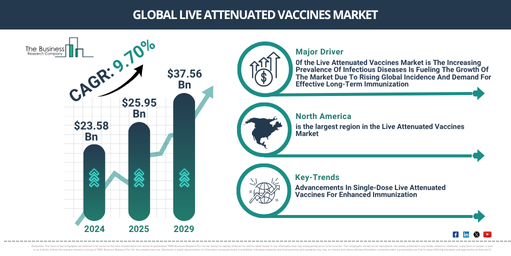
  • Lumbosacral Radicular Pain Industry Valued at $1.21 Billion by 2029 With CAGR of 5.8% | Size and Share Insights

    Lumbosacral Radicular Pain Industry Valued at $1.21 Billion by 2029 With CAGR of 5.8% | Size and Share Insights

    Claim your 30% discount on Global Market Reports with code ONLINE30. Limited time only.

    #What Is the Forecast for the Lumbosacral Radicular Pain Market from 2024 to 2025?#_x000D_

    The market for lumbosacral radicular pain treatments has seen robust growth in the past few years. The market is projected to expand from $0.91 billion in 2024 to $0.97 billion in 2025, with a compound annual growth rate (CAGR) of 6.2%. Factors such as the growing occurrence of lower back conditions, an increase in spinal problems in elderly individuals, the rise in sedentary lifestyles and poor posture, growing demand for pain alleviation treatments, and heightened awareness for early detection and intervention are driving this significant growth._x000D_

    _x000D_

    #What Is the Projected Market Size of the Lumbosacral Radicular Pain Market?#_x000D_

    The market for lumbosacral radicular pain is projected to experience significant expansion in the upcoming years, reaching a valuation of $1.21 billion by 2029, with a compound annual growth rate (CAGR) of 5.8%. This growth in the forecasted period is due to advancements in technologies for managing pain, an enhanced focus on non-opioid remedies, amplified investment in spinal R&D, increased demand for ambulatory and minimal intervention procedures, and broader healthcare access in developing markets. The forecast period also expects to see trends such as breakthroughs in minimally invasive surgical methods, the creation of targeted anti-inflammatory medication, ground-breaking wearable pain management devices, superior imaging for the identification of nerve roots, and the introduction of personalized treatment processes utilizing patient-specific information._x000D_

    _x000D_

    #Download The Free Sample Report Here:#_x000D_

    https://www.thebusinessresearchcompany.com/sample.aspx?id=24591&type=smp_x000D_

    _x000D_

    #Who are the Major Competitors in the Lumbosacral Radicular Pain Market Outlook?#_x000D_

    Major companies operating in the lumbosacral radicular pain market are Pfizer Inc., Johnson & Johnson Services Inc., Abbott Laboratories, Novartis AG, Medtronic plc, Eli Lilly and Company, Boston Scientific Corporation, Vertex Pharmaceuticals, Biotronik, Nevro Corp., Sorrento Therapeutics, Scilex Holding Company, ProMed Pharma, SPR Therapeutics, Saluda Medical Pty Ltd., Eliem Therapeutics, Cephalon Inc., Semnur Pharmaceuticals Inc., Nalu Medical Inc., Sollis Therapeutics Inc._x000D_

    _x000D_

    #What Is Fueling Growth in the Lumbosacral Radicular Pain Market?#_x000D_

    The growth of the lumbosacral radicular pain market is anticipated to be driven by the rising occurrence of degenerative spinal conditions. Such conditions are a set of disorders stemming from the slow deterioration of the spine over time. The escalation in these spinal conditions is attributed to growing aging populations and lifestyle aspects that exacerbate the risk of spinal degeneration and nerve compression, thereby leading to increased demand for detection and treatment. Lumbosacral radicular pain plays a crucial role in spotting underlying degenerative spinal conditions by indicating nerve root inflammation or compression, which aids in clinical assessment and treatment. For example, forecasts from the University of Sydney, a public university based in Australia, in May 2023, suggest that over 800 million people globally will be dealing with back pain by 2050. Thus, the rising incidence of degenerative spinal conditions fuels the expansion of the lumbosacral radicular pain market._x000D_

    _x000D_

    #Request For A Customized Report:#_x000D_

    https://www.thebusinessresearchcompany.com/customise?id=24591&type=smp_x000D_

    _x000D_

    #Which Lumbosacral Radicular Pain Market Segments Are Growing the Fastest?#_x000D_

    The lumbosacral radicular pain market covered in this report is segmented –_x000D_

    _x000D_

    1) By Treatment Type: Pharmacological Treatment, Non-Pharmacological Treatment, Interventional Procedures_x000D_

    2) By Route Of Administration: Oral, Topical, Injectable, Implantable_x000D_

    3) By Distribution Channel: Hospital Pharmacies, Retail Pharmacies, Online Pharmacies_x000D_

    4) By End User: Hospitals, Specialty Clinics, Rehabilitation Centers, Homecare Settings_x000D_

    _x000D_

    Subsegments:_x000D_

    1) By Pharmacological Treatment: Nonsteroidal Anti-Inflammatory Drugs, Opioids, Anticonvulsants, Antidepressants, Muscle Relaxants, Corticosteroids_x000D_

    2) By Non-Pharmacological Treatment: Physical Therapy, Exercise And Rehabilitation Programs, Chiropractic Care, Acupuncture, Cognitive Behavioral Therapy, Heat And Cold Therapy_x000D_

    3) By Interventional Procedures: Epidural Steroid Injections, Radiofrequency Ablation, Nerve Root Blocks, Spinal Cord Stimulation, Minimally Invasive Decompression, Intrathecal Drug Delivery Systems_x000D_

    _x000D_

    #Which Industry Trends Are Shaping the Future of the Lumbosacral Radicular Pain Market?#_x000D_

    Critical players in the lumbosacral radicular pain market are making strides in the development of minimally invasive neuromodulation therapies, such as miniaturized and recharging spinal cord stimulation (SCS) systems, to provide improved pain management and patient comfort. These small, implantable spinal cord stimulators deliver electrical signals to the spinal cord to inhibit pain sensations, providing extended battery life and less invasive alternatives for treatment. For example, in December 2022, Abbott Laboratories, a U.S. health care company, introduced its Eterna spinal cord stimulation system to provide effective chronic pain relief using advanced BurstDR therapy. The system boasts an innovative rechargeable battery technology that substantially lengthens the interval between recharges, thus lessening patient inconvenience. Its unique stimulation patterns, specifically BurstDR, replicate natural nerve signals for more efficient and enduring pain alleviation. The design of this MRI-compatible device permits patients to receive full-body scans without the need for device extraction. The system’s design accommodates future enhancements, guaranteeing patients have access to future technological improvements without the necessity of further surgical procedures._x000D_

    _x000D_

    #Access The Full Report Here:#_x000D_

    https://www.thebusinessresearchcompany.com/report/lumbosacral-radicular-pain-global-market-report_x000D_

    _x000D_

    #Which Countries Are Leading the Lumbosacral Radicular Pain Market?#_x000D_

    North America was the largest region in the lumbosacral radicular pain market in 2024. The regions covered in the lumbosacral radicular pain market report are Asia-Pacific, Western Europe, Eastern Europe, North America, South America, Middle East, Africa._x000D_

    _x000D_

    #Purchase The Full Report Today:#_x000D_

    https://www.thebusinessresearchcompany.com/purchaseoptions.aspx?id=24591_x000D_

    _x000D_

    #This Report Delivers Insight On: #_x000D_

    1. How big is the lumbosacral radicular pain market, and how is it changing globally?_x000D_

    2. Who are the major companies in the lumbosacral radicular pain market, and how are they performing?_x000D_

    3. What are the key opportunities and risks in the lumbosacral radicular pain market right now?_x000D_

    4. Which products or customer segments are growing the most in the lumbosacral radicular pain market?_x000D_

    5. What factors are helping or slowing down the growth of the lumbosacral radicular pain market?_x000D_

    _x000D_

    #About The Business Research Company:#_x000D_

    With over 15000+ reports from 27 industries covering 60+ geographies, The Business Research Company has built a reputation for offering comprehensive, data-rich research and insights. Armed with 1,500,000 datasets, the optimistic contribution of in-depth secondary research, and unique insights from industry leaders, you can get the information you need to stay ahead in the game._x000D_

    _x000D_

    #Get in touch with us:#_x000D_

    The Business Research Company: https://www.thebusinessresearchcompany.com/_x000D_

    Americas +1 3156230293_x000D_

    Asia +44 2071930708_x000D_

    Europe +44 2071930708_x000D_

    Email us at info@tbrc.info_x000D_

    _x000D_

    #Follow us on:#_x000D_

    _x000D_

    LinkedIn: https://in.linkedin.com/company/the-business-research-company_x000D_

    YouTube: https://www.youtube.com/channel/UC24_fI0rV8cR5DxlCpgmyFQ_x000D_

    Global Market Model: https://www.thebusinessresearchcompany.com/global-market-model

  • Market Analysis on Clinical Laboratory Services Industry – Insights for Corporate Strategy and R&D

    Claim your 30% discount on Global Market Reports with code ONLINE30. Limited time only.

    What Is the Forecast for the Clinical Laboratory Services Market from 2024 to 2025?

    The market size for clinical laboratory services has seen robust growth in the past few years. The market size, which is projected to be $291.7 billion in 2024, is predicted to expand to $314.18 billion in 2025, clocking a compound annual growth rate (CAGR) of 7.7%. Factors contributing to the growth during the historic period include the increased prevalence of chronic diseases, a growing elderly population, a rise in personalized medication, an increase in the number of clinical trials, and a surge in automation within clinical laboratories.

    What Is the Projected Market Size of the Clinical Laboratory Services Market?

    The market size of clinical laboratory services is projected to witness a significant surge in the forthcoming years. By 2029, it is set to attain a value of $418.4 billion, growing at a compound annual growth rate (CAGR) of 7.4%. The anticipated growth in the forecast period is due to the rising demand for diagnostic testing, an increase in the count of biochemistry tests, escalating healthcare expenditure, mounting acceptance of laboratory automation, and an upsurge in test samples volume. The forecast period is also expected to see major trends such as artificial intelligence (AI) and digital technologies, inventive diagnostic technologies, advanced diagnostic methods and sophisticated molecular techniques.

    Download The Free Sample Report Here:

    https://www.thebusinessresearchcompany.com/sample.aspx?id=24506&type=smp

    Who are the Major Competitors in the Clinical Laboratory Services Market Outlook?

    Major companies operating in the clinical laboratory services market are Roche Diagnostics India Private Limited, Thermo Fisher Scientific Inc., Abbott Laboratories, Siemens Healthineers AG, IQVIA Laboratories, Labcorp , Quest Diagnostics Incorporated, Geisinger Health System, Eurofins Scientific, Sonic Healthcare Limited, Grifols S.A., BioMérieux SA, SYNLAB Group, Bio-Rad Laboratories Inc., OPKO Health Inc, NeoGenomics Laboratories, Ambry Genetics Corporation, Genova Diagnostics (GDX), Enzo Biochem Inc, Wildcat DX

    What Is Fueling Growth in the Clinical Laboratory Services Market?

    The clinical laboratory services market is anticipated to expand due to the escalating demand for diagnostic testing. Diagnostic testing, which involves the use of medical tests to identify, confirm, or rule out the existence of diseases or conditions in patients, is the key factor driving this demand. The growing prevalence of chronic and infectious diseases is increasing the demand for accurate and timely diagnostics, critical for early detection, effective treatment, and disease management. The role of clinical laboratory services in providing accurate and timely analyses is indispensable for early disease indetification and management. Accurate test results from these labs aid in reducing clinical uncertainty, enhancing patient care, and improving treatment decisions. For example, in December 2024, the National Health Service, a UK-based government entity, reported an increase in diagnostic tests from 2,312,030 in 2023 to 2,544,809 in 2024. Thus, the growth of the clinical laboratory services market is being fueled by the heightened demand for diagnostic testing.

    Request For A Customized Report:

    https://www.thebusinessresearchcompany.com/customise?id=24506&type=smp

    Which Clinical Laboratory Services Market Segments Are Growing the Fastest?

    The clinical laboratory services market covered in this report is segmented –

    1) By Test Type: Genetic Testing, Clinical Chemistry, Medical Microbiology Testing, Hematology Testing, Immunology Testing, Cytology Testing, Drug Of Abuse Testing, Other Test Types

    2) By Service Type: Hospital-Based Laboratories, Stand-Alone Laboratories, Clinic-Based Laboratories

    3) By Technology: Conventional Laboratory Technology, Automated Laboratory Technology, Point-Of-Care Testing

    4) By Application: Bioanalytical And Lab Chemistry Services, Toxicology Testing Services, Cell And Gene Therapy Related Services, Preclinical And Clinical Trial Related Services, Drug Discovery And Development Related Services, Other Clinical Laboratory Services

    5) By End User: Hospitals, Diagnostic Laboratories, Clinics, Research Institutions

    Subsegments:

    1) By Genetic Testing: Carrier Testing, Prenatal And Newborn Screening, Pharmacogenomics Testing, Predictive And Presymptomatic Testing, Diagnostic Genetic Testing, Forensic Genetic Testing, Ancestry And Genealogy Testing

    2) By Clinical Chemistry: Electrolyte Testing, Enzyme Testing, Lipid Panel, Blood Glucose Testing, Hormone Testing, Protein Testing, Metabolite Testing

    3) By Medical Microbiology Testing: Bacteriology, Virology, Mycology, Parasitology, Antimicrobial Susceptibility Testing, Molecular Microbiology, Culture And Sensitivity Testing

    4) By Hematology Testing: Complete Blood Count, Coagulation Testing, Bone Marrow Analysis, Blood Typing And Crossmatching, Erythrocyte Sedimentation Rate, Reticulocyte Count, Hemoglobin Electrophoresis

    5) By Immunology Testing: Autoimmune Testing, Allergy Testing, Immunoglobulin Testing, Complement System Testing, Cytokine Testing, Immunophenotyping, Vaccine Response Testing

    6) By Cytology Testing: Pap Smear, Fine Needle Aspiration Cytology, Body Fluid Cytology, Urine Cytology, Bronchial Brush Cytology, Exfoliative Cytology, Liquid Based Cytology

    7) By Drug Of Abuse Testing: Urine Drug Screening, Blood Drug Testing, Saliva Drug Testing, Hair Follicle Testing, Sweat Patch Testing, Confirmatory Testing, Point Of Care Testing

    8) By Other Test Types: Histopathology, Flow Cytometry, Molecular Diagnostics, Toxicology Testing, Point Of Care Testing, Nutritional Testing, Metabolic Testing

    Which Industry Trends Are Shaping the Future of the Clinical Laboratory Services Market?

    Top firms in the clinical laboratory services market are concentrating on creating unique solutions like pharmacogenetics screenings (PGx), aimed at boosting personalized medicine, enhancing patient results, and assisting precision treatment decisions using genetic data. Pharmacogenetic screenings (PGx) are a type of genetic testing that examines an individual’s DNA to predict their reaction to particular drugs. For example, in July 2022, Apollo Health Group, a healthcare firm based in India, teamed up with 1health.io Inc., a US-based software company, to introduce genetic testing services for clinical practitioners. These services consist of hereditary cancer genetic screenings (CGx) and pharmacogenetics screenings (PGx). This partnership replaces conventional paper-based practices with a digital platform, simplifying intricate genetic testing workflows and enabling physicians all over the U.S. to register, place orders, and acquire results online. The aim of the service is to ease the ordering process, minimize turnaround times, and guarantee clinicians can give swift, personalized care to patients prone to cancer and other genetic disorders.

    Access The Full Report Here:

    https://www.thebusinessresearchcompany.com/report/clinical-laboratory-services-global-market-report

    Which Countries Are Leading the Clinical Laboratory Services Market?

    North America was the largest region in the clinical laboratory services market in 2024. Asia-Pacific is expected to be the fastest-growing region in the forecast period. The regions covered in the clinical laboratory services market report are Asia-Pacific, Western Europe, Eastern Europe, North America, South America, Middle East, Africa.

    Purchase The Full Report Today:

    https://www.thebusinessresearchcompany.com/purchaseoptions.aspx?id=24506

    This Report Delivers Insight On:

    1. How big is the clinical laboratory services market, and how is it changing globally?

    2. Who are the major companies in the clinical laboratory services market, and how are they performing?

    3. What are the key opportunities and risks in the clinical laboratory services market right now?

    4. Which products or customer segments are growing the most in the clinical laboratory services market?

    5. What factors are helping or slowing down the growth of the clinical laboratory services market?

    About The Business Research Company:

    With over 15000+ reports from 27 industries covering 60+ geographies, The Business Research Company has built a reputation for offering comprehensive, data-rich research and insights. Armed with 1,500,000 datasets, the optimistic contribution of in-depth secondary research, and unique insights from industry leaders, you can get the information you need to stay ahead in the game.

    Get in touch with us:

    The Business Research Company: https://www.thebusinessresearchcompany.com/

    Americas +1 3156230293

    Asia +44 2071930708

    Europe +44 2071930708

    Email us at info@tbrc.info

    Follow us on:

    LinkedIn: https://in.linkedin.com/company/the-business-research-company

    YouTube: https://www.youtube.com/channel/UC24_fI0rV8cR5DxlCpgmyFQ

    Global Market Model: https://www.thebusinessresearchcompany.com/global-market-model
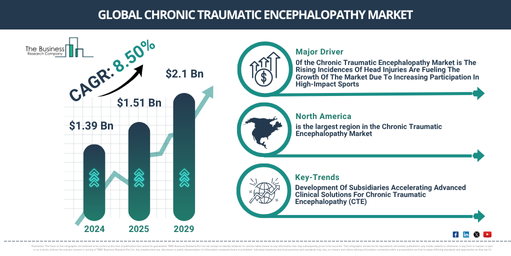
  • Live Attenuated Vaccines Market to Reach $37.56 Billion by 2029 | Key Drivers and Future Outlook

    Live Attenuated Vaccines Market to Reach $37.56 Billion by 2029 | Key Drivers and Future Outlook

    Claim your 30% discount on Global Market Reports with code ONLINE30. Limited time only.

    #What Is the Growth Rate of the Live Attenuated Vaccines Market?#_x000D_

    The market size for live attenuated vaccines has seen significant expansion in the past few years. It is predicted to surge from $23.58 billion in 2024 to $25.95 billion in 2025, exhibiting a compound annual growth rate (CAGR) of 10.1%. The historical growth of this market can be linked to factors such as improved global immunization coverage, increased expenditure on public health, heightened awareness of disease prevention, amplified demand for pediatric vaccines, and the broadening of vaccination programs._x000D_

    _x000D_

    #What Growth Rate Is Forecasted for the Live Attenuated Vaccines Market by 2029?#_x000D_

    The market size for live attenuated vaccines is poised for considerable expansion in the upcoming years, with expectations to reach a value of $37.56 billion in 2029, growing at a compound annual growth rate (CAGR) of 9.7%. The factors propelling this growth during the forecast period are increased attention towards preventive healthcare, rising acceptance in low and middle-income nations, enhanced support for outbreak readiness, growing vaccination needs linked to travel, and the broadening scope of government-supported immunization drives. Notable market trends projected in the forecast period encompass advancements in vaccine delivery mechanisms, breakthroughs in genetic attenuation techniques, funding for research and development initiatives, the production of thermostable formulations, and the incorporation of digital technologies in immunization schemes._x000D_

    _x000D_

    #Download The Free Sample Report Here:#_x000D_

    https://www.thebusinessresearchcompany.com/sample.aspx?id=24590&type=smp_x000D_

    _x000D_

    #Which Key Companies Are Shaping the Future of the Live Attenuated Vaccines Market?#_x000D_

    Major companies operating in the live attenuated vaccines market are Merck & Co. Inc., Sanofi SA, AstraZeneca plc, Abbott Laboratories, GlaxoSmithKline plc, Takeda Pharmaceutical Company Limited, Boehringer Ingelheim International GmbH, CSL Limited, GC Biopharma, Serum Institute of India Pvt. Ltd., Bavarian Nordic, Valneva SE, Southern Research, BioFarma, Bharat Biotech International Limited, Meissa Vaccines Inc., BioDiem Ltd., Bio-Med Limited, Naobios, Lakshmi Pharmaceuticals_x000D_

    _x000D_

    #Which Factors Are Driving Demand in the Live Attenuated Vaccines Industry?#_x000D_

    The escalated occurrence of infectious diseases is anticipated to spur the expansion of the live attenuated vaccines market in the future. Infectious ailments are conditions triggered by detrimental microorganisms such as bacteria, viruses, fungi, or parasites, which can transmit directly or indirectly from one individual or animal, or from the environment to another. The hike in global mobility facilitates the rapid transmission of infectious diseases, as pathogens cross borders more quickly than they can be contained. Live attenuated vaccines contribute to preventing these diseases by eliciting a robust immune reaction using weakened pathogens, thus ensuring sustained immunity and limiting the disease’s spread. For instance, the World Health Organization, a Swiss-based intergovernmental body, reported in March 2025 that globally, an approximated 10.8 million people were infected with TB in 2023, comprising 6.0 million men, 3.6 million women, and 1.3 million children. Thus, the escalating prevalence of infectious diseases is fueling the expansion of the live attenuated vaccines market._x000D_

    _x000D_

    #Request For A Customized Report:#_x000D_

    https://www.thebusinessresearchcompany.com/customise?id=24590&type=smp_x000D_

    _x000D_

    #How Is the Live Attenuated Vaccines Market Segmented by Several Divisions?#_x000D_

    The live attenuated vaccines market covered in this report is segmented –_x000D_

    _x000D_

    1) By Vaccine Type: Monovalent, Multivalent_x000D_

    2) By Route Of Administration: Intramuscular, Subcutaneous, Oral Attenuated, Intranasal Attenuated_x000D_

    3) By Indication: Influenza, Measles, Mumps and Rubella (MMR), Polio, Chickenpox, Shingles, Rotavirus, Other Indications_x000D_

    4) By Distribution Channel: Hospital Pharmacies, Retail Pharmacies, Online Pharmacies_x000D_

    5) By End-User: Hospitals, Clinics, Diagnostic Centers, Research Institute, Other End-Users_x000D_

    _x000D_

    Subsegments:_x000D_

    1) By Monovalent: Single-Dose Vaccines, Multiple-Dose Vaccines_x000D_

    2) By Multivalent: Bivalent Vaccines, Trivalent Vaccines, Quadrivalent Vaccines, Other Multivalent Vaccines_x000D_

    _x000D_

    #What are the Emerging Market Trends Driving the Growth of the Live Attenuated Vaccines Industry?#_x000D_

    Prominent firms in the live attenuated vaccines market are concentrating on the invention of superior products such as single-dose vaccines to increase immunization efficacy and patient obedience. Single-dose vaccines offer prolonged immunity with just one injection, making multiple doses unnecessary. This makes the vaccination process easier for both patients and healthcare providers, improving convenience and reach. For instance, in November 2023, Valneva SE, a biotechnology firm based in France that produces vaccines for infectious diseases, publicized the introduction of IXCHIQ, which gained approval from the U.S. Food and Drug Administration (FDA), an American health institution. This is the first live-attenuated vaccine for chikungunya for adults aged 18 and above. This authorization holds importance because IXCHIQ is the first ever approved vaccine for chikungunya worldwide, fulfilling an unaddressed medical requirement for a protective measure against this mosquito-transmitted viral disease, which can trigger high fever, aches in joints and muscles, and additional symptoms._x000D_

    _x000D_

    #Access The Full Report Here:#_x000D_

    https://www.thebusinessresearchcompany.com/report/live-attenuated-vaccines-global-market-report_x000D_

    _x000D_

    #Which Regions Are Driving Growth in the Live Attenuated Vaccines Market?#_x000D_

    North America was the largest region in the live attenuated vaccines market in 2024. Asia-Pacific is expected to be the fastest-growing region in the forecast period. The regions covered in the live attenuated vaccines market report are Asia-Pacific, Western Europe, Eastern Europe, North America, South America, Middle East, Africa._x000D_

    _x000D_

    #Purchase The Full Report Today:#_x000D_

    https://www.thebusinessresearchcompany.com/purchaseoptions.aspx?id=24590_x000D_

    _x000D_

    #This Report Delivers Insight On: #_x000D_

    1. How big is the live attenuated vaccines market, and how is it changing globally?_x000D_

    2. Who are the major companies in the live attenuated vaccines market, and how are they performing?_x000D_

    3. What are the key opportunities and risks in the live attenuated vaccines market right now?_x000D_

    4. Which products or customer segments are growing the most in the live attenuated vaccines market?_x000D_

    5. What factors are helping or slowing down the growth of the live attenuated vaccines market?_x000D_

    _x000D_

    #About The Business Research Company:#_x000D_

    With over 15000+ reports from 27 industries covering 60+ geographies, The Business Research Company has built a reputation for offering comprehensive, data-rich research and insights. Armed with 1,500,000 datasets, the optimistic contribution of in-depth secondary research, and unique insights from industry leaders, you can get the information you need to stay ahead in the game._x000D_

    _x000D_

    #Get in touch with us:#_x000D_

    The Business Research Company: https://www.thebusinessresearchcompany.com/_x000D_

    Americas +1 3156230293_x000D_

    Asia +44 2071930708_x000D_

    Europe +44 2071930708_x000D_

    Email us at info@tbrc.info_x000D_

    _x000D_

    #Follow us on:#_x000D_

    _x000D_

    LinkedIn: https://in.linkedin.com/company/the-business-research-company_x000D_

    YouTube: https://www.youtube.com/channel/UC24_fI0rV8cR5DxlCpgmyFQ_x000D_

    Global Market Model: https://www.thebusinessresearchcompany.com/global-market-model

  • Chronic Traumatic Encephalopathy Forecast Report – Designed for Decision Makers and Product Teams

    Chronic Traumatic Encephalopathy Forecast Report – Designed for Decision Makers and Product Teams

    Claim your 30% discount on Global Market Reports with code ONLINE30. Limited time only.

    What Is the Growth Rate of the Chronic Traumatic Encephalopathy Market?

    In recent times, the market size for chronic traumatic encephalopathy has witnessed significant expansion. It is projected to escalate from $1.39 billion in 2024 to $1.51 billion in 2025 at a compound annual growth rate (CAGR) of 8.8%. The growth during the previous years can be credited to heightened awareness of head injuries associated with sports, increment in the involvement in sports involving physical contact, an increase in traumatic brain injuries related to military activities, boosted research in neurodegenerative diseases, and an increased availability of diagnostic technologies.

    What Growth Rate Is Forecasted for the Chronic Traumatic Encephalopathy Market by 2029?

    The market for chronic traumatic encephalopathy is expected to witness considerable expansion in the coming years, ballooning to $2.1 billion in 2029 at a Compound Annual Growth Rate (CAGR) of 8.5%. The upcoming growth can be ascribed to factors such as increased funding in neuroscience research, the surge in demand for improved diagnostic imaging, more emphasis on player safety rules, wider clinical trials on brain injuries, and rising public worry about prolonged brain health. Key trends expected during the forecast period encompass progressions in diagnostics based on biomarkers, enhanced imaging methods for prompt detection, the creation of therapies that alter disease progression, the invention of wearable devices for impact monitoring, and advancements in public consciousness and athlete health check programs.

    Download The Free Sample Report Here:

    https://www.thebusinessresearchcompany.com/sample.aspx?id=24505&type=smp

    Which Key Companies Are Shaping the Future of the Chronic Traumatic Encephalopathy Market?

    Major companies operating in the chronic traumatic encephalopathy market are MedStar Health, NorthShore University Health System, Boston University, Mayo Foundation for Medical Education and Research, Craig Hospital, Quanterix Corporation, Life Molecular Imaging GmbH, Prothena Corporation plc, Annovis Bio Inc., Noveome Biotherapeutics Inc., Therapeutic Solutions International Inc., Kannalife Sciences Inc., Wund Healing Biopharmaceuticals, The Regents of The University of California, Novoron Bioscience Inc., FibroGenesis LLC, AgoneX Biopharmaceuticals Inc., Nexien Biopharma Inc., PresSura Neuro, The Stern Lab.

    Which Factors Are Driving Demand in the Chronic Traumatic Encephalopathy Industry?

    A surge in head injuries is set to stimulate the expansion of the chronic traumatic encephalopathy market. Head injuries involve harm to the scalp, skull, or brain, caused by an external impact. The escalation in such injuries is primarily attributed to a higher number of individuals participating in high-impact sports, leading to an increased risk of traumatic brain injuries due to accidents and crashes. Chronic traumatic encephalopathy (CTE) is a condition that originates from repeated head injuries, leading to an abnormal buildup of tau protein in the brain. This gradual accumulation eventually damages brain cells, resulting in cognitive impairment and emotional instability. For instance, the Tennessee Department of Health, a US government agency, reported in November 2024 that in 2023, the number of patients listed in the traumatic brain injury (TBI) Registry reached 8,196, reflecting a 2.4% rise compared to the previous year. Thus, the upward trend in head injuries is propelling the growth of the chronic traumatic encephalopathy market.

    Request For A Customized Report:

    https://www.thebusinessresearchcompany.com/customise?id=24505&type=smp

    How Is the Chronic Traumatic Encephalopathy Market Segmented by Several Divisions?

    The chronic traumatic encephalopathy market covered in this report is segmented –

    1) By Treatment: Pharmacological Treatments, Rehabilitation Therapies, Psychological Support, Surgical Interventions, Alternative Therapies

    2) By Diagnosis Type: Imaging Tests, Neurological Exams, Biomarker Tests, Other Diagnosis Types

    3) By Disease Type: Early Stage Chronic Traumatic Encephalopathy (CTE), Advanced Stage Chronic Traumatic Encephalopathy (CTE)

    4) By End-User: Hospitals, Clinics, Research Institutes, Other End-Users

    Subsegments:

    1) By Pharmacological Treatments: Anti-Inflammatory Drugs, Neuroprotective Agents, Antidepressants, Antipsychotics, Cognitive Enhancers

    2) By Rehabilitation Therapies: Physical Therapy, Occupational Therapy, Speech Therapy, Cognitive Rehabilitation, Vestibular Therapy

    3) By Psychological Support: Cognitive Behavioral Therapy (CBT), Support Groups, Counseling Services, Stress Management Programs, Psychiatric Care

    4) By Surgical Interventions: Craniotomy, Decompressive Surgery, Ventriculoperitoneal Shunt, Deep Brain Stimulation (DBS), Neuroendoscopy

    5) By Alternative Therapies: Acupuncture, Herbal Medicine, Meditation And Mindfulness, Nutritional Therapy, Chiropractic Treatment

    What are the Emerging Market Trends Driving the Growth of the Chronic Traumatic Encephalopathy Industry?

    Leading firms in the chronic traumatic encephalopathy marketplace are progressively investing in sophisticated strategies such as the establishment of subsidiary organizations. This is aimed at expediting clinical trials and facilitating the efficient delivery of pioneering diagnostic and therapeutic solutions. A subsidiary company, a separate legal entity owned or managed by a parent company possessing more than 50% of its shares, allows the parent company to venture into new markets, mitigate potential risks and focus on specific areas like research and development (R&D) or regional expansion. For example, in May 2023, US-based biotechnology firm Therapeutic Solutions International inaugurated CTE Biologics Inc., a unit established to monetize its clinical findings and investigational new drug (IND) application for treating chronic traumatic encephalopathy (CTE) using JadiCell universal adult stem cells. The subsidiary is tasked with furthering the development of therapies based on JadiCell for CTE, which is a neurodegenerative condition commonly diagnosed in athletes and military veterans, leveraging current clinical information and ongoing regulatory correspondence with the FDA to potentially kickstart clinical trials for this presently non-treatable condition.

    Access The Full Report Here:

    https://www.thebusinessresearchcompany.com/report/chronic-traumatic-encephalopathy-global-market-report

    Which Regions Are Driving Growth in the Chronic Traumatic Encephalopathy Market?

    North America was the largest region in the chronic traumatic encephalopathy market in 2024. Asia-Pacific is expected to be the fastest-growing region in the forecast period. The regions covered in the chronic traumatic encephalopathy market report are Asia-Pacific, Western Europe, Eastern Europe, North America, South America, Middle East, Africa.

    Purchase The Full Report Today:

    https://www.thebusinessresearchcompany.com/purchaseoptions.aspx?id=24505

    This Report Delivers Insight On:

    1. How big is the chronic traumatic encephalopathy market, and how is it changing globally?

    2. Who are the major companies in the chronic traumatic encephalopathy market, and how are they performing?

    3. What are the key opportunities and risks in the chronic traumatic encephalopathy market right now?

    4. Which products or customer segments are growing the most in the chronic traumatic encephalopathy market?

    5. What factors are helping or slowing down the growth of the chronic traumatic encephalopathy market?

    About The Business Research Company:

    With over 15000+ reports from 27 industries covering 60+ geographies, The Business Research Company has built a reputation for offering comprehensive, data-rich research and insights. Armed with 1,500,000 datasets, the optimistic contribution of in-depth secondary research, and unique insights from industry leaders, you can get the information you need to stay ahead in the game.

    Get in touch with us:

    The Business Research Company: https://www.thebusinessresearchcompany.com/

    Americas +1 3156230293

    Asia +44 2071930708

    Europe +44 2071930708

    Email us at info@tbrc.info

    Follow us on:

    LinkedIn: https://in.linkedin.com/company/the-business-research-company

    YouTube: https://www.youtube.com/channel/UC24_fI0rV8cR5DxlCpgmyFQ

    Global Market Model: https://www.thebusinessresearchcompany.com/global-market-model