Month: June 2025

  • Neurological Biomarkers Market 2025-2034: Key Highlights, Growth Dynamics, and Emerging Trends

    Neurological Biomarkers Market 2025-2034: Key Highlights, Growth Dynamics, and Emerging Trends

    Discover trends, market shifts, and competitive outlooks for the neurological biomarkers industry through 2025-2034 with The Business Research Company’s reliable data and in-depth research

    What is the Projected CAGR for the Neurological Biomarkers Market Size from 2025 to 2034?

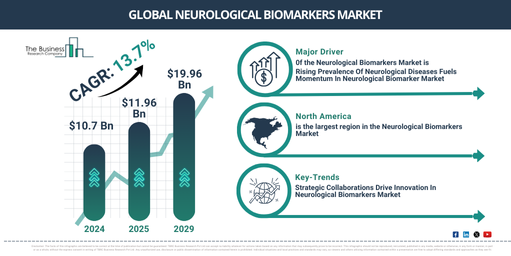
    In recent years, the expansion of the neurological biomarkers market has been swift. The market which was worth $10.7 billion in 2024 is projected to increase to $11.96 billion in 2025, with a compound annual growth rate (CAGR) of 11.7%. This significant growth during the historical period is due to several factors, including the rising incidence of neurological disorders, an aging population, the necessity for drug development, heightened funding for neurological research, and the shift towards personalized medicine.

    Over the coming years, the market size for neurological biomarkers is projected to expand quickly. The market is estimated to reach a value of $19.96 billion in 2029, demonstrating a compound annual growth rate (CAGR) of 13.7%. This growth during the estimate period is due to factors including early detection biomarkers, biosensors, wearable devices, global health initiatives, and a patient-centric approach. The forecast period will also see major trends such as technological innovations in imaging, swift progress in omics technologies, the incorporation of artificial intelligence (AI), real-world verification of biomarkers, advances in diagnostic technologies, and collaboration between industrial sectors and research institutions.

    Download a free sample to assess the report’s scope and structure:

    https://www.thebusinessresearchcompany.com/sample.aspx?id=12677&type=smp

    Which Primay Drivers Are Accelerating Growth in the Neurological Biomarkers Market?

    The surge in neurological disorders is predicted to trigger the expansion of the neurological biomarker market. Neurological conditions impact the brain, spinal cord, and all other nervous systems of the body. Parkinson’s disease, a neurodegenerative disease, affects the neurological system and body parts that are managed by the nerves. Neurological biomarkers aid in early diagnosis of Parkinson’s disease through pathological, biochemical, and genetic testing. For example, the Parkinson’s Foundation – a non-profit based in the US, reported in December 2022 that the instances of new Parkinson’s disease diagnoses reached 90,000 in 2022, a rise from 60,000 in 2021. Hence, the escalating prevalence of neurological diseases is bolstering the growth of the neurological biomarker market.

    Which Primary Segments of the Neurological Biomarkers Market Are Driving Growth and Industry Transformations?

    The neurological biomarkers market covered in this report is segmented –

    1) By Product: Proteomics Biomarker, Genomics Biomarker, Metabolomics Biomarker, Imaging Biomarker, Other Products

    2) By Application: Alzheimer’s Disease, Parkinson’s Disease, Huntington’s Disease, Schizophrenia, Depression, Multiple Sclerosis, Spinal Muscular Atrophy

    3) By End-User: Hospital Laboratories, Clinical Diagnostic Centers, Research Organizations, Other End-Users

    Subsegments:

    1) By Proteomics Biomarker: Protein Biomarkers, Antibody Biomarkers

    2) By Genomics Biomarker: DNA Biomarkers, RNA Biomarkers

    3) By Metabolomics Biomarker: Metabolite Biomarkers, Lipid Biomarkers

    4) By Imaging Biomarker: MRI Biomarkers, PET Scan Biomarkers

    5) By Other Products: Neuroinflammatory Biomarkers, Neurotransmitter Biomarkers

    Request customized data on this market:

    https://www.thebusinessresearchcompany.com/customise?id=12677&type=smp

    Which Regions Are Key Players in the Growth of the #Which Primay Drivers Are Accelerating Growth in the Neurological Biomarkers Market?# Market?

    North America was the largest region in the neurological biomarkers market in 2024. The regions covered in the neurological biomarkers market report are Asia-Pacific, Western Europe, Eastern Europe, North America, South America, Middle East, Africa

    Which Technological Trends Are Reshaping the Neurological Biomarkers Industry Dynamics?

    Key firms in the neurological biomarkers industry are forming partnerships to produce new products and reinforce their market dominance. Collaboration and partnerships spur innovation, utilize complementary skill sets, and facilitate faster development and commercialization of pioneering therapies by pooling resources and strengths. For instance, in July 2022, NeuroSense Therapeutics Ltd., an Israeli company engaged in devising treatments for extreme neurodegenerative diseases, allied itself with NeuraLight, another Israeli firm focused on developing precise and sensitive biomarkers for neurological ailments. This partnership aims at identifying oculometric indicators for Amyotrophic Lateral Sclerosis (ALS) through the use of Artificial Intelligence (AI) and Machine Learning (ML). Following NeuraLight’s $25 million Series A funding, the alliance aspires to heighten the identification and usage of ALS digital indications in a concurrent investigation. This marks the beginning of the collaboration’s first clinical trial and primarily concentrates on utilizing oculometric digital indicators, which could facilitate patient segmentation and increase the chances of success in clinical trials.

    View the full report here:

    https://www.thebusinessresearchcompany.com/report/neurological-biomarkers-global-market-report

    What Parameters Are Used to Define the Neurological Biomarkers Market?

    A neurological biomarker is a substance that provides objective and quantifiable information about the presence, progression, or characteristics of a neurological disorder or condition. They are used in clinical practice during drug development.

    Purchase the full report and get a swift delivery:

    https://www.thebusinessresearchcompany.com/purchaseoptions.aspx?id=12677

    About The Business Research Company:

    With over 15000+ reports from 27 industries covering 60+ geographies, The Business Research Company has built a reputation for offering comprehensive, data-rich research and insights. Armed with 1,500,000 datasets, the optimistic contribution of in-depth secondary research, and unique insights from industry leaders, you can get the information you need to stay ahead in the game.

    Get in touch with us:

    The Business Research Company: https://www.thebusinessresearchcompany.com/

    Americas +1 3156230293

    Asia +44 2071930708

    Europe +44 2071930708

    Email us at info@tbrc.info

    Follow us on:

    LinkedIn: https://in.linkedin.com/company/the-business-research-company

    YouTube: https://www.youtube.com/channel/UC24_fI0rV8cR5DxlCpgmyFQ

    Global Market Model: https://www.thebusinessresearchcompany.com/global-market-model
  • Neuroendocrine Tumor Treatment Growth Trajectory: Key Forecasts and Strategic Insights

    Neuroendocrine Tumor Treatment Growth Trajectory: Key Forecasts and Strategic Insights

    Discover trends, market shifts, and competitive outlooks for the neuroendocrine tumor treatment industry through 2025-2034 with The Business Research Company’s reliable data and in-depth research

    What Is the Current and Projected Market Size of the Neuroendocrine Tumor Treatment Market Through 2034?

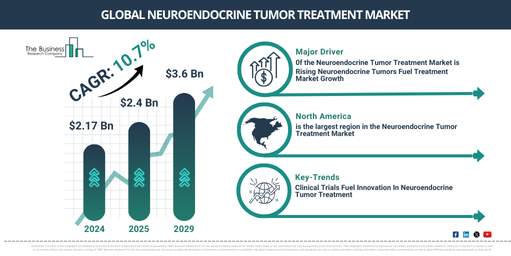
    The market for neuroendocrine tumor treatment has seen swift expansion in the past few years. Its size is anticipated to increase from $2.17 billion in 2024 to $2.4 billion in 2025, with a compound annual growth rate (CAGR) of 10.6%. The growth observed in the historic period can be credited to factors such as developments in clinical research and understanding, heightened awareness and education, the presence of specialist medical skills, progress in radiation therapy, and enhanced supportive care services.

    The market for neuroendocrine tumor treatment is poised for rapid expansion in the upcoming years, with predictions suggesting it will reach $3.6 billion by 2029, growing at a compound annual growth rate (CAGR) of 10.7%. Factors driving this growth during the forecast period include advancements in precision medicine, developments in immunotherapy, minimally invasive surgery techniques, increasing incidence rates, and the advent of telemedicine and remote care. Trends anticipated in this period include progress in diagnostic technologies, improvements in peptide receptor radionuclide therapy (PRRT), the application of nanotechnology in drug delivery, the emergence of radiopharmaceuticals, and cross-disciplinary cooperation.

    Download a free sample to assess the report’s scope and structure:

    https://www.thebusinessresearchcompany.com/sample.aspx?id=12248&type=smp

    Which Factors and External Forces Are Driving Demand in the Neuroendocrine Tumor Treatment Market?

    The increasing occurrence of neuroendocrine tumors is anticipated to drive the expansion of the neuroendocrine tumor treatment market. Neuroendocrine tumors (NETs) are a rare form of tumors that originate from neuroendocrine cells. The treatment of these tumors is crucial for their cure and works to manage symptoms, control the development of the tumor, and uses radiation therapy to eliminate tumor cells. As per the data provided by the American Society of Clinical Oncology (ASCO), a professional organization based in the US, in March 2023, over 12,000 Americans are diagnosed with these tumors annually, with an estimated 171,000 individuals living with this diagnosis in 2023. Moreover, Cancer Australia, an Australian cancer control organization, reported in August 2022 that 5,437 Australians were diagnosed with neuroendocrine tumors in 2022, amounting to 3.4% of all new cases diagnosed that year. Thus, the rising occurrence of neuroendocrine tumors is fueling the growth of the neuroendocrine tumor treatment market.

    Which Segments in the Neuroendocrine Tumor Treatment Offer the Most Growth?

    The neuroendocrine tumor treatment market covered in this report is segmented –

    1) By Product: Somatostatin Analogs (SSAs), Targeted Therapy, Chemotherapy, Others Products

    2) By Indication: Lungs, Pancreas, Gastrointestinal, Others Indications

    3) By End-Users: Hospitals, Oncology Centers, Other End-Users

    Subsegments:

    1) By Somatostatin Analogs (SSAs): Octreotide, Lanreotide

    2) By Targeted Therapy: Tyrosine Kinase Inhibitors (TKIs), Peptide Receptor Radionuclide Therapy (PRRT)

    3) By Chemotherapy: Traditional Chemotherapy Agents, Combination Chemotherapy Regimens

    4) By Other Products: Immunotherapy, Supportive Care Medications

    Request customized data on this market:

    https://www.thebusinessresearchcompany.com/customise?id=12248&type=smp

    What Are the Fastest-Growing Geographies in the #Which Factors and External Forces Are Driving Demand in the Neuroendocrine Tumor Treatment Market?# Market?

    North America was the largest region in the neuroendocrine tumor treatment market in 2024. The regions covered in the neuroendocrine tumor treatment market report are Asia-Pacific, Western Europe, Eastern Europe, North America, South America, Middle East, Africa.

    Which Cutting-Edge Market Trends Are Expected to Drive theNeuroendocrine Tumor Treatment Market’s Growth?

    The growing trend of using clinical drug development for treatment in the neuroendocrine tumor treatment market is being leveraged by major players in the field. To maintain their market position, these companies are working on groundbreaking therapies. For example, Viewpoint Molecular Targeting, Inc., an American pharmaceutical corporation, announced in October 2022 that it received a fast-track designation from the U.S. Food and Drug Administration (FDA) for the development of [212Pb] VMT-a-NET. This drug is used to treat patients suffering from SSTR2-positive unresectable or metastatic neuroendocrine tumors (NETs) and is a targeted alpha-particle therapy (TAT) specifically designed to eliminate cancer cells expressing somatostatin receptors specifically. The FDA’s fast-track designation is meant to speed up both the development and review process of [212Pb] VMT-a-NET for NET treatments. The designation is exclusively given to drugs that could potentially significantly increase the safety or efficacy of treatment for serious illnesses.

    View the full report here:

    https://www.thebusinessresearchcompany.com/report/neuroendocrine-tumor-treatment-global-market-report

    What Are the Key Elements That Define the Neuroendocrine Tumor Treatment Market?

    Neuroendocrine tumor treatment refers to the process of medical interventions and therapies aimed at managing and controlling neuroendocrine tumors (NETs). Neuroendocrine tumors are a rare type of cancer arising from neuroendocrine cells that regulate hormone production throughout the body. Neuroendocrine tumor treatment involves various approaches to target and control tumor growth, relieve symptoms, and improve the patient’s quality of life.

    Purchase the full report and get a swift delivery:

    https://www.thebusinessresearchcompany.com/purchaseoptions.aspx?id=12248

    About The Business Research Company:

    With over 15000+ reports from 27 industries covering 60+ geographies, The Business Research Company has built a reputation for offering comprehensive, data-rich research and insights. Armed with 1,500,000 datasets, the optimistic contribution of in-depth secondary research, and unique insights from industry leaders, you can get the information you need to stay ahead in the game.

    Get in touch with us:

    The Business Research Company: https://www.thebusinessresearchcompany.com/

    Americas +1 3156230293

    Asia +44 2071930708

    Europe +44 2071930708

    Email us at info@tbrc.info

    Follow us on:

    LinkedIn: https://in.linkedin.com/company/the-business-research-company

    YouTube: https://www.youtube.com/channel/UC24_fI0rV8cR5DxlCpgmyFQ

    Global Market Model: https://www.thebusinessresearchcompany.com/global-market-model
  • Market Trends Influencing Strategic Decisions in the Fibrin Sealants Industry: Development of Hemostatic Agents In The Fibrin Sealants Market

    Market Trends Influencing Strategic Decisions in the Fibrin Sealants Industry: Development of Hemostatic Agents In The Fibrin Sealants Market

    Discover trends, market shifts, and competitive outlooks for the fibrin sealants industry through 2025-2034 with The Business Research Company’s reliable data and in-depth research

    What Is the Estimated Market Size of the Fibrin Sealants Market In 2029?

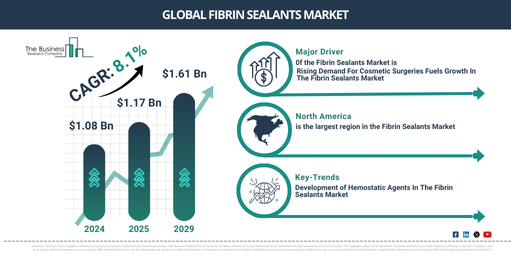
    The market size of fibrin sealants has seen robust growth in recent years. Projected figures reveal an expansion from $1.08 billion in 2024 to $1.17 billion in 2025, representing a compound annual growth rate (CAGR) of 8.4%. The historical period’s growth can be ascribed to factors such as the advancement in medical tourism, strengthening healthcare infrastructure, the increasing number of elective surgical procedures, the rising prevalence of chronic diseases, and an ascendant demand for swift hemostasis solutions.

    In the coming years, the fibrin sealants market is predicted to experience robust growth, reaching a value of $1.61 billion in 2029 with a compound annual growth rate (CAGR) of 8.1%. The anticipated expansion during the forecast period is due to factors such as a growing number of cosmetic and dental surgeries, a rising geriatric population, an increase in CABG cases, and escalating instances of blood-related disorders. The period is also expected to witness a surge in trends like technological advancements, advanced haemostatic technologies, personalised medicine, digital health technologies, and the use of robotic-assisted surgeries.

    Download a free sample to assess the report’s scope and structure:

    https://www.thebusinessresearchcompany.com/sample.aspx?id=19434&type=smp

    What Are the Major Market Drivers Behind the Rising Adoption of Fibrin Sealants Market?

    The fibrin sealants market’s growth is set to be propelled by the rising number of cosmetic surgeries. These medical procedures, focused mainly on altering or enhancing an individual’s appearance, have seen an upward trend due to societal focus on aesthetics, advancements in surgical methods, and increasing availability of minimally invasive procedures. Fibrin sealants play a crucial role in cosmetic surgeries by speeding up wound healing, controlling bleeding, and reducing scars, thereby improving surgical results and patient healing process. For example, the CosmetAssure report in September 2023 from the American Society of Plastic Surgeons in the US revealed that liposuction was the most sought-after plastic surgery procedure in 2023, with 347,782 procedures carried out, marking a 7% rise from 2022. Tummy tucks too witnessed a 5% growth, with 170,110 procedures undertaken. Hence, the growth of the fibrin sealants market is being fueled by the escalating number of cosmetic surgeries.

    Which Key Market Segments Comprise the Fibrin Sealants Market and Drive Its Revenue Growth?

    The fibrin sealantsmarket covered in this report is segmented –

    1) By Type: Liquid, Patch, Powder

    2) By Technology: Autologous Donation, Viral Inactivation, Recombinant Production, Other Technologies

    3) By Application: General Surgery, Cardiovascular Surgery, Wound Management, Orthopedic Surgery, Urological Surgeries, Ophthalmic Surgeries, Transplant Surgery, Other Applications

    4) By End-User: Hospitals, Ambulatory Surgical Centers, Other End-Users

    Subsegments:

    1) By Liquid: Bovine-Derived Liquid Sealants, Human-Derived Liquid Sealants, Synthetic Liquid Sealants, Recombinant Fibrin Sealants

    2) By Patch: Bovine-Derived Fibrin Patches, Human-Derived Fibrin Patches, Synthetic Fibrin Patches, Bioabsorbable Fibrin Patches

    3) By Powder: Bovine-Derived Fibrin Powder, Human-Derived Fibrin Powder, Synthetic Fibrin Powder, Recombinant Fibrin Powder

    Request customized data on this market:

    https://www.thebusinessresearchcompany.com/customise?id=19434&type=smp

    Which Areas Are Leading Regions in the Fibrin Sealants Market Expansion Across the Globe?

    North America was the largest region in the fibrin sealants market in 2024. Asia-Pacific is expected to be the fastest-growing region in the forecast period. The regions covered in the fibrin sealants market report are Asia-Pacific, Western Europe, Eastern Europe, North America, South America, Middle East, Africa.

    Which Technological Trends Are Reshaping the Fibrin Sealants Industry Dynamics?

    In the fibrin sealants market, prominent firms are honing their focus on the creation of hemostatic agents, which quickly halt bleeding upon exposure to them. These agents function by encouraging blood clot formation at wounds or surgical incision points. Swasth Kare, an Indian hemostatic agent producer, in February 2022, introduced SeraSeal. It’s a product of Wortham Laboratories, also an Indian company specializing in the development of hemostatic wound healing and coagulation products. SeraSeal, a fibrin sealant, is engineered to promptly halt bleeding upon contact, achieving hemostasis in seconds, even in instances of arterial bleeding. The quick response time of SeraSeal can be pivotal during emergency situations where time is of the essence. The product’s translucent property enables surgeons to clearly view the bleeding site and thus, make informed decisions during surgical procedures.

    View the full report here:

    https://www.thebusinessresearchcompany.com/report/fibrin-sealants-global-market-report

    How Is the Fibrin Sealants Market Conceptually Defined?

    Fibrin sealants, also known as fibrin glues or fibrin tissue adhesives, are specialized medical products used to promote blood clotting and tissue healing. They are composed of two main components derived from human or animal blood, fibrinogen (a protein involved in blood clot formation) and thrombin (an enzyme that converts fibrinogen into fibrin, the main substance in blood clots). Fibrin sealants are commonly used during surgeries to control bleeding, especially in delicate or hard-to-reach areas where traditional sutures or cauterization may be insufficient.

    Purchase the full report and get a swift delivery:

    https://www.thebusinessresearchcompany.com/purchaseoptions.aspx?id=19434

    About The Business Research Company:

    With over 15000+ reports from 27 industries covering 60+ geographies, The Business Research Company has built a reputation for offering comprehensive, data-rich research and insights. Armed with 1,500,000 datasets, the optimistic contribution of in-depth secondary research, and unique insights from industry leaders, you can get the information you need to stay ahead in the game.

    Get in touch with us:

    The Business Research Company: https://www.thebusinessresearchcompany.com/

    Americas +1 3156230293

    Asia +44 2071930708

    Europe +44 2071930708

    Email us at info@tbrc.info

    Follow us on:

    LinkedIn: https://in.linkedin.com/company/the-business-research-company

    YouTube: https://www.youtube.com/channel/UC24_fI0rV8cR5DxlCpgmyFQ

    Global Market Model: https://www.thebusinessresearchcompany.com/global-market-model
  • Emerging Trends Redefining the Fecal Transplant Therapy Market Landscape: Technological Advancements In Fetal And Neonatal Care Equipment

    Emerging Trends Redefining the Fecal Transplant Therapy Market Landscape: Technological Advancements In Fetal And Neonatal Care Equipment

    Discover trends, market shifts, and competitive outlooks for the fetal and neonatal care equipment industry through 2025-2034 with The Business Research Company’s reliable data and in-depth research

    What Are the Key Projections for the CAGR of the Fetal And Neonatal Care Equipment Market Size From 2025 to 2034?

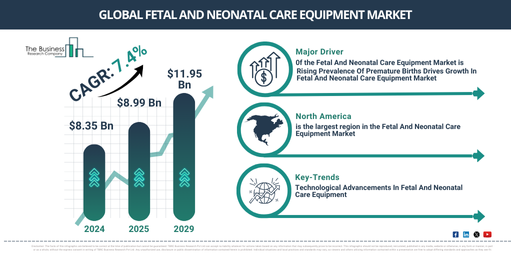
    The market size for fetal and neonatal care equipment has seen robust growth in recent years. It’s projected to increase from $8.35 billion in 2024 to $8.99 billion in 2025, indicating a Compound Annual Growth Rate (CAGR) of 7.6%. Factors contributing to the growth in the past include a higher number of preterm births, enhanced awareness about maternal health, advancements in healthcare infrastructure, growth in disposable income, government initiatives and an increasing number of complications.

    The market for fetal and neonatal care equipment is anticipated to experience significant expansion in the upcoming years. It’s predicted to increase to $11.95 billion by 2029 with a compound annual growth rate (CAGR) of 7.4%. This enhance in the forecast period is due to several factors including the evolution of telemedicine, an upsurge in preventive healthcare, personalized medicine, expansion in the emerging markets, superior data analytics, and an uplift in R&D investments. Key trends to look out for in this forecast period involve IoT integration, development of wearable technology, advancements in image technology, the rise in minimally invasive procedures, smart monitoring infrastructures, emphasis on user-friendly designs, and customized neonatal care.

    Download a free sample to assess the report’s scope and structure:

    https://www.thebusinessresearchcompany.com/sample.aspx?id=19432&type=smp

    What Are the Core Market Drivers Propelling Growth in the Fetal And Neonatal Care Equipment Industry?

    As the incidence of premature births continues to rise, it is anticipated to fuel the expansion of the fetal and neonatal care equipment market. A premature birth is defined as the birth of an infant prior to the culmination of 37 weeks of pregnancy. The escalation in premature births is attributed to the advancement in maternal age, linked with heightened risk of complications, and chronic health issues in expectant mothers like diabetes, obesity, high blood pressure, and infections. These factors contribute to early labor and delivery. Fetal and neonatal care equipment foster better health outcomes for premature infants, offering support to medical practitioners in monitoring crucial signs, providing necessary treatments, and guaranteeing the safety and welfare of newborns in critical care. For example, as per the Office for National Statistics in the UK, the ratio of preterm live births witnessed an increase to 7.9% in 2022, from 7.5% in 2021. Hence, the surging rate of premature births will boost the growth of the fetal and neonatal care equipment market.

    How Is the Fetal And Neonatal Care Equipment Market Segmented?

    The fetal and neonatal care equipmentmarket covered in this report is segmented –

    1) By Type: Fetal Care Equipment, Neonatal Care Equipment

    2) By Portability: Portable Devices, Non-Portable Devices

    3) By End-User: Hospitals, Diagnostics Centers, Clinics, Other End-Users

    Subsegments:

    1. By Fetal Care Equipment: Fetal Monitoring Equipment, Ultrasound Equipment, Fetal Surgery Equipment, Fetal Diagnostics Equipment, Fetal Assessment Systems

    2. By Neonatal Care Equipment: Incubators, Phototherapy Equipment, Respiratory Support Equipment, Neonatal Monitoring Equipment, Feeding Equipment, Suction Devices, Transport Incubators

    Request customized data on this market:

    https://www.thebusinessresearchcompany.com/customise?id=19432&type=smp

    Which Regions Are Driving the Next Phase of the Fetal And Neonatal Care Equipment Market Growth?

    North America was the largest region in the fetal and neonatal care equipment market in 2024. Asia-Pacific is expected to be the fastest-growing region in the forecast period. The regions covered in the fetal and neonatal care equipment market report are Asia-Pacific, Western Europe, Eastern Europe, North America, South America, Middle East, Africa.

    What Are the Key Market Trends in the Fetal And Neonatal Care Equipment Market Over the Coming Years?

    Principal firms active in the market for fetal and neonatal care equipment are working to formulate technologically superior solutions like wireless maternal and fetal monitoring systems. These systems are designed to provide non-invasive monitoring of high-risk and premature pregnancies, depicting fetal and maternal heart rates, along with uterine activity. In one instance, GE HealthCare Technologies Inc., rooted in the U.S and specializing in medical technology, obtained a 510(k) clearance from the United State’s FDA for their Novii+ Wireless Patch Solution in February 2024. This solution is designed to observe both maternal and fetal health in patients who are at least at the 34th week of their pregnancy. This is an extension of its previous use, which was limited to pregnancies above 37 weeks. The product features a wireless, belt-free patch for noninvasive surveillance of fetal heart rate, maternal heart rate, and uterine activity, giving the women freedom to move and stay active during labor, potentially lessening labor duration and improving comfort.

    View the full report here:

    https://www.thebusinessresearchcompany.com/report/fetal-and-neonatal-care-equipment-global-market-report

    How Is the Fetal And Neonatal Care Equipment Market Defined and What Are Its Core Parameters?

    Fetal and neonatal care equipment refers to a range of medical devices and tools designed to monitor, diagnose, treat, and support the health of fetuses and newborn infants. This equipment is essential in ensuring the well-being of babies during pregnancy, labor, delivery, and the neonatal period, especially for those who are premature or have medical complications.

    Purchase the full report and get a swift delivery:

    https://www.thebusinessresearchcompany.com/purchaseoptions.aspx?id=19432

    About The Business Research Company:

    With over 15000+ reports from 27 industries covering 60+ geographies, The Business Research Company has built a reputation for offering comprehensive, data-rich research and insights. Armed with 1,500,000 datasets, the optimistic contribution of in-depth secondary research, and unique insights from industry leaders, you can get the information you need to stay ahead in the game.

    Get in touch with us:

    The Business Research Company: https://www.thebusinessresearchcompany.com/

    Americas +1 3156230293

    Asia +44 2071930708

    Europe +44 2071930708

    Email us at info@tbrc.info

    Follow us on:

    LinkedIn: https://in.linkedin.com/company/the-business-research-company

    YouTube: https://www.youtube.com/channel/UC24_fI0rV8cR5DxlCpgmyFQ

    Global Market Model: https://www.thebusinessresearchcompany.com/global-market-model
  • Fecal Transplant Therapy Market 2025-2034: Key Highlights, Growth Dynamics, and Emerging Trends

    Fecal Transplant Therapy Market 2025-2034: Key Highlights, Growth Dynamics, and Emerging Trends

    Discover trends, market shifts, and competitive outlooks for the fecal transplant therapy industry through 2025-2034 with The Business Research Company’s reliable data and in-depth research

    How Has The Fecal Transplant Therapy Market Growth Evolved From 2024 To 2025, And What’s Ahead?

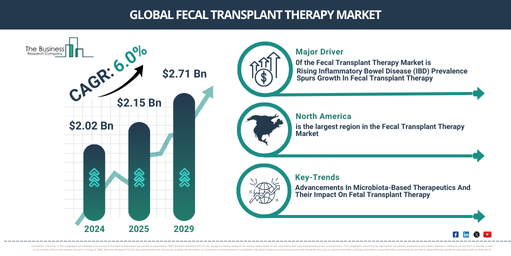
    In the past few years, the fecal transplant therapy market has exhibited robust growth. It’s projected to grow from $2.02 billion in 2024 to $2.15 billion in 2025, representing a compound annual growth rate (CAGR) of 6.4%. This significant growth during the previous years is attributed to several factors, including heightened awareness of fecal transplant procedures, robust demand for innovative treatment methods, a global surge in health consciousness, increased investment in research and development, and a rising occurrence of inflammatory bowel disease.

    The market size for fecal transplant therapy is forecasted to experience significant growth in the coming years, escalating to $2.71 billion in 2029 with a 6.0% compound annual growth rate (CAGR). This expansion in the prediction period can be attributed to increasing use of biologics in treatment, a surge in chronic disease prevalence, augmentation in biopesticides usage, growth in prescriptions for new and innovative drugs, and a rise in patients suffering from specific medical conditions. The forecast period is also expected to witness certain major trends such as intensifying focus on microbiome research, creation of synthetic alternatives, rise in the number of clinical trials, advancements in treatment delivery techniques, and an expansion in donor screening.

    Download a free sample to assess the report’s scope and structure:

    https://www.thebusinessresearchcompany.com/sample.aspx?id=19431&type=smp

    Which Primay Drivers Are Accelerating Growth in the Fecal Transplant Therapy Market?

    The escalating occurrence of inflammatory bowel disease (IBD), a chronic inflammation of the gastrointestinal tract including conditions like Crohn’s disease and ulcerative colitis, is projected to spur the expansion of fecal transplant therapy markets. Factors contributing to the surge in IBD cases include the increased intake of highly processed foods, regular or improper use of antibiotics, enhanced hygiene, and decreased exposure to infectious agents in early life. Fecal transplant therapy is designed to reestablish a healthy gut microbiota, alleviating inflammation and enhancing symptoms in IBD patients, thus potentially impacting its treatment and development. For instance, Crohn’s and Colitis Canada, a non-profit organization based in Canada, predicts that by 2035, the number of IBD sufferers in Canada will reach 470,000, a significant increase from an estimated 322,600 in June 2023. Consequently, the rising prevalence of inflammatory bowel disease is fuelling the expansion of the fecal transplant therapy market.

    Which Primary Segments of the Fecal Transplant Therapy Market Are Driving Growth and Industry Transformations?

    The fecal transplant therapymarket covered in this report is segmented –

    1) By Procedure: Fecal Enema, Fecal Bacteriotherapy, Stool Transplant, Human Probiotic Infusion, Fecal Transfusion

    2) By Disease: Clostridium Difficile Infection, Autism, Obesity, Parkinson’s Disease (PD), Diabetes Mellitus, Other Diseases

    3) By End-User: Hospitals, Specialty Clinics, Other End-Users

    Subsegments:

    1) By Fecal Enema: Retention Enema, Cleansing Enema, Retention-Based Fecal Transplants, Home Administration Kits

    2) By Fecal Bacteriotherapy: Suspension-Based Bacteriotherapy, Capsule Formulations, Customized Bacterial Preparations, Single Strain vs. Multi-Strain Products

    3) By Stool Transplant: Direct Stool Transplant Procedures, Stool Suspension Transplant, Stool Capsule Transplant, Automated Stool Preparation Systems

    4) By Human Probiotic Infusion: Single-Strain Probiotic Infusions, Multi-Strain Probiotic Infusions, Probiotic Blends With Prebiotics, Infusion Kits for Healthcare Providers

    5) By Fecal Transfusion: Intravenous Fecal Transfusion, Transfusion via Gastrostomy Tube, Pre-Packaged Fecal Transfusion Solutions, Fecal Transfusion For Research Purposes

    Request customized data on this market:

    https://www.thebusinessresearchcompany.com/customise?id=19431&type=smp

    Which Regions Are Key Players in the Growth of the Fecal Transplant Therapy Market?

    North America was the largest region in the fecal transplant therapy market in 2024. Asia-Pacific is expected to be the fastest-growing region in the forecast period. The regions covered in the fecal transplant therapy market report are Asia-Pacific, Western Europe, Eastern Europe, North America, South America, Middle East, Africa.

    Which Emerging Trends that Are Influencing the Fecal Transplant Therapy Industry Evolution?

    Leading businesses in the fecal transplant therapy market are concentrating on the creation of new treatment strategies, such as fecal microbiota transplantation (FMT) therapy in pill form, to promote patient adherence and expand therapy access. The pill version of FMT therapy includes live bacteria encapsulated from donor stool and is intended to be ingested orally. Its primary goal is to reestablish healthy gut bacteria and enhance gut health. For example, in April 2023, Seres Therapeutics Inc., a biotechnology company based in the US, and Nestlé Health Science S.A., a healthcare firm from Switzerland, introduced VOWST. The product is supplied as capsules, offering a more convenient and less invasive treatment alternative to prevent recurring clostridioides difficile infection (rCDI) in adults after antibacterial therapy. Unlike conventional FMT, which involves transplanting entire stool samples, VOWST utilizes live bacterial spores from several Firmicute species sourced from healthy human donors’ fecal microbiota, thought to re-establish a healthy gut microbiome.

    View the full report here:

    https://www.thebusinessresearchcompany.com/report/fecal-transplant-therapy-global-market-report

    What Parameters Are Used to Define the Fecal Transplant Therapy Market?

    Fecal transplant therapy, also known as fecal microbiota transplantation (FMT), is a medical procedure that involves the transfer of stool (feces) from a healthy donor into the gastrointestinal (GI) tract of a recipient. This treatment primarily addresses recurrent Clostridium difficile infections and other gut-related issues. It aims to repopulate the patient’s gut with beneficial bacteria to improve their health and digestion.

    Purchase the full report and get a swift delivery:

    https://www.thebusinessresearchcompany.com/purchaseoptions.aspx?id=19431

    About The Business Research Company:

    With over 15000+ reports from 27 industries covering 60+ geographies, The Business Research Company has built a reputation for offering comprehensive, data-rich research and insights. Armed with 1,500,000 datasets, the optimistic contribution of in-depth secondary research, and unique insights from industry leaders, you can get the information you need to stay ahead in the game.

    Get in touch with us:

    The Business Research Company: https://www.thebusinessresearchcompany.com/

    Americas +1 3156230293

    Asia +44 2071930708

    Europe +44 2071930708

    Email us at info@tbrc.info

    Follow us on:

    LinkedIn: https://in.linkedin.com/company/the-business-research-company

    YouTube: https://www.youtube.com/channel/UC24_fI0rV8cR5DxlCpgmyFQ

    Global Market Model: https://www.thebusinessresearchcompany.com/global-market-model
  • Fecal Microbiota Transplantation (FMT) Growth Trajectory: Key Forecasts and Strategic Insights

    Fecal Microbiota Transplantation (FMT) Growth Trajectory: Key Forecasts and Strategic Insights

    Discover trends, market shifts, and competitive outlooks for the fecal microbiota transplantation (fmt) industry through 2025-2034 with The Business Research Company’s reliable data and in-depth research

    What is the Projected CAGR for the Fecal Microbiota Transplantation (FMT) Market Size from 2025 to 2034?

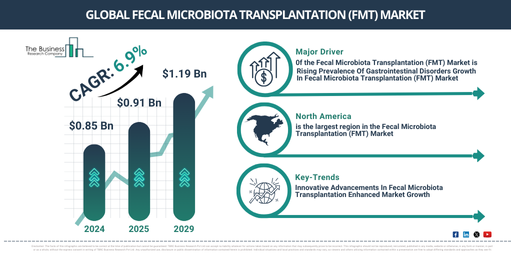
    The market for fecal microbiota transplantation (FMT) has seen substantial growth in the past few years. Its size is projected to expand from $0.85 billion in 2024 to $0.91 billion in 2025, at a compound annual growth rate (CAGR) of 7.2%. Factors contributing to this growth during the historic period include heightened awareness regarding gut microbiome, a broader range of therapeutic applications, a rise in personalized medicine, increased adoption in gastroenterology practices, a greater number of clinical trials and amplified funding and investments.

    In the forthcoming years, a robust expansion is predicted in the fecal microbiota transplantation (FMT) market which is anticipated to escalate to $1.19 billion in 2029, exhibiting a compound annual growth rate (CAGR) of 6.9%. The expansion during the projection period can be credited to the escalating number of clostridium difficile infections (CDI), increased instances of inflammatory bowel diseases, heightened activity in research and development, the growth in the elderly population, and the broadening infrastructure in healthcare. Key developments projected for this timeframe include establishment of standard procedures for donor screening, preparation of stools, advancements in analysing microbiomes, enhancement in stool processing technologies, invention of new delivery techniques, and the creation of synthetic or standardized microbiota-oriented products.

    Download a free sample to assess the report’s scope and structure:

    https://www.thebusinessresearchcompany.com/sample.aspx?id=19430&type=smp

    Which Factors and External Forces Are Driving Demand in the Fecal Microbiota Transplantation (FMT) Market?

    The escalating occurrence of gastrointestinal disorders is anticipated to boost the expansion of the fecal microbiota transplantation (FMT) market. Gastrointestinal (GI) disorders encompass various conditions impacting the gastrointestinal tract, including the esophagus, stomach, small intestine, large intestine (colon), rectum, and anus. The upsurge in these disorders can be attributed to increased stress, inactive lifestyles, and an elevated intake of processed foods. Fecal microbiota transplantation is utilized in treating these disorders to reintroduce healthy gut bacteria, especially for recurrent Clostridioides difficile infections. For instance, according to Crohn’s and Colitis Canada, a not-for-profit organization based in Canada, there’s a swift escalation in the number of IBD affected people in Canada from 322,600 in 2023 (0.8% of the population) to an estimated 470,000 by 2035 (1.1% of the population). In 2023, 11,000 new diagnoses are expected (1 every 48 minutes), and these figures are projected to rise to 14,000 by 2035 (1 every 38 minutes). Consequently, the climbing prevalence of gastrointestinal disorders is propelling the expansion of the fecal microbiota transplantation (FMT) market.

    Which Segments in the Fecal Microbiota Transplantation (FMT) Offer the Most Growth?

    The fecal microbiota transplantation (FMT) market covered in this report is segmented –

    1) By Type: Fermentation, Fresh, Cryopreservation

    2) By Donor Type: Stool-Derived, Fecal-Derived, Whole-Microbiome Derived

    3) By Indication: Clostridioides Difficile Infection, Inflammatory Bowel Disease, Metabolic Syndrome, Other Indications

    4) By Administration Route: Oral, Rectal, Nasogastric, Colon Capsule

    5) By End-User: Hospitals, Specialty Clinics, Other End-Users

    Subsegments:

    1) By Fermentation: Fermented FMT Products, Fermented Capsules, Fermented Liquids, In-House Fermentation Techniques

    2) By Fresh: Fresh Stool Samples, Fresh FMT Capsules, Fresh FMT Solutions for In-Hospital Use, Freshly Prepared FMT for Outpatient Use

    3) By Cryopreservation: Cryopreserved Stool Samples, Cryopreserved FMT Capsules, Cryopreserved Liquid FMT, Long-Term Storage Solutions for Cryopreserved FMT

    Request customized data on this market:

    https://www.thebusinessresearchcompany.com/customise?id=19430&type=smp

    What Are the Fastest-Growing Geographies in the Fecal Microbiota Transplantation (FMT) Market?

    North America was the largest region in the fecal microbiota transplantation (FMT) market in 2024. The regions covered in the fecal microbiota transplantation (FMT) market report are Asia-Pacific, Western Europe, Eastern Europe, North America, South America, Middle East, Africa.

    What Key Trends Are Shaping the Future of the Fecal Microbiota Transplantation (FMT) Market?

    Top-tier companies in the fecal microbiota transplantation (FMT) market are turning their attention to the creation of novel solutions like microbiota-based live biotherapeutics. This approach aims to improve treatment outcomes for various gastrointestinal conditions. Microbiota-based live biotherapeutics entails using live microorganisms as therapeutic agents that can rectify or adjust the gut biome to address multiple diseases. To illustrate, Ferring Pharmaceuticals, a reputed biopharmaceutical firm based in Switzerland, gained approval from the US Food and Drug Administration (FDA) in November 2022 for their ground-breaking product, REBYOTA (fecal microbiota, live-jslm). This is the first-of-its-kind microbiota-based live biotherapeutic, and it’s designed to avoid the recurrence of Clostridioides difficile infection (CDI) in adults aged 18 and above, previously treated with antibiotics for recurrent CDI. Consequently, REBYOTA’s primary purpose is to prevent the reoccurrence of Clostridioides difficile (C. difficile) infection in adults aged 18 and over, who have previously undergone antibiotic treatment for recurrent CDI.

    View the full report here:

    https://www.thebusinessresearchcompany.com/report/fecal-microbiota-transplantation-fmt-global-market-report

    What Are the Key Elements That Define the Fecal Microbiota Transplantation (FMT) Market?

    Fecal microbiota transplantation (FMT) is a medical procedure where a healthy donor’s fecal material is transplanted into a recipient’s gastrointestinal tract to restore the balance of beneficial microorganisms in the gut. This procedure is typically used to treat conditions where the gut microbiota is disrupted, such as recurrent clostridium difficile infection (CDI) that does not respond to standard treatments.

    Purchase the full report and get a swift delivery:

    https://www.thebusinessresearchcompany.com/purchaseoptions.aspx?id=19430

    About The Business Research Company:

    With over 15000+ reports from 27 industries covering 60+ geographies, The Business Research Company has built a reputation for offering comprehensive, data-rich research and insights. Armed with 1,500,000 datasets, the optimistic contribution of in-depth secondary research, and unique insights from industry leaders, you can get the information you need to stay ahead in the game.

    Get in touch with us:

    The Business Research Company: https://www.thebusinessresearchcompany.com/

    Americas +1 3156230293

    Asia +44 2071930708

    Europe +44 2071930708

    Email us at info@tbrc.info

    Follow us on:

    LinkedIn: https://in.linkedin.com/company/the-business-research-company

    YouTube: https://www.youtube.com/channel/UC24_fI0rV8cR5DxlCpgmyFQ

    Global Market Model: https://www.thebusinessresearchcompany.com/global-market-model
  • Global Estrogen Blockers Market Projected to Reach $13.25 Billion by 2029 at a CAGR of 7.2%

    Global Estrogen Blockers Market Projected to Reach $13.25 Billion by 2029 at a CAGR of 7.2%

    Discover trends, market shifts, and competitive outlooks for the estrogen blockers industry through 2025-2034 with The Business Research Company’s reliable data and in-depth research

    What is the Anticipated CAGR of the Estrogen Blockers Market, and What Factors Will Drive It?

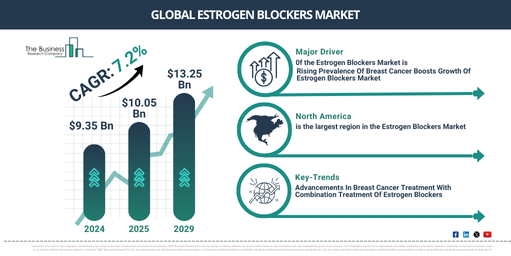
    The market size for estrogen blockers has seen a noteworthy expansion in recent times. The forecast suggests a growth from $9.35 billion in 2024 to $10.05 billion in 2025, reflecting a compound annual growth rate (CAGR) of 7.5%. Factors leading to this growth during the historic period include the escalating number of prostate cancer cases, a surge in hormone-related illnesses, and a rise in the implementation of hormone replacement therapy (HRT).

    Over the next several years, the estrogen blockers market is projected to experience robust growth, reaching $13.25 billion by 2029, exhibiting a compound annual growth rate (CAGR) of 7.2%. This growth anticipated during the forecast period can be credited to factors such as the escalating instances of breast cancer, enhanced awareness and screening initiatives, an increase in the number of estrogen-related conditions worldwide, and the broadening use of estrogen blockers beyond just cancer treatment. The forecast period also includes major trends such as advancements in the development of estrogen blockers, discovery of innovative estrogen blockers with superior efficacy, strategic alliances amongst market players, and new product approvals.

    Download a free sample to assess the report’s scope and structure:

    https://www.thebusinessresearchcompany.com/sample.aspx?id=19422&type=smp

    What are the Fundamental Drivers and Innovations Shaping the Estrogen Blockers Market?

    The estrogen blocker market is predicted to expand due to the increasing incidence of breast cancer. Originating primarily in the breast tissue, specifically the milk ducts and lobules, breast cancer is characterized by abnormal cell mutations that result in uncontrolled growth and tumor formation. Several contributing factors, such as an aging population, lifestyle changes including increased alcohol consumption and sedentary behavior, and enhanced detection methods through advanced screening and diagnostic techniques, contribute to its growing prevalence. Estrogen blockers play a crucial role in breast cancer, by restraining the hormone estrogen, which can foster the growth of certain breast cancer cells. These blockers can halt or slow the progress of hormone receptor-positive breast cancers, offering potential treatment assistance and possibly lowering the chances of recurrence. For example, in 2023, as per the Australian Institute of Health and Welfare, an Australia-based government organization, an approximated 20,458 breast cancer cases were identified in women, corresponding to a normative incidence rate of 128.6 cases per 100,000 females, as compared to an estimated 20,004 cases in the previous year, with an incidence rate of 128.2 cases per 100,000 females. Due to these reasons, the elevating occurrence of breast cancer is stimulating the development of the estrogen blocker market.

    How Is the Estrogen Blockers Market Segmented?

    The estrogen blockersmarket covered in this report is segmented –

    1) By Product: Selective Estrogen Receptor Modulators (SERMs), Aromatase Inhibitors, Estrogen Receptor Downregulators (ERDs), Other Products

    2) By Distribution Channel: Hospital Pharmacies, Retail Pharmacies, Online Pharmacies

    3) By Application: Breast Cancer Treatment, Hormone Replacement Therapy (HRT), Infertility Treatment, Post-Menopausal Osteoporosis, Other Applications

    Subsegments:

    1) By Selective Estrogen Receptor Modulators (SERMs): Tamoxifen, Raloxifene, Toremifene, Fulvestrant

    2) By Aromatase Inhibitors: Anastrozole, Letrozole, Exemestane, Vorozole

    3) By Estrogen Receptor Downregulators (ERDs): Fulvestrant, Elacestrant, Giredestrant

    4) By Other Products: Phytochemicals, Natural Estrogen Blockers, Combination Therapies

    Request customized data on this market:

    https://www.thebusinessresearchcompany.com/customise?id=19422&type=smp

    Which Regions Are Driving the Next Phase of the Estrogen Blockers Market Growth?

    North America was the largest region in the estrogen blockers market in 2024. The regions covered in the estrogen blockers market report are Asia-Pacific, Western Europe, Eastern Europe, North America, South America, Middle East, Africa.

    What Are the Strategic Trends Steering the Estrogen Blockers Market Direction?

    Key players in the estrogen blocker market are concentrating on the production of cutting-edge estrogen blocker medicines that combine both AKT (Protein Kinase B) inhibitors and selective estrogen receptor degraders (SERD). This dual approach aims to elevate treatment outcomes and tackle resistance problems in breast cancer treatment. The blend of AKT (Protein Kinase B) inhibitors and selective estrogen receptor degraders (SERDs) functions as a medical strategy for handling hormone receptor-positive breast cancer. It strikes at the survival pathways of cancer cells and breaks down estrogen receptors to suppress tumor growth and defy resistance to hormonal therapy. For example, in November 2023, AstraZeneca, a pharmaceutical firm based in the UK, was granted approval by the U.S. Food and Drug Administration (FDA) for their product Truqap (capivasertib), an AKT (Protein Kinase B) inhibitor combined with Faslodex (fulvestrant), a selective estrogen receptor degrader (SERD). It is intended for the treatment of adult patients with hormone receptor (HR)-positive, HER2-negative advanced or metastatic breast cancer presenting specific biomarker alterations like PIK3CA, AKT1, or PTEN. This product approval is of paramount importance as it zeroes in on patients who have advanced on at least one endocrine-based treatment or had a recurrence within 12 months after finishing adjuvant therapy.

    View the full report here:

    https://www.thebusinessresearchcompany.com/report/estrogen-blockers-global-market-report

    How Is the Estrogen Blockers Market Defined and What Are Its Core Parameters?

    Estrogen blockers refer to substances that inhibit the effects of estrogen in the body by binding to estrogen receptors or reducing estrogen production. They are commonly used to treat estrogen receptor-positive breast cancer by preventing estrogen from stimulating cancer cell growth. Estrogen blockers are also utilized in managing conditions such as gynecomastia in men, endometriosis, and certain cases of infertility by modulating hormone levels.

    Purchase the full report and get a swift delivery:

    https://www.thebusinessresearchcompany.com/purchaseoptions.aspx?id=19422

    About The Business Research Company:

    With over 15000+ reports from 27 industries covering 60+ geographies, The Business Research Company has built a reputation for offering comprehensive, data-rich research and insights. Armed with 1,500,000 datasets, the optimistic contribution of in-depth secondary research, and unique insights from industry leaders, you can get the information you need to stay ahead in the game.

    Get in touch with us:

    The Business Research Company: https://www.thebusinessresearchcompany.com/

    Americas +1 3156230293

    Asia +44 2071930708

    Europe +44 2071930708

    Email us at info@tbrc.info

    Follow us on:

    LinkedIn: https://in.linkedin.com/company/the-business-research-company

    YouTube: https://www.youtube.com/channel/UC24_fI0rV8cR5DxlCpgmyFQ

    Global Market Model: https://www.thebusinessresearchcompany.com/global-market-model
  • Erosion and Sediment Control Market Forecast 2025–2034: Trends Reshaping Demand, Investment, and Innovation

    Erosion and Sediment Control Market Forecast 2025–2034: Trends Reshaping Demand, Investment, and Innovation

    Discover trends, market shifts, and competitive outlooks for the esophageal dilator industry through 2025-2034 with The Business Research Company’s reliable data and in-depth research

    What Are the Key Milestones in the Esophageal Dilator Market’s Growth Trajectory From 2025 To 2034?

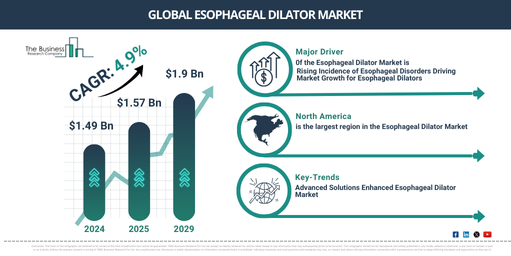
    In recent times, the esophageal dilator market has witnessed robust growth. The market size is forecasted to rise from $1.49 billion in 2024 to $1.57 billion in 2025, registering a compound annual growth rate (CAGR) of 5.2%. Factors contributing to the growth during the historic period include an increase in endoscopic and gastrointestinal surgeries, a rise in obesity rates, expansion of outpatient surgical centers, an upswing in bariatric surgeries, as well as continued research on esophageal disorders.

    Predictions reveal a consistent growth pattern for the esophageal dilator market in the coming years, with an estimated value of $1.9 billion by 2029 and a CAGR of 4.9%. The projected growth during this period can be linked to increasing cases of pediatric esophageal conditions, a growing number of dysphagia patients, heightened government attention on health care, a rise in incidences of hiatal hernia, and an increase in tobacco and alcohol usage. Key trends that are anticipated to shape this period include progress in endoscopic training, advancements in telemedicine, a rise in the popularity of endoscopic ultrasound, innovations in endoscopic suturing techniques, and the incorporation of robotic technology.

    Download a free sample to assess the report’s scope and structure:

    https://www.thebusinessresearchcompany.com/sample.aspx?id=19421&type=smp

    What Are the Primary Drivers Supporting the Market Growth of the Esophageal Dilator Market?

    An increase in esophageal disorders is anticipated to drive esophageal dilator market growth in the future. Disorders of the esophagus, the tube facilitating the movement of food and fluids from the mouth to the stomach, cover a broad spectrum of conditions. Growth in esophageal disorder occurrences can be traced back to aspects such as heightened instances of gastroesophageal reflux disease (GERD), obesity, and alterations in lifestyle. Esophageal dilators alleviate these issues by expanding narrowed segments of the esophagus, enhancing the ease of swallowing, and lessening discomfort. For example, the American Cancer Society, a professional organization based in the US, reported that in 2023 there were 16,120 fresh cases of esophageal cancer-related fatalities. This figure is anticipated to increase to 16,130 in 2024. Hence, the surge in esophageal disorders is fueling the expansion of the esophageal dilator market.

    Which Primary Segments of the Esophageal Dilator Market Are Driving Growth and Industry Transformations?

    The esophageal dilatormarket covered in this report is segmented –

    1) By Dilator Type: Balloon Dilators, Mechanical Dilators, Hydrostatic Dilators

    2) By Material: Plastic, Metal, Other Materials

    3) By Esophageal Disease: Achalasia, Esophageal Strictures, Zenker’s Diverticulum, Esophageal Cancer

    4) By End User: Hospitals, Ambulatory Surgical Centers, Clinics, Doctors’ Offices

    Subsegments:

    1) By Balloon Dilators: Inflatable Balloon Dilators, Non-Inflatable Balloon Dilators, Pre-loaded Balloon Dilators, Controlled-Release Balloon Dilators

    2) By Mechanical Dilators: Bougie Dilators, Metal Dilators, Flexible Mechanical Dilators, Rigid Mechanical Dilators

    3) By Hydrostatic Dilators: Fluid-Filled Hydrostatic Dilators, High-Pressure Hydrostatic Dilators, Low-Pressure Hydrostatic Dilators, Hydrostatic Dilators With Guide Wire

    Request customized data on this market:

    https://www.thebusinessresearchcompany.com/customise?id=19421&type=smp

    Which Regions Are Key Players in the Growth of the Esophageal Dilator Market?

    North America was the largest region in the esophageal dilator market in 2024. The regions covered in the esophageal dilator market report are Asia-Pacific, Western Europe, Eastern Europe, North America, South America, Middle East, Africa.

    What Long-Term Trends Are Transforming the Competitive Landscape of the Esophageal Dilator Market?

    Prominent businesses in the esophageal dilator market are honing in on the creation of innovative medical gear, including fixed wire and wire-guided balloon dilators. These devices aim to bolster the success rate of esophageal treatments and promote improved patient wellbeing. Fixed wire and wire-guided balloon dilators are specialized tools used in healthcare to widen compressed body passages, with the former featuring a guide wire that is permanently affixed and the latter using a detachable guide wire for maneuvering during medical procedures. An example here would be Diversatek Healthcare’s launch in September 2022. This US-based company specializes in the development, production, and marketing of gastroenterological (GI) care products, one of which is the Viper 3-Stage Balloon Dilator. This cutting-edge endoscopic balloon dilator is constructed using PET for increased durability and flexibility. It is specially engineered to inflate to three individual diameters at three unique pressure tiers within a single balloon. The Viper comes in various balloon diameters, from 8mm to 20mm, and offers both fixed and wire-guided delivery systems.

    View the full report here:

    https://www.thebusinessresearchcompany.com/report/esophageal-dilator-global-market-report

    What Parameters Are Used to Define the Esophageal Dilator Market?

    An esophageal dilator is a medical device used to stretch or widen the esophagus, the muscular tube that carries food and liquids from the throat to the stomach. This procedure is typically performed when the esophagus becomes narrowed (a condition called esophageal stricture), which can cause difficulty in swallowing (dysphagia), pain, or other complications. The primary purpose of esophageal dilators is to treat or relieve obstructions or narrowing in the esophagus, improving the patient’s ability to swallow.

    Purchase the full report and get a swift delivery:

    https://www.thebusinessresearchcompany.com/purchaseoptions.aspx?id=19421

    About The Business Research Company:

    With over 15000+ reports from 27 industries covering 60+ geographies, The Business Research Company has built a reputation for offering comprehensive, data-rich research and insights. Armed with 1,500,000 datasets, the optimistic contribution of in-depth secondary research, and unique insights from industry leaders, you can get the information you need to stay ahead in the game.

    Get in touch with us:

    The Business Research Company: https://www.thebusinessresearchcompany.com/

    Americas +1 3156230293

    Asia +44 2071930708

    Europe +44 2071930708

    Email us at info@tbrc.info

    Follow us on:

    LinkedIn: https://in.linkedin.com/company/the-business-research-company

    YouTube: https://www.youtube.com/channel/UC24_fI0rV8cR5DxlCpgmyFQ

    Global Market Model: https://www.thebusinessresearchcompany.com/global-market-model
  • Strategic Growth Drivers Shaping the Epigenetics Drugs And Diagnostic Technologies Market Outlook 2025- 2034:Rising Cancer Rates Drive Demand For Advanced Epigenetic Solutions

    Strategic Growth Drivers Shaping the Epigenetics Drugs And Diagnostic Technologies Market Outlook 2025- 2034:Rising Cancer Rates Drive Demand For Advanced Epigenetic Solutions

    Discover trends, market shifts, and competitive outlooks for the epigenetics drugs and diagnostic technologies industry through 2025-2034 with The Business Research Company’s reliable data and in-depth research

    What Are the Key Projections for the CAGR of the Epigenetics Drugs And Diagnostic Technologies Market Size From 2025 to 2034?

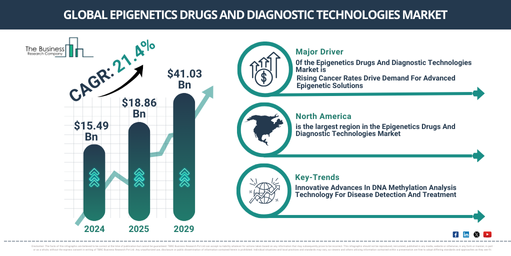
    The market for epigenetics drugs and diagnostic technologies has seen a significant expansion in size in the past few years. The market will elevate from a valuation of $15.49 billion in 2024 to reach $18.86 billion in 2025, achieving a compound annual growth rate (CAGR) of 21.8%. Key contributors to the growth observed in the historic period include a heightened understanding of epigenetic processes, advancements in genome-wide association studies (GWAS), an escalating demand for healthcare, a growing aging population, and a rise in cancer occurrences.

    In the coming years, the market size for epigenetics drugs and diagnostic technologies is projected to experience significant growth, potentially reaching $41.03 billion by 2029 with a compound annual growth rate (CAGR) of 21.4%. The expansion within the forecast period is likely due to the increased occurrence of neurological diseases and inflammatory disorders, a higher prevalence of chronic diseases, the growing demand for personalized medical treatments, and an expanded awareness and adoption of epigenetic diagnostics. The forecast period is also expected to see major trends including the development of innovative personalized therapies based on epigenetics, the incorporation of epigenomics with artificial intelligence, breakthroughs in multi-omics methodologies in research and clinical practice, advanced technology, and inventive diagnostic techniques.

    Download a free sample to assess the report’s scope and structure:

    https://www.thebusinessresearchcompany.com/sample.aspx?id=19418&type=smp

    Which Factors and External Forces Are Driving Demand in the Epigenetics Drugs And Diagnostic Technologies Market?

    The rising occurrence of cancer is anticipated to drive the expansion of the market for epigenetics drugs and diagnostic technologies. Cancer signifies a grouping of diseases characterized by unusual cell proliferation that can diffuse and intrude into other body parts. The surge in cancer incidence can be ascribed to elements such as older populations, changes in lifestyle, environmental contaminants, genetic tendencies, and advancements in diagnostic processes. Epigenetics drugs and diagnostic technologies play a pivotal role in averting the cancer escalation by focusing on and altering gene expression, facilitating early detection, and customizing treatment plans. For instance, the Australian Institute of Health and Welfare, a government agency in Australia, reported in July 2024 that there was an upsurge in cancer diagnoses in Australia from 156,781 cases in 2021 to 160,570 cases in 2022. Consequently, the escalating incidence of cancer provokes the expansion of the market for epigenetics drugs and diagnostic technologies.

    Which Segments in the Epigenetics Drugs And Diagnostic Technologies Offer the Most Growth?

    The epigenetics drugs and diagnostic technologiesmarket covered in this report is segmented –

    1) By Technology: Deoxyribonucleic Acid (DNA) Methylation, Histone Methylation, Histone Acetylation, Large Non Coding Ribonucleic Acid (RNA), MicroRNA Modification, Chromatin Structures

    2) By Application: Oncology, Solid Tumors, Liquid Tumors, Non Oncology, Inflammatory Diseases, Metabolic Diseases, Infectious Diseases, Cardiovascular Diseases, Other Applications

    3) By End-User: Hospitals And Clinics, Diagnostic Centers, Other End Users

    Subsegments:

    1) By Deoxyribonucleic Acid (DNA) Methylation: Methylation Inhibitors, Methylation Detection Kits, Methylation Profiling Technologies, Bisulfite Sequencing

    2) By Histone Methylation: Histone Methyltransferase Inhibitors, Histone Demethylase Inhibitors, Histone Methylation Assays, Chromatin Immunoprecipitation (ChIP) Techniques

    3) By Histone Acetylation: Histone Acetyltransferase Inhibitors, Histone Deacetylase Inhibitors (HDACi), Acetylation Detection Kits, Western Blotting for Acetylation

    4) By Large Non-Coding Ribonucleic Acid (RNA): lncRNA Expression Profiling, lncRNA Modulation Technologies, lncRNA Detection Kits, Bioinformatics Tools for lncRNA Analysis

    5) By MicroRNA Modification: MicroRNA Mimics, MicroRNA Inhibitors, MicroRNA Expression Analysis, MicroRNA Detection Assays

    6) By Chromatin Structures: Chromatin Remodeling Agents, Chromatin Accessibility Assays, 3D Chromatin Architecture Technologies, Nuclear Imaging Techniques

    Request customized data on this market:

    https://www.thebusinessresearchcompany.com/customise?id=19418&type=smp

    What Are the Fastest-Growing Geographies in the Epigenetics Drugs And Diagnostic Technologies Market?

    North America was the largest region in the epigenetics drugs and diagnostic technologies market in 2024. Asia-Pacific is expected to be the fastest-growing region in the forecast period. The regions covered in the epigenetics drugs and diagnostic technologies market report are Asia-Pacific, Western Europe, Eastern Europe, North America, South America, Middle East, Africa.

    What Key Trends Are Shaping the Future of the Epigenetics Drugs And Diagnostic Technologies Market?

    Leading entities in the epigenetics drugs and diagnostic technologies market are honing their focus on creating groundbreaking technologies, for example, DNA methylation analysis technology. This will amplify the accuracy and efficiency of disease identification, enrich personalized treatments, and promote our comprehension of gene regulation across numerous diseases. The DNA methylation analysis technology pertains to a range of techniques utilized to examine DNA methylation patterns, a chemical adjustment of DNA that introduces a methyl group to the DNA’s cytosine base. For example, Watchmaker Genomics Inc., a US-based biotech firm collaborated with Exact Sciences Corp., a US-based company in molecular diagnostics in August 2023. Their objective was to produce and market a unique DNA methylation analysis technology called TET-assisted pyridine borane sequencing (TAPS). The aim of this joint venture is to augment cancer screening and diagnostic capabilities, utilizing Watchmaker’s proficiency in engineering DNA-altering enzymes to enhance the TAPS chemistry. This development is crucial for the early detection of cancer and the monitoring of minimal residual disease (MRD) by means of liquid biopsies, with DNA methylation patterns serving as health status biomarkers.

    View the full report here:

    https://www.thebusinessresearchcompany.com/report/epigenetics-drugs-and-diagnostic-technologies-global-market-report

    What Are the Key Elements That Define the Epigenetics Drugs And Diagnostic Technologies Market?

    Epigenetics drugs and diagnostic technologies refer to therapeutic and diagnostic approaches that target and analyze the epigenetic mechanisms regulating gene expression without altering the underlying DNA sequence. These technologies are focused on modifying or assessing the chemical modifications to DNA and histones that influence gene activity, offering potential treatments for various diseases and advanced diagnostic tools.

    Purchase the full report and get a swift delivery:

    https://www.thebusinessresearchcompany.com/purchaseoptions.aspx?id=19418

    About The Business Research Company:

    With over 15000+ reports from 27 industries covering 60+ geographies, The Business Research Company has built a reputation for offering comprehensive, data-rich research and insights. Armed with 1,500,000 datasets, the optimistic contribution of in-depth secondary research, and unique insights from industry leaders, you can get the information you need to stay ahead in the game.

    Get in touch with us:

    The Business Research Company: https://www.thebusinessresearchcompany.com/

    Americas +1 3156230293

    Asia +44 2071930708

    Europe +44 2071930708

    Email us at info@tbrc.info

    Follow us on:

    LinkedIn: https://in.linkedin.com/company/the-business-research-company

    YouTube: https://www.youtube.com/channel/UC24_fI0rV8cR5DxlCpgmyFQ

    Global Market Model: https://www.thebusinessresearchcompany.com/global-market-model
  • Major Drivers Propelling the Growth oh theEnzyme-Linked Immunosorbent Assay Testing Market Forward: Rising Incidence Of Infectious Disorders Driving Growth In ELISA Testing Market

    Major Drivers Propelling the Growth oh theEnzyme-Linked Immunosorbent Assay Testing Market Forward: Rising Incidence Of Infectious Disorders Driving Growth In ELISA Testing Market

    Discover trends, market shifts, and competitive outlooks for the enzyme-linked immunosorbent assay testing industry through 2025-2034 with The Business Research Company’s reliable data and in-depth research

    How Has The Enzyme-Linked Immunosorbent Assay Testing Market Growth Evolved From 2024 To 2025, And What’s Ahead?

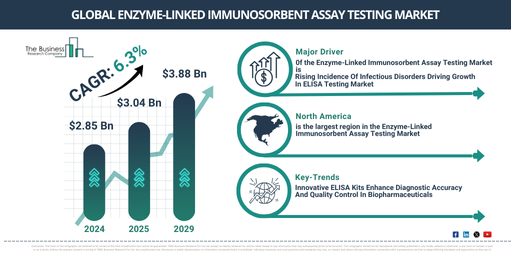
    In recent times, the market size of the enzyme-linked immunosorbent assay testing has witnessed substantial growth. It is projected to expand from $2.85 billion in 2024 to about $3.04 billion in 2025, exhibiting a compound annual growth rate (CAGR) of 6.7%. The considerable growth during the historic period can be associated with factors such as the prevalence of chronic illnesses, rising allocations and focus on biomedical investigations, authorization of ELISA examinations by regulatory entities, government-led initiatives, and programs aimed at promoting health awareness.

    In the coming years, the enzyme-linked immunosorbent assay testing market is projected to experience robust growth. It is estimated that it will reach a value of $3.88 billion in 2029 with a compound annual growth rate (CAGR) of 6.3%. Factors contributing to this anticipated growth during the forecast period include increased interest in personalized medicine, an expanding elderly population, heightened focus on early identification, better access to healthcare services, and an emerging need for the surveillance of chronic diseases. Key trends expected during this forecast period are technological progress, a rising call for point-of-care testing, broader application landscapes, the integration of high-throughput screening, and the development of digital ELISA.

    Download a free sample to assess the report’s scope and structure:

    https://www.thebusinessresearchcompany.com/sample.aspx?id=19417&type=smp

    Which Major Market Drivers Are Expected to Boost the Growth Potential of the Enzyme-Linked Immunosorbent Assay Testing Market?

    The rise in infectious diseases is anticipated to fuel the expansion of the enzyme-linked immunosorbent assay testing market. These disorders are a result of pathogenic organisms like bacteria, viruses, fungi or parasites, which can be transferred among individuals and can affect multiple bodily systems. The surge in infectious diseases can be attributed to the increased global travel and increasing antimicrobial resistance, making infection control complicated. The enzyme-linked immunosorbent assay (ELISA) testing plays a critical role in diagnosing such disorders as it allows the precise identification and measure of specific antigens or antibodies related to the infection, assisting in diagnosis, tracking disease progression, and assessing the effectiveness of the treatment. In February 2024, the World Health Organization, a Switzerland-based intergovernmental public health organization, reported 58114 measles cases (a highly infectious viral disease) in the European Region in 2023, a stark increase from 941 in 2022. Hence, the rise in infectious diseases is contributing to the upward trend in the enzyme-linked immunosorbent assay testing market.

    Which Key Market Segments Comprise the Enzyme-Linked Immunosorbent Assay Testing Market and Drive Its Revenue Growth?

    The enzyme-linked immunosorbent assay testingmarket covered in this report is segmented –

    1) By Type: Direct Enzyme-Linked Immunosorbent Assay (ELISA), Sandwich Enzyme-Linked Immunosorbent Assay (ELISA), Indirect Enzyme-Linked Immunosorbent Assay (ELISA), Multiple And Portable Enzyme-Linked Immunosorbent Assay (ELISA), Competitive Enzyme-Linked Immunosorbent Assay (ELISA)

    2) By Application: Immunology, Inflammation, Infectious Diseases, Cancer, Protein Quantitation, Other Applications

    3) By End-User: Hospitals And Diagnostic Centers, Research Laboratories, Other End-Users

    Subsegments:

    1) By Direct Enzyme-Linked Immunosorbent Assay (ELISA): Single-Step Direct ELISA, Competitive Direct ELISA, Quantitative Direct ELISA, Qualitative Direct ELISA

    2) By Sandwich Enzyme-Linked Immunosorbent Assay (ELISA): Two-Step Sandwich ELISA, One-Step Sandwich ELISA, Quantitative Sandwich ELISA, Qualitative Sandwich ELISA

    3) By Indirect Enzyme-Linked Immunosorbent Assay (ELISA): Standard Indirect ELISA, Competitive Indirect ELISA, Quantitative Indirect ELISA, Qualitative Indirect ELISA

    Request customized data on this market:

    https://www.thebusinessresearchcompany.com/customise?id=19417&type=smp

    Which Areas Are Leading Regions in the Enzyme-Linked Immunosorbent Assay Testing Market Expansion Across the Globe?

    North America was the largest region in the enzyme-linked immunosorbent assay testing market in 2024. The regions covered in the enzyme-linked immunosorbent assay testing market report are Asia-Pacific, Western Europe, Eastern Europe, North America, South America, Middle East, Africa.

    What Are the Most Significant Market Trends in the Enzyme-Linked Immunosorbent Assay Testing Market?

    Key players in the enzyme-linked immunosorbent assay testing market are expanding their products by introducing novel innovations such as advanced enzyme-linked immunosorbent assay (ELISA) kits to improve diagnostic precision and cater to diverse research and clinical requirements. These novel ELISA kits represent the next generation of ELISA tests providing enhanced accuracy, heightened sensitivity, and user-friendly features for the identification and quantification of biomarkers. For example, Charles River Laboratories, a pharmaceutical company based in the US, launched an innovative enzyme-linked immunosorbent assay (ELISA) kit in February 2023. It aids in the detection and measurement of residual host cell proteins (HCP) present in CHO-based biotherapeutics. The groundbreaking kit employs avian immunoglobulin Y (IgY) antibodies obtained from specific pathogen-free (SPF) chicken eggs, resulting in exceptional sensitivity and specificity with detection thresholds as low as 0.1 ng/mL and 90% antibody coverage. The purpose of this introduction is to enhance quality control in biopharmaceutical development, ensuring the safety and effectiveness of new therapies and also providing flexibility for usage by customers, either independently or with assistance from Charles River’s expert team.

    View the full report here:

    https://www.thebusinessresearchcompany.com/report/enzyme-linked-immunosorbent-assay-testing-global-market-report

    How Is the Enzyme-Linked Immunosorbent Assay Testing Market Conceptually Defined?

    Enzyme-linked immunosorbent assay (ELISA) testing refers to a widely used laboratory technique designed to detect and quantify specific proteins, antigens, or antibodies in a sample. This method involves immobilizing an antigen or antibody on a solid surface, typically a microplate, and then using enzyme-linked antibodies or antigens to bind to the target molecule.

    Purchase the full report and get a swift delivery:

    https://www.thebusinessresearchcompany.com/purchaseoptions.aspx?id=19417

    About The Business Research Company:

    With over 15000+ reports from 27 industries covering 60+ geographies, The Business Research Company has built a reputation for offering comprehensive, data-rich research and insights. Armed with 1,500,000 datasets, the optimistic contribution of in-depth secondary research, and unique insights from industry leaders, you can get the information you need to stay ahead in the game.

    Get in touch with us:

    The Business Research Company: https://www.thebusinessresearchcompany.com/

    Americas +1 3156230293

    Asia +44 2071930708

    Europe +44 2071930708

    Email us at info@tbrc.info

    Follow us on:

    LinkedIn: https://in.linkedin.com/company/the-business-research-company

    YouTube: https://www.youtube.com/channel/UC24_fI0rV8cR5DxlCpgmyFQ

    Global Market Model: https://www.thebusinessresearchcompany.com/global-market-model