Month: June 2025

  • Next-Gen Single Nucleotide Polymorphism (SNP) Genotyping : Market Forecast, Transformation, and Long-Term Trajectories

    Next-Gen Single Nucleotide Polymorphism (SNP) Genotyping : Market Forecast, Transformation, and Long-Term Trajectories

    Discover trends, market shifts, and competitive outlooks for the single nucleotide polymorphism (snp) genotyping industry through 2025-2034 with The Business Research Company’s reliable data and in-depth research

    What Is the Estimated Market Size of the Single Nucleotide Polymorphism (SNP) Genotyping Market In 2029?

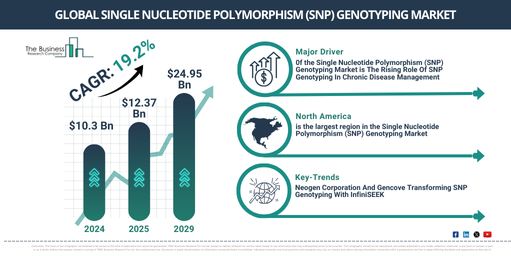
    In recent years, the market size for single nucleotide polymorphism (SNP) genotyping has seen rapid expansion. Increases are projected from $10.3 billion in 2024 to $12.37 billion in 2025 with a compound annual growth rate (CAGR) of 20.1%. The historic growth in this market has been driven by factors such as intensified genomics research, increased occurrence of genetic disorders, the popularity of personalized medicine, the burgeoning pharmaceutical industry, and heightened demand for molecular diagnostics.

    The market for single nucleotide polymorphism (SNP) genotyping is predicted to experience substantial expansion in the near future, with an expectation to reach $24.95 billion by 2029, demonstrating a compound annual growth rate (CAGR) of 19.2%. The projected growth during this period can be linked to the increasing use in disease research, the heightened demand for precision medicine, and expanded biobanking initiatives. Additionally, it’s spurred by the proliferation of genetic testing and its widespread use in agriculture for crop modification. Notable market trends for the forecast period consist of the growing utilization of next-generation sequencing (NGS), the surge in SNP genotyping demand in pharmacogenomics, the arrival of direct-to-consumer genetic testing, emphasis on automation, and the prevalence of high-throughput genotyping platforms.

    Download a free sample to assess the report’s scope and structure:

    https://www.thebusinessresearchcompany.com/sample.aspx?id=12569&type=smp

    Which Major Market Drivers Are Expected to Boost the Growth Potential of the Single Nucleotide Polymorphism (SNP) Genotyping Market?

    The growth of the single nucleotide polymorphism (SNP) genotyping market is seen to be driven by the rising prevalence of chronic ailments. These are issues that persist for over a year, requiring ongoing medical attention, limiting everyday tasks, or both. SNP genotyping becomes crucial in detecting genetic susceptibilities and facilitating personalized medication due to the increased incidence of chronic diseases. For instance, data from the Australian Institute of Health and Welfare, a government agency based in Australia, indicated that by June 2024, the mortality rate related to chronic conditions climbed from 459 fatalities per 100,000 individuals in 2021 to 490 in 2022. Hence, the escalating prevalence of chronic disorders is fuelling the expansion of the SNP genotyping systems market.

    Which Key Market Segments Comprise the Single Nucleotide Polymorphism (SNP) Genotyping Market and Drive Its Revenue Growth?

    The single nucleotide polymorphism (SNP) genotyping market covered in this report is segmented –

    1) By Product: Consumables, Instruments, Services

    2) By Technology: TaqMan SNP Genotyping, Mass Array SNP Genotyping, SNP Gene Chip Arrays, Other Technologies

    3) By Application: Animal Genetics, Plant Improvement, Diagnostic Research, Pharmaceuticals And Pharmacogenomics, Agricultural Biotechnology, Other Applications

    Subsegments:

    1) By Consumables: Reagents And Kits, DNA Probes, Microarrays

    2) By Instruments: SNP Genotyping Platforms, Sequencers, PCR Machines

    3) By Services: SNP Genotyping Services, Data Analysis Services, Consultation Services

    Request customized data on this market:

    https://www.thebusinessresearchcompany.com/customise?id=12569&type=smp

    Which Areas Are Leading Regions in the Single Nucleotide Polymorphism (SNP) Genotyping Market Expansion Across the Globe?

    North America was the largest region in the single nucleotide polymorphism (SNP) genotyping market in 2024. Asia-Pacific is expected to be the fastest-growing region in the forecast period. The regions covered in the single nucleotide polymorphism (SNP) genotyping market report are Asia-Pacific, Western Europe, Eastern Europe, North America, South America, Middle East, Africa

    What Are the Key Market Trends in theSingle Nucleotide Polymorphism (SNP) Genotyping Market Over the Coming Years?

    A prevailing trend in the single nucleotide polymorphism (SNP) genotyping market is the rise of technological strategies. Significant players within this market are unveiling cutting-edge technological interventions to maintain their market standing. For example, in May 2022, the US company Neogen Corporation–a provider of solutions for the agriculture, animal protein, food, and drink sectors–and Gencove, a US-based sequencing solution provider, launched InfiniSEEK. This tool is the first all-encompassing genome and genotyping instrument for cattle breeders. Extensive validation for InfiniSEEK reveals that low-pass genome-wide sequencing bears an over 99% concordance with deep whole-genome sequencing and may deliver superior clinical-grade accuracy in certain focus areas.

    View the full report here:

    https://www.thebusinessresearchcompany.com/report/single-nucleotide-polymorphism-snp-genotyping-global-market-report

    How Is the Single Nucleotide Polymorphism (SNP) Genotyping Market Conceptually Defined?

    Single nucleotide polymorphism (SNP) genotyping refers to a procedure that locates and describes genetic variants at the level of specific DNA nucleotides. It identifies individual SNPs, which are single-base changes in DNA sequences, and it is essential for understanding the genetic variations linked to diseases, traits, and population studies.

    Purchase the full report and get a swift delivery:

    https://www.thebusinessresearchcompany.com/purchaseoptions.aspx?id=12569

    About The Business Research Company:

    With over 15000+ reports from 27 industries covering 60+ geographies, The Business Research Company has built a reputation for offering comprehensive, data-rich research and insights. Armed with 1,500,000 datasets, the optimistic contribution of in-depth secondary research, and unique insights from industry leaders, you can get the information you need to stay ahead in the game.

    Get in touch with us:

    The Business Research Company: https://www.thebusinessresearchcompany.com/

    Americas +1 3156230293

    Asia +44 2071930708

    Europe +44 2071930708

    Email us at info@tbrc.info

    Follow us on:

    LinkedIn: https://in.linkedin.com/company/the-business-research-company

    YouTube: https://www.youtube.com/channel/UC24_fI0rV8cR5DxlCpgmyFQ

    Global Market Model: https://www.thebusinessresearchcompany.com/global-market-model
  • Short Read Sequencing Outlook 2034: Key Drivers, Trends, and Market Frontiers

    Short Read Sequencing Outlook 2034: Key Drivers, Trends, and Market Frontiers

    Discover trends, market shifts, and competitive outlooks for the short read sequencing industry through 2025-2034 with The Business Research Company’s reliable data and in-depth research

    What is the Projected CAGR for the Short Read Sequencing Market Size from 2025 to 2034?

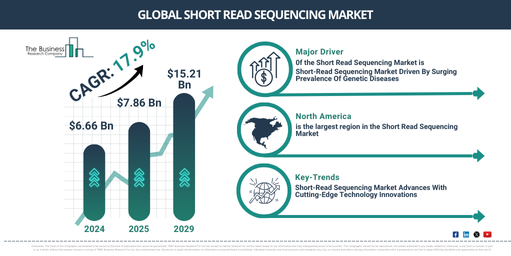
    The market size of short read sequencing has experienced swift expansion lately. The market is anticipated to rise from $6.66 billion in 2024 to $7.86 billion in 2025, reflecting a compound annual growth rate (CAGR) of 18.0%. Factors contributing to this growth during the historical period include initiatives in genomic research, greater prevalence of genetic disorders, research in the pharmaceutical and biotech sectors, diagnostic uses, and a decrease in sequencing expenses.

    The market size for short read sequencing is projected to witness a swift expansion in the upcoming years. By 2029, it is anticipated to grow to a worth of $15.21 billion, with a compound annual growth rate (CAGR) of 17.9%. The anticipated growth within this forecast period can be credited to the progress in precision medicine, the accelerated growth in personalized genomics, broadening uses in the field of agriculture, heightened research in microbiome, and increasing demand from emerging markets. Dominant trends during this projection period consider automation and high-throughput, cloud-based solutions, incorporation of AI and machine learning, compact sequencing technologies, and synergy of long-read sequencing.

    Download a free sample to assess the report’s scope and structure:

    https://www.thebusinessresearchcompany.com/sample.aspx?id=11912&type=smp

    How Are Key Drivers in the Industry Acting as Catalysts for the Growth of theShort Read Sequencing Market?

    The short-read sequencing market is projected to expand due to the growing incidence of genetic disorders. These disorders, characterized by anomalies or mutations in a person’s DNA or genes, result in physical, developmental, or biochemical irregularities that can affect their overall health. Short-read sequencing plays a crucial role in genetic disorders, as it is used to scrutinize the genome and spotlight variants linked with the disease in a broad manner. As per a June 2022 report by RARE-X, an Australian patient assistance platform, a total of 10,867 rare diseases were documented, including genetic and non-genetic ailments. Hence, the burgeoning occurrence of genetic disorders is spurring the growth of the short-read sequencing market.

    Which Segments in the Short Read Sequencing Offer the Most Growth?

    The short read sequencing market covered in this report is segmented –

    1) By Product: Instruments, Consumables, Services.

    2) By Technology: Next-Generation Sequencing, Sanger Sequencing.

    3) By Workflow: Pre-Sequencing, Sequencing, Data Analysis.

    4) By Application: Clinical Investigation, Oncology, Reproductive Health, Consumer Genomics, Agri genomics And Forensics, HLA Typing Or Immune System Monitoring.

    5) By End Users: Academic Research, Hospitals And Clinics, Clinical Research, Pharmaceutical And Biotechnology Companies.

    Subsegments:

    1) By Instruments: Next-Generation Sequencing (NGS) Systems, Sequencing Platforms, Library Preparation Systems

    2) By Consumables: Reagents And Kits, Flow Cells, Sample Preparation Consumables

    3) By Services: Sequencing Services, Data Analysis Services, Bioinformatics Services

    Request customized data on this market:

    https://www.thebusinessresearchcompany.com/customise?id=11912&type=smp

    What Are the Fastest-Growing Geographies in the #How Are Key Drivers in the Industry Acting as Catalysts for the Growth of theShort Read Sequencing Market?# Market?

    North America was the largest region in the Short Read Sequencing market in 2024. Asia-Pacific is expected to be the fastest-growing region in the forecast period. The regions covered in the short read sequencing market report are Asia-Pacific, Western Europe, Eastern Europe, North America, South America, Middle East, Africa.

    What Are the Current Market Growth and Trends in the Short Read Sequencing Industry?

    The surge in technology innovation is a leading trend attracting attention in the short-read sequencing market. The major businesses in this market place high emphasis on technological enhancements to boost their monitoring capabilities and maintain their market status. As an example, Pacific Biosciences Inc., an American company known for its superior and highly accurate sequencing technologies, introduced external beta testing of the Onso sequencing system in October 2022. This system was created with the intention of delivering accurate data at a reasonable cost. The short-read platform was designed to provide oncology researchers with sensitive and detailed results of targeted sequence analysis.

    View the full report here:

    https://www.thebusinessresearchcompany.com/report/short-read-sequencing-global-market-report

    What Are the Key Elements That Define the Short Read Sequencing Market?

    Short-read sequencing, or next-generation sequencing (NGS), is a high-throughput DNA sequencing method that generates short fragments or reads of DNA sequences. It revolutionized genomics by enabling the rapid and cost-effective analysis of entire genomes and transcriptomes.

    Purchase the full report and get a swift delivery:

    https://www.thebusinessresearchcompany.com/purchaseoptions.aspx?id=11912

    About The Business Research Company:

    With over 15000+ reports from 27 industries covering 60+ geographies, The Business Research Company has built a reputation for offering comprehensive, data-rich research and insights. Armed with 1,500,000 datasets, the optimistic contribution of in-depth secondary research, and unique insights from industry leaders, you can get the information you need to stay ahead in the game.

    Get in touch with us:

    The Business Research Company: https://www.thebusinessresearchcompany.com/

    Americas +1 3156230293

    Asia +44 2071930708

    Europe +44 2071930708

    Email us at info@tbrc.info

    Follow us on:

    LinkedIn: https://in.linkedin.com/company/the-business-research-company

    YouTube: https://www.youtube.com/channel/UC24_fI0rV8cR5DxlCpgmyFQ

    Global Market Model: https://www.thebusinessresearchcompany.com/global-market-model
  • Serum Free Media Market Outlook 2025: Mapping Growth, Innovation, and Regional Shifts

    Serum Free Media Market Outlook 2025: Mapping Growth, Innovation, and Regional Shifts

    Discover trends, market shifts, and competitive outlooks for the serum free media industry through 2025-2034 with The Business Research Company’s reliable data and in-depth research

    What is the Anticipated CAGR of the Serum Free Media Market, and What Factors Will Drive It?

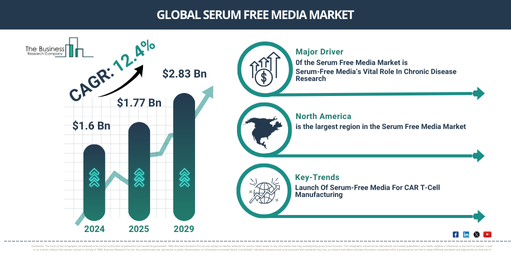
    In the past few years, there has been a swift expansion in the market size of serum free media. The market, which is projected to increase from $1.6 billion in 2024 to $1.77 billion in 2025, is expected to grow at a compound annual growth rate (CAGR) of 10.9%. This significant growth during the historic period can be ascribed to developments in cell culture, regulatory constraints, the high demand for biopharmaceuticals, and a decrease in risk of contamination.

    The market size of serum free media is forecasted to significantly expand in the forthcoming years, increasing to $2.83 billion by 2029 with a CAGR of 12.4%. The market’s expansion during the forecast period can be linked to several factors such as the growth in bioprocessing, advances in cell therapy, regulatory backing, stem cell studies, and the escalating demand for vaccine production. The predominant trends to look out for during the prediction period involve technological advancements, solutions free of animal components, customized media formulations, microcarrier culture systems, and consistent bioprocessing.

    Download a free sample to assess the report’s scope and structure:

    https://www.thebusinessresearchcompany.com/sample.aspx?id=12588&type=smp

    What External and Internal Drivers Are Contributing to the Growth of theSerum Free Media Market?

    The escalation in chronic disease cases is anticipated to accelerate the advancement of the serum-free media sector. These persistent diseases, which usually last over a year, call for ongoing medical attention, limit routine activities or both. Serum-free media aid scientists in tailoring the media for the unique cell type being used, ensuring that the cells thrive under perfect conditions. Additionally, serum-free media are utilized by scientists to generate cell types or execute certain applications without serum. This contributes to the discovery of novel therapies and treatments for chronic illnesses. As an illustration, the National Center for Biotechnology Information (NCBI), a US-based National Library of Medicine, projected in January 2023 that by 2050, there would be a 99.5% upsurge in people aged 50 years and beyond suffering from at least one chronic disease. This number is projected to rise from 71.522 million in 2020 to 142.66 million. Consequently, the rising prevalence of chronic diseases is fuelling the expansion of the serum-free media sector.

    What Segment Types Define the Serum Free Media Market Structure?

    The serum free media market covered in this report is segmented –

    1) By Media Type: Chinese Hamster Ovary (CHO) Cell Media, Protein Expression Media, Immunology Media, Insect Cell Media, Hybridoma Media, Stem Cell Media, Chemically Defined Media

    2) By Application: Biopharmaceutical Production, Tissue Engineering And Regenerative Medicine

    3) By End-User: Biopharmaceutical Companies, Clinical Research Organizations, Academic Research Centers, Other End-Users

    Subsegments:

    1) By Chinese Hamster Ovary (CHO) Cell Media: CHO-S Media, CHO-DG44 Media

    2) By Protein Expression Media: E. coli Expression Media, Yeast Expression Media

    3) By Immunology Media: T Cell Media, B Cell Media

    4) By Insect Cell Media: Sf9 Media, Sf21 Media

    5) By Hybridoma Media: Hybridoma Growth Media, Selection Media

    6) By Stem Cell Media: Embryonic Stem Cell Media, Adult Stem Cell Media

    7) By Chemically Defined Media: Custom Formulations, Pre-Defined Formulations

    Request customized data on this market:

    https://www.thebusinessresearchcompany.com/customise?id=12588&type=smp

    Which Geographic Areas Hold the Strongest Growth Potential in the Serum Free Media Market?

    North America was the largest region in the serum-free media market in 2024. Asia-Pacific is expected to be the fastest-growing region in the forecast period. The regions covered in the serum free media market report are Asia-Pacific, Western Europe, Eastern Europe, North America, South America, Middle East, Africa

    What Long-Term Trends Are Transforming the Competitive Landscape of the Serum Free Media Market?

    Leading firms in the serum-free media market are concentrating on the creation of innovative offerings, such as advanced manufacturing solutions for CAR T-cells, to facilitate progress in cell therapy and cancer treatments. Producing CAR T-cells involves reprogramming a patient’s T-cells, a variant of immune cells, to express a chimeric antigen receptor (CAR) which attacks specific cancer cells. For example, in May 2023, Lonza, a pharmaceutical company from Switzerland, introduced TheraPEAK T-VIVO Cell Culture Medium. This specialized serum-free medium, designed for the cultivation and maintenance of a variety of immune cells, particularly for manufacturing CAR T-cells, features a chemically well-defined formulation that is serum-free and of non-animal origin (NAO). This significantly minimises variability and enhances the reliability in T-cell culture procedures.

    View the full report here:

    https://www.thebusinessresearchcompany.com/report/serum-free-media-global-market-report

    What Is the Definition of the Serum Free Media Market?

    Serum-free media is a type of cell culture media that allows cells to be cultured without animal sera. Serum-free media is used in cell culture to reduce the risk of contamination and to provide better control over the physiological responsiveness of the cells.

    Purchase the full report and get a swift delivery:

    https://www.thebusinessresearchcompany.com/purchaseoptions.aspx?id=12588

    About The Business Research Company:

    With over 15000+ reports from 27 industries covering 60+ geographies, The Business Research Company has built a reputation for offering comprehensive, data-rich research and insights. Armed with 1,500,000 datasets, the optimistic contribution of in-depth secondary research, and unique insights from industry leaders, you can get the information you need to stay ahead in the game.

    Get in touch with us:

    The Business Research Company: https://www.thebusinessresearchcompany.com/

    Americas +1 3156230293

    Asia +44 2071930708

    Europe +44 2071930708

    Email us at info@tbrc.info

    Follow us on:

    LinkedIn: https://in.linkedin.com/company/the-business-research-company

    YouTube: https://www.youtube.com/channel/UC24_fI0rV8cR5DxlCpgmyFQ

    Global Market Model: https://www.thebusinessresearchcompany.com/global-market-model
  • Scleroderma Market 2025-2034: Key Highlights, Growth Dynamics, and Emerging Trends

    Scleroderma Market 2025-2034: Key Highlights, Growth Dynamics, and Emerging Trends

    Discover trends, market shifts, and competitive outlooks for the scleroderma industry through 2025-2034 with The Business Research Company’s reliable data and in-depth research

    How Has The Scleroderma Market Growth Evolved From 2024 To 2025, And What’s Ahead?

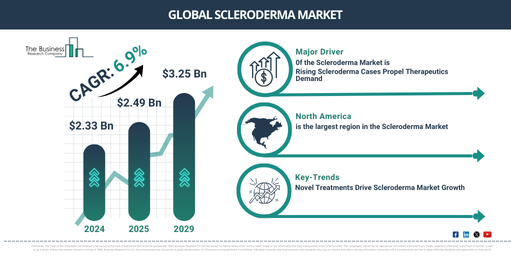
    The market size for scleroderma has seen substantial growth in the past few years. Its value is projected to increase from $2.33 billion in 2024 to reach $2.49 billion in 2025, reflecting a compound annual growth rate (CAGR) of 6.9%. The upward trend during this historic period is largely due to improvements in diagnostic techniques, research in immunology, development of therapeutics, enhancement in awareness & education, and progression in genetic studies.

    In the coming years, the scleroderma market is projected to experience robust growth. The market size is anticipated to increase to $3.25 billion in 2029, reflecting a compound annual growth rate (CAGR) of 6.9%. The upward trend during the forecast period can be attributed to factors like biological therapies, precision medicine, stem cell therapies, genomic and biomarker research, and global collaborations. Critical trends during this period are anticipated to include digital health solutions, a focus on microbiome, patient-centric care, regenerative medicine, health equity, and access.

    Download a free sample to assess the report’s scope and structure:

    https://www.thebusinessresearchcompany.com/sample.aspx?id=12615&type=smp

    How Are Key Drivers in the Industry Acting as Catalysts for the Growth of theScleroderma Market?

    The growing incidence of scleroderma is propelling the progression of the scleroderma market. This chronic autoimmune malady, which is distinguished by an irregular proliferation of collagen, the protein that constructs skin and other tissues, is emerging at an alarming rate. The uncontrolled immune response, which could be initiated by a variety of environmental influences, results in the onset of this disorder. The escalating number of cases underscores the necessity for enhanced diagnosis and treatment methods. Therapeutics for scleroderma are vital in controlling the disease and easing symptoms by managing the immune response and reducing exposure to environmental hazards. For example, Karger Publishers reported in June 2022 that there were 19,000 scleroderma patients in the UK and 2.5 million globally. Additionally, a study published by the Oxford Academic Press in August 2024 reported 1,588 cases of systemic sclerosis (SSc) among 10.1 million individuals in the CPRD, leading to 206 cancer diagnoses, primarily mucocutaneous (4.5%), lung (2.1%), and breast (1.9%). Hence, the escalating frequency of scleroderma is fueling the scleroderma marketplace.

    Which Segments in the Scleroderma Offer the Most Growth?

    The scleroderma market covered in this report is segmented –

    1) By Treatment: Medication, Surgery, Other Treatments

    2) By Indication: Systemic Scleroderma, Localized Scleroderma

    3) By End User: Hospital, Pharmaceutical Stores, Other End Users

    Subsegments:

    1) By Medication: Immunosuppressants, Antifibrotic Agents, Vasodilators, Corticosteroids, Pain Relievers

    2) By Surgery: Lung Transplantation, Other Surgical Interventions

    3) By Other Treatments: Physical Therapy, Occupational Therapy, Lifestyle Modifications, Alternative Therapies

    Request customized data on this market:

    https://www.thebusinessresearchcompany.com/customise?id=12615&type=smp

    What Are the Fastest-Growing Geographies in the #How Are Key Drivers in the Industry Acting as Catalysts for the Growth of theScleroderma Market?# Market?

    North America was the largest region in the scleroderma market in 2024. Asia-Pacific is expected to be the fastest-growing region in the forecast period. The regions covered in the scleroderma market report are Asia-Pacific, Western Europe, Eastern Europe, North America, South America, Middle East, Africa

    What Are the Current Market Growth and Trends in the Scleroderma Industry?

    The trend of innovating novel therapies is increasingly gaining traction in the scleroderma market. To manage the symptoms and maintain their market position, leading firms in this sector are focusing their efforts on the development of new drugs. An example of this can be seen with Tyr Pharma Inc., a biotherapeutics manufacturer from the US. In April 2022, the company was granted regulatory clearance from the US Food and Drug Administration for its groundbreaking systemic sclerosis-related interstitial lung disease medication, efzofitimod. This first-of-its-kind immunomodulator works by regulating the neuropilin-2 (NRP2) receptor, thus helping to contain the immune response and mitigate the symptoms of scleroderma. Moreover, efzofitimod also targets the same immune cells associated with the pathology of SSc-ILD (interstitial lung disease related to systemic sclerosis) and pulmonary sarcoidosis. As evidenced in a clinical trial involving patients with pulmonary sarcoidosis, this resulted in a decrease in pro-inflammatory markers.

    View the full report here:

    https://www.thebusinessresearchcompany.com/report/scleroderma-global-market-report

    What Are the Key Elements That Define the Scleroderma Market?

    Scleroderma is a rare, chronic autoimmune disease characterized by the abnormal growth of collagen, a protein that forms the structure of the skin and other tissues. The different treatments cure or halt excessive collagen production, effectively manage symptoms, and reduce the risk of complications associated with scleroderma.

    Purchase the full report and get a swift delivery:

    https://www.thebusinessresearchcompany.com/purchaseoptions.aspx?id=12615

    About The Business Research Company:

    With over 15000+ reports from 27 industries covering 60+ geographies, The Business Research Company has built a reputation for offering comprehensive, data-rich research and insights. Armed with 1,500,000 datasets, the optimistic contribution of in-depth secondary research, and unique insights from industry leaders, you can get the information you need to stay ahead in the game.

    Get in touch with us:

    The Business Research Company: https://www.thebusinessresearchcompany.com/

    Americas +1 3156230293

    Asia +44 2071930708

    Europe +44 2071930708

    Email us at info@tbrc.info

    Follow us on:

    LinkedIn: https://in.linkedin.com/company/the-business-research-company

    YouTube: https://www.youtube.com/channel/UC24_fI0rV8cR5DxlCpgmyFQ

    Global Market Model: https://www.thebusinessresearchcompany.com/global-market-model
  • Critical Market Drivers Shaping the Outlook for Robotic Endoscopy Devices Market from 2025-2034: Surge In Robotic Surgery Procedures Fuels Growth In Robotic Endoscopy Device Market

    Critical Market Drivers Shaping the Outlook for Robotic Endoscopy Devices Market from 2025-2034: Surge In Robotic Surgery Procedures Fuels Growth In Robotic Endoscopy Device Market

    Discover trends, market shifts, and competitive outlooks for the robotic endoscopy devices industry through 2025-2034 with The Business Research Company’s reliable data and in-depth research

    What Are the Projected Market Size and Growth Rates for the Robotic Endoscopy Devices Market From 2025 To 2029?

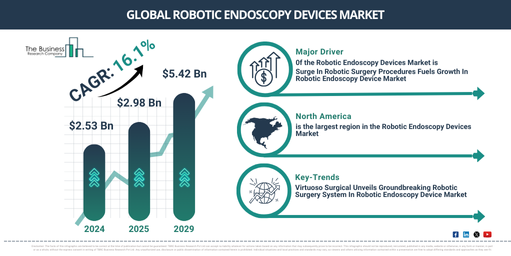
    The market for robotic endoscopy devices has significantly expanded in the past few years. It is expected to rise from $2.53 billion in 2024 to $2.98 billion in 2025, exhibiting a compound annual growth rate (CAGR) of 18.0%. The exponential growth previously seen can be credited to factors such as an ageing population, escalated demand for less invasive medical procedures, heightened consciousness for early diagnosis of diseases, regulatory consent, and the growing incidence rate of gastrointestinal disorders.

    The market for robotic endoscopy devices is anticipated to witness a swift expansion in the upcoming years, reaching a value of $5.42 billion by 2029 with a compound annual growth rate (CAGR) of 16.1%. This projected surge can be ascribed to factors such as the broadening of robotic surgery applications, amplified demand for remote surgery capabilities, escalating healthcare expenditure, increasing utilization of endoscopic procedures, and a rising global patient population requiring endoscopy. Significant trends for the forecast period encompass the creation of adaptable robotic endoscopy devices, the incorporation of machine learning into endoscopic diagnostics, the advent of capsule endoscopy technology, emphasis on disposable endoscopy devices, and the growing deployment of robotics in therapeutic endoscopy.

    Download a free sample to assess the report’s scope and structure:

    https://www.thebusinessresearchcompany.com/sample.aspx?id=12562&type=smp

    What Are the Core Growth Drivers Propelling the Robotic Endoscopy Devices Market Forward?

    The expansion of the robotic endoscopy device market is predicted to be driven by the escalating number of robotic surgery operations. Robotic surgery represents a cutting-edge surgical method that employs robotic systems to aid surgeons in executing surgical operations. Robotic instruments are extensively utilized in endoscopy procedures for superior maneuverability and productivity, simplifying intricate procedures by enhancing visualization, exposure, and tissue manipulation. For example, as per the Royal Australasian College of Surgeons, an non-profit organization based in Australia, device technologies, the domestic distributor of Intuitive da Vinci robotic platforms, recorded a growth rate of 12 percent in the count of robot-assisted surgery operations conducted on da Vinci platforms in Australia and Aotearoa New Zealand, escalating from 17,852 in 2021 to 19,989 in 2022. Consequently, the rising prevalence of robotic surgery operations propels the advancement of the robotic endoscopy device market.

    What Segment Types Define the Robotic Endoscopy Devices Market Structure?

    The robotic endoscopy devices market covered in this report is segmented –

    1) By Product: Diagnostic, Therapeutic

    2) By Application: Colonoscopy, Bronchoscopy, Laparoscopy, Gastrointestinal Endoscopy, Other Application

    3) By End User: Hospitals, Ambulatory Surgical Centers, Other End Users

    Subsegments:

    1) By Diagnostic: Robotic Endoscopes, Imaging Systems, Biopsy Tools

    2) By Therapeutic: Surgical Robots, Laser Systems, Ablation Devices, Stenting Systems

    Request customized data on this market:

    https://www.thebusinessresearchcompany.com/customise?id=12562&type=smp

    Which Geographic Areas Hold the Strongest Growth Potential in the Robotic Endoscopy Devices Market?

    North America was the largest region in the robotic endoscopy devices market in 2024. The regions covered in the robotic endoscopy devices market report are Asia-Pacific, Western Europe, Eastern Europe, North America, South America, Middle East, Africa

    Which Emerging Trends that Are Influencing theRobotic Endoscopy Devices Industry Evolution?

    The introduction of product innovations is a chief trend emerging in the robotic endoscopy device market. Prominent companies in the market space are pioneering advanced technologies and products to maintain their market positioning. An illustration of this is Virtuoso Surgical, an American company specializing in the manufacture of minimally invasive surgery devices. In May 2023, it unveiled its innovative robotic surgery unit. This groundbreaking technology aids surgeons during endoscopic procedures, allowing them to utilize both hands while inside the body for flexible movements. The Virtuoso Surgical system, equipped with a rigid endoscope tip hosting two robotic, needle-sized manipulators whose diameter is less than half of a US dime, sets it apart. These manipulators measure 1mm in diameter, making the overall scope considerably smaller than apparatus used in traditional robotic endoscopes.

    View the full report here:

    https://www.thebusinessresearchcompany.com/report/robotic-endoscopy-devices-global-market-report

    What Is the Definition of the Robotic Endoscopy Devices Market?

    Robotic endoscopy devices refer to advanced medical instruments that combine the technology of robotics with the capabilities of flexible endoscopy procedures to improve precision and automation. These devices are used to examine the interior of organs or body cavities for diagnostic purposes.

    Purchase the full report and get a swift delivery:

    https://www.thebusinessresearchcompany.com/purchaseoptions.aspx?id=12562

    About The Business Research Company:

    With over 15000+ reports from 27 industries covering 60+ geographies, The Business Research Company has built a reputation for offering comprehensive, data-rich research and insights. Armed with 1,500,000 datasets, the optimistic contribution of in-depth secondary research, and unique insights from industry leaders, you can get the information you need to stay ahead in the game.

    Get in touch with us:

    The Business Research Company: https://www.thebusinessresearchcompany.com/

    Americas +1 3156230293

    Asia +44 2071930708

    Europe +44 2071930708

    Email us at info@tbrc.info

    Follow us on:

    LinkedIn: https://in.linkedin.com/company/the-business-research-company

    YouTube: https://www.youtube.com/channel/UC24_fI0rV8cR5DxlCpgmyFQ

    Global Market Model: https://www.thebusinessresearchcompany.com/global-market-model
  • Key Factors Fueling the Growth of the RNA Targeting Small Molecules Therapeutics Market in 2025: Surge In Cancer Cases Fuels Expansion Of The RNA-Targeting Small Molecule Therapeutics Market

    Key Factors Fueling the Growth of the RNA Targeting Small Molecules Therapeutics Market in 2025: Surge In Cancer Cases Fuels Expansion Of The RNA-Targeting Small Molecule Therapeutics Market

    Discover trends, market shifts, and competitive outlooks for the rna targeting small molecules therapeutics industry through 2025-2034 with The Business Research Company’s reliable data and in-depth research

    What Is the Estimated Market Size of the RNA Targeting Small Molecules Therapeutics Market In 2029?

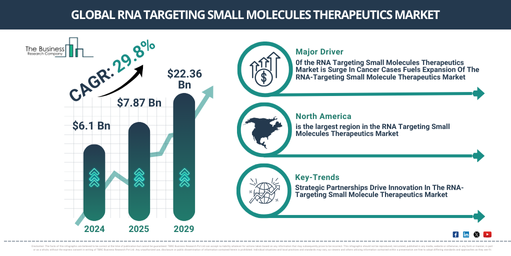
    In recent times, the market for RNA targeting small molecules therapeutics has experienced exponential growth. The market, which was worth $6.1 billion in 2024, is forecasted to expand to $7.87 billion in 2025, with a compound annual growth rate (CAGR) of 28.9%. Factors such as advancements in drug discovery and development, increasing number of RNA-related diseases, both government and private sector funding, interest from the pharmaceutical industry, and successful narratives of RNA therapeutics have contributed to the growth recorded during the historical period.

    The market for RNA targeting small molecule therapeutics is projected to experience an immense expansion in the forthcoming years, with a valuation of $22.36 billion anticipated by 2029, growing at a CAGR of 29.8%. Factors contributing to this surge during the forecast period include the development of precision medicine and individualized treatment approaches, the growing identification of RNA biomarkers, broadening of RNA target spectrum, augmented funding and investments, and applications in rare disease treatments. Further trends predicted for the forecast period are advancements in screening technologies, dominance of antisense oligonucleotides, emergent small molecule RNA binders, RNA therapeutics application for neurological disorders, and gene editing utilizing the crispr-cas9 technique.

    Download a free sample to assess the report’s scope and structure:

    https://www.thebusinessresearchcompany.com/sample.aspx?id=12253&type=smp

    What are the Fundamental Drivers and Innovations Shaping the RNA Targeting Small Molecules Therapeutics Market?

    The escalating incidence of cancer is predicted to accelerate the growth trajectory of the RNA-targeting small molecule therapeutics market. Cancer encompasses diseases that can originate in almost any tissue or organ when irregular cells multiply beyond control, surpass their typical confines, and spread to other organs or impinge on nearby body parts. The treatment for cancer involves the use of RNA-targeting small molecules that are designed and studied for the purpose of specifically targeting RNA molecules linked with cancer. For instance, studies conducted by the American Cancer Society, a US-based health organization, in January 2022 revealed that there are anticipated to be 609,360 cancer fatalities and 1.9 million fresh cases of cancer in the US in 2022. This approximates to around 1,670 deaths each day. Consequently, the escalating incidence of cancer is stimulating the expansion of the RNA-targeting small molecule therapeutics market.

    How Is the RNA Targeting Small Molecules Therapeutics Market Segmented?

    The RNA targeting small molecules therapeutics market covered in this report is segmented –

    1) By Offering: mRNA (Messenger Ribonucleic Acid) Translation Modulators, RNA (Ribonucleic Acid) Splicing Modification, Direct RNA (Ribonucleic Acid) Targeting, Other Offerings

    2) By Therapeutic Indication: Lung Fibrosis, Cancer, Neurodegenerative Diseases, Autoimmune, Inflammatory, Other Therapeutic Indications

    3) By Application: Drug Discovery, Oncology Research, Disease Identification

    4) By End User: Hospitals, Research Laboratories, Pharmaceutical And Biotechnology Companies, Other End-Users

    Subsegments:

    1) By mRNA (Messenger Ribonucleic Acid) Translation Modulators: Small Molecule Inhibitors, Enhancers Of Translation

    2) By RNA (Ribonucleic Acid) Splicing Modification: Splicing Modulators, Antisense Oligonucleotides

    3) By Direct RNA (Ribonucleic Acid) Targeting: RNA-Binding Small Molecules, RNA Aptamers

    4) By Other Offerings: RNA Interference (RNAi) Therapeutics, Small Molecule Activators Of RNA Stability

    Request customized data on this market:

    https://www.thebusinessresearchcompany.com/customise?id=12253&type=smp

    Which Regions Are Driving the Next Phase of the RNA Targeting Small Molecules Therapeutics Market Growth?

    North America was the largest region in the RNA targeting small molecules therapeutics market in 2024. The regions covered in the RNA targeting small molecules therapeutics market report are Asia-Pacific, Western Europe, Eastern Europe, North America, South America, Middle East, Africa.

    What Key Trends Are Shaping the Future of the RNA Targeting Small Molecules Therapeutics Market?

    One of the prevalent trends in the RNA-targeting small molecule therapeutics market is the formation of strategic alliances. Major players in the market are increasingly entering into collaborations to foster a new relationship whereby multiple entities produce innovative items. For example, Otsuka Pharmaceutical Co. Ltd., a pharmaceutical manufacturer from Japan, joined forces with xFOREST Therapeutics Co. Ltd., another Japanese company specializing in drug discovery platforms, in June 2022. This partnership allows xFOREST to provide Otsuka with its Forest technology to expedite small-molecule drug discovery research focusing on RNA structures. Furthermore, in April 2024, Ipsen, a biopharmaceutical firm from France, partnered with Skyhawk Therapeutics, a US-based clinical-stage biotechnology company offering RNA-targeting small molecule therapeutics. Through this partnership, Ipsen sought to produce RNA-targeting small molecule medicines for rare neurological disorders while employing various data sets to pinpoint and develop small molecules capable of modulating RNA.

    View the full report here:

    https://www.thebusinessresearchcompany.com/report/rna-targeting-small-molecules-therapeutics-global-market-report

    How Is the RNA Targeting Small Molecules Therapeutics Market Defined and What Are Its Core Parameters?

    RNA-targeting small molecule therapeutics refers to small molecule therapeutics that precisely interact with RNA molecules to modify their function or stability. These treatments treat diseases by employing small-molecule drugs to target disease-causing RNA molecules.

    Purchase the full report and get a swift delivery:

    https://www.thebusinessresearchcompany.com/purchaseoptions.aspx?id=12253

    About The Business Research Company:

    With over 15000+ reports from 27 industries covering 60+ geographies, The Business Research Company has built a reputation for offering comprehensive, data-rich research and insights. Armed with 1,500,000 datasets, the optimistic contribution of in-depth secondary research, and unique insights from industry leaders, you can get the information you need to stay ahead in the game.

    Get in touch with us:

    The Business Research Company: https://www.thebusinessresearchcompany.com/

    Americas +1 3156230293

    Asia +44 2071930708

    Europe +44 2071930708

    Email us at info@tbrc.info

    Follow us on:

    LinkedIn: https://in.linkedin.com/company/the-business-research-company

    YouTube: https://www.youtube.com/channel/UC24_fI0rV8cR5DxlCpgmyFQ

    Global Market Model: https://www.thebusinessresearchcompany.com/global-market-model
  • Major Trends and Emerging Patterns in the RNA Targeting Small Molecule Drug Discovery Market: Revolutionizing Small-Molecule Drug Discovery Through The Impact Of AI integration In Pharmaceutical Research

    Major Trends and Emerging Patterns in the RNA Targeting Small Molecule Drug Discovery Market: Revolutionizing Small-Molecule Drug Discovery Through The Impact Of AI integration In Pharmaceutical Research

    Discover trends, market shifts, and competitive outlooks for the rna targeting small molecule drug discovery industry through 2025-2034 with The Business Research Company’s reliable data and in-depth research

    How Fast Is The RNA Targeting Small Molecule Drug Discovery Market Expected to Grow Between 2025 And 2029?

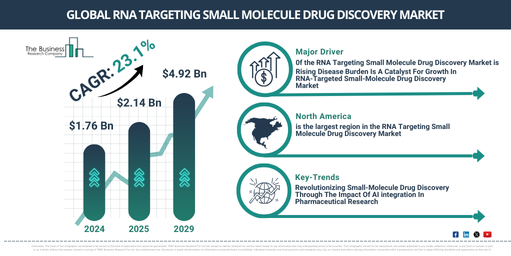
    The market for RNA targeting small molecule drug discovery has seen a rapid expansion in the latest years. The market is set to rise from $1.76 billion in 2024 to a staggering $2.14 billion in 2025, boasting a compound annual growth rate (CAGR) of 21.8%. Factors contributing to the growth during the historic period include a better grasp of disease genetics, advancements in genomic and proteomic discoveries, issues with drug resistance, significant investment in biotech and pharmaceutical research, along with the emergence of RNA therapeutics.

    The market for RNA targeting small molecule drug discovery is predicted to experience massive growth in the coming years, reaching $4.92 billion by 2029 with a compound annual growth rate of 23.1%. This anticipated growth during the projected period is attributable to advancements and expansion in RNA epigenetics research, RNA-seq and functional genomics, the integration of artificial intelligence (AI), patient-centered approaches, and exosome-mediated drug delivery. Upcoming trends during this forecast period encompass the development of RNA editing technologies, progress in CRISPR technology, technological innovations, advancements in RNA biology, and the application of RNA targeting in neurodegenerative diseases.

    Download a free sample to assess the report’s scope and structure:

    https://www.thebusinessresearchcompany.com/sample.aspx?id=12480&type=smp

    What Are the Primary Drivers Supporting the Market Growth of the RNA Targeting Small Molecule Drug Discovery Market?

    The rising incidence of cancer, genetic anomalies, and viral disorders is anticipated to foster the expansion of the RNA-targeted small-molecule drug discovery market. The unregulated cell growth body characterizes diseases termed as cancer. Viral disorders are infections instigated by minutely infectious agents – viruses that are dependent on living organisms’ cells for reproduction. RNA targeting techniques are employed in drug discovery to cure diseases such as cancer, genetic disorders, and viral infections, as these disorders have roots in the genes or dysfunctional genetic material. Medication developed through RNA targeting techniques proves effective in such cases. For example, the World Health Organization (WHO), a Swiss intergovernmental organization, issued a report in February 2024 highlighting the global cancer statistics for 2022. As per the report, new cancer cases were about 20 million, and deaths were approximated to be 9.7 million. Lung cancer topped the list with 2.5 million new cases (12.4%), followed by breast cancer in women (2.3 million cases, 11.6%), colorectal cancer (1.9 million cases, 9.6%), prostate cancer (1.5 million cases, 7.3%), and stomach cancer (970,000 cases, 4.9%). By 2050, the number of new cancer cases is predicted to surge by 77%, reaching above 35 million cases every year. This surge in the rate of cancer, genetic disorders, and viral infections are contributing to a rise in the RNA-targeted small-molecule drug discovery market.

    Which Primary Segments of the RNA Targeting Small Molecule Drug Discovery Market Are Driving Growth and Industry Transformations?

    The RNA targeting small molecule drug discovery market covered in this report is segmented –

    1) By Target RNA Type: Messenger RNA (mRNA), Non-Coding RNA (ncRNA), MicroRNA (miRNA), Long Non-Coding RNA (lncRNA)

    2) By Technology: CRISPR-Cas9, RNA Aptamers, Small Interfering RNA (siRNA), Ribozymes, Other Technologies

    3) By Therapeutic Area: Oncology, Neurology, Infectious Disease, Metabolic Diseases, Genetic Disorders, Other Therapeutic Areas

    4) By Delivery Method: Intravenous (IV), Oral, Topical, Other Methods

    5) By Application: Research Use, Therapeutic Use, Diagnostic Use, Other Applications

    Subsegments:

    1) By Messenger RNA (mRNA): Targeting mRNA For Protein Coding, Modulation Of mRNA Stability, mRNA Translation Inhibition

    2) By Non-Coding RNA (ncRNA): Long Non-Coding RNA, Small Nuclear RNA, Small Nucleolar RNA

    3) By MicroRNA (miRNA): miRNA Inhibition, miRNA Mimics, Targeting Specific miRNA Pathways

    4) By Long Non-Coding RNA (lncRNA): lncRNA Modulators, Targeting Specific lncRNA Functions, Therapeutic Applications Of lncRNA

    Request customized data on this market:

    https://www.thebusinessresearchcompany.com/customise?id=12480&type=smp

    Which Regions Are Key Players in the Growth of the #What Are the Primary Drivers Supporting the Market Growth of the RNA Targeting Small Molecule Drug Discovery Market?# Market?

    North America was the largest region in the RNA-targeting small molecule drug discovery market in 2024. The regions covered in the RNA targeting small molecule drug discovery market report are Asia-Pacific, Western Europe, Eastern Europe, North America, South America, Middle East, Africa

    What Are the Most Significant Market Trends in the RNA Targeting Small Molecule Drug Discovery Market?

    The integration of artificial intelligence (AI) into the drug discovery process is a significant trend on the rise in the small-molecule drug discovery market. To stay competitive, prominent companies in this market are utilising AI technology to speed up drug discovery endeavors. An illustration of this is when Google Cloud, a division of the US-based tech powerhouse Google, unveiled the Target and Lead Identification Suite and the Multiomics Suite in May 2023 to streamline drug discovery. The Multiomics Suite fast-tracks the detection and examination of genetic data, helping businesses to craft precision medicines. The Target and Lead Identification Suite helps scientists to deepen their knowledge of amino acids and anticipate protein structures.

    View the full report here:

    https://www.thebusinessresearchcompany.com/report/rna-targeting-small-molecule-drug-discovery-global-market-report

    What Parameters Are Used to Define the RNA Targeting Small Molecule Drug Discovery Market?

    RNA targeting small-molecule drug discovery refers to identifying and developing small-molecule drugs that interact with RNA molecules to modulate their function or activity. This process is used for discovering innovative medicines that would be used for treating various diseases, including genetic disorders, viral infections, neurodegenerative diseases, and cancer.

    Purchase the full report and get a swift delivery:

    https://www.thebusinessresearchcompany.com/purchaseoptions.aspx?id=12480

    About The Business Research Company:

    With over 15000+ reports from 27 industries covering 60+ geographies, The Business Research Company has built a reputation for offering comprehensive, data-rich research and insights. Armed with 1,500,000 datasets, the optimistic contribution of in-depth secondary research, and unique insights from industry leaders, you can get the information you need to stay ahead in the game.

    Get in touch with us:

    The Business Research Company: https://www.thebusinessresearchcompany.com/

    Americas +1 3156230293

    Asia +44 2071930708

    Europe +44 2071930708

    Email us at info@tbrc.info

    Follow us on:

    LinkedIn: https://in.linkedin.com/company/the-business-research-company

    YouTube: https://www.youtube.com/channel/UC24_fI0rV8cR5DxlCpgmyFQ

    Global Market Model: https://www.thebusinessresearchcompany.com/global-market-model
  • Retinal Disorder Treatment Market 2025-2034: Key Highlights, Growth Dynamics, and Emerging Trends

    Retinal Disorder Treatment Market 2025-2034: Key Highlights, Growth Dynamics, and Emerging Trends

    Discover trends, market shifts, and competitive outlooks for the retinal disorder treatment industry through 2025-2034 with The Business Research Company’s reliable data and in-depth research

    What is the Anticipated CAGR of the Retinal Disorder Treatment Market, and What Factors Will Drive It?

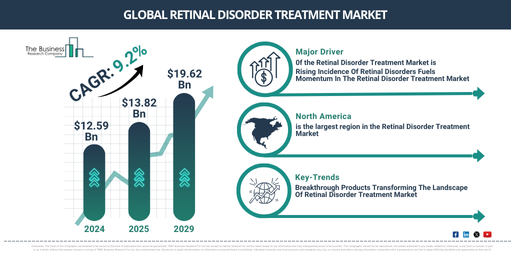
    In recent times, the market for treatments of retinal disorders has undergone considerable expansion. An increase from $12.59 billion in 2024 to $13.82 billion in 2025 at a Compound Annual Growth Rate (CAGR) of 9.7% is predicted. This notable surge in the past period can be traced back to various contributing elements such as the inception of anti-vegf therapies, an aging populace, a rise in the cases of retinal disorders, enhanced tools for early identification, heightened consciousness and screening endeavors, as well as broadened availability to healthcare services.

    The market for the treatment of retinal disorders is anticipated to experience significant growth in the upcoming years, reaching $19.62 billion in 2029 with a compound annual growth rate (CAGR) of 9.2%. This projected growth during the forecast period can be attributed to factors such as the adoption of a patient-centric approach in retinal healthcare, an increase in worldwide healthcare spending, a heightened focus on combination therapies for retinal disorders, the emergence of home-based retinal disorder monitoring, increase in the use of implantable devices for retina treatment, and the adoption of regenerative medicine for treating the retina. Key trends for the forecast period include progression in ophthalmic imaging technologies, the advent of minimally invasive surgical methods, the application of artificial intelligence in diagnostics, advancements in drug delivery technologies, the incorporation of virtual reality in retinal rehabilitation, partnerships between research institutions and pharmaceutical companies, and the evolution of gene therapies for genetic retinal diseases.

    Download a free sample to assess the report’s scope and structure:

    https://www.thebusinessresearchcompany.com/sample.aspx?id=12701&type=smp

    Which Primay Drivers Are Accelerating Growth in the Retinal Disorder Treatment Market?

    The rise in retinal disorders is anticipated to spur the advancement of the retinal disorder treatment market. Retinal ailments encompass health issues that impact the retina and the light-sensitive tissue located at the eye’s rear, potentially leading to vision loss or significant visual impairment. Treatments for retinal disorders, such as laser therapy, vitrectomy, and retinal implants, help manage and lessen the disorder’s symptoms. For example, in January 2023, the International Agency for the Prevention of Blindness, a UK-based international alliance, projected that age-related macular degeneration (AMD) would account for approximately 5% of global blindness. Furthermore, age-related macular degeneration diseases are predicted to affect 288 million individuals by 2040. Hence, the escalating prevalence of retinal disorders is fuelling the expansion of the retinal disorder treatment market.

    Which Primary Segments of the Retinal Disorder Treatment Market Are Driving Growth and Industry Transformations?

    The retinal disorder treatment market covered in this report is segmented –

    1) By Type: Macular Degeneration, Diabetic Retinopathy, Other Types

    2) By Dosage Form: Gels, Eye Solutions, Capsules And Tablets, Eye Drops, Ointments

    3) By Distribution Channel: Hospital Pharmacy, Online Pharmacy, Retail Pharmacy

    Subsegments:

    1) By Macular Degeneration: Dry Macular Degeneration, Wet Macular Degeneration

    2) By Diabetic Retinopathy: Non-Proliferative Diabetic Retinopathy, Proliferative Diabetic Retinopathy

    3) By Other Types: Retinal Detachment, Retinitis Pigmentosa, Uveitis, Other Retinal Disorders

    Request customized data on this market:

    https://www.thebusinessresearchcompany.com/customise?id=12701&type=smp

    Which Regions Are Key Players in the Growth of the #Which Primay Drivers Are Accelerating Growth in the Retinal Disorder Treatment Market?# Market?

    North America was the largest region in the retinal disorder treatment market in 2024. Asia-Pacific is expected to be the fastest-growing region in the forecast period. The regions covered in the retinal disorder treatment market report are Asia-Pacific, Western Europe, Eastern Europe, North America, South America, Middle East, Africa

    Which Technological Trends Are Reshaping the Retinal Disorder Treatment Industry Dynamics?

    A key trend emerging in the retinal disorder treatment market is the development of new products through innovations. The leading companies in this market are launching innovative products to maintain their authority. For example, F. Hoffmann-La Roche AG, a pharmaceutical firm based in Switzerland, secured approval from the U.S. Food and Drug Administration (FDA) for Vabysmo, a bispecific antibody, to manage neovascular or wet age-related macular degeneration (AMD) and diabetic macular edema (DME) in January 2022. This medication, the first injectable eye treatment, counters and obstructs angiopoietin-2 (Ang-2) and vascular endothelial growth factor-A (VEGF-A), two disease paths related to retinal disorders that could deteriorate vision. The clinical trials exhibited equivalent vision enhancement to traditional therapy and had a positive safety record. This approval marks a remarkable advancement in retinal disease treatments and provides patients with a chance for improved vision and less intense treatment routines.

    View the full report here:

    https://www.thebusinessresearchcompany.com/report/retinal-disorder-treatment-global-market-report

    What Parameters Are Used to Define the Retinal Disorder Treatment Market?

    Retinal disorder treatment refers to the medical interventions and procedures used to manage or improve the symptoms and conditions associated with retinal disorders. Retinal disorders involve abnormalities or damage to the retina, the light-sensitive tissue at the back of the eye responsible for transmitting visual signals to the brain.

    Purchase the full report and get a swift delivery:

    https://www.thebusinessresearchcompany.com/purchaseoptions.aspx?id=12701

    About The Business Research Company:

    With over 15000+ reports from 27 industries covering 60+ geographies, The Business Research Company has built a reputation for offering comprehensive, data-rich research and insights. Armed with 1,500,000 datasets, the optimistic contribution of in-depth secondary research, and unique insights from industry leaders, you can get the information you need to stay ahead in the game.

    Get in touch with us:

    The Business Research Company: https://www.thebusinessresearchcompany.com/

    Americas +1 3156230293

    Asia +44 2071930708

    Europe +44 2071930708

    Email us at info@tbrc.info

    Follow us on:

    LinkedIn: https://in.linkedin.com/company/the-business-research-company

    YouTube: https://www.youtube.com/channel/UC24_fI0rV8cR5DxlCpgmyFQ

    Global Market Model: https://www.thebusinessresearchcompany.com/global-market-model

  • How the Strensiq Market Will Grow: Key Trends, Market Size, and Opportunities Beyond 2025

    How the Strensiq Market Will Grow: Key Trends, Market Size, and Opportunities Beyond 2025

    2025 Market Reports Update: Market Size Forecasts to 2034, Key Trends, Leading Players, and Top Regions – Get Ahead of the Competition Today!

    What Major Innovations Are Driving the Accelerated Growth of the Strensiq Market?

    The increasing focus on rare disease treatments is expected to boost the growth of the Strensiq market. Rare diseases, affecting a small percentage of the population, require specialized therapies or medications. This growing focus is driven by precision medicine, unmet patient needs, and regulatory incentives. Strensiq, an enzyme replacement therapy, is used to treat hypophosphatasia, a rare genetic disorder affecting bone mineralization. In September 2023, the Cystic Fibrosis Trust reported that over 11,000 people were registered with cystic fibrosis in the UK in 2022, a significant increase from the previous year. Therefore, the increasing focus on rare disease treatment is driving the growth of the Strensiq market.

    Get Your Free Sample Report Now – Explore Exclusive Market Insights:

    https://www.thebusinessresearchcompany.com/sample.aspx?id=20197&type=smp

    #What Growth Opportunities Will Drive the Strensiq Market’s CAGR Through 2034?

    The strensiq market size has XX (HCAGR) in recent years. It will grow from $XX million in 2024 to $XX million in 2025 at a CAGR of XX%. Historic growth was influenced by patient advocacy, clinical trial advancements, education programs for physicians, support from advocacy groups, and increased focus on pediatric use.

    The strensiq market is expected to see growth, reaching $XX million by 2029 at a compound annual growth rate (CAGR) of XX%. Growth is attributed to advances in patient monitoring, the dominance of monoclonal antibodies, cancer immunotherapies, biologic-based vaccines, and enhanced data-driven approaches.

    You can Directly Purchase the Report Here:

    https://www.thebusinessresearchcompany.com/purchaseoptions.aspx?id=20197

    What Are the Top Market Players Propelling the Growth of theStrensiq Industry?

    Major companies operating in the strensiq market include AstraZeneca plc

    Order Your Report Now For A Swift Delivery:

    https://www.thebusinessresearchcompany.com/report/strensiq-global-market-report

    Which Primary Segments of the Strensiq Market Are Driving Growth and Industry Transformations?

    The strensiq market covered in this report is segmented –

    1) By Formulation: Subcutaneous Injection, Single-Use Vials

    2) By Clinical Indication: Perinatal Or Neonatal-Onset HPP, Infantile-Onset HPP, Childhood-Onset HPP, Adult-Onset HPP

    3) By Distribution Channel: Retail Pharmacies, Online Pharmacies

    4) By End User: Pediatric, Adult

    Gain Exclusive Market Insights—Customize Your Research Report Today for Fast Delivery!

    https://www.thebusinessresearchcompany.com/customise?id=20197&type=smp

    Which Regions Are Key Players in the Growth of the #What Major Innovations Are Driving the Accelerated Growth of the Strensiq Market?# Market?

    North America was the largest region in the strensiq market in 2024. Asia-Pacific is expected to be the fastest-growing region in the forecast period. The regions covered in the strensiq market report are Asia-Pacific, Western Europe, Eastern Europe, North America, South America, Middle East and Africa.

    Browse Through More Reports Similar to the Global Strensiq Market 2025, By The Business Research Company:

    Mineral And Bone Disorder Treatment Global Market Report 2025

    https://www.thebusinessresearchcompany.com/report/mineral-and-bone-disorder-treatment-global-market-report

    Bone And Joint Health Supplements Global Market Report 2025

    https://www.thebusinessresearchcompany.com/report/bone-and-joint-health-supplements-global-market-report

    Bone And Mineral Diagnostic Testing Global Market Report 2025

    https://www.thebusinessresearchcompany.com/report/bone-and-mineral-diagnostic-testing-global-market-report

    About The Business Research Company:

    With over 15000+ reports from 27 industries covering 60+ geographies, The Business Research Company has built a reputation for offering comprehensive, data-rich research and insights. Armed with 1,500,000 datasets, the optimistic contribution of in-depth secondary research, and unique insights from industry leaders, you can get the information you need to stay ahead in the game.

    Contact us at:

    The Business Research Company: https://www.thebusinessresearchcompany.com/

    Americas +1 3156230293

    Asia +44 2071930708

    Europe +44 2071930708

    Email us at info@tbrc.info

    Follow us on:

    LinkedIn: https://in.linkedin.com/company/the-business-research-company

    YouTube: https://www.youtube.com/channel/UC24_fI0rV8cR5DxlCpgmyFQ

    Global Market Model: https://www.thebusinessresearchcompany.com/global-market-model
    Found this article helpful? Share it on:

  • Retinal Biologics Growth Trajectory: Key Forecasts and Strategic Insights

    Retinal Biologics Growth Trajectory: Key Forecasts and Strategic Insights

    Discover trends, market shifts, and competitive outlooks for the retinal biologics industry through 2025-2034 with The Business Research Company’s reliable data and in-depth research

    What Are the Key Milestones in the Retinal Biologics Market’s Growth Trajectory From 2025 To 2034?

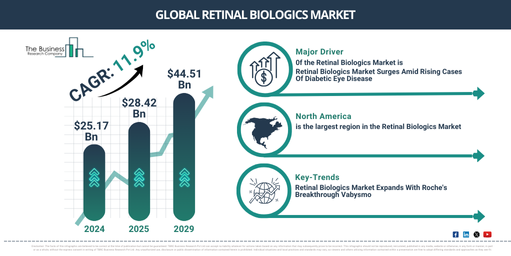
    Over the past few years, the retinal biologics market size has experienced significant expansion. The market, which was valued at $25.17 billion in 2024, is forecasted to reach $28.42 billion in 2025, boasting a compound annual growth rate (CAGR) of 12.9%. Factors contributing to this historic growth include a rise in retinal disorders, an aging demographic, increased awareness leading to early diagnosis, improved healthcare infrastructure, and a surge in healthcare spending.

    Expectations are high for a swift expansion in the retinal biologics market size in the approaching years. The market is projected to surge to a value of $44.51 billion in 2029, growing at a compound annual growth rate (CAGR) of 11.9%. This anticipated growth during the forecast period is linked to broadening therapeutic applications, individualized medicine advancements, emerging market expansion, a robust biologics pipeline, collaborations & partnerships, as well as government initiatives and support. In the same forecast period, the main trends to watch include non-invasive delivery techniques, real-world evidence use, added indications, regulatory pathway simplification, and patient-focused outcomes.

    Download a free sample to assess the report’s scope and structure:

    https://www.thebusinessresearchcompany.com/sample.aspx?id=11911&type=smp

    Which Factors and External Forces Are Driving Demand in the Retinal Biologics Market?

    The escalation in diabetic eye disease prevalence is anticipated to fuel the expansion of the retinal biologics market in the future. Diabetic eye disease, a diabetes complication, impacts the eyes leading to vision impairment and blindness in those with diabetes. Retinal biologics offer the potential for more specific and effective treatment alternatives, facilitating earlier intervention and enhanced results in preventing vision loss linked to diabetic eye disease. For example, information from the Australian Bureau of Statistics revealed that in 2022, 5.3% of the Australian population (approximately 1.3 million individuals) had diabetes, a substantial increase from the previous 3.3%. Consequently, the escalating incidence of diabetic eye disease is propelling the retinal biologics market’s growth.

    Which Segments in the Retinal Biologics Offer the Most Growth?

    The retinal biologics market covered in this report is segmented –

    1) By Drug Class: Vascular Endothelial Growth Factor (VEGF)-A Antagonist, Tumor Necrosis Factor (TNF)-A Inhibitor

    2) By Indication: Macular Degeneration, Diabetic Retinopathy, Uveitis, Diabetic Macular Edema, Other Indications

    3) By Distribution Channel: Hospitals, Pharmacies, Specialty Clinics, Online Pharmacies, Other Distribution Channels

    Subsegments:

    1) By Vascular Endothelial Growth Factor (VEGF)-A Antagonist: Monoclonal Antibodies, Small Molecule Inhibitors

    2) By Tumor Necrosis Factor (TNF)-A Inhibitor: Monoclonal Antibodies, Fusion Proteins

    Request customized data on this market:

    https://www.thebusinessresearchcompany.com/customise?id=11911&type=smp

    What Are the Fastest-Growing Geographies in the #Which Factors and External Forces Are Driving Demand in the Retinal Biologics Market?# Market?

    North America was the largest region in the retinal biologics market in 2024. Asia-Pacific is expected to be the fastest-growing region in the forecast period. The regions covered in the retinal biologics market report are Asia-Pacific, Western Europe, Eastern Europe, North America, South America, Middle East, Africa.

    Which Cutting-Edge Market Trends Are Expected to Drive theRetinal Biologics Market’s Growth?

    A primary trend growing in prevalence within the retinal biologics market is the focus on product innovation. To consolidate their market positions and establish a competitive edge, main companies within this domain are directing their efforts towards the creation of novel, pioneering products. Illustrating this, in May 2023, F. Hoffmann-La Roche Ltd., a healthcare company based in Switzerland, publicized that its supplemental biologics license application (sBLA) for Vabysmo (faricimab), aimed at retinal vein occlusion (RVO) induced macular edema, had been approved by the U.S. Food and Drug Administration. This endorsement was conferred due to favourable results from two Phase III trials which exhibited notable and sustained visual improvement with Vabysmo, reaching the primary endpoint of non-inferiority in comparison to aflibercept. Vabysmo represents the first approved bispecific antibody for eyes, designed to combat neovascular or ‘wet’ age-related macular degeneration and diabetic macular edema. Additional investigations demonstrated a lack of blood vessel leakage in the retina in those treated with Vabysmo as compared to patients receiving aflibercept.

    View the full report here:

    https://www.thebusinessresearchcompany.com/report/retinal-biologics-global-market-report

    What Are the Key Elements That Define the Retinal Biologics Market?

    Retinal biologics refers to bioengineered macromolecules that are implanted inside the eyes to heal chronic retinal diseases. They are highly precise inflammatory mediator-targeting compounds used to treat inflammatory, corneal, and retinal medical conditions.

    Purchase the full report and get a swift delivery:

    https://www.thebusinessresearchcompany.com/purchaseoptions.aspx?id=11911

    About The Business Research Company:

    With over 15000+ reports from 27 industries covering 60+ geographies, The Business Research Company has built a reputation for offering comprehensive, data-rich research and insights. Armed with 1,500,000 datasets, the optimistic contribution of in-depth secondary research, and unique insights from industry leaders, you can get the information you need to stay ahead in the game.

    Get in touch with us:

    The Business Research Company: https://www.thebusinessresearchcompany.com/

    Americas +1 3156230293

    Asia +44 2071930708

    Europe +44 2071930708

    Email us at info@tbrc.info

    Follow us on:

    LinkedIn: https://in.linkedin.com/company/the-business-research-company

    YouTube: https://www.youtube.com/channel/UC24_fI0rV8cR5DxlCpgmyFQ

    Global Market Model: https://www.thebusinessresearchcompany.com/global-market-model