Month: June 2025

  • Critical Market Drivers Shaping the Outlook for Medical device coatings Market from 2025-2034: Rising Demand For Minimally Invasive Surgical Procedures Driving Growth In The Market

    Critical Market Drivers Shaping the Outlook for Medical device coatings Market from 2025-2034: Rising Demand For Minimally Invasive Surgical Procedures Driving Growth In The Market

    Our market reports now include the latest updates on global tariffs, trade impacts, and evolving supply chain dynamics.

    How Has The Medical device coatings Market Growth Evolved From 2024 To 2025, And What’s Ahead?

    There has been a significant expansion in the medical device coatings market in the past few years. The market is projected to increase from $12.21 billion in 2024 to $13.24 billion in 2025 with a compound annual growth rate (CAGR) of 8.5%. The historic growth is linked to the rising demand for antimicrobial coatings, an increased need for minimally invasive surgeries, growth of startups focusing on medical device coatings, an emphasis on thwarting infections via medical devices, and a surge in cancer prevalence.

    The market size for medical device coatings is predicted to experience robust expansion in the upcoming years, reaching a value of $18.16 billion by 2029 with an 8.2% compound annual growth rate (CAGR). The projected growth within this timeframe is due to several factors such as the development of intelligent coatings, escalating requirements for personalized medicine, a growing elderly population globally, enhancements in long-lasting medical device coatings, and an increase in chronic diseases. Significant trends during the forecast period consist of technological progressions, evolution in medical technology, strategic alliances and research initiatives, the introduction of new products, and rising adoption of hydrophilic coatings.

    Download a free sample to assess the report’s scope and structure:

    https://www.thebusinessresearchcompany.com/sample.aspx?id=21216&type=smp

    What Are the Core Growth Drivers Propelling the Medical device coatings Market Forward?

    The medical device coatings market is anticipated to experience an upswing, propelled by the rising demand for minimally invasive surgical procedures. Advancements in medical technology, such as sophisticated imaging systems, precision tools, and cutting-edge medical device coatings, have attributed to these types of surgeries. They improve surgical precision, decrease healing time, and reduce the risk of complications for patients. The coatings applied to medical devices enhance the efficacy of minimally invasive surgical procedures by offering lubrication, biocompatibility, and antimicrobial properties. These attributes help reduce friction, curtail tissue damage, and decrease infection risks – thereby improving the procedures’ safety and efficiency. In September 2023, records from the International Society of Aesthetic Plastic Surgery, a Lebanon-based organization for board-certified plastic surgeons, reported a boost of 11.2% in surgeries performed by plastic surgeons in 2022. They completed over 14.9 million surgical and 18.8 million non-surgical procedures globally. Therefore, the burgeoning demand for minimally invasive surgical procedures is boosting the medical device coatings market’s growth.

    What Segment Types Define the Medical device coatings Market Structure?

    The medical device coatings market covered in this report is segmented –

    1) By Product: Hydrophilic Coatings, Antimicrobial Coatings, Drug-Eluting Coatings, Anti-Thrombogenic Coatings

    2) By Material Type: Fluoropolymer, Silicone, Parylene, Metals

    3) By Application: Medical Devices, Medical Implants, Medical Equipment And Tools, Protective Clothing

    4) By End-User: General Surgery, Neurology, Cardiovascular, General Surgery, Gynecology, Dentistry, Other End Users

    Subsegments:

    1) By Hydrophilic Coatings: Polymer-Based Hydrophilic Coatings, Silicone-Based Hydrophilic Coatings, Hydrogel Coatings

    2) By Antimicrobial Coatings: Silver-Based Coatings, Copper-Based Coatings, Polymer-Based Antimicrobial Coatings

    3) By Drug-Eluting Coatings: Antiproliferative Drug Coatings, Anti-Inflammatory Drug Coatings, Antibiotic Drug Coatings

    4) By Anti-Thrombogenic Coatings: Heparin-Based Coatings, Non-Heparin-Based Coatings, Polymer-Based Anti-Thrombogenic Coatings

    Request customized data on this market:

    https://www.thebusinessresearchcompany.com/customise?id=21216&type=smp

    Which Geographic Areas Hold the Strongest Growth Potential in the Medical device coatings Market?

    North America was the largest region in the medical device coatings market in 2024. Asia-Pacific is expected to be the fastest-growing region in the forecast period. The regions covered in the medical device coatings market report are Asia-Pacific, Western Europe, Eastern Europe, North America, South America, Middle East, Africa.

    Which Emerging Trends that Are Influencing theMedical device coatings Industry Evolution?

    Prominent firms in the medical device coatings market are concentrating on creating new technologies, such as hydrophilic medical device coatings, to boost device functioning by enhancing lubricity, minimizing friction during procedures, and ensuring biocompatibility. Hydrophilic medical device coatings are unique surface treatments employed on medical devices to improve their efficiency, particularly regarding reducing friction and increasing patient comfort. For example, in October 2023, Surmodics Inc., an American corporation specialized in medical device coating technologies, introduced Preside hydrophilic coatings. These coatings aim to improve the performance of neurovascular, coronary, and peripheral vascular devices by providing a unique mixture of low friction and minimal particulate generation, thereby enhancing distal access and facilitating the navigation of complex vascular pathways. Preside coatings supplement the existing Serene hydrophilic coatings and are designed to attain the perfect balance between heightened lubricity and coating longevity, meeting the growing regulatory requirements for particle reduction.

    View the full report here:

    https://www.thebusinessresearchcompany.com/report/medical-device-coatings-global-market-report

    What Is the Definition of the Medical device coatings Market?

    Medical device coatings are specialized surface treatments applied to medical devices to improve their functionality, durability, and safety. These coatings provide benefits such as antimicrobial protection, enhanced biocompatibility, reduced friction, and corrosion resistance. They are widely used in devices like catheters, implants, and surgical instruments to optimize performance and patient outcomes.

    Purchase the full report and get a swift delivery:

    https://www.thebusinessresearchcompany.com/purchaseoptions.aspx?id=21216

    About The Business Research Company:

    With over 15000+ reports from 27 industries covering 60+ geographies, The Business Research Company has built a reputation for offering comprehensive, data-rich research and insights. Armed with 1,500,000 datasets, the optimistic contribution of in-depth secondary research, and unique insights from industry leaders, you can get the information you need to stay ahead in the game.

    Get in touch with us:

    The Business Research Company: https://www.thebusinessresearchcompany.com/

    Americas +1 3156230293

    Asia +44 2071930708

    Europe +44 2071930708

    Email us at info@tbrc.info

    Follow us on:

    LinkedIn: https://in.linkedin.com/company/the-business-research-company

    YouTube: https://www.youtube.com/channel/UC24_fI0rV8cR5DxlCpgmyFQ

    Global Market Model: https://www.thebusinessresearchcompany.com/global-market-model
  • Human Respiratory Syncytial Virus Treatment Market 2025-2034: Key Highlights, Growth Dynamics, and Emerging Trends

    Human Respiratory Syncytial Virus Treatment Market 2025-2034: Key Highlights, Growth Dynamics, and Emerging Trends

    Get 30% off on our Global Market Reports with code ONLINE30 – Hurry, limited time offer!

    What Are the Projected Market Size and Growth Rates for the Human Respiratory Syncytial Virus Treatment Market From 2025 To 2029?

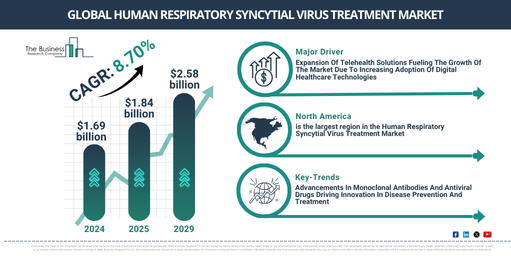
    Recent years have witnessed robust growth in the market size of human respiratory syncytial virus treatment. Projections estimate an increase from $1.69 billion in 2024 to $1.84 billion in 2025, with a compound annual growth rate of 9.0%. Factors contributing to this historical growth include a surge in the incidence of RSV infections, a growing population of infants and the elderly, a rise in hospitalizations due to respiratory conditions, governmental vaccination initiatives, and heightened awareness regarding complications linked to RSV.

    The market for treating the human respiratory syncytial virus is poised to experience considerable expansion in the years to come. It’s projected to reach a value of $2.58 billion in 2029, with an annual compound growth rate of 8.7%. Various factors contribute to this anticipated growth in the aforementioned projection period, including an increased need for monoclonal antibodies, higher investment in the development of RSV vaccines, a more prominent emphasis on early detection, the broadening of healthcare access in emerging areas, and the approval of regulatory bodies for new treatment methods. Future trends likely to be seen within this period comprise the creation of long-lasting RSV antibodies, an emphasis on combination treatments, drug discovery for RSV powered by AI, increased use of telemedicine for respiratory diseases, and collaborative efforts in the pharmaceutical industry for the development of RSV drugs.

    Download a free sample to assess the report’s scope and structure:

    https://www.thebusinessresearchcompany.com/sample.aspx?id=23423&type=smp

    Which Primay Drivers Are Accelerating Growth in the Human Respiratory Syncytial Virus Treatment Market?

    Human respiratory syncytial virus treatment market’s growth is anticipated to be driven by the emerging telehealth solutions. These solutions are part of digital healthcare services, offering remote consultations, diagnostics, monitoring, and treatment to patients through telecommunication technologies. The uptake of these telemedicine services has been on the rise, primarily due to their potential in providing remote care to patients and minimising the strain on conventional healthcare facilities. Telehealth solutions, specifically for the human respiratory syncytial virus treatment, allow for remote patient monitoring, early disease detection, and virtual consultations, which can improve patient care and decrease the frequency of hospital visits. For instance, the official information provider of the US government, Telehealth.HHS.gov, reported in the fourth quarter of 2023, telehealth utilisation grew to approximately 21,883,731 users, indicating an increase of 2,783,159 users or 13% from the previous quarter. Consequently, the burgeoning telehealth solutions are contributing to the expansion of the human respiratory syncytial virus treatment market.

    Which Primary Segments of the Human Respiratory Syncytial Virus Treatment Market Are Driving Growth and Industry Transformations?

    The human respiratory syncytial virus treatment market covered in this report is segmented –

    1) By Treatment Type: Antiviral Medications, Monoclonal Antibodies, Vaccines, Supportive Care

    2) By Patient Type: Pediatric Patients, Adult Patients

    3) By Route Of Administration: Oral, Parenteral

    4) By End User: Hospitals, Clinics, Home Care

    Subsegments:

    1) By Antiviral Medications: Fusion Inhibitors, Nucleoside Analogues, RNA Polymerase Inhibitors

    2) By Monoclonal Antibodies: Palivizumab, Nirsevimab, Other RSV-Specific Monoclonal Antibodies

    3) By Vaccines: Live Attenuated Vaccines, Subunit Vaccines, mRNA-Based Vaccines, Vector-Based Vaccines

    4) By Supportive Care: Oxygen Therapy, Mechanical Ventilation, Hydration Therapy, Fever and Pain Management

    Request customized data on this market:

    https://www.thebusinessresearchcompany.com/customise?id=23423&type=smp

    Which Regions Are Key Players in the Growth of the Human Respiratory Syncytial Virus Treatment Market?

    North America was the largest region in the human respiratory syncytial virus treatment market in 2024. Asia-Pacific is expected to be the fastest-growing region in the forecast period. The regions covered in the human respiratory syncytial virus treatment market report are Asia-Pacific, Western Europe, Eastern Europe, North America, South America, Middle East, Africa.

    What Key Trends Are Shaping the Future of the Human Respiratory Syncytial Virus Treatment Market?

    Prominent companies in the human respiratory syncytial virus treatment sector are concentrating on novel therapies like monoclonal antibodies and antiviral drugs to establish a competitive advantage. Monoclonal antibodies are laboratory-crafted proteins that assist in combating infections, whereas antiviral drugs are medicines that inhibit virus propagation. For example, in July 2023, AstraZeneca plc, a UK-based biopharmaceutical firm, collaborated with Sanofi S.A., a French pharmaceutical company, to announce the U.S. Food and Drug Administration’s (FDA) approval of Beyfortus (nirsevimab-alip), an engineered monoclonal antibody for preventing RSV lower respiratory tract disease among newborns and high-risk children. This approval signified a significant progression in RSV prevention, since Beyfortus offers a long-lasting, one-time treatment that delivers continuous immunity throughout the RSV season. This is extremely beneficial for newborns and infants who are most vulnerable to severe RSV infections, aiding in the reduction of hospital stays and complications.

    View the full report here:

    https://www.thebusinessresearchcompany.com/report/human-respiratory-syncytial-virus-treatment-global-market-report

    What Parameters Are Used to Define the Human Respiratory Syncytial Virus Treatment Market?

    Human respiratory syncytial virus (RSV) treatment focuses on managing symptoms and preventing complications, particularly in vulnerable populations. It involves supportive care to ease breathing difficulties, reduce fever, and maintain hydration. In severe cases, hospitalization may be required for oxygen therapy and monitoring. Prevention strategies also play a crucial role in reducing infection risk.

    Purchase the full report and get a swift delivery:

    https://www.thebusinessresearchcompany.com/purchaseoptions.aspx?id=23423

    About The Business Research Company:

    With over 15000+ reports from 27 industries covering 60+ geographies, The Business Research Company has built a reputation for offering comprehensive, data-rich research and insights. Armed with 1,500,000 datasets, the optimistic contribution of in-depth secondary research, and unique insights from industry leaders, you can get the information you need to stay ahead in the game.

    Get in touch with us:

    The Business Research Company: https://www.thebusinessresearchcompany.com/

    Americas +1 3156230293

    Asia +44 2071930708

    Europe +44 2071930708

    Email us at info@tbrc.info

    Follow us on:

    LinkedIn: https://in.linkedin.com/company/the-business-research-company

    YouTube: https://www.youtube.com/channel/UC24_fI0rV8cR5DxlCpgmyFQ

    Global Market Model: https://www.thebusinessresearchcompany.com/global-market-model

  • Thrombocytopenia Growth Trajectory: Key Forecasts and Strategic Insights

    Thrombocytopenia Growth Trajectory: Key Forecasts and Strategic Insights

    Our market reports now include the latest updates on global tariffs, trade impacts, and evolving supply chain dynamics.

    #How Has the Thrombocytopenia Market Growth Performance Trended Historically, And What Lies Ahead?#_x000D_

    In the previous years, the thrombocytopenia market has witnessed robust growth. It is predicted to escalate from $4.38 billion in 2024 to $4.72 billion in 2025, representing a compound annual growth rate (CAGR) of 7.7%. The growth during the historic period can be associated with the mounting prevalence of autoimmune disorders, the surge in chronic liver diseases, the expanding reach of healthcare services, the enhancement of healthcare infrastructure, and the increasing government backing._x000D_

    _x000D_

    Projected robust expansion is expected in the thrombocytopenia market in the upcoming years as it will prospectively burgeon to $6.29 billion by 2029, growing at a compound annual growth rate (CAGR) of 7.5%. This sector’s growth during the forecast period can be credited to factors such as the increasing incidences of thrombocytopenia, escalated healthcare expenditure, amplified global promotion of therapies, heightened occurrence of blood disorders, and a rapidly growing aging population. Key trends observed within the forecast period encompass the escalating adoption of innovative thrombopoietin receptor agonists, enhancements in diagnostic methodologies, developments in gene therapies, strides in monoclonal antibody treatments, advancements in patient monitoring technologies, personalized medicinal approaches, and continuing clinical research for ground-breaking therapies._x000D_

    _x000D_

    #Download a free sample to assess the report’s scope and structure:#_x000D_

    https://www.thebusinessresearchcompany.com/sample.aspx?id=21298&type=smp_x000D_

    _x000D_

    #Which Factors and External Forces Are Driving Demand in the Thrombocytopenia Market?#_x000D_

    The escalating incidence of autoimmune disorders is anticipated to fuel the expansion of the thrombocytopenia market. Autoimmune disorders arise when the body’s immune system erroneously starts to attack its own healthy cells and tissues, considering them as external threats. This unusual reaction instigates inflammation and damage in diverse organs and systems. The surge in autoimmune disorders can be attributed to inherent predispositions, ecological influences, alterations in lifestyle, and heightened consciousness leading to enhanced diagnosis. Autoimmune diseases precipitate thrombocytopenia by provoking the immune system to assail and annihilate the body’s platelets or hinder their production in the bone marrow. For example, as per the data from Versorgungsatlas.de, a Germany-based government agency, in 2022, out of 73,241,305 insured persons, around 6,304,340 were diagnosed with at least a single autoimmune disease, amounting to a raw prevalence rate of 8.61%. Consequently, the rising incidence of autoimmune disorders is propelling the growth of the thrombocytopenia market._x000D_

    _x000D_

    #Which Segments in the Thrombocytopenia Offer the Most Growth?#_x000D_

    The thrombocytopenia market covered in this report is segmented –_x000D_

    _x000D_

    1) By Type: Idiopathic Thrombocytopenic, Thrombotic Thrombocytopenic, Drug-Induced Thrombocytopenia_x000D_

    2) By Drugs: Danazol, Intravenous Immune Globulin, Rituximab, Eltrombopag, Romiplostim, Splenectomy, Corticosteroid, Other Drugs_x000D_

    3) By Route Of Administration: Oral, Parenteral, Other Routes Of Administration_x000D_

    4) By End User: Hospitals, Specialty Clinics, Homecare, Other End Users_x000D_

    _x000D_

    Subsegments:_x000D_

    1) By Idiopathic Thrombocytopenic Purpura (ITP): Acute ITP, Chronic ITP_x000D_

    2) By Thrombotic Thrombocytopenic Purpura (TTP): Congenital TTP (Hereditary ADAMTS13 Deficiency), Acquired TTP (Immune-Mediated)_x000D_

    3) By Drug-Induced Thrombocytopenia (DITP): Heparin-Induced Thrombocytopenia (HIT), Chemotherapy-Induced Thrombocytopenia, Other Medication-Related Thrombocytopenia_x000D_

    _x000D_

    #Request customized data on this market:#_x000D_

    https://www.thebusinessresearchcompany.com/customise?id=21298&type=smp_x000D_

    _x000D_

    #What Are the Fastest-Growing Geographies in the #Which Factors and External Forces Are Driving Demand in the Thrombocytopenia Market?# Market?#_x000D_

    North America was the largest region in the thrombocytopenia market in 2024. Asia-Pacific is expected to be the fastest-growing region in the forecast period. The regions covered in the thrombocytopenia market report are Asia-Pacific, Western Europe, Eastern Europe, North America, South America, Middle East, Africa._x000D_

    _x000D_

    #Which Cutting-Edge Market Trends Are Expected to Drive theThrombocytopenia Market’s Growth?#_x000D_

    Leading corporations active in the thrombocytopenia industry are emphasizing innovations such as the introduction of intravenous therapy. This focus on advancement is aimed at enhancing the efficacy of treatment, speeding up response times, improving patient compliance, and addressing unfulfilled medical requirements. Intravenous therapy for thrombocytopenia allows for swift improvement in platelet count, which guarantees rapid relief of symptoms and diminishes the chances of hemorrhagic complications. It also boosts the accuracy of treatment, delivering reliable and effective platelet sustenance for patients dealing with acute or long-term cases. As a case point, in March 2024, Argenx SE, a biotech company based in the Netherlands, obtained approval from the Ministry of Health, Labor, and Welfare (MHLW) of Japan for VYVGART, intended for intravenous application in adults with primary immune thrombocytopenia (ITP). This authorization signifies a considerable breakthrough, offering a specialized treatment that is rapidly efficient and maintains a consistent platelet response, thus addressing the gap in the treatment of autoimmune diseases._x000D_

    _x000D_

    #View the full report here:#_x000D_

    https://www.thebusinessresearchcompany.com/report/thrombocytopenia-global-market-report_x000D_

    _x000D_

    #What Are the Key Elements That Define the Thrombocytopenia Market?#_x000D_

    Thrombocytopenia refers to a medical condition characterized by an abnormally low platelet count in the blood, which increases the risk of excessive bleeding. Causes include bone marrow disorders, autoimmune diseases, and certain medications. Symptoms involve easy bruising, prolonged bleeding, and petechiae (small red spots on the skin)._x000D_

    _x000D_

    #Purchase the full report and get a swift delivery:#_x000D_

    https://www.thebusinessresearchcompany.com/purchaseoptions.aspx?id=21298_x000D_

    _x000D_

    #About The Business Research Company:#_x000D_

    With over 15000+ reports from 27 industries covering 60+ geographies, The Business Research Company has built a reputation for offering comprehensive, data-rich research and insights. Armed with 1,500,000 datasets, the optimistic contribution of in-depth secondary research, and unique insights from industry leaders, you can get the information you need to stay ahead in the game._x000D_

    _x000D_

    #Get in touch with us:#_x000D_

    The Business Research Company: https://www.thebusinessresearchcompany.com/_x000D_

    Americas +1 3156230293_x000D_

    Asia +44 2071930708_x000D_

    Europe +44 2071930708_x000D_

    Email us at info@tbrc.info_x000D_

    _x000D_

    #Follow us on:#_x000D_

    _x000D_

    LinkedIn: https://in.linkedin.com/company/the-business-research-company_x000D_

    YouTube: https://www.youtube.com/channel/UC24_fI0rV8cR5DxlCpgmyFQ_x000D_

    Global Market Model: https://www.thebusinessresearchcompany.com/global-market-model

  • Human Primary Cell Culture  Growth Trajectory: Key Forecasts and Strategic Insights

    Human Primary Cell Culture Growth Trajectory: Key Forecasts and Strategic Insights

    Get 30% off on our Global Market Reports with code ONLINE30 – Hurry, limited time offer!

    What Is the Estimated Market Size of the Human Primary Cell Culture Market In 2029?

    The market for primary human cell cultures has seen a remarkable expansion in recent years. The market is projected to rise from $3.39 billion in 2024 to $3.79 billion in 2025, showing a compound annual growth rate (CAGR) of 11.7%. The growth seen in the historic period can be attributed to the increasing use of cell-based research, a surge in the demand for personalized medicine, intensified emphasis on drug discovery and personalized medicine, as well as burgeoning applications in cancer research.

    Predicted expansion in the human primary cell culture sector is expected in the coming years, with a growth rate estimated at 11.3% annually. This will see the market’s value rise to $5.82 billion by 2029. Primarily, the surge is expected to come from increased interest in regenerative medicine, precision medicine applications, a surge in government funding for cell-based studies, supportive governmental policies, and a widening scope for toxicology testing. Some anticipated trends during this forecast period are the incorporation of Artificial Intelligence in cell culture investigations, creating serum-free and chemically specific media, cultivating automation in cell culture procedures, a burgeoning interest in organ-on-a-chip technology, and a greater demand for primary cells in research around immunotherapy.

    Download a free sample to assess the report’s scope and structure:

    https://www.thebusinessresearchcompany.com/sample.aspx?id=23422&type=smp

    Which Factors and External Forces Are Driving Demand in the Human Primary Cell Culture Market?

    The growth of the human primary cell culture market is predicted to be propelled by the escalating focus on cell and gene therapies. These innovative medical interventions amend or replace cells or genetic matter to manage or cure diseases at the molecular level. Such treatments are gaining attention due to their capacity for delivering long-lasting or curative treatments for genetic disorders, cancers, and scarce illnesses by targeting the fundamental root at the molecular level. Human primary cell cultures play a crucial role in these therapies, assisting in the development of treatments, production of viral vectors, and testing of gene editing techniques. The American Society of Gene & Cell Therapy (ASGCT), a non-profit organization based in the US, reported that around 76 gene therapy trials commenced in the U.S in the second quarter of 2024, indicating a 25% rise compared to the first quarter. Hence, the emphasis on progressing advanced cell and gene therapies fuels expansion in the human primary cell culture market.

    Which Segments in the Human Primary Cell Culture Offer the Most Growth?

    The human primary cell culture market covered in this report is segmented –

    1) By Product Type: Primary Cells, Reagents And Supplements, Instruments, Primary Cell Culture Media, Other Consumables

    2) By Applications: Drug Discovery, Therapy Development, Regenerative Medicine, Other Applications

    3) By End User: Pharmaceutical And Biotechnology Companies, Contract Research Organizations (CROs), Academic And Research Institutions

    Subsegments:

    1) By Primary Cells: Human Dermal Fibroblasts (HDF), Human Epidermal Keratinocytes (HEK), Human Mesenchymal Stem Cells (HMSC), Human Endothelial Cells, Human Hematopoietic Cells

    2) By Reagents And Supplements: Growth Factors And Cytokines, Antibiotics And Antimycotics, Fetal Bovine Serum (FBS), Buffers And Chemicals, Cryopreservation Reagents

    3) By Instruments: Cell Culture Incubators, Biosafety Cabinets, Centrifuges, Cell Counters And Analyzers, Microscopes

    4) By Primary Cell Culture Media: Serum-Free Media, Chemically Defined Media, Classical Media, Protein-Free Media, Custom Media

    5) By Other Consumables: Culture Dishes And Plates, Flasks And Bottles, Pipettes And Tips, Cell Strainers And Filters, Coated Culture Surfaces

    Request customized data on this market:

    https://www.thebusinessresearchcompany.com/customise?id=23422&type=smp

    What Are the Fastest-Growing Geographies in the Human Primary Cell Culture Market?

    North America was the largest region in the human primary cell culture market in 2024. Asia-Pacific is expected to be the fastest-growing region in the forecast period. The regions covered in the human primary cell culture market report are Asia-Pacific, Western Europe, Eastern Europe, North America, South America, Middle East, Africa.

    What Are the Key Market Trends in the Human Primary Cell Culture Market Over the Coming Years?

    Key players in the human primary cell culture market are directing their efforts towards developing pioneering technological solutions. These solutions incorporate induced pluripotent stem cell (iPSC) and embryonic stem cell (ESC) technologies as a means to amplify cell-oriented research, expedite drug discovery, and spur progress in regenerative medicine as well as personalized treatments. Both iPSC and ESC technologies revolve around the transformation of adult cells or the utilization of embryonic cells to produce pluripotent stem cells. These cells have the ability to morph into a variety of cell types, which are crucial for conducting research, creating new drugs, and facilitating regenerative medicine. For example, in July 2024, BioServe Biotechnologies India Pvt Ltd, a na Biotechnology and life sciences firm, unveiled advanced stem cell products from REPROCELL, aimed at bolstering scientific research and drug development in India. Their product offering entails cell culture media, stem cell differentiation tools, 3D cell culture systems, and drug discovery services. These innovative products improve regenerative medicine, disease modeling, and preclinical research by deploying iPSC and ESC technologies.

    View the full report here:

    https://www.thebusinessresearchcompany.com/report/human-primary-cell-culture-global-market-report

    What Are the Key Elements That Define the Human Primary Cell Culture Market?

    Human primary cell culture refers to the process of isolating cells directly from human tissues, such as blood or bone marrow and maintaining them in a controlled environment for research or therapeutic purposes. These cultures are used for research and medical applications, providing more accurate representations of in vivo conditions than immortalized cell lines.

    Purchase the full report and get a swift delivery:

    https://www.thebusinessresearchcompany.com/purchaseoptions.aspx?id=23422

    About The Business Research Company:

    With over 15000+ reports from 27 industries covering 60+ geographies, The Business Research Company has built a reputation for offering comprehensive, data-rich research and insights. Armed with 1,500,000 datasets, the optimistic contribution of in-depth secondary research, and unique insights from industry leaders, you can get the information you need to stay ahead in the game.

    Get in touch with us:

    The Business Research Company: https://www.thebusinessresearchcompany.com/

    Americas +1 3156230293

    Asia +44 2071930708

    Europe +44 2071930708

    Email us at info@tbrc.info

    Follow us on:

    LinkedIn: https://in.linkedin.com/company/the-business-research-company

    YouTube: https://www.youtube.com/channel/UC24_fI0rV8cR5DxlCpgmyFQ

    Global Market Model: https://www.thebusinessresearchcompany.com/global-market-model

  • Key Factors Fueling the Growth of the Wearable Robot Technology  Market in 2025: Increasing Demand For Automation Fueling The Growth Of The Market Due To Rising Need For Operational Efficiency

    Key Factors Fueling the Growth of the Wearable Robot Technology Market in 2025: Increasing Demand For Automation Fueling The Growth Of The Market Due To Rising Need For Operational Efficiency

    Get 30% off on our Global Market Reports with code ONLINE30 – Hurry, limited time offer!

    How Has The Wearable Robot Technology Market Size Shifted, And What Is the Outlook Through 2034?

    There has been phenomenal growth in the size of the wearable robot technology market in the past few years. It’s projected to expand from $0.84 billion in 2024 to $1.17 billion in 2025, with a compound annual growth rate (CAGR) of 39.4%. The substantial growth witnessed in the historic period is credited to the escalating demand for rehabilitation facilities, higher healthcare spending, increasing necessity for elderly care services, significant investment in R&D, and burgeoning demand for solutions for the elderly and disabled.

    Expectations for the wearable robot technology market size project a substantial expansion in the upcoming years. It is slated to escalate to $4.39 billion by 2029, indicating a compound annual growth rate (CAGR) of 39.1%. The anticipated growth over the forecast period is due in part to increasing demand for targeted healthcare solutions, greater utilization of assistive robots in the healthcare sector, an uptick in the use of robotics in physical therapy, a growing emphasis on multifaceted wearable robots, and a rising trend in health and fitness trackers. The forecast period is marked by significant trends such as advancements in material technology, the development of modular wearable robots, the integration of wearables with smart fabrics, haptic feedback innovation, and the creation of adaptive control systems.

    Download a free sample to assess the report’s scope and structure:

    https://www.thebusinessresearchcompany.com/sample.aspx?id=23579&type=smp

    What are the Fundamental Drivers and Innovations Shaping the Wearable Robot Technology Market?

    The wearable robot technology market is expected to surge as automation experiences rising demand. Essentially, automation hinges on the utilization of machines or cutting-edge technology to carry out duties with little or zero assistance from humans. The need to boost operational efficiency and cut costs has resulted in increased demand for automation, which aims to slash errors and enhance productivity. The wearable robot technology is a groundbreaking innovation that amplifies automation by fostering a partnership between machines and humans, making it the go-to solution for labor-intensive sectors and healthcare environments. By improving strength and movement, it mitigates physical stress, thereby augmenting productivity and operational efficacy. For example, the International Federation of Robotics, a non-profit organization rooted in Germany, stated in September 2024 that about 4.2 million robotic units were functional in global factories in 2023. This represented a 10% rise from 3.9 units in 2022. Consequently, the escalating demand for automation is a significant factor in the growth of the wearable robot technology market.

    How Is the Wearable Robot Technology Market Segmented?

    The wearable robot technology market covered in this report is segmented –

    1) By Type: Rigid Type, Soft Type

    2) By Mode Of Operation: Passive, Active And Powered

    3) By Product: Wristwear, Headwear, Footwear, Fashion And Jewelry, Bodywear, Other Wearable Technology

    4) By Application: Rehabilitation, Assistive, Body Parts Support, Sports, Supply Chain Industry, Other Applications

    5) By End User: Healthcare, Consumer Electronics, Enterprise And Industrial Applications, Othe End User Industries

    Subsegments

    1) By Rigid Type: Exoskeletons With Metallic Frames, Powered Rigid Suits For Industrial Lifting, Military-Grade Wearable Robots, Medical Rehabilitation Robots, Full-Body Rigid Assistive Devices

    2) By Soft Type: Soft Robotic Exosuits, Pneumatic, Textile-Based Wearable Assistive Devices, Cable-Driven Flexible Actuators, Soft Wearable Robots For Elderly Mobility Support

    Request customized data on this market:

    https://www.thebusinessresearchcompany.com/customise?id=23579&type=smp

    Which Regions Are Driving the Next Phase of the Wearable Robot Technology Market Growth?

    North America was the largest region in the wearable robot technology market in 2024. Asia-Pacific is expected to be the fastest-growing region in the forecast period. The regions covered in the wearable robot technology market report are Asia-Pacific, Western Europe, Eastern Europe, North America, South America, Middle East, Africa.

    What Key Market Trends and Innovations Are Shaping the Future of the Wearable Robot Technology Industry?

    The key players in the wearable robot technology market are concentrating their efforts on creating revolutionary solutions such as wearable assistive robotics. This technology applies to robotic devices used on the body which assist or boost physical movements, aimed primarily at enhancing the mobility and overall life quality of people with physical impairments or movement restrictions. CosmoRobotics Co., Ltd, a technology firm located in South Korea, exemplified this when they introduced a new range of wearable robots, such as Bambini Teens, EA2Pro, EAM, GRANY, and EXA-W, in July 2024. These robots, complete with features like Bambini Teens tailored for kids’ needs, and EA2Pro, a second-generation exoskeleton with top-tier motor sensors and a design that’s suitable for rehabilitation, are intended to aid daily living by augmenting muscle strength and assisting in rehabilitation.

    View the full report here:

    https://www.thebusinessresearchcompany.com/report/wearable-robot-technology-global-market-report

    How Is the Wearable Robot Technology Market Defined and What Are Its Core Parameters?

    Wearable robot technology refers to advanced, body-mounted robotic systems designed to assist or enhance human movement, strength, or endurance. These devices, often called exoskeletons or exosuits, integrate sensors, actuators, and control systems to support physical activities such as walking, lifting, or rehabilitative exercises. Wearable robot technology is commonly used to help individuals with mobility impairments regain movement or assist workers in reducing strain during physically demanding tasks.

    Purchase the full report and get a swift delivery:

    https://www.thebusinessresearchcompany.com/purchaseoptions.aspx?id=23579

    About The Business Research Company:

    With over 15000+ reports from 27 industries covering 60+ geographies, The Business Research Company has built a reputation for offering comprehensive, data-rich research and insights. Armed with 1,500,000 datasets, the optimistic contribution of in-depth secondary research, and unique insights from industry leaders, you can get the information you need to stay ahead in the game.

    Get in touch with us:

    The Business Research Company: https://www.thebusinessresearchcompany.com/

    Americas +1 3156230293

    Asia +44 2071930708

    Europe +44 2071930708

    Email us at info@tbrc.info

    Follow us on:

    LinkedIn: https://in.linkedin.com/company/the-business-research-company

    YouTube: https://www.youtube.com/channel/UC24_fI0rV8cR5DxlCpgmyFQ

    Global Market Model: https://www.thebusinessresearchcompany.com/global-market-model

  • Next-Gen Tenosynovitis Drugs : Market Forecast, Transformation, and Long-Term Trajectories

    Next-Gen Tenosynovitis Drugs : Market Forecast, Transformation, and Long-Term Trajectories

    Our market reports now include the latest updates on global tariffs, trade impacts, and evolving supply chain dynamics.

    #What Are the Projected Market Size and Growth Rates for the Tenosynovitis Drugs Market From 2025 To 2029?#_x000D_

    The market for drugs treating tenosynovitis has been expanding robustly over the last few years. The market worth is set to increase from $1.19 billion in 2024 to $1.29 billion in 2025, exhibiting a compound annual growth rate (CAGR) of 8.3%. Factors contributing to this growth during the historical timeframe include an increase in sports-related injuries, a growing elderly population, a rise in healthcare spending, growing awareness of tenosynovitis, and broader adoption of biologic treatments._x000D_

    _x000D_

    Expectations are high for the tenosynovitis drugs market to experience significant expansion in the upcoming years, reaching a value of $1.75 billion in 2029 with a compound annual growth rate (CAGR) of 8.0%. Driving this projected increase are factors such as the growing use of telehealth services, the enlargement of worldwide health programs, increasing occurrence of musculoskeletal disorders, a heightened demand for tenosynovitis drugs, and an increase in chronic conditions. The forecast period sees the potential for growth trends including enhancements in surgical methodologies, the incorporation of robotics in surgical procedures, progress in minimally invasive methods, the development of nanotechnology, and breakthroughs in drug composition._x000D_

    _x000D_

    #Download a free sample to assess the report’s scope and structure:#_x000D_

    https://www.thebusinessresearchcompany.com/sample.aspx?id=21297&type=smp_x000D_

    _x000D_

    #Which Major Market Drivers Are Expected to Boost the Growth Potential of the Tenosynovitis Drugs Market?#_x000D_

    The escalating occurrence of musculoskeletal disorders is anticipated to propel the expansion of the tenosynovitis drugs market. These disorders, which include injuries to muscles, tendons, ligaments, nerves, and joints, impede motion and induce pain. Factors like an aging population, sedentary lifestyle habits, and increased workplace risks contribute to the rising prevalence of these musculoskeletal conditions. Tenosynovitis drugs, such as anti-inflammatory drugs and corticosteroids, are utilized to minimize inflammation and relieve pain in tendon and sheath-related musculoskeletal disorders. For instance, March 2023 statistics from the Office for Health Improvement and Disparities, a UK government health organization, revealed a rise in the number of individuals aged 16 and above reporting long-term musculoskeletal problems, from 17.0% in 2021 to 17.6% in 2022. This rising presence of musculoskeletal disorders fuels the growth of the tenosynovitis drugs market. Demand for Advanced Therapies Stimulated by Increase in Sports Injuries_x000D_

    _x000D_

    #Which Key Market Segments Comprise the Tenosynovitis Drugs Market and Drive Its Revenue Growth?#_x000D_

    The tenosynovitis drugs market covered in this report is segmented –_x000D_

    _x000D_

    1) By Drug Type: Nonsteroidal Anti-Inflammatory Drugs (NSAIDS), Corticosteroids, Antibiotics, Other Drug Types_x000D_

    2) By Indication: De Quervain Tenosynovitis, Stenosing Tenosynovitis, Trigger Finger, Other Indications_x000D_

    3) By Route Of Administration: Oral, Injectable, Topical_x000D_

    4) By Distribution Channel: Hospital Pharmacies, Retail Pharmacies, Online Pharmacies_x000D_

    _x000D_

    Subsegments:_x000D_

    1) By Nonsteroidal Anti-Inflammatory Drugs (NSAIDs): Ibuprofen, Naproxen, Diclofenac, Celecoxib_x000D_

    2) By Corticosteroids: Prednisone, Methylprednisolone, Dexamethasone, Triamcinolone_x000D_

    3) By Antibiotics: Penicillins, Cephalosporins, Fluoroquinolones, Macrolides_x000D_

    4) By Other Drug Types: Disease-Modifying Anti-Rheumatic Drugs (DMARDs), Biologics, Analgesics_x000D_

    _x000D_

    #Request customized data on this market:#_x000D_

    https://www.thebusinessresearchcompany.com/customise?id=21297&type=smp_x000D_

    _x000D_

    #Which Areas Are Leading Regions in the Tenosynovitis Drugs Market Expansion Across the Globe?#_x000D_

    North America was the largest region in the tenosynovitis drugs market in 2024. The regions covered in the tenosynovitis drugs market report are Asia-Pacific, Western Europe, Eastern Europe, North America, South America, Middle East, Africa._x000D_

    _x000D_

    #What Are the Key Market Trends in theTenosynovitis Drugs Market Over the Coming Years?#_x000D_

    Leading firms in the tenosynovitis drugs market are shifting their focus towards the development of advanced drug formulations to boost efficacy, reduce adverse effects, and increase patient adherence. New technological advancements in drug delivery such as controlled-release and delayed-release systems can offer prolonged therapeutic benefits, lessen the frequency of dosage, and reduce gastrointestinal discomfort, all resulting in improved patient comfort and adherence. For instance, in July 2024, US-based ANI Pharmaceuticals Inc. received U.S. Food and Drug Administration (FDA) approval for its abbreviated new drug application (ANDA) and subsequently introduced Naproxen delayed-release tablets, USP. This medication, a cost-effective alternative to the reference listed drug (RLD), EC-Naprosyn, was formulated to provide long-lasting pain management and lower gastric irritation, proving advantageous for treating inflammatory conditions including arthritis, tendonitis, and tenosynovitis._x000D_

    _x000D_

    #View the full report here:#_x000D_

    https://www.thebusinessresearchcompany.com/report/tenosynovitis-drugs-global-market-report_x000D_

    _x000D_

    #How Is the Tenosynovitis Drugs Market Conceptually Defined?#_x000D_

    Tenosynovitis drugs are medications used to reduce inflammation, pain, and swelling in the tendon sheath caused by conditions like infection, overuse, or autoimmune diseases. Treatment options include nonsteroidal anti-inflammatory drugs (NSAIDs), corticosteroids, and antibiotics for infectious cases. In severe cases, disease-modifying antirheumatic drugs (DMARDs) or biologics may be used for chronic inflammatory forms._x000D_

    _x000D_

    #Purchase the full report and get a swift delivery:#_x000D_

    https://www.thebusinessresearchcompany.com/purchaseoptions.aspx?id=21297_x000D_

    _x000D_

    #About The Business Research Company:#_x000D_

    With over 15000+ reports from 27 industries covering 60+ geographies, The Business Research Company has built a reputation for offering comprehensive, data-rich research and insights. Armed with 1,500,000 datasets, the optimistic contribution of in-depth secondary research, and unique insights from industry leaders, you can get the information you need to stay ahead in the game._x000D_

    _x000D_

    #Get in touch with us:#_x000D_

    The Business Research Company: https://www.thebusinessresearchcompany.com/_x000D_

    Americas +1 3156230293_x000D_

    Asia +44 2071930708_x000D_

    Europe +44 2071930708_x000D_

    Email us at info@tbrc.info_x000D_

    _x000D_

    #Follow us on:#_x000D_

    _x000D_

    LinkedIn: https://in.linkedin.com/company/the-business-research-company_x000D_

    YouTube: https://www.youtube.com/channel/UC24_fI0rV8cR5DxlCpgmyFQ_x000D_

    Global Market Model: https://www.thebusinessresearchcompany.com/global-market-model

  • Next-Gen Human Organoids : Market Forecast, Transformation, and Long-Term Trajectories

    Next-Gen Human Organoids : Market Forecast, Transformation, and Long-Term Trajectories

    Get 30% off on our Global Market Reports with code ONLINE30 – Hurry, limited time offer!

    How Fast Is The Human Organoids Market Expected to Grow Between 2025 And 2029?

    Over the past few years, the market size for human organoids has expanded swiftly. Projected growth will see the market surge from $1.47 billion in 2024 to an impressive $1.71 billion in 2025, marking a Compound Annual Growth Rate (CAGR) of 16.8%. Factors contributing to the historic period of growth include an amplified focus on personalized medicine, a spike in the frequency of chronic diseases, growth in the field of regenerative medicine, an increase in drug discovery applications, and a rise in both government and private funding.

    The market size for human organoids is forecasted to significantly increase in the upcoming years, reaching a valuation of $3.15 billion in 2029 with a compound annual growth rate (CAGR) of 16.5%. This surge in the prediction period can be ascribed to the escalating demand for organoid-based disease models, increased funding in biotech research, broadening uses in drug screening, rising acceptance in toxicology studies, and enhanced interest in precision medicine. Key trends for this period include the fusion of artificial intelligence, creation of patient-specific organoids, expansion into gene therapy applications, breakthroughs in organoid bioprinting, and technological advancements in 3D cell culture.

    Download a free sample to assess the report’s scope and structure:

    https://www.thebusinessresearchcompany.com/sample.aspx?id=23421&type=smp

    Which Major Market Drivers Are Expected to Boost the Growth Potential of the Human Organoids Market?

    The projected growth of the human organoids market is expected to be fueled by the increasing number of experiments in the field of genetic science. This branch of biology focuses on the study of gene inheritance and how genetic information impacts the growth and function of living beings. The augmentation in genetic science experiments can be attributed to technological advancements that allow for quicker, more precise gene editing. This progression in gene editing technology facilitates intensive disease research and the creation of targeted treatments. The human organoids market stands to benefit from genetic science as it enables precise gene manipulation to replicate specific illnesses and observe their growth. This insight aids researchers in comprehending genetic disorders, trialing new drugs, and delving into tailored treatment plans more effectively. As an instance, a report produced by the National Institutes of Health (NIH), a U.S.-based medical research body, revealed in April 2023 that as of November 2022, the U.S. accounted for 129,624 registered genetic tests. This figure represents approximately 66% of all tests logged onto the Genetic Testing Registry (GTR) globally. As such, the surge in genetic science experiments is set to fuel the human organoids market.

    Which Key Market Segments Comprise the Human Organoids Market and Drive Its Revenue Growth?

    The human organoids market covered in this report is segmented –

    1) By Type: Brain Organoids, Heart Organoids, Intestinal Organoids, Kidney Organoids, Liver Organoids, Lung Organoids, Pancreatic Organoids

    2) By Technology: 3D Bioprinting, Cell Culture Technology, Hydrogels And Scaffold-Based Technology, Magnetic Levitation

    3) By Application: Drug Discovery, Infectious Disease Research, Neurology Studies, Oncology Research, Personalized Medicine, Regenerative Medicine

    4) By End User: Pharma And Biotech Companies, Contract Research Organizations, Academic And Research Institutes

    Subsegments:

    1) By Brain Organoids: Cerebral Organoids, Midbrain Organoids, Hypothalamic Organoids, Spinal Cord Organoids

    2) By Heart Organoids: Cardiac Muscle Organoids, Vascularized Heart Organoids, Chamber-Specific Heart Organoids

    3) By Intestinal Organoids: Small Intestine Organoids, Colon Organoids, Duodenal Organoids

    4) By Kidney Organoids: Nephron Organoids, Glomerular Organoids, Proximal Tubule Organoids

    5) By Liver Organoids: Hepatic Organoids, Bile Duct Organoids, Cholangiocyte Organoids

    6) By Lung Organoids: Airway Organoids, Alveolar Organoids, Bronchial Organoids

    7) By Pancreatic Organoids: Islet Organoids, Ductal Pancreatic Organoids, Acinar Pancreatic Organoids

    Request customized data on this market:

    https://www.thebusinessresearchcompany.com/customise?id=23421&type=smp

    Which Areas Are Leading Regions in the Human Organoids Market Expansion Across the Globe?

    North America was the largest region in the human organoids market in 2024. Asia-Pacific is expected to be the fastest-growing region in the forecast period. The regions covered in the human organoids market report are Asia-Pacific, Western Europe, Eastern Europe, North America, South America, Middle East, Africa.

    Which Emerging Trends that Are Influencing the Human Organoids Industry Evolution?

    Key players in the human organoids market are concentrating their efforts on the innovation of stem cell methods, such as advanced 3D tissue culture systems. These systems aim to improve the physiological accuracy of in vitro models, as compared to the conventional 2D or earlier 3D models. For example, AIM Biotech Pte. Ltd., a Singaporean company specializing in the production of tissue culture chips, launched organiX, a sophisticated 3D tissue culture system in October 2022. This system is intricately engineered to accurately imitate human disease environments by synergizing organoids with functional vascular networks and immune cell components. The platform is specifically designed for groundbreaking drug discovery and personalized healthcare. It can host different tissue forms like organoids and cancerous samples in a setting that is both manageable and physiologically significant. The platform supports immune co-culture, allows for high-detail real-time imaging, and makes tissue removal for subsequent analyses simpler.

    View the full report here:

    https://www.thebusinessresearchcompany.com/report/human-organoids-global-market-report

    How Is the Human Organoids Market Conceptually Defined?

    Human organoids are three-dimensional, miniature, lab-grown versions of human organs created from stem cells. They mimic the structure and function of real organs on a small scale and are used in research to study human development, disease, and drug testing in a controlled environment.

    Purchase the full report and get a swift delivery:

    https://www.thebusinessresearchcompany.com/purchaseoptions.aspx?id=23421

    About The Business Research Company:

    With over 15000+ reports from 27 industries covering 60+ geographies, The Business Research Company has built a reputation for offering comprehensive, data-rich research and insights. Armed with 1,500,000 datasets, the optimistic contribution of in-depth secondary research, and unique insights from industry leaders, you can get the information you need to stay ahead in the game.

    Get in touch with us:

    The Business Research Company: https://www.thebusinessresearchcompany.com/

    Americas +1 3156230293

    Asia +44 2071930708

    Europe +44 2071930708

    Email us at info@tbrc.info

    Follow us on:

    LinkedIn: https://in.linkedin.com/company/the-business-research-company

    YouTube: https://www.youtube.com/channel/UC24_fI0rV8cR5DxlCpgmyFQ

    Global Market Model: https://www.thebusinessresearchcompany.com/global-market-model

  • Tenofovir Disoproxil Market Overview 2025: Competitive Shifts, Forecast Models, and Emerging Opportunities

    Tenofovir Disoproxil Market Overview 2025: Competitive Shifts, Forecast Models, and Emerging Opportunities

    Our market reports now include the latest updates on global tariffs, trade impacts, and evolving supply chain dynamics.

    #What Is the Estimated Market Size of the Tenofovir Disoproxil Market In 2029?#_x000D_

    In recent times, the market size for tenofovir disoproxil has seen robust growth. The market is projected to expand from $3.58 billion in 2024 to $3.79 billion in 2025, demonstrating a compound annual growth rate (CAGR) of 5.9%. Factors such as increased awareness and early identification of viral infections, the growing instances of hepatitis B, the enlargement of generic drug production for tenofovir disoproxil, a surge in the number of clinical trials that endorse the effectiveness of tenofovir, and an increase in healthcare funding for treating infectious diseases, have all contributed to this historical growth period._x000D_

    _x000D_

    Expected to register robust expansion in the near future, the tenofovir disoproxil market is projected to surge to a size of $4.72 billion by 2029, leveraging a Compound Annual Growth Rate (CAGR) of 5.6%. The market’s growth within the forecast period can be attributed to factors such as increased demand for long-acting tenofovir formulations, a growing emphasis on antiviral combination therapies, enhanced regulatory endorsements for innovative tenofovir combinations, concentrated focus on pediatric tenofovir formulations, and a rise in the use of tenofovir in post-exposure prophylaxis. Key trends during the forecast period include the inception of unique drug delivery strategies, the role of artificial intelligence in drug development, progress in combination therapies, advancements in nanotechnology-powered delivery systems, along with the evolution of fixed-dose combination therapies._x000D_

    _x000D_

    #Download a free sample to assess the report’s scope and structure:#_x000D_

    https://www.thebusinessresearchcompany.com/sample.aspx?id=21296&type=smp_x000D_

    _x000D_

    #What Are the Core Growth Drivers Propelling the Tenofovir Disoproxil Market Forward?#_x000D_

    The surge in cases of HIV and AIDS is anticipated to spur the expansion of the tenofovir disoproxil market. HIV and AIDS are chronic viral diseases that undermine the immune system by targeting CD4 cells, leaving the body susceptible to other infections and illnesses. The growth of HIV and AIDS can be attributed to unprotected sexual activity, insufficient awareness, limited healthcare access, and drug-resistant viruses. This surge has increased the demand for tenofovir disoproxil, a crucial antiretroviral drug for treatment and prophylaxis. For instance, a July 2024 report by UNAIDS, a Swiss government entity, indicated that by the end of 2022, nearly 39.5 million people globally were living with HIV, with around 1.3 million new infections that year. There were approximately 630,000 deaths from AIDS-related diseases worldwide. By 2023, the global HIV positive population reached 39.9 million. This surge in HIV and AIDS prevalence propels the tenofovir disoproxil market’s growth. A Rise in Hepatitis B Cases Increases Demand for Antiviral Treatment_x000D_

    _x000D_

    #What Segment Types Define the Tenofovir Disoproxil Market Structure?#_x000D_

    The tenofovir disoproxil market covered in this report is segmented –_x000D_

    _x000D_

    1) By Type: Tablet, Powder_x000D_

    2) By Distribution Channel: Online Pharmacies, Retail Pharmacies, Wholesalers Or Distributors_x000D_

    3) By Application: Hospital, Clinic_x000D_

    _x000D_

    Subsegments:_x000D_

    1) By Tablet: Single-Drug Tablets, Fixed-Dose Combination Tablets_x000D_

    2) By Powder: Oral Powder, Reconstitutable Powder_x000D_

    _x000D_

    #Request customized data on this market:#_x000D_

    https://www.thebusinessresearchcompany.com/customise?id=21296&type=smp_x000D_

    _x000D_

    #Which Geographic Areas Hold the Strongest Growth Potential in the Tenofovir Disoproxil Market?#_x000D_

    North America was the largest region in the tenofovir disoproxil market in 2024. Asia-Pacific is expected to be the fastest-growing region in the forecast period. The regions covered in the tenofovir disoproxil market report are Asia-Pacific, Western Europe, Eastern Europe, North America, South America, Middle East, Africa._x000D_

    _x000D_

    #Which Emerging Trends that Are Influencing theTenofovir Disoproxil Industry Evolution?#_x000D_

    In the tenofovir disoproxil marketplace, dominant corporations are shifting their attention towards the invention of new formulations, such as combination therapy. This approach aims to enhance HIV/AIDS treatment effectiveness and offer a competitive advantage. Combination therapy involves the concurrent utilization of two or more therapeutic procedures often in the form of medications to boost curative impacts and improve the patient’s condition. For example, Gilead Sciences Inc., a biopharmaceutical firm based in the US, proclaimed in July 2022 the U.S. Food and Drug Administration (FDA) approval of Vemlidy (tenofovir alafenamide) for treating chronic hepatitis B virus (HBV) infection in pediatric patients aged six years and up, with a minimum weight of 25 kg and have a compensated liver disease. This FDA authorization of Vemlidy for this lower age range was predicated on data from a Phase II clinical trial that verified the medication’s safety and efficacy for children as young as six._x000D_

    _x000D_

    #View the full report here:#_x000D_

    https://www.thebusinessresearchcompany.com/report/tenofovir-disoproxil-global-market-report_x000D_

    _x000D_

    #What Is the Definition of the Tenofovir Disoproxil Market?#_x000D_

    Tenofovir disoproxil is a medication used to treat HIV-1 infection and chronic hepatitis B. As a prodrug of tenofovir, it transforms into its active form in the body, preventing viruses from replicating. It falls under the nucleotide reverse transcriptase inhibitors (NRTIs) class, which block a key enzyme necessary for viral multiplication._x000D_

    _x000D_

    #Purchase the full report and get a swift delivery:#_x000D_

    https://www.thebusinessresearchcompany.com/purchaseoptions.aspx?id=21296_x000D_

    _x000D_

    #About The Business Research Company:#_x000D_

    With over 15000+ reports from 27 industries covering 60+ geographies, The Business Research Company has built a reputation for offering comprehensive, data-rich research and insights. Armed with 1,500,000 datasets, the optimistic contribution of in-depth secondary research, and unique insights from industry leaders, you can get the information you need to stay ahead in the game._x000D_

    _x000D_

    #Get in touch with us:#_x000D_

    The Business Research Company: https://www.thebusinessresearchcompany.com/_x000D_

    Americas +1 3156230293_x000D_

    Asia +44 2071930708_x000D_

    Europe +44 2071930708_x000D_

    Email us at info@tbrc.info_x000D_

    _x000D_

    #Follow us on:#_x000D_

    _x000D_

    LinkedIn: https://in.linkedin.com/company/the-business-research-company_x000D_

    YouTube: https://www.youtube.com/channel/UC24_fI0rV8cR5DxlCpgmyFQ_x000D_

    Global Market Model: https://www.thebusinessresearchcompany.com/global-market-model

  • Human Metapneumovirus (hMPV) Therapeutics  Market Overview 2025: Competitive Shifts, Forecast Models, and Emerging Opportunities

    Human Metapneumovirus (hMPV) Therapeutics Market Overview 2025: Competitive Shifts, Forecast Models, and Emerging Opportunities

    Get 30% off on our Global Market Reports with code ONLINE30 – Hurry, limited time offer!

    What Are the Key Projections for the CAGR of the Human Metapneumovirus (hMPV) Therapeutics Market Size From 2025 to 2034?

    The therapy market for human metapneumovirus (hMPV) has seen significant expansion in recent times. The market that stood at $0.66 billion in 2024 will reach up to $0.70 billion in 2025, with a compound annual growth rate (CAGR) of 6.6%. This notable development during the historical phase can be linked to heightened awareness regarding viral respiratory infections, a rising number of respiratory disorders in children, elevated rates of hospitalization, enhanced global health monitoring initiatives and an increased emphasis on research related to emerging respiratory viruses.

    In the upcoming years, the market for human metapneumovirus (hMPV) therapeutics is predicted to experience a substantial expansion. It is projected to rise to $0.90 billion by 2029, with a compound annual growth rate (CAGR) of 6.2%. This growth in the predicted period can be attributed to factors such as the soaring demand for supportive care treatments, increased funding from governments and NGOs, heightened awareness about respiratory infections, an elevation in the cases of pediatric respiratory diseases, and an increased demand for targeted therapies. Key trends for the forecasted period consist of the integration of technology in diagnostic platforms, progress in antiviral drug development technology, advancements in vaccine research and dispensation systems, technology-driven point-of-care testing, and progress in molecular diagnostics.

    Download a free sample to assess the report’s scope and structure:

    https://www.thebusinessresearchcompany.com/sample.aspx?id=23420&type=smp

    What Are the Core Growth Drivers Propelling the Human Metapneumovirus (hMPV) Therapeutics Market Forward?

    The anticipated rise in respiratory infections is predicted to boost the expansion of the human metapneumovirus (HMPV) therapeutics market in the future. Respiratory illnesses affect the breathing system, encompassing the nose, throat, airways, and lungs. The escalation in respiratory infections can be attributed to the soaring levels of air pollution. Contaminants such as particulate matter and nitrogen dioxide agitate and weaken the breathing system, making people more prone to infections. Therapies targeting human metapneumovirus (HMPV) are vital for addressing respiratory infections induced by HMPV by decreasing viral multiplication and mitigating inflammation through antiviral remedies and supportive care, effectively enhancing health outcomes for at-risk groups, like infants, older adults, and individuals with a weakened immune system. For instance, the Australian Institute of Health and Welfare, a government agency based in Australia, reported in June 2024 that Chronic Obstructive Pulmonary Disease (COPD) in Australia accounted for 3.6% of the total disease burden in 2023. It made up 50% of the entire burden from respiratory diseases, with an estimated 638,000 individuals (2.5% of the population) dealing with COPD in 2022. Consequently, the escalating prevalence of respiratory infections fuels the growth of the human metapneumovirus (HMPV) therapeutics market.

    What Segment Types Define the Human Metapneumovirus (hMPV) Therapeutics Market Structure?

    The human metapneumovirus (hMPV) therapeutics market covered in this report is segmented –

    1) By Drug Class: Antipyretic, Decongestants, Cough Suppressants, Other Drug Class

    2) By Distribution Channel: Hospital Pharmacies, Retail Pharmacies, Online Pharmacies

    3) By End-Use: Hospitals And Clinics, Diagnostic And Reference Laboratories, Academic And Research Institutions, Other End-Uses

    Subsegments:

    1) By Antipyretic: Nonsteroidal Anti-Inflammatory Drugs (NSAIDs), Acetaminophen (Paracetamol)

    2) By Decongestants: Nasal Decongestants, Oral Decongestants

    3) By Cough Suppressants: Dextromethorphan, Codeine, Benzonatate

    4) By Other Drug Class: Antiviral Agents, Antibiotics (if secondary bacterial infection occurs), Inhaled Corticosteroids

    Request customized data on this market:

    https://www.thebusinessresearchcompany.com/customise?id=23420&type=smp

    Which Geographic Areas Hold the Strongest Growth Potential in the Human Metapneumovirus (hMPV) Therapeutics Market?

    North America was the largest region in the human metapneumovirus (hMPV) therapeutics market in 2024. Asia-Pacific is expected to be the fastest-growing region in the forecast period. The regions covered in the human metapneumovirus (hMPV) therapeutics market report are Asia-Pacific, Western Europe, Eastern Europe, North America, South America, Middle East, Africa.

    What Key Trends Are Shaping the Future of the Human Metapneumovirus (hMPV) Therapeutics Market?

    Leading businesses in the human metapneumovirus (hMPV) therapeutic sector are concentrating their efforts on creating precise antiviral treatments, such as monoclonal antibodies, to fight hMPV infections successfully. Created in the lab, monoclonal antibodies (mAbs) are proteins that simulate the natural disease-fighting ability of our immunity system. They offer targeted intervention for many health conditions, including cancer and autoimmune diseases, by identifying and neutralizing damaging antigens or cells. For example, Vicebio Ltd., a British biopharmaceutical firm, raised $100 million in a Series B funding round in October 2024, backed by TCGX and joined by Goldman Sachs Alternatives and others. These funds backed the Phase 1 clinical trial for VXB-241, a dual vaccine aimed at RSV and hMPV, with initial findings due in mid-2025. It also provides means to hasten the progress of VXB-251, a trivalent vaccine designed to combat RSV, hMPV, and Parainfluenza Virus 3, intending to alleviate serious health challenges in the elderly.

    View the full report here:

    https://www.thebusinessresearchcompany.com/report/human-metapneumovirus-hmpv-therapeutics-global-market-report

    What Is the Definition of the Human Metapneumovirus (hMPV) Therapeutics Market?

    Human metapneumovirus (hMPV) therapeutics refers to the medical treatments and interventions aimed at managing and alleviating the symptoms caused by human metapneumovirus, a respiratory virus that commonly affects infants, older people, and immunocompromised individuals. The therapeutics work by inhibiting viral replication, blocking viral entry into host cells, and modulating the immune response to reduce inflammation and disease severity.

    Purchase the full report and get a swift delivery:

    https://www.thebusinessresearchcompany.com/purchaseoptions.aspx?id=23420

    About The Business Research Company:

    With over 15000+ reports from 27 industries covering 60+ geographies, The Business Research Company has built a reputation for offering comprehensive, data-rich research and insights. Armed with 1,500,000 datasets, the optimistic contribution of in-depth secondary research, and unique insights from industry leaders, you can get the information you need to stay ahead in the game.

    Get in touch with us:

    The Business Research Company: https://www.thebusinessresearchcompany.com/

    Americas +1 3156230293

    Asia +44 2071930708

    Europe +44 2071930708

    Email us at info@tbrc.info

    Follow us on:

    LinkedIn: https://in.linkedin.com/company/the-business-research-company

    YouTube: https://www.youtube.com/channel/UC24_fI0rV8cR5DxlCpgmyFQ

    Global Market Model: https://www.thebusinessresearchcompany.com/global-market-model

  • Major Trends and Emerging Patterns in the Wearable Neurostimulation Devices Market: Innovative Headband Promotes Faster Sleep And Stress Reduction

    Major Trends and Emerging Patterns in the Wearable Neurostimulation Devices Market: Innovative Headband Promotes Faster Sleep And Stress Reduction

    Get 30% off on our Global Market Reports with code ONLINE30 – Hurry, limited time offer!

    How Has the Wearable Neurostimulation Devices Market Growth Performance Trended Historically, And What Lies Ahead?

    Over the past few years, the market size of wearable neurostimulation devices has witnessed significant growth. Projected to rise from $0.59 billion in 2024 to $0.67 billion in 2025, this market will see a compound annual growth rate (CAGR) of 13.5%. Factors contributing to this surge include increased instances of epilepsy and chronic pain, a higher number of mental health disorders, growth in the aging population, more clinical trials, and an escalation in the prevalence of depression and mental disorders.

    The market size for wearable neurostimulation devices is projected to expand rapidly in the upcoming years, reaching $1.10 billion in 2029 with a 13.1% compound annual growth rate (CAGR). The forecasted growth is related to various factors, such as the increasing incidence of chronic pain, the growing use of non-invasive therapies, the rising demand for home-based healthcare alternatives, heightened awareness of mental health, an ageing population, and a greater understanding and acceptance of neuromodulation therapies. Future trends include the miniaturization of devices, the incorporation of artificial intelligence for customized treatment, the creation of wireless and Bluetooth-enabled devices, the utilization of comfortable, skin-friendly materials, and integration with mobile applications for individual control and monitoring.

    Download a free sample to assess the report’s scope and structure:

    https://www.thebusinessresearchcompany.com/sample.aspx?id=23578&type=smp

    What Are the Primary Drivers Supporting the Market Growth of the Wearable Neurostimulation Devices Market?

    The escalating occurrence of brain diseases is anticipated to stimulate the expansion of the wearable neurostimulation devices industry in the future. Brain diseases are health conditions that affect the brain, spinal cord, and nerves, leading to various symptoms like cognitive, motor, and sensory difficulties. The escalating occurrence of these disorders is linked to the aging worldwide population, as aging gradually degrades neuronal function, lowers brain flexibility, and boosts oxidative stress, promoting the emergence and progression of these diseases. Wearable neurostimulation devices enhance the management of brain diseases by offering non-invasive treatment, making them suitable for everyday use. They mitigate symptoms by providing targeted stimulation, enhancing patient comfort and overall quality of life. For example, in July 2024, according to the National Health Service, a UK-based government body, in June 2024, there were 487,432 patients diagnosed with dementia (a brain disorder that results in a decrease in memory, thinking, and daily functioning), an increase of 3,155 cases compared to May 2024. Hence, the escalating occurrence of brain diseases is propelling the expansion of the wearable neurostimulation devices industry.

    Which Primary Segments of the Wearable Neurostimulation Devices Market Are Driving Growth and Industry Transformations?

    The wearable neurostimulation devices market covered in this report is segmented –

    1) By Product Type: Electroencephalography (EEG) Devices, Transcranial Magnetic Stimulation (TMS) Devices, Brain Computer Interface (BCI) Devices, Neurostimulation Devices, Cognitive Training Devices

    2) By Application: Stroke, Spinal Cord Injury, Cerebral Palsy, Other Applications

    3) By End-User: Rehabilitation Centers, Hospitals And Clinics, Other End-Users

    Subsegments:

    1) By Electroencephalography (EEG) Devices: Portable Electroencephalography (EEG) Devices, Wireless Electroencephalography (EEG) Devices, Mobile Electroencephalography (EEG) Devices, Clinical Electroencephalography (EEG) Devices

    2) By Transcranial Magnetic Stimulation (TMS) Devices: Single-Pulse Transcranial Magnetic Stimulation (TMS), Repetitive Transcranial Magnetic Stimulation (rTMS), Deep Transcranial Magnetic Stimulation (TMS), Theta Burst Stimulation (TBS) Transcranial Magnetic Stimulation (TMS)

    3) By Brain Computer Interface (BCI) Devices: Invasive Brain Computer Interface (BCI) Devices, Non-invasive Brain Computer Interface (BCI) Devices, Partially Invasive Brain Computer Interface (BCI) Devices

    4) By Neurostimulation Devices: Deep Brain Stimulation (DBS) Devices, Transcranial Direct Current Stimulation (tDCS) Devices, Transcranial Alternating Current Stimulation (tACS) Devices, Peripheral Nerve Stimulation (PNS) Devices

    5) By Cognitive Training Devices: Memory Training Devices, Attention Training Devices, Neurofeedback Devices, Brain Training Games

    Request customized data on this market:

    https://www.thebusinessresearchcompany.com/customise?id=23578&type=smp

    Which Regions Are Key Players in the Growth of the Wearable Neurostimulation Devices Market?

    North America was the largest region in the wearable neurostimulation devices market in 2024. Asia-Pacific is expected to be the fastest-growing region in the forecast period. The regions covered in the wearable neurostimulation devices market report are Asia-Pacific, Western Europe, Eastern Europe, North America, South America, Middle East, Africa.

    Which Technological Trends Are Reshaping the Wearable Neurostimulation Devices Industry Dynamics?

    Leading businesses in the market for wearable neurostimulation devices are concentrating on creating novel solutions such as the sleep on-demand headband. This innovation aims to improve sleep quality and address sleep disorders. The sleep on-demand headband is a wearable instrument that employs neurostimulation or calming audio/vibration to aid users in falling asleep more quickly, encouraging relaxation and enhancing brainwave patterns associated with sleep to augment the overall quality of sleep. For example, Elemind Technologies Inc., a neurotechnology firm headquartered in the US, introduced a pioneering neurotechnology headband in June 2024. The Elemind Headband, a wearable device that triggers sleep on command, uses transcranial direct current stimulation (tDCS) or comparable technology to manipulate brain activity, thereby enhancing concentration, relaxation, and sleep. By delivering mild electric currents through scalp electrodes, it targets certain brain areas linked to cognitive function or relaxation, thereby optimizing brainwave patterns for increased mental clarity, stress reduction, and improved sleep quality, depending on the chosen settings.

    View the full report here:

    https://www.thebusinessresearchcompany.com/report/wearable-neurostimulation-devices-global-market-report

    What Parameters Are Used to Define the Wearable Neurostimulation Devices Market?

    Wearable neurostimulation devices are portable electronic devices designed to deliver targeted electrical stimulation to the brain or nervous system. They aim to influence brain activity to improve cognitive function, manage pain, or treat neurological conditions such as depression, anxiety, and chronic pain. These devices are typically used for at-home therapy with minimal supervision.

    Purchase the full report and get a swift delivery:

    https://www.thebusinessresearchcompany.com/purchaseoptions.aspx?id=23578

    About The Business Research Company:

    With over 15000+ reports from 27 industries covering 60+ geographies, The Business Research Company has built a reputation for offering comprehensive, data-rich research and insights. Armed with 1,500,000 datasets, the optimistic contribution of in-depth secondary research, and unique insights from industry leaders, you can get the information you need to stay ahead in the game.

    Get in touch with us:

    The Business Research Company: https://www.thebusinessresearchcompany.com/

    Americas +1 3156230293

    Asia +44 2071930708

    Europe +44 2071930708

    Email us at info@tbrc.info

    Follow us on:

    LinkedIn: https://in.linkedin.com/company/the-business-research-company

    YouTube: https://www.youtube.com/channel/UC24_fI0rV8cR5DxlCpgmyFQ

    Global Market Model: https://www.thebusinessresearchcompany.com/global-market-model