Month: July 2025

  • Oral Biologics & Biosimilar Drugs Industry Valued at $15.11 Billion by 2029 With CAGR of 15.1% | Size and Share Insights

    Oral Biologics & Biosimilar Drugs Industry Valued at $15.11 Billion by 2029 With CAGR of 15.1% | Size and Share Insights

    Claim your 30% discount on Global Market Reports with code ONLINE30. Limited time only.

    What Are the Projected Market Size and Growth Rates for the Oral Biologics & Biosimilar Drugs Market From 2025 To 2029?

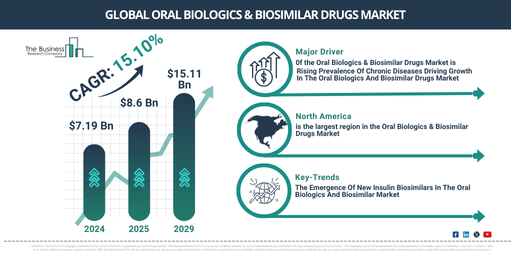
    In recent times, the market size of oral biologics and biosimilars drugs has expanded significantly. The market is projected to rise from $7.19 billion in 2024 to $8.6 billion in 2025, showing a compound annual growth rate (CAGR) of 19.6%. Factors such as an increasing prevalence of chronic diseases, higher awareness of oral biologics, a surge in patent expirations, and growing demand for biosimilars have contributed to the growth in the historic period.

    What Is the Projected Market Size of the Oral Biologics & Biosimilar Drugs Market?

    Expectations are set for the oral biologics & biosimilar drugs market to experience accelerated expansion in the coming years. The market valuation is predicted to reach $15.11 billion in 2029, with a compound annual growth rate (CAGR) of 15.1%. This growth during the forecasted period can be credited to elements such as targeted therapy, increased emphasis on preventive medicine, boosts in healthcare expenditure, and an aging population. The forecast period is also likely to witness significant trends such as advances in oral delivery technology, the administration of orally taken biologics, innovations in biosimilars, and a stronger focus on patient-centric care.

    Download The Free Sample Report Here:

    https://www.thebusinessresearchcompany.com/sample.aspx?id=3792&type=smp

    Who are the Major Competitors in the Oral Biologics & Biosimilar Drugs Market Outlook?

    Major companies operating in the oral biologics & biosimilar drugs market include Novartis International AG, Rani Therapeutics Holdings Inc., Eli Lilly and Company, AstraZeneca plc, Novo Nordisk A/S, Biocon Limited, Oramed Pharmaceuticals Inc., BiosanaPharma, Entera Bio Ltd., Allergan plc, Emisphere Technologies Inc., Enteris BioPharma Inc., Chiasma Inc., Allena Pharmaceuticals Inc., Gelgen Corporation, 3SBio Inc., Innovent Biologics Inc., Changchun High & New Technology Industries (Group) Inc., Dong Bao Pharmaceutical Co. Ltd., CP Guojian Pharmaceutical Co. Ltd., GlaxoSmithKline PLC, Concord Biotech Limited, Aurobindo Pharma Limited, H. Lundbeck A/S, Sanofi S.A., F. Hoffmann-La Roche Ltd., Allergan Pharmaceuticals International Limited, Hikma Pharmaceuticals PLC, Mylan N.V., Pfizer Inc., Sandoz International GmbH, Teva Pharmaceutical Industries Ltd.

    What Is Fueling Growth in the Oral Biologics & Biosimilar Drugs Market?

    The increase in ongoing health conditions like arthritis, asthma, and cancer is anticipated to be a key factor propelling the oral biologics and biosimilar market. Prolonged working hours, inadequate physical exercise, along with unhealthy food and beverage consumption, all contribute to the emergence of chronic illnesses, which in turn increases the usage of biologics. Biologics aid in facilitating the immune response to cancer cells, in turn aiding the immune system to eradicate the cancerous cells from the body. For example, according to a United Nations report from May 2023, it’s projected that by 2030, chronic diseases will be responsible for 70% of total global death toll. The global weight of chronic illness is foreseen to approach 60%. Consequently, this surge in chronic diseases’ prevalence is likely to amplify the demand for biologics and biosimilars, thereby boosting the growth of the oral biologics & biosimilar drugs market.

    Request For A Customized Report:

    https://www.thebusinessresearchcompany.com/customise?id=3792&type=smp

    Which Oral Biologics & Biosimilar Drugs Market Segments Are Growing the Fastest?

    The oral biologics & biosimilar drugs market covered in this report is segmented –

    1) By Therapy: Lymphocyte Modulators, Interleukin Inhibitors, Tumor Necrosis Factor-Alpha Inhibitors

    2) By Disease: Asthma, Crohn’s Disease, Carcinoma, Arthritis, Diabetes, Multiple Myeloma, Enterocolitis, Multiple Sclerosis, Sarcoma, Psoriasis and Others

    3) By Molecule Type: Vaccines, Proteins & Peptides, Monoclonal Antibodies, Other Molecule Types

    4) By Distribution Channel: Hospital Pharmacies, Retail Pharmacies, Online Pharmacies

    Subsegments:

    1) By Lymphocyte Modulators: Fingolimod, Ocrelizumab, Natalizumab

    2) By Interleukin Inhibitors: Ustekinumab, Secukinumab, Guselkumab

    3) By Tumor Necrosis Factor-Alpha Inhibitors: Adalimumab, Certolizumab Pegol, Golimumab

    Which Industry Trends Are Shaping the Future of the Oral Biologics & Biosimilar Drugs Market?

    In the oral biologics and biosimilar market, the formulation of new insulin biosimilars is the most recent trending activity. Major players in the domain are focusing their efforts on crafting an insulin biosimilar, thereby fostering competition among different biosimilar producers. As an illustration, in April 2023, Eli Lilly and Company, a firm based in the US that specializes in creating oral biologics and biosimilar medications, unveiled an insulin glargine biosimilar known as Rezvoglar (insulin glargine-aglr). Insulin glargine products, including this one, are prescribed to enhance glycemic control in adults, and children with type 1 diabetes, as well as adults with type 2 diabetes.

    Access The Full Report Here:

    https://www.thebusinessresearchcompany.com/report/oral-biologics-and-biosimilar-drug-global-market-report

    Which Countries Are Leading the Oral Biologics & Biosimilar Drugs Market?

    The countries covered in the oral biologics & biosimilar drugs market report are Australia, Brazil, China, France, Germany, India, Indonesia, Japan, Russia, South Korea, UK, USA, Italy, Spain, Canada.

    Purchase The Full Report Today:

    https://www.thebusinessresearchcompany.com/purchaseoptions.aspx?id=3792

    This Report Delivers Insight On:

    1. How big is the oral biologics & biosimilar drugs market, and how is it changing globally?

    2. Who are the major companies in the oral biologics & biosimilar drugs market, and how are they performing?

    3. What are the key opportunities and risks in the oral biologics & biosimilar drugs market right now?

    4. Which products or customer segments are growing the most in the oral biologics & biosimilar drugs market?

    5. What factors are helping or slowing down the growth of the oral biologics & biosimilar drugs market?

    About The Business Research Company:

    With over 15000+ reports from 27 industries covering 60+ geographies, The Business Research Company has built a reputation for offering comprehensive, data-rich research and insights. Armed with 1,500,000 datasets, the optimistic contribution of in-depth secondary research, and unique insights from industry leaders, you can get the information you need to stay ahead in the game.

    Get in touch with us:

    The Business Research Company: https://www.thebusinessresearchcompany.com/

    Americas +1 310-496-7795

    Asia +44 2071930708

    Europe +44 7882 955267

    Email us at info@tbrc.info

    Follow us on:

    LinkedIn: https://in.linkedin.com/company/the-business-research-company

    YouTube: https://www.youtube.com/channel/UC24_fI0rV8cR5DxlCpgmyFQ

    Global Market Model: https://www.thebusinessresearchcompany.com/global-market-model

  • Ophthalmic Microscope Market to Reach $2.35 Billion by 2029 | Key Drivers and Future Outlook

    Ophthalmic Microscope Market to Reach $2.35 Billion by 2029 | Key Drivers and Future Outlook

    Claim your 30% discount on Global Market Reports with code ONLINE30. Limited time only.

    What Is the Estimated Market Size of the Ophthalmic Microscope Market In 2029?

    The market for ophthalmic microscopes has seen robust growth recently. It is expected to increase from $1.53 billion in 2024 to $1.67 billion in 2025, with a compound annual growth rate (CAGR) of approximately 9.7%. Several factors have contributed to this growth in the historical period, including a surge in demand from research and education sectors, emphasis on ergonomics and user experience, rising needs of the aging population, improvements in imaging quality, and an escalation in eye disorders.

    What Growth Rate Is Forecasted for the Ophthalmic Microscope Market by 2029?

    The market size of the ophthalmic microscope is projected to experience robust growth in the ensuing years, expanding to a size of $2.35 billion by 2029, with a Compound Annual Growth Rate (CAGR) of 8.8%. The rapid development observed during the forecast period can be credited to factors such as an emphasis on ergonomic design, market growth in emerging areas, increasing need for less invasive procedures, prioritizing precision and accuracy, and the surge in ophthalmic surgeries. Notable trends during this period include an increase in eye surgeries, development of healthcare infrastructure, rising instances of eye disorders, heightened awareness and education, and advantageous reimbursement policies.

    Download The Free Sample Report Here:

    https://www.thebusinessresearchcompany.com/sample.aspx?id=10630&type=smp

    Which Key Companies Are Shaping the Future of the Ophthalmic Microscope Market?

    Major companies operating in the ophthalmic microscope market include Alcon Inc., Carl Zeiss Meditec AG, Leica Microsystems GmbH, Topcon Corporation, Haag-streit Holding AG, Takagi Seiko Ltd., Karl Kaps GmbH & Co. KG, Seiler Medical AG, Rexam Co. Ltd., Orion Medic Oy, Inami & Co. Ltd., Alltion Co. Ltd., Prescott’s Inc., Revenio Group Corporation, TTI Medical Inc., US Ophthalmic LLC, Moeller-Wedel GmbH, Novartis AG, Johnson & Johnson, Vision Engineering Ltd, Optopol Technology S.A., Optikron GmbH, NIDEK CO. LTD., Santen Pharmaceutical Co. Ltd., Huvitz Co. Ltd., Welch Allyn Inc., Reichert Inc., Hoya Corporation, Tomey Corporation, Nikon Corporation, Olympus Corporation, Oculus Surgical & Ophthalmic Instruments GmbH, Volk Optical Ltd., Costruzione Strumenti Oftalmici, Italmec

    Which Factors Are Driving Demand in the Ophthalmic Microscope Industry?

    The rise in the occurrence of eye disorders such as vision impairment is propelling the growth of the ophthalmology microscope market. These disorders involve conditions that negatively impact the eye’s structure and function, resulting in visual impairment or even vision loss. Ophthalmology microscopes play a pivotal role in delivering detailed imagery of a patient’s eye, facilitating the detection and diagnosis of any existing eye diseases or defects. For example, as per World Health Organization, a specialized health agency of the United Nations based in Switzerland, about 2.2 billion people were experiencing near or distant vision impairment worldwide in October 2022. Furthermore, as per the US-based government agency Centers for Disease Control and Prevention, it was estimated in December 2022, that 17.2% of Americans aged over 40 have cataract in at least one eye (approximately 20.5 million people), and this number is predicted to touch nearly 30 million by 2028. Hence, the increasing incidences of eye diseases are fueling the demand for ophthalmic microscopes.

    Request For A Customized Report:

    https://www.thebusinessresearchcompany.com/customise?id=10630&type=smp

    How Is the Ophthalmic Microscope Market Segmented by Several Divisions?

    The ophthalmic microscope market covered in this report is segmented –

    1) By Type: Optical, Digital, Other Types

    2) By Modality: Ceiling-Mounted, Table-top, Wall-Mounted, On Casters

    3) By Application: LASIK Surgery, Cataract Surgery, Keratoplasty Surgery, Trabeculectomy, Other Applications

    4) By End Use: Hospitals, Ambulatory Surgical Centers, Other End Users

    Subsegments:

    1) By Optical: Direct Ophthalmoscopes, Indirect Ophthalmoscopes, Slit Lamps

    2) By Digital: Digital Imaging Microscopes, Video Ophthalmoscopes

    3) By Other Types: Surgical Microscopes, Handheld Microscopes

    What are the Emerging Market Trends Driving the Growth of the Ophthalmic Microscope Industry?

    Leading entities in the field of ophthalmic microscopes are concentrating on creating digital platforms like digital surgical visualization platforms for a tactical advantage in the industry. A digital surgical visualization platform is a cutting-edge technical system designed to augment visual abilities during surgical procedures. For example, Bausch + Lomb, an American eye health goods corporation, in collaboration with Heidelberg Engineering, another US-based firm offering state-of-the-art imaging solutions, unveiled SeeLuma, a completely digital surgical visualization platform, in April 2023. This pioneering platform exhibits exceptional visualization superior to existing microscopes, and it’s equipped with features like a heads-up 3D monitor, assorted digital display choices, and a user-friendly interface. The platform’s layout consists of digital binoculars for an ergonomic posture and a helpful Assist Mode for instantaneous backing.

    Access The Full Report Here:

    https://www.thebusinessresearchcompany.com/report/ophthalmic-microscope-global-market-report

    Which Regions Are Driving Growth in the Ophthalmic Microscope Market?

    The countries covered in the ophthalmic microscope market report are Australia, Brazil, China, France, Germany, India, Indonesia, Japan, Russia, South Korea, UK, USA, Canada, Italy, Spain

    Purchase The Full Report Today:

    https://www.thebusinessresearchcompany.com/purchaseoptions.aspx?id=10630

    This Report Delivers Insight On:

    1. How big is the ophthalmic microscope market, and how is it changing globally?

    2. Who are the major companies in the ophthalmic microscope market, and how are they performing?

    3. What are the key opportunities and risks in the ophthalmic microscope market right now?

    4. Which products or customer segments are growing the most in the ophthalmic microscope market?

    5. What factors are helping or slowing down the growth of the ophthalmic microscope market?

    About The Business Research Company:

    With over 15000+ reports from 27 industries covering 60+ geographies, The Business Research Company has built a reputation for offering comprehensive, data-rich research and insights. Armed with 1,500,000 datasets, the optimistic contribution of in-depth secondary research, and unique insights from industry leaders, you can get the information you need to stay ahead in the game.

    Get in touch with us:

    The Business Research Company: https://www.thebusinessresearchcompany.com/

    Americas +1 310-496-7795

    Asia +44 2071930708

    Europe +44 7882 955267

    Email us at info@tbrc.info

    Follow us on:

    LinkedIn: https://in.linkedin.com/company/the-business-research-company

    YouTube: https://www.youtube.com/channel/UC24_fI0rV8cR5DxlCpgmyFQ

    Global Market Model: https://www.thebusinessresearchcompany.com/global-market-model

  • Oncology Biosimilars Market Size to Exceed $16.48 Billion by 2029 | Growth and Industry Trends

    Claim your 30% discount on Global Market Reports with code ONLINE30. Limited time only.

    How Fast Is The Oncology Biosimilars Market Expected to Grow Between 2025 And 2029?

    In the past few years, the size of the oncology biosimilars market has experienced explosive growth. The market value is projected to increase from $6.9 billion in 2024 to $8.85 billion in 2025, a compound annual growth rate (CAGR) of 28.3%. The significant growth in the past can be linked to the increasing occurrences of cancer, expiration of patents for biologic cancer drugs, government backing for biosimilars, rising capital investments in biosimilar development and production, and the broadening geographical scope of biosimilars.

    What Growth Rate Is Anticipated for the Oncology Biosimilars Market in the Coming Years?

    In the upcoming years, the oncology biosimilars market is anticipated to witness accelerated growth, expanding to $16.48 billion in 2029, with a compound annual growth rate (CAGR) of 16.8%. The surge during the forecast period is mainly due to the growth of the oncology biosimilar portfolio, patient-oriented treatments, healthcare cost management, and the expansion of targeted therapies. The major trends for this period include biobetters, combinations of oncology biosimilars, supportive care biosimilars, and real-world evidence.

    Download The Free Sample Report Here:

    https://www.thebusinessresearchcompany.com/sample.aspx?id=2821&type=smp

    Who Are the Leading Companies in the Oncology Biosimilars Market?

    Major companies operating in the oncology biosimilars market include Biocon Biologics Limited, Celltrion Inc., Dr. Reddy’s Laboratories Ltd., Intas Pharmaceuticals Ltd., STADA Arzneimittel AG, Pfizer Inc., Apotex Inc., Teva Pharmaceutical Industries Ltd., Sandoz International GmbH, BIOCAD, Amgen Inc., F. Hoffmann-La Roche, Sanofi SA, Mylan, Samsung Bioepis, Biogen International GmbH, Merck & Co. Inc., Coherus Biosciences, Eli Lilly and Company, Novartis AG, Viatris Inc., Accord Healthcare Ltd., Zydus Cadila Health Care Limited, Hetero Drugs Limited, Mundipharma International Limited, Mabion SA, Polpharma Biologics, Alvotech, Innovent Biologics, Gan & Lee Pharmaceuticals, Henlius Biotech

    What Are the Key Drivers of the Oncology Biosimilars Market?

    The production of novel oncology biosimilars is being accelerated by the expiration of biologics patents used in cancer treatment. Biologics, which are patent-protected for a certain duration, can engender the formulation of new biosimilars once their patents expire. These biologics, produced from living organisms, stimulate the immune system to combat cancer cells. Even though biosimilars are not identical to biologics, they provide the same potency at a lower cost. As per the Center for Biosimilars, around 20 patents for oncology biologics are set to expire by 2023, leading to the birth of new biosimilars for treating cancer. The surge in patent expirations is projected to spur the demand for the creation of novel oncology biosimilars, thereby propelling the oncology biosimilars market growth.

    Request For A Customized Report:

    https://www.thebusinessresearchcompany.com/customise?id=2821&type=smp

    What Are the Key Market Segments in the Oncology Biosimilars Industry?

    The oncology biosimilars market covered in this report is segmented –

    1) By Drug Type: Monoclonal Antibody, Immunomodulators, Hematopoietic Agents, Granulocyte Colony-Stimulating Factor (G-CSF)

    2) By Cancer Type: Breast Cancer, Colorectal Cancer, Blood Cancer, Neutropenia Cancer, Non-Small Cell Lung Cancer, Other Cancer Types

    3) By Distribution Type: Hospital Pharmacy, Retail Pharmacy, Online Pharmacy

    Subsegments:

    1) By Monoclonal Antibody: Rituximab Biosimilars, Trastuzumab Biosimilars, Bevacizumab Biosimilars, Pembrolizumab Biosimilars

    2) By Immunomodulators: Thalidomide Biosimilars, Lenalidomide Biosimilars, Pomalidomide Biosimilars

    3) By Hematopoietic Agents: Epoetin Biosimilars, Darbepoetin Biosimilars

    4) By Granulocyte Colony-Stimulating Factor (G-CSF): Filgrastim Biosimilars, Pegfilgrastim Biosimilars

    What Are the Latest Trends in the Oncology Biosimilars Market?

    Research and development (R&D) investment is on the rise among pharmaceutical firms, particularly in the realm of new oncology biosimilars. By increasing their R&D spending, these companies are tapping into the expanding biosimilar market to foster the generation and production of new biosimilars. For example, in May 2022, Biocon Biologics, based in India, and Viatris Inc., a biosimilars producer based in the US, introduced Abevmy (bevacizumab), their third oncology biosimilar, in the Canadian market. Abevmy, a biosimilar of Roche’s Avastin (bevacizumab), is a recombinant humanized monoclonal antibody that inhibits vascular endothelial growth factor (VEGF). It is through this VEGF inhibition that Abevmy halts the formation of new blood vessels, which are crucial for tumor growth.

    Access The Full Report Here:

    https://www.thebusinessresearchcompany.com/report/oncology-biosimilar-global-market-report

    What Are the Key Regional Markets in the Oncology Biosimilars Industry?

    The countries covered in the oncology biosimilars market report are Australia, Brazil, China, France, Germany, India, Indonesia, Japan, Russia, South Korea, UK, USA, Italy, Spain, Canada.

    Purchase The Full Report Today:

    https://www.thebusinessresearchcompany.com/purchaseoptions.aspx?id=2821

    This Report Delivers Insight On:

    1. How big is the oncology biosimilars market, and how is it changing globally?

    2. Who are the major companies in the oncology biosimilars market, and how are they performing?

    3. What are the key opportunities and risks in the oncology biosimilars market right now?

    4. Which products or customer segments are growing the most in the oncology biosimilars market?

    5. What factors are helping or slowing down the growth of the oncology biosimilars market?

    About The Business Research Company:

    With over 15000+ reports from 27 industries covering 60+ geographies, The Business Research Company has built a reputation for offering comprehensive, data-rich research and insights. Armed with 1,500,000 datasets, the optimistic contribution of in-depth secondary research, and unique insights from industry leaders, you can get the information you need to stay ahead in the game.

    Get in touch with us:

    The Business Research Company: https://www.thebusinessresearchcompany.com/

    Americas +1 310-496-7795

    Asia +44 2071930708

    Europe +44 7882 955267

    Email us at info@tbrc.info

    Follow us on:

    LinkedIn: https://in.linkedin.com/company/the-business-research-company

    YouTube: https://www.youtube.com/channel/UC24_fI0rV8cR5DxlCpgmyFQ

    Global Market Model: https://www.thebusinessresearchcompany.com/global-market-model

  • Neurophysiology Devices And Equipment Industry Insights 2025 – Market Forecast for Executives and Planners

    Neurophysiology Devices And Equipment Industry Insights 2025 – Market Forecast for Executives and Planners

    Claim your 30% discount on Global Market Reports with code ONLINE30. Limited time only.

    #How Has The Neurophysiology Devices And Equipment Market Size Shifted, And What Is the Outlook Through 2034?

    The market for neurophysiology devices and equipment has seen robust growth in the past few years. The market is projected to expand from $1.61 billion in 2024 to $1.72 billion in 2025, indicating a compound annual growth rate (CAGR) of 6.8%. The surge in this sector during the historic period is due to an increase in neurological disorders, a heightened demand for early diagnosis, an aging demographic, and a rise in chronic illnesses.

    How Much Will the Neurophysiology Devices And Equipment Market Be Worth in 2029?

    Significant expansion is anticipated in the neurophysiology devices and equipment market in the forthcoming years, with a projected rise to $2.28 billion by 2029 at a compound annual growth rate (CAGR) of 7.3%. Factors contributing to this growth during the forecast period include advances in personalized medicine, the escalation of neurological research, neurorehabilitation, a hike in investments for neurophysiology infrastructure, and an increase in demand for cloud-based neurophysiology solutions. The forecast period also forecasts key trends such as advancements in neurophysiology technology, non-invasive brain stimulation, miniaturization and portability, functional neuroimaging, wireless and wearable devices, neural interface technology, clinical research, and drug development.

    Download The Free Sample Report Here:

    https://www.thebusinessresearchcompany.com/sample.aspx?id=2521&type=smp

    Which is the Largest Company in the Neurophysiology Devices And Equipment Market?

    Major companies operating in the neurophysiology devices and equipment market include Medtronic Plc, Nihon Kohden Corporation, Dr. Langer Medical Gmbh, Natus Medical Incorporated, Inomed Medizintechnik, NuVasiveInc, Axon Healthcare Ltd., Bovie Medical Corporation, Neurosign, Neurowave Systems, Cadwell Industries, Brainsway, Checkpoint Surgical, Deymed diagnostic Inc., EMS Biomedical, Halyard Health, Compumedics Limited, Magtism, Erbe Elektromedizi, Langer Medical, Shanghai NCC Medical, Ambu, Blackrock Microsystems, Cognionics, Morningside Medical Equipment, BeckerSmith Medical, Cognivue, Helius Medical Technologies, inTRAvent Medical Partners, Neural Diagnostics Pty Ltd, Irras AB

    What Are the Main Market Drivers in the Neurophysiology Devices And Equipment Industry?

    The surge in the neurophysiology device and equipment market is primarily attributed to the escalating incidence of neurological disorders around the globe. These ailments, being one of the most common among recurring health issues, encapsulate over 600 different types like brain tumors, epilepsy, Parkinson’s disease, Alzheimer’s, and so on. They are recognized as the principal causative group for Disability Adjusted Life Years (DALYs), indicating the years lost due to poor health, disability, or premature death. The rising number of neurological disease cases and the subsequent increase in patient numbers is leading to a growing demand for treatment devices for these disorders. For example, Cancer Research UK, a UK-based charitable organization, predicted in February 2023 that the average annual incidence of new brain, other CNS, and intracranial tumors in the UK is projected to rise from roughly 12,600 cases between 2023 and 2025 to nearly 13,600 cases by the years 2038 to 2040. This trend will boost demand for medical equipment used in treating neurological conditions, thereby propelling the growth of the Neurophysiology device and equipment market over the prediction period.

    Request For A Customized Report:

    https://www.thebusinessresearchcompany.com/customise?id=2521&type=smp

    How Is the Neurophysiology Devices And Equipment Market Segments Structured?

    The neurophysiology devices and equipment market covered in this report is segmented –

    1) By Technology: Electromyography (EMG), Electroencephalography (EEG), Electrocorticography (ECoG), Evoked potential (EP)

    2) By Modality: Standalone, Portable

    3) By End Users: Hospitals, Ambulatory Surgical Centers

    Subsegments:

    1) By Electromyography (EMG): Surface EMG Devices, Needle EMG Devices, Wireless EMG Devices

    2) By Electroencephalography (EEG): Conventional EEG Systems, Portable EEG Systems, Wireless EEG Systems

    3) By Electrocorticography (ECoG): Grid Electrodes, Strip Electrodes, Subdural Electrodes

    4) By Evoked Potential (EP): Visual Evoked Potential (VEP) Devices, Auditory Evoked Potential (AEP) Devices, Somatosensory Evoked Potential (SEP) Devices

    What Strategic Trends Are Transforming the Neurophysiology Devices And Equipment Market?

    Firms operating in the neurophysiology devices and equipment market are focusing their investments on technological advancements to enhance their device’s proficiency. A host of cutting-edge modifications have been witnessed in brain monitoring equipment, such as EEG monitoring, Brain Simulation therapies, and Intraoperative Neurophysiological Monitoring. The advent of new technologies is facilitating the creation of devices that are incorporating or adapting procedures such as advanced neuroimaging techniques, stem cell therapies, molecular interventions, and microbiome technologies. Furthermore, there is a rising trend of compact and wearable device technology that aids in home-based monitoring of conditions like epilepsy and sleep apnea. To illustrate, Braintale, a French brain medication developer, introduced the brainTale-care platform in March 2022. This platform specializes in white matter quantification and has a brainScore-com feature that predicts coma.

    Access The Full Report Here:

    https://www.thebusinessresearchcompany.com/report/neurophysiology-devices-and-equipment-global-market-report

    Which Global Regions Offer the Highest Growth in the Neurophysiology Devices And Equipment Market?

    The countries covered in the neurophysiology devices and equipment market report are Australia, Brazil, China, France, Germany, India, Indonesia, Japan, Russia, South Korea, UK, USA, Italy, Spain, Canada.

    Purchase The Full Report Today:

    https://www.thebusinessresearchcompany.com/purchaseoptions.aspx?id=2521

    This Report Delivers Insight On:

    1. How big is the neurophysiology devices and equipment market, and how is it changing globally?

    2. Who are the major companies in the neurophysiology devices and equipment market, and how are they performing?

    3. What are the key opportunities and risks in the neurophysiology devices and equipment market right now?

    4. Which products or customer segments are growing the most in the neurophysiology devices and equipment market?

    5. What factors are helping or slowing down the growth of the neurophysiology devices and equipment market?

    About The Business Research Company:

    With over 15000+ reports from 27 industries covering 60+ geographies, The Business Research Company has built a reputation for offering comprehensive, data-rich research and insights. Armed with 1,500,000 datasets, the optimistic contribution of in-depth secondary research, and unique insights from industry leaders, you can get the information you need to stay ahead in the game.

    Get in touch with us:

    The Business Research Company: https://www.thebusinessresearchcompany.com/

    Americas +1 310-496-7795

    Asia +44 2071930708

    Europe +44 7882 955267

    Email us at info@tbrc.info

    Follow us on:

    LinkedIn: https://in.linkedin.com/company/the-business-research-company

    YouTube: https://www.youtube.com/channel/UC24_fI0rV8cR5DxlCpgmyFQ

    Global Market Model: https://www.thebusinessresearchcompany.com/global-market-model

  • Neurodegenerative Disorder Therapeutics Market Trends Report 2025 – For Business Development and Strategy Teams

    Neurodegenerative Disorder Therapeutics Market Trends Report 2025 – For Business Development and Strategy Teams

    Claim your 30% discount on Global Market Reports with code ONLINE30. Limited time only.

    #How Has the Neurodegenerative Disorder Therapeutics Market Growth Performance Trended Historically, And What Lies Ahead?

    The market for therapeutics for neurodegenerative disorders has seen a robust growth recently. It is predicted to expand from $18.53 billion in 2024 to $20.04 billion in 2025, progressing at a compound annual growth rate (CAGR) of 8.1%. The past growth in the market can be traced back to factors like an increasing aging population, a higher occurrence of neurodegenerative disorders, increased life expectancy, greater investments from pharmaceutical firms, and heightened awareness and advocacy initiatives.

    What Is the Forecast for the Neurodegenerative Disorder Therapeutics Market Size Through 2029?

    The market for therapeutic solutions for neurodegenerative disorders is forecasted to experience substantial growth in the coming years. The market is projected to reach a value of $28.33 billion by 2029, achieving a Compound Annual Growth Rate (CAGR) of 9.0%. This growth is set to be fueled by a number of factors such as the increasing demand for personalized and targeted therapies, the widespread availability of clinical trials, and an overall increase in healthcare expenditure. Notable developments predicted for this period include therapies that modify the course of the disease, non-drug-based interventions, the use of telemedicine and remote monitoring, technological advancements, precision therapies, digital health initiatives, and trials centered around specific biomarkers.

    Download The Free Sample Report Here:

    https://www.thebusinessresearchcompany.com/sample.aspx?id=2818&type=smp

    What are the Key Market Players in Neurodegenerative Disorder Therapeutics Market and How They’re Evolving?

    Major companies operating in the neurodegenerative disorder therapeutics market include Biogen Inc., Pfizer Inc., Novartis International AG, Sanofi S.A., Teva Pharmaceutical Industries Ltd., UCB S.A., F. Hoffmann-La Roche Ltd., ACADIA Pharmaceuticals Inc., H. Lundbeck A/S, Boehringer Ingelheim International GmbH, Merck Serono S.A., Orion Corporation, Mitsubishi Tanabe Pharma America, Allergan PLC, GlaxoSmithKline PLC, AbbVie Inc., Eli Lilly and Company, Celgene Corporation, Neuro-Hitech Inc., Bayer Schering Pharma AG, Amarin Corporation PLC, AstraZeneca plc, Alector Inc., Yumanity Therapeutics Inc., Yangtze River Pharmaceutical Group Co. Ltd., Chongqing Zein Pharmaceutical Co. Ltd., Eisai Co. Ltd., Bristol Myers Squibb Company, AB Science S.A., Amylyx Pharmaceuticals Inc., Genentech Inc., GenSight Biologics S.A., AC Immune SA, Annexon Bioscience Inc., BioArctic Neuroscience AB, Cajal Neuroscience Inc., Cognito Therapeutics Inc., Grifols S.A., New Equilibrium Biosciences Inc., Prothena Corporation PLC, Tessera Therapeutics Inc., Vigil Neuroscience Inc.

    What Are the Primary Growth Drivers in the Neurodegenerative Disorder Therapeutics Market?

    The growth of the neurodegenerative disorder therapeutics market is being fuelled by a rising incidence of neurodegenerative disorders among the global populace. This increase is driven in part by the rise in the elderly population, which has a higher occurrence of these conditions. As per the World Population Prospects data, by 2024, we are looking at a jump in individuals over 60 years old to 2.1 billion by 2050, while those over the age of 80 will have grown threefold to 425 million. Furthermore, figures from the Alzheimer’s Association reveal that nearly 5.8 million US citizens are battling Alzheimer’s disease, with the forecast indicating a surge to approximately 14 million by 2050. Hence, with an escalating occurrence of neurodegenerative diseases in the older demographic, the need for neurodegenerative disorder therapeutics amplifies, prompting the progression of the market in this field.

    Request For A Customized Report:

    https://www.thebusinessresearchcompany.com/customise?id=2818&type=smp

    What Are the Leading Segments in the Global Neurodegenerative Disorder Therapeutics Industry?

    The neurodegenerative disorder therapeutics market covered in this report is segmented –

    1) By Indication Type: Parkinson’s Disease, Alzheimer’s Disease, Multiple Sclerosis, Huntington Disease, Other Indication Types

    2) By Drug Type: N- methyl- D- aspartate Receptor, Selective Serotonin Reuptake Inhibitor, Dopamine Inhibitors, Other Drug Types

    3) By Distribution: Hospital Pharmacy, Retail Pharmacy, Online Pharmacy

    Subsegments:

    1) By Parkinson’s Disease: Dopamine Agonists, MAO-B Inhibitors, COMT Inhibitors, Anticholinergics

    2) By Alzheimer’s Disease: Cholinesterase Inhibitors, NMDA Receptor Antagonists, Anti-Amyloid Monoclonal Antibodies

    3) By Multiple Sclerosis: Immunomodulators, Immunosuppressants, Corticosteroids

    4) By Huntington’s Disease: Tetrabenazine, Antipsychotic Medications

    5) By Other Indication Types: Amyotrophic Lateral Sclerosis (ALS) Treatments, Frontotemporal Dementia Treatments, Prion Disease Treatments

    What Are the Key Market Trends in the Neurodegenerative Disorder Therapeutics Industry?

    Firms dealing with therapeutic treatments for neurodegenerative disorders are forming various strategic alliances with both governmental and non-governmental entities in order to explore and establish new therapies for an array of neurodegenerative diseases. There is also a rise in cooperation among participants in the neurodegenerative disorders therapeutics sector to amplify their research and development capabilities, with a focus on creating innovative and more successful treatment options. In a specific example from July 2022, NRG Therapeutics, a UK-based company that specialises in therapeutic solutions, collaborated with Domainex, a UK-based drug discovery service. The aim of their partnership is to collectively develop unique small-molecule disease-altering medications that can effectively treat Parkinson’s disease, motor neuron disease (MND) and other severe chronic neurodegenerative conditions.

    Access The Full Report Here:

    https://www.thebusinessresearchcompany.com/report/neurodegenerative-disorder-therapeutic-global-market-report

    What Is the Regional Outlook for the Neurodegenerative Disorder Therapeutics Market?

    The countries covered in the neurodegenerative disorder therapeutics market report are Australia, Brazil, China, France, Germany, India, Indonesia, Japan, Russia, South Korea, UK, USA, Italy, Spain, Canada.

    Purchase The Full Report Today:

    https://www.thebusinessresearchcompany.com/purchaseoptions.aspx?id=2818

    This Report Delivers Insight On:

    1. How big is the neurodegenerative disorder therapeutics market, and how is it changing globally?

    2. Who are the major companies in the neurodegenerative disorder therapeutics market, and how are they performing?

    3. What are the key opportunities and risks in the neurodegenerative disorder therapeutics market right now?

    4. Which products or customer segments are growing the most in the neurodegenerative disorder therapeutics market?

    5. What factors are helping or slowing down the growth of the neurodegenerative disorder therapeutics market?

    About The Business Research Company:

    With over 15000+ reports from 27 industries covering 60+ geographies, The Business Research Company has built a reputation for offering comprehensive, data-rich research and insights. Armed with 1,500,000 datasets, the optimistic contribution of in-depth secondary research, and unique insights from industry leaders, you can get the information you need to stay ahead in the game.

    Get in touch with us:

    The Business Research Company: https://www.thebusinessresearchcompany.com/

    Americas +1 310-496-7795

    Asia +44 2071930708

    Europe +44 7882 955267

    Email us at info@tbrc.info

    Follow us on:

    LinkedIn: https://in.linkedin.com/company/the-business-research-company

    YouTube: https://www.youtube.com/channel/UC24_fI0rV8cR5DxlCpgmyFQ

    Global Market Model: https://www.thebusinessresearchcompany.com/global-market-model
  • Market Analysis on Negative Pressure Wound Therapy Industry – Insights for Corporate Strategy and R&D

    Market Analysis on Negative Pressure Wound Therapy Industry – Insights for Corporate Strategy and R&D

    Claim your 30% discount on Global Market Reports with code ONLINE30. Limited time only.

    What Are the Projected Market Size and Growth Rates for the Negative Pressure Wound Therapy Market From 2025 To 2029?

    The market size of negative pressure wound therapy has shown considerable growth in the past years. It is predicted to expand from $3.03 billion in 2024 to $3.19 billion in 2025, showcasing a compound annual growth rate (CAGR) of 5.2%. This significant rise in the historical period can be attributed to factors like an increasing aging population, the prevalence of hospital-acquired infections, spike in surgical procedures, advancement in healthcare infrastructure, and favorable reimbursement policies.

    What Is the Projected Market Size of the Negative Pressure Wound Therapy Market?

    The market size of negative pressure wound therapy is set for significant expansion in the forthcoming years, with expectations to reach $4.07 billion by 2029, expanding at a compound annual growth rate (CAGR) of 6.3%. Factors that contribute to the growth during the projection period include the rise of lifestyle-related illnesses, preference for home-based health services, preparation for global health crises, patients favoring non-invasive treatment options, and the adoption of value-based healthcare models as well as an increase in chronic wound occurrences. The forecast period is also expected to experience key trends such as technological advancements, the merger of telemedicine, customized wound care, alliances and partnerships, adherence to regulatory norms, and standardization.

    Download The Free Sample Report Here:

    https://www.thebusinessresearchcompany.com/sample.aspx?id=5687&type=smp

    Who are the Major Competitors in the Negative Pressure Wound Therapy Market Outlook?

    Major companies operating in the negative pressure wound therapy market include Devon International Group, ConvaTec Group plc., DeRoyal Industries Inc., Smith & Nephew plc, Acelity L.P. Inc., Mölnlycke Health Care AB, ATMOS MedizinTechnik GmbH & Co. KG, Cardinal Health Inc., Talley Group Limited, Medela AG, Lohmann & Rauscher GmbH & Co. KG, Triage Meditech Pvt. Ltd., Carilex Medical GmbH, Shandong Weigao Xinsheng Medical Devices Co. Lt, Genadyne Biotechnologies Inc., B. Braun Melsungen AG, Cork Medical LLC, BSN medical GmbH, Investor AB, Olle Larsson Holding AG, PAUL HARTMANN Asia-Pacific Ltd., KCI Licensing Inc., Arjo USA Inc., 3M Company, MPM Medical Inc., Prospera Technologies Inc., Innovative Therapies Inc., Laboratoires URGO, 4L Health Co. Ltd, Pensar Medical LLC, Virchow Biotech Pvt. Ltd., Arobella Medical LLC, Spincare Inc., Ursapharm Arzneimittel GmbH

    What Is Fueling Growth in the Negative Pressure Wound Therapy Market?

    The surge in diabetes cases is anticipated to fuel the expansion of the negative pressure wound therapy market. Diabetic foot ulceration (DFU) is the primary usage of negative pressure wound therapy. Wound healing in diabetics is challenging given the tendency of individuals with uncontrolled diabetes to have inferior circulation, leading to a reduced oxygen supply to the wound and the slower healing of tissues. Hence, negative pressure wound therapy provides improved graft acceptance compared to traditional dressing for diabetic patients. For example, the Belgium-based not-for-profit organization, International Diabetes Federation (IDF), announced in July 2023 that 540 million individuals aged between 20 and 79 were diagnosed with diabetes in 2022. This figure is expected to increase to 643 million by 2030 and 783 million by 2045. Consequently, the escalating incidence of diabetes propels the growth of the negative pressure wound therapy market.

    Request For A Customized Report:

    https://www.thebusinessresearchcompany.com/customise?id=5687&type=smp

    Which Negative Pressure Wound Therapy Market Segments Are Growing the Fastest?

    The negative pressure wound therapy market covered in this report is segmented –

    1) By Product: Conventional NPWT Devices, Single Use NPWT Devices

    2) By Wound Type: Surgical And Traumatic Wounds, Ulcers, Burns

    3) By End User: Hospitals, Homecare, Other End-Users

    Subsegments:

    1) By Conventional NPWT Devices: Portable NPWT Systems, Stationary NPWT Systems, Canister-Based NPWT Devices

    2) By Single-Use NPWT Devices: Disposable NPWT Systems, Battery-Operated NPWT Devices, Compact NPWT Units

    Which Industry Trends Are Shaping the Future of the Negative Pressure Wound Therapy Market?

    Rapid technological developments are becoming an increasingly prominent trend within the negative pressure wound therapy market. This is largely due to major businesses within the industry focusing their efforts on creating technological solutions specifically for negative pressure wound therapy. For example, 3M, an international conglomerate based in the United States, launched the 3M Veraflo Cleanse Choice Complete Dressing Kit for negative pressure wound therapy in August 2022. They also released a software update for the 3M V.A.C. Ulta Therapy Unit. The goal of these new product offerings is to simplify the process of delivering care for healthcare professionals whilst improving the patient experience. Thanks to these products, dressing changes can be quicker, easier, and less painful. The updated software provides automated therapy initiation and beneficial features, while the new dressing kit makes application easier and comes with a softer drape for the patient’s comfort. These advancements aim to boost the efficacy and efficiency of Veraflo Therapy in wound care scenarios.

    Access The Full Report Here:

    https://www.thebusinessresearchcompany.com/report/negative-pressure-wound-therapy-global-market-report

    Which Countries Are Leading the Negative Pressure Wound Therapy Market?

    The countries covered in the negative pressure wound therapy market report are Australia, Brazil, China, France, Germany, India, Indonesia, Japan, Russia, South Korea, UK, USA, Canada, Italy, Spain

    Purchase The Full Report Today:

    https://www.thebusinessresearchcompany.com/purchaseoptions.aspx?id=5687

    This Report Delivers Insight On:

    1. How big is the negative pressure wound therapy market, and how is it changing globally?

    2. Who are the major companies in the negative pressure wound therapy market, and how are they performing?

    3. What are the key opportunities and risks in the negative pressure wound therapy market right now?

    4. Which products or customer segments are growing the most in the negative pressure wound therapy market?

    5. What factors are helping or slowing down the growth of the negative pressure wound therapy market?

    About The Business Research Company:

    With over 15000+ reports from 27 industries covering 60+ geographies, The Business Research Company has built a reputation for offering comprehensive, data-rich research and insights. Armed with 1,500,000 datasets, the optimistic contribution of in-depth secondary research, and unique insights from industry leaders, you can get the information you need to stay ahead in the game.

    Get in touch with us:

    The Business Research Company: https://www.thebusinessresearchcompany.com/

    Americas +1 310-496-7795

    Asia +44 2071930708

    Europe +44 7882 955267

    Email us at info@tbrc.info

    Follow us on:

    LinkedIn: https://in.linkedin.com/company/the-business-research-company

    YouTube: https://www.youtube.com/channel/UC24_fI0rV8cR5DxlCpgmyFQ

    Global Market Model: https://www.thebusinessresearchcompany.com/global-market-model

  • Multiple Sclerosis Drugs Forecast Report – Designed for Decision Makers and Product Teams

    Multiple Sclerosis Drugs Forecast Report – Designed for Decision Makers and Product Teams

    Claim your 30% discount on Global Market Reports with code ONLINE30. Limited time only.

    What Is the Estimated Market Size of the Multiple Sclerosis Drugs Market In 2029?

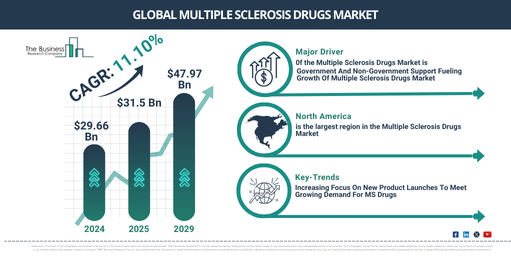
    There has been significant expansion in the size of the multiple sclerosis drugs market in the previous few years. The market, which is projected to increase from $29.66 billion in 2024 to $31.5 billion in 2025, foresees a compound annual growth rate (CAGR) of 6.2%. The primary drivers of growth during the historic period were increased instances of multiple sclerosis, unfulfilled healthcare needs, substantial investments from pharmaceutical companies, and heightened awareness about multiple sclerosis.

    What Growth Rate Is Forecasted for the Multiple Sclerosis Drugs Market by 2029?

    The market size of drugs for multiple sclerosis is anticipated to experience a swift expansion in the forthcoming years. The market’s valuation is projected to surge to $47.97 billion by 2029, propelled at a compound annual growth rate (CAGR) of 11.1%. Factors contributing to the growth during the forecast period include the growing availability of clinical trials, targeted treatments, preventative medicine, expanding demand for biosimilars, and wide-ranging geographical reach, along with combination treatments. Key trends to look out for during this period include the increasing use of immunomodulatory drugs, prolonged-action formulations, patient-centered care, drug innovation, and oral and infusion therapies.

    Download The Free Sample Report Here:

    https://www.thebusinessresearchcompany.com/sample.aspx?id=2817&type=smp

    Which Key Companies Are Shaping the Future of the Multiple Sclerosis Drugs Market?

    Major companies operating in the multiple sclerosis drugs market include Biogen Inc., Novartis International AG, F. Hoffmann-La Roche Ltd., Bayer HealthCare LLC, Pfizer Inc., Merck & Co. Inc., Sanofi S.A., Teva Pharmaceutical Industries Ltd., GlaxoSmithKline plc, Acorda Therapeutics Inc., Actelion Pharmaceuticals Ltd, EMD Serono Inc., AbbVie Inc., Bayer Schering Pharma AG, CinnoVex, Bristol-Myers Squibb Company, Johnson & Johnson, Mallinckrodt Pharmaceuticals, Mitsubishi Tanabe Pharma Corporation, Opexa Therapeutics Inc., Receptos Inc., Synthon Pharmaceuticals Inc., TG Therapeutics Inc., Alexion Pharmaceuticals Inc., Alkermes plc, Amgen Inc., Atara Biotherapeutics Inc., Celgene Corporation, Genzyme Corporation

    Which Factors Are Driving Demand in the Multiple Sclerosis Drugs Industry?

    The advancement of the multiple sclerosis drugs market is propelled by the backing of both governmental and non-governmental entities. Government and non-government organizations offer financial aid through a range of schemes and initiatives to improve the lives of those battling multiple sclerosis (MS). For example, the Alberta government along with the Department of Economic Development, Trade, and Tourism in Canada, contributed $1 million to the Canadian Prospective Cohort Study to Understand Progression in Multiple Sclerosis (CanProCo). This support is aimed at driving research and innovation to expand understanding and treatments for MS. CanProCo represents a collaboration of around 50 MS researchers from various disciplines throughout Canada. Additional funding was provided by Canada Brain Research, Biogen Canada, and the MS Society of Canada, as well as Hoffmann-La Roche Limited (Roche Canada), collectively raising a total of $10 million. This significant financial backing from both governmental and non-governmental organizations stimulates the progression of the multiple sclerosis drugs market.

    Request For A Customized Report:

    https://www.thebusinessresearchcompany.com/customise?id=2817&type=smp

    How Is the Multiple Sclerosis Drugs Market Segmented by Several Divisions?

    The multiple sclerosis drugs market covered in this report is segmented –

    1) By Drug Class: Immunomodulators, Immunosuppressants, Interferons, Other Drug Classes

    2) By Distribution Channels: Hospital Pharmacy, Retail Pharmacy, Online Stores

    3) By Route Of Administration: Oral Drugs, Parenteral Drugs

    Subsegments:

    1) By Immunomodulators: Glatiramer Acetate, Fingolimod, Teriflunomide, Dimethyl Fumarate

    2) By Immunosuppressants: Natalizumab, Alemtuzumab, Ocrelizumab

    3) By Interferons: Interferon Beta-1a, Interferon Beta-1b

    4) By Other Drug Classes: Sphingosine 1-Phosphate Receptor Modulators, Monoclonal Antibodies, Other Emerging Therapies

    What are the Emerging Market Trends Driving the Growth of the Multiple Sclerosis Drugs Industry?

    Firms are swiftly intensifying their initiative to concentrate on new product launches to accommodate the growing demands for multiple sclerosis (MS) drugs. Multiple sclerosis necessitates long-term therapy, which raises the total cost of treating a patient. In response, firms in the multiple sclerosis market are creating medicines specifically for treating this condition. In line with this trend, the FDA has given the green light to Novartis’ Mayzent (siponimod) and EMD Serono’s Mavenclad (cladribine) for the treatment of relapsing-remitting multiple sclerosis (RRMS) and active secondary progressive multiple sclerosis (SPMS). Both medications were introduced as orally taken drugs for ease of consumption.

    Access The Full Report Here:

    https://www.thebusinessresearchcompany.com/report/multiple-sclerosis-drugs-global-market-report

    Which Regions Are Driving Growth in the Multiple Sclerosis Drugs Market?

    The countries covered in the multiple sclerosis drugs market report are Australia, Brazil, China, France, Germany, India, Indonesia, Japan, Russia, South Korea, UK, USA, Italy, Spain, Canada.

    Purchase The Full Report Today:

    https://www.thebusinessresearchcompany.com/purchaseoptions.aspx?id=2817

    This Report Delivers Insight On:

    1. How big is the multiple sclerosis drugs market, and how is it changing globally?

    2. Who are the major companies in the multiple sclerosis drugs market, and how are they performing?

    3. What are the key opportunities and risks in the multiple sclerosis drugs market right now?

    4. Which products or customer segments are growing the most in the multiple sclerosis drugs market?

    5. What factors are helping or slowing down the growth of the multiple sclerosis drugs market?

    About The Business Research Company:

    With over 15000+ reports from 27 industries covering 60+ geographies, The Business Research Company has built a reputation for offering comprehensive, data-rich research and insights. Armed with 1,500,000 datasets, the optimistic contribution of in-depth secondary research, and unique insights from industry leaders, you can get the information you need to stay ahead in the game.

    Get in touch with us:

    The Business Research Company: https://www.thebusinessresearchcompany.com/

    Americas +1 310-496-7795

    Asia +44 2071930708

    Europe +44 7882 955267

    Email us at info@tbrc.info

    Follow us on:

    LinkedIn: https://in.linkedin.com/company/the-business-research-company

    YouTube: https://www.youtube.com/channel/UC24_fI0rV8cR5DxlCpgmyFQ

    Global Market Model: https://www.thebusinessresearchcompany.com/global-market-model

  • Monoclonal Antibodies (MAbs) Market Outlook 2025 – Insights for Executive and Strategic Planning

    Monoclonal Antibodies (MAbs) Market Outlook 2025 – Insights for Executive and Strategic Planning

    Claim your 30% discount on Global Market Reports with code ONLINE30. Limited time only.

    How Fast Is The Monoclonal Antibodies (MAbs) Market Expected to Grow Between 2025 And 2029?

    The market size of monoclonal antibodies (MAbs) has experienced a swift expansion in the past few years. The growth is projected to continue from $234.37 billion in 2024 to $261.66 billion in 2025, with a compound annual growth rate (CAGR) of 11.6%. Factors contributing to the growth during the historic period include the rise in chronic diseases, increased investment in research and development, heightened awareness of MAbs, and an aging population.

    What Growth Rate Is Anticipated for the Monoclonal Antibodies (MAbs) Market in the Coming Years?

    The market for monoclonal antibodies (MAbs) is anticipated to experience swift expansion in the forthcoming years, with estimations predicting it to reach a value of $424.24 billion by 2029, corresponding to a compound annual growth rate (CAGR) of 12.8%. The predicted upsurge during the forecast period is tied to growth factors like the widening scope of therapeutic indications, the rise in personalized medicine, the surge in biosimilars and generics, combination therapies, readiness for pandemics, and increased investment in biopharmaceuticals. Key trends during this period focus on the progress in immunotherapy, the adoption of subcutaneous administration, the evolution of next-generation antibodies, the introduction of subcutaneous formulations, the integration with digital health, and advancements in biotechnology.

    Download The Free Sample Report Here:

    https://www.thebusinessresearchcompany.com/sample.aspx?id=2554&type=smp

    Who Are the Leading Companies in the Monoclonal Antibodies (MAbs) Market?

    Major companies operating in the monoclonal antibodies (MAbs) market include Johnson & Johnson, Merck & Co. Inc., AbbVie Inc., Amgen Inc., Novartis International AG, Pfizer Inc., Thermo Fisher Scientific Inc., Eli Lilly and Company, Bristol-Myers Squibb Company, F. Hoffmann-La Roche Ltd., Sanofi S.A., Abbott Laboratories, Novo Nordisk A/S, Daiichi Sankyo Company Ltd., Seattle Genetics Inc., Teva Pharmaceutical Industries Ltd., Shanghai Junshi Biosciences Co. Ltd., GenScript Biotech Corporation, Sigma-Aldrich Co. LLC, AbGenomics Inc., ADC Therapeutics SA, Agensys Inc., Alexion Pharmaceuticals Inc., ALMAC Group Ltd., Ambrx Biopharma Inc., Astellas Pharma Inc., Celgene Corporation, Celldex Therapeutics Inc., Baxter International Inc., Fresenius SE & Co. KGaA, Hikma Pharmaceuticals plc, Jiangsu Hengrui Medicine Co. Ltd., Piramal Enterprises Ltd., Troikaa Pharmaceuticals Ltd., CD BioSciences Inc., Kanto Corporation, Molecular Depot LLC, Epigentek Group Inc., Creative Biolabs Inc., Advanced ChemTech Inc., Diagnostic BioSystems Inc., Tonbo Biosciences Inc., Abraxis LLC, GlaxoSmithKline plc

    What Are the Key Drivers of the Monoclonal Antibodies (MAbs) Market?

    The growth of the monoclonal antibody market is being propelled by the rising prevalence of cost-effective biosimilar monoclonal antibodies. The objective of these biosimilars is to manage the growing healthcare costs and address the financial strain from patients and governments to decrease medication expenses and enhance treatment accessibility. Biosimilars, developed to exhibit comparable properties to an already approved biological drug, cost about 20%-25% less than the original biologic drug. The reduced number of clinical trials required for a biosimilar, compared to an original biologic drug, results in a lower cost for the biosimilar drug. In India, a recent policy named the ‘Guidelines on Similar Biologics’, formulated by the Central Drugs Standard Control Organization (CSDCO), is anticipated to significantly enhance the local biosimilar drugs industry.

    Request For A Customized Report:

    https://www.thebusinessresearchcompany.com/customise?id=2554&type=smp

    What Are the Key Market Segments in the Monoclonal Antibodies (MAbs) Industry?

    The monoclonal antibodies (MAbs) market covered in this report is segmented –

    1) By Source: Murine, Chimeric, Humanized, Human

    2) By Application: Anti-Cancer, Immunological, Anti-Infective Monoclonal Antibodies (MAs), Neuropharmacological, Cardiovascular And Cerebrovascular, Other Applications

    3) By End Users: Hospitals, Private Clinics, Research Institute

    Subsegments:

    1) By Murine: Fully Murine MAbs, Murine-Derived MAbs

    2) By Chimeric: Chimeric MAbs With Murine Variable Regions, Chimeric MAbs With Human Constant Regions

    3) By Humanized: Humanized MAbs With Minor Murine Components, Fully Humanized MAbs

    4) By Human: Fully Human MAbs, Engineered Human MAbs

    What Are the Latest Trends in the Monoclonal Antibodies (MAbs) Market?

    In recent years, a variety of strategic actions have been implemented within the monoclonal antibody market. Major market players are engaging in targeted acquisitions of start-ups and medium-sized businesses to enhance their product and service offerings. These tactics, which include strategic collaborations, acquisitions, and partnership agreements, allow vendors to amplify their existing product range and expand their geographical footprint. For example, in March 2022, Sanofi S.A., a pharmaceutical and healthcare company from France, announced a strategic alliance with Seagen Inc., an American pharmaceutical firm specializing in innovative monoclonal antibody-based cancer therapies. As part of the agreement, the monoclonal antibody (mAb) and antibody-drug conjugate (ADC) technologies exclusive to Seagen and Sanofi will be leveraged to create, develop, and commercialize ADCs targeting up to three types of cancer. Additionally, Boehringer Ingelheim, a research-focused pharmaceutical enterprise from Germany, has joined forces with MabGenesis, Inc., a Japanese biopharmaceutical firm specializing in the development of monoclonal antibody drugs treating human diseases. This partnership has yielded innovative therapeutic monoclonal antibodies for various diseases and paved the path for strategic research and development approaches. Companies within the sector are actively restructuring their portfolios and chasing lucrative inorganic growth opportunities. Also, mergers and acquisitions are being driven by improved corporate financial health, liquid debt markets, and persistently favorable interest rates worldwide.

    Access The Full Report Here:

    https://www.thebusinessresearchcompany.com/report/monoclonal-antibodies-global-market-report

    What Are the Key Regional Markets in the Monoclonal Antibodies (MAbs) Industry?

    The countries covered in the monoclonal antibodies (MABS) market report are Australia, Brazil, China, France, Germany, India, Indonesia, Japan, Russia, South Korea, UK, USA, Italy, Spain, Canada.

    Purchase The Full Report Today:

    https://www.thebusinessresearchcompany.com/purchaseoptions.aspx?id=2554

    This Report Delivers Insight On:

    1. How big is the monoclonal antibodies (mabs) market, and how is it changing globally?

    2. Who are the major companies in the monoclonal antibodies (mabs) market, and how are they performing?

    3. What are the key opportunities and risks in the monoclonal antibodies (mabs) market right now?

    4. Which products or customer segments are growing the most in the monoclonal antibodies (mabs) market?

    5. What factors are helping or slowing down the growth of the monoclonal antibodies (mabs) market?

    About The Business Research Company:

    With over 15000+ reports from 27 industries covering 60+ geographies, The Business Research Company has built a reputation for offering comprehensive, data-rich research and insights. Armed with 1,500,000 datasets, the optimistic contribution of in-depth secondary research, and unique insights from industry leaders, you can get the information you need to stay ahead in the game.

    Get in touch with us:

    The Business Research Company: https://www.thebusinessresearchcompany.com/

    Americas +1 310-496-7795

    Asia +44 2071930708

    Europe +44 7882 955267

    Email us at info@tbrc.info

    Follow us on:

    LinkedIn: https://in.linkedin.com/company/the-business-research-company

    YouTube: https://www.youtube.com/channel/UC24_fI0rV8cR5DxlCpgmyFQ

    Global Market Model: https://www.thebusinessresearchcompany.com/global-market-model

  • Minimal Invasive Surgery Devices Market Projected at $46.14 Billion by 2029 | Strategic Insights and Forecast Data

    Minimal Invasive Surgery Devices Market Projected at $46.14 Billion by 2029 | Strategic Insights and Forecast Data

    Claim your 30% discount on Global Market Reports with code ONLINE30. Limited time only.

    #How Has The Minimal Invasive Surgery Devices Market Size Shifted, And What Is the Outlook Through 2034?

    The market size for minimally invasive surgery devices has seen significant growth in the past few years. It is expected to increase from $34.17 billion in 2024 to $36.61 billion in 2025, with a compound annual growth rate (CAGR) of 7.1%. This growth during the historic period can be credited to a rise in chronic disease cases, an expanding elderly population, increasing obesity rates, and an escalating demand for natural orifice transluminal endoscopic surgery.

    How Much Will the Minimal Invasive Surgery Devices Market Be Worth in 2029?

    The market for minimal invasive surgery devices is predicted to experience significant growth in the coming years, reaching a value of $46.14 billion in 2029 with a compound annual growth rate (CAGR) of 6.0%. Causes contributing to this growth during the forecast period are linked to the global development of healthcare, the increasing emphasis on patient-centric care, the demand of patients for more minimally invasive procedures, as well as the training and experience of surgeons. Some noteworthy trends projected to be seen during this period include the incorporation of robotics and AI, remote and telesurgery, single-incision surgery, natural orifice surgery, and the advent of 3d printed and tailored devices.

    Download The Free Sample Report Here:

    https://www.thebusinessresearchcompany.com/sample.aspx?id=2583&type=smp

    Which is the Largest Company in the Minimal Invasive Surgery Devices Market?

    Major companies operating in the minimal invasive surgery devices market include Abbott Laboratories, GE Healthcare, Medtronic plc, Siemens Healthineers, Smith & Nephew Plc., Stryker Corporation, Boston Scientific Corporation, EthiconInc., B. Braun Melsungen Ag, Conmed Corporation, Microline SurgicalInc., Zimmer Biomet HoldingsInc., Aesculap Inc., Koninklijke Philips NV, F. Hoffmann-La Roche AG, Cardinal Health inc., Baxter International Inc., Danaher Corporation, KARL STORZ SE & Co. KG, Richard Wolf GmbH, Cook Medical, Intuitive Surgical Inc., Smiths Medical, Teleflex Incorporated, Terumo Corporation, Merit Medical Systems, AngioDynamics, MicroPort Scientific Corporation, Lumenis

    What Are the Main Market Drivers in the Minimal Invasive Surgery Devices Industry?

    The rise in public consciousness about the benefits of minimally invasive surgeries is propelling the market for minimally invasive surgical devices. Less invasive operations necessitate smaller incisions in comparison to conventional surgical procedures, resulting in reduced pain, shortened hospital stays, fewer scars, decreased likelihood of bleeding or infections, and less tissue damage. For instance, The Aesthetic Society, an American organization for cosmetic medicine and plastic surgery, reported in August 2023 that Americans spent over $11.8 billion on minimally invasive surgical procedures, a 2% increase from the previous year. This indicates that the growing popularity of minimally invasive surgery (MIS) will lead to a surge in demand for minimally invasive surgical devices.

    Request For A Customized Report:

    https://www.thebusinessresearchcompany.com/customise?id=2583&type=smp

    How Is the Minimal Invasive Surgery Devices Market Segments Structured?

    The minimal invasive surgery devices market covered in this report is segmented –

    1) By Product Type: Handheld Instruments, Inflation Devices, Cutter Instruments, Guiding Devices, Electrosurgical Devices, Auxiliary Devices, Monitoring & Visualization Devices

    2) By Application: Laparoscopy, Cardiovascular, Cosmetic Surgery, Orthopedic Surgery, Obstetrics And Gynecology, Ophthalmology, Neurosurgery, Urology, Other Applications

    3) By End Users: Hospitals, Ambulatory Surgical Centers (ASCS), Research Institutes

    Subsegments:

    1) By Handheld Instruments: Scissors, Forceps, Graspers

    2) By Inflation Devices: Balloon Inflation Devices, CO2 Insufflators

    3) By Cutter Instruments: Mechanical Cutters, Energy-based Cutters

    4) By Guiding Devices: Guidewires, Sheaths

    5) By Electrosurgical Devices: Electrosurgical Generators, Electrosurgical Pencil

    6) By Auxiliary Devices: Suction Devices, Irrigation Devices

    7) By Monitoring And Visualization Devices: Cameras, Monitors, Imaging Systems

    What Strategic Trends Are Transforming the Minimal Invasive Surgery Devices Market?

    The anticipated increase in trade barriers is predicted to negatively influence the growth of the minimally invasive surgery devices market. Numerous nations have imposed trade restrictions, particularly on imports, to stimulate domestic production. For example, the United Nations Conference on Trade and Development, an intergovernmental organization based in Switzerland, estimated in December 2023 that global trade in goods could potentially dip by about $2 trillion in 2023. These trade restrictions may constrain growth by causing a hike in prices.

    Access The Full Report Here:

    https://www.thebusinessresearchcompany.com/report/minimal-invasive-surgery-devices-global-market-report

    Which Global Regions Offer the Highest Growth in the Minimal Invasive Surgery Devices Market?

    The countries covered in the minimal invasive surgery devices market report are Australia, Brazil, China, France, Germany, India, Indonesia, Japan, Russia, South Korea, UK, USA, Italy, Spain, Canada.

    Purchase The Full Report Today:

    https://www.thebusinessresearchcompany.com/purchaseoptions.aspx?id=2583

    This Report Delivers Insight On:

    1. How big is the minimal invasive surgery devices market, and how is it changing globally?

    2. Who are the major companies in the minimal invasive surgery devices market, and how are they performing?

    3. What are the key opportunities and risks in the minimal invasive surgery devices market right now?

    4. Which products or customer segments are growing the most in the minimal invasive surgery devices market?

    5. What factors are helping or slowing down the growth of the minimal invasive surgery devices market?

    About The Business Research Company:

    With over 15000+ reports from 27 industries covering 60+ geographies, The Business Research Company has built a reputation for offering comprehensive, data-rich research and insights. Armed with 1,500,000 datasets, the optimistic contribution of in-depth secondary research, and unique insights from industry leaders, you can get the information you need to stay ahead in the game.

    Get in touch with us:

    The Business Research Company: https://www.thebusinessresearchcompany.com/

    Americas +1 310-496-7795

    Asia +44 2071930708

    Europe +44 7882 955267

    Email us at info@tbrc.info

    Follow us on:

    LinkedIn: https://in.linkedin.com/company/the-business-research-company

    YouTube: https://www.youtube.com/channel/UC24_fI0rV8cR5DxlCpgmyFQ

    Global Market Model: https://www.thebusinessresearchcompany.com/global-market-model

  • Interleukin Inhibitors Industry Growth Expected to Reach $96.66 Billion by 2029 at a CAGR of 18% | Segmentation and Growth Opportunities

    Interleukin Inhibitors Industry Growth Expected to Reach $96.66 Billion by 2029 at a CAGR of 18% | Segmentation and Growth Opportunities

    Claim your 30% discount on Global Market Reports with code ONLINE30. Limited time only.

    #How Has the Interleukin Inhibitors Market Growth Performance Trended Historically, And What Lies Ahead?

    There has been a swift expansion in the market size of interleukin inhibitors in the past few years. This market will escalate from $42.93 billion in 2024 to $49.84 billion in 2025, marking a compound annual growth rate (CAGR) of 16.1%. Factors that led to growth during the historic period include a heightened occurrence of autoimmune diseases, amplified consciousness about interleukin inhibitors, an expanding demand for personalized medicine, an increasing elderly population, and rising interest in biosimilars.

    What Is the Forecast for the Interleukin Inhibitors Market Size Through 2029?

    The market size for interleukin inhibitors is projected to undergo speedy expansion in the coming years. By 2029, the market will reach a value of $96.66 billion growing at a compound annual growth rate (CAGR) of 18.0%. Factors contributing to this projected growth during the forecast period include the emergence of therapeutic indications, the ageing population worldwide, combined immunotherapies, and enhanced investment in research and development activities. Noteworthy trends for the forecast period encompass oral interleukin inhibitors, advanced therapy options, pediatric indications, broader access, and a focus on patient-centric care.

    Download The Free Sample Report Here:

    https://www.thebusinessresearchcompany.com/sample.aspx?id=3469&type=smp

    What are the Key Market Players in Interleukin Inhibitors Market and How They’re Evolving?

    Major companies operating in the interleukin inhibitors market include Sanofi S.A., GlaxoSmithKline plc, Novartis International AG, Johnson & Johnson Services Inc., F. Hoffmann-La Roche Ltd., Eli Lilly and Company, AstraZeneca plc, Teva Pharmaceutical Industries Ltd., Regeneron Pharmaceuticals Inc., Bausch Health Companies Inc., AbbVie Inc., Sun Pharmaceutical Industries Limited, Boehringer Ingelheim International GmbH, Janssen Biotech Inc., Ortho Dermatologics, Amgen Inc., Celgene Corporation, Bristol-Myers Squibb Company, Pfizer Inc., Merck & Co. Inc., Takeda Pharmaceutical Company Limited, Biogen Inc., Vertex Pharmaceuticals Incorporated, Incyte Corporation, Seattle Genetics Inc., Karyopharm Therapeutics Inc., Kyowa Kirin Co Ltd., Astellas Pharma Inc., Ipsen Biopharmaceuticals Inc.

    What Are the Primary Growth Drivers in the Interleukin Inhibitors Market?

    The interleukin inhibitors market is set to be propelled by an increase in the count of investigational drugs for inflammatory illnesses such as psoriasis, arthritis, and inflammatory bowel disease. These inhibitors of interleukin diminish the activity of the inflammatory cytokines. They prompt innate immune responses to prevent harm to the host and preserve normal tissue homeostasis. Currently, there are 48 molecules being examined for the treatment of inflammatory diseases like psoriasis and psoriatic arthritis. Out of them, 20 molecules have advanced to Phase III clinical trials. This rising quantity of pipeline drugs, upon approval, will indeed fuel the growth of the interleukin inhibitors market.

    Request For A Customized Report:

    https://www.thebusinessresearchcompany.com/customise?id=3469&type=smp

    What Are the Leading Segments in the Global Interleukin Inhibitors Industry?

    The interleukin inhibitors market covered in this report is segmented –

    1) By Type: IL-17, IL-23, IL-1, IL-5, IL-6, Other Types

    2) By Application: Psoriasis, Psoriatic Arthritis, Rheumatoid Arthritis, Asthma, Inflammatory Bowel Disease, Other Applications

    3) By Distribution Channel: Hospital Pharmacies, Retail Pharmacies, Online Pharmacies

    Subsegments:

    1) By IL-17: Secukinumab, Ixekizumab, Brodalumab

    2) By IL-23: Ustekinumab, Guselkumab, Tildrakizumab

    3) By IL-1: Anakinra, Canakinumab

    4) By IL-5: Mepolizumab, Reslizumab, Benralizumab

    5) By IL-6: Tocilizumab, Sarilumab

    6) By Other Types: Other Interleukin Inhibitors

    What Are the Key Market Trends in the Interleukin Inhibitors Industry?

    The expiry of biologic drug patents leads to the proliferation of biosimilar drugs which are a more cost-effective substitute. Major companies operating in the interleukin sector are in the process of producing biosimilars for interleukin inhibitors. For example, Mabpharm, NeuClone Pharmaceuticals Ltd., Gedeon Richter, and Bio-Thera Solutions are each working on their own biosimilars for specific IL inhibitors, including canakinumab (Ilaris), ustekinumab (Stelara), tocilizumab (Actemra), and secukinumab (Cosentyx), among others. Despite the clinical advantages that biologics provide in the treatment of psoriasis and other autoimmune diseases, a sizable number of patients remain untreated due to high treatment costs, among other reasons. This, coupled with the rapid progress in biotech and analytical sciences assuring that biosimilars are comparable to their biologic counterparts, is propelling the trend for biosimilars.

    Access The Full Report Here:

    https://www.thebusinessresearchcompany.com/report/interleukin-inhibitor-global-market-report

    What Is the Regional Outlook for the Interleukin Inhibitors Market?

    The countries covered in the interleukin inhibitors market report are Australia, Brazil, China, France, Germany, India, Indonesia, Japan, Russia, South Korea, UK, USA, Italy, Spain, Canada.

    Purchase The Full Report Today:

    https://www.thebusinessresearchcompany.com/purchaseoptions.aspx?id=3469

    This Report Delivers Insight On:

    1. How big is the interleukin inhibitors market, and how is it changing globally?

    2. Who are the major companies in the interleukin inhibitors market, and how are they performing?

    3. What are the key opportunities and risks in the interleukin inhibitors market right now?

    4. Which products or customer segments are growing the most in the interleukin inhibitors market?

    5. What factors are helping or slowing down the growth of the interleukin inhibitors market?

    About The Business Research Company:

    With over 15000+ reports from 27 industries covering 60+ geographies, The Business Research Company has built a reputation for offering comprehensive, data-rich research and insights. Armed with 1,500,000 datasets, the optimistic contribution of in-depth secondary research, and unique insights from industry leaders, you can get the information you need to stay ahead in the game.

    Get in touch with us:

    The Business Research Company: https://www.thebusinessresearchcompany.com/

    Americas +1 310-496-7795

    Asia +44 2071930708

    Europe +44 7882 955267

    Email us at info@tbrc.info

    Follow us on:

    LinkedIn: https://in.linkedin.com/company/the-business-research-company

    YouTube: https://www.youtube.com/channel/UC24_fI0rV8cR5DxlCpgmyFQ

    Global Market Model: https://www.thebusinessresearchcompany.com/global-market-model