Month: July 2025

  • Zoledronic Acid Industry Insights 2025 – Market Forecast for Executives and Planners

    Zoledronic Acid Industry Insights 2025 – Market Forecast for Executives and Planners

    Claim your 30% discount on Global Market Reports with code ONLINE30. Limited time only.

    How Has the Zoledronic Acid Market Size Changed, over the years?

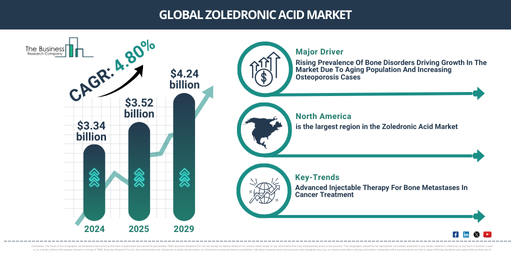
    In recent times, there has been robust growth in the market size of zoledronic acid. The market size is projected to expand from $3.34 billion in 2024 to $3.52 billion in 2025 with a compound annual growth rate (CAGR) of 5.2%. The unprecedented growth observed in the historic timeframe is linked to the advancement of home healthcare services, the increasing necessity for personalized medicine, enhanced awareness about bone health, and a surge in obesity cases.

    How Much Will the Zoledronic Acid Market Be Worth in 2029?

    A consistent expansion is anticipated in the zoledronic acid market size in the upcoming years. The market is projected to surge to $4.24 billion in 2029, expanding at a compound annual growth rate (CAGR) of 4.8%. The growth within this forecasted period can be linked back to the increase in bone disorders, higher occurrence rates of osteoporosis, a growing need for zoledronic acid, and the emergence of telemedicine. The forecast period is expected to see major trends such as improvement in healthcare infrastructure, the creation of new formulations, the development of combination treatments, and the inception of biosimilars.

    Download The Free Sample Report Here:

    https://www.thebusinessresearchcompany.com/sample.aspx?id=23588&type=smp

    Which is the Largest Company in the Zoledronic Acid Market?

    Major companies operating in the zoledronic acid market are Abbott Laboratories, Novartis AG, Intas Pharmaceuticals Limited, Hetero Labs Limited, Dr. Reddy’s Laboratories Ltd., Cipla Limited, Alkem Laboratories Limited, Emcure Pharmaceuticals Limited, Accord Healthcare Limited, NATCO Pharma Limited, Taj Pharmaceuticals Limited, ScinoPharm Taiwan Ltd., Panacea Biotec Limited, GLS Pharma Private Limited, Miracalus Pharma Pvt. Ltd., Midas Pharma GmbH, AdvaCare Pharma, Tecoland Corporation, Eugia Pharma Specialties Limited, Lianyungang Runzhong Pharmaceutical Co. Ltd.

    What Are the Main Market Drivers in the Zoledronic Acid Industry?

    The escalation in bone disorders is projected to fuel the advancement of the zoledronic acid market. Bone disorders encompass health conditions that compromise the structure and function of bones as well as their strength. This increase can be attributed to the aging population since bone density is known to naturally decrease with age, heightening the risk of disorders such as osteoporosis and fractures. Zoledronic acid is instrumental in the treatment of bone disorders as it curtails osteoclast activity, minimizes bone resorption, augments bone density, and reduces the risk of fractures. For example, data from the Australian Institute of Health and Welfare from June 2024 indicated that about 853,600 Australians, accounting for 3.4% of the population, suffered from osteoporosis or osteopenia in 2022. From 2021 to 2022, the country registered 9,500 hospital admissions due to osteoporosis, translating to 89 cases for every 100,000 people who were 45 years old or more. Hence, the growing prevalence of bone disorders boosts the zoledronic acid market’s growth. The growth of the zoledronic acid market is predicted to be driven by the surge in cancer incidence due to the associated rise in bone complications and metastases. The term ‘cancer cases’ refers to diagnosed instances of unusual cell growth with the potential to spread to and invade other body parts. Unhealthy living habits, conspicuous by poor diets and sedentary lifestyles, contribute to obesity and inflammation, thereby raising the likelihood of irregular cell growth. Zoledronic acid mitigates the risk of bone complications linked to metastases and lessens the impact of pain. It also reduces calcium levels in individuals dealing with cancer-related hypercalcemia, thereby improving patient outcomes. For instance, the Australian Institute of Health and Welfare reported in July 2024 that there is an expectation of about 204,000 new cancer cases by 2033, with a cumulative tally of roughly 1.9 million diagnoses projected within a period from 2024 to 2033. Thus, the rising occurrence of cancer cases invigorates the growth of the zoledronic acid market.

    Request For A Customized Report:

    https://www.thebusinessresearchcompany.com/customise?id=23588&type=smp

    How Is the Zoledronic Acid Market Segments Structured?

    The zoledronic acid market covered in this report is segmented –

    1) By Product Form: Injection, Powder

    2) By Distribution Channel: Pharmacies, Online Pharmacies, Hospital Pharmacies

    3) By Application: Metastatic Bone Cancers, Systemic Metabolic Bone Diseases, Osteoporosis, Paget’s Disease, Other Applications

    4) By End-Users: Hospitals, Clinics, Home Healthcare

    Subsegments-

    1) By Injection: Single-Dose Vial, Multi-Dose Vial, Prefilled Syringe

    2) By Powder: Lyophilized Powder, Sterile Powder For Reconstitution

    What Strategic Trends Are Transforming the Zoledronic Acid Market?

    Key players in the zoledronic acid market are concentrating on the development of advanced offerings like injection treatments for bone metastases originating from solid tumors. The goal is to increase treatment efficiency, decrease skeletal-related incidents, and enhance patient results. Such an injectable remedy is used to manage and reduce issues caused by the spread of cancer to the bones. For example, in February 2025, Avenacy Inc., a pharmaceutical company based in the U.S., introduced the Zoledronic Acid Injection, USP, to the U.S. market. This FDA-approved, therapeutically equivalent generic analogue of Zometa is designed to treat hypercalcemia of malignancy, multiple myeloma, and bone metastases from solid tumors, in combination with standard antineoplastic treatment. The product, available in 4 mg/5 mL single-dose vials, uses unique packaging to maximize medication precision.

    Access The Full Report Here:

    https://www.thebusinessresearchcompany.com/report/zoledronic-acid-global-market-report

    Which Global Regions Offer the Highest Growth in the Zoledronic Acid Market?

    North America was the largest region in the zoledronic acid market in 2024. The regions covered in the zoledronic acid market report are Asia-Pacific, Western Europe, Eastern Europe, North America, South America, Middle East, Africa.

    Purchase The Full Report Today:

    https://www.thebusinessresearchcompany.com/purchaseoptions.aspx?id=23588

    This Report Delivers Insight On:

    1. How big is the zoledronic acid market, and how is it changing globally?

    2. Who are the major companies in the zoledronic acid market, and how are they performing?

    3. What are the key opportunities and risks in the zoledronic acid market right now?

    4. Which products or customer segments are growing the most in the zoledronic acid market?

    5. What factors are helping or slowing down the growth of the zoledronic acid market?

    About The Business Research Company:

    With over 15000+ reports from 27 industries covering 60+ geographies, The Business Research Company has built a reputation for offering comprehensive, data-rich research and insights. Armed with 1,500,000 datasets, the optimistic contribution of in-depth secondary research, and unique insights from industry leaders, you can get the information you need to stay ahead in the game.

    Get in touch with us:

    The Business Research Company: https://www.thebusinessresearchcompany.com/

    Americas +1 310-496-7795

    Europe +44 7882 955267

    Asia & Others +44 7882 955267 & +91 8897263534

    Email us at info@tbrc.info

    Follow us on:

    LinkedIn: https://in.linkedin.com/company/the-business-research-company

    YouTube: https://www.youtube.com/channel/UC24_fI0rV8cR5DxlCpgmyFQ

    Global Market Model: https://www.thebusinessresearchcompany.com/global-market-model
  • X Linked Hypophosphatemia Market Drivers Report 2025 – For Business Development and Strategy Teams

    X Linked Hypophosphatemia Market Drivers Report 2025 – For Business Development and Strategy Teams

    Claim your 30% discount on Global Market Reports with code ONLINE30. Limited time only.

    What Is the Forecast for the X Linked Hypophosphatemia Market Growth in 2025?

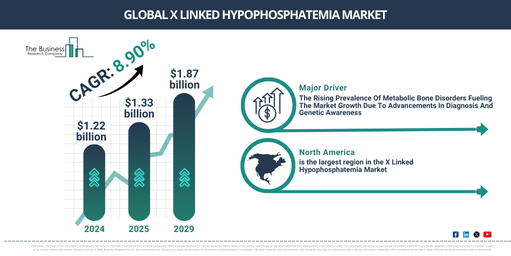
    Over the past years, the market size of X-linked hypophosphatemia has seen a robust growth. Its value is predicted to increase from $1.22 billion in 2024 to $1.33 billion in 2025, experiencing a compound annual growth rate (CAGR) of 9.3%. This significant growth during the historic period has been the result of factors such as heightened awareness of rare genetic conditions, an increased investment in the research of rare diseases, an expanded emphasis on child healthcare, an escalating adoption of digital health solutions, and a rising incidence of skeletal conditions.

    What Is the Forecast for the X Linked Hypophosphatemia Market Size Through 2029?

    Expectations are high for strong expansion in the X-linked hypophosphatemia market in the coming years. Forecasts predict a growth to $1.87 billion by 2029, with a compound annual growth rate (CAGR) of 8.9%. This predicted growth during the forecast period is due to an increasing demand for tailored treatments, a rise in the approval of groundbreaking therapies, increased genetics testing activities, insurgency of genetic disorders, and the growth of awareness programs. The forecast period will likely see trending expansions in patient assistance programs, the application of monoclonal antibodies, progression in small molecule therapies, growth in digital health technology, and advancements in biomarkers.

    Download The Free Sample Report Here:

    https://www.thebusinessresearchcompany.com/sample.aspx?id=23586&type=smp

    What are the Key Market Players in X Linked Hypophosphatemia Market and How They’re Evolving?

    Major companies operating in the X linked hypophosphatemia market are Mayo Foundation for Medical Education and Research, Seattle Children’s Hospital, Kyowa Kirin Co. Ltd., Boston Children’s Hospital, Apollo Hospitals, Medicover Hospitals, Arkansas Childrens Hospital, Swixx Biopharma SA, King’s College Hospital, Alder Hey Children’s Hospital, Invitae Corp., Ultragenyx Pharmaceutical Inc., Childrens Hospital of Philadelpia, Nanavati Max Super Specialty Hospital, Sage Therapeutics Inc, Ascendis Pharma A/S, Inozyme Pharma Inc., Yale School of Medicine, Mitsubishi Tanabe Pharma Corporation, Lurie Children’s Hospital

    What Are the Primary Growth Drivers in the X Linked Hypophosphatemia Market?

    The increasing incidence of metabolic bone disorders is predicted to drive the growth of the X-linked hypophosphatemia market forward. Metabolic bone disorders, affecting the strength, structure, or mineral balance of bones due to calcium, phosphate, vitamin D, or hormone disruptions, are becoming more prevalent primarily because of aging populations and lifestyle factors. With age, natural bone density decreases and the chance of afflictions such as osteoporosis, and rickets rises. Increased awareness and research due to the escalating prevalence of metabolic bone disorders promote early diagnosis of conditions like X-linked hypophosphatemia (XLH), resulting in more efficient screening, enhanced treatment opportunities, and innovations in more productively managing XLH. For example, the Australian Institute of Health and Welfare reported in June 2024 that in 2022, osteoporosis, a metabolic bone disorder, caused 2,659 deaths or 10.2 deaths per 100,000 individuals, accounting for 1.4% of all deaths. Thus, the escalating prevalence of metabolic bone disorders is fuelling the development of the X-linked hypophosphatemia market. There is an increasing emphasis on personalized medicine, predicted to spur the growth of the X-linked hypophosphatemia market. Personalized medicine focuses on custom healthcare practices and treatments based on the unique genetic, environmental, and lifestyle factors of individual patients. The emphasis is on personalized medication results from more precise diagnostic tools and according patients’ centered care. Within the context of X-linked hypophosphatemia (XLH), this form of tailored treatment bases therapeutic methods on genetic differences, enhancing phosphate management and bone health. This approach ensures exact, focused care for an improved disease management. For instance, in February 2024, the Personalized Medicine Coalition, a nonprofit organization based in the United States, disclosed that the Food and Drug Administration (FDA) approved 16 new personalized treatments for patients with rare diseases in 2023, a significant increase from six in 2022. Therefore, the growing emphasis on personalized medicine propels the growth of the X-linked hypophosphatemia market.

    Request For A Customized Report:

    https://www.thebusinessresearchcompany.com/customise?id=23586&type=smp

    What Are the Leading Segments in the Global X Linked Hypophosphatemia Industry?

    The X linked hypophosphatemia market covered in this report is segmented –

    1) By Treatment Type: Conventional Therapy, Phosphate Supplements, Active Vitamin D Analogs, Novel Therapies, FGF23 inhibitors, Other Treatment Types

    2) By Route Of Administration: Oral, Intravenous

    3) By Distribution Channel: Hospital Pharmacies, Retail Pharmacies, Online Pharmacies, Other Distribution Channels

    4) By End-User: Hospitals, Specialty Clinics, Homecare, Other End-Users

    Subsegment:

    1) By Conventional Therapy: Pain Management, Physical Therapy, Orthopedic Surgery

    2) By Phosphate Supplements: Oral Phosphate Formulations, Intravenous Phosphate Therapy

    3) By Active Vitamin D Analogs: Calcitriol, Alfacalcidol, Paricalcitol

    4) By Novel Therapies: Gene Therapy, Monoclonal Antibodies

    5) By FGF23 Inhibitors: Burosumab (Crysvita), Other Investigational FGF23 Inhibitors

    6) By Other Treatment Types: Growth Hormone Therapy, Calcium Supplements, Bisphosphonates

    Access The Full Report Here:

    https://www.thebusinessresearchcompany.com/report/x-linked-hypophosphatemia-global-market-report

    What Is the Regional Outlook for the X Linked Hypophosphatemia Market?

    North America was the largest region in the X-linked hypophosphatemia market in 2024. Asia-Pacific region is expected to be the fastest-growing region in the forecast period. The regions covered in the X linked hypophosphatemia market report are Asia-Pacific, Western Europe, Eastern Europe, North America, South America, Middle East, Africa.

    Purchase The Full Report Today:

    https://www.thebusinessresearchcompany.com/purchaseoptions.aspx?id=23586

    This Report Delivers Insight On:

    1. How big is the x linked hypophosphatemia market, and how is it changing globally?

    2. Who are the major companies in the x linked hypophosphatemia market, and how are they performing?

    3. What are the key opportunities and risks in the x linked hypophosphatemia market right now?

    4. Which products or customer segments are growing the most in the x linked hypophosphatemia market?

    5. What factors are helping or slowing down the growth of the x linked hypophosphatemia market?

    About The Business Research Company:

    With over 15000+ reports from 27 industries covering 60+ geographies, The Business Research Company has built a reputation for offering comprehensive, data-rich research and insights. Armed with 1,500,000 datasets, the optimistic contribution of in-depth secondary research, and unique insights from industry leaders, you can get the information you need to stay ahead in the game.

    Get in touch with us:

    The Business Research Company: https://www.thebusinessresearchcompany.com/

    Americas +1 310-496-7795

    Europe +44 7882 955267

    Asia & Others +44 7882 955267 & +91 8897263534

    Email us at info@tbrc.info

    Follow us on:

    LinkedIn: https://in.linkedin.com/company/the-business-research-company

    YouTube: https://www.youtube.com/channel/UC24_fI0rV8cR5DxlCpgmyFQ

    Global Market Model: https://www.thebusinessresearchcompany.com/global-market-model
  • Wingless-Related Integration Site (WNT) Signaling Pathway Inhibitor Forecast Report – Designed for Decision Makers and Product Teams

    Wingless-Related Integration Site (WNT) Signaling Pathway Inhibitor Forecast Report – Designed for Decision Makers and Product Teams

    Claim your 30% discount on Global Market Reports with code ONLINE30. Limited time only.

    What Is the Growth Rate of the Wingless-Related Integration Site (WNT) Signaling Pathway Inhibitor Market?

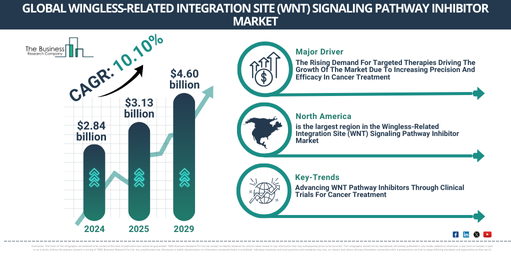
    In recent years, the market size for inhibitors of the wingless-related integration site (WNT) signaling pathway has seen swift expansion. Growth is projected from $2.84 billion in 2024 to $3.13 billion in 2025, demonstrating a compound annual growth rate (CAGR) of 10.3%. Factors contributing to this growth during the historic period include an escalation in cancer cases, an uptick in chronic disease prevalence, advancements in drug development, and a rise in the frequency of pulmonary arterial hypertension.

    What Growth Rate Is Forecasted for the Wingless-Related Integration Site (WNT) Signaling Pathway Inhibitor Market by 2029?

    The market size of the inhibitor of the wingless-related integration site (WNT) signaling pathway is anticipated to experience rapid expansion in the forthcoming years. Its value is projected to escalate to $4.60 billion in 2029, with a compound annual growth rate (CAGR) of 10.1%. The projected growth during this forecast period could be due to the growing uptake of therapies, increase in favorable regulations, expansion of clinical trials, the rise in precision medicine, and boosted investment in research and development. Key trends predicted for this period include increased uptake of therapies, regulatory support, clinical trial expansion, and the surge in precision medicine. Further trends for the forecast period encompass partnerships between biotech companies and institutions, technological advancement, progress in cancer therapies, and drug discovery breakthroughs.

    Download The Free Sample Report Here:

    https://www.thebusinessresearchcompany.com/sample.aspx?id=23583&type=smp

    Which Key Companies Are Shaping the Future of the Wingless-Related Integration Site (WNT) Signaling Pathway Inhibitor Market?

    Major companies operating in the wingless-related integration site (WNT) signaling pathway inhibitor market are Bayer AG, Novartis AG, Merck KGaA, Eisai Co. Ltd, STEMCELL Technologies Inc., Abcam Limited, MedChemExpress LLC, Enzo Life Sciences International Inc., FogPharma Inc., Selleck Chemicals LLC, Santa Cruz Biotechnology, Inc., Creative BioMart Inc., Redx Pharma plc, REPROCELL Inc., CHEMDIV INC, PRISM BioLab Co., Ltd., Allarity Therapeutics Inc., Verastem Oncology Inc., OncoMed Pharmaceuticals Inc, Allied-Bristol Life Sciences LLC.

    Which Factors Are Driving Demand in the Wingless-Related Integration Site (WNT) Signaling Pathway Inhibitor Industry?

    The escalating need for targeted therapies is anticipated to boost the expansion of the wingless-related integration site (WNT) signalling pathway inhibitor market. Targeted therapies are care protocols designed to focus on particular molecules or pathways instrumental in the progression of a disease. The surge in targeted therapies owes much to precision medicine. This medical model increases effectiveness by narrowing in on specific genetic mutations, thus mitigating unwanted side effects. In this scenario, WNT signaling pathway inhibitors play a vital role. They upend targeted therapies by hindering the irregular activation of the WNT pathway, a common factor in cancer cell growth and metastasis. This intervention can decelerate tumour progression and upgrade the outcome of treatments. For example, as reported by the American Society of Gene and Cell Therapy (ASGCT), a United States-based professional membership organization, in July 2024, in the second quarter of the same year, 76 gene therapy trials began, reflecting a growth of 25% as compared to the preceding quarter. Hence, the escalating need for targeted therapies is fuelling the expansion of the wingless-related integration site (WNT) signalling pathway inhibitor market. A rise in chronic disease cases is driving the growth of the market, as this trend increases demand for disease management therapies.

    Request For A Customized Report:

    https://www.thebusinessresearchcompany.com/customise?id=23583&type=smp

    How Is the Wingless-Related Integration Site (WNT) Signaling Pathway Inhibitor Market Segmented by Several Divisions?

    The wingless-related integration site (WNT) signaling pathway inhibitor market covered in this report is segmented –

    1) By Drug Type: Small molecule Inhibitors, Monoclonal Antibodies, Gene Therapies

    2) By Mechanism Of Action: Porcupine Inhibitors, Frizzled Inhibitors, β-Catenin Inhibitors, Wingless-Related Integration Site (WNT)-Protein Inhibitors

    3) By Stage Of Development: Pre-Clinical, Clinical Trials, Approved Products

    4) By Indications: Cancers, Bone Diseases, Neurological Disorders

    5) By End-Users: Pharmaceutical Companies, Research Institutions, Hospitals, Diagnostic Laboratories

    Subsegments:

    1) By Small Molecule Inhibitors: Porcupine Inhibitors, Tankyrase Inhibitors, β-Catenin Inhibitors

    2) By Monoclonal Antibodies: Wingless-Related Integration Site (WNT) Ligand-Targeting Antibodies, Frizzled Receptor-Blocking Antibodies, Dickkopf (DKK) Antibodies

    3) By Gene Therapies: Clustered Regularly Interspaced Short Palindromic Repeats (CRISPR)-Based Gene Editing, RNA Interference (RNAi) Therapies, Antisense Oligonucleotides (ASOs)

    What are the Emerging Market Trends Driving the Growth of the Wingless-Related Integration Site (WNT) Signaling Pathway Inhibitor Industry?

    Major firms in the wingless-related integration site (WNT) signaling pathway inhibitor market are concentrating their efforts on creating innovative solutions like clinical trials for WNT signaling pathway inhibitors to broaden the scope of treatment and address the problem of drug resistance. The aim of these clinical trials is to test the effectiveness and possible advantages of drugs that target the WNT pathway, pivotal in the progression of cancer and other ailments. For example, FogPharma, a biopharmaceutical company based in the United States, revealed in June 2023 that the first patient had been given a dose in its Phase 1/2 clinical trial for FOG-001, a novel TCF-blocking β-catenin inhibitor targeting advanced solid tumors, including colorectal cancer. This non-randomized, open-label trial aims to recruit up to 200 patients to assess the safety, tolerability, pharmacokinetics, pharmacodynamics, and antitumor activity of FOG-001, a drug that disrupts β-catenin-dependent signaling in the Wnt pathway, a core ingredient in oncogenesis.

    Access The Full Report Here:

    https://www.thebusinessresearchcompany.com/report/wingless-related-integration-site-wnt-signaling-pathway-inhibitor-global-market-report

    Which Regions Are Driving Growth in the Wingless-Related Integration Site (WNT) Signaling Pathway Inhibitor Market?

    North America was the largest region in the wingless-related integration site (WNT) signaling pathway inhibitor market in 2024. Asia-Pacific is expected to be the fastest-growing region in the forecast period. The regions covered in the wingless-related integration site (WNT) signaling pathway inhibitor market report are Asia-Pacific, Western Europe, Eastern Europe, North America, South America, Middle East, Africa.

    Purchase The Full Report Today:

    https://www.thebusinessresearchcompany.com/purchaseoptions.aspx?id=23583

    This Report Delivers Insight On:

    1. How big is the wingless-related integration site (wnt) signaling pathway inhibitor market, and how is it changing globally?

    2. Who are the major companies in the wingless-related integration site (wnt) signaling pathway inhibitor market, and how are they performing?

    3. What are the key opportunities and risks in the wingless-related integration site (wnt) signaling pathway inhibitor market right now?

    4. Which products or customer segments are growing the most in the wingless-related integration site (wnt) signaling pathway inhibitor market?

    5. What factors are helping or slowing down the growth of the wingless-related integration site (wnt) signaling pathway inhibitor market?

    About The Business Research Company:

    With over 15000+ reports from 27 industries covering 60+ geographies, The Business Research Company has built a reputation for offering comprehensive, data-rich research and insights. Armed with 1,500,000 datasets, the optimistic contribution of in-depth secondary research, and unique insights from industry leaders, you can get the information you need to stay ahead in the game.

    Get in touch with us:

    The Business Research Company: https://www.thebusinessresearchcompany.com/

    Americas +1 310-496-7795

    Europe +44 7882 955267

    Asia & Others +44 7882 955267 & +91 8897263534

    Email us at info@tbrc.info

    Follow us on:

    LinkedIn: https://in.linkedin.com/company/the-business-research-company

    YouTube: https://www.youtube.com/channel/UC24_fI0rV8cR5DxlCpgmyFQ

    Global Market Model: https://www.thebusinessresearchcompany.com/global-market-model
  • Wilms Tumor Market Outlook 2025 – Insights for Executive and Strategic Planning

    Wilms Tumor Market Outlook 2025 – Insights for Executive and Strategic Planning

    Claim your 30% discount on Global Market Reports with code ONLINE30. Limited time only.

    How Has the Wilms Tumor Market Grown from 2024 to 2025?

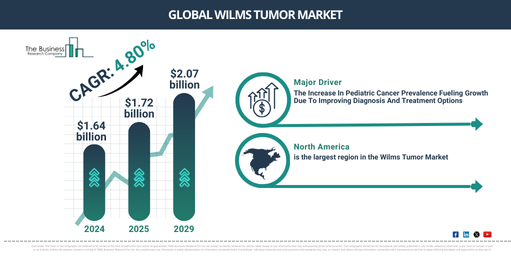
    In recent times, the market size of Wilms tumor has seen robust growth. The market is projected to rise from $1.64 billion in 2024 to $1.72 billion in 2025, showing a compound annual growth rate (CAGR) of 5.0%. The considerable growth experienced in the past can be attributed to several factors. These include heightened awareness regarding early diagnosis of cancer, an increase in government initiatives, a surge in genetic predisposition incidents, more investment in pediatric oncology drug discovery, and heightened healthcare spending on pediatric oncology treatments.

    What Growth Rate Is Anticipated for the Wilms Tumor Market in the Coming Years?

    In the coming years, a consistent growth is predicted in the Wilms tumor market. The market will elevate to $2.07 billion by 2029 with a compound annual growth rate (CAGR) of 4.8%. This projected growth in the forecast period is ascribed to the increasing emphasis on personalized medicine, an escalation in radiotherapy techniques use, a surge in lifestyle-related risk factors, an increase in pediatric oncologists, and growingly robust awareness campaigns from healthcare organizations. The forecast period will also witness key trends such as the advent of CAR-T cell therapies, the creation of innovative chemotherapy schemes, the broadening of combination therapies, the inception of biomarker-driven diagnostics, and the incorporation of wearable health monitoring devices.

    Download The Free Sample Report Here:

    https://www.thebusinessresearchcompany.com/sample.aspx?id=23582&type=smp

    Who Are the Leading Companies in the Wilms Tumor Market?

    Major companies operating in the wilms tumor market are Thermo Fisher Scientific Inc., Medline Industries LP, Agilent Technologies Inc., Apollo Hospital, Exelixis Inc., Abcam plc, Sino Biological Inc., OriGene Technologies Inc., Cell Signaling Technology Inc., Proteintech Group Inc., Santa Cruz Biotechnology Inc., Novus Biologicals LLC, Recordati Rare Diseases, Getwell Pharmaceuticals, AdvaCare Pharma, Florencia Healthcare, Boster Biological Technology, NanoSmart Pharmaceuticals Inc., BLK-Max Hospital, Plunes Healthcare

    What Are the Key Drivers of the Wilms Tumor Market?

    The surge in pediatric cancer occurrences is projected to spur the growth of the Wilms tumor market in the future. This type of cancer affects children aged 0–14 years, characterized by abnormal cell growth that could develop in various tissues and organs. Various factors such as exposure to environmental pollutants, genetic predispositions, infections, and the immune system trigger pediatric cancer. Early diagnosis, treatment, and the comprehension of genetic factors in pediatric cancer cases improve survival rates, aid in creating personalized therapies, and enhance the affected children’s life quality. For example, the Cancer Network, a US-based cancer research organization, stated in January 2025 that approximately 9,550 children would be diagnosed with cancer, with 1,050 anticipated fatalities. Consequently, the rising occurrence of pediatric cancer amplifies the Wilms tumor market’s growth. A Spike In Healthcare Spending Increases Market Growth Due To The Escalating Need For Sophisticated Care And Advanced Treatments

    Request For A Customized Report:

    https://www.thebusinessresearchcompany.com/customise?id=23582&type=smp

    What Are the Key Market Segments in the Wilms Tumor Industry?

    The wilms tumor market covered in this report is segmented –

    1) By Type: Favorable Histology, Anaplastic Histology

    2) By Stages: Stage I, Stage II, Stage III, Stage IV, Stage V

    3) By Diagnosis: Physical Examination, Imaging Tests, Lab Tests

    4) By Treatment: Surgery, Chemotherapy, Radiation Therapy

    5) By End-User: Cancer Research Institutes, Diagnostic Laboratories, Hospitals, Other End-Users

    Subsegments:

    1) By Favorable Histology: Unilateral Wilms Tumor, Bilateral Wilms Tumor, Nephroblastomatosis

    2) By Anaplastic Histology: Diffuse Anaplastic Wilms Tumor, Focal Anaplastic Wilms Tumor, Mixed Anaplastic Wilms Tumor

    Access The Full Report Here:

    https://www.thebusinessresearchcompany.com/report/wilms-tumor-global-market-report

    What Are the Key Regional Markets in the Wilms Tumor Industry?

    North America was the largest region in the wilms tumor market in 2024. Asia-Pacific is expected to be the fastest-growing region in the forecast period. The regions covered in the wilms tumor market report are Asia-Pacific, Western Europe, Eastern Europe, North America, South America, Middle East, Africa.

    Purchase The Full Report Today:

    https://www.thebusinessresearchcompany.com/purchaseoptions.aspx?id=23582

    This Report Delivers Insight On:

    1. How big is the wilms tumor market, and how is it changing globally?

    2. Who are the major companies in the wilms tumor market, and how are they performing?

    3. What are the key opportunities and risks in the wilms tumor market right now?

    4. Which products or customer segments are growing the most in the wilms tumor market?

    5. What factors are helping or slowing down the growth of the wilms tumor market?

    About The Business Research Company:

    With over 15000+ reports from 27 industries covering 60+ geographies, The Business Research Company has built a reputation for offering comprehensive, data-rich research and insights. Armed with 1,500,000 datasets, the optimistic contribution of in-depth secondary research, and unique insights from industry leaders, you can get the information you need to stay ahead in the game.

    Get in touch with us:

    The Business Research Company: https://www.thebusinessresearchcompany.com/

    Americas +1 310-496-7795

    Europe +44 7882 955267

    Asia & Others +44 7882 955267 & +91 8897263534

    Email us at info@tbrc.info

    Follow us on:

    LinkedIn: https://in.linkedin.com/company/the-business-research-company

    YouTube: https://www.youtube.com/channel/UC24_fI0rV8cR5DxlCpgmyFQ

    Global Market Model: https://www.thebusinessresearchcompany.com/global-market-model
  • Western Blotting Market Projected at $1.99 Billion by 2029 | Strategic Insights and Forecast Data

    Western Blotting Market Projected at $1.99 Billion by 2029 | Strategic Insights and Forecast Data

    Claim your 30% discount on Global Market Reports with code ONLINE30. Limited time only.

    How Has the Western Blotting Market Size Changed, over the years?

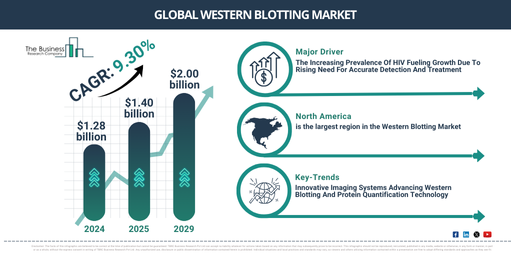
    The market size for western blotting has witnessed robust growth in the recent past. The market, which stood at $1.28 billion in 2024, is projected to reach $1.40 billion in 2025, registering a compound annual growth rate (CAGR) of 9.6%. The historical growth trajectory is linked to factors such as the escalating demand for protein identification methods, increased occurrence of chronic illnesses, a surge in brain disorder cases, expanding healthcare requirements, and the heightened need for a trustworthy protein verification approach.

    How Much Will the Western Blotting Market Be Worth in 2029?

    The market for western blotting is predicted to experience significant expansion in the coming years. The market size is projected to reach $2.00 billion by 2029 with a compound annual growth rate (CAGR) of 9.3%. The factors contributing to this projected growth during the forecast period include increased healthcare infrastructure investment, a higher number of western blot tests being conducted, an increased occurrence of cardiovascular diseases, a growing demand for tailored medicine, and an increase in the use of electrophoresis blotting systems. Key trends observed during this forecast period are technological advancements, discovery of biomarkers, the rise of personalized medicine, the advent of alternative techniques, and the implementation of quality control measures.

    Download The Free Sample Report Here:

    https://www.thebusinessresearchcompany.com/sample.aspx?id=23580&type=smp

    Which is the Largest Company in the Western Blotting Market?

    Major companies operating in the western blotting market are Hoffmann-La Roche Ltd., Thermo Fisher Scientific, Danaher Corporation, Merck KGaA, GE Healthcare, EMD Millipore, PerkinElmer Inc., Bio-Rad Laboratories, GeneTex Inc., GenScript Biotech, Abcam plc, Promega Corporation, Takara Bio Inc., Cell Signaling Technology, Proteintech Group Inc., Cygnus Technologies, Santa Cruz Biotechnology, Abnova Corporation, Azure Biosystems Inc., Leinco Technologies Inc., LI-COR Biosciences GmbH, Novus Biologicals LLC

    What Are the Main Market Drivers in the Western Blotting Industry?

    The escalating number of cases involving the human immunodeficiency virus (HIV) is anticipated to spur the expansion of the western blotting market in the future. HIV is a virus that targets the immune system, impairing its ability to ward off afflictions and ailments. An increase in HIV cases stems from insufficient knowledge and instruction on preventative techniques, thus heightening the likelihood of the disease spreading. Western blotting, extensively utilized for confirming and diagnosing HIV, plays a critical role in identifying the virus. It facilitates prompt detection and treatment, thereby promoting more effective control of the disease. For example, Gov.UK, a governmental agency in the UK, reported in October 2024 that the UK had 6,402 diagnoses of HIV (excluding Northern Ireland) in 2023, a significant leap of 46% from 4,379 cases in 2022. Consequently, the escalating prevalence of human immunodeficiency virus (HIV) is catalyzing the growth of the western blotting market.

    Request For A Customized Report:

    https://www.thebusinessresearchcompany.com/customise?id=23580&type=smp

    How Is the Western Blotting Market Segments Structured?

    The western blotting market covered in this report is segmented –

    1) By Product: Instruments, Consumables

    2) By Application: Scientific Research, Medical Diagnostics, Agricultural Application, Food And Beverages, Other Applications

    3) By End-Users: Academic And Research Institutes, Pharmaceutical And Biotechnology Companies, Diagnostic Centers, Other End-Users

    Subsegments:

    1) By Instruments: Gel Electrophoresis Instruments, Blotting Systems, Imagers

    2) By Consumables: Reagents, Kits

    What Strategic Trends Are Transforming the Western Blotting Market?

    Leading firms in the western blotting market have shifted their focus towards creating innovative imaging systems such as the complementary metal-oxide-semiconductor (CMOS) digital imaging technology and stain-free imaging technology. These new advancements aim to improve image clarity, enhance protein quantification precision, and increase overall throughput in studies. The CMOS digital imaging technology is a highly sensitive imaging method that utilizes complementary metal oxide semiconductor sensors to capture gel and western blot images. The stain-free imaging technology, on the other hand, allows total protein normalization, thereby eliminating the need for additional probing or stripping, and simplifying the western blot process. As an example, Bio-Rad, a biotechnology firm based in the USA, introduced the ChemiDoc Go Imaging System in July 2024. It’s a compact imaging system that utilizes CMOS digital imaging and Stain-Free Imaging technology to enhance western blotting and gel imaging by increasing sensitivity, accuracy, and efficiency in the workflow. This system is particularly effective for life science research applications like protein quantification and quality control.

    Access The Full Report Here:

    https://www.thebusinessresearchcompany.com/report/western-blotting-global-market-report

    Which Global Regions Offer the Highest Growth in the Western Blotting Market?

    North America was the largest region in the western blotting market in 2024. Asia-Pacific is expected to be the fastest-growing region in the forecast period. The regions covered in the western blotting market report are Asia-Pacific, Western Europe, Eastern Europe, North America, South America, Middle East, Africa.

    Purchase The Full Report Today:

    https://www.thebusinessresearchcompany.com/purchaseoptions.aspx?id=23580

    This Report Delivers Insight On:

    1. How big is the western blotting market, and how is it changing globally?

    2. Who are the major companies in the western blotting market, and how are they performing?

    3. What are the key opportunities and risks in the western blotting market right now?

    4. Which products or customer segments are growing the most in the western blotting market?

    5. What factors are helping or slowing down the growth of the western blotting market?

    About The Business Research Company:

    With over 15000+ reports from 27 industries covering 60+ geographies, The Business Research Company has built a reputation for offering comprehensive, data-rich research and insights. Armed with 1,500,000 datasets, the optimistic contribution of in-depth secondary research, and unique insights from industry leaders, you can get the information you need to stay ahead in the game.

    Get in touch with us:

    The Business Research Company: https://www.thebusinessresearchcompany.com/

    Americas +1 310-496-7795

    Europe +44 7882 955267

    Asia & Others +44 7882 955267 & +91 8897263534

    Email us at info@tbrc.info

    Follow us on:

    LinkedIn: https://in.linkedin.com/company/the-business-research-company

    YouTube: https://www.youtube.com/channel/UC24_fI0rV8cR5DxlCpgmyFQ

    Global Market Model: https://www.thebusinessresearchcompany.com/global-market-model
  • Wearable Robot Technology  Industry Growth Expected to Reach $4.38 Billion by 2029 at a CAGR of 39% | Segmentation and Growth Opportunities

    Wearable Robot Technology Industry Growth Expected to Reach $4.38 Billion by 2029 at a CAGR of 39% | Segmentation and Growth Opportunities

    Claim your 30% discount on Global Market Reports with code ONLINE30. Limited time only.

    What Is the Forecast for the Wearable Robot Technology Market Growth in 2025?

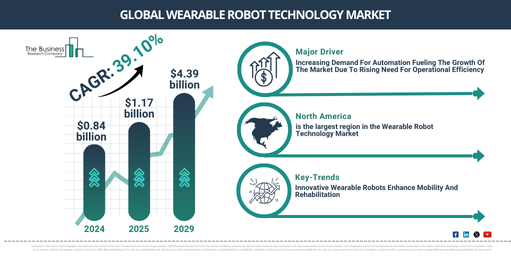
    The market size of wearable robot technology has seen considerable growth in the recent past. Its value is set to escalate from $0.84 billion in 2024 to $1.17 billion in 2025, reflecting a compound annual growth rate (CAGR) of 39.4%. The substantial growth experienced during the historical period is owed to the growing demand for rehabilitative solutions, boosted healthcare spending, increasing requirement for geriatric care solutions, heightened investment in research and development and the escalating demand for care solutions for the elderly and disabled.

    What Is the Forecast for the Wearable Robot Technology Market Size Through 2029?

    Substantial growth is anticipated for the size of the wearable robot technology market over the upcoming years. It is projected to reach a significant $4.39 billion in valuation by 2029, with a compound annual growth rate (CAGR) of 39.1%. This surge anticipated in the forecast period is a result of increasing requirements for customized healthcare solutions, heightened demand for support robots in the medical sector, an increase in the use of robotics for physical therapy, a mounting focus on multi-functional wearable robots, and a rising trend for health and fitness trackers. Among the pivotal trends for the duration of forecast include advancements in material technology, creation of modular wearable robots, the amalgamation of wearable devices with smart textiles, evolution in haptic feedback mechanisms, and development of adaptive control systems.

    Download The Free Sample Report Here:

    https://www.thebusinessresearchcompany.com/sample.aspx?id=23579&type=smp

    What are the Key Market Players in Wearable Robot Technology Market and How They’re Evolving?

    Major companies operating in the wearable robot technology market are Toyota Corporation, Samsung Electronics Co Ltd., Hyundai Motor Company, Lockheed Martin Corporation, Honda Motor Co. Ltd., Parker Hannifin Corporation, Myomo Inc, Sarcos Technology and Robotics Corporation, Zimmer Biomet Holdings Inc, Ottobock SE & Co. KGaA, Comau LLC, Cyberdyne Inc., Hocoma AG., Ekso Bionics Holdings Inc., Laevo B.V. , Innophys Co Ltd., Marsi Bionics, Näder Holding GmbH & Co. KG, Technaid. S.L. , ReWalk Robotics Ltd

    What Are the Primary Growth Drivers in the Wearable Robot Technology Market?

    The wearable robot technology market’s growth is anticipated to be fueled by the rising demand for automation. Automation encompasses the utilization of machines or technology to carry out tasks with minimal human involvement. As enterprises look to decrease costs, lessen inaccuracies, and enhance productivity, the need for automation is growing. Wearable robot technology escalates automation by incorporating collaboration between humans and machines, making it perfectly suited for industries that require heavy labour and healthcare environments. It lessens physical exertion by bolstering movement and power, thereby augmenting productivity and operational effectiveness. For example, as per the records of the International Federation of Robotics, a non-profit organization based in Germany, approximately 4.2 million robotic units were deployed in factories worldwide in 2023, a growth of 10% from 3.9 units in 2022. Consequently, the escalating demand for automation is a significant driver of the wearable robot technology market’s growth.

    Request For A Customized Report:

    https://www.thebusinessresearchcompany.com/customise?id=23579&type=smp

    What Are the Leading Segments in the Global Wearable Robot Technology Industry?

    The wearable robot technology market covered in this report is segmented –

    1) By Type: Rigid Type, Soft Type

    2) By Mode Of Operation: Passive, Active And Powered

    3) By Product: Wristwear, Headwear, Footwear, Fashion And Jewelry, Bodywear, Other Wearable Technology

    4) By Application: Rehabilitation, Assistive, Body Parts Support, Sports, Supply Chain Industry, Other Applications

    5) By End User: Healthcare, Consumer Electronics, Enterprise And Industrial Applications, Othe End User Industries

    Subsegments

    1) By Rigid Type: Exoskeletons With Metallic Frames, Powered Rigid Suits For Industrial Lifting, Military-Grade Wearable Robots, Medical Rehabilitation Robots, Full-Body Rigid Assistive Devices

    2) By Soft Type: Soft Robotic Exosuits, Pneumatic, Textile-Based Wearable Assistive Devices, Cable-Driven Flexible Actuators, Soft Wearable Robots For Elderly Mobility Support

    What Are the Key Market Trends in the Wearable Robot Technology Industry?

    Leading businesses in the wearable robot technology market are concentrating on creating unique solutions like wearable assistive robotics for better mobility and improved quality of life for the users. Wearable assistive robotics is a term referred to robotic apparatus that are worn on the human body to support or amplify physical movement, typically assisting those with mobility disabilities or physical constraints. For example, CosmoRobotics Co., Ltd., a tech firm based in South Korea, unveiled a range of innovative wearable robots in July 2024. The series includes products such as Bambini Teens, EA2Pro, EAM, GRANY, and EXA-W, all engineered to enrich everyday life by aiding in muscle strength and rehabilitation. Notable features of these robots are that Bambini Teens is intended for kids, and EA2Pro is a next-gen exoskeleton equipped with cutting-edge motor sensors and an ergonomic design destined for rehabilitation.

    Access The Full Report Here:

    https://www.thebusinessresearchcompany.com/report/wearable-robot-technology-global-market-report

    What Is the Regional Outlook for the Wearable Robot Technology Market?

    North America was the largest region in the wearable robot technology market in 2024. Asia-Pacific is expected to be the fastest-growing region in the forecast period. The regions covered in the wearable robot technology market report are Asia-Pacific, Western Europe, Eastern Europe, North America, South America, Middle East, Africa.

    Purchase The Full Report Today:

    https://www.thebusinessresearchcompany.com/purchaseoptions.aspx?id=23579

    This Report Delivers Insight On:

    1. How big is the wearable robot technology market, and how is it changing globally?

    2. Who are the major companies in the wearable robot technology market, and how are they performing?

    3. What are the key opportunities and risks in the wearable robot technology market right now?

    4. Which products or customer segments are growing the most in the wearable robot technology market?

    5. What factors are helping or slowing down the growth of the wearable robot technology market?

    About The Business Research Company:

    With over 15000+ reports from 27 industries covering 60+ geographies, The Business Research Company has built a reputation for offering comprehensive, data-rich research and insights. Armed with 1,500,000 datasets, the optimistic contribution of in-depth secondary research, and unique insights from industry leaders, you can get the information you need to stay ahead in the game.

    Get in touch with us:

    The Business Research Company: https://www.thebusinessresearchcompany.com/

    Americas +1 310-496-7795

    Europe +44 7882 955267

    Asia & Others +44 7882 955267 & +91 8897263534

    Email us at info@tbrc.info

    Follow us on:

    LinkedIn: https://in.linkedin.com/company/the-business-research-company

    YouTube: https://www.youtube.com/channel/UC24_fI0rV8cR5DxlCpgmyFQ

    Global Market Model: https://www.thebusinessresearchcompany.com/global-market-model
  • Wearable Neurostimulation Devices Industry Valued at $1.1 Billion by 2029 With CAGR of 13% | Size and Share Insights

    Wearable Neurostimulation Devices Industry Valued at $1.1 Billion by 2029 With CAGR of 13% | Size and Share Insights

    Claim your 30% discount on Global Market Reports with code ONLINE30. Limited time only.

    What Is the Forecast for the Wearable Neurostimulation Devices Market from 2024 to 2025?

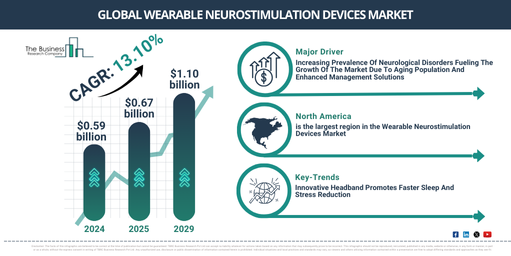
    In recent times, the market size for wearable neurostimulation devices has witnessed a swift expansion. From a figure of $0.59 billion in 2024, it is projected to increase to $0.67 billion in 2025, growing at a compound annual growth rate (CAGR) of 13.5%. This substantial growth in the historical timeframe can be credited to factors such as the increase in occurrence of epilepsy and chronic pain, the escalating numbers of mental health disorders, an aging population, a climb in the number of clinical trials, and a rise in the prevalence of depression and other mental health conditions.

    What Is the Projected Market Size of the Wearable Neurostimulation Devices Market?

    The market size of wearable neurostimulation devices is projected to experience rapid expansion in the coming years. It is expected to reach $1.10 billion in 2029 with a compound annual growth rate (CAGR) of 13.1%. This expansion in the projected period is due to factors such as the escalating prevalence of chronic pain, increased use of non-invasive treatments, growing necessity for home-based healthcare solutions, increased consciousness about mental health, surging elderly population, and rising awareness & acceptance of neuromodulation therapies. The main trends for the forecast period are improvements in device miniaturization, the incorporation of artificial intelligence for customizable treatment, the proliferation of wireless and Bluetooth enabled devices, usage of flexible and skin-compatible materials, and amalgamation with mobile applications for user manipulation and tracking.

    Download The Free Sample Report Here:

    https://www.thebusinessresearchcompany.com/sample.aspx?id=23578&type=smp

    Who are the Major Competitors in the Wearable Neurostimulation Devices Market Outlook?

    Major companies operating in the wearable neurostimulation devices market are Abbott Laboratories, Medtronic plc, FocusCalm, Boston Scientific Corporation, Alten Calsoft Labs India Private Limited, Nihon Kohden Corporation, LivaNova plc, Nevro Corp., Minnetronix Medical Inc., Neuropace Inc., Nalu Medical, Cala Health Inc., Myomo Inc., Ekso Bionics Holdings Inc., Cognito Therapeutics Inc., Apollo Neuroscience Inc., Curonix LLC, Soterix Medical Inc., Theranica Bioelectronics Ltd., NeuroMetrix Inc., Spark Biomedical Inc., Helius Medical Technologies Inc., Hapbee Technologies Inc., Flow Neuroscience, AxioBionics LLC , tVNS Technologies GmbH, Wearable Devices Ltd., Cadence Biomedical

    What Is Fueling Growth in the Wearable Neurostimulation Devices Market?

    The rise in neurological disorders is anticipated to boost the wearable neurostimulation devices market expansion in the future. Health issues that affect the brain, spinal cord, and nerves are considered neurological disorders, which can lead to a variety of symptoms like cognitive, motor, and sensory afflictions. The increasing incidents of these ailments are associated with the growing older population worldwide, as aging progressively deteriorates neural function, lessens the adaptability of the brain, and raises oxidative stress, thereby facilitating the onset and development of these disorders. Wearable neurostimulation gadgets provide an upgrade in the treatment of neurological disorders by furnishing non-invasive therapy, making them apt for daily use. These devices diminish symptoms by dispensing targeted stimulation, thus enhancing patient comfort and the overall quality of life. For example, as reported by the National Health Service, a governmental agency based in the UK, the number of patients diagnosed with dementia (a brain disorder that impairs memory, thinking, and daily operations) in June 2024 was 487,432, a rise of 3,155 cases from May 2024. Consequently, the escalating occurrence of neurological disorders is contributing to the expansion of the wearable neurostimulation devices market.

    Request For A Customized Report:

    https://www.thebusinessresearchcompany.com/customise?id=23578&type=smp

    Which Wearable Neurostimulation Devices Market Segments Are Growing the Fastest?

    The wearable neurostimulation devices market covered in this report is segmented –

    1) By Product Type: Electroencephalography (EEG) Devices, Transcranial Magnetic Stimulation (TMS) Devices, Brain Computer Interface (BCI) Devices, Neurostimulation Devices, Cognitive Training Devices

    2) By Application: Stroke, Spinal Cord Injury, Cerebral Palsy, Other Applications

    3) By End-User: Rehabilitation Centers, Hospitals And Clinics, Other End-Users

    Subsegments:

    1) By Electroencephalography (EEG) Devices: Portable Electroencephalography (EEG) Devices, Wireless Electroencephalography (EEG) Devices, Mobile Electroencephalography (EEG) Devices, Clinical Electroencephalography (EEG) Devices

    2) By Transcranial Magnetic Stimulation (TMS) Devices: Single-Pulse Transcranial Magnetic Stimulation (TMS), Repetitive Transcranial Magnetic Stimulation (rTMS), Deep Transcranial Magnetic Stimulation (TMS), Theta Burst Stimulation (TBS) Transcranial Magnetic Stimulation (TMS)

    3) By Brain Computer Interface (BCI) Devices: Invasive Brain Computer Interface (BCI) Devices, Non-invasive Brain Computer Interface (BCI) Devices, Partially Invasive Brain Computer Interface (BCI) Devices

    4) By Neurostimulation Devices: Deep Brain Stimulation (DBS) Devices, Transcranial Direct Current Stimulation (tDCS) Devices, Transcranial Alternating Current Stimulation (tACS) Devices, Peripheral Nerve Stimulation (PNS) Devices

    5) By Cognitive Training Devices: Memory Training Devices, Attention Training Devices, Neurofeedback Devices, Brain Training Games

    Which Industry Trends Are Shaping the Future of the Wearable Neurostimulation Devices Market?

    Top-tier firms in the wearable neurostimulation devices market are working on creating revolutionary solutions, such as the sleep-on-demand headband, with the aim of improving sleep health and treating sleep disorders. The device, which users wear, leverages neurostimulation or peaceful audio/vibration to aid users to fall asleep faster, foster calmness, and strengthen related brainwave activities for a better quality of sleep. For example, in June 2024, Elemind Technologies Inc., a neurotechnology organisation based in the US, introduced an unprecedented neurotechnology headband. The device, named the Elemind Headband, is essentially a sleep-on-demand neurostimulation device users wear that uses transcranial direct current stimulation (tDCS) or alike technologies to sway brain activity, thereby improving concentration, relaxation, and sleep. The device transmits mild electrical currents via scalp electrodes focusing on certain brain areas linked with cognitive functioning or relaxation, which aids in the enhancement of brainwave activities for precise cognition, stress relief, and improved sleep quality, according to the chosen settings.

    Access The Full Report Here:

    https://www.thebusinessresearchcompany.com/report/wearable-neurostimulation-devices-global-market-report

    Which Countries Are Leading the Wearable Neurostimulation Devices Market?

    North America was the largest region in the wearable neurostimulation devices market in 2024. Asia-Pacific is expected to be the fastest-growing region in the forecast period. The regions covered in the wearable neurostimulation devices market report are Asia-Pacific, Western Europe, Eastern Europe, North America, South America, Middle East, Africa.

    Purchase The Full Report Today:

    https://www.thebusinessresearchcompany.com/purchaseoptions.aspx?id=23578

    This Report Delivers Insight On:

    1. How big is the wearable neurostimulation devices market, and how is it changing globally?

    2. Who are the major companies in the wearable neurostimulation devices market, and how are they performing?

    3. What are the key opportunities and risks in the wearable neurostimulation devices market right now?

    4. Which products or customer segments are growing the most in the wearable neurostimulation devices market?

    5. What factors are helping or slowing down the growth of the wearable neurostimulation devices market?

    About The Business Research Company:

    With over 15000+ reports from 27 industries covering 60+ geographies, The Business Research Company has built a reputation for offering comprehensive, data-rich research and insights. Armed with 1,500,000 datasets, the optimistic contribution of in-depth secondary research, and unique insights from industry leaders, you can get the information you need to stay ahead in the game.

    Get in touch with us:

    The Business Research Company: https://www.thebusinessresearchcompany.com/

    Americas +1 310-496-7795

    Europe +44 7882 955267

    Asia & Others +44 7882 955267 & +91 8897263534

    Email us at info@tbrc.info

    Follow us on:

    LinkedIn: https://in.linkedin.com/company/the-business-research-company

    YouTube: https://www.youtube.com/channel/UC24_fI0rV8cR5DxlCpgmyFQ

    Global Market Model: https://www.thebusinessresearchcompany.com/global-market-model
  • Walking Assist Devices Market to Reach $9.1 Billion by 2029 | Key Drivers and Future Outlook

    Walking Assist Devices Market to Reach $9.1 Billion by 2029 | Key Drivers and Future Outlook

    Claim your 30% discount on Global Market Reports with code ONLINE30. Limited time only.

    What Is the Growth Rate of the Walking Assist Devices Market?

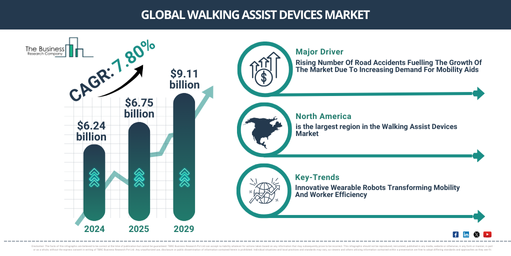
    Over the past few years, the market size for walking assist devices has seen robust growth. It is projected to escalate from $6.24 billion in 2024 to $6.75 billion in 2025, demonstrating a compound annual growth rate (CAGR) of 8.1%. The market expansion during the historic period is due to several factors, including an increased requirement for mobility aid devices, heightened attention towards healthcare, a surge in chronic health conditions, a developing start-up landscape, a rise in orthopedic health conditions, and an increase in instances of neurological diseases.

    What Growth Rate Is Forecasted for the Walking Assist Devices Market by 2029?

    In the coming years, the market for walking assist devices is predicted to experience robust growth. It is projected to expand to $9.11 billion by 2029, with a compound annual growth rate (CAGR) of 7.8%. The climb in the projection period can be linked to escalating cases of rheumatoid arthritis, growth in the elderly population, augmenting conditions limiting mobility, and an intensified focus on personalization. Top trends for the forecast period encompass progression in robotic walking aids, smart adaptation innovation, advancements in artificial intelligence (AI) and machine learning, wearable and smart technology integration innovation, and improvements in personalized design.

    Download The Free Sample Report Here:

    https://www.thebusinessresearchcompany.com/sample.aspx?id=23575&type=smp

    Which Key Companies Are Shaping the Future of the Walking Assist Devices Market?

    Major companies operating in the walking assist devices market are Honda Motor Co Ltd, Comfort Company, Ottobock SE & Co. KGaA, Invacare Corporation, BIOBASE Group, Permobil, Sunrise Medical, Drive DeVilbiss Healthcare, Pride Mobility Products Corp, Etac AB, Besco Medical Limited, GF Health Products Inc, LEVO AG, Ossenberg GmbH, Bischoff & Bischoff, Cobi Rehab, CHINESPORT S.p.a., MEYRA GmbH, Eurovema Mobility AB, Mikirad

    Which Factors Are Driving Demand in the Walking Assist Devices Industry?

    The burgeoning frequency of road mishaps is anticipated to fuel the expansion of the walking assist devices market in the future. Road mishaps refer to unforeseen occurrences on streets involving vehicles or pedestrians, often leading to losses, injuries, or mortalities. This increment in such accidents arises from escalating distractions for drivers, like the prevalent use of mobile devices, which distract focus from the roadway and diminish response intervals, contributing to increased probabilities of crashes. These accidents underscore the necessity for heightened safety and drive the demand for walking assist devices that aid individuals in recuperating from wounds and bettering mobility. For example, in March 2022, as per the Department of Infrastructure, Transport, Regional Development, Communications, and the Arts, a federal government department based in AUS, road fatalities in the year preceding February 2025 amounted to 1,292, signifying a 1.6% surge compared to the preceding year. Hence, the escalating frequency of road mishaps is propelling the expansion of the walking assist devices market.

    Request For A Customized Report:

    https://www.thebusinessresearchcompany.com/customise?id=23575&type=smp

    How Is the Walking Assist Devices Market Segmented by Several Divisions?

    The walking assist devices market covered in this report is segmented –

    1) By Product Type: Gait Belt And Lift Vest, Cane, Crutch, Walker, Wheelchair, Power Scooter

    2) By Age Group: Geriatric, Adults

    3) By Distribution Channel: Online, Offline

    4) By End-User: Hospitals, Homecare, Other End-Users

    Subsegments:

    1) By Gait Belt And Lift Vest: Standard Gait Belts, Padded Gait Belts, Quick-Release Gait Belts, Transfer And Lift Vests

    2) By Cane: Standard Canes, Quad Canes, Folding Canes, Offset Canes, Seat Canes

    3) By Crutch: Underarm Crutches, Forearm Crutches, Platform Crutches, Strutter Crutches

    4) By Walker: Standard Walkers, Rolling Walkers, Hemi Walkers, Knee Walkers

    5) By Wheelchair: Manual Wheelchairs, Electric Wheelchairs, Transport Wheelchairs, Sports Wheelchairs, Bariatric Wheelchairs

    6) By Power Scooter: Travel Scooters, Heavy-Duty Scooters, Folding Scooters, Three-Wheel Scooters, Four-Wheel Scooters

    What are the Emerging Market Trends Driving the Growth of the Walking Assist Devices Industry?

    Mainstay companies in the market for walking aid devices are concentrating on innovating new products like wearable robots, with the goal of increasing productivity, decreasing physical stress, and promoting safety in tasks like tree care and forestry work. These wearable robots are essentially robotic exoskeletons or assistive equipment meant to augment mobility, power, and stamina in various domains such as healthcare, rehabilitation, and industrial labour. For example, Samsung Electronics Co., Ltd., established in South Korea, unveiled a wearable robot, the Samsung EX1, in January 2024. The robot is distinctive for its ability to boost mobility and steadiness in elderly individuals by offering hip-attached robotic help. Unlike traditional walking aids, the EX1 actively aids in movement while directing users through organized workout routines to enhance muscle power and equilibrium. Studies demonstrate that routine usage can improve walking stride around 12% and propulsion about 21%, underlining its potential as a revolutionary breakthrough in the realm of wearable assistive technology.

    Access The Full Report Here:

    https://www.thebusinessresearchcompany.com/report/walking-assist-devices-global-market-report

    Which Regions Are Driving Growth in the Walking Assist Devices Market?

    North America was the largest region in the walking assist devices market in 2024. Asia-Pacific is expected to be the fastest-growing region in the forecast period. The regions covered in the walking assist devices market report are Asia-Pacific, Western Europe, Eastern Europe, North America, South America, Middle East, Africa.

    Purchase The Full Report Today:

    https://www.thebusinessresearchcompany.com/purchaseoptions.aspx?id=23575

    This Report Delivers Insight On:

    1. How big is the walking assist devices market, and how is it changing globally?

    2. Who are the major companies in the walking assist devices market, and how are they performing?

    3. What are the key opportunities and risks in the walking assist devices market right now?

    4. Which products or customer segments are growing the most in the walking assist devices market?

    5. What factors are helping or slowing down the growth of the walking assist devices market?

    About The Business Research Company:

    With over 15000+ reports from 27 industries covering 60+ geographies, The Business Research Company has built a reputation for offering comprehensive, data-rich research and insights. Armed with 1,500,000 datasets, the optimistic contribution of in-depth secondary research, and unique insights from industry leaders, you can get the information you need to stay ahead in the game.

    Get in touch with us:

    The Business Research Company: https://www.thebusinessresearchcompany.com/

    Americas +1 310-496-7795

    Europe +44 7882 955267

    Asia & Others +44 7882 955267 & +91 8897263534

    Email us at info@tbrc.info

    Follow us on:

    LinkedIn: https://in.linkedin.com/company/the-business-research-company

    YouTube: https://www.youtube.com/channel/UC24_fI0rV8cR5DxlCpgmyFQ

    Global Market Model: https://www.thebusinessresearchcompany.com/global-market-model
  • Vitreoretinal Disorder Market Size to Exceed $6.3 Billion by 2029 | Growth and Industry Trends

    Vitreoretinal Disorder Market Size to Exceed $6.3 Billion by 2029 | Growth and Industry Trends

    Claim your 30% discount on Global Market Reports with code ONLINE30. Limited time only.

    How Has the Vitreoretinal Disorder Market Grown from 2024 to 2025?

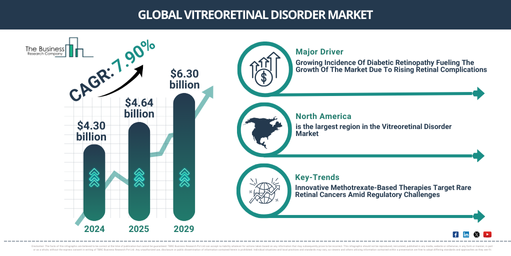
    The market size for vitreoretinal disorders has seen a significant increase in recent times. It is projected to expand from $4.30 billion in 2024 to $4.64 billion in 2025, with a Compound Annual Growth Rate (CAGR) of 8.1%. The growth observed in the historic period can be credited to factors such as increased diabetic retinopathy prevalence, growth of the aging populace, enhanced awareness about retinal diseases, the development of healthcare infrastructure, and the early adoption of anti-vascular endothelial growth factor (VEGF) therapy.

    What Growth Rate Is Anticipated for the Vitreoretinal Disorder Market in the Coming Years?

    The market for vitreoretinal disorders is predicted to experience robust growth in the coming years, ascending to $6.30 billion by 2029, with a compound annual growth rate (CAGR) of 7.9%. This projected growth during the forecast period can be credited to factors such as the surging prevalence of age-related macular degeneration, a rise in cases of diabetic retinopathy, increased investment in regenerative stem cell treatments, higher spending on eye health, enhanced awareness about the importance of early detection of retinal diseases, and government-led initiatives. The forecast period also anticipates major trends like the use of artificial intelligence (AI) in retinal disease detection, robotic assistance in vitreoretinal surgeries, nanotechnology in medicine delivery, smart contact lenses for real-time eye tracking, ultra-high-resolution through adaptive optics imaging, and biodegradable intravitreal implants.

    Download The Free Sample Report Here:

    https://www.thebusinessresearchcompany.com/sample.aspx?id=23574&type=smp

    Who Are the Leading Companies in the Vitreoretinal Disorder Market?

    Major companies operating in the vitreoretinal disorder market are Pfizer Inc., Johnson & Johnson, F. Hoffmann-La Roche AG, Merck & Co. Inc., AbbVie Inc., Bayer AG, Novartis AG, GSK plc, Teva Pharmaceutical Industries Ltd., Baxter International, Regeneron Pharmaceuticals Inc., Astellas Pharma Inc., Alcon Inc., Bausch Health Companies Inc., Santen Pharmaceutical Co. Ltd. , Topcon Corporation, Ocular Therapeutix Inc., Carl Zeiss Meditec AG, EyePoint Pharmaceuticals Inc., Kodiak Sciences Inc., Clearside Biomedical.

    What Are the Key Drivers of the Vitreoretinal Disorder Market?

    The increase in cases of diabetic retinopathy is anticipated to propel the expansion of the vitreoretinal disorder market. Diabetic retinopathy, a condition affecting the eye due to damage to the retina’s blood vessels caused by elevated blood sugar levels in diabetic individuals, is becoming increasingly common. This is due to the upward trend of diabetes incidence, linked to inactive lifestyles and inadequate blood sugar management, resulting in harm to retinal blood vessels. Effective management of vitreoretinal disorders is instrumental in addressing diabetic retinopathy. It deals with complications such as vitreous haemorrhage and tractional retinal detachment, hence preserving vision and circumventing additional retinal harm. For instance, the Australian Institute of Health and Welfare, a government agency based in Australia, stated in October 2024 that in 2022-23, 1.8% of First Nations people in Australia who were screened received treatment for diabetic retinopathy. This was a lower age-standardized treatment rate (1.3%) than that of non-Indigenous Australians (1.5%). Consequently, the upward trend in diabetic retinopathy cases is fueling the expansion of the vitreoretinal disorder market.

    Request For A Customized Report:

    https://www.thebusinessresearchcompany.com/customise?id=23574&type=smp

    What Are the Key Market Segments in the Vitreoretinal Disorder Industry?

    The vitreoretinal disorder market covered in this report is segmented –

    1) By Type: Retinal Tear, Retinal Detachment, Diabetic Retinopathy, Macular Degeneration, Macular Hole, Other Types

    2) By Diagnosis: Digital Fluorescein Angiography, Optical Coherence Tomography, Heidelberg Retinal Tomography, Indocyanine Green Angiography, Other Diagnosis

    3) By Treatment: Surgery, Medication, Other Treatments

    4) By Distribution Channel: Hospital Pharmacy, Online Pharmacy, Retail Pharmacy

    5) By End User: Hospitals, Homecare, Specialty Clinics, Other End Users

    Subsegments:

    1) By Retinal Tear: Atrophic Retinal Tear, Operculated Retinal Tear, Horseshoe Retinal Tear, Giant Retinal Tear

    2) By Retinal Detachment: Rhegmatogenous Retinal Detachment, Tractional Retinal Detachment, Exudative Retinal Detachment

    3) By Diabetic Retinopathy: Non-Proliferative Diabetic Retinopathy, Proliferative Diabetic Retinopathy, Diabetic Macular Edema

    4) By Macular Degeneration: Dry Macular Degeneration, Wet Macular Degeneration

    5) By Macular Hole: Full-Thickness Macular Hole, Lamellar Macular Hole, Tractional Macular Hole

    6) By Other Types: Epiretinal Membrane, Retinal Vein Occlusion, Retinal Artery Occlusion, Retinitis Pigmentosa, Uveitis, Vitreous Hemorrhage, Macular Edema, Central Serous Retinopathy, Proliferative Vitreoretinopathy

    What Are the Latest Trends in the Vitreoretinal Disorder Market?

    Leading businesses in the vitreoretinal disorder market are striving to create innovative treatments like methotrexate to cater to the unfulfilled healthcare needs related to unusual and aggressive retinal cancers. The use of methotrexate for treating primary vitreoretinal lymphoma involves the intravitreal application of a chemotherapy drug to target and inhibit malignant cells in the retina and vitreous, providing a localized and effective therapy for this rare ocular cancer. For instance, Aldeyra Therapeutics Inc., a biotechnology firm based in the USA, disclosed a successful pre-NDA meeting with the FDA in December 2022 about ADX-2191, a new, preservative-free version of methotrexate for treating primary vitreoretinal lymphoma (PVRL), an uncommon and hostile retinal cancer.

    Access The Full Report Here:

    https://www.thebusinessresearchcompany.com/report/vitreoretinal-disorder-global-market-report

    What Are the Key Regional Markets in the Vitreoretinal Disorder Industry?

    North America was the largest region in the vitreoretinal disorder market in 2024. The regions covered in the vitreoretinal disorder market report are Asia-Pacific, Western Europe, Eastern Europe, North America, South America, Middle East, Africa.

    Purchase The Full Report Today:

    https://www.thebusinessresearchcompany.com/purchaseoptions.aspx?id=23574

    This Report Delivers Insight On:

    1. How big is the vitreoretinal disorder market, and how is it changing globally?

    2. Who are the major companies in the vitreoretinal disorder market, and how are they performing?

    3. What are the key opportunities and risks in the vitreoretinal disorder market right now?

    4. Which products or customer segments are growing the most in the vitreoretinal disorder market?

    5. What factors are helping or slowing down the growth of the vitreoretinal disorder market?

    About The Business Research Company:

    With over 15000+ reports from 27 industries covering 60+ geographies, The Business Research Company has built a reputation for offering comprehensive, data-rich research and insights. Armed with 1,500,000 datasets, the optimistic contribution of in-depth secondary research, and unique insights from industry leaders, you can get the information you need to stay ahead in the game.

    Get in touch with us:

    The Business Research Company: https://www.thebusinessresearchcompany.com/

    Americas +1 310-496-7795

    Europe +44 7882 955267

    Asia & Others +44 7882 955267 & +91 8897263534

    Email us at info@tbrc.info

    Follow us on:

    LinkedIn: https://in.linkedin.com/company/the-business-research-company

    YouTube: https://www.youtube.com/channel/UC24_fI0rV8cR5DxlCpgmyFQ

    Global Market Model: https://www.thebusinessresearchcompany.com/global-market-model
  • Visceral Leishmaniasis Industry Insights 2025 – Market Forecast for Executives and Planners

    Visceral Leishmaniasis Industry Insights 2025 – Market Forecast for Executives and Planners

    Claim your 30% discount on Global Market Reports with code ONLINE30. Limited time only.

    How Has the Visceral Leishmaniasis Market Size Changed, over the years?

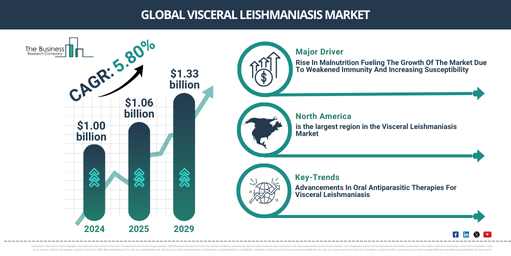
    In the last few years, the market size of visceral leishmaniasis has seen a robust growth. The market is set to increase from $1.00 billion in 2024 to $1.06 billion in 2025, with a compound annual growth rate (CAGR) of 6.1%. The factors contributing to the growth during the historic period include an increase in disease burden, surge in government funding, launch of amphotericin B, advancement of miltefosine, expansion of awareness campaigns, better accessibility to healthcare in endemic areas, and the foundation of public-private alliances.

    How Much Will the Visceral Leishmaniasis Market Be Worth in 2029?

    In the upcoming years, the market size for visceral leishmaniasis is set to witness substantial growth, with a projected worth of $1.33 billion in 2029, driven by a compound annual growth rate (CAGR) of 5.8%. Several factors can account for this growth in the forecast period, such as increased investment in the development of vaccines, heightened worldwide disease monitoring programs, growth in public-private partnerships, better funding for overlooked tropical diseases, and the introduction of gene-based therapies. Key trends predicted for this period include CRISPR-based gene alterations, AI-aided drug discovery, nanotechnology-improved drug delivery, next-gen sequencing for parasite examination, wearable biosensors for prompt detection, the application of blockchain for medical supply chain control, smartphone-driven diagnostic mechanisms, and 3D bioprinting geared towards personalized treatment research.

    Download The Free Sample Report Here:

    https://www.thebusinessresearchcompany.com/sample.aspx?id=23573&type=smp

    Which is the Largest Company in the Visceral Leishmaniasis Market?

    Major companies operating in the visceral leishmaniasis market are Pfizer Inc., Bristol-Myers Squibb Company, Abbott Laboratories, Novartis AG, GSK plc, Takeda Pharmaceutical Company Limited, Gilead Sciences Inc., Sun Pharmaceutical Industries Ltd., Dr. Reddy’s Laboratories, Aurobindo Pharma Limited, Cipla Limited, Zydus Lifesciences Limited, Glenmark Pharmaceuticals Limited, Alkem Laboratories Ltd, Xellia Pharmaceuticals, Knight Therapeutics Inc, Gufic Biosciences Ltd., United Biotech Private Limited, DNDi, TLC.

    What Are the Main Market Drivers in the Visceral Leishmaniasis Industry?

    The escalation in malnutrition levels is predicted to spur the expansion of the visceral leishmaniasis market. Malnutrition, a health issue resulting from insufficient or unbalanced intake of key nutrients required for bodily functions, has been on the rise due to food insecurity. This insecurity impedes access to nutritious food, prompting undernourishment and micro-nutrient insufficiencies, subsequently compromising the immune system. An impaired immune system heralds an increased susceptibility to infections, including visceral leishmaniasis. The body’s defense mechanisms are weakened by nutrient deficiencies, thereby augmenting the risk of intensified diseases and complications. For example, the Food and Agriculture Organization, an Italy-based specialized agency of the United Nations, reported in July 2024 that the count of undernourished people had elevated to 723.8 million in 2022, which was higher than 708.7 million in 2021. In consequence, malnutrition’s rise is fuelling the growth of the visceral leishmaniasis market.

    Request For A Customized Report:

    https://www.thebusinessresearchcompany.com/customise?id=23573&type=smp

    How Is the Visceral Leishmaniasis Market Segments Structured?

    The visceral leishmaniasis market covered in this report is segmented –

    1) By Treatment: Antiparasitic, Antifungal, Other Treatments

    2) By Diagnosis Method: Serological Tests, Molecular Tests, Microscopy, Culture Methods

    3) By Route Of Administration: Oral, Injectable, Other Routes Of Administration

    4) By Distribution Channel: Hospital Pharmacy, Online Pharmacy, Retail Pharmacy

    5) By End-User: Hospitals, Homecare, Specialty Clinics, Other End-Users

    Subsegments:

    1) By Antiparasitic: Pentavalent Antimonials, Miltefosine, Paromomycin, Sitamaquine, Combination Therapy

    2) By Antifungal: Amphotericin B, Liposomal Amphotericin B (AmBisome), Azoles, Echinocandins, Polyenes

    3) By Other Treatments: Immunotherapy, Monoclonal Antibodies, Vaccine-Based Approaches, Photodynamic Therapy, Gene Therapy

    What Strategic Trends Are Transforming the Visceral Leishmaniasis Market?

    Leading firms in the visceral leishmaniasis market are placing emphasis on the progression of treatment alternatives, such as antiparasitic drugs, to heighten effectiveness and boost patient access, particularly in areas heavily affected by the disease. Antiparasitic drugs, which are used to treat parasitic infections, operate by interfering with the parasite’s biological processes, limiting its growth, reproduction, or survival. For example, in February 2024, Zydus Lifesciences Limited, a pharmaceutical company based in India, was granted prequalification approval by the World Health Organization (WHO) for the active pharmaceutical ingredient (API) and formulation of miltefosine, used to treat leishmaniasis, also known as kala-azar. Miltefosine, an oral antiparasitic drug, functions by damaging the parasite’s cell membrane and disrupting its metabolism, causing cell death. Additionally, it inhibits parasite growth and ensures survival, making it a potent oral therapy for visceral leishmaniasis or kala azar.

    Access The Full Report Here:

    https://www.thebusinessresearchcompany.com/report/visceral-leishmaniasis-global-market-report

    Which Global Regions Offer the Highest Growth in the Visceral Leishmaniasis Market?

    North America was the largest region in the visceral leishmaniasis market in 2024. Asia-Pacific is expected to be the fastest-growing region in the forecast period. The regions covered in the visceral leishmaniasis market report are Asia-Pacific, Western Europe, Eastern Europe, North America, South America, Middle East, Africa.

    Purchase The Full Report Today:

    https://www.thebusinessresearchcompany.com/purchaseoptions.aspx?id=23573

    This Report Delivers Insight On:

    1. How big is the visceral leishmaniasis market, and how is it changing globally?

    2. Who are the major companies in the visceral leishmaniasis market, and how are they performing?

    3. What are the key opportunities and risks in the visceral leishmaniasis market right now?

    4. Which products or customer segments are growing the most in the visceral leishmaniasis market?

    5. What factors are helping or slowing down the growth of the visceral leishmaniasis market?

    About The Business Research Company:

    With over 15000+ reports from 27 industries covering 60+ geographies, The Business Research Company has built a reputation for offering comprehensive, data-rich research and insights. Armed with 1,500,000 datasets, the optimistic contribution of in-depth secondary research, and unique insights from industry leaders, you can get the information you need to stay ahead in the game.

    Get in touch with us:

    The Business Research Company: https://www.thebusinessresearchcompany.com/

    Americas +1 310-496-7795

    Europe +44 7882 955267

    Asia & Others +44 7882 955267 & +91 8897263534

    Email us at info@tbrc.info

    Follow us on:

    LinkedIn: https://in.linkedin.com/company/the-business-research-company

    YouTube: https://www.youtube.com/channel/UC24_fI0rV8cR5DxlCpgmyFQ

    Global Market Model: https://www.thebusinessresearchcompany.com/global-market-model