Month: July 2025

  • 3D Cell Culture Technologies Market Size to Exceed $8.33 Billion by 2029 | Growth and Industry Trends

    3D Cell Culture Technologies Market Size to Exceed $8.33 Billion by 2029 | Growth and Industry Trends

    Claim your 30% discount on Global Market Reports with code ONLINE30. Limited time only.

    How Fast Is The 3D Cell Culture Technologies Market Expected to Grow Between 2025 And 2029?

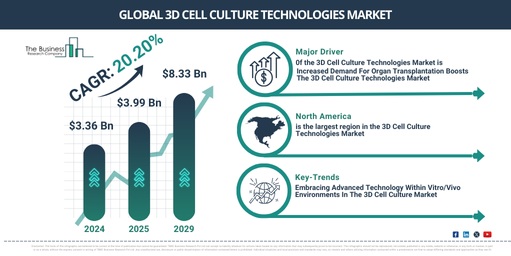
    The market size for 3D cell culture technologies has witnessed a swift expansion in the past years. The projection suggests that the market will surge from $3.36 billion in 2024, reaching $3.99 billion in 2025, with an impressive compound annual growth rate (CAGR) of 18.9%. Factors contributing to this growth during the historical period include improvements in cell biology and drug development, increased occurrences of chronic diseases, and substantial government subsidies.

    What Growth Rate Is Anticipated for the 3D Cell Culture Technologies Market in the Coming Years?

    In the coming years, the market size for 3D cell culture technologies is forecasted to grow significantly. By 2029, it is expected to reach a value of $8.33 billion, maintaining a compound annual growth rate (CAGR) of 20.2%. The growth expected within this forecast period can be attributed to factors such as the pharmaceutical industry, ongoing research and development, as well as environmental and ethical considerations. Some of the major trends anticipated during this period encompass personalized medicine, technological progress, bioprinting, and regenerative medicine.

    Download The Free Sample Report Here:

    https://www.thebusinessresearchcompany.com/sample.aspx?id=2462&type=smp

    Who Are the Leading Companies in the 3D Cell Culture Technologies Market?

    Major companies operating in the 3D cell culture technologies market include Becton Dickinson and Company, Corning Incorporated, Eppendorf AG, GE Healthcare a division of General Electric Company, Merck KGaA, Thermo Fisher Scientific Inc., Lonza Group AG, HiMedia Laboratories Pvt. Ltd., Agilent Technologies Inc., PromoCell GmbH, CellGenix GmbH, Greiner Bio-One International GmbH, Irvine Scientific Sales Company Inc., Cell Culture Company LLC, SeraCare Life Sciences Inc., American Type Culture Collection (ATCC), Miltenyi Biotec B.V. & Co. KG, AITbiotech Pte Ltd, Essen BioScience a Sartorius Company, Sigma-Aldrich, Bel-Art Products Inc., MilliporeSigma, Sumitomo Bakelite, EMD Millipore, Affymetrix Inc., VWR International llc., WHEATON IndustriesInc, Sartorius AG, CN Bio Innovations, Nortis Inc., Kiyatec, Nanofiber Solutions, Copner Biotech, Known Medicine, Synthecon Inc., 3D Biotek LLC, 3D Cell Culture Innovations LLC., 3D Matrix Inc., Allevi Inc., BioSpherix Ltd., Emulate Inc., MicroTissues Inc.

    What Are the Key Drivers of the 3D Cell Culture Technologies Market?

    Growing necessity for organ transplantation is propelling the 3D Cell Culture Technologies Market forward. The ability of 3D cell culture to create a three-dimensional configuration assists in the mimicry of tissues or organs, making it conducive for organ transplantation. These structures of 3D cells have the potency for both organ and tissue regeneration and also offer scope for drug toxicology screening. The United Network for Organ Sharing (UNOS), a US nonprofit organization, reported in January 2023 that there were 42,887 organ transplants conducted in the United States in 2022, showing a 3.7% growth from 2021. The same year saw 14,903 individuals turn into deceased organ donors nationwide, marking the twelfth successive year for record deceased donations with a 7.5% jump from 2021. The number of donors from less conventional criteria of eligibility has been on the rise due to broaderization of the medical criteria for deceased organ donation. The year 2022 saw 4,776 individuals donating post circulatory death (DCD donors), instead of brain death, marking a nearly 14% escalation from the 2021 figures. In the same year, the number of deceased donors aged 50 or older touched 5,789, marking the first time the donor count from that age group exceeded 5,000 in a single year.

    Request For A Customized Report:

    https://www.thebusinessresearchcompany.com/customise?id=2462&type=smp

    What Are the Key Market Segments in the 3D Cell Culture Technologies Industry?

    The 3D cell culture technologies market covered in this report is segmented –

    1) By Type: Scaffold-based, Scaffold-free, 3D Bioreactors

    2) By Application: Cancer Research, Stem Cell Research, Drug Discovery, Regenerative Medicine

    3) By End Users: Research Laboratories and Institutes, Biotechnology and Pharmaceutical Companies, Hospitals and Diagnostic Centers, Other End Users

    Subsegments:

    1) By Scaffold-Based: Natural Scaffolds, Synthetic Scaffolds, Hybrid Scaffolds

    2) By Scaffold-Free: Spheroid-Based, Organoid-Based

    3) By 3D Bioreactors: Spinner Flask Bioreactors, Rotating Wall Bioreactors, Microcarrier-Based Bioreactors, Hollow Fiber Bioreactors

    What Are the Latest Trends in the 3D Cell Culture Technologies Market?

    The latest trend in the 3D Cell culture market is the implementation of cutting-edge technology. A notable example includes various firms embracing a significant development in the 3D cell culture market – the use of the vivo/vitro environment. The culture and interaction of cells in 2D are insufficient in vitro models in contrast with the advanced 3D cell culture technique, which provides an improved cell culture environment. The Vitro setting enables medical personnel or researchers to regulate the procedure outside the organism in a controlled context. This method is growing in significance as it plays a crucial role in patient health monitoring. The FDA has endorsed Biotek’s 3D cell expansion system for use as a medical gadget. Additionally, it has given the approval to Biotek’s Polycaprolactone (PCL) – a biodegradable polyester substance commonly used in various FDA-approved implants and drug delivery devices.

    Access The Full Report Here:

    https://www.thebusinessresearchcompany.com/report/3d-cell-culture-technologies-global-market-report

    What Are the Key Regional Markets in the 3D Cell Culture Technologies Industry?

    North America was the largest region in the 3D cell culture technologies market in 2023. Western Europe was the second largest region in the 3D cell culture technologies market. The regions covered in the 3D cell culture technologies market report are Asia-Pacific, Western Europe, Eastern Europe, North America, South America, Middle East, Africa

    Purchase The Full Report Today:

    https://www.thebusinessresearchcompany.com/purchaseoptions.aspx?id=2462

    This Report Delivers Insight On:

    1. How big is the 3d cell culture technologies market, and how is it changing globally?

    2. Who are the major companies in the 3d cell culture technologies market, and how are they performing?

    3. What are the key opportunities and risks in the 3d cell culture technologies market right now?

    4. Which products or customer segments are growing the most in the 3d cell culture technologies market?

    5. What factors are helping or slowing down the growth of the 3d cell culture technologies market?

    About The Business Research Company:

    With over 15000+ reports from 27 industries covering 60+ geographies, The Business Research Company has built a reputation for offering comprehensive, data-rich research and insights. Armed with 1,500,000 datasets, the optimistic contribution of in-depth secondary research, and unique insights from industry leaders, you can get the information you need to stay ahead in the game.

    Get in touch with us:

    The Business Research Company: https://www.thebusinessresearchcompany.com/

    Americas +1 310-496-7795

    Asia +44 2071930708

    Europe +44 7882 955267

    Email us at info@tbrc.info

    Follow us on:

    LinkedIn: https://in.linkedin.com/company/the-business-research-company

    YouTube: https://www.youtube.com/channel/UC24_fI0rV8cR5DxlCpgmyFQ

    Global Market Model: https://www.thebusinessresearchcompany.com/global-market-model
  • Protein Labeling Industry Valued at $4.36 Billion by 2029 With CAGR of 11.3% | Size and Share Insights

    Protein Labeling Industry Valued at $4.36 Billion by 2029 With CAGR of 11.3% | Size and Share Insights

    Claim your 30% discount on Global Market Reports with code ONLINE30. Limited time only.

    What Are the Projected Market Size and Growth Rates for the Protein Labeling Market From 2025 To 2029?

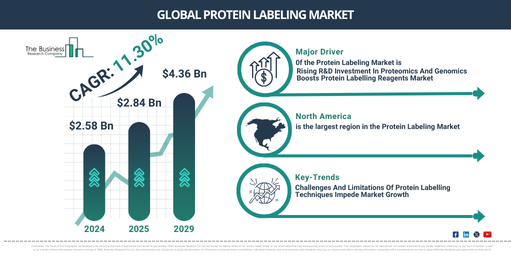
    The size of the protein labeling market has experienced quick growth in the recent past. The projection suggests a growth from $2.58 billion in 2024 to $2.84 billion in 2025, representing a compound annual growth rate (CAGR) of 10.1%. Factors contributing to the historical growth include a rising demand for protein-centric therapies, increased adoption of proteomics research, broader applications for protein labeling, heightened understanding of protein labeling advantages, availability of more trained personnel, and a growing incidence of chronic illnesses.

    What Is the Projected Market Size of the Protein Labeling Market?

    The market size for protein labeling is anticipated to experience a swift expansion in the coming years. The projected value by 2029 is $4.36 billion, with a compound annual growth rate (CAGR) of 11.3%. Factors contributing to this growth during the forecast period include the development of personalized medicines, point-of-care (POC) testing, the expansion of proteomics, increased life sciences funding and investments, as well as rising healthcare expenses. Key trends anticipated across the forecast period encompass advancements in protein labeling technologies, quantum dots and nanoparticles, strategies involving multiplexing and high-throughput labeling, biorthogonal labeling, the introduction of artificial intelligence (ai), sustainable labeling reagents, and drug development.

    Download The Free Sample Report Here:

    https://www.thebusinessresearchcompany.com/sample.aspx?id=3417&type=smp

    Who are the Major Competitors in the Protein Labeling Market Outlook?

    Major companies operating in the protein labeling market include Thermo Fisher Scientific Inc., Merck KGaA, PerkinElmer Inc., GE HealthCare Technologies Inc., F. Hoffmann-La Roche AG, Agilent Technologies Inc., BIO-RAD LABORATORIES, Kirkegaard & Perry Laboratories, LI-COR Inc., Kaneka Corporation, Promega Corporation, Eurogentec S.A., Luminex Corporation, New England Biolabs Inc., Seracare Life Sciences Inc., Abcam plc., ZEDIRA GmbH, NanoTemper Technologies GmbH, TriLink BioTechnologies LLC., Waters Corporation, AMETEK Inc., HORIBA Ltd., Spectris plc., METTLER TOLEDO International Inc., Shimadzu Corporation, Hitachi High-Tech Corporation, Attana AB, Affinité Instruments, Biosensing Instruments

    What Is Fueling Growth in the Protein Labeling Market?

    The protein labeling reagents market is being propelled by the surge in expenditure on genomics and proteomics research and development. Proteomics refers to the comprehensive study of all proteins in an organism, cell, or tissue. Vital to proteomic profiling techniques are protein labeling methods required prior to separation and analysis. An illustration of this would be the United States’ National Institutes of Health (NIH) allocating $37 billion for biomedical investigation. This allocation is intended to back life sciences study at a molecular scale, to comprehend the basic mechanisms through which diseases form, identify biomarkers indicating the existence of disease, or pinpoint the genes or proteins triggering the illness. The University of Copenhagen was awarded up to $1.5 million by the Novo Nordisk Foundation, paving the way for a new mass spectrometry facility, signifying a promising development in protein research. As such, the expanding investment in genomics and proteomics research and development is driving this market’s growth.

    Request For A Customized Report:

    https://www.thebusinessresearchcompany.com/customise?id=3417&type=smp

    Which Protein Labeling Market Segments Are Growing the Fastest?

    The protein labeling market covered in this report is segmented –

    1) By Product: Reagents, Protein, Enzymes, Probes/ Tags, Monoclonal Antibodies

    2) By Labeling Method: In-vitro Labeling, In-vivo Labeling

    3) By Application: Cell Based-Assay, Fluorescence Microscopy, Immunological Techniques, Mass Spectrometry, Protein Micro Assay

    Subsegments:

    1) By Reagents: Fluorescent Dyes, Enzyme Labels, Chemiluminescent Reagents, Radioactive Labels

    2) By Protein: Recombinant Proteins, Native Proteins, Modified Proteins

    3) By Enzymes: Alkaline Phosphatase, Horseradish Peroxidase, Other Enzymatic Labels

    4) By Probes Or Tags: Biotin Labels, Antibody Tags, Fluorophore Probes, Affinity Tags

    5) By Monoclonal Antibodies: Primary Monoclonal Antibodies, Secondary Monoclonal Antibodies, Conjugated Monoclonal Antibodies

    Which Industry Trends Are Shaping the Future of the Protein Labeling Market?

    Obstacles tied to protein labeling methods could potentially impede the market. Techniques that don’t involve labeling are usually favored over those that do, owing to the complications they present, including challenges encountered in wet lab operations and reduced adaptability. Unlike labeled samples, which require intensive wet lab pre-treatment, label-free samples can be examined with minimal preparation. Labeling techniques require that samples be marked with either metabolic (like SILAC) or chemical (such as iTRAQ or TMT) agents, calling for a mix of different conditions. As a result, label-free methods are less susceptible to wet lab inaccuracies compared to labeling methods. Techniques that don’t make use of labels are also known for their high adjustability, even after a study has commenced, availing the option to incorporate new samples at any stage. Contrarily, label-based methods demand equal quantities (n) of each condition and may not permit the addition of new samples mid-study if their integration and measurement with the control group is not feasible. Techniques attempting to mitigate these difficulties, like the Super-SILAC approach, must also be methodically planned. Owing to these detriments, the preference leans towards label-free methods. Thus, the inhibitions linked to protein labeling techniques could potentially hinder the market.

    Access The Full Report Here:

    https://www.thebusinessresearchcompany.com/report/protein-labelings-global-market-report

    Which Countries Are Leading the Protein Labeling Market?

    The countries covered in the protein labeling market report are Australia, Brazil, China, France, Germany, India, Indonesia, Japan, Russia, South Korea, UK, USA, Italy, Spain, Canada.

    Purchase The Full Report Today:

    https://www.thebusinessresearchcompany.com/purchaseoptions.aspx?id=3417

    This Report Delivers Insight On:

    1. How big is the protein labeling market, and how is it changing globally?

    2. Who are the major companies in the protein labeling market, and how are they performing?

    3. What are the key opportunities and risks in the protein labeling market right now?

    4. Which products or customer segments are growing the most in the protein labeling market?

    5. What factors are helping or slowing down the growth of the protein labeling market?

    About The Business Research Company:

    With over 15000+ reports from 27 industries covering 60+ geographies, The Business Research Company has built a reputation for offering comprehensive, data-rich research and insights. Armed with 1,500,000 datasets, the optimistic contribution of in-depth secondary research, and unique insights from industry leaders, you can get the information you need to stay ahead in the game.

    Get in touch with us:

    The Business Research Company: https://www.thebusinessresearchcompany.com/

    Americas +1 310-496-7795

    Asia +44 2071930708

    Europe +44 7882 955267

    Email us at info@tbrc.info

    Follow us on:

    LinkedIn: https://in.linkedin.com/company/the-business-research-company

    YouTube: https://www.youtube.com/channel/UC24_fI0rV8cR5DxlCpgmyFQ

    Global Market Model: https://www.thebusinessresearchcompany.com/global-market-model
  • Protein Inhibitors Market to Reach $125.26 Billion by 2029 | Key Drivers and Future Outlook

    Protein Inhibitors Market to Reach $125.26 Billion by 2029 | Key Drivers and Future Outlook

    Claim your 30% discount on Global Market Reports with code ONLINE30. Limited time only.

    What Is the Estimated Market Size of the Protein Inhibitors Market In 2029?

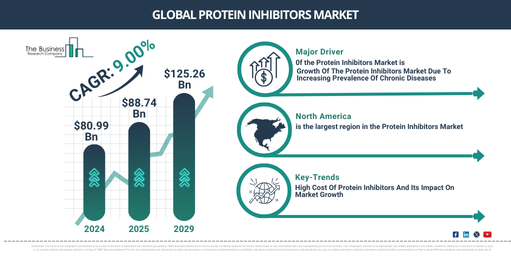
    In recent times, there has been a significant expansion in the market size of protein inhibitors. The market, which stands at $80.99 billion in 2024, is anticipated to escalate to $88.74 billion in 2025, reflecting a compound annual growth rate (CAGR) of 9.6%. Key factors contributing to the growth during the historic period include drug discovery and development, cancer therapies, as well as regulatory approvals.

    What Growth Rate Is Forecasted for the Protein Inhibitors Market by 2029?

    Expectations are high for the protein inhibitors market, with substantial growth anticipated over the next few years. The size of this market is estimated to reach $125.26 billion in 2029, following a compound annual growth rate (CAGR) of 9.0%. This projected expansion in the forecast period can be ascribed to aspects like precision medicine, immunotherapy, medicine combinations, and an aging demographic. Other emerging trends predicted to influence the market during the forecast period include data sharing and collaboration, sustainability and ESG, personalized healthcare, and adaptive clinical tests.

    Download The Free Sample Report Here:

    https://www.thebusinessresearchcompany.com/sample.aspx?id=3429&type=smp

    Which Key Companies Are Shaping the Future of the Protein Inhibitors Market?

    Major companies operating in the protein inhibitors market include Bayer AG, AstraZeneca plc, F. Hoffmann-La Roche Ltd., Teva Pharmaceutical Industries Ltd., Apotex Inc., Novartis International AG, GlaxoSmithKline plc, Pfizer Inc., Boehringer Ingelheim International GmbH, Abbott Laboratories, Amgen Inc., Baxter International Inc., Merck & Co. Inc., Interprotein Corporation, AbbVie Inc., Bristol Myers Squibb Company, Galapagos NV, Priovant Therapeutics Inc., Tempus Labs Inc., ReCode Therapeutics Inc., Satellite Bio Inc., Ambagon Therapeutics Inc., Biogen Inc., Eli Lilly and Company, Gilead Sciences Inc., Johnson & Johnson, Regeneron Pharmaceuticals Inc., Sanofi S.A., Takeda Pharmaceutical Company Limited, Vertex Pharmaceuticals Inc., Lonza Group AG, Catalent Inc., Thermo Fisher Scientific Inc., Charles River Laboratories International Inc., WuXi AppTec Co. Ltd.

    Which Factors Are Driving Demand in the Protein Inhibitors Industry?

    The protein inhibitors market is expected to expand due to the rising prevalence of chronic conditions. Such chronic illnesses include cancer, cardiovascular diseases, and autoimmune disorders, which are increasingly seen in the population. For example, the National Health Service, a public healthcare system based in the UK, reported in June 2024 that there were 3,615,330 individuals registered with a GP who were diagnosed with non-diabetic hyperglycemia, colloquially known as pre-diabetes, in 2023. This was a nearly one-fifth (18%) increase from the 3,065,825 figure recorded in 2022. Consequently, the escalating numbers of individuals with chronic diseases are expected to stimulate growth in the protein inhibitors market.

    Request For A Customized Report:

    https://www.thebusinessresearchcompany.com/customise?id=3429&type=smp

    How Is the Protein Inhibitors Market Segmented by Several Divisions?

    The protein inhibitors market covered in this report is segmented –

    1) By Product: Protein Kinase Inhibitors, Monoclonal Antibody, Other Products

    2) By Application: Oncology, Inflammatory Diseases, Other Applications

    3) By Distribution Channel: Hospital Pharmacies, Independent Pharmacies, Online Pharmacies

    Subsegments:

    1) By Protein Kinase Inhibitors: Selective Kinase Inhibitors, Non-selective Kinase Inhibitors, Small Molecule Kinase Inhibitors, Biologic Kinase Inhibitors

    2) By Monoclonal Antibodies: Chimeric Monoclonal Antibodies, Humanized Monoclonal Antibodies, Fully Human Monoclonal Antibodies, Conjugated Monoclonal Antibodies

    3) By Other Products: Peptide Inhibitors, Protein Degradation Technologies, Small Molecule Inhibitors, Combination Therapy Products

    What are the Emerging Market Trends Driving the Growth of the Protein Inhibitors Industry?

    The growth of the protein inhibitors market is likely to be constrained by the high expense of protein inhibitors used in cancer treatment. Produced in labs, monoclonal antibodies, a form of protein, latch onto substances within the body, including cancer cells, and are utilized to manage various kinds of cancer. However, these therapies are considered to be more expensive when used to treat cancer. As per the National Center for Biotechnology Information, the average cost of monoclonal antibodies stood at $96,731 for 34 different monoclonal antibody indication combinations. Furthermore, oncology and hematology monoclonal antibodies, although making up just 40% of approved monoclonal antibody indications, accounted for over 85% priced $100,000 or more. The cost disparity was apparent when compared with other disorders; with oncology or hematology monoclonal antibodies priced $149,622 higher than those utilized in metabolic or cardiovascular disorders, $106,830 more than in ophthalmology, $128,856 greater than in infectious diseases or allergies, and $98,981 more than in immunology. Thus, the significant expense of protein inhibitors, including monoclonal antibodies used for cancer therapy, may impede the market expansion.

    Access The Full Report Here:

    https://www.thebusinessresearchcompany.com/report/protein-inhibitor-global-market-report

    Which Regions Are Driving Growth in the Protein Inhibitors Market?

    The countries covered in the protein inhibitors market report are Australia, Brazil, China, France, Germany, India, Indonesia, Japan, Russia, South Korea, UK, USA, Italy, Spain, Canada

    Purchase The Full Report Today:

    https://www.thebusinessresearchcompany.com/purchaseoptions.aspx?id=3429

    This Report Delivers Insight On:

    1. How big is the protein inhibitors market, and how is it changing globally?

    2. Who are the major companies in the protein inhibitors market, and how are they performing?

    3. What are the key opportunities and risks in the protein inhibitors market right now?

    4. Which products or customer segments are growing the most in the protein inhibitors market?

    5. What factors are helping or slowing down the growth of the protein inhibitors market?

    About The Business Research Company:

    With over 15000+ reports from 27 industries covering 60+ geographies, The Business Research Company has built a reputation for offering comprehensive, data-rich research and insights. Armed with 1,500,000 datasets, the optimistic contribution of in-depth secondary research, and unique insights from industry leaders, you can get the information you need to stay ahead in the game.

    Get in touch with us:

    The Business Research Company: https://www.thebusinessresearchcompany.com/

    Americas +1 310-496-7795

    Asia +44 2071930708

    Europe +44 7882 955267

    Email us at info@tbrc.info

    Follow us on:

    LinkedIn: https://in.linkedin.com/company/the-business-research-company

    YouTube: https://www.youtube.com/channel/UC24_fI0rV8cR5DxlCpgmyFQ

    Global Market Model: https://www.thebusinessresearchcompany.com/global-market-model
  • Widefield Imaging Systems Industry Growth Expected to Reach $1.64 Billion by 2029 at a CAGR of 12% | Segmentation and Growth Opportunities

    Widefield Imaging Systems Industry Growth Expected to Reach $1.64 Billion by 2029 at a CAGR of 12% | Segmentation and Growth Opportunities

    Claim your 30% discount on Global Market Reports with code ONLINE30. Limited time only.

    #How Has the Widefield Imaging Systems Market Growth Performance Trended Historically, And What Lies Ahead?

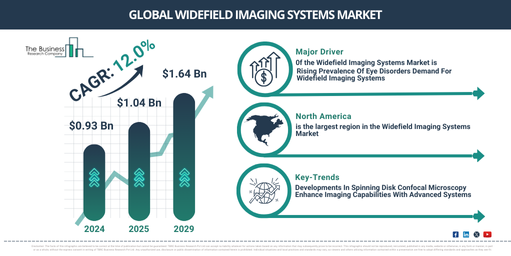
    The market size of widefield imaging systems has seen a significant increase in recent years, expecting to expand from $0.93 billion in 2024 to approximately $1.04 billion in 2025 with a Compound Annual Growth Rate (CAGR) of 12.3%. The historic growth can be credited to the increased demand for early medical diagnosis, more widespread use in ophthalmic clinics, a rise in the population affected by diabetes and other chronic diseases, a growing need for widefield imaging systems, and a rise in the elderly population.

    What Is the Forecast for the Widefield Imaging Systems Market Size Through 2029?

    The market size of widefield imaging systems is projected to witness significant growth in the forthcoming years. With an expected compound annual growth rate (CAGR) of 12.0%, it is anticipated to reach $1.64 billion by 2029. Factors contributing to this growth during the predicted period include an escalating number of visual impairment cases, development of healthcare infrastructure, increased incidence of neurological diseases, rising needs within ophthalmology and dermatology sectors, and a growing prevalence of diabetic retinopathy. Technological improvements, progressed ophthalmic imaging technology, developments in medical sector, advancements in healthcare, and the enhancement of imaging sensor technology, are the major trends expected to influence the market during the forecast period.

    Download The Free Sample Report Here:

    https://www.thebusinessresearchcompany.com/sample.aspx?id=19757&type=smp

    What are the Key Market Players in Widefield Imaging Systems Market and How They’re Evolving?

    Major companies operating in the widefield imaging systems market are Thermo Fisher Scientific Inc., Canon Inc., Agilent Technologies Inc., Olympus Corporation, Bruker Corporation, Carl Zeiss AG, Topcon Corporation, Avenova Inc., Leica Microsystems GmbH, Thorlabs Inc., Oxford Instruments PLC, Optos PLC, Nikon Instruments Inc., Heidelberg Engineering GmbH, Forus Health Pvt Ltd., Ocular Instruments Inc., Visunex Medical Systems Inc., Clarity Medical Systems Inc., Epipole Ltd., Nidek Co. Ltd.

    What Are the Primary Growth Drivers in the Widefield Imaging Systems Market?

    The escalating incidence of eye diseases is predicted to drive the advancement of the widefield imaging systems market in the future. Various conditions that impact vision and the eyes come under the umbrella of eye disorders. Numerous factors such as lifestyle modifications, environmental impacts, and an aging demographic contribute to the escalating prevalence of eye diseases. Widefield imaging systems yield considerable benefits in terms of diagnosing, tracking, and handling eye diseases, resulting in superior patient outcomes by aiding in thorough retinal imaging and early intervention. As per the National Eye Institute, a governmental agency in the US, about 1.3 million Americans were reported to have a vision disorder in 2024, and by 2030 this number is expected to rise to 2.2 million blind individuals. Consequently, the rising incidence of eye diseases influences the growth of the widefield imaging systems market.

    Request For A Customized Report:

    https://www.thebusinessresearchcompany.com/customise?id=19757&type=smp

    What Are the Leading Segments in the Global Widefield Imaging Systems Industry?

    The widefield imaging systemsmarket covered in this report is segmented –

    1) By Component: Instrument, Software

    2) By Modality: Standalone, Portable

    3) By Indication: Diabetic Retinopathy, Retinopathy Of Prematurity, Pediatric Retinal Diseases, Retinal Vein Occlusion, Ocular Oncology, Uveitis, Chorioretinal Disease, Glaucoma, Other Indications

    4) By End-User: Specialty Clinics, Hospitals, Ambulatory Surgical Centers (ASCs)

    Subsegments:

    1) By Instrument: Cameras (CCD, CMOS), Microscopes, Lenses, Light Sources, Detectors, Objective Lenses, Filters and Accessories

    2) By Software: Image Analysis Software, Image Processing Software, Data Management Software, Visualization Software, 3D Imaging Software, AI-Powered Software

    What Are the Key Market Trends in the Widefield Imaging Systems Industry?

    Prominent players in the widefield imaging systems market are keen on innovating new solutions like the spinning disk confocal microscope systems to bolster imaging capacities. These systems offer higher resolution, faster imaging speeds, and advanced optical sectioning for comprehensive and precise evaluation of biological samples, while also allowing for the coverage of extensive fields of view. The spinning disk confocal microscope system is a sophisticated confocal microscope that employs a quickly spinning disk with numerous pinholes to facilitate high-speed, high-resolution imaging of biological samples. As an example, CrestOptics, a medical equipment provider based in Italy, inaugurated the CICERO system in April 2023. This state-of-the-art spinning disk confocal microscope system was designed to enrich research competencies by delivering supreme imaging and analysis equipment for cell biology, molecular biology, and pharmacology disciplines. This multi-purpose answer for widefield and spinning disk confocal microscopy enables scientists to perform an array of imaging applications, making advanced fluorescence imaging more obtainable for laboratories.

    Access The Full Report Here:

    https://www.thebusinessresearchcompany.com/report/widefield-imaging-systems-global-market-report

    What Is the Regional Outlook for the Widefield Imaging Systems Market?

    North America was the largest region in the widefield imaging systems market in 2024. Europe is expected to be the fastest-growing region in the forecast period. The regions covered in the widefield imaging systems market report are Asia-Pacific, Western Europe, Eastern Europe, North America, South America, Middle East, Africa.

    Purchase The Full Report Today:

    https://www.thebusinessresearchcompany.com/purchaseoptions.aspx?id=19757

    This Report Delivers Insight On:

    1. How big is the widefield imaging systems market, and how is it changing globally?

    2. Who are the major companies in the widefield imaging systems market, and how are they performing?

    3. What are the key opportunities and risks in the widefield imaging systems market right now?

    4. Which products or customer segments are growing the most in the widefield imaging systems market?

    5. What factors are helping or slowing down the growth of the widefield imaging systems market?

    About The Business Research Company:

    With over 15000+ reports from 27 industries covering 60+ geographies, The Business Research Company has built a reputation for offering comprehensive, data-rich research and insights. Armed with 1,500,000 datasets, the optimistic contribution of in-depth secondary research, and unique insights from industry leaders, you can get the information you need to stay ahead in the game.

    Get in touch with us:

    The Business Research Company: https://www.thebusinessresearchcompany.com/

    Americas +1 310-496-7795

    Asia +44 2071930708

    Europe +44 7882 955267

    Email us at info@tbrc.info

    Follow us on:

    LinkedIn: https://in.linkedin.com/company/the-business-research-company

    YouTube: https://www.youtube.com/channel/UC24_fI0rV8cR5DxlCpgmyFQ

    Global Market Model: https://www.thebusinessresearchcompany.com/global-market-model
  • Wearable Infusion Pumps Industry Valued at $2.16 Billion by 2029 With CAGR of 9.5% | Size and Share Insights

    Wearable Infusion Pumps Industry Valued at $2.16 Billion by 2029 With CAGR of 9.5% | Size and Share Insights

    Claim your 30% discount on Global Market Reports with code ONLINE30. Limited time only.

    What Are the Projected Market Size and Growth Rates for the Wearable Infusion Pumps Market From 2025 To 2029?

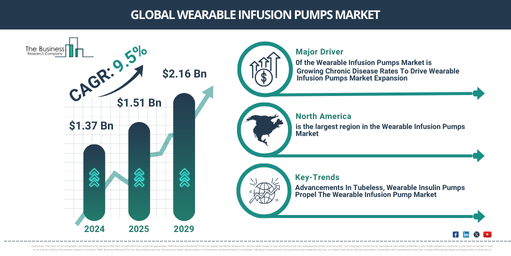
    The market size of wearable infusion pumps has seen robust growth recently. The market which was valued at $1.37 billion in 2024, is projected to rise to $1.51 billion in 2025, with a compound annual growth rate (CAGR) of 9.8%. Factors contributing to this growth during the historical period include the increasing incidences of chronic illnesses, a growing elderly population, an escalation in global healthcare expenditure, enhanced awareness and education, along with advancements in drug formulations.

    What Is the Projected Market Size of the Wearable Infusion Pumps Market?

    Anticipated to yield a robust growth, the wearable infusion pumps industry size is predicted to surge to $2.16 billion in 2029 with a compound annual growth rate, CAGR, of 9.5%. Numerous elements account for this expansion during the expected timeframe such as the escalating prevalence of chronic diseases, the rise in the globally aging populace, the rising preference of patients for minor invasive therapeutic avenues, and the evolution and improvement of healthcare facilities in nascent markets. Upcoming trends that are projected within this period encompass the assimilation of cutting-edge technologies, the creation of diminutive, unobtrusive apparatus, personalized infusion configuration and dosage alteration, as well as advanced data analytics.

    Download The Free Sample Report Here:

    https://www.thebusinessresearchcompany.com/sample.aspx?id=19756&type=smp

    Who are the Major Competitors in the Wearable Infusion Pumps Market Outlook?

    Major companies operating in the wearable infusion pumps market are Fresenius SE & Co. KGaA, Medtronic Plc, Medline Industries Inc., Becton Dickinson and Company, Baxter International Inc., B. Braun Melsungen AG, Nipro Corporation, ICU Medical Inc., Insulet Corporation, Sorenson Medical, Avanos Medical Inc., Vygon SA, pfm medical GmbH, Eitan Medical, Micrel Medical Devices SA, Zyno Medical LLC, Q-Core Medical Ltd., Epic Medical Solutions, MOOG Inc., Smiths Medical International Ltd

    What Is Fueling Growth in the Wearable Infusion Pumps Market?

    The growth of the wearable infusion pump market is poised to be propelled by the escalating prevalence of chronic diseases. These long-lasting health issues typically develop gradually and persist for more than a year, often necessitating sustained medical care. The primary chronic diseases include heart disease, cancer, diabetes, and arthritis. The incidence rate of these diseases is increasing due to factors like genetic predisposition, environmental elements, and lifestyle risks such as poor diet, inadequate exercise, and toxin exposure. Wearable infusion pumps are beneficial to patients with chronic diseases by offering consistent, accurate medication delivery, encouraging adherence, and maximizing treatment. In a demonstration of this trend, the National Health Service reported in June 2024 that in England, 3,615,330 individuals were registered with a GP for non-diabetic hyperglycemia (pre-diabetes) in 2023. This number indicates an 18% increase from 3,065,825 in 2022, underscoring a significant rise in pre-diabetes cases year after year. Consequently, the growing prevalence of chronic diseases is expected to fuel the wearable infusion pump market.

    Request For A Customized Report:

    https://www.thebusinessresearchcompany.com/customise?id=19756&type=smp

    Which Wearable Infusion Pumps Market Segments Are Growing the Fastest?

    The wearable infusion pumpsmarket covered in this report is segmented –

    1) By Type: Electronic Ambulatory Infusion Pumps, Patient-Controlled Analgesia (PCA) Pumps, Large Volume Pumps, Syringe Pumps, Other Types

    2) By Usage: Disposable, Reusable

    3) By Application: Diabetes, Antibiotic Infusion, Chemotherapy, Pain Management, Parkinson’s Disease, Other Applications

    Subsegments:

    1) Electronic Ambulatory Infusion Pumps: Portable Infusion Pumps, Implantable Infusion Pumps

    2) Patient-Controlled Analgesia (PCA) Pumps: Continuous PCA Pumps, Demand PCA Pumps

    3) Large Volume Pumps: Volumetric Pumps, Gravity Pumps

    4) Syringe Pumps: Infusion Syringe Pumps, Ambulatory Syringe Pumps

    5) Other Types: Insulin Pumps, Chemotherapy Pumps

    Which Industry Trends Are Shaping the Future of the Wearable Infusion Pumps Market?

    Leading firms in the wearable infusion pump sector are innovating new products like tubeless, wearable, and disposable insulin pumps aimed at increasing user-friendly experience, enhancing treatment compliance, and offering more discreet and effective means of insulin delivery for diabetes management. A tubeless, wearable, and disposable insulin pump is a compact device attached to the skin that enables consistent insulin delivery without the need for any external tubes, and is replaced after a designated duration. For example, in February 2023, GulfDrug LLC, a UAE healthcare firm, introduced EOPatch, a breakthrough product which is a tubeless, wearable, and disposable insulin pump that can be operated directly via Android and iOS devices using the Narsha app. The pump offers up to 84 hours of continuous insulin delivery, simplifies the replacement cycle to twice each week, and is capable of syncing with certain blood glucose meters through Bluetooth. The Narsha app, approved as the first smartphone application for this use, integrates insulin delivery control and diabetes data management, thus doing away with the need for a separate controller.

    Access The Full Report Here:

    https://www.thebusinessresearchcompany.com/report/wearable-infusion-pumps-global-market-report

    Which Countries Are Leading the Wearable Infusion Pumps Market?

    North America was the largest region in the wearable infusion pump market in 2024. Asia-Pacific is expected to be the fastest-growing region in the forecast period. The regions covered in the wearable infusion pumps market report are Asia-Pacific, Western Europe, Eastern Europe, North America, South America, Middle East, Africa.

    Purchase The Full Report Today:

    https://www.thebusinessresearchcompany.com/purchaseoptions.aspx?id=19756

    This Report Delivers Insight On:

    1. How big is the wearable infusion pumps market, and how is it changing globally?

    2. Who are the major companies in the wearable infusion pumps market, and how are they performing?

    3. What are the key opportunities and risks in the wearable infusion pumps market right now?

    4. Which products or customer segments are growing the most in the wearable infusion pumps market?

    5. What factors are helping or slowing down the growth of the wearable infusion pumps market?

    About The Business Research Company:

    With over 15000+ reports from 27 industries covering 60+ geographies, The Business Research Company has built a reputation for offering comprehensive, data-rich research and insights. Armed with 1,500,000 datasets, the optimistic contribution of in-depth secondary research, and unique insights from industry leaders, you can get the information you need to stay ahead in the game.

    Get in touch with us:

    The Business Research Company: https://www.thebusinessresearchcompany.com/

    Americas +1 310-496-7795

    Asia +44 2071930708

    Europe +44 7882 955267

    Email us at info@tbrc.info

    Follow us on:

    LinkedIn: https://in.linkedin.com/company/the-business-research-company

    YouTube: https://www.youtube.com/channel/UC24_fI0rV8cR5DxlCpgmyFQ

    Global Market Model: https://www.thebusinessresearchcompany.com/global-market-model
  • Vitamin E Market to Reach $3.97 Billion by 2029 | Key Drivers and Future Outlook

    Vitamin E Market to Reach $3.97 Billion by 2029 | Key Drivers and Future Outlook

    Claim your 30% discount on Global Market Reports with code ONLINE30. Limited time only.

    What Is the Estimated Market Size of the Vitamin E Market In 2029?

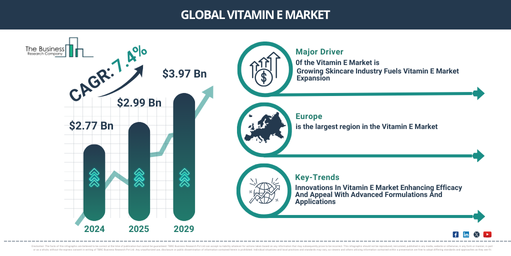
    The value of the Vitamin E market has been substantially expanding in recent years. The projected growth sees it rising from $2.77 billion in 2024 to $2.99 billion in 2025, with a Compound Annual Growth Rate (CAGR) of 7.7%. The historic increase can be associated with factors such as the surge in dietary supplement intake, fortification of animal feed, growing attentiveness to health matters, demands from the cosmetics sector, and an aging population.

    What Growth Rate Is Forecasted for the Vitamin E Market by 2029?

    There is an anticipation for the vitamin E market size to witness significant expansion in the forthcoming years. It is predicted to reach a worth of $3.97 billion by 2029, with a compound annual growth rate (CAGR) of 7.4%. This projected growth in the forecast period can be credited to the escalated demand for functional foods, expansion in aquaculture, an increased incidence of chronic diseases, and growing uses in the pharmaceutical sector. Additionally, a consumer shift towards natural products also contributes to the growth. During the forecast period, major trends including product introductions, individualized nutrition, clean labelled items, plant-based alternatives, and growing investment in research and development are expected to be observed.

    Download The Free Sample Report Here:

    https://www.thebusinessresearchcompany.com/sample.aspx?id=19753&type=smp

    Which Key Companies Are Shaping the Future of the Vitamin E Market?

    Major companies operating in the vitamin e market are Archer Daniels Midland Company (ADM), BASF SE, Brenntag AG, Evonik Industries AG, Kao Corporation, DSM Nutritional Products, Amway Corporation, Lonza Group AG, Glanbia Plc, Alfa Laval AB, Herbalife Nutrition Ltd., Sime Darby Plantation Berhad, Lubrizol Corporation, Kemin Industries Inc., Schwabe Group, Vitamin Shoppe Industries Inc., Naturex SA, Swanson Health Products Inc., Nature’s Way Products LLC, AstaReal AB, Kensing LLC, NutriScience Innovations LLC, Vitae Naturals, Hawkins Watts Limited

    Which Factors Are Driving Demand in the Vitamin E Industry?

    The growth of the vitamin E market is anticipated to be driven by the escalating consumer demand for skincare products. Such products comprise an extensive array of items specifically designed to improve and maintain skin health. The rising awareness of skincare, often amplified by the influence of social media, has amplified the demand for these products. Additionally, the surge in online shopping combined with constant innovation in skincare product range entices customers looking for efficient solutions. Vitamin E, a versatile and beneficial ingredient, offers moisturizing, protective, and healing properties catering to diverse skin types and issues. For example, The Cosmetic, Toiletry, and Perfumery Association, a UK-based organization, reported in May 2023 that skin care product sales amounted to 479,569 units in 2022, in contrast to the 461,472 units in 2021. Hence, the growing demand for skin care products is fueling the vitamin E market expansion.

    Request For A Customized Report:

    https://www.thebusinessresearchcompany.com/customise?id=19753&type=smp

    How Is the Vitamin E Market Segmented by Several Divisions?

    The vitamin emarket covered in this report is segmented –

    1) By Type: Tocopherol Vitamin E Products, Tocotrienol Vitamin E Products

    2) By Source: Naturally-Sourced Vitamin E, Synthetically-Sourced Vitamin E

    3) By Application: Dietary Supplements, Animal Feed, Food And Beverages, Cosmetics, Other Applications

    Subsegments:

    1) Tocopherol Vitamin E Products: Alpha-Tocopherol, Beta-Tocopherol, Gamma-Tocopherol, Delta-Tocopherol

    2) Tocotrienol Vitamin E Products: Alpha-Tocotrienol, Beta-Tocotrienol, Gamma-Tocotrienol, Delta-Tocotrienol

    What are the Emerging Market Trends Driving the Growth of the Vitamin E Industry?

    Leading organizations in the vitamin E market are focusing on improving health products through innovative ingredient mixes and formulations like vitamin E creams. These are designed to deliver a range of health benefits while catering to diverse customer requirements across different sectors. Vitamin E cream, a product used externally for skincare, is packed with the antioxidant-rich vitamin E that aids in moisturizing, safeguarding, and healing the skin. For example, in April 2024, P&G Healths Evion, a pharmaceutical products manufacturer based in India, launched a Vitamin E Cream that merges Vitamin E with Aloe Vera aiming to boost skin nourishment and encourage a glowing look. This includes progress in both organic and synthetic types of Vitamin E and groundbreaking applications in numerous sectors such as cosmetics, dietary supplements, and functional foods. The health benefits conferred by vitamin E make it an essential component in health and wellness products.

    Access The Full Report Here:

    https://www.thebusinessresearchcompany.com/report/vitamin-e-global-market-report

    Which Regions Are Driving Growth in the Vitamin E Market?

    Europe was the largest region in the vitamin E market in 2024. Asia-Pacific is expected to be the fastest-growing region in the forecast period. The regions covered in the vitamin e market report are Asia-Pacific, Western Europe, Eastern Europe, North America, South America, Middle East, Africa.

    Purchase The Full Report Today:

    https://www.thebusinessresearchcompany.com/purchaseoptions.aspx?id=19753

    This Report Delivers Insight On:

    1. How big is the vitamin e market, and how is it changing globally?

    2. Who are the major companies in the vitamin e market, and how are they performing?

    3. What are the key opportunities and risks in the vitamin e market right now?

    4. Which products or customer segments are growing the most in the vitamin e market?

    5. What factors are helping or slowing down the growth of the vitamin e market?

    About The Business Research Company:

    With over 15000+ reports from 27 industries covering 60+ geographies, The Business Research Company has built a reputation for offering comprehensive, data-rich research and insights. Armed with 1,500,000 datasets, the optimistic contribution of in-depth secondary research, and unique insights from industry leaders, you can get the information you need to stay ahead in the game.

    Get in touch with us:

    The Business Research Company: https://www.thebusinessresearchcompany.com/

    Americas +1 310-496-7795

    Asia +44 2071930708

    Europe +44 7882 955267

    Email us at info@tbrc.info

    Follow us on:

    LinkedIn: https://in.linkedin.com/company/the-business-research-company

    YouTube: https://www.youtube.com/channel/UC24_fI0rV8cR5DxlCpgmyFQ

    Global Market Model: https://www.thebusinessresearchcompany.com/global-market-model
  • Virtual Intensive Care Unit (ICU) Market Size to Exceed $12.33 Billion by 2029 | Growth and Industry Trends

    Virtual Intensive Care Unit (ICU) Market Size to Exceed $12.33 Billion by 2029 | Growth and Industry Trends

    Claim your 30% discount on Global Market Reports with code ONLINE30. Limited time only.

    How Fast Is The Virtual Intensive Care Unit (ICU) Market Expected to Grow Between 2025 And 2029?

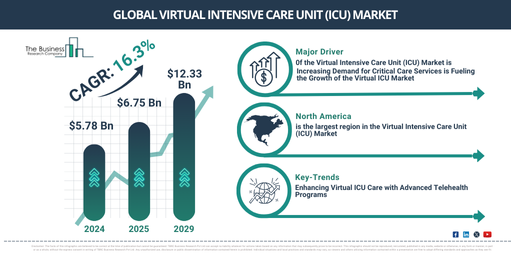
    The market for the virtual Intensive Care Unit (ICU) has seen a significant surge in its size in the recent past. The market, which was valued at $5.78 billion in 2024, is expected to reach a value of $6.75 billion in 2025, indicating a compound annual growth rate (CAGR) of 16.6%. This notable growth over the historic period is a result of several factors such as a lack of ICU beds and manpower, encouraging policies implemented by the government, expensive hospitalization costs, beneficial telemedicine service reimbursement policies, and an increase in education and awareness.

    What Growth Rate Is Anticipated for the Virtual Intensive Care Unit (ICU) Market in the Coming Years?

    The market size for the virtual intensive care unit (ICU) is set to experience swift expansion in the forthcoming years, with forecasts predicting it to reach $12.33 billion in 2029 with a compound annual growth rate (CAGR) of 16.3%. Factors contributing to this predicted growth during the forecast period can be linked to improved patient results, the shift towards value-based care models, the rise of healthcare consumerism, enhanced cybersecurity investments, and the launch of remote training schemes. Notable forthcoming trends in this period include the integration with Electronic Health Records (EHR) systems, advancements in home healthcare tech, sophisticated data analytics, inclusion of IoT devices in healthcare, and compatibility with wearable devices.

    Download The Free Sample Report Here:

    https://www.thebusinessresearchcompany.com/sample.aspx?id=19752&type=smp

    Who Are the Leading Companies in the Virtual Intensive Care Unit (ICU) Market?

    Major companies operating in the virtual intensive care unit (ICU) market are Cisco Systems Inc., Oracle Corporation, Honeywell International Inc., Medtronic plc, UPMC, Siemens Healthineers AG, Koninklijke Philips N.V., GE HealthCare Technologies Inc., Atrium Health, Banner Health, Oregon Health & Science University, ResMed Inc., Hill-Rom Holdings Inc., Inova Health System, Teladoc Health Inc., Masimo Corporation, Nihon Kohden Corporation, Parkland Health, American Well Corporation, Caregility Corporation, Hicuity Health Inc., Society of Critical Care Medicine, Eagle Telemedicine, HealthNet Global, Apollo TeleHealth Services Private Limited

    What Are the Key Drivers of the Virtual Intensive Care Unit (ICU) Market?

    As the need for essential medical services increases, the virtual intensive care unit (ICU) market is predicted to expand. Essential medical services are the advanced healthcare treatments given to individuals facing severe conditions that require careful monitoring and aggressive therapy. The increased requirement for such services can be attributed to the growing occurrence of chronic diseases, an aging population, and increasing complexity of health issues. Virtual ICUs augment these critical care services through live remote check-ins and support from specialized intensivists, enhancing patient outcomes and resource utilization. This is particularly true in remote or underserved regions where immediate access to specialists may be lacking. For example, the National Health Service, a healthcare system based in the UK, reported in September 2022 that in 2021-22 the usable critical care records amounted to 246,286, showing a 4.6% rise from the 235,262 records reported in 2020-21. Consequently, the escalating requirement for essential medical services is pushing the growth of the virtual intensive care unit (ICU) market.

    Request For A Customized Report:

    https://www.thebusinessresearchcompany.com/customise?id=19752&type=smp

    What Are the Key Market Segments in the Virtual Intensive Care Unit (ICU) Industry?

    The virtual intensive care unit (ICU) market covered in this report is segmented –

    1) By Type: Traditional Medical Intensive Care Unit (ICU), Cardiac Care Unit, Neonatal Intensive Care Unit (ICU), Pediatric Intensive Care Unit (ICU), Trauma Intensive Care Unit (ICU), Psychiatric Intensive Care Unit (ICU), High-Dependency Unit, Other Types

    2) By Component: Software, Hardware

    3) By Technology: Machine Learning, Deep Learning, Artificial Intelligence, Other Technologies

    4) By End User: Payer, Patient, Provider

    Subsegments:

    1) Traditional Medical Intensive Care Unit (ICU): General Medical ICU, Surgical ICU, Respiratory ICU

    2) Cardiac Care Unit: Coronary Care Unit, Cardiac Surgery ICU

    3) Neonatal Intensive Care Unit (ICU): Level I Neonatal ICU, Level II Neonatal ICU, Level III Neonatal ICU

    4) Pediatric Intensive Care Unit (ICU): General Pediatric ICU, Cardiac Pediatric ICU, Neuro Pediatric ICU

    5) Trauma Intensive Care Unit (ICU): Surgical Trauma ICU, Medical Trauma ICU

    6) Psychiatric Intensive Care Unit (ICU): Adult Psychiatric ICU, Adolescent Psychiatric ICU

    7) High-Dependency Unit: Step-Down Unit, Intermediate Care Unit

    8) Other Types: Burn Unit, Post-Anesthesia Care Unit, Stroke Unit

    What Are the Latest Trends in the Virtual Intensive Care Unit (ICU) Market?

    Leading businesses in the virtual intensive care unit (ICU) market are investing in the creation of state-of-the-art solutions like telehealth programs. These initiatives aim to upgrade ICU care by enabling constant monitoring and consultations from experts, ultimately leading to better patient outcomes. Telehealth programs utilize advances in digital communication technology to provide medical care and services from a distance. Professionals in healthcare can thus observe patients, administer consultations, and give treatment recommendations without requiring face-to-face appointments. For example, VA New York Harbor Healthcare System, an American healthcare system, initiated the TeleCritical Care Program in the Brooklyn VA Medical Center in June 2022. TeleCritical Care (TeleCC) is a high-tech telehealth program enabling remote ICU physicians and nurses to assist with patient care via virtual tech and clinical information systems. This program improves both the quality and accessibility of intensive care expertise by allowing seamless monitoring and remote video assessments.

    Access The Full Report Here:

    https://www.thebusinessresearchcompany.com/report/virtual-intensive-care-unit-icu-global-market-report

    What Are the Key Regional Markets in the Virtual Intensive Care Unit (ICU) Industry?

    North America was the largest region in the virtual intensive care unit (ICU) market in 2024. Asia-Pacific is expected to be the fastest-growing region in the forecast period. The regions covered in the virtual intensive care unit (ICU) market report are Asia-Pacific, Western Europe, Eastern Europe, North America, South America, Middle East, Africa.

    Purchase The Full Report Today:

    https://www.thebusinessresearchcompany.com/purchaseoptions.aspx?id=19752

    This Report Delivers Insight On:

    1. How big is the virtual intensive care unit (icu) market, and how is it changing globally?

    2. Who are the major companies in the virtual intensive care unit (icu) market, and how are they performing?

    3. What are the key opportunities and risks in the virtual intensive care unit (icu) market right now?

    4. Which products or customer segments are growing the most in the virtual intensive care unit (icu) market?

    5. What factors are helping or slowing down the growth of the virtual intensive care unit (icu) market?

    About The Business Research Company:

    With over 15000+ reports from 27 industries covering 60+ geographies, The Business Research Company has built a reputation for offering comprehensive, data-rich research and insights. Armed with 1,500,000 datasets, the optimistic contribution of in-depth secondary research, and unique insights from industry leaders, you can get the information you need to stay ahead in the game.

    Get in touch with us:

    The Business Research Company: https://www.thebusinessresearchcompany.com/

    Americas +1 310-496-7795

    Asia +44 2071930708

    Europe +44 7882 955267

    Email us at info@tbrc.info

    Follow us on:

    LinkedIn: https://in.linkedin.com/company/the-business-research-company

    YouTube: https://www.youtube.com/channel/UC24_fI0rV8cR5DxlCpgmyFQ

    Global Market Model: https://www.thebusinessresearchcompany.com/global-market-model
  • Virology And Bacteriology Industry Insights 2025 – Market Forecast for Executives and Planners

    Virology And Bacteriology Industry Insights 2025 – Market Forecast for Executives and Planners

    Claim your 30% discount on Global Market Reports with code ONLINE30. Limited time only.

    #How Has The Virology And Bacteriology Market Size Shifted, And What Is the Outlook Through 2034?

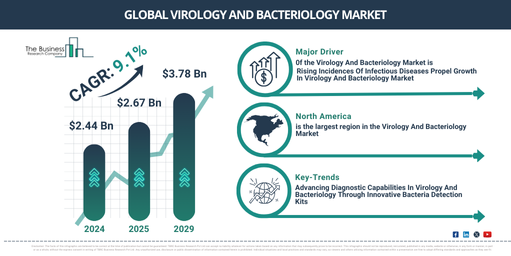
    In recent times, the virology and bacteriology sector has seen considerable growth. The market, which is expected to expand from $2.44 billion in 2024 to $2.67 billion in 2025, will do so at a compound annual growth rate (CAGR) of 9.5%. The surge in historical period growth can be credited to heightened global travel, increased demand for quick diagnostic tests, the growth of globalization, an upswing in zoonotic disease research, and an expansion in educational programs.

    How Much Will the Virology And Bacteriology Market Be Worth in 2029?

    In the coming years, the virology and bacteriology market is positioned for robust growth, with predictions indicating a rise to $3.78 billion in 2029, corresponding to a compound annual growth rate (CAGR) of 9.1%. Factors contributing to this projected growth in the forecast period include an increase in infectious diseases, expansion of global healthcare infrastructure, enlargement in research tasks, growing disposable income, and an increase in aerobic and anaerobic testing. Notable trends anticipated in the forecast period are technological progression, personalized medicine, incorporation of artificial intelligence, advancements in vaccine technology, and the rise of telemedicine.

    Download The Free Sample Report Here:

    https://www.thebusinessresearchcompany.com/sample.aspx?id=19751&type=smp

    Which is the Largest Company in the Virology And Bacteriology Market?

    Major companies operating in the virology and bacteriology market are F. Hoffmann-La Roche AG, Merck KGaA, Thermo Fisher Scientific Inc., Abbott Laboratories, Danaher Corporation, Siemens Healthineers AG, Becton Dickinson and Company, Laboratory Corporation of America Holdings, Agilent Technologies Inc., Hologic Inc., bioMérieux SA, Bio-Rad Laboratories Inc., Bruker Corporation, Cepheid Inc., Eiken Chemical Co. Ltd., NEOGEN Corporation, Cerba Research, Luminex Corporation, Fujirebio Diagnostics Inc., Trinity Biotech plc, Microbiologics Inc., Bionano Genomics Inc., Scienion GmbH, Quidel Corporation

    What Are the Main Market Drivers in the Virology And Bacteriology Industry?

    The virology and bacteriology market is predicted to expand due to an increase in infectious disease cases. Infectious diseases, caused by harmful microorganisms such as bacteria, viruses, fungi, or parasites, proliferate within the body and include illnesses such as influenza, tuberculosis (TB), HIV/AIDS, malaria among others. The rise in infectious diseases can be attributed to mounting challenges from pathogens, possibly as a result of factors such as globalization, urbanization, antimicrobial resistance, and environmental shifts. With the help of virology and bacteriology testing, these diseases can be diagnosed by identifying the specific pathogens causing the illness, which aids in appropriate treatment and management. The Centers for Disease Control and Prevention, a US governmental agency, reported in November 2023 that TB cases in the US saw a 5.9% increase, from 7,870 cases in 2021 to 8,331 cases in 2022. Hence, the growing occurrence of infectious diseases will stimulate the virology and bacteriology market’s growth.

    Request For A Customized Report:

    https://www.thebusinessresearchcompany.com/customise?id=19751&type=smp

    How Is the Virology And Bacteriology Market Segments Structured?

    The virology and bacteriologymarket covered in this report is segmented –

    1) By Product: Equipment, Reagents

    2) By Technology: Molecular Diagnostics, Immunoassays, Diagnostic Imaging, Information Technology

    3) By End User: Hospitals, Diagnostic Centers, Research Laboratories, Blood Banks

    Subsegments:

    1) Equipment: Laboratory Equipment, Diagnostic Instruments

    2) Reagents: Culture Media, Detection Kits

    What Strategic Trends Are Transforming the Virology And Bacteriology Market?

    Firms that are prominent in the virology and bacteriology market are directing their efforts towards the creation of novel products, like bacteria detection kits, to improve diagnostic methods and tackle issues related to infectious diseases. Bacteria detection kits are diagnostic instruments designed to recognize and study the existence of bacteria in multiple samples, including blood, urine, food, and environmental specimens. For instance, in December 2023, a partnership between HiMedia Laboratories LLC, a bioscience company located in India, and NG Biotech, a in vitro diagnostic tool producer based in France, led to the launch of NG-Test CARBA 5 kits. These kits, used in detecting carbapenemase-producing bacteria, received approval from the Central Drugs Standard Control Organization (CDSCO). The kits are designed with sophisticated technology that accurately detects a wide range of bacteria resistant to antimicrobials, including those generating enzymes like carbapenemases. They deliver quick and trustworthy results, thus enabling prompt decision-making in clinical environments. Additionally, these kits are user-friendly and compatible with diverse sample types, such as blood, urine, and environmental specimens.

    Access The Full Report Here:

    https://www.thebusinessresearchcompany.com/report/virology-and-bacteriology-global-market-report

    Which Global Regions Offer the Highest Growth in the Virology And Bacteriology Market?

    North America was the largest region in the virology and bacteriology market in 2024. The regions covered in the virology and bacteriology market report are Asia-Pacific, Western Europe, Eastern Europe, North America, South America, Middle East, Africa.

    Purchase The Full Report Today:

    https://www.thebusinessresearchcompany.com/purchaseoptions.aspx?id=19751

    This Report Delivers Insight On:

    1. How big is the virology and bacteriology market, and how is it changing globally?

    2. Who are the major companies in the virology and bacteriology market, and how are they performing?

    3. What are the key opportunities and risks in the virology and bacteriology market right now?

    4. Which products or customer segments are growing the most in the virology and bacteriology market?

    5. What factors are helping or slowing down the growth of the virology and bacteriology market?

    About The Business Research Company:

    With over 15000+ reports from 27 industries covering 60+ geographies, The Business Research Company has built a reputation for offering comprehensive, data-rich research and insights. Armed with 1,500,000 datasets, the optimistic contribution of in-depth secondary research, and unique insights from industry leaders, you can get the information you need to stay ahead in the game.

    Get in touch with us:

    The Business Research Company: https://www.thebusinessresearchcompany.com/

    Americas +1 310-496-7795

    Asia +44 2071930708

    Europe +44 7882 955267

    Email us at info@tbrc.info

    Follow us on:

    LinkedIn: https://in.linkedin.com/company/the-business-research-company

    YouTube: https://www.youtube.com/channel/UC24_fI0rV8cR5DxlCpgmyFQ

    Global Market Model: https://www.thebusinessresearchcompany.com/global-market-model
  • Venous Ulcer Treatment Market Trends Report 2025 – For Business Development and Strategy Teams

    Claim your 30% discount on Global Market Reports with code ONLINE30. Limited time only.

    #How Has the Venous Ulcer Treatment Market Growth Performance Trended Historically, And What Lies Ahead?

    Recent years have seen solid expansion in the venous ulcer treatment market. It is projected to raise from $3.08 billion in 2024 to $3.32 billion in 2025, with a compound annual growth rate (CAGR) of 7.6%. Various factors have contributed to this growth during the historic period, including an aging population suffering more frequently from chronic pain, a rise in sports injuries due to elevated participation, a higher number of physically demanding jobs resulting in musculoskeletal disorders, inactive lifestyles leading to muscle pain and stiffness, and poor exercise habits resulting in muscle wasting and discomfort.

    What Is the Forecast for the Venous Ulcer Treatment Market Size Through 2029?

    The market size of venous ulcer treatment is projected to experience substantial growth in the ensuing years. It is anticipated to expand to $4.38 billion in 2029, with a compound annual growth rate (CAGR) of 7.2%. This growth during the forecasted period can be credited to the increased acceptance of non-opioid and non-invasive pain management therapies, heightened healthcare spending, growing demand for efficient pain management solutions, the approval of novel pain management treatments and devices, a greater focus on preventive healthcare to alleviate chronic pain conditions, as well as the growing popularity of alternative therapy methods such as acupuncture and chiropractic care. Some of the major trends to be observed during the forecast period are the use of telehealth and virtual consults for managing pain, the creation of wearable devices for pain relief and smart apparel, breakthroughs in biopharmaceuticals for pain relief, AI-guided personalized pain management strategies, and regenerative medical procedures for tissue restoration and pain diminution.

    Download The Free Sample Report Here:

    https://www.thebusinessresearchcompany.com/sample.aspx?id=19749&type=smp

    What are the Key Market Players in Venous Ulcer Treatment Market and How They’re Evolving?

    Major companies operating in the venous ulcer treatment market are Johnson & Johnson, Bayer AG, Sanofi SA, Bristol-Myers Squibb Company, AstraZeneca plc, Medtronic plc, Becton Dickinson and Company, Cardinal Health Inc., Essity Aktiebolag, Medline Industries Inc., Select Medical Holdings Corporation, Smith & Nephew plc, Coloplast A/S, 3M Company, ConvaTec Group plc, Integra LifeSciences Holdings Corporation, Organogenesis Holdings Inc., Mölnlycke Health Care AB, Mimedx Group Inc., Tissue Regenix Group plc

    What Are the Primary Growth Drivers in the Venous Ulcer Treatment Market?

    The upward trend in chronic diseases is anticipated to fuel the expansion of the venous ulcer treatment market. Chronic diseases are enduring health issues that evolve slowly and endure over a lengthy duration, typically requiring ongoing healthcare supervision. This surge in chronic diseases is attributed to an interplay of elements like ageing demographics, dormant lifestyles, inadequate dietary practices, increasing obesity levels, and escalating presence of risk elements such as smoking and alcohol overuse. Venous ulcer therapies are employed to control chronic diseases by treating ulcers caused by poor blood flow and long-standing venous insufficiency, typically observed in ailments like diabetes and chronic venous illness. For instance, as per the National Center for Biotechnology Information (NCBI), a US-based medicine library, in January 2023, the count of individuals aged 50 and above with at least one chronic ailment is likely to surge by 99.5% by 2050, escalating from 71.52 million in 2020 to 142.66 million. Consequently, the escalating prevalence of chronic diseases is propelling the expansion of the venous ulcer treatment market.

    Request For A Customized Report:

    https://www.thebusinessresearchcompany.com/customise?id=19749&type=smp

    What Are the Leading Segments in the Global Venous Ulcer Treatment Industry?

    The venous ulcer treatmentmarket covered in this report is segmented –

    1) By Diseases Type: Arterial Ulcers, Neurotropic Ulcer, Venous Ulcers, Diabetic Ulcers

    2) By Treatment Type: Compression Therapy, Surgical Therapy, Skin Grafting, Advanced Wound Dressing

    3) By End-Use: Hospitals, Clinics, Home Care Settings

    Subsegments:

    1) By Arterial Ulcers: Ischemic Ulcers, Atherosclerotic Ulcers, Mixed Arterial-Venous Ulcers

    2) By Neurotropic Ulcer: Pressure Ulcers, Neuropathic Foot Ulcers, Spinal Cord Injury Ulcers

    3) By Venous Ulcers: Superficial Venous Ulcers, Deep Vein Insufficiency Ulcers, Mixed Etiology Ulcers

    4) By Diabetic Ulcers: Diabetic Foot Ulcers, Neuropathic Diabetic Ulcers, Ischemic Diabetic Ulcers

    What Are the Key Market Trends in the Venous Ulcer Treatment Industry?

    Leading firms in the venous ulcer treatment industry are concentrating their efforts on the creation of groundbreaking technologies like dual-syringe systems to enhance the efficacy and ease of wound therapy. Dual-syringe systems are unique medical equipment utilized for the parallel or successive administration of two components, frequently in wound therapy, injections, or medication delivery. For example, in March 2024, Integra LifeSciences Holdings Corporation, a medical device firm from the US, introduced MicroMatrix Flex, a dual-syringe system that facilitates easy blending and accurate dispensing. This revolutionary creation features a superior delivery system that makes it easy to access areas that are typically difficult to reach, ensuring that complicated venous ulcers receive thorough treatment. Its adaptable design can accommodate a variety of wound types and sizes, increasing treatment coverage and efficiency. Additionally, the device is constructed with an inventive material that aids wound healing and reduces discomfort for patients.

    Access The Full Report Here:

    https://www.thebusinessresearchcompany.com/report/venous-ulcer-treatment-global-market-report

    What Is the Regional Outlook for the Venous Ulcer Treatment Market?

    North America was the largest region in the venous ulcer treatment market in 2024. Asia-Pacific is expected to be the fastest-growing region in the forecast period. The regions covered in the venous ulcer treatment market report are Asia-Pacific, Western Europe, Eastern Europe, North America, South America, Middle East, Africa.

    Purchase The Full Report Today:

    https://www.thebusinessresearchcompany.com/purchaseoptions.aspx?id=19749

    This Report Delivers Insight On:

    1. How big is the venous ulcer treatment market, and how is it changing globally?

    2. Who are the major companies in the venous ulcer treatment market, and how are they performing?

    3. What are the key opportunities and risks in the venous ulcer treatment market right now?

    4. Which products or customer segments are growing the most in the venous ulcer treatment market?

    5. What factors are helping or slowing down the growth of the venous ulcer treatment market?

    About The Business Research Company:

    With over 15000+ reports from 27 industries covering 60+ geographies, The Business Research Company has built a reputation for offering comprehensive, data-rich research and insights. Armed with 1,500,000 datasets, the optimistic contribution of in-depth secondary research, and unique insights from industry leaders, you can get the information you need to stay ahead in the game.

    Get in touch with us:

    The Business Research Company: https://www.thebusinessresearchcompany.com/

    Americas +1 310-496-7795

    Asia +44 2071930708

    Europe +44 7882 955267

    Email us at info@tbrc.info

    Follow us on:

    LinkedIn: https://in.linkedin.com/company/the-business-research-company

    YouTube: https://www.youtube.com/channel/UC24_fI0rV8cR5DxlCpgmyFQ

    Global Market Model: https://www.thebusinessresearchcompany.com/global-market-model

  • Polymer Biomaterial Industry Insights 2025 – Market Forecast for Executives and Planners

    Polymer Biomaterial Industry Insights 2025 – Market Forecast for Executives and Planners

    Claim your 30% discount on Global Market Reports with code ONLINE30. Limited time only.

    #How Has The Polymer Biomaterial Market Size Shifted, And What Is the Outlook Through 2034?

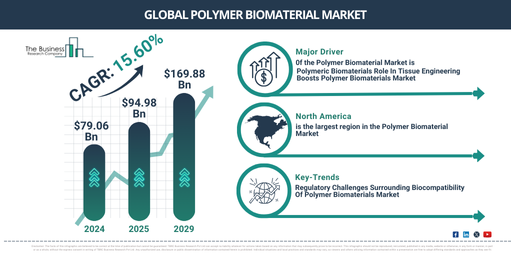
    The market size of polymer biomaterials has seen exceptional growth in the past years. It is predicted to expand from $79.06 billion in the year 2024, to $94.98 billion in 2025, achieving a compound annual growth rate (CAGR) of 20.1%. Factors that contributed to the historic period’s growth include a heightened demand for medical devices, increased understanding of the advantages of polymer biomaterials, a rise in chronic disease occurrences, and growing demand for polymer biomaterials in the field of ophthalmology.

    How Much Will the Polymer Biomaterial Market Be Worth in 2029?

    In the upcoming years, the polymer biomaterial market is predicted to experience swift expansion, escalating to a market size of $169.88 billion by 2029, with a compound annual growth rate (CAGR) of 15.6%. The predicted growth within the forecasted period can be credited to factors such as personalized and tailor-made medicine, regenerative medicine, advancements in 3D printing and biofabrication, as well as an aging demographic. The forecast period also forecasts key trends including enhanced drug delivery mechanisms, the integration of nanotechnology, bioresorbable polymers, combination therapies, advancements in biocompatibility, as well as the rise of sustainable, biodegradable and smart, responsive materials.

    Download The Free Sample Report Here:

    https://www.thebusinessresearchcompany.com/sample.aspx?id=3416&type=smp

    Which is the Largest Company in the Polymer Biomaterial Market?

    Major companies operating in the polymer biomaterial market include BASF SE, Corbion N.V., Zimmer Biomet Holdings Inc., Royal DSM N.V., Covestro AG, Evonik Industries AG, Starch Medical Inc., Victrex plc, W. L. Gore and Associates Inc., Bayer AG, DSM Biomedical B.V., Purac Biomaterials, Ticona LLC, Invibo LLC, Covalon Technologies Ltd., Osteotech Inc., Medtronic plc, Stryker Corporation, Synthes Inc., Mitsui & Co. Ltd., Polyfibre Industries Pte Ltd., Toray Industries Inc., Stein Fibers Ltd., Diyou Fiber Corporation, Bezwada Biomedical LLC, Collagen Solutions plc, Cam Bioceramics B.V., CeramTec GmbH, Gelita AG, AorTech Biomaterials Pty Ltd., Berkeley Advanced Biomaterials Inc., Biocomposites Ltd., BioHorizons IPH Inc., Biomerics LLC, Bioteque Corporation, Carpenter Technology Corporation, CollPlant Holdings Ltd., CoorsTek Inc., EndoShape Inc., Heraeus Medical Components LLC, Kyocera Corporation, PolyNovo Biomaterials Pty Ltd., Secant Group LLC

    What Are the Main Market Drivers in the Polymer Biomaterial Industry?

    The rise in the usage of polymeric biomaterials in tissue engineering is largely contributing to the expansion of the global polymer biomaterials market. Because of their adaptability and a broad range of qualities such as the capability to modify the physical, chemical, and mechanical attributes of damaged tissues during synthesis, polymers are widely employed in regenerative medicine and tissue engineering. Functional group alteration aligns with the tissue regeneration abilities of various organs. Alongside their biodegradable nature, these elements also provide an assortment of geometries and structures, satisfying specific tissue engineering necessities. This escalating usage of polymer biomaterials in tissue engineering applications is anticipated to propel the market’s expansion in the projected period.

    Request For A Customized Report:

    https://www.thebusinessresearchcompany.com/customise?id=3416&type=smp

    How Is the Polymer Biomaterial Market Segments Structured?

    The polymer biomaterial market covered in this report is segmented –

    1) By Type: Nylon, Silicone Rubber, Polyester, Polymethyl Methacrylate (PMMA), Polyethylene (PE), Polyvinyl Chloride, Other Types

    2) By Nature: Natural, Synthetic

    3) By Application: Cardiovascular, Ophthalmology, Dental, Plastic Surgery, Wound Healing, Tissue Engineering, Orthopedics, Neurological Disorders / Central Nervous System, Other Applications

    Subsegments:

    1) By Nylon: Nylon 6, Nylon 66

    2) By Silicone Rubber: Liquid Silicone Rubber (LSR), Solid Silicone Rubber (SSR)

    3) By Polyester: Polyethylene Terephthalate (PET), Polybutylene Terephthalate (PBT)

    4) By Polymethyl Methacrylate (PMMA): Clear PMMA, Colored PMMA

    5) By Polyethylene (PE): High-Density Polyethylene (HDPE), Low-Density Polyethylene (LDPE), Linear Low-Density Polyethylene (LLDPE)

    6) By Polyvinyl Chloride: Rigid PVC, Flexible PVC

    7) By Other Types: Polyurethane (PU), Polycarbonate (PC), Other Biodegradable Polymers

    What Strategic Trends Are Transforming the Polymer Biomaterial Market?

    The global polymer biomaterials market is likely to encounter limitations due to the strict regulatory systems that address the biocompatibility of polymer biomaterials. Although these materials go through thorough premarket evaluations, there have been numerous reports of adverse events and complications regarding their biocompatibility. The introduction of these biomaterial through implants can trigger cellular and molecular events inside the host body, leading to severe inflammation, healing impairment, fibrotic encapsulation, tissue destruction, or possible rejection and isolation of the implant. The imposition of severe regulations by regulatory bodies to mitigate such harmful immune responses consequently hampers the market’s expansion.

    Access The Full Report Here:

    https://www.thebusinessresearchcompany.com/report/polymer-biomaterial-global-market-report

    Which Global Regions Offer the Highest Growth in the Polymer Biomaterial Market?

    The countries covered in the polymer biomaterial market report are Australia, Brazil, China, France, Germany, India, Indonesia, Japan, Russia, South Korea, UK, USA, Italy, Spain, Canada.

    Purchase The Full Report Today:

    https://www.thebusinessresearchcompany.com/purchaseoptions.aspx?id=3416

    This Report Delivers Insight On:

    1. How big is the polymer biomaterial market, and how is it changing globally?

    2. Who are the major companies in the polymer biomaterial market, and how are they performing?

    3. What are the key opportunities and risks in the polymer biomaterial market right now?

    4. Which products or customer segments are growing the most in the polymer biomaterial market?

    5. What factors are helping or slowing down the growth of the polymer biomaterial market?

    About The Business Research Company:

    With over 15000+ reports from 27 industries covering 60+ geographies, The Business Research Company has built a reputation for offering comprehensive, data-rich research and insights. Armed with 1,500,000 datasets, the optimistic contribution of in-depth secondary research, and unique insights from industry leaders, you can get the information you need to stay ahead in the game.

    Get in touch with us:

    The Business Research Company: https://www.thebusinessresearchcompany.com/

    Americas +1 310-496-7795

    Asia +44 2071930708

    Europe +44 7882 955267

    Email us at info@tbrc.info

    Follow us on:

    LinkedIn: https://in.linkedin.com/company/the-business-research-company

    YouTube: https://www.youtube.com/channel/UC24_fI0rV8cR5DxlCpgmyFQ

    Global Market Model: https://www.thebusinessresearchcompany.com/global-market-model