Month: July 2025

  • Market Analysis on Pediatric Catheter Industry – Insights for Corporate Strategy and R&D

    Market Analysis on Pediatric Catheter Industry – Insights for Corporate Strategy and R&D

    Claim your 30% discount on Global Market Reports with code ONLINE30. Limited time only.

    What Are the Projected Market Size and Growth Rates for the Pediatric Catheter Market From 2025 To 2029?

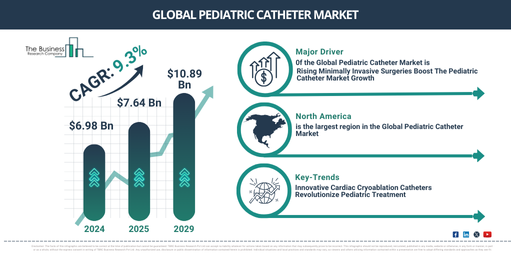
    In recent years, we have witnessed a robust growth in the market for pediatric catheters. The market which was valued at $6.98 billion in 2024 is projected to rise to $7.64 billion in 2025, displaying a compound annual growth rate (CAGR) of 9.5%. The growth experienced in the preceding years can be credited to the rising incidence of pediatric illnesses, heightened awareness amongst parents and medical professionals, a growing fondness for minimally invasive techniques, improvements in healthcare facilities, and an increasing inclination towards home-based medical care.

    What Is the Projected Market Size of the Pediatric Catheter Market?

    Anticipated robust growth in the pediatric catheter market is projected to lift its size to $10.89 billion by 2029, with an impressive CAGR of 9.3%. This growth over the forecast period is ascribed to several contributory factors such as increased incidences of pediatric illnesses, escalating healthcare expenditure, rising prevalence of chronic diseases, expansion in ambulatory surgical centers, heightened awareness about environmental issues and sustainability, as well as the increasing occurrence of pediatric neurological disorders. In line with these trends, the forecast period is also expected to witness technological evolution, the embrace of pioneering catheterization methodologies, the integration of innovative digital health tech, utilization of eco-friendly materials, broadening pediatric catheter distribution networks, and a growing trend towards virtual consultations.

    Download The Free Sample Report Here:

    https://www.thebusinessresearchcompany.com/sample.aspx?id=15889&type=smp

    Who are the Major Competitors in the Pediatric Catheter Market Outlook?

    Major companies operating in the pediatric catheter market are Cardinal Health, Abbott Laboratories, Medtronic Plc, Becton, Dickinson and Company, Stryker Corporation, Medline Industries LP., B. Braun SE, Olympus Corporation, Edwards Lifesciences Corporation, Coloplast Corp., Cook Medical, Getinge AB, ICU Medical Inc., Convatec Inc., Lepu Medical Technology(Beijing) Co. Ltd., Merit Medical Systems, Vygon SAS, AngioDynamics Inc., pfm medical gmbh, Avanos Medical Inc., 180 Medical Inc., Romsons Group, Flexicare Medical Ltd., Medical Components Inc., Well Lead Medical Co. Ltd.

    What Is Fueling Growth in the Pediatric Catheter Market?

    The growth of the pediatric catheter market is projected to be amplified by the increasing prevalence of minimally invasive surgeries. Characterized by less cutting through the skin and tissues and causing minimal damage during treatments, minimally invasive surgery (MIS) is a surgical technique that is swiftly gaining traction. This method is preferred due to its promise of quicker recovery, reduced discomfort, and lesser scarring. Pediatric catheters greatly benefit from this surge in popularity as minimally invasive surgeries provide less invasive access for insertion, cause less pain, and result in shorter hospital stays and quicker recoveries. For example, The Aesthetic Society, a US-based organization focused solely on aesthetic plastic surgery and cosmetic medicine of the face and body, reported that Americans expended over $11.8 billion on minimally invasive surgeries (or aesthetic procedures) in total in August 2023. This signifies a 2% increase from the previous year. Consequently, this upsurge in minimally invasive surgeries acts as a driving force in the growth of the pediatric catheter market.

    Request For A Customized Report:

    https://www.thebusinessresearchcompany.com/customise?id=15889&type=smp

    Which Pediatric Catheter Market Segments Are Growing the Fastest?

    The pediatric catheter market covered in this report is segmented –

    1) By Product Type: Cardiovascular Catheters, Urology Catheters, Intravenous Catheters, Neurovascular Catheters, Specialty Catheters, Other Types

    2) By Lumen: Single Lumen, Double Lumen, Triple Lumen

    3) By End User: Hospitals And Clinics, Ambulatory Surgical Centers, Other End Users

    Subsegments:

    1) By Cardiovascular Catheters: Balloon Catheters, Guide Catheters, Diagnostic Catheters

    2) By Urology Catheters: Urinary Catheters, Urethral Catheters, Nephrostomy Catheters

    3) By Intravenous Catheters: Peripheral IV Catheters, Central Venous Catheters (CVC), Peripherally Inserted Central Catheters (PICC)

    4) By Neurovascular Catheters: Microcatheters, Guidewires For Neurovascular Procedures, Balloon Angioplasty Catheters

    5) By Specialty Catheters: Biopsy Catheters, Dialysis Catheters, Hemodialysis Catheters

    6) By Other Types: Catheters For Endoscopic Procedures, Respiratory Catheters, Surgical Drainage Catheters

    Which Industry Trends Are Shaping the Future of the Pediatric Catheter Market?

    Prominent players in the pediatric catheter market are concentrating their efforts on the invention of ground-breaking cardiac cryoablation catheters. These advanced catheters provide secure and effective focal cryoablation therapy, serving as a preferential treatment alternative for young cardiology patients. Cardiac cryoablation catheters, unique medical tools used for cryoablation procedures, are designed to create focal lesions by freezing heart tissue. This blocks unwanted electrical activity and successfully treats arrhythmias, specifically atrial fibrillation. As an illustration, in February 2022, US medical device company, Medtronic plc, was officially recognized and approved by the Food and Drug Administration (FDA), a US federal agency, for its cardiac cryoablation focal catheters, Freezor and Freezor Xtra. These catheters are crafted to freeze cardiac tissue and stop unnecessary electrical pulses in the heart, making them a primary treatment option for pediatric atrioventricular nodal reentrant tachycardia (AVNRT). They have proven to demonstrate high levels of effectiveness with minimal negative occurrences.

    Access The Full Report Here:

    https://www.thebusinessresearchcompany.com/report/pediatric-catheter-global-market-report

    Which Countries Are Leading the Pediatric Catheter Market?

    North America was the largest region in the pediatric catheter market in 2023. Asia-Pacific is expected to be the fastest-growing region in the forecast period. The regions covered in the pediatric catheter market report are Asia-Pacific, Western Europe, Eastern Europe, North America, South America, Middle East and Africa.

    Purchase The Full Report Today:

    https://www.thebusinessresearchcompany.com/purchaseoptions.aspx?id=15889

    This Report Delivers Insight On:

    1. How big is the pediatric catheter market, and how is it changing globally?

    2. Who are the major companies in the pediatric catheter market, and how are they performing?

    3. What are the key opportunities and risks in the pediatric catheter market right now?

    4. Which products or customer segments are growing the most in the pediatric catheter market?

    5. What factors are helping or slowing down the growth of the pediatric catheter market?

    About The Business Research Company:

    With over 15000+ reports from 27 industries covering 60+ geographies, The Business Research Company has built a reputation for offering comprehensive, data-rich research and insights. Armed with 1,500,000 datasets, the optimistic contribution of in-depth secondary research, and unique insights from industry leaders, you can get the information you need to stay ahead in the game.

    Get in touch with us:

    The Business Research Company: https://www.thebusinessresearchcompany.com/

    Americas +1 310-496-7795

    Asia +44 2071930708

    Europe +44 7882 955267

    Email us at info@tbrc.info

    Follow us on:

    LinkedIn: https://in.linkedin.com/company/the-business-research-company

    YouTube: https://www.youtube.com/channel/UC24_fI0rV8cR5DxlCpgmyFQ

    Global Market Model: https://www.thebusinessresearchcompany.com/global-market-model
  • Internal Nasal Dilators Forecast Report – Designed for Decision Makers and Product Teams

    Internal Nasal Dilators Forecast Report – Designed for Decision Makers and Product Teams

    Claim your 30% discount on Global Market Reports with code ONLINE30. Limited time only.

    What Is the Estimated Market Size of the Internal Nasal Dilators Market In 2029?

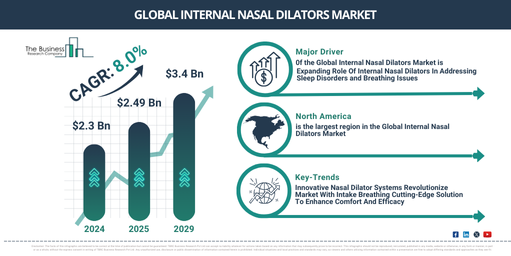
    The market size of internal nasal dilators has significantly expanded in the past few years. The numbers are set to rise from $2.3 billion in 2024 to $2.49 billion in 2025, showing a compound annual growth rate (CAGR) of 8.4%. The growth observed in the historical period is due to the rising number of people suffering from obstructive sleep apnea, increased comfort and extended usage, consumers’ inclination towards non-intrusive alternatives, and an increased understanding of the broader impact of nasal airflow.

    What Growth Rate Is Forecasted for the Internal Nasal Dilators Market by 2029?

    The market for internal nasal dilators is set for substantial expansion in the coming years, anticipated to reach a size of $3.4 billion by 2029, registering an 8.0% compound annual growth rate (CAGR). This growth over the prediction period can be linked to the escalating incidence of sleep disorders, a growing elderly population, greater understanding of nasal obstruction effects, increasing rates of obesity, and the rising occurrence of snoring and sleep apnea. The forecast period is likely to witness a surge in the demand for cutting-edge medical technology, an increasing preference for ergonomic and tailor-made nasal dilators, growing inclination towards reusable and washable options, rising patient engagement, and technological advancements.

    Download The Free Sample Report Here:

    https://www.thebusinessresearchcompany.com/sample.aspx?id=18647&type=smp

    Which Key Companies Are Shaping the Future of the Internal Nasal Dilators Market?

    Major companies operating in the internal nasal dilators market are HealthRight Products, Hivox Biotek Inc., Splintek Inc., Scandinavian Formulas Inc., Sanita Consumer, Rhinomed Limited, Provent LLC, RespiFacile, SnoreCare, WoodyKnows, ZenSleep, Airmax, ASO’S, M&M Pure Air Systems LLC, Nasanita, Nozovent, Sanostec Corporation, SilentSnore, SleepRight, SnoreBore, SnoreStopper, SomniShop, Zquiet

    Which Factors Are Driving Demand in the Internal Nasal Dilators Industry?

    The internal nasal dilators market is anticipated to expand, fueled by the escalating occurrence of sleep disorders. Sleep disorders can disturb the ability to regularly get a good night’s sleep and can negatively affect mental and physical health, as well as the overall quality of life. The rise in sleep disorders can be attributed to several factors, including lifestyle changes, increased awareness, a growing obesity epidemic, an aging population, environmental influences, and technological factors interrupting sleep habits. Internal nasal dilators, which physically enlarge the nasal passages to enhance airflow, provide a non-invasive approach to manage nasal congestion and enhance breathing, thereby yielding beneficial impacts on sleep and overall respiratory health. In May 2024, for example, a National Council OG Aging Advisor report indicated that approximately 39 million American adults suffer from obstructive sleep apnea (OSA). Moreover, compared to roughly 3.9 million recorded cases in 2021, Spain had over 4.1 million cases of sleep disorders in 2022. Thus, the internal nasal dilators market is being driven by the rising prevalence of sleep disorders.

    Request For A Customized Report:

    https://www.thebusinessresearchcompany.com/customise?id=18647&type=smp

    How Is the Internal Nasal Dilators Market Segmented by Several Divisions?

    The internal nasal dilators market covered in this report is segmented –

    1) By Type: Polymer, Polymer And Alloy, Other Types

    2) By Usability: Reusable, Single Use

    3) By Distribution Channel: Hospital Pharmacies, Retail Pharmacies, Online Pharmacies

    4) By Application: Snoring, Sleep Apnea, Deviated Septum, Nasal Congestion, Other Applications

    Subsegments:

    1) By Polymer: Single-Use Nasal Dilators Or Reusable Polymer Nasal Dilators Or Biocompatible Polymer Nasal Dilators

    2) By Polymer And Alloy: Hybrid Nasal Dilators (Combining Polymer And Alloy) Or Alloy-Enhanced Polymer Dilators Or Flexible Hybrid Nasal Dilators For Comfort

    3) By Other Types: Silicone Nasal Dilators Or Customized Nasal Dilators (Made From Various Materials) Or Nasal Dilators With Adjustable Settings

    What are the Emerging Market Trends Driving the Growth of the Internal Nasal Dilators Industry?

    Key players in the internal nasal dilators market are concentrating on the creation of groundbreaking products like a two-part nasal dilator system. Such devices aim to enhance efficacy and address a broader range of breathing and nasal issues. The two-part nasal dilator system is constructed to augment airflow in the nasal passages, often easing breathing struggles, snoring, and nasal congestion symptoms. For example, in April 2024, Intake Breathing, a manufacturer of internal nasal dilators based in the US, rolled out the cutting-edge Intake Breathing Nasal Dilator. This two-part nasal dilator system is innovatively designed to noticeably enlarge the nasal passages, fostering improved breathing, deeper sleep, and an overall sense of well-being. The system, which includes medical-grade adhesive tabs that adhere to the nose’s exterior and a robust magnetic band that affixes to these tabs, gently draws the nostrils open, boosting airflow by up to 80% more than conventional nasal strips. This non-invasive, comfortable system yields over 12 hours of relief and is sweat-resistant, making it perfectly suited for use during sleep or physical exertion.

    Access The Full Report Here:

    https://www.thebusinessresearchcompany.com/report/internal-nasal-dilators-global-market-report

    Which Regions Are Driving Growth in the Internal Nasal Dilators Market?

    North America was the largest region in the internal nasal dilators market in 2023. Asia-Pacific is expected to be the fastest-growing region in the forecast period. The regions covered in the internal nasal dilators market report are Asia-Pacific, Western Europe, Eastern Europe, North America, South America, Middle East, Africa.

    Purchase The Full Report Today:

    https://www.thebusinessresearchcompany.com/purchaseoptions.aspx?id=18647

    This Report Delivers Insight On:

    1. How big is the internal nasal dilators market, and how is it changing globally?

    2. Who are the major companies in the internal nasal dilators market, and how are they performing?

    3. What are the key opportunities and risks in the internal nasal dilators market right now?

    4. Which products or customer segments are growing the most in the internal nasal dilators market?

    5. What factors are helping or slowing down the growth of the internal nasal dilators market?

    About The Business Research Company:

    With over 15000+ reports from 27 industries covering 60+ geographies, The Business Research Company has built a reputation for offering comprehensive, data-rich research and insights. Armed with 1,500,000 datasets, the optimistic contribution of in-depth secondary research, and unique insights from industry leaders, you can get the information you need to stay ahead in the game.

    Get in touch with us:

    The Business Research Company: https://www.thebusinessresearchcompany.com/

    Americas +1 310-496-7795

    Asia +44 2071930708

    Europe +44 7882 955267

    Email us at info@tbrc.info

    Follow us on:

    LinkedIn: https://in.linkedin.com/company/the-business-research-company

    YouTube: https://www.youtube.com/channel/UC24_fI0rV8cR5DxlCpgmyFQ

    Global Market Model: https://www.thebusinessresearchcompany.com/global-market-model
  • Traumatic Brain Injury Industry Insights 2025 – Market Forecast for Executives and Planners

    Traumatic Brain Injury Industry Insights 2025 – Market Forecast for Executives and Planners

    Claim your 30% discount on Global Market Reports with code ONLINE30. Limited time only.

    How Has the Traumatic Brain Injury Market Size Changed, over the years?

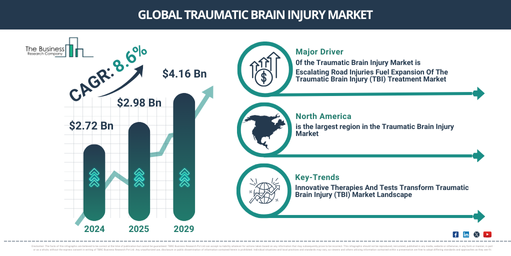
    The market for traumatic brain injuries has seen robust growth in recent years. The market value is set to surge from $2.72 billion in 2024 to $2.98 billion in 2025, reflecting a compound annual growth rate (CAGR) of 9.6%. The expansion in the past period is credited to advancements in trauma care, rehabilitation therapies, better awareness about concussions, and dedicated research in the military and sports fields.

    How Much Will the Traumatic Brain Injury Market Be Worth in 2029?

    Expectations are high for robust expansion in the traumatic brain injury market in the coming years. It is projected to escalate to $4.16 billion in 2029, with a compound annual growth rate (CAGR) of 8.6%. The anticipated growth during the forecast period is ascribed to factors such as the development of neuroprotective agents, the rise of telemedicine and remote monitoring, personalized treatment strategies, and research into neuroinflammation. Key trends expected to emerge during the forecast period include advances in neurorehabilitation, management of mild tbi and concussion, research on biomarkers and imaging, as well as cognitive and emotional support.

    Download The Free Sample Report Here:

    https://www.thebusinessresearchcompany.com/sample.aspx?id=13049&type=smp

    Which is the Largest Company in the Traumatic Brain Injury Market?

    Major companies operating in the traumatic brain injury market are Pfizer Inc., Medtronic PLC, Eli Lilly and Company, Stryker Corporation, Elekta AB, Integra LifeSciences Holdings Corp., Natus Medical Inc., Nihon Kohden Corporation, Raumedic AG, Qure.ai, Compumedics Ltd., Synaptive Medical Inc., BrainScope Company Inc., Neuren Pharmaceuticals Limited, SanBio Co. Ltd., Soterix Medical Inc., Inteprod LLC, BioDirection Inc., InfraScan Inc., NanoDx Inc., NeuroTrauma Sciences, Oculogica Inc., PathMaker Neurosystems Inc., Pinteon Therapeutics Inc., Vivonics Inc., Neural Analytics Inc., ReNetX Bio Inc., Sana Health Inc., Abliva AB, QuesGen Systems Inc.

    What Are the Main Market Drivers in the Traumatic Brain Injury Industry?

    The escalating instances of road injuries are expected to fuel the growth of the traumatic brain injury market in the future. Road injuries encompass any physical damage or harm caused by accidents on roads, streets, highways, or other transit paths. Traumatic brain injuries are often the result of these road mishaps, leading to varied physical and cognitive problems for those impacted. Treatments for Traumatic Brain Injury (TBI) benefit patients with brain injuries from sudden road mishaps by enhancing their physical recovery, reducing complications, and improving their cognitive ability. In November 2024, a report by the U.S. Department of Transportation highlighted that in 2022, 42,514 people lost their lives on U.S. roads. This is over a 10% increase when compared to 2020, indicating a rise in road injuries and hence, propelling the growth of the traumatic brain injury market. The surge in sports injuries is projected to fuel the growth of the traumatic brain injury market going ahead. A sports injury implies any physical damage or trauma sustained during sports participation or exercise. When there is a severe impact or sudden jerk to the head or body during sports activities it can cause a traumatic brain injury (TBI). Various factors including head blows, falls, collisions and repeated head impacts can lead to these injuries. For instance, according to data published by the National Safety Council, a US-based nonprofit safety advocate, in 2022, injuries related to exercise and exercise equipment increased with 3,631,970 reported cases, up from 3,231,885 in 2021. Therefore, these increasing incidents of sports injuries play a crucial role in driving the traumatic brain injury market.

    Request For A Customized Report:

    https://www.thebusinessresearchcompany.com/customise?id=13049&type=smp

    How Is the Traumatic Brain Injury Market Segments Structured?

    The traumatic brain injury market covered in this report is segmented –

    1) By Device: Computed Tomography, X-Ray, Imaging Devices, Magnetic Resonance Imaging Devices, Monitoring Devices, Other Devices

    2) By Technique: Intracranial Pressure (ICP) Monitoring, Partial Pressure Of Oxygen In Brain Tissue (PbrO2)

    3) By End-Use: Diagnostic Centers, Hospitals, Other End-Uses

    Subsegments:

    1) By Computed Tomography: Standard CT Scans, CT Angiography

    2) By X-Ray: Skull X-Ray, Cervical X-Ray

    3) By Imaging Devices: Ultrasound Imaging, PET Scans

    4) By Magnetic Resonance Imaging Devices: Closed MRI, Open MRI

    5) By Monitoring Devices: Intracranial Pressure Monitors, EEG Monitors

    6) By Other Devices: Neuropsychological Testing Devices, Portable Brain Injury Assessment Devices

    What Strategic Trends Are Transforming the Traumatic Brain Injury Market?

    Leaders in the traumatic brain injury market, such as bioMérieux, are leading the charge in the creation of novel treatments and diagnostic tests like the VIDAS TBI (GFAP, UCH-L1), in response to evolving consumer demands. There is an ongoing investigation and development of new therapies and assessments for traumatic brain injuries, aimed at enhancing the prognosis and life quality of those impacted by TBI. For instance, in October 2023, bioMérieux, a pioneer in the in vitro diagnostics sector based in France, unveiled the VIDAS TBI (GFAP, UCH-L1). This is a blood test designed to aid in evaluating patients with mild traumatic brain injury (mTBI), utilizing a unique duo of brain biomarkers: GFAP and UCH-L1. This precise, objective tool is set to minimize the frequency of unneeded head Computed Tomography (CT) scans for mTBI patients, thus reducing Emergency Department (ED) overcrowding by accurately predicting the non-existence of acute intracranial lesions (ICL) after a head injury.

    Access The Full Report Here:

    https://www.thebusinessresearchcompany.com/report/traumatic-brain-injury-global-market-report

    Which Global Regions Offer the Highest Growth in the Traumatic Brain Injury Market?

    North America was the largest region in the traumatic brain injury market in 2024. Asia-Pacific is expected to be the fastest-growing region in the forecast period. The regions covered in traumatic brain injury market report are Asia-Pacific, Western Europe, Eastern Europe, North America, South America, Middle East and Africa.

    Purchase The Full Report Today:

    https://www.thebusinessresearchcompany.com/purchaseoptions.aspx?id=13049

    This Report Delivers Insight On:

    1. How big is the traumatic brain injury market, and how is it changing globally?

    2. Who are the major companies in the traumatic brain injury market, and how are they performing?

    3. What are the key opportunities and risks in the traumatic brain injury market right now?

    4. Which products or customer segments are growing the most in the traumatic brain injury market?

    5. What factors are helping or slowing down the growth of the traumatic brain injury market?

    About The Business Research Company:

    With over 15000+ reports from 27 industries covering 60+ geographies, The Business Research Company has built a reputation for offering comprehensive, data-rich research and insights. Armed with 1,500,000 datasets, the optimistic contribution of in-depth secondary research, and unique insights from industry leaders, you can get the information you need to stay ahead in the game.

    Get in touch with us:

    The Business Research Company: https://www.thebusinessresearchcompany.com/

    Americas +1 310-496-7795

    Asia +44 2071930708

    Europe +44 7882 955267

    Email us at info@tbrc.info

    Follow us on:

    LinkedIn: https://in.linkedin.com/company/the-business-research-company

    YouTube: https://www.youtube.com/channel/UC24_fI0rV8cR5DxlCpgmyFQ

    Global Market Model: https://www.thebusinessresearchcompany.com/global-market-model
  • Pectinases Forecast Report – Designed for Decision Makers and Product Teams

    Claim your 30% discount on Global Market Reports with code ONLINE30. Limited time only.

    What Is the Estimated Market Size of the Pectinases Market In 2029?

    The market size of pectinases has seen significant expansion in the last few years. It is projected to rise from $18.66 billion in 2024 to $20.55 billion in 2025, with a compound annual growth rate (CAGR) of 10.1%. The historical growth has been fueled by factors such as a surge in fruit and vegetable production, an increase in juice and wine manufacturing, a booming dairy sector, a growing food and beverage sector, and a spiking demand for organic and natural products.

    What Growth Rate Is Forecasted for the Pectinases Market by 2029?

    In the coming years, the pectinases market is projected to experience robust growth, expanding to $29.77 billion in 2029 with a compound annual growth rate (CAGR) of 9.7%. The projected growth for this period can be linked to the escalating consumer demand for natural and clean-label goods, a surge in popularity for processed foods, increased wine and beer consumption, population growth and urbanization, and further increase in wine and beer consumption. Among the major trends predicted during this period are developments in fermentation technology, the use of high-tech enzyme formulations, the automation and integration of processes, strides in the field of biotechnology, genetic engineering, advancements in agriculture, and innovative strides in food processing technologies.

    Download The Free Sample Report Here:

    https://www.thebusinessresearchcompany.com/sample.aspx?id=16505&type=smp

    Which Key Companies Are Shaping the Future of the Pectinases Market?

    Major companies operating in the pectinases market are Cargill Incorporated, BASF SE, F. Hoffmann-La Roche Ltd., Merck Co. & KGaA, DuPont de Nemours Inc., International Flavors & Fragrances Inc., Koninklijke DSM N.V., Kerry Group, Novozymes BioAg Limited, Chr. Hansen Holding A/S, Neogen Corporation, Kemin Industries Inc., Genencor International Inc., Codexis Inc., Puratos Group, AB Enzymes GmbH, MP Biomedicals LLC, Biocatalysts Ltd., Enartis USA Inc, BIO-CAT Inc., Aumgene Biosciences Pvt. Ltd.

    Which Factors Are Driving Demand in the Pectinases Industry?

    The pectinases market is projected to grow due to the increasing needs of the food and beverage industry. Companies within this sector turn raw agricultural and semi-processed food items into food and drink products. There is a surge in demand for pectinases in this industry due to a rise in fruit juice and wine production, enhanced flavor and texture preferences, and an increasing interest in plant-based beverages. Pectinases are very beneficial to the food and beverage industry as they improve product quality, enhance operational efficiency, and contribute to cost savings while ensuring high-quality, appealing, and stable product outcomes. For instance, the Australian Bureau of Statistics revealed in April 2024 that food and non-alcoholic beverage consumption stood at 14.8 million tonnes in 2020-21, slightly lower than the 15.1 million tonnes consumed in 2021-22. Consequently, the rising demand within the food and beverage sector is driving the pectinases market expansion.

    Pectinases Market Driver: Growth in Pectinases Market Fueled by Increasing Digestive Diseases


    Request For A Customized Report:

    https://www.thebusinessresearchcompany.com/customise?id=16505&type=smp

    How Is the Pectinases Market Segmented by Several Divisions?

    The pectinases market covered in this report is segmented –

    1) By Type: Pectin Lyases, Protopectinases, Polygalacturonases, Pectinesterase, Other Types

    2) By Source: Bacterial Pectinase, Fungal Pectinase, Plant-Derived Pectinase, Other Sources

    3) By Form: Powder, Liquid, Granules

    4) By Application: Fruit Juice Extraction, Wine Production, Food Processing, Other Applications

    5) By End User: Food And Beverage, Pharmaceutical, Textile, Agriculture, Other End Users

    Subsegments:

    1) By Pectin Lyases: Endo-Pectin Lyases, Exo-Pectin Lyases

    2) By Protopectinases: Acidic Protopectinases, Alkaline Protopectinases

    3) By Polygalacturonases: Endo-Polygalacturonases, Exo-Polygalacturonases

    4) By Pectinesterase: Acidic Pectinesterases, Alkaline Pectinesterases

    5) By Other Types: Xyloglucanase, Cellulase-Related Enzymes

    Access The Full Report Here:

    https://www.thebusinessresearchcompany.com/report/pectinases-global-market-report

    Which Regions Are Driving Growth in the Pectinases Market?

    North America was the largest region in the pectinase market in 2024. Asia-Pacific is expected to be the fastest-growing region in the forecast period. The regions covered in the pectinases market report are Asia-Pacific, Western Europe, Eastern Europe, North America, South America, Middle East, Africa.

    Purchase The Full Report Today:

    https://www.thebusinessresearchcompany.com/purchaseoptions.aspx?id=16505

    This Report Delivers Insight On:

    1. How big is the pectinases market, and how is it changing globally?

    2. Who are the major companies in the pectinases market, and how are they performing?

    3. What are the key opportunities and risks in the pectinases market right now?

    4. Which products or customer segments are growing the most in the pectinases market?

    5. What factors are helping or slowing down the growth of the pectinases market?

    About The Business Research Company:

    With over 15000+ reports from 27 industries covering 60+ geographies, The Business Research Company has built a reputation for offering comprehensive, data-rich research and insights. Armed with 1,500,000 datasets, the optimistic contribution of in-depth secondary research, and unique insights from industry leaders, you can get the information you need to stay ahead in the game.

    Get in touch with us:

    The Business Research Company: https://www.thebusinessresearchcompany.com/

    Americas +1 310-496-7795

    Asia +44 2071930708

    Europe +44 7882 955267

    Email us at info@tbrc.info

    Follow us on:

    LinkedIn: https://in.linkedin.com/company/the-business-research-company

    YouTube: https://www.youtube.com/channel/UC24_fI0rV8cR5DxlCpgmyFQ

    Global Market Model: https://www.thebusinessresearchcompany.com/global-market-model
  • Chronic Myeloid Leukemia Treatment Market Projected at $13.12 Billion by 2029 | Strategic Insights and Forecast Data

    Chronic Myeloid Leukemia Treatment Market Projected at $13.12 Billion by 2029 | Strategic Insights and Forecast Data

    Claim your 30% discount on Global Market Reports with code ONLINE30. Limited time only.

    How Has the Chronic Myeloid Leukemia Treatment Market Size Changed, over the years?

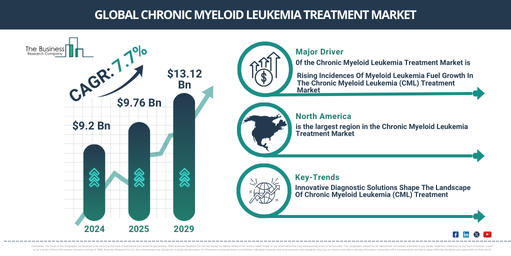
    The market size for treating chronic myeloid leukemia has witnessed a substantial growth in the past few years. The market, valued at $9.2 billion in 2024, is projected to rise to $9.76 billion in 2025, at a compound annual growth rate (CAGR) of 6.2%. The previous growth phase can be credited to an increase in chronic myeloid leukemia cases, greater consciousness about cancer therapy, government efforts, and burgeoning research and development endeavors aimed at chronic myeloid leukemia treatments.

    How Much Will the Chronic Myeloid Leukemia Treatment Market Be Worth in 2029?

    The market size of treatments for chronic myeloid leukemia is anticipated to experience considerable growth in the coming years. It is projected to rise to $13.12 billion by 2029, with a compound annual growth rate (CAGR) of 7.7%. Increased demand for more effective and bearable treatments, heightened healthcare expenditure, investments in therapies for chronic myeloid leukemia, and personalized medicine’s growth contribute to this expected rise. In the forecasted period, key trends encompass better diagnosis and screening methods, innovative treatment approaches for chronic myeloid leukemia, the evolution of targeted therapies, advanced early diagnosis, screening technologies, and monitoring.

    Download The Free Sample Report Here:

    https://www.thebusinessresearchcompany.com/sample.aspx?id=12915&type=smp

    Which is the Largest Company in the Chronic Myeloid Leukemia Treatment Market?

    Major companies operating in the chronic myeloid leukemia treatment market are Pfizer Inc., Johnson and Johnson Limited, F. Hoffmann-La Roche AG, AbbVie Inc., Novartis AG, Merck and Co. Inc., Sanofi S.A., Bristol-Myers Squibb Company, AstraZeneca PLC, GSK PLC, Takeda Pharmaceutical Company Limited, Amgen Inc., Boehringer Ingelheim International GmbH, Teva Pharmaceutical Industries Ltd., Astellas Pharma Inc., Otsuka Holdings Co Ltd., Mylan N.V., Astellas Pharma Inc., Incyte Corporation, Lupin Limited, Seattle Genetics Inc., Innovent Biologics Inc., Xencor Inc., ARIAD Pharmaceuticals Inc., Celon Laboratories Pvt. Ltd.

    What Are the Main Market Drivers in the Chronic Myeloid Leukemia Treatment Industry?

    The surge in myeloid leukemia instances is projected to spur the progression of the chronic myeloid leukemia (CML) treatment market. Originating in the bone marrow, myeloid leukemia is a cancer classification that impacts the cells tasked with the creation of various blood cell types. The main purpose of Chronic myeloid leukemia (CML) treatment is to boost the functionality of the bone marrow by tackling the underlying cause of leukemia, thereby lowering the risk associated with low blood cell count complications. Furthermore, it reduces the dependency on chemotherapy and transplants and enhances survival rates for myeloid leukemia individuals. For example, as per the American Cancer Society’s estimates in January 2023, in the United States, approximately 20,380 cases of acute myeloid leukemia (AML) were recorded in adults, along with 11,310 deaths in 2023. Thus, the escalating incidences of myeloid leukemia steer the growth of the chronic myeloid leukemia (CML) treatment market. Rapid growth in the CML treatment market is predicted due to the escalating incidences of chromosome abnormalities. These abnormalities pertain to structural or numeric defects in a person’s chromosomes, which are the threads within cells that harbor genetic data. Patients with certain chromosomal abnormalities can often have a poor prognosis and require more intensive treatments like CML. A case in point is a study carried out in Saudi Arabia, published by the National Library of Medicine (NLM), a U.S-based biomedical informatics and computational health data science researcher. It revealed that chromosome abnormalities were present in 59 newborns suffering from congenital anomalies (accounting for 39.3%), which constituted 2.3% of total Neonatal Intensive Care Unit (NICU) admissions. Therefore, the growing occurrence of chromosome abnormalities is aiding the growth of the chronic myeloid leukemia (CML) treatment market.

    Request For A Customized Report:

    https://www.thebusinessresearchcompany.com/customise?id=12915&type=smp

    How Is the Chronic Myeloid Leukemia Treatment Market Segments Structured?

    The chronic myeloid leukemia treatment market covered in this report is segmented –

    1) By Type: Targeted Therapy, Chemotherapy, Radiation Therapy, Splenectomy, Stem Cell Transplant

    2) By Route of Administration: Oral, Parenteral, Other Route of Administrations

    3) By End-User: Hospitals, Specialty Clinics, Other End-Users

    Subsegments:

    1) By Targeted Therapy: Tyrosine Kinase Inhibitors (TKIs), Monoclonal Antibodies

    2) By Chemotherapy: Combination Chemotherapy, Single-Agent Chemotherapy

    3) By Radiation Therapy: External Beam Radiation Therapy, Total Body Irradiation

    4) By Splenectomy: Open Splenectomy, Laparoscopic Splenectomy

    5) By Stem Cell Transplant: Autologous Stem Cell Transplant, Allogeneic Stem Cell Transplant

    What Strategic Trends Are Transforming the Chronic Myeloid Leukemia Treatment Market?

    Key businesses in the chronic myeloid leukemia (CML) treatment sector are concentrating their efforts on the creation of novel items to maintain market prominence. For example, Precipio, Inc., a cancer diagnostic firm based out of the United States, released the BCR-ABL 2.0 Panel for chronic myeloid leukemia (CML) in August 2023. This instrument pinpoints the BCR-ABL1 gene and aids in the diagnosis of chronic myeloid leukemia (CML). It represents the most state-of-the-art BCR-ABL panel, providing comprehensive coverage, simplified workflow and lower expenses while improving patient care. It also incorporates the ability to identify the ABL1 mutation, thereby eliminating the necessity for an additional round of BCR-ABL1 gene testing, offering highly precise outcomes.

    Access The Full Report Here:

    https://www.thebusinessresearchcompany.com/report/chronic-myeloid-leukemia-treatment-global-market-report

    Which Global Regions Offer the Highest Growth in the Chronic Myeloid Leukemia Treatment Market?

    North America was the largest region in the chronic myeloid leukemia treatment market in 2024. The regions covered in chronic myeloid leukemia treatment market report are Asia-Pacific, Western Europe, Eastern Europe, North America, South America, Middle East and Africa.

    Purchase The Full Report Today:

    https://www.thebusinessresearchcompany.com/purchaseoptions.aspx?id=12915

    This Report Delivers Insight On:

    1. How big is the chronic myeloid leukemia treatment market, and how is it changing globally?

    2. Who are the major companies in the chronic myeloid leukemia treatment market, and how are they performing?

    3. What are the key opportunities and risks in the chronic myeloid leukemia treatment market right now?

    4. Which products or customer segments are growing the most in the chronic myeloid leukemia treatment market?

    5. What factors are helping or slowing down the growth of the chronic myeloid leukemia treatment market?

    About The Business Research Company:

    With over 15000+ reports from 27 industries covering 60+ geographies, The Business Research Company has built a reputation for offering comprehensive, data-rich research and insights. Armed with 1,500,000 datasets, the optimistic contribution of in-depth secondary research, and unique insights from industry leaders, you can get the information you need to stay ahead in the game.

    Get in touch with us:

    The Business Research Company: https://www.thebusinessresearchcompany.com/

    Americas +1 310-496-7795

    Asia +44 2071930708

    Europe +44 7882 955267

    Email us at info@tbrc.info

    Follow us on:

    LinkedIn: https://in.linkedin.com/company/the-business-research-company

    YouTube: https://www.youtube.com/channel/UC24_fI0rV8cR5DxlCpgmyFQ

    Global Market Model: https://www.thebusinessresearchcompany.com/global-market-model
  • Interbody Fusion Cages Market Outlook 2025 – Insights for Executive and Strategic Planning

    Claim your 30% discount on Global Market Reports with code ONLINE30. Limited time only.

    How Fast Is The Interbody Fusion Cages Market Expected to Grow Between 2025 And 2029?

    In recent times, the market size of interbody fusion cages has seen a robust growth. The market is expected to expand from $2.29 billion in 2024 to $2.41 billion in 2025, with a compound annual growth rate (CAGR) of 5.2%. Factors such as a rise in the elderly population, increasing obesity rates, an upsurge in sports injuries, economic advancement, and the development of hospital infrastructure have contributed to the historical growth.

    What Growth Rate Is Anticipated for the Interbody Fusion Cages Market in the Coming Years?

    Expectations are high for the interbody fusion cages sector to experience robust growth in the following years, anticipated to reach $2.93 billion by 2029 with a compound annual growth rate (CAGR) of 5.0%. This growth in the projection period is closely linked to a rising awareness of less invasive surgical procedures, an increase in spinal surgeries, a surge in accidents leading to spinal injuries, a rise in disposable income, and more prevalent degenerative illnesses. Key industry trends to watch out for during this forecast period include technological advancements, integrated graft delivery systems, strategic partnerships, less invasive methods, and modular and adjustable designs.

    Download The Free Sample Report Here:

    https://www.thebusinessresearchcompany.com/sample.aspx?id=15834&type=smp

    Who Are the Leading Companies in the Interbody Fusion Cages Market?

    Major companies operating in the interbody fusion cages market are Medtronic plc, Johnson & Johnson, Stryker Corporation, B. Braun Melsungen AG, Depuy Synthes, Shanghai MicroPort Orthopedics Co. Ltd., Zimmer Biomet Holdings Inc., NuVasive Inc., Medacta International SA, Alphatec Spine Inc., SeaSpine Orthopedics Corporation, Orthofix International N.V., Surgalign Spine Technologies, Rivarp Medical Private Limited, Baumer S.A., Medicrea International, Precision Spine Inc., Spineart SA, Benvenue Medical Inc., Aurora Spine Inc., Ulrich Medical USA, Elite surgical, CarboFix Orthopedics Ltd., Prodorth International Inc., K2M Group Holdings Inc., Biomet Inc., Intelivation LLC, Eminent Spine

    What Are the Key Drivers of the Interbody Fusion Cages Market?

    The surge in the number of spinal cord injury cases is anticipated to boost the expansion of the interbody fusion cages market. Spinal cord injuries are typically the result of harm to the nerve network that relays signals from the brain to the rest of the body. This increase in spinal cord injuries can be attributed to falls, traffic incidents, sports and leisure activities, work-related injuries, violence, sickness, and medical issues. Interbody fusion cages play a crucial role in the management of spinal cord injuries, enhancing bone fusion, providing structural reinforcement, and improving spinal stability and function. For example, Spinal Cord Inc., a medical information supplier based in the United States, indicated in May 2023 that the country sees approximately 18,000 new spinal cord injuries annually, affecting around 330 million residents each year. Consequently, the surge in spinal cord injury cases is anticipated to fuel the expansion of the interbody fusion cages market.

    Request For A Customized Report:

    https://www.thebusinessresearchcompany.com/customise?id=15834&type=smp

    What Are the Key Market Segments in the Interbody Fusion Cages Industry?

    The interbody fusion cages market covered in this report is segmented –

    1) By Type: Lumbar Cage, Cervical Cage, Thoraco-Lumbar Cage, Thoracic Cage

    2) By Surgery: Anterior, Posterior, Lateral, Transforaminal

    3) By End Users: Hospitals And Clinics, Ambulatory Surgical Center, Other End-Users

    Subsegments:

    1) By Lumbar Cage: Posterior Lumbar Interbody Fusion (PLIF) Cage, Transforaminal Lumbar Interbody Fusion (TLIF) Cage, Anterior Lumbar Interbody Fusion (ALIF) Cage, Oblique Lumbar Interbody Fusion (OLIF) Cage

    2) By Cervical Cage: Anterior Cervical Interbody Fusion (ACIF) Cage, Posterior Cervical Interbody Fusion (PCIF) Cage

    3) By Thoraco-Lumbar Cage: Expandable Thoraco-Lumbar Cage, Static Thoraco-Lumbar Cage

    4) By Thoracic Cage: Anterior Thoracic Interbody Fusion Cage, Posterior Thoracic Interbody Fusion Cage

    What Are the Latest Trends in the Interbody Fusion Cages Market?

    Leading firms in the interbody fusion cages market are introducing novel products such as expandable interbody cages to enhance the services provided to customers. Expandable interbody cages, also referred to as expanding interbody cages, are a kind of spinal implant used in fusion procedures. They have the capability to increase in size after placement into the disc space between two vertebrae. For instance, in May 2022, Accelus, a medical equipment manufacturing company based in the US, introduced the TiHawk7 Titanium. This is a bonded multidirectional expanding interbody cage designed to aid endoscopic and minimally invasive spine (MIS) lumbar fusion procedures. This groundbreaking device combines titanium and Polyether ether ketone (PEEK) materials to ensure superior performance and features an ultra-low insertion profile. Additionally, the device has a unique open-architecture design for maximum graft delivery, and an inventive application of titanium.

    Access The Full Report Here:

    https://www.thebusinessresearchcompany.com/report/interbody-fusion-cages-global-market-report

    What Are the Key Regional Markets in the Interbody Fusion Cages Industry?

    North America was the largest region in the interbody fusion cages market in 2023. Asia-Pacific is expected to be the fastest-growing region in the forecast period. The regions covered in the interbody fusion cages market report are Asia-Pacific, Western Europe, Eastern Europe, North America, South America, Middle East, Africa.

    Purchase The Full Report Today:

    https://www.thebusinessresearchcompany.com/purchaseoptions.aspx?id=15834

    This Report Delivers Insight On:

    1. How big is the interbody fusion cages market, and how is it changing globally?

    2. Who are the major companies in the interbody fusion cages market, and how are they performing?

    3. What are the key opportunities and risks in the interbody fusion cages market right now?

    4. Which products or customer segments are growing the most in the interbody fusion cages market?

    5. What factors are helping or slowing down the growth of the interbody fusion cages market?

    About The Business Research Company:

    With over 15000+ reports from 27 industries covering 60+ geographies, The Business Research Company has built a reputation for offering comprehensive, data-rich research and insights. Armed with 1,500,000 datasets, the optimistic contribution of in-depth secondary research, and unique insights from industry leaders, you can get the information you need to stay ahead in the game.

    Get in touch with us:

    The Business Research Company: https://www.thebusinessresearchcompany.com/

    Americas +1 310-496-7795

    Asia +44 2071930708

    Europe +44 7882 955267

    Email us at info@tbrc.info

    Follow us on:

    LinkedIn: https://in.linkedin.com/company/the-business-research-company

    YouTube: https://www.youtube.com/channel/UC24_fI0rV8cR5DxlCpgmyFQ

    Global Market Model: https://www.thebusinessresearchcompany.com/global-market-model
  • Peanut Allergy Treatment Market Outlook 2025 – Insights for Executive and Strategic Planning

    Peanut Allergy Treatment Market Outlook 2025 – Insights for Executive and Strategic Planning

    Claim your 30% discount on Global Market Reports with code ONLINE30. Limited time only.

    How Fast Is The Peanut Allergy Treatment Market Expected to Grow Between 2025 And 2029?

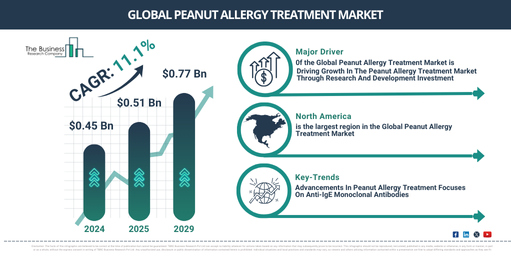
    The market size for peanut allergy therapies has seen significant expansion of late. Its size is projected to increase from $0.45 billion in 2024 to $0.51 billion in 2025, indicating a compound annual growth rate (CAGR) of 11.4%. The escalation throughout the historical phase can be ascribed to factors such as rising prevalence, progress in diagnostic test technology, the surge of public consciousness and apprehension, the formulation of early intervention tactics, and the reception of regulatory sanctions for peanut allergy treatments.

    What Growth Rate Is Anticipated for the Peanut Allergy Treatment Market in the Coming Years?

    In the coming years, the market size for peanut allergy treatments is projected to undergo significant expansion. It is forecasted to reach a value of $0.77 billion in 2029, with a compound annual growth rate (CAGR) of 11.1%. Factors contributing to the growth during this forecast period include the ongoing increase in prevalence, the implementation of personalized medicine strategies, the debut of innovative immunotherapy methods, the rise in public and private investments, and the growth of telemedicine services. The forecast period will also see a rise in trends such as enhanced adoption of immunotherapy, advancements in biologic treatment methods, the integration of treatments based on probiotics, technological breakthroughs in delivery systems, strategies focusing on personalized medicine, and regulatory sanctions and backing.

    Download The Free Sample Report Here:

    https://www.thebusinessresearchcompany.com/sample.aspx?id=15888&type=smp

    Who Are the Leading Companies in the Peanut Allergy Treatment Market?

    Major companies operating in the peanut allergy treatment market are Pfizer Inc., F. Hoffmann-La Roche AG, Sanofi SA, Novartis AG, Takeda Pharmaceutical Company Limited, Viatris Inc., Regeneron Pharmaceuticals Inc., Hikma Pharmaceuticals plc, ALK-Abelló A/S, Amneal Pharmaceuticals Inc., Amphastar Pharmaceuticals Inc., Stallergenes Greer plc, kaleo Inc., Aquestive Therapeutics Inc., Vedanta Biosciences Inc., Aimmune Therapeutics Inc., AnaptysBio Inc., Alladapt Immunotherapeutics Inc., Aravax Pty Ltd., Intrommune Therapeutics Inc., IgGenix Inc., DBV Technologies SA, Camallergy Ltd., HAL Allergy Group, Prota Therapeutics Pty Ltd.

    What Are the Key Drivers of the Peanut Allergy Treatment Market?

    The escalation of the peanut allergy treatment market is anticipated due to an increased investment in research and development for allergy treatments. Research and development (R&D) investment, a form of capital dedicated towards innovative activities, product creation, and technology improvements by businesses, organizations, or governments, plays a pivotal role in improving peanut allergy treatments. This investment stimulates the generation of unique immunotherapies and desensitization methodologies, aimed at minimizing allergy responses and enhancing the lifestyle of those suffering from peanut allergies. As an example, the Victorian Government disclosed a tactical $12 million investment in Aravax, a clinical-stage biotech firm based in Australia, in January 2024 to considerably accelerate global peanut allergy treatment. Complementing a broader $66 million round for developing Aravax’s novel immunotherapy, PVX108, this funding has received Phase 2 trial approvals from both the U.S. Food and Drug Administration (FDA) and Australia’s Therapeutic Goods Administration (TGA). This emphasizes its possible worldwide public health contribution. Hence, the research and development investment in allergy treatments is facilitating the expansion of the peanut allergy treatment market.

    Request For A Customized Report:

    https://www.thebusinessresearchcompany.com/customise?id=15888&type=smp

    What Are the Key Market Segments in the Peanut Allergy Treatment Industry?

    The peanut allergy treatment market covered in this report is segmented –

    1) By Drug Class: Antihistamines, Immunotherapies, Epinephrine, Other Drug Classes

    2) By Route Of Administration: Injectable, Oral, Other Routes Of Administration

    3) By Distribution Channel: Retail Pharmacy, Hospital Pharmacy, Other Distribution Channels

    Subsegments:

    1) By Antihistamines: Oral Antihistamines, Topical Antihistamines

    2) By Immunotherapies: Oral Immunotherapy (OIT), Sublingual Immunotherapy (SLIT), Epicutaneous Immunotherapy (EPIT)

    3) By Epinephrine: Epinephrine Auto-Injectors, Epinephrine Inhalers

    4) By Other Drug Classes: Leukotriene Receptor Antagonists, Monoclonal Antibodies, Corticosteroids

    What Are the Latest Trends in the Peanut Allergy Treatment Market?

    Leading companies in the peanut allergy treatment market are concentrating on the creation of biologic therapies such as anti-IgE monoclonal antibodies, as they seek to offer more precise and powerful solutions for managing peanut allergies, in an effort to enhance patient results and life quality. Anti-IgE monoclonal antibodies are therapeutic agents specifically designed to target and neutralize immunoglobulin E (IgE) antibodies in the human body. For example, Novartis Pharmaceuticals Corporation, a Swiss pharmaceutical firm, received FDA approval for Xolair (omalizumab) in February 2024. This drug aims to mitigate allergic responses, including anaphylaxis, in patients one year and above suffering from IgE-induced food allergies. The approval was granted based on the results from the Phase III OUtMATCH study sponsored by NIH, which demonstrated a noteworthy improvement in food allergy tolerance in patients who were treated with Xolair as opposed to those who received a placebo.

    Access The Full Report Here:

    https://www.thebusinessresearchcompany.com/report/peanut-allergy-treatment-global-market-report

    What Are the Key Regional Markets in the Peanut Allergy Treatment Industry?

    North America was the largest region in the peanut allergy treatment market in 2023. Asia-Pacific is expected to be the fastest-growing region in the forecast period. The regions covered in the peanut allergy treatment market report are Asia-Pacific, Western Europe, Eastern Europe, North America, South America, Middle East and Africa.

    Purchase The Full Report Today:

    https://www.thebusinessresearchcompany.com/purchaseoptions.aspx?id=15888

    This Report Delivers Insight On:

    1. How big is the peanut allergy treatment market, and how is it changing globally?

    2. Who are the major companies in the peanut allergy treatment market, and how are they performing?

    3. What are the key opportunities and risks in the peanut allergy treatment market right now?

    4. Which products or customer segments are growing the most in the peanut allergy treatment market?

    5. What factors are helping or slowing down the growth of the peanut allergy treatment market?

    About The Business Research Company:

    With over 15000+ reports from 27 industries covering 60+ geographies, The Business Research Company has built a reputation for offering comprehensive, data-rich research and insights. Armed with 1,500,000 datasets, the optimistic contribution of in-depth secondary research, and unique insights from industry leaders, you can get the information you need to stay ahead in the game.

    Get in touch with us:

    The Business Research Company: https://www.thebusinessresearchcompany.com/

    Americas +1 310-496-7795

    Asia +44 2071930708

    Europe +44 7882 955267

    Email us at info@tbrc.info

    Follow us on:

    LinkedIn: https://in.linkedin.com/company/the-business-research-company

    YouTube: https://www.youtube.com/channel/UC24_fI0rV8cR5DxlCpgmyFQ

    Global Market Model: https://www.thebusinessresearchcompany.com/global-market-model
  • Patient Derived Xenograft (PDX) Models Market Projected at $0.85 Billion by 2029 | Strategic Insights and Forecast Data

    Patient Derived Xenograft (PDX) Models Market Projected at $0.85 Billion by 2029 | Strategic Insights and Forecast Data

    Claim your 30% discount on Global Market Reports with code ONLINE30. Limited time only.

    #How Has The Patient Derived Xenograft (PDX) Models Market Size Shifted, And What Is the Outlook Through 2034?

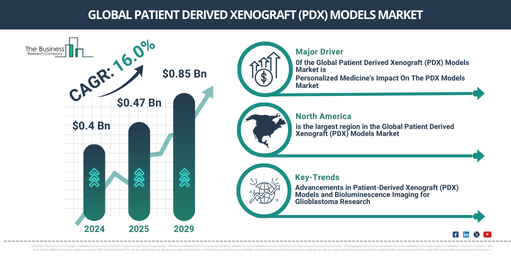
    In the past few years, the patient derived xenograft (PDX) models market has seen a swift growth. The market, which stood at $0.4 billion in 2024, is projected to expand to $0.47 billion in 2025, marking a compound annual growth rate (CAGR) of 16.4%. This surge in the historic timeframe is due to factors such as investments in research & development, regulatory backing, partnerships and collaborations, an increase in the number of contract research organizations (CROs), and a rise in cancer cases.

    How Much Will the Patient Derived Xenograft (PDX) Models Market Be Worth in 2029?

    In the coming years, a significant expansion is projected in the patient-derived xenograft (PDX) models market, with it escalating to $0.85 billion by 2029, registering a compound annual growth rate (CAGR) of 16.0%. The rise through the forecast period is linked to the increasing demand for tailored medical solutions, the surge in request for humanized PDX models, the growing prevalence of cancer, an emphasis on precision oncology, and proliferating R&D funding for cancer exploration. Key trends in this projection period include advancements in technology, an increased need for humanized PDX models, joint research enterprises, escalating investments in cancer inquiries, and an amplified focus on immuno-oncology.

    Download The Free Sample Report Here:

    https://www.thebusinessresearchcompany.com/sample.aspx?id=17226&type=smp

    Which is the Largest Company in the Patient Derived Xenograft (PDX) Models Market?

    Major companies operating in the patient derived xenograft (PDX) models market are Laboratory Corporation of America Holdings, WuXi AppTec Co. Ltd., Charles River Laboratories International Inc., The Jackson Laboratory, Inotiv Inc, Biocytogen Pharmaceuticals Co. Ltd., Taconic Biosciences Inc, BioDuro-Sundia Inc, Horizon Discovery Ltd., Crown Bioscience Inc., Champions Oncology Inc., Oncodesign Services S.A, Genesis Biotechnology Group LLC., Creative Animodel, Abnova Corp., Certis Oncology Solutions Inc., Xentech, Aragen Bioscience Inc., EPO Experimental Pharmacology & Oncology Berlin-Buch GmbH., Urosphere, Hera BioLabs, InnoSer, Pharmatest Services Ltd., IVRS AB, Altogen Inc

    What Are the Main Market Drivers in the Patient Derived Xenograft (PDX) Models Industry?

    The growth of the patient-derived xenograft (PDX) models market is predicted to be fueled by the rising demand for personalized medicine. This type of medical care is tailored specifically to the individual patient, taking into account factors like genetics, environment, and lifestyle. The push for personalized medicine is a result of advancements in genomic research, which allows for treatments to be specifically adjusted based on a person’s genetic profile, leading to more effective and targeted healthcare results. PDX models are instrumental in supporting personalized medicine as they allow for individual patient tumors to be tested to predict treatment response and adjust therapies accordingly. For example, in February 2024, the Personalized Medicine Coalition (PMC), a US-based non-profit organization, noted that the FDA approved 16 new personalized treatments for rare diseases in 2023, marking a significant rise from just six approvals in 2022. Therefore, the growth of the patient-derived xenograft (PDX) models market is being propelled by the increasing demand for personalized medicine.

    Request For A Customized Report:

    https://www.thebusinessresearchcompany.com/customise?id=17226&type=smp

    How Is the Patient Derived Xenograft (PDX) Models Market Segments Structured?

    The patient derived xenograft (PDX) models market covered in this report is segmented –

    1) By Type: Mice Models, Rat Models

    2) By Technique: Heterotopic Implantation, Orthotropic Implantation

    3) By Tumor Type: Gastrointestinal Tumor Models, Lung Tumor Models, Hematological Tumor Models, Gynecological Tumor Models, Respiratory Tumor Models, Urological Tumor Models, Other Tumor Models

    4) By Application: Preclinical Drug Development, Precision Medicine, Co-Clinical Trials, Basic Cancer Research

    5) By End-User: Academic And Research Organizations, Contract Research Organizations, Pharmaceutical And Biotechnological Companies, Other End-Users

    Subsegments:

    1) By Mice Models: Immunodeficient Mice Models (Nude Mice, SCID Mice), Humanized Mice Models, Genetically Modified Mice Models

    2) By Rat Models: Immunodeficient Rat Models, Humanized Rat Models, Genetically Modified Rat Models

    What Strategic Trends Are Transforming the Patient Derived Xenograft (PDX) Models Market?

    Leading companies in the patient-derived xenograft (PDX) models market are introducing innovative models equipped with in vivo bioluminescence imaging for real-time tracking of tumor development. This technology enhances the PDX models’ capacity for non-invasive, real-time observation of tumor metastasis and therapy responses, thereby improving the efficacy of preclinical drug development research. In March 2024, for example, India’s Contract Research Organization (CRO), InVitro Research Solutions Private Limited, developed a novel orthotopic model of human glioblastoma in NSG-SGM3 mice using PDX and in vivo bioluminescence imaging. This model’s aim is to enable individualized treatment of glioblastoma, the most prevalent and invasive form of brain cancer. These models are instrumental in learning more about glioblastoma biology and testing new targeted treatments and immunotherapies to enhance results.

    Access The Full Report Here:

    https://www.thebusinessresearchcompany.com/report/patient-derived-xenograft-pdx-models-global-market-report

    Which Global Regions Offer the Highest Growth in the Patient Derived Xenograft (PDX) Models Market?

    North America was the largest region in the patient derived xenograft (PDX) models market in 2023. Asia-Pacific is expected to be the fastest-growing region in the forecast period. The regions covered in the patient derived xenograft (PDX) models market report are Asia-Pacific, Western Europe, Eastern Europe, North America, South America, Middle East, Africa.

    Purchase The Full Report Today:

    https://www.thebusinessresearchcompany.com/purchaseoptions.aspx?id=17226

    This Report Delivers Insight On:

    1. How big is the patient derived xenograft (pdx) models market, and how is it changing globally?

    2. Who are the major companies in the patient derived xenograft (pdx) models market, and how are they performing?

    3. What are the key opportunities and risks in the patient derived xenograft (pdx) models market right now?

    4. Which products or customer segments are growing the most in the patient derived xenograft (pdx) models market?

    5. What factors are helping or slowing down the growth of the patient derived xenograft (pdx) models market?

    About The Business Research Company:

    With over 15000+ reports from 27 industries covering 60+ geographies, The Business Research Company has built a reputation for offering comprehensive, data-rich research and insights. Armed with 1,500,000 datasets, the optimistic contribution of in-depth secondary research, and unique insights from industry leaders, you can get the information you need to stay ahead in the game.

    Get in touch with us:

    The Business Research Company: https://www.thebusinessresearchcompany.com/

    Americas +1 310-496-7795

    Asia +44 2071930708

    Europe +44 7882 955267

    Email us at info@tbrc.info

    Follow us on:

    LinkedIn: https://in.linkedin.com/company/the-business-research-company

    YouTube: https://www.youtube.com/channel/UC24_fI0rV8cR5DxlCpgmyFQ

    Global Market Model: https://www.thebusinessresearchcompany.com/global-market-model

  • Chronic Care Management Software Industry Growth Expected to Reach $26.35 Billion by 2029 at a CAGR of 14.4% | Segmentation and Growth Opportunities

    Chronic Care Management Software Industry Growth Expected to Reach $26.35 Billion by 2029 at a CAGR of 14.4% | Segmentation and Growth Opportunities

    Claim your 30% discount on Global Market Reports with code ONLINE30. Limited time only.

    What Is the Forecast for the Chronic Care Management Software Market Growth in 2025?

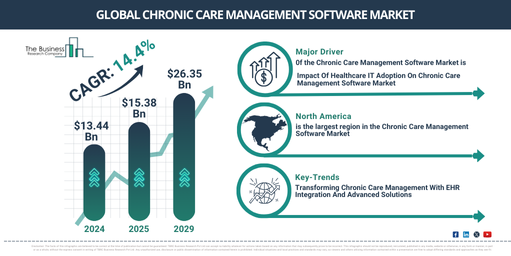
    The market size of chronic care management software has experienced a significant expansion in the past few years. It is projected to increase from $13.44 billion in 2024 to $15.38 billion in 2025, reflecting a compound annual growth rate (CAGR) of 14.4%. The surge in growth during the historic period can be credited to factors such as an increase in chronic disease cases, an aging population, a focus on patient-centric care, a rise in the need for remote patient observation, and escalating healthcare expenses.

    What Is the Forecast for the Chronic Care Management Software Market Size Through 2029?

    Rapid expansion is anticipated in the chronic care management software market in the upcoming years, with its size forecasted to reach $26.35 billion by 2029. This robust growth, marked by a compound annual growth rate (CAGR) of 14.4%, will likely be due to several factors. These include the adoption of telemedicine and virtual healthcare, an intensified focus on preventative care, and a mounting demand for interoperable healthcare solutions. The rise in healthcare consumerism and regulatory backing for chronic care management programs are also contributors to this expected growth. As for the major trends forecasted for this period, personalized management of chronic diseases, embracing of wearables and IoT devices, integration of telehealth platforms, the employment of predictive analytics to facilitate proactive care and the application of remote patient-monitoring technologies are expected.

    Download The Free Sample Report Here:

    https://www.thebusinessresearchcompany.com/sample.aspx?id=14668&type=smp

    What are the Key Market Players in Chronic Care Management Software Market and How They’re Evolving?

    Major companies operating in the chronic care management software market are McKesson Corporation, International Business Machines Corporation, Siemens Healthineers, Cognizant Technology Solutions, Koninklijke Philips N.V., Infosys Limited, Cerner Corporation, Epic Systems Corporation, EXL Service Holdings Inc., Allscripts Healthcare Solutions Inc., eClinicalWorks LLC, Waystar Revenue Cycle Technology, NextGen Healthcare Inc., MEDITECH, Medecision Inc., Greenway Health LLC, Vivify Health Inc., Casenet LLC, AdvancedMD Inc., Practice Fusion, ZeOmega Inc., Kareo Billing, ScienceSoft USA Corporation, Azalea Health, Care Sync (Vatica Health), InSync Healthcare Solutions, RxNT, ClinicTracker EHR, zHealth EHR, Chronic Care Management Inc.

    What Are the Primary Growth Drivers in the Chronic Care Management Software Market?

    The chronic care management software market is expected to see significant expansion as healthcare information technology (IT) solutions are increasingly adopted. These IT solutions, featuring digital technologies and systems aimed at optimizing healthcare processes, enhancing patient care, and promoting superior health outcomes overall, are integral in the evolution of an increasingly digital healthcare landscape. The motivation for their usage stems from the need to improve efficiency, Healthcare, streamline operations, and meet regulatory requirements. They are particularly beneficial in managing chronic diseases, as they facilitate superior communication, coordination, and patient monitoring. As per a Healthcare Information and Management Systems Society report in January 2022, an impressive 80% of healthcare providers plan to augment their technological and digital investments within the next half-decade. Moreover, Rock Health, in a February 2023 survey of 8,014 people, found that 76% of individuals aged 55 and older have utilized telemedicine, while 80% of all participants have accessed care via this medium at least once, marking an increase of 8% from 72% in 2021. As such, the continued rise in the adoption of healthcare IT solutions is fuelling the growth of the chronic care management software market.

    Request For A Customized Report:

    https://www.thebusinessresearchcompany.com/customise?id=14668&type=smp

    What Are the Leading Segments in the Global Chronic Care Management Software Industry?

    The chronic care management software market covered in this report is segmented –

    1) By Type: Standalone Software, Integrated Software

    2) By Deployment: Cloud-Based, Web-Based, On-Premise

    3) By Application: Chronic Disease Management, Case Management, Communication And Collaboration, Other Applications

    4) By End User: Hospitals, Clinics, Specialty Centers, Other End Users

    Subsegments:

    1) By Standalone Software: Remote Patient Monitoring Software, Chronic Disease Tracking Software, Appointment Scheduling Software, Medication Management Software, Patient Engagement Software, Electronic Health Records (EHR) Software, Data Analytics and Reporting Tools

    2) By Integrated Software: Integrated Chronic Care Management Platforms, Telehealth and Telemedicine Integration, Health Information Exchange (HIE) Systems, Care Coordination and Communication Tools, Population Health Management Solutions, Billing and Revenue Cycle Management Integration, Patient Portal and Mobile App Integration

    What Are the Key Market Trends in the Chronic Care Management Software Industry?

    Established businesses in the chronic care management software market are intensifying their endeavors on producing sophisticated solutions, such as EHR-integrated software to gain an edge over their competitors. This is done by improving patient results, driving up the quality of care coordination, and optimizing workflows for healthcare practitioners. The EHR-integrated software used in chronic care simplifies patient management by efficiently synchronizing real-time health data, treatment methodologies, and communication channels within a consolidated electronic health record system. For instance, in March 2024, the American digital health firm Rimidi launched The Rimidi Care Network. This is a collaborative program for remote monitoring clinical service providers, aiming to expand the patient’s reach to remote patient monitoring (RPM) services. The initiative is crafted to connect healthcare providers, payers, and technology vendors, thereby enabling them to deliver Rimidi’s solutions more effectively across diverse healthcare environments. Rimidi aspires to enhance patient engagement, primarily for chronic condition management, by integrating with electronic health records (EHR) and providing user-friendly RPM tools. The program aspires to streamline remote care services, amplify patient outcomes, and broaden access to populations benefiting from remote health monitoring.

    Access The Full Report Here:

    https://www.thebusinessresearchcompany.com/report/chronic-care-management-software-global-market-report

    What Is the Regional Outlook for the Chronic Care Management Software Market?

    North America was the largest region in the chronic care management software market in 2024. Asia-Pacific is expected to be the fastest-growing region in the forecast period. The regions covered in the chronic care management software market report are Asia-Pacific, Western Europe, Eastern Europe, North America, South America, Middle East and Africa.

    Purchase The Full Report Today:

    https://www.thebusinessresearchcompany.com/purchaseoptions.aspx?id=14668

    This Report Delivers Insight On:

    1. How big is the chronic care management software market, and how is it changing globally?

    2. Who are the major companies in the chronic care management software market, and how are they performing?

    3. What are the key opportunities and risks in the chronic care management software market right now?

    4. Which products or customer segments are growing the most in the chronic care management software market?

    5. What factors are helping or slowing down the growth of the chronic care management software market?

    About The Business Research Company:

    With over 15000+ reports from 27 industries covering 60+ geographies, The Business Research Company has built a reputation for offering comprehensive, data-rich research and insights. Armed with 1,500,000 datasets, the optimistic contribution of in-depth secondary research, and unique insights from industry leaders, you can get the information you need to stay ahead in the game.

    Get in touch with us:

    The Business Research Company: https://www.thebusinessresearchcompany.com/

    Americas +1 310-496-7795

    Asia +44 2071930708

    Europe +44 7882 955267

    Email us at info@tbrc.info

    Follow us on:

    LinkedIn: https://in.linkedin.com/company/the-business-research-company

    YouTube: https://www.youtube.com/channel/UC24_fI0rV8cR5DxlCpgmyFQ

    Global Market Model: https://www.thebusinessresearchcompany.com/global-market-model

  • Interactive Fitness Market Projected at $7.81 Billion by 2029 | Strategic Insights and Forecast Data

    Interactive Fitness Market Projected at $7.81 Billion by 2029 | Strategic Insights and Forecast Data

    Claim your 30% discount on Global Market Reports with code ONLINE30. Limited time only.

    #How Has The Interactive Fitness Market Size Shifted, And What Is the Outlook Through 2034?

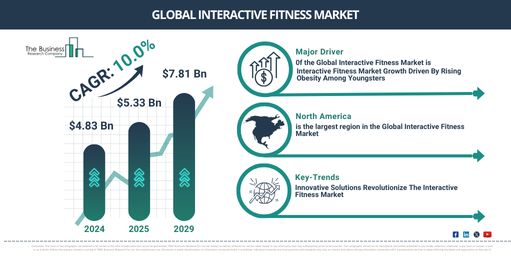
    The market size of interactive fitness has seen a meteoric rise in the past few years. Projected growth indicates an increase from $4.83 billion in 2024 to $5.33 billion in 2025, demonstrating a compound annual growth rate (CAGR) of 10.2%. Factors contributing to this accelerated growth during the historical period include elevated awareness of health, shifts in consumer tastes, the introduction of gaming elements to workouts, advancements in fitness monitoring and data analysis, and the widespread proliferation of digital platforms.

    How Much Will the Interactive Fitness Market Be Worth in 2029?

    The size of the interactive fitness market is anticipated to experience a swift expansion in the upcoming years, reaching $7.81 billion by 2029 with a CAGR of 10.0%. The anticipated growth within the given time-frame can be traced back to factors such as emerging health and wellness trends, personalization and customization of fitness routines, their merger into daily routines, and the rise in remote and hybrid fitness models. Some key trends to watch out for during the forecast period encompass VR workouts, live-streamed or on-demand classes, tailored workout sessions, the inclusion of wearable technology, and various multisensory experiences.

    Download The Free Sample Report Here:

    https://www.thebusinessresearchcompany.com/sample.aspx?id=15399&type=smp

    Which is the Largest Company in the Interactive Fitness Market?

    Major companies operating in the interactive fitness market are Peloton Interactive Inc., Fitbit Inc., iFit, Beachbody LLC, Precor, Flywheel Sports Inc., Bowflex, Nautilus Inc., Life Fitness, TECHNOGYM Spa, Matrix Fitness, Echelon Fitness Multimedia LLC, EGYM Inc., Hydrow Inc., Horizon Fitness, Evervue USA Inc., FightCamp, Paradigm Health and Wellness Inc., NordicTrack, Nexersys Corp., Axtion Technology LLC, Zwift Inc., MYX Fitness

    What Are the Main Market Drivers in the Interactive Fitness Industry?

    An increase in the incidence of obesity among young people is anticipated to stimulate the expansion of the interactive fitness market. Obesity, a medical condition resulting from an excessive amount of body fat, can lead to various health issues, and its prevalence is escalating due to factors such as inactive lifestyles, poor eating habits, the environment, and genetic susceptibility. Interactive fitness can be an effective intervention for those battling obesity, offering unique, personalised, and accessible fitness sessions that aid their path to enhanced health and wellness. For example, as reported by the Office for Health Improvement and Disparities, a department of the UK’s Health and Social Care, the estimated proportion of adults aged 18 and over in England with obesity increased from 63.3% in the prior year, to 63.8% in 2022. Consequently, the growing incidence of obesity among young people is fuelling the advancement of the interactive fitness market.

    Request For A Customized Report:

    https://www.thebusinessresearchcompany.com/customise?id=15399&type=smp

    How Is the Interactive Fitness Market Segments Structured?

    The interactive fitness market covered in this report is segmented –

    1) By Product: Fitness Equipment, Software System

    2) By Application: Gym, Household

    3) By End-User: Residential, Nonresidential

    Subsegments:

    1) By Fitness Equipment: Cardio Equipment (Treadmills, Stationary Bikes, Rowing Machines), Strength Training Equipment (Free Weights, Resistance Bands, Weight Machines), Connected Wearables (Smartwatches, Fitness Trackers), Smart Fitness Machines (Peloton, Smart Ellipticals), Fitness Accessories (Yoga Mats, Resistance Bands, Kettlebells)

    2) By Software System: Fitness Tracking Software (Apps For Tracking Exercise, Nutrition, And Progress), Virtual Fitness Classes (Live Streaming Workouts, On-Demand Exercise Programs), Fitness Gamification Platforms (Apps Incorporate Game-like Elements), Personal Training Software (Custom Workout Plans, AI-driven Coaching), Health And Wellness Platforms (Integrated Fitness And Health Tracking, Wellness Programs)

    What Strategic Trends Are Transforming the Interactive Fitness Market?

    Leading businesses in the interactive fitness market are concentrating on creating pioneering solutions, like cutting-edge AI-assisted workout tracking technology, to improve the user’s experience and maximize fitness benefits. This high-end AI-facilitated workout tracking tech in interactive fitness refers to systems that use intelligent algorithms to track and assess user’s workout performance, deliver individualized feedback, and tailor training programs to boost fitness results. For example, in October 2022, Insane AI, an Indian fitness technology firm, released an AI-guided fitness training application that exploits the front-facing camera on smartphones to monitor movements, offering immediate posture correction and form adjustments for users during their exercise sessions. It incorporates a broad spectrum of instructed body workouts, from HIIT and cardio, through to muscle training, yoga, balance exercises, and unique agility drills. Furthermore, it allows users access to their exercise and performance records. The interactive workout display keeps users alert with visual prompts and live commentary. The application also rewards users with tangible rewards for their exercise efforts, making fitness feel as enticing as a game.

    Access The Full Report Here:

    https://www.thebusinessresearchcompany.com/report/interactive-fitness-global-market-report

    Which Global Regions Offer the Highest Growth in the Interactive Fitness Market?

    North America was the largest region in the interactive fitness market in 2024. Asia-Pacific is expected to be the fastest-growing region in the forecast period. The regions covered in the interactive fitness market report are Asia-Pacific, Western Europe, Eastern Europe, North America, South America, Middle East, Africa.

    Purchase The Full Report Today:

    https://www.thebusinessresearchcompany.com/purchaseoptions.aspx?id=15399

    This Report Delivers Insight On:

    1. How big is the interactive fitness market, and how is it changing globally?

    2. Who are the major companies in the interactive fitness market, and how are they performing?

    3. What are the key opportunities and risks in the interactive fitness market right now?

    4. Which products or customer segments are growing the most in the interactive fitness market?

    5. What factors are helping or slowing down the growth of the interactive fitness market?

    About The Business Research Company:

    With over 15000+ reports from 27 industries covering 60+ geographies, The Business Research Company has built a reputation for offering comprehensive, data-rich research and insights. Armed with 1,500,000 datasets, the optimistic contribution of in-depth secondary research, and unique insights from industry leaders, you can get the information you need to stay ahead in the game.

    Get in touch with us:

    The Business Research Company: https://www.thebusinessresearchcompany.com/

    Americas +1 310-496-7795

    Asia +44 2071930708

    Europe +44 7882 955267

    Email us at info@tbrc.info

    Follow us on:

    LinkedIn: https://in.linkedin.com/company/the-business-research-company

    YouTube: https://www.youtube.com/channel/UC24_fI0rV8cR5DxlCpgmyFQ

    Global Market Model: https://www.thebusinessresearchcompany.com/global-market-model