Month: July 2025

  • Green Hospitals Forecast Report – Designed for Decision Makers and Product Teams

    Green Hospitals Forecast Report – Designed for Decision Makers and Product Teams

    Claim your 30% discount on Global Market Reports with code ONLINE30. Limited time only.

    What Is the Growth Rate of the Green Hospitals Market?

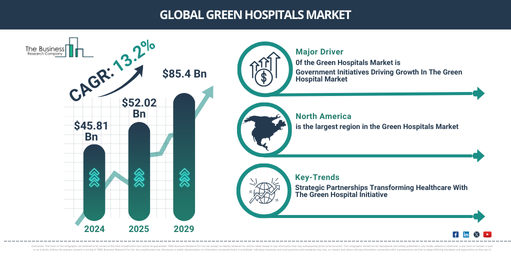
    The market size of green hospitals has seen a substantial increase in the past few years. The market that stood at $45.81 billion in 2024 will see a rise to $52.02 billion in 2025, showing a compound annual growth rate (CAGR) of 13.6%. The surge in the past years is primarily due to heightened awareness about environmental problems, the requirement for eco-friendly practices, a rise in the number of hospitals aiming for sustainability, the switch to renewable energy, and the noteworthy impact of green hospitals in reducing carbon emissions.

    What Growth Rate Is Forecasted for the Green Hospitals Market by 2029?

    The market size of green hospitals is projected to experience a significant increase over the next few years, reaching $85.4 billion in 2029 at a compound annual growth rate of 13.2%. This growth during the forecast period is due to the efforts of organizations in helping hospitals reach their no-emission objectives, utilizing sustainable construction materials, the creation of eco-friendly hospitals, adopting green buying policies on a wider scale, and health care sustainability initiatives. Key trends during this forecast period encompass breakthroughs in technology, state-of-the-art systems like energy-saving lighting, renewable energy, waste minimization programs to augment sustainability, and a large array of green healthcare services.

    Download The Free Sample Report Here:

    https://www.thebusinessresearchcompany.com/sample.aspx?id=14726&type=smp

    Which Key Companies Are Shaping the Future of the Green Hospitals Market?

    Major companies operating in the green hospitals market are Hitachi Ltd., Siemens AG, Schneider Electric SE, Honeywell International Inc., Johnson Controls International PLC, Lyngsoe Systems A/S, Medline Industries Inc., Eaton Corp., Waste Management Inc., Koninklijke Philips N.V., Trane Technologies Plc, Northwell Health Inc., Dignity Health, Owens-Corning Overseas Holdings Inc., GE HealthCare Technologies Inc., Mount Sinai Health System Inc., Stericycle Inc., HDR Inc., Celitron Inc., Max Healthcare Ltd., Jehangir Hospital, Dell Children’s Medical Center, Gundersen Lutheran Health System Inc., Boulder Community Health, Bronson Methodist Hospital, All India Institutes of Medical Sciences (AIIMS), Tuttnauer B.V

    Which Factors Are Driving Demand in the Green Hospitals Industry?

    Emerging governmental actions aimed at promoting sustainable healthcare are anticipated to boost the expansion of the green hospital market. Sustainable healthcare promotion, through government initiatives, involves planning and implementation of strategies to ensure healthcare systems meet present demands without risking future resources or environmental welfare. These initiatives encourage sustainability in healthcare, focusing on resource preservation, equal healthcare accessibility, and the establishment of environmental-friendly practices. These practices include energy-saving structures, integration of renewable energy, and minimising waste, especially within green hospitals. For instance, the ZonMw, an organization based in the Netherlands dedicated to healthcare research and innovation, pledged to the Sustainable Healthcare Green Deal 3.0 in June 2023. This commitment aligned them with other participants dedicated to lessening the environmental footprint of the healthcare industry. Various policy documents and agreements have highlighted the government’s aspiration to enhance healthcare sustainability. The previous government had pledged, through the Climate Act (Klimaatwet), to attain net-zero carbon emissions by 2050, a target that healthcare institutions will also be obliged to achieve. Hence, emerging governmental actions promoting sustainable healthcare are fuelling the expansion of the green hospital market.

    Request For A Customized Report:

    https://www.thebusinessresearchcompany.com/customise?id=14726&type=smp

    How Is the Green Hospitals Market Segmented by Several Divisions?

    The green hospitals market covered in this report is segmented –

    1) By Type Of Green Technology: Energy-Efficient Lightning, Renewable Energy Sources, Waste Reduction Programs

    2) By Services: Medical Services, Surgical Services, Emergency Services

    3) By Certification Range: Leadership In Energy And Environmental Design (LEED) Certification, Green Globes Corporation, Energy Star Certification

    4) By Ownership: Government-Owned Facilities, Private Facilities, Non-Profit Facilities

    5) By Application: Hospitals, Clinics, Long-Term Care Facilities

    Subsegments:

    1) By Energy-Efficient Lighting: Led Lighting, Smart Lighting Systems, Occupancy Sensor-Based Lighting

    2) By Renewable Energy Sources: Solar Power Systems, Wind Energy Systems, Geothermal Heating And Cooling

    3) By Waste Reduction Programs: Medical Waste Recycling, Waste Segregation And Composting, Energy-From-Waste Technologies

    What are the Emerging Market Trends Driving the Growth of the Green Hospitals Industry?

    Key players in the green hospital market are prioritizing the incorporation of sustainability into healthcare facilities through strategic alliances. These partnerships enable the development and application of sustainable techniques, technologies, and initiatives that contribute to environmental preservation and efficiency within hospital functions, thus nurturing an eco-friendly hospital atmosphere. For example, in February 2024, the Swedish environmental services group, Nordic Center for Sustainable Healthcare (NCSH) joined forces with the Indian non-profit, Mamta Health Institute for Mother and Child (MAMTA HIMC), launching the Green Hospital Initiative. The aim is to capacitate hospitals and healthcare providers to improve their operational efficiencies, environmental responsibility, patient safety, and care standards. The program encourages hospitals to incorporate green practices like leadership, waste management, use of safer chemicals, energy efficiency, water conservation, among other things. It also advocates teamwork through workgroups, professional networking, and exchanging sustainable practices to instigate positive transformation within healthcare establishments.

    Access The Full Report Here:

    https://www.thebusinessresearchcompany.com/report/green-hospitals-global-market-report

    Which Regions Are Driving Growth in the Green Hospitals Market?

    North America was the largest region in the green hospitals market in 2024. Asia-Pacific is the fastest growing region in the market. The regions covered in the green hospitals market report are Asia-Pacific, Western Europe, Eastern Europe, North America, South America, Middle East and Africa.

    Purchase The Full Report Today:

    https://www.thebusinessresearchcompany.com/purchaseoptions.aspx?id=14726

    This Report Delivers Insight On:

    1. How big is the green hospitals market, and how is it changing globally?

    2. Who are the major companies in the green hospitals market, and how are they performing?

    3. What are the key opportunities and risks in the green hospitals market right now?

    4. Which products or customer segments are growing the most in the green hospitals market?

    5. What factors are helping or slowing down the growth of the green hospitals market?

    About The Business Research Company:

    With over 15000+ reports from 27 industries covering 60+ geographies, The Business Research Company has built a reputation for offering comprehensive, data-rich research and insights. Armed with 1,500,000 datasets, the optimistic contribution of in-depth secondary research, and unique insights from industry leaders, you can get the information you need to stay ahead in the game.

    Get in touch with us:

    The Business Research Company: https://www.thebusinessresearchcompany.com/

    Americas +1 310-496-7795

    Asia +44 2071930708

    Europe +44 7882 955267

    Email us at info@tbrc.info

    Follow us on:

    LinkedIn: https://in.linkedin.com/company/the-business-research-company

    YouTube: https://www.youtube.com/channel/UC24_fI0rV8cR5DxlCpgmyFQ

    Global Market Model: https://www.thebusinessresearchcompany.com/global-market-model
  • Gestational Trophoblastic Disease Market Outlook 2025 – Insights for Executive and Strategic Planning

    Gestational Trophoblastic Disease Market Outlook 2025 – Insights for Executive and Strategic Planning

    Claim your 30% discount on Global Market Reports with code ONLINE30. Limited time only.

    How Has the Gestational Trophoblastic Disease Market Grown from 2024 to 2025?

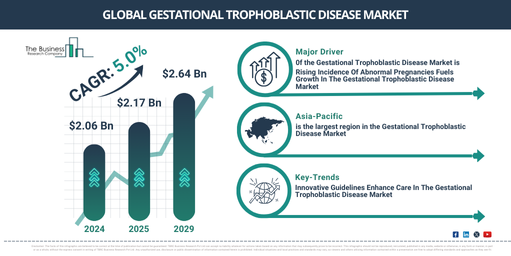
    Recent years have seen robust growth in the market size for gestational trophoblastic disease. Forecasts predict that it will escalate from a value of $2.06 billion in 2024 to $2.17 billion in 2025, representing a compound annual growth rate (CAGR) of 5.3%. The impressive growth observed in the historical period can be ascribed to factors such as public health drives, enhanced comprehension of disease pathology, advances in medical research and clinical trials, the emergence of targeted therapies, and modifications in treatment protocols.

    What Growth Rate Is Anticipated for the Gestational Trophoblastic Disease Market in the Coming Years?

    The market for gestational trophoblastic disease is projected to experience a steady rise in the upcoming years, escalating to a worth of $2.64 billion in 2029 with a CAGR of 5.0%. This predicted expansion during this period can be credited to improvements in healthcare infrastructure, advancements in telemedicine and remote patient care, patient-focused care models, authorization for new treatment methods, and genomic and molecular research. Significant market trends anticipated in this forecasted duration include a shift towards personalized medication, progress in molecular diagnostic techniques, emphasize on immunotherapies and targeted treatments, adaptation of digital health technologies, and an increase in awareness and educational initiatives.

    Download The Free Sample Report Here:

    https://www.thebusinessresearchcompany.com/sample.aspx?id=13271&type=smp

    Who Are the Leading Companies in the Gestational Trophoblastic Disease Market?

    Major companies operating in the gestational trophoblastic disease market report are Pfizer Inc., F. Hoffmann-La Roche AG, AbbVie Inc., Bayer AG, Novartis AG, Merck And Co. Inc., Sun Pharmaceutical Industries Ltd., GSK PLC, Bristol-Myers Squibb Company, Sanofi S.A., AstraZeneca PLC, Eli Lilly and Company, Mylan N.V, Daiichi Sankyo Co. Ltd., Eisai Co. Ltd., Perrigo Company PLC, Jiangsu Hengrui Medicine Co. Ltd., Exelixis Inc., Wockhardt Ltd., Natco Pharma Ltd., Blueprint Medicines Corporation, Array BioPharma Inc., Deciphera Pharmaceuticals Inc., Ono Pharmaceutical Co. Ltd., Boston Biomedical Inc., DNAtrix Inc., Arog Pharmaceuticals Inc., Advenchen Laboratories LLC., Mendus AB, AB Science S.A.

    What Are the Key Drivers of the Gestational Trophoblastic Disease Market?

    The anticipated growth of the gestational trophoblastic disease market is linked to the increase in abnormal pregnancies. Abnormal pregnancies, which deviate from usual or expected progression, could pose risks to the mother, the fetus, or both. One instance of abnormal pregnancy is a molar pregnancy where the trophoblast, instead of turning into a fetus, develops into a tumor causing gestational trophoblastic disease. For instance, according to data revealed by the Office for Health Improvement and Disparities, a UK-based government department, there were a record 251,377 abortions in England and Wales in 2022, a marked 17% increase from the previous year. This rise in abnormal pregnancies is a significant driver of the gestational trophoblastic disease market. Similarly, the escalating prevalence of cigarette smoking is projected to fuel the growth of the gestational trophoblastic disease market. Cigarette smoking, defined as the act of burning tobacco and inhaling its smoke filled with harmful chemicals and toxins, can adversely impact various body structures. It may corrupt the DNA of trophoblastic cells – the builders of the placenta – causing abnormal proliferation and division, leading to gestational trophoblastic disease. As an example, the Australian Bureau of Statistics, an Australian governmental organization, reported in May 2022 that the percentage of daily smokers intensified with age, peaking at 13.6% in the age group of 55–64 during 2021–2022. This rise in cigarette smoking further propels the growth of the gestational trophoblastic disease market.

    Request For A Customized Report:

    https://www.thebusinessresearchcompany.com/customise?id=13271&type=smp

    What Are the Key Market Segments in the Gestational Trophoblastic Disease Industry?

    The gestational trophoblastic disease market covered in this report is segmented –

    1) By Type: Hydatidiform Mole, Choriocarcinoma, Placental-Site Trophoblastic Tumor, Epithelioid Trophoblastic Tumor, Other Types

    2) By Treatment: Surgery, Chemotherapy, Suction Dilation And Curettage (D&C), Radiation Therapy

    3) By End User: Hospital And Clinics, Diagnostic Centers, Other End Users

    Subsegments:

    1) By Hydatidiform Mole: Complete Hydatidiform Mole, Partial Hydatidiform Mole

    2) By Choriocarcinoma: Non-Metastatic Choriocarcinoma, Metastatic Choriocarcinoma

    3) By Placental-Site Trophoblastic Tumor: PSTT With Normal Placentation, PSTT With Abnormal Placentation

    4) By Epithelioid Trophoblastic Tumor: Epithelioid Trophoblastic Tumor With No Evidence Of Metastasis, Epithelioid Trophoblastic Tumor With Metastasis

    5) By Other Types: Trophoblastic Tumor Of Unknown Origin, Non-Gestational Trophoblastic Neoplasia

    What Are the Latest Trends in the Gestational Trophoblastic Disease Market?

    Leading players in the gestational trophoblastic disease market are establishing policies to provide premium services to their clientele. The publication of the revised guideline assures a full evaluation of prevailing diagnostic and treatment methods for patients with GTD, equipping healthcare professionals with the necessary knowledge to provide outstanding patient care. In May 2022, the Health Service Executive (HSE) National Cancer Control Programme (NCCP), an Irish organization offering public health and social care services, unveiled the updated GTD guideline at a European organization dedicated to treating trophoblastic disease. The guideline expertly harmonizes the latest research findings with clinical expertise and patient needs, ultimately working towards a more consistent practice and enhanced patient care.

    Groundbreaking Fertility Tissue Conservation Therapies in the Gestational Trophoblastic Disease Market

    Esteemed companies in the gestational trophoblastic disease market are pioneering novel solutions, including fertility tissue conservation therapies, to offer trustworthy services to their clientele. Fertility tissue conservation techniques maintain the functionality of reproductive tissues like sperm, eggs, embryos, and ovarian tissues. These techniques generally employ a combination of cryoprotectants that safeguard cells from possible damage during freezing. In June 2022, Inception Fertility LLC, an American fertility care provider, introduced HavenCryo, a state-of-the-art, long-term fertility tissue and cryopreservation storage solution. HavenCryo provides exceptional services to fertility providers and patients by storing reproductive tissues, including eggs, sperm, and embryos indefinitely. This provides patients with greater family planning flexibility, security, and autonomy regarding their reproductive decisions. Furthermore, HavenCryo has capabilities to store eggs or embryos for women diagnosed with gestational trophoblastic disease (GTD) who require treatments that may potentially harm their fertility.

    Access The Full Report Here:

    https://www.thebusinessresearchcompany.com/report/gestational-trophoblastic-disease-global-market-report

    What Are the Key Regional Markets in the Gestational Trophoblastic Disease Industry?

    Asia-Pacific was the largest region in the gestational trophoblastic disease market in 2024, and is expected to be the fastest-growing region in the forecast period. The regions covered in the gestational trophoblastic disease market report are Asia-Pacific, Western Europe, Eastern Europe, North America, South America, Middle East, Africa

    Purchase The Full Report Today:

    https://www.thebusinessresearchcompany.com/purchaseoptions.aspx?id=13271

    This Report Delivers Insight On:

    1. How big is the gestational trophoblastic disease market, and how is it changing globally?

    2. Who are the major companies in the gestational trophoblastic disease market, and how are they performing?

    3. What are the key opportunities and risks in the gestational trophoblastic disease market right now?

    4. Which products or customer segments are growing the most in the gestational trophoblastic disease market?

    5. What factors are helping or slowing down the growth of the gestational trophoblastic disease market?

    About The Business Research Company:

    With over 15000+ reports from 27 industries covering 60+ geographies, The Business Research Company has built a reputation for offering comprehensive, data-rich research and insights. Armed with 1,500,000 datasets, the optimistic contribution of in-depth secondary research, and unique insights from industry leaders, you can get the information you need to stay ahead in the game.

    Get in touch with us:

    The Business Research Company: https://www.thebusinessresearchcompany.com/

    Americas +1 310-496-7795

    Asia +44 2071930708

    Europe +44 7882 955267

    Email us at info@tbrc.info

    Follow us on:

    LinkedIn: https://in.linkedin.com/company/the-business-research-company

    YouTube: https://www.youtube.com/channel/UC24_fI0rV8cR5DxlCpgmyFQ

    Global Market Model: https://www.thebusinessresearchcompany.com/global-market-model
  • Germ Cell Tumor Market Projected at $19.81 Billion by 2029 | Strategic Insights and Forecast Data

    Germ Cell Tumor Market Projected at $19.81 Billion by 2029 | Strategic Insights and Forecast Data

    Claim your 30% discount on Global Market Reports with code ONLINE30. Limited time only.

    How Has the Germ Cell Tumor Market Size Changed, over the years?

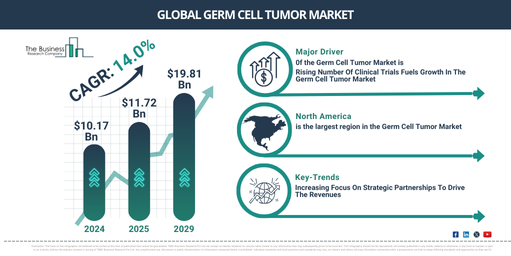
    In recent times, the market size for germ cell tumors has seen significant expansion. It is projected that it will rise from $10.17 billion in 2024 to $11.72 billion in 2025, delivering a compound annual growth rate (CAGR) of 15.2%. Factors such as growing awareness, collective endeavors, governmental measures, and enhanced patient healthcare access have contributed to the growth throughout the historical period.

    How Much Will the Germ Cell Tumor Market Be Worth in 2029?

    The market size for germ cell tumors is predicted to experience a significant increase in the coming years, reaching $19.81 billion by the year 2029, with a compound annual growth rate (CAGR) of 14.0%. Factors contributing to this growth during the forecast period include the advent of novel therapeutic methods, precision medicine, genomic studies, worldwide healthcare facilities, and a focus on patient-oriented strategies. Key trends to watch during this forecast period encompass integration of digital health, research and development initiatives, progress in diagnostic technologies, shifts in global epidemiology, and strides made in diagnostic technologies.

    Download The Free Sample Report Here:

    https://www.thebusinessresearchcompany.com/sample.aspx?id=13249&type=smp

    Which is the Largest Company in the Germ Cell Tumor Market?

    Major companies operating in the germ cell tumor market report are Johnson & Johnson, Pfizer Inc., F. Hoffmann-La Roche AG, AbbVie Inc., Bayer AG, Novartis AG, Merck & Co. Inc., Bristol-Myers Squibb Company, Fresenius Kabi Oncology Limited, Sanofi S.A., AstraZeneca PLC, Ipsen Pharma, Takeda Pharmaceutical Company Limited, Eli Lilly and Company, Gilead Sciences Inc., Baxter International Inc., Regeneron Pharmaceuticals Inc., Sandoz International GmbH, Daiichi Sankyo Co. Ltd., Vertex Pharmaceuticals Incorporated, Jazz Pharmaceuticals PLC, Ono Pharmaceutical Co. Ltd., Kyowa Hakko Kirin Co. Ltd., Mallinckrodt Pharmaceuticals, Taiho Pharmaceutical Co. Ltd., Accord Healthcare Limited, Spectrum Pharmaceuticals Inc., Ziopharm Oncology Inc.

    What Are the Main Market Drivers in the Germ Cell Tumor Industry?

    The germ cell tumor market’s growth is poised to accelerate due to an increase in the number of clinical trials. These trials are meticulously planned researches involving human volunteers that analyze the effectiveness, safety, and potential advantages of new medical procedures and treatments. As these trials are crucial to understanding germ-cell cancers, they assist in determining the effectiveness and safe use of new drugs, providing insightful information about the current treatment methods. For instance, Xtalks, a digital health firm based in Canada, reported in May 2023 that out of the 452,604 registered clinical trials on ClinicalTrials.gov globally, 64,838 trials are actively recruiting participants. This is a considerable surge from early 2021 when the number of registered trials was over 365,000. Thus, the rising number of clinical trials is fuelling the germ cell tumor market’s growth. The surge in cancer prevalence is also a driver for the germ cell tumor market’s expansion. Cancer is a condition marked by the unsuppressed growth and proliferation of irregular cells that often forms tumors and can spread to surrounding tissues and other parts of the body. Standard treatment for germ cell tumors includes the surgical excision of the tumor, followed by chemotherapy to eradicate any surviving cancer cells. For example, the American Cancer Society Inc., a non-profit health organization in the US, reported that in 2023, there will be an estimated 1,958,310 new cancer cases, an increase from 1,918,030 new cancer cases in 2022. Therefore, the escalating prevalence of cancer is a significant factor driving the growth of the germ cell tumor market.

    Request For A Customized Report:

    https://www.thebusinessresearchcompany.com/customise?id=13249&type=smp

    How Is the Germ Cell Tumor Market Segments Structured?

    The germ cell tumor market covered in this report is segmented –

    1) By Disease: Testicular, Ovarian, Other Diseases

    2) By Treatment Type: Chemotherapy, Immunotherapy

    3) By Route Of Administration: Oral, Intravenous, Intraperitoneal

    4) By End User: Hospitals And Clinics, Research Institutes, Other End Users

    Subsegments:

    1) By Testicular: Seminomas, Non-Seminomas

    2) By Ovarian: Dysgerminoma, Non-Dysgerminomatous Germ Cell Tumors

    3) By Other Diseases: Extragonadal Germ Cell Tumors, Germ Cell Tumors In Children

    What Strategic Trends Are Transforming the Germ Cell Tumor Market?

    Top firms in the germ cell tumor market are pursuing alliances that enhance their profitability. Take the August 2022 partnership between the US-based pharmaceutical company Merck & Co. Inc., which is researching germ cell tumor drugs, and Orna Therapeutics, a fellow American biotech company. Their cooperation aims to accelerate the development of RNA therapies for patients who are in need of novel treatment options, drawing upon the collective knowledge and experience of both companies. Furthermore, Truveta Inc., a healthcare company located in the US, teamed up with Pfizer Inc., an American pharmaceutical enterprise that runs clinical trials and studies on germ cell cancers. This partnership, formed in June 2022, aims to apply Truveta’s health data platform to provide Pfizer with a state-of-the-art data structure for research. The unique partnership between Truveta and Pfizer combines life science and health systems to rapidly generate real-time safety insights.

    Access The Full Report Here:

    https://www.thebusinessresearchcompany.com/report/germ-cell-tumor-global-market-report

    Which Global Regions Offer the Highest Growth in the Germ Cell Tumor Market?

    North America was the largest region in the germ cell tumors market in 2024. Asia-Pacific is expected to be the fastest-growing region in the forecast period. The regions covered in the germ cell tumor market report are Asia-Pacific, Western Europe, Eastern Europe, North America, South America, Middle East, Africa

    Purchase The Full Report Today:

    https://www.thebusinessresearchcompany.com/purchaseoptions.aspx?id=13249

    This Report Delivers Insight On:

    1. How big is the germ cell tumor market, and how is it changing globally?

    2. Who are the major companies in the germ cell tumor market, and how are they performing?

    3. What are the key opportunities and risks in the germ cell tumor market right now?

    4. Which products or customer segments are growing the most in the germ cell tumor market?

    5. What factors are helping or slowing down the growth of the germ cell tumor market?

    About The Business Research Company:

    With over 15000+ reports from 27 industries covering 60+ geographies, The Business Research Company has built a reputation for offering comprehensive, data-rich research and insights. Armed with 1,500,000 datasets, the optimistic contribution of in-depth secondary research, and unique insights from industry leaders, you can get the information you need to stay ahead in the game.

    Get in touch with us:

    The Business Research Company: https://www.thebusinessresearchcompany.com/

    Americas +1 310-496-7795

    Asia +44 2071930708

    Europe +44 7882 955267

    Email us at info@tbrc.info

    Follow us on:

    LinkedIn: https://in.linkedin.com/company/the-business-research-company

    YouTube: https://www.youtube.com/channel/UC24_fI0rV8cR5DxlCpgmyFQ

    Global Market Model: https://www.thebusinessresearchcompany.com/global-market-model
  • Genotyping Assay Industry Growth Expected to Reach $95.5 Billion by 2029 at a CAGR of 23.1% | Segmentation and Growth Opportunities

    Genotyping Assay Industry Growth Expected to Reach $95.5 Billion by 2029 at a CAGR of 23.1% | Segmentation and Growth Opportunities

    Claim your 30% discount on Global Market Reports with code ONLINE30. Limited time only.

    What Is the Forecast for the Genotyping Assay Market Growth in 2025?

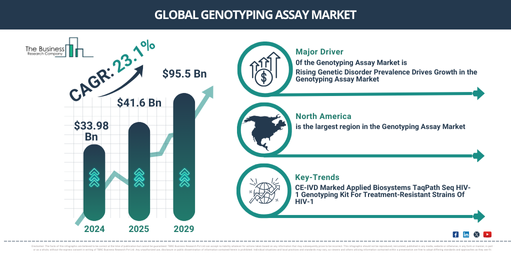
    The market volume of the genotyping assay has witnessed robust expansion in recent times. Forecasted to escalate from $33.98 billion in 2024 to a stunning $41.6 billion in 2025, it displays a compound annual growth rate (CAGR) of 22.4%. Factors such as the utilization of conventional glassware, cultural and lifestyle impacts, economic elements, the boom in the hospitality and foodservice industry, alongside trending gifts and decor, have significantly contributed to the growth during the historic period.

    What Is the Forecast for the Genotyping Assay Market Size Through 2029?

    The market size for genotyping assays is predicted to observe substantial expansion in the forthcoming years, escalating to $95.5 billion in 2029 with a compound annual growth rate (CAGR) of 23.1%. The progression in the predicted span is credited to elements such as customization and personalization, health and wellness tendencies, the rise of e-commerce, intelligent and functional glassware, along with culinary and mixology trends. Noteworthy trends during the projection period comprise of material innovation, imaginative shapes, and designs, intelligent glassware, specialized glassware for drinks, and health and safety facets.

    Download The Free Sample Report Here:

    https://www.thebusinessresearchcompany.com/sample.aspx?id=13444&type=smp

    What are the Key Market Players in Genotyping Assay Market and How They’re Evolving?

    Major companies operating in the genotyping assay market report are F. Hoffmann-La Roche Ltd., Thermo Fisher Scientific, Danaher Corporation, Eurofins Scientific SE, Agilent Technologies Inc., PerkinElmer Inc., Illumina Inc., Bio-Rad Laboratories Inc., Qiagen NV, BGI Genomics, LGC Biosearch Technologies, GenScript Biotech, Inotiv Inc., Promega Corporation, Luminex Corporation, Integrated DNA Technologies Inc., Integrated DNA Technologies Ltd., Sequenom Inc., 23andMe Inc., Novogene Corporation, Oxford Nanopore Technologies PLC, GenMark Diagnostics Inc., Macrogen Inc., Pacific Biosciences of California Inc., Standard BioTools Inc., Genewiz Inc., New England Biolabs, TrimGen Corporation, Xcelris Genomics

    What Are the Primary Growth Drivers in the Genotyping Assay Market?

    The surge in the prevalence of genetic disorders is predicted to fuel the genotyping assay market’s expansion. Genetic disorders, defined as medical conditions caused by abnormalities or mutations in an individual’s DNA, significantly influence the use of genotyping assays. These assessments allow for comparisons between the DNA of ailing individuals and the DNA of healthy ones, helping to identify specific mutations or variations associated with a particular genetic disorder. Gene People, a UK-based charity supporting those with genetic conditions, reported in June 2023 that one in every 25 UK children has a genetic disorder. This equates to nearly 30,000 newborns and young children, in addition to over 2.4 million children and adults yearly. Consequently, the increased prevalence of genetic disorders is fuelling the expansion of the genotyping assay market. The genotyping assay market is expected to see further growth due to a burgeoning demand for personalized medicine. Personalized medicine adapts medical treatments to a person’s unique genetic composition, thereby offering more precise and effective healthcare interventions. Genotype assays play a critical role in personalised medicine, as they analyze an individual’s genetic makeup to customize medical treatments, drug selection, and dosages. In January 2023, for example, the US-based federal agency, the Food and Drug Administration, reported that the Center for Drug Evaluation and Research (CDER) approved 37 new molecular entities (NMEs) in 2022. Of these 35 therapeutic NMEs, approximately 34% (or 12 of them) are considered personalized medicines according to the Personalized Medicine Coalition (PMC). Therefore, the increasing demand for personalized medicine is a significant driver of the genotyping assay market’s growth.

    Request For A Customized Report:

    https://www.thebusinessresearchcompany.com/customise?id=13444&type=smp

    What Are the Leading Segments in the Global Genotyping Assay Industry?

    The genotyping assay market covered in this report is segmented –

    1) By Product And Service: Reagents And Kits, Genotyping Services, Instruments, Bioinformatics

    2) By Technology: Microarrays, Polymerase Chain Reaction, Sequencing, Capillary Electrophoresis, Matrix-assisted Laser Desorption Or Ionization-Time Of Flight Mass Spectrometry, Other Technologies

    3) By End-User: Pharmacogenomics, Personalized Medicine And Diagnostics, Animal Genetics, Agricultural Biotechnology, Research And Diagnostic Laboratories, Academic Institutes

    Subsegments:

    1) By Reagents And Kits: DNA Extraction Kits, PCR Reagents, SNP Genotyping Kits, Genotyping Services, Genotyping by PCR, Whole Genome Sequencing Services, SNP Genotyping Services

    2) By Instruments: PCR Machines, Sequencing Instruments, Microarrays

    3) By Bioinformatics: Data Analysis Software, Genotyping Data Management Tools

    What Are the Key Market Trends in the Genotyping Assay Industry?

    Leading corporations in the genotyping assay industry are innovating in the field of genomic research, particularly with the development of CE-IVD marked assays that can identify treatment-resistant HIV-1 strains. The CE-IVD marked Applied Biosystems TaqPath Seq HIV-1 Genotyping Kit, based on Sanger sequencing, is one such innovation that allows the inspection of HIV positive samples in the quest for genetic variants that may have resistance to standard antiretroviral drugs. For example, Thermo Fisher Scientific, an American company, introduced the Applied Biosystems TaqPath Seq HIV-1 Genotyping Kit in January 2023. This kit possesses the capability to discover resistant HIV-1 strains and offers distinguishing features such as the evaluation of genomic mutations, leveraging HIV RNA, identifying drug resistance mutations, and the application of the gold-standard Sanger sequencing technology. Furthermore, it is designed for clinical arenas. The introduction of the Applied Biosystems TaqPath Seq HIV-1 Genotyping Kit has amplified its value by enhancing the discovery of stubborn HIV-1 strains and offering simple-to-use controls and reagents. In addition, it satisfies regulatory demands, showcases superior performance capabilities, and easily integrates with already existing sequencing platforms and procedures.

    Access The Full Report Here:

    https://www.thebusinessresearchcompany.com/report/genotyping-assay-global-market-report

    What Is the Regional Outlook for the Genotyping Assay Market?

    North America was the largest region in the genotyping assay market in 2024. Asia-Pacific is expected to be the fastest-growing region in the forecast period. The regions covered in the genotyping assay market report are Asia-Pacific, Western Europe, Eastern Europe, North America, South America, Middle East, Africa.

    Purchase The Full Report Today:

    https://www.thebusinessresearchcompany.com/purchaseoptions.aspx?id=13444

    This Report Delivers Insight On:

    1. How big is the genotyping assay market, and how is it changing globally?

    2. Who are the major companies in the genotyping assay market, and how are they performing?

    3. What are the key opportunities and risks in the genotyping assay market right now?

    4. Which products or customer segments are growing the most in the genotyping assay market?

    5. What factors are helping or slowing down the growth of the genotyping assay market?

    About The Business Research Company:

    With over 15000+ reports from 27 industries covering 60+ geographies, The Business Research Company has built a reputation for offering comprehensive, data-rich research and insights. Armed with 1,500,000 datasets, the optimistic contribution of in-depth secondary research, and unique insights from industry leaders, you can get the information you need to stay ahead in the game.

    Get in touch with us:

    The Business Research Company: https://www.thebusinessresearchcompany.com/

    Americas +1 310-496-7795

    Asia +44 2071930708

    Europe +44 7882 955267

    Email us at info@tbrc.info

    Follow us on:

    LinkedIn: https://in.linkedin.com/company/the-business-research-company

    YouTube: https://www.youtube.com/channel/UC24_fI0rV8cR5DxlCpgmyFQ

    Global Market Model: https://www.thebusinessresearchcompany.com/global-market-model
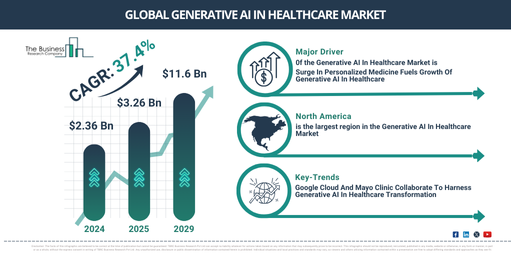
  • Generative AI In Healthcare Industry Valued at $11.6 Billion by 2029 With CAGR of 37.4% | Size and Share Insights

    Generative AI In Healthcare Industry Valued at $11.6 Billion by 2029 With CAGR of 37.4% | Size and Share Insights

    Claim your 30% discount on Global Market Reports with code ONLINE30. Limited time only.

    What Is the Forecast for the Generative AI In Healthcare Market from 2024 to 2025?

    The market size for generative AI in healthcare has seen substantial growth in the past few years. The prediction is that it will escalate from $2.36 billion in 2024 to $3.26 billion in 2025, showing a compound annual growth rate (CAGR) of 37.7%. This rapid growth in the past period can primarily be linked to a rise in healthcare data examination, augmented demand for personalized medicines and AI-aided healthcare solutions, increased need for personalized treatment strategies, and the progress in drug discovery and development.

    What Is the Projected Market Size of the Generative AI In Healthcare Market?

    The healthcare market for generative AI is projected to undergo remarkable expansion in the coming years, escalating to $11.6 billion in 2029 with a compound annual growth rate (CAGR) of 37.4%. This predicted growth surge for the forecast period is credited to the enhancement in medical imaging methods, an upsurge in AI-driven monitoring systems, increasing globalization, a higher number of patients, advancements in modern medical treatments, as well as the rise of virtual patient simulation. The predominant trends within this forecast period encompass improvements in medical imaging, the practice of telemedicine and remote observation, robustness and diversification, the emergence of sophisticated generative AI algorithms, advanced analysis of cardiac data, analytics pertaining to healthcare data, and real-time health surveillance.

    Download The Free Sample Report Here:

    https://www.thebusinessresearchcompany.com/sample.aspx?id=15184&type=smp

    Who are the Major Competitors in the Generative AI In Healthcare Market Outlook?

    Major companies operating in the generative AI in healthcare market report are Alphabet Inc.; Microsoft Corporation; Amazon Web Services Inc.; Johnson & Johnson Services Inc.; Siemens AG; Intel Corporation; IBM Watson Health Corporation; Ernst & Young Global Limited; Oracle Corporation; Nvidia Corporation; Harman International Industries Inc.; Epic Systems Corporation; Persistent Systems Private Limited; Tempus Labs Inc.; Eleks Inc.; NioyaTech LLC; Saxon Global Inc.; Verge Genomics Inc.; PathAI Inc.; BenevolentAI Ltd; Abridge AI Inc.; Absci Corporation; Atomwise Inc.; Syntegra; Insilico Medicine; Neuralink Corporation; DiagnaMed Holdings Corp.

    What Is Fueling Growth in the Generative AI In Healthcare Market?

    The rising preference for personalized medicine is predicted to fuel the expansion of the generative AI market in healthcare. Personalized or precision medicine, is a progressive method of medical treatment that takes into account the differences in genes, environment, and lifestyle unique to each individual. The mounting demand for this type of treatment stems from various factors such as advancements in genomics, a better understanding of how diseases work, and the aspiration for more targeted and effective treatments. Generative AI in healthcare uses algorithms to examine a vast quantity of patient data, consisting of genetic profiles and medical histories, in order to formulate personalized treatment choices and predictions adjusted to the specific needs and characteristics of each patient. As an example, in February 2024, the Personalized Medicine Coalition, a UK-based group advocating for personalized medicine adoption, noted that the FDA’s CDER approved 16 new personalized treatments for patients with rare diseases in 2023, a significant increase from 6 approvals in 2022. These treatments, specifically tailored to patient needs, included seven medications for cancer and three developed for various other diseases and conditions. Consequently, the growing demand for personalized medicine is instigating the growth of the generative AI in healthcare market.

    Request For A Customized Report:

    https://www.thebusinessresearchcompany.com/customise?id=15184&type=smp

    Which Generative AI In Healthcare Market Segments Are Growing the Fastest?

    The generative AI in healthcare market covered in this report is segmented –

    1) By Component: Solutions, Services

    2) By Function: AI-Assisted Robotic Surgery, Virtual Nursing Assistants, Aid Clinical Judgment Or Diagnosis, Workflow And Administrative Tasks, Image Analysis

    3) By Application: Clinical, System

    4) By End User: Hospitals And Clinics, Clinical Research, Healthcare Organizations, Diagnostic Centers, Other End Users

    Subsegments:

    1) By Solutions: Diagnostic Imaging Analysis, Drug Discovery And Development Tools, Personalized Treatment Planning, AI-Powered Clinical Decision Support

    2) By Services: Consulting and Advisory Services, Implementation And Integration Services, Support And Maintenance Services, Training And Education Services

    Which Industry Trends Are Shaping the Future of the Generative AI In Healthcare Market?

    Leading entities in the generative AI healthcare market are strategically collaborating to innovate new technologies for a competitive advantage. These alliances are instrumental in propelling the use of generative AI in healthcare, by utilizing the power and assets of various organizations to create groundbreaking solutions, ameliorate clinical workflow efficiency, and overcome significant healthcare hurdles. For example, Google, a US tech firm, collaborated with Mayo Clinic, a US nonprofit dedicated to clinical practices, in June 2023 to incorporate generative AI into healthcare. The goal of the collaboration is to maximize the capabilities of generative AI to optimize operations and enhance healthcare provision by leveraging previously untapped data and facilitating real-time, individualized interactions. The initial focus will be on using Enterprise Search in Gen App Builder to boost clinical workflow and patient results, while adhering to HIPAA (Health Insurance Portability and Accountability Act) regulations.

    Access The Full Report Here:

    https://www.thebusinessresearchcompany.com/report/generative-ai-in-healthcare-global-market-report

    Which Countries Are Leading the Generative AI In Healthcare Market?

    North America was the largest region in the generative AI In healthcare market in 2024. Asia-Pacific is expected to be the fastest-growing region in the forecast period. The regions covered in the generative AI in healthcare market report are Asia-Pacific, Western Europe, Eastern Europe, North America, South America, Middle East, Africa.

    Purchase The Full Report Today:

    https://www.thebusinessresearchcompany.com/purchaseoptions.aspx?id=15184

    This Report Delivers Insight On:

    1. How big is the generative ai in healthcare market, and how is it changing globally?

    2. Who are the major companies in the generative ai in healthcare market, and how are they performing?

    3. What are the key opportunities and risks in the generative ai in healthcare market right now?

    4. Which products or customer segments are growing the most in the generative ai in healthcare market?

    5. What factors are helping or slowing down the growth of the generative ai in healthcare market?

    About The Business Research Company:

    With over 15000+ reports from 27 industries covering 60+ geographies, The Business Research Company has built a reputation for offering comprehensive, data-rich research and insights. Armed with 1,500,000 datasets, the optimistic contribution of in-depth secondary research, and unique insights from industry leaders, you can get the information you need to stay ahead in the game.

    Get in touch with us:

    The Business Research Company: https://www.thebusinessresearchcompany.com/

    Americas +1 310-496-7795

    Asia +44 2071930708

    Europe +44 7882 955267

    Email us at info@tbrc.info

    Follow us on:

    LinkedIn: https://in.linkedin.com/company/the-business-research-company

    YouTube: https://www.youtube.com/channel/UC24_fI0rV8cR5DxlCpgmyFQ

    Global Market Model: https://www.thebusinessresearchcompany.com/global-market-model
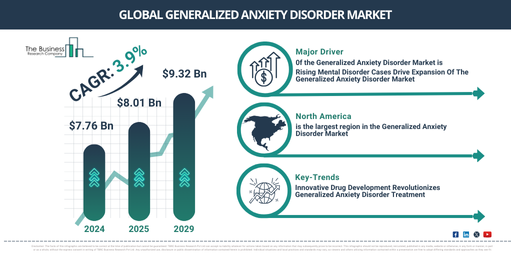
  • Generalized Anxiety Disorder Market to Reach $9.32 Billion by 2029 | Key Drivers and Future Outlook

    Generalized Anxiety Disorder Market to Reach $9.32 Billion by 2029 | Key Drivers and Future Outlook

    Claim your 30% discount on Global Market Reports with code ONLINE30. Limited time only.

    What Is the Growth Rate of the Generalized Anxiety Disorder Market?

    In recent times, the market size for generalized anxiety disorder has seen a consistent increase. It is projected to expand from $7.76 billion in 2024 to $8.01 billion in 2025, yielding a compound annual growth rate (CAGR) of 3.2%. The contributing factors to the growth during the historic period include heightened mental health awareness, breakthroughs in pharmaceuticals, cognitive-behavioral therapy (cbt), and the stress introduced by changes in lifestyle.

    What Growth Rate Is Forecasted for the Generalized Anxiety Disorder Market by 2029?

    Predictions indicate a stable expansion of the generalized anxiety disorder market over the years to come. The market is projected to increase to a value of $9.32 billion in 2029, with a compound annual growth rate (CAGR) of 3.9%. This growth in the predictive timeline is likely due to the rise of digital mental health treatments, advancements in genetic studies, the implementation of comprehensive care models, and heightened global awareness of mental health. The period of forecast also indicates certain trends in the field such as a holistic treatment approach, incorporation of cultural competence, early interventions, and the use of artificial intelligence in diagnosing procedures.

    Download The Free Sample Report Here:

    https://www.thebusinessresearchcompany.com/sample.aspx?id=13039&type=smp

    Which Key Companies Are Shaping the Future of the Generalized Anxiety Disorder Market?

    Major companies operating in the generalized anxiety disorder market are Alkermes PLC, Pfizer Inc., F. Hoffmann-La Roche AG, Sanofi SA, Bristol-Myers Squibb, GlaxoSmithKline PLC, AstraZeneca PLC, Abbott Laboratories, 3M Company, Boehringer Ingelheim International GmbH, Johnson And Johnson Private Limited, Adobe Inc., Baxter International Inc., Teva Pharmaceutical Industries Ltd., Otsuka Holdings Co. Ltd., Mylan N.V., Sumitomo Pharma Co. Ltd., Jazz Pharmaceuticals PLC, Forest Laboratories Inc., H. Lundbeck A/S, Shionogi and Company, Neurocrine Biosciences Inc., Actavis Pharmaceutical Company, Eli Lilly and Company, Noven Pharmaceuticals Inc., Mind Medicine Inc., Sage Therapeutics Inc., Bionomics Ltd., Recordati Rare Diseases SARL, VistaGen Therapeutics Inc.

    Which Factors Are Driving Demand in the Generalized Anxiety Disorder Industry?

    The surge in mental health disorder occurrences in the healthcare sector is contributing significantly to the expansion of the generalized anxiety disorder market. A mental illness is a broad spectrum of conditions that have an impact on an individual’s thought processes, emotions, behaviors, and total mental well-being. Common mental disorders accompanying generalized anxiety disorder are phobias, panic disorder, post-traumatic stress disorder (PTSD), and obsessive-compulsive disorder (OCD). Managing these disorders is vital for people to sustain healthy relationships and to enhance their quality of life. The November 2023 Stress in America 2023 survey, published by the American Psychological Association, revealed that adults aged 35 to 44 had the most significant uptick in mental health diagnoses, with 45% reporting a mental illness in 2023, compared with 31%. Nevertheless, the highest incidence of mental illnesses was reported among 18 to 34-year-olds, at 50% in 2023. Consequently, the increasing incidences of mental disorders are predicted to spur the growth of the generalized anxiety disorder market. Escalating government efforts are contributing to the advancement of the generalized anxiety disorder market. A government initiative is usually targeted at a particular problem or issue and can be funded via multiple means, such as taxes, grants, and donations. These initiatives are used to tackle generalized anxiety disorder by supporting research towards understanding the causes and treatment methods for the disorder more effectively, and developing innovative strategies to help affected individuals. For instance, in March 2022, the Department of Health and Human Services (HHS), devoted to providing essential human services in the US, unveiled potential funding of close to $35 million to expand and enhance community mental health assistance and suicide prevention programs for young people in America. Therefore, the increasing government efforts are predicted to drive the growth of the generalized anxiety disorder market.

    Request For A Customized Report:

    https://www.thebusinessresearchcompany.com/customise?id=13039&type=smp

    How Is the Generalized Anxiety Disorder Market Segmented by Several Divisions?

    The generalized anxiety disorder market covered in this report is segmented –

    1) By Type: Panic Disorder, Agoraphobia, Generalized Anxiety, Social Anxiety, Specific Phobia, Other Types

    2) By Therapies: Interpersonal Therapy, Behavior Therapy, Cognitive Behavioral Therapy, Mindfulness Based Cognitive Therapy

    3) By Device: Deep Brain Stimulation, Electroconvulsive Therapy, Transcranial Magnetic Stimulation, Vagus Nerve Stimulation

    4) By End-User: Hospitals, Homecare, Specialty Clinics, Other End-Users

    Subsegments:

    1) By Panic Disorder: Recurrent Panic Attacks, Unexpected Panic Attacks

    2) By Agoraphobia: Situational Phobia, Open Spaces Anxiety

    3) By Generalized Anxiety: Chronic Worry, Excessive Anxiety

    4) By Social Anxiety: Performance Anxiety, Interaction Anxiety

    5) By Specific Phobia: Animal Phobia, Environmental Phobia, Situational Phobia

    6) Other Type: Separation Anxiety Disorder, Selective Mutism, Post-Traumatic Stress Disorder (PTSD)

    What are the Emerging Market Trends Driving the Growth of the Generalized Anxiety Disorder Industry?

    Leading firms in the generalized anxiety disorder sector are expanding their innovative drug line, including MM-120, and securing approvals for the regime of generalized anxiety disorder, thereby satisfying the demands of their existing customers more effectively. These innovative drugs like MM-120, are designed to enhance the control and results of this mental health disorder. For example, Mind Medicine Inc., a psychedelic medicine biotech firm based in the U.S, was granted approval for an Investigational New Drug (IND) application by the U.S. Food and Drug Administration (FDA) in January 2022. This permission allows the company to carry out the phase IIb dose-optimization test of MM-120 for the treatment of generalized anxiety disorder (GAD). MM-120, a small molecule, takes on the role of a partial agonist for the 5-HT2A receptor, which is critical in managing mood, anxiety, and perception. Furthermore, it appears that MM-120 boosts serotonin levels in the brain, potentially creating opportunities for the development of other psychedelic compounds to address mental health disorders.

    Access The Full Report Here:

    https://www.thebusinessresearchcompany.com/report/generalized-anxiety-disorder-global-market-report

    Which Regions Are Driving Growth in the Generalized Anxiety Disorder Market?

    North America was the largest region in the generalized anxiety disorder market in 2024. The regions covered in generalized anxiety disorder market report are Asia-Pacific, Western Europe, Eastern Europe, North America, South America, Middle East and Africa.

    Purchase The Full Report Today:

    https://www.thebusinessresearchcompany.com/purchaseoptions.aspx?id=13039

    This Report Delivers Insight On:

    1. How big is the generalized anxiety disorder market, and how is it changing globally?

    2. Who are the major companies in the generalized anxiety disorder market, and how are they performing?

    3. What are the key opportunities and risks in the generalized anxiety disorder market right now?

    4. Which products or customer segments are growing the most in the generalized anxiety disorder market?

    5. What factors are helping or slowing down the growth of the generalized anxiety disorder market?

    About The Business Research Company:

    With over 15000+ reports from 27 industries covering 60+ geographies, The Business Research Company has built a reputation for offering comprehensive, data-rich research and insights. Armed with 1,500,000 datasets, the optimistic contribution of in-depth secondary research, and unique insights from industry leaders, you can get the information you need to stay ahead in the game.

    Get in touch with us:

    The Business Research Company: https://www.thebusinessresearchcompany.com/

    Americas +1 310-496-7795

    Asia +44 2071930708

    Europe +44 7882 955267

    Email us at info@tbrc.info

    Follow us on:

    LinkedIn: https://in.linkedin.com/company/the-business-research-company

    YouTube: https://www.youtube.com/channel/UC24_fI0rV8cR5DxlCpgmyFQ

    Global Market Model: https://www.thebusinessresearchcompany.com/global-market-model

  • Gaucher’s Disease Market Size to Exceed $2.21 Billion by 2029 | Growth and Industry Trends

    Gaucher’s Disease Market Size to Exceed $2.21 Billion by 2029 | Growth and Industry Trends

    Claim your 30% discount on Global Market Reports with code ONLINE30. Limited time only.

    How Has the Gaucher’s Disease Market Grown from 2024 to 2025?

    In recent years, the market size for Gaucher’s disease has seen impressive growth. Projected growth indicates a rise from $1.68 billion in 2024 to $1.78 billion in 2025, reflecting a compound annual growth rate (CAGR) of 5.9%. Factors contributing to growth during the historical period include advancements in enzyme replacement therapy (ERT), heightened disease-awareness, advancements in genetic research and diagnosis, patient advocacy efforts, and government incentives targeting rare diseases.

    What Growth Rate Is Anticipated for the Gaucher’s Disease Market in the Coming Years?

    The market for Gaucher’s disease is predicted to enjoy robust expansion in the coming years, reaching a value of $2.21 billion in 2029 with a CAGR of 5.6%. Factors contributing to the projected growth during the forecast period include the development of advanced therapies, the broadening of global patient registries, enhanced treatment accessibility, bespoke medicine methods, and supportive regulations for rare diseases. Other notable trends for the period under analysis comprise innovation in treatment monitoring technology, increased global collaboration in research endeavours, advancements in oral therapeutic methods, the expansion of newborn screening programs, and worldwide collaborative efforts to improve patient access.

    Download The Free Sample Report Here:

    https://www.thebusinessresearchcompany.com/sample.aspx?id=13241&type=smp

    Who Are the Leading Companies in the Gaucher’s Disease Market?

    Major companies operating in the gaucher’s disease market report are Pfizer Inc., Johnson & Johnson, Merck and Co. Inc., Novartis AG, Sanofi S.A., Abbott Laboratories, GlaxoSmithKline PLC, Takeda Pharmaceutical Company Limited, Moderna Inc., Teva Pharmaceutical Industries Ltd., Boehringer Ingelheim International GmbH, BioMarin Pharmaceutical Inc., CHIESI Farmaceutici SPA, IntraBio Inc., REGENXBIO Inc., JCR Pharmaceuticals Co. Ltd., Ultragenyx Pharmaceutical Inc., Amicus Therapeutics Inc., Pharming Group N.V., Idorsia Pharmaceuticals Ltd., Centogene N.V., Protalix BioTherapeutics, AVROBIO Inc., Resverlogix Corp., GenSight Biologics S.A., ISU Abxis Co. Ltd., SIRION BIOTECH GmbH, Greenovation Biotech GmbH, Orphazyme A/S

    What Are the Key Drivers of the Gaucher’s Disease Market?

    The surge in occurrences of genetic abnormalities is predicted to fuel the Gaucher’s disease market’s expansion. Genetic abnormalities are variations or mutations in a person’s gene DNA sequence, leading to aberrant features, functions, or properties. Gaucher’s disease has an autosomal recessive inheritance pattern, implying that an individual must receive two copies of the altered GBA gene, one each from both parents, to get the disease. Those with this disease do not produce sufficient enzyme, leading to an accrual of fatty substances named lipids in specific organs like the liver and spleen. For example, in 2023, as stated by the Cystic Fibrosis Foundation, a non-profit organization located in the US, the total population of those with Cystic Fibrosis without a lung transplant was 31,171 in 2022 and increased to 31,752 in 2023. As a result, the accelerated frequency of genetic abnormalities is causing the Gaucher’s disease market to surge. Heading: Gaucher’s Disease Market Driver: Growing Number of Clinical Trials Fuelling Gaucher’s Disease Market Expansion

    Request For A Customized Report:

    https://www.thebusinessresearchcompany.com/customise?id=13241&type=smp

    What Are the Key Market Segments in the Gaucher’s Disease Industry?

    The gaucher’s disease market covered in this report is segmented –

    1) By Type: Gaucher Disease Type 1, Gaucher Disease Type 2, Gaucher Disease Type 3, Other Types

    2) By Diagnosis: Physical Exam, Blood Tests, Imaging Tests, Preconception Screening And Prenatal Testing, Other Diagnoses

    3) By Therapy: Enzyme Replacement Therapy, Substrate Reduction Therapy

    4) By Route Of Administration: Oral, Parenteral, Other Routes Of Administration

    5) By End User: Hospitals, Specialty Clinics, Homecare, Other End Users

    Subsegments:

    1) By Gaucher Disease Type 1: Enzyme Replacement Therapy (ERT), Substrate Reduction Therapy (SRT)

    2) By Gaucher Disease Type 2: Supportive Care, Experimental Therapies

    3) By Gaucher Disease Type 3: Enzyme Replacement Therapy (ERT), Symptomatic Management

    4) By Other Types: Rare Variants Of Gaucher Disease, Related Syndromes

    What Are the Latest Trends in the Gaucher’s Disease Market?

    Leading firms in the Gaucher’s disease market are exploring new technologies such as NGS (next-generation sequencing) to enhance patient care. As a groundbreaking technology, next-generation sequencing enables quick and cost-efficient sequencing of DNA and RNA molecules. For instance, in February 2023, Eurofins Genomics LLC, an American biotech company, introduced a service for whole plasmid sequencing using advanced Gen3 NGS technology. The service provides fast results with a remarkable single-base accuracy reaching up to 99%. By effectively merging the accuracy and quick results of Sanger sequencing with the broad analysis capabilities of NGS, this whole plasmid sequencing service bridges the gap between these two techniques. Accommodating long DNA configurations from 2.5 to 300 kb, Eurofins Genomics US provides researchers a cost-effective and time-saving solution for long-read sequencing, which is unparalleled in accuracy and speed in genetic analysis realm.

    Innovative AAV Gene Therapy Advances Treatment For Gaucher Disease Type 1

    Key players in the Gaucher disease market are concentrating on product innovation, such as AAV gene therapy to introduce a groundbreaking, once-only gene therapy for Gaucher Disease Type 1. Adeno-associated virus (AAV) gene therapy is a distinct approach that employs AAV vectors to deliver therapeutic genes into cells, correcting disease-inducing mutations. For instance, in January 2022, Freeline Therapeutics Holdings Plc, a British biotech firm, received approval from the US FDA for FLT201 for Gaucher Disease Type 1. FLT201 employs an advanced AAVS3 capsid with a liver-specific promoter to deliver a new glucocerebrosidase variant (GCasevar85). This FDA-approved IND is the first AAV-mediated gene therapy to commence clinical trials for Gaucher disease Type 1, underlining its capacity to provide a new treatment option for patients.

    Access The Full Report Here:

    https://www.thebusinessresearchcompany.com/report/gauchers-disease-global-market-report

    What Are the Key Regional Markets in the Gaucher’s Disease Industry?

    North America was the largest region in the Gaucher’s disease market in 2024. Europe is expected to be the fastest growing region in the forecast period. The regions covered in the gaucher’s disease market report are Asia-Pacific, Western Europe, Eastern Europe, North America, South America, Middle East, Africa

    Purchase The Full Report Today:

    https://www.thebusinessresearchcompany.com/purchaseoptions.aspx?id=13241

    This Report Delivers Insight On:

    1. How big is the gaucher’s disease market, and how is it changing globally?

    2. Who are the major companies in the gaucher’s disease market, and how are they performing?

    3. What are the key opportunities and risks in the gaucher’s disease market right now?

    4. Which products or customer segments are growing the most in the gaucher’s disease market?

    5. What factors are helping or slowing down the growth of the gaucher’s disease market?

    About The Business Research Company:

    With over 15000+ reports from 27 industries covering 60+ geographies, The Business Research Company has built a reputation for offering comprehensive, data-rich research and insights. Armed with 1,500,000 datasets, the optimistic contribution of in-depth secondary research, and unique insights from industry leaders, you can get the information you need to stay ahead in the game.

    Get in touch with us:

    The Business Research Company: https://www.thebusinessresearchcompany.com/

    Americas +1 310-496-7795

    Asia +44 2071930708

    Europe +44 7882 955267

    Email us at info@tbrc.info

    Follow us on:

    LinkedIn: https://in.linkedin.com/company/the-business-research-company

    YouTube: https://www.youtube.com/channel/UC24_fI0rV8cR5DxlCpgmyFQ

    Global Market Model: https://www.thebusinessresearchcompany.com/global-market-model

  • Pet Mobility Aids Industry Valued at $3.12 Billion by 2029 With CAGR of 8.8% | Size and Share Insights

    Pet Mobility Aids Industry Valued at $3.12 Billion by 2029 With CAGR of 8.8% | Size and Share Insights

    Claim your 30% discount on Global Market Reports with code ONLINE30. Limited time only.

    What Is the Forecast for the Pet Mobility Aids Market from 2024 to 2025?

    In recent times, the pet mobility aids market has been experiencing powerful growth. The market, which currently stands at $2.04 billion in 2024, is predicted to rise to $2.22 billion in 2025, indicating a compound annual growth rate (CAGR) of 9.0%. The historic surge in the market can be linked to numerous factors such as the growing trend of pet adoption, advances in veterinary medicine, the rise in the elderly pet population, heightened consciousness about pet health and wellbeing, and a broader pet insurance coverage.

    What Is the Projected Market Size of the Pet Mobility Aids Market?

    In the coming years, the pet mobility aids market is predicted to witness robust expansion. It is projected to increase to a value of $3.12 billion by 2029, with a compound annual growth rate (CAGR) of 8.8%. The anticipated growth in this period can be credited to advancements in pet mobility aid tech, increasing preference for tailored and comfortable pet items, the growth of internet-based distribution channels, and an increased emphasis on physiotherapy and rehabilitation for pets, as well as a rise in adoption of pets struggling with mobility. Notable trends during the forecast period are projected to include the incorporation of advanced tech into pet mobility aids, a boost in demand for eco-conscious and sustainable pet mobility solutions, bespoke mobility aid options to accommodate varying pet breeds and sizes, the growth of rental and leasing services specialized in pet mobility aids, and the breakthrough of 3D printing technology for creating personalized pet mobility devices.

    Download The Free Sample Report Here:

    https://www.thebusinessresearchcompany.com/sample.aspx?id=15233&type=smp

    Who are the Major Competitors in the Pet Mobility Aids Market Outlook?

    Major companies operating in the pet mobility aids market report are Chewy Inc.; Petco Health and Wellness Company Inc.; PetSafe Inc; Petmate Inc; Julius-K9; Outward Hound Inc; Doggon’ Wheels LLC; Pawsability Inc; Zoomadog Ltd; My Pet’s Brace; K-9 Carts; Ruff Rollin Inc; Dutch Dog Design LLC; Walkabout Harnesses LLC.; Best Friend Mobility; Mintbowl Inc.; OrthoPets LLC; DogLeggs LLC; Eddie’s Wheels; OrthoVet LLC; Specialized Pet Solutions; Bionic Pets; ORTHO PETS AFRICA; Walkin’ Pets; FlexiPaws LLC

    What Is Fueling Growth in the Pet Mobility Aids Market?

    The rise in the number of pets is anticipated to boost the growth of the pet mobility aid market. The term pet population pertains to the total number of animals domesticated by humans for companionship, typically within a certain geographical area or country. Factors contributing to this rise include the emotional and social benefits of owning pets, increased consciousness towards pet wellbeing, marketing strategies, and media influence. Pet mobility aids assist pets with various disabilities, helping them maintain their independence and mobility, thus ensuring their overall wellbeing. This allows them to live an active and satisfying life, despite any mobility issues they may have. For example, the Petfood Industry, a US-oriented resource base for pet food and treat manufacturing professionals, reported in January 2023 that the number of dog adoptions in the U.S. rose from 393,712 in 2021 to 398,477 in 2022. Additionally, the cat adoption count reached 539,015 in 2022, marking a 2% increase from the previous year. Consequently, this rise in the pet population is fuelling the expansion of the pet mobility aid market.

    Request For A Customized Report:

    https://www.thebusinessresearchcompany.com/customise?id=15233&type=smp

    Which Pet Mobility Aids Market Segments Are Growing the Fastest?

    The pet mobility aids market covered in this report is segmented –

    1) By Product: Wheelchairs, Splints And Braces, Slings, Ramps And Steps, Prosthetics, Other Products

    2) By Pet Type: Dogs, Cats, Other Pet Types

    3) By Distribution Channel: Retail Stores, E-Commerce, Veterinary Hospitals And Clinics

    4) By End User: Individual Pet Owners, Veterinary Clinics, Pet Care Facilities

    Subsegments:

    1) By Wheelchairs: Rear Wheel Wheelchairs, Front Wheel Wheelchairs, All-Wheel Wheelchairs

    2) By Splints And Braces: Leg Splints, Joint Braces, Back Braces

    3) By Slings: Full Body Slings, Partial Slings

    4) By Ramps And Steps: Dog Ramps, Cat Ramps, Portable Steps, Fixed Steps

    5) By Prosthetics: Limb Prosthetics, Tail Prosthetics

    6) By Other Products: Supportive Harnesses, Mobility Aids For Cats

    Which Industry Trends Are Shaping the Future of the Pet Mobility Aids Market?

    Leading entities in the pet mobility aid industry, like Walkin Pets, are advancing in the creation of unique, tailor-made stifle braces, designed specially to enhance comfort and mobility in pets suffering from knee-related issues. Stifle braces are particular orthopedic devices that bring support and stability to the stifle joint in animals, most notably, dogs. In a recent development, in October 2022, Walkin Pets, an American firm recognized for its involvement with mobility aids and solutions for injured and impaired pets, introduced these custom stifle braces. The braces are designed to facilitate pets with stifle and cruciate injuries, promoting their mobility recovery and pain relief. They propose a non-invasive alternative to surgical solutions for these injuries, enabling pets to regain their mobility through non-intrusive means. They also possess attributes like custom molding for a better fit, offering healing, stability and targeted support.

    Access The Full Report Here:

    https://www.thebusinessresearchcompany.com/report/pet-mobility-aids-global-market-report

    Which Countries Are Leading the Pet Mobility Aids Market?

    North America was the largest region in the pet mobility aids market in 2024. The regions covered in the pet mobility aids market report are Asia-Pacific, Western Europe, Eastern Europe, North America, South America, Middle East, Africa.

    Purchase The Full Report Today:

    https://www.thebusinessresearchcompany.com/purchaseoptions.aspx?id=15233

    This Report Delivers Insight On:

    1. How big is the pet mobility aids market, and how is it changing globally?

    2. Who are the major companies in the pet mobility aids market, and how are they performing?

    3. What are the key opportunities and risks in the pet mobility aids market right now?

    4. Which products or customer segments are growing the most in the pet mobility aids market?

    5. What factors are helping or slowing down the growth of the pet mobility aids market?

    About The Business Research Company:

    With over 15000+ reports from 27 industries covering 60+ geographies, The Business Research Company has built a reputation for offering comprehensive, data-rich research and insights. Armed with 1,500,000 datasets, the optimistic contribution of in-depth secondary research, and unique insights from industry leaders, you can get the information you need to stay ahead in the game.

    Get in touch with us:

    The Business Research Company: https://www.thebusinessresearchcompany.com/

    Americas +1 310-496-7795

    Asia +44 2071930708

    Europe +44 7882 955267

    Email us at info@tbrc.info

    Follow us on:

    LinkedIn: https://in.linkedin.com/company/the-business-research-company

    YouTube: https://www.youtube.com/channel/UC24_fI0rV8cR5DxlCpgmyFQ

    Global Market Model: https://www.thebusinessresearchcompany.com/global-market-model
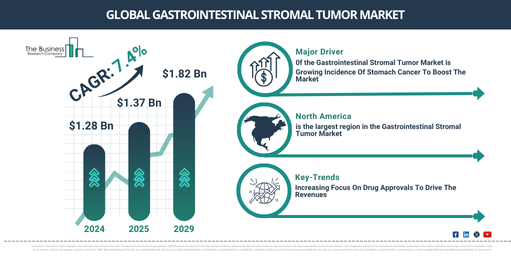
  • Gastrointestinal Stromal Tumor Industry Insights 2025 – Market Forecast for Executives and Planners

    Gastrointestinal Stromal Tumor Industry Insights 2025 – Market Forecast for Executives and Planners

    Claim your 30% discount on Global Market Reports with code ONLINE30. Limited time only.

    How Has the Gastrointestinal Stromal Tumor Market Size Changed, over the years?

    The market for gastrointestinal stromal tumor has seen robust growth in the past few years, from $1.28 billion in 2024, it is projected to reach $1.37 billion in 2025, growing at a compound annual growth rate (CAGR) of 7.2%. The growth in the historical period is credited to the heightened awareness and early detection, advent of targeted therapies, improvement of surgical methods, advancement in personalized medicine, and betterment in supportive care.

    How Much Will the Gastrointestinal Stromal Tumor Market Be Worth in 2029?

    In the upcoming years, the size of the gastrointestinal stromal tumor market is anticipated to experience substantial growth, reaching a valuation of $1.82 billion in 2029 at a CAGR of 7.4%. Factors contributing to growth during this period include persistent efforts in research and drug development, a surge in patient-oriented healthcare, the incorporation of precision medicine into clinical procedures, an increase in the accessibility to targeted therapies, and an expansion in genomic profiling abilities. Noteworthy trends during this forecasted period encompass growing partnerships in research and development, enhancements in diagnostic technologies, cooperative research and clinical trials, a heightened emphasis on early detection and diagnosis, and an exploration of combined therapies.

    Download The Free Sample Report Here:

    https://www.thebusinessresearchcompany.com/sample.aspx?id=13248&type=smp

    Which is the Largest Company in the Gastrointestinal Stromal Tumor Market?

    Major companies operating in the gastrointestinal stromal tumor market report are Pfizer Inc., F. Hoffmann-La Roche AG, Bayer AG, Novartis AG, Merck & Co. Inc., GlaxoSmithKline PLC, Bristol-Myers Squibb Company, Sanofi S.A., AstraZeneca PLC, Eli Lilly and Company, Daiichi Sankyo Co. Ltd., Eisai Co. Ltd., Sun Pharmaceutical Industries Limited, Jiangsu Hengrui Medicine Co. Ltd., Exelixis Inc., NATCO Pharma Ltd., Blueprint Medicines Corporation, Array BioPharma Inc., Deciphera Pharmaceuticals Inc., Ono Pharmaceutical Co. Ltd., Boston Biomedical Inc., DNAtrix Inc., Advenchen Laboratories LLC, Arog Pharmaceuticals Inc., AB Sciences S.A.

    What Are the Main Market Drivers in the Gastrointestinal Stromal Tumor Industry?

    The incidence of stomach cancer is on the rise, which is anticipated to fuel the expansion of the gastrointestinal stromal tumor market. Stomach cancer is characterized by the unchecked growth of malignant cells within the stomach lining. Although gastrointestinal stromal tumors (GISTs) can also occur within the stomach, they should not be conflated with stomach cancer. Interestingly, patients with GISTs have a predisposition to contract extra cancers whenever two separate tumors collide and fuse into one. This includes cancers such as small bowel adenocarcinoma. For example, the American Cancer Society estimates that come January 2024, there will be approximately 26,890 new stomach cancer cases as well as 10,880 deaths in the U.S. alone. This constitutes 1.5% of all new cancer diagnoses for that year. Consequently, the expanding incidence of stomach cancer is propelling the growth of the gastrointestinal stromal tumor market forward. With the surge in demand for precision medicine, the gastrointestinal stromal tumor market is expected to experience significant growth. Precision medicine focuses on individualized healthcare decisions, interventions, and therapies which take into account each patient’s distinct genetic and lifestyle factors. Precision medicine for gastrointestinal stromal tumors involves molecular profiling to pinpoint specific mutations. This helps direct targeted therapies such as imatinib, which enhances the effectiveness of treatment methods and reduces side effects through individualized intervention. For example, the Personalized Medicine Coalition (PMC) reported in February 2023 that personalized medicines were responsible for 35% of the newly approved NMEs in 2021. With an additional 12 new approvals in 2022, personalized medicines have consistently accounted for at least a quarter of all new drug approvals over the past eight years, which is a considerable increase from less than 10% ten years ago. Thus, the burgeoning demand for precision medicine is stimulating the growth of the gastrointestinal stromal tumor market.

    Request For A Customized Report:

    https://www.thebusinessresearchcompany.com/customise?id=13248&type=smp

    How Is the Gastrointestinal Stromal Tumor Market Segments Structured?

    The gastrointestinal stromal tumor market covered in this report is segmented –

    1) By Treatment Type: Chemotherapy, Targeted Therapy, Other Treatment Types

    2) By Indication: Stomach, Small Intestine, Others Indications

    3) By End-User: Hospitals, Clinics, Specialized Cancer Treatment Centers, Other End-Users

    Subsegments:

    1) By Chemotherapy: Traditional Chemotherapy Agents, Combination Chemotherapy Regimens

    2) By Targeted Therapy: Tyrosine Kinase Inhibitors, Other Targeted Agents

    3) By Other Treatment Types: Surgery, Radiation Therapy, Clinical Trials For Novel Therapies

    What Strategic Trends Are Transforming the Gastrointestinal Stromal Tumor Market?

    Leading businesses in the gastrointestinal stromal tumor industry are developing novel drugs such as QINLOCK (Ripretinib) to expand their customer reach, accelerate sales, and boost revenue. QINLOCK (Ripretinib) is a prescribed medication for advanced gastrointestinal stromal tumor (GIST). For instance, in January 2024, the US Food and Drug Administration (FDA), an American federal agency, reported that the CDER novel drug approvals increased from 37 in 2022 to 55 in 2023. From these 55 novel drugs approved in 2023, CDER classified 20 of them (or 36%) as first-in-class.

    Access The Full Report Here:

    https://www.thebusinessresearchcompany.com/report/gastrointestinal-stromal-tumor-global-market-report

    Which Global Regions Offer the Highest Growth in the Gastrointestinal Stromal Tumor Market?

    North America was the largest region in the gastrointestinal stromal tumor market in 2024. Asia-Pacific is expected to be the fastest-growing region in the forecast period. The regions covered in the gastrointestinal stromal tumor market report are Asia-Pacific, Western Europe, Eastern Europe, North America, South America, Middle East, Africa

    Purchase The Full Report Today:

    https://www.thebusinessresearchcompany.com/purchaseoptions.aspx?id=13248

    This Report Delivers Insight On:

    1. How big is the gastrointestinal stromal tumor market, and how is it changing globally?

    2. Who are the major companies in the gastrointestinal stromal tumor market, and how are they performing?

    3. What are the key opportunities and risks in the gastrointestinal stromal tumor market right now?

    4. Which products or customer segments are growing the most in the gastrointestinal stromal tumor market?

    5. What factors are helping or slowing down the growth of the gastrointestinal stromal tumor market?

    About The Business Research Company:

    With over 15000+ reports from 27 industries covering 60+ geographies, The Business Research Company has built a reputation for offering comprehensive, data-rich research and insights. Armed with 1,500,000 datasets, the optimistic contribution of in-depth secondary research, and unique insights from industry leaders, you can get the information you need to stay ahead in the game.

    Get in touch with us:

    The Business Research Company: https://www.thebusinessresearchcompany.com/

    Americas +1 310-496-7795

    Asia +44 2071930708

    Europe +44 7882 955267

    Email us at info@tbrc.info

    Follow us on:

    LinkedIn: https://in.linkedin.com/company/the-business-research-company

    YouTube: https://www.youtube.com/channel/UC24_fI0rV8cR5DxlCpgmyFQ

    Global Market Model: https://www.thebusinessresearchcompany.com/global-market-model

  • Gastroesophageal Reflux Disease (GERD) Market Trends Report 2025 – For Business Development and Strategy Teams

    Gastroesophageal Reflux Disease (GERD) Market Trends Report 2025 – For Business Development and Strategy Teams

    Claim your 30% discount on Global Market Reports with code ONLINE30. Limited time only.

    What Is the Forecast for the Gastroesophageal Reflux Disease (GERD) Market Growth in 2025?

    In recent years, the market size for gastroesophageal reflux disease (GERD) has experienced a minor increase. It is projected to expand from $5.25 billion in 2024 to reach $5.35 billion by 2025, reflecting a compound annual growth rate (CAGR) of 2.0%. The growth seen in the historic period could be linked to factors such as alterations in lifestyle and diet, the obesity crisis, heightened public awareness about GERD treatment, the worldwide expansion of the pharmaceutical industry, and increased investments towards GERD therapies.

    What Is the Forecast for the Gastroesophageal Reflux Disease (GERD) Market Size Through 2029?

    Predicted steady expansion is on the horizon for the gastroesophageal reflux disease (GERD) market, with an estimated growth to $5.94 billion by 2029, representing a compound annual growth rate (CAGR) of 2.7%. This projected growth for the forecast period can be linked to factors such as an aging demographic, increased healthcare expenditures, the emergence of biomarkers, more frequent GERD screening programs, a rise in heartburn prevalence, and heightened demand for medical devices. The forecast period is also expected to see key trends such as improved diagnostics and surgery methods, the creation of targeted therapies, and the increasing adoption of telehealth services.

    Download The Free Sample Report Here:

    https://www.thebusinessresearchcompany.com/sample.aspx?id=12917&type=smp

    What are the Key Market Players in Gastroesophageal Reflux Disease (GERD) Market and How They’re Evolving?

    Major companies operating in the gastroesophageal reflux disease (GERD) market are GlaxoSmithKline PLC, SRS Life Sciences, Johnson & Johnson Services Inc., Takeda Pharmaceutical Company Limited, AstraZeneca PLC, Reckitt Benckiser Group PLC, Eisai Co. Ltd., Pfizer Inc., Medtronic PLC, Teva Pharmaceuticals, HK inno.N Corporation, Sebela Pharmaceuticals, Mylan N.V., Bausch Health Companies Inc., Johnson & Johnson MedTech, Eisai Co. Ltd., Sun Pharmaceutical Industries Ltd., Perrigo Company PLC, Dr. Reddy’s Laboratories Ltd., Aurobindo Pharma Limited, Cipla Limited, Ferring B.V., Amneal Pharmaceuticals LLC, Zydus Lifesciences Ltd., Lupin Limited, Torrent Pharmaceuticals Ltd., Salix Pharmaceuticals Inc., Almirall S.A., HK inno.N Corporation, SRS Life Sciences Pte. Ltd.

    What Are the Primary Growth Drivers in the Gastroesophageal Reflux Disease (GERD) Market?

    The escalating incidence of diseases affecting the esophagus is poised to stimulate the growth of the gastroesophageal reflux disease (GERD) market in the future. Esophageal diseases are health conditions that disrupt the functioning of the esophagus, the muscular channel that connects the mouth to the stomach. The principal goal of treating esophageal diseases is to relieve symptoms, enhance the quality of life and avert complications, thereby fostering enhanced health and wellbeing for individuals afflicted with gastroesophageal reflux disease. As an example, data from the American Cancer Society, a US-based professional body, showed that approximately 21,560 new cases of esophageal cancer are diagnosed annually in the United States, resulting in 16,120 mortalities due to esophageal cancer. Hence, the escalating incidence of esophageal diseases is spurring the growth of the gastroesophageal reflux disease (GERD) market. A significant surge in alcohol consumption is predicted to drive the growth of the gastroesophageal reflux disease (GERD) market in the coming years. Alcohol consumption pertains to the practice of consuming beverages containing ethanol, the sole type of alcohol considered safe for human consumption. The use of alcohol aggravates the development of GERD by reducing esophageal mobility and diminishing pressure levels. For example, data from the House of Commons Library, a UK-based library, revealed that in 2022, 56% of adults in England acknowledged consuming alcohol in the preceding week. The statistics exposed a gender divide in drinking habits, with 61% of males and 51% of females admitting to drinking alcohol during the specified period. Thus, the rising prevalence of alcohol consumption is fuelling the growth of the gastroesophageal reflux disease (GERD) market.

    Request For A Customized Report:

    https://www.thebusinessresearchcompany.com/customise?id=12917&type=smp

    What Are the Leading Segments in the Global Gastroesophageal Reflux Disease (GERD) Industry?

    The gastroesophageal reflux disease (GERD) market covered in this report is segmented –

    1) By Drug Type: Antacids, Proton Pump Inhibitors, H2 Receptor Blocker, Pro Kinetic Agents, Dopamine Receptor Antagonist, EndoCinch, Stretta, EsophyX, Transoral Incisionless Fundoplication (TIF)

    2) By Procedure: Invasive, Minimally Invasive

    3) By End-Users: Hospital, Homecare, Specialty Clinics

    Subsegments:

    1) By Antacids: Calcium Carbonate, Magnesium Hydroxide, Aluminum Hydroxide

    2) By Proton Pump Inhibitors: Omeprazole, Esomeprazole, Lansoprazole, Pantoprazole, Rabeprazole

    3) By H2 Receptor Blockers: Ranitidine, Famotidine, Nizatidine, Cimetidine

    4) By Prokinetic Agents: Metoclopramide, Domperidone

    5) By Dopamine Receptor Antagonists: Prochlorperazine, Droperidol

    6) By EndoCinch: Endoscopic Suturing Systems

    7) By Stretta: Radiofrequency Ablation Systems

    8) By EsophyX: Transoral Fundoplication Systems

    9) By Transoral Incisionless Fundoplication (TIF): TIF Devices And Systems

    What Are the Key Market Trends in the Gastroesophageal Reflux Disease (GERD) Industry?

    Leading firms in the gastroesophageal reflux disease (GERD) market are concentrating their efforts on developing and launching innovative GERD treatment devices to maintain their market dominance. For example, in April 2023, Laborie Medical Technologies, a medical tech organization based in the United States, introduced the state-of-the-art alpHaONE wireless pH-capsule reflux test diagnostic system that is designed specifically for detecting GERD. This system has the capability to monitor data for up to 96 hours, possess a sleek design with big buttons, and has a fail-proof capsule delivery system. Moreover, the system also incorporates a software application with a virtual instructional program, along with user-customized symptom buttons to enhance the user’s experience.

    Access The Full Report Here:

    https://www.thebusinessresearchcompany.com/report/gastroesophageal-reflux-disease-gerd-global-market-report

    What Is the Regional Outlook for the Gastroesophageal Reflux Disease (GERD) Market?

    North America was the largest region in the gastroesophageal reflux disease (GERD) market in 2024. Asia-Pacific is expected to be the fastest-growing region in the forecast period. The regions covered in gastroesophageal reflux disease (GERD) market report are Asia-Pacific, Western Europe, Eastern Europe, North America, South America, Middle East and Africa.

    Purchase The Full Report Today:

    https://www.thebusinessresearchcompany.com/purchaseoptions.aspx?id=12917

    This Report Delivers Insight On:

    1. How big is the gastroesophageal reflux disease (gerd) market, and how is it changing globally?

    2. Who are the major companies in the gastroesophageal reflux disease (gerd) market, and how are they performing?

    3. What are the key opportunities and risks in the gastroesophageal reflux disease (gerd) market right now?

    4. Which products or customer segments are growing the most in the gastroesophageal reflux disease (gerd) market?

    5. What factors are helping or slowing down the growth of the gastroesophageal reflux disease (gerd) market?

    About The Business Research Company:

    With over 15000+ reports from 27 industries covering 60+ geographies, The Business Research Company has built a reputation for offering comprehensive, data-rich research and insights. Armed with 1,500,000 datasets, the optimistic contribution of in-depth secondary research, and unique insights from industry leaders, you can get the information you need to stay ahead in the game.

    Get in touch with us:

    The Business Research Company: https://www.thebusinessresearchcompany.com/

    Americas +1 310-496-7795

    Asia +44 2071930708

    Europe +44 7882 955267

    Email us at info@tbrc.info

    Follow us on:

    LinkedIn: https://in.linkedin.com/company/the-business-research-company

    YouTube: https://www.youtube.com/channel/UC24_fI0rV8cR5DxlCpgmyFQ

    Global Market Model: https://www.thebusinessresearchcompany.com/global-market-model