Month: July 2025

  • Non-Small Cell Lung Cancer (NSCLC) Forecast Report – Designed for Decision Makers and Product Teams

    Non-Small Cell Lung Cancer (NSCLC) Forecast Report – Designed for Decision Makers and Product Teams

    Claim your 30% discount on Global Market Reports with code ONLINE30. Limited time only.

    #What Is the Growth Rate of the Non-Small Cell Lung Cancer (NSCLC) Market?#_x000D_

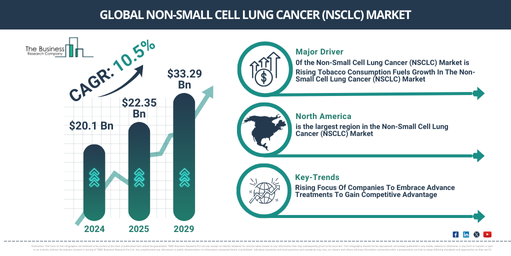
    In recent times, the size of the non-small cell lung cancer (NSCLC) market has seen substantial growth. It is projected to expand from $20.1 billion in 2024 to $22.35 billion in 2025, yielding a compound annual growth rate (CAGR) of 11.1%. This significant growth during the historic period can be credited to the emergence of immunotherapy, advancements in genomic profiling and precision medicine, wide-scale clinical trials, and initiatives to stop smoking._x000D_

    _x000D_

    #What Growth Rate Is Forecasted for the Non-Small Cell Lung Cancer (NSCLC) Market by 2029?#_x000D_

    The market size for non-small cell lung cancer (NSCLC) is predicted to experience significant expansion in the coming years, reaching a value of $33.29 billion by 2029 with a compound annual growth rate (CAGR) of 10.5%. This anticipated growth in the forecast period is largely due to factors such as the development of combination therapies, the incorporation of artificial intelligence (AI), the proliferation of personalized vaccines, global research collaborations, and a focus on patient-centric care. Trends observed during the forecast period are expected to include the involvement of telemedicine in oncology, advancements in liquid biopsy technologies, progress in diagnostic technologies, the use of minimally invasive surgical procedures, and the implementation of immune checkpoint inhibitors._x000D_

    _x000D_

    #Download The Free Sample Report Here:#_x000D_

    https://www.thebusinessresearchcompany.com/sample.aspx?id=13232&type=smp_x000D_

    _x000D_

    #Which Key Companies Are Shaping the Future of the Non-Small Cell Lung Cancer (NSCLC) Market?#_x000D_

    Major companies operating in the non-small cell lung cancer (NSCLC) market report are Pfizer Inc., F. Hoffmann-La Roche AG, Merck & Co. Inc., AbbVie Inc., Novartis AG, Sanofi S.A., Bristol-Myers Squibb Company, AstraZeneca PLC, GlaxoSmithKline PLC, Takeda Pharmaceutical Company Limited, Eli Lilly and Company, Amgen Inc., Viatris Inc., Teva Pharmaceutical Industries Ltd., Regeneron Pharmaceuticals Inc., Astellas Pharma Inc., UCB S.A., Sun Pharmaceutical Industries Ltd., Dr. Reddy’s Laboratories Ltd., Aurobindo Pharma Limited, Cipla Limited, Ferring B.V., Hikma Pharmaceuticals PLC, Amneal Pharmaceuticals LLC, Zydus Lifesciences Ltd., Lupin Limited, Torrent Pharmaceuticals Ltd., Almirall S.A., Clovis Oncology, Revolution Medicines_x000D_

    _x000D_

    #Which Factors Are Driving Demand in the Non-Small Cell Lung Cancer (NSCLC) Industry?#_x000D_

    An anticipated rise in the use of tobacco products is set to fuel the expansion of the non-small cell lung cancer (NSCLC) market. It is notable that tobacco consumption which includes smoking, chewing, or snuffing introduces harmful substances such as nicotine and other chemicals into the human body. It is these substances in tobacco smoke that are known to cause damage to deoxyribonucleic acid (DNA) in lung cells, which in turn leads to genetic anomalies and the rampant growth of cancerous cells, including those of non-small cell lung cancer (NSCLC). To put this in context, in October 2024, the US Food and Drug Administration (USFDA) published the 2024 National Youth Tobacco Survey, revealing that a significant 1.1% of all students, approximately 2.25 million students reported current use of tobacco products. Further, the statistics showed 10.1% of high school students (around 1.58 million) and 5.4% of middle school students (about 640,000) were tobacco users. Adding to this, 2.8% of students (around 760,000) reported the current use of any tobacco product that can be ignited, while a slightly higher figure of 3.0% (or about 840,000) were reported as using multiple tobacco products. Lastly, such a growing rate of tobacco consumption is seen as a major driver in the growth of the non-small cell lung cancer (NSCLC) market. Rising levels of air pollution, known for causing harmful effects to health, are being linked to increased cases of Non-Small Cell Lung Cancer (NSCLC), and this is expected to stimulate growth within the NSCLC market. Air pollution comprises harmful substances, usually in gas or particle form, within the Earth’s atmosphere, and these have a detrimental impact on human health. This pollution increases the likelihood of non-small lung cancer by causing inflammation and damage to the DNA of the lung cells, prompting the formation of cancerous tumors. For instance, in June 2023, the World Health Organization recorded that air and household pollution were linked to 7 million premature deaths annually. Moreover, about 2.4 billion people are at risk from harmful household air pollution, which result from using polluting open fires for cooking, powered by kerosene, biomass, and coal. Adding to this concern, the World Bank estimated in September 2022 that health harm caused by air pollution would total around $8.1 trillion annually, equating to a significant 6.1% of global GDP. As such, rising air pollution levels are expected to drive growth in the non-small cell lung cancer (NSCLC) market._x000D_

    _x000D_

    #Request For A Customized Report:#_x000D_

    https://www.thebusinessresearchcompany.com/customise?id=13232&type=smp_x000D_

    _x000D_

    #How Is the Non-Small Cell Lung Cancer (NSCLC) Market Segmented by Several Divisions?#_x000D_

    The non-small cell lung cancer (NSCLC) market covered in this report is segmented –_x000D_

    _x000D_

    1) By Type: Squamous Cell Carcinoma, Large Cell Carcinoma, Adenocarcinoma, Other Types_x000D_

    2) By Therapy: Radiotherapy, Laserthearpy, Photodynamic Therapy (PDT), Other Therapies_x000D_

    3) By Distribution Channel: Hospital Pharmacy, Online Pharmacy, Other Distribution Channels_x000D_

    _x000D_

    Subsegments:_x000D_

    1) By Squamous Cell Carcinoma: Keratinizing Squamous Cell Carcinoma, Non-Keratinizing Squamous Cell Carcinoma_x000D_

    2) By Large Cell Carcinoma: Undifferentiated Large Cell Carcinoma, Large Cell Neuroendocrine Carcinoma_x000D_

    3) By Adenocarcinoma: Invasive Adenocarcinoma, Bronchioloalveolar Carcinoma_x000D_

    4) By Other Types: Mixed Cell Type Carcinoma, Sarcomatoid Carcinoma_x000D_

    _x000D_

    #What are the Emerging Market Trends Driving the Growth of the Non-Small Cell Lung Cancer (NSCLC) Industry?#_x000D_

    Significant business entities in the non-small cell lung cancer (NSCLC) sector are striving for a competitive advantage by focusing on the development of various treatment pathways, like monotherapy treatments. Monotherapy refers to the employment of a single drug or therapy for a medical condition, relying on only one method or therapeutic strategy instead of multiple combined interventions. For example, Novartis AG, a pharmaceutical firm based in Switzerland, was granted permission by the European Commission (EC), a governing entity in Belgium, for the utilization of Tabrecta (capmatinib) in June 2022. The approval was for the treatment of adult patients with advanced non-small cell lung cancer (NSCLC) bearing METex14 skipping mutations, who had already underwent previous treatment. This sanction offers a new targeted treatment alternative for patients afflicted with advanced NSCLC in Europe. The mutations responsible for MET exon 14 (METex14) skipping make it the most sought-after targeted treatment for advanced NSCLC._x000D_

    _x000D_

    #Access The Full Report Here:#_x000D_

    https://www.thebusinessresearchcompany.com/report/non-small-cell-lung-cancer-nsclc-global-market-report_x000D_

    _x000D_

    #Which Regions Are Driving Growth in the Non-Small Cell Lung Cancer (NSCLC) Market?#_x000D_

    North America was the largest region in the non-small cell lung cancer (NSCLC) market in 2024. Asia-Pacific is expected to be the fastest-growing region in the forecast period. The regions covered in the non-small cell lung cancer (NSCLC) market report are Asia-Pacific, Western Europe, Eastern Europe, North America, South America, Middle East, Africa_x000D_

    _x000D_

    #Purchase The Full Report Today:#_x000D_

    https://www.thebusinessresearchcompany.com/purchaseoptions.aspx?id=13232_x000D_

    _x000D_

    #This Report Delivers Insight On: #_x000D_

    1. How big is the non-small cell lung cancer (nsclc) market, and how is it changing globally?_x000D_

    2. Who are the major companies in the non-small cell lung cancer (nsclc) market, and how are they performing?_x000D_

    3. What are the key opportunities and risks in the non-small cell lung cancer (nsclc) market right now?_x000D_

    4. Which products or customer segments are growing the most in the non-small cell lung cancer (nsclc) market?_x000D_

    5. What factors are helping or slowing down the growth of the non-small cell lung cancer (nsclc) market?_x000D_

    _x000D_

    #About The Business Research Company:#_x000D_

    With over 15000+ reports from 27 industries covering 60+ geographies, The Business Research Company has built a reputation for offering comprehensive, data-rich research and insights. Armed with 1,500,000 datasets, the optimistic contribution of in-depth secondary research, and unique insights from industry leaders, you can get the information you need to stay ahead in the game._x000D_

    _x000D_

    #Get in touch with us:#_x000D_

    The Business Research Company: https://www.thebusinessresearchcompany.com/_x000D_

    Americas +1 310-496-7795_x000D_

    Asia +44 2071930708_x000D_

    Europe +44 7882 955267_x000D_

    Email us at info@tbrc.info_x000D_

    _x000D_

    #Follow us on:#_x000D_

    _x000D_

    LinkedIn: https://in.linkedin.com/company/the-business-research-company_x000D_

    YouTube: https://www.youtube.com/channel/UC24_fI0rV8cR5DxlCpgmyFQ_x000D_

    Global Market Model: https://www.thebusinessresearchcompany.com/global-market-model
  • AI In Bioinformatics Industry Growth Expected to Reach $26.46 Billion by 2029 at a CAGR of 43.9% | Segmentation and Growth Opportunities

    AI In Bioinformatics Industry Growth Expected to Reach $26.46 Billion by 2029 at a CAGR of 43.9% | Segmentation and Growth Opportunities

    Claim your 30% discount on Global Market Reports with code ONLINE30. Limited time only.

    What Is the Forecast for the AI In Bioinformatics Market Growth in 2025?

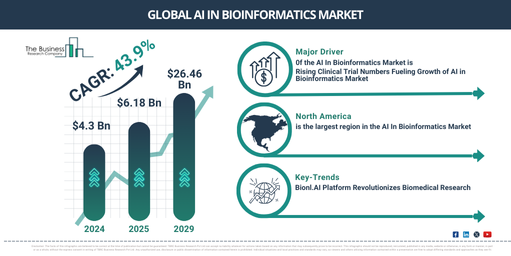
    The market size of AI in bioinformatics has seen a phenomenal growth in the last few years, expected to inflate from $4.3 billion in 2024 to $6.18 billion in 2025, boasting a compound annual growth rate (CAGR) of 43.8%. The surge observed in the historic period can be linked to the expanding genomic data availability, emergence of precision medicine, escalating demand for biomarker discovery and clinical trial optimization, in addition to the rising tendency for increased collaboration.

    What Is the Forecast for the AI In Bioinformatics Market Size Through 2029?

    The market size of AI in bioinformatics is anticipated to witness an extraordinary growth in the coming years, with an estimated value of $26.46 billion in 2029, registering a compound annual growth rate (CAGR) of 43.9%. The primary factors contributing to this expected growth during the forecast period include the advancements in single-cell technologies, increased focus on the integration of multi-omics, a heightened emphasis on functional genomics, speed-up in drug repurposing, and broader acceptance of AI in pathology. Additionally, the period is likely to see major trends like AI ethics and responsible use of data, the emergence of AI-driven virtual labs, inclusion of quantum computing, initiation of AI-dominated clinical trials, and the application of blockchain technology for secure exchange of data.

    Download The Free Sample Report Here:

    https://www.thebusinessresearchcompany.com/sample.aspx?id=13774&type=smp

    What are the Key Market Players in AI In Bioinformatics Market and How They’re Evolving?

    Major companies operating in the AI in bioinformatics market report are Thermo Fisher Scientific Inc., Eurofins Scientific SE, Dassault Systèmes SE, Illumina Inc., NeoGenomics Laboratories Inc., QIAGEN N.V., SomaLogic Operating Co. Inc., Seven Bridges Genomics Inc., Genialis Inc., SOPHiA GENETICS SA, DNAnexus Inc., Insilico Medicine Inc., Deep Genomics Inc., Biomax Informatics Inc., Ardigen SA, Strand Life Sciences Pvt. Ltd., Genomenon Inc., SourceBio International Limited, Fios Genomics Limited, CelbridgeScience, BlueBee Holding BV, JADBio, Elucidata Corporation, Gnosis DA, DNASTAR Inc., iNDX.Ai, Paige AI Inc.

    What Are the Primary Growth Drivers in the AI In Bioinformatics Market?

    The growth of AI in the bioinformatics market is anticipated to accelerate due to the rising number of clinical trials. These trials involve a systematic, meticulously-planned procedure of medical research, which includes human participants to assess the safety and effectiveness of new medical treatments, drugs, devices, or therapeutic strategies. In these trials, AI in bioinformatics helps analyze patient data from electronic health records and other sources and identify potential candidates for clinical trials that meet certain criteria, enhancing recruitment efficiency and targeting. For instance, based on data from Xtalks, a Canada-based life science, and medical device firm cited on ClinicalTrials.gov, in May 2023, 452,604 clinical trials were registered globally, with 64,838 of the total registered studies actively seeking participants. There has been a significant rise in number of registered trials from over 365,000 reported at the beginning of 2021, indicating the growth of AI in the bioinformatics market driven by the increasing number of clinical trials.

    Request For A Customized Report:

    https://www.thebusinessresearchcompany.com/customise?id=13774&type=smp

    What Are the Leading Segments in the Global AI In Bioinformatics Industry?

    The AI in bioinformatics market covered in this report is segmented –

    1) By Type: Machine Learning, Deep Learning, Other Types

    2) By Offering: Services, Software

    3) By Application: Genomics, Chemoinformatics And Drug Design, Proteomics, DNA Sequencing, System Biology, Transcriptomics, Text Mining, Microarrays, Metabolomics, Other Applications

    Subsegments:

    1) By Machine Learning: Supervised Learning Algorithms, Unsupervised Learning Algorithms, Reinforcement Learning

    2) By Deep Learning: Neural Networks, Natural Language Processing Models, Generative Adversarial Networks (GANs)

    3) By Other Types: Statistical Models, Evolutionary Algorithms, Fuzzy Logic Systems

    What Are the Key Market Trends in the AI In Bioinformatics Industry?

    Key players in the AI in bioinformatics market are introducing technological enhancements to the Bionl.AI platform to boost their market earnings. Bionl.AI provides a comprehensive workspace for exploration, analysis, and visualization, drastically reducing the time taken to complete complex tasks. For instance, in October 2023, Bionl Inc., a company specializing in biomedical and bioinformatics research, debuted Bionl.AI. This groundbreaking platform seeks to transform biomedical and bioinformatics research by offering a no-code solution that allows researchers, students, and professionals to explore biomedicine through natural language queries. The platform employs advanced GenAI models to provide immediate insights and to make complicated analysis engaging and easier to handle.

    Access The Full Report Here:

    https://www.thebusinessresearchcompany.com/report/ai-in-bioinformatics-global-market-report

    What Is the Regional Outlook for the AI In Bioinformatics Market?

    North America was the largest region in the AI in bioinformatics market in 2024. Asia-Pacific is expected to be the fastest-growing region in the forecast period. The regions covered in the AI in bioinformatics market report are Asia-Pacific, Western Europe, Eastern Europe, North America, South America, Middle East, Africa.

    Purchase The Full Report Today:

    https://www.thebusinessresearchcompany.com/purchaseoptions.aspx?id=13774

    This Report Delivers Insight On:

    1. How big is the ai in bioinformatics market, and how is it changing globally?

    2. Who are the major companies in the ai in bioinformatics market, and how are they performing?

    3. What are the key opportunities and risks in the ai in bioinformatics market right now?

    4. Which products or customer segments are growing the most in the ai in bioinformatics market?

    5. What factors are helping or slowing down the growth of the ai in bioinformatics market?

    About The Business Research Company:

    With over 15000+ reports from 27 industries covering 60+ geographies, The Business Research Company has built a reputation for offering comprehensive, data-rich research and insights. Armed with 1,500,000 datasets, the optimistic contribution of in-depth secondary research, and unique insights from industry leaders, you can get the information you need to stay ahead in the game.

    Get in touch with us:

    The Business Research Company: https://www.thebusinessresearchcompany.com/

    Americas +1 310-496-7795

    Asia +44 2071930708

    Europe +44 7882 955267

    Email us at info@tbrc.info

    Follow us on:

    LinkedIn: https://in.linkedin.com/company/the-business-research-company

    YouTube: https://www.youtube.com/channel/UC24_fI0rV8cR5DxlCpgmyFQ

    Global Market Model: https://www.thebusinessresearchcompany.com/global-market-model

  • Attention Deficit Hyperactivity Disorder (ADHD) Therapeutics Market Outlook 2025 – Insights for Executive and Strategic Planning

    Attention Deficit Hyperactivity Disorder (ADHD) Therapeutics Market Outlook 2025 – Insights for Executive and Strategic Planning

    Claim your 30% discount on Global Market Reports with code ONLINE30. Limited time only.

    How Has the Attention Deficit Hyperactivity Disorder (ADHD) Therapeutics Market Grown from 2024 to 2025?

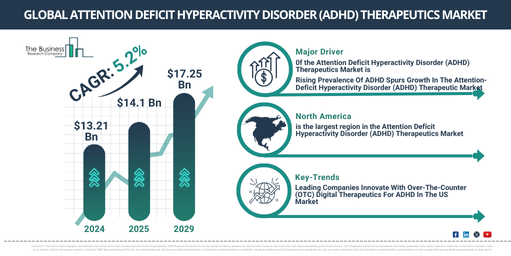
    The market size for therapeutics treating attention deficit hyperactivity disorder (ADHD) has seen robust growth in the past few years. A rise from $13.21 billion in 2024 to $14.1 billion in 2025, with a compound annual growth rate (CAGR) of 6.7% is predicted. The previous growth can be credited to factors such as increased awareness and screening procedures for diagnosis, a growing number of ADHD cases, progress in treatment methods, the evolution of healthcare infrastructure, and the broadening of health insurance coverage.

    What Growth Rate Is Anticipated for the Attention Deficit Hyperactivity Disorder (ADHD) Therapeutics Market in the Coming Years?

    The market size for therapeutics related to attention deficit hyperactivity disorder (ADHD) is forecasted to experience substantial growth in the coming years. By 2029, it is projected to reach $17.25 billion with a compound annual growth rate (CAGR) of 5.2%. The expected growth over the forecast period can be linked to advancements in genetic research and personalized medicine, rising awareness about mental health, international and national mental health campaigns, development of telehealth, and incorporation of behavioral therapies. The key trends during this forecast period comprise of technological enhancements in treatment, research and development efforts, incorporation of digital therapeutics, precision medicine strategies, and drug delivery system innovations.

    Download The Free Sample Report Here:

    https://www.thebusinessresearchcompany.com/sample.aspx?id=14042&type=smp

    Who Are the Leading Companies in the Attention Deficit Hyperactivity Disorder (ADHD) Therapeutics Market?

    Major companies operating in the attention deficit hyperactivity disorder (ADHD) therapeutics market are Pfizer Inc., Johnson And Johnson Services Inc., Novartis AG, GlaxoSmithKline plc, Takeda Pharmaceutical’s, Eli Lilly and Company, Otsuka Pharmaceutical Co. Ltd., UCB S.A., Amneal Pharmaceuticals LLC, Lupin Ltd., Mallinckrodt Pharmaceuticals Inc., Hisamitsu Pharmaceutical Co. Inc., Purdue Pharma L.P., Arbor Pharmaceuticals LLC, Tris Pharma Inc., NEOS Therapeutic Inc., Concert Pharmaceuticals Inc., Vayarin AG, Rhodes Pharmaceuticals L.P., KemPharm Inc., Impax Laboratories Inc., Aevi Genomic Medicine, Adlon Therapeutics L.P., Ironshore Pharmaceuticals Inc., Highland Therapeutics Inc.

    What Are the Key Drivers of the Attention Deficit Hyperactivity Disorder (ADHD) Therapeutics Market?

    The escalating occurrence of attention-deficit hyperactivity disorder is predicted to foster expansion of the ADHD therapeutics market in the future. This surge in ADHD occurrence alludes to an ascending count of people being diagnosed with this neurodevelopmental disorder over time. Therapies for ADHD strive to address the diverse aspects of this condition, focusing on improved management of symptoms, functional disability, life quality, and overall well-being for those afflicted with ADHD. For instance, the Guardian, a US-based news company reported in January 2023 that an estimated 170,000 recognized patients were prescribed ADHD treatment in 2022, marking a 20.4% growth from the 141,000 recognized patients during the equivalent period in 2021. Thus, the burgeoning prevalence of ADHD is contributing to the advancement of the ADHD therapeutics market.

    Request For A Customized Report:

    https://www.thebusinessresearchcompany.com/customise?id=14042&type=smp

    What Are the Key Market Segments in the Attention Deficit Hyperactivity Disorder (ADHD) Therapeutics Industry?

    The attention deficit hyperactivity disorder (ADHD) therapeutics market covered in this report is segmented –

    1) By Drug Type: Stimulants, Non-Stimulants

    2) By Psychotherapy: Behavior Therapy, Cognitive Behavioral Therapy, Interpersonal Psychotherapy, Family Therapy

    3) By Age Group: Pediatric And Adolescent, Adult

    4) By Distribution Channel: Hospital Pharmacies, Specialty Clinics, Retail Pharmacies, E-Commerce

    Subsegments:

    1) By Stimulants: Amphetamine-Based Stimulants, Methylphenidate-Based Stimulants

    2) By Non-Stimulants: Atomoxetine, Guanfacine, Clonidine

    What Are the Latest Trends in the Attention Deficit Hyperactivity Disorder (ADHD) Therapeutics Market?

    Leading businesses in the attention-deficit hyperactivity disorder (ADHD) therapeutics market are focusing their efforts on creating digital enhancements such as Endeavor over-the-counter (OTC) versions of digital treatments for ADHD. This is in response to the growing demand for digital solutions as well as an increase in remote healthcare needs. Digital treatments, backed by evidence, use high-quality software programs to prevent, manage or cure a medical disorder. These treatments are developed to be utilized alone or alongside conventional medical treatments. For example, Akili, a digital health company from the US, launched an OTC version of its video game-based digital therapeutic for adults with ADHD in June 2023. Named EndeavorOTC, it was created to improve attention, time management, and organizational skills. This is a follow-up to Akili’s successful FDA-authorized prescription video game treatment, the EndeavorRx, for children with ADHD. The EndeavorOTC provides a non-pharmaceutical treatment option for adults battling ADHD symptoms.

    Access The Full Report Here:

    https://www.thebusinessresearchcompany.com/report/attention-deficit-hyperactivity-disorder-adhd-therapeutics-global-market-report

    What Are the Key Regional Markets in the Attention Deficit Hyperactivity Disorder (ADHD) Therapeutics Industry?

    North America was the largest region in the attention deficit hyperactivity disorder (ADHD) therapeutic market in 2024. Asia-Pacific is expected to be the fastest-growing region in the forecast period. The regions covered in the attention deficit hyperactivity disorder (ADHD) therapeutics market report are Asia-Pacific, Western Europe, Eastern Europe, North America, South America, Middle East, Africa.

    Purchase The Full Report Today:

    https://www.thebusinessresearchcompany.com/purchaseoptions.aspx?id=14042

    This Report Delivers Insight On:

    1. How big is the attention deficit hyperactivity disorder (adhd) therapeutics market, and how is it changing globally?

    2. Who are the major companies in the attention deficit hyperactivity disorder (adhd) therapeutics market, and how are they performing?

    3. What are the key opportunities and risks in the attention deficit hyperactivity disorder (adhd) therapeutics market right now?

    4. Which products or customer segments are growing the most in the attention deficit hyperactivity disorder (adhd) therapeutics market?

    5. What factors are helping or slowing down the growth of the attention deficit hyperactivity disorder (adhd) therapeutics market?

    About The Business Research Company:

    With over 15000+ reports from 27 industries covering 60+ geographies, The Business Research Company has built a reputation for offering comprehensive, data-rich research and insights. Armed with 1,500,000 datasets, the optimistic contribution of in-depth secondary research, and unique insights from industry leaders, you can get the information you need to stay ahead in the game.

    Get in touch with us:

    The Business Research Company: https://www.thebusinessresearchcompany.com/

    Americas +1 310-496-7795

    Asia +44 2071930708

    Europe +44 7882 955267

    Email us at info@tbrc.info

    Follow us on:

    LinkedIn: https://in.linkedin.com/company/the-business-research-company

    YouTube: https://www.youtube.com/channel/UC24_fI0rV8cR5DxlCpgmyFQ

    Global Market Model: https://www.thebusinessresearchcompany.com/global-market-model

  • Non-injectable Insulin Market Outlook 2025 – Insights for Executive and Strategic Planning

    Non-injectable Insulin Market Outlook 2025 – Insights for Executive and Strategic Planning

    Claim your 30% discount on Global Market Reports with code ONLINE30. Limited time only.

    #How Has the Non-injectable Insulin Market Grown from 2024 to 2025?#_x000D_

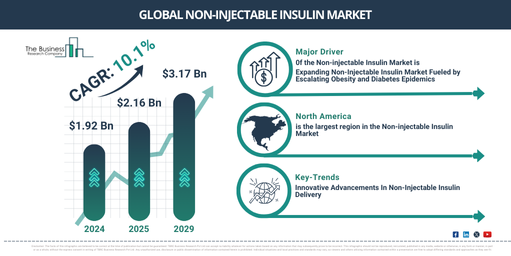
    The market size for non-injectable insulin has seen a swift increase in recent times. Rising from a valuation of $1.92 billion in 2024, it is projected to reach $2.16 billion in 2025, exhibiting a compound annual growth rate (CAGR) of 12.1%. The historic growth can be credited to factors like better patient compliance, tackling needle fear, improved quality of life, simple administration methods, and consistent control of blood glucose levels._x000D_

    _x000D_

    #What Growth Rate Is Anticipated for the Non-injectable Insulin Market in the Coming Years?#_x000D_

    The market size for non-injectable insulin is predicted to rapidly expand in the following years, reaching a value of $3.17 billion in 2029 with a compound annual growth rate of 10.1%. This projected growth during the forecast period is linked to ongoing focus on patient adherence, constant solutions for needle fear, improvements in life quality, unceasing enhancement of safety measures, and minimised risks associated with infections and injuries. The forecast period will also see principal trends like the advancement in technology, development of tech-based solutions, incorporation of digital health, application of nanotechnology, and combined therapies._x000D_

    _x000D_

    #Download The Free Sample Report Here:#_x000D_

    https://www.thebusinessresearchcompany.com/sample.aspx?id=13888&type=smp_x000D_

    _x000D_

    #Who Are the Leading Companies in the Non-injectable Insulin Market?#_x000D_

    Major companies operating in the non-injectable insulin market report are Pfizer Inc., Johnson & Johnson, F. Hoffmann-La Roche Ltd., Merck & Co. Inc., Novartis AG, Sanofi S.A, Bristol-Myers Squibb Company, AstraZeneca, Abbott Laboratories, GlaxoSmithKline, Takeda Pharmaceutical, Eli Lilly and Company, Boehringer Ingelheim, Novo Nordisk A/S, Teva Pharmaceutical Industries Ltd., Mylan N.V., Sun Pharmaceutical Industries Ltd., Ipsen S.A., Cadila Healthcare Limited, Dr. Reddy’s Laboratories Limited, Cipla Limited, Lupin Pharmaceuticals, Glenmark Pharmaceuticals, Torrent Pharmaceuticals, Biocon Limited, Wockhardt Limited_x000D_

    _x000D_

    #What Are the Key Drivers of the Non-injectable Insulin Market?#_x000D_

    Anticipated increases in obesity and diabetes cases are projected to spur the expansion of the non-injectable insulin market. Obesity involves the extreme build-up of body fat, typically due to an energy imbalance between calories ingested and output, while diabetes mellitus, commonly known simply as diabetes, includes a set of metabolic disorders marked by sustained high blood sugar levels. Non-injectable insulin serves as a remedy for diabetes and obesity, with the capacity to enhance control by tackling hurdles to insulin treatment, providing potential weight control benefits and more convenient care options. For instance, as per the World Heart Federation, a Switzerland-domiciled NGO, the global prevalence of obesity is predicted to escalate, with approximately 2.3 billion people in 2021, children and adults included, struggling with being overweight and obesity that’s expected to increase to 2.7 billion by 2025. In addition, in April 2023, a study by the British Diabetic Association, a UK diabetes charity, reported that 4.3 million individuals in the UK have diabetes and over 2.4 million dwellers are at a high risk of developing type 2 diabetes. The enrolment numbers for 2021-22 displayed an increase of 148,951 from the prior year. Consequently, surging obesity and diabetes problems are stimulating the expansion of the non-injectable insulin market._x000D_

    _x000D_

    #Request For A Customized Report:#_x000D_

    https://www.thebusinessresearchcompany.com/customise?id=13888&type=smp_x000D_

    _x000D_

    #What Are the Key Market Segments in the Non-injectable Insulin Industry?#_x000D_

    The non-injectable insulin market covered in this report is segmented –_x000D_

    _x000D_

    1) By Type: Synthetic Insulin, Semi Synthetic Insulin_x000D_

    2) By Product: Pills, Sprays, Other Products_x000D_

    3) By Distribution Channel: Hospital Pharmacies, Online Pharmacies, Drug Stores_x000D_

    _x000D_

    Subsegments:_x000D_

    1) By Synthetic Insulin: Rapid-Acting Synthetic Insulin, Short-Acting Synthetic Insulin, Intermediate-Acting Synthetic Insulin, Long-Acting Synthetic Insulin_x000D_

    2) By Semi-Synthetic Insulin: Modified Insulin Analogs, Combination Insulins, Biosimilar Insulins, Insulin With Extended Release Formulations_x000D_

    _x000D_

    #What Are the Latest Trends in the Non-injectable Insulin Market?#_x000D_

    Leading firms in the non-injectable insulin industry are concentrating on the development of innovative drug delivery technologies such as needle-free insulin sprays. They’re aimed at enhancing the quality of life for diabetic patients who require frequent insulin injections. A needle-free insulin spray is a hassle-free and painless alternative for blood glucose control and can be conveniently sprayed directly into the mouth. NiedlFree Technologies, a technology company based in India, launched an oral insulin spray called Ozulin in November 2023. Ozulin is aimed at being more user-friendly, especially for people with diabetes who may find conventional insulin injection methods difficult. If it gets approval, Ozulin could significantly transform the diabetes care market by providing a less painless and more convenient alternative to insulin injections._x000D_

    _x000D_

    #Access The Full Report Here:#_x000D_

    https://www.thebusinessresearchcompany.com/report/non-injectable-insulin-global-market-report_x000D_

    _x000D_

    #What Are the Key Regional Markets in the Non-injectable Insulin Industry?#_x000D_

    North America was the largest region in the non-injectable insulin market in 2024. Asia-Pacific is expected to be the fastest-growing region in the forecast period. The regions covered in the non-injectable insulin market report are Asia-Pacific, Western Europe, Eastern Europe, North America, South America, Middle East, Africa._x000D_

    _x000D_

    #Purchase The Full Report Today:#_x000D_

    https://www.thebusinessresearchcompany.com/purchaseoptions.aspx?id=13888_x000D_

    _x000D_

    #This Report Delivers Insight On: #_x000D_

    1. How big is the non-injectable insulin market, and how is it changing globally?_x000D_

    2. Who are the major companies in the non-injectable insulin market, and how are they performing?_x000D_

    3. What are the key opportunities and risks in the non-injectable insulin market right now?_x000D_

    4. Which products or customer segments are growing the most in the non-injectable insulin market?_x000D_

    5. What factors are helping or slowing down the growth of the non-injectable insulin market?_x000D_

    _x000D_

    #About The Business Research Company:#_x000D_

    With over 15000+ reports from 27 industries covering 60+ geographies, The Business Research Company has built a reputation for offering comprehensive, data-rich research and insights. Armed with 1,500,000 datasets, the optimistic contribution of in-depth secondary research, and unique insights from industry leaders, you can get the information you need to stay ahead in the game._x000D_

    _x000D_

    #Get in touch with us:#_x000D_

    The Business Research Company: https://www.thebusinessresearchcompany.com/_x000D_

    Americas +1 310-496-7795_x000D_

    Asia +44 2071930708_x000D_

    Europe +44 7882 955267_x000D_

    Email us at info@tbrc.info_x000D_

    _x000D_

    #Follow us on:#_x000D_

    _x000D_

    LinkedIn: https://in.linkedin.com/company/the-business-research-company_x000D_

    YouTube: https://www.youtube.com/channel/UC24_fI0rV8cR5DxlCpgmyFQ_x000D_

    Global Market Model: https://www.thebusinessresearchcompany.com/global-market-model
  • Blood Screening Market to Reach $5.37 Billion by 2029 | Key Drivers and Future Outlook

    Blood Screening Market to Reach $5.37 Billion by 2029 | Key Drivers and Future Outlook

    Claim your 30% discount on Global Market Reports with code ONLINE30. Limited time only.

    What Is the Growth Rate of the Blood Screening Market?

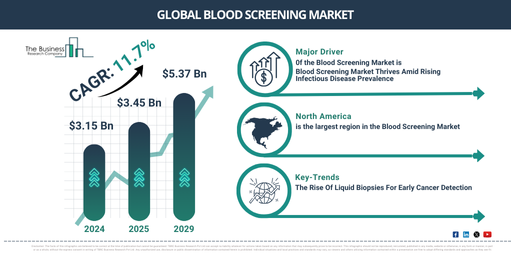
    The size of the blood screening market has seen significant expansion in the recent past. It is projected to increase from $3.15 billion in 2024 to $3.45 billion in 2025, reflecting a compound annual growth rate (CAGR) of 9.6%. The past growth can be explained by the increase in the need for blood transfusions, the surge in transmissible diseases, governmental rules and standards, a rise in blood donations and collections, and endemic health issues worldwide.

    What Growth Rate Is Forecasted for the Blood Screening Market by 2029?

    Anticipations are high for the blood screening market to experience robust expansion in the coming years, with the market projected to reach a value of $5.37 billion by 2029, growing at a Compound Annual Growth Rate (CAGR) of 11.7%. Factors that would contribute to this development in the projected period include enhancement of healthcare facilities, public health education initiatives, progress in the methods of diagnosing contagious diseases, general health issues, and readiness for pandemics. Notable trends during the forecast period consist of an increase in infectious ailments, automation and efficiency improvements, elevated demands for blood transfusion, emphasis on transfusion safety, and investigations on pathogen detection.

    Download The Free Sample Report Here:

    https://www.thebusinessresearchcompany.com/sample.aspx?id=9047&type=smp

    Which Key Companies Are Shaping the Future of the Blood Screening Market?

    Major companies operating in the blood screening market include Abbott Laboratories, Grifols S.A., Becton Dickinson and Company, F. Hoffmann-La Roche AG, bioMérieux S.A., Bio-Rad Laboratories Inc., Thermo Fisher Scientific Inc., Ortho Clinical Diagnostics Inc., Beckman Coulter Inc., Siemens Healthineers AG, GE Healthcare, DiaSorin S.p.A., Merck KGaA, PerkinElmer Inc., Bio-Techne Corporation, Roche Diagnostics GmbH, Danaher Corporation, Sysmex Corporation, Natera Inc., GenMark Diagnostics Inc., QIAGEN N.V., Hologic Inc., Luminex Corporation, Trinity Biotech plc, Fujirebio Inc., OraSure Technologies Inc., Immunetics Inc., Accelerate Diagnostics Inc., Cepheid Inc., T2 Biosystems Inc., Haemonetics Corporation, HTG Molecular Diagnostics Inc., Verax Biomedical Inc.

    Which Factors Are Driving Demand in the Blood Screening Industry?

    The rise in the occurrence of infectious diseases is set to boost the advancement of the blood screening market. Blood tests are frequently performed to check for signs of sickness by identifying a particular antibody produced against the infecting organism, which assists doctors in treating infectious diseases and halting further infection spread in patients and the transmission of disease from person to person. For example, the National Center for Biotechnology Information, a government agency in the US, reported in June 2022 that over the past 20 years, the incidence of infectious diseases in outpatient care has almost tripled, from 8 to 26 per 1,000. Therefore, the surge in the occurrence of infectious diseases is propelling the growth of the blood screening market.

    Request For A Customized Report:

    https://www.thebusinessresearchcompany.com/customise?id=9047&type=smp

    How Is the Blood Screening Market Segmented by Several Divisions?

    The blood screening market covered in this report is segmented –

    1) By Product: Reagents And Kits, Instruments, Software And Services

    2) By Technology: Nucleic Acid Testing, Enzyme-Linked Immunosorbent Assay (ELISA), Rapid Tests, Western Blot Assays, Next-Generation Sequencing (NGS)

    3) By End User: Blood Banks, Diagnostic Centers And Pathology Labs, Hospitals, Clinics, Ambulatory Surgical Centers (ASCs)

    Subsegments:

    1) By Reagents And Kits: Diagnostic Reagents, Testing Kits

    2) By Instruments: Automated Analyzers, Manual Testing Equipment

    3) By Software And Services: Laboratory Information Management Systems (LIMS), Data Analysis Software, Support And Consulting Services

    What are the Emerging Market Trends Driving the Growth of the Blood Screening Industry?

    Key stakeholders in the blood screening market, such as Guardant Health, Inc., are advancing technologies like liquid biopsy. This development stands to improve early cancer detection, streamline treatment monitoring, and facilitate personalized medical treatments. Liquid biopsy serves as a less aggressive testing method that examines blood and other bodily fluids to identify cancer cells or tumor DNA. For example, in November 2023, the American biotech company Guardant Health, Inc. introduced Shield, a blood-based screening test. This particular test investigates cell-free DNA (cfDNA) circulating in the blood, signaling the potential existence of colorectal tumors or precancerous formations. It particularly targets changes in DNA fragments that cancer cells release into the bloodstream.

    Access The Full Report Here:

    https://www.thebusinessresearchcompany.com/report/blood-screening-global-market-report

    Which Regions Are Driving Growth in the Blood Screening Market?

    North America was the largest region in the blood screening market in 2024. The regions covered in the blood screening market report are Asia-Pacific, Western Europe, Eastern Europe, North America, South America, Middle East, Africa

    Purchase The Full Report Today:

    https://www.thebusinessresearchcompany.com/purchaseoptions.aspx?id=9047

    This Report Delivers Insight On:

    1. How big is the blood screening market, and how is it changing globally?

    2. Who are the major companies in the blood screening market, and how are they performing?

    3. What are the key opportunities and risks in the blood screening market right now?

    4. Which products or customer segments are growing the most in the blood screening market?

    5. What factors are helping or slowing down the growth of the blood screening market?

    About The Business Research Company:

    With over 15000+ reports from 27 industries covering 60+ geographies, The Business Research Company has built a reputation for offering comprehensive, data-rich research and insights. Armed with 1,500,000 datasets, the optimistic contribution of in-depth secondary research, and unique insights from industry leaders, you can get the information you need to stay ahead in the game.

    Get in touch with us:

    The Business Research Company: https://www.thebusinessresearchcompany.com/

    Americas +1 3156230293

    Asia +44 2071930708

    Europe +44 2071930708

    Email us at info@tbrc.info

    Follow us on:

    LinkedIn: https://in.linkedin.com/company/the-business-research-company

    YouTube: https://www.youtube.com/channel/UC24_fI0rV8cR5DxlCpgmyFQ

    Global Market Model: https://www.thebusinessresearchcompany.com/global-market-model

  • Advanced Therapeutics Pharmaceutical Outsourcing Industry Valued at $10.27 Billion by 2029 With CAGR of 5.1% | Size and Share Insights

    Advanced Therapeutics Pharmaceutical Outsourcing Industry Valued at $10.27 Billion by 2029 With CAGR of 5.1% | Size and Share Insights

    Claim your 30% discount on Global Market Reports with code ONLINE30. Limited time only.

    What Is the Forecast for the Advanced Therapeutics Pharmaceutical Outsourcing Market from 2024 to 2025?

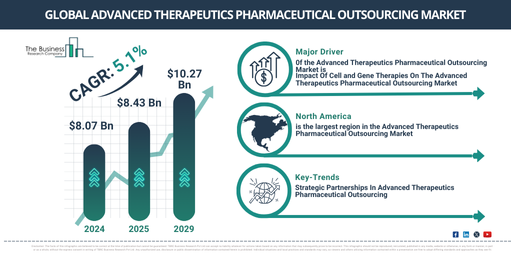
    There has been consistent growth in the market size of advanced therapeutics pharmaceutical outsourcing over the recent years. It’s projected to expand from $8.07 billion in 2024 to $8.43 billion in 2025, with a compound annual growth rate (CAGR) of 4.5%. Factors contributing to the growth during the historic period includes increased biopharmaceutical infrastructure, regulatory compliance, a surge in demand for innovative drugs for chronic and fatal diseases, enhanced efficiency, and increased demand for personalized medicine.

    What Is the Projected Market Size of the Advanced Therapeutics Pharmaceutical Outsourcing Market?

    The market size of advanced therapeutics pharmaceutical outsourcing is projected to experience substantial growth in the coming years, with expectations to reach $10.27 billion in 2029, reflecting a compound annual growth rate (CAGR) of 5.1%. The anticipated growth within the forecast period can be traced back to the growing use of cell and gene therapies, an increased emphasis on mRNA therapies, heightened demand for innovative treatments, enhanced effectiveness, and the cost-saving aspects provided by outsourcing collaborations. The forecast period will usher in key trends such as technological progress, expertise growth in advanced therapeutics, an escalating number of innovative therapies in the pipeline, the incorporation of state-of-the-art technology, and rapid developments in gene therapy, cell therapy, and mRNA technologies.

    Download The Free Sample Report Here:

    https://www.thebusinessresearchcompany.com/sample.aspx?id=13768&type=smp

    Who are the Major Competitors in the Advanced Therapeutics Pharmaceutical Outsourcing Market Outlook?

    Major companies operating in the advanced therapeutics pharmaceutical outsourcing market report are Thermo Fisher Scientific Inc., Laboratory Corporation of America Holdings, IQVIA, ICON plc, SGS SA, Lonza Group, Parexel International Corporation, WuXi AppTec, Syneos Health, Catalent Inc., Charles River Laboratories International, Recipharm AB, Croda International Plc, Samsung Biologics, Vetter Pharma International GmbH, Medpace Holdings Inc., Fujifilm Diosynth Biotechnologies, Marken, AGC Biologics, Evotec SE, ProPharma Group, Piramal Pharma Solutions, Corden Pharma International LLC, Novotech Pty Ltd., Cryoport Systems Inc., Cytovance Biologics

    What Is Fueling Growth in the Advanced Therapeutics Pharmaceutical Outsourcing Market?

    The growing popularity of cell and gene therapies is projected to spur the expansion of the advanced therapeutics pharmaceutical outsourcing market. These inventive therapies utilize living cells or genetic elements to manage or eliminate diseases. The outsourcing of pharmaceutical services in advanced therapeutics provides companies with access to seasoned professionals and well-established service providers, obviating the need for companies to invest in team-building. For example, a report published by Nature, a scientific journal based in the UK, suggested in November 2023 that the volume of new patients benefitting from gene therapies would rise from 16,244 in 2020 to 94,696 in 2025. Hence, the escalating implementation of cell and gene therapies is fuelling the advancement of the advanced therapeutics pharmaceutical outsourcing market.

    Request For A Customized Report:

    https://www.thebusinessresearchcompany.com/customise?id=13768&type=smp

    Which Advanced Therapeutics Pharmaceutical Outsourcing Market Segments Are Growing the Fastest?

    The advanced therapeutics pharmaceutical outsourcing market covered in this report is segmented –

    1) By Service Type: Contract Research Organizations (CROs), Contract Development And Manufacturing Organizations (CDMOs)

    2) By Indication: Oncology, Neurology, Cardiology, Infectious Diseases, Other Indications

    3) By Therapy: Cell Therapy, Gene Therapy, RNA-based Therapies

    4) By Application: Preclinical Services, Clinical Services, Commercial Manufacturing And Packaging

    Subsegments:

    1) By Contract Research Organizations (CROs): Preclinical Research Services, Clinical Trial Management Services, Regulatory Affairs Services, Data Management And Biostatistics

    2) By Contract Development And Manufacturing Organizations (CDMOs): Drug Development Services, Formulation Development, Analytical Testing Services, Commercial Manufacturing Services

    Which Industry Trends Are Shaping the Future of the Advanced Therapeutics Pharmaceutical Outsourcing Market?

    Key players in the advanced therapeutics pharmaceutical outsourcing market are concentrating on strategic collaborations to deliver dependable services to their clients. A strategic alliance typically involves two or more parties, usually businesses, joining forces to accomplish shared objectives that could not be achieved individually. For example, in January 2023, Lonza, a Swiss firm that manufactures for the pharmaceutical, biotechnology, and nutrition industries, formed a partnership with Context Therapeutics Inc., an American biopharmaceutical company that develops treatments for solid tumors. As part of the agreement, Lonza is responsible for evaluating manufacturability, building genes and cell lines, and developing processes for both the drug substance and final drug product.

    Access The Full Report Here:

    https://www.thebusinessresearchcompany.com/report/advanced-therapeutics-pharmaceutical-outsourcing-global-market-report

    Which Countries Are Leading the Advanced Therapeutics Pharmaceutical Outsourcing Market?

    North America was the largest region in the advanced therapeutics pharmaceutical outsourcing market in 2024. The regions covered in the advanced therapeutics pharmaceutical outsourcing market report are Asia-Pacific, Western Europe, Eastern Europe, North America, South America, Middle East, Africa.

    Purchase The Full Report Today:

    https://www.thebusinessresearchcompany.com/purchaseoptions.aspx?id=13768

    This Report Delivers Insight On:

    1. How big is the advanced therapeutics pharmaceutical outsourcing market, and how is it changing globally?

    2. Who are the major companies in the advanced therapeutics pharmaceutical outsourcing market, and how are they performing?

    3. What are the key opportunities and risks in the advanced therapeutics pharmaceutical outsourcing market right now?

    4. Which products or customer segments are growing the most in the advanced therapeutics pharmaceutical outsourcing market?

    5. What factors are helping or slowing down the growth of the advanced therapeutics pharmaceutical outsourcing market?

    About The Business Research Company:

    With over 15000+ reports from 27 industries covering 60+ geographies, The Business Research Company has built a reputation for offering comprehensive, data-rich research and insights. Armed with 1,500,000 datasets, the optimistic contribution of in-depth secondary research, and unique insights from industry leaders, you can get the information you need to stay ahead in the game.

    Get in touch with us:

    The Business Research Company: https://www.thebusinessresearchcompany.com/

    Americas +1 310-496-7795

    Asia +44 2071930708

    Europe +44 7882 955267

    Email us at info@tbrc.info

    Follow us on:

    LinkedIn: https://in.linkedin.com/company/the-business-research-company

    YouTube: https://www.youtube.com/channel/UC24_fI0rV8cR5DxlCpgmyFQ

    Global Market Model: https://www.thebusinessresearchcompany.com/global-market-model

  • Assistive Technologies For Visually Impaired Market Projected at $12.31 Billion by 2029 | Strategic Insights and Forecast Data

    Assistive Technologies For Visually Impaired Market Projected at $12.31 Billion by 2029 | Strategic Insights and Forecast Data

    Claim your 30% discount on Global Market Reports with code ONLINE30. Limited time only.

    How Has the Assistive Technologies For Visually Impaired Market Size Changed, over the years?

    The market for assistive technologies for the visually impaired has seen significant expansion in the past few years. The value of this market is projected to increase from $6.11 billion in 2024 to $7.03 billion in 2025, translating to a compound annual growth rate (CAGR) of 15.0%. The historic growth is largely due to an increase in the aging population, heightened awareness of assistive technologies, and a proliferation of government initiatives.

    How Much Will the Assistive Technologies For Visually Impaired Market Be Worth in 2029?

    The market size for assistive technologies for the visually impaired is projected to experience fast-tracked expansion in the upcoming years, escalating to $12.31 billion by 2029 with a compound annual growth rate (CAGR) of 15.0%. The acceleration during this forecast period can be credited to an increase in visual impairment and blindness cases, coupled with a rising demand to meet the neglected requirements of the patients. The major trends expected during this period encompass AI-integrated smart glasses, advanced screen readers, braille displays, and the use of augmented reality (AR) for navigation.

    Download The Free Sample Report Here:

    https://www.thebusinessresearchcompany.com/sample.aspx?id=13598&type=smp

    Which is the Largest Company in the Assistive Technologies For Visually Impaired Market?

    Major companies operating in the assistive technologies for visually impaired market report are Apple, Google Inc., Plantronics Inc., Cambium Learning Group, OrCam Technologies Ltd., Vispero, Freedom Scientific Inc., Humanware Pty. Ltd., Amedia Corporation, Aira Tech Corp., LVI Low Vision International AB, Maxi-Aids, AbleNet Inc., Dolphin Computer Access Ltd., Eschenbach Optik GmbH, eSight Corporation, Zoomax Inc., Attainment Company, Ash Technologies, Boundless Assistive Technology, Eye-D, Adaptivation Inc., American Thermoform Corporation, ABiSee Inc., ViewPlus Technologies Inc., Envision AI, Ai Squared Inc., Eyedaptic Inc., Access Ingenuity, Torchit

    What Are the Main Market Drivers in the Assistive Technologies For Visually Impaired Industry?

    The rise in cases of visual deficits and blindness is anticipated to fuel the expansion of the market for assisting technologies for the visually impaired. Visual deficits and blindness are terms used to describe conditions that infringe on one’s ability to see, limiting vision to various extents. Assisting technologies improve accessibility for people with visual deficits and blindness, offering essential assistance like braille displays, which enhance navigation, access to information, and communication. For example, in August 2023, the World Health Organization reported that a staggering 2.2 billion people across the globe suffered from vision impairment, with 1 billion cases either preventable or not adequately addressed. Of these, 36% are impacted by refractive errors and 17% suffer from impairment due to cataracts. Therefore, the surge in visual deficits and blindness is a key factor driving the expansion of the market for assisting technologies for the visually impaired.

    Request For A Customized Report:

    https://www.thebusinessresearchcompany.com/customise?id=13598&type=smp

    How Is the Assistive Technologies For Visually Impaired Market Segments Structured?

    The assistive technologies for visually impaired market covered in this report is segmented –

    1) By Type: Educational Devices And Software, Mobility Devices, Low Vision Devices

    2) By Distribution Channel: Hospital Pharmacies, Retail Pharmacies, Optical Stores, Online Pharmacies

    3) By End User: Blind Schools, Enterprises And Social Organizations, Personal Use, Hospitals, Other End Users

    Subsegments:

    1) By Educational Devices And Software: Braille Notetakers, Screen Readers, Accessible Learning Software

    2) By Mobility Devices: Canes (Traditional And Smart Canes), GPS Navigation Devices, Wearable Technology For Navigation

    3) By Low Vision Devices: Magnifiers (Handheld And Electronic), Telescopic Lenses, Digital Magnification Devices

    What Strategic Trends Are Transforming the Assistive Technologies For Visually Impaired Market?

    Large corporations in the market for assistive technologies for the visually impaired are concentrating their efforts on creating products with groundbreaking technology, such as AI-enabled smart glasses, in order to boost their market profitability. These AI-enhanced smart glasses permit visually impaired people to navigate and engage with their environment more independently and confidently. For example, Envision, a company based in the Netherlands, introduced their Next Generation AI-powered smart glasses for the visually impaired in March 2022. These visionary glasses offer advanced features like OCR, improved text recognition, support for multiple languages, and a comprehensive app ecosystem that facilitates the integration of custom applications, including specialized features like assistance for indoor and outdoor orientation and mobility. They are equipped with facial and object recognition, color detection, and scene description, as well as a secure video call feature for uninterrupted communication with trusted associates. These smart glasses transform visual information into auditory signals, encouraging independence and expanding the user’s spectrum of potential. The device is based on the Google Glass Enterprise Edition 2, weighs less than 50g, includes an 8MP wide-angle camera, guarantees consistent connectivity for 5-6 hours, and supports USB-C rapid charging.

    Access The Full Report Here:

    https://www.thebusinessresearchcompany.com/report/assistive-technologies-for-visually-impaired-global-market-report

    Which Global Regions Offer the Highest Growth in the Assistive Technologies For Visually Impaired Market?

    North America was the largest region in the assistive technologies for visually impaired market in 2024. Asia-Pacific is expected to be the fastest-growing region in the forecast period. The regions covered in the assistive technologies for visually impaired market report are Asia-Pacific, Western Europe, Eastern Europe, North America, South America, Middle East, Africa.

    Purchase The Full Report Today:

    https://www.thebusinessresearchcompany.com/purchaseoptions.aspx?id=13598

    This Report Delivers Insight On:

    1. How big is the assistive technologies for visually impaired market, and how is it changing globally?

    2. Who are the major companies in the assistive technologies for visually impaired market, and how are they performing?

    3. What are the key opportunities and risks in the assistive technologies for visually impaired market right now?

    4. Which products or customer segments are growing the most in the assistive technologies for visually impaired market?

    5. What factors are helping or slowing down the growth of the assistive technologies for visually impaired market?

    About The Business Research Company:

    With over 15000+ reports from 27 industries covering 60+ geographies, The Business Research Company has built a reputation for offering comprehensive, data-rich research and insights. Armed with 1,500,000 datasets, the optimistic contribution of in-depth secondary research, and unique insights from industry leaders, you can get the information you need to stay ahead in the game.

    Get in touch with us:

    The Business Research Company: https://www.thebusinessresearchcompany.com/

    Americas +1 310-496-7795

    Asia +44 2071930708

    Europe +44 7882 955267

    Email us at info@tbrc.info

    Follow us on:

    LinkedIn: https://in.linkedin.com/company/the-business-research-company

    YouTube: https://www.youtube.com/channel/UC24_fI0rV8cR5DxlCpgmyFQ

    Global Market Model: https://www.thebusinessresearchcompany.com/global-market-model

  • Adult Malignant Glioma Therapeutics Market to Reach $3.55 Billion by 2029 | Key Drivers and Future Outlook

    Adult Malignant Glioma Therapeutics Market to Reach $3.55 Billion by 2029 | Key Drivers and Future Outlook

    Claim your 30% discount on Global Market Reports with code ONLINE30. Limited time only.

    What Is the Growth Rate of the Adult Malignant Glioma Therapeutics Market?

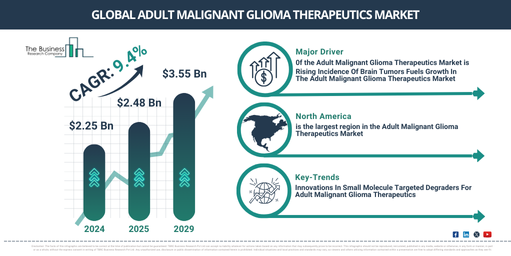
    The market size of therapeutics for adult malignant glioma has seen a swift expansion in the last few years. Predictions indicate it will escalate from a worth of $2.25 billion in 2024 to reach a value of $2.48 billion in 2025, demonstrating a compound annual growth rate (CAGR) of 10.4%. Factors such as rising occurrence rates, patient advocacy initiatives, and personalized medicine strategies account for this significant growth during the historical period.

    What Growth Rate Is Forecasted for the Adult Malignant Glioma Therapeutics Market by 2029?

    The market for adult malignant glioma therapeutics is expected to experience substantial growth in the upcoming years, reaching a value of $3.55 billion by 2029, with a compound annual growth rate (CAGR) of 9.4%. This anticipated growth during the forecast period is owing to advancements in immunotherapy, targeted therapies, the discovery of biomarkers, applications of liquid biopsy, and broadened access programs. The main trends expected in the forecast period encompass patient-focused drug development, fast-track and breakthrough designation, progress in drug delivery systems, collaborative research initiative, and the integration of artificial intelligence.

    Download The Free Sample Report Here:

    https://www.thebusinessresearchcompany.com/sample.aspx?id=13178&type=smp

    Which Key Companies Are Shaping the Future of the Adult Malignant Glioma Therapeutics Market?

    Major companies operating in the adult malignant glioma therapeutics market report are Johnson & Johnson Private Limited, Pfizer Inc., Bio-Rad Laboratories Inc., F. Hoffmann-La Roche Ltd., Allergan PLC, AbbVie Inc., Novartis AG, Bayer AG, Merck & Co Inc., GlaxoSmithKline PLC, Bristol-Myers Squibb Company, Abbott Laboratories, AstraZeneca PLC, Eli Lilly and Company, Amgen Inc., Teva Pharmaceutical Industries Ltd., GT Medical Technologies Inc., Lupin Limited, Mylan NV, Sanofi SA, Bausch Health Companies Inc., Sun Pharmaceutical Industries Ltd., Aurobindo Pharma Limited, Genetech Inc., Amneal Pharmaceuticals LLC, Emcure Pharmaceuticals Limited, Novocure Ltd., Arbour Pharmaceuticals LLC, Basilea Pharmaceuticals Ltd.

    Which Factors Are Driving Demand in the Adult Malignant Glioma Therapeutics Industry?

    The increase in brain tumor cases is anticipated to fuel the growth of the adult malignant glioma therapeutics market. Brain tumors represent an abnormal accumulation of tissue, in which typical cell-regulating mechanisms fail to control rampant cell growth and multiplication. Adult malignant glioma is a specific type of brain tumor comprising cells that exhibit abnormal and uncontrollable growth. The treatment of adult malignant glioma involves a combination of surgery, radiation therapy, and chemotherapy. For instance, the American Cancer Society, a US-based nonprofit cancer advocacy organization, reported a rise in cases of brain and nervous system cancer to 24,810 in January 2023, showing a 3.85% growth from 23,890 cases in 2020. Consequently, the rising incidence of brain tumors is boosting the adult malignant glioma therapeutics market.

    Adult Malignant Glioma Therapeutics Market Driver: Government Funding Stimulating Improvements In Adult Malignant Glioma Therapeutics


    Request For A Customized Report:

    https://www.thebusinessresearchcompany.com/customise?id=13178&type=smp

    How Is the Adult Malignant Glioma Therapeutics Market Segmented by Several Divisions?

    The adult malignant glioma therapeutics market covered in this report is segmented –

    1) By Type Of Disease: Glioblastoma Multiforme, Anaplastic Astrocytoma, Anaplastic Oligodendroglioma, Anaplastic Oligoastrocytoma, Other Types

    2) By Therapy: Chemotherapy, Targeted Therapy, Radiotherapy, Other Therapies

    3) By End-User: Hospitals, Specialty Clinics, Cancer And Radiation Therapy Centers, Other End Users

    Subsegments:

    1) By Glioblastoma Multiforme: Standard Treatments, Experimental Therapies

    2) By Anaplastic Astrocytoma: Chemotherapy Options, Targeted Therapies

    3) By Anaplastic Oligodendroglioma: Radiation Therapy, Combination Therapies

    4) By Anaplastic Oligoastrocytoma: Surgical Interventions, Adjuvant Therapies

    5) By Other Types: Rare Gliomas, Emerging Therapies

    What are the Emerging Market Trends Driving the Growth of the Adult Malignant Glioma Therapeutics Industry?

    Leading firms in the adult malignant glioma therapeutics market are spearheading the development of cutting-edge products like small molecule targeted degraders to ensure top-notch customer care. These degraders are drugs that use small molecules to prompt the degradation of certain proteins by specifically targeting the protein of interest (POI) and an E3 ubiquitin ligase. Take Beactica Therapeutics AB, a Swedish precision oncology company, for example. In February 2023, they were granted orphan drug designation approval by the U.S. Food and Drug Administration (FDA) for their drug, BEA-17, as a treatment for glioblastoma (GBM). This drug, a small-molecule targeted degrader, is designed to degrade the epigenetic enzyme LSD1 and its co-factor CoREST, both of which have been associated with the development of various types of cancer, including GBM. By degrading LSD1 and CoREST, BEA-17 reactivates tumor suppressor genes and inhibits the growth of cancer cells.

    Access The Full Report Here:

    https://www.thebusinessresearchcompany.com/report/adult-malignant-glioma-therapeutics-global-market-report

    Which Regions Are Driving Growth in the Adult Malignant Glioma Therapeutics Market?

    North America was the largest region in the adult malignant glioma therapeutics market in 2024. Asia Pacific is expected to be the fastest-growing region in the forecast period. The regions covered in the adult malignant glioma therapeutics market report are Asia-Pacific, Western Europe, Eastern Europe, North America, South America, Middle East, Africa

    Purchase The Full Report Today:

    https://www.thebusinessresearchcompany.com/purchaseoptions.aspx?id=13178

    This Report Delivers Insight On:

    1. How big is the adult malignant glioma therapeutics market, and how is it changing globally?

    2. Who are the major companies in the adult malignant glioma therapeutics market, and how are they performing?

    3. What are the key opportunities and risks in the adult malignant glioma therapeutics market right now?

    4. Which products or customer segments are growing the most in the adult malignant glioma therapeutics market?

    5. What factors are helping or slowing down the growth of the adult malignant glioma therapeutics market?

    About The Business Research Company:

    With over 15000+ reports from 27 industries covering 60+ geographies, The Business Research Company has built a reputation for offering comprehensive, data-rich research and insights. Armed with 1,500,000 datasets, the optimistic contribution of in-depth secondary research, and unique insights from industry leaders, you can get the information you need to stay ahead in the game.

    Get in touch with us:

    The Business Research Company: https://www.thebusinessresearchcompany.com/

    Americas +1 310-496-7795

    Asia +44 2071930708

    Europe +44 7882 955267

    Email us at info@tbrc.info

    Follow us on:

    LinkedIn: https://in.linkedin.com/company/the-business-research-company

    YouTube: https://www.youtube.com/channel/UC24_fI0rV8cR5DxlCpgmyFQ

    Global Market Model: https://www.thebusinessresearchcompany.com/global-market-model

  • Non-Emergency Medical Transportation Market Projected at $13.74 Billion by 2029 | Strategic Insights and Forecast Data

    Non-Emergency Medical Transportation Market Projected at $13.74 Billion by 2029 | Strategic Insights and Forecast Data

    Claim your 30% discount on Global Market Reports with code ONLINE30. Limited time only.

    #How Has the Non-Emergency Medical Transportation Market Size Changed, over the years?#_x000D_

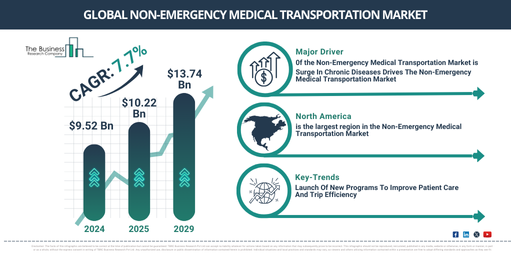
    The market for non-emergency medical transportation has experienced significant expansion recently. The market is projected to increase from $9.52 billion in 2024 to reach $10.22 billion in 2025, registering a compound annual growth rate (CAGR) of 7.4%. Reasons behind this growth during the historic period include an aging population, government-backed health schemes, private patient transportation payments, a shift towards patient-centric healthcare, and the adoption of telehealth services._x000D_

    _x000D_

    #How Much Will the Non-Emergency Medical Transportation Market Be Worth in 2029?#_x000D_

    In the near future, a robust expansion is anticipated in the non-emergency medical transportation market. With a compound annual growth rate (CAGR) of 7.7%, its value is likely to reach $13.74 billion by 2029. This growth throughout the forecast period can be linked to factors such as regulatory reforms, advancements in the medical sphere, accessibility of healthcare in rural areas, the evolution of transportation infrastructure, and efforts towards community health. The forecast period is also set to see the emergence of certain key trends including the integration of technology, patient-focused strategies, partnerships with ride-sharing services, the use of predictive analytics for demand forecasting, and flexibility in payment models._x000D_

    _x000D_

    #Download The Free Sample Report Here:#_x000D_

    https://www.thebusinessresearchcompany.com/sample.aspx?id=13715&type=smp_x000D_

    _x000D_

    #Which is the Largest Company in the Non-Emergency Medical Transportation Market?#_x000D_

    Major companies operating in the non-emergency medical transportation market report are Transdev, FirstGroup PLC, Lyft Inc., ModivCare Inc., Falck A/S, LogistiCare Solutions LLC, Kinetik, American Medical Response Inc., MTM Inc., Global Medical Response Inc., Crothall Healthcare Inc., Southeastrans Inc., Secure Transportation Company Inc., Acadian Ambulance Service Inc., Express Medical Transporters Inc., ERS Transition Ltd., Veyo LLC, Medicaid Answering Service LLC, ATS Healthcare Solutions, Ride Health_x000D_

    _x000D_

    #What Are the Main Market Drivers in the Non-Emergency Medical Transportation Industry?#_x000D_

    The escalation in chronic illnesses is anticipated to stimulate the non-emergency medical transportation market’s progression. Chronic illnesses are health issues that last a year or more and necessitate ongoing medical treatment. They can disrupt daily activities or require consistent medication. Providing non-emergency medical transportation for people suffering from chronic diseases helps ensure regular access to medical consultations, treatments, and supportive services. This improves the management of medical care, leading to an enhancement of overall health results. The National Institutes of Health, a US governmental body, stated in January 2023 that by 2035, an estimated 35.66% (range: 33.36–36.04) of adults who are 50 or older are likely to have at least one chronic condition. This is projected to increase to 47.81% (range: 46.09–49.71) by 2050. As a consequence, the escalating prevalence of chronic diseases is fuelling the non-emergency medical transportation market’s growth._x000D_

    _x000D_

    #Request For A Customized Report:#_x000D_

    https://www.thebusinessresearchcompany.com/customise?id=13715&type=smp_x000D_

    _x000D_

    #How Is the Non-Emergency Medical Transportation Market Segments Structured?#_x000D_

    The non-emergency medical transportation market covered in this report is segmented –_x000D_

    _x000D_

    1) By Type: Courier Services, Insurance Backed Patient Transportation, Private Pay Patient Transportation_x000D_

    2) By Product Type: Ambulatory Vans, Minivans, Wheelchair-Lift-Equipped Vehicles, Stretcher Vans_x000D_

    3) By Application: Dialysis, Routine Doctor Visits, Mental Health Related Appointments, Rehabilitation, Other Applications_x000D_

    4) By End User: Airport Shuttle, Hospital Medical Laboratories, Nursing Care Facilities_x000D_

    _x000D_

    Subsegments:_x000D_

    1) By Courier Services: Medical Supply Delivery, Prescription Delivery, Laboratory Specimen Transport_x000D_

    2) By Insurance Backed Patient Transportation: Medicaid Funded Transportation, Medicare Funded Transportation, Private Insurance Transportation_x000D_

    3) By Private Pay Patient Transportation: Individual Out-Of-Pocket Payments, Subscription-Based Services, Ride-Hailing Services For Medical Appointments_x000D_

    _x000D_

    #What Strategic Trends Are Transforming the Non-Emergency Medical Transportation Market?#_x000D_

    Key organizations in the Non-Emergency Medical Transportation (NEMT) market are concentrating on the rollout of NEMT programs to enhance service quality, boost patient care results, better trip deliveries, and minimize grievances and heightened incidents. The NEMT program offers transportation facilities for individuals requiring assistance in commute to and from medical appointments, minus the emergency services. For example, MTM, a US-based company specializing in superior NEMT services, unveiled the elevate program in June 2022 to preempt any potential surge in trip related concerns. MTM employs a preemptive strategy in its elevate program, providing exclusive, concierge-supported services for complex trips and members with specialized transportation necessities. The focus on the elevate program has led to an improvement in trip deliveries for crucial members and a decline in complaints and peaked incidents for the company’s clientele._x000D_

    _x000D_

    #Access The Full Report Here:#_x000D_

    https://www.thebusinessresearchcompany.com/report/non-emergency-medical-transportation-global-market-report_x000D_

    _x000D_

    #Which Global Regions Offer the Highest Growth in the Non-Emergency Medical Transportation Market?#_x000D_

    North America was the largest region in the non-emergency medical transportation market in 2024. The regions covered in the non-emergency medical transportation market report are Asia-Pacific, Western Europe, Eastern Europe, North America, South America, Middle East, Africa._x000D_

    _x000D_

    #Purchase The Full Report Today:#_x000D_

    https://www.thebusinessresearchcompany.com/purchaseoptions.aspx?id=13715_x000D_

    _x000D_

    #This Report Delivers Insight On: #_x000D_

    1. How big is the non-emergency medical transportation market, and how is it changing globally?_x000D_

    2. Who are the major companies in the non-emergency medical transportation market, and how are they performing?_x000D_

    3. What are the key opportunities and risks in the non-emergency medical transportation market right now?_x000D_

    4. Which products or customer segments are growing the most in the non-emergency medical transportation market?_x000D_

    5. What factors are helping or slowing down the growth of the non-emergency medical transportation market?_x000D_

    _x000D_

    #About The Business Research Company:#_x000D_

    With over 15000+ reports from 27 industries covering 60+ geographies, The Business Research Company has built a reputation for offering comprehensive, data-rich research and insights. Armed with 1,500,000 datasets, the optimistic contribution of in-depth secondary research, and unique insights from industry leaders, you can get the information you need to stay ahead in the game._x000D_

    _x000D_

    #Get in touch with us:#_x000D_

    The Business Research Company: https://www.thebusinessresearchcompany.com/_x000D_

    Americas +1 310-496-7795_x000D_

    Asia +44 2071930708_x000D_

    Europe +44 7882 955267_x000D_

    Email us at info@tbrc.info_x000D_

    _x000D_

    #Follow us on:#_x000D_

    _x000D_

    LinkedIn: https://in.linkedin.com/company/the-business-research-company_x000D_

    YouTube: https://www.youtube.com/channel/UC24_fI0rV8cR5DxlCpgmyFQ_x000D_

    Global Market Model: https://www.thebusinessresearchcompany.com/global-market-model
  • Blood Purification Equipment Market Size to Exceed $31.15 Billion by 2029 | Growth and Industry Trends

    Claim your 30% discount on Global Market Reports with code ONLINE30. Limited time only.

    How Has the Blood Purification Equipment Market Grown from 2024 to 2025?

    In recent years, the market size for blood purification equipment has shown robust growth. The market, which is worth $20.71 billion in 2024, is expected to expand to $21.98 billion in 2025, exhibiting a compound annual growth rate (CAGR) of 6.1%. The significant growth in the historic period has been triggered by a rise in renal diseases, an aging population, government initiatives, an increase in ICU admissions, and an upward trend in chronic conditions.

    What Growth Rate Is Anticipated for the Blood Purification Equipment Market in the Coming Years?

    The market for blood purification devices is predicted to experience significant expansion in the upcoming years. The market value is expected to reach $31.15 billion in 2029 with a compound annual growth rate (CAGR) of 9.1%. This projected growth in the forecast period can be credited to factors such as the rise of dialysis solutions at home, prioritizing cost-effectiveness, innovative renal replacement therapies, personalized treatments, and regulatory backing. Key trends during the predicted period include a preference for personalized medicine routes, increased connectivity, collaborations and partnerships, broader applications, and multiple-mode therapies.

    Download The Free Sample Report Here:

    https://www.thebusinessresearchcompany.com/sample.aspx?id=9845&type=smp

    Who Are the Leading Companies in the Blood Purification Equipment Market?

    Major companies operating in the blood purification equipment market include B. Braun Melsungen AG, Baxter International Inc., Nikkiso Co. Ltd., Spectra Medical Inc., Fresenius SE and Co. KGaA, Cerus Corporation, Infomed SA, Asahi Kasei Corporation, Healthwell Medical Tech. Co. Ltd., SWS Medical Group, ExThera Medical Corporation, Stellarray Inc., Medtronic, Toray Medical Co Ltd., NxStage Medical Inc., Nipro Pharma Corporation., WEGO Group, JMS Co. Ltd., Shanwaishan Medical Group, Cytosorbents Corporation, Aethlon Medical Inc., SWS Hemodialysis Care Co Ltd, Jafron Biomedical Co. Ltd., Medica S.p.A., Medivators Inc., Rockwell Medical Inc., Terumo Corporation, Belco, Spiggle & Theis Medizintechnik, Delcon

    What Are the Key Drivers of the Blood Purification Equipment Market?

    The blood purification equipment market is anticipated to flourish as kidney transplants increase. The term “kidney transplant” is used to describe a medical operation where a healthy kidney from a donor is surgically placed into a patient suffering from end-stage renal disease (ESRD) or other serious kidney disorders. Blood purifying devices can support these patients by effectively managing the balance of electrolytes, fluid levels, and eliminating excessive medications from the blood. The National Health Service (NHS), a government agency in the UK, stated in July 2023 that there was an upsurge of 18% in deceased organ donors and a 27% rise in organ transplants in the year 2022/2023 compared to the 2021/22 year. Thus, the surge in kidney transplants is fuelling the growth of the blood purification equipment market.

    Request For A Customized Report:

    https://www.thebusinessresearchcompany.com/customise?id=9845&type=smp

    What Are the Key Market Segments in the Blood Purification Equipment Industry?

    The blood purification equipment market covered in this report is segmented –

    1) By Product Type: Portable, Stationary

    2) By Indication: Sepsis, Renal Diseases, Other Indications

    3) By End User: Hospitals And Clinics, Dialysis Centers, Other End Users

    Subsegments:

    1) By Portable: Handheld Devices, Compact Systems

    2) By Stationary: Large-Scale Purification Units, Hospital-Based Systems

    What Are the Latest Trends in the Blood Purification Equipment Market?

    Enormous firms in the blood purification device industry are bringing to market innovative items in response to the escalating demand for blood cleansing treatments. For example, Santersus AG, a company that provides therapeutic apheresis, received FDA breakthrough status for NucleoCapture, its medical device, in June 2022. The NucleoCapture equipment, a pioneering and entirely operational product constituted to capture and eliminate circulating neutrophil extracellular traps (NETs) from the blood, has been designed to detoxify the blood in patients. NETs have been identified as an element promoting the formation of sepsis and various other diseases. This product ensures the safe disposal of NETs without interfering with the defensive function of neutrophils.

    Access The Full Report Here:

    https://www.thebusinessresearchcompany.com/report/blood-purification-equipment-global-market-report

    What Are the Key Regional Markets in the Blood Purification Equipment Industry?

    Asia-Pacific was the largest region in the blood purification equipment market in 2024. The regions covered in the blood purification equipment market report are Asia-Pacific, Western Europe, Eastern Europe, North America, South America, Middle East, Africa

    Purchase The Full Report Today:

    https://www.thebusinessresearchcompany.com/purchaseoptions.aspx?id=9845

    This Report Delivers Insight On:

    1. How big is the blood purification equipment market, and how is it changing globally?

    2. Who are the major companies in the blood purification equipment market, and how are they performing?

    3. What are the key opportunities and risks in the blood purification equipment market right now?

    4. Which products or customer segments are growing the most in the blood purification equipment market?

    5. What factors are helping or slowing down the growth of the blood purification equipment market?

    About The Business Research Company:

    With over 15000+ reports from 27 industries covering 60+ geographies, The Business Research Company has built a reputation for offering comprehensive, data-rich research and insights. Armed with 1,500,000 datasets, the optimistic contribution of in-depth secondary research, and unique insights from industry leaders, you can get the information you need to stay ahead in the game.

    Get in touch with us:

    The Business Research Company: https://www.thebusinessresearchcompany.com/

    Americas +1 3156230293

    Asia +44 2071930708

    Europe +44 2071930708

    Email us at info@tbrc.info

    Follow us on:

    LinkedIn: https://in.linkedin.com/company/the-business-research-company

    YouTube: https://www.youtube.com/channel/UC24_fI0rV8cR5DxlCpgmyFQ

    Global Market Model: https://www.thebusinessresearchcompany.com/global-market-model