Month: July 2025

  • Laboratory Automation Systems Industry Growth Expected to Reach $8.03 Billion by 2029 at a CAGR of 8.1% | Segmentation and Growth Opportunities

    Laboratory Automation Systems Industry Growth Expected to Reach $8.03 Billion by 2029 at a CAGR of 8.1% | Segmentation and Growth Opportunities

    Claim your 30% discount on Global Market Reports with code ONLINE30. Limited time only.

    What Is the Forecast for the Laboratory Automation Systems Market Growth in 2025?

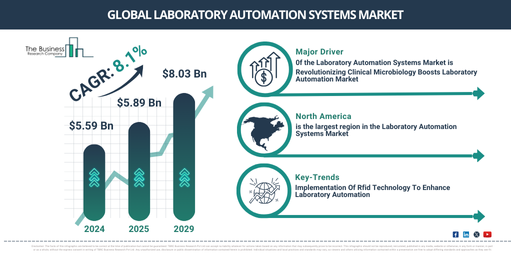
    In the past few years, there has been a significant expansion in the market size of laboratory automation systems. This market is forecasted to increase its value from $5.59 billion in 2024 to $5.89 billion in 2025, indicating a compound annual growth rate (CAGR) of 5.4%. The growth witnessed in the historical period can be associated with an increase in medical errors, an expanding number of healthcare facilities, economic development in emerging markets, an increase in healthcare spending, and a quick surge in the aged population.

    What Is the Forecast for the Laboratory Automation Systems Market Size Through 2029?

    In the coming years, a significant surge is anticipated in the market size of laboratory automation systems. It is forecasted to amplify to $8.03 billion by 2029, registering a compound annual growth rate (CAGR) of 8.1%. Factors like accelerated technological progress, growing older population, higher incidence of chronic illnesses, the impact of COVID-19 and the rise in lifestyle diseases will spearhead this growth. Key trends projected for the forecast period encompass a heightened focus on research and development investments, alliances with artificial intelligence firms, strategic partnerships with market peers, developing more effective laboratory automation solutions, integrating RFID technology, introducing novel product launches and approvals, and obtaining support from governmental initiatives.

    Download The Free Sample Report Here:

    https://www.thebusinessresearchcompany.com/sample.aspx?id=2560&type=smp

    What are the Key Market Players in Laboratory Automation Systems Market and How They’re Evolving?

    Major companies operating in the laboratory automation systems market include Abbott Laboratories, Danaher Corporation, Thermo Fisher Scientific, Agilent Technologies, Inc., Tecan Group Ltd., PerkinElmer, Inc., F. Hoffmann-La Roche AG, QIAGEN N.V., Becton Dickinson and Company, Siemens AG, Brooks Automation, Inc., Hamilton Company, Eppendorf Ag, Biotek Instruments, Inc., Bee Robotics Ltd, Gilson Inc., Labware, Artificial, Intersystems, Biomerieux, Cerner Corporation, LTS Health, Omnia Health, Sysmex, Formulatrix, Beckman Coulter, Festo ZA

    What Are the Primary Growth Drivers in the Laboratory Automation Systems Market?

    The surge in demand for microbiology testing coupled with the standardization of sample collection instruments for microbiology culture is promoting the adoption of automated systems in clinical microbiology labs for culture-based laboratory testing. Traditional manual methods for culture-based microbiology lab testing are being phased out in favor of automated techniques, due to the advent of total laboratory automation. This is possible thanks to cutting-edge systems like Becton Dickinson’s Kiestra TLA and Copan’s WASPLab, among others, that facilitate total laboratory automation (TLA) for culture-based microbiology testing. The ability to improve laboratory productivity, speed up turnaround time, and enhance the overall quality of culture-based microbiology tests is fueling the growth of the automated laboratory systems market.

    Request For A Customized Report:

    https://www.thebusinessresearchcompany.com/customise?id=2560&type=smp

    What Are the Leading Segments in the Global Laboratory Automation Systems Industry?

    The laboratory automation systems market covered in this report is segmented –

    1) By Type: Modular Automation, Total Lab Automation

    2) By Equipment And Software: Automated Liquid Handling, Microplate Readers, Standalone Robots, Automated Storage, Retrieval

    3) By Application: Drug Discovery, Clinical Diagnostics, Genomics Solutions, Proteomics Solutions, Others

    4) By End User: Biotechnology And Pharmaceutical Industries, Research Institutes, Hospitals And Private Labs, Academic Institutes

    Subsegments:

    1) By Modular Automation: Robotic Systems for Sample Handling, Automated Liquid Handling Systems, Modular Sample Storage Systems

    2) By Total Lab Automation: Integrated Workflow Systems, Fully Automated Laboratory Analyzers, Comprehensive Data Management Solutions

    What Are the Key Market Trends in the Laboratory Automation Systems Industry?

    RFID technology is becoming more popular within hospital laboratories for use in lab automation systems because it can enhance productivity, improve product quality, scale down technology costs, lower errors, speed up sample deliveries, and decrease the need for human input. The system for identifying items utilizing Radio Frequency Identification (RFID) is a wireless communication system, including a tag and a reader, speaking via radiofrequency. This RFID technique is somewhat similar to the barcode system but offers extra perks as it can automate additional tasks and functions without human help. An RFID setup comprises a transponder, a transceiver, and a unit for data processing to address heightened identification and tracing needs in hospital labs. Lab automation systems apply RFID tags linked with patient samples for identification and use smart cards to keep patient data in a station that supervises the laboratory proceedings. For instance, Mayo Clinic, a medical enterprise, embraced RFID-powered lab automation systems to decrease mistakes by 70%, boost efficiency and patient safety, and slash specimen turnaround time by 50%.

    Access The Full Report Here:

    https://www.thebusinessresearchcompany.com/report/laboratory-automation-systems-global-market-report

    What Is the Regional Outlook for the Laboratory Automation Systems Market?

    North America was the largest region in the laboratory automation systems market in 2024. Western Europe was the second largest region in the global laboratory automation systems market analysis. The regions covered in the laboratory automation systems market report are Asia-Pacific, Western Europe, Eastern Europe, North America, South America, Middle East, Africa

    Purchase The Full Report Today:

    https://www.thebusinessresearchcompany.com/purchaseoptions.aspx?id=2560

    This Report Delivers Insight On:

    1. How big is the laboratory automation systems market, and how is it changing globally?

    2. Who are the major companies in the laboratory automation systems market, and how are they performing?

    3. What are the key opportunities and risks in the laboratory automation systems market right now?

    4. Which products or customer segments are growing the most in the laboratory automation systems market?

    5. What factors are helping or slowing down the growth of the laboratory automation systems market?

    About The Business Research Company:

    With over 15000+ reports from 27 industries covering 60+ geographies, The Business Research Company has built a reputation for offering comprehensive, data-rich research and insights. Armed with 1,500,000 datasets, the optimistic contribution of in-depth secondary research, and unique insights from industry leaders, you can get the information you need to stay ahead in the game.

    Get in touch with us:

    The Business Research Company: https://www.thebusinessresearchcompany.com/

    Americas +1 310-496-7795

    Asia +44 2071930708

    Europe +44 7882 955267

    Email us at info@tbrc.info

    Follow us on:

    LinkedIn: https://in.linkedin.com/company/the-business-research-company

    YouTube: https://www.youtube.com/channel/UC24_fI0rV8cR5DxlCpgmyFQ

    Global Market Model: https://www.thebusinessresearchcompany.com/global-market-model
  • Kidney Cancer Drugs Industry Valued at $10.48 Billion by 2029 With CAGR of 5% | Size and Share Insights

    Kidney Cancer Drugs Industry Valued at $10.48 Billion by 2029 With CAGR of 5% | Size and Share Insights

    Claim your 30% discount on Global Market Reports with code ONLINE30. Limited time only.

    What Is the Forecast for the Kidney Cancer Drugs Market from 2024 to 2025?

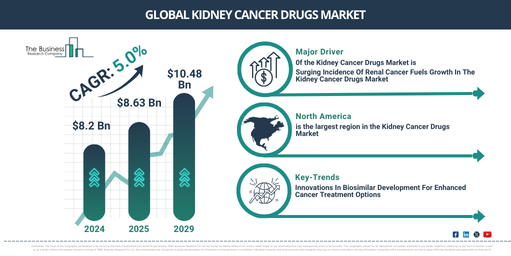
    In recent times, the kidney cancer drugs market has seen robust growth. The market that is projected to escalate from $8.2 billion in 2024 to $8.63 billion in 2025, with a compound annual growth rate (CAGR) of 5.1%. The substantial growth observed in the past is owed to factors such as rising healthcare costs, swift increase in aging population, an upswing in pharmaceutical R&D spending, and progress in the development of cancer drugs.

    What Is the Projected Market Size of the Kidney Cancer Drugs Market?

    The market size for kidney cancer drugs is projected to experience consistent expansion over the upcoming years, reaching a net worth of $10.48 billion by 2029, escalating at a compound annual growth rate (CAGR) of 5.0%. The predicted growth within the period is due to the surge in elderly populations, increased spending on healthcare, thriving mergers and acquisitions for drug innovation, and the potential held by newly developing economies. Key trends for this forecast period encompass the incorporation of 3D technology for drug production and modelling, capital investment in biomarkers, the launch or uptake of new treatment innovations, enhancing care through personalized medicine, the investment in AI solutions, and forming alliances and partnerships with corporate entities or government agencies to speed up the creation of new drugs.

    Download The Free Sample Report Here:

    https://www.thebusinessresearchcompany.com/sample.aspx?id=2591&type=smp

    Who are the Major Competitors in the Kidney Cancer Drugs Market Outlook?

    Major companies operating in the kidney cancer drugs market include Pfizer Inc., Novartis AG, ExelixisInc., F. Hoffmann-La Roche AG, Bristol Myers Squibb Company, Bayer AG, Merck & Co., Inc., EUSA Pharma Inc., UroGen Pharma Ltd., Natco Pharma, CStone Pharma, CARsgen Therapeutics, JW Therapeutics, BeiGene, Takeda Pharmaceuticals, Astellas Pharma Inc, Otsuka Pharmaceutical Co., Ltd, Daiichi Pharmaceutical and Sankyo, AstraZeneca plc, GlaxoSmithKline plc, Amgen Inc ., Biocon Ltd, Rani Therapeutics, Eli Lilly and Company, Abbvie, Johnson & Johnson, Sanofi, Biogen Inc, AVEO Oncology, Teva Pharmaceutical Industries Ltd., Kitov Pharma Limited, CureTech Ltd., Neopharma

    What Is Fueling Growth in the Kidney Cancer Drugs Market?

    The kidney cancer drugs market is significantly driven by the increasing cases of renal cancer. Factors such as lifestyle changes, tobacco usage, and unhealthy eating habits aid in the proliferation of these renal cancer cells. In January 2022, the American Cancer Society, a US-based health organization aiming to eradicate cancer, predicted that there will be 79,000 new kidney cancer diagnoses (50,290 men and 28,710 women), and 13,920 individuals (8,960 men and 4,960 women) will succumb to the disease. Most diagnoses occur between the ages of 65 and 74, and the average age of diagnosis is 64. Kidney cancer is quite unusual for those under 45 years of age. These factors contribute to the expansion of the kidney cancer drugs market.

    Request For A Customized Report:

    https://www.thebusinessresearchcompany.com/customise?id=2591&type=smp

    Which Kidney Cancer Drugs Market Segments Are Growing the Fastest?

    The kidney cancer drugs market covered in this report is segmented –

    1) By Type: Renal Cell Carcinoma (RCC), Transitional Cell Carcinoma (TCC) Or Urothelial Cell Carcinoma (UCC)

    2) By Product: Nexavar (Sorafenib), Sutent (Sunitinib), Afinitor (Everolimus), Votrient (Pazopanib), Avastin (Bevacizumab), Inlyta (Axitinib), Other Products

    3) By End Users: Hospitals, Clinics, Research Center, Other End-Users

    Subsegments:

    1) By Renal Cell Carcinoma (RCC): Targeted Therapies, Immune Checkpoint Inhibitors, Cytokine Therapies

    2) By Transitional Cell Carcinoma (TCC) Or Urothelial Cell Carcinoma (UCC): Chemotherapy Agents, Immunotherapy Agents, Antibody-Drug Conjugates (ADCs)

    Which Industry Trends Are Shaping the Future of the Kidney Cancer Drugs Market?

    A focus on technologies like biosimilar development is evident in key companies within the kidney cancer drugs market. This approach seeks to expand treatment choices, increase the availability of affordable treatments to patients, and quicken progress in cancer care. Biosimilar development refers to the production of biological medications that bear a close similarity to an already sanctioned reference product, guaranteeing equal efficacy, safety, and quality. Take for instance, the US-based firm, Amneal Pharmaceuticals Inc., launched RELEUKO (filgrastim-ayow) in November 2022. This product, a biosimilar to Neupogen (filgrastim) developed by the same company, aims to manage neutropenia, especially in patients who are undergoing chemotherapy.

    Access The Full Report Here:

    https://www.thebusinessresearchcompany.com/report/kidney-cancer-drugs-global-market-report

    Which Countries Are Leading the Kidney Cancer Drugs Market?

    North America was the largest region in the kidney cancer drugs market in 2024. Middle East is expected to be the fastest-growing region in the global kidney cancer drugs market share during the forecast period. The regions covered in the kidney cancer drugs market report are Asia-Pacific, Western Europe, Eastern Europe, North America, South America, Middle East, Africa

    Purchase The Full Report Today:

    https://www.thebusinessresearchcompany.com/purchaseoptions.aspx?id=2591

    This Report Delivers Insight On:

    1. How big is the kidney cancer drugs market, and how is it changing globally?

    2. Who are the major companies in the kidney cancer drugs market, and how are they performing?

    3. What are the key opportunities and risks in the kidney cancer drugs market right now?

    4. Which products or customer segments are growing the most in the kidney cancer drugs market?

    5. What factors are helping or slowing down the growth of the kidney cancer drugs market?

    About The Business Research Company:

    With over 15000+ reports from 27 industries covering 60+ geographies, The Business Research Company has built a reputation for offering comprehensive, data-rich research and insights. Armed with 1,500,000 datasets, the optimistic contribution of in-depth secondary research, and unique insights from industry leaders, you can get the information you need to stay ahead in the game.

    Get in touch with us:

    The Business Research Company: https://www.thebusinessresearchcompany.com/

    Americas +1 310-496-7795

    Asia +44 2071930708

    Europe +44 7882 955267

    Email us at info@tbrc.info

    Follow us on:

    LinkedIn: https://in.linkedin.com/company/the-business-research-company

    YouTube: https://www.youtube.com/channel/UC24_fI0rV8cR5DxlCpgmyFQ

    Global Market Model: https://www.thebusinessresearchcompany.com/global-market-model
  • Joint Reconstruction Devices And Equipment Market to Reach $34.23 Billion by 2029 | Key Drivers and Future Outlook

    Joint Reconstruction Devices And Equipment Market to Reach $34.23 Billion by 2029 | Key Drivers and Future Outlook

    Claim your 30% discount on Global Market Reports with code ONLINE30. Limited time only.

    What Is the Growth Rate of the Joint Reconstruction Devices And Equipment Market?

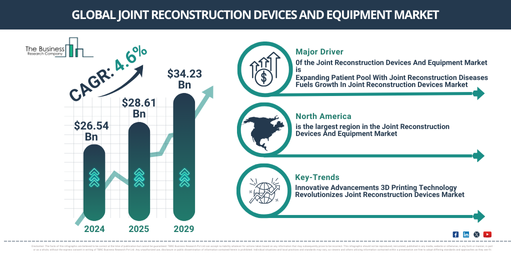
    The market for joint reconstruction devices and equipment has seen a significant growth in recent years. It is expected to increase from its 2024 value of $26.54 billion to reach a projected $28.61 billion by 2025, with a compound annual growth rate (CAGR) of 7.8%. This expansion in the historical period is credited to technological improvements, robust economic developments in emerging markets, and an increase in healthcare spending.

    What Growth Rate Is Forecasted for the Joint Reconstruction Devices And Equipment Market by 2029?

    In the forthcoming years, a steady expansion is anticipated for the joint reconstruction devices and equipment market, escalating to $34.23 billion in 2029 with a compound annual growth rate (CAGR) of 4.6%. Factors contributing to this growth in the projected period include a rise in joint reconstruction disorders, a swift increase in the elderly population, and a surge in joint replacement surgeries. Some significant trends to look out for during this phase are the development of IoT-enabled solutions for joint reconstruction surgeries, utilization of artificial intelligence to cut down on costs and duration, investment in robotics products specifically for joint reconstruction surgery, an emphasis on mergers and acquisitions for business growth, and investment in 3D printing technology.

    Download The Free Sample Report Here:

    https://www.thebusinessresearchcompany.com/sample.aspx?id=2436&type=smp

    Which Key Companies Are Shaping the Future of the Joint Reconstruction Devices And Equipment Market?

    Major companies operating in the joint reconstruction devices and equipment market include Stryker Corporation, Zimmer Biomet, Johnson & Johnson, Smith & Nephew, Globus Medical, DJO Global Inc., Aesculap Implant Systems LLC, Medtronic, CONMED Corporation, Össur, Allegra Orthopedics, DePuy Synthes, Tornier Inc., Corin Group Plc., Covidien plc, PolyNovo Limited, Exactech Inc., United Orthopedic Corporation, Victrex, Evonik, Royal DSM, Lepu Medical Technology Company (Beijing) Co. Ltd, Yuwell – Jiangsu Yuyue Medical Equipment & Supply Co. Ltd, Shanghai Runda Medical Technology Co. Ltd., GE Healthcare China Co. Ltd., Smiths Medical (Beijing) Co. Ltd., Nuvasive Inc., AAP Implantate AG, Waldemar Link GmbH & Co. KG, Amplitude SAS, Beznoska Company Ltd, Sanatmetal Ltd, Medin a.s., Collagen Matrix Inc., XpandOrtho, Integra Lifesciences, NEOORTHO, Manoel Amaral Baumer, Biomecânica, ORTOBIO, Ortosintese, IMPOL Próteses Ortopédicas, Wright Medical, B. Braun, Meril Life, Zimmer (Shaarani Group), Corin South Africa (Pty) Ltd, Medtronic Africa, EgiFix Medical

    Which Factors Are Driving Demand in the Joint Reconstruction Devices And Equipment Industry?

    A significant number of patients suffering from joint reconstruction diseases are propelling the market forward. Due to heightened safety and reliability, joint replacement therapy is being chosen over other treatments for joint disorders. There’s an escalating prevalence of joint reconstruction diseases, such as osteoarthritis, knee and hip injuries, road accidents, cartilage, and labral injuries, which in turn expands the patient pool. For example, osteoarthritis – a prevalent joint disorder mostly affecting the elderly population worldwide – can be alleviated through joint replacement surgeries using orthopedic knee and hip implants. The Arthritis Foundation estimates that, by 2030, approximately 67 million people will have arthritis. This growth in the patient pool suffering from joint disorders is fueling the need for joint reconstruction devices and equipment, making a substantive contribution to market growth.

    Request For A Customized Report:

    https://www.thebusinessresearchcompany.com/customise?id=2436&type=smp

    How Is the Joint Reconstruction Devices And Equipment Market Segmented by Several Divisions?

    The joint reconstruction devices and equipment market covered in this report is segmented –

    1) By Product Type: Knee Reconstruction Devices, Hip Reconstruction Devices, Extremity Reconstruction Devices

    2) By Application: Arthrodesis, Arthroscopy, Joint Replacement Surgery, Osteotomy, Resurfacing Surgery, Small Joint Surgery

    3) By End User: Hospitals, Orthopedic Clinics, Ambulatory Surgical Centers

    Subsegments:

    1) By Knee Reconstruction Devices: Total Knee Replacement (TKR) Implants, Partial Knee Replacement Implants, Knee Revision Implants

    2) By Hip Reconstruction Devices: Total Hip Replacement (THR) Implants, Hip Resurfacing Implants, Hip Revision Implants

    3) By Extremity Reconstruction Devices: Shoulder Reconstruction Devices, Ankle Reconstruction Devices, Elbow Reconstruction Devices, Wrist And Hand Reconstruction Devices

    What are the Emerging Market Trends Driving the Growth of the Joint Reconstruction Devices And Equipment Industry?

    Leading firms in the joint reconstruction devices sector are progressively investing in 3D printing technology because of its remarkable enhancement over traditional joint reconstruction surgery methods. This technique is utilized for bone reconstructions as a preliminary stage to surgical planning, enabling patients to undergo a preoperative MRI or CT scan. These features notably contribute to patient safety, promoting adherence to treatment plans. For instance, in August 2022, the innovative implant and instrumentation developer based in the US, Exactech, launched their novel total hip arthroplasty system. This comprehensive system provides a myriad of inventive design features to assist surgeons in achieving optimal results for their patients.

    Access The Full Report Here:

    https://www.thebusinessresearchcompany.com/report/joint-reconstruction-devices-and-equipment-global-market-report

    Which Regions Are Driving Growth in the Joint Reconstruction Devices And Equipment Market?

    North America was the largest region in the global joint reconstruction devices and equipment market in 2024. Asia-Pacific was the second largest market in joint reconstruction devices and equipment market. The regions covered in the joint reconstruction devices and equipment market report are Asia-Pacific, Western Europe, Eastern Europe, North America, South America, Middle East, Africa

    Purchase The Full Report Today:

    https://www.thebusinessresearchcompany.com/purchaseoptions.aspx?id=2436

    This Report Delivers Insight On:

    1. How big is the joint reconstruction devices and equipment market, and how is it changing globally?

    2. Who are the major companies in the joint reconstruction devices and equipment market, and how are they performing?

    3. What are the key opportunities and risks in the joint reconstruction devices and equipment market right now?

    4. Which products or customer segments are growing the most in the joint reconstruction devices and equipment market?

    5. What factors are helping or slowing down the growth of the joint reconstruction devices and equipment market?

    About The Business Research Company:

    With over 15000+ reports from 27 industries covering 60+ geographies, The Business Research Company has built a reputation for offering comprehensive, data-rich research and insights. Armed with 1,500,000 datasets, the optimistic contribution of in-depth secondary research, and unique insights from industry leaders, you can get the information you need to stay ahead in the game.

    Get in touch with us:

    The Business Research Company: https://www.thebusinessresearchcompany.com/

    Americas +1 310-496-7795

    Asia +44 2071930708

    Europe +44 7882 955267

    Email us at info@tbrc.info

    Follow us on:

    LinkedIn: https://in.linkedin.com/company/the-business-research-company

    YouTube: https://www.youtube.com/channel/UC24_fI0rV8cR5DxlCpgmyFQ

    Global Market Model: https://www.thebusinessresearchcompany.com/global-market-model
  • IVF Services Market Size to Exceed $30.87 Billion by 2029 | Growth and Industry Trends

    IVF Services Market Size to Exceed $30.87 Billion by 2029 | Growth and Industry Trends

    Claim your 30% discount on Global Market Reports with code ONLINE30. Limited time only.

    How Has the IVF Services Market Grown from 2024 to 2025?

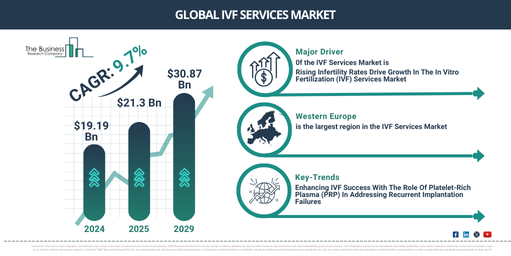
    The market for IVF services has seen a swift expansion in the past few years. It is projected to increase from $19.19 billion in 2024 to $21.3 billion in 2025, boasting a compounded annual growth rate (CAGR) of 11.0%. The significant increase during the historical phase can be tied to a surge in cases of the pcos condition, premature ovarian failure, an escalating rate of male infertility, and insurance provisions for IVF treatments.

    What Growth Rate Is Anticipated for the IVF Services Market in the Coming Years?

    Anticipations are high for a significant surge in the IVF services market in the years to come. The market is projected to expand to $30.87 billion in 2029, with a compound annual growth rate (CAGR) of 9.7%. This predicted growth within the forecast period can be ascribed to several factors such as the steady increase in infertility rates, advancements in fertility treatment technology, growing prevalence of IVF services to facilitate conception, rise in same sex couples, an increasing number of fertility clinics, growing disposable income and the trend towards delayed parenthood. The major trends projected for the forecast period encompasses the provision of mitochondrial replacement therapies to tackle genetic disorders effectively, the acceptance of new technologies and improved solutions to cater to individuals seeking fertility treatments, the introduction of PGT-A screening or testing programs to potentially enhance the probability of pregnancy, the application of artificial intelligence to cut down costs and time, the introduction of blockchain-based applications and the adoption of innovative technologies like time-lapse microscopy for consistent, uninterrupted and safe embryo monitoring.

    Download The Free Sample Report Here:

    https://www.thebusinessresearchcompany.com/sample.aspx?id=3348&type=smp

    Who Are the Leading Companies in the IVF Services Market?

    Major companies operating in the IVF services market include Monash IVF Group, Virtus Health Limited, Chelsea and Westminster Hospital NHS Foundation Trust, Genea Limited, Boston IVF, IVF Spain, Morpheus Life Sciences Pvt. Ltd., Dünya IVF, Cardone Reproductive Medicine & Infertility LLC, Cloudnine Fertility, Sun Pharmaceuticals Industries Ltd., Cadila Healthcare Ltd., Trivector Origio Scientific, Lab IVF Asia Pte Ltd., LG Life Sciences, Bourn Hall Clinic, Southend Fertility, Indira IVF, Pearl Women Hospital & Yash IVF Center, Corion Fertility Clinic, Origin International Fertility Center, Apollo Hospitals Dhaka, Australian Concept Infertility Medical Center (ACIMC), Bahosi Fertility Centre, , Bloom Fertility and Healthcare, Bumrungrad International Hospital, Center for Advanced Reproductive Medicine and Infertility, CHA Fertility Center, United Family Healthcare, The New Hope Fertility Center, Melinda Hospital, Bocah Indonesia, Daya Medika, Clinique de la Muette, Klinikum Stuttgart, DRK Kliniken Berlin, University Medical Center Freiburg, CREATE Fertility, The Centre for Reproductive & Genetic Health, The Bridge Centre, Next Generation Clinic, UNICA Clinic – Prague, Repromeda s.r.o., MD Medical Group, Univfy, Progyny, Advantia Health, Maven Clinic, Future Family, Instituto de Fertilidad Humana, The Colombian Center for Fertility and Sterility, NMC Health, Dubai Gynecology and Fertility Centre, , New Life Medical Centre, Cairo Fertility Centre (Egypt), Queens Fertility Centre (Egypt), BPE Partners, Cleopatra Hospitals Group (CHG)

    What Are the Key Drivers of the IVF Services Market?

    The growth of the in vitro fertilization (IVF) services market is fueled by the increasing rate of infertility, defined as the incapacity to conceive within a year. The US Department of Health and Human Services notes that approximately 12 to 13 out of every 100 couples struggle with conception issues. Additionally, it is reported by the Indian Journal of Community Medicine that there are between 15 and 20 million instances of infertility in India alone. As a result of the escalating rate of infertility, individuals are increasingly seeking IVF services, thus driving market expansion.

    Request For A Customized Report:

    https://www.thebusinessresearchcompany.com/customise?id=3348&type=smp

    What Are the Key Market Segments in the IVF Services Industry?

    The IVF services market covered in this report is segmented –

    1) By Cycle Type: Fresh IVF Cycles(Non-donor), Thawed IVF Cycles(Non-donor), Donor Egg IVF Cycles

    2) By Service Provider: Fertility Clinics, Hospitals, Surgical Centers, Clinical Research Institutes

    3) By End User: Fertility Clinics, Hospitals And Other Settings

    Subsegments:

    1) By Fresh IVF Cycles (Non-donor): Standard Fresh IVF Cycles, IVF Cycles With Preimplantation Genetic Testing (PGT)

    2) By Thawed IVF Cycles (Non-donor): Thawed Embryo Transfer (TET) Cycles, Thawed Blastocyst Transfer Cycles

    3) By Donor Egg IVF Cycles: IVF Cycles Using Fresh Donor Eggs, IVF Cycles Using Frozen Donor Eggs

    What Are the Latest Trends in the IVF Services Market?

    PRP or Platelet-rich plasma is a cutting-edge technique that is increasingly being used in conjunction with other fertility treatments, such as IVF, to enhance the success rate, especially in patients with a history of repeated implantation failures. The Journal of Assisted Reproduction and Genetics has highlighted PRP’s primary use for such failures after several IVF cycles, enhancing egg quality, the thickness of the uterine lining, and endometrial receptivity. The research shows women who received PRP treatment saw notable improvements in their levels of Follicle-Stimulating Hormone (FSH), Anti-Müllerian Hormone (AMH), and Antral Follicle Count (AFC), which are significant factors for fertility enhancement.

    Access The Full Report Here:

    https://www.thebusinessresearchcompany.com/report/ivf-services-global-market-report

    What Are the Key Regional Markets in the IVF Services Industry?

    Western Europe was the largest region in the IVF services market in 2024. North America was the second largest region in global IVF services market share. The regions covered in the ivf services market report are Asia-Pacific, Western Europe, Eastern Europe, North America, South America, Middle East, Africa

    Purchase The Full Report Today:

    https://www.thebusinessresearchcompany.com/purchaseoptions.aspx?id=3348

    This Report Delivers Insight On:

    1. How big is the ivf services market, and how is it changing globally?

    2. Who are the major companies in the ivf services market, and how are they performing?

    3. What are the key opportunities and risks in the ivf services market right now?

    4. Which products or customer segments are growing the most in the ivf services market?

    5. What factors are helping or slowing down the growth of the ivf services market?

    About The Business Research Company:

    With over 15000+ reports from 27 industries covering 60+ geographies, The Business Research Company has built a reputation for offering comprehensive, data-rich research and insights. Armed with 1,500,000 datasets, the optimistic contribution of in-depth secondary research, and unique insights from industry leaders, you can get the information you need to stay ahead in the game.

    Get in touch with us:

    The Business Research Company: https://www.thebusinessresearchcompany.com/

    Americas +1 310-496-7795

    Asia +44 2071930708

    Europe +44 7882 955267

    Email us at info@tbrc.info

    Follow us on:

    LinkedIn: https://in.linkedin.com/company/the-business-research-company

    YouTube: https://www.youtube.com/channel/UC24_fI0rV8cR5DxlCpgmyFQ

    Global Market Model: https://www.thebusinessresearchcompany.com/global-market-model
  • Interventional Oncology Devices Industry Insights 2025 – Market Forecast for Executives and Planners

    Interventional Oncology Devices Industry Insights 2025 – Market Forecast for Executives and Planners

    Claim your 30% discount on Global Market Reports with code ONLINE30. Limited time only.

    How Has the Interventional Oncology Devices Market Size Changed, over the years?

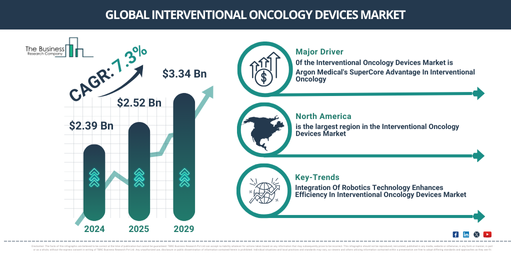
    There has been significant growth in the market size of interventional oncology devices in recent years. The market is projected to expand from $2.39 billion in 2024 to $2.52 billion in 2025, with a compound annual growth rate (CAGR) of 5.3%. Factors contributing to this growth during the historic period include an ageing demographic, a rise in cancer cases, an uptick in R&D spending in the pharmaceutical sector, higher healthcare expenses, and an increase in the number of healthcare facilities.

    How Much Will the Interventional Oncology Devices Market Be Worth in 2029?

    In the coming years, substantial growth is expected in the interventional oncology devices market which is poised to reach $3.34 billion by 2029 with a compounded annual growth rate of 7.3%. Factors predicted to contribute to growth during this forecast period include a rising aged population, heightened preference for minimally invasive procedures, increased spending on research and development, higher healthcare expenses, significant potential in upcoming economies and a surge in cancer and chronic illness cases. Looking towards the future, key trends will focus on the creation of advanced, image-guided oncology devices, leveraging artificial intelligence for innovative development, and introducing new and inventive embolic devices for enhanced oncology treatments. Thriving on technological advancements, the impact of robotics in this market segment is significant, as is the importance of corporate collaboration and research institution alliances to fast-track the development and innovation of products.

    Download The Free Sample Report Here:

    https://www.thebusinessresearchcompany.com/sample.aspx?id=3304&type=smp

    Which is the Largest Company in the Interventional Oncology Devices Market?

    Major companies operating in the interventional oncology devices market include Boston Scientific Corporation, Terumo Corporation, Siemens Healthineers, Sirtex Medical Limited, Henlius, Viant Medical, AngioDynamics Inc., Pfizer, Steris Applied Sterilization Technologies, Dr.Reddys, CapeRay, Innovent Biologics, Novartis AG, Consonance, ABLbio, Adimmune, Heraeus Medical, Bioavlee, Mediceena International, Sinapi biomedical, Olympus, Freudenberg Medical, Hisun Pharma, Beijing ShuangLu Pharmaceuticals, Edwards LifeSciences Corp, Gulf Dent Trading, LifeTech Scientific Corporation, Biomerics, Medtronic plc, Dickinson & Company, 3M Company, DISA Vascular, Johnson & Johnson, Eurolab, Koninklijke Philips, Quantum SurgicalKyowa Hakko Kirin, Viatris, Nipro, Zimmer Biomet Holdings, Profound Medical, Gedeon Richter, Baxter, Ti-TaMED, Abbott Laboratories, Cook Medical LLC, Adavium Medical, Autocam Medical, Bio-Thera, Stryker, GE Healthcare, Sonic Healthcare, Medicem, HealthTronics, Bayer AG, Intuitive Surgical Inc, Aster DM Healthcare, Danaher Corporation, Varian Medical Systems Inc., Smileneo, EDAP TMS S.A, Fresenius Medical Care AG, China Regenerative Medicine International

    What Are the Main Market Drivers in the Interventional Oncology Devices Industry?

    Key players in the interventional oncology devices market, like Argon Medical, are placing a significant emphasis on technological advancements such as tissue volume to boost diagnostic precision and the efficiency of treatment in oncology procedures. The term tissue volume refers to the quantity of biological tissue gathered during the biopsy process. Securing larger tissue volumes can offer more detailed samples which in turn enhances diagnosis accuracy and treatment planning effectiveness. An illustration of this is when Argon Medical, a medical device enterprise based in the US, introduced the SuperCore Advantage semi-automatic biopsy in June 2023. The SuperCore Advantage has the ability to gather up to 35% more samples compared to top competitors, reducing the necessity for extra passes in biopsies. This characteristic is vital for securing sufficient tissue samples to ensure a precise diagnosis.

    Request For A Customized Report:

    https://www.thebusinessresearchcompany.com/customise?id=3304&type=smp

    How Is the Interventional Oncology Devices Market Segments Structured?

    The interventional oncology devices market covered in this report is segmented –

    1) By Product: Embolization Devices, Ablation Devices, Support Devices

    2) By procedure: Thermal Tumor Ablation, Non-Thermal Tumor Ablation, Transcatheter Arterial Chemoembolization (TACE), Transcatheter Arterial Radioembolization (TARE), Selective Internal Radiation Therapy (SIRT), Transcatheter Arterial Embolization (TAE), Bland Embolization

    3) By Cancer Type: Liver Cancer, Kidney Cancer, Lung Cancer, Bone Cancer, Other Cancer Types

    Subsegments:

    1) By Embolization Devices: Embolic Agents, Catheters For Embolization, Delivery Systems For Embolic Agents

    2) By Ablation Devices: Radiofrequency Ablation Devices, Microwave Ablation Devices, Cryoablation Devices, Laser Ablation Devices

    3) By Support Devices: Imaging Guidance Systems, Access Devices, Fluid Management Systems

    What Strategic Trends Are Transforming the Interventional Oncology Devices Market?

    Top corporations are concentrating their efforts on the incorporation of robotics technology in interventional oncology devices to achieve greater effectiveness. The robotic mechanism enhances image-guided planning and navigation, allowing for more precise and efficient positioning of various tools on the intended body part. As an example, Quantum Surgical’s Epione interventional oncology robotics platform received approval from the U.S. Food and Drug Administration in March 2022.

    Access The Full Report Here:

    https://www.thebusinessresearchcompany.com/report/interventional-oncology-devices-global-market-report

    Which Global Regions Offer the Highest Growth in the Interventional Oncology Devices Market?

    North America was the largest region in the interventional oncology devices market in 2024. Asia-Pacific was the second largest region in the global interventional oncology devices market report. The regions covered in the interventional oncology devices market report are Asia-Pacific, Western Europe, Eastern Europe, North America, South America, Middle East, Africa

    Purchase The Full Report Today:

    https://www.thebusinessresearchcompany.com/purchaseoptions.aspx?id=3304

    This Report Delivers Insight On:

    1. How big is the interventional oncology devices market, and how is it changing globally?

    2. Who are the major companies in the interventional oncology devices market, and how are they performing?

    3. What are the key opportunities and risks in the interventional oncology devices market right now?

    4. Which products or customer segments are growing the most in the interventional oncology devices market?

    5. What factors are helping or slowing down the growth of the interventional oncology devices market?

    About The Business Research Company:

    With over 15000+ reports from 27 industries covering 60+ geographies, The Business Research Company has built a reputation for offering comprehensive, data-rich research and insights. Armed with 1,500,000 datasets, the optimistic contribution of in-depth secondary research, and unique insights from industry leaders, you can get the information you need to stay ahead in the game.

    Get in touch with us:

    The Business Research Company: https://www.thebusinessresearchcompany.com/

    Americas +1 310-496-7795

    Asia +44 2071930708

    Europe +44 7882 955267

    Email us at info@tbrc.info

    Follow us on:

    LinkedIn: https://in.linkedin.com/company/the-business-research-company

    YouTube: https://www.youtube.com/channel/UC24_fI0rV8cR5DxlCpgmyFQ

    Global Market Model: https://www.thebusinessresearchcompany.com/global-market-model
  • Insulin Drugs Market Trends Report 2025 – For Business Development and Strategy Teams

    Insulin Drugs Market Trends Report 2025 – For Business Development and Strategy Teams

    Claim your 30% discount on Global Market Reports with code ONLINE30. Limited time only.

    What Is the Forecast for the Insulin Drugs Market Growth in 2025?

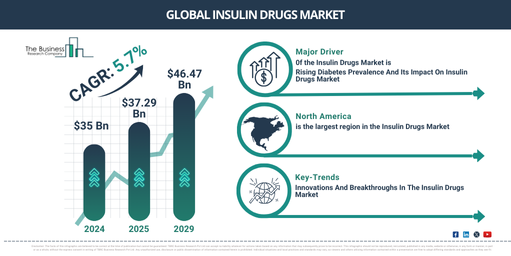
    In recent times, the insulin drugs market has seen a significant boost in its size. It is expected to rise from a market worth $35 billion in 2024 to being valued at $37.29 billion in 2025, boasting a compound annual growth rate (CAGR) of 6.6%. The expansion in the past timeline can be linked to factors such as an upswing in diabetes cases, the emergence of new markets, a surge in the elderly population, and the development in insulin analogues.

    What Is the Forecast for the Insulin Drugs Market Size Through 2029?

    The market for insulin drugs is projected to witness formidable expansion in the forthcoming years, surging to a market value of $46.47 billion by 2029, reflecting a compound annual growth rate (CAGR) of 5.7%. This anticipated growth over the forecast period can be linked to an escalating disease burden, governmental efforts, and a boost in research and development (R&D) and cooperative ventures. Key projected trends for this period include the introduction of novel products to augment product offerings, broadening the product portfolio, and corporate growth via mergers and acquisitions, strategic alliance adoption to enhance product offerings, ramping up investment in R&D for the innovation of new insulin delivery technologies, and channeling funds into sophisticated solutions to slash R&D expenditure and curtail development timing.

    Download The Free Sample Report Here:

    https://www.thebusinessresearchcompany.com/sample.aspx?id=2674&type=smp

    What are the Key Market Players in Insulin Drugs Market and How They’re Evolving?

    Major companies operating in the insulin drugs market include Novo Nordisk, Sanofi S.A., Eli Lilly And Company, Biocon Ltd, and Gan & Lee Pharmaceuticals, Bioton, Wockhardt Ltd, Julphar, Tonghua Dongbao Pharmaceutical, AstraZeneca, NIPRO, Olympus Medical Systems, Hitachi Medico, Nihon Kohden, Fukuda Denshi, Emperra GmbH E-Health Technologies, DIABNEXT™, Berlin-Chemie AG, Ypsomed Holding AG, Patients Pending Ltd, Dexcom, Johnson and Johnson, Medtronic, Abbott Laboratories, Acon Laboratories, Tandem Diabetes Care, Inc., Becton, Dickinson, Insulet Corporation, AJA Pharma, SEDICO Pharmaceutical Company, Pfizer

    What Are the Primary Growth Drivers in the Insulin Drugs Market?

    Rising transformations in lifestyle patterns have been identified as contributing to an increased number of diabetes cases. This trend is projected to stimulate the need for diabetes treatments in the forecasted timeframe. Prolonged work hours, insufficient physical exertion, and poor dietary habits, including excessive drinking, have been identified as significant causes of diabetes. As per research, sedentary lifestyles have been linked to a higher occurrence of diabetes. Moreover, those afflicted with obesity have an increased risk, up to 80 times, to develop type 2 diabetes. As per reports from the World Health Organization (WHO), it’s forecasted that, by 2030, approximately 74% of British men and 64% of British women will be overweight. These elements are predicted to expand the diabetes patient group, consequently stimulating the growth of the diabetic therapy market in the projected period.

    Request For A Customized Report:

    https://www.thebusinessresearchcompany.com/customise?id=2674&type=smp

    What Are the Leading Segments in the Global Insulin Drugs Industry?

    The insulin drugs market covered in this report is segmented –

    1) By Product Type: Basal Or Long-Acting Insulins, Bolus Or Fast-Acting Insulins, Pre-Mixed, And Intermediate And Short Acting Insulins

    2) By Source Type: Insulin Analogs, And Human Insulin

    4) By Drug Classification: Branded Drugs, And Generic Drugs

    3) By Application: Type 2 Diabetes, Type 1 Diabetes, And Gestational Diabetes

    5) By Distribution Channel: Hospital Pharmacies, Retail Pharmacies, And Online

    Subsegments:

    1) By Basal Or Long-Acting Insulins: Insulin Glargine, Insulin Detemir, Insulin Degludec

    2) By Bolus Or Fast-Acting Insulins: Insulin Aspart, Insulin Lispro, Insulin Glulisine

    3) By Pre-Mixed: Biphasic Insulin Formulations, Pre-Mixed Combinations Of Long-Acting And Fast-Acting Insulins

    4) By Intermediate And Short-Acting Insulins: Insulin NPH (Neutral Protamine Hagedorn), Regular Insulin (Short-Acting)

    What Are the Key Market Trends in the Insulin Drugs Industry?

    The Insulin market is observing a rising pattern of mergers and acquisitions aimed at creating new formulations. Firms are investing in generating new drugs in this sector. A prime example is researchers at Lund University Diabetes Centre located in Sweden, who employed the genome modification tool, CRISPR. This led to the deactivation of a gene associated with diabetes, reducing beta cell death and enhancing insulin production in the pancreas. Novo Nordisk, an insulin manufacturer, formulated a diabetes pill scheduled for launch in India by February 2022. This pill falls under a high-performing category of drugs, glucagon-like peptide-1 (GLP-1s), which trigger insulin production. This newly introduced drug is projected to bring in about $5 billion in annual revenue.

    Access The Full Report Here:

    https://www.thebusinessresearchcompany.com/report/insulin-drugs-global-market-report

    What Is the Regional Outlook for the Insulin Drugs Market?

    North America was the largest region in the insulin drugs market in 2024. Middle East is expected to be the largest growing region in the global insulin drugs market share during the forecast period. The regions covered in the insulin drugs market report are Asia-Pacific, Western Europe, Eastern Europe, North America, South America, Middle East, Africa

    Purchase The Full Report Today:

    https://www.thebusinessresearchcompany.com/purchaseoptions.aspx?id=2674

    This Report Delivers Insight On:

    1. How big is the insulin drugs market, and how is it changing globally?

    2. Who are the major companies in the insulin drugs market, and how are they performing?

    3. What are the key opportunities and risks in the insulin drugs market right now?

    4. Which products or customer segments are growing the most in the insulin drugs market?

    5. What factors are helping or slowing down the growth of the insulin drugs market?

    About The Business Research Company:

    With over 15000+ reports from 27 industries covering 60+ geographies, The Business Research Company has built a reputation for offering comprehensive, data-rich research and insights. Armed with 1,500,000 datasets, the optimistic contribution of in-depth secondary research, and unique insights from industry leaders, you can get the information you need to stay ahead in the game.

    Get in touch with us:

    The Business Research Company: https://www.thebusinessresearchcompany.com/

    Americas +1 310-496-7795

    Asia +44 2071930708

    Europe +44 7882 955267

    Email us at info@tbrc.info

    Follow us on:

    LinkedIn: https://in.linkedin.com/company/the-business-research-company

    YouTube: https://www.youtube.com/channel/UC24_fI0rV8cR5DxlCpgmyFQ

    Global Market Model: https://www.thebusinessresearchcompany.com/global-market-model
  • Market Analysis on Injectable Drug Delivery Devices Industry – Insights for Corporate Strategy and R&D

    Market Analysis on Injectable Drug Delivery Devices Industry – Insights for Corporate Strategy and R&D

    Claim your 30% discount on Global Market Reports with code ONLINE30. Limited time only.

    What Is the Forecast for the Injectable Drug Delivery Devices Market from 2024 to 2025?

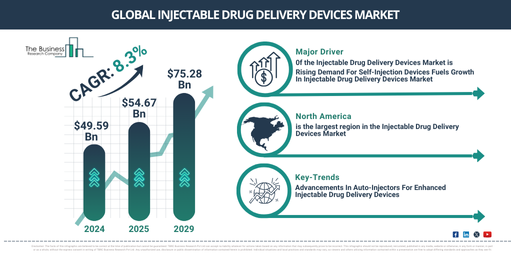
    In recent years, the market size for injectable drug delivery devices has experienced significant expansion. Its growth is projected to continue, moving from $49.59 billion in 2024 to $54.67 billion in 2025, demonstrating a compound annual growth rate (CAGR) of 10.3%. The historical growth pattern can be credited to several factors, including a rapidly aging populace, an increase in the number of healthcare facilities, higher levels of healthcare spending, progress in the biologics field, and a growing awareness and trend towards self-administration of medications.

    What Is the Projected Market Size of the Injectable Drug Delivery Devices Market?

    The market for injectable drug delivery devices is projected to witness robust growth in the coming years, expanding to $75.28 billion by 2029, with a Compound Annual Growth Rate (CAGR) of 8.3%. This expected growth during the forecast period can be attributed to the rising prevalence of chronic diseases, increased demand for injectable medications, sudden spikes in severe infections, and numerous medications and vaccines in various stages of clinical trials. Anticipated trends during this period include a focus on developing drug delivery systems based on microneedles, investments in self-injectable device R&D, emphasis on producing wearable devices, manufacturing needle-free injection systems, product line expansion to include prefilled syringes, enhancements in device digital technology, and concentration on the production of innovative devices and auto-injectors.

    Download The Free Sample Report Here:

    https://www.thebusinessresearchcompany.com/sample.aspx?id=2835&type=smp

    Who are the Major Competitors in the Injectable Drug Delivery Devices Market Outlook?

    Major companies operating in the injectable drug delivery devices market include Becton, Dickinson and Company, Baxter International, Gerresheimer AG, Catalent, Inc., SkyePharma PLC, Antares Pharma, Pfizer Inc, GE Healthcare, Owen Mumford, Catalent Pharma Solutions, Philips, West Pharmaceutical Services, Inc., Alkermes, Schott AG, UCB, AstraZeneca, Johnson & Johnson, NEARMEDIC PLUS LLC, Pendant Biosciences, Siemens, H&T Presspart, B Braun, Copernicus, Ypsomed AG, 3M Company, Aptar, Congenica Ltd., Julphar, Nemera, Stryker, Roche, Nektar Therapeutics, Eli Lilly, Merck & Co. Inc., Sandoz, Sorrel Medical, Teleflex Medical, Gilero, Teva Pharmaceutical Industries Ltd., GlaxoSmithKline, MediPrint Ophthalmics, Medtronic, Novartis, Pharmasyntez, Bayer, Mylan N.V, Aptalis Pharma, Inc., Sanofi, Novo Nordisk, Bilim Pharmaceuticals, Battelle Medical Devices, Caplin Steriles Limited, Abbot, Allergan, Boehringer Ingelheim, Hovione Technology, Jiangsu Delfu Medical Device Co, Ltd., Syqe Medical, Terumo Corporation, Kedalion Therapeutics, Amgen Inc.

    What Is Fueling Growth in the Injectable Drug Delivery Devices Market?

    The growth of the injectable drug delivery devices market is propelled by the rising inclination towards self-injection devices. These are medical tools that patients can utilize at home for self-administration of medication. Various types of self-injection devices such as needle-free, auto, pen, and wearable injectors have been developed to ensure precise drug delivery while being user-friendly. Advances in the design of these devices have led to their widespread acceptance in recent years. Among these is the BD Physioject, a disposable auto-injector produced by Becton, Dickinson, and Company. This device is not only cost-effective but also clinically validated, making it an ideal choice for self-injection by patients with chronic diseases such as rheumatoid arthritis, multiple sclerosis, asthma, and osteoporosis. Other key players in the self-injection market include AbbVie, Inc., 3M, Baxter, Gerresheimer AG, Pfizer Inc., among others. As the benefits of self-injectable injections become more apparent and awareness of self-administration grows, the demand for these devices is likely to increase, further driving the growth of the injectable drug delivery devices market in the forecasted period.

    Request For A Customized Report:

    https://www.thebusinessresearchcompany.com/customise?id=2835&type=smp

    Which Injectable Drug Delivery Devices Market Segments Are Growing the Fastest?

    The injectable drug delivery devices market covered in this report is segmented –

    1) By Type: Syringes, Injectors And Pump

    2) By Application: Autoimmune Diseases, Hormonal Disorders, Oncology, Orphan Diseases, Pain Management, Respiratory Therapy, Other Applications

    3) By End-user: Hospitals And Clinics, Home Healthcare Settings, Pharmaceutical And Biotechnological Companies, Research Laboratories, Other End Users

    Subsegments:

    1) By Syringes: Conventional Syringes, Prefilled Syringes, Safety Syringes

    2) By Injectors: Autoinjectors, Pen Injectors, Needle-Free Injectors

    3) By Pumps: Insulin Pumps, Ambulatory Infusion Pumps, Implantable Pumps

    Which Industry Trends Are Shaping the Future of the Injectable Drug Delivery Devices Market?

    The focus of firms engaged in the production of injectable drug delivery devices is increasingly shifting towards the creation of auto-injectors. These auto-injectors are completely automated, highly personalised, and reusable devices capable of administering hundreds of injections by the patient themselves. Patients have control over the dosing speed, which aids in reducing pain or discomfort during the injection process. These devices can modify both the speed and depth of the automated injection. Take for example, LISA, an auto-injector produced by Unilife corporation, which offers a wide range of highly customizable features such as Bluetooth LE connectivity, Wi-Fi or 3G connectivity, and a pre-injection drug warming feature for targeted therapies. With the forthcoming technological advances and new product introductions designed to enhance the convenience and simplicity of administering parenteral therapeutics, the injectable drug delivery technology market anticipates substantial growth in the near future.

    Access The Full Report Here:

    https://www.thebusinessresearchcompany.com/report/injectable-drug-delivery-devices-global-market-report

    Which Countries Are Leading the Injectable Drug Delivery Devices Market?

    North America was the largest region in the injectable drug delivery devices market in 2024. Western Europe was the second-largest region in the global injectable drug delivery devices market. The regions covered in the injectable drug delivery devices market report are Asia-Pacific, Western Europe, Eastern Europe, North America, South America, Middle East, Africa

    Purchase The Full Report Today:

    https://www.thebusinessresearchcompany.com/purchaseoptions.aspx?id=2835

    This Report Delivers Insight On:

    1. How big is the injectable drug delivery devices market, and how is it changing globally?

    2. Who are the major companies in the injectable drug delivery devices market, and how are they performing?

    3. What are the key opportunities and risks in the injectable drug delivery devices market right now?

    4. Which products or customer segments are growing the most in the injectable drug delivery devices market?

    5. What factors are helping or slowing down the growth of the injectable drug delivery devices market?

    About The Business Research Company:

    With over 15000+ reports from 27 industries covering 60+ geographies, The Business Research Company has built a reputation for offering comprehensive, data-rich research and insights. Armed with 1,500,000 datasets, the optimistic contribution of in-depth secondary research, and unique insights from industry leaders, you can get the information you need to stay ahead in the game.

    Get in touch with us:

    The Business Research Company: https://www.thebusinessresearchcompany.com/

    Americas +1 310-496-7795

    Asia +44 2071930708

    Europe +44 7882 955267

    Email us at info@tbrc.info

    Follow us on:

    LinkedIn: https://in.linkedin.com/company/the-business-research-company

    YouTube: https://www.youtube.com/channel/UC24_fI0rV8cR5DxlCpgmyFQ

    Global Market Model: https://www.thebusinessresearchcompany.com/global-market-model
  • Clear Aligners Market Trends Report 2025 – For Business Development and Strategy Teams

    Clear Aligners Market Trends Report 2025 – For Business Development and Strategy Teams

    Claim your 30% discount on Global Market Reports with code ONLINE30. Limited time only.

    #What Is the Forecast for the Clear Aligners Market Growth in 2025?#_x000D_

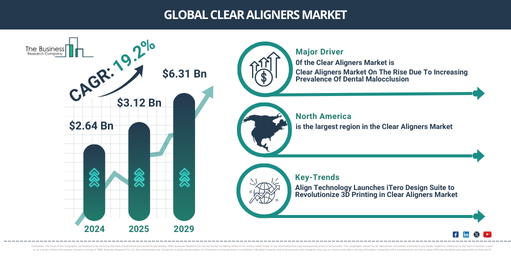
    In recent times, the clear aligners market size has experienced a swift expansion. The market which is estimated to be worth $2.64 billion in 2024 is projected to reach a worth of $3.12 billion in 2025, reflecting a compound annual growth rate (CAGR) of 18.1%. The unprecedented growth in the historic period is owed to the rising incidence of malocclusions, increased need for dental services in developing markets, and positive governmental policies._x000D_

    _x000D_

    #What Is the Forecast for the Clear Aligners Market Size Through 2029?#_x000D_

    In the upcoming years, the clear aligners market is predicted to experience quick expansion. The market is anticipated to reach $6.31 billion by 2029, growing at a compound annual growth rate (CAGR) of 19.2%. The projected growth can be credited to the rise in dental tourism and advancements in technology. Forecasts for the market identify significant trends such as the use of artificial intelligence (AI) to enhance dental services, the substitution of old-fashioned wax molds with digital impressions, the investment in 3D dental printing, and the consideration of acquisitions, mergers, and collaborations._x000D_

    _x000D_

    #Download The Free Sample Report Here:#_x000D_

    https://www.thebusinessresearchcompany.com/sample.aspx?id=3271&type=smp_x000D_

    _x000D_

    #What are the Key Market Players in Clear Aligners Market and How They’re Evolving?#_x000D_

    Major companies operating in the clear aligners market include Align Technology Inc., Henry Schein Inc., Dentsply Sirona, Straumann Group, The 3M Company, Envista Holdings Corporation, 3Shape A/S, Argen Corporation, TP Orthodontics Inc., Great Lakes Dental Technologies, Toothsi, Robust, ezsmile, SmilePath, Rata, SLX Clear Aligners, NewSmile, Aso Aligner, Dr Clear Aligners, Star Smile, Orthodontic Solutions, Clearbite Aligners, Clove Dental, Zenyum, Wood grove Dental Surgery, Angelalign, Keen Dental, Q&M Dental Holdings, Shenzhen Midway Dental Lab Co Ltd, Alibaba, Beforedent, RYO Dental Clinic, K Line Europe, PlusDental, UK Sedation, Straight Teeth Direct, Dentelia, DB Orthodontics, Oasis Dental Care, German Dental Clinic Ltd, Colosseum Dental UK (CDUK¬), Alpha Dental Group, Portman Dental Care_x000D_

    _x000D_

    #What Are the Primary Growth Drivers in the Clear Aligners Market?#_x000D_

    The global surge in instances of dental malocclusion plays a significant role in driving the expansion of the clear aligners market. Malocclusion represents a health condition characterized by improper alignment of teeth and/or incorrect correlation between the teeth of the upper and lower dental arches. The prevalence of malocclusion presents an uneven distribution across different age groups and geographical areas, standing amongst the most widespread dental issues along with dental caries, gingival disease, and dental fluorosis. As an example, an estimate by the Sweden-based intergovernmental organization, the World Health Organization, in March 2023 disclosed that about 3.5 billion people worldwide experienced oral diseases in 2022, with a substantial 75% in middle-income nations. Caries affected nearly 2 billion adults and 514 million children. These figures demonstrate a growing acceptance of clear aligners for the correction and alignment of crooked teeth, further stimulating the market growth._x000D_

    _x000D_

    #Request For A Customized Report:#_x000D_

    https://www.thebusinessresearchcompany.com/customise?id=3271&type=smp_x000D_

    _x000D_

    #What Are the Leading Segments in the Global Clear Aligners Industry?#_x000D_

    The clear aligners market covered in this report is segmented –_x000D_

    _x000D_

    1) By Product: Soft, Medium, Hard_x000D_

    2) By Age Group: Children Or Teenagers, Adults_x000D_

    2) By Material Type: Polyurethane Plastic, Polyethylene Terephthalate Glycol (PETG), Poly-Vinyl Chloride (PVC), Other Material Types_x000D_

    3) By End-User: Hospitals, Dental And Orthodontic Clinics_x000D_

    _x000D_

    Subsegments:_x000D_

    1) By Soft: Removable Soft Aligners, Invisible Soft Aligners_x000D_

    2) By Medium: Customizable Medium Aligners, Hybrid Medium Aligners_x000D_

    3) By Hard: Retainer-Style Hard Aligners_x000D_

    _x000D_

    #What Are the Key Market Trends in the Clear Aligners Industry?#_x000D_

    Leading organizations in the Clear Aligners market are concentrating on introducing high-tech solutions including 3D-printable models to improve the accuracy of treatments and speed up the production process. 3D-printable models are digital blueprints that can be designed and altered through software, and then constructed with 3D printing techniques. This creation of physical items, such as dental aligners, allows for accurate, bespoke production through the layering of materials according to the digital plan. For instance, Align Technology, a medical device firm located in the US, introduced the iTero Design Suite in July 2024. This system gives doctors a user-friendly approach to designing 3D-printable models, bite splints, and restorations. The iTero Design Suite expands the Align Digital Platform’s potential, supplying an inventive selection of technology focused on customer needs, facilitating smooth workflows for dental professionals from start to finish. This up-to-date software invention aims to aid doctors in enhancing the productivity of their practice and improving patient experience by reducing the treatment time via an intuitive design approach for in-office 3D printing._x000D_

    _x000D_

    #Access The Full Report Here:#_x000D_

    https://www.thebusinessresearchcompany.com/report/clear-aligners-global-market-report_x000D_

    _x000D_

    #What Is the Regional Outlook for the Clear Aligners Market?#_x000D_

    North America was the largest region in the clear aligners market in 2024. Western Europe was the second largest region in the global clear aligners market share. The regions covered in the clear aligners market report are Asia-Pacific, Western Europe, Eastern Europe, North America, South America, Middle East, Africa_x000D_

    _x000D_

    #Purchase The Full Report Today:#_x000D_

    https://www.thebusinessresearchcompany.com/purchaseoptions.aspx?id=3271_x000D_

    _x000D_

    #This Report Delivers Insight On: #_x000D_

    1. How big is the clear aligners market, and how is it changing globally?_x000D_

    2. Who are the major companies in the clear aligners market, and how are they performing?_x000D_

    3. What are the key opportunities and risks in the clear aligners market right now?_x000D_

    4. Which products or customer segments are growing the most in the clear aligners market?_x000D_

    5. What factors are helping or slowing down the growth of the clear aligners market?_x000D_

    _x000D_

    #About The Business Research Company:#_x000D_

    With over 15000+ reports from 27 industries covering 60+ geographies, The Business Research Company has built a reputation for offering comprehensive, data-rich research and insights. Armed with 1,500,000 datasets, the optimistic contribution of in-depth secondary research, and unique insights from industry leaders, you can get the information you need to stay ahead in the game._x000D_

    _x000D_

    #Get in touch with us:#_x000D_

    The Business Research Company: https://www.thebusinessresearchcompany.com/_x000D_

    Americas +1 310-496-7795_x000D_

    Asia +44 2071930708_x000D_

    Europe +44 7882 955267_x000D_

    Email us at info@tbrc.info_x000D_

    _x000D_

    #Follow us on:#_x000D_

    _x000D_

    LinkedIn: https://in.linkedin.com/company/the-business-research-company_x000D_

    YouTube: https://www.youtube.com/channel/UC24_fI0rV8cR5DxlCpgmyFQ_x000D_

    Global Market Model: https://www.thebusinessresearchcompany.com/global-market-model
  • Market Analysis on Cell Therapy Technologies Industry – Insights for Corporate Strategy and R&D

    Market Analysis on Cell Therapy Technologies Industry – Insights for Corporate Strategy and R&D

    Claim your 30% discount on Global Market Reports with code ONLINE30. Limited time only.

    #What Is the Forecast for the Cell Therapy Technologies Market from 2024 to 2025?#_x000D_

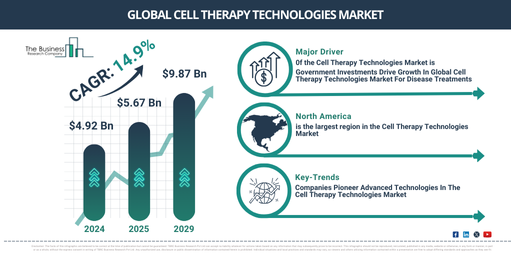
    The market size for cell therapy technologies has seen significant expansion in the past few years. It’s projected to escalate from $4.92 billion in 2024 to reach $5.67 billion in 2025, with a compound annual growth rate (CAGR) of 15.4%. Factors that have contributed to this growth in the historic period include robust economic development in emerging markets, rising health care spending, increased governmental investment in cell-based research, and the growing demand for personalized medicine._x000D_

    _x000D_

    #What Is the Projected Market Size of the Cell Therapy Technologies Market?#_x000D_

    Anticipated to witness a sharp incline in the years to come, the market size of cell therapy technologies is projected to achieve a worth of $9.87 billion by 2029, expanding at a Compound Annual Growth Rate (CAGR) of 14.9%. Contributing factors for this growth in the projected period are increased aging population, a rising incidence of cancer, more expenditure on research and development in the pharmaceutical sector, and breakthroughs in cell therapies. The forecast period is also expected to see significant trends like creation of innovative products through advanced technologies, development of novel cell therapies, investment in the enhancement of manufacturing facilities, and forging of key partnerships and collaborations._x000D_

    _x000D_

    #Download The Free Sample Report Here:#_x000D_

    https://www.thebusinessresearchcompany.com/sample.aspx?id=4122&type=smp_x000D_

    _x000D_

    #Who are the Major Competitors in the Cell Therapy Technologies Market Outlook?#_x000D_

    Major companies operating in the cell therapy technologies market include Lonza Group AG, Thermo Fisher Scientific Inc, Merck KGaA, Terumo Corporation, Danaher Corporation, Fresenius Medical Care AG & Co. KGaA, Fujifilm Holdings Corporation, Sartorius AG, Becton Dickinson and Company, Avantor Inc., Cellular Biomedicine Group, CORESTEM, Astellas Pharma Inc, Anterogen Co. Ltd, Arce Therapeutics, CARsgen Therapeutics, Huadong Medicine, Co.Don AG, AstraZeneca, Neogene Therapeutics, GammaDelta Therapeutics Limited, Nightstar, SOTIO, Accell Clinical Research, Genestack, Novartis AG, Pfizer, Celgene Corporation, Johnson & Johnson, F. Hoffmann-La Roche Ltd, Bayer AG, Gilead Sciences, Juno Therapeutics, Allogene Therapeutics, Bluebird Bio, Amgen, Regen BioPharma, Bellicum, Amgen Brazil, GlaxoSmithKline plc, Biogen Brazil, Takeda Pharmaceutical Company Limited, Pfizer S.R.L, Biotchpharma, BrainStorm Cell Therapeutics, Pluristem, Bayer East Africa Ltd, Adcock Ingram, Next BioSciences, CryoSave, BioHeart, Stem Cell Technologies._x000D_

    _x000D_

    #What Is Fueling Growth in the Cell Therapy Technologies Market?#_x000D_

    The escalation in governmental financial contributions towards cell-based studies has been a significant factor propelling the expansion of the worldwide cell therapy technologies market. It’s been observed that governments are dedicating more resources to research efforts aimed at devising therapies for ailments such as cancer and cardiovascular disease (CVD), among others. For instance, The California Institute for Regenerative Medicine (CIRM) invested in excess of $11 million in May 2022 towards a clinical trial focusing on cell therapy for the remediation of throat cancer. The positive outcomes of this therapy can enable patients to sidestep radiotherapy and its associated adverse effects._x000D_

    _x000D_

    #Request For A Customized Report:#_x000D_

    https://www.thebusinessresearchcompany.com/customise?id=4122&type=smp_x000D_

    _x000D_

    #Which Cell Therapy Technologies Market Segments Are Growing the Fastest?#_x000D_

    The cell therapy technologies market covered in this report is segmented –_x000D_

    _x000D_

    1) By Product: Consumables, Equipment, Systems And Software_x000D_

    2) By Cell Type: T-Cells, Stem Cells, Other Cells_x000D_

    3) By Process: Cell Processing, Cell Preservation, Distribution And Handling, Process Monitoring And Quality Control_x000D_

    4) By End User: Life Science Companies, Research Institutes And Cell Banks_x000D_

    _x000D_

    Subsegments:_x000D_

    1) By Consumables: Cell Culture Media, Bioreactors And Cell Culture Vessels, Cell Separation And Processing Kits, Cryopreservation Bags And Vials_x000D_

    2) By Equipment: Cell Counters, Centrifuges, Cell Sorting Equipment, Incubators_x000D_

    3) By Systems And Software: Closed-System Cell Processing Systems, Automated Cell Culture Systems, Point-Of-Care Cell Therapy Systems, Laboratory Information Management Systems (LIMS), Data Management Software For Cell Therapies, Process Optimization And Tracking Software_x000D_

    _x000D_

    #Which Industry Trends Are Shaping the Future of the Cell Therapy Technologies Market?#_x000D_

    Leading firms in the cell therapy technologies market are leveraging cutting-edge technologies to create unique products and expand their market presence. Invetech, an Australian firm specializing in the conceptualization, production, and commercialization of diagnostic products and cell and gene therapies, exemplifies this. In June 2022, the company introduced Korus, an innovative closed system for autologous cell therapies aimed at revolutionising industry standards concerning cell elutriation and washing. Korus holds a gentle elutriation process that presents a purer cell population for cell therapy production undertakings like tumor-infiltrated lymphocytes (TIL), dendritic cells, chimeric antigen receptor (CAR)-T cell, or induced pluripotent stem cell (IPSC)-derived therapy. It employs mild counterflow centrifugation for elutriation and cell wash, yielding purified cell groups for further processing and commercial production. The innovation facilitates better process performance via superior recovery and purity of target cells. Korus offers developers the opportunity to accelerate their product’s clinical development and scale-up._x000D_

    _x000D_

    #Access The Full Report Here:#_x000D_

    https://www.thebusinessresearchcompany.com/report/cell-therapy-technologies-global-market-report_x000D_

    _x000D_

    #Which Countries Are Leading the Cell Therapy Technologies Market?#_x000D_

    North America was the largest region in the cell therapy technologies market in 2024. Asia-Pacific is predicted to record the fastest growth over the forecast period. The regions covered in the cell therapy technologies market report are Asia-Pacific, Western Europe, Eastern Europe, North America, South America, Middle East, Africa._x000D_

    _x000D_

    #Purchase The Full Report Today:#_x000D_

    https://www.thebusinessresearchcompany.com/purchaseoptions.aspx?id=4122_x000D_

    _x000D_

    #This Report Delivers Insight On: #_x000D_

    1. How big is the cell therapy technologies market, and how is it changing globally?_x000D_

    2. Who are the major companies in the cell therapy technologies market, and how are they performing?_x000D_

    3. What are the key opportunities and risks in the cell therapy technologies market right now?_x000D_

    4. Which products or customer segments are growing the most in the cell therapy technologies market?_x000D_

    5. What factors are helping or slowing down the growth of the cell therapy technologies market?_x000D_

    _x000D_

    #About The Business Research Company:#_x000D_

    With over 15000+ reports from 27 industries covering 60+ geographies, The Business Research Company has built a reputation for offering comprehensive, data-rich research and insights. Armed with 1,500,000 datasets, the optimistic contribution of in-depth secondary research, and unique insights from industry leaders, you can get the information you need to stay ahead in the game._x000D_

    _x000D_

    #Get in touch with us:#_x000D_

    The Business Research Company: https://www.thebusinessresearchcompany.com/_x000D_

    Americas +1 310-496-7795_x000D_

    Asia +44 2071930708_x000D_

    Europe +44 7882 955267_x000D_

    Email us at info@tbrc.info_x000D_

    _x000D_

    #Follow us on:#_x000D_

    _x000D_

    LinkedIn: https://in.linkedin.com/company/the-business-research-company_x000D_

    YouTube: https://www.youtube.com/channel/UC24_fI0rV8cR5DxlCpgmyFQ_x000D_

    Global Market Model: https://www.thebusinessresearchcompany.com/global-market-model
  • Cell and Gene Therapy Forecast Report – Designed for Decision Makers and Product Teams

    Cell and Gene Therapy Forecast Report – Designed for Decision Makers and Product Teams

    Claim your 30% discount on Global Market Reports with code ONLINE30. Limited time only.

    #What Is the Growth Rate of the Cell and Gene Therapy Market?#_x000D_

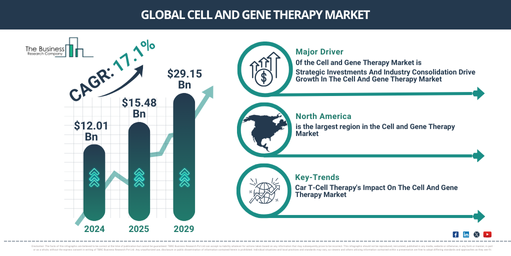
    The market size for cell and gene therapy has witnessed massive expansion in the past few years. It is projected to escalate from $12.01 billion in 2024 to $15.48 billion in 2025, with a compound annual growth rate (CAGR) of 28.9%. This growth during the historical period can be ascribed to the surge in investments towards cell and gene therapies, advancements in the research and development sector, progress in cancer drug discovery, an increase in public-private collaborations, robust economic development in emerging markets, enhanced healthcare spending and an upsurge in expenditure dedicated to pharmaceutical R&D._x000D_

    _x000D_

    #What Growth Rate Is Forecasted for the Cell and Gene Therapy Market by 2029?#_x000D_

    The dimension of the cell and gene therapy market is set to witness impressive expansion in the upcoming years, ballooning up to $29.15 billion in 2029, demonstrating an annual compound growth rate of 17.1%. Factors contributing to growth during the forecast period include the growing instances of chronic diseases and prevailing cancer, an increase in the elderly population, and a heightened interest in cell and gene therapies, as well as escalated spending in healthcare. Key trends projected for the period of forecast include prioritization of advanced treatments such as chimeric antigen receptor (CAR) T-cell, substantial investment in research and securing funding, implementing strategic partnerships to incorporate state-of-the-art technologies, focusing on the construction of gene or genome editing tools, especially CRISPR, merger or acquisition of competitor firms, stepping up the volume of studies in the pipeline to create novel cell and gene therapies, and putting funds into the extension of manufacturing facilities._x000D_

    _x000D_

    #Download The Free Sample Report Here:#_x000D_

    https://www.thebusinessresearchcompany.com/sample.aspx?id=3472&type=smp_x000D_

    _x000D_

    #Which Key Companies Are Shaping the Future of the Cell and Gene Therapy Market?#_x000D_

    Major companies operating in the cell and gene therapy market include Biogen Inc., Novartis AG, Gilead Sciences, Ionis Pharmaceuticals Inc., Alnylam Pharmaceuticals Inc., ArrowHead Pharmaceuticals Inc., Spark Therapeutics, Bluebird Bio Inc., RegenexBio, Mesoblast Limited, Biocon, Cipla, Stempeutics Research Pvt. Ltd., EdiGene Inc., Immunochina, Takara Bio, Daiichi Sankyo Company, Ultragenyx Pharmaceutical Inc, Mitsubishi Tanabe Pharma, Oxford Biomedica plc, Santen Pharmaceutical Co., Therapeutic Innovation Australia, Merck, GenScript, Cellular Biomedicine Group, GE Healthcare, inStem, Lonza, Nikon CeLL innovation Co. Ltd., Bristol-Myers Squibb, Amgen, Pfizer, Kite Pharma, Oxford BioTherapeutics, Freeline Therapeutics, PsiOxus Therapeutics, Herantis Pharma Plc, AstraZeneca_x000D_

    _x000D_

    #Which Factors Are Driving Demand in the Cell and Gene Therapy Industry?#_x000D_

    The cell and gene therapy (CGT) market has experienced significant growth due to consistent investments and consolidation within the cell and gene therapy fields. Recognizing the potential of the CGT market, 80% of the top 20 biopharmaceutical companies in terms of revenue have added CGT products to their portfolio. Specifically, in 2023, the BioIndustry Association (BIA), a UK-based life sciences and biotech industry representative body, reported that UK cell and gene therapy companies claimed more than half of the venture capital funding gained by European firms. Typically, the UK accounts for approximately a third of all European venture capital investments in the life sciences sector, which emphasizes the strength of their cell and gene therapy sector. Constant investment and consolidation in CGT production have resulted in increased production capacity and market growth. For instance, in October 2024, Purespring Therapeutics, a UK-based biotech firm, secured $105 million in funding to back the development of gene therapies for kidney diseases, including a phase 1/2 trial of an experimental treatment for immunoglobulin A nephropathy (IgAN). Purespring uses adeno-associated viruses (AAVs) to administer its gene therapies._x000D_

    _x000D_

    #Request For A Customized Report:#_x000D_

    https://www.thebusinessresearchcompany.com/customise?id=3472&type=smp_x000D_

    _x000D_

    #How Is the Cell and Gene Therapy Market Segmented by Several Divisions?#_x000D_

    The cell and gene therapy market covered in this report is segmented –_x000D_

    _x000D_

    1) By Product: Cell Therapy, Gene Therapy_x000D_

    2) By Application: Oncology, Neurological Disorders, Other Applications_x000D_

    3) By End User: Hospitals, Ambulatory Surgical Centers, Cancer Care Centers, Wound Care Centers, Other End-Users_x000D_

    _x000D_

    Subsegments:_x000D_

    1) By Cell Therapy: Autologous Cell Therapy, Allogeneic Cell Therapy, Stem Cell Therapy, CAR-T Cell Therapy_x000D_

    2) By Gene Therapy: Viral Vector-Based Gene Therapy, Non-Viral Vector-Based Gene Therapy, Genome Editing Technologies, Antisense Oligonucleotide Therapy_x000D_

    _x000D_

    _x000D_

    #What are the Emerging Market Trends Driving the Growth of the Cell and Gene Therapy Industry?#_x000D_

    The cell and gene therapy (CGT) market is being significantly influenced by the rise of Chimeric antigen receptor (CAR) T-cell therapy. This therapy involves a combination of cell and gene therapy, where specialized T cells are gathered from the patient’s blood, and then genetically tinkered to generate modified receptors on their surfaces, recognized as chimeric antigen receptors (CARs). These altered T cells, equipped with particular constructs (receptors), are reintroduced into the patient. Subsequently, these re-engineered receptors on the T cells facilitate the targeting of the cancer cell’s surface antigen, culminating in the elimination of tumorous cells in the affected patients. As an example, in June 2022, the US-based pharmaceutical firm, Bristol-Myers Squibb Company, successfully gained approval from the United States Food and Drug Administration (US FDA) for their CAR T cell therapy named Breyanzi. This therapy is intended for treating adult patients suffering from large B-cell lymphoma (LBCL), which includes conditions like diffuse large B-cell lymphoma. Breyanzi is a distinct CAR T cell therapy, created from a patient’s own T cells, which are harvested and genetically reprogrammed into CAR T cells, then reintroduced into the patient through infusion as a one-time treatment._x000D_

    _x000D_

    #Access The Full Report Here:#_x000D_

    https://www.thebusinessresearchcompany.com/report/cell-and-genes-therapy-global-market-report_x000D_

    _x000D_

    #Which Regions Are Driving Growth in the Cell and Gene Therapy Market?#_x000D_

    North America was the largest region in the cell and gene therapy market in 2024. The regions covered in the cell and gene therapy market report are Asia-Pacific, Western Europe, Eastern Europe, North America, South America, Middle East, Africa_x000D_

    _x000D_

    #Purchase The Full Report Today:#_x000D_

    https://www.thebusinessresearchcompany.com/purchaseoptions.aspx?id=3472_x000D_

    _x000D_

    #This Report Delivers Insight On: #_x000D_

    1. How big is the cell and gene therapy market, and how is it changing globally?_x000D_

    2. Who are the major companies in the cell and gene therapy market, and how are they performing?_x000D_

    3. What are the key opportunities and risks in the cell and gene therapy market right now?_x000D_

    4. Which products or customer segments are growing the most in the cell and gene therapy market?_x000D_

    5. What factors are helping or slowing down the growth of the cell and gene therapy market?_x000D_

    _x000D_

    #About The Business Research Company:#_x000D_

    With over 15000+ reports from 27 industries covering 60+ geographies, The Business Research Company has built a reputation for offering comprehensive, data-rich research and insights. Armed with 1,500,000 datasets, the optimistic contribution of in-depth secondary research, and unique insights from industry leaders, you can get the information you need to stay ahead in the game._x000D_

    _x000D_

    #Get in touch with us:#_x000D_

    The Business Research Company: https://www.thebusinessresearchcompany.com/_x000D_

    Americas +1 310-496-7795_x000D_

    Asia +44 2071930708_x000D_

    Europe +44 7882 955267_x000D_

    Email us at info@tbrc.info_x000D_

    _x000D_

    #Follow us on:#_x000D_

    _x000D_

    LinkedIn: https://in.linkedin.com/company/the-business-research-company_x000D_

    YouTube: https://www.youtube.com/channel/UC24_fI0rV8cR5DxlCpgmyFQ_x000D_

    Global Market Model: https://www.thebusinessresearchcompany.com/global-market-model