Month: July 2025

  • Male Hypogonadism Industry Growth Expected to Reach $5.08 Billion by 2029 at a CAGR of 6.2% | Segmentation and Growth Opportunities

    Claim your 30% discount on Global Market Reports with code ONLINE30. Limited time only.

    What Is the Forecast for the Male Hypogonadism Market Growth in 2025?

    The market size for male hypogonadism has seen a substantial growth lately. The expansion from $3.75 billion in 2024 to $3.99 billion in 2025 will occur at a compound annual growth rate (CAGR) of 6.3%. Increments in the past period can be associated with factors such as an aging population, heightened awareness and diagnosis, lifestyle aspects, chronic diseases, and the behavior of seeking treatment.

    What Is the Forecast for the Male Hypogonadism Market Size Through 2029?

    The market for male hypogonadism is anticipated to experience substantial growth in the forthcoming years. It’s projected that by 2029, the market will reach an impressive $5.08 billion, with a compound annual growth rate (CAGR) of 6.2%. This forecasted growth can be ascribed to a multitude of factors such as heightened awareness, the ubiquity of lifestyle-related ailments, innovation in therapies, a growing emphasis on men’s health, the rise of telemedicine, and improved healthcare accessibility. In the forecast period, significant trends will emerge, such as a greater focus on mental and sexual health, the exploration of nutraceuticals and lifestyle interventions, the proliferation of the market in emerging economies, increased joint research initiatives, along with an emphasis on long-term safety and monitoring.

    Download The Free Sample Report Here:

    https://www.thebusinessresearchcompany.com/sample.aspx?id=9969&type=smp

    What are the Key Market Players in Male Hypogonadism Market and How They’re Evolving?

    Major companies operating in the male hypogonadism market include Pfizer Inc., Bayer AG, Eli Lilly and Company Ltd., Endo International plc., Merck & Co. Inc., Ferring Pharmaceuticals, Finox Biotech AG, Teva Pharmaceutical Industries Ltd., AbbVie Inc., Perrigo Company plc, IBSA Institut Biochimique SA, Sun Pharmaceutical Industries Limited, Glenmark Pharmaceuticals Limited, Antares Pharma Inc., Zydus Cadila LLC, Besins Healthcare Ltd., Clarus Therapeutics Holdings Inc., Foresee Pharmaceuticals Co. Ltd., Lipocine Inc., Myovant Sciences Ltd., Sandoz International GmbH, Shionogi & Co. Ltd., TherapeuticsMD Inc., Viking Therapeutics Inc.

    What Are the Primary Growth Drivers in the Male Hypogonadism Market?

    The rise in infertility is anticipated to fuel the expansion of the male hypogonadism market. Infertility, a state that hampers the reproductive system in males or females, is identified by the failure to achieve pregnancy despite 12 months or more of regular contraceptive-free intercourse. Male hypogonadism could result in reduced sperm production and infertility, thereby potentially contributing to male infertility. Consequently, the escalating incidence of male infertility is predicted to propel the male hypogonadism market’s growth. For instance, the Office for National Statistics, a UK government department, reported in February 2024 that the total fertility rate (TFR) had risen to 1.49 children per woman in 2022, up from 1.55 in 2021. Hence, the surge in infertility rates is accelerating the expansion of the male hypogonadism market.

    Request For A Customized Report:

    https://www.thebusinessresearchcompany.com/customise?id=9969&type=smp

    What Are the Leading Segments in the Global Male Hypogonadism Industry?

    The male hypogonadism market covered in this report is segmented –

    1) By Type: Klinefelters Syndrome, Kallmann Syndrome, Pituitary Disorders, Other Types

    2) By Drug Delivery: Topical Gels, Injectables, Transdermal Patches, Other Drug Deliveries

    3) By Therapy: Testosterone Therapy, Gonadotropin-Releasing Hormone Therapy

    Subsegments:

    1) By Klinefelter’s Syndrome: 47,XXY Syndrome, Other Variants

    2) By Kallmann Syndrome: Isolated Kallmann Syndrome, Syndromic Kallmann Syndrome

    3) By Pituitary Disorders: Hypopituitarism, Pituitary Tumors, Other Pituitary Disorders

    4) By Other Types: Androgen Insensitivity Syndrome, Testicular Dysgenesis Syndrome, Genetic Mutations And Disorders

    What Are the Key Market Trends in the Male Hypogonadism Industry?

    There is an increasing trend of product innovations in the male hypogonadism market. To retain their market dominance, businesses in the male hypogonadism field are introducing innovative new products. For example, in June 2022, Tlando, an oral testosterone replacement therapy for male hypogonadism, was introduced by Halozyme, a biotechnology firm based in the United States. Tlando, which is a prescription medication containing testosterone, is the first oral testosterone treatment to receive FDA approval and is intended for use in adult men who have low to no testosterone due to certain health conditions.

    Access The Full Report Here:

    https://www.thebusinessresearchcompany.com/report/male-hypogonadism-global-market-report

    What Is the Regional Outlook for the Male Hypogonadism Market?

    North America was the largest region in the male hypogonadism market in 2024. Asia-Pacific is expected to be the fastest-growing region in the male hypogonadism market report during the forecast period. The regions covered in the male hypogonadism market report are Asia-Pacific, Western Europe, Eastern Europe, North America, South America, Middle East, Africa

    Purchase The Full Report Today:

    https://www.thebusinessresearchcompany.com/purchaseoptions.aspx?id=9969

    This Report Delivers Insight On:

    1. How big is the male hypogonadism market, and how is it changing globally?

    2. Who are the major companies in the male hypogonadism market, and how are they performing?

    3. What are the key opportunities and risks in the male hypogonadism market right now?

    4. Which products or customer segments are growing the most in the male hypogonadism market?

    5. What factors are helping or slowing down the growth of the male hypogonadism market?

    About The Business Research Company:

    With over 15000+ reports from 27 industries covering 60+ geographies, The Business Research Company has built a reputation for offering comprehensive, data-rich research and insights. Armed with 1,500,000 datasets, the optimistic contribution of in-depth secondary research, and unique insights from industry leaders, you can get the information you need to stay ahead in the game.

    Get in touch with us:

    The Business Research Company: https://www.thebusinessresearchcompany.com/

    Americas +1 3156230293

    Asia +44 2071930708

    Europe +44 2071930708

    Email us at info@tbrc.info

    Follow us on:

    LinkedIn: https://in.linkedin.com/company/the-business-research-company

    YouTube: https://www.youtube.com/channel/UC24_fI0rV8cR5DxlCpgmyFQ

    Global Market Model: https://www.thebusinessresearchcompany.com/global-market-model
  • Low-Density Lipoprotein Test Industry Valued at $11 Billion by 2029 With CAGR of 5.6% | Size and Share Insights

    Claim your 30% discount on Global Market Reports with code ONLINE30. Limited time only.

    What Is the Forecast for the Low-Density Lipoprotein Test Market from 2024 to 2025?

    In recent times, the market size of the low-density lipoprotein test has been on a consistent growth trajectory. The market is set to expand from $8.52 billion in 2024 to $8.85 billion in 2025, marking a compound annual growth rate (CAGR) of 3.9%. This growth in the historic period is largely due to advancements in cardiovascular research, heightened consciousness about cardiac health, changes in treatment patterns, recommendations and guidelines in clinical practices, and an emphasis on preventive healthcare.

    What Is the Projected Market Size of the Low-Density Lipoprotein Test Market?

    The market size for the low-density lipoprotein test is anticipated to witness robust growth over the upcoming years, expanding to $11 billion by 2029 at a CAGR of 5.6%. Multiple factors like elevated healthcare spend, surging population aging, an increase in the burden of cardiovascular diseases, transition to individualized medication, healthcare regulations, and guidelines are considered responsible for the projected growth. The key trends shaping the forecast period include an increase in the occurrence of cardiovascular diseases, importance on preventive healthcare and customized medical treatment, emphasis on health consciousness and learning, as well as regulatory guidelines and suggestions.

    Download The Free Sample Report Here:

    https://www.thebusinessresearchcompany.com/sample.aspx?id=9395&type=smp

    Who are the Major Competitors in the Low-Density Lipoprotein Test Market Outlook?

    Major companies operating in the low-density lipoprotein test market include Abbott Laboratories, Qiagen N.V., Randox Laboratories Ltd., Eurofins Scientific SE, Danaher Corporation, Bio-Rad Laboratories Inc., OPKO Health Inc., DiaSorin S.p.A., Boster Biological Technology Ltd., Rockland Immunochemicals Inc., Sekisui Diagnostics LLC, DiaSys Diagnostic Systems GmbH, Eurolyser Diagnostica GmbH, Diazyme Laboratories Inc., Cell Biolabs Inc, Home Access Health Corporation, Thermo Fisher Scientific Inc., Becton, Dickinson and Company, Quest Diagnostics Incorporated, SpectraCell Laboratories Inc., Siemens Healthineers, Laboratory Corporation of America Holdings, Merck KGaA, F Hoffmann-La Roche Ltd., Agilent Technologies Inc., BioVision Incorporated, Abcam plc, BioAssay Systems, BioChain Institute Inc., BioLegend Inc., Enzo Life Sciences Inc., GenScript Biotech Corporation

    What Is Fueling Growth in the Low-Density Lipoprotein Test Market?

    The proliferation of cardiovascular conditions is anticipated to stimulate the expansion of the low-density lipoprotein test market. Cardiovascular ailments pertain to conditions that impact the heart or blood vessels. The Low-density lipoprotein (LDL) test plays a pivotal role in the treatment of cardiovascular conditions by directly determining the levels of low-density lipoprotein in the heart. Taking February 2024 as an example, heart and circulatory diseases represented about 25% of all deaths in England according to the UK Parliament, a governing organization based in the UK. This equated to over 140,000 mortalities per year and roughly 480 per day, culminating in a death every three-minute interval. Therefore, the escalating prevalence of cardiovascular ailments is spurring the growth of the low-density lipoprotein test market.

    Request For A Customized Report:

    https://www.thebusinessresearchcompany.com/customise?id=9395&type=smp

    Which Low-Density Lipoprotein Test Market Segments Are Growing the Fastest?

    The low-density lipoprotein test market covered in this report is segmented –

    1) By Product Type: LDL-C, LDL-P, LDL-B, Other Products

    2) By Component: Kits, Reagents, Devices, Other Components

    3) By Disease Type: Diabetes, Stroke, Atherosclerosis, Obesity, Dyslipidaemia, Carotid Artery Disease, Peripheral Arterial Disease, Angina, Other Disease Types

    4) By Distribution Channel: Direct Tenders, Retail

    5) By End User: Hospitals, Clinics, Ambulatory Care, Research Laboratory, Other End Users

    Subsegments:

    1) By LDL-C (Low-Density Lipoprotein Cholesterol): Direct Measurement Tests, Calculated LDL-C Tests

    2) By LDL-P (Low-Density Lipoprotein Particle Number): NMR (Nuclear Magnetic Resonance) Tests, Other Particle Counting Methods

    3) By LDL-B (Low-Density Lipoprotein Particle Size): Gradient Gel Electrophoresis, Other Size Measurement Techniques

    4) By Other Products, Lipid Panel Tests: Genetic Testing For Dyslipidemia, Point-Of-Care Testing Devices

    Which Industry Trends Are Shaping the Future of the Low-Density Lipoprotein Test Market?

    A rapidly growing trend in the low-density lipoprotein test market is the advent of product innovations. To keep a stronghold in the market, major companies are releasing innovative products. For example, a health diagnostic company based in Germany, Numares Health, launched the AXINON LDL-p Test System in July 2023. This FDA-approved diagnostic tool offers a comprehensive analysis of lipoproteins, providing insights that exceed standard LDL-C measures. By using nuclear magnetic resonance (NMR) spectroscopy, the system integrates advanced diagnostic algorithms to improve precision. This assists physicians in the effective management of patients at an increased risk of cardiovascular disease, especially those with cardiometabolic risk factors.

    Access The Full Report Here:

    https://www.thebusinessresearchcompany.com/report/low-density-lipoprotein-test-global-market-report

    Which Countries Are Leading the Low-Density Lipoprotein Test Market?

    North America was the largest region in the Low-Density Lipoprotein Test market in 2024. The regions covered in the low-density lipoprotein test market report are Asia-Pacific, Western Europe, Eastern Europe, North America, South America, Middle East, Africa

    Purchase The Full Report Today:

    https://www.thebusinessresearchcompany.com/purchaseoptions.aspx?id=9395

    This Report Delivers Insight On:

    1. How big is the low-density lipoprotein test market, and how is it changing globally?

    2. Who are the major companies in the low-density lipoprotein test market, and how are they performing?

    3. What are the key opportunities and risks in the low-density lipoprotein test market right now?

    4. Which products or customer segments are growing the most in the low-density lipoprotein test market?

    5. What factors are helping or slowing down the growth of the low-density lipoprotein test market?

    About The Business Research Company:

    With over 15000+ reports from 27 industries covering 60+ geographies, The Business Research Company has built a reputation for offering comprehensive, data-rich research and insights. Armed with 1,500,000 datasets, the optimistic contribution of in-depth secondary research, and unique insights from industry leaders, you can get the information you need to stay ahead in the game.

    Get in touch with us:

    The Business Research Company: https://www.thebusinessresearchcompany.com/

    Americas +1 3156230293

    Asia +44 2071930708

    Europe +44 2071930708

    Email us at info@tbrc.info

    Follow us on:

    LinkedIn: https://in.linkedin.com/company/the-business-research-company

    YouTube: https://www.youtube.com/channel/UC24_fI0rV8cR5DxlCpgmyFQ

    Global Market Model: https://www.thebusinessresearchcompany.com/global-market-model
  • Biomedical Textiles Market to Reach $25.78 Billion by 2029 | Key Drivers and Future Outlook

    Biomedical Textiles Market to Reach $25.78 Billion by 2029 | Key Drivers and Future Outlook

    Claim your 30% discount on Global Market Reports with code ONLINE30. Limited time only.

    What Is the Growth Rate of the Biomedical Textiles Market?

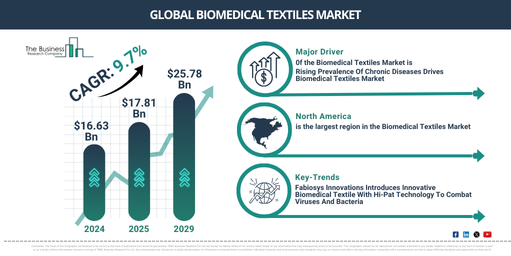
    In the last few years, the market size for biomedical textiles has significantly expanded. With a projected compound annual growth rate (CAGR) of 7.1%, it is expected to rise from $16.63 billion in 2024 to $17.81 billion in 2025. Factors contributing to this growth during the historic period include the prioritization of infection control, worldwide health emergencies, emphasis on regenerative medicine, and the prevalent occurrence of chronic diseases.

    What Growth Rate Is Forecasted for the Biomedical Textiles Market by 2029?

    Robust expansion is anticipated in the biomedical textiles market size in the forthcoming years. The market is projected to escalate to $25.78 billion by 2029, with a compound annual growth rate (CAGR) of 9.7%. The surge during the forecasted period can be tied to trends in consumer health and wellness, worldwide health readiness, military and defense use, bespoke medical requirements, telemedicine, and wearable health technology. The forecast period will also see significant trends such as advancements in medical technology, cooperative research efforts, and the rise of sustainable textiles.

    Download The Free Sample Report Here:

    https://www.thebusinessresearchcompany.com/sample.aspx?id=8243&type=smp

    Which Key Companies Are Shaping the Future of the Biomedical Textiles Market?

    Major companies operating in the biomedical textiles market are Confluent Medical Technologies, Cardinal Health Inc, Johnson & Johnson Services Inc, B. Braun Melsungen AG, Smith & Nephew PLC, Meister & Cie AG, Medline Industries Inc, 3M Company, ATEX Technologies, Integra Life Sciences Corporation, Paul Hartmann AG, BSN Medical GMBH, Elkem ASA, Bally Ribbon Mills, Asahi Kasei Corporation, Freudenberg Medical LLC, Getinge AB, Halyard Health, Kimberly-Clark Corporation, Milliken & Company, Molnlycke Health Care AB, Precision Fabrics Group Inc., Secant Group LLC, Stradis Healthcare, Tietex International Ltd., Trelleborg AB, United Medical Industries Co. Ltd., Vestagen Protective Technologies Inc., W.L. Gore & Associates Inc., Weaving Machinery UK Ltd., Welspun Group, Zimmer Biomet Holdings

    Which Factors Are Driving Demand in the Biomedical Textiles Industry?

    The escalating occurrence of long-term illnesses is driving the growth of the biomedical textiles market. These chronic diseases necessitate medical intervention and persist for over a year, prompting a heightened focus on surgical procedures. Biomedical textiles find their application in dealing with chronic illnesses during surgical wound closure and chronic wound prevention. For example, the Office for Health Improvement & Disparities, a UK governmental body, released reports in September 2024 stating that during the first half of 2023, chronic lower respiratory diseases were responsible for 3,940 excess deaths. This represents a surge of 30% compared to usual rates. The figure for the entire year escalated to 5,363, an overall increase of 22%. Hence, the increasing occurrence of chronic diseases is anticipated to boost the biomedical textiles market.

    Request For A Customized Report:

    https://www.thebusinessresearchcompany.com/customise?id=8243&type=smp

    How Is the Biomedical Textiles Market Segmented by Several Divisions?

    The biomedical textiles market covered in this report is segmented –

    1) By Product Type: Non Implantable, Implantable

    2) By Fabric: Non-Woven Biomedical Textiles, Woven Biomedical Textiles, Knitted Biomedical Textiles

    3) By Fiber Type: Non Biodegradable, Biodegradable

    4) By Applications: Ophthalmology, Neurology, Cardiology, Dentistry, Orthopedics, General Surgery And Treatment, Other Applications

    5) By End Users: Hospitals, Ambulatory Centers, Clinics, Community Healthcare, Other End Users

    Subsegments:

    1) By Non-Implantable: Surgical Textiles, Wound Dressings, Bandages And Plasters, Compression Garments

    2) By Implantable: Sutures, Mesh Materials, Tissue Engineering Scaffolds, Vascular Grafts

    What are the Emerging Market Trends Driving the Growth of the Biomedical Textiles Industry?

    The primary trend in the biomedical textiles market is product innovation. Significant market participants are prioritizing research and development efforts to introduce novel products into the expanding market. For example, Fabiosys Innovations, an Indian healthcare product company, released Fabium in March 2022. This medical textile is made with Hi-PAT technology, rendering it exceptionally potent against viruses, bacteria, and fungi. The production of this fabric involves treating raw cotton material with numerous proprietary chemical mixtures using standard textile processing machinery.

    Access The Full Report Here:

    https://www.thebusinessresearchcompany.com/report/biomedical-textiles-global-market-report

    Which Regions Are Driving Growth in the Biomedical Textiles Market?

    North America was the largest region in the biomedical textiles market in 2024. Asia-Pacific is expected to be the fastest-growing region in the forecast period. The regions covered in the biomedical textiles market report are Asia-Pacific, Western Europe, Eastern Europe, North America, South America, Middle East, Africa.

    Purchase The Full Report Today:

    https://www.thebusinessresearchcompany.com/purchaseoptions.aspx?id=8243

    This Report Delivers Insight On:

    1. How big is the biomedical textiles market, and how is it changing globally?

    2. Who are the major companies in the biomedical textiles market, and how are they performing?

    3. What are the key opportunities and risks in the biomedical textiles market right now?

    4. Which products or customer segments are growing the most in the biomedical textiles market?

    5. What factors are helping or slowing down the growth of the biomedical textiles market?

    About The Business Research Company:

    With over 15000+ reports from 27 industries covering 60+ geographies, The Business Research Company has built a reputation for offering comprehensive, data-rich research and insights. Armed with 1,500,000 datasets, the optimistic contribution of in-depth secondary research, and unique insights from industry leaders, you can get the information you need to stay ahead in the game.

    Get in touch with us:

    The Business Research Company: https://www.thebusinessresearchcompany.com/

    Americas +1 3156230293

    Asia +44 2071930708

    Europe +44 2071930708

    Email us at info@tbrc.info

    Follow us on:

    LinkedIn: https://in.linkedin.com/company/the-business-research-company

    YouTube: https://www.youtube.com/channel/UC24_fI0rV8cR5DxlCpgmyFQ

    Global Market Model: https://www.thebusinessresearchcompany.com/global-market-model
  • Market Analysis on Neonatal Infant Care Industry – Insights for Corporate Strategy and R&D

    Market Analysis on Neonatal Infant Care Industry – Insights for Corporate Strategy and R&D

    Claim your 30% discount on Global Market Reports with code ONLINE30. Limited time only.

    What Is the Forecast for the Neonatal Infant Care Market from 2024 to 2025?

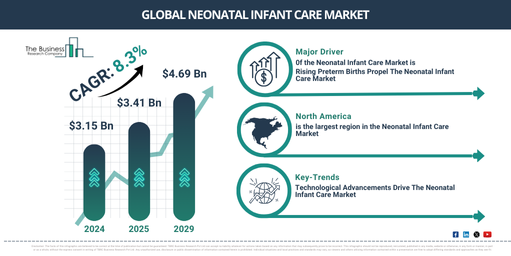
    The market size for neonatal infant care has seen robust growth in recent years. It is projected to expand from $3.15 billion in 2024 to $3.41 billion in 2025, boasting a compound annual growth rate (CAGR) of 8.0%. The growth during the historic period is thanks to an increase in survival rates of preterm births, an emphasis on neonatal nutrition, programs dedicated to maternal and infant healthcare, heightened consciousness about neonatal care, alongside patient rehabilitation and functional recovery.

    What Is the Projected Market Size of the Neonatal Infant Care Market?

    In the upcoming years, the neonatal infant care market is predicted to experience substantial growth. Its value is projected to increase to $4.69 billion in 2029 at an 8.3% compound annual growth rate (CAGR). This growth during the forecast period is expected due to factors such as personalization in neonatal medicine, the creation of neonatal vaccines, the emergence of neonatal telehealth services, emphasis on neuroprotection for newborns, and genetic testing for neonatal conditions. Leading trends during this time will likely include technological advances in neonatal devices, a heightened focus on developmentally supportive care, neonatal care options at home, progress in neonatal imaging, and the creation of neonatal products that are both sustainable and environmentally friendly.

    Download The Free Sample Report Here:

    https://www.thebusinessresearchcompany.com/sample.aspx?id=7871&type=smp

    Who are the Major Competitors in the Neonatal Infant Care Market Outlook?

    Major companies operating in the neonatal infant care market are Atom Medical Corp., Drägerwerk AG & Co. KGaA, Fisher & Paykel Healthcare Limited, GE Healthcare Technologies Inc., Ibis medical equipment and systems Pvt. Ltd., Medtronic PLC, Natus Medical Incorporated, International Biomedical Ltd., Koninklijke Philips NV, Weyer GmbH, Inspiration Healthcare Group PLC, Masimo Corp., CooperSurgical Inc., Abbott Laboratories, Edan Instruments Inc., Medela AG, Nihon Kohden Corporation, Getinge AB, Nice Neotech Medical Systems Pvt. Ltd., Becton, Dickinson and Company, Hill-Rom Holdings Inc., Edwards Lifesciences Corporation, Cardinal Health Inc., Smiths Medical International Ltd., Hamilton Medical AG, Vyaire Medical Inc., Air Liquide Medical Systems Pvt. Ltd., Draeger Medical Systems Inc., Siemens Healthineers AG, Danaher Corporation, B. Braun Melsungen AG

    What Is Fueling Growth in the Neonatal Infant Care Market?

    The neonatal infant care market is experiencing growth on account of a surge in premature newborns. when a baby is born prior to reaching 37 weeks of pregnancy, it’s considered premature. Sick babies and those born prematurely need neonatal infant care as it offers the right and safe conditions needed for their proper growth. For example, the Statistique Canada, a government-based organization in Canada, recorded a slight increase in early births before 37 weeks of gestation. This increase was from 8.2% in 2022 to 8.3% in 2023, pointing to a gradual increase in preterm births. Hence, the rising cases of premature births propel the growth of the neonatal infant care market.

    Request For A Customized Report:

    https://www.thebusinessresearchcompany.com/customise?id=7871&type=smp

    Which Neonatal Infant Care Market Segments Are Growing the Fastest?

    The neonatal infant care market covered in this report is segmented –

    1) By Product Type: Thermoregulation Devices, Phototherapy Devices, Monitoring Systems, Neonatal Hearing Screening, Neonatal Infant Resuscitator Devices, Vision Screening, Others Products

    2) By Prenatal And Fetal Equipment: Ultrasound And Ultrasonography Devices, Fetal Doppler’s, Fetal Magnetic Resonance Imaging (MRI), Fetal Monitors

    3) By Neonatal Equipment: Infant Warmers And Incubators, Phototherapy Equipment, Neonatal Monitoring Devices And Respiratory Assistance, Monitoring Devices

    4) By End-User: Hospitals, Nursing Homes, Pediatric And Neonatal Clinics

    Subsegments:

    1) By Thermoregulation Devices: Infant Warmers, Incubators, Warm Air Blankets

    2) By Phototherapy Devices: LED Phototherapy Units, Fiberoptic Phototherapy Systems

    3) By Monitoring Systems: Vital Sign Monitors, Cardiac Monitors, Pulse Oximeters

    4) By Neonatal Hearing Screening: Automated Auditory Brainstem Response (ABR) Systems, Otoacoustic Emission (OAE) Devices

    5) By Neonatal Infant Resuscitator Devices: Bag-Valve-Mask Resuscitators, Neonatal Resuscitation Systems

    6) By Vision Screening: Retinal Imaging Systems, Vision Assessment Tools

    7) By Other Products: Suction Devices, Feeding Equipment, Accessories And Consumables

    Which Industry Trends Are Shaping the Future of the Neonatal Infant Care Market?

    The emergence of progressive technology is a significant trend being increasingly recognized in the neonatal infant care market. The primary firms in this market are concentrating on introducing new technological solutions in order to maintain their standing and meet customer needs. For example, an Indian medical device manufacturer named Max Ventilator launched a versatile ventilator for both neonatal and adult care in May 2022. This product operates on non-invasive technology and has diverse capabilities. It’s designed for non-invasive ventilation and can also be utilized for oxygen therapy.

    Access The Full Report Here:

    https://www.thebusinessresearchcompany.com/report/neonatal-infant-care-global-market-report

    Which Countries Are Leading the Neonatal Infant Care Market?

    North America was the largest region in the neonatal infant care market share in 2024. The regions covered in the neonatal infant care market report are Asia-Pacific, Western Europe, Eastern Europe, North America, South America, Middle East, Africa.

    Purchase The Full Report Today:

    https://www.thebusinessresearchcompany.com/purchaseoptions.aspx?id=7871

    This Report Delivers Insight On:

    1. How big is the neonatal infant care market, and how is it changing globally?

    2. Who are the major companies in the neonatal infant care market, and how are they performing?

    3. What are the key opportunities and risks in the neonatal infant care market right now?

    4. Which products or customer segments are growing the most in the neonatal infant care market?

    5. What factors are helping or slowing down the growth of the neonatal infant care market?

    About The Business Research Company:

    With over 15000+ reports from 27 industries covering 60+ geographies, The Business Research Company has built a reputation for offering comprehensive, data-rich research and insights. Armed with 1,500,000 datasets, the optimistic contribution of in-depth secondary research, and unique insights from industry leaders, you can get the information you need to stay ahead in the game.

    Get in touch with us:

    The Business Research Company: https://www.thebusinessresearchcompany.com/

    Americas +1 3156230293

    Asia +44 2071930708

    Europe +44 2071930708

    Email us at info@tbrc.info

    Follow us on:

    LinkedIn: https://in.linkedin.com/company/the-business-research-company

    YouTube: https://www.youtube.com/channel/UC24_fI0rV8cR5DxlCpgmyFQ

    Global Market Model: https://www.thebusinessresearchcompany.com/global-market-model
  • Biologics Contract Development Market Size to Exceed $13.19 Billion by 2029 | Growth and Industry Trends

    Biologics Contract Development Market Size to Exceed $13.19 Billion by 2029 | Growth and Industry Trends

    Claim your 30% discount on Global Market Reports with code ONLINE30. Limited time only.

    How Has the Biologics Contract Development Market Grown from 2024 to 2025?

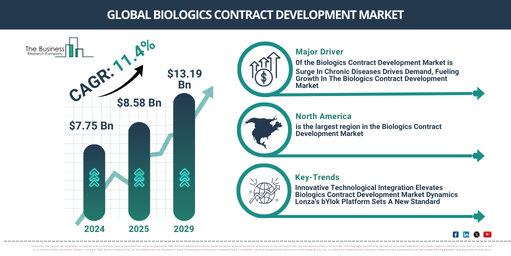
    In recent times, the market size for biologics contract development has seen a significant expansion. Its growth projection shows an increase from $7.75 billion in 2024 to $8.58 billion in 2025, which translates to a compound annual growth rate (CAGR) of 10.6%. The expansion experienced during this historic period can be linked to the growth of the biologics market, the rise in biopharmaceuticals, the complexity of biologics, patent expirations, and cost efficiency.

    What Growth Rate Is Anticipated for the Biologics Contract Development Market in the Coming Years?

    The market size for contract development in biologics is projected to experience swift expansion in the approaching years, reaching a value of $13.19 billion in 2029 with a compound annual growth rate (CAGR) of 11.4%. The progression seen in the projected timeline can be credited to factors such as digitalization and data analytics, risk management, adaptability and scalability, significant r&d investment, precision medicine, and tailored therapies. Emerging trends over the forecast timeline involve fields such as regenerative medicine, risk reduction tactics, international collaborations, sophisticated technologies, and technology amalgamation.

    Download The Free Sample Report Here:

    https://www.thebusinessresearchcompany.com/sample.aspx?id=8219&type=smp

    Who Are the Leading Companies in the Biologics Contract Development Market?

    Major companies operating in the biologics contract development market are WuXi Biologics, Abzena Ltd., Fujifilm Diosynth Biotechnologies, KBI Biopharma, AGC Biologics, Thermo Fisher Scientific Inc, LakePharma Inc., GenScript Biotech Corporation, Bionova Scientific Inc., Boehringer Ingelheim GmbH, STC Biologics, Siegfried Evionnaz SA, BioAgilytix Labs Inc., Samsung BioLogics, Forge Biologics, Lonza Group, Catalent Inc., AbbVie Inc., Cytovance Biologics, Emergent BioSolutions, Eurofins CDMO, Meridian Life Science Inc., Merck Group, Patheon N.V., ProBioGen AG, Rentschler Biopharma SE, Sartorius AG, Syngene International Limited, Vibalogics GmbH, Yposkesi

    What Are the Key Drivers of the Biologics Contract Development Market?

    The surge in chronic illnesses is projected to boost the biologics contract development market. Chronic illnesses are characterized by their duration of a year or more and necessitate continuous medical monitoring. The escalating number of chronic disease incidences is augmenting the need for new drug evolution, including biologics, thus fostering the growth of the biologics contract development market. For example, as per the data published by the Office for Health Improvement & Disparities, a government entity in the UK, during the initial half of 2023, there was a tally of 3,940 superfluous deaths corresponding to chronic lower respiratory maladies, indicating a 30% hike compared to anticipated rates. Throughout the year, this digit escalated to 5,363, indicating an overall 22% upsurge. Hence, the escalating prevalence of chronic illnesses contributes to the expansion of the biologics contract development market.

    Request For A Customized Report:

    https://www.thebusinessresearchcompany.com/customise?id=8219&type=smp

    What Are the Key Market Segments in the Biologics Contract Development Industry?

    The biologics contract development market covered in this report is segmented –

    1) By Source: Microbial, Mammalian, Others Sources

    2) By Indication: Oncology, Immunological Disorders, Cardiovascular Disorders, Hematological Disorders, Others Indications

    3) By Product Service: Cell Line Development, Process Development, Others Product Services

    Subsegments:

    1) By Microbial: Bacterial Sources, Yeast Sources, Fungal Sources

    2) By Mammalian: Chinese Hamster Ovary (CHO) Cells, Human Embryonic Kidney (HEK) Cells, Hybridoma Cells

    3) By Other Sources: Plant-Based Systems, Insect Cell Systems, Algal Sources

    What Are the Latest Trends in the Biologics Contract Development Market?

    The surge of technological advancements is becoming increasingly popular within the biologics contract development market. Key players in this market are incorporating cutting-edge technologies to maintain their market standing. For example, Lonza, a contract manufacturing and development solutions firm from Switzerland, introduced the bYlok technology platform in January 2022. This platform is designed to create and manufacture bispecific antibodies, addressing the issue of light-heavy chain mispairing with over 95% precision, high yields, and the capacity to retain a mAb-like format. This platform can be leveraged by pharmaceutical and biotech companies under a straightforward research license.

    Access The Full Report Here:

    https://www.thebusinessresearchcompany.com/report/biologics-contract-development-global-market-report

    What Are the Key Regional Markets in the Biologics Contract Development Industry?

    North America was the largest region in the biologics contract development market share in 2024. Asia-Pacific is expected to be the fastest-growing region in the forecast period. The regions covered in the biologics contract development market report are Asia-Pacific, Western Europe, Eastern Europe, North America, South America, Middle East, Africa.

    Purchase The Full Report Today:

    https://www.thebusinessresearchcompany.com/purchaseoptions.aspx?id=8219

    This Report Delivers Insight On:

    1. How big is the biologics contract development market, and how is it changing globally?

    2. Who are the major companies in the biologics contract development market, and how are they performing?

    3. What are the key opportunities and risks in the biologics contract development market right now?

    4. Which products or customer segments are growing the most in the biologics contract development market?

    5. What factors are helping or slowing down the growth of the biologics contract development market?

    About The Business Research Company:

    With over 15000+ reports from 27 industries covering 60+ geographies, The Business Research Company has built a reputation for offering comprehensive, data-rich research and insights. Armed with 1,500,000 datasets, the optimistic contribution of in-depth secondary research, and unique insights from industry leaders, you can get the information you need to stay ahead in the game.

    Get in touch with us:

    The Business Research Company: https://www.thebusinessresearchcompany.com/

    Americas +1 3156230293

    Asia +44 2071930708

    Europe +44 2071930708

    Email us at info@tbrc.info

    Follow us on:

    LinkedIn: https://in.linkedin.com/company/the-business-research-company

    YouTube: https://www.youtube.com/channel/UC24_fI0rV8cR5DxlCpgmyFQ

    Global Market Model: https://www.thebusinessresearchcompany.com/global-market-model
  • Myopia and Presbyopia Treatment Forecast Report – Designed for Decision Makers and Product Teams

    Myopia and Presbyopia Treatment Forecast Report – Designed for Decision Makers and Product Teams

    Claim your 30% discount on Global Market Reports with code ONLINE30. Limited time only.

    What Is the Growth Rate of the Myopia and Presbyopia Treatment Market?

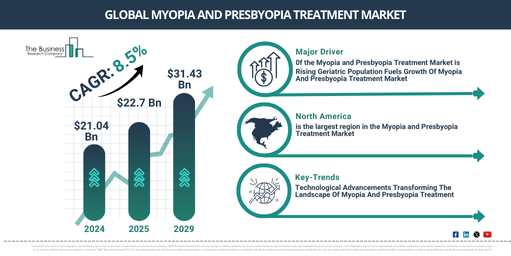
    The market for treating myopia and presbyopia has expanded significantly in recent years. Projected growth sees it rising from $21.04 billion in 2024 to $22.7 billion in 2025 with a compound annual growth rate (CAGR) of 7.9%. The historical growth trend is a result of factors such as a growing number of myopia and presbyopia cases, increased awareness and education efforts, lifestyle changes and screen usage, preference for non-surgical solutions, economic progress and healthcare expenditure, clinical research and advancements, and the availability of eyecare services.

    What Growth Rate Is Forecasted for the Myopia and Presbyopia Treatment Market by 2029?

    The market for myopia and presbyopia treatment is set for robust expansion in the coming years, with a projected value of $31.43 billion by 2029, achieving a Compound Annual Growth Rate (CAGR) of 8.5%. This growth in the forecast period is the result of emerging gene therapies for eye disorders, a growing interest in vision correction for lifestyle improvement, broader use of orthokeratology, cultural aspects that influence eyecare practices, and a shift toward preventative eyecare. The forecast period’s major trends comprise telemedicine for vision treatment, pharmaceutical interventions, personalized contact lenses, devices to control myopia, advanced intraocular lenses (IoLs), refractive surgery for presbyopia, and lens implant technologies.

    Download The Free Sample Report Here:

    https://www.thebusinessresearchcompany.com/sample.aspx?id=7892&type=smp

    Which Key Companies Are Shaping the Future of the Myopia and Presbyopia Treatment Market?

    Major companies operating in the myopia and presbyopia treatment market are ALCON Inc., Bausch & Lomb Incorporated, Carl Zeiss AG, Essilor Ltd., Hagg Striet UK Ltd., Johnson & Johnson Vision Inc., Nidek Corporation, Topcon Corporation, Zimmer Ophthalmic Systems AG, AbbVie Inc., Orasis Pharmaceuticals Ltd., Regeneron Pharmaceuticals Inc., Sydnexis Inc., The Cooper Companies Inc., Staar Surgical Co., Eyenovia Inc., Allergan PLC, Hoya Corporation, Novartis AG, Menicon Co. Ltd., CooperVision Inc., Visioneering Technologies Inc., AcuFocus Inc., Ocular Therapeutix Inc., SightGlass Vision Inc., Presbia PLC, Ophthotech Corporation, OphthaliX Inc., LensGen Inc., Lightico Ltd., RxSight Inc., Perfect Lens LLC

    Which Factors Are Driving Demand in the Myopia and Presbyopia Treatment Industry?

    The growth of the myopia and presbyopia treatment market is anticipated to be driven by the increasing geriatric population. This population consists of individuals who are 65 years old and above. Various diseases are prevalent among this demographic due to aging and diminished immunity. They have an elevated risk of developing myopia, presbyopia, and other eye-related conditions. The process of treating myopia and presbyopia involves examining both the visual and microscopic aspects of the eye to successfully diagnose and manage these eye conditions in the older population. A report by the World Health Organization (WHO), a Swiss agency that oversees international public health, indicated in October 2022 that by 2030, one in six people globally will be 60 years or older. By the year 2050, the global population of individuals aged 60 or older will reach 2.1 billion. The current population of those aged 80 or older will witness a rise of 426 million between 2020 and 2050. Consequently, the myopia and presbyopia treatment market is being fueled by the expanding geriatric population.

    Request For A Customized Report:

    https://www.thebusinessresearchcompany.com/customise?id=7892&type=smp

    How Is the Myopia and Presbyopia Treatment Market Segmented by Several Divisions?

    The myopia and presbyopia treatment market covered in this report is segmented –

    1) By Disease Type: Myopia, Presbyopia

    2) By Myopia Treatment Type: Corrective, Surgical, Drugs

    3) By Presbyopia Treatment Type: Prescription Lenses, Contact Lenses, Intraocular Lenses, Refractive Surgery

    Subsegments:

    1) By Myopia: Eyeglasses And Contact Lenses, Refractive Surgery, Pharmacological Treatments, Orthokeratology

    2) By Presbyopia: Multifocal Eyeglasses, Bifocal Contact Lenses, Presbyopia-Correcting Surgery, Pharmacological Treatments

    What are the Emerging Market Trends Driving the Growth of the Myopia and Presbyopia Treatment Industry?

    In the myopia and presbyopia treatment market, one predominant trend is the increasing deployment of high-tech solutions. Key players in the market are making strategic developments in sophisticated technologies to retain their market share. For instance, Entod Pharmaceuticals, an India-based company, introduced the PresVu Eye Drops in September 2024. These were the first-ever eye drops developed for presbyopia, a typical age-related vision condition affecting individuals aged 40 and above, in India. Recognition and approval by the Drug Controller General of India (DCGI) were granted. PresVu aims to offer a substitute for reading glasses while simultaneously moisturizing the eyes. This product incorporates advanced dynamic buffer technology, offering consistent efficiency and security even with prolonged use.

    Access The Full Report Here:

    https://www.thebusinessresearchcompany.com/report/myopia-and-presbyopia-treatment-global-market-report

    Which Regions Are Driving Growth in the Myopia and Presbyopia Treatment Market?

    North America was the largest region in the myopia and presbyopia treatment market share in 2024. Asia-Pacific is expected to be the fastest-growing region in the forecast period. The regions covered in the myopia and presbyopia treatment market report are Asia-Pacific, Western Europe, Eastern Europe, North America, South America, Middle East, Africa.

    Purchase The Full Report Today:

    https://www.thebusinessresearchcompany.com/purchaseoptions.aspx?id=7892

    This Report Delivers Insight On:

    1. How big is the myopia and presbyopia treatment market, and how is it changing globally?

    2. Who are the major companies in the myopia and presbyopia treatment market, and how are they performing?

    3. What are the key opportunities and risks in the myopia and presbyopia treatment market right now?

    4. Which products or customer segments are growing the most in the myopia and presbyopia treatment market?

    5. What factors are helping or slowing down the growth of the myopia and presbyopia treatment market?

    About The Business Research Company:

    With over 15000+ reports from 27 industries covering 60+ geographies, The Business Research Company has built a reputation for offering comprehensive, data-rich research and insights. Armed with 1,500,000 datasets, the optimistic contribution of in-depth secondary research, and unique insights from industry leaders, you can get the information you need to stay ahead in the game.

    Get in touch with us:

    The Business Research Company: https://www.thebusinessresearchcompany.com/

    Americas +1 3156230293

    Asia +44 2071930708

    Europe +44 2071930708

    Email us at info@tbrc.info

    Follow us on:

    LinkedIn: https://in.linkedin.com/company/the-business-research-company

    YouTube: https://www.youtube.com/channel/UC24_fI0rV8cR5DxlCpgmyFQ

    Global Market Model: https://www.thebusinessresearchcompany.com/global-market-model
  • Bio-Implants Industry Insights 2025 – Market Forecast for Executives and Planners

    Bio-Implants Industry Insights 2025 – Market Forecast for Executives and Planners

    Claim your 30% discount on Global Market Reports with code ONLINE30. Limited time only.

    How Has the Bio-Implants Market Size Changed, over the years?

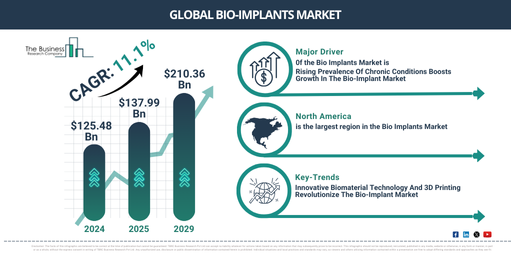
    The market size of bio-implants has seen significant growth in the past few years. It is projected to increase from $125.48 billion in 2024 to $137.99 billion in 2025, with a compound annual growth rate (CAGR) of 10.0%. The historic growth of this sector can be linked to factors like the aging population and prevalence of chronic diseases, an increase in surgical procedures, longevity enhancement, as well as regulatory support and standardization.

    How Much Will the Bio-Implants Market Be Worth in 2029?

    Expectations are high for significant expansion in the bio-implants market over the next several years. This sphere is forecasted to surge to a value of $210.36 billion by 2029, maintaining a compound annual growth rate (CAGR) of 11.1%. This promising escalation during the forecast period is accounted for by factors such as customization, personalization, the increase in minimally invasive procedures, the shift towards regenerative medicine, remote monitoring, telemedicine, and a supportive regulatory environment. The forecast period is also likely to see several key trends, including custom and personalized implants, biodegradable and bioresorbable implants, advancements in biomaterials, expansion in regenerative medicine and tissue engineering, and the rise of smart implants and wearable technologies.

    Download The Free Sample Report Here:

    https://www.thebusinessresearchcompany.com/sample.aspx?id=8203&type=smp

    Which is the Largest Company in the Bio-Implants Market?

    Major companies operating in the bio-implants market are Medtronic PLC, Stryker Corporation, Zimmer Biomet Holdings Inc., Dentsply Sirona Inc., Johnson & Johnson, Arthrex Inc., Boston Scientific Corporation, Smith & Nephew PLC, B. Braun Melsungen AG, Victrex PLC, Straumann Holding AG, Danaher Corporation, Cardinal Health Inc., Organogenesis Holdings Inc., Exactech Inc., Osprey Medical Inc., Edwards Lifesciences Corporation, Biotronik SE & Co. KG, aap Implantate AG, Abbott Laboratories, Biotronik Inc., Cook Medical LLC, Globus Medical Inc., Integra LifeSciences Holdings Corporation, LivaNova PLC, MicroPort Scientific Corporation, NuVasive Inc., Orthofix Medical Inc., RTI Surgical Holdings Inc., Terumo Corporation

    What Are the Main Market Drivers in the Bio-Implants Industry?

    The escalating prevalence of enduring diseases is predicted to propel the bio-implant market in the future. Long-term health issues such as heart conditions and arthritis are medical situations that prevail for more than a year, necessitate consistent health care, and limit daily activities. Bio-implants aid in the management and supervision of these diseases, thereby mitigating the death toll attributable to such illnesses. For instance, In July 2024, the Australian Institute of Health and Welfare articulated that in 2022, Chronic Obstructive Pulmonary Disease (COPD) accounted for 7,691 deaths in Australia, equivalent to 29.6 mortalities per 100,000 individuals, which comprised 4.0 percent of all deaths. Thus, the escalating occurrence of long-term diseases is catalyzing the expansion of the bio-implant market.

    Request For A Customized Report:

    https://www.thebusinessresearchcompany.com/customise?id=8203&type=smp

    How Is the Bio-Implants Market Segments Structured?

    The bio-implants market covered in this report is segmented –

    1) By Type: Cardiovascular Implants, Dental Implants, Spinal Bio-Implants, Orthopedic Implants, Ophthalmic Implants, Other Types

    2) By Material: Metallic, Ceramic, Polymer, Biological

    3) By Origin: Allograft, Autograft, Xenograft, Synthetic

    4) By End-User: Ambulatory Surgical Centers, Clinics, Hospital, Other End-Users

    Subsegments:

    1) By Cardiovascular Implants: Stents, Heart Valves, Pacemakers

    2) By Dental Implants: Endosteal Implants, Subperiosteal Implants, Zygomatic Implants

    3) By Spinal Bio-Implants: Spinal Fusion Devices, Intervertebral Discs, Spinal Rods And Plates

    4) By Orthopedic Implants: Joint Replacement Implants, Fracture Fixation Devices, Bone Plates And Screws

    5) By Ophthalmic Implants: Intraocular Lenses (IOLs), Retinal Implants, Corneal Implants

    6) By Other Types: Cochlear Implants, Tissue Engineering Implants, Biomaterial Scaffolds

    What Strategic Trends Are Transforming the Bio-Implants Market?

    In the bio-implant market, the most notable trend seen is the focus on technological advancements. Major industry players are focusing their efforts on creating groundbreaking biomaterial technology, specifically the use of 3D printing for bio-implant systems. Rather than traditional metals and polymers, the 3D-printing technology of biomaterials, a form of additive manufacturing, creates functioning 3D structures that resemble 3D tissues by using cells and biomaterials. For example, in March 2022, Evonik Industries AG, a company specialized in specialty chemicals based in Germany, debuted its osteoconductive VESTAKEEP iC4800 3DF PEEK filament for 3D printed implants. This filament, made using 3D-printing technology, expedites bone healing by improving osteointegration between the bone and implant. It also stands out due to its high level of biocompatibility, biostability, and its superior osteoconductive properties, all thanks to the high-performance polymer.

    Access The Full Report Here:

    https://www.thebusinessresearchcompany.com/report/bio-implants-global-market-report

    Which Global Regions Offer the Highest Growth in the Bio-Implants Market?

    North America was the largest region in the bio-implants market share in 2024. Asia-Pacific is expected to be the fastest-growing region in the forecast period. The regions covered in the bio-implants market report are Asia-Pacific, Western Europe, Eastern Europe, North America, South America, Middle East, Africa.

    Purchase The Full Report Today:

    https://www.thebusinessresearchcompany.com/purchaseoptions.aspx?id=8203

    This Report Delivers Insight On:

    1. How big is the bio-implants market, and how is it changing globally?

    2. Who are the major companies in the bio-implants market, and how are they performing?

    3. What are the key opportunities and risks in the bio-implants market right now?

    4. Which products or customer segments are growing the most in the bio-implants market?

    5. What factors are helping or slowing down the growth of the bio-implants market?

    About The Business Research Company:

    With over 15000+ reports from 27 industries covering 60+ geographies, The Business Research Company has built a reputation for offering comprehensive, data-rich research and insights. Armed with 1,500,000 datasets, the optimistic contribution of in-depth secondary research, and unique insights from industry leaders, you can get the information you need to stay ahead in the game.

    Get in touch with us:

    The Business Research Company: https://www.thebusinessresearchcompany.com/

    Americas +1 3156230293

    Asia +44 2071930708

    Europe +44 2071930708

    Email us at info@tbrc.info

    Follow us on:

    LinkedIn: https://in.linkedin.com/company/the-business-research-company

    YouTube: https://www.youtube.com/channel/UC24_fI0rV8cR5DxlCpgmyFQ

    Global Market Model: https://www.thebusinessresearchcompany.com/global-market-model
  • Muscle Relaxant Drugs Market Outlook 2025 – Insights for Executive and Strategic Planning

    Muscle Relaxant Drugs Market Outlook 2025 – Insights for Executive and Strategic Planning

    Claim your 30% discount on Global Market Reports with code ONLINE30. Limited time only.

    How Has the Muscle Relaxant Drugs Market Grown from 2024 to 2025?

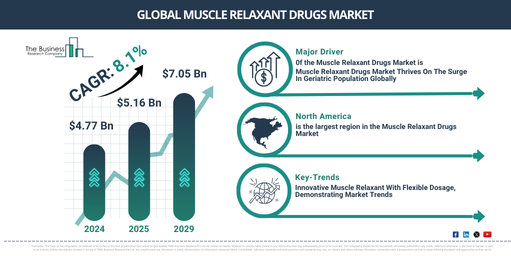
    The market size for muscle relaxant drugs has seen potent growth in the past few years. The market, which valued at $4.77 billion in 2024, is anticipated to reach $5.16 billion in 2025 with a compound annual growth rate (CAGR) of 8.1%. The spike in growth observed in the historic period can be associated with a change in treatment methods, handling of chronic pain, advancements in pharmaceutical drug formulations, an increment in surgical procedures, and extension in physical rehabilitation procedures.

    What Growth Rate Is Anticipated for the Muscle Relaxant Drugs Market in the Coming Years?

    In the coming years, the muscle relaxant drugs market is projected to experience significant growth, reaching $7.05 billion in 2029 with a compound annual growth rate (CAGR) of 8.1%. This growth over the forecast period is due to several factors such as the application of multidisciplinary techniques for pain management, an aging population coupled with chronic conditions, research in targeted therapies, emphasis on non-pharmacological pain relief and improvements in pain management therapies. Key trends expected during the forecast period consist of advancements in managing side effects, approach towards personalized medicine, research in alternative therapies, the role of muscle relaxant drugs in pain management protocols, and the introduction of botulinum toxin injections.

    Download The Free Sample Report Here:

    https://www.thebusinessresearchcompany.com/sample.aspx?id=8751&type=smp

    Who Are the Leading Companies in the Muscle Relaxant Drugs Market?

    Major companies operating in the muscle relaxant drugs market are Pfizer Inc., Ipsen Pharma SA, Teijin Limited, Par Pharmaceutical Companies Inc., Orient Phaarma Co. Ltd., Novartis AG, Accord Healthcare Ltd., Amneal Pharmaceuticals LLC, Fresenius Kabi India Pvt. Ltd., Aurobindo Pharma Ltd., Mylan NV, Hikma Pharmaceuticals PLC, Akorn Incorporated, Merck & Co. Inc., Teva Pharmaceuticals Industries Ltd., Lifesciences Limited, Neurana Pharmaceuticals Inc., Dr. Reddy’s Laboratories, Lannett Company Inc., Unichem Laboratories, SteriMax Inc., Endo Pharmaceuticals Inc., Abbvie Inc., Merz Pharmaceuticals LLC, Vertical Pharmaceuticals LLC, Mallinckrodt Pharmaceuticals, Eisai Co. Ltd., Metacel Pharmaceuticals LLC, Sun Pharmaceutical Industries Ltd., Cadila Healthcare Ltd., Torrent Pharmaceuticals Ltd., Alembic Pharmaceuticals Ltd., Wockhardt Ltd., Glenmark Pharmaceuticals Ltd., Cipla Ltd., Lupin Ltd., Intas Pharmaceuticals Ltd., Alkem Laboratories Ltd.

    What Are the Key Drivers of the Muscle Relaxant Drugs Market?

    The muscle relaxant drugs market is expected to be propelled forward by the increasing geriatric population. This refers to individuals aged 65 years and up, who utilise muscle relaxant drugs to alleviate pain and induce sedation, particularly given their susceptibility to musculoskeletal disorders. For example, projections by the World Health Organization, an international public health organization based in Switzerland, predict that the global population of people aged 60 years and above will jump from 1 billion in 2020 to 1.4 billion by October 2022. In addition, by 2030, one in every six people worldwide will be above the age of 60 years. Consequently, this rise in the elderly population is fueling the growth of the muscle relaxant drugs market.

    Request For A Customized Report:

    https://www.thebusinessresearchcompany.com/customise?id=8751&type=smp

    What Are the Key Market Segments in the Muscle Relaxant Drugs Industry?

    The muscle relaxant drugs market covered in this report is segmented –

    1) By Drug Type: Facial Muscle Relaxant Drugs, Skeletal Muscle Relaxant Drugs, Neuromuscular Blocking Agents

    2) By Formulation: Cyclobenzaprine, Carisoprodol, Chlorzoxazone, Metaxalone, Methocarbamol, Baclofen, Tizanidine, Orphenadrine, Dantrolene

    3) By Route Of Administration: Oral, Injectable, Spray, Ointment

    4) By End-User: Hospitals, Homecare, Specialty Clinics, Other End-Users

    Subsegments:

    1) By Facial Muscle Relaxant Drugs: Botulinum Toxin, Dysport, Xeomin

    2) By Skeletal Muscle Relaxant Drugs: Centrally Acting Muscle Relaxants, Peripherally Acting Muscle Relaxants

    3) By Neuromuscular Blocking Agents: Non-Depolarizing Agents, Depolarizing Agents

    What Are the Latest Trends in the Muscle Relaxant Drugs Market?

    The growing trend within the muscle relaxant drug market is centered around product innovation. Major companies in the marketplace are striving to maintain their market status by developing unique drugs for specific medical purposes, such as generic variations of muscle relaxant drugs, muscle relaxants for animals, and drugs offering adaptable, personalized dosing among others. For example, in June 2022, Amneal Pharmaceuticals Inc., an American specialized pharmaceutical firm, launched a specialty product called LYVISPAH, a baclofen oral granule (5, 10, and 20 mg) that has been approved by the US Food and Drug Administration. This product is useful for treating spasticity related to multiple sclerosis and other spinal cord disorders. LYVISPAHI offers an adjustable, personalized dosage regimen with 5 mg, 10 mg, and 20 mg single-dose packets of granules that can treat muscle rigidity, spasms, and pain related to multiple sclerosis. These fast-dissolving flavored granules offer an alternative option for patients with spasticity who find swallowing pills challenging. There are three methods of administering the product: direct mouth administration with or without water, mixing with liquids or food, or through an enteral feeding tube.

    Access The Full Report Here:

    https://www.thebusinessresearchcompany.com/report/muscle-relaxant-drugs-global-market-report

    What Are the Key Regional Markets in the Muscle Relaxant Drugs Industry?

    North America was the largest region in the muscle relaxant drugs market share in 2024. The regions covered in the muscle relaxant drugs market report are Asia-Pacific, Western Europe, Eastern Europe, North America, South America, Middle East, Africa.

    Purchase The Full Report Today:

    https://www.thebusinessresearchcompany.com/purchaseoptions.aspx?id=8751

    This Report Delivers Insight On:

    1. How big is the muscle relaxant drugs market, and how is it changing globally?

    2. Who are the major companies in the muscle relaxant drugs market, and how are they performing?

    3. What are the key opportunities and risks in the muscle relaxant drugs market right now?

    4. Which products or customer segments are growing the most in the muscle relaxant drugs market?

    5. What factors are helping or slowing down the growth of the muscle relaxant drugs market?

    About The Business Research Company:

    With over 15000+ reports from 27 industries covering 60+ geographies, The Business Research Company has built a reputation for offering comprehensive, data-rich research and insights. Armed with 1,500,000 datasets, the optimistic contribution of in-depth secondary research, and unique insights from industry leaders, you can get the information you need to stay ahead in the game.

    Get in touch with us:

    The Business Research Company: https://www.thebusinessresearchcompany.com/

    Americas +1 3156230293

    Asia +44 2071930708

    Europe +44 2071930708

    Email us at info@tbrc.info

    Follow us on:

    LinkedIn: https://in.linkedin.com/company/the-business-research-company

    YouTube: https://www.youtube.com/channel/UC24_fI0rV8cR5DxlCpgmyFQ

    Global Market Model: https://www.thebusinessresearchcompany.com/global-market-model
  • Baby Monitoring Devices Market Trends Report 2025 – For Business Development and Strategy Teams

    Baby Monitoring Devices Market Trends Report 2025 – For Business Development and Strategy Teams

    Claim your 30% discount on Global Market Reports with code ONLINE30. Limited time only.

    What Is the Forecast for the Baby Monitoring Devices Market Growth in 2025?

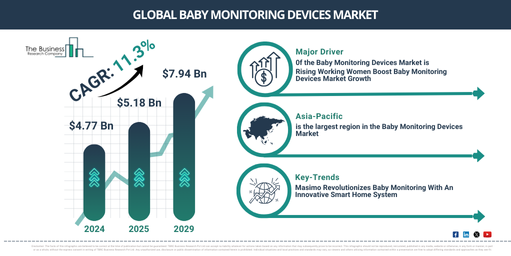
    The market size for baby monitoring devices has seen considerable growth in recent years, escalating from $4.77 billion in 2024 to $5.18 billion in 2025 with a compound annual growth rate (CAGR) of 8.5%. Factors contributing to the market’s expansion during the historical period include economic development and affordability, an increase in nuclear families, incorporation of health monitoring features, urbanization and restricted living spaces, as well as shifts in work dynamics.

    What Is the Forecast for the Baby Monitoring Devices Market Size Through 2029?

    Expectations are high for the baby monitoring devices market as it is projected to see rapid expansion in the coming years. By 2029, the market size is estimated to reach $7.94 billion, growing at a compound annual growth rate (CAGR) of 11.3%. Factors contributing to this projected growth during the forecast period include enhanced security and privacy features, customization and personalization, relief of parent stress and anxiety, increased healthcare awareness and early detection, and growing disposable income. Key trends for this upcoming period are heightened parental concerns for child’s safety, increase in working parents, urbanization and shrinking living spaces, focus on health monitoring and wellness, and integration with smart home and connectivity.

    Download The Free Sample Report Here:

    https://www.thebusinessresearchcompany.com/sample.aspx?id=8440&type=smp

    What are the Key Market Players in Baby Monitoring Devices Market and How They’re Evolving?

    Major companies operating in the baby monitoring devices market are Dorel Industries Inc., Samsung Electronics Co. Ltd., Angelcare Monitors Inc., Motorola Solutions Inc., iBaby Labs Inc., VTech Holdings Limited, Lorex Technology Inc., Summer Infant Inc., Nanit Inc., Owlet Baby Care Inc., Respisense, Safetosleep, Evoz Pharmaceutical Private Limited, Anker Innovations Technology Co. Ltd., Miku Inc., Infant Optics, MOBI Technologies Inc., Panasonic Corporation, Levana Infotech Pvt. Ltd., Baby Delight Inc., Invidyo LLC, FLIR Systems Inc., The Procter & Gamble Company, Snuza Inc., Foscam LLC, Hanwha Techwin Co. Ltd., The Holding Angelcare Inc., Hisense Electrical Co. Ltd., Mayborn Group Limited, Arlo Technologies Inc.

    What Are the Primary Growth Drivers in the Baby Monitoring Devices Market?

    The surge in the population of employed women is predicted to spur the expansion of the baby monitoring devices market in the future. Women who work refer to those who have jobs, earn an income, or gain some form of revenue from regular tasks beyond household chores. Owing to their employment, these mothers are short on time to look after their children while they are at work. Consequently, they utilize baby monitors to audibly or visually observe their baby from a distance and receive alerts in case of any emergencies. For example, as per a statistical report issued by the Federal Reserve Economic Data (FRED), a research division of the Federal Reserve Bank based in the United States, the participation of women in the labor force increased to 57.1% in August 2022 in the United States. Therefore, the escalating count of women in work roles is fueling the expansion of the baby monitoring device market.

    Request For A Customized Report:

    https://www.thebusinessresearchcompany.com/customise?id=8440&type=smp

    What Are the Leading Segments in the Global Baby Monitoring Devices Industry?

    The baby monitoring devices market covered in this report is segmented –

    1) By Type: Internet Baby Monitor, Video Baby Monitor, Audio Baby Monitor

    2) By Mode Of Connection: Wired, Wireless

    3) By Application: Hospitals, Family, Other Applications

    Subsegments:

    1) By Internet Baby Monitor: Wi-Fi Baby Monitors, Smart Baby Monitors With App Connectivity

    2) By Video Baby Monitor: Traditional Video Monitors, Pan-And-Tilt Video Monitors, Night Vision Video Monitors

    3) By Audio Baby Monitor: Standard Audio Monitors, DECT Audio Monitors, Two-Way Communication Audio Monitors

    What Are the Key Market Trends in the Baby Monitoring Devices Industry?

    The growth of product innovation has been identified as a significant trend in the baby monitoring devices market. Major players in this market are honing their focus on the creation of innovative products to bolster their market positioning. For example, in August 2023, the Stork smart home baby monitoring system was introduced to the US market by Masimo Corporation, a medical technology company based in the US. This monitoring system comprises various elements like Stork Vitals+ and Vitals. The Stork Vitals+ is equipped with a mobile app, a sensor-enabled boot, and a video camera. The advanced night vision and high-quality, two-way audio features of the high-definition camera facilitate conversations between parents and their babies. Stork boasts numerous features, leveraging the brand’s noninvasive hospital neonate monitoring technology for continuous health tracking, a rigorously tested mobile app, safe, encrypted connectivity, and 2K quad-high definition video. Following the launch of Stork, technology initially designed for the most critically ill hospital patients has now been made accessible to parents. The device’s user interface mirrors the simplicity of a standard smartphone app.

    Access The Full Report Here:

    https://www.thebusinessresearchcompany.com/report/baby-monitoring-devices-global-market-report

    What Is the Regional Outlook for the Baby Monitoring Devices Market?

    Asia-Pacific was the largest region in the baby monitoring devices market in 2024. The regions covered in the baby monitoring devices market report are Asia-Pacific, Western Europe, Eastern Europe, North America, South America, Middle East, Africa.

    Purchase The Full Report Today:

    https://www.thebusinessresearchcompany.com/purchaseoptions.aspx?id=8440

    This Report Delivers Insight On:

    1. How big is the baby monitoring devices market, and how is it changing globally?

    2. Who are the major companies in the baby monitoring devices market, and how are they performing?

    3. What are the key opportunities and risks in the baby monitoring devices market right now?

    4. Which products or customer segments are growing the most in the baby monitoring devices market?

    5. What factors are helping or slowing down the growth of the baby monitoring devices market?

    About The Business Research Company:

    With over 15000+ reports from 27 industries covering 60+ geographies, The Business Research Company has built a reputation for offering comprehensive, data-rich research and insights. Armed with 1,500,000 datasets, the optimistic contribution of in-depth secondary research, and unique insights from industry leaders, you can get the information you need to stay ahead in the game.

    Get in touch with us:

    The Business Research Company: https://www.thebusinessresearchcompany.com/

    Americas +1 3156230293

    Asia +44 2071930708

    Europe +44 2071930708

    Email us at info@tbrc.info

    Follow us on:

    LinkedIn: https://in.linkedin.com/company/the-business-research-company

    YouTube: https://www.youtube.com/channel/UC24_fI0rV8cR5DxlCpgmyFQ

    Global Market Model: https://www.thebusinessresearchcompany.com/global-market-model

  • Molecular Biology Enzymes & Kits & Reagents Market Projected at $44.3 Billion by 2029 | Strategic Insights and Forecast Data

    Molecular Biology Enzymes & Kits & Reagents Market Projected at $44.3 Billion by 2029 | Strategic Insights and Forecast Data

    Claim your 30% discount on Global Market Reports with code ONLINE30. Limited time only.

    How Has the Molecular Biology Enzymes & Kits & Reagents Market Size Changed, over the years?

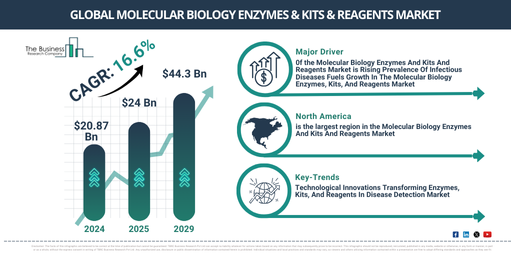
    The market size for molecular biology enzymes & kits & reagents has witnessed a significant expansion in the past few years. It is projected to surge from $20.87 billion in 2024 to $24 billion in 2025, with a compound annual growth rate (CAGR) of 15.0%. The historic growth is largely due to the progress made in genomic research, the expansion of the biotechnology sector, advancements in diagnostics and therapeutics, a concentrated effort on genomic sequencing, and improvements in cloning methodologies.

    How Much Will the Molecular Biology Enzymes & Kits & Reagents Market Be Worth in 2029?

    The market for molecular biology enzymes, kits, and reagents is predicted to experience swift expansion in the upcoming years. By 2029, it’s forecasted to reach a value of $44.3 billion, growing at a compound annual growth rate (CAGR) of 16.6%. Several factors are expected to contribute to this growth within the forecast period, including the development of automated and high-throughput solutions, a greater focus on regenerative medicine, advancements in tissue engineering, and expansion in RNA interference techniques. Within the same period, one can expect to see trends such as growth in biotechnology and life sciences, the rise of PCR-based technologies, advancements in proteomics, an increased emphasis on drug discovery applications, expansion in stem cell research, and a surge in collaborations and research funding.

    Download The Free Sample Report Here:

    https://www.thebusinessresearchcompany.com/sample.aspx?id=8346&type=smp

    Which is the Largest Company in the Molecular Biology Enzymes & Kits & Reagents Market?

    Major companies operating in the molecular biology enzymes & kits & reagents market are Thermo Fisher Scientific Inc., Merck & Co. Inc., Promega Corporation, New England Biolabs Inc., Illumina Inc., Takara Bio USA Holdings Inc., QIAGEN, Agilent Technologies Inc., F Hoffmann-La Roche AG, Bio-Rad Laboratories Inc., LGC Group, Jena Bioscience GmbH, Molecular Biology Resources Inc., Integrated DNA Technologies Inc., Randox Laboratories, ADS Biotec Inc., Goldsite Diagnostics Inc., GE Healthcare, Lucigen Corporation, Bio Basic Inc., Bioo Scientific Corporation, Bioline, Biotechrabbit GmbH, BioWORLD, Epicentre, Hamilton Company, Omega Bio-tek, Sigma-Aldrich, Zymo Research, Abcam plc.

    What Are the Main Market Drivers in the Molecular Biology Enzymes & Kits & Reagents Industry?

    The escalating occurrence of contagious diseases will likely boost the molecular biology enzymes, kits, and reagents market’s expansion. Contagious diseases, typically triggered by detrimental microorganisms like bacteria, fungi, parasites, etc., can be controlled and treated with the help of these enzymes, kits, and reagents, which assist in isolating and defining these organisms. The New South Wales Ministry of Health, a government entity in Australia, reported in November 2023 a significant surge in the diagnosis of chickenpox cases in the emergency department, jumping from 549 in 2022 to 687 in 2023. This signifies a 25% increase in cases over a year. Consequently, the escalating incidence of infectious diseases is a major driver for the growth of the molecular biology enzymes, kits, and reagents market.

    Request For A Customized Report:

    https://www.thebusinessresearchcompany.com/customise?id=8346&type=smp

    How Is the Molecular Biology Enzymes & Kits & Reagents Market Segments Structured?

    The molecular biology enzymes & kits & reagents market covered in this report is segmented –

    1) By Product: Kits And Reagents, Enzymes, Polymerases, Ligases, Restriction Endonucleases, Reverse Transcriptases, Other Enzymes

    2) By Application: Sequencing, Cloning, PCR, Epigenetics, Restriction Digestion, Other Applications

    3) By End Users: Academic And Research Institutes, Pharmaceutical And Biotechnology companies, Hospitals And Diagnostic Centers, Other End Users

    Subsegments:

    1) By Kits And Reagents: DNA Extraction Kits, RNA Extraction Kits, PCR Kits, Sequencing Kits, Cloning Kits

    2) By Enzymes: DNA Polymerases, RNA Polymerases

    3) By Polymerases: Taq Polymerase, High-Fidelity Polymerases, Reverse Transcriptases

    4) By Ligases: DNA Ligases, RNA Ligases

    5) By Restriction Endonucleases: Type II Restriction Enzymes, Type I And III Restriction Enzyme

    6) By Reverse Transcriptases: M-MuLV Reverse Transcriptase, AMV Reverse Transcriptase

    7) By Other Enzymes: Exonucleases, Nucleases, Proteases

    What Strategic Trends Are Transforming the Molecular Biology Enzymes & Kits & Reagents Market?

    Technological advancements are increasingly becoming a prominent trend in the molecular biology enzymes, kits, and reagents market. Key players in the industry are developing cutting-edge technologies to speed up the process of disease identification thus eliminating associated delays. Such creative approaches help dominant parties maintain an upper hand in the market. For instance, in June 2022, the Germany-based health and diagnostics firm Altona Diagnostics, unveiled its RealStar Zoonotic Orthopoxvirus PCR Kit 1.0. This diagnostic instrument is purpose-built to detect zoonotic orthopoxviruses, viruses that animals can transmit to humans. The kit utilises real-time polymerase chain reaction (PCR) technology to enhance and pinpoint specific DNA sequences linked to orthopoxviruses, thereby facilitating swift and precise identification in both clinical and research environments. With its relevance in surveilling zoonotic illnesses and supporting public health measures, including providing all required reagents and compatibility with a variety of sample types, this kit proves to be an indispensable resource for labs specialising in infectious diseases.

    Access The Full Report Here:

    https://www.thebusinessresearchcompany.com/report/molecular-biology-enzymes-and-kits-and-reagents-global-market-report

    Which Global Regions Offer the Highest Growth in the Molecular Biology Enzymes & Kits & Reagents Market?

    North America was the largest region in the molecular biology enzymes, kits, and reagents market share in 2024. Asia-Pacific is expected to be the fastest-growing region in the forecast period. The regions covered in the molecular biology enzymes & kits & reagents market report are Asia-Pacific, Western Europe, Eastern Europe, North America, South America, Middle East, Africa.

    Purchase The Full Report Today:

    https://www.thebusinessresearchcompany.com/purchaseoptions.aspx?id=8346

    This Report Delivers Insight On:

    1. How big is the molecular biology enzymes & kits & reagents market, and how is it changing globally?

    2. Who are the major companies in the molecular biology enzymes & kits & reagents market, and how are they performing?

    3. What are the key opportunities and risks in the molecular biology enzymes & kits & reagents market right now?

    4. Which products or customer segments are growing the most in the molecular biology enzymes & kits & reagents market?

    5. What factors are helping or slowing down the growth of the molecular biology enzymes & kits & reagents market?

    About The Business Research Company:

    With over 15000+ reports from 27 industries covering 60+ geographies, The Business Research Company has built a reputation for offering comprehensive, data-rich research and insights. Armed with 1,500,000 datasets, the optimistic contribution of in-depth secondary research, and unique insights from industry leaders, you can get the information you need to stay ahead in the game.

    Get in touch with us:

    The Business Research Company: https://www.thebusinessresearchcompany.com/

    Americas +1 3156230293

    Asia +44 2071930708

    Europe +44 2071930708

    Email us at info@tbrc.info

    Follow us on:

    LinkedIn: https://in.linkedin.com/company/the-business-research-company

    YouTube: https://www.youtube.com/channel/UC24_fI0rV8cR5DxlCpgmyFQ

    Global Market Model: https://www.thebusinessresearchcompany.com/global-market-model