Month: July 2025

  • Blood Culture Tests Market to Reach $13.09 Billion by 2029 | Key Drivers and Future Outlook

    Blood Culture Tests Market to Reach $13.09 Billion by 2029 | Key Drivers and Future Outlook

    Claim your 30% discount on Global Market Reports with code ONLINE30. Limited time only.

    What Is the Growth Rate of the Blood Culture Tests Market?

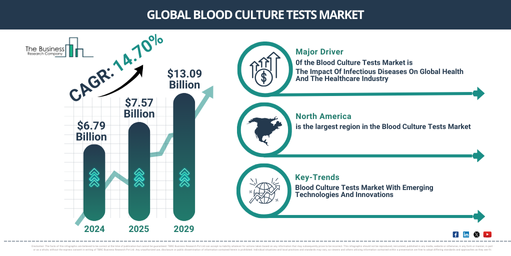
    The market size of blood culture tests has seen rapid growth over the past few years. Projected to ascend from $6.79 billion in 2024 to $7.57 billion in 2025, it is expected to exhibit a compound annual growth rate (CAGR) of 11.4%. The surge during the historical period is attributable to a rise in the incidence of infectious diseases, an aging population, progression in healthcare infrastructure, and an increase in research and development efforts.

    What Growth Rate Is Forecasted for the Blood Culture Tests Market by 2029?

    In the coming years, the market size for blood culture tests is anticipated to experience swift expansion. By 2029, it is predicted to increase to $13.09 billion with a compound annual growth rate (CAGR) of 14.7%. The growth during the forecast period is likely due to an increase in hospital-acquired infections, a rising demand for point-of-care (POC) testing, heightened healthcare expenditures, and regulatory approvals. Key trends throughout the forecast period consist of remote testing and telemedicine, the use of automation and AI, multiplex testing, the management of sepsis, and the surveillance of infectious diseases.

    Download The Free Sample Report Here:

    https://www.thebusinessresearchcompany.com/sample.aspx?id=7763&type=smp

    Which Key Companies Are Shaping the Future of the Blood Culture Tests Market?

    Major companies operating in the blood culture tests market include Becton, Dickinson and Company, BioMerieux SA, Thermo Fisher Scientific Inc., Luminex Corporation, Danaher Corporation, Terumo Corporation, Bruker Corporation, F. Hoffmann-La Roche AG, Biobase Biotech Co. Ltd., Scenker Biological Technology Co. Ltd., Bulldog Bio, Anaerobe Systems Inc., Himedia Laboratories Pvt. Ltd., Autobio Diagnostics Co. Ltd., Axiom Laboratories, Biosystems Inc., BINDER GmBH, Roche Diagnostics, Mikroscan Technologies Inc., Labotronics Ltd., Hardy Diagnostics, OpGen Inc., Meditech Technologies India Private Limited, Siemens Healthineers, Abbott Laboratories, Cepheid, T2 Biosystems Inc., Beckman Coulter Inc., Accelerate Diagnostics, Bio-Rad Laboratories Inc., Hologic Inc., Quidel Corporation, Copan Diagnostics Inc., Greiner Bio-One International GmbH, Carl Zeiss AG, Nanosphere Health Sciences, GenMark Diagnostics, Meridian Bioscience Inc., Nikon Corporation

    Which Factors Are Driving Demand in the Blood Culture Tests Industry?

    The rise in infectious disease occurrence is seen as a key factor propelling the development of the blood culture test market. Pathogens, including viruses, bacteria, fungi, and parasites, cause infectious diseases. These harmful microorganisms or pathogens invade a person’s body either from an external source or from an infected individual. Diseases such as COVID-19, tuberculosis, flu, measles, HIV, strep throat, etc., which come under this category, can lead to temporary discomfort, significant tissue damage, and even death. Infectious diseases are categorized as the second leading cause of death worldwide by the World Health Organization. The escalating cases of infectious diseases have been met with a corresponding increase in demand for blood culture tests, which help establish if a patient suffers from bacteremia/septicemia, a condition that may be life-threatening. For instance, a report by the UK Health Security Agency, a UK government body, in August 2024, revealed that by December 31, 2022, there had been 3,732 confirmed mpox cases, predominantly in England. Up until May 31, 2023, there had been 21 additional cases reported, mostly in England, with one in Scotland. Thus, the growth of the blood culture test market is primarily fueled by the growing incidence of infectious diseases.

    Request For A Customized Report:

    https://www.thebusinessresearchcompany.com/customise?id=7763&type=smp

    How Is the Blood Culture Tests Market Segmented by Several Divisions?

    The blood culture tests market covered in this report is segmented –

    1) By Method: Conventional/Manual Methods, Automated Methods

    2) By Product: Consumables, Instruments, Software and Services

    3) By Technology: Culture-Based Technology, Molecular Technologies, Microarrays, PCR (Polymerase Chain Reaction), PNA-FiSH (Peptide Nucleic Acid – Fluorescent in Situ Hybridization), Proteomics Technology

    4) By Application: Bacteremia, Fungemia, Mycobacterial Detection

    5) By End User: Hospital Laboratories, Reference Laboratories, Academic Research Laboratories, Other Laboratories

    Subsegments:

    1) By Conventional/Manual Methods: Blood Culture Bottles (Aerobic and Anaerobic), Culture Media Preparation, Manual Observation and Identification

    2) By Automated Methods: Automated Blood Culture Systems, Continuous Monitoring Systems, Integrated Identification and Sensitivity Testing Systems

    What are the Emerging Market Trends Driving the Growth of the Blood Culture Tests Industry?

    The surge of technological evolution is a key trend gaining traction in the market for blood culture tests. Globalization and innovation are paving way for new opportunities within the realms of pharmaceuticals, biotech, nutraceuticals, and medical devices. The need for rapidly, affordably, and safely introducing novel products in the market compels producers and manufacturers to establish top-tier blood culture testing to remain compliant with mounting regulations. These technological breakthroughs cut expenses by providing precise and standalone safety and performance verification. For instance, Labcorp, a testing laboratories company from the US, introduced their Labcorp OnDemandTM at-home collection kit in May 2022. This kit uses dried blood technology to monitor hemoglobin A1c (HbA1c) from a tiny blood sample, offering an aggregate of the patient’s average blood sugar levels over a certain period. With this kit, people can frequently check their health status at their convenience with a simple fingerprick and a few blood droplets.

    Access The Full Report Here:

    https://www.thebusinessresearchcompany.com/report/blood-culture-tests-global-market-report

    Which Regions Are Driving Growth in the Blood Culture Tests Market?

    North America was the largest region in the blood culture tests market in 2024. The regions covered in the blood culture tests market report include Asia-Pacific, Western Europe, Eastern Europe, North America, South America, Middle East and Africa.

    Purchase The Full Report Today:

    https://www.thebusinessresearchcompany.com/purchaseoptions.aspx?id=7763

    This Report Delivers Insight On:

    1. How big is the blood culture tests market, and how is it changing globally?

    2. Who are the major companies in the blood culture tests market, and how are they performing?

    3. What are the key opportunities and risks in the blood culture tests market right now?

    4. Which products or customer segments are growing the most in the blood culture tests market?

    5. What factors are helping or slowing down the growth of the blood culture tests market?

    About The Business Research Company:

    With over 15000+ reports from 27 industries covering 60+ geographies, The Business Research Company has built a reputation for offering comprehensive, data-rich research and insights. Armed with 1,500,000 datasets, the optimistic contribution of in-depth secondary research, and unique insights from industry leaders, you can get the information you need to stay ahead in the game.

    Get in touch with us:

    The Business Research Company: https://www.thebusinessresearchcompany.com/

    Americas +1 3156230293

    Asia +44 2071930708

    Europe +44 2071930708

    Email us at info@tbrc.info

    Follow us on:

    LinkedIn: https://in.linkedin.com/company/the-business-research-company

    YouTube: https://www.youtube.com/channel/UC24_fI0rV8cR5DxlCpgmyFQ

    Global Market Model: https://www.thebusinessresearchcompany.com/global-market-model
  • Tumor Infiltrating Lymphocytes Industry Growth Expected to Reach $20.85 Billion by 2029 at a CAGR of 14.5% | Segmentation and Growth Opportunities

    Tumor Infiltrating Lymphocytes Industry Growth Expected to Reach $20.85 Billion by 2029 at a CAGR of 14.5% | Segmentation and Growth Opportunities

    Claim your 30% discount on Global Market Reports with code ONLINE30. Limited time only.

    #What Is the Forecast for the Tumor Infiltrating Lymphocytes Market Growth in 2025?#_x000D_

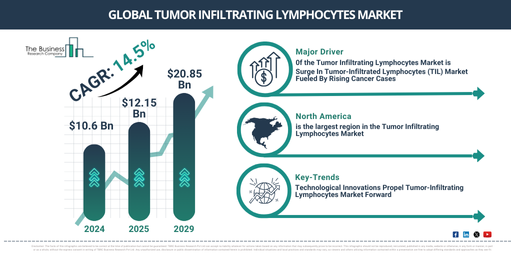
    In recent times, the market size for tumor infiltrating lymphocytes has witnessed swift expansion. With an expected Compound Annual Growth Rate (CAGR) of 14.6%, the market is projected to rise from $10.6 billion in 2024 to $12.15 billion in 2025. The exponential growth during the historical period can be attributed to factors like escalating rates of cancer, increased funding for research, regulatory clearance, heightened awareness, and the clinical success and efficacy observed._x000D_

    _x000D_

    #What Is the Forecast for the Tumor Infiltrating Lymphocytes Market Size Through 2029?#_x000D_

    The market for tumor infiltrating lymphocytes is predicted to witness a swift expansion in the upcoming years, reaching a value of $20.85 billion in 2029 with a compound annual growth rate (CAGR) of 14.5%. This growth during the projected period is due to factors such as pipeline developments, augmenting healthcare spending, emerging markets, strategic collaborations, regulatory backing, and patient demand. The forecast period will also see significant trends including improvements in immunotherapy, research and development efforts, regulatory changes, personalized medication, and competitive market dynamics._x000D_

    _x000D_

    #Download The Free Sample Report Here:#_x000D_

    https://www.thebusinessresearchcompany.com/sample.aspx?id=9440&type=smp_x000D_

    _x000D_

    #What are the Key Market Players in Tumor Infiltrating Lymphocytes Market and How They’re Evolving?#_x000D_

    Major companies operating in the tumor infiltrating lymphocytes market include Novartis AG, Pfizer Inc., Precision BioScience Inc., TCR2 Therapeutics Inc., Merck KGaA, Autolus Therapeutics PLC., Eli Lilly and Company, Oxford Biomedica PLC., Unum Therapeutics Inc., Amgen Inc., Gilead Sciences Inc., Sorrento Therapeutics Inc., TILT Biotherapeutics Ltd., Iovance Biotherapeutics Inc., Adaptimmune Therapeutics plc, Atara Biotherapeutics Inc., BioNTech SE, CARsgen Therapeutics Ltd., Cellectis S.A., Celyad Oncology SA, CRISPR Therapeutics AG, Intellia Therapeutics Inc., MaxCyte Inc._x000D_

    _x000D_

    #What Are the Primary Growth Drivers in the Tumor Infiltrating Lymphocytes Market?#_x000D_

    The growth of the tumor infiltrated lymphocytes (TIL) market is likely to be fueled by the increasing rates of cancer patient diagnoses. Cancer involves the rapid, uncontrolled proliferation of certain body cells that can spread to surrounding areas and trigger numerous health problems, some life-threatening. Tumor-infiltrating lymphocytes, a type of immune cell, can identify and destroy these cancerous cells. These lymphocytes are retrieved from the patient’s tumor, are propagated externally in a lab in enormous volumes, and then reintroduced into the patient’s body to aid the immune system to eradicate the cancer cells. For example, there were 169,000 predicted cancer cases in 2024 according to a report by the Australian Institute of Health and Welfare in August 2024. The report projects this number to rise to approximately 209,000 new diagnoses in Australia by 2034 due to population growth and increased cancer incidence. Concurrently, it also predicts that by 2024, cancer will be the cause of 3 out of every 10 deaths in Australia. As a result, the escalating incidence of cancer is a key driver for the growth of the tumor infiltrated lymphocyte market._x000D_

    _x000D_

    #Request For A Customized Report:#_x000D_

    https://www.thebusinessresearchcompany.com/customise?id=9440&type=smp_x000D_

    _x000D_

    #What Are the Leading Segments in the Global Tumor Infiltrating Lymphocytes Industry?#_x000D_

    The tumor infiltrating lymphocytes market covered in this report is segmented –_x000D_

    _x000D_

    1) By Anatomy: CD3, CD8, CD16, CD56, CD4, CD57, CD169, CD68, FOXP3_x000D_

    2) By Component: T-Cells, B-Cells, Natural Killer Cells_x000D_

    3) By Application: Melanoma, Cervical Cancer, Ovarian Cancer, Other Applications_x000D_

    4) By End-User: Hospitals, Cancer Research Centers, Clinics_x000D_

    _x000D_

    Subsegments:_x000D_

    1) By CD3: CD3+ CD4+ T cells, CD3+ CD8+ T cells, CD3+ T regulatory cells (Tregs), CD3+ Memory T cells_x000D_

    2) By CD8: Effector CD8+ T cells, Memory CD8+ T cells, Exhausted CD8+ T cells, Tumor-reactive CD8+ T cells_x000D_

    3) By CD16: NK Cells (CD16+ CD56dim), Macrophages (CD16+ macrophages), Monocytes (CD16+ monocytes)_x000D_

    4) By CD56: NK Cells (CD56bright), NK Cells (CD56dim), NKT Cells_x000D_

    5) By CD4: Th1 Cells, Th2 Cells, Th17 Cells, T Regulatory Cells (Tregs, CD4+ FOXP3+)_x000D_

    6) By CD57: Senescent T cells (CD8+ CD57+), NK Cells (CD57+ NK cells), CD4+ CD57+ T cells_x000D_

    7) By CD169: Macrophages (CD169+ macrophages), Dendritic Cells_x000D_

    8) By CD68: Tumor-Associated Macrophages (TAMs), Kupffer Cells, Microglia_x000D_

    9) By FOXP3: T Regulatory Cells (Tregs, CD4+ CD25+ FOXP3+), Effector Tregs, Resting Tregs_x000D_

    _x000D_

    #What Are the Key Market Trends in the Tumor Infiltrating Lymphocytes Industry?#_x000D_

    Technological innovation is a prominent trend gaining traction in the tumor infiltrating lymphocytes market. The major companies active in this market are concentrating on the creation of technologically advanced solutions to consolidate their market standing. For instance, in May 2022, biotech firm Obsidian Therapeutics Inc, known for their development of TIL cells and gene therapies, introduced cytoDRIVE technology. The fresh information available from this new technology illustrates the precise regulation of the timing and intensity of protein activity using FDA-approved small chemicals. This process, which utilizes potent cytokines such as IL12 as cell treatments, could be a promising strategy for treating solid cancers. Results suggest that a variety of cytokines, like IL12, IL23, IL2, and IFN, can be controlled in a robust and reversible manner, potentially paving the way for their safe implementation in adoptive cell therapy procedures._x000D_

    _x000D_

    #Access The Full Report Here:#_x000D_

    https://www.thebusinessresearchcompany.com/report/tumor-infiltrating-lymphocytes-global-market-report_x000D_

    _x000D_

    #What Is the Regional Outlook for the Tumor Infiltrating Lymphocytes Market?#_x000D_

    North America was the largest region in the tumor infiltrating lymphocytes market in 2024. The regions covered in the tumor infiltrating lymphocytes market report are Asia-Pacific, Western Europe, Eastern Europe, North America, South America, Middle East, Africa_x000D_

    _x000D_

    #Purchase The Full Report Today:#_x000D_

    https://www.thebusinessresearchcompany.com/purchaseoptions.aspx?id=9440_x000D_

    _x000D_

    #This Report Delivers Insight On: #_x000D_

    1. How big is the tumor infiltrating lymphocytes market, and how is it changing globally?_x000D_

    2. Who are the major companies in the tumor infiltrating lymphocytes market, and how are they performing?_x000D_

    3. What are the key opportunities and risks in the tumor infiltrating lymphocytes market right now?_x000D_

    4. Which products or customer segments are growing the most in the tumor infiltrating lymphocytes market?_x000D_

    5. What factors are helping or slowing down the growth of the tumor infiltrating lymphocytes market?_x000D_

    _x000D_

    #About The Business Research Company:#_x000D_

    With over 15000+ reports from 27 industries covering 60+ geographies, The Business Research Company has built a reputation for offering comprehensive, data-rich research and insights. Armed with 1,500,000 datasets, the optimistic contribution of in-depth secondary research, and unique insights from industry leaders, you can get the information you need to stay ahead in the game._x000D_

    _x000D_

    #Get in touch with us:#_x000D_

    The Business Research Company: https://www.thebusinessresearchcompany.com/_x000D_

    Americas +1 3156230293_x000D_

    Asia +44 2071930708_x000D_

    Europe +44 2071930708_x000D_

    Email us at info@tbrc.info_x000D_

    _x000D_

    #Follow us on:#_x000D_

    _x000D_

    LinkedIn: https://in.linkedin.com/company/the-business-research-company_x000D_

    YouTube: https://www.youtube.com/channel/UC24_fI0rV8cR5DxlCpgmyFQ_x000D_

    Global Market Model: https://www.thebusinessresearchcompany.com/global-market-model

  • Soft Tissue Repair Market Outlook 2025 – Insights for Executive and Strategic Planning

    Claim your 30% discount on Global Market Reports with code ONLINE30. Limited time only.

    How Has the Soft Tissue Repair Market Grown from 2024 to 2025?

    There has been significant expansion in the soft tissue repair market in the past couple of years. This market’s size is projected to shoot up from $12.74 billion in 2024 to $13.78 billion in 2025, reflecting a compound annual growth rate (CAGR) of 8.2%. Factors contributing to this growth over the historical period include a rise in sports injuries, a growing aging population and degenerative diseases, an increase in healthcare spending and more accessible care, and heightened awareness and demand for cosmetic procedures.

    What Growth Rate Is Anticipated for the Soft Tissue Repair Market in the Coming Years?

    Anticipated to observe robust expansion in upcoming years, the market size for soft tissue repair is predicted to surge to a worth of $17.2 billion in 2029, proliferating at a compound annual growth rate (CAGR) of 5.7%. The acceleration over the forecast period is attributable to factors such as focus on patient instruction and recuperation, the increase in elderly population and chronic illnesses, the advent of regenerative medicine and tissue engineering, escalation in healthcare expenditure and the growth in medical tourism, along with a concentration on prevention and immediate action. Key trends projected during the forecast duration encompass technological advancements like digitalization and artificial intelligence (AI), collaboration, and partnerships, tailor-made and 3D-printed implants, robot-aided surgeries, and wearable health trackers.

    Download The Free Sample Report Here:

    https://www.thebusinessresearchcompany.com/sample.aspx?id=4111&type=smp

    Who Are the Leading Companies in the Soft Tissue Repair Market?

    Major companies operating in the soft tissue repair market include Organogenesis Inc., Stryker Corporation, Johnson & Johnson Pvt. Ltd., Arthrex Inc., CryoLife Inc., Integra Lifesciences Corporation., Wright Medical Technology Inc., Smith & Nephew plc., C.R. Bard Inc., Medtronic PLC., Zimmer Biomet Holdings Inc., Lifenet Health Inc, Isto Biologics Company Inc., Covidien plc., Becton Dickinson and Company, LifeCell Corporation, Baxter Healthcare Corporation., Boston Scientific Corporation, Acelity L.P. Inc., Artivion Inc., Medprin Biotech GmbH., Medline Industries Inc., Cook Group Inc., Ethicon US LLC, RTI Surgical Inc., Tornier Inc., Atrium Medical Corporation., Coloplast Corp., ConvaTec Group Plc, Endo International Plc, Kinetic Concepts Inc., Mölnlycke Health Care AB

    What Are the Key Drivers of the Soft Tissue Repair Market?

    The surge in sports-associated injuries contributed to the expansion of the soft tissue repair market during the previous period. These injuries, which are common in sporting activities and workouts, typically affect soft tissues – the tissues that support, connect, or surround other bodily structures and organs. For instance, the US-based non-profit organization, the National Safety Council, revealed that after a notable drop in reported sports and recreational harm in 2020, there was a 20% injury rise in 2021 and a subsequent 12% increase in 2022. According to the same organization, exercise equipment was identified as the prime reason for about 409,000 injuries in 2021, highlighting it as the highest in any sports category. Bicycles and accessories trailed behind, causing 375,797 injuries in the US, thereby making it the second major cause of injuries. Consequently, the escalating incidence of sports-related injuries fostered the advancement of the soft tissue repair market.

    Request For A Customized Report:

    https://www.thebusinessresearchcompany.com/customise?id=4111&type=smp

    What Are the Key Market Segments in the Soft Tissue Repair Industry?

    The soft tissue repair market covered in this report is segmented –

    1) By Product: Fixation Devices, Tissue Patch or Mesh, Laparoscopic Instruments

    2) By Application: Hernia Repair, Dural Repair, Skin Repair, Vaginal Sling Procedures, Orthopedic Repair, Dental Repair, Breast Reconstruction Repair

    3) By End User: Hospitals, Clinics, Research and Academic Institutes, Other End Users

    Subsegments:

    1) By Fixation Devices: Suture Anchors, Tacks and Staples, Bioabsorbable Fixation Devices, Screws and Plates

    2) By Tissue Patch or Mesh: Synthetic Mesh, Biological Mesh, Composite Mesh, Expandable Mesh

    3) By Laparoscopic Instruments: Laparoscopic Graspers, Laparoscopic Scissors, Laparoscopic Needle Holders, Laparoscopic Trocars and Cannulas

    What Are the Latest Trends in the Soft Tissue Repair Market?

    The primary players in the soft tissue repair industry are prioritizing strategic collaborations to broaden their range of products. Strategic collaborations are the means by which companies draw on each other’s capabilities and resources to create mutual gains and prosperity. As an example, in August 2023, 3D Systems, a firm from the United States that offers a wide range of products and services such as 3D printers, printing materials, software, and healthcare solutions, partnered with Theradaptive to revolutionize orthopedic and soft tissue repair using cutting-edge regenerative therapies. As part of this deal, 3D Systems’ 3D printed medical equipment will be layered with different protein-based material-binding variations from Theradaptive to facilitate bone and tissue growth. Theradaptive is a biopharmaceutical company focused on the creation of new treatments to enhance life quality.

    Access The Full Report Here:

    https://www.thebusinessresearchcompany.com/report/soft-tissue-repair-global-market-report

    What Are the Key Regional Markets in the Soft Tissue Repair Industry?

    North America was the largest region in the soft tissue repair market in 2024. Asia-Pacific region is predicted to record fastest growth over the forecast period. The regions covered in the soft tissue repair market report include Asia-Pacific, Western Europe, Eastern Europe, North America, South America, Middle East and Africa.

    Purchase The Full Report Today:

    https://www.thebusinessresearchcompany.com/purchaseoptions.aspx?id=4111

    This Report Delivers Insight On:

    1. How big is the soft tissue repair market, and how is it changing globally?

    2. Who are the major companies in the soft tissue repair market, and how are they performing?

    3. What are the key opportunities and risks in the soft tissue repair market right now?

    4. Which products or customer segments are growing the most in the soft tissue repair market?

    5. What factors are helping or slowing down the growth of the soft tissue repair market?

    About The Business Research Company:

    With over 15000+ reports from 27 industries covering 60+ geographies, The Business Research Company has built a reputation for offering comprehensive, data-rich research and insights. Armed with 1,500,000 datasets, the optimistic contribution of in-depth secondary research, and unique insights from industry leaders, you can get the information you need to stay ahead in the game.

    Get in touch with us:

    The Business Research Company: https://www.thebusinessresearchcompany.com/

    Americas +1 3156230293

    Asia +44 2071930708

    Europe +44 2071930708

    Email us at info@tbrc.info

    Follow us on:

    LinkedIn: https://in.linkedin.com/company/the-business-research-company

    YouTube: https://www.youtube.com/channel/UC24_fI0rV8cR5DxlCpgmyFQ

    Global Market Model: https://www.thebusinessresearchcompany.com/global-market-model
  • Blood Collection Devices Market Size to Exceed $12.12 Billion by 2029 | Growth and Industry Trends

    Blood Collection Devices Market Size to Exceed $12.12 Billion by 2029 | Growth and Industry Trends

    Claim your 30% discount on Global Market Reports with code ONLINE30. Limited time only.

    How Has the Blood Collection Devices Market Grown from 2024 to 2025?

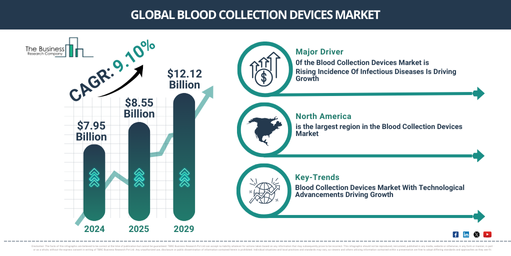
    The market size for blood collection devices has seen considerable expansion in the past few years. It is predicted to increase from $7.95 billion in 2024 to $8.55 billion in 2025, showcasing a compound annual growth rate (CAGR) of 7.5%. Factors responsible for this substantial growth during the historical period include a heightened prevalence of blood-related disorders, enhancements in healthcare infrastructure, an aging population, and government initiatives and regulations.

    What Growth Rate Is Anticipated for the Blood Collection Devices Market in the Coming Years?

    In the coming years, the market for blood collection devices is projected to expand significantly. By 2029, it is predicted to reach a value of $12.12 billion, with a compound annual growth rate (CAGR) of 9.1%. This projected growth during the forecast period is driven by several factors such as an increase in healthcare spending, an increasing focus on personalized medicine and diagnostic tests, enhanced research and development activities, and a rise in infectious diseases. The forecast period also expects to witness certain trends including minimally invasive procedures, distanced blood collection services, automation and robotics, sophisticated blood collection kits, and strategic partnerships and collaborations.

    Download The Free Sample Report Here:

    https://www.thebusinessresearchcompany.com/sample.aspx?id=6363&type=smp

    Who Are the Leading Companies in the Blood Collection Devices Market?

    Major companies operating in the blood collection devices market include Becton, Dickinson and Company, Greiner Holding AG, Kabe Labortechnik GmbH, Sarstedt AG & Company, ICU Medical Inc., Terumo BCT Inc., Fresenius Kabi AG, Grifols S.A., Haematonics, Nipro Medical Corporation, Quest Diagnostics Incorporated, Macopharma SA, Smiths Medical International Ltd., Cardinal Health Inc., Retractable Technologies Inc., Sekisui Medical Co. Ltd., Qiagen NV, Smiths Group plc, NIPRO Corporation, PT. Adi Buana Mandiri, Covidien Ltd., Kawasumi Laboratories Inc., F.L. Medical SRL, Ajosha Bio Teknik Pvt. Ltd., A-M Systems Ltd., Commonwealth Serum Laboratories Behring, Teleflex Medical Inc., Abbott Laboratories, Denova Sciences Pte. Ltd., VedaLab SA

    What Are the Key Drivers of the Blood Collection Devices Market?

    The rise in infectious diseases occurrences is fueling the expansion of the market for blood collection devices. Infections caused by bacteria, viruses, fungi or parasites result in infectious diseases. Blood collection and sampling are the means for testing ailments like hepatitis B (HBV), hepatitis C (HCV), the human immunodeficiency virus (HIV), malaria, syphilis, and brucellosis. The increasing incidences of these diseases and subsequent diagnostic processes are predicted to escalate the use of blood collection devices. As an example, a report from the UK Health Security Agency, a UK governmental department, disclosed in August 2024 that there were 3,732 confirmed mpox cases in the UK, primarily in England, by December 31, 2022. A further 21 cases were reported by May 31, 2023, chiefly in England and one case in Scotland. Consequently, the rise in instances of infectious diseases is anticipated to enhance the demand for blood collection devices in the predicted period.

    Request For A Customized Report:

    https://www.thebusinessresearchcompany.com/customise?id=6363&type=smp

    What Are the Key Market Segments in the Blood Collection Devices Industry?

    The blood collection devices market covered in this report is segmented –

    1) By Type: Blood Collection Tubes, Lancet, Micro Container Tubes, Warming Devices

    2) By Method: Manual Blood Collection, Automatic Blood Collection

    3) By Material: Glass, Stainless Steel, Plastic

    4) By End User: Hospitals, Blood Donation Centers, Diagnostic Center, Other End Users

    Subsegments:

    1) By Blood Collection Tubes: Vacuum Blood Collection Tubes, Serum Separator Tubes, EDTA Tubes

    2) By Lancet: Safety Lancets, Manual Lancets, Automatic Lancets

    3) By Micro Container Tubes: Capillary Tubes, Microtainer Tubes, Hematocrit Tubes

    4) By Warming Devices: Blood Warming Devices, Temperature Regulation Units, Infusion Warming Devices

    What Are the Latest Trends in the Blood Collection Devices Market?

    The surge in technological progress is a prominent trend gaining traction in the blood collection devices industry. Numerous firms in this market are creating innovative products or technologies to fulfill the rapidly expanding industry requirements and bolster their global business footprint. These advanced products are aimed at increasing customer comfort and offering superior protection. For instance, Owen Mumford, a company that specializes in the design and manufacture of medical devices, launched a new array of venous blood collection instruments under its Unistik brand in April 2022. This new range leverages the company’s skill and legacy in capillary blood sampling to deliver venous devices dedicated to patient safety, comfort, and quality. The Unistik ShieldLock Ultra integrates a single-handed and in-vein activated safety system to lower the possibility of needlestick injuries. This device also features a unique safety mechanism that seals the tube connecting the needle and the Luer once activated, preventing exposure to blood after the needle is taken out of the vein.

    Access The Full Report Here:

    https://www.thebusinessresearchcompany.com/report/blood-collection-devices-global-market-report

    What Are the Key Regional Markets in the Blood Collection Devices Industry?

    North America was the largest region in the blood collection devices market in 2024. The Asia-Pacific is expected to be the fastest-growing region in the forecast period. The regions covered in the blood collection devices market report include Asia-Pacific, Western Europe, Eastern Europe, North America, South America, Middle East and Africa.

    Purchase The Full Report Today:

    https://www.thebusinessresearchcompany.com/purchaseoptions.aspx?id=6363

    This Report Delivers Insight On:

    1. How big is the blood collection devices market, and how is it changing globally?

    2. Who are the major companies in the blood collection devices market, and how are they performing?

    3. What are the key opportunities and risks in the blood collection devices market right now?

    4. Which products or customer segments are growing the most in the blood collection devices market?

    5. What factors are helping or slowing down the growth of the blood collection devices market?

    About The Business Research Company:

    With over 15000+ reports from 27 industries covering 60+ geographies, The Business Research Company has built a reputation for offering comprehensive, data-rich research and insights. Armed with 1,500,000 datasets, the optimistic contribution of in-depth secondary research, and unique insights from industry leaders, you can get the information you need to stay ahead in the game.

    Get in touch with us:

    The Business Research Company: https://www.thebusinessresearchcompany.com/

    Americas +1 3156230293

    Asia +44 2071930708

    Europe +44 2071930708

    Email us at info@tbrc.info

    Follow us on:

    LinkedIn: https://in.linkedin.com/company/the-business-research-company

    YouTube: https://www.youtube.com/channel/UC24_fI0rV8cR5DxlCpgmyFQ

    Global Market Model: https://www.thebusinessresearchcompany.com/global-market-model
  • Transitional Care Management Services Industry Valued at $659.35 Billion by 2029 With CAGR of 18.3% | Size and Share Insights

    Transitional Care Management Services Industry Valued at $659.35 Billion by 2029 With CAGR of 18.3% | Size and Share Insights

    Claim your 30% discount on Global Market Reports with code ONLINE30. Limited time only.

    #What Is the Forecast for the Transitional Care Management Services Market from 2024 to 2025?#_x000D_

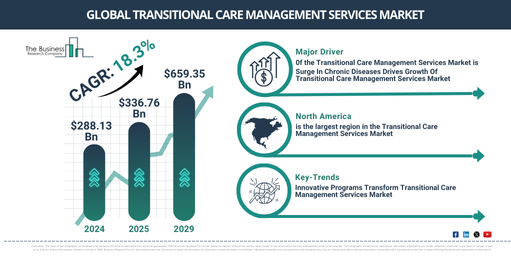
    The market for transitional care management services has experienced swift expansion in recent times. It’s predicted to rise from $288.13 billion in 2024 to $336.76 billion in 2025, achieving a compound annual growth rate (CAGR) of 16.9%. This substantial growth during the historical phase can be credited to alterations in healthcare policies, concentrate on value-based care, efforts to diminish hospital readmission, collaboration amongst healthcare suppliers, and a focus on patient-centered care._x000D_

    _x000D_

    #What Is the Projected Market Size of the Transitional Care Management Services Market?#_x000D_

    Rapid expansion is anticipated for the transitional care management services market in the coming years, with a projected value of $659.35 billion in 2029 and a CAGR of 18.3%. This potential growth during the forecasted period can be traced back to patient engagement solutions, policy support for care coordination, broader healthcare access, data analytics, and predictive modeling alongside patient-centered medical home models. Key trends for the forecast period are anticipated to be the integration of telehealth, a stronger focus on patient-centered care, expanding collaborations and care coordination, remote patient monitoring technology, and an emphasis on managing chronic diseases._x000D_

    _x000D_

    #Download The Free Sample Report Here:#_x000D_

    https://www.thebusinessresearchcompany.com/sample.aspx?id=9911&type=smp_x000D_

    _x000D_

    #Who are the Major Competitors in the Transitional Care Management Services Market Outlook?#_x000D_

    Major companies operating in the transitional care management services market include Rijuven Corp., PharMerica Corporation, CareVitality, ACT Health Solutions LLC, Wellsky Corporation, Care UK Limited, Genesis Healthcare Corp., US Acute Care Solutions, Charter Health Care Group, Amedisys Inc., National HealthCare Corporation, LHC Group Inc., Brookdale Senior Living Inc., Encompass Health Corporation, PruittHealth, Consulate Health Care, Signature Healthcare LLC, Life Care Services LLC, Sunrise Senior Living LLC, Five Star Senior Living Inc., Senior Lifestyle Corporation, Holiday Retirement, Erickson Living Management LLC, The Ensign Group Inc., Diversicare Healthcare Services Inc., Saber Healthcare Group LLC, SavaSeniorCare LLC_x000D_

    _x000D_

    #What Is Fueling Growth in the Transitional Care Management Services Market?#_x000D_

    The anticipated increase in individuals suffering from chronic illnesses is expected to bolster the growth of the transitional care management services market. Chronic conditions are typically characterized as ailments lasting a year or more, requiring ongoing healthcare, inhibiting daily routines, or a combination of these factors. Chronic illnesses encompass non-communicable diseases such as heart disease, cancer, chronic respiratory disease, and diabetes. Services of Transitional Care Management (TCM) play a crucial role in chronic illness prevention by making sure patient care continuity is preserved when transitioning from one care setting to another. Practical interventions like patient education on self-management, discharge planning, and organized follow-up are aspects of Transitional Care Management (TCM) that assist patients in managing these-long term diseases and circumventing complications. For instance, the National Institutes of Health (NIH), a US-based medical research institution, predicted in a 2023 report that the population of individuals aged 50 and above suffering from one chronic disease or more in the United States is expected to surge by 99.5%, from 71.522 million in 2020 to 142.66 million in 2050. Similarly, individuals with multiple chronic conditions are predicted to increase by 91.16% from 7.8304 million in 2020 to 14.968 million in 2050. Hence, this increasing figure of people having chronic diseases is fostering the growth of the transitional care management services market._x000D_

    _x000D_

    #Request For A Customized Report:#_x000D_

    https://www.thebusinessresearchcompany.com/customise?id=9911&type=smp_x000D_

    _x000D_

    #Which Transitional Care Management Services Market Segments Are Growing the Fastest?#_x000D_

    The transitional care management services market covered in this report is segmented –_x000D_

    _x000D_

    1) By Service: Patient TCM Services, Healthcare TCM Services, Billing TCM Services, Documenting TCM Services, Other Services_x000D_

    2) By Disease Type: Cardiovascular Diseases, Diabetes, Cancer, Asthma, Chronic Obstructive Pulmonary Disorders, Other Diseases_x000D_

    3) By Application: Inpatient Settings, Community Settings_x000D_

    _x000D_

    Subsegments:_x000D_

    1) By Patient TCM Services: Care Coordination, Medication Management_x000D_

    2) By Healthcare TCM Services: Follow-Up Visits, Health Monitoring_x000D_

    3) By Billing TCM Services: Claims Processing, Insurance Verification_x000D_

    4) By Documenting TCM Services: Care Plans, Progress Notes_x000D_

    5) By Other Services: Training And Education, Telehealth Support_x000D_

    _x000D_

    #Which Industry Trends Are Shaping the Future of the Transitional Care Management Services Market?#_x000D_

    The emergence of product innovation is a predominant trend noted within the transitional care management services market. The primary players in this market are honing their focus on developing innovative solutions to ensure they maintain their market status. To exemplify, a Healthcare company based in the US, PharMerica Inc, in May 2022 took a step forward to launch a new program called the Continuing Care Transitional Care Management Program. This program aims to bridge the care gaps experienced by residents during their transition from skilled nursing facilities back to their homes. The program involves providing home-based primary care and nurse outreach services through BrightSpring Health Services. This particularly caters to those undergoing medication therapy involving 8 to 12 medicines or those dealing with multiple chronic illnesses or comorbidities. By executing such a program, a new level in transitional care management can be reached. This ensures residents transitioning from nursing facilities gain access to extensive, person-centric, hands-on treatments necessary for maintaining good health at home._x000D_

    _x000D_

    #Access The Full Report Here:#_x000D_

    https://www.thebusinessresearchcompany.com/report/transitional-care-management-services-global-market-report_x000D_

    _x000D_

    #Which Countries Are Leading the Transitional Care Management Services Market?#_x000D_

    North America was the largest region in the transitional care management services market in 2024. Asia-Pacific is expected to be the fastest-growing region in the transitional care management services market report during the forecast period. The regions covered in the transitional care management services market report are Asia-Pacific, Western Europe, Eastern Europe, North America, South America, Middle East, Africa_x000D_

    _x000D_

    #Purchase The Full Report Today:#_x000D_

    https://www.thebusinessresearchcompany.com/purchaseoptions.aspx?id=9911_x000D_

    _x000D_

    #This Report Delivers Insight On: #_x000D_

    1. How big is the transitional care management services market, and how is it changing globally?_x000D_

    2. Who are the major companies in the transitional care management services market, and how are they performing?_x000D_

    3. What are the key opportunities and risks in the transitional care management services market right now?_x000D_

    4. Which products or customer segments are growing the most in the transitional care management services market?_x000D_

    5. What factors are helping or slowing down the growth of the transitional care management services market?_x000D_

    _x000D_

    #About The Business Research Company:#_x000D_

    With over 15000+ reports from 27 industries covering 60+ geographies, The Business Research Company has built a reputation for offering comprehensive, data-rich research and insights. Armed with 1,500,000 datasets, the optimistic contribution of in-depth secondary research, and unique insights from industry leaders, you can get the information you need to stay ahead in the game._x000D_

    _x000D_

    #Get in touch with us:#_x000D_

    The Business Research Company: https://www.thebusinessresearchcompany.com/_x000D_

    Americas +1 3156230293_x000D_

    Asia +44 2071930708_x000D_

    Europe +44 2071930708_x000D_

    Email us at info@tbrc.info_x000D_

    _x000D_

    #Follow us on:#_x000D_

    _x000D_

    LinkedIn: https://in.linkedin.com/company/the-business-research-company_x000D_

    YouTube: https://www.youtube.com/channel/UC24_fI0rV8cR5DxlCpgmyFQ_x000D_

    Global Market Model: https://www.thebusinessresearchcompany.com/global-market-model

  • Bleeding Disorders Treatment Industry Insights 2025 – Market Forecast for Executives and Planners

    Claim your 30% discount on Global Market Reports with code ONLINE30. Limited time only.

    How Has the Bleeding Disorders Treatment Market Size Changed, over the years?

    The market size for treating bleeding disorders has been experiencing robust growth in the past few years. It is projected to rise from $16.95 billion in 2024 to $18.5 billion in 2025, with a compound annual growth rate (CAGR) of 9.2%. The growth during the historic period is a result of increased patient awareness, enhanced healthcare accessibility, progress in hemophilia treatments, and expansion of the global market.

    How Much Will the Bleeding Disorders Treatment Market Be Worth in 2029?

    The market for treating bleeding disorders is predicted to experience robust expansion in the coming years. It’s projected to reach a total value of $26.14 billion by 2029, with a compound annual growth rate (CAGR) of 9.0%. This anticipated growth during the forecast period is due to various factors such as an aging population, the rise of personalized medicine, increased patient advocacy and support, higher disposable incomes, and increased healthcare spending. Some key trends expected during the forecast period include the development of personalized treatment strategies, the growth of telehealth services, advancements in clotting factor therapies, RNA-based treatments, and gaining access to orphan drug designation.

    Download The Free Sample Report Here:

    https://www.thebusinessresearchcompany.com/sample.aspx?id=7843&type=smp

    Which is the Largest Company in the Bleeding Disorders Treatment Market?

    Major companies operating in the bleeding disorders treatment market include AbbVie Inc., Bayer AG, Novo Nordisk A/S, Pfizer Inc., Biogen Inc., CSL Behring Company, Grifols SA, Octapharma AG, BDI Pharma Inc., Ferring Pharmaceuticals Ltd., Xenetic Biosciences Inc., Sanofi SA, Alnylam Pharmaceuticals Inc., Novartis AG, Shire plc, Novo Nordisk, Grifols SA, F. Hoffmann-La Roche AG, Sanofi Corporation, Takeda Pharmaceutical Company Limited, Kedrion S.p.A, Biotest AG, LFB S.A, Emergent BioSolutions Inc., Bio Products Laboratory Ltd., HEMA Biologics LLC, ADMA Biologics Inc., Grifols Biologicals Inc., Octapharma Plasma Inc., Kedrion Biopharma Inc., BPL Plasma Inc., BioLife Plasma Services, CSL Plasma Ltd., Grifols Shared Services North America Inc., Octapharma USA Inc., Shire US Inc., Pfizer Canada Inc., Grifols Canada Ltd., Octapharma Canada Inc.

    What Are the Main Market Drivers in the Bleeding Disorders Treatment Industry?

    The growth of the bleeding disorders treatment market is projected to be driven by the rising number of identified hemophilia patients. Hemophilia is a hereditary condition that prevents the blood from clotting properly. The treatment for this disorder involves replacement therapy, where deficient or missing blood clotting factors are supplemented with concentrates derived from human plasma or recombinant versions of clotting factors VIII or IX. For example, the World Federation of Hemophilia (WFH), a non-profit organization based in Canada, reported that as of 2022, there were 257,146 recognized hemophilia patients globally, with 208,957 suffering from Hemophilia A and 42,203 from Hemophilia B. Consequently, this surge in diagnosed hemophilia cases is propelling the advancement of the bleeding disorders treatment market.

    Request For A Customized Report:

    https://www.thebusinessresearchcompany.com/customise?id=7843&type=smp

    How Is the Bleeding Disorders Treatment Market Segments Structured?

    The bleeding disorders treatment market covered in this report is segmented –

    1) By Treatment: Desmopressin (DDAVP), Hormone Replacement Therapy, Contraceptives, Anti-Fibrinolytic or Clot-Stabilizing Drugs, Fibrin Sealants, Drugs Applied To Cuts, Pipeline Analysis

    2) By Disease Type: Hemophilia A, Hemophilia B, Von Willebrand disease, Liver disease, Other Disease Types

    3) By End User: Hospitals, Clinics, Specialty Clinics, Research Institutes, Other End Users

    Subsegments:

    1) By Desmopressin (DDAVP): Intravenous Formulations, Nasal Spray Formulations

    2) By Hormone Replacement Therapy: Estrogen Therapy, Progesterone Therapy

    3) By Contraceptives: Combined Oral Contraceptives, Progestin-Only Contraceptives

    4) By Anti-Fibrinolytic or Clot-Stabilizing Drugs: Tranexamic Acid, Aminocaproic Acid

    5) By Fibrin Sealants: Tisseel, Artiss

    6) By Drugs Applied To Cuts: Antiseptics, Topical Hemostatic Agents

    7) By Pipeline Analysis: Upcoming Treatments in Development, Novel Therapeutics and Technologies

    What Strategic Trends Are Transforming the Bleeding Disorders Treatment Market?

    Leading businesses in the bleeding disorder treatment market are concentrating on introducing ground-breaking technologies like single-dose treatment to improve treatment efficiency and patient’s lifestyle by reducing the requirement for continuing treatments. Single-dose treatment is a treatment strategy that gives a full treatment in just one administration, with the goal of having enduring effects without the necessity for several doses. For example, BioMarin Pharmaceutical Inc., an American biotech firm, introduced ROCTAVIANTM (valoctocogene roxaparvovec-rvox), a BioMarin product, in June 2023. ROCTAVIAN is exclusively for adults suffering from critical hemophilia A, defined as FVIII activity levels lower than 1 IU/dL, and who don’t have pre-existing antibodies against adeno-associated virus serotype 5 (AAV5) as confirmed by an FDA-approved test.

    Access The Full Report Here:

    https://www.thebusinessresearchcompany.com/report/bleeding-disorders-treatment-global-market-report

    Which Global Regions Offer the Highest Growth in the Bleeding Disorders Treatment Market?

    North America was the largest region in the bleeding disorders treatment market in 2024. Asia-Pacific is expected to be the fastest-growing region in the forecast period. The regions covered in the bleeding disorders treatment market report include Asia-Pacific, Western Europe, Eastern Europe, North America, South America, Middle East and Africa.

    Purchase The Full Report Today:

    https://www.thebusinessresearchcompany.com/purchaseoptions.aspx?id=7843

    This Report Delivers Insight On:

    1. How big is the bleeding disorders treatment market, and how is it changing globally?

    2. Who are the major companies in the bleeding disorders treatment market, and how are they performing?

    3. What are the key opportunities and risks in the bleeding disorders treatment market right now?

    4. Which products or customer segments are growing the most in the bleeding disorders treatment market?

    5. What factors are helping or slowing down the growth of the bleeding disorders treatment market?

    About The Business Research Company:

    With over 15000+ reports from 27 industries covering 60+ geographies, The Business Research Company has built a reputation for offering comprehensive, data-rich research and insights. Armed with 1,500,000 datasets, the optimistic contribution of in-depth secondary research, and unique insights from industry leaders, you can get the information you need to stay ahead in the game.

    Get in touch with us:

    The Business Research Company: https://www.thebusinessresearchcompany.com/

    Americas +1 3156230293

    Asia +44 2071930708

    Europe +44 2071930708

    Email us at info@tbrc.info

    Follow us on:

    LinkedIn: https://in.linkedin.com/company/the-business-research-company

    YouTube: https://www.youtube.com/channel/UC24_fI0rV8cR5DxlCpgmyFQ

    Global Market Model: https://www.thebusinessresearchcompany.com/global-market-model
  • Smart Healthcare Products Market Projected at $509.73 Billion by 2029 | Strategic Insights and Forecast Data

    Smart Healthcare Products Market Projected at $509.73 Billion by 2029 | Strategic Insights and Forecast Data

    Claim your 30% discount on Global Market Reports with code ONLINE30. Limited time only.

    How Has the Smart Healthcare Products Market Size Changed, over the years?

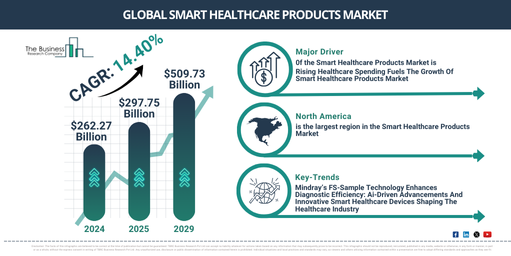
    In recent times, the market size for intelligent healthcare goods has seen a significant swell. It is anticipated to escalate from $262.27 billion in 2024 to $297.75 billion in 2025, achieving a compound annual growth rate (CAGR) of 13.5%. Factors contributing to this substantial growth in the historical period include healthcare digital transformation and telemedicine, data amalgamation and patient supervision, managing chronic diseases in the aging populace, the quest for individualized and interconnected healthcare, and the adoption of health IT due to regulatory norms.

    How Much Will the Smart Healthcare Products Market Be Worth in 2029?

    Anticipating a swift expansion in the coming years, the smart healthcare products market is projected to reach a valuation of $509.73 billion by 2029, progressing at a compound annual growth rate (CAGR) of 14.4%. This expected growth during the estimation period can be traced back to factors such as the application of AI and machine learning in healthcare judgments, the increasing use of telehealth and remote patient monitoring services, the broadening scope of mobile health applications and wearable devices, the intertwining of precision medicine and genomics, coupled with the rising demand for home healthcare devices and point-of-care. Some of the notable trends during this forecast period are digital twins used for tailor-made healthcare services, AI-driven diagnosis and treatment suggestions, mental health surveillance through wearable devices, the introduction of remote surgery and robotic healthcare procedures, the burgeoning use of 3D-printed bespoke medical devices, the emergence of health data markets and blockchain technology for secure data handling.

    Download The Free Sample Report Here:

    https://www.thebusinessresearchcompany.com/sample.aspx?id=7029&type=smp

    Which is the Largest Company in the Smart Healthcare Products Market?

    Major companies operating in the smart healthcare products market include AirStrip Technologies, Samsung Healthcare, Siemens Healthineers AG, Cerner Corporation, McKesson Corporation, Allscripts Healthcare Solutions, Apple Inc., AT&T Inc., Brooks Automation, Cisco Systems Inc., GE Healthcare, Given Imaging Inc., Hurst Green Plastics Ltd., International Business Machines Corporation, Olympus Corporation, Solstice Medical LLC, Abbott Laboratories, Agfa-Gevaert Group, Becton Dickinson and Company, Boston Scientific Corporation, Cardinal Health Inc., Cognizant Technology Solutions India Private Limited, Fujifilm Holdings Corporation, General Electric Company, Honeywell Life Care Solutions, Johnson & Johnson, Koninklijke Philips N.V., Medtronic Plc, Microsoft Corporation, Novartis AG, Omron Corporation, Oracle Corporation, ResMed Inc., Roche Holding AG, Stryker Corporation, Terumo Corporation, Zimmer Biomet Holdings Inc.

    What Are the Main Market Drivers in the Smart Healthcare Products Industry?

    The surge in healthcare expenditure is fueling the expansion of the smart healthcare products market. The demand for healthcare facilities has spiked dramatically in the wake of the COVID-19 pandemic. Key factors driving the escalation in healthcare spending include the government’s intensified focus on availing universal healthcare, higher income brackets, an elderly demographics, advanced healthcare awareness, increased penetration of health coverage, and the growing incidence of non-contagious diseases. Smart healthcare products have the advantage of diagnosing and treating conditions at any place and at any time. For example, in 2022, data from the Office for National Statistics, an eminent statistics institution in the UK, showed that the UK’s healthcare expenditure touched nearly $354.88 billion (£283 billion) in 2022, demonstrating a nominal uptick of 0.7% relative to spending in 2021. Forecasts from the US Centers for Medicare & Medicaid Services (CMS) for the period of 2021-2030 suggest that national healthcare spending growth is expected to ascend to 4.6% in 2022 from 4.2% in 2021 . Consequently, the escalation in healthcare spending will act as a propellant to the smart healthcare products market.

    Request For A Customized Report:

    https://www.thebusinessresearchcompany.com/customise?id=7029&type=smp

    How Is the Smart Healthcare Products Market Segments Structured?

    The smart healthcare products market covered in this report is segmented –

    1) By Product Type: Telemedicine, Electronic Health Records, mHealth, Smart Pills And Syringes, Smart RFID Cabinets

    2) By Application: Storage And Inventory Management, Monitoring, Treatment

    3) By End User: Hospitals, Home Care Settings

    Subsegments:

    1) By Telemedicine: Video Consultation Platforms, Remote Patient Monitoring Solutions, Telehealth Software Solutions

    2) By Electronic Health Records: Cloud-Based EHR Systems, On-Premises EHR Solutions, EHR Interoperability Solutions

    3) By mHealth: Mobile Health Applications, Wearable Health Devices, Mobile Health Monitoring Solutions

    4) By Smart Pills and Syringes: Ingestible Sensors, Smart Insulin Pens, Connected Syringe Systems

    5) By Smart RFID Cabinets: RFID Medication Management Systems, RFID Asset Tracking Cabinets, RFID-enabled Supply Chain Solutions

    What Strategic Trends Are Transforming the Smart Healthcare Products Market?

    Leading companies in the international smart healthcare products market are emphasizing the development of novel technologies like FS-Sample technology, with the aim of improving diagnostic accuracy, patient monitoring, and the efficiency of healthcare services, thus ultimately benefitting patient outcomes and the overall delivery of healthcare. FS-Sample technology provides a superior approach to the analysis of biological samples, thereby boosting diagnostic accuracy and efficiency in healthcare environments. For instance, in April 2024, Mindray, a medical device company based in China, unveiled mid-volume laboratories. The latest innovations from Mindray represent a major advancement for mid-volume laboratories, equipping them with the necessary resources to boost their operational efficiency and offer dependable diagnostics. The emphasis on a compact design, cutting-edge technology, and modular integration establishes these solutions as crucial assets in contemporary clinical environments.

    Access The Full Report Here:

    https://www.thebusinessresearchcompany.com/report/smart-healthcare-products-global-market-report

    Which Global Regions Offer the Highest Growth in the Smart Healthcare Products Market?

    North America was the largest region in the smart healthcare products market in 2024. Asia-Pacific is expected to be the fastest-growing region in the forecast period. The regions covered in the smart healthcare products market report include Asia-Pacific, Western Europe, Eastern Europe, North America, South America, Middle East and Africa.

    Purchase The Full Report Today:

    https://www.thebusinessresearchcompany.com/purchaseoptions.aspx?id=7029

    This Report Delivers Insight On:

    1. How big is the smart healthcare products market, and how is it changing globally?

    2. Who are the major companies in the smart healthcare products market, and how are they performing?

    3. What are the key opportunities and risks in the smart healthcare products market right now?

    4. Which products or customer segments are growing the most in the smart healthcare products market?

    5. What factors are helping or slowing down the growth of the smart healthcare products market?

    About The Business Research Company:

    With over 15000+ reports from 27 industries covering 60+ geographies, The Business Research Company has built a reputation for offering comprehensive, data-rich research and insights. Armed with 1,500,000 datasets, the optimistic contribution of in-depth secondary research, and unique insights from industry leaders, you can get the information you need to stay ahead in the game.

    Get in touch with us:

    The Business Research Company: https://www.thebusinessresearchcompany.com/

    Americas +1 3156230293

    Asia +44 2071930708

    Europe +44 2071930708

    Email us at info@tbrc.info

    Follow us on:

    LinkedIn: https://in.linkedin.com/company/the-business-research-company

    YouTube: https://www.youtube.com/channel/UC24_fI0rV8cR5DxlCpgmyFQ

    Global Market Model: https://www.thebusinessresearchcompany.com/global-market-model
  • Bipolar Disorder Therapeutics Market Trends Report 2025 – For Business Development and Strategy Teams

    Bipolar Disorder Therapeutics Market Trends Report 2025 – For Business Development and Strategy Teams

    Claim your 30% discount on Global Market Reports with code ONLINE30. Limited time only.

    What Is the Forecast for the Bipolar Disorder Therapeutics Market Growth in 2025?

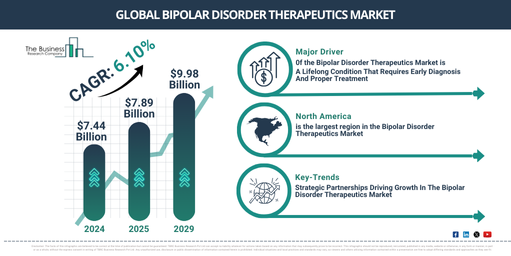
    The market for therapeutics for bipolar disorder has witnessed robust growth in recent years. The size of the market is projected to increase from $7.44 billion in 2024 to $7.89 billion in 2025, signifying a compound annual growth rate (CAGR) of 6.0%. The growth witnessed in the historic period can be ascribed to advancements in medical research and development, augmented healthcare spending, an upsurge in the prevalence of mental health disorders, and increased patient advocacy.

    What Is the Forecast for the Bipolar Disorder Therapeutics Market Size Through 2029?

    In the upcoming years, the market size for therapeutics for bipolar disorder is predicted to experience significant expansion. It is projected to escalate to a value of $9.98 billion by 2029, boasting a compound annual growth rate (CAGR) of 6.1%. The growth projected for this period can be ascribed to several factors such as the rising prevalence of bipolar disorder, governmental initiatives, enhancements in healthcare infrastructure, and an increasing preference for a sedentary lifestyle. The future trends in this period consist of personalized therapy methods, integration of digital health, the development of innovative medicinal products, preventive measures, and the utilisation of neuroimaging and biomarkers.

    Download The Free Sample Report Here:

    https://www.thebusinessresearchcompany.com/sample.aspx?id=6736&type=smp

    What are the Key Market Players in Bipolar Disorder Therapeutics Market and How They’re Evolving?

    Major companies operating in the bipolar disorder therapeutics market include AbbVie Inc., Pfizer Inc., Astellas Pharma Inc, AstraZeneca PLC, Bristol-Myers Squibb, GlaxoSmithKline PLC, Januaryssen Pharmaceuticals, Novartis AG, Otsuka Pharmaceutical Co. Ltd., Validus Pharmaceuticals, Eli Lilly and Company, Gedeon Richter PLC., Sumitomo Pharma Co. Ltd, H. Lundbeck A/S, Janssen Pharmaceuticals, Sanofi S.A., Lundbeck A/S, Allergan plc, Takeda Pharmaceutical Company Limited, Sunovion Pharmaceuticals Inc., Alkermes plc, Mylan N.V., Teva Pharmaceutical Industries Ltd., Johnson & Johnson, Celon Pharma SA, NeuroRx Inc., IntraCellular Therapies Inc., Sumitomo Pharma Co. Ltd., Vanda Pharmaceuticals Inc., Sage Therapeutics Inc.

    What Are the Primary Growth Drivers in the Bipolar Disorder Therapeutics Market?

    The trajectory of the bipolar disorder therapeutics market is being positively influenced by the escalating healthcare expenditure. The term healthcare infrastructure encompasses all financial allocations towards medical care, public health programs, preventive measures, rehabilitation therapies, community health endeavors, and health research. The amplifying healthcare expenditure owes its existence to various considerations such as burgeoning chronic disease occurrences, an aging populace, and escalated medication costs. These elements play a key role in the escalating requirement for healthcare services and treatments. As the collective consciousness about mental health issues expands, so does the diagnosis rate of bipolar disorder which subsequently amplifies the need for therapeutic undertakings. For example, per records from the Canadian Institute for Health Information, a Canada-based non-profit entity, the total health expenditure in Canada is slated to see a 2.8% incline in 2023 following a marginal growth of merely 1.5% in 2022. Consequently, the upward surge in healthcare expenditure is catalyzing the expansion of the bipolar disorder therapeutics market.

    Request For A Customized Report:

    https://www.thebusinessresearchcompany.com/customise?id=6736&type=smp

    What Are the Leading Segments in the Global Bipolar Disorder Therapeutics Industry?

    The bipolar disorder therapeutics market covered in this report is segmented –

    1) By Drug Class: Mood Stabilizers, Antipsychotic Drugs, Antidepressant Drugs, Other Drugs

    2) By Mechanism: Selective Serotonin Reuptake Inhibitors, Serotonin-norepinephrine Reuptake Inhibitors, Tricyclic Antidepressants, Monoamine Oxidase Inhibitors, Benzodiazepines, Beta-Blockers, Other Mechanisms

    3) By Distribution Channel: Hospital Pharmacies, Retail Pharmacies, Online Pharmacies

    Subsegments:

    1) By Mood Stabilizers: Lithium, Anticonvulsants, Calcium Channel Blockers

    2) By Antipsychotic Drugs: Atypical Antipsychotics, Typical Antipsychotics

    3) By Antidepressant Drugs: Selective Serotonin Reuptake Inhibitors (SSRIs), Serotonin-Norepinephrine Reuptake Inhibitors (SNRIs), Tricyclic Antidepressants (TCAs)

    4) By Other Drugs: Benzodiazepines, Adjunctive Therapies, Herbal Supplements

    What Are the Key Market Trends in the Bipolar Disorder Therapeutics Industry?

    The propensity for strategic collaborations is a significant trend that’s increasingly seen in the bipolar disorder therapeutics market. Top companies involved in bipolar disorder therapeutics are concentrating their efforts on forming alliances to strengthen their footholds. In April of 2022, US-based biopharmaceutical firm, BioXcel Therapeutics, Inc., gave the green light to IGALMITM (dexmedetomidine), an FDA-approved sublingual film meant specifically for the immediate relief of agitation in adults suffering from schizophrenia or bipolar I or II disorder. This medication, which rapidly dissolves in one’s mouth, is specifically formulated to alleviate mild, moderate, or severe agitation in these specific patient demographics. Its rapid-acting nature walks hand-in-hand with an immediate management of agitation episodes.

    Access The Full Report Here:

    https://www.thebusinessresearchcompany.com/report/bipolar-disorder-therapeutics-global-market-report

    What Is the Regional Outlook for the Bipolar Disorder Therapeutics Market?

    North America was the largest region in the bipolar disorder therapeutics market in 2024. Europe is expected to be the fastest-growing region in the forecast period. The regions covered in the bipolar disorder therapeutics market report include Asia-Pacific, Western Europe, Eastern Europe, North America, South America, Middle East and Africa.

    Purchase The Full Report Today:

    https://www.thebusinessresearchcompany.com/purchaseoptions.aspx?id=6736

    This Report Delivers Insight On:

    1. How big is the bipolar disorder therapeutics market, and how is it changing globally?

    2. Who are the major companies in the bipolar disorder therapeutics market, and how are they performing?

    3. What are the key opportunities and risks in the bipolar disorder therapeutics market right now?

    4. Which products or customer segments are growing the most in the bipolar disorder therapeutics market?

    5. What factors are helping or slowing down the growth of the bipolar disorder therapeutics market?

    About The Business Research Company:

    With over 15000+ reports from 27 industries covering 60+ geographies, The Business Research Company has built a reputation for offering comprehensive, data-rich research and insights. Armed with 1,500,000 datasets, the optimistic contribution of in-depth secondary research, and unique insights from industry leaders, you can get the information you need to stay ahead in the game.

    Get in touch with us:

    The Business Research Company: https://www.thebusinessresearchcompany.com/

    Americas +1 3156230293

    Asia +44 2071930708

    Europe +44 2071930708

    Email us at info@tbrc.info

    Follow us on:

    LinkedIn: https://in.linkedin.com/company/the-business-research-company

    YouTube: https://www.youtube.com/channel/UC24_fI0rV8cR5DxlCpgmyFQ

    Global Market Model: https://www.thebusinessresearchcompany.com/global-market-model
  • Tissue Engineering Market to Reach $29.92 Billion by 2029 | Key Drivers and Future Outlook

    Tissue Engineering Market to Reach $29.92 Billion by 2029 | Key Drivers and Future Outlook

    Claim your 30% discount on Global Market Reports with code ONLINE30. Limited time only.

    #What Is the Growth Rate of the Tissue Engineering Market?#_x000D_

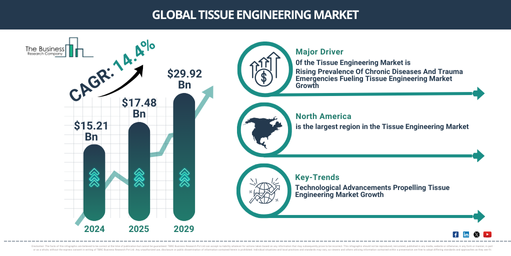
    In recent times, there has been a significant expansion in the size of the tissue engineering market. Projected growth sees it rising from $15.21 billion in 2024 to $17.48 billion in 2025, with a Compound Annual Growth Rate (CAGR) of 14.9%. This past growth has been spurred by factors including the development of biomaterials, an increasing elderly population, a rise in chronic illnesses, regulatory backing for regenerative medicine, and a heightened demand for organ transplants among patients._x000D_

    _x000D_

    #What Growth Rate Is Forecasted for the Tissue Engineering Market by 2029?#_x000D_

    In the coming years, the tissue engineering market is projected to experience rapid expansion. It is expected to reach a value of $29.92 billion in 2029, exhibiting a compound annual growth rate (CAGR) of 14.4%. Contributing factors to this growth during the forecast period include the adoption of precision medicine strategies, a surge in immunomodulation emphasis, widening applications in the field of orthopedics, amplified funding and investment, and an upscale in chronic disease prevalence. The forecast period will see key trends such as the integration of nanotechnology, the application of 3D cell culture techniques, the rise of organ-on-a-chip technology, the amalgamation of artificial intelligence, and the discovery of novel cell sources._x000D_

    _x000D_

    #Download The Free Sample Report Here:#_x000D_

    https://www.thebusinessresearchcompany.com/sample.aspx?id=9535&type=smp_x000D_

    _x000D_

    #Which Key Companies Are Shaping the Future of the Tissue Engineering Market?#_x000D_

    Major companies operating in the tissue engineering market include Medtronic plc, Zimmer Biomet, Organogenesis Holdings Inc., Integra LifeSciences, Stryker Corporation, DePuy Synthes Companies, B. Braun Melsungen AG, RTI Surgical Inc., AbbVie Inc., Becton Dickinson and Company, Baxter International Inc., BioTime Inc., Vericel Corporation, Smith and Nephew, Athersys Inc., Tissue Regenix Group plc, Xeltis AG, Prellis Biologics, Bit Bio, Be Biopharma Inc., TELA Bio Inc., Orthocell Limited_x000D_

    _x000D_

    #Which Factors Are Driving Demand in the Tissue Engineering Industry?#_x000D_

    The rise in chronic illnesses and trauma emergencies is projected to stimulate the growth of the tissue engineering market. Chronic ailments are those medical conditions that persist for 3 months or longer and can usually be managed but not treated, while trauma emergencies are sudden and severe physical injuries like traumatic brain injuries that call for prompt medical care. Tissue engineering, with its numerous benefits in managing chronic diseases and trauma, is widely utilized by healthcare practitioners to evade critical treatment failures such as autologous or allograft transplantation, xenotransplantation, and synthetic substitutes. For instance, in 2023, the World Health Organization (WHO), an agency based in the US with the primary objectives of enhancing universal health, managing health crises, and advocating for global health policies, reported that roughly 2.4 billion individuals globally are grappling with chronic diseases, with diseases like diabetes and cardiovascular conditions showing a notable increase. This increasing prevalence underlines the pressing need for sophisticated medical interventions, including tissue engineering techniques. Furthermore, the Centers for Disease Control and Prevention (CDC) highlighted that traumatic brain injuries (TBIs) constitute a severe concern in the United States, with roughly 223,000 hospitalizations and 60,000 fatalities annually in 2023, underscoring the necessity for efficient solutions. Consequently, the escalating occurrence of chronic diseases and trauma emergencies is predicted to fuel significant growth in the tissue engineering market._x000D_

    _x000D_

    #Request For A Customized Report:#_x000D_

    https://www.thebusinessresearchcompany.com/customise?id=9535&type=smp_x000D_

    _x000D_

    #How Is the Tissue Engineering Market Segmented by Several Divisions?#_x000D_

    The tissue engineering market covered in this report is segmented –_x000D_

    _x000D_

    1) By Type: Synthetic Scaffold Material, Biologically Derived Scaffold Material, Other Types_x000D_

    2) By Application: Orthopedics And Musculoskeletal, Neurology, Cardiovascular, Skin And Integumentary, Dental, Other Applications_x000D_

    3) By End-User: Hospitals And Clinics, Ambulatory Facilities_x000D_

    _x000D_

    Subsegments:_x000D_

    1) By Synthetic Scaffold Material: Polymeric Scaffolds, Ceramic Scaffolds, Composite Scaffolds_x000D_

    2) By Biologically Derived Scaffold Material: Natural Polymers, Decellularized Tissues, Hydrogels_x000D_

    3) By Other Types: Self-Healing Scaffolds, Smart Scaffolds_x000D_

    _x000D_

    #What are the Emerging Market Trends Driving the Growth of the Tissue Engineering Industry?#_x000D_

    Advancements in technology is a predominant trend gaining traction in the tissue engineering market. Most companies in this market are intensively involved in research and development for innovative products that could offer improved solutions and bolster their market stand. For instance, CytoNest Inc., a US-based company specializing in engineering scalable 3D cell culture platforms for adherent cell production, launched its premiere commercial product in August 2024. This product, a fiber scaffold termed as CytoSurge 3D fiber scaffold, enhances cell manufacturing and tissue engineering. It finds use in cell research, biopharmaceuticals, cell therapeutic procedures, and the development of cultured meat and seafood._x000D_

    _x000D_

    #Access The Full Report Here:#_x000D_

    https://www.thebusinessresearchcompany.com/report/tissue-engineering-global-market-report_x000D_

    _x000D_

    #Which Regions Are Driving Growth in the Tissue Engineering Market?#_x000D_

    North America was the largest region in the tissue engineering market in 2024. Asia-Pacific is expected to be the fastest-growing region in the tissue engineering market during the forecast period. The regions covered in the tissue engineering market report are Asia-Pacific, Western Europe, Eastern Europe, North America, South America, Middle East, Africa_x000D_

    _x000D_

    #Purchase The Full Report Today:#_x000D_

    https://www.thebusinessresearchcompany.com/purchaseoptions.aspx?id=9535_x000D_

    _x000D_

    #This Report Delivers Insight On: #_x000D_

    1. How big is the tissue engineering market, and how is it changing globally?_x000D_

    2. Who are the major companies in the tissue engineering market, and how are they performing?_x000D_

    3. What are the key opportunities and risks in the tissue engineering market right now?_x000D_

    4. Which products or customer segments are growing the most in the tissue engineering market?_x000D_

    5. What factors are helping or slowing down the growth of the tissue engineering market?_x000D_

    _x000D_

    #About The Business Research Company:#_x000D_

    With over 15000+ reports from 27 industries covering 60+ geographies, The Business Research Company has built a reputation for offering comprehensive, data-rich research and insights. Armed with 1,500,000 datasets, the optimistic contribution of in-depth secondary research, and unique insights from industry leaders, you can get the information you need to stay ahead in the game._x000D_

    _x000D_

    #Get in touch with us:#_x000D_

    The Business Research Company: https://www.thebusinessresearchcompany.com/_x000D_

    Americas +1 3156230293_x000D_

    Asia +44 2071930708_x000D_

    Europe +44 2071930708_x000D_

    Email us at info@tbrc.info_x000D_

    _x000D_

    #Follow us on:#_x000D_

    _x000D_

    LinkedIn: https://in.linkedin.com/company/the-business-research-company_x000D_

    YouTube: https://www.youtube.com/channel/UC24_fI0rV8cR5DxlCpgmyFQ_x000D_

    Global Market Model: https://www.thebusinessresearchcompany.com/global-market-model
  • Small Animal Imaging (In-Vivo) Industry Growth Expected to Reach $5.05 Billion by 2029 at a CAGR of 12.3% | Segmentation and Growth Opportunities

    Small Animal Imaging (In-Vivo) Industry Growth Expected to Reach $5.05 Billion by 2029 at a CAGR of 12.3% | Segmentation and Growth Opportunities

    Claim your 30% discount on Global Market Reports with code ONLINE30. Limited time only.

    What Is the Forecast for the Small Animal Imaging (In-Vivo) Market Growth in 2025?

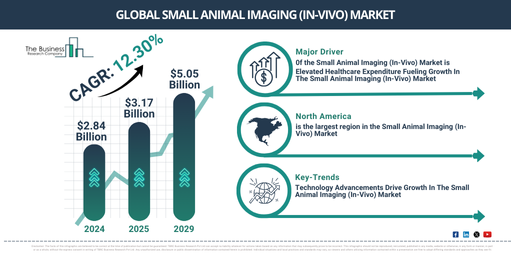
    In recent times, there has been a substantial increase in the market size of small animal imaging (in-vivo). It is anticipated that this market will expand from $2.84 billion in 2024 to $3.17 billion in 2025, with a compound annual growth rate (CAGR) of 11.8%. This historical growth can be traced back to several factors, including preclinical research and drug development, the amplification of the pharmaceutical and biotechnology industry, advancements in translational research, studies on disease modeling and pathophysiology, and financial support from academic and governmental research institutions.

    What Is the Forecast for the Small Animal Imaging (In-Vivo) Market Size Through 2029?

    The market size for small animal imaging (in-vivo) is expected to experience swift expansion in the coming years, with projected growth to $5.05 billion in 2029, boasting a compound annual growth rate (CAGR) of 12.3%. Reasons contributing to this growth in the forecast period can be linked to the creation of advanced imaging probes and tracers, the growth of preclinical CROs (contract research organizations), the incorporation of AI in image analysis, the advancements in multimodal imaging systems, and 3D and high-resolution imaging for small animals. Moreover, a surge in research focused on rare and orphan diseases is also a contributing factor. Key trends projected for this period include molecular and functional imaging in small animals, longitudinal and real-time in-vivo imaging, hybrid imaging techniques for multimodal information, and imaging for genetics research on CRISPR-modified animals. Additionally, AI-enabled phenotyping and biomarker discovery, as well as imaging for neurodegenerative diseases and neuroscience are other notable trends.

    Download The Free Sample Report Here:

    https://www.thebusinessresearchcompany.com/sample.aspx?id=7303&type=smp

    What are the Key Market Players in Small Animal Imaging (In-Vivo) Market and How They’re Evolving?

    Major companies operating in the small animal imaging (In-Vivo) market include Bruker Corporation, PerkinElmer Inc., Miltenyi Biotec GmbH, Aspect Imaging Ltd., Mediso Ltd., Siemens AG, Life Technologies Corporation, Promega Corporation, Berthold Technologies GmbH and Co. KG, Spectral Instruments Imaging LLC, Agilent Technologies Inc., Bioscan Inc., Gamma Medica-Ideas Inc., Genovis AB, LI-COR Biosciences, Scanco Medical AG, TriFoil Imaging Inc.

    What Are the Primary Growth Drivers in the Small Animal Imaging (In-Vivo) Market?

    The expansion of the small animal imaging (in vivo) market is predicted to be driven by increasing expenditure in the healthcare industry. This encompasses both private and public investments in healthcare as a percentage of GDP. With healthcare costs rising and greater understanding and awareness regarding health, self-care management concepts are gaining prominence, with PET equipment playing a key role in small animal imaging techniques. For example, the Office for National Statistics, based in the UK, highlighted in May 2024 that there was a 5.6% nominal term increase in healthcare spending in the UK in 2023, with a 2.8% real-term increase in long-term health and social care expenditure in 2022. Consequently, rising investments in the healthcare sector are fuelling the expansion of the small animal imaging (in-vivo) market.

    Request For A Customized Report:

    https://www.thebusinessresearchcompany.com/customise?id=7303&type=smp

    What Are the Leading Segments in the Global Small Animal Imaging (In-Vivo) Industry?

    The small animal imaging (In-Vivo) market covered in this report is segmented –

    1) By Component: Micro-MRI, Optical Imaging, Nuclear Imaging, Other Components

    2) By Application: Monitoring Treatment Response, Bio Distribution, Determining Drug or Target Engagement, Cancer Cell Detection, Biomarkers, Longitudinal Studies, Epigenetics

    3) By End User: Veterinary Clinics, Veterinary Hospitals, Veterinary Institutes and Research Centers

    Subsegments:

    1) By Micro-MRI: High-Field Micro-MRI Systems, Low-Field Micro-MRI Systems, MRI Contrast Agents

    2) By Optical Imaging: In Vivo Fluorescence Imaging Systems, Bioluminescence Imaging Systems, Optical Coherence Tomography Systems

    3) By Nuclear Imaging: Positron Emission Tomography (PET) Scanners, Single Photon Emission Computed Tomography (SPECT) Systems, Radioactive Tracers

    4) By Other Components: X-Ray Imaging Systems, CT Imaging Systems, Ultrasound Imaging Systems

    What Are the Key Market Trends in the Small Animal Imaging (In-Vivo) Industry?

    Technological innovation is emerging as a significant trend within the small animal imaging (in-vivo) market. Many leading companies in this field are concentrating on technological advances to consolidate their standing. For instance, in April 2022, PerkinElmer, Inc., an American corporation that operates in sectors including diagnostics, life science investigation, and imaging, introduced the Vega imaging system. This automated advanced technological ultrasound platform employs two automated transducers, making the technology more user-friendly and delivering more reliable outcomes for visualizing disease pathophysiology.

    Access The Full Report Here:

    https://www.thebusinessresearchcompany.com/report/small-animal-imaging-in-vivo-global-market-report

    What Is the Regional Outlook for the Small Animal Imaging (In-Vivo) Market?

    North America was the largest region in the small animal imaging (in-vivo) market in 2024. Europe is expected to be the fastest-growing region in the forecast period. The regions covered in the small animal imaging (in-vivo) market report include Asia-Pacific, Western Europe, Eastern Europe, North America, South America, Middle East and Africa.

    Purchase The Full Report Today:

    https://www.thebusinessresearchcompany.com/purchaseoptions.aspx?id=7303

    This Report Delivers Insight On:

    1. How big is the small animal imaging (in-vivo) market, and how is it changing globally?

    2. Who are the major companies in the small animal imaging (in-vivo) market, and how are they performing?

    3. What are the key opportunities and risks in the small animal imaging (in-vivo) market right now?

    4. Which products or customer segments are growing the most in the small animal imaging (in-vivo) market?

    5. What factors are helping or slowing down the growth of the small animal imaging (in-vivo) market?

    About The Business Research Company:

    With over 15000+ reports from 27 industries covering 60+ geographies, The Business Research Company has built a reputation for offering comprehensive, data-rich research and insights. Armed with 1,500,000 datasets, the optimistic contribution of in-depth secondary research, and unique insights from industry leaders, you can get the information you need to stay ahead in the game.

    Get in touch with us:

    The Business Research Company: https://www.thebusinessresearchcompany.com/

    Americas +1 3156230293

    Asia +44 2071930708

    Europe +44 2071930708

    Email us at info@tbrc.info

    Follow us on:

    LinkedIn: https://in.linkedin.com/company/the-business-research-company

    YouTube: https://www.youtube.com/channel/UC24_fI0rV8cR5DxlCpgmyFQ

    Global Market Model: https://www.thebusinessresearchcompany.com/global-market-model