Month: July 2025

  • Facet-Joint Injection Industry Valued at $3.85 Billion by 2029 With CAGR of 6.7% | Size and Share Insights

    Facet-Joint Injection Industry Valued at $3.85 Billion by 2029 With CAGR of 6.7% | Size and Share Insights

    Claim your 30% discount on Global Market Reports with code ONLINE30. Limited time only.

    What Is the Forecast for the Facet-Joint Injection Market from 2024 to 2025?

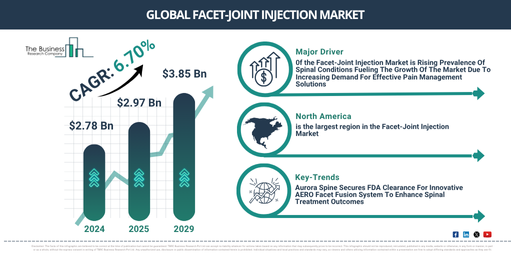
    The market size for facet-joint injections has seen significant growth recently. Projected increases show it going from $2.78 billion in 2024 to $2.97 billion in 2025, boasting a compound annual growth rate (CAGR) of 7.0%. Factors contributing to growth in the past include an increase in chronic back and neck pain incidents, a growing preference for minimally invasive pain management treatments, an increasing elderly demographic suffering from spinal degeneration, enhanced availability of image-guided injection procedures, and heightened awareness concerning non-surgical options for pain relief.

    What Is the Projected Market Size of the Facet-Joint Injection Market?

    In the coming years, the market size for facet-joint injections is projected to experience significant growth, reaching a value of $3.85 billion in 2029, with a compound annual growth rate (CAGR) of 6.7%. This predicted growth during the forecast period can be ascribed to factors such as the increasing demand for non-opioid alternatives for pain management, the surge in acceptance of image-guided injection technologies, elevated attention on outpatient and day-care surgical approaches, wider application of regenerative injection therapies, and boosted healthcare investments into therapies for spinal disorders. Key trends projected for the forecast period include the improvement in ultrasound and fluoroscopy-guided injections, the creation of advanced drug formulations for extended pain management, combination therapy developments for joint pain, the invention of innovative regenerative treatments like platelet-rich plasma and stem cells, and progress in wearable technology for monitoring after injections.

    Download The Free Sample Report Here:

    https://www.thebusinessresearchcompany.com/sample.aspx?id=24531&type=smp

    Who are the Major Competitors in the Facet-Joint Injection Market Outlook?

    Major companies operating in the facet-joint injection market are Pfizer Inc., Merck & Co. Inc, AbbVie Inc., Sanofi S.A., Medtronic plc, Stryker Corporation, Teva Pharmaceutical Industries Ltd., Boston Scientific Corporation, Henry Schein Inc., Bausch Health Companies Inc., Zimmer Biomet Holdings Inc., Smith & Nephew plc, Dr. Reddy’s Laboratories Ltd., Arthrex Inc., Aspen Pharmacare Holdings Limited, Pacira BioSciences Inc., Bioventus Inc., Ferring Pharmaceuticals, Anika Therapeutics Inc., Symbiotec Pharmalab Pvt. Ltd.

    What Is Fueling Growth in the Facet-Joint Injection Market?

    The spike in spinal diseases and chronic back pain instances is set to fuel the expansion of the facet-joint injection market in the future. Spinal diseases and chronic back pain are long-standing conditions affecting the spine, such as arthritis or nerve compression, that result in persistent discomfort, limited mobility, and diminished quality of life. These conditions, triggered by sedentary lifestyles and poor posture habits, have individuals in search of effective treatments that mitigate consistent discomfort and restore functional movement. Facet-joint injections offer a solution for these conditions by lessening the pain and inflammation in the spine. It also provides relief for people enduring the increasing issue of spinal diseases and chronic back pain. For example, Spinal Cord Inc., a non-profit resource center based in the US, reported approximately 18,000 new spinal cord injury cases annually in the United States in May 2023, with an estimated 302,000 individuals nationwide currently suffering from spinal cord injuries. As a result, the facet-joint injection market is seeing growth due to the spike in spinal diseases and chronic back pain. The augmenting demand for minimally invasive procedures is projected to fuel the expansion of the facet-joint injection market. These procedures are medical interventions that are performed through small incisions or without a need for large surgical cuts. The mounting preference amongst patients for quicker recovery periods and less post-operation pain is driving the increase in minimally invasive procedures. Facet-joint injections contribute to the growth of these procedures by offering targeted pain relief and precise diagnosis without the need for major surgical intervention. For instance, according to the American Society of Plastic Surgeons, a specialty organization based in the US, the total number of minimally invasive cosmetic procedures surged from 23.7 million in 2022 to 25.4 million in 2023. Therefore, the facet-joint injection market is seeing growth due to the increasing demand for minimally invasive procedures.

    Request For A Customized Report:

    https://www.thebusinessresearchcompany.com/customise?id=24531&type=smp

    Which Facet-Joint Injection Market Segments Are Growing the Fastest?

    The facet-joint injection market covered in this report is segmented –

    1) By Product Type: Corticosteroids, Local Anesthetics, Hyaluronic Acid, Other Product Types

    2) By Application: Cervical Facet Joints, Thoracic Facet Joints, Lumbar Facet Joints, Facet Joint Injections

    3) By End-User: Hospitals, Ambulatory Surgical Centers, Specialty Clinics, Other End-Users

    Subsegments:

    1) By Corticosteroids: Triamcinolone Acetonide, Methylprednisolone Acetate, Dexamethasone Sodium Phosphate, Betamethasone, Other Corticosteroids

    2) By Local Anesthetics: Lidocaine, Bupivacaine, Ropivacaine, Prilocaine, Other Local Anesthetics

    3) By Hyaluronic Acid: High Molecular Weight Hyaluronic Acid, Low Molecular Weight Hyaluronic Acid, Cross-Linked Hyaluronic Acid, Non-Cross-Linked Hyaluronic Acid

    4) By Other Product Types: Platelet-Rich Plasma, Biological Agents, Combination Formulations, Other Injectables

    Which Industry Trends Are Shaping the Future of the Facet-Joint Injection Market?

    Main players in the industry of facet-joint injection are investing in the development of advanced products, for instance, facet fusion systems, in order to extend the relief duration and boost the results of treatment. Facet fusion systems are a type of medical apparatus created to stabilize and merge the facet joints of the spine, encouraging the growth of bone between adjacent vertebrae. Take for example in March 2025, when Aurora Spine Corporation, a medical device organization based in the United States, reported that their latest product the AEROTM Facet Fusion System, obtained 510(k) clearance from the FDA. The system incorporates a titanium plasma spray coating to enhance osseointegration and increase fusion potential. With a range of implant sizes to suit various patient anatomies, along with radiolucent instrumentation for better visibility during surgery, the system aims to augment procedural efficiency and long-term results for patients dealing with chronic back pain due to facet joint complications.

    Access The Full Report Here:

    https://www.thebusinessresearchcompany.com/report/facet-joint-injection-global-market-report

    Which Countries Are Leading the Facet-Joint Injection Market?

    North America was the largest region in the facet-joint injection market in 2024. Asia-Pacific is expected to be the fastest-growing region in the forecast period. The regions covered in the facet-joint injection market report are Asia-Pacific, Western Europe, Eastern Europe, North America, South America, Middle East, Africa.

    Purchase The Full Report Today:

    https://www.thebusinessresearchcompany.com/purchaseoptions.aspx?id=24531

    This Report Delivers Insight On:

    1. How big is the facet-joint injection market, and how is it changing globally?

    2. Who are the major companies in the facet-joint injection market, and how are they performing?

    3. What are the key opportunities and risks in the facet-joint injection market right now?

    4. Which products or customer segments are growing the most in the facet-joint injection market?

    5. What factors are helping or slowing down the growth of the facet-joint injection market?

    About The Business Research Company:

    With over 15000+ reports from 27 industries covering 60+ geographies, The Business Research Company has built a reputation for offering comprehensive, data-rich research and insights. Armed with 1,500,000 datasets, the optimistic contribution of in-depth secondary research, and unique insights from industry leaders, you can get the information you need to stay ahead in the game.

    Get in touch with us:

    The Business Research Company: https://www.thebusinessresearchcompany.com/

    Americas +1 3156230293

    Asia +44 2071930708

    Europe +44 2071930708

    Email us at info@tbrc.info

    Follow us on:

    LinkedIn: https://in.linkedin.com/company/the-business-research-company

    YouTube: https://www.youtube.com/channel/UC24_fI0rV8cR5DxlCpgmyFQ

    Global Market Model: https://www.thebusinessresearchcompany.com/global-market-model
  • Eye-Drop And Lubricants Market to Reach $26.47 Billion by 2029 | Key Drivers and Future Outlook

    Eye-Drop And Lubricants Market to Reach $26.47 Billion by 2029 | Key Drivers and Future Outlook

    Claim your 30% discount on Global Market Reports with code ONLINE30. Limited time only.

    What Is the Growth Rate of the Eye-Drop And Lubricants Market?

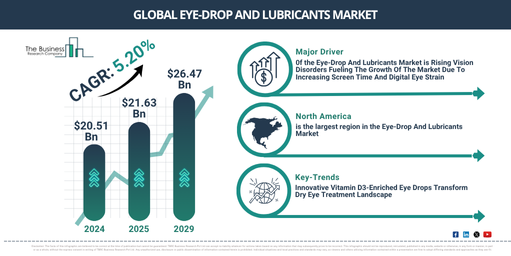
    The market size for eye-drops and lubricants has experienced a substantial expansion in the past few years. The growth is expected to continue, moving from $20.51 billion in 2024 to $21.63 billion in 2025, at a compound annual growth rate (CAGR) of 5.4%. Factors contributing to this impressive development in the historical period include the rising propulsion for eye-drop and lubricant use, the demand for effective medical treatments, an increase in screen time leading to higher demand, increased exposure to digital screens, and a surge in the usage of contact lenses.

    What Growth Rate Is Forecasted for the Eye-Drop And Lubricants Market by 2029?

    Expectations are high for a solid expansion in the eye-drop and lubricants market in the coming years. The market is projected to increase to a worth of $26.47 billion in 2029, reflecting a compound annual growth rate (CAGR) of 5.2%. This anticipated growth during the forecast period can be linked to an increase in understanding regarding eye health, a rise in incidences of dry eye syndrome (DES), an expanding elderly population, and escalating cases of allergies and environmental irritants. Key trends expected during this period include combining eye health monitoring with digital resources, the enlargement of intelligent delivery systems, a broader application in post-surgical recovery, and strategic partnerships.

    Download The Free Sample Report Here:

    https://www.thebusinessresearchcompany.com/sample.aspx?id=24530&type=smp

    Which Key Companies Are Shaping the Future of the Eye-Drop And Lubricants Market?

    Major companies operating in the eye-drop and lubricants market are Bayer AG, Sanofi S.A., Novartis AG, Viatris Inc., Teva Pharmaceutical Industries Ltd., Otsuka Pharmaceutical Co. Ltd., Regeneron Pharmaceuticals Inc., Alcon Inc., Genentech Inc., Bausch + Lomb Incorporated, Santen Pharmaceutical Co. Ltd., Alimera Sciences Inc., Scope Ophthalmics Ltd., Lenz Therapeutics Inc., Eyeris Vision Care Pvt. Ltd., Nicox S.A., Akums Drugs and Pharmaceuticals Ltd., Allergan plc, Jawa Pharmaceuticals Pvt. Ltd., Medtech Products Inc.

    Which Factors Are Driving Demand in the Eye-Drop And Lubricants Industry?

    The increasing number of vision-related conditions is anticipated to stimulate the expansion of the eye-drop and lubricants market in the future. Essentially, vision-related conditions relate to medical issues, disorders, or complications that hinder clear or comfortable vision. The growing occurrence of these cases is primarily fueled by escalating screen time, subsequently causing digital eye strain and hastening the emergence of myopia, predominantly among youngsters and young adults. Eye drops and lubricants provide relief for symptoms of vision-related conditions like dry eyes, irritation, and redness by offering moisture, mitigating inflammation, and improving the tear film’s stability, thereby improving overall eye comfort and vision clarity. For instance, as per the Royal National Institute of Blind People, a UK-based charity for people affected by visual impairments, there is an expected rise of 29% in the number of individuals with severe sight loss or registered as blind, surging from 298,000 in 2022 to 379,000 by 2035. Consequently, the rising frequency of vision-related conditions is fuelling the growth of the eye-drop and lubricant market.

    Request For A Customized Report:

    https://www.thebusinessresearchcompany.com/customise?id=24530&type=smp

    How Is the Eye-Drop And Lubricants Market Segmented by Several Divisions?

    The eye-drop and lubricants market covered in this report is segmented –

    1) By Type: Antibiotics, Hormones, Artificial Tears, Other Types

    2) By Formulation Type: Liquid, Ointment, Gel, Spray

    3) By Distribution Channel: Online Retail, Pharmacies, Supermarkets Or Hypermarkets, Specialty Stores

    4) By Application: Eye Disease, Eye Care, Other Applications

    5) By End User: Hospitals, Clinics, Homecare, Eyewear Centers

    Subsegments:

    1) By Antibiotics: Broad-Spectrum Antibiotics, Fluoroquinolones, Aminoglycosides, Macrolides

    2) By Hormones: Corticosteroids, Non-Corticosteroid Hormones

    3) By Artificial Tears: Preserved Artificial Tears, Preservative-Free Artificial Tears

    4) By Other Types: Antihistamines, Decongestants, Antiglaucoma Agents, Immunomodulators

    What are the Emerging Market Trends Driving the Growth of the Eye-Drop And Lubricants Industry?

    Key players in the eye-drop and lubricants market are placing an emphasis on the launch of ground-breaking products such as eye drops infused with Vitamin D3. They aim to address dry eye conditions in a more effective way and meet the increasing need for versatile eye health products. These tailor-made eye drops infused with Vitamin D3, also known as cholecalciferol, are concocted with moisturizing agents specifically designed to alleviate dry-eye related symptoms while also offering anti-inflammatory and immune-system regulatory benefits. Entod Pharmaceuticals, a pharmaceutical enterprise based in India, rolled out Vitamin D3-infused lubricating eye drops in May 2024. This marked a considerable step forward in global eye health industry, offering targeted solutions for those affected by dry eye disorders. Incorporating Vitamin D3 into chosen eye-drop lubricant brands aims to better the health of the ocular surface, augment tear constitution stability and aid in the repair of corneal wounds. The product distribution is strictly on a prescription-only basis by healthcare experts, and it tackles the widespread issue of Vitamin D deficiency in India, a concern closely associated with various eye-related health issues, including age-related macular degeneration and diabetic retinopathy.

    Access The Full Report Here:

    https://www.thebusinessresearchcompany.com/report/eye-drop-and-lubricants-global-market-report

    Which Regions Are Driving Growth in the Eye-Drop And Lubricants Market?

    North America was the largest region in the eye-drop and lubricants market in 2024. North America is expected to be the fastest-growing region in the forecast period. The regions covered in the eye-drop and lubricants market report are Asia-Pacific, Western Europe, Eastern Europe, North America, South America, Middle East, Africa.

    Purchase The Full Report Today:

    https://www.thebusinessresearchcompany.com/purchaseoptions.aspx?id=24530

    This Report Delivers Insight On:

    1. How big is the eye-drop and lubricants market, and how is it changing globally?

    2. Who are the major companies in the eye-drop and lubricants market, and how are they performing?

    3. What are the key opportunities and risks in the eye-drop and lubricants market right now?

    4. Which products or customer segments are growing the most in the eye-drop and lubricants market?

    5. What factors are helping or slowing down the growth of the eye-drop and lubricants market?

    About The Business Research Company:

    With over 15000+ reports from 27 industries covering 60+ geographies, The Business Research Company has built a reputation for offering comprehensive, data-rich research and insights. Armed with 1,500,000 datasets, the optimistic contribution of in-depth secondary research, and unique insights from industry leaders, you can get the information you need to stay ahead in the game.

    Get in touch with us:

    The Business Research Company: https://www.thebusinessresearchcompany.com/

    Americas +1 3156230293

    Asia +44 2071930708

    Europe +44 2071930708

    Email us at info@tbrc.info

    Follow us on:

    LinkedIn: https://in.linkedin.com/company/the-business-research-company

    YouTube: https://www.youtube.com/channel/UC24_fI0rV8cR5DxlCpgmyFQ

    Global Market Model: https://www.thebusinessresearchcompany.com/global-market-model
  • Estrogen Receptor Modulators Market Size to Exceed $23.68 Billion by 2029 | Growth and Industry Trends

    Claim your 30% discount on Global Market Reports with code ONLINE30. Limited time only.

    How Has the Estrogen Receptor Modulators Market Grown from 2024 to 2025?

    Over the past few years, the market size of estrogen receptor modulators has experienced significant growth. From a value of $15.73 billion in 2024, it is projected to rise to $17.12 billion in 2025, reflecting a compound annual growth rate (CAGR) of 8.8%. The historical growth can be attributed to factors such as increased demand for targeted cancer treatments, an upward trend in research on Selective Estrogen Receptor Modulators (SERMs), a rise in clinical trials pertaining to estrogen-related conditions, and growing applications in men’s health disorders.

    What Growth Rate Is Anticipated for the Estrogen Receptor Modulators Market in the Coming Years?

    The market size for estrogen receptor modulators is predicted to witness substantial growth in the forthcoming years, escalating to a worth of $23.68 billion by 2029, with a compound annual growth rate (CAGR) of 8.4%. The expected growth during this forecast period is attributed to the rising pipeline of next-generation SERMs, increased oncology R&D investment, growing incidence of hormone-sensitive cancers, broader application in personalized medicine, and potential authorization of innovative estrogen receptor modulators. Key trends for the forecast period encompass progress in selective estrogen receptor degraders (SERDs), advancement in tissue-selective modulators, revolutionary approaches in combination therapy, progression in biomarker-based drug targeting, and the creation of oral SERMs boasting enhanced safety profiles.

    Download The Free Sample Report Here:

    https://www.thebusinessresearchcompany.com/sample.aspx?id=24529&type=smp

    Who Are the Leading Companies in the Estrogen Receptor Modulators Market?

    Major companies operating in the estrogen receptor modulators market are Pfizer Inc., Johnson & Johnson, Roche Holding AG, Merck & Co. Inc., AbbVie Inc., Bayer AG, Sanofi SA, AstraZeneca PLC, Novartis AG, Eli Lilly and Company, Teva Pharmaceutical Industries Ltd., Sun Pharmaceutical Industries Ltd., Apotex Inc, Jiangsu Hengrui Pharmaceuticals Co. Ltd., Aurobindo Pharma, Alkem Laboratories Ltd., Atossa Therapeutics, Ligand Pharmaceuticals, Panacea Biotec, Sermonix Pharmaceuticals Inc., MSN Laboratories, Deus Medical

    What Are the Key Drivers of the Estrogen Receptor Modulators Market?

    The growth of the estrogen receptor modulators market is likely to be fueled by the increasing incidence of breast cancer. This disease, characterized by uncontrolled growth of abnormal cells in the breast leading to potential tissue invasion or metastasis, is on the rise. The increase can be attributed to a growing trend of women delaying childbirth, causing hormone level shifts and extended exposure to estrogen, thus hiking up cancer risk. Breast cancer management frequently utilizes estrogen receptor modulators to block or alter the impact of estrogen on cancer cells, slowing their growth and lowering the threat of advancement or recurrence of the disease. For example, data from the United Nations, an intergovernmental organization based in the US, in February 2025 showed that in 2022, breast cancer represented approximately 2.3 million new cases and 670,000 fatalities globally. By 2050, it is projected worldwide that new cases will rise by 38% and annual deaths by 68%, thus accentuating the significant and growing toll of the disease. Consequently, the increasing prevalence of breast cancer is acting as a catalyst for the expansion of the estrogen receptor modulators market.

    Request For A Customized Report:

    https://www.thebusinessresearchcompany.com/customise?id=24529&type=smp

    What Are the Key Market Segments in the Estrogen Receptor Modulators Industry?

    The estrogen receptor modulators market covered in this report is segmented –

    1) By Type: Select Estrogen Receptor Modulators, Non-Selective Estrogen Receptor Modulators, Selective Estrogen Receptor Downregulators (SERDs)

    2) By Route Of Administration: Oral, Injectable, Topical

    3) By Application: Breast Cancer Treatment, Osteoporosis Treatment, Infertility Treatment, Hormone Replacement Therapy (HRT)

    4) By Distribution Channel: Hospital Pharmacy, Online Pharmacy, Retail Pharmacy

    5) By End-Users: Homecare, Speciality Centres, Other End Users

    Subsegments:

    1) By Select Estrogen Receptor Modulators: Tamoxifen, Raloxifene, Toremifene, Bazedoxifene, Lasofoxifene

    2) By Non-Selective Estrogen Receptor Modulators: Clomiphene, Diethylstilbestrol (DES), Other Non-Selective Modulators

    3) By Selective Estrogen Receptor Downregulators (SERDs): Fulvestrant, Elacestrant, OP-1250 (Investigational), Other Oral SERDs

    What Are the Latest Trends in the Estrogen Receptor Modulators Market?

    Key players in the estrogen receptor modulators market are prioritizing the creation of innovative solutions, such as estrogen-focused menopause hormone therapy. This approach aims to efficiently manage symptoms of menopause like hot flashes, all the while reducing the risk of hormone-associated cancers and cardiovascular problems. This type of therapy involves the administration of estrogen—either alone or combined with progestin—to alleviate menopause-related symptoms. For example, Pfizer Inc., a pharmaceutical and biotech company based in the US launched DUAVEE (a combination of conjugated estrogens/bazedoxifene) in June 2023. This is a hormone therapy specifically designed for postmenopausal women who have a uterus. Now available again with enhanced packaging, DUAVEE merges conjugated estrogens and bazedoxifene—a selective estrogen receptor modulator. This provides an alternative to traditional estrogen-progestin therapies by lowering the risk of thickening in the uterine lining. The medication is ingested as a daily oral tablet, for the briefest necessary period to manage symptoms. Some common side effects can include muscle spasms, nausea, and stomach unease.

    Access The Full Report Here:

    https://www.thebusinessresearchcompany.com/report/estrogen-receptor-modulators-global-market-report

    What Are the Key Regional Markets in the Estrogen Receptor Modulators Industry?

    North America was the largest region in the estrogen receptor modulators market in 2024. Asia-Pacific is expected to be the fastest-growing region in the forecast period. The regions covered in the estrogen receptor modulators market report are Asia-Pacific, Western Europe, Eastern Europe, North America, South America, Middle East, Africa.

    Purchase The Full Report Today:

    https://www.thebusinessresearchcompany.com/purchaseoptions.aspx?id=24529

    This Report Delivers Insight On:

    1. How big is the estrogen receptor modulators market, and how is it changing globally?

    2. Who are the major companies in the estrogen receptor modulators market, and how are they performing?

    3. What are the key opportunities and risks in the estrogen receptor modulators market right now?

    4. Which products or customer segments are growing the most in the estrogen receptor modulators market?

    5. What factors are helping or slowing down the growth of the estrogen receptor modulators market?

    About The Business Research Company:

    With over 15000+ reports from 27 industries covering 60+ geographies, The Business Research Company has built a reputation for offering comprehensive, data-rich research and insights. Armed with 1,500,000 datasets, the optimistic contribution of in-depth secondary research, and unique insights from industry leaders, you can get the information you need to stay ahead in the game.

    Get in touch with us:

    The Business Research Company: https://www.thebusinessresearchcompany.com/

    Americas +1 3156230293

    Asia +44 2071930708

    Europe +44 2071930708

    Email us at info@tbrc.info

    Follow us on:

    LinkedIn: https://in.linkedin.com/company/the-business-research-company

    YouTube: https://www.youtube.com/channel/UC24_fI0rV8cR5DxlCpgmyFQ

    Global Market Model: https://www.thebusinessresearchcompany.com/global-market-model
  • Immunohistochemistry (IHC) Forecast Report – Designed for Decision Makers and Product Teams

    Immunohistochemistry (IHC) Forecast Report – Designed for Decision Makers and Product Teams

    Claim your 30% discount on Global Market Reports with code ONLINE30. Limited time only.

    What Is the Growth Rate of the Immunohistochemistry (IHC) Market?

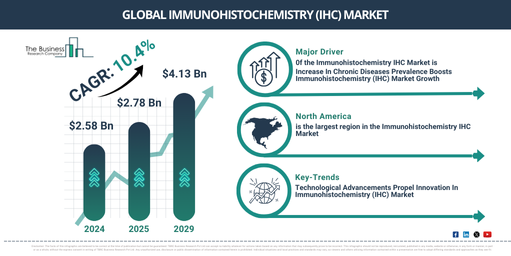
    The size of the immunohistochemistry (IHC) market has witnessed substantial growth in the past few years. It’s projected to increase from $2.58 billion in 2024 to $2.78 billion in 2025, with a compound annual growth rate (CAGR) of 8.0%. The expansion in the historic period is as a result of acceptance in the clinic, industry standardization, development in cancer research, the implementation of automation in laboratories, and progress in clinical diagnostics.

    What Growth Rate Is Forecasted for the Immunohistochemistry (IHC) Market by 2029?

    In the coming years, the immunohistochemistry (IHC) market is predicted to undergo significant expansion. The market is projected to boost to $4.13 billion by 2029, growing at a compound annual growth rate (CAGR) of 10.4%. Factors driving this growth during the projected period includes the entrance of new market participants, increased demand in drug invention, inclusion of biomedical research, use in diagnosis, and the rise of automation and digitalization. Key trends during this anticipated period will involve multiplex IHC methods, digital pathology incorporation, improved antibody specificity, automation and compliance, and the application in biomarker discovery.

    Download The Free Sample Report Here:

    https://www.thebusinessresearchcompany.com/sample.aspx?id=9267&type=smp

    Which Key Companies Are Shaping the Future of the Immunohistochemistry (IHC) Market?

    Major companies operating in the immunohistochemistry (IHC) market include Thermo Fisher Scientific Inc., F. Hoffmann-La Roche AG, The Merck Group, Danaher Corporation, PerkinElmer Inc., Bio-Rad Laboratories Inc., Cell Signaling Technology Inc., Bio SB Inc., Agilent Technologies Inc., Abcam plc, Becton Dickinson and Company, Takara Bio Inc., Biocare Medical LLC, Bio-Genex Laboratories, Diagnostic BioSystems Inc., BioVision Inc., PHC Holdings Corporation, Abbott Laboratories, Leica Biosystems, Vector Laboratories, Indivumed GmbH, Qritive, Ionpath Inc., Reveal Biosciences, Akrivis Technologies Private Limited, LifeSpan BioSciences Inc., Enzo Life Sciences Inc., Epitomics Inc., GenScript Biotech, Histologix Ltd., NeoGenomics Laboratories Inc.

    Which Factors Are Driving Demand in the Immunohistochemistry (IHC) Industry?

    The rising incidence of chronic illnesses is predicted to stimulate the growth of the immunohistochemistry (IHC) market. Chronic diseases are long-term medical conditions that persist for at least three months and while they can be managed, they cannot be cured. The role of immunohistochemistry comes to the forefront in diagnosing such chronic diseases like cancer, cardiovascular diseases, and more owing to its unique benefits such as specificity, sensitivity (identifying specific antigens), swift results, among others. For example, data from the Centers for Disease Control and Prevention, a US-based national public health organization, in 2022 indicated that about 37.3 million individuals or 11.3% of the population in the United States are diabetic. Consequently, the escalating occurrence of chronic diseases is steering the expansion of the immunohistochemistry (IHC) market.

    Request For A Customized Report:

    https://www.thebusinessresearchcompany.com/customise?id=9267&type=smp

    How Is the Immunohistochemistry (IHC) Market Segmented by Several Divisions?

    The immunohistochemistry (IHC) market covered in this report is segmented –

    1) By Product: Antibodies, Equipment, Reagents, Kits

    2) By Applications: Diagnostics, Drug Testing, Other Applications

    3) By End-Users: Hospitals And Diagnostic Laboratories, Research Institutes, Other End-Users

    Subsegments:

    1) By Antibodies: Primary Antibodies, Secondary Antibodies, Conjugated Antibodies

    2) By Equipment: IHC Staining Systems, Tissue Processors, Slide Scanners, Microscopes

    3) By Reagents: Detection Reagents, Blocking Reagents, Mounting Media

    4) By Kits: Pre-prepared IHC Kits, Multiplex IHC Kits, Specialty Kits

    What are the Emerging Market Trends Driving the Growth of the Immunohistochemistry (IHC) Industry?

    Key players in the immunohistochemistry (IHC) market are prioritizing the enhancement of diagnostic precision through state-of-the-art technologies and superior quality reagents that augment the efficiency of tissue analysis in various scientific and clinical uses. The Neoflex multiomics mass spectrometry imaging (MSI) system represents an innovative imaging platform intended for meticulous tissue analysis, facilitating scientists to shift from discovery to clinical implementation via sophisticated mass spectrometry techniques, particularly for the spatial mapping of biomolecules within tissues. To illustrate, in June 2024, Bruker Corporation, a US organization that creates and produces analytical and diagnostic solutions as well as scientific apparatus, introduced their matrix-assisted laser desorption/ionization-time of flight (MALDI-TOF/TOF) Neoflex Imaging Profiler for tissue imaging based on mass spectrometry. The Neoflex MSI system responds to the need for moving from discovery imaging towards clinical tissue research. It incorporates Bruker’s 10-kHz smartbeam 3D laser, upgraded imaging detectors, and is compatible with OME-TIFF file output using SCiLS Scope software.

    Access The Full Report Here:

    https://www.thebusinessresearchcompany.com/report/immunohistochemistry-ihc-global-market-report

    Which Regions Are Driving Growth in the Immunohistochemistry (IHC) Market?

    North America was the largest region in the immunohistochemistry (IHC) market in 2024. Asia-Pacific is expected to be the fastest-growing region in the immunohistochemistry (IHC) market report during the forecast period. The regions covered in the immunohistochemistry (IHC) market report are Asia-Pacific, Western Europe, Eastern Europe, North America, South America, Middle East, Africa

    Purchase The Full Report Today:

    https://www.thebusinessresearchcompany.com/purchaseoptions.aspx?id=9267

    This Report Delivers Insight On:

    1. How big is the immunohistochemistry (ihc) market, and how is it changing globally?

    2. Who are the major companies in the immunohistochemistry (ihc) market, and how are they performing?

    3. What are the key opportunities and risks in the immunohistochemistry (ihc) market right now?

    4. Which products or customer segments are growing the most in the immunohistochemistry (ihc) market?

    5. What factors are helping or slowing down the growth of the immunohistochemistry (ihc) market?

    About The Business Research Company:

    With over 15000+ reports from 27 industries covering 60+ geographies, The Business Research Company has built a reputation for offering comprehensive, data-rich research and insights. Armed with 1,500,000 datasets, the optimistic contribution of in-depth secondary research, and unique insights from industry leaders, you can get the information you need to stay ahead in the game.

    Get in touch with us:

    The Business Research Company: https://www.thebusinessresearchcompany.com/

    Americas +1 3156230293

    Asia +44 2071930708

    Europe +44 2071930708

    Email us at info@tbrc.info

    Follow us on:

    LinkedIn: https://in.linkedin.com/company/the-business-research-company

    YouTube: https://www.youtube.com/channel/UC24_fI0rV8cR5DxlCpgmyFQ

    Global Market Model: https://www.thebusinessresearchcompany.com/global-market-model
  • Endoscopy Visualization Systems Industry Insights 2025 – Market Forecast for Executives and Planners

    Endoscopy Visualization Systems Industry Insights 2025 – Market Forecast for Executives and Planners

    Claim your 30% discount on Global Market Reports with code ONLINE30. Limited time only.

    How Has the Endoscopy Visualization Systems Market Size Changed, over the years?

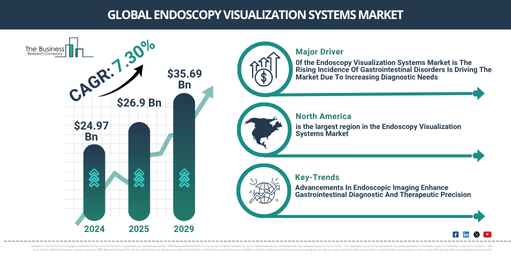
    In recent times, the market for endoscopy visualization systems has exhibited robust growth. The market size is set to rise from $24.97 billion in 2024 to $26.9 billion in 2025, with a compound annual growth rate (CAGR) of 7.7%. Factors contributing to the growth during the identified historic period include increased utilization of minimally invasive procedures, rising cases of gastrointestinal disorders, a growing elderly population, wider application of endoscopy in both diagnostics and surgery, and heightened awareness about the importance of early disease detection.

    How Much Will the Endoscopy Visualization Systems Market Be Worth in 2029?

    It is anticipated that the market size for endoscopy visualization systems will continue to proliferate significantly in the near term, reaching $35.69 billion by 2029, exhibiting a compound annual growth rate (CAGR) of 7.3%. Key factors propelling growth during the forecast period comprises rising demands for ambulatory surgical centers, escalated healthcare investments in emerging economies, a keen emphasis on heightened diagnostic precision, increasing prevalence of chronic diseases, and government backing for advancements in medical device technology. Other major market trends projected for the forecast period include the wider use of AI-assisted instant image analysis, a shift towards 3D and 4K visualization systems, growth of remote endoscopy capabilities, combination of visualization systems with robotically-assisted surgery platforms, and an upsurge in the use of cloud-based storage and sharing functionality.

    Download The Free Sample Report Here:

    https://www.thebusinessresearchcompany.com/sample.aspx?id=24528&type=smp

    Which is the Largest Company in the Endoscopy Visualization Systems Market?

    Major companies operating in the endoscopy visualization systems market are Johnson & Johnson, Medtronic Plc, FUJIFILM Holdings Corporation, Stryker Corporation, Boston Scientific Corporation, Baxter International Inc., Braun Melsungen AG, Olympus Corporation, Smith & Nephew plc, Shenzhen Mindray Bio-Medical Electronics Co. Ltd., Karl Storz GmbH & Co. KG, Cook Medical, CONMED Corporation, Ambu A/S, Richard Wolf GmbH, Pentax Medical, Inline Systems, Biovision Veterinary Endoscopy, Machida Endoscope Co. Ltd., Medical Tek Co. Ltd., Ecleris Technologies, Vision Sciences Inc.

    What Are the Main Market Drivers in the Endoscopy Visualization Systems Industry?

    The increase in gastrointestinal disorders is forecasted to fuel the expansion of the endoscopy visualization systems market. Gastrointestinal disorders involve diseases that affect the digestive system, often resulting in symptoms such as stomach discomfort, bloating, and digestive problems. The surge in these disorders is largely attributed to the increasing consumption of ultra-processed foods, which disrupt the gut microbiota and initiate inflammation. Endoscopy visualization systems aid in the diagnosis and treatment of gastrointestinal disorders by providing sharp, real-time images of the digestive tract. These systems facilitate precise problem detection, targeted biopsies, and minimally invasive procedures. For example, the Inflammatory Bowel Disease (IBD) Clinical and Research Centre, a Canada-based entity, reported in September 2023 that over 320,000 people in Canada have IBD with a prevalence of 825 per 100,000 in 2023. As the prevalence is anticipated to rise by 2.44% annually, about 1.1% of the population, or 470,000 Canadians, are expected to have IBD by 2035. Consequently, the increasing occurrence of gastrointestinal disorders is propelling the growth of the endoscopy visualization systems market.

    Request For A Customized Report:

    https://www.thebusinessresearchcompany.com/customise?id=24528&type=smp

    How Is the Endoscopy Visualization Systems Market Segments Structured?

    The endoscopy visualization systems market covered in this report is segmented –

    1) By Type: Standard Endoscopy Systems, High Definition (HD) Endoscopy Systems, Ultra High Definition (UHD) Endoscopy Systems, Endoscopic Ultrasound (EUS) Systems, Wireless Endoscopy Systems

    2) By Component: Endoscopes, Visualization Systems, Light Sources, Processing Systems, Accessories

    3) By Application: Gastrointestinal (GI) Endoscopy, Laparoscopy, Arthroscopy, Obstetrics Or Gynecology Endoscopy, Urology Endoscopy, Bronchoscopy, ENT Endoscopy, Neurology Endoscopy, Other Applications

    4) By End User: Hospitals, Ambulatory Surgical Centers (ASCs), Specialty Clinics, Diagnostic Imaging Centers, Academic And Research Institutes

    Subsegments:

    1) By Standard Endoscopy Systems: Analog Camera Units, Basic Video Processors

    2) By High Definition (HD) Endoscopy Systems: High Definition (HD) Cameras, High Definition (HD) Cameras

    3) By Ultra High Definition (UHD) Endoscopy Systems: 4K Cameras, 4K Processors

    4) By Endoscopic Ultrasound (EUS) Systems: Radial Echoendoscopes, Linear Echoendoscopes

    5) By Wireless Endoscopy Systems: Capsule Endoscopes, Wireless Data Receivers

    What Strategic Trends Are Transforming the Endoscopy Visualization Systems Market?

    The focus for leading corporations involved in the endoscopy visualization systems market is on the creation of state-of-the-art products, such as visualization gastroscopes. These intend to improve the visualization and procedural abilities in gastrointestinal diagnostics and remediation. Visualization gastroscopes are versatile endoscopic tools that come with top-notch imaging and superior optical technology, for precise and clear imagery of the upper gastrointestinal tract, vital for accurate diagnosis and medication. To illustrate, Fujifilm Healthcare Americas Corporation, a US-based firm offering medical imaging and informatics solutions, rolled out its EG-840T and EG-840TP models in April 2025. These new-generation gastroscopes are backed by the ELUXEO Endoscopic Imaging System and equipped with advanced LED multi-light technology to enhance visualization and offer better maneuverability. This allows clinicians to perform elaborate upper gastrointestinal procedures with better accuracy and proficiency. The introduction highlights Fujifilm’s dedication to enhancing endoscopic care through high-quality imaging and broadened therapeutic options.

    Access The Full Report Here:

    https://www.thebusinessresearchcompany.com/report/endoscopy-visualization-systems-global-market-report

    Which Global Regions Offer the Highest Growth in the Endoscopy Visualization Systems Market?

    North America was the largest region in the endoscopy visualization systems market in 2024. Asia-Pacific is expected to be the fastest-growing region in the forecast period. The regions covered in the endoscopy visualization systems market report are Asia-Pacific, Western Europe, Eastern Europe, North America, South America, Middle East, Africa.

    Purchase The Full Report Today:

    https://www.thebusinessresearchcompany.com/purchaseoptions.aspx?id=24528

    This Report Delivers Insight On:

    1. How big is the endoscopy visualization systems market, and how is it changing globally?

    2. Who are the major companies in the endoscopy visualization systems market, and how are they performing?

    3. What are the key opportunities and risks in the endoscopy visualization systems market right now?

    4. Which products or customer segments are growing the most in the endoscopy visualization systems market?

    5. What factors are helping or slowing down the growth of the endoscopy visualization systems market?

    About The Business Research Company:

    With over 15000+ reports from 27 industries covering 60+ geographies, The Business Research Company has built a reputation for offering comprehensive, data-rich research and insights. Armed with 1,500,000 datasets, the optimistic contribution of in-depth secondary research, and unique insights from industry leaders, you can get the information you need to stay ahead in the game.

    Get in touch with us:

    The Business Research Company: https://www.thebusinessresearchcompany.com/

    Americas +1 3156230293

    Asia +44 2071930708

    Europe +44 2071930708

    Email us at info@tbrc.info

    Follow us on:

    LinkedIn: https://in.linkedin.com/company/the-business-research-company

    YouTube: https://www.youtube.com/channel/UC24_fI0rV8cR5DxlCpgmyFQ

    Global Market Model: https://www.thebusinessresearchcompany.com/global-market-model
  • Elderly Walkers Market Trends Report 2025 – For Business Development and Strategy Teams

    Elderly Walkers Market Trends Report 2025 – For Business Development and Strategy Teams

    Claim your 30% discount on Global Market Reports with code ONLINE30. Limited time only.

    What Is the Forecast for the Elderly Walkers Market Growth in 2025?

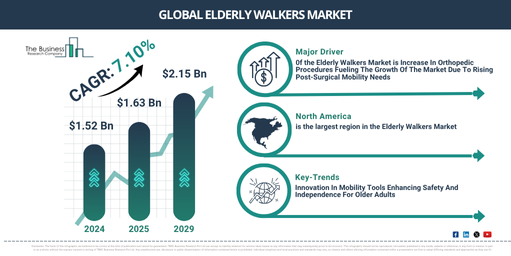
    In recent times, the market for elderly walkers has seen substantial growth. It’s predicted to expand from $1.52 billion in 2024 to $1.63 billion in 2025, yielding a compound annual growth rate (CAGR) of 7.5%. This growth during the historic period is credited to factors such as enhanced healthcare facilities, urbanization and lifestyle shifts, increased disposable income of the elderly, extended life spans, and the growth of home healthcare services.

    What Is the Forecast for the Elderly Walkers Market Size Through 2029?

    In the coming few years, strong expansion is anticipated in the market sector of elderly walkers. A surge to $2.15 billion by 2029 is predicted, with a compound annual growth rate (CAGR) of 7.1%. The expansion in the forecast period can be accredited to a globally increasing elderly population, augmented occurrence of health issues related to mobility, encouraging awareness about the prevention of falls, a heightened focus on senior independence, and a higher occurrence of arthritis and joint pain. The forecast period will see key trends like advancements in walker designs and technology, the presence of lightweight and customizable walkers, the initiation of smart and interconnected walker devices, the amalgamation of ergonomic features for comfort enhancement, and the invention of multi-functional walkers with extra features.

    Download The Free Sample Report Here:

    https://www.thebusinessresearchcompany.com/sample.aspx?id=24527&type=smp

    What are the Key Market Players in Elderly Walkers Market and How They’re Evolving?

    Major companies operating in the elderly walkers market are Medline Industries Inc., Invacare Holdings Corporation, Drive Medical, Sunrise Medical LLC, GrahamField Health Products Inc., Compass Health Brands Corp., Briggs Corporation, Roma Medical Aids Ltd., Topro Industri AS, Nova Medical Products, Trust Care, Just Walkers, Kaye Products Inc., Cofoe Medical Technology Co. Ltd., Rollz International BV, Aidapt, Days Mobility, Shenzhen Ruihan Meditech Co. Ltd., Uplivin, Z-Tec Mobility

    What Are the Primary Growth Drivers in the Elderly Walkers Market?

    The elderly walkers market is anticipated to grow due to escalating numbers of orthopedic procedures. These procedures encompass both surgical and non-surgical treatments designed to detect and rectify conditions related to bones, muscles, tendons, joints, and ligaments. A significant impetus for the increase in orthopedic procedures comes from the aging populace, who are typically more susceptible to musculoskeletal conditions such as osteoarthritis. Elderly walkers are vital in aiding patients rebounding from orthopedic procedures by offering increased stability, minimizing the risk of falls, and fostering safe, self-sufficient locomotion during recovery. For example, Curvo Labs Inc., a healthcare supply chain management company based in the U.S., reported that knee replacement procedures in the U.S. increased from 1,235,835 in 2021 to 1,299,084 in 2022 in September 2023, signifying a consistent climb in the necessity for orthopedic treatments. Hence, the rise in orthopedic procedures is projected to stimulate growth in the elderly walkers market.

    Request For A Customized Report:

    https://www.thebusinessresearchcompany.com/customise?id=24527&type=smp

    What Are the Leading Segments in the Global Elderly Walkers Industry?

    The elderly walkers market covered in this report is segmented –

    1) By Type: Standard Walkers, Knee Walkers, Rollators

    2) By Distribution Channel: Online, Offline

    3) By Application: Orthopedic Care, Emergency Care, Geriatric Care, Other Applications

    4) By End-Use: Hospitals, Home Care, Other End-Use

    Subsegments:

    1) By Standard Walkers: With Wheels, Without Wheels, Foldable Standard Walkers, Height Adjustable Walkers, Bariatric Standard Walkers

    2) By Knee Walkers: Steerable Knee Walkers, Non-steerable Knee Walkers, Foldable Knee Walkers, All-Terrain Knee Walkers, Pediatric Knee Walkers

    3) By Rollators: 3-Wheel Rollators, 4-Wheel Rollators, Heavy-Duty Rollators, Rollators with Seat, Foldable Rollators, Indoor Rollators, Outdoor Rollators

    What Are the Key Market Trends in the Elderly Walkers Industry?

    Leading businesses in the elderly walkers market are focusing their efforts on creating innovative products like mobility tools. These tools are specially designed assistive devices aimed at fostering more safe and independent movement by offering support, stability, and improved mobility. For example, in February 2024, Audelacare, a company specializing in eldercare based in Singapore, unveiled their new product, the One-Push Walking Stick. This unique walking aid aims to improve comfort and safety for seniors as they walk. With a simple push-button system for easy adjustment of height, it caters to individual needs. The stick is crafted from lightweight, yet sturdy and rust-resistant anodized aluminum, and it can support individuals weighing up to 113 kg. The thermoplastic rubber handle ensures a stable, non-slip grip. This product serves more than just a supporting role; it fosters independence, encourages an active lifestyle, and boosts the confidence of the elderly in their everyday movements.

    Access The Full Report Here:

    https://www.thebusinessresearchcompany.com/report/elderly-walkers-global-market-report

    What Is the Regional Outlook for the Elderly Walkers Market?

    North America was the largest region in the elderly walkers market in 2024. Asia-Pacific is expected to be the fastest-growing region in the forecast period. The regions covered in the elderly walkers market report are Asia-Pacific, Western Europe, Eastern Europe, North America, South America, Middle East, Africa.

    Purchase The Full Report Today:

    https://www.thebusinessresearchcompany.com/purchaseoptions.aspx?id=24527

    This Report Delivers Insight On:

    1. How big is the elderly walkers market, and how is it changing globally?

    2. Who are the major companies in the elderly walkers market, and how are they performing?

    3. What are the key opportunities and risks in the elderly walkers market right now?

    4. Which products or customer segments are growing the most in the elderly walkers market?

    5. What factors are helping or slowing down the growth of the elderly walkers market?

    About The Business Research Company:

    With over 15000+ reports from 27 industries covering 60+ geographies, The Business Research Company has built a reputation for offering comprehensive, data-rich research and insights. Armed with 1,500,000 datasets, the optimistic contribution of in-depth secondary research, and unique insights from industry leaders, you can get the information you need to stay ahead in the game.

    Get in touch with us:

    The Business Research Company: https://www.thebusinessresearchcompany.com/

    Americas +1 3156230293

    Asia +44 2071930708

    Europe +44 2071930708

    Email us at info@tbrc.info

    Follow us on:

    LinkedIn: https://in.linkedin.com/company/the-business-research-company

    YouTube: https://www.youtube.com/channel/UC24_fI0rV8cR5DxlCpgmyFQ

    Global Market Model: https://www.thebusinessresearchcompany.com/global-market-model
  • Immunoassay Market Outlook 2025 – Insights for Executive and Strategic Planning

    Immunoassay Market Outlook 2025 – Insights for Executive and Strategic Planning

    Claim your 30% discount on Global Market Reports with code ONLINE30. Limited time only.

    How Has the Immunoassay Market Grown from 2024 to 2025?

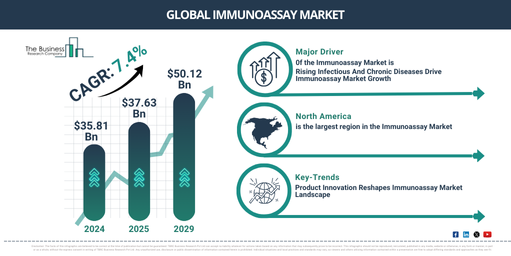
    The immunoassay market has seen robust growth in the recent past. From a value of $35.81 billion in 2024, it is projected to reach $37.63 billion in 2025, escalating at a compound annual growth rate (CAGR) of 5.1%. Factors such as a rise in disease prevalence, an aging demographic, outbreaks of infectious diseases, advancements in point-of-care testing, and increased allocation of funds for research have fueled this growth in the historical period.

    What Growth Rate Is Anticipated for the Immunoassay Market in the Coming Years?

    In the coming years, the immunoassay market is projected to witness substantial growth, reaching $50.12 billion by 2029 with a 7.4% compound annual growth rate (CAGR). The surge during the forecast period can be traced back to the proliferation of personalized medicine, the broadening scope in developing markets, readiness for pandemics, cancer diagnostic procedures, and the transition towards testing at home. Notable trends expected throughout the forecast period encompass efforts for regulatory harmonization, multipurpose immunoassays, tailored assay services, compatibility with wearable technology, and assay miniaturization.

    Download The Free Sample Report Here:

    https://www.thebusinessresearchcompany.com/sample.aspx?id=9838&type=smp

    Who Are the Leading Companies in the Immunoassay Market?

    Major companies operating in the immunoassay market include Siemens Healthineers GmbH, bioMérieux, Abbott, Beckman Coulter Inc., Quidel Corporation, Ortho Clinical Diagnostics, Sysmex Corporation, Bio-Rad Laboratories Inc., Becton Dickinson and Company, F. Hoffmann-La Roche Ltd, Thermo Fisher Scientific Inc., Merck KGaA, Agilent Technologies Inc., PerkinElmer Inc, WAK-Chemie Medical GmbH, J Mitra & Co Pvt Ltd, Kamiya Biomedical Company, Tosoh Corporation, Gyros Protein Technologies AB, BioCheck Inc., Bio-Techn, DiaSorin S.p.A, Meso Scale Diagnostics LLC, QIAGE, Randox Laboratories Ltd., Shenzhen Mindray Bio-Medical Electronics Co Ltd, Danaher Corporation, Hologic Inc., Tecan Trading AG, Eurofins Scientific, Abcam plc, Enzo Biochem Inc., Luminex Corporation, Quanterix Corporation, Roche Diagnostics, ZEUS Scientific Inc.

    What Are the Key Drivers of the Immunoassay Market?

    The escalation of both chronic and infectious diseases is anticipated to spur the expansion of the immunoassay market in the imminent future. Chronic illnesses are generally defined as conditions that last for at least a year, requiring ongoing medical supervision, impede daily activities, or a combination of these. On the other hand, infectious diseases are those engendered by organisms like bacteria, viruses, fungi, or parasites. These infectious carriers thrive in the human body and a diverse range of infectious diseases can be contagious. Immunoassay functionality comes to fruition in identifying many such chronic and infectious diseases. For instance, an investigative study conducted by the National Institutes of Health (NIH), a US-derived biomedical study organization, predicted that by the year 2023, in the United States, there would be a 99.5% growth in the population that is 50 years old or older and has at least one chronic illness. This number would leap from 71.522 million in 2020 to an estimated 142.66 million by 2050. The population afflicted by multiple morbidities is also projected to see a rise of 91.16%, jumping from 7.8304 million in 2020 to about 14.968 million in 2050. Thus, the surge in chronic and infectious diseases is a strong market propellant for the immunoassay market.

    Request For A Customized Report:

    https://www.thebusinessresearchcompany.com/customise?id=9838&type=smp

    What Are the Key Market Segments in the Immunoassay Industry?

    The immunoassay market covered in this report is segmented –

    1) By Product: Reagents And Kits, Analyzers Or Instruments, Software And Services

    2) By Specimen: Blood, Saliva, Urine, Other Specimens

    3) By Application: Therapeutic Drug Monitoring, Oncology, Cardiology, Endocrinology, Infectious Disease Testing, Autoimmune Diseases, Other Applications

    4) By End User: Research And Academic Laboratories, Home Care Settings, Pharmaceutical And Biotechnology Companies And CROs, Blood Banks, Hospitals And Clinics, Clinical Laboratories

    Subsegments:

    1) By Reagents And Kits: ELISA Kits, Rapid Test Kits, Control Reagents, Assay Development Reagents

    2) By Analyzers Or Instruments: Automated Analyzers, Point-Of-Care Testing Devices, Microplate Readers, Luminometers

    3) By Software And Services: Data Management Software, Analytical Software, Support And Maintenance Services, Consulting Services

    What Are the Latest Trends in the Immunoassay Market?

    The primacy of product innovation is a key trend gathering momentum in the immunoassay market. To consolidate their foothold in the immunoassay market, leading enterprises are heavily involved in developing groundbreaking products. For instance, Getein Biotech Inc., a biotechnological firm based in China known for its manufacturing, sales, service, and research and development of in vitro diagnostic reagents and tools, unveiled MAGICL 6000 at MEDICA 2022 in November 2022. The MAGICL 6000 is a portable state-of-the-art chemiluminescence immunoassay analyzer, making it the optimal choice for labs with medium to high workflow demands seeking a one-stop chemiluminescence solution. Despite its compact size, the instrument’s efficiency is commendable, it’s fully automated, and boasts the fastest analysis frequency of any device in its category.

    Access The Full Report Here:

    https://www.thebusinessresearchcompany.com/report/immunoassay-global-market-report

    What Are the Key Regional Markets in the Immunoassay Industry?

    North America was the largest region in the immunoassay market in 2024. Asia-Pacific is expected to be the fastest-growing region in the immunoassay market report during the forecast period. The regions covered in the immunoassay market report are Asia-Pacific, Western Europe, Eastern Europe, North America, South America, Middle East, Africa

    Purchase The Full Report Today:

    https://www.thebusinessresearchcompany.com/purchaseoptions.aspx?id=9838

    This Report Delivers Insight On:

    1. How big is the immunoassay market, and how is it changing globally?

    2. Who are the major companies in the immunoassay market, and how are they performing?

    3. What are the key opportunities and risks in the immunoassay market right now?

    4. Which products or customer segments are growing the most in the immunoassay market?

    5. What factors are helping or slowing down the growth of the immunoassay market?

    About The Business Research Company:

    With over 15000+ reports from 27 industries covering 60+ geographies, The Business Research Company has built a reputation for offering comprehensive, data-rich research and insights. Armed with 1,500,000 datasets, the optimistic contribution of in-depth secondary research, and unique insights from industry leaders, you can get the information you need to stay ahead in the game.

    Get in touch with us:

    The Business Research Company: https://www.thebusinessresearchcompany.com/

    Americas +1 3156230293

    Asia +44 2071930708

    Europe +44 2071930708

    Email us at info@tbrc.info

    Follow us on:

    LinkedIn: https://in.linkedin.com/company/the-business-research-company

    YouTube: https://www.youtube.com/channel/UC24_fI0rV8cR5DxlCpgmyFQ

    Global Market Model: https://www.thebusinessresearchcompany.com/global-market-model
  • Hypophosphatasia Treatment Market Projected at $3.71 Billion by 2029 | Strategic Insights and Forecast Data

    Hypophosphatasia Treatment Market Projected at $3.71 Billion by 2029 | Strategic Insights and Forecast Data

    Claim your 30% discount on Global Market Reports with code ONLINE30. Limited time only.

    How Has the Hypophosphatasia Treatment Market Size Changed, over the years?

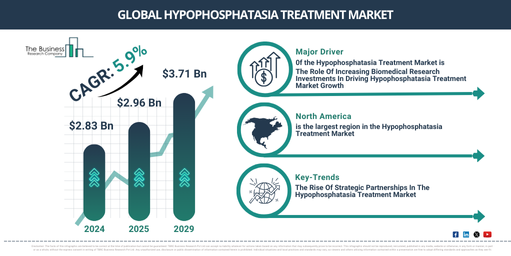
    In recent times, consistent growth has been observed in the market size of hypophosphatasia treatment. It is predicted to escalate from a value of $2.83 billion in 2024 to approximately $2.96 billion in 2025, indicating a compound annual growth rate (CAGR) of 4.6%. Factors such as restricted treatment alternatives, enhancement of public consciousness, global expansion of clinical trials, development in healthcare facilities, along with investments and funding, contributed to the market’s growth during the historical period.

    How Much Will the Hypophosphatasia Treatment Market Be Worth in 2029?

    Over the coming years, a robust expansion is anticipated in the hypophosphatasia treatment market, which is projected to swell to $3.71 billion in 2029, with a 5.9% compound annual growth rate (CAGR). This upcoming growth during the forecast period can be traced back to factors such as the emergence of new therapy options, an enlarged patient pool, a surge in precision medicine trends, government-driven initiations, and increased awareness about the disease. The upcoming period will also witness significant trends like improved therapeutic strategies, initiatives in research and development, market broadening and global exposure, collaborations and partnerships, as well as alterations in the regulatory landscape.

    Download The Free Sample Report Here:

    https://www.thebusinessresearchcompany.com/sample.aspx?id=9424&type=smp

    Which is the Largest Company in the Hypophosphatasia Treatment Market?

    Major companies operating in the hypophosphatasia treatment market include Kirin Holdings Company Limited, Vericel Corporation, Mereo Biopharma Group plc, Novartis AG, AM-Pharma B.V., Bayer AG, Pfizer Inc., Ultragenyx Pharmaceutical Inc., BioMarin Pharmaceutical Inc., AstraZeneca plc, Rallybio Corporation, AbCellera Biologics Inc., Inozyme Pharma Inc., Aruvant Sciences Pte. Ltd., Asfotase Alfa, Merck Co. & KGaA, Kyowa Kirin Co.Ltd., Shire plc, Sanofi S.A., GlaxoSmithKline plc, Eli Lilly and Company, Roche Holding AG, Johnson & Johnson Services Inc., AbbVie Inc., Amgen Inc., Biogen Inc., Bristol-Myers Squibb Company, Gilead Sciences Inc., Incyte Corporation, Ipsen S.A., Jazz Pharmaceuticals plc, Mallinckrodt Pharmaceuticals, Regeneron Pharmaceuticals Inc.

    What Are the Main Market Drivers in the Hypophosphatasia Treatment Industry?

    Boosts in the hypophosphatasia treatment market are anticipated because of increased financial commitments to biomedical research. Biomedical research investment refers to funds allocated for testing biomedical theories through scientific methods, expanding our understanding of unique health facets. This investment is essential for developing new drugs and therapies for quicker and improved hypophosphatasia treatment, a rare genetic bone condition. For example, a report by the Centers for Medicare & Medicaid Services, a U.S. federal agency, showed that national health expenditure grew by 2.7% in 2021, totaling $4.3 trillion, or $12,914 per person. This was 18.3% of the GDP. Between 2022 and 2031, the average growth in national health expenditure is expected to be 5.4%, outpacing the average GDP growth of 4.6%. Consequently, the health spending share of GDP is projected to rise from 18.3% in 2021 to 19.6% in 2031. Thus, it’s evident that the increased financial contributions to biomedical research are propelling the hypophosphatasia treatment market.

    Request For A Customized Report:

    https://www.thebusinessresearchcompany.com/customise?id=9424&type=smp

    How Is the Hypophosphatasia Treatment Market Segments Structured?

    The hypophosphatasia treatment market covered in this report is segmented –

    1) By Type: Odontohypophosphatasia, Pseudohypophosphatasia, Other Types

    2) By Treatment: Enzyme Replacement Therapy, Medication, Surgery, Other Treatments

    3) By Route Of Administration: Oral, Injectable

    4) By Distribution Channel: Hospital Pharmacy, Online Pharmacy, Retail Pharmacy

    5) By End User: Hospitals, Homecare, Specialty Clinics, Other End Users

    Subsegments:

    1) By Odontohypophosphatasia: Childhood Odontohypophosphatasia, Adult Odontohypophosphatasia

    2) By Pseudohypophosphatasia: Genetic Variants Of Pseudohypophosphatasia, Acquired Forms

    3) By Other Types: Perinatal Hypophosphatasia, Infantile Hypophosphatasia, Late-Onset Hypophosphatasia

    What Strategic Trends Are Transforming the Hypophosphatasia Treatment Market?

    Leading entities in the Hypophosphatasia treatment market are devoting their efforts towards developing innovative therapy methods, such as enzyme replacement treatments and engineered B Cell Medicines to boost the results for patients and improve handling of this uncommon genetic condition. B Cell Medicines, therapies that have been engineered, leverage on modified B cells to create and secrete healing proteins. These provide prospective treatments for numerous diseases, including genetic disorders and cancers. For example, Be Biopharma, Inc., a firm from the US that creates B cell medicines for severe ailments, revealed encouraging preclinical data in June 2024. This data related to a new B Cell Medicine intended for the treatment of Hypophosphatasia, a rare genetic condition caused by a lack of tissue-nonspecific alkaline phosphatase. This scientific study emphasizes the inventive application of artificial intelligence-guided protein design combined with CRISPR/Cas9-based precision gene engineering to elevate the therapeutic power of BCMs.

    Access The Full Report Here:

    https://www.thebusinessresearchcompany.com/report/hypophosphatasia-treatment-global-market-report

    Which Global Regions Offer the Highest Growth in the Hypophosphatasia Treatment Market?

    North America was the largest region in the hypophosphatasia treatment market in 2024. The regions covered in the hypophosphatasia treatment market report are Asia-Pacific, Western Europe, Eastern Europe, North America, South America, Middle East, Africa

    Purchase The Full Report Today:

    https://www.thebusinessresearchcompany.com/purchaseoptions.aspx?id=9424

    This Report Delivers Insight On:

    1. How big is the hypophosphatasia treatment market, and how is it changing globally?

    2. Who are the major companies in the hypophosphatasia treatment market, and how are they performing?

    3. What are the key opportunities and risks in the hypophosphatasia treatment market right now?

    4. Which products or customer segments are growing the most in the hypophosphatasia treatment market?

    5. What factors are helping or slowing down the growth of the hypophosphatasia treatment market?

    About The Business Research Company:

    With over 15000+ reports from 27 industries covering 60+ geographies, The Business Research Company has built a reputation for offering comprehensive, data-rich research and insights. Armed with 1,500,000 datasets, the optimistic contribution of in-depth secondary research, and unique insights from industry leaders, you can get the information you need to stay ahead in the game.

    Get in touch with us:

    The Business Research Company: https://www.thebusinessresearchcompany.com/

    Americas +1 3156230293

    Asia +44 2071930708

    Europe +44 2071930708

    Email us at info@tbrc.info

    Follow us on:

    LinkedIn: https://in.linkedin.com/company/the-business-research-company

    YouTube: https://www.youtube.com/channel/UC24_fI0rV8cR5DxlCpgmyFQ

    Global Market Model: https://www.thebusinessresearchcompany.com/global-market-model
  • Market Analysis on Dysfunctional Uterine Bleeding Industry – Insights for Corporate Strategy and R&D

    Market Analysis on Dysfunctional Uterine Bleeding Industry – Insights for Corporate Strategy and R&D

    Claim your 30% discount on Global Market Reports with code ONLINE30. Limited time only.

    What Is the Forecast for the Dysfunctional Uterine Bleeding Market from 2024 to 2025?

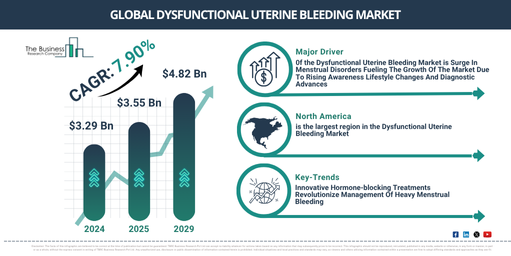
    The market for dysfunctional uterine bleeding has seen considerable growth of late. The market is expected to rise from $3.29 billion in 2024 to $3.55 billion in 2025, boasting a compound annual growth rate (CAGR) of 8.1%. This growth observed in the past could be attributed to factors such as higher incident rates of hormonal imbalances, increased awareness about menstrual wellness, a growing number of women opting for hormone therapy treatments, more women turning to gynecological care, as well as a noteworthy rise in research and development activities in women’s health.

    What Is the Projected Market Size of the Dysfunctional Uterine Bleeding Market?

    The market for dysfunctional uterine bleeding is anticipated to witness robust growth in the coming years, with projections suggesting a growth to $4.82 billion by 2029 at a compound annual growth rate (CAGR) of 7.9%. The surge during the forecasted period can be envisaged to an increase in menstrual disorder cases, enhanced consciousness about female health, the rise in the usage of advanced diagnostics, increased healthcare infrastructure, and the uprising demand for less invasive treatments. Notable trends during the predicted period include progressions in non-hormonal therapies, sophisticated diagnostic instruments for menstrual complications, the evolution of fewer invasive surgical techniques, breakthroughs in menstrual wellbeing tracking systems, and improvement in patient awareness and educational initiatives.

    Download The Free Sample Report Here:

    https://www.thebusinessresearchcompany.com/sample.aspx?id=24526&type=smp

    Who are the Major Competitors in the Dysfunctional Uterine Bleeding Market Outlook?

    Major companies operating in the dysfunctional uterine bleeding market are Pfizer Inc., Merck & Co. Inc., AbbVie Inc., Bayer AG, Sanofi S.A., Medtronic plc, Boston Scientific Corporation, Smith & Nephew plc, Sun Pharmaceutical Industries Ltd., Hologic Inc., Sumitomo Pharma, Karl Storz SE & Co. KG, Cook Medical Incorporated, Gedeon Richter Plc, Lupin Ltd., Torrent Pharmaceuticals Ltd., CooperSurgical Inc., Ferring Pharmaceuticals SA, Minerva Surgical Inc., Medgyn Products Inc.

    What Is Fueling Growth in the Dysfunctional Uterine Bleeding Market?

    The dysfunctional uterine bleeding market is anticipated to grow due to the rising incidence of menstrual irregularities. These irregularities involve any abnormal changes in the frequency, duration, or volume of menstrual bleeding. The growth in cases of menstrual disorders can be attributed to rising awareness, changes in lifestyle, and improved methods of diagnosis, all of which are making it easier to identify and treat these conditions. Dysfunctional uterine bleeding aids in making sense of menstrual disorders by pinpointing atypical uterine bleeding that is not a result of underlying systemic or structural diseases. This helps in accurate diagnosis and treatment. For example, the Trust for London, a charitable organization based in the UK, reported in December 2023 that 2.8 million people in the UK were finding it hard to afford menstrual products. This figure equates to one in five menstruating people, a sharp increase from 12% in 2022 to 21% in 2023. Consequently, the rising occurrence of menstrual disorders is propelling the dysfunctional uterine bleeding market’s expansion.

    Request For A Customized Report:

    https://www.thebusinessresearchcompany.com/customise?id=24526&type=smp

    Which Dysfunctional Uterine Bleeding Market Segments Are Growing the Fastest?

    The dysfunctional uterine bleeding market covered in this report is segmented –

    1) By Type: Ovulatory, Anovulatory

    2) By Diagnosis: Hysteroscopy, Ultrasonography, Dilation And Curettage, Endometrial Biopsy

    3) By Application: Menopause, Dysfunctional Uterine Bleeding, Endometrial Cancer, Contraception, Hyperplastic Precursor Lesions, Other Applications

    4) By End User: Hospital, Clinics, Diagnostic Centers, Pharmaceutical Companies

    Subsegments:

    1) By Ovulatory: Menorrhagia, Polymenorrhea, Metrorrhagia, Dysmenorrhea

    2) By Anovulatory: Amenorrhea, Oligomenorrhea, Dysfunctional Bleeding, Breakthrough Bleeding

    Which Industry Trends Are Shaping the Future of the Dysfunctional Uterine Bleeding Market?

    Leading corporations in the dysfunctional uterine bleeding market are concentrating on the creation of novel treatment methods, including oral GnRH antagonists, to offer effective, non-invasive solutions that decrease heavy menstrual hemorrhage by targeting hormone regulation. An oral GnRH antagonist serves as a drug that obstructs gonadotropin-releasing hormone receptors, consequently reducing estrogen amounts and diminishing uterine fibroids absent of invasive measures. For instance, Theramex, a pharmaceutical entity from the UK, launched Yselty (linzagolix) in September 2024. This oral, once-daily GnRH antagonist is designed to manage heavy menstrual bleeding related to uterine fibroids. This drug provides the capability for flexible dosage alternatives to better adapt treatment to singular patient requirements. It efficiently lessens symptoms while preserving patients’ life quality. Furthermore, Yselty aids in maintaining fertility while undergoing therapy. Overall, this depicts an inventive method for controlling bleeding associated with uterine fibroids.

    Access The Full Report Here:

    https://www.thebusinessresearchcompany.com/report/dysfunctional-uterine-bleeding-global-market-report

    Which Countries Are Leading the Dysfunctional Uterine Bleeding Market?

    North America was the largest region in the dysfunctional uterine bleeding market in 2024. Asia-Pacific is expected to be the fastest-growing region in the forecast period. The regions covered in the dysfunctional uterine bleeding market report are Asia-Pacific, Western Europe, Eastern Europe, North America, South America, Middle East, Africa.

    Purchase The Full Report Today:

    https://www.thebusinessresearchcompany.com/purchaseoptions.aspx?id=24526

    This Report Delivers Insight On:

    1. How big is the dysfunctional uterine bleeding market, and how is it changing globally?

    2. Who are the major companies in the dysfunctional uterine bleeding market, and how are they performing?

    3. What are the key opportunities and risks in the dysfunctional uterine bleeding market right now?

    4. Which products or customer segments are growing the most in the dysfunctional uterine bleeding market?

    5. What factors are helping or slowing down the growth of the dysfunctional uterine bleeding market?

    About The Business Research Company:

    With over 15000+ reports from 27 industries covering 60+ geographies, The Business Research Company has built a reputation for offering comprehensive, data-rich research and insights. Armed with 1,500,000 datasets, the optimistic contribution of in-depth secondary research, and unique insights from industry leaders, you can get the information you need to stay ahead in the game.

    Get in touch with us:

    The Business Research Company: https://www.thebusinessresearchcompany.com/

    Americas +1 3156230293

    Asia +44 2071930708

    Europe +44 2071930708

    Email us at info@tbrc.info

    Follow us on:

    LinkedIn: https://in.linkedin.com/company/the-business-research-company

    YouTube: https://www.youtube.com/channel/UC24_fI0rV8cR5DxlCpgmyFQ

    Global Market Model: https://www.thebusinessresearchcompany.com/global-market-model

  • Dynamic Blood Pressure Monitor Forecast Report – Designed for Decision Makers and Product Teams

    Dynamic Blood Pressure Monitor Forecast Report – Designed for Decision Makers and Product Teams

    Claim your 30% discount on Global Market Reports with code ONLINE30. Limited time only.

    What Is the Growth Rate of the Dynamic Blood Pressure Monitor Market?

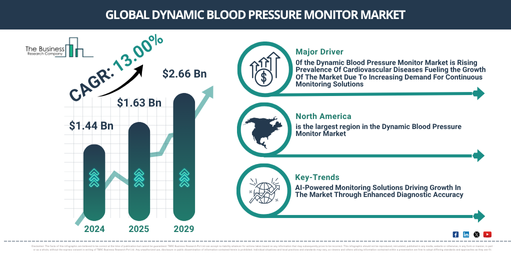
    The market size for dynamic blood pressure monitors has seen swift growth in recent years. The market is projected to rise from $1.44 billion in 2024 to $1.63 billion in 2025, with a compound annual growth rate (CAGR) of 13.3%. The historic growth of this market can be traced back to factors such as the increasing incidences of hypertension, growing consciousness about heart health, expansion of healthcare services at home, surge in the aging population, advancements in digital healthcare and a move towards preventive healthcare.

    What Growth Rate Is Forecasted for the Dynamic Blood Pressure Monitor Market by 2029?

    In the near future, we are likely to see a rapid expansion in the dynamic blood pressure monitor market, with predictions suggesting a growth to $2.66 billion in 2029 at a significant compound annual growth rate (CAGR) of 13.0%. Driving factors behind this surge within the forecast period are tied to the increasing uptake of remote patient monitoring, the emphasis on personalized healthcare, the influx of investment into digital health infrastructure, the escalating spread of smartphones, and supportive regimes from governments. Furthermore, future trending aspects include the incorporation of artificial intelligence (AI) for analytic purposes, the employment of cloud-based storage for data, immediate health monitoring, the creation of cuffless monitoring devices, and progress in the field of wearable technology.

    Download The Free Sample Report Here:

    https://www.thebusinessresearchcompany.com/sample.aspx?id=24525&type=smp

    Which Key Companies Are Shaping the Future of the Dynamic Blood Pressure Monitor Market?

    Major companies operating in the dynamic blood pressure monitor market are Koninklijke Philips N.V., Becton Dickinson and Company, GE HealthCare Technologies Inc., OMRON HEALTHCARE Co. Ltd., Hill-Rom Holdings Inc., Nihon Kohden Corporation, Spacelabs Healthcare Inc., Fluke Biomedical, Contec Medical Systems Co. Ltd., Schiller AG, Microlife Corporation, Qingdao Meditech Equipment Co .Ltd, A&D Company Limited, SunTech Medical Inc., Rudolf Riester GmbH, Bionet America Inc., Shenzhen Hingmed Instrument Co. Ltd, Kardinero Medical Systems Inc., CNSystems Medizintechnik GmbH., WHALETEQ Co. LTD, Bosch + Sohn GmbH & Co. KG, DynaPulse Inc.

    Which Factors Are Driving Demand in the Dynamic Blood Pressure Monitor Industry?

    Expectations for the dynamic blood pressure monitors market’s growth are set to ascend due to a rise in cardiovascular diseases. These ailments, characterized by their impact on the heart and blood vessels, are significantly potentiated by high blood pressure—indeed, it amplifies the risk of severe conditions such as heart attacks and strokes. Sedentary lifestyles largely precipitate the uptick in cardiovascular diseases, as the absence of physical exercise compromises heart health and raises blood pressure. Dynamic blood pressure monitors play a pivotal role in cardiovascular disease management by providing uninterrupted, real-life data on blood pressure. This consequently enhances diagnostic precision and identifies perilous trends like nocturnal hypertension. For instance, the American Heart Association, a renowned US-based nonprofit organization, reported in January 2024 that the age-overhauled death rate due to cardiovascular disease climbed to 233.3 per 100,000, showcasing a 4.0% rise from the preceding year’s rate of 224.4 per 100,000, compared to a previously noticed 4.6% increase. As a result, the mounting prevalence of cardiovascular diseases fuels the dynamic blood pressure monitors market’s growth.

    Request For A Customized Report:

    https://www.thebusinessresearchcompany.com/customise?id=24525&type=smp

    How Is the Dynamic Blood Pressure Monitor Market Segmented by Several Divisions?

    The dynamic blood pressure monitor market covered in this report is segmented –

    1) By Product Type: Wrist Blood Pressure Monitors, Arm Blood Pressure Monitors, Finger Blood Pressure Monitors

    2) By Measurement Method: Automatic Measurement, Manual Measurement

    3) By Distribution Channel: Online Stores, Pharmacies, Specialty Stores, Other Distribution Channels

    4) By Application: Home Health Monitoring, Clinical Settings, Preventive Healthcare, Telemedicine

    5) By End-User: Hospitals, Clinics, Home Care Settings, Other End-Users

    Subsegments:

    1) By Wrist Blood Pressure Monitors: Bluetooth-Enabled Monitors, Manual Inflation Monitors, Automatic Inflation Monitors

    2) By Arm Blood Pressure Monitors: Upper Arm Monitors With Cuff, Bluetooth Or Wi-Fi Integrated Monitors, Manual Arm Monitors

    3) By Finger Blood Pressure Monitors: Compact Digital Monitors, Rechargeable Finger Monitors, USB-Connected Monitors

    What are the Emerging Market Trends Driving the Growth of the Dynamic Blood Pressure Monitor Industry?

    Key players in the dynamic blood pressure monitor market are concentrating resources on the creation of innovative monitoring technologies, such as advanced hemodynamic monitoring systems. These systems are intended to enhance accuracy and real-time tracking of cardiovascular parameters, including blood pressure. Advanced hemodynamic monitoring systems are high-tech medical gadgets designed for real-time, seamless, and precise measurement of significant cardiovascular parameters such as blood pressure, blood flow dynamics, and cardiac output. For example, in April 2025, the US-based medical technology firm, Becton, Dickinson and Company, introduced the HemoSphere Alta platform. This platform is an advanced hemodynamic monitoring solution engineered for operating rooms and intensive care units. It employs algorithms derived from artificial intelligence to enable doctors to preemptively tackle blood pressure instability and boost blood flow, thereby detecting potentially life-threatening modifications in real-time. The system comprises a cerebral autoregulation index (CAI) for personalized blood pressure goals, the acumen hypotension prediction index (HPI) software to anticipate low blood pressure incidents, and a high-definition touchscreen with voice and gesture controls for sterile, hands-free interaction.

    Access The Full Report Here:

    https://www.thebusinessresearchcompany.com/report/dynamic-blood-pressure-monitor-global-market-report

    Which Regions Are Driving Growth in the Dynamic Blood Pressure Monitor Market?

    North America was the largest region in the dynamic blood pressure monitor market in 2024. Asia-Pacific is expected to be the fastest-growing region in the forecast period. The regions covered in the dynamic blood pressure monitor market report are Asia-Pacific, Western Europe, Eastern Europe, North America, South America, Middle East, Africa.

    Purchase The Full Report Today:

    https://www.thebusinessresearchcompany.com/purchaseoptions.aspx?id=24525

    This Report Delivers Insight On:

    1. How big is the dynamic blood pressure monitor market, and how is it changing globally?

    2. Who are the major companies in the dynamic blood pressure monitor market, and how are they performing?

    3. What are the key opportunities and risks in the dynamic blood pressure monitor market right now?

    4. Which products or customer segments are growing the most in the dynamic blood pressure monitor market?

    5. What factors are helping or slowing down the growth of the dynamic blood pressure monitor market?

    About The Business Research Company:

    With over 15000+ reports from 27 industries covering 60+ geographies, The Business Research Company has built a reputation for offering comprehensive, data-rich research and insights. Armed with 1,500,000 datasets, the optimistic contribution of in-depth secondary research, and unique insights from industry leaders, you can get the information you need to stay ahead in the game.

    Get in touch with us:

    The Business Research Company: https://www.thebusinessresearchcompany.com/

    Americas +1 3156230293

    Asia +44 2071930708

    Europe +44 2071930708

    Email us at info@tbrc.info

    Follow us on:

    LinkedIn: https://in.linkedin.com/company/the-business-research-company

    YouTube: https://www.youtube.com/channel/UC24_fI0rV8cR5DxlCpgmyFQ

    Global Market Model: https://www.thebusinessresearchcompany.com/global-market-model