Month: July 2025

  • Isovaleric Acidemia (IVA) Treatment Industry Insights 2025 – Market Forecast for Executives and Planners

    Claim your 30% discount on Global Market Reports with code ONLINE30. Limited time only.

    How Has the Isovaleric Acidemia (IVA) Treatment Market Size Changed, over the years?

    The market for treatment of isovaleric acidemia (IVA) has shown significant expansion in past years. It is projected to increase from $0.60 billion in 2024 to $0.63 billion in 2025, demonstrating a compound annual growth rate (CAGR) of 5.8%. Factors contributing to this growth during the historical period are the heightened awareness of uncommon metabolic disorders, an increased number of newborn screening initiatives, growth in government support for uncommon diseases, amplified attention on enzyme replacement therapies, and a surge in demand for prompt diagnosis and genetic counseling.

    How Much Will the Isovaleric Acidemia (IVA) Treatment Market Be Worth in 2029?

    Strong expansion is predicted in the isovaleric acidemia (IVA) treatment market, with projections suggesting it could reach $0.79 billion by 2029, boasting a compound annual growth rate (CAGR) of 5.8%. This anticipated surge over the forecast period can be tied to several factors such as increased reliance on gene therapy treatments, a rise in funding for rare disease research, development of new treatment alternatives, heightened collaboration between biotech companies and research institutions as well as an increased emphasis on personalized medicine for metabolic conditions. Trends to watch in the forecast period encompass advancements in genetic testing technologies, sophisticated drug delivery systems for metabolic treatments, breakthroughs in enzyme replacement formulations, the creation of targeted gene editing tools, and progress in newborn screening methodologies.

    Download The Free Sample Report Here:

    https://www.thebusinessresearchcompany.com/sample.aspx?id=24269&type=smp

    Which is the Largest Company in the Isovaleric Acidemia (IVA) Treatment Market?

    Major companies operating in the isovaleric acidemia (IVA) treatment market are Nestlé Health Science S.A., BioMarin Pharmaceutical Inc., GenScript Biotech Corporation, Nutricia Advanced Medical Nutrition, Rocket Pharmaceuticals Inc., REGENXBIO Inc., uniQure N.V., Vitaflo International Ltd., Orchard Therapeutics plc, Editas Medicine Inc., Cambrooke Therapeutics Inc., Recordati Rare Diseases Inc., Abbott Nutrition, Targeted Medical Pharma Inc., Solace Nutrition LLC, Nutricia Metabolics, Bluebird Bio Inc., Verve Therapeutics Inc., Abeona Therapeutics Inc., CRISPR Therapeutics AG

    What Are the Main Market Drivers in the Isovaleric Acidemia (IVA) Treatment Industry?

    The escalating rate of metabolic disorders is anticipated to fuel the expansion of the isovaleric acidemia (IVA) treatment market. Metabolic disorders disrupt the regular metabolic functions, impacting the conversion of food into energy in our bodies. These disorders, including conditions like diabetes mellitus, hypothyroidism, hyperthyroidism, phenylketonuria (PKU), galactosemia, maple syrup urine disease (MSUD), and others, are often the result of lifestyle habits like poor nutrition and lack of physical activity. Treatment for isovaleric acidemia helps manage these metabolic disorders by dissipating toxic substances in the body, reinstating normal metabolic processes and avoiding complications like neurological damage. For example, as per the American Diabetes Association’s November 2023 data, around 25.5 million U.S. citizens were diagnosed with diabetes in 2022, making up 7.6% of the total population. Hence, the mounting frequency of metabolic disorders propels the isovaleric acidemia (IVA) treatment market’s growth. Increasing cognizance of rare genetic disorders is also projected to spur the advancement of the isovaleric acidemia (IVA) treatment market. These disorders, caused by gene mutations and affecting a small number of individuals, are gaining recognition due to enhanced diagnostic tools and comprehensive genetic screening programs. Treatment for isovaleric acidemia aids management of these rare genetic disorders by offering a custom diet, amino acid supplementation, and occasionally mediations. This treatment approach helps prevent metabolic crises and boosts the quality of life for affected individuals. For example, the World Health Organization (WHO) indicated in February 2023 that birth abnormalities lead to 240,000 newborn deaths within the first 28 days each year, and an additional 170,000 deaths in children aged 1 month to 5 years. Moreover, a February 2023 study by the US-based Rady Children’s Institute for Genomic Medicine found that 41% of infant deaths were linked to single-locus (Mendelian) genetic diseases. Hence, the growing prevalence of metabolic disorders drives the expansion of the isovaleric acidemia (IVA) treatment market.

    Request For A Customized Report:

    https://www.thebusinessresearchcompany.com/sample.aspx?id=24269&type=smp

    How Is the Isovaleric Acidemia (IVA) Treatment Market Segments Structured?

    The isovaleric acidemia (IVA) treatment market covered in this report is segmented –

    1) By Type: Classical Isovaleric Acidemia, Moderate Isovaleric Acidemia, Non-classical Isovaleric Acidemia

    2) By Treatment: Dietary Management, Enzyme Replacement Therapy, Gene Therapy, Pharmacological Treatment

    3) By Route of Administration: Oral, Injectable

    4)By End-user: Hospitals, Clinics, Homecare Settings

    Subsegments:

    1) By Classical Isovaleric Acidemia: Dietary Management, Carnitine Supplementation, Glycine Supplementation, Emergency Management, Gene Therapy (Investigational)

    2) By Non-classical Isovaleric Acidemia: Observation and Preventive Care, Mild Dietary Modifications, Occasional Supplementation, Genetic Counseling and Monitoring

    3) By Moderate Isovaleric Acidemia: Protein-restricted Diet, Intermittent Carnitine/Glycine Therapy, Periodic Monitoring and Supportive Care, Acute Episode Management

    Access The Full Report Here:

    https://www.thebusinessresearchcompany.com/report/isovaleric-acidemia-iva-treatment-global-market-report

    Which Global Regions Offer the Highest Growth in the Isovaleric Acidemia (IVA) Treatment Market?

    North America was the largest region in the isovaleric acidemia (IVA) treatment market in 2024. Asia-Pacific is expected to be the fastest-growing region in the forecast period. The regions covered in the isovaleric acidemia (IVA) treatment market report are Asia-Pacific, Western Europe, Eastern Europe, North America, South America, Middle East, Africa.

    Purchase The Full Report Today:

    https://www.thebusinessresearchcompany.com/customise?id=24269&type=smp

    This Report Delivers Insight On:

    1. How big is the isovaleric acidemia (iva) treatment market, and how is it changing globally?

    2. Who are the major companies in the isovaleric acidemia (iva) treatment market, and how are they performing?

    3. What are the key opportunities and risks in the isovaleric acidemia (iva) treatment market right now?

    4. Which products or customer segments are growing the most in the isovaleric acidemia (iva) treatment market?

    5. What factors are helping or slowing down the growth of the isovaleric acidemia (iva) treatment market?

    About The Business Research Company:

    With over 15000+ reports from 27 industries covering 60+ geographies, The Business Research Company has built a reputation for offering comprehensive, data-rich research and insights. Armed with 1,500,000 datasets, the optimistic contribution of in-depth secondary research, and unique insights from industry leaders, you can get the information you need to stay ahead in the game.

    Get in touch with us:

    The Business Research Company: https://www.thebusinessresearchcompany.com/

    Americas +1 310-496-7795

    Europe +44 7882 955267

    Asia & Others +44 7882 955267 & +91 8897263534

    Email us at info@tbrc.info

    Follow us on:

    LinkedIn: https://in.linkedin.com/company/the-business-research-company

    YouTube: https://www.youtube.com/channel/UC24_fI0rV8cR5DxlCpgmyFQ

    Global Market Model: https://www.thebusinessresearchcompany.com/global-market-model
  • Isosorbide Mononitrate Tablet Market Trends Report 2025 – For Business Development and Strategy Teams

    Claim your 30% discount on Global Market Reports with code ONLINE30. Limited time only.

    What Is the Forecast for the Isosorbide Mononitrate Tablet Market Growth in 2025?

    The market for isosorbide mononitrate tablets has seen robust growth in the past few years. The market’s value, which was $1.14 billion in 2024, is projected to rise to $1.21 billion in 2025, with a compound annual growth rate (CAGR) of 5.9%. Several factors can explain this growth during the historic period, such as the rising elderly population, increased prevalence of heart diseases, heightened awareness about heart health, availability of generic drugs, and public health initiatives.

    What Is the Forecast for the Isosorbide Mononitrate Tablet Market Size Through 2029?

    The market for isosorbide mononitrate tablets is predicted to exhibit significant growth in the coming years, with an estimated valuation of $1.51 billion by 2029, expanding at a CAGR of 5.6%. The acceleration during the forecast period could be due to factors such as regulatory sanctions and patent expiries, growing usage of generic medications, a rise in lifestyle-associated risk elements, government-led initiatives towards cardiovascular disease control, enhancements in diagnostic facilities, and awareness initiatives. Key trends during this forecast period encompass developments in extended-release formulations, technological novelties, e-commerce and digital health platforms, utilization of digital health tech and the blend of isosorbide mononitrate with alternate cardiovascular drugs.

    Download The Free Sample Report Here:

    https://www.thebusinessresearchcompany.com/sample.aspx?id=24268&type=smp

    What are the Key Market Players in Isosorbide Mononitrate Tablet Market and How They’re Evolving?

    Major companies operating in the isosorbide mononitrate tablet market are Pfizer Inc., Merck & Co. Inc., AstraZeneca PLC, Abbott Laboratories Inc., Teva Pharmaceutical Industries Ltd., Sun Pharmaceutical Industries Ltd., Aurobindo Pharma Ltd., Cipla Ltd., Zydus Lifesciences Limited, Recipeharm, Torrent Pharmaceuticals Ltd., Micro Labs Ltd., Lotus Pharmaceuticals, Healthy Inc., Qilu Pharmaceutical Co., Ltd, Lunan Pharmaceutical Group, Johnlee Pharmaceuticals Pvt. Ltd., Niksan Pharmaceutical, Shandong Keyuan Pharmaceutical, Prevego Healthcare & Research Private Limited.

    What Are the Primary Growth Drivers in the Isosorbide Mononitrate Tablet Market?

    The escalating incidence of cardiovascular diseases is anticipated to spur the expansion of the isosorbide mononitrate tablet market. Such diseases, which include coronary artery disease, heart failure and hypertension, manifest in the heart and blood vessels. The surge in cardiovascular diseases is largely due to unhealthy food habits filled with saturated and trans fats, sodium and added sugars, resulting in ailments such as obesity, hypertension, and high cholesterol. Isosorbide mononitrate tablets aid in managing these conditions with their ability to relax and widen blood vessels, thereby improving blood circulation, cutting down the heart’s workload, and boosting oxygen supply to the heart. For instance, as per the Australian Institute of Health and Welfare’s data from December 2023, deaths from coronary heart disease saw an increase from 14,100 in 2021 to a further rise to 14,900 in 2022. It underscores the reason that escalating trend of cardiovascular diseases is contributing to the growing isosorbide mononitrate tablet market. An upswing in online pharmacies is also supporting the market growth, owing to a rising customer requirement for comfort and easy accessibility. Online pharmacies are digital gateways permitting consumers to buy prescription and over-the-counter drugs over the internet. Factors like consumer’s search for convenience, cost-effectiveness, and simpler access to medications and healthcare items without needing to visit physical stores are leading to an increase in online pharmacies. Such pharmacies enable easy access to isosorbide mononitrate tablets by offering home delivery, competitive rates, and enhanced availability, particularly beneficial for patients with chronic ailments. For instance, a survey by the Alliance for Safe Online Pharmacies (ASOP) in September 2023, on 1,500 Americans, shows a 10% increase from 2021 and a 17% rise from 2020 in the use of online pharmacies by 52% of Americans aged 18 and above. Consequently, the growth in online pharmacies is propelling the expansion of the isosorbide mononitrate tablet market.

    Request For A Customized Report:

    https://www.thebusinessresearchcompany.com/sample.aspx?id=24268&type=smp

    What Are the Leading Segments in the Global Isosorbide Mononitrate Tablet Industry?

    The isosorbide mononitrate tablet market covered in this report is segmented –

    1) By Dosage Form: Immediate-Release Tablets, Extended-Release Tablets

    2) By Indication Type: Angina Pectoris, Heart Failure, Hypertension

    3) By Distribution Channel: Hospital Pharmacies, Retail Pharmacies, Online Pharmacies

    Subsegments:

    1) By Immediate-Release Tablets: Low-Dose, Single Strength Tablets, Combination With Other Drugs

    2) By Extended-Release Tablets: Moderate-Dose, High-Dose, Once-Daily Formulation, Twice-Daily Formulation

    What Are the Key Market Trends in the Isosorbide Mononitrate Tablet Industry?

    Prominent firms in the isosorbide mononitrate tablet industry are centering their efforts on creating groundbreaking products such as extended-release (ER) versions to improve patient adherence, offer continuous therapeutic impacts, and refine treatment results for disorders like angina pectoris. The ER formulation is a cutting-edge drug delivery system that permits the slow release of medicine over an extended time, reducing the frequency of dosage and maintaining stable levels of the drug in the blood. For example, in February 2024, Zydus Lifesciences Limited, a pharmaceutical manufacturing company based in India, obtained approval from the United States Food and Drug Administration (USFDA) to produce and distribute isosorbide mononitrate ER tablets USP in the strengths of 30 mg, 60 mg, and 120 mg. These tablets, which are used to circumvent chest pain (angina) in patients suffering from coronary artery disease, match the reference listed drug (RLD), Imdur extended-release tablets.

    Access The Full Report Here:

    https://www.thebusinessresearchcompany.com/report/isosorbide-mononitrate-tablet-global-market-report

    What Is the Regional Outlook for the Isosorbide Mononitrate Tablet Market?

    North America was the largest region in the isosorbide mononitrate tablet market in 2024. Asia-Pacific is expected to be the fastest-growing region in the forecast period. The regions covered in the isosorbide mononitrate tablet market report are Asia-Pacific, Western Europe, Eastern Europe, North America, South America, Middle East, Africa.

    Purchase The Full Report Today:

    https://www.thebusinessresearchcompany.com/customise?id=24268&type=smp

    This Report Delivers Insight On:

    1. How big is the isosorbide mononitrate tablet market, and how is it changing globally?

    2. Who are the major companies in the isosorbide mononitrate tablet market, and how are they performing?

    3. What are the key opportunities and risks in the isosorbide mononitrate tablet market right now?

    4. Which products or customer segments are growing the most in the isosorbide mononitrate tablet market?

    5. What factors are helping or slowing down the growth of the isosorbide mononitrate tablet market?

    About The Business Research Company:

    With over 15000+ reports from 27 industries covering 60+ geographies, The Business Research Company has built a reputation for offering comprehensive, data-rich research and insights. Armed with 1,500,000 datasets, the optimistic contribution of in-depth secondary research, and unique insights from industry leaders, you can get the information you need to stay ahead in the game.

    Get in touch with us:

    The Business Research Company: https://www.thebusinessresearchcompany.com/

    Americas +1 310-496-7795

    Europe +44 7882 955267

    Asia & Others +44 7882 955267 & +91 8897263534

    Email us at info@tbrc.info

    Follow us on:

    LinkedIn: https://in.linkedin.com/company/the-business-research-company

    YouTube: https://www.youtube.com/channel/UC24_fI0rV8cR5DxlCpgmyFQ

    Global Market Model: https://www.thebusinessresearchcompany.com/global-market-model
  • Market Analysis on Iron Fortified Infant Formula Industry – Insights for Corporate Strategy and R&D

    Market Analysis on Iron Fortified Infant Formula Industry – Insights for Corporate Strategy and R&D

    Claim your 30% discount on Global Market Reports with code ONLINE30. Limited time only.

    What Is the Forecast for the Iron Fortified Infant Formula Market from 2024 to 2025?

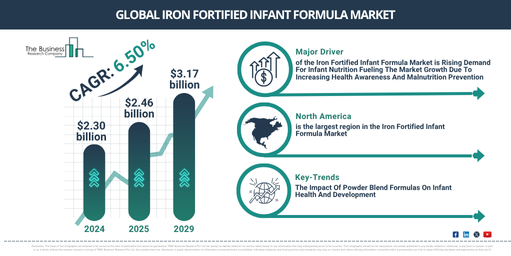
    The market size for iron-fortified infant formula has seen robust growth in the past few years. It is expected to climb from $2.30 billion in 2024 to $2.46 billion in 2025, at a compound annual growth rate (CAGR) of 6.9%. The historic growth can be tied back to several factors such as the escalating occurrence of iron-deficiency anemia, heightened understanding about infant dietary needs, surging urbanization and an increase in working mothers, an expansion in retail penetration in developing regions, and mounting government intervention directed towards child health.

    What Is the Projected Market Size of the Iron Fortified Infant Formula Market?

    The market for iron fortified infant formula is projected to experience robust growth in the upcoming years, expanding to a worth of $3.17 billion in 2029 at a CAGR of 6.5%. The surge anticipated in this time frame can be credited to escalating focus on early childhood nutrition, swelling disposable incomes in emergent countries, mounting inclination toward fortified goods for infants, heightening parental apprehension regarding infant health, and amplifying demand for superior infant nutrition. Key trends slated for this period encompass technological progression in the formulation of the recipe, innovative techniques for encapsulating iron, the advent of organic and clean-label concoctions, research and development endowments, and digestive tolerance solutions advancements.

    Download The Free Sample Report Here:

    https://www.thebusinessresearchcompany.com/sample.aspx?id=24267&type=smp

    Who are the Major Competitors in the Iron Fortified Infant Formula Market Outlook?

    Major companies operating in the iron fortified infant formula market are Nestle S.A., Abbott Nutrition Manufacturing Inc., Groupe Danone, FrieslandCampina, Meiji Holdings Co. Ltd., Perrigo Company plc, Morinaga Milk Industry Co. Ltd., The a2 Milk Company, HiPP GmbH & Co. Vertrieb KG, Wockhardt Ltd., Synutra International Inc., ByHeart, Bubs Australia Limited, Bellamy’s Organic, Bobbie Baby Inc., Arla Foods amba, Kendamil, Holle Baby Food GmbH, Beingmate Baby & Child Food Co. Ltd., Hero AG.

    What Is Fueling Growth in the Iron Fortified Infant Formula Market?

    The rising need for infant nutrition is anticipated to fuel the expansion of the iron-fortified infant formula market in the near future. Infant nutrition involves providing newborns and children up to two years of age with appropriate nutrients to foster proper physical growth, cognitive development, immune system functionality, and overall well-being. The amplified demand for infant nutrition is chiefly attributed to growing parental awareness of the significance of early childhood nutrition in promoting healthy growth and progress. Iron-fortified infant formula plays a crucial role in infant nutrition, providing vital nutrients that stimulate healthy growth and development, especially when breastfeeding proves to be insufficient or unattainable. For example, as per a 2023 report by United Nations International Children’s Emergency Fund, a humanitarian aid organization based in the United States, UNICEF distributed approximately 480 million vitamin A capsules to 71 nations, allowing more than 320 million children to receive two doses of Vitamin A Supplementation (VAS). This signifies a 26% escalation compared to roughly 252 million children catered to in 2021. Therefore, the escalating demand for infant nutrition is boosting the growth of the iron-fortified infant formula market.

    Request For A Customized Report:

    https://www.thebusinessresearchcompany.com/sample.aspx?id=24267&type=smp

    Which Iron Fortified Infant Formula Market Segments Are Growing the Fastest?

    The iron fortified infant formula market covered in this report is segmented –

    1) By Product Type: Powdered Iron-Fortified Infant Formula, Liquid Concentrates, Ready-To-Use Liquids

    2) By Feeding Method: Breastfeeding Supplement, Exclusive Formula Feeding, Combination Feeding

    3) By Packaging Type: Tin Cans, Plastic Containers, Pouches, Single-Serve Sachets

    4) By Age Group: Newborn, Infants (1-6 Months), Crawlers (6-12 Months), Toddlers (12+ Months)

    5) By Distribution Channel: Online Retail, Super markets Or Hyper markets, Pharmacies, Specialty Stores

    Subsegments:

    1) By Powdered Iron-Fortified Infant Formula: Cow Milk-Based Powder, Soy-Based Powder, Specialty Powder, Organic Powder

    2) By Liquid Concentrates: Cow Milk-Based Concentrate, Soy-Based Concentrate, Specialty Concentrate, Organic Concentrate

    3) By Ready-To-Use Liquids: Cow Milk-Based Ready-To-Use, Soy-Based Ready-To-Use, Specialty Ready-To-Use, Organic Ready-To-Use

    Which Industry Trends Are Shaping the Future of the Iron Fortified Infant Formula Market?

    In the iron-fortified infant formula market, major firms are concentrating on the creation of innovative products like powder blends to bolster nutrient absorption and boost infant health. The usage of these uniform mixtures of powdered ingredients in iron-fortified infant formulas aids in the equal distribution of iron and other nutrients, while also ensuring improved stability, absorption, and a consistent nutritional quality with each serving. For instance, in July 2023, Danone S.A., a food company based in France, introduced a dairy and plant milk powder mix for infants under their brand. This blend – incorporating 60% whey and casein-sourced dairy protein and 40% non-GMO soy protein – was tailored to meet the growing consumer interest for plant-based items, while also providing comprehensive nutritional aid for young children. The product, enriched with major micronutrients such as iron, zinc, folate, and vitamins like A, B6, B12, C, and D, is designed to bolster the functioning of the immune system. This formula aims to meet the increasing preference of parents towards plant-based diets for their offspring without skimping on essential nutrients needed for infant and toddler growth.

    Access The Full Report Here:

    https://www.thebusinessresearchcompany.com/report/iron-fortified-infant-formula-global-market-report

    Which Countries Are Leading the Iron Fortified Infant Formula Market?

    North America was the largest region in the iron fortified infant formula market in 2024. Asia-Pacific is expected to be the fastest-growing region in the forecast period. The regions covered in the iron fortified infant formula market report are Asia-Pacific, Western Europe, Eastern Europe, North America, South America, Middle East, Africa.

    Purchase The Full Report Today:

    https://www.thebusinessresearchcompany.com/customise?id=24267&type=smp

    This Report Delivers Insight On:

    1. How big is the iron fortified infant formula market, and how is it changing globally?

    2. Who are the major companies in the iron fortified infant formula market, and how are they performing?

    3. What are the key opportunities and risks in the iron fortified infant formula market right now?

    4. Which products or customer segments are growing the most in the iron fortified infant formula market?

    5. What factors are helping or slowing down the growth of the iron fortified infant formula market?

    About The Business Research Company:

    With over 15000+ reports from 27 industries covering 60+ geographies, The Business Research Company has built a reputation for offering comprehensive, data-rich research and insights. Armed with 1,500,000 datasets, the optimistic contribution of in-depth secondary research, and unique insights from industry leaders, you can get the information you need to stay ahead in the game.

    Get in touch with us:

    The Business Research Company: https://www.thebusinessresearchcompany.com/

    Americas +1 310-496-7795

    Europe +44 7882 955267

    Asia & Others +44 7882 955267 & +91 8897263534

    Email us at info@tbrc.info

    Follow us on:

    LinkedIn: https://in.linkedin.com/company/the-business-research-company

    YouTube: https://www.youtube.com/channel/UC24_fI0rV8cR5DxlCpgmyFQ

    Global Market Model: https://www.thebusinessresearchcompany.com/global-market-model
  • Iron Deficiency Anemia Treatment Forecast Report – Designed for Decision Makers and Product Teams

    Iron Deficiency Anemia Treatment Forecast Report – Designed for Decision Makers and Product Teams

    Claim your 30% discount on Global Market Reports with code ONLINE30. Limited time only.

    What Is the Growth Rate of the Iron Deficiency Anemia Treatment Market?

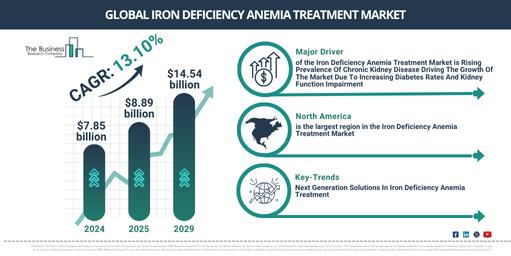
    The market size for the treatment of iron deficiency anemia has seen quick expansion over the recent past. The market is projected to ascend from $7.85 billion in 2024 to $8.89 billion in 2025, signaling a compound annual growth rate (CAGR) of 13.4%. The surge in growth during the historic period is linked to the gradual increase in awareness initiatives and plans, a rising population of baby boomers, amplified nutritional deficiencies, and increased instances of anemia worldwide, as well as the growing number of women in their reproductive years.

    What Growth Rate Is Forecasted for the Iron Deficiency Anemia Treatment Market by 2029?

    The market for treating iron deficiency anemia is projected to undergo swift expansion in the coming years. It’s anticipated to rise to a value of $14.54 billion by 2029, with a compound annual growth rate (CAGR) of 13.1%. The projected growth within this period can be ascribed to escalated investments in research and development, an increasing risk during gestation, prevailing nutritional insufficiencies, heightened consciousness about healthcare, and widespread occurrence of iron deficiency anemia. Notable emerging trends during the forecast period encompass wearable devices for hemoglobin monitoring, interactive chatbots for patients, enhancers for iron absorption, platforms for remote patient tracking, and neurocognitive monitoring technology.

    Download The Free Sample Report Here:

    https://www.thebusinessresearchcompany.com/sample.aspx?id=24266&type=smp

    Which Key Companies Are Shaping the Future of the Iron Deficiency Anemia Treatment Market?

    Major companies operating in the iron deficiency anemia treatment market are Sanofi SA, Fresenius SE & Co. KGaA, Amgen Inc., Teva Pharmaceutical Industries Ltd., Sandoz Group AG, Daiichi Sankyo Company Limited, Lupin Limited, Zydus Lifesciences Limited, Alkem Laboratories, Pharmascience Inc., American Regent Inc., PharmaNutra S.p.A., Rockwell Medical Inc., Keryx Biopharmaceuticals Inc., Akebia Therapeutics Inc., Pharmacosmos A/S, Pieris Pharmaceuticals Inc., AdvaCare Pharma USA LLC, Apotex Inc., Shield Therapeutics plc.

    Which Factors Are Driving Demand in the Iron Deficiency Anemia Treatment Industry?

    The iron deficiency anemia treatment market is projected to witness increased growth due to an anticipated surge in chronic kidney disease (CKD). CKD, a condition characterized by the gradual deterioration of kidney functions over time, can be heightened by rising incidence of diabetes, as long-term elevated blood sugar levels can impact the blood vessels in the kidneys, thereby affecting their waste filtration capabilities. The treatment for iron deficiency anemia is beneficial to CKD patients as it boosts oxygen supply to tissues, alleviates fatigue, improves living standards, and could possibly enhance kidney function by resolving the anemia usually caused by diminished erythropoietin production in CKD patients. For example, a report issued by AstraZeneca, a UK-based pharmaceutical corporation, in April 2024, forecasts that by 2032, as much as 16.5% of the population in eight countries – the United States, Brazil, the United Kingdom, Spain, Germany, the Netherlands, China, and Australia – would be plagued by CKD, denoting a considerable increase of up to 59.3% in advanced-stage levels. As such, the escalating prevalence of chronic kidney disease is fuelling expansion in the iron deficiency anemia treatment market.

    Request For A Customized Report:

    https://www.thebusinessresearchcompany.com/sample.aspx?id=24266&type=smp

    How Is the Iron Deficiency Anemia Treatment Market Segmented by Several Divisions?

    The iron deficiency anemia treatment market covered in this report is segmented –

    1) By Treatment Type: Medications, Blood Transfusions, Other Treatment Types

    2) By Drug Type: Ferrous Sulfate, Iron Carbohydrates, Other Drug Types

    3) By Therapy Areas: Inflammatory Bowel Disease, Oncology, Other Therapy Areas

    4) By Route Of Administration: Oral, Injectable

    5) By End User: Hospitals, Clinics, Home Care Settings, Pharmacies

    Subsegments:

    1) By Medications: Oral Iron Supplements, Intravenous Iron Therapy, Iron-Based Injections, Erythropoiesis-Stimulating Agents

    2) By Blood Transfusions: Packed Red Blood Cells Transfusion, Whole Blood Transfusion

    3) By Other Treatment Types: Dietary Modifications, Iron Infusion Therapy, Bone Marrow Stimulation

    What are the Emerging Market Trends Driving the Growth of the Iron Deficiency Anemia Treatment Industry?

    Leading firms in the market for iron deficiency anemia treatment are concentrating on the creation of innovative solutions, for instance, iron injections, in a bid to improve the efficiency, safety, and comfort of patients. Iron injection signifies a fresh, significantly improved injectable iron treatment, symbolizing significant progress in managing iron deficiency or its resultant anemia. For example, in March 2024, Cadila Pharmaceuticals, a pharmaceutical company based in India, introduced Redshot FCM, a therapy involving intravenous iron via ferric carboxymaltose designed to tackle iron deficiency anemia (IDA). This treatment comes with distinctive advantages like an innovative ferric carboxymaltose formulation for swift iron refilling, low risk of anaphylaxis, potential for high-dose singular infusion management for speedy correction, and possible application in pediatrics (1+ years) as well as adults. It speeds up the recovery of hemoglobin and aims at high-risk populations such as pregnant women and patients with cancer, with excellent tolerability.

    Access The Full Report Here:

    https://www.thebusinessresearchcompany.com/report/iron-deficiency-anemia-treatment-global-market-report

    Which Regions Are Driving Growth in the Iron Deficiency Anemia Treatment Market?

    North America was the largest region in the iron deficiency anemia treatment market in 2024. Asia-Pacific is expected to be the fastest-growing region in the forecast period. The regions covered in the iron deficiency anemia treatment market report are Asia-Pacific, Western Europe, Eastern Europe, North America, South America, Middle East, Africa.

    Purchase The Full Report Today:

    https://www.thebusinessresearchcompany.com/customise?id=24266&type=smp

    This Report Delivers Insight On:

    1. How big is the iron deficiency anemia treatment market, and how is it changing globally?

    2. Who are the major companies in the iron deficiency anemia treatment market, and how are they performing?

    3. What are the key opportunities and risks in the iron deficiency anemia treatment market right now?

    4. Which products or customer segments are growing the most in the iron deficiency anemia treatment market?

    5. What factors are helping or slowing down the growth of the iron deficiency anemia treatment market?

    About The Business Research Company:

    With over 15000+ reports from 27 industries covering 60+ geographies, The Business Research Company has built a reputation for offering comprehensive, data-rich research and insights. Armed with 1,500,000 datasets, the optimistic contribution of in-depth secondary research, and unique insights from industry leaders, you can get the information you need to stay ahead in the game.

    Get in touch with us:

    The Business Research Company: https://www.thebusinessresearchcompany.com/

    Americas +1 310-496-7795

    Europe +44 7882 955267

    Asia & Others +44 7882 955267 & +91 8897263534

    Email us at info@tbrc.info

    Follow us on:

    LinkedIn: https://in.linkedin.com/company/the-business-research-company

    YouTube: https://www.youtube.com/channel/UC24_fI0rV8cR5DxlCpgmyFQ

    Global Market Model: https://www.thebusinessresearchcompany.com/global-market-model
  • Iron Deficiency Anemia Therapy Market Outlook 2025 – Insights for Executive and Strategic Planning

    Iron Deficiency Anemia Therapy Market Outlook 2025 – Insights for Executive and Strategic Planning

    Claim your 30% discount on Global Market Reports with code ONLINE30. Limited time only.

    How Has the Iron Deficiency Anemia Therapy Market Grown from 2024 to 2025?

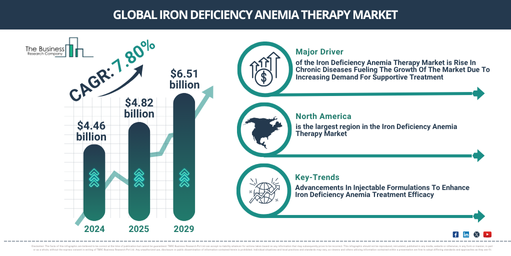
    The market size for treating iron deficiency anemia has seen significant growth in the past few years. The market, which is projected to escalate from $4.46 billion in 2024 to $4.82 billion in 2025, is anticipated to follow a compound annual growth rate (CAGR) of 8.1%. Factors such as the rise in research and novel drugs development, advancements in iron supplementation, increasing incidence of iron deficiency anemia, focus on social healthcare, and enhancements in treatment alternatives have contributed to the historic period growth.

    What Growth Rate Is Anticipated for the Iron Deficiency Anemia Therapy Market in the Coming Years?

    Expectations are high for a robust expansion in the iron deficiency anemia therapy market, which is projected to reach a value of $6.51 billion by 2029, showcasing a compound annual growth rate (CAGR) of 7.8%. The reasons attributed to this anticipated growth encompass burgeoning promotional activities, awareness initiatives, broadening of specialized medicine pipelines, nutritional deficiencies and dietary transitions, the extension of iron-based medical options, and heightened occurrence of maternal iron deficiency. The forecasting period also anticipates trending phenomena such as iron-targeted nanotechnology, wearable healthcare monitoring devices, intelligent iron supplements, blood iron biosensor advancements, and nanobots for iron delivery.

    Download The Free Sample Report Here:

    https://www.thebusinessresearchcompany.com/sample.aspx?id=24265&type=smp

    Who Are the Leading Companies in the Iron Deficiency Anemia Therapy Market?

    Major companies operating in the iron deficiency anemia therapy market are Sanofi SA, Fresenius SE & Co. KGaA, GlaxoSmithKline plc, Sun Pharmaceutical Industries Ltd, CSL Vifor AG, Zydus Lifesciences Limited, Alkem Laboratories Ltd., Luitpold Pharmaceuticals Inc., Covis Pharma GmbH, Pharmacosmos Therapeutics Inc., AFT Pharmaceuticals Ltd., Rockwell Medical Inc., Akebia Therapeutics Inc., Otsuka Pharmaceutical Co Ltd, AdvaCare Pharma USA LLC, Apotex Inc., Ironic Biotech AB, KYE Pharmaceuticals Inc., Emcure Pharmaceuticals Limited, Shield Therapeutics plc.

    What Are the Key Drivers of the Iron Deficiency Anemia Therapy Market?

    The rising incidents of chronic illnesses are predicted to stimulate the expansion of the iron deficiency anemia therapy market in the future. Chronic diseases are long-lasting medical conditions that usually persist for more than a year. The surge in such illnesses can be tied back to the increased incidence of unhealthy lifestyles, including poor nutritional habits, a void of physical exercise, and smoking. These lifestyle choices contribute to conditions like obesity, diabetes, and heart disease, causing long-time health issues. Chronic diseases can amplify the demand for iron deficiency anemia therapy as they interfere with the body’s capability to properly absorb iron. This increases the risk of iron deficiency and requires supplementation or treatment to replenish iron levels. For instance, the National Health Service, a governmental department based in the UK, reported that in June 2024, 3,615,330 people registered with a GP were diagnosed with non-diabetic hyperglycemia or prediabetes in 2023. This represents an 18% rise from 3,065,825 cases in 2022. Thus, the escalating incidents of chronic diseases are fueling the growth of the iron deficiency anemia therapy market.

    Request For A Customized Report:

    https://www.thebusinessresearchcompany.com/sample.aspx?id=24265&type=smp

    What Are the Key Market Segments in the Iron Deficiency Anemia Therapy Industry?

    The iron deficiency anemia therapy market covered in this report is segmented –

    1) By Product Type: Ferrous Sulphate, Ferrous Gluconate, Ferrous Fumerate, Ferric Hydroxide

    2) By Therapy Type: Parenteral Iron Therapy, Oral Iron Therapy, Red Blood Cell Transfusion, Other Therapy Types

    3) By Therapy Areas: Inflammatory Bowel Diseases, Renal Diseases, Obstetrics and Gynecology, Congestive Heart Failure, Oncology

    4) By Distribution channel: Hospital Pharmacy, Drug Stores And Retail Pharmacies, Online Pharmacies

    5) By End User: Hospitals, Speciality Clinics, Home Care Setting, Other End Users

    Subsegments:

    1) By Ferrous Sulphate: Oral Ferrous Sulphate Tablets, Oral Liquid Ferrous Sulphate, Intravenous Ferrous Sulphate, Extended Or Delayed Release Formulations

    2) By Ferrous Gluconate: Oral Tablets, Chewable Tablets, Liquid Solutions, Pediatric Formulations

    3) By Ferrous Fumarate: Oral Tablets Or Capsules, Prenatal Supplements, Multivitamin with Iron Formulations, Pediatric Drops Or Syrups

    4) By Ferric Hydroxide: Intravenous Iron Therapy, Ferric Hydroxide Polymaltose Complex, Dialysis-Specific Iron Therapy, Hospital-Based Injectable Formulations

    What Are the Latest Trends in the Iron Deficiency Anemia Therapy Market?

    Top businesses active in the iron deficiency anemia therapy market are moving forward with advancements in treatment methods, particularly injectable formulations, in a bid to augment treatment effectiveness and availability. New injectable formulation signifies a fresh or altered version of a medicament delivered through injection. For instance, in May 2023, Emcure Pharmaceuticals Ltd., an organization based in India, introduced Orofer FCM 750, a concoction of ferric carboxymaltose (FCM) intended to combat iron deficiency and iron deficiency anemia (IDA). The benefits of this solution include elevated patient adherence due to less frequent use compared to oral supplements. The objective is to address iron deficiency anemia effectively, especially for those who cannot withstand oral iron supplements. It is an injectable ferric carboxymaltose of 750 mg/15 ml, which has received approval from India’s DCGI for iron deficiency anemia (IDA) in patients unresponsive to oral iron, particularly expecting mothers with hemoglobin of less than 10 g/dl and weight between 35–70 kg. It proposes a 15-minute infusion (when diluted in saline) and is in line with Anemia Mukt Bharat guidelines as a primary treatment option for severe conditions.

    Access The Full Report Here:

    https://www.thebusinessresearchcompany.com/report/iron-deficiency-anemia-therapy-global-market-report

    What Are the Key Regional Markets in the Iron Deficiency Anemia Therapy Industry?

    North America was the largest region in the iron deficiency anemia therapy market in 2024. Asia-Pacific is expected to be the fastest-growing region in the forecast period. The regions covered in the iron deficiency anemia therapy market report are Asia-Pacific, Western Europe, Eastern Europe, North America, South America, Middle East, Africa.

    Purchase The Full Report Today:

    https://www.thebusinessresearchcompany.com/customise?id=24265&type=smp

    This Report Delivers Insight On:

    1. How big is the iron deficiency anemia therapy market, and how is it changing globally?

    2. Who are the major companies in the iron deficiency anemia therapy market, and how are they performing?

    3. What are the key opportunities and risks in the iron deficiency anemia therapy market right now?

    4. Which products or customer segments are growing the most in the iron deficiency anemia therapy market?

    5. What factors are helping or slowing down the growth of the iron deficiency anemia therapy market?

    About The Business Research Company:

    With over 15000+ reports from 27 industries covering 60+ geographies, The Business Research Company has built a reputation for offering comprehensive, data-rich research and insights. Armed with 1,500,000 datasets, the optimistic contribution of in-depth secondary research, and unique insights from industry leaders, you can get the information you need to stay ahead in the game.

    Get in touch with us:

    The Business Research Company: https://www.thebusinessresearchcompany.com/

    Americas +1 310-496-7795

    Europe +44 7882 955267

    Asia & Others +44 7882 955267 & +91 8897263534

    Email us at info@tbrc.info

    Follow us on:

    LinkedIn: https://in.linkedin.com/company/the-business-research-company

    YouTube: https://www.youtube.com/channel/UC24_fI0rV8cR5DxlCpgmyFQ

    Global Market Model: https://www.thebusinessresearchcompany.com/global-market-model
  • Intravascular Catheterization Market Projected at $17.87 Billion by 2029 | Strategic Insights and Forecast Data

    Intravascular Catheterization Market Projected at $17.87 Billion by 2029 | Strategic Insights and Forecast Data

    Claim your 30% discount on Global Market Reports with code ONLINE30. Limited time only.

    How Has the Intravascular Catheterization Market Size Changed, over the years?

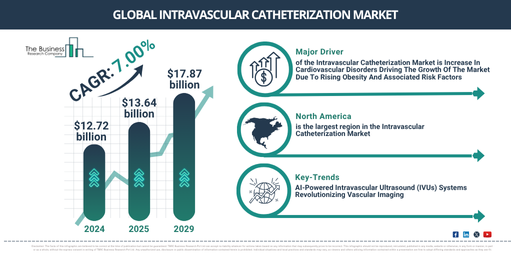
    The market size for intravascular catheterization has exhibited significant growth in the previous years. It is projected to increase from $12.72 billion in 2024 to $13.64 billion in 2025, with a compound annual growth rate (CAGR) of 7.2%. The surge in growth during the historical period is a result of various factors. These include a rise in cases of cardiovascular diseases, an escalation in hospital admissions, an expanding population of elderly patients, an upswing in minimally invasive procedures, and an increase in chronic disease incidence.

    How Much Will the Intravascular Catheterization Market Be Worth in 2029?

    The market size of intravascular catheterization is predicted to experience significant expansion in the coming years, estimated to rise to $17.87 billion by 2029 with a 7.0% compound annual growth rate (CAGR). The growth during the forecast period is going to be driven by factors such as the expansion of outpatient care facilities, an increase in the number of catheterization labs, a rising demand for advanced catheters, mounting regulatory approvals, and heightened awareness about catheterization techniques. The key trends during this forecast period comprise developments in antimicrobial catheter coatings, incorporation of AI for instantaneous imaging guidance, technology promoting intelligent catheters with sensors, progress in ultrasound-assisted catheter placement, and breakthroughs in biocompatible catheter materials.

    Download The Free Sample Report Here:

    https://www.thebusinessresearchcompany.com/sample.aspx?id=24264&type=smp

    Which is the Largest Company in the Intravascular Catheterization Market?

    Major companies operating in the intravascular catheterization market are Cardinal Health Inc., Johnson & Johnson, Abbott Laboratories, Medtronic plc, Becton Dickinson and Company, Stryker Corporation, Boston Scientific Corporation, B. Braun Melsungen AG, Terumo Corporation, Edwards Lifesciences Corporation, Nipro Corporation, Teleflex Incorporated, Cook Medical LLC, ICU Medical Inc., Smiths Medical, Merit Medical Systems Inc., Penumbra Inc., Vygon SA, AngioDynamics Inc., ACIST Medical Systems Inc., C. R. Bard Inc., Shanghai Kindly Enterprise Development Group Co. Ltd.

    What Are the Main Market Drivers in the Intravascular Catheterization Industry?

    The rise in cardiovascular disorders is anticipated to fuel the growth of the intravascular catheterization market. Cardiovascular disorders encompass a variety of conditions impacting the heart and blood vessels such as heart disease, stroke, and hypertension. The escalating occurrence of these disorders is mainly attributed to the growing obesity rates which lead to higher risk factors like hypertension and diabetes, both of which heighten the probability of heart disease. Intravascular catheterization is beneficial in battling cardiovascular disorders as it enables less invasive techniques to identify and treat conditions like coronary artery disease, execute angioplasty, and implant stents to enhance blood flow. To exemplify, in January 2025, the American Heart Association, a Nonprofit Organization in the U.S., reported that the total deaths due to cardiovascular disease (CVD) in the U.S. in 2022 hit 941,652, indicating an increase of over 10,000 compared to the 931,578 CVD deaths recorded in 2021. Thus, the surging occurrence of cardiovascular disorders is stimulating the expansion of the intravascular catheterization market.

    Request For A Customized Report:

    https://www.thebusinessresearchcompany.com/sample.aspx?id=24264&type=smp

    How Is the Intravascular Catheterization Market Segments Structured?

    The intravascular catheterization market covered in this report is segmented –

    1) By Type: Centrally Inserted Catheters, Peripherally Inserted Central Catheters (PICC), Peripheral Catheters, Dialysis Catheters

    2) By Material: Polyurethane, Silicone, Polyvinyl Chloride (Pvc), Other Materials

    3) By Procedures: Elective Procedures, Emergency Procedures, Interventional Radiology, Cardiac Procedures

    4) By Application: Oncology, Cardiology, Pediatrics, Infection Control

    5) By End User: Hospitals, Ambulatory Surgical Centers (ASCs), Home Healthcare, Research Laboratories

    Subsegments:

    1) By Centrally Inserted Catheters: Non-Tunneled Central Venous Catheters, Tunneled Central Venous Catheters, Implantable Ports

    2) By Peripherally Inserted Central Catheters (PICC): Single Lumen PICC, Double Lumen PICC, Triple Lumen PICC

    3) By Peripheral Catheters: Short Peripheral Intravenous Catheters, Midline Catheters, Winged Infusion Sets

    4) By Dialysis Catheters: Temporary Dialysis Catheters, Tunneled Dialysis Catheters, Non-Tunneled Dialysis Catheters

    What Strategic Trends Are Transforming the Intravascular Catheterization Market?

    The principal players in the intravascular catheterization market are channeling their efforts towards developing state-of-the-art solutions. These include the advancement of AI-powered intravascular ultrasound systems (IVUS) that augment the precision of imaging and the efficiency of clinical procedures. AI-aided IVUS systems blend traditional intravascular technology with complex artificial intelligence algorithms to enhance the efficiency, precision and image interpretation during cardiovascular procedures. For instance, Evident Vascular Inc., a medical tech firm based in the US, unveiled an AI-integrated IVUS platform in October 2023. This platform was created to record high-definition images from within blood vessels chiefly for evaluating vascular disease and directing interventional procedures. This future-forward catheter-based ultrasound technology employs artificial intelligence to enhance image quality, streamline clinician workflow, and improve interpretations, with an initial concentration on peripheral vascular interventions and potential expansion into coronary applications.

    Access The Full Report Here:

    https://www.thebusinessresearchcompany.com/report/intravascular-catheterization-global-market-report

    Which Global Regions Offer the Highest Growth in the Intravascular Catheterization Market?

    North America was the largest region in the intravascular catheterization market in 2024. Asia-Pacific is expected to be the fastest-growing region in the forecast period. The regions covered in the intravascular catheterization market report are Asia-Pacific, Western Europe, Eastern Europe, North America, South America, Middle East, Africa.

    Purchase The Full Report Today:

    https://www.thebusinessresearchcompany.com/customise?id=24264&type=smp

    This Report Delivers Insight On:

    1. How big is the intravascular catheterization market, and how is it changing globally?

    2. Who are the major companies in the intravascular catheterization market, and how are they performing?

    3. What are the key opportunities and risks in the intravascular catheterization market right now?

    4. Which products or customer segments are growing the most in the intravascular catheterization market?

    5. What factors are helping or slowing down the growth of the intravascular catheterization market?

    About The Business Research Company:

    With over 15000+ reports from 27 industries covering 60+ geographies, The Business Research Company has built a reputation for offering comprehensive, data-rich research and insights. Armed with 1,500,000 datasets, the optimistic contribution of in-depth secondary research, and unique insights from industry leaders, you can get the information you need to stay ahead in the game.

    Get in touch with us:

    The Business Research Company: https://www.thebusinessresearchcompany.com/

    Americas +1 310-496-7795

    Europe +44 7882 955267

    Asia & Others +44 7882 955267 & +91 8897263534

    Email us at info@tbrc.info

    Follow us on:

    LinkedIn: https://in.linkedin.com/company/the-business-research-company

    YouTube: https://www.youtube.com/channel/UC24_fI0rV8cR5DxlCpgmyFQ

    Global Market Model: https://www.thebusinessresearchcompany.com/global-market-model
  • Intrathoracic Fixation System Industry Growth Expected to Reach $1.84 Billion by 2029 at a CAGR of 8% | Segmentation and Growth Opportunities

    Intrathoracic Fixation System Industry Growth Expected to Reach $1.84 Billion by 2029 at a CAGR of 8% | Segmentation and Growth Opportunities

    Claim your 30% discount on Global Market Reports with code ONLINE30. Limited time only.

    What Is the Forecast for the Intrathoracic Fixation System Market Growth in 2025?

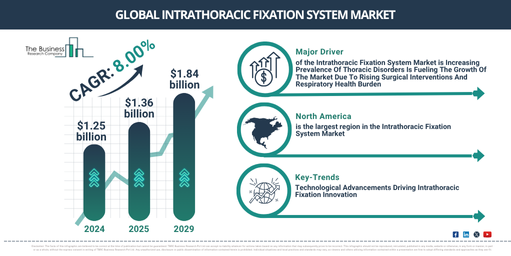
    In recent years, the market for intrathoracic fixation systems has experienced vigorous growth. By 2025, its worth is projected to reach $1.36 billion from its 2024 value of $1.25 billion, reporting a compound annual growth rate (CAGR) of 8.3%. Factors contributing to this growth in the past include an increase in thoracic damage caused by automobile and sports injuries, a rise in chest wall injuries related to military activities, FDA approval of preliminary intrathoracic fixation systems, a transition from traditional to surgical methods for treating rib fractures, and the broader establishment of level 1 trauma centers.

    What Is the Forecast for the Intrathoracic Fixation System Market Size Through 2029?

    Experts anticipate a noteworthy surge in the intrathoracic fixation system market in the upcoming years, with projections of its worth reaching $1.84 billion in 2029, indicating a CAGR of 8.0%. This forecasted increase is primarily tied to factors such as innovations in minimally invasive and robotic thoracic procedures, the growing elderly population prone to fragility fractures, advancements in 3D-printed, patient-specific thoracic implants, increased reconstruction procedures of the chest wall due to thoracic oncology, and a rise in respiratory thoracic complications linked to air pollution. Key trends for this period comprise the integration of sensor-enabled smart fixation implants, innovative biodegradable and bioactive fixation materials, universal standardization of thoracic trauma treatment protocols, a shift towards value-focused procurement within healthcare systems, and the inclusion of AI-powered planning tools prior to thoracic surgery.

    Download The Free Sample Report Here:

    https://www.thebusinessresearchcompany.com/sample.aspx?id=24263&type=smp

    What are the Key Market Players in Intrathoracic Fixation System Market and How They’re Evolving?

    Major companies operating in the intrathoracic fixation system market are Stryker Corporation, Zimmer Biomet, Depuy Synthes (Johnson & Johnson), CONMED Corporation, Orthofix Medical, Medacta International, KLS Martin Group, MicroPort Scientific Corporation, Acumed LLC, Alphatec Spine, Waston Medical, B. Braun, AO Foundation, Camber Spine, Inion Oy, Jeil Medical Corporation, Able Medical Devices, Biomet Microfixation, NEURO FRANCE Implants, Precision Spine

    What Are the Primary Growth Drivers in the Intrathoracic Fixation System Market?

    The surge in incidences of thoracic disorders is poised to spur the expansion of the intrathoracic fixation system market. Thoracic disorders encompass health issues that impact the thoracic area of the body comprising the lungs, heart, esophagus, ribs, and diaphragm. Their escalating prevalence is attributed to mounting levels of air pollution, which impair lung tissue and raise the chances of prolonged respiratory illnesses. Intrathoracic fixation systems provide stability and bolster the thoracic spine and ribcage, particularly in those patients diagnosed with thoracic disorders such as spinal abnormalities, fractures, or instability instigated by trauma, tumors, or degenerative diseases. For example, the Centers for Disease Control and Prevention, a public health body based in the U.S., reported that in March 2023, the number of tuberculosis cases (a type of thoracic disorder) in the U.S. rose to 8,300 in 2022 from 7,874 in 2021. Consequently, the rising incidence of thoracic disorders is fuelling the growth of the intrathoracic fixation system market.

    Request For A Customized Report:

    https://www.thebusinessresearchcompany.com/sample.aspx?id=24263&type=smp

    What Are the Leading Segments in the Global Intrathoracic Fixation System Industry?

    The intrathoracic fixation system market covered in this report is segmented –

    1) By Product: Endostaplers, Thoracoscopic Fixation Systems, Intrathoracic Fixation Plates, Other Surgical Fixation Devices

    2) By Material: Metal-based Devices, Polymer-based Devices, Composite Devices, Biodegradable Materials

    3) By Application: Thoracic Surgery, Cardiovascular Surgery, Trauma Surgery, Other Applications

    4) By End User: Hospitals, Ambulatory Surgical Centers, Surgical Clinics, Research Institutions

    Subsegments:

    1) Endostaplers: Manual Endostaplers, Powered Endostaplers, Articulating Endostaplers, Reloadable Endostaplers

    2) Thoracoscopic Fixation Systems: Thoracoscopic Clips, Thoracoscopic Screws and Plates, Port Access Instrumentation, Visualization Systems

    3) Intrathoracic Fixation Plates: Sternal Fixation Plates, Rib Fixation Plates, Custom Anatomical Plates, Low-Profile Plates

    4) Other Surgical Fixation Devices: Wires and Cables, Intramedullary Devices, Hybrid Fixation Kits, Absorbable Fixation Devices

    What Are the Key Market Trends in the Intrathoracic Fixation System Industry?

    Leading organizations in the intrathoracic fixation system market are concentrating on the creation of cutting-edge products like auto-contouring rib fixation systems, aimed at enhancing surgical accuracy and patient outcomes. Minimally invasive solutions using thoracoscopic techniques allow practitioners to stabilize rib fractures via small incisions facilitated by video-supported technology, hence reducing soft tissue harm and recovery periods. For example, Zimmer Biomet Holdings Inc., a medical device firm based in the United States, in April 2025 introduced the RibFix Advantage Fixation System, the first of its kind to receive a CE mark in the intrathoracic rib fixation system market. This system comes with a bridge design that molds to rib anatomy during tightening and auto-contouring, thereby reducing fractures. It promotes thoracoscopic repair, causing less tissue disruption, reducing hospital stays, and providing biomechanical benefits compared to traditional processes.

    Access The Full Report Here:

    https://www.thebusinessresearchcompany.com/report/intrathoracic-fixation-system-global-market-report

    What Is the Regional Outlook for the Intrathoracic Fixation System Market?

    North America was the largest region in the intrathoracic fixation system market in 2024. Asia-Pacific is expected to be the fastest-growing region in the forecast period. The regions covered in the intrathoracic fixation system market report are Asia-Pacific, Western Europe, Eastern Europe, North America, South America, Middle East, Africa.

    Purchase The Full Report Today:

    https://www.thebusinessresearchcompany.com/customise?id=24263&type=smp

    This Report Delivers Insight On:

    1. How big is the intrathoracic fixation system market, and how is it changing globally?

    2. Who are the major companies in the intrathoracic fixation system market, and how are they performing?

    3. What are the key opportunities and risks in the intrathoracic fixation system market right now?

    4. Which products or customer segments are growing the most in the intrathoracic fixation system market?

    5. What factors are helping or slowing down the growth of the intrathoracic fixation system market?

    About The Business Research Company:

    With over 15000+ reports from 27 industries covering 60+ geographies, The Business Research Company has built a reputation for offering comprehensive, data-rich research and insights. Armed with 1,500,000 datasets, the optimistic contribution of in-depth secondary research, and unique insights from industry leaders, you can get the information you need to stay ahead in the game.

    Get in touch with us:

    The Business Research Company: https://www.thebusinessresearchcompany.com/

    Americas +1 310-496-7795

    Europe +44 7882 955267

    Asia & Others +44 7882 955267 & +91 8897263534

    Email us at info@tbrc.info

    Follow us on:

    LinkedIn: https://in.linkedin.com/company/the-business-research-company

    YouTube: https://www.youtube.com/channel/UC24_fI0rV8cR5DxlCpgmyFQ

    Global Market Model: https://www.thebusinessresearchcompany.com/global-market-model
  • Intraocular Lens (IOL) Material Industry Valued at $5.63 Billion by 2029 With CAGR of 6.7% | Size and Share Insights

    Intraocular Lens (IOL) Material Industry Valued at $5.63 Billion by 2029 With CAGR of 6.7% | Size and Share Insights

    Claim your 30% discount on Global Market Reports with code ONLINE30. Limited time only.

    What Is the Forecast for the Intraocular Lens (IOL) Material Market from 2024 to 2025?

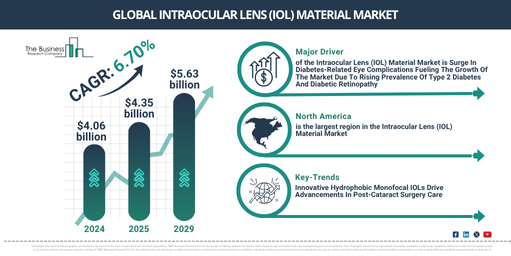
    The market size for intraocular lens (IOL) material has significantly expanded in recent times. Its growth is projected to rise from $4.06 billion in 2024 to $4.35 billion in 2025, maintaining a compound annual growth rate (CAGR) of 7.0%. The robust growth in the past was due to increased global cataract incidences, a swelling aging population across the globe, escalating demand for vision rectification, intensifying acceptance of premium IOLs, and increased consciousness about eye care.

    What Is the Projected Market Size of the Intraocular Lens (IOL) Material Market?

    The market for intraocular lens (IOL) materials is projected to experience significant expansion in the upcoming years, with an anticipated value of $5.63 billion in 2029, exhibiting a compound annual growth rate (CAGR) of 6.7%. This projected growth during the forecast period can be attributed to factors like the increasing population with diabetes, government healthcare initiatives, the surge in minimally invasive surgeries, global rise in reimbursement support, and the increasing focus on biocompatibility. Key trends for the forecast period encompass advancements in lens biomaterials and IOL designs, improvements in surgical procedures, the incorporation of premium IOLs and blue-light filters, and the adoption of digital technologies.

    Download The Free Sample Report Here:

    https://www.thebusinessresearchcompany.com/sample.aspx?id=24262&type=smp

    Who are the Major Competitors in the Intraocular Lens (IOL) Material Market Outlook?

    Major companies operating in the intraocular lens (IOL) material market are Alcon Inc., HOYA Corporation, Bausch & Lomb Incorporated, Johnson & Johnson Surgical Vision Inc., Carl Zeiss AG, Rayner Intraocular Lenses Limited, STAAR Surgical Company, Eyekon Medical Inc., Omnilens Private Limited, Devine Meditech Private Limited, Lenstec Inc., Medicontur Medical Engineering Ltd., SIFI S.p.A., Hanita Lenses Ltd., Biotech Healthcare Group, HumanOptics AG, Oculentis GmbH, PowerVision Inc., Eyebright Medical Technology Co. Ltd., Global Ophthalmic Private Limited, OPHTEC BV, Wuxi Vision Pro Ltd.

    What Is Fueling Growth in the Intraocular Lens (IOL) Material Market?

    The escalating trend of diabetes-associated ocular complications is likely to stimulate the expansion of the intraocular lens (IOL) material market. Vision issues like diabetic retinopathy, cataracts, and glaucoma, a result of the eye’s blood vessels’ damage due to elevated blood sugar levels, are denoted as diabetes-related eye complications. The surge in such complications is primarily due to the increasing incidence of Type 2 diabetes, putting more individuals at risk for diabetic retinopathy. Intraocular lens (IOL) materials can aid individuals grappling with diabetes-related eye complications by offering clearer vision post-cataract surgery, rectifying refractive errors, and enhancing visual outcomes for those with diabetic retinopathy. For example, per the European Medical Journal, a UK-based online medical journal, about 9.6 million people in the USA had diabetic retinopathy in July 2023. This accounted for 26.43% of all diabetes diagnoses in the nation in 2021. Thus, the escalating instances of diabetes-related eye complications are set to boost growth in the intraocular lens (IOL) material market.

    Request For A Customized Report:

    https://www.thebusinessresearchcompany.com/sample.aspx?id=24262&type=smp

    Which Intraocular Lens (IOL) Material Market Segments Are Growing the Fastest?

    The intraocular lens (IOL) material market covered in this report is segmented –

    1) By Material Type: Hydrophilic Acrylic, Hydrophobic Acrylic, Silicone, Polymethyl Methacrylate (PMMA), Collamer

    2) By Design Type: Monofocal Intraocular Lens (IOLs), Multifocal Intraocular Lens (IOLs), Accommodating Intraocular Lens (IOLs), Toric Intraocular Lens (IOLs), Extended Depth Of Focus Intraocular Lens (IOLs)

    3) By Manufacturing Technology: Injection Molding, Laser Technology, Machining, 3D Printing, Other Advanced Manufacturing Techniques

    4) By Application: Cataract Surgery, Refractive Surgery, Other Ophthalmic Procedures

    5) By End User: Hospitals, Eye Clinics, Ambulatory Surgical Centers (ASCs), Other Healthcare Facilities

    Subsegments:

    1) By Hydrophilic Acrylic: Monofocal Hydrophilic Acrylic IOLs, Multifocal Hydrophilic Acrylic IOLs, Toric Hydrophilic Acrylic IOLs, Aspheric Hydrophilic Acrylic IOLs

    2) By Hydrophobic Acrylic: Monofocal Hydrophobic Acrylic IOLs, Multifocal Hydrophobic Acrylic IOLs, Toric Hydrophobic Acrylic IOLs, Aspheric Hydrophobic Acrylic IOLs

    3) By Silicone: Monofocal Silicone IOLs, Multifocal Silicone IOLs, Toric Silicone IOLs, Aspheric Silicone IOLs

    4) By Polymethyl Methacrylate (PMMA): Rigid PMMA IOLs, Scleral-Fixated PMMA IOLs, Anterior Chamber PMMA IOLs

    5) By Collamer: Phakic Collamer IOLs, Toric Phakic Collamer IOLs, Visian ICL

    Which Industry Trends Are Shaping the Future of the Intraocular Lens (IOL) Material Market?

    Key players in the intraocular lens (IOL) material market are striving to innovate by introducing cutting-edge solutions, such as hydrophobic monofocal intraocular lenses, to enhance the quality of post-surgery vision and increase patient comfort. A hydrophobic monofocal intraocular lens, a synthetic lens implanted during cataract procedures, offers unobstructed vision at a single distance and is constructed from a water-resistant material. For example, Beaver-Visitec International, a US-based healthcare company, unveiled its PODEYE hydrophobic monofocal intraocular lens (IOL) in Japan in April 2024. After receiving approval from Japan’s Pharmaceuticals and Medical Devices Agency (PMDA) and being featured at the Japanese Ophthalmic Society gathering, PODEYE, with BVI’s one-of-a-kind double C-loop POD haptic design, is aimed at making the lens more stable. The lens is created using the company’s unique, completely glistening-free GFY hydrophobic material, which is a crucial attribute for Japanese surgeons and patients.

    Access The Full Report Here:

    https://www.thebusinessresearchcompany.com/report/intraocular-lens-iol-material-global-market-report

    Which Countries Are Leading the Intraocular Lens (IOL) Material Market?

    North America was the largest region in the intraocular lens (IOL) material market in 2024. Asia-Pacific is expected to be the fastest-growing region in the forecast period. The regions covered in the intraocular lens (IOL) material market report are Asia-Pacific, Western Europe, Eastern Europe, North America, South America, Middle East, Africa.

    Purchase The Full Report Today:

    https://www.thebusinessresearchcompany.com/customise?id=24262&type=smp

    This Report Delivers Insight On:

    1. How big is the intraocular lens (iol) material market, and how is it changing globally?

    2. Who are the major companies in the intraocular lens (iol) material market, and how are they performing?

    3. What are the key opportunities and risks in the intraocular lens (iol) material market right now?

    4. Which products or customer segments are growing the most in the intraocular lens (iol) material market?

    5. What factors are helping or slowing down the growth of the intraocular lens (iol) material market?

    About The Business Research Company:

    With over 15000+ reports from 27 industries covering 60+ geographies, The Business Research Company has built a reputation for offering comprehensive, data-rich research and insights. Armed with 1,500,000 datasets, the optimistic contribution of in-depth secondary research, and unique insights from industry leaders, you can get the information you need to stay ahead in the game.

    Get in touch with us:

    The Business Research Company: https://www.thebusinessresearchcompany.com/

    Americas +1 310-496-7795

    Europe +44 7882 955267

    Asia & Others +44 7882 955267 & +91 8897263534

    Email us at info@tbrc.info

    Follow us on:

    LinkedIn: https://in.linkedin.com/company/the-business-research-company

    YouTube: https://www.youtube.com/channel/UC24_fI0rV8cR5DxlCpgmyFQ

    Global Market Model: https://www.thebusinessresearchcompany.com/global-market-model
  • Intramedullary Nailing System Market to Reach $1.79 Billion by 2029 | Key Drivers and Future Outlook

    Intramedullary Nailing System Market to Reach $1.79 Billion by 2029 | Key Drivers and Future Outlook

    Claim your 30% discount on Global Market Reports with code ONLINE30. Limited time only.

    What Is the Growth Rate of the Intramedullary Nailing System Market?

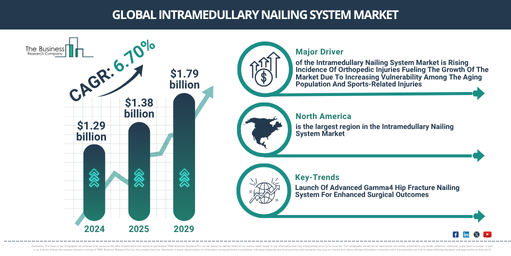
    In recent times, the market size of the intramedullary nailing system has experienced significant expansion. The projections show it will rise from a value of $1.29 billion in 2024 to approximately $1.38 billion in 2025, exhibiting a compound annual growth rate (CAGR) of 7.0%. Factors contributing to this historic growth include heightened demand due to bone fractures, a surge in the occurrence of orthopedic injuries, a growing inclination towards minimally invasive surgeries, an increased elderly population suffering from fractures, and the mounting preference for advanced surgical procedures.

    What Growth Rate Is Forecasted for the Intramedullary Nailing System Market by 2029?

    A considerable increase is predicted in the market size of the intramedullary nailing system in the upcoming years, reaching up to $1.79 billion by 2029 with a compound annual growth rate (CAGR) of 6.7%. The predicted surge during the forecast period is ascribed to various factors including rise in orthopedic solutions awareness, increase in global health expenditure, more frequent trauma surgeries, the accessibility of cutting-edge materials, and an increase in elderly population. Important trends for the forecasted period encompass progress in surgical procedures, the incorporation of robotics in surgical processes, technological enhancements in device design, advancements in implant biomaterials, and progress in minimally invasive procedures.

    Download The Free Sample Report Here:

    https://www.thebusinessresearchcompany.com/sample.aspx?id=24261&type=smp

    Which Key Companies Are Shaping the Future of the Intramedullary Nailing System Market?

    Major companies operating in the intramedullary nailing system market are Johnson & Johnson, Stryker Corporation, Shandong Weigao, B. Braun Melsungen AG, Zimmer Biomet Holdings Inc., Smith & Nephew plc, Globus Medical Inc., Lepu Medical Technology Co. Ltd., PW Medtech Group Limited, Orthofix Medical Inc., Wright Medical Group N.V., Naton Medical, MEDIN A.S. CarboFix Orthopedics Ltd., Changzhou Waston Medical Appliance Co. Ltd., Treu Instrumente, Shenzhen Mindray Bio, Advanced Orthopaedic Solutions, Orthopaedic Implant Company, OrthoXel, Tasarimmed Tibbi Mamuller San. Tic. A.S., CarboFix Orthopedics.

    Which Factors Are Driving Demand in the Intramedullary Nailing System Industry?

    Advancements in the intramedullary nailing system market are anticipated to be fuelled by the escalating occurrence of orthopedic injuries. Orthopedic injuries consist of damage to bones, joints, muscles, ligaments, tendons, or nerves, frequently caused by accidents, overuse, or age-related illnesses. The frequency of these injuries is on the rise, particularly among the elderly, as disorders such as osteoporosis and joint degeneration deteriorate the musculoskeletal structure, making it more prone to fractures and other related injuries. Intramedullary nailing systems are advantageous in handling these injuries due to their stable internal fixation for long bone fractures, promoting appropriate alignment, improved mobility, quick recovery, and reduced soft tissue harm. For example, the National Institutes of Health (NIH), a government agency based in the US, predicted in November 2024, that hip fractures in England, Wales, and Northern Ireland will surge by 107% by 2060, amounting to roughly 139,105 cases. This anticipated rise is greater in males at 130%, contrasting with a 97% upsurge in females. Consequently, the mounting frequency of orthopedic injuries is spurring the expansion of the intramedullary nailing system market.

    Request For A Customized Report:

    https://www.thebusinessresearchcompany.com/sample.aspx?id=24261&type=smp

    How Is the Intramedullary Nailing System Market Segmented by Several Divisions?

    The intramedullary nailing system market covered in this report is segmented –

    1) By Product Type: Locked Intramedullary Nails, Unlocked Intramedullary Nails, Hybrid Intramedullary Nails, Other Specialized Designs

    2) By Material: Stainless Steel, Titanium Alloys, Carbon Fiber Composites, Other Biomaterials

    3) By Distribution Channel: Direct Sales, Distributors Or Wholesalers, Online Sales, Hospital Procurement

    4) By Application: Fracture Fixation, Bone Reconstruction, Osteotomy, Non-Union Treatment

    5) By End User: Hospitals, Orthopedic Clinics, Rehabilitation Centers, Other End Users

    Subsegments:

    1) By Locked Intramedullary Nails: Static Locked Nails, Dynamic Locked Nails, Proximal Femoral Nails

    2) By Unlocked Intramedullary Nails: Conventional Unlocked Nails, Flexible Nails

    3) By Hybrid Intramedullary Nails: Nails With Combined Locking Mechanisms, Modular Hybrid Nail Systems

    4) By Other Specialized Designs: Retrograde Intramedullary Nails, Expandable Nails, Patient-Specific Or Customized Nails

    What are the Emerging Market Trends Driving the Growth of the Intramedullary Nailing System Industry?

    Leading businesses in the intramedullary nailing system market are concentrating on the creation of sophisticated implant systems, like the next-generation intramedullary nailing systems, with the aim of improving surgical results and patient recovery times. These next-generation systems are modern orthopedic devices built to manage fractured bones through enhanced biomechanics, minimally invasive techniques, and upgraded material selection that allow superior fixation, shortened recovery periods, and fewer complications. For example, Stryker Corporation, a medical technology firm based in the US, introduced the Gamma4 Hip Fracture Nailing System in March 2024. This advanced solution for intramedullary nailing is tailored to treat both stable and unstable femur fractures, including in the intracapsular, trochanteric, subtrochanteric, and shaft regions, whilst also offering enhanced handling for osteoporotic and osteopenic bones. The system comprises of a restructured nail, based on data gathered from over 37,000 3D bone models, a precision pin that significantly reduces skiving by 66%, and a consolidated instrument platform to optimize workflows.

    Access The Full Report Here:

    https://www.thebusinessresearchcompany.com/report/intramedullary-nailing-system-global-market-report

    Which Regions Are Driving Growth in the Intramedullary Nailing System Market?

    North America was the largest region in the intramedullary nailing system market in 2024. Asia-Pacific is expected to be the fastest-growing region in the forecast period. The regions covered in the intramedullary nailing system market report are Asia-Pacific, Western Europe, Eastern Europe, North America, South America, Middle East, Africa.

    Purchase The Full Report Today:

    https://www.thebusinessresearchcompany.com/customise?id=24261&type=smp

    This Report Delivers Insight On:

    1. How big is the intramedullary nailing system market, and how is it changing globally?

    2. Who are the major companies in the intramedullary nailing system market, and how are they performing?

    3. What are the key opportunities and risks in the intramedullary nailing system market right now?

    4. Which products or customer segments are growing the most in the intramedullary nailing system market?

    5. What factors are helping or slowing down the growth of the intramedullary nailing system market?

    About The Business Research Company:

    With over 15000+ reports from 27 industries covering 60+ geographies, The Business Research Company has built a reputation for offering comprehensive, data-rich research and insights. Armed with 1,500,000 datasets, the optimistic contribution of in-depth secondary research, and unique insights from industry leaders, you can get the information you need to stay ahead in the game.

    Get in touch with us:

    The Business Research Company: https://www.thebusinessresearchcompany.com/

    Americas +1 310-496-7795

    Europe +44 7882 955267

    Asia & Others +44 7882 955267 & +91 8897263534

    Email us at info@tbrc.info

    Follow us on:

    LinkedIn: https://in.linkedin.com/company/the-business-research-company

    YouTube: https://www.youtube.com/channel/UC24_fI0rV8cR5DxlCpgmyFQ

    Global Market Model: https://www.thebusinessresearchcompany.com/global-market-model

  • Budesonide Inhaler Market to Reach $9.68 Billion by 2029 | Key Drivers and Future Outlook

    Budesonide Inhaler Market to Reach $9.68 Billion by 2029 | Key Drivers and Future Outlook

    Claim your 30% discount on Global Market Reports with code ONLINE30. Limited time only.

    What Is the Growth Rate of the Budesonide Inhaler Market?

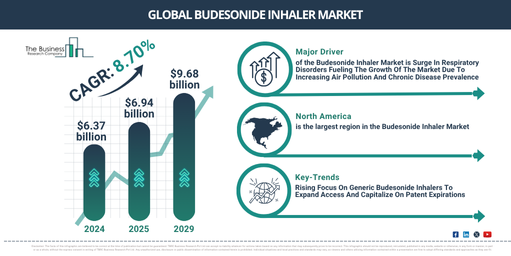
    In recent times, there has been substantial growth in the market size of budesonide inhalers. The market is set to expand from $6.37 billion in 2024 to $6.94 billion in 2025, reflecting a compound annual growth rate (CAGR) of 9.0%. This growth during the historic period is linked to the increased awareness about inhalation therapies, the growing preference for corticosteroid treatments, higher levels of air pollution leading to respiratory problems, the surging demand for minimally invasive methods of drug delivery, and the heightened focus on home healthcare solutions.

    What Growth Rate Is Forecasted for the Budesonide Inhaler Market by 2029?

    The market for budesonide inhalers is projected to experience robust growth in the coming years, reaching $9.68 billion in 2029 with a CAGR of 8.7%. The upward trend during the forecast period can be ascribed to the rise in funding for respiratory drug research, increased demand for individualized treatments in respiratory care, growing utilization of telemedicine and electronic prescribing, heightened cognizance of early detection and therapy, and escalating preference for combined inhaler treatments. Key trends during the outlook period include the advancement of improved drug delivery methods, the innovation in smart inhalers featuring digital tracking, the incorporation of AI and IoT in managing respiratory health, development in patient-oriented drug formatting, and the use of mobile applications for tracking adherence.

    Download The Free Sample Report Here:

    https://www.thebusinessresearchcompany.com/sample.aspx?id=24181&type=smp

    Which Key Companies Are Shaping the Future of the Budesonide Inhaler Market?

    Major companies operating in the budesonide inhaler market are AstraZeneca plc, GSK plc, Takeda Pharmaceutical Company Limited, Viatris Inc., Teva Pharmaceutical Industries Ltd., Boehringer Ingelheim International GmbH, Sandoz International GmbH, Bausch Health Companies Inc., Sun Pharmaceutical Industries Ltd., Synmosa Biopharma Corporation, Chiesi Farmaceutici S.p.A., Aurobindo Pharma Limited, Cipla Limited, Hikma Pharmaceuticals PLC, Lupin Limited, Orion Corporation, Nephron Pharmaceuticals Corporation, Curia Global Inc., Kindeva Drug Delivery L.P., Minakem SAS, Axplora Group GmbH, Cosmo Pharmaceuticals N.V., Manus Aktteva Biopharma LLP, Tovec Pharma Pvt. Ltd., Nutra Respiro Healthcare Pvt. Ltd.

    Which Factors Are Driving Demand in the Budesonide Inhaler Industry?

    The increasing number of respiratory ailments is anticipated to boost the expansion of the budesonide inhaler market in the future. Breathing struggles, along with symptoms like coughing, wheezing, and shortness of breath, characterize these medical conditions that affect the lungs and airways. They encompass conditions like asthma, chronic obstructive pulmonary disease (COPD), pneumonia, bronchitis, and lung infections. Due to escalating air pollution, which increases interaction with harmful pollutants aggravating airways and deteriorating lung functionality, respiratory disorders are mainly on the rise. To support long-term control of respiratory conditions, budesonide inhalers deliver anti-inflammatory drugs directly to the lungs. These inhalers, due to their compactness, are simple to operate and carry, which helps minimize flare-ups and enhance respiratory wellness. For example, the Australian Bureau of Statistics, a government agency based in Australia, reported in December 2023 that the prevalence of COPD escalated from 2.4% in 2021 to 2.5% in 2022. Consequently, the surging occurrence of respiratory ailments is pushing the growth of the budesonide inhaler market.

    Request For A Customized Report:

    https://www.thebusinessresearchcompany.com/sample.aspx?id=24181&type=smp

    How Is the Budesonide Inhaler Market Segmented by Several Divisions?

    The budesonide inhaler market covered in this report is segmented –

    1) By Product Type: Metered-Dose Inhalers (MDIs), Dry Powder Inhalers (DPIs), Nebulizers, Combination Inhalers

    2) By Dosage Form: Aerosols, Dry Powder, Suspension, Spray

    3) By Indication: Asthma, Chronic Obstructive Pulmonary Disease, Allergic Rhinitis

    4) By End User: Hospitals, Outpatient Clinics, Homecare Settings, Pharmacies

    Subsegments:

    1) Metered-Dose Inhalers: Pressurized Metered-Dose Inhalers, Breath-Actuated Metered-Dose Inhalers, Spacer-Compatible Metered-Dose Inhalers, Hydrofluoroalkane Propellant-Based Metered-Dose Inhalers

    2) Dry Powder Inhalers: Single-Dose Dry Powder Inhalers, Multi-Dose Dry Powder Inhalers, Capsule-Based Dry Powder Inhalers, Reservoir-Based Dry Powder Inhalers

    3) Nebulizers: Jet Nebulizers, Ultrasonic Nebulizers, Mesh Nebulizers, Homecare Nebulizers, Hospital-Use Nebulizers

    4) Combination Inhalers: Budesonide And Formoterol Inhalers, Budesonide And Salmeterol Inhalers, Budesonide, Glycopyrrolate, And Formoterol Inhalers, Budesonide And Vilanterol Inhalers

    What are the Emerging Market Trends Driving the Growth of the Budesonide Inhaler Industry?

    Prominent organizations in the budesonide inhaler market are concentrating their efforts on innovative product development, including generic offerings, to enhance affordability and accessibility for respiratory disease treatments. Generic inhaled medications are non-branded products that provide the same active ingredients, dosage, and therapeutic effectiveness as their named brand equivalents, usually at a reduced price. For example, in July 2023, the US pharmaceutical company Viatris Inc. partnered with the US-based pharmaceutical manufacturer Kindeva Drug Delivery L.P. to release Breyna (budesonide and formoterol fumarate dihydrate) inhalation aerosol. This is the first generic version of Symbicort approved by the US federal agency, The Food and Drug Administration (FDA). The drug-device mix works to treat asthma and chronic obstructive pulmonary disease (COPD) by reducing airway inflammation through budesonide and relaxing the muscles around the airways with formoterol. This delivers a more cost-effective alternative for patients.

    Access The Full Report Here:

    https://www.thebusinessresearchcompany.com/report/budesonide-inhaler-global-market-report

    Which Regions Are Driving Growth in the Budesonide Inhaler Market?

    North America was the largest region in the budesonide inhaler market in 2024. Asia-Pacific is expected to be the fastest-growing region in the forecast period. The regions covered in the budesonide inhaler market report are Asia-Pacific, Western Europe, Eastern Europe, North America, South America, Middle East, Africa.

    Purchase The Full Report Today:

    https://www.thebusinessresearchcompany.com/customise?id=24181&type=smp

    This Report Delivers Insight On:

    1. How big is the budesonide inhaler market, and how is it changing globally?

    2. Who are the major companies in the budesonide inhaler market, and how are they performing?

    3. What are the key opportunities and risks in the budesonide inhaler market right now?

    4. Which products or customer segments are growing the most in the budesonide inhaler market?

    5. What factors are helping or slowing down the growth of the budesonide inhaler market?

    About The Business Research Company:

    With over 15000+ reports from 27 industries covering 60+ geographies, The Business Research Company has built a reputation for offering comprehensive, data-rich research and insights. Armed with 1,500,000 datasets, the optimistic contribution of in-depth secondary research, and unique insights from industry leaders, you can get the information you need to stay ahead in the game.

    Get in touch with us:

    The Business Research Company: https://www.thebusinessresearchcompany.com/

    Americas +1 310-496-7795

    Europe +44 7882 955267

    Asia & Others +44 7882 955267 & +91 8897263534

    Email us at info@tbrc.info

    Follow us on:

    LinkedIn: https://in.linkedin.com/company/the-business-research-company

    YouTube: https://www.youtube.com/channel/UC24_fI0rV8cR5DxlCpgmyFQ

    Global Market Model: https://www.thebusinessresearchcompany.com/global-market-model