Month: July 2025

  • Eczema Market Projected at $24.34 Billion by 2029 | Strategic Insights and Forecast Data

    Eczema Market Projected at $24.34 Billion by 2029 | Strategic Insights and Forecast Data

    Claim your 30% discount on Global Market Reports with code ONLINE30. Limited time only.

    How Has the Eczema Market Size Changed, over the years?

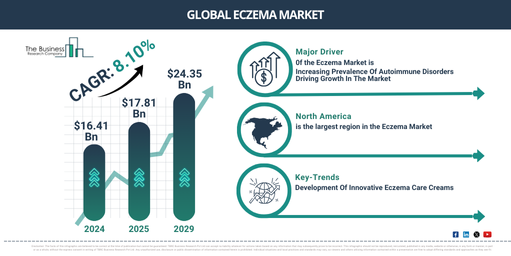
    The size of the eczema market has seen significant growth in the past few years. We anticipate its growth from $16.41 billion in 2024 to $17.81 billion in 2025, with a compound annual growth rate (CAGR) of 8.5%. The expansion in the historic phase can be credited to factors like the increasing number of autoimmune diseases, a rise in eczema cases, more approvals from regulatory bodies, a surge in air pollutants, and a growing prevalence of allergic reactions.

    How Much Will the Eczema Market Be Worth in 2029?

    In the forthcoming years, the eczema market size is predicted to witness robust growth, expanding to a value of $24.35 billion in 2029, with a compound annual growth rate (CAGR) of 8.1%. The rise during the forecast period is likely due to an increasing demand for atopic dermatitis treatment, enhanced operational activities, heightened awareness of eczema, greater incorporation of biologics and growing utilization of telemedicine platforms. Crucial market trends during the forecast period are expected to be strategic collaboration, emerging therapies, injectable medications, and personalised healthcare.

    Download The Free Sample Report Here:

    https://www.thebusinessresearchcompany.com/sample.aspx?id=21179&type=smp

    Which is the Largest Company in the Eczema Market?

    Major companies operating in the eczema market are Pfizer Inc., AbbieVie Inc., Bayer AG, Sanofi S.A, Bristol-Myers Squibb Company, AstraZeneca PLC, Novartis AG, GlaxoSmithKline plc, Amgen, Hoffmann-La Roche AG, Eli Lilly and Co., Siemens Healthineers AG, Viatris Inc., Teva Pharmaceutical Industries Ltd., Regeneron Pharmaceuticals Inc., Astellas Pharma Inc, Bausch Health Companies Inc., Galderma, Cadila Pharmaceuticals Ltd., LEO Pharma A/S, Almirall, Kyowa Kirin, Alliance Pharma Plc, Encore Dermatology Inc., Arcutis Inc

    What Are the Main Market Drivers in the Eczema Industry?

    The rise in cases of autoimmune diseases is anticipated to fuel advancements in the eczema market. Such disorders are situations where the immune system erroneously targets its cells, tissues, or organs in good health, causing inflammation and harm. Factors contributing to the rise of these disorders include genetic predisposition, environmental influences, infections, changes in eating habits, and lifestyle factors such as stress and exposure to pollutants. Autoimmune disorders like psoriasis, lupus, and rheumatoid arthritis are associated with deregulated immune responses, increasing the vulnerability of individuals to eczema and other skin conditions involving inflammation. For example, as per Versorgungsatlas.de, a German organization’s data from November 2024, of the 73,241,305 insured individuals in 2022, 6,304,340 were identified with at least one autoimmune disease, indicating a raw prevalence rate of 8.61%. Thus, the upsurge in cases of autoimmune disorders is contributing to the expansion of the eczema market.

    Request For A Customized Report:

    https://www.thebusinessresearchcompany.com/customise?id=21179&type=smp

    How Is the Eczema Market Segments Structured?

    The eczema market covered in this report is segmented –

    1) By Type: Atopic Dermatitis, Contact Dermatitis, Seborrheic Dermatitis, Other Types

    2) By Treatment Type: Topical Treatments, Oral Medications, Biologics, Phototherapy

    3) By Age Group: Children, Adults, Elderly

    4) By End User: Hospitals Or Clinics, Dermatology Centers, Home Care, Pharmacies

    Subsegments:

    1) By Atopic Dermatitis: Topical Steroids, Topical Calcineurin Inhibitors, Moisturizers, Biologic Therapies

    2) By Contact Dermatitis: Topical Steroids, Antihistamines, Topical Immunosuppressants, Wet Compresses

    3) By Seborrheic Dermatitis: Antifungal Creams or Shampoos, Topical Steroids, Medicated Shampoos, Topical Calcineurin Inhibitors

    4) By Other Types: Allergic Dermatitis, Nummular Dermatitis, Neurodermatitis, Dyshidrotic Eczema

    What Strategic Trends Are Transforming the Eczema Market?

    Leading firms in the eczema market are striving to innovate by developing new products such as eczema care creams. These are uniquely tailored to enhance the effectivity of eczema treatment and align with consumers’ need for advanced skincare solutions. Eczema care cream is a particular skincare creation that aims to soothe, moisturize, and shield the skin affected by eczema, assisting in alleviating itchiness, inflammation, and dryness. For example, Dove, a personal care brand from the UK, introduced a fresh line of Eczema Care products for babies in September 2024. This line includes the Baby Dove Eczema Care Soothing Bath Treatment and the Baby Dove Eczema Care Cream. The Baby Dove Eczema Care collection offers a host of exclusive attributes designed to cater to infants with eczema. Primarily, the products are made using 100% skin-natural nutrients, thereby ensuring their gentleness on sensitive skin. They include colloidal oatmeal (1.0%), a vital component known for its ability to alleviate irritation and retain skin moisture.

    Access The Full Report Here:

    https://www.thebusinessresearchcompany.com/report/eczema-global-market-report

    Which Global Regions Offer the Highest Growth in the Eczema Market?

    North America was the largest region in the eczema market in 2024. The regions covered in the eczema market report are Asia-Pacific, Western Europe, Eastern Europe, North America, South America, Middle East, Africa.

    Purchase The Full Report Today:

    https://www.thebusinessresearchcompany.com/purchaseoptions.aspx?id=21179

    This Report Delivers Insight On:

    1. How big is the eczema market, and how is it changing globally?

    2. Who are the major companies in the eczema market, and how are they performing?

    3. What are the key opportunities and risks in the eczema market right now?

    4. Which products or customer segments are growing the most in the eczema market?

    5. What factors are helping or slowing down the growth of the eczema market?

    About The Business Research Company:

    With over 15000+ reports from 27 industries covering 60+ geographies, The Business Research Company has built a reputation for offering comprehensive, data-rich research and insights. Armed with 1,500,000 datasets, the optimistic contribution of in-depth secondary research, and unique insights from industry leaders, you can get the information you need to stay ahead in the game.

    Get in touch with us:

    The Business Research Company: https://www.thebusinessresearchcompany.com/

    Americas +1 310-496-7795

    Asia +44 2071930708

    Europe +44 7882 955267

    Email us at info@tbrc.info

    Follow us on:

    LinkedIn: https://in.linkedin.com/company/the-business-research-company

    YouTube: https://www.youtube.com/channel/UC24_fI0rV8cR5DxlCpgmyFQ

    Global Market Model: https://www.thebusinessresearchcompany.com/global-market-model
  • Vertigo Treatment Market to Reach $2.09 Billion by 2029 | Key Drivers and Future Outlook

    Vertigo Treatment Market to Reach $2.09 Billion by 2029 | Key Drivers and Future Outlook

    Claim your 30% discount on Global Market Reports with code ONLINE30. Limited time only.

    What Is the Growth Rate of the Vertigo Treatment Market?

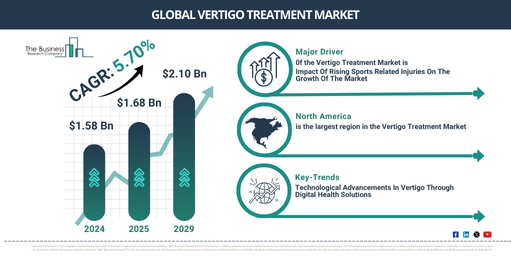
    There has been robust growth in the vertigo treatment market size in the past years. From a value of $1.58 billion in 2024, it’s expected to expand to $1.68 billion in 2025, reflecting a compound annual growth rate (CAGR) of 6.1%. The growth observed in the past can be linked to factors such as an aging population, enhanced healthcare spending, greater investment in research and development, an uptick in the number of vertigo cases, and heightened awareness concerning ear disorders.

    What Growth Rate Is Forecasted for the Vertigo Treatment Market by 2029?

    Anticipated to witness robust expansion in the upcoming years, the market size of vertigo treatment is projected to reach $2.10 billion by 2029, growing at a compound annual growth rate (CAGR) of 5.7%. This growth surge within the forecast period is due to factors such as the increasing number of clinical trials, the emergence of new drugs, the rise of government initiatives, the broader availability of drug treatments, and the escalating issues related to the brain stem. The prominent trends expected during the forecast period encompass innovative therapeutics associated with vertigo, the rise of telehealth services, the advent of device-based therapies, advancements in technology, and strategic collaboration.

    Download The Free Sample Report Here:

    https://www.thebusinessresearchcompany.com/sample.aspx?id=21316&type=smp

    Which Key Companies Are Shaping the Future of the Vertigo Treatment Market?

    Major companies operating in the vertigo treatment market are Pfizer Inc., Abbott Laboratories, Medtronic Plc, Boston Scientific Corp., Eisai Co. Ltd., Lupin Ltd., Vertigenius, Kracie Holdings Ltd. , Biologische Heilmittel Heel GmbH, Interacoustics A/S., AdvaCare Pharma, AuroPharma Inc., Biofield Pharma Pvt Ltd., Sound Pharmaceuticals Inc., Otolith Labs Inc., Ear Technology Corporation, NeuroEquilibrium Diagnostic Systems Pvt Ltd., Vestibular First, Natus Medical Incorporated, Ronish Bioceuticals

    Which Factors Are Driving Demand in the Vertigo Treatment Industry?

    The vertigo treatment market is predicted to grow, driven by the increasing incidence of injuries related to sports activities. These injuries are typically sustained during participation in recreational physical exercises or sports events. Factors contributing to the surge in sports-associated injuries include heightened involvement in high-impact sports, intense workout routines, and a deficiency in appropriate injury prevention strategies. Vertigo treatments help patients with sports injuries by lessening dizziness, enhancing equilibrium, and reviving vestibular function through a mix of prescription drugs, vestibular rehabilitation therapy, and modifications in lifestyle. This enables athletes to recuperate quicker, restore coordination and safely resume their sports pursuits. For example, data from the National Highway Traffic Safety Administration, a governmental body in the US, showed a 13% surge in the deaths of pedal cyclists in 2022 with 1,105 fatalities, compared to 976 in 2021. Furthermore, approximately 46,195 pedal cyclists were injured in 2022, an 11% increase from the 41,615 injuries reported the previous year. Consequently, the enhanced occurrence of sports-related injuries is propelling the expansion of the vertigo treatment market.

    Request For A Customized Report:

    https://www.thebusinessresearchcompany.com/customise?id=21316&type=smp

    How Is the Vertigo Treatment Market Segmented by Several Divisions?

    The vertigo treatment market covered in this report is segmented –

    1) By Type: Peripheral Vertigo, Central Vertigo

    2) By Treatment: Medication, Surgery, Therapy

    3) By Route Of Administration: Oral, Topical, Parenteral, Other Routes Of Administration

    4) By End User: Hospitals, Clinics, Other End Users

    Subsegments:

    1) By Peripheral Vertigo: Benign Paroxysmal Positional Vertigo (BPPV), Meniere’s Disease, Vestibular Neuritis, Labyrinthitis

    2) By Central Vertigo: Vestibular Migraine, Stroke-Related Vertigo, Multiple Sclerosis-Associated Vertigo, Brain Tumor-Related Vertigo

    What are the Emerging Market Trends Driving the Growth of the Vertigo Treatment Industry?

    Key firms in the vertigo treatment sector are honing in on technological progress, with a particular focus on digital health solutions to facilitate patient care and adherence to treatment. Digital health solutions are essentially tech-driven instruments and platforms crafted to ameliorate aspects like health administration, diagnosis, treatment methods, and patient care facilities. A prime example of this is the August 2023 launch by Abbott Laboratories, an American healthcare enterprise, of the Vertigo Coach application in India. This digital health tool is designed to assist people in managing vertigo by providing accessible information and resources. The app offers advice on lifestyle decisions, exercises, and well-known triggers of vertigo, which acts as a handy guide for its users. It provides a comprehensive platform for symptom management, improving patient-doctor interaction, and keeping track of medication schedules. Further, the app includes automated alerts and pill reminders to ensure proper medication adherence.

    Access The Full Report Here:

    https://www.thebusinessresearchcompany.com/report/vertigo-treatment-global-market-report

    Which Regions Are Driving Growth in the Vertigo Treatment Market?

    North America was the largest region in the vertigo treatment market in 2024. Asia-Pacific is expected to be the fastest-growing region in the forecast period. The regions covered in the vertigo treatment market report are Asia-Pacific, Western Europe, Eastern Europe, North America, South America, Middle East, Africa.

    Purchase The Full Report Today:

    https://www.thebusinessresearchcompany.com/purchaseoptions.aspx?id=21316

    This Report Delivers Insight On:

    1. How big is the vertigo treatment market, and how is it changing globally?

    2. Who are the major companies in the vertigo treatment market, and how are they performing?

    3. What are the key opportunities and risks in the vertigo treatment market right now?

    4. Which products or customer segments are growing the most in the vertigo treatment market?

    5. What factors are helping or slowing down the growth of the vertigo treatment market?

    About The Business Research Company:

    With over 15000+ reports from 27 industries covering 60+ geographies, The Business Research Company has built a reputation for offering comprehensive, data-rich research and insights. Armed with 1,500,000 datasets, the optimistic contribution of in-depth secondary research, and unique insights from industry leaders, you can get the information you need to stay ahead in the game.

    Get in touch with us:

    The Business Research Company: https://www.thebusinessresearchcompany.com/

    Americas +1 310-496-7795

    Asia +44 2071930708

    Europe +44 7882 955267

    Email us at info@tbrc.info

    Follow us on:

    LinkedIn: https://in.linkedin.com/company/the-business-research-company

    YouTube: https://www.youtube.com/channel/UC24_fI0rV8cR5DxlCpgmyFQ

    Global Market Model: https://www.thebusinessresearchcompany.com/global-market-model
  • Dyspnea Industry Growth Expected to Reach $8.96 Billion by 2029 at a CAGR of 7.4% | Segmentation and Growth Opportunities

    Dyspnea Industry Growth Expected to Reach $8.96 Billion by 2029 at a CAGR of 7.4% | Segmentation and Growth Opportunities

    Claim your 30% discount on Global Market Reports with code ONLINE30. Limited time only.

    What Is the Forecast for the Dyspnea Market Growth in 2025?

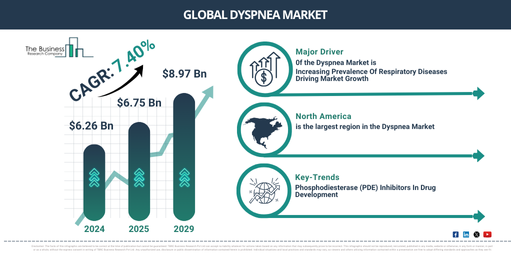
    The market for dyspnea has experienced substantial growth over the past few years. The value of the market, projected to rise from $6.26 billion in 2024, is expected to reach $6.75 billion by 2025, cultivating a compound annual growth rate (CAGR) of 7.8%. The elevation in growth during the prior period has been influenced by factors such as increased awareness of respiratory diseases, lifestyle-related incidents, a growing elderly population, the rise in clinical trials and enhanced support from government initiatives.

    What Is the Forecast for the Dyspnea Market Size Through 2029?

    The market size of dyspnea is predicted to experience substantial expansion in the approaching years, with projections indicating it will reach a value of $8.97 billion by 2029, growing at a compound annual growth rate (CAGR) of 7.4%. Several factors are driving this growth in the projection period, including the increasing instances of chronic diseases, a surge in demand for personalized healthcare, high levels of pollution, widespread application of telemedicine, and supportive legislations. The forecast period will also see a few significant trends such as strategic partnerships, advancements in technology, the creation of innovative inhalers, customized medicine, and therapies with specific targets.

    Download The Free Sample Report Here:

    https://www.thebusinessresearchcompany.com/sample.aspx?id=21178&type=smp

    What are the Key Market Players in Dyspnea Market and How They’re Evolving?

    Major companies operating in the dyspnea market are Pfizer Inc., F. Hoffmann-La Roche Ltd., Merck And Co. Inc., Bayer AG, Sanofi S.A., AstraZeneca, Novartis AG, GlaxoSmithKline, Amgen Inc., Viatris Inc, Teva Pharmaceutical Industries Ltd., Boehringer Ingelheim, Amneal Pharmaceuticals LLC, Lupin Ltd, Lincare Holdings Inc, Nephron Pharmaceuticals Corporation, Rotech Healthcare Inc., Inogen Inc, Lannett Inc., Ligand Pharmaceuticals Incorporated, OMRON Healthcare Inc, Flexicare Medical Ltd, Zydus Cadila Healthcare Ltd, Advacare Pharma, Airways surgical Pvt. Ltd., Belluscura Plc

    What Are the Primary Growth Drivers in the Dyspnea Market?

    The surge in respiratory diseases is predicted to drive the dyspnea market’s growth. These diseases impact the lungs and other components of the respiratory system, leading to breathing difficulties and obstructed oxygen exchange. Asthma, chronic obstructive pulmonary disease (COPD), tuberculosis (TB), among others, are prevalent respiratory ailments. Factors like air pollution, smoking, environmental pollutants, and climate change contribute to the escalating number of respiratory diseases. Dyspnea assists in detecting and handling these diseases by indicating lung function deterioration, guiding treatment plans, and tracking disease advancement. For example, the National Asthma Council, an Australian non-profit organization, reported in November 2023 that Australia recorded 467 asthma-related deaths in 2022, an increase from 355 deaths in 2021. This included 299 women and 168 men. Consequently, the rising occurrence of respiratory diseases is fueling the expansion of the dyspnea market. The Impact Of Enhanced Healthcare Expenditure On The Market

    Request For A Customized Report:

    https://www.thebusinessresearchcompany.com/customise?id=21178&type=smp

    What Are the Leading Segments in the Global Dyspnea Industry?

    The dyspnea market covered in this report is segmented –

    1) By Treatment Type: Supplemental Oxygen Therapy, Relaxation Therapy

    2) By Drug Class: Antianxiety, Antibiotics, Anticholinergic Agents, Corticosteroids, Other Drug Classes

    3) By Route Of Administration: Oral, Inhalation, Other Route Of Administrations

    4) By End User: Hospitals, Homecare, Specialty Clinics, Ambulatory Services, Other End Users

    Subsegments:

    1) By Supplemental Oxygen Therapy: Continuous Flow Oxygen Therapy, Pulse Dose Oxygen Therapy, Oxygen Concentrators, Portable Oxygen Cylinders

    2) By Relaxation Therapy: Breathing Exercises, Meditation and Mindfulness, Progressive Muscle Relaxation, Biofeedback Therapy

    What Are the Key Market Trends in the Dyspnea Industry?

    Leading firms in the dyspnea market are placing emphasis on the development of new medication such as phosphodiesterase (PDE) inhibitors, with the aim to optimize treatment effectiveness and give respiratory patients superior relief. A PDE inhibitor works by obstructing the function of phosphodiesterase enzymes. The result is elevated amounts of cyclic AMP or cyclic GMP in cells, leading to enhanced vasodilation, reduced inflammation, and improved heart function. For example, UK-based biopharmaceutical firm, Verona Pharma Plc, declared in May 2024, its readiness for the expected U.S. release of ensifentrine, a pioneering dual phosphodiesterase (PDE) 3/4 inhibitor for COPD treatment, scheduled for Q3 2024, provided it receives FDA approval. Ensifentrine, a nebulized medication for chronic obstructive pulmonary disease (COPD), has shown notable decreases in exacerbation rates and advancements in dyspnea in Phase III clinical studies. The company has managed to secure $650 million in funding to sustain the commercial release of the drug and its continued development, in addition to a proposed Phase II trial involving a fixed-dose combination with glycopyrrolate, meant for COPD patient’s maintenance therapy.

    Access The Full Report Here:

    https://www.thebusinessresearchcompany.com/report/dyspnea-global-market-report

    What Is the Regional Outlook for the Dyspnea Market?

    North America was the largest region in the dyspnea market in 2024. Asia-Pacific is expected to be the fastest-growing region in the forecast period. The regions covered in the dyspnea market report are Asia-Pacific, Western Europe, Eastern Europe, North America, South America, Middle East, Africa.

    Purchase The Full Report Today:

    https://www.thebusinessresearchcompany.com/purchaseoptions.aspx?id=21178

    This Report Delivers Insight On:

    1. How big is the dyspnea market, and how is it changing globally?

    2. Who are the major companies in the dyspnea market, and how are they performing?

    3. What are the key opportunities and risks in the dyspnea market right now?

    4. Which products or customer segments are growing the most in the dyspnea market?

    5. What factors are helping or slowing down the growth of the dyspnea market?

    About The Business Research Company:

    With over 15000+ reports from 27 industries covering 60+ geographies, The Business Research Company has built a reputation for offering comprehensive, data-rich research and insights. Armed with 1,500,000 datasets, the optimistic contribution of in-depth secondary research, and unique insights from industry leaders, you can get the information you need to stay ahead in the game.

    Get in touch with us:

    The Business Research Company: https://www.thebusinessresearchcompany.com/

    Americas +1 310-496-7795

    Asia +44 2071930708

    Europe +44 7882 955267

    Email us at info@tbrc.info

    Follow us on:

    LinkedIn: https://in.linkedin.com/company/the-business-research-company

    YouTube: https://www.youtube.com/channel/UC24_fI0rV8cR5DxlCpgmyFQ

    Global Market Model: https://www.thebusinessresearchcompany.com/global-market-model
  • Ventral Hernia Treatment Market Size to Exceed $6.9 Billion by 2029 | Growth and Industry Trends

    Ventral Hernia Treatment Market Size to Exceed $6.9 Billion by 2029 | Growth and Industry Trends

    Claim your 30% discount on Global Market Reports with code ONLINE30. Limited time only.

    How Has the Ventral Hernia Treatment Market Grown from 2024 to 2025?

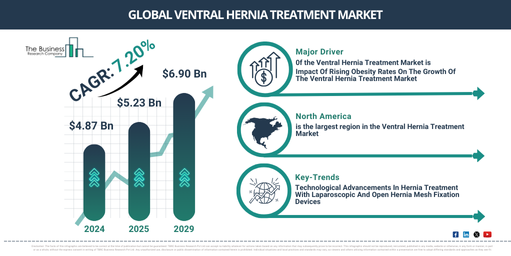
    The market size for ventral hernia treatment has been on a strong upward trajectory in the past years. The market, which currently stands at $4.87 billion in 2024, is projected to reach $5.23 billion in 2025, achieving a compound annual growth rate (CAGR) of 7.5%. Factors such as the increased frequency of obesity, heightened knowledge of ventral hernias, an aging population, growing disposable income, and a surge in the need for less invasive surgical procedures have contributed to the historical growth.

    What Growth Rate Is Anticipated for the Ventral Hernia Treatment Market in the Coming Years?

    In the coming years, the market for ventral hernia treatment is poised to witness significant expansion. The market is projected to reach $6.90 billion by 2029, growing at a compound annual growth rate (CAGR) of 7.2%. This anticipated growth during the forecast period can be associated with an increase in outpatient procedures, higher healthcare spending, increased government initiatives, a surge in hernia repair surgeries, and a rise in investment for research and development. The predicted trends during this period include the introduction of advanced hernia repair devices, the use of bioabsorbable materials, strategic collaborations, the utilization of robotic-assisted surgery devices, and remote monitoring systems.

    Download The Free Sample Report Here:

    https://www.thebusinessresearchcompany.com/sample.aspx?id=21315&type=smp

    Who Are the Leading Companies in the Ventral Hernia Treatment Market?

    Major companies operating in the ventral hernia treatment market are Johnson And Johnson Services Inc., AbbVie, Abbott Laboratories, Medtronic Plc, Becton, Dickinson and Company (BD), Baxter International Inc., Braun Melsungen AG, Zimmer Biomet, Olympus Corporation, W.L. Gore and Associates Inc, STERIS Plc, Cook Medical Inc., KARL STORZ, Cooper University Health Care, Mölnlycke Health Care, Integra LifeSciences Holdings, ConMed Corporation, Aesculap Inc, Richard Wolf GmbH, Ethicon Inc, Tela Bio, Microline Surgical, Hernia Mesh S.R.L., Insightra Medical Inc, Advanced MedTech Solutions Pvt Ltd.

    What Are the Key Drivers of the Ventral Hernia Treatment Market?

    The rise in obesity rates is predicted to fuel the expansion of the ventral hernia treatment market. Characterized by an extreme accumulation of body fat that severely affects a person’s health, obesity rates are on the rise due to factors such as poor nutrition, sedentary habits, genetic predisposition, physical inactivity, environmental factors, and emotional stress. Treatments for ventral hernia can aid those suffering from obesity by addressing the issues caused by excessive weight, including relieving pressure on the abdominal wall, lowering the possibility of hernia relapse, and improving overall abdominal strength. This is vital in boosting mobility and fostering healthier lifestyle decisions among obesity sufferers. To illustrate, the World Health Organization (WHO), based in Switzerland, reported in March 2024 that about one in eight people globally were dealing with obesity. This included 2.5 billion adults aged 18 and over who were overweight, with 890 million among them grappling with obesity. Among the adult population, 43% were deemed overweight, and 16% were categorized as obese. Furthermore, the quantity of overweight children under 5 years reached 37 million. Consequently, the escalating incidence of obesity stimulates the ventral hernia treatment market.

    Request For A Customized Report:

    https://www.thebusinessresearchcompany.com/customise?id=21315&type=smp

    What Are the Key Market Segments in the Ventral Hernia Treatment Industry?

    The ventral hernia treatment market covered in this report is segmented –

    1) By Type: Epigastric (Stomach Area) Hernia, Umbilical (Belly Button) Hernia, Incisional Hernia

    2) By Diagnosis: Ultrasound, Computed Tomography (CT) Scan, Magnetic Resonance Imaging (MRI)

    3) By Surgery: Open Hernia Surgery, Laparoscopic Surgery, Robotic Hernia Surgery

    4) By End Users: Hospitals, Ambulatory Surgical Centres, Clinics

    Subsegments:

    1) By Epigastric (Stomach Area) Hernia: Small Epigastric Hernia, Large Epigastric Hernia

    2) By Umbilical (Belly Button) Hernia: Congenital Umbilical Hernia, Acquired Umbilical Hernia

    3) By Incisional Hernia: Primary Incisional Hernia, Recurrent Incisional Hernia

    What Are the Latest Trends in the Ventral Hernia Treatment Market?

    Key players in the ventral hernia treatment market are striving for technological innovation, particularly in the field of laparoscopic and open hernia mesh fixation devices, to enhance surgical results, limit complications, and improve patient recovery time. These devices are medical instruments utilized in firming the mesh during hernia repair surgeries, either via minimally invasive (laparoscopic) procedures or traditional open surgical methods. For example, TELA Bio Inc., a medical technology firm based in the U.S., introduced the LIQUIFIX FIX8 laparoscopic and LIQUIFIX precision open hernia mesh fixation instruments in the U.S. in March 2024. LIQUIFIX FIX8 is used for minimally invasive repairs and LIQUIFIX precision is designed for open femoral and inguinal hernia repairs. These FDA-approved devices have liquid anchors to secure the mesh without puncturing tissue, significantly reducing risk and complications. As more than 1.2 million hernia procedures take place in the U.S. every year, LIQUIFIX devices ensure precision and safety in delicate regions and significantly reduce the chances of vascular or nerve damage.

    Access The Full Report Here:

    https://www.thebusinessresearchcompany.com/report/ventral-hernia-treatment-global-market-report

    What Are the Key Regional Markets in the Ventral Hernia Treatment Industry?

    North America was the largest region in the ventral hernia treatment market in 2024. Europe is expected to be the fastest-growing region in the forecast period. The regions covered in the ventral hernia treatment market report are Asia-Pacific, Western Europe, Eastern Europe, North America, South America, Middle East, Africa.

    Purchase The Full Report Today:

    https://www.thebusinessresearchcompany.com/purchaseoptions.aspx?id=21315

    This Report Delivers Insight On:

    1. How big is the ventral hernia treatment market, and how is it changing globally?

    2. Who are the major companies in the ventral hernia treatment market, and how are they performing?

    3. What are the key opportunities and risks in the ventral hernia treatment market right now?

    4. Which products or customer segments are growing the most in the ventral hernia treatment market?

    5. What factors are helping or slowing down the growth of the ventral hernia treatment market?

    About The Business Research Company:

    With over 15000+ reports from 27 industries covering 60+ geographies, The Business Research Company has built a reputation for offering comprehensive, data-rich research and insights. Armed with 1,500,000 datasets, the optimistic contribution of in-depth secondary research, and unique insights from industry leaders, you can get the information you need to stay ahead in the game.

    Get in touch with us:

    The Business Research Company: https://www.thebusinessresearchcompany.com/

    Americas +1 310-496-7795

    Asia +44 2071930708

    Europe +44 7882 955267

    Email us at info@tbrc.info

    Follow us on:

    LinkedIn: https://in.linkedin.com/company/the-business-research-company

    YouTube: https://www.youtube.com/channel/UC24_fI0rV8cR5DxlCpgmyFQ

    Global Market Model: https://www.thebusinessresearchcompany.com/global-market-model
  • Dysautonomia (Autonomic Dysfunction) Industry Valued at $4.52 Billion by 2029 With CAGR of 11.5% | Size and Share Insights

    Dysautonomia (Autonomic Dysfunction) Industry Valued at $4.52 Billion by 2029 With CAGR of 11.5% | Size and Share Insights

    Claim your 30% discount on Global Market Reports with code ONLINE30. Limited time only.

    What Is the Forecast for the Dysautonomia (Autonomic Dysfunction) Market from 2024 to 2025?

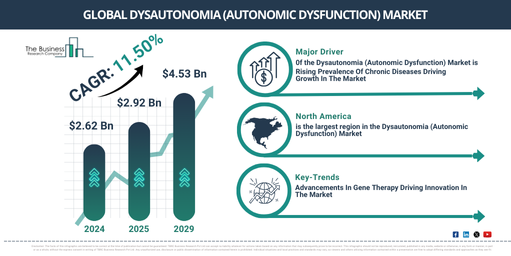
    The market for dysautonomia (autonomic dysfunction) has seen swift expansion in the past few years. It’s projected to rise from $2.62 billion in 2024 to $2.92 billion in 2025, boasting a compound annual growth rate (CAGR) of 11.8%. Several factors contributed to the growth during the historical period including a higher incidence of autonomic disorders, increased awareness about dysautonomia, growing healthcare spending, more extensive research into neurodegenerative diseases, and enhanced government backing for rare diseases.

    What Is the Projected Market Size of the Dysautonomia (Autonomic Dysfunction) Market?

    In the coming years, the dysautonomia (autonomic dysfunction) market is projected to experience a swift expansion, reaching $4.53 billion in 2029 with a compound annual growth rate (CAGR) of 11.5%. This growth during the projected period is due to several factors including, the heightened adaptation of personalized medicine, a rise in clinical trials for groundbreaking treatments, increasing government aid for the research of rare diseases, expansion of telemedicine and remote monitoring solutions, and the augmented availability of orphan drugs. Future trends predicted for this timeframe encompass the integration of artificial intelligence in diagnostics, the evolution of targeted therapies, the use of wearable devices for autonomic monitoring, progress in gene therapies, as well as innovative patient-centric treatment methods.

    Download The Free Sample Report Here:

    https://www.thebusinessresearchcompany.com/sample.aspx?id=21177&type=smp

    Who are the Major Competitors in the Dysautonomia (Autonomic Dysfunction) Market Outlook?

    Major companies operating in the dysautonomia (autonomic dysfunction) market are Teva Pharmaceutical Industries Ltd., H. Lundbeck A/S, Aurobindo Pharma Limited, Hikma Pharmaceuticals PLC, Cadila Healthcare Limited (Zydus Cadila), Lupin Limited, Nemours Children’s Health Delaware, Alnylam Pharmaceuticals Inc., Biohaven Pharmaceuticals Holding Company Ltd., Aurora Health Care Inc., Camber Pharmaceuticals Inc., Theravance Biopharma Inc., Tocris Bioscience, Celltex Therapeutics Corporation, DyAnsys Inc., Axplora Inc., MODAG GmbH, Inhibikase Therapeutics Inc., Mylan Pharmaceuticals Private Limited, Chelsea Therapeutics International Ltd.

    What Is Fueling Growth in the Dysautonomia (Autonomic Dysfunction) Market?

    The surge in chronic disease prevalence is likely to fuel the expansion of the dysautonomia (autonomic dysfunction) market in the future. Chronic diseases are health conditions enduring three months or longer. The escalating incidence of chronic diseases is influenced by the increasing prevalence of multimorbidity, where individuals are simultaneously diagnosed with multiple chronic disorders. Dysautonomia (autonomic dysfunction) significantly impacts chronic diseases by tampering the body’s capacity to regulate vital functions such as heart rate, blood pressure, and digestion, often intensifying symptoms and creating complexities in disease control. For instance, a report from the National Health Service, a UK-based healthcare system, in October 2023 demonstrated that the incidence of Type 1 diabetes in England rose from 261,710 cases in 2020-21 to 270,935 cases in 2021-22, a year-over-year increase of 3.5%. Therefore, the surging incidence of chronic diseases is fuelling dysautonomia (autonomic dysfunction) market growth. Autoimmune And Neurological Disorders Increments Fuel Market Expansion

    Request For A Customized Report:

    https://www.thebusinessresearchcompany.com/customise?id=21177&type=smp

    Which Dysautonomia (Autonomic Dysfunction) Market Segments Are Growing the Fastest?

    The dysautonomia (autonomic dysfunction) market covered in this report is segmented –

    1) By Type: Neurogenic Orthostatic Hypotension (NOH), Postural Orthostatic Tachycardia Syndrome (POTS), Multiple System Atrophy (MSA), Pure Autonomic Failure (PAF), Other Types

    2) By Tests: Cardiovagal and Vasomotor Function Tests, Thermoregulatory Sweat Test (TST), Sympathetic Skin Response (SSR), Quantitative Sudomotor Axon Reflex Test, Other Tests

    3) By Treatment: Physical Therapy, Exercise Therapy, Counseling, Other Treatments

    4) By Distribution Channel: Hospital Pharmacy, Online Pharmacy, Retail Pharmacy

    5) By End User: Hospitals, Clinics, Diagnostic Centers, Research Institutes

    Subsegments:

    1) By Neurogenic Orthostatic Hypotension (NOH): Primary NOH, Secondary NOH (due to Parkinson’s Disease, Diabetes, etc.), Pharmacological Management of NOH, Non-Pharmacological Interventions

    2) By Postural Orthostatic Tachycardia Syndrome (POTS): Hyperadrenergic POTS, Hypovolemic POTS, Neuropathic POTS, Autoimmune POTS, Treatment With Beta-Blockers, Fludrocortisone, And Salt Supplements

    3) By Multiple System Atrophy (MSA): MSA-P (Parkinsonism), MSA-C (Cerebellar), MSA-A (Autonomic), Disease-Modifying and Symptomatic Treatment

    4) By Pure Autonomic Failure (PAF): Idiopathic PAF, Secondary PAF (due to neurodegenerative diseases), Autonomic Supportive Treatments

    5) By Other Types: Familial Dysautonomia (FD), Diabetic Autonomic Neuropathy, Horner’s Syndrome, Autoimmune Autonomic Ganglionopathy, Chronic Fatigue Syndrome-related Dysautonomia

    Which Industry Trends Are Shaping the Future of the Dysautonomia (Autonomic Dysfunction) Market?

    Prominent firms in the dysautonomia (autonomic dysfunction) market are concentrating their efforts on creating advanced gene therapies, including recombinant adeno-associated virus, with the goal of improving the delivery of therapeutic genes to targeted cells. This is in a bid to enhance treatment results for numerous kinds of dysautonomia. Recombinant adeno-associated virus (rAAV) is a tailored virus that’s utilized in gene therapy to transmit genetic material into cells without provoking illnesses. To illustrate, Tikun Therapeutics Inc., a US-based biotech firm, procured approval from the Food and Drug Administration (FDA) in January 2025 for Orphan Drug and Rare Pediatric Disease Designations for rAAV2-U1a-hELP1, a gene therapy for optic neuropathy in familial dysautonomia, and BPN-36964, a splicing modulator for systemic FD therapy. These ground-breaking treatments are designed to deal with the root genetic reasons for FD, presenting potential lasting advantages beyond symptomatic management.

    Access The Full Report Here:

    https://www.thebusinessresearchcompany.com/report/dysautonomia-autonomic-dysfunction-global-market-report

    Which Countries Are Leading the Dysautonomia (Autonomic Dysfunction) Market?

    North America was the largest region in the dysautonomia (autonomic dysfunction) market in 2024. Asia-Pacific is expected to be the fastest-growing region in the forecast period. The regions covered in the dysautonomia (autonomic dysfunction) market report are Asia-Pacific, Western Europe, Eastern Europe, North America, South America, Middle East, Africa.

    Purchase The Full Report Today:

    https://www.thebusinessresearchcompany.com/purchaseoptions.aspx?id=21177

    This Report Delivers Insight On:

    1. How big is the dysautonomia (autonomic dysfunction) market, and how is it changing globally?

    2. Who are the major companies in the dysautonomia (autonomic dysfunction) market, and how are they performing?

    3. What are the key opportunities and risks in the dysautonomia (autonomic dysfunction) market right now?

    4. Which products or customer segments are growing the most in the dysautonomia (autonomic dysfunction) market?

    5. What factors are helping or slowing down the growth of the dysautonomia (autonomic dysfunction) market?

    About The Business Research Company:

    With over 15000+ reports from 27 industries covering 60+ geographies, The Business Research Company has built a reputation for offering comprehensive, data-rich research and insights. Armed with 1,500,000 datasets, the optimistic contribution of in-depth secondary research, and unique insights from industry leaders, you can get the information you need to stay ahead in the game.

    Get in touch with us:

    The Business Research Company: https://www.thebusinessresearchcompany.com/

    Americas +1 310-496-7795

    Asia +44 2071930708

    Europe +44 7882 955267

    Email us at info@tbrc.info

    Follow us on:

    LinkedIn: https://in.linkedin.com/company/the-business-research-company

    YouTube: https://www.youtube.com/channel/UC24_fI0rV8cR5DxlCpgmyFQ

    Global Market Model: https://www.thebusinessresearchcompany.com/global-market-model

  • Dry Age Related Macular Degeneration (AMD) Market to Reach $6.85 Billion by 2029 | Key Drivers and Future Outlook

    Dry Age Related Macular Degeneration (AMD) Market to Reach $6.85 Billion by 2029 | Key Drivers and Future Outlook

    Claim your 30% discount on Global Market Reports with code ONLINE30. Limited time only.

    What Is the Growth Rate of the Dry Age Related Macular Degeneration (AMD) Market?

    The market size for dry age related macular degeneration (AMD) has seen substantial growth recently. The market is predicted to increase from $4.49 billion in 2024 to $4.90 billion in 2025, with a compound annual growth rate (CAGR) of 9.1%. Factors contributing to this growth during the historical duration include an aging population, a higher incidence of chronic illnesses, enhanced knowledge about eye health, an increase in clinical trials centered on dry AMD, and a rise in demand for less invasive treatment methods.

    What Growth Rate Is Forecasted for the Dry Age Related Macular Degeneration (AMD) Market by 2029?

    There is an anticipation for the market size of dry age related macular degeneration (AMD) to witness robust expansion in the upcoming years. By 2029, it is predicted to reach a value of $6.86 billion, with a compound annual growth rate (CAGR) of 8.8%. The substantial growth within the forecast period is likely to occur due to the emergence of unique therapies, escalated health expenditure, an upsurge in the use of laser photocoagulation therapy, breakthroughs in genetic studies, and a growing emphasis on personalized medicine. Predominant trends for the forecasted period include progress in diagnostic technologies, increased adoption of teleophthalmology, high-tech treatments, product clearances, and the introduction of new products.

    Download The Free Sample Report Here:

    https://www.thebusinessresearchcompany.com/sample.aspx?id=21176&type=smp

    Which Key Companies Are Shaping the Future of the Dry Age Related Macular Degeneration (AMD) Market?

    Major companies operating in the dry age related macular degeneration (AMD) market are F Hoffmann-La Roche Ltd., Novartis AG, Bayer AG, Amgen Inc., Biogen Inc., Astellas Pharma Inc., Bausch Health Companies Inc., Lupin Ltd., Santen Pharmaceuticals Inc., Biocon Ltd., Alimera Sciences Inc., Apellis Pharmaceuticals Inc., Belite Bio Inc., Axol Bioscience Ltd., Alkeus Pharmaceuticals Inc., Kubota Holdings Co., Ribomic Inc., Eyestem Research Pvt. Ltd., LumiThera Inc., Adverum Biotechnologies Inc.

    Which Factors Are Driving Demand in the Dry Age Related Macular Degeneration (AMD) Industry?

    The rise in the elderly population is anticipated to spur the growth of the dry age-related macular degeneration (AMD) market in the future. The term “geriatric population” specifically refers to individuals who are 65 years or older. The amplified number of elderly individuals can be attributed to various factors, including progress in medical technology, improved handling of chronic diseases, longer life expectancy, and enhanced geriatric care. Dry age-related macular degeneration (AMD) comes to the aid of the geriatric population by offering specific treatment strategies and control methods designed to decelerate the disease’s progression, maintain their vision, and enhance their quality of life. For example, research published by the National Council on Aging, a U.S-based entity, in June 2024, indicates that there were about 57.8 million adults over 65 in 2022, making up 17.3% of the entire U.S. population. This presented a rise from the 16.9% reported in 2021. Consequently, the escalating geriatric population is set to boost the growth of the dry age-related macular degeneration (AMD) market.

    Request For A Customized Report:

    https://www.thebusinessresearchcompany.com/customise?id=21176&type=smp

    How Is the Dry Age Related Macular Degeneration (AMD) Market Segmented by Several Divisions?

    The dry age related macular degeneration (AMD) market covered in this report is segmented –

    1) By Stages: Early Age-Related Macular Degeneration, Intermediate Age-Related Macular Degeneration, Late Age-Related Macular Degeneration

    2) By Age Group: Above 75 Years, Above 60 Years, Above 40 Years

    3) By Route Of Administration: Oral, Injectables

    4) By End Users: Hospitals And Clinics, Diagnostic Centers, Academic And Research Institutes

    Subsegments:

    1) By Early Age-Related Macular Degeneration: Drusen Accumulation, Retinal Pigment Epithelium Changes

    2) By Intermediate Age-Related Macular Degeneration: Larger Drusen Deposits, Increased Pigmentary Abnormalities

    3) By Late Age-Related Macular Degeneration: Geographic Atrophy, Central Vision Loss

    What are the Emerging Market Trends Driving the Growth of the Dry Age Related Macular Degeneration (AMD) Industry?

    In the dry age-related macular degeneration (AMD) market, key players are centering their efforts on creating and implementing advanced technologies and treatments like light delivery systems. These are specifically aimed at the activation and targeting of retinal cells, with the hope of slowing down the advancement of the disease. Light delivery systems are essentially technological devices made to convey light strategically for therapeutic uses, particularly for medical treatments. As an exemplification, LumiThera Inc., a medical device establishment in the US, rolled out photobiomodulation (PBM) for dry AMD using the Valeda Light Delivery System in January 2024. This therapy, the first of its kind authorized by the FDA, was developed to combat vision loss in patients afflicted by dry AMD, a condition that presently has very few treatment alternatives. LumiThera started the EUROLIGHT registry study to compile long-term data on the effects of the Valeda system on treated patients. The Valeda system is equipped with a multi-wavelength light delivery function that operates on three specific wavelengths (590 nm, 660 nm, and 850 nm). This non-intrusive treatment can be applied either through a closed or open eyelid, usually necessitating nine sessions over a span of three to four weeks.

    Access The Full Report Here:

    https://www.thebusinessresearchcompany.com/report/dry-age-related-macular-degeneration-amd-global-market-report

    Which Regions Are Driving Growth in the Dry Age Related Macular Degeneration (AMD) Market?

    North America was the largest region in the dry age-related macular degeneration (AMD) market in 2024. The regions covered in the dry age related macular degeneration (AMD) market report are Asia-Pacific, Western Europe, Eastern Europe, North America, South America, Middle East, Africa.

    Purchase The Full Report Today:

    https://www.thebusinessresearchcompany.com/purchaseoptions.aspx?id=21176

    This Report Delivers Insight On:

    1. How big is the dry age related macular degeneration (amd) market, and how is it changing globally?

    2. Who are the major companies in the dry age related macular degeneration (amd) market, and how are they performing?

    3. What are the key opportunities and risks in the dry age related macular degeneration (amd) market right now?

    4. Which products or customer segments are growing the most in the dry age related macular degeneration (amd) market?

    5. What factors are helping or slowing down the growth of the dry age related macular degeneration (amd) market?

    About The Business Research Company:

    With over 15000+ reports from 27 industries covering 60+ geographies, The Business Research Company has built a reputation for offering comprehensive, data-rich research and insights. Armed with 1,500,000 datasets, the optimistic contribution of in-depth secondary research, and unique insights from industry leaders, you can get the information you need to stay ahead in the game.

    Get in touch with us:

    The Business Research Company: https://www.thebusinessresearchcompany.com/

    Americas +1 310-496-7795

    Asia +44 2071930708

    Europe +44 7882 955267

    Email us at info@tbrc.info

    Follow us on:

    LinkedIn: https://in.linkedin.com/company/the-business-research-company

    YouTube: https://www.youtube.com/channel/UC24_fI0rV8cR5DxlCpgmyFQ

    Global Market Model: https://www.thebusinessresearchcompany.com/global-market-model
  • VELETRI Industry Insights 2025 – Market Forecast for Executives and Planners

    VELETRI Industry Insights 2025 – Market Forecast for Executives and Planners

    Claim your 30% discount on Global Market Reports with code ONLINE30. Limited time only.

    How Has the VELETRI Market Size Changed, over the years?

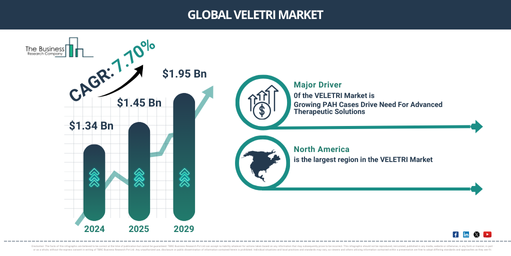
    The market size for VELETRI has experienced robust growth in the past few years. The market is projected to expand from $1.34 billion in 2024 to $1.45 billion in 2025, recording a compound annual growth rate (CAGR) of 7.9%. Factors such as increased incidence of pulmonary arterial hypertension (PAH), heightened awareness about PAH, expanding elderly population, global lifestyle modifications, and higher healthcare spending have contributed significantly to the growth during the historic period.

    How Much Will the VELETRI Market Be Worth in 2029?

    In the coming years, vigorous growth is anticipated in the VELETRI market, with projections suggesting it will amass to a value of $1.95 billion in 2029, reflecting a compound annual growth rate (CAGR) of 7.7%. Several factors contribute to the growth predicted within this period. These include an increased incidence of venous diseases, heightened awareness and early detection, rising expenditure on chronic illnesses, advancements in the healthcare infrastructure, and an expanding patient demographic. Some of the predominant trends anticipated during this forecast period encompass progress in technology, partnerships between pharmaceutical firms and research bodies, a solid pipeline of clinical research, an increase in R&D endeavours, along with the introduction of biosimilars and generic drugs.

    Download The Free Sample Report Here:

    https://www.thebusinessresearchcompany.com/sample.aspx?id=21314&type=smp

    Which is the Largest Company in the VELETRI Market?

    Major companies operating in the veletri market are Johnson & Johnson, Bayer Pharma AG, Novartis AG, GlaxoSmithKline plc, Gilead Sciences Inc., Teva Pharmaceutical Industries Ltd., Boehringer Ingelheim International GmbH, Sandoz International GmbH, Sun Pharmaceutical Industries Ltd., Actelion Pharmaceuticals Ltd., Euroapi S.A., United Therapeutics Corporation, Pfizer CentreOne, Sai Life Sciences Limited, Zhejiang Ausun Pharmaceutical Co. Ltd., Yonsung Fine Chemicals Co. Ltd., Cayman Pharma S.r.o., Meitheal Pharmaceuticals Inc., Smiths Medical, Guangzhou Tosun Pharmaceutical Co. Ltd.

    What Are the Main Market Drivers in the VELETRI Industry?

    The VELETRI market is expected to be driven by the burgeoning prevalence of pulmonary arterial hypertension (PAH). This rare, progressively worsening condition is associated with high blood pressure in the lung arteries, which, if unchecked, can lead to heart failure. Greater awareness, enhanced diagnostic methods, and an aging populace are some of the reasons behind the escalating incidence of PAH. Veletri, which enhances exercise capacity and decelerates disease progression through vasodilation, is typically prescribed for PAH. For instance, the American College of Cardiology Foundation, in October 2022, revealed that PAH affects between 15 and 30 people out of every million, making the rising prevalence of PAH a significant driver for the VELETRI market. The surge in venous diseases is also predicted to be a major contributor to the VELETRI market expansion. Impaired blood flow in veins triggering swelling, pain, and complications like varicose veins and deep vein thrombosis are characteristic of venous diseases. An aging population, sedentary lifestyles, obesity, and advanced diagnostic capabilities are among the primary factors accelerating the incidence of venous diseases. Veletri is utilised for managing symptoms and augmenting exercise capability in patients inflicted with pulmonary vasculature-affecting venous illnesses. The Centers for Disease Control and Prevention recorded in January 2025 that up to 900,000 individuals are affected annually by venous thromboembolism (VTE) in the US, with 60,000 to 100,000 deaths annually attributed to VTE. Hence, the escalating incidence of venous diseases is a key driver for the VELETRI market.

    Request For A Customized Report:

    https://www.thebusinessresearchcompany.com/customise?id=21314&type=smp

    How Is the VELETRI Market Segments Structured?

    The veletri market covered in this report is segmented –

    1) By Product Type: Injectable, Inhalation

    2) By Application: Pulmonary Arterial Hypertension, Other Applications

    3) By Distribution Channel: Hospital Pharmacies, Retail Pharmacies, Online Pharmacies

    Subsegments:

    1) By Injectable: Intravenous (IV) Injection, Subcutaneous (SC) Injection

    2) By Inhalation: Nebulized Inhalation, Dry Powder Inhalation

    Access The Full Report Here:

    https://www.thebusinessresearchcompany.com/report/veletri-global-market-report

    Which Global Regions Offer the Highest Growth in the VELETRI Market?

    North America was the largest region in the VELETRI market in 2024. Asia-Pacific is expected to be the fastest-growing region in the forecast period. The regions covered in the veletri market report are Asia-Pacific, Western Europe, Eastern Europe, North America, South America, Middle East, Africa.

    Purchase The Full Report Today:

    https://www.thebusinessresearchcompany.com/purchaseoptions.aspx?id=21314

    This Report Delivers Insight On:

    1. How big is the veletri market, and how is it changing globally?

    2. Who are the major companies in the veletri market, and how are they performing?

    3. What are the key opportunities and risks in the veletri market right now?

    4. Which products or customer segments are growing the most in the veletri market?

    5. What factors are helping or slowing down the growth of the veletri market?

    About The Business Research Company:

    With over 15000+ reports from 27 industries covering 60+ geographies, The Business Research Company has built a reputation for offering comprehensive, data-rich research and insights. Armed with 1,500,000 datasets, the optimistic contribution of in-depth secondary research, and unique insights from industry leaders, you can get the information you need to stay ahead in the game.

    Get in touch with us:

    The Business Research Company: https://www.thebusinessresearchcompany.com/

    Americas +1 310-496-7795

    Asia +44 2071930708

    Europe +44 7882 955267

    Email us at info@tbrc.info

    Follow us on:

    LinkedIn: https://in.linkedin.com/company/the-business-research-company

    YouTube: https://www.youtube.com/channel/UC24_fI0rV8cR5DxlCpgmyFQ

    Global Market Model: https://www.thebusinessresearchcompany.com/global-market-model
  • Dravet Syndrome Market Size to Exceed $0.56 Billion by 2029 | Growth and Industry Trends

    Dravet Syndrome Market Size to Exceed $0.56 Billion by 2029 | Growth and Industry Trends

    Claim your 30% discount on Global Market Reports with code ONLINE30. Limited time only.

    How Has the Dravet Syndrome Market Grown from 2024 to 2025?

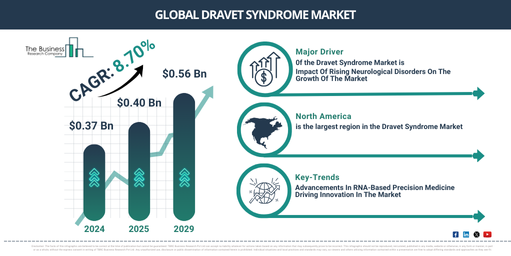
    In recent times, there’s been a significant increase in the market size of Dravet syndrome. The projected growth from $0.37 billion in 2024 to $0.40 billion in 2025 implies a compound annual growth rate (CAGR) of 9.0%. Several factors such as the escalating occurrence of Dravet syndrome, improved diagnosis rates through enhanced screening, elevated resources for epilepsy research, regulatory motivations for orphan drugs, and increased acceptance of cannabis-derived treatments have been the key drivers for growth during the historic period.

    What Growth Rate Is Anticipated for the Dravet Syndrome Market in the Coming Years?

    Strong expansion is projected in the Dravet syndrome market size over the upcoming years, with an anticipated value of $0.56 billion in 2029 and a compound annual growth rate (CAGR) of 8.7%. The predicted upward trend during the forecast period could be due to factors such as extensive insurance coverage for unusual illnesses, amplified advocacy efforts by patients, enhanced accessibility to genetic testing, strengthened government backing for treatment of rare diseases, and the increased presence of specialty neurology clinics. The imminent trends include progress in gene therapy for managing seizures, rising utilization of AI for early detection, advancements in precision medicine for tailored treatments, innovations in epilepsy management drug delivery systems, and the growth of telehealth for remote patient supervision.

    Download The Free Sample Report Here:

    https://www.thebusinessresearchcompany.com/sample.aspx?id=21175&type=smp

    Who Are the Leading Companies in the Dravet Syndrome Market?

    Major companies operating in the dravet syndrome market are Takeda Pharmaceutical Company Limited, Biogen Inc., UCB S.A., Eisai Co. Ltd., Jazz Pharmaceuticals plc, H. Lundbeck A/S, BioMarin Pharmaceutical Inc., PTC Therapeutics Inc., Supernus Pharmaceuticals Inc., Zogenix Inc., Biocodex S.A., Encoded Therapeutics Inc., Marinus Pharmaceuticals Inc., Arvelle Therapeutics GmbH, Stoke Therapeutics Inc., Longboard Pharmaceuticals Inc., Xenon Pharmaceuticals Inc., Aeovian Pharmaceuticals Inc., GW Pharmaceuticals plc, Ovid Therapeutics Inc.

    What Are the Key Drivers of the Dravet Syndrome Market?

    Expectations for the expansion of the dravet syndrome market are being heightened by an increased incidence of neurological conditions. Such disorders, which encompass a large spectrum of conditions that impact the brain, nervous system, and spinal cord, lead to cognitive, sensory, or motor deficits, as well as other physical impairments. The reasons behind the surge of neurological disorders include an aging populace, shifts in living habits, environmental influences, enhanced diagnostic methods, and a spike in instances of both neuroinfections and autoimmune diseases. Dravet syndrome is paving the way for understanding these disorders through its focus on genetic mutation studies, investigation of brain excitability, and the development of specific therapies that can address a wide array of neurological problems. As an example, data from the European Brain Council, a nonprofit organization based in Belgium, stated in April 2022, that over 600 types of neurological diseases and nearly 300 psychiatric conditions are affecting millions worldwide, including 65 million epileptics. In Europe alone, there are 10.5 million dementia sufferers, a figure expected to increase to 18.7 million by 2050. Consequently, the escalating occurrence of neurological disorders is fuelling the growth of the dravet syndrome market.

    Request For A Customized Report:

    https://www.thebusinessresearchcompany.com/customise?id=21175&type=smp

    What Are the Key Market Segments in the Dravet Syndrome Industry?

    The dravet syndrome market covered in this report is segmented –

    1) By Treatment And Management: Seizure Medications, Ketogenic Diet, Vagus Nerve Stimulation, Other Treatments And Management

    2) By Diagnosis: Magnetic Resonance Imaging Testing, Electroencephalography Testing, Sodium Voltage-Gated Channel Alpha Subunit 1 Testing, Other Diagnosis

    3) By Route Of Administration: Parenteral Route, Oral Route, Other Routes Of Administration

    4) By End-user: Pharmaceutical Companies, Hospitals, Diagnostic Laboratories, Academic And Research Institutes, Other End-users

    Subsegments:

    1) By Seizure Medications: Anticonvulsants, Benzodiazepines, Levetiracetam, Cannabidiol (CBD) based medications, Topiramate, Lamotrigine

    2) By Ketogenic Diet: Standard Ketogenic Diet (SKD), Modified Atkins Diet (MAD), Low Glycemic Index Treatment (LGIT), MCT (Medium Chain Triglyceride) Diet

    3) By Vagus Nerve Stimulation: Implantable Vagus Nerve Stimulator (VNS), Non-invasive Vagus Nerve Stimulation (NIVNS), Adjunct Therapy With VNS For Seizure Control

    4) By Other Treatments and Management: Physical and Occupational Therapy, Speech Therapy, Epilepsy Surgery, Cognitive Behavioral Therapy (CBT), Genetic Counseling And Support

    What Are the Latest Trends in the Dravet Syndrome Market?

    Prominent enterprises in the Dravet syndrome market are centering their efforts on advancements in precision medicine such as RNA-based therapies in a quest to create targeted treatments capable of addressing the inherent genetic aberrations linked with Dravet syndrome. Their aim is not only to enhance treatment efficacy, but also to minimize side effects. RNA-based interventions utilize RNA molecules to alter gene expression or protein fabrication, thus assisting in tackling genetic ailments by focusing on the root causes at the molecular level. As an illustration, Stoke Therapeutics Inc., an American biotechnological firm, in December 2024 got the green light from the U.S. Food and Drug Administration (FDA) for zorevunersen as a treatment for Dravet syndrome. This medication is engineered to augment the expression of the SCN1A gene commonly mutated in patients with Dravet syndrome, conclusively treating the fundamental genetic deficiency instead of just regulating symptoms. The therapy uses RNA-based precision medicine to rectify proper neuronal functioning, potentially diminishing the frequency of seizures while enhancing cognitive outcomes.

    Access The Full Report Here:

    https://www.thebusinessresearchcompany.com/report/dravet-syndrome-global-market-report

    What Are the Key Regional Markets in the Dravet Syndrome Industry?

    North America was the largest region in the dravet syndrome market in 2024. Asia-Pacific is expected to be the fastest-growing region in the forecast period. The regions covered in the dravet syndrome market report are Asia-Pacific, Western Europe, Eastern Europe, North America, South America, Middle East, Africa.

    Purchase The Full Report Today:

    https://www.thebusinessresearchcompany.com/purchaseoptions.aspx?id=21175

    This Report Delivers Insight On:

    1. How big is the dravet syndrome market, and how is it changing globally?

    2. Who are the major companies in the dravet syndrome market, and how are they performing?

    3. What are the key opportunities and risks in the dravet syndrome market right now?

    4. Which products or customer segments are growing the most in the dravet syndrome market?

    5. What factors are helping or slowing down the growth of the dravet syndrome market?

    About The Business Research Company:

    With over 15000+ reports from 27 industries covering 60+ geographies, The Business Research Company has built a reputation for offering comprehensive, data-rich research and insights. Armed with 1,500,000 datasets, the optimistic contribution of in-depth secondary research, and unique insights from industry leaders, you can get the information you need to stay ahead in the game.

    Get in touch with us:

    The Business Research Company: https://www.thebusinessresearchcompany.com/

    Americas +1 310-496-7795

    Asia +44 2071930708

    Europe +44 7882 955267

    Email us at info@tbrc.info

    Follow us on:

    LinkedIn: https://in.linkedin.com/company/the-business-research-company

    YouTube: https://www.youtube.com/channel/UC24_fI0rV8cR5DxlCpgmyFQ

    Global Market Model: https://www.thebusinessresearchcompany.com/global-market-model
  • Uveitis Treatment Market Trends Report 2025 – For Business Development and Strategy Teams

    Uveitis Treatment Market Trends Report 2025 – For Business Development and Strategy Teams

    Claim your 30% discount on Global Market Reports with code ONLINE30. Limited time only.

    What Is the Forecast for the Uveitis Treatment Market Growth in 2025?

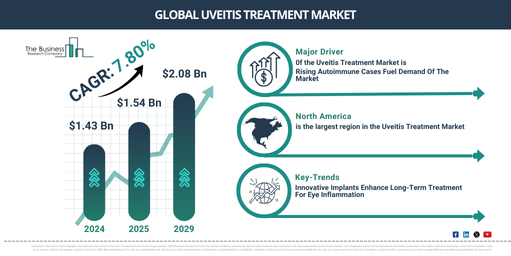
    In recent years, there has been significant growth in the market size for uveitis treatment. The market which is expected to increase from $1.43 billion in 2024 to $1.54 billion in 2025 with a compound annual growth rate (CAGR) of 8.1%. This expansion in the past era has been driven by higher incidence of autoimmune diseases, increasing elderly population, a growing number of uveitis cases, burgeoning awareness among medical experts about the significance of prompt diagnosis and treatment, and an increasing occurrence of infectious diseases.

    What Is the Forecast for the Uveitis Treatment Market Size Through 2029?

    It is anticipated that the market size for uveitis treatment will experience robust growth in the coming years, escalating to 2.08 billion by 2029 with a compound annual growth rate (CAGR) of 7.8%. The growth projected within this timeframe can be ascribed to factors such as enhanced accessibility of healthcare services, a surge in age-associated eye diseases, an increase in the elderly demographic, the rise in research endeavors, and heightened consciousness of eye health in people. Key trends projected within this forecast period encompass the proliferation of targeted therapies, progress in laser surgery, the emergence of innovative drug delivery systems, headways in ophthalmology diagnostic equipment, and the rising adoption of sustained-release drug delivery systems.

    Download The Free Sample Report Here:

    https://www.thebusinessresearchcompany.com/sample.aspx?id=21313&type=smp

    What are the Key Market Players in Uveitis Treatment Market and How They’re Evolving?

    Major companies operating in the uveitis treatment market are Merck & Co. Inc., AbbVie Inc., Novartis AG, Regeneron Pharmaceuticals Inc., Kubota Vision Inc., UCB S.A., Sun Pharmaceutical Industries Ltd., Bausch & Lomb Incorporated, Horizon Therapeutics plc, Cipla Ltd., Santen Pharmaceutical Co. Ltd., Galapagos NV, ANI Pharmaceuticals Inc., EyePoint Pharmaceuticals Inc., Entod Pharmaceuticals Ltd., Sirion Therapeutics Inc., Kiora Pharmaceuticals Inc., Lux Biosciences Inc., Inflammasome Therapeutics Inc., Clearside Biomedical Inc.

    What Are the Primary Growth Drivers in the Uveitis Treatment Market?

    The escalating prevalence of autoimmune disorders is anticipated to fuel the expansion of the uveitis treatment market. Autoimmune disorders encompass a variety of illnesses where the body’s immune system mistakenly assaults and destroys its healthy cells, tissues, or organs. The upsurge in these conditions is propelled by elements such as genetic vulnerability, environmental catalysts, and modifications in lifestyle and immune system actions. Uveitis treatment aids in the management of autoimmune disorders by diminishing inflammation, repressing the overactivity of the immune system, and averting vision loss linked to inflammatory eye conditions related to autoimmunity. For example, Versorgungsatlas, a healthcare data analytics firm based in Germany, reported in November 2024 that in 2022, out of 73,241,305 insured persons, 6,304,340 were identified with at least one autoimmune disorder, leading to a crude prevalence rate of 8.61%. Thus, the escalating prevalence of autoimmune disorders is stimulating the expansion of the uveitis treatment market.

    Request For A Customized Report:

    https://www.thebusinessresearchcompany.com/customise?id=21313&type=smp

    What Are the Leading Segments in the Global Uveitis Treatment Industry?

    The uveitis treatment market covered in this report is segmented –

    1) By Indication: Anterior Uveitis, Intermediate Uveitis, Posterior Uveitis, Panuveitis

    2) By Route Of Administration: Topical, Systemic, Injectable

    3) By Cause: Infectious, Non-infectious

    4) By Treatment: Corticosteroids, Immunosuppressant, Monoclonal Antibodies, Cycloplegic Agents, Antibiotics, Antivirals, Antifungal, Analgesics

    5) By Distribution Channel: Hospital Pharmacies, Retail Pharmacies, Online Pharmacies, Other Distribution Channels

    Subsegments:

    1) By Anterior Uveitis: Infectious Anterior Uveitis, Non-Infectious Anterior Uveitis

    2) By Intermediate Uveitis: Infectious Intermediate Uveitis, Non-Infectious Intermediate Uveitis

    3) By Posterior Uveitis: Infectious Posterior Uveitis, Non-Infectious Posterior Uveitis

    4) By Panuveitis: Infectious Panuveitis, Non-Infectious Panuveitis

    What Are the Key Market Trends in the Uveitis Treatment Industry?

    Leading firms in the uveitis treatment market are prioritizing the creation of cutting-edge devices like sustained-release intravitreal implants to enhance patient adherence. These implants are long-lasting drug delivery systems inserted in the eye for controlled and extended drug release. For example, in February 2022, the US biopharmaceutical company, Alimera Sciences, introduced ILUVIEN in Spain. ILUVIEN is a sustained-release intravitreal implant engineered to manage non-infectious posterior uveitis (NIPU). The implant provides direct delivery of the drug fluocinolone acetonide into the eye, which is gradually released over a period of up to 36 months, offering prolonged therapeutic intervention to lessen inflammation and prevent recurrent NIPU flare-ups. It is the only one of its kind for this specific application, aiming to reduce injection frequency and improve patient prognosis with a more persistent, long-term effect.

    Access The Full Report Here:

    https://www.thebusinessresearchcompany.com/report/uveitis-treatment-global-market-report

    What Is the Regional Outlook for the Uveitis Treatment Market?

    North America was the largest region in the uveitis treatment market in 2024. Asia-Pacific is expected to be the fastest-growing region in the forecast period. The regions covered in the uveitis treatment market report are Asia-Pacific, Western Europe, Eastern Europe, North America, South America, Middle East, Africa.

    Purchase The Full Report Today:

    https://www.thebusinessresearchcompany.com/purchaseoptions.aspx?id=21313

    This Report Delivers Insight On:

    1. How big is the uveitis treatment market, and how is it changing globally?

    2. Who are the major companies in the uveitis treatment market, and how are they performing?

    3. What are the key opportunities and risks in the uveitis treatment market right now?

    4. Which products or customer segments are growing the most in the uveitis treatment market?

    5. What factors are helping or slowing down the growth of the uveitis treatment market?

    About The Business Research Company:

    With over 15000+ reports from 27 industries covering 60+ geographies, The Business Research Company has built a reputation for offering comprehensive, data-rich research and insights. Armed with 1,500,000 datasets, the optimistic contribution of in-depth secondary research, and unique insights from industry leaders, you can get the information you need to stay ahead in the game.

    Get in touch with us:

    The Business Research Company: https://www.thebusinessresearchcompany.com/

    Americas +1 310-496-7795

    Asia +44 2071930708

    Europe +44 7882 955267

    Email us at info@tbrc.info

    Follow us on:

    LinkedIn: https://in.linkedin.com/company/the-business-research-company

    YouTube: https://www.youtube.com/channel/UC24_fI0rV8cR5DxlCpgmyFQ

    Global Market Model: https://www.thebusinessresearchcompany.com/global-market-model
  • Donepezil Industry Insights 2025 – Market Forecast for Executives and Planners

    Donepezil Industry Insights 2025 – Market Forecast for Executives and Planners

    Claim your 30% discount on Global Market Reports with code ONLINE30. Limited time only.

    How Has the Donepezil Market Size Changed, over the years?

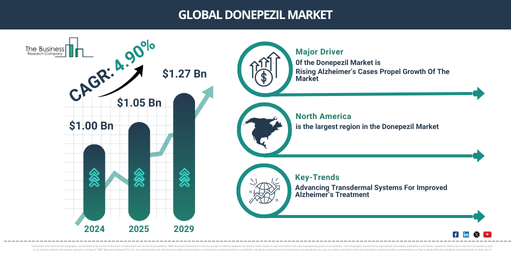
    In the recent past, the market size for donepezil has seen robust growth. It is anticipated to expand from $1.00 billion in 2024 to $1.05 billion in 2025, at a Compound Annual Growth Rate (CAGR) of 5.1%. The historical growth trends in the market can be linked to factors such as the increased instances of Alzheimer’s disease, the growing aging population, a rise in government expenditure and initiatives, growing awareness about neurodegenerative disorders and an increase in the demand for high-quality nucleic acid samples.

    How Much Will the Donepezil Market Be Worth in 2029?

    Anticipations are high for a constant rise in the donepezil market size over the upcoming years, projected to reach $1.27 billion by 2029 with a compound annual growth rate (CAGR) of 4.9%. The expected growth during the forecast period hinges on factors such as an increase in healthcare spending, augmented focus on early detection of Alzheimer’s, a surge in demand for combination therapies, investments into healthcare infrastructure, and heightened awareness about neurodegenerative diseases. Key trends for the forecast period encompass the innovation of drug formulations & delivery methods, technological progression, the introduction of unique dosage forms & formulations, sanctioning of generic versions of donepezil, and the enhancement of research facilities.

    Download The Free Sample Report Here:

    https://www.thebusinessresearchcompany.com/sample.aspx?id=21174&type=smp

    Which is the Largest Company in the Donepezil Market?

    Major companies operating in the donepezil market are AbbVie Inc., Pfizer Inc., Teva Pharmaceutical Inc., Intas Pharmaceuticals Ltd., Mylan NV, Sandoz Group AG, Hetero Drugs Ltd., Sun Pharmaceutical Inc., Eisai Co. Ltd., Cipla Ltd., Dr Reddy’s Laboratories, Apotex Inc., H Lundbeck A/S, Zydus Cadila, Amneal Pharmaceuticals LLC, Torrent Pharmaceuticals Ltd, Alkem Laboratories Ltd., Jubilant Pharmova Ltd., Wockhardt Ltd., Luoxin Pharmaceuticals Group

    What Are the Main Market Drivers in the Donepezil Industry?

    The surge in Alzheimer’s disease incidents is anticipated to boost the expansion of the donepezil market. Alzheimer’s disease is an evolving neurological sickness that results in the deterioration and loss of brain cells, causing cognitive decline, memory impairment, and behavioral alterations. Growing aspects such as an aging population, population increase, lifestyle-related triggers, the presence of chronic diseases, genetic predispositions, and environmental exposures contribute to the rising instances of Alzheimer’s disease. Donepezil acts as an effective therapeutic solution for Alzheimer’s disease as it boosts cognitive abilities and daily living competence by affecting the acetylcholine levels in the brain. As an illustration, in May 2024, the Alzheimer’s Association, a nonprofit American organization committed to Alzheimer’s research, aid, and care, reported that the number of Americans aged 65 and above diagnosed with Alzheimer’s dementia increased from 6.5 million in 2022 to a projected 6.9 million in 2024. Consequently, the surging occurrence of Alzheimer’s disease fuels the expansion of the donepezil market.

    Request For A Customized Report:

    https://www.thebusinessresearchcompany.com/customise?id=21174&type=smp

    How Is the Donepezil Market Segments Structured?

    The donepezil market covered in this report is segmented –

    1) By Type: 5mg, 10mg, 23mg

    2) By Route Of Administration: Oral, Transdermal

    3) By Application: Hospitals, Clinics, Drugstore

    Subsegments:

    1) By 5mg: Immediate-Release 5mg, Orally Disintegrating 5mg

    2) By 10mg: Immediate-Release 10mg, Orally Disintegrating 10mg

    3) By 23mg: Extended-Release 23mg, Film-Coated 23mg

    What Strategic Trends Are Transforming the Donepezil Market?

    Prominent enterprises in the donepezil market are concentrating on the invention of new advanced technologies including the donepezil system to increase patient adherence and boost the efficiency of treatments through innovative formulations such as extended-release. Donepezil is a process connected to the pharmacological mechanism or method that applies to donepezil, a drug primarily utilized for the management of Alzheimer’s disease and other types of dementia. For example, in October 2022, Corium Innovation Inc., a biopharmaceutical organization based in the United States, rolled out a donepezil transdermal system (Adlarity) aimed at treating patients suffering from mild to severe Alzheimer’s disease (AD) dementia. This new transdermal donepezil formula delivers the drug directly via the skin, eliminating the need for it to pass through the digestive system. This strategy greatly diminishes the chances of gastrointestinal side effects and provides an easier means of administration, creating advantages for both Alzheimer’s patients and their caregivers.

    Access The Full Report Here:

    https://www.thebusinessresearchcompany.com/report/donepezil-global-market-report

    Which Global Regions Offer the Highest Growth in the Donepezil Market?

    North America was the largest region in the donepezil market in 2024. Asia-Pacific is expected to be the fastest-growing region in the forecast period. The regions covered in the donepezil market report are Asia-Pacific, Western Europe, Eastern Europe, North America, South America, Middle East, Africa.

    Purchase The Full Report Today:

    https://www.thebusinessresearchcompany.com/purchaseoptions.aspx?id=21174

    This Report Delivers Insight On:

    1. How big is the donepezil market, and how is it changing globally?

    2. Who are the major companies in the donepezil market, and how are they performing?

    3. What are the key opportunities and risks in the donepezil market right now?

    4. Which products or customer segments are growing the most in the donepezil market?

    5. What factors are helping or slowing down the growth of the donepezil market?

    About The Business Research Company:

    With over 15000+ reports from 27 industries covering 60+ geographies, The Business Research Company has built a reputation for offering comprehensive, data-rich research and insights. Armed with 1,500,000 datasets, the optimistic contribution of in-depth secondary research, and unique insights from industry leaders, you can get the information you need to stay ahead in the game.

    Get in touch with us:

    The Business Research Company: https://www.thebusinessresearchcompany.com/

    Americas +1 310-496-7795

    Asia +44 2071930708

    Europe +44 7882 955267

    Email us at info@tbrc.info

    Follow us on:

    LinkedIn: https://in.linkedin.com/company/the-business-research-company

    YouTube: https://www.youtube.com/channel/UC24_fI0rV8cR5DxlCpgmyFQ

    Global Market Model: https://www.thebusinessresearchcompany.com/global-market-model