Month: August 2025

  • Top Trends Driving Innovation and Change in the Over The Counter Test Market: Advancements In Non-Invasive At-Home Diagnostics Enhance Early Disease Detection

    Top Trends Driving Innovation and Change in the Over The Counter Test Market: Advancements In Non-Invasive At-Home Diagnostics Enhance Early Disease Detection

    Claim your 30% discount on Global Market Reports with code ONLINE30. Limited time only.

    What Are the Key Projections for the CAGR of the Over The Counter Test Market Size From 2025 to 2034?

    Recent years have seen a swift expansion in the size of the over the counter test market. The market, valued at $23.79 billion in 2024, is projected to reach $27.13 billion in 2025, reflecting a compound annual growth rate (CAGR) of 14.0%. The considerable growth witnessed during the historical period can be credited to factors such as the emergence of smart home healthcare, increasing remote patient monitoring, growth of outpatient clinics, the rise of mHealth (mobile health) applications, and increasing popularity of subscription-based services.

    The size of the over the counter test market is anticipated to undergo swift expansion in the forthcoming years. It’s predicted to reach$45.71 billion by 2029, with a compound annual growth rate (CAGR) of 13.9%. The anticipated growth during this forecast period can be linked to the growing incidents of infectious diseases, a surge in HIV-infected individuals, expansion in remote patient monitoring, amplified use of smartphones and the increasing number of healthcare-associated infections (HAIS). The major forecast period trends include the incorporation of digital health, merging with mobile apps, the establishment of integrated care models, the application of AI and machine learning, and distant infection control monitoring.

    Download a free sample to assess the report’s scope and structure:

    https://www.thebusinessresearchcompany.com/sample.aspx?id=22085&type=smp

    What External and Internal Drivers Are Contributing to the Growth of theOver The Counter Test Market?

    The escalating occurrence of chronic illnesses is anticipated to fuel the expansion of the over the counter test market in the forthcoming years. Chronic diseases are typically enduring conditions that last a year or more, necessitating constant medical care, or they restrict daily activities. The escalating occurrence of chronic conditions is connected to detrimental lifestyles, unwholesome dietary patterns, lack of physical activity, and an aging population, cumulatively increasing the risk for heart disease, diabetes, and obesity. Over-the-counter tests are crucial for managing these chronic illnesses as they enable individuals to monitor their health consistently, notice potential concerns at an early stage, and modify their treatment strategies in a timely manner. For example, as reported by the Australian Institute of Health and Welfare, an Australian government-based agency, the mortality rate connected to chronic conditions spiraled to 459 per 100,000 population in 2021, and heightened further to 490 per 100,000 population in 2022. Hence, the increasing occurrence of chronic diseases is propelling the expansion of the over the counter test market.

    What Segment Types Define the Over The Counter Test Market Structure?

    The over the counter testmarket covered in this report is segmented –

    1) By Product Type: Glucose Monitoring Test; Pregnancy And Fertility Test; Coagulation Monitoring Test; Urinalysis Test; Cholesterol Test; Other Tests

    2) By Technology: Immunoassays; Lateral Flow Assays; Dipsticks

    3) By Application: Cardiology; Oncology; Glucose Monitoring; Pregnancy And Fertility; Infectious Disease; Toxicology

    4) By End-User: Hospital And Clinic; Home Care; Diagnostic Laboratory; Other End Users

    Subsegments:

    1) By Glucose Monitoring Test: Blood Glucose Meters; Glucose Test Strips; Continuous Glucose Monitors (CGMs); Lancets

    2) By Pregnancy And Fertility Test: Pregnancy Test Strips; Digital Pregnancy Tests; Ovulation Prediction Kits; Fertility Monitors

    3) By Coagulation Monitoring Test: Prothrombin Time (PT/INR) Test Kits; Activated Partial Thromboplastin Time (aPTT) Test Kits; D-Dimer Test Kits

    4) By Urinalysis Test: Dipstick Test Kits; Urine Test Strips; Digital Urinalysis Devices; Home Drug Test Kits

    5) By Cholesterol Test: Total Cholesterol Test Kits; HDL And LDL Cholesterol Test Kits; Triglyceride Test Kits; Lipid Panel Test Kits

    6) By Other Tests: Infectious Disease Test Kits; Allergy Test Kits; Vitamin And Mineral Deficiency Test Kits; Thyroid Function Test Kits; Cancer Screening Kits

    Request customized data on this market:

    https://www.thebusinessresearchcompany.com/customise?id=22085&type=smp

    Which Geographic Areas Hold the Strongest Growth Potential in the Over The Counter Test Market?

    North America was the largest region in the over-the-counter test market in 2024. Asia-Pacific is expected to be the fastest-growing region in the forecast period. The regions covered in the over the counter test market report are Asia-Pacific, Western Europe, Eastern Europe, North America, South America, Middle East, Africa.

    What Long-Term Trends Are Transforming the Competitive Landscape of the Over The Counter Test Market?

    Major market players in the over the counter test industry are prioritizing the creation of innovative testing products like non-invasive home diagnostics to increase accuracy, ease of use, and advance the detection of disease for individual self-monitoring. These home diagnostic tests offer individuals the ability to evaluate their health without having to breach the skin or undergo invasive procedures. Using biosensor technology, urine or saliva testing, wearable health monitors, and imaging equipment, these diagnostics can gauge key health indicators, identify illnesses, or help manage chronic diseases from home. For example, in December 2023, DiaCarta Inc., a prominent molecular diagnostics company based in the US, released an over-the-counter at-home test called the iColon, which went on to receive US FDA 510(k) clearance. This test serves as a non-invasive means for individuals to detect blood in their feces, an important sign of gastrointestinal disorders and colorectal cancer, from the comfort of their own home. The iColon test’s main goal is to advance early disease detection and promote active health monitoring, which results in superior patient outcomes.

    View the full report here:

    https://www.thebusinessresearchcompany.com/report/over-the-counter-test-global-market-report

    What Is the Definition of the Over The Counter Test Market?

    An over-the-counter test is a self-diagnostic medical test that individuals can purchase without a prescription for personal use. It allows users to detect or monitor health conditions at home without professional supervision. These tests provide quick and accessible results, aiding in early detection and health management.

    Purchase the full report and get a swift delivery:

    https://www.thebusinessresearchcompany.com/purchaseoptions.aspx?id=22085

    About The Business Research Company:

    With over 15000+ reports from 27 industries covering 60+ geographies, The Business Research Company has built a reputation for offering comprehensive, data-rich research and insights. Armed with 1,500,000 datasets, the optimistic contribution of in-depth secondary research, and unique insights from industry leaders, you can get the information you need to stay ahead in the game.

    Get in touch with us:

    The Business Research Company: https://www.thebusinessresearchcompany.com/

    Americas +1 310-496-7795

    Europe +44 7882 955267

    Asia & Others +44 7882 955267 & +91 8897263534

    Email us at info@tbrc.info

    Follow us on:

    LinkedIn: https://in.linkedin.com/company/the-business-research-company

    YouTube: https://www.youtube.com/channel/UC24_fI0rV8cR5DxlCpgmyFQ

    Global Market Model: https://www.thebusinessresearchcompany.com/global-market-model
  • Emerging Trends Redefining the Mastopexy Market Landscape: Revolutionizing Medical Documentation With AI-Powered Mobile Software

    Emerging Trends Redefining the Mastopexy Market Landscape: Revolutionizing Medical Documentation With AI-Powered Mobile Software

    Claim your 30% discount on Global Market Reports with code ONLINE30. Limited time only.

    How Has The Medical Automation Market Size Shifted, And What Is the Outlook Through 2034?

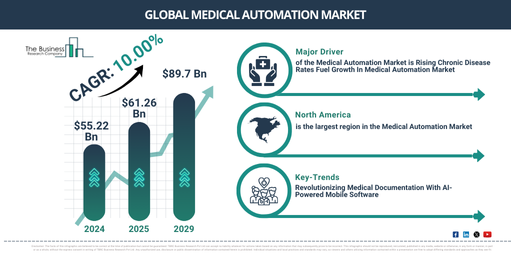
    The size of the medical automation market has seen a swift expansion in the past few years. An increase from 2024’s $55.22 billion to $61.26 billion in 2025 is projected, demonstrating a compound annual growth rate (CAGR) of 10.9%. The upward trend during the historical period has been driven by factors such as digitization in the healthcare sector, widespread pandemics and infections, empowered patients, a deficit of healthcare workers, and a greater emphasis on preventive care.

    The size of the medical automation market is projected to experience significant expansion in the upcoming years. It is set to reach$89.7 billion in 2029 with a compound annual growth rate (CAGR) of 10.0%. The predicted growth during the forecast period is due to the rising demand for less intrusive surgeries, distant patient monitoring, optimizing hospital capacity, the trend towards outcome-based healthcare, and an increasing understanding of the advantages of automation in the medical field. Important trends during this period comprise gene modification, the incorporation of medical imaging, 3D printing, telemedicine, the Internet of Things (IoT), as well as the inclusion of artificial intelligence (AI).

    Download a free sample to assess the report’s scope and structure:

    https://www.thebusinessresearchcompany.com/sample.aspx?id=15416&type=smp

    What Are the Core Market Drivers Propelling Growth in the Medical Automation Industry?

    The escalating occurrence of chronic health issues is projected to bolster the expansion of the medical automation market. Chronic diseases signify persistent medical conditions that linger over an extended period and are likely to deteriorate with time. The rise in these diseases can be attributed to inactive lifestyle choices, poor dietary habits, and the maturing population. Medical automation aids in precise tracking and prompt responses for these long-term diseases, enhancing patient care and results. For example, the World Health Organization (WHO) 2022 Highlights reported in September 2022 that chronic diseases, according to this Switzerland-based intergovernmental health organization, were responsible for 74% of worldwide deaths, amounting to 41 million annual deaths. Therefore, the growing instances of chronic diseases play a considerable role in propelling the medical automation market’s growth.

    How Is the Medical Automation Market Segmented?

    The medical automationmarket covered in this report is segmented –

    1) By Component: Equipment; Capital Equipment; Consumables; Software; Services

    2) By Connectivity: Wired; Wireless

    3) By Application: Diagnostics And Monitoring; Therapeutics; Lab And Pharmacy Automation; Medical Logistics And Training; Large-Joint Replacement; Spinal Fusion; Other Applications

    4) By End User: Hospitals; Diagnostic Center; Pharmacies; Research Laboratories And Institutes; Homecare; Specialty Clinics; Ambulatory Surgical Centers (ASCs); Other End Users

    Subsegments:

    1) By Equipment: Diagnostic Equipment; Therapeutic Equipment; Monitoring Equipment

    2) By Capital Equipment: Surgical Robots; Imaging Systems (MRI, CT Scanners); Patient Lifting Equipment; Automated Laboratory Equipment

    3) By Consumables: Test Strips And Kits; Reagents And Chemicals; Single-Use Devices

    4) By Software: Healthcare Management Software; Diagnostic Software; Automation Software For Laboratory And Pharmacy Systems; AI Or ML-Based Software Solutions For Medical Diagnostics

    5) By Services: Maintenance And Support Services; Consulting Services; Integration And Implementation Services; Training Services

    Request customized data on this market:

    https://www.thebusinessresearchcompany.com/customise?id=15416&type=smp

    Which Regions Are Driving the Next Phase of the Medical Automation Market Growth?

    North America was the largest region in the medical automation market in 2024. Asia-Pacific is expected to be the fastest-growing region in the forecast period. The regions covered in the medical automation market report are Asia-Pacific, Western Europe, Eastern Europe, North America, South America, Middle East, Africa.

    What Key Market Trends and Innovations Are Shaping the Future of the Medical Automation Industry?

    Major firms in the medical automation market are striving for revenue growth by innovating and creating solutions such as mobile applications controlled by clinicians. These applications are configured by healthcare workers including doctors, nurses, therapists, and other clinicians to aid in patient care, communication, and administrative management. For instance, Augmedix Inc., a medical documentation and data services firm based in the US, introduced Augmedix Go in April 2024. This mobile application, designed for clinicians, harnesses ambient AI technology and structured data to automatically generate draft medical notes following patient healthcare visits, such as to emergency departments. This automated process makes medical documentation easier, enabling healthcare professionals to dedicate more time to patient care by minimizing the amount of time spent on administrative duties like note-taking.

    View the full report here:

    https://www.thebusinessresearchcompany.com/report/medical-automation-global-market-report

    How Is the Medical Automation Market Defined and What Are Its Core Parameters?

    Medical automation refers to the process of applying technology and automated processes to improve efficiency, accuracy, and safety in various aspects of healthcare delivery, including diagnosis, treatment, monitoring, and administrative tasks. This encompasses many automation solutions designed to streamline workflows, improve efficiency, reduce errors, and enhance patient outcomes within healthcare facilities such as hospitals, clinics, and laboratories.

    Purchase the full report and get a swift delivery:

    https://www.thebusinessresearchcompany.com/purchaseoptions.aspx?id=15416

    About The Business Research Company:

    With over 15000+ reports from 27 industries covering 60+ geographies, The Business Research Company has built a reputation for offering comprehensive, data-rich research and insights. Armed with 1,500,000 datasets, the optimistic contribution of in-depth secondary research, and unique insights from industry leaders, you can get the information you need to stay ahead in the game.

    Get in touch with us:

    The Business Research Company: https://www.thebusinessresearchcompany.com/

    Americas +1 310-496-7795

    Europe +44 7882 955267

    Asia & Others +44 7882 955267 & +91 8897263534

    Email us at info@tbrc.info

    Follow us on:

    LinkedIn: https://in.linkedin.com/company/the-business-research-company

    YouTube: https://www.youtube.com/channel/UC24_fI0rV8cR5DxlCpgmyFQ

    Global Market Model: https://www.thebusinessresearchcompany.com/global-market-model
  • Mastopexy Market 2025-2034: Key Highlights, Growth Dynamics, and Emerging Trends

    Mastopexy Market 2025-2034: Key Highlights, Growth Dynamics, and Emerging Trends

    Claim your 30% discount on Global Market Reports with code ONLINE30. Limited time only.

    How Has the Mastopexy Market Growth Performance Trended Historically, And What Lies Ahead?

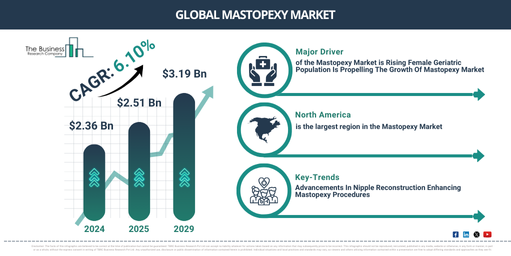
    The mastopexy market has seen robust growth in the past few years. The market is projected to increase from $2.36 billion in 2024 to $2.51 billion in 2025, experiencing a compound annual growth rate (CAGR) of 6.3%. Factors contributing to the growth during this historic period include growing societal acceptance and normalization of cosmetic procedures, a rise in the number of individuals opting for bariatric surgery, the incorporation of virtual consultations and telemedicine, more specialized cosmetic surgery establishments, and the uptake of a patient-focused approach in cosmetic surgery.

    Growth in the mastopexy market size is anticipated to be robust in the coming years, with a projected escalation to$3.19 billion by 2029, witnessing a compound annual growth rate (CAGR) of 6.1%. Factors fueling this growth in the predicted period are advanced pre-operative consultations and post-operative care, an increased emphasis on overall health and self-care inspirations, improved anesthesia techniques, a rising elderly population, and escalating disposable incomes. Key trends for the forecast period comprise progress in implant technology, enhancements in surgical training and education, advancements in regenerative medicine, progression in scar management, and continuous research and clinical trials.

    Download a free sample to assess the report’s scope and structure:

    https://www.thebusinessresearchcompany.com/sample.aspx?id=18405&type=smp

    Which Primay Drivers Are Accelerating Growth in the Mastopexy Market?

    The growth of the mastopexy market is predicted to be propelled forward by the increasing population of elderly women. Elderly women, typically defined as 65 years and older, represent the female geriatric population. This population is expanding due to prolonged life expectancy, healthcare advancements leading to better overall health outcomes, and declining birth rates across numerous countries. Mastopexy, also known as breast lift surgery, is gaining popularity amongst geriatric women as it helps in improving the contour of their breasts and addressing aging-related alterations. For example, the World Bank Group, a United States-based international financial institution providing loans and grants, revealed that the percentage of females aged 65 and above in the United States grew from 18.1% in 2021 to 19.1% in 2023. Hence, the escalating population of elderly women is fuelling the growth of the mastopexy market.

    Which Primary Segments of the Mastopexy Market Are Driving Growth and Industry Transformations?

    The mastopexymarket covered in this report is segmented –

    1) By Type: Benelli Lift Or Donut Lift; Crescent Breast Lift; Lollipop Lift; Anchor Breast Lift

    2) By Tissue Incision: Skin; Adipose; Glandular

    3) By End Use: Hospitals; Specialty Clinics

    Subsegments:

    1) By Benelli Lift Or Donut Lift: Periareolar Mastopexy; Circumareolar Mastopexy

    2) By Crescent Breast Lift: Partial Crescent Lift; Full Crescent Lift

    3) By Lollipop Lift: Vertical Mastopexy; Single Vertical Incision Mastopexy

    4) By Anchor Breast Lift: Inverted T Mastopexy; Wise Pattern Mastopexy

    Request customized data on this market:

    https://www.thebusinessresearchcompany.com/customise?id=18405&type=smp

    Which Regions Are Key Players in the Growth of the #Which Primay Drivers Are Accelerating Growth in the Mastopexy Market?# Market?

    North America was the largest region in the mastopexy market in 2024. Asia-Pacific is expected to be the fastest-growing region in the forecast period. The regions covered in the mastopexy market report are Asia-Pacific, Western Europe, Eastern Europe, North America, South America, Middle East, Africa.

    Which Technological Trends Are Reshaping the Mastopexy Industry Dynamics?

    Top-tier businesses that are heavily involved in the mastopexy market are prioritizing the creation of sophisticated products such as nipple reconstruction solutions in order to stay competitive. These are referring to the prostheses and surgical procedures designed to restore the nipple-areola formation in patients who have undergone mastectomy or breast-rebuilding surgeries, with a goal of replicating the natural look and symmetry of the breast contour. Advanced materials and meticulous surgical procedures are frequently employed to accomplish authentic texture, prominence, and aesthetic blending with the adjacent breast tissue. For example, in March 2024, GC Aesthetics, a medical technology firm based in Ireland, launched the FixNip NRI, a nipple prosthesis intended to revolutionize breast restoration for women. This prosthesis aims to enhance the quality of care in comprehensive breast restoration by providing a long-lasting and realistic nipple-areola unit (NAC) reconstruction. The FixNip NRI, made from biocompatible, smooth silicone, includes a uniquely designed nitinol frame in the shape of a flower. This cutting-edge design allows for minor incisions and guarantees that the prosthesis reverts back to its original form when folded and inserted.

    View the full report here:

    https://www.thebusinessresearchcompany.com/report/mastopexy-global-market-report

    What Parameters Are Used to Define the Mastopexy Market?

    Mastopexy, commonly known as a breast lift, is a surgical procedure aimed at raising and reshaping sagging breasts. It involves removing excess skin and tightening the surrounding tissue to create a more youthful breast contour. Mastopexy is often performed alongside breast augmentation or reduction to achieve the desired volume and shape.

    Purchase the full report and get a swift delivery:

    https://www.thebusinessresearchcompany.com/purchaseoptions.aspx?id=18405

    About The Business Research Company:

    With over 15000+ reports from 27 industries covering 60+ geographies, The Business Research Company has built a reputation for offering comprehensive, data-rich research and insights. Armed with 1,500,000 datasets, the optimistic contribution of in-depth secondary research, and unique insights from industry leaders, you can get the information you need to stay ahead in the game.

    Get in touch with us:

    The Business Research Company: https://www.thebusinessresearchcompany.com/

    Americas +1 310-496-7795

    Europe +44 7882 955267

    Asia & Others +44 7882 955267 & +91 8897263534

    Email us at info@tbrc.info

    Follow us on:

    LinkedIn: https://in.linkedin.com/company/the-business-research-company

    YouTube: https://www.youtube.com/channel/UC24_fI0rV8cR5DxlCpgmyFQ

    Global Market Model: https://www.thebusinessresearchcompany.com/global-market-model

  • Mammalian Polyclonal Immunoglobulin G (IgG) Antibody Growth Trajectory: Key Forecasts and Strategic Insights

    Mammalian Polyclonal Immunoglobulin G (IgG) Antibody Growth Trajectory: Key Forecasts and Strategic Insights

    Claim your 30% discount on Global Market Reports with code ONLINE30. Limited time only.

    What Are the Projected Market Size and Growth Rates for the Mammalian Polyclonal Immunoglobulin G (IgG) Antibody Market From 2025 To 2029?

    In recent times, the market size for mammalian polyclonal immunoglobulin g (igg) antibody has seen robust growth. The market is projected to climb from $1.31 billion in 2024 to a total of $1.41 billion in 2025, maintaining a compound annual growth rate (CAGR) of 7.2%. The expansion during the historic period can be associated with a rising emphasis on rare medical conditions, wider application in research, escalating demand for therapeutic antibodies, evolving guidelines and quality standards from regulatory bodies, and growth in the biopharmaceutical sector.

    In the coming years, the market for mammalian polyclonal immunoglobulin g (igg) antibody is forecasted to experience robust expansion. It is predicted to reach $1.85 billion by 2029, with a compound annual growth rate (CAGR) of 7.1%. This considerable growth during the forecasted period can be linked to the increased usage in precision medicine, the upswing in immunotherapy research, enlarged investment in biopharmaceutical research and development (R&D), improving healthcare infrastructure, and a shift towards contract manufacturing. The projected period also sees significant trends such as advancements in antibody engineering technology, the rise of next-generation sequencing (NGS) assays, progress in biomarker discovery, developments in bioconjugation technologies, and enhancements in therapeutic applications.

    Download a free sample to assess the report’s scope and structure:

    https://www.thebusinessresearchcompany.com/sample.aspx?id=16111&type=smp

    Which Factors and External Forces Are Driving Demand in the Mammalian Polyclonal Immunoglobulin G (IgG) Antibody Market?

    The escalation in expenditures dedicated to animal health could prompt the expansion of the mammalian polyclonal immunoglobulin G (IgG) antibody markets. Keeping in mind the overall health and extended lifespan of animals comprising pets, livestock, and wildlife, that’s what animal health refers to. The growth in pet ownership, enhanced demand for animal-related products, developments in veterinary care, intensified bonds between humans and animals, and stricter regulatory measures are all contributing to increased spending on animal wellness. This increased investment in animal health heightens the need for specific mammalian polyclonal immunoglobulin G (IgG) antibody, fostering innovation, loyalty, collaboration with the vet, and market growth in the pet care industry. For example, as per the American Pet Products Association, a non-profit industry grouping based in US, pet foods and treats witnessed the highest spending in March 2023, amounting to $58.1 billion, showing a remarkable rise of 16.2% and making it the fastest-growing category. Consequently, the surging costs being directed towards animal health is predicted to stimulate the expansion of the mammalian polyclonal immunoglobulin G (IgG) antibody market.

    Which Segments in the Mammalian Polyclonal Immunoglobulin G (IgG) Antibody Offer the Most Growth?

    The mammalian polyclonal immunoglobulin g (igg) antibodymarket covered in this report is segmented –

    1) By Product: Cardiac Markers; Metabolic Markers; Renal Markers; Other Products

    2) By Type: Goat; Rabbit; Horse; Mouse; Other Types

    3) By Application: Enzyme Linked Immuno Absorbant Assay (ELISA); Immunoturbidimetry; Immunoelectrophoresis; Antibody Identification; Immunohistochemistry; Immunocytochemistry; Western Blotting

    4) By End User: Pharmaceutical And Biotechnology Companies; Hospitals; Diagnostic Centers; Academic And Research Centers

    Subsegments:

    1) By Cardiac Markers: Troponin; BNP (B-Type Natriuretic Peptide); CK-MB (Creatine Kinase-MB); Myoglobin

    2) By Metabolic Markers: Glucose; Lipids; Insulin; HbA1c (Glycated Hemoglobin); Cholesterol

    3) By Renal Markers: Creatinine; Albumin; Urea; BUN (Blood Urea Nitrogen); Cystatin C

    4) By Other Products: Infectious Disease Markers; Tumor Markers; Autoimmune Disease Markers; Hormonal Markers; Inflammation Markers

    Request customized data on this market:

    https://www.thebusinessresearchcompany.com/customise?id=16111&type=smp

    What Are the Fastest-Growing Geographies in the #Which Factors and External Forces Are Driving Demand in the Mammalian Polyclonal Immunoglobulin G (IgG) Antibody Market?# Market?

    North America was the largest region in the mammalian polyclonal immunoglobulin G (IgG) antibody market in 2024. The regions covered in the mammalian polyclonal immunoglobulin g (IgG) antibody market report are Asia-Pacific, Western Europe, Eastern Europe, North America, South America, Middle East, Africa.

    Which Cutting-Edge Market Trends Are Expected to Drive theMammalian Polyclonal Immunoglobulin G (IgG) Antibody Market’s Growth?

    Key players in the mammalian polyclonal IgG antibody market are striving to enhance their therapeutic offerings and treatment solutions by developing new therapeutics containing isotypes, which are engineered to align with the species being studied or treated. For instance, Absolute Antibody, a UK-based company specialising in recombinant antibody products and services, introduced its new isotype versions, dog IgG2 (IgG-B) and dog IgG4 (IgG-D) in March 2022. These were specifically designed for canine oncology research or as in vitro serological controls for canine immune responses. The introduction of these species-matched isotypes has resulted in lower anti-species immune responses in animal models, thereby improving antibody effectiveness and the uniformity of the cohort. Notably, Canine IgG2 is equivalent to human IgG1 and Canine IgG4 is comparable to human IgG4.

    View the full report here:

    https://www.thebusinessresearchcompany.com/report/mammalian-polyclonal-immunoglobulin-g-igg-antibody-global-market-report

    What Are the Key Elements That Define the Mammalian Polyclonal Immunoglobulin G (IgG) Antibody Market?

    Mammalian polyclonal IgG antibody refers to a collection of immunoglobulin G antibodies produced by multiple B cells, offering diverse antigen recognition. It is used extensively in research, diagnostics, and therapeutics for providing broad-spectrum immunity that is crucial for detecting and neutralizing pathogens and antigens.

    Purchase the full report and get a swift delivery:

    https://www.thebusinessresearchcompany.com/purchaseoptions.aspx?id=16111

    About The Business Research Company:

    With over 15000+ reports from 27 industries covering 60+ geographies, The Business Research Company has built a reputation for offering comprehensive, data-rich research and insights. Armed with 1,500,000 datasets, the optimistic contribution of in-depth secondary research, and unique insights from industry leaders, you can get the information you need to stay ahead in the game.

    Get in touch with us:

    The Business Research Company: https://www.thebusinessresearchcompany.com/

    Americas +1 310-496-7795

    Europe +44 7882 955267

    Asia & Others +44 7882 955267 & +91 8897263534

    Email us at info@tbrc.info

    Follow us on:

    LinkedIn: https://in.linkedin.com/company/the-business-research-company

    YouTube: https://www.youtube.com/channel/UC24_fI0rV8cR5DxlCpgmyFQ

    Global Market Model: https://www.thebusinessresearchcompany.com/global-market-model

  • Low Molecular Weight Heparin Market Overview 2025–2034: CAGR Trends, Long-Term Growth Paths, and Business Implications

    Claim your 30% discount on Global Market Reports with code ONLINE30. Limited time only.

    How Has The Low Molecular Weight Heparin Market Growth Evolved From 2024 To 2025, And What’s Ahead?

    Recent years have seen a robust expansion of the low molecular weight heparin market size. From 2024 to 2025, it’s projected to surge from $4.85 billion to $5.29 billion, with a compound annual growth rate (CAGR) of 9.1%. Factors contributing to this growth during the historical period include the rising introduction of biosimilar low molecular weight heparin anticoagulants worldwide, increased instances of cardiovascular diseases, the need for anticoagulant therapies, and the escalating rate of thrombosis and embolism.

    Expectations are high for substantial growth in the low molecular weight heparin market in the coming years. It is projected to expand to$7.49 billion by 2029, with a compound annual growth rate (CAGR) of 9.1%. Numerous factors contribute to this anticipated growth during the forecast period, including an aging population, the superior benefits of low molecular weight heparin over unfractionated heparin, a rise in coagulation disorders, increasing cases of obesity, and a higher incidence of blood disorders globally. The forecast period is also likely to see significant trends such as technological advancements, individualized medicine, the incorporation of telehealth, the integration of wearable technology, and strategic partnerships and collaborations.

    Download a free sample to assess the report’s scope and structure:

    https://www.thebusinessresearchcompany.com/sample.aspx?id=16468&type=smp

    What Are the Primary Drivers Supporting the Market Growth of the Low Molecular Weight Heparin Market?

    The escalating instances of blood-related diseases are anticipated to stimulate the low molecular weight heparin market’s expansion in the future. These blood diseases encompass a variety of conditions that influence blood constituents like red and white blood cells, platelets, and plasma proteins. Conditions like anemia, hemophilia, and thrombosis, which can affect individuals across different age groups and backgrounds, fall under this category. The surge in these disorders could be linked to aspects such as an aging population, enhanced diagnosis methods, and heightened exposure to environmental hazards. Low molecular weight heparin serves as a solution for blood disorders as it aids in preventing and treating thromboembolism by obstructing clot creation. For instance, the Leukemia Foundation, a non-governmental organization based in Australia, projected in May 2024 that 19,403 Australians would be diagnosed with blood cancer, including leukemia, lymphoma, and myeloma, in 2022. This data translates to roughly 53 individuals per day, or one every 27 minutes. Presently, an estimated 135,000 Australians live with a blood cancer or blood disorder. By 2035, this count is expected to surpass 275,000. Hence, the heightened instances of blood diseases are encouraging the growth of the low molecular weight heparin market.

    Which Primary Segments of the Low Molecular Weight Heparin Market Are Driving Growth and Industry Transformations?

    The low molecular weight heparinmarket covered in this report is segmented –

    1) By Product Type: Enoxaparin; Dalteparin; Tinzaparin; Fraxiparine; Nadroparin; Other Product Types

    2) By Packaging: Multi-Vials; Prefilled Syringes

    3) By Application: Deep Vein Thrombosis; Acute Coronary Syndrome; Pulmonary Embolism; Other Applications

    Subsegments:

    1) By Enoxaparin: Generic Enoxaparin; Branded Enoxaparin

    2) By Dalteparin: Generic Dalteparin; Branded Dalteparin

    3) By Tinzaparin: Generic Tinzaparin; Branded Tinzaparin

    4) By Fraxiparine: Generic Fraxiparine; Branded Fraxiparine

    5) By Nadroparin: Generic Nadroparin; Branded Nadroparin

    6) By Other Product Types: Bemiparin; Parnaparin

    Request customized data on this market:

    https://www.thebusinessresearchcompany.com/customise?id=16468&type=smp

    Which Regions Are Key Players in the Growth of the #What Are the Primary Drivers Supporting the Market Growth of the Low Molecular Weight Heparin Market?# Market?

    North America was the largest region in the low molecular weight heparin market in 2024. Asia-Pacific is expected to be the fastest-growing region in the forecast period. The regions covered in the low molecular weight heparin market report are Asia-Pacific, Western Europe, Eastern Europe, North America, South America, Middle East, Africa.

    What Are the Most Significant Market Trends in the Low Molecular Weight Heparin Market?

    Leading firms in the low molecular weight heparin market are concentrating their effort on groundbreaking solutions like preservative-free prefilled syringes to amplify safety and ease for patients. These syringes are fully loaded with enoxaparin, an anticoagulant drug, without any preservatives, ensuring its effectiveness and safety. This strategy curtails the likelihood of allergic reactions, thus providing a safer alternative for patients needing anticoagulant treatment. For instance, Techdow USA Inc., a generic injectable firm based in the US, launched generic enoxaparin sodium (preservative-free) prefilled syringes with dosages of 30 milligrams (mg), 40 mg, 60 mg, 80 mg, 100 mg, 120 mg, and 150 mg in June 2023 to hinder thrombosis. The generic variant of Lovenox, a low-molecular-weight heparin designed to prevent and cure blood clots, is anticipated to be cost-effective, enhance efficiency, provide broader access, and advance patient care.

    View the full report here:

    https://www.thebusinessresearchcompany.com/report/low-molecular-weight-heparin-global-market-report

    What Parameters Are Used to Define the Low Molecular Weight Heparin Market?

    Low molecular weight heparin (LMWH) refers to a class of anticoagulant medications derived from standard heparin through chemical or enzymatic depolymerization, resulting in smaller fragments. LMWHs are used to prevent and treat blood clots by inhibiting factor Xa and, to a lesser extent, thrombin. They are favored over unfractionated heparin due to their more predictable pharmacokinetics, longer half-life, and lower risk of adverse effects such as heparin-induced thrombocytopenia.

    Purchase the full report and get a swift delivery:

    https://www.thebusinessresearchcompany.com/purchaseoptions.aspx?id=16468

    About The Business Research Company:

    With over 15000+ reports from 27 industries covering 60+ geographies, The Business Research Company has built a reputation for offering comprehensive, data-rich research and insights. Armed with 1,500,000 datasets, the optimistic contribution of in-depth secondary research, and unique insights from industry leaders, you can get the information you need to stay ahead in the game.

    Get in touch with us:

    The Business Research Company: https://www.thebusinessresearchcompany.com/

    Americas +1 310-496-7795

    Europe +44 7882 955267

    Asia & Others +44 7882 955267 & +91 8897263534

    Email us at info@tbrc.info

    Follow us on:

    LinkedIn: https://in.linkedin.com/company/the-business-research-company

    YouTube: https://www.youtube.com/channel/UC24_fI0rV8cR5DxlCpgmyFQ

    Global Market Model: https://www.thebusinessresearchcompany.com/global-market-model
  • Global Lisinopril Market Trends: Regional Breakdowns and Strategic Insights

    Claim your 30% discount on Global Market Reports with code ONLINE30. Limited time only.

    What Is the Current and Projected Market Size of the Lisinopril Market Through 2034?

    In the past few years, the lisinopril market has seen a robust expansion. The market, which was valued at $1.76 billion in 2024, is projected to reach $1.87 billion in 2025, signaling a compound annual growth rate (CAGR) of 6.4%. Key factors driving this growth during the historic period include improved accessibility, changes in lifestyle, more frequent screening programs, wider availability of generic lisinopril, and enhanced patient compliance.

    The market for lisinopril is projected to experience robust growth in the upcoming years, expanding to$2.35 billion by 2029 with a compound annual growth rate (CAGR) of 5.9%. The growth anticipated in the projected period can be associated with an increasing incidence of hypertension and cardiovascular ailments, availability of generic forms and their cost benefits, improved consciousness and early detection, rising need for effective remedies, and the aging demographic. The period of prediction is expected to see significant trends such as advancements in drug delivery, the requirement for improved and patient-focused drug delivery methods, the call for cost-effective alternatives, the need for efficient treatments for heart failure, and the need for effective solutions for diabetic kidney disease.

    Download a free sample to assess the report’s scope and structure:

    https://www.thebusinessresearchcompany.com/sample.aspx?id=16465&type=smp

    What Are the Major Market Drivers Behind the Rising Adoption of Lisinopril Market?

    The increase in cases of cardiovascular diseases is anticipated to boost the lisinopril market’s expansion. Heart and blood vessel disorders fall under the umbrella of cardiovascular diseases (CVDs). The rise in cardiovascular disease instances can be linked to several factors, including population and aging growth, risk factors, and the ineffective application of confirmed prevention and treatment approaches. Lisinopril primarily helps handle cardiovascular diseases by decreasing blood pressure and easing the pressure on the heart and kidneys. It prevents the generation of angiotensin II, encourages the expansion of blood vessels, decreases blood volume, and shields the organs from damage. For instance, Singapore Heart Foundation (SHF), a non-profit organization in Singapore, reported a slight rise in deaths due to ischemic heart disease – from 5,290 in 2022 to 5,302 in May 2024. Thus, the lisinopril market’s growth is fueled by the rising prevalence of cardiovascular diseases.

    Which Key Market Segments Comprise the Lisinopril Market and Drive Its Revenue Growth?

    The lisinoprilmarket covered in this report is segmented –

    1) By Brand: Zestoretic; Prinivil; Zestril; Other Brands

    2) By Disease: Hypertension; Heart Failure; Heart Attack; Strokes; Diabetic Kidney Disease; Other Diseases

    3) By Dosage: Tablet; Liquid; Other Dosages

    4) By Population Type: Children; Adults

    5) By End-Users: Hospitals; Specialty Clinics; Other End-Users

    Subsegments:

    1) By Zestoretic: Different Dosage Forms; Generic Versions Of Zestoretic

    2) By Prinivil: Different Dosage Forms; Generic Versions Of Prinivil

    3) By Zestril: Different Dosage Forms; Generic Versions Of Zestril

    4) By Other Brands: International Brand Variants; Combination Drug Formulations

    Request customized data on this market:

    https://www.thebusinessresearchcompany.com/customise?id=16465&type=smp

    Which Areas Are Leading Regions in the Lisinopril Market Expansion Across the Globe?

    North America was the largest region in the lisinopril market in 2024. Asia-Pacific is expected to be the fastest-growing region in the forecast period. The regions covered in the lisinopril market report are Asia-Pacific, Western Europe, Eastern Europe, North America, South America, Middle East, Africa.

    View the full report here:

    https://www.thebusinessresearchcompany.com/report/lisinopril-global-market-report

    How Is the Lisinopril Market Conceptually Defined?

    Lisinopril is a medication classified as an angiotensin-converting enzyme (ACE) inhibitor. It functions by reducing specific chemicals that constrict blood vessels, promoting smoother blood flow and enhancing the heart’s ability to pump blood effectively. Lisinopril is prescribed to adults for the treatment of congestive heart failure and to increase survival rates following a heart attack.

    Purchase the full report and get a swift delivery:

    https://www.thebusinessresearchcompany.com/purchaseoptions.aspx?id=16465

    About The Business Research Company:

    With over 15000+ reports from 27 industries covering 60+ geographies, The Business Research Company has built a reputation for offering comprehensive, data-rich research and insights. Armed with 1,500,000 datasets, the optimistic contribution of in-depth secondary research, and unique insights from industry leaders, you can get the information you need to stay ahead in the game.

    Get in touch with us:

    The Business Research Company: https://www.thebusinessresearchcompany.com/

    Americas +1 310-496-7795

    Europe +44 7882 955267

    Asia & Others +44 7882 955267 & +91 8897263534

    Email us at info@tbrc.info

    Follow us on:

    LinkedIn: https://in.linkedin.com/company/the-business-research-company

    YouTube: https://www.youtube.com/channel/UC24_fI0rV8cR5DxlCpgmyFQ

    Global Market Model: https://www.thebusinessresearchcompany.com/global-market-model
  • Next-Gen Mammalian Cell Fermentation Technology : Market Forecast, Transformation, and Long-Term Trajectories

    Next-Gen Mammalian Cell Fermentation Technology : Market Forecast, Transformation, and Long-Term Trajectories

    Claim your 30% discount on Global Market Reports with code ONLINE30. Limited time only.

    What Is the Estimated Market Size of the Mammalian Cell Fermentation Technology Market In 2029?

    The market size of mammalian cell fermentation technology has witnessed a swift expansion in the last few years. It is projected to surge from $51.29 billion in 2024 to $57.37 billion in 2025, growing at a compound annual growth rate (CAGR) of 11.9%. The substantial growth during the historical period can be credited to a rise in demand for biologics and biosimilars, enhanced focus on personalized medicine, an increase in the production of biopharmaceuticals, and a surge in demand for scalable and efficient cell culture techniques.

    In the coming years, the market size for mammalian cell fermentation technology is projected to significantly expand, reaching an estimated $87.07 billion by 2029, with a Compound Annual Growth Rate (CAGR) of 11.0%. The expected growth during the forecast period is largely due to the increasing incidence of chronic diseases, amplified investments from multinational corporations, heightened occurrence of chronic conditions, greater adoption of innovative bioprocessing techniques, growing investment towards the research and development of new recombinant proteins and the escalating demand for cancer treatments. Noteworthy trends in the forecast period include technological progress in cell culture, advances in bioreactor design, evolution of next-generation bioprocessing technologies, incorporation of multi-omics approaches, and the move towards technology-powered automation.

    Download a free sample to assess the report’s scope and structure:

    https://www.thebusinessresearchcompany.com/sample.aspx?id=16473&type=smp

    Which Major Market Drivers Are Expected to Boost the Growth Potential of the Mammalian Cell Fermentation Technology Market?

    The burgeoning need for biologics is predicted to catalyze the expansion of the mammalian cell fermentation technology market. Biologics, which are medicinal substances extracted from living beings or their parts, are frequently employed in curing ailments like cancer, autoimmune disorders, and contagious diseases. The escalated demand for biologics is fueled by progress in biotechnology, their effectiveness in managing widespread chronic diseases like cancer and autoimmune disorders, regulatory sanctions, and amplified investment in research and discovery. Mammalian cell fermentation technology is proficient in generating intricate biologics that cater to the expanding requirement for personalized and targeted treatment methodologies. Factors like its scalability, versatility, and ability to manufacture superior proteins, promote innovation in the biopharmaceutical sector. For example, the National Library of Medicine, a US-based medical library, reported in February 2024 that in 2023, the FDA approved 55 novel drugs, encompassing 29 new chemical entities (NCEs) and 25 new biological entities (NBEs). This marked a 50% rise in comparison to the 37 approvals in 2022. Hence, the escalated demand for biologics is propelling the growth of the bacterial cell fermentation technology market.

    Which Key Market Segments Comprise the Mammalian Cell Fermentation Technology Market and Drive Its Revenue Growth?

    The mammalian cell fermentation technologymarket covered in this report is segmented –

    1) By Type: Chinese Hamster Ovary Cell Fermentation; Human Embryonic Kidney Cell Fermentation; Baby Hamster Kidney Cell Fermentation; Murine Myeloma Cell Fermentation; Other Types

    2) By Application: Monoclonal Antibodies; Recombinant Proteins; Vaccines; Hormones; Enzymes; Other Applications

    3) By End-Use: Biopharmaceutical Companies; Contract Research Organizations And Contract Development and Manufacturing Organizations; Academic And Research Institutes

    Request customized data on this market:

    https://www.thebusinessresearchcompany.com/customise?id=16473&type=smp

    Which Areas Are Leading Regions in the Mammalian Cell Fermentation Technology Market Expansion Across the Globe?

    North America was the largest region in the mammalian cell fermentation technology market in 2024. Asia-Pacific is expected to be the fastest-growing region in the forecast period. The regions covered in the mammalian cell fermentation technology market report are Asia-Pacific, Western Europe, Eastern Europe, North America, South America, Middle East, Africa.

    What Are the Key Market Trends in theMammalian Cell Fermentation Technology Market Over the Coming Years?

    Leading businesses in the mammalian cell fermentation technology market are enhancing their market standing by innovating and advancing technologies like mammalian cell culture. This technology is vital across several sectors, including biomanufacturing, research, and regenerative medicine, due to its use in creating therapeutic proteins, vaccines, and functional cell or tissue substitutes. An example of this is when Syntegon, a biotech firm based in Germany, introduced its new Modular Bioprocessing Platform (MBP) at Achema 2024 in June 2024. The new platform is developed to address significant obstacles in biopharmaceutical manufacturing. It provides a highly adaptable, fully comprehensive, and automatic solution appropriate for diverse applications like microbial and mammalian cell cultures, proteins, peptides, oligonucleotides, plasmid DNA, and recombinant vaccines. The MBP’s modular structure reduces lead times and costs while sustaining high functionality and quality, living up to the “made in Germany” reputation. Its readymade cleanroom layout accommodates all ancillary technology outside the cleanroom, making operations more efficient and maintenance easier.

    View the full report here:

    https://www.thebusinessresearchcompany.com/report/mammalian-cell-fermentation-technology-global-market-report

    How Is the Mammalian Cell Fermentation Technology Market Conceptually Defined?

    Mammalian cell fermentation technology refers to the process of cultivating mammalian cells under controlled conditions to produce biopharmaceuticals, vaccines, or other biological products. This technology involves optimizing cell growth and protein expression in bioreactors or fermenters, ensuring the production of high-quality and consistent yields of desired therapeutic proteins or substances.

    Purchase the full report and get a swift delivery:

    https://www.thebusinessresearchcompany.com/purchaseoptions.aspx?id=16473

    About The Business Research Company:

    With over 15000+ reports from 27 industries covering 60+ geographies, The Business Research Company has built a reputation for offering comprehensive, data-rich research and insights. Armed with 1,500,000 datasets, the optimistic contribution of in-depth secondary research, and unique insights from industry leaders, you can get the information you need to stay ahead in the game.

    Get in touch with us:

    The Business Research Company: https://www.thebusinessresearchcompany.com/

    Americas +1 310-496-7795

    Europe +44 7882 955267

    Asia & Others +44 7882 955267 & +91 8897263534

    Email us at info@tbrc.info

    Follow us on:

    LinkedIn: https://in.linkedin.com/company/the-business-research-company

    YouTube: https://www.youtube.com/channel/UC24_fI0rV8cR5DxlCpgmyFQ

    Global Market Model: https://www.thebusinessresearchcompany.com/global-market-model

  • Macrolide Antibiotics Market Overview 2025: Competitive Shifts, Forecast Models, and Emerging Opportunities

    Macrolide Antibiotics Market Overview 2025: Competitive Shifts, Forecast Models, and Emerging Opportunities

    Claim your 30% discount on Global Market Reports with code ONLINE30. Limited time only.

    How Fast Is The Macrolide Antibiotics Market Expected to Grow Between 2025 And 2029?

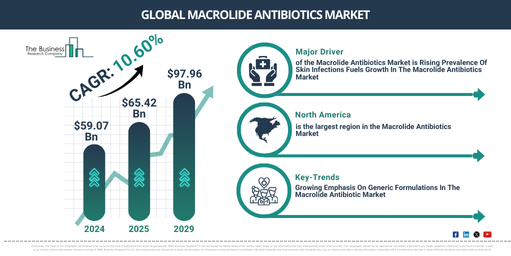
    The market size for macrolide antibiotics has seen quick expansion in the recent past. This sector is projected to escalate from $59.07 billion in 2024 to $65.42 billion in 2025, indicating a compound annual growth rate (CAGR) of 10.8%. The growth noted during the historic period is a result of rising antibiotic resistance, sanctioning of new formulations, increasing incidences of infectious diseases, and initiatives by the government and healthcare sector.

    In the coming years, the macrolide antibiotics market is projected to experience a rapid expansion, reaching a size of$97.96 billion by 2029″ with an annual growth rate (CAGR) of 10.6%. This anticipated growth over the forecast period can be linked to an increase in respiratory infections, a rise in combination therapies, a surge in the ageing population worldwide, heightened awareness and enhanced diagnostics, and the expansion of telemedicine and online pharmacy services. Key trends for the forecast period comprise advances in drug delivery systems and formulations, the creation of new macrolide antibiotics, improvements in telemedicine and remote healthcare services, and the introduction of environmentally friendly production processes for macrolide antibiotics.

    Download a free sample to assess the report’s scope and structure:

    https://www.thebusinessresearchcompany.com/sample.aspx?id=16472&type=smp

    What Are the Core Growth Drivers Propelling the Macrolide Antibiotics Market Forward?

    The macrolide antibiotics market is likely to expand due to the rising incidence of skin infections. Skin infections, characterized by symptoms such as redness, swelling, and pain, result from the entrance of detrimental germs into the skin, causing inflammation. These infections often occur due to improper hygiene, weakened immune systems, exposure to pollutants, resistance to antibiotics, and insufficient wound care. Physicians often prescribe macrolide antibiotics to treat bacterial skin infections, specifically those resulting from Staphylococcus aureus or Streptococcus pyogenes, particularly when there’s an allergy or resistance to penicillin. For instance, per the UK Health Security Agency (UKHSA), in September 2022, there was an increase in Methicillin-resistant Staphylococcus aureus (MRSA) bacteremia cases linked to skin and soft tissue infections, from 25.7% in the fiscal year April 2020-March 2021 to 33.7% in the fiscal year April 2021-March 2022. In addition, for Methicillin-Sensitive Staphylococcus aureus (MSSA) bacteremia cases, the percentage rose from 27.2% to 28.5% over the identical period. Thus, the escalation in skin infections prevalence is fuelling the growth of the macrolide antibiotics market.

    What Segment Types Define the Macrolide Antibiotics Market Structure?

    The macrolide antibioticsmarket covered in this report is segmented –

    1) By Drugs: Azithromycin; Clarithromycin; Erythromycin; Fidaxomicin; Telithromycin

    2) By Indication: Respiratory Tract Infections; Skin Infections; Sexually Transmitted Infections; Gastrointestinal Infections; Other Indications

    3) By Route Of Administration: Oral; Parenteral; Other Route Of Administrations

    4) By Distribution Channel: Hospital Pharmacies; Drug Stores And Retail Pharmacies; Online Providers

    5) By End User: Hospital; Dermatology Clinic; Clinic; Ambulatory Centre; Research Laboratories

    Subsegments:

    1) By Azithromycin: Oral Tablets; Oral Suspension; Injection

    2) By Clarithromycin: Immediate-Release Tablets; Extended-Release Tablets; Oral Suspension

    3) By Erythromycin: Tablets; Capsules; Topical Solution; Injection

    4) By Fidaxomicin: Oral Tablets

    5) By Telithromycin: Oral Tablets

    Request customized data on this market:

    https://www.thebusinessresearchcompany.com/customise?id=16472&type=smp

    Which Geographic Areas Hold the Strongest Growth Potential in the Macrolide Antibiotics Market?

    North America was the largest region in the macrolide antibiotics market in 2024. The regions covered in the macrolide antibiotics market report are Asia-Pacific, Western Europe, Eastern Europe, North America, South America, Middle East, Africa.

    Which Emerging Trends that Are Influencing theMacrolide Antibiotics Industry Evolution?

    Prominent players in the macrolide antibiotic market are channeling their efforts into creating generic formulations to enhance accessibility, lower the cost of treatment and broaden their market presence. Generic versions of macrolide antibiotics are non-branded drugs that maintain the same active components, dosage, and potency as their original branded counterparts. For example, in May 2022, Phantom Pharmaceuticals, a pharmaceutical firm based in the US, introduced VOQUEZNA TRIPLE PAK and VOQUEZNA DUAL PAK, both developed for treating Helicobacter pylori (H. pylori) infection in adults. VOQUEZNA TRIPLE PAK comprises vonoprazan, a potassium-competitive acid blocker (PCAB), paired with amoxicillin and clarithromycin, whereas VOQUEZNA DUAL PAK is a blend of vonoprazan and amoxicillin. These therapies are ground-breaking as vonoprazan signifies the first fresh class of acid suppressants to gain approval in the U.S. in more than 30 years.

    View the full report here:

    https://www.thebusinessresearchcompany.com/report/macrolide-antibiotics-global-market-report

    What Is the Definition of the Macrolide Antibiotics Market?

    Macrolide antibiotics are a class of antibiotics characterized by a macrocyclic lactone ring with one or more sugars attached. They inhibit bacterial protein synthesis by binding to the 50S ribosomal subunit, making them effective against various Gram-positive and some Gram-negative bacteria.

    Purchase the full report and get a swift delivery:

    https://www.thebusinessresearchcompany.com/purchaseoptions.aspx?id=16472

    About The Business Research Company:

    With over 15000+ reports from 27 industries covering 60+ geographies, The Business Research Company has built a reputation for offering comprehensive, data-rich research and insights. Armed with 1,500,000 datasets, the optimistic contribution of in-depth secondary research, and unique insights from industry leaders, you can get the information you need to stay ahead in the game.

    Get in touch with us:

    The Business Research Company: https://www.thebusinessresearchcompany.com/

    Americas +1 310-496-7795

    Europe +44 7882 955267

    Asia & Others +44 7882 955267 & +91 8897263534

    Email us at info@tbrc.info

    Follow us on:

    LinkedIn: https://in.linkedin.com/company/the-business-research-company

    YouTube: https://www.youtube.com/channel/UC24_fI0rV8cR5DxlCpgmyFQ

    Global Market Model: https://www.thebusinessresearchcompany.com/global-market-model

  • From Insight to Impact: Strategic Growth Mapping in the Lupus Therapeutics Market

    From Insight to Impact: Strategic Growth Mapping in the Lupus Therapeutics Market

    Claim your 30% discount on Global Market Reports with code ONLINE30. Limited time only.

    What Are the Key Projections for the CAGR of the Lupus Therapeutics Market Size From 2025 to 2034?

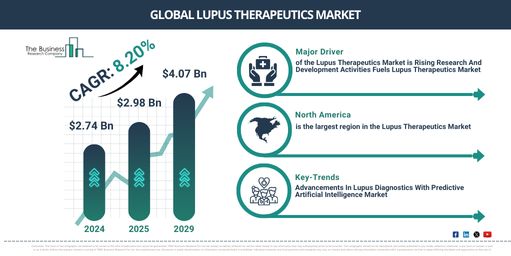
    In recent times, there has been robust growth in the lupus therapeutic market size. It is anticipated to expand from $2.74 billion in 2024 to $2.98 billion in 2025, progressing at a compound annual growth rate (CAGR) of 8.5%. Factors contributing to this growth during the historical period include a rise in the incidence of lupus, heightened investment in healthcare infrastructure, significant disposable incomes, increasing demand for effective treatments, and a growing elderly population.

    In the coming years, the lupus therapeutics market is anticipated to witness robust growth. The market is projected to expand to$4.07 billion by 2029, exhibiting a compound annual growth rate (CAGR) of 8.2%. The progression during the given forecast period can be ascribed to factors such as an increase in drug approvals and launches, emerging markets, enhancements in disease awareness and diagnosis, rising awareness initiatives, and the presence of immunosuppressive products. The forecast period is also expected to see significant trends such as the use of chimeric antigen receptor T-cell (CAR-T) therapy, small molecule therapeutics for lupus, CAR-NK therapy for lupus, combined inhibition of human plasmacytoid dendritic cell activity during systemic lupus, erythematosus (SLE), and urine proteomics.

    Download a free sample to assess the report’s scope and structure:

    https://www.thebusinessresearchcompany.com/sample.aspx?id=16471&type=smp

    What are the Fundamental Drivers and Innovations Shaping the Lupus Therapeutics Market?

    The escalation in research and development endeavors is predicted to stimulate the expansion of the lupus therapeutics market. These activities encompass systematic probes and experimentations aimed at promoting wisdom, technology, or product evolution in various disciplines. The rise in research and development efforts is frequently stimulated by the desire for novelty, technologic progressions, tackling emerging obstacles, ameliorating health outcomes, and galvanizing economic growth via scientific findings and technological innovations. They aid in the advancement of lupus therapeutics by unveiling new treatments, augmenting existing therapies, and comprehending the basic mechanisms of the disease. For example, in March 2023, the Congressional Research Service reported that the national institutes of health, a federal legislative branch agency based in the US, were granted a budget of $49.183 billion for research and development activities, a rise from the $42.941 billion assigned in 2021. Consequently, the growing research and development endeavors are propelling the lupus therapeutics market’s expansion.

    How Is the Lupus Therapeutics Market Segmented?

    The lupus therapeuticsmarket covered in this report is segmented –

    1) By Disease Type: Systemic Lupus Erythematosus (SLE); Cutaneous Lupus Erythematosus; Drug-Induced Lupus Erythematosus; Neonatal Lupus

    2) By Treatment Type: Non-Steroidal Anti-Inflammatory Drugs (NSAIDs); Biologics; Antimalarial Drugs; Corticosteroids; Other Treatment Types

    3) By Route Of Administration: Oral; Subcutaneous; Intravenous; Other Routes Of Administration

    4) By End User: Hospitals And Clinics; Diagnostic Laboratories; Other End Users

    Subsegments:

    1) By Systemic Lupus Erythematosus (SLE): Mild SLE; Moderate SLE; Severe SLE

    2) By Cutaneous Lupus Erythematosus: Acute Cutaneous Lupus; Subacute Cutaneous Lupus; Chronic Cutaneous Lupus (Including Discoid Lupus)

    3) By Drug-Induced Lupus Erythematosus: Medications Known To Cause Drug-Induced Lupus; Hydralazine; Procainamide; Isoniazid

    4) By Neonatal Lupus: Heart-Related Neonatal Lupus; Skin-Related Neonatal Lupus

    Request customized data on this market:

    https://www.thebusinessresearchcompany.com/customise?id=16471&type=smp

    Which Regions Are Driving the Next Phase of the Lupus Therapeutics Market Growth?

    North America was the largest region in the lupus therapeutics market in 2024. Asia-Pacific is expected to be the fastest-growing region in the forecast period. The regions covered in the lupus therapeutics market report are Asia-Pacific, Western Europe, Eastern Europe, North America, South America, Middle East, Africa.

    What Key Trends Are Shaping the Future of the Lupus Therapeutics Market?

    Key players in the lupus therapeutics market are concentrating on the development of sophisticated blood tests using predictive artificial intelligence to improve both diagnostic precision and the effectiveness of treatment. Predictive AI-powered blood tests are diagnostic instruments that use artificial intelligence algorithms to examine biomarkers in blood samples, allowing them to anticipate disease outcomes or response to treatment with higher precision. For example, AMPEL BioSolutions LLC, a US-based precision medicine firm, rolled out the LuGENE blood test in March 2024. This test, which uses predictive AI to forecast lupus flares and drug targets based on gene expression, is set to drastically transform lupus management. The test can detect real-time gene expression irregularities that result in inflammation and immune system malfunctions that can potentially be targeted with medication, offering personalized treatment options for lupus patients.

    View the full report here:

    https://www.thebusinessresearchcompany.com/report/lupus-therapeutics-global-market-report

    How Is the Lupus Therapeutics Market Defined and What Are Its Core Parameters?

    Lupus therapeutics refer to treatments and medications specifically designed to manage and alleviate the symptoms of lupus, an autoimmune disease where the body’s immune system attacks its own tissues, leading to inflammation and damage in various organs. These therapeutics aim to reduce inflammation, suppress the overactive immune response, and improve the quality of life for patients.

    Purchase the full report and get a swift delivery:

    https://www.thebusinessresearchcompany.com/purchaseoptions.aspx?id=16471

    About The Business Research Company:

    With over 15000+ reports from 27 industries covering 60+ geographies, The Business Research Company has built a reputation for offering comprehensive, data-rich research and insights. Armed with 1,500,000 datasets, the optimistic contribution of in-depth secondary research, and unique insights from industry leaders, you can get the information you need to stay ahead in the game.

    Get in touch with us:

    The Business Research Company: https://www.thebusinessresearchcompany.com/

    Americas +1 310-496-7795

    Europe +44 7882 955267

    Asia & Others +44 7882 955267 & +91 8897263534

    Email us at info@tbrc.info

    Follow us on:

    LinkedIn: https://in.linkedin.com/company/the-business-research-company

    YouTube: https://www.youtube.com/channel/UC24_fI0rV8cR5DxlCpgmyFQ

    Global Market Model: https://www.thebusinessresearchcompany.com/global-market-model

  • Liver Metastases Treatment Outlook 2034: Key Drivers, Trends, and Market Frontiers

    Claim your 30% discount on Global Market Reports with code ONLINE30. Limited time only.

    What is the Projected CAGR for the Liver Metastases Treatment Market Size from 2025 to 2034?

    The market size for liver metastases treatment has seen considerable growth in the past years. The market, which is projected to escalate from $1.57 billion in 2024 to $1.69 billion in 2025, is predicted to have a compound annual growth rate (CAGR) of 7.4%. Factors such as the broadening of personalized medicine, improved accessibility to healthcare services, better multidisciplinary care, along with clinical trials and research initiatives have largely contributed to this historic growth.

    The market size for treatment of liver metastases is anticipated to experience robust expansion in the following years. It is predicted to reach$2.26 billion by 2029 with a compound annual growth rate (CAGR) of 7.6%. The projected growth in the upcoming years can be credited to factors such as the adoption of patient-centric care models, developments in precision medicine, a shift towards outpatient and ambulatory care, and regulatory actions. Key trends expected during the forecast period involve next-generation sequencing technologies, progress in immuno-oncology, the rise of liquid biopsy technologies and the use of adjuvant therapies.

    Download a free sample to assess the report’s scope and structure:

    https://www.thebusinessresearchcompany.com/sample.aspx?id=15849&type=smp

    How Are Key Drivers in the Industry Acting as Catalysts for the Growth of theLiver Metastases Treatment Market?

    The escalation in liver disease incidents is projected to stimulate the expansion of the liver metastases treatment market in the future. Liver disease encompasses any ailments that disrupt or impair the overall functioning of the liver. Treatments for metastases contribute to general well-being by safeguarding liver activity, necessary for metabolism, detoxification, and other vital bodily functions. Furthermore, in particular cases, comprehensive treatments such as surgical resection, ablation, or targeted therapies, coupled with systemic drugs like chemotherapy or immunotherapy, are essential for prolonged remission. For example, in September 2022, Cancer Australia, a government cancer agency based in Australia, reported about 2,905 new instances of liver cancer (2,113 males and 792 females) diagnosed in 2022 in Australia. Additionally, the probability of contracting liver cancer by 85 is forecasted to be 1 in 103 (or 0.97%) in 2022, 1 in 70, or 1.4%, for males, and 1 in 195, or 0.51%, for females. Consequently, the mounting instances of liver diseases are fuelling the growth of the liver metastases treatment market.

    Which Segments in the Liver Metastases Treatment Offer the Most Growth?

    The liver metastases treatmentmarket covered in this report is segmented –

    1) By Treatment Type: Chemotherapy; Targeted Therapy; Immunotherapy

    2) By Primary Cancer: Colorectal Cancer; Breast Cancer

    3) By Distribution Channel: Hospital Pharmacies; Specialty Pharmacies

    Subsegments:

    1) By Chemotherapy: Cytotoxic Chemotherapy; Neoadjuvant Chemotherapy; Adjuvant Chemotherapy

    2) By Targeted Therapy: Tyrosine Kinase Inhibitors (TKIs); Monoclonal Antibodies; MTOR Inhibitors

    3) By Immunotherapy: Immune Checkpoint Inhibitors; Cancer Vaccines; Adoptive Cell Transfer Therapy

    Request customized data on this market:

    https://www.thebusinessresearchcompany.com/customise?id=15849&type=smp

    What Are the Fastest-Growing Geographies in the #How Are Key Drivers in the Industry Acting as Catalysts for the Growth of theLiver Metastases Treatment Market?# Market?

    North America was the largest region in the liver metastases treatment market in 2024. Asia-Pacific is expected to be the fastest-growing region in the forecast period. The regions covered in the liver metastases treatment market report are Asia-Pacific, Western Europe, Eastern Europe, North America, South America, Middle East and Africa.

    What Are the Current Market Growth and Trends in the Liver Metastases Treatment Industry?

    Leading players in the liver metastases therapy market are concentrating on developing and implementing liver-directed treatments for more efficient and accessible remedies. These therapies are particular medical interventions or drugs that are specifically designed towards the illness or affliction of the liver. Liver-directed therapies aim to tackle liver metastases by precisely attacking the cancer cells within the liver. This is achieved either by directly eradicating them or by inhibiting their blood supply using techniques such as surgical resection, radiofrequency ablation, transarterial chemoembolization, radioembolization, and stereotactic body radiation therapy. For example, in August 2023, Delcath Systems Incorporated, an interventional oncology firm based in the US, initiated the Hepzato kit, which functions as a liver-directed treatment for adults suffering from metastatic uveal melanoma (mUM) with inoperable hepatic metastases that affect less than 50% of the liver. This is applicable in cases where there is no extrahepatic disease or a minor extrahepatic disease that can be excised or exposed to radiation. The Hepzato kit is a composite product that delivers melphalan, an anti-cancer agent, directly to the liver via Delcath’s Hepatic Delivery System (HDS). This allows for an increased drug concentration in targeted tissues while minimizing toxicity throughout the system.

    View the full report here:

    https://www.thebusinessresearchcompany.com/report/liver-metastases-treatment-global-market-report

    What Are the Key Elements That Define the Liver Metastases Treatment Market?

    Liver metastases treatment refers to therapeutic interventions aimed at managing cancerous growths that have spread to the liver from primary tumors elsewhere in the body. This comprehensive treatment strategy aims to improve patient outcomes by shrinking or eliminating metastatic lesions, alleviating symptoms, and enhancing overall quality of life.

    Purchase the full report and get a swift delivery:

    https://www.thebusinessresearchcompany.com/purchaseoptions.aspx?id=15849

    About The Business Research Company:

    With over 15000+ reports from 27 industries covering 60+ geographies, The Business Research Company has built a reputation for offering comprehensive, data-rich research and insights. Armed with 1,500,000 datasets, the optimistic contribution of in-depth secondary research, and unique insights from industry leaders, you can get the information you need to stay ahead in the game.

    Get in touch with us:

    The Business Research Company: https://www.thebusinessresearchcompany.com/

    Americas +1 310-496-7795

    Europe +44 7882 955267

    Asia & Others +44 7882 955267 & +91 8897263534

    Email us at info@tbrc.info

    Follow us on:

    LinkedIn: https://in.linkedin.com/company/the-business-research-company

    YouTube: https://www.youtube.com/channel/UC24_fI0rV8cR5DxlCpgmyFQ

    Global Market Model: https://www.thebusinessresearchcompany.com/global-market-model