Month: August 2025

  • Gastroretentive Drug Delivery Systems Outsourcing Market Trends 2025-2034: Growth, Strategic Insights, and Opportunities Ahead

    Gastroretentive Drug Delivery Systems Outsourcing Market Trends 2025-2034: Growth, Strategic Insights, and Opportunities Ahead

    Claim your 30% discount on Global Market Reports with code ONLINE30. Limited time only.

    How Has The Gastroretentive Drug Delivery Systems Outsourcing Market Growth Evolved From 2024 To 2025, And What’s Ahead?

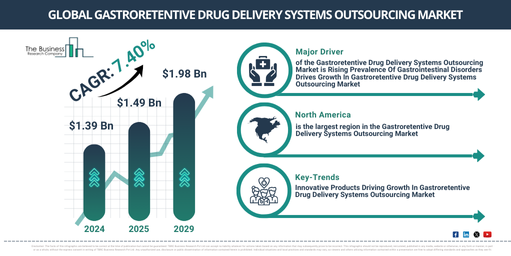
    In recent years, the market size for outsourced gastroretentive drug delivery systems has seen substantial growth. The market is predicted to increase from $1.39 billion in 2024 to $1.49 billion in 2025, with a compound annual growth rate (CAGR) of 7.5%. The growth during the historic period is due to several factors including an increase in stomach and small intestine disorders, an upturn in drug delivery systems, a surge in gastric cancer cases, increased government initiatives, and a rise in the number of hospitals.

    In the coming years, the outsourcing market for gastroretentive drug delivery systems is projected to experience robust growth. The market is anticipated to reach $1.98 billion by 2029, progressing at a Compound Annual Growth Rate (CAGR) of 7.4%. Factors driving this growth during the prediction period include an upsurge in ambulatory centers, prioritization of patient compliance and convenience, the escalating occurrence of chronic diseases, the surge in personalized medication, and expanding elderly population. Key trends for the forecast period encompass advancements in polymer science, evolutions in formulation technologies and bioadhesive systems, the introduction of novel polymers and drug release modifiers, the creation of gastroretentive dosage forms, the incorporation of digital health technologies, intelligent gastroretentive systems, and targeted drug delivery.

    Download a free sample to assess the report’s scope and structure:

    https://www.thebusinessresearchcompany.com/sample.aspx?id=15813&type=smp

    What Are the Major Market Drivers Behind the Rising Adoption of Gastroretentive Drug Delivery Systems Outsourcing Market?

    Increasing incidences of gastrointestinal diseases are projected to boost the expansion of the gastroretentive drug delivery systems outsourcing market in the future. Gastrointestinal disorders encompass various ailments that affect the digestive system, including the stomach, liver, gallbladder, intestines, and pancreas. The upsurge in these disorders can be attributed to an aging population, the use of antibiotics, infectious diseases, alterations in diet, stress and lifestyle changes, and obesity. By outsourcing gastroretentive drug delivery systems, pharmaceutical firms are able to harness the necessary expertise and resources to combat the rising threat of gastrointestinal disorders, thereby enhancing patient outcomes and their quality of life. For example, in January 2023, the American Cancer Society (ACS), a health organization based in the US and committed to eradicating cancer, reported an increase of 3.18% in gastrointestinal cancers, with the number rising to 348,840 from 338,090 in 2021 within the United States. Consequently, the escalating occurrence of gastrointestinal disorders is fueling the growth of the gastroretentive drug delivery systems outsourcing market.

    Which Key Market Segments Comprise the Gastroretentive Drug Delivery Systems Outsourcing Market and Drive Its Revenue Growth?

    The gastroretentive drug delivery systems outsourcingmarket covered in this report is segmented –

    1) By Type: Floating Systems; Bioadhesive Systems; Other Types

    2) By Dosage Form: Tablets; Liquid; Microspheres; Capsule; Other Dosage Forms

    3) By Application: Gastroesophageal Reflux Disease (GERD); Neurological Disorders; Other Applications

    4) By End User: Pharmaceutical Companies; Contract Research Organizations (CROs); Other End Users

    Subsegments:

    1) Floating Systems: Single Unit Systems; Multiple Unit Systems

    2) Bioadhesive Systems: Hydrogels; Mucoadhesive Polymers

    3) Other Types: Magnetically Assisted Systems; High-Density Systems; Osmotic Systems

    Request customized data on this market:

    https://www.thebusinessresearchcompany.com/customise?id=15813&type=smp

    Which Areas Are Leading Regions in the Gastroretentive Drug Delivery Systems Outsourcing Market Expansion Across the Globe?

    North America was the largest region in the gastroretentive drug delivery systems outsourcing market in 2024. Asia-Pacific is expected to be the fastest-growing region in the forecast period. The regions covered in the gastroretentive drug delivery systems outsourcing market report are Asia-Pacific, Western Europe, Eastern Europe, North America, South America, Middle East and Africa.

    What Are the Strategic Trends Steering theGastroretentive Drug Delivery Systems Outsourcing Market Direction?

    Leading businesses in the gastroretentive drug delivery systems outsourcing market are concentrating on creating pioneering products such as ready-to-fill (RTF) colon functional capsules. These aim to increase the effectiveness of drug delivery and improve the convenience of patients. RTF colon functional capsules are pre-fabricated, empty capsules ready to be filled with specific formulations or active ingredients for the colon. For instance, in Germany, Evonik, a frontrunner in advanced drug delivery, rolled out their EUDRACAP colon functional capsules in September 2024. These capsules are crafted for the targeted delivery of oral medications to the ileo-colonic region and are the first RTF option on the market intended for delivering sensitive active ingredients like live biotherapeutic products (LBPs). They are currently available in technical grade, with a GMP-grade product in the pipeline. The development of EUDRACAP colon simplifies the formulation and speeds up time to market in the oral drug development process, marking a significant breakthrough in gastroretentive drug delivery systems.

    View the full report here:

    https://www.thebusinessresearchcompany.com/report/gastroretentive-drug-delivery-systems-outsourcing-global-market-report

    How Is the Gastroretentive Drug Delivery Systems Outsourcing Market Conceptually Defined?

    Gastroretentive drug delivery systems outsourcing refers to the practice of pharmaceutical companies contracting with external service providers or contract research organizations (CROs) to develop and manufacture drug delivery systems designed to prolong the residence time of medications within the gastrointestinal (GI) tract. These systems are engineered to enhance drug absorption, improve therapeutic efficacy, and optimize patient outcomes.

    Purchase the full report and get a swift delivery:

    https://www.thebusinessresearchcompany.com/purchaseoptions.aspx?id=15813

    About The Business Research Company:

    With over 15000+ reports from 27 industries covering 60+ geographies, The Business Research Company has built a reputation for offering comprehensive, data-rich research and insights. Armed with 1,500,000 datasets, the optimistic contribution of in-depth secondary research, and unique insights from industry leaders, you can get the information you need to stay ahead in the game.

    Get in touch with us:

    The Business Research Company: https://www.thebusinessresearchcompany.com/

    Americas +1 310-496-7795

    Europe +44 7882 955267

    Asia & Others +44 7882 955267 & +91 8897263534

    Email us at info@tbrc.info

    Follow us on:

    LinkedIn: https://in.linkedin.com/company/the-business-research-company

    YouTube: https://www.youtube.com/channel/UC24_fI0rV8cR5DxlCpgmyFQ

    Global Market Model: https://www.thebusinessresearchcompany.com/global-market-model

  • Gastrointestinal Pathogen Testing Market Insights: In-Depth Look at Growth Trends, Market Size, and Opportunities for 2025-2034

    Gastrointestinal Pathogen Testing Market Insights: In-Depth Look at Growth Trends, Market Size, and Opportunities for 2025-2034

    Claim your 30% discount on Global Market Reports with code ONLINE30. Limited time only.

    What is the Projected CAGR for the Gastrointestinal Pathogen Testing Market Size from 2025 to 2034?

    The market size for gastrointestinal pathogen testing has experienced a consistent upsurge in the last few years. It was valued at $4.05 billion in 2024 and is forecasted to escalate to $4.23 billion in 2025, experiencing a compound annual growth rate (CAGR) of 4.4%. The historical growth trend was fueled by factors like the rising occurrences of gastrointestinal infections, increased awareness about foodborne diseases, an uptick in travel-related infections due to globalization, the implementation of regulatory policies concerning food safety, an increase in healthcare expenditure, and an escalating demand for rapid and precise diagnostic procedures.

    In the forthcoming years, the gastrointestinal pathogen testing market is predicted to witness consistent expansion, reaching an anticipated market size of $4.92 billion in 2029, at a Compound Annual Growth Rate (CAGR) of 3.9%. This anticipated growth over the forecast period is largely due to the increasing incidence of gastrointestinal infections worldwide, heightened awareness about the benefits of early diagnosis and treatment, the growth of healthcare facilities in developing economies, the surging need for point-of-care testing solutions, increased emphasis on food safety regulations, and sustained R&D endeavors. The upcoming trends for the forecast period comprise swifter testing techniques, rising utilization of molecular diagnostic methods, growth of point-of-care testing in unconventional healthcare environments, advancements in automation and robotics for simplified testing procedures, the development of innovative biomarkers for improved pathogen identification, and incorporation of artificial intelligence and machine learning techniques.

    Download a free sample to assess the report’s scope and structure:

    https://www.thebusinessresearchcompany.com/sample.aspx?id=15571&type=smp

    What External and Internal Drivers Are Contributing to the Growth of theGastrointestinal Pathogen Testing Market?

    An increase in foodborne disease incidents is anticipated to spur the expansion of the gastrointestinal pathogen testing market. These are illnesses that occur from ingesting food or drinks that have been contaminated with pathogenic microbes, toxins, or chemical compounds. Listeriosis, viral gastroenteritis, taeniasis, and trichinosis are included in the list of foodborne diseases. The swelling number of foodborne cases can be traced back to several factors, such as shifts in food production, distribution and consumption methods, insufficient food safety precautions, and the effect of climate change on food production. Gastrointestinal testing is crucial in pinpointing the particular pathogens that cause foodborne illnesses, enabling healthcare practitioners to identify the source of gastrointestinal symptoms, decide on suitable treatment, monitor outbreaks, and undertake preventive actions to curb the spreading of foodborne diseases. As an illustration, the UK Health Security Agency, a government agency in the UK, stated in February 2024 that there were 167 listeriosis cases in England and Wales in 2022, up from 160 cases the previous year. Therefore, the escalating frequency of foodborne diseases is fuelling the growth of the gastrointestinal pathogen testing market.

    What Segment Types Define the Gastrointestinal Pathogen Testing Market Structure?

    The gastrointestinal pathogen testingmarket covered in this report is segmented –

    1) By Pathogen Type: Bacteria; Viruses; Parasites

    2) By Test Type: Molecular Tests; Culture; Biochemical Tests; Other Test Types

    3) By Panel Type: Syndromic Full Multiplex Panels; Other Panel Types

    4) By End-User: Hospitals; Diagnostic Laboratories; Point-Of-Care; Other End Users

    Subsegments:

    1) By Bacteria: Salmonella spp.; Escherichia coli; Campylobacter spp.; Shigella spp.; Clostridium difficile; Vibrio spp.; Listeria monocytogenes; Helicobacter pylori; Other Bacterial Pathogens

    2) By Viruses: Norovirus; Rotavirus; Enteric Adenovirus; Hepatitis A Virus (HAV); Astrovirus; Other Viral Pathogens

    3) By Parasites: Giardia lamblia; Entamoeba histolytica; Cryptosporidium spp.; Trichinella spp.; Toxoplasma gondii; Other Parasitic Pathogens

    Request customized data on this market:

    https://www.thebusinessresearchcompany.com/customise?id=15571&type=smp

    Which Geographic Areas Hold the Strongest Growth Potential in the Gastrointestinal Pathogen Testing Market?

    North America was the largest region in the gastrointestinal pathogen testing market in 2024. Asia-Pacific is expected to be the fastest-growing region in the forecast period. The regions covered in the gastrointestinal pathogen testing market report are Asia-Pacific, Western Europe, Eastern Europe, North America, South America, Middle East, Africa.

    What Long-Term Trends Are Transforming the Competitive Landscape of the Gastrointestinal Pathogen Testing Market?

    Key industry players in the gastrointestinal pathogen testing market are aiming to develop innovative solutions, such as metagenomic diagnostic tests, to improve the precision, speed, and thoroughness of gastrointestinal pathogen detection. This next-generation technology is used to examine the genetic material of microbes in a given sample, like blood or stool. For example, Microba Life Sciences, a biotech company from Australia, launched MetaPanel in April 2024. This metagenomic diagnostic test was created to detect an extensive range of gastrointestinal pathogens with high precision. With the capability to cover 175 pathogen targets in a single test, MetaPanel provides a comprehensive solution for healthcare professionals, helping them diagnose both standard and challenging-to-detect infections. It employs next-generation sequencing (NGS) technology to scrutinize a wide range of genetic material in a stool sample, allowing it to spot several potential pathogens, some of which are not usually tested for in standard GI (gastrointestinal) panels.

    View the full report here:

    https://www.thebusinessresearchcompany.com/report/gastrointestinal-pathogen-testing-global-market-report

    What Is the Definition of the Gastrointestinal Pathogen Testing Market?

    Gastrointestinal pathogen testing refers to the process of diagnosing infections and diseases resulting from different pathogens impacting the digestive tract, comprising the stomach and intestines. It encompasses examining specimens, such as stool or blood, to pinpoint the particular pathogens causing gastrointestinal symptoms, facilitating the precise diagnosis and treatment of gastrointestinal disorders.

    Purchase the full report and get a swift delivery:

    https://www.thebusinessresearchcompany.com/purchaseoptions.aspx?id=15571

    About The Business Research Company:

    With over 15000+ reports from 27 industries covering 60+ geographies, The Business Research Company has built a reputation for offering comprehensive, data-rich research and insights. Armed with 1,500,000 datasets, the optimistic contribution of in-depth secondary research, and unique insights from industry leaders, you can get the information you need to stay ahead in the game.

    Get in touch with us:

    The Business Research Company: https://www.thebusinessresearchcompany.com/

    Americas +1 310-496-7795

    Europe +44 7882 955267

    Asia & Others +44 7882 955267 & +91 8897263534

    Email us at info@tbrc.info

    Follow us on:

    LinkedIn: https://in.linkedin.com/company/the-business-research-company

    YouTube: https://www.youtube.com/channel/UC24_fI0rV8cR5DxlCpgmyFQ

    Global Market Model: https://www.thebusinessresearchcompany.com/global-market-model
  • Gastric Ulcers Market Outlook 2025–2034: Identifying Growth Drivers, Technology Trends, and Policy Impact

    Gastric Ulcers Market Outlook 2025–2034: Identifying Growth Drivers, Technology Trends, and Policy Impact

    Claim your 30% discount on Global Market Reports with code ONLINE30. Limited time only.

    What Is the Current and Projected Market Size of the Gastric Ulcers Market Through 2034?

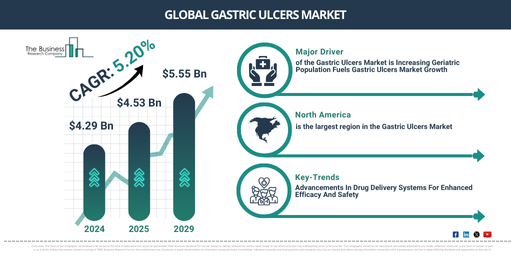
    In recent times, the market size of gastric ulcers has expanded significantly. The market is expected to escalate from $4.29 billion in 2024 to $4.53 billion in 2025, with a compound annual growth rate (CAGR) of 5.6%. Factors contributing to the growth during the historic period include the increasing incidence of helicobacter pylori infections, the heightened usage of nonsteroidal anti-inflammatory drugs (NSAIDs), the global rise in the aging population, the proliferation of awareness programs to prevent gastric ulcers, and the growing prevalence of stress-related disorders.

    Significant expansion is anticipated in the gastric ulcers market in the coming years, with an expected surge to$5.55 billion by 2029, growing at a compound annual growth rate (CAGR) of 5.2%. This expansion during the predicted period can be credited to advancements in diagnostic techniques, the prevalence of unhealthy dietary patterns, progression in treatment methods like proton pump inhibitors (PPIs), an increase in the aging population leading to a higher disease load, and the growth of healthcare infrastructure in upcoming markets. Foreseen trends for the forecasted period incorporate a shift towards combined therapies for improved effectiveness, a growing favor for minimally invasive treatment procedures, the function of digital health remedies in disease control, an increased need for over-the-counter (OTC) ulcer medications, and the broadening of individualized medicine strategies in ulcer treatment.

    Download a free sample to assess the report’s scope and structure:

    https://www.thebusinessresearchcompany.com/sample.aspx?id=17160&type=smp

    What Are the Core Market Drivers Propelling Growth in the Gastric Ulcers Industry?

    The growth of the gastric ulcers market is set to be bolstered by a rising elderly population. This group, typically those aged 65 and over, encounter unique health challenges associated with the aging process. Improvements in healthcare, coupled with dropping birth rates globally, have contributed to an added number of individuals within this demographic. Gastric ulcers are widespread among this group due to increased NSAIDs usage and reduced mucosal protection, subsequently leading to a heightened risk of complications. As an example, projections from the Population Reference Bureau (PRB), a non-profit organization based in the U.S., suggest that by January 2024, the number of Americans enjoying their golden years is set to surge from 58 million in 2022 to an impressive 82 million by 2050, marking an increase of 47%. Furthermore, the ratio of this age group to the total population is projected to climb from 17% to 23%. This shift underscores a marked aging trend among the American populace, thereby emphasizing the growing need to cater to senior citizens across varying sectors. Consequently, the upward trend in the elderly population is fuelling the expansion of the gastric ulcers market.

    How Is the Gastric Ulcers Market Segmented?

    The gastric ulcersmarket covered in this report is segmented –

    1) By Drug Class: Proton Pump Inhibitors (PPI); H2 Antagonists; Antacids; Antibiotics; Cytoprotective Agents; Other Drug Classes

    2) By Diagnosis: Stool Test; Endoscopy; Imaging Tests; Computed Tomography (CT) Scan; X-ray; Blood Tests; Other Diagnosis

    3) By Route Of Administration: Oral; Parenteral; Other Route Of Administrations

    4) By Distribution Channel: Hospital Pharmacy; Retail Pharmacy; Online Pharmacy; Other Distribution Channels

    5) By End-Users: Hospitals; Specialty Clinics; Homecare; Other End Users

    Subsegments:

    1) By Proton Pump Inhibitors (PPI): Omeprazole; Lansoprazole; Pantoprazole; Esomeprazole; Rabeprazole

    2) By H2 Antagonists: Ranitidine; Famotidine; Cimetidine; Nizatidine

    3) By Antacids: Calcium Carbonate; Magnesium Hydroxide; Aluminum Hydroxide; Sodium Bicarbonate

    4) By Antibiotics: Amoxicillin; Clarithromycin; Metronidazole; Tetracycline

    5) By Cytoprotective Agents: Sucralfate; Misoprostol; Bismuth Subsalicylate

    6) By Other Drug Classes: Prostaglandin Analogues; Prokinetic Agents; Herbal And Alternative Medications; Combination Therapies

    Request customized data on this market:

    https://www.thebusinessresearchcompany.com/customise?id=17160&type=smp

    Which Regions Are Driving the Next Phase of the Gastric Ulcers Market Growth?

    North America was the largest region in the gastric ulcers market in 2024. Asia-Pacific is expected to be the fastest-growing region in the forecast period. The regions covered in the gastric ulcers market report are Asia-Pacific, Western Europe, Eastern Europe, North America, South America, Middle East, Africa.

    What Key Market Trends and Innovations Are Shaping the Future of the Gastric Ulcers Industry?

    Key players in the gastric ulcer market are concentrating on the creation of innovative offerings, like fresh drug formulations, in order to improve treatment effectiveness and mitigate side effects. Novel formulation drugs encompass medicines that feature pioneering blends of active components, conveyance mechanisms, or dosage forms to augment efficacy, safety and patient adherence. For example, Akums Drugs and Pharmaceuticals Ltd., a pharmaceutical preparation enterprise based in India, rolled out Rabeprazole + Levosulpiride SR Capsules in June 2024. This product is intended to offer superior relief for ailments like gastro-oesophageal reflux disease (GERD) and other disorders of the gastrointestinal tract (GIT). These products mix a proton pump inhibitor and a prokinetic agent, efficiently handling gastrointestinal ailments such as GERD and gastric ulcers. This concoction not only decreases gastric acid secretion, but also promotes gastric mobility, offering thorough relief from symptoms like heartburn and indigestion.

    View the full report here:

    https://www.thebusinessresearchcompany.com/report/gastric-ulcers-global-market-report

    How Is the Gastric Ulcers Market Defined and What Are Its Core Parameters?

    Gastric ulcers, also known as peptic ulcers, are open sores on the stomach’s inner lining due to the corrosive action of stomach acid. They often cause burning stomach pain, indigestion, and discomfort. Gastric ulcers are usually caused by an imbalance between stomach acid, an enzyme called pepsin, and the protective mucosal barrier lining the stomach and duodenum.

    Purchase the full report and get a swift delivery:

    https://www.thebusinessresearchcompany.com/purchaseoptions.aspx?id=17160

    About The Business Research Company:

    With over 15000+ reports from 27 industries covering 60+ geographies, The Business Research Company has built a reputation for offering comprehensive, data-rich research and insights. Armed with 1,500,000 datasets, the optimistic contribution of in-depth secondary research, and unique insights from industry leaders, you can get the information you need to stay ahead in the game.

    Get in touch with us:

    The Business Research Company: https://www.thebusinessresearchcompany.com/

    Americas +1 310-496-7795

    Europe +44 7882 955267

    Asia & Others +44 7882 955267 & +91 8897263534

    Email us at info@tbrc.info

    Follow us on:

    LinkedIn: https://in.linkedin.com/company/the-business-research-company

    YouTube: https://www.youtube.com/channel/UC24_fI0rV8cR5DxlCpgmyFQ

    Global Market Model: https://www.thebusinessresearchcompany.com/global-market-model

  • Emerging Growth Drivers in the Food Allergy Treatment Market Landscape: Impact Of Food Adulteration On The Food Allergy Treatment Market

    Emerging Growth Drivers in the Food Allergy Treatment Market Landscape: Impact Of Food Adulteration On The Food Allergy Treatment Market

    Claim your 30% discount on Global Market Reports with code ONLINE30. Limited time only.

    What is the Anticipated CAGR of the Food Allergy Treatment Market, and What Factors Will Drive It?

    In recent times, the market size for food allergy treatment has seen remarkable growth. The market is forecasted to increase from $6.82 billion in 2024 to $7.6 billion in 2025, reflecting a compound annual growth rate (CAGR) of 11.5%. This expansion during the historical period can be linked to the escalating occurrence of food allergies, an increase in regulatory permissions, the development of emergency treatment options, and substantial investment in cutting-edge technologies.

    In the coming years, the market for food allergy treatments is projected to witness substantial growth, potentially expanding to a valuation of $11.64 billion in 2029, with a compound annual growth rate (CAGR) of 11.2%. This forecasted growth can be credited to various factors such as a rising geriatric population, enhanced detection of food allergies, elevated healthcare expenditure, an upsurge in asthma incidences, and a growing number of food allergy cases. Key trends anticipated during this forecast period involve significant innovation and technological progress, advancements in medical technology and diagnostic methods, increased use of mobile applications and telemedicine services, a growth in research and development initiatives, and a surge in approvals and releases of new drugs.

    Download a free sample to assess the report’s scope and structure:

    https://www.thebusinessresearchcompany.com/sample.aspx?id=16684&type=smp

    Which Primay Drivers Are Accelerating Growth in the Food Allergy Treatment Market?

    The rise in food tampering is anticipated to drive the expansion of the food allergy treatment market. Food adulteration, which is the deliberate modification of foodstuffs by introducing inferior, hazardous, or unauthorized chemicals or by stripping away beneficial components, is meant to increase volume or improve visual appeal – typically at the cost of both quality and safety. The growth in food adulteration is attributed to several factors including economical advantage, complex supply chains, insufficient regulation, technological innovation, a demand for easy-to-use products, global reach, environmental aspects, consumer understanding, profit goals, and the weak execution of rules. The increased desire for low-cost goods is the primary factor spurring the growth of food adulteration, as it encourages manufacturers to lower costs and increase profits unethically. Food tampering can elevate the likelihood of allergic responses by leading allergens into food items or undermining the safety and dependability of the food supply chain. For example, in November 2022, Europol, a Dutch government organization, announced that as part of Operation OPSON XI coordinated by Europol, 26 countries’ authorities seized nearly 27,000 tons of fake food and 15 million liters of alcoholic drinks between December 2021 and May 2022. Hence, the rise in food adulteration is fueling the expansion of the food allergy treatment market.

    Which Primary Segments of the Food Allergy Treatment Market Are Driving Growth and Industry Transformations?

    The food allergy treatmentmarket covered in this report is segmented –

    1) By Drug Type: Antihistamines; Decongestants; Corticosteroids; Mast Cell Stabilizers; Leukotriene Inhibitors; Nasal Anti-Cholinergic; Immuno-Modulators; Epinephrine; Immunotherapy

    2) By Route Of Administration: Parenteral; Oral

    3) By Allergen Type: Dairy Products; Poultry Product; Tree Nuts; Peanuts; Shellfish; Wheat; Soys; Other Allergens

    4) By End-Use: Hospital Pharmacies; Retail Pharmacies; Other End-Uses

    Subsegments:

    1) By Antihistamines: Oral Antihistamines; Topical Antihistamines; Intranasal Antihistamines

    2) By Decongestants: Oral Decongestants; Nasal Decongestants

    3) By Corticosteroids: Oral Corticosteroids; Topical Corticosteroids; Intranasal Corticosteroids

    4) By Mast Cell Stabilizers: Cromolyn Sodium; Nedocromil

    5) By Leukotriene Inhibitors: Montelukast; Zafirlukast

    6) By Nasal Anti-Cholinergic: Ipratropium Bromide

    7) By Immuno-Modulators: Omalizumab; Dupilumab

    8) By Epinephrine: Injectable Epinephrine; Auto-Injectors

    9) By Immunotherapy: Oral Immunotherapy (OIT); Sublingual Immunotherapy (SLIT); Epicutaneous Immunotherapy (EPIT)

    Request customized data on this market:

    https://www.thebusinessresearchcompany.com/customise?id=16684&type=smp

    Which Regions Are Key Players in the Growth of the #Which Primay Drivers Are Accelerating Growth in the Food Allergy Treatment Market?# Market?

    North America was the largest region in the food allergy treatment market in 2024. Asia-Pacific is expected to be the fastest-growing region in the forecast period. The regions covered in the food allergy treatment market report are Asia-Pacific, Western Europe, Eastern Europe, North America, South America, Middle East, Africa.

    Which Technological Trends Are Reshaping the Food Allergy Treatment Industry Dynamics?

    Significant firms in the food allergy remedy market are exploring new therapies, like monoclonal antibodies, which delve into the core determinants of food allergies to offer patients effective solutions. Monoclonal antibodies, targeting particular elements of the immune system responsible for allergies, demonstrate potential for food allergy treatment. For example, in February 2024, Novartis AG, a pharmaceutical establishment based in Switzerland, received FDA’s approval for Xolair (omalizumab), a drug to lower IgE-mediated food allergies. This humanized monoclonal antibody, which is administered subcutaneously, operates by blocking the binding of IgE antibodies, reducing the release of chemicals responsible for allergy symptoms. The FDA approval relies on positive results from the Phase III OUtMATCH research, which indicated that a noticeably larger percentage of food allergy patients starting from 1 year old, could endure small quantities of peanut, milk, egg, and cashews intake without experiencing an allergic reaction, in comparison with those on placebo.

    View the full report here:

    https://www.thebusinessresearchcompany.com/report/food-allergy-treatment-global-market-report

    What Parameters Are Used to Define the Food Allergy Treatment Market?

    Food allergy treatment refers to the medical interventions and strategies employed to prevent, manage, and treat allergic reactions triggered by specific foods. The goal of food allergy treatment is to reduce the frequency and severity of allergic reactions, improve the quality of life for affected individuals, and enhance overall patient safety.

    Purchase the full report and get a swift delivery:

    https://www.thebusinessresearchcompany.com/purchaseoptions.aspx?id=16684

    About The Business Research Company:

    With over 15000+ reports from 27 industries covering 60+ geographies, The Business Research Company has built a reputation for offering comprehensive, data-rich research and insights. Armed with 1,500,000 datasets, the optimistic contribution of in-depth secondary research, and unique insights from industry leaders, you can get the information you need to stay ahead in the game.

    Get in touch with us:

    The Business Research Company: https://www.thebusinessresearchcompany.com/

    Americas +1 310-496-7795

    Europe +44 7882 955267

    Asia & Others +44 7882 955267 & +91 8897263534

    Email us at info@tbrc.info

    Follow us on:

    LinkedIn: https://in.linkedin.com/company/the-business-research-company

    YouTube: https://www.youtube.com/channel/UC24_fI0rV8cR5DxlCpgmyFQ

    Global Market Model: https://www.thebusinessresearchcompany.com/global-market-model

  • Strategic Growth Drivers Shaping the Food Allergen Testing Market Outlook 2025- 2034:Rising Food Allergies Fuel Growth In Food Allergen Testing Market

    Strategic Growth Drivers Shaping the Food Allergen Testing Market Outlook 2025- 2034:Rising Food Allergies Fuel Growth In Food Allergen Testing Market

    Claim your 30% discount on Global Market Reports with code ONLINE30. Limited time only.

    What Are the Key Milestones in the Food Allergen Testing Market’s Growth Trajectory From 2025 To 2034?

    Recently, we’ve seen vigorous expansion in the food allergen testing market. The market, valued at $1.01 billion in 2024, is projected to reach the $1.11 billion mark by 2025, manifesting a compound annual growth rate (CAGR) of 9.9%. The historic period’s growth factors include the surge in food allergy cases, strict regulatory mandates, escalating consumer cognizance, the worldwide expansion of food supply chains, and the progression in testing methodologies.

    In the coming years, the food allergen testing market is predicted to experience robust growth, potentially reaching a size of $1.59 billion by 2029, reflecting a compound annual growth rate (CAGR) of 9.5%. Factors contributing to this anticipated growth period include the enhancement of regulations within the food industry, an increasing consumer demand for allergen-free products, advancements in testing techniques, a surge in food allergy incidents on a global scale, and an escalated concern for food quality and safety. Looking ahead, key trends expected to shape the forecast period include the embracing of fast and mobile testing solutions, the incorporation of blockchain technology for improved traceability, the broadening of point-of-care testing choices, the progression of multiplex testing assays, and the rising use of Artificial Intelligence and machine learning in data analysis.

    Download a free sample to assess the report’s scope and structure:

    https://www.thebusinessresearchcompany.com/sample.aspx?id=15569&type=smp

    Which Factors and External Forces Are Driving Demand in the Food Allergen Testing Market?

    The growth of the food allergen testing market is being fuelled by the rise in food allergy cases. Food allergies are adverse immune reactions caused by specific proteins in food, which can result in a variety of symptoms, from mild discomfort to serious reactions. Higher food allergy incidences can be attributed to genetic predispositions, environmental factors, dietary shifts, and increased recognition and diagnosis. Food allergen testing helps in detecting and measuring allergenic substances in food items, mitigating allergic reactions in food-allergic individuals. For instance, as per the data released in March 2024 by CPD Online College Limited, a British company, there are approximately 2 million diagnosed food allergy cases in the UK. In the US, the estimated number of allergy-affected individuals is around 33 million. Australia, having some of the world’s highest allergy rates, sees food allergies prevalent in 10% of infants, 4-8% of children, and 2% of adults. This rising trend in food allergy incidences is thus propelling the food allergen testing market’s development.

    Which Segments in the Food Allergen Testing Offer the Most Growth?

    The food allergen testingmarket covered in this report is segmented –

    1) By Test Type: Allergen Testing; Intolerance Testing

    2) By Technology: Biosensors; Immunoassay Or Enzyme Linked Immunosorbent Assay (ELISA); Polymerase Chain Reaction (PCR); Other Technologies

    3) By Application: Seafood And Meat Products; Dairy Products; Beverages; Bakery And Confectionery; Baby Food And Infant Formula; Other Applications

    Subsegments:

    1) By Allergen Testing: Immunoassay-Based Tests; PCR-Based Tests; Mass Spectrometry-Based Tests; Luminex xMAP Technology; Chromatography-Based Tests

    2) By Intolerance Testing: Breath Tests; Blood Tests; Elimination Diets And Food Challenge Testing

    Request customized data on this market:

    https://www.thebusinessresearchcompany.com/customise?id=15569&type=smp

    What Are the Fastest-Growing Geographies in the #Which Factors and External Forces Are Driving Demand in the Food Allergen Testing Market?# Market?

    North America was the largest region in the food allergen testing market in 2024. Asia-Pacific is expected to be the fastest-growing region in the forecast period. The regions covered in the food allergen testing market report are Asia-Pacific, Western Europe, Eastern Europe, North America, South America, Middle East, Africa.

    Which Cutting-Edge Market Trends Are Expected to Drive theFood Allergen Testing Market’s Growth?

    Leading players in the food allergen testing market are prioritizing the development of rapid tests like immunochromatographic assays to detect allergens and secure a competitive advantage. Immunochromatographic assay is an efficient diagnostic tool that exploits the theories of chromatography and immunological responses to detect specific presences of allergenic proteins in food products. For example, Gold Standard Diagnostics Budapest Kft, a diagnostics solutions provider based in Hungary, launched the SENSIStrip Gluten PowerLine lateral flow test in March 2024 to minimize false negative results in rapid gluten testing. Utilizing an immunochromatographic assay, the test relies on a sensitive detection system designed around a monoclonal antibody, especially adept at picking up gluten residues in diverse areas like food matrices, rinse water, and swabs. This test ensures swift and sensitive detection of gluten, a noteworthy development for individuals with gluten intolerance or celiac disease. The test further includes an innovative hook line to prevent false negative readings from highly contaminated samples. Results can be visually deciphered, and for a more precise evaluation, can be quantitatively analyzed using the RapidScan ST5 lateral flow reader, also produced by the company.

    View the full report here:

    https://www.thebusinessresearchcompany.com/report/food-allergen-testing-global-market-report

    What Are the Key Elements That Define the Food Allergen Testing Market?

    Food allergen testing is a process used to detect and quantify the presence of specific allergenic proteins in food products. These tests are essential for identifying allergens that may trigger adverse reactions in individuals with food allergies or intolerances. The primary purpose of food allergen testing is to ensure food safety and regulatory compliance by accurately labeling food products to alert consumers about potential allergens.

    Purchase the full report and get a swift delivery:

    https://www.thebusinessresearchcompany.com/purchaseoptions.aspx?id=15569

    About The Business Research Company:

    With over 15000+ reports from 27 industries covering 60+ geographies, The Business Research Company has built a reputation for offering comprehensive, data-rich research and insights. Armed with 1,500,000 datasets, the optimistic contribution of in-depth secondary research, and unique insights from industry leaders, you can get the information you need to stay ahead in the game.

    Get in touch with us:

    The Business Research Company: https://www.thebusinessresearchcompany.com/

    Americas +1 310-496-7795

    Europe +44 7882 955267

    Asia & Others +44 7882 955267 & +91 8897263534

    Email us at info@tbrc.info

    Follow us on:

    LinkedIn: https://in.linkedin.com/company/the-business-research-company

    YouTube: https://www.youtube.com/channel/UC24_fI0rV8cR5DxlCpgmyFQ

    Global Market Model: https://www.thebusinessresearchcompany.com/global-market-model
  • Major Drivers Propelling the Growth oh theFluoxetine Market Forward: Rising Prevalence Of Mental Health Disorders Fuels Growth Of Fluoxetine Market

    Major Drivers Propelling the Growth oh theFluoxetine Market Forward: Rising Prevalence Of Mental Health Disorders Fuels Growth Of Fluoxetine Market

    Claim your 30% discount on Global Market Reports with code ONLINE30. Limited time only.

    How Has The Fluoxetine Market Size Shifted, And What Is the Outlook Through 2034?

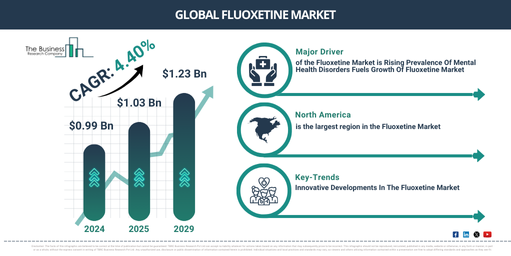
    The dimension of the fluoxetine market has experienced a consistent expansion in the past few years. The market is expected to expand from a net worth of $0.99 billion in 2024, climbing to $1.03 billion in 2025, demonstrating a compound annual growth rate (CAGR) of 4.8%. The growth experienced during the historical period can be credited to elevating instances of depression and anxiety disorders, improved consciousness and reduction of stigma related to mental health issues, advancement in healthcare infrastructure, the rise in the number of aging people worldwide, and the accessibility of economically viable generic fluoxetine.

    Anticipated growth in the fluoxetine market size is expected to be gradual over the coming years, with estimation to escalate to$1.23 billion by 2029 at a Compound Annual Growth Rate (CAGR) of 4.4%. The forecasted period’s growth can be linked to government-backed mental health programs, campaigns focused on promoting mental health awareness, increased conversations about mental health on social media forums, the boom of online pharmacies and a cultural shift towards the recognition and treatment of mental health issues. Future trends to note in this forecasted period include the evolution of diagnostic procedures which lead to early identification, the emergence of telemedicine facilities, advancements in drug delivery mechanisms, the rising implementation of AI and machine learning in the realm of drug research and development, as well as progress in pharmacogenomics.

    Download a free sample to assess the report’s scope and structure:

    https://www.thebusinessresearchcompany.com/sample.aspx?id=16428&type=smp

    Which Major Market Drivers Are Expected to Boost the Growth Potential of the Fluoxetine Market?

    The fluoxetine market is projected to grow due to the increasing rates of mental health disorders. These disorders, which impact cognitive, emotional, and behavioral functions, are becoming more common due to factors such as societal pressure, economic stress, lifestyle changes, and improved awareness and diagnosis. Fluoxetine is commonly used to treat these disorders as it increases serotonin levels in the brain, a vital component in regulating mood and emotions. A 2022 survey conducted by the National Health Service, a UK-based government-funded healthcare system, indicated that about 18.0% of kids from 7 to 16 and 22.0% of young individuals aged 17 to 24 could potentially have a mental disorder. It also showed an increase in probable mental health issues among individuals aged 17 to 19, with a rise from 17.4% in 2021 to 25.7% in 2022. As a result, the increasing occurrence of mental health disorders is fueling the growth of the fluoxetine market.

    Which Key Market Segments Comprise the Fluoxetine Market and Drive Its Revenue Growth?

    The fluoxetinemarket covered in this report is segmented –

    1) By Dosage Form: Tablet; Solution; Capsule; Syrup; Other Dosage Forms

    2) By Route Of Administration: Oral; Other Routes Of Administration

    3) By Demographic: Adult; Pediatric; Geriatric

    4) By Application: Obsessive-Compulsive Disorder; Panic Disorder; Depression; Bulimia Nervosa; Other Applications

    5) By End User: Clinic; Hospital; Other End Users

    Subsegments:

    1) By Tablet: Regular Tablets; Extended-Release Tablets

    2) By Solution: Oral Solution

    3) By Capsule: Standard Capsules; Delayed-Release Capsules

    4) By Syrup: Oral Syrup

    5) By Other Dosage Forms: Injection Form; Topical Form

    Request customized data on this market:

    https://www.thebusinessresearchcompany.com/customise?id=16428&type=smp

    Which Areas Are Leading Regions in the Fluoxetine Market Expansion Across the Globe?

    North America was the largest region in the fluoxetine market in 2024. Asia-Pacific is expected to be the fastest-growing region in the forecast period. The regions covered in the fluoxetine market report are Asia-Pacific, Western Europe, Eastern Europe, North America, South America, Middle East, Africa.

    What Are the Key Market Trends in theFluoxetine Market Over the Coming Years?

    Leading players in the fluoxetine market are prioritizing the development of innovative products such as fluoxetine tablets, targeted at treating a range of mental health conditions like major depressive disorder. These fluoxetine tablets are specifically formulated with fluoxetine hydrochloride, a categorized selective serotonin reuptake inhibitor (SSRI) antidepressant medication. For example, Strides Pharma Global Pte. Limited, a pharmaceutical company based in Singapore, announced in April 2024 the approval of Fluoxetine Tabs 10 mg and 20 mg by the United States Food and Drug Administration (USFDA). This approval bolsters Strides Pharma’s fluoxetine offerings by bringing in fluoxetine tablets to compliment the previously approved capsule format. Recognized as a selective serotonin reuptake inhibitor (SSRI), fluoxetine is used as an antidepressant medication to treat disorders like major depressive disorder (MDD), obsessive-compulsive disorder (OCD), bulimia nervosa, and panic disorder with or without agoraphobia. Launching fluoxetine tablets broadens the assortment of treatment solutions in Strides Pharma’s fluoxetine range, granting greater flexibility and choices for patients and healthcare providers in addressing these mental health diseases.

    View the full report here:

    https://www.thebusinessresearchcompany.com/report/fluoxetine-global-market-report

    How Is the Fluoxetine Market Conceptually Defined?

    Fluoxetine is a selective serotonin reuptake inhibitor (SSRI) medication commonly used as an antidepressant and also prescribed for other psychiatric conditions. It works by increasing the levels of serotonin, a neurotransmitter in the brain that regulates mood, emotions, and behavior. Fluoxetine is widely prescribed for depression, helping to improve sleep, appetite, and energy levels in individuals suffering from major depressive disorder.

    Purchase the full report and get a swift delivery:

    https://www.thebusinessresearchcompany.com/purchaseoptions.aspx?id=16428

    About The Business Research Company:

    With over 15000+ reports from 27 industries covering 60+ geographies, The Business Research Company has built a reputation for offering comprehensive, data-rich research and insights. Armed with 1,500,000 datasets, the optimistic contribution of in-depth secondary research, and unique insights from industry leaders, you can get the information you need to stay ahead in the game.

    Get in touch with us:

    The Business Research Company: https://www.thebusinessresearchcompany.com/

    Americas +1 310-496-7795

    Europe +44 7882 955267

    Asia & Others +44 7882 955267 & +91 8897263534

    Email us at info@tbrc.info

    Follow us on:

    LinkedIn: https://in.linkedin.com/company/the-business-research-company

    YouTube: https://www.youtube.com/channel/UC24_fI0rV8cR5DxlCpgmyFQ

    Global Market Model: https://www.thebusinessresearchcompany.com/global-market-model
  • Critical Market Drivers Shaping the Outlook for Facial Rejuvenation Market from 2025-2034: Surge In Demand For Non-Invasive Facial Surgical Procedures Drives Growth In Facial Rejuvenation Market

    Critical Market Drivers Shaping the Outlook for Facial Rejuvenation Market from 2025-2034: Surge In Demand For Non-Invasive Facial Surgical Procedures Drives Growth In Facial Rejuvenation Market

    Claim your 30% discount on Global Market Reports with code ONLINE30. Limited time only.

    How Has the Facial Rejuvenation Market Growth Performance Trended Historically, And What Lies Ahead?

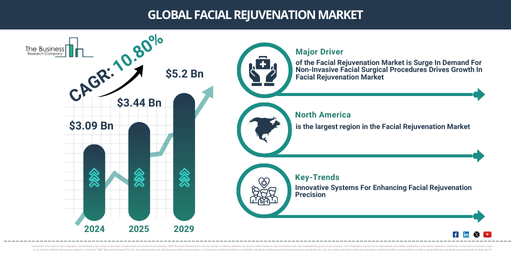
    The market size for facial rejuvenation has seen quick expansion in the past few years. From $3.09 billion in 2024, it is projected to rise to $3.44 billion in 2025, boasting a compound annual growth rate (CAGR) of 11.6%. Factors such as the growing appeal of cosmetic surgical procedures, the heightening societal focus on beauty and youthfulness, influence from celebrities and the media, an increase in disposable earnings and a burgeoning middle class, along with advancements in the safety and effectiveness of facial rejuvenation methods, can be credited for the growth experienced during the historic period.

    The market for facial rejuvenation is predicted to experience a significant surge in the coming years, expanding to a whopping$5.2 billion by 2029 with a compound annual growth rate (CAGR) of 10.8%. This growth through the forecasted period can be credited to factors such as the global increase in elderly populations, improvement in non-invasive and minimally invasive procedures, increasing awareness around self-care and skincare, the rising demand for individualized treatment schemes, and the worldwide acceptance of beauty standards. The forecast period will also witness a rise in trends such as innovative products, advances in technology, customized treatment strategies, growing collaborations, integration of Artificial Intelligence, emergence of telemedicine, and expansion of virtual consultations.

    Download a free sample to assess the report’s scope and structure:

    https://www.thebusinessresearchcompany.com/sample.aspx?id=15809&type=smp

    What Are the Core Growth Drivers Propelling the Facial Rejuvenation Market Forward?

    The facial rejuvenation market is anticipated to expand due to a rising demand for non-invasive facial surgeries. Non-invasive cosmetic treatments, which enhance facial aesthetics without the necessity for surgeries or large incisions, are in high demand. The popularity of these procedures can be attributed to factors such as significantly reduced recovery time, lower invasiveness, reduced associated risks, and outcomes that mimic natural looks. Non-invasive methods for facial rejuvenation aim to minimize wrinkles and fine lines by temporarily incapacitating the muscles that cause them. A case in point is a global survey carried out in September 2023 by the International Society of Aesthetic Plastic Surgery (ISAPS), a professional group for board-certified aesthetic plastic surgeons in the US. As per the survey involving 1,000 participants from 90 nations, Botulinum toxin (a non-surgical treatment) treatments executed by plastic surgeons worldwide across different age groups in 2022 totaled upwards of 9 million, indicating a 26.1% rise. Therefore, it’s expected that the rising demand for non-invasive facial surgical procedures will continue to drive facial rejuvenation market growth.

    What Segment Types Define the Facial Rejuvenation Market Structure?

    The facial rejuvenationmarket covered in this report is segmented –

    1) By Product Type: Botulinum Toxin (BOTOX); Soft Tissue Fillers; Micro Abrasion Equipment; Chemical Peels; Topical Skin Care Products; Skin Rejuvenation Devices

    2) By Mode Of Treatment: Drugs; Injectables; Surgical Means; Other Mode Of Treatment

    3) By End-User: Hospital And Clinics; Beauty Centers And Spa; Dermatology Clinics; Other End-Users

    Subsegments:

    1) Botulinum Toxin (BOTOX): Botulinum Toxin Type A; Botulinum Toxin Type B

    2) Soft Tissue Fillers: Hyaluronic Acid-Based Fillers; Collagen-Based Fillers; Calcium Hydroxylapatite-Based Fillers; Poly-L-Lactic Acid-Based Fillers

    3) Micro Abrasion Equipment: Crystal Microdermabrasion Devices; Diamond Microdermabrasion Devices; Ultrasonic Microdermabrasion Devices

    4) Chemical Peels: Alpha Hydroxy Acid (AHA) Peels; Beta Hydroxy Acid (BHA) Peels; Trichloroacetic Acid (TCA) Peels; Jessner’s Peels

    5) Topical Skin Care Products: Anti-Aging Creams And Serums; Moisturizers; Sunscreens; Exfoliators

    6) Skin Rejuvenation Devices: Laser Skin Rejuvenation Devices; Radiofrequency (RF) Skin Rejuvenation Devices; Ultrasound Skin Rejuvenation Devices; Intense Pulsed Light (IPL) Devices

    Request customized data on this market:

    https://www.thebusinessresearchcompany.com/customise?id=15809&type=smp

    Which Geographic Areas Hold the Strongest Growth Potential in the Facial Rejuvenation Market?

    North America was the largest region in the facial rejuvenation market in 2024. Asia-Pacific is expected to be the fastest-growing region in the forecast period. The regions covered in the facial rejuvenation market report are Asia-Pacific, Western Europe, Eastern Europe, North America, South America, Middle East and Africa.

    Which Emerging Trends that Are Influencing theFacial Rejuvenation Industry Evolution?

    Leading firms in the facial rejuvenation sector are creating groundbreaking solutions, such as enduring hair removal and skin rejuvenation procedures, in response to growing demand for non-surgical and minimally invasive aesthetic treatments. These advanced cosmetic procedures focus on enhancing skin appearance and health and reducing unwelcome hair growth. For instance, in March 2024, US-based aesthetic laser & RF device producer, Reveal Lasers LLC, launched the AlloraPro Laser Workstation, a state-of-the-art device specifically designed for lasting hair removal and skin rejuvenation treatments. The AlloraPro comes with a user-friendly interface and customizable treatment settings, improving its functionality with a 25% larger treatment area. The device is also capable of addressing vascular issues such as leg and facial vein disorders, in addition to pigmented lesions and photo rejuvenation. The adjustable pulse width, fluence, repetition rate, automatic area recognition system, and convenient holder for the handpiece make the AlloraPro Laser Workstation an adaptable, efficient, and financially rewarding solution for aesthetic practices worldwide.

    View the full report here:

    https://www.thebusinessresearchcompany.com/report/facial-rejuvenation-global-market-report

    What Is the Definition of the Facial Rejuvenation Market?

    Facial rejuvenation refers to a set of cosmetic procedures and treatments designed to restore a more youthful appearance to the face. These procedures aim to reduce the visible signs of aging, such as wrinkles, fine lines, sagging skin, and loss of facial volume, and to improve skin texture, tone, and elasticity.

    Purchase the full report and get a swift delivery:

    https://www.thebusinessresearchcompany.com/purchaseoptions.aspx?id=15809

    About The Business Research Company:

    With over 15000+ reports from 27 industries covering 60+ geographies, The Business Research Company has built a reputation for offering comprehensive, data-rich research and insights. Armed with 1,500,000 datasets, the optimistic contribution of in-depth secondary research, and unique insights from industry leaders, you can get the information you need to stay ahead in the game.

    Get in touch with us:

    The Business Research Company: https://www.thebusinessresearchcompany.com/

    Americas +1 310-496-7795

    Europe +44 7882 955267

    Asia & Others +44 7882 955267 & +91 8897263534

    Email us at info@tbrc.info

    Follow us on:

    LinkedIn: https://in.linkedin.com/company/the-business-research-company

    YouTube: https://www.youtube.com/channel/UC24_fI0rV8cR5DxlCpgmyFQ

    Global Market Model: https://www.thebusinessresearchcompany.com/global-market-model
  • Key Factors Fueling the Growth of the Facial Paralysis Market in 2025: Viral Infections On The Growth Of The Facial Paralysis Market

    Key Factors Fueling the Growth of the Facial Paralysis Market in 2025: Viral Infections On The Growth Of The Facial Paralysis Market

    Claim your 30% discount on Global Market Reports with code ONLINE30. Limited time only.

    What Are the Projected Market Size and Growth Rates for the Facial Paralysis Market From 2025 To 2029?

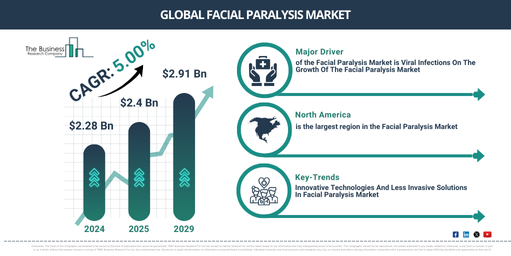
    The market size for facial paralysis has demonstrated robust growth in the past years. Forecasts indicate a rise from $2.28 billion in 2024 to $2.4 billion in 2025, reflecting a compound annual growth rate (CAGR) of 5.1%. The escalation in the historical period can be credited to the growing occurrence of facial paralysis, amplified need for relevant treatments, enhanced government support, rising demand for advanced technological therapies, and an increased preference for minimally invasive medical procedures.

    Anticipations predict a robust expansion in the facial paralysis market in the coming years, with it expected to reach$2.91 billion by 2029 with a 5.0% compound annual growth rate (CAGR). The projected surge within this period is attributable to factors such as a growing number of available treatments, increasing cases of facial nerve conditions, heightened public awareness of facial aesthetics, an expanding elderly population across the globe, and the increasing consequences of viral infections. Major futuristic trends foresee the incorporation of technology, personalized medicine advancements, the debut of unique surgical techniques, the development of cutting-edge surgical strategies, advancements in nerve regeneration, the inclusion of virtual reality in rehabilitation processes, and overall technological progress.

    Download a free sample to assess the report’s scope and structure:

    https://www.thebusinessresearchcompany.com/sample.aspx?id=18358&type=smp

    What are the Fundamental Drivers and Innovations Shaping the Facial Paralysis Market?

    Anticipated to be fueled by the increasing consequences of viral infections, the facial paralysis market is predicted to experience significant growth progression. Viral infections, brought about by microscopic entities capable of causing diverse symptoms and health outcomes by invading different body parts, are on the rise. This can be attributed to worldwide travel trends, changes in the environment, resistance to antimicrobials, socioeconomic elements, and viral evolution. By causing inflammation and damage to the facial nerve, a viral infection can result in facial paralysis, disrupting the nerve’s command over facial muscles, and eventually leading to transient or enduring weakness, or paralysis. For example, the Centers for Disease Control and Prevention, a health organization based in the US, reported that the count of influenza-related ailments per 100,000 in October 2022 amounted to 9,497,254, marking a 46% surge from 2021. Consequently, the escalating repercussions of viral infections contribute to the expansion of the facial paralysis market.

    How Is the Facial Paralysis Market Segmented?

    The facial paralysismarket covered in this report is segmented –

    1) By Type: Bell’s Palsy; Ramsay Hunt Syndrome

    2) By Diagnosis: Electromyography; Computerized Tomography

    3) By Treatment: Medications; Physical Therapy

    4) By End-User: Hospitals; Specialty Centers

    Subsegments:

    1) By Bell’s Palsy: Idiopathic Bell’s Palsy; Postpartum Bell’s Palsy; Bell’s Palsy in Children

    2) By Ramsay Hunt Syndrome: Type 1 (Herpes Zoster Oticus); Type 2 (Varicella-Zoster Virus)

    Request customized data on this market:

    https://www.thebusinessresearchcompany.com/customise?id=18358&type=smp

    Which Regions Are Driving the Next Phase of the Facial Paralysis Market Growth?

    North America was the largest region in the facial paralysis market in 2024. Asia-Pacific is expected to be the fastest-growing region in the market going forward. The regions covered in the facial paralysis market report are Asia-Pacific, Western Europe, Eastern Europe, North America, South America, Middle East, Africa.

    What Key Trends Are Shaping the Future of the Facial Paralysis Market?

    Leading firms in the facial paralysis market are concentrating their efforts on creating innovative tools such as neuromuscular blockade monitors in order to improve accessibility and comfort for patients, thus facilitating effective home-based therapy and rehabilitation. Particularly, a facial nerve monitor, a distinct device used to evaluate facial muscle function and reaction during surgeries where neuromuscular blocking agents (NMBAs) are used. For example, the Japan-based medical electronic equipment producer, Nihon Kohden Corporation, introduced the Smart Cable NMT Pod along with disposable electrodes for neuromuscular blockade monitoring in October 2022. This product employs electromyography to accurately gauge paralysis levels through peripheral nerve stimulation. The Smart Cable NMT Pod comes in a handy, small-sized format with neuromuscular transmission (NMT) monitoring capabilities, enabling medical professionals to track a patient’s muscle relaxation during an operation. Electrical stimulation and neuromuscular monitoring of the facial muscles could potentially be integrally part of recovery process for Bell’s palsy patients.

    View the full report here:

    https://www.thebusinessresearchcompany.com/report/facial-paralysis-global-market-report

    How Is the Facial Paralysis Market Defined and What Are Its Core Parameters?

    Facial paralysis refers to the inability or difficulty in moving the muscles of the face due to damage or dysfunction of the facial nerve. This condition affects one or both sides of the face and may result in various degrees of weakness or loss of movement, including difficulty closing the eye, smiling, or making facial expressions. Facial paralysis can occur suddenly (acute) or gradually (chronic) and can be caused by conditions such as Bell’s palsy, stroke, trauma, infections, tumors, or neurological disorders.

    Purchase the full report and get a swift delivery:

    https://www.thebusinessresearchcompany.com/purchaseoptions.aspx?id=18358

    About The Business Research Company:

    With over 15000+ reports from 27 industries covering 60+ geographies, The Business Research Company has built a reputation for offering comprehensive, data-rich research and insights. Armed with 1,500,000 datasets, the optimistic contribution of in-depth secondary research, and unique insights from industry leaders, you can get the information you need to stay ahead in the game.

    Get in touch with us:

    The Business Research Company: https://www.thebusinessresearchcompany.com/

    Americas +1 310-496-7795

    Europe +44 7882 955267

    Asia & Others +44 7882 955267 & +91 8897263534

    Email us at info@tbrc.info

    Follow us on:

    LinkedIn: https://in.linkedin.com/company/the-business-research-company

    YouTube: https://www.youtube.com/channel/UC24_fI0rV8cR5DxlCpgmyFQ

    Global Market Model: https://www.thebusinessresearchcompany.com/global-market-model
  • Major Trends and Emerging Patterns in the Facial Injectable Market: Long-lasting Hyaluronic Fillers Transforming The Facial Injectable Market

    Major Trends and Emerging Patterns in the Facial Injectable Market: Long-lasting Hyaluronic Fillers Transforming The Facial Injectable Market

    Claim your 30% discount on Global Market Reports with code ONLINE30. Limited time only.

    What Is the Estimated Market Size of the Facial Injectable Market In 2029?

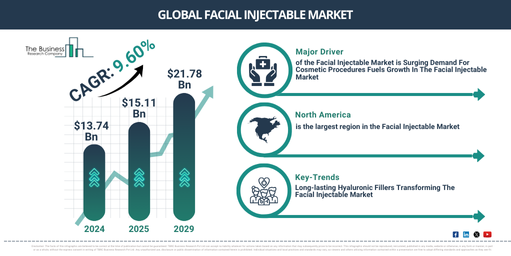
    The market size for facial injectables has seen robust growth in the previous years. The market is expected to expand from a value of $13.74 billion in 2024 to a size of $15.11 billion in 2025, at a compound annual growth rate (CAGR) of 10.0%. Factors like a growing aging demographic, heightened consumer awareness, evolving beauty norms, regulatory approvals, and progress in injection methods are responsible for the growth experienced in the historic period.

    Over the coming years, the facial injectable market size is anticipated to witness a robust expansion, expected to reach$21.78 billion by 2029 with a compound annual growth rate (CAGR) of 9.6%. This growth over the predicted period can be ascribed to the mounting demand for non-surgical methods, broadening applications, customization and personalization, emerging markets, evolving healthcare trends and lifestyle modifications. Predominant trends during the forecast period include an enduring growth in the demand for non-surgical methods, advancement of personalized treatments, an amplified focus on combination therapies for improved outcomes, the emergence of less invasive techniques and devices, and a transition towards results that appear natural and discreet.

    Download a free sample to assess the report’s scope and structure:

    https://www.thebusinessresearchcompany.com/sample.aspx?id=15567&type=smp

    What Are the Primary Drivers Supporting the Market Growth of the Facial Injectable Market?

    The facial injectable market is anticipated to grow, spurred by the escalating demand for cosmetic procedures. Cosmetic procedures are medical treatments or interventions designed to improve one’s aesthetic appearance with minimal interference with the body’s natural structure. These are commonly less invasive than traditional surgeries and are often executed on an outpatient basis. Societal focus on looks, advancements in medical technology making procedures safer and more accessible, and an increasing yearning for self-improvement and confidence boost are contributing to the rising requirement for cosmetic procedures. Facial injectables, which are used for temporarily decreasing wrinkles, adding volume in certain areas, and enhancing facial contours through the precise injection of substances like botulinum toxin or dermal fillers, are used in such procedures. For example, a report by the British Association of Aesthetic Plastic Surgeons revealed that approximately 31,057 cosmetic procedures were conducted in the UK in 2022, which is an increase of 102% from the previous year. Hence, this surging demand for cosmetic procedures is fuelling the expansion of the facial injectable market.

    Which Primary Segments of the Facial Injectable Market Are Driving Growth and Industry Transformations?

    The facial injectablemarket covered in this report is segmented –

    1) By Type: Botulinum Toxin; Collagen; Hyaluronic Acid; Calcium Hydroxyapatite; Polylactic Acid; Polymethyl-Methacrylate Microspheres (PMMA); Fat Injection; Other Types

    2) By Application: Wrinkle Reduction; Facelift; Acne Scar Treatment; Lipoatrophy Treatment; Lip Enhancement; Other Applications

    3) By End-User: Hospitals And Ambulatory Surgery Centers; Dermatology And Cosmetic Clinics; Other End-Users

    Subsegments:

    1) By Botulinum Toxin: Botulinum Toxin Type A (Botox, Dysport, Xeomin); Botulinum Toxin Type B (Myobloc, Neurobloc)

    2) By Collagen: Bovine Collagen; Human Collagen; Synthetic Collagen

    3) By Hyaluronic Acid: Cross-linked Hyaluronic Acid; Non-Cross-Linked Hyaluronic Acid

    4) By Calcium Hydroxyapatite: Radiesse (Calcium Hydroxyapatite-Based Fillers)

    5) By Polylactic Acid: Sculptra (Polylactic Acid-Based Fillers)

    6) By Polymethyl Methacrylate Microspheres (PMMA): Artefill (PMMA-Based Fillers)

    7) By Fat Injection: Autologous Fat Transfer (Liposuction And Injection); Fat Grafting For Volume Restoration

    8) By Other Types: Poly-L-Lactic Acid; Polycaprolactone-Based Fillers; Other Emerging Injectable Fillers

    Request customized data on this market:

    https://www.thebusinessresearchcompany.com/customise?id=15567&type=smp

    Which Regions Are Key Players in the Growth of the #What Are the Primary Drivers Supporting the Market Growth of the Facial Injectable Market?# Market?

    North America was the largest region in the facial injectable market in 2024. Asia-Pacific is expected to be the fastest-growing region in the forecast period. The regions covered in the facial injectable market report are Asia-Pacific, Western Europe, Eastern Europe, North America, South America, Middle East, Africa.

    What Are the Most Significant Market Trends in the Facial Injectable Market?

    Leading corporations in the facial injectable market are creating cutting-edge products like hyaluronic acid (HA) fillers that have a longer lifespan to cater to the increasing interest in minimally invasive aesthetic procedures providing long-lasting, natural-looking results. HA fillers are aesthetic injectables that reinstates volume, smooths out wrinkles, and improves facial contours by replenishing substances naturally present in our skin. For example, in January 2023, Ireland-based pharmaceutical firm Allergan plc introduced JUVEDERM VOLUX XC, a hyaluronic acid filler tailored specifically to enhance the jawline definition in people aged 21 and above who suffer from moderate to severe loss of contour. JUVEDERM VOLUX XC guarantees long-lasting impact for up to twelve months, with a focus on delivering natural-looking results. Having a minimally invasive nature means minimal downtime for patients looking for non-surgical alternatives, this innovative filler allows cosmetic experts to develop tailored treatment strategies. Supported by extensive research and high patient satisfaction rates, it stands as a much sought-after product in the facial injectable market.

    View the full report here:

    https://www.thebusinessresearchcompany.com/report/facial-injectable-global-market-report

    What Parameters Are Used to Define the Facial Injectable Market?

    Facial injectables refer to non-surgical cosmetic procedures involving the injection of substances into the facial tissues to enhance facial features, reduce wrinkles, restore volume, or improve overall appearance. These treatments are often used to address signs of aging or to achieve specific aesthetic goals, providing temporary or semi-permanent results.

    Purchase the full report and get a swift delivery:

    https://www.thebusinessresearchcompany.com/purchaseoptions.aspx?id=15567

    About The Business Research Company:

    With over 15000+ reports from 27 industries covering 60+ geographies, The Business Research Company has built a reputation for offering comprehensive, data-rich research and insights. Armed with 1,500,000 datasets, the optimistic contribution of in-depth secondary research, and unique insights from industry leaders, you can get the information you need to stay ahead in the game.

    Get in touch with us:

    The Business Research Company: https://www.thebusinessresearchcompany.com/

    Americas +1 310-496-7795

    Europe +44 7882 955267

    Asia & Others +44 7882 955267 & +91 8897263534

    Email us at info@tbrc.info

    Follow us on:

    LinkedIn: https://in.linkedin.com/company/the-business-research-company

    YouTube: https://www.youtube.com/channel/UC24_fI0rV8cR5DxlCpgmyFQ

    Global Market Model: https://www.thebusinessresearchcompany.com/global-market-model
  • Key Developments and Trends Steering the Fabry Disease Treatment Market Forward: Advancements in Plant Cell-Based Treatment for Fabry Disease

    Key Developments and Trends Steering the Fabry Disease Treatment Market Forward: Advancements in Plant Cell-Based Treatment for Fabry Disease

    Claim your 30% discount on Global Market Reports with code ONLINE30. Limited time only.

    How Fast Is The Fabry Disease Treatment Market Expected to Grow Between 2025 And 2029?

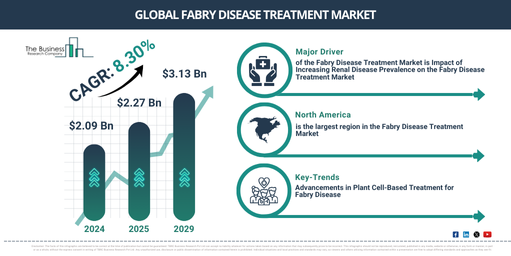
    The market for Fabry disease treatment has seen a robust expansion over the past few years. The market size is set to increase from $2.09 billion in 2024 to $2.27 billion in 2025, displaying a Compound Annual Growth Rate (CAGR) of 8.8%. Factors such as rising awareness and diagnostic rates, the growing utilization of enzyme replacement therapies, the escalating demand for chaperone therapies, improvements in healthcare infrastructure, increasing investment into research for rare diseases, growing population, and heightened regulatory incentives for orphan drugs lead to the growth during the historical period.

    In the ensuing years, we anticipate a robust expansion in the fabry disease treatment market, with projections suggesting a growth to$3.13 billion by 2029, reflecting a compound annual growth rate (CAGR) of 8.3%. This growth during the predicted period can be ascribed to the surge in disease prevalence, enhanced awareness and diagnosis rates, development in the healthcare infrastructure, increased funding in research for rare diseases, greater patient cognizance, and wider reimbursement policy coverage. Looking towards the future, major trends include progress in gene therapy, enzyme replacement therapies, advancements in diagnostic methods, evolution in new treatments, and the inclusion of digital health technology in patient care.

    Download a free sample to assess the report’s scope and structure:

    https://www.thebusinessresearchcompany.com/sample.aspx?id=16421&type=smp

    How Are Key Drivers in the Industry Acting as Catalysts for the Growth of theFabry Disease Treatment Market?

    The anticipated rise in renal disease cases is projected to fuel the expansion of the market for treatments for Fabry disease. Renal diseases, or kidney diseases, involve any conditions that harm the functionality of the kidneys. A rise in kidney disease incidence can be attributed to genetic tendencies, lifestyle, environmental influences, and existing medical conditions. Fabry disease is a result of the build-up of globotriaosylceramide (Gb3) within kidney cells, causing damage and impairment – underlining the urgent necessity for prompt diagnosis and treatment to avoid kidney-related complications. For example, the Australian Bureau of Statistics, a government agency in Australia, reported in December 2023 that kidney disease affected 246,200 individuals (1.0% of the population) in 2022, marking a 0.2% increase from the previous decade. Consequently, the escalating incidence of renal diseases is pushing the expansion of the market for Fabry disease treatment.

    Which Segments in the Fabry Disease Treatment Offer the Most Growth?

    The fabry disease treatmentmarket covered in this report is segmented –

    1) By Treatment: Substrate Reduction Therapy; Enzyme Replacement Therapy; Chaperone Treatment; Other Treatments

    2) By Route Of Administration: Oral Route; Intravenous Route

    3) By Disease Severity: Classic Fabry Disease; Late-Onset Fabry Disease

    4) By Distribution Channel: Hospital Pharmacies; Retail Pharmacies; Online Pharmacies

    Subsegments:

    1) By Substrate Reduction Therapy: Migalastat Hydrochloride (Galafold); Other Substrate Reduction Therapies

    2) By Enzyme Replacement Therapy: Agalsidase Beta (Fabrazyme); Agalsidase Alfa (Replagal); Other Enzyme Replacement Therapies

    3) By Chaperone Treatment: Migalastat Hydrochloride (Galafold)

    4) By Other Treatments: Gene Therapy; Symptomatic Treatment

    Request customized data on this market:

    https://www.thebusinessresearchcompany.com/customise?id=16421&type=smp

    What Are the Fastest-Growing Geographies in the #How Are Key Drivers in the Industry Acting as Catalysts for the Growth of theFabry Disease Treatment Market?# Market?

    North America was the largest region in the fabry disease treatment market in 2024. Asia-Pacific is expected to be the fastest-growing region in the forecast period. The regions covered in the fabry disease treatment market report are Asia-Pacific, Western Europe, Eastern Europe, North America, South America, Middle East, Africa.

    What Are the Current Market Growth and Trends in the Fabry Disease Treatment Industry?

    In the Fabry disease treatment market, top companies are focusing on the creation of plant cell-based treatments to improve their effectiveness, lower costs, and enhance patient outcomes in innovative and sustainable ways. The therapeutic strategy involves the utilization of plant cells to address enzyme deficiencies present in individuals with Fabry disease. Such plant-originated enzymes can be employed as a replacement for absent or faulty enzymes in the body, with the primary intention to reduce symptoms and enhance patient health. For instance, Chiesi Global Rare Diseases, a pharmaceutical firm from Italy, and Protalix BioTherapeutics Inc., an Israel-based pharmaceutical firm, secured approval for ELFABRIO in May 2023. ELFABRIO works as an alternative means of treatment for those affected by Fabry disease. It’s an enzyme replacement therapy (ERT) that involves the production of recombinant human a-Galactosidase-A enzyme through a plant-cell culture, further modified with PEGylation to extend its half-life. This course of treatment significantly decreases frequency, raises convenience, and enhances the overall management of Fabry disease symptoms which ultimately leads to improved patient quality of life.

    View the full report here:

    https://www.thebusinessresearchcompany.com/report/fabry-disease-treatment-global-market-report

    What Are the Key Elements That Define the Fabry Disease Treatment Market?

    Fabry disease is a rare genetic disorder caused by a deficiency of the enzyme alpha-galactosidase A. This enzyme deficiency leads to the buildup of a type of fat called globotriaosylceramide (Gb3 or GL-3) in the body’s cells, which can cause a wide range of symptoms and complications, including pain, kidney failure, heart disease, and stroke. The primary purpose of treating fabry disease is to reduce the accumulation of Gb3 in the body, alleviate symptoms, prevent or delay the progression of organ damage, and improve the overall quality of life for patients.

    Purchase the full report and get a swift delivery:

    https://www.thebusinessresearchcompany.com/purchaseoptions.aspx?id=16421

    About The Business Research Company:

    With over 15000+ reports from 27 industries covering 60+ geographies, The Business Research Company has built a reputation for offering comprehensive, data-rich research and insights. Armed with 1,500,000 datasets, the optimistic contribution of in-depth secondary research, and unique insights from industry leaders, you can get the information you need to stay ahead in the game.

    Get in touch with us:

    The Business Research Company: https://www.thebusinessresearchcompany.com/

    Americas +1 310-496-7795

    Europe +44 7882 955267

    Asia & Others +44 7882 955267 & +91 8897263534

    Email us at info@tbrc.info

    Follow us on:

    LinkedIn: https://in.linkedin.com/company/the-business-research-company

    YouTube: https://www.youtube.com/channel/UC24_fI0rV8cR5DxlCpgmyFQ

    Global Market Model: https://www.thebusinessresearchcompany.com/global-market-model