Month: August 2025

  • Emerging Growth Drivers in the Non Invasive Fat Reduction Market Landscape: Obesity Epidemic Fuels Surge In Non-Invasive Fat Reduction Market

    Emerging Growth Drivers in the Non Invasive Fat Reduction Market Landscape: Obesity Epidemic Fuels Surge In Non-Invasive Fat Reduction Market

    Claim your 30% discount on Global Market Reports with code ONLINE30. Limited time only.

    What Are the Key Projections for the CAGR of the Non Invasive Fat Reduction Market Size From 2025 to 2034?

    The market size for non-invasive fat reduction has experienced a significant expansion in recent times. It’s predicted to expand from $1.29 billion in 2024 to raise $1.49 billion in 2025, reflecting a compound annual growth rate (CAGR) of 15.6%. The surge witnessed in the past can be linked to heightened consciousness of body aesthetics, advancements in technology related to non-invasive fat reduction procedures, growth in disposable income and increased consumer preference for minimal invasive cosmetic processes. Also, the market growth has got a boost from the growing aged population aiming for aesthetic treatments.

    In the coming years, the market for non-invasive fat reduction is anticipated to witness significant expansion, projected to reach a size of $2.57 billion by 2029, growing at a compound annual growth rate (CAGR) of 14.6%. This rapid growth within the forecast period is linked to continual advancements in technology, which result in safer and more effective procedures, increased market reach in developing economies, an increased focus on wellness and body positivity, breakthroughs in tailored treatment options, and a rise in the use of combined therapies for better results. Other trends to watch within this period include ongoing technological innovation, a surge in demand for minimally invasive procedures, broadening market penetration, a rise in the assimilation of combination therapies, an amplifying focus on wellness and body positivity, cutting-edge progress in individualized treatment options, and a growth in the elderly population seeking aesthetic treatments.

    Download a free sample to assess the report’s scope and structure:

    https://www.thebusinessresearchcompany.com/sample.aspx?id=15872&type=smp

    Which Primay Drivers Are Accelerating Growth in the Non Invasive Fat Reduction Market?

    The growth of the non-invasive fat reduction market is anticipated to be driven by the increasing number of obese individuals. The term ‘obese population’ pertains to individuals with a body mass index higher than 30, a level of body fat which greatly heightens the risk of health difficulties. The mounting number of obese individuals can be attributed to various factors such as the escalating intake of high-calorie, processed food items, sedentary way of life, inherited susceptibility to obesity, and socio-economic circumstances limiting access to nutritious food and opportunities for physical exercise. Non-invasive fat reduction procedures including cryolipolysis and laser lipolysis serve as solutions for the obese population to decrease localized fat deposits without undergoing surgery. These techniques provide a safer option compared to invasive procedures. A report published by the World Obesity Federation in March 2024 forecasts that the number of adults struggling with obesity is expected to surge from 0.81 billion in 2020 to 1.53 billion by 2035. Thus, the increasing obese population is a key driver propelling the non-invasive fat reduction market’s growth.

    Which Primary Segments of the Non Invasive Fat Reduction Market Are Driving Growth and Industry Transformations?

    The non invasive fat reductionmarket covered in this report is segmented –

    1) By Technology: Cryolipolysis; Ultrasound; Low Level Lasers

    2) By Gender: Female; Male

    3) By End Users: Hospitals; Stand Alone Practices; Multispecialty Clinic

    Subsegments:

    1) By Cryolipolysis: CoolSculpting; Cryolipolysis With Vacuum-Assisted Technology

    2) By Ultrasound: High-Intensity Focused Ultrasound (HIFU); Low-Intensity Ultrasound

    3) By Low Level Lasers: Red Light Therapy; Diode Laser Systems

    Request customized data on this market:

    https://www.thebusinessresearchcompany.com/customise?id=15872&type=smp

    Which Regions Are Key Players in the Growth of the #Which Primay Drivers Are Accelerating Growth in the Non Invasive Fat Reduction Market?# Market?

    North America was the largest region in the non invasive fat reduction market in 2024. The regions covered in the non invasive fat reduction market report are Asia-Pacific, Western Europe, Eastern Europe, North America, South America, Middle East and Africa.

    Which Technological Trends Are Reshaping the Non Invasive Fat Reduction Industry Dynamics?

    Key players in the non-invasive fat reduction market are prioritizing the development of state-of-the-art technologies such as muscle-stimulating methods to boost fat loss and enhance the results of treatments. These muscle-stimulating techniques involve the use of electric currents to induce muscle contractions, leading to fat reduction and body toning without any surgical procedures. For example, Cartessa Aesthetics, a company based in the US that specializes in the provision of cutting-edge aesthetic medical devices, introduced PHYSIQ 360 in April 2024. This breakthrough body sculpting technology provides improved, tailored fat reduction and muscle-enhancing treatments appropriate for diverse skin and body types. PHYSIQ 360 incorporates an exclusive sequential thermal and electrical pulse (STEP) technology. This combines laser energy (LZR) with original pure beam technology to achieve consistent fat reduction, and electrical muscle stimulation (EMS) for efficient muscle contractions. The equipment comes with up to four independently programmable applicators, each capable of targeting multiple body regions at the same time.

    View the full report here:

    https://www.thebusinessresearchcompany.com/report/non-invasive-fat-reduction-global-market-report

    What Parameters Are Used to Define the Non Invasive Fat Reduction Market?

    Non-invasive fat reduction refers to a range of cosmetic procedures designed to reduce localized fat deposits without surgery or incisions. These techniques typically employ technologies such as lasers, ultrasound, or cold therapy to target and break down fat cells, resulting in a slimmer appearance with minimal discomfort and downtime.

    Purchase the full report and get a swift delivery:

    https://www.thebusinessresearchcompany.com/purchaseoptions.aspx?id=15872

    About The Business Research Company:

    With over 15000+ reports from 27 industries covering 60+ geographies, The Business Research Company has built a reputation for offering comprehensive, data-rich research and insights. Armed with 1,500,000 datasets, the optimistic contribution of in-depth secondary research, and unique insights from industry leaders, you can get the information you need to stay ahead in the game.

    Get in touch with us:

    The Business Research Company: https://www.thebusinessresearchcompany.com/

    Americas +1 310-496-7795

    Europe +44 7882 955267

    Asia & Others +44 7882 955267 & +91 8897263534

    Email us at info@tbrc.info

    Follow us on:

    LinkedIn: https://in.linkedin.com/company/the-business-research-company

    YouTube: https://www.youtube.com/channel/UC24_fI0rV8cR5DxlCpgmyFQ

    Global Market Model: https://www.thebusinessresearchcompany.com/global-market-model

  • Hepatitis Diagnostic Tests Market Forecast Reaching $6.26 Billion by 2029 at 6.1% CAGR

    Hepatitis Diagnostic Tests Market Forecast Reaching $6.26 Billion by 2029 at 6.1% CAGR

    Claim your 30% discount on Global Market Reports with code ONLINE30. Limited time only.

    What Is the Estimated Market Size of the Hepatitis Diagnostic Tests Market In 2029?

    The market for hepatitis diagnostic tests has seen rapid growth in the past few years. The expansion is expected to continue from $4.64 billion in 2024 to $4.93 billion in 2025, showcasing a compound annual growth rate (CAGR) of 6.2%. The impressive growth rate seen in the historical period can be credited to factors such as healthcare globalization, government interventions, a substantial disease load, improved safety measures for blood, and public health awareness campaigns.

    The market size for diagnostic tests for hepatitis is forecasted to witness substantial growth in the upcoming years. It is projected to escalate to$6.26 billion in 2029″, maintaining a compound annual growth rate (CAGR) of 6.1%. The expected augmentation during the forecast period is due to factors like global concerns about health security, intensifying urbanization and population growth, customized testing approaches, and a focus on elimination programs. The increase in healthcare spending also adds to this growth. Significant trends anticipated during this period comprise advancements in testing technologies, simultaneous testing for different types of hepatitis viruses, the inclusion of molecular diagnostics, digital health solutions, and strategic collaborations and alliances.

    Download a free sample to assess the report’s scope and structure:

    https://www.thebusinessresearchcompany.com/sample.aspx?id=13153&type=smp

    Which Major Market Drivers Are Expected to Boost the Growth Potential of the Hepatitis Diagnostic Tests Market?

    The growth of the hepatitis diagnostic test market is anticipated to be driven by the increasing number of blood transfusions and donations. These are associated activities wherein willing individuals donate their blood, which is then collected, checked, and eventually given to patients who need extra blood elements to address health issues or replenish blood lost due to surgeries, accidents, or sicknesses. To ensure the safety of the patients, hepatitis diagnostic tests are employed to meticulously scrutinize the blood prior to donation or transfusion. The Royal College of Pathologists, a UK-based institution, noted in August 2023 that blood transfusion was the most common procedure for in-patients, with close to 2 million blood components provided and transfused annually in England, at a cost of over £300 ($390.69) million. Consequently, the hepatitis diagnostic test market is stimulated by the growing number of blood transfusions and donations.

    Which Key Market Segments Comprise the Hepatitis Diagnostic Tests Market and Drive Its Revenue Growth?

    The hepatitis diagnostic testsmarket covered in this report is segmented –

    1) By Test Type: Blood Tests; Imaging Tests; Liver Biopsy

    2) By Technology: Enzyme-Linked Immunosorbent Assay (ELISA); Rapid Diagnostic Tests (RDTs); Polymerase Chain Reaction (PCR); Isothermal Nucleic Acid Amplification Test (INAAT); Other Technologies

    3) By End User: Hospitals; Diagnostic Laboratories; Blood Bank; Other End Users

    Subsegments:

    1) By Blood Tests: Serological Tests; Polymerase Chain Reaction (PCR) Tests; Enzyme-Linked Immunosorbent Assays (ELISA)

    2) By Imaging Tests: Ultrasound; Computed Tomography (CT); Magnetic Resonance Imaging (MRI)

    3) By Liver Biopsy: Percutaneous Biopsy; Transjugular Biopsy; Laparoscopic Biopsy

    Request customized data on this market:

    https://www.thebusinessresearchcompany.com/customise?id=13153&type=smp

    Which Areas Are Leading Regions in the Hepatitis Diagnostic Tests Market Expansion Across the Globe?

    North America was the largest region in the hepatitis diagnostic tests market in 2024. Asia-Pacific is expected to be the fastest-growing region in the forecast period. The regions covered in the hepatitis diagnostic tests market report are Asia-Pacific, Western Europe, Eastern Europe, North America, South America, Middle East, Africa

    What Are the Key Market Trends in theHepatitis Diagnostic Tests Market Over the Coming Years?

    Market leaders in the hepatitis diagnostic test market are concentrating on creating innovative automated immunoassays such as Elecsys HCV Duo, in an effort to deliver reliable customer service. Automated immunoassays like Elecsys HCV Duo are intricate laboratory procedures incorporating automation systems and specific instruments, capable of managing all aspects of the immunoassay procedure, including sample handling, reagent blending, incubation, detection, and result computation. Roche Diagnostics India, a biotechnology research firm based out of India, for example, introduced Elecsys HCV Duo in July 2023. This is the first fully automatic immunoassay available commercially in India, designed to independently and concurrently evaluate hepatitis C virus (HCV) antigen and antibody levels from a single human plasma or serum sample. It also offers single specimen testing and simplifies the diagnostic process, potentially reducing the number of visits needed for additional tests, thereby easing the load on the healthcare system.

    View the full report here:

    https://www.thebusinessresearchcompany.com/report/hepatitis-diagnostic-tests-global-market-report

    How Is the Hepatitis Diagnostic Tests Market Conceptually Defined?

    Hepatitis diagnostic tests refer to medical examinations and laboratory procedures designed to identify and diagnose hepatitis infections, specifically hepatitis A, B, C, D, and E. These tests aim to detect the presence of hepatitis viruses or specific antibodies in a patient’s blood or other bodily fluids to confirm the infection and determine its type, severity, and progression.

    Purchase the full report and get a swift delivery:

    https://www.thebusinessresearchcompany.com/purchaseoptions.aspx?id=13153

    About The Business Research Company:

    With over 15000+ reports from 27 industries covering 60+ geographies, The Business Research Company has built a reputation for offering comprehensive, data-rich research and insights. Armed with 1,500,000 datasets, the optimistic contribution of in-depth secondary research, and unique insights from industry leaders, you can get the information you need to stay ahead in the game.

    Get in touch with us:

    The Business Research Company: https://www.thebusinessresearchcompany.com/

    Americas +1 310-496-7795

    Europe +44 7882 955267

    Asia & Others +44 7882 955267 & +91 8897263534

    Email us at info@tbrc.info

    Follow us on:

    LinkedIn: https://in.linkedin.com/company/the-business-research-company

    YouTube: https://www.youtube.com/channel/UC24_fI0rV8cR5DxlCpgmyFQ

    Global Market Model: https://www.thebusinessresearchcompany.com/global-market-model
  • Strategic Growth Drivers Shaping the Night Blindness Treatment Market Outlook 2025- 2034:Impact Of Increasing Cataract Prevalence On The Night Blindness Treatment Market

    Strategic Growth Drivers Shaping the Night Blindness Treatment Market Outlook 2025- 2034:Impact Of Increasing Cataract Prevalence On The Night Blindness Treatment Market

    Claim your 30% discount on Global Market Reports with code ONLINE30. Limited time only.

    How Has The Night Blindness Treatment Market Growth Evolved From 2024 To 2025, And What’s Ahead?

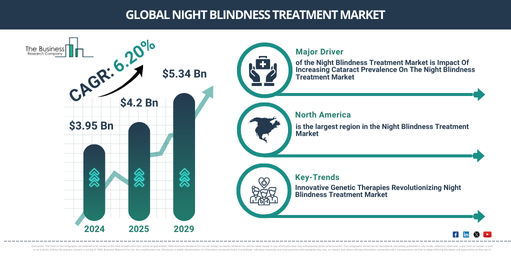
    In the past few years, the market size for treating night blindness has experienced substantial growth. The market, which is expected to reach $3.95 billion in 2024, is projected to increase to $4.2 billion in 2025 with a compound annual growth rate (CAGR) of 6.3%. Factors such as an increase in vitamin A deficiency, a growing elderly population susceptible to night vision issues, improvements and expansion in healthcare infrastructure, a heightened emphasis on nutritional methods to enhance vision health, and a spike in cases of retinitis pigmentosa, contribute to the market’s growth during this historical period.

    Expectations are high for robust expansion in the night blindness treatment market size in the upcoming years, anticipating a growth to$5.34 billion in 2029″ with a compound annual growth rate (CAGR) of 6.2%. The projected growth during the forecast period can be linked to the increasing use of cutting-edge diagnostic technologies, ramping up of awareness efforts surrounding eye health, surging demand for customised medicine, and an increase in the count of eye care clinics and facilities, as well as improvements in healthcare infrastructure. The period of forecast also suggests prominent trends such as the adoption of state-of-the-art diagnostic technologies, implementation of individualised treatment, advancements in gene therapy and stem cell treatments, incorporation of wearable technologies for immediate monitoring, and the creation of multidisciplinary clinics.

    Download a free sample to assess the report’s scope and structure:

    https://www.thebusinessresearchcompany.com/sample.aspx?id=18413&type=smp

    Which Factors and External Forces Are Driving Demand in the Night Blindness Treatment Market?

    The night blindness treatment market is anticipated to expand due to the rising incidence of cataracts. Cataracts are a condition in which the lens of the eye becomes clouded, resulting in compromised vision. Contributors to cataracts include increased sun exposure to ultraviolet (UV) light, smoking, and inadequate nutrition. The ability to differentiate between varying intensity of light and dark, vital for night vision, is diminished by cataracts. This reduction in contrast sensitivity makes it difficult to identify and navigate objects in dimly lit situations. For example, as per the 2021-23 National UK Eye Care Statistics Survey conducted by the Well-being of Future Generations Act (WFG), a government agency in the UK, in July 2023, there were approximately 16,500 (16,510) reported cases of cataracts in 2022-23. This number represents a 23.7% increase from the previous year. Consequently, the escalating occurrence of cataracts is fuelling the growth of the night blindness treatment market.

    Which Segments in the Night Blindness Treatment Offer the Most Growth?

    The night blindness treatmentmarket covered in this report is segmented –

    1) By Treatment: Medication; Surgery; Other Treatments

    2) By Diagnosis: Blood Tests; Color Vision Testing; Pupil Light Reflex; Refraction; Retinal Exam; Electroretinogram (ERG); Other Diagnoses

    3) By Symptom: Eye Pain; Vomiting; Cloudy Vision; Halos; Light Sensitivity; Distance Vision Problem; Headache; Other Symptoms

    4) By End User: Clinic; Hospital; Other End Users

    Subsegments:

    1) By Medication: Vitamin A Supplements; Retinoid Therapy; Beta-Carotene Supplements; Anti-Glaucoma Medications; Other Pharmaceutical Treatments

    2) By Surgery: Cataract Surgery; Retinal Surgery; Corneal Transplantation; LASIK Surgery

    3) By Other Treatments: Light Therapy; Gene Therapy; Low Vision Aids And Assistive Devices; Nutritional Therapy

    Request customized data on this market:

    https://www.thebusinessresearchcompany.com/customise?id=18413&type=smp

    What Are the Fastest-Growing Geographies in the #Which Factors and External Forces Are Driving Demand in the Night Blindness Treatment Market?# Market?

    North America was the largest region in the night blindness treatment market in 2024. Asia-Pacific is expected to be the fastest-growing region in the forecast period. The regions covered in the night blindness treatment market report are Asia-Pacific, Western Europe, Eastern Europe, North America, South America, Middle East, Africa.

    Which Cutting-Edge Market Trends Are Expected to Drive theNight Blindness Treatment Market’s Growth?

    Key players in the night blindness treatment market are pioneering creative genetic treatments to tackle the root genetic anomalies that enhance therapy efficacy and better patient results. Genetic treatments contribute to curing night blindness by focusing on and rectifying specific genetic defects that impede retinal performance, potentially rejuvenating vision in those with genetic retinal issues, like retinitis pigmentosa. To exemplify, HuidaGene Therapeutics, an American clinical-stage biotechnology firm, launched HG004 in August 2023. This is a gene therapy engineered to combat inherited retinal diseases such as Leber’s congenital amaurosis. This treatment has proven to excel past current treatments in pre-clinical trials, with the aim to revive retinal performance and mitigate night blindness and other disorders tied to RPE65-induced detriments.

    View the full report here:

    https://www.thebusinessresearchcompany.com/report/night-blindness-treatment-global-market-report

    What Are the Key Elements That Define the Night Blindness Treatment Market?

    Night blindness treatment refers to interventions aiming to alleviate conditions such as vitamin A deficiency and other issues impairing vision in low light settings. It aims to enhance visual acuity in dim conditions and improve overall visual function by addressing underlying causes. The purpose of night blindness treatment is to improve the patient’s ability to see in low-light conditions and at night. This treatment aims to address the underlying causes of night blindness and alleviate the symptoms.

    Purchase the full report and get a swift delivery:

    https://www.thebusinessresearchcompany.com/purchaseoptions.aspx?id=18413

    About The Business Research Company:

    With over 15000+ reports from 27 industries covering 60+ geographies, The Business Research Company has built a reputation for offering comprehensive, data-rich research and insights. Armed with 1,500,000 datasets, the optimistic contribution of in-depth secondary research, and unique insights from industry leaders, you can get the information you need to stay ahead in the game.

    Get in touch with us:

    The Business Research Company: https://www.thebusinessresearchcompany.com/

    Americas +1 310-496-7795

    Europe +44 7882 955267

    Asia & Others +44 7882 955267 & +91 8897263534

    Email us at info@tbrc.info

    Follow us on:

    LinkedIn: https://in.linkedin.com/company/the-business-research-company

    YouTube: https://www.youtube.com/channel/UC24_fI0rV8cR5DxlCpgmyFQ

    Global Market Model: https://www.thebusinessresearchcompany.com/global-market-model
  • $2.23 Billion Forecast for Hepatic Encephalopathy Market by 2029, Backed by Demand and Innovation

    $2.23 Billion Forecast for Hepatic Encephalopathy Market by 2029, Backed by Demand and Innovation

    Claim your 30% discount on Global Market Reports with code ONLINE30. Limited time only.

    How Fast Is The Hepatic Encephalopathy Market Expected to Grow Between 2025 And 2029?

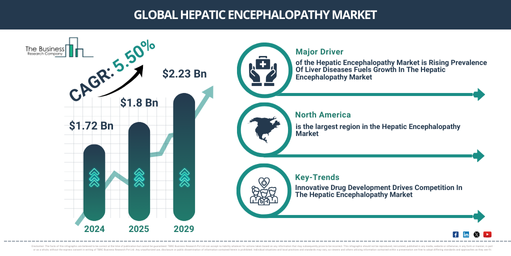
    Recent years have witnessed a consistent growth in the size of the hepatic encephalopathy market. The market is projected to increase from a size of $1.72 billion in 2024 to $1.8 billion in 2025, showcasing a compound annual growth rate (CAGR) of 4.5%. This growth in the previous period can be credited to the spread of liver diseases, growing consciousness about hepatic encephalopathy, governmental initiatives, and the rise of new liver therapies.

    In the coming years, the market for hepatic encephalopathy is forecast to experience significant growth, reaching an estimated worth of $2.23 billion in 2029 with a compound annual growth rate (CAGR) of 5.5%. A variety of factors are set to contribute to this growth in the forecast period, such as an increasing elderly population, an influx of treatment options, escalating spending on healthcare infrastructure, and investments in solutions for hepatic encephalopathy. During this projected phase, key trends could include the introduction of novel therapies, ongoing research and clinical trials, improvements in liver transplantation, innovation in pharmaceuticals, advances in dietary management and nutrition, along with the adoption of telemedicine and remote monitoring for the patients.

    Download a free sample to assess the report’s scope and structure:

    https://www.thebusinessresearchcompany.com/sample.aspx?id=12906&type=smp

    What Are the Core Growth Drivers Propelling the Hepatic Encephalopathy Market Forward?

    The increasing incidence of liver-related ailments is predicted to stimulate the advancement of the hepatic encephalopathy market in the future. Impairment of liver function is symptomatic of liver disease. Treatments for liver disease, including hepatic encephalopathy, can help manage symptoms, delay the progression of the disease, enhance liver operation, and diminish the frequency and severity of hepatic encephalopathy by better handling the root causes. This can result in an improved overall quality of life for patients. For example, in April 2024, data from the Office for Health Improvement and Disparities, a UK government department, revealed a continuous upward trend in hospital admissions for liver disease. The rate rose to 155.2 per 100,000 population (the range being 152.9 to 157.5) in the financial year concluding 2023, an increase from the 150.6 (range of 148.2 to 152.9) of the preceding year. Consequently, the escalating incidence of liver conditions propels the growth of the hepatic encephalopathy market.

    What Segment Types Define the Hepatic Encephalopathy Market Structure?

    The hepatic encephalopathymarket covered in this report is segmented –

    1) By Drug Class: Antibiotics; Laxatives; L-Ornithine; L-Aspartate; Other Drug Classes

    2) By Route Of Administration: Oral; Intravenous; Rectal

    3) By Distribution Channel: Hospital Pharmacies; Retail Pharmacies; Online Pharmacies

    Subsegments:

    1) By Antibiotics: Rifaximin; Neomycin; Metronidazole

    2) By Laxatives: Lactulose; Polyethylene Glycol; Sorbitol

    3) By L-Ornithine, L-Aspartate: L-Ornithine L-Aspartate

    4) By Other Drug Classes: Zinc Supplements; Probiotics; Hepatoprotective Agents

    Request customized data on this market:

    https://www.thebusinessresearchcompany.com/customise?id=12906&type=smp

    Which Geographic Areas Hold the Strongest Growth Potential in the Hepatic Encephalopathy Market?

    North America was the largest region in the hepatic encephalopathy market in 2024. The regions covered in hepatic encephalopathy market report are Asia-Pacific, Western Europe, Eastern Europe, North America, South America, Middle East and Africa.

    Which Emerging Trends that Are Influencing theHepatic Encephalopathy Industry Evolution?

    In an attempt to solidify their dominance and gain a competitive edge in the hepatic encephalopathy market, major firms are undertaking the development of groundbreaking drugs for treating hepatic encephalopathy. One notable instance is Karolinska Development AB, a pharmaceutical entity originating from Sweden, which pioneered the creation of GR3027 (golexanolone) in June 2023 for this particular treatment. This is an orally taken small molecule and a GABAA-receptor-modulating steroid antagonist (GAMSA), engineered to counteract the GABAA-receptor stimulation caused by natural neuroactive steroids. In addition, the effectiveness of this drug for hepatic encephalopathy is being examined, particularly for CHE through Phases I/IIa trials.

    View the full report here:

    https://www.thebusinessresearchcompany.com/report/hepatic-encephalopathy-global-market-report

    What Is the Definition of the Hepatic Encephalopathy Market?

    Hepatic encephalopathy is a condition characterized by a decline in brain function resulting from severe liver disease. It is a reversible syndrome of impaired brain function in patients with advanced liver diseases. Treating hepatic encephalopathy (HE) involves managing the underlying liver disease, reducing ammonia levels in the blood and addressing neurological symptoms.

    Purchase the full report and get a swift delivery:

    https://www.thebusinessresearchcompany.com/purchaseoptions.aspx?id=12906

    About The Business Research Company:

    With over 15000+ reports from 27 industries covering 60+ geographies, The Business Research Company has built a reputation for offering comprehensive, data-rich research and insights. Armed with 1,500,000 datasets, the optimistic contribution of in-depth secondary research, and unique insights from industry leaders, you can get the information you need to stay ahead in the game.

    Get in touch with us:

    The Business Research Company: https://www.thebusinessresearchcompany.com/

    Americas +1 310-496-7795

    Europe +44 7882 955267

    Asia & Others +44 7882 955267 & +91 8897263534

    Email us at info@tbrc.info

    Follow us on:

    LinkedIn: https://in.linkedin.com/company/the-business-research-company

    YouTube: https://www.youtube.com/channel/UC24_fI0rV8cR5DxlCpgmyFQ

    Global Market Model: https://www.thebusinessresearchcompany.com/global-market-model
  • Major Drivers Propelling the Growth oh theNeurogenetic Testing Market Forward: Rising Prevalence Of Neurological Disorders Fuels Demand For Neurogenetic Testing

    Major Drivers Propelling the Growth oh theNeurogenetic Testing Market Forward: Rising Prevalence Of Neurological Disorders Fuels Demand For Neurogenetic Testing

    Claim your 30% discount on Global Market Reports with code ONLINE30. Limited time only.

    What is the Projected CAGR for the Neurogenetic Testing Market Size from 2025 to 2034?

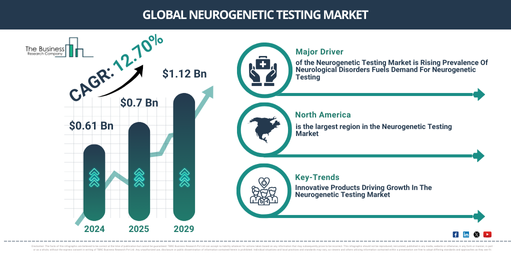
    The market size for neurogenetic testing has experienced swift expansion in the last few years, escalating from a worth of $0.61 billion in 2024 to a projected worth of $0.7 billion in 2025, indicating a compound annual growth rate (CAGR) of 13.5%. The notable growth observed in the past era is largely due to a surge in neurological disease occurrences, enhanced life science research, increasing instances of Parkinson’s disease, a rise in cancer incidents, and heightened knowledge among healthcare experts.

    The market size for neurogenetic testing is projected to experience swift expansion over the next few years, achieving a value of$1.12 billion in 2029, growing at a compound annual growth rate (CAGR) of 12.7%. The escalation expected during this forecast period is credited to the extended use in personalized medicine, an increase in chronic diseases, a surge in the establishment of hospitals and diagnostic laboratories, and the growing necessity for early disease detection. Key trends for the predicted period encompass technological progress, an increased preference for non-invasive testing procedures, the introduction of new products, strategic partnerships, and the discovery of novel biomarkers associated with neurological conditions.

    Download a free sample to assess the report’s scope and structure:

    https://www.thebusinessresearchcompany.com/sample.aspx?id=16131&type=smp

    Which Major Market Drivers Are Expected to Boost the Growth Potential of the Neurogenetic Testing Market?

    The increase in occurrences of neurological disorders is anticipated to boost the expansion of the neurogenetic testing market. These neurological disorders involve conditions that impact the nervous system, encompassing the brain, spinal cord, and nerves. Genetic predisposition, infections, trauma, toxins, autoimmune responses and degeneration contribute to the prevalence of these disorders. Neurogenetic testing notably improves the identification, treatment, and management of such disorders by providing personalized insights into genetic risk factors. It also helps in directing treatment decisions, and enabling individuals and families to make knowledgeable health care choices, thereby enhancing patient care and outcomes. For example, as per the European Brain Council, a non-profit organization based in Belgium, in April 2022, over 600 neurological diseases and around 300 psychiatric conditions affect millions worldwide, including those suffering from epilepsy, which is approximately 65 million. In Europe, about 10.5 million people are afflicted with dementia, with estimates suggesting an increase to 18.7 million by 2050. As a result of these factors, the increasing prevalence of neurological disorders is anticipated to propel the growth of the neurogenetic testing market.

    Which Key Market Segments Comprise the Neurogenetic Testing Market and Drive Its Revenue Growth?

    The neurogenetic testingmarket covered in this report is segmented –

    1) By Type: Microarray Analysis; Whole-Exome Sequencing (WES); Multiplex Ligation Dependent Probe Amplification (MLPA); Polymerase Chain Reaction (PCR) Tests; Other Types

    2) By Disease: Rare Genetic Disorder; Cancer; Cystic Fibrosis; Sickle Cell Anemia; Duchenne Muscular Dystrophy; Thalassemia; Huntington’s Disease; Fragile X Syndrome; Other Diseases

    3) By End-Users: Hospitals; Specialty Clinics; Research Institutes; Diagnostics Laboratories

    Subsegments:

    1) By Microarray Analysis: Comparative Genomic Hybridization (CGH) Microarray; Single Nucleotide Polymorphism (SNP) Microarray; Gene Expression Microarray

    2) By Whole-Exome Sequencing (WES): Targeted Exome Sequencing; Clinical Exome Sequencing; Research-Grade Exome Sequencing

    3) By Multiplex Ligation Dependent Probe Amplification (MLPA): MLPA For Copy Number Variation; MLPA For Methylation Analysis; MLPA For Specific Disease Detection

    4) By Polymerase Chain Reaction (PCR) Tests: Quantitative PCR (qPCR); Reverse Transcription PCR (RT-PCR); Digital PCR (dPCR)

    5) By Other Types: Next-Generation Sequencing (NGS); Southern Blotting; Fluorescence In Situ Hybridization (FISH); Sanger Sequencing

    Request customized data on this market:

    https://www.thebusinessresearchcompany.com/customise?id=16131&type=smp

    Which Areas Are Leading Regions in the Neurogenetic Testing Market Expansion Across the Globe?

    North America was the largest region in the neurogenetic testing market in 2024. Asia-Pacific is expected to be the fastest-growing region in the forecast period. The regions covered in the neurogenetic testing market report are Asia-Pacific, Western Europe, Eastern Europe, North America, South America, Middle East, Africa.

    What Are the Key Market Trends in theNeurogenetic Testing Market Over the Coming Years?

    Key players in the neurogenetic testing market, such as Nucleus Genomics, are introducing pioneering products like whole-genome sequencing, to improve the precision and range of genetic studies. This allows for more thorough and personalized tests for neurological issues. Whole-genome sequencing (WGS), a cutting-edge technique for genetic testing, involves determining the complete DNA sequence of a person’s genome. Nucleus Genomics, a US-based genetic analysis provider, introduced a DNA analysis product in March 2024. This platform works towards giving people in-depth awareness of their genetic proclivities, thus enabling informed choices about their health. Possessing advanced technology and expert genetic counseling services, Nucleus Genomics aims to transform the genetic testing landscape by making whole-genome sequencing accessible to everybody, thereby bringing about a significant shift in genomic medicine.

    View the full report here:

    https://www.thebusinessresearchcompany.com/report/neurogenetic-testing-global-market-report

    How Is the Neurogenetic Testing Market Conceptually Defined?

    Neurogenetic testing is a type of genetic testing that focuses on identifying genetic variations associated with neurological disorders or conditions affecting the nervous system. It is used for diagnosing, predicting, and managing neurological disorders, as well as facilitating research and the development of personalized treatment approaches in the field of neurology and genetics.

    Purchase the full report and get a swift delivery:

    https://www.thebusinessresearchcompany.com/purchaseoptions.aspx?id=16131

    About The Business Research Company:

    With over 15000+ reports from 27 industries covering 60+ geographies, The Business Research Company has built a reputation for offering comprehensive, data-rich research and insights. Armed with 1,500,000 datasets, the optimistic contribution of in-depth secondary research, and unique insights from industry leaders, you can get the information you need to stay ahead in the game.

    Get in touch with us:

    The Business Research Company: https://www.thebusinessresearchcompany.com/

    Americas +1 310-496-7795

    Europe +44 7882 955267

    Asia & Others +44 7882 955267 & +91 8897263534

    Email us at info@tbrc.info

    Follow us on:

    LinkedIn: https://in.linkedin.com/company/the-business-research-company

    YouTube: https://www.youtube.com/channel/UC24_fI0rV8cR5DxlCpgmyFQ

    Global Market Model: https://www.thebusinessresearchcompany.com/global-market-model
  • Global Hemophilia Market Projected to Reach $20.98 Billion by 2029 at a CAGR of 8.8%

    Global Hemophilia Market Projected to Reach $20.98 Billion by 2029 at a CAGR of 8.8%

    Claim your 30% discount on Global Market Reports with code ONLINE30. Limited time only.

    What Are the Key Projections for the CAGR of the Hemophilia Market Size From 2025 to 2034?

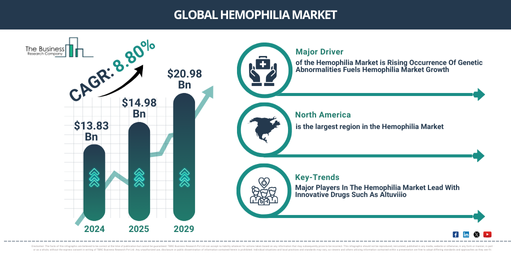
    The size of the hemophilia market has experienced significant growth in the past few years. An expansion from $13.83 billion in 2024 to $14.98 billion in 2025 is anticipated, indicating a compound annual growth rate (CAGR) of 8.3%. Factors contributing to the growth during the historical period include government strategies, a rising count of hemophilia patients, escalated diagnostic screenings, and heightened awareness surrounding hemophilia therapies.

    The market for hemophilia is projected to witness substantial expansion in the upcoming years, hitting a size of$20.98 billion in 2029 at a compound annual growth rate (CAGR) of 8.8%. This projected expansion during the forecast period can be ascribed to factors such as advancing research and development in hemophilia, increased diagnostic screenings, a surge in healthcare expenditures, and worldwide treatment accessibility. Key projected trends for the forecast span involve the launching and approval of novel drugs, an escalation in drug development, extensive research and clinical trials, the rise of digital health solutions, and advancements in treatment choices.

    Download a free sample to assess the report’s scope and structure:

    https://www.thebusinessresearchcompany.com/sample.aspx?id=12905&type=smp

    What are the Fundamental Drivers and Innovations Shaping the Hemophilia Market?

    The growth of the hemophilia market is anticipated to be driven by the increasing prevalence of genetic abnormalities. Genetic abnormalities, also identified as genetic mutations or genetic disorders, are changes in an individual’s genetic code that can lead to various health issues and physical characteristics. The goal of hemophilia treatment is to prevent or manage bleeding events, limit complications, and enhance the life quality of those with such genetic disorders. For example, as reported by Gene People, a registered charity organization in the UK devoted to genetic conditions, in June 2023, one out of 25 kids was diagnosed with a genetic disorder. This results in 30,000 infants and young children in the UK, along with over 2.4 million children and adults upshot by a genetic disorder annually. Hence, the increasing prevalence of genetic abnormalities is positively influencing the hemophilia market’s growth.

    How Is the Hemophilia Market Segmented?

    The hemophiliamarket covered in this report is segmented –

    1) By Type: Hemophilia A; Hemophilia B; Hemophilia C; Other Types

    2) By Treatment: Replacement Therapy; Hemostatic Agents; Desmopressin; Gene Therapy; Other Treatments

    3) By End-User: Hospitals; Clinics; Home Care Settings; Other End-Users

    Subsegments:

    1) By Hemophilia A: Severe Hemophilia A; Moderate Hemophilia A; Mild Hemophilia A

    2) By Hemophilia B: Severe Hemophilia B; Moderate Hemophilia B; Mild Hemophilia B

    3) By Hemophilia C: Severe Hemophilia C; Mild Hemophilia C

    4) By Other Types: Acquired Hemophilia; Von Willebrand Disease

    Request customized data on this market:

    https://www.thebusinessresearchcompany.com/customise?id=12905&type=smp

    Which Regions Are Driving the Next Phase of the Hemophilia Market Growth?

    North America was the largest region in the hemophilia market in 2024. Asia-Pacific is expected to be the fastest-growing region in the forecast period. The regions covered in hemophilia market report are Asia-Pacific, Western Europe, Eastern Europe, North America, South America, Middle East and Africa.

    What Key Trends Are Shaping the Future of the Hemophilia Market?

    Leading companies in the hemophilia market are pioneering new drugs such as ALTUVIIIO to maintain their market position. For example, in February 2023, Sanofi S.A, a French pharmaceutical and healthcare corporation, introduced ALTUVIIIO for hemophilia, which received approval from the US government entity, The Food and Drug Administration (FDA). ALTUVIIIO, which is to be taken once a week, is the inaugural and sole hemophilia A treatment that brings regular to nearly normal factor activity levels (over 40%) for the majority of the week and significantly reduces bleeding compared to the previous factor VIII prophylaxis.

    View the full report here:

    https://www.thebusinessresearchcompany.com/report/hemophilia-global-market-report

    How Is the Hemophilia Market Defined and What Are Its Core Parameters?

    Hemophilia is a rare genetic disorder that affects the body’s ability to clot blood properly and generally occurs when a person gets injured and starts bleeding. Hemophilia treatment treats Hemophilia disease through various medical interventions and strategies to manage and address the bleeding tendencies associated with hemophilia.

    Purchase the full report and get a swift delivery:

    https://www.thebusinessresearchcompany.com/purchaseoptions.aspx?id=12905

    About The Business Research Company:

    With over 15000+ reports from 27 industries covering 60+ geographies, The Business Research Company has built a reputation for offering comprehensive, data-rich research and insights. Armed with 1,500,000 datasets, the optimistic contribution of in-depth secondary research, and unique insights from industry leaders, you can get the information you need to stay ahead in the game.

    Get in touch with us:

    The Business Research Company: https://www.thebusinessresearchcompany.com/

    Americas +1 310-496-7795

    Europe +44 7882 955267

    Asia & Others +44 7882 955267 & +91 8897263534

    Email us at info@tbrc.info

    Follow us on:

    LinkedIn: https://in.linkedin.com/company/the-business-research-company

    YouTube: https://www.youtube.com/channel/UC24_fI0rV8cR5DxlCpgmyFQ

    Global Market Model: https://www.thebusinessresearchcompany.com/global-market-model
  • Critical Market Drivers Shaping the Outlook for Neurocognitive Assessment And Rehabilitation Market from 2025-2034: Rising Prevalence Of Neurological Disorders Fuels Growth In Neurocognitive Assessment And Rehabilitation Market

    Critical Market Drivers Shaping the Outlook for Neurocognitive Assessment And Rehabilitation Market from 2025-2034: Rising Prevalence Of Neurological Disorders Fuels Growth In Neurocognitive Assessment And Rehabilitation Market

    Claim your 30% discount on Global Market Reports with code ONLINE30. Limited time only.

    What Is the Current and Projected Market Size of the Neurocognitive Assessment And Rehabilitation Market Through 2034?

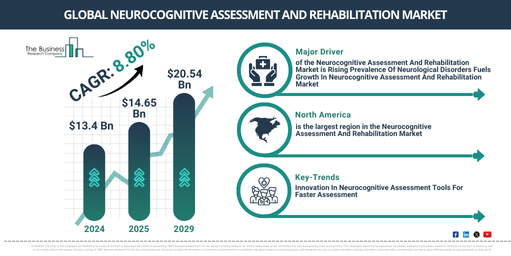
    There has been a significant increase in the size of the neurocognitive assessment and rehabilitation market in the recent past. The market, which was valued at $13.4 billion in 2024, is projected to reach $14.65 billion in 2025, representing a compound annual growth rate (CAGR) of 9.4%. The growth experienced during the historic period is attributed to several factors including higher incidences of neurocognitive disorders, aging population, enhanced awareness and education, healthcare policies and funding, better diagnostic methods, and increase in mental health problems.

    The size of the neurocognitive assessment and rehabilitation market is projected to experience substantial growth in the coming years. It is estimated to escalate to $20.54 billion in 2029, with a compound annual growth rate (CAGR) of 8.8%. The anticipated growth within this timeframe can be linked to customised medical treatment strategies, wellness initiatives from businesses, progress in technology, enhanced insurance coverages and reimbursement systems, and the integration with telemedicine. Key trends predicted for this period consist of the embrace of wearable technology, the progress in regenerative medicine and neuroplasticity studies, personalised rehabilitation plans, the application of virtual reality (VR) and augmented reality (AR), and multi-disciplinary strategies.

    Download a free sample to assess the report’s scope and structure:

    https://www.thebusinessresearchcompany.com/sample.aspx?id=15870&type=smp

    What Are the Core Growth Drivers Propelling the Neurocognitive Assessment And Rehabilitation Market Forward?

    The growing incidence of neurological conditions is anticipated to fuel the expansion of the neurocognitive assessment and rehabilitation market in the future. Neurological conditions are health issues that impact the nervous system, encompassing the brain, spinal cord, and nerves, resulting in symptoms like muscle feebleness, issues with coordination, and cognitive issues. The causes of neurological ailments can be linked to a composite of elements including an aging populace and the growing frequency of age-linked conditions such as Alzheimer’s and Parkinson’s disease. Neurocognitive assessments offer valuable information about cognitive function, thereby assisting in the diagnosis and treatment planning for neurological conditions. On the other hand, rehabilitation interventions seek to maximize neural functionality and improve quality of life through specific therapies and strategies. For example, the Alzheimer’s Association, a US-based voluntary health organization, predicts that the incidence of Alzheimer’s dementia, a neurological condition, among US individuals aged 85 and older will reach 2.4 million in 2024 and is predicted to escalate further to 6.7 million by 2060. Consequently, the escalating incidence of neurological conditions is driving the expansion of the neurocognitive assessment and rehabilitation market.

    What Segment Types Define the Neurocognitive Assessment And Rehabilitation Market Structure?

    The neurocognitive assessment and rehabilitationmarket covered in this report is segmented –

    1) By Components: Neurocognitive Assessment Testing; Neurorehabilitation Therapy

    2) By Providers: Rehab Centers; Hospital And Clinics; Homecare Settings; Physiotherapy Centers

    3) By Organization Size: Large Enterprises; Small And Medium-sized Enterprises (SMEs)

    Subsegments:

    1) By Neurocognitive Assessment Testing: Standardized Tests; Computerized Neurocognitive Assessments; Paper-Based Neurocognitive Tests

    2) By Neurorehabilitation Therapy: Cognitive Behavioral Therapy (CBT); Virtual Reality Therapy; Transcranial Magnetic Stimulation (TMS); Neurofeedback Therapy; Physical Therapy And Occupational Therapy

    Request customized data on this market:

    https://www.thebusinessresearchcompany.com/customise?id=15870&type=smp

    Which Geographic Areas Hold the Strongest Growth Potential in the Neurocognitive Assessment And Rehabilitation Market?

    North America was the largest region in the neurocognitive assessment and rehabilitation market in 2024. The regions covered in the neurocognitive assessment and rehabilitation market report are Asia-Pacific, Western Europe, Eastern Europe, North America, South America, Middle East and Africa.

    Which Emerging Trends that Are Influencing theNeurocognitive Assessment And Rehabilitation Industry Evolution?

    Prominent firms in the neurocognitive assessment and rehabilitation industry are making strides with innovative approaches like digital tests, designed to diagnose cognitive deficits and secure competitive advantage. Digital tests denote assessments conducted via digital systems or software to appraise diverse cognitive functions, spanning memory, attention, language and executive function. To exemplify, Neurotrack Technologies, a company from the US offering web-based screening tools and cognitive health initiatives, initiated a 3-minute digital test to check for cognitive dysfunction in November 2022. This device allows primary care groups to perform fast cognitive decline screening during annual health check-ups, thus supporting the early identification of neurodegenerative disorders, including Alzheimer’s. It comes with culturally-neutral features that boost precision and accessibility, answering the urgent requirement for cognitive screening in the face of a growing elderly populace. This ground-breaking solution equips providers with the ability to incorporate cognitive examinations smoothly into clinical operations, with the potential to significantly alter dementia care and intervention tactics.

    View the full report here:

    https://www.thebusinessresearchcompany.com/report/neurocognitive-assessment-and-rehabilitation-global-market-report

    What Is the Definition of the Neurocognitive Assessment And Rehabilitation Market?

    Neurocognitive rehabilitation refers to therapeutic interventions aimed at diagnosing and treating cognitive impairments caused by neurological conditions, brain injuries, or psychological disorders. It involves a series of standardized tests and clinical evaluations designed to measure cognitive functions such as memory, attention, language, and problem-solving skills.

    Purchase the full report and get a swift delivery:

    https://www.thebusinessresearchcompany.com/purchaseoptions.aspx?id=15870

    About The Business Research Company:

    With over 15000+ reports from 27 industries covering 60+ geographies, The Business Research Company has built a reputation for offering comprehensive, data-rich research and insights. Armed with 1,500,000 datasets, the optimistic contribution of in-depth secondary research, and unique insights from industry leaders, you can get the information you need to stay ahead in the game.

    Get in touch with us:

    The Business Research Company: https://www.thebusinessresearchcompany.com/

    Americas +1 310-496-7795

    Europe +44 7882 955267

    Asia & Others +44 7882 955267 & +91 8897263534

    Email us at info@tbrc.info

    Follow us on:

    LinkedIn: https://in.linkedin.com/company/the-business-research-company

    YouTube: https://www.youtube.com/channel/UC24_fI0rV8cR5DxlCpgmyFQ

    Global Market Model: https://www.thebusinessresearchcompany.com/global-market-model

  • Hemochromatosis (Iron Overload) Disease Treatment Market Forecast 2025–2034: Trends Reshaping Demand, Investment, and Innovation

    Hemochromatosis (Iron Overload) Disease Treatment Market Forecast 2025–2034: Trends Reshaping Demand, Investment, and Innovation

    Claim your 30% discount on Global Market Reports with code ONLINE30. Limited time only.

    How Has The Hemodynamic Monitoring Systems Market Growth Evolved From 2024 To 2025, And What’s Ahead?

    In recent times, the market size for hemodynamic monitoring systems has seen robust growth. It is projected to expand from $1.57 billion in 2024 to $1.67 billion in 2025, marking a compound annual growth rate (CAGR) of 6.9%. Factors contributing to the past growth include an increase in incidences of cardiovascular diseases, aging demographics, chronic conditions, surgical procedures and the demands of intensive care units (ICUs). Additionally, a clinical focus on patient safety and improvements in healthcare infrastructure have also played roles.

    Anticipations show a robust expansion in the hemodynamic monitoring systems market over the forthcoming years, reaching $2.23 billion in 2029 with a compound annual growth rate (CAGR) of 7.4%. The surge expected during the forecast period can be attributed to factors such as the shift towards minimally invasive procedures, integration into electronic health records (EHRs), adoption of remote patient monitoring solutions, early detection and intervention emphasis, global health challenges, and essential critical care needs. Future trends to watch include the adoption of artificial intelligence (AI) and machine learning (ML), remote monitoring and integration with telehealth, wide use of hemodynamic monitoring in critical care environments, partnerships for technological progress, and a heightened focus on data security and patient confidentiality.

    Download a free sample to assess the report’s scope and structure:

    https://www.thebusinessresearchcompany.com/sample.aspx?id=13152&type=smp

    What Are the Primary Drivers Supporting the Market Growth of the Hemodynamic Monitoring Systems Market?

    The increase in cardiovascular disorders is anticipated to boost the expansion of the hemodynamic monitoring systems market in the future. Hemodynamic monitoring systems deliver immediate data and understanding of a patient’s cardiovascular state, allowing medical personnel to initiate accurate and timely interventions, refine treatment methods, and enhance patient results. Heart conditions comprise a group of disorders impacting the heart and blood vessels. As an example, March 2024 data from a UK-based website, as per the UK Government, indicated that in the fiscal year concluding in 2023, a bit over 1,862,500 individuals, approximating to 3% of England’s population, were diagnosed by a general practitioner with coronary heart disease (CHD). As such, the escalating rate of cardiovascular ailments will contribute to the growth of the hemodynamic monitoring systems market.

    Which Primary Segments of the Hemodynamic Monitoring Systems Market Are Driving Growth and Industry Transformations?

    The hemodynamic monitoring systemsmarket covered in this report is segmented –

    1) By Product: Monitors; Consumables

    2) By Technique Type: Invasive; Non-Invasive

    3) By End-User: Hospitals; Cath Labs; Other End-Users

    Subsegments:

    1) By Monitors: Bedside Monitors; Handheld Monitors; Portable Monitors

    2) By Consumables: Catheters; Sensors; Tubing and Accessories

    Request customized data on this market:

    https://www.thebusinessresearchcompany.com/customise?id=13152&type=smp

    Which Regions Are Key Players in the Growth of the #What Are the Primary Drivers Supporting the Market Growth of the Hemodynamic Monitoring Systems Market?# Market?

    North America was the largest region in the hemodynamic monitoring systems market in 2024. The regions covered in the hemodynamic monitoring systems market report are Asia-Pacific, Western Europe, Eastern Europe, North America, South America, Middle East, Africa

    What Are the Most Significant Market Trends in the Hemodynamic Monitoring Systems Market?

    The primary businesses operating in the hemodynamic monitoring systems sector are concentrated on innovating advanced hemodynamic monitoring solutions to intensify patient results, increase precision in cardiovascular evaluations, and provide instantaneous data analysis for enhanced clinical decision-making in critical care situations. The FloTrac Sensor, a minimally invasive piece of equipment, is fashioned for uninterrupted hemodynamic monitoring in seriously ill patients. It delivers instantaneous measurements of cardiac output and crucial hemodynamic parameters by leveraging arterial waveform analysis via a standard arterial catheter. For instance, in June 2023, Mindray Medical International Ltd based in China collaborated with Edwards Lifesciences, a US-based firm, to introduce a new hemodynamic monitoring solution. This solution features the FloTrac™ sensor that links to an arterial line, which automatically measures essential hemodynamic parameters such as Cardiac Output (CO), Stroke Volume (SV), Stroke Volume Variation (SVV), Systemic Vascular Resistance (SVR), and Mean Arterial Pressure (MAP) every 20 seconds. Mindray’s BeneVision N series patient monitors facilitate this integration.

    View the full report here:

    https://www.thebusinessresearchcompany.com/report/hemodynamic-monitoring-systems-global-market-report

    What Parameters Are Used to Define the Hemodynamic Monitoring Systems Market?

    Hemodynamic monitoring systems are medical devices and techniques used to measure and assess physiological parameters related to the functioning of the cardiovascular system. These systems provide real-time data and insights into blood circulation, cardiac output, and other vital parameters within the circulatory system.

    Purchase the full report and get a swift delivery:

    https://www.thebusinessresearchcompany.com/purchaseoptions.aspx?id=13152

    About The Business Research Company:

    With over 15000+ reports from 27 industries covering 60+ geographies, The Business Research Company has built a reputation for offering comprehensive, data-rich research and insights. Armed with 1,500,000 datasets, the optimistic contribution of in-depth secondary research, and unique insights from industry leaders, you can get the information you need to stay ahead in the game.

    Get in touch with us:

    The Business Research Company: https://www.thebusinessresearchcompany.com/

    Americas +1 310-496-7795

    Europe +44 7882 955267

    Asia & Others +44 7882 955267 & +91 8897263534

    Email us at info@tbrc.info

    Follow us on:

    LinkedIn: https://in.linkedin.com/company/the-business-research-company

    YouTube: https://www.youtube.com/channel/UC24_fI0rV8cR5DxlCpgmyFQ

    Global Market Model: https://www.thebusinessresearchcompany.com/global-market-model

  • Key Factors Fueling the Growth of the Needle-Free Drug Delivery Devices Market in 2025: Diabetes As A Catalyst Is Driving Growth In The Needle-Free Drug Delivery Devices Market

    Key Factors Fueling the Growth of the Needle-Free Drug Delivery Devices Market in 2025: Diabetes As A Catalyst Is Driving Growth In The Needle-Free Drug Delivery Devices Market

    Claim your 30% discount on Global Market Reports with code ONLINE30. Limited time only.

    What is the Anticipated CAGR of the Needle-Free Drug Delivery Devices Market, and What Factors Will Drive It?

    The market size for needle-free drug delivery devices has seen rapid expansion in the previous few years. It is projected to escalate from a valuation of $16.7 billion in 2024 to approximately $18.54 billion in 2025, with a compound annual growth rate (CAGR) of 11.0%. Factors contributing to the growth during the historic period include heightened occurrence of chronic illnesses, a growing desire for pain-free methods of drug delivery, a rise in the elderly population, focus on compliance and safety of patients, regulatory endorsement for needle-free technologies, and expanded pharmaceutical industry.

    Anticipated to experience significant expansion in the upcoming years, the needle-free drug delivery devices market is projected to increase to a value of $27.68 billion in 2029, with a 10.5% compound annual growth rate (CAGR). The anticipated growth is credited to factors such as the escalating demand for pain-free drug administration, the growing focus on patient-centric medical solutions, and the increasing applications in the pediatric and elderly populations. Additional contributing factors include the rising incidence of chronic conditions requiring regular injections, technological advancements improving device efficiency, expanding access to healthcare in emerging economies, and heightened investment in innovative delivery system research and development. The forecast period is expected to see notable trends such as a surge in the adoption of wearable and connected devices, the development of new microfluidic technologies, increased attention to pediatric-friendly needle-free solutions, the incorporation of artificial intelligence and machine learning, and broader applications in home healthcare environments.

    Download a free sample to assess the report’s scope and structure:

    https://www.thebusinessresearchcompany.com/sample.aspx?id=15615&type=smp

    What are the Fundamental Drivers and Innovations Shaping the Needle-Free Drug Delivery Devices Market?

    The escalating occurrence of diabetes is anticipated to boost the needle-free drug delivery device market’s development in the future. Diabetes is a chronic health issue characterized by elevated blood sugar levels caused by either the inadequate production of insulin or the ineffective use of insulin by the body. Factors escalating the disease include inactive lifestyles, poor eating habits, genetics, urbanization, aging demographics, and lack of healthcare accessibility, coupled with global spikes in obesity. Needle-free drug delivery devices offer a replacement for traditional insulin injections for diabetes management. These devices employ techniques such as jet injectors or transdermal patches, which facilitate painless insulin delivery through the skin and minimize injection-associated discomfort and anxiety, improving patient comfort. As an example, in June 2024, the National Health Service, a UK government department, revealed that 549,000 additional individuals in England were identified as being at risk of type 2 diabetes in 2023. Consequently, the number of non-diabetic hyperglycemia, or prediabetes patients registered with a GP, rose to 3,615,330. This represents a notable increase when compared to the 3,065,825 recorded in 2022, accounting for nearly a 20% rise. Therefore, the escalating occurrence of diabetes is instigating the growth of the needle-free drug delivery device market.

    How Is the Needle-Free Drug Delivery Devices Market Segmented?

    The needle-free drug delivery devicesmarket covered in this report is segmented –

    1) By Device Type: Inhalers; Jet Injectors; Novel Needles; Transdermal Patches; Other Device Types

    2) By Application: Pain Management; Vaccine Delivery; Pediatric Injections; Insulin Delivery; Other Applications

    3) By End-User: Hospitals And Clinics; Home Healthcare

    Subsegments:

    1) By Inhalers: Dry Powder Inhalers (Dpi); Metered Dose Inhalers (Mdi); Nebulizers

    2) By Jet Injectors: High-Pressure Jet Injectors; Spring-Powered Jet Injectors; Battery-Operated Jet Injectors

    3) By Novel Needles: Micro-Needle Arrays; Nano-Needle Arrays

    4) By Transdermal Patches: Microneedle Patches; Conventional Patches ( Nicotine, Hormonal, Pain Relief)

    5) By Other Device Types: Oral Drug Delivery Devices; Implantable Drug Delivery Systems; Sublingual Drug Delivery Devices

    Request customized data on this market:

    https://www.thebusinessresearchcompany.com/customise?id=15615&type=smp

    Which Regions Are Driving the Next Phase of the Needle-Free Drug Delivery Devices Market Growth?

    North America was the largest region in the needle-free drug delivery devices market in 2024. Asia-Pacific is expected to be the fastest-growing region in the forecast period. The regions covered in the needle-free drug delivery devices market report are Asia-Pacific, Western Europe, Eastern Europe, North America, South America, Middle East, Africa.

    What Key Trends Are Shaping the Future of the Needle-Free Drug Delivery Devices Market?

    As part of their strategy to deliver superior service, prominent firms in the needle-free drug delivery device market are concentrating on innovative solutions like dual chamber inhalers to enhance treatment efficiency and convenience. Dual-chamber inhalers, which have two separate compartments for different medications, simplify treatment by allowing multiple drugs to be combined in one device, thereby increasing ease of administration for patients and healthcare providers. In this regard, Berry Global, an American plastic manufacturing firm, launched the BerryHaler in April 2024. This state-of-the-art dry powder inhaler (DPI) was created to transform patient-oriented healthcare solutions. Its distinctive design hails a dosage counter for accurately administering medicine, and its entirely plastic make-up, free of metal components, is extremely well-suited for intricate inhalation treatments. The BerryHaler simplifies dosage and efficiently combines multiple medicines. This dual-chamber inhaler also features a bi-directional mouthpiece cover for user comfort and sanitation, and supplies audible cues to guarantee correct usage. The integrated dose counter plays a crucial role in precisely tracking medication usage and avoiding dosage mistakes.

    View the full report here:

    https://www.thebusinessresearchcompany.com/report/needle-free-drug-delivery-devices-global-market-report

    How Is the Needle-Free Drug Delivery Devices Market Defined and What Are Its Core Parameters?

    Needle-free drug delivery devices refer to medical tools designed to administer medication without traditional needles. They offer an alternative means of delivering drugs, vaccines, or therapeutic agents into the body through the skin or mucosal membranes. These devices aim to reduce patient discomfort and the risk of needle-related injuries.

    Purchase the full report and get a swift delivery:

    https://www.thebusinessresearchcompany.com/purchaseoptions.aspx?id=15615

    About The Business Research Company:

    With over 15000+ reports from 27 industries covering 60+ geographies, The Business Research Company has built a reputation for offering comprehensive, data-rich research and insights. Armed with 1,500,000 datasets, the optimistic contribution of in-depth secondary research, and unique insights from industry leaders, you can get the information you need to stay ahead in the game.

    Get in touch with us:

    The Business Research Company: https://www.thebusinessresearchcompany.com/

    Americas +1 310-496-7795

    Europe +44 7882 955267

    Asia & Others +44 7882 955267 & +91 8897263534

    Email us at info@tbrc.info

    Follow us on:

    LinkedIn: https://in.linkedin.com/company/the-business-research-company

    YouTube: https://www.youtube.com/channel/UC24_fI0rV8cR5DxlCpgmyFQ

    Global Market Model: https://www.thebusinessresearchcompany.com/global-market-model

  • Hemochromatosis (Iron Overload) Disease Treatment Market 2025-2034: Key Highlights, Growth Dynamics, and Emerging Trends

    Claim your 30% discount on Global Market Reports with code ONLINE30. Limited time only.

    What is the Projected CAGR for the Hemochromatosis (Iron Overload) Disease Treatment Market Size from 2025 to 2034?

    Over the past few years, the market for hemochromatosis (iron overload) disease treatment has been experiencing steady growth. This market is expected to expand from a worth of $27.91 billion in 2024 to $28.62 billion in 2025, witnessing a compound annual growth rate (CAGR) of 2.6%. The factors contributing to this growth throughout the historical period include increased clinical awareness and diagnosis, advancements in therapy, genetic screenings and early detection mechanisms, the widespread incidence of hereditary hemochromatosis, as well as ongoing research and clinical trials.

    Expectations are that the hemochromatosis (iron overload) disease treatment market will experience consistent growth in the upcoming years, with projections suggesting a rise to$33.12 billion in 2029,” reflecting a compound annual growth rate (CAGR) of 3.7%. This predicted growth during the forecast period can be associated with factors such as the use of personalized medicine, advancements in therapeutic strategies, enhancement of screening procedures and awareness programs, cooperative endeavours in genetic studies and worldwide health initiatives. Key trends to watch during the forecast timeline include increasing effort towards patient education and awareness, development and investigation of genetic and molecular treatment approaches, the incorporation of telemedicine and distant monitoring amenities, inclusion of digital health platforms, and the global extension of treatment availability.

    Download a free sample to assess the report’s scope and structure:

    https://www.thebusinessresearchcompany.com/sample.aspx?id=13151&type=smp

    How Are Key Drivers in the Industry Acting as Catalysts for the Growth of theHemochromatosis (Iron Overload) Disease Treatment Market?

    Expectations for the hemochromatosis (iron overload) disease treatment market’s growth are elevated due to the rising prevalence of anemia. Anemia, a blood disorder, is characterized by a decrease in the count of red blood cells or a drop in the quantity of hemoglobin in the bloodstream, leading to the incapacity to transport oxygen to various organs and tissues within the body. The goal of the treatment for hemochromatosis (iron overload) disease is to avert anemia using iron chelator drugs, thus preventing impairment to organs and complications linked to blood ailments. As an illustration, the World Health Organization (WHO), a Swiss agency, predicted in December 2023 that anemia influences 40% of children aged between 6 and 59 months, 37% of expectant women, and 30% of women aged 15 to 49 internationally. So, the rising prevalence of anemia is anticipated to fuel the expansion of the hemochromatosis (iron overload) disease treatment market.

    Which Segments in the Hemochromatosis (Iron Overload) Disease Treatment Offer the Most Growth?

    The hemochromatosis (iron overload) disease treatmentmarket covered in this report is segmented –

    1) By Type: Hereditary Hemochromatosis; Acquired Hemochromatosis

    2) By Treatment: Therapeutic Phlebotomy; Iron Chelation Therapy; Other Treatments

    3) By End-Users: Hospitals; Surgical Centers; Other End-Users

    Subsegments:

    1) By Hereditary Hemochromatosis: Genetic Counseling; Phlebotomy; Chelation Therapy

    2) By Acquired Hemochromatosis: Treatment Of Underlying Conditions; Phlebotomy; Chelation Therapy

    Request customized data on this market:

    https://www.thebusinessresearchcompany.com/customise?id=13151&type=smp

    What Are the Fastest-Growing Geographies in the #How Are Key Drivers in the Industry Acting as Catalysts for the Growth of theHemochromatosis (Iron Overload) Disease Treatment Market?# Market?

    North America was the largest region in the hemochromatosis (Iron Overload) disease treatment market in 2024. The regions covered in the hemochromatosis (iron overload) disease treatment market report are Asia-Pacific, Western Europe, Eastern Europe, North America, South America, Middle East, Africa

    What Are the Current Market Growth and Trends in the Hemochromatosis (Iron Overload) Disease Treatment Industry?

    Leading enterprises in the hemochromatosis disease treatment market are getting their drugs such as deferiprone approved for patients suffering from transfusional iron overload to lower the extra iron levels in their body and keep complications at bay, including damage to organs resulting from iron accumulation. Deferiprone is a drug used in handling iron overload in individuals who have had numerous blood transfusions, typically found in illnesses like thalassemia, sickle cell anemia, and other enduring anemias. For example, in March 2023, deferiprone under the brand name FERRIPROX MR (deferiprone) extended-release tablets were approved in Canada by Chiesi Global Rare Diseases Inc, a company based in the USA. This medication is suggested for treating transfusional iron overload in patients suffering from thalassemia syndromes when the current chelation therapy proves ineffective. Deferiprone is an oral iron-chelating agent that actively decreases the body’s iron concentration by permeating cell membranes, attaching to extra iron, leading to its expulsion from organs and tissues. This regimen is also for patients with sickle cell disease or other types of anemia.

    View the full report here:

    https://www.thebusinessresearchcompany.com/report/hemochromatosis-iron-overload-disease-treatment-global-market-report

    What Are the Key Elements That Define the Hemochromatosis (Iron Overload) Disease Treatment Market?

    Hemochromatosis is a genetic disorder characterized by the excessive absorption and storage of iron in the body, including the liver, heart, pancreas, and joints, which can result in serious health complications. The treatment aims to manage iron levels and prevent complications with the help of early detection of the disease.

    Purchase the full report and get a swift delivery:

    https://www.thebusinessresearchcompany.com/purchaseoptions.aspx?id=13151

    About The Business Research Company:

    With over 15000+ reports from 27 industries covering 60+ geographies, The Business Research Company has built a reputation for offering comprehensive, data-rich research and insights. Armed with 1,500,000 datasets, the optimistic contribution of in-depth secondary research, and unique insights from industry leaders, you can get the information you need to stay ahead in the game.

    Get in touch with us:

    The Business Research Company: https://www.thebusinessresearchcompany.com/

    Americas +1 310-496-7795

    Europe +44 7882 955267

    Asia & Others +44 7882 955267 & +91 8897263534

    Email us at info@tbrc.info

    Follow us on:

    LinkedIn: https://in.linkedin.com/company/the-business-research-company

    YouTube: https://www.youtube.com/channel/UC24_fI0rV8cR5DxlCpgmyFQ

    Global Market Model: https://www.thebusinessresearchcompany.com/global-market-model