Month: August 2025

  • From Insight to Impact: Strategic Growth Mapping in the Multiomics Market

    From Insight to Impact: Strategic Growth Mapping in the Multiomics Market

    Claim your 30% discount on Global Market Reports with code ONLINE30. Limited time only.

    What Is the Current and Projected Market Size of the Multiomics Market Through 2034?

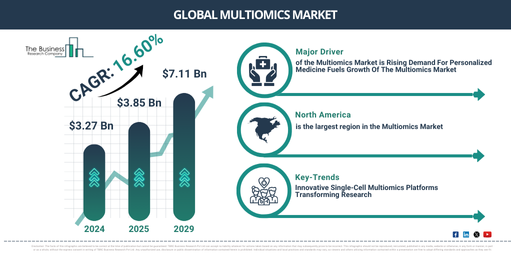
    In the past few years, the multiomics market has seen significant expansion. The projected growth is from $3.27 billion in 2024 to $3.85 billion in 2025, exhibiting a compound annual growth rate (CAGR) of 17.7%. Factors contributing to this growth during the historical period include an increase in biomedical research, greater government and private sector investment, a surge in chronic diseases, advancement in technology, and improved tools and software for data analysis.

    In the coming years, the multiomics market size is projected to experience swift growth, escalating to$7.11 billion in 2029 with a compound annual growth rate (CAGR) of 16.6%. The anticipated growth during the forecast period can be ascribed to improvements in artificial intelligence and machine learning, wider clinical application, expansion of the biopharmaceutical industry, the rise of comprehensive multiomics platforms, and increased application in agricultural as well as environmental studies. Key trends during the forecast period encompass technological progression, the introduction of new commercial multiomics platforms, the implementation of spatially resolved multiomics analysis, its application in biopharmaceutical research and development, and its proliferation into clinical diagnostics.

    Download a free sample to assess the report’s scope and structure:

    https://www.thebusinessresearchcompany.com/sample.aspx?id=15866&type=smp

    What are the Fundamental Drivers and Innovations Shaping the Multiomics Market?

    The burgeoning necessity for bespoke medical treatment is set to stimulate the expansion of the multiomics market. Bespoke medical treatment is a patient-centric medicinal method that individualizes healthcare options and therapies, taking into account their genetic, environmental, and lifestyle characteristics. This rise in bespoke medical treatment is attributed to technological progression, increased demand for precise therapies, and worldwide advances in healthcare. Multiomics aids bespoke medical treatment by contributing an in-depth comprehension of a patient’s genetic, molecular, and metabolic makeup, allowing health professionals to adjust treatments based on each patient’s unique attributes. For instance, data from the US-based non-profit organization, the Personalized Medicine Coalition, revealed that in February 2024, the FDA gave approval to 16 revolutionary bespoke therapies for patients with rare ailments in 2023, a significant increase from 6 in the previous year. Hence, the escalating demand for bespoke medical treatment is propelling the growth of the multiomics market.

    How Is the Multiomics Market Segmented?

    The multiomicsmarket covered in this report is segmented –

    1) By Type: Single-Cell Multiomics; Bulk Multiomics

    2) By Platform: Genomics; Transcriptomics; Proteomics; Metabolomics; Integrated Omics Platforms

    3) By Application: Diagnostics; Drug Discovery And Development; Personalized Medicine; AgriGenomics; Other Applications

    4) By End User: Academics And Research Organization; Pharmaceutical And Biotechnology Companies; Clinical research Organization; Other End-Users

    Subsegments:

    1) By Single-Cell Multiomics: Single-Cell Genomics; Single-Cell Transcriptomics; Single-Cell Epigenomics; Single-Cell Proteomics; Single-Cell Metabolomics

    2) By Bulk Multiomics: Genomics; Transcriptomics; Epigenomics; Proteomics; Metabolomics

    Request customized data on this market:

    https://www.thebusinessresearchcompany.com/customise?id=15866&type=smp

    Which Regions Are Driving the Next Phase of the Multiomics Market Growth?

    North America was the largest region in the multiomics market in 2024. Asia-Pacific is expected to be the fastest-growing region in the forecast period. The regions covered in the multiomics market report are Asia-Pacific, Western Europe, Eastern Europe, North America, South America, Middle East and Africa.

    What Key Trends Are Shaping the Future of the Multiomics Market?

    Leading firms in the multiomics market are spearheading the development of cutting-edge single-cell multiomics platforms. These platforms are designed to support scientists in conducting large-scale research without compromising the integrity of their samples. By merging diverse omics with artificial intelligence, these platforms provide an efficient way to sift through and make sense of intricate biological data using complex algorithms and machine learning approaches. A notable example of this progress took place in February 2023 when Becton, Dickinson, and Company, a prominent US medical device firm, unveiled the BD Rhapsody HT Xpress. This high-throughput single-cell multiomics platform is a revolutionary system that affords scientists the ability to isolate, barcode and scrutinize single cells at an elevated sample throughput rate. Notably, it can handle up to eight times more cells than older BD single-cell analyzers. The BD Rhapsody HT Xpress System is designed to prevent sample loss, providing the capability to examine multiple samples, and various cell sizes and types concurrently, which includes stem cells or cancer cells. This enhances the ability of researchers to glean more useful insights in a shorter timeframe.

    View the full report here:

    https://www.thebusinessresearchcompany.com/report/multiomics-global-market-report

    How Is the Multiomics Market Defined and What Are Its Core Parameters?

    Multiomics refers to the integration and analysis of multiple omics data types, such as genomics, transcriptomics, proteomics, metabolomics, and epigenomics to provide a more comprehensive understanding of biological systems. This technique improves understanding of complex diseases, biomarker identification, and precision medicine.

    Purchase the full report and get a swift delivery:

    https://www.thebusinessresearchcompany.com/purchaseoptions.aspx?id=15866

    About The Business Research Company:

    With over 15000+ reports from 27 industries covering 60+ geographies, The Business Research Company has built a reputation for offering comprehensive, data-rich research and insights. Armed with 1,500,000 datasets, the optimistic contribution of in-depth secondary research, and unique insights from industry leaders, you can get the information you need to stay ahead in the game.

    Get in touch with us:

    The Business Research Company: https://www.thebusinessresearchcompany.com/

    Americas +1 310-496-7795

    Europe +44 7882 955267

    Asia & Others +44 7882 955267 & +91 8897263534

    Email us at info@tbrc.info

    Follow us on:

    LinkedIn: https://in.linkedin.com/company/the-business-research-company

    YouTube: https://www.youtube.com/channel/UC24_fI0rV8cR5DxlCpgmyFQ

    Global Market Model: https://www.thebusinessresearchcompany.com/global-market-model
  • Major Trends and Emerging Patterns in the Healthcare Data Interoperability Market: Innovative Solutions Driving Healthcare Data Interoperability

    Major Trends and Emerging Patterns in the Healthcare Data Interoperability Market: Innovative Solutions Driving Healthcare Data Interoperability

    Claim your 30% discount on Global Market Reports with code ONLINE30. Limited time only.

    What Are the Key Projections for the CAGR of the Healthcare Data Interoperability Market Size From 2025 to 2034?

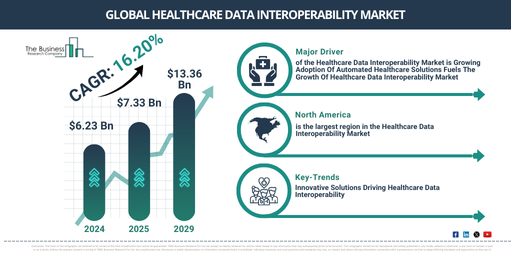
    In recent times, the size of the healthcare data interoperability market has seen substantial growth. The prediction is that it will increase from $6.23 billion in 2024 to $7.33 billion in 2025, boasting a compound annual growth rate (CAGR) of 17.7%. The historical growth has likely come from a multitude of contributing factors like governance regulations, technological progress, economic incentives, customer demand, collaboration within the industry, improved patient safety, enhanced quality of care, research and innovation, initiatives based on value-driven care, healthcare globalization, and surveillance of public health.

    The size of the healthcare data interoperability market is predicted to experience substantial growth in the upcoming years. It is anticipated to expand to$13.36 billion by 2029 at a compound annual growth rate (CAGR) of 16.2%. Contributing factors to this projected growth throughout the forecast period include ongoing regulatory reforms, advancements in health information exchange technologies, telehealth and remote monitoring expansion, the use of artificial intelligence and analytics, enhanced consumer involvement, value-based care models, precision medicine interoperability, considering interoperability as a competitive edge, concerns over data privacy and security, and worldwide collaboration and standard harmonization. Key trends within the forecast period encompass data format and protocol standardization, advancements in interoperability platforms, growth of health information exchanges (HIEs), application of telehealth and remote monitoring interoperability, blockchain and distributed ledger technologies, implementation of artificial intelligence (AI) and machine learning (ML), patient-driven data exchange, population health management, as well as governance and policy of interoperability.

    Download a free sample to assess the report’s scope and structure:

    https://www.thebusinessresearchcompany.com/sample.aspx?id=14925&type=smp

    What Are the Primary Drivers Supporting the Market Growth of the Healthcare Data Interoperability Market?

    The increasing usage of automated healthcare tools is anticipated to drive the expansion of healthcare data interoperability. Automated healthcare tools encompass tech-based systems and gadgets designed to enhance and simplify different elements of healthcare administration and delivery. The growing application of these technologies in the healthcare sector is fueled by the requirement for boosted accuracy, efficacy, and patient care provision. Healthcare data interoperability allows for the flawless integration and transference of patient information by automated healthcare solutions for improved care. Furthermore, interoperability facilitates automation of routine tasks such as data input, documentation, and administrative processes, thus streamlining clinical workflows. A case in point is October 2022, when per the International Federation of Robotics, a non-profit organization located in Germany, there were 14,800 professional service robots in health and medicine centers. That represented a rise of 23% from the preceding year. As such, the rising use of automated healthcare solutions is spearheading the expansion of the healthcare data interoperability marketplace.

    Which Primary Segments of the Healthcare Data Interoperability Market Are Driving Growth and Industry Transformations?

    The healthcare data interoperabilitymarket covered in this report is segmented –

    1) By Model: Centralized; Hybrid; Decentralized

    2) By Deployment: Cloud-Based; On-Premises

    3) By Level: Foundational; Structural; Semantic

    4) By Application: Diagnosis; Treatment; Other Applications

    5) By End User: Healthcare Providers; Healthcare Payers; Pharmacies

    Subsegments:

    1) By Centralized: Single Point Of Control; Unified Data Repository; Centralized Management And Storage

    2) By Hybrid: Combination Of Centralized And Decentralized Approaches; Distributed Data Management With Centralized Control; Flexible Data Exchange Models

    3) By Decentralized: Distributed Data Storage; Peer-To-Peer Data Sharing; Localized Control And Management

    Request customized data on this market:

    https://www.thebusinessresearchcompany.com/customise?id=14925&type=smp

    Which Regions Are Key Players in the Growth of the #What Are the Primary Drivers Supporting the Market Growth of the Healthcare Data Interoperability Market?# Market?

    North America was the largest region in the healthcare data interoperability market in 2024. Asia Pacific is expected to be the fastest-growing region in the forecast period. The regions covered in the healthcare data interoperability market report are Asia-Pacific, Western Europe, Eastern Europe, North America, South America, Middle East, Africa.

    What Are the Most Significant Market Trends in the Healthcare Data Interoperability Market?

    Leading firms in the healthcare data interoperability market are exploring novel strategies such as the introduction of digital platforms to secure a competitive advantage. These digital platforms are internet-based systems or apps that promote user interaction, transactions, and information dissemination, akin to e-commerce sites, social media platforms, and cloud-based service platforms. For example, KMS Healthcare, a company based in the United States, initiated the CONNECT interoperability solution in August 2023, a tool designed to enhance data communication among electronic health records (EHRs). This groundbreaking solution offers configurable, pre-tested FHIR APIs and an HL7 conversion engine, which are crucial in assisting healthcare institutions in addressing interoperability issues and improving data integration. The CONNECT platform, by offering immediate connectivity to key EHRs, gives developers the ability to swiftly evaluate and create applications, thereby substantially minimizing the financial and complexity burdens linked to setting up individual sandbox associations.

    View the full report here:

    https://www.thebusinessresearchcompany.com/report/healthcare-data-interoperability-global-market-report

    What Parameters Are Used to Define the Healthcare Data Interoperability Market?

    Healthcare data interoperability refers to the ability of different healthcare information systems, devices, and applications to securely exchange, interpret, and use data seamlessly, regardless of the platform or vendor. It facilitates the efficient sharing of patient information across various healthcare settings, improving care coordination, clinical decision-making, and patient outcomes.

    Purchase the full report and get a swift delivery:

    https://www.thebusinessresearchcompany.com/purchaseoptions.aspx?id=14925

    About The Business Research Company:

    With over 15000+ reports from 27 industries covering 60+ geographies, The Business Research Company has built a reputation for offering comprehensive, data-rich research and insights. Armed with 1,500,000 datasets, the optimistic contribution of in-depth secondary research, and unique insights from industry leaders, you can get the information you need to stay ahead in the game.

    Get in touch with us:

    The Business Research Company: https://www.thebusinessresearchcompany.com/

    Americas +1 310-496-7795

    Europe +44 7882 955267

    Asia & Others +44 7882 955267 & +91 8897263534

    Email us at info@tbrc.info

    Follow us on:

    LinkedIn: https://in.linkedin.com/company/the-business-research-company

    YouTube: https://www.youtube.com/channel/UC24_fI0rV8cR5DxlCpgmyFQ

    Global Market Model: https://www.thebusinessresearchcompany.com/global-market-model

  • Key Factors Fueling the Growth of the Clinical Nutrition For Cancer Care Market in 2025: Cancer Prevalence Is Driving Growth In Clinical Nutrition For Cancer Care Market

    Key Factors Fueling the Growth of the Clinical Nutrition For Cancer Care Market in 2025: Cancer Prevalence Is Driving Growth In Clinical Nutrition For Cancer Care Market

    Claim your 30% discount on Global Market Reports with code ONLINE30. Limited time only.

    #What is the Projected CAGR for the Clinical Nutrition For Cancer Care Market Size from 2025 to 2034?#_x000D_

    In recent times, the market size of clinical nutrition for cancer care has seen consistent growth. The market size, which is projected to be $4.92 billion in 2024, will see an increase to $5.16 billion in 2025, growing at a compound annual growth rate (CAGR) of 4.8%. Several factors influenced the growth during this historic period, including the rising awareness regarding nutrition requirements, the advent of precision nutrition methods, alterations in healthcare policies and reimbursement models, the use of surgical interventions for cancer, along with an increased interest in functional foods, nutraceuticals, and dietary supplements._x000D_

    _x000D_

    In the coming years, the market size for clinical nutrition in cancer care is poised for consistent growth. The anticipated increase is to$6.24 billion in 2029 with a compound annual growth rate (CAGR) of 4.9%. This projected expansion during the estimate period can be attributed to numerous factors such as the tilt towards personalised medicine and precision nutrition strategies. Additionally, the rising demand for clinical nutrition interventions to assist patients, growing consciousness about the influence of nutrition on cancer therapeutic results, and advancements in cancer therapy play a part. These trends incorporate advancements in nutritional biomarker study, technological innovations in nutritional products and delivery systems, the evolving association between oncologists, ongoing improvements in nutritional science, and persistent research and development in the field of nutritional science._x000D_

    _x000D_

    #Download a free sample to assess the report’s scope and structure:#_x000D_

    https://www.thebusinessresearchcompany.com/sample.aspx?id=16017&type=smp_x000D_

    _x000D_

    #What are the Fundamental Drivers and Innovations Shaping the Clinical Nutrition For Cancer Care Market?#_x000D_

    The escalating instances of cancer are projected to boost the growth of the clinical nutrition for cancer care market in the future. Cancer consists of various ailments signified by unregulated cell proliferation with the capacity to metastasize to other body regions. The surge in cancer incidences is linked to longer lifespan, leaving an extensive elderly population at a higher risk of developing cancer. Clinical nutrition for cancer care provides custom dietary management and nutrition assistance aligned with the exclusive requirements of cancer patients, targeting to enhance the results of treatments. For instance, the World Health Organization, a US-based intergovernmental organization, anticipated roughly 35 million fresh cancer instances in 2050 in February 2024. This is a 77% rise from the estimated 20 million cases in 2022. Consequently, the escalating prevalence of cancer is pushing the growth of the clinical nutrition for cancer care market._x000D_

    _x000D_

    #How Is the Clinical Nutrition For Cancer Care Market Segmented?#_x000D_

    The clinical nutrition for cancer caremarket covered in this report is segmented – _x000D_

    _x000D_

    1) By Type: Oral Nutrition; Parenteral Nutrition; Enteral Feeding Formulas_x000D_

    2) By Cancer Type: Head And Neck Cancer; Stomach And Gastrointestinal Cancers; Blood Cancer; Breast Cancer; Lung Cancer; Other Cancer Types_x000D_

    3) By Age Group: Adult; Pediatric_x000D_

    4) By Sales Channel: Online; Retail; Institutional Sales_x000D_

    _x000D_

    Subsegments:_x000D_

    1) By Oral Nutrition: Protein-Rich Supplements; Carbohydrate-Rich Supplements; Fat-Rich Supplements; Vitamins And Mineral Supplements; Caloric Supplements; Fiber-Enriched Supplements _x000D_

    2) By Parenteral Nutrition: Amino Acids; Carbohydrates; Lipids; Electrolytes And Micronutrients; Intravenous Fat Emulsions; Trace Elements And Vitamins _x000D_

    3) By Enteral Feeding Formulas: Standard Enteral Feeding Formulas; High-Protein Enteral Formulas; High-Calorie Enteral Formulas; Diabetic Enteral Formulas; Elemental Enteral Formulas; Specialized Enteral Formulas_x000D_

    _x000D_

    _x000D_

    #Request customized data on this market:#_x000D_

    https://www.thebusinessresearchcompany.com/customise?id=16017&type=smp_x000D_

    _x000D_

    #Which Regions Are Driving the Next Phase of the Clinical Nutrition For Cancer Care Market Growth?#_x000D_

    North America was the largest region in the clinical nutrition for cancer care market in 2024. The regions covered in the clinical nutrition for cancer care market report are Asia-Pacific, Western Europe, Eastern Europe, North America, South America, Middle East, Africa._x000D_

    _x000D_

    #What Key Trends Are Shaping the Future of the Clinical Nutrition For Cancer Care Market?#_x000D_

    Leading corporations in the cancer care clinical nutrition sector are advancing their product lines with innovative additions, such as oral nutritional supplements designed exclusively for cancer patients, to excel in the market. These supplements are a nutritional innovation, created to offer targeted dietary aid for individuals with specific health conditions. For example, Nestle, a company based in Switzerland that specializes in food and beverage processing, marked its footprint into the Chinese market with the introduction of China’s First Foods Oral Impact Su Yi Su in July 2022, a product that successfully acquired the Chinese regulator’s approval after a rigorous, five-year process. This product, especially approved and filled with ingredients like arginine and fish omega-3, caters to the specific dietary necessities and requirements of patients undergoing treatment for tumor-related conditions. As a food supplement approved for special medical purposes, Oral Impact Su Yi Su ensures to meet the unique nutritional needs of individuals battling cancer._x000D_

    _x000D_

    #View the full report here:#_x000D_

    https://www.thebusinessresearchcompany.com/report/clinical-nutrition-for-cancer-care-global-market-report_x000D_

    _x000D_

    #How Is the Clinical Nutrition For Cancer Care Market Defined and What Are Its Core Parameters?#_x000D_

    Clinical nutrition for cancer care refers to the specialized dietary support and interventions tailored to meet the nutritional needs of cancer patients throughout their treatment journey. It involves the provision of personalized nutrition plans aimed at managing symptoms, optimizing treatment outcomes, and improving the overall quality of life for individuals undergoing cancer therapy._x000D_

    _x000D_

    #Purchase the full report and get a swift delivery:#_x000D_

    https://www.thebusinessresearchcompany.com/purchaseoptions.aspx?id=16017_x000D_

    _x000D_

    #About The Business Research Company:#_x000D_

    With over 15000+ reports from 27 industries covering 60+ geographies, The Business Research Company has built a reputation for offering comprehensive, data-rich research and insights. Armed with 1,500,000 datasets, the optimistic contribution of in-depth secondary research, and unique insights from industry leaders, you can get the information you need to stay ahead in the game._x000D_

    _x000D_

    #Get in touch with us:#_x000D_

    The Business Research Company: https://www.thebusinessresearchcompany.com/_x000D_

    Americas +1 310-496-7795_x000D_

    Europe +44 7882 955267_x000D_

    Asia & Others +44 7882 955267 & +91 8897263534_x000D_

    Email us at info@tbrc.info_x000D_

    _x000D_

    #Follow us on:#_x000D_

    _x000D_

    LinkedIn: https://in.linkedin.com/company/the-business-research-company_x000D_

    YouTube: https://www.youtube.com/channel/UC24_fI0rV8cR5DxlCpgmyFQ_x000D_

    Global Market Model: https://www.thebusinessresearchcompany.com/global-market-model

  • Multi Cancer Early DetectionMarket Overview 2025–2034: CAGR Trends, Long-Term Growth Paths, and Business Implications

    Multi Cancer Early DetectionMarket Overview 2025–2034: CAGR Trends, Long-Term Growth Paths, and Business Implications

    Claim your 30% discount on Global Market Reports with code ONLINE30. Limited time only.

    What is the Anticipated CAGR of the Multi Cancer Early Detection Market, and What Factors Will Drive It?

    The market size for early detection of multiple cancers has seen swift growth in the recent past. A spike from $1.45 billion in 2024 to $1.73 billion in 2025, with a compound annual growth rate (CAGR) of 19.1%, is anticipated. This growth during the historic phase is largely due to factors such as the rising incidence of cancer, governmental initiatives and investments, enhanced consciousness about early cancer detection, improvement in healthcare infrastructure, growing embrace of personalized medicine and reduction in the cost of genetic testing.

    The market size for early detection of multiple cancers is projected to experience a significant surge in the coming years, potentially reaching a value of $3.35 billion in 2029. The anticipated compound annual growth rate (CAGR) is 17.9%. This projected growth during the forecasted period can be traced back to various factors such as the widening reach of telemedicine and the digital health sphere, increased focus on preventive healthcare, the rising implementation of precision oncology, advancements in detecting biomarkers, and the upswing in consumer direct genetic testing. Additionally, key trends shaping the forecast period consist in the escalating use of AI and machine learning, the ever-growing preference for liquid biopsy methods, the inclusion of multi-omics strategies, the proliferation of at-home testing kits, heightened emphasis on initial-stage cancer detection, as well as the innovation of minimally invasive diagnostic methods.

    Download a free sample to assess the report’s scope and structure:

    https://www.thebusinessresearchcompany.com/sample.aspx?id=15864&type=smp

    What Are the Primary Drivers Supporting the Market Growth of the Multi Cancer Early Detection Market?

    The multi-cancer early detection market is predicted to grow due to an increasing shift toward personalized medicine. This approach customizes healthcare decisions and treatments based on the specific needs, characteristics, and genetic profiles of each patient. The rising demand for this type of medicine comes from its ability to provide more efficient treatments owing to advances in genomics, the growing complexity of diseases, and the backing of regulatory measures. The effectiveness of multi-cancer early detection is improved through personalized medicine by tailoring both screening and treatment strategies to the individual’s genetic and biomarker profiles. As an example, the FDA approved 16 novel personalized therapies for rare disease patients in 2023, up from six the previous year, reports the US-based non-profit the Personalized Medicine Coalition in February 2024. This included seven drugs specifically for cancer treatment and three for a variety of diseases and conditions. Thus, the multi-cancer early detection market is being driven by the growing trend toward personalized medicine.

    Which Primary Segments of the Multi Cancer Early Detection Market Are Driving Growth and Industry Transformations?

    The multi cancer early detectionmarket covered in this report is segmented –

    1) By Type: Liquid Biopsy; Gene Panel; Laboratory Developed Tests (LDT); Other Types

    2) By Cancer Type: Solid Tumors; Hematological Malignancies

    3) By End-User: Hospitals; Diagnostic Laboratories; Other End Users

    Subsegments:

    1) By Liquid Biopsy Types: Circulating Tumor Cells (CTC); Circulating Tumor DNA (Ctdna); Exosomes

    2) By Gene Panel: DNA-Based Panels; RNA-Based Panels; Multi-Gene Panels

    3) By Laboratory Developed Tests (LDT): PCR-Based Tests; Next-Generation Sequencing (NGS) Tests; Immunohistochemistry (IHC) Tests

    4) By Other Types: Protein Biomarkers; Autoantibody-Based Tests

    Request customized data on this market:

    https://www.thebusinessresearchcompany.com/customise?id=15864&type=smp

    Which Regions Are Key Players in the Growth of the #What Are the Primary Drivers Supporting the Market Growth of the Multi Cancer Early Detection Market?# Market?

    North America was the largest region in the multi cancer early detection market in 2024. Asia-Pacific is expected to be the fastest-growing region in the forecast period. The regions covered in the multi cancer early detection market report are Asia-Pacific, Western Europe, Eastern Europe, North America, South America, Middle East, Africa.

    What Are the Most Significant Market Trends in the Multi Cancer Early Detection Market?

    Major firms participating in the multi-cancer early detection market are advancing their capabilities by developing ctDNA-based liquid biopsy tests. These tests enable better sensitivity, specificity, and early detection rates, which significantly improves patient outcomes. These ctDNA-based liquid biopsy tests are capable of identifying circulating tumor DNA in the bloodstream, offering a non-invasive method for tracking tumor dynamics, assessing treatment response, and identifying minimal residual disease or early recurrence. For example, in May 2023, Lucence, a cancer diagnostics company based in the US, introduced LucenceINSIGHT, a ground-breaking multi-cancer early detection (MCED) blood test, at their main US facility. This state-of-the-art ctDNA-based liquid biopsy test allows the screening of 10 common types of cancer with a single blood sample. Given that 78% of the worldwide cancer-related deaths are due to types without regular screening recommendations, this blood test provides improved convenience and accessibility for asymptomatic people seeking screening for multiple cancers.

    View the full report here:

    https://www.thebusinessresearchcompany.com/report/multi-cancer-early-detection-global-market-report

    What Parameters Are Used to Define the Multi Cancer Early Detection Market?

    Multi-cancer early detection is the detection and diagnosis of various types of cancer at an early stage by analyzing biomarkers and other indicators in bodily fluids or tissues. This approach aims to identify cancerous conditions across multiple organs or tissues before symptoms manifest, enabling timely intervention and improved treatment outcomes.

    Purchase the full report and get a swift delivery:

    https://www.thebusinessresearchcompany.com/purchaseoptions.aspx?id=15864

    About The Business Research Company:

    With over 15000+ reports from 27 industries covering 60+ geographies, The Business Research Company has built a reputation for offering comprehensive, data-rich research and insights. Armed with 1,500,000 datasets, the optimistic contribution of in-depth secondary research, and unique insights from industry leaders, you can get the information you need to stay ahead in the game.

    Get in touch with us:

    The Business Research Company: https://www.thebusinessresearchcompany.com/

    Americas +1 310-496-7795

    Europe +44 7882 955267

    Asia & Others +44 7882 955267 & +91 8897263534

    Email us at info@tbrc.info

    Follow us on:

    LinkedIn: https://in.linkedin.com/company/the-business-research-company

    YouTube: https://www.youtube.com/channel/UC24_fI0rV8cR5DxlCpgmyFQ

    Global Market Model: https://www.thebusinessresearchcompany.com/global-market-model

  • Major Trends and Emerging Patterns in the Clinical Documentation Improvement Market: Advancements In Clinical Documentation Enhancing Accuracy And Efficiency

    Claim your 30% discount on Global Market Reports with code ONLINE30. Limited time only.

    #What Is the Current and Projected Market Size of the Clinical Documentation Improvement Market Through 2034?#_x000D_

    The market size of clinical documentation improvement has experienced substantial growth in recent years. It is projected to expand from $3.99 billion in 2024 to $4.3 billion in 2025, showcasing a compound annual growth rate (CAGR) of 8.0%. Factors contributing to the historical growth include the transition to value-based care models, adjustment in regulations and compliance requirements, transition to ICD-10 coding leading to increased documentation needs, widespread adoption of EHR enhancing data capture and documentation practices, better revenue cycle management reducing claim denials, and the utilization of data analytics to spot documentation gaps._x000D_

    _x000D_

    The market size for clinical documentation improvement is forecasted to experience considerable growth in the coming years. The market is predicted to expand to $5.83 billion by the year 2029, with a compound annual growth rate (CAGR) of 7.9%. The anticipated growth during this forecast period can be credited to factors such as concentrated efforts towards interoperability which is expected to fuel improvements in documentation procedures, advancements in precision medicine, integration of data generated by patients, adaptation necessities due to expanding telemedicine, and fresh regulatory and compliance standards. Trends anticipated within this period comprise documentation powered by AI, consolidation of data systems, documentation specific to precision medicine, instantaneous patient data, adjustments related to remote care and cutting-edge analytics._x000D_

    _x000D_

    #Download a free sample to assess the report’s scope and structure:#_x000D_

    https://www.thebusinessresearchcompany.com/sample.aspx?id=18783&type=smp_x000D_

    _x000D_

    #What Are the Primary Drivers Supporting the Market Growth of the Clinical Documentation Improvement Market?#_x000D_

    The growth of the clinical documentation improvement market is anticipated to be fueled by the increasing burden of chronic illnesses. Our aging population, lifestyle choices such as an unhealthy diet and a sedentary lifestyle, along with prevalent risk factors like obesity and smoking, contribute to the upswing in chronic diseases. Clinical documentation improvement plays an integral role in managing chronic diseases through comprehensive and accurate patient records, which allows enhanced care coordination, planning of treatment, and improved outcomes. For example, the British Heart Foundation, a UK-based cardiovascular research charity, reported in January 2024 that approximately 7.6 million people were living with heart and circulatory diseases in the UK, around 4 million of whom were men, and 3.6 million women. These diseases represent about 27% of all deaths in the UK, resulting in over 170,000 deaths per annum, which is roughly 480 per day, or one death every three minutes. Thus, the escalating burden of chronic diseases is set to stimulate growth in the clinical documentation improvement market._x000D_

    _x000D_

    #Which Primary Segments of the Clinical Documentation Improvement Market Are Driving Growth and Industry Transformations?#_x000D_

    The clinical documentation improvementmarket covered in this report is segmented – _x000D_

    _x000D_

    1) By Product And Service: Solutions; Consulting Services_x000D_

    2) By Delivery Mode: On-Premise; Cloud-Based_x000D_

    3) By End Users: Healthcare Providers; Healthcare Payers_x000D_

    _x000D_

    Subsegments:_x000D_

    1) By Solutions: Software (CDI Software, Natural Language Processing (NLP)-Based Solutions); Cloud-Based Solutions; Data Analytics Solutions; EHR Integration Solutions _x000D_

    2) By Consulting Services: CDI Program Implementation; Coding Audits And Compliance; Training And Education Services; Workflow Optimization And Process Improvement_x000D_

    _x000D_

    _x000D_

    #Request customized data on this market:#_x000D_

    https://www.thebusinessresearchcompany.com/customise?id=18783&type=smp_x000D_

    _x000D_

    #Which Regions Are Key Players in the Growth of the #What Are the Primary Drivers Supporting the Market Growth of the Clinical Documentation Improvement Market?# Market?#_x000D_

    North America was the largest region in the clinical documentation improvement market in 2024. Asia-Pacific is expected to be the fastest-growing region in the forecast period. The regions covered in the clinical documentation improvement market report are Asia-Pacific, Western Europe, Eastern Europe, North America, South America, Middle East, Africa._x000D_

    _x000D_

    #What Are the Most Significant Market Trends in the Clinical Documentation Improvement Market?#_x000D_

    Key players in the clinical documentation improvement industry are focusing on creating advanced technologies like AI-based medical documentation to improve the quality, efficiency, and accuracy of documentation. AI-based medical documentation involves using artificial intelligence to seamlessly generate, manage, and enhance patient medical records and related documents. In April 2024, Augmedix Inc., an American company known for AI medical documentations and data solutions, introduced Augmedix Go. This is a medical documentation product entirely powered by generative AI (GenAI), meant for emergency departments. It’s designed to improve the patient experience during care, increase productivity with high-quality documentation, lighten the note-taking burden for physicians, and shorten the time it takes to complete charts._x000D_

    _x000D_

    #View the full report here:#_x000D_

    https://www.thebusinessresearchcompany.com/report/clinical-documentation-improvement-global-market-report_x000D_

    _x000D_

    #What Parameters Are Used to Define the Clinical Documentation Improvement Market?#_x000D_

    Clinical documentation improvement (CDI) refers to the process of enhancing the accuracy, completeness, and clarity of clinical documentation in healthcare settings. The goal of CDI is to ensure that the medical records accurately reflect the patient’s clinical status, treatments, and outcomes, which is essential for quality patient care, accurate coding, proper reimbursement, and compliance with regulatory requirements._x000D_

    _x000D_

    #Purchase the full report and get a swift delivery:#_x000D_

    https://www.thebusinessresearchcompany.com/purchaseoptions.aspx?id=18783_x000D_

    _x000D_

    #About The Business Research Company:#_x000D_

    With over 15000+ reports from 27 industries covering 60+ geographies, The Business Research Company has built a reputation for offering comprehensive, data-rich research and insights. Armed with 1,500,000 datasets, the optimistic contribution of in-depth secondary research, and unique insights from industry leaders, you can get the information you need to stay ahead in the game._x000D_

    _x000D_

    #Get in touch with us:#_x000D_

    The Business Research Company: https://www.thebusinessresearchcompany.com/_x000D_

    Americas +1 310-496-7795_x000D_

    Europe +44 7882 955267_x000D_

    Asia & Others +44 7882 955267 & +91 8897263534_x000D_

    Email us at info@tbrc.info_x000D_

    _x000D_

    #Follow us on:#_x000D_

    _x000D_

    LinkedIn: https://in.linkedin.com/company/the-business-research-company_x000D_

    YouTube: https://www.youtube.com/channel/UC24_fI0rV8cR5DxlCpgmyFQ_x000D_

    Global Market Model: https://www.thebusinessresearchcompany.com/global-market-model

  • Key Developments and Trends Steering the Healthcare Data Integration Market Forward: Innovative Healthcare Data Integration Solutions Revolutionize Clinical Trials

    Key Developments and Trends Steering the Healthcare Data Integration Market Forward: Innovative Healthcare Data Integration Solutions Revolutionize Clinical Trials

    Claim your 30% discount on Global Market Reports with code ONLINE30. Limited time only.

    How Has The Healthcare Data Integration Market Growth Evolved From 2024 To 2025, And What’s Ahead?

    The market size of healthcare data integration has demonstrated swift expansion in the past few years. The forecast suggests a rise from $2.4 billion in 2024 to $2.82 billion in 2025, corresponding to a compound annual growth rate (CAGR) of 17.5%. The historical growth is largely due to an increased utilization of Clinical Decision Support Systems (CDSSs), a transition towards value-based care models which prioritize integrated data, an escalation in value-based care models, a need for decisions based on data, and a surging acceptance of cloud-based data integration solutions.

    In the forthcoming years, the healthcare data integration market is anticipated to witness impressive growth, expanding to$5.19 billion in 2029″ at a compound annual growth rate (CAGR) of 16.5%. Key contributors to this prospective growth within the forecast period encompass the adoption of electronic health records (EHRs), escalated demand for interoperability data, an upsurge in digital health solutions, breakthroughs in data analytics and artificial intelligence (AI) in healthcare, along with an emphasis on enhancing patient care. Primary trends within this forecast period encompass a transition to electronic health records (EHRs), integration of varied data sources, shift in preference towards value-based care, technological advancements, and the broadening scope of telehealth.

    Download a free sample to assess the report’s scope and structure:

    https://www.thebusinessresearchcompany.com/sample.aspx?id=14729&type=smp

    How Are Key Drivers in the Industry Acting as Catalysts for the Growth of theHealthcare Data Integration Market?

    The growth of the healthcare data integration market is projected to be fueled by the escalating adoption of electronic health records (EHRs). EHRs are digital systems that securely conserve and regulate patient health information, allowing healthcare providers to efficiently access, share, and analyze data. The surging demand for EHR IT systems is attributable to their enhanced efficiency, centralization and accessibility of data, interoperability, and role in patient engagement. Healthcare data integration solutions play a pivotal role in achieving interoperability by establishing a connection between EHR systems and other healthcare IT systems, such as those used in laboratories, pharmacies, and radiology departments. As an example, in October 2023, The Office of the National Coordinator for Health Information Technology, a US federal health IT agency, reported that the percentage of individuals across the nation who were offered and utilized their online medical record or patient portal had risen to 73% in 2022 from the previous rate of 59%. As such, the upsurge in the adoption of EHRs is influencing the expansion of the healthcare data integration market.

    Which Segments in the Healthcare Data Integration Offer the Most Growth?

    The healthcare data integrationmarket covered in this report is segmented –

    1) By Component: Tools; Services

    2) By Type Of Integration: Application Integration; Data Integration; Device Integration; Healthcare Information Exchange (HIE); System Integration; Other Integrations

    3) By Deployment: Cloud; On-Premises

    4) By Business Application: Marketing; Sales; Operations And Supply Chain; Finance; Human Resources (HR)

    5) By End-user: Hospital; Clinics; Laboratories; Other End-Users

    Subsegments:

    1) By Tools: Data Integration Software; Middleware Solutions; Data Mapping Tools; Etl (Extract, Transform, Load) Tools

    2) By Services: Data Integration Consulting; Implementation And Support Services; Cloud Integration Services; Managed Data Services

    Request customized data on this market:

    https://www.thebusinessresearchcompany.com/customise?id=14729&type=smp

    What Are the Fastest-Growing Geographies in the #How Are Key Drivers in the Industry Acting as Catalysts for the Growth of theHealthcare Data Integration Market?# Market?

    North America was the largest region in the healthcare data integration market in 2024. Asia-Pacific is expected to be the fastest-growing region in the forecast period. The regions covered in the healthcare data integration market report are Asia-Pacific, Western Europe, Eastern Europe, North America, South America, Middle East and Africa.

    What Are the Current Market Growth and Trends in the Healthcare Data Integration Industry?

    Leading companies in the healthcare data integration sector are focusing on the creation of novel data integration products like Clinical Data Studio and Health Record Connect in order to maintain their edge in this competitive industry. Both these solutions are designed to enhance and simplify data workflows in clinical trials. To illustrate, in November 2023, Medidata Solutions Inc., an American technology firm specializing in providing software services for clinical trials, introduced the Clinical Data Studio and Health Record Connect. These data integration tools are intended to fast-track and enhance clinical trials. By incorporating data from laboratories, electronic health records, and sensors, Medidata’s clinical data services successfully optimize workflow. Clinical Data Studio standardizes data while Health Record Connect unifies clinical research with healthcare data, revolutionizing study conduct using AI-powered insights. By making use of actionable data insights and enhancing the quality and management of data, these solutions successfully enhance trial outcomes. They merge various healthcare data sources to enhance efficiency and improve patient outcomes in clinical research environments.

    View the full report here:

    https://www.thebusinessresearchcompany.com/report/healthcare-data-integration-global-market-report

    What Are the Key Elements That Define the Healthcare Data Integration Market?

    Healthcare data integration is the process of combining and consolidating data from several sources within the healthcare ecosystem into a single set that can be cleansed, converted, and analyzed to deliver essential insights and business intelligence to the healthcare industry. This integration enables healthcare organizations to access a comprehensive view of patient information, clinical data, administrative records, and other relevant data types to support decision-making, improve patient care, enhance operational efficiency, and facilitate regulatory compliance.

    Purchase the full report and get a swift delivery:

    https://www.thebusinessresearchcompany.com/purchaseoptions.aspx?id=14729

    About The Business Research Company:

    With over 15000+ reports from 27 industries covering 60+ geographies, The Business Research Company has built a reputation for offering comprehensive, data-rich research and insights. Armed with 1,500,000 datasets, the optimistic contribution of in-depth secondary research, and unique insights from industry leaders, you can get the information you need to stay ahead in the game.

    Get in touch with us:

    The Business Research Company: https://www.thebusinessresearchcompany.com/

    Americas +1 310-496-7795

    Europe +44 7882 955267

    Asia & Others +44 7882 955267 & +91 8897263534

    Email us at info@tbrc.info

    Follow us on:

    LinkedIn: https://in.linkedin.com/company/the-business-research-company

    YouTube: https://www.youtube.com/channel/UC24_fI0rV8cR5DxlCpgmyFQ

    Global Market Model: https://www.thebusinessresearchcompany.com/global-market-model

  • Monkey Pox Treatment Outlook 2034: Key Drivers, Trends, and Market Frontiers

    Monkey Pox Treatment Outlook 2034: Key Drivers, Trends, and Market Frontiers

    Claim your 30% discount on Global Market Reports with code ONLINE30. Limited time only.

    What Are the Key Milestones in the Monkey Pox Treatment Market’s Growth Trajectory From 2025 To 2034?

    In recent times, the size of the monkey pox treatment market has expanded swiftly. Projected to increase from $0.09 billion in 2024 to $0.1 billion in 2025, it’s set to experience a compound annual growth rate (CAGR) of 12.6%. Factors contributing to this growth in the historical period include epidemic outbreaks in endemic regions, heightened awareness of zoonotic transmission, the legacy of smallpox eradication, public health endeavors, and the rise in human cases.

    The market for monkey pox treatment is projected to experience a speedy expansion in the upcoming years, with estimates showing its growth at$0.16 billion in 2029″ with a Compound Annual Growth Rate (CAGR) of 13.0%. The predicted growth during this forecast period is linked to factors such as increased globalization and travel, financial backing and support from government bodies, investments within the biotech and pharmaceutical industries, public health monitoring, and regulatory endorsements. Key trends surfacing in the forecast period encompasses development of antiviral drugs, the utilization of smallpox vaccines, the production of monoclonal antibodies, combination treatment methods, and research into long-term immunity.

    Download a free sample to assess the report’s scope and structure:

    https://www.thebusinessresearchcompany.com/sample.aspx?id=18818&type=smp

    How Are Key Drivers in the Industry Acting as Catalysts for the Growth of theMonkey Pox Treatment Market?

    The escalating occurrence of infections transferred from animals to humans, known as zoonotic infections, is anticipated to drive the expansion of the monkeypox treatment market. Zoonotic infections are diseases passed on to humans through direct contact with contaminated areas or carriers, often the result of increased human-animal interactions. The risk for such infections is also amplified by climate change, which widens the range of disease carriers and introduces pathogens to new regions. Monkeypox treatments aim to control this type of infection by addressing the virus and relieving symptoms in humans and potentially impacted animals. For example, the UK Health Security Agency, a government organization in the UK, reported in August 2024, 3,732 confirmed monkeypox cases in the UK, an increase from 3753 cases in 2023. Consequently, the growing frequency of zoonotic infections is a significant factor in propelling the monkeypox treatment market.

    Which Segments in the Monkey Pox Treatment Offer the Most Growth?

    The monkey pox treatmentmarket covered in this report is segmented –

    1) By Treatment Type: Prophylactic Vaccines; Therapeutics

    2) By Dosage Forms: Solid; Liquid; Semi Solid

    3) By Route Of Administration: Oral; Topical; Parenteral

    4) By Distribution Channel: Retail Pharmacies; Hospital Pharmacies; Online Pharmacies

    Subsegments:

    1) By Prophylactic Vaccines: Vaccinia-Based Vaccines; Modified Vaccinia Ankara (MVA) Vaccines; Other Vaccines (Recombinant Vaccines)

    2) By Therapeutics: Antiviral Agents (Tecovirimat, Brincidofovir); Immune Modulators; Supportive Care Treatments

    Request customized data on this market:

    https://www.thebusinessresearchcompany.com/customise?id=18818&type=smp

    What Are the Fastest-Growing Geographies in the #How Are Key Drivers in the Industry Acting as Catalysts for the Growth of theMonkey Pox Treatment Market?# Market?

    North America was the largest region in the monkey pox treatment market in 2024. Asia-Pacific is expected to be the fastest-growing region in the forecast period. The regions covered in the monkey pox treatment market report are Asia-Pacific, Western Europe, Eastern Europe, North America, South America, Middle East, Africa.

    What Are the Current Market Growth and Trends in the Monkey Pox Treatment Industry?

    Prominent firms in the monkeypox treatment sector prioritize remote check-ups and online therapy options, such as digital care, to improve accessibility, increase efficiency in patient care, and enhance overall treatment results. Digital care for monkeypox treatment enables remote doctor’s consultations, assessment of symptoms, and management plans for people who are at risk or already infected, hence making healthcare easily accessible and minimizing the need for physical consultations. For example, in August 2022, Folx Health, an American healthcare firm, launched Monkeypox Care, an online primary care service for individuals who are susceptible to or affected by monkeypox. This approach comprises education, counseling, symptom checking, and providing references. The program aims to reach individuals located in healthcare deserts— areas where healthcare access is scarce, and so it ensures that everybody, no matter their whereabouts, can access quality information and references.

    View the full report here:

    https://www.thebusinessresearchcompany.com/report/monkey-pox-treatment-global-market-report

    What Are the Key Elements That Define the Monkey Pox Treatment Market?

    Monkeypox treatment refers to the medical interventions and therapies used to manage and alleviate the symptoms of monkeypox, a viral disease caused by the monkeypox virus. It encompasses a range of therapeutic and supportive approaches aimed at reducing the severity of the disease and improving patient outcomes.

    Purchase the full report and get a swift delivery:

    https://www.thebusinessresearchcompany.com/purchaseoptions.aspx?id=18818

    About The Business Research Company:

    With over 15000+ reports from 27 industries covering 60+ geographies, The Business Research Company has built a reputation for offering comprehensive, data-rich research and insights. Armed with 1,500,000 datasets, the optimistic contribution of in-depth secondary research, and unique insights from industry leaders, you can get the information you need to stay ahead in the game.

    Get in touch with us:

    The Business Research Company: https://www.thebusinessresearchcompany.com/

    Americas +1 310-496-7795

    Europe +44 7882 955267

    Asia & Others +44 7882 955267 & +91 8897263534

    Email us at info@tbrc.info

    Follow us on:

    LinkedIn: https://in.linkedin.com/company/the-business-research-company

    YouTube: https://www.youtube.com/channel/UC24_fI0rV8cR5DxlCpgmyFQ

    Global Market Model: https://www.thebusinessresearchcompany.com/global-market-model

  • Key Developments and Trends Steering the Clinical Diagnostics Market Forward: Innovative Technologies In Clinical Diagnostics Real-Time Biosensors

    Key Developments and Trends Steering the Clinical Diagnostics Market Forward: Innovative Technologies In Clinical Diagnostics Real-Time Biosensors

    Claim your 30% discount on Global Market Reports with code ONLINE30. Limited time only.

    #What is the Anticipated CAGR of the Clinical Diagnostics Market, and What Factors Will Drive It?#_x000D_

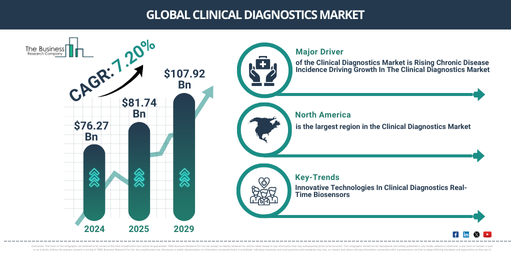
    Significant growth has been observed in the clinical diagnostics market in the past few years. It is expected to increase from a worth of $76.27 billion in 2024 to $81.74 billion in 2025, showcasing a compound annual growth rate (CAGR) of 7.2%. Factors contributing to this growth include an upsurge in the occurrence of chronic illnesses, an escalation in the employment of point-of-care diagnostic tools, an amplification in the number of tests due to the continuous influx of patients, financial backing from governments, a rising want for personalized medicine, and a growing elderly population._x000D_

    _x000D_

    Anticipated to experience robust expansion in the forthcoming years, the market size of clinical diagnostics is projected to reach a value of$107.92 billion by 2029, with a compound annual growth rate (CAGR) of 7.2%. The projected growth during the forecast period can be associated with a rising need for early disease detection, enhancements in healthcare infrastructure, boosted investment in research and development, escalating demand for molecular diagnostics, and an increased occurrence of diseases linked to lifestyle choices. The forecast period also represents significant trends such as advancements in technology, digital pathology, the application of artificial intelligence, the advent of wearable health devices, and the advancement of telemedicine._x000D_

    _x000D_

    #Download a free sample to assess the report’s scope and structure:#_x000D_

    https://www.thebusinessresearchcompany.com/sample.aspx?id=18537&type=smp_x000D_

    _x000D_

    #How Are Key Drivers in the Industry Acting as Catalysts for the Growth of theClinical Diagnostics Market?#_x000D_

    Growing occurrences of chronic illnesses are predicted to stimulate the expansion of the clinical diagnostics market. Traditional diseases are enduring issues that mainly can be managed but not totally cured, often necessitating continuous medical care and restricting daily living activities. The growing prevalence of chronic diseases is fundamentally prompted by elements such as unhealthy lifestyles, socioeconomic inequalities, and aging populations. All these factors collectively heighten the risk of conditions like heart disease, diabetes, and cancer. Clinical diagnostics play an essential role in chronic diseases for precise diagnosis of conditions, monitoring of disease development, treatment management, early detection of complications, personalizing medicine, evaluating risk factors, supporting patient education, and self-management. For example, in January 2023, as per the National Center for Biotechnology Information (NCBI), a medicine library based in the US, it’s anticipated that the population of individuals aged 50 and above suffering from one or more chronic diseases will surge by 99.5% by 2050, rising from 71.52 million in 2020 to 142.66 million. Thus, the escalating occurrences of chronic diseases are driving the clinical diagnostics market._x000D_

    _x000D_

    #Which Segments in the Clinical Diagnostics Offer the Most Growth?#_x000D_

    The clinical diagnosticsmarket covered in this report is segmented – _x000D_

    _x000D_

    1) By Test: Lab Test; Imaging Test; Other Tests_x000D_

    2) By Product: Instruments; Reagents; Other Products _x000D_

    3) By End User: Hospital Laboratory; Diagnostic Laboratory; Point-Of-Care Testing; Other End Users_x000D_

    _x000D_

    Subsegments:_x000D_

    1) By Lab Test: Blood Tests; Urine Tests; Genetic Tests; Biopsy And Cytology Tests _x000D_

    2) By Imaging Test: X-Ray; Mri (Magnetic Resonance Imaging); Ct Scan (Computed Tomography); Ultrasound; Pet Scan (Positron Emission Tomography) _x000D_

    3) By Other Tests: Molecular Diagnostics; Point-Of-Care Tests; Pregnancy Tests; Allergy Tests_x000D_

    _x000D_

    #Request customized data on this market:#_x000D_

    https://www.thebusinessresearchcompany.com/customise?id=18537&type=smp_x000D_

    _x000D_

    #What Are the Fastest-Growing Geographies in the #How Are Key Drivers in the Industry Acting as Catalysts for the Growth of theClinical Diagnostics Market?# Market?#_x000D_

    North America was the largest region in the clinical diagnostics market in 2024. Asia-Pacific is expected to be the fastest-growing region in the forecast period. The regions covered in the clinical diagnostics market report are Asia-Pacific, Western Europe, Eastern Europe, North America, South America, Middle East, Africa._x000D_

    _x000D_

    #What Are the Current Market Growth and Trends in the Clinical Diagnostics Industry?#_x000D_

    In the clinical diagnostics market, leading businesses are concentrating on creating innovative items, like cutting-edge liquid biopsy assays, to facilitate extensive genomic profiling of solid tumors. Liquid biopsy assays are minimally invasive procedures that examine blood samples to identify cancer-associated biomarkers, such as circulating tumor cells (CTCs) and circulating tumor DNA (ctDNA). This facilitates diagnosis, monitors treatment, and promotes customized medicine. In November 2023, Illumina Inc., a US-based biotech firm, introduced TruSight Oncology 500 ctDNA v2, an enhanced liquid biopsy assay for comprehensive genomic profiling of solid tumors. This novel assay offers high precision in detecting genetic changes and alterations within tumors, providing a thorough understanding of the tumor’s molecular blueprint. Improved monitoring of tumor dynamics and adjusting treatment plans can be achieved through this assay, subsequently bettering individualized treatment methods. The assay is created to provide quick and reliable outcomes, promoting timely clinical decisions and advancements in cancer diagnostics._x000D_

    _x000D_

    #View the full report here:#_x000D_

    https://www.thebusinessresearchcompany.com/report/clinical-diagnostics-global-market-report_x000D_

    _x000D_

    #What Are the Key Elements That Define the Clinical Diagnostics Market?#_x000D_

    Clinical diagnostics refers to identifying, diagnosing, and monitoring diseases or medical conditions in patients through various laboratory tests, imaging techniques, and other diagnostic tools. It involves the analysis and interpretation of patient samples, medical history, and clinical data to provide accurate and timely information to aid in diagnosing, treating, and managing diseases._x000D_

    _x000D_

    #Purchase the full report and get a swift delivery:#_x000D_

    https://www.thebusinessresearchcompany.com/purchaseoptions.aspx?id=18537_x000D_

    _x000D_

    #About The Business Research Company:#_x000D_

    With over 15000+ reports from 27 industries covering 60+ geographies, The Business Research Company has built a reputation for offering comprehensive, data-rich research and insights. Armed with 1,500,000 datasets, the optimistic contribution of in-depth secondary research, and unique insights from industry leaders, you can get the information you need to stay ahead in the game._x000D_

    _x000D_

    #Get in touch with us:#_x000D_

    The Business Research Company: https://www.thebusinessresearchcompany.com/_x000D_

    Americas +1 310-496-7795_x000D_

    Europe +44 7882 955267_x000D_

    Asia & Others +44 7882 955267 & +91 8897263534_x000D_

    Email us at info@tbrc.info_x000D_

    _x000D_

    #Follow us on:#_x000D_

    _x000D_

    LinkedIn: https://in.linkedin.com/company/the-business-research-company_x000D_

    YouTube: https://www.youtube.com/channel/UC24_fI0rV8cR5DxlCpgmyFQ_x000D_

    Global Market Model: https://www.thebusinessresearchcompany.com/global-market-model

  • Global Monkey Pox Testing Market Trends: Regional Breakdowns and Strategic Insights

    Global Monkey Pox Testing Market Trends: Regional Breakdowns and Strategic Insights

    Claim your 30% discount on Global Market Reports with code ONLINE30. Limited time only.

    How Has The Monkey Pox Testing Market Size Shifted, And What Is the Outlook Through 2034?

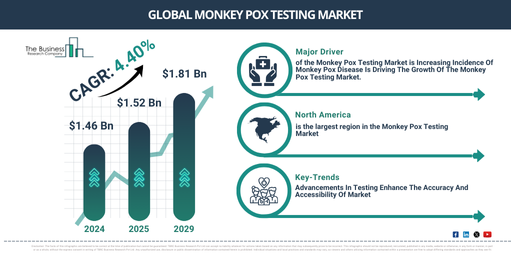
    The market size for monkey pox testing has seen a consistent increase in recent years. The growth is projected to continue from $1.46 billion in 2024 to $1.52 billion in 2025, at a compound annual growth rate (CAGR) of 4.5%. The factors contributing to the growth throughout the historic period include rising government support and programs, growing demand for quick tests, expansion in testing capacity, an increase in research and development activities, and heightened public awareness initiatives.

    Anticipated over the coming years is a consistent expansion in the market size for monkey pox testing, projected to reach$1.81 billion by 2029, with a compound annual growth rate (CAGR) of 4.4%. This projected growth during the forecast period can be traced back to an increased investment in healthcare, the development of point-of-care (POC) tests, the rising demand for at-home testing kits, emphasis on availability and cost-effectiveness, and enhanced healthcare infrastructure. Some key trends observed during this period include, the merging of testing procedures with surveillance systems, incorporation with digital health instruments, leaps forward in technology, assimilation with public health structures, and breakthroughs in diagnostic investigation.

    Download a free sample to assess the report’s scope and structure:

    https://www.thebusinessresearchcompany.com/sample.aspx?id=18817&type=smp

    What Are the Major Market Drivers Behind the Rising Adoption of Monkey Pox Testing Market?

    Expectations of the monkey pox testing market’s expansion are being set by the escalating prevalence of monkey pox disease. Monkeypox, a rare viral infection caused by the monkeypox virus affiliated with the same virus genus as smallpox, has been showing an upward trend due to a surge in human-to-human transmissions, international travel, and waning immunity as a consequence of halted smallpox vaccination initiatives. Early detection of infected individuals through monkeypox testing allows for prompt treatment and quarantine, effectively curtailing the disease’s further dissemination. This procedure equally contributes to the tracking of epidemics and the understanding of the virus’s modes of transmission. As an example, the European Centre for Disease Prevention and Control (ECDC), a Sweden-based public agency, reported in May 2022 that there were 1,152 assumed monkeypox cases between January and April 2022, which resulted in 55 fatalities and a case-fatality rate of 4.8%. These cases were scattered over 54 health regions in 14 provinces. Moreover, in comparing these statistics to the corresponding period in 2021, there was an escalation by 138 assumed cases and 14 fatalities, yielding a heightened case-fatality rate of 10.1%. As such, the amplified prevalence of the monkey pox infection is stimulating the ascension of the monkey pox testing market.

    Which Key Market Segments Comprise the Monkey Pox Testing Market and Drive Its Revenue Growth?

    The monkey pox testingmarket covered in this report is segmented –

    1) By Technology: Polymerase Chain Reaction (PCR); Lateral Flow Assay (LFA); Other Technologies

    2) By Mode: Laboratory Testing; Point Of Care Testing

    3) By End-Use: Hospitals And Clinics; Diagnostic Laboratories; Other End-Uses

    Subsegments:

    1) By Polymerase Chain Reaction (PCR): Real-Time PCR (qPCR); Reverse Transcription PCR (RT-PCR); Multiplex PCR

    2) By Lateral Flow Assay (LFA): Immunochromatographic Lateral Flow Assays; Rapid Antigen Detection Kits

    3) By Other Technologies: ELISA (Enzyme-Linked Immunosorbent Assay); CRISPR-based Testing; Serological Tests (Antibody Detection); Nucleic Acid Sequence-Based Amplification (NASBA)

    Request customized data on this market:

    https://www.thebusinessresearchcompany.com/customise?id=18817&type=smp

    Which Areas Are Leading Regions in the Monkey Pox Testing Market Expansion Across the Globe?

    North America was the largest region in the monkey pox testing market in 2024. Asia-Pacific is expected to be the fastest-growing region in the forecast period. The regions covered in the monkey pox testing market report are Asia-Pacific, Western Europe, Eastern Europe, North America, South America, Middle East, Africa.

    What Are the Strategic Trends Steering theMonkey Pox Testing Market Direction?

    Leading firms in the monkey pox testing market are concentrating their efforts on the creation of cutting-edge diagnostic tools, like saliva-based monkey pox examination techniques, in order to improve their precision, ease of use, and access. The saliva-based monkey pox examination method utilizes saliva samples in order to identify the presence of the monkey pox virus. A prime example of this is when, in July 2022, Flow Health, a medical laboratory based in the US, introduced the saliva-based PCR test designed for monkey pox, transforming the testing process by giving a simpler, less intrusive process for detecting the virus. This groundbreaking test is distinguished by its elevated sensitivity and specificity, swift genetic material amplification, and adaptability for a range of uses. It grants quantitative examination of viral loads and direct detection of pathogens, while making sample collection easier. A key benefit is the capability of the test to examine individuals prior to the emergence of observable lesions, which is vital for prompt detection and curtailing the spread of the virus.

    View the full report here:

    https://www.thebusinessresearchcompany.com/report/monkey-pox-testing-global-market-report

    How Is the Monkey Pox Testing Market Conceptually Defined?

    Monkeypox testing refers to the diagnostic process used to detect the presence of the monkeypox virus in an individual. This testing is crucial for identifying and confirming cases of monkeypox, a viral zoonotic disease that can be transmitted from animals to humans and between humans.

    Purchase the full report and get a swift delivery:

    https://www.thebusinessresearchcompany.com/purchaseoptions.aspx?id=18817

    About The Business Research Company:

    With over 15000+ reports from 27 industries covering 60+ geographies, The Business Research Company has built a reputation for offering comprehensive, data-rich research and insights. Armed with 1,500,000 datasets, the optimistic contribution of in-depth secondary research, and unique insights from industry leaders, you can get the information you need to stay ahead in the game.

    Get in touch with us:

    The Business Research Company: https://www.thebusinessresearchcompany.com/

    Americas +1 310-496-7795

    Europe +44 7882 955267

    Asia & Others +44 7882 955267 & +91 8897263534

    Email us at info@tbrc.info

    Follow us on:

    LinkedIn: https://in.linkedin.com/company/the-business-research-company

    YouTube: https://www.youtube.com/channel/UC24_fI0rV8cR5DxlCpgmyFQ

    Global Market Model: https://www.thebusinessresearchcompany.com/global-market-model
  • Global Healthcare Data Annotation Tools Market Projected to Reach $0.85 Billion by 2029 at a CAGR of 28.3%

    Global Healthcare Data Annotation Tools Market Projected to Reach $0.85 Billion by 2029 at a CAGR of 28.3%

    Claim your 30% discount on Global Market Reports with code ONLINE30. Limited time only.

    What is the Projected CAGR for the Healthcare Data Annotation Tools Market Size from 2025 to 2034?

    In recent times, the healthcare data annotation tools market has seen a notable exponential growth. The market size, which was $0.25 billion in 2024, is expected to increase to $0.31 billion in 2025, projecting a compound annual growth rate (CAGR) of 28.0%. This significant growth during the historic period is chiefly due to factors such as clinical trials and drug development, an increased awareness about the quality of healthcare data, a surge in the volume of healthcare data, and the rising use of artificial intelligence (AI) in healthcare, and again, the promotion of clinical trials and drug development.

    The market for healthcare data annotation tools is anticipated to witness significant expansion in the upcoming years. The market is projected to soar to$0.85 billion in 2029 with a Compound Annual Growth Rate (CAGR) of 28.3%. The escalation during this prediction period may be due to the development of telehealth services, the growing acceptance of AI-based healthcare strategies, advancements in genomic data annotation, regulatory compliance obligations, and the ongoing digital transition in healthcare. Notable trends in this forecast period encompass the acceleration of digital transformation, amalgamation of AI and machine learning, genomic data annotation, the enhancement of image annotation techniques, and cooperative annotation platforms.

    Download a free sample to assess the report’s scope and structure:

    https://www.thebusinessresearchcompany.com/sample.aspx?id=13852&type=smp

    What Are the Major Market Drivers Behind the Rising Adoption of Healthcare Data Annotation Tools Market?

    The anticipated surge in telehealth usage is expected to drive the growth of the healthcare data annotation tools market in forthcoming years. Telehealth pertains to the utilization of electronic data and telecommunication technologies to facilitate remote clinical healthcare, health-related education for patients and professionals, health administration, and public health. Healthcare data annotation tool is employed in telemedicine to correctly identify and classify medical data, thereby promoting improved assessment, treatment planning, and distant patient supervision. For example, according to a report by the Health Information National Trends Survey (HINTS), a United States-based government agency, nearly 40% of American adults used telehealth services in 2022, although there remains significant barriers to access. Thus, the escalating use of telehealth augments the growth of the healthcare data annotation tools market.

    Which Key Market Segments Comprise the Healthcare Data Annotation Tools Market and Drive Its Revenue Growth?

    The healthcare data annotation toolsmarket covered in this report is segmented –

    1) By Type: Text; Image And Video; Audio

    2) By Technology: Manual; Semi-Supervised; Automatic

    3) By Application: Virtual Assistants; Conversational Bots; Diagnostic Support; Drug Development Process; Robotic Surgery; Medical Documents

    4) By End-User: Hospitals; Diagnostic Imaging Centers; Healthcare Technology Companies; Other End-Users

    Subsegments:

    1) By Text: Natural Language Processing (NLP) Annotation; Entity Recognition; Text Classification; Sentiment Analysis

    2) By Image and Video: Medical Image Labeling; Object Detection; Semantic Segmentation; Video Frame Annotation

    3) By Audio: Speech Recognition Annotation; Voice Data Labeling; Audio Transcription; Speaker Identification

    Request customized data on this market:

    https://www.thebusinessresearchcompany.com/customise?id=13852&type=smp

    Which Areas Are Leading Regions in the Healthcare Data Annotation Tools Market Expansion Across the Globe?

    Asia-Pacific was the largest region in the healthcare data annotation tools market in 2024. The regions covered in the healthcare data annotation tools market report are Asia-Pacific, Western Europe, Eastern Europe, North America, South America, Middle East, Africa.

    What Key Trends Are Shaping the Future of the Healthcare Data Annotation Tools Market?

    Leading corporations in the healthcare data annotation tools sector are prioritizing the creation of innovative technology solutions like AI-supported data annotation tools to accelerate the annotation of videos for AI implementation. These AI-based healthcare data annotation tools are software solutions that utilize AI to annotate and label data related to healthcare. For example, in August 2023, iMerit Technology, an American AI data solutions firm, introduced Ango Hub, a comprehensive, enterprise-scale technology platform crafted to provide a range of data annotation tools for AI and analytics in one place. Purpose-built to offer a full array of data annotation services, this platform employs automation at all levels, from data collection and selection to workflow construction, specialized annotation tools, quality control, and reporting. Ango Hub has been employed for medical image annotation and is an innovative app created on a generative AI structure to speed up development in critical sectors like medical AI.

    View the full report here:

    https://www.thebusinessresearchcompany.com/report/healthcare-data-annotation-tools-global-market-report

    How Is the Healthcare Data Annotation Tools Market Conceptually Defined?

    Healthcare data annotation tools are software applications that enable the categorization and labeling of medical data for use in artificial intelligence (AI) applications. These tools are used to enrich data for training and deploying machine learning models in various healthcare applications, such as medical diagnosis and treatment.

    Purchase the full report and get a swift delivery:

    https://www.thebusinessresearchcompany.com/purchaseoptions.aspx?id=13852

    About The Business Research Company:

    With over 15000+ reports from 27 industries covering 60+ geographies, The Business Research Company has built a reputation for offering comprehensive, data-rich research and insights. Armed with 1,500,000 datasets, the optimistic contribution of in-depth secondary research, and unique insights from industry leaders, you can get the information you need to stay ahead in the game.

    Get in touch with us:

    The Business Research Company: https://www.thebusinessresearchcompany.com/

    Americas +1 310-496-7795

    Europe +44 7882 955267

    Asia & Others +44 7882 955267 & +91 8897263534

    Email us at info@tbrc.info

    Follow us on:

    LinkedIn: https://in.linkedin.com/company/the-business-research-company

    YouTube: https://www.youtube.com/channel/UC24_fI0rV8cR5DxlCpgmyFQ

    Global Market Model: https://www.thebusinessresearchcompany.com/global-market-model