Month: August 2025

  • Restless Leg Syndrome Market Outlook 2025: Mapping Growth, Innovation, and Regional Shifts

    Restless Leg Syndrome Market Outlook 2025: Mapping Growth, Innovation, and Regional Shifts

    Claim your 30% discount on Global Market Reports with code ONLINE30. Limited time only.

    How Has The Restless Leg Syndrome Market Size Shifted, And What Is the Outlook Through 2034?

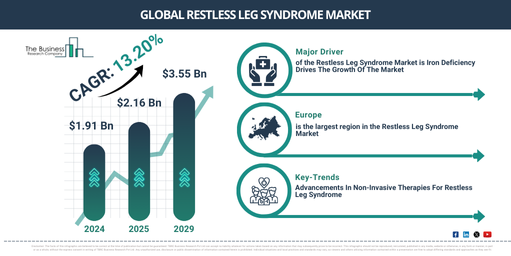
    The market size for restless leg syndrome has seen a fast-paced expansion in the previous years. The market size is projected to escalate from $1.91 billion in 2024 to $2.16 billion in 2025, marking a compound annual growth rate (CAGR) of 13.5%. The growth seen over the historic period is owed to a rise in alcohol usage, amplified health insurance coverage, the presence of more over-the-counter medication options, an increase in public health campaigns and a surge in matters concerning mental health.

    In the coming years, there will be a notable surge in the market size of Restless Leg Syndrome, which is projected to expand to $3.55 billion in 2029 with a Compound Annual Growth Rate (CAGR) of 13.2%. This future growth can be ascribed to a range of factors encompassing elevated healthcare investment, effective consciousness and learning initiatives, an increase in early detection and government funding, coupled with bolstered participation in clinical research. The trends that will dominate this forecast period include the use of AI in crafting personalized treatment plans, advancing neurostimulation tools, the utilisation of deep learning algorithms for diagnostic purposes, brainwave modulation technology and wearables designed as exoskeletons for leg motions.

    Download a free sample to assess the report’s scope and structure:

    https://www.thebusinessresearchcompany.com/sample.aspx?id=21274&type=smp

    What External and Internal Drivers Are Contributing to the Growth of theRestless Leg Syndrome Market?

    The escalating occurrence of iron deficiency is anticipated to fuel the expansion of the restless leg syndrome market in the future. Iron deficiency denotes a condition where the body doesn’t have sufficient iron to create adequate healthy red blood cells, resulting in symptoms including fatigue, fragility, and pale skin. The escalating occurrence of iron deficiency can be attributed to several factors, including inadequate dietary intake, loss of blood, malabsorption disorders, and heightened iron demands during gestation or growth. Treatment for restless leg syndrome usually entails iron supplementation or dietary modifications, which not only relieve the uncomfortable urges and sensations but also work to rectify the underlying iron deficiency by revitalizing the body’s iron stores and enhancing red blood cell production, thereby restoring appropriate neurological function. For instance, the Nation Health Service England, a government agency based in England, reported in January 2025 that during the period of 2023-24, there were 191,927 admissions due to iron deficiency, denoting an 11% surge compared to 2022-23. As such, the escalating occurrence of iron deficiency propels the expansion of the restless leg syndrome market.

    What Segment Types Define the Restless Leg Syndrome Market Structure?

    The restless leg syndromemarket covered in this report is segmented –

    1) By Type: Primary Restless Legs Syndrome; Secondary Restless Legs Syndrome

    2) By Treatment Type: Medicine And Devices; Surgery

    3) By Route Of Administration: Oral; Injectable

    4) By Distribution Channel: Hospital Pharmacy; Retail Pharmacy; Online Pharmacy

    5) By Application: Neurological Treatment; Sleep Disorders; Movement Disorders; Symptom Management

    Subsegments:

    1) By Primary Restless Legs Syndrome: Idiopathic Restless Legs Syndrome; Hereditary Restless Legs Syndrome

    2) By Secondary Restless Legs Syndrome: Iron Deficiency-related Restless Legs Syndrome; Chronic Kidney Disease-related Restless Legs Syndrome; Pregnancy-related Restless Legs Syndrome; Medication-induced Restless Legs Syndrome

    Request customized data on this market:

    https://www.thebusinessresearchcompany.com/customise?id=21274&type=smp

    Which Geographic Areas Hold the Strongest Growth Potential in the Restless Leg Syndrome Market?

    Europe was the largest region in the restless leg syndrome market in 2024. North-America is expected to be the fastest-growing region in the forecast period. The regions covered in the restless leg syndrome market report are Asia-Pacific, Western Europe, Eastern Europe, North America, South America, Middle East, Africa.

    What Long-Term Trends Are Transforming the Competitive Landscape of the Restless Leg Syndrome Market?

    Key industry players in the Restless Leg Syndrome (RLS) market are concentrating on creating cutting-edge solutions, such as innovative non-invasive therapies, to enhance symptom management and improve patient outcomes. These new non-invasive therapies refer to ground-breaking medical interventions that don’t involve surgical procedures or skin penetration, but instead aim to alleviate various conditions through progressive approaches such as electrical stimulation, light therapy, or external devices. For example, in April 2023, Varco Leg Care, a consumer health-technology firm based in India, obtained FDA De Novo approval for its NTX100 Tonic Motor Activation (TOMAC) System. Developed to treat moderate to severe RLS symptoms and enhance the sleep quality of patients who don’t react well to medications, the device operates through the electrical activation of the peroneal nerves on either side of the body to create tonic, sustained muscle activation that can be associated with sleep. This activation is effective in helping alleviate the symptoms of Restless Leg Syndrome (RLS).

    View the full report here:

    https://www.thebusinessresearchcompany.com/report/restless-leg-syndrome-global-market-report

    What Is the Definition of the Restless Leg Syndrome Market?

    Restless leg syndrome refers to a neurological condition characterized by an uncontrollable urge to move the legs, typically due to uncomfortable sensations. Treatment options include lifestyle changes, iron supplements, medications that affect dopamine levels, and strategies to improve sleep hygiene.

    Purchase the full report and get a swift delivery:

    https://www.thebusinessresearchcompany.com/purchaseoptions.aspx?id=21274

    About The Business Research Company:

    With over 15000+ reports from 27 industries covering 60+ geographies, The Business Research Company has built a reputation for offering comprehensive, data-rich research and insights. Armed with 1,500,000 datasets, the optimistic contribution of in-depth secondary research, and unique insights from industry leaders, you can get the information you need to stay ahead in the game.

    Get in touch with us:

    The Business Research Company: https://www.thebusinessresearchcompany.com/

    Americas +1 310-496-7795

    Europe +44 7882 955267

    Asia & Others +44 7882 955267 & +91 8897263534

    Email us at info@tbrc.info

    Follow us on:

    LinkedIn: https://in.linkedin.com/company/the-business-research-company

    YouTube: https://www.youtube.com/channel/UC24_fI0rV8cR5DxlCpgmyFQ

    Global Market Model: https://www.thebusinessresearchcompany.com/global-market-model
  • Chlamydia Outlook 2034: Key Drivers, Trends, and Market Frontiers

    Chlamydia Outlook 2034: Key Drivers, Trends, and Market Frontiers

    Claim your 30% discount on Global Market Reports with code ONLINE30. Limited time only.

    What Is the Current and Projected Market Size of the Chlamydia Market Through 2034?

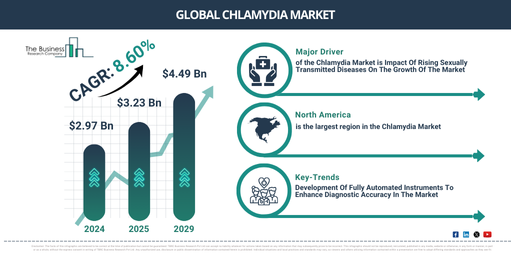
    Over the past few years, the chlamydia market has experienced robust growth. It’s projected that this market will expand from $2.97 billion in 2024 to $3.23 billion in 2025, with a compound annual growth rate (CAGR) of 8.7%. The growth witnessed in the historic period can be credited to factors such as an increase in sexual health education programs, a surge in demand for rapid diagnostic tests, the need for affordable and scalable STI diagnostics, the advent of telemedicine, and a heightened emphasis on precision medicine.

    In the coming years, the chlamydia market is predicted to experience robust growth, reaching $4.49 billion in 2029 with a compound annual growth rate (CAGR) of 8.6%. The anticipated expansion during the forecast period can be attributed to several factors such as the rise in chlamydia cases, increased public awareness, the emergence of more point-of-care testing solutions, heightened prevalence of sexually transmitted diseases and increased investment in R&D. The forecast period is also expected to see significant trends including a shift towards point-of-care testing, advancements in molecular diagnostics, a move towards preemptive healthcare, the implementation of artificial intelligence (AI) in diagnostic procedures, and the creation of high-throughput screening platforms.

    Download a free sample to assess the report’s scope and structure:

    https://www.thebusinessresearchcompany.com/sample.aspx?id=21138&type=smp

    How Are Key Drivers in the Industry Acting as Catalysts for the Growth of theChlamydia Market?

    The escalating occurrence of sexually transmitted diseases (STDs) is anticipated to drive the chlamydia market’s expansion. STDs are infections passed on through sexual activity, encompassing diseases like chlamydia, HIV, and gonorrhea. The upsurge in STDs can be accredited to decreased utilization of condoms, lack of understanding, restricted health care access, as well as the popularity of dating apps promoting numerous sexual partners. Treatments for chlamydia lessen the dispersion of STDs by eradicating the infection, averting potential complications, and diminishing the transmission probability to sexual partners. As an example, in June 2024, the US-based not-for-profit organization, National Association of County and City Health Officials, reported that the U.S. witnessed over 2.5 million cases of syphilis, chlamydia, and gonorrhea in 2022. Syphilis cases surged by 80%, with congenital syphilis cases showing a 937% rise. Such reports included 3,755 cases of congenital syphilis, indicating a 31% increase from 2021 to 2022. Hence, the escalating occurrence of STDs is fueling the chlamydia market’s growth.

    Which Segments in the Chlamydia Offer the Most Growth?

    The chlamydiamarket covered in this report is segmented –

    1) By Test Type: Culture Tests; Nucleic Acid Amplification Test (NAAT); Direct Fluorescent Antibody Test; Serology Tests; Other Test Types

    2) By Route Of Administration: Oral; Injectable; Other Routes Of Administration

    3) By End User: Hospitals; Diagnostic Centers; Ambulatory Surgical Centers; Other End Users

    Subsegments:

    1) By Culture Tests: Urethral Swab Culture; Endocervical Swab Culture; Urine Culture Test; Conjunctival Swab Culture

    2) By Nucleic Acid Amplification Test (NAAT): PCR (Polymerase Chain Reaction); Transcription-Mediated Amplification (TMA); Strand Displacement Amplification (SDA); Loop-Mediated Isothermal Amplification (LAMP)

    3) By Direct Fluorescent Antibody Test: DFA Test For Urogenital Chlamydia; DFA Test For Ocular Chlamydia; DFA For Respiratory Chlamydia Detection

    4) By Serology Tests: Enzyme-Linked Immunosorbent Assay (ELISA); Immunofluorescence Assay (IFA); Western Blot

    5) By Other Test Types: Immunochromatographic Rapid Test; Lateral Flow Immunoassay; Hybrid Capture Test (HCT)

    Request customized data on this market:

    https://www.thebusinessresearchcompany.com/customise?id=21138&type=smp

    What Are the Fastest-Growing Geographies in the #How Are Key Drivers in the Industry Acting as Catalysts for the Growth of theChlamydia Market?# Market?

    North America was the largest region in the chlamydia market in 2024. Asia-Pacific is expected to be the fastest-growing region in the forecast period. The regions covered in the chlamydia market report are Asia-Pacific, Western Europe, Eastern Europe, North America, South America, Middle East, Africa.

    What Are the Current Market Growth and Trends in the Chlamydia Industry?

    Leading businesses in the chlamydia market are working on the creation of entirely autonomous devices to heighten diagnostic precision, limit human mistake, and upgrade testing productivity. A fully automated device is one that accomplishes responsibilities without needing a human, generally utilizing sensors, control systems, and artificial intelligence to perform its roles on its own. For instance, BD (Becton, Dickinson and Company), a medical device firm from the US, introduced the BD COR MX/PX System in May 2022. The first test available on this new platform is the BD CTGCTV2 molecular assay. This solitary test is able to identify the top three non-viral sexually transmitted diseases (STIs)—chlamydia trachomatis (CT), neisseria gonorrhoeae (GC), and trichomonas vaginalis (TV). These STIs may result in various adverse health effects for patients, such as complications during pregnancy and a higher chance of acquiring HIV.

    View the full report here:

    https://www.thebusinessresearchcompany.com/report/chlamydia-global-market-report

    What Are the Key Elements That Define the Chlamydia Market?

    Chlamydia is a common sexually transmitted infection (STI) caused by Chlamydia trachomatis, often asymptomatic but potentially leading to complications like infertility and pelvic inflammatory disease. It is easily treatable with antibiotics, and prevention includes safe sex practices and regular STI screenings.

    Purchase the full report and get a swift delivery:

    https://www.thebusinessresearchcompany.com/purchaseoptions.aspx?id=21138

    About The Business Research Company:

    With over 15000+ reports from 27 industries covering 60+ geographies, The Business Research Company has built a reputation for offering comprehensive, data-rich research and insights. Armed with 1,500,000 datasets, the optimistic contribution of in-depth secondary research, and unique insights from industry leaders, you can get the information you need to stay ahead in the game.

    Get in touch with us:

    The Business Research Company: https://www.thebusinessresearchcompany.com/

    Americas +1 310-496-7795

    Europe +44 7882 955267

    Asia & Others +44 7882 955267 & +91 8897263534

    Email us at info@tbrc.info

    Follow us on:

    LinkedIn: https://in.linkedin.com/company/the-business-research-company

    YouTube: https://www.youtube.com/channel/UC24_fI0rV8cR5DxlCpgmyFQ

    Global Market Model: https://www.thebusinessresearchcompany.com/global-market-model
  • Automated Microbiology Market Insights: In-Depth Look at Growth Trends, Market Size, and Opportunities for 2025-2034

    Automated Microbiology Market Insights: In-Depth Look at Growth Trends, Market Size, and Opportunities for 2025-2034

    Claim your 30% discount on Global Market Reports with code ONLINE30. Limited time only.

    How Fast Is The Automated Microbiology Market Expected to Grow Between 2025 And 2029?

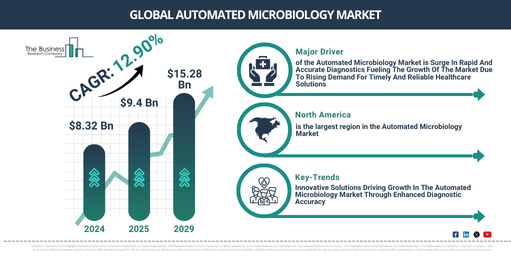
    The scale of the automated microbiology market has seen a swift expansion in the past few years. The market, which is projected to surge from $8.32 billion in 2024 to $9.4 billion in 2025, is expected to have a compounded annual growth rate (CAGR) of 12.9%. This substantial growth observed in the historic period is a result of several contributing factors. These include the rising prevalence of contagious diseases, the escalating need for early detection, an increasing demand for quick diagnostic exams, growth of infections acquired in hospitals, and governmental backing for microbial surveillance.

    The size of the automated microbiology market is anticipated to significantly expand in the upcoming years, with predictions forecasting its growth to $15.28 billion by 2029, boasting a Compound Annual Growth Rate (CAGR) of 12.9%. This expected growth within the projected period is believed to be fueled by factors such as the increased use of automation in clinical diagnostics, the rising number of the elderly population, the upsurge in the demand for point-of-care diagnostics, hospital infrastructure expansion, and the increasing necessity for the detection of antimicrobial resistance. Significant trends to watch during the forecast period involve embracing lab-on-a-chip technology, a transition towards fully automated lab systems, increased usage of cloud-based data analysis, incorporation of artificial intelligence (AI) and machine learning (ML) systems, and portable automated analyzer development.

    Download a free sample to assess the report’s scope and structure:

    https://www.thebusinessresearchcompany.com/sample.aspx?id=24163&type=smp

    What External and Internal Drivers Are Contributing to the Growth of theAutomated Microbiology Market?

    The automated microbiology market’s expansion is anticipated to be driven by the surging demand for swift and precise diagnostic methods. These quick and precise procedures are essential for identifying infections or diseases quickly and correctly, facilitating immediate and effective medical interventions. The urgency for such diagnostic methods is fueled by the need for prompt disease detection to avoid complications and enhance patient results with reduced waiting time for outcomes. Automated microbiology meets this rising demand by offering high-capacity, standardized, and error-reduced testing that guarantees expedited outcomes and superior patient management. For example, a report issued in January 2024 by the Global Fund, a Swiss organization financing AIDS, TB, and malaria prevention, treatment, and care plans, revealed that the proportion of tuberculosis diagnoses made using WHO-approved diagnostics tools surged from 38% in 2021 to 47% in 2022. This demonstrates the increasing acceptance of automated diagnostics as a groundbreaking progress. Consequently, the emerging demand for swift and accurate diagnostic processes is propelling the development of the automated microbiology sector.

    What Segment Types Define the Automated Microbiology Market Structure?

    The automated microbiologymarket covered in this report is segmented –

    1) By Product: Instruments; Reagents And Kits; Software

    2) By Automation Type: Fully Automated; Semi-Automated

    3) By Diagnostic Technology: DNA Sequencing; DNA And RNA Probe Technology; Detection Techniques; Monoclonal Antibodies; Immunoassays

    4) By Application: Biopharmaceutical Production; Clinical Diagnostics; Environmental And Water Testing; Food And Beverage Testing; Other Applications

    5) By End Use: Pharmaceutical And Biotechnology Companies; Hospitals And Diagnostic Laboratories; Academic And Research Institutes; Other End Uses

    Subsegments:

    1) By Instruments: Automated Gram Stainers; Microbial Detection Systems; Automated ID/AST Systems; Blood Culture Systems; Laboratory Information Management Systems (LIMS); Sample Preparation Systems

    2) By Reagents And Kits: Culture Media; Identification Kits; Susceptibility Testing Kits; Staining Reagents; Molecular Diagnostic Reagents

    3) By Software: Data Analysis And Interpretation Tools; Laboratory Workflow Management Software; Integration And Connectivity Solutions; Quality Control And Compliance Software

    Request customized data on this market:

    https://www.thebusinessresearchcompany.com/customise?id=24163&type=smp

    Which Geographic Areas Hold the Strongest Growth Potential in the Automated Microbiology Market?

    North America was the largest region in the automated microbiology market in 2024. The regions covered in the automated microbiology market report are Asia-Pacific, Western Europe, Eastern Europe, North America, South America, Middle East, Africa.

    What Long-Term Trends Are Transforming the Competitive Landscape of the Automated Microbiology Market?

    Leading businesses in the automated microbiology landscape are more inclined towards creating high-tech solutions like matrix-assisted laser desorption or ionization (MALDI) biotyper systems, aiming to improve the pace and precision of microbial identification. This technique is built upon mass spectrometry to identify various microorganisms such as bacteria and fungi via the categorisation of unique protein profiles. As an example, in April 2024, the U.S-based Bruker Corporation, known for manufacturing scientific instruments for both molecular and materials research, unveiled the MBT Pathfinder IVD robot. This automated device aids the preparation of targets for matrix-assisted laser desorption/ionization (MALDI) biotyper analysis and therefore, improves the efficiency of clinical workflows by simplifying sample loading, matrix application, and plate preparation. The ultimate result is quicker and more precise microbial identification.

    View the full report here:

    https://www.thebusinessresearchcompany.com/report/automated-microbiology-global-market-report

    What Is the Definition of the Automated Microbiology Market?

    Automated microbiology refers to the use of automated systems and technologies to perform microbiological tasks, which traditionally required manual labor. The goal is to improve efficiency, reduce human error, enhance reproducibility, and speed up the process of diagnosis, especially in clinical microbiology labs.

    Purchase the full report and get a swift delivery:

    https://www.thebusinessresearchcompany.com/purchaseoptions.aspx?id=24163

    About The Business Research Company:

    With over 15000+ reports from 27 industries covering 60+ geographies, The Business Research Company has built a reputation for offering comprehensive, data-rich research and insights. Armed with 1,500,000 datasets, the optimistic contribution of in-depth secondary research, and unique insights from industry leaders, you can get the information you need to stay ahead in the game.

    Get in touch with us:

    The Business Research Company: https://www.thebusinessresearchcompany.com/

    Americas +1 310-496-7795

    Europe +44 7882 955267

    Asia & Others +44 7882 955267 & +91 8897263534

    Email us at info@tbrc.info

    Follow us on:

    LinkedIn: https://in.linkedin.com/company/the-business-research-company

    YouTube: https://www.youtube.com/channel/UC24_fI0rV8cR5DxlCpgmyFQ

    Global Market Model: https://www.thebusinessresearchcompany.com/global-market-model

  • Respiratory Syncytial Virus (RSV) Diagnostics Market in Focus: Forecasting Growth Drivers, Scaling Potential, and Global Opportunities

    Respiratory Syncytial Virus (RSV) Diagnostics Market in Focus: Forecasting Growth Drivers, Scaling Potential, and Global Opportunities

    Claim your 30% discount on Global Market Reports with code ONLINE30. Limited time only.

    How Has the Respiratory Syncytial Virus (RSV) Diagnostics Market Growth Performance Trended Historically, And What Lies Ahead?

    The market size for diagnostics of the respiratory syncytial virus (rsv) has seen a fast-paced growth in the last few years. The projection is that the growth will advance from $1.01 billion in 2024 to $1.12 billion in 2025, displaying a compound annual growth rate (CAGR) of 10.7%. Factors contributing to the growth observed in the historic period include increased use of point-of-care diagnostics, initiatives taken by the government to enhance RSV diagnostics, a higher occurrence of respiratory ailments in children, a rise in infections acquired from hospitals, and a growing demand for diagnostic methods that are non-invasive.

    The market size for diagnostics related to the respiratory syncytial virus (RSV) is anticipated to expand quickly in the coming years. Predicted to reach a value of$1.67 billion by 2029″, this sector will increase at a compound annual growth rate (CAGR) of 10.5%. This surge during the forecast period can be tied to various factors such as the increased occurrence of RSV infections, more information and consciousness about RSV diagnostics, growth in global healthcare infrastructure and spending, and a rise in the aging population. Future trends to note include the progression of molecular diagnostic technologies, innovation in diagnostic device technology, wider adoption of rapid diagnostic tests (RDTs), extension of diagnostic test portfolios by enterprises, and the incorporation of advances in genetic and proteomic diagnostics.

    Download a free sample to assess the report’s scope and structure:

    https://www.thebusinessresearchcompany.com/sample.aspx?id=21273&type=smp

    What Are the Core Market Drivers Propelling Growth in the Respiratory Syncytial Virus (RSV) Diagnostics Industry?

    The increasing incidence of respiratory conditions is predicted to propel the expansion of the market for respiratory syncytial virus (RSV) diagnostic tools. Respiratory diseases encompass a wide range of ailments that affect the lungs and airways, compromising breathing and oxygen distribution. They include ailments such as asthma, chronic obstructive pulmonary disease (COPD), pneumonia, and respiratory tract infections. A growth in the prevalence of these conditions can be attributed to increasing air pollution, smoking habits, climate change, urbanization, and the escalating incidence of infections and chronic illnesses such as asthma and COPD. RSV diagnostics are crucial for diagnosing respiratory diseases, allowing for the precise and timely detection of RSV infections. This facilitates suitable treatment, management, and the avoidance of serious complications, particularly in at-risk demographics. For instance, the Australian Institute of Health and Welfare, a government agency based in Australia, reported in November 2024 that an estimated 2.8 million individuals, or 11% of the population, were living with asthma in Australia in 2022. Asthma was responsible for 2.5% of the total disease burden and 35% of the burden from all respiratory conditions in 2023, causing 467 deaths in 2022, which translates to 1.8 deaths per 100,000 people and represents 0.2% of all deaths. Consequently, the growing frequency of respiratory diseases is stimulating the expansion of the respiratory syncytial virus (RSV) diagnostics market.

    How Is the Respiratory Syncytial Virus (RSV) Diagnostics Market Segmented?

    The respiratory syncytial virus (rsv) diagnosticsmarket covered in this report is segmented –

    1) By Product Type: Kits And Assays; Instruments; Reagents; Other Product Types

    2) By Technology: Molecular Diagnostics; Immunoassays; Rapid Antigen Detection Tests; Other Technologies

    3) By Sample Type: Nasal Swabs; Throat Swabs; Bronchoalveolar Lavage

    4) By End User: Hospitals; Diagnostic Laboratories; Home Care Settings; Other End Users

    Subsegments:

    1) By Kits And Assays: Rapid Antigen Detection Kits; PCR-based Assays; Serological Assays

    2) By Instruments: PCR Analyzers; Immunoassay Analyzers

    3) By Reagents: PCR Reagents; Antibody Reagents; Enzyme Reagents

    4) By Other Product Types: Sample Collection Devices; Transport Media

    Request customized data on this market:

    https://www.thebusinessresearchcompany.com/customise?id=21273&type=smp

    Which Regions Are Driving the Next Phase of the Respiratory Syncytial Virus (RSV) Diagnostics Market Growth?

    North America was the largest region in the respiratory syncytial virus (RSV) diagnostics market in 2024. Asia-Pacific is expected to be the fastest-growing region in the forecast period. The regions covered in the respiratory syncytial virus (RSV) diagnostics market report are Asia-Pacific, Western Europe, Eastern Europe, North America, South America, Middle East, Africa.

    What Key Market Trends and Innovations Are Shaping the Future of the Respiratory Syncytial Virus (RSV) Diagnostics Industry?

    Prominent players in the respiratory syncytial virus (RSV) diagnostics market are crafting innovative solutions such as respiratory virus combination testing to offer precise and efficient diagnoses. This diagnostic approach detects several respiratory viruses, like influenza, RSV, and others, simultaneously from a single specimen to assist in identifying viral ailments. For example, Sonora Quest Laboratories, a US-based clinical lab testing enterprise, introduced a diagnostic test for COVID-19, RSC, and influenza in January 2023. This molecular diagnostic test performs a multi-target analysis from a single patient’s sample to identify COVID-19, RSV, and influenza. Bundling these three virus tests saves the trouble of multiple samplings. It hastens the process of recognizing all three infections, aiding healthcare professionals in prompt treatment decisions, which could enhance patient recovery rates. Moreover, this test could help curb the propagation of these viruses, thereby minimizing transmission risks.

    View the full report here:

    https://www.thebusinessresearchcompany.com/report/respiratory-syncytial-virus-rsv-diagnostics-global-market-report

    How Is the Respiratory Syncytial Virus (RSV) Diagnostics Market Defined and What Are Its Core Parameters?

    Respiratory syncytial virus (RSV) diagnostics refers to the tests and methods used to detect the presence of RSV in patients, typically through respiratory samples like nasal swabs or throat swabs. It is used for identifying RSV infections, which can cause respiratory illness in infants, young children, and the elderly, to guide treatment and management.

    Purchase the full report and get a swift delivery:

    https://www.thebusinessresearchcompany.com/purchaseoptions.aspx?id=21273

    About The Business Research Company:

    With over 15000+ reports from 27 industries covering 60+ geographies, The Business Research Company has built a reputation for offering comprehensive, data-rich research and insights. Armed with 1,500,000 datasets, the optimistic contribution of in-depth secondary research, and unique insights from industry leaders, you can get the information you need to stay ahead in the game.

    Get in touch with us:

    The Business Research Company: https://www.thebusinessresearchcompany.com/

    Americas +1 310-496-7795

    Europe +44 7882 955267

    Asia & Others +44 7882 955267 & +91 8897263534

    Email us at info@tbrc.info

    Follow us on:

    LinkedIn: https://in.linkedin.com/company/the-business-research-company

    YouTube: https://www.youtube.com/channel/UC24_fI0rV8cR5DxlCpgmyFQ

    Global Market Model: https://www.thebusinessresearchcompany.com/global-market-model
  • Global Chikungunya Market Trends: Regional Breakdowns and Strategic Insights

    Global Chikungunya Market Trends: Regional Breakdowns and Strategic Insights

    Claim your 30% discount on Global Market Reports with code ONLINE30. Limited time only.

    What is the Anticipated CAGR of the Chikungunya Market, and What Factors Will Drive It?

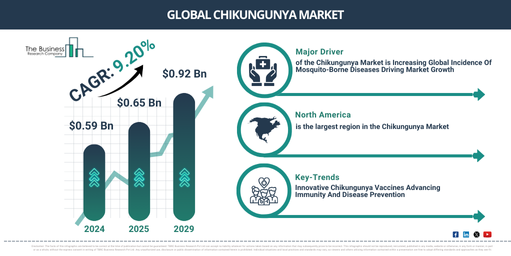
    The market for chikungunya has seen considerable growth in the past few years. It is expected that it will increase from $0.59 billion in 2024 to $0.65 billion in 2025, recording a compound annual growth rate (CAGR) of 9.4%. Factors contributing to this growth in the historic period include a rise in per capita health care spending, an increasing occurrence of newly emerging and re-emerging infectious diseases, growth in personal disposable income, climate change, and enhanced awareness about mosquito-borne diseases.

    An impressive expansion is projected for the chikungunya market in the coming years, with a forecasted size of $0.92 billion in 2029 and a compound annual growth rate (CAGR) of 9.2%. This anticipated growth for the forecast period mainly stems from a global surge in clinical trials, an increase in the elderly population, an escalating demand for vaccination, the rise of governmental and non-governmental initiatives, higher governmental investment, and encouraging regulations. Key trends that are expected to influence the forecast period include biotechnological advancements in vaccine creation, emerging opportunities for new vaccines, utilization of CRISPR and AI for inventive solutions, strategic partnerships developed within pharmaceutical companies, and the incorporation of telemedicine services.

    Download a free sample to assess the report’s scope and structure:

    https://www.thebusinessresearchcompany.com/sample.aspx?id=21137&type=smp

    What Are the Major Market Drivers Behind the Rising Adoption of Chikungunya Market?

    The forecasted rise in mosquito-borne diseases is anticipated to boost the chikungunya market’s expansion. Global public health faces significant hurdles due to diseases like chikungunya, dengue, and the zika virus, which are transmitted to humans through bites from infected aedes mosquitoes. Factors contributing to a worldwide surge in mosquito-borne disease cases include climate change, urbanization, deforestation, the accumulation of stagnant water, inadequate pest control measures, a rise in global travel, and resistance to insecticides. Chikungunya treatment aids those suffering from such diseases by relieving symptoms like fever, joint pain, and inflammation, boosting overall comfort and mobility, lowering complication risks, and expediting recovery with hydration, pain management, and supportive care. In a case study, the UK Health Security Agency, a UK-government agency, reported that from January to June 2024, the number of dengue cases in returning travellers in England, Wales, and Northern Ireland spiked at 473, a 201% increase from the 157 cases noted during the same time frame in 2023. Thus, the mounting worldwide prevalence of mosquito-borne diseases is stimulating the chikungunya market’s growth.

    Which Key Market Segments Comprise the Chikungunya Market and Drive Its Revenue Growth?

    The chikungunyamarket covered in this report is segmented –

    1) By Type: Antiviral Drugs; Herbal And Complementary Treatments; Supportive Care; Vaccines

    2) By Product Form: Liquid Form; Powder; Solid Form

    3) By Disease Stage: Acute; Chronic; Post-Infection

    4) By Sales Channel: Hospital Pharmacies; Online Pharmacies; Retail Pharmacies; Supermarkets

    5) By End User: Caregivers; Healthcare Professionals; Patients

    Subsegments:

    1) By Antiviral Drugs: Nucleoside Analogues; Protease Inhibitors

    2) By Herbal And Complementary Treatments: Ayurvedic Remedies; Homeopathic Treatments; Traditional Chinese Medicine

    3) By Supportive Care: Pain Relievers (NSAIDs, Acetaminophen); Fluid Therapy; Physiotherapy

    4) By Vaccines: Live-Attenuated Vaccines; Inactivated Vaccines; mRNA-Based Vaccines

    Request customized data on this market:

    https://www.thebusinessresearchcompany.com/customise?id=21137&type=smp

    Which Areas Are Leading Regions in the Chikungunya Market Expansion Across the Globe?

    North America was the largest region in the chikungunya market in 2024. Asia-Pacific is expected to be the fastest-growing region in the forecast period. The regions covered in the chikungunya market report are Asia-Pacific, Western Europe, Eastern Europe, North America, South America, Middle East, Africa.

    What Are the Strategic Trends Steering theChikungunya Market Direction?

    The focus of significant corporations in the chikungunya market is on creating ground-breaking vaccines that promote immunity, prevent disease spreads, and tackle the escalating global health issue of chikungunya virus infections. A live attenuated chikungunya vaccine, which uses a weakened version of the chikungunya virus to trigger an immune response without causing the disease, ensures enduring protection. Valneva SE, a French biotech company, announced the FDA-approved IXCHIQ, a live attenuated chikungunya vaccine, in November 2023. This endorsement was achieved through accelerated approval based on anti-CHIKV neutralizing antibody titers, with sustained approval contingent on the verification of clinical advantage in further studies. The FDA granted Valneva a Priority Review Voucher (PRV), which the company plans to monetize to fund its research and development initiatives. IXCHIQ is administered as a single-dose muscle injection and includes a live, weakened chikungunya virus strain, which may generate symptoms in recipients similar to those of the chikungunya disease.

    View the full report here:

    https://www.thebusinessresearchcompany.com/report/chikungunya-global-market-report

    How Is the Chikungunya Market Conceptually Defined?

    Chikungunya (CHIKV) is a viral infection caused by the chikungunya virus, primarily transmitted to humans through the bites of infected Aedes aegypti and Aedes albopictus mosquitoes. The virus causes fever, joint pain, headache, rash, and muscle pain, significantly impacting the quality of life of affected individuals.

    Purchase the full report and get a swift delivery:

    https://www.thebusinessresearchcompany.com/purchaseoptions.aspx?id=21137

    About The Business Research Company:

    With over 15000+ reports from 27 industries covering 60+ geographies, The Business Research Company has built a reputation for offering comprehensive, data-rich research and insights. Armed with 1,500,000 datasets, the optimistic contribution of in-depth secondary research, and unique insights from industry leaders, you can get the information you need to stay ahead in the game.

    Get in touch with us:

    The Business Research Company: https://www.thebusinessresearchcompany.com/

    Americas +1 310-496-7795

    Europe +44 7882 955267

    Asia & Others +44 7882 955267 & +91 8897263534

    Email us at info@tbrc.info

    Follow us on:

    LinkedIn: https://in.linkedin.com/company/the-business-research-company

    YouTube: https://www.youtube.com/channel/UC24_fI0rV8cR5DxlCpgmyFQ

    Global Market Model: https://www.thebusinessresearchcompany.com/global-market-model

  • Cerebral Amyloid Angiopathy Treatment Market Outlook 2025: Mapping Growth, Innovation, and Regional Shifts

    Cerebral Amyloid Angiopathy Treatment Market Outlook 2025: Mapping Growth, Innovation, and Regional Shifts

    Claim your 30% discount on Global Market Reports with code ONLINE30. Limited time only.

    What Are the Key Milestones in the Cerebral Amyloid Angiopathy Treatment Market’s Growth Trajectory From 2025 To 2034?

    The market for cerebral amyloid angiopathy treatment has seen robust growth in recent times. The market is predicted to expand from $2.06 billion in 2024 to $2.24 billion in 2025, boasting a compound annual growth rate (CAGR) of 9.0%. The growth witnessed in the past can be linked to factors such as the growing number of older individuals, increased awareness about cerebrovascular diseases, a surge in intracerebral hemorrhage cases, a rise in government funding for research in neurology, reliance on symptomatic management, and widespread usage of MRI and neuroimaging for diagnosis.

    The market size for treating cerebral amyloid angiopathy is forecasted to experience robust expansion within the next few years, escalating to reach a value of $3.16 billion by 2029 with a compound annual growth rate (CAGR) of 8.9%. The surge within the projection period can be associated with the escalating adoption of personalized medicine, growth in methodologies based on biomarkers detection, intensifying research in neuroinflammation therapies, amplified investments towards neurological drugs development, increasing inclination towards minimally invasive treatment alternatives, and augmenting funds allocated for studying neurological disorders. Key market trends within the forecast period encompass the investigation into combining therapies, progress in MRI and PET imaging technologies, enhancement of health care infrastructures in emerging markets, development of minimally invasive therapies, collaborations between pharmaceutical and biotech companies, and the rise in adopting wearable technology for tracking purposes.

    Download a free sample to assess the report’s scope and structure:

    https://www.thebusinessresearchcompany.com/sample.aspx?id=21136&type=smp

    What External and Internal Drivers Are Contributing to the Growth of theCerebral Amyloid Angiopathy Treatment Market?

    The escalating incidence of health conditions that affect the brain, spinal cord, or nerves is anticipated to fuel the expansion of the cerebral amyloid angiopathy treatment market. These neurological disorders can result in impairments of movement, sensation, cognition, or other bodily functions and are increasing due to factors such as aging societies, lifestyle influences, environmental exposures, genetic predispositions, and enhancement in diagnostic capabilities. Cerebral amyloid angiopathy treatments can aid these disorders by decreasing amyloid accumulation in blood vessels, improving cerebral flow, and mitigating the risk of cognitive decline and complications related to strokes. For example, in March 2023, the Alzheimer’s Association, a voluntary health organization based in the US, reported that approximately 6.7 million Americans aged 65 years and older were living with Alzheimer’s dementia. Projections suggest this number could escalate to 13.8 million by 2060. Consequently, the rise in neurological disorders is stimulating the expansion of the cerebral amyloid angiopathy treatment market.

    What Segment Types Define the Cerebral Amyloid Angiopathy Treatment Market Structure?

    The cerebral amyloid angiopathy treatmentmarket covered in this report is segmented –

    1) By Type: Medication; Therapeutic Procedures; Surgery; Supportive Care

    2) By Route Of Administration: Oral; Intravenous; Intramuscular

    3) By Patient Type: Geriatric; Adult; Pediatric

    4) By End User: Hospitals; Clinics; Homecare Settings

    Subsegments:

    1) By Medication: Antihypertensive Drugs; Antiplatelet Drugs; Statins; Monoclonal Antibodies; Anti-amyloid Agents

    2) By Therapeutic Procedures: Plasma Exchange; Gene Therapy; Immunotherapy

    3) By Surgery: Cranial Decompression Surgery; Surgical Drainage Of Hematomas; Vascular Reconstruction Surgery

    4) By Supportive Care: Cognitive Rehabilitation; Physical Therapy; Pain Management; Nutritional Support

    Request customized data on this market:

    https://www.thebusinessresearchcompany.com/customise?id=21136&type=smp

    Which Geographic Areas Hold the Strongest Growth Potential in the Cerebral Amyloid Angiopathy Treatment Market?

    North America was the largest region in the Largest cerebral amyloid angiopathy treatment market in 2024. The regions covered in the cerebral amyloid angiopathy treatment market report are Asia-Pacific, Western Europe, Eastern Europe, North America, South America, Middle East, Africa.

    What Long-Term Trends Are Transforming the Competitive Landscape of the Cerebral Amyloid Angiopathy Treatment Market?

    Leading firms in the cerebral amyloid angiopathy treatment market are prioritizing the creation of innovative solutions, particularly RNAi therapeutics, with an aim to target gene expressions related to the disease and minimize cerebral vessels’ amyloid buildup. RNAi therapeutics are a category of medications that employ RNA interference to inhibit specific genes, thereby preventing disease-causing proteins from being produced. For instance, the US-based pharmaceutical firm Alnylam Pharmaceuticals Inc. intends to initiate the multiple-dose phase of its ALN-APP clinical trial in approved regions by July 2023. The objective of the ALN-APP trial is to evaluate the safety and effectiveness of RNAi-based treatments in reducing amyloid precursor proteins (APP)- key elements in the formation of amyloid plaque in the brain. The trial seeks to figure out if silencing the gene that produces these proteins, and using ALN-APP, could potentially halt or even reverse cerebral amyloid angiopathy (CAA)’s advancement.

    View the full report here:

    https://www.thebusinessresearchcompany.com/report/cerebral-amyloid-angiopathy-treatment-global-market-report

    What Is the Definition of the Cerebral Amyloid Angiopathy Treatment Market?

    Cerebral amyloid angiopathy (CAA) treatment refers to the medical and therapeutic interventions aimed at managing and mitigating the effects of CAA, a neurological condition characterized by the accumulation of amyloid-beta proteins in the walls of cerebral blood vessels. This condition increases the risk of brain hemorrhages, cognitive decline, and dementia.

    Purchase the full report and get a swift delivery:

    https://www.thebusinessresearchcompany.com/purchaseoptions.aspx?id=21136

    About The Business Research Company:

    With over 15000+ reports from 27 industries covering 60+ geographies, The Business Research Company has built a reputation for offering comprehensive, data-rich research and insights. Armed with 1,500,000 datasets, the optimistic contribution of in-depth secondary research, and unique insights from industry leaders, you can get the information you need to stay ahead in the game.

    Get in touch with us:

    The Business Research Company: https://www.thebusinessresearchcompany.com/

    Americas +1 310-496-7795

    Europe +44 7882 955267

    Asia & Others +44 7882 955267 & +91 8897263534

    Email us at info@tbrc.info

    Follow us on:

    LinkedIn: https://in.linkedin.com/company/the-business-research-company

    YouTube: https://www.youtube.com/channel/UC24_fI0rV8cR5DxlCpgmyFQ

    Global Market Model: https://www.thebusinessresearchcompany.com/global-market-model

  • Cerebral Adrenoleukodystrophy (CALD) Market in Focus: Forecasting Growth Drivers, Scaling Potential, and Global Opportunities

    Cerebral Adrenoleukodystrophy (CALD) Market in Focus: Forecasting Growth Drivers, Scaling Potential, and Global Opportunities

    Claim your 30% discount on Global Market Reports with code ONLINE30. Limited time only.

    How Has The Cerebral Adrenoleukodystrophy (CALD) Market Size Shifted, And What Is the Outlook Through 2034?

    The market for cerebral adrenoleukodystrophy (cald) has seen a rapid expansion in the past few years. The market value is projected to increase from $6.58 billion in 2024 to $7.54 billion in 2025, reflecting a compound annual growth rate (CAGR) of 14.6%. Factors like heightened awareness about uncommon diseases, the escalation in newborn screening programs, a broader focus on neurodegenerative disorders, the launch of Lorenzo’s oil, extensive research on peroxisomal disorders, campaigns by patient support groups, and the enhancement of healthcare infrastructure have all contributed to the growth experienced in the historic period.

    The market for cerebral adrenoleukodystrophy (cald) is set to experience impressive growth in the coming years, with predictions of reaching a value of $12.93 billion in 2029, developed at a compound annual growth rate (CAGR) of 14.4%. The projected growth during this period could be due to the rise of gene therapy treatments, wider implementation of newborn screening technologies, progress in targeted drug delivery systems, increased funding for rare disease investigation, a surge in the use of digital health tools, a growing need for customised treatments, partnerships between biotech and pharma organisations, as well as increased awareness due to global promotional campaigns. The major trends to watch out for in this period will likely include gene editing through clustered regularly interspaced short palindromic repeats (CRISPR), AI-fueled diagnostic algorithms, cutting-edge neuroimaging methods, strides in next-generation sequencing, brain-focused nanomedicine, wearable technology for neurological examination, digital twin simulations for planning treatment, cloud-supported sharing of genomic information, virtual reality for training caregivers, and the use of blockchain for secure patient data management.

    Download a free sample to assess the report’s scope and structure:

    https://www.thebusinessresearchcompany.com/sample.aspx?id=21135&type=smp

    What Are the Core Market Drivers Propelling Growth in the Cerebral Adrenoleukodystrophy (CALD) Industry?

    The cerebral adrenoleukodystrophy (CALD) market is set to benefit from the anticipated rise in healthcare spending. The increase in healthcare spending is propelled by a variety of factors, including an aging population, the prevalence of chronic diseases, advancements in medical technology, escalating drug prices, and broader health coverage. Through funding cutting-edge treatments like gene therapy and stem cell transplants, furthering the development of diagnostic tools, and enhancing patient access to specialized and early care, healthcare spending aids the growth of the CALD market. As an example, the US-based Centers for Medicare And Medicaid Services (CMS) reported in December 2024 that national health expenditures (NHE) had grown by 7.5% in 2023, surpassing the 6.1% gross domestic product (GDP) growth. Moreover, from 2023 to 2032, the average annual growth rate of the NHE is forecasted to be 5.6%, raising the healthcare spending’s GDP share from 17.3% in 2022 to 19.7% in 2032. Consequently, the anticipated increase in healthcare spending is fueling the growth of the cerebral adrenoleukodystrophy (CALD) market.

    How Is the Cerebral Adrenoleukodystrophy (CALD) Market Segmented?

    The cerebral adrenoleukodystrophy (cald)market covered in this report is segmented –

    1) By Type Of Treatment: Dietary Management; Medications; Stem Cell Therapy

    2) By Patient Age Group: Adults; Children; Infants; Teens

    3) By End User: Healthcare Facilities; Patients And Caregivers; Pharmaceutical Companies

    Subsegments:

    1) By Dietary Management: Lorenzo’s Oil; Omega-3 Fatty Acids; Fatty Acid Supplements

    2) By Medications: Corticosteroids; Antioxidants; Anti-inflammatory Drugs

    3) By Stem Cell Therapy: Hematopoietic Stem Cell Transplantation (HSCT); Gene Therapy

    Request customized data on this market:

    https://www.thebusinessresearchcompany.com/customise?id=21135&type=smp

    Which Regions Are Driving the Next Phase of the Cerebral Adrenoleukodystrophy (CALD) Market Growth?

    North America was the largest region in the cerebral adrenoleukodystrophy (CALD) market in 2024. The regions covered in the cerebral adrenoleukodystrophy (CALD) market report are Asia-Pacific, Western Europe, Eastern Europe, North America, South America, Middle East, Africa.

    What Key Market Trends and Innovations Are Shaping the Future of the Cerebral Adrenoleukodystrophy (CALD) Industry?

    Companies in the cerebral adrenoleukdystrophy (CALD) industry are working towards devising ground-breaking therapies like gene therapies. The real goal here is to provide superior, long-lasting solutions that can slow down disease progression, enhance patient outcomes, and potentially provide a cure for this scarce and fatal condition. Gene therapy, a medical intervention, aims to rectify or substitute defective genes in patients’ cells to treat or even cure diseases. Meanwhile, one instance from September 2022 highlights the accelerated approval granted to the US biotech firm, Bluebird Bio Inc., by the United States Food and Drug Administration (FDA), for its Skysona (elivaldogene autotemcel) therapy – designed to decelerate neurological dysfunction in boys aged 4-17 with early, active CALD. Skysona, administered once through gene therapy, employs the Lenti-D lentiviral vector (LVV) ex-vivo transduction process to integrate functional ABCD1 gene copies into the patient’s hematopoietic stem cells (HSCs). This newly introduced gene equips patients with the ability to synthesize the ALD protein (ALDP), which can then contribute in situ to the breakdown of very long-chain fatty acids (VLCFAs). This process holds potential to mitigate or even avoid subsequent inflammation and demyelination.

    View the full report here:

    https://www.thebusinessresearchcompany.com/report/cerebral-adrenoleukodystrophy-cald-global-market-report

    How Is the Cerebral Adrenoleukodystrophy (CALD) Market Defined and What Are Its Core Parameters?

    Cerebral adrenoleukodystrophy (CALD) is a rare, progressive neurological disorder that primarily affects males and is caused by mutations in the ABCD1 gene. It is characterized by the accumulation of very long-chain fatty acids in the brain, which destroys myelin, the protective covering of nerve cells. Cerebral adrenoleukodystrophy (CALD) is a form of adrenoleukodystrophy (ALD) that involves the brain and spinal cord, causing symptoms such as cognitive decline, behavioral changes, and motor dysfunction.

    Purchase the full report and get a swift delivery:

    https://www.thebusinessresearchcompany.com/purchaseoptions.aspx?id=21135

    About The Business Research Company:

    With over 15000+ reports from 27 industries covering 60+ geographies, The Business Research Company has built a reputation for offering comprehensive, data-rich research and insights. Armed with 1,500,000 datasets, the optimistic contribution of in-depth secondary research, and unique insights from industry leaders, you can get the information you need to stay ahead in the game.

    Get in touch with us:

    The Business Research Company: https://www.thebusinessresearchcompany.com/

    Americas +1 310-496-7795

    Europe +44 7882 955267

    Asia & Others +44 7882 955267 & +91 8897263534

    Email us at info@tbrc.info

    Follow us on:

    LinkedIn: https://in.linkedin.com/company/the-business-research-company

    YouTube: https://www.youtube.com/channel/UC24_fI0rV8cR5DxlCpgmyFQ

    Global Market Model: https://www.thebusinessresearchcompany.com/global-market-model

  • Strong CAGR to Propel in the Central Nervous System Lymphoma Treatment Market and Beyond upto $1.66 Billion by 2029

    Strong CAGR to Propel in the Central Nervous System Lymphoma Treatment Market and Beyond upto $1.66 Billion by 2029

    Claim your 30% discount on Global Market Reports with code ONLINE30. Limited time only.

    How Has the Central Nervous System Lymphoma Treatment Market Growth Performance Trended Historically, And What Lies Ahead?

    In recent years, the market size for central nervous system lymphoma treatment has seen substantial growth. It is projected to expand from $1.19 billion in 2024 to $1.27 billion in 2025, representing a compound annual growth rate (CAGR) of 6.9%. The growth witnessed in the past period is linked to an increased occurrence of central nervous system (CNS) lymphoma, a rise in the utilization of targeted therapies, the proliferation of cancer awareness initiatives, the growth in healthcare spending, advancements in immunotherapy, the advent of high-dose chemotherapy, escalating clinical trial activities, and better access to specialized healthcare facilities.

    In the upcoming years, robust growth is anticipated in the central nervous system lymphoma treatment market, with its value expected to reach $1.66 billion in 2029, growing at a compound annual growth rate (CAGR) of 6.8%. Multiple factors, such as the increased demand for customised medication, emphasis on prompt diagnosis, escalated investment in cancer research, the advent of innovative drug delivery systems, improved healthcare systems in developing markets, increasing instances of autoimmune diseases, evolution of combination therapies, wider availability of biosimilars, and the rising usage of telemedicine for cancer treatment contribute to the growth during the projected period. Key trends that will be observed during this period are the progress in precision medicine, incorporation of artificial intelligence in diagnosis, utilisation of liquid biopsy for monitoring, use of nanotechnology in drug delivery, advancements in imaging technologies, invention of bispecific antibodies, application of gene editing technologies like CRISPR, introduction of wearable health monitoring devices, and the enlargement of telehealth platforms specifically for oncology treatment.

    Download a free sample to assess the report’s scope and structure:

    https://www.thebusinessresearchcompany.com/sample.aspx?id=21134&type=smp

    Which Primay Drivers Are Accelerating Growth in the Central Nervous System Lymphoma Treatment Market?

    The swift expansion of the pharmaceutical industry is predicted to spur the development of the central nervous system lymphoma treatment market in the future. The pharmaceutical industry primarily concentrates on the research, production, and distribution of drugs and therapeutic solutions addressing various health conditions. This industry’s growth is spurred by factors such as advancements in medical research, an aging demographic, increased access to global healthcare, a rise in chronic diseases, global health emergencies, regulatory support, and escalating healthcare expenditure. By encouraging innovation in targeted treatments, enhancing diagnostic capabilities, and bolstering investment in research and development for rare cancers, the pharmaceutical industry pushes the central nervous system lymphoma treatment market’s progress. For example, as per the European Federation of Pharmaceutical Industries and Associations (EFPIA), a trade body based in Belgium that represents the pharmaceutical sector, the total pharmaceutical production in Europe rose to $4,17,300 million (€390,000 million) in 2023, from $3,88,141 million (€363,300 million) in 2022. Consequently, the brisk expansion in the pharmaceutical industry fuels the growth of the central nervous system lymphoma treatment market.

    Which Primary Segments of the Central Nervous System Lymphoma Treatment Market Are Driving Growth and Industry Transformations?

    The central nervous system lymphoma treatmentmarket covered in this report is segmented –

    1) By Treatment Type: Chemotherapy; Radiation Therapy; Targeted Therapy; Corticosteroids; Immunotherapy

    2) By Route Of Administration: Intravenous; Oral; Intrathecal

    3) By Distribution Channel: Direct Sales; Third-Party Distributors

    4) By End User: Hospitals; Clinics; Ambulatory Surgical Centers

    Subsegments:

    1) By Chemotherapy: High-Dose Methotrexate; Temozolomide; Rituximab-Based Regimens; Carmustine; Cytarabine

    2) By Radiation Therapy: Whole Brain Radiation Therapy (WBRT); Stereotactic Radiosurgery (SRS); Brachytherapy

    3) By Targeted Therapy: Monoclonal Antibodies; Tyrosine Kinase Inhibitors; B-Cell Antigen Inhibitors; PI3K Inhibitors

    4) By Corticosteroids: Dexamethasone; Prednisone; Methylprednisolone

    5) By Immunotherapy: Checkpoint Inhibitors; Chimeric Antigen Receptor T-Cell (CAR-T) Therapy; Monoclonal Antibodies; Immune Modulators

    Request customized data on this market:

    https://www.thebusinessresearchcompany.com/customise?id=21134&type=smp

    Which Regions Are Key Players in the Growth of the #Which Primay Drivers Are Accelerating Growth in the Central Nervous System Lymphoma Treatment Market?# Market?

    North America was the largest region in the central nervous system lymphoma treatment market in 2024. Asia-Pacific is expected to be the fastest-growing region in the forecast period. The regions covered in the central nervous system lymphoma treatment market report are Asia-Pacific, Western Europe, Eastern Europe, North America, South America, Middle East, Africa.

    Which Technological Trends Are Reshaping the Central Nervous System Lymphoma Treatment Industry Dynamics?

    Key players in the central nervous system lymphoma industry are exploring the creation of advanced therapies like chimeric antigen receptor (CAR) T-cell therapy. This approach hopes to improve the efficacy of treatments, personalize therapeutic choices, and enhance patient results, especially for those who suffer relapsed or refractory conditions. CAR T-cell therapy is a type of immunotherapy that alters a patient’s T-cells to more effectively identify and attack cancer cells. As an example, Kite Pharma, a US pharmaceutical firm, teamed up with Dana-Farber Cancer Institute, a US cancer treatment center, in June 2024. Together, they introduced Yescarta (axicabtagene ciloleucel), a treatment well-received by patients with relapsed or refractory primary or secondary central nervous system lymphoma (PCNSL and SCNSL). Yescarta (axicabtagene ciloleucel) is a CAR T-cell therapy that modifies a patient’s T-cells to target and eliminate cancer cells before returning them to the body. This process aids in lymphoma cell eradication, specifically in the central nervous system and in cases that are relapsed or difficult to treat.

    View the full report here:

    https://www.thebusinessresearchcompany.com/report/central-nervous-system-lymphoma-treatment-global-market-report

    What Parameters Are Used to Define the Central Nervous System Lymphoma Treatment Market?

    Central nervous system (CNS) lymphoma treatment refers to the medical approaches to managing and treating primary or secondary lymphoma affecting the brain, spinal cord, or cerebrospinal fluid (CSF). Treatment typically includes high-dose methotrexate-based chemotherapy, often combined with other drugs, immunotherapy, radiation therapy, and autologous stem cell transplantation (ASCT). Central nervous system (CNS) lymphoma treatment aims to eliminate cancer cells while preserving neurological function and preventing relapse. Treatment plans are tailored based on the patient’s age, overall health, and disease severity.

    Purchase the full report and get a swift delivery:

    https://www.thebusinessresearchcompany.com/purchaseoptions.aspx?id=21134

    About The Business Research Company:

    With over 15000+ reports from 27 industries covering 60+ geographies, The Business Research Company has built a reputation for offering comprehensive, data-rich research and insights. Armed with 1,500,000 datasets, the optimistic contribution of in-depth secondary research, and unique insights from industry leaders, you can get the information you need to stay ahead in the game.

    Get in touch with us:

    The Business Research Company: https://www.thebusinessresearchcompany.com/

    Americas +1 310-496-7795

    Europe +44 7882 955267

    Asia & Others +44 7882 955267 & +91 8897263534

    Email us at info@tbrc.info

    Follow us on:

    LinkedIn: https://in.linkedin.com/company/the-business-research-company

    YouTube: https://www.youtube.com/channel/UC24_fI0rV8cR5DxlCpgmyFQ

    Global Market Model: https://www.thebusinessresearchcompany.com/global-market-model
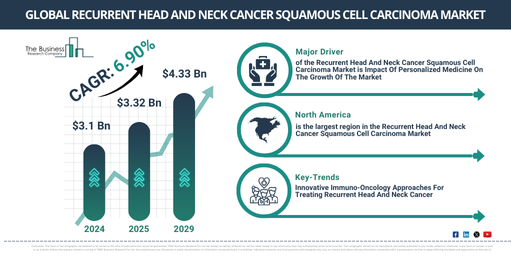
  • $4.33 Billion Forecast for Recurrent Head And Neck Cancer Squamous Cell Carcinoma Market by 2029, Backed by Demand and Innovation

    $4.33 Billion Forecast for Recurrent Head And Neck Cancer Squamous Cell Carcinoma Market by 2029, Backed by Demand and Innovation

    Claim your 30% discount on Global Market Reports with code ONLINE30. Limited time only.

    What Are the Key Projections for the CAGR of the Recurrent Head And Neck Cancer Squamous Cell Carcinoma Market Size From 2025 to 2034?

    Over the past few years, the market for recurrent head and neck cancer squamous cell carcinoma has been seeing strong growth. Predictions suggest an increase from $3.1 billion in 2024 to $3.32 billion in 2025, implying a compound annual growth rate (CAGR) of 6.9%. The previously observed growth can be linked to a worldwide increase in head and neck cancers, heightened awareness for early diagnosis and treatments, a rising geriatric population, more available combination therapies, and an increase in healthcare spending.

    The market size of the recurring head and neck squamous cell carcinoma cancer is predicted to experience significant expansion in the following years, specifically to approximately$4.33 billion in 2029″ with a compound annual growth rate (CAGR) of 6.9%. The escalation in the forecasted period can be attributable to the increasing need for biologics, the expansion of telemedicine usage, heightened emphasis on supportive care, rise in the prevalence of comorbidities, and escalating health insurance coverage. Notable trends projected for the period include enhancements in robotic-assisted surgical procedures, advances in radiation therapy technologies, developments in 3D printing technologies, creation of bispecific antibodies, and the incorporation of artificial intelligence in diagnostic imaging.

    Download a free sample to assess the report’s scope and structure:

    https://www.thebusinessresearchcompany.com/sample.aspx?id=21269&type=smp

    What Are the Core Growth Drivers Propelling the Recurrent Head And Neck Cancer Squamous Cell Carcinoma Market Forward?

    The expansion of the recurrent head and neck cancer squamous cell carcinoma market is anticipated to be propelled by the development of personalized medicine. This treatment technique is individualized, factoring in each patient’s genetic blueprint, environment and lifestyle when making healthcare decisions. The popularity of personalized medicine is growing due to enhancements in genomic research, improved diagnostic tools, an increasing appetite for specialized treatments, and expanded investment in precision healthcare. This enables more effective customized treatments. The application of genetic profiling and targeted treatments within the framework of personalized medicine can notably assist the recurrent head and neck cancer squamous cell carcinoma market. This is due to the capacity to determine more effective treatments plans tailored to the unique molecular traits of each individual’s tumor. For example, the Personalized Medicine Coalition, a US organization that advocates for the use of personalized medicine, reported in February 2024 that the U.S. Food and Drug Administration approved 16 novel customized treatments targeted at rare diseases, a notable increase from the six approved in 2022. Consequently, the rise of personalized medicine is a significant factor contributing to the growth of the recurrent head and neck cancer squamous cell carcinoma market.

    What Segment Types Define the Recurrent Head And Neck Cancer Squamous Cell Carcinoma Market Structure?

    The recurrent head and neck cancer squamous cell carcinomamarket covered in this report is segmented –

    1) By Treatment Type: Chemotherapy; Immunotherapy; Targeted Drug Therapy; Other Treatment Types

    2) By Route Of Administration: Oral; Parenteral; Other Route Of Administrations

    3) By End User: Hospitals; Clinics; Diagnostic Centers; Research Laboratories; Other End-Users

    Subsegments:

    1) By Chemotherapy: Cisplatin; Carboplatin; 5-Fluorouracil (5-FU); Paclitaxel; Docetaxel

    2) By Immunotherapy: Pembrolizumab; Nivolumab; Ipilimumab; Atezolizumab; Durvalumab

    3) By Targeted Drug Therapy: Cetuximab; Afatinib; Erlotinib; Panitumumab; Lapatinib

    4) By Other Treatment Types: Radiation Therapy; Surgery; Combination Therapies; Palliative Care

    Request customized data on this market:

    https://www.thebusinessresearchcompany.com/customise?id=21269&type=smp

    Which Geographic Areas Hold the Strongest Growth Potential in the Recurrent Head And Neck Cancer Squamous Cell Carcinoma Market?

    North America was the largest region in the recurrent head and neck cancer squamous cell carcinoma market in 2024. The regions covered in the recurrent head and neck cancer squamous cell carcinoma market report are Asia-Pacific, Western Europe, Eastern Europe, North America, South America, Middle East, Africa.

    Which Emerging Trends that Are Influencing theRecurrent Head And Neck Cancer Squamous Cell Carcinoma Industry Evolution?

    Leading corporations in the recurrent head and neck cancer squamous cell carcinoma market are driving their focus towards the invention of innovative technologies such as immuno-oncology drugs. The end goal here is to escalate the effectiveness of treatments, promote better results for patients, and address the unfulfilled medical requirements linked with this intense type of cancer. Immuno-oncology drugs are a category of cancer treatments that trigger the body’s immune system to recognize and combat cancer cells. These drugs function by amplifying or reinforcing the immune response, either by intensifying the performance of immune cells or by inhibiting immune checkpoints that stop immune cells from combating tumors. For instance, in August 2024, Aveta Biomics Inc., a pharmaceutical firm based out of the U.S., acquired the fast track classification by the US Food and Drug Administration (FDA) for APG-157, a research-based immune-oncology element extracted from turmeric for the treatment of head and neck cancer. Its dual mechanism concentrates on selectively targeting cancer cells while modifying the immune environment, thereby potentially providing a less aggressive substitute to surgery and extensive therapies.

    View the full report here:

    https://www.thebusinessresearchcompany.com/report/recurrent-head-and-neck-cancer-squamous-cell-carcinoma-global-market-report

    What Is the Definition of the Recurrent Head And Neck Cancer Squamous Cell Carcinoma Market?

    Recurrent head and neck cancer squamous cell carcinoma refers to the return of squamous cell carcinoma in the head and neck region after initial treatment, arising from the mucosal epithelium. The prognosis is generally poor, with median survival rates ranging from 6 to 15 months, necessitating innovative treatment strategies and multimodal management approaches.

    Purchase the full report and get a swift delivery:

    https://www.thebusinessresearchcompany.com/purchaseoptions.aspx?id=21269

    About The Business Research Company:

    With over 15000+ reports from 27 industries covering 60+ geographies, The Business Research Company has built a reputation for offering comprehensive, data-rich research and insights. Armed with 1,500,000 datasets, the optimistic contribution of in-depth secondary research, and unique insights from industry leaders, you can get the information you need to stay ahead in the game.

    Get in touch with us:

    The Business Research Company: https://www.thebusinessresearchcompany.com/

    Americas +1 310-496-7795

    Europe +44 7882 955267

    Asia & Others +44 7882 955267 & +91 8897263534

    Email us at info@tbrc.info

    Follow us on:

    LinkedIn: https://in.linkedin.com/company/the-business-research-company

    YouTube: https://www.youtube.com/channel/UC24_fI0rV8cR5DxlCpgmyFQ

    Global Market Model: https://www.thebusinessresearchcompany.com/global-market-model

  • Central Nervous System (CNS) Lymphoma Market Valuation Expected To Reach $1.97 Billion By 2029, Growing At A Rate Of 6.5%

    Claim your 30% discount on Global Market Reports with code ONLINE30. Limited time only.

    What Are the Projected Market Size and Growth Rates for the Central Nervous System (CNS) Lymphoma Market From 2025 To 2029?

    The size of the lymphoma market in the central nervous system has consistently been on the rise over the past few years. With an expected growth projected from $1.44 billion in 2024 to $1.53 billion in 2025, the market is set to experience a compound annual growth rate (CAGR) of 6.7%. The upturn in the historical period can be linked to amplified awareness and recognition, a rise in the occurrence of lymphoma, increased clinical trials, boosted funding for cancer-oriented research, and an escalation in the utilization of biomarkers for specialized therapies.

    In the coming years, the central nervous system (cns) lymphoma market is projected to experience robust expansion. It is anticipated to reach a value of $1.97 billion by 2029, with a compound annual growth rate (CAGR) of 6.5%. This growth during the projected period is presumed to be due to the increased uptake of immunotherapy, a growing emphasis on targeted treatments, a rising incidence of CNS lymphoma, enhanced patient healthcare accessibility, and governmental backing and initiatives. Notable trends in the projected period consist of the inclusion of artificial intelligence in diagnostic procedures, the creation of next-gen monoclonal antibodies, a transition to less intrusive treatment methods, progressions in precision medicine, and advancements in diagnostic technologies.

    Download a free sample to assess the report’s scope and structure:

    https://www.thebusinessresearchcompany.com/sample.aspx?id=21133&type=smp

    Which Factors and External Forces Are Driving Demand in the Central Nervous System (CNS) Lymphoma Market?

    The escalating rates of psychological disorders are likely to fuel the expansion of the central nervous system (CNS) lymphoma market. These mental health issues disrupt thinking, emotions, or behavior, leading to distress or dysfunction. Factors such as stress, social seclusion, financial strains, genetics, substance misuse, and excessive use of digital tools drive the surge in psychological disorders. Advances in CNS lymphoma enhance neuro-oncology research, offering a better understanding of brain inflammation, immune system interactions, and the blood-brain barrier. This, in turn, is beneficial for creating enhanced treatments for cancer and psychological illnesses. For instance, the National Alliance On Mental Illness, a U.S.-based organization, reported in 2024 that psychosis spectrum and mood disorders lead to around 600,000 hospitalizations annually for individuals aged 18-44 in the United States. Consequently, the rising occurrence of psychological disorders is fostering growth in the central nervous system (CNS) lymphoma market.

    Which Segments in the Central Nervous System (CNS) Lymphoma Offer the Most Growth?

    The central nervous system (cns) lymphomamarket covered in this report is segmented –

    1) By Class Of Drugs: Monoclonal antibodies; Chemotherapeutic Agents; Corticosteroids

    2) By Treatment: Chemotherapy; Radiation Therapy; Steroid Therapy; Targeted Therapy

    3) By Application: Hospitals; Clinics; Ambulatory Surgical Services; Other Applications

    Subsegments:

    1) By Monoclonal Antibodies: Anti-CD20 Monoclonal Antibodies; Anti-PD-1 Monoclonal Antibodies; Other Targeted Monoclonal Antibodies

    2) By Chemotherapeutic Agents: Alkylating Agents; Antimetabolites; Topoisomerase Inhibitors

    3) By Corticosteroids: Dexamethasone; Prednisolone; Methylprednisolone

    Request customized data on this market:

    https://www.thebusinessresearchcompany.com/customise?id=21133&type=smp

    What Are the Fastest-Growing Geographies in the #Which Factors and External Forces Are Driving Demand in the Central Nervous System (CNS) Lymphoma Market?# Market?

    North America was the largest region in the central nervous system (CNS) lymphoma market in 2024. Asia-Pacific is expected to be the fastest-growing region in the forecast period. The regions covered in the central nervous system (CNS) lymphoma market report are Asia-Pacific, Western Europe, Eastern Europe, North America, South America, Middle East, Africa.

    Which Cutting-Edge Market Trends Are Expected to Drive theCentral Nervous System (CNS) Lymphoma Market’s Growth?

    Significant firms in the central nervous system (CNS) lymphoma market are prioritizing the development of innovative treatments such as Tirabrutinib for primary CNS lymphoma care. Tirabrutinib, a selective Bruton’s tyrosine kinase (BTK) inhibitor, is specifically formulated for treating B-cell diseases, including primary CNS lymphoma, by targeting critical cancer cell survival and proliferation routes. For example, in March 2023, the US-based pharmaceutical company ONO Pharma Inc announced that the U.S. Food and Drug Administration (FDA) has given orphan drug status to tirabrutinib (ONO-4059) for the treatment of primary CNS lymphoma (PCNSL). Currently being tested in the phase 2 PROSPECT study (NCT04947319), tirabrutinib is a potent, specific BTK inhibitor that aims at B-cell proliferation and survival. Tirabrutinib manages cell proliferation and activation via the B-cell receptor, supporting B-cell survival, differentiation, and clonal expansion.

    View the full report here:

    https://www.thebusinessresearchcompany.com/report/central-nervous-system-cns-lymphoma-global-market-report

    What Are the Key Elements That Define the Central Nervous System (CNS) Lymphoma Market?

    Central nervous system (CNS) lymphoma is a rare and aggressive type of lymphoma that originates in the brain or spinal cord. Its treatment aims to target and shrink cancerous cells in the CNS, alleviate symptoms, and improve survival rates through a combination of medications, targeted therapies, and focused high-energy treatments.

    Purchase the full report and get a swift delivery:

    https://www.thebusinessresearchcompany.com/purchaseoptions.aspx?id=21133

    About The Business Research Company:

    With over 15000+ reports from 27 industries covering 60+ geographies, The Business Research Company has built a reputation for offering comprehensive, data-rich research and insights. Armed with 1,500,000 datasets, the optimistic contribution of in-depth secondary research, and unique insights from industry leaders, you can get the information you need to stay ahead in the game.

    Get in touch with us:

    The Business Research Company: https://www.thebusinessresearchcompany.com/

    Americas +1 310-496-7795

    Europe +44 7882 955267

    Asia & Others +44 7882 955267 & +91 8897263534

    Email us at info@tbrc.info

    Follow us on:

    LinkedIn: https://in.linkedin.com/company/the-business-research-company

    YouTube: https://www.youtube.com/channel/UC24_fI0rV8cR5DxlCpgmyFQ

    Global Market Model: https://www.thebusinessresearchcompany.com/global-market-model