Month: August 2025

  • Pediatric Brain Tumors Market 2025-2034: Key Highlights, Growth Dynamics, and Emerging Trends

    Pediatric Brain Tumors Market 2025-2034: Key Highlights, Growth Dynamics, and Emerging Trends

    Claim your 30% discount on Global Market Reports with code ONLINE30. Limited time only.

    How Has The Pediatric Brain Tumors Market Size Shifted, And What Is the Outlook Through 2034?

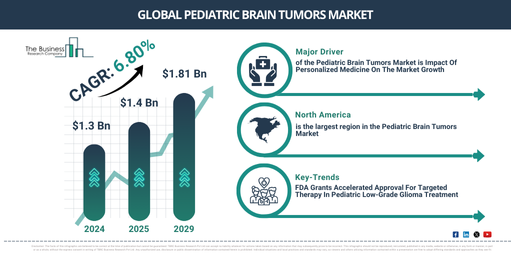
    Over recent years, there has been a robust growth in the pediatric brain tumors market size. The market projection is estimated to surge from $1.3 billion in 2024 to $1.4 billion in 2025, indicating a compound annual growth rate (CAGR) of 7.0%. The notable expansion during the historic period can be credited to factors such as the rising cases of pediatric brain tumors, the emergence of strong economies, increased funding in research and development, and an enhanced demand for diagnostic technology. Moreover, there has been a worldwide increase in pediatric tumor cases.

    The market for pediatric brain tumors is predicted to experience substantial growth in the coming years, reaching a size of $1.81 billion in 2029, expanding at a compound annual growth rate (CAGR) of 6.8%. The anticipated growth during the forecast period is poised to be driven by precision medicine, molecular profiling, targeted treatments, improvements in healthcare infrastructure, and broader insurance coverage. Emerging trends for the forecast timeframe involve advancements in technologies such as magnetic resonance imaging (MRI), positron emission tomography (PET), and computed tomography (CT), alongside the utilization of genetic and molecular profiling, the formulation of targeted therapies, the advent of immunotherapies, and the proliferation of minimally invasive surgical methods.

    Download a free sample to assess the report’s scope and structure:

    https://www.thebusinessresearchcompany.com/sample.aspx?id=21248&type=smp

    Which Primay Drivers Are Accelerating Growth in the Pediatric Brain Tumors Market?

    The pediatric brain tumor market is anticipated to experience robust growth due to the increasing interest in personalized healthcare. This tailor-made approach to treatment and clinical decision-making benefits from a detailed understanding of an individual’s genetic composition, lifestyle, and distinctive healthcare needs. The accelerated push for personalized medicine can be attributed to breakthroughs in genetic studies, sophisticated diagnostic tools, and the promise of better and meticulously aimed treatments. By aligning therapies to a child’s particular tumor characteristics, genetic alterations, and responses, personalized medicine can enhance treatment results and decrease side effects, only attacking the disease and preserving healthy cells. Substantiating this, in February 2024, the US-based Personalized Medicine Coalition noted that, in 2023, the FDA sanctioned 16 novel personalized treatments for patients with rare diseases, a significant increase from the six in the previous year. Thus, this surging demand for personalized healthcare is significantly fueling the expansion of the pediatric brain tumor market.

    Which Primary Segments of the Pediatric Brain Tumors Market Are Driving Growth and Industry Transformations?

    The pediatric brain tumorsmarket covered in this report is segmented –

    1) By Type: Gliomas; Mixed Neuronal-Glial Tumors; Embryonal Tumors; Choroid Plexus Papilloma Or Carcinoma; Tumors Arising From Non-Neuroepithelial Tissue; Meningeal Tumors

    2) By Treatment Type: Surgery; Radiation Therapy; Chemotherapy; Targeted Therapy; Immunotherapy

    3) By Diagnosis Method: Imaging Techniques; Biopsy; Neurological Exam; Lumbar Puncture

    4) By Age Group: Infants; Toddlers; Children; Adolescents

    5) By Application: Hospitals And Clinics; Medical Research Centers; Academic Institutes; Other Applications

    Subsegments:

    1) By Gliomas: Low-Grade Gliomas; High-Grade Gliomas

    2) By Mixed Neuronal-Glial Tumors: Gangliogliomas; Dysembryoplastic Neuroepithelial Tumors (DNET)

    3) By Embryonal Tumors: Medulloblastoma; Atypical Teratoid Rhabdoid Tumor (ATRT); Primitive Neuroectodermal Tumors (PNET)

    4) By Choroid Plexus Papilloma or Carcinoma: Choroid Plexus Papilloma; Choroid Plexus Carcinoma

    5) By Tumors Arising from Non-Neuroepithelial Tissue: Rhabdomyosarcoma; Ewing’s Sarcoma

    6) By Meningeal Tumors: Meningiomas; Hemangiopericytomas

    Request customized data on this market:

    https://www.thebusinessresearchcompany.com/customise?id=21248&type=smp

    Which Regions Are Key Players in the Growth of the #Which Primay Drivers Are Accelerating Growth in the Pediatric Brain Tumors Market?# Market?

    North America was the largest region in the pediatric brain tumors market in 2024. The regions covered in the pediatric brain tumors market report are Asia-Pacific, Western Europe, Eastern Europe, North America, South America, Middle East, Africa.

    Which Technological Trends Are Reshaping the Pediatric Brain Tumors Industry Dynamics?

    Leading corporations in the pediatric brain tumors market are concentrating on producing advanced therapy options like type II RAF inhibitors to boost targeted treatments and improve the outcomes for patients. RAF kinases, particularly those with mutations that fuel tumor growth, are the main focus of these specialized therapies known as Type II RAF inhibitors. These inhibitors are tailored to inhibit the irregular RAF protein structures present in some pediatric low-grade glioma (pLGG) subtypes, effectively barricading faulty signaling routes that lead to tumor cell growth and endurance. Day One Biopharmaceuticals, a biotech firm based in the US, declared in April 2024 that the U.S. Food and Drug Administration (FDA) has given accelerated approval for OJEMDA (tovorafenib), a treatment for recurrent or stubborn pediatric low-grade glioma (pLGG) in patients six months and older with particular BRAF alterations. This acknowledgment sets OJEMDA as the inaugural FDA-endorsed treatment that targets BRAF fusions or mutations in this patient group. The approval comes as a result of an overall response rate of 51% in the FIREFLY-1 clinical trial, which evaluated the drug’s effectiveness in this instance. This drug is particularly aimed at pediatric patients whose brain tumors have not reacted to past therapies.

    View the full report here:

    https://www.thebusinessresearchcompany.com/report/pediatric-brain-tumors-global-market-report

    What Parameters Are Used to Define the Pediatric Brain Tumors Market?

    Pediatric brain tumors are abnormal growths of cells in the brain or central nervous system (CNS) of children. These tumors can be benign (non-cancerous) or malignant (cancerous) and can originate in different parts of the brain or spinal cord. The goal of treatment is to shrink or remove the tumor, relieve symptoms, and preserve cognitive and motor functions, ensuring the child’s long-term health and development.

    Purchase the full report and get a swift delivery:

    https://www.thebusinessresearchcompany.com/purchaseoptions.aspx?id=21248

    About The Business Research Company:

    With over 15000+ reports from 27 industries covering 60+ geographies, The Business Research Company has built a reputation for offering comprehensive, data-rich research and insights. Armed with 1,500,000 datasets, the optimistic contribution of in-depth secondary research, and unique insights from industry leaders, you can get the information you need to stay ahead in the game.

    Get in touch with us:

    The Business Research Company: https://www.thebusinessresearchcompany.com/

    Americas +1 310-496-7795

    Europe +44 7882 955267

    Asia & Others +44 7882 955267 & +91 8897263534

    Email us at info@tbrc.info

    Follow us on:

    LinkedIn: https://in.linkedin.com/company/the-business-research-company

    YouTube: https://www.youtube.com/channel/UC24_fI0rV8cR5DxlCpgmyFQ

    Global Market Model: https://www.thebusinessresearchcompany.com/global-market-model

  • Global Aortic Stenosis Market Trends: Regional Breakdowns and Strategic Insights

    Global Aortic Stenosis Market Trends: Regional Breakdowns and Strategic Insights

    Claim your 30% discount on Global Market Reports with code ONLINE30. Limited time only.

    How Has The Aortic Stenosis Market Growth Evolved From 2024 To 2025, And What’s Ahead?

    In recent times, there’s been a swift escalation in the size of the aortic stenosis market. The market is predicted to surge from $7.88 billion in 2024 to $8.91 billion in 2025, exhibiting a compound annual growth rate (CAGR) of 13.0%. The growth during the historical period has been spurred by factors such as the aging population, higher occurrence of risk factors, advancements in diagnostic technologies, heightened awareness about heart diseases, and enhanced healthcare infrastructure.

    In the coming years, the aortic stenosis market is anticipated to undergo rapid expansion, potentially reaching a value of$14.4 billion by 2029″, with a compound annual growth rate (CAGR) of 12.8%. This predicted growth within the expected period can be linked to the increased uptake of minimally invasive surgeries, an enlarging demographic of elderly individuals, escalation in health expenditure, enhanced healthcare accessibility in emerging markets, and advancements in technologies related to aortic valve replacement. Key trends to observe in the predicted period encompass robotic-assisted operations, 3D imaging and visualisation, innovative developments in transcatheter aortic valve replacement (tavr), the use of artificial intelligence in diagnostic procedures, and the use of biodegradable stents.

    Download a free sample to assess the report’s scope and structure:

    https://www.thebusinessresearchcompany.com/sample.aspx?id=21102&type=smp

    What Are the Major Market Drivers Behind the Rising Adoption of Aortic Stenosis Market?

    The escalating incidence of heart conditions is anticipated to drive the expansion of the aortic stenosis market. Heart ailments encompass a variety of disorders that disrupt the heart’s anatomy and functions. These disorders can hinder the heart’s capacity to efficiently pump blood, resulting in complications. Common heart conditions include coronary artery disease (CAD), heart failure, arrhythmias, valvular heart disease, cardiomyopathy, among others. Aortic stenosis is a condition in which the aortic valve narrows, obstructing the blood’s path from the left ventricle to the aorta. This heightens resistance which exerts additional stress on the heart, which can ultimately lead to heart failure and other heart-related complications over time. The correct treatment for aortic stenosis, such as valve replacement or TAVI, can enhance the heart’s function and decrease the likelihood of adverse heart disease outcomes. For instance, the British Heart Foundation, a cardiovascular research charity based in the UK, estimated in January 2025 that almost 7.6 million individuals in the UK live with heart and circulatory diseases, which includes roughly 4 million men and 3.6 million women. These diseases are responsible for roughly 27% of all deaths in the UK, resulting in over 170,000 deaths each year, or approximately 480 deaths each day. Consequently, the rising prevalence of heart conditions is fueling the expansion of the aortic stenosis market.

    Which Key Market Segments Comprise the Aortic Stenosis Market and Drive Its Revenue Growth?

    The aortic stenosismarket covered in this report is segmented –

    1) By Type: Congenital Aortic Stenosis; Acquired Aortic Stenosis

    2) By Treatment: Surgical Aortic Valve Replacement; Transcatheter Aortic Valve Replacement; Balloon Aortic Valvuloplasty

    3) By Administration: Oral; Parenteral; Implants

    4) By Distribution Channel: Offline; Online

    5) By End User: Online Pharmacy; Retail Pharmacy; Hospital Pharmacy

    Subsegments:

    1) By Congenital Aortic Stenosis: Neonatal Aortic Stenosis; Infantile Aortic Stenosis; Juvenile Aortic Stenosis

    2) By Acquired Aortic Stenosis: Age-Related Aortic Stenosis; Degenerative Aortic Stenosis; Rheumatic Aortic Stenosis

    Request customized data on this market:

    https://www.thebusinessresearchcompany.com/customise?id=21102&type=smp

    Which Areas Are Leading Regions in the Aortic Stenosis Market Expansion Across the Globe?

    North America was the largest region in the aortic stenosis market in 2024. Asia-Pacific is expected to be the fastest-growing region in the forecast period. The regions covered in the aortic stenosis market report are Asia-Pacific, Western Europe, Eastern Europe, North America, South America, Middle East, Africa.

    What Are the Strategic Trends Steering theAortic Stenosis Market Direction?

    Key players in the aortic stenosis market are concentrating on the creation of pioneering aortic valve technologies such as the transcatheter aortic valve implantation (TAVI) systems. Their focus is to enhance patient results, minimize procedural dangers, and augment overall treatment efficacy for aortic stenosis. The TAVI system, a least invasive medical gadget, can substitute a malfunctioning aortic valve without the need for open-heart surgery. An illustration of this is Abbott Laboratories, a medical device firm based in the United States, which gained approval for Navitor, an innovative transcatheter aortic valve implantation (TAVI) system, from the U.S. Food and Drug Administration (FDA) in January 2023. Navitor comes with a NaviSeal fabric cuff designed to decrease or remove paravalvular leaks. The design of the system, which includes leaflets within the native valve, is crafted to augment the accessibility to coronary arteries for potential treatments of coronary artery disease.

    View the full report here:

    https://www.thebusinessresearchcompany.com/report/aortic-stenosis-global-market-report

    How Is the Aortic Stenosis Market Conceptually Defined?

    Aortic stenosis is a condition where the aortic valve in the heart becomes narrowed, restricting blood flow from the left ventricle to the aorta and the rest of the body. It is often caused by age-relate valve calcification, congenital valve defects, or rheumatic fever. Aortic stenosis can lead to serious complications such as heart failure, which can be treated with medication or surgical interventions such as valve replacement.

    Purchase the full report and get a swift delivery:

    https://www.thebusinessresearchcompany.com/purchaseoptions.aspx?id=21102

    About The Business Research Company:

    With over 15000+ reports from 27 industries covering 60+ geographies, The Business Research Company has built a reputation for offering comprehensive, data-rich research and insights. Armed with 1,500,000 datasets, the optimistic contribution of in-depth secondary research, and unique insights from industry leaders, you can get the information you need to stay ahead in the game.

    Get in touch with us:

    The Business Research Company: https://www.thebusinessresearchcompany.com/

    Americas +1 310-496-7795

    Europe +44 7882 955267

    Asia & Others +44 7882 955267 & +91 8897263534

    Email us at info@tbrc.info

    Follow us on:

    LinkedIn: https://in.linkedin.com/company/the-business-research-company

    YouTube: https://www.youtube.com/channel/UC24_fI0rV8cR5DxlCpgmyFQ

    Global Market Model: https://www.thebusinessresearchcompany.com/global-market-model
  • Parkinson’s Disease Growth Trajectory: Key Forecasts and Strategic Insights

    Parkinson’s Disease Growth Trajectory: Key Forecasts and Strategic Insights

    Claim your 30% discount on Global Market Reports with code ONLINE30. Limited time only.

    How Has the Parkinson’s Disease Market Growth Performance Trended Historically, And What Lies Ahead?

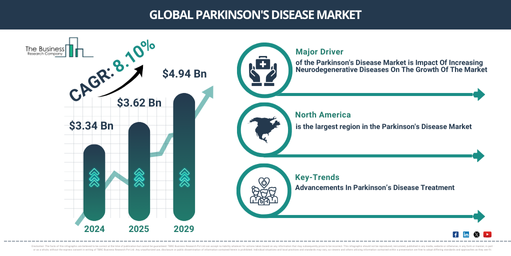
    In recent times, there has been substantial growth in the size of the Parkinson’s disease market. The market, which is set to increase from $3.34 billion in 2024 to $3.62 billion in 2025, shows a compound annual growth rate (CAGR) of 8.2%. This growth in the past period is linked to various factors including enhanced research and development efforts, more government funding, a rise in personalized treatment approaches, an increase in support networks dedicated to Parkinson’s disease patients, and more utilized advanced rehabilitation therapies.

    Expectations for the parkinson’s disease market forecast a robust growth in the upcoming years, with predictions of the market size to reach$4.94 billion by 2029″, exhibiting a compound annual growth rate (CAGR) of 8.1%. Factors contributing to the projected growth during this period include escalating awareness about symptoms of parkinson’s disease, proactive government initiatives, enhancement in healthcare expenditures, an increase in clinical trials specific to Parkinson’s disease, and the growing preference for gene therapies. Upcoming trends during the forecast period encompass advancements in technology, government contributions, and funding, the incorporation of artificial intelligence in diagnoses, innovative solutions, and tailor-made medicine.

    Download a free sample to assess the report’s scope and structure:

    https://www.thebusinessresearchcompany.com/sample.aspx?id=21247&type=smp

    Which Factors and External Forces Are Driving Demand in the Parkinson’s Disease Market?

    The growing incidence of neurodegenerative disorders is anticipated to fuel the development of the Parkinson’s disease market. Neurodegenerative disorders encompass a set of conditions characterized by the gradual deterioration and loss of brain and nervous system neurons’ ability. The occurrence of such disorders is on the rise due to numerous factors, including an aging populace, genetic susceptibility, ecological impacts, enhanced diagnostic measures, and increased chronic health issues. Parkinson’s disease aids in the elucidation of neurodegenerative disorders by providing crucial insights into their fundamental mechanisms, potential treatment targets, and innovative therapeutic methods’ creation. For instance, as per the European Brain Council, a non-profit organization based in Belgium, over 600 neurological disorders and nearly 300 psychiatric conditions plague millions worldwide, including those with epilepsy which is estimated to be around 65 million. In Europe, 10.5 million individuals are estimated to have dementia, with the figure projected to rise to 18.7 million by 2050. Hence, the growing incidence of neurodegenerative disorders propels the expansion of the Parkinson’s disease market.

    Which Segments in the Parkinson’s Disease Offer the Most Growth?

    The parkinson’s diseasemarket covered in this report is segmented –

    1) By Drug Class: Dopamine Agonists; Catechol-O-Methyltransferase Inhibitors; Monoamine Oxidase B Inhibitors; Anticholinergics; Carbidopa-Levodopa; Other Drug Classes

    2) By Route Of Administration: Oral; Injectable; Intestinal infusion; Subcutaneous; Other Route Of Administrations

    3) By Distribution Channel: Retail Pharmacies; Hospital Pharmacies; Online Pharmacies

    4) By Patient Care Setting: Clinics; Hospitals

    Subsegments:

    1) By Dopamine Agonists: Ergot Derivatives; Non-Ergot Derivatives

    2) By Catechol-O-Methyltransferase (COMT) Inhibitors: Entacapone; Tolcapone; Opicapone

    3) By Monoamine Oxidase B (MAO-B) Inhibitors: Selegiline; Rasagiline; Safinamide

    4) By Anticholinergics: Trihexyphenidyl; Benztropine; Procyclidine

    5) By Carbidopa-Levodopa: Immediate-Release Formulation; Extended-Release Formulation; Inhaled And Intestinal Gel Formulations

    6) By Other Drug Classes: Amantadine And Derivatives; Adenosine A2A Receptor Antagonists; Glutamate Antagonists

    Request customized data on this market:

    https://www.thebusinessresearchcompany.com/customise?id=21247&type=smp

    What Are the Fastest-Growing Geographies in the #Which Factors and External Forces Are Driving Demand in the Parkinson’s Disease Market?# Market?

    North America was the largest region in the parkinson’s disease market in 2024. Asia-Pacific is expected to be the fastest-growing region in the forecast period. The regions covered in the parkinson’s disease market report are Asia-Pacific, Western Europe, Eastern Europe, North America, South America, Middle East, Africa.

    Which Cutting-Edge Market Trends Are Expected to Drive theParkinson’s Disease Market’s Growth?

    Major firms working within the parkinson’s disease sphere are heavily investing in the creation of innovative solutions, such as levodopa-infused therapy, with the aim to boost motor function and deliver consistent management of symptoms for individuals with advanced parkinson’s disease. This kind of therapeutic approach employs levodopa, a drug that transforms into dopamine in the brain, to boost motor capabilities and suppress the symptoms of Parkinson’s disease. For instance, in October 2024, AbbVie Inc., a biopharmaceutical business based in the US, got the green light from the US Food and Drug Administration (FDA) for their combination therapy VYALEV, which includes levodopa and carbidopa, engineered specifically for the treatment of Parkinson’s disease. This therapy has been designed to enhance the effectiveness of levodopa by preventing its breakdown before it arrives in the brain, effectively increasing dopamine levels. This prescription medication successfully manages motor symptoms of Parkinson’s, such as tremors, stiffness, and bradykinesia, therefore improving the patient’s daily functioning activities. It is hailed as a crucial treatment option for those Parkinson’s patients experiencing motor fluctuation.

    View the full report here:

    https://www.thebusinessresearchcompany.com/report/parkinsons-disease-global-market-report

    What Are the Key Elements That Define the Parkinson’s Disease Market?

    Parkinson’s disease is a progressive neurological disorder that affects movement due to the loss of dopamine-producing brain cells. It primarily causes tremors, muscle stiffness, slowed movement, and balance difficulties. Treatment often involves medications such as levodopa to alleviate symptoms, complemented by physical therapy and, in certain cases, surgical interventions such as deep brain stimulation.

    Purchase the full report and get a swift delivery:

    https://www.thebusinessresearchcompany.com/purchaseoptions.aspx?id=21247

    About The Business Research Company:

    With over 15000+ reports from 27 industries covering 60+ geographies, The Business Research Company has built a reputation for offering comprehensive, data-rich research and insights. Armed with 1,500,000 datasets, the optimistic contribution of in-depth secondary research, and unique insights from industry leaders, you can get the information you need to stay ahead in the game.

    Get in touch with us:

    The Business Research Company: https://www.thebusinessresearchcompany.com/

    Americas +1 310-496-7795

    Europe +44 7882 955267

    Asia & Others +44 7882 955267 & +91 8897263534

    Email us at info@tbrc.info

    Follow us on:

    LinkedIn: https://in.linkedin.com/company/the-business-research-company

    YouTube: https://www.youtube.com/channel/UC24_fI0rV8cR5DxlCpgmyFQ

    Global Market Model: https://www.thebusinessresearchcompany.com/global-market-model

  • Antinuclear Antibody Test Market Outlook 2025: Mapping Growth, Innovation, and Regional Shifts

    Antinuclear Antibody Test Market Outlook 2025: Mapping Growth, Innovation, and Regional Shifts

    Claim your 30% discount on Global Market Reports with code ONLINE30. Limited time only.

    What is the Projected CAGR for the Antinuclear Antibody Test Market Size from 2025 to 2034?

    The market for antinuclear antibody tests has witnessed significant expansion in recent times. The market value is predicted to rise from $1.54 billion in 2024 to $1.73 billion in 2025, signifying a compound annual growth rate (CAGR) of 12.6%. Its growth during the historic period is largely down to a higher incidence of autoimmune diseases, increased awareness of the importance of early detection, advancements in diagnostic technologies, growth in healthcare spending, and a rising elderly population.

    The market size for the antinuclear antibody test is projected to experience significant expansion in the upcoming years, with an expected valuation of $2.76 billion in 2029, boasting a compound annual growth rate (CAGR) of 12.4%. The expected growth during the forecast period is due to an increasing prevalence of autoimmune diseases, advancements in diagnostic tool technology, burgeoning interest in personalized medicine, an expanding healthcare structure in emerging regions, and a growing preference for early disease identification and management. The forecast period will also witness critical trends such as the incorporation of artificial intelligence into diagnostic processes, the creation of point-of-care testing devices, the application of multiplex testing technologies, the employment of machine learning for data interpretation, and advancements in automation and high-throughput testing systems.

    Download a free sample to assess the report’s scope and structure:

    https://www.thebusinessresearchcompany.com/sample.aspx?id=21101&type=smp

    What External and Internal Drivers Are Contributing to the Growth of theAntinuclear Antibody Test Market?

    The growing occurrence of autoimmune diseases, wherein the immune system wrongly assaults the body’s own healthy cells and tissues, is anticipated to fuel the expansion of the antinuclear antibody test market. The surge in these diseases is attributed to aspects such as genetic susceptibility, environmental impacts, hormonal shifts, and lifestyle components like diet and stress. The antinuclear antibody testing aids in the prompt diagnosis of autoimmune diseases by recognizing antibodies that target the body’s cells and tissues. For example, a report by the Australian Institute of Health and Welfare, a governmental organization based in Australia, revealed that hospitalizations due to rheumatoid arthritis touched 10,000 in June 2024, a 25% increase from the preceding year’s 8,000. This equates to a hospitalization rate of 39 out of every 100,000 individuals. Hence, the escalating frequency of autoimmune diseases is contributing to the growth of the antinuclear antibody test market.

    What Segment Types Define the Antinuclear Antibody Test Market Structure?

    The antinuclear antibody testmarket covered in this report is segmented –

    1) By Product: Assay Kits; Reagent Kits; Software And Services

    2) By Technology: Immunofluorescence Assay; Multiplex Assay; ELISA

    3) By Application: Rheumatoid Arthritis; Systemic Lupus Erythematosus; Other Applications

    4) By End-User: Hospitals; Clinical; Physician Laboratories

    Subsegments:

    1) By Assay Kits: Enzyme-Linked Immunosorbent Assay (ELISA) Kits; Immunofluorescence Assay (IFA) Kits; Western Blot Assay Kits

    2) By Reagent Kits: Antigen Reagents; Conjugated Antibodies; Detection Reagents

    3) By Software And Services: Data Management Software; Laboratory Information Management Systems (LIMS); Technical Support And Consulting Services

    Request customized data on this market:

    https://www.thebusinessresearchcompany.com/customise?id=21101&type=smp

    Which Geographic Areas Hold the Strongest Growth Potential in the Antinuclear Antibody Test Market?

    North America was the largest region in the antinuclear antibody test market in 2024. Asia-Pacific is expected to be the fastest-growing region in the forecast period. The regions covered in the antinuclear antibody test market report are Asia-Pacific, Western Europe, Eastern Europe, North America, South America, Middle East, Africa.

    What Long-Term Trends Are Transforming the Competitive Landscape of the Antinuclear Antibody Test Market?

    Key players in the antinuclear antibody test market are striving to develop innovative diagnostic technologies like digital immunofluorescence systems. The objective is to improve the precision, productivity, and automation of antinuclear antibody (ANA) testing. The digital immunofluorescence system is an upgraded diagnostic tool that uses high-resolution imaging and AI to enhance accuracy and efficiency in autoimmune disease testing. In March 2022, ZEUS Scientific Inc., a diagnostic solutions provider based in the US, obtained FDA clearance for its ZEUS dIFine IFA Imaging and Pattern Recognition System. This endorsement caters to the HEp-2 ANA IFA test system on the dIFine platform, which optimizes ZEUS’ ANA HEp-2 indirect fluorescent antibody (IFA) assay. The scope of the clearance also includes features for interpreting positive and negative outcomes and recognizing eight frequent ANA HEp-2 staining patterns. Moreover, the system integrates an incorporated pattern atlas functioning as a reference and training instrument, allowing for a comparative analysis of images with ZEUS’s proprietary images in accordance with ICAP nomenclature.

    View the full report here:

    https://www.thebusinessresearchcompany.com/report/antinuclear-antibody-test-global-market-report

    What Is the Definition of the Antinuclear Antibody Test Market?

    An antinuclear antibody (ANA) test is a blood test that detects autoantibodies targeting the body’s own cells, which can be a sign of autoimmune diseases. It is commonly used to diagnose conditions like lupus, rheumatoid arthritis, and other autoimmune disorders.

    Purchase the full report and get a swift delivery:

    https://www.thebusinessresearchcompany.com/purchaseoptions.aspx?id=21101

    About The Business Research Company:

    With over 15000+ reports from 27 industries covering 60+ geographies, The Business Research Company has built a reputation for offering comprehensive, data-rich research and insights. Armed with 1,500,000 datasets, the optimistic contribution of in-depth secondary research, and unique insights from industry leaders, you can get the information you need to stay ahead in the game.

    Get in touch with us:

    The Business Research Company: https://www.thebusinessresearchcompany.com/

    Americas +1 310-496-7795

    Europe +44 7882 955267

    Asia & Others +44 7882 955267 & +91 8897263534

    Email us at info@tbrc.info

    Follow us on:

    LinkedIn: https://in.linkedin.com/company/the-business-research-company

    YouTube: https://www.youtube.com/channel/UC24_fI0rV8cR5DxlCpgmyFQ

    Global Market Model: https://www.thebusinessresearchcompany.com/global-market-model

  • Anterior Uveitis Market in Focus: Forecasting Growth Drivers, Scaling Potential, and Global Opportunities

    Anterior Uveitis Market in Focus: Forecasting Growth Drivers, Scaling Potential, and Global Opportunities

    Claim your 30% discount on Global Market Reports with code ONLINE30. Limited time only.

    What Is the Current and Projected Market Size of the Anterior Uveitis Market Through 2034?

    The growth observed in the anterior uveitis market has been significant in recent years, with the size projected to expand from $0.51 billion in 2024 to $0.57 billion in 2025, registering a compound annual growth rate (CAGR) of 11.5%. This impressive surge during the historic period is linked to factors such as a swelling prevalence of autoimmune maladies, enhanced consciousness about eye health, improved availability of healthcare services, increased utilization of corticosteroids and biologics, advanced research into immunological pathways, and the aging global populace.

    In the coming years, the market size of anterior uveitis is anticipated to experience swift expansion, reaching a value of$0.88 billion in 2029″ at a Compound Annual Growth Rate (CAGR) of 11.4%. The anticipated growth in the forecast period is credited to the increasing consciousness about autoimmune diseases, enhanced acceptance of biologic therapies, rising incidents of inflammatory conditions, an increase in healthcare spending, and ongoing studies in personalized medicine. Important market trends predicted during this period include progress in novel biologics, the uptake of corticosteroid delivery systems, advancements in diagnostic imaging, the application of personalized medicine, targeted immunomodulators, the use of minimally invasive surgical methods, and innovations in digital health tools.

    Download a free sample to assess the report’s scope and structure:

    https://www.thebusinessresearchcompany.com/sample.aspx?id=21099&type=smp

    What Are the Core Market Drivers Propelling Growth in the Anterior Uveitis Industry?

    The growth of the anterior uveitis market is anticipated to be propelled by the increasing incidence of autoimmune disorders. When the body’s healthy cells and tissues are attacked by the immune system by mistake, assuming them to be foreign intruders, this unusual reaction causes inflammation and damage in several organs and systems. The upsurge in autoimmune ailments can be attributed to genetic predispositions, environmental elements, lifestyle modifications, and heightened awareness leading to improved diagnosis. Autoimmune diseases commonly present with anterior uveitis, which causes inflammation in the front part of the eye, often related to conditions like rheumatoid arthritis and ankylosing spondylitis. For example, Versorgungsatlas.de, a German organization, mentioned that in 2022, out of 73,241,305 insured persons, as many as 6,304,340 had a diagnosis of at least one autoimmune disease, leading to an unadjusted prevalence rate of 8.61% in November 2024. Hence, the escalating incidence of autoimmune disorders is a critical factor fuelling the growth of the anterior uveitis market.

    How Is the Anterior Uveitis Market Segmented?

    The anterior uveitismarket covered in this report is segmented –

    1) By Treatment Type: Pharmacological Treatments; Surgical Treatments; Biologic Therapy

    2) By Diagnosis Method: Clinical Diagnosis; Diagnostic Imaging; Biomarkers

    3) By Cause: Infectious; Non-Infectious

    4) By End-User: Hospitals And Clinics; Ambulatory Surgical Centers

    Subsegments:

    1) By Pharmacological Treatments: Corticosteroids; Non-Steroidal Anti-Inflammatory Drugs (NSAIDs); Immunosuppressive Drugs

    2) By Surgical Treatments: Cataract Surgery; Glaucoma Surgery; Vitrectomy

    3) By Biologic Therapy: Tumor Necrosis Factor (TNF) Inhibitors; Interleukin-6 (IL-6) Inhibitors; Monoclonal Antibodies

    Request customized data on this market:

    https://www.thebusinessresearchcompany.com/customise?id=21099&type=smp

    Which Regions Are Driving the Next Phase of the Anterior Uveitis Market Growth?

    North America was the largest region in the anterior uveitis market in 2024. The regions covered in the anterior uveitis market report are Asia-Pacific, Western Europe, Eastern Europe, North America, South America, Middle East, Africa.

    What Key Market Trends and Innovations Are Shaping the Future of the Anterior Uveitis Industry?

    Key players in the anterior uveitis market are investing in the production of cutting-edge medicinal preparations such as eye drops with the intent of enhancing patient adherence, optimizing medicinal delivery, and minimizing inflammation while producing fewer adverse effects. The common method of treating anterior uveitis involves the usage of eye drops to control inflammation, relieve discomfort and avert impending complications. For instance, Tarsier Pharma Ltd., a pharmaceutical organization based in Israel, obtained the approval from the U.S. Food and Drug Administration (FDA) under the Special Protocol Assessment (SPA) in January 2024 for the clinical trial methodology and statistical analysis plan for the Tarsier-04 Phase 3 trial. The prime objective of this trial is to assess the effectiveness of the TRS01 eye drops in treating non-infectious uveitis, including uveitic glaucoma. The Tarsier-04 trial, consisting of multiple centers, randomization, double masking, and active control mechanism, aims to sign up around 300 patients from the U.S., with the intention to demonstrate the safety and efficiency of TRS01, majorly in managing inflammation without escalating the risk of glaucoma.

    View the full report here:

    https://www.thebusinessresearchcompany.com/report/anterior-uveitis-global-market-report

    How Is the Anterior Uveitis Market Defined and What Are Its Core Parameters?

    Anterior uveitis refers to a condition that causes an inflammation of the eye’s middle layer, which includes the iris (the colored part of the eye) and the ciliary body, the adjacent tissue. Anterior uveitis can occur due to eye trauma, such as a direct blow or the presence of a foreign object in the eye. It can also be linked to general health issues such as rheumatoid arthritis, syphilis, tuberculosis, sarcoidosis, or viral infections (herpes simplex, herpes zoster, cytomegalovirus), or it can be idiopathic, with no identifiable underlying cause.

    Purchase the full report and get a swift delivery:

    https://www.thebusinessresearchcompany.com/purchaseoptions.aspx?id=21099

    About The Business Research Company:

    With over 15000+ reports from 27 industries covering 60+ geographies, The Business Research Company has built a reputation for offering comprehensive, data-rich research and insights. Armed with 1,500,000 datasets, the optimistic contribution of in-depth secondary research, and unique insights from industry leaders, you can get the information you need to stay ahead in the game.

    Get in touch with us:

    The Business Research Company: https://www.thebusinessresearchcompany.com/

    Americas +1 310-496-7795

    Europe +44 7882 955267

    Asia & Others +44 7882 955267 & +91 8897263534

    Email us at info@tbrc.info

    Follow us on:

    LinkedIn: https://in.linkedin.com/company/the-business-research-company

    YouTube: https://www.youtube.com/channel/UC24_fI0rV8cR5DxlCpgmyFQ

    Global Market Model: https://www.thebusinessresearchcompany.com/global-market-model

  • Next-Gen Paranasal Sinus Cancer : Market Forecast, Transformation, and Long-Term Trajectories

    Next-Gen Paranasal Sinus Cancer : Market Forecast, Transformation, and Long-Term Trajectories

    Claim your 30% discount on Global Market Reports with code ONLINE30. Limited time only.

    What Are the Projected Market Size and Growth Rates for the Paranasal Sinus Cancer Market From 2025 To 2029?

    In recent times, the market size for paranasal sinus cancer has shown a sturdy growth. It is expected to increase from $1.03 billion in 2024 to $1.1 billion in 2025, exhibiting a compound annual growth rate (CAGR) of 6.8%. Factors contributing to the growth during the historical phase include the advancements in radiation therapy, greater awareness and early diagnosis, the broadening application of chemotherapy and targeted therapy, enhanced surgical procedures, and an increase in cases linked to occupational exposure.

    Expect a robust expansion in paranasal sinus cancer market within the coming years. It is projected that the market size will rise to$1.42 billion in 2029 at a compound annual growth rate (CAGR) of 6.6%. The forecast period growth can be attributed to factors such as increasing demand for immunotherapy, surging healthcare expenditure, progress in personalized medicine, encouraging regulations and orphan drug designations, and a growing aging population. Anticipated trends within the forecast period include the implementation of AI in cancer diagnosis, advancements in gene therapy & targeted drugs, the broadening scope of minimally invasive surgeries, the potential landfall of liquid biopsies, and the escalating utilization of telemedicine & digital health instruments.

    Download a free sample to assess the report’s scope and structure:

    https://www.thebusinessresearchcompany.com/sample.aspx?id=21246&type=smp

    Which Major Market Drivers Are Expected to Boost the Growth Potential of the Paranasal Sinus Cancer Market?

    The escalating use of tobacco products is anticipated to fuel the growth of the paranasal sinus cancer market. The term “tobacco use” covers a wide variety of items, including cigarettes, cigars, and smokeless tobacco, each poses a risk of exposure to several carcinogens. Factors contributing to the rise in tobacco use range from a surge in worldwide smoking numbers, to aggressive advertising campaigns by tobacco firms, socio-economic hurdles, poor regulatory enforcement in less developed countries, and cultural acceptance in certain areas. As tobacco consumption increases, so does the risk of paranasal sinus cancer, given that smoking introduces harmful substances that damage mucous membranes and encourage the growth of tumors. Carcinogens found in tobacco smoke incite cellular mutations and inflammation, which heightens the risk of sinus cancer. For example, data from the Centers for Disease Control and Prevention, a government agency in the U.S., indicated that around 49.2 million or 19.8% of U.S. adults reported using tobacco products in 2022. Hence, the surge in tobacco use is catalyzing the expansion of the paranasal sinus cancer market.

    Which Key Market Segments Comprise the Paranasal Sinus Cancer Market and Drive Its Revenue Growth?

    The paranasal sinus cancermarket covered in this report is segmented –

    1) By Type: Squamous Cell Carcinoma; Adenocarcinoma; Mucoepidermoid Carcinoma; Other Types

    2) By Diagnosis: Medical History And Physical Examination; Imaging Tests; Biopsy; Other Diagnosis

    3) By Treatment: Surgery; Radiation Therapy; Chemotherapy; Targeted Therapy; Immunotherapy

    4) By End-User: Hospital And Clinics; Cancer Treatment And Research Center; Research Laboratories; Other End-Users

    Subsegments:

    1) By Squamous Cell Carcinoma: Keratinizing Squamous Cell Carcinoma; Non-Keratinizing Squamous Cell Carcinoma; Basaloid Squamous Cell Carcinoma

    2) By Adenocarcinoma: Intestinal-Type Adenocarcinoma; Non-Intestinal-Type Adenocarcinoma

    3) By Mucoepidermoid Carcinoma: Low-Grade Mucoepidermoid Carcinoma; Intermediate-Grade Mucoepidermoid Carcinoma; High-Grade Mucoepidermoid Carcinoma

    4) By Other Types: Sinonasal Undifferentiated Carcinoma; Neuroendocrine Carcinoma; Adenoid Cystic Carcinoma; Melanoma; Sarcomas; Lymphoma

    Request customized data on this market:

    https://www.thebusinessresearchcompany.com/customise?id=21246&type=smp

    Which Areas Are Leading Regions in the Paranasal Sinus Cancer Market Expansion Across the Globe?

    North America was the largest region in the paranasal sinus cancer market in 2024. Asia-Pacific is expected to be the fastest-growing region in the forecast period. The regions covered in the paranasal sinus cancer market report are Asia-Pacific, Western Europe, Eastern Europe, North America, South America, Middle East, Africa.

    View the full report here:

    https://www.thebusinessresearchcompany.com/report/paranasal-sinus-cancer-global-market-report

    How Is the Paranasal Sinus Cancer Market Conceptually Defined?

    Paranasal sinus cancer is a rare malignancy that develops in the paranasal sinuses which are air-filled cavities surrounding the nose. Addressing this cancer aims to promptly identify, diagnose, and treat the condition to enhance survival rates and improve the patient’s quality of life. The main treatment objective is to eliminate or shrink the tumor, prevent its spread, and alleviate symptoms such as pain or blockage.

    Purchase the full report and get a swift delivery:

    https://www.thebusinessresearchcompany.com/purchaseoptions.aspx?id=21246

    About The Business Research Company:

    With over 15000+ reports from 27 industries covering 60+ geographies, The Business Research Company has built a reputation for offering comprehensive, data-rich research and insights. Armed with 1,500,000 datasets, the optimistic contribution of in-depth secondary research, and unique insights from industry leaders, you can get the information you need to stay ahead in the game.

    Get in touch with us:

    The Business Research Company: https://www.thebusinessresearchcompany.com/

    Americas +1 310-496-7795

    Europe +44 7882 955267

    Asia & Others +44 7882 955267 & +91 8897263534

    Email us at info@tbrc.info

    Follow us on:

    LinkedIn: https://in.linkedin.com/company/the-business-research-company

    YouTube: https://www.youtube.com/channel/UC24_fI0rV8cR5DxlCpgmyFQ

    Global Market Model: https://www.thebusinessresearchcompany.com/global-market-model

  • Strong CAGR to Propel in the Anaplastic Large Cell Lymphoma Therapeutics Market and Beyond upto $14.86 Billion by 2029

    Strong CAGR to Propel in the Anaplastic Large Cell Lymphoma Therapeutics Market and Beyond upto $14.86 Billion by 2029

    Claim your 30% discount on Global Market Reports with code ONLINE30. Limited time only.

    What is the Anticipated CAGR of the Anaplastic Large Cell Lymphoma Therapeutics Market, and What Factors Will Drive It?

    In recent years, the market size for therapeutics for anaplastic large cell lymphoma has seen robust growth. It is predicted to increase from $10.98 billion in 2024 to $11.69 billion in 2025, manifesting a compound annual growth rate (CAGR) of 6.4%. The growth observed in the historic period is due primarily to an increased understanding of cancer, a rising occurrence of anaplastic large cell lymphoma, advancements in medical research, a growing awareness about early diagnosis of anaplastic large cell lymphoma, and an improved uptake of currently available drugs.

    Predictions for the anaplastic large cell lymphoma therapeutics market size suggest strong expansion in the coming years, with it anticipated to reach$14.86 billion in 2029″, demonstrating a compound annual growth rate (CAGR) of 6.2%. Driving this expected increase during the forecast period are factors such as the concentration on immuno-oncology, regulatory backing for novel treatments, government-led initiatives and funding, an uptick in research and development investment, and heightened patient advocacy. Significant trends projected for the forecast timeline encompass progress in targeted therapies, advancements in novel drug conjugates, emphasis on personalized medicine, a growing preference for combination therapies, and progression in diagnostic technology.

    Download a free sample to assess the report’s scope and structure:

    https://www.thebusinessresearchcompany.com/sample.aspx?id=21097&type=smp

    Which Primay Drivers Are Accelerating Growth in the Anaplastic Large Cell Lymphoma Therapeutics Market?

    The anaplastic large cell lymphoma therapeutics market is anticipated to expand owing to the increasing uptake of targeted therapies. These advanced treatment methods are designed to exclusively inhibit molecules or pathways that lead to cancer progression, thereby causing less harm to healthy cells. The popularity of targeted therapies is on the rise due to advancements in precision medicine, a surge in clinical research and innovations, and an increase in instances of cancer. Targeted therapies benefit anaplastic large cell lymphoma (ALCL) treatment by choosing cancer cells with specific molecular alterations, like ALK gene rearrangements or CD30 expression, to target. This enhances treatment effectiveness, limits harm to healthy tissues, reduces systemic toxicity, and improves patient results through precision medicine methodologies. For instance, a report from the American Society of Gene & Cell Therapy (ASGCT) and Citeline, both based in the US, in July 2023 indicated that by the end of Q1 2023, there were 247 gene therapies in Phase II, which had risen by five percent to 260 by the end of Q2. As a result, the anaplastic large cell lymphoma therapeutics market’s growth is fueled by the increasing adoption of targeted therapies.

    Which Primary Segments of the Anaplastic Large Cell Lymphoma Therapeutics Market Are Driving Growth and Industry Transformations?

    The anaplastic large cell lymphoma therapeuticsmarket covered in this report is segmented –

    1) By Disease Type: Primary Anaplastic Large Cell Lymphoma; Relapsed Anaplastic Large Cell Lymphoma

    2) By Treatment Type: Chemotherapy; Cyclophosphamide, Doxorubicin, Vincristine, And Prednisone (CHOP); Brentuximab Vedotin; Pralatrexate; Surgery; Radiation Therapy; Stem Cell Transplant

    3) By Application: In-Patient; Out-Patient

    Subsegments:

    1) By Primary Anaplastic Large Cell Lymphoma: Cutaneous Type; Systemic Type; Primary Pulmonary Type

    2) By Relapsed Anaplastic Large Cell Lymphoma: Early Relapse; Late Relapse

    Request customized data on this market:

    https://www.thebusinessresearchcompany.com/customise?id=21097&type=smp

    Which Regions Are Key Players in the Growth of the #Which Primay Drivers Are Accelerating Growth in the Anaplastic Large Cell Lymphoma Therapeutics Market?# Market?

    North America was the largest region in the anaplastic large cell lymphoma therapeutics market in 2024. Asia-Pacific is expected to be the fastest-growing region in the forecast period. The regions covered in the anaplastic large cell lymphoma therapeutics market report are Asia-Pacific, Western Europe, Eastern Europe, North America, South America, Middle East, Africa.

    Which Technological Trends Are Reshaping the Anaplastic Large Cell Lymphoma Therapeutics Industry Dynamics?

    Leading firms in the anaplastic large cell lymphoma therapeutics market are investing in clinical trials to improve treatment effectiveness and broaden therapy options. The investment in clinical trials comprises monetary and resource commitments to create, examine, and test novel drugs, treatments, or medical equipment, validating their safety, performance, and market authorization. For example, March Biosciences, a US-based clinical-stage cell therapy company, declared an investment of $4.8 million from the Cancer Focus Fund for the Phase 2 clinical trial of MB-105 in November 2023, a unique CAR-T treatment targeting CD5 for relapsed T-cell leukemias and lymphomas. The multi-center, open-label trial will evaluate MB-105 in patients experiencing CD5-positive relapsed or refractory T-cell lymphoma. March Biosciences envisions MB-105 emerging as a first-in-class, life-conserving treatment for relapsed T-cell lymphoma patients with scarce treatment alternatives.

    View the full report here:

    https://www.thebusinessresearchcompany.com/report/anaplastic-large-cell-lymphoma-therapeutics-global-market-report

    What Parameters Are Used to Define the Anaplastic Large Cell Lymphoma Therapeutics Market?

    Anaplastic large cell lymphoma (ALCL) therapeutics encompass various treatment approaches aimed at managing this rare and aggressive T-cell non-Hodgkin lymphoma (NHL). The primary goal is to eradicate malignant T-cells, achieve remission, and reduce the risk of relapse while minimizing adverse effects.

    Purchase the full report and get a swift delivery:

    https://www.thebusinessresearchcompany.com/purchaseoptions.aspx?id=21097

    About The Business Research Company:

    With over 15000+ reports from 27 industries covering 60+ geographies, The Business Research Company has built a reputation for offering comprehensive, data-rich research and insights. Armed with 1,500,000 datasets, the optimistic contribution of in-depth secondary research, and unique insights from industry leaders, you can get the information you need to stay ahead in the game.

    Get in touch with us:

    The Business Research Company: https://www.thebusinessresearchcompany.com/

    Americas +1 310-496-7795

    Europe +44 7882 955267

    Asia & Others +44 7882 955267 & +91 8897263534

    Email us at info@tbrc.info

    Follow us on:

    LinkedIn: https://in.linkedin.com/company/the-business-research-company

    YouTube: https://www.youtube.com/channel/UC24_fI0rV8cR5DxlCpgmyFQ

    Global Market Model: https://www.thebusinessresearchcompany.com/global-market-model
  • Paraganglioma Market Overview 2025: Competitive Shifts, Forecast Models, and Emerging Opportunities

    Paraganglioma Market Overview 2025: Competitive Shifts, Forecast Models, and Emerging Opportunities

    Claim your 30% discount on Global Market Reports with code ONLINE30. Limited time only.

    What Is the Estimated Market Size of the Paraganglioma Market In 2029?

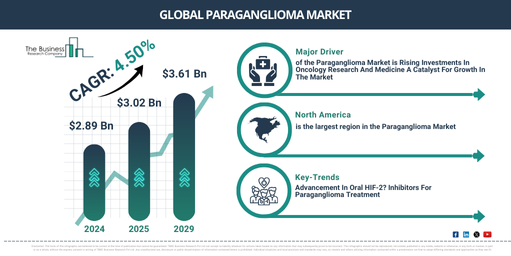
    In the past few years, the paraganglioma market has experienced consistent growth. Its market size is projected to escalate from $2.89 billion in 2024 to approximately $3.02 billion in 2025, with a compound annual growth rate (CAGR) of 4.7%. Factors such as improvements in diagnostic imaging techniques, increased awareness and screening programs, regulatory sanctions for specific therapies, development of specialty treatment centers and progress in genetic testing substantially contributed to the market’s growth in the past.

    In the upcoming years, the paraganglioma market is predicted to undergo consistent expansion, with a projection of hitting$3.61 billion by 2029, reflecting a compound annual growth rate (CAGR) of 4.5%. Various factors such as the development of novel targeted therapies & immunotherapies, the broadening scope of radiopharmaceuticals, increasing incidents of genetic disease, heightened investment in rare disease research, and better healthcare accessibility in burgeoning markets have contributed to growth estimation for the forecast period. Noteworthy trends to look out for include forthcoming advancements in targeted therapies, enlargement in the radiopharmaceutical sector, the emergence of immunotherapeutic strategies, enhancements in artificial intelligence (AI) applied to diagnostics, and the progression of minimally invasive surgical procedures.

    Download a free sample to assess the report’s scope and structure:

    https://www.thebusinessresearchcompany.com/sample.aspx?id=21245&type=smp

    What Are the Core Growth Drivers Propelling the Paraganglioma Market Forward?

    The surge in funding for oncology research and medicine is predicted to stimulate the growth of the paraganglioma market in the future. Such investments represent the financial commitments from governments, pharmaceutical firms, research organizations, and private financiers towards improving the comprehension, prevention, diagnosis, and management of cancer. This upward trend in oncology funding is attributed to the growing global cancer incidence, advancements in personalized medicine, rising demand for cutting-edge treatments, broadening of clinical trials, governmental and private funding initiatives, as well as progression in targeted and immunotherapy treatments. These investments boost the paraganglioma market by spurring progress in early detection strategies, refining treatment alternatives such as targeted therapies and immunotherapy, sponsoring clinical trials for superior medications, enhancing pediatric oncology infrastructure, and promoting groundbreaking research to gain deeper understanding about the biology and progression of the disease. For example, in May 2024, as per IQVIA, an IT firm based in India offering advanced analytics, the international expenditure on cancer treatment swelled to $223 billion in 2023, exemplifying a $25 billion augmentation from 2022, and is anticipated to hit $409 billion by 2028. Consequently, the escalation in funding for oncology research and medicine propels the paraganglioma market.

    What Segment Types Define the Paraganglioma Market Structure?

    The paragangliomamarket covered in this report is segmented –

    1) By Type: Sympathetic Paragangliomas; Parasympathetic Paragangliomas; Caroid Paragangliomas; Cervical Paragangliomas; Jugular Paragangliomas; Secretory Paragangliomas; Temporal Paragangliomas

    2) By Origin: Head And Neck; Abdomen; Pelvis; Other Origins

    3) By Treatment Type: Peptide Receptor Radionuclide Therapy; Surgery; Chemotherapy; Radiation Therapy; Other Treatment Types

    4) By Distribution Channel: Hospital Pharmacies; Drug Stores And Retail Pharmacies; Online Pharmacies

    5) By End-User: Hospitals; Specialty Clinics; Cancer Research Institutes; Other End-Users

    Subsegments:

    1) By Sympathetic Paragangliomas: Adrenal Sympathetic Paragangliomas; Extra-Adrenal Sympathetic Paragangliomas

    2) By Parasympathetic Paragangliomas: Head And Neck Parasympathetic Paragangliomas; Thoracic Parasympathetic Paragangliomas

    3) By Carotid Paragangliomas: Unilateral Carotid Paragangliomas; Bilateral Carotid Paragangliomas

    4) By Cervical Paragangliomas: Vagal Paragangliomas; Hypoglossal Paragangliomas

    5) By Jugular Paragangliomas: Type A; Type B; Type C; Type D

    6) By Secretory Paragangliomas: Catecholamine-Secreting Paragangliomas; Non-Catecholamine-Secreting Paragangliomas

    7) By Temporal Paragangliomas: Tympanic Paragangliomas; Mastoid Paragangliomas

    Request customized data on this market:

    https://www.thebusinessresearchcompany.com/customise?id=21245&type=smp

    Which Geographic Areas Hold the Strongest Growth Potential in the Paraganglioma Market?

    North America was the largest region in the paraganglioma market in 2024. Asia-Pacific is expected to be the fastest-growing region in the forecast period. The regions covered in the paraganglioma market report are Asia-Pacific, Western Europe, Eastern Europe, North America, South America, Middle East, Africa.

    Which Emerging Trends that Are Influencing theParaganglioma Industry Evolution?

    Prominent businesses in the paraganglioma market are concentrating on the evolution of innovative therapies like oral hypoxia-inducible factor-2 alpha (HIF-2a) inhibitors. These therapies provide a focused treatment approach for those suffering from paraganglioma. An oral HIF-2a inhibitor works by curbing the activity of HIF-2a, which is essential for tumor growth, particularly when oxygen levels are low. By doing so, it helps to retard the advancement of malignancies such as paraganglioma. For instance, in January 2025, Merck, a biopharmaceutical firm based in the United States, revealed that the U.S. Food and Drug Administration (FDA) has assigned priority review to their supplemental new drug application for Welireg (belzutifan). It is aimed at adult and pediatric patients, aged 12 and above, who are dealing with advanced, inoperable, or metastasized pheochromocytoma and paraganglioma (PPGL). This sNDA is founded on the objective response rate (ORR) and duration of response (DOR) results from the Phase 2 LITESPARK-015 trial.

    View the full report here:

    https://www.thebusinessresearchcompany.com/report/paraganglioma-global-market-report

    What Is the Definition of the Paraganglioma Market?

    Paraganglioma is a rare neuroendocrine tumor originating from paraganglia, clusters of cells linked to the autonomic nervous system. Typically found in the head, neck, chest, or abdomen, these tumors may produce excess hormones and pose a risk of malignancy. Early diagnosis is essential for effective management and preventing complications.

    Purchase the full report and get a swift delivery:

    https://www.thebusinessresearchcompany.com/purchaseoptions.aspx?id=21245

    About The Business Research Company:

    With over 15000+ reports from 27 industries covering 60+ geographies, The Business Research Company has built a reputation for offering comprehensive, data-rich research and insights. Armed with 1,500,000 datasets, the optimistic contribution of in-depth secondary research, and unique insights from industry leaders, you can get the information you need to stay ahead in the game.

    Get in touch with us:

    The Business Research Company: https://www.thebusinessresearchcompany.com/

    Americas +1 310-496-7795

    Europe +44 7882 955267

    Asia & Others +44 7882 955267 & +91 8897263534

    Email us at info@tbrc.info

    Follow us on:

    LinkedIn: https://in.linkedin.com/company/the-business-research-company

    YouTube: https://www.youtube.com/channel/UC24_fI0rV8cR5DxlCpgmyFQ

    Global Market Model: https://www.thebusinessresearchcompany.com/global-market-model
  • Anaphylaxis Market Valuation Expected To Reach $4.78 Billion By 2029, Growing At A Rate Of 8.1%

    Anaphylaxis Market Valuation Expected To Reach $4.78 Billion By 2029, Growing At A Rate Of 8.1%

    Claim your 30% discount on Global Market Reports with code ONLINE30. Limited time only.

    What Are the Key Milestones in the Anaphylaxis Market’s Growth Trajectory From 2025 To 2034?

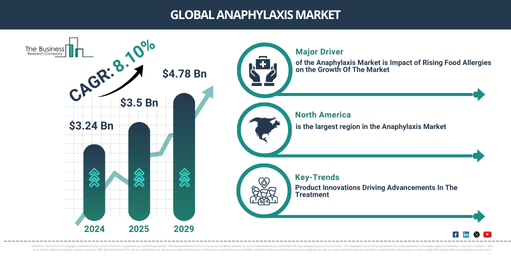
    In previous years, the anaphylaxis market has witnessed robust growth. The market, which was valued at $3.24 billion in 2024, is predicted to escalate to $3.5 billion in 2025, with a compound annual growth rate (CAGR) of 8.1%. Factors that contributed to the expansion during the historic period include an increasing occurrence of food allergies, heightened awareness of anaphylaxis, development in healthcare infrastructure, improved diagnosis and management, and the widening accessibility of epinephrine auto-injectors.

    The anaphylaxis market is projected to experience robust growth in the forthcoming years, escalating to$4.78 billion by 2029 with a compound annual growth rate (CAGR) of 8.1%. This growth during the predicted period can be credited to factors such as the surge in urbanization and shifts in lifestyle, an increasing number of anaphylactic cases, rising disposable income in developing markets, government investments in allergy research, and breakthroughs in emergency treatment delivery systems. Key trends for the forecast period encompass the escalating demand for auto-injectable epinephrine, implementation of digital health approaches in anaphylaxis management, heightened emphasis on product affordability, rising in preventive therapies and vaccines, and increased usage of biologics in allergy treatment.

    Download a free sample to assess the report’s scope and structure:

    https://www.thebusinessresearchcompany.com/sample.aspx?id=21096&type=smp

    Which Factors and External Forces Are Driving Demand in the Anaphylaxis Market?

    The growth of the anaphylaxis market is anticipated to be fueled by the increasing instances of food allergies. These immune system reactions, which can range from mild to intense, are provoked by specific foods, and can cause life-threatening anaphylaxis. The upward trend in food allergies can be ascribed to factors like modifications in eating habits, environmental impacts, and greater consciousness and diagnosis. Intervention in the case of anaphylaxis is crucial to food allergy patients as it promptly mitigates severe allergic reactions, alleviates symptoms like swelling, breathlessness, and blood pressure drop, offering immediate stabilization and averting potentially lethal outcomes. It also provides patients with the necessary tools to respond quickly to future allergic episodes. As per data from the World Health Organization (WHO), a UN organization based in Switzerland, in September 2024, around 220 million people worldwide were afflicted by food allergies. It’s not uncommon for a single food item to contain multiple allergens and for an individual to be allergic to several types of food. Furthermore, according to a report by the Food Standards Agency (FSA), a non-ministerial department in the UK, titled Patterns and Prevalence of Adult Food Allergy (PAFA), published in May 2024, over 30% of adults reported adverse reactions to food, and about 6% of UK adults, amounting to roughly 2.4 million individuals, were clinically diagnosed with food allergies. Consequently, the increased incidence of food allergies is propelling the expansion of the anaphylaxis market.

    Which Segments in the Anaphylaxis Offer the Most Growth?

    The anaphylaxismarket covered in this report is segmented –

    1) By Drug Class: Epinephrine; Steroids; Antihistamines; Beta-antagonists; Other Drug Class

    2) By Route Of Administration: Parenteral; Oral; Other Routes Of Administration

    3) By Application: Food Allergy; Pollen Allergy; Dust Mites Allergy; Other Applications

    Subsegments:

    1) By Epinephrine: Auto-injectors; Prefilled Syringes; Vials

    2) By Steroids: Corticosteroids; Glucocorticoids; Mineralocorticoids

    3) By Antihistamines: H1-receptor Antagonists; H2-receptor Antagonists

    4) By Beta-antagonists: Selective Beta-blockers; Non-selective Beta-blockers

    5) By Other Drug Class: Leukotriene Receptor Antagonists; Mast Cell Stabilizers

    Request customized data on this market:

    https://www.thebusinessresearchcompany.com/customise?id=21096&type=smp

    What Are the Fastest-Growing Geographies in the #Which Factors and External Forces Are Driving Demand in the Anaphylaxis Market?# Market?

    North America was the largest region in the anaphylaxis market in 2024. The regions covered in the anaphylaxis market report are Asia-Pacific, Western Europe, Eastern Europe, North America, South America, Middle East, Africa.

    Which Cutting-Edge Market Trends Are Expected to Drive theAnaphylaxis Market’s Growth?

    Firms of great significance in the anaphylaxis market are zeroing in on the development of progressive epinephrine nasal sprays, designed for quicker and more effective drug administration in critical situations. The spray, a medical implement, delivers epinephrine, also known as adrenaline, through the nasal cavity, and is a treatment for serious allergies, including anaphylaxis. To illustrate, in August 2024, ARS Pharmaceuticals, a biotechnology business based in the US, announced that the US government agency Food and Drug Administration approved its product Neffy, an epinephrine nasal spray. This marked it as the inaugural and sole needle-less treatment option for type I allergies, inclusive of anaphylaxis. This innovative treatment method, in the form of a nasal spray, provides an alternative to traditional epinephrine autoinjectors, creating a possibly more convenient choice for emergency medical attention. Neffy’s goal is to increase patient adherence by removing the need for needles, while still allowing for immediate, crucial epinephrine delivery during severe allergic reactions.

    View the full report here:

    https://www.thebusinessresearchcompany.com/report/anaphylaxis-global-market-report

    What Are the Key Elements That Define the Anaphylaxis Market?

    Anaphylaxis is a severe, life-threatening allergic reaction that occurs rapidly, often resulting in difficulty breathing, swelling, and a drop in blood pressure, requiring immediate medical intervention. Management of anaphylaxis involves prompt administration of epinephrine, followed by monitoring in a healthcare setting to stabilize the patient and prevent further complications.

    Purchase the full report and get a swift delivery:

    https://www.thebusinessresearchcompany.com/purchaseoptions.aspx?id=21096

    About The Business Research Company:

    With over 15000+ reports from 27 industries covering 60+ geographies, The Business Research Company has built a reputation for offering comprehensive, data-rich research and insights. Armed with 1,500,000 datasets, the optimistic contribution of in-depth secondary research, and unique insights from industry leaders, you can get the information you need to stay ahead in the game.

    Get in touch with us:

    The Business Research Company: https://www.thebusinessresearchcompany.com/

    Americas +1 310-496-7795

    Europe +44 7882 955267

    Asia & Others +44 7882 955267 & +91 8897263534

    Email us at info@tbrc.info

    Follow us on:

    LinkedIn: https://in.linkedin.com/company/the-business-research-company

    YouTube: https://www.youtube.com/channel/UC24_fI0rV8cR5DxlCpgmyFQ

    Global Market Model: https://www.thebusinessresearchcompany.com/global-market-model
  • From Insight to Impact: Strategic Growth Mapping in the Panuveitis Market

    From Insight to Impact: Strategic Growth Mapping in the Panuveitis Market

    Claim your 30% discount on Global Market Reports with code ONLINE30. Limited time only.

    How Fast Is The Panuveitis Market Expected to Grow Between 2025 And 2029?

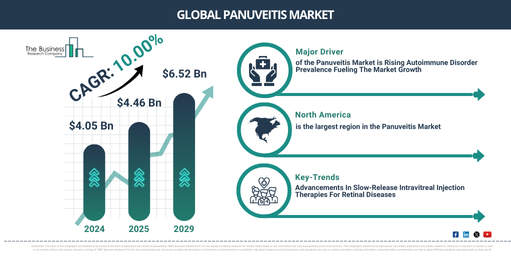
    The market for panuveitis has experienced a swift increase in size in the past few years. It is projected to expand from a worth of $4.05 billion in 2024 to $4.46 billion in 2025, with a compound annual growth rate (CAGR) of 10.2%. This growth during the historic period is due to factors such as the widespread nature of autoimmune and infectious diseases, the increased usage of corticosteroids, the popular acceptance of biologics, the surge in demand for ophthalmic imaging, and the presence of emerging investment in research into infectious causes.

    The market for panuveitis is poised for robust expansion in the forthcoming years, projecting to escalate to$6.52 billion in 2029 with a 10.0% compound annual growth rate (CAGR). The anticipated growth in the prediction period can be linked to the escalated use of biologic therapies, increased demand for customized medication, growing instances of diseases related to uveitis, considerable investment in studies on the human eye, and heightened awareness of the disease. The key trends expected during the forecast period revolve around the rising acceptance of biologic therapies, continuous-release drug delivery mechanisms, expansion of individualized medicinal tactics, breakthroughs in AI-led diagnostics & treatment, and an upsurge in less invasive surgical methods.

    Download a free sample to assess the report’s scope and structure:

    https://www.thebusinessresearchcompany.com/sample.aspx?id=21244&type=smp

    What are the Fundamental Drivers and Innovations Shaping the Panuveitis Market?

    The escalating cases of autoimmune diseases are anticipated to fuel the expansion of the panuveitis market in the future. Autoimmune conditions occur when the immune system mistakenly attacks and harms the body’s own healthy cells and tissues. The increasing incidence of these diseases can be attributed to factors such as genetic predispositions, environmental aspects like pollution and alterations in diet, as well as heightened exposure to certain infections and stressors liable to disrupt the immune system. Autoimmune diseases play a crucial role in the progress of panuveitis treatment, prompting research into the modulation of the immune system, given that many cases of panuveitis are associated with autoimmune activity. For example, the University of Oxford, a research university based in the UK, revealed in May 2023 that autoimmune conditions impact 10% of the global population, with 13% of women and 7% of men being affected. Therefore, the escalating prevalence of autoimmune disorders is a key driving force behind the growth of the panuveitis market.

    How Is the Panuveitis Market Segmented?

    The panuveitismarket covered in this report is segmented –

    1) By Type: Infectious Panuveitis; Non-Infectious Panuveitis

    2) By Treatment: Pharmacological; Surgical; Phototherapy

    3) By Route Of Administration: Oral; Intravitreal; Topical

    4) By Distribution Channel: Hospital Pharmacies; Retail Pharmacies; Online Pharmacies

    Subsegments:

    1) By Infectious Panuveitis: Bacterial Panuveitis; Viral Panuveitis; Fungal Panuveitis; Parasitic Panuveitis

    2) By Non-Infectious Panuveitis: Autoimmune-Related Panuveitis; Idiopathic Panuveitis; Drug-Induced Panuveitis

    Request customized data on this market:

    https://www.thebusinessresearchcompany.com/customise?id=21244&type=smp

    Which Regions Are Driving the Next Phase of the Panuveitis Market Growth?

    North America was the largest region in the panuveitis market in 2024. The regions covered in the panuveitis market report are Asia-Pacific, Western Europe, Eastern Europe, North America, South America, Middle East, Africa.

    What Key Trends Are Shaping the Future of the Panuveitis Market?

    Leading businesses in the panuveitis industry are concentrating their efforts on the creation of advanced intravitreal injection formulations with a slow-release feature, aiming to enhance patient adherence and results. This slow-release method provides a steady release of the medication into the vitreous humor of the eye over a certain period, thereby ensuring extended therapeutic benefits and reducing the frequency of dosage. For example, in August 2022, Tarsier Pharma, a clinical-stage company based in Israel, publicized the creation of TRS02, a possible immunomodulator intended for the treatment of diseases affecting the retina. This ground-breaking treatment strives to manage a range of conditions affecting the back of the eye, all of which have underlying inflammation-based pathologies, such as panuveitis (posterior uveitis) and diabetic macular edema. The basis for TRS02 is Tarsier’s own unique technology platform. It is currently moving forward towards submitting an application for an Investigational New Drug (IND) after successfully meeting preclinical targets.

    View the full report here:

    https://www.thebusinessresearchcompany.com/report/panuveitis-global-market-report

    How Is the Panuveitis Market Defined and What Are Its Core Parameters?

    Panuveitis is a condition characterized by inflammation affecting all three layers of the uvea including the iris, ciliary body, and choroid inside the eye. If not treated, it can cause pain, and blurred vision, and potentially lead to vision loss. The goal of treatment is to control inflammation, relieve symptoms, and prevent further damage to the eye that could impair vision. Timely intervention is essential to protect eye health and maintain vision.

    Purchase the full report and get a swift delivery:

    https://www.thebusinessresearchcompany.com/purchaseoptions.aspx?id=21244

    About The Business Research Company:

    With over 15000+ reports from 27 industries covering 60+ geographies, The Business Research Company has built a reputation for offering comprehensive, data-rich research and insights. Armed with 1,500,000 datasets, the optimistic contribution of in-depth secondary research, and unique insights from industry leaders, you can get the information you need to stay ahead in the game.

    Get in touch with us:

    The Business Research Company: https://www.thebusinessresearchcompany.com/

    Americas +1 310-496-7795

    Europe +44 7882 955267

    Asia & Others +44 7882 955267 & +91 8897263534

    Email us at info@tbrc.info

    Follow us on:

    LinkedIn: https://in.linkedin.com/company/the-business-research-company

    YouTube: https://www.youtube.com/channel/UC24_fI0rV8cR5DxlCpgmyFQ

    Global Market Model: https://www.thebusinessresearchcompany.com/global-market-model