Month: August 2025

  • Renal Insufficiency Market Valuation Expected To Reach $18.52 Billion By 2029, Growing At A Rate Of 11.2%

    Renal Insufficiency Market Valuation Expected To Reach $18.52 Billion By 2029, Growing At A Rate Of 11.2%

    Claim your 30% discount on Global Market Reports with code ONLINE30. Limited time only.

    What Is the Estimated Market Size of the Renal Insufficiency Market In 2029?

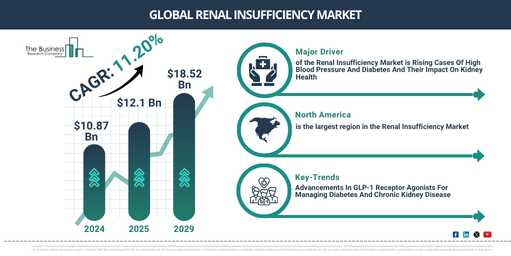
    The market for renal insufficiency has seen a swift expansion in recent times. Predictions show it evolving from a worth of $10.87 billion in 2024, to attain a valuation of $12.1 billion in 2025, signaling a compound annual growth rate (CAGR) of 11.4%. The historical growth trajectory can be traced back to increased incidents of hypertension and diabetes, escalating diagnosis rates of chronic kidney disease (CKD), a higher occurrence of obstructions in the urinary system, an aging demographic, coupled with a rising consciousness and knowledge about kidney wellness.

    The market size of renal insufficiency is projected to significantly expand in the upcoming years, reaching$18.52 billion by 2029 with a compound annual growth rate (CAGR) of 11.2%. This anticipated growth within the projection period can be linked to a rise in cases of acute kidney injuries (AKI), increased preference for home-based treatment alternatives, escalation in healthcare spending, and investments in research and development. Dominant trends for the forecasting period comprise progress in medical technology, further advancement in treatment methods and technology, the inclusion of personalized medicine, developments in dialysis technology, and the creation of innovative and new medications.

    Download a free sample to assess the report’s scope and structure:

    https://www.thebusinessresearchcompany.com/sample.aspx?id=21271&type=smp

    Which Factors and External Forces Are Driving Demand in the Renal Insufficiency Market?

    The renal insufficiency market can expect to see growth, given the rising frequency of high blood pressure and diabetes diagnoses. Factors such as poor nutrition, insufficient physical exercise, obesity, genetic susceptibility, and an aging populace contribute to these health conditions. Both high blood pressure and diabetes can result in kidney damage, with high blood pressure leading to scarred, less functional kidney blood vessels, and diabetes causing thickened and strained kidney vessels due to elevated blood sugar. Take, for example, the data from December 2023, released by the National Health Service in the UK in May 2024, which showed an increase in high blood pressure diagnoses in the South East by 71,120 patients — a 5.4% increase compared to the previous year. The British Diabetic Association also reported in April 2023 that there were 4.3 million people with a diabetes diagnosis in the UK. As such, the surge of high blood pressure and diabetes cases is contributing to the expansion of the renal insufficiency market.

    Which Segments in the Renal Insufficiency Offer the Most Growth?

    The renal insufficiencymarket covered in this report is segmented –

    1) By Treatment Type: Medications; Dialysis; Kidney Transplantation; Other Treatment Types

    2) By Disease Stage: Chronic Kidney Disease (CKD) Stages; End-Stage Renal Disease (ESRD)

    3) By Distribution Channel: Hospital Pharmacies; Retail Pharmacies; Online Pharmacies

    4) By End-User: Dialysis Centers; Hospital And Clinics; Research And Academic Institutes

    Subsegments:

    1) By Medications: Angiotensin-Converting Enzyme (ACE) Inhibitors; Angiotensin II Receptor Blockers (ARBs); Diuretics; Erythropoiesis-Stimulating Agents (ESAs); Phosphate Binders; Sodium Bicarbonate

    2) By Dialysis: Hemodialysis; Peritoneal Dialysis; Home Dialysis; Continuous Renal Replacement Therapy (CRRT)

    3) By Kidney Transplantation: Living Donor Kidney Transplant; Deceased Donor Kidney Transplant; Kidney Transplant Immunosuppressive Therapy

    4) By Other Treatment Types: Lifestyle And Dietary Modifications; Stem Cell Therapy; Gene Therapy

    Request customized data on this market:

    https://www.thebusinessresearchcompany.com/customise?id=21271&type=smp

    What Are the Fastest-Growing Geographies in the #Which Factors and External Forces Are Driving Demand in the Renal Insufficiency Market?# Market?

    North America was the largest region in the renal insufficiency market in 2024. The regions covered in the renal insufficiency market report are Asia-Pacific, Western Europe, Eastern Europe, North America, South America, Middle East, Africa.

    Which Cutting-Edge Market Trends Are Expected to Drive theRenal Insufficiency Market’s Growth?

    The renal insufficiency market is seeing a surge in the development of glucagon-like peptide-1 receptor agonists (GLP-1 RAs) by major companies. These innovations address renal and cardiovascular complications in individuals suffering from diabetes and chronic kidney disease (CKD). GLP-1 RAs aid in controlling glucose, reducing inflammation, and minimizing oxidative stress in kidneys, which in turn decelerates the progress of renal insufficiency. In January 2025, an example of such advancement was seen when the Denmark-based pharmaceutical firm, Novo Nordisk, was granted approval by the Food and Drug Administration (FDA) for Ozempic (semaglutide). This product reduces the risk of kidney failure, worsening kidney disease, and cardiovascular mortality in adults with type 2 diabetes and CKD. This accreditation underscores the increased focus on GLP-1 RAs as a comprehensive strategy to tackle diabetes and renal insufficiency concurrently, addressing pressing needs in patients with advanced CKD.

    View the full report here:

    https://www.thebusinessresearchcompany.com/report/renal-insufficiency-global-market-report

    What Are the Key Elements That Define the Renal Insufficiency Market?

    Renal insufficiency refers to the reduced ability of the kidneys to filter waste products and maintain fluid and electrolyte balance in the body. It can result from chronic conditions such as diabetes, hypertension, or acute kidney injury, leading to the accumulation of toxins in the blood. If left untreated, renal insufficiency may progress to chronic kidney disease (CKD) or kidney failure, requiring dialysis or transplantation.

    Purchase the full report and get a swift delivery:

    https://www.thebusinessresearchcompany.com/purchaseoptions.aspx?id=21271

    About The Business Research Company:

    With over 15000+ reports from 27 industries covering 60+ geographies, The Business Research Company has built a reputation for offering comprehensive, data-rich research and insights. Armed with 1,500,000 datasets, the optimistic contribution of in-depth secondary research, and unique insights from industry leaders, you can get the information you need to stay ahead in the game.

    Get in touch with us:

    The Business Research Company: https://www.thebusinessresearchcompany.com/

    Americas +1 310-496-7795

    Europe +44 7882 955267

    Asia & Others +44 7882 955267 & +91 8897263534

    Email us at info@tbrc.info

    Follow us on:

    LinkedIn: https://in.linkedin.com/company/the-business-research-company

    YouTube: https://www.youtube.com/channel/UC24_fI0rV8cR5DxlCpgmyFQ

    Global Market Model: https://www.thebusinessresearchcompany.com/global-market-model
  • Emerging Trends Redefining the Acne Vulgaris Market Landscape: Innovative Long-Acting Injectable Therapies Revolutionizing HIV Treatment for Improved Adherence

    Claim your 30% discount on Global Market Reports with code ONLINE30. Limited time only.

    How Has The Acquired Immunodeficiency Syndrome (AIDS) Market Growth Evolved From 2024 To 2025, And What’s Ahead?

    Strong growth has been observed lately in the acquired immunodeficiency syndrome (aids) market. The market, valued at $32.09 billion in 2024, is projected to further increase to $33.75 billion in 2025 with a compound annual growth rate (CAGR) of 5.2%. Factors such as a hike in HIV infection rates, augmented government funding towards HIV treatment, proliferation of worldwide awareness programs, enhancement in diagnostic facilities, and increased aid from non-governmental organizations have contributed to the notable growth in the past.

    The market for acquired immunodeficiency syndrome (aids) is projected to experience robust expansion in the imminent years. The market is anticipated to escalate to$41.28 billion in 2029, charting a compound annual growth rate (CAGR) of 5.2%. The augmentation in the stipulated period is credited to the escalating requirements for durable injectable treatments, the burgeoning adoption of pre-exposure prophylaxis (PrEP), elevated funding in HIV remedy investigations, the proliferation of telemedicine provisions for HIV care, heightened emphasis on personalized medication, and burgeoning cognizance about early HIV diagnosis. Predominant tendencies forecasted for this period comprise a shift towards single-tablet routines, a rising predilection for injectable and implantable HIV therapies, accelerated demand for digital health solutions in HIV administration, developing curiosity in functional HIV cure strategies, and the enlarging influence of artificial intelligence in drug discovery.

    Download a free sample to assess the report’s scope and structure:

    https://www.thebusinessresearchcompany.com/sample.aspx?id=21076&type=smp

    What Are the Core Market Drivers Propelling Growth in the Acquired Immunodeficiency Syndrome (AIDS) Industry?

    The escalation in HIV infection rates is projected to fuel the expansion of the acquired immunodeficiency syndrome (AIDS) market. HIV infections are conditions instigated by the human immunodeficiency virus (HIV), a virus that weakens and attacks the immune system, limiting its ability to combat infections and diseases. The uptick in HIV infection rates can be attributed to unsafe sexual practices with an infected partner, using shared needles or syringes, exposure to contaminated blood products, engaging in sexual activities with multiple partners, and a compromised immune or sexually transmitted infections. Management strategies for AIDS play a crucial role in assisting HIV-infected patients by encouraging early detection, increasing access to potent antiretroviral therapies, improving prevention methods, and reinforcing healthcare systems that help manage the viral spread effectively. For example, in November 2024, data released by the Sweden-based European Centre for Disease Prevention and Control (ECDC) indicated that 112,883 HIV diagnoses were made in 2023 across 47 of the 53 countries in the region, with 24,731 instances identified in the European Union/European Economic Area (EU/EEA). The total crude HIV diagnosis rate stood at 12.7 per 100,000 population, marking a 2.4% surge compared to the 12.4 per 100,000 rates detected in 2022. Thus, the rise in HIV infections constitutes a significant driver for the AIDS market.

    How Is the Acquired Immunodeficiency Syndrome (AIDS) Market Segmented?

    The acquired immunodeficiency syndrome (aids)market covered in this report is segmented –

    1) By Type: Human Immunodeficiency Virus 1; Human Immunodeficiency Virus 2

    2) By Drug Type: Nucleoside-Analog Reverse Transcriptase Inhibitors; Non-Nucleoside Reverse Transcriptase Inhibitors; Fusion Inhibitors; CCR5 Anatagonists And Post-Attachment Inhibitors; Protease Inhibitors; Integrase Inhibitors; Pre-Exposure Prophylaxis And Post-Exposure Prophylaxis

    3) By Route Of Administration: Oral; Parenteral

    4) By Application: Hospital Pharmacy; Retail Pharmacy; Other Applications

    5) By Distribution Channel: Offline; Online

    Subsegments:

    1) By Human Immunodeficiency Virus 1 (HIV-1): Antiretroviral Therapy (ART); Pre-Exposure Prophylaxis (PrEP); Post-Exposure Prophylaxis (PEP); HIV-1 Diagnostic Tests; HIV-1 Vaccine Development; HIV-1 Opportunistic Infection Management

    2) By Human Immunodeficiency Virus 2 (HIV-2): Antiretroviral Therapy (ART) For HIV-2; HIV-2 Diagnostic Tests; HIV-2 Surveillance And Epidemiology; HIV-2 Vaccine Research; Management Of HIV-2 Co-Infections

    Request customized data on this market:

    https://www.thebusinessresearchcompany.com/customise?id=21076&type=smp

    Which Regions Are Driving the Next Phase of the Acquired Immunodeficiency Syndrome (AIDS) Market Growth?

    North America was the largest region in the acquired immunodeficiency syndrome (AIDS) market in 2024. Asia-Pacific is expected to be the fastest-growing region in the forecast period. The regions covered in the acquired immunodeficiency syndrome (AIDS) market report are Asia-Pacific, Western Europe, Eastern Europe, North America, South America, Middle East, Africa.

    What Key Market Trends and Innovations Are Shaping the Future of the Acquired Immunodeficiency Syndrome (AIDS) Industry?

    Leading firms in the acquired immunodeficiency syndrome (AIDS) market are putting their efforts into bringing forth groundbreaking treatments such as long-acting injectables. These injectables can enhance patient adherence, diminish the regularity of dosage, and present a more agreeable alternative to daily oral antiretroviral therapies. Long-acting injectables, medications dispensed through injection, are purposed to gradually release active components over a longer duration, thereby demanding less frequent administration than standard oral drugs. To illustrate, in January 2025, GSK plc., a pharmaceutical corporation based in the UK, received approval from the European Commission for its long-acting injectable treatment, Vocabria (cabotegravir) and Rekambys (rilpivirine). This treatment is authorised for adolescents 12 years or older living with HIV and is administered through an intramuscular injection, typically once or twice a month, based on the individual treatment strategy. The long-acting characteristic of these injections may enhance compliance rates among teenagers who find daily pill routines problematic.

    View the full report here:

    https://www.thebusinessresearchcompany.com/report/acquired-immunodeficiency-syndrome-aids-global-market-report

    How Is the Acquired Immunodeficiency Syndrome (AIDS) Market Defined and What Are Its Core Parameters?

    Acquired immunodeficiency syndrome (AIDS) is a chronic, life-threatening condition caused by the human immunodeficiency virus (HIV), which progressively weakens the immune system by destroying CD4 T cells, leaving the body vulnerable to opportunistic infections, severe illnesses, and certain cancers in the absence of effective antiretroviral treatment. It is managed by a combination of antiretroviral therapy (ART), regular monitoring of immune function, prevention of opportunistic infections, and comprehensive healthcare support to improve patient outcomes and quality of life.

    Purchase the full report and get a swift delivery:

    https://www.thebusinessresearchcompany.com/purchaseoptions.aspx?id=21076

    About The Business Research Company:

    With over 15000+ reports from 27 industries covering 60+ geographies, The Business Research Company has built a reputation for offering comprehensive, data-rich research and insights. Armed with 1,500,000 datasets, the optimistic contribution of in-depth secondary research, and unique insights from industry leaders, you can get the information you need to stay ahead in the game.

    Get in touch with us:

    The Business Research Company: https://www.thebusinessresearchcompany.com/

    Americas +1 310-496-7795

    Europe +44 7882 955267

    Asia & Others +44 7882 955267 & +91 8897263534

    Email us at info@tbrc.info

    Follow us on:

    LinkedIn: https://in.linkedin.com/company/the-business-research-company

    YouTube: https://www.youtube.com/channel/UC24_fI0rV8cR5DxlCpgmyFQ

    Global Market Model: https://www.thebusinessresearchcompany.com/global-market-model

  • BCL-2 Inhibitors Growth Trajectory: Key Forecasts and Strategic Insights

    Claim your 30% discount on Global Market Reports with code ONLINE30. Limited time only.

    How Has the BCL-2 Inhibitors Market Growth Performance Trended Historically, And What Lies Ahead?

    The market for bcl-2 inhibitors has seen a swift expansion in recent years. The market size is set to rise from $2.1 billion in 2024 to $2.46 billion in 2025, reflecting a compound annual growth rate (CAGR) of 17.3%. The substantial growth during the historical period is due to elements such as the emphasis on mitigating chemotherapy side effects, increasing incidence of chronic diseases, enhanced healthcare accessibility in burgeoning markets, the development of dual-targeted therapies, a surge in individualized cancer treatments, and rising focus on maintenance therapies.

    Rapid expansion is anticipated in the bcl-2 inhibitors market over the upcoming years, with the market predicted to reach$4.63 billion in 2029, reflecting a compound annual growth rate (CAGR) of 17.1%. The market growth during this forecasted time can be linked to the increased uptake of immuno-oncology treatments, heightened concentration on combination therapies, and growth of healthcare amenities in emerging regions. Significant trends during this forecasted period are expected to be the execution of strategies targeting resistance, amplified global market penetration of Veneto lax, advancements in precision oncology and drug delivery systems, and planned partnerships between pharmaceutical firms.

    Download a free sample to assess the report’s scope and structure:

    https://www.thebusinessresearchcompany.com/sample.aspx?id=20719&type=smp

    Which Factors and External Forces Are Driving Demand in the BCL-2 Inhibitors Market?

    The growth of the BCL-2 inhibitors market is predicted to be fueled by an increasing incidence of blood cancers. These cancers, which disrupt regular blood cell production and function, affect the blood, bone marrow, or lymphatic system. The uptick in blood cancer rates can be attributed to aging populations, improved diagnostic methods, and lifestyle shifts, all contributing to higher detection rates globally. BCL-2 inhibitors serve as a potent weapon against these diseases by reinstating apoptosis in cancer cells, enhancing the treatment results in maladies such as leukemia and lymphoma. For example, Blood Cancer UK, a community based in the UK committed to conquering all forms of blood cancer, reported in August 2022 that blood cancer ranks as the fifth most prevalent cancer in the UK, with over 41,000 new diagnoses each year and roughly 250,000 individuals suffering from the disease. Consequently, the surging incidence of blood cancers is propelling the BCL-2 inhibitors market’s expansion.

    Which Segments in the BCL-2 Inhibitors Offer the Most Growth?

    The bcl-2 inhibitorsmarket covered in this report is segmented –

    1) By Product: Combination Therapy; Monotherapy

    2) By Distribution Channel: Hospital Pharmacies; Retail Pharmacies; Online Pharmacies; Other Distribution Channels

    3) By Application: Chronic Lymphocytic Leukemia; Acute Myeloid Leukemia; Multiple Myeloma; Other Applications

    4) By End-User: Hospitals; Ambulatory Surgical Centers; Pharmacies

    Subsegments:

    1) By Combination Therapy: BCL-2 Inhibitor + Chemotherapy; BCL-2 Inhibitor + Targeted Therapy; BCL-2 Inhibitor + Immunotherapy; BCL-2 Inhibitor + Other Drug Combinations

    2) By Monotherapy: Single-Agent BCL-2 Inhibitor (Venetoclax)

    Request customized data on this market:

    https://www.thebusinessresearchcompany.com/customise?id=20719&type=smp

    What Are the Fastest-Growing Geographies in the #Which Factors and External Forces Are Driving Demand in the BCL-2 Inhibitors Market?# Market?

    North America was the largest region in the BCL-2 inhibitors market in 2024. Asia-Pacific is expected to be the fastest-growing region in the forecast period. The regions covered in the BCL-2 inhibitors market report are Asia-Pacific, Western Europe, Eastern Europe, North America, South America, Middle East, Africa.

    Which Cutting-Edge Market Trends Are Expected to Drive theBCL-2 Inhibitors Market’s Growth?

    Leading businesses in the BCL-2 inhibitors market are working to create novel solutions like selective BCL-2 inhibitors to more efficiently target cancer cells and decrease off-target impacts. A selective BCL-2 inhibitor is a medication that targets and restricts the B-cell lymphoma 2 (BCL-2) protein, a regulator of cell survival that averts cell death or apoptosis. For example, in May 2024, Eilean Therapeutics LLC, a US-based firm specializing in small molecule oncology drug research, initiated a clinical trial for eiletoclax, a selective BCL2 inhibitor intended for treating hematological malignancies including acute myeloid leukemia (AML) and chronic lymphocytic leukemia (CLL). This Phase 1 clinical trial, sanctioned by the Australian Human Research Ethics Committee, is designed to assess the safety and effectiveness of eiletoclax. Preliminary studies have hinted that it has a better safety profile than existing treatments like venetoclax, with less effects on non-malignant immune cells which could possibly enable outpatient therapy and enhance patient tolerability.

    View the full report here:

    https://www.thebusinessresearchcompany.com/report/bcl-2-inhibitors-global-market-report

    What Are the Key Elements That Define the BCL-2 Inhibitors Market?

    BCL-2 inhibitors are drugs that block the BCL-2 protein, which helps cancer cells avoid apoptosis or programmed cell death. These drugs promote cancer cell death, particularly in cancers such as leukemia and lymphoma, where BCL-2 is overexpressed.

    Purchase the full report and get a swift delivery:

    https://www.thebusinessresearchcompany.com/purchaseoptions.aspx?id=20719

    About The Business Research Company:

    With over 15000+ reports from 27 industries covering 60+ geographies, The Business Research Company has built a reputation for offering comprehensive, data-rich research and insights. Armed with 1,500,000 datasets, the optimistic contribution of in-depth secondary research, and unique insights from industry leaders, you can get the information you need to stay ahead in the game.

    Get in touch with us:

    The Business Research Company: https://www.thebusinessresearchcompany.com/

    Americas +1 310-496-7795

    Europe +44 7882 955267

    Asia & Others +44 7882 955267 & +91 8897263534

    Email us at info@tbrc.info

    Follow us on:

    LinkedIn: https://in.linkedin.com/company/the-business-research-company

    YouTube: https://www.youtube.com/channel/UC24_fI0rV8cR5DxlCpgmyFQ

    Global Market Model: https://www.thebusinessresearchcompany.com/global-market-model

  • Acne Vulgaris Market 2025-2034: Key Highlights, Growth Dynamics, and Emerging Trends

    Acne Vulgaris Market 2025-2034: Key Highlights, Growth Dynamics, and Emerging Trends

    Claim your 30% discount on Global Market Reports with code ONLINE30. Limited time only.

    What is the Projected CAGR for the Acne Vulgaris Market Size from 2025 to 2034?

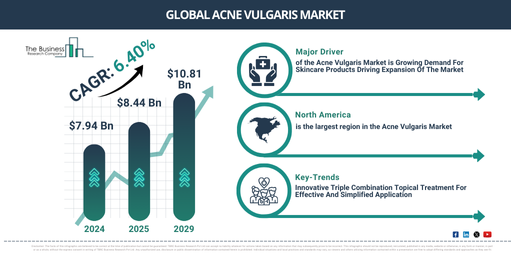
    The market size of acne vulgaris has been experiencing considerable expansion in the recent past. It is projected to escalate from $7.94 billion in 2024 to $8.44 billion in 2025, displaying a compound annual growth rate (CAGR) of 6.4%. Factors causing growth during the historical period include an increasing incidence of acne, consumer inclination towards natural components, broadening of online retail platforms, funding poured into research and development, and a surge in the accessibility of over-the-counter products.

    In the coming years, the acne vulgaris market is predicted to experience substantial growth, with a projected valuation of$10.81 billion by 2029.” This target is forecasted with a compound annual growth rate (CAGR) of 6.4%. The projected surge in this period can be linked to increased skincare awareness, a growing teenage population, emphasis on self-care and wellness, an uptick in adult acne cases, telemedicine, and advancements in e-commerce. Key trends within this projected period comprise technological breakthroughs, the debut of sophisticated medications, inventive product offerings, an increase in clinical approvals, and breakthroughs in unique medical procedures.

    Download a free sample to assess the report’s scope and structure:

    https://www.thebusinessresearchcompany.com/sample.aspx?id=21075&type=smp

    Which Primay Drivers Are Accelerating Growth in the Acne Vulgaris Market?

    The acne vulgaris market is set to expand due to the burgeoning demand for skincare products. Designed to improve skin health and aesthetics, skincare products come in a broad spectrum to suit varying skin needs, including cleansing, moisturizing, and protection. The spiked interest in skincare products is a result of social media influence, heightened dermatological issues, innovative products, and a preventative skincare mindset. Skincare products that specifically target the underlying causes of acne vulgaris, such as excess oil production, blocked pores, and bacterial overgrowth, fortify the treatment of this condition. Key ingredients like salicylic acid, benzoyl peroxide, and retinoids aid in skin exfoliation, inflammation reduction, and promotion of a healthier skin complexion. The Cosmetic, Toiletry and Perfumery Association (CTPA), a UK-based not-for-profit entity, reported in August 2024 that the European cosmetics market in 2023 was valued at €96 billion (around $105 billion) at retail sales price (RSP), positioning it among the global top-tier markets, a notch up from €88 billion (nearly $93 billion) RSP in 2022. Thus, growing skin health consciousness is fuelling the acne vulgaris market.

    Which Primary Segments of the Acne Vulgaris Market Are Driving Growth and Industry Transformations?

    The acne vulgarismarket covered in this report is segmented –

    1) By Type: Systemic Therapy; Hormonal Therapy; Physical Treatment; Topical Combination Therapy; Other Types

    2) By Age Group: 10 To 17 Years; 18 To 44 Years; 45 To 64 Years; 65 Years And Above

    3) By Distribution Channel: Hospital Pharmacies; Online Pharmacies

    Subsegments:

    1) By Systemic Therapy: Oral Antibiotics; Oral Retinoids; Oral Anti-Inflammatory Agents

    2) By Hormonal Therapy: Oral Contraceptives; Androgen Receptor Inhibitors

    3) By Physical Treatment: Laser Therapy; Light-Based Therapy; Chemical Peels; Microdermabrasion

    4) By Topical Combination Therapy: Retinoid And Antibiotic Combinations; Benzoyl Peroxide And Antibiotic Combinations; Retinoid And Benzoyl Peroxide Combinations

    5) By Other Types: Herbal And Natural Remedies; Biologic Therapies; Emerging Therapies

    Request customized data on this market:

    https://www.thebusinessresearchcompany.com/customise?id=21075&type=smp

    Which Regions Are Key Players in the Growth of the #Which Primay Drivers Are Accelerating Growth in the Acne Vulgaris Market?# Market?

    North America was the largest region in the acne vulgaris market in 2024. Asia-Pacific is expected to be the fastest-growing region in the forecast period. The regions covered in the acne vulgaris market report are Asia-Pacific, Western Europe, Eastern Europe, North America, South America, Middle East, Africa.

    Which Technological Trends Are Reshaping the Acne Vulgaris Industry Dynamics?

    Leading enterprises in the acne vulgaris market are prioritizing the development of innovative solutions such as the triple-combination topical treatment. This new approach offers a simplified, once-daily method for managing acne vulgaris through an amalgamation of three crucial ingredients. The aim is to target multiple aspects of skin disorders like acne or psoriasis to amplify therapeutic effectiveness. For example, in October 2023, Bausch Health Companies Inc, a pharmaceutical organization based in Canada, received approval from the Food and Drug Administration (FDA) for their product, Cabtreo, which contains clindamycin phosphate, adapalene, and benzoyl peroxide. The topical gel is developed specifically for the treatment of acne vulgaris in patients who are 12 years and older. This revolutionary formulation amalgamates an antibiotic, a retinoid, and an antibacterial agent to effectively tackle acne lesions and impede potential future outbreaks. The application process of Cabtreo is straightforward, and it exhibits a promising safety record for a diverse range of patients.

    View the full report here:

    https://www.thebusinessresearchcompany.com/report/acne-vulgaris-global-market-report

    What Parameters Are Used to Define the Acne Vulgaris Market?

    Acne vulgaris is a common chronic inflammatory skin condition primarily affecting the pilosebaceous units, characterized by the formation of comedones, papules, pustules, nodules, and cysts, often triggered by factors such as excess sebum production, follicular hyperkeratinization, Cutibacterium acnes proliferation, and inflammation, typically occurring on the face, chest, and back, with varying severity and potential for scarring.

    Purchase the full report and get a swift delivery:

    https://www.thebusinessresearchcompany.com/purchaseoptions.aspx?id=21075

    About The Business Research Company:

    With over 15000+ reports from 27 industries covering 60+ geographies, The Business Research Company has built a reputation for offering comprehensive, data-rich research and insights. Armed with 1,500,000 datasets, the optimistic contribution of in-depth secondary research, and unique insights from industry leaders, you can get the information you need to stay ahead in the game.

    Get in touch with us:

    The Business Research Company: https://www.thebusinessresearchcompany.com/

    Americas +1 310-496-7795

    Europe +44 7882 955267

    Asia & Others +44 7882 955267 & +91 8897263534

    Email us at info@tbrc.info

    Follow us on:

    LinkedIn: https://in.linkedin.com/company/the-business-research-company

    YouTube: https://www.youtube.com/channel/UC24_fI0rV8cR5DxlCpgmyFQ

    Global Market Model: https://www.thebusinessresearchcompany.com/global-market-model
  • Renal Fanconi Syndrome Market Forecast Reaching $0.63 Billion by 2029 at 3.6% CAGR

    Renal Fanconi Syndrome Market Forecast Reaching $0.63 Billion by 2029 at 3.6% CAGR

    Claim your 30% discount on Global Market Reports with code ONLINE30. Limited time only.

    How Fast Is The Renal Fanconi Syndrome Market Expected to Grow Between 2025 And 2029?

    The market size for renal fanconi syndrome has been experiencing consistent growth over the past few years. It is expected to expand from $0.53 billion in 2024 to $0.55 billion in 2025, with a compound annual growth rate (CAGR) of 3.7%. The growth throughout the historic period was spurred by factors such as the high rate of blood disorder prevalence, an uptick in kidney disease incidences, escalating use of erythropoiesis-stimulating agents (ESAs), a rising proportion of the older population, and an increase in acute kidney injury (AKI) cases.

    Stable expansion is predicted for the renal fanconi syndrome market over the coming years, with an estimated value of$0.63 billion by 2029,” indicating a compound annual growth rate (CAGR) of 3.6%. This expected progress during the forecast period can be credited to the escalating incidence of renal syndromes, an increase in fanconi-bickel syndrome cases, the growing occurrence of chronic kidney disease (CKD), a rise in research and development activities, and a burgeoning amount of clinical trials. The times to come will witness several trends such as advancements in innovative therapies, technological progressions, enhancements in technology, novel treatment options, and diagnostic advancements.

    Download a free sample to assess the report’s scope and structure:

    https://www.thebusinessresearchcompany.com/sample.aspx?id=21270&type=smp

    Which Major Market Drivers Are Expected to Boost the Growth Potential of the Renal Fanconi Syndrome Market?

    The anticipated escalation in the incidence of renal syndrome is predicted to fuel the expansion of the renal fanconi syndrome market in the future. Renal syndrome, a collection of kidney diseases, results in diminished kidney function, causing irregularities in filtration, reabsorption, and electrolyte stability. Factors propelling the rise of renal syndromes include a growing incidence of chronic kidney disease, aging demographics, unhealthy habits, and environmental impacts. The syndrome often encompasses underlying conditions or complications that hinder kidney function, heightening the chance of proximal tubular dysfunction. This necessitates a greater need for diagnosis tools, treatments, and therapies designed to control and alleviate the impacts of renal Fanconi syndrome. For example, a report by Kidney Research UK, a UK-based charitable organization, in June 2023 pointed out that roughly 7.2 million people, over 10% of the UK’s population, are living with chronic kidney disease. Among them, 3.25 million are in serious stages, and a further 3.9 million are in initial stages. Chronic kidney disease’s affected population is estimated to increase to 7.61 million by 2033. Hence, the escalating incidence of renal syndrome is fostering the growth of the renal fanconi syndrome market.

    Which Key Market Segments Comprise the Renal Fanconi Syndrome Market and Drive Its Revenue Growth?

    The renal fanconi syndromemarket covered in this report is segmented –

    1) By Disease Type: Inherited (Genetic); Acquired

    2) By Treatment: Cystinosis Treatment; Symptomatic Management; Dietary Changes And Adjustments; Antibiotics; Kidney Transplantation; Supplements

    3) By Route Of Administration: Oral; Intravenous

    4) By Distribution Channel: Hospital Pharmacy; Retail Pharmacy; Online Pharmacy; Other Distribution Channels

    5) By End-User: Hospitals; Specialty Clinics; Homecare; Other End-Users

    Subsegments:

    1) By Inherited (Genetic): Cystinosis; Wilson Disease; Lowe Syndrome; Dent Disease

    2) By Acquired: Drug-Induced Fanconi Syndrome; Heavy Metal Toxicity; Multiple Myeloma-Associated Fanconi Syndrome; Other Acquired Conditions

    Request customized data on this market:

    https://www.thebusinessresearchcompany.com/customise?id=21270&type=smp

    Which Areas Are Leading Regions in the Renal Fanconi Syndrome Market Expansion Across the Globe?

    North America was the largest region in the renal fanconi syndrome market in 2024. Asia-Pacific is expected to be the fastest-growing region in the forecast period. The regions covered in the renal fanconi syndrome market report are Asia-Pacific, Western Europe, Eastern Europe, North America, South America, Middle East, Africa.

    View the full report here:

    https://www.thebusinessresearchcompany.com/report/renal-fanconi-syndrome-global-market-report

    How Is the Renal Fanconi Syndrome Market Conceptually Defined?

    Renal fanconi syndrome is a disorder of the kidneys characterized by a dysfunction in the proximal tubules, which are responsible for reabsorbing important substances from urine into the bloodstream. This condition leads to the excessive loss of essential substances such as glucose, amino acids, phosphate, bicarbonate, and potassium through urine, despite their normal levels in the blood.

    Purchase the full report and get a swift delivery:

    https://www.thebusinessresearchcompany.com/purchaseoptions.aspx?id=21270

    About The Business Research Company:

    With over 15000+ reports from 27 industries covering 60+ geographies, The Business Research Company has built a reputation for offering comprehensive, data-rich research and insights. Armed with 1,500,000 datasets, the optimistic contribution of in-depth secondary research, and unique insights from industry leaders, you can get the information you need to stay ahead in the game.

    Get in touch with us:

    The Business Research Company: https://www.thebusinessresearchcompany.com/

    Americas +1 310-496-7795

    Europe +44 7882 955267

    Asia & Others +44 7882 955267 & +91 8897263534

    Email us at info@tbrc.info

    Follow us on:

    LinkedIn: https://in.linkedin.com/company/the-business-research-company

    YouTube: https://www.youtube.com/channel/UC24_fI0rV8cR5DxlCpgmyFQ

    Global Market Model: https://www.thebusinessresearchcompany.com/global-market-model
  • Next-Gen B-Cell Maturation Antigen (BCMA) Targeted Therapies : Market Forecast, Transformation, and Long-Term Trajectories

    Next-Gen B-Cell Maturation Antigen (BCMA) Targeted Therapies : Market Forecast, Transformation, and Long-Term Trajectories

    Claim your 30% discount on Global Market Reports with code ONLINE30. Limited time only.

    What Are the Projected Market Size and Growth Rates for the B-Cell Maturation Antigen (BCMA) Targeted Therapies Market From 2025 To 2029?

    The market size for therapies targeting b-cell maturation antigen (bcma) has seen significant expansion in recent years. It’s projected to rise from $12.17 billion in 2024 to $15.09 billion in 2025, with a compound annual growth rate (CAGR) of 24.0%. This growth during the historical period can be attributed to various factors such as increasing attention towards hematologic malignancies, escalating investments in oncology research, a burgeoning demand for personalized treatments, a growing preference for CAR-T cell therapies, and an increase in healthcare spending.

    The market size for b-cell maturation antigen (bcma) targeted therapies is forecast to experience a surge in the subsequent years, growing to$35.81 billion in 2029 with a compound annual growth rate (CAGR) of 24.1%. The driving forces behind the predicted growth in the forecast period are due to an increased focus on cancer research, a shift towards specific molecular markers, a rising incidence of cancers, a surge in biotech investments, and a climbing utilization of cell and gene therapies. In the forecast period, the main market trends are anticipated to be innovations like CRISPR technology, progress in gene-editing technologies, advancements in next-generation car-t cell therapies, improved targeted antibody-drug conjugates, and the evolution of ready-made treatments.

    Download a free sample to assess the report’s scope and structure:

    https://www.thebusinessresearchcompany.com/sample.aspx?id=20718&type=smp

    Which Major Market Drivers Are Expected to Boost the Growth Potential of the B-Cell Maturation Antigen (BCMA) Targeted Therapies Market?

    The upward trajectory of multiple myeloma incidents is anticipated to stimulate the development of the market for b-cell maturation antigen (BCMA) targeted therapies. Multiple myeloma, a type of cancer that predominantly impacts plasma cells – vital elements of the immune system for antibody production – has seen an increase in its incidence. Factors such as an aging global populace, advancements in diagnostic procedures, and healthcare accessibility variances contribute to this increment. BCMA targeted therapies mark a significant milestone in multiple myeloma treatment by focussing on malignant plasma cells expressing BCMA, paving the way for more efficient and specific treatment. For instance, in 2024, the American Cancer Society reported an estimated 35,780 new instances of multiple myeloma in the United States, including 19,520 in men and 16,260 in women. Furthermore, a projected 12,540 deaths were recorded, consisting of 7,020 males and 5,520 females. Hence, the escalating incidence of multiple myeloma is a significant driver for the growth of the BCMA targeted therapies market.

    Which Key Market Segments Comprise the B-Cell Maturation Antigen (BCMA) Targeted Therapies Market and Drive Its Revenue Growth?

    The b-cell maturation antigen (bcma) targeted therapiesmarket covered in this report is segmented –

    1) By Product Type: Antibody Drug Conjugates; Chimeric Antigen Receptor T (CAR-T)-Cell Therapy; Bispecific Antibodies

    2) By Indication Type: Acute Lymphoblastic Leukemia; Multiple Myeloma

    3) By End User: Hospitals; Specialty Clinics; Home Care Settings

    Subsegments:

    1) By Antibody Drug Conjugates: BCMA-Targeted ADCs (Antibody-Drug Conjugates); Linker-Payload Technology-Based BCMA ADCs

    2) By Chimeric Antigen Receptor T (CAR-T)-Cell Therapy: BCMA CAR-T Cells (Autologous); Allogeneic BCMA CAR-T Cells

    3) By Bispecific Antibodies: BCMA x CD3 Bispecific Antibodies; BCMA x CD28 Bispecific Antibodies

    Request customized data on this market:

    https://www.thebusinessresearchcompany.com/customise?id=20718&type=smp

    Which Areas Are Leading Regions in the B-Cell Maturation Antigen (BCMA) Targeted Therapies Market Expansion Across the Globe?

    North America was the largest region in the B-cell maturation antigen (BCMA) targeted therapies market in 2024. The regions covered in the B-cell maturation antigen (BCMA) targeted therapies market report are Asia-Pacific, Western Europe, Eastern Europe, North America, South America, Middle East, Africa.

    What Are the Key Market Trends in theB-Cell Maturation Antigen (BCMA) Targeted Therapies Market Over the Coming Years?

    Prominent firms functioning in the B-cell maturation antigen (BCMA) targeted therapies industry are directing their efforts toward the development of groundbreaking treatments such as CAR-T cell therapy to heighten the accuracy and effectiveness of cancer cell targeting. This type of immunotherapy adjusts the patient’s T cells to convey chimeric antigen receptors (CARs) specifically intended to identify and eradicate cancer cells. For instance, Johnson & Johnson, a pharmaceutical titan based in the US, was granted approval by the U.S. Food and Drug Administration (FDA) for its CARVYKTI in April 2024. CARVYKTI (ciltacabtagene autoleucel) is a BCMA-oriented, genetically altered autologous T-cell immunotherapy prescribed for adult patients suffering from relapse or unresponsive multiple myeloma that have undergone at least one previous line of therapy and are resistant to lenalidomide.

    View the full report here:

    https://www.thebusinessresearchcompany.com/report/b-cell-maturation-antigen-bcma-targeted-therapies-global-market-report

    How Is the B-Cell Maturation Antigen (BCMA) Targeted Therapies Market Conceptually Defined?

    B-cell maturation antigen (BCMA) targeted therapies refer to a class of treatments designed to specifically target BCMA, a protein expressed on the surface of mature B-cells and plasma cells. BCMA is a member of the tumor necrosis factor (TNF) receptor superfamily and plays a key role in B-cell development, survival, and differentiation into plasma cells. BCMA-targeted therapies represent a significant advancement in the treatment of multiple myeloma, offering effective options for patients with relapsed or refractory disease.

    Purchase the full report and get a swift delivery:

    https://www.thebusinessresearchcompany.com/purchaseoptions.aspx?id=20718

    About The Business Research Company:

    With over 15000+ reports from 27 industries covering 60+ geographies, The Business Research Company has built a reputation for offering comprehensive, data-rich research and insights. Armed with 1,500,000 datasets, the optimistic contribution of in-depth secondary research, and unique insights from industry leaders, you can get the information you need to stay ahead in the game.

    Get in touch with us:

    The Business Research Company: https://www.thebusinessresearchcompany.com/

    Americas +1 310-496-7795

    Europe +44 7882 955267

    Asia & Others +44 7882 955267 & +91 8897263534

    Email us at info@tbrc.info

    Follow us on:

    LinkedIn: https://in.linkedin.com/company/the-business-research-company

    YouTube: https://www.youtube.com/channel/UC24_fI0rV8cR5DxlCpgmyFQ

    Global Market Model: https://www.thebusinessresearchcompany.com/global-market-model
  • Zygomatic And Pterygoid Implants Growth Trajectory: Key Forecasts and Strategic Insights

    Zygomatic And Pterygoid Implants Growth Trajectory: Key Forecasts and Strategic Insights

    Claim your 30% discount on Global Market Reports with code ONLINE30. Limited time only.

    What Is the Current and Projected Market Size of the Zygomatic And Pterygoid Implants Market Through 2034?

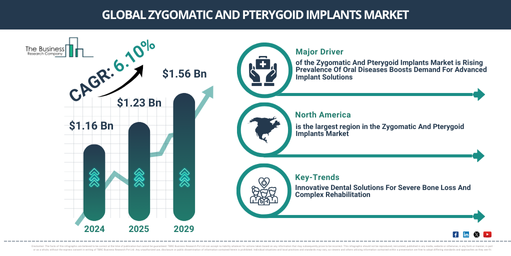
    In recent times, there has been substantial growth in the zygomatic and pterygoid implants market size. It is projected that this market will expand from $1.16 billion in 2024 to $1.23 billion in 2025, with a compound annual growth rate (CAGR) of 6.2%. The upswing in the past years is attributed to better patient results, a surge in the requirement for intricate dental solutions, an increasing elderly population, heightened oral health consciousness, and the acceptance of innovative dental procedures.

    In the coming years, the market size for zygomatic and pterygoid implants is anticipated to witness robust growth, reaching$1.56 billion by 2029 with a 6.1% compound annual growth rate (CAGR). This growth during the forecast period can be credited to factors such as the broader reach of dental healthcare facilities, an uptick in dental tourism, a rise in disposable income, enhanced diagnostic skills, and increased patient awareness. The forecast period will see major trends such as progress in implant technology, the progression of less invasive methods, technological advancements, amalgamation of 3D printing technology, and break-through technological enhancements.

    Download a free sample to assess the report’s scope and structure:

    https://www.thebusinessresearchcompany.com/sample.aspx?id=21010&type=smp

    Which Factors and External Forces Are Driving Demand in the Zygomatic And Pterygoid Implants Market?

    The escalating occurrence of oral ailments is anticipated to fuel the growth of the zygomatic and pterygoid implants market in the foreseeable future. Oral diseases encompass a gamut of disorders impacting the mouth, teeth, gums and adjacent tissues – such disorders comprise caries or cavities, gum ailments, oral infections and oral cancer, with a majority triggered by poor sanitation, eating habits and pre-existing health problems. These diseases are escalating due to poor dental cleanliness, unhealthy diets rich in sugar, limited access to dental treatment, and rising consumption of tobacco and liquor. Zygomatic and pterygoid implants contribute to the treatment of oral diseases by offering dependable reinforcement for dental prosthesis in patients experiencing severe bone loss, enhancing general dental health and reviving functionality where usual implants are not possible. For example, in November 2024, the World Health Organization, an intergovernmental body headquartered in Switzerland, estimated in 2022 that it was projected that globally, 3.5 billion people were afflicted with oral diseases, with 75% residing in middle-income nations. About 2 billion people have dental caries in their permanent teeth and 514 million children are impacted by caries in their primary teeth. Consequently, the escalating occurrence of oral diseases is stimulating growth in the zygomatic and pterygoid implants market.

    Which Segments in the Zygomatic And Pterygoid Implants Offer the Most Growth?

    The zygomatic and pterygoid implantsmarket covered in this report is segmented –

    1) By Type: Zygomatic Implants; Pterygoid Implants; Combined Implants

    2) By Product Length: Up To 30 Mm; 30–50 Mm; Above 50 Mm

    3) By Application: Maxillary Sinuses; Severe Atrophy Of Maxillary Bone; Other Applications

    4) By End User: Dental Clinics; Hospital Dental Departments; Research Institutions

    Subsegments:

    1) By Zygomatic Implants: Single Zygomatic Implants; Multiple Zygomatic Implants

    2) By Pterygoid Implants: Single Pterygoid Implants; Multiple Pterygoid Implants

    3) By Combined Implants: Zygomatic And Pterygoid Combined Implants; Hybrid Zygomatic And Pterygoid Implant Systems

    Request customized data on this market:

    https://www.thebusinessresearchcompany.com/customise?id=21010&type=smp

    What Are the Fastest-Growing Geographies in the #Which Factors and External Forces Are Driving Demand in the Zygomatic And Pterygoid Implants Market?# Market?

    North America was the largest region in the zygomatic and pterygoid implants market in 2024. Asia-Pacific is expected to be the fastest-growing region in the forecast period. The regions covered in the zygomatic and pterygoid implants market report are Asia-Pacific, Western Europe, Eastern Europe, North America, South America, Middle East, Africa.

    Which Cutting-Edge Market Trends Are Expected to Drive theZygomatic And Pterygoid Implants Market’s Growth?

    Leading firms in the zygomatic and pterygoid implants sector are prioritizing the development of innovative options, such as metal-free implants, to provide for patients who are allergic to metal, improve biocompatibility and enhance the results of long-term treatment. These metal-free implants are completely made of non-metallic substances like ceramics or polymers and are designed to reduce allergies related to metal, corrosion, or interactions with medical imaging technologies such as MRI. For example, in December 2024, Pure Dental Health, a top-tier dental healthcare provider in the US, introduced its sophisticated All-on-X dental implant system. This system features zygomatic and pterygoid implants to tackle severe bone loss and complex dental issues. This novel method offers patients secure aesthetic smiles, reinstates functionality and self-esteem, irrespective of the intricacy of their dental requirements.

    View the full report here:

    https://www.thebusinessresearchcompany.com/report/zygomatic-and-pterygoid-implants-global-market-report

    What Are the Key Elements That Define the Zygomatic And Pterygoid Implants Market?

    Zygomatic and pterygoid implants refer to specialized dental implants that are anchored in the zygomatic bone (cheekbone) and pterygoid bone (near the back of the upper jaw), respectively. They are used for patients with severe bone loss in the upper jaw, providing stable support for dental prostheses when traditional implants are not feasible.

    Purchase the full report and get a swift delivery:

    https://www.thebusinessresearchcompany.com/purchaseoptions.aspx?id=21010

    About The Business Research Company:

    With over 15000+ reports from 27 industries covering 60+ geographies, The Business Research Company has built a reputation for offering comprehensive, data-rich research and insights. Armed with 1,500,000 datasets, the optimistic contribution of in-depth secondary research, and unique insights from industry leaders, you can get the information you need to stay ahead in the game.

    Get in touch with us:

    The Business Research Company: https://www.thebusinessresearchcompany.com/

    Americas +1 310-496-7795

    Europe +44 7882 955267

    Asia & Others +44 7882 955267 & +91 8897263534

    Email us at info@tbrc.info

    Follow us on:

    LinkedIn: https://in.linkedin.com/company/the-business-research-company

    YouTube: https://www.youtube.com/channel/UC24_fI0rV8cR5DxlCpgmyFQ

    Global Market Model: https://www.thebusinessresearchcompany.com/global-market-model

  • $4.33 Billion Forecast for Recurrent Head And Neck Cancer Squamous Cell Carcinoma Market by 2029, Backed by Demand and Innovation

    $4.33 Billion Forecast for Recurrent Head And Neck Cancer Squamous Cell Carcinoma Market by 2029, Backed by Demand and Innovation

    Claim your 30% discount on Global Market Reports with code ONLINE30. Limited time only.

    What Are the Key Projections for the CAGR of the Recurrent Head And Neck Cancer Squamous Cell Carcinoma Market Size From 2025 to 2034?

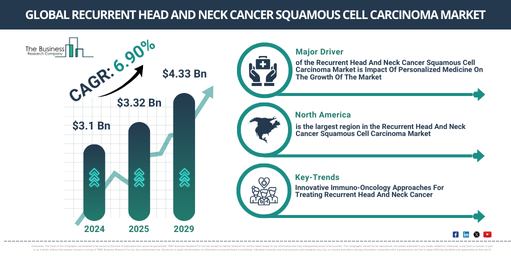
    Over the past few years, the market for recurrent head and neck cancer squamous cell carcinoma has been seeing strong growth. Predictions suggest an increase from $3.1 billion in 2024 to $3.32 billion in 2025, implying a compound annual growth rate (CAGR) of 6.9%. The previously observed growth can be linked to a worldwide increase in head and neck cancers, heightened awareness for early diagnosis and treatments, a rising geriatric population, more available combination therapies, and an increase in healthcare spending.

    The market size of the recurring head and neck squamous cell carcinoma cancer is predicted to experience significant expansion in the following years, specifically to approximately$4.33 billion in 2029″ with a compound annual growth rate (CAGR) of 6.9%. The escalation in the forecasted period can be attributable to the increasing need for biologics, the expansion of telemedicine usage, heightened emphasis on supportive care, rise in the prevalence of comorbidities, and escalating health insurance coverage. Notable trends projected for the period include enhancements in robotic-assisted surgical procedures, advances in radiation therapy technologies, developments in 3D printing technologies, creation of bispecific antibodies, and the incorporation of artificial intelligence in diagnostic imaging.

    Download a free sample to assess the report’s scope and structure:

    https://www.thebusinessresearchcompany.com/sample.aspx?id=21269&type=smp

    What Are the Core Growth Drivers Propelling the Recurrent Head And Neck Cancer Squamous Cell Carcinoma Market Forward?

    The expansion of the recurrent head and neck cancer squamous cell carcinoma market is anticipated to be propelled by the development of personalized medicine. This treatment technique is individualized, factoring in each patient’s genetic blueprint, environment and lifestyle when making healthcare decisions. The popularity of personalized medicine is growing due to enhancements in genomic research, improved diagnostic tools, an increasing appetite for specialized treatments, and expanded investment in precision healthcare. This enables more effective customized treatments. The application of genetic profiling and targeted treatments within the framework of personalized medicine can notably assist the recurrent head and neck cancer squamous cell carcinoma market. This is due to the capacity to determine more effective treatments plans tailored to the unique molecular traits of each individual’s tumor. For example, the Personalized Medicine Coalition, a US organization that advocates for the use of personalized medicine, reported in February 2024 that the U.S. Food and Drug Administration approved 16 novel customized treatments targeted at rare diseases, a notable increase from the six approved in 2022. Consequently, the rise of personalized medicine is a significant factor contributing to the growth of the recurrent head and neck cancer squamous cell carcinoma market.

    What Segment Types Define the Recurrent Head And Neck Cancer Squamous Cell Carcinoma Market Structure?

    The recurrent head and neck cancer squamous cell carcinomamarket covered in this report is segmented –

    1) By Treatment Type: Chemotherapy; Immunotherapy; Targeted Drug Therapy; Other Treatment Types

    2) By Route Of Administration: Oral; Parenteral; Other Route Of Administrations

    3) By End User: Hospitals; Clinics; Diagnostic Centers; Research Laboratories; Other End-Users

    Subsegments:

    1) By Chemotherapy: Cisplatin; Carboplatin; 5-Fluorouracil (5-FU); Paclitaxel; Docetaxel

    2) By Immunotherapy: Pembrolizumab; Nivolumab; Ipilimumab; Atezolizumab; Durvalumab

    3) By Targeted Drug Therapy: Cetuximab; Afatinib; Erlotinib; Panitumumab; Lapatinib

    4) By Other Treatment Types: Radiation Therapy; Surgery; Combination Therapies; Palliative Care

    Request customized data on this market:

    https://www.thebusinessresearchcompany.com/customise?id=21269&type=smp

    Which Geographic Areas Hold the Strongest Growth Potential in the Recurrent Head And Neck Cancer Squamous Cell Carcinoma Market?

    North America was the largest region in the recurrent head and neck cancer squamous cell carcinoma market in 2024. The regions covered in the recurrent head and neck cancer squamous cell carcinoma market report are Asia-Pacific, Western Europe, Eastern Europe, North America, South America, Middle East, Africa.

    Which Emerging Trends that Are Influencing theRecurrent Head And Neck Cancer Squamous Cell Carcinoma Industry Evolution?

    Leading corporations in the recurrent head and neck cancer squamous cell carcinoma market are driving their focus towards the invention of innovative technologies such as immuno-oncology drugs. The end goal here is to escalate the effectiveness of treatments, promote better results for patients, and address the unfulfilled medical requirements linked with this intense type of cancer. Immuno-oncology drugs are a category of cancer treatments that trigger the body’s immune system to recognize and combat cancer cells. These drugs function by amplifying or reinforcing the immune response, either by intensifying the performance of immune cells or by inhibiting immune checkpoints that stop immune cells from combating tumors. For instance, in August 2024, Aveta Biomics Inc., a pharmaceutical firm based out of the U.S., acquired the fast track classification by the US Food and Drug Administration (FDA) for APG-157, a research-based immune-oncology element extracted from turmeric for the treatment of head and neck cancer. Its dual mechanism concentrates on selectively targeting cancer cells while modifying the immune environment, thereby potentially providing a less aggressive substitute to surgery and extensive therapies.

    View the full report here:

    https://www.thebusinessresearchcompany.com/report/recurrent-head-and-neck-cancer-squamous-cell-carcinoma-global-market-report

    What Is the Definition of the Recurrent Head And Neck Cancer Squamous Cell Carcinoma Market?

    Recurrent head and neck cancer squamous cell carcinoma refers to the return of squamous cell carcinoma in the head and neck region after initial treatment, arising from the mucosal epithelium. The prognosis is generally poor, with median survival rates ranging from 6 to 15 months, necessitating innovative treatment strategies and multimodal management approaches.

    Purchase the full report and get a swift delivery:

    https://www.thebusinessresearchcompany.com/purchaseoptions.aspx?id=21269

    About The Business Research Company:

    With over 15000+ reports from 27 industries covering 60+ geographies, The Business Research Company has built a reputation for offering comprehensive, data-rich research and insights. Armed with 1,500,000 datasets, the optimistic contribution of in-depth secondary research, and unique insights from industry leaders, you can get the information you need to stay ahead in the game.

    Get in touch with us:

    The Business Research Company: https://www.thebusinessresearchcompany.com/

    Americas +1 310-496-7795

    Europe +44 7882 955267

    Asia & Others +44 7882 955267 & +91 8897263534

    Email us at info@tbrc.info

    Follow us on:

    LinkedIn: https://in.linkedin.com/company/the-business-research-company

    YouTube: https://www.youtube.com/channel/UC24_fI0rV8cR5DxlCpgmyFQ

    Global Market Model: https://www.thebusinessresearchcompany.com/global-market-model

  • Balloon Catheters Market Overview 2025: Competitive Shifts, Forecast Models, and Emerging Opportunities

    Balloon Catheters Market Overview 2025: Competitive Shifts, Forecast Models, and Emerging Opportunities

    Claim your 30% discount on Global Market Reports with code ONLINE30. Limited time only.

    What Is the Estimated Market Size of the Balloon Catheters Market In 2029?

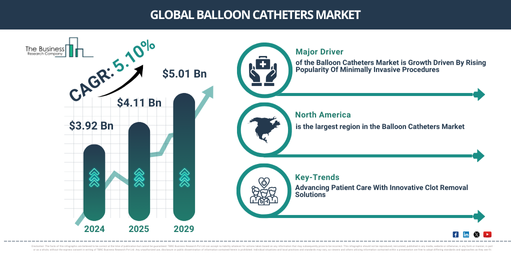
    In recent times, there has been a stable expansion in the size of the balloon catheters market. It is forecasted to increase from $3.92 billion in 2024 to $4.11 billion in 2025, exhibiting a compound annual growth rate (CAGR) of 4.8%. The growth during the historical period is due to factors such as an amplified emphasis on managing chronic illnesses, a rise in cases of cardiovascular diseases, a growing emphasis on patient-specific treatment, an inclining geriatric population, and a heightened demand for improved catheter performance.

    The size of the balloon catheters market is anticipated to witness robust expansion in the coming years, with a predicted growth to$5.01 billion in 2029 at a Compound Annual Growth Rate (CAGR) of 5.1%. This growth during the forecast period can be credited to factors such as enhanced healthcare expenditure, the growth of endovascular procedures, a surge in research and development activities, the rising usage of balloon catheters in non-cardiac applications, and the broadening of healthcare availability in emerging markets. Key trends during the forecast period are likely to include the deployment of balloon-assisted stents, advancement in inflation mechanisms, advanced imaging customization, and integration with wearable and remote monitoring tools.

    Download a free sample to assess the report’s scope and structure:

    https://www.thebusinessresearchcompany.com/sample.aspx?id=20717&type=smp

    What Are the Core Growth Drivers Propelling the Balloon Catheters Market Forward?

    The anticipated growth of the balloon catheters market is tied in with the increasing adoption of minimally invasive surgeries. Such procedures, known as minimally invasive surgeries (MIS), are less invasive in comparison to traditional surgeries, thereby reducing the requirement of substantial incisions. This growing inclination towards MIS is primarily due to their advantages, such as decreased recovery period, diminished chances of complications, minimal pain, and ongoing advances in technology and outpatient procedures. Balloon catheters significantly contribute to bolstering the advantages of MIS by enhancing the accuracy, safety, and convenience of the processes, concurrently decreasing the recovery period and the duration of hospital stays. To exemplify, Intuitive Surgical Inc., a company in the US producing robotic products, revealed in January 2024 that they installed 415 units of da Vinci surgical systems (robotic surgical systems utilizing a minimally invasive surgical method) in the final quarter of 2023, marking a rise of 12% in comparison to 2022. Subsequently, this rising proclivity towards minimally invasive surgeries acts as a growth catalyst in the balloon catheters market.

    What Segment Types Define the Balloon Catheters Market Structure?

    The balloon cathetersmarket covered in this report is segmented –

    1) By Type: Percutaneous Transluminal Coronary Angioplasty (PTCA) Balloon Catheters; Chronic Total Occlusion (CTO) Balloon Catheters; Microcatheters

    2) By Product Type: Normal Balloon Catheter; Drug Eluting Balloon Catheter; Cutting Balloon Catheter; Stent Graft Balloon Catheter; Scoring Balloon Catheter

    3) By Distribution Channel: Direct Tender; Third Party Distribution; Other Distribution Channels

    4) By Application: Coronary Artery Disease; Peripheral Artery Disease; Other Applications

    5) By End User: Hospitals; Specialty Centers; Ambulatory Surgery Centers; Other End Users

    Subsegments:

    1) By Percutaneous Transluminal Coronary Angioplasty (PTCA) Balloon Catheters: Semi-Compliant Balloon Catheters; Non-Compliant Balloon Catheters

    2) By Chronic Total Occlusion (CTO) Balloon Catheters: High-Pressure CTO Balloon Catheters; Low-Profile CTO Balloon Catheters

    3) By Microcatheters: Diagnostic Microcatheters; Therapeutic Microcatheters

    Request customized data on this market:

    https://www.thebusinessresearchcompany.com/customise?id=20717&type=smp

    Which Geographic Areas Hold the Strongest Growth Potential in the Balloon Catheters Market?

    North America was the largest region in the balloon catheters market in 2024. Asia-Pacific is expected to be the fastest-growing region in the forecast period. The regions covered in the balloon catheters market report are Asia-Pacific, Western Europe, Eastern Europe, North America, South America, Middle East, Africa.

    Which Emerging Trends that Are Influencing theBalloon Catheters Industry Evolution?

    Key players in the balloon catheters market, such as CERENOVUS, are innovating in the area of Mechanical Thrombectomy (MT) solution development to enhance the effectivity of blood clot removal. Consistent control over blood flow in the course of these surgical interventions is needed to perform this minimally invasive procedure designed to remove blood clots, commonly in instances of ischemic stroke. For example, CERENOVUS, a neurovascular department under Johnson & Johnson Medical Devices Companies, introduced the EMBOGUARD Balloon Guide Catheter to the European market in September 2024. This equipment is engineered for endovascular operations, which include the treatment of acute ischemic stroke. With its capacity to locally manage blood flow during Mechanical Thrombectomy, the EMBOGUARD catheter enhances the effectiveness of clot elimination. It has proven to increase first-pass recanalization rates, reduce procedure durations, and decrease the chance of clot particle formation that potentially initiates distal emboli and subsequent ischemic events. The EMBOGUARD Balloon Guide Catheter is a component of the CERENOVUS Stroke Solutions range, a compilation of technologies engineered to support medical professionals during MT procedures.

    View the full report here:

    https://www.thebusinessresearchcompany.com/report/balloon-catheters-global-market-report

    What Is the Definition of the Balloon Catheters Market?

    Balloon catheters refer to medical devices used in various medical procedures, particularly in minimally invasive surgeries. These catheters have a small, flexible tube with an inflatable balloon at the tip. They are typically used to treat narrowed or blocked blood vessels, such as in angioplasty procedures, where the balloon is inflated to dilate or open up constricted areas within blood vessels.

    Purchase the full report and get a swift delivery:

    https://www.thebusinessresearchcompany.com/purchaseoptions.aspx?id=20717

    About The Business Research Company:

    With over 15000+ reports from 27 industries covering 60+ geographies, The Business Research Company has built a reputation for offering comprehensive, data-rich research and insights. Armed with 1,500,000 datasets, the optimistic contribution of in-depth secondary research, and unique insights from industry leaders, you can get the information you need to stay ahead in the game.

    Get in touch with us:

    The Business Research Company: https://www.thebusinessresearchcompany.com/

    Americas +1 310-496-7795

    Europe +44 7882 955267

    Asia & Others +44 7882 955267 & +91 8897263534

    Email us at info@tbrc.info

    Follow us on:

    LinkedIn: https://in.linkedin.com/company/the-business-research-company

    YouTube: https://www.youtube.com/channel/UC24_fI0rV8cR5DxlCpgmyFQ

    Global Market Model: https://www.thebusinessresearchcompany.com/global-market-model

  • Next-Gen Veterinary Diagnostic Imaging : Market Forecast, Transformation, and Long-Term Trajectories

    Next-Gen Veterinary Diagnostic Imaging : Market Forecast, Transformation, and Long-Term Trajectories

    Claim your 30% discount on Global Market Reports with code ONLINE30. Limited time only.

    What is the Anticipated CAGR of the Veterinary Diagnostic Imaging Market, and What Factors Will Drive It?

    The market for veterinary diagnostic imaging has seen significant expansion in the past few years. Projected growth shows the market increasing from $2.2 billion in 2024 to $2.37 billion in 2025, with a compound annual growth rate (CAGR) of 7.7%. The historic expansion can be traced back to factors such as a boost in pet ownership, enhanced consciousness about animal healthcare, the burgeoning demand for pet insurance, an increased emphasis on preventive healthcare, and a rise in the number of veterinary practices.

    Expectations are set for robust expansion in the veterinary diagnostic imaging market over the next few years. It is predicted to reach a value of$3.16 billion by 2029 with a compound annual growth rate (CAGR) of 7.5%. The projected growth during the forecast period is chiefly due to factors such as a growing animal populace, public’s escalating consciousness regarding animal welfare, wider acceptance of telemedicine in veterinary care, an upswing in livestock production, and a surging requirement for superior diagnostic precision. Noteworthy trends anticipated during this forecast period encompass enhancements in diagnostic technologies, swift innovative progress in imaging apparatus, evolution of artificial intelligence AI in the sphere of veterinary diagnostics, incorporation of machine learning into diagnostic instruments, and improvements in magnetic resonance imaging (MRI) systems.

    Download a free sample to assess the report’s scope and structure:

    https://www.thebusinessresearchcompany.com/sample.aspx?id=20999&type=smp

    Which Major Market Drivers Are Expected to Boost the Growth Potential of the Veterinary Diagnostic Imaging Market?

    The veterinary diagnostic imaging market is anticipated to flourish due to the escalating numbers of animal populations. This rise can be attributed to factors such as burgeoning pet ownership, enhanced animal healthcare, and an increasing demand for livestock, all of which contribute to improved food security, robust agriculture, and strengthening the ties between humans and animals. Veterinary diagnostic imaging technologies are crucial for the wellbeing of these animal populations, providing accurate diagnosis, facilitating improved treatment outcomes, and tracking health conditions, thereby elevating the standards of animal care and wellness. As an illustration, data released by the American Veterinary Medical Association, a non-profit entity based in the US, reveal that the country’s dog population escalated from 53.4 million in 2023 to 59.8 million in 2024. Consequently, the swelling animal populations are fueling the growth of the veterinary diagnostic imaging market.

    Which Key Market Segments Comprise the Veterinary Diagnostic Imaging Market and Drive Its Revenue Growth?

    The veterinary diagnostic imagingmarket covered in this report is segmented –

    1) By Product: Instrument, Reagent, Services, Veterinary PACS

    2) By Animal Type: Small Animals, Large Animals

    3) By Equipment: Radiography (X-ray) Systems, Ultrasound Imaging Systems, Computed Tomography Imaging Systems, Magnetic Resonance Imaging Systems, Video Endoscopy Imaging Systems, Other Equipments

    4) By Application: Orthopaedics And Traumatology, Oncology, Cardiology

    5) By End-User: Veterinary Hospitals, Academic And Research Institutes, Other End User

    Subsegments:

    1) By Instrument: X-ray Imaging Systems; Ultrasound Imaging Systems; MRI Systems; CT Scanners; Endoscopy Equipment

    2) By Reagent: Contrast Agents (Ultrasound, MRI, CT); Blood Test Reagents; Biochemical Reagents

    3) By Services: Diagnostic Imaging Services; Image Interpretation Services; Veterinary Imaging Consulting Services

    4) By Veterinary PACS (Picture Archiving And Communication System): On-Premise PACS; Cloud-Based PACS

    Request customized data on this market:

    https://www.thebusinessresearchcompany.com/customise?id=20999&type=smp

    Which Areas Are Leading Regions in the Veterinary Diagnostic Imaging Market Expansion Across the Globe?

    North America was the largest region in the veterinary diagnostic imaging market in 2024. Asia-Pacific is expected to be the fastest-growing region in the forecast period. The regions covered in the veterinary diagnostic imaging market report are Asia-Pacific, Western Europe, Eastern Europe, North America, South America, Middle East, Africa.

    What Are the Key Market Trends in theVeterinary Diagnostic Imaging Market Over the Coming Years?

    Major firms in the veterinary diagnostic imaging market are concentrating on developing innovative products like AI-driven veterinary X-ray interpretation to amplify diagnostic precision, decrease processing times, and bolster general patient care in veterinary clinics. AI-enhanced Veterinary X-ray Interpretation utilizes artificial intelligence and machine learning technologies to support veterinarians in evaluating radiographic images (X-rays) of animals. The technology amplifies diagnostic precision, accelerates decision-making, and lightens the load on veterinary professionals by automating the identification of abnormalities and delivering comprehensive analyses. For example, in January 2024, a US company called SignalPET LLC, which provides AI-based solutions for managing veterinary practice, introduced SignalSTAT, an AI-driven veterinary X-ray interpretation tool that provides swift and precise evaluations with expert supervision, promising a 45-minute turnaround time, 24/7. It fuses the latest AI technology with expert knowledge, enabling quick and accurate interpretation of veterinary X-rays. This collaboration ensures critical cases are efficiently evaluated, significantly reducing diagnostic time. As veterinarians worldwide use the technology, the machine-learning algorithms upon which it is built continually improve.

    View the full report here:

    https://www.thebusinessresearchcompany.com/report/veterinary-diagnostic-imaging-global-market-report

    How Is the Veterinary Diagnostic Imaging Market Conceptually Defined?

    Veterinary diagnostic imaging refers to the use of advanced imaging technologies to visualize the internal structures of animals for diagnostic and therapeutic purposes. This field plays a crucial role in veterinary medicine, enabling veterinarians to identify, monitor, and treat various conditions in pets, livestock, and wildlife.

    Purchase the full report and get a swift delivery:

    https://www.thebusinessresearchcompany.com/purchaseoptions.aspx?id=20999

    About The Business Research Company:

    With over 15000+ reports from 27 industries covering 60+ geographies, The Business Research Company has built a reputation for offering comprehensive, data-rich research and insights. Armed with 1,500,000 datasets, the optimistic contribution of in-depth secondary research, and unique insights from industry leaders, you can get the information you need to stay ahead in the game.

    Get in touch with us:

    The Business Research Company: https://www.thebusinessresearchcompany.com/

    Americas +1 310-496-7795

    Europe +44 7882 955267

    Asia & Others +44 7882 955267 & +91 8897263534

    Email us at info@tbrc.info

    Follow us on:

    LinkedIn: https://in.linkedin.com/company/the-business-research-company

    YouTube: https://www.youtube.com/channel/UC24_fI0rV8cR5DxlCpgmyFQ

    Global Market Model: https://www.thebusinessresearchcompany.com/global-market-model