Month: August 2025

  • Ischemia Reperfusion Injury Market Forecast 2025–2034: Trends Reshaping Demand, Investment, and Innovation

    Ischemia Reperfusion Injury Market Forecast 2025–2034: Trends Reshaping Demand, Investment, and Innovation

    Claim your 30% discount on Global Market Reports with code ONLINE30. Limited time only.

    How Has The Leber Congenital Amaurosis Market Size Shifted, And What Is the Outlook Through 2034?

    The market size of leber congenital amaurosis has been gradually increasing over the past few years. It is predicted to expand from a size of $1.01 billion in 2024 to $1.06 billion in 2025, displaying a compound annual growth rate (CAGR) of 4.9%. The growth witnessed in the past can be credited to the heightened consciousness about rare ocular disorders, amplified government financial aid, advancements in diagnostic methods, growth of eye research establishments, and patient advocacy efforts.

    Anticipations are high for robust expansion in the Leber congenital amaurosis market size over the ensuing years. The market is set to escalate to$1.31 billion by 2029, growing at a compound annual growth rate (CAGR) of 5.5%. The prospective growth can be credited to factors such as the surge in gene therapy investments, the rising occurrence of inherited retinal diseases, green lights from regulators for novel treatments, advanced clinical trials, and increased healthcare spending. Noteworthy trends during the forecast period comprise the emergence of CRISPR-based treatments, the heightened collaboration among biotechnology companies, the growth of personalized medicine, the broadening of teleophthalmology, and the advancement in retinal imaging technology.

    Download a free sample to assess the report’s scope and structure:

    https://www.thebusinessresearchcompany.com/sample.aspx?id=22033&type=smp

    What Are the Primary Drivers Supporting the Market Growth of the Leber Congenital Amaurosis Market?

    The surge in incidences of inherited retinal diseases is believed to boost the leber congenital amaurosis (LCA) market. These diseases are genetic conditions that affect the retina – the light-sensitive tissue at the rear of the eye which is crucial for vision. The rise in these diseases is due to the enhancement in genetic testing, increased awareness and diagnosis, as well as extended life expectancy. Due to the progress in genetic testing, diagnosing inherited retinal diseases has become easier, leading to the discovery of more such cases. Leber congenital amaurosis plays a key role in deepening the understanding of these diseases by unveiling the genetic mutations and disease mechanisms, which helps in creating focussed therapies and treatments. As an example, the UK Parliament’s House of Commons Library, a government establishment in the UK, reported in January 2025 that approximately 25,000 people in the UK had inherited retinal diseases in 2024, marking a yearly rise of 2%. Hence, the rising incidents of inherited retinal diseases are powering the growth in the leber congenital amaurosis market.

    Which Primary Segments of the Leber Congenital Amaurosis Market Are Driving Growth and Industry Transformations?

    The leber congenital amaurosismarket covered in this report is segmented –

    1) By Treatment Type: Gene Therapy; Pharmaceutical Drugs; Retinal Prosthesis; Assistive Devices; Other Treatments

    2) By Age Of Onset: Congenital Leber Congenital Amaurosis (LCA) (From Birth); Early Childhood Leber Congenital Amaurosis (LCA) (1-5 Years); Late-Onset Leber Congenital Amaurosis (LCA) (6 Years And Above)

    3) By Distribution Channel:; Direct Tender; Retail Sales

    4) By End User: Hospitals; Specialized Eye Clinics; Ophthalmology Research Centers; Home Care Settings; Other End Users

    Subsegments:

    1) By Gene Therapy: RPE65 Gene Replacement Therapy; CRISPR-Based Gene Editing; AAV (Adeno-Associated Virus) Vector Therapy; Emerging Experimental Gene Therapies

    2) By Pharmaceutical Drugs: Retinoid-Based Therapies; Neuroprotective Agents; Anti-Inflammatory Drugs; Antioxidant Therapies

    3) By Retinal Prosthesis: Implantable Retinal Chips; Artificial Retinal Stimulation Devices; Bionic Eye Technology

    4) By Assistive Devices: Low Vision Aids; Screen Readers and Braille Devices; Mobility Aids for Vision Impairment

    5) By Other Treatments: Stem Cell Therapy; Optogenetics-Based Treatments; Visual Rehabilitation Programs; Nutritional and Dietary Interventions

    Request customized data on this market:

    https://www.thebusinessresearchcompany.com/customise?id=22033&type=smp

    Which Regions Are Key Players in the Growth of the #What Are the Primary Drivers Supporting the Market Growth of the Leber Congenital Amaurosis Market?# Market?

    North America was the largest region in the leber congenital amaurosis market in 2024. Asia-Pacific is expected to be the fastest-growing region in the forecast period. The regions covered in the leber congenital amaurosis market report are Asia-Pacific, Western Europe, Eastern Europe, North America, South America, Middle East, Africa.

    What Are the Most Significant Market Trends in the Leber Congenital Amaurosis Market?

    Key leber congenital amaurosis market players are channeling their efforts towards creating groundbreaking solutions like RNA-based treatments. This approach improves vision restoration and management of the disease through the use of RNA molecules targeted at genetic processes. mRNA vaccines, siRNA therapies, antisense oligonucleotides, and RNA aptamers are among these treatments. For example, Laboratoires Théa S.A.S., a pharmaceutical firm based in France, unveiled Sepul Bio in January 2025. This specialized business division endeavors to propel RNA therapies forward for inherited retinal diseases, specifically focusing on sepofarsen for leber congenital amaurosis 10 (LCA10) and ultevursen for USH2A-linked retinitis pigmentosa. Following the successful administration of the first dosage to a patient in the LUNA Phase 2b clinical trial for ultevursen, Sepul Bio is set to make considerable progress in tackling these uncommon genetic disorders.

    View the full report here:

    https://www.thebusinessresearchcompany.com/report/leber-congenital-amaurosis-global-market-report

    What Parameters Are Used to Define the Leber Congenital Amaurosis Market?

    Leber congenital amaurosis (LCA) is a genetic eye disorder that causes severe vision loss or blindness from infancy due to mutations affecting the retina’s ability to detect light. It is characterized by poor visual response, involuntary eye movements (nystagmus), and extreme farsightedness resulting from disrupted photoreceptor function and progressive retinal degeneration.

    Purchase the full report and get a swift delivery:

    https://www.thebusinessresearchcompany.com/purchaseoptions.aspx?id=22033

    About The Business Research Company:

    With over 15000+ reports from 27 industries covering 60+ geographies, The Business Research Company has built a reputation for offering comprehensive, data-rich research and insights. Armed with 1,500,000 datasets, the optimistic contribution of in-depth secondary research, and unique insights from industry leaders, you can get the information you need to stay ahead in the game.

    Get in touch with us:

    The Business Research Company: https://www.thebusinessresearchcompany.com/

    Americas +1 310-496-7795

    Europe +44 7882 955267

    Asia & Others +44 7882 955267 & +91 8897263534

    Email us at info@tbrc.info

    Follow us on:

    LinkedIn: https://in.linkedin.com/company/the-business-research-company

    YouTube: https://www.youtube.com/channel/UC24_fI0rV8cR5DxlCpgmyFQ

    Global Market Model: https://www.thebusinessresearchcompany.com/global-market-model
  • Strategic Growth Drivers Shaping the Thiamine Market Outlook 2025- 2034:Impact Of Increasing Demand For Dietary Supplements On The Thiamine Market

    Strategic Growth Drivers Shaping the Thiamine Market Outlook 2025- 2034:Impact Of Increasing Demand For Dietary Supplements On The Thiamine Market

    Claim your 30% discount on Global Market Reports with code ONLINE30. Limited time only.

    How Fast Is The Thiamine Market Expected to Grow Between 2025 And 2029?

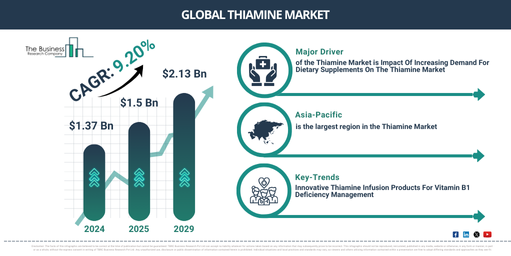
    In recent times, the thiamine market has seen significant growth. The market, which is valued at $1.37 billion in 2024, is projected to reach $1.5 billion in 2025, registering a compound annual growth rate (CAGR) of 9.4%. The growth observed in the historic period stems from the expansion of functional food industries, increased efforts toward fortification, heightened demand for natural and organic sources, and a rise in the need for fortified food.

    Expectations are high for robust expansion in the thiamine market size in the coming years. It is projected to expand to$2.13 billion by 2029, with a compound annual growth rate (CAGR) of 9.2%. The anticipated growth in the forecast period is linked to the rising health awareness, an aging demographic, an increase in chronic diseases, a consumer inclination towards natural and organic products, and a surge in lifestyle-associated illnesses. Key trends that will define the forecast period include advancements in technology, research and development efforts, the incorporation of telemedicine and digital health platforms, exploration of therapeutic applications, and tailored nutrition strategies.

    Download a free sample to assess the report’s scope and structure:

    https://www.thebusinessresearchcompany.com/sample.aspx?id=16552&type=smp

    Which Factors and External Forces Are Driving Demand in the Thiamine Market?

    The escalating need for dietary supplements is anticipated to catalyze the expansion of the thiamine market in the future. Dietary supplements, which can be consumed in forms such as pills, capsules, tablets, powders, or liquids, are designed to enhance a person’s dietary regimen. This escalating demand stems from heightened health consciousness, a shift towards preventive healthcare, and a mounting focus on fortifying the immune system. Thiamine is incorporated in these supplements to ensure an ample supply of this indispensable vitamin, which plays a critical role in various bodily processes like energy generation, nervous system maintenance, cardiovascular function, digestion, managing stress, and maintaining metabolic balance. For instance, data from Nutrition Integrated, a UK-based business-to-business service reveals that since January 2022, the availability of clear protein powder products in Europe soared by 159%, while the acquisition of clear protein powders in the UK witnessed a 216% surge in 2023 compared to 2022. Hence, the burgeoning demand for dietary supplements is fuelling the growth of the thiamine market.

    Which Segments in the Thiamine Offer the Most Growth?

    The thiaminemarket covered in this report is segmented –

    1) By Product Type: Thiamine Mononitrate; Thiamine Hydrochloride; Thiamine Pyrophosphate

    2) By Form: Tablets And Capsules; Liquid; Powder

    3) By Application: Food And Beverages; Pharmaceuticals; Animal Feed; Dietary Supplements; Other Applications

    Subsegments:

    1) By Thiamine Mononitrate: Powder; Granules; Tablets

    2) By Thiamine Hydrochloride: Powder; Injectable Form; Tablets

    3) By Thiamine Pyrophosphate: Powder; Injectable Form

    Request customized data on this market:

    https://www.thebusinessresearchcompany.com/customise?id=16552&type=smp

    What Are the Fastest-Growing Geographies in the #Which Factors and External Forces Are Driving Demand in the Thiamine Market?# Market?

    Asia-Pacific was the largest region in the thiamine market in 2024. The regions covered in the thiamine market report are Asia-Pacific, Western Europe, Eastern Europe, North America, South America, Middle East, Africa.

    Which Cutting-Edge Market Trends Are Expected to Drive theThiamine Market’s Growth?

    Major players in the thiamine market are concentrating their efforts on the introduction of innovative solutions like vitamin B1 deficiency infusions, with a view to maintain their market prominence. Vitamin B1 deficiency infusion denotes the process of administering thiamine (Vitamin B1) directly into the bloodstream via intravenous (IV) infusion. For instance, in June 2023, Lupin Limited, a pharmaceutical company based in India, launched a thiamine hydrochloride injection (USP) in multi-dose vials containing 200 mg/2 mL (100 mg/mL). This injectable form serves as an effective substitute for patients plagued with problems like gastrointestinal disorders or severe deficiencies that require immediate attention, thereby impacting oral absorption. It offers healthcare practitioners a credible method of managing and replenishing vitamin B1 levels, potentially minimizing the risks associated with long-term deficiency.

    View the full report here:

    https://www.thebusinessresearchcompany.com/report/thiamine-global-market-report

    What Are the Key Elements That Define the Thiamine Market?

    Thiamine, or Vitamin B1, is a vital water-soluble nutrient within the B-complex group, essential for carbohydrate metabolism and nerve function. It is crucial for maintaining overall health and proper physiological functions, particularly those related to energy metabolism and neurological health.

    Purchase the full report and get a swift delivery:

    https://www.thebusinessresearchcompany.com/purchaseoptions.aspx?id=16552

    About The Business Research Company:

    With over 15000+ reports from 27 industries covering 60+ geographies, The Business Research Company has built a reputation for offering comprehensive, data-rich research and insights. Armed with 1,500,000 datasets, the optimistic contribution of in-depth secondary research, and unique insights from industry leaders, you can get the information you need to stay ahead in the game.

    Get in touch with us:

    The Business Research Company: https://www.thebusinessresearchcompany.com/

    Americas +1 310-496-7795

    Europe +44 7882 955267

    Asia & Others +44 7882 955267 & +91 8897263534

    Email us at info@tbrc.info

    Follow us on:

    LinkedIn: https://in.linkedin.com/company/the-business-research-company

    YouTube: https://www.youtube.com/channel/UC24_fI0rV8cR5DxlCpgmyFQ

    Global Market Model: https://www.thebusinessresearchcompany.com/global-market-model
  • Ischemia Reperfusion Injury Market 2025-2034: Key Highlights, Growth Dynamics, and Emerging Trends

    Ischemia Reperfusion Injury Market 2025-2034: Key Highlights, Growth Dynamics, and Emerging Trends

    Claim your 30% discount on Global Market Reports with code ONLINE30. Limited time only.

    How Has the Ischemia Reperfusion Injury Market Growth Performance Trended Historically, And What Lies Ahead?

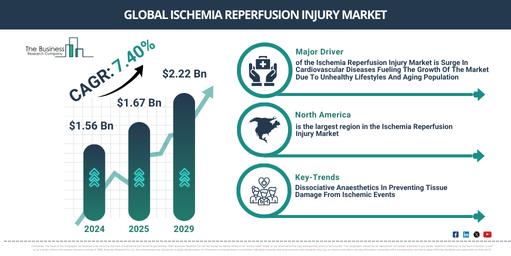
    There has been a marked strengthening of the ischemia reperfusion injury market size in the past few years. The market, projected to reach $1.56 billion in 2024, is expected to further expand to $1.67 billion by 2025, boasting a compound annual growth rate (CAGR) of 6.8%. Factors contributing to this growth throughout the historic period include a surge in cardiovascular disease cases, an uptick in surgical procedures, a heightened demand for organ transplantation, population aging, and a rise in the occurrence of stroke.

    The market for ischemia reperfusion injury is anticipated to experience robust growth in the coming years. By 2029, its worth is predicted to be around $2.22 billion, growing at a compound annual growth rate (CAGR) of 7.4%. This growth within the forecast period can be credited to factors such as heightened demand for diagnostics based on biomarkers, increased understanding of organ conservation methods, a rise in myocardial infarction incidents, increasing investment in pharmaceutical research and development, and an increasing need for stem cell therapies. Other drivers for growth in the forecast period are technological advancements in medical imaging, creation of new pharmacological agents, integration of AI and machine learning in treatment procedures, use of 3D printing for organ simulation, and a transition towards telemedicine.

    Download a free sample to assess the report’s scope and structure:

    https://www.thebusinessresearchcompany.com/sample.aspx?id=22025&type=smp

    How Are Key Drivers in the Industry Acting as Catalysts for the Growth of theIschemia Reperfusion Injury Market?

    The rise in cases of heart and blood vessel disorders, collectively known as cardiovascular diseases, is a significant factor propelling the ischemia-reperfusion injury market’s growth. The mounting cases of cardiovascular diseases can be attributed to unhealthy lifestyle choices and the growing elderly population. Unhealthy eating habits, which include excessive intake of saturated fats, sugar, and salt, coupled with the absence of physical activity, have led to an increase in obesity, hypertension, and diabetes rates; these conditions are all notable risk factors for cardiovascular diseases. Ischemia-reperfusion injury plays a role in advancing cardiovascular diseases by escalating tissue damage caused by oxidative stress, inflammation, and cell death. This leads to negative impacts on the cardiac function, thereby raising the chances of heart failure and other complications. For example, there was an increase in deaths due to coronary heart disease (CHD) from 14,100 in 2021 to 14,900 in 2022, as reported by the Australian Institute of Health and Welfare in December 2023. Hence, the increasing occurrence of cardiovascular diseases fuels the growth of the ischemia-reperfusion injury market.

    Which Segments in the Ischemia Reperfusion Injury Offer the Most Growth?

    The ischemia reperfusion injurymarket covered in this report is segmented –

    1) By Treatment Type: Pharmacological Therapy; Non-pharmacological Therapy

    2) By Application: Cardiovascular Diseases; Stroke; Organ Transplantation; Heart Attack; Diabetes

    3) By End Users: Hospitals; Clinics; Ambulatory Services; Nursing Home

    Subsegments:

    1) By Pharmacological Therapy: Antioxidants; Anti-inflammatory Agents; Calcium Channel Blockers; Free Radical Scavengers; Nitric Oxide Donors; Mitochondrial Protective Agents.

    2) By Non-Pharmacological Therapy: Ischemic Preconditioning (IPC); Ischemic Postconditioning (IPO); Remote Ischemic Conditioning (RIC); Hypothermia Therapy; Mechanical Interventions; Gene and Stem Cell Therapy.

    Request customized data on this market:

    https://www.thebusinessresearchcompany.com/customise?id=22025&type=smp

    What Are the Fastest-Growing Geographies in the #How Are Key Drivers in the Industry Acting as Catalysts for the Growth of theIschemia Reperfusion Injury Market?# Market?

    North America was the largest region in the ischemia reperfusion injury market in 2024. Asia-Pacific is expected to be the fastest-growing region in the forecast period. The regions covered in the ischemia reperfusion injury market report are Asia-Pacific, Western Europe, Eastern Europe, North America, South America, Middle East, Africa.

    What Are the Current Market Growth and Trends in the Ischemia Reperfusion Injury Industry?

    Leading enterprises involved in the ischemia-reperfusion damage market are directing their efforts towards creating advanced therapies, including ketamine-centric therapies, to mitigate tissue damage and inflammation caused by ischemia-reperfusion injury. Ketamine-centric therapies involve the use of ketamine, a type of dissociative anesthetic, for treating various health issues. These therapies are predominantly used for mental health-related conditions such as depression, anxiety, and post-traumatic stress disorder (PTSD), as well as for managing pain. For instance, in December 2022, PharmaTher Holdings Ltd., a pharmaceutical corporation based in Canada, was granted an orphan drug designation by the U.S. Food and Drug Administration (FDA) for the use of ketamine to help prevent ischemia-reperfusion injury during organ transplants. This medication counters ischemia-reperfusion-induced damage by inhibiting NF-?B, thereby preventing the generation of proinflammatory cytokines such as IL-6 and TNF-a. Moreover, it demonstrates anti-inflammatory properties by restraining leukocyte reactivity, subsequently reducing immune system inflicted damage to transplanted organs.

    View the full report here:

    https://www.thebusinessresearchcompany.com/report/ischemia-reperfusion-injury-global-market-report

    What Are the Key Elements That Define the Ischemia Reperfusion Injury Market?

    Ischemia-reperfusion injury is the tissue damage that occurs when blood supply returns to tissue after a period of ischemia (lack of oxygen). The restoration of circulation can result in inflammation and oxidative damage. This injury involves pathophysiological mechanisms with local and systemic effects.

    Purchase the full report and get a swift delivery:

    https://www.thebusinessresearchcompany.com/purchaseoptions.aspx?id=22025

    About The Business Research Company:

    With over 15000+ reports from 27 industries covering 60+ geographies, The Business Research Company has built a reputation for offering comprehensive, data-rich research and insights. Armed with 1,500,000 datasets, the optimistic contribution of in-depth secondary research, and unique insights from industry leaders, you can get the information you need to stay ahead in the game.

    Get in touch with us:

    The Business Research Company: https://www.thebusinessresearchcompany.com/

    Americas +1 310-496-7795

    Europe +44 7882 955267

    Asia & Others +44 7882 955267 & +91 8897263534

    Email us at info@tbrc.info

    Follow us on:

    LinkedIn: https://in.linkedin.com/company/the-business-research-company

    YouTube: https://www.youtube.com/channel/UC24_fI0rV8cR5DxlCpgmyFQ

    Global Market Model: https://www.thebusinessresearchcompany.com/global-market-model
  • Major Drivers Propelling the Growth oh theTherapeutic Plasma Exchange Market Forward: Hematological Disorder Prevalence Fueling The Therapeutic Plasma Exchange Market Growth

    Major Drivers Propelling the Growth oh theTherapeutic Plasma Exchange Market Forward: Hematological Disorder Prevalence Fueling The Therapeutic Plasma Exchange Market Growth

    Claim your 30% discount on Global Market Reports with code ONLINE30. Limited time only.

    What Are the Key Projections for the CAGR of the Therapeutic Plasma Exchange Market Size From 2025 to 2034?

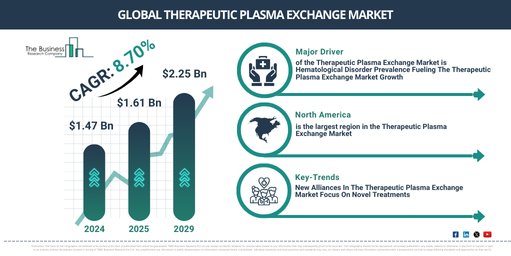
    There has been considerable expansion in the therapeutic plasma exchange market recently. It’s predicted to rise from $1.47 billion in 2024 to $1.61 billion in 2025, with a compound annual growth rate (CAGR) of 9.5%. The historical growth period’s increase can be credited to the appearance of immunological illnesses, advancements in technology, enhanced awareness and education, widened indications, and an improved comprehension of the pathophysiology.

    It is predicted that the market size of therapeutic plasma exchange will witness a robust expansion in the coming years. The market is set to reach$2.25 billion by 2029, growing at a compound annual growth rate (CAGR) of 8.7%. This growth during the forecasted period can be ascribed to factors like increasing elderly population, clinical proofs and guidelines, regulatory frameworks, enhancement in hospital infrastructure, investing in healthcare facilities, healthcare spending, and indemnification plans. Notable trends for the forecasted period encompass individualized treatments, automation incorporation, collective efforts, and integration of telemedicine.

    Download a free sample to assess the report’s scope and structure:

    https://www.thebusinessresearchcompany.com/sample.aspx?id=15683&type=smp

    Which Major Market Drivers Are Expected to Boost the Growth Potential of the Therapeutic Plasma Exchange Market?

    The therapeutic plasma exchange market is set to expand, propelled by the high incidence of blood disorders. Hematological disorders, otherwise known as blood diseases, encompass conditions that disrupt the blood and blood-forming tissues such as bone marrow, lymph nodes, and the spleen. An increase in these disorders is linked to several factors like genetic tendencies, environmental factors, and transformations in lifestyle. Therapeutic plasma exchange (TPE) is employed in the treatment of these disorders to purge pathogenic substances like autoantibodies in autoimmune hemolytic anemia or immune complexes in thrombotic thrombocytopenic purpura from the plasma, decreasing the intensity of the disease and enhancing patient health. The Leukemia and Lymphoma Society, a reputable American professional group, projected in August 2023, that the projected myeloma diagnoses will witness a rise of approximately 2.3% from 2021’s 34,920 to 35,730 by 2023. This high incidence of blood diseases is hence catalyzing the expansion of the therapeutic plasma exchange market.

    Which Key Market Segments Comprise the Therapeutic Plasma Exchange Market and Drive Its Revenue Growth?

    The therapeutic plasma exchangemarket covered in this report is segmented –

    1) By Type: Therapeutic Plasma Exchange (TPE); Double Filtered Plasmapheresis (DFPP)

    2) By Indication: Neurological Disorders; Hematological Disorders; Renal Disorders; Metabolic Disorders; Other Indications

    3) By Technology: Centrifugation; Membrane Separation

    4) By End User: Blood Collection Centers; Hospitals And Clinics; Transfusion Centers; Other End Users

    Subsegments:

    1) By Therapeutic Plasma Exchange (Tpe): Manual Tpe; Automated Tpe

    2) By Double Filtered Plasmapheresis (Dfpp): Single-Stage Dfpp; Multi-Stage Dfpp

    Request customized data on this market:

    https://www.thebusinessresearchcompany.com/customise?id=15683&type=smp

    Which Areas Are Leading Regions in the Therapeutic Plasma Exchange Market Expansion Across the Globe?

    North America was the largest region in the therapeutic plasma exchange market in 2024. Asia-Pacific is expected to be the fastest-growing region in the forecast period. The regions covered in the therapeutic plasma exchange market report are Asia-Pacific, Western Europe, Eastern Europe, North America, South America, Middle East, Africa.

    What Are the Key Market Trends in theTherapeutic Plasma Exchange Market Over the Coming Years?

    Prominent firms in the therapeutic plasma exchange market are opting for strategic collaborations to boost technological incorporation and broaden their market presence. A strategic alliance generally signifies a joint effort by two or more organizations, leveraging their collective resources, knowledge, and energies to reach shared goals. To illustrate, Terumo Blood and Cell Technologies, an American technology firm, formed an alliance with Eliaz Therapeutics Inc., a U.S. medical device entity specializing in therapeutic apheresis for inflammation and kidney-specific conditions in July 2022. Their joint endeavor aims at tackling acute kidney injury (AKI) and sepsis-induced AKI (S-AKI) by selectively eliminating the Gal-3 inflammatory protein from blood plasma. Given the high mortality associated with AKI, this partnership seeks to investigate new therapeutic approaches using Terumo’s Spectra Optia Apheresis System and ETI’s XGal-3 column. Preliminary studies will centre on large animals, followed by human clinical tests. Terumo, recognized for its innovative strides in therapeutic apheresis, has previously collaborated on projects addressing conditions like triple-negative breast cancer and COVID-19.

    View the full report here:

    https://www.thebusinessresearchcompany.com/report/therapeutic-plasma-exchange-global-market-report

    How Is the Therapeutic Plasma Exchange Market Conceptually Defined?

    Therapeutic plasma exchange (TPE) refers to a medical procedure used to treat certain autoimmune diseases and other conditions. During TPE, blood is removed from the body, plasma (the liquid portion of the blood) is separated from the blood cells, and then the blood cells are returned to the body, often after being mixed with a replacement fluid. This process helps remove harmful substances from the blood, such as autoantibodies or toxins, which can contribute to various diseases.

    Purchase the full report and get a swift delivery:

    https://www.thebusinessresearchcompany.com/purchaseoptions.aspx?id=15683

    About The Business Research Company:

    With over 15000+ reports from 27 industries covering 60+ geographies, The Business Research Company has built a reputation for offering comprehensive, data-rich research and insights. Armed with 1,500,000 datasets, the optimistic contribution of in-depth secondary research, and unique insights from industry leaders, you can get the information you need to stay ahead in the game.

    Get in touch with us:

    The Business Research Company: https://www.thebusinessresearchcompany.com/

    Americas +1 310-496-7795

    Europe +44 7882 955267

    Asia & Others +44 7882 955267 & +91 8897263534

    Email us at info@tbrc.info

    Follow us on:

    LinkedIn: https://in.linkedin.com/company/the-business-research-company

    YouTube: https://www.youtube.com/channel/UC24_fI0rV8cR5DxlCpgmyFQ

    Global Market Model: https://www.thebusinessresearchcompany.com/global-market-model
  • Emerging Growth Drivers in the Atrophic Glossitis Treatment Market Landscape: Rising Prevalence Of Nutritional Deficiencies Is Primarily Due To Poor Dietary Habits And Low Nutrient Intake

    Emerging Growth Drivers in the Atrophic Glossitis Treatment Market Landscape: Rising Prevalence Of Nutritional Deficiencies Is Primarily Due To Poor Dietary Habits And Low Nutrient Intake

    Claim your 30% discount on Global Market Reports with code ONLINE30. Limited time only.

    How Has The Atrophic Glossitis Treatment Market Growth Evolved From 2024 To 2025, And What’s Ahead?

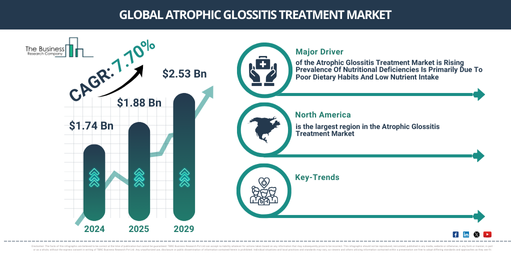
    The market for atrophic glossitis treatment has seen a significant surge in recent times. Projected to increase from $1.74 billion in 2024 to $1.88 billion in 2025, it presents a compound annual growth rate (CAGR) of 7.8%. Factors contributing to this historical growth include heightened oral health awareness, a rise in nutritional deficiencies, an expanding elderly population, the growing trend of online pharmacies, and increased incidence of vitamin deficiencies.

    The market for atrophic glossitis treatment is predicted to witness significant expansion in the forthcoming years, reaching a value of$2.53 billion by 2029, and attaining a compound annual growth rate (CAGR) of 7.7%. This projected growth in the coming period is primarily due to increasing healthcare expenses, the widespread acceptance of dietary supplements, advances in diagnostic methods for oral diseases, a growing elder population at a high risk of glossitis, and a surge in the demand for non-invasive treatment methods. Key trends anticipated in the forecast period include the innovation of topical solutions, the creation of customized nutritional supplements, advancements in the technology used for oral care treatments, the application of AI and machine learning in glossitis diagnosis, and the inclusion of atrophic glossitis therapies in overall oral care plans.

    Download a free sample to assess the report’s scope and structure:

    https://www.thebusinessresearchcompany.com/sample.aspx?id=24155&type=smp

    Which Primay Drivers Are Accelerating Growth in the Atrophic Glossitis Treatment Market?

    The increasing incidence of nutritional deficiencies is projected to stimulate the expansion of the atrophic glossitis treatment market in the future. Nutritional deficiencies are implicated in numerous health issues and are characterized by an inadequate presence of essential nourishing elements like vitamins, minerals, and proteins in one’s diet. The primary reason for this rise is low-quality dietary habits where individuals are consuming more low-nutrient, processed food, resulting in insufficient ingestion of vital minerals and vitamins required for complete health. Atrophic glossitis treatment assists in overcoming these nutritional deficiencies by replenishing crucial vitamins and minerals such as iron, folate, and vitamin B12, instrumental in reinstating tongue tissue health and averting further mucosal atrophy. For example, as per the World Health Organization, a Switzerland-based intergovernmental organization, in 2023, 30.7% of women aged 15–49 years and 35.5% of pregnant women within the same age group were diagnosed with anemia. Hence, the escalating incidence of nutritional deficiencies boosts the upward trajectory of the atrophic glossitis treatment market.

    Which Primary Segments of the Atrophic Glossitis Treatment Market Are Driving Growth and Industry Transformations?

    The atrophic glossitis treatmentmarket covered in this report is segmented –

    1) By Treatment Type: Medications; Topical Treatments; Nutritional Supplements; Oral Care Products

    2) By Symptoms: Inflammation; Discoloration; Itching; Burning Tongue

    3) By Distribution Channel: Direct Tender; Hospital Pharmacy; Retail Pharmacy; Online Pharmacy; Other Distribution Channels

    4) By End User: Hospitals; Ambulatory Surgical Centers; Home Care

    Subsegments:

    1) By Medications: Antibiotics; Antifungals; Antivirals; Corticosteroids; Immunosuppressants

    2) By Topical Treatments: Mouthwashes; Oral Gels; Ointments; Lozenges

    3) By Nutritional Supplements: Vitamin B12; Iron Supplements; Folic Acid; Zinc Supplements; Multivitamins

    4) By Oral Care Products: Toothpaste for Sensitive Mouths; Alcohol-Free Mouth Rinses; Soft-Bristled Toothbrushes; Oral Moisturizers

    Request customized data on this market:

    https://www.thebusinessresearchcompany.com/customise?id=24155&type=smp

    Which Regions Are Key Players in the Growth of the #Which Primay Drivers Are Accelerating Growth in the Atrophic Glossitis Treatment Market?# Market?

    North America was the largest region in the atrophic glossitis treatment market in 2024. Asia-Pacific is expected to be the fastest-growing region in the forecast period. The regions covered in the atrophic glossitis treatment market report are Asia-Pacific, Western Europe, Eastern Europe, North America, South America, Middle East, Africa.

    View the full report here:

    https://www.thebusinessresearchcompany.com/report/atrophic-glossitis-treatment-global-market-report

    What Parameters Are Used to Define the Atrophic Glossitis Treatment Market?

    Atrophic glossitis treatment refers to the medical management strategies aimed at addressing the inflammation and degeneration of the tongue’s papillae, which results in a smooth, glossy, and often painful tongue. Effective treatment involves identifying and correcting underlying causes, commonly including nutritional deficiencies (such as iron, vitamin B12, or folate), infections, autoimmune disorders, or systemic conditions such as celiac disease.

    Purchase the full report and get a swift delivery:

    https://www.thebusinessresearchcompany.com/purchaseoptions.aspx?id=24155

    About The Business Research Company:

    With over 15000+ reports from 27 industries covering 60+ geographies, The Business Research Company has built a reputation for offering comprehensive, data-rich research and insights. Armed with 1,500,000 datasets, the optimistic contribution of in-depth secondary research, and unique insights from industry leaders, you can get the information you need to stay ahead in the game.

    Get in touch with us:

    The Business Research Company: https://www.thebusinessresearchcompany.com/

    Americas +1 310-496-7795

    Europe +44 7882 955267

    Asia & Others +44 7882 955267 & +91 8897263534

    Email us at info@tbrc.info

    Follow us on:

    LinkedIn: https://in.linkedin.com/company/the-business-research-company

    YouTube: https://www.youtube.com/channel/UC24_fI0rV8cR5DxlCpgmyFQ

    Global Market Model: https://www.thebusinessresearchcompany.com/global-market-model
  • Intermittent Claudication Market Trends 2025-2034: Growth, Strategic Insights, and Opportunities Ahead

    Intermittent Claudication Market Trends 2025-2034: Growth, Strategic Insights, and Opportunities Ahead

    Claim your 30% discount on Global Market Reports with code ONLINE30. Limited time only.

    What Are the Projected Market Size and Growth Rates for the Intermittent Claudication Market From 2025 To 2029?

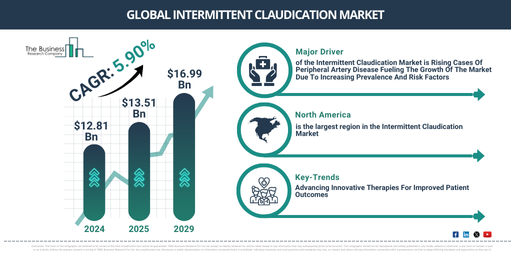
    Over the last few years, the size of the intermittent claudication market has been experiencing robust growth. Projections for the future indicate that the market will expand from $12.81 billion in 2024 to an estimated $13.51 billion in 2025, boasting a compound annual growth rate (CAGR) of 5.5%. The growth observed in the historic period is thought to have been fueled by factors such as the escalating prevalence of peripheral artery disease, amplified awareness about vascular illnesses, a rising geriatric population, increased diagnosis rates, and a higher expenditure in the healthcare sector.

    The market size for intermittent claudication is projected to experience significant growth in the forthcoming years, reaching$16.99 billion by 2029 at a compound annual growth rate (CAGR) of 5.9%. Several factors are anticipated to fuel this growth during the forecast period, including the escalating incidence of diabetes, increasing occurrences of obesity, a rise in cardiovascular diseases, an upward trend in alcohol and tobacco use, and augmented healthcare expenditure. In addition, the forecast period will also witness major trends such as progression in pad diagnostics, incorporation of wearable devices, introduction of personalized medicine, shift towards drug-eluting stents, and advancements in stem cell therapy.

    Download a free sample to assess the report’s scope and structure:

    https://www.thebusinessresearchcompany.com/sample.aspx?id=22021&type=smp

    What Are the Major Market Drivers Behind the Rising Adoption of Intermittent Claudication Market?

    The rise in instances of peripheral artery disease (PAD) is anticipated to drive the expansion of the intermittent claudication market. PAD, a circulatory issue characterized by constricted arteries leading to reduced blood flow to the limbs, results in pain, numbness, and other complications. This escalation in PAD cases largely results from factors such as an aging society, diabetes, smoking, hypertension, obesity, and inactive lifestyles. PAD induces intermittent claudication by curtailing blood flow to the leg muscles during physical activity, resulting in pain and muscle cramps due to insufficient oxygen. For example, in June 2023, statistics from the American Heart Association Journals, a U.S. based open-access scientific journal that is peer-reviewed, noted that PAD occurs in 7-12 million individuals in the U.S. and 200 million globally. Consequently, the upsurge in peripheral artery disease (PAD) cases is propelling the expansion of the intermittent claudication market.

    Which Key Market Segments Comprise the Intermittent Claudication Market and Drive Its Revenue Growth?

    The intermittent claudicationmarket covered in this report is segmented –

    1) By Type: Medication Therapies; Revascularization

    2) By Route Of Administration: Parenteral Route; Oral Route; Other Routes Of Administration

    3) By Application: Hospitals; Clinics; Home Healthcare; Other Applications

    4) By Distribution Channel: Hospital Pharmacies; Retail Pharmacies; Online Pharmacies

    Subsegments:

    1) By Medication Therapies: Antiplatelet Agents; Vasodilators; Phosphodiesterase Inhibitors; Cilostazol; Pentoxifylline

    2) By Revascularization: Angioplasty; Stenting; Bypass Surgery; Endarterectomy

    Request customized data on this market:

    https://www.thebusinessresearchcompany.com/customise?id=22021&type=smp

    Which Areas Are Leading Regions in the Intermittent Claudication Market Expansion Across the Globe?

    North America was the largest region in the intermittent claudication market in 2024. Asia-Pacific is expected to be the fastest-growing region in the forecast period. The regions covered in the intermittent claudication market report are Asia-Pacific, Western Europe, Eastern Europe, North America, South America, Middle East, Africa.

    What Are the Strategic Trends Steering theIntermittent Claudication Market Direction?

    Leading businesses in the intermittent claudication market are prioritizing advanced therapeutic treatments, such as RIPK1 inhibitors, in their strategy to improve treatment effects for patients dealing with peripheral artery disease (PAD) experiencing intermittent claudication. The goal is to boost blood circulation, lessen inflammation, and halt disease progression. RIPK1 inhibitors are specialized drugs that hinder RIPK1 kinase activity, thereby minimizing inflammation and cellular death. For example, GenFleet, a biotech firm based in China, acquired a US Food and Drug Administration (FDA) approval for a Phase II clinical trial of GFH312, a novel therapy for peripheral artery disease (PAD) with intermittent claudication, in August 2022. This research, which is randomized, double-blinded, and placebo-controlled, will take place across 15 research facilities. GFH312 is a RIPK1 inhibitor that has displayed potential in preliminary studies by suppressing the inflammatory response in animal models.

    View the full report here:

    https://www.thebusinessresearchcompany.com/report/intermittent-claudication-global-market-report

    How Is the Intermittent Claudication Market Conceptually Defined?

    Intermittent claudication is a condition characterized by muscle pain, cramping, or discomfort in the legs that occurs during physical activity, such as walking, and is relieved by rest. It is typically caused by peripheral artery disease (PAD), which results from narrowed or blocked arteries reducing blood flow to the muscles. The pain is often due to insufficient oxygen supply (ischemia) to the affected muscles.

    Purchase the full report and get a swift delivery:

    https://www.thebusinessresearchcompany.com/purchaseoptions.aspx?id=22021

    About The Business Research Company:

    With over 15000+ reports from 27 industries covering 60+ geographies, The Business Research Company has built a reputation for offering comprehensive, data-rich research and insights. Armed with 1,500,000 datasets, the optimistic contribution of in-depth secondary research, and unique insights from industry leaders, you can get the information you need to stay ahead in the game.

    Get in touch with us:

    The Business Research Company: https://www.thebusinessresearchcompany.com/

    Americas +1 310-496-7795

    Europe +44 7882 955267

    Asia & Others +44 7882 955267 & +91 8897263534

    Email us at info@tbrc.info

    Follow us on:

    LinkedIn: https://in.linkedin.com/company/the-business-research-company

    YouTube: https://www.youtube.com/channel/UC24_fI0rV8cR5DxlCpgmyFQ

    Global Market Model: https://www.thebusinessresearchcompany.com/global-market-model
  • Critical Market Drivers Shaping the Outlook for Telestroke Services Market from 2025-2034: Increasing Cardiac Disorders Fuel Growth In Telestroke Services Market

    Critical Market Drivers Shaping the Outlook for Telestroke Services Market from 2025-2034: Increasing Cardiac Disorders Fuel Growth In Telestroke Services Market

    Claim your 30% discount on Global Market Reports with code ONLINE30. Limited time only.

    How Has The Telestroke Services Market Growth Evolved From 2024 To 2025, And What’s Ahead?

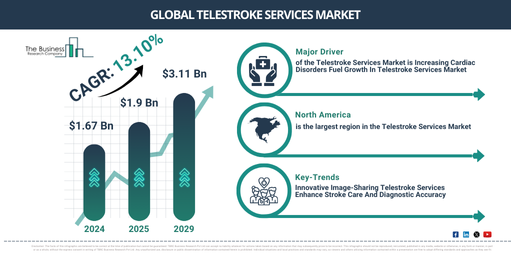
    The market for telestroke services has experienced swift expansion in recent years. It is projected to expand from a value of $1.67 billion in 2024 to $1.9 billion in 2025, with a compound annual growth rate (CAGR) of 13.9%. Factors contributing to this growth through the fundamental period include well-established healthcare systems, consistent reimbursement approaches, supportive legislation, a lack of stroke experts in rural and underprovided areas, and a critical necessity to decrease treatment latency.

    In the coming years, the market size of telestroke services is predicted to experience significant growth, ballooning to$3.11 billion in 2029 with a compound annual growth rate (CAGR) of 13.1%. This growth during the anticipated period can be linked to the increasing need for telehealth, rising patient inclination towards virtual stroke consultations, and guidance provided by healthcare entities, cost-effectiveness of telestroke services, adoption of time-essential and effective methodologies for telestroke services, and an increase in research. Key trends in the projected period incorporate research and development endeavors, the incorporation of the internet of things (IoT), advancements in video conferencing, picture sharing, and telemedicine platforms, artificial intelligence (AI) and machine learning (ML), including cloud-based storage and data analytics.

    Download a free sample to assess the report’s scope and structure:

    https://www.thebusinessresearchcompany.com/sample.aspx?id=16808&type=smp

    What Are the Core Growth Drivers Propelling the Telestroke Services Market Forward?

    The escalating prevalence of cardiac disorders is expected to drive the growth of the telestroke services market. These disorders encompass a variety of conditions impacting the heart’s structure and functionality. Remote access to specialized care for these disorders is facilitated by telestroke services. These services enable cardiologists to rapidly diagnose and treat cardiac conditions via real-time video consultations and data transfer, especially in rural or underfurnished areas. For instance, the Centers for Disease Control and Prevention (CDC), a government agency based in the US, reported in October 2024 that heart disease continues to be the main cause of death in the US, amounting to 702,880 fatalities in 2022, representing 1 in every 5 deaths. The most common among these is coronary artery disease (CAD), which claimed 371,506 lives that year. Hence, the burgeoning number of patients suffering from cardiac disorders is driving expansion in the telestroke services market.

    What Segment Types Define the Telestroke Services Market Structure?

    The telestroke servicesmarket covered in this report is segmented –

    1) By Stroke Type: Ischemic Stroke; Hemorrhagic Stroke; Transient Ischemic Attack

    2) By Application: Counseling; Treatment; Emergency Service; Other Applications

    3) By End Users: Hospitals; Specialty Clinics; Home Healthcare Settings; Other End Users

    Subsegments:

    1) By Chemic Stroke: Acute Ischemic Stroke; Chronic Ischemic Stroke

    2) By Hemorrhagic Stroke: Intracerebral Hemorrhage; Subarachnoid Hemorrhage

    3) By Transient Ischemic Attack: Low-Risk TIA; High-Risk TIA

    Request customized data on this market:

    https://www.thebusinessresearchcompany.com/customise?id=16808&type=smp

    Which Geographic Areas Hold the Strongest Growth Potential in the Telestroke Services Market?

    North America was the largest region in the telestroke market in 2024. Asia Pacific is expected to be the fastest-growing region in the forecast period. The regions covered in the telestroke services market report are Asia-Pacific, Western Europe, Eastern Europe, North America, South America, Middle East, Africa.

    Which Emerging Trends that Are Influencing theTelestroke Services Industry Evolution?

    Leading businesses in the telestroke services sector are concentrating on the incorporation of cutting-edge technology, such as image-sharing telestroke services, with the aim of increasing diagnostic precision, enhancing patient results, and providing fast care for stroke victims. This refers to a network utilizing digital means for bidirectional, high-quality video teleconferencing in the context of telestroke services with image-sharing technology. For example, Guam Regional Medical City, a regional hospital in the US, introduced a telestroke service that operates 24/7 in February 2024. This guarantees constant availability to certified neurologists. The primary characteristics of this service are quick audio or video conferencing and the use of image-sharing technology, enabling specialists to evaluate, diagnose, and work in cooperation with on-site medical professionals to oversee the care of stroke patients.

    View the full report here:

    https://www.thebusinessresearchcompany.com/report/telestroke-services-global-market-report

    What Is the Definition of the Telestroke Services Market?

    Telestroke services refer to the use of telemedicine to enable stroke specialists to remotely assess and treat patients showing signs of a stroke. Doctors use telestroke services to quickly diagnose and suggest treatment plans for patients, regardless of their physical location, ensuring that those in remote or underserved areas receive timely and expert care.

    Purchase the full report and get a swift delivery:

    https://www.thebusinessresearchcompany.com/purchaseoptions.aspx?id=16808

    About The Business Research Company:

    With over 15000+ reports from 27 industries covering 60+ geographies, The Business Research Company has built a reputation for offering comprehensive, data-rich research and insights. Armed with 1,500,000 datasets, the optimistic contribution of in-depth secondary research, and unique insights from industry leaders, you can get the information you need to stay ahead in the game.

    Get in touch with us:

    The Business Research Company: https://www.thebusinessresearchcompany.com/

    Americas +1 310-496-7795

    Europe +44 7882 955267

    Asia & Others +44 7882 955267 & +91 8897263534

    Email us at info@tbrc.info

    Follow us on:

    LinkedIn: https://in.linkedin.com/company/the-business-research-company

    YouTube: https://www.youtube.com/channel/UC24_fI0rV8cR5DxlCpgmyFQ

    Global Market Model: https://www.thebusinessresearchcompany.com/global-market-model
  • Strategic Growth Drivers Shaping the Age-Related Hearing Loss Market Outlook 2025- 2034:Surge In Geriatric Population Fueling The Growth Of The Market Due To Increasing Demand For Specialized Healthcare And Support Services

    Strategic Growth Drivers Shaping the Age-Related Hearing Loss Market Outlook 2025- 2034:Surge In Geriatric Population Fueling The Growth Of The Market Due To Increasing Demand For Specialized Healthcare And Support Services

    Claim your 30% discount on Global Market Reports with code ONLINE30. Limited time only.

    What is the Projected CAGR for the Age-Related Hearing Loss Market Size from 2025 to 2034?

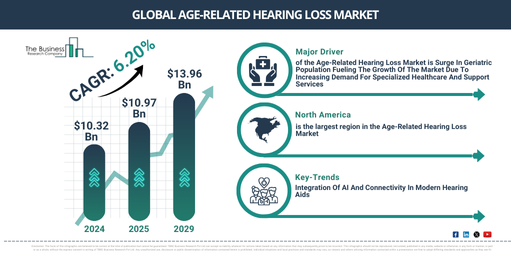
    The market size for age-related hearing loss has seen a significant expansion in recent years. It is projected to rise from $10.32 billion in 2024 to $10.97 billion in 2025, with a compound annual growth rate (CAGR) of 6.3%. This growth in the past years can be due to higher exposure to drugs that are harmful to the ears, an increase in genetic tendencies towards hearing loss, rampant urbanization, an increase in environmental factors impacting auditory health, and the growing accessibility of treatments for hearing loss.

    The market for age-related hearing loss is predicted to experience substantial growth in the coming years, expanding to a value of $13.96 billion in 2029 with a compound annual growth rate (CAGR) of 6.2%. This growth during the forecast period is attributed to factors such as increased demand for less intrusive therapeutic modalities, technological advancements in hearing aids, escalating government initiatives toward auditory health, and an emphasis on early detection and prevention. Moreover, there’s a boost in investments devoted to audiology research and development. Key trends throughout the forecast period encompass the enhancement of personalized hearing solutions and advanced hearing implant technologies, the evolution of gene therapies to tackle hearing loss, breakthroughs in over-the-counter hearing aids, and progress in teleaudiology services.

    Download a free sample to assess the report’s scope and structure:

    https://www.thebusinessresearchcompany.com/sample.aspx?id=24136&type=smp

    Which Factors and External Forces Are Driving Demand in the Age-Related Hearing Loss Market?

    The advancement in the age-related hearing loss market is anticipated to be fuelled by the escalating geriatric population. This demographic typically encompasses individuals who are 65 years of age or more. The surge in this population demographic can be attributed to the ever-increasing life expectancy, a result of healthcare improvements, enhanced living conditions, and superior control of chronic illnesses, enabling a greater number of people to live longer. The management of age-related hearing loss optimally assists the geriatric population by underlining the necessity for specialized hearing aids, tactics for effective communication, and superior healthcare facilities to ameliorate their standard of living and societal involvement. For example, as per the statistics disclosed by California Health Advocates, a non-profit entity based in the U.S., individuals who were 65 years of age or older constituted 17.3% of the population in 2022, a figure projected to escalate to 22% by 2040. Consequently, the rising geriatric populace is contributing to the expansion of the age-related hearing loss market.

    Which Segments in the Age-Related Hearing Loss Offer the Most Growth?

    The age-related hearing lossmarket covered in this report is segmented –

    1) By Product Type: Hearing Aids; Cochlear Implants; Assistive Listening Devices; Other Product Type

    2) By Distribution Channel: Hospitals; Audiology Clinics; Online Stores; Other Distribution Channel

    3) By End-User: Adults; Geriatric Population

    Subsegments:

    1) By Hearing Aids: Behind-the-Ear (BTE); In-the-Ear (ITE); Receiver-in-the-Ear (RITE); Completely-in-the-Canal (CIC); In-the-Canal (ITC); Invisible-in-the-Canal (IIC); Smart Hearing Aids

    2) By Assistive Listening Devices: FM Systems; Infrared Systems; Induction Loop Systems; Personal Amplifiers; TV Streamers and Amplifiers

    3) By Cochlear Implants: Unilateral Cochlear Implants; Bilateral Cochlear Implants; Wireless Cochlear Implants; Hybrid Cochlear Implants

    4) By Other Product Type: Bone Anchored Hearing Systems; Auditory Brainstem Implants; Hearing Protection Devices; Tinnitus Maskers

    Request customized data on this market:

    https://www.thebusinessresearchcompany.com/customise?id=24136&type=smp

    What Are the Fastest-Growing Geographies in the #Which Factors and External Forces Are Driving Demand in the Age-Related Hearing Loss Market?# Market?

    North America was the largest region in the age-related hearing loss market in 2024. Asia-Pacific is expected to be the fastest-growing region in the forecast period. The regions covered in the age-related hearing loss market report are Asia-Pacific, Western Europe, Eastern Europe, North America, South America, Middle East, Africa.

    Which Cutting-Edge Market Trends Are Expected to Drive theAge-Related Hearing Loss Market’s Growth?

    Leading enterprises functioning in the market for age-related hearing loss are concentrating on forging ahead with advanced technologies. They are creating intellectual hearing aids with AI-driven sound processing and Bluetooth connectivity which will enhance the sound performance, decrease listening effort, and improve the user’s experience as well as quality of life. These smart hearing aids that come with AI and Bluetooth adapt automatically to various listening environments by real-time sound optimization. They also enable smooth audio streaming and device controlling via smartphone integration. For instance, Phonak, a hearing solutions enterprise based in Switzerland, introduced the Audéo Sphere Infinio hearing aid in August 2024. This is the first-ever hearing aid to have a dedicated real-time AI chip for noise separation from speech. This unique feature allows users to enjoy significantly enhanced speech clarity in noisy surroundings, hence improving the auditory performance and user satisfaction. It provides dynamic real-time speech enhancement from all directions, catering to the biggest challenge people with hearing loss face.

    View the full report here:

    https://www.thebusinessresearchcompany.com/report/age-related-hearing-loss-global-market-report

    What Are the Key Elements That Define the Age-Related Hearing Loss Market?

    Age-related hearing loss, also known as presbycusis, is a gradual, progressive loss of hearing that occurs as people age. It typically affects both ears and is most noticeable with high-pitched sounds or noisy environments. Age-related hearing loss is caused by changes in the inner ear, auditory nerve, or brain pathways involved in hearing.

    Purchase the full report and get a swift delivery:

    https://www.thebusinessresearchcompany.com/purchaseoptions.aspx?id=24136

    About The Business Research Company:

    With over 15000+ reports from 27 industries covering 60+ geographies, The Business Research Company has built a reputation for offering comprehensive, data-rich research and insights. Armed with 1,500,000 datasets, the optimistic contribution of in-depth secondary research, and unique insights from industry leaders, you can get the information you need to stay ahead in the game.

    Get in touch with us:

    The Business Research Company: https://www.thebusinessresearchcompany.com/

    Americas +1 310-496-7795

    Europe +44 7882 955267

    Asia & Others +44 7882 955267 & +91 8897263534

    Email us at info@tbrc.info

    Follow us on:

    LinkedIn: https://in.linkedin.com/company/the-business-research-company

    YouTube: https://www.youtube.com/channel/UC24_fI0rV8cR5DxlCpgmyFQ

    Global Market Model: https://www.thebusinessresearchcompany.com/global-market-model
  • Immune Thrombocytopenia Market Insights: In-Depth Look at Growth Trends, Market Size, and Opportunities for 2025-2034

    Immune Thrombocytopenia Market Insights: In-Depth Look at Growth Trends, Market Size, and Opportunities for 2025-2034

    Claim your 30% discount on Global Market Reports with code ONLINE30. Limited time only.

    What Is the Estimated Market Size of the Immune Thrombocytopenia Market In 2029?

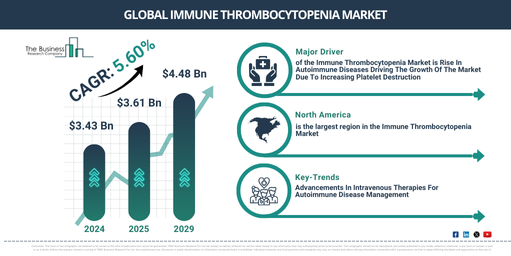
    In recent times, there has been a robust expansion in the immune thrombocytopenia market size. The market is projected to swell from $3.43 billion in 2024 to $3.61 billion in 2025, registering a compound annual growth rate (CAGR) of 5.1%. Factors contributing to the growth observed during the historic period include an escalating incidence of autoimmune disorders, increase in chronic liver disease cases, enhanced healthcare services penetration, development of healthcare infrastructure, and increased government backing.

    It is anticipated that the immune thrombocytopenia market will experience solid growth in the forthcoming years, with an expected value of $4.48 billion in 2029, increasing at a compound annual growth rate (CAGR) of 5.6%. This expected growth during the projected period can be associated with factors such as the increasing occurrence of thrombocytopenia, escalating healthcare spending, the expansion of therapeutic options, a high incidence of blood diseases, and the rising elderly population. Key trends appearing during the forecast period encompass advancements in diagnostic technology, the adoption of digital health solutions, a move towards combined treatments, the rise of telemedicine, and the implementation of artificial intelligence in diagnostics.

    Download a free sample to assess the report’s scope and structure:

    https://www.thebusinessresearchcompany.com/sample.aspx?id=22012&type=smp

    What External and Internal Drivers Are Contributing to the Growth of theImmune Thrombocytopenia Market?

    The escalating incidence of autoimmune maladies is predicted to fuel the expansion of the immune thrombocytopenia market in the future. Autoimmune conditions occur when the body’s immune system erroneously assaults the body’s healthy cells and tissues, mistaking them for foreign invaders. This unconventional reaction leads to inflammation and damage to several organs and systems. The growth in autoimmune conditions is associated with hereditary dispositions, environmental aspects, lifestyle alterations, and increased consciousness leading to more accurate diagnoses. Autoimmune disorders lead to immune thrombocytopenia by inducing the body’s immune system to assault and eradicate the body’s platelets or hinder their creation in the bone marrow. For example, in November 2024, as per the Versorgungsatlas.de, a Germany-based establishment, in 2022, out of 73,241,305 insured persons, 6,304,340 were diagnosed with at least one autoimmune disorder, culminating in a crude prevalence rate of 8.61%. Thus, the escalating incidence of autoimmune maladies is fuelling the expansion of the immune thrombocytopenia market.

    What Segment Types Define the Immune Thrombocytopenia Market Structure?

    The immune thrombocytopeniamarket covered in this report is segmented –

    1) By Type: Primary Immune Thrombocytopenia; Secondary Immune Thrombocytopenia; Acquired Immune Thrombocytopenia

    2) By Treatment Type: Intravenous Immunoglobulin; Thrombopoietin Receptor Agonists; Immunosuppressive Therapy

    3) By Distribution Channel: Hospital Pharmacies; Retail Pharmacies; Online Pharmacies

    Subsegments:

    1) By Primary Immune Thrombocytopenia: Acute Primary ITP; Chronic Primary ITP; Persistent Primary ITP

    2) By Secondary Immune Thrombocytopenia: Drug-Induced ITP; Infection-Associated ITP; Autoimmune Disorder-Related ITP

    3) By Acquired Immune Thrombocytopenia: Immune-Mediated Acquired ITP; Non-Immune Acquired ITP

    Request customized data on this market:

    https://www.thebusinessresearchcompany.com/customise?id=22012&type=smp

    Which Geographic Areas Hold the Strongest Growth Potential in the Immune Thrombocytopenia Market?

    North America was the largest region in the immune thrombocytopenia market in 2024. Asia-Pacific is expected to be the fastest-growing region in the forecast period. The regions covered in the immune thrombocytopenia market report are Asia-Pacific, Western Europe, Eastern Europe, North America, South America, Middle East, Africa.

    What Long-Term Trends Are Transforming the Competitive Landscape of the Immune Thrombocytopenia Market?

    Companies that dominate the immune thrombocytopenia market are focusing on advancing therapeutic procedures, especially in the area of intravenous therapy. They aim for enhanced treatment efficacy, faster response rates, better patient compliance, and resolution of unresolved issues in managing thrombocytopenia. Intravenous (IV) therapy is a medical intervention where fluids, drugs, or nutrients are channeled straight into the patient’s vein using an IV line. For example, in March 2024, Argenx SE, a biotechnology firm based in the Netherlands, confirmed that Japan’s Ministry of Health, Labor, and Welfare (MHLW) approved VYVGART for intravenous use in adults diagnosed with primary immune thrombocytopenia (ITP). This approval signifies a significant step forward in treatment methodologies, introducing a targeted strategy with quick effectiveness and sustained platelet response, addressing the urgent needs in managing autoimmune diseases.

    View the full report here:

    https://www.thebusinessresearchcompany.com/report/immune-thrombocytopenia-global-market-report

    What Is the Definition of the Immune Thrombocytopenia Market?

    Immune thrombocytopenia refers to a rare autoimmune bleeding disorder where the immune system mistakenly destroys platelets, which are essential for blood clotting. This leads to a low platelet count, hindering the blood’s ability to form clots. Symptoms include easy bruising, bleeding, and a rash of small red spots.

    Purchase the full report and get a swift delivery:

    https://www.thebusinessresearchcompany.com/purchaseoptions.aspx?id=22012

    About The Business Research Company:

    With over 15000+ reports from 27 industries covering 60+ geographies, The Business Research Company has built a reputation for offering comprehensive, data-rich research and insights. Armed with 1,500,000 datasets, the optimistic contribution of in-depth secondary research, and unique insights from industry leaders, you can get the information you need to stay ahead in the game.

    Get in touch with us:

    The Business Research Company: https://www.thebusinessresearchcompany.com/

    Americas +1 310-496-7795

    Europe +44 7882 955267

    Asia & Others +44 7882 955267 & +91 8897263534

    Email us at info@tbrc.info

    Follow us on:

    LinkedIn: https://in.linkedin.com/company/the-business-research-company

    YouTube: https://www.youtube.com/channel/UC24_fI0rV8cR5DxlCpgmyFQ

    Global Market Model: https://www.thebusinessresearchcompany.com/global-market-model
  • Key Factors Fueling the Growth of the Syphilis Immunoassay Diagnostics Market in 2025: Rising Sexually Transmitted Diseases Boosting Syphilis Immunoassay Diagnostics Market

    Key Factors Fueling the Growth of the Syphilis Immunoassay Diagnostics Market in 2025: Rising Sexually Transmitted Diseases Boosting Syphilis Immunoassay Diagnostics Market

    Claim your 30% discount on Global Market Reports with code ONLINE30. Limited time only.

    What is the Projected CAGR for the Syphilis Immunoassay Diagnostics Market Size from 2025 to 2034?

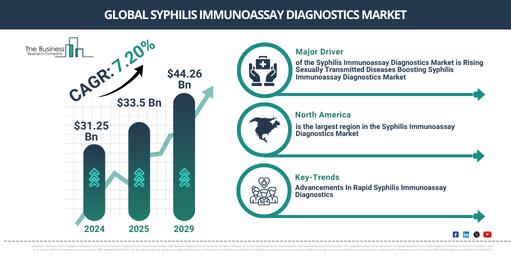
    In recent times, the market size for syphilis immunoassay diagnostics has seen robust growth. The market is projected to expand from $31.25 billion in 2024 to $33.5 billion in 2025, corresponding to a compound annual growth rate (CAGR) of 7.2%. Historical growth in this sector is linked to several socio-economic factors, including an upswing in STDs, an escalating proportion of unreported sexual activity, increasing occurrences of serious syphilis diseases, growing government initiatives, and heightened focus on early disease detection.

    In the forthcoming years, the syphilis immunoassay diagnostics market is predicted to experience substantial growth, with its value increasing to $44.26 billion in 2029. This rise will represent a compound annual growth rate (CAGR) of 7.2%. Factors such as the accelerating growth of high-risk populations, enhanced awareness of partner notification programs, emerging prevalence, heightened recognition of syphilis immunoassay diagnostics, and rise in healthcare-related government spending underpin this growth. Forecasts for this market also centre on emerging trends such as the adoption of pioneering technologies, advent of swift point-of-care tests, increased demand for at-home test kits, advances in laboratory testing procedures, and broader expansion of diagnostic lab methodologies.

    Download a free sample to assess the report’s scope and structure:

    https://www.thebusinessresearchcompany.com/sample.aspx?id=16806&type=smp

    What are the Fundamental Drivers and Innovations Shaping the Syphilis Immunoassay Diagnostics Market?

    The growth of the syphilis immunoassay diagnostics market is projected to escalate due to the increasing prevalence of sexually transmitted diseases. These diseases, also recognized as sexually transmitted infections, are primarily transmitted through sexual activities including vaginal, anal, and oral sex. The surge in such diseases can be attributed to factors such as decreased use of condoms, antibiotic resistance, insufficient sexual education, societal and behavioral shifts, stigma, diminished funding for STD programs, and amplified travel. The role of syphilis immunoassay diagnostics is instrumental in identifying and managing sexually transmitted diseases by timely and accurately detecting syphilis infection, which subsequently enables suitable prevention and treatment techniques. For example, a report published by the Terrence Higgins Trust, a UK-based entity, in June 2024 disclosed that the UK Health Security Agency (UKHSA) recorded 401,800 sexually transmitted infections (STIs) in England in 2023, marking a 5% increase from the prior year. Consequently, the growing incidence of sexually transmitted diseases is stimulating the syphilis immunoassay diagnostics market.

    How Is the Syphilis Immunoassay Diagnostics Market Segmented?

    The syphilis immunoassay diagnosticsmarket covered in this report is segmented –

    1) By Product: Analyzers; Reagents; Kits; Other Products

    2) By Technology: Chemiluminescence Immunoassay (CLIA); Enzyme-Linked Immunosorbent Assay (ELISA); Other Technologies

    3) By Application: Men; Women

    4) By End-User: Hospitals; Blood Banks; Diagnostics Labs; Other End-Users

    Subsegments:

    1) By Analyzers: Automated Analyzers; Semi-Automated Analyzers; Manual Analyzers

    2) By Reagents: Enzyme-Linked Immunosorbent Assay Reagents; Chemiluminescent Immunoassay Reagents; Rapid Plasma Reagin Reagents; Treponemal and Non-Treponemal Reagents

    3) By Kits: ELISA Kits; Rapid Diagnostic Test Kits; CLIA Kits; Point-Of-Care Test Kits

    4) By Other Products: Control and Calibration Materials; Sample Collection Devices; Ancillary Testing Accessories

    Request customized data on this market:

    https://www.thebusinessresearchcompany.com/customise?id=16806&type=smp

    Which Regions Are Driving the Next Phase of the Syphilis Immunoassay Diagnostics Market Growth?

    North America was the largest region in the syphilis immunoassay diagnostics market in 2024. Asia-Pacific is expected to be the fastest-growing region in the forecast period. The regions covered in the syphilis immunoassay diagnostics market report are Asia-Pacific, Western Europe, Eastern Europe, North America, South America, Middle East, Africa.

    What Key Trends Are Shaping the Future of the Syphilis Immunoassay Diagnostics Market?

    The principal firms in the syphilis immunoassay diagnostics market are concentrating their efforts on creating breakthrough solutions such as quick syphilis tests to improve the precision and effectiveness of detecting syphilis. Swift syphilis tests are basic, point-of-care devices that can identify syphilis antibodies in blood or other bodily fluids in mere minutes, allowing for prompt diagnosis and early intervention. For example, Chembio Diagnostics Inc., a US company specializing in point-of-care diagnostics for infectious diseases, was granted a CLIA waiver by the FDA for its DPP HIV-Syphilis System in February 2023. The DPP HIV-Syphilis System is a dual quick test designed to detect antibodies for both HIV 1/2 and Treponema pallidum, the bacterium responsible for syphilis. The goal of this quick, 15-minute test is to enhance diagnosis and treatment, particularly in preventing the transference of syphilis from mother to child, and in decreasing the likelihood of HIV infection among those suffering from syphilis.

    View the full report here:

    https://www.thebusinessresearchcompany.com/report/syphilis-immunoassay-diagnostics-global-market-report

    How Is the Syphilis Immunoassay Diagnostics Market Defined and What Are Its Core Parameters?

    Syphilis immunoassay diagnostics refer to laboratory tests used to detect the presence of antibodies or antigens related to the bacterium treponema pallidum, which causes syphilis. These diagnostics employ immunoassay techniques to identify specific immune responses in the blood. The primary aim of syphilis immunoassay diagnostics is to diagnose syphilis infections, enabling timely and effective treatment accurately.

    Purchase the full report and get a swift delivery:

    https://www.thebusinessresearchcompany.com/purchaseoptions.aspx?id=16806

    About The Business Research Company:

    With over 15000+ reports from 27 industries covering 60+ geographies, The Business Research Company has built a reputation for offering comprehensive, data-rich research and insights. Armed with 1,500,000 datasets, the optimistic contribution of in-depth secondary research, and unique insights from industry leaders, you can get the information you need to stay ahead in the game.

    Get in touch with us:

    The Business Research Company: https://www.thebusinessresearchcompany.com/

    Americas +1 310-496-7795

    Europe +44 7882 955267

    Asia & Others +44 7882 955267 & +91 8897263534

    Email us at info@tbrc.info

    Follow us on:

    LinkedIn: https://in.linkedin.com/company/the-business-research-company

    YouTube: https://www.youtube.com/channel/UC24_fI0rV8cR5DxlCpgmyFQ

    Global Market Model: https://www.thebusinessresearchcompany.com/global-market-model