Month: August 2025

  • Specimen Validity Testing Growth Trajectory: Key Forecasts and Strategic Insights

    Specimen Validity Testing Growth Trajectory: Key Forecasts and Strategic Insights

    Claim your 30% discount on Global Market Reports with code ONLINE30. Limited time only.

    What Is the Estimated Market Size of the Specimen Validity Testing Market In 2029?

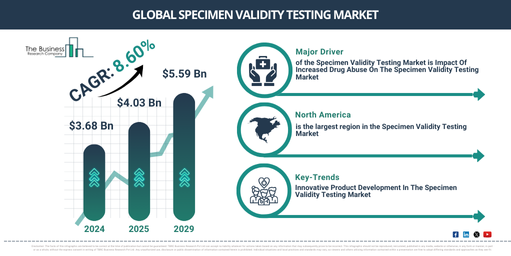
    The market size of specimen validity testing has seen substantial growth in the past few years. It’s projected to expand from $3.68 billion in 2024 to $4.03 billion in 2025, marking a compound annual growth rate (CAGR) of 9.5%. Factors contributing to this growth during the historic period include the rise in drug use, enhanced drug screening processes, stricter regulations, an increase in alcohol consumption, and the incorporation of point-of-care testing.

    The market for specimen validity testing is projected to witness significant expansion in the coming years, reaching up to$5.59 billion by 2029″ at a compound annual growth rate (CAGR) of 8.6%. The surge during this period is mainly due to the growing need for workplace drug checks, increased acceptance of oral fluid examination, expansion in research and development activities, soaring usage of SVT, and widened utility in pain management. The marked trends to be seen throughout this period include advancements in technology, the implication of artificial intelligence in results comprehension, product innovation, rising partnerships, and the creation of mobile testing devices for instant monitoring.

    Download a free sample to assess the report’s scope and structure:

    https://www.thebusinessresearchcompany.com/sample.aspx?id=15673&type=smp

    Which Factors and External Forces Are Driving Demand in the Specimen Validity Testing Market?

    The escalation in instances of substance misuse is anticipated to drive the expansion of the specimen validity testing market. Substance misuse often involves the habitual, extreme, or wrongful consumption of both legal and illegal substances for non-therapeutic benefits. This problem is rising due to several intertwined aspects such as opioid dependency, escalating mental health disorders, hindrances to accessing treatment and support resources, and cultural portrayals. SVT methods are designed to detect impurities and compounds by testing various parameters like pH, specific gravity, creatinine content, and temperature. For example, in October 2023, as stated by the Office for Health Improvement and Disparities, a UK government department, adult participation in drug and alcohol programs from April 2021 to March 2022 witnessed an increase to 0.29 million engagements, a surge from 0.28 million the previous year. Moreover, in October 2024, according to England and Wales’ Office for National Statistics, the year 2023 saw a total of 5,448 drug poisoning-related deaths, demonstrating an 11.0% increase from the 4,907 deaths documented in 2022. Consequently, the escalating substance misuse is anticipated to drive the expansion of the specimen validity testing market.

    Which Segments in the Specimen Validity Testing Offer the Most Growth?

    The specimen validity testingmarket covered in this report is segmented –

    1) By Product And Service: Products; Service

    2) By Testing Type: Laboratory Testing; Rapid Or Point-Of-Care Testing

    3) By End-User: Drug Rehabilitation Centers; Drug Screening Laboratories; Pain Management Centers; Criminal Justice And Law Enforcement Agencies; Other End-Users

    Subsegments:

    1) By Products: Reagents And Assay Kits; Controls And Calibrators; Specimen Collection Devices; Analyzers And Instruments

    2) By Service: Laboratory Testing Services; Point-Of-Care Testing Services

    Request customized data on this market:

    https://www.thebusinessresearchcompany.com/customise?id=15673&type=smp

    What Are the Fastest-Growing Geographies in the #Which Factors and External Forces Are Driving Demand in the Specimen Validity Testing Market?# Market?

    North America was the largest region in the specimen validity testing market in 2024. Asia-Pacific is expected to be the fastest-growing region in the forecast period. The regions covered in the specimen validity testing market report are Asia-Pacific, Western Europe, Eastern Europe, North America, South America, Middle East, Africa.

    Which Cutting-Edge Market Trends Are Expected to Drive theSpecimen Validity Testing Market’s Growth?

    Leading entities in the specimen validity testing market are innovating with products such as high-resolution urine drug testing profiles, in order to maintain their market standing. High-resolution urine drug testing profile is an intricate test method employing advanced analytics. For example, in July 2022, Mayo Clinic Laboratories, a medical laboratory based in the US, introduced a data-informed urine drug testing (UDT) profile, geared towards providing doctors with essential information to manage patients addicted to common substances such as prescription opioids, alcohol, marijuana, and nicotine. This novel addiction medicine monitoring profile (Mayo ID ADMPU) is coherent with the American Society of Addiction Medicine’s guidelines. It offers superior sensitivity and specificity to single out parent drugs and metabolites from multiple drug classes, which includes opioids, benzodiazepines, stimulants, and PCP. The profile deploys high-resolution, accurate mass spectrometry for targeted and immunoassay testing of particular substances, supplying comprehensive and medically pertinent information to healthcare providers.

    View the full report here:

    https://www.thebusinessresearchcompany.com/report/specimen-validity-testing-global-market-report

    What Are the Key Elements That Define the Specimen Validity Testing Market?

    Specimen Validity Testing (SVT) is a process used to assess the integrity and validity of biological specimens, such as urine, blood, saliva, or hair samples, collected for drug testing or clinical analysis. SVT examines various parameters such as pH, creatinine levels, specific gravity, and the presence of common masking agents such as oxidizing adulterants, nitrites, glutaraldehyde, and pyridinium chlorochromate.

    Purchase the full report and get a swift delivery:

    https://www.thebusinessresearchcompany.com/purchaseoptions.aspx?id=15673

    About The Business Research Company:

    With over 15000+ reports from 27 industries covering 60+ geographies, The Business Research Company has built a reputation for offering comprehensive, data-rich research and insights. Armed with 1,500,000 datasets, the optimistic contribution of in-depth secondary research, and unique insights from industry leaders, you can get the information you need to stay ahead in the game.

    Get in touch with us:

    The Business Research Company: https://www.thebusinessresearchcompany.com/

    Americas +1 310-496-7795

    Europe +44 7882 955267

    Asia & Others +44 7882 955267 & +91 8897263534

    Email us at info@tbrc.info

    Follow us on:

    LinkedIn: https://in.linkedin.com/company/the-business-research-company

    YouTube: https://www.youtube.com/channel/UC24_fI0rV8cR5DxlCpgmyFQ

    Global Market Model: https://www.thebusinessresearchcompany.com/global-market-model
  • Top Trends Driving Innovation and Change in the Vitreoretinal Disorder Market: Innovative Methotrexate-Based Therapies Target Rare Retinal Cancers Amid Regulatory Challenges

    Top Trends Driving Innovation and Change in the Vitreoretinal Disorder Market: Innovative Methotrexate-Based Therapies Target Rare Retinal Cancers Amid Regulatory Challenges

    Claim your 30% discount on Global Market Reports with code ONLINE30. Limited time only.

    What Is the Estimated Market Size of the Vitreoretinal Disorder Market In 2029?

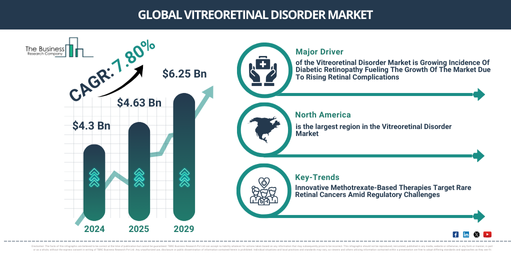
    In recent years, the vitreoretinal disorder market has seen robust expansion. Projected growth is from $4.3 billion in 2024 to $4.63 billion in 2025, signifying a compound annual growth rate (CAGR) of 7.6%. Factors contributing to the growth in the historical period include an upsurge in the instances of diabetic retinopathy, an expanding aging population, increased alertness toward retinal diseases, development of healthcare infrastructure, and early adoption of anti-vascular endothelial growth factor (VEGF) therapy.

    The market size for vitreoretinal disorders is predicted to witness significant expansion in the forthcoming years, reaching up to$6.25 billion by 2029″ with a compound annual growth rate (CAGR) of 7.8%. Factors such as the growing number of age-related macular degeneration cases, increased occurrences of diabetic retinopathy, elevated investment in regenerative stem cell treatments, escalated healthcare spending on ocular diseases, heightened recognition of the importance of early retinal disease diagnosis, and government-led initiatives can all be held responsible for this predicted growth during the forecasted period. Notable trends for this period encompass the utilization of artificial intelligence (AI) for detecting retinal diseases, the implementation of robots in vitreoretinal surgeries, the application of nanotechnology in drug delivery, usage of intelligent contact lenses for ongoing eye monitoring, ultra-high-definition adaptive optics imaging, and the development of biodegradable intravitreal implants.

    Download a free sample to assess the report’s scope and structure:

    https://www.thebusinessresearchcompany.com/sample.aspx?id=23574&type=smp

    What External and Internal Drivers Are Contributing to the Growth of theVitreoretinal Disorder Market?

    The increase in diabetic retinopathy cases is projected to fuel the expansion of the vitreoretinal disorder market. This eye disorder, common amongst diabetics, is a result of damage to the retina’s blood vessels due to high blood sugar levels. The progression of diabetic retinopathy is influenced by the escalating prevalence of diabetes, sedentary lifestyles, and inadequate blood sugar management, leading to harm to the retinal blood vessels. In managing vitreoretinal disorders, emphasis is placed on treating diabetic retinopathy, as complications such as vitreous hemorrhage and tractional retinal detachment could be addressed, thus preserving sight and averting additional retinal damage. To illustrate, in 2024, data from the Australian Institute of Health and Welfare revealed that in 2022-23, 1.8% of the screened First Nations population in Australia underwent treatments for diabetic retinopathy, showing a lesser age-standardized treatment rate of 1.3% as opposed to 1.5% in non-Indigenous Australians. Hence, the rising occurrence of diabetic retinopathy is contributing to the growth of the vitreoretinal disorder market.

    What Segment Types Define the Vitreoretinal Disorder Market Structure?

    The vitreoretinal disordermarket covered in this report is segmented –

    1) By Type: Retinal Tear; Retinal Detachment; Diabetic Retinopathy; Macular Degeneration; Macular Hole; Other Types

    2) By Diagnosis: Digital Fluorescein Angiography; Optical Coherence Tomography; Heidelberg Retinal Tomography; Indocyanine Green Angiography; Other Diagnosis

    3) By Treatment: Surgery; Medication; Other Treatments

    4) By Distribution Channel: Hospital Pharmacy; Online Pharmacy; Retail Pharmacy

    5) By End User: Hospitals; Homecare; Specialty Clinics; Other End Users

    Subsegments:

    1) By Retinal Tear: Atrophic Retinal Tear; Operculated Retinal Tear; Horseshoe Retinal Tear; Giant Retinal Tear

    2) By Retinal Detachment: Rhegmatogenous Retinal Detachment; Tractional Retinal Detachment; Exudative Retinal Detachment

    3) By Diabetic Retinopathy: Non-Proliferative Diabetic Retinopathy; Proliferative Diabetic Retinopathy; Diabetic Macular Edema

    4) By Macular Degeneration: Dry Macular Degeneration; Wet Macular Degeneration

    5) By Macular Hole: Full-Thickness Macular Hole; Lamellar Macular Hole; Tractional Macular Hole

    6) By Other Types: Epiretinal Membrane; Retinal Vein Occlusion; Retinal Artery Occlusion; Retinitis Pigmentosa; Uveitis; Vitreous Hemorrhage; Macular Edema; Central Serous Retinopathy; Proliferative Vitreoretinopathy

    Request customized data on this market:

    https://www.thebusinessresearchcompany.com/customise?id=23574&type=smp

    Which Geographic Areas Hold the Strongest Growth Potential in the Vitreoretinal Disorder Market?

    North America was the largest region in the vitreoretinal disorder market in 2024. The regions covered in the vitreoretinal disorder market report are Asia-Pacific, Western Europe, Eastern Europe, North America, South America, Middle East, Africa.

    What Long-Term Trends Are Transforming the Competitive Landscape of the Vitreoretinal Disorder Market?

    Prominent businesses in the vitreoretinal disorder market are concentrating their efforts on generating novel solutions such as methotrexate for the treatment of primary vitreoretinal lymphoma. This addresses the existing gap in healthcare needs related to uncommon and aggressive retinal cancers. The term methotrexate for treating primary vitreoretinal lymphoma refers to the use of a chemotherapy drug, administered intravitreally, to target and inhibit malignant cells in the retina and vitreous. This provides a targeted and efficacious treatment for this rare ocular cancer. For example, in December 2022, Aldeyra Therapeutics Inc., a biotechnology company based in the US, confirmed a successful pre-NDA deliberation with the FDA concerning ADX-2191. This is a unique, preservative-free methotrexate formulation intended for the treatment of primary vitreoretinal lymphoma (PVRL), a rare and aggressive form of retinal cancer.

    View the full report here:

    https://www.thebusinessresearchcompany.com/report/vitreoretinal-disorder-global-market-report

    What Is the Definition of the Vitreoretinal Disorder Market?

    Vitreoretinal disorder refers to a group of eye conditions that affect the retina and the vitreous humor, which plays a crucial role in maintaining the eye’s shape and visual clarity. These disorders can significantly impair vision over time and often require advanced diagnostic techniques and specialized medical or surgical interventions for effective management.

    Purchase the full report and get a swift delivery:

    https://www.thebusinessresearchcompany.com/purchaseoptions.aspx?id=23574

    About The Business Research Company:

    With over 15000+ reports from 27 industries covering 60+ geographies, The Business Research Company has built a reputation for offering comprehensive, data-rich research and insights. Armed with 1,500,000 datasets, the optimistic contribution of in-depth secondary research, and unique insights from industry leaders, you can get the information you need to stay ahead in the game.

    Get in touch with us:

    The Business Research Company: https://www.thebusinessresearchcompany.com/

    Americas +1 310-496-7795

    Europe +44 7882 955267

    Asia & Others +44 7882 955267 & +91 8897263534

    Email us at info@tbrc.info

    Follow us on:

    LinkedIn: https://in.linkedin.com/company/the-business-research-company

    YouTube: https://www.youtube.com/channel/UC24_fI0rV8cR5DxlCpgmyFQ

    Global Market Model: https://www.thebusinessresearchcompany.com/global-market-model
  • Major Trends and Emerging Patterns in the Gingivitis Market: Rise Of Formulated Toothpaste Driving Innovation In The Market

    Major Trends and Emerging Patterns in the Gingivitis Market: Rise Of Formulated Toothpaste Driving Innovation In The Market

    Claim your 30% discount on Global Market Reports with code ONLINE30. Limited time only.

    What Are the Key Milestones in the Gingivitis Market’s Growth Trajectory From 2025 To 2034?

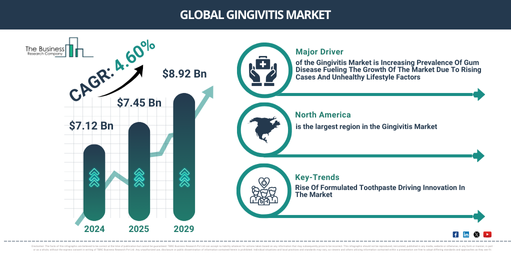
    In recent times, there has been consistent growth in the size of the gingivitis market. The market has projections to expand from its 2024 size of $7.12 billion to $7.45 billion by 2025, at a compound annual growth rate (CAGR) of 4.6%. The growth observed in the historical period can be credited to the increase in instances of inadequate oral hygiene, a rise in hormonal change occurrences, greater acceptance of scaling and root planning procedures, an uptick in demand for enzymatic therapy, coupled with elevated healthcare expenditure and dental insurance.

    The market for gingivitis is projected to experience consistent growth in the coming years, reaching$8.92 billion in 2029″ with a Compound Annual Growth Rate (CAGR) of 4.6%. The anticipated increase during the forecast duration can be linked to factors like the escalating use of laser therapy, growing awareness of the disease, beneficial regulatory conditions, changes in healthcare policies, and the rising incidence of gum disease. We can expect influential trends during the forecast period such as the progress in biotechnology, developments in personalized medicine, innovations in therapy methods, novel product and technology inventions, and superior antimicrobial treatment.

    Download a free sample to assess the report’s scope and structure:

    https://www.thebusinessresearchcompany.com/sample.aspx?id=21987&type=smp

    What Are the Primary Drivers Supporting the Market Growth of the Gingivitis Market?

    The rise in gum disease occurrence is poised to spur the expansion of the gingivitis market. Gum disease, a common oral health issue involving inflammation, infection, or degradation of gums and associated tissues, is primarily caused by plaque buildup and neglect of oral care. The amplifying presence of gum disease is mostly due to insufficient oral hygiene, leading to bacterial infections and plaque formation. Diets rich in sugar and processed foods aid in gum inflammation, whereas smoking compromises the immune system, leaving gums more liable to infection. As the preliminary stage of gum disease, gingivitis significantly influences its growing prevalence by acting as an entry point to more intense conditions like periodontitis, hence, stressing the importance of timely intervention and precautionary care. For instance, as stated in a report released by the Office for Health Improvement & Disparities (OHID), a UK government organization, in January 2024, the proportion of adults diagnosed with gum disease rose from 4% amongst 16–24 year olds to 28% amongst those aged 55–64, indicating a higher incidence with age. Therefore, the escalating prevalence of gum disease is propelling the evolution of the gingivitis market.

    Which Primary Segments of the Gingivitis Market Are Driving Growth and Industry Transformations?

    The gingivitismarket covered in this report is segmented –

    1) By Treatment Type: Medication; Surgical Procedures; Non-Surgical Treatments

    2) By Route Of Administration: Oral; Topical

    3) By Distribution Channel: Retail Pharmacies; Hospital Pharmacies; Online Pharmacies

    4) By End-User: Hospitals; Dental Clinics; Homecare Settings

    Subsegments:

    1) By Medication: Antibiotics; Antiseptic Mouthwashes; Anti-Inflammatory Drugs; Pain Relievers

    2) By Surgical Procedures: Flap Surgery; Gingivectomy; Gingivoplasty; Laser Therapy

    3) By Non-Surgical Treatments: Scaling and Root Planing; Professional Dental Cleaning; Local Drug Delivery; Lifestyle and Dietary Modifications

    Request customized data on this market:

    https://www.thebusinessresearchcompany.com/customise?id=21987&type=smp

    Which Regions Are Key Players in the Growth of the #What Are the Primary Drivers Supporting the Market Growth of the Gingivitis Market?# Market?

    North America was the largest region in the gingivitis market in 2024. The regions covered in the gingivitis market report are Asia-Pacific, Western Europe, Eastern Europe, North America, South America, Middle East, Africa.

    What Are the Most Significant Market Trends in the Gingivitis Market?

    Leading firms in the gingivitis market are pioneering new products like specialized toothpaste to accurately aim at gum inflammation, curb plaque accumulation and enhance overall dental hygiene. This specially crafted toothpaste comes with precise active components to tackle specific dental issues like cavities, gingivitis, or sensitivity. To illustrate, Frimline Private Limited, a healthcare and personal care enterprise based in India, brought out Dente91 She toothpaste in February 2023. This breakthrough toothpaste is infused with lactoferrin, a powerful antimicrobial protein that defends against oral infections and inflammation. Dente91 She deviates from the norm by being specially fortified with folic acid (vitamin B9) and pyridoxine (vitamin B6) to aid women’s dental health during various hormonal transitions, from adolescence to menopause.

    View the full report here:

    https://www.thebusinessresearchcompany.com/report/gingivitis-global-market-report

    What Parameters Are Used to Define the Gingivitis Market?

    Gingivitis is a common and mild form of gum disease (periodontal disease) characterized by inflammation, redness, swelling, and bleeding of the gums, primarily caused by plaque buildup along the gumline. If left untreated, it can progress to more severe periodontal diseases, potentially leading to gum recession and tooth loss.

    Purchase the full report and get a swift delivery:

    https://www.thebusinessresearchcompany.com/purchaseoptions.aspx?id=21987

    About The Business Research Company:

    With over 15000+ reports from 27 industries covering 60+ geographies, The Business Research Company has built a reputation for offering comprehensive, data-rich research and insights. Armed with 1,500,000 datasets, the optimistic contribution of in-depth secondary research, and unique insights from industry leaders, you can get the information you need to stay ahead in the game.

    Get in touch with us:

    The Business Research Company: https://www.thebusinessresearchcompany.com/

    Americas +1 310-496-7795

    Europe +44 7882 955267

    Asia & Others +44 7882 955267 & +91 8897263534

    Email us at info@tbrc.info

    Follow us on:

    LinkedIn: https://in.linkedin.com/company/the-business-research-company

    YouTube: https://www.youtube.com/channel/UC24_fI0rV8cR5DxlCpgmyFQ

    Global Market Model: https://www.thebusinessresearchcompany.com/global-market-model
  • Neuroendocrine Carcinoma Market Trends 2025-2034: Growth, Strategic Insights, and Opportunities Ahead

    Neuroendocrine Carcinoma Market Trends 2025-2034: Growth, Strategic Insights, and Opportunities Ahead

    Claim your 30% discount on Global Market Reports with code ONLINE30. Limited time only.

    How Has The Neuroendocrine Carcinoma Market Growth Evolved From 2024 To 2025, And What’s Ahead?

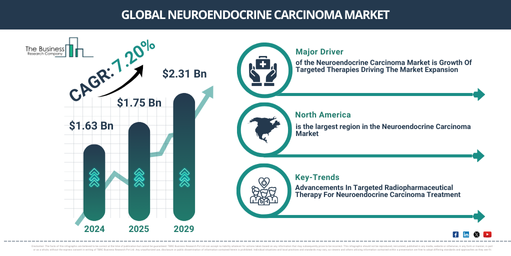
    The market size for neuroendocrine carcinoma has seen robust growth in the past few years. Projections suggest an increase from $1.63 billion in 2024 to $1.75 billion in 2025, with a compound annual growth rate (CAGR) of 7.4%. The substantial growth during the historical period could be linked to the advancement in the imaging sector, a higher occurrence of neuroendocrine tumors, escalating investments, rising governmental initiatives, and the growing demand for neuroendocrine tumor treatments.

    In the forthcoming years, the market size for neuroendocrine carcinoma is predicted to experience notable expansion. It is projected to reach a valuation of $2.31 billion in 2029, with a Compound Annual Growth Rate (CAGR) of 7.2%. Several contributing factors to this estimated growth within the forecast period are the escalating prevalence of cancer, increased approval of products, heightened utilization of advanced diagnostic imaging techniques, the emergence of targeted treatments, and an enhanced rate of diagnosis and diverse treatment options. Predicted trends within this period include advancements in diagnostic technology, improved imaging methods, targeted treatment strategies, progressive management of neuroendocrine tumors, and the evolution of targeted treatments and immunotherapies.

    Download a free sample to assess the report’s scope and structure:

    https://www.thebusinessresearchcompany.com/sample.aspx?id=21229&type=smp

    What Are the Major Market Drivers Behind the Rising Adoption of Neuroendocrine Carcinoma Market?

    The neuroendocrine carcinoma market is projected to see a surge due to the rise in targeted therapies. Such treatments are created with a specific objective to pinpoint and disrupt the molecular or genetic irregularities leading to diseases like cancer. Reasons for increasing demand for targeted therapies include their efficacy for specifically curating treatments for gene mutations, advancement in personalized healthcare, and enhanced patient results with limited side effects. Neuroendocrine carcinoma aids in creating targeted therapies specially adapted to the genetic and biochemical attributes of the tumor, thus increasing the precision and success of treatment. As per a report by the American Society of Gene & Cell Therapy (ASGCT), a professional organization based in the US, and Citeline, an American drug and device supplier, the number of gene therapies in Phase II had grown by 5 percent from 247 at the end of Q1 2023 to 260 by the closing of Q2. Therefore, the rise in targeted therapies contributes to the expansion of the neuroendocrine carcinoma market.

    Which Key Market Segments Comprise the Neuroendocrine Carcinoma Market and Drive Its Revenue Growth?

    The neuroendocrine carcinomamarket covered in this report is segmented –

    1) By Type: Gastroenteropancreatic Neuroendocrine Tumors; Carcinoid Tumors; Pheochromocytoma; Medullary Thyroid Carcinoma

    2) By Diagnostic Tools: Imaging; Biopsy; Serology

    3) By Treatment: Chemotherapy; Radiotherapy; Surgery; Other Treatments

    4) By Distribution Channel: Hospital Pharmacies; Retail Pharmacies; Online Pharmacies

    5) By End-User: Hospitals; Clinics; Oncology Centers; Ambulatory Surgery Centers

    Subsegments:

    1) By Gastroenteropancreatic Neuroendocrine Tumors (GEP-NETs): Pancreatic Neuroendocrine Tumors (pNETs); Small Intestinal Neuroendocrine Tumors; Gastric Neuroendocrine Tumors; Colorectal Neuroendocrine Tumors

    2) By Carcinoid Tumors: Pulmonary Carcinoid Tumors; Gastrointestinal Carcinoid Tumors

    3) By Pheochromocytoma: Adrenal Pheochromocytoma; Extra-Adrenal Paraganglioma

    4) By Medullary Thyroid Carcinoma: Sporadic Medullary Thyroid Carcinoma; Hereditary Medullary Thyroid Carcinoma (MEN2-Associated)

    Request customized data on this market:

    https://www.thebusinessresearchcompany.com/customise?id=21229&type=smp

    Which Areas Are Leading Regions in the Neuroendocrine Carcinoma Market Expansion Across the Globe?

    North America was the largest region in the neuroendocrine carcinoma market in 2024. Asia-Pacific is expected to be the fastest-growing region in the forecast period. The regions covered in the neuroendocrine carcinoma market report are Asia-Pacific, Western Europe, Eastern Europe, North America, South America, Middle East, Africa.

    What Are the Strategic Trends Steering theNeuroendocrine Carcinoma Market Direction?

    The bulk of companies operating within the neuroendocrine carcinoma market have shifted their focus towards creating improved therapy methods like targeted radiopharmaceutical therapy, in a bid to enhance treatment accuracy and the survival rate of patients. This therapy revolves around the use of radioactive molecules that specifically focus on delivering radiation to cancer stricken cells, while reducing damages to healthy tissues. To illustrate, Abdera Therapeutics Inc. – a biotech firm from Canada, was granted FDA-approved orphan drug designation for ABD-147, a targeted therapy for treating neuroendocrine carcinoma in September 2024. This is aimed at isolating tumors that express the DLL3 protein, a common characteristic in malignant neuroendocrine cancers such as small cell lung cancer (SCLC) and large cell neuroendocrine carcinoma (LCNEC). This FDA designation comes with several developmental perks including tax relief for clinical trials and the chance for market exclusivity, solidifying ABD-147’s position as a hopeful solution in this specific oncology market niche.

    View the full report here:

    https://www.thebusinessresearchcompany.com/report/neuroendocrine-carcinoma-global-market-report

    How Is the Neuroendocrine Carcinoma Market Conceptually Defined?

    Neuroendocrine carcinoma (NEC) refers to a rare and aggressive type of cancer that originates in neuroendocrine cells, which have traits of both nerve cells and hormone-producing cells. They are used for identifying and treating tumors that can develop in various organs, including the lungs, pancreas, and gastrointestinal tract, often requiring a combination of surgery, chemotherapy, and targeted therapies.

    Purchase the full report and get a swift delivery:

    https://www.thebusinessresearchcompany.com/purchaseoptions.aspx?id=21229

    About The Business Research Company:

    With over 15000+ reports from 27 industries covering 60+ geographies, The Business Research Company has built a reputation for offering comprehensive, data-rich research and insights. Armed with 1,500,000 datasets, the optimistic contribution of in-depth secondary research, and unique insights from industry leaders, you can get the information you need to stay ahead in the game.

    Get in touch with us:

    The Business Research Company: https://www.thebusinessresearchcompany.com/

    Americas +1 310-496-7795

    Europe +44 7882 955267

    Asia & Others +44 7882 955267 & +91 8897263534

    Email us at info@tbrc.info

    Follow us on:

    LinkedIn: https://in.linkedin.com/company/the-business-research-company

    YouTube: https://www.youtube.com/channel/UC24_fI0rV8cR5DxlCpgmyFQ

    Global Market Model: https://www.thebusinessresearchcompany.com/global-market-model
  • Next-Gen Spasmodic Dysphonia Treatment : Market Forecast, Transformation, and Long-Term Trajectories

    Next-Gen Spasmodic Dysphonia Treatment : Market Forecast, Transformation, and Long-Term Trajectories

    Claim your 30% discount on Global Market Reports with code ONLINE30. Limited time only.

    How Fast Is The Spasmodic Dysphonia Treatment Market Expected to Grow Between 2025 And 2029?

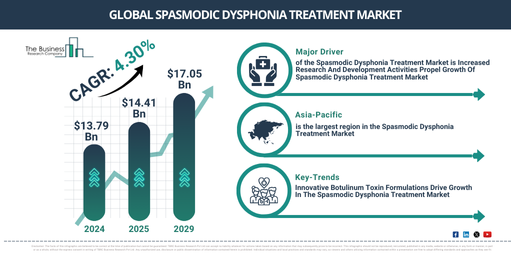
    In recent years, the market for spasmodic dysphonia treatment has exhibited consistent growth. It is projected to expand from a value of $13.79 billion in 2024 to $14.41 billion in 2025, demonstrating a compound annual growth rate (CAGR) of 4.5%. This growth during the historical phase can be credited to rising awareness and diagnosis rates, a surge in the use of alternative therapies, clinical trial expansions, growing impact of health care policies, and advancement in public health initiatives.

    The market size for treatment of spasmodic dysphonia is predicted to undergo a consistent rise in the upcoming years, expanding to$17.05 billion in 2029″ with a compound annual growth rate (CAGR) of 4.3%. The growth envisioned for the forecast period is due to increasing knowledge about neurological diseases, a swelling demand for non-invasive treatments, a more widespread occurrence of vocal disorders, rising acceptance of tailored medical treatments, and an upward trend in the use of telemedicine and remote consultations. Key trends to look out for during the forecast period are advancements in technology, work from home trends, the incorporation of machine learning, artificial intelligence, and the use of blockchain technology.

    Download a free sample to assess the report’s scope and structure:

    https://www.thebusinessresearchcompany.com/sample.aspx?id=17261&type=smp

    Which Major Market Drivers Are Expected to Boost the Growth Potential of the Spasmodic Dysphonia Treatment Market?

    The growth of the spasmodic dysphonia treatment market is anticipated to rise due to the escalation in research and development activities. This refers to structured initiatives taken by organizations or individuals to gain new knowledge, devise innovative technologies, and enhance existing products, services, or activities. The increase is seen in various areas such as technological progress, governmental support, the development of eco-friendly technologies, and virtual prototyping. Research and development initiatives in the treatment of spasmodic dysphonia are key to pushing forward scientific knowledge, improving therapy results, and improving the quality of life for people suffering from this difficult voice disorder. For instance, the Office for National Statistics, a government department in the UK, reported in April 2024 that UK government’s investment in research and development surged by 10.5% in 2022, reaching £15.5 ($19.67) billion, up from £14.0 ($17.77) billion in 2021. Therefore, the growth of the spasmodic dysphonia treatment market is being fueled by the rise in research and development activities.

    Which Key Market Segments Comprise the Spasmodic Dysphonia Treatment Market and Drive Its Revenue Growth?

    The spasmodic dysphonia treatmentmarket covered in this report is segmented –

    1) By Type: Drugs; Preventive Vaccines; Oxygen Therapy

    2) By Treatment: Therapy; Direct Microlaryngoscopy; Pulse Dye Laser; Botox Injections Or Injection Laryngoplasty; Minimally Invasive Approaches; Surgery; Voice therapy; Laryngeal Desensitization; Respiratory Re-training; Other Treatments

    3) By Route of Administration: Oral; Parenteral; Other Routes Of Administration

    4) By Distribution Channel: Hospital Pharmacy; Online Pharmacy; Retail Pharmacy

    5) By End User: Hospitals; Homecare; Specialty Clinics; Other End Users

    Subsegments:

    1) By Drugs: Botulinum Toxin Injections; Anticholinergic Drugs; Muscle Relaxants

    2) By Preventive Vaccines: Botulinum Toxin Vaccine; Other Preventive Vaccines

    3) By Oxygen Therapy: Hyperbaric Oxygen Therapy; Normobaric Oxygen Therapy

    Request customized data on this market:

    https://www.thebusinessresearchcompany.com/customise?id=17261&type=smp

    Which Areas Are Leading Regions in the Spasmodic Dysphonia Treatment Market Expansion Across the Globe?

    Asia-Pacific was the largest region in the spasmodic dysphonia treatment market in 2024. The regions covered in the spasmodic dysphonia treatment market report are Asia-Pacific, Western Europe, Eastern Europe, North America, South America, Middle East, Africa.

    What Are the Key Market Trends in theSpasmodic Dysphonia Treatment Market Over the Coming Years?

    Leading businesses in the spasmodic dysphonia treatment sector are putting their focus on the creation of effective solutions, such as botulinum toxin type A formulations, to cater to the unique requirements of patients suffering from this ailment. Botulinum toxin type A formulations are different medical preparations of botulinum toxin type A, a neurotoxic protein that is created by Clostridium Botulinum bacterium. These formulations are leveraged for their therapeutic and cosmetic benefits, primarily working by restricting the release of acetylcholine at the neuromuscular junction, which in turn temporarily paralyzes muscles or inhibits nerve signals. For example, in March 2024, the South Korean biopharmaceutical company Hugel Inc., unveiled their FDA-approved botulinum toxin Letybo. This newly sanctioned botulinum toxin presents a highly purified formulation that decreases the likelihood of negative reactions while ensuring consistent results. Its distinct molecular structure promises quicker onset and sustained effects. This endorsement demonstrates Hugel’s commitment to comprehensive clinical trials and premium quality, positioning Letybo as a promising contender in the aesthetic medicine sector.

    View the full report here:

    https://www.thebusinessresearchcompany.com/report/spasmodic-dysphonia-treatment-global-market-report

    How Is the Spasmodic Dysphonia Treatment Market Conceptually Defined?

    Spasmodic dysphonia treatment typically involves botulinum toxin injections to relax vocal muscles and improve voice quality, alongside speech therapy to manage symptoms and enhance vocal control. Spasmodic dysphonia treatment focuses on managing symptoms and improving voice quality through a combination of botulinum toxin injections, voice therapy, medications, and, in some cases, surgical interventions.

    Purchase the full report and get a swift delivery:

    https://www.thebusinessresearchcompany.com/purchaseoptions.aspx?id=17261

    About The Business Research Company:

    With over 15000+ reports from 27 industries covering 60+ geographies, The Business Research Company has built a reputation for offering comprehensive, data-rich research and insights. Armed with 1,500,000 datasets, the optimistic contribution of in-depth secondary research, and unique insights from industry leaders, you can get the information you need to stay ahead in the game.

    Get in touch with us:

    The Business Research Company: https://www.thebusinessresearchcompany.com/

    Americas +1 310-496-7795

    Europe +44 7882 955267

    Asia & Others +44 7882 955267 & +91 8897263534

    Email us at info@tbrc.info

    Follow us on:

    LinkedIn: https://in.linkedin.com/company/the-business-research-company

    YouTube: https://www.youtube.com/channel/UC24_fI0rV8cR5DxlCpgmyFQ

    Global Market Model: https://www.thebusinessresearchcompany.com/global-market-model
  • Key Developments and Trends Steering the Gingival Recession Market Forward: Advancing Gingival Recession Treatment With Injectable Regenerative Therapy

    Key Developments and Trends Steering the Gingival Recession Market Forward: Advancing Gingival Recession Treatment With Injectable Regenerative Therapy

    Claim your 30% discount on Global Market Reports with code ONLINE30. Limited time only.

    How Has The Gingival Recession Market Size Shifted, And What Is the Outlook Through 2034?

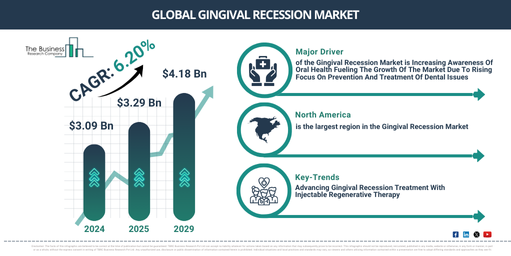
    In the past few years, there has been a significant expansion in the market size for gingival recession. The market, which will rise from $3.09 billion in 2024 is projected to hit $3.29 billion in 2025, showcasing a compound annual growth rate (CAGR) of 6.5%. The robust growth observed during the historic period is attributable to factors such as an escalation in the aging population, heightened consciousness about oral health care, an upward trend in disposable income, growing significance given to dental aesthetics, along with an increasing incidence of periodontal disease.

    A significant increase is anticipated in the market size of gingival recession in the coming years, with projections being a rise to$4.18 billion in 2029″ and a compound annual growth rate (CAGR) of 6.2%. This predicted growth during the forecast period could be due to the rising demand for non-invasive techniques, increasing emphasis on physical aesthetics and correcting imperfect smiles, a tendency towards biological treatments, the increment in the pediatric population, and a surging demand for sophisticated cosmetic dental procedures. Notable trends for the forecast duration comprise progress in surgical methods, advancements in tissue regeneration technologies, breakthroughs in dental technologies, strides in telemedicine and remote consultations, and developments in 3D imaging and computer-assisted design.

    Download a free sample to assess the report’s scope and structure:

    https://www.thebusinessresearchcompany.com/sample.aspx?id=21986&type=smp

    How Are Key Drivers in the Industry Acting as Catalysts for the Growth of theGingival Recession Market?

    The escalating consciousness concerning oral hygiene is anticipated to spur the expansion of the gingival recession market in the future. Oral health pertains to the status of the teeth, gums, and mouth, making sure they are devoid of disease, pain, or infection for proper function and overall wellness. The rising enlightenment about oral health can be attributed to the amplified access to details through digital media and health awareness drives, underscoring its influence on total wellness. Gingival recession is a discernible and frequently distressing indicator of substandard oral health, motivating individuals to comprehend its origins, prevention, and remedies, thereby amplifying awareness of correct oral cleanliness practices. For instance, data released by the Manchester Health and Wellbeing Board, a partnership organization based in the UK, revealed that in January 2024, between July 2022 and June 2023, a total of 78,230 minors under 18 secured treatment from an NHS dentist in Manchester, mirroring a jump of 13,488 children (20.8%) in contrast to the preceding year. Therefore, the escalating consciousness about oral health is stimulating the expansion of the gingival recession market.

    Which Segments in the Gingival Recession Offer the Most Growth?

    The gingival recessionmarket covered in this report is segmented –

    1) By Treatment Method: Soft Tissue Grafting; Regenerative Procedures; Pinhole Surgical Technique (PST)

    2) By Product Type: Tissue Regenerative Materials; Bone Grafting Materials

    3) By End-User: Hospitals; Dental Clinics; Research Institutes

    Subsegments:

    1) By Soft Tissue Grafting; Free Gingival Graft; Connective Tissue Graft; Pedicle Graft; Allograft

    2) By Regenerative Procedures: Guided Tissue Regeneration (GTR); Enamel Matrix Derivatives (EMD); Platelet-Rich Fibrin (PRF); Bone Grafting

    3) By Pinhole Surgical Technique (PST): Minimally Invasive Recession Coverage; Collagen Membrane Application; Scalpel-Free Gum Rejuvenation

    Request customized data on this market:

    https://www.thebusinessresearchcompany.com/customise?id=21986&type=smp

    What Are the Fastest-Growing Geographies in the #How Are Key Drivers in the Industry Acting as Catalysts for the Growth of theGingival Recession Market?# Market?

    North America was the largest region in the gingival recession market in 2024. The regions covered in the gingival recession market report are Asia-Pacific, Western Europe, Eastern Europe, North America, South America, Middle East, Africa.

    What Are the Current Market Growth and Trends in the Gingival Recession Industry?

    Leading organizations in the gingival recession industry are devising novel therapies, including injectable regenerative tissue advancement treatment, to boost soft and hard tissue rejuvenation, enhance treatment results, and fulfill unfulfilled demands in the field of oral healthcare. The injectable regenerative tissue therapy is a less intrusive procedure that activates natural healing and regenerates both soft and hard tissues by encouraging tissue rejuvenation. For example, BioCellgraft, Inc., a regenerative medicine and biotechnology firm based in the US, launched OraFyl in February 2025. OraFyl’s injectable mixture distinguishes it from traditional grafting methods used in oral tissue regeneration. Unlike traditional surgical methods that need extensive intervention and long recovery times, OraFyl offers a less invasive solution for handling gum recession, papilla loss, and alveolar socket management. By using a human connective tissue matrix (HCTM), it aids the body’s natural healing mechanism, potentially accelerating recovery, reducing patient discomfort, lowering treatment expenses, and enhancing clinical outcomes.

    View the full report here:

    https://www.thebusinessresearchcompany.com/report/gingival-recession-global-market-report

    What Are the Key Elements That Define the Gingival Recession Market?

    Gingival recession is a dental condition in which the gum tissue surrounding the teeth pulls back or wears away, exposing more of the tooth or its root. This can lead to increased sensitivity, a higher risk of cavities, and aesthetic concerns. Gingival recession may result from factors such as aggressive brushing, periodontal disease, genetics, or misaligned teeth.

    Purchase the full report and get a swift delivery:

    https://www.thebusinessresearchcompany.com/purchaseoptions.aspx?id=21986

    About The Business Research Company:

    With over 15000+ reports from 27 industries covering 60+ geographies, The Business Research Company has built a reputation for offering comprehensive, data-rich research and insights. Armed with 1,500,000 datasets, the optimistic contribution of in-depth secondary research, and unique insights from industry leaders, you can get the information you need to stay ahead in the game.

    Get in touch with us:

    The Business Research Company: https://www.thebusinessresearchcompany.com/

    Americas +1 310-496-7795

    Europe +44 7882 955267

    Asia & Others +44 7882 955267 & +91 8897263534

    Email us at info@tbrc.info

    Follow us on:

    LinkedIn: https://in.linkedin.com/company/the-business-research-company

    YouTube: https://www.youtube.com/channel/UC24_fI0rV8cR5DxlCpgmyFQ

    Global Market Model: https://www.thebusinessresearchcompany.com/global-market-model
  • Emerging Trends Redefining the Virtual And Remote Laboratories Market Landscape: Advancements In Oral Antiparasitic Therapies For Visceral Leishmaniasis

    Emerging Trends Redefining the Virtual And Remote Laboratories Market Landscape: Advancements In Oral Antiparasitic Therapies For Visceral Leishmaniasis

    Claim your 30% discount on Global Market Reports with code ONLINE30. Limited time only.

    How Fast Is The Visceral Leishmaniasis Market Expected to Grow Between 2025 And 2029?

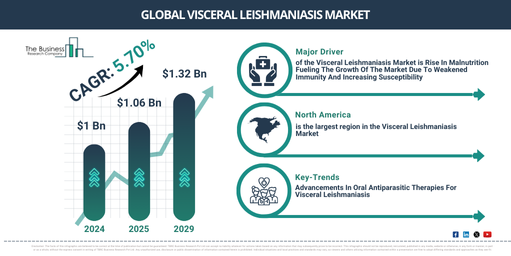
    The market scale for visceral leishmaniasis has experienced robust expansion lately. The market is projected to increase from $1 billion in 2024 to $1.06 billion in 2025, with a compound annual growth rate (CAGR) of 5.7%. The historical period growth is mainly due to reasons like a growing disease burden, escalating government financial support, the launch of amphotericin B, the invention of miltefosine, increasing public awareness campaigns, enhanced healthcare accessibility in endemic regions, and formation of public-private alliances.

    The market size of visceral leishmaniasis is predicted to see a significant surge in the coming years, reaching$1.32 billion in 2029 with a compound annual growth rate (CAGR) of 5.7%. The anticipated growth within the forecast period can be linked to an upsurge in vaccine development investments, strengthening of global disease monitoring processes, rise in public-private partnerships, better funding for overlooked tropical diseases, and the emergence of gene-based therapies. Noteworthy trends within the forecast period encompass gene editing through clustered regularly interspaced short palindromic repeats (CRISPR), drug discovery propelled by artificial intelligence (AI), drug delivery enriched by nanotechnology, use of next-generation sequencing for parasite assessment, wearable biosensors for early diagnosis, application of blockchain in healthcare supply chain management, utilization of smartphone-based diagnostic tools, and the adoption of three-dimensional (3D) bioprinting for personalized treatment exploration.

    Download a free sample to assess the report’s scope and structure:

    https://www.thebusinessresearchcompany.com/sample.aspx?id=23573&type=smp

    What Are the Core Market Drivers Propelling Growth in the Visceral Leishmaniasis Industry?

    An increase in malnutrition rates is anticipated to boost the expansion of the visceral leishmaniasis market. Malnutrition, a health issue resulting from insufficient or imbalanced nutrient consumption crucial for proper body operations, is on the rise due to food insecurity. This factor restricts access to nutritious food, causing undernourishment and micronutrient deficiencies, thereby weakening the immunity system. The body becomes more susceptible to infections like visceral leishmaniasis due to the adverse impact of malnutrition on immunity. Shortfalls in nutrients compromise the body’s defense mechanisms, exacerbating the likelihood of serious illness and complications. To illustrate, in July 2024, the Food and Agriculture Organization, a United Nations specialized agency based in Italy, reported that the number of people suffering from undernourishment had increased from 708.7 million in 2021 to 723.8 million in 2022. Thus, the prevalence of malnutrition is contributing to the growth of the visceral leishmaniasis market.

    How Is the Visceral Leishmaniasis Market Segmented?

    The visceral leishmaniasismarket covered in this report is segmented –

    1) By Treatment: Antiparasitic; Antifungal; Other Treatments

    2) By Diagnosis Method: Serological Tests; Molecular Tests; Microscopy; Culture Methods

    3) By Route Of Administration: Oral; Injectable; Other Routes Of Administration

    4) By Distribution Channel: Hospital Pharmacy; Online Pharmacy; Retail Pharmacy

    5) By End-User: Hospitals; Homecare; Specialty Clinics; Other End-Users

    Subsegments:

    1) By Antiparasitic: Pentavalent Antimonials; Miltefosine; Paromomycin; Sitamaquine; Combination Therapy

    2) By Antifungal: Amphotericin B; Liposomal Amphotericin B (AmBisome); Azoles; Echinocandins; Polyenes

    3) By Other Treatments: Immunotherapy; Monoclonal Antibodies; Vaccine-Based Approaches; Photodynamic Therapy; Gene Therapy

    Request customized data on this market:

    https://www.thebusinessresearchcompany.com/customise?id=23573&type=smp

    Which Regions Are Driving the Next Phase of the Visceral Leishmaniasis Market Growth?

    North America was the largest region in the visceral leishmaniasis market in 2024. Asia-Pacific is expected to be the fastest-growing region in the forecast period. The regions covered in the visceral leishmaniasis market report are Asia-Pacific, Western Europe, Eastern Europe, North America, South America, Middle East, Africa.

    What Key Market Trends and Innovations Are Shaping the Future of the Visceral Leishmaniasis Industry?

    Primary enterprises in the visceral leishmaniasis market are shifting their focus towards advancements, such as antiparasitic drugs to boost effectiveness and improve patient accessibility, especially in regions where the disease is prevalent. Antiparasitic drugs, which are used to fight infections from parasites by disrupting their biological functions and growth, reproduction, or survival inside the host body, appear to be the centre of this development. For instance, Zydus Lifesciences Limited, a pharmaceutical firm based in India, earned prequalification approval from the World Health Organization (WHO) in February 2024 for the active pharmaceutical ingredient (API) and formulation of miltefosine, a drug used in the treatment of leishmaniasis or kala-azar. Miltefosine is an orally administered antiparasitic drug that destabilises the parasite’s cell membrane and hampers its metabolism, leading to the parasite’s cell death. It also obstructs the parasite’s growth and survival, making it an effective oral therapy for visceral leishmaniasis or kala azar.

    View the full report here:

    https://www.thebusinessresearchcompany.com/report/visceral-leishmaniasis-global-market-report

    How Is the Visceral Leishmaniasis Market Defined and What Are Its Core Parameters?

    Visceral leishmaniasis, also known as kala-azar, is a severe parasitic disease caused by Leishmania species, transmitted through infected sandfly bites. It affects internal organs such as the spleen, liver and bone marrow, causing prolonged fever, weight loss, anemia and organ enlargement. If untreated, it can be fatal, making early diagnosis and treatment crucial.

    Purchase the full report and get a swift delivery:

    https://www.thebusinessresearchcompany.com/purchaseoptions.aspx?id=23573

    About The Business Research Company:

    With over 15000+ reports from 27 industries covering 60+ geographies, The Business Research Company has built a reputation for offering comprehensive, data-rich research and insights. Armed with 1,500,000 datasets, the optimistic contribution of in-depth secondary research, and unique insights from industry leaders, you can get the information you need to stay ahead in the game.

    Get in touch with us:

    The Business Research Company: https://www.thebusinessresearchcompany.com/

    Americas +1 310-496-7795

    Europe +44 7882 955267

    Asia & Others +44 7882 955267 & +91 8897263534

    Email us at info@tbrc.info

    Follow us on:

    LinkedIn: https://in.linkedin.com/company/the-business-research-company

    YouTube: https://www.youtube.com/channel/UC24_fI0rV8cR5DxlCpgmyFQ

    Global Market Model: https://www.thebusinessresearchcompany.com/global-market-model
  • Nephrotic Syndrome Market Insights: In-Depth Look at Growth Trends, Market Size, and Opportunities for 2025-2034

    Nephrotic Syndrome Market Insights: In-Depth Look at Growth Trends, Market Size, and Opportunities for 2025-2034

    Claim your 30% discount on Global Market Reports with code ONLINE30. Limited time only.

    What is the Projected CAGR for the Nephrotic Syndrome Market Size from 2025 to 2034?

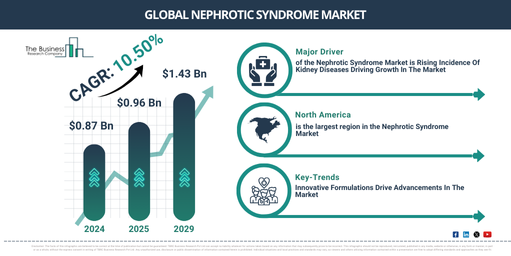
    The market size of nephrotic syndrome has been experiencing a swift expansion lately. It is predicted to increase from $0.87 billion in 2024 to $0.96 billion in 2025, with a compound annual growth rate (CAGR) of 10.7%. The past growth can be linked to the rising occurrence of nephrotic syndrome, escalation in genetic disorders, elevated obesity levels, heightened usage of immunosuppressive drugs, and the rising influence of genetic factors.

    The market size for nephrotic syndrome is predicted to experience accelerated growth in the coming years. By 2029, it’s estimated to reach $1.43 billion with a compound annual growth rate (CAGR) of 10.5%. Factors contributing to this expansion during the forecast period include increased awareness of nephrotic syndrome, escalating incidences of chronic kidney disease (CKD), rising prevalence of metabolic disorders and an aging population. Increased occurrence of autoimmune diseases is another contributing factor. Key trends in this forecast period are the use of telemedicine and remote monitoring, inventive drug delivery systems, progress in treatment methodologies, advancements in the field of biotechnology, and the incorporation of digital health technologies.

    Download a free sample to assess the report’s scope and structure:

    https://www.thebusinessresearchcompany.com/sample.aspx?id=21228&type=smp

    What External and Internal Drivers Are Contributing to the Growth of theNephrotic Syndrome Market?

    The rise in cases of kidney-related issues is projected to fuel the expansion of the nephrotic syndrome market. Such diseases encompass any conditions that inhibit the kidneys’ task of eliminating waste and excess fluids from the bloodstream, which are essential to the body’s overall health. The frequency of renal illnesses is growing due to elements such as diabetes, hypertension, obesity, an aging populace, and transformations in lifestyle, like insufficient hydration and excessive sodium consumption. Nephrotic syndrome exacerbates renal health problems by damaging the glomeruli, thereby undermining the kidneys’ capacity to discard waste and hold crucial proteins. For example, the Australian Institute of Health and Welfare, a government organization based in Australia, reported in June 2024 that the death rate due to chronic kidney disease (CKD) in Australia rose from 4.2% in 2021 to 6.2% in 2022. Consequently, the escalating frequency of renal diseases is propelling the growth of the nephrotic syndrome market.

    What Segment Types Define the Nephrotic Syndrome Market Structure?

    The nephrotic syndromemarket covered in this report is segmented –

    1) By Type: Drugs; Devices

    2) By Diagnosis Tests: Urinalysis; Glomerular Filtration Rate (GFR); Blood Test; Kidney Biopsy; Computerized Tomography (CT) Scan

    3) By Application: Clinics; Hospitals; Speciality Centres; Other Applications

    Subsegments:

    1) By Drugs: Steroids; Immunosuppressants; Diuretics; ACE Inhibitors Or ARBs; Other Drugs

    2) By Devices: Dialysis Machines; Peritoneal Dialysis Catheters; Hemodialysis Catheters; Kidney Replacement Therapy Devices

    Request customized data on this market:

    https://www.thebusinessresearchcompany.com/customise?id=21228&type=smp

    Which Geographic Areas Hold the Strongest Growth Potential in the Nephrotic Syndrome Market?

    North America was the largest region in the nephrotic syndrome market in 2024. The regions covered in the nephrotic syndrome market report are Asia-Pacific, Western Europe, Eastern Europe, North America, South America, Middle East, Africa.

    What Long-Term Trends Are Transforming the Competitive Landscape of the Nephrotic Syndrome Market?

    The nephrotic syndrome market’s leading corporates are now prioritizing the creation of new treatments such as loop diuretic injections that enhance fluid handling and reduce edema in patients suffering from nephrotic syndrome. The term “loop diuretic Injection” denotes a medicine administered by injection that blocks the reabsorption of sodium and chloride at the loop of Henle, driving swift urine production. Its applications include the treatment of diseases like acute pulmonary edema, heart failure and severe hypertension, by way of limiting fluid overload. For example, in March 2024, a U.S. pharmaceutical company called Avenacy Inc. introduced into the U.S. market a product called furosemide for injection, which is a generic equivalent of Lasix, a drug sanctioned by the Food and Drug Administration to address edema related to heart failure, cirrhosis of the liver and kidney diseases. This product, packaged in 25 packs containing 10 mL doses of 100 mg, forms part of Avenacy’s larger strategy of extending its offering of injectable medications, with an ambition to launch more than 20 new products in 2024. The drug is designed to treat both adults and children suffering from edema linked with conditions like congestive heart failure, liver cirrhosis, kidney disorders and nephrotic syndrome.

    View the full report here:

    https://www.thebusinessresearchcompany.com/report/nephrotic-syndrome-global-market-report

    What Is the Definition of the Nephrotic Syndrome Market?

    Nephrotic syndrome is a kidney disorder characterized by excessive protein loss in the urine (proteinuria), low levels of protein in the blood (hypoalbuminemia), high cholesterol levels (hyperlipidemia), and swelling (edema), especially in the legs, feet, and around the eyes. It occurs due to damage to the glomeruli, the kidney’s filtering units, which allows the protein to leak into the urine.

    Purchase the full report and get a swift delivery:

    https://www.thebusinessresearchcompany.com/purchaseoptions.aspx?id=21228

    About The Business Research Company:

    With over 15000+ reports from 27 industries covering 60+ geographies, The Business Research Company has built a reputation for offering comprehensive, data-rich research and insights. Armed with 1,500,000 datasets, the optimistic contribution of in-depth secondary research, and unique insights from industry leaders, you can get the information you need to stay ahead in the game.

    Get in touch with us:

    The Business Research Company: https://www.thebusinessresearchcompany.com/

    Americas +1 310-496-7795

    Europe +44 7882 955267

    Asia & Others +44 7882 955267 & +91 8897263534

    Email us at info@tbrc.info

    Follow us on:

    LinkedIn: https://in.linkedin.com/company/the-business-research-company

    YouTube: https://www.youtube.com/channel/UC24_fI0rV8cR5DxlCpgmyFQ

    Global Market Model: https://www.thebusinessresearchcompany.com/global-market-model
  • Sodium Glucose Cotransporter 2 (SGLT2) Inhibitors Market Overview 2025: Competitive Shifts, Forecast Models, and Emerging Opportunities

    Sodium Glucose Cotransporter 2 (SGLT2) Inhibitors Market Overview 2025: Competitive Shifts, Forecast Models, and Emerging Opportunities

    Claim your 30% discount on Global Market Reports with code ONLINE30. Limited time only.

    What Are the Key Projections for the CAGR of the Sodium Glucose Cotransporter 2 (SGLT2) Inhibitors Market Size From 2025 to 2034?

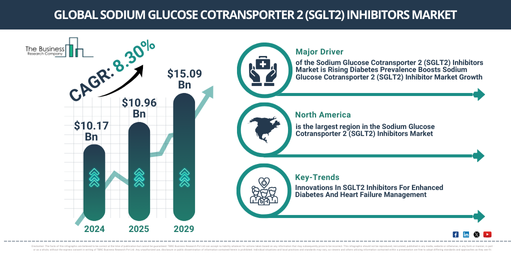
    The market size of sodium glucose cotransporter 2 (sglt2) inhibitors has demonstrated robust growth in the recent past. The projected expansion indicates an increase from $10.17 billion in 2024 to $10.96 billion in 2025, with a compound annual growth rate (CAGR) of 7.8%. The significant growth in previous periods may be accounted for by successful early clinical trials, a surge in regulatory approvals, a rise in diagnoses of diabetes, and an increasing demand for novel diabetes therapies.

    The market size for sodium glucose cotransporter 2 (sglt2) inhibitors is projected to experience significant growth in the upcoming years, estimated to reach a value of $15.09 billion by 2029, with a compound annual growth rate (CAGR) of 8.3%. This expected growth during the forecast period can be linked to a surge in diabetes cases, an increase in obesity rates, heightened public awareness about diabetes management, and its increasing use in treating heart and kidney diseases. Some of the major forthcoming trends include the incorporation of combination treatments, the use of personalized medicine, advancements in technology, and conventional drug creation.

    Download a free sample to assess the report’s scope and structure:

    https://www.thebusinessresearchcompany.com/sample.aspx?id=18473&type=smp

    What Are the Core Growth Drivers Propelling the Sodium Glucose Cotransporter 2 (SGLT2) Inhibitors Market Forward?

    The sodium glucose cotransporter 2 (SGLT2) inhibitor market is projected to expand due to the escalating occurrence of diabetes. Diabetes is a collection of metabolic disorders identified by excessive sugar levels in the blood caused by defects in insulin production, function, or both. The development of diabetes can be due to various factors including urbanization, stress, environmental pollution, and limited access to medical services. SGLT2 inhibitors, used in the treatment of diabetes, lower blood glucose levels by hindering glucose reabsorption in the kidneys, which results in glucose being excreted in the urine. These inhibitors present cardiovascular and renal advantages, making them an effective solution for managing diabetes and related complications. As an example, in December 2023, as per the Australian Bureau of Statistics, a government agency in Australia, it was reported that in 2022, about 1.3 million people, or 5.3% of Australians, were diagnosed with diabetes with similar rates among males (5.8%) and females (4.9%). The occurrence of diabetes has been on a steady rise, substantially increasing with age, peaking at 18.7% in those aged 75 and beyond. Among the types of diabetes, type 2 is the most prevalent, making up 87.6% of all cases. Additionally, factors like being born overseas, residing in underprivileged areas, and living with a disability are linked with increased diabetes instances. Therefore, the surge in diabetes prevalence is a key growth driver for the sodium glucose cotransporter 2 (SGLT2) inhibitor market.

    What Segment Types Define the Sodium Glucose Cotransporter 2 (SGLT2) Inhibitors Market Structure?

    The sodium glucose cotransporter 2 (sglt2) inhibitorsmarket covered in this report is segmented –

    1) By Type: Invokana; Jardiance; Farxiga Or Forxiga; Suglat

    2) By Route Of Administration: Oral Route; Other Route Of Administration

    3) By End User: Hospitals; Homecare Settings; Clinics

    Subsegments:

    1) By Invokana: Generic Invokana (Canagliflozin); Branded Invokana

    2) By Jardiance: Generic Jardiance (Empagliflozin); Branded Jardiance

    3) By Farxiga Or Forxiga: Generic Farxiga (Dapagliflozin); Branded Farxiga

    4) By Suglat: Suglat (Sotagliflozin) For Diabetes; Suglat (Sotagliflozin) For Heart Failure

    Request customized data on this market:

    https://www.thebusinessresearchcompany.com/customise?id=18473&type=smp

    Which Geographic Areas Hold the Strongest Growth Potential in the Sodium Glucose Cotransporter 2 (SGLT2) Inhibitors Market?

    North America was the largest region in the sodium glucose cotransporter 2 (SGLT2) inhibitors market in 2024. Asia-Pacific is expected to be the fastest-growing region in the forecast period. The regions covered in the sodium glucose cotransporter 2 (SGLT2) inhibitors market report are Asia-Pacific, Western Europe, Eastern Europe, North America, South America, Middle East, Africa.

    Which Emerging Trends that Are Influencing theSodium Glucose Cotransporter 2 (SGLT2) Inhibitors Industry Evolution?

    Leading companies in the sodium glucose cotransporter 2 (SGLT2) inhibitor market are keen on advancing dual inhibitor therapeutic approaches to optimize patient results and regulate blood sugar concentrations. Dual inhibitor therapeutic options are methods that concurrently target two disparate sodium-glucose cotransporters (SGLT1 and SGLT2) to boost efficiency in dealing with conditions like heart failure and diabetes. For example, in May 2023, Lexicon Pharmaceuticals Inc., an American biopharmaceutical enterprise, obtained approval from the Food and Drug Administration (FDA) for sotagliflozin, a medication for heart failure. This pioneer, a dual inhibitor of sodium-glucose cotransporters 1 and 2, is a once-daily tablet configured to minimize cardiovascular death, hospitalizations due to heart failure, and urgent heart failure appointments in adults with heart failure, type 2 diabetes, chronic kidney illness, and other cardiovascular risk factors. Advantages include diminished renal glucose and sodium reabsorption, which results in the reduction of preload and afterload and reduced sympathetic activity.

    View the full report here:

    https://www.thebusinessresearchcompany.com/report/sodium-glucose-cotransporter-2-sglt2-inhibitors-global-market-report

    What Is the Definition of the Sodium Glucose Cotransporter 2 (SGLT2) Inhibitors Market?

    Sodium glucose cotransporter 2 (SGLT2) inhibitors are a class of medications used to treat type 2 diabetes by blocking the SGLT2 protein in the kidneys, preventing glucose reabsorption and promoting its excretion in urine. This helps lower blood glucose levels and can also contribute to weight loss and reduced blood pressure. They have additional cardiovascular and renal benefits, making them valuable in managing diabetic complications.

    Purchase the full report and get a swift delivery:

    https://www.thebusinessresearchcompany.com/purchaseoptions.aspx?id=18473

    About The Business Research Company:

    With over 15000+ reports from 27 industries covering 60+ geographies, The Business Research Company has built a reputation for offering comprehensive, data-rich research and insights. Armed with 1,500,000 datasets, the optimistic contribution of in-depth secondary research, and unique insights from industry leaders, you can get the information you need to stay ahead in the game.

    Get in touch with us:

    The Business Research Company: https://www.thebusinessresearchcompany.com/

    Americas +1 310-496-7795

    Europe +44 7882 955267

    Asia & Others +44 7882 955267 & +91 8897263534

    Email us at info@tbrc.info

    Follow us on:

    LinkedIn: https://in.linkedin.com/company/the-business-research-company

    YouTube: https://www.youtube.com/channel/UC24_fI0rV8cR5DxlCpgmyFQ

    Global Market Model: https://www.thebusinessresearchcompany.com/global-market-model
  • Market Trends Influencing Strategic Decisions in the Geographic Atrophy Industry: Innovative Complement Inhibitor Therapy Advancing Treatment Options For Progressive Eye Disease

    Market Trends Influencing Strategic Decisions in the Geographic Atrophy Industry: Innovative Complement Inhibitor Therapy Advancing Treatment Options For Progressive Eye Disease

    Claim your 30% discount on Global Market Reports with code ONLINE30. Limited time only.

    How Has the Geographic Atrophy Market Growth Performance Trended Historically, And What Lies Ahead?

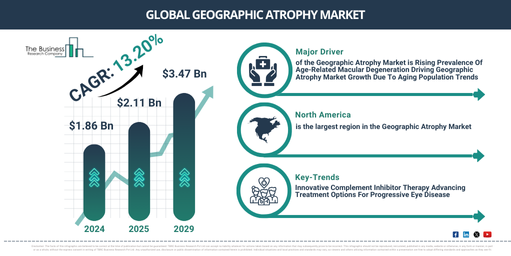
    There has been significant growth in the size of the geographic atrophy market in the recent past. The market size is projected to increase from $1.86 billion in 2024 to $2.11 billion in 2025, reflecting a compound annual growth rate (CAGR) of 13.7%. Factors contributing to the growth during the historic period include an aging population, an increased demand for effective treatment methods, a higher prevalence of geographic atrophy, greater health consciousness, and a rise in instances of retinal diseases.

    Predictions indicate a swift expansion in the size of the geographic atrophy market in the approaching years, reaching a noteworthy$3.47 billion in 2029″ with a compound annual growth rate (CAGR) of 13.2%. This progression during the forecasted span is primarily due to the enhanced emphasis on research and development activities, amplified disbursement in R&D, swelling usage of smartphones, escalating healthcare spending, and boosted investments in clinical trials. The forthcoming period is likely to witness trends such as progress in gene therapy, innovations in healthcare technology, new technology development, the surge in telemedicine adoption, and the introduction of innovative and effective pharmaceuticals.

    Download a free sample to assess the report’s scope and structure:

    https://www.thebusinessresearchcompany.com/sample.aspx?id=21984&type=smp

    What Are the Major Market Drivers Behind the Rising Adoption of Geographic Atrophy Market?

    The expected growth of the geographic atrophy market is linked to the rising prevalence of age-related macular degeneration. This eye condition, predominant in older adults, damages the retina’s central part, causing problems with seeing fine details. The increase in AMD cases is largely due to a growing aging population who experience gradual eye damage due to natural aging processes. This makes them increasingly susceptible to the disease. Treatments for geographic atrophy help manage AMD by slowing retinal damage progression and preserving the remaining vision. As per a Medical News Today report in January 2024, an American digital media firm, the worldwide cases of AMD are predicted to increase from 196 million to 288 million by 2040. Thus, the burgeoning prevalence of AMD is influencing the geographic atrophy market’s growth.

    Which Key Market Segments Comprise the Geographic Atrophy Market and Drive Its Revenue Growth?

    The geographic atrophymarket covered in this report is segmented –

    1) By Drug Type: Anti-Vascular Endothelial Growth Factor (VEGF) Therapy; Complement Inhibitors; Neuroprotective Agents; Other Drugs

    2) By Diagnosis: Fundus Autofluorescence (FAF); Optical Coherence Tomography Angiography (OCT-A); Multifocal Electroretinography (mfERG)

    3) By Route Of Administration: Intravitreal; Oral; Other Routes Of Administration

    4) By Distribution Channel: Hospital Pharmacies; Retail Pharmacies; Online Pharmacies; Other Distribution Channels

    Subsegments:

    1) By Anti-Vascular Endothelial Growth Factor (VEGF) Therapy: Ranibizumab; Aflibercept; Bevacizumab

    2) By Complement Inhibitors: Pegcetacoplan; Lfg316

    3) By Neuroprotective Agents: Latanoprost; Brimonidine

    4) By Other Drugs: Steroids; Retinoids; Combination Therapy

    Request customized data on this market:

    https://www.thebusinessresearchcompany.com/customise?id=21984&type=smp

    Which Areas Are Leading Regions in the Geographic Atrophy Market Expansion Across the Globe?

    North America was the largest region in the geographic atrophy market in 2024. Asia-Pacific is expected to be the fastest-growing region in the forecast period. The regions covered in the geographic atrophy market report are Asia-Pacific, Western Europe, Eastern Europe, North America, South America, Middle East, Africa.

    What Are the Strategic Trends Steering theGeographic Atrophy Market Direction?

    Innovation focused strategies are being employed by significant firms in the geographic atrophy market, such as complement inhibitor therapy, for the advancement of treatment measures for the condition. This therapy is a treatment method that decelerates an excessively reactive immune response, often linked with certain diseases, and plays a crucial role in safeguarding healthy cells from damage, thereby slowing down the progression of the disease. For example, Astellas Pharma Inc., a pharmaceutical organization based in Japan, secured the Food and Drug Administration approval for IZERVAY (avacincaptad pegol intravitreal solution) for geographic atrophy in February 2025. This US-based government agency’s endorsement of IZERVAY removed dosing duration restrictions, thus providing a new treatment pathway for geographic atrophy (GA) caused by age-related macular degeneration (AMD). This step further provides increased flexibility in managing GA and provides extended treatment possibilities for both patients and healthcare providers.

    View the full report here:

    https://www.thebusinessresearchcompany.com/report/geographic-atrophy-global-market-report

    How Is the Geographic Atrophy Market Conceptually Defined?

    Geographic atrophy is an eye condition that causes gradual vision loss due to damage in the retina. It is a severe form of age-related macular degeneration (AMD) that leads to blind spots in central vision.

    Purchase the full report and get a swift delivery:

    https://www.thebusinessresearchcompany.com/purchaseoptions.aspx?id=21984

    About The Business Research Company:

    With over 15000+ reports from 27 industries covering 60+ geographies, The Business Research Company has built a reputation for offering comprehensive, data-rich research and insights. Armed with 1,500,000 datasets, the optimistic contribution of in-depth secondary research, and unique insights from industry leaders, you can get the information you need to stay ahead in the game.

    Get in touch with us:

    The Business Research Company: https://www.thebusinessresearchcompany.com/

    Americas +1 310-496-7795

    Europe +44 7882 955267

    Asia & Others +44 7882 955267 & +91 8897263534

    Email us at info@tbrc.info

    Follow us on:

    LinkedIn: https://in.linkedin.com/company/the-business-research-company

    YouTube: https://www.youtube.com/channel/UC24_fI0rV8cR5DxlCpgmyFQ

    Global Market Model: https://www.thebusinessresearchcompany.com/global-market-model