Month: August 2025

  • Medical Mammography Equipment Market Forecast Reaching $2.88 Billion by 2029 at 6.8% CAGR

    Medical Mammography Equipment Market Forecast Reaching $2.88 Billion by 2029 at 6.8% CAGR

    Claim your 30% discount on Global Market Reports with code ONLINE30. Limited time only.

    What Is the Estimated Market Size of the Medical Mammography Equipment Market In 2029?

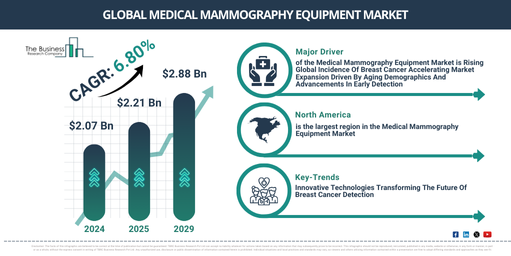
    In recent times, there has been a robust increase in the size of the medical mammography equipment market. Predictions indicate a rise from $2.07 billion in 2024 to $2.21 billion in 2025, experiencing a compound annual growth rate (CAGR) of 6.9%. Factors contributing to this growth over the historical period include the heightened consciousness about breast cancer, burgeoning demand for early diagnosis technologies, increased government initiatives and funding dedicated to breast cancer screening, a rise in health care spending, and an escalating incidence of breast cancer in women.

    In the coming years, the market for medical mammography equipment is projected to experience robust expansion, escalating to $2.88 billion by 2029 with a Compound Annual Growth Rate of 6.8%. This anticipated growth for the predicted period can be ascribed to factors such as increased use of digital mammography systems, an aging population, enhancements in healthcare infrastructure, breakthroughs in AI for detecting breast cancer, and a rising emphasis on preventative healthcare and early diagnosis. The forecast period is likely to witness key developments like the progression of 3D mammography technology, refined combination of AI and machine learning for superior diagnosis, the creation of portable and compact mammography units, and novel approaches to personalized breast cancer screening and contrast-enhanced mammography techniques.

    Download a free sample to assess the report’s scope and structure:

    https://www.thebusinessresearchcompany.com/sample.aspx?id=23447&type=smp

    Which Major Market Drivers Are Expected to Boost the Growth Potential of the Medical Mammography Equipment Market?

    The rising occurrence of breast cancer is anticipated to boost the expansion of the medical mammography equipment market. This disease, characterized by uncontrolled cell growth in the breast, results in a detectable tumor frequently visible through an x-ray or touchable as a lump. Endocrine-disrupting chemicals are contributing to this surge in breast cancer as they disrupt the hormonal equilibrium, in turn, escalating the potential for hormone-related tumor development. These mammography machines are critical in the initial detection of breast cancer, thereby facilitating prompt treatment and enhancing survivorship rates. For instance, Cancer Australia, a government agency, announced in September 2024 that breast cancer made up 12.7% of all fresh cancer cases in 2022, with a count of 20,640 diagnoses and 3,214 associated fatalities. Thus, the escalating incidence of breast cancer is propelling the expansion of the medical mammography equipment market.

    Which Key Market Segments Comprise the Medical Mammography Equipment Market and Drive Its Revenue Growth?

    The medical mammography equipmentmarket covered in this report is segmented –

    1) By Product Type: Analog Mammography Equipment; Digital Mammography Equipment; 3D Mammography (Tomosynthesis); MRI Mammography; Screening Mammography Systems

    2) By Technology: Film-Based Technology; Digital Technology; Computed Radiography; Computed Radiography

    3) By Application: Screening For Breast Cancer; Diagnostic Mammography; Monitoring Treatment Responses; Research And Development In Breast Health

    4) By End-User: Hospitals; Diagnostic Imaging Centers; Specialized Clinics; Research Institutions

    Subsegments:

    1) By Analog Mammography Equipment: Film-Screen Mammography Systems; Dedicated Analog Mammography Units; Retrofit Analog Systems

    2) By Digital Mammography Equipment: Full-Field Digital Mammography (FFDM); Computed Radiography (CR) Mammography; Digital Breast Imaging Workstations

    3) By 3D Mammography (Tomosynthesis): Standalone Tomosynthesis Systems; Combo 2D/3D Systems; Mobile Tomosynthesis Units

    4) By MRI Mammography: Breast MRI Scanners; Dedicated Breast Coils; Contrast Agents for Breast MRI

    5) By Screening Mammography Systems: Hospital-Based Screening Systems; Mobile Screening Units; Public Health Screening Programs

    Request customized data on this market:

    https://www.thebusinessresearchcompany.com/customise?id=23447&type=smp

    Which Areas Are Leading Regions in the Medical Mammography Equipment Market Expansion Across the Globe?

    North America was the largest region in the medical mammography equipment market in 2024. Asia-Pacific is expected to be the fastest-growing region in the forecast period. The regions covered in the medical mammography equipment market report are Asia-Pacific, Western Europe, Eastern Europe, North America, South America, Middle East, Africa.

    What Are the Key Market Trends in theMedical Mammography Equipment Market Over the Coming Years?

    Key players in the medical mammography equipment market are prioritizing the development of cutting-edge technologies such as digital breast chemosynthesis (DBT), aimed at improving early detection of breast cancer, enhancing diagnostic precision, decreasing recall rates and offering more personalized, efficient patient care. DBT signifies a more advanced imaging procedure which generates three-dimensional images of the breast by capturing multiple X-ray shots from various angles. To cite an example, Siemens Healthineers, a medical technology firm based in Germany, introduced a revolutionary next-generation tomosynthesis mammography system, the Mammomat B. Brilliant, in October 2023. It features a wide-angle tube design that improves 3D breast imaging for more efficient cancer detection. The system is constructed to yield high-definition images while keeping patients comfortable and minimizing radiation exposure. Its objective is to refine breast cancer diagnosis via more meticulous, resourceful screening. Mammomat B. Brilliant showcases the organization’s pledge to take advantage of progressive imaging technologies in the field of women’s healthcare.

    View the full report here:

    https://www.thebusinessresearchcompany.com/report/medical-mammography-equipment-global-market-report

    How Is the Medical Mammography Equipment Market Conceptually Defined?

    Medical mammography equipment is specialized imaging technology used for early detection and diagnosis of breast cancer. It utilizes low-dose X-rays to create detailed images of the breast tissue, helping identify abnormalities such as tumors or calcifications. The equipment typically includes a mammography machine, image processing systems, and advanced software for analysis.

    Purchase the full report and get a swift delivery:

    https://www.thebusinessresearchcompany.com/purchaseoptions.aspx?id=23447

    About The Business Research Company:

    With over 15000+ reports from 27 industries covering 60+ geographies, The Business Research Company has built a reputation for offering comprehensive, data-rich research and insights. Armed with 1,500,000 datasets, the optimistic contribution of in-depth secondary research, and unique insights from industry leaders, you can get the information you need to stay ahead in the game.

    Get in touch with us:

    The Business Research Company: https://www.thebusinessresearchcompany.com/

    Americas +1 310-496-7795

    Europe +44 7882 955267

    Asia & Others +44 7882 955267 & +91 8897263534

    Email us at info@tbrc.info

    Follow us on:

    LinkedIn: https://in.linkedin.com/company/the-business-research-company

    YouTube: https://www.youtube.com/channel/UC24_fI0rV8cR5DxlCpgmyFQ

    Global Market Model: https://www.thebusinessresearchcompany.com/global-market-model
  • $0.52 Billion Forecast for Leber Hereditary Optic Neuropathy Treatment Market by 2029, Backed by Demand and Innovation

    $0.52 Billion Forecast for Leber Hereditary Optic Neuropathy Treatment Market by 2029, Backed by Demand and Innovation

    Claim your 30% discount on Global Market Reports with code ONLINE30. Limited time only.

    How Fast Is The Leber Hereditary Optic Neuropathy Treatment Market Expected to Grow Between 2025 And 2029?

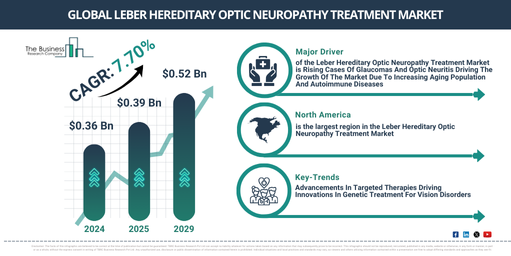
    The market size for treatment of Leber hereditary optic neuropathy has experienced robust growth lately. It will escalate from $0.36 billion in 2024 to approximately $0.39 billion in 2025, with a compound annual growth rate (CAGR) of 8.0%. This rise during the historical period can be credited to the surge in cases of Leber hereditary optic neuropathy, an increasing elderly population, the upswing in diabetes cases, growing interest for cell-free DNA in maternal plasma tests, and enhanced investment in the healthcare field.

    In the approaching years, a vigorous upswing is predicted in the size of the leber hereditary optic neuropathy treatment market, which is expected to reach$0.52 billion by 2029, growing at a CAGR of 7.7%. This analyzed growth within the forecast span can be credited to escalating demand for leading-edge therapy and intervention methods, surge in demand for specialized diagnostic services, better awareness and early diagnosis of optic neuropathies, an increasing necessity for fresh treatments for LHON, along with product design enhancements and quality augmentation. Predicted trends for the forecast span include the evolution of targeted therapies, improvements in genetic testing, developments in surgical and drug treatments, technology advancements in gene therapy, and the broadening scope of gene therapy.

    Download a free sample to assess the report’s scope and structure:

    https://www.thebusinessresearchcompany.com/sample.aspx?id=23438&type=smp

    What Are the Core Growth Drivers Propelling the Leber Hereditary Optic Neuropathy Treatment Market Forward?

    The escalation in occurrences of glaucomas and optic neuritis is projected to fuel the expansion of the leber hereditary optic neuropathy treatment market. Both these conditions afflict the optic nerve – glaucoma is typically triggered by heightened intraocular pressure while optic neuritis stems from inflammation, frequently related to autoimmune diseases. This leads to the loss of vision. The surge in these conditions can be attributed to an aging population and advancements in diagnostic techniques. The risk of glaucoma, marked by elevated intraocular pressure causing optic nerve damage, intensifies as the global populace ages. Both glaucoma and optic neuritis feature optic nerve damage and vision loss, characteristics shared with LHON. As the prevalence of these diseases increases, greater emphasis is placed on therapies addressing optic nerve degeneration through increased awareness and research. This can prove beneficial for LHON treatment, as it shares the same root cause of optic nerve damage. For example, in October 2024, the Centers for Disease Control and Prevention, a federal agency based in the US, reported that over 3 million Americans are suffering from glaucoma. This figure is expected to rise to 6.3 million by 2050, propelled by the aging US population. Therefore, the escalating incidents of glaucoma and optic neuritis contribute to the expansion of the leber hereditary optic neuropathy treatment market.

    What Segment Types Define the Leber Hereditary Optic Neuropathy Treatment Market Structure?

    The leber hereditary optic neuropathy treatmentmarket covered in this report is segmented –

    1) By Treatment: Medication; Stem Cell Therapy; Gene Therapy; Genetic Counseling

    2) By Route Of Administration: Intramuscular; Oral; Other Routes Of Administration

    3) By Diagnosis: Molecular Genetic Testing; Magnetic Resonance Imaging (MRI); Blood tests; Other Diagnosis

    4) By Distribution Channel: Hospital Pharmacy; Retail Pharmacy; Online Pharmacy

    5) By End-Users: Clinic; Hospital; Other End-Users

    Subsegments:

    1) By Medication: Idebenone; Antioxidants; Mitochondrial-Targeted Therapies; Neuroprotective Agents

    2) By Stem Cell Therapy: Autologous Stem Cell Therapy; Allogeneic Stem Cell Therapy; Induced Pluripotent Stem Cell (iPSC) Therapy

    3) By Gene Therapy: Adeno-Associated Virus (AAV)-Mediated Therapy; Mitochondrial Gene Editing; RNA-Based Therapies

    4) By Genetic Counseling: Carrier Screening; Predictive Testing; Family Risk Assessment; Pre-Symptomatic Genetic Counseling

    Request customized data on this market:

    https://www.thebusinessresearchcompany.com/customise?id=23438&type=smp

    Which Geographic Areas Hold the Strongest Growth Potential in the Leber Hereditary Optic Neuropathy Treatment Market?

    North America was the largest region in the leber hereditary optic neuropathy treatment market in 2024. Asia-Pacific is expected to be the fastest-growing region in the forecast period. The regions covered in the leber hereditary optic neuropathy treatment market report are Asia-Pacific, Western Europe, Eastern Europe, North America, South America, Middle East, Africa.

    Which Emerging Trends that Are Influencing theLeber Hereditary Optic Neuropathy Treatment Industry Evolution?

    Primary players in the leber hereditary optic neuropathy (LHON) treatment market are concentrating their efforts on creating novel solutions such as gene therapy clinical trials. The objective is to boost the effectiveness of treatment, restore mitochondrial function, and tackle LHON’s genetic root causes. These gene therapy trials are designed to rectify vision by introducing functional versions of faulty mitochondrial genes like ND4. These studies must go through several phases such as preclinical research, as well as phase 1, 2, and 3 trials to gain regulatory approval. For example, in August 2023, Neurophth Therapeutics, a gene therapy company based in China, launched a Phase I/II clinical trial for treating LHON targeting ND1-LHON in both China and the U.S. The primary objective of this trial is to assess the safety, tolerability, and effectiveness of NFS-02, following the requisite approvals from the U.S. FDA and China’s NMPA. They have dosed the first patient, signifying a crucial advancement in Neurophth’s worldwide efforts towards gaining early drug approval and commercialization. Their focus is also on speeding up patient enrollment and discovering more gene therapy uses for other unmet medical requirements.

    View the full report here:

    https://www.thebusinessresearchcompany.com/report/leber-hereditary-optic-neuropathy-treatment-global-market-report

    What Is the Definition of the Leber Hereditary Optic Neuropathy Treatment Market?

    Leber hereditary optic neuropathy (LHON) treatment refers to medical approaches aimed at managing or mitigating the effects of LHON, a rare genetic disorder that causes sudden vision loss, typically in young adults. LHON is caused by mutations in mitochondrial DNA, leading to optic nerve degeneration and severe vision impairment. The disorder stems from impaired retinal ganglion cell function, resulting in optic nerve degeneration.

    Purchase the full report and get a swift delivery:

    https://www.thebusinessresearchcompany.com/purchaseoptions.aspx?id=23438

    About The Business Research Company:

    With over 15000+ reports from 27 industries covering 60+ geographies, The Business Research Company has built a reputation for offering comprehensive, data-rich research and insights. Armed with 1,500,000 datasets, the optimistic contribution of in-depth secondary research, and unique insights from industry leaders, you can get the information you need to stay ahead in the game.

    Get in touch with us:

    The Business Research Company: https://www.thebusinessresearchcompany.com/

    Americas +1 310-496-7795

    Europe +44 7882 955267

    Asia & Others +44 7882 955267 & +91 8897263534

    Email us at info@tbrc.info

    Follow us on:

    LinkedIn: https://in.linkedin.com/company/the-business-research-company

    YouTube: https://www.youtube.com/channel/UC24_fI0rV8cR5DxlCpgmyFQ

    Global Market Model: https://www.thebusinessresearchcompany.com/global-market-model
  • Global Juvenile Macular Degeneration Treatment Market Projected to Reach $1.87 Billion by 2029 at a CAGR of 7.8%

    Global Juvenile Macular Degeneration Treatment Market Projected to Reach $1.87 Billion by 2029 at a CAGR of 7.8%

    Claim your 30% discount on Global Market Reports with code ONLINE30. Limited time only.

    What Are the Key Projections for the CAGR of the Juvenile Macular Degeneration Treatment Market Size From 2025 to 2034?

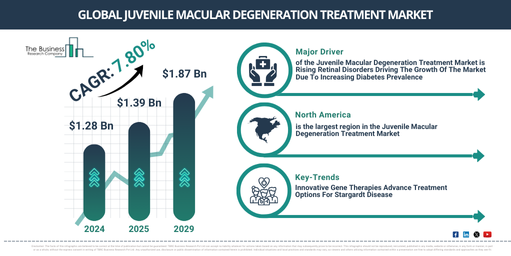
    The market for treating juvenile macular degeneration has seen substantial expansion in the past few years. A surge from $1.28 billion in 2024 to $1.39 billion in 2025, with a compound annual growth rate (CAGR) of 8.3%, is anticipated. The previous period’s expansion can be linked to a rise in genetically linked eye maladies, augmenting investments in eye-related research, amplified attention towards children’s eye health, escalating cases of visual defects among youngsters, and the increasingly prevalent use of artificial intelligence in ocular diagnostic procedures.

    The market size for juvenile macular degeneration treatments is projected to experience a robust growth in the upcoming years. The market is predicted to expand to$1.87 billion in 2029, with a compound annual growth rate (CAGR) of 7.8%. This foreseen surge within the forecast period is due to factors such as an increase in the aged populace, a proliferation of startup companies focused on ophthalmic biotechnology, an intensified concentration on targeted drug delivery systems, a rising count of clinical trials, and enhanced investments in gene therapy. Key trends noticed within the forecast period encompass advancements in genetic testing, progress in gene therapies, research in stem cells, regulatory backing for cutting-edge therapies, and individualized medicine strategies.

    Download a free sample to assess the report’s scope and structure:

    https://www.thebusinessresearchcompany.com/sample.aspx?id=23433&type=smp

    What are the Fundamental Drivers and Innovations Shaping the Juvenile Macular Degeneration Treatment Market?

    The growth of the juvenile macular degeneration treatment market is projected to be driven by the rising incidence of retinal disorders. These disorders are conditions that impact the retina – the area of the eye sensitive to light – and can cause vision problems or even blindness. The prevalence of retinal disorders has been increasing due to a surge in diabetes cases, which often lead to complications like diabetic retinopathy that deteriorate the retina over time. Juvenile macular degeneration treatments play a key role in managing retinal disorders, as they help maintain vision by intervening early, especially in young patients. For example, in November 2024, Retina Australia, a non-profit organization based in Australia, reported that an estimated 1 in 1,380 people, or nearly 19,000 individuals in Australia, are living with an inherited retinal disease (IRD). Additionally, the National Eye Institute, a health institution based in the US, predicts that the number of Americans suffering from advanced age-related macular degeneration (AMD) is projected to rise from the present figure of 2.1 million to 3.7 million by 2030. As such, the escalating incidence of retinal disorders is fueling the expansion of the juvenile macular degeneration treatment market.

    How Is the Juvenile Macular Degeneration Treatment Market Segmented?

    The juvenile macular degeneration treatmentmarket covered in this report is segmented –

    1) By Type: Wet Age-Related Macular Degeneration; Dry Age-Related Macular Degeneration

    2) By Treatment: Devices; Drugs; Surgery

    3) By Application: Vision Preservation; Disease Management; Symptom Relief; Preventive Care; Clinical Trials

    4) By Sales Channel: Hospitals; Ambulatory Surgical Centres; Other Sales Channel

    Subsegments:

    1) By Wet Age-Related Macular Degeneration: Anti-Vascular Endothelial Growth Factor (Anti-VEGF) Therapy; Photodynamic Therapy (PDT); Laser Therapy

    2) By Dry Age-Related Macular Degeneration: Nutritional Supplements; Gene Therapy; Stem Cell Therapy

    Request customized data on this market:

    https://www.thebusinessresearchcompany.com/customise?id=23433&type=smp

    Which Regions Are Driving the Next Phase of the Juvenile Macular Degeneration Treatment Market Growth?

    North America was the largest region in the juvenile macular degeneration treatment market in 2024. The regions covered in the juvenile macular degeneration treatment market report are Asia-Pacific, Western Europe, Eastern Europe, North America, South America, Middle East, Africa.

    What Key Trends Are Shaping the Future of the Juvenile Macular Degeneration Treatment Market?

    Leading businesses in the juvenile macular degeneration treatment market are concentrating on creating innovative solutions, for example, dual adeno-associated viral (AAV) vectors aimed at enhancing the delivery of gene therapy and bolstering the treatment effectiveness for patients suffering from juvenile macular degeneration. The strategy of using dual AAV vectors is a method in gene therapy that involves the use of two AAV vectors to administer large therapeutic genes, going beyond the packaging capacity of a single AAV. Take for example, in March 2025, the biotechnology company based in Spain, SpliceBio, declared the initial patient dosing in its Phase 1/2 ASTRA study for SB-007, a dual AAV vector gene therapy anticipated to restore full-length ABCA4 protein expression. The goal of this therapy is to offer a promising treatment for juvenile macular degeneration (also known as stargardt disease), a genetically acquired retinal disease currently without accepted treatments by considering all patients, irrespective of their mutations. This achievement signifies an important advancement towards the creation of effective gene therapies for rare eye diseases associated with the retina.

    View the full report here:

    https://www.thebusinessresearchcompany.com/report/juvenile-macular-degeneration-treatment-global-market-report

    How Is the Juvenile Macular Degeneration Treatment Market Defined and What Are Its Core Parameters?

    Juvenile macular degeneration (stargardt disease) treatment refers to a range of strategies aimed at managing vision loss and improving quality of life for individuals affected by this genetic eye disorder. It is caused by genetic mutations that damage the macula, the central part of the retina, leading to gradual vision loss and difficulty with tasks like reading and recognizing faces.

    Purchase the full report and get a swift delivery:

    https://www.thebusinessresearchcompany.com/purchaseoptions.aspx?id=23433

    About The Business Research Company:

    With over 15000+ reports from 27 industries covering 60+ geographies, The Business Research Company has built a reputation for offering comprehensive, data-rich research and insights. Armed with 1,500,000 datasets, the optimistic contribution of in-depth secondary research, and unique insights from industry leaders, you can get the information you need to stay ahead in the game.

    Get in touch with us:

    The Business Research Company: https://www.thebusinessresearchcompany.com/

    Americas +1 310-496-7795

    Europe +44 7882 955267

    Asia & Others +44 7882 955267 & +91 8897263534

    Email us at info@tbrc.info

    Follow us on:

    LinkedIn: https://in.linkedin.com/company/the-business-research-company

    YouTube: https://www.youtube.com/channel/UC24_fI0rV8cR5DxlCpgmyFQ

    Global Market Model: https://www.thebusinessresearchcompany.com/global-market-model
  • Intravenous (IV) Ibuprofen Market Forecast 2025–2034: Trends Reshaping Demand, Investment, and Innovation

    Intravenous (IV) Ibuprofen Market Forecast 2025–2034: Trends Reshaping Demand, Investment, and Innovation

    Claim your 30% discount on Global Market Reports with code ONLINE30. Limited time only.

    How Has The Juvenile Idiopathic Arthritis Diagnostic Market Growth Evolved From 2024 To 2025, And What’s Ahead?

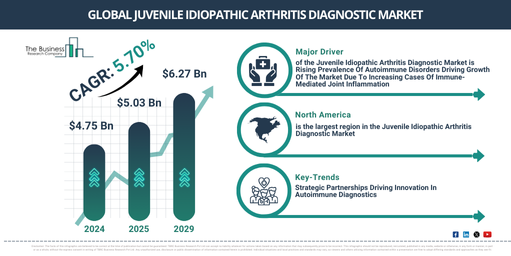
    In the past few years, the juvenile idiopathic arthritis diagnostic market has experienced significant growth. It is projected to increase from $4.75 billion in 2024 to $5.03 billion in 2025, showing a compound annual growth rate (CAGR) of 5.8%. This noticeable expansion during the historic period is due to several factors such as an increase in the occurrence of juvenile idiopathic arthritis, heightened consciousness of pediatric autoimmune disorders, advancements in early detection, greater investments in healthcare and an intensified emphasis on pediatric care.

    Expectations are high for robust expansion in the juvenile idiopathic arthritis diagnostic market size in the coming years. It is anticipated to touch the mark of$6.27 billion by 2029, showcasing a compound annual growth rate (CAGR) of 5.7%. Numerous factors contribute to this expected growth in the forecast period, such as the bolstering partnerships amongst research organizations, surging demand for early and precise diagnostic processes, escalating incidents of autoimmune and inflammatory diseases, initiatives taken by government and healthcare institutions, and the burgeoning field of telemedicine and digital health platforms. Upcoming trends for the forecast period encompass technological improvements, enhancements in diagnostic technologies, individualized treatment approaches, and innovative diagnostic tools.

    Download a free sample to assess the report’s scope and structure:

    https://www.thebusinessresearchcompany.com/sample.aspx?id=23432&type=smp

    What Are the Primary Drivers Supporting the Market Growth of the Juvenile Idiopathic Arthritis Diagnostic Market?

    The escalating incidence of autoimmune diseases is anticipated to drive the growth of the juvenile idiopathic arthritis diagnostic market. The term “autoimmune disorders” describes conditions where the immune system erroneously targets healthy cells within the body, resulting in inflammation, tissue harm, and persistent health issues. This uptick in autoimmune disorders can be attributed to a multifaceted interplay involving environmental triggers, genetic predispositions, and alterations in lifestyle. Autoimmune diseases are responsible for juvenile idiopathic arthritis (JIA) as they induce the immune system to inadvertently attack the synovial tissue in the joints, inflicting inflammation and damage. Take for example, the Versorgungsatlas.de, a web-based interactive platform from Germany, which reported in November 2024 that in 2022, out of a total of 73,241,305 insured people, 6,304,340 were diagnosed with a minimum of one autoimmune disease, leading to a crude prevalence rate of 8.61%. Consequently, the escalating incidence of autoimmune diseases is fueling the expansion of the juvenile idiopathic arthritis diagnostic market.

    Which Primary Segments of the Juvenile Idiopathic Arthritis Diagnostic Market Are Driving Growth and Industry Transformations?

    The juvenile idiopathic arthritis diagnosticmarket covered in this report is segmented –

    1) By Type: Serological Tests; Imaging Tests; Genetic Tests

    2) By Technology: Molecular Diagnostics; Immunoassays; Flow Cytometry

    3) By Services: Diagnostic Services; Consultation Services; Laboratory Services

    4) By Application: Hospital Laboratories; Diagnostic Centres; Research Institutes

    Subsegments:

    1) By Serological Tests: Rheumatoid Factor (RF) Test, Antinuclear Antibody (ANA) Test, Erythrocyte Sedimentation Rate (ESR) Test, C-Reactive Protein (CRP) Test, Anti-Cyclic Citrullinated Peptide (Anti-CCP) Test, Complete Blood Count (CBC)

    2) By Imaging Tests: X-Ray, Magnetic Resonance Imaging (MRI), Ultrasound, Computed Tomography (CT) Scan, Bone Scintigraphy (Bone Scan)

    3) By Genetic Tests: HLA-B27 Genetic Marker Test, Whole Exome Sequencing (WES), Next-Generation Sequencing (NGS), Polymerase Chain Reaction (PCR)-Based Testing

    Request customized data on this market:

    https://www.thebusinessresearchcompany.com/customise?id=23432&type=smp

    Which Regions Are Key Players in the Growth of the #What Are the Primary Drivers Supporting the Market Growth of the Juvenile Idiopathic Arthritis Diagnostic Market?# Market?

    North America was the largest region in the juvenile idiopathic arthritis diagnostic market in 2024. Asia-Pacific is expected to be the fastest-growing region in the forecast period. The regions covered in the juvenile idiopathic arthritis diagnostic market report are Asia-Pacific, Western Europe, Eastern Europe, North America, South America, Middle East, Africa.

    What Are the Most Significant Market Trends in the Juvenile Idiopathic Arthritis Diagnostic Market?

    Prominent businesses in the market for juvenile idiopathic arthritis diagnosis are establishing strategic alliances to bolster their product range, augment research capacities, and consolidate their global market position. Strategic alliances involve partnerships between companies with the goal of promoting early disease detection and diagnosis. For example, in November 2024, Canadian biotech company Augurex Life Sciences Corp teamed up with Quest Diagnostics, an American diagnostic service firm, in an effort to enhance rheumatoid arthritis (RA) diagnosis and management using the 14-3-3? (eta) biomarker. Under this collaboration, Quest Diagnostics is set to validate and provide a laboratory-developed test in the USA using Augurex’s 14-3-3? biomarker. The test aims to identify raised 14-3-3? protein levels, a sign of rheumatoid arthritis, which indicates a greater severity of the disease and an increased risk of joint damage.

    View the full report here:

    https://www.thebusinessresearchcompany.com/report/juvenile-idiopathic-arthritis-diagnostic-global-market-report

    What Parameters Are Used to Define the Juvenile Idiopathic Arthritis Diagnostic Market?

    Juvenile idiopathic arthritis (JIA) diagnostic refers to the medical processes and tests used to identify JIA, a chronic autoimmune condition in children that causes persistent joint inflammation, pain, and stiffness, potentially leading to long-term joint damage and mobility issues. It is caused by an overactive immune system mistakenly attacking the body’s own joint tissues due to genetic and environmental factors, triggering inflammation that, if left untreated, can result in growth complications, vision problems, and reduced quality of life.

    Purchase the full report and get a swift delivery:

    https://www.thebusinessresearchcompany.com/purchaseoptions.aspx?id=23432

    About The Business Research Company:

    With over 15000+ reports from 27 industries covering 60+ geographies, The Business Research Company has built a reputation for offering comprehensive, data-rich research and insights. Armed with 1,500,000 datasets, the optimistic contribution of in-depth secondary research, and unique insights from industry leaders, you can get the information you need to stay ahead in the game.

    Get in touch with us:

    The Business Research Company: https://www.thebusinessresearchcompany.com/

    Americas +1 310-496-7795

    Europe +44 7882 955267

    Asia & Others +44 7882 955267 & +91 8897263534

    Email us at info@tbrc.info

    Follow us on:

    LinkedIn: https://in.linkedin.com/company/the-business-research-company

    YouTube: https://www.youtube.com/channel/UC24_fI0rV8cR5DxlCpgmyFQ

    Global Market Model: https://www.thebusinessresearchcompany.com/global-market-model
  • Intravenous (IV) Ibuprofen Market 2025-2034: Key Highlights, Growth Dynamics, and Emerging Trends

    Intravenous (IV) Ibuprofen Market 2025-2034: Key Highlights, Growth Dynamics, and Emerging Trends

    Claim your 30% discount on Global Market Reports with code ONLINE30. Limited time only.

    What is the Projected CAGR for the Intravenous (IV) Ibuprofen Market Size from 2025 to 2034?

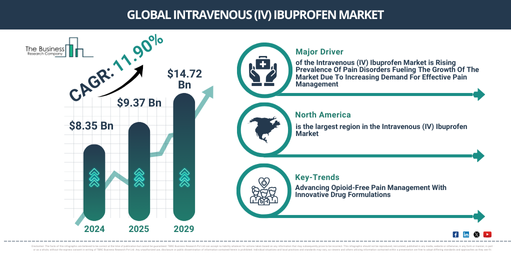
    The market size for intravenous (iv) ibuprofen has experienced swift expansion in the past few years. It’s anticipated to rise from $8.35 billion in 2024 to $9.37 billion in 2025, showcasing a compound annual growth rate (CAGR) of 12.3%. The impressive growth during the historical period can be credited to a rise in chronic disease cases, an increase in surgical procedures, an emerging focus on reducing opioid consumption, a growth in per capita income, and the expansion of the medical tourism sector.

    The market size for intravenous (iv) ibuprofen is predicted to experience swift expansion in the coming years, with projections indicating growth to$14.72 billion in 2029, reflecting a compound annual growth rate (CAGR) of 11.9%. Factors influencing this growth over the forecast period are enhanced health care investments, a growing number of pediatric patients, rising occurrences of pain and fever, an increasing elderly population and escalated uptake of advanced pharmaceutical treatments. Key trends for the forecast period involve cutting-edge therapeutic solutions, single-dose formulations, advancements in personalized medicine, incorporation into multimodal pain management protocols, and progress in combination therapies.

    Download a free sample to assess the report’s scope and structure:

    https://www.thebusinessresearchcompany.com/sample.aspx?id=23429&type=smp

    How Are Key Drivers in the Industry Acting as Catalysts for the Growth of theIntravenous (IV) Ibuprofen Market?

    An increase in pain disorders is anticipated to fuel the expansion of the intravenous ibuprofen market. Pain disorders are medical conditions distinguished by persistent or ongoing pain that impairs everyday activities and are usually triggered by nerve, musculoskeletal, or inflammatory problems. This increase in pain disorders correlates with an aging population, who are more prone to chronic conditions such as arthritis, osteoarthritis, and nerve pain, thereby escalating the demand for effective pain relief. Intravenous ibuprofen aids in pain management by offering swift relief, positioning it as the ideal solution for acute and postoperative pain. It minimizes inflammation and augments patient comfort, thereby improving treatment efficiency in medical contexts. For example, in January 2024, data from the Office for Health Improvement and Disparities, a UK-based government agency, showed that the percentage of individuals aged 16 and older who self-reported a long-term musculoskeletal condition had increased to 18.4% in 2023, up from 17.6% in 2022. Thus, the growing prevalence of pain disorders is propelling the expansion of the intravenous ibuprofen market.

    Which Segments in the Intravenous (IV) Ibuprofen Offer the Most Growth?

    The intravenous (iv) ibuprofenmarket covered in this report is segmented –

    1) By Product Type: Conventional Intravenous (IV) Ibuprofen; High-Concentration Intravenous (IV) Ibuprofen

    2) By Strength: 100 Milligrams (mg); 200 Milligrams (mg); 400 Milligrams (mg); 800 Milligrams (mg)

    3) By Age Group: Pediatrics; Adults

    4) By Application: Pain; Fever; Inflammation; Other Applications

    5) By End-User: Hospitals; Ambulatory Surgical Centers; Clinics; Other End-Users

    Subsegments:

    1) By Conventional Intravenous (IV) Ibuprofen: Pediatric Intravenous (IV) Ibuprofen; Adult Intravenous (IV) Ibuprofen

    2) By High-Concentration Intravenous (IV) Ibuprofen: Single-Dose Vial; Multi-Dose Vial

    Request customized data on this market:

    https://www.thebusinessresearchcompany.com/customise?id=23429&type=smp

    What Are the Fastest-Growing Geographies in the #How Are Key Drivers in the Industry Acting as Catalysts for the Growth of theIntravenous (IV) Ibuprofen Market?# Market?

    North America was the largest region in the intravenous (IV) ibuprofen market in 2024. Asia-Pacific is expected to be the fastest-growing region in the forecast period. The regions covered in the intravenous (IV) ibuprofen market report are Asia-Pacific, Western Europe, Eastern Europe, North America, South America, Middle East, Africa.

    What Are the Current Market Growth and Trends in the Intravenous (IV) Ibuprofen Industry?

    Leading organizations within the intravenous ibuprofen market are concentrating on innovating new drug compositions, such as opioid-free painkillers that offer improved pain control while reducing opioid reliance. Non-opioid analgesics are pain-alleviating medications that pose no risk of opioid addiction or related side effects, as they don’t contain any opioids. For instance, Hikma Pharmaceuticals plc, a pharmaceutical organization based in the UK, launched an opioid-free painkiller known as COMBOGESIC IV (ibuprofen and acetaminophen) injection in the US, after acquiring FDA approval in October 2023, which was officially launched in February 2024. This intravenous non-opioid painkiller is designed for mild to moderate pain relief and also assists in managing moderate to severe pain. With two distinctive active ingredients, COMBOGESIC IV provides healthcare providers with a new, unique non-opioid choice for managing pain.

    View the full report here:

    https://www.thebusinessresearchcompany.com/report/intravenous-iv-ibuprofen-global-market-report

    What Are the Key Elements That Define the Intravenous (IV) Ibuprofen Market?

    Intravenous (IV) Ibuprofen is a form of ibuprofen administered directly into the bloodstream through an intravenous route. The primary purpose of intravenous (IV) ibuprofen is to provide rapid pain relief and reduce inflammation or fever, especially in patients who cannot take oral medications. It works by inhibiting the production of prostaglandins, which cause pain and inflammation. Intravenous ibuprofen is commonly used for postoperative pain and acute conditions requiring quick relief.

    Purchase the full report and get a swift delivery:

    https://www.thebusinessresearchcompany.com/purchaseoptions.aspx?id=23429

    About The Business Research Company:

    With over 15000+ reports from 27 industries covering 60+ geographies, The Business Research Company has built a reputation for offering comprehensive, data-rich research and insights. Armed with 1,500,000 datasets, the optimistic contribution of in-depth secondary research, and unique insights from industry leaders, you can get the information you need to stay ahead in the game.

    Get in touch with us:

    The Business Research Company: https://www.thebusinessresearchcompany.com/

    Americas +1 310-496-7795

    Europe +44 7882 955267

    Asia & Others +44 7882 955267 & +91 8897263534

    Email us at info@tbrc.info

    Follow us on:

    LinkedIn: https://in.linkedin.com/company/the-business-research-company

    YouTube: https://www.youtube.com/channel/UC24_fI0rV8cR5DxlCpgmyFQ

    Global Market Model: https://www.thebusinessresearchcompany.com/global-market-model
  • $0.52 Billion Forecast for Leber Hereditary Optic Neuropathy Treatment Market by 2029, Backed by Demand and Innovation

    $0.52 Billion Forecast for Leber Hereditary Optic Neuropathy Treatment Market by 2029, Backed by Demand and Innovation

    Claim your 30% discount on Global Market Reports with code ONLINE30. Limited time only.

    How Fast Is The Leber Hereditary Optic Neuropathy Treatment Market Expected to Grow Between 2025 And 2029?

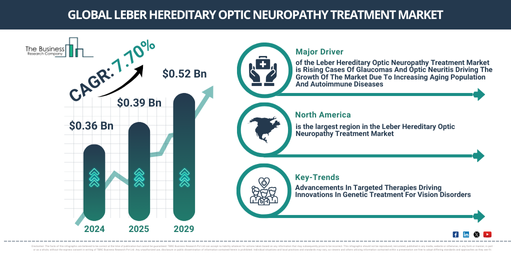
    The market size for treatment of Leber hereditary optic neuropathy has experienced robust growth lately. It will escalate from $0.36 billion in 2024 to approximately $0.39 billion in 2025, with a compound annual growth rate (CAGR) of 8.0%. This rise during the historical period can be credited to the surge in cases of Leber hereditary optic neuropathy, an increasing elderly population, the upswing in diabetes cases, growing interest for cell-free DNA in maternal plasma tests, and enhanced investment in the healthcare field.

    In the approaching years, a vigorous upswing is predicted in the size of the leber hereditary optic neuropathy treatment market, which is expected to reach$0.52 billion by 2029, growing at a CAGR of 7.7%. This analyzed growth within the forecast span can be credited to escalating demand for leading-edge therapy and intervention methods, surge in demand for specialized diagnostic services, better awareness and early diagnosis of optic neuropathies, an increasing necessity for fresh treatments for LHON, along with product design enhancements and quality augmentation. Predicted trends for the forecast span include the evolution of targeted therapies, improvements in genetic testing, developments in surgical and drug treatments, technology advancements in gene therapy, and the broadening scope of gene therapy.

    Download a free sample to assess the report’s scope and structure:

    https://www.thebusinessresearchcompany.com/sample.aspx?id=23438&type=smp

    What Are the Core Growth Drivers Propelling the Leber Hereditary Optic Neuropathy Treatment Market Forward?

    The escalation in occurrences of glaucomas and optic neuritis is projected to fuel the expansion of the leber hereditary optic neuropathy treatment market. Both these conditions afflict the optic nerve – glaucoma is typically triggered by heightened intraocular pressure while optic neuritis stems from inflammation, frequently related to autoimmune diseases. This leads to the loss of vision. The surge in these conditions can be attributed to an aging population and advancements in diagnostic techniques. The risk of glaucoma, marked by elevated intraocular pressure causing optic nerve damage, intensifies as the global populace ages. Both glaucoma and optic neuritis feature optic nerve damage and vision loss, characteristics shared with LHON. As the prevalence of these diseases increases, greater emphasis is placed on therapies addressing optic nerve degeneration through increased awareness and research. This can prove beneficial for LHON treatment, as it shares the same root cause of optic nerve damage. For example, in October 2024, the Centers for Disease Control and Prevention, a federal agency based in the US, reported that over 3 million Americans are suffering from glaucoma. This figure is expected to rise to 6.3 million by 2050, propelled by the aging US population. Therefore, the escalating incidents of glaucoma and optic neuritis contribute to the expansion of the leber hereditary optic neuropathy treatment market.

    What Segment Types Define the Leber Hereditary Optic Neuropathy Treatment Market Structure?

    The leber hereditary optic neuropathy treatmentmarket covered in this report is segmented –

    1) By Treatment: Medication; Stem Cell Therapy; Gene Therapy; Genetic Counseling

    2) By Route Of Administration: Intramuscular; Oral; Other Routes Of Administration

    3) By Diagnosis: Molecular Genetic Testing; Magnetic Resonance Imaging (MRI); Blood tests; Other Diagnosis

    4) By Distribution Channel: Hospital Pharmacy; Retail Pharmacy; Online Pharmacy

    5) By End-Users: Clinic; Hospital; Other End-Users

    Subsegments:

    1) By Medication: Idebenone; Antioxidants; Mitochondrial-Targeted Therapies; Neuroprotective Agents

    2) By Stem Cell Therapy: Autologous Stem Cell Therapy; Allogeneic Stem Cell Therapy; Induced Pluripotent Stem Cell (iPSC) Therapy

    3) By Gene Therapy: Adeno-Associated Virus (AAV)-Mediated Therapy; Mitochondrial Gene Editing; RNA-Based Therapies

    4) By Genetic Counseling: Carrier Screening; Predictive Testing; Family Risk Assessment; Pre-Symptomatic Genetic Counseling

    Request customized data on this market:

    https://www.thebusinessresearchcompany.com/customise?id=23438&type=smp

    Which Geographic Areas Hold the Strongest Growth Potential in the Leber Hereditary Optic Neuropathy Treatment Market?

    North America was the largest region in the leber hereditary optic neuropathy treatment market in 2024. Asia-Pacific is expected to be the fastest-growing region in the forecast period. The regions covered in the leber hereditary optic neuropathy treatment market report are Asia-Pacific, Western Europe, Eastern Europe, North America, South America, Middle East, Africa.

    Which Emerging Trends that Are Influencing theLeber Hereditary Optic Neuropathy Treatment Industry Evolution?

    Primary players in the leber hereditary optic neuropathy (LHON) treatment market are concentrating their efforts on creating novel solutions such as gene therapy clinical trials. The objective is to boost the effectiveness of treatment, restore mitochondrial function, and tackle LHON’s genetic root causes. These gene therapy trials are designed to rectify vision by introducing functional versions of faulty mitochondrial genes like ND4. These studies must go through several phases such as preclinical research, as well as phase 1, 2, and 3 trials to gain regulatory approval. For example, in August 2023, Neurophth Therapeutics, a gene therapy company based in China, launched a Phase I/II clinical trial for treating LHON targeting ND1-LHON in both China and the U.S. The primary objective of this trial is to assess the safety, tolerability, and effectiveness of NFS-02, following the requisite approvals from the U.S. FDA and China’s NMPA. They have dosed the first patient, signifying a crucial advancement in Neurophth’s worldwide efforts towards gaining early drug approval and commercialization. Their focus is also on speeding up patient enrollment and discovering more gene therapy uses for other unmet medical requirements.

    View the full report here:

    https://www.thebusinessresearchcompany.com/report/leber-hereditary-optic-neuropathy-treatment-global-market-report

    What Is the Definition of the Leber Hereditary Optic Neuropathy Treatment Market?

    Leber hereditary optic neuropathy (LHON) treatment refers to medical approaches aimed at managing or mitigating the effects of LHON, a rare genetic disorder that causes sudden vision loss, typically in young adults. LHON is caused by mutations in mitochondrial DNA, leading to optic nerve degeneration and severe vision impairment. The disorder stems from impaired retinal ganglion cell function, resulting in optic nerve degeneration.

    Purchase the full report and get a swift delivery:

    https://www.thebusinessresearchcompany.com/purchaseoptions.aspx?id=23438

    About The Business Research Company:

    With over 15000+ reports from 27 industries covering 60+ geographies, The Business Research Company has built a reputation for offering comprehensive, data-rich research and insights. Armed with 1,500,000 datasets, the optimistic contribution of in-depth secondary research, and unique insights from industry leaders, you can get the information you need to stay ahead in the game.

    Get in touch with us:

    The Business Research Company: https://www.thebusinessresearchcompany.com/

    Americas +1 310-496-7795

    Europe +44 7882 955267

    Asia & Others +44 7882 955267 & +91 8897263534

    Email us at info@tbrc.info

    Follow us on:

    LinkedIn: https://in.linkedin.com/company/the-business-research-company

    YouTube: https://www.youtube.com/channel/UC24_fI0rV8cR5DxlCpgmyFQ

    Global Market Model: https://www.thebusinessresearchcompany.com/global-market-model
  • Global Juvenile Macular Degeneration Treatment Market Projected to Reach $1.87 Billion by 2029 at a CAGR of 7.8%

    Global Juvenile Macular Degeneration Treatment Market Projected to Reach $1.87 Billion by 2029 at a CAGR of 7.8%

    Claim your 30% discount on Global Market Reports with code ONLINE30. Limited time only.

    What Are the Key Projections for the CAGR of the Juvenile Macular Degeneration Treatment Market Size From 2025 to 2034?

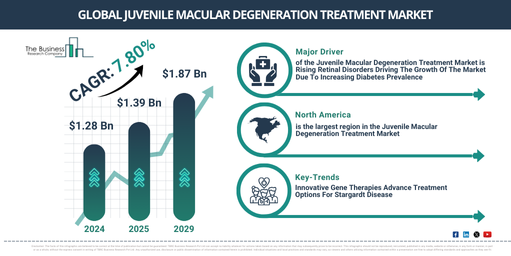
    The market for treating juvenile macular degeneration has seen substantial expansion in the past few years. A surge from $1.28 billion in 2024 to $1.39 billion in 2025, with a compound annual growth rate (CAGR) of 8.3%, is anticipated. The previous period’s expansion can be linked to a rise in genetically linked eye maladies, augmenting investments in eye-related research, amplified attention towards children’s eye health, escalating cases of visual defects among youngsters, and the increasingly prevalent use of artificial intelligence in ocular diagnostic procedures.

    The market size for juvenile macular degeneration treatments is projected to experience a robust growth in the upcoming years. The market is predicted to expand to$1.87 billion in 2029, with a compound annual growth rate (CAGR) of 7.8%. This foreseen surge within the forecast period is due to factors such as an increase in the aged populace, a proliferation of startup companies focused on ophthalmic biotechnology, an intensified concentration on targeted drug delivery systems, a rising count of clinical trials, and enhanced investments in gene therapy. Key trends noticed within the forecast period encompass advancements in genetic testing, progress in gene therapies, research in stem cells, regulatory backing for cutting-edge therapies, and individualized medicine strategies.

    Download a free sample to assess the report’s scope and structure:

    https://www.thebusinessresearchcompany.com/sample.aspx?id=23433&type=smp

    What are the Fundamental Drivers and Innovations Shaping the Juvenile Macular Degeneration Treatment Market?

    The growth of the juvenile macular degeneration treatment market is projected to be driven by the rising incidence of retinal disorders. These disorders are conditions that impact the retina – the area of the eye sensitive to light – and can cause vision problems or even blindness. The prevalence of retinal disorders has been increasing due to a surge in diabetes cases, which often lead to complications like diabetic retinopathy that deteriorate the retina over time. Juvenile macular degeneration treatments play a key role in managing retinal disorders, as they help maintain vision by intervening early, especially in young patients. For example, in November 2024, Retina Australia, a non-profit organization based in Australia, reported that an estimated 1 in 1,380 people, or nearly 19,000 individuals in Australia, are living with an inherited retinal disease (IRD). Additionally, the National Eye Institute, a health institution based in the US, predicts that the number of Americans suffering from advanced age-related macular degeneration (AMD) is projected to rise from the present figure of 2.1 million to 3.7 million by 2030. As such, the escalating incidence of retinal disorders is fueling the expansion of the juvenile macular degeneration treatment market.

    How Is the Juvenile Macular Degeneration Treatment Market Segmented?

    The juvenile macular degeneration treatmentmarket covered in this report is segmented –

    1) By Type: Wet Age-Related Macular Degeneration; Dry Age-Related Macular Degeneration

    2) By Treatment: Devices; Drugs; Surgery

    3) By Application: Vision Preservation; Disease Management; Symptom Relief; Preventive Care; Clinical Trials

    4) By Sales Channel: Hospitals; Ambulatory Surgical Centres; Other Sales Channel

    Subsegments:

    1) By Wet Age-Related Macular Degeneration: Anti-Vascular Endothelial Growth Factor (Anti-VEGF) Therapy; Photodynamic Therapy (PDT); Laser Therapy

    2) By Dry Age-Related Macular Degeneration: Nutritional Supplements; Gene Therapy; Stem Cell Therapy

    Request customized data on this market:

    https://www.thebusinessresearchcompany.com/customise?id=23433&type=smp

    Which Regions Are Driving the Next Phase of the Juvenile Macular Degeneration Treatment Market Growth?

    North America was the largest region in the juvenile macular degeneration treatment market in 2024. The regions covered in the juvenile macular degeneration treatment market report are Asia-Pacific, Western Europe, Eastern Europe, North America, South America, Middle East, Africa.

    What Key Trends Are Shaping the Future of the Juvenile Macular Degeneration Treatment Market?

    Leading businesses in the juvenile macular degeneration treatment market are concentrating on creating innovative solutions, for example, dual adeno-associated viral (AAV) vectors aimed at enhancing the delivery of gene therapy and bolstering the treatment effectiveness for patients suffering from juvenile macular degeneration. The strategy of using dual AAV vectors is a method in gene therapy that involves the use of two AAV vectors to administer large therapeutic genes, going beyond the packaging capacity of a single AAV. Take for example, in March 2025, the biotechnology company based in Spain, SpliceBio, declared the initial patient dosing in its Phase 1/2 ASTRA study for SB-007, a dual AAV vector gene therapy anticipated to restore full-length ABCA4 protein expression. The goal of this therapy is to offer a promising treatment for juvenile macular degeneration (also known as stargardt disease), a genetically acquired retinal disease currently without accepted treatments by considering all patients, irrespective of their mutations. This achievement signifies an important advancement towards the creation of effective gene therapies for rare eye diseases associated with the retina.

    View the full report here:

    https://www.thebusinessresearchcompany.com/report/juvenile-macular-degeneration-treatment-global-market-report

    How Is the Juvenile Macular Degeneration Treatment Market Defined and What Are Its Core Parameters?

    Juvenile macular degeneration (stargardt disease) treatment refers to a range of strategies aimed at managing vision loss and improving quality of life for individuals affected by this genetic eye disorder. It is caused by genetic mutations that damage the macula, the central part of the retina, leading to gradual vision loss and difficulty with tasks like reading and recognizing faces.

    Purchase the full report and get a swift delivery:

    https://www.thebusinessresearchcompany.com/purchaseoptions.aspx?id=23433

    About The Business Research Company:

    With over 15000+ reports from 27 industries covering 60+ geographies, The Business Research Company has built a reputation for offering comprehensive, data-rich research and insights. Armed with 1,500,000 datasets, the optimistic contribution of in-depth secondary research, and unique insights from industry leaders, you can get the information you need to stay ahead in the game.

    Get in touch with us:

    The Business Research Company: https://www.thebusinessresearchcompany.com/

    Americas +1 310-496-7795

    Europe +44 7882 955267

    Asia & Others +44 7882 955267 & +91 8897263534

    Email us at info@tbrc.info

    Follow us on:

    LinkedIn: https://in.linkedin.com/company/the-business-research-company

    YouTube: https://www.youtube.com/channel/UC24_fI0rV8cR5DxlCpgmyFQ

    Global Market Model: https://www.thebusinessresearchcompany.com/global-market-model
  • Intravenous (IV) Ibuprofen Market 2025-2034: Key Highlights, Growth Dynamics, and Emerging Trends

    Intravenous (IV) Ibuprofen Market 2025-2034: Key Highlights, Growth Dynamics, and Emerging Trends

    Claim your 30% discount on Global Market Reports with code ONLINE30. Limited time only.

    What is the Projected CAGR for the Intravenous (IV) Ibuprofen Market Size from 2025 to 2034?

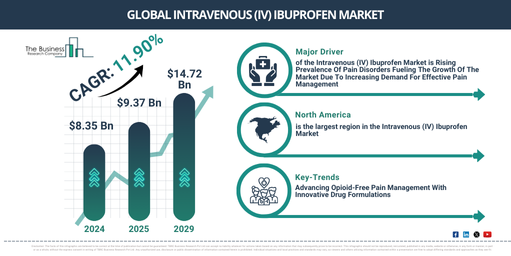
    The market size for intravenous (iv) ibuprofen has experienced swift expansion in the past few years. It’s anticipated to rise from $8.35 billion in 2024 to $9.37 billion in 2025, showcasing a compound annual growth rate (CAGR) of 12.3%. The impressive growth during the historical period can be credited to a rise in chronic disease cases, an increase in surgical procedures, an emerging focus on reducing opioid consumption, a growth in per capita income, and the expansion of the medical tourism sector.

    The market size for intravenous (iv) ibuprofen is predicted to experience swift expansion in the coming years, with projections indicating growth to$14.72 billion in 2029, reflecting a compound annual growth rate (CAGR) of 11.9%. Factors influencing this growth over the forecast period are enhanced health care investments, a growing number of pediatric patients, rising occurrences of pain and fever, an increasing elderly population and escalated uptake of advanced pharmaceutical treatments. Key trends for the forecast period involve cutting-edge therapeutic solutions, single-dose formulations, advancements in personalized medicine, incorporation into multimodal pain management protocols, and progress in combination therapies.

    Download a free sample to assess the report’s scope and structure:

    https://www.thebusinessresearchcompany.com/sample.aspx?id=23429&type=smp

    How Are Key Drivers in the Industry Acting as Catalysts for the Growth of theIntravenous (IV) Ibuprofen Market?

    An increase in pain disorders is anticipated to fuel the expansion of the intravenous ibuprofen market. Pain disorders are medical conditions distinguished by persistent or ongoing pain that impairs everyday activities and are usually triggered by nerve, musculoskeletal, or inflammatory problems. This increase in pain disorders correlates with an aging population, who are more prone to chronic conditions such as arthritis, osteoarthritis, and nerve pain, thereby escalating the demand for effective pain relief. Intravenous ibuprofen aids in pain management by offering swift relief, positioning it as the ideal solution for acute and postoperative pain. It minimizes inflammation and augments patient comfort, thereby improving treatment efficiency in medical contexts. For example, in January 2024, data from the Office for Health Improvement and Disparities, a UK-based government agency, showed that the percentage of individuals aged 16 and older who self-reported a long-term musculoskeletal condition had increased to 18.4% in 2023, up from 17.6% in 2022. Thus, the growing prevalence of pain disorders is propelling the expansion of the intravenous ibuprofen market.

    Which Segments in the Intravenous (IV) Ibuprofen Offer the Most Growth?

    The intravenous (iv) ibuprofenmarket covered in this report is segmented –

    1) By Product Type: Conventional Intravenous (IV) Ibuprofen; High-Concentration Intravenous (IV) Ibuprofen

    2) By Strength: 100 Milligrams (mg); 200 Milligrams (mg); 400 Milligrams (mg); 800 Milligrams (mg)

    3) By Age Group: Pediatrics; Adults

    4) By Application: Pain; Fever; Inflammation; Other Applications

    5) By End-User: Hospitals; Ambulatory Surgical Centers; Clinics; Other End-Users

    Subsegments:

    1) By Conventional Intravenous (IV) Ibuprofen: Pediatric Intravenous (IV) Ibuprofen; Adult Intravenous (IV) Ibuprofen

    2) By High-Concentration Intravenous (IV) Ibuprofen: Single-Dose Vial; Multi-Dose Vial

    Request customized data on this market:

    https://www.thebusinessresearchcompany.com/customise?id=23429&type=smp

    What Are the Fastest-Growing Geographies in the #How Are Key Drivers in the Industry Acting as Catalysts for the Growth of theIntravenous (IV) Ibuprofen Market?# Market?

    North America was the largest region in the intravenous (IV) ibuprofen market in 2024. Asia-Pacific is expected to be the fastest-growing region in the forecast period. The regions covered in the intravenous (IV) ibuprofen market report are Asia-Pacific, Western Europe, Eastern Europe, North America, South America, Middle East, Africa.

    What Are the Current Market Growth and Trends in the Intravenous (IV) Ibuprofen Industry?

    Leading organizations within the intravenous ibuprofen market are concentrating on innovating new drug compositions, such as opioid-free painkillers that offer improved pain control while reducing opioid reliance. Non-opioid analgesics are pain-alleviating medications that pose no risk of opioid addiction or related side effects, as they don’t contain any opioids. For instance, Hikma Pharmaceuticals plc, a pharmaceutical organization based in the UK, launched an opioid-free painkiller known as COMBOGESIC IV (ibuprofen and acetaminophen) injection in the US, after acquiring FDA approval in October 2023, which was officially launched in February 2024. This intravenous non-opioid painkiller is designed for mild to moderate pain relief and also assists in managing moderate to severe pain. With two distinctive active ingredients, COMBOGESIC IV provides healthcare providers with a new, unique non-opioid choice for managing pain.

    View the full report here:

    https://www.thebusinessresearchcompany.com/report/intravenous-iv-ibuprofen-global-market-report

    What Are the Key Elements That Define the Intravenous (IV) Ibuprofen Market?

    Intravenous (IV) Ibuprofen is a form of ibuprofen administered directly into the bloodstream through an intravenous route. The primary purpose of intravenous (IV) ibuprofen is to provide rapid pain relief and reduce inflammation or fever, especially in patients who cannot take oral medications. It works by inhibiting the production of prostaglandins, which cause pain and inflammation. Intravenous ibuprofen is commonly used for postoperative pain and acute conditions requiring quick relief.

    Purchase the full report and get a swift delivery:

    https://www.thebusinessresearchcompany.com/purchaseoptions.aspx?id=23429

    About The Business Research Company:

    With over 15000+ reports from 27 industries covering 60+ geographies, The Business Research Company has built a reputation for offering comprehensive, data-rich research and insights. Armed with 1,500,000 datasets, the optimistic contribution of in-depth secondary research, and unique insights from industry leaders, you can get the information you need to stay ahead in the game.

    Get in touch with us:

    The Business Research Company: https://www.thebusinessresearchcompany.com/

    Americas +1 310-496-7795

    Europe +44 7882 955267

    Asia & Others +44 7882 955267 & +91 8897263534

    Email us at info@tbrc.info

    Follow us on:

    LinkedIn: https://in.linkedin.com/company/the-business-research-company

    YouTube: https://www.youtube.com/channel/UC24_fI0rV8cR5DxlCpgmyFQ

    Global Market Model: https://www.thebusinessresearchcompany.com/global-market-model
  • Strong CAGR to Propel in the Consumer Genomics Market and Beyond upto $8.94 Billion by 2029

    Strong CAGR to Propel in the Consumer Genomics Market and Beyond upto $8.94 Billion by 2029

    Claim your 30% discount on Global Market Reports with code ONLINE30. Limited time only.

    What Are the Projected Market Size and Growth Rates for the Consumer Genomics Market From 2025 To 2029?

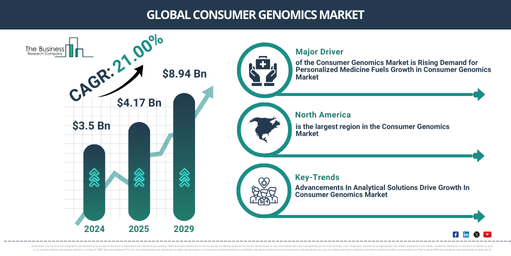
    The growth of the consumer genomics market has been explosive in the past few years. The industry, which was valued at $3.5 billion in 2024, is projected to escalate to $4.17 billion in 2025, indicating a compound annual growth rate (CAGR) of 19.2%. Factors contributing to this growth during the historic period include a decrease in sequencing costs, the emergence of direct-to-consumer testing, trailblazing firms in the consumer genomics sector, issues regarding data safety and privacy, and early adoption hurdles.

    The size of the consumer genomics market is anticipated to witness significant expansion in the coming years. The market is predicted to reach$8.94 billion by the year 2029, registering a compound annual growth rate (CAGR) of 21.0%. The anticipated growth during the forecast period can be traced back to factors such as the growth in the genetic data pool, increased demand for risk assessment of diseases, convergence with wearable technologies, shift towards preventative healthcare, and the growth of genetic counseling services. The major market trends to watch out for during this period include the emphasis on genetic counseling services, a drop in sequencing prices, a surge in personalized medicine, growing demand for direct-to-consumer testing, and a raised awareness for health and wellness.

    Download a free sample to assess the report’s scope and structure:

    https://www.thebusinessresearchcompany.com/sample.aspx?id=10621&type=smp

    Which Primay Drivers Are Accelerating Growth in the Consumer Genomics Market?

    The increase in consumer interest for tailor-made healthcare is predicted to stimulate the expansion of the consumer genomics market. Personalized medicine, which builds treatment and healthcare strategies to suit individual patients based on their distinct genetic makeup, environmental factors, and lifestyles, is witnessing a surging demand. This upswing is driven by advancements in genetic studies, a surge in health consciousness, and the quest for more effective remedies with minimal side effects. Consumer genomics plays a crucial role by providing people the option to understand their genetic data, equipping them with the knowledge to make wise health choices and pursue custom-made treatments considering their genetic predispositions. The Personalized Medicine Coalition, a non-profit organization based in the U.S, revealed that the FDA approved 16 new personalized therapies for patients suffering from uncommon diseases in 2023, which is a notable increase from just six in 2022. Consequently, the proliferation in demand for personalized healthcare is influencing the expansion of the consumer genomics market.

    Which Primary Segments of the Consumer Genomics Market Are Driving Growth and Industry Transformations?

    The consumer genomicsmarket covered in this report is segmented –

    1) By Product: Consumables; Systems And Software; Other Products

    2) By Technology: Polymerase Chain Reaction (PCR); Sequencing; Microarray; Nucleic Acid Extraction And Purification

    3) By Application: Genetic Relatedness; Diagnostics; Lifestyle; Ancestry; Wellness And Nutrition; Reproductive Health; Personalized Medicine And Pharmacogenetic Testing; Sports Nutrition And Health; Other Applications

    Subsegments:

    1) By Consumables: DNA Extraction Kits; Reagents And Kits for Sequencing; Sample Collection Kits

    2) By Systems And Software: Sequencing Systems; Data Analysis Software; Bioinformatics Platforms

    3) By Other Products: Genotyping Products; Genetic Testing Services; Educational Tools And Resources

    Request customized data on this market:

    https://www.thebusinessresearchcompany.com/customise?id=10621&type=smp

    Which Regions Are Key Players in the Growth of the #Which Primay Drivers Are Accelerating Growth in the Consumer Genomics Market?# Market?

    North America was the largest region in the consumer genomics market in 2024.Asia-Pacific is expected to be the fastest-growing region in the global consumer genomics market report during the forecast period. The regions covered in the consumer genomics market report are Asia-Pacific, Western Europe, Eastern Europe, North America, South America, Middle East, Africa

    Which Technological Trends Are Reshaping the Consumer Genomics Industry Dynamics?

    Key corporations in the consumer genomics market are capitalizing on advancements in technology, such as analytical solutions, to enhance genomic data interpretation, speed up and ensure accurate diagnosis, and bolster personalized medicine ventures. Analytical solutions are essentially systematic approaches or software tools created to process and scrutinize data, enabling firms to gather significant insights, recognize trends, and aid decision-making. For example, in May 2024, SOPHiA GENETICS, a healthcare technology firm from Switzerland, debuted a whole genome sequencing (WGS) analytical solution. This cutting-edge technology examines an organism’s full genetic makeup, providing comprehensive insights into its DNA sequence. The solution amalgamates advanced computational tools, bioinformatics software, and cloud-based platforms to enable quick processing and deciphering of large amounts of genomic data. Leveraging high-capacity computing and artificial intelligence, WGS analytical solutions equip researchers and clinicians with actionable insights often in a day. This speedy analysis supports a variety of applications, including personalized medicine and genetic research.

    View the full report here:

    https://www.thebusinessresearchcompany.com/report/consumer-genomics-global-market-report

    What Parameters Are Used to Define the Consumer Genomics Market?

    Consumer genomics refers to the branch of genomics that focuses on providing genetic information directly to consumers, typically through commercial genetic testing services. These services use DNA samples provided by individuals to generate reports that provide information about the genetic predispositions to certain traits, diseases, or conditions.

    Purchase the full report and get a swift delivery:

    https://www.thebusinessresearchcompany.com/purchaseoptions.aspx?id=10621

    About The Business Research Company:

    With over 15000+ reports from 27 industries covering 60+ geographies, The Business Research Company has built a reputation for offering comprehensive, data-rich research and insights. Armed with 1,500,000 datasets, the optimistic contribution of in-depth secondary research, and unique insights from industry leaders, you can get the information you need to stay ahead in the game.

    Get in touch with us:

    The Business Research Company: https://www.thebusinessresearchcompany.com/

    Americas +1 310-496-7795

    Europe +44 7882 955267

    Asia & Others +44 7882 955267 & +91 8897263534

    Email us at info@tbrc.info

    Follow us on:

    LinkedIn: https://in.linkedin.com/company/the-business-research-company

    YouTube: https://www.youtube.com/channel/UC24_fI0rV8cR5DxlCpgmyFQ

    Global Market Model: https://www.thebusinessresearchcompany.com/global-market-model
  • Constipation Treatment Market Valuation Expected To Reach $16.55 Billion By 2029, Growing At A Rate Of 7.6%

    Constipation Treatment Market Valuation Expected To Reach $16.55 Billion By 2029, Growing At A Rate Of 7.6%

    Claim your 30% discount on Global Market Reports with code ONLINE30. Limited time only.

    What Is the Estimated Market Size of the Constipation Treatment Market In 2029?

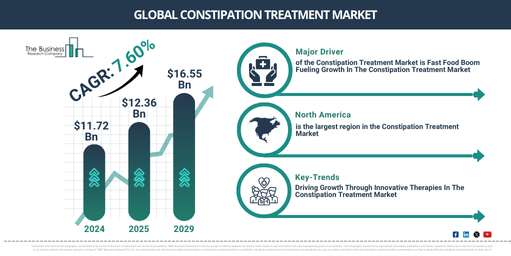
    Over the past few years, the constipation treatment market has seen substantial growth. The market size, now at $11.72 billion in 2024, is predicted to hit $12.36 billion in 2025, reflecting a Compound Annual Growth Rate (CAGR) of 5.4%. The remarkable growth recorded in the preceding years is largely due to the increasing cases of digestive health problems, demographic shifts, lifestyle influences, a dearth of treatment alternatives, and heightened health consciousness.

    Anticipations are strong for considerable growth in the constipation treatment market size in the upcoming years. The market is predicted to expand to$16.55 billion by 2029, demonstrating a compound annual growth rate (CAGR) of 7.6%. Numerous factors are contributing to this projected growth during the forecast period. These include increasing healthcare spending, an emphasis on preventive healthcare, initiatives on child constipation issues, rising demand for customized healthcare solutions, the emergence of telemedicine, the swell of e-commerce, along with the focus on functional foods and probiotics. Future trends forecasted for this period comprise advancements in healthcare technology, implementation of artificial intelligence and machine learning in healthcare, emphasis on sustainability and environment-friendly products, collaborations between healthcare service providers and tech companies, and boosted R&D investment by pharmaceutical companies.

    Download a free sample to assess the report’s scope and structure:

    https://www.thebusinessresearchcompany.com/sample.aspx?id=12134&type=smp

    Which Factors and External Forces Are Driving Demand in the Constipation Treatment Market?

    The ascension in constipation treatment market can be attributed to the rising intake of fast food. Fast food, which is an immediate serving from a certain type of restaurant, is often high in fat and salt but low in fiber, therefore leading to constipation. For example, a study from Budget Branders, an American company specializing in paper and plastic products, forecasted that the global fast food industry is likely to be valued at 931.7 billion dollars by 2027, as of August 2023. Furthermore, the US boasts more than 200,000 unique fast food establishments. The annual expenditure of American consumers on fast food stands at 200 billion dollars. As a result, the amplified consumption of fast food is bolstering the expansion of the constipation treatment market.

    Which Segments in the Constipation Treatment Offer the Most Growth?

    The constipation treatmentmarket covered in this report is segmented –

    1) By Therapeutic Types: Laxatives; Chloride Channel Activators; Peripherally Acting Mu-Opioid Receptor Antagonists; GC-C (Guanylate Cyclase-C) Agonists; Other Therapeutics

    2) By Disease Type: Chronic Idiopathic Constipation (CIC); Irritable Bowel Syndrome With Constipation (IBS-C); Opioid-Induced Constipation (OIC)

    3) By Distribution Channel: Hospital Pharmacies; Retail Pharmacies; Online Pharmacies

    Subsegments:

    1) By Laxatives: Osmotic Laxatives; Stimulant Laxatives; Bulk-Forming Laxatives; Stool Softeners; Chloride Channel Activators

    2) By Chloride Channel Activators: Lubiprostone; Other Chloride Channel Activators

    3) By Peripherally Acting Mu-Opioid Receptor Antagonists: Methylnaltrexone; Naloxegol; Other Mu-Opioid Receptor Antagonists

    4) By GC-C (Guanylate Cyclase-C) Agonists: Plecanatide; Linaclotide

    5) By Other Therapeutics: Probiotics; Dietary Supplements; Other Emerging Therapies

    Request customized data on this market:

    https://www.thebusinessresearchcompany.com/customise?id=12134&type=smp

    What Are the Fastest-Growing Geographies in the #Which Factors and External Forces Are Driving Demand in the Constipation Treatment Market?# Market?

    North America was the largest region in the constipation treatment market in 2024. North America is expected to be the fastest-growing region in the forecast period. The regions covered in the constipation treatment market report are Asia-Pacific, Western Europe, Eastern Europe, North America, South America, Middle East, Africa.

    Which Cutting-Edge Market Trends Are Expected to Drive theConstipation Treatment Market’s Growth?

    The trend of product innovation is gaining traction in the constipation treatment field. Firms participating in the constipation treatment industry are focusing on novel product innovations to maintain their market positioning. For example, Ardelyx, an American biopharmaceutical firm, introduced IBSRELA in April 2022. This first-in-class solution for irritable bowel syndrome with constipation (IBS-C) in adults is the first novel mechanism therapy developed for IBS-C in over a decade. It offers a considerable new alternative for treating constipation, bloating, and abdominal pain, which are symptoms of this debilitating condition.

    View the full report here:

    https://www.thebusinessresearchcompany.com/report/constipation-treatment-global-market-report

    What Are the Key Elements That Define the Constipation Treatment Market?

    Constipation treatment refers to the numerous methods and measures taken to alleviate and manage the ailment, which is characterized by irregular or difficult bowel motions and frequently hard or dry stools. It is used to examine the rectum and lower, or sigmoid, colon and to treat constipation.

    Purchase the full report and get a swift delivery:

    https://www.thebusinessresearchcompany.com/purchaseoptions.aspx?id=12134

    About The Business Research Company:

    With over 15000+ reports from 27 industries covering 60+ geographies, The Business Research Company has built a reputation for offering comprehensive, data-rich research and insights. Armed with 1,500,000 datasets, the optimistic contribution of in-depth secondary research, and unique insights from industry leaders, you can get the information you need to stay ahead in the game.

    Get in touch with us:

    The Business Research Company: https://www.thebusinessresearchcompany.com/

    Americas +1 310-496-7795

    Europe +44 7882 955267

    Asia & Others +44 7882 955267 & +91 8897263534

    Email us at info@tbrc.info

    Follow us on:

    LinkedIn: https://in.linkedin.com/company/the-business-research-company

    YouTube: https://www.youtube.com/channel/UC24_fI0rV8cR5DxlCpgmyFQ

    Global Market Model: https://www.thebusinessresearchcompany.com/global-market-model