Month: August 2025

  • Next-Gen Central Lab : Market Forecast, Transformation, and Long-Term Trajectories

    Next-Gen Central Lab : Market Forecast, Transformation, and Long-Term Trajectories

    Claim your 30% discount on Global Market Reports with code ONLINE30. Limited time only.

    What Is the Estimated Market Size of the Central Lab Market In 2029?

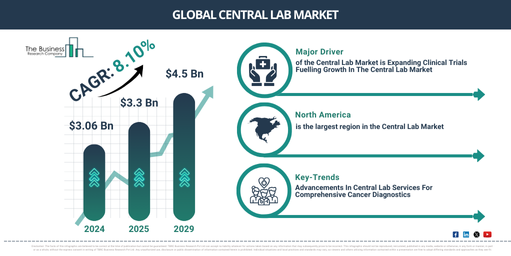
    In the past few years, the central lab market has experienced significant growth. The market size, which stood at $3.06 billion in 2024, is projected to increase to $3.3 billion in 2025, registering a compound annual growth rate (CAGR) of 7.9%. The historical growth observed can be credited to factors including heightened clinical trials growth, drug development activities, regulatory compliance, amplified healthcare research, and diagnostic testing growth.

    The size of the central lab market is anticipated to witness considerable expansion in the coming years, with projections indicating it will reach$4.5 billion in 2029″ with a compound annual growth rate (CAGR) of 8.1%. Factors contributing to this predicted growth during the forecast period include the rise in personalized healthcare, a surge in biomarker research, growing need for telemedicine and remote monitoring, global health issues, and an increased demand for precision diagnostics. Technological advancements, pioneering solutions, and strategic collaborations are expected to be key trends during this period.

    Download a free sample to assess the report’s scope and structure:

    https://www.thebusinessresearchcompany.com/sample.aspx?id=7317&type=smp

    Which Major Market Drivers Are Expected to Boost the Growth Potential of the Central Lab Market?

    The central lab market is anticipated to be propelled by the increase in clinical trials. These trials, which serve as a form of research initiative, aim to evaluate the safety and effectiveness of novel treatments, drugs, or medical devices. Pharmaceutical and biotechnology firms enlist the services of central labs for product testing, development, and production. An example of this is when, in November 2023, the Association of the British Pharmaceutical Industry – a trade association based in the UK, noted a slight 4.3% rise in the initiation of industry-funded clinical trials in the UK, increasing from 394 in 2021 to 411 in 2022. Therefore, the expanding number of clinical trials bolsters the central lab market.

    Which Key Market Segments Comprise the Central Lab Market and Drive Its Revenue Growth?

    The central labmarket covered in this report is segmented –

    1) By Service Type: Genetic Services; Biomarker Services; Microbiology Services; Anatomic Pathology or Histology; Specimen Management And Storage; Special Chemistry Services; Other Service Types

    2) By Test Type: Human And Tumor Genetics; Clinical Chemistry; Medical Microbiology And Cytology; Other Esoteric Tests

    3) By End-User: Pharmaceutical Companies; Academic And Research Institutes; Biotechnology Companies

    Subsegments:

    1) By Genetic Services: DNA Sequencing; Genotyping; Gene Expression Analysis

    2) By Biomarker Services: Biomarker Discovery; Biomarker Validation; Pharmacodynamic Biomarker Testing

    3) By Microbiology Services: Bacterial Identification and Susceptibility Testing; Virology Testing; Mycology and Parasitology Testing

    4) By Anatomic Pathology or Histology: Tissue Sample Analysis; Immunohistochemistry (IHC); Slide Preparation and Staining

    5) By Specimen Management and Storage: Biorepository Services; Sample Collection and Handling; Long-Term Sample Storage

    6) By Special Chemistry Services: Toxicology Testing; Metabolomics; Hormonal Assays

    7) By Other Service Types: Hematology Testing; Coagulation Testing; Flow Cytometry Services

    Request customized data on this market:

    https://www.thebusinessresearchcompany.com/customise?id=7317&type=smp

    Which Areas Are Leading Regions in the Central Lab Market Expansion Across the Globe?

    North America was the largest region in the central lab market in 2024. Asia-Pacific is expected to be the fastest-growing region in the forecast period. The regions covered in the central lab market report include Asia-Pacific, Western Europe, Eastern Europe, North America, South America, Middle East and Africa.

    What Are the Key Market Trends in theCentral Lab Market Over the Coming Years?

    Key players in the central lab market are concentrating on spearheading innovations, such as all-inclusive diagnostic services for diverse cancer diagnostic processes. All-inclusive diagnostic services encompass an extensive selection of medical evaluations and tests created to diagnose and understand a variety of health problems. For example, Karkinos Healthcare, a healthcare company based in India that specializes in providing inventive solutions for cancer treatment, made its groundbreaking venture into the field with the launch of the Advanced Centre for Cancer Diagnostics and Research in June 2022. The Centre functions as a central lab for global oncology networks, honing in on molecular and genomic analysis to boost personalized targeted therapy and prognosticate treatment results. Its offerings include exhaustive diagnostic services like histopathology and gene sequencing to augment early cancer detection and broaden treatment options.

    View the full report here:

    https://www.thebusinessresearchcompany.com/report/central-lab-global-market-report

    How Is the Central Lab Market Conceptually Defined?

    Central lab is a lab that provides bundled services where all of the samples from the trial’s clinical locations are submitted. This ensures that the results and analysis are consistent.

    Purchase the full report and get a swift delivery:

    https://www.thebusinessresearchcompany.com/purchaseoptions.aspx?id=7317

    About The Business Research Company:

    With over 15000+ reports from 27 industries covering 60+ geographies, The Business Research Company has built a reputation for offering comprehensive, data-rich research and insights. Armed with 1,500,000 datasets, the optimistic contribution of in-depth secondary research, and unique insights from industry leaders, you can get the information you need to stay ahead in the game.

    Get in touch with us:

    The Business Research Company: https://www.thebusinessresearchcompany.com/

    Americas +1 310-496-7795

    Europe +44 7882 955267

    Asia & Others +44 7882 955267 & +91 8897263534

    Email us at info@tbrc.info

    Follow us on:

    LinkedIn: https://in.linkedin.com/company/the-business-research-company

    YouTube: https://www.youtube.com/channel/UC24_fI0rV8cR5DxlCpgmyFQ

    Global Market Model: https://www.thebusinessresearchcompany.com/global-market-model
  • Care Management Solutions Market Overview 2025: Competitive Shifts, Forecast Models, and Emerging Opportunities

    Care Management Solutions Market Overview 2025: Competitive Shifts, Forecast Models, and Emerging Opportunities

    Claim your 30% discount on Global Market Reports with code ONLINE30. Limited time only.

    How Fast Is The Care Management Solutions Market Expected to Grow Between 2025 And 2029?

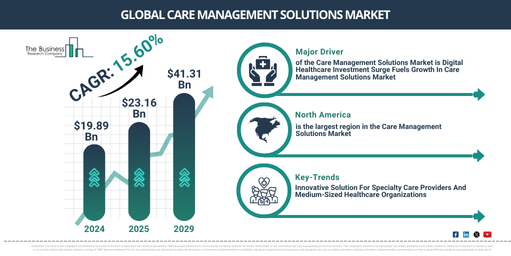
    The market for care management solutions has seen rapid expansion in recent years. The market, which was worth $19.89 billion in 2024, is projected to reach $23.16 billion in 2025, with a Compound Annual Growth Rate (CAGR) of 16.4%. This growth during the historical period can be traced back to factors such as an aging population, a rise in chronic disease, the adoption of electronic health records (ehr), an emphasis on population health management, and an increased focus on healthcare data interoperability.

    The market size for care management solutions is anticipated to witness a sharp increment in the forthcoming years, eventually reaching $41.31 billion in 2029 with a compound annual growth rate (CAGR) of 15.6%. This escalation during the predicted period is credited to the intensifying attention towards healthcare data safety, rising utilization of remote patient monitoring methods, expanding use of mHealth applications, adoption of care management strategies in developing healthcare markets, and an augmented focus on preventive healthcare. Key trends for the projected period entail the inclusion of artificial intelligence (AI) and predictive analytics, commitment towards sustainability and eco-friendly practices, amalgamation of genomics and precision medicine into care management, cooperative initiatives to mix community health, and the application of blockchain in healthcare.

    Download a free sample to assess the report’s scope and structure:

    https://www.thebusinessresearchcompany.com/sample.aspx?id=7264&type=smp

    What Are the Core Growth Drivers Propelling the Care Management Solutions Market Forward?

    The projected growth of the care management solutions market is thought to be fueled by a rise in digital healthcare investment. Digital healthcare offers benefits such as disease prevention, reduction in healthcare costs, and support in monitoring and managing chronic conditions for patients. Additionally, it caters to individualized medicine provision. With digital healthcare solutions, file sharing and receipt via online platforms on desktops, mobile devices, or laptops become possible. Fierce Healthcare, an American media entity providing news, analyses, and insights crucial to the healthcare sector, revealed in December 2022 that health tech companies have acquired less funding this year compared to 2021. CB Insights reported that by the conclusion of the third quarter, funding for 2022 had amounted to $12.6 billion in 458 deals. In that same year, 23 healthcare-centric startups reached the ‘unicorn’ status, indicating valuations over the $1 billion mark. Consequently, the escalating investment in digital healthcare is spurring the demand for the care management solutions market.

    What Segment Types Define the Care Management Solutions Market Structure?

    The care management solutionsmarket covered in this report is segmented –

    1) By Component: Software; Services

    2) By Delivery Mode: On-premise; Cloud-based

    3) By Application: Disease Management; Case Management; Utilization Management

    4) By End User: Hospitals And Clinics; Accountable Care Organizations (ACOs); Health Insurance Providers; Other End-Users

    Subsegments:

    1) By Software: Care Management Software; Population Health Management Software; Patient Engagement Software; Remote Patient Monitoring Software; Analytics and Reporting Tools

    2) By Services: Consulting Services; Implementation Services; Support and Maintenance Services; Training and Education Services

    Request customized data on this market:

    https://www.thebusinessresearchcompany.com/customise?id=7264&type=smp

    Which Geographic Areas Hold the Strongest Growth Potential in the Care Management Solutions Market?

    North America was the largest region in the care management solutions market in 2024. Asia-Pacific is expected to be the fastest-growing region in the forecast period. The regions covered in the care management solutions market report include Asia-Pacific, Western Europe, Eastern Europe, North America, South America, Middle East and Africa.

    Which Emerging Trends that Are Influencing theCare Management Solutions Industry Evolution?

    Leading firms in the care management solutions industry are innovating to produce advanced and novel platforms such as medical management platforms, with the aim of expanding their customer base, boosting sales and augmenting revenue. A medical management platform is a sophisticated, integrated software or system that is developed to streamline and enhance various facets of managing healthcare. For example, VirtualHealth, an American healthcare solutions provider, introduced HELIOS Essentials, a preconfigured configuration for their leading HELIOS platform, in October 2022. HELIOS Essentials is a unique product designed specifically for specialty care providers and mid-sized health organizations who desire exceptional customization and advanced AI-centric automation. This innovative platform provides an inexpensive, user-friendly, and enterprise-level medical management solution that gets rid of data isolation, makes operations simpler, decreases demands on IT resources, and furthers comprehensive, value-based healthcare. HELIOS Essentials acts as a unified ecosystem for modern care teams, cultivating superior collaboration, coordination, automation, and healthcare delivery.

    View the full report here:

    https://www.thebusinessresearchcompany.com/report/care-management-solutions-global-market-report

    What Is the Definition of the Care Management Solutions Market?

    Care management solutions are a suite of services that patients can used to manage their chronic health conditions. They are used to provide a complete set of services and activities designed to assist people with chronic or complicated medical illnesses.

    Purchase the full report and get a swift delivery:

    https://www.thebusinessresearchcompany.com/purchaseoptions.aspx?id=7264

    About The Business Research Company:

    With over 15000+ reports from 27 industries covering 60+ geographies, The Business Research Company has built a reputation for offering comprehensive, data-rich research and insights. Armed with 1,500,000 datasets, the optimistic contribution of in-depth secondary research, and unique insights from industry leaders, you can get the information you need to stay ahead in the game.

    Get in touch with us:

    The Business Research Company: https://www.thebusinessresearchcompany.com/

    Americas +1 310-496-7795

    Europe +44 7882 955267

    Asia & Others +44 7882 955267 & +91 8897263534

    Email us at info@tbrc.info

    Follow us on:

    LinkedIn: https://in.linkedin.com/company/the-business-research-company

    YouTube: https://www.youtube.com/channel/UC24_fI0rV8cR5DxlCpgmyFQ

    Global Market Model: https://www.thebusinessresearchcompany.com/global-market-model
  • From Insight to Impact: Strategic Growth Mapping in the Cancer Tumor Profiling Market

    From Insight to Impact: Strategic Growth Mapping in the Cancer Tumor Profiling Market

    Claim your 30% discount on Global Market Reports with code ONLINE30. Limited time only.

    What Are the Key Projections for the CAGR of the Cancer Tumor Profiling Market Size From 2025 to 2034?

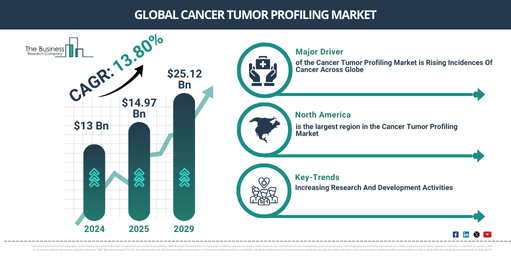
    The market size for cancer tumor profiling has experienced swift growth lately. The market is expected to expand from $13 billion in 2024 to $14.97 billion in 2025, with a compound annual growth rate (CAGR) of 15.1%. The development during the historic period can be linked to a surge in cancer cases, progression in precision medicine initiatives and research partnerships, advancements in cancer diagnostics and early detection techniques, the presence of an extensive variety of targeted therapy choices, and favorable regulatory structures for cancer profiling examinations.

    The market for cancer tumor profiling is set to experience a substantial expansion in the coming years. The market is predicted to reach$25.12 billion in 2029″, with a CAGR of 13.8%. This projected growth is largely due to the broader incorporation of immunotherapy and immunoprofiling in cancer treatments, advanced liquid biopsy and non-invasive methods for tumor profiling, the application of single-cell sequencing for enhanced tumor detailing, the enlargement of cancer screening and early detection programs, and an ascending demand for the profiling of rare and orphan cancer subtypes. Some prominent trends for the forecasted period include the incorporation of tumor profiling in regular clinical procedures, advancements in multi-omic strategies, the use of AI and machine learning in data interpretation, the development of personalized medication and targeted treatments, and progress in genomics and next-generation sequencing technologies.

    Download a free sample to assess the report’s scope and structure:

    https://www.thebusinessresearchcompany.com/sample.aspx?id=6053&type=smp

    What are the Fundamental Drivers and Innovations Shaping the Cancer Tumor Profiling Market?

    The escalating number of cancer occurrences worldwide are anticipated to bolster the expansion of the cancer and tumor profiling market. Cancer is characterized by the abnormal growth of some body cells which then invade other parts of the body. With the surge in cancer instances, the need for cancer tumor profiling escalates as it enables medical professionals to assess the disease’s intensity. For example, the US-based American Cancer Society reported an increase in diagnosed cancer cases from 1.9 million in 2023 to 2 million in 2024. Consequently, the rising global cancer occurrences fuel the expansion of the cancer and tumor profiling market.

    How Is the Cancer Tumor Profiling Market Segmented?

    The cancer tumor profilingmarket covered in this report is segmented –

    1) By Cancer Type: Lung Cancer; Breast Cancer; Colorectal Cancer; Prostate Cancer; Melanoma; Ovarian Cancer; Stomach Cancer; Pancreatic Cancer; Thyroid Cancer; Other Cancer Types

    2) By Technology: Next-Generation Sequencing (NGS); Polymerase Chain Reaction (PCR); Immunohistochemistry (IHC); In Situ Hybridization (ISH); Microarray; Other Technologies

    3) By Process Type: Genomics; Proteomics; Epigenetics; Metabolomics; Other Types

    4) By Application: Personalized Medicine; Diagnostics; Biomarker Discovery; Prognostics; Research Applications

    Subsegments:

    1) By Lung Cancer: Non-Small Cell Lung Cancer (NSCLC); Small Cell Lung Cancer (SCLC)

    2) By Breast Cancer: Hormone Receptor-Positive; Triple-Negative Breast Cancer; HER2-Positive Breast Cancer

    3) By Colorectal Cancer: Colon Cancer; Rectal Cancer

    4) By Prostate Cancer: Localized Prostate Cancer; Advanced Prostate Cancer

    5) By Melanoma: Cutaneous Melanoma; Non-Cutaneous Melanoma

    6) By Ovarian Cancer: Epithelial Ovarian Cancer; Non-Epithelial Ovarian Cancer

    7) By Stomach Cancer: Gastric Adenocarcinoma; Gastrointestinal Stromal Tumors (GISTs)

    8) By Pancreatic Cancer: Exocrine Pancreatic Cancer; Neuroendocrine Tumors

    9) By Thyroid Cancer: Papillary Thyroid Cancer; Follicular Thyroid Cancer; Medullary Thyroid Cancer

    10) By Other Cancer Types: Kidney Cancer; Bladder Cancer; Liver Cancer; Esophageal Cancer

    Request customized data on this market:

    https://www.thebusinessresearchcompany.com/customise?id=6053&type=smp

    Which Regions Are Driving the Next Phase of the Cancer Tumor Profiling Market Growth?

    North America was the largest region in cancer and tumor profiling market in 2024. Asia-Pacific is expected to be the fastest-growing region in the forecast period. The regions covered in the cancer tumor profiling market report include Asia-Pacific, Western Europe, Eastern Europe, North America, South America, Middle East and Africa.

    What Key Trends Are Shaping the Future of the Cancer Tumor Profiling Market?

    Heightened research and development activities are becoming a prominent trend in the cancer and tumor profiling market. The leading firms in this sector are concentrating their efforts on these activities as a means to fulfill consumer needs and consolidate their market position. Take, for example, QIAGEN N.V, a German corporation that creates sample and assay technology for various fields, including applied testing, pharmaceutical advancement, molecular diagnostics, and academic studies. They have recently announced the CE-marking and commercial introduction of therascreen PIK3CA RGQ PCR Kit in Europe. This tool is instrumental in identifying patients with PIK3CA mutations in breast cancer. Touted as the first diagnostic assay to allow testing of DNA from both plasma specimens and FFPE tissue, the therascreen PIK3CA test distinctively identifies an activating mutation in the phosphatidyl 3-kinase catalytic subunit alpha (PIK3CA) gene.

    View the full report here:

    https://www.thebusinessresearchcompany.com/report/cancer-tumor-profiling-global-market-report

    How Is the Cancer Tumor Profiling Market Defined and What Are Its Core Parameters?

    Cancer tumor profiling refers to a laboratory test that examines a sample of tumor tissue for specific genes, gene mutations (changes), proteins, or other biomarkers. Tumor profiling can help with treatment planning as well as predicting if cancer will recur or spread to other parts of the body.

    Purchase the full report and get a swift delivery:

    https://www.thebusinessresearchcompany.com/purchaseoptions.aspx?id=6053

    About The Business Research Company:

    With over 15000+ reports from 27 industries covering 60+ geographies, The Business Research Company has built a reputation for offering comprehensive, data-rich research and insights. Armed with 1,500,000 datasets, the optimistic contribution of in-depth secondary research, and unique insights from industry leaders, you can get the information you need to stay ahead in the game.

    Get in touch with us:

    The Business Research Company: https://www.thebusinessresearchcompany.com/

    Americas +1 310-496-7795

    Europe +44 7882 955267

    Asia & Others +44 7882 955267 & +91 8897263534

    Email us at info@tbrc.info

    Follow us on:

    LinkedIn: https://in.linkedin.com/company/the-business-research-company

    YouTube: https://www.youtube.com/channel/UC24_fI0rV8cR5DxlCpgmyFQ

    Global Market Model: https://www.thebusinessresearchcompany.com/global-market-model
  • Brain Computer InterfaceMarket Overview 2025–2034: CAGR Trends, Long-Term Growth Paths, and Business Implications

    Brain Computer InterfaceMarket Overview 2025–2034: CAGR Trends, Long-Term Growth Paths, and Business Implications

    Claim your 30% discount on Global Market Reports with code ONLINE30. Limited time only.

    How Has The Brain Computer Interface Market Growth Evolved From 2024 To 2025, And What’s Ahead?

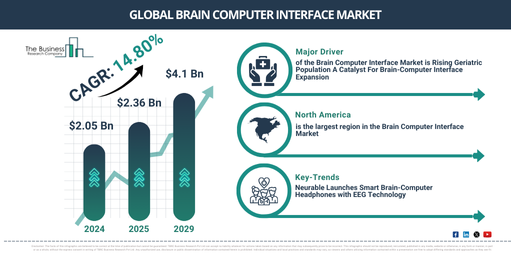
    The market size of the brain computer interface has seen swift expansion in past years. The forecasted growth suggests an increase from $2.05 billion in 2024 to an estimation of $2.36 billion in 2025, which translates to a compound annual growth rate (CAGR) of 15.3%. Reasons for the remarkable upsurge during the historical timeframe include a rising demand for support technologies for individuals with disability, increased utility of bcis in the healthcare and rehabilitation sector, escalated interest in utilizing bcis for gaming and entertainment purposes, robust government funding and backing for bci exploration and progression, and advancements in signal processing and machine learning algorithms.

    The market size of the brain-computer interface is predicted to experience a substantial expansion in the near future. It is projected to reach$4.1 billion by 2029 with a compound annual growth rate (CAGR) of 14.8%. This growth within the predicted timespan is attributed to the escalating investments in bci ventures and creative innovation, the implementation of bci in educational enhancement and skills development, strengthening of safeguarding protocols for data privacy and security in bcis, regulatory advances to boost the market growth of bci, and the increasing intrigue in experimentation of human and AI augmentation using brain-computer interfaces. Key upcoming trends over this period includes the intersection of bcis and artificial intelligence, diminution and wearable bcis, connections between the brain and cloud, neuroethics along with data privacy, and the use of brain-computer interfaces within the realm of education.

    Download a free sample to assess the report’s scope and structure:

    https://www.thebusinessresearchcompany.com/sample.aspx?id=7785&type=smp

    What Are the Primary Drivers Supporting the Market Growth of the Brain Computer Interface Market?

    The global population’s increasing age is anticipated to stimulate the expansion of brain-computer interfaces. The term “geriatric population” refers to individuals who are 65 years old or older. As the global population both grows and ages, the occurrence of severe debilitating neurological disorders is on the rise, escalating the need for treatment, rehabilitation, and support services for such conditions, like brain-computer interfaces. These interfaces are utilized in the elderly population to help train motor and cognitive abilities in an effort to slow the aging process, manage home devices, assist with daily communication, control an exoskeleton to bolster joint strength, and aid other daily activities. For example, the Pew Research Center, based in the U.S., forecasted in January 2024 that 0.2% of the geriatric population is projected to grow to 0.5% by 2054. Thus, the growing geriatric population worldwide fuels the growth of the brain-computer interface market.

    Which Primary Segments of the Brain Computer Interface Market Are Driving Growth and Industry Transformations?

    The brain computer interfacemarket covered in this report is segmented –

    1) By Type: Invasive Brain Computer Interface; Partially Invasive Brain Computer Interface; Non Invasive Brain Computer Interface; Other Types

    2) By Component: Hardware; Software

    3) By Application: Healthcare; Disabilities Restoration; Brain Function Repair; Smart Home Control; Communication and Control; Entertainment and Gaming

    4) By End-User: Medical; Military; Other End-Users

    Subsegments:

    1) By Invasive Brain Computer Interface: Intracortical Interfaces; Deep Brain Stimulation Systems

    2) By Partially Invasive Brain Computer Interface: ECoG (Electrocorticography) Interfaces; Subdural Grid Interfaces

    3) By Non-Invasive Brain Computer Interface: EEG (Electroencephalography) Interfaces; fNIRS (Functional Near-Infrared Spectroscopy) Interfaces; MEG (Magnetoencephalography) Interfaces

    4) By Other Types: Hybrid Interfaces; Wireless Brain Computer Interfaces

    Request customized data on this market:

    https://www.thebusinessresearchcompany.com/customise?id=7785&type=smp

    Which Regions Are Key Players in the Growth of the #What Are the Primary Drivers Supporting the Market Growth of the Brain Computer Interface Market?# Market?

    North America was the largest region in the brain computer interface market in 2024. Asia-Pacific is expected to be the fastest-growing region in the forecast period. The regions covered in the brain computer interface market report include Asia-Pacific, Western Europe, Eastern Europe, North America, South America, Middle East and Africa.

    What Are the Most Significant Market Trends in the Brain Computer Interface Market?

    In the Brain-Computer Interface market, leading companies are concentrating on advancements in technology such as electroencephalography (EEG) sensors, superior machine learning algorithms, and non-intrusive methods of neural signal processing to improve the precision and practicality of BCI systems, ultimately allowing for more natural interfaces between technology and users. Electroencephalography (EEG) sensors are non-intrusive devices which assess the electrical activity within the brain via electrodes placed on the scalp, this enables real-time tracking of cognitive conditions. Consider, for instance, in September 2024, Neurable Inc, an eminent US-based neurotechnology firm known for its AI-powered tools, introduced the First Smart Brain-Computer. The technology includes EEG sensors implanted in the ear pads, capable of capturing and analyzing brain signals. This facilitates the production of comprehensive brainwave data offering insights into concentration levels and cognitive capabilities.

    View the full report here:

    https://www.thebusinessresearchcompany.com/report/brain-computer-interface-global-market-report

    What Parameters Are Used to Define the Brain Computer Interface Market?

    Brain-computer interface (BCI) refers to a computer-based system that collects brain signals, analyses them, and converts them into commands that are sent to an output device to perform a desired activity. The interface enables a direct communication pathway between the brain and the object to be controlled. The main goal of BCI is to replace or restore useful function to people disabled by neuromuscular disorders such as amyotrophic lateral sclerosis, cerebral palsy, stroke, or spinal cord injury.

    Purchase the full report and get a swift delivery:

    https://www.thebusinessresearchcompany.com/purchaseoptions.aspx?id=7785

    About The Business Research Company:

    With over 15000+ reports from 27 industries covering 60+ geographies, The Business Research Company has built a reputation for offering comprehensive, data-rich research and insights. Armed with 1,500,000 datasets, the optimistic contribution of in-depth secondary research, and unique insights from industry leaders, you can get the information you need to stay ahead in the game.

    Get in touch with us:

    The Business Research Company: https://www.thebusinessresearchcompany.com/

    Americas +1 310-496-7795

    Europe +44 7882 955267

    Asia & Others +44 7882 955267 & +91 8897263534

    Email us at info@tbrc.info

    Follow us on:

    LinkedIn: https://in.linkedin.com/company/the-business-research-company

    YouTube: https://www.youtube.com/channel/UC24_fI0rV8cR5DxlCpgmyFQ

    Global Market Model: https://www.thebusinessresearchcompany.com/global-market-model
  • Body Fat Reduction Outlook 2034: Key Drivers, Trends, and Market Frontiers

    Body Fat Reduction Outlook 2034: Key Drivers, Trends, and Market Frontiers

    Claim your 30% discount on Global Market Reports with code ONLINE30. Limited time only.

    What is the Projected CAGR for the Body Fat Reduction Market Size from 2025 to 2034?

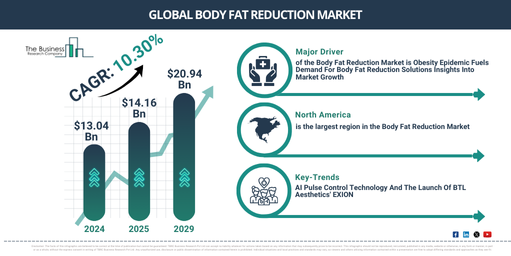
    There has been substantial growth in the size of the body fat reduction market in recent years. The market, which stood at $13.04 billion in 2024, is projected to rise to $14.16 billion in 2025 at a Compound Annual Growth Rate (CAGR) of 8.6%. Factors such as increased worries about obesity, the expansion of the fitness and wellness sector, the thriving medical tourism industry, and heightened healthcare expenditures have contributed to the historical growth period.

    The market for body fat reduction is predicted to experience swift expansion in the upcoming years, with a projected value of $20.94 billion by 2029, marked by a compound annual growth rate (CAGR) of 10.3%. Factors contributing to this projected growth during the forecast period include an upsurge in disposable income, evolving cultural expectations and beauty ideals, a growing preference for minimally invasive and non-surgical procedures, and an improvement in healthcare infrastructure. Notable trends for the forecast period encompass targeted fat reduction methodologies, the integration of artificial intelligence and customized treatments, combination treatment options, sustainability and environmentally conscious practices, as well as strategic alliances.

    Download a free sample to assess the report’s scope and structure:

    https://www.thebusinessresearchcompany.com/sample.aspx?id=5661&type=smp

    How Are Key Drivers in the Industry Acting as Catalysts for the Growth of theBody Fat Reduction Market?

    The growing prevalence of obesity is anticipated to drive the expansion of the body fat reduction market in the future. Defined as a chronic health issue characterized by excessive fat accumulation in the body, obesity can have detrimental effects on health. The escalating worry over obesity is attributed to the pervasive availability of foods high in calories, fat, and sugar, a lack of physical activity, and sedentary lifestyles. Reducing body fat can enhance health in those suffering from obesity by decreasing the risk of illness, improving mobility, fostering mental health, amplifying energy levels, and boosting metabolism. For instance, as per the World Heart Foundation, a Switzerland-based global cardiovascular community, it was reported in March 2023 that around 2.3 billion adults and children globally are obese or overweight. Given the current trends, the global populace afflicted with obesity is projected to hit 2.7 billion by 2025. Consequently, the escalating concerns over obesity spur the growth of the body fat reduction market.

    Which Segments in the Body Fat Reduction Offer the Most Growth?

    The body fat reductionmarket covered in this report is segmented –

    1) By Procedure: Surgical; Liposuction; Abdominoplasty; Non-Surgical; Cryolipolysis; Ultrasound

    2) By Gender: Male; Female

    3) By Service Provider: Medical Spas; Hospitals; Clinics

    Subsegments:

    1) By Surgical: Liposuction; Abdominoplasty (Tummy Tuck); Body Lift Surgery

    2) By Non-Surgical: Cryolipolysis (CoolSculpting); Ultrasound-Assisted Lipolysis; Radiofrequency Lipolysis; Laser Lipolysis

    3) By Other Procedures: Injection Lipolysis (Kybella); Endoscopic Weight Loss Surgery; Gastric Balloon Insertion

    Request customized data on this market:

    https://www.thebusinessresearchcompany.com/customise?id=5661&type=smp

    What Are the Fastest-Growing Geographies in the #How Are Key Drivers in the Industry Acting as Catalysts for the Growth of theBody Fat Reduction Market?# Market?

    North America was the largest region in the body fat reduction market in 2024. Asia-Pacific is expected to be the fastest-growing region in the forecast period. The regions covered in the body fat reduction market report include Asia-Pacific, Western Europe, Eastern Europe, North America, South America, Middle East and Africa.

    What Are the Current Market Growth and Trends in the Body Fat Reduction Industry?

    Leading businesses in the worldwide body fat reduction market are concentrating on technological advancements, such as AI pulse control technology, to elevate treatment accuracy, augment user experience, and maximize fat reduction outcomes via specialized and adaptive treatment methods. AI pulse control technology incorporates the utilization of artificial intelligence to precisely adjust and enhance the delivery of therapeutic pulses in fat reduction procedures, boosting effectiveness and patient comfort. For example, BTL Aesthetics, a US aesthetic equipment manufacturing firm, unveiled EXION in January 2024. This device integrates radiofrequency and targeted ultrasound to boost hyaluronic acid production in the skin, thereby enhancing hydration and elasticity without the use of needles. It is specifically designed for facial areas including lips, periorbital region, forehead, and neck.

    View the full report here:

    https://www.thebusinessresearchcompany.com/report/body-fat-reduction-global-market-report

    What Are the Key Elements That Define the Body Fat Reduction Market?

    Body fat reduction is the process of reducing excess body fat with several objectives, such as improving body aesthetics and shape, with the assistance of surgeries and operations. In addition to exercises and a healthy diet, surgical and non-surgical methods are also effective ways to get rid of excess fat. Body fat reduction offers solutions to reduce excess body fat.

    Purchase the full report and get a swift delivery:

    https://www.thebusinessresearchcompany.com/purchaseoptions.aspx?id=5661

    About The Business Research Company:

    With over 15000+ reports from 27 industries covering 60+ geographies, The Business Research Company has built a reputation for offering comprehensive, data-rich research and insights. Armed with 1,500,000 datasets, the optimistic contribution of in-depth secondary research, and unique insights from industry leaders, you can get the information you need to stay ahead in the game.

    Get in touch with us:

    The Business Research Company: https://www.thebusinessresearchcompany.com/

    Americas +1 310-496-7795

    Europe +44 7882 955267

    Asia & Others +44 7882 955267 & +91 8897263534

    Email us at info@tbrc.info

    Follow us on:

    LinkedIn: https://in.linkedin.com/company/the-business-research-company

    YouTube: https://www.youtube.com/channel/UC24_fI0rV8cR5DxlCpgmyFQ

    Global Market Model: https://www.thebusinessresearchcompany.com/global-market-model
  • Global Bleeding Disorders Treatment Market Trends: Regional Breakdowns and Strategic Insights

    Global Bleeding Disorders Treatment Market Trends: Regional Breakdowns and Strategic Insights

    Claim your 30% discount on Global Market Reports with code ONLINE30. Limited time only.

    What Is the Current and Projected Market Size of the Bleeding Disorders Treatment Market Through 2034?

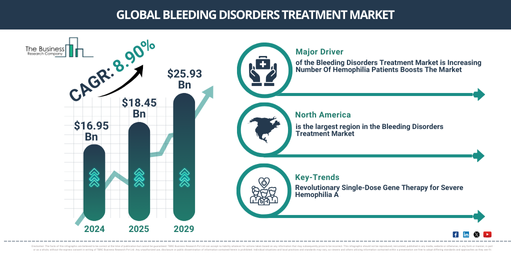
    The market size for treating bleeding disorders has seen significant growth recently. The size is projected to expand from $16.95 billion in 2024 to $18.45 billion in 2025, with a compound annual growth rate (CAGR) of 8.9%. The growth observed in the historical period is attributable to an increase in patient consciousness, improved healthcare accessibility, breakthroughs in haemophilia treatments, and the global market’s expansion.

    Anticipated to experience significant expansion in the upcoming years, the market size of bleeding disorders treatment is likely to reach an estimated worth of$25.93 billion” by 2029, exhibiting a compound annual growth rate (CAGR) of 8.9%. The propelling factors for this predicted growth during the forecast period include the aging population, customized medical treatments, advocacy and support for patients, increased disposable incomes, and a surging expenditure on healthcare. Key trends foreseen in the forecasted era include the adaptation of personalized treatment regimes, amplified utilization of telehealth services, advancement in clotting factor therapies, RNA-based treatments, and availability of orphan drug designation.

    Download a free sample to assess the report’s scope and structure:

    https://www.thebusinessresearchcompany.com/sample.aspx?id=7843&type=smp

    What Are the Major Market Drivers Behind the Rising Adoption of Bleeding Disorders Treatment Market?

    The bleeding disorders treatment market is anticipated to grow with the rise in diagnosed hemophilia cases. Hemophilia, an inherited disorder affecting the blood’s capability to clot, is primarily treated via replacement therapy. This therapy replaces insufficient or missing blood clotting factors with either human plasma concentrates or recombinant forms of clotting factors VIII or IX. The World Federation of Hemophilia (WFH), a not-for-profit organization out of Canada, reported in 2022 that the number of identified hemophilia patients globally stood at 257,146, which includes 208,957 Hemophilia A and 42,203 Hemophilia B patients. Hence, this uptick in diagnosed hemophilia patients is contributing to the growth of the bleeding disorders treatment market.

    Which Key Market Segments Comprise the Bleeding Disorders Treatment Market and Drive Its Revenue Growth?

    The bleeding disorders treatmentmarket covered in this report is segmented –

    1) By Treatment: Desmopressin (DDAVP); Hormone Replacement Therapy; Contraceptives; Anti-Fibrinolytic or Clot-Stabilizing Drugs; Fibrin Sealants; Drugs Applied To Cuts; Pipeline Analysis

    2) By Disease Type: Hemophilia A; Hemophilia B; Von Willebrand disease; Liver disease; Other Disease Types

    3) By End User: Hospitals; Clinics; Specialty Clinics; Research Institutes; Other End Users

    Subsegments:

    1) By Desmopressin (DDAVP): Intravenous Formulations; Nasal Spray Formulations

    2) By Hormone Replacement Therapy: Estrogen Therapy; Progesterone Therapy

    3) By Contraceptives: Combined Oral Contraceptives; Progestin-Only Contraceptives

    4) By Anti-Fibrinolytic or Clot-Stabilizing Drugs: Tranexamic Acid; Aminocaproic Acid

    5) By Fibrin Sealants: Tisseel; Artiss

    6) By Drugs Applied To Cuts: Antiseptics; Topical Hemostatic Agents

    7) By Pipeline Analysis: Upcoming Treatments in Development; Novel Therapeutics and Technologies

    Request customized data on this market:

    https://www.thebusinessresearchcompany.com/customise?id=7843&type=smp

    Which Areas Are Leading Regions in the Bleeding Disorders Treatment Market Expansion Across the Globe?

    North America was the largest region in the bleeding disorders treatment market in 2024. Asia-Pacific is expected to be the fastest-growing region in the forecast period. The regions covered in the bleeding disorders treatment market report include Asia-Pacific, Western Europe, Eastern Europe, North America, South America, Middle East and Africa.

    What Are the Strategic Trends Steering theBleeding Disorders Treatment Market Direction?

    Major players in the bleeding disorder treatment market are concentrating their efforts towards the maturation of novel technologies like single-dose treatments. These innovative methods aim to augment the efficacy of treatments and improve the lifestyle of patients by eliminating the requirement for continuous therapy routines. A single-dose treatment proposes a method where the entire therapy is delivered in one go, with the goal of achieving enduring outcomes without the multiple dosage necessity. For instance, in June 2023, BioMarin Pharmaceutical Inc., a biotech firm in the US, introduced BioMarin’s ROCTAVIAN™ (valoctocogene roxaparvovec-rvox). ROCTAVIAN is specifically earmarked for adults severely suffering from hemophilia A (characterized as FVIII activity levels below 1 IU/dL) who, as verified by an FDA-sanctioned test, do not possess pre-existing antibodies to adeno-associated virus serotype 5 (AAV5).

    View the full report here:

    https://www.thebusinessresearchcompany.com/report/bleeding-disorders-treatment-global-market-report

    How Is the Bleeding Disorders Treatment Market Conceptually Defined?

    Bleeding Disorders Treatment refers to medical therapies and interventions used to manage and control conditions that affect the blood’s ability to clot properly. These treatments aim to prevent excessive bleeding, manage symptoms, and improve quality of life.

    Purchase the full report and get a swift delivery:

    https://www.thebusinessresearchcompany.com/purchaseoptions.aspx?id=7843

    About The Business Research Company:

    With over 15000+ reports from 27 industries covering 60+ geographies, The Business Research Company has built a reputation for offering comprehensive, data-rich research and insights. Armed with 1,500,000 datasets, the optimistic contribution of in-depth secondary research, and unique insights from industry leaders, you can get the information you need to stay ahead in the game.

    Get in touch with us:

    The Business Research Company: https://www.thebusinessresearchcompany.com/

    Americas +1 310-496-7795

    Europe +44 7882 955267

    Asia & Others +44 7882 955267 & +91 8897263534

    Email us at info@tbrc.info

    Follow us on:

    LinkedIn: https://in.linkedin.com/company/the-business-research-company

    YouTube: https://www.youtube.com/channel/UC24_fI0rV8cR5DxlCpgmyFQ

    Global Market Model: https://www.thebusinessresearchcompany.com/global-market-model
  • Bipolar Disorder Therapeutics Market Outlook 2025: Mapping Growth, Innovation, and Regional Shifts

    Bipolar Disorder Therapeutics Market Outlook 2025: Mapping Growth, Innovation, and Regional Shifts

    Claim your 30% discount on Global Market Reports with code ONLINE30. Limited time only.

    What is the Anticipated CAGR of the Bipolar Disorder Therapeutics Market, and What Factors Will Drive It?

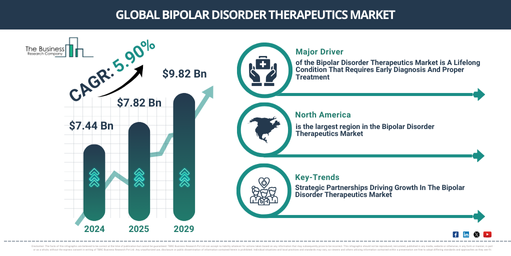
    Recent years have seen a robust growth in the market size for bipolar disorder therapeutics. The market which valued at $7.44 billion in 2024 is projected to elevate to $7.82 billion in 2025, registering a Compound Annual Growth Rate (CAGR) of 5.1%. This growth in historical duration is primarily credited to advancements in medical research and development, an upsurge in healthcare spending, and an escalating prevalence of mental health disorders coupled with increased patient advocacy.

    The market for treatments for bipolar disorder is projected to experience robust expansion in the coming years, with the value expected to reach$9.82 billion by 2029, representing a compounding annual growth rate (CAGR) of 5.9%. This projected growth within the forecast period can be associated with factors such as the burgeoning incidence of bipolar disorder, government-backed directives, enhancement of healthcare delivery structures, and the increasing trend towards inactive lifestyle choices. Key developments expected during the forecast period involve tailor-made therapy alternatives, incorporation of digital health, pioneering drug innovations, preventive strategies, and the use of neuroimaging and biomarkers.

    Download a free sample to assess the report’s scope and structure:

    https://www.thebusinessresearchcompany.com/sample.aspx?id=6736&type=smp

    What External and Internal Drivers Are Contributing to the Growth of theBipolar Disorder Therapeutics Market?

    The bipolar disorder therapeutics market is anticipated to expand due to the rising expenses in the healthcare sector. The term healthcare infrastructure signifies all expenditures linked to medical care, prevention strategies, community health efforts, public health projects, rehabilitation, and health studies. The growth in healthcare spending can be credited to various factors, like growing older population, increased chronic ailment rate, and escalated pharmaceutical prices which significantly enhance the need for health services and treatments. With greater awareness about mental health issues, bipolar disorder diagnosis escalates, subsequently leading to a corresponding rise in the demand for therapeutic treatments. For example, the Canadian Institute for Health Information, a non-profit organization based in Canada, speculated a 2.8% increase in total health spending in Canada in November 2023, marking a significant rise after a mere 1.5% increase in 2022. Therefore, the surge in healthcare spending is propelling the expansion of the bipolar disorder therapeutics market.

    What Segment Types Define the Bipolar Disorder Therapeutics Market Structure?

    The bipolar disorder therapeuticsmarket covered in this report is segmented –

    1) By Drug Class: Mood Stabilizers; Antipsychotic Drugs; Antidepressant Drugs; Other Drugs

    2) By Mechanism: Selective Serotonin Reuptake Inhibitors; Serotonin-norepinephrine Reuptake Inhibitors; Tricyclic Antidepressants; Monoamine Oxidase Inhibitors; Benzodiazepines; Beta-Blockers; Other Mechanisms

    3) By Distribution Channel: Hospital Pharmacies; Retail Pharmacies; Online Pharmacies

    Subsegments:

    1) By Mood Stabilizers: Lithium; Anticonvulsants; Calcium Channel Blockers

    2) By Antipsychotic Drugs: Atypical Antipsychotics; Typical Antipsychotics

    3) By Antidepressant Drugs: Selective Serotonin Reuptake Inhibitors (SSRIs); Serotonin-Norepinephrine Reuptake Inhibitors (SNRIs); Tricyclic Antidepressants (TCAs)

    4) By Other Drugs: Benzodiazepines; Adjunctive Therapies; Herbal Supplements

    Request customized data on this market:

    https://www.thebusinessresearchcompany.com/customise?id=6736&type=smp

    Which Geographic Areas Hold the Strongest Growth Potential in the Bipolar Disorder Therapeutics Market?

    North America was the largest region in the bipolar disorder therapeutics market in 2024. Europe is expected to be the fastest-growing region in the forecast period. The regions covered in the bipolar disorder therapeutics market report include Asia-Pacific, Western Europe, Eastern Europe, North America, South America, Middle East and Africa.

    What Long-Term Trends Are Transforming the Competitive Landscape of the Bipolar Disorder Therapeutics Market?

    The trend of strategic collaborations is growing significantly in the bipolar disorder therapeutics market. In order to strengthen their stand, major firms in the bipolar disorder therapeutics industry are increasingly concentrating on such partnerships. For example, in April 2022, BioXcel Therapeutics, Inc., which is a US biopharmaceutical corporation, received approval for IGALMITM (dexmedetomidine), a specifically formulated FDA-sanctioned sublingual film. This product, which dissolves in the mouth, is for the immediate treatment of schizophrenic or bipolar I or II disorder-linked agitation in adults. Its purpose is to cater to mild, moderate, or severe agitation in these patient categories. Furthermore, the medication’s rapid action initiation aids in effectively handling agitation bouts.

    View the full report here:

    https://www.thebusinessresearchcompany.com/report/bipolar-disorder-therapeutics-global-market-report

    What Is the Definition of the Bipolar Disorder Therapeutics Market?

    Bipolar disorder therapeutics refer to medication, including mood stabilizers, antidepressants, antipsychotics, and psychological counseling, to control symptoms. The bipolar disorder therapeutic is used in the treatment and management of bipolar disorders.

    Purchase the full report and get a swift delivery:

    https://www.thebusinessresearchcompany.com/purchaseoptions.aspx?id=6736

    About The Business Research Company:

    With over 15000+ reports from 27 industries covering 60+ geographies, The Business Research Company has built a reputation for offering comprehensive, data-rich research and insights. Armed with 1,500,000 datasets, the optimistic contribution of in-depth secondary research, and unique insights from industry leaders, you can get the information you need to stay ahead in the game.

    Get in touch with us:

    The Business Research Company: https://www.thebusinessresearchcompany.com/

    Americas +1 310-496-7795

    Europe +44 7882 955267

    Asia & Others +44 7882 955267 & +91 8897263534

    Email us at info@tbrc.info

    Follow us on:

    LinkedIn: https://in.linkedin.com/company/the-business-research-company

    YouTube: https://www.youtube.com/channel/UC24_fI0rV8cR5DxlCpgmyFQ

    Global Market Model: https://www.thebusinessresearchcompany.com/global-market-model
  • Biopharmaceutical CMO Market in Focus: Forecasting Growth Drivers, Scaling Potential, and Global Opportunities

    Biopharmaceutical CMO Market in Focus: Forecasting Growth Drivers, Scaling Potential, and Global Opportunities

    Claim your 30% discount on Global Market Reports with code ONLINE30. Limited time only.

    What Are the Key Milestones in the Biopharmaceutical CMO Market’s Growth Trajectory From 2025 To 2034?

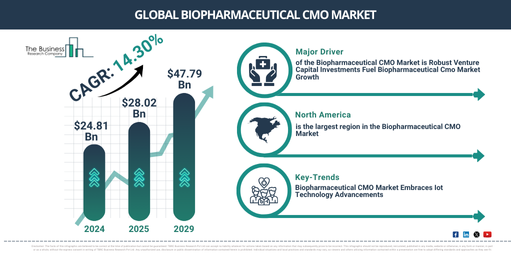
    The market size of the biopharmaceutical CMO has seen swift growth in the past few years. The market size is projected to rise from $24.81 billion in 2024 to $28.02 billion in 2025, representing a compound annual growth rate (CAGR) of 12.9%. Factors that contributed to this growth in the historical period include the escalating demand for biopharmaceuticals, globalization, rising healthcare expenditures, regulatory backing, and enhanced research funding.

    Expectations are high for the biopharmaceutical CMO market size to surge rapidly in the upcoming years. The projected value stands at$47.79 billion by 2029, escalating at a compound annual growth rate (CAGR) of 14.3%. The anticipated expansion in the forecast period can be linked to factors like the emergence of telehealth and remote trials, global health initiatives, and increased disposable income. The forecast period will also likely witness significant trends such as dominance of advanced therapies, digitalization coupled with industry 4.0, continuous manufacturing, and the adoption of sustainability and green practices.

    Download a free sample to assess the report’s scope and structure:

    https://www.thebusinessresearchcompany.com/sample.aspx?id=7771&type=smp

    What Are the Core Market Drivers Propelling Growth in the Biopharmaceutical CMO Industry?

    The growth of the biopharmaceutical CMO market is anticipated to be propelled by the growing geriatric population. Those who are aged over 60 are typically more susceptible to heart conditions, including heart attacks, strokes, coronary heart disease, and heart failure, as compared to the younger populace. Factors such as improved healthcare services, the decrease in birth rates, and the aging baby boomer generation are all contributing to the increasing aging population. This growth in the geriatric demographic is amplifying the need for biopharmaceutical therapies that target age-related diseases, especially cardiovascular disorders. Biopharmaceutical CMOs are crucial in this scenario as they offer specialised manufacturing expertise for complex biologics and customised medicines to cater to these requirements. For instance, the Population Reference Bureau, a non-profit organization based in the US, estimated in January 2024 that the population of Americans aged 65 and over, which stood at 58 million in 2022, is projected to escalate to 82 million by 2050. Thus, the demographic shift towards an older population continues to be a catalyst for the growth of the biopharmaceutical CMO market.

    How Is the Biopharmaceutical CMO Market Segmented?

    The biopharmaceutical cmomarket covered in this report is segmented –

    1) By Product: Biologics; Biosimilars

    2) By Source: Mammalian; Non-Mammalian

    3) By Service: Manufacturing; Fill And Finish Operations; Analytical And QC Studies; Packaging

    Subsegments:

    1) By Biologics: Monoclonal Antibodies; Recombinant Proteins; Vaccines; Cell and Gene Therapies

    2) By Biosimilars: Biosimilar Monoclonal Antibodies; Biosimilar Recombinant Proteins; Biosimilar Insulins; Biosimilar Growth Hormones

    Request customized data on this market:

    https://www.thebusinessresearchcompany.com/customise?id=7771&type=smp

    Which Regions Are Driving the Next Phase of the Biopharmaceutical CMO Market Growth?

    North America was the largest region in the biopharmaceutical CMO market in 2024. Asia-Pacific is expected to be the fastest-growing region in the forecast period. The regions covered in the biopharmaceutical cmo market report include Asia-Pacific, Western Europe, Eastern Europe, North America, South America, Middle East and Africa.

    What Key Market Trends and Innovations Are Shaping the Future of the Biopharmaceutical CMO Industry?

    The rise of technological innovations is a major trend that is becoming increasingly prevalent in the biopharmaceutical CMO industry. Leading companies in this sector are harnessing new technologies and focusing on research and development aided by IoT. IoT, or the Internet of Things, involves the use of networked sensors and actuators to monitor and control environments, objects, and individuals within these environments. This technology can generate a vast amount of data from embedded sensors, actuators, and other components in manufacturing machinery and computer systems. This data offers valuable insights and opportunities for enhancing production efficiency, automating monitoring and control operations, and facilitating adaptable manufacturing systems. For example, M2Cloud, an enterprise based in Korea and specializing in bio-cold chain technology, teamed up with Thales, an IoT communication module specialist from France, in February 2022 to create an IoT-based LTE system for biopharmaceutical monitoring. This system broadens the scope of real-time monitoring to encompass freezers, refrigerated warehouses, and even the real-time tracking of delivery boxes. The only requirement to remotely check temperature and location information in real time is power. With technologies specifically developed for managing biopharmaceuticals, the safety and integrity of pharmaceutical products can be significantly increased.

    View the full report here:

    https://www.thebusinessresearchcompany.com/report/biopharmaceutical-cmo-global-market-report

    How Is the Biopharmaceutical CMO Market Defined and What Are Its Core Parameters?

    Biopharmaceutical CMO is a business that provides manufacturing services, with the capacity to produce small quantities for preclinical research and development and more significant numbers needed for clinical trials and commercialization. The biopharmaceutical CMO assists in lowering overall operational risk and time to market.

    Purchase the full report and get a swift delivery:

    https://www.thebusinessresearchcompany.com/purchaseoptions.aspx?id=7771

    About The Business Research Company:

    With over 15000+ reports from 27 industries covering 60+ geographies, The Business Research Company has built a reputation for offering comprehensive, data-rich research and insights. Armed with 1,500,000 datasets, the optimistic contribution of in-depth secondary research, and unique insights from industry leaders, you can get the information you need to stay ahead in the game.

    Get in touch with us:

    The Business Research Company: https://www.thebusinessresearchcompany.com/

    Americas +1 310-496-7795

    Europe +44 7882 955267

    Asia & Others +44 7882 955267 & +91 8897263534

    Email us at info@tbrc.info

    Follow us on:

    LinkedIn: https://in.linkedin.com/company/the-business-research-company

    YouTube: https://www.youtube.com/channel/UC24_fI0rV8cR5DxlCpgmyFQ

    Global Market Model: https://www.thebusinessresearchcompany.com/global-market-model
  • Strong CAGR to Propel in the Bed Monitoring System & Baby Monitoring System Market and Beyond upto $3.24 Billion by 2029

    Strong CAGR to Propel in the Bed Monitoring System & Baby Monitoring System Market and Beyond upto $3.24 Billion by 2029

    Claim your 30% discount on Global Market Reports with code ONLINE30. Limited time only.

    How Has The Bed Monitoring System & Baby Monitoring System Market Size Shifted, And What Is the Outlook Through 2034?

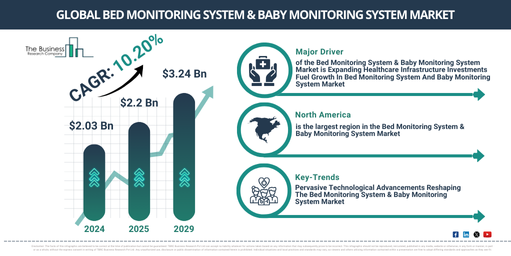
    The market size for the bed monitoring system and baby monitoring system has substantially increased in the past few years. It is projected to further expand from $2.03 billion in 2024 to $2.2 billion in 2025, with a Compound Annual Growth Rate (CAGR) of 8.4%. Factors contributing to the historical growth rate include the aging population, increase in health-care spending, regulatory compliance, initiatives for patient safety, and an increase in birth rates.

    In the coming years, the market size of the bed and baby monitoring systems is anticipated to experience swift expansion. It’s predicted to swell to$3.24 billion by 2029″ at a compound annual growth rate (CAGR) of 10.2%. The increase during the projection period can be credited to factors such as easy accessibility for parents, safety issues, the surge in the number of working parents, and fast-paced urbanization. Key market trends for the forecast phase include integration with telehealth, wireless connectivity, AI-driven insights, advanced camera technology, along with fall detection and prevention mechanisms.

    Download a free sample to assess the report’s scope and structure:

    https://www.thebusinessresearchcompany.com/sample.aspx?id=6847&type=smp

    Which Primay Drivers Are Accelerating Growth in the Bed Monitoring System & Baby Monitoring System Market?

    The bed monitoring system and baby monitoring system market is set to thrive due to increasing investments in healthcare infrastructure development. There’s a surge in initiatives by global governments dedicated to augmenting hospital infrastructure investment, specifically in underdeveloped regions. This, in turn, will spur on the demand for bed and baby monitoring systems. For example, as reported by the Commonwealth Fund Commission of the United States, the US government has ushered in the Build Back Better Act (BBBA). This Act promises an injection of over $2 billion into basic public health infrastructure, improving the healthcare system’s response capacity towards infectious diseases and environmental threats as well as chronic diseases. The BBBA provisioning includes $100 million in 2022, $150 million in 2023, and a significant allocation of $500 million during 2024-2026 for public health programs at the Centers for Disease Control and Prevention (CDC). Consequently, this heightened investment in healthcare infrastructural development is steering the expansion of the bed monitoring system and baby monitoring system market.

    Which Primary Segments of the Bed Monitoring System & Baby Monitoring System Market Are Driving Growth and Industry Transformations?

    The bed monitoring system & baby monitoring systemmarket covered in this report is segmented –

    1) By Type: Bedsore Monitoring Solutions; Baby Monitoring Solutions; Elderly Monitoring Solutions; Sleep Monitoring Solutions

    2) By End-User: Homecare Settings; Hospitals; Nursing Home; Assisted Living Facilities

    Subsegments:

    1) By Edsore Monitoring Solutions: Pressure Mapping Systems; Wearable Sensors; Smart Mattresses

    2) By Baby Monitoring Solutions: Video Baby Monitors; Audio Baby Monitors; Wearable Baby Monitors

    3) By Elderly Monitoring Solutions: Fall Detection Systems; Health Monitoring Wearables; Remote Monitoring Systems

    4) By Sleep Monitoring Solutions: Sleep Trackers; Smart Mattresses; Sleep Apnea Monitors

    Request customized data on this market:

    https://www.thebusinessresearchcompany.com/customise?id=6847&type=smp

    Which Regions Are Key Players in the Growth of the #Which Primay Drivers Are Accelerating Growth in the Bed Monitoring System & Baby Monitoring System Market?# Market?

    North America was the largest region in the bed monitoring system and baby monitoring system market in 2024. Asia-Pacific is expected to be the fastest-growing region in the forecast period. The regions covered in the bed monitoring system & baby monitoring system market report include Asia-Pacific, Western Europe, Eastern Europe, North America, South America, Middle East and Africa.

    Which Technological Trends Are Reshaping the Bed Monitoring System & Baby Monitoring System Industry Dynamics?

    Advancements in technology have been identified as the driving trend in the bed monitoring system and baby monitoring system market. Key players in this sector are concentrating on technological breakthroughs to consolidate their standing. For example, Dozee and Midmark India unveiled a pioneering connected bed platform for streamlining patient monitoring in hospitals in August 2023, marking a first for India. The new product greatly aids in keeping tabs on beds in HDUs, step-down ICUs, and non-ICU wards. It leverages cloud and AI technology, utilizing next-gen sensors for patient monitoring.

    View the full report here:

    https://www.thebusinessresearchcompany.com/report/bed-monitoring-system-and-baby-monitoring-system-global-market-report

    What Parameters Are Used to Define the Bed Monitoring System & Baby Monitoring System Market?

    The bed monitoring system & baby monitoring system are used for tracking the activities of babies. These systems use various sensors to track the activities of the patients and the babies and notify the caregivers or parents if there is any deviation in their normal behavior to make sure to check on them in case of an emergency. A sensor is designed to be placed under the mattress of a bed, near the bed frame, and is completely sealed against contamination, eliminating the need to discard the sensor after a patient is discharged. Ribbon switches are placed between stiff Plexiglas plates in the assembly of the sensor.

    Purchase the full report and get a swift delivery:

    https://www.thebusinessresearchcompany.com/purchaseoptions.aspx?id=6847

    About The Business Research Company:

    With over 15000+ reports from 27 industries covering 60+ geographies, The Business Research Company has built a reputation for offering comprehensive, data-rich research and insights. Armed with 1,500,000 datasets, the optimistic contribution of in-depth secondary research, and unique insights from industry leaders, you can get the information you need to stay ahead in the game.

    Get in touch with us:

    The Business Research Company: https://www.thebusinessresearchcompany.com/

    Americas +1 310-496-7795

    Europe +44 7882 955267

    Asia & Others +44 7882 955267 & +91 8897263534

    Email us at info@tbrc.info

    Follow us on:

    LinkedIn: https://in.linkedin.com/company/the-business-research-company

    YouTube: https://www.youtube.com/channel/UC24_fI0rV8cR5DxlCpgmyFQ

    Global Market Model: https://www.thebusinessresearchcompany.com/global-market-model

  • Assisted Reproductive Technology Market Valuation Expected To Reach $52.42 Billion By 2029, Growing At A Rate Of 9.1%

    Claim your 30% discount on Global Market Reports with code ONLINE30. Limited time only.

    How Has the Assisted Reproductive Technology Market Growth Performance Trended Historically, And What Lies Ahead?

    In recent years, the assisted reproductive technology market has seen a significant increase in size. The market, which was worth $34.35 billion in 2024, is projected to reach $37.06 billion in 2025, growing at a compound annual growth rate (CAGR) of 7.9%. This notable growth during the historical period can be linked to factors such as rising infertility rates, evolving societal norms, increasing awareness, legislative backing, and an aging population.

    The market size for assisted reproductive technology is predicted to experience robust expansion in the coming years, with forecasts estimating the market will reach $52.42 billion in 2029, exhibiting a compound annual growth rate (CAGR) of 9.1%. This projected development over the forecast period may be linked to factors such as greater maternal age, heightened demand for same-sex parenting, the growth of medical tourism, an evolving healthcare infrastructure, and ongoing research and development. Key trends anticipated throughout the forecast period encompass the incorporation of artificial intelligence (AI), the practice of egg freezing, single-embryo transfer (SET), PGT-A and genetic screening, as well as innovative methodology in fertility preservation.

    Download a free sample to assess the report’s scope and structure:

    https://www.thebusinessresearchcompany.com/sample.aspx?id=5489&type=smp

    Which Factors and External Forces Are Driving Demand in the Assisted Reproductive Technology Market?

    The increasing prevalence of infertility is projected to boost the assisted reproductive technology market in the future. Infertility is characterized by an inability to conceive after a year of regular and unprotected sex. Both men and women can be affected by infertility, which is often identified by the incapability to conceive. Infertility treatment typically involves the use of assisted reproductive technology (ART), which encompasses fertility treatments that involve both the woman’s eggs and man’s sperm. For example, the World Health Organization (WHO), a Switzerland-based global public health institution, predicted in April 2023 that several people of reproductive age globally will face infertility problems, impacting their families and societies. It’s estimated that around 17.5% of the worldwide adult population or one in six adults grapples with infertility. As such, the burgeoning number of infertility cases fuels the expansion of the assisted reproductive technology market.

    Which Segments in the Assisted Reproductive Technology Offer the Most Growth?

    The assisted reproductive technologymarket covered in this report is segmented –

    1) By Diagnosis: Ovulation Testing; Hysterosalpingography; Ovarian Reserve Testing; Genetic Testing

    2) By Procedure Type: Fresh Non-Donor; Fresh Donor; Frozen Donor; Frozen Non-Donor; Embryo Or Egg Banking

    3) By End-User: Hospitals; Fertility Clinics; Other End-Users

    Subsegments:

    1) By Ovulation Testing: Urine Ovulation Predictor Kits; Saliva Ovulation Test Kits

    2) By Hysterosalpingography (HSG): X-ray HSG; Sonohysterography (SHG)

    3) By Ovarian Reserve Testing: Follicle Stimulating Hormone (FSH) Testing; Anti-Müllerian Hormone (AMH) Testing; Antral Follicle Count (AFC) via Ultrasound

    4) By Genetic Testing: Preimplantation Genetic Testing (PGT); Carrier Screening Tests; Genetic Compatibility Testing

    Request customized data on this market:

    https://www.thebusinessresearchcompany.com/customise?id=5489&type=smp

    What Are the Fastest-Growing Geographies in the #Which Factors and External Forces Are Driving Demand in the Assisted Reproductive Technology Market?# Market?

    Europe was the largest region in the assisted reproductive technology market in 2024. North America was the second-largest region in assisted reproductive technology market. The regions covered in the assisted reproductive technology market report include Asia-Pacific, Western Europe, Eastern Europe, North America, South America, Middle East and Africa.

    Which Cutting-Edge Market Trends Are Expected to Drive theAssisted Reproductive Technology Market’s Growth?

    The rise of technological innovations is becoming increasingly prevalent in the assisted reproductive technology sector, a key trend being observed. To consolidate their position, key players in this market are diligently working on devising tech-based solutions. For instance, in October 2022, Alife Health, a medical equipment manufacturer based in the US, unveiled Alife Assist platform. This suite of products, designed to revolutionize the in-vitro fertilization (IVF) process, utilizes the power of data-driven insights and artificial intelligence (AI) to support clinical decision-making during critical stages of IVF and optimize fertility clinic operations. With components like Stim Assist, Embryo Assist, and Insights, this advanced platform provides extensive assistance to reproductive endocrinologists, embryologists, and clinic administrators, enhancing areas such as medication dosage, embryo assessment, and real-time performance monitoring, ultimately improving both the patient experience and the success rate of IVF treatments.

    View the full report here:

    https://www.thebusinessresearchcompany.com/report/assisted-reproductive-technology-global-market-report

    What Are the Key Elements That Define the Assisted Reproductive Technology Market?

    Assisted reproductive technology is based on the surgical removal of eggs from women’s ovaries and then fusing them with men’s sperm in the laboratory to create embryos. These embryos are then inserted back into the woman’s body. ART uses donor eggs, donor sperm, or previously stored frozen embryos. Assisted reproductive technology (ART) is used for the treatment of infertility in either eggs or embryos.

    Purchase the full report and get a swift delivery:

    https://www.thebusinessresearchcompany.com/purchaseoptions.aspx?id=5489

    About The Business Research Company:

    With over 15000+ reports from 27 industries covering 60+ geographies, The Business Research Company has built a reputation for offering comprehensive, data-rich research and insights. Armed with 1,500,000 datasets, the optimistic contribution of in-depth secondary research, and unique insights from industry leaders, you can get the information you need to stay ahead in the game.

    Get in touch with us:

    The Business Research Company: https://www.thebusinessresearchcompany.com/

    Americas +1 310-496-7795

    Europe +44 7882 955267

    Asia & Others +44 7882 955267 & +91 8897263534

    Email us at info@tbrc.info

    Follow us on:

    LinkedIn: https://in.linkedin.com/company/the-business-research-company

    YouTube: https://www.youtube.com/channel/UC24_fI0rV8cR5DxlCpgmyFQ

    Global Market Model: https://www.thebusinessresearchcompany.com/global-market-model