Month: August 2025

  • Artificial Tears Market 2025-2034: Key Highlights, Growth Dynamics, and Emerging Trends

    Artificial Tears Market 2025-2034: Key Highlights, Growth Dynamics, and Emerging Trends

    Claim your 30% discount on Global Market Reports with code ONLINE30. Limited time only.

    What is the Projected CAGR for the Artificial Tears Market Size from 2025 to 2034?

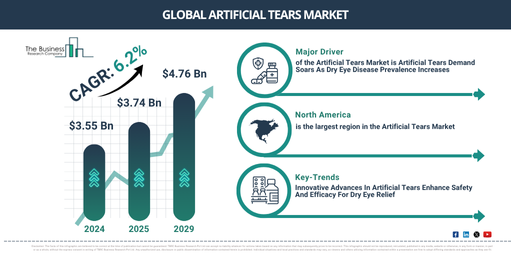
    In the past few years, the market size for artificial tears has seen robust growth. This market, which is set to raise from a value of $3.55 billion in 2024 to $3.74 billion in 2025, will expand at a compound annual growth rate (CAGR) of 5.5%. The notable growth witnessed in the historical period is mainly due to factors such as an increase in the aged population, extended screen usage, expenditure on healthcare, a shift from prescription to over-the-counter products and changes in regulatory landscape.

    We predict a robust expansion in the artificial tears market in the forthcoming years, ultimately growing to approximately $4.76 billion in 2029. This increase represents a compound annual growth rate (CAGR) of 6.2%. This anticipated growth during this predicative period is primarily due to the rise in occurrences of dry eye syndrome, an escalation in the usage of contact lenses, rapid urbanisation worldwide, a surge in pollution, and an increase in e-commerce. Key trends for this future period are technological progress, the synthesis of AI and technology, collaboration with healthcare providers, the inclusion of natural ingredients, advancements in product development, the evolution of drug delivery systems, and the creation of sustainable and environmentally-friendly products.

    Download a free sample to assess the report’s scope and structure:

    https://www.thebusinessresearchcompany.com/sample.aspx?id=13799&type=smp

    Which Primay Drivers Are Accelerating Growth in the Artificial Tears Market?

    The anticipated growth of the artificial tear market is largely due to the increasing incidents of dry eye disease. This eye condition, characterized by inadequate tear production or substandard tear quality resulting in discomfort and irritation, is becoming more prevalent. Artificial tears are used to augment the natural tear production, providing lubrication and customary relief for dry eyes. For example, in March 2022, Macquarie University in Australia conducted a survey involving 5,000 participants. The results showed that out of individuals over the age of 50, 13% (15 out of 120) presented clinical evidence of dry eye disease (DED). This 13% was further classified as 8.2% mild, 2.5% moderate, and 1.6% severe. In addition, a report from Eyes On Eyecare, a digital ophthalmology news source based in the US, stated that in March 2022, the employment of prescription and in-office therapies for dry eye disease saw an increase from 5.8% in 2021 to 7.56% in 2022. During the same period, the use of prescription treatments like topical steroids saw a notable increase from 0.9% to 9.1%. This growing occurrence of dry eye disease is, therefore, a significant factor contributing to the expansion of the artificial tear market.

    Which Primary Segments of the Artificial Tears Market Are Driving Growth and Industry Transformations?

    The artificial tears market covered in this report is segmented –

    1) By Type: Glycerin Tears, Cellulose Tears, Oil-Based Emulsion Tears, Polyethylene Glycol-based Tears, Sodium Hyaluronate Based Artificial Tears, Propylene Glycol-based Tears

    2) By Dosage: Suspensions, Solution, Ointment, Emulsion, Gel, Spray

    3) By Indication: Dry Eye Syndrome, Allergies, Infections, UV And Blue Light Protection, Contact Lens Moisture Retention, Other Indications

    4) By Distribution: Retail Pharmacies, Hospital Pharmacies, Online Pharmacies, Ophthalmic Stores

    Subsegments:

    1) By Glycerin Tears: Preserved Glycerin Tears, Preservative-Free Glycerin Tears

    2) By Cellulose Tears: Hydroxypropyl Methylcellulose (HPMC) Tears, Carboxymethylcellulose (CMC) Tears

    3) By Oil-Based Emulsion Tears: Mineral Oil-based Tears, Castor Oil-based Tears

    4) By Polyethylene Glycol-based Tears: PEG 400 Tears, PEG 3350 Tears

    5) By Sodium Hyaluronate Based Artificial Tears: Low Molecular Weight Sodium Hyaluronate Tears, High Molecular Weight Sodium Hyaluronate Tears

    6) By Propylene Glycol-based Tears: Preserved Propylene Glycol Tears, Preservative-Free Propylene Glycol Tears

    Request customized data on this market:

    https://www.thebusinessresearchcompany.com/customise?id=13799&type=smp

    Which Regions Are Key Players in the Growth of the #Which Primay Drivers Are Accelerating Growth in the Artificial Tears Market?# Market?

    North America was the largest region in the artificial tears market in 2024. Asia-Pacific is expected to be the fastest-growing region in the forecast period. The regions covered in the artificial tears market report are Asia-Pacific, Western Europe, Eastern Europe, North America, South America, Middle East, Africa.

    Which Technological Trends Are Reshaping the Artificial Tears Industry Dynamics?

    Large corporations in the artificial tears market are optimizing their products by incorporating cutting-edge technologies, including patented pureflow technology, to increase their safety and user-friendly aspects. This patented pureflow method is a unique delivery system employing a one-directional valve to enable sterile dispensing of preservative-free eye drops, and it prevents contamination while securing product purity. For example, Alcon Inc., a Swiss-based pharmaceutical and medical device firm, unveiled its Systane Complete Preservative-Free Lubricant Eye Drops in January 2022. These progressive artificial tears are specially crafted to alleviate symptoms related to all major dry eye variants, such as evaporative dry eye and aqueous tear deficiency. Being free from preservatives, they afford up to eight hours of sustained relief by moisturizing and shielding each layer of the tear film. Through the application of nano-droplet technology, these drops facilitate speedy hydration to the eye surface, preventing tear evaporation and providing immediate and efficient comfort. Packaged in an easily portable multi-dose bottle equipped with PureFlow technology, the design safeguards users by preventing contamination, thus making it an ideal selection for frequent users and individuals with sensitive eyes.

    View the full report here:

    https://www.thebusinessresearchcompany.com/report/artificial-tears-global-market-report

    What Parameters Are Used to Define the Artificial Tears Market?

    Artificial tears are eye drops, gels, or ointments that are used to relieve dryness and irritation of the ocular surface. It is commonly used to treat dry eye syndrome, a condition caused by reduced tear production or increased tear evaporation.

    Purchase the full report and get a swift delivery:

    https://www.thebusinessresearchcompany.com/purchaseoptions.aspx?id=13799

    About The Business Research Company:

    With over 15000+ reports from 27 industries covering 60+ geographies, The Business Research Company has built a reputation for offering comprehensive, data-rich research and insights. Armed with 1,500,000 datasets, the optimistic contribution of in-depth secondary research, and unique insights from industry leaders, you can get the information you need to stay ahead in the game.

    Get in touch with us:

    The Business Research Company: https://www.thebusinessresearchcompany.com/

    Americas +1 310-496-7795

    Europe +44 7882 955267

    Asia & Others +44 7882 955267 & +91 8897263534

    Email us at info@tbrc.info

    Follow us on:

    LinkedIn: https://in.linkedin.com/company/the-business-research-company

    YouTube: https://www.youtube.com/channel/UC24_fI0rV8cR5DxlCpgmyFQ

    Global Market Model: https://www.thebusinessresearchcompany.com/global-market-model
  • Artificial Intelligence (AI) In Predictive Toxicology Growth Trajectory: Key Forecasts and Strategic Insights

    Artificial Intelligence (AI) In Predictive Toxicology Growth Trajectory: Key Forecasts and Strategic Insights

    Claim your 30% discount on Global Market Reports with code ONLINE30. Limited time only.

    What Is the Current and Projected Market Size of the Artificial Intelligence (AI) In Predictive Toxicology Market Through 2034?

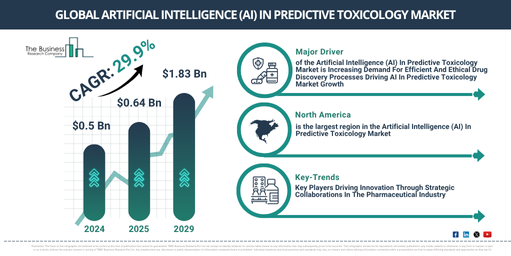
    The market size of artificial intelligence (AI) in predictive toxicology has seen a rapid expansion in recent times. The market which was valued at $0.5 billion in 2024 is projected to increase to $0.64 billion in 2025, showcasing a compound annual growth rate (CAGR) of 29.5%. Factors driving this growth during the previous period include heightened regulatory demands related to toxicity evaluation, escalating apprehensions about chemical safety, the existence of extensive datasets for model training, increasing expenses and ethical issues linked to animal testing, and the requirement for swifter, more cost-efficient toxicity screening procedures.

    In the coming years, the artificial intelligence (AI) market in predictive toxicology is set to experience a significant surge in size, escalating to a market value of $1.83 billion in 2029, with a compound annual growth rate (CAGR) of 29.9%. This anticipated expansion in the forecast period is largely due to factors such as the rise of explainable AI technology for toxicity predictions, an increasing demand for tailored toxicity assessments, recognition and standardization of AI-enabled toxicity predictions by regulatory bodies, an upswing in outsourced predictive toxicology services, and a broadened utility of AI in the sectors of drug discovery and development. The forecasting period will also witness several key trends, such as a shift towards using 3D cell culture models for toxicity tests, the emergence of federated learning strategies for joint toxicity prediction, the use of generative models for mapping out chemical toxicity pathways, the application of natural language processing to extract toxicity information from written sources, and increased precedence of virtual screening platforms to prioritize chemical testing.

    Download a free sample to assess the report’s scope and structure:

    https://www.thebusinessresearchcompany.com/sample.aspx?id=14253&type=smp

    Which Factors and External Forces Are Driving Demand in the Artificial Intelligence (AI) In Predictive Toxicology Market?

    The escalating need for efficient and morally acceptable drug discovery processes is anticipated to fuel the expansion of the artificial intelligence (AI) in predictive toxicology market in the future. The complexity and fluidity of drug discovery, a process involving the careful investigation, creation, and assessment of chemical compounds to unearth potential therapeutic agents for disease relief and overall health improvement is noteworthy. Efficient and ethical drug discovery calls for the adoption of superior technologies and an emphasis on conscientious research to generate new therapeutic agents. The rising instances of chronic diseases, the burgeoning move towards personalized medicine, and the growing prevalence of aging-related diseases fuel the demand for such efficient and ethical drug discovery. AI’s role in predictive toxicology boosts drug discovery by adeptly analyzing huge datasets to forecast possible toxicological outcomes, thus accelerating drug development while adhering to ethical norms. For example, the European Federation of Pharmaceutical Industries and Associations (EFPIA), a trade body based in Belgium, representing the pharmaceutical sector, reported that in June 2023, the overall pharmaceutical R&D expenditure in Europe reached $49,500 million (€44,500 million) in 2022, a climb of about 6.45% from $46,500 million (€42,533 million) in 2021. Hence, the mounting demand for such efficient and morally sound drug discovery processes fuels the expansion of the AI in predictive toxicology market.

    Which Segments in the Artificial Intelligence (AI) In Predictive Toxicology Offer the Most Growth?

    The artificial intelligence (ai) in predictive toxicology market covered in this report is segmented –

    1) By Component: Solution, Services

    2) By Technology: Machine Learning, Natural Language Processing, Computer Vision, Other Technologies

    3) By Toxicity Endpoints: Genotoxicity, Hepatotoxicity, Neurotoxicity, Cardiotoxicity, Other Toxicity Endpoints

    4) By End User: Pharmaceutical And Biotechnology Companies, Chemical And Cosmetics, Contract Research Organizations, Other End Users

    Subsegments:

    1) By Solution: Software Platforms, Data Analysis Tools, Predictive Modeling Solutions, Database And Information Systems

    2) By Services: Consulting Services, Training And Support Services, Data Management And Integration Services, Research And Development Services

    Request customized data on this market:

    https://www.thebusinessresearchcompany.com/customise?id=14253&type=smp

    What Are the Fastest-Growing Geographies in the #Which Factors and External Forces Are Driving Demand in the Artificial Intelligence (AI) In Predictive Toxicology Market?# Market?

    North America was the largest region in the artificial intelligence (AI) in predictive toxicology market in 2024. Asia-Pacific is expected to be the fastest-growing region in the forecast period. The regions covered in the artificial intelligence (AI) in predictive toxicology market report are Asia-Pacific, Western Europe, Eastern Europe, North America, South America, Middle East, Africa.

    Which Cutting-Edge Market Trends Are Expected to Drive theArtificial Intelligence (AI) In Predictive Toxicology Market’s Growth?

    Companies that are significant players in the AI predictive toxicology market are using collaborative strategies to expand their market reach and spur innovation. This cooperation aims to employ AI and machine learning methods to better predict and evaluate the toxicity of chemical compounds and drugs. For instance, SyntheticGestalt, a UK-based company specializing in AI research and development with a focus on AI drug discovery solutions, teamed up with Ukraine-based Enamine, a supplier of chemical building blocks, screening compounds, and all-in-one drug discovery services, in January 2024. Their goal was to create a series of AI models to streamline the production of biologically active compounds that can be synthesized easily, and to optimize their physical and chemical, and ADME or Tox (Absorption, Distribution, Metabolism, and Excretion or Toxicity) characteristics. These models will be used in SyntheticGestalt’s endeavors to discover compounds, providing a service both to academia and pharmaceutical firms. Enamine has given access to its vast Enamine REAL database, which houses 38 billion molecules. The data will be incorporated into SyntheticGestalt’s Drug Discovery Service, where it will use distinct AI models to predict the physical and chemical, and ADME or Tox features of compounds. This service will quickly propose enhanced replacement compounds for those that present problems.

    View the full report here:

    https://www.thebusinessresearchcompany.com/report/artificial-intelligence-ai-in-predictive-toxicology-global-market-report

    What Are the Key Elements That Define the Artificial Intelligence (AI) In Predictive Toxicology Market?

    Artificial intelligence (AI) in predictive toxicology refers to the use of artificial intelligence techniques to analyze biological, chemical, and environmental data to predict the potential toxicity of chemicals and compounds. It is used to expedite chemical safety assessments, predict drug toxicity, and prioritize chemicals for further testing.

    Purchase the full report and get a swift delivery:

    https://www.thebusinessresearchcompany.com/purchaseoptions.aspx?id=14253

    About The Business Research Company:

    With over 15000+ reports from 27 industries covering 60+ geographies, The Business Research Company has built a reputation for offering comprehensive, data-rich research and insights. Armed with 1,500,000 datasets, the optimistic contribution of in-depth secondary research, and unique insights from industry leaders, you can get the information you need to stay ahead in the game.

    Get in touch with us:

    The Business Research Company: https://www.thebusinessresearchcompany.com/

    Americas +1 310-496-7795

    Europe +44 7882 955267

    Asia & Others +44 7882 955267 & +91 8897263534

    Email us at info@tbrc.info

    Follow us on:

    LinkedIn: https://in.linkedin.com/company/the-business-research-company

    YouTube: https://www.youtube.com/channel/UC24_fI0rV8cR5DxlCpgmyFQ

    Global Market Model: https://www.thebusinessresearchcompany.com/global-market-model

  • Next-Gen Artificial Intelligence (AI) In Biopharmaceuticals : Market Forecast, Transformation, and Long-Term Trajectories

    Next-Gen Artificial Intelligence (AI) In Biopharmaceuticals : Market Forecast, Transformation, and Long-Term Trajectories

    Claim your 30% discount on Global Market Reports with code ONLINE30. Limited time only.

    What is the Anticipated CAGR of the Artificial Intelligence (AI) In Biopharmaceuticals Market, and What Factors Will Drive It?

    The market size of artificial intelligence (AI) in biopharmaceuticals has experienced a tremendous increase recently. The projection is that it will rise from $1.59 billion in 2024 to $2.1 billion in 2025, demonstrating a compound annual growth rate (CAGR) of 32.2%. The substantial expansion during the historical period can be linked to developments in computational capabilities, the surge of biomedical data, paradigm of precision medicine, as well as regulatory assistance and direction.

    The market size for artificial intelligence (AI) in biopharmaceuticals is projected to witness a substantial increase in the forthcoming years, reaching $6.58 billion by 2029 with a compound annual growth rate (CAGR) of 33.0%. The expected expansion during the forecast period can be credited to advancements in computational biology, the harmonizing of multi-modal data, the meeting point of ai and life sciences, supportive regulatory frameworks, and just and ethical ai principles. Major trends anticipated during the forecast span include the unification of multi-omics data, drug design, and discovery driven by AI, understandable AI and regulatory approval, advancements in technology, evolutions in regulations, and burgeoning opportunities.

    Download a free sample to assess the report’s scope and structure:

    https://www.thebusinessresearchcompany.com/sample.aspx?id=14251&type=smp

    Which Major Market Drivers Are Expected to Boost the Growth Potential of the Artificial Intelligence (AI) In Biopharmaceuticals Market?

    The escalating incidence of chronic diseases is anticipated to spur the expansion of the artificial intelligence (AI) in biopharmaceuticals market in the future. These long-term conditions progress at a slow rate and can endure for many years or even a person’s entire lifespan. They occur due to factors such as lifestyle choices, an aging populace, genetic tendencies, and environmental conditions. AI in biopharmaceuticals is now being increasingly employed to handle these chronic conditions as it can process large quantities of diverse data, detect patterns and customize treatment methods. For example, the Department of Health and Human Services reported in November 2023 that there was an 11 percent rise in new cases of chronic hepatitis B in the United States in 2022 compared to 2021. Consequently, the accelerating prevalence of chronic diseases is fueling the growth of the AI sector in the biopharmaceuticals market.

    Which Key Market Segments Comprise the Artificial Intelligence (AI) In Biopharmaceuticals Market and Drive Its Revenue Growth?

    The artificial intelligence (ai) in biopharmaceuticals market covered in this report is segmented –

    1) By Offering: Hardware, Software, Services

    2) By Deployment: Cloud, On-Premises

    3) By Technology: Machine Learning, Natural Language Processing, Deep Learning, Other Technologies

    4) By Application: Business Process And Supply Chain, Drug Discovery, Medical Imaging And Diagnostics, Precision Medicine

    5) By End-Users: Manufacturers, Contract Research Organizations, Academic And Government Research Institutes

    Subsegments:

    1) By Hardware: High-Performance Computing Systems, AI-Enabled Laboratory Equipment, Data Storage Solutions

    2) By Software: Drug Discovery Platforms, Clinical Trial Management Software, Predictive Analytics Tools, Natural Language Processing Solutions

    3) By Services: Consulting Services, Implementation And Integration Services, Data Management And Analytics Services, Training And Support Services

    Request customized data on this market:

    https://www.thebusinessresearchcompany.com/customise?id=14251&type=smp

    Which Areas Are Leading Regions in the Artificial Intelligence (AI) In Biopharmaceuticals Market Expansion Across the Globe?

    North America was the largest region in the artificial intelligence (AI) in biopharmaceuticals market in 2024. Asia-Pacific is expected to be the fastest-growing region in the forecast period. The regions covered in the artificial intelligence (AI) in biopharmaceuticals market report are Asia-Pacific, Western Europe, Eastern Europe, North America, South America, Middle East, Africa.

    What Are the Key Market Trends in theArtificial Intelligence (AI) In Biopharmaceuticals Market Over the Coming Years?

    Top-tier firms involved in the field of AI within biopharmaceuticals are prioritizing the creation of revolutionary improvements such as the target and lead identification suite AI-driven systems. These systems are aimed at speeding up the discovery of drugs and precision medicine, essentially changing the game within the field of life sciences. These tech-enabled improvements for the rapid discovery of drugs and precision medicine have a wide range of unique techniques for creating new drugs and personalizing therapy for patients. For example, Google LLC, an American-based cloud computing service provider, rolled out two new AI-driven tools – target and lead identification suites – in May 2023. These tools are meant to aid researchers in fortelling and comprehending protein structures, a vital aspect of drug creation. Additionally, this suite will assist researchers in absorbing, retaining, scrutinizing, and sharing vast amounts of genomic data, which is key to precision medicine. Moreover, these instruments aspire to simplify the drug discovery process, lessen expenses, and hasten the availability of new treatments in the market. By offering efficient data management, precise projections of protein structures, and superior genomic analysis capabilities, these tools hope to revolutionize drug development procedures and enhance patient outcomes.

    View the full report here:

    https://www.thebusinessresearchcompany.com/report/artificial-intelligence-ai-in-biopharmaceuticals-global-market-report

    How Is the Artificial Intelligence (AI) In Biopharmaceuticals Market Conceptually Defined?

    Artificial intelligence (AI) in biopharmaceuticals refers to applying various AI techniques to analyze complex biological data and improve various aspects of drug discovery, development, and delivery within the pharmaceutical industry. AI in biopharmaceuticals holds great promise for revolutionizing drug discovery, development, and delivery processes by accelerating timelines, reducing costs, and improving the efficiency and effectiveness of treatments.

    Purchase the full report and get a swift delivery:

    https://www.thebusinessresearchcompany.com/purchaseoptions.aspx?id=14251

    About The Business Research Company:

    With over 15000+ reports from 27 industries covering 60+ geographies, The Business Research Company has built a reputation for offering comprehensive, data-rich research and insights. Armed with 1,500,000 datasets, the optimistic contribution of in-depth secondary research, and unique insights from industry leaders, you can get the information you need to stay ahead in the game.

    Get in touch with us:

    The Business Research Company: https://www.thebusinessresearchcompany.com/

    Americas +1 310-496-7795

    Europe +44 7882 955267

    Asia & Others +44 7882 955267 & +91 8897263534

    Email us at info@tbrc.info

    Follow us on:

    LinkedIn: https://in.linkedin.com/company/the-business-research-company

    YouTube: https://www.youtube.com/channel/UC24_fI0rV8cR5DxlCpgmyFQ

    Global Market Model: https://www.thebusinessresearchcompany.com/global-market-model

  • Antiparasitic Drugs Market Overview 2025: Competitive Shifts, Forecast Models, and Emerging Opportunities

    Claim your 30% discount on Global Market Reports with code ONLINE30. Limited time only.

    What Are the Key Milestones in the Antiparasitic Drugs Market’s Growth Trajectory From 2025 To 2034?

    The market size of antiparasitic drugs has seen a strong surge in recent times. It is projected to expand from $24.06 billion in 2024 to $25.58 billion in 2025, displaying a compound annual growth rate (CAGR) of 6.3%. The growth seen in the historic period is a result of an increased incidence of parasitic infections, resilience to prevailing treatments, and worldwide health initiatives.

    Over the coming years, the antiparasitic drugs market is forecasted to witness a robust increase in its size. It is predicted to reach a value of $33.29 billion by 2029, expanding at a compound annual growth rate (CAGR) of 6.8%. The escalation in the forthcoming period can be credited to the rise of new parasitic dangers, climate change, vector-borne diseases, and a heightened global emphasis on health security and healthcare accessibility. The forthcoming period anticipates a surge in trends such as advancements in the development of drugs, targeted treatments, combination therapies, collaborations between private and public sectors, telemedicine, and remote diagnostics.

    Download a free sample to assess the report’s scope and structure:

    https://www.thebusinessresearchcompany.com/sample.aspx?id=12927&type=smp

    What Are the Core Growth Drivers Propelling the Antiparasitic Drugs Market Forward?

    Growth in the antiparasitic drugs market is anticipated to be driven by the escalating occurrence of vector-borne diseases. These infectious maladies, which include malaria, dengue, and yellow fever, are transmitted to humans or other animals by arthropods, predominantly mosquitoes, ticks, and flies. Antiparasitic medications are instrumental in thwarting the transmission of these diseases, as they eliminate the parasites responsible. Malaria, for example, is often treated with antiparasitic drugs like chloroquine, doxycycline, and atovaquone-proguanil. An illustration of the escalating infection rates is seen in data from the US Centers for Disease Control and Prevention in June 2024, revealing that over 9.7 million dengue cases were recorded across the Americas between January to June 2024, more than doubling the 4.6 million cases reported in 2023. Furthermore, Puerto Rico reported 1,498 dengue cases in the United States, with an additional 745 cases detected among U.S. travelers returning from affected regions. Consequently, this rising prevalence of vector-borne diseases is stimulating the growth of the antiparasitic drugs market.

    What Segment Types Define the Antiparasitic Drugs Market Structure?

    The antiparasitic drugs market covered in this report is segmented –

    1) By Product Type: Anthelmintics, Antiprotozoals, Ectoparasiticide, Other Products

    2) By Treatment: Avermectins, Bezimidazoles, Pyrimidines, Organophosphates, Imidazolesthiazoles

    3) By Route of Administration: Oral, Injectable, Topical

    4) By End User: Hospitals, Homecare, Specialty Clinics, Other End Users

    Subsegments:

    1) By Anthelmintics: Benzimidazoles, Ivermectin, Pyrantel Pamoate, Praziquantel

    2) By Antiprotozoals: Metronidazole, Tinidazole, Nitazoxanide, Pentamidine

    3) By Ectoparasiticides: Permethrin, Malathion, Lindane, Fipronil

    4) By Other Products: Combination Antiparasitic Drugs, Novel Antiparasitic Agents

    Request customized data on this market:

    https://www.thebusinessresearchcompany.com/customise?id=12927&type=smp

    Which Geographic Areas Hold the Strongest Growth Potential in the Antiparasitic Drugs Market?

    North America was the largest region in the antiparasitic drugs market in 2024. Asia-Pacific is expected to be the fastest-growing region in the forecast period. The regions covered in antiparasitic drugs market report are Asia-Pacific, Western Europe, Eastern Europe, North America, South America, Middle East and Africa.

    Which Emerging Trends that Are Influencing theAntiparasitic Drugs Industry Evolution?

    Key players in the antiparasitic drugs market are prioritizing the creation of innovative solutions such as chewable veterinary drugs to boost ease of use and enhance pet adherence. Chewable veterinary drugs are tasty, simple to administer tablets or treats specifically created to deliver medication to pets. They improve pet adherence by making the treatment more enjoyable and less stressful. For instance, in April 2024, C.H. Boehringer Sohn AG and Co. KG, a pharmaceutical company based in Germany, rolled out NexGard Spectra for comprehensive parasite regulation. NexGard SPECTRA is a soft, chewable treat with a pleasing flavor that provides an all-round internal and external parasite control for dogs, effectively combating fleas, ticks, heartworms, and various intestinal worms in just a single monthly dosage. It shows fast action by eliminating fleas within four hours after administration and reaches over 99% effectiveness against multiple parasites shortly after.

    View the full report here:

    https://www.thebusinessresearchcompany.com/report/antiparasitic-drugs-global-market-report

    What Is the Definition of the Antiparasitic Drugs Market?

    Antiparasitic drugs are medications used to treat infections caused by various parasites that can infect humans, animals, or plants. Parasites are organisms that live on or within a host organism and derive their nutrients from it, often causing harm to the host in the process. Antiparasitic drugs target these parasites to either kill them or inhibit their growth.

    Purchase the full report and get a swift delivery:

    https://www.thebusinessresearchcompany.com/purchaseoptions.aspx?id=12927

    About The Business Research Company:

    With over 15000+ reports from 27 industries covering 60+ geographies, The Business Research Company has built a reputation for offering comprehensive, data-rich research and insights. Armed with 1,500,000 datasets, the optimistic contribution of in-depth secondary research, and unique insights from industry leaders, you can get the information you need to stay ahead in the game.

    Get in touch with us:

    The Business Research Company: https://www.thebusinessresearchcompany.com/

    Americas +1 310-496-7795

    Europe +44 7882 955267

    Asia & Others +44 7882 955267 & +91 8897263534

    Email us at info@tbrc.info

    Follow us on:

    LinkedIn: https://in.linkedin.com/company/the-business-research-company

    YouTube: https://www.youtube.com/channel/UC24_fI0rV8cR5DxlCpgmyFQ

    Global Market Model: https://www.thebusinessresearchcompany.com/global-market-model

  • From Insight to Impact: Strategic Growth Mapping in the Anti-Neoplastic Agents Market

    From Insight to Impact: Strategic Growth Mapping in the Anti-Neoplastic Agents Market

    Claim your 30% discount on Global Market Reports with code ONLINE30. Limited time only.

    How Has The Anti-Neoplastic Agents Market Size Shifted, And What Is the Outlook Through 2034?

    The market for anti-neoplastic agents has been witnessing robust growth in recent years. It is projected to expand from $130.01 billion in 2024 to $140.9 billion in 2025, marking a compound annual growth rate (CAGR) of 8.4%. Factors contributing to the growth trend in the past have been a rise in the prevalence of cancer, increasing demand for treatments, escalating preference for minimally invasive procedures in cancer therapy, and the necessity for cost-effective anti-neoplastic treatment options.

    The market for anti-neoplastic agents is projected to experience robust growth over the coming years, with an expected valuation of $197.68 billion by 2029, fueled by a compound annual growth rate (CAGR) of 8.8%. Factors contributing to this projected expansion during the predicted period include increased patient education and awareness, government initiatives, a rising demand for individualized cancer therapies, and a heightened emphasis on the quality of life during cancer treatment. Key trends to watch for during the forecast period encompass progress in oncology research, the creation of targeted therapies, innovations in biotechnology, and advancements in diagnostic tools.

    Download a free sample to assess the report’s scope and structure:

    https://www.thebusinessresearchcompany.com/sample.aspx?id=12901&type=smp

    What are the Fundamental Drivers and Innovations Shaping the Anti-Neoplastic Agents Market?

    The rising incidence of cancer is likely to fuel the expansion of the antineoplastic agent market. Essentially, cancer is a collection of diseases with the potential to occur in virtually any organ or tissue when rogue cells proliferate uncontrollably, exceed their usual boundaries, and either metastasize to other organs or infiltrate adjacent body parts. Antineoplastic agents are vital in combating cancer, limiting the growth and division of cancerous cells through multiple strategies, such as causing DNA damage, hindering the cell cycle, and disrupting crucial cellular pathways. For example, the International Agency for Research on Cancer (IARC), based in France and dedicated to fostering international cooperation in cancer research, reported in February 2024 that the cancer burden is anticipated to rise to over 35 million by 2050, marking a 77% increase from the estimated 20 million in 2022. Therefore, the sharp rise in cancer diagnoses is propelling the antineoplastic agent market’s expansion.

    How Is the Anti-Neoplastic Agents Market Segmented?

    The anti-neoplastic agents market covered in this report is segmented –

    1) By Type: Alkylating Agents, Antimetabolites, Hormones And Antagonists, Miscellaneous

    2) By Disease Type: Gastrointestinal Cancer, Prostate Cancer, Lung Cancer, Breast Cancer, Other Disease Types

    3) By End User: Hospitals, Clinics, Cancer Rehabilitation Centers, Ambulatory Surgical Centers

    Subsegments:

    1) By Alkylating Agents: Nitrogen Mustards, Alkyl Sulfonates, Nitrosoureas, Triazines

    2) By Antimetabolites: Purine Analogues, Pyrimidine Analogues, Folate Antagonists

    3) By Hormones and Antagonists: Estrogens and Antiestrogens, Androgens and Antiandrogens, Glucocorticoids

    4) By Miscellaneous: Vinca Alkaloids, Taxanes, Antibiotic Antineoplastics, Targeted Therapy Agents

    Request customized data on this market:

    https://www.thebusinessresearchcompany.com/customise?id=12901&type=smp

    Which Regions Are Driving the Next Phase of the Anti-Neoplastic Agents Market Growth?

    North America was the largest region in the anti-neoplastic agents market in 2024. Asia-Pacific is expected to be the fastest-growing region in the forecast period. The regions covered in anti-neoplastic agents market report are Asia-Pacific, Western Europe, Eastern Europe, North America, South America, Middle East and Africa.

    What Key Trends Are Shaping the Future of the Anti-Neoplastic Agents Market?

    Leading firms in the anti-neoplastic agent market are striving to innovate clinical methods to maintain their market standing. For instance, Novartis AG, a pharmaceutical corporation based in Switzerland, declared in March 2022 that it received the Food and Drug Administration’s (FDA) approval for Pluvicto, which is the first-ever targeted radioligand treatment for progressive, PSMA positive metastatic castration-resistant prostate cancer (mCRPC). It is advised to administer 7.4 GBq (200 mCi) of Pluvicto intravenously every six weeks, up to a maximum of six doses, or until the disease progression becomes unbearable or toxicity levels peak. The selection of patients with previously treated mCRPC for treatment with Pluvicto should be based on the expression of PSMA in tumors, using Locametz or another authorized PSMA-11 imaging agent.

    View the full report here:

    https://www.thebusinessresearchcompany.com/report/anti-neoplastic-agents-global-market-report

    How Is the Anti-Neoplastic Agents Market Defined and What Are Its Core Parameters?

    Anti-neoplastic agents refer to drugs that inhibit or destroy abnormal tissue growth, specifically targeting and combating cancerous cells in the body. They have a vital role in cancer treatment by disrupting the processes involved in tumor development and progression.

    Purchase the full report and get a swift delivery:

    https://www.thebusinessresearchcompany.com/purchaseoptions.aspx?id=12901

    About The Business Research Company:

    With over 15000+ reports from 27 industries covering 60+ geographies, The Business Research Company has built a reputation for offering comprehensive, data-rich research and insights. Armed with 1,500,000 datasets, the optimistic contribution of in-depth secondary research, and unique insights from industry leaders, you can get the information you need to stay ahead in the game.

    Get in touch with us:

    The Business Research Company: https://www.thebusinessresearchcompany.com/

    Americas +1 310-496-7795

    Europe +44 7882 955267

    Asia & Others +44 7882 955267 & +91 8897263534

    Email us at info@tbrc.info

    Follow us on:

    LinkedIn: https://in.linkedin.com/company/the-business-research-company

    YouTube: https://www.youtube.com/channel/UC24_fI0rV8cR5DxlCpgmyFQ

    Global Market Model: https://www.thebusinessresearchcompany.com/global-market-model
  • Anti-Inflammatory TherapeuticsMarket Overview 2025–2034: CAGR Trends, Long-Term Growth Paths, and Business Implications

    Anti-Inflammatory TherapeuticsMarket Overview 2025–2034: CAGR Trends, Long-Term Growth Paths, and Business Implications

    Claim your 30% discount on Global Market Reports with code ONLINE30. Limited time only.

    How Has the Anti-Inflammatory Therapeutics Market Growth Performance Trended Historically, And What Lies Ahead?

    The market size of anti-inflammatory therapeutics has shown consistent growth in the past few years. It is projected to elevate from $114.71 billion in 2024 to $117.28 billion in 2025, witnessing a compound annual growth rate (CAGR) of 2.2%. Factors contributing to growth during the historical period include the widespread occurrence of chronic diseases, an aging population, heightened awareness, and government intervention.

    The market size for anti-inflammatory therapeutics is predicted to grow at a steady pace in the upcoming years, reaching a value of $142.15 billion by 2029 with a compound annual growth rate (CAGR) of 4.9%. This anticipated growth during the forecast period is as a result of innovative treatment methods, heightened healthcare spending, emphasis on curing rare illnesses, biologics and biosimilars. Key advancements expected to make a significant impact in this period include progress in immunotherapy, the incorporation of artificial intelligence (AI) and machine learning (ML) in drug discovery, and the broadening of indications.

    Download a free sample to assess the report’s scope and structure:

    https://www.thebusinessresearchcompany.com/sample.aspx?id=12861&type=smp

    What Are the Primary Drivers Supporting the Market Growth of the Anti-Inflammatory Therapeutics Market?

    The escalating incidence of inflammatory bowel disease (IBD) is anticipated to fuel the expansion of the market for anti-inflammatory therapeutics. IBD, a persistent disease, triggers inflammation in the digestive tract. Anti-inflammatory therapeutics are pivotal in treating Crohn’s disease by lessening inflammation, managing the disease’s symptoms, and lowering the risk of surgical intervention. For example, the Oxford University Press (OUP), the university press of the University of Oxford, reported in July 2023 the IBD incidence rate at 10.9 per 100,000 person-years, and a prevalence rate of 721 per 100,000 individuals. Hence, this rising prevalence of IBD is propelling the expansion of the anti-inflammatory therapeutics market.

    Which Primary Segments of the Anti-Inflammatory Therapeutics Market Are Driving Growth and Industry Transformations?

    The anti-inflammatory therapeutics market covered in this report is segmented –

    1) By Drug Class: Nonsteroidal Anti-Inflammatory Drugs (NSAIDs), Corticosteroids, Anti-Inflammatory Biologics

    2) By Indication: Arthritis, Respiratory Diseases, Multiple Sclerosis, Psoriasis, Inflammatory Bowel Diseases, Other Inflammatory Diseases

    3) By Distribution Channel: Retail Pharmacies, Hospital Pharmacies, Online Distribution

    Subsegments:

    1) By Nonsteroidal Anti-Inflammatory Drugs (NSAIDs): Ibuprofen, Aspirin, Naproxen, Diclofenac, Celecoxib, Indomethacin, Ketoprofen

    2) By Corticosteroids: Prednisone, Dexamethasone, Hydrocortisone, Methylprednisolone, Triamcinolone, Betamethasone

    3) By Anti-Inflammatory Biologics: Tumor Necrosis Factor (TNF) Inhibitors, Interleukin Inhibitors, Janus Kinase (JAK) Inhibitors, Monoclonal Antibodies, Recombinant Proteins, Fusion Proteins

    Request customized data on this market:

    https://www.thebusinessresearchcompany.com/customise?id=12861&type=smp

    Which Regions Are Key Players in the Growth of the #What Are the Primary Drivers Supporting the Market Growth of the Anti-Inflammatory Therapeutics Market?# Market?

    North America was the largest region in the anti-inflammatory therapeutics market in 2024. Europe is expected to be the fastest-growing region in the forecast period. The regions covered in the anti-inflammatory therapeutics market report are Asia-Pacific, Western Europe, Eastern Europe, North America, South America, Middle East and Africa.

    What Are the Most Significant Market Trends in the Anti-Inflammatory Therapeutics Market?

    Leading firms in the anti-inflammatory therapeutics market are innovating and launching new drugs to reinforce their market presence. As an example, in February 2023, Regeneron Pharmaceuticals Inc. from the U.S., a firm specializing in biotechnology, along with France-based pharmaceutical and healthcare company Sanofi, introduced a new drug named Kevzara (sarilumab). This drug is unique as it’s the only anti-inflammatory biologic recommended for adult patients suffering from polymyalgia rheumatic (PMR), a type of inflammatory rheumatic disorder. It is specifically suggested for those patients who do not show adequate response to corticosteroids or those who cannot tolerate corticosteroid tapering.

    View the full report here:

    https://www.thebusinessresearchcompany.com/report/anti-inflammatory-therapeutics-global-market-report

    What Parameters Are Used to Define the Anti-Inflammatory Therapeutics Market?

    Anti-inflammatory therapeutics refer to prescription medications that treat pain, lessen inflammation, and lower a high body temperature. It acts as a host response modifier and plays a crucial role in managing acute and chronic headaches, painful phases, sprains, and strain problems.

    Purchase the full report and get a swift delivery:

    https://www.thebusinessresearchcompany.com/purchaseoptions.aspx?id=12861

    About The Business Research Company:

    With over 15000+ reports from 27 industries covering 60+ geographies, The Business Research Company has built a reputation for offering comprehensive, data-rich research and insights. Armed with 1,500,000 datasets, the optimistic contribution of in-depth secondary research, and unique insights from industry leaders, you can get the information you need to stay ahead in the game.

    Get in touch with us:

    The Business Research Company: https://www.thebusinessresearchcompany.com/

    Americas +1 310-496-7795

    Europe +44 7882 955267

    Asia & Others +44 7882 955267 & +91 8897263534

    Email us at info@tbrc.info

    Follow us on:

    LinkedIn: https://in.linkedin.com/company/the-business-research-company

    YouTube: https://www.youtube.com/channel/UC24_fI0rV8cR5DxlCpgmyFQ

    Global Market Model: https://www.thebusinessresearchcompany.com/global-market-model
  • Antidotes Outlook 2034: Key Drivers, Trends, and Market Frontiers

    Antidotes Outlook 2034: Key Drivers, Trends, and Market Frontiers

    Claim your 30% discount on Global Market Reports with code ONLINE30. Limited time only.

    What Are the Projected Market Size and Growth Rates for the Antidotes Market From 2025 To 2029?

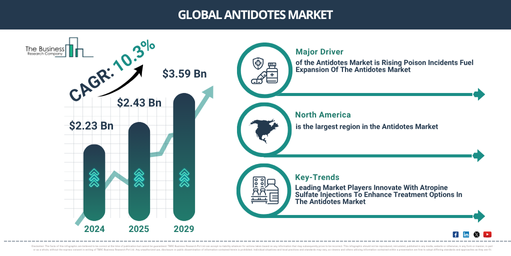
    Over the recent years, the market size for antidotes has experienced robust growth. It is projected to escalate from $2.23 billion in 2024 to $2.43 billion in 2025, with a Compound Annual Growth Rate (CAGR) of 8.8%. Factors such as poison control centers, regulatory approvals, advancements in industrial and occupational safety, as well as education and training, can be credited for this growth during the historic period.

    In the upcoming years, the antidotes market is projected to experience swift expansion. It is anticipated to reach a size of $3.59 billion by 2029, with a compound annual growth rate (CAGR) of 10.3%. Factors contributing to this anticipated growth during the forecast period include the crisis of drug overdose, the emergence of new toxins, supportive regulatory frameworks, telemedicine, and remote consultation. Key trends to watch during the forecast period are the use of combination antidotes, customized poison management, digitalized poison control, and antidotes for pediatric use.

    Download a free sample to assess the report’s scope and structure:

    https://www.thebusinessresearchcompany.com/sample.aspx?id=13029&type=smp

    How Are Key Drivers in the Industry Acting as Catalysts for the Growth of theAntidotes Market?

    The anticipated rise in poisoning incidents is projected to boost progress in the antidotes market. Instances of poison-related exposure, ingestion, or contact with substances detrimental to one’s health are what is referred to as poison incidents. Antidotes are vital in poisoning situations due to their ability to counteract harmful substances. The antidote works to neutralize, mitigate, or reverse the damaging effects of the poison. For example, a report from Cable News Network (CNN) indicated that there were 112,024 overdose fatalities in May 2023, an increase of 2.5% compared to May 2022 which recorded 109,261 deaths. Thus, the rise in poison incidents is a key driver propelling the growth of the antidotes market.

    Which Segments in the Antidotes Offer the Most Growth?

    The antidotes market covered in this report is segmented –

    1) By Type: Chemical Antidotes, Physical Antidotes, Pharmacological Antidotes, Other Types

    2) By Route Of Administration: Injectable, Oral, Capsules And Tablets, Syrup

    3) By Application: Animal Bites, Heavy Metal Poisoning

    4) By End-User: Hospitals, Homecare, Specialty Clinics, Other End-Users

    Subsegments:

    1) By Chemical Antidotes: Chelating Agents, Oxidizing Agents, Reducing Agents

    2) By Physical Antidotes: Activated Charcoal, Gastric Lavage, Whole Bowel Irrigation

    3) By Pharmacological Antidotes: Opioid Antagonists, Benzodiazepine Antagonists, Cholinesterase Reactivators

    4) By Other Types: Supportive Therapies, Adjunctive Treatments

    Request customized data on this market:

    https://www.thebusinessresearchcompany.com/customise?id=13029&type=smp

    What Are the Fastest-Growing Geographies in the #How Are Key Drivers in the Industry Acting as Catalysts for the Growth of theAntidotes Market?# Market?

    North America was the largest region in the antidotes market in 2024. Asia-Pacific is expected to be the fastest-growing region in the forecast period. The regions covered in antidotes market report are Asia-Pacific, Western Europe, Eastern Europe, North America, South America, Middle East and Africa.

    What Are the Current Market Growth and Trends in the Antidotes Industry?

    Top market players are focusing on the development of innovative products like atropine sulfate injections to extend their market scope and offer improved treatment solutions. Atropine sulfate injection is an antimuscarinic drug that functions by blocking the effects of acetylcholine on muscarinic receptors in the parasympathetic nervous system. For example, in August 2022, American Regent Inc., an American company specializing in sterile injectable products for healthcare providers, introduced an atropine sulfate injection, USP. This conventional injectable drug is used as an antisialagogue, organophosphorus poisoning or muscarinic mushroom poisoning antidote, and for addressing bradyasystolic cardiac arrest. Its purpose is to temporarily thwart severe or potentially fatal muscarinic impacts.

    View the full report here:

    https://www.thebusinessresearchcompany.com/report/antidotes-global-market-report

    What Are the Key Elements That Define the Antidotes Market?

    Antidotes refer to substances or therapeutic interventions designed to counter and alleviate the detrimental impacts of poisons or toxic substances within the body. It is used to mitigate or neutralize the toxic effects of a substance that has entered the body.

    Purchase the full report and get a swift delivery:

    https://www.thebusinessresearchcompany.com/purchaseoptions.aspx?id=13029

    About The Business Research Company:

    With over 15000+ reports from 27 industries covering 60+ geographies, The Business Research Company has built a reputation for offering comprehensive, data-rich research and insights. Armed with 1,500,000 datasets, the optimistic contribution of in-depth secondary research, and unique insights from industry leaders, you can get the information you need to stay ahead in the game.

    Get in touch with us:

    The Business Research Company: https://www.thebusinessresearchcompany.com/

    Americas +1 310-496-7795

    Europe +44 7882 955267

    Asia & Others +44 7882 955267 & +91 8897263534

    Email us at info@tbrc.info

    Follow us on:

    LinkedIn: https://in.linkedin.com/company/the-business-research-company

    YouTube: https://www.youtube.com/channel/UC24_fI0rV8cR5DxlCpgmyFQ

    Global Market Model: https://www.thebusinessresearchcompany.com/global-market-model

  • Global Antibody Discovery Market Trends: Regional Breakdowns and Strategic Insights

    Global Antibody Discovery Market Trends: Regional Breakdowns and Strategic Insights

    Claim your 30% discount on Global Market Reports with code ONLINE30. Limited time only.

    What Is the Estimated Market Size of the Antibody Discovery Market In 2029?

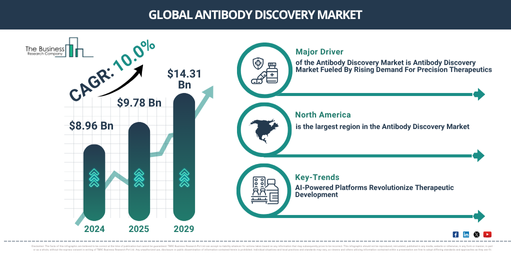
    In recent times, the antibody discovery market has seen substantial growth. The market is projected to expand from $8.96 billion in 2024 to $9.78 billion in 2025, exhibiting a compound annual growth rate (CAGR) of 9.2%. The surge in investment towards drug discovery, escalating funding in research and development activities, and the existence of numerous healthcare research centers and academic institutions have been key contributors to growth during the historic period.

    In the coming years, the size of the antibody discovery market is predicted to witness significant expansion. It is projected to reach $14.31 billion by 2029, with a compound annual growth rate (CAGR) of 10.0%. Factors propelling this growth include a rise in demand for antibody drug discovery services and platforms, increased funding for developing cutting-edge technologies, a growing need for precision therapeutics, and expanded usage of antibodies beyond their traditional therapeutic uses. Key trends for the forecast period encompass escalated research and development efforts, a rising demand for monoclonal antibodies, greater adoption of progressive technologies, increasing need for targeted therapeutics, and the emergence of innovative antibody formats.

    Download a free sample to assess the report’s scope and structure:

    https://www.thebusinessresearchcompany.com/sample.aspx?id=13783&type=smp

    What Are the Major Market Drivers Behind the Rising Adoption of Antibody Discovery Market?

    The surge in demand for precision therapeutics is set to fuel the expansion of the antibody discovery market. This form of therapeutics, also known as personalized therapeutics, involves tailoring medical treatment and interventions to the unique characteristics of each patient. Antibody discovery plays a major role in precision therapeutics, allowing the creation of targeted treatments, like monoclonal antibodies. These are crafted to interact specifically and accurately with disease-related molecules or cells, enabling a more personalized and efficient treatment plan. For example, in January 2023, the Personalized Medicine Coalition – a professional membership organization in the US, reported that the Food and Drug Administration’s Center for Drug Evaluation and Research (CDER) gave approval to 37 new molecular entities (NMEs) in 2022. Of the 35 therapeutic NMEs, approximately 34%, equalling to 12, were identified as personalized medicines by the Personalized Medicine Coalition (PMC). Hence, the escalating demand for precision therapeutics will significantly contribute to the growth of the antibody discovery market.

    Which Key Market Segments Comprise the Antibody Discovery Market and Drive Its Revenue Growth?

    The antibody discovery market covered in this report is segmented –

    1) By Methods: Phage Display, Hybridoma, Other Methods

    2) By Antibody Type: Humanized Antibody, Human Antibody, Chimeric Antibody, Murine Antibody

    3) By End Users: Pharmaceutical And Biotechnology Industry, Research Laboratory, Academic Laboratory

    Subsegments:

    1) By Phage Display: Selection And Screening Techniques, Optimization Methods

    2) By Hybridoma: Monoclonal Antibody Production, Screening And Selection Processes

    3) By Other Methods: Transgenic Mouse Technology, B-Cell Engineering, Single-Cell Sorting Techniques

    Request customized data on this market:

    https://www.thebusinessresearchcompany.com/customise?id=13783&type=smp

    Which Areas Are Leading Regions in the Antibody Discovery Market Expansion Across the Globe?

    North America was the largest region in the antibody discovery market in 2024. Asia-Pacific is expected to be the fastest-growing region in the forecast period. The regions covered in the antibody discovery market report are Asia-Pacific, Western Europe, Eastern Europe, North America, South America, Middle East, Africa.

    What Are the Strategic Trends Steering theAntibody Discovery Market Direction?

    Leading organizations in the antibody discovery market are implementing groundbreaking technology including an AI-powered computational antibody drug discovery platform to refine and enhance the process of antibody development. Such an AI-based platform employs artificial intelligence and computational strategies to accelerate the identification and optimization of therapeutic antibodies. For example, SwiftPharma BV, a company based in Belgium that specializes in the creation of recombinant proteins leveraging a unique plant-based system, unveiled an antibody discovery platform powered by artificial intelligence in October 2023. This trailblazing application consolidates artificial intelligence, vast data, machine learning, and phage display methodologies for rapid and precise prediction of high-specificity and high-affinity antibody-antigen interactions. This process, similar to natural language processing, facilitates multifaceted antibody variations, thereby allowing SwiftPharma to generate extensive antibody libraries in a more efficient manner. This revolutionary system expedites the discovery of potential antibody-based drugs with an unmatched pace.

    View the full report here:

    https://www.thebusinessresearchcompany.com/report/antibody-discovery-global-market-report

    How Is the Antibody Discovery Market Conceptually Defined?

    Antibody discovery refers to the process of identifying and developing antibodies, which are proteins produced by the immune system to help defend the body against harmful substances, such as bacteria and viruses. Antibodies, also known as immunoglobulins, play a crucial role in the immune response by recognizing and binding to specific molecules called antigens.

    Purchase the full report and get a swift delivery:

    https://www.thebusinessresearchcompany.com/purchaseoptions.aspx?id=13783

    About The Business Research Company:

    With over 15000+ reports from 27 industries covering 60+ geographies, The Business Research Company has built a reputation for offering comprehensive, data-rich research and insights. Armed with 1,500,000 datasets, the optimistic contribution of in-depth secondary research, and unique insights from industry leaders, you can get the information you need to stay ahead in the game.

    Get in touch with us:

    The Business Research Company: https://www.thebusinessresearchcompany.com/

    Americas +1 310-496-7795

    Europe +44 7882 955267

    Asia & Others +44 7882 955267 & +91 8897263534

    Email us at info@tbrc.info

    Follow us on:

    LinkedIn: https://in.linkedin.com/company/the-business-research-company

    YouTube: https://www.youtube.com/channel/UC24_fI0rV8cR5DxlCpgmyFQ

    Global Market Model: https://www.thebusinessresearchcompany.com/global-market-model

  • Top Trends Driving Innovation and Change in the Porcine Vaccine Market: Strategic Partnerships In The Porcine Vaccine Market Pirbright And TVG Collaborate To Develop Innovative African Swine Fever Vaccines

    Top Trends Driving Innovation and Change in the Porcine Vaccine Market: Strategic Partnerships In The Porcine Vaccine Market Pirbright And TVG Collaborate To Develop Innovative African Swine Fever Vaccines

    Claim your 30% discount on Global Market Reports with code ONLINE30. Limited time only.

    What Are the Key Projections for the CAGR of the Porcine Vaccine Market Size From 2025 to 2034?

    The market size for porcine vaccines has been expanding significantly in the last few years. Its progression from $1.89 billion in 2024 to $2.05 billion in 2025, with a compound annual growth rate (CAGR) of 8.5%, is quite impressive. The factors contributing to this development during the historical period include disease outbreaks and the actions taken to control them, a worldwide rise in pork intake, the fortification of pig farming, government schemes aimed at disease control, as well as initiatives to increase awareness and education.

    The market for porcine vaccines is predicted to experience a hefty expansion in the upcoming years, inflating to $2.94 billion by 2029 with a compound annual growth rate (CAGR) of 9.4%. The surge during the projection period can be credited to the worldwide growth of pig farming, increasing disease threats, strict regulations and adherence, advances in vaccine research, international commerce, and disease risk reduction. Key trends during this period encompass vaccine customization for regional challenges, the integration of biotechnology with vaccine creation, increased alarm over zoonotic diseases, the use of genomic methods in vaccine design, and escalating investment in research and development.

    Download a free sample to assess the report’s scope and structure:

    https://www.thebusinessresearchcompany.com/sample.aspx?id=9111&type=smp

    What External and Internal Drivers Are Contributing to the Growth of thePorcine Vaccine Market?

    The growth of the porcine vaccine market is set to be propelled by the escalating incidence of swine disease. A common respiratory condition affecting pigs, swine flu (swine influenza) is typically triggered by the type A influenza virus, which is known to prompt frequent outbreaks among pigs. By introducing porcine vaccines to pigs, their immune systems respond and remember the pathogenic agent by triggering an immunogenic reaction. These vaccinations equip the pigs’ immune systems to resist pathogens, thereby averting disease by invoking an anamnestic response upon the next encounter with that same pathogen. As an example, the UK Government cited an information website based in the UK in September 2024, warning that a potential African swine fever (ASF) outbreak could significantly harm the UK’s pig sector, valued at £8 billion, and its annual £600 million exports of pork and related products. They projected the likely financial repercussion of such an outbreak could be anywhere between £10 million-£100 million. Thus, the increasing prevalence of swine diseases is spurring the growth of the porcine vaccine market.

    What Segment Types Define the Porcine Vaccine Market Structure?

    The porcine vaccine market covered in this report is segmented –

    1) By Technology: Inactivated Vaccines, Live Attenuated Vaccines, Toxoid Vaccines, Recombinant Vaccines, Conjugate Vaccines, DNA Vaccines

    2) By Disease Indication: Diarrhea, Swine Influenza, Arthritis, Bordetella Rhinitis, Porcine Reproductive and Respiratory Virus (PRRSV), Porcine Circovirus Associated Disease (PCVAD), Other Disease Indications

    3) By End User: Veterinary Hospitals, Hog or Pig Production Farm

    Subsegments:

    1) By Inactivated Vaccines: Whole Virus Inactivated Vaccines, Subunit Inactivated Vaccines

    2) By Live Attenuated Vaccines: Live Modified Vaccines, Live Virulent Vaccines

    3) By Toxoid Vaccines: Inactivated Toxins

    4) By Recombinant Vaccines: Recombinant Vector Vaccines, Subunit Recombinant Vaccines

    5) By Conjugate Vaccines: Polysaccharide Conjugate Vaccines

    6) By DNA Vaccines: Plasmid DNA Vaccines

    Request customized data on this market:

    https://www.thebusinessresearchcompany.com/customise?id=9111&type=smp

    Which Geographic Areas Hold the Strongest Growth Potential in the Porcine Vaccine Market?

    North America is the largest region in the porcine vaccine market in 2024. The regions covered in the porcine vaccine market report are Asia-Pacific, Western Europe, Eastern Europe, North America, South America, Middle East, Africa.

    What Long-Term Trends Are Transforming the Competitive Landscape of the Porcine Vaccine Market?

    Leading players in the porcine vaccine industry are adopting strategic collaborations to bolster their research and developmental competencies and fortify their competitive stance in the rapidly advancing animal health sector. This partnership leverages the capabilities of TVG in vaccine technology and the prowess of Pirbright in African swine fever (ASF) research. The primary motive of this collaborative exercise is to streamline the process of vaccine development and discover innovative methods with the potential to significantly enhance swine health. In the instance of May 2024, The Pirbright Institute and The Vaccine Group (TVG), both based in the UK, allied to engender a vaccine for African swine fever (ASF). The objective of this research is to create vaccines for the prevention of ASF by employing bovine herpesvirus 4 (BoHV-4) as a base. This technique exploits the most recent discoveries in ASF vaccine research and pig immunology to construct more effective vaccines. The UK’s Department for Environment, Food and Rural Affairs (Defra) and the Biotechnology and Biological Sciences Research Council (BBSRC) financially supports this endeavour.

    View the full report here:

    https://www.thebusinessresearchcompany.com/report/porcine-vaccine-global-market-report

    What Is the Definition of the Porcine Vaccine Market?

    Porcine vaccines are a medical and pharmaceutical treatment that improves the health of pigs by shielding them from different bacteria, viruses, and other infections. It is used to increase the efficacy of protecting pigs from harmful ailments while increasing the output of top-notch meat for human consumption.

    Purchase the full report and get a swift delivery:

    https://www.thebusinessresearchcompany.com/purchaseoptions.aspx?id=9111

    About The Business Research Company:

    With over 15000+ reports from 27 industries covering 60+ geographies, The Business Research Company has built a reputation for offering comprehensive, data-rich research and insights. Armed with 1,500,000 datasets, the optimistic contribution of in-depth secondary research, and unique insights from industry leaders, you can get the information you need to stay ahead in the game.

    Get in touch with us:

    The Business Research Company: https://www.thebusinessresearchcompany.com/

    Americas +1 310-496-7795

    Europe +44 7882 955267

    Asia & Others +44 7882 955267 & +91 8897263534

    Email us at info@tbrc.info

    Follow us on:

    LinkedIn: https://in.linkedin.com/company/the-business-research-company

    YouTube: https://www.youtube.com/channel/UC24_fI0rV8cR5DxlCpgmyFQ

    Global Market Model: https://www.thebusinessresearchcompany.com/global-market-model

  • Pet Grooming Services Market 2025-2034: Key Highlights, Growth Dynamics, and Emerging Trends

    Pet Grooming Services Market 2025-2034: Key Highlights, Growth Dynamics, and Emerging Trends

    Claim your 30% discount on Global Market Reports with code ONLINE30. Limited time only.

    What is the Projected CAGR for the Pet Grooming Services Market Size from 2025 to 2034?

    In recent times, the pet grooming services market has shown strong growth patterns. The market size is projected to expand from $7.9 billion in 2024 to $8.44 billion in 2025, reflecting a compound annual growth rate (CAGR) of 7.0%. The significant growth observed during the historic period can be linked to factors such as an increasing number of pet owners, the trend of treating pets as family members, growing disposable incomes, the influence of social media, and busier lifestyles.

    In the upcoming years, the market size for pet grooming services is anticipated to experience significant growth. It is projected to increase to $11.4 billion by 2029, with a compound annual growth rate (CAGR) of 7.8%. Factors such as e-commerce integration, globalization, greater prevalence of pet insurance, availability of mobile grooming services, and government regulations contribute to the growth expected during the forecast period. Emerging trends in the forecast period include virtual grooming consultations, DIY grooming kits, subscription-based grooming services, human-grade ingredients, and AI-powered grooming tools.

    Download a free sample to assess the report’s scope and structure:

    https://www.thebusinessresearchcompany.com/sample.aspx?id=8024&type=smp

    Which Primay Drivers Are Accelerating Growth in the Pet Grooming Services Market?

    The projected rise in spending on pets is set to boost the pet grooming services market. This wealth encompasses the cost of pet food, the buying of pets, their supplies and medication, pet services, and veterinary services. A heightened awareness and exposure have made people more willing to invest in pet-related expenses as pets are now viewed as family members rather than mere house guards. For example, the American Pet Products Association, a notable platform for pet industry insights based in the U.S., predicts that the total spending in the U.S. pet industry will escalate to $150.6 billion in 2024, an upward trend from $147.0 billion in 2023 and $136.8 billion in 2022. As a result, this surge in pet expenditure is promoting the expansion of the pet grooming services market.

    Which Primary Segments of the Pet Grooming Services Market Are Driving Growth and Industry Transformations?

    The pet grooming services market covered in this report is segmented –

    1) By Service: Bathing, Brushing, Nail Trimming, Other Services

    2) By Pet: Dogs, Cats, Other Pets

    3) By Distribution Channel: Online, Offline

    4) By End-User: Household, Commercial

    Subsegments:

    1) By Bathing: Basic Bathing, Medicated Bathing, De-shedding Bathing

    2) By Brushing: Coat Brushing, Dematting Services, De-shedding Services

    3) By Nail Trimming: Basic Nail Trimming, Nail Grinding, Nail Painting

    4) By Other Services: Ear Cleaning, Teeth Cleaning, Flea And Tick Treatment, Grooming Packages

    Request customized data on this market:

    https://www.thebusinessresearchcompany.com/customise?id=8024&type=smp

    Which Regions Are Key Players in the Growth of the #Which Primay Drivers Are Accelerating Growth in the Pet Grooming Services Market?# Market?

    North America was the largest region in the pet grooming services market in 2024. Asia-Pacific is expected to be the fastest-growing region in the pet grooming services market report during the forecast period. The regions covered in the pet grooming services market report are Asia-Pacific, Western Europe, Eastern Europe, North America, South America, Middle East, Africa.

    Which Technological Trends Are Reshaping the Pet Grooming Services Industry Dynamics?

    Many leading enterprises in the pet grooming services market are focusing on the development of innovative tech solutions like Pet Care Services Platforms to improve customer experience and streamline their operations. These platforms usually incorporate various features such as schedule management, transaction processing, customer interaction, and tracking services. For example, Village Pet Care, an American pet care services firm that provides pet boarding, daycare, grooming, and training, introduced a new pet care services platform in January 2023. This was aimed at delivering consistent and trustworthy services in pet boarding, daycare, grooming, and training throughout the US. Village Pet Care is intent on delivering consistent, high-quality services across these areas, thereby addressing the market fragmentation that often results in varying service quality levels.

    View the full report here:

    https://www.thebusinessresearchcompany.com/report/pet-grooming-services-global-market-report

    What Parameters Are Used to Define the Pet Grooming Services Market?

    Pet grooming services are establishments where animals are groomed and washed, including the ancillary sale of products related to this service. Services for pet grooming can reveal several symptoms of illness or injury in animals and assist in avoiding several health problems.

    Purchase the full report and get a swift delivery:

    https://www.thebusinessresearchcompany.com/purchaseoptions.aspx?id=8024

    About The Business Research Company:

    With over 15000+ reports from 27 industries covering 60+ geographies, The Business Research Company has built a reputation for offering comprehensive, data-rich research and insights. Armed with 1,500,000 datasets, the optimistic contribution of in-depth secondary research, and unique insights from industry leaders, you can get the information you need to stay ahead in the game.

    Get in touch with us:

    The Business Research Company: https://www.thebusinessresearchcompany.com/

    Americas +1 310-496-7795

    Europe +44 7882 955267

    Asia & Others +44 7882 955267 & +91 8897263534

    Email us at info@tbrc.info

    Follow us on:

    LinkedIn: https://in.linkedin.com/company/the-business-research-company

    YouTube: https://www.youtube.com/channel/UC24_fI0rV8cR5DxlCpgmyFQ

    Global Market Model: https://www.thebusinessresearchcompany.com/global-market-model