Month: August 2025

  • Global Brain Tumor Drugs Market Trends: Regional Breakdowns and Strategic Insights

    Global Brain Tumor Drugs Market Trends: Regional Breakdowns and Strategic Insights

    Claim your 30% discount on Global Market Reports with code ONLINE30. Limited time only.

    What Is the Current and Projected Market Size of the Brain Tumor Drugs Market Through 2034?

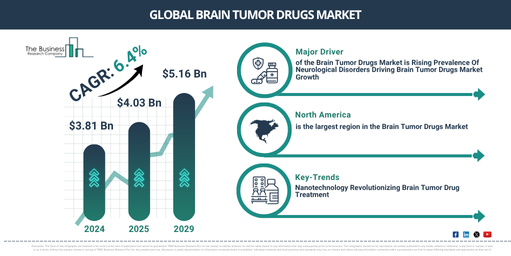
    In the past few years, there has been a robust expansion in the market size of brain tumor medications. The market is projected to escalate from $3.81 billion in 2024 to $4.03 billion in 2025 at a CAGR of 5.8%. The historic period’s growth can be credited to the growing number of neurological disorder cases, elevation in healthcare spending, a rise in the approvals of oncology drugs, an upsurge in the R&D expenditure of pharmaceuticals, and advancements in the discovery of cancer drugs.

    The market for brain tumor medications is projected to witness considerable growth over the next several years, swelling to $5.16 billion by 2029 with a compound annual growth rate (CAGR) of 6.4%. This anticipated growth during the forecast period stems from factors such as the escalating rate of cancer cases, the spike in spending on healthcare, an aging population, a robust drug pipeline, and updated FDA rules promoting the development of biologic drugs. Pivotal trends for the projected period include the investment in drug combinations for brain tumor treatment, the adaptation of phase-zero clinical trials to boost effectiveness, the application of technology to improve drug delivery and effectiveness, the emphasis on expanding cell and gene therapy, and the implementation of strategic mergers and acquisitions.

    Download a free sample to assess the report’s scope and structure:

    https://www.thebusinessresearchcompany.com/sample.aspx?id=2588&type=smp

    What Are the Major Market Drivers Behind the Rising Adoption of Brain Tumor Drugs Market?

    The upsurge in the Brain Tumor drugs market is primarily attributed to the escalating occurrence of Neurological Disorders globally. These disorders are observed to be most widespread due to lengthened life expectancy, amplified exposure to infections, and inactive lifestyles. To illustrate this, according to the National Brain Tumor Society, nearly 700,000 people in the US have a primary brain tumor, with an additional 86,000 expected to be diagnosed. The swelling population of patients dealing with neurological disorders including brain tumors, dictates an amplification in demand for drugs used for their treatment, which is propelling growth in the brain tumor drugs market.

    Which Key Market Segments Comprise the Brain Tumor Drugs Market and Drive Its Revenue Growth?

    The brain tumor drugs market covered in this report is segmented –

    1) By Drugs: Temozolomide, Bevacizumab, Other Drugs

    2) By End User: Hospital Pharmacies, Retail Pharmacies Or Drug Stores, Other End-Users

    Subsegments:

    1) By Temozolomide: Oral Formulation, Injectable Formulation

    2) By Bevacizumab: Monoclonal Antibody Therapy, Combination Therapy With Chemotherapy

    3) By Other Drugs: Carmustine, Lomustine, Etoposide, Irinotecan, Novantrone (Mitoxantrone)

    Request customized data on this market:

    https://www.thebusinessresearchcompany.com/customise?id=2588&type=smp

    Which Areas Are Leading Regions in the Brain Tumor Drugs Market Expansion Across the Globe?

    North America was the largest region in the brain tumor drugs market in 2024. Middle East is expected to be the fastest-growing region in the global brain tumor drugs market share during the forecast period. The regions covered in the brain tumor drugs market report are Asia-Pacific, Western Europe, Eastern Europe, North America, South America, Middle East, Africa

    What Are the Strategic Trends Steering theBrain Tumor Drugs Market Direction?

    Firms operating within the brain tumor drug market are turning their attention towards the incorporation of nanotechnology in treatments. Nanoparticles have proven beneficial in delivering combined drugs directly to cancer cells or the tumor itself. Advantages of this technology include a decrease in the drug dosage required, an extended shelf life and lower toxicity levels. Certain nanodrugs have proven successful in breaching the blood-brain barrier, a previously significant hurdle in brain tumor treatment. For example, Liposomes nanoparticles can be utilized in drug delivery reliable to cancer cells and if loaded with transferrin they can even penetrate the blood-brain barrier. Enterprises such as GE Healthcare, Sigma-Tau Pharmaceuticals Inc., Johnson & Johnson, Merck & Company Inc., Pfizer, Inc., and Celgene Corporation are leveraging this technology to enhance existing therapy and treatment methods.

    View the full report here:

    https://www.thebusinessresearchcompany.com/report/brain-tumor-drugs-global-market-report

    How Is the Brain Tumor Drugs Market Conceptually Defined?

    Brain tumor drugs refer to the drugs or medications that are used to treat brain tumors. Chemotherapy, hormone therapies, anticonvulsants, and painkillers are among the drugs used to treat brain tumors. While other prescription drugs are used to manage symptoms while the tumor is being treated, chemotherapy works to reduce or destroy brain tumors.

    Purchase the full report and get a swift delivery:

    https://www.thebusinessresearchcompany.com/purchaseoptions.aspx?id=2588

    About The Business Research Company:

    With over 15000+ reports from 27 industries covering 60+ geographies, The Business Research Company has built a reputation for offering comprehensive, data-rich research and insights. Armed with 1,500,000 datasets, the optimistic contribution of in-depth secondary research, and unique insights from industry leaders, you can get the information you need to stay ahead in the game.

    Get in touch with us:

    The Business Research Company: https://www.thebusinessresearchcompany.com/

    Americas +1 310-496-7795

    Europe +44 7882 955267

    Asia & Others +44 7882 955267 & +91 8897263534

    Email us at info@tbrc.info

    Follow us on:

    LinkedIn: https://in.linkedin.com/company/the-business-research-company

    YouTube: https://www.youtube.com/channel/UC24_fI0rV8cR5DxlCpgmyFQ

    Global Market Model: https://www.thebusinessresearchcompany.com/global-market-model
  • Bi-Specific MAbS Market Outlook 2025: Mapping Growth, Innovation, and Regional Shifts

    Bi-Specific MAbS Market Outlook 2025: Mapping Growth, Innovation, and Regional Shifts

    Claim your 30% discount on Global Market Reports with code ONLINE30. Limited time only.

    What is the Anticipated CAGR of the Bi-Specific MAbS Market, and What Factors Will Drive It?

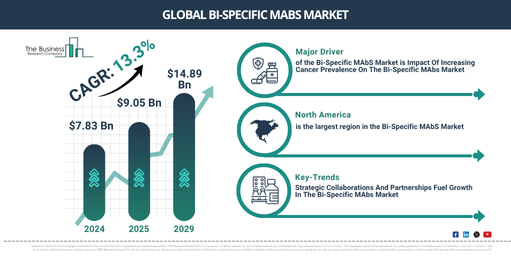
    The market size of bi-specific MAbS has seen an accelerated increase in recent times. It is projected to escalate from $7.83 billion in 2024, reaching $9.05 billion in 2025, with a compound annual growth rate (CAGR) of 15.5%. Factors such as higher healthcare spending, boosted funds, and official government actions account for the historic period’s growth.

    The market of bi-specific MAbS is projected to experience swift expansion in the forthcoming years, with an estimated valuation of $14.89 billion by 2029; this represents a compound annual growth rate (CAGR) of 13.3%. The expected growth over the forecast period is primarily due to the rising prevalence of cancer, growth in the elderly population, and increase in chronic diseases incidence. Key trends identified for the forecast period include technological advancements, product innovation, artificial intelligence emphasis, investment in targeted and combination therapy, as well as strategic collaborative efforts.

    Download a free sample to assess the report’s scope and structure:

    https://www.thebusinessresearchcompany.com/sample.aspx?id=3390&type=smp

    What External and Internal Drivers Are Contributing to the Growth of theBi-Specific MAbS Market?

    The growth of the bispecific monoclonal antibodies market is anticipated to be driven by the increasing incidence of cancer and other chronic diseases during the forecast period. Developed for the treatment of various cancers, infectious diseases, central nervous system disorders, and autoimmune disorders, bispecific monoclonal antibodies are believed to be more potent than monoclonal antibodies (moAbs). This is because they target two or more antigens on tumor cells to hinder the advancement of cancer. According to the American Cancer Society’s (ACS) Cancer Facts & Figures 2023 report, in 2023, there are predicted to be around 609,820 cancer-related fatalities in the USA. Consequently, the rising prevalence of cancer and other chronic diseases is projected to fuel demand for bi-specific MAbs as a highly efficient treatment option.

    What Segment Types Define the Bi-Specific MAbS Market Structure?

    The bi-specific mabs market covered in this report is segmented –

    1) By Type: Catumaxomab (Removab), Blinatumomab, Duligotumab, Emicizumab, Amivantamab, Faricimab, Teclistamab

    2) By Product Type: In Vivo, In Vitro

    3) By Indication: Cancer, Haemophilia A, Ophthalmic

    4) By End Use: Hospitals, Research Institutes, Other End-Users

    Subsegments:

    1) By Catumaxomab (Removab): Cancer Therapy, Targeting EpCAM and CD3

    2) By Blinatumomab: Acute Lymphoblastic Leukemia (ALL) Treatment, Targeting CD19 and CD3

    3) By Duligotumab: Oncology Treatments, Targeting Epidermal Growth Factor Receptor (EGFR)

    4) By Emicizumab: Hemophilia A Treatment, Targeting Factor IXa and Factor X

    5) By Amivantamab: Non-Small Cell Lung Cancer (NSCLC) Therapy, Targeting EGFR And MET

    6) By Faricimab: Ophthalmology Treatment (Wet Age-related Macular Degeneration, Diabetic Macular Edema), Targeting Angiopoietin-2 And VEGF-A

    7) By Teclistamab: Multiple Myeloma Treatment, Targeting BCMA and CD3

    Request customized data on this market:

    https://www.thebusinessresearchcompany.com/customise?id=3390&type=smp

    Which Geographic Areas Hold the Strongest Growth Potential in the Bi-Specific MAbS Market?

    North America was the largest region in the bi-specific MAbs market in 2024. The regions covered in the bi-specific MAbs market report are Asia-Pacific, Western Europe, Eastern Europe, North America, South America, Middle East, Africa

    What Long-Term Trends Are Transforming the Competitive Landscape of the Bi-Specific MAbS Market?

    Businesses in the bi-specific MAbs market are progressively investing in strategic measures such as alliances and partnerships to enhance their product range and broaden their geographic footprint. A strategic partnership is a synergy between two or more companies aimed at achieving mutual objectives or goals. For example, in October 2022, Gilead Sciences and MacroGenics, both US-based biopharmaceutical firms, formed an exclusive partnership to develop MGD024, a bispecific antibody targeting CD123 and CD3 developed using MacroGenics’ DART platform, along with two other bispecific research initiatives. Gilead has been granted exclusive licensing options for MGD024 as part of this collaboration, which is believed to hold promise for the treatment of multiple blood-related cancers, including acute myeloid leukemia (AML) and myelodysplastic syndromes (MDS). MGD024 is engineered to alleviate cytokine-release syndrome (CRS) symptoms and facilitate periodic dosing, potentially resulting in more patient-centric care and superior clinical outcomes for AML and MDS patients.

    View the full report here:

    https://www.thebusinessresearchcompany.com/report/bi-specific-mab-global-market-report

    What Is the Definition of the Bi-Specific MAbS Market?

    Bi-specific MAbs or bispecific monoclonal antibodies refer to antibodies that have two binding sites and are designed to bind to two antigens that are either distinct or have two different epitopes. Monoclonal antibodies (MoAbs) do not have the clinical therapeutic effects of BsAbs, which have a wide range of applications for the treatment of different diseases as well as tumor immunotherapy.

    Purchase the full report and get a swift delivery:

    https://www.thebusinessresearchcompany.com/purchaseoptions.aspx?id=3390

    About The Business Research Company:

    With over 15000+ reports from 27 industries covering 60+ geographies, The Business Research Company has built a reputation for offering comprehensive, data-rich research and insights. Armed with 1,500,000 datasets, the optimistic contribution of in-depth secondary research, and unique insights from industry leaders, you can get the information you need to stay ahead in the game.

    Get in touch with us:

    The Business Research Company: https://www.thebusinessresearchcompany.com/

    Americas +1 310-496-7795

    Europe +44 7882 955267

    Asia & Others +44 7882 955267 & +91 8897263534

    Email us at info@tbrc.info

    Follow us on:

    LinkedIn: https://in.linkedin.com/company/the-business-research-company

    YouTube: https://www.youtube.com/channel/UC24_fI0rV8cR5DxlCpgmyFQ

    Global Market Model: https://www.thebusinessresearchcompany.com/global-market-model
  • Biosimilars Market in Focus: Forecasting Growth Drivers, Scaling Potential, and Global Opportunities

    Biosimilars Market in Focus: Forecasting Growth Drivers, Scaling Potential, and Global Opportunities

    Claim your 30% discount on Global Market Reports with code ONLINE30. Limited time only.

    What Are the Key Milestones in the Biosimilars Market’s Growth Trajectory From 2025 To 2034?

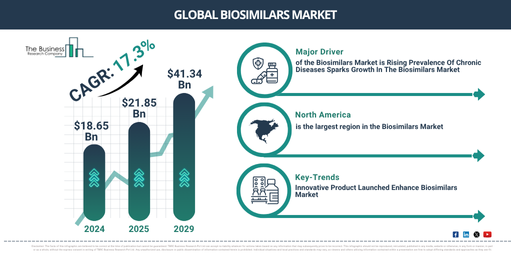
    In recent times, the biosimilars market has seen a sharp increase in size. The market value, which is predicted to shift from $18.65 billion in 2024 to $21.85 billion in 2025, will exhibit a compound annual growth rate (CAGR) of 17.2%. This notable growth in the historical period is due to various factors, namely, a rise in cancer cases, significant economic development in budding markets, an escalade in the expenditure for pharmaceutical R&D, expanded healthcare funding, increasing governmental initiatives, a robust drug pipeline, diminutive cost of biosimilars, and a surge in patent expirations.

    The biosimilars market is projected to experience rapid expansion in the coming years, escalating to $41.34 billion in 2029 with a compound annual growth rate (CAGR) of 17.3%. Various factors contributing to this anticipated growth in the forecast period include the rising incidence of cancer, escalating demand for prophylaxis with granulocyte colony-stimulating factor (G-CSF), growth in healthcare spending, increased potential in upcoming economies, advances in technology, the growing influence of biological drugs, the aging demographic, and enhanced healthcare access. In the forecast period, significant trends include heightened emphasis on rigorous R&D for the creation of innovative and potent drugs, a focus on mergers and acquisitions as a growth plan, efforts towards forming strategic alliances, increased investment, and a shift towards integrating artificial intelligence.

    Download a free sample to assess the report’s scope and structure:

    https://www.thebusinessresearchcompany.com/sample.aspx?id=2807&type=smp

    What Are the Core Market Drivers Propelling Growth in the Biosimilars Industry?

    The escalating prevalence of chronic illnesses such as arthritis, asthma, and cancer is anticipated to be a primary driving force for the biosimilars market. Factors contributing to the rise in chronic diseases include extended work hours, limited physical exercise, along with unhealthy dietary and drinking choices, and biosimilars are increasingly becoming a common treatment method for such diseases. They work by initiating the immune system’s response against cancer cells, assisting the body in eradicating the cancer cells. A United Nations piece suggests that by 2030, chronic diseases are expected to cause 70% of all global deaths. Furthermore, the worldwide impact of chronic disease is predicted to reach approximately 60%. Hence, the upward trend in chronic diseases is likely to fuel the demand for biosimilars, subsequently advancing the biosimilars market.

    How Is the Biosimilars Market Segmented?

    The biosimilars market covered in this report is segmented –

    1) By Type: Monoclonal Antibodies, Insulin, Erythropoietin, Granulocyte-Colony Stimulating Factor, Other Hormones, Others

    2) By Product: Recombinant Non-glycosylated Proteins, Recombinant Glycosylated Proteins

    3) By Application: Oncology, Chronic And Autoimmune Diseases, Growth Hormone Deficiency, Infectious Diseases, Other Applications

    Subsegments:

    1) By Monoclonal Antibodies: IgG Biosimilars, Non-IgG Biosimilars

    2) By Insulin: Rapid-Acting Insulin Biosimilars, Long-Acting Insulin Biosimilars, Premixed Insulin Biosimilars

    3) By Erythropoietin: Epoetin Alfa Biosimilars, Darbepoetin Alfa Biosimilars

    4) By Granulocyte-Colony Stimulating Factor (G-CSF): Filgrastim Biosimilars, Pegfilgrastim Biosimilars

    5) By Other Hormones: Growth Hormones, Hormonal Replacement Therapy Biosimilars

    6) By Others: Enzyme Biosimilars, Vaccines, Other Biologics

    Request customized data on this market:

    https://www.thebusinessresearchcompany.com/customise?id=2807&type=smp

    Which Regions Are Driving the Next Phase of the Biosimilars Market Growth?

    North America was the largest region in the global biosimilars market in 2024. Middle East is expected to be the fastest-growing region in the forecast period. The regions covered in the biosimilars market report are Asia-Pacific, Western Europe, Eastern Europe, North America, South America, Middle East, Africa

    What Key Market Trends and Innovations Are Shaping the Future of the Biosimilars Industry?

    In an effort to establish a competitive presence in the biosimilars market, leading companies are centred on the creation of novel products. More than a million patients with certain severe inflammatory illnesses rely on Humira, and AMJEVITA is the first biosimilar to this medication in the U.S. For instance, Amgen Inc., a biotechnology company based in the U.S., introduced AMJEVITA (adalimumab-atto), a biosimilar to Humira (adalimumab), in the U.S. in January 2023. AMJEVITA (40 mg) is been offered at a wholesale acquisition cost, which is 55% lower than the existing Humira’s list price. It’s also provided with a 5% reduction on the existing list price of Humira.

    View the full report here:

    https://www.thebusinessresearchcompany.com/report/biosimilar-global-market-report

    How Is the Biosimilars Market Defined and What Are Its Core Parameters?

    Biosimilars are medications made from living things, though they can be made in a variety of ways and with slightly different materials. Due to the intricacy and high cost of their creation, as well as their molecular size and structure, biosimilars are fundamentally distinct from generic drugs.

    Purchase the full report and get a swift delivery:

    https://www.thebusinessresearchcompany.com/purchaseoptions.aspx?id=2807

    About The Business Research Company:

    With over 15000+ reports from 27 industries covering 60+ geographies, The Business Research Company has built a reputation for offering comprehensive, data-rich research and insights. Armed with 1,500,000 datasets, the optimistic contribution of in-depth secondary research, and unique insights from industry leaders, you can get the information you need to stay ahead in the game.

    Get in touch with us:

    The Business Research Company: https://www.thebusinessresearchcompany.com/

    Americas +1 310-496-7795

    Europe +44 7882 955267

    Asia & Others +44 7882 955267 & +91 8897263534

    Email us at info@tbrc.info

    Follow us on:

    LinkedIn: https://in.linkedin.com/company/the-business-research-company

    YouTube: https://www.youtube.com/channel/UC24_fI0rV8cR5DxlCpgmyFQ

    Global Market Model: https://www.thebusinessresearchcompany.com/global-market-model
  • Strong CAGR to Propel in the Bevacizumab Biosimilars Market and Beyond upto $2.23 Billion by 2029

    Strong CAGR to Propel in the Bevacizumab Biosimilars Market and Beyond upto $2.23 Billion by 2029

    Claim your 30% discount on Global Market Reports with code ONLINE30. Limited time only.

    How Has The Bevacizumab Biosimilars Market Size Shifted, And What Is the Outlook Through 2034?

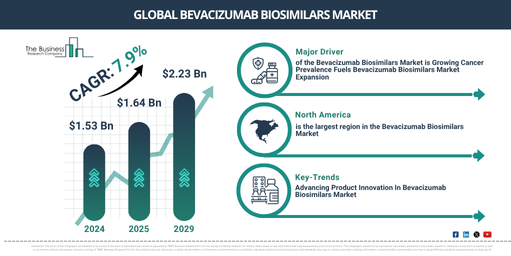
    The market size for bevacizumab biosimilars has demonstrated robust growth in recent years. With an expected compound annual growth rate (CAGR) of 7.2%, this market is projected to increase from $1.53 billion in 2024 to $1.64 billion in 2025. Factors contributing to this growth during the historical period include patent expiration, healthcare cost containment, a rising prevalence of cancer, market competitiveness, patient affordability and access, as well as the acceptance of biosimilars.

    The market size for bevacizumab biosimilars is projected to experience robust growth in the upcoming years, reaching approximately $2.23 billion by 2029, with a compound annual growth rate (CAGR) of 7.9%. Factors contributing to this potential growth during the forecast period are an increased need for cancer treatments, expertise in the development of biosimilars, strains on the healthcare system, the regulatory environment for biosimilars, and biosimilar interchangeability. Key trends forecasted for the period include partnerships and collaborative efforts, regulatory progress and approvals, innovations in biosimilar development, strategies for obtaining market access, and the management of the biosimilar lifecycle.

    Download a free sample to assess the report’s scope and structure:

    https://www.thebusinessresearchcompany.com/sample.aspx?id=10848&type=smp

    Which Primay Drivers Are Accelerating Growth in the Bevacizumab Biosimilars Market?

    The anticipated rise in cancer cases is set to significantly boost the bevacizumab biosimilar market. The term ‘cancer incidence’ denotes the quantity of new cancer cases within a certain population over a specific timeframe. Bevacizumab, a biologic, helps inhibit tumor angiogenesis, potentially leading to the shrinkage of tumors and stifling their growth. It’s worth noting that it is on par with reference biologics in terms of efficacy and safety when treating patients suffering from advanced non-small cell lung cancer or metastatic colorectal cancer. For instance, in October 2024, the UK’s National Health Service (NHS) reported 346,217 new cases of cancer in 2022, translating to an average of 948 new diagnoses each day. This marks a 5% increase compared to 329,664 cases reported in 2021. Additionally, 2022 registered a 7% spike in cancer diagnoses, rising from 167,917 to 180,877. Hence, the augmenting prevalence of cancer conditions fuels the growth of the bevacizumab biosimilars market.

    Which Primary Segments of the Bevacizumab Biosimilars Market Are Driving Growth and Industry Transformations?

    The bevacizumab biosimilars market covered in this report is segmented –

    1) By Product: Avastin, Mvasi, Zirabev, Aybintio, Other Products

    2) By Distribution Channel: Hospital Pharmacy, Online Pharmacy, Retail Pharmacy, Other Distribution Channels

    3) By Application: Colorectal Cancer, Non-small Cell Lung Cancer, Glioblastoma, Renal Cell Carcinoma, Cervical Cancer, Ovarian Cancer

    Subsegments:

    1) By Avastin: Original Avastin Product

    2) By Mvasi: Mvasi (Amgen Biosimilar)

    3) By Zirabev: Zirabev (Pfizer Biosimilar)

    4) By Aybintio: Aybintio (Samsung Bioepis Biosimilar)

    5) By Other Products: Additional Bevacizumab Biosimilars

    Request customized data on this market:

    https://www.thebusinessresearchcompany.com/customise?id=10848&type=smp

    Which Regions Are Key Players in the Growth of the #Which Primay Drivers Are Accelerating Growth in the Bevacizumab Biosimilars Market?# Market?

    North America was the largest region in the bevacizumab biosimilars market in 2024. The regions covered in the bevacizumab biosimilars market report are Asia-Pacific, Western Europe, Eastern Europe, North America, South America, Middle East, Africa.

    Which Technological Trends Are Reshaping the Bevacizumab Biosimilars Industry Dynamics?

    A significant trend that’s gaining traction in the bevacizumab biosimilars market is product innovation. Top contenders in the market are currently focusing on constructing innovative products to enhance their market status. For example, in May 2022, pharmaceutical companies, Viatris and Biocon Biologics, both based in the US, introduced a biosimilar named Abevmy, mirroring Roche’s Avastin (bevacizumab). Health Canada has approved Abevmy for use in four distinct oncology applications. The product is described as disbursing efficiency, safety, and quality on par with the reference biologic, given that it’s a humanized monoclonal antibody (MA) designed to attach to and neutralize the biologic response of human vascular endothelial growth factor (VEGF).

    View the full report here:

    https://www.thebusinessresearchcompany.com/report/bevacizumab-biosimilars-global-market-report

    What Parameters Are Used to Define the Bevacizumab Biosimilars Market?

    Bevacizumab biosimilars are a type of medication that is highly similar to a reference biologic drug called bevacizumab. It is commonly used to inhibit the growth of new blood vessels in tumors, thereby slowing down their progression.

    Purchase the full report and get a swift delivery:

    https://www.thebusinessresearchcompany.com/purchaseoptions.aspx?id=10848

    About The Business Research Company:

    With over 15000+ reports from 27 industries covering 60+ geographies, The Business Research Company has built a reputation for offering comprehensive, data-rich research and insights. Armed with 1,500,000 datasets, the optimistic contribution of in-depth secondary research, and unique insights from industry leaders, you can get the information you need to stay ahead in the game.

    Get in touch with us:

    The Business Research Company: https://www.thebusinessresearchcompany.com/

    Americas +1 310-496-7795

    Europe +44 7882 955267

    Asia & Others +44 7882 955267 & +91 8897263534

    Email us at info@tbrc.info

    Follow us on:

    LinkedIn: https://in.linkedin.com/company/the-business-research-company

    YouTube: https://www.youtube.com/channel/UC24_fI0rV8cR5DxlCpgmyFQ

    Global Market Model: https://www.thebusinessresearchcompany.com/global-market-model
  • Antisense & RNAi Therapeutics Market Valuation Expected To Reach $3.11 Billion By 2029, Growing At A Rate Of 12.8%

    Antisense & RNAi Therapeutics Market Valuation Expected To Reach $3.11 Billion By 2029, Growing At A Rate Of 12.8%

    Claim your 30% discount on Global Market Reports with code ONLINE30. Limited time only.

    How Has the Antisense & RNAi Therapeutics Market Growth Performance Trended Historically, And What Lies Ahead?

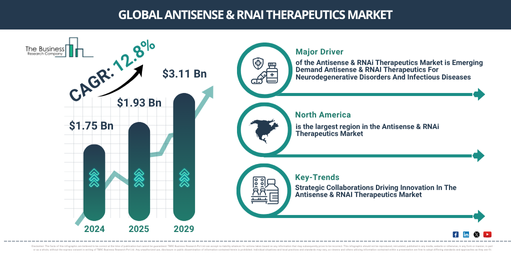
    The market size of antisense and RNAi therapeutics has experienced a swift upsurge in recent times, with projections showing an increase from $1.75 billion in 2024 to $1.93 billion in 2025, indicating a compound annual growth rate (CAGR) of 10.2%. This augmentation during the historical period can be ascribed to an upswing in funding, technological advancements, and an increase in health care spending, alongside a fast-paced growth in the aged population and the economic expansion in budding markets.

    In the coming years, the antisense & RNAi therapeutics market is projected to experience substantial growth, expanding to $3.11 billion in 2029 at a Compound Annual Growth Rate (CAGR) of 12.8%. The projected growth during this period can be attributed to better healthcare access, the increasing rate of cancer, and a boosted demand for antisense and RNAi therapeutics, driven by COVID-19. The forecast period will see major trends such as concentrated research and development efforts for RNA therapeutics towards orphan diseases, the use of nanoparticles, the creation of improved and new antisense and RNAi therapeutics, and company collaborations for product innovation and revenue growth.

    Download a free sample to assess the report’s scope and structure:

    https://www.thebusinessresearchcompany.com/sample.aspx?id=3389&type=smp

    Which Factors and External Forces Are Driving Demand in the Antisense & RNAi Therapeutics Market?

    The antisense & RNAi therapeutics market is anticipated to benefit from the growing occurrence of coronary artery diseases, neurodegenerative disorders, and infections. Approaches such as RNA interference and antisense oligonucleotides, which suppress gene expression, are utilized to treat a variety of neurodegenerative diseases by repairing defective genes. For example, a report from the American Heart Association, a US-based organization, stated in January 2024 that the age-adjusted death rate from heart-related illnesses had risen to 233.3 per 100,000, indicating a 4.0% increase from the preceding year. As a result, the rising incidences of numerous neurodegenerative disorders and infectious ailments are anticipated to stimulate the antisense & RNAi therapeutics market’s expansion.

    Which Segments in the Antisense & RNAi Therapeutics Offer the Most Growth?

    The antisense & rnai therapeutics market covered in this report is segmented –

    1) By Technology: RNA Interference, Antisense RNA

    2) By Route Of Administration: Intravenous Injections, Intra-dermal Injections, Other Delivery Methods

    3) By Indication: Oncology, Cardiovascular Diseases (CVDs), Respiratory Disorders, Neurological Disorders, Infectious Diseases, Other Indications

    Subsegments:

    1) By RNA Interference (RNAi): Small Interfering RNA (siRNA), Short Hairpin RNA (shRNA), Dicer-substrate siRNA, MicroRNA (miRNA) Based Therapeutics

    2) By Antisense RNA: Antisense Oligonucleotides (ASOs), Morpholino Oligomers, Locked Nucleic Acids (LNAs), Gapmer Antisense Oligonucleotides

    Request customized data on this market:

    https://www.thebusinessresearchcompany.com/customise?id=3389&type=smp

    What Are the Fastest-Growing Geographies in the #Which Factors and External Forces Are Driving Demand in the Antisense & RNAi Therapeutics Market?# Market?

    North America was the largest region in the antisense & RNAi therapeutics market in 2024. The regions covered in the antisense & RNAi therapeutics market report are Asia-Pacific, Western Europe, Eastern Europe, North America, South America, Middle East, Africa

    Which Cutting-Edge Market Trends Are Expected to Drive theAntisense & RNAi Therapeutics Market’s Growth?

    Key players in the antisense & RNAi therapeutics market are embracing strategic actions like partnerships and collaborations to retain their competitiveness in the ever-tightening industry. The concept of strategic collaboration refers to several businesses pooling resources together to achieve shared goals. For instance, Orbit Discovery Limited, an American company that provides peptide discovery services, formed a partnership with SanegeneBio Inc., a UK-based firm that develops novel RNAi-based medicines, in January 2023. Their goal was to identify tissue-specific delivery of RNA therapeutics for efficient gene knockdown and consequently create a series of advanced RNAi therapeutics. The agreement included hit identification and cellular internalization studies, with Sanegene earning the option to advance the screened hits using Orbit’s distinctive technology for quick peptide lead discovery. Orbit Discovery’s exclusive peptide display technology allows the screening of enormous peptide libraries, thus facilitating faster discovery of suitable peptide leads through affinity and functionality screens.

    View the full report here:

    https://www.thebusinessresearchcompany.com/report/antisense-and-rnai-therapeutics-global-market-report

    What Are the Key Elements That Define the Antisense & RNAi Therapeutics Market?

    Antisense therapy refers to the selective, sequence-specific suppression of gene expression by single-stranded DNA oligonucleotides. Contrarily, RNA interference (RNAi) is activated by double-stranded RNA (dsRNA) and results in the sequence-specific mRNA degradation of single-stranded target RNAs.

    Purchase the full report and get a swift delivery:

    https://www.thebusinessresearchcompany.com/purchaseoptions.aspx?id=3389

    About The Business Research Company:

    With over 15000+ reports from 27 industries covering 60+ geographies, The Business Research Company has built a reputation for offering comprehensive, data-rich research and insights. Armed with 1,500,000 datasets, the optimistic contribution of in-depth secondary research, and unique insights from industry leaders, you can get the information you need to stay ahead in the game.

    Get in touch with us:

    The Business Research Company: https://www.thebusinessresearchcompany.com/

    Americas +1 310-496-7795

    Europe +44 7882 955267

    Asia & Others +44 7882 955267 & +91 8897263534

    Email us at info@tbrc.info

    Follow us on:

    LinkedIn: https://in.linkedin.com/company/the-business-research-company

    YouTube: https://www.youtube.com/channel/UC24_fI0rV8cR5DxlCpgmyFQ

    Global Market Model: https://www.thebusinessresearchcompany.com/global-market-model
  • Anti-Hypertensive Drugs Market Forecast Reaching $40.74 Billion by 2029 at 1.7% CAGR

    Anti-Hypertensive Drugs Market Forecast Reaching $40.74 Billion by 2029 at 1.7% CAGR

    Claim your 30% discount on Global Market Reports with code ONLINE30. Limited time only.

    What Are the Projected Market Size and Growth Rates for the Anti-Hypertensive Drugs Market From 2025 To 2029?

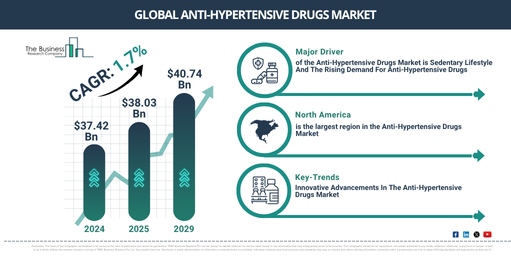
    In recent times, there’s been a slight expansion in the anti-hypertensive drugs market size. It’s forecasted to escalate from $37.42 billion in 2024 to $38.03 billion in 2025, recording a compound annual growth rate (CAGR) of 1.6%. Factors such as environmental and lifestyle impacts, previous market competition, traditional treatment choices, economic circumstances, and past global health patterns have contributed to growth in the historic period.

    The market size of anti-hypertensive drugs is anticipated to witness slight escalation in the coming years, expanding to $40.74 billion in 2029 with a compound annual growth rate (CAGR) of 1.7%. The increment during this forecast period can be ascribed to factors such as affordability and cost-effectiveness, the advent of therapeutic advancements, epidemiological transformations, policy changes and approvals in regulations, dynamics of the aging population, and amendments in healthcare policies and reimbursements. Key trends observed during this forecast period involve innovation in therapy, shifts in epidemiology, changes in regulatory frameworks, healthcare policies, and progress in diagnosis and monitoring procedures.

    Download a free sample to assess the report’s scope and structure:

    https://www.thebusinessresearchcompany.com/sample.aspx?id=2410&type=smp

    Which Major Market Drivers Are Expected to Boost the Growth Potential of the Anti-Hypertensive Drugs Market?

    The surge in the anti-hypertensive drug market is largely due to a sedentary lifestyle. Eating fast food, not following a well-rounded and nutritious diet, and inadequate sleep caused by irregular work hours all contribute to the rise in hypertension. Hypertension is a contributing factor in roughly 45% of heart disease-related deaths and 51% of stroke-related deaths. After a hypertension diagnosis, patients need to use drugs to manage their hypertension, the type of which depends on the severity of the condition. For example, in May 2023, the National Health Service, a government department based in England, reported that the total hypertension prevalence grows with age—starting at 9% among adults aged 16 to 44 and increasing to 60% in those aged 65 and older. This trend ensures a consistent demand for these products, making it a major contributing factor to the market’s growth.

    Which Key Market Segments Comprise the Anti-Hypertensive Drugs Market and Drive Its Revenue Growth?

    The anti-hypertensive drugs market covered in this report is segmented –

    1) By Therapeutics: Diuretics, Angiotensin Receptor Blockers (ARBs), Angiotensin Converting Enzyme (ACE) Inhibitors, Beta Blockers, Alpha Blockers, Calcium Channel Blockers, Renin Inhibitors, Vasodilators

    2) By Disease Source: Primary Hypertension, Secondary Hypertension

    3) By End Users: Hospitals, Clinics, Homecare

    Subsegments:

    1) By Diuretics: Thiazide Diuretics, Loop Diuretics, Potassium-Sparing Diuretics

    2) By Angiotensin Receptor Blockers (ARBs): Losartan, Valsartan, Irbesartan, Candesartan

    3) By Angiotensin Converting Enzyme (ACE) Inhibitors: Enalapril, Lisinopril, Ramipril, Benazepril

    4) By Beta Blockers: Metoprolol, Atenolol, Carvedilol, Bisoprolol

    5) By Alpha Blockers: Doxazosin, Prazosin, Terazosin

    6) By Calcium Channel Blockers: Amlodipine, Diltiazem, Verapamil, Nifedipine

    7) By Renin Inhibitors: Aliskiren

    8) By Vasodilators: Hydralazine, Minoxidil

    Request customized data on this market:

    https://www.thebusinessresearchcompany.com/customise?id=2410&type=smp

    Which Areas Are Leading Regions in the Anti-Hypertensive Drugs Market Expansion Across the Globe?

    North America was the largest region in the anti-hypertensive drugs market in 2024. The Middle East is expected to be the largest growing region in the global anti-hypertensive drugs market during the forecast period. The regions covered in the anti-hypertensive drugs market report are Asia-Pacific, Western Europe, Eastern Europe, North America, South America, Middle East, Africa.

    What Are the Key Market Trends in theAnti-Hypertensive Drugs Market Over the Coming Years?

    Premier enterprises in the anti-hypertensive drugs industry are centering their strategies on the development of innovative products like Metoprolol Succinate Extended-Release Tablets. Such inventions offer them a strategic advantage in the competitive marketplace. These tablets serve as anti-hypertensive medication for those suffering from high blood pressure. For example, in June 2023, an India-based pharmaceutical firm, Granules India Limited, introduced Metoprolol Succinate Extended-Release Tablets which have received approval from the Food and Drug Administration (FDA), a federal agency in the US. Launching Metoprolol Succinate Extended-Release Tablets as anti-hypertensive medication is a step forward in the battle against hypertension by controlling blood pressure. The tablets can be obtained at different strengths: 25mg, 50mg, 100mg, and 200mg. They incorporate beta-blockers, which can curtail the heart rate, ease the heart’s effort, and bring down blood pressure.

    View the full report here:

    https://www.thebusinessresearchcompany.com/report/anti-hypertensive-drugs-global-market-report

    How Is the Anti-Hypertensive Drugs Market Conceptually Defined?

    Anti-hypertensive drugs refer to a group of medications used to treat high blood pressure (high blood pressure). The goal of antihypertensive therapy is to prevent the negative effects of high blood pressure, such as myocardial infarction and stroke.

    Purchase the full report and get a swift delivery:

    https://www.thebusinessresearchcompany.com/purchaseoptions.aspx?id=2410

    About The Business Research Company:

    With over 15000+ reports from 27 industries covering 60+ geographies, The Business Research Company has built a reputation for offering comprehensive, data-rich research and insights. Armed with 1,500,000 datasets, the optimistic contribution of in-depth secondary research, and unique insights from industry leaders, you can get the information you need to stay ahead in the game.

    Get in touch with us:

    The Business Research Company: https://www.thebusinessresearchcompany.com/

    Americas +1 310-496-7795

    Europe +44 7882 955267

    Asia & Others +44 7882 955267 & +91 8897263534

    Email us at info@tbrc.info

    Follow us on:

    LinkedIn: https://in.linkedin.com/company/the-business-research-company

    YouTube: https://www.youtube.com/channel/UC24_fI0rV8cR5DxlCpgmyFQ

    Global Market Model: https://www.thebusinessresearchcompany.com/global-market-model

  • $9.64 Billion Forecast for Antiemetics And Antinauseants Market by 2029, Backed by Demand and Innovation

    $9.64 Billion Forecast for Antiemetics And Antinauseants Market by 2029, Backed by Demand and Innovation

    Claim your 30% discount on Global Market Reports with code ONLINE30. Limited time only.

    What Is the Estimated Market Size of the Antiemetics And Antinauseants Market In 2029?

    In recent times, the market for antiemetics and antinauseants has seen stable growth. An expansion from $8.19 billion in 2024 to $8.48 billion in 2025, reflecting a compound annual growth rate (CAGR) of 3.6%, is expected. Factors contributing to the growth in the past have been traditional branding and market rivalry, historical treatment preferences, economic situations, past global health events, and advancements in medical research and development.

    A consistent rise is anticipated in the size of the antiemetics and antinauseants market over the next several years, with a projected value of $9.64 billion in 2029 and a CAGR of 3.3%. This prospective growth within the forecasted period can be traced back to ongoing research and development endeavors, economic elements, market rivalry, and patterns within the industry, shifts in disease trends, and healthcare regulations and policies. Incoming trends expected during the prediction period comprise of a heightened emphasis on patient experiences, alterations in healthcare policies, the public’s preference for treatments that are non-invasive, an increase in the incidence of nausea related to chemotherapy and pregnancy, and the introduction of targeted therapies.

    Download a free sample to assess the report’s scope and structure:

    https://www.thebusinessresearchcompany.com/sample.aspx?id=2441&type=smp

    What Are the Core Growth Drivers Propelling the Antiemetics And Antinauseants Market Forward?

    The rise in cancer prevalence is a key factor propelling the antiemetics and antinauseants market. As chemotherapy is commonly recommended to treat cancer, it often results in side effects such as chemotherapy-induced nausea and vomiting (CINV) which impact about 60%-70% patients. Antiemetics have been found to be effective in preventing these side effects. The American Cancer Society, a non-profit U.S based organization, estimated in April 2024 that roughly 609,000 deaths were linked to cancer and around 1.9 million new cases were diagnosed in the country in 2022. The prediction for an estimated 620,000 cancer deaths in 2024 indicates a slight rise in mortality rate. The growing cancer incidence signifies escalated demand for antiemetics and antinauseants, which in turn will boost the market revenue.

    What Segment Types Define the Antiemetics And Antinauseants Market Structure?

    The antiemetics and antinauseants market covered in this report is segmented –

    1) By Drug: Dopamine antagonists, NK1 receptor antagonist, Antihistamines (H1 histamine receptor antagonists), Cannabinoids, Benzodiazepines, Anticholinergics, Steroids, 5-HT3 receptor antagonists, Other Drug Types

    2) By Application: Chemotherapy, Motion sickness, Gastroenteritis, General anesthetics, Opioid analgesics, Dizziness, Pregnancy, Food poisoning, Emotional stress, Other Application Types

    3) By End Users: Hospital, Medical Center, Clinic, Research Institutes

    Subsegments:

    1) By Dopamine Antagonists: Metoclopramide, Prochlorperazine, Domperidone

    2) By NK1 Receptor Antagonists: Aprepitant, Fosaprepitant, Rolapitant

    3) By Antihistamines (H1 Histamine Receptor Antagonists): Dimenhydrinate, Meclizine, Diphenhydramine

    4) By Cannabinoids: Dronabinol, Nabilone

    5) By Benzodiazepines: Lorazepam, Diazepam

    6) By Anticholinergics: Scopolamine, Glycopyrrolate

    7) By Steroids: Dexamethasone, Methylprednisolone

    8) By 5-HT3 Receptor Antagonists: Ondansetron, Granisetron, Palonosetron

    9) By Other Drug Types: Herbal Remedies, Acupressure Devices

    Request customized data on this market:

    https://www.thebusinessresearchcompany.com/customise?id=2441&type=smp

    Which Geographic Areas Hold the Strongest Growth Potential in the Antiemetics And Antinauseants Market?

    North America was the largest region in the drugs for antiemetics and antinauseants market in 2024. The Middle East is expected to be the fastest-growing region in the global antiemetics and antinauseants market share. The regions covered in the antiemetics and antinauseants market report are Asia-Pacific, Western Europe, Eastern Europe, North America, South America, Middle East, Africa.

    Which Emerging Trends that Are Influencing theAntiemetics And Antinauseants Industry Evolution?

    Leading firms in the antiemetic and antinauseant industry are striving for product innovation, particularly focusing on ready-to-use injectable solutions, to simplify treatment methods and improve patient adherence. These pre-prepared formulations aim to offer immediate effectiveness, cutting down the time and intricacy involved in conventional injectable medications. An example of this is Amneal Pharmaceuticals, a specialty pharmaceutical company located in the US, which introduced FOCINVEZ in July 2024. This was the initial ready-to-use injectable version of fosaprepitant, specifically created to thwart the onset of acute and delayed nausea and vomiting related to cancer chemotherapy that is highly emetogenic. The product can be obtained in a 150 mg/50 mL vial, excludes Polysorbate 80, and doesn’t necessitate reconstitution or dilution, thereby enabling straight administration. The use of FOCINVEZ has been approved for adults as well as pediatric patients who are six months and above, and it has been assigned a unique reimbursement J-Code (J1434).

    View the full report here:

    https://www.thebusinessresearchcompany.com/report/antiemetics-and-antinauseants-global-market-report

    What Is the Definition of the Antiemetics And Antinauseants Market?

    The antiemetics and antinauseants refer to drugs that are used in the prophylaxis or management of vomiting that results from emetogenic chemotherapy, and for the management of postoperative nausea and vomiting. Antiemetic and antinauseant drugs prevent, control, or treat, nausea and vomiting caused in general or by other medications, frequent motion sickness, infections, stomach flu, or chemotherapy. These drugs reduced the symptoms of nausea or vomiting by blocking signal messages to the part of the brain that controls nausea and vomiting.

    Purchase the full report and get a swift delivery:

    https://www.thebusinessresearchcompany.com/purchaseoptions.aspx?id=2441

    About The Business Research Company:

    With over 15000+ reports from 27 industries covering 60+ geographies, The Business Research Company has built a reputation for offering comprehensive, data-rich research and insights. Armed with 1,500,000 datasets, the optimistic contribution of in-depth secondary research, and unique insights from industry leaders, you can get the information you need to stay ahead in the game.

    Get in touch with us:

    The Business Research Company: https://www.thebusinessresearchcompany.com/

    Americas +1 310-496-7795

    Europe +44 7882 955267

    Asia & Others +44 7882 955267 & +91 8897263534

    Email us at info@tbrc.info

    Follow us on:

    LinkedIn: https://in.linkedin.com/company/the-business-research-company

    YouTube: https://www.youtube.com/channel/UC24_fI0rV8cR5DxlCpgmyFQ

    Global Market Model: https://www.thebusinessresearchcompany.com/global-market-model

  • Global Antidepressants Market Projected to Reach $19.92 Billion by 2029 at a CAGR of 2.7%

    Global Antidepressants Market Projected to Reach $19.92 Billion by 2029 at a CAGR of 2.7%

    Claim your 30% discount on Global Market Reports with code ONLINE30. Limited time only.

    How Fast Is The Antidepressants Market Expected to Grow Between 2025 And 2029?

    In recent times, the market size for antidepressants has experienced consistent growth. It is projected to expand from $17.33 billion in 2024 to $17.9 billion in 2025, reflecting a compound annual growth rate (CAGR) of 3.3%. This growth in the historical period is linked to the rising incidence of mental health disorders, heightened awareness and a decline in stigma, improvements in diagnosis procedures, broadening of treatment choices, and the contribution of government efforts and mental health policies.

    In the forthcoming years, the antidepressants market is projected to experience consistent growth, expanding to a size of $19.92 billion in 2029 with a compound annual growth rate (CAGR) of 2.7%. The anticipated growth can be linked to several factors such as increasing understanding and promotion of mental health, lifestyle modifications and stress influenced by global dynamics, inclusion of mental health services, advancements in psychiatric research, and access to telemedicine and distant mental health services. The forecast period is expected to witness significant trends such as market competition, evolving regulations, development in the generics market, attention towards side effect profiles and emerging markets.

    Download a free sample to assess the report’s scope and structure:

    https://www.thebusinessresearchcompany.com/sample.aspx?id=2881&type=smp

    What are the Fundamental Drivers and Innovations Shaping the Antidepressants Market?

    The worldwide increase in mental health disorder cases is considered the primary catalyst for the expansion of the antidepressant drug industry. These medicines provide necessary support for individuals dealing with depression, anxiety disorder, and various other mental ailments. Antidepressant drugs are utilized to treat numerous conditions such as major depressive disorder, OCD, childhood enuresis, intense anxiety disorder, bipolar disorder, post-traumatic stress disorder (PTSD), and social anxiety disorder. The percentage of depressed individuals around the world ranges between 2% and 6%, with senior citizens being more susceptible compared to other age groups. The World Health Organization stated that approximately 280 million people around the globe experienced depression in 2023. Hence, the surge in mental health disorder instances is projected to fuel the antidepressant market’s growth.

    How Is the Antidepressants Market Segmented?

    The antidepressants market covered in this report is segmented –

    1) By Product: Selective Serotonin Reuptake Inhibitor (SSRI), Serotonin-norepinephrine Reuptake Inhibitor (SNRI), Tricyclic Antidepressant (TCA), Monoamine Oxidase Inhibitor (MAOI)

    2) By Drug Class: Monoamine Oxidase Inhibitors, Serotonin Antagonist And Reuptake Inhibitors, Serotonin-Norepinephrine Reuptake Inhibitors, Selective Serotonin Reuptake Inhibitors, Tricyclic Antidepressants

    3) By Depressive Disorder: Major Depressive Disorder, Obsessive-Compulsive Disorder, Generalized Anxiety Disorder, Panic Disorder

    Subsegments:

    1) By Selective Serotonin Reuptake Inhibitor (SSRI): Fluoxetine, Sertraline, Escitalopram, Paroxetine, Citalopram

    2) By Serotonin-norepinephrine Reuptake Inhibitor (SNRI): Venlafaxine, Duloxetine, Desvenlafaxine

    3) By Tricyclic Antidepressant (TCA): Amitriptyline, Nortriptyline, Imipramine, Doxepin

    4) By Monoamine Oxidase Inhibitor (MAOI): Phenelzine, Tranylcypromine, Isocarboxazid

    Request customized data on this market:

    https://www.thebusinessresearchcompany.com/customise?id=2881&type=smp

    Which Regions Are Driving the Next Phase of the Antidepressants Market Growth?

    North America was the largest region in the antidepressants market in 2024. Middle East is expected to be the largest growing region in the global antidepressants market during the forecast period. The regions covered in the antidepressants market report are Asia-Pacific, Western Europe, Eastern Europe, North America, South America, Middle East, Africa.

    What Key Trends Are Shaping the Future of the Antidepressants Market?

    A prominent trend in the antidepressant market is the therapy for resistant depression. Ketamine, originally utilized for surgical anesthesia, encourages the production of glutamate and stimulates the brain to form new neural pathways. This enhances the brain’s versatility, fostering the creation of positive thoughts and behaviours. For example, the Food and Drug Administration (FDA) endorsed a new ketamine-related depression drug known as esketamine, which constitutes half of the ketamine compound. This drug should be administered as a nasal spray while concurrently taking another antidepressant. Moreover, it is only available to patients who have previously tried two antidepressants with no success.

    View the full report here:

    https://www.thebusinessresearchcompany.com/report/antidepressant-global-market-report

    How Is the Antidepressants Market Defined and What Are Its Core Parameters?

    Antidepressants refer to a medication that aids in the treatment of depressive symptoms. Additionally, they can aid in the treatment of SAD, other anxiety disorders, and social anxiety disorder. Unpleasant side effects are possible with antidepressants. Initially, signs and symptoms including nausea, weight gain, or sleep issues can be prevalent.

    Purchase the full report and get a swift delivery:

    https://www.thebusinessresearchcompany.com/purchaseoptions.aspx?id=2881

    About The Business Research Company:

    With over 15000+ reports from 27 industries covering 60+ geographies, The Business Research Company has built a reputation for offering comprehensive, data-rich research and insights. Armed with 1,500,000 datasets, the optimistic contribution of in-depth secondary research, and unique insights from industry leaders, you can get the information you need to stay ahead in the game.

    Get in touch with us:

    The Business Research Company: https://www.thebusinessresearchcompany.com/

    Americas +1 310-496-7795

    Europe +44 7882 955267

    Asia & Others +44 7882 955267 & +91 8897263534

    Email us at info@tbrc.info

    Follow us on:

    LinkedIn: https://in.linkedin.com/company/the-business-research-company

    YouTube: https://www.youtube.com/channel/UC24_fI0rV8cR5DxlCpgmyFQ

    Global Market Model: https://www.thebusinessresearchcompany.com/global-market-model
  • Drugs For Hormonal Replacement Therapy Market Forecast 2025–2034: Trends Reshaping Demand, Investment, and Innovation

    Drugs For Hormonal Replacement Therapy Market Forecast 2025–2034: Trends Reshaping Demand, Investment, and Innovation

    Claim your 30% discount on Global Market Reports with code ONLINE30. Limited time only.

    What Are the Key Milestones in the Hypolipidemics Market’s Growth Trajectory From 2025 To 2034?

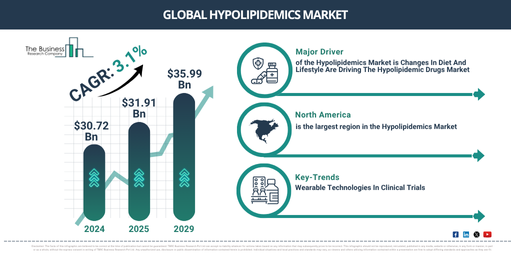
    The market size for hypolipidemics has seen consistent growth in the past few years. The sector, estimated to be worth $30.72 billion in 2024, is projected to increase to $31.91 billion in 2025, marking a compound annual growth rate (CAGR) of 3.9%. Factors contributing to this growth during the historic phase include the rising occurrences of hyperlipidemia, lifestyle alterations, an older population, heightened awareness and screening procedures, and the dominance of statins.

    The market for hypolipidemics is projected to experience consistent expansion in the upcoming years, estimated to reach a worth of $35.99 billion by 2029, with a Compound Annual Growth Rate (CAGR) of 3.1%. Factors contributing to this growth projection during the forecast period include the rise of personalized medicine, the increasing patient demographic, emerging markets, government initiatives, and combination therapies. Key trends predicted to occur during this period consist of a move from LDL to non-HDL cholesterol management, the advancement in digital health and telemedicine, increased market consolidation and competition, and a shift towards patient-focused strategies.

    Download a free sample to assess the report’s scope and structure:

    https://www.thebusinessresearchcompany.com/sample.aspx?id=2435&type=smp

    What Are the Primary Drivers Supporting the Market Growth of the Hypolipidemics Market?

    The growth of the hypolipidemic drugs market is being propelled by shifts in dietary habits and alterations in people’s lifestyles. The increased intake of unhealthy food, coupled with a growing trend of smoking and drinking, has resulted in a higher intake of cholesterol among individuals. For example, in July 2023, the Office for National Statistics, a UK government department, reported that based on responses to a new measure collected between May and June 2023, over 86% of adults in Great Britain indicated they had made some adjustments to their lifestyles to address environmental issues. The escalating cholesterol levels attributed to lifestyle modifications are creating a surge in the demand for hypolipidemic drugs, which are instrumental in reducing cholesterol levels.

    Which Primary Segments of the Hypolipidemics Market Are Driving Growth and Industry Transformations?

    The hypolipidemics market covered in this report is segmented –

    1) By Product Type: Cholic Acid Regulator, HMG-CoA Reductase Inhibitors, Adenylate Cyclase Inhibitors, Nicotinic Acid Drugs, Other Types

    2) By Drug Type: Statins, Bile Acid Sequestrants, Cholesterol Absorption Inhibitors, PCSK9 Inhibitors, Other Drug Types

    3) By Application: Hospital, Clinics, Pharmacy, Cardiovasology

    Subsegments:

    1) By Cholic Acid Regulator: Bile Acid Sequestrants, Fibrates

    2) By HMG-CoA Reductase Inhibitors: Atorvastatin, Rosuvastatin, Simvastatin, Lovastatin, Pravastatin, Fluvastatin

    3) By Adenylate Cyclase Inhibitors: Cilostazol, Milrinone

    4) By Nicotinic Acid Drugs: Niacin (Vitamin B3), Extended-release Niacin

    5) By Other Types: Omega-3 Fatty Acid Derivatives, PCSK9 Inhibitors, Ezetimibe, Bempedoic Acid

    Request customized data on this market:

    https://www.thebusinessresearchcompany.com/customise?id=2435&type=smp

    Which Regions Are Key Players in the Growth of the #What Are the Primary Drivers Supporting the Market Growth of the Hypolipidemics Market?# Market?

    North America was the largest region in the hypolipidemic drugs market in 2024. The Middle East is expected to be the fastest-growing region in the hypolipidemic drugs market during the forecast period. The regions covered in the hypolipidemics market report are Asia-Pacific, Western Europe, Eastern Europe, North America, South America, Middle East, Africa

    What Are the Most Significant Market Trends in the Hypolipidemics Market?

    Firms in this industry are demonstrating a growing trend toward leveraging data from wearables in clinical trials to achieve faster, more efficient results at lower costs. By consistently gathering data from patients through wearable technologies, entities sponsoring clinical trials could possibly lessen the need for repeated site visits. This could have a positive impact on patient retention rates and the overall efficacy of the clinical trials. The employment of wearables assists with easing patient recruitment issues, monitoring patients, delivering precise, up-to-the-minute data, and giving earlier opportunities for decision-making whilst a patient is involved in a clinical trial. Pfizer and Sanofi, two major pharmaceutical firms, have already invested in wearable technology to manage hypolipidemia.

    View the full report here:

    https://www.thebusinessresearchcompany.com/report/hypolipidemics-global-market-report

    What Parameters Are Used to Define the Hypolipidemics Market?

    Hypolipidemic drugs refer to any substance that lowers the blood’s concentration of lipids and lipoproteins (lipid-protein complexes). Lipoproteins can build up in blood arteries and bind cholesterol. Its alternate name is lipid-lowering medication.

    Purchase the full report and get a swift delivery:

    https://www.thebusinessresearchcompany.com/purchaseoptions.aspx?id=2435

    About The Business Research Company:

    With over 15000+ reports from 27 industries covering 60+ geographies, The Business Research Company has built a reputation for offering comprehensive, data-rich research and insights. Armed with 1,500,000 datasets, the optimistic contribution of in-depth secondary research, and unique insights from industry leaders, you can get the information you need to stay ahead in the game.

    Get in touch with us:

    The Business Research Company: https://www.thebusinessresearchcompany.com/

    Americas +1 310-496-7795

    Europe +44 7882 955267

    Asia & Others +44 7882 955267 & +91 8897263534

    Email us at info@tbrc.info

    Follow us on:

    LinkedIn: https://in.linkedin.com/company/the-business-research-company

    YouTube: https://www.youtube.com/channel/UC24_fI0rV8cR5DxlCpgmyFQ

    Global Market Model: https://www.thebusinessresearchcompany.com/global-market-model
  • Drugs For Hormonal Replacement Therapy Market 2025-2034: Key Highlights, Growth Dynamics, and Emerging Trends

    Drugs For Hormonal Replacement Therapy Market 2025-2034: Key Highlights, Growth Dynamics, and Emerging Trends

    Claim your 30% discount on Global Market Reports with code ONLINE30. Limited time only.

    How Has The Drugs For Hormonal Replacement Therapy Market Size Shifted, And What Is the Outlook Through 2034?

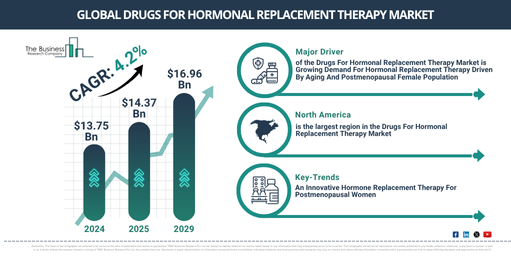
    The market size for hormonal replacement therapy drugs has been consistently expanding over the past few years. The growth is projected to continue from $13.75 billion in 2024 to $14.37 billion in 2025, demonstrating a compound annual growth rate (CAGR) of 4.5%. The growth during the historic period has been influenced by a variety of factors including an aging population, heightened awareness, lifestyle factors, regulatory approvals, and market globalization.

    The market size for hormonal replacement therapy drugs is projected to witness consistent expansion in the coming years. It is set to reach $16.96 billion by 2029, with a compound annual growth rate (CAGR) of 4.2%. The surge during the prediction period is primarily due to the escalating prevalence of hormonal disorders, better healthcare infrastructure, growing health awareness, and improvement in patient education and empowerment. The key trends influencing the future growth involve technological advancements, customised medicines, growth in research and development, personalized hormone therapy, new delivery methods, combination therapies, the rise of telemedicine and telehealth, as well as digital health solutions.

    Download a free sample to assess the report’s scope and structure:

    https://www.thebusinessresearchcompany.com/sample.aspx?id=2575&type=smp

    How Are Key Drivers in the Industry Acting as Catalysts for the Growth of theDrugs For Hormonal Replacement Therapy Market?

    The hormonal replacement therapy drug market is growing due to the rising number of elderly and postmenopausal women. Hormonal replacement therapy involves drugs like estrogen and progesterone, which are commonly used to manage conditions resulting from menopause. For instance, the United States Census Bureau, a government agency in the US, stated in March 2024 that about 4.2 million women aged 85 and above were residing in the US as of July 1, 2022. Therefore, the escalating number of women experiencing menopausal symptoms, coupled with the expanding elderly population, propels the growth of the market for hormonal replacement therapy drugs.

    Which Segments in the Drugs For Hormonal Replacement Therapy Offer the Most Growth?

    The drugs for hormonal replacement therapy market covered in this report is segmented –

    1) By Therapy Type: Estrogen Replacement Therapy, Human Growth Hormone (HGH) Replacement Therapy, Thyroid Replacement Therapy, Testosterone Replacement Therapy

    2) By Distribution Channel: Hospital Pharmacies, Retail Pharmacies, Online Pharmacies

    3) By Application: Hypothyroidism, Male Hypogonadism, Growth Hormone Deficiency, Menopause, Other Applications

    Subsegments:

    1) By Estrogen Replacement Therapy: Oral Estrogen Therapy (Estradiol, Conjugated Estrogens), Transdermal Estrogen Therapy (Estradiol Patches), Estrogen Implants, Vaginal Estrogen Therapy (Creams, Tablets, Rings)

    2) By Human Growth Hormone (HGH) Replacement Therapy: Recombinant Human Growth Hormone (Somatropin), Synthetic Growth Hormone Preparations, HGH Injections

    3) By Thyroid Replacement Therapy: Levothyroxine Sodium (Synthetic T4), Liothyronine Sodium (Synthetic T3), Combination Therapy (T4 and T3), Natural Desiccated Thyroid (Armour Thyroid)

    4) By Testosterone Replacement Therapy: Injectable Testosterone (Testosterone Enanthate, Testosterone Cypionate), Transdermal Testosterone (Patches, Gels), Oral Testosterone (Testosterone Undecanoate), Buccal Testosterone, Testosterone Implants

    Request customized data on this market:

    https://www.thebusinessresearchcompany.com/customise?id=2575&type=smp

    What Are the Fastest-Growing Geographies in the #How Are Key Drivers in the Industry Acting as Catalysts for the Growth of theDrugs For Hormonal Replacement Therapy Market?# Market?

    North America was the largest region in the drugs for hormonal replacement therapy market in 2024. The Middle East is expected to be the fastest-growing region in the drugs for hormonal replacement therapy market during the forecast period. The regions covered in the drugs for hormonal replacement therapy market report are Asia-Pacific, Western Europe, Eastern Europe, North America, South America, Middle East, Africa

    What Are the Current Market Growth and Trends in the Drugs For Hormonal Replacement Therapy Industry?

    Leading companies involved in the hormonal replacement therapy market are concentrating their efforts on creating solutions that incorporate advanced technology. These include new types of hormone replacement therapy (HRT) specifically engineered for women who have gone through menopause and have a uterus. These cutting-edge treatments aim to either replenish or maintain hormonal balance within the body, particularly in situations where natural hormone levels have dropped due to old age or specific health issues. For example, in June 2023, Pfizer., a pharmaceutical company based in the US, introduced DUAVEE® (conjugated estrogens/bazedoxifene). This product is aimed at treating moderate to severe symptoms of menopause, like hot flashes, as well as preventing postmenopausal osteoporosis. A distinctive feature of this product is that it synthesizes conjugated estrogens with bazedoxifene, a selective estrogen receptor modulator (SERM), rather than using progestin. This novel combination assists in lessening the risk of endometrial hyperplasia, a condition that can accompany estrogen-only treatments, thus offering a safer alternative for women with a uterus who are going through menopause.

    View the full report here:

    https://www.thebusinessresearchcompany.com/report/drugs-for-hormonal-replacement-therapy-global-market-report

    What Are the Key Elements That Define the Drugs For Hormonal Replacement Therapy Market?

    The drugs for hormonal replacement therapy are used to treat patients with growth hormone deficiency caused due to conditions such as dwarfism or menopause (a condition that describes changes a woman goes through when her menstruating cycle stops). The drugs for hormonal replacement therapy help to replace low-level hormones from the body, maintain growth hormone deficiency and prevent women from vaginal dryness, mood swings, weakening of bones, and others.

    Purchase the full report and get a swift delivery:

    https://www.thebusinessresearchcompany.com/purchaseoptions.aspx?id=2575

    About The Business Research Company:

    With over 15000+ reports from 27 industries covering 60+ geographies, The Business Research Company has built a reputation for offering comprehensive, data-rich research and insights. Armed with 1,500,000 datasets, the optimistic contribution of in-depth secondary research, and unique insights from industry leaders, you can get the information you need to stay ahead in the game.

    Get in touch with us:

    The Business Research Company: https://www.thebusinessresearchcompany.com/

    Americas +1 310-496-7795

    Europe +44 7882 955267

    Asia & Others +44 7882 955267 & +91 8897263534

    Email us at info@tbrc.info

    Follow us on:

    LinkedIn: https://in.linkedin.com/company/the-business-research-company

    YouTube: https://www.youtube.com/channel/UC24_fI0rV8cR5DxlCpgmyFQ

    Global Market Model: https://www.thebusinessresearchcompany.com/global-market-model