Month: August 2025

  • $9.64 Billion Forecast for Antiemetics And Antinauseants Market by 2029, Backed by Demand and Innovation

    $9.64 Billion Forecast for Antiemetics And Antinauseants Market by 2029, Backed by Demand and Innovation

    Claim your 30% discount on Global Market Reports with code ONLINE30. Limited time only.

    #What Is the Estimated Market Size of the Antiemetics And Antinauseants Market In 2029?#_x000D_

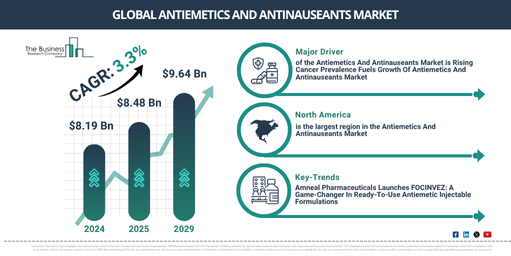
    In recent times, the market for antiemetics and antinauseants has seen stable growth. An expansion from $8.19 billion in 2024 to $8.48 billion in 2025, reflecting a compound annual growth rate (CAGR) of 3.6%, is expected. Factors contributing to the growth in the past have been traditional branding and market rivalry, historical treatment preferences, economic situations, past global health events, and advancements in medical research and development._x000D_

    _x000D_

    A consistent rise is anticipated in the size of the antiemetics and antinauseants market over the next several years, with a projected value of $9.64 billion in 2029 and a CAGR of 3.3%. This prospective growth within the forecasted period can be traced back to ongoing research and development endeavors, economic elements, market rivalry, and patterns within the industry, shifts in disease trends, and healthcare regulations and policies. Incoming trends expected during the prediction period comprise of a heightened emphasis on patient experiences, alterations in healthcare policies, the public’s preference for treatments that are non-invasive, an increase in the incidence of nausea related to chemotherapy and pregnancy, and the introduction of targeted therapies._x000D_

    _x000D_

    #Download a free sample to assess the report’s scope and structure:#_x000D_

    https://www.thebusinessresearchcompany.com/sample.aspx?id=2441&type=smp_x000D_

    _x000D_

    #What Are the Core Growth Drivers Propelling the Antiemetics And Antinauseants Market Forward?#_x000D_

    The rise in cancer prevalence is a key factor propelling the antiemetics and antinauseants market. As chemotherapy is commonly recommended to treat cancer, it often results in side effects such as chemotherapy-induced nausea and vomiting (CINV) which impact about 60%-70% patients. Antiemetics have been found to be effective in preventing these side effects. The American Cancer Society, a non-profit U.S based organization, estimated in April 2024 that roughly 609,000 deaths were linked to cancer and around 1.9 million new cases were diagnosed in the country in 2022. The prediction for an estimated 620,000 cancer deaths in 2024 indicates a slight rise in mortality rate. The growing cancer incidence signifies escalated demand for antiemetics and antinauseants, which in turn will boost the market revenue._x000D_

    _x000D_

    #What Segment Types Define the Antiemetics And Antinauseants Market Structure?#_x000D_

    The antiemetics and antinauseants market covered in this report is segmented – _x000D_

    _x000D_

    1) By Drug: Dopamine antagonists, NK1 receptor antagonist, Antihistamines (H1 histamine receptor antagonists), Cannabinoids, Benzodiazepines, Anticholinergics, Steroids, 5-HT3 receptor antagonists, Other Drug Types _x000D_

    2) By Application: Chemotherapy, Motion sickness, Gastroenteritis, General anesthetics, Opioid analgesics, Dizziness, Pregnancy, Food poisoning, Emotional stress, Other Application Types _x000D_

    3) By End Users: Hospital, Medical Center, Clinic, Research Institutes _x000D_

    _x000D_

    Subsegments:_x000D_

    1) By Dopamine Antagonists: Metoclopramide, Prochlorperazine, Domperidone _x000D_

    2) By NK1 Receptor Antagonists: Aprepitant, Fosaprepitant, Rolapitant _x000D_

    3) By Antihistamines (H1 Histamine Receptor Antagonists): Dimenhydrinate, Meclizine, Diphenhydramine _x000D_

    4) By Cannabinoids: Dronabinol, Nabilone _x000D_

    5) By Benzodiazepines: Lorazepam, Diazepam _x000D_

    6) By Anticholinergics: Scopolamine, Glycopyrrolate _x000D_

    7) By Steroids: Dexamethasone, Methylprednisolone _x000D_

    8) By 5-HT3 Receptor Antagonists: Ondansetron, Granisetron, Palonosetron _x000D_

    9) By Other Drug Types: Herbal Remedies, Acupressure Devices _x000D_

    _x000D_

    #Request customized data on this market:#_x000D_

    https://www.thebusinessresearchcompany.com/customise?id=2441&type=smp_x000D_

    _x000D_

    #Which Geographic Areas Hold the Strongest Growth Potential in the Antiemetics And Antinauseants Market?#_x000D_

    North America was the largest region in the drugs for antiemetics and antinauseants market in 2024. The Middle East is expected to be the fastest-growing region in the global antiemetics and antinauseants market share. The regions covered in the antiemetics and antinauseants market report are Asia-Pacific, Western Europe, Eastern Europe, North America, South America, Middle East, Africa._x000D_

    _x000D_

    #Which Emerging Trends that Are Influencing theAntiemetics And Antinauseants Industry Evolution?#_x000D_

    Leading firms in the antiemetic and antinauseant industry are striving for product innovation, particularly focusing on ready-to-use injectable solutions, to simplify treatment methods and improve patient adherence. These pre-prepared formulations aim to offer immediate effectiveness, cutting down the time and intricacy involved in conventional injectable medications. An example of this is Amneal Pharmaceuticals, a specialty pharmaceutical company located in the US, which introduced FOCINVEZ in July 2024. This was the initial ready-to-use injectable version of fosaprepitant, specifically created to thwart the onset of acute and delayed nausea and vomiting related to cancer chemotherapy that is highly emetogenic. The product can be obtained in a 150 mg/50 mL vial, excludes Polysorbate 80, and doesn’t necessitate reconstitution or dilution, thereby enabling straight administration. The use of FOCINVEZ has been approved for adults as well as pediatric patients who are six months and above, and it has been assigned a unique reimbursement J-Code (J1434)._x000D_

    _x000D_

    #View the full report here:#_x000D_

    https://www.thebusinessresearchcompany.com/report/antiemetics-and-antinauseants-global-market-report_x000D_

    _x000D_

    #What Is the Definition of the Antiemetics And Antinauseants Market?#_x000D_

    The antiemetics and antinauseants refer to drugs that are used in the prophylaxis or management of vomiting that results from emetogenic chemotherapy, and for the management of postoperative nausea and vomiting. Antiemetic and antinauseant drugs prevent, control, or treat, nausea and vomiting caused in general or by other medications, frequent motion sickness, infections, stomach flu, or chemotherapy. These drugs reduced the symptoms of nausea or vomiting by blocking signal messages to the part of the brain that controls nausea and vomiting._x000D_

    _x000D_

    #Purchase the full report and get a swift delivery:#_x000D_

    https://www.thebusinessresearchcompany.com/purchaseoptions.aspx?id=2441_x000D_

    _x000D_

    #About The Business Research Company:#_x000D_

    With over 15000+ reports from 27 industries covering 60+ geographies, The Business Research Company has built a reputation for offering comprehensive, data-rich research and insights. Armed with 1,500,000 datasets, the optimistic contribution of in-depth secondary research, and unique insights from industry leaders, you can get the information you need to stay ahead in the game._x000D_

    _x000D_

    #Get in touch with us:#_x000D_

    The Business Research Company: https://www.thebusinessresearchcompany.com/_x000D_

    Americas +1 310-496-7795_x000D_

    Europe +44 7882 955267_x000D_

    Asia & Others +44 7882 955267 & +91 8897263534_x000D_

    Email us at info@tbrc.info_x000D_

    _x000D_

    #Follow us on:#_x000D_

    _x000D_

    LinkedIn: https://in.linkedin.com/company/the-business-research-company_x000D_

    YouTube: https://www.youtube.com/channel/UC24_fI0rV8cR5DxlCpgmyFQ_x000D_

    Global Market Model: https://www.thebusinessresearchcompany.com/global-market-model
  • Healthcare And Consumer Care Ayurveda Products Market 2025-2034: Key Highlights, Growth Dynamics, and Emerging Trends

    Healthcare And Consumer Care Ayurveda Products Market 2025-2034: Key Highlights, Growth Dynamics, and Emerging Trends

    Claim your 30% discount on Global Market Reports with code ONLINE30. Limited time only.

    What is the Projected CAGR for the Healthcare And Consumer Care Ayurveda Products Market Size from 2025 to 2034?

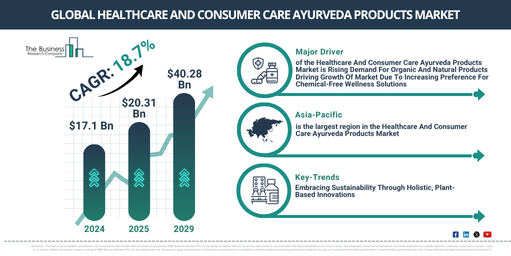
    The market size of ayurveda products related to healthcare and consumer care has seen a significant expansion recently. This market is forecasted to increase from $17.1 billion in 2024 to $20.31 billion in 2025, with a compound annual growth rate (CAGR) of 18.8%. The historical growth in this sector can be credited to factors such as the escalation of consumer knowledge concerning natural remedies, a rise in chronic diseases, a growing preference for preventive healthcare, governmental backing for traditional medicines, widening accessibility to ayurvedic items via e-commerce, an augmented interest in wellness and holistic lifestyles, as well as worldwide recognition of ayurveda.

    In the coming years, the market size of healthcare and consumer care ayurveda products is projected to expand rapidly, scaling up to a size of $40.28 billion by 2029, indicating a compound annual growth rate (CAGR) of 18.7%. This anticipated growth in the forecast period is largely due to the increasing inclination of consumers towards natural and organic products, heightened consciousness regarding preventive healthcare, proliferation of e-commerce distribution channels, higher investment in research and innovation of ayurvedic products, and supportive policy measures from the government. Several trends expected to mark the forecast period include progress in personalized ayurveda formulations, amalgamation with modern healthcare systems, increasing utilisation of digital modes for ayurvedic consultations, AI and biotechnology application in product creation, and promotion of sustainable, organic, and ethically sourced ingredients.

    Download a free sample to assess the report’s scope and structure:

    https://www.thebusinessresearchcompany.com/sample.aspx?id=24231&type=smp

    Which Primay Drivers Are Accelerating Growth in the Healthcare And Consumer Care Ayurveda Products Market?

    The surge in the desire for organic and natural items is anticipated to accelerate the development of the market for healthcare and consumer care ayurveda products. These organic and natural products are made using components obtained from natural resources such as plants and minerals, and they’re produced without the utilization of synthetic pesticides or fertilizers. The escalating demand for such products can be attributed to increased customer knowledge about the health hazards posed by synthetic chemicals. Organic and natural products are incorporated into healthcare and consumer care ayurveda products to encourage comprehensive wellness through the use of organic, plant-derived components that promote healing and stability. For example, the Soil Association, a UK-based environmental charity, reported that organic retail sales in the UK were $3.22 billion (£2.43 billion) in 2024, indicating a 4.7% growth rate, which is four times more than their non-organic counterparts at 1.2%. Moreover, 73% of consumers expressed preference for certified products. Consequently, the escalating demand for organic and natural products is fuelling the expansion of the healthcare and consumer care ayurveda products market.

    Which Primary Segments of the Healthcare And Consumer Care Ayurveda Products Market Are Driving Growth and Industry Transformations?

    The healthcare and consumer care ayurveda products market covered in this report is segmented –

    1) By Product: Tablets And Capsules, Soaps And Shampoo, Body Wash, Moisturizers And Lotions, Oil, Facewash, Toothpaste Or Mouthwash, Creams And Serums, Aftershaves And Shaving Creams, Other Products

    2) By Route Of Administration: Oral, Topical

    3) By Application: Healthcare, Diabetes, Pregnancy And Postpartum Care, Respiratory Disorders 86, Cardiovascular Diseases, Eye Health, Gut And Digestive Health, Hair Care, Oral Care, Other Applications

    4) By Distribution Channel: Online, Offline, Retail Pharmacies, Supermarkets And Hypermarkets, Other Distributions

    Subsegments:

    1) By Tablets and Capsules: Herbal Supplements, Digestive Health Tablets, Immunity Boosters, Energy Capsules, Detox Tablets

    2) By Soaps and Shampoo: Neem Soap, Sandalwood Soap, Herbal Anti-Dandruff Shampoo, Aloe Vera Shampoo, Reetha and Shikakai Shampoo

    3) By Body Wash: Ayurvedic Hydrating Body Wash, Exfoliating Herbal Body Wash, Neem and Tulsi Body Wash, Aromatic Ayurvedic Body Wash

    4) By Moisturizers and Lotions: Aloe Vera Moisturizer, Anti-Aging Herbal Lotion, Skin Brightening Ayurvedic Cream, Neem and Turmeric Lotion

    5) By Oil: Hair Growth Oil, Body Massage Oil, Joint Pain Relief Oil, Aromatherapy Essential Oils, Baby Massage Oil

    6) By Facewash: Neem and Turmeric Facewash, Anti-Acne Herbal Facewash, Brightening Aloe Vera Facewash, Charcoal Ayurvedic Facewash

    7) By Toothpaste/Mouthwash: Herbal Whitening Toothpaste, Clove and Mint Mouthwash, Neem Toothpaste, Sensitive Teeth Herbal Toothpaste

    8) By Creams and Serums: Anti-Wrinkle Cream, Brightening Face Serum, Anti-Pigmentation Cream, Under-Eye Cream

    9) By Aftershaves and Shaving Creams: Herbal Shaving Foam, Cooling Aftershave Balm, Anti-Irritation Shaving Gel, Moisturizing Aftershave Lotion

    10) By Other Products: Ayurvedic Lip Balm, Herbal Foot Cream, Ayurvedic Hand Sanitizers, Ayurvedic Deodorants, Herbal Bath Salts

    Request customized data on this market:

    https://www.thebusinessresearchcompany.com/customise?id=24231&type=smp

    Which Regions Are Key Players in the Growth of the #Which Primay Drivers Are Accelerating Growth in the Healthcare And Consumer Care Ayurveda Products Market?# Market?

    Asia-Pacific was the largest region in the healthcare and consumer care ayurveda products market in 2024. North America is expected to be the fastest-growing region in the forecast period. The regions covered in the healthcare and consumer care ayurveda products market report are Asia-Pacific, Western Europe, Eastern Europe, North America, South America, Middle East, Africa.

    Which Technological Trends Are Reshaping the Healthcare And Consumer Care Ayurveda Products Industry Dynamics?

    Leading corporations in the ayurveda healthcare and consumer care products marketplace are putting their sights on improved goods such as those derived from plants. This is in response to escalating customer requirements for natural, sustainable, and chemical-free substitutes that coincide with holistic health and environmental ethics. Plant-based products are naturally created from plants and lack any synthetic or animal constituents. To illustrate, in February 2025, the National Institute of Ayurveda (NIA), an India-based academic institution under the Ministry of Ayush, introduced a selection of skincare products rooted in plant bases. This assortment comprises of aloe vera gel, lip balm, foot care cream, and an array of herbal soaps, all devised with plant-derived extracts to deliver efficient skincare solutions. The aloe vera gel, a vital ingredient of the selection, is highly recognized for its hydrating, comforting, and healing abilities, securing its position as a crucial element in contemporary skincare regimens.

    View the full report here:

    https://www.thebusinessresearchcompany.com/report/healthcare-and-consumer-care-ayurveda-products-global-market-report

    What Parameters Are Used to Define the Healthcare And Consumer Care Ayurveda Products Market?

    Ayurvedic healthcare and consumer care products are a variety of items inspired by the traditional ayurvedic system of medicine. These products focus on improving health, preventing disease, and supporting general wellness by utilizing natural ingredients such as herbs and minerals. They encompass a range of goods, including herbal remedies, skincare items, supplements, and personal care products, all crafted according to ayurvedic wisdom.

    Purchase the full report and get a swift delivery:

    https://www.thebusinessresearchcompany.com/purchaseoptions.aspx?id=24231

    About The Business Research Company:

    With over 15000+ reports from 27 industries covering 60+ geographies, The Business Research Company has built a reputation for offering comprehensive, data-rich research and insights. Armed with 1,500,000 datasets, the optimistic contribution of in-depth secondary research, and unique insights from industry leaders, you can get the information you need to stay ahead in the game.

    Get in touch with us:

    The Business Research Company: https://www.thebusinessresearchcompany.com/

    Americas +1 310-496-7795

    Europe +44 7882 955267

    Asia & Others +44 7882 955267 & +91 8897263534

    Email us at info@tbrc.info

    Follow us on:

    LinkedIn: https://in.linkedin.com/company/the-business-research-company

    YouTube: https://www.youtube.com/channel/UC24_fI0rV8cR5DxlCpgmyFQ

    Global Market Model: https://www.thebusinessresearchcompany.com/global-market-model
  • Hair Removal Devices Growth Trajectory: Key Forecasts and Strategic Insights

    Hair Removal Devices Growth Trajectory: Key Forecasts and Strategic Insights

    Claim your 30% discount on Global Market Reports with code ONLINE30. Limited time only.

    What Is the Current and Projected Market Size of the Hair Removal Devices Market Through 2034?

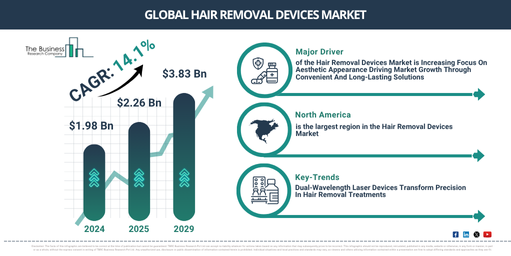
    The market of hair removal instruments has seen a swift expansion in the prior years. The growth from $1.98 billion in 2024 to $2.26 billion in 2025 is forecasted, experiencing a compound annual growth rate (CAGR) of 13.7%. Factors contributing to the growth during the historical period include an increased understanding of personal grooming, a rise in disposable income levels, greater impact of media and beauty standards, a surging demand for non-invasive cosmetic procedures, and the spreading of urban populations.

    The market for hair removal devices is projected to experience a swift expansion in the coming years, eventually reaching a substantial value of $3.83 billion by 2029, with a compound annual growth rate (CAGR) of 14.1%. This surge during the speculated period can be ascribed to various causes such as the increasing inclination towards home beauty equipment, an escalating male consumer demographic, a rising fondness for convenience-oriented grooming strategies, growing impact of electronic commerce, and a surge in dermatological clinics. Top trends foreseen in the prediction period cover aspects like miniaturization and smart synchronization of hair removal machines, increasing fame of multipurpose beauty devices, customization through AI and sensor-driven technology, development of eco-friendly and sustainable products, and subscription-led device sales structures.

    Download a free sample to assess the report’s scope and structure:

    https://www.thebusinessresearchcompany.com/sample.aspx?id=24229&type=smp

    Which Factors and External Forces Are Driving Demand in the Hair Removal Devices Market?

    The increased focus on aesthetic appeal is predicted to drive the expansion of the hair removal devices market in the future. Aesthetic appeal is related to an individual’s visual characteristics that add to their total physical beauty, including factors like skin texture, hair style, and body form, which are all affected by personal grooming and cosmetic procedures. Social media and the digital world have intensified beauty standards, resulting in a greater emphasis on aesthetic appeal. Hair removal devices facilitate the maintenance of an aesthetic appeal by offering smooth, hairless skin via easy, durable, and non-invasive methods. For example, as per the Bureau of Labor Statistics, a Federal Agency in the United States, in September 2022, the number of skincare specialists is predicted to rise by 10% from 2023 to 2033, with approximately 12,800 job opportunities predicted yearly over the ten years, exceeding the average growth rate for all jobs. As a result, the increased focus on aesthetic appeal is fuelling the expansion of the hair removal devices market.

    Which Segments in the Hair Removal Devices Offer the Most Growth?

    The hair removal devices market covered in this report is segmented –

    1) By Product: Energy-Based Devices, Laser Devices, Intense Pulsed Light (IPL) Devices, Other Products

    2) By Distribution Channel: Supermarkets And Hypermarkets, Drug-Stores, Online

    3) By Application: Facial Hair Removal, Legs, Hands, Other Applications

    4) By End-Users: Dermatology Clinics, Beauty Clinics, Home Use, Other End-Users

    Subsegments:

    1) By Energy-Based Devices: Radiofrequency Devices, Ultrasound-Based Devices, Infrared-Based Devices

    2) By Laser Devices: Diode Laser Devices, Nd:YAG Laser Devices, Alexandrite Laser Devices, Ruby Laser Devices

    3) By Intense Pulsed Light (IPL) Devices: Handheld IPL Devices, Professional IPL Systems

    4) By Other Products: Razor Devices, Epilators, Waxing Devices, Threading Devices

    Request customized data on this market:

    https://www.thebusinessresearchcompany.com/customise?id=24229&type=smp

    What Are the Fastest-Growing Geographies in the #Which Factors and External Forces Are Driving Demand in the Hair Removal Devices Market?# Market?

    North America was the largest region in the hair removal devices market in 2024. Asia-Pacific is expected to be the fastest-growing region in the forecast period. The regions covered in the hair removal devices market report are Asia-Pacific, Western Europe, Eastern Europe, North America, South America, Middle East, Africa.

    Which Cutting-Edge Market Trends Are Expected to Drive theHair Removal Devices Market’s Growth?

    Leading businesses in the hair removal devices sector are concentrating on creating innovative solutions like dual-wavelength laser technology to improve the effectiveness and adaptability of professional hair removal procedures. A dual-wavelength laser system produces light at two unique wavelengths, providing enriched treatment versatility and potency by targeting different chromophores or tissue depths in the skin. For example, in April 2025, Lumenis Be Ltd., a medical technology firm based in Israel, broadened its product range by unveiling the LightSheer INFINITY and LightSheer DESIRE laser hair removal systems, which boost its central offerings in the aesthetic treatment industry. These state-of-the-art devices employ diode laser technology, delivering effective and comfortable hair removal options that cater to a diverse range of skin types and hair shades. Importantly, the LightSheer INFINITY boasts dual-wavelength features, enabling practitioners to tailor treatments to meet individual patient requirements, while the LightSheer DESIRE underscores easy-to-use functionality and high-efficiency performance, consequently enhancing patient satisfaction and clinic productivity.

    View the full report here:

    https://www.thebusinessresearchcompany.com/report/hair-removal-devices-global-market-report

    What Are the Key Elements That Define the Hair Removal Devices Market?

    Hair removal devices refer to technologically advanced equipment designed to eliminate or reduce unwanted body and facial hair through various energy-based or mechanical mechanisms that target hair at the root level to achieve long-lasting or permanent hair reduction. These devices are primarily used for cosmetic and dermatological purposes, including personal grooming, aesthetic enhancement, and the management of excessive or unwanted hair growth.

    Purchase the full report and get a swift delivery:

    https://www.thebusinessresearchcompany.com/purchaseoptions.aspx?id=24229

    About The Business Research Company:

    With over 15000+ reports from 27 industries covering 60+ geographies, The Business Research Company has built a reputation for offering comprehensive, data-rich research and insights. Armed with 1,500,000 datasets, the optimistic contribution of in-depth secondary research, and unique insights from industry leaders, you can get the information you need to stay ahead in the game.

    Get in touch with us:

    The Business Research Company: https://www.thebusinessresearchcompany.com/

    Americas +1 310-496-7795

    Europe +44 7882 955267

    Asia & Others +44 7882 955267 & +91 8897263534

    Email us at info@tbrc.info

    Follow us on:

    LinkedIn: https://in.linkedin.com/company/the-business-research-company

    YouTube: https://www.youtube.com/channel/UC24_fI0rV8cR5DxlCpgmyFQ

    Global Market Model: https://www.thebusinessresearchcompany.com/global-market-model

  • Next-Gen Hair Loss Treatment Products : Market Forecast, Transformation, and Long-Term Trajectories

    Next-Gen Hair Loss Treatment Products : Market Forecast, Transformation, and Long-Term Trajectories

    Claim your 30% discount on Global Market Reports with code ONLINE30. Limited time only.

    What is the Anticipated CAGR of the Hair Loss Treatment Products Market, and What Factors Will Drive It?

    The market for hair loss treatment products has seen significant growth in the past few years. The market is set to expand from a valuation of $2.54 billion in 2024 to $2.77 billion in 2025, showcasing a compound annual growth rate (CAGR) of 8.8%. Factors responsible for the growth observed in the historical period include a surge in the number of cases of androgenetic alopecia, heightened stress levels, escalated interest in personal grooming, a growing elderly population, and better access to dermatological care.

    The market size for products aimed at treating hair loss is projected to witness a substantial increase in the coming years. By 2029, it is forecasted to reach $3.83 billion, rising at a compound annual growth rate (CAGR) of 8.5%. The surge anticipated in the prediction period can be credited to factors such as the prevalent demand for non-invasive treatment methods, the rise in disposable income levels, the mounting impact of beauty standards set by social media, broader access to over-the-counter solutions, and increased incorporation of plant-derived components. Notable trends expected in the prediction period incorporate progress in biotechnology, wider acceptance of laser-facilitated therapies, the use of AI in prescribing treatments, the creation of gender-targeted products, and the prevalence of subscription models for treatment plans.

    Download a free sample to assess the report’s scope and structure:

    https://www.thebusinessresearchcompany.com/sample.aspx?id=24228&type=smp

    Which Major Market Drivers Are Expected to Boost the Growth Potential of the Hair Loss Treatment Products Market?

    Future growth of the hair loss treatment products market is expected to be driven by escalating stress levels. The reference to stress levels pertains to the mental or psychological tension an individual undergoes. The surge in stress levels is principally due to increasing job pressures which involve extended working hours, pressing deadlines and intensified performance expectations in a competitive working arena. This rise in stress levels subsequently results in escalated cases of hair loss, inducing more individuals to explore treatment remedies. This expanding concern is fueling the demand for hair loss treatment products. For instance, the American Psychiatric Association, based in the U.S., reported in May 2024, that there was a steady increase in anxiety levels over the previous three years, with 43% of U.S. adults feeling more anxious in 2024 than the previous year which had increased from 37% in 2023 and 32% in 2022. As a result, it suggests that escalating stress levels are acting as a growth driver for the hair loss treatment products market.

    Which Key Market Segments Comprise the Hair Loss Treatment Products Market and Drive Its Revenue Growth?

    The hair loss treatment products market covered in this report is segmented –

    1) By Product Type: Shampoo And Conditioner, Supplements And Vitamins, Serum And Oil, Other Product Types

    2) By Disease Type: Alopecia Areata, Cicatricial Alopecia, Traction Alopecia, Alopecia Totalis, Alopecia Universalis, Other Disease Types

    3) By Distribution Channel: Supermarkets And Hypermarkets, Convenience Stores, Specialist Retailers, Pharmacies Or Drugstores, Online Retail, Medical Or Pharmacy Stores, E-Commerce, Departmental Stores, Other Distribution Channels

    4) By End-User: Hospitals, Home Healthcare Settings, Dermatology Centres, Other End-Users

    Subsegments:

    1) By Shampoo And Conditioner: Anti-Dandruff Shampoo, Thickening Or Volumizing Shampoo, Sulfate-Free Shampoo, Hair Regrowth Conditioner, Herbal Or Natural Shampoo And Conditioner

    2) By Supplements And Vitamins: Biotin Supplements, Multivitamins, Iron Supplements, Collagen Supplements, Omega-3 Fatty Acids

    3) By Serum And Oil: Minoxidil-Based Serums, Herbal Hair Serums, Essential Oil Blends, Argan Oil-Based Products, Castor Oil-Based Treatments

    4) By Other Product Types: Hair Masks, Hair Sprays and Mists, Scalp Exfoliators, Leave-In Treatments, Laser Hair Growth Devices

    Request customized data on this market:

    https://www.thebusinessresearchcompany.com/customise?id=24228&type=smp

    Which Areas Are Leading Regions in the Hair Loss Treatment Products Market Expansion Across the Globe?

    Asia-Pacific was the largest region in the hair loss treatment products market in 2024. North America is expected to be the fastest-growing region in the forecast period. The regions covered in the hair loss treatment products market report are Asia-Pacific, Western Europe, Eastern Europe, North America, South America, Middle East, Africa.

    What Are the Key Market Trends in theHair Loss Treatment Products Market Over the Coming Years?

    Key players in the hair loss treatment product market are concentrating their efforts on creating innovative solutions, including anti-hair loss systems that effectively cater to a wide range of consumer requirements. These systems, which are a blend of treatments or products intended to resist hair thinning and boost growth, aid in treating hair loss by nurturing the scalp, bolstering hair follicles, and curbing hair fallout. For instance, in July 2024, Aveda Corporation, an American cosmetics company, introduced the Invati Ultra Advanced Collection. This collection, which uses technology driven by botanical ingredients, is constructed to lessen hair loss and bolster thinning hair. It encapsulates shampoo, conditioner, and a scalp serum which, when used regularly, claims to visibly thicken and enhance hair volume. Apart from this, the range also fosters a healthy scalp habitat, encouraging sustained hair vigor.

    View the full report here:

    https://www.thebusinessresearchcompany.com/report/hair-loss-treatment-products-global-market-report

    How Is the Hair Loss Treatment Products Market Conceptually Defined?

    Hair loss treatment products are a category of products designed to prevent or reduce hair thinning and promote the regrowth of hair. These products include topical treatments, shampoos, conditioners, sprays, serums, and oral medications that address various causes of hair loss, such as hormonal imbalances, genetics, stress, and nutritional deficiencies.

    Purchase the full report and get a swift delivery:

    https://www.thebusinessresearchcompany.com/purchaseoptions.aspx?id=24228

    About The Business Research Company:

    With over 15000+ reports from 27 industries covering 60+ geographies, The Business Research Company has built a reputation for offering comprehensive, data-rich research and insights. Armed with 1,500,000 datasets, the optimistic contribution of in-depth secondary research, and unique insights from industry leaders, you can get the information you need to stay ahead in the game.

    Get in touch with us:

    The Business Research Company: https://www.thebusinessresearchcompany.com/

    Americas +1 310-496-7795

    Europe +44 7882 955267

    Asia & Others +44 7882 955267 & +91 8897263534

    Email us at info@tbrc.info

    Follow us on:

    LinkedIn: https://in.linkedin.com/company/the-business-research-company

    YouTube: https://www.youtube.com/channel/UC24_fI0rV8cR5DxlCpgmyFQ

    Global Market Model: https://www.thebusinessresearchcompany.com/global-market-model

  • H2 Receptor Antagonist Market Overview 2025: Competitive Shifts, Forecast Models, and Emerging Opportunities

    H2 Receptor Antagonist Market Overview 2025: Competitive Shifts, Forecast Models, and Emerging Opportunities

    Claim your 30% discount on Global Market Reports with code ONLINE30. Limited time only.

    What Are the Key Milestones in the H2 Receptor Antagonist Market’s Growth Trajectory From 2025 To 2034?

    The expansion of the H2 receptor antagonist market has been consistent over the past few years. There is an anticipated growth from $4.08 billion in 2024 to $4.28 billion in 2025, with a compound annual growth rate (CAGR) of 4.8%. The growth witnessed in the historic period is due to factors such as increasing cases of peptic ulcers, extensive use of over-the-counter antacids, a rise in the diagnosis of gastroesophageal reflux disease (GERD), high acceptance rate in hospitals, and an escalating incidence of gastrointestinal disorders.

    Over the next few years, the H2 receptor antagonist market is projected to witness robust growth, escalating to $5.23 billion in 2029, with a compound annual growth rate (CAGR) of 5.2%. This expansion during the projected period can be linked to the escalating instances of lifestyle-related digestive ailments, the surge in the need for over-the-counter gastrointestinal treatments, the escalating population of the elderly dealing with chronic acid issues, and the broadening accessibility of generic formulations, coupled with the evolution of pediatric-friendly formulas. Key trends expected during this period encompass the creation of slow-release formulations, amalgamation with digital health tracking tools, novelty in pediatric dosage structures, combination treatments with probiotics, and progress in compound stability suitable for high temperature climates.

    Download a free sample to assess the report’s scope and structure:

    https://www.thebusinessresearchcompany.com/sample.aspx?id=24227&type=smp

    What Are the Core Growth Drivers Propelling the H2 Receptor Antagonist Market Forward?

    The growth of the H2 receptor antagonist market is projected to be propelled by the rising prevalence of gastrointestinal ailments. Such medical conditions involve infections, inflammation, and irregularities in the digestive tract, including the stomach and intestines. The surge in these diseases is attributable to poor eating habits and a growing trend of consuming processed foods, which have the potential to harm gut health and subsequently cause various digestive issues including acid reflux, irritable bowel syndrome (IBS), and ulcers. H2 receptor antagonists are beneficial in managing gastrointestinal diseases as they obstruct histamine receptors in the stomach, leading to a reduction in acid formation, thus helping to relieve symptoms like acid reflux, ulcers, and gastritis. In January 2023, the American Cancer Society (ACS), a professional organization based in the US, recorded a 3.18% increase in gastrointestinal cancer cases in the country – a rise from 338,090 in 2022 to 348,840 in 2023. Hence, the escalating prevalence of gastrointestinal diseases is fueling the expansion of the H2 receptor antagonist market.

    What Segment Types Define the H2 Receptor Antagonist Market Structure?

    The h2 receptor antagonist market covered in this report is segmented –

    1) By Drug Class: Cimetidine, Ranitidine, Famotidine, Nizatidine

    2) By Route of Administration: Oral, Intravenous, Intramuscular

    3) By Indication: Gastroesophageal Reflux Disease (GERD), Peptic Ulcers, Zollinger-Ellison Syndrome, Other Indications

    4) By Distribution Channel: Hospital Pharmacies, Retail Pharmacies, Online Pharmacies, Other Distribution Channels

    5) By End-User: Hospitals, Clinics, Home Care Settings

    Request customized data on this market:

    https://www.thebusinessresearchcompany.com/customise?id=24227&type=smp

    Which Geographic Areas Hold the Strongest Growth Potential in the H2 Receptor Antagonist Market?

    North America was the largest region in the H2 receptor antagonist market in 2024. Asia-Pacific is expected to be the fastest-growing region in the forecast period. The regions covered in the H2 receptor antagonist market report are Asia-Pacific, Western Europe, Eastern Europe, North America, South America, Middle East, Africa.

    Which Emerging Trends that Are Influencing theH2 Receptor Antagonist Industry Evolution?

    Leading entities in the H2 receptor antagonist market are shifting their attention towards creating groundbreaking solutions, like innovative drug delivery systems, to boost potency, accessibility and patient adherence of acid-suppression therapies. Futuristic drug delivery methods are comprised of advanced approaches aimed at improving the targeted, regulated and sustained liberation of medicinal agents for amplified efficiency and patient adherence. For example, Zydus Lifesciences Limited, a pharmaceutical company based in India, introduced Famotidine ODT, an orally disintegrating tablet to cure acid-associated conditions like GERD, in June 2022. This formulation is constructed in a way that enables patients, particularly those with swallowing difficulties, to consume medicine even without water, boosting handiness and compliance. The firm voiced that such an innovation assists in bettering treatment outcomes through eased use and quicker onset of action. Thus, the integration of these creative delivery systems is supporting the expansion of the H2 receptor antagonist market by boosting the therapeutic experiences and accessibility for patients.

    View the full report here:

    https://www.thebusinessresearchcompany.com/report/h2-receptor-antagonist-global-market-report

    What Is the Definition of the H2 Receptor Antagonist Market?

    H2 receptor antagonists refer to a class of medications that block histamine receptors in the stomach, reducing acid production and helping to treat conditions such as acid reflux, ulcers, and gastroesophageal reflux disease (GERD). These drugs work by inhibiting the H2 receptors on parietal cells in the stomach lining, which are responsible for the secretion of gastric acid.

    Purchase the full report and get a swift delivery:

    https://www.thebusinessresearchcompany.com/purchaseoptions.aspx?id=24227

    About The Business Research Company:

    With over 15000+ reports from 27 industries covering 60+ geographies, The Business Research Company has built a reputation for offering comprehensive, data-rich research and insights. Armed with 1,500,000 datasets, the optimistic contribution of in-depth secondary research, and unique insights from industry leaders, you can get the information you need to stay ahead in the game.

    Get in touch with us:

    The Business Research Company: https://www.thebusinessresearchcompany.com/

    Americas +1 310-496-7795

    Europe +44 7882 955267

    Asia & Others +44 7882 955267 & +91 8897263534

    Email us at info@tbrc.info

    Follow us on:

    LinkedIn: https://in.linkedin.com/company/the-business-research-company

    YouTube: https://www.youtube.com/channel/UC24_fI0rV8cR5DxlCpgmyFQ

    Global Market Model: https://www.thebusinessresearchcompany.com/global-market-model
  • From Insight to Impact: Strategic Growth Mapping in the Genomic Cancer Panel And Profiling Market

    From Insight to Impact: Strategic Growth Mapping in the Genomic Cancer Panel And Profiling Market

    Claim your 30% discount on Global Market Reports with code ONLINE30. Limited time only.

    How Has The Genomic Cancer Panel And Profiling Market Size Shifted, And What Is the Outlook Through 2034?

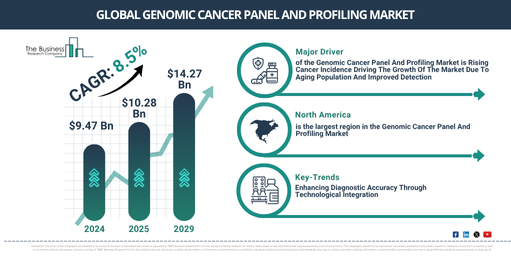
    There has been a significant increase in the market size of the genomic cancer panel and profiling within recent years. The market is estimated to climb from a value of $9.47 billion in 2024 to $10.28 billion in 2025, expanding at a compound annual growth rate (CAGR) of 8.6%. Factors like the growing global incidence of cancer, its growing use in clinical trials, the widening diagnostic infrastructure, growing knowledge about genetic testing, and an uptick in government-backed and research funding have contributed to the growth observed in the historic period.

    The market size of genomic cancer panel and profiling is anticipated to have sturdy growth over the upcoming years. The estimated growth will reach $14.27 billion by 2029, with a compound annual growth rate (CAGR) of 8.5%. Factors contributing to this growth during the projection phase include increasing applications of liquid biopsy, growing utilization in early detection, the rise of personalized therapies, and an upswing in companion diagnostics approvals. Key trends during this period involve merging of AI and machine learning for interpreting genomic data, progress in multi-omics approaches, genomic data storage and analysis via the cloud, integration with electronic health records, and extension of next-generation sequencing (NGS) platforms.

    Download a free sample to assess the report’s scope and structure:

    https://www.thebusinessresearchcompany.com/sample.aspx?id=24225&type=smp

    What are the Fundamental Drivers and Innovations Shaping the Genomic Cancer Panel And Profiling Market?

    The escalating occurrence of cancer is estimated to accelerate the expansion of the genomic cancer panel and profiling market. Recognized by the rapid and unregulated proliferation and dissemination of abnormal cells within the body, cancer is a malady whose increasing prevalence can be attributed to aspects like an aging population, which in turn intensifies the chances of cancer development due to a longer lifespan. Genomic cancer panels and profiling come into play in oncology to detect genetic variances and biomarkers, thus facilitating tailor-made treatment regimens while enhancing early cancer detection and its surveillance. For instance, the American Cancer Society, a non-profit organization based in the U.S., reported in January 2024 that approximately 20 million new instances of cancer had been globally reported in 2022, which resulted in about 9.7 million fatalities. These figures are primarily driven by population growth and the global burden of cancer is forecasted to escalate to 35 million cases by 2050. Consequently, the increasing incidence of cancer will fuel the expansion of the genomic cancer panel and profiling market.

    How Is the Genomic Cancer Panel And Profiling Market Segmented?

    The genomic cancer panel and profiling market covered in this report is segmented –

    1) By Tissue Testing: Solid Tissue Testing, Liquid Tissue Testing

    2) By Technology: Next-Generation Sequencing (NGS), Polymerase Chain Reaction (PCR), Fluorescence In-Situ Hybridization (FISH), Immunohistochemistry (IHC), Other Technologies

    3) By Cancer Panel Type: Single-Gene Panel, Multi-Gene Panel

    4) By Application: Clinical, Research

    5) By End User: Hospitals, Research And Academic Institutes, Clinical And Diagnostic Laboratories, Other End Users

    Subsegments:

    1) By Solid Tissue Testing: Biopsy Samples, Surgical Resection Samples, Formalin-Fixed Paraffin-Embedded (FFPE) Tissues, Fresh Frozen Tissues

    2) By Liquid Tissue Testing: Blood, Urine, Saliva, Cerebrospinal Fluid (CSF), Other Bodily Fluids

    Request customized data on this market:

    https://www.thebusinessresearchcompany.com/customise?id=24225&type=smp

    Which Regions Are Driving the Next Phase of the Genomic Cancer Panel And Profiling Market Growth?

    North America was the largest region in the genomic cancer panel and profiling market in 2024. The regions covered in the genomic cancer panel and profiling market report are Asia-Pacific, Western Europe, Eastern Europe, North America, South America, Middle East, Africa.

    What Key Trends Are Shaping the Future of the Genomic Cancer Panel And Profiling Market?

    Major corporations in the genomic cancer panel and profiling industry are concentrating their resources on innovative developments like next-generation sequencers in order to enhance the precision, velocity, and inclusivity of cancer diagnostics while supporting more personalized approaches to treatment. Next-generation sequencers are cutting-edge DNA sequencing technologies that expedite exhaustive analysis of genetic matter to pinpoint mutations, variances, and other genomic characteristics. For instance, QIAGEN N.V., a biotech company out of the Netherlands, introduced its QIAseq panels specifically configured for next-generation sequencers in April 2025. These panels can efficiently scrutinize over 700 genes, with applications in both research and clinical fields, aiming to revolutionize cancer diagnostics and treatment approaches.

    View the full report here:

    https://www.thebusinessresearchcompany.com/report/genomic-cancer-panel-and-profiling-global-market-report

    How Is the Genomic Cancer Panel And Profiling Market Defined and What Are Its Core Parameters?

    Genomic cancer panel and profiling is a molecular diagnostic technique that analyzes multiple genes simultaneously to detect genetic mutations, alterations, or biomarkers associated with cancer. Its primary purpose is to guide personalized treatment decisions, predict disease progression, and improve cancer diagnosis and monitoring.

    Purchase the full report and get a swift delivery:

    https://www.thebusinessresearchcompany.com/purchaseoptions.aspx?id=24225

    About The Business Research Company:

    With over 15000+ reports from 27 industries covering 60+ geographies, The Business Research Company has built a reputation for offering comprehensive, data-rich research and insights. Armed with 1,500,000 datasets, the optimistic contribution of in-depth secondary research, and unique insights from industry leaders, you can get the information you need to stay ahead in the game.

    Get in touch with us:

    The Business Research Company: https://www.thebusinessresearchcompany.com/

    Americas +1 310-496-7795

    Europe +44 7882 955267

    Asia & Others +44 7882 955267 & +91 8897263534

    Email us at info@tbrc.info

    Follow us on:

    LinkedIn: https://in.linkedin.com/company/the-business-research-company

    YouTube: https://www.youtube.com/channel/UC24_fI0rV8cR5DxlCpgmyFQ

    Global Market Model: https://www.thebusinessresearchcompany.com/global-market-model
  • Gene SilencingMarket Overview 2025–2034: CAGR Trends, Long-Term Growth Paths, and Business Implications

    Gene SilencingMarket Overview 2025–2034: CAGR Trends, Long-Term Growth Paths, and Business Implications

    Claim your 30% discount on Global Market Reports with code ONLINE30. Limited time only.

    How Has the Gene Silencing Market Growth Performance Trended Historically, And What Lies Ahead?

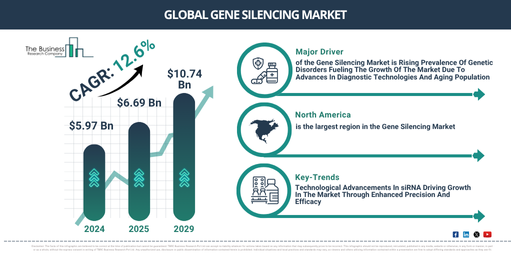
    Over the past few years, the gene silencing market has experienced significant expansion. The market size is expected to increase from $5.97 billion in 2024 to $6.69 billion in 2025, indicating a compound annual growth rate (CAGR) of 12.0%. Several factors have contributed to this growth during the historic period, including advancements in genetic therapy research, early successes in RNA interference, an increased prevalence of genetic disorders, and escalating investments in biotechnology. The market’s expansion is also attributed to the growing manufacturing capabilities in the biopharmaceutical sector.

    Expectations are high for the gene silencing industry, as projections suggest significant expansion in the coming years. In 2029, the market size is predicted to reach $10.74 billion, with a compound annual growth rate of 12.6%. Factors contributing to this anticipated growth include the increasing implementation of gene silencing in rare disease treatments, advancements in delivery methods, rising demand for personalised medical solutions, favorable government policies, and the strengthening of partnerships within the pharmaceutical and biotech industries. Future trends likely to influence the market further entail targeted gene therapies, the implementation of CRISPR-based silencing methods, a heightened emphasis on rare and orphan diseases, the emergence of technology using nanoparticles for drug delivery, and application of gene silencing procedures in agriculture.

    Download a free sample to assess the report’s scope and structure:

    https://www.thebusinessresearchcompany.com/sample.aspx?id=24224&type=smp

    What Are the Primary Drivers Supporting the Market Growth of the Gene Silencing Market?

    The increasing instances of genetic disorders are projected to drive the expansion of the gene silencing market. Genetic disorders, referring to health issues resulting from DNA anomalies, are being detected more frequently as diagnostic technologies advance, awareness grows, and genetic testing becomes more accessible. The growth in genetic disorders is linked to older parental ages, which raise the likelihood of passing genetic mutations to their children. Gene silencing serves as a potential solution for treating genetic disorders by selectively inhibiting the expression of malfunctioning or disease-inducing genes. For example, as reported by Down Syndrome UK, a charity organization in the UK, in August 2023, around 40,000 people in the UK are affected by Down syndrome, and approximately 1 in every 800 newborns has the condition. Therefore, the rising occurrence of genetic disorders is fueling the development of the gene silencing market.

    Which Primary Segments of the Gene Silencing Market Are Driving Growth and Industry Transformations?

    The gene silencing market covered in this report is segmented –

    1) By Type: Transcriptional, Post-Transcriptional, Meiotic

    2) By Gene Silencing: RNA Interference (RNAi), Antisense Oligonucleotides (ASOs), Clustered Regularly Interspaced Short Palindromic Repeats(CRISPR) Or Cas9 -Based Gene Silencing, Other Gene Silencings

    3) By Application: Neurology, Oncology, Infectious Diseases, Metabolic Diseases, Therapeutics Manufacturing, Other Applications

    4) By End-Users: Pharmaceutical And Biotechnology Companies, Research Institutes and Academic Centers, Hospitals, Clinics, Other End-Users

    Subsegments:

    1) By Transcriptional: DNA Methylation, Histone Modification

    2) By Post-Transcriptional: RNA Interference (RNAi), Antisense Oligonucleotides, MicroRNA (miRNA) Mediated Silencing

    3) By Meiotic: Meiotic Gene Conversion, Transposable Element Silencing

    Request customized data on this market:

    https://www.thebusinessresearchcompany.com/customise?id=24224&type=smp

    Which Regions Are Key Players in the Growth of the #What Are the Primary Drivers Supporting the Market Growth of the Gene Silencing Market?# Market?

    North America was the largest region in the gene silencing market in 2024. Asia-Pacific is expected to be the fastest-growing region in the forecast period. The regions covered in the gene silencing market report are Asia-Pacific, Western Europe, Eastern Europe, North America, South America, Middle East, Africa.

    What Are the Most Significant Market Trends in the Gene Silencing Market?

    Key players in the gene silencing market are concentrating on the advancement of novel technologies like small interfering RNA (siRNA) to improve accuracy and effectiveness in gene therapy. Small interfering RNA (siRNA) is an RNA molecule that significantly contributes to the RNA interference (RNAi) pathway by attaching to distinct messenger RNA (mRNA), facilitating its degradation and inhibiting the creation of disease-causing proteins. For example, in October 2024, Judo Bio Inc., an American biotech firm, introduced a next-generation drug based on small interfering RNA (siRNA) for gene silencing. Distinct features comprise proprietary delivery systems such as lipid nanoparticles or attached ligands ensuring successful absorption by particular cells or tissues, and AI-powered platforms that expedite the finding of feasible gene targets.

    View the full report here:

    https://www.thebusinessresearchcompany.com/report/gene-silencing-global-market-report

    What Parameters Are Used to Define the Gene Silencing Market?

    Gene silencing is a biological process in which the expression of a specific gene is reduced or completely turned off. The process is critical in regulating gene activity, controlling development, and defending against viral infections. Gene silencing is essential in research and medicine, particularly for targeting disease-related genes.

    Purchase the full report and get a swift delivery:

    https://www.thebusinessresearchcompany.com/purchaseoptions.aspx?id=24224

    About The Business Research Company:

    With over 15000+ reports from 27 industries covering 60+ geographies, The Business Research Company has built a reputation for offering comprehensive, data-rich research and insights. Armed with 1,500,000 datasets, the optimistic contribution of in-depth secondary research, and unique insights from industry leaders, you can get the information you need to stay ahead in the game.

    Get in touch with us:

    The Business Research Company: https://www.thebusinessresearchcompany.com/

    Americas +1 310-496-7795

    Europe +44 7882 955267

    Asia & Others +44 7882 955267 & +91 8897263534

    Email us at info@tbrc.info

    Follow us on:

    LinkedIn: https://in.linkedin.com/company/the-business-research-company

    YouTube: https://www.youtube.com/channel/UC24_fI0rV8cR5DxlCpgmyFQ

    Global Market Model: https://www.thebusinessresearchcompany.com/global-market-model

  • Gemcitabine Hydrochloride Outlook 2034: Key Drivers, Trends, and Market Frontiers

    Gemcitabine Hydrochloride Outlook 2034: Key Drivers, Trends, and Market Frontiers

    Claim your 30% discount on Global Market Reports with code ONLINE30. Limited time only.

    What Are the Projected Market Size and Growth Rates for the Gemcitabine Hydrochloride Market From 2025 To 2029?

    In recent times, considerable growth has been observed in the market size of gemcitabine hydrochloride. It is anticipated to expand from $0.78 billion in 2024 to $0.83 billion in 2025, showcasing a compound annual growth rate (CAGR) of 6.2%. This substantial growth during the previous period is a direct consequence of various factors such as the rise in early-stage cancer detection initiatives, the broadening of oncology drug delivery networks, improved accessibility via both public and private healthcare systems, a growing presence in hospital oncology formularies, as well as the escalation of global healthcare spending.

    In the coming years, the market size of gemcitabine hydrochloride is predicted to significantly expand, reaching $1.08 billion by 2029, with a compound annual growth rate (CAGR) of 6.6%. Numerous factors contribute to this growth projection in the forecast era, such as the increase in worldwide cancer occurrences, the aging populace, the surge in the non-small cell lung cancer cases, the increasing instances of pancreatic and metastatic breast cancer, and the expanding group of patients suitable for combined chemotherapy. Key trends in the forecasted period include continuing clinical experiments to explore new therapeutic combinations and indications, the application of the drug in collaborative therapies with cisplatin, carboplatin, and paclitaxel, advanced drug administration technologies, improved formulation procedures minimizing toxicity, and the incorporation of automation in pharmaceutical production.

    Download a free sample to assess the report’s scope and structure:

    https://www.thebusinessresearchcompany.com/sample.aspx?id=24223&type=smp

    How Are Key Drivers in the Industry Acting as Catalysts for the Growth of theGemcitabine Hydrochloride Market?

    The gemcitabine hydrochloride market is projected to expand, due to the growing prevalence of breast cancer. Breast cancer, a common malady originating from the cells of the breast, particularly within the milk ducts or glands, is witnessing an uptick. Increased life expectancy factors into a surge in instances of breast cancer as aging provides more opportunity for genetic mutations to build up, thus amplifying the risk of the disease. Gemcitabine hydrochloride is employed in the treatment of breast cancer as it hinders DNA replication, effectively curbing the uncontrolled proliferation of abnormal cells. In 2024, September report by the Australian Government indicated that nearly 20,640 Australians, comprising 212 men and 20,428 women, were expected to be diagnosed with breast cancer in 2022. This report also projected the risk of a breast cancer diagnosis by age 85 to be 1 in 15 (6.7%) overall, with male risk at 1 in 668 (0.15%) and female risk at 1 in 8 (13%). Consequently, the escalating rate of breast cancer instances will further stimulate the development of the gemcitabine hydrochloride market.

    Which Segments in the Gemcitabine Hydrochloride Offer the Most Growth?

    The gemcitabine hydrochloride market covered in this report is segmented –

    1) By Product Type: Injection, Solution, Other Product Types

    2) By Route of Administration: Intravenous Injection, Subcutaneous Injection, Intramuscular Injection

    3) By Distribution Channel: Hospital Pharmacies, Retail Pharmacies, Online Pharmacies, Specialty Clinics

    4) By Application: Pancreatic Cancer, Non-Small Cell Lung Cancer, Bladder Cancer, Breast Cancer, Ovarian Cancer, Other Applications

    Subsegments:

    1) By Injection: Single-Dose Vials, Multi-Dose Vials, Prefilled Syringes

    2) By Solution: Ready-To-Use Liquid Solutions, Concentrated Solutions For Dilution, Oral Liquid Formulations

    3) By Other Product Types: Lyophilized Powder, Capsules, Combination Formulations With Other Chemotherapeutic Agents

    Request customized data on this market:

    https://www.thebusinessresearchcompany.com/customise?id=24223&type=smp

    What Are the Fastest-Growing Geographies in the #How Are Key Drivers in the Industry Acting as Catalysts for the Growth of theGemcitabine Hydrochloride Market?# Market?

    North America was the largest region in the gemcitabine hydrochloride market in 2024. Asia-Pacific is expected to be the fastest-growing region in the forecast period. The regions covered in the gemcitabine hydrochloride market report are Asia-Pacific, Western Europe, Eastern Europe, North America, South America, Middle East, Africa.

    What Are the Current Market Growth and Trends in the Gemcitabine Hydrochloride Industry?

    Leading firms in the gemcitabine hydrochloride marketplace are concentrating their efforts on developing cutting-edge therapies, such as perioperative immunotherapy, to increase the effectiveness of the treatment. This type of immunotherapy is a cancer treatment that is applied prior to (neoadjuvant) and post (adjuvant) surgical procedures to achieve better results and decrease the chances of the cancer returning. For example, in March 2025, AstraZeneca, a pharmaceutical firm based in the UK, earned the approval of the US Food and Drug Administration (FDA) for its product, Imfinzi (durvalumab). This marks the first and sole perioperative immunotherapy to get approval for the treatment of muscle-invasive bladder cancer (MIBC). Combining Imfinzi with chemotherapy (specifically, gemcitabine and cisplatin) prior to surgery and continuing solely with Imfinzi afterward forms the therapy. Clinical trials have been indicative of increased survival rates and decreased recurrence risks.

    View the full report here:

    https://www.thebusinessresearchcompany.com/report/gemcitabine-hydrochloride-global-market-report

    What Are the Key Elements That Define the Gemcitabine Hydrochloride Market?

    Gemcitabine hydrochloride is a synthetic nucleoside analog that interferes with DNA synthesis, thereby inhibiting cell division. It is commonly used in research involving cellular replication due to its ability to integrate into DNA strands and block the progression of the replication process. Once inside the cell, it undergoes phosphorylation to become active and is incorporated into DNA, leading to chain termination and triggering programmed cell death.

    Purchase the full report and get a swift delivery:

    https://www.thebusinessresearchcompany.com/purchaseoptions.aspx?id=24223

    About The Business Research Company:

    With over 15000+ reports from 27 industries covering 60+ geographies, The Business Research Company has built a reputation for offering comprehensive, data-rich research and insights. Armed with 1,500,000 datasets, the optimistic contribution of in-depth secondary research, and unique insights from industry leaders, you can get the information you need to stay ahead in the game.

    Get in touch with us:

    The Business Research Company: https://www.thebusinessresearchcompany.com/

    Americas +1 310-496-7795

    Europe +44 7882 955267

    Asia & Others +44 7882 955267 & +91 8897263534

    Email us at info@tbrc.info

    Follow us on:

    LinkedIn: https://in.linkedin.com/company/the-business-research-company

    YouTube: https://www.youtube.com/channel/UC24_fI0rV8cR5DxlCpgmyFQ

    Global Market Model: https://www.thebusinessresearchcompany.com/global-market-model
  • Global Gastric Antisecretory Drug Market Trends: Regional Breakdowns and Strategic Insights

    Global Gastric Antisecretory Drug Market Trends: Regional Breakdowns and Strategic Insights

    Claim your 30% discount on Global Market Reports with code ONLINE30. Limited time only.

    What Is the Estimated Market Size of the Gastric Antisecretory Drug Market In 2029?

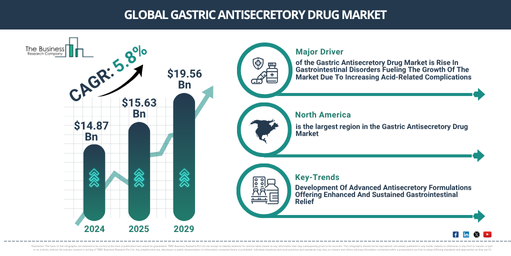
    Over the past few years, the market size of gastric antisecretory drugs has seen significant expansion. The market is projected to climb from $14.87 billion in 2024 to $15.63 billion in 2025, bolstered by a compound annual growth rate (CAGR) of 5.1%. The historic growth of this market can be ascribed to factors like increased stress levels and passive lifestyles, a surge in helicobacter pylori infections, encouraging government health policies, the expansion of medical tourism, and the growth of e-commerce and online pharmacies.

    In the coming years, the gastric antisecretory drug market is forecasted to experience substantial growth. It is anticipated to swell to a value of $19.56 billion by 2029, with a compound annual growth rate (CAGR) of 5.8%. This anticipated growth in the coming years can be linked to the increasing frequency of gastrointestinal disorders, an aging population, greater public awareness regarding digestive health, an expanding health care infrastructure, and the rising consumption of rapidly prepared and processed foods. The forecast period is expected to see trends such as extensive usage of NSAIDs, the ability to purchase antisecretory drugs over-the-counter (OTC), advancements in the technology of drug delivery systems, availability of generic versions of these drugs, and progress in creating combination therapies.

    Download a free sample to assess the report’s scope and structure:

    https://www.thebusinessresearchcompany.com/sample.aspx?id=24222&type=smp

    What Are the Major Market Drivers Behind the Rising Adoption of Gastric Antisecretory Drug Market?

    An increase in cases of gastrointestinal disorders is expected to fuel the expansion of the gastric antisecretory drug market in the near future. These disorders can disturb the digestive system, including the stomach, intestines, and related organs, manifesting symptoms such as pain, bloating, and irregular bowel movements. This increase can be attributed primarily to unhealthy eating practices where the consumption of processed foods and lack of adequate fiber messes up gut microbiota and hampers digestion. Gastric antisecretory medications are necessary, as the excess production of stomach acid can destroy the defensive lining of the gastrointestinal tract, causing irritation or harm. These drugs mitigate this by cutting down the acid output. For example, data from ScienceDirect, a bibliographic database from the US, showed that approximately 23.5 million gastrointestinal endoscopies were conducted in 2022 as reported in May 2025. As such, this surge in gastrointestinal disorders is expected to act as a catalyst for the gastric antisecretory drug market’s growth.

    Which Key Market Segments Comprise the Gastric Antisecretory Drug Market and Drive Its Revenue Growth?

    The gastric antisecretory drug market covered in this report is segmented –

    1) By Drug Class: Proton Pump Inhibitors (PPIs), H2 Receptor Antagonists, Antacids, Prostaglandin Analogs

    2) By Route Of Administration: Oral, Intravenous, Topical

    3) By Distribution Channel: Hospital Pharmacies, Retail Pharmacies, Online Pharmacies, Other Distribution Channels

    4) By Application: Gastroesophageal Reflux Disease, Peptic Ulcer Disease, Zollinger-Ellison Syndrome, Other Applications

    Subsegments:

    1) By Proton Pump Inhibitors (PPIs): Omeprazole, Esomeprazole, Lansoprazole, Pantoprazole, Rabeprazole, Dexlansoprazole

    2)By H2 Receptor Antagonists: Ranitidine, Famotidine, Cimetidine, Nizatidine

    3) By Antacids: Magnesium Hydroxide, Calcium Carbonate, Aluminum Hydroxide, Sodium Bicarbonate, Combination Antacids

    4) By Prostaglandin Analogs: Misoprostol, Enprostil

    Request customized data on this market:

    https://www.thebusinessresearchcompany.com/customise?id=24222&type=smp

    Which Areas Are Leading Regions in the Gastric Antisecretory Drug Market Expansion Across the Globe?

    North America was the largest region in the gastric antisecretory drug market in 2024. Asia-Pacific is expected to be the fastest-growing region in the forecast period. The regions covered in the gastric antisecretory drug market report are Asia-Pacific, Western Europe, Eastern Europe, North America, South America, Middle East, Africa.

    What Are the Strategic Trends Steering theGastric Antisecretory Drug Market Direction?

    Leading companies in the gastric antisecretory drug market are prioritizing the development of cutting-edge products like antisecretory compounds for a more extended and effective relief. These compounds are chemical substances that decrease or prevent the secretion of body fluids, notably gastric acid, by targeting specific cellular receptors or pathways. For example, in June 2024, Rabeprazole + Levosulpiride SR Capsules, a new formulation for gastrointestinal patients, was introduced by Akums Drugs and Pharmaceuticals, a pharmaceutical company based in India. This innovative formulation combines rabeprazole sodium, which is a powerful antisecretory agent that selectively obstructs the H?/K? ATPase in gastric parietal cells, and levosulpiride, recognized for its antiemetic and central antidopaminergic properties. The capsule contains 40 mg of enteric-coated rabeprazole and 75 mg of sustained-release levosulpiride, which assures targeted and long-lasting therapeutic benefits. It employs a dual mechanism to address the regulation of gastrointestinal motility and acid suppression.

    View the full report here:

    https://www.thebusinessresearchcompany.com/report/gastric-antisecretory-drug-global-market-report

    How Is the Gastric Antisecretory Drug Market Conceptually Defined?

    A gastric antisecretory drug is a type of medication designed to reduce gastric acid production in the stomach. These drugs work by inhibiting specific pathways or receptors in stimulating acid secretion, thereby decreasing the overall acidity of the stomach contents. A gastric antisecretory drug helps maintain a more neutral pH in the gastric environment, which can be beneficial for protecting the stomach lining and supporting digestive balance.

    Purchase the full report and get a swift delivery:

    https://www.thebusinessresearchcompany.com/purchaseoptions.aspx?id=24222

    About The Business Research Company:

    With over 15000+ reports from 27 industries covering 60+ geographies, The Business Research Company has built a reputation for offering comprehensive, data-rich research and insights. Armed with 1,500,000 datasets, the optimistic contribution of in-depth secondary research, and unique insights from industry leaders, you can get the information you need to stay ahead in the game.

    Get in touch with us:

    The Business Research Company: https://www.thebusinessresearchcompany.com/

    Americas +1 310-496-7795

    Europe +44 7882 955267

    Asia & Others +44 7882 955267 & +91 8897263534

    Email us at info@tbrc.info

    Follow us on:

    LinkedIn: https://in.linkedin.com/company/the-business-research-company

    YouTube: https://www.youtube.com/channel/UC24_fI0rV8cR5DxlCpgmyFQ

    Global Market Model: https://www.thebusinessresearchcompany.com/global-market-model
  • Fracture Management Products Market Outlook 2025: Mapping Growth, Innovation, and Regional Shifts

    Fracture Management Products Market Outlook 2025: Mapping Growth, Innovation, and Regional Shifts

    Claim your 30% discount on Global Market Reports with code ONLINE30. Limited time only.

    How Fast Is The Fracture Management Products Market Expected to Grow Between 2025 And 2029?

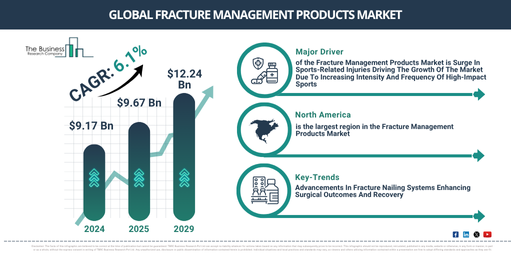
    In the past few years, the market for fracture management products has thrived and seen significant growth. It’s expected to burgeon from $9.17 billion in 2024 to $9.67 billion in 2025, reflecting a compound annual growth rate (CAGR) of 5.5%. Factors that have spurred growth in the previous timespan include an escalating demand for orthopedic implants used in fracture management, a surge in osteoporosis cases, a rising trend in chronic disorders, an increase in outpatient surgical operations, and more comprehensive insurance coverage for fracture remedies.

    The market for fracture management products is anticipated to experience robust growth in the coming years, expanding to a value of $12.24 billion in 2029 with a compound annual growth rate (CAGR) of 6.1%. This projected growth can be linked to factors such as the rising incidence of fractures due to an aging population, an increase in road accidents and injuries resulting in fractures, heightened awareness of available fracture management methods, escalating healthcare spending, and an increase in sports-related injuries and fractures among athletes. Emerging trends expected during the forecast period encompass advancements in fracture management technology, the evolution of biomaterials used in fracture fixation devices, the application of 3D printing technology in creating personalized fracture management solutions, the rising prominence of robotic-assisted surgeries in fracture treatment, and progress in bone grafting and substitute items.

    Download a free sample to assess the report’s scope and structure:

    https://www.thebusinessresearchcompany.com/sample.aspx?id=24219&type=smp

    What External and Internal Drivers Are Contributing to the Growth of theFracture Management Products Market?

    In the forecasted years, the fracture management products market is expected to expand due to an increasing number of sports-related injuries. These type of injuries involve harm to the musculoskeletal system, potentially due to excessive use, collision, or incorrect athletes’ technique during physical activity or sports. The wave of these injuries is connected to the escalating severity and frequency of high-contact sports, which pressurize the body and raise the risks of injury. Even professional and amateur athletes pushing their boundaries without suitable resting or preventive measures contribute to this risk. Fracture management products play a crucial role in consolidating broken bones, ensuring right alignment, and fostering healing, thereby helping athletes to recover their full capacity and return back to their sports. For example, a report by the Australian Institute of Health and Welfare in July 2024 indicated that in the 2021–22 period, soft tissue injuries constituted 17% (9,300 cases) of all sports injury hospital admissions, with fractures representing over half (53% or 29,900). Moreover, falls and transport accidents caused more than half (56%) of all sports injury-based hospitalizations. Thus, the escalating number of sports-related injuries propels the growth of the fracture management products market.

    What Segment Types Define the Fracture Management Products Market Structure?

    The fracture management products market covered in this report is segmented –

    1) By Product Type: Internal Fixation Devices, External Fixation Devices, Fracture Fixation Consumables

    2) By Material Type: Stainless Steel, Titanium, Biodegradable Materials, Polymer-Based Products, Composite Materials

    3) By Distribution Channel: Direct Sales, Online Sales, Distributors And Wholesalers, Retail Pharmacies, Speciality Centers

    4) By Application: Upper Extremity Fractures, Lower Extremity Fractures, Other Applications

    5) By End-User: Hospitals, Orthopedic Clinics, Ambulatory Surgery Centers, Rehabilitation Centers, Research Institutes, Home Care Settings

    Subsegments:

    1) By Internal Fixation Devices: Plates And Screws, Intramedullary Nails Or Rods, Pins And Wires, Bone Screws, Orthopedic Compression Devices

    2) By External Fixation Devices: Unilateral And Bilateral Fixators, Circular Fixators, Hybrid Fixators, Bone Lengthening Devices

    3) By Fracture Fixation Consumables: Orthopedic Drills And Blades, Bone Cements, Bone Grafts And Substitutes, Surgical Sutures, Screws And Pins

    Request customized data on this market:

    https://www.thebusinessresearchcompany.com/customise?id=24219&type=smp

    Which Geographic Areas Hold the Strongest Growth Potential in the Fracture Management Products Market?

    North America was the largest region in the fracture management products market in 2024. Asia-Pacific is expected to be the fastest-growing region in the forecast period. The regions covered in the fracture management products market report are Asia-Pacific, Western Europe, Eastern Europe, North America, South America, Middle East, Africa.

    What Long-Term Trends Are Transforming the Competitive Landscape of the Fracture Management Products Market?

    Industry-leading companies within the fracture management products market are putting their efforts into designing and creating technologically superior products such as fracture nailing systems. This innovation is to reduce potential complications and optimize overall recovery results. Fracture-nailing systems are devices used for internal fixation, typically in the form of metal rods or nails, applied into the bone marrow. These systems serve to stabilize and properly align fractures, mostly in long bones like femur or tibia. An example is in March 2024, Stryker Corporation, an American medical technology firm, released the Gamma4 Hip Fracture Nailing System. This system brings forward an enhanced intramedullary nailing design for hip and femur fractures, produced for a better anatomical fit using the SOMA database. This database comprises over 34,000 3D bone models. Key features of the system include a chamfered distal tip, a proximal body that is 5mm shorter, and a length-dependent radius of curvature for long nails, bringing about significant benefits. Another key element is the precision pin which reportedly reduces skiving by 66% and offers higher resistance to pull-out than conventional Ø3.2 K-wires. Plus, both Gamma4 and T2Alpha nails can be used with the same equipment platform, simplifying surgical processes and standardizing procedures.

    View the full report here:

    https://www.thebusinessresearchcompany.com/report/fracture-management-products-global-market-report

    What Is the Definition of the Fracture Management Products Market?

    Fracture management products are medical devices specifically developed to aid in assessing, treating, and recovering bone fractures. They are essential in stabilizing the injured area, ensuring correct bone positioning, and supporting a smooth and safe healing process. Fracture management products help reduce the risk of complications and are vital in restoring mobility and function following a bone injury.

    Purchase the full report and get a swift delivery:

    https://www.thebusinessresearchcompany.com/purchaseoptions.aspx?id=24219

    About The Business Research Company:

    With over 15000+ reports from 27 industries covering 60+ geographies, The Business Research Company has built a reputation for offering comprehensive, data-rich research and insights. Armed with 1,500,000 datasets, the optimistic contribution of in-depth secondary research, and unique insights from industry leaders, you can get the information you need to stay ahead in the game.

    Get in touch with us:

    The Business Research Company: https://www.thebusinessresearchcompany.com/

    Americas +1 310-496-7795

    Europe +44 7882 955267

    Asia & Others +44 7882 955267 & +91 8897263534

    Email us at info@tbrc.info

    Follow us on:

    LinkedIn: https://in.linkedin.com/company/the-business-research-company

    YouTube: https://www.youtube.com/channel/UC24_fI0rV8cR5DxlCpgmyFQ

    Global Market Model: https://www.thebusinessresearchcompany.com/global-market-model