Month: August 2025

  • Emerging Trends Redefining the Autoimmune Monoclonal Antibody Market Landscape: Targeting Immune System Modulation For Effective Disease Management

    Emerging Trends Redefining the Autoimmune Monoclonal Antibody Market Landscape: Targeting Immune System Modulation For Effective Disease Management

    Claim your 30% discount on Global Market Reports with code ONLINE30. Limited time only.

    What Is the Estimated Market Size of the Behcets disease Market In 2029?

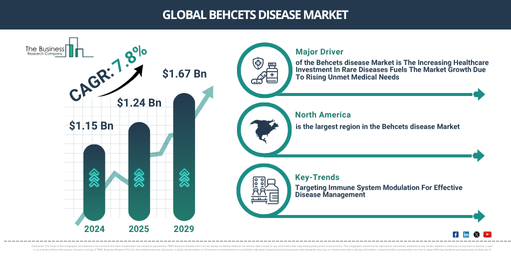
    The market for behcets disease has witnessed robust growth in recent years. The market size is projected to expand from $1.15 billion in 2024 to $1.24 billion in 2025, with a compound annual growth rate (CAGR) of 7.3%. The growth during the historical period can be associated with several factors such as greater awareness about rare diseases, access to biologic treatments, development in healthcare infrastructure, an increase in the frequency of autoimmune diseases, and a rising inclination towards biologic therapies.

    Expectations are high for substantial growth in the Behcets disease market over the coming years, with projections reaching $1.67 billion by 2029, equating to a compound annual growth rate (CAGR) of 7.8%. The projected growth can be linked to several factors, including the escalation of research into autoimmune and inflammatory diseases, the increase in clinical trials and research studies, the evolution of personalized therapies and the expanded access to healthcare in developing markets, coupled with a heightened emphasis on patient-focused care models. Key upcoming trends include advances in diagnostic methodologies, precision medicine enhancements, the transition towards telemedicine and digital health solutions, a rising collaborative trend between pharma firms and research organizations, and innovative combination therapies in treatment.

    Download a free sample to assess the report’s scope and structure:

    https://www.thebusinessresearchcompany.com/sample.aspx?id=24167&type=smp

    What Are the Core Market Drivers Propelling Growth in the Behcets disease Industry?

    The escalation of healthcare funding on rare diseases is predicted to catalyze the expansion of the Behcet’s disease market in the future. This term applies to conditions impacting fewer than 1 in 2,000 individuals, usually accompanied by intricate symptoms and fewer treatment alternatives. The primary boost for enhancing healthcare investment in rare diseases comes from the growing understanding of the medical necessities yet to be fulfilled. Numerous patients do not have effective therapies, which urges both the government and pharmaceutical firms to focus on research, development, and financial contributions to this particular field. The case of Behçet’s disease is a perfect illustration of how dedicated research and promotion of a sole rare condition can initiate extensive investment in rare diseases. It exhibits that determined initiatives can foster considerable progress in the comprehension, therapy, and policy associated with the entire rare disease society. To exemplify, in April 2024, according to Global Genes, a US-based not-for-profit institution, during the initial quarter of 2024, corporations developing medications for rare diseases accumulated $7.1 billion through public equity and debt funding, a staggering 307% rise compared to the $1.8 billion generated in the equivalent timeframe in 2023. Consequently, the amplified healthcare funding in rare diseases is contributing to the expansion of the Behcet’s disease market.

    How Is the Behcets disease Market Segmented?

    The behcets disease market covered in this report is segmented –

    1) By Treatment Type: Corticosteroids, Immunosuppressants, Biologics, Other Treatments

    2) By Route Of Administration: Oral, Injectable, Topical

    3) By Type of Disease: Non-Ocular Behcet’s Disease, Ocular Behcet’s Disease

    4) By Distribution Channel: Hospital Pharmacies, Retail Pharmacies, Online Pharmacies, Other Distribution Channels

    5) By End User: Hospitals, Clinics, Ambulatory Surgical Centers

    Subsegments:

    1) By Corticosteroids: Oral Corticosteroids, Topical Corticosteroids, Intravenous Corticosteroids

    2) By Immunosuppressants: Methotrexate, Azathioprine, Cyclophosphamide, Mycophenolate Mofetil, Cyclosporine

    3) By Biologics: Tumor Necrosis Factor (TNF) Inhibitors, Interleukin Inhibitors

    4) By Other Treatments: Colchicine, Thalidomide, Hydroxychloroquine, Corticosteroid-Sparing Agents

    Request customized data on this market:

    https://www.thebusinessresearchcompany.com/customise?id=24167&type=smp

    Which Regions Are Driving the Next Phase of the Behcets disease Market Growth?

    North America was the largest region in the behcets disease market in 2024. Asia-Pacific is expected to be the fastest-growing region in the forecast period. The regions covered in the behcets disease market report are Asia-Pacific, Western Europe, Eastern Europe, North America, South America, Middle East, Africa.

    What Key Market Trends and Innovations Are Shaping the Future of the Behcets disease Industry?

    Key establishments in the behcets disease market, such as Soligenix, Inc., are concentrating on innovative product development through clinical trials, such as the innate defense regulator (IDR). This is with the intent to boost the modulation of the immune system and provide superior therapies for inflammation and other symptoms related to the disorder. Innate defense regulators (IDRs), which are artificially created peptides, work towards boosting the body’s inbuilt defense systems. In the context of Behçet’s disease, they assist by keeping a check on the immune system to lower undue inflammation. This could potentially ease symptoms and manage flare-ups. For instance, Soligenix, Inc., a biopharmaceutical organization based in the US, started patient enrollment for its Protocol DUS-AUBD-01, a phase 2 study in November 2024 focused on evaluating SGX945 (dusquetide) for treating Behçet’s disease. The intent of this study is to measure the potentiality of SGX945, an innate defense regulator (IDR), to modulate the immune system and reduce inflammation, thus implying a new therapeutic strategy for managing the signs and flare-ups related to behçet’s disease.

    View the full report here:

    https://www.thebusinessresearchcompany.com/report/behcets-disease-global-market-report

    How Is the Behcets disease Market Defined and What Are Its Core Parameters?

    Behçet’s disease is a rare, chronic, and multisystem inflammatory disorder characterized by recurrent episodes of inflammation in various parts of the body, particularly the eyes, mouth, skin, and genitals. It is classified as a vasculitis, meaning it involves inflammation of blood vessels, and can affect both large and small blood vessels.

    Purchase the full report and get a swift delivery:

    https://www.thebusinessresearchcompany.com/purchaseoptions.aspx?id=24167

    About The Business Research Company:

    With over 15000+ reports from 27 industries covering 60+ geographies, The Business Research Company has built a reputation for offering comprehensive, data-rich research and insights. Armed with 1,500,000 datasets, the optimistic contribution of in-depth secondary research, and unique insights from industry leaders, you can get the information you need to stay ahead in the game.

    Get in touch with us:

    The Business Research Company: https://www.thebusinessresearchcompany.com/

    Americas +1 310-496-7795

    Europe +44 7882 955267

    Asia & Others +44 7882 955267 & +91 8897263534

    Email us at info@tbrc.info

    Follow us on:

    LinkedIn: https://in.linkedin.com/company/the-business-research-company

    YouTube: https://www.youtube.com/channel/UC24_fI0rV8cR5DxlCpgmyFQ

    Global Market Model: https://www.thebusinessresearchcompany.com/global-market-model

  • Autoimmune Monoclonal Antibody Market 2025-2034: Key Highlights, Growth Dynamics, and Emerging Trends

    Autoimmune Monoclonal Antibody Market 2025-2034: Key Highlights, Growth Dynamics, and Emerging Trends

    Claim your 30% discount on Global Market Reports with code ONLINE30. Limited time only.

    How Fast Is The Autoimmune Monoclonal Antibody Market Expected to Grow Between 2025 And 2029?

    In recent times, the autoimmune monoclonal antibody market has been experiencing robust growth. The market size is projected to expand from $65.83 billion in 2024 to $70.86 billion in 2025, reflecting a compound annual growth rate (CAGR) of 7.6%. Factors contributing to this growth during the historic period include a higher incidence of autoimmune diseases, increasing utilization of biologics for treatment, growing awareness about targeted therapies, early authorization of monoclonal antibody drugs, and the enlargement of healthcare systems in developed nations.

    In the coming years, the autoimmune monoclonal antibody sector is set to experience robust growth. It is expected to expand to a market size of $96.74 billion by 2029, with an 8.1% compound annual growth rate (CAGR). Key contributors to this anticipated growth during the forecast period are the growing demand for personalized medicine, rising use of biosimilars, increase in autoimmune therapy clinical trials, aging human population, and a surge in chronic immune disorders’ occurrence. Some major future trends include advancements in antibody engineering, the progression of bispecific antibodies, increased utilization of AI in drug discovery, the incorporation of genomics in treatment strategies, and introduction of new drug delivery systems.

    Download a free sample to assess the report’s scope and structure:

    https://www.thebusinessresearchcompany.com/sample.aspx?id=24162&type=smp

    Which Primay Drivers Are Accelerating Growth in the Autoimmune Monoclonal Antibody Market?

    The rise in demand for biological treatment is anticipated to spur the expansion of the autoimmune monoclonal antibody marketplace. Biologics, products derived from living organisms, are employed in the treatment, prevention, or diagnosis of ailments. The escalating requirement for these products is principally due to their proficiency in dealing with challenging illnesses, such as cancer, autoimmune diseases, and genetic disorders, where conventional therapies may fall short. Autoimmune monoclonal antibodies bolster biologic procedures by providing focused immune modulation. They curtail the necessity for extensive immunosuppressants by presenting accurate treatments, enhancing patient outcomes, and mitigating side effects. For example, in June 2024, Cardinal Health Inc., an American healthcare company, reported that the Food and Drug Administration (FDA) approved 40 biosimilar items in 2023, with 25 being commercially accessible in the US market, a progression from the 33 biosimilar products in 2022. Consequently, the mounting appeal for biologics is contributing to the progression of the autoimmune monoclonal antibody market.

    Which Primary Segments of the Autoimmune Monoclonal Antibody Market Are Driving Growth and Industry Transformations?

    The autoimmune monoclonal antibody market covered in this report is segmented –

    1) By Type: Immunoglobulin G Monoclonal Antibodies, Immunoglobulin M Monoclonal Antibodies, Chimeric Monoclonal Antibodies, Fully Human Monoclonal Antibodies

    2) By  Route Of Administration: Subcutaneous, Intravenous, Intramuscular

    3) By Application: Rheumatoid Arthritis, Multiple Sclerosis, Systemic Lupus Erythematosus, Psoriasis, Inflammatory Bowel Disease

    4) By Distribution Channel: Hospital Pharmacy, Online Pharmacy, Retail Pharmacy

    5) By End User: Hospitals, Outpatient Clinics, Homecare Settings, Research Institutions

    Subsegments:

    1) By Immunoglobulin G (IgG) Monoclonal Antibodies: Immunoglobulin G1 (IgG1), Immunoglobulin G2 (IgG2), Immunoglobulin G3 (IgG3), Immunoglobulin G4 (IgG4)

    2) By Immunoglobulin M (IgM) Monoclonal Antibodies: Pentameric Immunoglobulin M (IgM), Hexameric Immunoglobulin M (IgM)

    3) By Chimeric Monoclonal Antibodies: Murine Variable Region + Human Constant Region, Humanized Variable Region + Murine Constant Region

    4) By Fully Human Monoclonal Antibodies: Phage Display-Derived, Transgenic Mouse-Derived, Fully Human Hybridoma-Derived

    Request customized data on this market:

    https://www.thebusinessresearchcompany.com/customise?id=24162&type=smp

    Which Regions Are Key Players in the Growth of the #Which Primay Drivers Are Accelerating Growth in the Autoimmune Monoclonal Antibody Market?# Market?

    North America was the largest region in the autoimmune monoclonal antibody market in 2024. Asia-Pacific is expected to be the fastest-growing region in the forecast period. The regions covered in the autoimmune monoclonal antibody market report are Asia-Pacific, Western Europe, Eastern Europe, North America, South America, Middle East, Africa.

    Which Technological Trends Are Reshaping the Autoimmune Monoclonal Antibody Industry Dynamics?

    Main players in the autoimmune monoclonal antibody sector are emphasizing the development of innovative treatments, like biosimilar development, which are designed to boost safety, quality, and effectiveness. Biosimilar development involves the generation of bio-products similar to, and as safe and effective as, pre-existing approved biologics, employing sophisticated biotechnology, meticulous analytical examinations, and clinical trials to prove their safety, quality, and effectiveness for regulatory endorsement. One such example occurred on February 2025, when Biocon Biologics Limited, a bioscience firm based in India, introduced YESINTEK, a biosimilar targeting autoimmune ailments like Crohn’s disease, ulcerative colitis, and psoriasis by modulating the activities of interleukin-12 and interleukin-23, therefore reducing inflammation and managing immune responses. By emulating the referential product stelara, Yesintek aids in long-term disease control while enhancing patient accessibility to biologic treatments.

    View the full report here:

    https://www.thebusinessresearchcompany.com/report/autoimmune-monoclonal-antibody-global-market-report

    What Parameters Are Used to Define the Autoimmune Monoclonal Antibody Market?

    Autoimmune monoclonal antibodies are lab-made proteins designed to target specific components of the immune system involved in autoimmune diseases. These antibodies help regulate or block abnormal immune responses that mistakenly attack the body’s own tissues. Their main purpose is to reduce inflammation and prevent the immune system from attacking the body’s own tissues, thereby minimizing damage and maintaining normal physiological function.

    Purchase the full report and get a swift delivery:

    https://www.thebusinessresearchcompany.com/purchaseoptions.aspx?id=24162

    About The Business Research Company:

    With over 15000+ reports from 27 industries covering 60+ geographies, The Business Research Company has built a reputation for offering comprehensive, data-rich research and insights. Armed with 1,500,000 datasets, the optimistic contribution of in-depth secondary research, and unique insights from industry leaders, you can get the information you need to stay ahead in the game.

    Get in touch with us:

    The Business Research Company: https://www.thebusinessresearchcompany.com/

    Americas +1 310-496-7795

    Europe +44 7882 955267

    Asia & Others +44 7882 955267 & +91 8897263534

    Email us at info@tbrc.info

    Follow us on:

    LinkedIn: https://in.linkedin.com/company/the-business-research-company

    YouTube: https://www.youtube.com/channel/UC24_fI0rV8cR5DxlCpgmyFQ

    Global Market Model: https://www.thebusinessresearchcompany.com/global-market-model
  • Autoimmune Hemolytic Anemia Treatment Growth Trajectory: Key Forecasts and Strategic Insights

    Autoimmune Hemolytic Anemia Treatment Growth Trajectory: Key Forecasts and Strategic Insights

    Claim your 30% discount on Global Market Reports with code ONLINE30. Limited time only.

    What Are the Key Projections for the CAGR of the Autoimmune Hemolytic Anemia Treatment Market Size From 2025 to 2034?

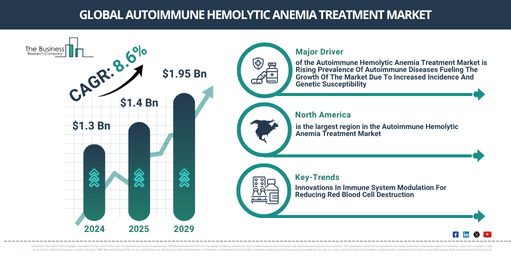
    The market valuation of autoimmune hemolytic anemia treatment has witnessed commendable growth in recent times. The estimated value of $1.3 billion in 2024 is projected to increase to $1.4 billion in 2025, reflecting a compound annual growth rate (CAGR) of 8.0%. The previous growth of this market can be ascribed to several factors including heightened understanding of the disease among healthcare professionals, an uptick in cases of autoimmune diseases, improvement in hospital facilities, an increase in the number of clinical studies being published, and a surge in infection rates.

    In the coming years, substantial expansion is projected for the autoimmune hemolytic anemia treatment market. With a compound annual growth rate (CAGR) of 8.6%, it is expected to swell to $1.95 billion by 2029. This predicted growth during the forecast period could be due to a rising global prevalence of AIHA, escalating demand for targeted treatments, an increasing emphasis on individualized medication, a surge in research expenditure on autoimmune disorders, and the expansion of healthcare accessibility in emerging areas. Anticipated trends during this period feature technological upgrades in diagnostics, the incorporation of digital health and telemedicine, advancements in specific therapies, artificial intelligence-enabled diagnostics and drug searches, and new immunosuppressive strategies.

    Download a free sample to assess the report’s scope and structure:

    https://www.thebusinessresearchcompany.com/sample.aspx?id=24161&type=smp

    Which Factors and External Forces Are Driving Demand in the Autoimmune Hemolytic Anemia Treatment Market?

    The increase in occurrences of autoimmune diseases is anticipated to boost the autoimmune hemolytic anemia treatment market’s growth. These autoimmune disorders, wherein the body’s immune mechanism mistakenly strikes its own tissue, leading to inflammation and harm, are growing. Genetic predisposition largely fuels this increase, making individuals more prone to developing these disorders. The treatment of autoimmune hemolytic anemia is critical in managing the complications of autoimmune diseases by focusing on and diminishing the eradication of red blood cells instigated by the immune system. For instance, a study conducted by the National Institute for Health and Care Research (NIHR), a UK-based organization, in May 2023 involving 22 million people, disclosed that approximately one in ten individuals are now affected by autoimmune disorders. This represents 19 autoimmune diseases affecting approximately 10% of the populace, with 13% females and 7% males. Therefore, the escalating prevalence of autoimmune diseases will stimulate the growth of the autoimmune hemolytic anemia treatment market.

    Which Segments in the Autoimmune Hemolytic Anemia Treatment Offer the Most Growth?

    The autoimmune hemolytic anemia treatment market covered in this report is segmented –

    1) By Type: Warm Autoimmune Hemolytic Anemia, Cold Autoimmune Hemolytic Anemia, Other Types

    2) By Drug Class: Corticosteroids, Immunosuppressive Agents, Other Drug Classes

    3) By Route Of Administration: Injectable, Oral, Other Route Of Administrations

    4) By Distribution Channel: Hospital Pharmacy, Retail Pharmacy, Online Pharmacy

    Subsegments:

    1) By Warm Autoimmune Hemolytic Anemia: Primary Warm Autoimmune Hemolytic Anemia, Secondary Warm Autoimmune Hemolytic Anemia

    2) By Cold Autoimmune Hemolytic Anemia: Primary Cold Agglutinin Disease (CAD), Secondary Cold Autoimmune Hemolytic Anemia

    3) By Other Types: Mixed-Type Autoimmune Hemolytic Anemia, Paroxysmal Cold Hemoglobinuria (PCH), Drug-Induced Autoimmune Hemolytic Anemia

    Request customized data on this market:

    https://www.thebusinessresearchcompany.com/customise?id=24161&type=smp

    What Are the Fastest-Growing Geographies in the #Which Factors and External Forces Are Driving Demand in the Autoimmune Hemolytic Anemia Treatment Market?# Market?

    North America was the largest region in the autoimmune hemolytic anemia treatment market in 2024. Asia-Pacific is expected to be the fastest-growing region in the forecast period. The regions covered in the autoimmune hemolytic anemia treatment market report are Asia-Pacific, Western Europe, Eastern Europe, North America, South America, Middle East, Africa.

    Which Cutting-Edge Market Trends Are Expected to Drive theAutoimmune Hemolytic Anemia Treatment Market’s Growth?

    Key players in the autoimmune hemolytic anemia treatment market are turning their attention towards the development of more advanced therapies, particularly first-in-class monoclonal antibodies. These therapies are pioneering in their specific and precise inhibition of certain immune pathways — for instance, the classical complement system — to reduce the destruction of red blood cells and manage side effects. Contrary to traditional treatments, first-in-class monoclonal antibodies offer new targeting mechanisms or pathways. Sanofi S.A., a health care company based in France, is an example of this pioneering approach. In November 2022, the company gained marketing approval from the European Commission for its monoclonal antibody, Enjaymo (sutimlimab), which impressively targets and restricts the C1s protein in the classical complement pathway. This antibody is used to treat adults suffering from hemolytic anemia caused by Cold Agglutinin Disease (CAD), a rare autoimmune condition in which the immune system mistakenly eliminates healthy red blood cells, leading to hemolysis. Enjaymo’s unique mechanism significantly reduces red blood cell destruction, providing a much-needed specific treatment for CAD, a variant of autoimmune hemolytic anemia (AIHA).

    View the full report here:

    https://www.thebusinessresearchcompany.com/report/autoimmune-hemolytic-anemia-treatment-global-market-report

    What Are the Key Elements That Define the Autoimmune Hemolytic Anemia Treatment Market?

    Autoimmune Hemolytic Anemia (AIHA) treatment involves the use of medications and therapies to stop the immune system from attacking the body’s own red blood cells. The main purpose of treatment is to reduce red blood cell destruction, manage anemia symptoms, and prevent complications.

    Purchase the full report and get a swift delivery:

    https://www.thebusinessresearchcompany.com/purchaseoptions.aspx?id=24161

    About The Business Research Company:

    With over 15000+ reports from 27 industries covering 60+ geographies, The Business Research Company has built a reputation for offering comprehensive, data-rich research and insights. Armed with 1,500,000 datasets, the optimistic contribution of in-depth secondary research, and unique insights from industry leaders, you can get the information you need to stay ahead in the game.

    Get in touch with us:

    The Business Research Company: https://www.thebusinessresearchcompany.com/

    Americas +1 310-496-7795

    Europe +44 7882 955267

    Asia & Others +44 7882 955267 & +91 8897263534

    Email us at info@tbrc.info

    Follow us on:

    LinkedIn: https://in.linkedin.com/company/the-business-research-company

    YouTube: https://www.youtube.com/channel/UC24_fI0rV8cR5DxlCpgmyFQ

    Global Market Model: https://www.thebusinessresearchcompany.com/global-market-model
  • Next-Gen Autoimmune Gastrointestinal Dysmotility : Market Forecast, Transformation, and Long-Term Trajectories

    Next-Gen Autoimmune Gastrointestinal Dysmotility : Market Forecast, Transformation, and Long-Term Trajectories

    Claim your 30% discount on Global Market Reports with code ONLINE30. Limited time only.

    How Has The Autoimmune Gastrointestinal Dysmotility Market Growth Evolved From 2024 To 2025, And What’s Ahead?

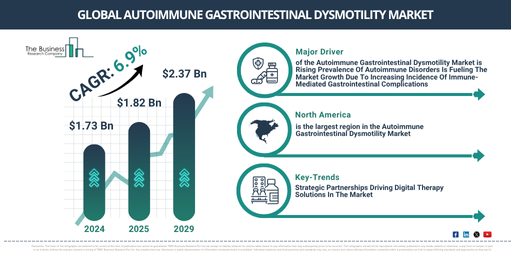
    The market size for autoimmune gastrointestinal dysmotility has been experiencing consistent growth in the most recent years. The market, which is projected to expand from $1.73 billion in 2024 to $1.82 billion in 2025, will do so at a compound annual growth rate (CAGR) of 5.0%. The growth witnessed during the historic period can be tied to a rise in ignorance about rare diseases, an increase in inadequate diagnostic procedures, a surge in instances of misdiagnosis with other gastro-intestinal disorders, a lack of targeted therapies, and significant delays in research advancement.

    The market size for autoimmune gastrointestinal dysmotility is slated for robust expansion in the upcoming years. Forecasts predict a growth to $2.37 billion by 2029, with a compound annual growth rate (CAGR) of 6.9%. Factors contributing to the growth during the forecast period include the increasing incidence of autoimmune diseases, enhancements in diagnostic techniques, expansion in healthcare spending, the rise in rare disease registries, and improved medical practitioner education. Key trends for the forecast period involve advancements in diagnostic technology, breakthroughs in immunotherapy, progress in neurogastroenterology research, research, and development of motility modulators, along with personalizing treatment strategies.

    Download a free sample to assess the report’s scope and structure:

    https://www.thebusinessresearchcompany.com/sample.aspx?id=24160&type=smp

    Which Major Market Drivers Are Expected to Boost the Growth Potential of the Autoimmune Gastrointestinal Dysmotility Market?

    The growth of the autoimmune gastrointestinal dysmotility market is anticipated to surge due to the ever-increasing incidence of autoimmune disorders. These medical conditions happen when the body’s immune system unintentionally attacks its own healthy cells, tissues, or organs instead of shielding them from infections and alien substances. A blend of genetic susceptibility and environmental instigator is the principal reason for the increased incidence of autoimmune disorders. This mix perturbs the regulation of the immune system and augments the chances of the body targeting its own tissues. Autoimmune gastrointestinal dysmotility assists in detecting and controlling autoimmune disorders through illustrating immune-mediated harm to the enteric nervous system, tying gastrointestinal symptoms to systemic autoimmune activity. For instance, a survey study conducted by Versorgungsatlas.de, a Germany-based organization, in November 2024 found that out of 73,241,305 surveyed in 2022, about 6,304,340 were diagnosed with a minimum of one autoimmune disease, resulting in a raw prevalence rate of 8.61. Accordingly, the ascending occurrence of autoimmune disorders is stimulating the growth of the autoimmune gastrointestinal dysmotility market.

    Which Key Market Segments Comprise the Autoimmune Gastrointestinal Dysmotility Market and Drive Its Revenue Growth?

    The autoimmune gastrointestinal dysmotility market covered in this report is segmented –

    1) By Treatment Type: Medications, Surgical Interventions, Dietary Management, Physical Therapy

    2) By Drug Class: Prokinetic Agents, Anti-Inflammatory Drugs, Immunosuppressive Drugs, Antibiotics

    3) By Disease Type: Gastroparesis, Chronic Intestinal Pseudo-Obstruction (Cipo), Functional Dyspepsia, Irritable Bowel Syndrome (Ibs), Celiac Disease

    4) By Distribution Channel: Hospital Pharmacy, Retail Pharmacy, Online Pharmacies, Other Distribution Channels

    5) By End User: Hospitals, Clinics, Home Care Settings, Research Institutions

    Subsegments:

    1) By Medications: Immunosuppressants, Corticosteroids, Prokinetic Agents, Antiemetics, Antispasmodics, Antibiotics

    2) By Surgical Interventions: Gastrostomy, Jejunostomy, Colostomy, Ileostomy, Pyloroplasty, Colectomy

    3) By Dietary Management: Enteral Nutrition, Parenteral Nutrition, Gluten-Free Diet, Elemental Diet, Small Frequent Meals

    4) By Physical Therapy: Pelvic Floor Therapy, Abdominal Massage Therapy, Neuromuscular Electrical Stimulation (NMES), Biofeedback Therapy, Respiratory Muscle Training, Postural Training

    Request customized data on this market:

    https://www.thebusinessresearchcompany.com/customise?id=24160&type=smp

    Which Areas Are Leading Regions in the Autoimmune Gastrointestinal Dysmotility Market Expansion Across the Globe?

    North America was the largest region in the autoimmune gastrointestinal dysmotility market in 2024. The regions covered in the autoimmune gastrointestinal dysmotility market report are Asia-Pacific, Western Europe, Eastern Europe, North America, South America, Middle East, Africa.

    What Are the Key Market Trends in theAutoimmune Gastrointestinal Dysmotility Market Over the Coming Years?

    Leading firms in the autoimmune gastrointestinal dysmotility market are directing their efforts towards forging strategic alliances to deliver digital therapy solutions for managing autoimmune gastrointestinal dysmotility conditions. These partnerships not only enhance care but also offer unified, predominantly virtual healthcare with multidisciplinary teams, thus bolstering symptom management, access to care, and cost efficiency. To illustrate, in March 2022, Solera Health, a digital health firm from the US, entered into a partnership with Oshi Health, a virtual gastrointestinal care company, and Vivante Health, another US-based digital health organization. This partnership will facilitate the delivery of enhanced digital therapy solutions to assist in the management and treatment of autoimmune gastrointestinal dysmotility. The aim of this collaboration is to augment patient access to specialized care and boost overall treatment efficiency for individuals suffering from gastrointestinal disorders.

    View the full report here:

    https://www.thebusinessresearchcompany.com/report/autoimmune-gastrointestinal-dysmotility-global-market-report

    How Is the Autoimmune Gastrointestinal Dysmotility Market Conceptually Defined?

    Autoimmune gastrointestinal dysmotility (AGID) is a rare disorder where the immune system attacks the nerves controlling digestive tract movement. This disorder leads to slowed or abnormal motility, causing symptoms such as nausea, bloating, constipation, or intestinal blockage. Autoimmune gastrointestinal dysmotility (AGID) is often associated with autoimmune conditions or may occur as a paraneoplastic syndrome.

    Purchase the full report and get a swift delivery:

    https://www.thebusinessresearchcompany.com/purchaseoptions.aspx?id=24160

    About The Business Research Company:

    With over 15000+ reports from 27 industries covering 60+ geographies, The Business Research Company has built a reputation for offering comprehensive, data-rich research and insights. Armed with 1,500,000 datasets, the optimistic contribution of in-depth secondary research, and unique insights from industry leaders, you can get the information you need to stay ahead in the game.

    Get in touch with us:

    The Business Research Company: https://www.thebusinessresearchcompany.com/

    Americas +1 310-496-7795

    Europe +44 7882 955267

    Asia & Others +44 7882 955267 & +91 8897263534

    Email us at info@tbrc.info

    Follow us on:

    LinkedIn: https://in.linkedin.com/company/the-business-research-company

    YouTube: https://www.youtube.com/channel/UC24_fI0rV8cR5DxlCpgmyFQ

    Global Market Model: https://www.thebusinessresearchcompany.com/global-market-model

  • Autacoids And Related Drug Market Overview 2025: Competitive Shifts, Forecast Models, and Emerging Opportunities

    Autacoids And Related Drug Market Overview 2025: Competitive Shifts, Forecast Models, and Emerging Opportunities

    Claim your 30% discount on Global Market Reports with code ONLINE30. Limited time only.

    What is the Projected CAGR for the Autacoids And Related Drug Market Size from 2025 to 2034?

    The market for autacoids and related drugs has experienced robust growth in recent times. The market size, which is expected to grow from $50.15 billion in 2024 to $52.81 billion in 2025, is set for a compound annual growth rate (CAGR) of 5.3%. The notable expansion during the historical period can be credited to the rising instances of inflammatory diseases, increased utilization of prostaglandins in obstetrics, an upsurge in prescribed antihistamines, the expanded use of serotonin agonists, and the intensifying need for medications to alleviate migraines.

    Predictions show robust surge in the autacoids and related drug market in the following years, expanding to a worth of $66.2 billion by 2029 with a compound annual growth rate (CAGR) of 5.8%. This prospective upswing during the forecast interval is linked to factors such as an increase in the elderly population, escalating incidences of chronic respiratory conditions, uptake of personalized medicines, wider healthcare reach in developing economies, and a growing number of cardiovascular disorders. The forecast period will be characterized by key trends such as the inclusion of artificial intelligence in drug development, production of dual-action autacoid medicines, use of biosimilars in autacoid remedies, expansion in self-medication and over-the-counter products, along with the application of nanotechnology in drug composition.

    Download a free sample to assess the report’s scope and structure:

    https://www.thebusinessresearchcompany.com/sample.aspx?id=24159&type=smp

    What Are the Core Growth Drivers Propelling the Autacoids And Related Drug Market Forward?

    The escalating occurrence of heart-related diseases is predicted to fuel the expansion of the autacoids and associated drugs market. The term ‘cardiovascular diseases’ encompasses a collection of ailments that impact the heart and blood vessels, such as coronary artery disease, heart failure, stroke, and hypertension. The rise in these illnesses is mainly due to unhealthy food habits. Consuming excessive amounts of saturated fats, trans fats, added sugars, and sodium can lead to issues such as high blood pressure, obesity, and increased cholesterol levels, significantly increasing the risk for heart diseases. Autacoids and their related drugs improve heart health by managing vascular tone and inflammation, vital for conditions like heart failure and hypertension. These drugs act by targeting pathways associated with nitric oxide, endothelin, and prostacyclin to enhance endothelial function, encourage vasodilation, and decrease vascular resistance. For instance, in December 2023, the Australian Institute of Health and Welfare, a government agency in Australia, reported an increase in deaths caused by coronary heart disease (CHD), rising from 14,100 in 2021 to 14,900 in 2022. Hence, the escalating occurrence of cardiovascular diseases is encouraging the growth of the autacoids and related drugs market.

    What Segment Types Define the Autacoids And Related Drug Market Structure?

    The autacoids and related drug market covered in this report is segmented –

    1) By Type: Histamines, Prostaglandins, Leukotrienes, Serotonin, Bradykinin

    2) By Administration: Oral, Injectable, Topical, Intranasal, Inhalation

    3) By Application: Cardiovascular Disorders, Inflammatory Diseases, Respiratory Disorders, Allergies, Gastrointestinal Disorders

    4) By End User: Hospitals, Clinics, Homecare, Pharmacies

    Subsegments:

    1) By Histamines: H1 Receptor Antagonists, H2 Receptor Antagonists, H3 Receptor Antagonists, H4 Receptor Antagonists, Histamine Agonists

    2) By Prostaglandins: Prostaglandin E1 (PGE1) Analogs, Prostaglandin E2 (PGE2) Analogs, Prostaglandin F2α (PGF2α) Analogs, Prostaglandin I2 (PGI2) Analogs, Prostaglandin D2 (PGD2) Analogs

    3) By Leukotrienes: Leukotriene Receptor Antagonists (LTRAs), 5-Lipoxygenase Inhibitors, Leukotriene Synthesis Inhibitors

    4) By Serotonin: 5-HT1 Receptor Agonists, 5-HT2 Receptor Antagonists, 5-HT3 Receptor Antagonists, 5-HT4 Receptor Agonists, 5-HT6 And 5-HT7 Modulators

    5) By Bradykinin: Bradykinin B1 Receptor Antagonists, Bradykinin B2 Receptor Antagonists, Bradykinin Receptor Agonists

    Request customized data on this market:

    https://www.thebusinessresearchcompany.com/customise?id=24159&type=smp

    Which Geographic Areas Hold the Strongest Growth Potential in the Autacoids And Related Drug Market?

    North America was the largest region in the autacoids and related drug market in 2024. Asia-Pacific is expected to be the fastest-growing region in the forecast period. The regions covered in the autacoids and related drug market report are Asia-Pacific, Western Europe, Eastern Europe, North America, South America, Middle East, Africa.

    Which Emerging Trends that Are Influencing theAutacoids And Related Drug Industry Evolution?

    Firms leading the market in autacoids and associated drugs are striving to produce innovative products, including antihistamines, that enhance treatment effectiveness, minimize side effects and address evolving allergic and inflammatory conditions with a higher level of safety and accuracy. Antihistamines are drugs that neutralize the impact of histamine, a compound produced by the immune system during an allergic response. For example, in March 2023, Bilastine was launched as an over-the-counter medicine by Tiefenbacher Pharmaceuticals, a pharmaceutical company based in Germany. This is a major progress in making effective allergy therapies more accessible. The 20 mg Bilastine tablets provide a second-generation, non-sedating antihistamine option for patients dealing with allergic reactions like hay fever and urticaria.

    View the full report here:

    https://www.thebusinessresearchcompany.com/report/autacoids-and-related-drug-global-market-report

    What Is the Definition of the Autacoids And Related Drug Market?

    Autacoids and related drugs are biologically active substances produced by the body that act locally to regulate physiological functions, typically within a specific tissue or organ. They are involved in inflammation, smooth muscle contraction, immune responses, and blood flow regulation. Autacoids exert their effects by binding specific receptors on target cells, initiating signaling pathways that influence cellular activity.

    Purchase the full report and get a swift delivery:

    https://www.thebusinessresearchcompany.com/purchaseoptions.aspx?id=24159

    About The Business Research Company:

    With over 15000+ reports from 27 industries covering 60+ geographies, The Business Research Company has built a reputation for offering comprehensive, data-rich research and insights. Armed with 1,500,000 datasets, the optimistic contribution of in-depth secondary research, and unique insights from industry leaders, you can get the information you need to stay ahead in the game.

    Get in touch with us:

    The Business Research Company: https://www.thebusinessresearchcompany.com/

    Americas +1 310-496-7795

    Europe +44 7882 955267

    Asia & Others +44 7882 955267 & +91 8897263534

    Email us at info@tbrc.info

    Follow us on:

    LinkedIn: https://in.linkedin.com/company/the-business-research-company

    YouTube: https://www.youtube.com/channel/UC24_fI0rV8cR5DxlCpgmyFQ

    Global Market Model: https://www.thebusinessresearchcompany.com/global-market-model

  • From Insight to Impact: Strategic Growth Mapping in the Atypical Hemolytic Uremic Syndrome Treatment Market

    From Insight to Impact: Strategic Growth Mapping in the Atypical Hemolytic Uremic Syndrome Treatment Market

    Claim your 30% discount on Global Market Reports with code ONLINE30. Limited time only.

    What Is the Current and Projected Market Size of the Atypical Hemolytic Uremic Syndrome Treatment Market Through 2034?

    The market for treatment of atypical hemolytic uremic syndrome has experienced significant expansion in the past few years. Its value is expected to increase from $1.63 billion in 2024 to $1.73 billion in 2025, showcasing a compound annual growth rate (CAGR) of 6.7%. The historical growth can be traced back to factors such as a rise in clinical trials, heightened awareness of the disease, governmental support for research, enhanced diagnostic abilities, and a surge in disease incidence.

    In the forthcoming years, the market size for atypical hemolytic uremic syndrome treatment is projected to experience significant expansion. It is estimated to rise to $2.29 billion in 2029 with a 7.2% compound annual growth rate (CAGR). The growth during the predicted period can be associated with several factors such as government backing initiatives, concentration on complement dysregulation, heightened patient consciousness, expanded availability of treatments, and improved diagnostics. Key trends expected within the forecast period include next-generation complement inhibitors, digital health surveillance and AI instruments, AI-powered drug discovery, individualized medicine, in addition to genotyping and biomarker-based diagnostics.

    Download a free sample to assess the report’s scope and structure:

    https://www.thebusinessresearchcompany.com/sample.aspx?id=24156&type=smp

    What are the Fundamental Drivers and Innovations Shaping the Atypical Hemolytic Uremic Syndrome Treatment Market?

    The atypical hemolytic uremic syndrome treatment market is predicted to flourish due to increasing demand for targeted therapies. These therapies specifically interfere with molecular pathways that affect the progression and spread of diseases. Their popularity has soared because of their precision, lesser side effects, enhancement of patient outcomes, and because they provide alternatives to traditional therapies with less specificity. They can offer targeted support for atypical hemolytic uremic syndrome (aHUS) treatment by precisely blocking the over-activation of the complement system. This is the primary cause of the disease and the therapy helps prevent damage to blood vessels and kidneys. NHS England, a UK-based government agency, reported in October 2023 that hormone replacement therapy (HRT) items prescribed in England surged by 47% from 2021–22 to 11 million, with approximately 2.3 million patients receiving prescriptions. This represents a year-on-year increase of 29%. This rising demand for targeted therapies is boosting growth in the atypical hemolytic uremic syndrome treatment market.

    How Is the Atypical Hemolytic Uremic Syndrome Treatment Market Segmented?

    The atypical hemolytic uremic syndrome treatment market covered in this report is segmented –

    1) By Treatment Type: Complement Inhibitors, Plasma Exchange Therapy, Supportive Care, Antibiotics

    2) By Route of Administration: Intravenous, Subcutaneous, Oral

    3) By Technology: Genetic Testing And Diagnostic Tools, Realtime Monitoring And Complement Activation Technologies, Treatment Delivery Systems, Digital Health Solutions

    4) By End User: Hospital, Speciality Clinics, Home care Settings, Ambulatory Care Centres

    Subsegments:

    1) By Complement Inhibitors: Eculizumab, Ravulizumab, C5 Inhibitors, Factor H Inhibitors, Other Complement Inhibitors

    2) By Plasma Exchange Therapy: Fresh Frozen Plasma (FFP) Exchange, Therapeutic Plasma Exchange (TPE), Plasma Filtration, Other Plasma Exchange Techniques

    3) By Supportive Care: Dialysis, Kidney Transplantation, Red Blood Cell Transfusions, Platelet Transfusions, Anticoagulants, Other Supportive Therapies

    4) By Antibiotics: Broad-Spectrum Antibiotics, Targeted Antibiotics, Prophylactic Antibiotics, Other Antibiotic Treatments

    Request customized data on this market:

    https://www.thebusinessresearchcompany.com/customise?id=24156&type=smp

    Which Regions Are Driving the Next Phase of the Atypical Hemolytic Uremic Syndrome Treatment Market Growth?

    North America was the largest region in the atypical hemolytic uremic syndrome treatment market in 2024. Asia-Pacific is expected to be the fastest-growing region in the forecast period. The regions covered in the atypical hemolytic uremic syndrome treatment market report are Asia-Pacific, Western Europe, Eastern Europe, North America, South America, Middle East, Africa.

    What Key Trends Are Shaping the Future of the Atypical Hemolytic Uremic Syndrome Treatment Market?

    Significant corporations functioning in the atypical hemolytic uremic syndrome treatment domain are concentrating on the creation of innovative treatments, including monoclonal antibody drugs, to augment targeted complement inhibition and ameliorate patient health results. These drugs are synthetically produced proteins that resemble the immune system’s capacities to combat harmful pathogens by particularly focusing on and binding to specific proteins involved in disease progression. For instance, in January 2025, AstraZeneca Pharma India Limited, a biopharmaceutical firm based in India, gained authorization from the Central Drugs Standard Control Organisation (CDSCO) to import, market, and distribute eculizumab (branded as Soliris) in India. These particular monoclonal antibodies bind to complement protein C5, preventing its division, and consequently hindering the creation of the terminal complement complex implicated in immune-mediated cellular destruction. This drug is employed to manage rare and severe disorders such as paroxysmal nocturnal hemoglobinuria (PNH), atypical hemolytic uremic syndrome (aHUS), generalized myasthenia gravis, and neuromyelitis optica spectrum disorder, by mitigating complement-induced damage.

    View the full report here:

    https://www.thebusinessresearchcompany.com/report/atypical-hemolytic-uremic-syndrome-treatment-global-market-report

    How Is the Atypical Hemolytic Uremic Syndrome Treatment Market Defined and What Are Its Core Parameters?

    Atypical hemolytic uremic syndrome (aHUS) refers to a rare, life-threatening condition characterized by abnormal blood clotting, leading to damage in small blood vessels and resulting in hemolytic anemia, low platelet count, and kidney injury. It is typically caused by genetic mutations or dysregulation in the complement system, which can lead to uncontrolled inflammation and vascular damage.

    Purchase the full report and get a swift delivery:

    https://www.thebusinessresearchcompany.com/purchaseoptions.aspx?id=24156

    About The Business Research Company:

    With over 15000+ reports from 27 industries covering 60+ geographies, The Business Research Company has built a reputation for offering comprehensive, data-rich research and insights. Armed with 1,500,000 datasets, the optimistic contribution of in-depth secondary research, and unique insights from industry leaders, you can get the information you need to stay ahead in the game.

    Get in touch with us:

    The Business Research Company: https://www.thebusinessresearchcompany.com/

    Americas +1 310-496-7795

    Europe +44 7882 955267

    Asia & Others +44 7882 955267 & +91 8897263534

    Email us at info@tbrc.info

    Follow us on:

    LinkedIn: https://in.linkedin.com/company/the-business-research-company

    YouTube: https://www.youtube.com/channel/UC24_fI0rV8cR5DxlCpgmyFQ

    Global Market Model: https://www.thebusinessresearchcompany.com/global-market-model
  • AstringentsMarket Overview 2025–2034: CAGR Trends, Long-Term Growth Paths, and Business Implications

    AstringentsMarket Overview 2025–2034: CAGR Trends, Long-Term Growth Paths, and Business Implications

    Claim your 30% discount on Global Market Reports with code ONLINE30. Limited time only.

    What is the Anticipated CAGR of the Astringents Market, and What Factors Will Drive It?

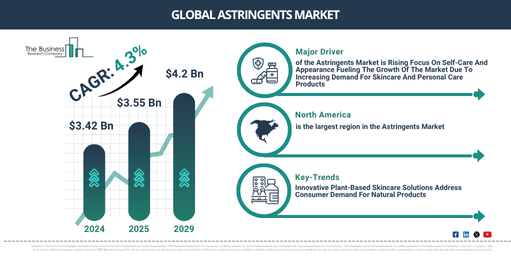
    In recent times, the astringents market has seen a steady increase in size. The market is projected to expand from $3.42 billion in 2024 to $3.55 billion in 2025, representing a compound annual growth rate (CAGR) of 3.8%. Factors contributing to the market’s growth during the historic period include the heightened demand for natural and organic items, the burgeoning beauty and personal care sector, the greater use of face toners, broader distribution channels, and the sway of social media and influencers.

    Over the coming years, a stable expansion is anticipated in the astringents market. By 2029, the market is projected to reach a value of $4.2 billion with a CAGR of 4.3%. This predicted growth can be linked to increasing consumer knowledge about skincare, a rise in skin-related diseases and issues, a growing fascination with DIY skincare routines, a surge in demand for personalized skincare, and urbanization and lifestyle shifts. Key trends during this forecast period comprise of production technological breakthroughs, polyphenol-enriched product formulas, diversified product range, alcohol-free products, technological advancements in astringent recipes, and collaborations across different industries.

    Download a free sample to assess the report’s scope and structure:

    https://www.thebusinessresearchcompany.com/sample.aspx?id=24154&type=smp

    What Are the Primary Drivers Supporting the Market Growth of the Astringents Market?

    The rising need for skincare and personal care products is anticipated to boost the expansion of the astringents market in the future. These products encompass a wide range used to clean, fortify, and improve the appearance and health of the skin, hair, and body. As customers place more emphasis on self-care and personal looks, there’s a growing demand for these products which fuel an increased interest in items that encourage healthier skin and overall well-being. Astringents, which are useful in skincare and personal care, help to tighten the skin, diminish oiliness and lessen the appearance of pores, are particularly advantageous for people with oily or acne-sensitive skin. For example, in August 2024, the British Beauty Council (a UK-based not-for-profit organization) reported that the personal care industry directly accounted for about half of its total gross domestic product (GDP) in 2023, totaling 13.5 billion British pounds (GBP), equating to 0.5% of the United Kingdom’s total GDP out of a total industry contribution of 17.1 billion US dollars. Hence, the increasing demand for skincare and personal care products is leading to the expansion of the astringents market.

    Which Primary Segments of the Astringents Market Are Driving Growth and Industry Transformations?

    The astringents market covered in this report is segmented –

    1) By Type: Thrombin-Based Astringent, Oxidized Regenerated Cellulose Based Astringent, Combination Astringent, Gelatin-Based Astringent, Collagen-Based Astringent

    2) By Product Type: Natural Astringents, Synthetic Astringents

    3) By Distribution Channel: Online Retail, Supermarkets Or Hypermarkets, Specialty Stores, Other Distribution Channels

    4) By Application: Skin Care, Oral Care, Hair Care, Cosmetics

    5) By End-User: Personal Care, Pharmaceuticals, Food Industry, Other End-Users

    Subsegments:

    1) By Thrombin-Based Astringent: Human Thrombin-Based, Bovine Thrombin-Based, Recombinant Thrombin-Based

    2) By Oxidized Regenerated Cellulose Based Astringent: Knitted ORC, Non-Knitted ORC, ORC With Fabric Composites

    3) By Combination Astringent: Thrombin + Gelatin Combinations, ORC + Collagen Combinations, Fibrin Sealant Combinations

    4) By Gelatin-Based Astringent: Gelatin Sponges, Gelatin Powder, Gelatin Matrices

    5) By Collagen-Based Astringent: Microfibrillar Collagen, Collagen Fleece, Collagen Sponges

    Request customized data on this market:

    https://www.thebusinessresearchcompany.com/customise?id=24154&type=smp

    Which Regions Are Key Players in the Growth of the #What Are the Primary Drivers Supporting the Market Growth of the Astringents Market?# Market?

    North America was the largest region in the astringents market in 2024. The regions covered in the astringents market report are Asia-Pacific, Western Europe, Eastern Europe, North America, South America, Middle East, Africa.

    What Are the Most Significant Market Trends in the Astringents Market?

    Key players in the astringents market are concentrating on the creation of novel solutions like plant-derived skincare products, catering to the increased consumer enthusiasm for eco-friendly, mild, and natural items. These plant-based skincare items utilize organic components obtained from plants, including botanical extracts, oils, and herbs, providing gentle nourishment and care for the skin without the use of artificial chemicals. For example, Green Goo, a renowned American body care product manufacturer and supplier, launched its innovative Plants for Your Face & Body skincare range in September 2022. It’s an all-natural skincare line derived from plants, designed to address various skin issues like sun damage, eczema, acne, wrinkles, and dry skin. The products, which are created using a unique lipid infusion method, integrate whole-plant botanicals and healing herbs into organic oils to provide maximum potency and nourishment. The range features moisture-boosting serums, eye sticks, and spot treatments, with several products containing natural astringent ingredients such as witch hazel and juniper to minimize inflammation and pore size.

    View the full report here:

    https://www.thebusinessresearchcompany.com/report/astringents-global-market-report

    What Parameters Are Used to Define the Astringents Market?

    Astringents are substances that cause the contraction or tightening of body tissues, typically used to reduce bleeding from minor abrasions or dry out oily skin. They work by precipitating proteins on the skin or mucous membranes’ surface, which helps shrink tissues and reduce secretions.

    Purchase the full report and get a swift delivery:

    https://www.thebusinessresearchcompany.com/purchaseoptions.aspx?id=24154

    About The Business Research Company:

    With over 15000+ reports from 27 industries covering 60+ geographies, The Business Research Company has built a reputation for offering comprehensive, data-rich research and insights. Armed with 1,500,000 datasets, the optimistic contribution of in-depth secondary research, and unique insights from industry leaders, you can get the information you need to stay ahead in the game.

    Get in touch with us:

    The Business Research Company: https://www.thebusinessresearchcompany.com/

    Americas +1 310-496-7795

    Europe +44 7882 955267

    Asia & Others +44 7882 955267 & +91 8897263534

    Email us at info@tbrc.info

    Follow us on:

    LinkedIn: https://in.linkedin.com/company/the-business-research-company

    YouTube: https://www.youtube.com/channel/UC24_fI0rV8cR5DxlCpgmyFQ

    Global Market Model: https://www.thebusinessresearchcompany.com/global-market-model
  • Asbestosis Treatment Outlook 2034: Key Drivers, Trends, and Market Frontiers

    Asbestosis Treatment Outlook 2034: Key Drivers, Trends, and Market Frontiers

    Claim your 30% discount on Global Market Reports with code ONLINE30. Limited time only.

    What Are the Key Milestones in the Asbestosis Treatment Market’s Growth Trajectory From 2025 To 2034?

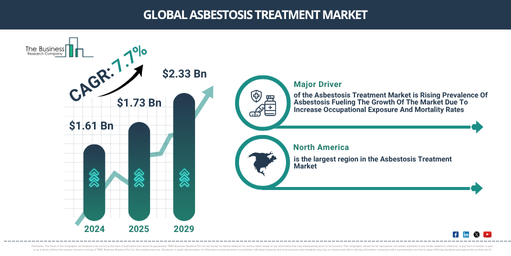
    The market for treating asbestosis has been witnessing substantial growth in the past few years. It is poised to expand from a size of $1.61 billion in 2024 to $1.73 billion in 2025, indicating a Compound Annual Growth Rate (CAGR) of 7.4%. The significant growth observed in the historical period can be associated with factors such as increased industrialization, heightened awareness about the dangers of asbestos, governmental health programs, augmented healthcare expenditures, and extensive media discussion on diseases related to asbestos.

    We predict solid expansion in the asbestosis treatment market size over the coming years, with a projected value of $2.33 billion by 2029. This equates to a compound annual growth rate (CAGR) of 7.7%. Factors contributing to this forecasted growth include an increase in research regarding rare diseases, a rising elderly population, advancements of telemedicine services, increased financing for pulmonary research, and the development of targeted biologics. Significant forecast period trends include diagnostic tools powered by artificial intelligence, respiratory monitoring devices that can be worn, innovations in gene therapy, nanotechnology utilised for drug delivery, telemedicine applied to respiratory care, and the creation of antifibrotic drugs.

    Download a free sample to assess the report’s scope and structure:

    https://www.thebusinessresearchcompany.com/sample.aspx?id=24152&type=smp

    How Are Key Drivers in the Industry Acting as Catalysts for the Growth of theAsbestosis Treatment Market?

    The surge in asbestosis cases is projected to stimulate the expansion of the market for asbestosis treatment. Asbestosis, a long-term lung condition, is typically caused by repeated asbestos fiber exposure, leading to lung tissue injury and respiratory complications. The incidence Of asbestosis is on the rise due to ongoing exposure to asbestos fibers in the workplace, particularly in construction, shipbuilding, and heavy industries where stringent safety guidelines are often lacking. Treatments for asbestosis help control the symptoms by improving lung function and providing relief, thereby improving the lives of those affected. For example, data from the Health and Safety Executive, a government agency in the UK, showed the annual death toll from asbestosis to be 493 in 2022, with all reported instances observed in males. Consequently, the increasing incidence of asbestosis is fueling the expansion of the asbestosis treatment market.

    Which Segments in the Asbestosis Treatment Offer the Most Growth?

    The asbestosis treatment market covered in this report is segmented –

    1) By Type: Salbutamol, Guaifenesin, Acetaminophen, Prednisone, Other Types

    2) By Treatment Type: Medication, Surgery, Rehabilitation, Palliative Care

    3) By Route of Administration: Oral, Inhalation, Intravenous, Other Routes Of Administration

    4) By Distribution Channel: Hospital pharmacies, Retail pharmacies, Online pharmacies

    Subsegments:

    1) By Salbutamol: Inhalers, Nebulizer Solutions, Oral Tablets, Extended-Release Formulations

    2) By Guaifenesin: Syrups, Tablets, Extended-Release Tablets, Combination Formulations

    3) By Acetaminophen: Oral Tablets, Capsules, Liquid Suspension, Intravenous (IV) Formulations

    4) By Prednisone: Oral Tablets, Oral Solution, Delayed-Release Tablets, Combination Therapy Packs

    5) By Other Types: Bronchodilators, Corticosteroids, Oxygen Therapy Products, Antibiotics, Immunosuppressants

    Request customized data on this market:

    https://www.thebusinessresearchcompany.com/customise?id=24152&type=smp

    What Are the Fastest-Growing Geographies in the #How Are Key Drivers in the Industry Acting as Catalysts for the Growth of theAsbestosis Treatment Market?# Market?

    North America was the largest region in the asbestosis treatment market in 2024. Asia-Pacific is expected to be the fastest-growing region in the forecast period. The regions covered in the asbestosis treatment market report are Asia-Pacific, Western Europe, Eastern Europe, North America, South America, Middle East, Africa.

    View the full report here:

    https://www.thebusinessresearchcompany.com/report/asbestosis-treatment-global-market-report

    What Are the Key Elements That Define the Asbestosis Treatment Market?

    Asbestosis treatment refers to the medical care and treatment given to individuals affected by asbestosis, a chronic lung disease resulting from prolonged exposure to asbestos fibers. This treatment enhances the patient’s quality of life by alleviating respiratory difficulties, reducing inflammation, and slowing disease progression.

    Purchase the full report and get a swift delivery:

    https://www.thebusinessresearchcompany.com/purchaseoptions.aspx?id=24152

    About The Business Research Company:

    With over 15000+ reports from 27 industries covering 60+ geographies, The Business Research Company has built a reputation for offering comprehensive, data-rich research and insights. Armed with 1,500,000 datasets, the optimistic contribution of in-depth secondary research, and unique insights from industry leaders, you can get the information you need to stay ahead in the game.

    Get in touch with us:

    The Business Research Company: https://www.thebusinessresearchcompany.com/

    Americas +1 310-496-7795

    Europe +44 7882 955267

    Asia & Others +44 7882 955267 & +91 8897263534

    Email us at info@tbrc.info

    Follow us on:

    LinkedIn: https://in.linkedin.com/company/the-business-research-company

    YouTube: https://www.youtube.com/channel/UC24_fI0rV8cR5DxlCpgmyFQ

    Global Market Model: https://www.thebusinessresearchcompany.com/global-market-model

  • Global Artery Stenosis Drug Market Trends: Regional Breakdowns and Strategic Insights

    Global Artery Stenosis Drug Market Trends: Regional Breakdowns and Strategic Insights

    Claim your 30% discount on Global Market Reports with code ONLINE30. Limited time only.

    How Has The Artery Stenosis Drug Market Size Shifted, And What Is the Outlook Through 2034?

    In recent years, the market for artery stenosis drugs has seen considerable growth. It’s projected that its value will increase from $2.47 billion in 2024 to $2.6 billion in 2025, exhibiting a compound annual growth rate (CAGR) of 5.4%. Factors such as increased prevalence of heart disease, an expanding elderly population, greater understanding about the importance of artery health, expanded use of telemedicine for patient monitoring, and enhancements in healthcare infrastructure have all contributed to the growth experienced in the historical period.

    There is set to be significant expansion in the artery stenosis drug market in the coming years, with its size projected to reach $3.27 billion in 2029, at a compound annual growth rate (CAGR) of 5.9%. The anticipated growth within this period can be credited to factors such as the rising prevalence of obesity and diabetes, an increased interest in minimally invasive procedures, improvements in healthcare accessibility in developing markets, growing healthcare costs, and an increase in diabetes and obesity occurrences. Key trends projected within this same period comprise personalized medication strategies, greater usage of combination therapies, improved diagnostic procedures, elevated emphasis on preventive cardiology, and the creation of innovative drug distribution systems.

    Download a free sample to assess the report’s scope and structure:

    https://www.thebusinessresearchcompany.com/sample.aspx?id=24151&type=smp

    What Are the Major Market Drivers Behind the Rising Adoption of Artery Stenosis Drug Market?

    The surge in cases of diabetes and obesity is predicted to boost the expansion of the artery stenosis drug market. Diabetes, a chronic illness characterized by inadequate insulin production or malfunctioning insulin utilization, leads to high blood sugar levels. In comparison, obesity is defined by an overabundance of body fat, escalating the possibility of multiple health problems. The surge in these conditions can be attributed to a lack of consistent physical exercise, linked with increasingly stationary work surroundings and screen-based hobbies, aiding weight increase and insulin resistance. Drugs for artery stenosis are essential for those with diabetes and obesity, as these ailments encourage plaque accumulation in the arteries, thereby escalating the potential for heart attacks and strokes. For example, the World Health Organization, a UN-affiliated agency based in Switzerland, reported in March 2024 that in 2022, there were 2.5 billion adults who were overweight, including 890 million living with obesity. Hence, the escalating incidences of diabetes and obesity are stimulating growth in the artery stenosis drug market.

    Which Key Market Segments Comprise the Artery Stenosis Drug Market and Drive Its Revenue Growth?

    The artery stenosis drug market covered in this report is segmented –

    1) By Drug Type: Antiplatelet Agents, Anticoagulants, Statins, Beta Blockers

    2) By Mechanism Of Action: Platelet Aggregation Inhibitors, Thrombin Inhibitors, HMG-CoA Reductase Inhibitors, Beta-Adrenergic Antagonists

    3) By Route Of Administration: Oral, Injectable, Transdermal

    4) By Patient Type: Adults, Geriatric, Pediatric

    Subsegments:

    1) By Antiplatelet Agents: Aspirin, Clopidogrel, Ticagrelor, Prasugrel, Dipyridamole

    2) By Anticoagulants: Warfarin, Heparin, Low Molecular Weight Heparins, Direct Oral Anticoagulants (DOACs)

    3) By Statins: Atorvastatin, Simvastatin, Rosuvastatin, Pravastatin, Lovastatin

    4) By Beta Blockers: Metoprolol, Atenolol, Propranolol, Carvedilol, Bisoprolol

    Request customized data on this market:

    https://www.thebusinessresearchcompany.com/customise?id=24151&type=smp

    Which Areas Are Leading Regions in the Artery Stenosis Drug Market Expansion Across the Globe?

    North America was the largest region in the artery stenosis drug market in 2024. The regions covered in the artery stenosis drug market report are Asia-Pacific, Western Europe, Eastern Europe, North America, South America, Middle East, Africa.

    What Are the Strategic Trends Steering theArtery Stenosis Drug Market Direction?

    Leading businesses in the artery stenosis drug market are concentrating their efforts on progressing therapeutic solutions like bempedoic acid to meet the medical requirements that aren’t being addressed in the hypercholesterolemia treatment area. This ground-breaking drug, bempedoic acid, is built to reduce LDL cholesterol levels in patients who either can’t tolerate statins or require further lipid-lowering treatment. As an illustration, Zydus Lifesciences Ltd., which is a pharmaceutical corporation based in India, introduced Bemdac, an innovative oral treatment for hypercholesterolemia, in India in May 2022. Bemdac includes bempedoic acid, pioneering its class of drugs, developed to decrease LDL cholesterol levels in patients who have an intolerance to statins or need additional lipid-lowering treatment. The introduction of this product is intended to bring forth a novel treatment choice that enhances cardiovascular results by focusing on cholesterol synthesis within the liver whilst minimizing muscle-related side effects usually associated with the use of statins.

    View the full report here:

    https://www.thebusinessresearchcompany.com/report/artery-stenosis-drug-global-market-report

    How Is the Artery Stenosis Drug Market Conceptually Defined?

    Artery stenosis drugs are medications used to manage and treat the narrowing of arteries, a condition known as stenosis, which can lead to reduced blood flow and associated health complications. These drugs aim to alleviate symptoms, prevent progression, and reduce the risk of serious events such as heart attacks or strokes.

    Purchase the full report and get a swift delivery:

    https://www.thebusinessresearchcompany.com/purchaseoptions.aspx?id=24151

    About The Business Research Company:

    With over 15000+ reports from 27 industries covering 60+ geographies, The Business Research Company has built a reputation for offering comprehensive, data-rich research and insights. Armed with 1,500,000 datasets, the optimistic contribution of in-depth secondary research, and unique insights from industry leaders, you can get the information you need to stay ahead in the game.

    Get in touch with us:

    The Business Research Company: https://www.thebusinessresearchcompany.com/

    Americas +1 310-496-7795

    Europe +44 7882 955267

    Asia & Others +44 7882 955267 & +91 8897263534

    Email us at info@tbrc.info

    Follow us on:

    LinkedIn: https://in.linkedin.com/company/the-business-research-company

    YouTube: https://www.youtube.com/channel/UC24_fI0rV8cR5DxlCpgmyFQ

    Global Market Model: https://www.thebusinessresearchcompany.com/global-market-model
  • Aripiprazole Market Outlook 2025: Mapping Growth, Innovation, and Regional Shifts

    Aripiprazole Market Outlook 2025: Mapping Growth, Innovation, and Regional Shifts

    Claim your 30% discount on Global Market Reports with code ONLINE30. Limited time only.

    How Has the Aripiprazole Market Growth Performance Trended Historically, And What Lies Ahead?

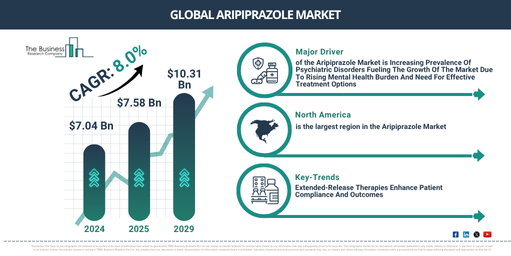
    In recent times, there has been a substantial expansion in the market size of aripiprazole. From $7.04 billion in 2024, it is predicted to extend up to $7.58 billion in 2025, signifying a compound annual growth rate (CAGR) of 7.6%. Factors such as the increasing incidences of schizophrenia and bipolar disorders, growing cognizance regarding mental health, the extensive off-label application of aripiprazole, a growing older population, and an increase in healthcare expenditure have all contributed to the notable growth in the historic period.

    In the forthcoming years, the aripiprazole market is projected to witness robust growth, reaching an estimated worth of $10.31 billion in 2029, boasting a compound annual growth rate (CAGR) of 8.0%. The upswing envisaged within the forecast period is due largely to the escalating prevalence of depression and anxiety disorders, the increasing emphasis on individualized medicine, the growing acceptance of generic aripiprazole, heightened investment in research for psychiatric medication, and the broadening scope of telepsychiatry and digital health platforms. Notable trends to look out for within the forecast period include the creation of long-lasting injectable formulations, advancements in nanoparticle drug distribution systems, incorporation of digital adherence monitoring instruments, the application of artificial intelligence in drug discovery, and the integration of telemedicine for drug prescription and monitoring.

    Download a free sample to assess the report’s scope and structure:

    https://www.thebusinessresearchcompany.com/sample.aspx?id=24150&type=smp

    What External and Internal Drivers Are Contributing to the Growth of theAripiprazole Market?

    The escalation in cases of psychiatric disorders is predicted to accelerate the expansion of the aripiprazole market. These disorders encompass a broad spectrum of mental health issues that influence an individual’s thinking, feelings, conduct, and overall functionality. The rising incidence is linked to chronic stress, social disconnect, and the pressures of contemporary lifestyles, all of which undermine mental health. Aripiprazole is beneficial for psychiatric disorders, stabilizing dopamine and serotonin activity in the brain, thereby making it useful for schizophrenia, bipolar disorder, and severe depressive disorder. It enhances symptom control through adaptable dosage options, fostering treatment compliance and augmenting overall patient well-being. For example, in 2022, the National Institute of Mental Health, a research agency under the Federal government in the United States, estimated that 59.3 million adults above 18 years suffering from any mental illness (AMI), amounting to 23.1% of the total adult population. Consequently, the escalating instances of psychiatric disorders are propelling the expansion of the aripiprazole market.

    What Segment Types Define the Aripiprazole Market Structure?

    The aripiprazole market covered in this report is segmented –

    1) By Indication: Schizophrenia, Bipolar Disorder, Major Depressive Disorder, Autism Spectrum Disorder

    2) By Patient Demographics: Pediatric Patients, Adult Patients, Geriatric Patients

    3) By Dosage Form: Oral Tablets, Oral Solution, Injectable

    4) By Distribution Channel: Hospital Pharmacy, Retail Pharmacy, Online Pharmacy

    Subsegments:

    1) By Schizophrenia: Acute Schizophrenia, Maintenance Treatment for Schizophrenia

    2) By Bipolar Disorder: Bipolar I Disorder, Bipolar II Disorder, Bipolar Depression

    3) By Major Depressive Disorder: Treatment-Resistant Depression, Acute Major Depressive Disorder

    4) By Autism Spectrum Disorder: Irritability Associated with Autism, Aggressive Behavior in Autism

    Request customized data on this market:

    https://www.thebusinessresearchcompany.com/customise?id=24150&type=smp

    Which Geographic Areas Hold the Strongest Growth Potential in the Aripiprazole Market?

    North America was the largest region in the aripiprazole market in 2024. Asia-Pacific is expected to be the fastest-growing region in the forecast period. The regions covered in the aripiprazole market report are Asia-Pacific, Western Europe, Eastern Europe, North America, South America, Middle East, Africa.

    What Key Market Trends and Innovations Are Shaping the Future of the Aripiprazole Industry?

    Key players in the aripiprazole market are concentrating their efforts on devising innovative products and procuring approvals such as product line extensions, in order to improve treatment adherence, broaden therapeutic applications, and sustain market competitiveness post-patent expiry. Product line extension is a tactic that involves launching new versions of an existing product under the same brand, often facilitated by alterations in formulation, dosage, packaging, or delivery methods, with the objective of increasing the product’s market penetration or meeting changing patient requirements without modifying the core compound. For instance, Otsuka Pharmaceutical Co. Ltd., a pharmaceutical firm based in Japan, in collaboration with Lundbeck, a pharmaceutical company from Denmark, were granted U.S. Food and Drug Administration (FDA) acceptance for their New Drug Application (NDA) for aripiprazole 2-month, a ready-to-use, long-acting injectable conceived for treating schizophrenia in adults and as a maintenance monotherapy treatment for bipolar I disorder in adults, in September 2022. The drug operates by providing a long-lasting release of aripiprazole into the system over an extended timeframe, facilitating dosing once every two months.

    View the full report here:

    https://www.thebusinessresearchcompany.com/report/aripiprazole-global-market-report

    What Is the Definition of the Aripiprazole Market?

    Aripiprazole is an antipsychotic medication that acts as a partial agonist at dopamine D2 and serotonin 5-hydroxytryptamine receptor 1A (5-HT1A) receptors and an antagonist at 5-hydroxytryptamine receptor 2A (5-HT2A) receptors, primarily used to treat schizophrenia, bipolar disorder, and as an adjunct in the treatment of major depressive disorder. It works by regulating dopamine and serotonin levels in the brain. This helps to reduce symptoms such as hallucinations, delusions, and mood swings.

    Purchase the full report and get a swift delivery:

    https://www.thebusinessresearchcompany.com/purchaseoptions.aspx?id=24150

    About The Business Research Company:

    With over 15000+ reports from 27 industries covering 60+ geographies, The Business Research Company has built a reputation for offering comprehensive, data-rich research and insights. Armed with 1,500,000 datasets, the optimistic contribution of in-depth secondary research, and unique insights from industry leaders, you can get the information you need to stay ahead in the game.

    Get in touch with us:

    The Business Research Company: https://www.thebusinessresearchcompany.com/

    Americas +1 310-496-7795

    Europe +44 7882 955267

    Asia & Others +44 7882 955267 & +91 8897263534

    Email us at info@tbrc.info

    Follow us on:

    LinkedIn: https://in.linkedin.com/company/the-business-research-company

    YouTube: https://www.youtube.com/channel/UC24_fI0rV8cR5DxlCpgmyFQ

    Global Market Model: https://www.thebusinessresearchcompany.com/global-market-model