Month: August 2025

  • Global Organic Pharmaceutical Excipients Market Forecast to Reach $17.27 Billion by 2029, Driven by 9% CAGR

    Global Organic Pharmaceutical Excipients Market Forecast to Reach $17.27 Billion by 2029, Driven by 9% CAGR

    Claim your 30% discount on Global Market Reports with code ONLINE30. Limited time only.

    Claim your 30% discount on Global Market Reports with code ONLINE30. Limited time only.

    How Large Is the Organic Pharmaceutical Excipients Market Expected to Be in 2029?

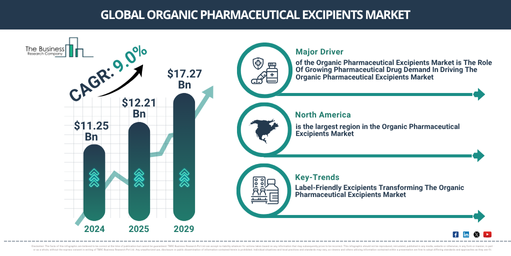
    The market size of organic pharmaceutical excipients has experienced robust growth in the past few years. It is expected to rise from $11.25 billion in 2024 to $12.21 billion in 2025 with a compound annual growth rate (CAGR) of 8.6%. Factors driving expansion in the historical period include the rising demand for drug formulations, patient acceptance and adherence, enhancing quality and safety standards, innovation in drug delivery methods, and meeting regulatory compliance demands.

    Anticipated to experience robust growth in the upcoming years, the organic pharmaceutical excipients market size is projected to expand to $17.27 billion by 2029 with a 9.0% compound annual growth rate (CAGR). This projected surge during the forecast period can be associated with factors such as an increase in biopharmaceuticals and biosimilars, a preference for eco-friendly and sustainable ingredients, emphasis on individualized medicine, the advent of innovative therapies, and an international enlargement of pharmaceutical production. Key trends anticipated during the forecast period encompass regulatory compliance and quality standards, personalization of excipient solutions, adoption of hi-tech advancements, worldwide expansion of organic excipient suppliers, and investments in research and development for excipient innovation.

    Download The Free Sample Report Here:

    https://www.thebusinessresearchcompany.com/sample.aspx?id=10819&type=smp

    What Are The Contributors To Demand In The Organic Pharmaceutical Excipients Market?

    The surge in pharmaceutical drug demand is predicted to boost the organic pharmaceutical excipients market’s expansion. Chemical substances or compounds, known as pharmaceutical drugs, are utilized for prevention, diagnosis, treatment, or relief of varying human diseases or symptoms. This demand has heightened the need for organic pharmaceutical excipients which offer appropriate and harmonious components for organic drug formulations and assist in physiological drug absorption. For example, as per data from the NHS Business Services Authority, Department of Health and Social Care’s UK-based non-departmental public agency in July 2023, there was a 3% rise from 2021-22 in England’s community-dispensed prescription items, totaling 1.18 billion in 2022-23. Thus, the escalation in pharmaceutical drug demand is fuelling the expansion of the organic pharmaceutical excipients market.

    What Segmentation Categories Are Included In The Organic Pharmaceutical Excipients Market Analysis?

    The organic pharmaceutical excipients market covered in this report is segmented –

    1) By Type: Oleochemicals, Carbohydrates, Petrochemicals, Protein, Other Types

    2) By Functions: Binders, Coating Agents, Colorants, Disintegrates, Other Functions

    3) By Application: Oral Formulations, Topical Formulations, Parenteral Formulations, Other Applications

    Subsegments:

    1) By Oleochemicals: Fatty Acids, Glycerin, Fatty Alcohols, Surfactants, Esters

    2) By Carbohydrates: Starch, Cellulose, Dextrins, Sugars, Pectins

    3) By Petrochemicals: Polyethylene Glycol (PEG), Mineral Oils, Synthetic Polymers, Sorbitol, Propylene Glycol

    4) By Protein: Gelatin, Albumin, Collagen, Casein, Whey Protein

    5) By Other Types: Natural Excipients, Inorganic Excipients, Microcrystalline Cellulose, Others

    What Upcoming Trends Are Expected To Impact The Organic Pharmaceutical Excipients Market Globally?

    The use of label-friendly excipients in the production of nutritional products is a growing trend in the organic pharmaceutical excipients market. In order to stay competitive, companies in the organic pharmaceutical excipients industry are making a shift towards these label-friendly excipients. For instance, a pioneer in this field, Colorcon from the US, introduced Nutracore in April 2023. This is a novel line of label-friendly excipients specifically designed to suit the needs of nutraceutical and supplement providers. These excipients are derived from natural and organic materials to keep up with the increasing demand for clean labels in the nutritional and dietary supplement sector, all while maintaining prime manufacturability and function. Nutracore excipients allow manufacturers to fulfil consumers’ expectations for label-friendly products without sacrificing their quality and performance.

    Who Are The Top-Ranked Companies In The Organic Pharmaceutical Excipients Market Today?

    Major companies operating in the organic pharmaceutical excipients market include Roquette Frères SA, DuPont de Nemours Inc., Ashland Inc., Badische Anilin- und Sodafabrik, Kerry Group plc, Evonik Industries AG, Croda International plc, The Lubrizol Corporation, Innophos Holdings Inc., Wacker Chemie AG, Merck KGaA, Colorcon Asia Private Limited, Rochem International Inc., Eastman Chemical Company, JRS PHARMA GMBH + CO KG, Cargill Incorporated, Ingredion Incorporated, Sensient Technologies Corporation, Internatio-Müller Chemical Distribution, Lonza Group Ltd., DFE PHARMA INDIA PRIVATE LIMITED., Omya AG, Sigachi Industries Pvt. Ltd., Meggle AG, Associated British Foods plc, Archer Daniels Midland Company, Food Machinery & Chemical Corporation, Innospec Inc., Mitsubishi Chemical Corporation, International Flavors & Fragrances Inc.

    Get The Full Report Here:

    https://www.thebusinessresearchcompany.com/report/organic-pharmaceutical-excipients-global-market-report

    How Is Organic Pharmaceutical Excipients Market Adoption Varying Across Different Regions And Sectors?

    North America was the largest region in the global organic pharmaceutical excipients market in 2024. The regions covered in the organic pharmaceutical excipients market report are Asia-Pacific, Western Europe, Eastern Europe, North America, South America, Middle East, Africa

    Request For A Customized Report:

    https://www.thebusinessresearchcompany.com/customise?id=10819&type=smp

    About The Business Research Company:

    With over 15000+ reports from 27 industries covering 60+ geographies, The Business Research Company has built a reputation for offering comprehensive, data-rich research and insights. Armed with 1,500,000 datasets, the optimistic contribution of in-depth secondary research, and unique insights from industry leaders, you can get the information you need to stay ahead in the game.

    Get in touch with us:

    The Business Research Company: https://www.thebusinessresearchcompany.com/

    Americas +1 310-496-7795

    Asia +44 7882 955267 & +91 8897263534

    Europe +44 7882 955267

    Email us at info@tbrc.info

    Follow us on:

    LinkedIn: https://in.linkedin.com/company/the-business-research-company

    YouTube: https://www.youtube.com/channel/UC24_fI0rV8cR5DxlCpgmyFQ

    Global Market Model: https://www.thebusinessresearchcompany.com/global-market-model
  • Outlook for Organ Transplant Immunosuppressant Drugs Market: Key Developments and Future Strategies to 2029

    Outlook for Organ Transplant Immunosuppressant Drugs Market: Key Developments and Future Strategies to 2029

    Claim your 30% discount on Global Market Reports with code ONLINE30. Limited time only.

    Claim your 30% discount on Global Market Reports with code ONLINE30. Limited time only.

    What Is the Outlook for the Organ Transplant Immunosuppressant Drugs Market Heading Into 2029?

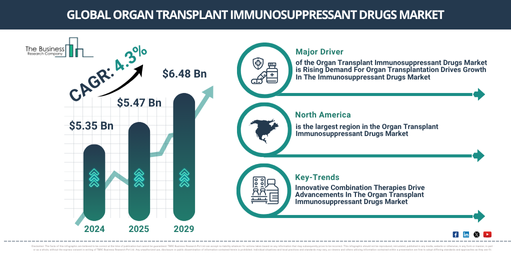
    The market size for organ transplant immunosuppressant drugs has been consistently expanding in the past few years. A rise from $5.35 billion in 2024 to $5.47 billion in 2025 is anticipated, indicating a compound annual growth rate (CAGR) of 2.2%. Factors such as the surge in transplant procedures, advancements in healthcare infrastructure, intensified research and development, an aging worldwide demographic, and augmented awareness have all contributed to the growth during the historic period.

    Expectations indicate a consistent upturn in the organ transplant immunosuppressant drugs market, with forecasts projecting its rise to $6.48 billion by 2029. This signifies a compound annual growth rate (CAGR) of 4.3%. The forthcoming expansion can be associated with the emergence of new therapies, a heightened frequency of organ failures, the adaptation of personalized medication, worldwide health drives, and global cooperation. Key indicators of growth for this forecast period encompass technological progress, innovative breakthroughs, strategies for cost management, market merging and collaborations, alongside an increasing number of organ transplants.

    Download The Free Sample Report Here:

    https://www.thebusinessresearchcompany.com/sample.aspx?id=10143&type=smp

    Which Factors Are Pushing The Organ Transplant Immunosuppressant Drugs Market Forward?

    The escalating need for organ transplants is anticipated to propel the organ transplant immunosuppressant drugs market. Organ transplant refers to a surgical process wherein an unhealthy or impaired organ in an individual is substituted with a healthy organ sourced from a donor. This life-saving practice enables the replacement of unhealthy or malfunctioned organs with fully functional ones from a donor. The use of immunosuppressant drugs is crucial in warding off the possibility of organ rejection, which if not prevented, can cause the organ’s rejection. Adequate availability and effectiveness of such drugs are vital for the successful outcome of organ transplantation. As an example, data from 2023 by Organ Procurement and Transplantation Network (OPTN), a US-based public-private collaboration, show that about 16,335 individuals donated one or more organs posthumously. This marked the first time more than 15,000 deceased organ donors were recorded in a year, reflecting a 9.6% surge from 2022. Hence, the growing demand for organ transplants is expected to stimulate the organ transplant immunosuppressant drugs market.

    Which Segment Held The Largest Share In The Organ Transplant Immunosuppressant Drugs Market In 2025?

    The organ transplant immunosuppressant drugs market covered in this report is segmented –

    1) By Drug Class: Calcineurin Inhibitors, Antiproliferative Agents, mTOR Inhibitor, Steroids, Others Drug Classes

    2) By Transplant Type: Heart, Kidney, Liver, Lung, Pancreas, Other Transplant Types

    3) By Distribution Channel: Hospital Pharmacies, Retail Pharmacies, Online Pharmacies

    Subsegments:

    1) By Calcineurin Inhibitors: Cyclosporine, Tacrolimus

    2) By Antiproliferative Agents: Azathioprine, Mycophenolate Mofetil, Mycophenolic Acid

    3) By MTOR Inhibitor: Sirolimus, Everolimus

    4) By Steroids: Prednisone, Methylprednisolone

    5) By Other Drug Classes: Costimulation Blockers, Sodium Channel Blockers, Antibody-Based Therapies

    How Are Key Trends Driving Expansion In The Organ Transplant Immunosuppressant Drugs Industry?

    The trend of product innovation is prominent in the organ transplant immunosuppressant drugs market. Leading companies in this sector are focusing on the formulation of innovative solutions such as combination therapy to maintain their market presence. The use of two or more immunosuppressant drugs in combination therapy is becoming prevalent as it offers enhanced immunosuppression and minimizes the potential for side effects. For example, in March 2024, the U.S. pharmaceutical and biotech firm, Johnson & Johnson, gained U.S. Food and Drug Administration (FDA) approval for OPSYNVI. This drug, a single-tablet concoction of tadalafil, a phosphodiesterase 5 (PDE5) inhibitor, and macitentan, an endothelin receptor antagonist (ERA), is designed for the long-term management of pulmonary arterial hypertension (PAH). OPSYNVI is suitable for PAH patients who are either treatment-naïve or are already on medication with an ERA, PDE5 inhibitor, or both. Patients consistently ingesting macitentan 10 mg and tadalafil 40 mg (20 mg x 2) as separate tablets can be given OPSYNVI as an alternative.

    Which Organizations Are Driving Progress In The Organ Transplant Immunosuppressant Drugs Industry?

    Major companies operating in the organ transplant immunosuppressant drugs market include Astellas Pharma Inc., F. Hoffmann-La Roche AG, Novartis AG, Accord Healthcare Limited, GlaxoSmithKline PLC, Pfizer Inc., Sanofi S.A., Alsachim a Shimadzu Group Company, Neovii Pharmaceuticals AG, Zydus Lifesciences Limited, Dr. Reddy’s Laboratories Ltd., Lupin Limited, Mylan N.V., Strides Pharma Global Pte Ltd., Asahi Kasei Corporation, Bristol-Myers Squibb Company, Veloxis Pharmaceuticals A/S, Viatris Inc., Janssen Pharmaceuticals Inc., AbbVie Inc., Hansa Biopharma AB, Wockhardt Ltd, Glenmark Pharmaceuticals Ltd., Biocon Ltd., Hikma Pharmaceuticals PLC, Teva Pharmaceutical Industries Ltd., Cipla Ltd., Sun Pharmaceutical Industries Ltd., Aurobindo Pharma Limited, Intas Pharmaceuticals Limited, Alkem Laboratories Limited, Torrent Pharmaceuticals Limited

    Get The Full Report Here:

    https://www.thebusinessresearchcompany.com/report/organ-transplant-immunosuppressant-drugs-global-market-report

    Which Region Is Expected To Experience The Highest Growth In The Organ Transplant Immunosuppressant Drugs Industry?

    North America was the largest region in the organ transplant immunosuppressant drugs market in 2024.Asia-Pacific is expected to be the fastest-growing region in the global organ transplant immunosuppressant drugs market report during the forecast period. The regions covered in the organ transplant immunosuppressant drugs market report are Asia-Pacific, Western Europe, Eastern Europe, North America, South America, Middle East, Africa

    Request For A Customized Report:

    https://www.thebusinessresearchcompany.com/customise?id=10143&type=smp

    About The Business Research Company:

    With over 15000+ reports from 27 industries covering 60+ geographies, The Business Research Company has built a reputation for offering comprehensive, data-rich research and insights. Armed with 1,500,000 datasets, the optimistic contribution of in-depth secondary research, and unique insights from industry leaders, you can get the information you need to stay ahead in the game.

    Get in touch with us:

    The Business Research Company: https://www.thebusinessresearchcompany.com/

    Americas +1 310-496-7795

    Asia +44 7882 955267 & +91 8897263534

    Europe +44 7882 955267

    Email us at info@tbrc.info

    Follow us on:

    LinkedIn: https://in.linkedin.com/company/the-business-research-company

    YouTube: https://www.youtube.com/channel/UC24_fI0rV8cR5DxlCpgmyFQ

    Global Market Model: https://www.thebusinessresearchcompany.com/global-market-model
  • Strategic Report on Olanzapine Market: Growth Opportunities and Emerging Challenges

    Strategic Report on Olanzapine Market: Growth Opportunities and Emerging Challenges

    Claim your 30% discount on Global Market Reports with code ONLINE30. Limited time only.

    Claim your 30% discount on Global Market Reports with code ONLINE30. Limited time only.

    How Much Is the Global Olanzapine Market Valued at Present and by 2029?

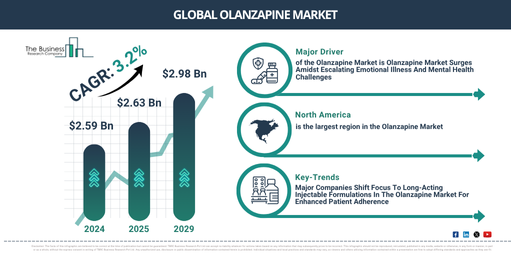
    Over recent years, the size of the olanzapine market has seen a minor increase. Its growth is projected to continue, expanding from a value of $2.59 billion in 2024 to around $2.63 billion in 2025, marking a compound annual growth rate (CAGR) of 1.6%. This growth through the historic period owes its momentum to the increased occurrence of mental health disorders, improved awareness and diagnosis, the growth of the geriatric population, advancements in psychiatric treatments, as well as various indication approvals.

    The market size for olanzapine is predicted to gradually expand in the following years, reaching an estimated $2.98 billion by 2029, with a compound annual growth rate (CAGR) of 3.2%. This projected growth during the forecast period can be credited to factors such as the rise in mental health awareness, cutting-edge innovations in psychiatric medicines, global initiatives aiming at mental health, wider applications in child patients, and a greater synergy with mental health services. Prominent trends within the forecast period comprise improved formulations catering to senior citizens, the launch of patient assistance programs, heightened regulatory oversight and surveillance, the pursuit of digital health remedies, and ongoing studies into novel indications.

    Download The Free Sample Report Here:

    https://www.thebusinessresearchcompany.com/sample.aspx?id=10748&type=smp

    #What Drivers Are Influencing Growth In The Olanzapine Market?

    The growth of the olanzapine market is being fueled by a rising incidence of emotional and mental health issues. These disorders, which adversely impact a person’s mental and emotional health, are escalating the need for mental health treatment solutions like olanzapine. An atypical antipsychotic, olanzapine is primarily used to manage conditions such as schizophrenia and bipolar disorder. It may also supplement other medications in treating depression. Data from the National Institute of Mental Health (NIMH), a leading US agency within the National Institutes of Health (NIH) engaged in research, treatment, and prevention of mental illnesses, show that roughly 59.3 million adults, or 23.1% of the U.S. adult population, had a Prevalence of Any Mental Illness (AMI) in 2022. Furthermore, around 15.4 million adults, representing 6.0% of the U.S. adult population, were classified as having a Prevalence of Serious Mental Illness (SMI). As such, the rising incidence of emotional and mental health issues is propelling the olanzapine market’s growth.

    What Are The Main Segments Identified In The Olanzapine Market Research?

    The olanzapine market covered in this report is segmented –

    1) By Therapy Type: Monotherapy, Combinational Therapy

    2) By Route Of Administration: Oral, Parenteral

    3) By Application: Schizophrenia, Bipolar Disorder, Other Applications

    4) By End-Users: Hospitals, Homecare, Specialty Clinics, Other End-Users

    Subsegments:

    1) By Monotherapy: Tablet Formulation, Orally Disintegrating Tablets, Injectable Formulation

    2) By Combinational Therapy: Olanzapine + Fluoxetine, Olanzapine + Other Antipsychotics, Olanzapine + Mood Stabilizers, Olanzapine + Antidepressants

    What Are The Leading Trends And Opportunities In The Olanzapine Sector?

    Major players in the olanzapine market are concentrating their efforts on long-term injectable formulations to outpace their competition. These longer-lasting injectables offer continuous therapeutic benefits, enhance patient commitment, and decrease the need for frequent dosing compared to oral substitutes. An example of this is the launch of a long-acting injectable version of olanzapine named Zyprexa Relprevv by Otsuka Pharmaceutical, a pharmaceutical firm based in Japan, in 2022. This product utilizes a two-to-four-week dosing schedule, which boosts patient adherence and reduces the chance of schizophrenic relapses. The unique delivery system provides a steady release of the drug over a period of time, thus solving issues that come with everyday oral drug schedules. These innovations depict an emerging pattern towards more efficient treatment options in mental health services.

    Which Companies Play A Key Role In The Development Of The Olanzapine Market?

    Major companies operating in the olanzapine market include Aurobindo Pharma Ltd., Teva Pharmaceutical Industries Limited, Dr. Reddy’s Laboratories Ltd., Sun Pharmaceutical Industries Limited, Torrent Group, Apotex Inc., Novartis AG, Mylan N.V., Alkermes Inc., Viatris Inc., Pfizer Inc., Zydus Cadila Healthcare Ltd., Endo International plc, Lupin Limited, Cipla Inc., Eli Lilly and Company, Zhejiang Langhua Pharmaceutical Co. Ltd., Jiangsu Hansoh Pharmaceutical Group Co. Ltd., Bristol-Myers Squibb Company, Sandoz International GmbH, Changzhou Huasheng Pharmaceutical Co. Ltd., Par Pharmaceutical, Jubilant Pharmova Limited, Hansoh Pharmaceutical, AstraZeneca plc, Olanzapine API Manufacturers, Torrent Pharmaceuticals, Egis Pharmaceuticals plc, Actavis Group hf., Hexal AG

    Get The Full Report Here:

    https://www.thebusinessresearchcompany.com/report/olanzapine-global-market-report

    What Are The Key Regional Developments Shaping The Olanzapine Market?

    North America was the largest region in the olanzapine market in 2024.Asia-Pacific is expected to be the fastest-growing region in the global olanzapine market report during the forecast period. The regions covered in the olanzapine market report are Asia-Pacific, Western Europe, Eastern Europe, North America, South America, Middle East, Africa

    Request For A Customized Report:

    https://www.thebusinessresearchcompany.com/customise?id=10748&type=smp

    About The Business Research Company:

    With over 15000+ reports from 27 industries covering 60+ geographies, The Business Research Company has built a reputation for offering comprehensive, data-rich research and insights. Armed with 1,500,000 datasets, the optimistic contribution of in-depth secondary research, and unique insights from industry leaders, you can get the information you need to stay ahead in the game.

    Get in touch with us:

    The Business Research Company: https://www.thebusinessresearchcompany.com/

    Americas +1 310-496-7795

    Asia +44 7882 955267 & +91 8897263534

    Europe +44 7882 955267

    Email us at info@tbrc.info

    Follow us on:

    LinkedIn: https://in.linkedin.com/company/the-business-research-company

    YouTube: https://www.youtube.com/channel/UC24_fI0rV8cR5DxlCpgmyFQ

    Global Market Model: https://www.thebusinessresearchcompany.com/global-market-model
  • Competitive and Market Trend Analysis of Non-Opioid Pain Patch Industry Through 2029

    Competitive and Market Trend Analysis of Non-Opioid Pain Patch Industry Through 2029

    Claim your 30% discount on Global Market Reports with code ONLINE30. Limited time only.

    Claim your 30% discount on Global Market Reports with code ONLINE30. Limited time only.

    How Will the Non-Opioid Pain Patch Market Evolve in Terms of Growth and Size by 2029?

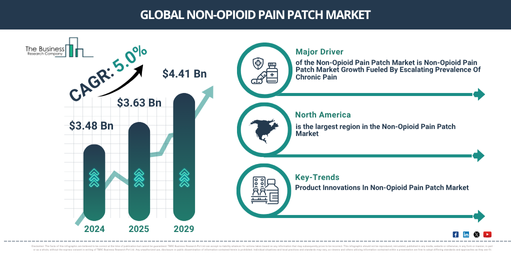
    In the past few years, there has been a consistent growth in the market size of non-opioid pain patches. The market, which is forecasted to move from $3.48 billion in 2024 to $3.63 billion in 2025, is expected to have a compound annual growth rate (CAGR) of 4.1%. This steady rise during the historical period can be traced back to factors such as the increase in chronic pain occurrences, patient inclination towards non-invasive therapies, advancements in formulations and components used, a spike in sports-related injuries as well as concerns revolving around opioid dependency.

    It is projected that there will be substantial growth in the non-opioid pain patch market in the coming years, with its value estimated to reach $4.41 billion in 2029, demonstrating a compound annual growth rate (CAGR) of 5.0%. Factors such as amplified investments in research and development, escalating healthcare costs, favorable regulatory framework, growing consumer awareness and education, along with an increasing elderly population, are all contributing to this growth forecast. Key trends projected for this period include advancements in wireless and smart patch technologies, the inclusion of natural ingredients, compatibilities with wearable tech, development of biodegradable and environmentally-friendly patches, with a focus on providing long-lasting effects.

    Download The Free Sample Report Here:

    https://www.thebusinessresearchcompany.com/sample.aspx?id=12230&type=smp

    What factors are expected to fuel Non-Opioid Pain Patch market growth in the coming years?

    The increasing incidence of chronic pain is projected to drive the expansion of the non-opioid pain patch market in the future. Chronic pain is intense pain that persists for a prolonged time or accompanies another medical issue. Non-opioid pain patches are used to alleviate mild to moderate pain and treat ailments such as headaches, muscle discomfort, arthritis, backaches, and other types of pain. For example, Eurostat, a government agency based in Luxembourg, stated in November 2023 that over one-third or 36.1% of the EU population reported having a long-term health condition in 2022. Therefore, the growing incidence of chronic pain is fueling the growth of the non-opioid pain patch market.

    What Are The Key Findings From The Segmentation Analysis Of The Non-Opioid Pain Patch Market?

    The non-opioid pain patch market covered in this report is segmented –

    1) By Patch: Lidocaine Patches, Diclofenac Patches, Capsaicin Patches, Ketoprofen Patches, Other Patches

    2) By Distribution Channel: Hospital Pharmacies, Retail Pharmacies, Other Distribution Channels

    3) By Indication: Musculoskeletal Pain, Neuropathic Pain

    Subsegments:

    1) By Lidocaine Patches: 5% Lidocaine Patch, Other Concentrations

    2) By Diclofenac Patches: 1.3% Diclofenac Patch, Other Concentrations

    3) By Capsaicin Patches: 8% Capsaicin Patch, Other Concentrations

    4) By Ketoprofen Patches: 5% Ketoprofen Patch, Other Concentrations

    5) By Other Patches: Combination Patches, Herbal Extract Patches, Other Non-Opioid Patches

    Which Trends Are Expected To Shape The Future Of The Non-Opioid Pain Patch Market?

    The emergence of product innovation as a key trend in the non-opioid pain patch market has been gaining recognition. The development of groundbreaking products by the leading companies in the non-opioid pain patch market is aimed at bolstering their market position. For example, The Mentholatum Company Inc., a UK-based manufacturer of healthcare products, in June 2022, unveiled the Deep Relief Actiflex Patch, a pain management patch that is free from drugs. The Deep Relief Actiflex Patch, a cooling hydrogel patch, comprises water and offers rapid cooling and soothing relief when the water evaporates on the skin. This drug-free pain patch is suitable for treating muscle or joint aches and pains.

    What Are The Most Active Companies In The Non-Opioid Pain Patch Market Today?

    Major companies operating in the non-opioid pain patch market include Hisamitsu Pharmaceutical Co., Inc., Teikoku Pharma USA, Inc., Purdue Pharma L.P., Noven Pharmaceuticals, Inc., Johnson & Johnson Services, Inc., Pfizer Inc., Grünenthal GmbH, Mylan N.V., Teva Pharmaceutical Industries Ltd., Endo Pharmaceuticals Inc., Medtronic plc, Abbott Laboratories, Bayer AG, Iroko Pharmaceuticals, LLC, Scilex Pharmaceuticals Inc., Zosano Pharma Corporation, Adynxx Inc., BioElectronics Corporation, NeuroMetrix Inc., Virpax Pharmaceuticals Inc., Eli Lilly and Company, Novartis AG, Amgen Inc., DURECT Corporation

    Get The Full Report Here:

    https://www.thebusinessresearchcompany.com/report/non-opioid-pain-patch-global-market-report

    Which Regional Markets Are Attracting The Most Investment In Non-Opioid Pain Patch?

    North America was the largest region in the non-opioid pain patch market in 2024. Asia-Pacific is expected to be the fastest-growing region in the non-opioid pain patch market report during the forecast period. The regions covered in the non-opioid pain patch market report are Asia-Pacific, Western Europe, Eastern Europe, North America, South America, Middle East, Africa.

    Request For A Customized Report:

    https://www.thebusinessresearchcompany.com/customise?id=12230&type=smp

    About The Business Research Company:

    With over 15000+ reports from 27 industries covering 60+ geographies, The Business Research Company has built a reputation for offering comprehensive, data-rich research and insights. Armed with 1,500,000 datasets, the optimistic contribution of in-depth secondary research, and unique insights from industry leaders, you can get the information you need to stay ahead in the game.

    Get in touch with us:

    The Business Research Company: https://www.thebusinessresearchcompany.com/

    Americas +1 310-496-7795

    Asia +44 7882 955267 & +91 8897263534

    Europe +44 7882 955267

    Email us at info@tbrc.info

    Follow us on:

    LinkedIn: https://in.linkedin.com/company/the-business-research-company

    YouTube: https://www.youtube.com/channel/UC24_fI0rV8cR5DxlCpgmyFQ

    Global Market Model: https://www.thebusinessresearchcompany.com/global-market-model
  • Global Non Hodgkin Lymphoma (NHL) Market Landscape: Trends and Market Share to 2029

    Global Non Hodgkin Lymphoma (NHL) Market Landscape: Trends and Market Share to 2029

    Claim your 30% discount on Global Market Reports with code ONLINE30. Limited time only.

    Claim your 30% discount on Global Market Reports with code ONLINE30. Limited time only.

    What CAGR Is Anticipated for the Non Hodgkin Lymphoma (NHL) Market Through 2029?

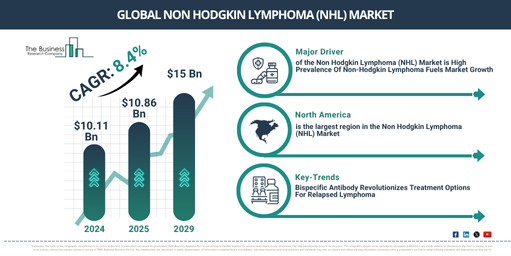
    In recent times, the market size for non-Hodgkin lymphoma (NHL) has seen significant growth. By 2025, it is projected to increase from $10.11 billion in 2024 to $10.86 billion with a compound annual growth rate (CAGR) of 7.5%. The historic surge in growth is linked to a higher occurrence of NHL, advancements in diagnostic tools, immunotherapy and chemotherapy, along with enhanced clinical research, drug development, and improved survival rates.

    The market for non hodgkin lymphoma (NHL) is predicted to undergo significant expansion in the forthcoming years. By 2029, it is estimated to reach a valuation of $15 billion, growing at a compound annual growth rate (CAGR) of 8.4%. The anticipated growth during the forecast period is due to factors such as an increasing elderly population, progress in targeted treatments, breakthroughs in immunotherapy, the development of precision medicine, and heightened awareness leading to early diagnosis. The forecast period also expects to see trends such as the emergence of biosimilars, the integration of next-generation sequencing, the increased use of car-t cell therapies, the development of new chemotherapy drugs, and an emphasis on real-world evidence and outcome studies.

    Download The Free Sample Report Here:

    https://www.thebusinessresearchcompany.com/sample.aspx?id=10676&type=smp

    What Market Forces Are Driving The Non Hodgkin Lymphoma (NHL) Sector In 2025 And Beyond?

    The non-Hodgkin lymphoma market is predicted to experience growth due to the high rate of the disease’s occurrence. Non-Hodgkin lymphoma is a form of cancer that arises from the lymphatic system – a part of the body’s immune framework. The disease’s prevalence signifies the count of people in a population presently living with or diagnosed with the condition at a particular time. Treatments for non-Hodgkin lymphoma enhance the health outcomes of those diagnosed, focusing on controlling and managing the cancerous cells. To illustrate, the American Cancer Society, a cancer healthcare organization from the US, reported in January 2023 that non-Hodgkin lymphoma makes up 4% of all cancers and approximated that in 2023, about 80,550 Americans, including 44,880 males and 35,670 females, would be impacted by the disease. It also projected the death of about 20,180 people in the same year due to non-Hodgkin lymphoma. Furthermore, the Canadian Cancer Society, a national cancer charity in Canada, reported in May 2022 that 11,400 Canadians would be diagnosed with non-Hodgkin lymphoma in the year 2022, and 3,000 Canadians’ lives would be claimed by the disease. Hence, the non-Hodgkin lymphoma market is being invigorated by the high occurrence of the disease.

    How Is The Global Non Hodgkin Lymphoma (NHL) Market Categorized By Segments?

    The non hodgkin lymphoma (nhl) market covered in this report is segmented –

    1) By Type: B-Cell Lymphoma, T-Cell Lymphoma

    2) By Treatment: Surgery, Stem Cell Transplant, Chemotherapy, Immunotherapy, Targeted Therapy, Radiation Therapy

    3) By Route of Administration: Oral, Parenteral, Other Routes of Administration

    4) By Distribution Channel: Hospital Pharmacy, Retail Pharmacy, Online Pharmacy, Other Distribution Channels

    5) By End-Users: Hospitals, Homecare, Specialty Centers, Other End Users

    Subsegments:

    1) By B-Cell Lymphoma: Diffuse Large B-Cell Lymphoma (DLBCL), Follicular Lymphoma, Chronic Lymphocytic Leukemia (CLL), Mantle Cell Lymphoma, Burkitt Lymphoma, Marginal Zone Lymphoma, Primary Mediastinal B-Cell Lymphoma

    2) By T-Cell Lymphoma: Peripheral T-Cell Lymphoma (PTCL), Anaplastic Large Cell Lymphoma (ALCL), Cutaneous T-Cell Lymphoma (CTCL), T-Cell Lymphoblastic Lymphoma, Adult T-Cell Leukemia/Lymphoma (ATLL)

    What Long-Term Trends Are Likely To Affect The Non Hodgkin Lymphoma (NHL) Market?

    The emergence of novel drug innovations is a significant rising trend in the non-Hodgkin lymphoma market. Firms in the non-Hodgkin sphere are emphasizing the development of new products to maintain market dominance. For example, in December 2022, Genentech Inc., a biotechnology firm based in the US, obtained FDA authorization for Lunsumio, an innovative bispecific antibody intended for treatment of relapsed or refractory follicular lymphoma. This antibody represents a new category of cancer immunotherapy that is fixed-duration, readily accessible, and immediately available to patients, eliminating any waiting time for treatment. The FDA’s endorsement is founded on optimistic outcomes from the Lunsumio Phase II GO29781 study conducted on individuals extensively pretreated for FL, especially those at a heightened risk of disease progression or unresponsive to prior therapies.

    Which Firms Are Considered Leaders In The Non Hodgkin Lymphoma (NHL) Market Space?

    Major companies operating in the non hodgkin lymphoma (NHL) market include Bayer AG, Teva Pharmaceutical Industries Ltd., F. Hoffmann La Roche Ltd., Merck & Co. Inc., Eli Lilly and Co., Novartis AG, GlaxoSmithKline plc, AbbVie Inc., AstraZeneca plc, Takeda Pharmaceutical Company Limited, Bristol Myers Squibb Co., Pfizer Inc., Celgene Corporation, Sanofi S.A., Janssen Pharmaceuticals Inc., Johnson & Johnson, Biogen Idec, Boehringer Ingelheim GmbH, Eisai Co. Ltd., Gilead Sciences, Incyte Corporation, Karyopharm Therapeutics, Kite Pharma Inc., Kyowa Hakko Kirin Co. Ltd., MorphoSys AG, Nordic Nanovector ASA, Ono Pharmaceutical Co. Ltd., Seattle Genetics Inc., Spectrum Pharmaceuticals Inc.

    Get The Full Report Here:

    https://www.thebusinessresearchcompany.com/report/non-hodgkin-lymphoma-nhl-global-market-report

    What Role Do Regional Policies And Investments Play In Non Hodgkin Lymphoma (NHL) Market Expansion?

    North America was the largest region in the non-Hodgkin lymphoma (NHL) market in 2024.Asia-Pacific is expected to be the fastest-growing region in the global non-Hodgkin lymphoma (NHL) market report during the forecast period. The regions covered in the non-Hodgkin lymphoma (NHL) market report are Asia-Pacific, Western Europe, Eastern Europe, North America, South America, Middle East, Africa

    Request For A Customized Report:

    https://www.thebusinessresearchcompany.com/customise?id=10676&type=smp

    About The Business Research Company:

    With over 15000+ reports from 27 industries covering 60+ geographies, The Business Research Company has built a reputation for offering comprehensive, data-rich research and insights. Armed with 1,500,000 datasets, the optimistic contribution of in-depth secondary research, and unique insights from industry leaders, you can get the information you need to stay ahead in the game.

    Get in touch with us:

    The Business Research Company: https://www.thebusinessresearchcompany.com/

    Americas +1 310-496-7795

    Asia +44 7882 955267 & +91 8897263534

    Europe +44 7882 955267

    Email us at info@tbrc.info

    Follow us on:

    LinkedIn: https://in.linkedin.com/company/the-business-research-company

    YouTube: https://www.youtube.com/channel/UC24_fI0rV8cR5DxlCpgmyFQ

    Global Market Model: https://www.thebusinessresearchcompany.com/global-market-model
  • Future Demand and Leading Companies Shaping the Nephrology Drugs Market to 2029

    Future Demand and Leading Companies Shaping the Nephrology Drugs Market to 2029

    Claim your 30% discount on Global Market Reports with code ONLINE30. Limited time only.

    Claim your 30% discount on Global Market Reports with code ONLINE30. Limited time only.

    What Are the Forecasted Growth Rate and Market Size of the Nephrology Drugs Market?

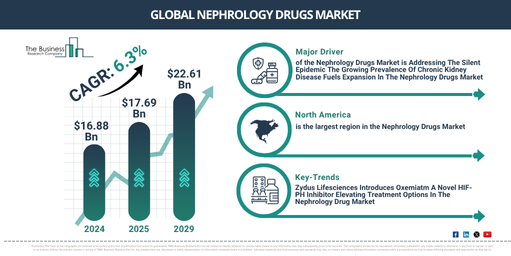
    In the past few years, the nephrology drugs market has seen a consistent growth. It is set to expand from a size of $16.88 billion in 2024 to $17.69 billion in 2025, with a 4.8% compound annual growth rate (CAGR). The past growth trends can be attributed to factors such as a rise in chronic kidney diseases (CKD), advancements in the development of nephrology drugs, heightened awareness and diagnosis rates, government interventions and healthcare policies, and an increasing occurrence of diabetes.

    In the forthcoming years, the market size for nephrology drugs is anticipated to experience robust growth. The market is projected to reach $22.61 billion in 2029, growing at a Compound Annual Growth Rate (CAGR) of 6.3%. The expansion in the forecast period is predicted due to the development of novel therapies and drugs, precision medicine, personalized approach to treatment, growing expenditure in healthcare, the utilization of telehealth and remote patient monitoring, as well as global health initiatives. The forecast period also exhibits major trends including partnerships and collaborations, technological progression in dialysis, improvements in treatment modalities, an increasing focus on early diagnosis and intervention, and technological incorporation in managing nephrology.

    Download The Free Sample Report Here:

    https://www.thebusinessresearchcompany.com/sample.aspx?id=10076&type=smp

    Which Factor Is Shaping The Future Of The Nephrology Drugs Market?

    The increase in cases of chronic kidney disease (CKD) is projected to spur the expansion of the nephrology drugs market. CKD is a condition that impairs the kidneys’ blood filtration ability due to damage that happens gradually over time. This slow deterioration can result in waste accumulation in the body. To slow down this progression and enhance kidney function, nephrology drugs are used, thus contributing to the growth of the nephrology drug market. For example, reports by the Centers for Disease Control and Prevention (CDC), a health protection agency based in the US, in July 2022, revealed an estimated 37 million individuals in the US diagnosed with chronic kidney disease. This disease is more prevalent amongst those who are 65 years or older, accounting for 38 percent. Likewise, the Kidney Foundation of Canada, a non-profit organization in Canada, states that 4 million Canadians are affected by kidney diseases, with 35 percent of kidney failure cases linked to diabetes patients. Such numbers are predicted to increase in the future, hence reinforcing the chronic kidney disease prevalence as a key driver for the nephrology drug market’s expansion.

    What Is The Segment-Wise Breakdown Of The Nephrology Drugs Market?

    The nephrology drugs market covered in this report is segmented –

    1) By Drugs: Antihypertensive Agents, Erythropoiesis-Stimulating Agents, Diuretics, ACE Inhibitors, Antidiabetic Agents, Other Drugs

    2) By Route Of Administration: Oral, Parenteral, Other Route Of Administration

    3) By Distribution Channel: Hospital Pharmacy, Online Pharmacy, Retail Pharmacy

    4) By End User: Hospitals, Homecare, Specialty Clinics, Other End Users

    Subsegments:

    1) By Antihypertensive Agents: Calcium Channel Blockers, Beta-Blockers, Angiotensin II Receptor Blockers (ARBs)

    2) By Erythropoiesis-Stimulating Agents: Epoetin Alfa, Darbepoetin Alfa

    3) By Diuretics: Loop Diuretics, Thiazide Diuretics, Potassium-Sparing Diuretics

    4) By ACE Inhibitors: Lisinopril, Enalapril

    5) By Antidiabetic Agents: Metformin, Insulin

    6) By Other Drugs: Phosphate Binders, Vitamin D Analogues, Renin Inhibitors

    Which Trends Are Redefining The Future Landscape Of The Nephrology Drugs Industry?

    A significant trend emerging within the nephrology drug market is the emphasis on product innovation. Leading companies in this space are creating new products and pharmaceuticals to maintain their competitive edge. Take for example, Zydus Lifesciences Limited, an India-based pharmaceutical company, which in March 2022, unveiled a new drug called Oxemia (desidustat) for the treatment of chronic kidney disease (CKD). This oral drug is a small-molecule hypoxia-inducible factor-prolyl hydroxylase (HIF-PH) inhibitor and offers a feasible therapeutic option for anemia, having been approved by the Drug Controller General of India in phase III clinical trials. It showed promising safety profiles, downregulation of hepcidin, enhanced iron mobilization, and a decrease in LDL-C in patients suffering from chronic kidney disease. Moreover, the drug is reasonably priced thereby enhancing patients’ quality of life and reducing the impact of this disease on their lives.

    Which Companies Hold The Largest Market Share In The Nephrology Drugs Sector?

    Major companies operating in the nephrology drugs market include AstraZeneca plc, AbbVie Inc., Akebia Therapeutics Inc., Amgen Inc., F. Hoffmann-La Roche AG, FibroGen Inc., Johnson And Johnson, Pfizer Inc., GlaxoSmithKline plc, Teva Pharmaceutical Industries Limited, Boehringer Ingelheim International GmbH, Reata Pharmaceuticals Inc., Ardelyx Inc., Novo Nordisk A/S, Novartis AG, Baxter International Inc., Bristol Myers Squibb Company, Kissei Pharmaceutical Co. Ltd., Kyowa Kirin Co. Ltd., Mallinckrodt Pharmaceuticals, OPKO Health Inc., Sanofi S.A., Takeda Pharmaceutical Company Limited, Vifor Pharma Group, Bayer AG, Amicus Therapeutics, Chugai Pharmaceutical Co. Ltd., Otsuka Pharmaceutical Co. Ltd., Mylan N.V., Endo Pharmaceuticals plc

    Get The Full Report Here:

    https://www.thebusinessresearchcompany.com/report/nephrology-drugs-global-market-report

    How Does Regional Performance Compare Across The Nephrology Drugs Industry?

    North America was the largest region in the nephrology drug market in 2024.Europe will be the second-largest growing region in the nephrology drug market in 2024. The regions covered in the nephrology drugs market report are Asia-Pacific, Western Europe, Eastern Europe, North America, South America, Middle East, Africa

    Request For A Customized Report:

    https://www.thebusinessresearchcompany.com/customise?id=10076&type=smp

    About The Business Research Company:

    With over 15000+ reports from 27 industries covering 60+ geographies, The Business Research Company has built a reputation for offering comprehensive, data-rich research and insights. Armed with 1,500,000 datasets, the optimistic contribution of in-depth secondary research, and unique insights from industry leaders, you can get the information you need to stay ahead in the game.

    Get in touch with us:

    The Business Research Company: https://www.thebusinessresearchcompany.com/

    Americas +1 310-496-7795

    Asia +44 7882 955267 & +91 8897263534

    Europe +44 7882 955267

    Email us at info@tbrc.info

    Follow us on:

    LinkedIn: https://in.linkedin.com/company/the-business-research-company

    YouTube: https://www.youtube.com/channel/UC24_fI0rV8cR5DxlCpgmyFQ

    Global Market Model: https://www.thebusinessresearchcompany.com/global-market-model
  • Latest Market Developments in Pruritus Therapeutics Industry: Forecast 2025–2029

    Latest Market Developments in Pruritus Therapeutics Industry: Forecast 2025–2029

    Claim your 30% discount on Global Market Reports with code ONLINE30. Limited time only.

    Claim your 30% discount on Global Market Reports with code ONLINE30. Limited time only.

    What Is the Estimated Industry Valuation for the Pruritus Therapeutics Sector?

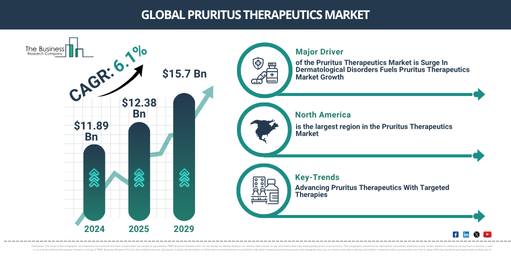
    In the past few years, there has been a consistent increase in the market size of pruritus therapeutics. The market, which is forecasted to be valued at $11.89 billion in 2024, is anticipated to rise to $12.38 billion in 2025, marking a compound annual growth rate (CAGR) of 4.1%. This expansion during the historical phase is due to various factors including an uptick in pruritus cases, diverse origins and circumstances, increasing elderly populace, and emphasis on the quality of life of patients.

    Significant expansion is anticipated in the pruritus therapeutics market in the coming years, with projections estimating it to reach a value of $15.7 billion by 2029, growing at a CAGR of 6.1%. This estimated growth during the forecast period can be linked to a deeper understanding of pruritus pathophysiology, advancements in drug formulations and delivery strategies, a focus on personalized medication, an upsurge in dermatological R&D, improved awareness and diagnosis rates, and a growing inclination towards botanical and herbal treatments. Predicted trends for the forecast period comprise the creation of itch-specific receptor agonists and antagonists, a market focus on personalized therapeutic strategies, the incorporation of technology in itch surveillance and treatment, and partnerships for interdisciplinary research.

    Download The Free Sample Report Here:

    https://www.thebusinessresearchcompany.com/sample.aspx?id=11907&type=smp

    What Forces Are Driving The Growth Of The Pruritus Therapeutics Market?

    The escalating incidence of skin-related ailments is predicted to bolster the expansion of the pruritus therapeutics market in the future. Dermatological disorders encompass conditions affecting the skin, hair, nails, and mucous membrane, varying from acne and eczema to skin cancer and fungal infections. How pruritus treatments are used is often dictated by the root cause of the itch in dermatological diseases. Topical treatments, emollients and moisturizers, immunosuppressive drugs, and anti-itching medications are frequently employed to treat this condition. For example, the American Cancer Society, a non-profit organization committed to eradicating cancer in the US, reported in January 2024 that there would be 108,270 skin cancer cases, a 3.2% rise from the 104,930 cases reported in 2023. Consequently, the escalating prevalence of dermatological ailments is propelling the growth of the pruritus therapeutics market.

    How Is The Pruritus Therapeutics Industry Segmented Across Key Parameters?

    The pruritus therapeutics market covered in this report is segmented –

    1) By Product: Corticosteroids, Antihistamines, Local Anesthetics, Counterirritants, Immunosuppressants, Calcineurin Inhibitors, Other Products

    2) By Route Of Administration: Oral, Parenteral, Topical

    3) By Disease Type: Atopic Dermatitis, Allergic Contact Dermatitis, Urticaria, Cutaneous T-Cell, Other Disease Types

    4) By End-User: Hospitals, Clinics, Other End Users

    Subsegments:

    1) By Corticosteroids: Topical Corticosteroids, Systemic Corticosteroids

    2) By Antihistamines: First-Generation Antihistamines, Second-Generation Antihistamines

    3) By Local Anesthetics: Topical Local Anesthetics

    4) By Counterirritants: Menthol-Based Products, Camphor-Based Products

    5) By Immunosuppressants: Topical Immunosuppressants, Systemic Immunosuppressants

    6) By Calcineurin Inhibitors: Tacrolimus Ointment, Pimecrolimus Cream

    7) By Other Products: Moisturizers And Emollients, Antipruritic Herbal Remedies, Combination Therapies

    What Notable Trends Are Shaping The Direction Of The Pruritus Therapeutics Market?

    Leading corporates in the pneumococcal vaccine sector are introducing novel products in an attempt to boost their market profits. Merck & Co Inc., an American pharmaceutical company, for instance, unveiled the V116 vaccine in July 2023. The purpose of V116 is to target the eight unique serotypes of Streptococcus pneumoniae, which are predominantly accountable for pneumococcal disease in adults. Compared with other similar vaccines, V116 has demonstrated superior immunogenicity across diverse serotypes in adult cohorts, and it has also elicited positive immune responses in both those receiving the vaccine for the first time and those who were previously immunized. The V116 has been classified as a breakthrough therapy by the U.S. Food and Drug Administration (FDA) and is currently undergoing Phase 3 trials.

    Which Companies Currently Dominate The Competitive Landscape In The Pruritus Therapeutics Industry?

    Major companies operating in the pruritus therapeutics market include Pfizer Inc., Johnson & Johnson, AbbVie Inc., Sanofi S.A., Bristol-Myers Squibb Company, Eli Lilly and Company, Regeneron Pharmaceuticals Inc., Astellas Pharma Inc. , Bausch Health Companies Inc., Galderma Laboratories LP, Cipla Limited, LEO Pharma AS, Cara Therapeutics Inc., GlaxoSmithKline Plc, Novan Inc., Escient Pharmaceuticals Inc., Nerre Therapeutic Ltd., EPI Health LLC, Trevi Therapeutics Inc., Evelo Biosciences, Toray Medical Co. Ltd.

    Get The Full Report Here:

    https://www.thebusinessresearchcompany.com/report/pruritus-therapeutics-global-market-report

    Which Geographic Regions Are Driving Demand In The Pruritus Therapeutics Market?

    North America was the largest region in the pruritus treatment market in 2024. Asia-Pacific is expected to be the fastest-growing region in the forecast period. The regions covered in the pruritus therapeutics market report are Asia-Pacific, Western Europe, Eastern Europe, North America, South America, Middle East, Africa.

    Request For A Customized Report:

    https://www.thebusinessresearchcompany.com/customise?id=11907&type=smp

    About The Business Research Company:

    With over 15000+ reports from 27 industries covering 60+ geographies, The Business Research Company has built a reputation for offering comprehensive, data-rich research and insights. Armed with 1,500,000 datasets, the optimistic contribution of in-depth secondary research, and unique insights from industry leaders, you can get the information you need to stay ahead in the game.

    Get in touch with us:

    The Business Research Company: https://www.thebusinessresearchcompany.com/

    Americas +1 310-496-7795

    Asia +44 7882 955267 & +91 8897263534

    Europe +44 7882 955267

    Email us at info@tbrc.info

    Follow us on:

    LinkedIn: https://in.linkedin.com/company/the-business-research-company

    YouTube: https://www.youtube.com/channel/UC24_fI0rV8cR5DxlCpgmyFQ

    Global Market Model: https://www.thebusinessresearchcompany.com/global-market-model
  • 2025–2029 Nanotechnology-Based Medical Devices Market Outlook: Regional Trends and Growth Forecast

    2025–2029 Nanotechnology-Based Medical Devices Market Outlook: Regional Trends and Growth Forecast

    Claim your 30% discount on Global Market Reports with code ONLINE30. Limited time only.

    Claim your 30% discount on Global Market Reports with code ONLINE30. Limited time only.

    What Is the Estimated Industry Valuation for the Nanotechnology-Based Medical Devices Sector?

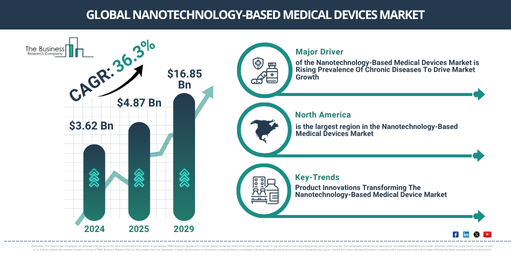
    The market for nanotechnology-based medical devices has seen significant expansion in recent years. The market, which is projected to balloon from $3.62 billion in 2024 to $4.87 billion in 2025, boasts a compound annual growth rate (CAGR) of 34.6%. Factors contributing to this historical trajectory of growth include a trend towards device miniaturization, progress in materials science, improved diagnostic capabilities, advancements in imaging techniques, and the evolution of personalized medicine.

    In the coming years, the market for nanotechnology-based medical devices is predicted to experience significant growth, increasing to $16.85 billion by 2029, with a compound annual growth rate (CAGR) of 36.3%. This growth in the estimated period is due to factors such as the rising burden of chronic diseases, improved drug delivery systems, the broadening of telemedicine, the surge in minimally invasive procedures, and an emphasis on point-of-care devices. The anticipated trends for the forecast period encompass implantable nanosystems, nano-enabled tissue engineering, nanoparticle imaging contrast agents, 3D printing with nanomaterials, and eco-friendly nanotechnology.

    Download The Free Sample Report Here:

    https://www.thebusinessresearchcompany.com/sample.aspx?id=12268&type=smp

    What Forces Are Driving The Growth Of The Nanotechnology-Based Medical Devices Market?

    The anticipated growth of the nanotechnology-based medical device sector is seen to be largely fueled by the escalating prevalence of chronic ailments. These persistent health issues – which last for a year or more and require ongoing medical attention or hinder daily activities – are frequently diagnosed and treated using nanotechnology-based medical instruments. Such tools offer enhanced optical power, antibacterial and antimicrobial properties, bioavailability, surface conjugation, and biocompatibility. The World Health Organization, a specialized agency of the United Nations based in Switzerland, reported in September 2022 that out of the 41 million deaths worldwide each year due to non-communicable diseases (NCDs) or chronic diseases, which comprise 74% of total mortality, 17.9 million were caused by cardiovascular diseases, 9.3 million by cancer, 4.1 million by chronic respiratory diseases, and 2.0 million by diabetes. Thus, the escalating incidence of chronic ailments is a key driver propelling the nanotechnology-based medical device industry forward.

    How Is The Nanotechnology-Based Medical Devices Industry Segmented Across Key Parameters?

    The nanotechnology-based medical devices market covered in this report is segmented –

    1) By Product: Active Implantable Devices, Biochips, Implantable Materials, Medical Textiles And Wound Dressings, Other Products

    2) By Application: Therapeutic Applications, Diagnostic Applications, Research Applications

    3) By End-Users: Hospitals, Clinics, Other End-Users

    Subsegments:

    1) By Active Implantable Devices: Cardiac Pacemakers, Neurostimulators, Implantable Drug Delivery Systems

    2) By Biochips: Lab-On-A-Chip Devices: DNA Microarrays, Protein Microarrays

    3) By Implantable Materials: Nanocomposite Materials, Biodegradable Polymers, Coatings For Implants

    4) By Medical Textiles And Wound Dressings: Nanofiber Dressings, Antimicrobial Textiles, Smart Textiles For Monitoring

    5) By Other Products: Nanoparticles For Imaging, Diagnostic Devices Incorporating Nanotechnology

    What Notable Trends Are Shaping The Direction Of The Nanotechnology-Based Medical Devices Market?

    There’s a growing trend for product innovation within the nanotechnology-based medical device sector. Major participants in this market are focusing on creating unique products to reinforce their market presence. An illustration of this is Ended Pharmaceuticals, an Indian pharmaceutical organization, which worked together with Nonskin London, a UK-based cosmetic research lab, in January 2023. They unveiled a nanotechnology-based eye gel serum, named Eyecare. These nanotechnology-infused serums utilize a biocellular composition containing natural ingredients that have been thoroughly vetted and scientifically confirmed for safety.

    Which Companies Currently Dominate The Competitive Landscape In The Nanotechnology-Based Medical Devices Industry?

    Major companies operating in the nanotechnology-based medical devices market include Johnson & Johnson, General Electric Company, Thermo Fisher Scientific Inc., Abbott Laboratories, 3M Company, Medtronic PLC, Stryker Corporation, DuPont de Nemours Inc., Boston Scientific Corporation, Arkema Group, Zimmer Biomet, Smith And Nephew PLC, Sonova Holding AG, Dentsply Sirona Inc., Perkinelmer Inc., Bruker Corporation, Biotrinik SE & Co. KG, LivaNova Plc, MED-EL, Keystone Nano, Nanonics Imaging Ltd., Imina Technologies SA, Hummingbird Scientific, Blueberry Therapeutics, Cello Therapeutics

    Get The Full Report Here:

    https://www.thebusinessresearchcompany.com/report/nanotechnology-based-medical-devices-global-market-report

    Which Geographic Regions Are Driving Demand In The Nanotechnology-Based Medical Devices Market?

    North America was the largest region in the nanotechnology-based medical devices market in 2024. Asia-Pacific is expected to be the fastest-growing region in the forecast period. The regions covered in the nanotechnology-based medical devices market report are Asia-Pacific, Western Europe, Eastern Europe, North America, South America, Middle East, Africa.

    Request For A Customized Report:

    https://www.thebusinessresearchcompany.com/customise?id=12268&type=smp

    About The Business Research Company:

    With over 15000+ reports from 27 industries covering 60+ geographies, The Business Research Company has built a reputation for offering comprehensive, data-rich research and insights. Armed with 1,500,000 datasets, the optimistic contribution of in-depth secondary research, and unique insights from industry leaders, you can get the information you need to stay ahead in the game.

    Get in touch with us:

    The Business Research Company: https://www.thebusinessresearchcompany.com/

    Americas +1 310-496-7795

    Asia +44 7882 955267 & +91 8897263534

    Europe +44 7882 955267

    Email us at info@tbrc.info

    Follow us on:

    LinkedIn: https://in.linkedin.com/company/the-business-research-company

    YouTube: https://www.youtube.com/channel/UC24_fI0rV8cR5DxlCpgmyFQ

    Global Market Model: https://www.thebusinessresearchcompany.com/global-market-model
  • Emerging Trends and Growth Drivers in the Proton Pump Inhibitors Market Through 2029

    Emerging Trends and Growth Drivers in the Proton Pump Inhibitors Market Through 2029

    Claim your 30% discount on Global Market Reports with code ONLINE30. Limited time only.

    Claim your 30% discount on Global Market Reports with code ONLINE30. Limited time only.

    How Large Is the Proton Pump Inhibitors Market Expected to Be in 2029?

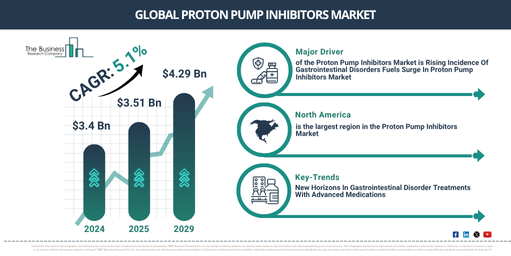
    The market size for proton pump inhibitors has been on a consistent growth trend in the latest years. It is projected to balloon from a valuation of $3.4 billion in 2024 to $3.51 billion in 2025, mirroring a compound annual growth rate (CAGR) of 3.2%. The driving force behind the considerable growth witnessed in the historic period can be traced back to factors such as the widespread incidence of gastroesophageal reflux disease (GERD), the prevalence of peptic ulcer disease, a rising elderly population, modifications in lifestyle and eating habits, and an enhancement in disease awareness and diagnosis.

    Over the coming years, the proton pump inhibitors market is projected to experience significant growth, reaching a value of $4.29 billion in 2029 while exhibiting a compound annual growth rate (CAGR) of 5.1%. This anticipated increase during the projected period is credited to factors such as the adoption by emerging markets, the rise in helicobacter pylori infections, efforts to educate patients, planned marketing ventures, and promotional strategies. Key trends to look out for during this period may include the incorporation of digital health solutions, strategies for global market growth, an emphasis on education about gastrointestinal health, regulatory changes, safety precautions, and considerations for the environmental impact.

    Download The Free Sample Report Here:

    https://www.thebusinessresearchcompany.com/sample.aspx?id=10791&type=smp

    What Are The Contributors To Demand In The Proton Pump Inhibitors Market?

    The rise in gastrointestinal ailments is predicted to fuel the proton pump inhibitors market expansion. Disorders like nausea, vomiting, food poisoning, and diarrhea, which affect the gastrointestinal (GI) tract’s normal biological functions, are categorized as gastrointestinal ailments. To treat heartburn and acid-related conditions, proton pump inhibitors (PPIs) are frequently recommended. These inhibitors decrease the volume of stomach acid generated by the stomach lining glands. The escalating occurrence of these disorders contributes to the growth of PPIs. As per Cancer Australia’s September 2022 report, a cancer control organization in Australia aiming to aid cancer patients and raise disease awareness, 2,572 new cases of stomach cancer (comprising 1,661 male and 911 female instances) are foreseen in Australia for the year 2022. In another report from September 2022, a survey conducted by the American Gastroenterological Association (a US-based medical gastroenterologist association having over 16,000 doctors and scientists as members) highlighted that more than 40% of the American populace had discontinued regular activities in the past year due to severe gastrointestinal symptoms, including working out (19%), completing tasks (17%), and socializing (16%). Consequently, the heightening prevalence of gastrointestinal disorders is predicted to boost the proton pump inhibitors market growth.

    What Segmentation Categories Are Included In The Proton Pump Inhibitors Market Analysis?

    The proton pump inhibitors market covered in this report is segmented –

    1) By Type: Pantoprazole, Omeprazole, Lansoprazole, Esomeprazole, Rabeprazole, Dexlansoprazole, Other Types

    2) By Disease Allocation: Ulcers, Gastroesophageal Reflux Disease, Other Disease Indications

    3) By Application: Hospitals, Clinic, Other Applications

    Subsegments:

    1) By Pantoprazole: Tablet Formulations, Injectable Formulations

    2) By Omeprazole: Over-The-Counter (OTC) Omeprazole, Prescription Omeprazole

    3) By Lansoprazole: Fast-Acting Lansoprazole, Delayed-Release Lansoprazole

    4) By Esomeprazole: Oral Esomeprazole, Intravenous Esomeprazole

    5) By Rabeprazole: Rabeprazole Tablets, Extended-Release Rabeprazole

    6) By Dexlansoprazole: Standard Dexlansoprazole, Modified-Release Dexlansoprazole

    7) By Other Types: Combination Formulations, Lesser-Known PPIs

    What Upcoming Trends Are Expected To Impact The Proton Pump Inhibitors Market Globally?

    The plasma powder industry is seeing a growing emphasis on product innovation. To maintain their market prominence, businesses in this sector are concentrating on introducing novel product ranges. For instance, the Switzerland-based drug manufacturer, Octapharma AG, received authorization from the European Union (EU) in February 2023 for their OctaplasLG powder, a reimagined plasma powder or lyophilized (freeze-dried) iteration of their widely-renowned transfusion plasma. This variant will be sold as a powder and solvent mix for infusion in Europe. OctaplasLG, a medical-grade human plasma product, features unsurpassed pathogen safety profiles and a standardized quality, thanks to Octapharma’s comprehensive pathogen elimination and deactivation methodology.

    Who Are The Top-Ranked Companies In The Proton Pump Inhibitors Market Today?

    Major companies operating in the proton pump inhibitors market include AstraZeneca plc, Pfizer Inc., Cadila Pharmaceuticals Limited, Eisai Pharmaceuticals India Pvt. Ltd, Wyeth LLC, Eli Lilly and Company, Bayer AG, Takeda Pharmaceutical Company, Santarus Inc., Janssen Pharmaceuticals, GlaxoSmithKline plc, Changzhou Siyao Pharmaceuticals, Yangzhou Pharmaceutical, Sanofi S.A., Johnson & Johnson, Novartis International AG, Teva Pharmaceutical Industries Ltd., Mylan N.V., Sun Pharmaceutical Industries Ltd., Dr. Reddy’s Laboratories Ltd., Lupin Limited, Torrent Pharmaceuticals Ltd., Zydus Cadila, Glenmark Pharmaceuticals Ltd., Alkem Laboratories Ltd., Cipla Limited, Hetero Drugs Limited, Intas Pharmaceuticals Ltd., Macleods Pharmaceuticals Ltd., Micro Labs Ltd., Natco Pharma Limited, Panacea Biotec Ltd., Strides Pharma Science Limited, Wockhardt Ltd.

    Get The Full Report Here:

    https://www.thebusinessresearchcompany.com/report/proton-pump-inhibitors-global-market-report

    How Is Proton Pump Inhibitors Market Adoption Varying Across Different Regions And Sectors?

    North America was the largest region in the proton pump inhibitors market in 2024. Asia-Pacific is expected to be the fastest-growing region in the global proton pump inhibitors market size during the forecast period. The regions covered in the proton pump inhibitors market report are Asia-Pacific, Western Europe, Eastern Europe, North America, South America, Middle East, Africa

    Request For A Customized Report:

    https://www.thebusinessresearchcompany.com/customise?id=10791&type=smp

    About The Business Research Company:

    With over 15000+ reports from 27 industries covering 60+ geographies, The Business Research Company has built a reputation for offering comprehensive, data-rich research and insights. Armed with 1,500,000 datasets, the optimistic contribution of in-depth secondary research, and unique insights from industry leaders, you can get the information you need to stay ahead in the game.

    Get in touch with us:

    The Business Research Company: https://www.thebusinessresearchcompany.com/

    Americas +1 310-496-7795

    Asia +44 7882 955267 & +91 8897263534

    Europe +44 7882 955267

    Email us at info@tbrc.info

    Follow us on:

    LinkedIn: https://in.linkedin.com/company/the-business-research-company

    YouTube: https://www.youtube.com/channel/UC24_fI0rV8cR5DxlCpgmyFQ

    Global Market Model: https://www.thebusinessresearchcompany.com/global-market-model
  • CAGR of 9.7% Projected for Proteasome Inhibitors Market From 2025 to 2029

    CAGR of 9.7% Projected for Proteasome Inhibitors Market From 2025 to 2029

    Claim your 30% discount on Global Market Reports with code ONLINE30. Limited time only.

    Claim your 30% discount on Global Market Reports with code ONLINE30. Limited time only.

    What Is the Outlook for the Proteasome Inhibitors Market Heading Into 2029?

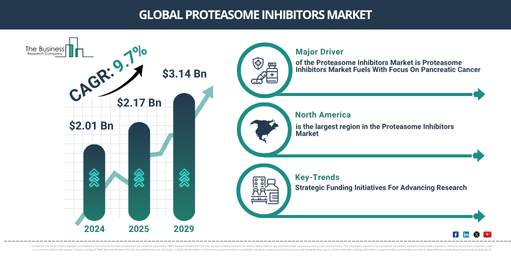
    The market size for proteasome inhibitors has seen significant expansion in the past years. It’s projected to surge from $2.01 billion in 2024 to $2.17 billion in 2025, demonstrating a compound annual growth rate (CAGR) of 7.9%. This upward trend during the historic period could be the result of novel scientific discoveries, clinical investigations and experiments, FDA sanctions, an increase in cancer incidences, and advances in the procedure of drug dispatch.

    The market for proteasome inhibitors is anticipated to experience robust growth in the forthcoming years, with projections suggesting a rise to $3.14 billion in 2029, indicating a compound annual growth rate (CAGR) of 9.7%. Factors driving growth during this forecast period could be linked to the use of precision medicine strategies, advanced generation inhibitors, improved healthcare infrastructure, combination of targeted therapies, and acceptance in emerging markets. Key trends throughout this same period could include combinations of immunotherapy, selective proteasome inhibition, inhibitors with an extended half-life, oral formulations, and treatments for resistant cancer variants.

    Download The Free Sample Report Here:

    https://www.thebusinessresearchcompany.com/sample.aspx?id=12251&type=smp

    Which Factors Are Pushing The Proteasome Inhibitors Market Forward?

    The growth of the proteasome inhibitors market is anticipated to be fueled by the rising occurrence of pancreatic cancer. This cancer type originates in the cells of the pancreas, a bodily organ situated in the belly, just behind the stomach. Proteasome inhibitors, which play a key role in encouraging cell growth and preventing cell death by breaking down proteins regulating cell cycle progression, are predominantly used to manage pancreatic cancer. This disruption of cancer cell survival inhibits tumor expansion and spread. As per reports from the American Cancer Society in January 2024, a health organization headquartered in the United States, about 64,050 adults in the US were identified as having pancreatic cancer in 2023, resulting in the death of 50,550 individuals. Moreover, the number swelled to 66,440 diagnosed cases where the death toll rose to 51,750. Thus, the heightened incidence of pancreatic cancer is propelling the expansion of the proteasome inhibitors market.

    Which Segment Held The Largest Share In The Proteasome Inhibitors Market In 2025?

    The proteasome inhibitors market covered in this report is segmented –

    1) By Product: Velcade, Kyprolis, Ninlaro, Other Products

    2) By Drugs: Bortezomib, Carfilzomib, Ixazomib

    3) By Indication: Lymphoma, Mantle Cell Lymphoma, Multiple Myeloma

    4) By Distribution Channel: Hospital Pharmacy, Online Pharmacy, Retail Pharmacy

    5) By End-User: Hospital, Specialty Clinics, Other End-Users

    Subsegments:

    1) By Velcade: Injectable Velcade (Bortezomib), Oral Formulations

    2) By Kyprolis: Injectable Kyprolis (Carfilzomib), Combination Therapies With Kyprolis

    3) By Ninlaro: Oral Ninlaro (Ixazomib), Combination Therapies With Ninlaro

    4) By Other Products: Investigational Proteasome Inhibitors, Combination Products

    How Are Key Trends Driving Expansion In The Proteasome Inhibitors Industry?

    The emergence of product innovation is a noteworthy trend in the plant-based vaccine market. To remain competitive, major players in this market are investing in the development of groundbreaking products. An example is the approval by Health Canada in February 2022, of COVIFENZ, the COVID-19 vaccine, developed by Medicago Inc., a biopharmaceutical firm headquartered in Canada, and GSK PLC, a UK-based pharmaceutical and biotechnology corporation. This vaccine, which utilises CoVLP technology, is the pioneer plant-based VLP, recombinant, adjuvanted vaccine developed for the treatment of COVID-19. COVIFENZ consists of recombinant spike (S) glycoproteins produced as virus-like particles (VLPs).

    Which Organizations Are Driving Progress In The Proteasome Inhibitors Industry?

    Major companies operating in the proteasome inhibitors market include Pfizer Inc., Johnson And Johnson, AbbVie, Novartis AG, Merck & Co. Inc., Bristol-Myers Squibb Company, Thermo Fisher Scientific Inc., AstraZeneca Plc, Fresenius Kabi AG, GlaxoSmithKline PLC, Takeda Pharmaceutical Company Limited, Eli Lilly and Company, Amgen Inc., Baxter International Inc., Sigma-Aldrich, Zydus Pharmaceuticals, Onyx Pharmaceuticals Inc., Tocris Bioscience, Accuitis Inc., TG Therapeuticsn Inc., QLi5 Therapeutics GmbH, Progenra Inc., Nurix Inc., Cephalon Inc., Cleave Therapeutics, Lifesensors Inc., MimiVax LLC, Apotex Inc.

    Get The Full Report Here:

    https://www.thebusinessresearchcompany.com/report/proteasome-inhibitors-global-market-report

    Which Region Is Expected To Experience The Highest Growth In The Proteasome Inhibitors Industry?

    North America was the largest region in the proteasome inhibitors market in 2024. The regions covered in the proteasome inhibitors market report are Asia-Pacific, Western Europe, Eastern Europe, North America, South America, Middle East, Africa.

    Request For A Customized Report:

    https://www.thebusinessresearchcompany.com/customise?id=12251&type=smp

    About The Business Research Company:

    With over 15000+ reports from 27 industries covering 60+ geographies, The Business Research Company has built a reputation for offering comprehensive, data-rich research and insights. Armed with 1,500,000 datasets, the optimistic contribution of in-depth secondary research, and unique insights from industry leaders, you can get the information you need to stay ahead in the game.

    Get in touch with us:

    The Business Research Company: https://www.thebusinessresearchcompany.com/

    Americas +1 310-496-7795

    Asia +44 7882 955267 & +91 8897263534

    Europe +44 7882 955267

    Email us at info@tbrc.info

    Follow us on:

    LinkedIn: https://in.linkedin.com/company/the-business-research-company

    YouTube: https://www.youtube.com/channel/UC24_fI0rV8cR5DxlCpgmyFQ

    Global Market Model: https://www.thebusinessresearchcompany.com/global-market-model