Month: August 2025

  • Hematocrit Test Devices Market Valuation Expected To Reach $6.19 Billion By 2029, Growing At A Rate Of 6%

    Hematocrit Test Devices Market Valuation Expected To Reach $6.19 Billion By 2029, Growing At A Rate Of 6%

    Claim your 30% discount on Global Market Reports with code ONLINE30. Limited time only.

    What Are the Key Projections for the CAGR of the Hematocrit Test Devices Market Size From 2025 to 2034?

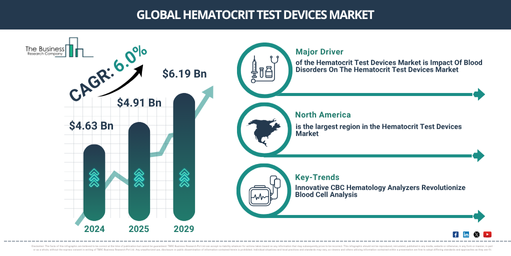
    The market size of hematocrit test devices has seen robust growth in the past years. This market is anticipated to expand from a size of $4.63 billion in 2024 to $4.91 billion in 2025, with a compound annual growth rate (CAGR) of 6.0%. The historic growth can be credited to an increased awareness about anemia, deficiencies in iron and vitamins, a rise in chronic illness cases, an upsurge in government funding, and a surge in population.

    The market for hematocrit test devices is predicted to experience significant expansion in the approaching years. Projected to reach a value of $6.19 billion by 2029, the market is expected to achieve a compound annual growth rate (CAGR) of 6.0%. This anticipated growth during the forecast period is linked to numerous factors, including increased instances of anemia and blood disorders, a growing elderly population, heightened emphasis on health and fitness, and the expanding requirement for cardiovascular diagnostic tools. Crucial trends identified for the forecast period encompass the emergence of groundbreaking solutions, technological progress in the field of medical science, the development of newly efficient and innovative products, technological advancements specific to hematocrit testing, and ongoing progress in the healthcare sector.

    Download a free sample to assess the report’s scope and structure:

    https://www.thebusinessresearchcompany.com/sample.aspx?id=15582&type=smp

    Which Factors and External Forces Are Driving Demand in the Hematocrit Test Devices Market?

    The rise in blood disorders is projected to fuel the expansion of the hematocrit test devices market in the future. Blood disorders, which can affect red and white blood cells, platelets, and blood plasma, are on the rise due to several factors such as genetic predispositions, environmental pollution, and changes in lifestyle. Hematocrit test devices, which are primarily used to calculate the volume proportion of red blood cells in the blood, provide vital data regarding a patient’s hematology health. For instance, a report by the American Cancer Society, a non-profit organization based in the U.S., projected that roughly 62,770 new cases of all types of leukemia would occur in the United States in January 2024, translating to an estimated 23,670 fatalities. Among these cases, an estimated 20,800 new cases of acute myeloid leukemia (AML) are expected, predominantly in adults, with about 11,220 deaths as a result of AML, which typically affects adults. As such, the increasing instances of blood disorders are facilitating the growth of the hematocrit test devices market.

    Which Segments in the Hematocrit Test Devices Offer the Most Growth?

    The hematocrit test devicesmarket covered in this report is segmented –

    1) By Product: Hematocrit Test Meter, Hematocrit Test Analyzer, Reagents And Consumables

    2) By Application: Anemia, Polycythemia Vera, Congenital Heart Diseases, Other Applications

    3) By End-User: Hospitals And Ambulatory Surgical Centers, Clinics, Diagnostic And Pathology Labs, Other End-Users

    Subsegments:

    1) By Hematocrit Test Meter: Handheld Hematocrit Meters, Portable Hematocrit Meters, Desktop Hematocrit Meters, Point-Of-Care Hematocrit Meters, Digital Hematocrit Meters, Battery-Powered Hematocrit Meters

    2) By Hematocrit Test Analyzer: Automated Hematocrit Analyzers, Benchtop Hematocrit Analyzers, Semi-Automated Hematocrit Analyzers, Microhematocrit Analyzers, High-Throughput Hematocrit Analyzers, Compact Hematocrit Analyzers

    3) By Reagents And Consumables: Hematocrit Test Strips, Hematocrit Pipettes And Capillaries, Blood Sample Collection Tubes For Hematocrit Testing, Quality Control Reagents For Hematocrit Testing, Calibration Standards For Hematocrit Devices, Disposable Test Kits And Consumables

    Request customized data on this market:

    https://www.thebusinessresearchcompany.com/customise?id=15582&type=smp

    What Are the Fastest-Growing Geographies in the #Which Factors and External Forces Are Driving Demand in the Hematocrit Test Devices Market?# Market?

    North America was the largest region in the hematocrit test devices market in 2024. Asia-Pacific is expected to be the fastest-growing region in the forecast period. The regions covered in the hematocrit test devices market report are Asia-Pacific, Western Europe, Eastern Europe, North America, South America, Middle East, Africa.

    Which Cutting-Edge Market Trends Are Expected to Drive theHematocrit Test Devices Market’s Growth?

    Leaders within the hematocrit test device market, such as Mindray Medical International Limited, are revolutionizing the field with the development of groundbreaking products like complete blood count (CBC) hematology analyzers. These automated devices have the ability to measure and analyze a variety of critical components in the blood such as the red and white blood cells along with platelets. For instance, in March 2022, the China-based medical device company introduced its BC-700 hematology analyzer series, which combines both complete blood count (CBC) and erythrocyte sedimentation rate (ESR) tests. Alongside other models in the range, like the BC-720, BC-760, and BC-780, the BC-700 series enhances medium-volume labs with advanced diagnostic technologies typically found in premium products. Mindray’s SF Cube 3D analysis technology, a feature of the high-end BC-6000 Series, is also incorporated in the more compact BC-700 series. This technology leverages fluorescence and bi-angular laser scatter signals to perform 3D analysis of target cells.

    View the full report here:

    https://www.thebusinessresearchcompany.com/report/hematocrit-test-devices-global-market-report

    What Are the Key Elements That Define the Hematocrit Test Devices Market?

    Hematocrit test devices refer to medical instruments used to measure the percentage of red blood cells (RBCs) in a person’s total blood volume. These devices are utilized for monitoring chronic conditions, preoperative assessments, detecting blood doping, screening blood donors, managing emergencies, and conducting research and clinical trials.

    Purchase the full report and get a swift delivery:

    https://www.thebusinessresearchcompany.com/purchaseoptions.aspx?id=15582

    About The Business Research Company:

    With over 15000+ reports from 27 industries covering 60+ geographies, The Business Research Company has built a reputation for offering comprehensive, data-rich research and insights. Armed with 1,500,000 datasets, the optimistic contribution of in-depth secondary research, and unique insights from industry leaders, you can get the information you need to stay ahead in the game.

    Get in touch with us:

    The Business Research Company: https://www.thebusinessresearchcompany.com/

    Americas +1 310-496-7795

    Europe +44 7882 955267

    Asia & Others +44 7882 955267 & +91 8897263534

    Email us at info@tbrc.info

    Follow us on:

    LinkedIn: https://in.linkedin.com/company/the-business-research-company

    YouTube: https://www.youtube.com/channel/UC24_fI0rV8cR5DxlCpgmyFQ

    Global Market Model: https://www.thebusinessresearchcompany.com/global-market-model
  • Heart Defect Closure Device Market Forecast Reaching $2.12 Billion by 2029 at 13.7% CAGR

    Heart Defect Closure Device Market Forecast Reaching $2.12 Billion by 2029 at 13.7% CAGR

    Claim your 30% discount on Global Market Reports with code ONLINE30. Limited time only.

    How Has The Heart Defect Closure Device Market Growth Evolved From 2024 To 2025, And What’s Ahead?

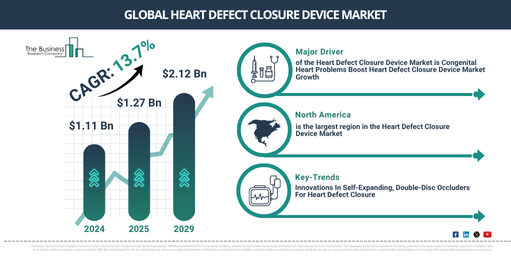
    In recent times, there’s been a swift expansion in the heart defect closure device market. It is projected to rise from $1.11 billion in 2024 to approximately $1.27 billion in 2025, experiencing a compound annual growth rate (CAGR) of 13.8%. Factors contributing to this growth during the historical period include an increase in congenital heart issues, an aging population, heightened health consciousness, elevated research and development activities, and advancements in catheterization methodologies.

    The market size of heart defect closure devices is projected to experience significant growth in the forthcoming years, rising to a whopping $2.12 billion by 2029 with a compound annual growth rate (CAGR) of 13.7%. This anticipated growth during the prediction period is mainly due to an increase in congenital defects, enhancements in diagnostic techniques, a surge in the adoption of MRI procedures, an increase in the utilization of 3D imaging in heart defect closure operations, and a high prevalence of ischemic stroke. Key trends anticipated during the forecast period include technological progress, the creation of cutting-edge products, the development of next-generation heart closure devices, the increasing identification of PFO closure devices, and the necessity to examine the advantages of PFO closure for the elderly demographic.

    Download a free sample to assess the report’s scope and structure:

    https://www.thebusinessresearchcompany.com/sample.aspx?id=16074&type=smp

    Which Major Market Drivers Are Expected to Boost the Growth Potential of the Heart Defect Closure Device Market?

    The escalating incidence of congenital heart issues is predicted to fuel the expansion of the heart defect closure device market in the future. These congenital heart issues are structural anomalies in the heart that one is born with. The surge in congenital heart problems can be attributed to genetic factors, environmental impacts, and maternal health conditions such as diabetes, obesity, and exposure to specific medications or infections during pregnancy. Heart defect closure devices are beneficial in treating congenital heart problems as they provide minimally invasive solutions to close abnormal openings in the heart. This helps in reinstating normal blood flow, minimizing complications, and enhancing the overall functioning of the heart. For example, as per a report published in the National Library of Medicine (NLM) in October 2024, a research into US-based biomedical informatics and computational health data science highlighted a sudden increase in the CHD incidence rate to 5.46% in 2023, a steep rise from 1.12% in 2020, 2.36% in 2021, and 3.87% in 2022. Consequently, the increasing count of people suffering from congenital heart issues is the driving force behind the growth of the heart defect closure device market.

    Which Key Market Segments Comprise the Heart Defect Closure Device Market and Drive Its Revenue Growth?

    The heart defect closure devicemarket covered in this report is segmented –

    1) By Type: Atrial Septal Defect (ASD) Closure Device, Left Atrial Appendage (LAA) Closure Devices, Patent Foramen Ovale (PFO) Closure Devices, Patent Ductus Arteriosus (PDA) Closure Devices, Ventricular Septal Defect (VSD) Closure Devices

    2) By Material: Nitinol-Based Devices, Stainless Steel Devices, Other Materials

    3) By Mode Of Delivery: Transcatheter Delivery, Surgical Delivery, Other Modes

    4) By End-User: Hospitals, Clinics, Ambulatory Surgical Centers, Other End-Users

    Subsegments:

    1) By Atrial Septal Defect (ASD) Closure Device: Occluder Devices (Septal Occluders), Implantable Patch Devices, Self-Expanding Devices, Balloon-Expandable Devices

    2) By Left Atrial Appendage (LAA) Closure Devices: Occluder Devices (WATCHMAN Device), Clip-Based Devices, Self-Expanding LAA Closure Devices

    3) By Patent Foramen Ovale (PFO) Closure Devices: Septal Occluders, Self-Expanding Occluders, Balloon-Expandable Occluders

    4) By Patent Ductus Arteriosus (PDA) Closure Devices: Coil-Based Closure Devices, Stent-Based Closure Devices, Amplatzer Occluders

    5) By Ventricular Septal Defect (VSD) Closure Devices: Septal Occluder Devices, Balloon-Expandable Occluders, Self-Expanding Occluders

    Request customized data on this market:

    https://www.thebusinessresearchcompany.com/customise?id=16074&type=smp

    Which Areas Are Leading Regions in the Heart Defect Closure Device Market Expansion Across the Globe?

    North America was the largest region in the heart defect closure device market in 2024. Asia-Pacific is expected to be the fastest-growing region in the forecast period. The regions covered in the heart defect closure device market report are Asia-Pacific, Western Europe, Eastern Europe, North America, South America, Middle East, Africa.

    What Are the Key Market Trends in theHeart Defect Closure Device Market Over the Coming Years?

    Within the heart defect closure device market, major organizations are utilizing self-expandable, double-disc occluders to offer a less invasive alternative to seal heart defects. These occluders elevate the safety during procedures, enhance patient recovery times, and lower the chances of complications which are ordinary in conventional open-heart surgeries. An example of this development was seen in September 2022, when a medical devices and healthcare company from the US, Abbott Laboratories, launched their Amplatzer Talisman PFO Occlusion System in Europe. This device is specifically engineered to seal a patent foramen ovale (PFO) – an unsusual gap between the heart’s left and right atria, which might be the cause of strokes and additional complications. The procedure involves using the device to deploy a self-expandable, double-disc occluder made from nitinol wire mesh in a less invasive way to close the PFO, which helps in blocking any clot transfer between the atria.

    View the full report here:

    https://www.thebusinessresearchcompany.com/report/heart-defect-closure-device-global-market-report

    How Is the Heart Defect Closure Device Market Conceptually Defined?

    A heart defect closure device is a medical device used to close abnormal openings or defects in the heart’s structure, typically in the septum, which is the wall separating the heart’s chambers. It is used to treat certain heart defects, such as atrial septal defects or patent foramen ovale, by closing heart’s wall. They are delivered via minimally invasive procedures, providing an effective and less invasive alternative to open-heart surgery for patients with these conditions.

    Purchase the full report and get a swift delivery:

    https://www.thebusinessresearchcompany.com/purchaseoptions.aspx?id=16074

    About The Business Research Company:

    With over 15000+ reports from 27 industries covering 60+ geographies, The Business Research Company has built a reputation for offering comprehensive, data-rich research and insights. Armed with 1,500,000 datasets, the optimistic contribution of in-depth secondary research, and unique insights from industry leaders, you can get the information you need to stay ahead in the game.

    Get in touch with us:

    The Business Research Company: https://www.thebusinessresearchcompany.com/

    Americas +1 310-496-7795

    Europe +44 7882 955267

    Asia & Others +44 7882 955267 & +91 8897263534

    Email us at info@tbrc.info

    Follow us on:

    LinkedIn: https://in.linkedin.com/company/the-business-research-company

    YouTube: https://www.youtube.com/channel/UC24_fI0rV8cR5DxlCpgmyFQ

    Global Market Model: https://www.thebusinessresearchcompany.com/global-market-model
  • $11.02 Billion Forecast for Healthcare Mobile Robots Market by 2029, Backed by Demand and Innovation

    $11.02 Billion Forecast for Healthcare Mobile Robots Market by 2029, Backed by Demand and Innovation

    Claim your 30% discount on Global Market Reports with code ONLINE30. Limited time only.

    What is the Projected CAGR for the Healthcare Mobile Robots Market Size from 2025 to 2034?

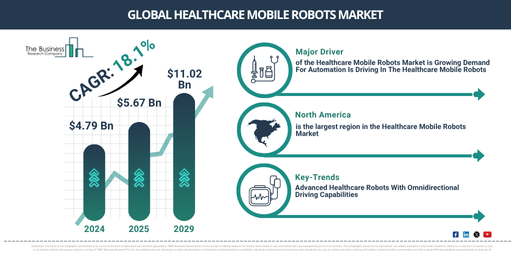
    In recent times, the market size for healthcare mobile robots has seen a significant increase. The market is projected to expand from $4.79 billion in 2024 to $5.67 billion in 2025, marking a Compound Annual Growth Rate (CAGR) of 18.3%. This growth observed in the historical period is credited to factors such as the growth of the healthcare workforce, a rise in healthcare expenses, enhanced infection control efforts, amplified government and institutional backing, and an increased emphasis on care that’s centered around patients.

    The market size for mobile robots in healthcare is projected to experience swift expansion in the upcoming years. By 2029, it is estimated to escalate to a value of $11.02 billion with a compound annual growth rate (CAGR) of 18.1%. The advancement in the coming years could be credited to factors such as electronic health records integration, customization, personalization, user onboarding and acceptance, sustainable environment, and an increasing older population. The forthcoming period will be characterized by leading trends such as enhanced incorporation of AI and machine learning, operational harmony and system integration, remote operation and telepresence, monitoring of health and biometric information, and effective cybersecurity safety measures.

    Download a free sample to assess the report’s scope and structure:

    https://www.thebusinessresearchcompany.com/sample.aspx?id=15819&type=smp

    What Are the Core Growth Drivers Propelling the Healthcare Mobile Robots Market Forward?

    The escalating interest in automation is projected to fuel the expansion of the healthcare mobile robot market in the future. Automation involves the use of technologies like machinery, software, or robotics to carry out tasks or processes with little to no human input. The rise in automation is credited to technological advancements, the escalating need for efficiency and productivity, and strategies to compensate for labor shortages and decrease operational expenses. The surging interest in automation is being leveraged in healthcare mobile robots to maximize tasks like logistical support and direct patient care, in turn heightening operational effectiveness and boosting patient results. For example, in June 2023, the International Federation of Robotics, a non-profit organization based in Germany devoted to promoting, fortifying, and safeguarding the global robotics industry, reported that the number of industrial robot installations in Europe was approximately 72,000 in 2022, marking a 6% increase from 2021. Therefore, the escalating interest in automation is propelling the expansion of the healthcare mobile robot market.

    What Segment Types Define the Healthcare Mobile Robots Market Structure?

    The healthcare mobile robotsmarket covered in this report is segmented –

    1) By Type: Hospital Robots, Care Robots, Imaging Assistance, Rehabilitation And Mobility, Teleoperation And Telepresence Systems, Surgical Robots, Walking Assisting Robots, Other Types

    2) By Component: Hardware, Software, Support And Service

    3) By End-User: Hospitals, Ambulatory Surgical Centers, Rehabilitation Centers, Other End-Users

    Subsegments:

    1) By Hospital Robots: Delivery Robots, Disinfection Robots, Medication Management Robots, Pharmacy Robots

    2) By Care Robots: Companion Robots, Elderly Care Robots, Personal Assistance Robots

    3) By Imaging Assistance: Imaging Transport Robots, Imaging Guidance Robots

    4) By Rehabilitation And Mobility: Mobility Assistance Robots, Rehabilitation Therapy Robots, Prosthetic And Orthotic Robots

    5) By Teleoperation And Telepresence Systems: Remote Patient Monitoring Robots, Telehealth Robots, Telepresence Robots

    6) By Surgical Robots: Robotic Surgery Systems, Minimally Invasive Surgical Robots, Robotic-Assisted Surgery Platforms

    7) By Walking Assisting Robots: Exoskeletons, Bipedal Walking Robots

    8) By Other Types: Autonomous Transport Robots, Cleaning And Maintenance Robots

    Request customized data on this market:

    https://www.thebusinessresearchcompany.com/customise?id=15819&type=smp

    Which Geographic Areas Hold the Strongest Growth Potential in the Healthcare Mobile Robots Market?

    North America was the dominated region in the healthcare mobile robots market in 2024. The regions covered in the healthcare mobile robots market report are Asia-Pacific, Western Europe, Eastern Europe, North America, South America, Middle East and Africa.

    Which Emerging Trends that Are Influencing theHealthcare Mobile Robots Industry Evolution?

    Key players in the healthcare mobile robot market are concentrating on innovating solutions featuring cutting-edge technology, like omnidirectional driving capable robots, to heighten efficiency, bolster safety measures, and expedite the delivery of medical equipment and supplies in hectic healthcare scenarios. These robots, armed with omnidirectional driving skills, are instrumental in transporting medical supplies, pharmaceuticals, and equipment within restricted spaces effectively. For instance, Oceaneering International, a US-based automation firm, launched three innovative robots in March 2022, including the UniMover D 100, UniMover O 600, and MaxMover CB D 2000. The UniMover D 100, a compact underride vehicle devised for light goods transportation, features an agility to circumvent obstacles spontaneously, making it apt for direct deliveries in medical facilities. The UniMover O 600, thanks to its omnidirectional driving skills, stands out in navigational abilities and is perfect for ferrying bulk items such as medical apparatus and pharmaceuticals in tight spaces. The MaxMover CB D 2000, replacing conventional forklifts, caters to various load types with impressive maneuverability and a refined control system, guaranteeing safety within healthcare environments.

    View the full report here:

    https://www.thebusinessresearchcompany.com/report/healthcare-mobile-robots-global-market-report

    What Is the Definition of the Healthcare Mobile Robots Market?

    Healthcare mobile robots refer to robots designed specifically for use within the healthcare industry. Healthcare mobile robots are utilized in healthcare settings to transport medical supplies, medications, and equipment throughout hospitals or clinics, enhancing workflow efficiency and allowing healthcare professionals to focus on critical patient care.

    Purchase the full report and get a swift delivery:

    https://www.thebusinessresearchcompany.com/purchaseoptions.aspx?id=15819

    About The Business Research Company:

    With over 15000+ reports from 27 industries covering 60+ geographies, The Business Research Company has built a reputation for offering comprehensive, data-rich research and insights. Armed with 1,500,000 datasets, the optimistic contribution of in-depth secondary research, and unique insights from industry leaders, you can get the information you need to stay ahead in the game.

    Get in touch with us:

    The Business Research Company: https://www.thebusinessresearchcompany.com/

    Americas +1 310-496-7795

    Europe +44 7882 955267

    Asia & Others +44 7882 955267 & +91 8897263534

    Email us at info@tbrc.info

    Follow us on:

    LinkedIn: https://in.linkedin.com/company/the-business-research-company

    YouTube: https://www.youtube.com/channel/UC24_fI0rV8cR5DxlCpgmyFQ

    Global Market Model: https://www.thebusinessresearchcompany.com/global-market-model
  • Collateral Ligament Stabilizer System Market 2025-2034: Key Highlights, Growth Dynamics, and Emerging Trends

    Collateral Ligament Stabilizer System Market 2025-2034: Key Highlights, Growth Dynamics, and Emerging Trends

    Claim your 30% discount on Global Market Reports with code ONLINE30. Limited time only.

    What Are the Key Projections for the CAGR of the Collateral Ligament Stabilizer System Market Size From 2025 to 2034?

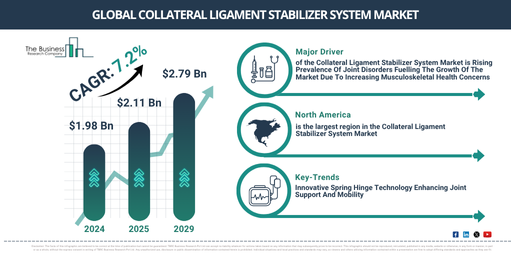
    The market for the collateral ligament stabilizer system has experienced robust growth in the preceding years. Expected to expand from $1.98 billion in 2024 to $2.11 billion in 2025, it’s set to have a compound annual growth rate (CAGR) of 6.8%. The previous period’s expansion can be credited to progress in orthopedic technology, an increase in injuries related to sports, a growing old-age population, increased preference for minimally invasive treatments, and advancements in healthcare infrastructure.

    The market size of the collateral ligament stabilizer system is anticipated to witness significant expansion in the coming years. The estimated growth is up to $2.79 billion by 2029, with a compound annual growth rate (CAGR) of 7.2%. The projected growth during the forecast period can be credited to an increase in musculoskeletal disorders, wider acceptance of 3D printing for orthopedic devices, heightened consciousness about avoiding injuries, advancements in biomaterials and intelligent braces, and wider healthcare availability in developing markets. The forecast period is also expected to see key trends including the use of artificial intelligence and machine learning in device designing, progress in smart wearable stabilizers, the use of 3D printing for tailored implants, creation of bioengineered ligament grafts, and application of IoT-supported monitoring systems.

    Download a free sample to assess the report’s scope and structure:

    https://www.thebusinessresearchcompany.com/sample.aspx?id=23349&type=smp

    How Are Key Drivers in the Industry Acting as Catalysts for the Growth of theCollateral Ligament Stabilizer System Market?

    The escalating rates of musculoskeletal ailments are anticipated to fuel the expansion of the collateral ligament stabilizer system market. Such disorders affect the body’s muscles, bones, joints, tendons, and ligaments, resulting in pain, stiffness, and limited mobility. Sedentary ways of living lead to poor body alignment and diminishing physical endeavours, thereby causing muscle weakness and joint stress, subsequently increasing the occurrence of musculoskeletal disorders. The surging rates of such disorders boost the demand for collateral ligament stabilizer systems since these apparatuses offer critical support for ligament injuries, contributing to stability, alleviating pain, and facilitating recovery. To illustrate, Gov.UK, a government organization based in the UK, reported in January 2024 that the prevalence of long-term musculoskeletal conditions in people aged 16 and above escalated from 17.6% in 2022 to 18.4% in 2023, with a higher prevalence in females (20.9%) than in males (15.8%). Thus, this surge in musculoskeletal disorder cases is spurring the growth of the collateral ligament stabilizer system market.

    Which Segments in the Collateral Ligament Stabilizer System Offer the Most Growth?

    The collateral ligament stabilizer systemmarket covered in this report is segmented –

    1) By Product Type: Knee Braces And Supports, Foot And Ankle Braces And Supports, Wrist Braces And Supports, Other Products

    2) By Ligament Type: Medial Collateral Ligament (MCL), Lateral Collateral Ligament (LCL)

    3) By Injury Type: Grade I, Grade II, Grade III

    4) By Treatment: Surgical Treatment, Non-Surgical Treatment

    5) By End-User: Hospitals, Orthopedic Clinics, Other End-Users

    Subsegments:

    1) By Knee Braces And Supports: Functional Knee Braces, Prophylactic Knee Braces, Rehabilitative Knee Braces, Unloader Or Offloader Knee Braces

    2) By Foot And Ankle Braces And Supports: Ankle Stabilizers, Walking Boots, Achilles Tendon Supports, Plantar Fasciitis Braces

    3) By Wrist Braces And Supports: Wrist Splints, Compression Wrist Supports, Thumb Spica Splints, Carpal Tunnel Braces

    4) By Other Products: Elbow Braces And Supports, Shoulder Braces And Supports, Hip Braces And Supports, Back Braces And Supports

    Request customized data on this market:

    https://www.thebusinessresearchcompany.com/customise?id=23349&type=smp

    What Are the Fastest-Growing Geographies in the #How Are Key Drivers in the Industry Acting as Catalysts for the Growth of theCollateral Ligament Stabilizer System Market?# Market?

    North America was the largest region in the collateral ligament stabilizer system market in 2024. The regions covered in the collateral ligament stabilizer system market report are Asia-Pacific, Western Europe, Eastern Europe, North America, South America, Middle East, Africa.

    What Are the Current Market Growth and Trends in the Collateral Ligament Stabilizer System Industry?

    Leading firms in the collateral ligament stabilizer system market are centering their efforts on the creation of cutting-edge products. These consist of braces based on spring hinge joint assist technology, which aim to boost joint support, lessen pain, and heighten mobility for people recovering from damages or undergoing rehabilitation. Spring hinge joint assist braces serve as orthopedic aids that enrich joint maneuver, mitigate tension, and heighten steadiness. They employ spring-loaded hinges to aid movement, enhance mobility and lessen stress on muscles and ligaments. For instance, McDavid Inc., a sports medicine and protective gear organization based in the US, unveiled the NRG knee braces in May 2024. This progressive hinge system is composed of robust polymer, giving it the qualities of being lightweight and sturdy, and weighing 60% less than traditional metal hinges. By assimilating energy when the knee flexes and releasing it naturally, this technology is capable of reducing knee strain by up to 25%, thereby ensuring smoother movement and increased stability. These braces, suitable for athletes and individuals recuperating from injuries or surgical procedures, not only offer superior support, but also expedite recovery while ensuring comfort and mobility during physical activities.

    View the full report here:

    https://www.thebusinessresearchcompany.com/report/collateral-ligament-stabilizer-system-global-market-report

    What Are the Key Elements That Define the Collateral Ligament Stabilizer System Market?

    A collateral ligament stabilizer system is a medical device that helps support and stabilize joints such as the knee or elbow by restricting excessive lateral movement. It is primarily used to treat medial or lateral collateral ligament (MCL/LCL) injuries, promoting recovery while preventing further damage. By providing controlled motion, these stabilizers help reduce pain and enhance joint stability during rehabilitation or after surgery.

    Purchase the full report and get a swift delivery:

    https://www.thebusinessresearchcompany.com/purchaseoptions.aspx?id=23349

    About The Business Research Company:

    With over 15000+ reports from 27 industries covering 60+ geographies, The Business Research Company has built a reputation for offering comprehensive, data-rich research and insights. Armed with 1,500,000 datasets, the optimistic contribution of in-depth secondary research, and unique insights from industry leaders, you can get the information you need to stay ahead in the game.

    Get in touch with us:

    The Business Research Company: https://www.thebusinessresearchcompany.com/

    Americas +1 310-496-7795

    Europe +44 7882 955267

    Asia & Others +44 7882 955267 & +91 8897263534

    Email us at info@tbrc.info

    Follow us on:

    LinkedIn: https://in.linkedin.com/company/the-business-research-company

    YouTube: https://www.youtube.com/channel/UC24_fI0rV8cR5DxlCpgmyFQ

    Global Market Model: https://www.thebusinessresearchcompany.com/global-market-model
  • Global Gynecology Surgical Forceps Market Projected to Reach $16.54 Billion by 2029 at a CAGR of 6.3%

    Global Gynecology Surgical Forceps Market Projected to Reach $16.54 Billion by 2029 at a CAGR of 6.3%

    Claim your 30% discount on Global Market Reports with code ONLINE30. Limited time only.

    What Is the Current and Projected Market Size of the Gynecology Surgical Forceps Market Through 2034?

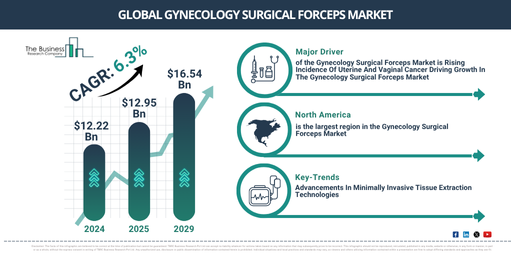
    In the past years, the market size for gynecology surgical forceps has seen a robust growth. Expected to escalate from a worth of $12.22 billion in 2024 to $12.95 billion in 2025, it boasts a compound annual growth rate (CAGR) of 6.0%. The historic growth is attributed to the surge in demand for gynecological procedures, the aging populace and women’s health concerns, progression in minimally invasive surgeries, a rise in health care expenditure on women’s health, the commonness of gynecological ailments, expansion of healthcare infrastructure, and the growing consciousness and availability of gynecological care.

    The market for gynecology surgical forceps is forecasted to experience robust growth over the next few years, reaching $16.54 billion in 2029 and with a CAGR of 6.3%. This expansion in the anticipated timeframe is due to the transition towards less invasive gynecological operations, the strict regulatory standards for surgical apparatus, patient-focused healthcare solutions, market penetration in developing economies, the standards for sustainable and environment-friendly methodologies, along with the introduction of digital health technologies in gynecology. The forthcoming trends encompass advancements in surgical instrument materials, miniaturization of surgical devices for greater accuracy, the combination of robotics and automation in gynecological operations, the tailoring of surgical equipment for specific techniques, the invention of intelligent surgical devices with sensors, the importance of ergonomic design for surgeons’ convenience, and the introduction and execution of telehealth and remote surgical guidance.

    Download a free sample to assess the report’s scope and structure:

    https://www.thebusinessresearchcompany.com/sample.aspx?id=17164&type=smp

    What are the Fundamental Drivers and Innovations Shaping the Gynecology Surgical Forceps Market?

    The expected rise in uterine and vaginal cancer cases is believed to spur the gynecology surgical forceps market’s growth. Uterine cancer is any malignancy that originates in the uterus, while vaginal cancer refers to cancers developing in the vagina, both requiring specialized medical attention and care. Aspects such as an aging population, lifestyle elements like obesity, leading to higher estrogen levels and thereby contributing to cancer growth, are driving up the occurrence of uterine and vaginal cancers. Gynecological surgical forceps play a key role in uterine and vaginal cancer cases as they enhance surgical accuracy and assist in effectively treating and managing these conditions, thereby ensuring the best possible results for patients undergoing gynecological surgeries. For example, in January 2023, the American Cancer Society, a US-based non-profit organization aimed at eradicating cancer, reported that the estimated deaths from uterine cervix cancer in 2022 had been 4,280, escalating to 4,310 in 2023, showing a growth of around 0.70%. Similarly, deaths due to cancers of the vagina and other female genital organs were projected at 1,630 in 2022, rising to 1,740 in 2023, indicating a surge of about 6.75%. Thus, the surge in the occurrence of uterine and vaginal cancers is a significant market driver for gynecology surgical forceps.

    How Is the Gynecology Surgical Forceps Market Segmented?

    The gynecology surgical forcepsmarket covered in this report is segmented –

    1) By Type: Allis Forceps, Artery Forceps, Other Types

    2) By Application: Laparoscopy, Hysteroscopy, Dilation and Curettage, Colposcopy, Other Applications

    3) By End User: Hospitals, Ambulatory Surgical Centers, Other End Users

    Subsegments:

    1) By Allis Forceps: Curved Allis Forceps, Straight Allis Forceps, Wide Tip Allis Forceps, Narrow Tip Allis Forceps

    2) By Artery Forceps: Kelly Artery Forceps, Crile Artery Forceps, Mosquito Artery Forceps, Rochester Artery Forceps

    3) By Other Types: Ring Forceps, Foerster Forceps, Tenaculum Forceps, Uterine Dressing Forceps, Biopsy Forceps

    Request customized data on this market:

    https://www.thebusinessresearchcompany.com/customise?id=17164&type=smp

    Which Regions Are Driving the Next Phase of the Gynecology Surgical Forceps Market Growth?

    North America was the largest region in the gynecology surgical forceps market in 2024. Asia-Pacific is expected to be the fastest-growing region in the forecast period. The regions covered in the gynecology surgical forceps market report are Asia-Pacific, Western Europe, Eastern Europe, North America, South America, Middle East, Africa.

    What Key Trends Are Shaping the Future of the Gynecology Surgical Forceps Market?

    Major corporations in the gynecology surgical forceps market are emphasizing on introducing pioneering products like tissue removal products, aimed towards increasing precision, decreasing patient recovery duration, and enhancing surgical results. Tissue removal products are health care devices designed for the extraction of tissue samples or lumps from the body for purposes such as disease diagnosis, treatment or surgery. These devices are specifically crafted to permit accurate, safe, and minimal invasion during tissue extraction, primarily for biopsy, analysis, or therapy. For example, Olympus Corporation, a business based in Japan, released the Guardenia Contained Extraction System in September 2022, developed to hinder cell leakage into the abdominal cavity during operations including hysterectomy and myomectomy. This system contains an inbuilt guard that bolsters the security around the surgical cut, preventing inadvertent injury from sharp instruments during gynecological procedures. In addition, the design optimizes the space available in the incision while firmly anchoring the containment bag, providing robust protection and reducing the possibility of cell dispersion into the abdominal cavity during manual tissue morcellation.

    View the full report here:

    https://www.thebusinessresearchcompany.com/report/gynecology-surgical-forceps-global-market-report

    How Is the Gynecology Surgical Forceps Market Defined and What Are Its Core Parameters?

    Gynecology surgical forceps are specialized instruments used in gynecological procedures to grasp, hold, manipulate, or remove tissue and other materials. They come in various shapes and sizes and are designed for specific tasks such as clamping blood vessels, handling delicate tissues, or retrieving objects.

    Purchase the full report and get a swift delivery:

    https://www.thebusinessresearchcompany.com/purchaseoptions.aspx?id=17164

    About The Business Research Company:

    With over 15000+ reports from 27 industries covering 60+ geographies, The Business Research Company has built a reputation for offering comprehensive, data-rich research and insights. Armed with 1,500,000 datasets, the optimistic contribution of in-depth secondary research, and unique insights from industry leaders, you can get the information you need to stay ahead in the game.

    Get in touch with us:

    The Business Research Company: https://www.thebusinessresearchcompany.com/

    Americas +1 310-496-7795

    Europe +44 7882 955267

    Asia & Others +44 7882 955267 & +91 8897263534

    Email us at info@tbrc.info

    Follow us on:

    LinkedIn: https://in.linkedin.com/company/the-business-research-company

    YouTube: https://www.youtube.com/channel/UC24_fI0rV8cR5DxlCpgmyFQ

    Global Market Model: https://www.thebusinessresearchcompany.com/global-market-model
  • Clinical Reference Laboratory Market Trends 2025-2034: Growth, Strategic Insights, and Opportunities Ahead

    Clinical Reference Laboratory Market Trends 2025-2034: Growth, Strategic Insights, and Opportunities Ahead

    Claim your 30% discount on Global Market Reports with code ONLINE30. Limited time only.

    How Has The Clinical Reference Laboratory Market Growth Evolved From 2024 To 2025, And What’s Ahead?

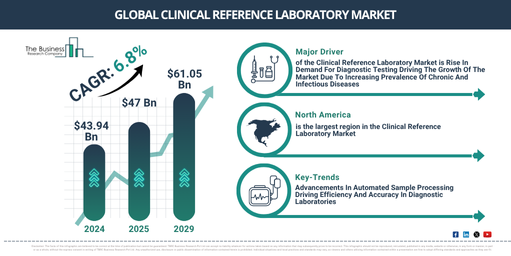
    In recent times, there has been significant growth in the market size of the clinical reference laboratory. It is anticipated that its value will climb from $43.94 billion in 2024 to $47 billion in 2025, indicating a compound annual growth rate (CAGR) of 7.0%. The historic expansion can be traced back to factors such as rising instances of chronic illnesses, enhanced value-based outsourcing from hospitals, an increased number of bio reference labs, widespread adoption of point-of-care testing and the appearance of a variety of infectious diseases.

    The market size of clinical reference laboratories is anticipated to witness substantial growth in the coming years, reaching a valuation of $61.05 billion by 2029 with a compound annual growth rate (CAGR) of 6.8%. The robust growth during the projection period can be linked to the stronger emphasis on molecular biology, the growing number of clinical trials, advancements in microbiology, increased preference for preventive medicine, and heightened awareness about the use of testing kits. Key trends predicted during this period encompass technological advancements, the application of artificial intelligence, the incorporation of advanced automation technology in reference labs, personalized medicine utilization, and the integration of automation and artificial intelligence.

    Download a free sample to assess the report’s scope and structure:

    https://www.thebusinessresearchcompany.com/sample.aspx?id=23340&type=smp

    What Are the Major Market Drivers Behind the Rising Adoption of Clinical Reference Laboratory Market?

    The rising need for diagnostic examinations is anticipated to stimulate the expansion of the clinical reference laboratory market in the future. These diagnostic exams evaluate biological samples to identify, diagnose, and monitor diseases, medical conditions, or infections. This expansion is facilitated by innovative developments in medical technology, making tests more accessible, precise, and efficient. Clinical reference labs play a vital role in diagnostic testing, offering highly specific and accurate analysis utilizing advanced technology and standardized procedures. This ensures dependable test outcomes that assist in early disease detection, treatment strategies, and patient supervision across various medical sectors. As an example, a report by the National Health Service (NHS), a UK-based publicly funded healthcare system, showed that in April 2024, the number of patients waiting over six weeks for a crucial diagnostic test rose by 21,200 to 376,200 from the previous month. As such, the escalating demand for diagnostic testing is set to drive the development of the clinical reference laboratory market.

    Which Key Market Segments Comprise the Clinical Reference Laboratory Market and Drive Its Revenue Growth?

    The clinical reference laboratorymarket covered in this report is segmented –

    1) By Type: Clinical Chemistry, Genetics Testing, Microbiology And Cytology, Other Types

    2) By Technology: Traditional Laboratory Techniques, Digital Technologies, Automated Testing Platforms, Molecular Diagnostics

    3) By Application: Clinics, Hospitals, Independent Laboratory

    Subsegments:

    1) By Clinical Chemistry: Blood Gas Analysis, Enzyme Testing, Electrolyte Testing, Lipid Panel, Liver Function Testing, Renal Function Testing

    2) Genetics Testing: Carrier Screening, Diagnostic Testing, Predictive And Presymptomatic Testing, Pharmacogenomics, Prenatal And Newborn Testing

    3) By Microbiology And Cytology: Bacterial Culture Testing, Fungal Culture Testing, Viral Testing, Parasitology Testing, Cytopathology

    4) By Other Types: Immunology Testing, Hematology Testing, Toxicology Testing, Endocrinology Testing

    Request customized data on this market:

    https://www.thebusinessresearchcompany.com/customise?id=23340&type=smp

    Which Areas Are Leading Regions in the Clinical Reference Laboratory Market Expansion Across the Globe?

    North America was the largest region in the clinical reference laboratory market in 2024. Asia-Pacific is expected to be the fastest-growing region in the forecast period. The regions covered in the clinical reference laboratory market report are Asia-Pacific, Western Europe, Eastern Europe, North America, South America, Middle East, Africa.

    What Are the Strategic Trends Steering theClinical Reference Laboratory Market Direction?

    Key companies in the clinical reference laboratory market are concentrating on creating cutting-edge products such as automated sample processing platforms. These are developed to improve efficiency, precision, and scalability. Automated sample processing platforms are advanced, high-throughput lab systems that rely on robotics and superior software to handle, prepare, and assess biological samples with little human involvement. This enhances efficiency and standardization in research and diagnostic procedures. For example, in January 2023, QIAGEN NV, a Germany-based firm, introduced the EZ2 Connect MDx platform for diagnostic labs. Its design focuses on automated sample processing, enabling labs to effectively extract DNA and RNA from 24 samples concurrently in around 30 minutes. The platform features magnetic-bead technology for nucleic acid extraction from various sample categories, including blood plasma, serum, and stool. It uses prefilled and sealed reagent cartridges and cameras for load checking, as well as UV decontamination to minimize contamination risks. The platform also includes onboard pipetting and heating, and an automated ability to pierce sealed cartridges for effortless operation. The analyte produced is compatible with multiple downstream technologies, like real-time PCR, digital PCR, and next-generation sequencing.

    View the full report here:

    https://www.thebusinessresearchcompany.com/report/clinical-reference-laboratory-global-market-report

    How Is the Clinical Reference Laboratory Market Conceptually Defined?

    A clinical reference laboratory is a specialized medical laboratory that performs high-complexity diagnostic testing and analysis on biological specimens such as blood, urine, and tissue samples. These laboratories offer advanced testing services, including molecular diagnostics, toxicology, immunology, and pathology. They are equipped with state-of-the-art technology and adhere to stringent regulatory standards to ensure accuracy, reliability, and compliance with healthcare regulations.

    Purchase the full report and get a swift delivery:

    https://www.thebusinessresearchcompany.com/purchaseoptions.aspx?id=23340

    About The Business Research Company:

    With over 15000+ reports from 27 industries covering 60+ geographies, The Business Research Company has built a reputation for offering comprehensive, data-rich research and insights. Armed with 1,500,000 datasets, the optimistic contribution of in-depth secondary research, and unique insights from industry leaders, you can get the information you need to stay ahead in the game.

    Get in touch with us:

    The Business Research Company: https://www.thebusinessresearchcompany.com/

    Americas +1 310-496-7795

    Europe +44 7882 955267

    Asia & Others +44 7882 955267 & +91 8897263534

    Email us at info@tbrc.info

    Follow us on:

    LinkedIn: https://in.linkedin.com/company/the-business-research-company

    YouTube: https://www.youtube.com/channel/UC24_fI0rV8cR5DxlCpgmyFQ

    Global Market Model: https://www.thebusinessresearchcompany.com/global-market-model
  • Gait Analyzer Market Forecast 2025–2034: Trends Reshaping Demand, Investment, and Innovation

    Gait Analyzer Market Forecast 2025–2034: Trends Reshaping Demand, Investment, and Innovation

    Claim your 30% discount on Global Market Reports with code ONLINE30. Limited time only.

    What is the Anticipated CAGR of the Gel Implants Market, and What Factors Will Drive It?

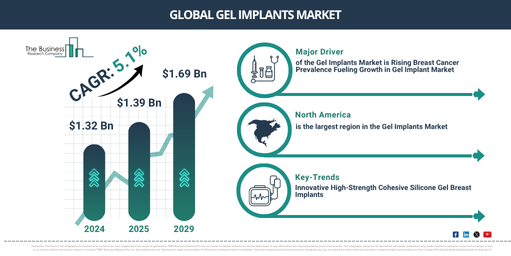
    The market size for gel implants has seen robust growth in the past years. It is projected to rise from $1.32 billion in 2024 to $1.39 billion in 2025, showcasing a compound annual growth rate (CAGR) of 5.0%. The impressive growth during the historic period can be credited to several factors including an increase in aesthetic consciousness among consumers, a rise in breast cancer cases, an increase in plastic surgeons, advancements in minimally invasive surgical methods, and an expansion in insurance coverage.

    Predictions indicate a robust expansion of the gel implants market in the forthcoming years, with its value expected to surge to $1.69 billion by 2029, witnessing a compound annual growth rate (CAGR) of 5.1%. Factors contributing to this growth trajectory over the forecast period include a rise in consumer interest for aesthetic improvements, growing understanding of the advantages of gel implants, higher disposable incomes, rising funding in cosmetic surgery research, and an increase in worldwide medical tourism for affordable treatments. The forecast period is also expected to see key trends such as advancements in technology, less invasive procedures, cosmetic surgeries, fat grafting, utilization of 3D printing technology, and gender confirmation surgeries.

    Download a free sample to assess the report’s scope and structure:

    https://www.thebusinessresearchcompany.com/sample.aspx?id=16691&type=smp

    What Are the Primary Drivers Supporting the Market Growth of the Gel Implants Market?

    The growth of the gel implant market is anticipated to be fueled by the rising incidence of breast cancer. This type of cancer originates from breast cells and can emerge in various parts of the breast, either the ductal carcinoma occurring in the milk ducts or the lobular carcinoma developing in the milk-producing glands. The rise in this disease’s prevalence is attributed to factors such as increased awareness and screenings, an aging population, shifts in reproductive habits, and lifestyle influences. The treatment for breast cancer often includes mastectomy, which instigates a requirement for breast reconstructions using implants like gel implants that restore lost volume and form to the breast. For example, Centers for Disease Control and Prevention, a government agency based in the US, reported in June 2024 that there were 272,454 new diagnoses of breast cancer in women across the nation in 2021, leading to the death of 42,211 women in 2022. Consequently, the escalating incidence of breast cancer is facilitating the expansion of the gel implant market.

    Which Primary Segments of the Gel Implants Market Are Driving Growth and Industry Transformations?

    The gel implantsmarket covered in this report is segmented –

    1) By Product: Silicone Gel Implants, Gummy Bear Implants

    2) By Application: Cosmetic Surgery, Reconstructive Surgery

    3) By End User: Specialty Clinics, Hospitals

    Subsegments:

    1) By Silicone Gel Implants: Round Silicone Gel Implants, Anatomical (Teardrop) Silicone Gel Implants

    2) By Gummy Bear Implants: Textured Gummy Bear Implants, Smooth Gummy Bear Implants

    Request customized data on this market:

    https://www.thebusinessresearchcompany.com/customise?id=16691&type=smp

    Which Regions Are Key Players in the Growth of the #What Are the Primary Drivers Supporting the Market Growth of the Gel Implants Market?# Market?

    North America was the largest region in the gel implants market in 2024. The regions covered in the gel implants market report are Asia-Pacific, Western Europe, Eastern Europe, North America, South America, Middle East, Africa.

    What Are the Most Significant Market Trends in the Gel Implants Market?

    Leading firms in the gel implant market, such as Sientra, are focusing on the creation of cutting-edge products like high-strength cohesive silicone gel breast implants to boost their market shares. These innovative implants use a denser silicone gel that retains its form more effectively, resulting in a bolstered natural feel and heightened durability, subsequently decreasing the possibility of rupture or leakage. Sientra, an American gel implant producer, introduced its high-strength cohesive silicone gel breast implants in the Canadian market as of July 2023. These latest implants are crafted to deliver a natural look and feel, with documented low rates of complications. Sientra is the pioneer amongst new silicone gel breast implant manufacturers to obtain approval from Health Canada.

    View the full report here:

    https://www.thebusinessresearchcompany.com/report/gel-implants-global-market-report

    What Parameters Are Used to Define the Gel Implants Market?

    Gel implants are soft, flexible implants filled with a gel-like substance commonly used for breast augmentation, facial contouring, and soft tissue augmentation. The purpose of gel implants is to enhance or restore volume, shape, and contour to specific areas of the body, providing natural-looking results and improving the patient’s aesthetic appearance.

    Purchase the full report and get a swift delivery:

    https://www.thebusinessresearchcompany.com/purchaseoptions.aspx?id=16691

    About The Business Research Company:

    With over 15000+ reports from 27 industries covering 60+ geographies, The Business Research Company has built a reputation for offering comprehensive, data-rich research and insights. Armed with 1,500,000 datasets, the optimistic contribution of in-depth secondary research, and unique insights from industry leaders, you can get the information you need to stay ahead in the game.

    Get in touch with us:

    The Business Research Company: https://www.thebusinessresearchcompany.com/

    Americas +1 310-496-7795

    Europe +44 7882 955267

    Asia & Others +44 7882 955267 & +91 8897263534

    Email us at info@tbrc.info

    Follow us on:

    LinkedIn: https://in.linkedin.com/company/the-business-research-company

    YouTube: https://www.youtube.com/channel/UC24_fI0rV8cR5DxlCpgmyFQ

    Global Market Model: https://www.thebusinessresearchcompany.com/global-market-model
  • Artificial Eye Market Insights: In-Depth Look at Growth Trends, Market Size, and Opportunities for 2025-2034

    Artificial Eye Market Insights: In-Depth Look at Growth Trends, Market Size, and Opportunities for 2025-2034

    Claim your 30% discount on Global Market Reports with code ONLINE30. Limited time only.

    What is the Projected CAGR for the Artificial Eye Market Size from 2025 to 2034?

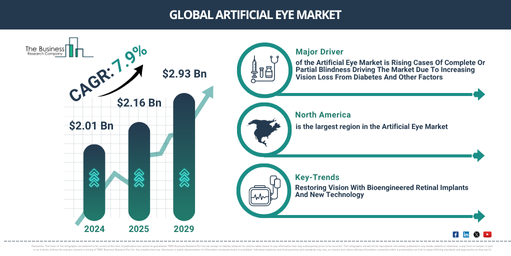
    In recent times, the artificial eye market has seen significant growth. The projections indicate a rise from $2.01 billion in 2024 to $2.16 billion in 2025, with a compound annual growth rate (CAGR) of 7.6%. The historic growth can be linked to factors such as a surge in eye strain instances, an enlarging elderly population, increased demand for artificial eye remedies, a heightened understanding about eye health, and escalating occurrences of eye-related diseases.

    In the coming years, the artificial eye market is poised for significant expansion. With a compound annual growth rate (CAGR) of 7.9%, the market is anticipated to reach $2.93 billion in 2029. This projected growth within the forecast period is linked to multiple factors – escalating investments in R&D, growing knowledge about eye prostheses, rising demand for personalized ocular prostheses, governmental backing, and the usage of cost-effective production methods. Foreseen trends within this period encompass technological breakthroughs, novel ocular prostheses, AI-driven prosthetics, innovative ocular appliances, and the incorporation of intelligent technologies.

    Download a free sample to assess the report’s scope and structure:

    https://www.thebusinessresearchcompany.com/sample.aspx?id=23311&type=smp

    What External and Internal Drivers Are Contributing to the Growth of theArtificial Eye Market?

    The artificial eye market is poised to grow, driven by the escalating number of individuals experiencing total or substantial loss of vision. Such complete or partial blindness typically entails grave or absolute inability to perceive light, objects, or surrounding environment, profoundly impacting routine activities and overall life quality. A surge in cases of such debilitating visual impairment is largely attributed to escalating retinal degenerative diseases that gradually cripple photoreceptor cells leading to unalterable vision loss. However, innovative solutions offered by artificial eye technology, such as bioengineered retinal implants, provide hope for improved or restored vision, greatly enhancing life quality for affected people. For instance, an East Sussex Joint Strategic Needs Assessment report states that in May 2024, around 2 million people in the UK were struggling with some degree of sight loss, and this figure is set to reach 2.7 million by 2030. Thus, the soaring number of people afflicted by complete or partial blindness is catalyzing the rise of the artificial eye market.

    What Segment Types Define the Artificial Eye Market Structure?

    The artificial eyemarket covered in this report is segmented –

    1) By Product: Integrated, Semi-Integrated, Non-Integrated

    2) By Technology: Electronic, Mechanical

    3) By Distribution Channel: Direct Sales, Online Sales, Third Party Distributors, Retail Pharmacies

    4) By Application: Vision Correction, Cosmetic Enhancement, Medical Treatment, Reconstructive Surgery

    5) By End User: Hospitals, Ambulatory Surgical Centers, Other End Users

    Subsegments:

    1) Integrated: Hydroxyapatite (HA), Porous Polyethylene (Medpor), Bioceramic

    2) Semi-Integrated: Acrylic-Based, Silicone-Based, Polymer Composite

    3) Non-Integrated: Glass Prosthetic Eye, Acrylic Prosthetic Eye, Digital-Printed Prosthetic Eye

    Request customized data on this market:

    https://www.thebusinessresearchcompany.com/customise?id=23311&type=smp

    Which Geographic Areas Hold the Strongest Growth Potential in the Artificial Eye Market?

    North America was the largest region in the artificial eye market in 2024. Asia-Pacific is expected to be the fastest-growing region in the forecast period. The regions covered in the artificial eye market report are Asia-Pacific, Western Europe, Eastern Europe, North America, South America, Middle East, Africa.

    What Long-Term Trends Are Transforming the Competitive Landscape of the Artificial Eye Market?

    Key players in the artificial eye industry are emphasizing advancements like bioengineered retinal implants, aiming to restore sight for those afflicted with retinal degenerative disorders. Bioengineered retinal implants are synthetically produced medical devices, meant to replace or supplement impaired retinal tissue and thus enhance or recover vision. They are especially beneficial for those suffering from retinal degenerative diseases as they either boost or replace the deteriorated retinal functionality. For example, in May 2024, LambdaVision Inc., an American biotech firm, declared the first successful closure of its seed funding round committed to pushing forward the preclinical trials of its protein-based artificial retina. This cutting-edge bioengineered retinal implant employs bacteriorhodopsin, a photosensitive protein, to emulate natural photoreceptor functionality in the human eye, thus potentially providing a more integrated vision restoration solution than conventional electronic implants. Furthermore, the firm is spearheading the use of microgravity for manufacturing on the International Space Station, which could improve the quality and effectiveness of its production process, thereby establishing a novel precision benchmark in retinal prosthetics.

    View the full report here:

    https://www.thebusinessresearchcompany.com/report/artificial-eye-global-market-report

    What Is the Definition of the Artificial Eye Market?

    An artificial eye, also known as a prosthetic eye or ocular prosthesis, is a custom-made medical device designed to replace a missing or damaged natural eye, providing a lifelike appearance and, in some cases, limited functional benefits such as eyelid support and tear distribution. It is primarily used to restore facial aesthetics, enhance psychological well-being, support eyelid movement, maintain orbital structure, and protect the eye socket after enucleation (surgical removal of the eye) or trauma.

    Purchase the full report and get a swift delivery:

    https://www.thebusinessresearchcompany.com/purchaseoptions.aspx?id=23311

    About The Business Research Company:

    With over 15000+ reports from 27 industries covering 60+ geographies, The Business Research Company has built a reputation for offering comprehensive, data-rich research and insights. Armed with 1,500,000 datasets, the optimistic contribution of in-depth secondary research, and unique insights from industry leaders, you can get the information you need to stay ahead in the game.

    Get in touch with us:

    The Business Research Company: https://www.thebusinessresearchcompany.com/

    Americas +1 310-496-7795

    Europe +44 7882 955267

    Asia & Others +44 7882 955267 & +91 8897263534

    Email us at info@tbrc.info

    Follow us on:

    LinkedIn: https://in.linkedin.com/company/the-business-research-company

    YouTube: https://www.youtube.com/channel/UC24_fI0rV8cR5DxlCpgmyFQ

    Global Market Model: https://www.thebusinessresearchcompany.com/global-market-model
  • Gait Analyzer Market 2025-2034: Key Highlights, Growth Dynamics, and Emerging Trends

    Gait Analyzer Market 2025-2034: Key Highlights, Growth Dynamics, and Emerging Trends

    Claim your 30% discount on Global Market Reports with code ONLINE30. Limited time only.

    What Are the Key Milestones in the Gait Analyzer Market’s Growth Trajectory From 2025 To 2034?

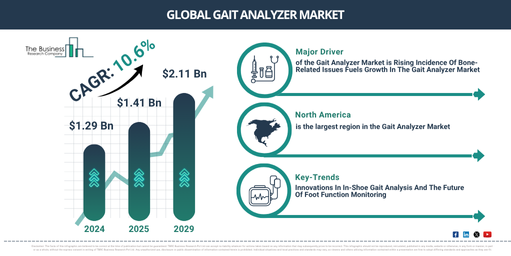
    In recent times, the market size of gait analyzers has witnessed robust growth. The market is projected to expand from $1.29 billion in 2024 to $1.41 billion in 2025, with a compound annual growth rate (CAGR) of 9.9%. The historical growth can be linked to the escalating cases of gait disorders related to aging, increasing neurological disorders, rising occurrences of road accidents, growing musculoskeletal disorders, and advancements in rehabilitation medicine.

    Significant expansion is anticipated in the gait analyzer market size in the upcoming years, with an expected growth to $2.11 billion by 2029, representing a compound annual growth rate (CAGR) of 10.6%. This growth during the forecast period is primarily driven by a growing focus on personalized medicine, heightened accessibility, and a rise in individuals’ active monitoring of their gait patterns. Other contributing factors include escalated investments in the research and development of gait analysis, a surge in the number of people having joint replacements, and an increasing rate of injury incidents. Key trends moving into the forecast period include technological advancements, introduction of innovative features to boost utility and efficiency, incorporation of artificial intelligence and machine learning, use of wearable and portable gait analyzers, and advanced biomechanical analysis.

    Download a free sample to assess the report’s scope and structure:

    https://www.thebusinessresearchcompany.com/sample.aspx?id=18622&type=smp

    How Are Key Drivers in the Industry Acting as Catalysts for the Growth of theGait Analyzer Market?

    The surge in issues related to bones is predicted to fuel the advancement of the gait analyzer market. Bone problems can encompass a wide array of disorders impacting bones’ structure, strength, and function, linked to genetics, nutrition, injuries, infections, and various health concerns. The rise in bone issues can be attributed to factors like aging population, modern sedentary lifestyles, dietary deficiencies, and genetic factors. Gait analyzers play a crucial role in managing such bone-related conditions, offering potential advantages such as precise diagnosis, tracking, personalized treatments, prevention of complications, surgical preparations, research, patient education, and enhancing overall life quality. For instance, research released by the National Library of Medicine, a biomedical library based in the US, noted in February 2023 that procedures like total hip arthroplasty (THA) and total knee arthroplasty (TKA) are projected to rise by 719,364 and 1.22 million, respectively, by the year 2040. Further, by 2060, TKAs are expected to total 2.91 million, and THAs could reach 1.98 million. Consequently, the escalating number of bone-related conditions is spurring the gait analyzer market’s growth.

    Which Segments in the Gait Analyzer Offer the Most Growth?

    The gait analyzermarket covered in this report is segmented –

    1) By Type: With Heart Rate Monitoring, Without Heart Rate Monitoring

    2) By Age: Pediatric, Adult

    3) By Application: Household, Commercial, Other Applications

    Subsegments:

    1) By With Heart Rate Monitoring: Wearable Gait Analyzers With Integrated Heart Rate Sensors, Gait Analysis Systems With Ecg Or Pulse Rate Monitoring, Smart Insoles With Heart Rate Tracking, Portable Gait Monitors With Biometric Feedback

    2) By Without Heart Rate Monitoring: Standalone Gait Analysis Systems (Pressure Mats, Motion Sensors), 3d Motion Capture Systems For Gait Analysis, Video-Based Gait Analysis Systems, Treadmills With Gait Analysis Features (Without Heart Rate Monitoring)

    Request customized data on this market:

    https://www.thebusinessresearchcompany.com/customise?id=18622&type=smp

    What Are the Fastest-Growing Geographies in the #How Are Key Drivers in the Industry Acting as Catalysts for the Growth of theGait Analyzer Market?# Market?

    North America was the largest region in the gait analyzer market in 2024. The regions covered in the gait analyzer market report are Asia-Pacific, Western Europe, Eastern Europe, North America, South America, Middle East, Africa.

    What Are the Current Market Growth and Trends in the Gait Analyzer Industry?

    Leading entities in the gait analyzer market are concentrating on creating inventive products such as in-shoe foot function and gait analysis systems that deliver accurate, real-time data on foot mechanics and gait patterns. These systems provide comprehensive and continuous understanding of foot mechanics and gait, assisting in clinical evaluations and enhancing athletic performance. For example, Tekscan, a company from the US that produces gait analyzers, in June 2023, unveiled F-Scan GO, a fresh compact in-shoe foot function and gait analysis system developed for biomechanics researchers. It delivers a no-compromise in-shoe gait analysis solution, facilitating natural gait movement while gathering vast sensor data at unparalleled sampling rates. This innovation solidifies Tekscan’s dominance in the sphere of in-shoe gait analysis, backed by numerous research-validated studies.

    View the full report here:

    https://www.thebusinessresearchcompany.com/report/gait-analyzer-global-market-report

    What Are the Key Elements That Define the Gait Analyzer Market?

    A gait analyzer refers to a specialized system or technology used to assess and analyze human walking patterns (gait) to identify abnormalities and improve mobility. This analysis is used to evaluate various aspects of walking mechanics and can help diagnose, monitor, and treat conditions related to movement and posture. Gait analysis is commonly employed in medical, sports, and research settings.

    Purchase the full report and get a swift delivery:

    https://www.thebusinessresearchcompany.com/purchaseoptions.aspx?id=18622

    About The Business Research Company:

    With over 15000+ reports from 27 industries covering 60+ geographies, The Business Research Company has built a reputation for offering comprehensive, data-rich research and insights. Armed with 1,500,000 datasets, the optimistic contribution of in-depth secondary research, and unique insights from industry leaders, you can get the information you need to stay ahead in the game.

    Get in touch with us:

    The Business Research Company: https://www.thebusinessresearchcompany.com/

    Americas +1 310-496-7795

    Europe +44 7882 955267

    Asia & Others +44 7882 955267 & +91 8897263534

    Email us at info@tbrc.info

    Follow us on:

    LinkedIn: https://in.linkedin.com/company/the-business-research-company

    YouTube: https://www.youtube.com/channel/UC24_fI0rV8cR5DxlCpgmyFQ

    Global Market Model: https://www.thebusinessresearchcompany.com/global-market-model
  • Fully Automatic Biochemistry Analyzer Market Trends 2025-2034: Growth, Strategic Insights, and Opportunities Ahead

    Fully Automatic Biochemistry Analyzer Market Trends 2025-2034: Growth, Strategic Insights, and Opportunities Ahead

    Claim your 30% discount on Global Market Reports with code ONLINE30. Limited time only.

    How Has The Fully Automatic Biochemistry Analyzer Market Size Shifted, And What Is the Outlook Through 2034?

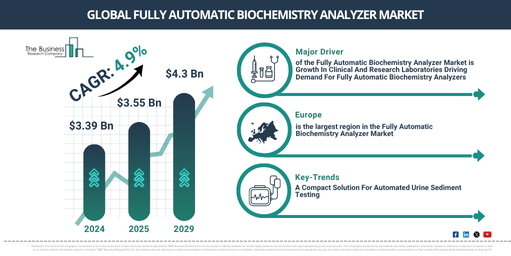
    In recent times, there has been a steady expansion in the market size of fully automatic biochemistry analyzers. Projections show that it will rise from $3.39 billion in 2024 to $3.55 billion in 2025, demonstrating a compound annual growth rate (CAGR) of 4.5%. The historic growth has been driven by factors such as the rising demand for high-throughput testing, a growing need for accurate and precise diagnostics, the development of healthcare infrastructure, an increase in chronic disease prevalence, improved efficiency of automated systems, and a focus on cost-reduction in diagnostic procedures.

    Predictions suggest a regular growth for the size of the fully automatic biochemistry analyzer market in the further years, reaching $4.3 billion by 2029, with a compound annual growth rate of 4.9%. The projected growth during the forecast period can be credited to the merging of artificial intelligence with machine learning, the mounting focus on tailor-made medicine, the expansion in developing economies, advancements in molecular diagnostics, an increasing concentration on preventive healthcare, demand for cohesive healthcare solutions, and a surge in laboratory automation investment. Key trends within the forecast period comprise advancements towards more portable and compact analyzers, augmented automation capabilities, improvements in real-time data analysis, incorporation with electronic health records, enhancements in user interface and user experience, a focus on increasing assay sensitivity, and the expansion of cloud-based data management solutions.

    Download a free sample to assess the report’s scope and structure:

    https://www.thebusinessresearchcompany.com/sample.aspx?id=18620&type=smp

    What Are the Major Market Drivers Behind the Rising Adoption of Fully Automatic Biochemistry Analyzer Market?

    The surge in clinical and research laboratories is set to drive the expansion of the fully automatic biochemistry analyzer market. These laboratories offer diagnostic tests and carry out scientific investigation on biological specimens. The expansion trend in these laboratories is driven by escalated investments in biomedical exploration, clinical investigations, and tailored medicine. Also, the progression of research facilities and labs benefits considerably from substantial financing from government bodies, private entities, and grants. Fully automatic biochemistry analyzers are indispensable in improving the competency and precision of clinical and research labs by computerizing intricate testing procedures. They also aid laboratories in handling large quantities of samples, maintaining uniform results, and backing advanced research pursuits. For example, as per the World Health Organization, an Intergovernmental organization based in the US, the number of clinical trials in South East Asia rose from 10,966 in 2021 to 11,030 in 2022. Consequently, the surge in clinical and research laboratories is fueling the fully automatic biochemistry analyzer market.

    Which Key Market Segments Comprise the Fully Automatic Biochemistry Analyzer Market and Drive Its Revenue Growth?

    The fully automatic biochemistry analyzermarket covered in this report is segmented –

    1) By Type: Bench Top, Floor-Standing

    2) By Application: Disease Diagnosis, Drugs Of Abuse Testing, Drug Discovery, In Vitro Diagnosis, Other Applications

    3) By End Users: Pharmaceutical And Biotech Companies, Hospitals And Clinics, Diagnostic Laboratories, Point Of Care Centers, Other End-Users

    Subsegments:

    1) By Bench Top: Small Capacity Bench Top Analyzers, Medium Capacity Bench Top Analyzers, High Throughput Bench Top Analyzers, Compact Bench Top Analyzers For Limited Space

    2) By Floor-Standing: High Capacity Floor-standing Analyzers, Fully Automated Floor-Standing Biochemistry Analyzers, Modular Floor-Standing Systems, Multi-Station Floor-Standing Analyzers

    Request customized data on this market:

    https://www.thebusinessresearchcompany.com/customise?id=18620&type=smp

    Which Areas Are Leading Regions in the Fully Automatic Biochemistry Analyzer Market Expansion Across the Globe?

    Europe was the largest region in the fully automatic biochemistry analyzer market in 2024. The regions covered in the fully automatic biochemistry analyzer market report are Asia-Pacific, Western Europe, Eastern Europe, North America, South America, Middle East, Africa.

    What Are the Strategic Trends Steering theFully Automatic Biochemistry Analyzer Market Direction?

    Leading businesses in the fully automatic biochemistry analyzer market are engineering unique biochemistry analyzers, like fully automatic urine sediment testing analyzers, to bolster their diagnostic accuracy, refine lab processes, and fulfill varied facility requirements. Urine sediment testing analyzers are devices that automatically differentiate and quantify urine particles such as red and white blood cells, bacteria, among other substances. For example, Sysmex Corporation, a laboratory testing reagents and laboratory equipment manufacturer from Japan, introduced the UF-1500 fully automated urine particle analyzer in September 2022. This novel product is designed to improve urine sediment testing by leveraging the strengths of Sysmex’s leading UF-5000 model while being more compact, reducing its size by roughly 30%. This new analyzer provides high functionality and user-friendliness and is suitable for the requirements of small and medium-sized facilities aside from capacity as a backup system for larger institutions. It streamlines the process of differentiating and quantifying urine particles like red and white blood cells and bacteria, critical parameters for diagnosing kidney and urinary tract issues.

    View the full report here:

    https://www.thebusinessresearchcompany.com/report/fully-automatic-biochemistry-analyzer-global-market-report

    How Is the Fully Automatic Biochemistry Analyzer Market Conceptually Defined?

    A fully automatic biochemistry analyzer is an advanced laboratory instrument designed to perform a wide range of biochemical tests with minimal manual intervention. It automates sample processing, reagent handling, and result analysis, ensuring high throughput and consistency. The analyzer provides rapid, accurate results, reducing human error and operational costs.

    Purchase the full report and get a swift delivery:

    https://www.thebusinessresearchcompany.com/purchaseoptions.aspx?id=18620

    About The Business Research Company:

    With over 15000+ reports from 27 industries covering 60+ geographies, The Business Research Company has built a reputation for offering comprehensive, data-rich research and insights. Armed with 1,500,000 datasets, the optimistic contribution of in-depth secondary research, and unique insights from industry leaders, you can get the information you need to stay ahead in the game.

    Get in touch with us:

    The Business Research Company: https://www.thebusinessresearchcompany.com/

    Americas +1 310-496-7795

    Europe +44 7882 955267

    Asia & Others +44 7882 955267 & +91 8897263534

    Email us at info@tbrc.info

    Follow us on:

    LinkedIn: https://in.linkedin.com/company/the-business-research-company

    YouTube: https://www.youtube.com/channel/UC24_fI0rV8cR5DxlCpgmyFQ

    Global Market Model: https://www.thebusinessresearchcompany.com/global-market-model